# Home
_Source: https://breastcancernow.org/_

# We're Breast Cancer Now
And we’re combining the power of science and support to change breast cancer. Now.
[About breast cancer](https://breastcancernow.org/about-breast-cancer)
[About us](https://breastcancernow.org/about-us)
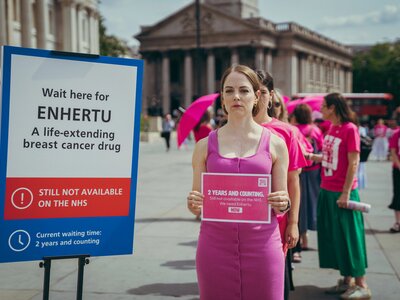
### Enhertu - we did it!
After 2 years of relentless campaigning, learn how we joined forces with METUPUK, Make 2nds Count and our supporters to make Enhertu available on the NHS in England.
[Learn how we did it](https://breastcancernow.org/get-involved/campaign-with-us/enhertu-now-we-did-it)
##
Find life-changing support now
- 
###
[Find support](https://breastcancernow.org/all-services)
Get help to live well. Or meet people who just get it. Explore our groups, courses, webinars and one‑to‑one support now.
- 
###
[About breast cancer](https://breastcancernow.org/about-breast-cancer)
Read our trusted breast cancer information. It's written by experts and it's designed to help you understand what’s happening at every step.
- 
###
[Talk to a nurse](https://breastcancernow.org/all-services/talk-to-a-nurse)
Ask our specialist nurses about breast cancer or breast health. Call, email or message us for confidential support whenever you need it.
## Real people. Real breast cancer stories.
###
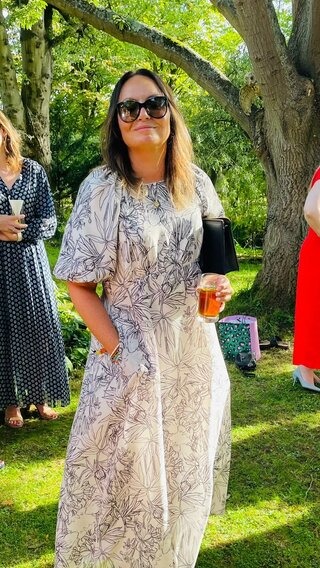
[Vickie's story](https://breastcancernow.org/about-us/news-personal-stories/someone-like-me-helped-me-when-breast-cancer-shattered-my-world)
Someone Like Me helped me when breast cancer shattered my world.
###
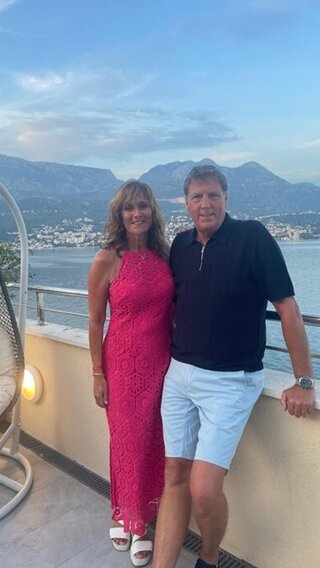
[Kevin's story](https://breastcancernow.org/about-us/news-personal-stories/men-need-to-check-their-chest-for-lumps-too)
Men need to check their chest regularly, just like they would check for other cancers.
###
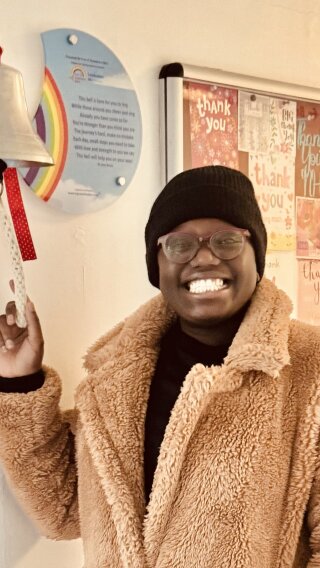
[Abigail's story](https://breastcancernow.org/about-us/news-personal-stories/being-part-of-the-breast-cancer-now-team-and-encouraging-the-runners-was-incredibly-meaningful)
Being part of the Breast Cancer Now team and encouraging the runners was incredibly meaningful.

###
[Kayla's story](https://breastcancernow.org/about-us/news-personal-stories/kylies-breast-cancer-story-inspired-kayla)
Kylie Minogue's breast cancer story inspired me through my treatment.

###
[Jackie's story](https://breastcancernow.org/about-us/news-personal-stories/i-couldn-t-wait-to-get-back-to-swimming-with-my-friends-after-treatment)
I couldn’t wait to get back to swimming with my friends after treatment.

###
[Anjali's story](https://breastcancernow.org/about-us/news-personal-stories/i-thought-when-i-get-to-the-end-of-this-i-m-going-to-give-back)
I thought, “when I get to the end of this, I’m going to give back”.
##
Our life-saving science
- 
###
[About our research](https://breastcancernow.org/our-research/about-our-research)
Change is happening in our labs right now. So no one dies of breast cancer in the future. See what we’re working on.
- 
###
[Research achievements](https://breastcancernow.org/our-research/research-achievements)
We've been behind some of the biggest discoveries in breast cancer research. See the progress we’ve made.

##
Donate
now
One-off
Regular
### Make a one-off donation
donation-price-points-one-off
£10
£20
£30
£10 could give 34 people a copy of our Diagnosed with breast cancer: what now? guide.
£20 could buy 500 tiny test tubes, allowing researchers to experiment with small samples.
£30 could help someone get vital answers by calling our free and confidential
helpline.
£
### Make a regular donation
donation-price-points-regular
£5
£15
£30
£5 could give 24 people a copy of our After breast cancer treatment guide.
£15 could help make 30 minutes of research happen.
£30 could keep our breast cancer support app Becca running for a week.
£
Donate now



##
You can make change happen
- 
###
[Fundraising events](https://breastcancernow.org/get-involved/challenge-events)
From runs to walks. Cycles to skydives. Sign up for an event now and help change the future of breast cancer.
- 
###
[Volunteer with us](https://breastcancernow.org/get-involved/volunteer-with-us)
Make a real difference by giving your time and experience to support people affected by breast cancer.
- 
###
[Sign our petition](https://breastcancernow.org/get-involved/campaign-with-us/enhertu-now)
Sign our petition calling on drug companies, NHS England and NICE to make the life-extending drug Enhertu available on the NHS in England.
- 
## Wear It Pink Friday 23 October
Join one of the UK's biggest fundraising events and help change the future of breast cancer.
[Wear It Pink](https://breastcancernow.org/wear-it-pink)
---
# About us
_Source: https://breastcancernow.org/about-us_
[Back to Home](https://breastcancernow.org/)
1. [Home](https://breastcancernow.org/)
#
About us
We’re the UK’s leading breast cancer charity. And we’re combining the power of science and support to change breast cancer.

## What we do
Science
Support
Campaigns
Join us
- Science
## Life-saving research
We’re funding life-saving science now. From uncovering how breast cancer develops and spreads to new and better treatments that can find and destroy cancer cells.
[Explore our research](https://breastcancernow.org/breast-cancer-research)


- Support
## Life-changing support
We’re here with life-changing support now. From information on symptoms to chemotherapy, to meeting people going through the same thing – people who just get it.
[Get support](https://breastcancernow.org/information-support/support-you)


- Campaigns
## Making change happen
We’re running change-making campaigns now. So everyone knows the importance of checking their breasts and the signs to look out for, and everyone can get the drugs they need.
[Campaign with us](https://breastcancernow.org/get-involved/campaign-us)


- Join us
## Be a part of change
Together we can make change happen now. So donate. Fundraise. Volunteer. Campaign. Partner. However you want to get involved, we’ve got you covered.
[Get involved](https://breastcancernow.org/get-involved)


##
How we're making change happen
- 
###
[Our impact](https://breastcancernow.org/about-us/our-impact)
Learn about the change we’ve made throughout our history.
- 
###
[Our people](https://breastcancernow.org/about-us/our-people)
Meet the people who are making change happen for everyone with breast cancer.
- 
###
[Our strategy](https://breastcancernow.org/about-us/our-strategy)
Our strategy, Change Happens Now, sets out how we’ll go further and faster over the next 5 years.
## Get in touch

###
[Media](https://breastcancernow.org/about-us/media)
If you're a journalist working on a breast cancer story our press and PR team is here to help.

###
[Contact us](https://breastcancernow.org/about-us/contact-us)
Find out how you can get in touch with us.
###
[Careers](https://breastcancernow.org/about-us/careers)
Find a role at Breast Cancer Now, we recruit for paid and volunteer roles.

###
[Corporate partnerships](https://breastcancernow.org/get-involved/donate/partner-with-us)
Increase the impact of your organisation through our fundraising events, volunteering opportunities, public health talks and training.
---
# Our people
_Source: https://breastcancernow.org/about-us/our-people_
[Back to About us](https://breastcancernow.org/about-us)
1. [Home](https://breastcancernow.org/)
2. [About us](https://breastcancernow.org/about-us)
#
Our people
Get to know the people who are leading the change for everyone affected by breast cancer.

Meet our senior leadership team and trustees. Together they’re spearheading change. And leading the way to make sure that by 2050, everyone diagnosed with breast cancer lives, and is supported to live well.
## Meet our senior leadership team
Our leadership team set the direction for our charity. They make sure we’re doing the best we can for people affected by breast cancer.
- 
###
[Claire Rowney](https://breastcancernow.org/about-us/our-people/claire-rowney)
Chief executive
- 
###
[Chay Champness](https://breastcancernow.org/about-us/our-people/chay-champness)
Chief operating officer
- 
###
[Simon Vincent](https://breastcancernow.org/about-us/our-people/simon-vincent)
Chief scientific officer
- 
###
[Rachael Franklin](https://breastcancernow.org/about-us/our-people/rachael-franklin)
Chief engagement officer
- 
###
[Helen Dickens](https://breastcancernow.org/about-us/our-people/helen-dickens)
Chief Support Officer
## Meet our trustees
Trustees are the volunteers who lead our charity and decide how we should run.
- 
###
[Mitch Dowsett](https://breastcancernow.org/about-us/our-people/mitch-dowsett)
Trustee
- 
###
[Keith Felton](https://breastcancernow.org/about-us/our-people/keith-felton)
Trustee
- 
###
[Helen Gorman](https://breastcancernow.org/about-us/our-people/helen-gorman)
Trustee
- 
###
[Professor Ingunn Holen](https://breastcancernow.org/about-us/our-people/professor-ingunn-holen)
Trustee
- 
###
[Professor Andreas Makris](https://breastcancernow.org/about-us/our-people/professor-andreas-makris)
Trustee
- 
###
[Dr Georgette Oni](https://breastcancernow.org/about-us/our-people/dr-georgette-oni)
Trustee
- 
###
[Will Richards](https://breastcancernow.org/about-us/our-people/will-richards)
Trustee
- 
###
[Gail Russell](https://breastcancernow.org/about-us/our-people/gail-russell)
Trustee
- 
###
[Claire Ryan](https://breastcancernow.org/about-us/our-people/claire-ryan)
Trustee
- 
###
[Nisha Sharma](https://breastcancernow.org/about-us/our-people/nisha-sharma)
Trustee
- 
###
[Gail Tucker](https://breastcancernow.org/about-us/our-people/gail-tucker)
Trustee
- 
###
[Emma Woods](https://breastcancernow.org/about-us/our-people/emma-woods)
Trustee
- 
###
[Richard Meddings](https://breastcancernow.org/about-us/our-people/richard-meddings)
Chair of the board
## Learn more about us

###
[Our impact](https://breastcancernow.org/about-us/our-impact)
Our vision is that by 2050, everyone diagnosed with breast cancer will live – and be supported to live well.

###
[Media](https://breastcancernow.org/about-us/media)
If you're a journalist working on a breast cancer story our press and PR team is here to help.

###
[Careers](https://breastcancernow.org/about-us/careers)
Find a role at Breast Cancer Now, we recruit for paid and volunteer roles.
---
# Simon Vincent
_Source: https://breastcancernow.org/about-us/our-people/simon-vincent_
[Back to Our people](https://breastcancernow.org/about-us/our-people)
1. [Home](https://breastcancernow.org/)
2. [About us](https://breastcancernow.org/about-us)
3. [Our people](https://breastcancernow.org/about-us/our-people)
Senior Leader
# Simon Vincent
Chief scientific officer
## Bio
I'm responsible for our research and public health portfolios.

I have a PhD in genetics from the University of Nottingham, and I've been working with major UK medical charities for over 25 years.
I joined Cancer Research Campaign in 2000 – which would go on to become Cancer Research UK. I spent most of 2013 on secondment at the Academy of Medical Sciences, supporting early-career biomedical researchers. This involved mentoring, career support and policy development, and awarding grants.
I came to Breast Cancer Now in 2014, originally leading just the research team. In 2020, I became director of research, support and influencing, and since 2025 I have been chief scientific officer. I am responsible for our research portfolio and our public health work.
>
>
> It’s a huge privilege to be involved in so many different things. We’re such a strong organisation because we bring together research, campaigning and services into a single charity. And we keep the voices of those affected by breast cancer at the heart of it all.
>
>
Simon Vincent
Chief scientific officer
---
# Chay Champness
_Source: https://breastcancernow.org/about-us/our-people/chay-champness_
[Back to Our people](https://breastcancernow.org/about-us/our-people)
1. [Home](https://breastcancernow.org/)
2. [About us](https://breastcancernow.org/about-us)
3. [Our people](https://breastcancernow.org/about-us/our-people)
Senior Leader
# Chay Champness
Chief operating officer
## Bio
I’m responsible for our corporate services directorate. That means teams such as finance, IT, legal and HR. I also take the lead on our growth, impact and strategy.

Chay leads our operational, financial and strategic functions.
He began his career on the NHS finance graduate training scheme and is a chartered management accountant. He has held senior roles across the education, charity and corporate sectors including five years at the Institute of Cancer Research.
Chay has been a trustee and governor for several schools and charities.
>
>
> It’s enormously rewarding being part of Breast Cancer Now. We do brilliant work as a charity, and it’s great to play a part in that positive impact for people with breast cancer.
>
>
Chay Champness
Chief operating officer
---
# Rachael Franklin
_Source: https://breastcancernow.org/about-us/our-people/rachael-franklin_
[Back to Our people](https://breastcancernow.org/about-us/our-people)
1. [Home](https://breastcancernow.org/)
2. [About us](https://breastcancernow.org/about-us)
3. [Our people](https://breastcancernow.org/about-us/our-people)
Senior Leader
# Rachael Franklin
Chief engagement officer
## Bio
I oversee all our fundraising – from appeals and challenge events, to trusts and corporate partnerships. I’m also responsible for our communications, which let people know who we are, and how we’re here for them.

I’ve worked for most of my career in fundraising and communications, with agencies and charities such as Cancer Research UK, Unicef and Barnardo’s. In every role, I’ve always been focused on how to inspire people to give their time, money or support. And how to bring them closer to us through the work we do, and the way we communicate.
I’ve also led of a lot of change in various organisations. I worked at Cancer Research UK through their merger, and at Breast Cancer Now through 2 mergers. So I understand how important it is to communicate and collaborate through change – whether that’s with team members, supporters, or the people who need us. It means we can do even better for people affected by breast cancer.
>
>
> I feel so passionate about what we do. The support we give today, and the hope for a different future. Now more than ever we need to be here for people affected by breast cancer – whoever they are, and whatever they’re going through.
>
>
Rachael Franklin
Chief engagement officer
---
# Professor Andreas Makris
_Source: https://breastcancernow.org/about-us/our-people/professor-andreas-makris_
[Back to Our people](https://breastcancernow.org/about-us/our-people)
1. [Home](https://breastcancernow.org/)
2. [About us](https://breastcancernow.org/about-us)
3. [Our people](https://breastcancernow.org/about-us/our-people)
Trustees
# Professor Andreas Makris
Trustee
## Bio
I’m a clinical oncologist with 25 years experience as consultant, treating people with breast cancer.

As well as my experience with patients, I’m a member of the executive committee of the UK Breast Cancer Group and chair the UK Interdisciplinary Breast Cancer Symposium. I’m also active in research, with over 140 peer-reviewed papers, and I’m currently co-chief investigator for the OPTIMA clinical trial.
>
>
> Breast Cancer Now is a fantastic organisation, that’s involved in all aspects of improving the lives of people with breast cancer. It’s an honour and a privilege to be a trustee.
>
>
Professor Andreas Makris
Trustee
## Learn more about us

###
[Our impact](https://breastcancernow.org/about-us/our-impact)
Our vision is that by 2050, everyone diagnosed with breast cancer will live – and be supported to live well.

###
[Our people](https://breastcancernow.org/about-us/our-people)
Get to know the people who are leading the change for everyone affected by breast cancer.
---
# Claire Ryan
_Source: https://breastcancernow.org/about-us/our-people/claire-ryan_
[Back to Our people](https://breastcancernow.org/about-us/our-people)
1. [Home](https://breastcancernow.org/)
2. [About us](https://breastcancernow.org/about-us)
3. [Our people](https://breastcancernow.org/about-us/our-people)
Trustees
# Claire Ryan
Trustee
## Bio
I’ve been a nurse for over 30 years, and the first consultant nurse in England specialising only in secondary breast cancer.

Every day, I’m in the clinic with people living with secondary breast cancer. Sharing difficult conversations with no boundaries, reviewing and assessing patients, prescribing treatment, and creating care plans. I also lecture widely both in the UK and Europe for the breast cancer nursing community.
>
>
> Being part of Breast Cancer Now means I can make a positive difference to even more people living with breast cancer beyond the clinic room. And engage with healthcare professionals working within the specialty.
>
>
Claire Ryan
Trustee
## Learn more about us

###
[Our impact](https://breastcancernow.org/about-us/our-impact)
Our vision is that by 2050, everyone diagnosed with breast cancer will live – and be supported to live well.

###
[Our people](https://breastcancernow.org/about-us/our-people)
Get to know the people who are leading the change for everyone affected by breast cancer.
---
# Dr Georgette Oni
_Source: https://breastcancernow.org/about-us/our-people/dr-georgette-oni_
[Back to Our people](https://breastcancernow.org/about-us/our-people)
1. [Home](https://breastcancernow.org/)
2. [About us](https://breastcancernow.org/about-us)
3. [Our people](https://breastcancernow.org/about-us/our-people)
Trustees
# Dr Georgette Oni
Trustee
## Bio
I’m one of the few plastic and reconstructive surgeons in the UK also qualified in oncoplastic breast surgery.

I’m a consultant surgeon at Nottingham Breast Institute, and on the steering committee of Nottingham Breast Cancer Research Centre. I’m a keen teacher, lecturer and health advocate – I mentor aspiring female surgeons, particularly from minority backgrounds. And I’m the founder of the Let’s Talk About... Black Women and Breast Cancer conference.
>
>
> I speak to people with breast cancer on a daily basis, so I know how this diagnosis and subsequent treatments can change someone’s life. It’s a great and unique privilege to help Breast Cancer Now make a bigger impact for everyone affected by the disease.
>
>
Ms Georgette Oni
Trustee
## Learn more about us

###
[Our impact](https://breastcancernow.org/about-us/our-impact)
Our vision is that by 2050, everyone diagnosed with breast cancer will live – and be supported to live well.

###
[Our people](https://breastcancernow.org/about-us/our-people)
Get to know the people who are leading the change for everyone affected by breast cancer.
---
# Mitch Dowsett
_Source: https://breastcancernow.org/about-us/our-people/mitch-dowsett_
[Back to Our people](https://breastcancernow.org/about-us/our-people)
1. [Home](https://breastcancernow.org/)
2. [About us](https://breastcancernow.org/about-us)
3. [Our people](https://breastcancernow.org/about-us/our-people)
Trustees
# Mitch Dowsett
Trustee
## Bio
I was a breast cancer researcher for over 30 years. My research was possible because of Breast Cancer Now’s funding.

I worked in breast cancer research until my retirement in 2021. For over 30 years, I led a team of up to 25 researchers at the Royal Marsden Hospital and the Institute of Cancer Research. I’m also a fellow of the Academy of Medical Sciences, and emeritus senior investigator of the UK’s National Institute of Health Research.
>
>
> I have decades of experience in the things that matter to people with breast cancer, researchers and funders. I’m retired now, but being on the board means I can keep using that experience to drive breast cancer research forward.
>
>
Mitch Dowsett
Trustee
## Learn more about us

###
[Our impact](https://breastcancernow.org/about-us/our-impact)
Our vision is that by 2050, everyone diagnosed with breast cancer will live – and be supported to live well.

###
[Our people](https://breastcancernow.org/about-us/our-people)
Get to know the people who are leading the change for everyone affected by breast cancer.
---
# Nisha Sharma
_Source: https://breastcancernow.org/about-us/our-people/nisha-sharma_
[Back to Our people](https://breastcancernow.org/about-us/our-people)
1. [Home](https://breastcancernow.org/)
2. [About us](https://breastcancernow.org/about-us)
3. [Our people](https://breastcancernow.org/about-us/our-people)
Trustees
# Nisha Sharma
Trustee
## Bio
I’m a consultant breast radiologist and director of the breast screening programme in Leeds Wakefield.

I’ve worked in breast imaging for 15 years, and am now radiology professional clinical advisor for the breast screening programme in the north. That means I bring a real understanding of the challenges these services face to the board. I’m also active in research, so am really inspired by Breast Cancer Now’s research projects.
>
>
> I enjoy being on the board because I find it stimulating and informative. I’m always impressed by the level of expertise and passion the board members have to make our charity the best that it can be.
>
>
Nisha Sharma
Trustee
## Learn more about us

###
[Our impact](https://breastcancernow.org/about-us/our-impact)
Our vision is that by 2050, everyone diagnosed with breast cancer will live – and be supported to live well.

###
[Our people](https://breastcancernow.org/about-us/our-people)
Get to know the people who are leading the change for everyone affected by breast cancer.
---
# Professor Ingunn Holen
_Source: https://breastcancernow.org/about-us/our-people/professor-ingunn-holen_
[Back to Our people](https://breastcancernow.org/about-us/our-people)
1. [Home](https://breastcancernow.org/)
2. [About us](https://breastcancernow.org/about-us)
3. [Our people](https://breastcancernow.org/about-us/our-people)
Trustees
# Professor Ingunn Holen
Trustee
## Bio
I’m a professor of bone oncology at the University of Sheffield. I’ve been a part of the charity for nearly 20 years.

I’ve been researching advanced breast cancer for more than 25 years. In particular, breast cancer that has spread to the bone and how this can be treated. In 2006 I joined the scientific advisory board of what was then Breast Cancer Campaign.
>
>
> I’ve seen first-hand how Breast Cancer Now research teams can generate new knowledge and expertise. I want to make sure that we can keep investing in world-class research for generations to come.
>
>
Professor Ingunn Holen
Trustee
## Learn more about us

###
[Our impact](https://breastcancernow.org/about-us/our-impact)
Our vision is that by 2050, everyone diagnosed with breast cancer will live – and be supported to live well.

###
[Our people](https://breastcancernow.org/about-us/our-people)
Get to know the people who are leading the change for everyone affected by breast cancer.
---
# Keith Felton
_Source: https://breastcancernow.org/about-us/our-people/keith-felton_
[Back to Our people](https://breastcancernow.org/about-us/our-people)
1. [Home](https://breastcancernow.org/)
2. [About us](https://breastcancernow.org/about-us)
3. [Our people](https://breastcancernow.org/about-us/our-people)
Trustees
# Keith Felton
Trustee
## Bio

After my first wife died in 2006, my family and I fundraised for Breakthrough Breast Cancer, one of our legacy charities. I’ve unfortunately had several others close to me who have also experienced breast cancer, including a dear friend who died of secondary breast cancer in 2022. I know how Breast Cancer Now helps people, so I welcome the opportunity to contribute to our vision.
For 10 years I was the director of corporate services at Crisis, the national charity for homeless people, until I retired in 2020.
Before joining Crisis, I qualified as a chartered accountant with Price Waterhouse. And I spent 24 years in the financial services industry in senior finance and operations roles.
I’m also a trustee and treasurer of UK for UNHCR and Fight for Sight. And I’ve previously served as a trustee of several other charities.
>
>
> I know how important it is to both support those with breast cancer and find new and improved treatments, so Breast Cancer Now’s combination of research and services resonates strongly. I enjoy being on the board as, together with some formidable colleagues, I am able to bring my skills and experience to benefit the charity’s beneficiaries, now and in the future.
>
>
Keith Felton
## More from us

###
[Our impact](https://breastcancernow.org/about-us/our-impact)
Our vision is that by 2050, everyone diagnosed with breast cancer will live – and be supported to live well.

###
[Our people](https://breastcancernow.org/about-us/our-people)
Get to know the people who are leading the change for everyone affected by breast cancer.
---
# Gail Tucker
_Source: https://breastcancernow.org/about-us/our-people/gail-tucker_
[Back to Our people](https://breastcancernow.org/about-us/our-people)
1. [Home](https://breastcancernow.org/)
2. [About us](https://breastcancernow.org/about-us)
3. [Our people](https://breastcancernow.org/about-us/our-people)
Trustees
# Gail Tucker
Trustee
## Bio
I’ve been an audit partner working in the insurance sector for over 25 years, both in the UK and leading global teams.

I became aware of Breast Cancer Now when I was diagnosed with breast cancer in 2021. I also have many friends who’ve experienced breast cancer. I was really impressed with the services and information Breast Cancer Now provide and the important research they fund, which changed the treatment I received.
>
>
> I love Breast Cancer Now’s vision, that by 2050 everyone diagnosed with breast cancer will live and be supported to live well. I’m delighted to have the opportunity to help the charity achieve this brilliant vision.
>
>
Gail Tucker
Trustee
## More from us

###
[Our impact](https://breastcancernow.org/about-us/our-impact)
Our vision is that by 2050, everyone diagnosed with breast cancer will live – and be supported to live well.

###
[Our people](https://breastcancernow.org/about-us/our-people)
Get to know the people who are leading the change for everyone affected by breast cancer.
---
# Will Richards
_Source: https://breastcancernow.org/about-us/our-people/will-richards_
[Back to Our people](https://breastcancernow.org/about-us/our-people)
1. [Home](https://breastcancernow.org/)
2. [About us](https://breastcancernow.org/about-us)
3. [Our people](https://breastcancernow.org/about-us/our-people)
Trustees
# Will Richards
Trustee
## Bio
Will is a seasoned and passionate talent leader with over 15 years of experience in the fashion, luxury and beauty industry

Will is a seasoned and passionate talent leader with over 15 years of experience in the fashion, luxury and beauty industry. As the VP Global Talent at Christian Dior Couture, he’s responsible for driving the global talent strategy, encompassing learning and development, talent acquisition, talent management, executive hiring and early careers. Prior to this, he held roles at Burberry and Green Park.
>
>
> Having lost my mother to breast cancer, I wanted to join Breast Cancer Now to have the opportunity to contribute to vital research, support services and advocacy efforts that can help prevent others from experiencing the same loss. My personal experience gives me a unique perspective and drive to work towards a future where breast cancer is no longer a threat to our loved ones.
>
>
Will Richards
Trustee
## More from us

###
[Our impact](https://breastcancernow.org/about-us/our-impact)
Our vision is that by 2050, everyone diagnosed with breast cancer will live – and be supported to live well.

###
[Our people](https://breastcancernow.org/about-us/our-people)
Get to know the people who are leading the change for everyone affected by breast cancer.
---
# Claire Rowney
_Source: https://breastcancernow.org/about-us/our-people/claire-rowney_
[Back to Our people](https://breastcancernow.org/about-us/our-people)
1. [Home](https://breastcancernow.org/)
2. [About us](https://breastcancernow.org/about-us)
3. [Our people](https://breastcancernow.org/about-us/our-people)
Senior Leader
# Claire Rowney
Chief executive
## Bio
I head up the leadership team at Breast Cancer Now. I’m responsible for setting our strategic direction and making sure we have the tools, the culture and the resources to deliver on it.

I’ve worked in the charity sector for many years. I started out leading cycling trips across Cuba, Mexico and China, before working my way up to leading many of the biggest fundraising products in the sector – including Race for Life, Christmas Jumper Day, World’s Biggest Coffee Morning and Stand up to Cancer.
My background is in fundraising, marketing and communications, but I’m passionate about the research, support and campaigns we deliver. Before joining Breast Cancer Now, I worked in leadership roles at both Macmillan Cancer Support and Cancer Research UK. So I know what it means to be there for people affected by cancer today, as well as how we drive progress through research for people long into the future.
I’m all about experimentation and innovation – acting quickly and learning from both success and failure alike. The world changes quickly, and the needs of people affected by breast cancer do too. We need to be dynamic and adaptable to stay ahead and make the most of the opportunities on offer.
>
>
> Most of all, I’m passionate about making an impact. I know first-hand the importance of our mission, and I’m determined to help us make our vision a reality – that by 2050, everyone diagnosed with breast cancer will live, and be supported to live well.
>
>
Claire Rowney
Chief executive
## More from us

###
[Media](https://breastcancernow.org/about-us/media)
If you're a journalist working on a breast cancer story our press and PR team is here to help.

###
[Careers](https://breastcancernow.org/about-us/careers)
Find a role at Breast Cancer Now, we recruit for paid and volunteer roles.

###
[Our impact](https://breastcancernow.org/about-us/our-impact)
Our vision is that by 2050, everyone diagnosed with breast cancer will live – and be supported to live well.

###
[Our people](https://breastcancernow.org/about-us/our-people)
Get to know the people who are leading the change for everyone affected by breast cancer.
---
# Helen Gorman
_Source: https://breastcancernow.org/about-us/our-people/helen-gorman_
[Back to Our people](https://breastcancernow.org/about-us/our-people)
1. [Home](https://breastcancernow.org/)
2. [About us](https://breastcancernow.org/about-us)
3. [Our people](https://breastcancernow.org/about-us/our-people)
Trustees
# Helen Gorman
Trustee
## Bio
A strategic and creative board-level CMO with a unique combination of corporate and consultancy successes across markets and sectors.

A strategic and creative board-level CMO, Helen has achieved a unique combination of corporate and consultancy successes across various markets and sectors.
With 30 years of experience, Helen has a track record of repositioning and growing world-class British brands. She's a highly driven strategic, commercial, creative marketing and business leader with extensive experience in delivering business and marketing transformation.
Helen has delivered measurable returns for FTSE 200 businesses, including GSK and Britvic PLC. She's also achieved turnaround growth for some of the UKs most iconic brands and businesses, including Robinsons, Lucozade, M&S and McDonald’s, and she's currently working with The National Lottery.
>
>
> I lost my mum to secondary breast cancer in 2000. I was diagnosed myself with primary breast cancer in 2004, and since 2020, I've been living with stage 4 metastatic breast cancer. Given my unique experience, I'm passionate about supporting Breast Cancer Now to work towards their 2050 strategy to transform both the treatment and support available to people diagnosed with this disease.
>
>
Helen Gorman
Trustee
## Learn more about us

###
[Our impact](https://breastcancernow.org/about-us/our-impact)
Our vision is that by 2050, everyone diagnosed with breast cancer will live – and be supported to live well.

###
[Get involved](https://breastcancernow.org/get-involved)
By supporting us, you’re helping us continue our life-saving research and life-changing support. Find out more and get involved today.

###
[Our people](https://breastcancernow.org/about-us/our-people)
Get to know the people who are leading the change for everyone affected by breast cancer.
---
# Gail Russell
_Source: https://breastcancernow.org/about-us/our-people/gail-russell_
[Back to Our people](https://breastcancernow.org/about-us/our-people)
1. [Home](https://breastcancernow.org/)
2. [About us](https://breastcancernow.org/about-us)
3. [Our people](https://breastcancernow.org/about-us/our-people)
Trustees
# Gail Russell
Trustee
## Bio
I'm a senior executive in financial services with over 20 years of experience leading large-scale transformation, customer strategy, and cultural change.

Gail is a senior executive in financial services with over 20 years of experience leading large-scale transformation, customer strategy, and cultural change. She has held a range of leadership roles, with a strong focus on delivering inclusive, customer-centred growth. Gail brings deep expertise in governance, strategy, and customer experience, and is committed to applying her leadership experience to support the strategic direction and impact of Breast Cancer Now as a Trustee.
>
>
> Breast cancer has deeply affected my family, and I know how critical it is to feel supported at every step. I’m proud to contribute to an organisation that’s driving research, care, and lasting change for those impacted.
>
>
Gail Russell
Trustee
## Learn more about us

###
[Our impact](https://breastcancernow.org/about-us/our-impact)
Our vision is that by 2050, everyone diagnosed with breast cancer will live – and be supported to live well.

###
[Our people](https://breastcancernow.org/about-us/our-people)
Get to know the people who are leading the change for everyone affected by breast cancer.
---
# Helen Dickens
_Source: https://breastcancernow.org/about-us/our-people/helen-dickens_
[Back to Our people](https://breastcancernow.org/about-us/our-people)
1. [Home](https://breastcancernow.org/)
2. [About us](https://breastcancernow.org/about-us)
3. [Our people](https://breastcancernow.org/about-us/our-people)
# Helen Dickens
Chief Support Officer
## Bio
I’m responsible for our support and information services, our healthcare professional and nursing teams, and our policy, evidence and influencing.

I oversee our work to ensure everyone affected by breast cancer receives the best possible support and care. I’m responsible for our support and information services, our healthcare professional and nursing teams, and our policy, evidence and influencing.
I’ve worked for most of my career in health charities, and I’m passionate about finding ways to connect people to provide support, improve care and campaign for change. I’ve led campaigning and public awareness projects at Alzheimer’s Society, and at Diabetes UK I delivered programmes and activities that helped establish new national services for people with Type 2 diabetes, and policy and campaigning work to drive better care.
Prior to joining Breast Cancer Now in June 2025, I led the delivery of charitable activities at Target Ovarian Cancer – first as Director of Programmes and then as Deputy Chief Executive – providing support to women and families affected by ovarian cancer, influencing policy change and managing research grants looking at new and better treatments.
>
>
> I am inspired by the brilliant colleagues, volunteers and community who work tirelessly to ensure that everyone gets the support, information and care they deserve.
>
>
Helen Dickens
Chief Support Officer
---
# Emma Woods
_Source: https://breastcancernow.org/about-us/our-people/emma-woods_
[Back to Our people](https://breastcancernow.org/about-us/our-people)
1. [Home](https://breastcancernow.org/)
2. [About us](https://breastcancernow.org/about-us)
3. [Our people](https://breastcancernow.org/about-us/our-people)
# Emma Woods
Trustee
## Bio
I'm a Board Chair and Non-Executive Director with extensive business experience leading consumer-focused organisations through growth and change.

Emma Woods is a Board Chair and Non-Executive Director with extensive business experience leading consumer-focused organisations through growth and change. A consistent thread throughout her career has been improving outcomes in areas connected to health and wellbeing, particularly for women.
Although Emma has not personally experienced breast cancer, she has seen the impact it can have on colleagues and close friends — including several diagnosed at a young age. Those experiences have shaped her belief that we cannot become complacent about a disease that still affects so many lives.
Emma joins Breast Cancer Now with a strong commitment to improving early detection, advancing research into secondary breast cancer, and ensuring the disease remains firmly on both the public and government agenda.
>
>
> I am truly honoured to be joining Breast Cancer Now as a trustee. While I have not been personally diagnosed with breast cancer, I have seen first-hand the shock and disruption it brings to colleagues, friends and their families — including women diagnosed far too young.
>
> There can be a sense that breast cancer has been solved. It hasn’t. Too many people are still affected, and there is so much more we need to understand, particularly about secondary breast cancer.
>
> Breast Cancer Now’s work — combining research with direct support — is vital. I am proud to play a part in helping Claire and the charity keep this issue visible, urgent and properly prioritised, so that together we can improve outcomes for everyone affected.
>
>
Emma Woods
Trustee
## Learn more about us

###
[Our impact](https://breastcancernow.org/about-us/our-impact)
Our vision is that by 2050, everyone diagnosed with breast cancer will live – and be supported to live well.

###
[Our people](https://breastcancernow.org/about-us/our-people)
Get to know the people who are leading the change for everyone affected by breast cancer.
---
# Richard Meddings
_Source: https://breastcancernow.org/about-us/our-people/richard-meddings_
[Back to Our people](https://breastcancernow.org/about-us/our-people)
1. [Home](https://breastcancernow.org/)
2. [About us](https://breastcancernow.org/about-us)
3. [Our people](https://breastcancernow.org/about-us/our-people)
Trustees
# Richard Meddings
Chair of the board
## Bio
I am the Chair of the board and have wide experience both as an executive and also as a non-executive director across a wide range of organisations.

Richard brings extensive leadership experience across the health and financial sectors and has contributed significantly to public service and charitable initiatives. He served as Chair of NHS England, where he led post-pandemic recovery, reducing the elective backlog, developing long-term workforce and capital plans, investing in digital platforms, and supporting the devolution to integrated care boards and also chairing the NHS Genomics Medicines Service.
Previously, Richard has held senior Board roles in major companies including Standard Chartered, Credit Suisse, Deutsche Bank, 3i, TSB and Legal & General. He also served for seven years on the Board of HM Treasury and was Chair of Seeing is Believing, an avoidable blindness charity and Deputy Chair of TeachFirst.
Richard is currently a non-executive director on the Board of HSBC and Chair of Birmingham Health Partners.
>
>
> I am honoured to chair Breast Cancer Now. It is a hugely important charity and mission, providing not only funding for lifesaving research but also importantly providing direct life-changing support for anyone affected by breast cancer. While progress has been made, there is still so much more to do to transform the outlook for all those affected by this devastating disease.
>
>
Richard Meddings
Chair of the board
## Learn more about us

###
[Our impact](https://breastcancernow.org/about-us/our-impact)
Our vision is that by 2050, everyone diagnosed with breast cancer will live – and be supported to live well.

###
[Get involved](https://breastcancernow.org/get-involved)
By supporting us, you’re helping us continue our life-saving research and life-changing support. Find out more and get involved today.

###
[Our people](https://breastcancernow.org/about-us/our-people)
Get to know the people who are leading the change for everyone affected by breast cancer.
---
# Media
_Source: https://breastcancernow.org/about-us/media_
[Back to About us](https://breastcancernow.org/about-us)
1. [Home](https://breastcancernow.org/)
2. [About us](https://breastcancernow.org/about-us)
#
Our press and PR team is here
If you're a journalist working on a breast cancer story we're here to help. We can answer your questions about breast cancer, put you in touch with people affected by the disease and provide expert spokespeople for comment. We can also help with statistics, research and more.

## How to contact us
If you’re a journalist with a media enquiry, please contact us on:
press@breastcancernow.org
[07436 107914](tel:07436107914)
The press and PR team is unable to help with questions from supporters. For any other enquiries, please contact us on:
hello@breastcancernow.org
[0333 20 70 300](tel:03332070300)
## Read our latest press releases and media statements

###
[Press releases](https://breastcancernow.org/about-us/media/press-releases)

###
[Media statements](https://breastcancernow.org/about-us/media/statements)
## Meet our expert spokespeople
If you need a spokesperson to interview on any aspect of breast cancer, we can help.
- 
###
[Claire Rowney](https://breastcancernow.org/about-us/our-people/claire-rowney)
Chief executive
- 
###
[Simon Vincent](https://breastcancernow.org/about-us/our-people/simon-vincent)
Chief scientific officer
- 
###
[Dr Kotryna Temcinaite](https://breastcancernow.org/about-us/media/dr-kotryna-temcinaite)
Head of research communications
- 
###
[Sally Kum, MSc, RGN](https://breastcancernow.org/about-us/media/sally-kum-msc-rgn)
Associate director of nursing healthcare professional engagement and health information
[Contact us](mailto:press@breastcancernow.org)
## Breast cancer facts
###
39% of women
Over a third of women in the UK do not check their breasts regularly for potential signs of breast cancer.
###
55,000 women
Around 55,000 women and 400 men are diagnosed with breast cancer every year in the UK.
###
1 in 7 women
One in seven women in the UK will develop breast cancer in their lifetime.
[Read more breast cancer facts](https://breastcancernow.org/about-us/our-impact/breast-cancer-facts-and-statistics)
---
---
# New, cheaper blood test could help detect breast cancer recurrence earlier
_Source: https://breastcancernow.org/about-us/media/press-releases/new-cheaper-blood-test-could-help-detect-breast-cancer-recurrence-earlier_
[Back to Press releases](https://breastcancernow.org/about-us/media/press-releases)
1. [Home](https://breastcancernow.org/)
2. [About us](https://breastcancernow.org/about-us)
3. [Media](https://breastcancernow.org/about-us/media)
4. [Press releases](https://breastcancernow.org/about-us/media/press-releases)
# New, cheaper blood test could help detect breast cancer recurrence earlier
Published 21 Aug 2026
6 min read
New research funded by Breast Cancer Now\* has shown that more people could benefit from a new type of blood test that can predict the return of breast cancer, months before it’s picked up on a scan. The new test would be cheaper and easier to use as it does not rely on analysing the tumour tissue collected at diagnosis.
Accurately predicting which tumours are likely to come back after initial treatment could help identify who may need to be treated more, while reassuring people at low risk. When breast cancer comes back and spreads to other parts of the body, it’s known as metastatic (secondary) breast cancer. While metastatic breast cancer can be treated, it can’t currently be cured.
Blood tests called liquid biopsies are able to spot breast cancer coming back before the tumours become visible on hospital scans. These tests, which look for tiny fragments of tumour DNA in the blood, are currently highly personalised and require information from a tumour biopsy to develop a tailored blood test for each person.
Tumour-informed tests rely on having enough suitable tumour tissue from the original diagnosis to create a personalised blood test. Sometimes there isn’t enough tissue available, too little tumour or DNA remains after the initial testing, or the test cannot be successfully developed.
Researchers at The Institute of Cancer Research, London, compared these liquid biopsies with a new type of test, called a ‘tissue-free’ test. They showed that the new test works just as well as the ‘tissue-informed’ test.
As the new test doesn’t require prior information from the tumour, this could unlock a widespread adoption of liquid biopsies, if they are shown to improve outcomes for people.
To directly compare the two liquid biopsy approaches, researchers at the Breast Cancer Now Toby Robins Research Centre at The Institute of Cancer Research (ICR) studied blood and tumour samples collected as part of the C-TRAK TN clinical trial. This was the first study to investigate whether monitoring cancer DNA in the blood could predict recurrence in people with early triple negative breast cancer, a more aggressive and harder to treat type, who were at moderate to high risk of their cancer returning.
The new findings, published in JAMA Oncology confirm that detecting cancer DNA in the blood is a strong indicator that someone’s disease would return. On average, the blood tests predicted recurrence around 7.9 months before the cancer showed up on standard scans.
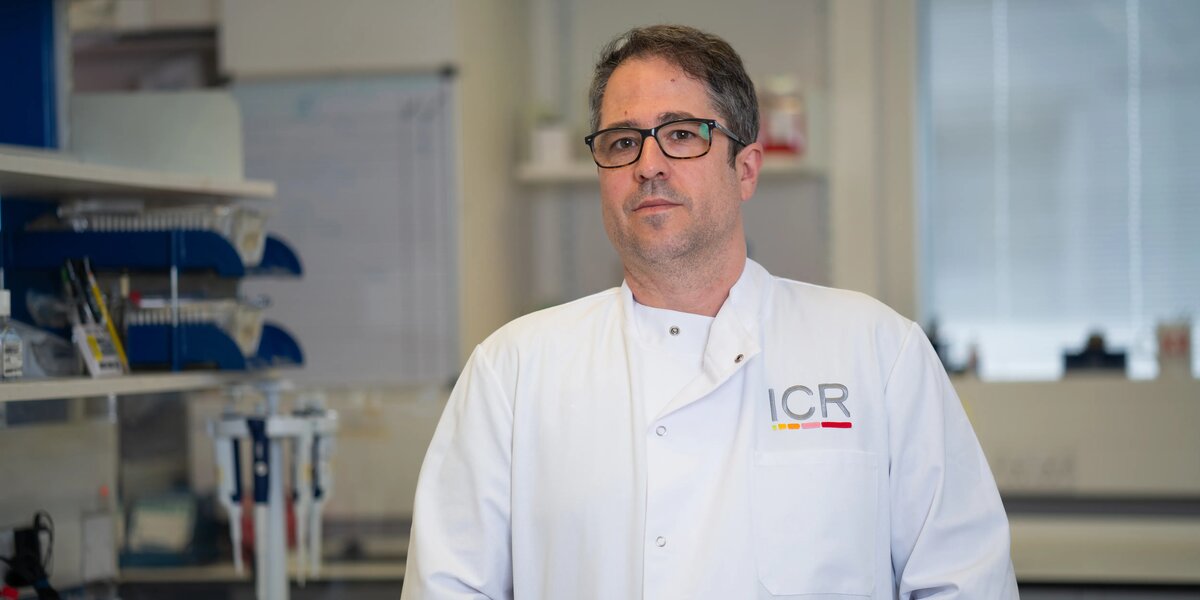
Dr Isaac Garcia-Murillas and his team found that the new tissue-free blood test performed just as well as more complex approaches that rely on the information from tumour tissue samples.
The findings bring researchers a step closer to using blood tests to personalise follow-up care. If ongoing studies show that acting on these early warning signs helps to stop cancer progressing, doctors could identify people who need extra treatment before the disease spreads and becomes incurable.
Earlier treatment could help stop metastatic breast cancer from developing. More accurate blood tests could also reassure people at lower risk that their cancer is less likely to return, helping ease the anxiety many experience after treatment.
Dr Isaac Garcia-Murillas, Senior Staff Scientist in the Molecular Oncology Group at The Institute of Cancer Research, London, said:
"This study helps us better understand which blood tests are most effective at detecting the earliest signs that breast cancer has returned. We've shown that this tissue-free approach performs well and could make ctDNA testing available to more patients, particularly when a tumour sample isn't available.
"These findings add to growing evidence that ctDNA is a powerful way to identify people at high risk of their cancer returning. If ongoing clinical trials show that acting on these early warning signs improves patient outcomes, this type of blood test could one day become part of routine follow-up after breast cancer treatment, helping doctors personalise care and intervene earlier for those who need it most."
**Dr Simon Vincent, chief scientific officer at Breast Cancer Now, which funded the research, said:**
“For the 8,000 women diagnosed with triple negative breast cancer each year, the need for better ways to predict recurrence is particularly urgent. Triple negative breast cancer can be a more aggressive form of the disease and is more likely to return and spread in the first few years after diagnosis. Tests that can identify who is most at risk could give treatment teams a crucial window to offer additional therapies that could potentially stop more people from developing incurable metastatic breast cancer.
“With one person tragically dying from breast cancer every 45 minutes in the UK, breakthroughs like this are urgently needed. Research that helps us understand who is most at risk of their breast cancer returning and progressing could save lives, and we look forward to seeing further findings.”
**Fiona Sellars, 57, a Marketing and Support Manager from Cumbria, was first diagnosed with triple negative breast cancer in 2022. After her cancer returned in 2024, she was diagnosed with incurable metastatic breast cancer.**
Fiona says: "I'd found a lump a couple of years before my diagnosis which turned out to be a cyst. Then, not long afterwards, I found another lump. It was getting bigger and was quite painful, but I still thought it would probably be nothing to worry about. That all changed when I was called into a hospital room and saw a surgeon and breast cancer nurse waiting for me. They gave me the devastating news that I had triple negative breast cancer."
What followed were months of chemotherapy, immunotherapy, radiotherapy, surgery and ongoing treatment across several hospitals. Fiona also had the heartbreaking job of telling her two daughters, who were 16 and 24 at the time.
Fiona says: "They just broke down in tears. It's a day I'll never forget."
After completing treatment, Fiona slowly began rebuilding her life. She returned to work and attended weekly counselling sessions to help process everything she had been through. Her partner, Gavin, consistently supported her and “was her rock throughout”. As she approached 18 months after treatment, although she was still worried about her cancer returning, she felt she was reaching a point where that risk might begin to reduce.
Fiona says: "I was starting to get back to normal when I noticed a red rash on my left breast. It seemed to come from nowhere and was really itchy. I hoped it was nothing, but I went to the hospital to get it checked."
Fiona was then told that her cancer had returned in her chest wall and that she now had incurable metastatic breast cancer.
Fiona says: "I'd been so terrified about it coming back. I couldn't believe it when I got the news, and then I had to tell my daughters all over again."
Fiona is now back on chemotherapy as well as electrochemotherapy. Her scans currently show that the cancer has not spread beyond her chest wall, but she will remain on treatment for the rest of her life. She hopes this new research could one day make a real difference for people diagnosed with triple negative breast cancer.
**ENDS**
For more information or to arrange an interview, please contact the Breast Cancer Now press office at press@breastcancernow.org or on 07436 107914.
Notes to Editors
The research is published in JAMA Oncology and is available at the following link: [https://jamanetwork.com/journals/jamaoncology/fullarticle/10.1001/jamaoncol.2026.2833?guestAccessKey=2b7ccd99-45b2-4895-9d3e-a1048ee5bb4a&utm_source=for_the_media&utm_medium=referral&utm_campaign=ftm_links&utm_term=081326](https://jamanetwork.com/journals/jamaoncology/fullarticle/10.1001/jamaoncol.2026.2833?guestAccessKey=2b7ccd99-45b2-4895-9d3e-a1048ee5bb4a&utm_source=for_the_media&utm_medium=referral&utm_campaign=ftm_links&utm_term=081326)
DOI: 10.1001/jamaoncol.2026.2833
\* Additional funding from Cancer Research UK, Guardant Health, ICR Clinical Trials and Statistics Unit, Le Cure (Royal Marsden Cancer Charity) and NIHR BRC at ICR & RMH.
---
# Two years too long; queue for life-extending breast cancer drug in Trafalgar Square as campaigners demand NHS access to Enhertu
_Source: https://breastcancernow.org/about-us/media/press-releases/two-years-too-long-queue-for-life-extending-breast-cancer-drug-in-trafalgar-square-as-campaigners-demand-nhs-access-to-enhertu_
[Back to Press releases](https://breastcancernow.org/about-us/media/press-releases)
1. [Home](https://breastcancernow.org/)
2. [About us](https://breastcancernow.org/about-us)
3. [Media](https://breastcancernow.org/about-us/media)
4. [Press releases](https://breastcancernow.org/about-us/media/press-releases)
# Two years too long; queue for life-extending breast cancer drug in Trafalgar Square as campaigners demand NHS access to Enhertu
Published 23 Jul 2026
5 min read
Two years too long; queue for life-extending breast cancer drug in Trafalgar Square as campaigners demand NHS access to Enhertu.
Today (Thursday 23 July), a poignant queue formed in Trafalgar Square, representing the thousands of people facing an agonising wait for NHS access to life-extending drug Enhertu and the many who’ve tragically died waiting.
Women living with incurable metastatic breast cancer, their loved ones and campaigners queued as part of Breast Cancer Now’s ‘Enhertu Now’ campaign. The demonstration hits home the urgent need for life-extending drug Enhertu to finally be made available for those with HER2-low metastatic breast cancer on the NHS in England, Wales and Northern Ireland.
Empty pairs of shoes in the queue represented the many people who’ve tragically died waiting for Enhertu, denied the chance of more time to live. Including several women who campaigned with Breast Cancer Now for the drug to be made available.
Enhertu is a groundbreaking targeted treatment for people living with incurable HER2-low metastatic breast cancer that could give patients around six additional months to live.
Breast Cancer Now, alongside metastatic breast cancer charities METUPUK and Make 2nds Count, continue calling on drug companies Daiichi Sankyo and AstraZeneca, NICE and NHS England to urgently reach an agreement that makes Enhertu available on the NHS without further delay.
This demonstration follows new research from Breast Cancer Now revealing overwhelming public support for ending the postcode lottery for life-extending cancer treatments.
Its nationally representative survey of UK adults found that:
- 82% believe Enhertu should be made available on the NHS for those who need it.
- 78% are concerned that people with incurable metastatic breast cancer in England, Wales and Northern Ireland are being denied access to a drug that is already available in other countries.
- 60% of UK adults believe the current postcode lottery for access to life-extending cancer drugs is unacceptable.
The polling also revealed what’s at stake for families affected by incurable metastatic breast cancer. When asked to imagine knowing they would not live to see Christmas, respondents said their greatest fears would be losing precious time with loved ones, the impact on family and friends, and missing time with their children.
Despite being available in Scotland for more than two years and also in 25 other European countries, Enhertu remains unavailable on the NHS in England, Wales and Northern Ireland.
Breast Cancer Now warns that, during this time, thousands of people have missed the opportunity to receive the treatment, with many people dying before they had the chance to access it.
**Helen Dickens, chief support officer at Breast Cancer Now, said:**
"Today, people living with incurable metastatic breast cancer, their loved ones and campaigners stood together to deliver a stark message; too many people have tragically died waiting for access to the life-extending drug Enhertu, and those still waiting can’t afford any further delay.
“Empty shoes in the queue represent people who’ve tragically died without access to this drug and are a heartbreaking reminder that for some the wait for Enhertu has already been too long.
"Public backlash against the postcode lottery denying those living with incurable metastatic breast cancer access to this life-extending treatment is clear.
"There’s now a real opportunity to put this tragic situation right. But for those who need Enhertu time’s running out.
"Breast Cancer Now will continue campaigning relentlessly until Daiichi Sankyo, AstraZeneca, NICE and NHS England reach an agreement to make Enhertu available on the NHS. Every delay has devastating consequences. People with incurable metastatic breast cancer don't have years or even months to wait for change, they need action now. We need Enhertu Now."
**Hannah Roberts, 42, from the West Midlands, is living with HER2-low metastatic breast cancer, and joined the queue today to ask for Enhertu to be made available now. The mother of two young girls says:**
“I learnt only yesterday that if my current treatment line fails there are likely only two other treatment options available to me, and even if Enhertu becomes available to me it may be too late if my body is no longer to tolerate harsh chemotherapies.
“I will always wonder what might have been if this drug had been available to me sooner, and that my post code had not been a barrier to access.
“However, I continue to campaign today so that people in the future have the best access possible to life prolonging medicines like Enhertu regardless of which part of the UK they live in, so that they can have more time to live well with their disease and more time to spend with the people they love, doing what they love.
“This queue today is so important to show the human aspect of this issue.”
**In the queue was Breast Cancer Now supporter and Loose Women star Nadia Sawalha who told the parties involved to come together to make a deal urgently.**
"My message to the NHS in England, NICE and the pharmaceuticals companies, having been in a room with them, listened to them, listened to NICE, and have come away with the overriding impression that women here, in England, who have secondary breast cancer, are of no consequence to them.
"They don't care. They don't value them. They don't value that they might still want to do the job that they love, or look after their children for that little bit longer... If we can give a women another six months, another year and other two years, why wouldn't we?... Pull your finger out."
The charity is urging members of the public to support its Enhertu Now campaign by signing its [petition](https://action.breastcancernow.org/sign-petition-enhertu-now "https://action.breastcancernow.org/sign-petition-enhertu-now") calling on Daiichi Sankyo and AstraZeneca, NHS England and NICE to urgently reach an agreement that makes the treatment available without further delay.
ENDS
**Notes to editors**
The research was conducted by Censuswide among a nationally representative sample of 2,000 UK adults aged 18+. Fieldwork took place between 17 June and 23 June 2026. Censuswide is a member of the Market Research Society (MRS) and the British Polling Council (BPC) and adheres to the MRS Code of Conduct and ESOMAR principles.
Enhertu is a targeted treatment for eligible people living with HER2-low metastatic breast cancer. Clinical trial evidence shows it can extend overall survival by approximately six months compared with standard chemotherapy.
## Sign the Enhertu Now petition
Enhertu is a drug that could extend thousands of lives. But it was rejected for use on the NHS in 2024 for being too expensive. Since then, thousands of people have missed out on the drug. And many have died. Robbed of the extra time they could have had.
We now have a chance to stop anyone else missing out. But we must act now. Sign our petition calling on the drug companies, NHS England and NICE to take this opportunity to make Enhertu available.
[Enhertu Now](https://breastcancernow.org/get-involved/campaign-with-us/enhertu-now-we-did-it)
## Read more

Personal experience, 2024, Season 5, Secondary breast cancer, Policy and campaigns
###
[Hannah Gardner - on campaigning for the life extending drug Enhertu](https://breastcancernow.org/about-us/podcasts/hannah-gardner-on-campaigning-for-the-life-extending-drug-enhertu)
In this episode, Laura talks to Hannah Gardner about the life-extending drug Enhertu, which has just been rejected for use on the NHS in Eng...
29 Mar 2024
1 min read
###
[Trastuzumab deruxtecan (Enhertu)](https://breastcancernow.org/about-breast-cancer/treatment/targeted-therapy/trastuzumab-deruxtecan-enhertu)
Learn about trastuzumab deruxtecan (Enhertu), a targeted breast cancer therapy, including how it works, who might be offered it and possible...
###
[UK charity ‘sounds the alarm’ that thousands of patients with incurable breast cancer face being denied drugs to keep them alive unless system is changed](https://breastcancernow.org/about-us/media/press-releases/uk-charity-sounds-the-alarm-that-thousands-of-patients-with-incurable-breast-cancer-face-being-denied-drugs-to-keep-them-alive-unless-system-is-changed)
A leading UK charity is ‘sounding the alarm’ that thousands of people with incurable secondary breast cancer in England, Wales and Northern ...
02 Jul 2025
8 min read
---
# Welsh scientists receive funding to better understand breast cancer linked to inherited gene changes
_Source: https://breastcancernow.org/about-us/media/press-releases/welsh-scientists-receive-funding-to-better-understand-breast-cancer-linked-to-inherited-gene-changes_
[Back to Press releases](https://breastcancernow.org/about-us/media/press-releases)
1. [Home](https://breastcancernow.org/)
2. [About us](https://breastcancernow.org/about-us)
3. [Media](https://breastcancernow.org/about-us/media)
4. [Press releases](https://breastcancernow.org/about-us/media/press-releases)
# Welsh scientists receive funding to better understand breast cancer linked to inherited gene changes
Published 16 Jul 2026
3 min read
Researchers are working to gain a better understanding of how breast cancers caused by the inherited altered BRCA1 gene survive so they can use this knowledge to develop new treatments, thanks to new funding from Breast Cancer Now.
Cells in the body constantly repair damage to their DNA, and BRCA1 and BRCA2 genes play a crucial role in this process. When one of these genes is altered, DNA damage doesn't get fixed properly. This can cause DNA changes to build up over time, increasing the risk of breast cancer and other cancers.
Women with an altered BRCA1 gene have a 60-90% risk of developing breast cancer\*.
Dr Christopher Staples at Bangor University has been awarded £169,622 to investigate how breast cancers with changes in the BRCA1 gene interact with the immune system, and how a specific protein may help these cancer cells survive.
Over the last decade, it has become clear that DNA damage in cells and problems with repairing it can impact the immune system and cause inflammation. While sometimes cancer cells can use this situation to their advantage, it also provides a potential new opportunity to intervene and treat cancer.
Dr Staples and his PhD student, Lauren Wilson, want to understand how this process affects breast cancers with changes in the BRCA1 gene. They’re studying how these cancers interact with the immune system to find new ways to treat them.
In previous research, Dr Staples’ team found that a protein called IFI16, which allows cells to detect damaged DNA and stimulate inflammation, plays a key role in helping ovarian cancers with an altered BRCA1 gene to survive.
In this new project, the team will investigate whether IFI16 plays a similar role in breast cancer.
The team is also collaborating with other researchers to study the structure of this protein in action, with the long-term goal of targeting it with new drugs to treat people with cancers caused by an altered BRCA1 gene.
**Dr Christopher Staples from Bangor University said:** “Inheriting an altered BRCA1 gene significantly increases your chances of getting breast cancer and some other cancers too. While targeted treatments like olaparib\*\* have been a gamechanger, cancers still find ways around them. So we’re studying how breast cancers with BRCA1 gene changes affect the immune system to find new ways to treat these cancers.”
**Dr Simon Vincent, chief scientific officer at Breast Cancer Now said:** “Each year, around 55,000 people in the UK find out they have breast cancer. We know that inheriting an altered gene, like BRCA1 or BRCA2, is the underlying cause for about 5 to 10% of breast cancers.
“For families affected by inherited altered genes it can be very distressing to know you’re at higher risk of a breast cancer diagnosis, and also to know that these gene changes may be passed on to future generations.
“That’s why Breast Cancer Now is funding this research to find new treatments for breast cancers that run in families and change the future of people with an inherited altered gene.”
Breast Cancer Now is the UK’s leading breast cancer charity. Speak to our expert nurses now by calling our free, confidential helpline on 0808 800 6000 or visit https://forum.breastcancernow.org/
**ENDS**
For more information or to arrange an interview, please contact the Breast Cancer Now press office at press@breastcancernow.org or on 07436 107914.
**Notes to Editors**
\* [A beginner's guide to BRCA1 and BRCA2 | Royal Marsden Patient Information Library](https://patientinfolibrary.royalmarsden.nhs.uk/brca1brac2)
\*\*Olaparib is a [targeted therapy](https://breastcancernow.org/about-breast-cancer/treatment/targeted-therapy "Targeted (biological) therapy"). Targeted therapy is the name given to a group of drugs that block the growth and spread of cancer. Olaparib belongs to a group of drugs called [PARP inhibitors](https://breastcancernow.org/about-breast-cancer/treatment/targeted-therapy/parp-inhibitors-in-breast-cancer-treatment "PARP inhibitors in breast cancer treatment"). They target and interfere with processes in the cells that help cancer grow. You may have olaparib if your breast cancer is HER2 negative and you have an altered BRCA gene. The discovery of how to use PARP inhibitors, like olaparib, to treat cancers with changes in BRCA genes is the culmination of over a decade of work at the Breast Cancer Now Toby Robins Research Centre at the Institute of Cancer Research London.
---
# Record number of Black and South Asian UK women are checking their breasts, but not frequently enough
_Source: https://breastcancernow.org/about-us/media/press-releases/record-number-of-black-and-south-asian-uk-women-are-checking-their-breasts-but-not-frequently-enough_
[Back to Press releases](https://breastcancernow.org/about-us/media/press-releases)
1. [Home](https://breastcancernow.org/)
2. [About us](https://breastcancernow.org/about-us)
3. [Media](https://breastcancernow.org/about-us/media)
4. [Press releases](https://breastcancernow.org/about-us/media/press-releases)
# Record number of Black and South Asian UK women are checking their breasts, but not frequently enough
Published 07 Jul 2026
4 min read
New data from Breast Cancer Now reveals a growing number of Black and South Asian women across the UK are regularly checking their breasts for signs and symptoms of breast cancer.
New YouGov figures released by the UK’s leading breast cancer charity, reveal that almost half (43%) of Black and South Asian UK adult women check their breasts regularly - defined as checking at least weekly, monthly or once every six weeks. [1] This is a 9% increase in women checking regularly since 2024.
However, alongside these encouraging findings, the same percentage (43%) of women said they are not checking their breasts regularly. And alarmingly, 15% of women have never checked their breasts for signs and symptoms of breast cancer.
Breast Cancer Now warns anyone can get breast cancer and that 1 in 7 women in the UK will develop it in their lifetime.
Around two-thirds of breast cancers are found by breast checking and when it's found early, treatment is much more likely to be successful. So, the charity is reminding all women to get into the habit of checking their breasts regularly as it could save your life.
Black and South Asian UK women who don’t regularly check their breasts (less often than once every 6 weeks) cited barriers to doing this including: forgetting to check (41%), not being in the habit of checking (37%), not knowing what to look for (15%), not feeling confident checking (14%) and not knowing how to check (13%).
**Manveet Basra, associate director of public health, inclusion and awareness at Breast Cancer Now said:**
“It’s really encouraging that almost half (43%) of Black and South Asian women are checking their breasts - this is a record high and so important as checking your breasts could save your life.
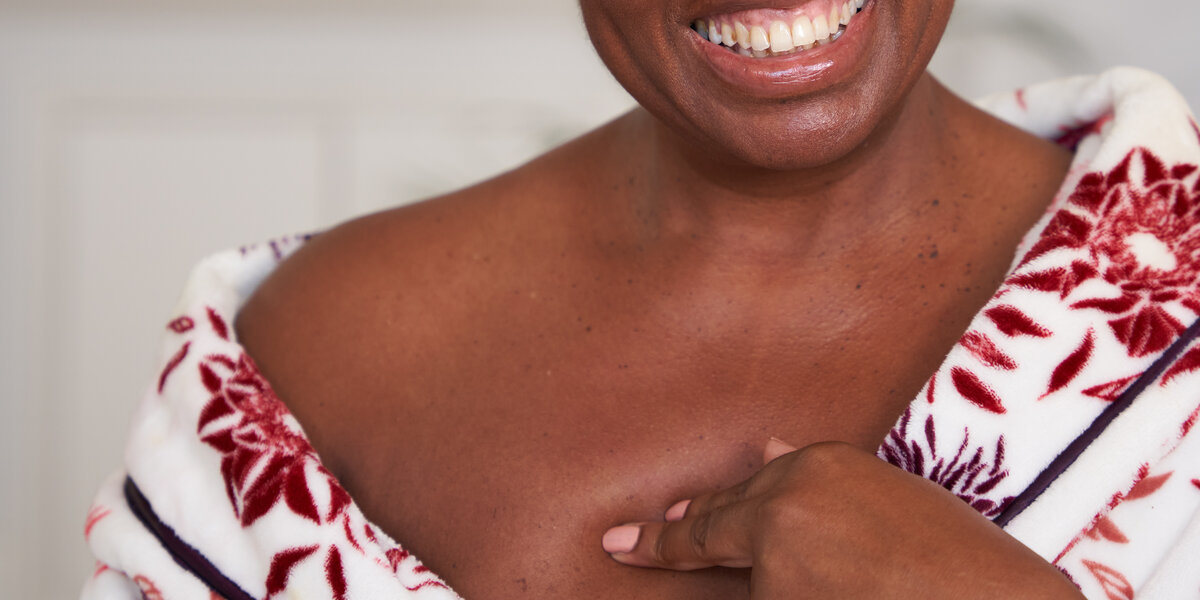
“However, our survey also reveals gaps in women’s confidence and knowledge around checking for signs and symptoms of breast cancer. We know that checking your breasts can feel daunting. But it doesn’t have to be. It’s as simple as Breast Cancer Now’s TLC message: Touch your breasts or chest. Look for changes. Check anything new or unusual with a GP.
“And if you notice anything that doesn’t seem right, no matter how small, get it checked out by a GP.
“Two thirds of breast cancers are found by breast checking, so learn the signs and symptoms of breast cancer today and get into the habit of checking your breasts regularly. There’s no right time to check. And building it into your self-care routine could help to ensure you check regularly – you could do it in the shower or bath, when getting dressed or in bed before you go to sleep.”
**Abigail Chirwa, 42, is a care worker from Dover. She was diagnosed with stage 3 breast cancer in 2023 and is telling her story to help demystify breast cancer in her community.**
“One of the African myths l heard about breast cancer, is that having a diagnosis at the age of 39 is a death sentence or a punishment because it’s a disease that affects older women above 60.
"I did not die l am here, telling my story as a Black woman who went through breast cancer. Early diagnosis saves lives and a big part of that is being aware of the signs and symptoms of breast cancer, so you feel confident to know when things are different. That’s why I am telling my story, for my community and people around me.
“Breast cancer took so much from me; time, strength, and parts of myself, but it also gave me a new perspective on life. I now understand that waking up each day is a true blessing."
**Anjali Unalkat, 50, from Harrow, was diagnosed with breast cancer in 2022 after finding a lump on her right breast, and has since undergone surgery, chemotherapy and radiotherapy, and is currently taking hormone therapy.**
“I think we need to talk a lot more openly about cancer, especially breast cancer. It's just so prevalent in this country and it's a taboo subject in many communities, including mine. I'm sharing my story, so people know the importance of checking.
“I found my lump through checking myself and getting it checked by the GP - and I think everyone needs to know that that's such an easy habit you can do that can save your life.
“I’m motivated to do a lot of myth-busting and awareness-raising, and also to take it further and say, 'hey everyone, it's your responsibility. It's your body.' The NHS is doing so much. But what are we doing for our own bodies? We must take on some of that responsibility ourselves.”
The charity is sharing one urgent message: check your breasts. It could save your life.
Learn the signs and symptoms of breast cancer now at breastcancernow.org/checking
Notes to Editors:
All figures, unless otherwise stated, are from YouGov Plc. Total sample size was 529 in January 2024, 510 in April 2024, 515 in January 2026, and 512 in April 2026 of South Asian and Black UK females. Fieldwork was undertaken between 16th - 20th January 2024, 17th – 22nd April 2024, 12th - 18th January 2026 and 24th - 28th April 2026. The survey was carried out online.
1. Among those surveyed: 15% said they check their breasts/chest at least once a week, 22% said they check at least once a month, 6% said they check at least once every six weeks, 10% said they check every three months, 7% said they check every six months, 6% said they check at least once a year and 5% said they check less than once a year
## Related pages

###
[Personal stories](https://breastcancernow.org/about-us/news-personal-stories)
Read real stories from real people affected by breast cancer.

###
[Checking for breast cancer](https://breastcancernow.org/about-breast-cancer/touch-look-check)
Anyone can get breast cancer. So it's important to get into the habit of checking your breasts regularly.

###
[Book a public health talk](https://breastcancernow.org/about-breast-cancer/public-health-talks)
Raise awareness of breast cancer risk factors and causes in your local community or network by booking a free talk.
---
# Researchers unmask how changes in a ‘hidden’ network in human lymph nodes affect breast cancer survival
_Source: https://breastcancernow.org/about-us/media/press-releases/researchers-unmask-how-changes-in-a-hidden-network-in-human-lymph-nodes-affect-breast-cancer-survival_
[Back to Press releases](https://breastcancernow.org/about-us/media/press-releases)
1. [Home](https://breastcancernow.org/)
2. [About us](https://breastcancernow.org/about-us)
3. [Media](https://breastcancernow.org/about-us/media)
4. [Press releases](https://breastcancernow.org/about-us/media/press-releases)
# Researchers unmask how changes in a ‘hidden’ network in human lymph nodes affect breast cancer survival
Published 08 Jun 2026
5 min read
New research funded by Breast Cancer Now\* has uncovered changes in the structure of lymph nodes that could one day help identify people who are at higher or lower risk of breast cancer spreading. This could guide treatment decisions and help more people avoid unnecessary treatment.
Lymph nodes are small organs that play a key role in the immune system, helping the body fight infections and cancer. In breast cancer, the lymph nodes in the armpit are often the first place the disease spreads to.
Determining whether breast cancer has reached the lymph nodes is an important part of planning treatment. Right now, everyone with invasive breast cancer undergoes surgery to remove one or more lymph nodes to check for cancer cells. While this is effective, it can lead to long-term side effects like swelling of the arm (lymphoedema) and may be unnecessary for some.
But we still don’t fully understand how and when lymph nodes change in a way that allows breast cancer to spread and how these changes impact treatment effectiveness and survival.
Dr Amy Llewellyn and Dr Kalnisha Naidoo from King’s College London, in collaboration with Professor Sophie Acton at University College London, studied 331 lymph node samples taken from people with different types of breast cancer and compared them to healthy lymph nodes from people without cancer.
They looked at a unique group of cells within lymph nodes called fibroblastic reticular cells (FRC). The FRC network within lymph nodes provides the structure for the lymph node, controls fluid flow and activates different immune cells.
The researchers found that the structure of this FRC network can change even before the breast cancer has spread. This means that tumours affect the lymph nodes before any cancer cells can be seen there.
These structural changes were different depending on the type of breast cancer, how far the cancer had spread, and whether someone had received chemotherapy. Some changes were associated with better chance of survival, while others were linked to poorer outcomes.
Now, the researchers are planning to study what molecules are responsible for these lymph node changes to untangle these complex interactions between breast cancer and the immune system.
In the future, this insight could be used to better identify people at higher or lower risk of the disease progressing. This could pave the way for more personalised treatment decisions and ensure more people avoid unnecessary side effects.
Understanding how these structural changes impact lymph node function could also open up new ways to treat the disease.
**Dr Amy Llewellyn from King’s College London said:** “Until now we have not fully understood how and when lymph nodes become altered in a way that allows cancer to spread.
“As a result, every breast cancer patient currently must have some of their lymph nodes removed for accurate staging and treatment planning. While this is effective, it can lead to long-term complications and may be unnecessary for some patients, particularly those with early-stage disease or those whose cancer responds well to treatment.
“There is therefore an urgent need to better understand the biology of the lymph node chain and our study addresses this gap by providing the first large-scale analysis of FRC in human lymph node tissue from breast cancer patients.”
**Dr Simon Vincent, chief scientific officer at Breast Cancer Now, which funded the research, said:** “These findings suggest that changes to the structure of the lymph nodes are more than just a consequence of the cancer. They can also play an active role in helping breast cancer progress.
“With one person tragically dying from breast cancer every 45 minutes in the UK, we urgently need research like this so that we can better understand who is most at risk of their cancer progressing and becoming incurable. Only then we can find ways to stop it.
“With a better understanding of how lymph nodes change as breast cancer spreads, we could find new targets for future treatments for types of breast cancer that are harder to treat.”
**Ruth Smith, 59, from Buckinghamshire was diagnosed with triple negative breast cancer in January 2023 after discovering a lump in her right breast.**
Ruth said: “When I met with my oncologist for the first time, I remember him saying that I was extremely lucky - had we been having the conversation a few months earlier, the prognosis would have been very different, as NICE had very recently licensed a drug called paclitaxel to be used in combination with immunotherapy and chemotherapy to treat my type of cancer with encouraging success rates.
“After months of gruelling treatment, in July 2023 I had a PET scan which showed no sign of cancer. But I still had surgery at the end of August in which they removed some of the breast tissue to check and they also removed all my lymph nodes. I rang a helpline and the amazing nurse explained that this was because lymph nodes can be like a string of pearls, and the cancer can move through these, so they have to remove them all.
“Going through breast cancer treatment and being told that lymph nodes needed to be removed was daunting, and at the time I just focused on doing whatever was necessary to treat the cancer. Living with lymphoedema afterwards has been a constant reminder of what I went through – it developed on my arm like a series of 10p pieces in April 2024. The swelling and discomfort can have a real impact on daily life, and it’s something I now have to manage long term. I was fortunate to participate in a trial for a new type of surgery. This hasn’t completely improved things but has stopped it from getting worse.
“Research like this is so important because it could help doctors better understand who really needs which treatments, and hopefully reduce the number of people who go on to develop lymphoedema in the future.”
**ENDS**
For more information or to arrange an interview, please contact the Breast Cancer Now press office at press@breastcancernow.org or on 07436 107914.
**Notes to Editors**
The research is published in The Journal of Pathology and is available at the following link: [https://doi.org/10.1002/path.v269.3](https://eur01.safelinks.protection.outlook.com/?url=https://doi.org/10.1002/path.v269.3&data=05|02|louise.higbee@breastcancernow.org|6d509da8d9134c96851708dec077b525|c69f1929709141b0b2d6950079566ff9|0|0|639159817567951244|Unknown|TWFpbGZsb3d8eyJFbXB0eU1hcGkiOnRydWUsIlYiOiIwLjAuMDAwMCIsIlAiOiJXaW4zMiIsIkFOIjoiTWFpbCIsIldUIjoyfQ==|0|||&sdata=NcBUMGwVsXxcU9tFMsrizsi2R3sqzWg7Ys2TdbTi/Ns=&reserved=0)
DOI: 10.1002/path.v269.3
\*Breast Cancer Now’s vital research is only possible thanks to the incredible generosity of its supporters. This research was made possible through funding from [Art for Cure](https://artforcure.org.uk/), the Dame Vera Lynn Breast Cancer Now Clinical Research Training Fellowship. The project was also supported by funding from Cancer Research UK.
---
# Lisa Snowdon and Julia Bradbury host Breast Cancer Now’s fashion show with a difference
_Source: https://breastcancernow.org/about-us/media/press-releases/lisa-snowdon-and-julia-bradbury-host-breast-cancer-now-s-fashion-show-with-a-difference_
[Back to Press releases](https://breastcancernow.org/about-us/media/press-releases)
1. [Home](https://breastcancernow.org/)
2. [About us](https://breastcancernow.org/about-us)
3. [Media](https://breastcancernow.org/about-us/media)
4. [Press releases](https://breastcancernow.org/about-us/media/press-releases)
# Lisa Snowdon and Julia Bradbury host Breast Cancer Now’s fashion show with a difference

Published 14 May 2026
4 min read
On Thursday 14 May, 24 people living with and beyond breast cancer took to the runway in an empowering fashion show, including twins who went through breast cancer together and a man diagnosed with the disease.
The Show **** by Breast Cancer Now, saw 23 women and one man light up London’s Mansion House, with an unforgettable celebration of strength as they modelled a selection of glamorous clothes.
The afternoon show was hosted by broadcaster and Breast Cancer Now ambassador Lisa Snowdon, whose grandmother died from breast cancer. Meanwhile, television presenter Julia Bradbury, who was diagnosed with breast cancer in 2021, hosted the evening show.
**Afternoon host and Breast Cancer Now ambassador Lisa Snowdon said:** “It was a fantastic event and I was delighted to be asked to host once again. Seeing everyone on the catwalk who all have their own breast cancer experience was a true privilege.
“Breast cancer is something very personal to me. I lost my grandmother to the disease, and that experience shaped how I think about awareness and early detection. She found a lump but was too frightened to talk about it or get help. More recently, more women in my family were diagnosed. My cousin Anna, who is a year older than me, and two years ago, my younger sister Joanna. Thankfully, both of them found their lumps early and sought medical help quickly, which meant they were able to receive treatment in time. I’m happy to say their treatment was successful, and they are both doing well today and for that, i feel incredibly grateful.”
**Evening host Julia Bradbury, who was diagnosed with breast cancer in 2021, said:**
“I feel honoured to stand alongside the models tonight as we support Breast Cancer Now and its life-changing support and life-saving research. The Show by Breast Cancer Now is an incredible celebration of life, and it shines a spotlight on the 920,000 people in the UK living with or beyond the disease.
“I was diagnosed with breast cancer in 2021 and it completely changed my world. For me, like so many people, hearing those words 'you have cancer', was shocking and overwhelming. I defy anyone to walk away from cancer unchanged. But it didn’t just affect me, it was the ripple effect on my family and friends too.
“I have learned just how life-changing breast cancer can be, physically, mentally and emotionally. It can affect your confidence, your identity and the way you see yourself. But alongside all of that, I’ve also discovered incredible strength, support and community. And that’s exactly why events like tonight matter so much.”
With the help of celebrity stylist Rebekah Roy, the models stepped out in personally styled looks that reflect their unique experiences and individuality. From vibrant colours to powerful silhouettes, the catwalk was transformed into a space of resilience, empowerment and celebration for people affected by breast cancer.
Celebrating 30 years of Asda Tickled Pink, which has raised over £100 million for breast cancer charities, Tickled Pink was the headline partner of The Show. Asda colleague Julie Bowler, 66, who was diagnosed with breast cancer in 2018, took to the catwalk as Asda’s model.

>
>
> Becoming a model for the day has been an incredibly special experience. I want to show everyone that there is life after breast cancer. I hope that by sharing our stories we can raise awareness and provide hope for people going through treatment.
>
>
Julie, from Frome
Jay Kaur was diagnosed with breast cancer in 2021, aged 49, and walked the catwalk representing players of Postcode Lottery, who have raised £16.6 million for Breast Cancer Now’s specialist support and information services.

>
>
> Taking part in The Show by Breast Cancer Now as the Postcode Lottery model has been an incredible, life-affirming experience. I lost my special friend Andrea to cancer, and I was doing this for both of us so it has been very emotional.
> I used fashion to get me through treatment so taking part in the Show felt like the perfect opportunity for me. I wanted to show everyone that you can feel confident again, and look fabulous, living with or beyond a diagnosis.
>
>
Jay, from Smethwick
Neil Ferriby, who was diagnosed with breast cancer in 2025, took part in The Show, representing one of around 400 men diagnosed with breast cancer every year in the UK. ****

>
>
> I want to raise awareness of breast cancer, but most importantly breast cancer in men. When I was diagnosed, I felt quite embarrassed at the time, but I want to help stop people feeling like that.
>
>
Neil, from Hull
Twins Amanda McInulty and Rhona Buchanan, who were both diagnosed with breast cancer in 2025 at the age of 51, took to the catwalk together.
**Rhona, who lives in Alloa, said**: “I will never forget taking part in The Show with my sister. We were diagnosed just six weeks apart and being able to walk alongside each other on the catwalk was a chance to close that chapter of our lives together.”
**Amanda, who lives in Swadlincote, said**: “My sister and I have embraced our new bodies and are not embarrassed by our scars, they show that we are warriors. Breast cancer has brought us closer and I am proud that we got through it together.”

Twins Amanda McInulty and Rhona Buchanan, who were both diagnosed with breast cancer in 2025 on the catwalk
The Show wouldn’t be possible without the dedicated support of our brilliant partners both on the runway and behind the scenes. They include: Ann Summers, Asda, Estée Lauder, George, ghd, Karen Millen, Lizi’s Granola, M&S, Pom Pom London, Primark and Tefal and are hugely grateful for their generous support.
Visit **breastcancernow.org/theshowlondon** or follow **@breastcancernow** on Instagram for exclusive coverage or to catch-up on the highlights.
## The Show 2026
- 
- 
- 
- 
- 
Show all photos
Close
- 
- 
- 
- 
- 
- 
- 
- 
- 
## Learn more about our life- changing support and world class research
###
[Explore ways to talk to our nurses](https://breastcancernow.org/global-content/support-cta/explore-ways-to-talk-to-our-nurses)
###
[Support services](https://breastcancernow.org/global-content/support-cta/support-services)
###
[World class research across the UK](https://breastcancernow.org/global-content/support-cta/world-class-research-across-the-uk)
###
[Support services across the UK](https://breastcancernow.org/global-content/support-cta/support-services-across-the-uk)
## Get involved

###
[Campaign](https://breastcancernow.org/get-involved/campaign-with-us)
Knowing the signs and symptoms. Quicker, earlier diagnosis. Access to treatments. We’re campaigning to make change happen now. So everyone with breast cancer can live and live well.
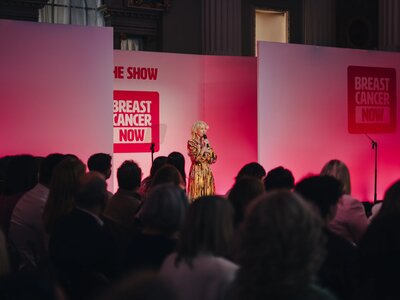
###
[Special events](https://breastcancernow.org/get-involved/special-events)

###
[Donate](https://breastcancernow.org/get-involved/donate)
Our goal is that by 2050, everyone diagnosed with breast cancer will live, and be supported to live well. Help us reach that goal.
---
# People are dying while access to life-extending breast cancer drug remains blocked more than two years on, cautions Breast Cancer Now
_Source: https://breastcancernow.org/about-us/media/press-releases/people-are-dying-while-access-to-life-extending-breast-cancer-drug-remains-blocked-more-than-two-years-on-cautions-breast-cancer-now_
[Back to Press releases](https://breastcancernow.org/about-us/media/press-releases)
1. [Home](https://breastcancernow.org/)
2. [About us](https://breastcancernow.org/about-us)
3. [Media](https://breastcancernow.org/about-us/media)
4. [Press releases](https://breastcancernow.org/about-us/media/press-releases)
# People are dying while access to life-extending breast cancer drug remains blocked more than two years on
Published 21 May 2026
4 min read
Breast Cancer Now is demanding urgent action as new NHS drug spending limits create a fresh opportunity to approve the life-extending breast cancer drug Enhertu.
The charity warns that people with incurable metastatic breast cancer are tragically dying while the treatment remains out of reach for thousands of people across England, Wales and Northern Ireland.
Following more than two years of tireless campaigning, the charity, alongside metastatic breast cancer charities METUPUK and Make 2nds Count, is calling on pharmaceutical companies Daiichi Sankyo and AstraZeneca, NICE and NHS England, to reach a deal and make Enhertu available for those who need it now.
‘Enhertu Now’ is the new campaign from Breast Cancer Now, and follows changes to NHS drug spending thresholds, calling for these changes to see access to Enhertu finally being unlocked for those who so desperately need it.
Enhertu is a targeted treatment for people with HER2-low metastatic breast cancer and could extend thousands of lives. But despite being available in Scotland and 26 other European countries, the drug was rejected by NICE in 2024 for use on the NHS in England.
Since then, the devastating reality is that thousands of people have missed out on more time to live, the chance of more time with their loved ones, time to contribute to society.
**Claire Rowney, chief executive of Breast Cancer Now, said:**
“We’re here, once again, asking for Enhertu to be made available for those who need it, and we urgently need to see this happen, now.
“The tragic reality is that a number of the incredible women who campaigned with us back in 2024 for this treatment to be made available on the NHS have since died, denied the chance to benefit from this drug and live longer.
“While it’s sadly too late for them, a solution must be reached urgently so history doesn’t repeat itself for the women who need access to Enhertu now.
“We’ve spoken to women who’ve exhausted every treatment option available to them while knowing that Enhertu could’ve given them more time; time to see their children grow up, celebrate another birthday, and make precious memories with loved ones.
“Some have spent their savings trying to access Enhertu privately. Others have considered uprooting their lives, leaving their homes and families behind to move to Scotland where the drug is available.
“The government’s decision to increase how much the NHS can spend on new medicines presents a vital opportunity to break this deadlock. But this opportunity requires action now.
“People we hear from aren’t asking for miracles. They’re asking for time. For options. For a fair chance to benefit from innovations in medicine and access to the same effective treatments as women in other parts of the world.
“Daiichi Sankyo and AstraZeneca must urgently work with NICE and NHS England to reach an agreement. People with metastatic breast cancer do not have time to wait.”
Enhertu is the first licensed treatment for HER2-low metastatic breast cancer. Clinical trial data from DESTINY-Breast04 showed the treatment extended overall survival by an average of 6.4 months compared with chemotherapy, while also delaying disease progression. [1]
Breast Cancer Now has tirelessly campaigned for many years to improve access to effective breast cancer treatments and its report [Setting the Bar Too High](https://breastcancernow.org/media-assets/yvllgmk0/setting-the-bar-too-high-report.pdf "https://breastcancernow.org/media-assets/yvllgmk0/setting-the-bar-too-high-report.pdf") (2025) called for reforms to the drug approval system and changes to NICE’s cost-effectiveness thresholds. [2]
The charity says the government’s updated thresholds are a significant step forward, but that urgent action is needed now, to ensure women living with this devastating disease benefit from this change.
Breast Cancer Now is urgently calling on pharmaceutical companies Daiichi Sankyo and AstraZeneca alongside NICE and the NHS, to seize this chance to put things right and give thousands of people more time to live.
**Alison, 62 , from Worthing was diagnosed with metastatic breast cancer in 2022 and wants action taken so she can benefit from Enhertu when she needs it.**
“Since I started campaigning for Enhertu to be approved, four of my fellow campaigners have died. All women with so much to live for. Women like me with children, families, friends and loved ones. Women who contribute to society in so many different ways.
“If Enhertu had been available to them when we started, they might be alive now, so it’s terrifying to me that when I’ll need it in the future, I won’t be able to access it.
“My latest scan has shown a spread in my pelvis and another area on my spine, so I will be changing treatment to a second line at some point this year. Obviously, there are only so many lines of treatment and this has made me more fearful of not getting Enhertu accepted. It's a horrible headspace to be in.
“When I first heard it was rejected for use on the NHS in England, I was in disbelief. I just couldn’t understand the reasoning.
“Now that the NHS can pay more for drugs, it’s time for the pharmaceutical companies to meet again with NICE and agree a price, for the sake of me, my fellow breast cancer patients and all the women in the future who will need this drug.”
The charity’s [Enhertu Now petition](https://breastcancernow.org/get-involved/campaign-with-us/enhertu-now-we-did-it "Enhertu Now") is live now and the charity is calling on people to add their name to help urge Daiichi Sankyo and AstraZeneca, NHS England and NICE to reach a deal to make Enhertu available on the NHS, now.
Notes to editors
1. The DESTINY-Breast04 trial found Enhertu increased progression-free survival to a median of 9.9 months compared with 5.1 months for chemotherapy, and overall survival to 23.9 months compared with 17.5 months for chemotherapy.
2. Breast Cancer Now’s report “Setting the Bar Too High” [setting-the-bar-too-high-report.pdf](https://breastcancernow.org/media-assets/yvllgmk0/setting-the-bar-too-high-report.pdf "https://breastcancernow.org/media-assets/yvllgmk0/setting-the-bar-too-high-report.pdf")
## Sign the petition
## Help us make change happen. Now
[Enhertu Now - We did it!](https://breastcancernow.org/get-involved/campaign-with-us/enhertu-now-we-did-it)
---
# Almost one million people are living with or beyond breast cancer and set to rise
_Source: https://breastcancernow.org/about-us/media/press-releases/almost-one-million-people-are-living-with-or-beyond-breast-cancer-and-set-to-rise_
[Back to Press releases](https://breastcancernow.org/about-us/media/press-releases)
1. [Home](https://breastcancernow.org/)
2. [About us](https://breastcancernow.org/about-us)
3. [Media](https://breastcancernow.org/about-us/media)
4. [Press releases](https://breastcancernow.org/about-us/media/press-releases)
# Almost one million people are living with or beyond breast cancer and set to rise

Published 24 Mar 2026
5 min read
Almost one million people are living with or beyond breast cancer, and this figure is set to reach over 1.4 million by 2050, reveals leading breast cancer charity
New figures show that 920,000 people are living with or beyond a diagnosis of breast cancer in the UK, and it’s projected this figure will reach over 1.4 million people by 2050^1^.
The UK’s leading breast cancer charity launches its commitment to be **‘Breast Cancer Now until we’re Breast Cancer Never’** - with a bold ambition that by 2050, everyone with breast cancer will live and live well.
Breast Cancer Now surveyed^2^ the UK public’s understanding of the disease and reveals some common misconceptions:
- 57% of people who haven’t had breast cancer are not worried about being diagnosed with breast cancer – but breast cancer is the biggest killer of working aged women in the UK (aged 20-64). ^3^
- 69% of people know someone who’s been diagnosed with breast cancer, yet nearly a third of people (30%) don’t feel confident about or weren’t sure where to turn for trusted information – Breast Cancer Now and its expert nurses are here for anyone affected by breast cancer, offering trusted information and support online and over the phone.
- While over half of people know that hair loss (56%) and sickness (50%) are side effects of breast cancer treatment, people are much less aware of the devastating impacts it can have on lives such as around fertility (32%) and menopausal symptoms (27%).
- More than a fifth of people (22%) are unsure or don’t believe men can get breast cancer – but 400 men are diagnosed each year in the UK, that’s more than one a day.
Breast Cancer Now is combining the power of science and support to change breast cancer. Now. Through life-saving research, life-changing support and change-making campaigns the charity is changing the future of breast cancer. And it won’t stop until everyone lives and lives well. Change happens now.
Over the next five years Breast Cancer Now is doubling its research spend and supercharging progress on incurable secondary (or metastatic) breast cancer, exploring how medicine can be tailored to individuals and how existing drugs could be used to treat breast cancer. And they will use the power of AI and new technologies to make progress further and faster.
**Claire Rowney, chief executive of Breast Cancer Now, said:**
“The shocking truth is that almost one million people are now living with or beyond breast cancer in the UK and these numbers are rising. Behind these figures are too many human lives being touched and ripped apart by this devastating disease.
“Yet despite this, our research reveals many misconceptions are held around breast cancer – we must set the record straight, wake up the nation to the realities of breast cancer and urgently drive progress further, faster.
“That’s why we’re driving progress in breast cancer research globally, building on our major breakthroughs to date, doubling our research spend and supercharging progress on incurable secondary breast cancer in the next five years. We’re also here for anyone affected by breast cancer through our life-changing support, at a time when we’re needed more than ever before.
“We’re relentless in our determination to be Breast Cancer Now until we’re Breast Cancer Never. And we won’t stop until this is a reality - but we can’t achieve this alone. Change happens now.”
**Anne Nolan visited the Breast Cancer Now Toby Robins Research Centre at the Institute of Cancer Research, London last year, where she saw our world-leading research teams in action and heard more about the pioneering research and breakthroughs made at the Centre since it opened 25 years ago. Breast cancer has deeply impacted the Nolan family - Anne's sister Bernie died in 2013 and Linda last year. Anne herself was first diagnosed with breast cancer in 2000 and has been cancer-free for six years since a second diagnosis**. **She said:**
“I know all too well the devastating impact that breast cancer can have on people and their loved ones, which is why I so strongly support Breast Cancer Now’s bold ambition that by 2050 everyone with breast cancer will live and live well.
“I’ve seen for myself research happening in their labs right now and how Breast Cancer Now’s scientists are driving progress. It gives me so much hope that we'll keep finding better ways to treat breast cancer and one day cures too, so no-one dies of this disease in the future.”
**Jackie Jones, 55, of Pembrokeshire, who was diagnosed with breast cancer in 2018 after finding a pea-sized lump in her left breast, said:**
“I'd only started checking my breasts the year I found a lump. Following surgery, I was told my cancer had spread to my lymph nodes, which terrified me. I needed further surgery to clear the lymph nodes from my armpit, then chemotherapy and radiotherapy. I found the side effects from treatment were worse after each treatment which was a lot to deal with.
“Now though, I feel so lucky to be out the other side of treatment and even though I struggle with long-term side effects I'm passionate about grabbing every bit of fun and love I can, every single day, including being part of The Bluetits wild swimming group who've helped me immensely over the past six years and are now close friends.
“I'm incredibly proud to be supporting Breast Cancer Now as I know firsthand how vital their work is to change the future of breast cancer.”
Breast Cancer Now won’t stop until we reach a future where everyone with breast cancer lives and lives well. **Join us now at** [**breastcancernow.org**](https://breastcancernow.org/)
**ENDS** ****
**Notes:**
**References:**
1 **** 920,000 people are estimated to be living with or beyond a breast cancer diagnosis. This is predicted to rise to 1.4 million in 2045. Macmillan Cancer Support and Scottish Widows (2026). Living with and beyond cancer in 2045: see the future, support the people. Available at: [scottishwidows.co.uk/help-support/health-and-wellbeing/macmillan/living-with-cancer-report.html](https://www.scottishwidows.co.uk/help-support/health-and-wellbeing/macmillan/living-with-cancer-report.html)
2 This online survey of 2000 UK adults (nationally representative on the basis of age, gender, and region) was commissioned by Breast Cancer Now and conducted by market research company OnePoll, in accordance with the Market Research Society's code of conduct. Data was collected between 6th and 10th March 2026. All participants are double-opted in to take part in research and are paid an amount depending on the length and complexity of the survey. This survey was overseen and edited by the OnePoll research team. OnePoll are MRS Company Partners, corporate membership of ESOMAR and Members of the British Polling Council.
3 Working age’ defined as 20-64. In Scotland and Wales, heart disease slightly overtakes, but breast cancer is still one of the top killers.
## Read more

###
[Get involved](https://breastcancernow.org/get-involved)
By supporting us, you’re helping us continue our life-saving research and life-changing support. Find out more and get involved today.

###
[Our research](https://breastcancernow.org/our-research)
We continue to fund research into how we can prevent breast cancer, help save lives and live well with breast cancer.
---
# Scientists discover new avenue for treating an aggressive form of breast cancer
_Source: https://breastcancernow.org/about-us/media/press-releases/scientists-discover-new-avenue-for-treating-an-aggressive-form-of-breast-cancer_
[Back to Press releases](https://breastcancernow.org/about-us/media/press-releases)
1. [Home](https://breastcancernow.org/)
2. [About us](https://breastcancernow.org/about-us)
3. [Media](https://breastcancernow.org/about-us/media)
4. [Press releases](https://breastcancernow.org/about-us/media/press-releases)
# Scientists discover new avenue for treating an aggressive form of breast cancer
Published 12 Mar 2026
4 min read
New research funded by Breast Cancer Now has revealed that a gene typically active only in reproductive cells may hold the key to new treatments for triple negative breast cancer.
Around 15 per cent of breast cancers are classed as triple negative.
This form of breast cancer can be more aggressive and harder to treat than other forms of the disease. It is also more common in women with an inherited altered BRCA gene, women under 40 years of age, and black women.
Scientists from the Breast Cancer Now Toby Robins Research Centre at The Institute of Cancer Research, London and the Breast Cancer Now Research Unit at King’s College London, have uncovered a new weakness in triple negative breast cancer linked to a gene called HORMAD1 and a way to target it.
This gene is normally only switched on in cells involved in reproduction in the ovaries and testes and remains inactive elsewhere in the body. It’s responsible for ensuring the genetic information is distributed properly in sperm and eggs. However, in some cancers, including 60 per cent of triple negative breast cancers, the HORMAD1 gene becomes active out of context.
The results of the study, published today in the journal Nature Communications, found that when the HORMAD1 gene is active in triple negative breast cancer cells, it disrupts a key safety mechanism.
The researchers uncovered a series of events and key proteins involved in this process, which leads to errors in DNA being passed onto new cancer cells. While these changes can help cancer grow and resist treatments, the researchers also showed it’s a weakness that can be targeted with new treatments.
The study identified several drugs currently being investigated as cancer treatments that could be effective against triple negative breast cancer cells with the active HORMAD1 gene.
The researchers tested whether blocking Aurora B, MPS1 and BUB1 proteins stopped the growth of cells with the active HORMAD1 gene in the lab. They also looked at whether two Aurora B inhibitors, currently in early-stage clinical trials, worked to treat mice carrying human triple negative breast cancer tumours with the active HORMAD1 gene. The treatment successfully reduced tumour growth further validating their findings.
They will now investigate the possibility of developing drugs that target Aurora B, MPS1 and BUB1 for patients with this type of breast and possibly other cancers.
**Professor Andrew Tutt, Director of the Breast Cancer Now Toby Robins Research Centre at The Institute of Cancer Research, London and The Breast Cancer Now Research Unit at King’s College London, corresponding author of the study, said:**
“Although this research is still in its early stages, it offers an important step forward in understanding triple negative breast cancer and opens the door for the development of new treatments. It also highlights that testing for the activity of the HORMAD1 gene in triple negative breast cancer could guide treatment decisions in the future. Together, these insights bring us closer to developing more precise therapies for people with triple negative breast cancer.”
**Dr Simon Vincent, chief scientific officer at Breast Cancer Now, which funded the research, said:**
“Each year, around 8,000 UK women are diagnosed with triple negative breast cancer and it’s more likely than most other breast cancers to return or spread during the first years following treatment. There are also fewer targeted treatments available, so it’s vital we find new and effective ways to tackle this devastating disease.
“These findings open the door to the next crucial phase of research, where the research team can identify and test the most effective drugs or drug combinations against triple negative breast cancer with an active HORMAD1 gene, and move the safest and most promising options towards clinical trials.”
**Liz Boughton, 50, NHS Finance Manager from Northamptonshire was diagnosed with triple negative breast cancer in August 2024.**
“In July 2024, I accidentally brushed my arm against my breast and felt a very small lump. I dismissed it until I was persuaded by my husband to make an appointment with my doctor. I was quickly referred to the breast clinic, where a whirlwind of tests led to a diagnosis of triple negative breast cancer. I was 49, healthy, with no family history - cancer wasn’t something I expected to hear.
“I began six months of neo-adjuvant chemotherapy immediately, to shrink the tumour before surgery. I was also given immunotherapy (weekly) alongside the chemotherapy, a new treatment option for some people with triple negative breast cancer, which can improve outcomes. Once treatment began, it pulled me, and those around me, into a world we never knew existed. I then underwent surgery, followed by radiotherapy and a further 9 infusions of immunotherapy over 27 weeks.
“When you’re diagnosed with a type of breast cancer that has fewer treatment options and a higher risk of returning soon after diagnosis, it’s hard not to live with constant uncertainty about the future. It can feel like you’ve been given a life sentence but with continued research comes hope.
“Knowing that scientists are finding new ways to understand this aggressive disease, and working towards more targeted treatments, means so much to me and gives me real hope for the future.”
**Ends**
For more information or to arrange an interview, please contact the Breast Cancer Now press office at press@breastcancernow.org or on 07436 107914.
**Notes to Editors**
The research is published in Nature Communications: https://www.doi.org/10.1038/s41467-026-69561-3
DOI: 10.1038/s41467-026-69561-3
Breast Cancer Now’s vital research is only possible thanks to the incredible generosity of its supporters. Breast Cancer Now’s Research Unit at King’s College London is supported by Asda Tickled Pink, and Omaze are flagship funders of the Breast Cancer Now Toby Robins Research Centre at The Institute of Cancer Research, London.
---
# Women not taking up first invitation to breast screening is a decades long crisis, warns leading breast cancer charity
_Source: https://breastcancernow.org/about-us/media/press-releases/women-not-taking-up-first-invitation-to-breast-screening-is-a-decades-long-crisis-warns-leading-breast-cancer-charity_
[Back to Press releases](https://breastcancernow.org/about-us/media/press-releases)
1. [Home](https://breastcancernow.org/)
2. [About us](https://breastcancernow.org/about-us)
3. [Media](https://breastcancernow.org/about-us/media)
4. [Press releases](https://breastcancernow.org/about-us/media/press-releases)
# Women not taking up first invitation to breast screening is a decades long crisis, warns leading breast cancer charity

Published 20 Feb 2026
5 min read
Just 63.6% of women invited for their first breast screening appointment in England attended last year (2024-2025), with most first-time invitees being women aged 50-54. [1] Although this is an improvement on 2023-2024, it continues a decades-long trend of especially poor screening attendance amongst first-time invitees, impacting uptake of subsequent screening invitations.
Breast screening is the most effective way to detect breast cancer at an early stage when treatment is most likely to succeed.[2]
Worryingly, women who don’t go to their first breast cancer screening appointment are much less likely to take up subsequent screening invitations. In 2024/2025, only 20.9% of women in England who had never previously taken up screening invitations attended, compared to 89.1% uptake amongst women who had been screened in the last five years.
It is encouraging that overall uptake in England has reached the 70% minimum standard for the second consecutive year (70.6%),but this means nearly 30% of women are not attending their screening invitation. Progress needs to be built on to further drive up attendance, especially in areas with lower engagement.
**Today, Claire Rowney, chief executive of Breast Cancer Now, is sharing that she was diagnosed with breast cancer after changes were detected between her first and second mammogram screening**. This led to further tests and ultimately, a diagnosis. Claire is reiterating the importance of ensuring all women consistently attend their breast screening, from their first invite.
**She says:** “Breast cancer is so far from a done deal, it’s great that screening saves around 1,300 lives a year in the UK from the disease – which makes it extremely concerning that the latest screening data reveals a continuation of a trend of women not attending their first screening appointment. We know that women who miss their first mammogram are less likely to attend further screening appointments.
“The importance of attending screening hit home for me personally last October, when I was diagnosed with breast cancer myself. It was the change between my first and second mammogram that made them investigate further, which ultimately led to a diagnosis. I was fortunate that my breast cancer was caught early, at stage 1, when the survival rate is almost 100%, and I started treatment quickly.
“My own experience and that of the many women I have met with breast cancer has deepened my determination to drive progress further, faster so that everyone diagnosed with breast cancer lives, and lives well.
“We estimate that if screening uptake levels had reached the achievable target of 80% in 2024/25, over a quarter of a million (259,519) more women would have undergone routine screening, and an estimated additional 2,228 breast cancers would have been found. The scale of the missed opportunity is stark and unacceptable.
“We know what works. Now we must ensure every eligible woman attends when invited.”
There are many reasons women don’t attend their breast screening appointments, including cultural stigma, fear or misconceptions about cancer or the screening process, as well as practical challenges such as a lack of transport options or conflicting work or caring responsibilities. Health inequalities mean women who are from ethnic minorities, living in deprivation or with disabilities, are more likely to face barriers that make it less likely they will attend breast screening.
Breast Cancer Now welcomes the publication of the new Breast Screening Programme Uptake Improvement Review, which we’ve been calling for since the original improvement plan was developed.
We are ready to support the Government in implementing changes that can improve access and tackle inequalities in screening uptake, in order to achieve their aim of reducing disparities in early diagnosis, as set out in the new Cancer Plan.
The charity wants to work with the UK Government to reach the achievable target of 80% screening uptake level and ensure that everyone diagnosed with breast cancer has an equal opportunity to live and to live well.
**-ENDS-**
**Notes to editors:**
1. Screening uptake for first time invitations has not reached 70% since the creation of the modern NHS breast screening programme. The data shows that 89.8% of first-time invitees in 2024/25 were aged 50-54, however a smaller number of women will be invited to routine screening for the first time at an older age – for example if they were not previously registered with a GP – or before they turn 50 – for example if they were offered earlier screening as part of the AgeX trial, or they were invited aged 49 but in the year of their 50^th^ birthday. Source, [NHS breast screening uptake among invited women aged 50-<71, first invitation .](https://digital.nhs.uk/data-and-information/publications/statistical/breast-screening-programme/england-2024-2025)
2. Breast screening is the most effective way to detect cancer at an early stage when treatment is most likely to succeed; with more than 85% of screen-detected breast cancers found early. ; Source, [Cancer Research UK, Early Diagnosis Data Hub](https://crukcancerintelligence.shinyapps.io/EarlyDiagnosis). In England, around 98% of women who have breast cancer diagnosed at the earliest stage (stage 1) will survive for five years or more. This figure drops dramatically to around 27% for women who are first diagnosed at stage 4; Source, [NHS Digital (2023) Cancer Survival in England](https://digital.nhs.uk/data-and-information/publications/statistical/cancer-survival-in-england/cancers-diagnosed-2016-to-2020-followed-up-to-2021)
3. In addition to a 70% minimum uptake standard for breast cancer screening, the NHS has an ‘achievable’ standard of 80% uptake. Breast Cancer Now estimates that if screening uptake levels had reached the achievable target of 80% in 2024/25, over a quarter of a million (259,519) more women would have undergone routine screening, and an estimated additional 2,228 breast cancers would have been found. This is calculated by applying the rate of cancers detected per 1,000 women screened from the 50>71 cohort (this published figure includes short term recall invitations and self/GP referrals), to the number of women screened from first and all routine invitations in the 50>71 cohort. Uptake adjusted to the achievable level of 80%. Source: [NHS Breast Screening Programme, England 2024-25 (NHS Digital).](https://digital.nhs.uk/data-and-information/publications/statistical/breast-screening-programme/england-2024-2025)
4. In 2024, Breast Cancer Now campaigned for a breast screening awareness campaign to encourage everyone who is invited to attend their appointment. As a result the NHS launched its first-ever national breast screening campaign in February 2025, and we worked closely with NHSE to support its roll out.
## Read more
###
[Breast screening](https://breastcancernow.org/about-breast-cancer/screening-tests-and-scans/breast-screening)
Learn what breast screening is, what it involves and how you may get your results. And find out what you need to know about breast screening...
---
# Leading cancer charities team up to tackle the spread of breast and prostate cancers to the bones
_Source: https://breastcancernow.org/about-us/media/press-releases/leading-cancer-charities-team-up-to-tackle-the-spread-of-breast-and-prostate-cancers-to-the-bones_
[Back to Press releases](https://breastcancernow.org/about-us/media/press-releases)
1. [Home](https://breastcancernow.org/)
2. [About us](https://breastcancernow.org/about-us)
3. [Media](https://breastcancernow.org/about-us/media)
4. [Press releases](https://breastcancernow.org/about-us/media/press-releases)
# Leading cancer charities team up to tackle the spread of breast and prostate cancers to the bones
Published 27 Jan 2026
4 min read
Leading cancer charities Breast Cancer Now and Prostate Cancer Research have joined forces to fund six groundbreaking new research projects to tackle the spread of breast and prostate cancer to the bones, offering hope for changing lives and transforming patient outcomes.
Once cancer spreads to bone, a process known as metastasis, it becomes incurable and can cause debilitating pain and fractures. While bone metastasis can occur with nearly all types of cancer, it’s particularly common with breast and prostate cancers, which are the most common types of cancer for men and women in the UK.
Each year in the UK, 55,000 women are diagnosed with breast cancer and more than 63,000 men are diagnosed with prostate cancer. About 80% of men who eventually die from prostate cancer, and 70% of women who die from breast cancer, have secondary tumours in their bones.
The majority of breast and prostate cancers are driven by hormones and treated in similar ways, such as through surgery, hormone therapy, radiation, and targeted therapies. However, once either of these cancers spreads to the bone, it can’t be cured, but it can be treated to control the cancer or relieve the symptoms.
The newly funded projects, totalling nearly half a million pounds, will address the challenge of bone metastasis in a variety of ways: from boosting the immune system, to repurposing existing drugs, all the way through to blocking neurons to prevent pain. Together, these projects have the potential to prolong lives, increase quality of life, and provide hope for a cure for breast and prostate cancer.
The six research projects have been funded as part of the Bone Metastasis Collaboration Fund, the first joint initiative between Breast Cancer Now and Prostate Cancer Research, bringing together world-leading researchers to tackle one of the most urgent challenges in cancer research.
The Bone Metastasis Collaboration Fund awarded funding to:
· Dr Ella Dennis at the Newcastle University to target proteins that help prostate cancer cells spread and grow in bone
· Dr Faith Howard at the University of Sheffield to use bone-targeting drugs to guide viruses to kill cancer cells
· Dr Istvan Nagy at Imperial College London to block neurons to control bone pain
· Dr Jennifer Munkley and Dr Ning Wang at University of Newcastle to explore reactivating the immune system to destroy tumours in the bone
· Dr Jennifer Fraser at the University of Edinburgh to understand how long-term hormone therapy affects bone structure
· Professor Janet Brown at the University of Sheffield to repurpose drugs to stop cancer spreading to bone
**Dr Simon Vincent, chief scientific officer at Breast Cancer Now, said:** “By joining forces with Prostate Cancer Research we can supercharge efforts to understand how the UK’s most common cancers spread to the bone, bringing us a step closer to developing new and better treatments and ultimately stopping both diseases in their tracks. We’re delighted that through this initiative we’re combining our expertise and resources to tackle this complex challenge and bring many people hope of more time and a better quality of life.”
**Dr Naomi Elster, director of research at Prostate Cancer Research, said**: “We live in a world where so many diseases that once were killers are now effectively harmless. That's what we want to achieve for cancer. There are questions that urgently need answering for us to make that hope a reality - and I'm so proud of these new projects, which will take us closer. By teaming up with Breast Cancer Now we can deliver something stronger and better.”
**Nicola Williams, 52, from Warrington**, a former neonatal intensive care nurse, was diagnosed with metastatic breast cancer in the bone in 2021 – a diagnosis that she says turned her life upside down.
**She said:** “A diagnosis of bone metastasis is life-changing and affects every part of your life, from living with constant pain to worrying about fractures and what the future holds. I had to give up a job I loved, as my mobility and energy have been severely affected. Knowing that leading charities are coming together to fund research specifically focused on stopping cancer spread to the bones gives me real hope. This research could transform what the future looks like for people like me, offering the possibility of less pain, better treatments, and more precious time with our loved ones.”
**David Matheson, 68, from Northampton**, a researcher in healthcare and medical education, was diagnosed with locally advanced prostate cancer in 2012.
**He said:** “For people like me who live with metastatic prostate cancer and those who live with metastatic breast cancer, one of the dreads is that their disease will spread to the bones as this brings with it not only the prospect of great pain from the tumours but also increased chances of fractures of the bones weakened by those tumours. For this reason, these projects are not only very welcome but they will also increase the understanding of the two diseases and bring us some steps close to a world where breast cancer and prostate cancer can be cured if not before they can metastasise then at least before they have done so widely.”
**ENDS**
**Notes to editors**
Images of researchers and further information on individual projects are available on request.
For more information or to request an interview please contact the Prostate Cancer Research press office at press@pcr.org.uk or the Breast Cancer Now press office at press@breastcancernow.org.
---
# London services must collaborate to address low breast screening uptake
_Source: https://breastcancernow.org/about-us/media/press-releases/london-services-must-collaborate-to-address-low-breast-screening-uptake_
[Back to Press releases](https://breastcancernow.org/about-us/media/press-releases)
1. [Home](https://breastcancernow.org/)
2. [About us](https://breastcancernow.org/about-us)
3. [Media](https://breastcancernow.org/about-us/media)
4. [Press releases](https://breastcancernow.org/about-us/media/press-releases)
# London services must collaborate to address low breast screening uptake
Published 22 Jan 2026
4 min read
**Greater collaboration and partnership across London is urgently needed to increase uptake and tackle health inequalities in breast cancer screening services, according to a new briefing, *No one left behind:* opportunities to improve breast screening in London, from the UK’s leading breast cancer charity, Breast Cancer Now.**
Breast Cancer Now will join the London Assembly Health Committee meeting on the 22nd January, 2026, where it will share its insight into the unique barriers facing breast cancer screening services in London.
The Committee meeting is a timely catalyst for change to improve breast cancer screening uptake in London, with the introduction of the neighbourhood health services and integrated care boards commissioning breast screening providing further opportunities to improve screening in the future.^1^
London’s breast cancer screening attendance is consistently below the rest of England. Neither the NHS’ 70% minimum standard for breast screening uptake nor the 80% uptake ‘achievable’ target have been met in London for 25 years.
For first invites only, breast screening uptake in London sits at just 55.6%, compared to the national average of 62.5%. And in some areas in London, fewer than half attend their screening appointment when first invited.^2^
Breast screening is a vital tool in detecting breast cancer at an early stage and the sooner breast cancer is diagnosed, the more likely treatment is to be successful. But ensuring women in London attend is a significant challenge.
Today’s briefing from Breast Cancer Now sets out why so many women in London do not take up their breast screening invite. Women are deterred by problems like struggling to find a convenient appointment or accessing breast cancer screening facilities. Some women also experience greater health inequalities that make them less likely to attend their breast screening appointments, such as women from ethnic minorities and women facing economic disadvantage.
Local breast cancer screening services in London face additional structural challenges that make it more difficult to collaborate, to deliver robust and coordinated strategies that meet the specific needs of their local populations. A lack of shared accurate, quality data, makes it more difficult to pinpoint communities with the poorest attendance to target outreach effectively, or to contact women who haven’t attended their appointment.
Breast Cancer Now is urging the Mayor of London and NHS services – including pilots of neighbourhood health services – to work with local authorities, and communities to promote and improve access to breast cancer screening in London, and ensure it is at the heart of London’s ambitions for prevention and addressing health inequalities.
The UK Government’s upcoming NHS Cancer Plan should also provide a vision for the future of screening which continues to enable and support regional health systems, such as London, to drive breast screening uptake in their communities.
**Helen Dickens, chief support officer at Breast Cancer Now, said:**
“Breast cancer can affect anyone. But it doesn’t affect everyone equally. It’s unacceptable that the rates of breast cancer screening uptake in London remain too low, shaped in part by enduring health inequalities that affect women from ethnic minorities and women facing economic disadvantage. We urgently need to level up screening attendance across London, and nationwide, in order to tackle disparities in early diagnosis rates and give women the best chance of survival.
“When breast cancer is picked up early, at stage 1, 98% of people survive for five years or more in England. But when it’s picked up at stage 4, only 27% survive for five years or more.
“It’s essential that NHS services, the Mayor of London, local authorities, and communities in London work together to address unequal access to breast screening and improve uptake through coordinated action that promotes breast screening widely across the health service and throughout its communities. This work must tackle fears or misconceptions around screening and breast cancer, and encourage more women to attend.” ****
Hedwig Hegtermans (aged 63 and from Orpington, London) was diagnosed with breast cancer following routine breast cancer screening, she is encouraging all women to take up their appointments:
“I was invited for my first routine screening shortly after my 50th birthday. I always thought I was breast aware, and felt confident all was fine, but I was diagnosed with breast cancer a few weeks later. I had my treatment which was tough, but without that screening I do not know what my outcome would have been. I am so grateful for that mammogram, and I encourage all women to get screened, even if they think there’s nothing wrong.”
**** **ENDS**
**Notes to editors**
1. The Neighbourhood Health Service is a government ambition developed from the 10 Year Plan for Health. This aims to see partnerships between primary care, Integrated Care Boards (ICBs), and local authorities to develop local collaboration on prevention and early intervention for major conditions. ICBs are expected to start commissioning breast cancer screening services from April 2027.
2. Source, NHS England (2025). NHS Breast Screening Programme, England, 2023-24.
**About Breast Cancer Now:**
If you’re experiencing breast cancer we’re here, whenever you need us. Be it through our support services, trusted breast cancer information or our specialist nurses who you can reach via our free Helpline and 24/7 Online Forum. Backed by dedicated campaigners, we’re fighting for the best possible treatment, services, and care, for anyone affected by breast cancer. And support from our amazing fundraisers helps ensure our life-saving research and life-changing support can happen.
If you’re worried about breast cancer, or have a question about breast health, we’re here to support you every step of the way. Speak to our expert nurses now by calling our free helpline on 0808 800 6000 or visit [forum.breastcancernow.org](https://eur01.safelinks.protection.outlook.com/?url=https%3A%2F%2Fforum.breastcancernow.org%2F&data=05%7C02%7Cmillie.wise%40breastcancernow.org%7Cd27bd30d258a46adcb5f08de59ac86ff%7Cc69f1929709141b0b2d6950079566ff9%7C0%7C0%7C639046794708133729%7CUnknown%7CTWFpbGZsb3d8eyJFbXB0eU1hcGkiOnRydWUsIlYiOiIwLjAuMDAwMCIsIlAiOiJXaW4zMiIsIkFOIjoiTWFpbCIsIldUIjoyfQ%3D%3D%7C0%7C%7C%7C&sdata=pn8EnVWM996USLj4s89E4hDhufq9T9w6C4XWs9sQqOk%3D&reserved=0 "https://forum.breastcancernow.org/")
---
# Belfast researchers explore inequalities facing people in NI with incurable metastatic breast cancer
_Source: https://breastcancernow.org/about-us/media/press-releases/belfast-researchers-explore-inequalities-facing-people-in-ni-with-incurable-metastatic-breast-cancer_
[Back to Press releases](https://breastcancernow.org/about-us/media/press-releases)
1. [Home](https://breastcancernow.org/)
2. [About us](https://breastcancernow.org/about-us)
3. [Media](https://breastcancernow.org/about-us/media)
4. [Press releases](https://breastcancernow.org/about-us/media/press-releases)
# Belfast researchers explore inequalities facing people in NI with incurable metastatic breast cancer
Published 08 Jan 2026
5 min read
A new study is setting out to understand and address health inequalities and better support people with incurable metastatic breast cancer in Northern Ireland, thanks to funding from Breast Cancer Now.
The charity has awarded £383,600 to researchers at Queen’s University Belfast to deepen the understanding of inequalities people living with the incurable disease in Northern Ireland experience at different stages - from diagnosis through to treatment, care, and accessing support services.
Metastatic breast cancer, also known as secondary or stage 4 breast cancer, happens when breast cancer spreads to another part of the body. While it’s treatable, it can’t currently be cured.
The researchers will use data from the Northern Ireland Cancer Registry and interview people about their experiences and needs.
Thanks to earlier ground-breaking research, we know that approximately a thousand people are living with the disease in Northern Ireland. Northern Ireland was amongst one of the first countries in the world to produce estimated counts of all metastatic breast cancer patients, as cancer registries don’t routinely record these data.
The team at Queen’s University Belfast will use this unique dataset to look at how factors like education, income, disabilities and mental health impact the diagnosis, treatment and care of people with metastatic breast cancer. Then, working together with people living with the disease, their caregivers, healthcare professionals and patient advocacy groups, the team plan to develop a resource to address unmet needs and lessen the impact of health inequalities.
While this project is focused on data and people’s experiences in Northern Ireland, Breast Cancer Now hopes that learnings from the research can be applied to improve and tailor support for people living with metastatic breast cancer across the UK. The charity has been campaigning for better care and support for everyone living with metastatic breast cancer, as well as improvements to how data is collected, to ensure everyone can access services and support that best meet their needs.
**Dr Charlene McShane, from Queen’s University Belfast, said:** “We know so little about the health inequalities that surround metastatic breast cancer, whether people are diagnosed later or treated differently because of their age, gender, ethnicity, income or education. All of these factors, and more, will impact their breast cancer experience and outcomes. So we need to learn more to better support people with metastatic breast cancer.”
**Dr Damien Bennett, Director of the Northern Ireland Cancer Registry, said:** “This important research will help us better understand people with metastatic breast cancer - how they were diagnosed, how their cancer progressed and what challenges they face. Crucially, we will also link this information to other health and social data in Northern Ireland — such as mental health prescribing data, travel distance to healthcare and hospitals, income levels, educational levels and disabilities. We’ll explore whether certain groups experience differences in how they were diagnosed, treated and their outcomes. We’re excited to be using the data we have to help people with metastatic breast cancer, who often feel overlooked.”
**Ann McBrien, patient advocate and co-researcher on this study said:** “As a patient living with metastatic breast cancer, I am grateful to Breast Cancer Now for funding this research. It builds on the world-leading study by the Northern Ireland Cancer Registry published in early 2025 which reported estimates of the number of patients diagnosed with metastatic breast cancer annually, and total numbers living with the disease. This funding allows us to delve deeper into the existing dataset, pinpoint areas of inequality, look to how these inequalities can be addressed and survival outcomes improved.”
**Dr Simon Vincent, chief scientific officer at Breast Cancer Now, said:**
“We still need to answer many crucial research questions about metastatic breast cancer, and we’ve made it a top priority to build our understanding of the disease and make sure everyone affected by it receives the best care and support. This vital research will help to paint a picture of people’s experiences and needs in Northern Ireland, and explore how we can remove barriers to good quality care. We hope that what we learn from this project can be applied in other parts of the UK too, making a real difference for even more people living with metastatic breast cancer.”
Aoife McGuire, 31, from Newry, was diagnosed with de novo metastatic breast cancer (meaning the cancer had already spread by the time of diagnosis) in September 2024, just days after her daughter Éala’s first birthday. Aoife, who works as a financial consultant, had found a lump in her right breast at the beginning of August, and unfortunately tests revealed that the cancer had spread to her lymph nodes, as well as a small lesion in her liver.
**Aoife says:** “My beautiful daughter had just turned 1 year old, and suddenly it felt like our whole world had come crashing down. I had no family history, and have no genetic mutations. Receiving a secondary diagnosis while looking after a small child was a huge shock for me and my family.”
Aoife started chemotherapy, targeted therapy and endocrine therapy, and a year on her most recent scan has shown no evidence of active disease, meaning that while the cancer is still present it is responding to treatment and cancer cells are either dormant or undetectable on scans. She has been keeping active, spending time with family, and recently raised an amazing £18,900 through a coffee morning for Breast Cancer Now.
**Aoife says:** “Some days, or weeks are extremely tough when trying to navigate all of the emotions behind a secondary diagnosis, but I also have never been more grateful for the life I have and having time with my loved ones. I had good access to financial support, that helped me get through the winter and Christmas following my diagnosis, but I know that not everyone will get the support they need and deserve.
“I wouldn’t be here today, or feeling so healthy if it wasn’t for the amazing research that has been done. The treatments available for the type that I have, HER2-positive, have come a really long way. I am so passionate about supporting research because it’s what gives me hope, and hope is what drives me every single day.”
Breast Cancer Now is the research and support charity here for anyone affected by breast cancer. Call their free, confidential helpline on 0808 800 6000 to speak to their expert nurses, or find out more and donate at breastcancernow.org.
---
# New study to explore how personalised drug doses could improve quality of life for people with secondary breast cancer
_Source: https://breastcancernow.org/about-us/media/press-releases/new-study-to-explore-how-personalised-drug-doses-could-improve-quality-of-life-for-people-with-secondary-breast-cancer_
[Back to Press releases](https://breastcancernow.org/about-us/media/press-releases)
1. [Home](https://breastcancernow.org/)
2. [About us](https://breastcancernow.org/about-us)
3. [Media](https://breastcancernow.org/about-us/media)
4. [Press releases](https://breastcancernow.org/about-us/media/press-releases)
# New study to explore how personalised drug doses could improve quality of life for people with secondary breast cancer
Published 04 Dec 2025
5 min read
A new study funded by Breast Cancer Now will explore how people with incurable secondary (or metastatic) breast cancer experience treatment side effects, and whether personalised drug doses could help improve their quality of life.
When breast cancer cells spread from the primary cancer in the breast to other parts of the body it is called secondary or metastatic breast cancer. Although treatable, it can’t be cured.
An estimated 61,000 people are living with secondary breast cancer in the UK\*.
Treatments for the disease can cause a wide range of side effects that may significantly impact day-to-day life. Factors such as ethnicity, genetics, and other personal characteristics can influence how individuals experience treatment side-effects and benefit from cancer therapies. However, there is currently limited understanding of how these experiences differ, particularly among women from ethnically diverse backgrounds, as many were not included in the initial clinical trials for which these therapies have been licensed.
Breast Cancer Now has awarded £166,965 to Dr Olubukola Ayodele at University Hospitals of Leicester NHS Trust and University of Leicester to investigate how different groups of people, including those from ethnically diverse backgrounds, experience secondary breast cancer treatments. The researchers will also explore if adjusting drug doses could improve people’s quality of life.
Finding the right dose for each person can be complex, as individuals may respond differently to the same treatment. To better understand this, the research team will conduct a national survey of around 1,000 people living with secondary breast cancer. The survey will explore how people understand finding the most suitable dose for them, whether they have discussed it with their treatment team, and if they feel their treatment is tailored to their needs.
Participants will also be asked about any challenges they have faced during treatment, such as side effects or difficulty accessing care. The researchers will assess how these experiences may differ for people from ethnically diverse backgrounds.
The team will also hold focus groups to gain deeper insight into the perspectives of people living with secondary breast cancer. The findings will be used to develop recommendations for health professionals on how to better support personalised drug dosing and deliver more effective, patient-centred care.
The research will help find ways to make sure that treatments are as effective and gentle as possible for everyone.
Dr Olubukola Ayodele also hopes to build on this work in the future, including exploring clinicians’ perspectives to dose reduction.
**Dr Olubukola Ayodele, from University Hospitals of Leicester NHS Trust, said:**
“While advances in breast cancer treatment have improved survival rates, there are still significant differences in how people experience these treatments. This is especially true for women from different ethnic backgrounds, who may experience varying side effects and treatment outcomes because of the lack of diversity in clinical trials. Understanding these differences is crucial for ensuring all women receive the best care possible.”
**Dr Simon Vincent, chief scientific officer at Breast Cancer Now, said:**
“People living with secondary breast cancer deserve treatments that not only work but also allow them to live as fully as possible. By exploring the unique needs of people living with secondary breast cancer, the burden of treatment side effects and identifying opportunities to personalise drug doses, this research could improve the quality of life for patients by tailoring their treatment even more closely to what they need.”
**Lydia Chatfield, 31, from the Midlands,** was diagnosed with primary breast cancer in March 2023, aged 28. In December 2024, just two days after Christmas, she was told she had secondary breast cancer after a scan revealed tumours in her brain.
Throughout her treatment, Lydia has experienced severe side effects, including headaches, sickness and fatigue. As a mum to two children, aged 4 and 7, this has also had a significant impact on what she is able to do with them.
Lydia says: “I’m on a targeted therapy called Kadcyla, which causes nausea and exhaustion. I have to take anti-sickness tablets for three days, and the headaches last for around five days. I had an eight-week break over the summer because I couldn’t do anything with the children otherwise. My youngest has started school now so in the day I can rest. I’m fortunate that I’m able to be at home. The steroids I’m on also make you really irritable, hungry, and wide awake, but then the treatment makes you really tired.
“I don’t want to be knocked down every three weeks when I have treatment. Everyone experiences side effects differently, but you know your body better than anyone. It’s important to speak to your treatment team about the side effects you’re experiencing, because the same thing isn’t going to work for everyone. My side effects are better managed now as I’ve had the confidence to speak up and ask for help.”
Lydia has also undergone stereotactic radio surgery on her brain and will be having this again after two new tumours were found. Because of her brain treatment, she has been unable to drive since January and relies on family support to get to appointments and help with the children.
“Research like this is so important. If a dose could be reduced and still have the same positive effect, it might mean I don’t have to struggle or feel so sick, and that our routine wouldn’t have to be disrupted as much as it is when I have treatment. I often want to make plans, but I have to factor in how I’m going feel after treatment. Research like this could change that.”
Breast Cancer Now is the leading research and support charity here for anyone affected by breast cancer. Call their free, confidential helpline on 0808 800 6000 to speak to their expert nurses or find out more and donate at breastcancernow.org.
**ENDS**
Notes to editors
\*Based on findings from Palmieri, C., Owide, J., & Fryer, K. (2022). Estimated Prevalence of Metastatic Breast Cancer in England, 2016-2021. JAMA Network Open, 5(12), e2248069 https://doi.org/10.1001/jamanetworkopen.2022.48069. This paper estimates 57,215 people living with secondary breast cancer in England in 2020/21. Combined with requested data from Public Health Scotland (2022) estimating 3,945 people living with secondary breast cancer at the end of 2020.
---
# London researchers tackle barriers to breast screening attendance
_Source: https://breastcancernow.org/about-us/media/press-releases/london-researchers-tackle-barriers-to-breast-screening-attendance_
[Back to Press releases](https://breastcancernow.org/about-us/media/press-releases)
1. [Home](https://breastcancernow.org/)
2. [About us](https://breastcancernow.org/about-us)
3. [Media](https://breastcancernow.org/about-us/media)
4. [Press releases](https://breastcancernow.org/about-us/media/press-releases)
# London researchers tackle barriers to breast screening attendance
Published 20 Nov 2025
4 min read
A new study is set to explore how breast screening could be made more comfortable, thanks to funding from Breast Cancer Now.
Breast screening can find a breast cancer at an early stage, before it can be seen or felt. The earlier it is found, the more likely it is to respond well to treatment.
While not always the case, some people find the screening procedure uncomfortable, or even painful, making the fear of pain a barrier to attend.
The charity has awarded £395,076 to Dr Judith Offman at Queen Mary University of London to investigate the experiences of women from different ethnic backgrounds, who have felt pain during breast screening. The study will also identify practical ways to make screening more comfortable and encourage more people to attend their screening appointments.
Breast screening uses a breast X-ray, called a mammogram, to detect cancers before symptoms develop. Screening prevents an estimated 1,300 deaths from breast cancer each year in the UK.
All women aged 50 or over are automatically invited for breast screening every three years until their 71st birthday. Women aged 71 and over can request breast screening every three years, but they will not be automatically invited.
However, around three in 10 women in England don’t attend breast screening when invited (1), and previous research by Dr Offman found that pain is a major barrier to screening participation. This includes previous experience of pain and worry about pain in women who have not yet attended.(2)
There’s currently limited understanding of how people experience pain during screening, particularly among women from ethnically diverse backgrounds.
During the study, the researchers will interview women from different ethnic backgrounds living in North East London, an area where breast screening attendance is lower (3) and breast cancer survival rates are poorer than in other parts of England.(4)
The team will be working closely with a community advisory group made up of women from Somali/African and South Asian populations in North East London.
They will also review existing research and consult with breast screening staff to create a comprehensive questionnaire that accurately measures the level of pain people experience during mammograms.
Based on their findings, the team will design a training course for breast screening staff to help reduce pain and discomfort and improve the overall experience. This may include techniques to help people feel more relaxed and in control during the procedure.
If successful, Dr Offman plans to expand this research further to test whether the new training improves people’s experiences of breast screening.
**Dr Judith Offman, from Queen Mary University of London, said:**
“We know that breast screening can save lives. However, not everyone attends when invited, and uptake is lower in more deprived and ethnically diverse areas. We want to bring in the voices of women from different ethnic backgrounds to understand how they experience pain during mammograms and to find ways to make screening more comfortable for all women.”
**Nasim Patel, Cancer Research Patient and Public Involvement representative, who is working with the research team, said:**
“Through my work with women in the local community, I’ve seen how worries about pain or fear about the outcome can stop women from attending breast screening - especially among ethnic minority groups. In my role I spend a lot of time listening to women’s real experiences and feeding those insights back into research, so that studies genuinely reflect what matters to patients. Many women describe feeling anxious, embarrassed, or unsure about what will happen during screening, while others worry about the implications of a possible abnormal result. These emotions are completely understandable, but they can become real barriers to early detection.”
I’m passionate about addressing these health inequalities by creating spaces where women feel heard, raising awareness in culturally sensitive ways, and working with researchers and healthcare teams to find practical approaches that make screening more comfortable and accessible. The goal is to ensure every woman feels supported, informed, and confident to take part in this life-saving service.”
**Dr Simon Vincent, chief scientific officer at Breast Cancer Now, said:**
“Breast screening is vital to detect breast cancer early, when there are no visible signs of the disease and when treatment is most effective. But we know there are many reasons why women don’t take up their screening invite. This important research has the potential to improve women’s experience of screening, encouraging more people to attend and reducing inequalities in early diagnosis and survival.”
Breast Cancer Now is the leading research and support charity here for anyone affected by breast cancer. Call their free, confidential helpline on 0808 800 6000 to speak to their expert nurses, or find out more and donate at breastcancernow.org
**ENDS**
For more information or to arrange an interview please contact the Breast Cancer Now press office at press@breastcancernow.org or call 07436 107914.
**Notes to editors:**
(1) **** [Breast Screening Programme, England, 2023-24 - NHS England Digital](https://digital.nhs.uk/data-and-information/publications/statistical/breast-screening-programme/england---2023-24)
(2) [Understanding barriers to breast screening: an online survey of non-attenders as part of a service evaluation in the breast screening programme in England | BMC Public Health | Full Text](https://bmcpublichealth.biomedcentral.com/articles/10.1186/s12889-025-23691-3)
(3) [Breast Screening Programme, England, 2023-24 - NHS England Digital](https://digital.nhs.uk/data-and-information/publications/statistical/breast-screening-programme/england---2023-24)
(4) [Cancer Survival in England, cancers diagnosed 2016 to 2020, followed up to 2021 - NHS England Digital](https://digital.nhs.uk/data-and-information/publications/statistical/cancer-survival-in-england/cancers-diagnosed-2016-to-2020-followed-up-to-2021)
---
# Charity demands urgent action to see people with incurable secondary breast cancer ‘counted’
_Source: https://breastcancernow.org/about-us/media/press-releases/charity-demands-urgent-action-to-see-people-with-incurable-secondary-breast-cancer-counted_
[Back to Press releases](https://breastcancernow.org/about-us/media/press-releases)
1. [Home](https://breastcancernow.org/)
2. [About us](https://breastcancernow.org/about-us)
3. [Media](https://breastcancernow.org/about-us/media)
4. [Press releases](https://breastcancernow.org/about-us/media/press-releases)
# Charity demands urgent action to see people with incurable secondary breast cancer ‘counted’

Published 14 Nov 2025
4 min read
Today (Tuesday 11 November) an installation unveiled outside Holyrood is calling on the Scottish Government to fulfil its long-standing promise to improve collection of vital data on people living with incurable secondary breast cancer.
Breast Cancer Now’s **‘I don’t count’** installation features 16 Scottish women who are living with this devastating disease. Depicted doing everyday activities through a series of cut-out images, such as yoga and walking the dog, the installation highlights that women living with incurable secondary breast cancer in Scotland are being overlooked by the health system.
Almost a decade on from the Scottish Government committing to improving the collection of comprehensive data on how many people are living with secondary breast cancer (in 2016), the tragic reality is that no progress has been made.
Charity Breast Cancer Now is shining a spotlight on the unacceptable price being paid by the thousands of people living with this devastating disease who, as a direct result of the absence of timely and accurate data, are effectively ‘missing’ - meaning they’re not factored into planning by NHS Scotland, and in turn not guaranteed the treatment and care they need.
The installation has been unveiled to coincide with a parliamentary debate taking place on the topic, sponsored by Emma Harper MSP. Supported by Breast Cancer Now and Make 2nds Count, the debate will set out how until accurate data is gathered, people with secondary breast cancer will remain overlooked, and discuss what datasets needs to be improved to help identify for the first time, how many people are living with the disease.
Prior to the debate some of the women featured in the installation will be outside the Scottish Parliament to share directly with MSPs their own experiences of living with secondary breast cancer and the personal impact of feeling like they don’t count.
Breast Cancer Now is calling on the Scottish Government to take urgent action to ensure every person living with secondary breast cancer in Scotland is counted and accounted for – by delivering the commitment in its current Cancer Action Plan (2023 – 2026) to improve data on secondary breast cancer and show patients they count.
**Claire Rowney, chief executive of Breast Cancer Now said:**
“Almost a decade has passed since the Scottish Government promised to ensure comprehensive data was collected on those living with incurable secondary breast cancer in Scotland – yet women living with this devastating disease remain uncounted, their vital treatment and care needs overlooked.
“These women, who make such hugely valuable contributions to society as well as being the mothers, sisters and daughters of loved ones, are currently left to feel they don’t count with the health system unable to guarantee them the care and support they so desperately need.
“Through our installation and the parliamentary debate taking place at Holyrood today we’re shining a spotlight on the unacceptable price women with incurable secondary breast cancer in Scotland are currently paying and calling on the Scottish Government to act now and deliver on their promise.
“Robust data on those living with incurable secondary breast cancer in Scotland is the fundamental foundation which will enable NHS Scotland to provide these women with the best treatment and care. We stand ready to work with the Scottish Government to help them improve this data collection and we won’t stop until this happens.”

Breast Cancer Now's 'I Don't Count' installation at Holyrood
**Alison Tait, who features in the installation and was diagnosed with incurable secondary breast cancer in 2016 said:**
“When I was diagnosed with incurable secondary breast cancer nearly 10 years ago, outdated statistics suggested I had a life expectancy of between 3-5 years, and I adjusted my life with this in mind, but here I am many years on.
“Right now, my story – and that of other women in Scotland living with this incurable disease - isn’t counted. So nobody knows what services and support I need, or how much my ongoing care will cost. There’s no understanding of how many people are living with incurable secondary breast cancer in Scotland. We simply don’t count.
“Statically we're either cured or dead. People are always compassionate, but action is what’s needed -now and led by the Scottish Government who have a promise to fulfil to capture data so that we and our vital needs are recognised and met.
“I’m proud to be seen and counted as part of this powerful installation and by sharing my experience on behalf of all the 'missing’ women whose treatment and care needs are currently overlooked.”
Breast Cancer Now is committed to shifting the dial on secondary breast cancer awareness as part of its bold ambition that by 2050, everyone diagnosed with breast cancer will live and live well. As the Scottish Government’s current Cancer Action Plan concludes in 2026, the charity will continue to hold them to account to finally fulfil their decade-long commitment to improve data collection.

Alison Tait who features in the installation and was diagnosed with incurable secondary breast cancer in 2016.
## Breast Cancer Now's 'I Don't Count' installation at Holyrood
- 
- 
- 
- 
- 
Show all photos
Close
- 
- 
- 
- 
- 
- 
## Groups for people with secondary breast cancer
You don't have to face secondary breast cancer alone. Join a group and connect with people who understand in a safe, supportive space.
[Learn about the groups](https://breastcancernow.org/all-services/group-for-people-with-secondary-breast-cancer)
- 
## Events for younger women with secondary breast cancer
If you're a younger woman with secondary breast cancer, we're here for you. Meet other women who understand and get tailored support.
[Learn about our events](https://breastcancernow.org/all-services/events-for-younger-women-with-secondary-breast-cancer)
---
# Richard Meddings \(CBE\) announced as new chair of trustees at Breast Cancer Now
_Source: https://breastcancernow.org/about-us/media/press-releases/richard-meddings-cbe-announced-as-new-chair-of-trustees-at-breast-cancer-now_
[Back to Press releases](https://breastcancernow.org/about-us/media/press-releases)
1. [Home](https://breastcancernow.org/)
2. [About us](https://breastcancernow.org/about-us)
3. [Media](https://breastcancernow.org/about-us/media)
4. [Press releases](https://breastcancernow.org/about-us/media/press-releases)
# Richard Meddings (CBE) announced as new chair of trustees at Breast Cancer Now

Published 11 Nov 2025
2 min read
Leading research and support charity Breast Cancer Now has announced Richard Meddings as its new Chair of Trustees.
Richard brings a wealth of experience from across health and financial sectors, most recently holding a three-year tenure as Chair of NHS England which included him overseeing the post-COVID recovery, reducing the elective backlog, developing long-term workforce and capital plans, investing in digital platforms, and supporting the devolution to integrated care boards.
Prior to this, Richard’s roles have included being non-executive director on the Boards of 3i Group, Credit Suisse, Deutsche Bank, Legal & General, Jardine Lloyd Thompson and also TSB, where he was Chair. As Group Finance Director of Standard Chartered he played a critical role in the bank’s expansion and in its navigation of the financial crisis.
He served for seven years on the Board of HM Treasury, and in the charity sector has been a Board member and senior independent director of TeachFirst, and for 12 years the Chair of charity Seeing is Believing, which is focused on eliminating avoidable blindness across the world.
He will succeed outgoing Chair Jill Thompson from 30 April 2026 and guide the charity in delivering its recently launched strategy, [Change Happens Now](https://breastcancernow.org/about-us/our-strategy "Our strategy"), to move further, faster for anyone affected by breast cancer, and almost double its income to £100 million in the next five years.
In preparation for becoming Chair, Richard is already engaged with the charity, observing and familiarising himself with the board’s governance processes and strategic priorities and meeting key stakeholders.
**Richard Meddings said:** “I am honoured to have been asked to chair Breast Cancer Now. It is a hugely important charity and mission, providing not only funding for lifesaving research but also importantly providing direct life-changing support for anyone affected by breast cancer. While progress has been made, there is still so much more to do to transform the outlook for all those affected by this devastating disease.”
>
>
> We're absolutely thrilled that Richard will take over as Chair of Trustees in April 2026. Richard’s extensive leadership experience across the private and public sector will be invaluable as he steps into the role of Chair at a pivotal time for the charity which recently launched its new five-year strategy setting out how it will change the game for breast cancer.
>
>
Jill Thompson
Current chair of trustees at Breast Cancer Now
**Claire Rowney, chief executive of Breast Cancer Now, said:** “Driving faster progress for those affected by breast cancer has never been more urgent. I’m delighted Richard is joining us and bringing his expertise, energy and dedication to our cause.
“A big thank you to Jill for her passion and leadership over the past seven years, which has shaped Breast Cancer Now into the compassionate and impactful charity it is today.”
Richard’s contributions have been recognised with Honours including Commander of the Order of the British Empire (CBE) in 2021 and an Honorary Fellowship from Exeter College, Oxford in 2023.
**ENDS**
To arrange an interview with Richard Meddings once he has taken up the post of Chair of Trustees (from 30 April 2026), please contact the Breast Cancer Now press office at press@breastcancernow.org or call 07436 107914.
## Related pages

###
[Our people](https://breastcancernow.org/about-us/our-people)
Get to know the people who are leading the change for everyone affected by breast cancer.
###
[50 years](https://breastcancernow.org/global-content/key-facts/about-us-get-involved/50-years)

###
[Claire Rowney, CEO](https://breastcancernow.org/about-us/our-people/claire-rowney)
I head up the leadership team at Breast Cancer Now. I’m responsible for setting our strategic direction and making sure we have the tools, the culture and the resources to deliver on it.
---
# New study uncovers potential way to prevent breast cancer in pre-menopausal women
_Source: https://breastcancernow.org/about-us/media/press-releases/new-study-uncovers-potential-way-to-prevent-breast-cancer-in-pre-menopausal-women_
[Back to Press releases](https://breastcancernow.org/about-us/media/press-releases)
1. [Home](https://breastcancernow.org/)
2. [About us](https://breastcancernow.org/about-us)
3. [Media](https://breastcancernow.org/about-us/media)
4. [Press releases](https://breastcancernow.org/about-us/media/press-releases)
# New study uncovers potential way to prevent breast cancer in pre-menopausal women

Published 05 Nov 2025
6 min read
A new study funded by Breast Cancer Now and supported by Prevent Breast Cancer\*, reveals a drug approved for use in other conditions could be repurposed to prevent breast cancer in women before the menopause.
Researchers at the Manchester Breast Centre, based at The University of Manchester, found that blocking the effects of the hormone progesterone, using ulipristal acetate, a drug already used on the NHS, may reduce the risk of breast cancer developing in women before the menopause, with a strong family history of the disease.
Progesterone is a hormone that can drive breast cancer development. It promotes the growth of a type of breast cell, that has the potential to turn into breast cancer. It can also influence the environment inside the breast, making it easier for these healthy cells to transform into cancer cells.
Blocking these effects of progesterone could be a new way to stop breast cancer before it starts.
The study, published today in the journal Nature, found that taking ulipristal acetate helped block the growth of breast cells that can turn into cancer, called luminal progenitors. These cells are the starting point for triple negative breast cancer, a more aggressive form of the disease that is more common in younger women and black women. Previous research has shown that the risk of triple negative breast cancer coming back or spreading in the first few years after diagnosis, is higher than in other types of breast cancer.
Between 2016 and 2019, 24 women aged 34-44 with a family history of breast cancer took ulipristal acetate for a 12-week period. During the trial, they underwent breast biopsies, blood tests, and detailed Magnetic Resonance Imaging (MRI) scans before and after treatment.
The researchers were measuring changes in breast tissue to understand if the drug might have a protective effect against breast cancer development.
MRI scans showed that the breast tissue became less dense with treatment, which is important because higher breast density is known to increase risk of breast cancer. The team found that the treatment worked best in women who had high breast density before treatment started.
Researchers also observed dramatic changes in breast tissue. They found that treatment significantly reduced the number and function of certain collagen proteins that normally help support breast tissue. Overall, the breast tissue became less stiff, making the environment less favourable for cancers to develop and grow.
One protein in particular – collagen 6 – showed the most noticeable decrease after treatment. Based on their findings, researchers now think that it may directly influence the behaviour of luminal progenitor cells, that can give rise to breast cancer.
All these changes suggest that the drug alters breast tissue in a way that makes it harder for cancer cells to develop and grow, therefore reducing the risk of breast cancer.
**Clinical lead author, Dr** **Sacha Howell, Clinical senior lecturer at The University of Manchester, Director of Manchester Breast Centre and Consultant Oncologist at The Christie said:**
**** “We are profoundly grateful to the women who volunteered for this study. Our research, with them, provides evidence that progesterone plays a critical role in breast cancer development in high-risk individuals. By targeting its action, ulipristal acetate and other anti-progestins show promise as preventive treatments for women at increased risk.
“What makes this study particularly exciting is the combination of clinical imaging and biological analysis, which gives us a powerful tool to understand how prevention therapies work at both the tissue and molecular levels. These results lay important groundwork for larger trials to confirm the potential of anti-progestins in reducing breast cancer risk”.
**Laboratory lead author, Dr Bruno Simões, research fellow at The University of Manchester and Principal Investigator at the Manchester Breast Centre said:**
“Our team was intrigued by how anti-progestins reshaped the breast tissue environment at the molecular level, reducing the number of tumour-initiating cells. We observed clear reductions in collagen levels and organisation, giving us direct insight into how targeting progesterone signalling can create conditions that make it harder for cancers to develop.”
“Our goal is to understand the biology underlying breast cancer risk factors so we can develop better strategies to reduce the number of women affected by the disease. This study is particularly exciting because it suggests that women with increased breast density, a well-established risk factor, may benefit most from preventive treatment with an anti-progestin drug.”
**Co-lead author, Rob Clarke, professor of breast biology at the University of Manchester, Principal Investigator and former Director of the Manchester Breast Centre said:**
**** “The biological research behind the clinical study was a great example of team science, a major collaboration between investigators in Manchester, Cambridge and Toronto coming together to understand the breast tissue and cellular changes underlying this preventive treatment. The findings reveal biomarkers that could be used to gauge response to therapy and whether it will be effective in preventing breast cancer.”
**Dr Simon Vincent, chief scientific officer at Breast Cancer Now, which funded the research, said:**
**** “We desperately need better risk-reducing treatments for women at high risk of breast cancer, that also protect their quality of life. And we need to explore all avenues, including existing drugs with the scope to be repurposed, to achieve this.
“Currently, these women have only two options to reduce their risk - surgery or long-term hormone therapy, both of which have a profound impact on their physical and emotional wellbeing.
“This research into ulipristal acetate is an important step forward, and aligns with our key strategic goal to accelerate the discovery of preventative treatments. We now need larger, longer-term studies, so we can fully understand the potential of this drug to stop breast cancer developing.”
**Grace Burton, 27, from Bromley, Greater London, underwent a preventative double mastectomy last year after finding out she was at high risk of breast cancer due to an inherited BRCA1 gene change at the age of 21.**
Grace says: “Breast cancer has had a huge impact on my family - both my mum and my aunt were diagnosed, and knowing I was at high risk was always in the back of my mind. Having later gone through preventative surgery myself, I know how heavy and difficult those decisions can feel. That’s why this new research into preventative medication is so exciting, it offers hope for other women who might one day have less invasive options to protect their health.
“For those of us with a strong family history, the possibility of preventing breast cancer before it starts is incredible. It gives me hope that future generations may not have to make the same tough choices and can grow up with more options and less fear around breast cancer.”
Several of the authors were supported by the National Institute for Health and Care Research (NIHR) Manchester Biomedical Research Centre (BRC).
**Ends**
**Notes to Editors**
\*Additional funding provided by Prevent Breast Cancer
Ulipristal acetate is primarily used as an emergency contraceptive and for the treatment of uterine fibroids (non-cancerous growths that develop in or around the womb).
The research is published in Nature Journal and available at: [https://www.nature.com/articles/s41586-025-09684-7](https://eur01.safelinks.protection.outlook.com/?url=https://www.nature.com/articles/s41586-025-09684-7&data=05|02|mandy.ryan@breastcancernow.org|2159fadb56434c1ae0c308de1b01d4d4|c69f1929709141b0b2d6950079566ff9|0|0|638977892023053397|Unknown|TWFpbGZsb3d8eyJFbXB0eU1hcGkiOnRydWUsIlYiOiIwLjAuMDAwMCIsIlAiOiJXaW4zMiIsIkFOIjoiTWFpbCIsIldUIjoyfQ==|0|||&sdata=hToz9jKtKyyVQTRO3OxM/0/Mm4gfz1SHZoqWB6uYlB4=&reserved=0).
DOI: 10.1038/s41586-025-09684-7
---
# Number of women not regularly checking their breasts at 4 year high, warns leading breast cancer charity
_Source: https://breastcancernow.org/about-us/media/press-releases/number-of-women-not-regularly-checking-their-breasts-at-4-year-high-warns-leading-breast-cancer-charity_
[Back to Press releases](https://breastcancernow.org/about-us/media/press-releases)
1. [Home](https://breastcancernow.org/)
2. [About us](https://breastcancernow.org/about-us)
3. [Media](https://breastcancernow.org/about-us/media)
4. [Press releases](https://breastcancernow.org/about-us/media/press-releases)
# Number of women not regularly checking their breasts at 4 year high, warns leading breast cancer charity

Published 26 Sept 2025
7 min read
Number of women not regularly checking their breasts at a 4 year high, warns leading breast cancer charity.
New research has revealed that 45% of UK women don’t check their breasts regularly for possible signs and symptoms of breast cancer, **marking a 4% increase since 2022** (41%).[1]
Leading research and support charity, Breast Cancer Now, is warning that this is a serious cause for concern when early diagnosis is crucial to saving more lives from this devastating disease. And two-thirds of breast cancers in England are found when women notice a new or unusual breast change and get it checked out by a GP.[2]
According to the YouGov survey commissioned by the charity, the number of women in the UK reporting they have never checked their breasts has also increased by one percent to 11% (from 10% in 2024).[3]
When asked what stops or prevents women from regular breast checking, multiple barriers were revealed, including: forgetting to check (46%), not being in the habit of checking their breasts (36%), lacking confidence in checking their breasts (17%) and not knowing how to check their breasts (13%).
Of the women who check their breasts for possible signs and symptoms of breast cancer, 32% said they don’t feel confident that they would notice a breast change.[4]
In a bid to tackle these worrying and worsening trends, and reach and empower even more women with the vital health message of ‘getting to know their normal’, this Breast Cancer Awareness Month (October), Breast Cancer Now has partnered with the creative minds at Ogilvy to create a national ‘Checklist' awareness campaign that taps into cultural moments to remind women across the country to make breast checking a priority on their to-do lists. The campaign makes its debut to coincide with the Women's Rugby World Cup Final on Saturday 27 September, continuing throughout October and beyond.
The latest findings come as Breast Cancer Now launches **‘**[**Change Happens Now’**](https://eur01.safelinks.protection.outlook.com/?url=https%3A%2F%2Fbreastcancernow.org%2Fabout-us%2Fwho-we-are%2Four-strategy&data=05%7C02%7Clucy.boddy%40breastcancernow.org%7C811ce025f08046771d6408ddfc4ec46c%7Cc69f1929709141b0b2d6950079566ff9%7C0%7C0%7C638944137427637237%7CUnknown%7CTWFpbGZsb3d8eyJFbXB0eU1hcGkiOnRydWUsIlYiOiIwLjAuMDAwMCIsIlAiOiJXaW4zMiIsIkFOIjoiTWFpbCIsIldUIjoyfQ%3D%3D%7C0%7C%7C%7C&sdata=udyHfeUpOehvsoOYPhLVhw%2BBKpCTkpyKFMnBSojYelU%3D&reserved=0), its new strategy which sets out how the charity will go further, faster over the next five years, changing the game on breast cancer to realise its vision that by 2050, everyone with breast cancer will live and live well.[5] Central to this is making sure everyone is breast aware – knowing both the possible signs and symptoms of breast cancer and the importance of regularly checking their breasts - and connecting with communities who face the biggest barriers to improving breast awareness and early detection.
**Manveet Basra, associate director of public health, inclusion and awareness at Breast Cancer Now, said:**
“That the number of women (45%) in the UK still not regularly checking their breasts is at a four-year high is deeply concerning given the sooner breast cancer is diagnosed, the better the chances of treatment being successful, and lives potentially being saved.
“Yet with forgetting, not being in the habit and lacking confidence continuing to be the biggest barriers to breast checking that women report, more must be done to ensure women both know the possible signs and symptoms of breast cancer and the importance of establishing this vital health check as part of their routine.
“Our new ‘Checklist’ campaign, launching this Breast Cancer Awareness Month, aims to tackle this health challenge head on, ensuring women put regular breast checking at the top of their to-do list. Ensuring that everyone is breast aware is integral to our new strategy that sets out how we’ll move further, faster over the next five years to change the game for breast cancer.
“Breast checking only takes a few minutes and there's no right way to do it, as long as it’s done regularly. It might be while you’re getting dressed, showering or applying moisturiser. It’s important to remember to check the whole breast area, up to your armpits and collarbone (upper chest) for any changes. We say it’s as simple as ‘TLC: Touch, Look, Check’.
“Many women know that a lump can be a possible symptom of breast cancer, but other signs of the disease to look for also include nipple discharge, dimpling or puckering of the skin of the breast, or changes in size or shape of the breast. Changes in the colour of the breast may also appear differently on various skin tones. Most breast changes, including lumps, won’t be cancer, but it’s important to get any new or unusual changes checked by your GP.”
**Carmen Lorimer (40, from West Lothian, Scotland) was diagnosed with breast cancer aged 38 in 2023 after discovering a lump in her breast. As a mum to two young sons aged 14 and 9, her immediate fear was for them and not herself. She said:**
"I wasn’t in the habit of regularly checking my breasts, but I noticed a lump when I was in the shower one day. Having had bladder cancer when I was 17, I immediately had a horrible feeling about it.
"The worst part was waiting for my results because before then you have no idea what you’re dealing with. My main fear was that there would be nothing they could do for me. When the consultant told me that it was stage one breast cancer, I was relieved beyond belief. I didn’t care what treatment or surgery was needed, I just needed to hear they could save me.
"I had a lumpectomy and my lymph nodes removed. I completed radiotherapy and started on tamoxifen, and although I haven’t had it easy with the side effects, I’m all clear a year later and I try to turn my experience into a positive.
"My diagnosis has made me appreciate my life so much more. When you get a scare that it could all be taken away from you so prematurely it really is an eye opener and shows you how precious life is. I will always be grateful to my medical team for quite literally saving my life and now my boys will have their mum. Finding breast cancer early is crucial, so I want to encourage people to check their breasts regularly and know the signs and symptoms to look out for."
**Signs and symptoms of breast cancer include:**
• A lump or swelling in the breast, upper chest or armpit
• A change to the skin, such as puckering or dimpling
• A change in the colour of the breast – the breast may look darker, red or inflamed
• A nipple change, for example it has become pulled in (inverted)
• Rash or crusting around the nipple
• Unusual liquid (discharge) from either nipple
• Changes in size or shape of the breast
On its own, pain in your breasts is not usually a sign of breast cancer. But look out for pain in your breast or armpit that’s there all or almost all the time.
Although rare, men can get breast cancer. The most common symptom of breast cancer in men is a lump in the chest area.
To find out more about breast checking and signs and symptoms of breast cancer, visit [**breastcancernow.org/checking**](https://eur01.safelinks.protection.outlook.com/?url=https%3A%2F%2Fbreastcancernow.org%2Fchecking&data=05%7C02%7Clucy.boddy%40breastcancernow.org%7C811ce025f08046771d6408ddfc4ec46c%7Cc69f1929709141b0b2d6950079566ff9%7C0%7C0%7C638944137427663405%7CUnknown%7CTWFpbGZsb3d8eyJFbXB0eU1hcGkiOnRydWUsIlYiOiIwLjAuMDAwMCIsIlAiOiJXaW4zMiIsIkFOIjoiTWFpbCIsIldUIjoyfQ%3D%3D%7C0%7C%7C%7C&sdata=6UeXOdeU5cTLzOuejaXCjGGshZqDkoYK0Grs9WrseGc%3D&reserved=0). And if you have any questions, you can speak to our expert nurses on Breast Cancer Now’s free, confidential helpline (0808 800 6000) or email [**Ask our Nurses**](https://eur01.safelinks.protection.outlook.com/?url=https%3A%2F%2Fbreastcancernow.org%2Fsupport-for-you%2Fask-our-nurses&data=05%7C02%7Clucy.boddy%40breastcancernow.org%7C811ce025f08046771d6408ddfc4ec46c%7Cc69f1929709141b0b2d6950079566ff9%7C0%7C0%7C638944137427678598%7CUnknown%7CTWFpbGZsb3d8eyJFbXB0eU1hcGkiOnRydWUsIlYiOiIwLjAuMDAwMCIsIlAiOiJXaW4zMiIsIkFOIjoiTWFpbCIsIldUIjoyfQ%3D%3D%7C0%7C%7C%7C&sdata=t2sECbCWu%2BZ9%2FS8Harb%2BKnRtQVMsa3UxOue1o6H3Evc%3D&reserved=0)**.**
**ENDS**
**Notes to editors**
All figures, unless otherwise stated, are from YouGov Plc. Total sample size was 4356 adults, of which 2283 are females. Fieldwork was undertaken between 2 –4 September 2025. The survey was carried out online. The figures have been weighted and are representative of all UK adults (aged 18+).
Asda Tickled Pink proudly funds Breast Cancer Now’s breast awareness projects, including our YouGov Breast Checking Habits surveys.
[1] Women defined as not ‘regularly’ checking their breasts was made up of women responding that they checked their breasts at least once every 3 months; at least once every 6 months; at least once a year; less than once a year; or never. ‘Regular’ breast checking included those who check their breasts at least once a week; at least once a month; and at least once every 6 weeks.
41% in 2022; figures from YouGov Plc. Total sample size was 2069 adults. Fieldwork was undertaken between 14-15 September 2022. The survey was carried out online. The figures have been weighted and are representative of all UK adults (aged 18+).
YouGov survey respondents who report to not regularly check their breasts, 2022 – 2025:
| | n=1091 ****
**All UK females** | n=1127
**All UK females** | n=2137
**All UK females** | n=2283
**All UK females** |
| --- | --- | --- | --- | --- |
| | **Sep-22** | **Sep-23** | **Sep-24** | **Sep-25** |
| Do not regularly check | 41% | 44% | 44% | 45% |
[2] Routes to diagnosis. National Disease Registration Service. Available at: [digital.nhs.uk/ndrs/data/data-outputs/cancer-data-hub/cancer-routes-to-diagnosis](https://eur01.safelinks.protection.outlook.com/?url=https%3A%2F%2Fdigital.nhs.uk%2Fndrs%2Fdata%2Fdata-outputs%2Fcancer-data-hub%2Fcancer-routes-to-diagnosis&data=05%7C02%7Clucy.boddy%40breastcancernow.org%7C811ce025f08046771d6408ddfc4ec46c%7Cc69f1929709141b0b2d6950079566ff9%7C0%7C0%7C638944137427693036%7CUnknown%7CTWFpbGZsb3d8eyJFbXB0eU1hcGkiOnRydWUsIlYiOiIwLjAuMDAwMCIsIlAiOiJXaW4zMiIsIkFOIjoiTWFpbCIsIldUIjoyfQ%3D%3D%7C0%7C%7C%7C&sdata=PxluL%2FR6%2FNLY%2Fa1twFkoB9cxHXbpl0dMaSceDfgOqVY%3D&reserved=0) (One third of breast cancers in England are detected through breast screening).
[3] YouGov, 2024. 10% of survey respondents reported to never checking their breasts. Total sample size was 2137 adult females. Fieldwork was undertaken between 10-12 September 2024. The survey was carried out online. The figures have been weighted and are representative of all UK adult females (aged 18+).
[4] Women who check their breasts (at least once a week, at least once a month, at least once every 6 weeks, at least once every 3 months, at least once every 6 months, at least once a year or less than once a year) and responded not very confident or not at all confident.
[5] Breast Cancer Now’s ‘[Change Happens Now: Our Strategy 2025-30](https://eur01.safelinks.protection.outlook.com/?url=https%3A%2F%2Fbreastcancernow.org%2Fabout-us%2Fwho-we-are%2Four-strategy&data=05%7C02%7Clucy.boddy%40breastcancernow.org%7C811ce025f08046771d6408ddfc4ec46c%7Cc69f1929709141b0b2d6950079566ff9%7C0%7C0%7C638944137427707565%7CUnknown%7CTWFpbGZsb3d8eyJFbXB0eU1hcGkiOnRydWUsIlYiOiIwLjAuMDAwMCIsIlAiOiJXaW4zMiIsIkFOIjoiTWFpbCIsIldUIjoyfQ%3D%3D%7C0%7C%7C%7C&sdata=pfpwDoV2XhPPiFPU%2BMVApGNDy1dXZCxb7CBN3RwHGtM%3D&reserved=0)’ **** will be launched on Friday 26 September 2025
## Related pages

###
[Jessica understands more than ever the importance of checking your breasts](https://breastcancernow.org/about-us/news-personal-stories/jessica-understands-more-than-ever-the-importance-of-checking-your-breasts)
###
[Cost of breast cancer to UK economy set to rise up to £4.2 billion in 2050 unless urgent action taken, new Demos research shows](https://breastcancernow.org/about-us/media/press-releases/cost-of-breast-cancer-to-uk-economy-set-to-rise-up-to-42-billion-in-2050-unless-urgent-action-taken-new-demos-research-shows)
The annual cost of breast cancer to the UK economy could rise by up to 31% to £4.2 billion in 2050, a new report, published by cross-party t...
15 Sept 2025
10 min read
###
[Breast Cancer signs and symptoms](https://breastcancernow.org/global-content/key-messaging/breast-cancer-signs-and-symptoms)
###
[Breast Cancer Now launch petition calling on Welsh government to save more lives from breast cancer by tackling low screening uptake](https://breastcancernow.org/about-us/media/press-releases/breast-cancer-now-launch-petition-calling-on-welsh-government-to-save-more-lives-from-breast-cancer-by-tackling-low-screening-uptake)
Leading research and support charity, Breast Cancer Now has today [Wednesday 6 August] launched a petition calling on the Welsh Government t...
06 Aug 2025
5 min read
---
# Seven charities unite to explore new frontier in preventing cancer
_Source: https://breastcancernow.org/about-us/media/press-releases/seven-charities-unite-to-explore-new-frontier-in-preventing-cancer_
[Back to Press releases](https://breastcancernow.org/about-us/media/press-releases)
1. [Home](https://breastcancernow.org/)
2. [About us](https://breastcancernow.org/about-us)
3. [Media](https://breastcancernow.org/about-us/media)
4. [Press releases](https://breastcancernow.org/about-us/media/press-releases)
# Seven charities unite to explore new frontier in preventing cancer
Published 17 Sept 2025
6 min read
We're one of seven cancer charities who have joined forces to call for exploration into whether a cancer drug called a PARP inhibitor – already used to treat cancer - could one day be used to prevent cancer in people at high genetic risk.
In a [statement issued today](https://cdn.yorkshirecancerresearch.org.uk/uploads/files/Documents/Position-statements/PARPi-position-statement.pdf?v=1758054610&_gl=1*1wlxku5*_gcl_au*MTk3NDM4MTA4Ni4xNzU4MDk4MTUw), Yorkshire Cancer Research, Breast Cancer Now, Cancer Research UK, Ovarian Cancer Action, Pancreatic Cancer UK, Prostate Cancer UK and Worldwide Cancer Research have set out their collective position on the potential of PARP inhibitors as a preventative treatment, and the critical steps needed to advance this promising area of research, with the goal of saving lives both in the UK and around the world.
Together, the charities are calling on the research community to pioneer early-stage studies and clinical trials that could transform the future for people with BRCA1 and BRCA2 mutations – genetic changes that significantly increase the risk of developing breast, ovarian, prostate, and pancreatic cancers.
The statement represents a united commitment to what the seven charities describe as a “vision for precision cancer prevention”.
**Dr Kathryn Scott, Chief Executive at Yorkshire Cancer Research** **said:**
“This research could mark the beginning of a new era in precision cancer prevention. We’re seeing a growing need for more personalised, less invasive options for people at high genetic risk of cancer. PARP inhibitors could be part of that future.”
Right now, some people with BRCA mutations may be offered preventive surgery, regular screening, or medications like Tamoxifen. But these options aren’t suitable for everyone, and some can be life-changing or emotionally difficult.
It’s estimated 1 in 400 people in the UK carry a BRCA mutation, but a high proportion of people with a high-risk gene for cancer are unaware of it. In some groups, like people of Ashkenazi Jewish descent, people from the Shetlands and people with ancestral links to Greenland, the risk is estimated to be up to ten times higher. This means more than 150,000 people could be living with a significantly increased risk of cancer without knowing it.
The potential of PARP inhibitors for cancer prevention was hinted at in the OlympiA trial, which showed the drugs may reduce the risk of a second new cancer in people with breast cancer who have a BRCA mutation. Now, the charities want to know if these drugs could stop cancer before it starts.
Before any clinical trials can begin, researchers need to answer key questions, including understanding how PARP inhibitors work in healthy people with BRCA mutations, whether people would be open to taking PARP inhibitors as a preventive measure and what dose would be safe and effective and what the side effects might be.
The charities are calling for more investment in prevention research, which remains underfunded. Recent data from the National Institute for Health and Care Research shows just £22 million is currently being spent on cancer prevention compared to £195 million on cancer research as a whole.
This call for research aligns with the Government’s 10-Year Health Plan, which aims to shift the NHS from a system that treats sickness to one that actively prevents it, placing greater emphasis on early intervention and personalised prevention.
**Dr Scott added:**
“We’re committed to driving this research forward. Some of the charities can contribute funding, others can connect researchers with people who carry BRCA mutations. Together, we can help shape a future where fewer people face a cancer diagnosis.”
**Dr Simon Vincent, chief scientific officer at Breast Cancer Now****said:**
“PARP inhibitors being used to treat several different cancers is testament to the tireless efforts of world-class researchers – including many funded by Breast Cancer Now and other UK charities. They created a new way to treat cancer targeting its genetic weaknesses. One of these drugs, olaparib, has already treated thousands of people worldwide with breast, ovarian, prostate, and pancreatic cancer.
“Now, we are excited to be a part of this group of charities driving forward research into the potential of using PARP inhibitors to stop cancer developing in the first place for people at high risk due to their genes.
“For people with an inherited risk of breast cancer, current risk-reducing options - such as surgery or hormone therapy - can be difficult and life altering.
“We urgently need research to understand the effectiveness of PARP inhibitors as a risk-reducing option - and give the estimated 1 in 400 people in the UK that carry a BRCA alteration, a better quality of life.”
**Dr David Crosby, Head of Prevention and Early Detection Research at Cancer Research UK****, said:**
“Preventing cancer in carriers of mutated BRCA genes is a huge and extremely important challenge – more can and must be done to help families affected by this risk. The potential for use of PARP inhibitors to be used in this setting is of interest and should be explored, as part of a wider effort to reduce risk of cancer in a targeted, mechanistically informed manner.”
**Diana Jupp, CEO of Pancreatic Cancer UK,** **said:**
“With over half of people diagnosed with pancreatic cancer dying within three months, it is vitally important that we improve the early detection of this devastating disease. So, it is exciting to see preventative treatments such as PARP inhibitors coming onto the horizon that could help us to monitor some groups of people who are at higher risk – including those with genetic risk factors like BRCA.
“We are delighted to be part of this initiative aimed at driving forward this area of research so that promising new preventative treatments can be taken into clinical trials as soon as possible. For too long people affected by the deadliest common cancer have only had hope to hold on to, but we are now starting to see real progress in research which we hope will soon translate into breakthroughs in the detection and prevention of pancreatic cancer.”
**Dr Matthew Hobbs, Director of Research at Prostate Cancer UK, said****:**
“At Prostate Cancer UK, we’re committed to funding and supporting research that will help men with prostate cancer live longer and better lives. PARP Inhibitors like Olaparib can be effective treatments for men with BRCA gene mutations whose prostate cancer has spread round their body and we funded some of the research that was instrumental in bringing this class of drugs into prostate cancer. Now, we want to know if PARP inhibitors could offer even greater benefit if used earlier in prostate cancer treatment, possibly preventing cancers from progressing or recurring.
“It’s essential to leverage the strength of the charity sector by working together to address issues that span multiple cancers and grasp potential opportunities for patients. As the largest funder of prostate cancer research in the UK, we’re delighted to join in this collaborative effort, and we will continue to work in partnership with fellow cancer charities bringing our focus and expertise to ensure that it drives better outcomes for men with or at risk of prostate cancer.”
**Marie-Claire Platt, Director of Research and Policy at Ovarian Cancer Action****, said:**
“Today an ovarian cancer diagnosis means you are more likely to die than survive. But for those with a BRCA gene mutation, prevention offers hope to change the future – but it comes with a life-changing price. We need significant investment to develop options for people to prevent cancer without affecting the rest of their lives.”
---
# Cost of breast cancer to UK economy set to rise up to £4.2 billion in 2050 unless urgent action taken, new Demos research shows
_Source: https://breastcancernow.org/about-us/media/press-releases/cost-of-breast-cancer-to-uk-economy-set-to-rise-up-to-42-billion-in-2050-unless-urgent-action-taken-new-demos-research-shows_
[Back to Press releases](https://breastcancernow.org/about-us/media/press-releases)
1. [Home](https://breastcancernow.org/)
2. [About us](https://breastcancernow.org/about-us)
3. [Media](https://breastcancernow.org/about-us/media)
4. [Press releases](https://breastcancernow.org/about-us/media/press-releases)
# Cost of breast cancer to UK economy set to rise up to £4.2 billion in 2050 unless urgent action taken, new Demos research shows
Published 15 Sept 2025
10 min read
The annual cost of breast cancer to the UK economy could rise by up to 31% to £4.2 billion in 2050, a new report, published by cross-party think tank Demos and leading research and support charity Breast Cancer Now has revealed.[1]
**‘The Cost of Breast Cancer: 2025 Update’** - coming two years after Demos and Breast Cancer Now first revealed the shocking cost of breast cancer - exposes a worsening situation, with the scale of the challenge in tackling this devastating disease and urgent need for action growing, and sets out that breast cancer is already costing the UK economy £3.2-£3.5 billion in 2025.
The economic figures represent costs to the NHS of diagnosis and treatment and the costs to society in terms of loss of productivity of both the patient and any informal carers; and the individual costs that people bear, such as ‘out of pocket’ expenses.
The report also highlights that wellbeing costs associated with breast cancer remain six times higher than estimated economic costs - projected to hit £24.5 billion in 2050, rising from £20.2 billion in 2025.[2] These costs reflect the true human impact for anyone affected by breast cancer - all too often overlooked. From costs incurred through reduced quality of life and early death, to the impact on carers, partners and children.
Crucially, updated evidence and modelling now allows Demos and Breast Cancer Now to demonstrate how improving breast screening uptake and addressing health inequalities could address the severe human and financial impacts of breast cancer in the UK. This follows Breast Cancer Now’s #NoTimeToWaste campaigns in England and Wales calling for action to improve breast screening uptake, including in underserved groups.[3] ****
Improving NHS breast screening uptake to the achievable target of 80% across the UK could generate an estimated £158-£185 million in economic savings and £1.6 billion in wellbeing gains in **** 2025.[4]
Action to tackle devastating health inequalities in breast cancer diagnosis could potentially save around 2,000 lives a year in ethnic minority communities and 3,200 lives a year in the most deprived areas. The economic benefit would also be significant, saving £180-£250 million and £327–£389 million respectively in 2025.[5]
Breast Cancer Now is now calling on UK governments and policymakers to work with the charity and its supporters to urgently implement measures to improve the lives of those impacted by breast cancer and reduce the burden of financial costs for the NHS and the UK economy, including by tackling low screening uptake rates and reducing health inequalities.
This report comes just ahead of the charity launching its new strategy which sets out how over the next five years they will make game-changing differences to people’s lives across diagnosis, treatment, care and support and reduce inequity to achieve their vision that by 2050, everyone with breast cancer will live and live well.
**Claire Rowney, chief executive at Breast Cancer Now said:**
“Breast cancer is so far from a done deal. Our new report exposes the growing scale of the problem, and the human and economic prices being paid - with far too many lives tragically being lost to this devastating disease.
“Great strides have been made in tackling breast cancer over past decades, but it still devastates thousands of lives in the UK each day – with people facing long anxious waits for a diagnosis or vital lifesaving treatment, or being denied the life-extending drugs they need. And around 11,500 people die from breast cancer each year in the UK.
“This report sets out loud and clear the huge challenges in tackling breast cancer and the dire consequences we’ll face unless urgent action is taken now to save more lives from the disease and give everyone an equal chance of the best diagnosis, treatment and care.
“We’re calling on governments and policymakers across the UK to work with Breast Cancer Now and our supporters to urgently implement measures we know will improve the lives of those impacted by breast cancer – including tackling low breast screening uptake rates and reducing health inequalities. Measures that will also bring about much-needed cost savings to the NHS and UK economy.
“The upcoming National Cancer Plan in England is a crucial opportunity to deliver real, sustainable change for people with breast cancer and drive radical improvements in detection, treatment and care; we stand ready to work with the UK government and NHS to make this happen. We’ve been making change happen for over 50 years and remain relentless in our focus on realising our vision that by 2050, everyone with breast cancer will live and live well.”
**Lucy Bush, Director of Research & Participation at Demos said:**
“This paper is part of an ongoing series of work by Demos making the case for a more preventative state - one that shifts from firefighting mode to catching problems earlier or, even better, preventing problems before they develop. We see a double dividend to taking a preventative approach - both in the scale of human suffering that can be avoided and in the spiralling cost of public services that can be reduced.
“We have been working with Breast Cancer Now since 2023 to model the impact of breast cancer and our analysis provides crucial evidence of the economic and wellbeing benefits of early diagnosis and treatment. In the context of the NHS 10 Year Plan for Health announcing a shift ‘from disease cure to disease prevention’ this paper comes at a timely juncture. It helps draw attention to the massive opportunity we have to reduce the impact of this devastating disease on our country.
“Our work sheds a particular light on the difference that could be made by focussing on improving outcomes for ethnic minority and low-income groups. The disparity we see in the survival rates between different demographic groups is simply unacceptable and the uplift in wellbeing savings demonstrates what the ultimate prize would be - a reduction in the suffering and early deaths of thousands of people.”
**Danielle Blakesley, 38, from Ilminster, was diagnosed with breast cancer in January 2022 aged 34, when her sons were 6 and 9, after finding a lump while in the shower. She had a mastectomy, chemotherapy, radiotherapy, and is currently taking tamoxifen to help reduce the risk of the cancer returning. She has not been able to return to her job as deputy supervisor nursery nurse and head special educational needs co-ordinator lead due to long-term side effects of treatment. She said:**
“My breast cancer diagnosis was a massive shock. It affected all parts of my life and has taken a toll on the whole family, including my two boys. I could see their pain when I told them and they now suffer with panic attacks and separation anxiety. I’ve been grieving who I once was before my diagnosis, able to be a part of so many things.
“I didn’t realise how intense treatment would be. After the third round of chemotherapy I didn’t want to be here. I didn’t see how my body was going to get through it. I’ve had side effects like nerve damage to my feet and joint pain and issues.
“Even now I struggle when I try to do normal things. Just keeping up with my boys can take its toll. I get short of breath when I try to exercise. I was keen to go back to a job that I loved after treatment, but I haven’t been able to due to my fatigue, joint pain and limited mobility. My emotional and mental health has changed dramatically since treatment. I’m trying to live my life but I just have no focus, spark or confidence.
“Last year was all about healing and I think this year so far, it’s about acceptance. I’m putting my time into spreading important awareness far and wide about breast cancer and being breast aware.”
**Read ‘The Cost of Breast Cancer: 2025 Update’ report at**[**breastcancernow.org/cost2025**](https://breastcancernow.org/cost2025)
**ENDS**
For further information, to receive a copy of the report, or to arrange media interviews with spokespeople and case studies, please contact [**press@breastcancernow.org**](mailto:press@breastcancernow.org) / 07436 107 914
**Notes to editor**
Demos have created a model that estimates the economic costs to the UK economy of breast cancer now and up until 2050, as compared to a world without breast cancer. These figures represent actual amounts of money in the economy that may be spent, saved, gained or lost depending on the policy environment.
This model uses breast cancer incidence data from each UK nation for 2022/23, broken down by stage and age. The Cancer Research UK projection for breast cancer incidence into future years is used. The model also uses the latest published screening and incidence data for the four nations as of August 2025. Demos has updated all variables for current price terms (in 2025 prices), including NHS costs, wages and labour market statistics for lost productivity.
Where possible UK data has been used, though in some cases English-only data is available and so it has been pro-rated to cover the whole of the UK, using the regional distribution of breast cancer incidence.
[1] The updated model reveals that in 2025 the cost of breast cancer to the UK economy will be £3.2-£3.5 billion. The model shows that if no mitigating actions or policy interventions are put in place, by 2050 we are looking at a yearly cost to the economy of £3.8-£4.2 billion, in current prices.
The economic costs in 2050 are calculated by taking the latest year we have full data for, 2022/223 and using a combination of incidence data and existing research projecting the increase in costs to 2050. The costs mainly fall to the NHS and the wider UK economy through loss of labour productivity with both patients and carers costs included. A 31% increase has been calculated using the £3.2bn figure in the estimated range of the cost of breast cancer to the UK economy of £3.2-£3.5bn in 2025, rising to £4.2 billion by 2050.
[2] Wellbeing costs are calculated by ascribing a standardised monetary value to the loss of wellbeing – the extensive emotional turmoil experienced - or the loss of ‘years lived’ that people with breast cancer, and their family and friends, experience.
[3] [Breast Cancer Now expands its #NoTimeToWaste campaign as data reveals over one million women in England missed out on vital breast cancer screening last year | Breast Cancer Now](https://breastcancernow.org/about-us/media/press-releases/breast-cancer-now-expands-notimetowaste-campaign)
[Charity launches petition calling on Welsh government to save more lives from breast cancer | Breast Cancer Now](https://breastcancernow.org/about-us/media/press-releases/breast-cancer-now-launch-petition-calling-on-welsh-government-to-save-more-lives-from-breast-cancer-by-tackling-low-screening-uptake)
[4] Increasing this screening uptake by just under ten percentage points from the current average screening uptake from across the UK at 70.05%, sets out an economic saving in today’s figures of between £158-£185 million in 2025. The corresponding wellbeing saving now stands at £1.6 billion.
| Nation | Latest screening rate (% published at Aug 25) | Economic Saving (£mn) | Wellbeing saving (£mn) |
| --- | --- | --- | --- |
| England | 70.0 | 133-155 | 1,339 |
| Wales | 69.5 | 8-9 | 78 |
| Scotland | 75.9 | 14-16 | 136 |
| Northern Ireland | 74.0 | 4 | 35 |
| **UK** | **70.05** | **158-185** | **1,588** |
[5] These two scenarios focussing on levelling up health inequalities seen between the lowest and highest deprived areas of the UK and different ethnic groups, show the massive impact that targeting resources and efforts could have. There is likely to be some overlap between the groups – but we can see how improvements in screening rates, survival rates and care could make a large impact for ethnic minority women in highly deprived areas of the UK.
**About Breast Cancer Now**
If you’re experiencing breast cancer we’re here, whenever you need us. Be it through our support services, trusted breast cancer information or our specialist nurses who you can reach via our free Helpline and 24/7 Online Forum. Backed by dedicated campaigners, we’re fighting for the best possible treatment, services, and care, for anyone affected by breast cancer. And support from our amazing fundraisers helps ensure our life-saving research and life-changing support can happen.
If you’re worried about breast cancer, or have a question about breast health, we’re here to support you every step of the way. Speak to our expert nurses now by calling our free Helpline on 0808 800 6000 or visit forum.breastcancernow.org
**About Demos**
Demos is Britain’s leading cross-party think-tank and a registered independent charity. Demos produces original and innovative research across four areas of focus; collaborative democracy, public service reform, trustworthy technology and citizen’s economy.
This research falls under Demos’s Citizen’s Economy workstream, which generates evidence and policy recommendations to advance “good growth” – where people, businesses, charities and government work together for universal benefit.
---
# Breast Cancer Now launch petition calling on Welsh government to save more lives from breast cancer by tackling low screening uptake
_Source: https://breastcancernow.org/about-us/media/press-releases/breast-cancer-now-launch-petition-calling-on-welsh-government-to-save-more-lives-from-breast-cancer-by-tackling-low-screening-uptake_
[Back to Press releases](https://breastcancernow.org/about-us/media/press-releases)
1. [Home](https://breastcancernow.org/)
2. [About us](https://breastcancernow.org/about-us)
3. [Media](https://breastcancernow.org/about-us/media)
4. [Press releases](https://breastcancernow.org/about-us/media/press-releases)
# Breast Cancer Now launch petition calling on Welsh government to save more lives from breast cancer by tackling low screening uptake
Published 06 Aug 2025
5 min read
Leading research and support charity, Breast Cancer Now has today [Wednesday 6 August] launched a petition calling on the Welsh Government to save more lives from breast cancer by taking action to get more women screened for breast cancer.
The petition follows latest figures published by [Public Health Wales](https://phw.nhs.wales/services-and-teams/screening/breast-screening/programme-reports/breast-test-wales-annual-statistical-report-2022-23/) showing that breast screening uptake dropped back below the minimum 70% standard in 2022/23 (at 69.5%) after this standard had been met for the first time in five years the previous year.[1] Uptake also remains well below the 80% target.[2]
Breast screening is a key tool for detecting breast cancer early, and critically, the sooner it is diagnosed, the more likely treatment is to be successful.
The charity warns low uptake is cause for deep concern when breast screening saves women’s lives from breast cancer, and is urging members of the public to sign its **‘[No Time to Waste – Wales’ petition](https://petitions.senedd.wales/petitions/246708)** calling on the Welsh Government to ensure the 70% minimum standard is met consistently, drive progress towards delivering on the 80% target, and to reduce inequalities in uptake across different communities.
Had the 80% achievable breast screening uptake target been met in 2022/23, Breast Cancer Now estimates that over 15,000 (15,871) more women would have undergone routine screening, **** and an additional 154 **** breast cancers would have been found in Wales.[3]
Crucially, this would have led to more women being given the best chance of being diagnosed with breast cancer at an early stage when survival rates are highest.
The charity sets out that the Welsh Government must support and resource Breast Test Wales and Public Health Wales to deliver a breast screening awareness campaign; provide convenient, accessible screening appointments, and improve collection and reporting of uptake data. They are also calling for these commitments to be part of a new, ambitious and fully resourced screening equity strategy to ensure women from all communities across Wales have equitable access to breast screening.[4]
**Claire Rowney, chief executive at Breast Cancer Now, said:**
“It’s hugely disappointing that breast screening uptake in Wales dropped back below the minimum 70% standard in 2022/23 (69.5%), after targets had been met for the first time in five years, in 2021/22.
“Meanwhile, Wales lacks crucial insights into how its breast screening programme is currently performing, with 2023/24 data yet to be published.
“Worst of all is the human impact of falling short of these targets - we estimate an additional 154 **** breast cancers would have been found had the 80% achievable uptake target been met, based on 2022/23 figures, and this would have given more women the best chance of being diagnosed with breast cancer at an early stage when survival rates are highest.
“That only **** 64.3% of women in Wales invited for their first breast screening appointment attended is also worrying when we know this means they’re less likely to go in future.
“Though efforts are being made to improve uptake by Breast Test Wales, it’s clear that much more strategic and ambitious change is needed to truly deliver convenient, flexible and equitable access to breast screening.
“Our new [**No Time To Waste – Wales’ petition**](https://petitions.senedd.wales/petitions/246708) launches today calling on the Welsh Government to improve breast screening uptake in Wales by ensuring the 70% minimum standard is met consistently, and to drive progress towards delivering the 80% target. To succeed, this must be supported by a new ambitious and fully resourced screening equity strategy. Sign our petition now and join us in telling the Welsh Government there’s #NoTimeToWaste."
The charity aims to secure 10,000 signatures so that the petition’s calls can be considered for a debate in the Senedd in Autumn.
Breast Cancer Now’s #NoTimeToWaste England activity successfully campaigned for England’s first-ever national breast screening awareness campaign, funded by NHS England (NHSE).
**Nicola Willis-Sheppard, 57, from Newport, Gwent was diagnosed with early breast cancer in 2023 after her first routine mammogram. She has two sons, 15 and 24 years old. She says:**
“I’ve always prioritised health checks so when I received my invitation for a routine mammogram I made my appointment. I was fit, healthy, working full time as a Medical Administrator for a Physiotherapy Company. I wasn’t worried at all ahead of my appointment and just thought everything would come back fine. Then I was recalled and after further tests was told I had DCIS, an early form of breast cancer. The word cancer just hits you. I was shocked, very emotional, numb and very frightened. Nothing prepares you for news like that.
“Cancer changes your whole life in seconds, and it can be a very lonely time. It was all I could think about. The fear of it is with you every second. It was the first thing on my mind in the morning and last thing at night.
“I had to have several operations to remove the cancer due it growing and unclear margins, so am really grateful it was caught as early as it was. The wonderful moment I was told the breast cancer was gone will stay with me forever.
“Breast cancer has taught me to live for the day and I’m doing well and living life to the full. I really do think that my routine mammogram saved my life as I had no symptoms. I would shout from the rooftops about the importance of people having mammograms. I know life is busy, and they’re easy to put off, but I’d encourage anyone invited to book their appointment. With breast cancer the most common cancer in the UK, raising more awareness about mammograms is vital.”
**To sign Breast Cancer Now’s petition urging the government to invest in guaranteeing women’s access to breast screening – now and for the future, visit: https://petitions.senedd.wales/petitions/246708.**
**ENDS**
**Notes to editor**
[1] [Annual statistical reports - Public Health Wales](https://phw.nhs.wales/services-and-teams/screening/breast-screening/programme-reports/annual-statistical-reports/)
[2] ‘The minimum standard is for 70% of women who are invited attend for screening and the target is 80%’. [Screening Division Annual Reports - Public Health Wales,](https://phw.nhs.wales/services-and-teams/screening/screening-reports/screening-division-annual-reports/) January 2019
[3] Breast Cancer Now analysis of Breast Test Wales Annual Statistical Report 2022-23. Calculated by applying the total rate of cancers detected per 1000 women screened (this published figure includes all ages and referral types so may differ from the routine screening rate), to the number of women screened (calculated by applying the uptake to the number of women invited). The uptake is then adjusted to the achievable level of 80%.
[4] Public Health Wales current Screening Equity Strategy 2022-2025 ends this year: https://phw.nhs.wales/services-and-teams/screening/
---
# Belfast researchers investigate why a DNA change is linked to breast cancer with new funding
_Source: https://breastcancernow.org/about-us/media/press-releases/belfast-researchers-investigate-why-a-dna-change-is-linked-to-breast-cancer-with-new-funding_
[Back to Press releases](https://breastcancernow.org/about-us/media/press-releases)
1. [Home](https://breastcancernow.org/)
2. [About us](https://breastcancernow.org/about-us)
3. [Media](https://breastcancernow.org/about-us/media)
4. [Press releases](https://breastcancernow.org/about-us/media/press-releases)
# Belfast researchers investigate why a DNA change is linked to breast cancer with new funding
Published 17 Jul 2025
3 min read
Researchers are hoping to understand how a particular DNA change can contribute to a person developing breast cancer, and why it increases the risk of the disease in men more than in women, thanks to funding from Breast Cancer Now.
The charity has awarded £314,945 to Dr Seyed Mehdi Jafarnejad at Queen’s University Belfast to investigate how a specific genetic variation affects a protein called ZFP36L1 and in turn impacts breast cancer risk.
Many different factors can influence the chance of someone getting breast cancer, such as our DNA, lifestyle and environment.
Earlier work by Dr Jafarnejad and his colleagues Professor Nick Orr, Dr Sarah Maguire and Professor Montse Garcia-Closas, found that this genetic variation reduces the levels of the ZFP36L1 protein in healthy breast cells.
They also found that breast cancer cells tend to have lower levels of this protein, suggesting that lack of this protein might enable healthy cells to become breast cancer. And people with lower levels of ZFP36L1 in breast tumours often have a poorer outlook.
But scientists still don’t fully understand the role the ZFP36L1 protein plays in breast cancer and want to understand this better.
With this new Breast Cancer Now funding, Dr Jafarnejad and his team want to understand more about this protein, including why lower levels of it increase the risk of breast cancer, and especially why this is more so in men, when overall men have a lower risk of developing the disease.
The team will also be investigating how the ZFP36L1 protein regulates different processes in healthy breast cells and how a break down in this system can lead to healthy cells becoming breast cancer.
The researchers will use breast tumour samples from the Breast Cancer Now [Male Breast Cancer Study](https://breastcancernow.org/our-research/research-centres-and-projects/individual-research-projects/the-male-breast-cancer-study/) and the Breast Cancer Now [Generations Study](https://breastcancernow.org/our-research/research-centres-and-projects/individual-research-projects/the-generations-study/) to explore which genes the ZFP36L1 protein controls in healthy breast cells and breast cancer cells in both men and women. And to see how losing this protein affects breast cells, including their ability to grow and become cancer.
They also hope to understand why the ZFP36L1 protein impacts breast cancer risk in men and women differently. By understanding these differences we may be able to find better ways to prevent or treat the disease.
**Dr Jafarnejad said:** “We’re exploring how the ZFP36L1 protein helps breast cells stay healthy and why lower levels might lead to breast cancer in men and women. It may also help us understand why breast cancer affects people differently. All this could open the door to new ways to prevent breast cancer or stop it from growing.”
**Dr Simon Vincent, Breast Cancer Now’s chief scientific officer said:** “Breast cancer is much more common in women than men, with 55,000 women but only 400 men diagnosed with breast cancer each year in the UK. That is mostly due to differences in hormones and the greater number of breast cells in women, but we know that there are other differences between the disease in women and men. This work will help us understand more about those differences, and give us clues to the causes of breast cancer in both men and women. It will be a key step from which we can identify and develop new and better ways to treat, and ultimately prevent, this devastating disease.”
Breast Cancer Now is the research and support charity here for anyone affected by breast cancer. Call their free confidential helpline on 0808 800 6000 to speak to their expert nurses or find out more and donate at [breastcancernow.org](https://breastcancernow.org/)
---
# Edinburgh scientists receive funding to stop early form of breast cancer becoming invasive
_Source: https://breastcancernow.org/about-us/media/press-releases/edinburgh-scientists-receive-funding-to-stop-early-form-of-breast-cancer-becoming-invasive_
[Back to Press releases](https://breastcancernow.org/about-us/media/press-releases)
1. [Home](https://breastcancernow.org/)
2. [About us](https://breastcancernow.org/about-us)
3. [Media](https://breastcancernow.org/about-us/media)
4. [Press releases](https://breastcancernow.org/about-us/media/press-releases)
# Edinburgh scientists receive funding to stop early form of breast cancer becoming invasive
Published 03 Jul 2025
3 min read
Researchers are hoping to find new ways to predict when an early form of breast cancer is likely to progress and develop new treatments for those at risk, thanks to new funding from Breast Cancer Now.
Dr Takanori Kitamura at the University of Edinburgh has been awarded £267,585 to investigate a type of immune cell called a macrophage and how it might help an early and non-invasive form of breast cancer known as ductal carcinoma in situ (DCIS) to progress.
Around 7,000 people in the UK are diagnosed with DCIS every year. It begins in the lining of the milk ducts of the breast, but at this stage, the cancer cells haven’t developed the ability to grow into the surrounding breast tissue. Because it remains contained at this stage, DCIS generally has a very good prognosis.
The treatment usually involves surgery to remove the affected area of the breast. The surgery may be followed by radiotherapy and in some cases hormone therapy. But even with treatment, a small number of DCIS cases can still progress to become invasive breast cancer. Invasive cancer has the potential to also spread to other parts of the body, where it becomes incurable.
However, many cases may never progress and people with low-risk DCIS may not need extensive and intensive treatments they currently receive that can reduce their quality of life. But there is no reliable way to tell apart low-risk DCIS cases that will never progress and high-risk DCIS cases that may develop into invasive breast cancer. This makes it difficult to select the most suitable treatment.
Dr Takanori Kitamura and his team recently found that a type of immune cell, called a macrophage, could be involved in DCIS progression. They found that macrophages making a protein called SIGLEC1 were present within DCIS that later became invasive.
Now, with Breast Cancer Now funding, the researchers want to discover why.
The team will use cutting-edge technology to understand what genes these macrophages rely on and which proteins they make. This knowledge will help them to understand how they communicate with DCIS cells and other non-cancer cells to help DCIS gain the ability to spread and become invasive breast cancer.
Then they’ll investigate mini tumours in the lab, where they’ll study how proteins made by macrophages impact DCIS cells to become invasive.
Finally, they will test if blocking these proteins is an effective treatment to prevent DCIS progression.
**Dr Takanori Kitamura said:** “Our research will help us understand how the immune system is involved in DCIS progression. This could help us predict which DCIS tumours are likely to become invasive. And it could pave the way for the development of new treatments to prevent progression, ultimately improving outcomes for people diagnosed with this early form of breast cancer.”
**Dr Kotryna Temcinaite, head of research communications at Breast Cancer Now said:** “Breast Cancer Now is delighted to fund this research that could help to identify patients with high-risk DCIS who could benefit from treatment, whilst also sparing individuals with low-risk DCIS that may never cause any harm from unnecessary therapies that may impact their quality of life.”
Breast Cancer Now is the research and support charity here for anyone affected by breast cancer. Call their free confidential helpline on 0808 800 6000 to speak to their expert nurses or find out more and donate at [breastcancernow.org](https://breastcancernow.org/)
**ENDS**
For more information or to arrange an interview please contact the Breast Cancer Now press office at press@breastcancernow.org or call 07436 107914.
---
# UK charity ‘sounds the alarm’ that thousands of patients with incurable breast cancer face being denied drugs to keep them alive unless system is changed
_Source: https://breastcancernow.org/about-us/media/press-releases/uk-charity-sounds-the-alarm-that-thousands-of-patients-with-incurable-breast-cancer-face-being-denied-drugs-to-keep-them-alive-unless-system-is-changed_
[Back to Press releases](https://breastcancernow.org/about-us/media/press-releases)
1. [Home](https://breastcancernow.org/)
2. [About us](https://breastcancernow.org/about-us)
3. [Media](https://breastcancernow.org/about-us/media)
4. [Press releases](https://breastcancernow.org/about-us/media/press-releases)
# UK charity ‘sounds the alarm’ that thousands of patients with incurable breast cancer face being denied drugs to keep them alive unless system is changed
Published 02 Jul 2025
8 min read
A leading UK charity is ‘sounding the alarm’ that thousands of people with incurable secondary breast cancer in England, Wales and Northern Ireland face being denied treatments that would keep them alive, unless urgent changes are made to the system that decides whether drugs are approved for use on the NHS.
In its new report **‘[Setting the bar too high: How the NICE severity modifier is blocking access to life-extending treatments](https://breastcancernow.org/media-assets/yvllgmk0/setting-the-bar-too-high-report.pdf)’,** published today [Wed 2 July 2025], Breast Cancer Now sets out that an unfair system is failing cancer patients and tragically cutting thousands of lives short.
The report follows the charity’s #EnhertuEmergency campaign, launched in response to the devastating news that groundbreaking treatment, Enhertu, had been rejected for use on the NHS in England, Wales and Northern Ireland for people with HER2-low secondary breast cancer - despite it offering people the hope of six months more to live.[1]
The charity’s report reveals how under the severity modifier (introduced by NICE in 2022) more people with incurable secondary breast cancer, who may only have months left to live, could be told their condition does not qualify for the most severe rating - as happened with Enhertu.[2] The devastating consequence of this is that less money can be spent on their treatments than before, and some could be denied access to the new cutting-edge medicines that are meanwhile made available to patients in multiple other countries.
The charity also warns that this adds to the real risk that pharmaceutical companies will be deterred from taking treatments through the process for approval for use on the NHS in England if they are unlikely to be approved at a price they will accept. This frightening situation has already played out, with other appraisals being suspended or terminated.[3]
Breast Cancer Now argues that the bar for ‘a very severe condition’ was set too high and without evidence, as a move to ensure the new model remained ‘opportunity-cost neutral’ and to stop budgets rising.[4] The unacceptable consequence of this approach is that end of life cancer treatments are being pitted against treatments for other severe conditions, such as cystic fibrosis, for priority.
Breast Cancer Now is calling for immediate action to guarantee secondary breast cancer patients get access to the drugs they need and deserve that could help them live longer. The charity is calling on Wes Streeting, Secretary of State for Health and Social Care, to urgently scrap ‘opportunity-cost neutral’ restraints and for NICE to lower the bar for what it defines as a severe condition.
The charity is also urging people to join their ‘[**More Time to Live’**](https://breastcancernow.org/get-involved/campaign-with-us/more-time-to-live) campaign and ask their MP to write to the Health Secretary demanding urgent action to change the system: **[https://action.breastcancernow.org/email-your-mp-give-people-secondary-breast-cancer-more-time-live](https://eur01.safelinks.protection.outlook.com/?url=https%3A%2F%2Faction.breastcancernow.org%2Femail-your-mp-give-people-secondary-breast-cancer-more-time-live&data=05%7C02%7CSophie.Pierce%40breastcancernow.org%7Cc03617e200324b3fc86708ddb87a88eb%7Cc69f1929709141b0b2d6950079566ff9%7C0%7C0%7C638869558608710269%7CUnknown%7CTWFpbGZsb3d8eyJFbXB0eU1hcGkiOnRydWUsIlYiOiIwLjAuMDAwMCIsIlAiOiJXaW4zMiIsIkFOIjoiTWFpbCIsIldUIjoyfQ%3D%3D%7C0%7C%7C%7C&sdata=RugUvvEBGK0xqAL%2F7OD7GYDjTFb%2FAYCb408Xq48kAKI%3D&reserved=0)**
**Claire Rowney, chief executive at Breast Cancer Now, said:**
“The terrifying reality is that unless urgent action is taken thousands of women in the UK with incurable secondary breast cancer could be denied access to vital life-extending treatments because of an unfair system.
“We’re talking about patients missing out on access to cutting-edge, effective treatments that could give them more time to be there for special moments such as birthdays or seeing their children or grandchildren start school. Treatments, such as Enhertu, that patients in other countries, including Scotland, can access, giving them the chance to live longer.
“Women with secondary breast cancer tell us they feel their lives are being deprioritised by the changes to the system. We will not stand by and witness more drugs being rejected or not taken forward, when the devastating cost is thousands more people with secondary breast cancer across England, Wales and Northern Ireland having their lives cut short.
“The system for deciding whether drugs are approved for use on the NHS must change now. We’re calling for immediate action from Wes Streeting, Secretary of State for Health and Social Care, to urgently scrap ‘opportunity-cost neutral’ restraints and for NICE to lower the bar for what it defines as ‘a severe condition’. And we stand ready to work with them.
“People with secondary breast cancer don’t have time to wait, and they deserve #MoreTimeToLive. Please join us now in calling for change, by asking your MP to write to the Health Secretary demanding urgent action to change the system.”
**Paula Van Santen, 50, was diagnosed with secondary breast cancer in July 2022, two months after her diagnosis of primary breast cancer. She works as a floral designer and lives in Banbury, Oxfordshire with her husband and two sons, 23 and 21 and her daughter, 19**.
“Secondary breast cancer has changed the lives of both myself and my family beyond belief. Coming to terms with my diagnosis is the hardest part because I’ve had to grieve for the life I had, but also the life that I’m not going to have.
“If a new drug can give me another six months, if it gives me another year, it’s worth it. It could allow me to see my daughter get to 21, see my children get married or meet grandchildren. Just to have a picture with a grandchild so they would know that I existed would be so precious. That's what this could give.
“For secondary breast cancer to be classed as moderate is uncaring. It makes me feel very sad, lonely and that I'm not thought about as a human being. I’m really worried this system could block a pathway for new trials and drugs. Especially with the news that Enhertu was rejected for use on the NHS. I'm not at that stage yet, but I might need it in the future.
“It’s about letting people live well for longer and people experiencing life to the full. We've got the ability to do that, so why aren't we? It would give me more peace of mind and hope knowing there’s new available treatment options. It gives you a future, albeit maybe shorter than you would like, but it's still a future.
“If I can give something back to society and help change things so that these drugs are available on the NHS it's going to give me something that I can hold on to.”
**Kate Harvey, 44, was diagnosed de novo with secondary breast cancer in 2020 at the age of 39. She is the CEO of a health and safety offshore wind company and lives in Reading, Berkshire with her husband and two daughters who are 11 and 7.**
“A secondary breast cancer diagnosis is relentless, it never goes away. It’s like a cloud you have over your life. You never know what’s going to happen and when. I’m five years stable on my current treatment, I could keep on going for several years, or I could die tomorrow. The uncertainty is difficult enough for an adult, let alone for my children.
“Access to potentially life-extending drugs buys me time. Time with my children, my husband, my parents, my friends. Even if it’s just two or three more years, that amount of time is a lot with children. **** It's so important to me to be able be there for them, for the milestones.
“I watched my little one start school. My eldest is in year 6 now and I was so glad to be here to help her choose her secondary school. I want to watch them learn new skills, be there for them when they go through puberty and get their first partners.
“There’s still so much I want to do in my career too. I love my job and there’s so much I want to achieve in offshore wind. I always dreamt of project directing the construction of an offshore wind farm.
“I should be able to access life-extending drugs on the NHS. I can’t comprehend how a disease that will kill you quite quickly without treatment can be described as moderately severe.
“I do everything I can to stay well. I sleep well, I eat well, I exercise, I don’t smoke, I empower myself with knowledge. These are drugs that I could access for free if I lived in a different place. To fund them myself is impossible, they are so expensive. You either have an NHS that funds drugs or you don’t.”
Read the report and find out more about Breast Cancer Now’s #MoreTimeToLive campaign at: [breastcancernow.org/moretimetolive](https://breastcancernow.org/get-involved/campaign-with-us/more-time-to-live)
**ENDS**
**Notes to editors**
[1] Trastuzumab deruxtecan (Enhertu) has been rejected for use on the NHS in England for treating HER2-low secondary (metastatic) or unresectable (cannot be removed by surgery) breast cancer after chemotherapy. It is the first treatment licensed for HER2-low secondary breast cancer. [https://breastcancernow.org/about-us/media/press-releases/dark-day-as-life-extending-drug-blocked-from-nhs-use-in-england/](https://eur01.safelinks.protection.outlook.com/?url=https://breastcancernow.org/about-us/media/press-releases/dark-day-as-life-extending-drug-blocked-from-nhs-use-in-england/&data=05|02|Sophie.Pierce@breastcancernow.org|c03617e200324b3fc86708ddb87a88eb|c69f1929709141b0b2d6950079566ff9|0|0|638869558608735314|Unknown|TWFpbGZsb3d8eyJFbXB0eU1hcGkiOnRydWUsIlYiOiIwLjAuMDAwMCIsIlAiOiJXaW4zMiIsIkFOIjoiTWFpbCIsIldUIjoyfQ==|0|||&sdata=RxVFL0UTWO9jCklYGUsGfPbCZzAmQr0/NhnNtDkxuo4=&reserved=0)
Clinical trial DESTINY-Breast 04 found that Enhertu offered an additional 4.8 months of progression free survival than chemotherapy (median 9.9 months for trastuzumab deruxtecan compared to 5.1 months for chemotherapy) and an additional 6.4 months of overall survival (median 23.9 months for trastuzumab deruxtecan versus 17.5 months for chemotherapy).
It is estimated that around 1,000 people would be eligible for treatment with trastuzumab deruxtecan in England each year and more in Wales and Northern Ireland.
[2] Only 7 out of 21 treatments that would previously have qualified for the NICE end-of-life modifier were given the same priority in the new system.
[3] The severity modifier is one of several challenges that companies face in the UK Market which contribute to decisions to delay and terminate appraisals. Examples of delays and terminations in secondary breast cancer include:
- Sacituzumab govitecan (Trodelvy) is already licensed in the UK for people with HR-positive, HER2 negative secondary breast cancer and it’s been approved for use in 18 countries, including France, Canada and Sweden. The NICE appraisal began in 2022, but it is currently stalled.
- In other parts of the world, Enhertu is being considered for use in HR-positive, HER2-low secondary breast cancer, based on findings of the Destiny Breast 06 trial. Again, the appraisal for this use of Enhertu in England has been suspended, so these patients will be unable to access the treatment in England, Wales and Northern Ireland.
- Enhertu is currently available through the Cancer Drugs Fund for two HER2-positive secondary breast cancer indications, one of which qualified for the end-of-life modifier. But the future of these uses is uncertain as the decision on whether it will enter routine commissioning will be made under the severity modifier.
[4] Cost neutral restraints - In introducing the severity modifier an ‘opportunity cost neutral’ approach was used so that it has the same costs as the previous end of life modifier.
---
# Breast Cancer Now funds research to develop blood test that predicts the risk of secondary breast cancer
_Source: https://breastcancernow.org/about-us/media/press-releases/breast-cancer-now-funds-research-to-develop-blood-test-that-predicts-the-risk-of-secondary-breast-cancer_
[Back to Press releases](https://breastcancernow.org/about-us/media/press-releases)
1. [Home](https://breastcancernow.org/)
2. [About us](https://breastcancernow.org/about-us)
3. [Media](https://breastcancernow.org/about-us/media)
4. [Press releases](https://breastcancernow.org/about-us/media/press-releases)
# Breast Cancer Now funds research to develop blood test that predicts the risk of secondary breast cancer
Published 26 Jun 2025
4 min read
Researchers are working to develop a blood test which could predict the likelihood of breast cancer spreading to the bone and becoming incurable, thanks to new funding from Breast Cancer Now.
The charity has awarded £394,525 to Professor Janet Brown at the University of Sheffield, to investigate early warning signs of secondary breast cancer in the bone by analysing specific proteins found in the blood.
When breast cancer cells spread from the primary cancer in the breast to other parts of the body it is called secondary or metastatic breast cancer. Although treatable, it can’t be cured.
An estimated 61,000 people are living with secondary breast cancer in the UK\*. And the bone is the most common site for secondary breast cancer.
In earlier research, Professor Janet Brown’s team identified 16 proteins made by breast cancer cells that are ready to spread to the bones. These proteins can be detected in the blood in the early stages of the disease, before the cancer has spread.
Now, the team will analyse up to 400 blood samples from people with primary breast cancer who participated in two large clinical trials. These participants were monitored for five to 10 years to track whether they developed secondary breast cancer during that time.
Using advanced computer techniques, the researchers will identify which combination of the sixteen proteins best predicts secondary breast cancer in the bone.
They hope this research will lead to a simple test made up of three to five key proteins that can help doctors better understand each person’s risk. This could completely transform how people with breast cancer are monitored and treated in the future.
**Professor Janet Brown said**: “Secondary breast cancer is currently incurable. And when secondary tumours form in the bone, they can cause debilitating symptoms and reduce people’s quality of life. This can occur months or even years after treatment, and there’s currently no way to know who this will affect. My team’s working on creating a blood test to predict the risk of future breast cancer spread to the bone, so that we can better support people at higher risk, while sparing those at lower risk from unnecessary treatments.”
**Dr Simon Vincent, chief scientific officer at Breast Cancer Now, said:** “A secondary breast cancer diagnosis can have a devastating impact on people’s lives, yet we still can’t predict who it will affect. This research is a vital step forward in changing that and could allow those at higher risk to receive more personalised treatment and monitoring, helping people who have been treated for breast cancer to live happy healthy lives without fear of the disease coming back.”
**Alyson Diggle, 61, a retired district nurse who lives in Rochdale, was diagnosed with secondary breast cancer in 2024.**
Alyson experienced pain in her right hip for over three years before her eventual diagnosis of secondary breast cancer.
Alyson says: “This blood test could have been helpful to me and provided me with some evidence when I went to see my doctor, otherwise there’s a risk you can go in feeling like a paranoid patient.”
Alyson put her increasing physical discomfort down to ageing. She eventually saw a consultant privately, who decided to do a scan on her back. This picked up suspicious lesions on her spine and femur. Further tests revealed a cancerous lesion in her liver.
She explains that the news came as a huge shock: “I don’t think I stuck my head in the sand – I’m realistic – but after completing my treatment for primary breast cancer, a recurrence was the last thing I thought about.”
Alyson had to wait for further test results to confirm the news and found things easier to cope with once she had a definite diagnosis and began medication. Her experience has brought home the importance of research into breast cancer.
“I’m still here because of the medication I’m on – a CDK4/6 inhibitor called ribociclib which blocks the cancer and stops it in its tracks. Five years ago, that medication wasn’t available – it’s only available today because of research.”
Alyson is now supporting this new research, in the hope of making the process easier for others to understand their risk of secondary breast cancer.
Breast Cancer Now is the research and support charity here for anyone affected by breast cancer. Call their free confidential helpline on 0808 800 6000 to speak to their expert nurses or find out more and donate at [breastcancernow.org](https://breastcancernow.org/).
**ENDS**
**Notes to editors**
\* Based on findings from Palmieri, C., Owide, J., & Fryer, K. (2022). Estimated Prevalence of Metastatic Breast Cancer in England, 2016-2021. JAMA Network Open, 5(12), e2248069 https://doi.org/10.1001/jamanetworkopen.2022.48069. This paper estimates 57,215 people living with secondary breast cancer in England in 2020/21. Combined with requested data from Public Health Scotland (2022) estimating 3,945 people living with secondary breast cancer at the end of 2020.
---
# Breast Cancer Now awards funding to Hull researchers to develop support for women returning to work after breast cancer
_Source: https://breastcancernow.org/about-us/media/press-releases/breast-cancer-now-awards-funding-to-hull-researchers-to-develop-support-for-women-returning-to-work-after-breast-cancer_
[Back to Press releases](https://breastcancernow.org/about-us/media/press-releases)
1. [Home](https://breastcancernow.org/)
2. [About us](https://breastcancernow.org/about-us)
3. [Media](https://breastcancernow.org/about-us/media)
4. [Press releases](https://breastcancernow.org/about-us/media/press-releases)
# Breast Cancer Now awards funding to Hull researchers to develop support for women returning to work after breast cancer
Published 12 Jun 2025
4 min read
Researchers are investigating how to improve the quality of life of women returning to work after breast cancer, thanks to new funding from Breast Cancer Now.
The research and support charity has awarded £101,028 to Dr Rebecca Vince at the University of Hull to trial a new exercise programme designed to provide women with skills, knowledge and confidence to adopt a healthier lifestyle when returning to work after breast cancer.
With changes in retirement ages and advances in breast cancer treatments, there are a higher number of women now returning to the workforce following their treatment.
However, adapting to life after treatment for breast cancer and returning to work can be difficult, with one in three\* women experiencing persistent tiredness after treatment, and almost half\*\* (48%) of women experiencing depression and anxiety.
A tailored exercise programme could help women to manage these issues and help them return to work.
Physical activity has been shown to improve cancer-related fatigue, reduce the risk of breast cancer relapse, and has positive effects on mental health and wellbeing - yet there are few programmes available that specifically support women to start an exercise programme after breast cancer treatment.
This study will see researchers trial a new personalised 12-week home-based exercise programme with 90 women with lived experience of breast cancer who have returned to work. They will monitor physical activity, fatigue, mood, pain levels and workplace performance.
The researchers will work with the study participants to determine how this support could be improved and how people could best access it after treatment.
Focus groups will also be held with women who have struggled to return to work post-treatment to better understand the barriers they face and how the programme can be tailored to their needs.
Crucially, the programme is designed to be low-cost and flexible so that it’s easy for women to follow and build into their everyday routine.
**Dr Rebecca Vince from the University of Hull said**: “We hope our novel home-based exercise programme will help women build long-term healthy habits and improve their quality of life when returning to work. Quality of life is important, embodying good physical and mental health and overall well-being and happiness. We believe our programme can address these factors and fulfil a very unmet need for women after breast cancer.”
**Dr Simon Vincent, chief scientific officer at Breast Cancer Now, which will fund the study, said:** “Almost 55,000 women are diagnosed with breast cancer each year in the UK and this number is rising. This project has real potential to help improve women’s quality of life after breast cancer treatment and also help many of them when they return to work. Whilst many women are living longer after a breast cancer diagnosis, the period after finishing active treatment can be very challenging. So it’s vitally important these women get the support they need at this time to ensure they have the best possible quality of life.”
Lucie Lewis, an audio producer from Swansea who now lives in Derbyshire, was diagnosed with grade 3 HER2-positive breast cancer last year, a week before her 25^th^ birthday.
Lucie suffered severe side effects during breast cancer treatment, including digestive problems, heart palpitations and a pulmonary embolism.
Lucie said: “I was completely wiped out on chemo, which I had every three weeks for eight cycles. I’d be just about starting to feel human again, then it would be time for the next round. I scaled back my work because I wasn’t well enough to work full time, but couldn’t stop completely because I was a freelancer at the time, so I still had to pay the bills."
Lucie found exercise invaluable in improving her mental health and in building up her energy levels for work.
Lucie said: “I’ve got a much clearer head from exercising, it’s really helped with the post-chemo brain fog and on the days I go to the gym I have more energy for work. It helps with ongoing digestive side effects such as acid reflux too. It just all-round makes me feel physically better. It's been really empowering being able to build the strength in my legs back up as well as my balance -having consistent exercise really makes me feel like a human again.”
Lucie struggled to find specific advice and support for exercise post-cancer treatment, particularly for people her age.
Lucie said: “This research is so important as I had a lot of difficulty finding any information and support around exercise after cancer in general, a lot of stuff was very focused on much older people. Cancer strips away so much of your identity and sense of self, and exercise can really help build that back up."
Breast Cancer Now is here for anyone affected by breast cancer, providing support for today and hope for the future. Find out more at [breastcancernow.org](https://breastcancernow.org/)
**ENDS**
For more information or to arrange an interview, please contact the **Breast Cancer Now** press office **** at **** press@breastcancernow.org or on 07436 107914.
**Notes to Editors**
\* https://pubmed.ncbi.nlm.nih.gov/16400678/
\*\* https://www.ncbi.nlm.nih.gov/pmc/articles/PMC555631/
****
---
# Glasgow scientists receive funding to pave way to stopping aggressive breast cancer spreading
_Source: https://breastcancernow.org/about-us/media/press-releases/glasgow-scientists-receive-funding-to-pave-way-to-stopping-aggressive-breast-cancer-spreading_
[Back to Press releases](https://breastcancernow.org/about-us/media/press-releases)
1. [Home](https://breastcancernow.org/)
2. [About us](https://breastcancernow.org/about-us)
3. [Media](https://breastcancernow.org/about-us/media)
4. [Press releases](https://breastcancernow.org/about-us/media/press-releases)
# Glasgow scientists receive funding to pave way to stopping aggressive breast cancer spreading
Published 05 Jun 2025
5 min read
Researchers are hoping to develop a more targeted treatment for people with triple negative breast cancer, thanks to new funding from Breast Cancer Now and Secondary1st.
Professor Seth Coffelt at the University of Glasgow has been awarded £399,670 to fund research that will help further understanding of a type of immune cell that can kill triple negative breast cancer cells and stop them spreading.
Around 15% of breast cancers are classed as triple negative and if this form of the disease becomes resistant to chemotherapy, there are few other treatments available.
Triple negative breast cancer is also more likely than most other breast cancers to return or spread within five years following diagnosis\*\*.
When breast cancer cells from the first cancer in the breast spread to other parts of the body it’s called secondary or metastatic breast cancer and although treatable, it currently can’t be cured.
In his previous research funded by Breast Cancer Now and Secondary1st, Professor Coffelt identified a type of immune cell, called CD27 Ly6C gamma delta T (gdT) cell, which has the potential to become the target of a new immunotherapy treatment for triple negative breast cancer.
Immunotherapy works by reprogramming the immune system to recognise and destroy cancer cells.
The team found that this gdT immune cell was able to kill triple negative cancer cells in the lab, slow the growth of the cancer and prevent secondary tumours developing in the lungs of mice.
In this new project, Professor Coffelt and his team will use cutting-edge microscope techniques to help them to understand how the gdT cells’ location allows them to find breast cancer cells coming into the lung.
They will also build on their previous work to understand how gdT cells destroy triple negative breast cancer cells.
The team hope that by understanding which proteins control their killing ability, they can then use this knowledge to develop new or better immunotherapies.
They’ll use antibodies to stimulate the proteins that can enhance the killing ability of the gdT cells and test if this approach works against breast cancer cells in the lab.
To understand how effective this treatment could be for patients, they’ll then test it on human gdT cells from samples donated by people with triple negative breast cancer.
**Professor Seth Coffelt said:** “My team previously found that a type of immune cell can kill triple negative breast cancer cells and prevent them spreading. Now, we will continue this research to investigate if immunotherapies can be developed to boost this immune cell’s ability to kill breast cancer cells. Some gdT cell immunotherapies are already in development, but we need to better understand how gdT cells work to ensure that they’re as safe and effective as possible. We hope this will pave the way for better targeted treatments for people with this type of breast cancer.”
**Dr Simon Vincent, Breast Cancer Now’s chief scientific officer said:**“Each year around 8,000 UK women are diagnosed with triple negative breast cancer, which is usually a more aggressive form of breast cancer and more likely to return or spread soon after treatment.
“We know just how devastating a diagnosis of secondary (metastatic) breast cancer can be, which is why Breast Cancer Now is delighted to be funding this important research that could lead to new, effective ways to treat people with triple negative breast cancer and stop them dying from this devastating disease. And we thank Secondary1st for their generous support of this research.”
Beth Ferguson, 28, a secondary school physics and maths teacher from Glasgow, completed her treatment for triple negative breast cancer in November 2024.
Beth is still awaiting some further surgery to even out her breast reconstruction but has finished treatment. However, she admits that thoughts of her breast cancer returning can be overwhelming at times.
**Beth says:** “The fear of recurrence is the hardest bit of all, to be honest. Any ache and pain in my body and I instantly worry I might have cancer again. I’m trying to work with that but it’s not easy. It’s the unknowns. I’m young, with no family history of breast cancer. It is unknown what caused my cancer. Because of that, I question every little thing I do, from the odd glass of wine to invisible plastics in my food.”
Beth is lending her support to this new research, funded by Breast Cancer Now, that aims to bring fresh hope to people with triple negative breast cancer.
**Beth says:** “There are not that many targeted therapies out there for triple negative breast cancer and that’s what makes it scary. If it does come back, I know there are not as many treatment options available as there are for other types of breast cancer. It’s so important that we have more research into triple negative breast cancer, it’s what keeps me going every day – the hope that researchers will find other targeted therapies in time for people like me.”
Breast Cancer Now thanks Secondary1st, the secondary breast cancer research charity, for enabling this research with their generous support, covering the salary of the scientist carrying out this research project. The mission of Secondary1st is to raise awareness of and raise funds for research into secondary breast cancer. Find out more about Secondary1st at [www.secondary1st.org.uk](http://www.secondary1st.org.uk/)
Breast Cancer Now is the research and support charity here for anyone affected by breast cancer. Call their free confidential helpline on 0808 800 6000 to speak to their expert nurses or find out more and donate at [breastcancernow.org](https://breastcancernow.org/)
**ENDS**
For more information or to arrange an interview please contact the Breast Cancer Now press office at press@breastcancernow.org or call 07436 107914.
**Notes to editors:**
**\*** Diana, A., Carlino, F., Franzese, E. et al (2020). Early Triple Negative Breast Cancer: Conventional Treatment and Emerging Therapeutic Landscapes. Cancers, 12(4), 819.
\*\* Lee, A., & Djamgoz, M. (2018). Triple negative breast cancer: Emerging therapeutic
modalities and novel combination therapies. Cancer treatment reviews, 62, 110–122 and Dent, R., Trudeau, M., Pritchard. et al. (2007). Triple-Negative Breast Cancer: Clinical Features and Patterns of Recurrence. Clinical Cancer Research, 13(15), 4429-4434.
**About Breast Cancer Now:**
If you’re experiencing breast cancer we’re here, whenever you need us. Be it through our support services, trusted breast cancer information or our specialist nurses who you can reach via our free helpline and 24/7 Online Forum. Backed by dedicated campaigners, we’re fighting for the best possible treatment, services, and care, for anyone affected by breast cancer. And support from our amazing fundraisers helps ensure our life-saving research and life-changing support can happen.
If you’re worried about breast cancer, or have a question about breast health, we’re here to support you every step of the way. Speak to our expert nurses now by calling our free helpline on 0808 800 6000 or visit [forum.breastcancernow.org](https://forum.breastcancernow.org/)
---
# Breast Cancer Now’s The Show celebrates 23 people living with and beyond breast cancer as they share stories through fashion
_Source: https://breastcancernow.org/about-us/media/press-releases/breast-cancer-now-s-the-show-celebrates-23-people-living-with-and-beyond-breast-cancer-as-they-share-stories-through-fashion_
[Back to Press releases](https://breastcancernow.org/about-us/media/press-releases)
1. [Home](https://breastcancernow.org/)
2. [About us](https://breastcancernow.org/about-us)
3. [Media](https://breastcancernow.org/about-us/media)
4. [Press releases](https://breastcancernow.org/about-us/media/press-releases)
# The Show celebrates 23 people living with and beyond breast cancer as they share stories through fashion

Published 20 May 2025
3 min read
Courage met couture on the runway on Thursday 15 May, as The Show by Breast Cancer Now lit up London’s 8 Northumberland Avenue, with an unforgettable celebration of strength and style as 23 people affected by breast cancer took to the catwalk at the charity's annual fashion show.
The Show, by leading research and support charity Breast Cancer Now, brought together 23 models (21 women and 2 men), all living with or beyond a breast cancer diagnosis, to share their stories and strut the catwalk with confidence and purpose.
The models stepped out in personally styled looks to reflect their unique experiences and individuality. From vibrant colours to powerful silhouettes, the catwalk became a space of resilience, empowerment and visibility for people affected by breast cancer.
The Show was hosted by broadcaster and Breast Cancer Now ambassador Lisa Snowdon, whose grandmother died from breast cancer, and the catwalk looks were styled by celebrity stylist Rebekah Roy.

>
>
> The Show isn’t just about fashion – it’s about community, confidence, and reclaiming parts of your identity after a breast cancer diagnosis. Every single model today brought their story and their power to the stage. It was truly inspiring, and I feel so honoured to be part of this very special event.
>
> The Show shines a spotlight on these incredible individuals’ stories in support of Breast Cancer Now and its incredible life-changing support and life-saving research, which is more needed than ever with an estimated 600,000 people alive in the UK after a diagnosis of breast cancer.
>
>
Lisa Snowdon
Breast Cancer Now ambassador and host of The Show
Reuben Board, who was diagnosed with breast cancer aged 52, was one of two male models taking part in The Show, representing one of around 400 men diagnosed with breast cancer every year in the UK.
**Reuben said of his experience as a model in The Show:**
“Since my own breast cancer diagnosis back in 2022, I am still shocked at the number of men that I talk to who don’t realise that they can get breast cancer too. By taking part in The Show, I’m hoping to raise greater awareness of breast cancer in men, plus, walking the catwalk has turned out to be a whole heap of fun!”
Jay Tatla, who was diagnosed with breast cancer in 2018, aged 47, modelled and made a speech at the event to help raise awareness of breast cancer in the South Asian community.
**Jay, speaking about why she is so passionate about raising awareness of breast cancer in the South Asian community, said:**
“As a South Asian woman, I am acutely aware of the cultural taboos and stigmas that can surround breast cancer in certain communities. Although modelling is so far out my comfort zone, by taking part in The Show and stepping into the spotlight, I hope to break down these barriers and encourage open conversations about breast cancer.”
Faye Dickson was diagnosed with breast cancer in 2019, aged 33, and walked the catwalk representing players of People’s Postcode Lottery, who have raised £14,738,682 for Breast Cancer Now’s specialist support and information services.

>
>
> Walking the catwalk as People’s Postcode Lottery model has been a hugely emotional and empowering experience, it’s been amazing seeing so many people unite in support of Breast Cancer Now’s vital research and support.
>
> I’m so proud to share this moment with the other models who, like me, have had their lives affected by this devastating disease. The fashion show proves that breast cancer doesn't have to define you and that you can feel confident again, and look fabulous, living with or beyond a diagnosis.
>
>
Faye Dickson
This year's model representing the players of People’s Postcode Lottery
## Some of this year's models in The Show
- 
- 
- 
- 
- 
Show all photos
Close
- 
- 
- 
- 
- 
- 
- 
- 
- 
- 
The Show was supported by some of the beauty industry’s biggest names, with Estée Lauder providing makeup and ghd styling hair, ensuring every model looked and felt their best. Fashion and celebrity stylist Ellis Ranson posted behind-the-scenes content on the day.
This year during the event, the charity shone a spotlight on breast cancer research, and the impact it can have on the thousands of people diagnosed with breast cancer every year.
The Show wouldn’t be possible without the generous support of many amazing brands, including Breast Cancer Now’s dedicated corporate partners: Ann Summers, George at Asda, Karen Millen, M&S, Pom Pom London and Primark.
To watch the event online or relive the highlights of the night, visit **breastcancernow.org/theshowlondon** or follow [**@breastcancernow**](https://www.instagram.com/breastcancernow/ "@breastcancernow")on Instagram for exclusive coverage.
## Learn more about The Show

Special events
###
[The Show](https://breastcancernow.org/get-involved/special-events/show-london)
It’s more than a catwalk. More than just clothes. Our amazing models are people living with or beyond breast cancer.
London/Virtual
May 2027

###
[Meet The Show's stylist](https://breastcancernow.org/get-involved/special-events/show-london/meet-our-stylist)
After working on The Show for the past 3 years, we're thrilled to welcome back Rebekah Roy as the stylist for The Show this year.
---
# Helen Dickens announced as new chief support officer at Breast Cancer Now
_Source: https://breastcancernow.org/about-us/media/press-releases/helen-dickens-announced-as-new-chief-support-officer-at-breast-cancer-now_
[Back to Press releases](https://breastcancernow.org/about-us/media/press-releases)
1. [Home](https://breastcancernow.org/)
2. [About us](https://breastcancernow.org/about-us)
3. [Media](https://breastcancernow.org/about-us/media)
4. [Press releases](https://breastcancernow.org/about-us/media/press-releases)
# Helen Dickens announced as new chief support officer at Breast Cancer Now
Published 19 May 2025
2 min read
Leading research and support charity Breast Cancer Now has announced that Helen Dickens will join the charity as its new chief support officer.
Dickens has been deputy chief executive at Target Ovarian Cancer since November 2023, prior to which she was director of programmes, and she joins Breast Cancer Now on Monday 2 June.
This newly created role has been designed to continue to expand the reach and uptake of the charity’s support services and to maximise its impact – helping it to improve the physical, mental and emotional wellbeing of anyone affected by breast cancer – alongside leading the charity’s influencing portfolio to champion, and see met, the needs of people affected by breast cancer.
**Helen Dickens said of her appointment**, "I'm delighted to be joining the exceptional team at Breast Cancer Now, and I'm looking forward to working together with them - and those affected by breast cancer - to ensure that everyone gets the support, information and treatment they deserve."
Holding leadership roles in the charity sector over the past 13 years, Dickens’ career has included seven years at Diabetes UK leading teams and engaging stakeholders across a diverse range of areas including the charity’s Type 2 diabetes prevention programme, and its policy, public affairs and campaigns portfolio.
**Claire Rowney, chief executive at Breast Cancer Now said,**“I’m hugely excited to welcome Helen as our new chief support officer. She joins us at a pivotal time, with the charity launching its new 5-year organisational strategy in the autumn, which will set out how we’ll supercharge our efforts to drive growth and maximise our impact to transform the lives of anyone affected by breast cancer.
“This newly created role will ensure the integrated approach to our support and influencing offer that’s integral to us delivering on our bold ambitions, and I have every confidence that Helen’s extensive experience in strategic leadership, healthcare policy and service development, combined with her commitment, passion and energy for the cause will help us achieve even more for people affected by breast cancer over the next five years and beyond.”
**ENDS**
To arrange an interview with Helen Dickens please contact the Breast Cancer Now press office at press@breastcancernow.org or call 07436 107914.
****
---
# Breast Cancer Now has been awarded Silver on the Inclusive Employers Standard
_Source: https://breastcancernow.org/about-us/media/press-releases/breast-cancer-now-has-been-awarded-silver-on-the-inclusive-employers-standard_
[Back to Press releases](https://breastcancernow.org/about-us/media/press-releases)
1. [Home](https://breastcancernow.org/)
2. [About us](https://breastcancernow.org/about-us)
3. [Media](https://breastcancernow.org/about-us/media)
4. [Press releases](https://breastcancernow.org/about-us/media/press-releases)
# Breast Cancer Now has been awarded Silver on the Inclusive Employers Standard
Published 17 Mar 2025
3 min read
The Inclusive Employers Standard is a robust evidence-based inclusion accreditation run by Inclusive Employers. This process has helped us understand more about where we are in our inclusion journey and identify key areas of focus to help us develop in the future.
**Ghadeer Al-Seragi, Equity, Diversity and Inclusion Manager at Breast Cancer Now, says:**
“We’re delighted to have achieved this accreditation. We’re here for everyone affected by breast cancer, so it’s incredibly important to us that we’re promoting equity, valuing diversity and creating an inclusive environment for everyone we work with and support. Working with Inclusive Employers has helped us to understand and celebrate what we’re already doing well, as well as identifying further opportunities for making meaningful and positive change."
To gain this accreditation we were required to provide a detailed overview of our inclusion activities in line with the six pillars of inclusion framework. This submission was then assessed against evidence-based criteria. Our action-focused feedback identified some key areas that we can further develop to enhance our culture of belonging and inclusion further. We are especially delighted with the positive comments we received about our approach to:
· Engaging our staff in our EDI work, with a focus not only on events, but also on ensuring systems, structures and processes are inclusive and free of bias.
· Making sure that inclusion is a common thread running through our strategy and plans.
· Our policies were commended for their high quality and the integration of EDI throughout, with the report saying they were “some of the best we have seen”. Inclusive Employers were really impressed with how we defined terms and set out clear behavioural expectations for everyone who works for us.
· Breast Cancer Now has also worked hard to ensure our policies are high standard and proactively shared with staff. This includes assessing inclusive language and making sure they are accessible, particularly for colleagues who are dyslexic or have English as a second language.
We are very proud of this achievement, which has energised us to continue our inclusion development and enhance the positive impact of inclusion both within our organisation and the wider industry.
**Emily Pattinson, Senior Inclusive Employers Standard Programme Lead, Inclusive Employers, comments:**
“We’re incredibly proud that Breast Cancer Now has shown a clear commitment to building and inclusive culture and has achieved a Silver accreditation.
“In what can feel like an overwhelming time for inclusion and diversity work, organisations like Breast Cancer Now are part of driving meaningful change. By seeking to understand their inclusion development Breast Cancer Now demonstrates to others in their sector that they are prioritising their people and creating a culture of impactful inclusion.”
**Emily adds:** “It is brilliant to see the range of external activities they are participating in to share knowledge and expertise in inclusion with other organisations. We were particularly impressed with their collaboration with the breast cancer volunteers group Voices.
“This is a great example of how to engage key stakeholders to bring learning back into an organisation that can improve both your service provision and your employee knowledge base. Their commitment to furthering the knowledge base around the intersection of cancer and inequality is amazing, such as their funding of scholars at the University of Exeter to investigate barriers autistic adults face in breast cancer diagnosis and treatment.
“All this work demonstrates how they are actively bringing learning back into your organisation while also role modelling to their industry and beyond.”
More information about the Inclusive Employers Standard and how to get involved is available via the Inclusive Employers Website: https://www.inclusiveemployers.co.uk/inclusive-employers-standard/
ENDS
**NOTES TO EDITORS**
Established in May 2011, Inclusive Employers is the UK’s first and leading membership organisation for employers looking to build inclusive workplaces and make inclusion an everyday reality.
Through membership, training and consultancy, Inclusive Employers provides creative and engaging initiatives to build inclusive cultures, expertise in developing sustainable inclusion strategies, and help harness the diverse talent within organisations of all sizes to help them reap the commercial rewards of being an inclusive employer.
For more information about Inclusive Employers
please contact us on info@inclusiveemployers.co.uk
or visit our website https://www.inclusiveemployers.co.uk
---
# £1 million funding boost for research into preventing breast cancer recurrence
_Source: https://breastcancernow.org/about-us/media/press-releases/1-million-funding-boost-for-research-into-preventing-breast-cancer-recurrence_
[Back to Press releases](https://breastcancernow.org/about-us/media/press-releases)
1. [Home](https://breastcancernow.org/)
2. [About us](https://breastcancernow.org/about-us)
3. [Media](https://breastcancernow.org/about-us/media)
4. [Press releases](https://breastcancernow.org/about-us/media/press-releases)
# £1 million funding boost for research into preventing breast cancer recurrence
Published 20 Feb 2025
7 min read
Researchers working to understand why some breast cancers come back years later and form incurable secondary tumours, have received a £1 million funding boost.
Thanks to the supporters of the Patricia Swannell appeal, two Breast Cancer Now research teams will receive £500,000 each to fund work into understanding why some breast cancer cells become dormant and what reawakens them many years later.
While most breast cancers don’t come back after treatment, breast cancer cells can remain dormant in some people who have been successfully treated for primary breast cancer.
These remaining cells can go into a sleep state called ‘dormancy’ and remain undetectable in the body for many years.
These cells are inactive and undetectable until they reawaken, and this can happen many years - sometimes decades - after an initial diagnosis.
Once the cells wake up and begin to grow and circulate in the bloodstream, they can develop tumours in other organs.
When breast cancer cells develop in other parts of the body it is called secondary (or metastatic) breast cancer and although treatable, it can’t be cured.
An estimated 61,000 people are living with incurable secondary breast cancer in the UK\*.
Professor Penelope Ottewell’s research team at the University of Sheffield will use their £500,000 funding for their research to determine whether a new gene therapy-based approach could stop dormant breast cancer cells from waking up.
The team previously found that a protein called IL-1β is made by breast cancer cells that spread to the bone, but not by those that don’t. By inhibiting IL-1β they prevented dormant cells from waking up and growing in the bone.
In the body IL-1β is naturally switched off by a second protein called IL-1a and the researchers want to find out whether enabling bone cells to make IL-1Ra can prevent cancer growth at this site. And which bone cells should be targeted to make this protein.
Since bone can act as a “reservoir” for dormant cells, preventing them from awakening could also reduce recurrence in organs like the lungs, liver, and brain.
**Professor Penelope Ottewell from the University of Sheffield said**: "Our project focuses on creating a gene therapy to keep dormant breast cancer cells in the bone from waking up and spreading. By targeting a specific pathway, we aim to prevent cancer from coming back. This funding is enabling us to carry out vital research that tackles the problem of breast cancer returning long after the initial diagnosis, offering hope for better long-term survival and quality of life.”
Meanwhile, Dr Frances Turrell and her team at the University of Manchester, will be using their £500,000 funding, to investigate the role of a type of immune cell called macrophages in reawakening dormant breast cancer cells in the lung.
Dr Turrell’s previous work showed that in an aged or damaged lung, areas of the lung can trigger the reawakening of dormant cells. Now she is interested in investigating how the dormant cells communicate with macrophages in these areas of the lung.
By understanding this, they might be able to target macrophages to prevent the reawakening of dormant cells. This could lead to future treatments which prevent the late recurrence of secondary breast cancer in ER-positive breast cancer patients.
The team also want to investigate if they can identify biomarkers in the blood to predict which patients are likely to develop breast cancer recurrence in the lungs.
**Dr Frances Turrell from the University of Manchester said****:** “We’re delighted to be receiving this funding for our research which is focussed on identifying changes in the immune system and how these affect breast cancer dormancy and late recurrence. If we can identify any of these changes in the blood, blood tests would be an easy and non-invasive way to monitor patients and identify those that are at risk of their breast cancer coming back. This would help us identify which patients require continued treatment.”
Both projects have the potential to bring hope to the 55,000 women diagnosed with breast cancer every year in the UK.
**Dr Simon Vincent, director of research, support and influencing at Breast Cancer Now, said:** “Thanks to incredible progress that’s been made in the diagnosis and treatment of primary breast cancer, more people are recovering from the disease and living longer than ever. While this is brilliant news, we cannot afford to ignore that some breast cancers recur years later, and more research to understand why is vital.
“Thanks to this incredibly generous funding from the supporters of the Patricia Swannell appeal, we’re embarking on research that will help us to start to understand why breast cancer cells can remain dormant and what triggers them to reawaken and start to actively grow and spread many years later.
“Our hope is that the findings from this research will help ensure people who have been treated for breast cancer can live happy healthy lives without fear of the disease coming back.”
[The Patricia Swannell appeal](https://secure.breastcancernow.org/appeal/patricia-swannell-appeal/) was set up in 2022 to fund critical work in raising awareness of the signs and symptoms of secondary breast cancer, supporting healthcare professionals with education and training; and developing better testing, diagnosis and treatment through funding research tackling the challenge of dormancy.
Patricia Swannell was diagnosed with primary breast cancer in 2007 and after a mastectomy, chemotherapy and radiotherapy went on to celebrate 5 years all clear. She continued medication for a further nine years.
In 2019, Patricia began to experience pain in her hips and joints and in 2021 was eventually diagnosed with secondary breast cancer, which had spread to her bones, liver, and abdomen. She passed away in 2023.
Patricia devoted the last 18 months of her life to driving change for people affected by secondary breast cancer and fundraised over £1 million for Breast Cancer Now. To date, the fund has raised over £1.4m.
**Robert Swannell said****:** “When Patricia and I embarked on this mission we were astonished to find that so little was known about the science of dormancy and late recurrence in secondary breast cancer; and yet this disease, which is currently incurable, kills thousands of women in the UK each year.
“In raising the research funds, Patricia and I knew that this was not going to be a quick result, but we hoped to make positive steps up a long ladder to understanding better this disease and act as a catalyst and pathfinder for yet more research at greater scale, leading to earlier detection, better treatments and, ultimately, a cure.
“It is great to see the funds now allocated and the work started. Patricia would be so delighted that a seed has been firmly planted.”
To find out more about the Patricia Swannell Dormancy and Recurrence Research Programme visit: https://breastcancernow.org
Breast Cancer Now is the research and support charity here for anyone affected by breast cancer. Call their free helpline on 0808 800 6000 to speak to their expert nurses or find out more and donate at [breastcancernow.org](https://breastcancernow.org/)
**ENDS**
For more information or to arrange an interview, please contact the Breast Cancer Now press office at press@breastcancernow.org or call 07436 107914.
**Notes to editors**
**\*** Based on findings from Palmieri, C., Owide, J., & Fryer, K. (2022). Estimated Prevalence of Metastatic Breast Cancer in England, 2016-2021. JAMA Network Open, 5(12), e2248069 https://doi.org/10.1001/jamanetworkopen.2022.48069. This paper estimates 57,215 people living with secondary breast cancer in England in 2020/21. Combined with requested data from Public Health Scotland (2022) estimating 3,945 people living with secondary breast cancer at the end of 2020.
[**The Patricia Swannell Appeal for secondary breast cancer**](https://secure.breastcancernow.org/appeal/patricia-swannell-appeal/#/)
Patricia Swannell was diagnosed with primary breast cancer in 2007 and after a mastectomy, chemotherapy and radiotherapy went on to celebrate 5 years all clear. She continued medication for a further nine years.
In 2019, Patricia began to experience pain in her hips and joints and in 2021 was eventually diagnosed with secondary breast cancer, which had spread to her bones, liver, and abdomen. She passed away in 2023. Before she died, Patricia and her family launched the Secondary Breast Cancer Appeal with Breast Cancer Now which to date has raised over £1.4m.
In March 2024, we opened the[Patricia Swannell dormancy and late recurrence research funding programme](https://breastcancernow.org/our-research/information-for-researchers/funding-opportunities/the-patricia-swannell-dormancy-and-late-recurrence-research-funding-programme/), backed by £1 million of funding.
Researchers were invited to apply for funding grants (up to a maximum of £500,000 and lasting up to 60 months) for projects researching dormancy.
---
# Breast Cancer Now celebrates milestone announcement as NHS England backs call for first-ever national breast screening awareness campaign
_Source: https://breastcancernow.org/about-us/media/press-releases/breast-cancer-now-celebrates-milestone-announcement-as-nhs-england-backs-call-for-first-ever-national-breast-screening-awareness-campaign_
[Back to Press releases](https://breastcancernow.org/about-us/media/press-releases)
1. [Home](https://breastcancernow.org/)
2. [About us](https://breastcancernow.org/about-us)
3. [Media](https://breastcancernow.org/about-us/media)
4. [Press releases](https://breastcancernow.org/about-us/media/press-releases)
# Breast Cancer Now celebrates milestone announcement as NHS England backs call for first-ever national breast screening awareness campaign
Published 17 Feb 2025
5 min read
Breast Cancer Now and its campaigners are delighted that the first-ever national breast screening awareness campaign, funded by NHS England (NHSE), has been announced – this marks a significant moment for the charity who for the past two years has been calling for a campaign to improve screening uptake and drive early breast cancer diagnosis
Breast screening plays a key role in saving more lives from breast cancer. Yet the stark reality is, in England, each year, thousands of women miss out on having their breast cancer detected through screening, which finds most cancers at an early stage when survival rates are highest. The minimum target for 70% of women to take up their screening invite has been missed every year since 2019.[1]
There are significant health inequalities in early breast cancer diagnosis rates, which leave women living in highly deprived areas, and those from certain minority ethnic backgrounds, at much greater risk of late diagnosis.[2] Concerningly, these groups of women are less likely to attend regular breast screening, which is one of the root causes of these disparities.[3]
This is why, for the past two years – as part of its **#NoTimeToWaste campaign** - Breast Cancer Now, along with its supporters, has been calling for the government to invest in the long-term future of the breast screening programme, and provide a service that is convenient and equitable for everyone eligible.
In March 2023, the charity launched **[its screening transformation blueprint](https://breastcancernow.org/sites/default/files/bcn_report_blueprint.pdf),** drawing upon data, patient insight, and clinical feedback, to set out recommendations as to how the breast screening programme can be transformed, to meet current and future demands.[4] The blueprint highlighted the value of a dedicated awareness campaign focused on breast screening, as a key part of improving uptake after reaching records lows during the pandemic.
Since then, Breast Cancer Now’s **#NoTimeToWaste petition** - which was backed by over 55,000 members of the public - called on the government and NHSE to urgently commit to running a dedicated breast screening awareness campaign, targeted at those who are least likely to attend.
The dedicated nationwide awareness campaign to promote breast screening announced today is a significant step forward in improving public understanding of why breast screening is important, how it works, and crucially, encouraging more people to take it up when they’re invited.
**Responding to the news, Claire Rowney, chief executive at Breast Cancer Now, said:**
“We're absolutely thrilled at NHS England’s announcement today that they’re funding the first-ever breast screening awareness campaign to encourage more women to attend breast screening when invited - for too long thousands of women have missed out on the vital screening that saves lives from breast cancer.
“Breast Cancer Now and our supporters have called for a national screening campaign for almost two years as part of our #NoTimeToWaste campaign, to drive early breast cancer diagnosis, and it feels a significant moment seeing this become a reality.
“While there’s no easy or quick fix to reverse years of poor uptake of breast screening in England, we welcome NHS England’s commitment to addressing this alarming trend.
“We know there are many reasons behind women not taking up their screening invite, and that uptake is lower amongst specific groups - including those living in more deprived areas and from certain minority ethnic communities - driving inequalities in early diagnosis and breast cancer survival. As such, NHS England’s plans to focus especially on reaching women who are less likely to get screened and often face additional barriers to attending, is so crucial to the success of this campaign.
“We look forward to working closely with NHS England to maximise the impact of this campaign and ensure screening is more accessible to everyone who is eligible.”
ENDS
**Case Studies**
**Balwinder Nanray, aged 61, from Essex, was diagnosed with stage 3 HER+ breast cancer that had spread to her lymph nodes in August 2015 when she was 52, following her first routine mammogram. She has been supporting Breast Cancer Now’s #NoTimeToWaste campaign, and said:**
“I am so happy about this amazing achievement. It makes me so proud after supporting Breast Cancer Now’s calls for a national breast screening awareness campaign.
“It’s vital that the unique challenges and experiences faced by underrepresented communities are addressed and that we understand and change the narrative around stereotypes, stigma, taboos that can still exist about breast screening.
“Importantly, this campaign will help increase awareness of the importance of breast screening and break down the barriers that exist so that everyone gets the chance to be diagnosed, treated early and have better outcomes.”
**Debbie Pitfield, aged 62, from near Cambridge, was diagnosed with breast cancer after attending a routine screening appointment at the end of 2021, during COVID-19 restrictions. She has been supporting Breast Cancer Now’s #NoTimeToWaste campaign, and said:**
“I am delighted about this campaign to increase the awareness of screening and its importance and strongly encourage women from all backgrounds to attend.
“I feel really strongly that we need to empower and educate people on the importance of screening. Thankfully, my cancer was caught early on my screening mammogram. Because of the type of breast cancer, I had there was no lump, so without screening it would have been undetected and may have been much more advanced when diagnosed. I didn’t need chemotherapy. My treatment was short, and I recovered quickly physically. Early diagnosis saves lives. I certainly feel that is the case for me and has allowed me to continue living life to the full.”
**Almona Choudhury, aged 59, from Reading, was diagnosed with breast cancer after routine breast screening in October 2022. She has been supporting Breast Cancer Now’s #NoTimeToWaste campaign, and said:**
“I didn’t have any symptoms to indicate that I may have breast cancer, so attending routine breast screening saved my life, as it does for so many other women. I’m now focused on living my life, volunteering, being a patient advocate, and my first overseas expedition abroad.
“It's so important that we tackle the myths and barriers that are in the way of people attending their breast screening appointments. Other commitments can get in the way and the thought of getting screened can fill some people with dread, embarrassment or even fear. Giving people the best chance to get screened means giving them the best chance to be diagnosed early and treated successfully."
**Notes To Editor**
[1] Breast Screening Programme, England, 2022-23 report - https://digital.nhs.uk/data-and-information/publications/statistical/breast-screening-programme/england---2022-23/mainreport2223
[2] Breast cancer in ethnic communities, Breast Cancer Now - https://breastcancernow.org/support-for-you/breast-cancer-in-ethnic-communities/
[3] Uncovering and addressing ethnic inequities in breast cancer diagnosis, Breast Cancer Now - https://breastcancernow.org/about-us/campaign-news/uncovering-and-addressing-ethnic-inequities-in-breast-cancer-diagnosis/
[4] Breast screening transformation blueprint, Breast Cancer Now.https://breastcancernow.org/sites/default/files/bcn_report_blueprint.pdf
---
# New support in Orpington for people living with secondary breast cancer
_Source: https://breastcancernow.org/about-us/media/press-releases/new-support-in-orpington-for-people-living-with-secondary-breast-cancer_
[Back to Press releases](https://breastcancernow.org/about-us/media/press-releases)
1. [Home](https://breastcancernow.org/)
2. [About us](https://breastcancernow.org/about-us)
3. [Media](https://breastcancernow.org/about-us/media)
4. [Press releases](https://breastcancernow.org/about-us/media/press-releases)
# New support in Orpington for people living with secondary breast cancer
Published 25 Oct 2024
3 min read
Leading research and support charity, Breast Cancer Now, is launching a new service in Orpington for people living with secondary breast cancer.
The new ‘Living with Secondary Breast Cancer’ group will bring together people with secondary breast cancer to talk, listen and learn with others who understand the challenges that secondary breast cancer brings, in a relaxed and supportive environment.
The free monthly group will begin on Monday 4 November between 11.00am and 1pm at The Primrose Centre, Prudence Lane, Orpington, a local breast cancer charity offering support and holistic treatments.
The service will continue at the same time on the first Monday of every month.
The first ‘Living with Secondary Breast Cancer’ session will be a relaxed introductory coffee morning to meet the counsellor who will facilitate the group and the group coordinator. Nurses from the Princess Royal University Hospital will also be attending to answer any questions people may have about the disease.
Every few months at the group there will be longer sessions offering the chance to hear from an expert speaker on topics such as treatment side effects, fatigue and clinical trials. Wellbeing sessions about complementary therapies and other local support services will also be arranged.
It’s estimated that over 61,000 people are living with secondary breast cancer (also called metastatic, advanced, or stage 4 cancer) in the UK. The disease occurs when breast cancer cells spread from the breast to other parts of the body, most commonly the bones, liver, lung or brain. While secondary breast cancer can be treated, it cannot currently be cured.
**Emily Jobson, services coordinator, secondary breast cancer, at Breast Cancer Now, said:**
**** “We are delighted to be launching such an invaluable support service in Orpington to help us be there for more people living with secondary breast cancer in the area.
“Secondary breast cancer is full of uncertainties and people often tell us they feel overlooked after receiving the devastating diagnosis. That’s why our Living with Secondary Breast Cancer group offers a friendly space to share what’s on your mind with people who understand, as well as provide vital support and crucial information to help people feel less alone.
“If anyone has any questions please get in touch with us at secondaryservices@breastcancernow.org or call 0345 077 1893.”
**Jo Gallier, Centre Manager at The Primrose Centre in Orpington, said:**
"We're really looking forward to working with Breast Cancer Now and launching this new group at The Primrose Centre, to support those with a secondary breast cancer diagnosis in Orpington.
"These sessions will provide a safe space to openly and honestly share any challenges people may be facing, or chat through however they might be feeling with others who 'get it'. We hope it will help people feel less isolated and they'll come away with new friends and feeling supported."
**Hannah Ford, Lead Breast Cancer Clinical Nurse Specialist, based at the Princess Royal University Hospital (PRUH),** will be sharing information about the new service with secondary breast cancer patients at the hospital. **Hannah said:**
**** “I am delighted that this new service has been set up in Orpington. It will help the work we are doing to support those patients who have been diagnosed with secondary breast cancer. It provides an opportunity for patients to come together in a safe space for peer support with people who are in a similar position to them, and this can be really beneficial for their emotional and social wellbeing.”
## Join the group
If you’d like to come along to the group in Orpington you can register online or call Breast Cancer Now on [0345 077 1893](tel:0345%20077%201893).
[Register online](https://breastcancernow.org/about-us/media/press-releases/breastcancernow.org/living-with-orpington)
---
# New research: Over 2 in 5 \(44%\) UK women do not check their breasts regularly for the signs and symptoms of breast cancer
_Source: https://breastcancernow.org/about-us/media/press-releases/new-research-over-2-in-5-44-uk-women-do-not-check-their-breasts-regularly-for-the-signs-and-symptoms-of-breast-cancer_
[Back to Press releases](https://breastcancernow.org/about-us/media/press-releases)
1. [Home](https://breastcancernow.org/)
2. [About us](https://breastcancernow.org/about-us)
3. [Media](https://breastcancernow.org/about-us/media)
4. [Press releases](https://breastcancernow.org/about-us/media/press-releases)
# New research: Over 2 in 5 (44%) UK women do not check their breasts regularly for the signs and symptoms of breast cancer
Published 01 Oct 2024
4 min read
This Breast Cancer Awareness Month, new research commissioned by leading research and support charity Breast Cancer Now,\* reveals over 2 in 5 (44%) UK women don’t check their breasts regularly\*\* for possible signs and symptoms of breast cancer. The charity is calling on all women to ‘get to know their normal’.
**With 1 in 10 (10%) women in the UK reporting to have never checked their breasts** – which varies region to region, including increasing to 16% for women living in London – and with 13% only checking once a year or less, the charity is urging women to prioritise regular breast checking and familiarise themselves with the signs and symptoms of the disease, to help them spot any new or unusual breast changes, so they can get them checked out by a GP.
According to the YouGov findings, of the women who do check their breasts regularly for possible signs and symptoms of breast cancer, **almost a third (31%) don’t feel confident that they would notice a breast change**. Furthermore, **only 52% of women said they would inform their GP in the first instance, if they noticed a new or unusual change in their breast(s)**, while 43% of women would want to seek advice, support or reassurance from someone else first.
This is cause for deep concern given around two thirds of breast cancers in England are found when women detect a new or unusual breast change and get this checked out by a GP\*\*\*, and the earlier breast cancer is diagnosed, the better the chance of successful treatment, and lives potentially being saved from this devastating disease.
When asked what stops or prevents women\*\*\*\* from regular breast checking, multiple barriers were revealed, including: **forgetting to check (48%), not being in the habit of checking their breasts (36%),lacking confidence in checking their breasts (16%), and not knowing how to check their breasts(13%)**.
**Manveet Basra, associate director, public health, inclusion and awareness, at Breast Cancer Now, said**:
“It’s deeply concerning that over 2 in 5 women in the UK aren’t regularly checking their breasts, and that only half of UK women (52%) are reporting a possible sign or symptom of breast cancer to a GP in the first instance.
“It’s clear more needs to be done to educate and support women to ‘know their normal’ and Breast Cancer Awareness Month presents a vital moment to spread these important breast health awareness messages.
“At Breast Cancer Now, we want every woman to know the importance of regular breast checking, and the many different signs and symptoms of breast cancer, so they feel empowered to regularly check their breasts, and get any new or unusual breast changes checked by a GP, along with attending NHS breast screening when invited, and breast checking in between their screening appointments.
“This is so vital when around two thirds of breast cancers in England are found when women detect anew or unusual breast change and get this checked out by a GP, and the earlier breast cancer is diagnosed, the better the chance of successful treatment, and lives potentially being saved from breast cancer.
“With the most notable barrier to women regularly breast checking being that they forget, we’re reminding women to get it back on their agenda. Checking your breasts only takes a few minutes and there's no right way to check, as long as you’re doing it regularly. This could be as part of your self-care routine while getting dressed, showering or applying moisturiser. It’s important to check your whole breast area, your armpits and up to your collarbone (upper chest) for changes. **At Breast Cancer Now, we say, it’s as simple as TLC: Touch, Look, Check**."
Breast cancer can cause a number of [signs and symptoms](https://breastcancernow.org/about-breast-cancer/awareness/signs-and-symptoms-of-breast-cancer/) which include:
1. **A lump or swelling** in the breast, upper chest or armpit
2. **A change to the skin**, such as puckering or dimpling
3. **A change in the colour of the breast** – the breast may look darker, red or inflamed
4. **A nipple change**, for example it has become pulled in (inverted)
5. **Rash or crusting around the nipple**
6. **Unusual liquid (discharge) from either nipple**
7. **Changes in size or shape of the breast**On its own, [pain in your breasts](https://breastcancernow.org/about-breast-cancer/breast-lumps-and-benign-not-cancer-breast-conditions/breast-pain/) is not usually a sign of breast cancer, but look out for pain in your breast or armpit that’s there all or almost all the time.
Although it is rare, [men can get breast cancer](https://breastcancernow.org/about-breast-cancer/primary-breast-cancer/breast-cancer-in-men/) and the most common symptom of breast cancer in men is a lump in the chest area.
**Visit [breastcancernow.org/checking](http://www.breastcancernow.org/checking) for more information on the signs and symptoms of breast cancer. If you’re worried about breast cancer or have a question about breast health, Breast Cancer Now is here to support you every step of the way.** **Speak to our expert nurses now by calling our free and confidential Helpline on 0808 800 6000 or visit forum.breastcancernow.org** **ENDS** **Notes To Editors**
\*A nationally representative sample: All figures, unless otherwise stated, are from YouGov Plc. Total sample size was 2137 adult females. Fieldwork was undertaken between 10th - 12th September2024. The survey was carried out online. The figures have been weighted and are representative of all UK adult females (aged 18+).
\*\*The 44 % of women defined as not ‘regularly’ checking their breasts was made up of women responding that they checked their breasts at least once every 3 months; at least once every 6 months; at least once a year; less than once a year; or never. [‘regular’ breast checking included those who check their breasts at least once a week; at least once a month; and at least once every 6 weeks.]
\*\*\* Ref: Routes to diagnosis. National Disease Registration Service.(One third of breast cancers in England are detected through breast screening).
\*\*\*\* Women who are checking less than at least once every month, or don’t know how often they check. Asda Tickled Pink proudly funds Breast Cancer Now’s breast awareness projects, including our YouGov Breast Checking Habits surveys.
---
# 98% of women with breast cancer struggle to be sexually intimate according to new research
_Source: https://breastcancernow.org/about-us/media/press-releases/98-of-women-with-breast-cancer-struggle-to-be-sexually-intimate-according-to-new-research_
[Back to Press releases](https://breastcancernow.org/about-us/media/press-releases)
1. [Home](https://breastcancernow.org/)
2. [About us](https://breastcancernow.org/about-us)
3. [Media](https://breastcancernow.org/about-us/media)
4. [Press releases](https://breastcancernow.org/about-us/media/press-releases)
# 98% of women with breast cancer struggle to be sexually intimate according to new research
Published 12 Sept 2024
4 min read
A staggering 98% of women with breast cancer said side effects make it difficult for them to be sexually intimate^1^, according to new research\* published by Breast Cancer Now.
Vaginal dryness, anxiety and low mood, and pain during sex were revealed as the side effects most frequently impacting intimacy – but for almost a third (27%) of women surveyed, concerns over whether a partner would find them attractive was a barrier to sex.
Surveying 1,500 women in Britain who have, or have experienced, breast cancer in the last five years, findings showed that almost half (46%) of women find it hard^2^ to say what they think/ feel out loud throughout their breast cancer experience.
**Monica Larking, 40,** was diagnosed with triple negative breast cancer aged just 38. Prior to her diagnosis, she enjoyed a healthy sex life with her lifetime partner, but after her diagnosis, they weren’t intimate for a year.
**Monica said** *“Before my breast cancer diagnosis, we had an extremely healthy sexual relationship. We talked openly. There were no boundaries or barriers. Meeting at only 16 years old we had watched each other change and evolve over the years and managed to grow together. But then breast cancer happened, and it was like a freight train had run through our relationship.*
*“I wish that I’d known how much my breast cancer experience would impact me, and I worry that women like me feel too shy and embarrassed to speak openly, and that fear holds them back. That’s why I talk openly about it now, in the hope that others have more confidence in the future.”*
And It’s not only sex and intimacy women find hard to discuss. The data shows that a third (33%) found it most difficult explaining a diagnosis to a close friend or family member, followed by the impact on body image (32%) and finding it difficult to talk openly about relationships (30%).
When asked why these topics were so difficult to articulate, over a quarter (26%) of women said they were embarrassed, and more than 1 in 5 (24%) feared judgement and worried that people wouldn’t understand (23%).
The research comes as Breast Cancer Now launches [‘Left Unsaid’](https://breastcancernow.org/about-us/for-all-the-things-left-unsaid-we-re-here/) – the charity’s latest campaign tackling taboos around the ‘unspoken’ side effects of the disease, promoting open, honest and non-judgemental conversations.
^1^All “Yes” answers combined
^2^” Strongly agree” and “Somewhat agree” answers combined
**Sally Kum, associate director of nursing and health information at Breast Cancer Now said** *“Sexual relationships can be an important part of life, and the fact that so many women find it hard to be intimate while experiencing breast cancer is devastating.*
*“Women need to feel safe to have open and honest conversations and to feel confident to talk about the ways a breast cancer diagnosis can impact their lives. A big part of ensuring these conversations happen comes down to educating healthcare professionals on the impact of breast cancer treatments and the importance of signposting women to organisations that can support them.*
*“Women who reach out to us to talk about side effects of breast cancer say that they’ve often struggled to talk with family or friends. We want anyone affected by breast cancer to know we’re here for them and ready to talk about any aspect of their breast cancer experience – be that talking to one of my team of expert nurses on our free confidential Helpline, or attending one of our tailored support services where women can talk to others who are also experiencing breast cancer. We’re also fortunate to work with brands like Ann Summers, helping women to start the conversation about sex, intimacy and breast cancer whilst signposting to the support Breast Cancer Now offer and raising funds through their sexual wellness range\*\*.*
**** *“It’s so important we break down stigma and open up conversations so that women get the support they need at an already challenging time in their life.”*
The charity encourages anyone looking for support to contact one of its clinical nurse specialists on their free, confidential Helpline on 0800 800 6000 or to visit their [website](https://breastcancernow.org/about-us/for-all-the-things-left-unsaid-we-re-here/) to find out more about ‘Left Unsaid’.
**ENDS**
**Notes to editor:**
**Research:**
\* *The research was conducted by Censuswide with a sample of 1,500 women who have had breast cancer in the past 5 years. The survey fieldwork took place between 15.08.2024 - 21.08.2024. Censuswide abide by and employ members of the Market Research Society which is based on the ESOMAR principles and are members of The British Polling Council.*
**Ann Summers partnership:**
*\*\* Ann Summers’ My Viv (My Very Important Vagina) sexual intimacy products were created by experts using body-safe materials and natural formulations, products that focus on putting female pleasure first. 10% of profits from the sale of selected My Viv products goes to Breast Cancer Now’s research and support. Full range of My Viv products are available on the [Ann Summers website](https://www.annsummers.com/sex-toys/my-viv/).*
*Since 2019, Ann Summers has raised over* £355,000 *to support Breast Cancer Now’s work. With the help of women affected by breast cancer, Ann Summers designed the My Viv collection of toys to make sex more satisfying* *.*
---
# Leading cancer charities team up to tackle deadly disease
_Source: https://breastcancernow.org/about-us/media/press-releases/leading-cancer-charities-team-up-to-tackle-deadly-disease_
[Back to Press releases](https://breastcancernow.org/about-us/media/press-releases)
1. [Home](https://breastcancernow.org/)
2. [About us](https://breastcancernow.org/about-us)
3. [Media](https://breastcancernow.org/about-us/media)
4. [Press releases](https://breastcancernow.org/about-us/media/press-releases)
# Leading cancer charities team up to tackle deadly disease
Published 05 Sept 2024
5 min read
Breast Cancer Now and Prostate Cancer Research have joined forces to fund up to £600,000 of new research to tackle the spread of both cancers to the bones, known as bone metastasis.
Nearly all types of cancer can spread to the bones, but both breast and prostate, as well as being the most common cancers in women and men in the UK, are more likely to spread to the bones than other cancers.
In the UK, 55,000 women are diagnosed with breast cancer and 52,000 men are diagnosed with prostate cancer each year. About 80% of men who eventually die from prostate cancer, and 70% of women who die from breast cancer, have secondary tumours in their bones.
Breast and prostate cancers are both hormonally driven and treated in similar ways, such as through surgery, hormone therapy, radiation, and targeted therapies. However, once these cancers spread to the bone, they are rarely curable.
Bone metastases can also cause debilitating pain and bone fractures, adding to the suffering of patients and their families.
The new pot of funding, known as the Bone Metastasis Collaboration Fund, will be open to researchers seeking to investigate how tumours spread to the bones in either or both cancers, and projects exploring the fundamental mechanisms of bone metastasis common to many cancers.
**Dr Simon Vincent, director of research, support and influencing at Breast Cancer Now**, said: “Every year in the UK, around 11,500 women die from breast cancer and 70% of them will have experienced bone metastases, which can cause extreme pain and is almost always an indication that the cancer has sadly become incurable.
“We’re delighted to have partnered with Prostate Cancer Research to fund crucial research into why and how cancer spreads to the bones and we look forward to seeing how the findings can help us develop kinder, more effective treatments for people with breast or prostate cancer.”
**Dr Naomi Elster, director of research and communications at Prostate Cancer Research**, said: “We are excited by what partnering with Breast Cancer Now could mean for people with prostate or breast cancer. It is a tragedy that despite the many advances we have made, bone metastasis is still damaging and ending far too many lives in both prostate and breast cancers.
“We believe that our research efforts to tackle cancer that takes root in the bone will go further and faster if we work together and learn from each other than if we were both trying to tackle this huge problem independently.
“Ultimately, we are working towards a future where cancer need not be feared.”
**Lita Williams**, 66, from Boxhill in Surrey, was diagnosed with breast cancer in 2008. During surgery to remove the tumour, surgeons found the cancer had spread to her lymph nodes, and further scans revealed the cancer was also in Lita's spine.
"Being diagnosed with secondary breast cancer was devastating," Lita says. "I thought the surgery would be the worst of it, so to learn that I needed more treatment, and that it would be ongoing for the rest of my life, was a huge shock."
Lita had a mastectomy followed by six months of chemotherapy and then radiotherapy. She says: "The side effects from the chemotherapy treatment were awful and I struggled a lot with my body image and self-esteem after surgery. I felt butchered, I was in so much pain, I lost a lot of weight, and I lost all my hair. Thankfully it grew back stronger and curlier than before, and for the last 15 years I've been on trastuzumab to try and control the growth of the cancer in my spine."
Lita receives trastuzumab via injection every three weeks. The targeted therapy is used to stop the cancer spreading further and works by disrupting processes within cells that help the cancer grow.
"Now, I have regular check-ups and even though I know it's there, the cancer doesn't stop me from living my life," she says. "But there definitely needs to be more research into bone metastasis, because I had no idea that it could spread from my breast to my spine. How that happened is still a total mystery to me."
**John Long**, 83, from Petts Wood near Orpington, was diagnosed with prostate cancer in 2012. During a routine bladder screening, he was asked if he would be willing to have a digital rectal examination. Further scans and biopsies revealed that John had prostate cancer which had spread to his ribs and spine.
John received hormone therapy and was initially told the treatment was likely to become ineffective in the next 12-18 months. The treatment also caused side effects like fatigue and hot flushes. However, over 10 years later, John is optimistic about advancements in treatment and feels like he has been one of the lucky ones.
John said: “It is sad that, despite increasing awareness, so many patients with cancer of the prostate (including me!) are still not diagnosed early enough for a cure. Thanks to advances such as androgen deprivation therapy we can generally enjoy many years of active and happy life, but we can never forget that bone metastasis will ultimately bring that to an end.”
John added: “It is wonderful that this partnership between two charities means more research will be done to ensure that we could continue our active lives without fear of bone metastasis, eventually dying ‘with’ cancer rather than ‘from’ it.”
Bone metastasis is a complex process but insufficiently understood. People with breast cancer which spreads to their bones survive for an average of three years following the secondary diagnosis, while only a third of men with prostate cancer live longer than five years once diagnosed with bone metastasis.
Academic researchers based in the UK can visit https://www.prostate-cancer-research.org.uk/pcr-funding-opportunities/ for more information on the Bone Metastasis Collaboration Fund, which is open for applications from Thursday 5 September until Monday 28 October 2024.
**ENDS**
---
# New research to investigate what stops black African and Caribbean women taking vital breast cancer medication
_Source: https://breastcancernow.org/about-us/media/press-releases/new-research-to-investigate-what-stops-black-african-and-caribbean-women-taking-vital-breast-cancer-medication_
[Back to Press releases](https://breastcancernow.org/about-us/media/press-releases)
1. [Home](https://breastcancernow.org/)
2. [About us](https://breastcancernow.org/about-us)
3. [Media](https://breastcancernow.org/about-us/media)
4. [Press releases](https://breastcancernow.org/about-us/media/press-releases)
# New research to investigate what stops black African and Caribbean women taking vital breast cancer medication
Published 25 Jul 2024
5 min read
Researchers are investigating the experiences of black African and Caribbean women taking hormone therapy and the challenges that come with taking the medication, thanks to funding from Breast Cancer Now.
Researchers are investigating the experiences of black African and Caribbean women taking hormone therapy and the challenges that come with taking the medication, thanks to funding from Breast Cancer Now.
Black African and Caribbean women are less likely to get breast cancer than white women but have poorer survival outcomes\*.
They are also more likely to be diagnosed with advanced breast cancers and breast cancers that are more difficult to treat, like triple negative breast cancer\*\*.
Previous research suggests that some black African and Caribbean women may be less likely to continue taking vital treatments such as hormone therapy\*\*\*, which is usually prescribed for between five to 10 years.
This type of therapy reduces the chances of oestrogen receptor positive (ER-positive) breast cancer coming back and becoming incurable, but it comes with challenging side effects.
The research and support charity has awarded £149,964 to Dr Lyndsay Hughes at King’s College London, to understand the barriers and challenges that may be contributing to why black African and Caribbean women find it harder taking long-term treatments.
Researchers will also explore whether this could be a reason why black African and Caribbean women are more likely to die from breast cancer.
Dr Hughes and her team will aim to identify patterns of how and when black African and Caribbean women take their medication and whether weekends, holidays, or other barriers disrupt their schedule.
During the four-year project, they will also investigate how different cultural backgrounds influence the expectations and perceptions of hormone therapy.
Drawing on the results of the study, the researchers will produce educational materials for healthcare professionals, patients and support groups, so they can tailor their support to be more appropriate and helpful for black African and Caribbean women.
**Dr Lyndsay Hughes, King’s College London said:** “By focusing specifically on the experiences of black African and Caribbean women, we want to shed light on an often-overlooked group in breast cancer, so we can build knowledge and skills to better support their individual needs. That includes developing educational materials for healthcare professionals and support groups.”
**Dr Simon Vincent, Breast Cancer Now’s director of research, support and influencing said:** “It’s so important that we understand what factors can lead to black African and Caribbean women not taking hormone therapy, as this is ultimately impacting their chance of survival. Breast Cancer Now is delighted to be funding this research as its findings will help the healthcare system, and organisations such as Breast Cancer Now, shape support to encourage black African and Caribbean women to continue taking these medications when this is in their best interests.”
**Lisa Okonji, 40, from Essex**, was diagnosed with stage 2 breast cancer in December 2020, after finding a lump in her right breast. She had chemotherapy for 5 months followed by a mastectomy with reconstruction, radiotherapy, and hormone therapy.
Discussing the impact of hormone therapy on her quality of life, Lisa, who is married with three children, says: "I was willing to do anything to survive, but it is not an easy treatment. The medication can bring on early menopause, cause hot flushes, fatigue, bone pains, headaches - the list goes on, but ultimately if it stops the cancer coming back, taking the medication is a no-brainer."
However, a lot of women from black African and Caribbean backgrounds don't take hormone therapy, and Lisa thinks this could be because of their spirituality.
"Many of us are very spiritual and some people believe that once the cancer has been cured, you can rely on prayer and trust in God to stop it coming back. People have told me that I don't need preventative treatment, I just need to pray, and I've thought that way myself sometimes, especially when the side effects get bad, but my husband and my family have always encouraged me to keep taking the medicine."
Lisa also explained that it can be difficult to remember to take the medication every day, when a lot of women are working several jobs as well as looking after children and family members. "I take it every morning as soon as I open my eyes. I have a job, small children, and a busy lifestyle. It's easy to forget completely or take it inconsistently," she says.
To encourage more women to adhere to hormone therapy, Lisa thinks there needs to be more tailored support available from people of similar backgrounds and religions, who can talk, as peers, to patients about the importance of taking these medications, crucially within in the context of understanding their spiritual beliefs.
Lisa says: "Women need to hear from people with similar cultures and beliefs that yes, you will always have your faith and trust in God, but you can also do something else and take this medication to stop the cancer coming back. It is a blessing to have these treatments available to us."
To find out more about how breast cancer affects different ethnic communities and for further resources, please visit the Breast Cancer Now breast cancer in ethnic communities page: [Breast cancer in ethnic communities | Breast Cancer Now](https://breastcancernow.org/support-for-you/breast-cancer-in-ethnic-communities)
Breast Cancer Now is here for anyone affected by breast cancer, providing support for today and hope for the future. Find out more at [breastcancernow.org](https://breastcancernow.org/)
**ENDS**
\*[6604852.pdf (nature.com)](https://www.nature.com/articles/6604852.pdf) Jack et al, 2009
\*\* Bowen, R. L., Duffy, S. W., Ryan, et al (2008). Early onset of breast cancer in a group of British black women. British journal of cancer, 98(2), 277–281.
\*\*\* [Impact of patient race and geographical factors on initiation and adherence to adjuvant endocrine therapy in medicare breast cancer survivors - PubMed (nih.gov)](https://pubmed.ncbi.nlm.nih.gov/28614244/#:~:text=Independent%20variables%20examined%20were%20race%20%28black,%20white,%20or,141%20days%20and%20an%20average%20MPR%20of%200.84.)
---
# Devastating ‘new normal’ of long waits risk impacting outcomes for breast cancer patients
_Source: https://breastcancernow.org/about-us/media/press-releases/devastating-new-normal-of-long-waits-risk-impacting-outcomes-for-breast-cancer-patients_
[Back to Press releases](https://breastcancernow.org/about-us/media/press-releases)
1. [Home](https://breastcancernow.org/)
2. [About us](https://breastcancernow.org/about-us)
3. [Media](https://breastcancernow.org/about-us/media)
4. [Press releases](https://breastcancernow.org/about-us/media/press-releases)
# Devastating ‘new normal’ of long waits risk impacting outcomes for breast cancer patients
Published 11 Jul 2024
5 min read
Leading charity Breast Cancer Now warns that thousands of people are still being denied timely access to breast cancer care, years on from the pandemic.
Ahead of the latest cancer waiting times being published (Thursday 11 July), new analysis of NHS data by the charity shows people with breast cancer are routinely experiencing very long waits for diagnosis and treatment in England, which risk impacting outcomes for patients, as well as worsening their stress and anxiety.
Concerningly, NHS England’s expectation for 90% of people urgently referred to have breast cancer confirmed or ruled out in 28 days, (the Faster Diagnosis Standard, FDS) has only been met twice since its introduction (August 2023).[1] Breast Cancer Now analysis estimates that over 6,700 more people (6,784) in England would have received a timely diagnosis if this expectation had been consistently met.[2]
The charity has also uncovered that within the FDS figures longer waiting times to diagnose breast cancer are masked by shorter waits for people having the disease ruled out. Between March 2023 and April 2024, on average only two thirds (66%) of people were told they had breast cancer within 28 days, compared to over 90% of people who had the disease ruled out.[3] Shockingly, in April 2024 only just over half of people (55%) were told they had breast cancer within 28 days - the worst performance in recent months.[4]
The outlook for breast cancer treatment is also bleak. Three years of failing to meet the NHS target, for 85% of people with breast cancer to start treatment within 62 days of urgent referral, means 10,130 breast cancer patients have been denied prompt treatment.[5] Furthermore, the number of people experiencing the longest waits (more than 104 days) for treatment each month has increased threefold since April 2021, with an estimated 2,980 people waiting over 104 days for treatment over the last three years.[6]
Even people starting treatment for breast cancer within the target time of 62 days are waiting longer. A staggeringly low 8.1% of patients received their first treatment within 31 days of being urgently referred in April 2024, compared to 37.2% at the start of the pandemic (April 2020).[7]
Breast Cancer Now is calling for urgent action by the new government and NHS England to ensure all breast cancer patients promptly receive a diagnosis and start vital treatment that could give them the best chance of survival. This means meeting both the 90% expectation for breast cancer to be confirmed or ruled out within 28 days, and the 85% target for treatment to start within 62 days of urgent referral. The charity is also calling for cancer waiting time targets to be updated so the problems driving ongoing delays can be better understood and addressed.
**Rachael Franklin, interim chief executive at Breast Cancer Now, said:**
“Our analysis exposes a devastating ‘new normal’ of increasingly long waits for people to receive a breast cancer diagnosis and start the vital treatment that gives them the best chance of survival.
“Despite the tireless work of NHS staff, with each month we’re seeing more people waiting, and waiting longer, for the care they should be able to count on.
“That’s why we’re calling for urgent action by the new government and NHS England to meet both the existing 90% expectation for breast cancer to be confirmed or ruled out within 28 days, and the 85% target for treatment to start within 62 days of urgent referral, to reduce the agonising waits so many people are experiencing.
“However, it’s also crucial that these targets measure waiting times at all stages of the breast cancer pathway to identify and tackle the underlying problems causing delays. Only then can we guarantee the prompt diagnosis and treatment that all breast cancer patients deserve.”
**Breast Cancer Now is calling on the new government to work with NHS England to deliver the following cancer waiting times improvements:**
- Commit to publishing separate data on waiting times for confirming breast cancer.
- Update the Faster Diagnosis Standard (FDS) to monitor a comprehensive and full breast cancer diagnosis, including all the information needed to make a treatment decision, rather than simply ruling cancer in or out within 28 days.
- Focus on improving the average waiting times for starting breast cancer treatment, as well as meeting the existing commitment to reduce the 62-day cancer backlog.
- Offer breast services the support needed to close the waiting times gap between breast cancer being diagnosed and ruled out.
**ENDS**
**Notes to editors**
**1** As a result of Breast Cancer Now’s tireless campaigning, NHS England (NHSE) recognised the need for the FDS to be more ambitious for breast cancer than their target for 75% of patients to meet the standard by March 2024. They set an expectation that more than 90% of urgent breast cancer referrals should be diagnosed or ruled out within 28 days. Breast Cancer Now analysis of NHS England cancer waiting times data (https://www.england.nhs.uk/statistics/statistical-work-areas/cancer-waiting-times/).
**2** Breast Cancer Now analysis of NHS England cancer waiting times data (https://www.england.nhs.uk/statistics/statistical-work-areas/cancer-waiting-times/). Using the 28 day Faster Diagnosis Standard urgent suspected breast cancer data between August 2023 and April 2024, if 90% expectation for breast cancer had been met, 6,784 people would have received their diagnosis earlier.
**3** Breast Cancer Now analysis of supplementary requested data (https://www.england.nhs.uk/statistics/statistical-work-areas/supplementary-information/). Average percentages of people told they had breast cancer or had breast cancer ruled out within the 28 day Faster Diagnosis Standard for urgent suspected breast cancer. 66% of people were told they had breast cancer within 28 days, compared to 91% of people who had breast cancer ruled out between March 2023 and April 2024.
**4** Breast Cancer Now analysis of supplementary requested data (https://www.england.nhs.uk/statistics/statistical-work-areas/supplementary-information/).
**5** The target for 85% of people with breast cancer to start treatment within 62 days of urgent referral was last met in November 2020. Breast Cancer Now analysis of NHS England cancer waiting times data (https://www.england.nhs.uk/statistics/statistical-work-areas/cancer-waiting-times/). Using 62 day urgent suspected breast cancer data between April 2021 and March 2024, if 85% target for breast cancer had been met, 10,130 people would have started their treatment within the 62 day target.
**6** Breast Cancer Now analysis of NHS England cancer waiting times data (https://www.england.nhs.uk/statistics/statistical-work-areas/cancer-waiting-times/). Between April 2021 and March 2024, 2,980 people waited over 104 days to start treatment on the 62 day urgent suspected breast cancer referral route.
**7** Breast Cancer Now analysis of NHS England cancer waiting times data (https://www.england.nhs.uk/statistics/statistical-work-areas/cancer-waiting-times/). In April 2020, 37.2% of patients received their first treatment within 31 days, compared to 8.1% in April 2024 on the 62 day urgent suspected breast cancer referral route.
---
# New research to investigate why breastfeeding reduces the risk of developing breast cancer
_Source: https://breastcancernow.org/about-us/media/press-releases/new-research-to-investigate-why-breastfeeding-reduces-the-risk-of-developing-breast-cancer_
[Back to Press releases](https://breastcancernow.org/about-us/media/press-releases)
1. [Home](https://breastcancernow.org/)
2. [About us](https://breastcancernow.org/about-us)
3. [Media](https://breastcancernow.org/about-us/media)
4. [Press releases](https://breastcancernow.org/about-us/media/press-releases)
# New research to investigate why breastfeeding reduces the risk of developing breast cancer
Published 25 Jun 2024
4 min read
Researchers will investigate the relationship between breastfeeding and breast cancer, thanks to new funding from Breast Cancer Now.
Breastfeeding has been linked to a lower risk of developing breast cancer, with previous data analysis showing the risk of developing the disease decreases by 4.3 per cent for every 12 months a woman breastfeeds\*.
However, it is not exactly clear why breastfeeding lowers breast cancer risk. It could be because breastfeeding can alter the balance of hormones in the body, or it might affect breast cells to make them less prone to changes that could lead to cancer.
Breast Cancer Now has awarded funding of £150,715 to Dr James Flanagan and his team at Imperial College London, who want to better understand how breastfeeding might protect against breast cancer. In particular, they want to investigate how the length of time a woman breastfeeds for affects her breast cancer risk.
In previous research, Dr Flanagan and his team found breast milk contained cells which sometimes had potentially cancer-causing changes, but they only found these cells in the milk of women who had breastfed for under four months.
Now, the researchers want to see if breastfeeding for longer periods of time removes these cells. No risk is posed to the baby by consuming these cells as they are destroyed in the stomach.
The team also want to find out whether factors such as weight, exercise, or smoking are associated with the presence of these cells.
Using breast milk samples donated by 300 women taking part in the Breastmilk Epigenetics Cohort Study (BECS), coordinated in partnership with the Human Milk Foundation\*\*\*, the researchers will screen for these cells with potentially cancer-causing changes in their DNA.
They’ll collect samples every few months from the same women to see if changes that were initially detected are reduced in later milk samples. All women who donate milk to the Hearts Milk Bank, part of the Human Milk Foundation, will be offered the chance to take part.
The team will also interview some of the women in the study to find out whether they would want to be made aware of the detection of DNA changes in their breast milk and how they might feel about public health messaging that conveys they could be at greater risk.
With only 48 per cent of women continuing to breastfeed beyond 6-8 weeks in the UK\*\*, the researchers are keen to understand if women would want to know if they were potentially at risk of breast cancer and, if so, if and how it might impact their decision around how long to breastfeed for.
**Dr James Flanagan, Reader in Epigenetics at Imperial College London’s Department of Surgery and Cancer, said**: “We believe that preventing breast cancer is the best way to reduce the number of women dying from the disease, and in order to do this, we need to understand what things women could do to reduce their risk. In this study, we aim to find out why breastfeeding can lower breast cancer risk and use this knowledge to prevent as many breast cancers as possible.”
**Professor Amy Brown at Swansea University, a collaborator on this project, said**: “This research question is so important in advancing our knowledge of how to reduce breast cancer risk, but we also know that it can be a difficult topic for many women who weren’t able to breastfeed or who didn’t receive the support they needed. We want to explore how women might feel if they are at greater risk of breast cancer but may or may not be able to breastfeed, or how women may feel about connecting their experience of feeding their baby alongside their perception of breast cancer risk.”
**Dr Simon Vincent, Breast Cancer Now’s director of research, support and influencing said**: “Breastfeeding can slightly reduce the risk of developing breast cancer, and we know that the longer a woman breastfeeds, the more her risk is lowered, but it’s not yet fully understood why.
“With 55,000 women diagnosed with breast cancer every year in the UK, and this number expected to rise to 69,000 diagnoses a year by 2030, we need to fully understand how breastfeeding can influence this risk. While we are very aware that breastfeeding isn’t an option for all women and that this is a sensitive topic, we’re delighted to fund more research in this area as it will help us continue to improve the information and advice that we provide women on breast cancer risk.”
Breast Cancer Now is the research and support charity here for anyone affected by breast cancer. Call their free helpline on 0808 800 6000 to speak to their expert nurses or find out more and donate at [breastcancernow.org](https://breastcancernow.org/)
**ENDS**
For more information or to arrange an interview, please contact the Breast Cancer Now press office at press@breastcancernow.org or call 07436 107914.
Notes to editors
**References**
\*[Breast cancer and breastfeeding: collaborative reanalysis of individual data from 47 epidemiological studies in 30 countries, including 50 302 women with breast cancer and 96 973 women without the disease - The Lancet](https://www.thelancet.com/journals/lancet/article/PIIS0140-6736%2802%2909454-0/abstract)
\*\*https://ukhsa.blog.gov.uk/2021/06/25/breastfeeding-celebration-week-supporting-mothers-who-breastfeed/ Accessed: 11/01/2024
\*\*\* https://humanmilkfoundation.org/
---
# Latest afternoon tea trends revealed, with Brits taking to their air fryers for Breast Cancer Now
_Source: https://breastcancernow.org/about-us/media/press-releases/latest-afternoon-tea-trends-revealed-with-brits-taking-to-their-air-fryers-for-breast-cancer-now_
[Back to Press releases](https://breastcancernow.org/about-us/media/press-releases)
1. [Home](https://breastcancernow.org/)
2. [About us](https://breastcancernow.org/about-us)
3. [Media](https://breastcancernow.org/about-us/media)
4. [Press releases](https://breastcancernow.org/about-us/media/press-releases)
# Latest afternoon tea trends revealed, with Brits taking to their air fryers for Breast Cancer Now
Published 04 Jun 2024
4 min read
2024 afternoon tea trends revealed as Breast Cancer Now calls on the UK to sign up and host an Afternoon Tea to raise vital funds for its research and support.
- **New research shows the air fryer is set to be essential for 2024 afternoon teas with 73% of Gen Z opting to bake in an air fryer**
- **Millennials (73%) and Gen Z (67%) more likely to have an afternoon tea than Boomers (59%), as trendy new flavour combinations announced**
- **Matcha, Truffle and Miso among flavours revealed as the new way to enjoy a 2024 afternoon tea, alongside a surprise return of some retro favourites**
As the air fryer continues to revolutionise the culinary world, with celebrity chef **Nigella Lawson** saying it’s her go-to alternative to the AGA\*, new research reveals that **almost half of Brits** **(45%)** opt to cook baked goods in the air fryer. Gen Z are leading the way in ditching traditional methods as almost three **quarters (73%)** admit to testing out sweet treats in the compact speedy oven.
**The survey of 2,000 UK adults was commissioned by the research and support charity Breast Cancer Now**, as they announce the return of their annual afternoon tea fundraising campaign this August. Running for over 25 years, the iconic charity bake-off sees people donning their aprons and dusting off their whisks to raise vital funds for world-class breast cancer research and life-changing support for those affected by the disease.
Two hundred years on from the concept of the afternoon tea emerging in the UK, the national pastime remains as popular as ever – **67%** of all respondents plan to indulge in one this year.
Surprisingly, younger people now seem keener than the Baby Boomer generation to embrace the iconic teatime tradition: the survey reveals **73% of 25-34 year olds** and **67% of 16-24-year olds** planning to treat themselves to one at home or in a restaurant this year, compared to just **59% of people aged 55 or over.**
But in true millennial and Gen Z style, they’re doing afternoon tea their way. Asked what new flavours they’d like to see incorporated in the traditional Afternoon Tea, nearly a quarter (**23%)** of millennials opted for Matcha. Other popular flavours included coconut **(22%),** elderflower **(20%),** pistachio **(17%),** truffle **(14%),** and Yuzu **(7%).**
For Gen Z, Coconut came out on top, **with a quarter of the TikTok generation** saying they’d like to see it incorporated in their next afternoon tea. Their other favourites included Matcha **(24%),** pistachio **(22%)** and Miso **(8%).**
Even the tea poured at an afternoon tea was up for experimentation, with **just over a fifth (21%)** of millennials and **22%** of Gen Zs keen to try chai – a tea preparation popular in India that combines black tea with spices like cinnamon, cardamom and ginger.
Around a third of millennials **(29%)** and Gen Zs **(30%)** wated to see samosas served alongside the customary mainstays of dainty finger sandwiches, scones with jam and clotted cream and elegant cakes.
And it’s not just new flavours that are piquing tea-lovers’ interest. When asked what retro dish they’d like to bring back for afternoon tea, **29%** of respondents spanning all generations agreed that jam roly-poly deserved a spot on the menu. Other retro favourites revealed to be due a comeback included trifle **(28%),** vol au vents **(21%)** and the classic pineapple and cheese combination (**20%).**
**Georgie Gibbons, Afternoon Tea manager at Breast Cancer Now, says:** “I’m not surprised younger generations are embracing Afternoon Tea. It’s an iconic and much-loved hallmark of British cuisine that has so much room for exploration. Plus, it’s incredibly ‘instagrammable’!
“In the 25 years we’ve been running our Afternoon Tea campaign, it’s been great to see our fundraisers personalise the experience in their own fun and inventive ways.
“Some have special themes like a ‘Mad Hatter’s Tea Party’ and ‘Greatest Showman Afternoon Tea’, and one supporter serves her guests using a personal collection of 50 different teapots.
**Georgie continues:** “Whatever you do, hosting an Afternoon Tea is a such a fun way of bringing people together to enjoy the iconic culinary event that continues to evolve with the times. And all the money raised helps us drive forward our life-saving research and provide vital support to anyone affected by breast cancer. With over 55,000 people being diagnosed with breast cancer every year in the UK, this has never been more needed.
“Get your fundraising pack today, filled with inspiration, and host an Afternoon Tea in August to support people affected by breast cancer - breastcancernow.org/afternoon-tea or search ‘Breast Cancer Now Afternoon Tea’”.
**Raise a cuppa. Raise money. Raise hope.**
Support life-saving breast cancer research and life-changing support by joining us for this year’s Afternoon Tea. Sign up today at breastcancernow.org/afternoon-tea or search Breast Cancer Now Afternoon Tea
---
# New research to investigate role gut bacteria plays in breast cancer
_Source: https://breastcancernow.org/about-us/media/press-releases/new-research-to-investigate-role-gut-bacteria-plays-in-breast-cancer_
[Back to Press releases](https://breastcancernow.org/about-us/media/press-releases)
1. [Home](https://breastcancernow.org/)
2. [About us](https://breastcancernow.org/about-us)
3. [Media](https://breastcancernow.org/about-us/media)
4. [Press releases](https://breastcancernow.org/about-us/media/press-releases)
# New research to investigate role gut bacteria plays in breast cancer
Published 29 May 2024
3 min read
Researchers are investigating the function of gut bacteria in breast cancer and how we could use it to fight against the disease, thanks to new funding from Breast Cancer Now.
Bacteria living in our gut can affect our immune system and previous research in other cancers has shown a connection between healthier gut bacteria and better overall outcomes for patients.
Cancerous cells can spread in many different ways, including by manipulating the immune system to prevent being killed. When breast cancer spreads to other parts of the body, it becomes incurable.
Breast Cancer Now has awarded £249,065 to Dr Stephen Robinson at the Quadram Institute to study the composition and function of the gut bacteria in oestrogen receptor (ER) positive breast cancer.
Up to 80% of women with the disease are diagnosed with ER-positive breast cancer, making it the most common type of breast cancer.
Stool samples will be taken from women who have recently been diagnosed with ER-positive breast cancer and are yet to begin treatment. Further samples will then be taken from the same women at various stages during and after treatment to see how gut bacteria changes during the course of the disease.
The team will compare samples from people who respond well to treatment to people who don’t, to analyse any differences in their gut bacteria and see if it’s possible to predict the outcome of treatment based on this information.
Using mice, the researchers will also investigate how gut bacteria influence the immune system. The team will test specific bacteria species that have been linked with better treatment outcomes alongside bacteria linked with poorer outcomes, to see how the bacteria affect the progression of breast cancer.
Dr Stephen Robinson at the Quadram Institute said: “Evidence shows that certain bacteria living in our gut can help slow the growth and spread of cancers, including breast cancer. These findings are particularly important given that breast cancer treatment may disturb normal gut bacteria.
“We’re looking into how exactly the bacteria help our bodies prevent cancer from progressing, and whether standard treatments are affecting this.”
Dr Simon Vincent, Breast Cancer Now’s director of research, support and influencing, said: “This project will provide crucial insights into the role gut bacteria play in breast cancer. It could help us develop new approaches to treatment that use gut bacteria to activate the immune system and reduce the chance of breast cancer spreading and becoming incurable.
“With around 11,500 women tragically dying from breast cancer each year in the UK, we urgently need to find new ways to prevent the disease spreading, and treat it effectively when it does.”
Kerry Blake, 34, from Hertfordshire found a small lump in her left breast a month before her wedding.
Kerry said: “A few days before the wedding I felt a pain in my breast so booked a doctor’s appointment to get it checked out. During the examination, the doctor confirmed I had a small pea-sized lump and referred me to the breast clinic.”
After an ultrasound, mammogram and needle biopsy, Kerry was given the devastating news that she had grade 2, ER-positive breast cancer.
Kerry said: “The doctor sat down next to me to give me the results. I burst into tears and was trying hard to listen and make sense of what he was saying but all I could think was I’m 28, how can I have breast cancer?”
In the following months, Kerry had CT scans, MRI scans, fertility appointments, chemotherapy and radiotherapy, followed by a single mastectomy. She also had the 6cm tumour in her left breast removed.
It’s now been five years since Kerry’s diagnosis, and she believes it’s due to advances in research that’s she’s living a full and active life today.
Kerry said: “Receiving a breast cancer diagnosis is terrifying, but thanks to research, I'm here today. For me and countless others, breast cancer research isn't just about finding a cure; it's about finding kinder, more effective treatments and inspiring hope. With every research breakthrough, we're closer to a world where no more lives are lost to this terrible disease.”
Breast Cancer Now is the research and support charity here for anyone affected by breast cancer. Call their free helpline on 0808 800 6000 to speak to their expert nurses or find out more and donate at [breastcancernow.org](https://breastcancernow.org/)
---
# Over a quarter of a million people back charity petition calling for urgent solution on life-extending breast cancer treatment, as charity and campaigners say the time for action is now
_Source: https://breastcancernow.org/about-us/media/press-releases/over-a-quarter-of-a-million-people-back-charity-petition-calling-for-urgent-solution-on-life-extending-breast-cancer-treatment-as-charity-and-campaigners-say-the-time-for-action-is-now_
[Back to Press releases](https://breastcancernow.org/about-us/media/press-releases)
1. [Home](https://breastcancernow.org/)
2. [About us](https://breastcancernow.org/about-us)
3. [Media](https://breastcancernow.org/about-us/media)
4. [Press releases](https://breastcancernow.org/about-us/media/press-releases)
# Over a quarter of a million people back charity petition calling for urgent solution on life-extending breast cancer treatment, as charity and campaigners say the time for action is now
Published 24 May 2024
8 min read
A petition calling for life-extending treatment Enhertu (trastuzumab deruxtecan) to be made available on the NHS in England for women with HER2-low incurable secondary (metastatic) breast cancer, has received staggering public support from over a quarter of a million signatories.
Breast Cancer Now’s [**#EnhertuEmergency**](https://action.breastcancernow.org/enhertu-emergency-sign-petition) petition - backed by patient advocacy group METUPUK, and campaigners - is the charity’s largest ever petition – calling on NICE, NHS England, Daiichi Sankyo and AstraZeneca to urgently reach a solution to make Enhertu available on the NHS in England, for thousands of women living with secondary breast cancer, as this drug can bring them precious hope of more time to live.
This follows on from Enhertu - the first licensed targeted treatment for HER2-low secondary breast cancer - devastatingly being rejected for use on the NHS in England in March, despite it offering women the chance of over six months longer to live.[1] NICE’s decision is likely to determine access for people in Wales and Northern Ireland too, creating an insufferable postcode lottery of access whereby the treatment is only available for use on the NHS in Scotland.[2]
Deep concern around Enhertu’s rejection prompted an urgent Health and Social Care Committee session (8 May). This meeting examined the wider impact of a change to NICE methods for evaluating health technologies – the introduction of the severity modifier – and its impact on new drugs being available on the NHS, including access for people with incurable secondary breast cancer to Enhertu.[3]
On the same day, NICE, NHS England, Daiichi Sankyo and AstraZeneca came together with women living with HER2-low secondary breast cancer, at an All Party Parliamentary Group on Breast Cancer (APPGBC) meeting, to discuss possible solutions to make Enhertu available. Following this meeting, NICE delayed publication of its final guidance on Enhertu (previously due 15 May), allowing crucial extra time for action.
Breast Cancer Now is urgently calling on all parties to seize the opportunity presented by the delay to NICE’s final guidance being published, by getting back around the table and finding a solution that sees Enhertu made available on the NHS in England.
**Baroness Delyth Morgan, chief executive at Breast Cancer Now, said:**
“Over a quarter of a million people have signed our Enhertu Emergency petition, rallying behind us and keeping up pressure and momentum in calling on NICE, NHS England, Daiichi Sankyo and AstraZeneca to get back around the table to reach a solution to ensure Enhertu is made available on the NHS in England for women who desperately need it. This must happen urgently, or women’s lives will tragically be cut short.
“NICE’s delay to the publication of its final guidance on Enhertu creates a crucial ‘window of opportunity’ for this heartbreaking situation to be fixed now, and women with HER2-low secondary breast cancer to be granted precious hope of more time to live and to create special moments that matter.
“Beyond doing the right thing for women who need NHS access to Enhertu right now, an urgent review by NICE of the impact of its new methods for evaluating drugs is critical to ensuring we guard against access to a drug being blocked when it could have been approved on NHS.”
**Jo Taylor, Founder of METUPUK, a metastatic breast cancer patient advocacy group, said:**
“There is a huge public outcry with the petition and after a quarter of a million signatures, this shows that there is concern that patients are not getting the treatments that they need to live. Tragically, these women - who deserve the hope of more time to live - are not being supported. There has been a pause in the publication of the guidelines, and we must urge NHS England and pharma to come back around the table and make sure that there is a viable solution to make Enhertu available for patients in England, Wales and Northern Ireland and stop the inequalities.”
“METUPUK with our Metastatic May campaign will still focus on the severity modifier as we know that this is having a detrimental effect on drug approvals, and we do believe that the change in the NICE system from End Of Life criteria to severity modifier has created a system that is not fit for purpose and we must challenge this and get the best for our patient community.”
**Tracy Pratt, 52, from Tydd St Mary, Lincolnshire, has worked as a nurse for the NHS for over 30 years, and was diagnosed with HER2-low secondary breast cancer in November 2022 after experiencing upper back pain. She is one of the thousands of women who have been denied access to the life-extending drug, Enhertu.[4] Talking about the urgent need for Enhertu, Tracy said:**
“When I heard the news that it had been rejected for use on the NHS, I was in shock. I quickly went through a wide range of emotions – disbelief, sadness, anger, disappointment. I cried, I felt completely let down and lost, sad for me, sad for my family and sad for everyone else in the secondary breast cancer community, that this decision affects.
“Enhertu would give me more quality time to enjoy my life with my family and friends. More time to live with secondary breast cancer. It would give me more time to travel and continue to work as a nurse. Ultimately it would give me hope.
“This decision does not just affect us living with secondary breast cancer now but also those that will develop it in the future. The reality is that the decision is likely to affect you or someone you love in the future. This decision must be reversed.”
**Mandie Stevenson, 34, from Falkirk, has accessed Enhertu in Scotland. Talking about the importance of Enhertu being made available for all women who need it, Mandie said:**
“I have had the most amazing year whilst receiving Enhertu, being able to focus on enjoying life again, which for me is simply the joy of living well.
“Prior to receiving this game changing treatment I was very poorly; my body was giving up on me and I feared the worst. Thankfully my body responded well to Enhertu and instantly it enabled me to grab life with both hands and make a lot of special memories with family and friends. These precious extra months and with such a high quality of life is something a price cannot be put on.
“I felt extremely disappointed and saddened at the awful inequality when I read the remainder of the UK are being denied this vital lifeline. I am really passionate about being able to show I am living proof of how excellent Enhertu is. Breast Cancer Now is really driving the Enhertu Emergency campaign forward and I am delighted to play a small part in this. Everyone in the UK deserves access to this fantastic treatment and hopefully the right decision will be made.”
**To join our call on NICE, NHS England and the drug companies Daiichi Sankyo and AstraZeneca, to do everything possible to find a solution that makes Enhertu available on the NHS, please sign and share our petition:** [**https://action.breastcancernow.org/enhertu-emergency-sign-petition**](https://action.breastcancernow.org/enhertu-emergency-sign-petition)
**ENDS**
**Notes to editors**
[1] Trastuzumab deruxtecan (Enhertu) has been rejected for use on the NHS in England for treating HER2-low secondary (metastatic) or unresectable (cannot be removed by surgery) breast cancer after chemotherapy. It is the first treatment licensed for HER2-low breast cancer. https://breastcancernow.org/about-us/media/press-releases/dark-day-as-life-extending-drug-blocked-from-nhs-use-in-england/
Clinical trial DESTINY-Breast 04 found that Enhertu offered an additional 4.8 months of progression free survival than chemotherapy (median 9.9 months for trastuzumab deruxtecan compared to 5.1 months for chemotherapy) and an additional 6.4 months of overall survival (median 23.9 months for trastuzumab deruxtecan versus 17.5 months for chemotherapy).
[2] This decision will also impact people in Wales and Northern Ireland as they normally follow NICE decisions.
[3] In 2022 NICE, published its new methods and process manual which sets out how medicines and health technologies will be evaluated. As part of this, a severity modifier was introduced replacing the end-of-life modifier which had been part of NICE’s methods since 2009. A ‘modifier’ can be taken into account during decision-making and can apply extra weight for severe diseases. Breast Cancer Now is concerned about the impact this change may have had on the appraisal of Enhertu.
[4] It is estimated that around 1,000 people would be eligible for treatment with trastuzumab deruxtecan in England each year.
About HER2-low
HER2-low is a newly classified subgroup of breast cancer previously considered HER2-negative. People with HER2-low secondary or unresectable breast cancer have cancer cells with low amounts of HER2.
All invasive breast cancers are tested for HER2 (human epidermal growth factor receptor 2) levels. Some breast cancer cells have a higher than normal level of HER2 on their surface, which stimulates them to grow.
There are various tests to measure HER2 levels. IHC (immunohistochemistry) is usually done first. It’s reported as a score of 0-3\*.
Historically, patients usually find out whether their breast cancer is HER2 positive or HER2-negative. HER2 positive breast cancers can be treated with HER2-targeted therapies such as pertuzumab (Perjeta), trastuzumab deruxtecan (Enhertu), trastuzumab emtansine (Kadcyla).
Around one in five invasive breast cancers are HER2 positive. Those whose breast cancer has lower levels of HER2 have always been considered HER2 negative and are not eligible for HER2 targeted treatments. Instead they would be treated according to their hormone receptor status or whether they are triple negative.
But now, within the HER2 population, there are breast cancers which have low levels of HER2 expression which are now being termed HER2-low rather than HER2-negative.
Historically, a score of 0 or 1+ means the breast cancer is HER2 negative. A score of 2+ is borderline and a score of 3+ means the breast cancer is HER2 positive. Breast cancers with borderline results should be retested using more specialised techniques. This is called an in situ hybridization (ISH) test.
---
# New way to kill cancer cells could lead to longer lasting protection for people with breast cancer
_Source: https://breastcancernow.org/about-us/media/press-releases/new-way-to-kill-cancer-cells-could-lead-to-longer-lasting-protection-for-people-with-breast-cancer_
[Back to Press releases](https://breastcancernow.org/about-us/media/press-releases)
1. [Home](https://breastcancernow.org/)
2. [About us](https://breastcancernow.org/about-us)
3. [Media](https://breastcancernow.org/about-us/media)
4. [Press releases](https://breastcancernow.org/about-us/media/press-releases)
# New way to kill cancer cells could lead to longer lasting protection for people with breast cancer
Published 23 May 2024
4 min read
Killing breast cancer cells in a way that trains the immune system to recognise and destroy residual cancer cells could offer longer lasting protection to people with the disease, according to new research funded by Breast Cancer Now.\*
The early-stage discovery published today in the journal **[Immunity](https://cell.com/immunity/fulltext/S1074-7613%2824%2900230-9)**, shows that by causing cancer cells to undergo a process called immunogenic cell death, the immune system is switched on and becomes alert to the disease in the body.
In order to bring about this type of cell death, scientists at The Institute of Cancer Research, London, targeted a protein called RIPK1, which plays a vital role in helping cancer cells survive and remain undetected in the body.
The team, based in the Breast Cancer Now Toby Robins Research Centre at The Institute of Cancer Research (ICR), used a new and innovative technology called proteolysis targeting chimera (PROTAC) to successfully destroy RIPK1 in human cancer cells.
Through a process known as targeted protein degradation, PROTAC eliminates specific unwanted proteins within cells that have previously been ‘undruggable’. While traditional inhibitor drugs merely block the function of the protein, this process destroys the problem protein entirely.
Getting rid of RIPK1 triggers immunogenic cell death and mobilises the immune system to destroy any remaining cancer cells that have evaded treatment or become resistant to drugs.
Researchers also demonstrated in mice that targeting RIPK1 enhances immune system activation after radiotherapy and immunotherapy treatment, boosting overall response to treatment and potentially offering longer lasting protection against the disease as the body learns to recognise and kill cancer cells.
These early findings suggest that this approach could be effective for a range of different cancers including triple negative breast cancer, which can be harder to treat and is also more likely than most other breast cancers to return or spread within five years following diagnosis\*\*.
**Professor Pascal Meier, Professor of Cell Death and Immunity at The Institute of Cancer Research** **, London, said:**
"While all therapies aim to kill cancer cells, doing so in a way that activates the immune system as well to detect and kill any remaining cancer cells could make treatment more effective and potentially offer individuals a longer lasting immune response against breast cancer.
“We know that RIPK1 plays a crucial role in helping cancer cells stay alive and avoid being detected by the immune system. By using this targeted protein degradation technology, known as a PROTAC, we have been able to use the cell’s own recycling system to specifically degrade and destroy the RIPK1 cancer protein.
"Our exciting findings suggest that targeting RIPK1 could improve the effectiveness of existing cancer treatments and protect people from recurrences of breast cancer, by training the immune system to recognise and destroy cancer cells.”
**Dr Simon Vincent, director of research, support and influencing at Breast Cancer Now, which funded the research, said:**
“There are many hallmarks of cancer, including the ability of cancer cells to evade detection by the immune system and resist being killed by common treatments such as chemotherapy.
"However, these exciting findings could pave the way for new, targeted breast cancer treatments which also have the potential to offer a longer lasting immune response against the disease.
"With one person dying from breast cancer every 45 minutes in the UK, research breakthroughs like these are urgently needed."
**Paula Glover, 45, from Surrey**, was breastfeeding her 4-month-old baby in May 2012 when she found a lump. After having an ultrasound and a biopsy, Paula was given the devastating news on her son’s 6-month birthday that she had triple negative breast cancer.
In the following months, Paula had surgery to remove 3 lymph nodes, 6 cycles of chemotherapy and a double mastectomy with reconstruction with lymph node clearance.
Paula eventually finished treatment and started to rebuild her life. She had an extended maternity leave to help with her recovery and went back to her job as an occupational psychologist in April 2013.
Nearly ten years later, Paula found another lump and was diagnosed with breast cancer for the second time in December 2021.
Paula said: “After recovering from breast cancer, there is always a fear of recurrence. But after reaching nearly 10 years cancer free, I really thought I might be in the clear.”
Paula’s treatment started the following January with more surgery, chemotherapy, and radiotherapy. She completed her treatment in September 2022.
Having experienced a local breast cancer recurrence, Paula is passionate about supporting any research that could offer long-term protection against the disease.
Paula added: “The anxiety about breast cancer coming back never goes away. Every ache and pain or rash is a worry. Knowing that there are new treatments being developed that could keep the cancer at bay for longer, gives me hope that there might be more options and less anxiety for people like me in the future.”
**Ends**
For more information or to arrange an interview, please contact the **Breast Cancer Now** press office at press@breastcancernow.org or on 07436 107914.
**Notes to Editors**
The research is published in Immunity and is available at the following link: [https://cell.com/immunity/fulltext/S1074-7613(24)00230-9](https://cell.com/immunity/fulltext/S1074-7613%2824%2900230-9)
DOI: 10.1016/j.immuni.2024.04.025
**\***Additional funding from Cancer Research UK
\*\* Lee, A., & Djamgoz, M. (2018). Triple negative breast cancer: Emerging therapeutic modalities and novel combination therapies. Cancer treatment reviews, 62, 110–122 and Dent, R., Trudeau, M., Pritchard. et al. (2007). Triple-Negative Breast Cancer: Clinical Features and Patterns of Recurrence. Clinical Cancer Research, 13(15), 4429-4434.
---
# New research to investigate protein that fuels breast cancer
_Source: https://breastcancernow.org/about-us/media/press-releases/new-research-to-investigate-protein-that-fuels-breast-cancer_
[Back to Press releases](https://breastcancernow.org/about-us/media/press-releases)
1. [Home](https://breastcancernow.org/)
2. [About us](https://breastcancernow.org/about-us)
3. [Media](https://breastcancernow.org/about-us/media)
4. [Press releases](https://breastcancernow.org/about-us/media/press-releases)
# New research to investigate protein that fuels breast cancer
Published 30 Apr 2024
4 min read
Researchers are investigating how breast cancer cells survive and grow, thanks to new funding from Breast Cancer Now.
Breast Cancer Now has awarded £249,575 to Dr Elena Rainero at the University of Sheffield, to study how breast cancer cells find nutrients to grow and spread, and the role a protein called a2b1 integrin plays in this process.
Cancer cells are fast-growing but face tough conditions, in part due to their lack of proper blood supply which means they don’t have many nutrients available to them.
To survive and grow, they must find ways to get these essential nutrients, such as glucose and amino acids.
The ability to adapt to challenging conditions is more common in invasive breast cancers, where cancer has spread from the milk ducts into the surrounding tissue of the breast.
Dr Elena Rainero and her colleagues previously found that breast cancer cells can use the supportive structures of cells as energy, allowing the cancer to grow despite the lack of normal nutrients within tumours.
They discovered that a protein called integrin a2b1, found on the surface of cells, helps breast cancer cells do this.
The researchers now want to understand how the protein moves inside the cells and reaches the cells’ digestive system.
They will use mouse models to block integrin a2b1 with drugs and assess the impact this has on a tumour’s growth and spread to other parts of the body – when it spreads the disease becomes incurable secondary breast cancer.
This research could uncover a cancer-specific process which may lead to the development of treatments that come with fewer side effects for patients, as healthy cells won’t be affected.
Dr Elena Rainero said: “We’ve known for a long time that cancer cells use nutrients to survive in different ways to healthy cells. They can also use alternative energy sources to fuel themselves. Surprisingly, there are relatively few ways in which cancer cells can do this. This means that understanding how breast cancer cells gather and use nutrients could lead to new treatments.”
Dr Simon Vincent, Breast Cancer Now’s director of research, support and influencing said: “This project will give us a better understanding of exactly how breast cancer cells sustain themselves, despite a lack of normal nutrients. And it could be an important step towards developing drugs that block the process used by cancer cells to survive.
“With around 55,000 people being diagnosed with invasive breast cancer every year in the UK, we urgently need to find new ways to treat people and prevent deaths from this devastating disease.”
Tracy Nicholls, 60, from Sheffield, was diagnosed with breast cancer in 2020 after attending a routine mammogram appointment.
Tracy says: “My diagnosis came as a complete bolt from the blue. I had no lump or other symptoms and no family history of breast cancer. I was in shock and struggled to process the news. I had lost my mum just months before and was already dealing with a lot at the time.”
Tracy underwent surgery to remove the tumour in her breast and had seven lymph nodes removed. She had 21 rounds of radiotherapy and had to attend nearly all the sessions alone due to the Covid-19 pandemic.
She says: “I was very lucky that my cancer was caught early and was treatable. I can’t stress enough the importance of attending your routine mammogram, it saved my life.”
After completing treatment, Tracy started on a course of anastrozole, a hormone therapy drug, to reduce the risk of breast cancer returning but she says the fear of a recurrence never goes away.
Tracy says: “Anyone that has been through breast cancer worries about it coming back. It can be hard to push those feelings aside but knowing that new research like this is taking place, to help increase our knowledge and understanding of breast cancer, gives me hope for the future.”
Breast Cancer Now is the research and support charity here for anyone affected by breast cancer. Call their free helpline on 0808 800 6000 to speak to their expert nurses or find out more and donate at [breastcancernow.org](https://breastcancernow.org/)
**ENDS**
For more information or to arrange an interview, please contact the Breast Cancer Now press office at press@breastcancernow.org or call 07436 107914.
Notes to editors
If you’re experiencing breast cancer we’re here, whenever you need us. Be it through our support services, trusted breast cancer information or our specialist nurses who you can reach via our free helpline and 24/7 Online Forum. Backed by dedicated campaigners, we’re fighting for the best possible treatment, services, and care, for anyone affected by breast cancer. And support from our amazing fundraisers helps ensure our life-saving research and life-changing support can happen.
If you’re worried about breast cancer, or have a question about breast health, we’re here to support you every step of the way. Speak to our expert nurses now by calling our free helpline on 0808 800 6000 or visit [forum.breastcancernow.org](https://forum.breastcancernow.org/)
---
# First ever publication of secondary breast cancer data met with concerns around absence of critical data
_Source: https://breastcancernow.org/about-us/media/press-releases/first-ever-publication-of-secondary-breast-cancer-data-met-with-concerns-around-absence-of-critical-data_
[Back to Press releases](https://breastcancernow.org/about-us/media/press-releases)
1. [Home](https://breastcancernow.org/)
2. [About us](https://breastcancernow.org/about-us)
3. [Media](https://breastcancernow.org/about-us/media)
4. [Press releases](https://breastcancernow.org/about-us/media/press-releases)
# First ever publication of secondary breast cancer data met with concerns around absence of critical data
Published 16 Apr 2024
4 min read
The first ever data on incurable secondary breast cancer in England has been published, as part of the National Audit of Metastatic (secondary) Breast Cancer (NAoMe).
New quarterly data from the National Cancer Audit Collaborating Centre (NATCAN) reveals that, between October 2019 and September 2022, 11,468 people in England had evidence of secondary breast cancer – which is treatable but cannot currently be cured – at initial diagnosis.[1]
Until now, the only available figure in England around secondary breast cancer has been an estimate that 57,215 people are living with the disease.[2]
Three years ago (May 2021), NHS England committed to delivering a new secondary breast cancer audit and NHS Wales confirmed (October 2021) they would also participate.[3] This was a significant milestone following over a decade of tireless campaigning by charity Breast Cancer Now and its supporters for improved data collection on secondary breast cancer, including specific calls for an audit in 2019.[4] The charity has since worked with the NAoMe project team at the NATCAN, helping to shape the insights that the audit will collate.
However, the charity is deeply concerned about the extent of missing data laid bare by the audit’s first report. Vital data on stage at diagnosis has only been recorded for 33%-43% of these patients during this period (October 2019 – September 2022), despite it being mandatory, since 2013, for Hospital Trusts to collect this data for everyone diagnosed with secondary breast cancer.[5]
Further, while the audit covers England and Wales and committed to reporting on both nations, the charity is concerned about its current lack of quarterly data on patients in Wales[6], given quarterly data is key to providing the most up-to-date insight.
Breast Cancer Now is calling for the NHS to urgently prioritise collecting comprehensive data on all secondary breast cancer patients in England and Wales. Until this happens, we’ll continue to lack the insights that are critical to designing and planning tailored services that can improve the lives of people with secondary breast cancer.
With NHS staff severely overstretched, additional support for Trusts and Health Boards to deliver improved data and reporting will be key to making this happen.
**Baroness Delyth Morgan, chief executive at Breast Cancer Now, said:**
“The first ever publication of secondary breast cancer data in England should be a huge milestone to celebrate. However, the current lack of data for patients in Wales and incomplete data for patients in England shows how far short the data currently falls of that needed to develop and deliver changes to treatment and care that are vital to improving the lives of people living with secondary breast cancer – and that both we and patients have been so desperately holding out for.
“It’s unacceptable that people with secondary breast cancer are still not consistently being counted, over a decade on from it being made mandatory to capture this data in England. Accurate data underpins all elements of a patient’s diagnosis, treatment, and care, and due to the NHS falling short of delivering this, it remains almost impossible for services and support to be tailored to their needs.
“With the NHS workforce so overstretched, solutions must urgently be found to support Trusts and Health Boards to collect this data. People living with secondary breast cancer do not have time to wait, and we owe it to them to speed up progress.
“That this comes at a time when patients with HER2-low secondary breast cancer are being denied the hope of more time to live – with the rejection of Enhertu on the NHS in England – is a heartbreaking reminder of just how far we are from guaranteeing all secondary breast cancer patients the treatment and care they deserve and indeed need, and how much more must be done.”
**ENDS**
**Notes to editors**
[1] NAoMe Quarterly Report October 2019 to September 2022, [Reports - National Cancer Audit Collaborating Centre (natcan.org.uk)](https://www.natcan.org.uk/audits/metastatic-breast/reports-2/) (Published Wednesday 10 April 2024)
Evidence of secondary breast cancer at initial diagnosis was defined as where the ICD-10 code recorded was C50 AND where EITHER of the following criteria were met: stage at diagnosis was recorded as stage 4 orICD-10 codes for metastases were recorded in Hospital Episode Statistics Admitted Patient Care data within 12 months of the date of diagnosis. The period of October 2019 to September 2022 includes a follow-up period of 12 months using Hospital Episode Statistics Admitted Patient Care data. The quarterly report also includes patient characteristics data without this follow-up period for a larger cohort.
[2] This estimate is based on using hospital episode statistic data in England and is for 2020/21. Palmieri, C., Owide, J., & Fryer, K. (2022). Estimated Prevalence of Metastatic Breast Cancer in England, 2016-2021. JAMA Network Open, 5(12), e2248069 https://doi.org/10.1001/jamanetworkopen.2022.48069. This paper estimates 57,215 people living with secondary breast cancer in England in 2020/21.
[3] [NHS England announces National Metastatic Breast Cancer Audit | Breast Cancer Now](https://breastcancernow.org/about-us/media/press-releases/breast-cancer-now-achieves-landmark-moment-nhs-england-announces-national-metastatic-breast-cancer-audit/); [NHS Wales commits to join National Metastatic Breast Cancer Audit | Breast Cancer Now](https://breastcancernow.org/about-us/media/press-releases/nhs-wales-commits-join-national-metastatic-breast-cancer-audit/)
[4] Breast Cancer Now, [Until Things Change,](https://breastcancernow.org/sites/default/files/bcn_untilthingschange_final_30.09.20.pdf) 2019
[5] NAoMe Quarterly Report October 2019 to September 2022, [Reports - National Cancer Audit Collaborating Centre (natcan.org.uk)](https://www.natcan.org.uk/audits/metastatic-breast/reports-2/)
[6] https://www.natcan.org.uk/wp-content/uploads/2023/11/NAoMe_Scoping-Document_Final-29.11.2023.pdf p.4
The NAoMe covers England and Wales, but it's vital we see data on secondary breast cancer improve across the whole of the UK. In Scotland, the Scottish Government made a commitment in its Cancer Action Plan, published last year, to improve data collection on secondary breast cancer. We’re actively monitoring progress on this commitment to ensure that progress is made. In Northern Ireland, there’s currently an audit underway, announced last February and funded by the charity Cancer Focus NI, delivered by the Northern Ireland Cancer Registry. Despite cancer strategies in Scotland and Northern Ireland committing to improve secondary cancer data collection, this is not yet being delivered and doesn’t not go far enough, stopping short of a full government funded audit.
---
# Global report reveals the hidden toll of breast cancer
_Source: https://breastcancernow.org/about-us/media/press-releases/global-report-reveals-the-hidden-toll-of-breast-cancer_
[Back to Press releases](https://breastcancernow.org/about-us/media/press-releases)
1. [Home](https://breastcancernow.org/)
2. [About us](https://breastcancernow.org/about-us)
3. [Media](https://breastcancernow.org/about-us/media)
4. [Press releases](https://breastcancernow.org/about-us/media/press-releases)
# Global report reveals the hidden toll of breast cancer
Published 16 Apr 2024
4 min read
People with breast cancer are continuing to face glaring inequalities and significant adversity, much of which remains hidden and unacknowledged by wider society and policy makers, according to a new global report published today.
The [Lancet Breast Cancer Commission](http://www.thelancet.com/commissions/breast-cancer), part-funded by Breast Cancer Now, has highlighted the harsh reality faced by women around the world who are living with the disease.
The report highlights a need for better communication between medical staff and patients and stresses the importance of early detection and improved awareness of breast cancer risk factors, with almost one in four cases (23%) of the disease estimated to be preventable.
Additionally, the Commission carried out a pilot study, funded by Breast Cancer Now, which analysed the financial costs of breast cancer both to individuals and to the wider economy. The CASCARA study, which limited its scope to the UK to assess these impacts in a country where health care is free at the point of use, found that many people experienced a fall in income, job loss, and difficulty paying for travel costs to treatment following a diagnosis of breast cancer.
The Commission argues that these costs remain largely unacknowledged by policy makers and society, underscoring the importance of Breast Cancer Now’s ‘The Cost of Breast Cancer’ report which was published in partnership with Demos earlier this year.
This exposed, for the first time, the current impact of breast cancer – as one of the UK’s biggest health challenges – on the lives of those affected and the UK health system. The report warned that if nothing changes in the next decade, the annual cost of breast cancer to the economy could rise by 40% (to £3.6 billion) by 2034.
The Commission also warns of the social and emotional impacts of breast cancer on patients, many of which, the commission argues, are not adequately measured. ‘The Cost of Breast Cancer’ attempted to put a figure on these impacts and estimated that wellbeing costs for people with breast cancer and their loved ones to support their reduced quality of life totalled £17.5 billion.
The Lancet has reinforced these findings, and their report serves as another wake-up call to governments and policy makers to engage with the growing health crisis of breast cancer.
Furthermore, the Commission highlights that the number of people globally who are living with incurable secondary breast cancer is not recorded, and calls for all countries to implement mandatory reporting of cancer relapse.
As a result of over a decade of tireless campaigning by Breast Cancer Now, a secondary breast cancer audit is now happening in England and Wales to collect and analyse essential data. However, while the first data has recently been published, vital information on stage of diagnosis for patients is incomplete and it doesn’t include data on patients in Wales.
Despite cancer strategies in Scotland and Northern Ireland committing to improve data collection for secondary breast cancer, this has not yet been delivered and doesn’t go far enough, stopping short of a full government-funded audit\*.
Breast Cancer Now is warning that until the number of people with secondary breast cancer is consistently counted across the UK, the vital insights needed to improve the lives of people living with the disease cannot be delivered, denying them of the standard of treatment and care they deserve.
**Dr Simon Vincent, director of research, support and influencing at Breast Cancer Now, said:**
"Despite the incredible progress we’ve made in the prevention, detection and treatment of breast cancer over the last few decades, the Lancet Breast Cancer Commission, part-funded by Breast Cancer Now, highlights how much more still needs to be done for those living with this disease.
“We know that breast cancer care in the UK is on the brink of disaster. Over 55,000 people are diagnosed each year in the UK, and more than 11,000 people tragically die from the disease.
“Screening uptake is continually falling short of the 80% achievable target, and long waiting times that are often driven by workforce shortages are preventing many women from starting potentially life-saving treatment quickly. We often hear from people living with incurable secondary breast cancer that they feel overlooked and forgotten, and the devastating reality is that the insights so desperately needed to improve their treatment and care will remain out of reach until accurate and complete data collection is prioritised and implemented across the UK.
“It’s also heartbreaking that right now in England, people with HER2-low secondary breast cancer are being denied access on the NHS to the life-extending drug, Enhertu. This decision could also determine whether people in Wales and Northern Ireland will be able to access this vital treatment, which is of grave concern.
“We hope governments and policy makers both around the world and here in the UK will acknowledge the commission's roadmap for change and take urgent steps to improve support and treatment for people living with breast cancer.
“We look forward to seeing the impact of this report as we strive to achieve our ambition that by 2050 everyone diagnosed with breast cancer will live and be supported to live well."
Breast Cancer Now is the research and support charity here for anyone affected by breast cancer. Call their free helpline on 0808 800 6000 to speak to their expert nurses, or find out more and donate at [breastcancernow.org](https://breastcancernow.org/)
**ENDS**
For more information or to arrange an interview, please contact the Breast Cancer Now press office at press@breastcancernow.org or call 07436 107914.
Notes to editors
\*In Northern Ireland, there’s currently an audit underway, announced last February and funded by the charity Cancer Focus NI, delivered by the Northern Ireland Cancer Registry.
The full Lancet Breast Cancer Commission report and all related content is available [here](http://www.thelancet.com/commissions/breast-cancer).
---
# Claire Rowney announced as new chief executive of Breast Cancer Now
_Source: https://breastcancernow.org/about-us/media/press-releases/claire-rowney-announced-as-new-chief-executive-of-breast-cancer-now_
[Back to Press releases](https://breastcancernow.org/about-us/media/press-releases)
1. [Home](https://breastcancernow.org/)
2. [About us](https://breastcancernow.org/about-us)
3. [Media](https://breastcancernow.org/about-us/media)
4. [Press releases](https://breastcancernow.org/about-us/media/press-releases)
# Claire Rowney announced as new chief executive of Breast Cancer Now

Published 26 Mar 2024
3 min read
Leading research and support charity Breast Cancer Now has announced that Claire Rowney will join the charity as its new chief executive.
Rowney, who is currently Executive Director of Fundraising, Marketing, Strategy and Innovation at Macmillan Cancer Support, will join the charity on Monday 2 September.
She takes over from the charity’s current chief executive, Baroness Delyth Morgan, who steps down to retire on Friday 28 June, having delivered 30 years of outstanding leadership in the charity sector, 23 years of which have been dedicated to breast cancer.
**Claire Rowney said of her appointment,** *“I am over the moon to be joining Breast Cancer Now at this important point in time for people with breast cancer. I’m full of energy and passion to make a meaningful difference today and in the future for people with breast cancer, and to lead such an inspiring, focused and pioneering organisation.”*
Rowney’s career spans 15 years of charity sector leadership, and in 2023 she was voted one of Campaign Magazine’s ‘Power 100’. Her career includes 13 years at Cancer Research UK where she managed a diverse range of teams and areas of commercial activity and marketing, being promoted through roles in her time there to director of innovation, Stand up to Cancer and events.
**Jill Thompson, chair of trustees at Breast Cancer Now said,** *“I’m delighted to announce the appointment of Claire as our new chief executive. She will join the charity at a critical time, leading the development of our organisational strategy that will set out how, over the next five years, we’ll continue to turn the tide against breast cancer.*
*“Claire is a highly strategic leader with extensive director level experience within the cancer charity sector, having worked at Cancer Research UK and Macmillan Cancer Support, across fundraising, marketing, strategy and innovation. At Macmillan she has led a team of over 500 people to raise more than £230 million per annum of voluntary income.*
*“Claire brings not only a strong understanding and belief in our commitment to being there for everyone affected by breast cancer, but also huge enthusiasm, energy and drive to make this happen. We look forward to Breast Cancer Now growing and developing under her leadership to be there for even more people affected by breast cancer.”*
For the two months between Morgan departing and Rowney joining the charity, Rachael Franklin, director of fundraising, communications and engagement at Breast Cancer Now will act as interim chief executive to ensure seamless continuation of leadership of the charity.
ENDS
To arrange an interview with Claire Rowney please contact the Breast Cancer Now press office at press@breastcancernow.org or call 07436 107914.
****
# About Breast Cancer Now
If you’re experiencing breast cancer we’re here, whenever you need us. Be it through our support services, trusted breast cancer information or our specialist nurses who you can reach via our free Helpline and 24/7 Online Forum. Backed by dedicated campaigners, we’re fighting for the best possible treatment, services, and care, for anyone affected by breast cancer. And support from our amazing fundraisers helps ensure our life-saving research and life-changing support can happen.
If you’re worried about breast cancer, or have a question about breast health, we’re here to support you every step of the way. Speak to our expert nurses now by calling our free helpline on 0808 800 6000 or visit [forum.breastcancernow.org](https://forum.breastcancernow.org/)
## Read more like this
[Press releases](https://breastcancernow.org/about-us/media/press-releases)
---
# Innovative Service Pledge programme launches in Northern Ireland
_Source: https://breastcancernow.org/about-us/media/press-releases/innovative-service-pledge-programme-launches-in-northern-ireland_
[Back to Press releases](https://breastcancernow.org/about-us/media/press-releases)
1. [Home](https://breastcancernow.org/)
2. [About us](https://breastcancernow.org/about-us)
3. [Media](https://breastcancernow.org/about-us/media)
4. [Press releases](https://breastcancernow.org/about-us/media/press-releases)
# Innovative Service Pledge programme launches in Northern Ireland
Published 25 Mar 2024
4 min read
An innovative new programme, the Service Pledge, has launched in Northern Ireland – run by leading research and support charity Breast Cancer Now, it will help deliver improvements for everybody’s experience of breast cancer.
Four Health and Social Care Trusts in Northern Ireland - Belfast, Western, Northern and Southern - have signed up to work alongside the charity to bring together primary and secondary breast cancer patients and healthcare professionals to work collaboratively to improve breast cancer services.
Breast Cancer Now’s [Service Pledge](https://breastcancernow.org/about-us/what-we-do/improving-services/what-service-pledge) is the only breast cancer specific patient involvement and service improvement programme in the UK. Created in 2003 in response to clinicians and patients highlighting a need for breast cancer services to be informed by patient experience, the programme has delivered over 400 improvements for breast cancer patients in the past five years alone.
Following the modification of the Service Pledge model in 2019 to work across both primary and secondary breast cancer care,^1^ the charity estimates that 7,510 breast cancer patients will have benefitted from experiencing improvements in their care thanks to the programme.^2^
Since signing up to the initiative - sponsored by Novartis UK Pharmaceuticals Limited – the four Health and Social Care Trusts in Northern Ireland are gathering feedback from breast cancer patients and hospital staff on their experiences. Following this review of current services, improvements will be identified, and healthcare professionals and patients will work together to co-design an action plan to deliver them.
**Baroness Delyth Morgan, chief executive at Breast Cancer Now, said:**
“We’re delighted to be launching our Service Pledge in Northern Ireland and to be working with Belfast, Western, Northern and Southern Health and Social Care Trusts to achieve the very best standards of care for people with breast cancer.
“By supporting breast cancer patients to share their experiences and what matters most to them about their local service with the hospital, our innovative programme enables everyone to work together and translate feedback into concrete improvements that mean patients get the best care possible.
“I’m confident that the patient-led service improvements we’ll see implemented across these Health and Social Care Trusts will make a huge positive difference for people with a breast cancer diagnosis.”
**Health Minister, Robin Swann, said:**
“Any diagnosis of cancer is particularly difficult for patients and their loved ones. I am acutely aware of the challenges that we are seeing across cancer services, as well as the wider HSC. Despite the best efforts of our health and social care staff, many services are currently unable to deliver the care that patients should expect.
“It is essential that we work collaboratively with clinicians, charities and services users to understand the core reason for these challenges, and then implement solutions that will improve patients’ care, not just in the short term, but into the future.
“I want to see cancer services that are resilient, and equitable for everyone in Northern Ireland. The Breast Cancer Now Service Pledge is a key example of how this collaborative approach can help achieve these aims, and I am delighted that HSC Trusts have signed up to be part of this.”
**ENDS**
**Notes to editors**
1. https://breastcancernow.org/about-us/what-we-do/improving-services/what-service-pledge
2. Breast Cancer Now calculations; https://www.cancerdata.nhs.uk/
**About Breast Cancer Now**
If you’re experiencing breast cancer we’re here, whenever you need us. Be it through our support services, trusted breast cancer information or our specialist nurses who you can reach via our free helpline and 24/7 online forum. Backed by dedicated campaigners, we’re fighting for the best possible treatment, services, and care, for anyone affected by breast cancer. And support from our amazing fundraisers helps ensure our life-saving research and life-changing support can happen.
If you’re worried about breast cancer, or have a question about breast health, we’re here to support you every step of the way. Speak to our expert nurses now by calling our free helpline on 0808 800 6000 or visit forum.breastcancernow.org
**About Breast Cancer Now’s Service Pledge**
- The Service Pledge is a programme dedicated to improving breast cancer services, bringing together patients, healthcare professionals and Trusts to work in partnership to design and deliver a concrete action plan of improvements, for everybody’s experience of breast cancer.
- Breast Cancer Now draws on 20 years’ experience of improving breast cancer services across the country.
- To date, over 140 breast services across the UK have worked with patients to develop their local Service Pledge, delivering over 400 improvements for primary and secondary breast cancer patients in the past five years.
- Breast Cancer Now’s Service Pledge was awarded runner up in the 2021 Patient Experience Network National Awards in the ‘Measuring, Acting and Reporting’ category and was highly commended at the Innovate Awards 2023 in the ‘Excellence in Patient and Public Involvement in Transformation and Innovation’ category.
- Breast Cancer Now’s Service Pledge 2023/2024 has been sponsored by Novartis Pharmaceuticals UK Limited. Novartis Pharmaceuticals UK Limited have not had any control or involvement in this programme.
---
# Scientists investigate a new therapy for breast cancer that has spread to the brain
_Source: https://breastcancernow.org/about-us/media/press-releases/scientists-investigate-a-new-therapy-for-breast-cancer-that-has-spread-to-the-brain_
[Back to Press releases](https://breastcancernow.org/about-us/media/press-releases)
1. [Home](https://breastcancernow.org/)
2. [About us](https://breastcancernow.org/about-us)
3. [Media](https://breastcancernow.org/about-us/media)
4. [Press releases](https://breastcancernow.org/about-us/media/press-releases)
# Scientists investigate a new therapy for breast cancer that has spread to the brain
Published 12 Mar 2024
4 min read
Researchers are trialling a new type of targeted radiotherapy to treat secondary breast cancer tumours in the brain, thanks to new funding from Breast Cancer Now.
Secondary (or metastatic) breast cancer is when breast cancer spreads to other parts of the body. While it’s incurable, the disease can be treated, but treatments are limited when the cancer has spread to the brain.
The most common treatment is whole-brain radiotherapy, which can cause serious side effects such as hair loss, nausea, vomiting, and fatigue, because healthy brain tissue receives the same dose of radiotherapy as the cancer.
Breast Cancer Now has awarded £173,414 to Dr Matt Williams and his team at Imperial College London, who will investigate whether a type of targeted radiotherapy, called DE-iPTV VMAT, could be a more effective treatment for secondary breast cancer patients.
This type of radiotherapy targets secondary breast cancer tumours in the brain while minimising damage to healthy tissues, which should cause fewer side effects for patients than whole-brain radiotherapy.
Everyone taking part in the clinical trial will receive this new type of radiotherapy so the researchers can assess its impact and how it affects patients' quality of life.
The team will also collect and analyse blood samples to see if it’s possible to tell who might benefit the most from this treatment.
In addition, Dr Williams will be using national cancer data to develop a fuller picture of people whose breast cancer has spread to the brain, analysing patients’ survival rates and use of health care services.
Currently, there is no official record of the number of people living with secondary breast cancer or of their experience with the disease. Developing a broader understanding of these patients would help scientists develop kinder, cost-effective treatments and improve women’s quality of life.
The team at Imperial hope that using this data and the results from the initial study will help them plan a larger clinical trial to test the benefits of targeted radiotherapy treatment more thoroughly.
Dr Matt Williams, Consultant Clinical Oncologist at Imperial College Healthcare NHS Trust said: “We’ve developed a way to deliver radiotherapy that increases the dose that the tumours in the brain receive, while reducing the dose to the rest of the brain.
"This targeted approach should be more effective in treating people with secondary breast cancer in the brain than whole-brain radiotherapy and have fewer side effects. But we need to see if it’s practical and works for patients."
Dr Simon Vincent, Breast Cancer Now’s director of research, support and influencing said: "Over 1,000 people with breast cancer receive radiotherapy for tumours in the brain each year in the UK. Most of them could benefit from a targeted radiotherapy that reduces the radiation to healthy brain tissue, which could improve the quality of life for people affected by the disease.
“With an estimated 61,000 people living with incurable secondary breast cancer in the UK, we hope our research could lead to more treatment options that give people more time to live their lives to the fullest."
Scott Henniker from Birchington in Kent lost his wife, Hayley, to secondary breast cancer in 2020. Hayley was diagnosed with HER2-positive breast cancer in 2014 and despite responding well to treatment, was given the devastating news that the breast cancer had spread to her brain in 2018.
Scott says: “Hayley had an operation to remove the tumour in her brain and recovered well. She was always so positive, and you would not have known she was unwell. However, the cancer came back and for a time was kept under control by radiotherapy, but Hayley started to decline significantly from March 2020, and she sadly passed away in the August with our two kids and I beside her.”
Scott is passionate about supporting research to find more targeted treatments to treat secondary breast cancer in the brain.
Scott says: “Hayley received localised and whole brain radiotherapy and experienced all kinds of challenging side effects. We watched her gradually become a completely different person to the one we knew and loved which was heartbreaking for our family. I support any research that is looking for more targeted and effective treatments for breast cancer that has spread to the brain, so that less people lose loved ones to this dreadful disease.”
Breast Cancer Now is the research and support charity here for anyone affected by breast cancer. Call their free helpline on 0808 800 6000 to speak to their expert nurses or find out more and donate at [breastcancernow.org](https://breastcancernow.org/)
**ENDS**
For more information or to arrange an interview with Dr Matt Williams, please contact the Breast Cancer Now press office at press@breastcancernow.org or call 07436 107914.
---
# New support in Buckinghamshire for people living with secondary breast cancer
_Source: https://breastcancernow.org/about-us/media/press-releases/new-support-in-buckinghamshire-for-people-living-with-secondary-breast-cancer_
[Back to Press releases](https://breastcancernow.org/about-us/media/press-releases)
1. [Home](https://breastcancernow.org/)
2. [About us](https://breastcancernow.org/about-us)
3. [Media](https://breastcancernow.org/about-us/media)
4. [Press releases](https://breastcancernow.org/about-us/media/press-releases)
# New support in Buckinghamshire for people living with secondary breast cancer
Published 11 Mar 2024
3 min read
Leading research and support charity, Breast Cancer Now, is launching a new service in Buckinghamshire for people with incurable secondary breast cancer.
The new ‘Living with Secondary Breast Cancer’ group will bring together people with the disease to talk, listen and learn with others who understand the challenges that secondary breast cancer brings, in a relaxed and supportive environment.
The free monthly group begins on Monday 18 March at 11:00am at The Wades Centre, Princes Risborough. The first session of the group will be an introductory drop in, and the group will then meet on the third Monday of every month.
It is estimated that over 61,000 people are living with secondary breast cancer (also called metastatic, advanced, or stage 4 cancer) in the UK. The disease occurs when breast cancer cells spread from the breast to other parts of the body, most commonly the bones, liver, lung or brain. While secondary breast cancer can be treated, it cannot currently be cured.
Breast Cancer Now’s monthly ‘Living with Secondary Breast Cancer’ sessions are facilitated by an experienced counsellor and every few months there is the chance to hear from an expert speaker on topics such as treatment side effects, fatigue and clinical trials.
**Vicky Harman, services coordinator, secondary breast cancer, at Breast Cancer Now, said:**
**** “We are delighted to be launching such an invaluable support service in Princes Risborough to help us be there for people living with secondary breast cancer across Buckinghamshire.
“We know that secondary breast cancer is full of uncertainties and people often tell us they feel overlooked or forgotten once receiving the devastating diagnosis. Our Living with Secondary Breast Cancer group can help people feel less alone. The group offers a friendly space to share what’s on your mind with people who understand, as well as provide vital support and crucial information.
“If anyone has any questions or would like to register to join the group, please do get in touch with us at breastcancernow.org/Living-with-Buckinghamshire or call 0345 077 1893.”
**Kate Harris-Haigh, cancer information and wellbeing lead at NHS Buckinghamshire Healthcare, said:**
**** “We support patients from diagnosis to life after treatment and, through our work, we meet many people at various stages of this process. We run a HOPE (Help Overcome Problems Effectively) course for cancer patients to help people move on after treatment has ended and we often have women on this course who have secondary breast cancer, and we always feel that they have a need for access to more support once this course has finished.
“The needs of those with secondary breast cancer are different among our patients. We are also often referred women with secondary breast cancer, and they will tell us they feel that they would very much benefit from being able to talk to others in a similar situation. The new Living with Secondary Breast Cancer group will be a perfect way for our patients to access another group run by a qualified counsellor, with sessions tailored to their needs. I know that without a doubt it will grow in popularity, and for us as health care professionals, it’s going to be invaluable to be able to offer these amazing women this fantastic new service.”
**Kate How, 41, a teacher from Aylesbury, Buckinghamshire,** was initially diagnosed with breast cancer in April 2020 and then with secondary breast cancer in May 2020 after a bone scan. **She said:**
“These support groups are really helpful. Even with the most amazingly supportive family around me, I have sometimes felt like no one truly understands what it’s like to live with cancer. It’s also helpful to hear about other people’s treatment plans and it gives me hope to hear about the many drugs and treatments available these days. I’ve been living with secondary breast cancer for nearly four years now and I’m lucky that I’m well. However, because I look well, people often do not ask how I am. While I do like it this way, it’s beneficial to me to be able to talk about my experience and this is easier with people who are going through the same thing.”
**Register online at** [**breastcancernow.org/Living-with-Buckinghamshire**](http://breastcancernow.org/Living-with-Buckinghamshire) **or call Breast Cancer Now on: 0345 077 1893.**
---
# New trial aims to reduce treatment side effects for women with secondary breast cancer
_Source: https://breastcancernow.org/about-us/media/press-releases/new-trial-aims-to-reduce-treatment-side-effects-for-women-with-secondary-breast-cancer_
[Back to Press releases](https://breastcancernow.org/about-us/media/press-releases)
1. [Home](https://breastcancernow.org/)
2. [About us](https://breastcancernow.org/about-us)
3. [Media](https://breastcancernow.org/about-us/media)
4. [Press releases](https://breastcancernow.org/about-us/media/press-releases)
# New trial aims to reduce treatment side effects for women with secondary breast cancer
Published 07 Mar 2024
4 min read
Researchers are investigating how body composition affects the severity of side effects from chemotherapy experienced by women with secondary breast cancer, thanks to new funding from Breast Cancer Now.
Secondary (or metastatic) breast cancer is when breast cancer cells spread from the first cancer in the breast to other parts of the body. Although it’s currently incurable, it’s commonly treated with chemotherapy.
However, some women experience such severe side effects from chemotherapy, including nausea, vomiting, extreme fatigue, and anaemia, that they have to stop the treatment.
Breast Cancer Now has awarded £246,101 to Professor Ellen Copson and her team at the University of Southampton, to investigate how muscle mass and body fat levels could impact the severity of chemotherapy side effects that women with secondary breast cancer experience.
The study will measure the body composition and grip strength of 250 women with secondary breast cancer before they start their first round of chemotherapy. Researchers will also ask the women questions about their mental and physical wellbeing.
The same measurements will be taken again after three and six months to give scientists an idea of how body composition has impacted the number and severity of the side effects these women experienced.
It will also help the team understand how a patient's muscle mass and body fat levels change during treatment for secondary breast cancer.
With the knowledge gained from this study, researchers hope that in future, chemotherapy doses could be tailored to a woman’s body composition to minimise side effects.
Professor Ellen Copson said: “Most chemotherapy doses are calculated using height and weight, and don’t account for body composition, such as the amount of muscle mass or body fat the person has. We know that this can impact how drugs affect people and how effective they are, but this is the first time we will study this in women with secondary breast cancer.
"We want to know how body composition impacts chemotherapy and the side effects patients experience so we can use this information to better guide treatment for women.”
Dr Simon Vincent, Breast Cancer Now’s director of research, support and influencing said: “With an estimated 61,000 people living with secondary breast cancer in the UK, research like this is crucial to ensuring that these women, who’ll be on treatment for the rest of their lives, have the best quality of life possible so they can enjoy the precious time they have left with their family and friends.”
Claire Wraight, 42, an Educational Psychologist from Reading was diagnosed with breast cancer in March 2022. She had a lumpectomy, lymph node removal and partial reconstruction. Claire says: “Two weeks after surgery I was admitted back to hospital as blood was collecting in the tissues surrounding the wound, but the recovery was fairly smooth after that.”
In the following months Claire started to experience new aches and pains but put these down to radiotherapy and the tamoxifen she was taking to reduce the risk of the breast cancer returning.
Claire says: “I had to keep going back to my GP as I knew something wasn’t right. I eventually had blood tests and CT scans which confirmed that the cancer had spread to my spine and liver and was now incurable. I barely had time to process the information and had to start chemotherapy right away.”
Claire had 13 rounds of weekly chemotherapy and was responding well despite experiencing challenging side effects. Claire says: “I had a lot of side effects, from severe skin rashes to insomnia. I also started to experience a numbness and tingling in my hands which was when my oncologist decided to withdraw this course of treatment as there were concerns over permanent nerve damage.”
Coming off a treatment that was working filled Claire with anxiety. She says: “I was left with concerns about whether an alternative treatment would be as effective. I’ve started a new type of targeted oral therapy and the side effects have been more manageable, but my white blood cell numbers have dropped so that’s being monitored.”
Claire is passionate about supporting research that is looking at reducing the severity of side effects in chemotherapy for secondary breast cancer. She says: “This new research is so important as all of us with secondary breast cancer will be on treatments for the rest of our lives. Finding out why side effects are caused, and how to reduce them, could have a huge impact on our quality of life.”
Breast Cancer Now is the research and support charity here for anyone affected by breast cancer. Call their free helpline on 0808 800 6000 to speak to their expert nurses or find out more and donate at [breastcancernow.org](https://breastcancernow.org/)
**ENDS**
For more information or to arrange an interview, please contact the Breast Cancer Now press office at press@breastcancernow.org or call 07436 107914.
---
# ‘Dark day’ as life-extending drug blocked from NHS use in England
_Source: https://breastcancernow.org/about-us/media/press-releases/dark-day-as-life-extending-drug-blocked-from-nhs-use-in-england_
[Back to Press releases](https://breastcancernow.org/about-us/media/press-releases)
1. [Home](https://breastcancernow.org/)
2. [About us](https://breastcancernow.org/about-us)
3. [Media](https://breastcancernow.org/about-us/media)
4. [Press releases](https://breastcancernow.org/about-us/media/press-releases)
# ‘Dark day’ as life-extending drug blocked from NHS use in England
Published 05 Mar 2024
5 min read
A vital treatment offering precious hope of more time to live for people with incurable secondary breast cancer, has been rejected for use on the NHS in England.
The devastating decision will deny thousands of women access to [Enhertu (trastuzumab deruxtecan)](https://breastcancernow.org/about-breast-cancer/treatment/targeted-biological-therapy/trastuzumab-deruxtecan-enhertu/), the first licensed targeted treatment for HER2-low secondary breast cancer.[1] Crucially, the drug could offer people both more time to live and more time before their disease progresses, compared to chemotherapy.[2]
It comes after the provisional rejection of the drug in September left women enduring months of deep anxiety and uncertainty about whether they’d get the treatment they so desperately need.
Today’s decision in England now leaves a heartbreaking postcode lottery of access, following the approval, in December, of Enhertu for use on the NHS in Scotland. Of grave concern, is, this decision could also determine whether people in Wales and Northern Ireland will be able to access this vital treatment.[3]
Breast Cancer Now warns that lives will be cut short unless NICE, NHS England, Daiichi Sankyo and AstraZeneca get back round the table and find a solution. This rejection could also be a troubling sign of things to come without an urgent review of the impact of a recent change to a critical element of the NICE methods for evaluating health technologies - the severity modifier.[4]
The charity is looking to appeal today’s decision, and is making another plea to NICE, NHS England, Daiichi Sankyo and AstraZeneca to do everything possible to make this treatment available on the NHS.
**Baroness Delyth Morgan, chief executive at Breast Cancer Now said:**
“This is a dark day for people affected by incurable secondary breast cancer. NHS England, NICE, Daiichi Sankyo and AstraZeneca have failed people living with the disease. They’ve blocked a vital treatment that offers hope of more time to live for thousands of people with a certain type of secondary breast cancer.
“This means that thousands of mums, daughters, sisters, wives, colleagues, and friends who want to be there and create special memories, now face the unbearable reality of knowing a treatment that could have been a lifeline for them exists, but remains out of reach, while women in Scotland have been granted access.
“Neither we, nor people affected by secondary breast cancer will walk away. NICE, NHS England, Daiichi Sankyo and AstraZeneca must not either - they must come back to the table, and a solution found that puts women with secondary breast cancer first. NHS England must do all they can to be flexible and help deliver their continued commitment to getting the latest cutting-edge drugs to patients. Daiichi Sankyo and AstraZeneca must ensure they are doing everything possible to price the drug at a cost that is fair to the NHS.
"Underlying this all is the fact that, without an urgent review by NICE of the impact of its new methods for evaluating health technologies, we risk being left with a broken system which denies secondary breast cancer patients access to potentially life-extending medicines that may have previously been approved on the NHS.
“Join us and call for this life-extending drug to be made available on the NHS before it’s too late, it’s an **#EnhertuEmergency**.”
**Sign Breast Cancer Now’s [#EnhertuEmergency petition](https://action.breastcancernow.org/enhertu-emergency-sign-petition) to NICE, NHS England, Daiichi Sankyo and AstraZeneca now**
**ENDS**
**Notes to editors**
[1] Trastuzumab deruxtecan (Enhertu) has been rejected for use on the NHS in England for treating HER2-low secondary (metastatic) or unresectable (cannot be removed by surgery) breast cancer after chemotherapy. It is the first treatment licensed for HER2-low breast cancer.
It is estimated that around 1,000 people would be eligible for treatment with trastuzumab deruxtecan in England each year.
[2] Clinical trial DESTINY-Breast 04 found that Enhertu offered an additional 4.8 months of progression free survival than chemotherapy (median 9.9 months for trastuzumab deruxtecan compared to 5.1 months for chemotherapy) and an additional 6.4 months of overall survival (median 23.9 months for trastuzumab deruxtecan versus 17.5 months for chemotherapy).
[3] This decision will also impact people in Wales and Northern Ireland as they normally follow NICE decisions.
[4] In 2022 NICE, published its new methods and process manual which sets out how medicines and health technologies will be evaluated. As part of this, a severity modifier was introduced replacing the end-of-life modifier which had been part of NICE’s methods since 2009. A ‘modifier’ can be taken into account during decision-making and can apply extra weight for severe diseases. Breast Cancer Now is concerned about the impact this change may have had on the appraisal of Enhertu.
**About HER2-low**
HER2-low is a newly classified subgroup of breast cancer previously considered HER2-negative. People with HER2-low secondary or unresectable breast cancer have cancer cells with low amounts of HER2.
All invasive breast cancers are tested for HER2 (human epidermal growth factor receptor 2) levels. Some breast cancer cells have a higher than normal level of HER2 on their surface, which stimulates them to grow.
There are various tests to measure HER2 levels. IHC (immunohistochemistry) is usually done first. It’s reported as a score of 0-3\*.
Historically, patients usually find out whether their breast cancer is HER2 positive or HER2-negative. HER2 positive breast cancers can be treated with HER2-targeted therapies such as pertuzumab (Perjeta), trastuzumab deruxtecan (Enhertu), trastuzumab emtansine (Kadcyla).
Around one in five invasive breast cancers are HER2 positive. Those whose breast cancer has lower levels of HER2 have always been considered HER2 negative and are not eligible for HER2 targeted treatments. Instead they would be treated according to their hormone receptor status or whether they are triple negative.
But now, within the HER2 population, there are breast cancers which have low levels of HER2 expression which are now being termed HER2-low rather than HER2-negative.
\*Historically, a score of 0 or 1+ means the breast cancer is HER2 negative. A score of 2+ is borderline and a score of 3+ means the breast cancer is HER2 positive. Breast cancers with borderline results should be retested using more specialised techniques. This is called an in situ hybridization (ISH) test.
---
# Targeted immunotherapy could lead to pioneering treatment for breast cancer
_Source: https://breastcancernow.org/about-us/media/press-releases/targeted-immunotherapy-could-lead-to-pioneering-treatment-for-breast-cancer_
[Back to Press releases](https://breastcancernow.org/about-us/media/press-releases)
1. [Home](https://breastcancernow.org/)
2. [About us](https://breastcancernow.org/about-us)
3. [Media](https://breastcancernow.org/about-us/media)
4. [Press releases](https://breastcancernow.org/about-us/media/press-releases)
# Targeted immunotherapy could lead to pioneering treatment for breast cancer
Published 28 Feb 2024
3 min read
A new type of immunotherapy that targets non-cancer cells could help prevent the growth and spread of breast cancer tumours, according to new research funded by Breast Cancer Now.
The discovery, published in **The Journal for ImmunoTherapy of Cancer**, has found that an immunotherapy approach targeting a protein called endosialin disrupts the tumour's blood supply and, as a result, can hinder its growth and spread.
Unlike most cancer treatments, this innovative treatment doesn’t target cancer cells directly but attacks the cells that support the disease instead.
Immunotherapy is a type of cancer treatment that works by helping the body’s own immune system to recognise and kill cancer cells.
Researchers at The Institute of Cancer Research, London, used a type of immunotherapy called CAR-T therapy, which involves removing a patient’s healthy immune cells and genetically modifying them to attack specific targets.
CAR-T therapies are already being used to treat some blood cancers, and scientists are trying to find ways to make them effective for other types of cancer, including breast cancer. However, CAR-T cell therapy doesn’t always work on tumours because their environment suppresses the immune response, and it can also be challenging to find specific features on the breast cancer cells to target.
To work around these challenges, the team directed the CAR-T cells to cells surrounding the tumour's blood supply that make the endosialin protein, rather than actual cancer cells. In experiments in mice, targeting endosialin successfully reduced the breast cancer’s growth and spread.
The team, based at the Breast Cancer Now Toby Robins Research Centre at The Institute of Cancer Research (ICR), also tested the treatment on lung cancer tumours in mice and saw similarly successful results, suggesting patients with other types of cancer could benefit from this new treatment too.
In addition, researchers found that the CAR-T therapy didn’t affect cells without endosialin, indicating this could work as a cancer-specific treatment with potentially fewer side effects for patients.
The researchers are now developing this treatment further so that it can be tested in clinical trials.
**Dr Frances Turrell, study co-leader and postdoctoral training fellow in the Division of Breast Cancer Research at The Institute of Cancer Research, London, said:**
“This is the very first study that demonstrates the effectiveness of using endosialin-directed CAR-T cells to reduce breast cancer tumour growth and spread.
“Immunotherapy has had limited success in treating breast cancer but by targeting the cells that support the tumour and help it to survive, rather than the cancer cells directly, we’ve found a promising way to overcome the challenges posed by the tumour environment and develop a more effective and targeted treatment for breast cancer.
“We could not have done this project without funding to the Molecular Cell Biology group from Breast Cancer Now and we hope that further research will help translate these findings into targeted therapies for breast cancer patients.”
**Dr Simon Vincent, director of research, support and influencing at Breast Cancer Now, said:**
**** “This exciting research could lead to much-needed targeted treatments for people with breast cancer, and with one person dying from breast cancer every 45 minutes in the UK, new treatments like these are urgently needed.
“Now we know that the treatment works in principle in mice, Breast Cancer Now researchers can continue to develop this immunotherapy to make it suitable for people, as well as to understand the full effect it could have and who it may benefit the most.”
---
# Breast Cancer Now calls for urgent action to improve awareness of and access to vital breast screening as breast screening uptake remains below target for the fourth consecutive year
_Source: https://breastcancernow.org/about-us/media/press-releases/breast-cancer-now-calls-for-urgent-action-to-improve-awareness-of-and-access-to-vital-breast-screening-as-breast-screening-uptake-remains-below-target-for-the-fourth-consecutive-year_
[Back to Press releases](https://breastcancernow.org/about-us/media/press-releases)
1. [Home](https://breastcancernow.org/)
2. [About us](https://breastcancernow.org/about-us)
3. [Media](https://breastcancernow.org/about-us/media)
4. [Press releases](https://breastcancernow.org/about-us/media/press-releases)
# Breast Cancer Now calls for urgent action to improve awareness of and access to vital breast screening as breast screening uptake remains below target for the fourth consecutive year
Published 30 Jan 2024
5 min read
As latest NHS England screening data reveals breast screening uptake remains below target for the fourth consecutive year, Breast Cancer Now calls for action to improve awareness of and access to vital breast screening.
With today’s alarming new NHS England data showing breast screening uptake remains below target for the fourth consecutive year, charity Breast Cancer Now is calling on the government and NHS England to deliver a national breast screening awareness campaign to encourage more women to attend screening and ultimately save more lives from breast cancer.
Only 64.6% of women invited took up their breast screening appointments in 2022/23[i] and, while this is a small improvement from the previous year, **uptake has remained worryingly below the NHS minimum 70% target since 2019/20.** This is cause for grave concern, as screening is a vital tool that enables most breast cancers to be detected early, when survival rates are almost 100%[ii].
**If the 70% uptake target had been met,** 159,841 more women would have been screened, and **the charity estimates that 1,311 more breast cancers would have been found,** helping to ensure these women started treatment sooner[iii].
Had screening uptake reached the NHS’ more ambitious goal of 80%, the charity estimates that 3,758 additional breast cancer cases could have been detected through screening[iv].
That only 53.7% of women in England took up their first screening invite in 2022/23 is also a particular cause for concern, as women who don’t attend their first screening are much less likely to attend when next invited.
The need for urgent action to improve screening uptake is further highlighted by Breast Cancer Now and cross-party think tank Demos, in their report *‘*[*The Cost of Breast Cancer’*](https://breastcancernow.org/sites/default/files/files/the_cost_of_breast_cancer_report_final.pdf), which reveals that increasing breast screening uptake across the UK to 80%, could save the UK economy between £96 million and £111 million, by 2034.
Whilst there is no easy fix for years of declining breast screening uptake, a successful, national awareness campaign would improve the public’s understanding of why breast screening is important and help bust myths and misconceptions\* that can put people off attending.
This campaign must also address certain information gaps that drive poor uptake in certain groups and risk increasing health inequalities in the long term. Targeted messages that engage specific audiences are crucial to addressing these inequalities and encouraging uptake in previously under-served communities.
**Responding, Baroness Delyth Morgan, chief executive at Breast Cancer Now, said:**
***“****For a fourth consecutive year, breast screening uptake in England has tragically fallen short of the minimum 70% target. Our incredible NHS staff continue to go above and beyond to provide the best standard of care, but women will continue to be denied the best chance of a timely breast cancer diagnosis until the government shows it’s serious about breast screening.*
*“We desperately need more eligible women to be screened for breast cancer, and for screening units to be supported to reach more women and help save more lives from the disease. And beyond addressing the huge human cost, our recent report with Demos, ‘*[*The Cost of Breast Cancer’*](https://breastcancernow.org/sites/default/files/files/the_cost_of_breast_cancer_report_final.pdf) *highlighted how increasing breast screening uptake could also dramatically reduce the economic costs incurred by the disease in the UK.*
*“The government recognises the breast screening programme is crucial to achieving its aims to increase early diagnosis and reduce cancer inequalities. But these disappointing figures show that, yet again, it’s failing to take the decisive action needed to boost screening attendance.*
*“We’re urgently calling on the government and NHS England, as part of our #NoTimeToWaste campaign, to invest in breast screening, and* *deliver a national awareness campaign. This must promote* *the importance and availability of breast screening in England, with a focus on areas and communities where uptake is lowest; a crucial first step in transforming the programme and guaranteeing women’s access to breast screening both now and for the future.”*
**To back Breast Cancer Now’s campaign urging the government and NHS England to invest in guaranteeing women’s access to breast screening – now and for the future – and deliver a national breast screening awareness campaign, visit: https://action.breastcancernow.org/back-our-call-national-breast-screening-awareness-campaign.**
For more information or to arrange an interview, please contact the Breast Cancer Now press office at press@breastcancernow.org or on 07436 107914.
ENDS
**Notes to Editor**
Uptake as [defined by NHS England](https://www.gov.uk/government/publications/breast-screening-consolidated-programme-standards/nhs-breast-screening-programme-screening-standards-valid-for-data-collected-from-1-april-2021#bsp-s03-uptake) is the proportion of eligible women, aged 50 to less than 71 years, who have a technically adequate breast screen within 6 months of first being offered an appointment.
Breast Cancer Now research found that women from ethnic minority groups were less likely to be aware of the screening programme and were more likely to report myths or misconceptions about breast cancer in their community, compared to white women: Breast Cancer Now (2021). Ethnic groups research insight – Top line findings Ethnos report 28 Oct, 2021. [data not publicly available].
Women from minority ethnic groups also tragically face a greater risk of late-stage diagnosis and lower survival rates, in part due to lower rates of screening attendance: https://breastcancernow.org/how-are-people-ethnically-diverse-backgrounds-impacted-breast-cancer#:~:text=Black%20women%20are%20more%20likely,cancer%20at%20diagnosis%20in%20England.
[i] Breast Screening Programme, England, 2022-23. NHS Digital. https://digital.nhs.uk/data-and-information/publications/statistical/breast-screening-programme/england---2022-23
[ii] Cancer Survival in England, cancers diagnosed 2016 to 2020, followed up to 2021. NHS Digital. https://digital.nhs.uk/data-and-information/publications/statistical/cancer-survival-in-england/cancers-diagnosed-2016-to-2020-followed-up-to-2021
[iii] Breast Cancer Now analysis of NHS Breast Screening Programme, England 2022-23 (NHS Digital). Calculated by applying the rate of cancers detected per 1,000 women screened from the 50>71 cohort (this published figure includes short term recall invitations and self/GP referrals), to the number of women screened from first and all routine invitations in the 50>71 cohort. Uptake adjusted to the acceptable level target of 70% and the achievable level of 80%
[iv] Breast Cancer Now analysis of NHS Breast Screening Programme, England 2022-23 (NHS Digital). Calculated by applying the rate of cancers detected per 1,000 women screened from the 50>71 cohort (this published figure includes short term recall invitations and self/GP referrals), to the number of women screened from first and all routine invitations in the 50>71 cohort. Uptake adjusted to the acceptable level target of 70% and the achievable level of 80%
---
# Breast cancer will cost UK economy £2.6bn in 2024, rising to £3.6bn by 2034, if nothing changes in next decade, Demos research shows
_Source: https://breastcancernow.org/about-us/media/press-releases/breast-cancer-will-cost-uk-economy-26bn-in-2024-rising-to-36bn-by-2034-if-nothing-changes-in-next-decade-demos-research-shows_
[Back to Press releases](https://breastcancernow.org/about-us/media/press-releases)
1. [Home](https://breastcancernow.org/)
2. [About us](https://breastcancernow.org/about-us)
3. [Media](https://breastcancernow.org/about-us/media)
4. [Press releases](https://breastcancernow.org/about-us/media/press-releases)
# Breast cancer will cost UK economy £2.6bn in 2024, rising to £3.6bn by 2034, if nothing changes in next decade, Demos research shows
Published 22 Jan 2024
6 min read
Breast cancer will cost the UK economy as much as £2.6-£2.8 billion in 2024, and possibly more, a new report, published by the cross-party think tank Demos and leading research and support charity Breast Cancer Now has revealed.[1]
Exposing the current impact of one of the UK’s biggest health challenges on the lives of those affected and our health system, and the far greater price we’ll pay if nothing changes in the next decade, *‘The Cost of Breast Cancer’* warns that if nothing is done to prevent the current devastating impact of the disease, the annual cost of breast cancer to the economy could rise by almost 40% to £3.6 billion by 2034.[2]
These figures represent costs to the NHS in terms of diagnosis and treatment; costs to society in terms of productivity loss relating both to the patient and their informal carers; and the individual costs that people bear, such as out of pocket expenses and the loss of income from work.
The urgent need for action is further highlighted by the report’s revelation of the true human cost of breast cancer, **with wellbeing costs associated with breast cancer estimated to amount to a staggering £17.5 billion in 2024**.[3] Around six times higher than estimated economic costs, this figure exposes the often unrecognised, wider impacts of breast cancer across all who are affected by this devastating disease including: costs incurred through reduced quality of life and early death, and impact on carers, partners and children.
In this report, Demos and Breast Cancer Now also set out the results of modelling **to demonstrate some of the ways the severe human and financial impacts of breast cancer could be tackled**. The modelling considers the potential impacts of increasing breast screening uptake, introducing more clinical nurse specialists, and helping more people return to work after a breast cancer diagnosis.
In a bid to turn the tide on the disease, **Breast Cancer Now is calling on UK governments and policymakers to urgently engage with the scale of this crisis** and work with the charity to implement measures to improve the lives of those impacted by breast cancer and reduce financial costs for the NHS and UK economy.
**Baroness Delyth Morgan, chief executive of Breast Cancer Now said:**
“These revealing, first-of-their-kind, estimates of the economic and wellbeing costs of breast cancer in the UK show that breast cancer is far from being a ‘done deal’, and the consequences of us failing to act now are dire.
“For 50 years we’ve been supporting anyone affected by breast cancer and funding world-class research. While progress has been made across diagnosis, treatment and care, people diagnosed with breast cancer and their loved ones share with us daily the challenges of living with the disease and how their wellbeing and quality of life have deteriorated.
“While 98% of women diagnosed at stage 1 survive for five years or more, we cannot afford to be complacent about breast cancer – it’s the most common cancer in the world and cases are rising. In the UK alone, each year there are around 55,000 new cases and breast cancer causes over 11,000 deaths. The outlook for women first diagnosed with stage 4, when the cancer has spread to another part of the body and become incurable, is bleak, with around 26% - or a quarter – surviving five years or more. But there are practical steps that can be taken now to help those most affected.
“*‘The Cost of Breast Cancer’* is a wake-up call to governments and policymakers across the UK to engage with this growing health crisis and to act now with modelling setting out some of the ways in which this crisis could be tackled, most importantly to transform the lives of those affected by breast cancer, but also to make substantial and much needed cost savings for the NHS and the economy.”**Lucy Bush, director of research and participation at Demos, said**:
“At Demos, we have long been making the case for a more preventative approach in healthcare delivery and this report demonstrates the value of such a model in relation to cancer care.
“Shifting towards a more preventative model of healthcare overall is vital as we face a rising tide of demand for healthcare that firefighting alone will not stem. A preventative approach will reduce the strain on the public purse at the same time as creating a stronger and more resilient population.
“In this report we show that adopting preventative measures that reduce early death and the impact of the disease have the potential to greatly reduce the cost of breast cancer to the economy and individuals.
“It is the first study of its kind to evaluate with rigour and depth the true economic costs to the UK economy of breast cancer. It is also the first of its kind to calculate the significant wellbeing costs associated with the impact of the disease on patients and relatives.
“It reveals that as a country we could be doing so much more to reduce the impact of this disease.
“By identifying the true economic costs of breast cancer and where exactly they fall, we have been able to show how targeted upfront investment could improve wellbeing and survival rates and bring down costs in the longer term.”
Today’s report launched at the [**UK Interdisciplinary Breast Cancer Symposium**](https://www.delegate-reg.co.uk/ukibcs2024/programme), hosted by Breast Cancer Now, can be found at**: [breastcancernow.org/cost](http://www.breastcancernow.org/cost)**
**ENDS**
**For further information and to arrange media interviews with spokespeople and case studies, please contact press@breastcancernow.org / 07436 107914**
**Notes to editor**
Where possible UK data has been used, though in some cases English-only data is available and so it has been pro-rated to cover the whole of the UK, using the regional distribution of breast cancer incidence.
[1] An estimated £2.6-£2.8 billion. Demos have created a model that estimates the economic costs to the UK economy of breast cancer now and up until 2034, as compared to a world without breast cancer. These figures represent actual amounts of money in the economy that may be spent, saved, gained or lost depending on the policy environment.
The model uses Cancer Research UK incidence projections and annual breast cancer registry data from 2019 on the number of newly diagnosed patients. These figures have been used to calculate the likely number of cases in the UK every year up to 2034.
We have used a ‘Cost of Incidence’ approach in the model. Therefore, the costs presented for 2024 are the lifetime costs associated with those breast cancer patients diagnosed in 2024. The predicted incidence rates are then used to calculate the size of the main areas of cost over time.
[2] The economic costs in 2034 are calculated by taking the latest year we have full data for, 2019, and using a combination of incidence data and existing research projecting the increase in costs to 2034. The costs mainly fall to the NHS and the wider UK economy through loss of labour productivity with both patients and carers costs included.
An almost 40% increase has been calculated using the £2.6bn figure in the estimated range of the cost of breast cancer to the UK economy of £2.6-2.8bn in 2024, rising to £3.6 billion by 2034.
[3] This is calculated by ascribing a standardised financial value to the loss of wellbeing or the loss of ‘years lived’ that people with breast cancer, and those around them, experience.
**About Breast Cancer Now**
If you’re experiencing breast cancer we’re here, whenever you need us. Be it through our support services, trusted breast cancer information or our specialist nurses who you can reach via our free helpline and 24/7 online forum.
Backed by dedicated campaigners, we’re fighting for the best possible treatment, services, and care, for anyone affected by breast cancer. And support from our amazing fundraisers helps ensure our life-saving research and life-changing support can happen.
If you’re worried about breast cancer or have a question about breast health, we’re here to support you every step of the way. Speak to our expert nurses now by calling our free helpline on 0808 800 6000 or visit forum.breastcancernow.org
**About Demos**
Demos is Britain’s leading cross-party think-tank: an independent, educational charity, which produces original and innovative research.
---
# Breast Cancer Now funds new research to investigate what stops black African women from attending NHS breast screening appointments
_Source: https://breastcancernow.org/about-us/media/press-releases/breast-cancer-now-funds-new-research-to-investigate-what-stops-black-african-women-from-attending-nhs-breast-screening-appointments_
[Back to Press releases](https://breastcancernow.org/about-us/media/press-releases)
1. [Home](https://breastcancernow.org/)
2. [About us](https://breastcancernow.org/about-us)
3. [Media](https://breastcancernow.org/about-us/media)
4. [Press releases](https://breastcancernow.org/about-us/media/press-releases)
# Breast Cancer Now funds new research to investigate what stops black African women from attending NHS breast screening appointments
Published 14 Dec 2023
5 min read
Researchers are investigating the barriers that members of the black African community in the UK can face to attending breast cancer screening in a new research project funded by Breast Cancer Now.
The research and support charity has awarded funding of £114,167 to Dr Melanie Cooper at the University of Bradford to find ways to encourage black African women to go to their NHS breast screening appointments.
Black African women are less likely to go to their breast screening appointment, compared to other communities in the UK. Previous studies indicate only 49% of black African women who are invited to breast screening go to their appointment, compared to 67% of white women and 63% of black Caribbean women\*.
This is particularly concerning as breast screening is a key tool in helping to detect breast cancer at the earliest possible stage, when treatment is most likely to be successful.
Black women are also more likely to be diagnosed with more advanced breast cancers, with 25% of black African women and 22% of black Caribbean women diagnosed with stage 3 or 4 breast cancer at diagnosis compared with 13% of white women\*\*.
Dr Melanie Cooper and her team are experts in working together with ethnic minority communities and their new research aims to shed light on what stops black African women from attending their breast screening appointments and how to find ways to encourage more of them to go.
We need breast screening to be easily accessible to everyone who is eligible in order to maximise the number of people taking up their invite. As part of Breast Cancer Now’s #NoTimeToWaste campaign, we’re also calling for the government to urgently invest in breast screening to make services more inclusive, remove barriers to attendance, and ensure it has the staff and resources needed to offer high quality care, now and in decades to come.
To understand the barriers and challenges that may be contributing to poorer attendance at breast screening appointments, the researchers will work closely with black African women to develop a new programme that could help increase attendance.
Black African women will be invited to test the programme and changes will be made according to their feedback.
Drawing on the results of this study, the researchers will provide a set of recommendations to healthcare professionals, charities and voluntary sector organisations for UK African women to better support and encourage black African women to go to screening.
Dr Melanie Cooper said: “We are delighted to receive the funding to do this important work where we hope to make a difference to black African women's lives by making sure breast cancer is picked up early. Because the earlier breast cancer is diagnosed, the better chance of successful treatment.
“The study will explore three aspects needed to encourage women to change their behaviour – capability, opportunity, and motivation. Capability relates to the women knowing about breast cancer and the importance of screening. Opportunity is whether their environment allows them to go for screening, and both of these influence their motivation to take up breast cancer screening.”
Ugomma Nwadinigwe, a researcher working on the study, said: “It is great to have the opportunity to carry out this research. From my experience, breast cancer screening is a very important area for women, especially black African women, as it ensures early detection, awareness and optimal access to breast screening. The research will explore key factors that influence breast cancer screening in black African women in the UK.
“The screening itself is important, but it’s also important to explore through research, ways to increase breast cancer screening uptake in black African women in the UK. In order to avoid late presentation or late detection of aggressive or metastatic breast cancer.”
Dr Simon Vincent, Breast Cancer Now’s director of research, support and influencing said: “Building an accurate and detailed picture of the barriers in breast cancer screening uptake among black African women is the first critical step towards earlier diagnosis and more women surviving the disease. Breast Cancer Now is delighted to be funding this research which will reveal key lessons for the healthcare system, and organisations such as Breast Cancer Now, so we can continue to best shape our support to encourage black African women to attend their screening appointments.”
Olajumoke OIasope, 60, from Dagenham, London, was diagnosed with triple negative breast cancer in 2018, aged 55, and believes that it’s important that myths surrounding breast cancer are dispelled within the black African community:
She says: “There’s a lot of myths and beliefs surrounding cancer within the black African community, particularly based upon the religious beliefs, including the myth that black people do not get cancer. But we know this is not true, and it’s so important that myths like this are dispelled. Research like this plays such an important part in creating awareness of breast cancer among black African women and educating them why it’s vital they attend breast screening when they’re invited to an appointment.’
At Breast Cancer Now, we encourage all women to attend breast screening appointments when invited and regularly check their breasts, reporting any unusual changes to their GP as soon as possible. We’re here for anyone affected by breast cancer, providing support for today and hope for the future. Find out more at: [breastcancernow.org](https://breastcancernow.org/)
To find out more about how breast cancer affects different communities and further resources, please visit our [Ethnic communities hub | Breast Cancer Now](https://breastcancernow.org/information-support/support-you/ethnic-communities-hub)
Breast Cancer Now’s life-saving research is only possible thanks to the incredible generosity of its supporters. This project’s funding was supported by the Asda Tickled Pink campaign.
**ENDS**
****
**Notes to editor**
**References**
****
**\*** https://bmjopen.bmj.com/content/4/10/e005586
****
\*\*Ethnicity and stage at diagnosis. National cancer registration and analysis service data briefing. (2016). Public Health England and Cancer Research UK
**About Breast Cancer Now:**
If you’re experiencing breast cancer we’re here, whenever you need us. Be it through our support services, trusted breast cancer information or our specialist nurses who you can reach via our free Helpline and 24/7 Online Forum. Backed by dedicated campaigners, we’re fighting for the best possible treatment, services, and care, for anyone affected by breast cancer. And support from our amazing fundraisers helps ensure our life-saving research and life-changing support can happen.
If you’re worried about breast cancer, or have a question about breast health, we’re here to support you every step of the way. Speak to our expert nurses now by calling our free helpline on 0808 800 6000 or visit [forum.breastcancernow.org](https://forum.breastcancernow.org/)
---
# Largest study of its kind suggests physical activity reduces a woman’s risk of developing breast cancer before menopause
_Source: https://breastcancernow.org/about-us/media/press-releases/largest-study-of-its-kind-suggests-physical-activity-reduces-a-woman-s-risk-of-developing-breast-cancer-before-menopause_
[Back to Press releases](https://breastcancernow.org/about-us/media/press-releases)
1. [Home](https://breastcancernow.org/)
2. [About us](https://breastcancernow.org/about-us)
3. [Media](https://breastcancernow.org/about-us/media)
4. [Press releases](https://breastcancernow.org/about-us/media/press-releases)
# Largest study of its kind suggests physical activity reduces a woman’s risk of developing breast cancer before menopause
Published 11 Dec 2023
4 min read
Regular leisure time physical activity may reduce the risk of breast cancer for women before menopause, according to new research funded by Breast Cancer Now\*.
The research, published today in the [*Journal of Clinical Oncology*](https://ascopubs.org/doi/abs/10.1200/JCO.23.01101), analysed data from 19 studies from around the world, including the Breast Cancer Now Generations Study\*\*. It looked at levels of physical activity and cancer diagnoses amongst 547,000 women who had not gone through menopause.
The women were followed up for an average of 11.5 years, during which time 10,231 were diagnosed with breast cancer before menopause.
Researchers at The Institute of Cancer Research, London, ranked the data by the amount of physical activity women reported they did during their leisure time, such as sports, cycling and recreational walking.
The results showed that the most physically active women, those in the top 10% of physical activity levels, were 10% less likely to develop breast cancer before menopause, compared to the least physically active women, defined as those in the bottom 10% of physical activity levels.
Their analysis took into account other breast cancer risk factors and lifestyle behaviours, such as BMI, family history of breast cancer, smoking and alcohol consumption.
The researchers found that there was no specific amount of physical activity that women needed to complete to see benefits, but that the more time they spent doing moderate and vigorous movement outside of work-related physical activity, the lower their risk of breast cancer.
How physical activity lowers breast cancer risk is not fully understood. Previous research suggests that physical activity can lower sex hormones like oestrogen and testosterone\*\*\*, which have previously been linked to increased breast cancer risk.
Physical activity lowers insulin levels and levels of growth hormones that might encourage breast cancer to grow\*\*\*\*. It also decreases general inflammation which has been associated with cancer development and progression\*\*\*\*\*.
**Dr Michael Jones, Senior Staff Scientist at The Institute of Cancer Research, London, said:** "This new research provides us with solid evidence that greater leisure time physical activity is associated with lower risk of breast cancer in younger women. It's important to remember that breast cancer risk is influenced by several factors – including genetics, lifestyle and environment, and many of these are out of our control.
“Our research adds to the evidence that engagement in higher levels of leisure-time physical activity may lead to reduced premenopausal breast cancer risk. We still need to better understand the biology behind the link between physical activity and reduced breast cancer risk, but these findings add to the strong body of evidence showing that being physically active is good for our health."
**Dr Simon Vincent, director of research, support and influencing at Breast Cancer Now, said:** “Although breast cancer is more common in older women, 5,000 women aged 45 or younger are given the devastating news that they have breast cancer each year in the UK. Breast cancers in younger women tend to be more aggressive and diagnosed at a later stage, so we urgently need to find new ways to prevent people from developing the disease.
“While we can’t predict who will get breast cancer, there are some things people can do to lower their risk of getting it. This research highlights how vital it is that we support women to start making small, healthy lifestyle changes that can positively impact their health and help lower their risk of breast cancer."
Breast Cancer Now is the research and support charity here for anyone affected by breast cancer. Their [Younger Women Together](https://breastcancernow.org/information-support/support-you/younger-women-together) services offer tailored support and the chance to share experiences with other younger women with breast cancer. Call their free helpline on 0808 800 6000 to speak to their expert nurses or find out more and donate at [breastcancernow.org](https://breastcancernow.org/)
**ENDS**
For more information or to arrange an interview, please contact the Breast Cancer Now press office at press@breastcancernow.org or on 07436 107914
**Notes to Editors**
DIO: 10.1200/JCO.23.01101
\*This research was conducted as part of the Premenopausal Breast Cancer Collaborative Group formed under the auspices of the U.S. National Cancer Institute’s Cohort Consortium. The Premenopausal Breast Cancer Collaborative Group is funded, in part, by the Intramural Research Program of the National Institute of Environmental Health Sciences, a component of the U.S. National Institutes of Health, as well as the Institute of Cancer Research, UK.
\*\*Generations Study
The [Breast Cancer Now Generations Study](https://breastcancernow.org/breast-cancer-research/research-projects/our-research-projects/breast-cancer-now-generations-study) was set up in 2004 to help understand the causes of breast cancer. At the moment, it isn’t known why one woman will develop the disease while another won’t. This is an enormous project following over 100,000 UK women for 40 years. The study will help us understand who may be more likely to develop the disease and what we could do to prevent it.
**References**
\*\*\*Endogenous Hormones and Breast Cancer Collaborative Group. Circulating sex hormones and breast cancer risk factors in postmenopausal women: reanalysis of 13 studies. *Br J Cancer* 105, 709–722 (2011)
\*\*\*\*Swain CTV, Drummond AE, Milne RL, et al. Linking Physical Activity to Breast Cancer Risk via Insulin/Insulin-Like Growth Factor Signaling System, Part 1: The Effect of Physical Activity on the Insulin/Insulin-Like Growth Factor Signaling System. *Cancer Epidemiol Biomarkers Prev*. Dec 5 2022;31(12):2106-2115. doi:10.1158/1055-9965.EPI-22-0504 and Renehan AG, Zwahlen M, Egger M. Adiposity and cancer risk: new mechanistic insights from epidemiology. *Nat Rev Cancer*. Aug 2015;15(8):484-98. doi:10.1038/nrc3967
\*\*\*\*\* Lou MWC, Drummond AE, Swain CTV, et al. Linking Physical Activity to Breast Cancer via Inflammation, Part 2: The Effect of Inflammation on Breast Cancer Risk. *Cancer Epidemiol Biomarkers Prev*. May 1 2023;32(5):597-605. doi:10.1158/1055-9965.EPI-22-0929
---
# Baroness Delyth Morgan steps down after 23 years as CEO at Breast Cancer Now and its legacy charities
_Source: https://breastcancernow.org/about-us/media/press-releases/baroness-delyth-morgan-steps-down-after-23-years-as-ceo-at-breast-cancer-now-and-its-legacy-charities_
[Back to Press releases](https://breastcancernow.org/about-us/media/press-releases)
1. [Home](https://breastcancernow.org/)
2. [About us](https://breastcancernow.org/about-us)
3. [Media](https://breastcancernow.org/about-us/media)
4. [Press releases](https://breastcancernow.org/about-us/media/press-releases)
# Baroness Delyth Morgan steps down after 23 years as CEO at Breast Cancer Now and its legacy charities
Published 30 Nov 2023
5 min read
Baroness Delyth Morgan steps down after 23 years as CEO at Breast Cancer Now and its legacy charities
Today (30 November 2023), Baroness Delyth Morgan has announced that she will step down from her role as chief executive at leading breast cancer research and support charity Breast Cancer Now.
Delyth has delivered 30 years of outstanding leadership in the charity sector, with 23 years dedicated to breast cancer. Delyth joined Breakthrough Breast Cancer as chief executive in 1995. Then in 2011 she was appointed chief executive of Breast Cancer Campaign following a four-year period in the House of Lords as a minister.
In 2015 and then 2019, Delyth led two mergers that brought together the three leading breast cancer charities, Breakthrough Breast Cancer, Breast Cancer Campaign and Breast Cancer Care to form Breast Cancer Now, becoming chief executive of this comprehensive charity that funds world-class research, provides life-changing support, and champions the needs of anyone affected by breast cancer.
**Jill Thompson, chair of Breast Cancer Now’s board of trustees said,** *“A highly influential, inspirational, and respected leader in the cancer sector, for 23 years, Delyth has transformed the outlook for breast cancer. Driving the merger of the three leading breast cancer charities, Delyth formed Breast Cancer Now as a comprehensive breast cancer charity. Faced with the unprecedented challenges of the COVID-19 pandemic, she ensured the charity’s services were there when people needed them most. Since, she’s led the charity to turn the tide on breast cancer through its organisational strategy (2021-2025). Delyth’s leadership has ensured, through such significant change, a positive, people-focused and purposeful culture with our beneficiaries at its heart.*
*“Milestone achievements led by Delyth include the completion of Breakthrough’s founding appeal which saw the opening of the Toby Robins Breast Cancer Research Centre, based at The Institute of Cancer Research, London, as the UK’s first dedicated breast cancer research centre. Now globally renowned for bringing together world-leading scientists and enabling rapid progress in breast cancer research, it houses over 145 scientists and clinicians delivering multidisciplinary science from bench to bedside.*
*“A campaigner at heart, Delyth has kept a spotlight on the needs of people with breast cancer amongst policy makers and the public, ensuring improving survival rates do not lead to complacency. Breast Cancer Now’s presence at every breast cancer drug appraisal has been pivotal to over 20 drugs being approved for use on the NHS, for patients who stand to benefit from them.*
*“Championing the value of patient experience in service improvement, Delyth designed the first Service Pledge launched in 2003. Twenty years on, still the only breast cancer specific patient involvement and service improvement programme in the UK, it has supported over 140 cancer services across the UK to work in partnership with primary and incurable secondary breast cancer patients to design and deliver improvements and has led to over 400 improvements in patient care.*
*“On behalf of Breast Cancer Now’s board of trustees, I thank Delyth for her sheer dedication and all that she has achieved. She leaves the charity in a strong position, with exciting growth plans to transform the impact it has for all those affected by breast cancer now and in the future, making this an exciting time for the right person to become the charity’s new chief executive.”*
**Reflecting on her tenure, Baroness Delyth Morgan said,** *“It’s been a huge privilege to lead Breast Cancer Now and its legacy charities for 23 years, and to play a role in the significant achievements made for people affected by breast cancer. At the heart of all this progress, and my constant source of inspiration, are those affected by this devastating disease who seek to make something positive of their lived experience.*
*“Yet breast cancer incidence continues to rise at an alarming rate – from 1 in 12 people in the 1990s, to 1 in 7 today in the UK. And despite medical advances, it tragically remains the case that 1,000 people die from breast cancer every month in the UK.*
*“As such, there’s still a long way to go to achieve our goal of ensuring that, by 2050, anyone diagnosed with breast cancer will live and be supported to live well. The challenge is vast, but Breast Cancer Now, with the breast cancer community, is armed with big ambitions and ready to seize this challenge with a new chief executive at its helm.*
*“While it’s been a huge decision, I know this is the right time for me to step down and hand over the reins of this extraordinary charity to someone new. Both personally and as a member of the House of Lords, I’ll remain a staunch advocate for Breast Cancer Now, the cancer community and the charity sector and look forward to continued progress being made for those affected by breast cancer.”*
With the charity bringing its current strategy to a close in 2025, the new chief executive will lead development of a new strategy process that looks to 2030 and beyond, driving the charity to realise its goal that, by 2050, anyone diagnosed with breast cancer will live and be supported to live well.
**Breast Cancer Now’s board of trustees are working with recruitment agency Starfish to recruit to the role chief executive. This role will be advertised from today, Thursday 30^th^ November 2023 to Monday 14^th^ January 2024. To find out more about the role please visit:** https://starfishsearch.com/jobs/bcn-chief-executive/
****
**ENDS**
**For further information, to set up an interview with Delyth and/or for images please contact Breast Cancer Now’s press team on:** [**press@breastcancernow.org**](mailto:press@breastcancernow.org) **or 07436 107914**
**Notes to editors**
**Delyth’s career timeline**
- 1995 appointed CEO at Breakthrough Breast Cancer
- 2005 introduced to the House of Lords
- 2007 appointed as government minister in the House of Lords
- 2011 Appointed CEO at Breast Cancer Campaign
- 2015 Breast Cancer Campaign and Breakthrough Breast Cancer merged, then in 2019 the final stage of the merger took place with Breast Cancer Care, forming Breast Cancer Now.
**About Breast Cancer Now:**
If you’re experiencing breast cancer we’re here, whenever you need us. Be it through our support services, trusted breast cancer information or our specialist nurses who you can reach via our free Helpline and 24/7 Online Forum.
Backed by dedicated campaigners, we’re fighting for the best possible treatment, services, and care, for anyone affected by breast cancer. And support from our amazing fundraisers helps ensure our life-saving research and life-changing support can happen.
If you’re worried about breast cancer or have a question about breast health, we’re here to support you every step of the way. Speak to our expert nurses now by calling our free Helpline on 0808 800 6000 or visit http://forum.breastcancernow.org
---
# Belfast researchers investigate breast cancer inequalities in Northern Ireland
_Source: https://breastcancernow.org/about-us/media/press-releases/belfast-researchers-investigate-breast-cancer-inequalities-in-northern-ireland_
[Back to Press releases](https://breastcancernow.org/about-us/media/press-releases)
1. [Home](https://breastcancernow.org/)
2. [About us](https://breastcancernow.org/about-us)
3. [Media](https://breastcancernow.org/about-us/media)
4. [Press releases](https://breastcancernow.org/about-us/media/press-releases)
# Belfast researchers investigate breast cancer inequalities in Northern Ireland
Published 15 Nov 2023
4 min read
Researchers are investigating if some women in Northern Ireland experience inequalities in breast cancer care and outcomes, thanks to new funding from Breast Cancer Now.
The charity has awarded £142,749 to Professor Chris Cardwell and Dr Charlene McShane at Queen’s University Belfast, to understand how factors including mental health problems, remote living, and socio-economic status can impact a breast cancer diagnosis and chances of treatment being successful.
Northern Ireland has higher levels of deprivation than the rest of the UK\*. There are also long waiting lists for healthcare\*\*and high rates of mental health problems\*\*\*.
During the two-year project, researchers will examine Northern Ireland Cancer Registry (NICR) data from 15,000 women diagnosed with breast cancer between 2011 and 2021.
They will look at how advanced the breast cancer was at diagnosis, what treatment these women received, and how long they have survived following their diagnosis.
To identify inequalities in care and outcomes, the researchers will look across multiple data sources including NHS prescriptions dispensed in the community and hospital admissions.
Finally, they will survey and interview women with breast cancer in Northern Ireland to gain insight from personal experiences.
Professor Chris Cardwell from Queen’s University Belfast said: “We’ll focus our research on women with selected mental health problems, those living in remote areas and from low socio-economic backgrounds. We’ll also look at the experiences of women with disabilities, those from minority ethnic backgrounds and migrants, to find out if they also experience inequalities when it comes to breast cancer care and outcomes. We want to make sure that all women in Northern Ireland receive the best possible breast cancer care and treatment. The first step to reducing health inequalities, is understanding why they happen.”
Dr Damien Bennett, interim director of the NICR said: “We know that inequalities in cancer diagnosis, treatment and follow-up are difficult to capture and measure. With this research we can link NICR data with information from other sources including hospital admissions and prescribing data to assess the impact of inequalities, including mental health conditions, on breast cancer diagnosis, treatment, and survival.”
Dr Simon Vincent, Breast Cancer Now’s director of research, support and influencing said: “It’s so important that we understand what factors can lead to women experiencing breast cancer health inequalities, as this is ultimately impacting their chance of survival. We’re therefore delighted to be funding this research as its findings will help us to further break down barriers and ensure all women receive the best possible standards of breast cancer diagnosis, care, and outcomes.”
Norma Higgins, 40, from Belfast, was busy looking after three young children and working part time as a radiographer when she started to experience pain in her breast and shoulder. Norma was diagnosed with HER2-positive breast cancer in October 2019, and believes that it was her knowledge of breast cancer and access to healthcare that helped her to seek her diagnosis.
Norma says: “I used to treat hundreds of women a month, of all ages, who had breast cancer and I never once thought that one day it could be me. There was no history of breast cancer in my family, and I was fit and healthy. I’m just so grateful that my line of work and medical knowledge drove me to seek an explanation for the breast pain I was experiencing. Other women are not as fortunate and don’t seek help or advice soon enough and the cancer progresses.
“I’m very lucky to live near to the cancer centre in Belfast and have a support network of friends and family who not only encouraged me to get checked out, but who were there for me during treatment. I can’t imagine what the experience would have been like without any of these things.”
Breast Cancer Now is the research and support charity here for anyone affected by breast cancer. Call their free helpline on 0808 800 6000 to speak to their expert nurses or find out more and donate at [breastcancernow.org](https://breastcancernow.org/)
**ENDS**
For more information or to arrange an interview please contact the Breast Cancer Now press office at press@breastcancernow.org or call 07436 107914.
**Notes to editors:**
\* Abel GA, Barclay ME, Payne RA. Adjusted indices of multiple deprivation to enable comparisons within and between constituent countries of the UK including an illustration using mortality rates. BMJ Open 2016;6:e012750.
\*\* Limb M. Surgical services: Northern Ireland must speed up action to tackle UK’s worst waiting lists, says royal college. BMJ 2021;373:n1368.
\*\*\* Department of Health. Health Survey (NI) First Results 2020/21. Available at https://www.healthni.gov.uk/sites/default/files/publications/health/hsni-first-results-20-21.pdf (Accessed Sep 2022)
****
---
# Breast Cancer Now funds research into new treatments for breast cancer that resists hormone therapy
_Source: https://breastcancernow.org/about-us/media/press-releases/breast-cancer-now-funds-research-into-new-treatments-for-breast-cancer-that-resists-hormone-therapy_
[Back to Press releases](https://breastcancernow.org/about-us/media/press-releases)
1. [Home](https://breastcancernow.org/)
2. [About us](https://breastcancernow.org/about-us)
3. [Media](https://breastcancernow.org/about-us/media)
4. [Press releases](https://breastcancernow.org/about-us/media/press-releases)
# Breast Cancer Now funds research into new treatments for breast cancer that resists hormone therapy
Published 18 Oct 2023
2 min read
Researchers are investigating how the most common type of breast cancer resists hormone therapy, thanks to new funding from Breast Cancer Now.
Up to 80% of women with the disease are diagnosed with oestrogen receptor (ER) positive breast cancer.
While many are treated successfully with hormone therapies like letrozole and anastrozole, some ER-positive tumours don’t respond or build up resistance over time. They can come back, grow and spread.
When breast cancer cells spread from the first cancer in the breast to other parts of the body it’s called secondary or metastatic breast cancer and although treatable, it currently can’t be cured.
Breast Cancer Now has awarded £249,952 to Professor Simak Ali and his team at Imperial College London to help discover why some breast cancers are resistant to hormone therapy, and to find better ways to treat people with ER-positive secondary breast cancer.
The ER gene is altered in up to 40% of secondary ER-positive breast cancers that are resistant to hormone therapy.
The team want to better understand how 10 of the most common changes in the ER gene help breast cancer cells grow despite treatment with hormone therapy. These changes can also make the disease more aggressive and help it spread.
By using breast cancer cells grown in the lab and cutting-edge gene analysis techniques to study the consequences of different ER gene alterations, they hope to find more effective ways to treat ER-positive secondary breast cancers that don’t respond to hormone therapy.
Professor Ali Simak said: “Thanks to research there are very effective treatments available for ER-positive breast cancer and many women will benefit from them. But unfortunately, this isn’t the case for everyone, and we urgently need better ways to prevent and effectively treat secondary breast cancer.
“Our earlier work has shown that changes in the oestrogen receptor gene can have different effects in cancer cells. Now we want to investigate this further – to help pinpoint the most effective treatments for each person whose disease stops responding to hormone therapy.”
Dr Simon Vincent, Breast Cancer Now’s director of research, support and influencing said: “With an estimated 61,000 people living with secondary breast cancer in the UK\*, more research to understand and treat it is vital.
*“*Breast Cancer Now is delighted to fund this new research that we hope will lead to better treatments for people with secondary ER-positive breast cancer.”
Breast Cancer Now is the research and support charity here for anyone affected by breast cancer. Call their free helpline on 0808 800 6000 to speak to their expert nurses or find out more and donate at [breastcancernow.org](https://breastcancernow.org/)
**ENDS**
**Notes to editors:**
**\*** Based on findings from Palmieri, C., Owide, J., & Fryer, K. (2022). Estimated Prevalence of Metastatic Breast Cancer in England, 2016-2021. JAMA Network Open, 5(12), e2248069 https://doi.org/10.1001/jamanetworkopen.2022.48069. This paper estimates 57,215 people living with secondary breast cancer in England in 2020/21. Combined with requested data from Public Health Scotland (2022) estimating 3,945 people living with secondary breast cancer at the end of 2020.
---
# Manchester scientists investigate how to stop a more aggressive form of breast cancer spreading
_Source: https://breastcancernow.org/about-us/media/press-releases/manchester-scientists-investigate-how-to-stop-a-more-aggressive-form-of-breast-cancer-spreading_
[Back to Press releases](https://breastcancernow.org/about-us/media/press-releases)
1. [Home](https://breastcancernow.org/)
2. [About us](https://breastcancernow.org/about-us)
3. [Media](https://breastcancernow.org/about-us/media)
4. [Press releases](https://breastcancernow.org/about-us/media/press-releases)
# Manchester scientists investigate how to stop a more aggressive form of breast cancer spreading
Published 11 Oct 2023
3 min read
Researchers are investigating how to stop triple negative breast cancer spreading, thanks to new funding from Breast Cancer Now.
The charity has awarded £249,992 to Dr Sankari Nagarajan and her team at the University of Manchester to help discover why some triple negative breast cancers spread to other parts of the body and whether existing drugs can be repurposed to stop this from happening.
Around 15%\* of breast cancers are classed as triple negative and if this form of the disease becomes resistant to chemotherapy, there are few other treatments available.
Triple negative breast cancer is also more likely than most other breast cancers to return or spread within five years following diagnosis\*\*.
When breast cancer cells spread from the first cancer in the breast to other parts of the body it’s called secondary or metastatic breast cancer and although treatable, it currently can’t be cured.
Dr Nagarajan and her team recently discovered that lower levels of a protein called ARID2 in triple negative breast cancer can help cancer cells spread. They also found that ARID2 works with proteins called nuclear receptors to control certain genes.
The scientists are now investigating the exact ways in which ARID2 and nuclear receptors work together. They will look at how these proteins influence the activity of different genes in triple negative breast cancer cells that have been grown in the lab, and samples donated by patients to the Breast Cancer Now Tissue Bank.
Finally, they will test clinically approved drugs that block certain nuclear receptors, to see if they can control the spread of triple negative breast cancer in mice.
This will include a drug called mifepristone, which works in this way and is used for medical abortions where pills are taken to end pregnancy.
Dr Sankari Nagarajan said: “Chemotherapy is highly effective for many women with triple negative breast cancer. However, in the cases when the cancer doesn’t respond, there are limited targeted treatments available.
“If we can understand what helps these tumours spread to other parts of the body, we can hopefully find new, better ways to treat the disease. This could include repurposing drugs that block nuclear receptors to improve breast cancer survival and people’s quality of life.”
Dr Simon Vincent, Breast Cancer Now’s director of research, support and influencing said: “Each year around 8,000 UK women are diagnosed with triple negative breast cancer, which is usually a more aggressive form of breast cancer and more likely to return or spread soon after treatment.
“That’s why Breast Cancer Now is funding this important research that could lead to new, effective ways to treat people with triple negative breast cancer and stop them dying from this devastating disease.”
Breast Cancer Now is the research and support charity here for anyone affected by breast cancer. Call their free helpline on 0808 800 6000 to speak to their expert nurses or find out more and donate at [breastcancernow.org](https://breastcancernow.org/)
**ENDS**
**Notes to editors:**
**\*** Diana, A., Carlino, F., Franzese, E. et al (2020). Early Triple Negative Breast Cancer: Conventional Treatment and Emerging Therapeutic Landscapes. Cancers, 12(4), 819.
\*\* Lee, A., & Djamgoz, M. (2018). Triple negative breast cancer: Emerging therapeutic modalities and novel combination therapies. Cancer treatment reviews, 62, 110–122 and Dent, R., Trudeau, M., Pritchard. et al. (2007). Triple-Negative Breast Cancer: Clinical Features and Patterns of Recurrence. Clinical Cancer Research, 13(15), 4429-4434.
---
# Night shifts do not increase breast cancer risk, major UK analysis suggests
_Source: https://breastcancernow.org/about-us/media/press-releases/night-shifts-do-not-increase-breast-cancer-risk-major-uk-analysis-suggests_
[Back to Press releases](https://breastcancernow.org/about-us/media/press-releases)
1. [Home](https://breastcancernow.org/)
2. [About us](https://breastcancernow.org/about-us)
3. [Media](https://breastcancernow.org/about-us/media)
4. [Press releases](https://breastcancernow.org/about-us/media/press-releases)
# Night shifts do not increase breast cancer risk, major UK analysis suggests
Published 03 Sept 2019
6 min read
In a new ten-year study of more than 100,000 women, funded by Breast Cancer Now, researchers examined extensive details of women’s night shift work, finding those who worked night shifts were no more likely to develop breast cancer than those who had not.
The results build on the conclusions of a [2016 meta-analysis](https://academic.oup.com/jnci/article/108/12/djw169/2706931)that suggested shift work had little or no effect on breast cancer [incidence](https://breastcancernow.org/about-breast-cancer/breast-cancer-resources/breast-cancer-glossary#Incidence "Incidence refers to how many people are diagnosed with a disease per year. It can be expressed as a number or as a rate, for example the number of people diagnosed per 100,000 of a population.
") – a study that had been challenged due to the older average age of participants and because it had limited detail on the nature of women’s shift work.
The findings, published today in the British Journal of Cancer, come as the worldwide evidence on night shift work and cancer, including any possible impact on breast cancer risk, is [set to be reviewed by the International Agency for Research on Cancer](https://www.iarc.fr/news-events/iarc-monographs-meetings-volume-124-shift-work-that-involves-circadian-disruption/) (IARC) in the summer of 2019.
Breast cancer is the UK’s most common cancer, with around 55,000 women and 350 men being diagnosed each year.
For decades, it has been suggested that night shift work may increase a woman’s breast cancer risk, with the IARC concluding in 2007 that shift work disrupting the body’s sleep-wake cycle was ‘probably carcinogenic’. However, the evidence has been inconclusive and recent research has suggested there may be no impact on breast cancer risk after all.
In a comprehensive new analysis, scientists at The Institute of Cancer Research, London, studied data from 102,869 women from the [Breast Cancer Now Generations Study](http://www.breakthroughgenerations.org.uk/) – following participants for a median of 9.5 years to identify who went on to develop breast cancer.
At recruitment, detailed information was collected on any occupations these women had within the last ten years that regularly involved working between 10pm and 7am. The researchers investigated a wide range of variables including job type, the age at which women started and ended shift work, the nights they worked per week, the average hours worked per night and whether night shift work was started before first pregnancy.
The median age of participants at recruitment was 45 years, and 17.5% of participants (17,981 out of 102,869 women) reported being a night shift worker within the last ten years.
Data were also gathered on known breast cancer risk factors such as obesity (BMI), levels of physical activity, alcohol consumption, family history, age at first period and menopause, HRT use, number of children and age at their births, and duration of breastfeeding – allowing the study to control for a wide range of potential confounding factors. The team then followed-up with repeat questionnaires six years later to update the night shift data.
The study observed that 2,059 out of 102,869 women went on to develop [invasive breast cancer](https://breastcancernow.org/about-breast-cancer/breast-cancer-resources/breast-cancer-glossary#Invasive_breast_cancer "Cancer that has spread beyond the specific area where it first developed into neighbouring healthy tissues.
"), but found no overall association between night shift work and the likelihood of developing breast cancer.
The researchers – led by Dr Michael Jones and Professor Anthony Swerdlow at The Institute of Cancer Research (ICR) – also found no significant difference in risk in relation to the type of night shift work, the age at which women started night shift work or whether night shift work was started before or after first pregnancy.
There was a statistically significant trend found specifically with average night hours worked per week, but no association observed between any other variables relating to night shift work and breast cancer risk, and the finding on hours per week alone is not supported by previous evidence or any proposed biological explanation.
The findings also add to a recent Breast Cancer Now Generations Study analysis – by the same authors and also published in the [British Journal of Cancer](https://www.nature.com/articles/bjc2017359) – which suggested that exposure to light at night while sleeping does not increase a woman’s risk of developing breast cancer.
Since the 1970s, it has been suggested that a potential link between shift work and an increased breast cancer risk could be explained by exposure to light at night disrupting the body’s internal clock, which could cause suppression of the sleep hormone melatonin and raise oestrogen levels in the body.
**Co-author Dr Michael Jones, Staff Scientist in Genetics and Epidemiology at The Institute of Cancer Research, London, said:**
A possible link between exposure to electric light at night and an increased risk of breast cancer was first proposed more than 30 years ago, but research has so far been inconclusive. Large-scale studies like the Generations Study can play a vital role in teasing out the subtle effects of lifestyle on breast cancer risk – or in this case in finding no evidence of association after all.
In our new study, we found no overall link between women having done night shift work in the last ten years and their risk of breast cancer – regardless of the different types of work they did involving night shifts, and the age at which they started such work.
Although night shifts may have other effects on people’s health, and we still don’t know the effect of a person’s body clock being disturbed for very long periods of time, it is reassuring to see more evidence suggesting that night shifts are not linked with a higher risk of breast cancer.
**Baroness Delyth Morgan, Chief Executive at Breast Cancer Care and Breast Cancer Now, which funded the study, said:**
We hope these findings will help reassure the hundreds of thousands of women working night shifts that it’s unlikely their job patterns are increasing their risk of breast cancer.
This question has been widely debated in recent decades and has understandably caused concern, and it’s encouraging that the evidence now suggests night shift work has no impact on breast cancer risk. We now await the International Agency for Research on Cancer’s review of the global evidence to gain even more clarity on this issue.
We know that breast cancer risk is affected by a combination of our genes, lifestyle choices and events throughout life, and there is never one single cause of the disease. But, with many contributing factors, it’s vital we support more women to do what they can to help shift the odds in their favour.
Whilst there are some things we can’t change, there are steps all women can take to lower their breast cancer risk, such as maintaining a healthy weight, keeping physically active and drinking less alcohol. Even small changes are a great start.
[The Breast Cancer Now Generations Study](http://www.breakthroughgenerations.org.uk/) is a landmark prospective study of the causes of breast cancer that is following over 113,000 UK women for over 40 years.
The Study – based at The ICR – has already led to a number of significant discoveries into the interlinked causes of breast cancer, including clarifying that women taking combined HRT are 2.7 times more likely to develop breast cancer than non-users, and that [smoking is associated with an increased risk of breast cancer particularly if started during adolescence](https://breastcancernow.org/news-and-blogs/news/smoking-particularly-if-started-during-adolescence-is-associated-with-an-increased-risk-of-breast-cancer-major-new-study-finds?deep_link=generations%20study%20smoking).
Breast Cancer Care and Breast Cancer Now thanks M&S for their generous support of the[Breast Cancer Now Generations Study](http://www.breakthroughgenerations.org.uk/).
---
# Stress and adverse life events unlikely to cause breast cancer, major study finds
_Source: https://breastcancernow.org/about-us/media/press-releases/stress-adverse-life-events-unlikely-cause-breast-cancer-major-study-finds_
[Back to Press releases](https://breastcancernow.org/about-us/media/press-releases)
1. [Home](https://breastcancernow.org/)
2. [About us](https://breastcancernow.org/about-us)
3. [Media](https://breastcancernow.org/about-us/media)
4. [Press releases](https://breastcancernow.org/about-us/media/press-releases)
# Stress and adverse life events unlikely to cause breast cancer, major study finds
Published 03 Sept 2019
4 min read
Women with breast cancer often consider stress as a likely cause of their disease, but in the largest study to date of the potential link between psychological stress and breast cancer, **no association has been found**.
The finding comes from the [Breast Cancer Now Generations Study](https://breastcancernow.org/breast-cancer-research/our-research-projects/the-breast-cancer-now-generations-study), a landmark prospective study of the causes of breast cancer, which will follow more than 113,000 UK women for 40 years. In a new analysis, scientists at The Institute of Cancer Research, London – led by Dr Minouk Schoemaker and Professor Anthony Swerdlow – investigated whether stress affected breast cancer risk.
## Results of the study
When participants entered the study, from 2003 onwards, they were asked how frequently they had experienced stress and whether they had experienced any of eight different types of stressful event over the past five years, such as bereavement or divorce, with an additional question about the loss of a parent under the age of 20. The study then followed the participants for an average of six years to see how many of them went on to develop breast cancer.
The study also collected data from participants concerning other breast cancer risk factors, such as obesity, physical activity, alcohol consumption, family history of breast cancer, age at first period and menopause, number of children and the woman’s age at their births, and duration of breastfeeding. This meant the scientists were able to control for the influence of other risk factors to separate out any potential effects from psychological stress. This information, combined with the large study size and information collected about the types of breast cancer that women developed, makes the study particularly powerful.
The results showed that one in three women (34%) reported frequent or continuous stress over the preceding five years and three out of four (74%) reported at least one adverse life event, such as bereavement or divorce.
Some **1,783** of the 106,612 women followed up went on to develop breast cancer. Having controlled for all other breast cancer risk factors, **no statistically significant association between frequency of stress and overall breast cancer [incidence](https://breastcancernow.org/about-breast-cancer/breast-cancer-resources/breast-cancer-glossary#Incidence "Incidence refers to how many people are diagnosed with a disease per year. It can be expressed as a number or as a rate, for example the number of people diagnosed per 100,000 of a population.") was found**.
For seven of the eight types of stressful event, no adverse effects were found on breast cancer risk. The researchers observed a weak association between [oestrogen receptor](https://breastcancernow.org/about-breast-cancer/breast-cancer-resources/breast-cancer-glossary#Oestrogen_Receptor "Oestrogen Receptor (or ER for short), is a protein found in many cells around the body, including some cells in the breast. The female hormone oestrogen binds to the ER, which has the knock on effect of switching certain genes on or off, causing a change in the behaviour of the cell; for example, to make the cell grow and make copies of itself.
Around 80 per cent of breast cancers have more oestrogen receptors present in their cells than normal breast cells, and therefore they are particularly sensitive to oestrogen. These breast cancers are called ER-positive or hormone-positive and rely heavily on oestrogen to keep growing. 'Anti-hormone' drugs are used to treat ER-positive breast cancers, and work by either reducing the production of oestrogen (these drugs are known as aromatase inhibitors, and include Femara, Arimidex, Aromasin), or blocking the ER itself (tamoxifen being the most well-known example).
") negative breast cancer and divorce, but this was based on just 25 cases and was of only borderline statistical significance. The association was not supported by other evidence from similarly stressful events – including bereavement – and is therefore likely to be a chance finding.
The analysis also found that breast cancer risk was raised in women who were younger than 20 when they lost their mother. However, this effect was not statistically significant after mothers who had had breast or ovarian cancer were excluded, suggesting that this increase in risk was at least partly down to genetic predisposition rather than the effects of bereavement itself.
## The Generations Study
As the Breast Cancer Now Generations Study is designed to follow women over 40 years, collecting updated lifestyle information from participants and monitoring which women go on to develop breast cancer, researchers will be able to repeat this analysis in the future with an even larger number of breast cancer cases over a longer time period.
The Breast Cancer Now Generations Study was launched in 2003 to help understand the causes of breast cancer. While it is known that one in eight women will be diagnosed with the disease in their lifetime, a clearer understanding of the causes of the disease is needed in order to identify those women who are most likely to develop it, and find the most effective ways to reduce their risk.
* * *
**Study leader Dr Minouk Schoemaker, Staff Scientist at The Institute of Cancer Research, London, said:**
*“It’s always a challenge to try to disentangle which of life’s many experiences and behaviours might influence the risk of cancer. Our study has analysed very large amounts of data from women over many years, and has provided good evidence that stress is unlikely to increase the risk of developing breast cancer.*
*“Stressful life events are common and many women will have experienced them in the run-up to being diagnosed with breast cancer, but our results suggest that those stressful events are unlikely to be the cause of the disease.”*
**Baroness Delyth Morgan, Chief Executive at Breast Cancer Now, said:**
*“Many women often question whether their breast cancer could have been triggered by stress or a particularly difficult experience. This ground-breaking study provides the most robust evidence to date that stress itself is unlikely to be a biological cause of the disease.*
*“As the Breast Cancer Now Generations Study continues to uncover more about the underlying causes of the disease, we need to turn this into practical guidance to help women reduce their risk.*
*“What we already know is that simple steps such as maintaining a healthy weight, lowering alcohol intake and being more physically active can help women lower their risk of breast cancer.*
*"It's important to remember that age and gender remain the most significant risk factors for breast cancer, which women cannot do anything about, and continued research into better diagnosis, treatments and support is therefore critical."*
* * *
**Breast Cancer Now thanks M&S for their generous support of the Breast Cancer Now Generations Study. This research was also supported by NHS funding to the Royal Marsden and The Institute of Cancer Research NIHR Biomedical Research Centre.**
---
# Smoking – particularly if started during adolescence – is associated with an increased risk of breast cancer, major new study finds
_Source: https://breastcancernow.org/about-us/media/press-releases/smoking-particularly-if-started-during-adolescence-associated-increased-risk-breast-cancer-major-new-study-finds_
[Back to Press releases](https://breastcancernow.org/about-us/media/press-releases)
1. [Home](https://breastcancernow.org/)
2. [About us](https://breastcancernow.org/about-us)
3. [Media](https://breastcancernow.org/about-us/media)
4. [Press releases](https://breastcancernow.org/about-us/media/press-releases)
# Smoking – particularly if started during adolescence – is associated with an increased risk of breast cancer, major new study finds
Published 22 Nov 2017
6 min read
- A woman’s risk was higher if she started smoking before age 17 – and the risk increase remained for at least twenty years after quitting
- Smoking was more strongly associated with breast cancer risk in women with a family history of breast cancer: their risk of the disease was raised by around 35%
A major new prospective study funded by Breast Cancer Now has found that smoking is associated with an increased [risk of breast cancer](https://breastcancernow.org/about-breast-cancer/want-to-know-about-breast-cancer/what-can-cause-breast-cancer/reduce-risk-of-breast-cancer), particularly among those who began [smoking](https://breastcancernow.org/about-breast-cancer/want-to-know-about-breast-cancer/what-can-cause-breast-cancer/other-breast-cancer-risk-factors/lifestyle) during adolescence and those with a [family history](https://breastcancernow.org/about-breast-cancer/what-can-cause-breast-cancer/family-history-of-breast-cancer-guide) of the disease.
It has been thought for some time that smoking might increase breast cancer risk, with a number of plausible biological reasons being suggested due to the carcinogenic effects of tobacco smoke – but previous epidemiological studies have produced inconsistent evidence into the link between the two.
However, a new analysis of 102,927 women from the Breast Cancer Now Generations Study – one of the world’s largest prospective cohort studies into the causes of breast cancer, which is following more than 113,000 UK women for 40 years – found that smoking was associated with an increase in breast cancer risk.
The findings – published today in Breast Cancer Research – may also have particularly important implications for women already at an increased risk of breast cancer due to having a family history of the disease. The study found that female smokers with a family history of breast cancer were around 35% more likely to develop the disease than someone with a family history who had never smoked.
Scientists at The Institute of Cancer Research, London, established participants’ smoking history through questionnaires at their recruitment to the study and during follow-up, from 2003 onwards. They determined whether they had ever smoked, how regularly and how many cigarettes per day, and the age at which they started and stopped.
The study followed the participants for an average of over seven years, collecting further data to enable the researchers to adjust for any changes or any confounding risk factors, in particular, [alcohol consumption](https://breastcancernow.org/about-breast-cancer/want-to-know-about-breast-cancer/what-can-cause-breast-cancer/reduce-risk-of-breast-cancer/alcohol-and-breast-cancer-risk), which itself is associated with breast cancer risk and smoking.
The new analysis – led by Professor Anthony Swerdlow and Dr Michael Jones at The Institute of Cancer Research (ICR) – observed that 1,815 out of the 102,927 women went on to develop the disease, finding that women who had ever smoked were about 14% more likely to go on to develop [breast cancer](https://breastcancernow.org/about-breast-cancer/want-to-know-about-breast-cancer) than those who had not.
The study also demonstrated that the younger a woman was when she began smoking, the higher her risk of developing the disease. Those who began smoking before the age of 17 were found to be at around a 24% increased risk of developing the disease, while those who started smoking between the ages of 17 and 19 had an increased risk by about 15%.
The scientists also analysed the impact of smoking duration, and found that smoking for more than ten years had a relative risk increase of around 21%, while those who smoked for more than 30 years had an increased risk of breast cancer of around 22%, compared with women who had never smoked.
The study also identified that a woman’s risk might remain increased for at least 20 years after quitting, with those who hadn’t smoked for 1-9 years retaining about a 28% increase in breast cancer risk, and for 10-19 years around a 21% increase, compared with a woman who had never smoked.
The findings add to evidence that breast cancer may be another hazard of smoking, beyond those more widely known. There are many important health benefits from not smoking, or stopping smoking as soon as possible, even if you’ve previously smoked for a long time. According to [Public Health England](https://www.nhs.uk/smokefree/why-quit/what-happens-when-you-quit), regardless of how long you’ve smoked, those who quit smoking see their risk of lung cancer fall to half that of a smoker after ten years, with their risk of a heart attack falling to the same as someone who has never smoked with 15 years.
The findings add to the need for investigation into the biological implications of smoking at a young age, at a susceptible period of breast development.
**Study leader Anthony Swerdlow, Professor of Epidemiology at The Institute of Cancer Research, London, said:**
“Our large-scale study of more than 100,000 women adds to evidence that smoking is associated with the risk of breast cancer. We particularly found an association in women with a family history of breast cancer, and women who started smoking before the age of 17.
“It is difficult to separate the effect of smoking on breast cancer because many women who smoke also drink alcohol, which is a known risk factor for the disease, and there remains uncertainty on the extent to which smoking itself is responsible.”
“There are already extremely strong health reasons not to smoke. However, the data on breast cancer add a further factor for women, especially those who are young, to take into account.”
**Baroness Delyth Morgan, Chief Executive at Breast Cancer Now, said:**
>
>
> “This illuminating study adds to growing evidence that smoking may increase a woman’s chances of developing breast cancer later in life.
>
>
> “Smoking remains the largest preventable cause of many cancers, as well as heart disease, and can have a devastating impact on our health. We’d strongly encourage all women and men not to smoke for the benefit of their health and wellbeing. For now, the Breast Cancer Now Generations Study findings suggest that avoiding smoking could be particularly important for adolescents and women with a family history of breast cancer.
>
>
> “Breast cancer [incidence](https://breastcancernow.org/about-breast-cancer/breast-cancer-resources/breast-cancer-glossary#Incidence "Incidence refers to how many people are diagnosed with a disease per year. It can be expressed as a number or as a rate, for example the number of people diagnosed per 100,000 of a population.
>
>
> ") continues to rise, and, as well as tackling smoking, we need to do much more to empower women and men to reduce their risk. There is no single cause of the disease, but there are some factors that we can control: it’s vital all women know that they can actively lower their risk of breast cancer by reducing their alcohol intake, being more physically active and maintaining a healthy weight.”
>
Annie Belasco, a 33-year-old mother of two young children from Windsor, was diagnosed with [primary breast cancer](https://breastcancernow.org/about-breast-cancer/have-you-recently-been-diagnosed-with-breast-cancer/understanding-your-results/types-of-early-or-primary-breast-cancer) in 2009, when she was just 25. After finishing her active treatment, Annie made a number of [changes to her lifestyle](https://breastcancernow.org/about-breast-cancer/want-to-know-about-breast-cancer/what-can-cause-breast-cancer/other-breast-cancer-risk-factors/lifestyle) to improve her health, including giving up smoking and reducing her alcohol intake. She is now encouraging other women and men to do the same, to help reduce their own risk of developing cancer.
“For me, research like this is so important in helping women and men understand the long-term health implications of smoking. Of course, it’s impossible to know what caused my diagnosis, but I know that there’s no way I could have gone on living the way I was, smoking and drinking so excessively.
“I strongly feel that there’s not enough information for young women about the importance of healthy lifestyles, and believe it should be normal for us all to consider the impact that smoking and drinking can have later on in life. We need to learn to love our bodies on the inside, and for me, if speaking out about my experience of breast cancer helps even a few women change the way they live and to reduce their risk of the disease, then I couldn’t be happier.”
Smoking is a major cause of lung cancer and other cancers, as well as heart disease – all women and men are strongly advised not to smoke by health professionals, the government and health charities. For information and advice on stopping smoking, contact your doctor or visit the [NHS Choices website](https://www.nhs.uk/).
Breast Cancer Now thanks M&S as the principal funder of the Breast Cancer Now Generations Study, as well as The Doris Field Charitable Trust and The Liz and Terry Bramall Foundation for their generous support.
---
# Over 2 in 5 \(44%\) women in the UK do not check their breasts regularly for the signs and symptoms of breast cancer
_Source: https://breastcancernow.org/about-us/media/press-releases/over-2-in-5-44-women-in-the-uk-do-not-check-their-breasts-regularly-for-the-signs-and-symptoms-of-breast-cancer_
[Back to Press releases](https://breastcancernow.org/about-us/media/press-releases)
1. [Home](https://breastcancernow.org/)
2. [About us](https://breastcancernow.org/about-us)
3. [Media](https://breastcancernow.org/about-us/media)
4. [Press releases](https://breastcancernow.org/about-us/media/press-releases)
# Over 2 in 5 (44%) women in the UK do not check their breasts regularly for the signs and symptoms of breast cancer
Published 28 Sept 2023
6 min read
This Breast Cancer Awareness month, leading research and support charity Breast Cancer Now is calling for all women to ‘get to know their normal,’
As new research commissioned by the charity, reveals over 2 in 5 (44%) UK women don’t check their breasts regularly\* for possible signs and symptoms of breast cancer; a worrying increase compared to last year (41%).
According to the YouGov survey, 1 in 10 (10%) UK women revealed they’ve never checked their breasts, and 13% check at least once a year or less.
This is serious cause for concern as two thirds of breast cancers are found when women detect a new or unusual breast change and get this checked out by their GP, and the sooner breast cancer is diagnosed, the better the chances of treatment being successful, and lives potentially being saved from breast cancer.
Asked what stops or prevents women\* from regular breast checking, a multitude of notable barriers were revealed, including: forgetting to check (46%), not being in the habit of checking their breasts (37%), lacking confidence in checking their breasts (18%), and 14% said they didn’t know how to check their breasts.
Of the women who do check their breasts for possible signs and symptoms of breast cancer, 3 in 10 (29%) don’t feel confident that they would notice a change.
This is why October presents a vital moment to raise awareness of the importance of regular breast checking and of knowing the many different [signs and symptoms](https://breastcancernow.org/information-support/touch-look-check) of the disease.
**Manveet Basra, associate director, public health, inclusion and awareness, at Breast Cancer Now, said:**
"During Breast Cancer Awareness Month alone, nearly 5,000 people will be diagnosed with breast cancer in the UK.
“Yet the sooner breast cancer is diagnosed, the greater the chance of treatment being successful, and lives potentially being saved from breast cancer. This is why we want every woman to know how vital breast checking is and to feel empowered to regularly check their breasts, so that it’s easier to spot any new or unusual change and get them checked with a GP, along with attending breast screening appointments when invited.
“That fewer women are regularly checking their breasts now than a year ago, is an alarming sign that multiple barriers continue to prevent women from self-checking, and more still needs to be done to educate and support women to ‘know their normal’ and check their breasts regularly for potential signs and symptoms of breast cancer.
“With the most notable barrier to women regularly breast checking being that they forget, from this October, we’re reminding women to get it back on their agenda – this could be as part of their self-care routine while getting dressed, showering or applying moisturiser. Checking your breasts only takes a few minutes and there's no right way to check, as long as you do it regularly. It’s important to check your whole breast area, your armpits and up to your collarbone (upper chest) for changes. At Breast Cancer Now, we say, it’s as simple as TLC: Touch, Look, Check."
**Find more information on the [signs and symptoms of breast cancer on our website](https://breastcancernow.org/about-breast-cancer/touch-look-check "Touch Look Check").**
**If** **you’re worried about breast cancer or have a question about breast health, Breast Cancer Now is here to support you every step of the way. Speak to our expert nurses now by calling our free Helpline on 0808 800 6000 or visit forum.breastcancernow.org**
**ENDS**
****
**Case study quote**
Stacey Gordon (39, from Corby), was diagnosed with grade three invasive breast cancer in February 2020 at the age of 36. Stacey at first put off seeing the doctor after finding the lump due to her age, but a friend encouraged her to go. She said: “I found a lump under my arm. It wasn’t actually through checking; it was by accident. I had an itchy armpit and then I found the lump. I went to the doctor’s two months later when my friend pushed me to make an appointment. I probably wouldn’t have gone myself because I didn’t think it was anything.
“At first, the doctor said he thought it was fatty tissue, but sent me for a scan. On the day I went for the scan, I then ended up having two ultrasounds, three mammograms and two biopsies. So I came away thinking something’s going on here; this is not just fatty tissue. A week later I had my breast cancer diagnosis. It was a whirlwind. I was numb. When I heard the word ‘cancer’ my mind was just gone. It’s like you leave your body and it’s just a shell that’s sat there.
“Before my diagnosis, as a young woman I didn’t think I needed to check my breasts. I didn’t think cancer would happen to me. Now, I regularly check. Some of my friends ask me how to check, how do they know what to look for. I say you’re not looking for anything, you’re getting used to your normal. If you check regularly, you will get used to your body. And if there’s something different, then you can go and get it checked. If you find a change that isn’t normal, it could be nothing, but it could be something. And finding breast cancer sooner is the key.”
**Notes To Editors**
****
\*The 44% of women defined as not ‘regularly’ checking their breasts was made up of women responding that they checked their breasts at least once every 3 months; at least once every 6 months; at least once a year; less than once a year; or never. [‘regular’ breast checking included those who check their breasts at least once a week; at least once a month; and at least once every 6 weeks.]
\*In September 2022, 41% of women defined as not ‘regularly’ checking their breasts was made up of women responding that they checked their breasts at least once every 3 months; at least once every 6 months; at least once a year; less than once a year; or never. Alternatively, ‘regular’ breast checking included those who check their breasts at least once a week; at least once a month; and at least once every 6 weeks.
\*Women who are checking less than at least once every month, or don’t know how often they check
All figures, unless otherwise stated, are from YouGov Plc. Total sample size was 2098 adults of which 1127 are females (gender). Fieldwork was undertaken between 5th - 6th September 2023. The survey was carried out online. The figures have been weighted and are representative of all GB adults (aged 18+).
September 2022 results
All figures, unless otherwise stated, are from YouGov Plc. Total sample size was 2069 adults, of which 1091 were females (gender). Fieldwork was undertaken between 14th - 15th September 2022. The survey was carried out online. The figures have been weighted and are representative of all UK adults (aged 18+).
\* 5,000 people being diagnosed with breast cancer in October 2023 from Breast Cancer Now analysis of incidence 2023-25 based on Cancer Research UK, 2023, Age-period-cohort modelling approach using 2020-based population projections.
Asda Tickled Pink proudly funds Breast Cancer Now’s breast awareness projects, including our YouGov Breast Checking Habits surveys.
**About Breast Cancer Now**
If you’re experiencing breast cancer we’re here, whenever you need us. Be it through our support services, trusted breast cancer information or our specialist nurses who you can reach via our free Helpline and 24/7 Online Forum.
Backed by dedicated campaigners, we’re fighting for the best possible treatment, services, and care, for anyone affected by breast cancer. And support from our amazing fundraisers helps ensure our life-saving research and life-changing support can happen.
If you’re worried about breast cancer or have a question about breast health, we’re here to support you every step of the way. Speak to our expert nurses now by calling our free Helpline on 0808 800 6000 or visit forum.breastcancernow.org
---
# Breast Cancer Now funds research into new treatments for breast cancer that’s spread to the bone
_Source: https://breastcancernow.org/about-us/media/press-releases/breast-cancer-now-funds-research-into-new-treatments-for-breast-cancer-that-s-spread-to-the-bone_
[Back to Press releases](https://breastcancernow.org/about-us/media/press-releases)
1. [Home](https://breastcancernow.org/)
2. [About us](https://breastcancernow.org/about-us)
3. [Media](https://breastcancernow.org/about-us/media)
4. [Press releases](https://breastcancernow.org/about-us/media/press-releases)
# Breast Cancer Now funds research into new treatments for breast cancer that’s spread to the bone
Published 23 Aug 2023
3 min read
Researchers are testing new combinations of drugs to treat breast cancer that’s spread to the bone, thanks to funding from Breast Cancer Now.
The charity has awarded £142,714 to Professor Penelope Ottewell at the University of Sheffield, to investigate whether a drug called radium-223, which is used to treat prostate cancer that’s spread to the bone, could be combined with other treatments to also benefit breast cancer patients.
When breast cancer cells spread from the first cancer in the breast to other parts of the body it is called secondary or metastatic breast cancer and although treatable, it can’t be cured.
An estimated 61,000 people are living with secondary breast cancer in the UK\*. And in 70-80 per cent of women with secondary breast cancer, the disease has spread to the bone\*\*.
Radium-223 is effective at treating prostate cancer that’s spread to the bone and works by releasing radiation that kills cancer cells. But in clinical trials, it hasn’t been as successful in getting rid of breast cancer cells in the bone.
Scientists think this is because breast cancer cells are very good at repairing their DNA when it gets damaged.
Professor Penelope Ottewell and her team will test if radium-223 can be combined with other drugs that target cancer cells’ ability to repair DNA. They hope the combination of treatments will make radium-223 more effective.
The researchers will carry out tests with drugs that are already used to treat cancer, and some which are still being developed, to find out which ones are most effective at shrinking and eliminating breast cancer cells when combined with radium-223.
They will then test if this combination can get rid of inactive breast cancer cells in the bone and prevent secondary breast cancer from even developing.
**Professor Penelope Ottewell said:**
“Although radium-223 is already used to treat prostate cancer that’s spread to the bone, it’s not been as successful in clinical trials for breast cancer. We hope by combining radium-223 with other drugs, we can unlock the potential of this treatment and help thousands of women with secondary breast cancer.”
**Dr Simon Vincent, Breast Cancer Now’s director of research, support and influencing said:**
“With 11,500 women dying from breast cancer in the UK every year, it’s vital we continue to fund research to understand and treat this devastating disease.
*“*Breast Cancer Now is delighted to fund this new research that we hope will lay the groundwork for clinical trials into new treatment combinations for secondary breast cancer in the bone. And even help to stop secondary breast cancer developing in the bone in the first place.”
Breast Cancer Now is here for anyone affected by breast cancer, providing support for today and hope for the future. Find out more at [breastcancernow.org](https://breastcancernow.org/)
**ENDS**
For more information or to arrange an interview please contact the Breast Cancer Now press office at press@breastcancernow.org or call [07436 107914](tel:07436%20107914).
#### **Notes to editors**
**\*** Based on findings from Palmieri, C., Owide, J., & Fryer, K. (2022). Estimated Prevalence of Metastatic Breast Cancer in England, 2016-2021. JAMA Network Open, 5(12), e2248069 https://doi.org/10.1001/jamanetworkopen.2022.48069. This paper estimates 57,215 people living with secondary breast cancer in England in 2020/21. Combined with requested data from Public Health Scotland (2022) estimating 3,945 people living with secondary breast cancer at the end of 2020.
**** **\*\*** Parkes A, Clifton K, Al-Awadhi A, Oke O, Warneke CL, Litton JK, Hortobagyi GN. Characterization of bone only metastasis patients with respect to tumor subtypes. NPJ Breast Cancer. 2018 Jan 25;4:2. doi: 10.1038/s41523-018-0054-x https://www.ncbi.nlm.nih.gov/pmc/articles/PMC5785511/
## Read more like this
###
[Scientists develop first AI model to predict if breast cancer will spread based on lymph node changes](https://breastcancernow.org/about-us/media/press-releases/ai-predict-breast-cancer-spread)
Artificial intelligence (AI) can predict if an aggressive type of breast cancer will spread, based on changes in a patient’s lymph nodes, Br...
26 May 2023
4 min read
###
[UK scientists discover a new way to help prevent breast cancer ‘time bomb’](https://breastcancernow.org/about-us/media/press-releases/uk-scientists-discover-a-new-way-to-help-prevent-breast-cancer-time-bomb)
Scientists have discovered why breast cancer cells that have spread to the lungs may ‘wake up’ following years of sleep - forming incurable ...
13 Mar 2023
5 min read
---
# Existing cancer drugs have potential to benefit thousands more patients
_Source: https://breastcancernow.org/about-us/media/press-releases/existing-cancer-drugs-have-potential-to-benefit-thousands-more-patients_
[Back to Press releases](https://breastcancernow.org/about-us/media/press-releases)
1. [Home](https://breastcancernow.org/)
2. [About us](https://breastcancernow.org/about-us)
3. [Media](https://breastcancernow.org/about-us/media)
4. [Press releases](https://breastcancernow.org/about-us/media/press-releases)
# Existing cancer drugs have potential to benefit thousands more patients
Published 31 Jul 2023
4 min read
Existing targeted cancer drugs could help even more patients, including some with the most common type of breast cancer, Breast Cancer Now-funded scientists have discovered.
New research, published today in [*Nature Genetics*](https://www.nature.com/articles/s41588-023-01460-5), shows that more people may benefit from PARP inhibitor drugs, like olaparib\*, which are already used to treat some breast, ovarian and prostate cancer patients who have inherited an altered BRCA1 or BRCA2 gene – often known as the ‘Jolie genes’.
The findings suggest PARP inhibitors may also be effective for patients with cancers which have changes in the *SF3B1* gene which is involved in processing genetic information that is used to build proteins.
The team at The Institute of Cancer Research, London, investigated changes in the *SF3B1* gene, which are linked to several cancer types, including some oestrogen receptor positive (ER-positive) breast cancers and some types of leukaemia and melanoma.
Researchers performed a large-scale assessment of 80 drugs that are either already in use for cancer patients or are in late-stage development to find those which might be effective against cancers with an altered *SF3B1* gene.
The researchers discovered that PARP inhibitor drugs reduced the ability of cancer cells with an altered *SF3B1* gene to survive.
One of the ways PARP inhibitors work in cancer cells with changes in their BRCA genes is by preventing them from repairing their DNA, leading to a build-up of damage and causing the cells to die.
This happens in cells with changes in the BRCA genes because they lack an important type of DNA repair mechanism, which forces them to rely on the PARP protein to repair the DNA. The PARP inhibitor drugs sabotage this process by trapping the PARP protein onto the DNA, causing even more damage, which kills the cancer cell.
For the first time, the scientists at the Breast Cancer Now Toby Robins Research Centre at The Institute of Cancer Research discovered that even when cancer cells with the altered *SF3B1* gene have normal BRCA genes and therefore back-up DNA repair options, they were still weakened by PARP inhibitors.
They showed this is because cells with an altered *SF3B1* gene also lack a protein called CINP, which is important for regulating the cells’ response to PARP inhibitors. Without CINP, cancer cells aren't able to properly copy their DNA when treated with the drug. This causes a build-up of defective DNA, and the cells stop growing and die.
The team also looked at how the PARP inhibitor drug talazoparib affected mice with uveal melanoma and leukaemia tumours with the altered *SF3B1* gene. They found the drug stopped the growth of existing tumours and prevented the cancer spreading to other organs.
If further research supports these findings, there is the potential that existing PARP inhibitor drugs such as olaparib, talazoparib and niraparib, might be able to help thousands more patients in the future.
Estimates show that *SF3B1* gene changes affect around 3% of women with primary breast cancers and around 7% of those with incurable secondary (metastatic) breast cancer. They can occur in up to 20% of patients with some types of melanoma that affect the eye and also leukaemia.
**Dr Rachael Natrajan, Functional Genomics team leader at The Institute of Cancer Research, London, said:**
“PARP inhibitors are targeted medicines which are known for their effectiveness against cancers caused by inherited mutations in the BRCA genes.
“Our exciting findings show that PARP inhibitors can also exploit a weakness in cancer cells which have mutations in the *SF3B1* gene and suggest there may be a whole new group of patients, including those with oestrogen receptor positive breast cancer - the most common type of breast cancer - who could benefit from this personalised medicine.”
**Dr Phil Bland, the first author and postdoctoral training fellow in the Breast Cancer Now Toby Robins Research Centre at The Institute of Cancer Research, London, said:**
“Our study presents a huge shift in our understanding of the role of SF3B1 gene changes in cancer cells, potentially meaning that many more cancer patients could benefit from existing treatments.
“As PARP inhibitors are already approved for use for some patients with changes in their BRCA1 or BRCA2 genes, we hope to soon begin a clinical trial to establish their benefit in a wider group of cancer patients. If these are successful, we hope to see PARP inhibitors made available to more patients relatively quickly.”
**Dr Simon Vincent, director of research, support and influencing at Breast Cancer Now, said:**
“PARP inhibitor drugs have been shown to save the lives of women with certain types of early breast cancer so it’s incredibly exciting that even more patients could potentially benefit from them in the future, including those with the most common type of breast cancer.
“Further research is now needed to understand more about how they could help people with different types of cancer and possibly transform the way the disease is treated.”
**ENDS**
For more information or to arrange an interview please contact the Breast Cancer Now press office at press@breastcancernow.org or call [07436 107914](tel:07436%20107914).
#### **** **Notes to editor:**
DOI: 10.1038/s41588-023-01460-5
**\*** In April 2023, a type of PARP inhibitor called olaparib was approved for use on the NHS in England for women with high-risk, HER2 negative primary breast cancer with an altered BRCA gene and for men with advanced prostate cancer.
## Read more like this
###
[Breast Cancer Now respond to NICE’s decision to approve olaparib for use on the NHS.](https://breastcancernow.org/about-us/media/statements/we-respond-nice-approve-olaparib-use-on-nhs)
Baroness Delyth Morgan, Chief Executive at Breast Cancer Now said:
06 Apr 2023
2 min read
###
[UK scientists discover a new way to help prevent breast cancer ‘time bomb’](https://breastcancernow.org/about-us/media/press-releases/uk-scientists-discover-a-new-way-to-help-prevent-breast-cancer-time-bomb)
Scientists have discovered why breast cancer cells that have spread to the lungs may ‘wake up’ following years of sleep - forming incurable ...
13 Mar 2023
5 min read
###
[Scientists develop first AI model to predict if breast cancer will spread based on lymph node changes](https://breastcancernow.org/about-us/media/press-releases/ai-predict-breast-cancer-spread)
Artificial intelligence (AI) can predict if an aggressive type of breast cancer will spread, based on changes in a patient’s lymph nodes, Br...
26 May 2023
4 min read
---
# Breast Cancer Now funds new research to help support black women with breast cancer
_Source: https://breastcancernow.org/about-us/media/press-releases/breast-cancer-now-funds-new-research-to-help-support-black-women-with-breast-cancer_
[Back to Press releases](https://breastcancernow.org/about-us/media/press-releases)
1. [Home](https://breastcancernow.org/)
2. [About us](https://breastcancernow.org/about-us)
3. [Media](https://breastcancernow.org/about-us/media)
4. [Press releases](https://breastcancernow.org/about-us/media/press-releases)
# Breast Cancer Now funds new research to help support black women with breast cancer
Published 28 Jul 2023
4 min read
Researchers are investigating how to improve the quality of care for black women with breast cancer and reduce health inequalities, thanks to funding from Breast Cancer Now.
The research and support charity has awarded £129,795, to Professor Robert Horne and Dr Zoe Moon at University College London, to understand the challenges faced by black women during treatment and care, particularly their experience of hormone therapy.
Black women are less likely to get breast cancer than white women. But if they do, they are more likely to be diagnosed with advanced breast cancers and breast cancers that are more difficult to treat, like triple negative breast cancer\*. They can also be less likely to survive the disease than white women\*\*, even if they are diagnosed early.
Previous research also suggests that some black women may be less likely to continue taking vital treatments such as hormone therapy\*\*\*, which is usually prescribed for between five to 10 years. This type of therapy reduces the chances of oestrogen receptor positive (ER-positive) breast cancer coming back and becoming incurable. But it comes with challenging side effects.
Overall, some black women have reported being less satisfied with the care they received\*\*\*\* compared to white women. Researchers believe satisfaction levels can impact how successful treatment is. Professor Horne and his team want to explore this further and find out what else may be contributing to health inequalities.
To understand the barriers and challenges that may be contributing to poorer survival rates and low adherence to treatments among some black women, the researchers will carry out interviews with around 30 black women about their breast cancer care and their experience of hormone therapy.
They will then ask 150 white women and 150 black women to complete a survey asking questions about their experiences and beliefs about hormone therapy, and their feelings about the care they’ve received.
**Professor Robert Horne from University College London said:**
“We want to make sure that all women receive the best possible care and treatment, no matter what their ethnicity is. The first step to reducing inequalities, is understanding why they happen. We need to step into patients’ shoes and gain a deep understanding of their perspectives of the treatment and care they receive. From here we can work to improve the healthcare system to better support them.”
**Dr Simon Vincent, Breast Cancer Now’s director of research, support and influencing said:**
“Breast Cancer Now is delighted to fund this research that could help improve the quality of care for black women with breast cancer. We know that people from ethnically diverse backgrounds experience differences in care and treatment compared to white women, and that they may be less likely to survive the disease.
“We’re committed to tackling these inequalities by raising awareness of breast cancer within ethnic communities and through funding research projects to find better ways to support them. We hope this research will help us ensure that everyone receives the best care and treatment, regardless of their ethnicity.”
**Lorraine Marke, 60, from London, was diagnosed with HER2-positive, ER-positive breast cancer in April 2010**. She will be advising on the study and believes that the ‘one size fits all’ approach to care does not always meet the needs of all women, particularly those from black African and black Caribbean communities. She also believes that more support is needed, especially for women taking hormone therapy.
After completing her treatment, Lorraine was prescribed tamoxifen and then letrozole hormone therapy to reduce the chances of the cancer coming back.
**Lorraine said**: “There were times when I struggled to get down the stairs, but I persisted and found different brands of the drugs that agreed with me more. Some women struggle so much when they start on drugs like tamoxifen and understandably don’t reach the point where the impact of the side effects lessen and become much more bearable.
“They may also find that staying on medication after completing their treatment serves as a constant reminder of their breast cancer and many just want to move on and forget about it.
“Some women experiencing bad side effects are advised to stop taking the drug or decide to stop without talking to a doctor, but there needs to be more support and alternatives offered. I’m excited about this new research and hopeful that it will increase awareness and promote inclusive support for black women taking these medications.”
Lorraine is also passionate about raising awareness of the importance of early detection. For Ethnic Minorities Cancer Awareness Month in July, she’s taking part in a series of Breast Cancer Now films to highlight the importance of breast screening. Lorraine shares her lived experience and discusses the common misunderstandings in her community about breast cancer*.*
Breast Cancer Now is here for anyone affected by breast cancer, providing support for today and hope for the future. Find out more at [breastcancernow.org](https://breastcancernow.org/)
**ENDS**
For more information or to arrange an interview please contact the Breast Cancer Now press office at press@breastcancernow.org or call 07436 107914.
**Notes to editors:**
\* Bowen, R. L., Duffy, S. W., Ryan, et al (2008). Early onset of breast cancer in a group of British black women. British journal of cancer, 98(2), 277–281.
\*\*[6604852.pdf (nature.com)](https://www.nature.com/articles/6604852.pdf) Jack et al, 2009
\*\*\* [Impact of patient race and geographical factors on initiation and adherence to adjuvant endocrine therapy in medicare breast cancer survivors - PubMed (nih.gov)](https://pubmed.ncbi.nlm.nih.gov/28614244/#:~:text=Independentvariablesexaminedwererace%28black,white,or,141daysandanaverageMPRof0.84.)
\*\*\*\* [Adherence to adjuvant endocrine therapy among White British and ethnic minority breast cancer survivors in the United Kingdom - McGuinness - 2022 - European Journal of Cancer Care - Wiley Online Library](https://onlinelibrary.wiley.com/doi/10.1111/ecc.13722)
---
# Breast Cancer Now funds new research to make triple negative breast cancer more sensitive to chemotherapy
_Source: https://breastcancernow.org/about-us/media/press-releases/breast-cancer-now-funds-new-research-to-make-triple-negative-breast-cancer-more-sensitive-to-chemotherapy_
[Back to Press releases](https://breastcancernow.org/about-us/media/press-releases)
1. [Home](https://breastcancernow.org/)
2. [About us](https://breastcancernow.org/about-us)
3. [Media](https://breastcancernow.org/about-us/media)
4. [Press releases](https://breastcancernow.org/about-us/media/press-releases)
# Breast Cancer Now funds new research to make triple negative breast cancer more sensitive to chemotherapy
Published 21 Jul 2023
3 min read
Researchers are developing a new breast cancer treatment to be used alongside chemotherapy to increase its effectiveness, thanks to funding from Breast Cancer Now.
The charity has awarded £249,927 to Professor Richard Clarkson at Cardiff University, to conduct research to understand how triple negative breast cancer becomes resistant to chemotherapy and to find a way to prevent this from happening.
Around 15%\* of breast cancers are classed as triple negative and if this form of the disease becomes resistant to chemotherapy, there are few other treatments available. Triple negative breast cancer is also more likely than most other breast cancers to return or spread within 5 years following diagnosis\*\*.
Scientists believe that it is a specific type of tumour cell, called the breast stem cell, that resists chemotherapy. Previous research has found that these cancer cells not only resist chemotherapy but can increase in number when treated with chemotherapy in the lab.
Professor Clarkson and his team believe that a protein called cFLIP helps breast cancer stem cells to stay alive and hide from the immune system. The team hope that by blocking cFLIP, they can make breast cancer stem cells sensitive to chemotherapy.
They will test a drug they’ve made to block cFLIP on breast cancer cells grown in the lab and use it in combination with various chemotherapies to see which chemotherapy works best when taking this approach.
**Professor Richard Clarkson from Cardiff University said:** “Chemotherapy is highly effective for many women with triple negative breast cancer. However, in the few cases when the cancer doesn’t respond, there are limited further treatments available.
“Triple negative breast cancer is also more likely to come back and spread in the first few years after diagnosis and treatment than other types of breast cancer. By learning more about how cFLIP helps cancer to resist chemotherapy, we may be able to find a way to make cancer more sensitive to this form of treatment, helping to save lives.”
**Dr Simon Vincent, Breast Cancer Now’s director of research, support and influencing said:** “Each year around 8,000 UK women are diagnosed with triple negative breast cancer, which is usually a more aggressive form of breast cancer, often with poorer outcomes. Breast Cancer Now is therefore delighted to fund this research that could lead to new, effective ways to treat people with triple negative breast cancer and stop them dying from this devastating disease.”
**Lisa Harvey, 52, a mother of two from Cardiff, completed her treatment for triple negative breast cancer in August 2022. Lisa said:** “This new research is so important as we desperately need better treatments for people with triple negative breast cancer. When we complete our treatment we simply have to keep our fingers crossed that the cancer doesn’t come back. I can’t put into words how important it is that more effective treatments are developed to help save more lives.”
Breast Cancer Now is here for anyone affected by breast cancer, providing support for today and hope for the future. Find out more at [breastcancernow.org](https://breastcancernow.org/)
**ENDS**
For more information or to arrange an interview please contact the Breast Cancer Now press office at press@breastcancernow.org or call [07436 107914](tel:07436107914).
### **Notes to editors:**
**\*** Diana, A., Carlino, F., Franzese, E. et al (2020). Early Triple Negative Breast Cancer: Conventional Treatment and Emerging Therapeutic Landscapes. Cancers, 12(4), 819.
\*\* Lee, A., & Djamgoz, M. (2018). Triple negative breast cancer: Emerging therapeutic modalities and novel combination therapies. Cancer treatment reviews, 62, 110–122 and Dent, R., Trudeau, M., Pritchard. et al. (2007). Triple-Negative Breast Cancer: Clinical Features and Patterns of Recurrence. Clinical Cancer Research, 13(15), 4429-4434.
****
## Read more like this
###
[Glasgow researchers to investigate using existing drug as new treatment for triple negative breast cancer](https://breastcancernow.org/about-us/media/press-releases/glasgow-researchers-investigate-using-existing-drug-new-treatment-triple-negative-breast-cancer)
Leading Glasgow scientists will investigate if an existing drug, devimistat, which is currently being tested for treating other types of can...
17 Nov 2021
5 min read
###
[Breast Cancer Now awards funding to Newcastle researchers to help improve women’s wellbeing after breast cancer](https://breastcancernow.org/about-us/media/press-releases/breast-cancer-now-research-to-improve-womens-wellbeing)
Researchers are developing a better way to help women to make healthy lifestyle choices after breast cancer treatment, thanks to new funding...
21 Jun 2023
4 min read
---
# Innovative Service Pledge programme celebrates 20 years of improving breast cancer patient experience
_Source: https://breastcancernow.org/about-us/media/press-releases/innovative-service-pledge-programme-celebrates-20-years-of-improving-breast-cancer-patient-experience_
[Back to Press releases](https://breastcancernow.org/about-us/media/press-releases)
1. [Home](https://breastcancernow.org/)
2. [About us](https://breastcancernow.org/about-us)
3. [Media](https://breastcancernow.org/about-us/media)
4. [Press releases](https://breastcancernow.org/about-us/media/press-releases)
# Innovative Service Pledge programme celebrates 20 years of improving breast cancer patient experience
Published 05 Jul 2023
5 min read
Leading charity Breast Cancer Now’s Service Pledge has brought together patients, healthcare professionals and Cancer Alliances over the last 20 years, to deliver improvements for everybody’s experience of breast cancer.
The innovative programme was created by the charity in 2003 in response to clinicians and patients highlighting a need for breast cancer services to be informed by patient experience.
[The Service Pledge](https://breastcancernow.org/about-us/what-we-do/improving-services/what-service-pledge) is the only breast cancer specific patient involvement and service improvement programme in the UK. The programme has supported over 140 breast cancer services across the UK to work in partnership with primary and incurable secondary breast cancer patients to design and deliver improvements. Over 400 improvements have been implemented in the past five years through the programme.
In the wake of the impacts of the COVID-19 pandemic, the Service Pledge has a crucial role to play in future-proofing breast cancer services. With this disruption having led to increased demands on services, the programme offers support to breast cancer services as they adapt to changes, review how they can work most efficiently, and gather evidence to help plan staff numbers.
Following the modification of the Service Pledge model in 2019 to support working with Cancer Alliances and across both primary and secondary breast cancer care,^1^ the charity estimates that 7,510 breast cancer patients will have benefitted from experiencing improvements in their care thanks to the programme.^2^
The charity is now scaling up its Service Pledge activity with ambitions to deliver the programme with all Cancer Alliances in England, and to roll out a similar programme in Scotland, Wales and Northern Ireland.
**Baroness Delyth Morgan, chief executive of Breast Cancer Now, said:**
“Having been involved at the start I’m incredibly proud of the transformative impact our Service Pledge programme has had on the experiences of thousands of people with breast cancer, and the huge positive difference it has made for patients at the already difficult time following a diagnosis.
“For 20 years this one-of-a-kind programme has been supporting Cancer Alliances, hospitals and patients to work collaboratively and discuss experiences, enabling everyone to work together and develop and deliver a wide range of improvements.
“Breast Cancer Now’s vision is that, by 2050, everyone who is diagnosed with breast cancer will live, and be supported to live well, and we know that ensuring all breast cancer patients receive personalised, high-quality treatment and care is the first key step to achieving this. That’s why we’re now striving to deliver the Service Pledge in all Cancer Alliances in England, and to roll it out in Scotland, Wales and Northern Ireland, so that people with breast cancer across the UK get the best care possible.”
**Karen Gannon was diagnosed with breast cancer in 2007 and has been a patient advocate with Breast Cancer Now’s Service Pledge programme for 15 years. She said:**
“Since my own diagnosis of breast cancer 16 years ago, I’m incredibly passionate about helping improve the experiences of patients. When I came across Breast Cancer Now’s Service Pledge shortly after finishing my treatment, I immediately signed up to be a volunteer patient advocate.
“I find it incredibly rewarding to support local patient representatives from each hospital signed up to the Service Pledge to share their experiences with the breast team and help them work together to make improvements. Having a partnership between patients and hospitals is invaluable and ensures the best care is available for breast cancer patients.
“Having been involved in every Service Pledge since 2007, I’ve seen it grow into the hugely respected and important programme it is today. The Service Pledge makes improvements that empower patients to feel fully supported and informed throughout their treatment and care – it really does change the lives of people affected by breast cancer.”
**Kim Collingridge, macmillan lead breast cancer clinical nurse specialist at East Suffolk and North Essex NHS Foundation Trust, said:**
“I’ve been involved with Breast Cancer Now’s Service Pledge both in its early days and now in its 20th anniversary year and it remains such a unique and valuable programme, driving positive change across breast cancer services at our Trust. It is an excellent example of just what can be achieved through collaborative working.
“Not only does running the Service Pledge at our breast units enable us to gather valuable feedback from our patients, and work with them to develop informed, meaningful improvements for the services, it also gives our teams a deeper understanding of our patients’ perspectives and needs.”
The Service Pledge has helped hospitals to reduce waiting times, improve patient satisfaction and recruit dedicated secondary breast care nurses. Recent improvements have included:
- Recruiting ‘cancer care navigators’ to offer patients further information and support as they go through treatment.^3^
- Reviewing and updating photo resources for different types of surgery and reconstruction and ensuring all patients receiving surgery are given the opportunity to see the resources.^4^
- Referring newly diagnosed breast cancer patients to Breast Cancer Now’s Here For You, service offering personalised and timely access to trusted information and specialist support.^5^
Breast Cancer Now’s Service Pledge 2022 – 2023 has been jointly sponsored by Eli Lilly and Company Limited and Roche Products Ltd. Lilly and Roche have not had any control or involvement with this programme.
To hear more about the Service Pledge and how Breast Cancer Now can support healthcare professionals contact HCPengagement@breastcancernow.org
**ENDS**
**Notes to editors**
1. https://breastcancernow.org/about-us/what-we-do/improving-services/what-service-pledge
2. Breast Cancer Now calculations; https://www.cancerdata.nhs.uk/
3. Ipswich Hospital and Norfolk and Norwich Hospital, 2021-22
4. Norfolk and Norwich Hospital, Ipswich Hospital, Colchester Hospital, 2021-22
5. Bedford Hospital, Luton and Dunstable University Hospital, Norfolk and Norwich Hospital, Colchester Hospital, Ipswich Hospital, 2021-22
For references 3 – 5, the Hospital Action Plans can be viewed at https://breastcancernow.org/about-us/what-we-do/improving-services/what-service-pledge
---
# Asda carparks provide alternative location for vital breast screening services in England
_Source: https://breastcancernow.org/about-us/media/press-releases/asda-carparks-provide-alternative-location-for-vital-breast-screening-services-in-england_
[Back to Press releases](https://breastcancernow.org/about-us/media/press-releases)
1. [Home](https://breastcancernow.org/)
2. [About us](https://breastcancernow.org/about-us)
3. [Media](https://breastcancernow.org/about-us/media)
4. [Press releases](https://breastcancernow.org/about-us/media/press-releases)
# Asda carparks provide alternative location for vital breast screening services in England
Published 22 Jun 2023
5 min read
This comes at the same time as Breast Cancer Now steps up its campaigning efforts to ensure improved breast screening uptake, following years of declining screening attendance in England.
A cross-sector collaboration with Breast Cancer Now, NHS England and Asda, will provide new, alternative locations for the mobile breast screening units, to be used by the NHS Breast Screening programme, run by NHS England.
Asda has made their car parks, in specific regions, available, in a bid to increase convenience and visibility of vital breast screening services in England. The announcement was made as part of an Asda Parliamentary event, hosted by **Matt Vickers MP**, which focussed on supporting community organisations, utilising store space and fundraising for national charities.
This initiative launches in Asda’s 27th year of supporting breast cancer charities through its Tickled Pink Partnership. Central to this, is a commitment to support early diagnosis of the disease by helping normalise breast awareness, encouraging a million more people in the UK to check their chests more regularly and raising funds for Breast Cancer Now and CoppaFeel!
Asda is currently hosting three mobile breast screening vans in England, as well as one in Scotland, and looks forward to working with regional commissioning teams across England to identify further locations where mobile breast screening vans can make a difference. This will be based on an assessment by local Breast Screening Services, and should the offer be right for specific communities, work in lockstep with the routine invitation cycle.
This positive initiative will also help contribute towards wider efforts to increase visibility and awareness of the importance of breast screening and encourage more women to take up their breast screening invite.
**Baroness Delyth Morgan, Chief Executive at Breast Cancer Now said:**
“We’re delighted that NHS England and our long-term partner, Asda, are working together to improve the convenience of vital breast screening, with ASDA offering many of their car parks as locations for breast screening vans in England. Breast screening is a key tool for detecting breast cancer early, as critically, the sooner the disease is diagnosed, the more likely treatment is to be successful. As such, we welcome this important initiative which will help improve people’s awareness of breast screening and could provide this vital service in new areas of the community.”
**Dr Nisha Sharma, Director of Breast Screening and Clinical Lead for breast imaging at Leeds Teaching Hospital NHS Trust, said:**
“Breast Screening is a vital tool in detecting cancers at an earlier stage, which can make all the difference, and we’re so pleased to have this local Breast Screening mobile unit in Morley Asda car park available, providing a convenient and accessible option to so many women.”
**Jo Warner, Senior Director Corporate Responsibility and ESG/Asda Spokesperson, said:**
"With breast screening attendance declining in recent years, we knew we could do something practical to help. Opening up space in our car parks to host mobile screening units felt like a natural extension to three decades of fundraising and breast cancer awareness raising efforts – and our hope is it will help to improve visibility and convenience of screening and ultimately drive earlier diagnosis and better outcomes for those affected by breast cancer.”
Jeanette Lane, who works on the kiosk at Asda Dagenham, knows all too well how important it is to attend routine breast screening. Following her mammogram in March 2018, the results found invasive breast cancer in one breast and non-invasive breast cancer in the other breast. Following numerous biopsies, it was confirmed Jeanette had invasive lobular breast cancer. Jeanette then had biopsies on her lymph nodes in July, and in August 2018, Jeanette had a double mastectomy with immediate first stages of reconstruction, followed by radiotherapy. She then went on to have full reconstruction surgery in 2019.
**Jeanette said:**
"The one thing I would say to everyone is to keep checking yourself regularly, and don’t miss any routine mammograms. If I hadn’t attended my mammogram appointment, I would never have known about my breast cancer.”
Following years of declining breast screening attendance in England, this availability of alternative mobile screening unit locations comes as Breast Cancer Now’s #NoTimeToWaste campaign calls on the government to urgently invest in the NHS Breast Screening Programme, to guarantee its accessibility to all eligible women, and ensure it has enough staff and resources to offer the care women deserve, now and in decades to come.
That is why Breast Cancer Now is calling on the government to deliver a sustained national media awareness campaign promoting the importance and availability of breast screening in England, focused especially in areas and communities where uptake is lowest.
**ENDS**
**Notes to Editor**
There are currently Asda Breast Screening Mobile Units situated in Brierley Hill, Morley and St Austell in England, and Toryglen in Scotland.
**About Asda Stores Ltd:**
Founded in the 1960s in Yorkshire, Asda is one of Britain’s leading retailers. It has more than 165,000 dedicated Asda colleagues serving customers across 606 stores, including 33 Supercentres, 336 Superstores, 33 Asda Living stores, 204 Supermarkets, and we’ve 26 depots and 18 Stand Alone Petrol stations. Its main office is in Leeds, Yorkshire and its George clothing division is in Lutterworth, Leicestershire. More than 17 million people shop at Asda stores every week and 98 per cent of UK homes are served by www.ASDA.com. Asda joined Walmart, the world’s number one retailer, in 1999.
**About Asda Tickled Pink:**
The Asda Tickled Pink campaign is the longest running UK corporate partnership and, over the past 27 years, has raised over £82 million, delivering incredible impact for people affected by breast cancer trough fundraising for world-class research and life-changing support, as well as raising vital breast checking awareness. Working with their charity partners, Breast Cancer Now and CoppaFeel!, Asda are on a mission to make checking your breasts, pecs and chests, whoever you are, as normal as your Asda shop. Asda have offered the NHS 280 potential locations UK wide, 211 of them located in England, 45 in Scotland 12 in Wales and 13 in Northern Ireland.
**About Breast Cancer Now:**
If you’re experiencing breast cancer we’re here, whenever you need us. Be it through our support services, trusted breast cancer information or our specialist nurses who you can reach via our free Helpline and 24/7 Online Forum.
Backed by dedicated campaigners, we’re fighting for the best possible treatment, services, and care, for anyone affected by breast cancer. And support from our amazing fundraisers helps ensure our life-saving research and life-changing support can happen.
If you’re worried about breast cancer or have a question about breast health, we’re here to support you every step of the way. Speak to our expert nurses now by calling our free Helpline on 0808 800 6000 or visit forum.breastcancernow.org
---
# Breast Cancer Now awards funding to Newcastle researchers to help improve women’s wellbeing after breast cancer
_Source: https://breastcancernow.org/about-us/media/press-releases/breast-cancer-now-research-to-improve-womens-wellbeing_
[Back to Press releases](https://breastcancernow.org/about-us/media/press-releases)
1. [Home](https://breastcancernow.org/)
2. [About us](https://breastcancernow.org/about-us)
3. [Media](https://breastcancernow.org/about-us/media)
4. [Press releases](https://breastcancernow.org/about-us/media/press-releases)
# Breast Cancer Now awards funding to Newcastle researchers to help improve women’s wellbeing after breast cancer
Published 21 Jun 2023
4 min read
Researchers are developing a better way to help women to make healthy lifestyle choices after breast cancer treatment, thanks to new funding from Breast Cancer Now.
The research and support charity has awarded £249,999 to a team led by Dr Sam Orange at Newcastle University. They will develop a programme that aims to improve women’s access to nutrition and physical activity support once their breast cancer treatment is completed.
Adapting to life after treatment for breast cancer can be difficult, and there are few programmes available that specifically support women to stay active and follow a healthy diet after having the disease.
More women are living with and beyond breast cancer than ever before, with survival rates doubling in the last 40 years\*, but one in three\*\* will experience persistent tiredness after treatment, and almost half\*\*\* (48%) of women will experience depression and anxiety.
Scientists have known for some time that leading a healthy lifestyle after a breast cancer diagnosis can help with these symptoms. And it could lower the risk of breast cancer coming back.
The four-part study will see researchers develop a way for healthcare teams to refer women to existing community support services, as well as provide guidance on how these services could be adapted to support women after breast cancer treatment.
The voices of patients and healthcare professionals are central to this research, and focus groups will take place to capture people’s experiences both of accessing and giving this type of support. The researchers will also work with these groups to determine how this support could be improved and how patients could best get referred after treatment.
Finally, they will ask 40 women to be referred to an adapted diet and physical activity service in the community. They’ll see how women feel about the service and get the views of community practitioners and healthcare professionals.
**Dr Sam Orange from Newcastle University says:**
“Surviving breast cancer doesn’t always mean living well. That’s why we’re keen to develop a support programme that will help women with healthy eating and exercise habits after breast cancer treatment. We know that adapting existing services is more efficient than developing new ones from scratch and means the support programme is more likely to become part of standard care for breast cancer. This could help women improve their quality of life and it could even lower their risk of the disease coming back.’’
**Dr Simon Vincent, director of research, support and influencing at Breast Cancer Now, which will fund the study, said:**
“Almost 55,000 women are diagnosed with breast cancer each year in the UK and these numbers are rising. This project has real potential to help women to adopt and maintain healthy diet and physical activity habits after treatment, with the scope to especially help women experiencing long lasting low mood or extreme tiredness. Whilst many women are living longer after a breast cancer diagnosis, the period after finishing active treatment can be very challenging and lonely. So it’s vitally important these women get the support they need at this time to ensure they have the best possible quality of life.”
**Kelly Ross, 39 from Sunderland, completed chemotherapy in May 2023 and has been keen to rebuild her strength through exercising. She went to the gym regularly before her diagnosis, and during treatment missed the positive impact it had on her mental health.** **Kelly said:**
“I’ve always struggled with my mental health and have relied on exercise to boost my mood. Since completing my treatment I’ve tried to go back to the gym, but I have lost all my confidence. I don’t know what my body is capable of anymore and I’m self-conscious about having no hair and just one breast.”
Kelly will be advising on Dr Sam Orange’s study and believes the research is incredibly important.
She says: “When you ring your bell to finish the treatment so many women are left thinking ‘what now?’ Your confidence is in pieces and the last place you feel like going to is the gym or an exercise class. I think it’s important that women can come together after their breast cancer treatment and get support around healthy eating and exercise that is tailored to them. It would also be so helpful to meet women who have been through a similar experience or look the same as me. The groups would be so much more than support with nutrition and physical activity, it would be women sharing experiences and empowering each other to rebuild our lives.”
Breast Cancer Now is here for anyone affected by breast cancer, providing support for today and hope for the future. Find out more at [breastcancernow.org](https://breastcancernow.org/)
**ENDS**
For more information or to arrange an interview, please contact the **Breast Cancer Now** press office at press@breastcancernow.org or on [07436 107914](tel:07436%20107914).
##### **Notes to Editor**
\* Cancer Research UK, Breast Cancer Survival, 2013-17
\*\* https://pubmed.ncbi.nlm.nih.gov/16400678/
\*\*\* https://www.ncbi.nlm.nih.gov/pmc/articles/PMC555631/
## Read more like this

###
[My story: exercise and breast cancer](https://breastcancernow.org/about-us/news-personal-stories/my-story-exercise-breast-cancer)
[Read more press releases](https://breastcancernow.org/about-us/media/press-releases)
---
# Breast Cancer Now funds new research to understand autistic adults’ experience of breast cancer
_Source: https://breastcancernow.org/about-us/media/press-releases/breast-cancer-now-funds-research-about-autism-and-breast-cancer_
[Back to Press releases](https://breastcancernow.org/about-us/media/press-releases)
1. [Home](https://breastcancernow.org/)
2. [About us](https://breastcancernow.org/about-us)
3. [Media](https://breastcancernow.org/about-us/media)
4. [Press releases](https://breastcancernow.org/about-us/media/press-releases)
# Breast Cancer Now funds new research to understand autistic adults’ experience of breast cancer
Published 16 Jun 2023
3 min read
Autistic adults with breast cancer will be invited to share their experiences of diagnosis and treatment as part of a new research project funded by Breast Cancer Now.
The research and support charity has awarded funding of £173,189 to Dr Char Goodwin, Professor Manuela Barreto and Professor Ginny Russell at the University of Exeter. During this three-year study, the researchers will interview autistic adults who have had a breast cancer diagnosis about their experiences from diagnosis to finishing hospital treatment.
Going through breast cancer can be tough for anyone, but for autistic people there are additional challenges that can make navigating the healthcare system particularly difficult.
For example, autistic people might struggle with the often noisy and crowded environment and bright lighting in hospitals which can cause sensory overload. This can be challenging when a cancer diagnosis will require multiple hospital appointments.
Previous studies\* indicate some of the greatest barriers for autistic adults in seeking medical care include: not feeling understood (56%), waiting room environment (51%), deciding if symptoms warrant a GP visit (72%) and difficulty making appointments by telephone (61%), and autistic people are less likely than non-autistic people to attend screening appointments.
Dr Char Goodwin and her team will draw on the findings of their research to design and launch a nation-wide online survey for autistic and non-autistic people who have been treated for breast cancer, to help them better understand what experiences are unique to autistic people, what works, what doesn’t and what solutions can be found.
Drawing on the results of this study, they will provide a set of guidelines for healthcare professionals to better support autistic patients, and advice for autistic people going through breast cancer diagnosis and treatment.
The voices of autistic people are central to this research, and an advisory group of autistic people who have had a breast cancer diagnosis will be formed to advise the researchers and help co-produce the interview and survey questions as well as guidelines for health professionals and the autism community.
Dr Char Goodwin is autistic and has lived experience of breast cancer and says: “Often research focuses on other people’s perspectives of what breast cancer diagnosis and treatment is like for autistic people. This research recognises the importance of hearing from autistic people themselves about their experiences.
“We know that the earlier breast cancer is diagnosed, the higher the chances are of successful treatment; but autistic people experience barriers in healthcare that can delay getting their diagnosis and starting treatment. It’s crucial we understand how autistic people experience breast cancer care, from their perspective, so that barriers can be removed or reduced.”
It is unknown how many autistic people are diagnosed with breast cancer in the UK each year. Current figures are based on an autism diagnosis, but in reality, the number is likely to be much higher given the long waiting lists for assessment for autism throughout the UK, and the many people who self-identify as autistic or are undiagnosed. What is known is that autistic people have a worse prognosis and poorer experiences when it comes to cancer\*\*.
Dr Simon Vincent, Breast Cancer Now’s director of research, support and influencing said: “Building an accurate and detailed picture of how autistic adults’ experience a breast cancer diagnosis and treatment is the first critical step towards improving their care. We’re delighted to be funding this research which will reveal key lessons for the healthcare system, and organisations such as Breast Cancer Now, so we can continue to best shape our support to meet the specific needs of autistic adults with breast cancer in the future.”
Breast Cancer Now is here for anyone affected by breast cancer, providing support for today and hope for the future. Find out more at [breastcancernow.org](https://breastcancernow.org/)
For further information or to participate in the research, please visit https://sites.exeter.ac.uk/aebcstudy/
**ENDS**
For more information or to arrange an interview please contact the Breast Cancer Now press office at press@breastcancernow.org or call [07436 107914](tel:07436107914).
#### **Notes to editor:**
\* [e056904.full.pdf (bmj.com)](https://bmjopen.bmj.com/content/bmjopen/12/2/e056904.full.pdf)
\*\* https://pubmed.ncbi.nlm.nih.gov/26541693/ (see table 4)
This project will benefit from the collaboration of Ms Eleanor Jane Turner, Dr Mary Doherty and Dr Sebastian Shaw who bring breast cancer surgery, neurodiversity-affirmative autism and research methodology expertise.
## Read more like this
###
[Breast Cancer Now funds Belfast research project to identify pandemic’s impact on diagnosis and treatment](https://breastcancernow.org/about-us/media/press-releases/breast-cancer-now-funds-belfast-research-project-identify-pandemic-s-impact-diagnosis-treatment)
Breast cancer patients will be asked to share their experiences of the pandemic with Belfast scientists as part of a new research project fu...
21 Oct 2022
5 min read
---
# Sky News sports presenter Jacquie Beltrao meets the scientists behind her life-changing breast cancer drug
_Source: https://breastcancernow.org/about-us/media/press-releases/sky-news-sports-presenter-jacquie-beltrao-meets-the-scientists-behind-her-life-changing-breast-cancer-drug_
[Back to Press releases](https://breastcancernow.org/about-us/media/press-releases)
1. [Home](https://breastcancernow.org/)
2. [About us](https://breastcancernow.org/about-us)
3. [Media](https://breastcancernow.org/about-us/media)
4. [Press releases](https://breastcancernow.org/about-us/media/press-releases)
# Sky News sports presenter Jacquie Beltrao meets the scientists behind her life-changing breast cancer drug
Published 11 Jun 2023
5 min read
Sky News sports presenter Jacquie Beltrao has met the scientists who led the early research into the breast cancer drug she credits with keeping her alive.
The team, part-funded by Breast Cancer Now, discovered how a cancer drug known as olaparib, could be used in a targeted way to treat certain cancers.
**Jacquie, 58,** made an emotional visit on Thursday 8^th^ June to The Institute of Cancer Research, London to meet the team behind the breakthrough and learn more about their vital work to find new ways to prevent, diagnose, treat and help people to live well with breast cancer.
The mum-of-three was diagnosed with oestrogen receptor positive (ER+) breast cancer in 2013 and had a mastectomy followed by chemotherapy. In 2020 she received the heart-breaking news the disease had spread. Jacquie has secondary breast cancer that had been caused by a rare somatic BRCA 1 mutation in the cancer, meaning the cancer is non-inherited and can’t be passed down.
When breast cancer cells spread from the breast to other parts of the body it’s called secondary or metastatic breast cancer and although treatable, it can’t be cured.
But at her last scan in April 2023, Jacquie was told she currently has no detectable evidence of the disease. Jacquie will need to continue her treatment and have regular check-ups as it doesn’t mean she is cured, but it’s extremely good news.
Celebrating on [Instagram](https://www.instagram.com/p/CqfNfECInMa/?utm_source=ig_web_copy_link&igshid=MzRlODBiNWFlZA==), she said: “A massive team has got me to this point, and I know very few of them. My oncologist, my surgeon, the nurses at Parkside Private Hospital - of course I know them all but what about the amazing research team who came up with my drug olaparib? I’ll never know them but I’m in their debt.”
To grant Jacquie’s wish to meet some of the researchers who helped to bring the drug she takes every day to patients, she was invited to the Breast Cancer Now Toby Robins Research Centre at The Institute of Cancer Research (ICR).
Jacquie met leading scientists Professor Andrew Tutt and Professor Chris Lord who were part of the team in 2005 who discovered that PARP inhibitors, which include olaparib, could selectively kill cancer cells with changes in their ‘Jolie genes’ – also known as BRCA1 and BRCA2.
The team were funded by Breast Cancer Now and Cancer Research UK.
She also learnt about the centre’s latest work to help prevent and treat secondary breast cancer including newly published research\* showing why breast cancer cells that have spread to the lungs may ‘wake up’ following years of sleep - forming incurable secondary tumours.
**Jacquie said:** “It’s now three years since I received the devastating news that I had secondary breast cancer and I wouldn’t be here, marking my ‘cancerversary’, if it wasn’t for the incredible work of scientists including the team at the Breast Cancer Now Toby Robins Research Centre at the ICR.
“It’s been so inspiring to meet Andrew and Chris and hear about their amazing research which brings such hope to people like me who are living with breast cancer. But they wouldn’t be able to do their vital work without the help of Breast Cancer Now’s dedicated supporters, which is why we need people to raise money and donate to fund life-changing research.”
**Professor Andrew Tutt, director of the Breast Cancer Now Toby Robins Research Centre at The Institute of Cancer Research, London, said:** “Olaparib’s development was underpinned by over 25 years of research at the ICR. In 2005 we made a key discovery – showing that PARP inhibitors could selectively kill cancer cells with faults in their BRCA1 or BRCA2 genes. This finding was crucial to realising the benefits of using PARP inhibitors to treat hereditary cancers and we’re immensely grateful to Breast Cancer Now and all of their supporters who helped fund that research.
“Meeting people, like Jacquie, who’ve benefitted from the drug is always incredibly rewarding and it was great to have the opportunity to share our work with her.”
**Dr Simon Vincent, director of research, support and influencing at Breast Cancer Now, said:** “We know that for years after finishing breast cancer treatment many women fear the disease returning and spreading to other parts of the body where it becomes incurable. With an estimated 61,000 people living with secondary breast cancer in the UK, more research to understand and treat it is vital. This is why right now we’re funding more than £4 million of research to help improve treatments, care, and services for people affected by secondary breast cancer.
“Jacquie’s fantastic ability to talk so openly about her own experience of the disease and her interest in our world-class research has helped raise awareness about secondary breast cancer and we would like to say a huge thank you to her for all her help and support.”
Find out more about Breast Cancer Now’s life-saving research which is only possible thanks to the incredible generosity of its supporters: [breastcancernow.org/research](http://www.breastcancernow.org/research)
To find out more about secondary breast cancer and learn the signs and symptoms visit: [breastcancernow.org/sbcsymptoms](https://breastcancernow.org/information-support/signs-symptoms-secondary-breast-cancer?utm_source=letter&utm_medium=print&utm_campaign=Secondary_Breast_Cancer_Signs_and_Symptoms_2022)
**ENDS**
For more information, please contact the Breast Cancer Now press office at press@breastcancernow.org or call 07436 107914.
****
**Notes to editors:**
****
\* https://breastcancernow.org/about-us/media/press-releases/uk-scientists-discover-a-new-way-to-help-prevent-breast-cancer-time-bomb/
****
**About Breast Cancer Now:**
If you’re experiencing breast cancer we’re here, whenever you need us. Be it through our support services, trusted breast cancer information or our specialist nurses who you can reach via our free Helpline and 24/7 Online Forum. Backed by dedicated campaigners, we’re fighting for the best possible treatment, services, and care, for anyone affected by breast cancer. And support from our amazing fundraisers helps ensure our life-saving research and life-changing support can happen.
If you’re worried about breast cancer, or have a question about breast health, we’re here to support you every step of the way. Speak to our expert nurses now by calling our free helpline on 0808 800 6000 or visit [forum.breastcancernow.org](https://forum.breastcancernow.org/)
---
# Scientists develop first AI model to predict if breast cancer will spread based on lymph node changes
_Source: https://breastcancernow.org/about-us/media/press-releases/ai-predict-breast-cancer-spread_
[Back to Press releases](https://breastcancernow.org/about-us/media/press-releases)
1. [Home](https://breastcancernow.org/)
2. [About us](https://breastcancernow.org/about-us)
3. [Media](https://breastcancernow.org/about-us/media)
4. [Press releases](https://breastcancernow.org/about-us/media/press-releases)
# Scientists develop first AI model to predict if breast cancer will spread based on lymph node changes
Published 26 May 2023
4 min read
Artificial intelligence (AI) can predict if an aggressive type of breast cancer will spread, based on changes in a patient’s lymph nodes, Breast Cancer Now funded scientists have discovered.
The research, published today (Friday 26th May) in The Journal of Pathology, shows that by analysing the immune responses in the lymph nodes of women with triple negative breast cancer, it’s possible to tell how likely the disease is to spread to other parts of the body.
When breast cancer cells spread from the cancer in the breast to other parts of the body it’s called secondary or metastatic breast cancer and although treatable, it can’t be cured.
The team at the Breast Cancer Now Unit at King’s College London have developed an AI model to predict how likely a patient is to develop secondary (incurable) breast cancer based on immune responses in the lymph nodes.
Lymph nodes are pea-sized lumps of tissue found throughout the body that help it fight against infection. Breast cancer cells typically first spread to lymph nodes in the armpit (axilla) which are closest to the tumour. If this has happened, patients are usually given more intensive treatment.
However, the scientists discovered that even when the breast cancer cells hadn’t spread to the lymph nodes, it was still possible to predict, from their immune responses, the likelihood of the cancer spreading elsewhere in the body.
The scientists tested their AI model on more than 5,000 lymph nodes donated by 345 patients to biobanks\*, including the Breast Cancer Now Tissue Bank. They confirmed it could establish the likelihood of breast cancer spreading to other organs.
The team hope the AI model will be tested in clinical trials and could one day assist doctors in planning treatment, helping give patients peace of mind about the likelihood of triple negative breast cancer spreading.
Around 15% of breast cancers are triple negative and there are currently few targeted treatments. Triple negative breast cancer is more likely than most other breast cancers to return or spread during the first years following treatment.
This type of breast cancer is more common in women who have inherited an altered BRCA gene, black women, women who have not yet reached the menopause and women aged under 40.
Dr Anita Grigoriadis, who led the research at the Breast Cancer Now Unit at King’s College London, said: “By demonstrating that lymph node changes can predict if triple negative breast cancer will spread, we’ve built on our growing knowledge of the important role that immune response can play in understanding a patient’s prognosis.
“We’ve taken these findings from under the microscope and translated them into a deep-learning framework to create an AI model to potentially help doctors treat and care for patients, providing them with another tool in their arsenal for helping to prevent secondary breast cancer.
“We’re planning to test the model further at centres across Europe to make it even more robust and precise. The transition from assessing tissue on glass slides under a microscope to using computers in the NHS is gathering pace. We want to leverage this change to develop AI-powered software based on our model for pathologists to use to benefit women with this hard-to-treat breast cancer.”
Dr Simon Vincent, director of research, support and influencing at Breast Cancer Now, said: “Each year around 8,000 UK women are diagnosed with triple negative breast cancer, which is a more aggressive form of breast cancer, often with poorer outcomes.
“If, thanks to this research, it’s possible to provide women with more tailored treatment and care based on the likelihood of the breast cancer spreading, it could help to save lives and reduce stress and worry. We look forward to further findings to understand how this could work in practice to benefit women affected by this type of breast cancer.”
#### **ENDS**
For more information or to arrange an interview please contact the Breast Cancer Now press office at press@breastcancernow.org or call 07436 107914.
### **Notes to Editors**
\*Additional support for this research was provided by the KCL Cancer biobank, Tianjin Medical University, IIT Bombay and Tata Memorial Hospital and The Netherlands Cancer Institute
Breast Cancer Now’s vital research is only possible thanks to the incredible generosity of its supporters. This project’s funding was supported by the Asda Tickled Pink campaign.
Additional funding was provided by Cancer Research UK and the Medical Research Council.
### About Breast Cancer Now:
If you’re experiencing breast cancer we’re here, whenever you need us. Be it through our support services, trusted breast cancer information or our specialist nurses who you can reach via our free Helpline and 24/7 Online Forum. Backed by dedicated campaigners, we’re fighting for the best possible treatment, services, and care, for anyone affected by breast cancer. And support from our amazing fundraisers helps ensure our life-saving research and life-changing support can happen.
If you’re worried about breast cancer, or have a question about breast health, we’re here to support you every step of the way. Speak to our expert nurses now by calling our free helpline on 0808 800 6000 or visit [forum.breastcancernow.org](https://breastcancernow.org/forum.breastcancernow.org)
The research was carried out by Anita Grigoriadis, Gregory Verghese, Mengyuan Li and Fangfang Liu with guidance from Amit Sethi, Louise Jones, Sarah E Pinder and Roberto Salgado.
---
# UK scientists discover a new way to help prevent breast cancer ‘time bomb’
_Source: https://breastcancernow.org/about-us/media/press-releases/uk-scientists-discover-a-new-way-to-help-prevent-breast-cancer-time-bomb_
[Back to Press releases](https://breastcancernow.org/about-us/media/press-releases)
1. [Home](https://breastcancernow.org/)
2. [About us](https://breastcancernow.org/about-us)
3. [Media](https://breastcancernow.org/about-us/media)
4. [Press releases](https://breastcancernow.org/about-us/media/press-releases)
# UK scientists discover a new way to help prevent breast cancer ‘time bomb’
Published 13 Mar 2023
5 min read
Scientists have discovered why breast cancer cells that have spread to the lungs may ‘wake up’ following years of sleep - forming incurable secondary tumours.
Their research, funded by Breast Cancer Now, reveals the mechanism that triggers this breast cancer 'time bomb' – and suggests a strategy to defuse it.
Patients with oestrogen receptor positive (ER+) breast cancer – the most common type – have a continued risk of their cancer recurring in another part of their body for many years or even decades after their original diagnosis and treatment.
When breast cancer cells spread from the first cancer in the breast to other parts of the body it is called secondary or metastatic breast cancer and although treatable, it can’t be cured.
The new research, published today (Monday 13^th^ March) in the journal Nature Cancer, showed how molecular changes within the lung that occur during ageing can support the growth of these secondary tumours.
The team at The Institute of Cancer Research, London, found that the PDGF-C protein, which is present in the lung, plays a key role in influencing whether inactive breast cancer cells stay asleep or ‘wake up’.
They discovered that if the level of PDGF-C increases, which is more likely in an ageing lung or when its tissue becomes damaged or scarred, it can cause the dormant cancer cells to grow and develop into secondary breast cancer.
The researchers then explored whether blocking PDGF-C activity could help prevent the ‘reawakening’ of these cells and the growth of secondary tumours.
Working with mice with ER+ tumours, researchers in the Breast Cancer Now Toby Robins Research Centre at The Institute of Cancer Research targeted PDGF-C signalling with an existing cancer growth blocker called imatinib, which is currently used to treat patients with chronic myeloid leukaemia.
The mice were treated with the drug both before and after the tumours had developed. For both groups, the cancer growth in the lung was significantly reduced.
Up to 80% of primary breast cancers are ER+ and there are around 44,000 cases in the UK each year\*.
**Dr Frances Turrell, postdoctoral training fellow in the Division of Breast Cancer Research at The Institute of Cancer Research, London, said:**
"Cancer cells can survive in distant organs for decades by hiding in a dormant state. We’ve discovered how aging lung tissue can trigger these cancer cells to ‘reawaken’ and develop into tumours and uncovered a potential strategy to ‘defuse’ these ‘time bombs’. We now plan to better unpick how patients might benefit from the existing drug imatinib, and in the long term aim to create more specific treatments targeted at the ‘reawakening’ mechanism."
**Professor Clare Isacke, professor of molecular cell biology at The Institute of Cancer Research, London, said:**
“This is an exciting stride forward in our understanding of advanced breast cancer – and how and why breast cancer cells form secondary tumours in the lungs. Next, we need to pinpoint when these age-related changes happen and how they vary between people, so that we can create treatment strategies that prevent cancer cells ‘reawakening’.”
**Dr Simon Vincent, director of research, support and influencing at Breast Cancer Now, which funded the study, said:**
“We know that for years after finishing breast cancer treatment many women fear the disease returning. With an estimated 61,000 people living with secondary breast cancer in the UK, more research to understand and treat it is vital.
“This exciting discovery brings us a step closer to understanding how we can slow down or stop the development of ER+ secondary breast cancer in the lung. It has the potential to benefit thousands of women living with this ‘time bomb’ in the future, ensuring fewer patients receive the devastating news the disease has spread.”
Rachel Davies, 38, lives in Swansea with her husband David, 38, and son Charlie, 16. She was diagnosed with ER+ breast cancer in 2021 and underwent a mastectomy, lymph node removal, chemotherapy and radiotherapy.
Following a scan in May 2022, three months after finishing treatment, Rachel was told the cancer had spread to her sternum and later her spine. She is now receiving a targeted cancer drug called ribociclib and hormone therapy and has a scan every three months.
Rachel said: “I've seen some women finish treatment and ring that bell and celebrate it being over, and this always worries me as you can never be complacent that it won’t return. Finding out the cancer had spread when I thought it was all in the past was heartbreaking. That’s why it’s so important that research into secondary breast cancer happens so we can find new ways to stop women going through what I’m experiencing.
“My life is very different now as I had to leave my job in adult social services and give up the degree I was studying for. But I remain positive and I try not to let it get to me. It’s made me appreciate things more and I think it has made me a better person. Research like this gives me hope for women being treated for breast cancer in the future. I don't want to waste my precious time being bitter or angry.”
**ENDS**
For more information or to arrange an interview with a spokesperson or Rachel, please contact the Breast Cancer Now press office at press@breastcancernow.org or on 07436 107914.
### Notes to Editors
The research is published in Nature Cancer. DOI: 10.1038/s43018-023-00525-y
Embargoed paper available upon request. Once the embargo has lifted the paper will be available here: https://www.nature.com/articles/s43018-023-00525-y
\*Applying findings from Kohler, B., Sherman, R., Howlader, N. et al. (2015). Annual Report to the Nation on the Status of Cancer, 1975-2011, Featuring Incidence of Breast Cancer Subtypes by Race/Ethnicity, Poverty, and State. JNCI: Journal of The National Cancer Institute, 107(6) and Keen, J. C., & Davidson, N. E. (2003). The biology of breast carcinoma. Cancer, 97(3 Suppl), 825–833
### About Breast Cancer Now
If you’re experiencing breast cancer we’re here, whenever you need us. Be it through our support services, trusted breast cancer information or our specialist nurses who you can reach via our free Helpline and 24/7 Online Forum. Backed by dedicated campaigners, we’re fighting for the best possible treatment, services, and care, for anyone affected by breast cancer. And support from our amazing fundraisers helps ensure our life-saving research and life-changing support can happen.
If you’re worried about breast cancer or have a question about breast health, we’re here to support you every step of the way. Speak to our expert nurses now by calling our free Helpline on 0808 800 6000 or visit [forum.breastcancernow.org](https://forum.breastcancernow.org/)
---
# Breast Cancer Now expands its #NoTimeToWaste campaign as data reveals over one million women in England missed out on vital breast cancer screening last year
_Source: https://breastcancernow.org/about-us/media/press-releases/breast-cancer-now-expands-notimetowaste-campaign_
[Back to Press releases](https://breastcancernow.org/about-us/media/press-releases)
1. [Home](https://breastcancernow.org/)
2. [About us](https://breastcancernow.org/about-us)
3. [Media](https://breastcancernow.org/about-us/media)
4. [Press releases](https://breastcancernow.org/about-us/media/press-releases)
# Breast Cancer Now expands its #NoTimeToWaste campaign as data reveals over one million women in England missed out on vital breast cancer screening last year
Published 17 Feb 2023
7 min read
Today’s latest Breast Screening Performance data for 2021-22 reveals that the percentage of women taking up their invitation to breast screening in England is still worryingly below pre-COVID levels, and over one million women missed out on vital breast cancer screening last year.\*
While 3.2 million women were invited for routine breast screening in England in 2021/22, only 2.1 million were actually screened. The proportion of women taking up their invite remains at historic lows for the second year running, with only 62.3% of women invited attending breast screening, which is a less than 1%-point improvement from attendance in 2020/21 (61.8%). The increased number of invites issued last year included delayed invitations to women who were not offered screening in 2020/21 due to disruption caused by the pandemic. However, NHS England are yet to clear this backlog, despite their target to do so by March 2022.
Concerningly, screening attendance has been detrimentally impacted by changes made to the breast screening programme during the recovery period, namely the switch to an open invite system, which has made it harder for women to arrange and attend screening.
The sustained drop in uptake also comes after a decade of steady decline in screening attendance pre-COVID. Years of underinvestment and neglect have left the breast screening programme in a fragile state, without the resources needed to meet increasing demand. But the dire state of breast screening in England was not an inevitability; too many opportunities to modernise and improve the programme have been missed, and the investment provided has been too little, too late.
Breast screening is a key tool for detecting the disease early, and critically, the sooner it is diagnosed, the more likely treatment is to be successful. That 6,364 fewer breast cancers have been found through screening in the two years since COVID, compared to the same period pre-pandemic, is deeply concerning.
**Commenting on the latest data, Chief Executive at Breast Cancer Now, Baroness Delyth Morgan, said:**
“Today’s data starkly depicts the crisis surrounding the NHS Breast Screening Programme’s performance.
“Breast screening is a vital tool for detecting breast cancer early and this is crucial as the sooner it’s diagnosed the better the chance of treatment being successful. Furthermore, while record numbers were invited to routine breast screening in 2021/22, the frightening reality is that the proportion of women taking up their invite remains at a historic low for the second year running, meaning over one million women missed out on screening.
“Once an NHS success story, the Breast Screening Programme is now chronically underfunded and overstretched. Our incredible NHS staff continue to go above and beyond to provide the best standard of care for breast cancer patients, but women will continue to be denied the best chance of timely breast cancer diagnosis and treatment until the government shows it’s serious about fixing the screening programme. This means taking decisive action to remove barriers to screening, ring-fence investment, fill workforce gaps and bring the programme into the 21st century to guarantee women’s right to accessible, equitable and effective breast screening.
At Breast Cancer Now, we have heard from women that they have been unable to reach their local breast screening service to book an appointment or have been told no appointments are available.
Significant health inequalities in early breast cancer diagnosis rates also see women living in highly deprived areas, and from certain minority ethnic backgrounds, at much greater risk of late diagnosis\*. The groups are also less likely to undergo regular breast screening, which is one of the issues driving these disparities. Today’s figures reveal that uptake for women invited to their first screening in London was only 35%, which is down from the previous year of 45%. And in the East of England uptake for first screening invites was 52.1%, which is down from 56.2% last year.
Reducing inequalities in screening uptake is a clinical priority for NHS health improvement work that needs urgent action.
**Baroness Delyth Morgan continues:**
“The government can no longer sidestep its responsibility for fundamental failures in breast cancer screening performance in England. Women have the right to access breast screening that could save their lives from breast cancer. But increasingly, access is being undermined, with no proper acknowledgment or meaningful action from the government. It must take urgent action to recover standards, and set out a concrete plan to tackle the programme’s underlying issues and prepare breast screening for the future.”
Today, Dame Baroness Joan Bakewell, and charity ambassador and presenter Julia Bradbury, are fronting Breast Cancer Now’s petition to fix breast screening, as part of the charity’s #NoTimeToWaste campaign. They are asking the public to sign this petition calling on the government to invest in the long-term future of the programme and guarantee women’s access to breast screening, by transforming the programme into a service that is convenient, equitable, and able to evolve.
**Dame Baroness Joan Bakewell, said:**
“I’m extremely proud to front Breast Cancer Now’s petition to save breast screening, and save women’s lives from breast cancer.
“I have no doubt that had my sister Susan been diagnosed with breast cancer earlier, she would not have tragically lost her life to the disease in her fifties. The launch of routine screening revolutionised early detection of breast cancer, helping to ensure people diagnosed with the disease could start treatment sooner and have a better chance of treatment being successful; ultimately helping to avoid the heartache my family and I endured when my sister died from breast cancer.
“But despite there now being capacity for this to happen, screening uptake is at an all-time low, meaning too many women are walking around today with undiagnosed breast cancer.
“Having had my own recent experience of cancer, I know first-hand the importance of early diagnosis. The backlog must be addressed, those without a diagnosis must be seen, and women’s’ lives must be saved from the disease. Please sign Breast Cancer Now’s petition now to help make sure this happens.”
**Julia Bradbury, Supporter for Breast Cancer Now, said:**
“Receiving a breast cancer diagnosis was one of the most terrifying moments of my life. But being diagnosed at a late stage and being given a poorer prognosis that could have been avoided is something I can’t imagine.
“It breaks my heart that so many women who missed out on screening during the pandemic are still yet to attend. “We must do better for people, and Breast Cancer Now’s #NoTimeToWaste campaign is delivering such a vital message to government to save the breast screening programme – please join me in supporting this campaign today by signing the charity’s petition and help save breast screening and ultimately women’s lives from breast cancer.”
To sign Breast Cancer Now’s petition urging the government to invest in guaranteeing women’s access to breast screening – now and for the future, visit: https://petition.parliament.uk/petitions/632824
For more information or to arrange an interview, please contact the Breast Cancer Now press office at press@breastcancernow.org or on 07436 107914.
#### ENDS
### Case Studies
Balwinder Nanray from east London was diagnosed with an aggressive form of breast cancer in August 2015 following a routine mammogram. She was 52 and had no symptoms before her screening but required immediate surgery and extensive treatment following her diagnosis. She said: “I’m proof of why it’s so important that women are screened on time, because the earlier breast cancer is caught the easier it is to treat and the better the outcomes.
“Sadly, there is still a lack of understanding and a real stigma around breast cancer in underrepresented communities. A lot of women feel ashamed and embarrassed at the thought of getting a diagnosis, but they shouldn’t be. We need to increase awareness of the importance of screenings, so everyone gets the chance to be treated early.”
### Notes to editor
Over one million women missing out on vital breast cancer screening last year: Breast screening routinely offered to women aged 50 to their 71st birthday. In 2020/21, 3,168,637 women were invited, with 2,060,729 screened. This results in 1,107,908 women missing out on screening. For women aged 45 and over, from all routes including invites, GP-referral and self-referral as well as short-term recalls, 3,227,895 women were invited, with 2,202,248 screened. This results in 1,025,647 women missing out on screening.
62.3% uptake refers to the routine invite to screening for women aged 50 to their 71st birthday.
6,364 fewer breast cancers have been found through screening. This figure is the difference in the number of cancers detected for women aged 45 and over between the periods of 2018/19-2019/20 (37,329) and 2020/21-2021/22 (30,965).
Ethnicity and stage at diagnosis. National cancer registration and analysis service data briefing. (2016). Public Health England and Cancer Research UK. Office for Health Improvement & Disparities. “PHE Screening Inequalities Strategy.” GOV.UK, 22 Oct. 2020, www.gov.uk/government/publications/nhs-population-screening-inequalities-strategy/phe-screening-inequalities-strategy. Accessed 13 Feb. 2023
## Read more like this
###
[50% rise in number of women in UK who have not had vital breast screening since services restarted](https://breastcancernow.org/about-us/media/press-releases/50-rise-in-number-women-in-uk-who-have-not-had-vital-breast-screening-services-restarted)
The number of women in the UK who have not had vital NHS breast screening, which can stop people dying from breast cancer, has risen by an e...
05 Oct 2021
7 min read
###
[Research seeks to call time on breast cancer by harnessing the power of the body clock](https://breastcancernow.org/about-us/media/press-releases/research-seeks-call-time-breast-cancer-harnessing-power-body-clock)
Scientists funded by Breast Cancer Now are investigating whether patients with the disease could benefit from taking medication at specific ...
08 Sept 2022
4 min read
[Read more press releases](https://breastcancernow.org/about-us/media/press-releases)
---
# Glasgow scientists discover key to supercharging immunotherapy’s ability to stop breast cancer spreading to the lung
_Source: https://breastcancernow.org/about-us/media/press-releases/glasgow-scientists-discover-key-to-supercharging-immunotherapy-s-ability-to-stop-breast-cancer-spreading-to-the-lung_
[Back to Press releases](https://breastcancernow.org/about-us/media/press-releases)
1. [Home](https://breastcancernow.org/)
2. [About us](https://breastcancernow.org/about-us)
3. [Media](https://breastcancernow.org/about-us/media)
4. [Press releases](https://breastcancernow.org/about-us/media/press-releases)
# Glasgow scientists discover key to supercharging immunotherapy’s ability to stop breast cancer spreading to the lung
Published 07 Dec 2022
3 min read
Breast cancer immunotherapy could be more effective if an immune cell that prevents it from working is targeted at the same time, according to new Breast Cancer Now and Secondary1st funded research.
This discovery, published today in the [Journal of Experimental Medicine](https://rupress.org/jem/article/220/2/e20211431/213739/PD-1-and-TIM-3-differentially-regulate-subsets-of?searchresult=1), may be the first step in uncovering new ways to stop the disease spreading to the lung. When breast cancer spreads to other parts of the body it’s known as secondary (metastatic) breast cancer which can’t be cured.
Researchers at the University of Glasgow, led by Dr Seth Coffelt, built on previous findings to understand how an immune cell called a gamma delta T cell can weaken the impact of immunotherapy.
Immunotherapy is a cancer treatment which turns on the immune system to fight the disease. It works by helping the immune system recognise and attack cancer cells.
The team, who received additional funding from Tenovus Scotland and the Cancer Research UK Glasgow Centre, found that removing gamma delta T cells stopped breast cancer spreading to the lung in mice treated with a type of immunotherapy called checkpoint inhibitors.
They also uncovered a sequence of events that reduced the effectiveness of this immunotherapy treatment and a potential way to counteract it.
Breast cancer cells can trick nearby immune cells to release molecules which trigger gamma delta T cells to multiply and make their own molecule called IL-17A. This molecule is already known to benefit cancer cells and can make the immunotherapy less effective.
When mice with and without gamma delta T cells were treated with immunotherapy, the drugs successfully prevented breast cancer from spreading to the lung in those where the cells were absent.
This suggests that targeting gamma delta T cells and the molecule IL-17A has the potential to help immunotherapy drugs like pembrolizumab (Keytruda) be more effective at stopping secondary (metastatic) breast cancer in some patients.
**Dr Seth Coffelt, senior research fellow at the University of Glasgow, said:**
“For the first time we’ve managed to pinpoint exactly how gamma delta T cells can prevent immunotherapy from working. While this is early-stage research and we still have a lot of work to do to establish whether these cells work in the same way in women, it’s exciting to see there may potentially be a way to supercharge the effectiveness of immunotherapy treatments and ensure that more people can benefit from them.”
Next, researchers plan to investigate which triple negative tumours donated by patients make high levels of IL-17A and to continue research in mice to explore potential combinations of immunotherapy and anti-IL-17A drugs. These drugs already exist for autoimmune conditions like psoriasis, which could speed up the next steps of this research.
**Dr Simon Vincent, director of research, support and influencing at Breast Cancer Now, said:**
“It’s vital we develop smarter, more effective treatments for people with breast cancer so these early findings which show how we may be able to boost the power of existing immunotherapy drugs are really encouraging.
“We know just how devastating a diagnosis of secondary (metastatic) breast cancer can be so to be able to help immunotherapy be even more effective at preventing the disease spreading may save lives in the future.”
This research was enabled by the generous support of Secondary1st, a secondary breast cancer research charity working with Breast Cancer Now to fund ground-breaking research.
**ENDS**
Find out more about Secondary1st at [www.secondary1st.org.uk](https://www.secondary1st.org.uk/)
Breast Cancer Now is here for anyone affected by breast cancer, providing support for today and hope for the future. Find out more about Breast Cancer Now’s research at [breastcancernow.org/research](https://breastcancernow.org/breast-cancer-research)
---
# Targeting variant of common protein may dramatically boost effectiveness of breast cancer treatment
_Source: https://breastcancernow.org/about-us/media/press-releases/targeting-variant-of-common-protein-may-dramatically-boost-effectiveness-of-breast-cancer-treatment_
[Back to Press releases](https://breastcancernow.org/about-us/media/press-releases)
1. [Home](https://breastcancernow.org/)
2. [About us](https://breastcancernow.org/about-us)
3. [Media](https://breastcancernow.org/about-us/media)
4. [Press releases](https://breastcancernow.org/about-us/media/press-releases)
# Targeting variant of common protein may dramatically boost effectiveness of breast cancer treatment
Published 05 Jan 2023
2 min read
A rare variant of a protein present in nearly all human cells may hold the key to improving the effectiveness of breast cancer treatment, according to new research funded by Breast Cancer Now.
This discovery, published today in [Oncogene](https://www.nature.com/articles/s41388-022-02574-6), is the first time scientists have identified that targeting RAC1B, a variant of the RAC1 protein, could be a potential way of improving treatment for breast cancer.
RAC1 plays a vital role in maintaining the health of all organs so directing cancer treatment against it has rarely been a research focus. But the University of Manchester team led by Dr Ahmet Ucar, discovered that the less common RAC1B variant is particularly important in cancer.
The researchers found that breast cancer stem cells - the cells that are thought to cause cancer’s resistance to treatment, its recurrence and spread - rely on RAC1B.
As the absence of RAC1B doesn’t cause any harmful effects to organs, it makes it an attractive target for future breast cancer treatments.
When the team transplanted breast cancer cells into mice, they also found the cancer cells lacking RAC1B formed no visible tumours, even after 100 days.
Further investigations showed that breast cancer cells grown in the lab without RAC1B didn’t recover after being treated with the chemotherapy doxorubicin. But those cancer cells that retained it made a quick and robust return when the treatment was stopped. And the cancer cells with higher levels of RAC1B recovered faster.
Looking at clinical data, the researchers also discovered that patients with breast cancer treated with doxorubicin chemotherapy had poorer outcomes if their tumours had higher levels of RAC1B.
**Dr Ahmet Ucar, Breast Cancer Now research fellow at the University of Manchester, said:**
“Developing cancer stem cell treatments to target tumours at their root has been a research aim for more than 20 years, but until now has proven elusive.
“For the first time, our research has shown that without RAC1B, breast cancer stem cells can’t form tumours and become more vulnerable to chemotherapy, making the treatment even more effective. Positively RAC1B isn’t needed for healthy cells so targeting RAC1B with new cancer treatments is unlikely to have severe side effects.
“We hope that further research will help translate these findings into targeted therapies for breast cancer patients.”
**Dr Simon Vincent, director of research, support and influencing at Breast Cancer Now, said:**
“It’s exciting that a variant of a previously overlooked common protein could hold the key to transforming the way we treat breast cancer. Early-stage discoveries like this can help provide the building blocks for the breakthroughs of the future, leading to new and effective treatments for the 55,000 women and 370 men who are diagnosed with breast cancer in the UK every year.”
**ENDS**
---
# Glasgow scientists working to develop new immunotherapy for breast cancer
_Source: https://breastcancernow.org/about-us/media/press-releases/glasgow-scientists-working-develop-new-immunotherapy-breast-cancer_
[Back to Press releases](https://breastcancernow.org/about-us/media/press-releases)
1. [Home](https://breastcancernow.org/)
2. [About us](https://breastcancernow.org/about-us)
3. [Media](https://breastcancernow.org/about-us/media)
4. [Press releases](https://breastcancernow.org/about-us/media/press-releases)
# Glasgow scientists working to develop new immunotherapy for breast cancer
Published 20 Jan 2021
5 min read
University of Glasgow scientists are investigating how a type of white blood cell can help breast cancer to spread around the body, following major funding by research and care charity Breast Cancer Now and breast cancer research charity Secondary1st.
As scientists across the globe are harnessing the power of immunotherapy to fight coronavirus, leading researchers at the University of Glasgow are investigating how the immune system might be used to stop breast cancer from spreading and becoming incurable.
While the pandemic is significantly impacting medical research, vital breast cancer research is continuing in Scotland under a team, led by Dr Seth Coffelt, which is investigating how the immune system, and a specific type of white blood cell, can help breast cancer to spread throughout the body, in a bid to find new ways to prevent the disease from becoming incurable.
The study, made possible by a grant from Breast Cancer Now and Secondary1st, aims to understand how breast cancer tricks the immune system into helping it to grow and spread, which could eventually lead to the development of new immunotherapy treatments.
This is a three-year project, with the first two years already funded by breast cancer research charity Secondary1st.
When breast cancer spreads to another part of the body - known as metastatic or secondary breast cancer - such as the bones, liver, lungs or brain, it can be controlled for some time, but currently cannot be cured.
Around 1,000 people lose their lives to breast cancer every year in Scotland and secondary breast cancer is the cause of almost all of these deaths.
The immune system is the body’s major defence mechanism that seeks out and destroys foreign invaders, like bacteria and viruses, to keep us healthy and ward off disease.
In recent years, scientists have made significant breakthroughs in immunotherapy which involve reprogramming the immune system to recognise and destroy cancer cells.
New immunotherapies are already being used to treat patients with melanoma and kidney cancers, but the development of safe and effective immunotherapies for breast cancer has lagged behind.
Dr Seth Coffelt at the University of Glasgow has recently found that a type of white blood cell, called gamma delta T cells, can help breast cancer spread throughout the body by suppressing the immune system and preventing it from destroying cancer cells.
He and his team believe that the breast cancer tumour may be turning these cells on, but it is not yet clear exactly how this happens.
Research over recent years has suggested that gamma delta T cells can play two roles in cancer – a cancer-supporting role and a role in protecting against cancer.
The researchers hope that this project could help to identify how we can turn off the cancer-supporting function and turn on the anti-tumour function of gamma delta T cells.
Dr Coffelt’s team have also discovered that gamma delta T cells make large amounts of a molecule called NKG2D, and they are now investigating how NKG2D is turned on and what role it plays.
The researchers are studying how the behaviour of the immune system changes when breast cancer spreads to organs like the lungs in mice. They are tracking where immune cells can be found, and whether stimulating NKG2D affects the spread of the disease.
It's hoped that this research could lead to the creation of new immunotherapies for breast cancer which can retrain gamma delta T cells and the body’s immune system to recognise and destroy cancer cells.
With the first wave of the pandemic having paused the NHS breast screening programme, Breast Cancer Now estimated that around 8,600 women may have been living with undetected breast cancer, and the significant backlog of appointments is now combined with unprecedented pressures on the NHS from both the second wave and winter challenges.
Research into developing new effective breast cancer treatments is therefore more important than ever as when breast cancer is diagnosed later it is harder to treat, and there is an increased risk of the disease spreading.
**Dr Seth Coffelt, Study Lead at the University of Glasgow, said:**
"Nature designed gamma delta T cells to be flexible. These cells normally sense problems and alert other immune cells to danger. But breast tumours take advantage of this natural flexibility to support the spread of cancer.
"We know that breast cancer cells can communicate with gamma delta T cells and change their behaviour so that the immune system doesn’t react to cancer - understanding how cancer cells do this could open up new treatment options.
"We are very excited to receive this funding to study the interaction between breast tumours and gamma delta T cells, as if we understand this, our hope is that we can develop an immunotherapy that helps the immune system to recognise and get rid of cancer."
**Dr Kotryna Temcinaite, Senior Research Communications Manager at Breast Cancer Now, which is co-funding the study, said:**
"Together with Secondary1st we are delighted to be funding this important and much-needed study into understanding how breast cancer tricks the immune system into helping it grow and spread.
"The coronavirus pandemic has had a huge impact on research across the country, but it is vital that we continue to do everything we can to support researchers to continue their vital work.
"Once breast cancer has spread it can be treated for some time, but it can’t currently be cured. With around 1,000 people in Scotland still dying each year, we urgently need to find new ways to prevent the disease spreading and to treat it more effectively when it does.
"This research will help us to understand the molecular detail of how breast cancer can turn off the immune response, with the exciting prospect of developing new immunotherapy treatments that could turn it back on; a discovery that could stop breast cancer from spreading and ultimately reduce the number of deaths from this disease.
"Anyone concerned about the risk of their breast cancer returning or spreading can speak to our expert cancer nurses by calling our free Helpline on [0808 800 6000](tel:08088006000)."
Breast Cancer Now currently invests £2 million of funding across 12 breast cancer research projects in Scotland, all of which are working to discover how to prevent the disease, save more lives, and enable more women who have breast cancer to live well with it.
To date, the charity has invested over £15 million in world-class breast cancer research in Scotland.
**ENDS**
## Read more like this
###
[Inaugural Dame Vera Lynn Fellowship scientist aims to stop breast cancer hiding from the immune system](https://breastcancernow.org/about-us/media/press-releases/inaugural-dame-vera-lynn-fellowship-scientist-aims-stop-breast-cancer-hiding-immune-system)
UK charity Breast Cancer Now has announced the first two recipients of its Dame Vera Lynn Translational Research Fellowship, a new scheme wh...
10 Nov 2021
4 min read
###
[Targeting a specific immune cell could protect against antibiotic-induced breast cancer progression](https://breastcancernow.org/about-us/media/press-releases/targeting-specific-immune-cell-could-protect-against-antibiotic-induced-breast-cancer-progression)
In a new study funded by Breast Cancer Now, researchers from the Quadram Institute and the University of East Anglia found that treating mic...
15 Sept 2021
5 min read
[Read more press releases](https://breastcancernow.org/about-us/media/press-releases)
---
# Existing breast cancer drug offers new targeted treatment for triple negative breast cancer
_Source: https://breastcancernow.org/about-us/media/press-releases/existing-breast-cancer-drug-offers-new-targeted-treatment-triple-negative-breast-cancer_
[Back to Press releases](https://breastcancernow.org/about-us/media/press-releases)
1. [Home](https://breastcancernow.org/)
2. [About us](https://breastcancernow.org/about-us)
3. [Media](https://breastcancernow.org/about-us/media)
4. [Press releases](https://breastcancernow.org/about-us/media/press-releases)
# Existing breast cancer drug offers new targeted treatment for triple negative breast cancer
Published 28 Jan 2021
6 min read
Breast Cancer Now-funded researchers at The Institute of Cancer Research, London, have identified a specific defect in some triple negative breast cancers that is linked to poorer outcomes for patients, and a drug that could help to treat the disease.
The study suggests that the drug palbociclib, which is currently used to treat other breast cancers that have spread to a different part of the body (known as secondary or metastatic), has the potential to also be used to treat about a fifth of people living with triple negative breast cancer.
This discovery could provide a much-needed targeted treatment for women who are more likely to see their cancer spread sooner, becoming incurable and often resistant to traditional chemo.
Triple negative breast cancer refers to a diverse group of breast cancers that lack the three molecules which are normally used to classify the disease: the oestrogen receptor (ER), progesterone receptor (PR), and human epidermal growth factor receptor 2 (HER2).
While these molecules have successfully been used to develop a variety of targeted treatments for other types of breast cancer, the absence of these molecules in triple negative breast cancer means there is a lack of variety in treatment options for this group of breast cancers.
And as a result, triple negative breast cancer is usually treated with a combination of surgery, chemo, and radiotherapy.
Around 55,000 women are diagnosed with breast cancer in the UK every year.
And around one in five of these women (over 8,000 cases a year in the UK) will be triple negative. This type of breast cancer tends to be more aggressive and disproportionately affects younger women and black women.
This new research, led by Dr Rachael Natrajan, at the Breast Cancer Now Toby Robins Research Centre at The Institute of Cancer Research (ICR), has discovered a way to identify triple negative breast tumours that could be more likely to respond to a class of drugs called CDK4/6 inhibitors, including palbociclib.
The team screened 200 of the most frequently-altered genes in breast cancer to investigate how changes in these genes affect cancer’s ability to grow.
Using ‘mini-tumours’ grown in the lab that mimic the tumour growth in a human body, researchers found that triple negative breast cancer cells with alterations that caused a decrease in the levels of a protein called CREBBP, could grow faster and more aggressively.
The team then used two large patient databases to further investigate what happens when CREBBP levels in the tumour are low, and found this to be linked to poorer survival rates for patients with triple negative breast cancer.
Furthermore, low levels of this protein occur in a variety of other cancers including uterine, ovarian, and some lung and bladder cancers, suggesting it plays a vital role in tumour development or growth.
They found that when CREBBP levels are low, tumour cells switch to a different way of multiplying relying on proteins called CDK4 and CDK6. These proteins can be blocked with a group of drugs known as CDK4/6 inhibitors, which stops the cancer from growing.
Palbociclib is a CDK4/6 inhibitor that is currently used in the UK to treat some secondary (or metastatic) breast cancers.
The researchers tested the effectiveness of palbociclib on cancer cells with CREBBP alterations in the lab and in mice.
The drug was effective even when tested on standard chemo-resistant triple negative breast cancer cells, that lacked CREBBP, donated by a patient.
Overall, this study shows that palbociclib successfully stops the growth of triple negative cancer cells when they have low CREBBP levels, suggesting this could be a successful new treatment for this type of breast cancer.
While not all triple negative breast cancer tumours have low CREBBP levels, it is the case in about a fifth of patients.
This means that measuring CREBBP protein levels in tumours could help to identify thousands of patients that could benefit from a treatment that is already approved for use in the UK.
Being an already licenced drug, already proven to be safe, means palbociclib can be quickly progressed into clinical trials for triple negative breast cancer and potentially benefit patients sooner.
This study provides a strong case for a clinical trial into the use of palbociclib for triple negative breast cancer tumours with low CREBBP levels.
**Dr Rachael Natrajan, Team Leader in Functional Genomics at The Institute of Cancer Research, London, said:**
“Our study shows what drives the growth of some triple negative breast cancers and suggests the exciting possibility that an already-approved breast cancer drug could be used to help women with this type of disease.
“Our findings were only possible because we used an innovative model, involving the growth of 3D ‘mini tumours’ in the lab, to more closely reflect how tumours develop in the body.”
**Dr Simon Vincent, Director of Research, Support and Influencing at Breast Cancer Now, said:**
“It’s hugely exciting that this research has uncovered a new possible use for palbociclib as a targeted treatment for some women living with triple negative breast cancer.
“Each year, around 8,000 UK women are diagnosed with this aggressive form of breast cancer and we desperately need new, effective ways to treat them and stop them dying from this devastating disease.
"We hope that if clinical trials confirm that palbociclib is beneficial for some of these women, it will be advanced through the approval process and made available for those who need it as quickly as possible.
“Despite this exciting discovery, Breast Cancer Now’s world-class research has been devastatingly affected by the COVID pandemic. We are now less able to fund new research that could transform the lives of people affected by breast cancer.
"This is why now, more than ever, we need your support so that we can continue to give hope for the future through our research.
"For more information and to donate visit: http://www.breastcancernow.org/donate.”
Anyone seeking information and support can speak to Breast Cancer Now’s expert nurses by calling the charity's free Helpline on [0808 800 6000](tel:08088006000).
Breast Cancer Now thanks Art For Cure for their generous support of Dr Natrajan’s research.
**ENDS**
For more information or to arrange an interview, please contact the Breast Cancer Now press office at press@breastcancernow.org or on [07436 107914](tel:07436107914).
### Notes to Editors
### About Breast Cancer Now:
- Breast Cancer Now is the UK’s first comprehensive breast cancer charity, combining world-class research and life-changing care.
- Breast Cancer Now’s ambition is that, by 2050, everyone who develops breast cancer will live and be supported to live well.
- Breast Cancer Now, the research and care charity, launched in October 2019, created by the merger of specialist support and information charity Breast Cancer Care and leading research charity Breast Cancer Now.
- Visit http://breastcancernow.org or follow us on [Twitter](https://twitter.com/breastcancernow) or [Facebook](http://facebook.com/breastcancernow) or [Instagram](https://www.instagram.com/breastcancernow/?hl=en)
- Anyone looking for support or information can call Breast Cancer Now’s free Helpline on [0808 800 6000](tel:08088006000).
The [Institute of Cancer Research](https://www.icr.ac.uk), London, is one of the world's most influential cancer research organisations.
Scientists and clinicians at The Institute of Cancer Research (ICR) are working every day to make a real impact on cancer patients' lives.
Through its unique partnership with The Royal Marsden NHS Foundation Trust and 'bench-to-bedside' approach, the ICR is able to create and deliver results in a way that other institutions cannot.
Together, the two organisations are rated in the top-four centres for cancer research and treatment globally.
The ICR has an outstanding record of achievement dating back more than 100 years. It provided the first convincing evidence that DNA damage is the basic cause of cancer, laying the foundation for the now universally accepted idea that cancer is a genetic disease.
Today it is a world leader at identifying cancer-related genes and discovering new targeted drugs for personalised cancer treatment.
A college of the University of London, the ICR is the UK’s top-ranked academic institution for research quality, and provides postgraduate higher education of international distinction.
It has charitable status and relies on support from partner organisations, charities and the general public.
The ICR's mission is to make the discoveries that defeat cancer.
## Read more like this
###
[Glasgow researchers to investigate using existing drug as new treatment for triple negative breast cancer](https://breastcancernow.org/about-us/media/press-releases/glasgow-researchers-investigate-using-existing-drug-new-treatment-triple-negative-breast-cancer)
Leading Glasgow scientists will investigate if an existing drug, devimistat, which is currently being tested for treating other types of can...
17 Nov 2021
5 min read
###
[Existing breast cancer drug offers new targeted treatment for triple negative breast cancer](https://breastcancernow.org/about-us/media/press-releases/existing-breast-cancer-drug-offers-new-targeted-treatment-triple-negative-breast-cancer)
Breast Cancer Now-funded researchers at The Institute of Cancer Research, London, have identified a specific defect in some triple negative ...
28 Jan 2021
6 min read
[Read more press releases](https://breastcancernow.org/about-us/media/press-releases)
---
# ‘Molecular clock’ blood test could track spread of breast cancer in multiple organs and help monitor treatment
_Source: https://breastcancernow.org/about-us/media/press-releases/molecular-clock-blood-test-could-track-spread-breast-cancer-in-multiple-organs-help-monitor-treatment_
[Back to Press releases](https://breastcancernow.org/about-us/media/press-releases)
1. [Home](https://breastcancernow.org/)
2. [About us](https://breastcancernow.org/about-us)
3. [Media](https://breastcancernow.org/about-us/media)
4. [Press releases](https://breastcancernow.org/about-us/media/press-releases)
# ‘Molecular clock’ blood test could track spread of breast cancer in multiple organs and help monitor treatment
Published 27 Nov 2020
8 min read
A 'molecular clock' blood test could help track the growth of tumours around the body, helping to guide the best treatment for individual patients.
A blood test to watch breast cancer’s ‘molecular clock’ could help track the growth of multiple tumours around the body and monitor how they are responding to treatment, new research suggests.
The test, developed by UK scientists, could help identify the most actively-growing tumours as breast cancer spreads around the body, helping to guide the best treatment for individual patients.
The approach has been developed following new results from an innovative rapid autopsy study, the Breast Cancer Now [LEGACY Study](https://www.nature.com/articles/s41467-020-15047-9).
The new study found that the spread of breast cancer to multiple sites follows a traceable, orderly sequence, with the majority of new tumours in distant organs being formed by cancer cells all derived from one cell in the original breast tumour.
While further development is required, scientists at The Institute of Cancer Research (ICR), London and The Royal Marsden NHS Foundation Trust believe the test would be highly sensitive and relatively cheap.
That's because it doesn’t require prior knowledge of the genetic make-up of a patient’s cancer.
Secondary (or metastatic) breast cancer is the term given to breast cancer that has spread to another part of the body, like the bones, liver, lungs, or brain, becoming incurable.
Despite decades of progress, around 11,500 women in the UK each year still die from breast cancer, with almost all of these deaths being caused by secondary breast cancer.
It is estimated that around 35,000 people in the UK are living with secondary breast cancer^1^.
While secondary breast cancer can be controlled for some time, it currently cannot be cured and patients stay on treatment for the rest of their lives.
Relatively little is known about how and why breast cancer spreads and what can be done to treat it.
In part, this is because secondary breast cancer may form in sites like the brain, liver and bones, so it can be very challenging and painful to take a sample of the tumour for analysis and research.
In a pilot rapid autopsy programme, led by consultant breast surgeon Peter Barry at The Royal Marsden, two women living with secondary breast cancer in London volunteered to donate their cancer tissue for research shortly after their deaths.
The Breast Cancer Now LEGACY study, largely funded by Breast Cancer Now and sponsored by The Royal Marsden NHS Foundation Trust and the ICR, enabled surgeons, pathologists, oncologists and researchers to remove and study secondary tumours rapidly after death.
In so doing, they maintained the integrity of key molecules within tumours (like DNA, RNA and proteins).
As well as taking blood samples and biopsies from all the secondary tumours, whole lymph nodes were also removed, with all tissue being rapidly frozen at -80°C.
Researchers led by Professor Andrea Sottoriva at The ICR then studied the DNA from these secondary breast cancer cells, to try to gain a better understanding of how these cancer cells had changed over time.
LEGACY patient 1 was a 51-year-old woman. She had died 21 months after being diagnosed with de novo secondary breast cancer, meaning that the cancer had already spread from the breast to other parts of the body when she was first diagnosed.
LEGACY patient 2 was a 35-year-old woman who was diagnosed with breast cancer during her pregnancy.
After she had given birth, it was found that the breast cancer had spread to her bones and her lungs, and she died 53 months (around four years) after the initial diagnosis.
Ten of the 12 tumours found throughout patient 1’s body were found to have been established by ‘monoclonal seeding’, meaning that they originated from a single cell from the primary tumour in the breast.
In this patient, the breast cancer first spread to the lung, where a new tumour grew and evolved over time.
The cancer cells from the lung tumour then seeded new tumours in the liver and ovary in two separate waves.
The tumour in the liver then also spread to the ovary and subsequently initiated a secondary tumour in the diaphragm.
The ovary tumour also independently re-seeded the secondary tumour in the liver. Overall, only one liver and one ovary sample weren’t established by monoclonal seeding.
Monoclonal seeding was found to be the only way that breast cancer spread around the body in LEGACY patient 2.
The researchers believe that if monoclonal seeding is the dominant way for breast cancer to spread, it could mean that tracking secondary breast cancer is more achievable than previously thought.
Professor Sottoriva’s team then went on to develop a new kind of blood test for cancer DNA to track how secondary breast cancer has spread.
Over time, cells that actively grow and multiply accumulate molecular marks on their DNA, which appear in distinct patterns.
The scientists found that by analysing cancer DNA fragments in the blood, it was possible to establish the ‘molecular clock’ of cancer cells that the DNA had come from, which identifies how many times they had multiplied.
By analysing these traceable ‘molecular clocks’ and comparing the blood test with the tumours collected during autopsy, the test built a family tree of the cancer cells. The level of cancer cell DNA in the blood then provided information on which secondary tumours were the most active^1^.
The researchers did, however, find defects in the way cancer cells were adding molecular marks to their DNA in patient 2. This means that further research is needed to understand how common this challenge might be, before a test for clinical use could be developed.
In addition, looking at data from an earlier study of 11 primary breast cancer patients whose disease had spread to the lymph nodes and for whom tissue and blood samples were available, the team confirmed that the ‘molecular clock’ blood test mirrored the genetic make-up of the tumour samples.
The authors propose that the blood test could be used to track how secondary tumours evolve over time, and to monitor their response to a range of treatments.
These include chemo, immunotherapy or targeted therapies, as well as radiotherapy. With further development, it is hoped the ‘molecular clock’ blood test could also be used in the early detection of recurrence or spread following treatment, and may also be relevant for other forms of cancer.
**Professor Andrea Sottoriva, Director of Cancer Evolution in the new Centre for Cancer Drug Discovery at The Institute of Cancer Research, London, said:**
"Our study sheds light on two of the central challenges in cancer research and treatment – cancer’s lethal ability to adapt and evolve, and its tendency to spread outwards from the initial tumour to other parts of the body.
"The LEGACY study gave us a unique opportunity to analyse the genetic make-up of breast cancer after it has spread to multiple sites in the body, shedding new light on the course of cancer evolution.
"We also identified a brand new way of understanding how the tumour grows and evolves, through analysing ‘molecular clock’ signatures from cancer DNA in the blood.
"We hope to develop a blood test to monitor the evolution of an individual patient’s cancer. And in doing so, to offer hope of effective treatment even where there has been extensive cancer spread."
**Peter Barry, Surgical Oncology lead for the Breast Cancer Now LEGACY Study, and Consultant Breast Surgeon at The Royal Marsden, London, said:**
"This was a wonderful result of collaboration with a highly innovative team in the ICR led by Professor Sottoriva.
"It points the way to potentially sample one active metastatic site in a patient and then using the molecular clock signature with regular blood tests, test and monitor new treatments in real-time.
"Clearly we need to expand this testing to a larger cohort of patients to see how widely applicable it might just be – in breast cancer patients as well as potentially in patients with other cancer types.
"I am wholeheartedly grateful to the patients and their families who so generously made this study possible."
**Dr Simon Vincent, Director of Research, Support and Influencing at Breast Cancer Now, which funded the study, said:**
"Studying how and why breast cancer spreads through the body is vital if we are going to find a way to stop it.
"This innovative study, made possible thanks to the patients’ selfless donations, helps us gain insight into how breast cancer spreads from one part of the body to another, paving the way for further research to stop secondary breast cancer.
"The development of a blood test to continuously track how a patient’s cancer is changing and responding to treatment is an exciting step towards being able to offer patients a more personalised treatment plan, which could be readily adapted if a certain therapy is no longer effective.
"However, for this blood test to reach clinics, more testing and refinement in a larger number of people is now required.
"With 11,500 women and 85 men dying from breast cancer every year in the UK, we must find new ways to stop breast cancer from spreading, and to treat it effectively when it does."
Anyone who is worried about their breast cancer spreading can speak to one of our expert nurses, by calling our free Helpline on [0808 800 6000](tel:08088006000).
Breast Cancer Now’s ambition is that by 2050, everyone diagnosed with breast cancer will live, and be supported to live well.
The charity funds around a quarter of publicly-funded breast cancer research in the UK.
It launched its Unsurvivors campaign in 2019, highlighting that 11,500 people still die from breast cancer every year. As part of that, the charity is demanding urgent change so that everyone with secondary breast cancer can live well for as long as possible.
Breast Cancer Now thanks Walk the Walk for its generous support as one of the founding funders of the LEGACY study for Secondary Breast Cancer.
#### **ENDS**
### **Notes to Editors**
1. The researchers were also able to assess how well the blood test reflected the disease because they had access to the full extent of the patients’ secondary cancer tissue, thanks to the Breast Cancer Now LEGACY Study.
The full paper is published in [Nature Communications](https://www.nature.com/articles/s41467-020-15047-9).
## Read more like this
###
[We respond to ‘plasmaMATCH’ trial that uses blood test to match women with breast cancer to a range of precision treatments](https://breastcancernow.org/about-us/media/statements/we-respond-plasmamatch-trial-uses-blood-test-match-women-breast-cancer-range-precision-treatments)
The plasmaMATCH trial investigates whether simple blood tests known as ‘liquid biopsies’ can benefit women with breast cancer, by tracking t...
11 Sept 2020
1 min read
###
[Responding to a new AI tool being tested to establish HER2 status in breast cancer](https://breastcancernow.org/about-us/media/statements/responding-new-ai-tool-being-tested-establish-her2-status-in-breast-cancer)
Dr Kotryna Temcinaite, Senior Research Communications Manager at Breast Cancer Now, said:
19 Jan 2022
1 min read
[Read more press releases](https://breastcancernow.org/about-us/media/press-releases)
---
# Genetic link confirmed between ductal carcinoma in situ and development of invasive breast cancer
_Source: https://breastcancernow.org/about-us/media/press-releases/genetic-link-confirmed-between-ductal-carcinoma-in-situ-development-invasive-breast-cancer_
[Back to Press releases](https://breastcancernow.org/about-us/media/press-releases)
1. [Home](https://breastcancernow.org/)
2. [About us](https://breastcancernow.org/about-us)
3. [Media](https://breastcancernow.org/about-us/media)
4. [Press releases](https://breastcancernow.org/about-us/media/press-releases)
# Genetic link confirmed between ductal carcinoma in situ and development of invasive breast cancer
Published 12 Apr 2016
3 min read
Scientists funded by Breast Cancer Now have confirmed inherited genetic links between non-invasive cancerous changes found in the milk ducts – known as ductal carcinoma in situ (DCIS) – and the development of invasive breast cancer, meaning that a family history of DCIS could be as important to assessing a woman’s risk as a history of invasive breast cancer.
DCIS is a non-invasive form of early breast cancer, where cancerous cells are entirely contained within the milk ducts of the breast. 5,000 women are diagnosed with DCIS each year in the UK, with two thirds of these cases being diagnosed through routine breast screening, rather than symptomatic detection.
But while DCIS accounts for one in 10 breast cancers in the UK, very little has been understood about its genetic risk factors and genetic relationship with invasive breast cancer, until now.
#### New research
In new research published in the journal [Breast Cancer Research](http://breast-cancer-research.biomedcentral.com/articles/10.1186/s13058-016-0675-7), scientists at King’s College London analysed over 200,000 genetic markers in DCIS patients, making it the largest study of inherited genetic predisposition to DCIS to date.
The team, led by Dr Elinor Sawyer and Professor Montserrat Garcia-Closas, compared DNA extracted from the blood samples of over 5,000 women with DCIS and 24,000 with invasive ductal cancer (the most common form of invasive breast cancer), finding that most of the genetic changes linked to invasive ductal cancer were also linked to DCIS, and there were no unique changes linked only to DCIS.
These findings provide the strongest evidence yet of a shared genetic susceptibility between DCIS and invasive ductal cancer, giving us important insight into the biology of DCIS.
This conclusion also confirms the need for a family history of DCIS to be considered when assessing familial risk of breast cancer.
It is currently estimated that only 50% of DCIS cases will develop into invasive breast cancer if left untreated. However, at present it is not possible to predict which DCIS cases will progress to invasive breast cancer and therefore all women are offered treatment after diagnosis.
This research is therefore just the first step. No genetic change unique to DCIS (and not invasive breast cancer) was discovered in this study, leaving researchers still without a genetic marker to find cases of DCIS with a very low risk of progressing to life-threatening breast cancer. Being able to identify these patients could potentially allow them to be spared unnecessary treatment.
It is clear that preventing overtreatment of DCIS requires further research along a number of different avenues. In the short term, it is hoped that a biomarker test could be developed to predict the risk of progression for DCIS patients, with a number of promising molecules identified in recent years.
**Dr Elinor Sawyer, Clinical Reader in Oncology at King’s College London and Consultant Oncologist at Guys and St Thomas’ NHS Foundation Trust, said:**
“This study provides the strongest evidence to date of a shared genetic susceptibility between DCIS and invasive ductal cancer, suggesting that both develop through a common pathway.
“This is a great leap in our understanding of DCIS, but it is also just the first step. We now hope to carry out a larger study assessing more genetic changes to discover whether there are any that predispose solely to DCIS, something that could help us predict whose non-invasive cancer is unlikely to progress.”
**Katie Goates, Senior Research Communications Officer at Breast Cancer Now, said:**
“This largest-of-its-kind study is invaluable as we have previously known so little about the inherited genetics of DCIS, something that affects around 5,000 women each year.
“The results confirm how similar DCIS is on a genetic level to invasive breast cancer, greatly increasing our understanding of the small genetic changes linked to this very early condition.
“However, we still have not cracked the tough nut of identifying which women’s DCIS won’t progress to invasive cancer, and further research will now be crucial to finally preventing cases of overtreatment in the future.”
The study, which has been published in Breast Cancer Research, was funded by Breast Cancer Now and Cancer Research UK.
**ENDS**
### More information
[Read the full story on the Evening Standard website](https://www.standard.co.uk/news/health/genetics-breakthrough-helps-to-predict-whether-breast-cancer-will-spread-a3222321.html)
[Find out more about our research work](https://breastcancernow.org/breast-cancer-research)
## Read more like this
###
[Breast Cancer Now achieves landmark moment as NHS England announces National Metastatic Breast Cancer Audit](https://breastcancernow.org/about-us/media/press-releases/breast-cancer-now-achieves-landmark-moment-nhs-england-announces-national-metastatic-breast-cancer-audit)
Charity Breast Cancer Now and its campaigners are extremely proud that today, the first ever National Metastatic Breast Cancer Audit, funded...
20 May 2021
3 min read
###
[Existing breast cancer drug offers new targeted treatment for triple negative breast cancer](https://breastcancernow.org/about-us/media/press-releases/existing-breast-cancer-drug-offers-new-targeted-treatment-triple-negative-breast-cancer)
Breast Cancer Now-funded researchers at The Institute of Cancer Research, London, have identified a specific defect in some triple negative ...
28 Jan 2021
6 min read
[Read more press releases](https://breastcancernow.org/about-us/media/press-releases)
---
# Personalised 'liquid biopsy' could detect return of breast cancer nearly 11 months earlier than hospital scans
_Source: https://breastcancernow.org/about-us/media/press-releases/personalised-liquid-biopsy-could-detect-return-breast-cancer-nearly-eleven-months-earlier-hospital-scans_
[Back to Press releases](https://breastcancernow.org/about-us/media/press-releases)
1. [Home](https://breastcancernow.org/)
2. [About us](https://breastcancernow.org/about-us)
3. [Media](https://breastcancernow.org/about-us/media)
4. [Press releases](https://breastcancernow.org/about-us/media/press-releases)
# Personalised 'liquid biopsy' could detect return of breast cancer nearly 11 months earlier than hospital scans
Published 01 Aug 2019
6 min read
A personalised blood test for women with early breast cancer could detect the return of the disease nearly 11 months earlier than hospital scans, a new study at five UK hospitals has found.
The study, funded by Breast Cancer Now and other collaborators, found that the test for levels of cancer DNA circulating in the blood detected the return of the disease after treatment on average 10.7 months before patients developed symptoms or secondary tumours became visible on scans.
The test, developed by scientists at The Institute of Cancer Research, London and The Royal Marsden NHS Foundation Trust, was found to work in all types of breast cancer, and could detect the early signs of the spread of the disease around the body (outside of the brain).
Further research is now needed to understand how the test could be used in the clinic to help guide treatment and improve patient outcomes, with UK trials now underway to assess new treatments alongside the test in [triple negative breast cancer](https://breastcancernow.org/about-breast-cancer/breast-cancer-resources/breast-cancer-glossary#Triple_negative_breast_cancer "Around 15 per cent of breast cancers are found to be ‘triple negative’. This means they lack the three molecules which are used to classify breast cancers; the oestrogen receptor (ER), progesterone receptor (PR), and human epidermal growth factor receptor 2 (HER2).
This form of breast cancer cannot be treated with targeted drugs commonly used to treat other types of breast cancer, such as tamoxifen and aromatase inhibitors for ER and PR-positive breast cancer, or Herceptin for HER2-positive breast cancer. This leaves triple negative breast cancer patients with fewer treatment options, namely chemotherapy drugs in addition to surgery and/or radiotherapy.
Triple-negative breast cancers (and a related subgroup called ‘basal-like breast cancer’) are more likely to be diagnosed in black women than caucasian women, and they tend to exhibit aggressive behaviour and are more likely to spread. Triple negative breast cancer is also more frequent in people with an inherited BRCA1 mutation.
").
Breast cancer is the UK’s most common cancer, with around 55,000 women and 350 men being diagnosed each year in the UK.
While more women are now surviving the disease than ever before thanks to research progress and advances in NHS treatment, recurrences are still common and happen when breast cancer cells survive initial treatment and grow into new tumours.
In cases where the disease returns and spreads to form tumours in other parts of the body, known as metastatic or secondary breast cancer, while it can be controlled for some time it unfortunately cannot be cured. Almost all of the around 11,500 women and 80 men that lose their lives to breast cancer each year in the UK will have seen their cancer spread.
‘Liquid biopsies’ ― blood tests that can detect cancer DNA in the bloodstream ― have emerged as an exciting new field in cancer research in recent years. The tests aim to monitor how a patient’s cancer is responding to treatment in real-time, detect emerging resistance to treatment and spot any recurrences at the earliest possible stage.
In a new prospective study of 101 women across five UK hospitals, scientists led by Professor Nicholas Turner at the Breast Cancer Now Toby Robins Research Centre at The Institute of Cancer Research (ICR) assessed the potential of a new personalised blood test to detect recurrence in patients diagnosed with early breast cancer who had no signs of secondary tumours.
The tests are tailored to the make-up of each woman’s tumour to enable the levels of cancer DNA in their bloodstream to be monitored.
By analysing cancer DNA from tumour samples collected before treatment, the researchers identified mutations that could distinguish cancer DNA from all other DNA in the blood and could be tracked over time. Overall, in the 101 patients, 165 different trackable mutations were found, with 78 participants having one trackable DNA mutation and 23 patients having multiple mutations.
Blood samples were collected from participants every three months during their first year after treatment, and then every six months for up to five years thereafter.
To assess the test’s ability to detect recurrence at a molecular level in different breast cancer sub-types, the researchers combined the data with a previous proof-of-principle study to establish a bigger cohort of 144 patients.
At follow-up of approximately three years (median 36.3 months), 29 of 144 patients (20.1%) had seen their breast cancer return. 23 of these 29 patients (79.3%) had cancer DNA detected in their blood prior to relapse, with the ‘liquid biopsies’ spotting the signs of recurrence on average 10.7 months before their clinical diagnosis.
With the test accurately indicating the return of breast cancer across all major subtypes, the authors suggest that upcoming trials could lead to “a new treatment paradigm for breast cancer”, in which therapy could be offered at the first signs of relapse at a molecular level, rather than at a later stage once symptoms have appeared.
In addition, the researchers also conducted a sub-analysis of 80 patients who had blood samples taken at their diagnosis — with circulating cancer DNA being detected in 41 of these women. These patients were found to be 5.8 times more likely to experience a relapse during the first three years after treatment than those without detectable levels of cancer DNA prior to treatment — demonstrating that the test may also have prognostic potential in the future.
The study is published in JAMA Oncology and was largely funded by Breast Cancer Now, with additional support from Le Cure for The Royal Marsden Cancer Charity and the NIHR Biomedical Research Centre at The Royal Marsden NHS Foundation Trust and The Institute of Cancer Research, London.
**Professor Nicholas Turner, Professor of Molecular Oncology at the Breast Cancer Now Toby Robins Research Centre at The Institute of Cancer Research, London, and Consultant Medical Oncologist at The Royal Marsden NHS Foundation Trust, said:**
"These new blood tests can work out which patients are at risk of relapse much more accurately than we have done before, identifying the earliest signs of relapse almost a year before the patient will clinically relapse.
"We hope that by identifying relapse much earlier we will be able to treat it much more effectively than we can do now, perhaps even prevent some people from relapsing. But we will now need clinical trials to assess whether we can use these blood tests to improve patient outcome. We have launched the first of these studies already, and hope to launch large studies in the future."
**Dr Simon Vincent, Director of Research at charity Breast Cancer Care and Breast Cancer Now, which funded the study, said:**
"This could be a really significant breakthrough. The potential of this blood test to in future spot the signs of breast cancer returning or spreading much earlier in NHS clinics is extremely exciting.
"But we now need upcoming trials to identify whether offering treatments to patients at this stage could actually help intervene and improve their chances of survival or quality of life.
"The fact that these tests are personalised to each patient to try to find out whether any cancer cells remain and are on the move is unique. But for thousands of women, a blood test like this and the hope of new treatments to stop the disease returning just cannot come soon enough. The fear of breast cancer coming back can have a major impact on patients’ lives, and we urgently need to do more to support them, as well to increase awareness of the signs and symptoms of secondary breast cancer.
"While most aches, pains or coughs won’t mean the cancer is back, we’d encourage all women to report any new, unexplained or persistent changes to their GP or breast care team. Anyone feeling worried about their breast cancer returning can call our free Helpline on 0808 800 6000 and speak to one of our nurses."
Breast Cancer Now thanks the Mary-Jean Mitchell Green Foundation for its generous support of Professor Nicholas Turner’s work.
**ENDS**
For further information or to arrange an interview with a case study or a spokesperson, please contact Breast Cancer Now’s press office at press@breastcancernow.org or on [07436 107 914](tel:07436107914).
### About Breast Cancer Now
- Breast Cancer Now is the UK’s first comprehensive breast cancer charity, combining world-class research and life-changing care.
- Breast Cancer Now’s ambition is that, by 2050, everyone who develops breast cancer will live and be supported to live well.
- Breast Cancer Now, the research and care charity, launched in October 2019, created by the merger of specialist support and information charity Breast Cancer Care and leading research charity Breast Cancer Now.
- Visit [breastcancernow.org](http://www.breastcancernow.org) or follow us on [Twitter](https://twitter.com/BreastCancerNow) or [Facebook](https://www.facebook.com/breastcancernow/) or [Instagram](https://www.instagram.com/breastcancernow/?hl=en)
- Anyone looking for support or information can call Breast Cancer Now’s free Helpline on [0808 800 6000](tel:08088006000).
---
# Facebook Live broadcasts reach over quarter of million seeking support
_Source: https://breastcancernow.org/about-us/media/press-releases/facebook-live-broadcasts-reach-over-quarter-million-seeking-support_
[Back to Press releases](https://breastcancernow.org/about-us/media/press-releases)
1. [Home](https://breastcancernow.org/)
2. [About us](https://breastcancernow.org/about-us)
3. [Media](https://breastcancernow.org/about-us/media)
4. [Press releases](https://breastcancernow.org/about-us/media/press-releases)
# Facebook Live broadcasts reach over quarter of million seeking support
Published 20 May 2019
2 min read
Breast Cancer Now has reached over 290,000 people broadcasting on Facebook Live.
Leading charity Breast Cancer Care and Breast Cancer Now has reached over 290,000 people with expert clinical information and support in its first year of broadcasting Facebook Live videos.
Since February 2018, the videos have enabled the charity’s Clinical Nurse Specialists to scale-up their delivery of support and specialist expertise to thousands of people at one time.
Viewers have now watched more than 1,000 hours of open discussion between the charity’s clinical experts and women affected by breast cancer on topics including breast awareness and how to manage long-term effects of the disease on body image, mental health and relationships.
With increasing numbers of women contacting the charity with similar questions about breast health, including signs and symptoms of breast cancer, the organisation introduced Facebook Live videos to deliver content and answers to an audience united by shared concerns.
The charity’s 18 videos to date have driven hundreds of conversations among their digital community, resulting in an average engagement rate of 8% - more than double the global Facebook Page average of 3.75%.^1^
Following the merger of Breast Cancer Care and Breast Cancer Now in April 2019 to create the UK’s first comprehensive breast cancer charity, the new charity will use Facebook Live to reach even more people in need of support following a breast cancer diagnosis.
**David Hunt, Assistant Director of Digital at Breast Cancer Care and Breast Cancer Now, said:**
“With around 600,000 people living after a diagnosis of breast cancer in the UK, and numbers predicted to rise, it has never been more vital to find innovative ways to reach more people who need support.^2^
“Facebook Live is a powerful interactive platform that allows us to share the expertise of each member of our Clinical team with thousands of people looking for information and guidance, while maintaining the caring nature of our support.
"Connections made among these viewers form an online support network that goes beyond the video itself.
“Sharing vital information using Facebook Live helps us create a space where discussion flourishes. And people affected by breast cancer feel comfortable asking personal questions and sharing their own experiences, like they’re in the room with us.”
The charity is increasing the digital support it offers with the introduction of its end-of-treatment support app, [BECCA](https://breastcancernow.org/information-support/support-you/becca), the development of Alexa skills available on Amazon, including the signs and symptoms of breast cancer, and [podcasts](https://breastcancernow.org/information-support/news-personal-stories/breast-cancer-podcasts)to share women’s personal experiences of breast cancer.
All Facebook Live videos can be accessed on [Breast Cancer Now’s Facebook profile](https://www.facebook.com/breastcancernow) under the Videos tab.
#### **ENDS**
For further information, please contact the press team at Breast Cancer Now on [07436 107914](tel:07436107914) or email press@breastcancernow.org
### **Notes to editors**
1. The Global State of Digital Report, we are social and Hootsuite, 2019.
2. Updated UK Complete Cancer Prevalence for 2013 Workbook, Macmillan-NCRAS Cancer Prevalence Project, 2017.
Find out more information on Breast Cancer Now’s work - follow us on [Twitter](https://twitter.com/BreastCancerNow "Twitter"), [Facebook](https://www.facebook.com/breastcancernow "Facebook") or [Instagram](https://www.instagram.com/breastcancernow/?hl=en)
## Read more like this
###
[Breast Cancer Now to run first-ever uncensored live breast check on Twitter](https://breastcancernow.org/about-us/media/press-releases/breast-cancer-now-run-first-ever-uncensored-live-breast-check-twitter)
New research from Breast Cancer Now has found that over a third (39%) of British women do not check their breasts regularly.
25 Oct 2021
5 min read
###
[Breast Cancer Now achieves landmark moment as NHS England announces National Metastatic Breast Cancer Audit](https://breastcancernow.org/about-us/media/press-releases/breast-cancer-now-achieves-landmark-moment-nhs-england-announces-national-metastatic-breast-cancer-audit)
Charity Breast Cancer Now and its campaigners are extremely proud that today, the first ever National Metastatic Breast Cancer Audit, funded...
20 May 2021
3 min read
[Read more press releases](https://breastcancernow.org/about-us/media/press-releases)
---
# As breast cancer becomes most commonly diagnosed cancer in England, Breast Cancer Now warns of lasting “loneliness legacy” from the COVID-19 pandemic
_Source: https://breastcancernow.org/about-us/media/press-releases/breast-cancer-becomes-most-commonly-diagnosed-cancer-in-england-breast-cancer-now-warns-lasting-loneliness-legacy-covid-19-pandemic_
[Back to Press releases](https://breastcancernow.org/about-us/media/press-releases)
1. [Home](https://breastcancernow.org/)
2. [About us](https://breastcancernow.org/about-us)
3. [Media](https://breastcancernow.org/about-us/media)
4. [Press releases](https://breastcancernow.org/about-us/media/press-releases)
# As breast cancer becomes most commonly diagnosed cancer in England, Breast Cancer Now warns of lasting “loneliness legacy” from the COVID-19 pandemic
Published 22 Oct 2021
2 min read
In 2019, NHS Cancer Registration Statistics show that 48,387 women and men in England received a devastating breast cancer diagnosis, compared to 47,479 people diagnosed with prostate cancer, the second most common cancer in England.^1^
Alarmingly, the charity warns that annual cases of breast cancer have increased by nearly a fifth (18%) in the last decade.^2^
**Baroness Delyth Morgan, Chief Executive at Breast Cancer Now, said:**
“That breast cancer is the most commonly diagnosed cancer in England is a timely, but frightening reminder during Breast Cancer Awareness Month, of how far breast cancer is from being ‘a done deal’.
"In England over 48,000 people were diagnosed with breast cancer in 2019.
“Over the past 19 months, the pandemic has had major impacts on breast cancer treatments and services, making the already difficult experience of a breast cancer diagnosis even harder for people living with this devastating disease.
"The pandemic has prompted a sharp rise in calls to our free Helpline and emails to our Ask Our Nurses service, from people with the disease who are struggling emotionally.
"Many share with us that the loneliness they’ve felt due to living with breast cancer during the pandemic has been the hardest emotional impact to cope with, and that it’s negatively impacted their mental health.
“It’s more crucial than ever that, as many of us look to a ‘new normal’ beyond the pandemic, we acknowledge the ‘loneliness legacy’ for people who’ve lived with breast cancer through the pandemic - and ensure that everyone affected by breast cancer gets the support they need.
"Whether that’s speaking to someone with shared experience of the disease, or to our expert nurses, Breast Cancer Now is always with you to support you in every way we can.
"Call our free, confidential Helpline on [0808 800 6000](tel:08088006000) to speak to one of our expert nurses.”
**ENDS**
### **Notes to editor**
1. Cancer Registration Statistics, England 2019. (2021). NHS Digital. https://digital.nhs.uk/data-and-information/publications/statistical/cancer-registration-statistics/england-2019
2. Analysis of Cancer Registration Statistics, England 2019. In 2019, 48,387 people were diagnosed with breast cancer in England compared to 40,926 in 2009. An increase of 18%.
## Read more like this
###
[We respond to the latest COVID-19 guidance](https://breastcancernow.org/about-us/media/statements/we-respond-latest-covid-19-guidance)
Mia Rosenblatt, Associate Director of Policy, Evidence and Influencing at Breast Cancer Now, said:
22 Feb 2022
1 min read
###
[We respond to Macmillan Cancer Support's warning of 'perfect storm' of Covid and staff shortages](https://breastcancernow.org/about-us/media/statements/we-respond-macmillan-cancer-supports-warning-perfect-storm-covid-staff-shortages)
Mia Rosenblatt, Associate Director of Policy, Evidence and Influencing at Breast Cancer Now, said:
22 Oct 2021
1 min read
[Read more press releases](https://breastcancernow.org/about-us/media/press-releases)
---
# Breast Cancer Now to run first-ever uncensored live breast check on Twitter
_Source: https://breastcancernow.org/about-us/media/press-releases/breast-cancer-now-run-first-ever-uncensored-live-breast-check-twitter_
[Back to Press releases](https://breastcancernow.org/about-us/media/press-releases)
1. [Home](https://breastcancernow.org/)
2. [About us](https://breastcancernow.org/about-us)
3. [Media](https://breastcancernow.org/about-us/media)
4. [Press releases](https://breastcancernow.org/about-us/media/press-releases)
# Breast Cancer Now to run first-ever uncensored live breast check on Twitter
Published 25 Oct 2021
5 min read
New research from Breast Cancer Now has found that over a third (39%) of British women do not check their breasts regularly.
- The main reasons women gave included over half of women forgetting to check (53%), a fifth (19%) not feeling confident in checking, and not knowing how to check (16%).
- This is deeply worrying when two thirds of breast cancers are found by women noticing new or unusual breast changes and getting these checked out by their GP.
- Furthermore, the sooner breast cancer is found, the more successful treatment is likely to be.
- In response, the charity has teamed up with Twitter to launch its #TouchLookCheck campaign during Breast Cancer Awareness Month.
- Celebrities including Geri Horner, Lisa Snowdon and Cara De la Hoyde-Massey have Tweeted their support.
- The campaign will include the first-ever uncensored live breast check at 8pm on Thursday 28 October, hosted on the @BreastCancerNow Twitter feed, showing people how to check their breasts and chests.
Charity Breast Cancer Now has joined forces with Twitter to launch its #TouchLookCheck campaign today to encourage people to regularly check their breasts and chests for any new or unusual changes.
Launching at the end of Breast Cancer Awareness Month, the campaign will include the first-ever fully uncensored live breast check, to be hosted on the [Breast Cancer Now](https://twitter.com/BreastCancerNow) Twitter feed on Thursday 28 October at 8pm.
During the live event, an expert nurse from the charity will share how to do a breast or chest check with two women and a man - as around 55,000 women and 370 men are diagnosed with this devastating disease each year in the UK.
The campaign has been backed by celebrities including [Geri Horner](https://twitter.com/GeriHalliwell/status/1452216532554207240?s=20), [Lisa Snowdon](https://twitter.com/Lisa_Snowdon/status/1452549534878478338?s=20), [Cara de la Hoyde-Massey](https://twitter.com/Miss_Delahoyde/status/1452561371414020096) and [Lisa Riley](https://twitter.com/Reallisariley/status/1452166559112310787?s=20), who have shown their support by tweeting, encouraging their followers to check their own breasts and chests.
The launch of the #TouchLookCheck campaign comes as new research from Breast Cancer Now reveals that over a third (39%) of women in Britain don’t regularly check their breasts for potential signs and symptoms of breast cancer.^1^
The main reasons women gave for this included over half (53%) forgetting to check, over a third (39%) not being in the habit of checking, a fifth (19%) not feeling confident in checking their breasts, not knowing how to check (16%), not knowing what to look for (12%) and being worried about finding a new or unusual change (11%).
According to the YouGov survey commissioned by the charity, generously funded by Asda^2^, a third (33%) of those who do check their breasts for possible signs and symptoms don’t feel confident that they would notice a change.
**Baroness Delyth Morgan, Chief Executive at Breast Cancer Now, says:**
“With barriers continuing to get in the way of many women regularly checking their breasts for potential signs and symptoms of breast cancer, it’s critical we do all we can to ensure everyone makes checking their breasts or chests ‘a habit of a lifetime’ - as anyone can be affected by this devastating disease.
“Checking your breasts or chest takes just a couple of minutes, but could make all the difference. Two thirds of breast cancers are found by women noticing unusual breast changes and getting them checked by a GP.
"That’s why we’re so excited to have teamed up with Twitter to launch the UK’s first ever live uncensored breast check on Twitter, where we’ll share vital information on how to check your breasts and chests, and possible signs and symptoms of breast cancer.
“There’s no special technique for checking your breasts or chests. It’s all about looking and feeling to get to know what’s normal for you.
"Making this part of your routine – such as in the shower – can help you to do it regularly.
"While most breast changes won’t be cancer, it’s vital to contact your GP if you find anything new or unusual - as the sooner breast cancer is found, the more successful treatment is likely to be.”
**Katy Minshall, Head of UK Public Policy and Philanthropy at Twitter, says**:
“It’s been fantastic to team up with Breast Cancer Now to launch the first-ever uncensored live breast check on the platform.
"#TouchLookCheck amplifies such an important health message, and we hope it will encourage Tweeters to feel comfortable and confident to check their breasts and chests regularly.”
**To watch the #TouchLookCheck live breast check, tune into the [@BreastCancerNow](https://twitter.com/BreastCancerNow) Twitter profile on Thursday 28 October at 8pm.**
**For more information on the signs and symptoms of breast cancer visit [breastcancernow.org/checkthem](http://www.breastcancernow.org/checkthem)**
**ENDS**
### **Notes To Editors**
1. All statistics from results from a quantitative YouGov survey of 1,042 women who agreed to take the survey. The figures have been weighted and are representative of all GB adults (aged 18+). Fieldwork was undertaken between 28 - 29 September 2021 and the survey was carried out online. The 39% of women defined as not ‘regularly’ checking their breasts was made up of women responding that they checked their breasts at least once every 3 months; at least once every 6 months; at least once a year; less than once a year; or never. Alternatively, ‘regular’ breast checking included those who check their breasts at least once a week; at least once a month; and at least once every 6 weeks.
2. Asda Tickled Pink proudly funds Breast Cancer Now’s breast awareness work, including Touch Look Check (TLC), and generously funded the YouGov survey commissioned by the charity.
### **About Breast Cancer Now**
- Breast Cancer Now is the UK’s first comprehensive breast cancer charity, combining world-class research and life-changing care.
- Breast Cancer Now’s ambition is that, by 2050, everyone who develops breast cancer will live and be supported to live well.
- Breast Cancer Now, the research and care charity, launched in October 2019, created by the merger of specialist support and information charity Breast Cancer Care and leading research charity Breast Cancer Now.
- Visit [breastcancernow.org](http://www.breastcancernow.org) or follow us on [Twitter](https://twitter.com/breastcancernow), [Facebook](https://www.facebook.com/breastcancernow) or [Instagram](https://www.instagram.com/breastcancernow/)
- Anyone looking for support or information can call Breast Cancer Now’s free Helpline on [0808 800 6000](tel:08088006000).
### **About Twitter, Inc.**
Twitter (NYSE: TWTR) is what’s happening and what people are talking about right now. To learn more, visit [about.twitter.com](https://about.twitter.com/en) and follow @Twitter. Let’s talk.
## Read more like this
###
[2 in 5 women in the UK do not check their breasts regularly for the signs and symptoms of breast cancer](https://breastcancernow.org/about-us/media/press-releases/2-in-5-women-in-uk-do-not-check-their-breasts-regularly-signs-symptoms-breast-cancer)
New research from leading research and support charity, Breast Cancer Now, has revealed that two in five - 41% of - women in the UK do not c...
30 Sept 2021
3 min read
###
[Breast Cancer Now achieves landmark moment as NHS England announces National Metastatic Breast Cancer Audit](https://breastcancernow.org/about-us/media/press-releases/breast-cancer-now-achieves-landmark-moment-nhs-england-announces-national-metastatic-breast-cancer-audit)
Charity Breast Cancer Now and its campaigners are extremely proud that today, the first ever National Metastatic Breast Cancer Audit, funded...
20 May 2021
3 min read
[Read more press releases](https://breastcancernow.org/about-us/media/press-releases)
---
# Existing drug could offer new hope for people with secondary breast cancer that has spread to the brain
_Source: https://breastcancernow.org/about-us/media/press-releases/existing-drug-could-offer-new-hope-people-secondary-breast-cancer-has-spread-brain_
[Back to Press releases](https://breastcancernow.org/about-us/media/press-releases)
1. [Home](https://breastcancernow.org/)
2. [About us](https://breastcancernow.org/about-us)
3. [Media](https://breastcancernow.org/about-us/media)
4. [Press releases](https://breastcancernow.org/about-us/media/press-releases)
# Existing drug could offer new hope for people with secondary breast cancer that has spread to the brain
Published 13 Oct 2021
4 min read
A new study funded by Breast Cancer Now will explore if the drug talazoparib (Talzenna) could be used to treat people with incurable secondary (metastatic) breast cancer which has spread to the brain.
Secondary breast cancer occurs when breast cancer cells spread from a primary tumour in the breast, through the lymphatic or blood system to other parts of the body where it becomes incurable.
There are limited treatment options for people with breast cancer that has spread to the brain and a lot of drugs are unable to reach these tumours because of the brain’s natural protection. All of this means that new treatment discoveries are urgently needed.
Talazoparib is an existing PARP inhibitor drug which works by preventing cancer cells with altered BRCA genes from repairing their DNA, forcing them to die.
Although the drug is licensed for use in certain patients with BRCA mutated, HER2 negative locally advanced or secondary (metastatic) breast cancer, it hasn’t been assessed for use on the NHS.
Now, a team led by Professor Leonie Young and Dr Damir Vareslija from RCSI University of Medicine and Health Sciences will investigate if the drug could be used to treat secondary breast cancer in the brain.
Through previous research, which analysed tumour samples donated by people whose breast cancer has spread to the brain, the team established that almost half of the tumours had changes in the way they repair their DNA - and this could make these tumours vulnerable to PARP inhibitors like talazoparib.
Using tumours and breast cancer cells donated by patients, researchers will now test in the lab if talazoparib is effective in treating secondary breast cancer in the brain.
Through further tests using mice and sophisticated laboratory models mimicking the brain’s protective system, the researchers will see if the drug can also reach tumours in the brain.
The researchers aim to identify key features of a tumour that responds to this type of treatment, to establish who could benefit most.
The study is being funded by the Breast Cancer Now Catalyst Programme, which aims to accelerate progress in world-class breast cancer research through innovation and collaboration.
As part of the Programme, Pfizer have provided Breast Cancer Now with funding through an independent medical research grant and given the charity’s researchers access to several Pfizer medicines.
**Professor Leonie Young, Professor in the Department of Surgery at Royal College of Surgeons in Ireland (RCSI) University of Medicine and Health Sciences, said:**
“Our previous research has shown that, in many cases, secondary breast cancer tumours in the brain have changes in the way they repair their DNA.
"We believe this could make them vulnerable to PARP inhibitor drugs like talazoparib.
“People are always at the heart of the research we do and we are always trying to answer questions that are important to our patients.
"The support of Breast Cancer Now will enable us to learn more about the effectiveness of these powerful drugs, to hopefully treat people with secondary breast cancer which has spread to the brain in the future.”
**Dr Simon Vincent, Director of Research, Support and Influencing at Breast Cancer Now, said:**
“An estimated 35,000 people in the UK are living with incurable secondary breast cancer, and the fear and uncertainty around when this devastating disease will cut their lives short.
"We desperately need to discover new ways to treat this incurable disease, including for those whose breast cancer has spread to the brain and who have very limited treatment options.
“That’s why we’re delighted, this Secondary Breast Cancer Awareness Day, to announce that we’re funding Professor Young’s project through The Breast Cancer Now Catalyst Programme.
"We hope this study will be successful and lead to effective new treatments for those who badly need them.”
**Natalie Woodford, 57, mother of one from Surrey, was diagnosed with secondary breast cancer in 2017. In 2018 she was told her cancer had spread to her brain. Natalie said:**
“I had primary breast cancer 10 years before my secondary diagnosis.
"After seeking help from my oncologist for severe pains in my neck and shoulders, I was diagnosed with secondary breast cancer in my bones and lungs. I was devastated.
"Then in 2018 I woke up with pains down my left-hand side and went straight to hospital. I was told that the cancer had spread to my brain.
“I’ve been very open about my situation with my husband and our 21-year-old daughter, as well as our family and friends.
"All of them support me in their own way, but know not to fuss me and understand my need to get on with things.
"My husband drives me around now as I am not allowed, which enables me continue to go to the theatre and art exhibitions and to see my family and friends. He does a lot for me, and we generally do more together, which feels good.
“It’s really encouraging to learn about the new secondary breast cancer research happening.
"I hope that this study will be a success and lead to new treatments for women like me in the future.”
October is Breast Cancer Awareness Month. By accelerating world-class breast cancer research and providing vital support, Breast Cancer Now is finding a way forward for everyone affected by breast cancer, every way they can.
The Catalyst Programme is accelerating progress in breast cancer research through 28 innovative breast cancer research projects, including clinical trials, which are taking place across the UK and Europe.
All of these projects aim to bring better outcomes for people affected by breast cancer.
For more information on The Breast Cancer Now Catalyst Programme, visit: [breastcancernow.org/catalyst](https://breastcancernow.org/breast-cancer-research/research-projects/breast-cancer-now-catalyst-programme)
**ENDS**
## Read more like this
###
[Existing breast cancer drug offers new targeted treatment for triple negative breast cancer](https://breastcancernow.org/about-us/media/press-releases/existing-breast-cancer-drug-offers-new-targeted-treatment-triple-negative-breast-cancer)
Breast Cancer Now-funded researchers at The Institute of Cancer Research, London, have identified a specific defect in some triple negative ...
28 Jan 2021
6 min read
[Read more press releases](https://breastcancernow.org/about-us/media/press-releases)
---
# NHS Wales commits to join National Metastatic Breast Cancer Audit
_Source: https://breastcancernow.org/about-us/media/press-releases/nhs-wales-commits-join-national-metastatic-breast-cancer-audit_
[Back to Press releases](https://breastcancernow.org/about-us/media/press-releases)
1. [Home](https://breastcancernow.org/)
2. [About us](https://breastcancernow.org/about-us)
3. [Media](https://breastcancernow.org/about-us/media)
4. [Press releases](https://breastcancernow.org/about-us/media/press-releases)
# NHS Wales commits to join National Metastatic Breast Cancer Audit
Published 07 Oct 2021
3 min read
NHS Wales will participate in the first ever National Metastatic Breast Cancer Audit run by the Healthcare Quality Improvement Partnership (HQIP), following Breast Cancer Now’s calls for an Audit for improved data collection.
This news, which comes during Breast Cancer Awareness Month, sees NHS Wales supporting the Audit that was first announced by NHS England in May 2021, and brings hope of a brighter future for those diagnosed with the incurable disease.
The Metastatic Breast Cancer Audit should provide, for the first time, accurate figures around the number of people in England and Wales living with breast cancer that has spread to another part of the body – known as metastatic or secondary breast cancer.
Crucially, at a time when the COVID-19 pandemic has had a huge impact on breast cancer services, the data captured through the Audit will also provide essential insights into the experiences and needs of people living with secondary breast cancer.
This will help to support the NHS to design and plan services to provide patients with tailored support.
The urgent requirement for the Audit was set out by Breast Cancer Now in its 2019 report.^1^
The report revealed the devastating reality of living with incurable breast cancer in the UK,^2^ including daily anxiety and uncertainty.
Many people had experienced concerning delays in diagnosis, struggling to access vital support from a specialist nurse, and fearing they may not be able to access life-changing treatments.
The charity has tirelessly called on UK governments to collect data on secondary breast cancer to improve diagnosis, treatment, and support. Most recently, it called for a national secondary breast cancer audit as part of its 2020 campaign.
Breast Cancer Now will seek to input into the development of the Audit. It is expected that the first insights from the Audit will be delivered in 2023, and that it will run for a minimum of three years.
**Baroness Delyth Morgan, Chief Executive at Breast Cancer Now, said:**
“We’re delighted that NHS Wales is supporting the National Metastatic Breast Cancer Audit, demonstrating its commitment to improving the lives of people living with this devastating, incurable disease.
"I’m incredibly proud of how instrumental Breast Cancer Now and our campaigners have been in delivering these breakthroughs.
“We’ve repeatedly called on UK governments to gather vital data to enable us to understand the needs of people living with secondary breast cancer, who often share that they feel overlooked and forgotten.
“While this data won’t be available immediately, it brings hope for patients in the future.
"And we’ll now look to work with NHS England, NHS Wales, and HQIP as they develop the Audit, to ensure it brings us fundamental insight from which to plan and resource services that give people with this devastating disease the best chance to live well, for as long as possible.
“Now, Governments in Scotland and Northern Ireland must follow suit and implement similar audits so that no patients are left behind.”
Anyone interested in supporting Breast Cancer Now’s campaigning to ensure that everyone affected by breast cancer receives the best possible treatment, services, support and care, can find out more and sign up at: [breastcancernow.org/get-involved/campaign-us](http://www.breastcancernow.org/get-involved/campaign-us)
Breast Cancer Now’s free Living With Secondary Breast Cancer Online course is available 24/7 and offers those living with the incurable disease, emotional wellbeing, support and information - and the chance to connect with others who share similar uncertainties and challenges.
Find out more at: [breastcancernow.org/online-services](http://www.breastcancernow.org/online-services)
#### **ENDS**
For further information or to arrange an interview with a case study or a spokesperson, please contact Breast Cancer Now’s press office at press@breastcancernow.org or on [07436 107 914](tel:07436107914).
### **Notes to Editors**
1 [Breast Cancer Now, Unsurvivors: Until things change, October 2019.](https://breastcancernow.org/sites/default/files/bcn_report1_1019v2_-_final_22.11.19_0.pdf)
2 It is estimated that approximately 35,000 people are living with secondary breast cancer in the UK. [Breast Cancer Now, Unsurvivors: Until things change, October 2019.](https://breastcancernow.org/sites/default/files/bcn_report1_1019v2_-_final_22.11.19_0.pdf)
### **About Breast Cancer Now**
- Breast Cancer Now is the UK’s first comprehensive breast cancer charity, combining world-class research and life-changing care.
- Breast Cancer Now’s ambition is that, by 2050, everyone who develops breast cancer will live and be supported to live well.
- Breast Cancer Now, the research and care charity, launched in October 2019, created by the merger of specialist support and information charity, Breast Cancer Care, and leading research charity, Breast Cancer Now.
- Visit [breastcancernow.org](http://www.breastcancernow.org) or follow us on [Twitter](https://twitter.com/breastcancernow), [Facebook](https://www.facebook.com/breastcancernow) or [Instagram](https://www.instagram.com/breastcancernow/)
- Anyone looking for support or information can call Breast Cancer Now’s free Helpline on [0808 800 6000](tel:08088006000).
---
# 50% rise in number of women in UK who have not had vital breast screening since services restarted
_Source: https://breastcancernow.org/about-us/media/press-releases/50-rise-in-number-women-in-uk-who-have-not-had-vital-breast-screening-services-restarted_
[Back to Press releases](https://breastcancernow.org/about-us/media/press-releases)
1. [Home](https://breastcancernow.org/)
2. [About us](https://breastcancernow.org/about-us)
3. [Media](https://breastcancernow.org/about-us/media)
4. [Press releases](https://breastcancernow.org/about-us/media/press-releases)
# 50% rise in number of women in UK who have not had vital breast screening since services restarted
Published 05 Oct 2021
7 min read
The number of women in the UK who have not had vital NHS breast screening, which can stop people dying from breast cancer, has risen by an estimated 50% - to nearly 1.5 million women - since services resumed, the leading UK breast cancer charity has warned during Breast Cancer Awareness Month.
Breast Cancer Now has revealed an alarming increase of around half a million women who haven’t been screened since services restarted in summer 2020.
The charity has estimated that around 1,480,000 fewer women in the UK had breast screening between March 2020 and May 2021, compared to pre-pandemic levels.^1^
This comes a year after the charity reported that almost one million women had missed breast screening due to COVID-19 seeing services paused.^2^
According to the charity, nearly 12,000 people in the UK could have been living with undiagnosed breast cancer at the end of May 2021, due to the impact of the pandemic on breast screening services and fewer women being referred to specialists with possible symptoms of the disease since March 2020.
That's a frightening prospect when early detection can stop people dying from the disease.^3^
NHS staff are working tirelessly to see as many women as possible at breast screening services and in breast clinics.
But increased demand for imaging and diagnostic services threatens to overwhelm a workforce that was already under-resourced and over-stretched prior to the pandemic.
For NHS England to meet their March 2022 target of addressing the shortfall in people starting cancer treatment, an additional 10,000 people would need to start treatment for breast cancer in the 10 months between May 2021 and March 2022.
But it remains unclear how local systems will find the diagnostic and treatment capacity to achieve this ambition.^4^
Breast Cancer Now is calling on governments and the NHS across the UK to urgently set out how promised additional investment will be used, to ensure all women living with undiagnosed breast cancer are quickly identified and treated, giving them the best chance of survival.
Governments across the UK must also invest in a strategic, fully funded long-term plan for the imaging and diagnostic workforce, to ensure that prompt breast cancer diagnosis and treatment is guaranteed - both now and in the future.
**Baroness Delyth Morgan, Chief Executive at Breast Cancer Now, said:**
“A year ago we reported with concern that almost one million women had potentially missed breast screening due to services being paused in the first wave of the pandemic.
"Unfortunately, despite our hardworking NHS staff, screening services running at reduced capacity means that now 1.5 million fewer women have been screened - a staggering 50% increase since services restarted.
“Women with breast cancer are continuing to pay the price due to the impact of the pandemic.
"And in the worst cases, delayed diagnoses could mean that some women die of this devastating disease.
"Quickly finding and treating those with undiagnosed breast cancer must be a priority, and Governments across the UK must urgently ensure there is sufficient investment to do this - these women do not have time to wait.
“Urgent investment in the chronically understaffed imaging and diagnostic workforce will enable significant headway in tackling the breast screening backlog.
"And it will help ensure women with possible symptoms see a specialist quickly, so that if they have breast cancer, it’s diagnosed as soon as possible. Only then will women receive the best care and have the best chances of survival.”
Recent data indicates that it will take three to four years for screening services to recover in Wales and Northern Ireland^5^.
In England, £50 million of additional investment has been committed to breast screening to meet national standards and recover backlogs by March 2022.^6^
**Dr Jeanette Dickson, President of The Royal College of Radiologists, said:**
“Breast services, including screening, are working flat-out to make sure patients are seen as quickly as possible.
"We cannot urge people enough – if you have any worrying symptoms, please seek help from your GP. If you are given a screening appointment, please take it.
“But breast imaging and treatment services were massively under-resourced even before the pandemic hit.
"Now, screening teams are trying to fit two years’ worth of appointments into one, to catch up with a backlog of millions, while struggling with long-standing staff shortages and woefully substandard facilities, as well as slower working due to COVID-19 restrictions.
“If the Government is serious about improving breast cancer outcomes and tackling the backlog, then in the short-term it has to continue investing in scanners and IT connectivity, as well as push through stalled service improvements.
"But ultimately, we cannot get away from the need to invest in people. The NHS needs more imaging and oncology staff to ensure future breast cancer patients get the care they deserve.”
#### **ENDS**
For further information or to arrange an interview with a case study or a spokesperson, please contact Breast Cancer Now’s press office at press@breastcancernow.org or on [07436 107 914](tel:07436107914).
### **Notes to Editors**
1. Calculated using a combination of data sets:
**In Scotland and Wales** – Calculated using information provided on the number of women normally screened, and the number of women screened since services restarted.
**In England and Northern Ireland** – Calculated using data on the average number of women screened each month, based on performance data for 2018/19 (with some adjustments to account for the fact that the AgeX trial in England stopped recruiting during the pause to services; and self-referrals for women aged 71 and over were suspended for several months). Also, the length of time for which services were paused and the fact that services were operating at around 60% capacity when they restarted, due to social distancing and infection prevention measures.
**The figure breaks down across the UK as follows**: 1,283,886 in England; 92,660 in Scotland; 58,287 in Wales and 45,252 in Northern Ireland.
2. https://breastcancernow.org/about-us/media/press-releases/almost-one-million-women-in-uk-miss-vital-breast-screening-due-covid-19
3. Calculated using a combination of data sets: The number of people starting their first treatment for breast cancer under the 31-day wait from decision to treat between March 2020 and May 2021 (compared to data from the same months in 2019) in England and Scotland; and based on urgent referrals and screening data in Wales; and estimates of the number of ‘missing’ cancer patients since March 2020 produced by the cancer registry in Northern Ireland. **The figure breaks down across the UK as follows** – 10,162 in England; 1,067 in Scotland; 620 in Wales; 30 in Northern Ireland. The number of people that could be living with undiagnosed breast cancer has increased since December 2020, when Breast Cancer Now estimated that [nearly 11,000 people in the UK could have been living with undiagnosed breast cancer](https://breastcancernow.org/about-us/media/press-releases/almost-11000-people-living-undiagnosed-breast-cancer-in-uk).
4. NHS England 2021/22 operational planning guidance available here: http://www.england.nhs.uk/wp-content/uploads/2021/03/B0468-nhs-operational-planning-and-contracting-guidance.pdf
5. Update on population-based screening programmes in Wales available here: https://phw.nhs.wales/about-us/board-and-executive-team/board-committees/committee-meetings/quality-safety-and-improvement-committee/2021-22/16-june-2021/quality-safety-and-improvement-committee-16-june-2021-meeting-papers/3-qsic-160621-screening-recovery-update-screening-qsic/
Information about the Northern Ireland Department of Health, Cancer Recovery Plan 2021/22: https://www.health-ni.gov.uk/news/cancer-recovery-plan-being-finalised-swann
6. NHS England 2021/22 operational planning guidance available here: http://www.england.nhs.uk/wp-content/uploads/2021/03/B0468-nhs-operational-planning-and-contracting-guidance.pdf
There has been no data on breast screening recovery time in Scotland published to date.
### **Breast Screening**
Breast cancer is the most common cancer in women in the UK. The NHS Breast Screening Programme is vital in helping to detect breast cancer at the earliest possible stage, preventing around 1,300 women dying from the disease each year across the UK.
Women registered with a GP are invited for a mammogram between the ages of 50 and 53 every three years, until their 71st birthday.
Breast screening, Cancer Research UK, https://about-cancer.cancerresearchuk.org/about-cancer/breast-cancer/getting-diagnosed/screening/breast-screening
While screening comes with some risks to be aware of, Breast Cancer Now encourages all women to attend their appointments when invited.
### **Signs and symptoms of breast cancer**
Common breast cancer signs and symptoms include:
- a lump or swelling in the breast, upper chest or armpit – you might feel the lump but not see it
- a change to the skin, like puckering or dimpling
- a change in the colour of the breast – the breast may look red or inflamed
- a change to the nipple, for example it has become pulled in (inverted)
- rash or crusting around the nipple
- any unusual liquid (discharge) from either nipple
- changes in size or shape of the breast
On its own, pain in your breasts is not usually a sign of breast cancer. But look out for pain that’s there all or most of the time.
### **About Breast Cancer Now**
- Breast Cancer Now is the UK’s first comprehensive breast cancer charity, combining world-class research and life-changing care.
- Breast Cancer Now’s ambition is that, by 2050, everyone who develops breast cancer will live and be supported to live well.
- Breast Cancer Now, the research and care charity, launched in October 2019, created by the merger of specialist support and information charity Breast Cancer Care and leading research charity Breast Cancer Now.
- Visit [breastcancernow.org](http://www.breastcancernow.org) or follow us on [Twitter](https://twitter.com/breastcancernow), [Facebook](https://www.facebook.com/breastcancernow) or [Instagram](https://www.instagram.com/breastcancernow/)
- Anyone looking for support or information can call Breast Cancer Now’s free Helpline on [0808 800 6000](tel:08088006000).
---
# Targeting a specific immune cell could protect against antibiotic-induced breast cancer progression
_Source: https://breastcancernow.org/about-us/media/press-releases/targeting-specific-immune-cell-could-protect-against-antibiotic-induced-breast-cancer-progression_
[Back to Press releases](https://breastcancernow.org/about-us/media/press-releases)
1. [Home](https://breastcancernow.org/)
2. [About us](https://breastcancernow.org/about-us)
3. [Media](https://breastcancernow.org/about-us/media)
4. [Press releases](https://breastcancernow.org/about-us/media/press-releases)
# Targeting a specific immune cell could protect against antibiotic-induced breast cancer progression
Published 15 Sept 2021
5 min read
In a new study funded by Breast Cancer Now, researchers from the Quadram Institute and the University of East Anglia found that treating mice with broad-spectrum antibiotics increased the rate at which breast cancer tumours grew in them.
They also observed an increase in the size of secondary tumours that grew in other organs when the cancer spread.
Led by Dr Stephen Robinson, Group Leader at the Quadram Institute and Research Leader at the University of East Anglia (UEA), the team used a cocktail of five antibiotics, and broad-spectrum antibiotic cefalexin on its own, to investigate how disrupting a healthy balance of bacteria in the gut affected breast cancer growth in mice.
The researchers discovered that the use of antibiotics led to the loss of a beneficial bacterial species, which in turn sped up tumour growth.
Through further investigation, the team also discovered that a type of immune cell, known as mast cells, were found in larger numbers in breast cancer tumours in mice treated with antibiotics.
Blocking the function of these cells also reversed the effect of antibiotics and reduced the aggressive growth of the tumours.
It is hoped these results could lead to a refinement of antibiotic use in people affected by breast cancer, and the development of new ways to counteract the negative effects that certain antibiotics could have on breast cancer.
This is important as while chemotherapy is a cornerstone of breast cancer treatment, it reduces the number of white blood cells in the blood. This makes people more susceptible to infection.
Antibiotics are therefore often prescribed to breast cancer patients to control any infections that arise during chemo treatment.
Breast cancer is the most common cancer in women in the UK, with around 55,000 women and 370 men being diagnosed in the UK each year.
Secondary (or metastatic) breast cancer occurs when primary breast cancer cells spread from the breast, through the lymphatic or blood system to other parts of the body.
It is not currently known how many people have secondary breast cancer.
But it is estimated that 35,000 people in the UK are living with this devastating incurable disease, and the fear and uncertainty of when it will cut their lives short^1^.
In this new research, published in iScience, Dr Stephen Robinson and PhD student Alastair McKee discovered that breast tumours grew faster in mice that were given antibiotics, compared to mice that didn’t receive antibiotic treatment.
This effect was observed in mice models of the disease representing several different types of breast cancer.
The team further investigated the changes that treatment with antibiotics leads to. In so doing, they noticed that mice that were treated with antibiotics had an increased number of mast cells in breast tumours.
The researchers found that cromolyn, a substance that stops mast cells from working and is used to treat some other health conditions, reduced tumour growth in the antibiotic-treated mice, but not in the control group.
This provides evidence that mast cells could be involved in the faster growth of breast cancer that arises from antibiotic use.
Researchers will now investigate further to understand where the increase of mast cells comes from, and why the disruption of the gut bacteria causes an increase in mast calls.
In the future, patients who need to take broad-spectrum antibiotic treatment could also be given treatments that block this negative effect of antibiotics, to stop the growth of breast cancer - whilst also ensuring that people are protected from chemo-induced infections.
It could also be possible to identify which antibiotics have the least impact on breast cancer progression.
**Dr Stephen Robinson, Group Leader at the Quadram Institute and Research Leader at UEA, said:**
“With the rise in bacteria resistance to antibiotics, we have known for many years that we need to be very careful about clinical antibiotic use.
"This research further demonstrates the important role a healthy gut microbiota plays in regulating the body’s response to disease and that antibiotics play a significant role in unbalancing a healthy gut microbiome.
“Our research has shown that losing “good” bacteria in the gut, as the result of antibiotic use, can lead to an increased rate of breast cancer growth.
"We believe there is a complex immune element to this mechanism involving mast cells, a type of cell whose role in many cancers is not yet fully understood.
"Therefore, future studies will focus on understanding the possible role of these cells as well as looking into the effects of introducing probiotics into the experimental models we use.“
**Dr Simon Vincent, Director of Research, Support and Influencing at Breast Cancer Now, said:**
“One woman is diagnosed with breast cancer every 10 minutes in the UK. We urgently need to find new ways to treat patients and prevent more people dying from this devastating disease.
"This cutting-edge research gives us vital new knowledge into how breast cancer tumours can grow.
“Whilst the link between antibiotics and breast cancer growth may sound alarming, we want to remind everyone affected by breast cancer that this is early stage research that has currently only been tested in mice.
"Much more work is needed to understand the complex relationship between gut bacteria and breast cancer.
"However, this research does provide crucial insight. We must now further investigate the effect of antibiotics in breast cancer treatment, so that we can find the best way to stop tumours from growing.
"Excitingly, this research has already highlighted that by targeting mast cells, we could potentially halt antibiotic-induced breast cancer growth.
“We’re proud to have funded this research, especially at a time when the COVID-19 pandemic has profoundly impacted our world-class research - we’ve been less able to fund new research that could transform the lives of people affected by breast cancer.
"This is why your support is more critical now than ever before in helping us to continue to bring hope for the future through our research.
"For more information and to donate, visit: http://www.breastcancernow.org/donate.”
Breast Cancer Now is grateful to Asda Tickled Pink for their generous financial support of Dr Robinson’s project.
**ENDS**
### Notes to editors
1. Yip, K., McConnell, H., Alonzi, R., & Maher, J. (2015). [Using routinely collected data to stratify prostate cancer patients into phases of care in the United Kingdom: implications for resource allocation and the cancer survivorship programme. British Journal of Cancer, 112, 1594–1602.](https://www.nature.com/articles/bjc2014650)
## Read more like this
###
[Fantastic outcome for certain patients with incurable secondary triple negative breast cancer as pembrolizumab (Keytruda) in combination with chemo (paclitaxel or nab-paclitaxel) is approved for use on the NHS in Scotland](https://breastcancernow.org/about-us/media/statements/fantastic-outcome-certain-patients-incurable-secondary-triple-negative-breast-cancer-pembrolizumab-keytruda-in-combination-chemotherapy-paclitaxel-or-nab-paclitaxel-approved-use-nhs-in-scotland)
Baroness Delyth Morgan, Chief Executive at Breast Cancer Now, said that the approval of pembrolizumab (Keytruda) in combination with chemo f...
10 Oct 2022
1 min read
###
[We respond to new research into how salt in tumours could help diagnose and treat breast cancer](https://breastcancernow.org/about-us/media/statements/breast-cancer-now-responds-new-research-discovers-how-salt-in-tumours-could-help-diagnose-treat-breast-cancer)
New research, funded by Breast Cancer Now and Cancer Research UK at the universities of York and Cambridge, has shown that analysing sodium ...
25 Apr 2022
1 min read
[Read more press releases](https://breastcancernow.org/about-us/media/press-releases)
---
# Triple negative incurable breast cancer patients denied extra time with loved ones as drug company fails to reach agreement to secure immediate access to new treatment
_Source: https://breastcancernow.org/about-us/media/press-releases/triple-negative-incurable-breast-cancer-patients-denied-extra-time-loved-ones-drug-company-fails-reach-agreement-secure-immediate-access-new-treatment_
[Back to Press releases](https://breastcancernow.org/about-us/media/press-releases)
1. [Home](https://breastcancernow.org/)
2. [About us](https://breastcancernow.org/about-us)
3. [Media](https://breastcancernow.org/about-us/media)
4. [Press releases](https://breastcancernow.org/about-us/media/press-releases)
# Triple negative incurable breast cancer patients denied extra time with loved ones as drug company fails to reach agreement to secure immediate access to new treatment
Published 10 Sept 2021
9 min read
Gilead failed to reach an agreement with NHS England to provide Trodelvy1 free-of-charge to patients, which brings little comfort to women with triple negative incurable secondary breast cancer.
Today’s news of the licensing of Trodelvy^1^ (sacituzumab govitecan) brings little comfort to women with triple negative incurable secondary breast cancer as pharmaceutical company Gilead failed to reach an agreement with NHS England to provide the drug free-of-charge to eligible patients, ahead of a NICE decision on routine NHS access next year.
Instead, hundreds of women^2^ in England who already face short prognoses and limited treatment options could now face an agonising wait of up to eight months to access Trodelvy^3^ and the chance it brings of precious extra time with loved ones and doing what matters most to them.
Trodelvy’s licensing through the Project Orbis scheme, which the MHRA joined at the start of the year, comes only a day after that of a lung cancer drug, Sotorasib, and four months after another drug, both of which were successfully made immediately available to patients following licensing via an interim access scheme agreed by the drug companies Amgen and AstraZeneca with NHS England.^4^
Gilead will introduce a pre-reimbursement access scheme for Trodelvy shortly after licensing, but this limited scheme will not guarantee that all women who need this drug will be able to receive it.^5^
Breast Cancer Now is calling on the public to sign their ‘It’s Time for Trodelvy’ petition which calls on Gilead to provide the drug free-of-charge on the NHS to all eligible women who desperately need it and don’t have time to wait.
**Emma Metcalfe, 35, from Sheffield, was diagnosed with triple negative secondary breast cancer in January, a year after first being diagnosed with primary breast cancer during the COVID-19 pandemic. She said:**
“Being told I had incurable breast cancer was a really dark time - having to tell my parents and brothers over the phone and lying awake cuddling my partner and crying together in the dark. I’m already on my second line of treatment since my secondary breast cancer diagnosis, my cancer is aggressive and doesn’t take long to outsmart whatever chemo drug we throw at it.
“I worry about my treatment stopping working and I’m painfully aware that I’m fast running out of options. That’s why Trodelvy is so important. I love my life and I still have so much more I want to do and this treatment could offer me more time. Knowing that Trodelvy is there but I can’t access it is incredibly frightening. It’s heart-breaking to think I could miss out on this new drug by as little as a few months.”
**Baroness Delyth Morgan, Chief Executive at Breast Cancer Now, said:**
“The tragic reality is that despite today’s licensing of Trodelvy, women with incurable triple negative secondary breast cancer may now face an agonising wait of up to eight months to access this exciting new treatment that they so desperately need – and for many this will be too late.
“These women are paying the ultimate price for drug company Gilead’s failure to reach an agreement with NHS England which could have seen eligible patients accessing Trodelvy free-of-charge on the NHS from today, ahead of a decision around its routine use in 2022. This is a bitter pill to swallow. Just as both Amgen and AstraZeneca recently used the process in place to make this happen for lung cancer patients, Gilead must do the same for breast cancer.
“Gilead’s proposed pre-reimbursement access scheme falls alarmingly short of what’s needed and will not guarantee all eligible women access to Trodelvy. These women don’t have time to wait. Gilead must urgently do the right thing for breast cancer patients by reaching an agreement with NHS England so that all eligible women are granted access to Trodelvy without delay; until then with every extra day that goes by there will be women who heartbreakingly are denied the chance of more time to live.^6^
“Sign our ‘[**It’s Time for Trodelvy**](http://www.breastcancernow.org/trodelvy)’ petition now to help us turn the tide on triple negative secondary breast cancer.”
**Dr Andreas Makris, Consultant Clinical Oncologist at the Mount Vernon cancer Centre and co-Chair of the UK Breast Cancer Group, said:**
“Trodelvy is a major advance for the treatment of secondary (metastatic) triple negative breast cancer, an aggressive form of the disease. Until now these patients have been faced with limited treatment options. Trodelvy has been shown to help women with the disease to live longer and it’s vital that women in the UK are able to access it immediately to give them the best chance of having more time with their loved ones.”
Gilead and NHS decision-makers in the devolved nations will also need to guarantee that patients in Wales, Scotland and Northern Ireland have equal access to Trodelvy following licensing, so that eligible patients across the UK get the chance to potentially benefit from this drug. Breast Cancer Now is calling on the MHRA, NICE and NHS England to come together and, with stakeholders, urgently develop a sustainable, integrated and timely approach to ensure all NHS patients can access treatments licensed through Project Orbis, the new scheme introduced in January.
Sign Breast Cancer Now’s ‘It’s Time for Trodelvy’ petition now: **[breastcancernow.org/trodelvy](http://www.breastcancernow.org/trodelvy)**
**ENDS**
For further information or to arrange an interview with a case study or a spokesperson, please contact Breast Cancer Now’s press office at press@breastcancernow.org or on [07436 107 914](tel:07436107914).
### Case studies
Lorna Whiston, 27, from Crewe was diagnosed with triple negative secondary breast cancer in November 2020, after first being diagnosed with primary breast cancer in February 2019 and needs access to Trodelvy to give her the chance of more time with her young family. She said:
“I was 4 days post giving birth to my twins by planned section when I was given the news. The shadow on my chest was breast cancer again. However, this time, it is stage 4. All I could think of was my babies and my 4-year-old. I’m now on my second line of treatment after the first stopped working and I’m consciously aware of the limited options a triple negative secondary breast cancer diagnosis has for treatment.
“Juggling treatment, twins and a pre-schooler is difficult, but we muddle through. I married the love of my life earlier this year and we’ve bought a family home. I have too much to do and too many memories to make. Trodelvy gives someone like me hope, hope that I will see my twins’ first steps, that I’ll see my son at his first sports day. I’m 27. It’s not my time. I’m not ready.”
Sophie Abbott, 57, from London, has been living with triple negative secondary breast cancer for four years. Sophie was first diagnosed with triple negative breast cancer eleven years ago. Six years later after ongoing leg and back pain and six months of being misdiagnosed she found out that the breast cancer had spread to her spine and was incurable. Sophie has had numerous treatments and is currently taking denosumab and is on a body strengthening break from chemotherapy before starting a new treatment. She said:
“You feel so helpless living with a secondary breast cancer diagnosis. There's always the worry that it will spread to your vital organs. This new treatment, Trodelvy, offers a very real glimmer of hope and it's crucial that it reaches the patients who need it - it truly has the potential to prolong people’s lives. It is awful to know there are people who will die whilst they wait for access to Trodelvy. Knowing Trodelvy was available would mean I was being offered a potential reprieve from this triple negative secondary breast cancer death sentence.”
### Notes to Editors:
1. Sacituzumab govitecan (Trodelvy) is a targeted (biological) therapy. It delivers a chemotherapy drug straight to cancer cells which have the protein Trop-2 on their surface. This is the case in many types of cancer, including breast cancer. This treatment is suitable for patients with unresectable locally advanced or secondary triple negative breast cancer who have had at least two prior therapies.
2. There is no exact number on how many patients may be eligible for this drug and there remains a wider issue around lack of data about how many people are living with secondary breast cancer and the treatments they are receiving meaning it’s not possible to calculate how many people may be receiving certain treatments. Around 15% of all breast cancers – over 8,000 cases a year in the UK – are triple negative, but we do not have numbers for how many women with locally advanced or secondary breast cancer have triple negative breast cancer. We would estimate that hundreds of people may be able to access this drug if an interim access agreement was put in place.
3. The NICE appraisal for Trodelvy is currently in development and the provisional schedule suggests that the committee meeting will take place on 15 March 2022 so a decision will follow shortly after this.
4. September 2021 https://www.england.nhs.uk/2021/09/lung-cancer-patients-to-get-breakthrough-drug-on-nhs/; May 2021 https://www.gov.uk/government/news/uk-medicines-regulator-issues-its-first-authorisation-under-project-orbis
Project Orbis is a programme coordinated by the US Food and Drug Administration (FDA) involving the regulatory authorities of Canada, Australia, Switzerland, Singapore, Brazil, and the UK. It provides a framework for concurrent submission and review of oncology products for licensing among international partners. It aims to deliver faster patient access to innovative cancer treatments with potential benefits over existing therapies. Each country remains fully independent on their final regulatory decision. The MHRA joined this scheme in January 2021 following the end of the transition period. Applications submitted to the MHRA within a Project Orbis procedure are applicable to Great Britain only.
5. Gilead will introduce a limited pre-reimbursement access scheme for Trodelvy shortly after licensing that will be free-of-charge.
6. The phase 3 ASCENT trial showed a significant benefit of sacituzumab govitecan (Trodelvy) when compared with chemotherapy with respect to progression free survival and overall survival. Among all randomly assigned patients (those with or without brain metastases), the median progression free survival was 4.8 months with sacituzumab govitecan and 1.7 months with chemotherapy. For the same population, the median overall survival was 11.8 months with sacituzumab govitecan and 6.9 months with chemotherapy. In patients without brain metastases the median progression free survival was 5.6 months with sacituzumab govitecan and 1.7 months with chemotherapy. The median overall survival was 12.1 months with sacituzumab govitecan and 6.7 months with chemotherapy.
### Triple negative breast cancer
This is the name given to breast cancers that lack the three receptors which are normally used to classify breast cancers: oestrogen receptor (ER), progesterone receptor (PR) and human epidermal growth factor receptor 2 (HER2).
Around 15% of all breast cancers – over 8,000 cases a year in the UK – are triple negative.
Triple negative breast cancer is more common in:
- Women who have inherited an altered BRCA gene
- Black women
- Women who have not yet reached the menopause
- Women under 40
### About Breast Cancer Now
- Breast Cancer Now is the UK’s first comprehensive breast cancer charity, combining world-class research and life-changing care.
- Breast Cancer Now’s ambition is that, by 2050, everyone who develops breast cancer will live and be supported to live well.
- Breast Cancer Now, the research and care charity, launched in October 2019, created by the merger of specialist support and information charity Breast Cancer Care and leading research charity Breast Cancer Now.
- Visit [breastcancernow.org](http://www.breastcancernow.org) or follow us on [Twitter](https://twitter.com/BreastCancerNow) or on [Facebook](https://www.facebook.com/breastcancernow/).
- Anyone looking for support or information can call Breast Cancer Now’s free Helpline on [0808 800 6000](tel:08088006000).
## Read more like this
###
[Existing breast cancer drug offers new targeted treatment for triple negative breast cancer](https://breastcancernow.org/about-us/media/press-releases/existing-breast-cancer-drug-offers-new-targeted-treatment-triple-negative-breast-cancer)
Breast Cancer Now-funded researchers at The Institute of Cancer Research, London, have identified a specific defect in some triple negative ...
28 Jan 2021
6 min read
###
[Glasgow researchers to investigate using existing drug as new treatment for triple negative breast cancer](https://breastcancernow.org/about-us/media/press-releases/glasgow-researchers-investigate-using-existing-drug-new-treatment-triple-negative-breast-cancer)
Leading Glasgow scientists will investigate if an existing drug, devimistat, which is currently being tested for treating other types of can...
17 Nov 2021
5 min read
[Read more press releases](https://breastcancernow.org/about-us/media/press-releases)
---
# New Trustees Helping To Turn Tide Against Breast Cancer
_Source: https://breastcancernow.org/about-us/media/press-releases/new-trustees-helping-turn-tide-against-breast-cancer_
[Back to Press releases](https://breastcancernow.org/about-us/media/press-releases)
1. [Home](https://breastcancernow.org/)
2. [About us](https://breastcancernow.org/about-us)
3. [Media](https://breastcancernow.org/about-us/media)
4. [Press releases](https://breastcancernow.org/about-us/media/press-releases)
# New Trustees Helping To Turn Tide Against Breast Cancer
Published 23 Aug 2021
4 min read
Breast Cancer Now is delighted to announce three new appointments to its Board of Trustees who will support delivery of the charity’s recently launched strategy.
That is, to accelerate progress in turning the tide against breast cancer, so that, by 2050, everyone diagnosed with breast cancer lives, and is supported to live well.
Professor Mitch Dowsett FMedSci, PhD is Professor of Biochemical Endocrinology at the Institute of Cancer Research.
He retires this month from being Professor of Translational Research in the Toby Robins Breast Cancer Now Centre, London.
Prior to this, for more than 25 years he was Head of the Academic Department of Biochemistry at the Royal Marsden Hospital.
A globally respected expert in breast cancer research, he has primarily focussed on hormonal aspects of the disease.
Mitch brings a strong network among the breast cancer community and strategic oversight to the Board, along with particular interest in how the charity evolves its information and support services.
Dr Ingunn Holen is Professor of Bone Oncology and team leader in the Department of Oncology and Metabolism, University of Sheffield, and science lead of the Sheffield Experimental Cancer Medicine Centre.
Working in advanced breast cancer for more than 20 years, with a particular focus on metastatic bone disease, she has a strong scientific track record in basic and translational research.
Having received funding from (legacy charity) Breast Cancer Campaign to launch her successful career in breast cancer research, Ingunn brings a highly analytical approach, and strong check and challenge to the charity in its progress delivering on its strategy.
Dr Nisha Sharma is Consultant Breast Radiologist, and Director of Breast Screening and Clinical Lead for Breast Imaging at Leeds Wakefield.
She was responsible for overseeing the transition from analogue to digital mammography.
Actively involved in research, she has set up her own research projects and participated in large multicentre trials as a co-applicant.
Drawing on her expertise and insight to the breast cancer diagnostic pathway, Nisha is committed to creating change and will closely monitor how the charity is delivering on its goals.
**Delyth Morgan, Chief Executive of Breast Cancer Now, said:**
“Breast Cancer Now is incredibly privileged to have a Board of Trustees that brings together highly-respected experts in breast cancer – across research and care.
"I’m delighted to welcome Mitch, Ingunn and Nisha as our newest trustees and know the diverse experience and expertise they bring will further help us to accelerate progress in realising our charity’s ambitions. We are fully committed to turning the tide against breast cancer, and the counsel and expertise of our Trustees helps us to do this better and more quickly.
"I’m excited for what we will achieve together to ensure the charity is supporting anyone with breast cancer the whole way through, and bringing hope for the future through world-class research.”
**Professor Mitch Dowsett, Breast Cancer Now Trustee, said:**
“After many years of receiving funding from the charity, I am delighted to join this excellent Board of Trustees and to help steer the critical scientific research aspects of its work.”
**Dr Ingunn Holen, Breast Cancer Now Trustee, said:**
“I am delighted and honoured to be appointed a Breast Cancer Now Trustee. I look forward to working with the charity to implement its excellent strategy to improve the outcome for breast cancer patients, and to support the development of the next generation of highly dedicated researchers”.
**Dr Nisha Sharma, Breast Cancer Now Trustee, said:**
"I am delighted to join the Board of Trustees and am that hoping together, we can make a positive difference now and going forward for women with breast cancer."
Breast Cancer Now’s Board of Trustees is chaired by Jill Thompson, and its other members are: Professor Adrian Harris, Andrew Moore, Ann Pickering, Barbara Brown, Chris Copeland, Mark Astaire, Pascale Alvanitakis-Guely, Sonia Gayle and Sue Gallone.
#### ENDS
For more information and for high-res headshots of the Trustees, please contact: press@breastcancernow.org
### **Notes to Editors**
The Trustees took up their posts on 28 July, 2021.
### **About Breast Cancer Now**
- Breast Cancer Now is the UK's first comprehensive breast cancer charity, combining world-class research and life-changing care.
- Breast Cancer Now's ambition is that, by 2050, everyone who develops breast cancer will live and be supported to live well.
- Breast Cancer Now, the research and care charity, launched in October 2019, created by the merger of specialist support and information charity Breast Cancer Care and leading research charity Breast Cancer Now.
- Visit [breastcancernow.org](https://breastcancernow.org/) or follow us on [Twitter](https://twitter.com/BreastCancerNow) or [Facebook](https://www.facebook.com/breastcancernow/) or [Instagram](https://www.instagram.com/breastcancernow/?hl=en).
- Anyone looking for support or information can call Breast Cancer Now's free Helpline on [0808 800 6000](tel:08088006000).
---
# Aspirin to be trialled as part of new treatment for aggressive form of breast cancer
_Source: https://breastcancernow.org/about-us/media/press-releases/aspirin-be-trialled-part-new-treatment-aggressive-form-breast-cancer_
[Back to Press releases](https://breastcancernow.org/about-us/media/press-releases)
1. [Home](https://breastcancernow.org/)
2. [About us](https://breastcancernow.org/about-us)
3. [Media](https://breastcancernow.org/about-us/media)
4. [Press releases](https://breastcancernow.org/about-us/media/press-releases)
# Aspirin to be trialled as part of new treatment for aggressive form of breast cancer
Published 18 Aug 2021
5 min read
An innovative new study is trialling whether giving aspirin, commonly used as pain relief, alongside immunotherapy drug avelumab could improve its effectiveness for people affected by breast cancer.
Used in combination, aspirin and avelumab could potentially stop people dying from this disease.
The clinical trial is being funded by the Breast Cancer Now Catalyst Programme, which aims to accelerate progress in world-class breast cancer research through innovation and collaboration.
As part of the Programme, Pfizer have provided Breast Cancer Now with funding through an independent medical research grant and given the charity’s researchers access to several Pfizer medicines.
If successful, the trial could pave the way to urgently needed new treatment options for the 8,000 women diagnosed with triple negative breast cancer in the UK each year.
Triple negative breast cancer is a less common, but often more aggressive type of breast cancer that disproportionately affects younger women and black women.
Triple negative breast cancer refers to a diverse group of breast cancers that lack the three molecules used to classify the disease: the oestrogen receptor (ER), progesterone receptor (PR), and human epidermal growth factor receptor 2 (HER2).
While these molecules have successfully been used to develop a variety of targeted treatments for other types of breast cancer, their absence in triple negative breast cancer means that treatment options for this type are usually limited to a combination of surgery, chemo, and radiotherapy, and can come with gruelling side effects.
Cancer cells can evade the immune system to survive, but immunotherapies are medicines that help the immune system to recognise and attack cancer cells.
Some immunotherapies are already used in secondary triple negative breast cancer treatment. But they do not work for everyone.
Previous research has shown that pairing an immunotherapy drug, like avelumab, with aspirin helps to control tumour growth in mice more successfully than immunotherapy drugs alone, so may help more people benefit from this treatment.
Adding further weight to the new trial, a recent analysis of existing published studies by Cardiff University found that taking aspirin is linked to a reduction in cancer deaths.
The review and analysis of 118 published observational studies in patients with 18 different cancers, showed that about 20% more of the patients who took aspirin for other health reasons were likely to be alive, compared with those patients not taking aspirin.^1^
Led by Dr Anne Armstrong from The Christie NHS Foundation Trust in Manchester, this is the first clinical study to test if aspirin can make tumours more sensitive to immunotherapy in triple negative breast cancer patients.
Avelumab will be trialled, with and without aspirin, before patients receive surgery and chemo treatment.
Samples of patients’ breast cancer tumours will then be evaluated to see if the addition of aspirin can enhance the effects of immunotherapy.
If successful, this trial could lead to further clinical trials of aspirin and avelumab for incurable secondary triple negative breast cancer, which occurs when cancer cells that started in the breast, spread to other parts of the body.
**Dr Anne Armstrong, Consultant Medical Oncologist and Honorary Senior Lecturer at The Christie NHS Foundation Trust in Manchester, said:**
“Not all breast cancers respond well to immunotherapy. Our earlier research has suggested that aspirin can make certain types of immunotherapy more effective by preventing the cancer from making substances that weaken the immune response.
"Anti-inflammatory drugs like aspirin could hold the key to increasing the effectiveness of immunotherapy when used at the same time.
“Trialling the use of a drug like aspirin is exciting because it is so widely available and inexpensive to produce.
"We hope our trial will show that, when combined with immunotherapy, aspirin can enhance its effects and may ultimately provide a safe new way to treat breast cancer.”
**Dr Simon Vincent, Director of Research, Support and Influencing at Breast Cancer Now, said:**
“The 8,000 women diagnosed with triple negative breast cancer in the UK each year face the frightening reality of limited treatment options – we urgently need to address this.
“Research has already suggested aspirin could improve outcomes for many cancer patients.
"And we hope Dr Armstrong’s trial will show the same to be true for patients with triple negative breast cancer, so that we can prevent more lives being lost to this devastating disease.
“This trial is one of many exciting research projects being funded through The Breast Cancer Now Catalyst Programme.
"Charity-funded medical research has been served a huge blow by both Brexit and the COVID-19 pandemic.
"But through this Programme, we are continuing to accelerate progress in world-class breast cancer research.”
**Beth Bramall, from Hampshire, was diagnosed with triple negative breast cancer aged 42. Beth, who has been supported by Breast Cancer Now, said:**
“Nothing prepares you for being diagnosed with cancer, but the narrative on triple negative breast cancer is so scary and provides little hope.
"It can spread undetected on scans and sadly, several of the friends I’ve made over the past 18 months have had recurrences and passed away from this disease.
“There’s no easy cancer. But triple negative is particularly gruelling, with few treatment options and a long and debilitating treatment plan. It floored me with side effects of hair loss, nausea, joint and muscle pain, diarrhoea and constipation, burning palms and feet, migraines, night sweats and fatigue like I’ve never known before.
“I’m blessed that I’ve had a pathological complete response to treatment. But it’s been the hardest 18 months for me and my family, and I have over two more years of treatments and scans ahead.
“It’s really exciting that this research being carried out by the Breast Cancer Now Catalyst Programme could potentially help women diagnosed with secondary triple negative breast cancer.”
The Catalyst Programme is accelerating progress in breast cancer research through 28 innovative breast cancer research projects, including clinical trials, taking place across the UK and Europe.
All of these projects aim to bring better treatment options for people affected by breast cancer.
For more information on The Breast Cancer Now Catalyst Programme, visit: [breastcancernow.org/catalyst](http://www.breastcancernow.org/catalyst)
**ENDS**
1. [Aspirin and cancer survival: a systematic review and meta-analyses of 118 observational studies of aspirin and 18 cancers](https://ecancer.org/en/journal/article/1258-aspirin-and-cancer-survival-a-systematic-review-and-meta-analyses-of-118-observational-studies-of-aspirin-and-18-cancers) (2021), ecancermedicalscience.
## Read more like this
###
[Existing breast cancer drug offers new targeted treatment for triple negative breast cancer](https://breastcancernow.org/about-us/media/press-releases/existing-breast-cancer-drug-offers-new-targeted-treatment-triple-negative-breast-cancer)
Breast Cancer Now-funded researchers at The Institute of Cancer Research, London, have identified a specific defect in some triple negative ...
28 Jan 2021
6 min read
###
[Glasgow researchers to investigate using existing drug as new treatment for triple negative breast cancer](https://breastcancernow.org/about-us/media/press-releases/glasgow-researchers-investigate-using-existing-drug-new-treatment-triple-negative-breast-cancer)
Leading Glasgow scientists will investigate if an existing drug, devimistat, which is currently being tested for treating other types of can...
17 Nov 2021
5 min read
[Read more press releases](https://breastcancernow.org/about-us/media/press-releases)
---
# Celebrities back charity petition to guarantee triple negative secondary breast cancer patients access to promising new treatment
_Source: https://breastcancernow.org/about-us/media/press-releases/celebrities-back-charity-petition-guarantee-triple-negative-secondary-breast-cancer-patients-access-promising-new-treatment_
[Back to Press releases](https://breastcancernow.org/about-us/media/press-releases)
1. [Home](https://breastcancernow.org/)
2. [About us](https://breastcancernow.org/about-us)
3. [Media](https://breastcancernow.org/about-us/media)
4. [Press releases](https://breastcancernow.org/about-us/media/press-releases)
# Celebrities back charity petition to guarantee triple negative secondary breast cancer patients access to promising new treatment
Published 30 Jul 2021
6 min read
Celebrities including Jonathan Ross, Derren Brown, David Baddiel, Andy Nyman and Jane Devonshire have backed charity Breast Cancer Now’s urgent petition.
The petition calls on pharmaceutical company, Gilead, to provide free-of-charge access to promising new treatment Trodelvy^1^ (sacituzumab govitecan) for eligible patients with triple negative incurable secondary breast cancer.
Since the petition launched on Sunday 18 July, more than 85,000 people have signed up to support the calls for women living with the life-limiting disease to be given access to Trodelvy as soon as the drug is licensed.
That's ahead of a decision being made around its routine use on the NHS next year, to guarantee it quickly reaches those who so desperately need it and don’t have time to wait.^2^
Women living with triple negative secondary breast cancer face the prospect of short prognoses and limited treatment options.
But Trodelvy could offer hundreds of people in England alone, the hope of precious extra months with loved ones and to do things that matter most to them.^3, 4^
Sophie Abbott, 57, from London has been living with triple negative secondary breast cancer for four years. She and her husband, actor Andy Nyman, have been sharing the ‘It’s Time for Trodelvy’ petition, encouraging others to add their names.
And since then, the petition has been shared by numerous celebrities.
Sophie was first diagnosed with triple negative breast cancer 11 years ago. Six years later after ongoing leg and back pain - and six months of being misdiagnosed - she found out that the breast cancer had spread to her spine and was incurable.
Sophie has had numerous treatments and is currently taking denosumab, and is on a body-strengthening break from chemo before starting a new treatment. She said:
“You feel so helpless living with a secondary breast cancer diagnosis. There's always the worry that it will spread to your vital organs.
"This new treatment, Trodelvy, offers a very real glimmer of hope and it's crucial that it reaches the patients who need it - it truly has the potential to prolong people’s lives.
"It is awful to know there are people who will die whilst they wait for access to Trodelvy.
"Knowing Trodelvy was available would mean I was being offered a potential reprieve from this triple negative secondary breast cancer death sentence.”
With Trodelvy’s licensing expected shortly, Breast Cancer Now is urging people to join them and sign the ‘[It’s Time for Trodelvy](http://www.breastcancernow.org/trodelvy)’ petition without delay.
It calls on Gilead to work with NHS England and ensure that an agreement is reached in time to guarantee free-of-charge early access for triple negative secondary breast cancer patients.
The charity cites a recent interim access agreement made for the first Project Orbis drug, a lung cancer drug, to be available on the NHS for patients as a precedent for Gilead to follow suit.^5^
**Baroness Delyth Morgan, Chief Executive at Breast Cancer Now, said:**
“There are hundreds of women living with triple negative secondary breast cancer who are holding out hope of potentially benefitting from the promise of extra months Trodelvy could offer.
"And it is incredible to see people uniting behind our calls to ensure they get life-changing access to this exciting new treatment.
“Thank you to everyone who has already signed the petition to call on Gilead to provide Trodelvy free of charge, until it is assessed for routine use on the NHS.
"The more people that sign the petition, the more likely it is we will be able to ensure this treatment quickly reaches those women who desperately need it and who simply do not have time to wait.
"If you haven’t yet signed, please join us and help us start to turn the tide on triple negative secondary breast cancer.”
Gilead and NHS decision-makers in the devolved nations will also need to guarantee that patients in Wales, Scotland and Northern Ireland have equal access to Trodelvy following licensing, so that eligible patients across the UK have the chance to potentially benefit from this drug.
Breast Cancer Now also wants to see the MHRA, NICE and NHS England working together with stakeholders to deliver an integrated, timely approach for NHS patients to access treatments licensed through Project Orbis, the new route introduced in January.
**Sign Breast Cancer Now’s ‘It’s Time for Trodelvy’ petition now: [breastcancernow.org/trodelvy](http://www.breastcancernow.org/trodelvy)**
#### **ENDS**
#### **Notes to Editors**
1. Sacituzumab govitecan (Trodelvy) is a targeted (biological) therapy. It delivers a chemo drug straight to cancer cells which have the protein Trop-2 on their surface. This is the case in many types of cancer, including breast cancer. This treatment is suitable for patients with unresectable locally advanced or secondary triple negative breast cancer who have had at least two prior therapies.
2. The exact date when Trodelvy will be licensed is not in the public domain, but we are expecting it to be published shortly. The NICE appraisal for the treatment is currently in development and the provisional schedule suggests that publication will be in June 2022.
3. There is no exact number on how many patients may be eligible for this drug and there remains a wider issue around lack of data about how many people are living with secondary breast cancer and the treatments they are receiving. This means it’s not possible to calculate how many people may be receiving certain treatments. Around 15% of all breast cancers – over 8,000 cases a year in the UK – are triple negative, but we do not have numbers for how many women with locally advanced or secondary breast cancer have triple negative breast cancer. We would estimate that hundreds of people may be able to access this drug if an interim access agreement was put in place.
4. The phase 3 ASCENT trial showed a significant benefit of sacituzumab govitecan (Trodelvy) when compared with chemo with respect to progression-free survival and overall survival. Among all randomly assigned patients (those with or without brain metastases), the median progression free survival was 4.8 months with sacituzumab govitecan and 1.7 months with chemo. For the same population, the median overall survival was 11.8 months with sacituzumab govitecan and 6.9 months with chemo. In patients without brain metastases, the median progression free survival was 5.6 months with sacituzumab govitecan and 1.7 months with chemo. And the median overall survival was 12.1 months with sacituzumab govitecan and 6.7 months with chemo.
5. Project Orbis is a programme coordinated by the US Food and Drug Administration (FDA) involving the regulatory authorities of Canada, Australia, Switzerland, Singapore, Brazil, and the UK. It provides a framework for concurrent submission and review of oncology products for licensing among international partners. It aims to deliver faster patient access to innovative cancer treatments with potential benefits over existing therapies. Each country remains fully independent on their final regulatory decision. The MHRA joined this scheme in January 2021 following the end of the transition period. Applications submitted to the MHRA within a Project Orbis procedure are applicable to Great Britain only.
May 2021 https://www.gov.uk/government/news/uk-medicines-regulator-issues-its-first-authorisation-under-project-orbis
#### **Secondary breast cancer**
It is not currently known how many people have secondary breast cancer (cancer that has spread to another part of the body). However, estimates suggest 35,000 people in the UK are living with this devastating incurable disease. [Yip, K., McConnell, H., Alonzi, R., & Maher, J. (2015). [Using routinely collected data to stratify prostate cancer patients into phases of care in the United Kingdom: implications for resource allocation and the cancer survivorship programme. British Journal of Cancer, 112, 1594–1602\]](https://www.nature.com/articles/bjc2014650)
#### **Triple negative breast cancer**
This is the name given to breast cancers that lack the three receptors which are normally used to classify breast cancers: oestrogen receptor (ER), progesterone receptor (PR) and human epidermal growth factor receptor 2 (HER2). Around 15% of all breast cancers – over 8,000 cases a year in the UK – are triple negative.
Triple negative breast cancer is more common in:
- Women who have inherited an altered BRCA gene
- Black women
- Women who have not yet reached the menopause
- Women under 40
---
# Breast Cancer Now launches petition to ensure triple negative secondary breast cancer patients can access promising new treatment
_Source: https://breastcancernow.org/about-us/media/press-releases/breast-cancer-now-launches-petition-ensure-triple-negative-secondary-breast-cancer-patients-can-access-promising-new-treatment_
[Back to Press releases](https://breastcancernow.org/about-us/media/press-releases)
1. [Home](https://breastcancernow.org/)
2. [About us](https://breastcancernow.org/about-us)
3. [Media](https://breastcancernow.org/about-us/media)
4. [Press releases](https://breastcancernow.org/about-us/media/press-releases)
# Breast Cancer Now launches petition to ensure triple negative secondary breast cancer patients can access promising new treatment
Published 18 Jul 2021
9 min read
Breast Cancer Now launches petition calling on a pharmaceutical company to ensure that triple negative secondary breast cancer patients can access a new treatment.
Breast Cancer Now has launched a petition calling on pharmaceutical company, Gilead, to provide free-of-charge access to exciting new treatment Trodelvy^1^ (sacituzumab govitecan) for eligible patients with triple negative incurable secondary breast cancer.
That is, once the drug is licensed and ahead of a decision being made around its routine use on the NHS next year.
In England alone, hundreds of women who are living with this life-limiting disease could face the prospect of being denied the chance of Trodelvy potentially bringing them precious extra time with their loved ones.
This is due to the delay between licensing of the drug – expected in the coming months - and a decision being made (2022) on it being made routinely available on the NHS.^2^
It is not currently known how many people have secondary breast cancer (cancer that has spread to another part of the body).
However, estimates suggest 35,000 people in the UK are living with this devastating incurable disease, and the fear and uncertainty around when it will cut their lives short.^3^
Those with triple negative secondary breast cancer can face shorter prognoses and fewer treatment options. But Trodelvy could offer them hope of extra months with loved ones and to do things that matter most to them.^4^
Breast Cancer Now has raised with both Gilead and NHS England the vital need to grant interim access to Trodelvy, as soon as the drug is licensed, so as to guarantee it quickly reaches these women who so desperately need it and don’t have time to wait.
Now urgent action is needed.
The charity cites a recent interim access agreement made for the first Project Orbis drug, a lung cancer drug, to be available on the NHS for patients.
And it is calling on Gilead to follow suit by working with NHS England and providing Trodelvy free-of-charge on the NHS on a short-term basis.^5^
Breast Cancer Now’s newly launched ‘[It’s Time for Trodelvy](http://www.breastcancernow.org/trodelvy)’ petition seeks to secure this life-changing early access for patients.
**Beth Coppin, 37, from Kent was diagnosed with breast cancer in 2015 while pregnant with her second son. A year and a half later, she was given the news that she had triple negative incurable secondary breast cancer. She said:**
“I have had various chemotherapy drugs to control my cancer.
"Each treatment has worked for a short time but then my cancer adapts.
"Once the drug I am on now stops working, there is nothing new to try.
"I desperately need access to Trodelvy now to extend my life, otherwise I may well die before the end of the summer holidays.
"My boys are five and six years old. Trodelvy could give me up to six extra months with them and I would be grateful for every moment.”
**Baroness Delyth Morgan, Chief Executive at Breast Cancer Now, said:**
“Trodelvy offers some women living with triple negative secondary breast cancer the life-changing chance of extra months with friends and family and to be here for more moments that matter.
"It’s a tragic state of affairs that women already facing limited treatment options could be denied the hope of potentially benefitting from this promising drug, if Gilead does not provide Trodelvy free-of-charge.
“These women, who are already facing heartbreakingly short prognoses, simply do not have time to wait for the treatments they so desperately need.
"That’s why we are launching a petition today that urgently calls on Gilead to provide Trodelvy free of charge, until it is assessed for routine use on the NHS.
"They must do the right thing and come to an agreement with NHS England to allow this to happen.
“We know the impact of uniting to call for the right thing for breast cancer patients. And this is why we are calling on people to sign our petition now, to help us start to turn the tide on triple negative secondary breast cancer.”
Gilead and NHS decision-makers in the devolved nations will also need to guarantee that patients in Wales, Scotland and Northern Ireland have equal access to Trodelvy following licensing. That's so eligible patients across the UK have the chance to potentially benefit from this drug.
Breast Cancer Now also wants to see the MHRA, NICE and NHS England working together with stakeholders to deliver an integrated, timely approach for NHS patients to access treatments licensed through Project Orbis, the new route introduced in January.
Sign Breast Cancer Now’s ‘It’s Time for Trodelvy’ petition now: [breastcancernow.org/trodelvy](http://www.breastcancernow.org/trodelvy)
#### **ENDS**
For further information or to arrange an interview with a case study or a spokesperson, please contact Breast Cancer Now’s press office at press@breastcancernow.org or on [07436 107 914](tel:07436107914).
### **Case studies**
Philippa Hetherington, 37, from London, is a historian, and was diagnosed with breast cancer in March 2019 when she was 35, after noticing redness on the skin of her breast. In May 2020 Philippa started having chest pains, and a scan in A&E detected something on her lung. It wasn’t thought to be suspicious, but a second scan in November confirmed that the breast cancer had spread to Philippa’s lungs and was incurable triple negative breast cancer. She said:
“Being diagnosed with incurable secondary breast cancer was devastating, and being all alone due to COVID-19 restrictions was a miserable experience. The first words my oncologist said to me was 'I’m sorry to tell you over the phone'.
“Despite treatment, my cancer has continued to spread, including to my brain.
"I don’t yet know if my current treatment is working, and if it is, I don’t know how long it will work for.
"So I could need Trodelvy very soon to give me important hope of extra time, which would mean the world to me.
"I want to travel back to Australia post-COVID to see all my family again, and to complete the book I’ve been writing for 10 years – I don’t want to die before finishing it.
“Right now, I’m incredibly frightened and worried about my lack of treatment options if Trodelvy isn’t available when I need it. It feels like doors are being closed and the possibility of more time taken away from me.
"It is totally unfair and unjust that women could die while waiting for this treatment when there is such a clear solution.”
Miranda Johnson, 51, from Lincolnshire, was first diagnosed with hormone positive breast cancer in 2008 when she was 38 years old. In 2020, she was given the devastating news that she had triple negative incurable secondary breast cancer in her lymph nodes and extensively in her spine, with limited treatment options. She said:
“Although I consider myself lucky to be having chemotherapy currently, I worry about the point when it stops working, which it will.
“Access to Trodelvy, when the time comes, could give me many more precious months to spend with my husband, my three children and two - soon to be three – grandchildren, which is so important to me.
"It’s so crucial that people living with secondary breast cancer get a fairer deal, and access to these vital treatments when we need them, especially those of us living with triple negative with such a poor life expectancy.
“These past 18 months spent shielding have been incredibly hard and lonely, with very little freedom. Now, while others are finally able to enjoy restrictions lifting, for me, it’s just a kick in the teeth. I just desperately hope that access to Trodelvy is granted and I, and other women in this situation, can have more time when we are further through this pandemic.”
Beth Coppin, 37, from Kent was diagnosed with breast cancer in 2015 aged 32 while pregnant with her second son. Beth’s cancer spread to her bones and distant lymph nodes a year and a half later, and she was given the news that she had secondary breast cancer. Beth’s breast cancer is now triple negative and has spread more widely. She is currently receiving chemo and has a short life expectancy. She said:
“I have had various chemotherapy drugs to control my cancer. Each treatment has worked for a short time, but then my cancer adapts.
"Once the drug I am on now stops working there is nothing new to try.
"I desperately need access to Trodelvy now to extend my life, otherwise I may well die before the end of the summer holidays.
"My boys are five and six years old. Trodelvy could give me up to six extra months with them and I would be grateful for every moment.”
#### ENDS
### **Notes to editors:**
1. Sacituzumab govitecan (Trodelvy) is a targeted (biological) therapy. It delivers a chemo drug straight to cancer cells which have the protein Trop-2 on their surface. This is the case in many types of cancer, including breast cancer. This treatment is suitable for patients with unresectable locally advanced or secondary triple negative breast cancer, who have had at least two prior therapies.
2. There is no exact number on how many patients may be eligible for this drug and there remains a wider issue around lack of data about how many people are living with secondary breast cancer, and the treatments they are receiving. This means it’s not possible to calculate how many people may be receiving certain treatments. Around 15% of all breast cancers – over 8,000 cases a year in the UK – are triple negative. But we do not have numbers for how many women with locally advanced or secondary breast cancer have triple negative breast cancer. We would estimate that hundreds of people may be able to access this drug, if an interim access agreement was put in place. The exact date when Trodelvy will be licensed is not in the public domain, but we are expecting it to be published shortly. The NICE appraisal for the treatment is currently in development and the provisional schedule suggests that publication will be in June 2022.
3. Yip, K., McConnell, H., Alonzi, R., & Maher, J. (2015). [Using routinely collected data to stratify prostate cancer patients into phases of care in the United Kingdom: implications for resource allocation and the cancer survivorship programme. British Journal of Cancer, 112, 1594–1602](https://www.nature.com/articles/bjc2014650)
4. The phase 3 ASCENT trial showed a significant benefit of sacituzumab govitecan (Trodelvy) when compared with chemo with respect to progression-free survival and overall survival. Among all randomly assigned patients (those with or without brain metastases), the median progression free survival was 4.8 months with sacituzumab govitecan and 1.7 months with chemo. For the same population, the median overall survival was 11.8 months with sacituzumab govitecan and 6.9 months with chemo. In patients without brain metastases, the median progression-free survival was 5.6 months with sacituzumab govitecan and 1.7 months with chemo. And the median overall survival was 12.1 months with sacituzumab govitecan and 6.7 months with chemo.
5. May 2021 https://www.gov.uk/government/news/uk-medicines-regulator-issues-its-first-authorisation-under-project-orbis
Project Orbis is a programme coordinated by the US Food and Drug Administration (FDA) involving the regulatory authorities of Canada, Australia, Switzerland, Singapore, Brazil, and the UK. It provides a framework for concurrent submission and review of oncology products for licensing among international partners. It aims to deliver faster patient access to innovative cancer treatments with potential benefits over existing therapies. Each country remains fully independent on their final regulatory decision. The MHRA joined this scheme in January 2021 following the end of the transition period. Applications submitted to the MHRA within a Project Orbis procedure are applicable to Great Britain only.
### **Triple negative breast cancer**
This is the name given to breast cancers that lack the three receptors which are normally used to classify breast cancers: oestrogen receptor (ER), progesterone receptor (PR) and human epidermal growth factor receptor 2 (HER2).
Around 15% of all breast cancers – over 8,000 cases a year in the UK – are triple negative.
Triple negative breast cancer is more common in:
- Women who have inherited an altered BRCA gene
- Black women
- Women who have not yet reached the menopause
- Women under 40
## Read more like this
###
[Breast Cancer Now welcomes SMC decision to recommend Trodelvy for use on the NHS in Scotland](https://breastcancernow.org/about-us/media/statements/breast-cancer-now-welcome-smc-decision-recommend-trodelvy-use-nhs-in-scotland)
07 Mar 2022
3 min read
###
[Breast Cancer Now celebrates landmark victory as Trodelvy is recommended for use on the NHS in England](https://breastcancernow.org/about-us/media/statements/breast-cancer-now-celebrates-landmark-victory-trodelvy-recommended-use-nhs-in-england)
Responding, Baroness Delyth Morgan, Chief Executive at Breast Cancer Now, said:
14 Jul 2022
2 min read
[Read more press releases](https://breastcancernow.org/about-us/media/press-releases)
---
# Targeting essential protein could lead to new breast cancer treatments
_Source: https://breastcancernow.org/about-us/media/press-releases/targeting-essential-protein-could-lead-new-breast-cancer-treatments_
[Back to Press releases](https://breastcancernow.org/about-us/media/press-releases)
1. [Home](https://breastcancernow.org/)
2. [About us](https://breastcancernow.org/about-us)
3. [Media](https://breastcancernow.org/about-us/media)
4. [Press releases](https://breastcancernow.org/about-us/media/press-releases)
# Targeting essential protein could lead to new breast cancer treatments
Published 08 Jun 2021
4 min read
A protein frequently found in high levels in breast cancer cells helps tumours to survive and grow, and could be targeted with a new type of drug that is already being tested for other cancers, new research reveals.
The new study confirms that a protein called MCL-1 helps breast cancer cells survive, by hindering the cells’ natural ability to die through a process called apoptosis.
And it proves that breast cancer tumours in fact rely on this protein to help them grow more aggressively, by blocking this natural cellular self-destruct function.
The research was funded by Breast Cancer Now, in partnership with the Scottish Government’s Chief Scientist Office, and took place at the University of Glasgow.
Apoptosis is a natural process by which unwanted, harmful or damaged cells are removed from our bodies, and plays an important part in our growth and development.
Apoptosis can also play a key role in preventing cancer. However, cancer cells will often evolve to avoid this process.
Current breast cancer treatments target a range of proteins. But this study could be an important step towards targeting MCL-1 as a way to treat people with breast cancer and developing urgently needed new treatments for the disease.
The study has also discovered that breast cancer stem cells, which are thought to be responsible for the disease spreading and becoming resistant to treatments, are especially dependent on MCL-1 for growth and survival.
Excitingly, the study suggests a new type of drug called BH3 mimetics, which target the MCL-1 protein, could be used to ‘kick-start’ apoptosis in breast cancer cells, to help treat people with breast cancer, and slow the growth of tumours.
BH3 mimetics are already undergoing clinical trials for some blood cancers. While further testing is needed, this new study presents a strong case to test this emerging new therapy in breast cancer too.
This new research, published today in Cell Death & Differentiation, was led by Professor Stephen Tait and Dr Kirsteen Campbell at the Institute of Cancer Sciences at the University of Glasgow, in collaboration with Professor Karen Blyth from the Beatson Institute for Cancer Research, Glasgow.
In experiments with mice, the team showed that MCL-1 is critical for the growth and survival of breast cancer.
When MCL-1 was removed from existing breast tumours in mice, it led to tumours shrinking.
The results suggest that targeting MCL-1 with drugs could work as a treatment strategy for breast cancer.
The team then tested whether BH3 mimetic drugs, targeting the MCL-1 protein, could stop the growth of breast cancer in mice.
The results showed that the growth of tumours was significantly slowed down and suggests that with further testing, BH3 mimetic drugs have the potential to treat people affected by breast cancer.
The study also found that in the absence of the BAX and BAK proteins - which are essential for apoptosis - targeting MCL-1 did not slow the growth of tumours.
This strongly suggests that MCL-1 is helping breast cancer survive specifically by stopping apoptosis.
**Professor Stephen Tait at the Institute of Cancer Sciences at the University of Glasgow, said:**
"Our study further highlights the importance of MCL-1 protein in breast cancer.
"Our demonstration that MCL-1 acts in breast cancer by keeping cells alive - as opposed to other MCL-1 functions - is important, because drugs that target MCL-1 survival function are now in clinical development.
"The next steps will be to determine the effectiveness of MCL-1 targeting drugs that are in clinical development, to treat breast cancer in combination with existing therapies."
**Dr Simon Vincent, Director of Research, Support and Influencing at Breast Cancer Now, said:**
“It’s hugely exciting that this study could confirm the role that the MCL-1 protein plays in allowing breast cancer cells to survive and grow.
"With this understanding we can now explore targeting the protein with drugs that are already being tested for treating other types of cancer.
“With around 55,000 women being diagnosed with breast cancer every year in the UK, we urgently need to find new ways to treat people and prevent deaths from this devastating disease.
"As such, while further research is needed, we hope this study leads to new and effective treatments being available for people affected by breast cancer.
“We’re hugely proud to have funded this exciting discovery, especially at a time when we are all too aware of the profound effects the COVID-19 pandemic has already had on our world-class research.
"We are now less able to fund new research that could transform the lives of people affected by breast cancer.
"And this is why now, more than ever, we need your support so we can continue to bring hope for the future through our research.
"For more information and to donate, visit: [www.breastcancernow.org/donate](https://breastcancernow.org/donate).”
Anyone seeking information and support can speak to Breast Cancer Now’s expert nurses by calling the charity's free Helpline on [0808 800 6000](tel:08088006000).
Breast Cancer Now thanks all funders of this study for their support.
**ENDS**
For more information or to arrange an interview, please contact the Breast Cancer Now press office at press@breastcancernow.org or on [07436 107914](tel:07436107914).
## Read more like this
###
[We welcome introduction of new treatment method for HER2 positive breast cancer by NHS England](https://breastcancernow.org/about-us/media/statements/we-welcome-introduction-new-treatment-method-her2-positive-breast-cancer-nhs-england)
Baroness Delyth Morgan, Chief Executive at Breast Cancer Now, said:
04 Apr 2021
1 min read
[Read more press releases](https://breastcancernow.org/about-us/media/press-releases)
---
# Breast Cancer Now achieves landmark moment as NHS England announces National Metastatic Breast Cancer Audit
_Source: https://breastcancernow.org/about-us/media/press-releases/breast-cancer-now-achieves-landmark-moment-nhs-england-announces-national-metastatic-breast-cancer-audit_
[Back to Press releases](https://breastcancernow.org/about-us/media/press-releases)
1. [Home](https://breastcancernow.org/)
2. [About us](https://breastcancernow.org/about-us)
3. [Media](https://breastcancernow.org/about-us/media)
4. [Press releases](https://breastcancernow.org/about-us/media/press-releases)
# Breast Cancer Now achieves landmark moment as NHS England announces National Metastatic Breast Cancer Audit
Published 20 May 2021
3 min read
Charity Breast Cancer Now and its campaigners are extremely proud that today, the first ever National Metastatic Breast Cancer Audit, funded by NHS England, has been announced. It represents an important milestone achieved by the charity, after more than a decade of tireless campaigning for improved data collection.
The Metastatic Breast Cancer Audit should provide, for the first time, accurate figures around the number of people in England living with breast cancer that has spread to another part of the body – known as metastatic or secondary breast cancer.
The news comes 12 years after the National Cancer Intelligence Network committed to delivering this data in response to an earlier campaign by Breast Cancer Now.^1^
The data captured through the audit will also provide unique insight into the experiences and needs of secondary breast cancer patients.
And in turn, the data will support the NHS to design and plan services in an informed way - one that we hope will provide patients with tailored support that meets their needs.
The urgent requirement for the audit was set out in Breast Cancer Now’s 2019 report which revealed the devastating reality of living with incurable breast cancer in the UK^2^.
That includes daily anxiety and uncertainty, with many people experiencing concerning delays in diagnosis, struggling to access vital support from a specialist nurse, and fearing they may not be able to access life-changing treatments.
For more than a decade, the charity has called on UK governments to collect data on secondary breast cancer to improve diagnosis, treatment, and access to support. It most recently called for a national secondary breast cancer audit as part of its 2020 campaign.
At a time when the COVID-19 pandemic has disrupted breast cancer diagnosis and treatment, today’s announcement of a National Metastatic Breast Cancer Audit being introduced in England brings patients hope for a brighter future.
**Baroness Delyth Morgan, Chief Executive at Breast Cancer Now, said:**
“Today’s announcement of a National Metastatic Breast Cancer Audit in England marks a long-awaited milestone for patients with incurable breast cancer.
"I’m hugely proud of the instrumental role Breast Cancer Now and our supporters have played in making this happen.
“Until now, women with secondary breast cancer have felt overlooked and forgotten at an already frightening and challenging time.
"This is why we’ve repeatedly called on UK governments to create audits to gather the data that will enable us to understand and meet patient needs.
“While this data won’t be available immediately, it brings hope for patients in the future.
"We’ll support NHS England as they develop the audit, to ensure it brings us the insight that we have lacked but so badly needed. And to inform the development of treatment, care and support that gives people with this devastating disease the best chance to live well, for as long as possible.
“Progress in research has made it possible for people with secondary breast cancer to live longer. And we are determined to ensure patients access the best possible treatments and have the best quality of life.
"We know that optimally-planned and resourced services are the linchpin to making this a reality.
"And we now call on governments across the UK nations to follow suit and implement similar audits so that no patients are left behind.”
Breast Cancer Now’s campaigning ensures that everyone affected by breast cancer receives the best possible treatment, services, support and care - [find out more or sign up](https://breastcancernow.org/get-involved/campaign-us).
Breast Cancer Now’s free [Living With Secondary Breast Cancer Online course](https://breastcancernow.org/information-support/support-you/online-support-services) is available 24/7. It offers those living with the incurable disease emotional wellbeing support and information - and the chance to connect with others who share similar uncertainties and challenges.
**ENDS**
### Notes to Editors
1. [Breast Cancer Now, Unsurvivors: Until things change, October 2019.](https://breastcancernow.org/sites/default/files/bcn_report1_1019v2_-_final_22.11.19_0.pdf)
2. It is estimated that approximately 35,000 people are living with secondary breast cancer in the UK. [Breast Cancer Now, Unsurvivors: Until things change, October 2019](https://breastcancernow.org/sites/default/files/bcn_report1_1019v2_-_final_22.11.19_0.pdf).
The National Metastatic Breast Cancer Audit is one of five new cancer audits announced today in England.
## Read more press releases
###
[NHS Wales commits to join National Metastatic Breast Cancer Audit](https://breastcancernow.org/about-us/media/press-releases/nhs-wales-commits-join-national-metastatic-breast-cancer-audit)
NHS Wales will participate in the first ever National Metastatic Breast Cancer Audit run by the Healthcare Quality Improvement Partnership (...
07 Oct 2021
3 min read
###
[Breast Cancer Now celebrates landmark victory as Trodelvy is recommended for use on the NHS in England](https://breastcancernow.org/about-us/media/statements/breast-cancer-now-celebrates-landmark-victory-trodelvy-recommended-use-nhs-in-england)
Responding, Baroness Delyth Morgan, Chief Executive at Breast Cancer Now, said:
14 Jul 2022
2 min read
[Read more press releases](https://breastcancernow.org/about-us/media/press-releases)
---
# HRH The Prince of Wales visits Breast Cancer Now Research Centre, to hear about achievements and how COVID-19 has impacted charity-funded research
_Source: https://breastcancernow.org/about-us/media/press-releases/hrh-prince-wales-visit-breast-cancer-now-research-centre-hear-about-achievements-how-covid-19-has-impacted-charity-funded-research_
[Back to Press releases](https://breastcancernow.org/about-us/media/press-releases)
1. [Home](https://breastcancernow.org/)
2. [About us](https://breastcancernow.org/about-us)
3. [Media](https://breastcancernow.org/about-us/media)
4. [Press releases](https://breastcancernow.org/about-us/media/press-releases)
# HRH The Prince of Wales visits Breast Cancer Now Research Centre, to hear about achievements and how COVID-19 has impacted charity-funded research
Published 14 May 2021
5 min read
HRH The Prince of Wales visited the Breast Cancer Now Toby Robins Research Centre, at The Institute of Cancer Research, London, on Thursday 13 May 2021. His visit came 21 years after he officially opened it (in 1999) as the UK’s first dedicated breast cancer research centre.
The Research Centre, which is funded by Breast Cancer Now, is globally renowned for bringing together world leaders in key scientific fields and enabling rapid progress in breast cancer research.
The Research Centre currently houses more than 70 researchers from The Institute of Cancer Research (ICR), with multidisciplinary science from bench to bedside all taking place under one roof.
As Breast Cancer Now’s Royal Patron, His Royal Highness learnt about key breast cancer research milestones that have been achieved at the Research Centre and are benefitting people affected by the disease.
His Royal Highness’ visit comes at a time when Breast Cancer Now, like many medical research charities, has been forced to reduce its investment in research, due to a drop in fundraising income caused by the COVID-19 pandemic.
The charity’s funded researchers have also lost valuable time in labs across the UK, due to disruption caused by the pandemic.
**Baroness Delyth Morgan, Chief Executive at Breast Cancer Now, said:**
“Welcoming our Royal Patron HRH The Prince of Wales back to the Breast Cancer Now Toby Robins Research Centre, I was immensely proud to share with him the world-class research breakthroughs we’ve achieved in the 21 years since he officially opened the Research Centre.
"All of that has been made possible thanks to the efforts of our amazing fundraisers.
“Yet despite the progress, our work has been significantly impacted by the pandemic.
"Our researchers lost 230,000 hours in labs across the UK in the first wave.
"And we’ve endured a blow to our fundraising income that means we’re now less able to fund new science. All at the same time as delays in diagnosis and disruption to breast cancer services.
“Every year around 55,000 women and 370 men in the UK are diagnosed with this devastating disease.
"But without the long-term research investment needed, our breakthroughs that can transform the lives of people affected by breast cancer could stall.”
**Professor Andrew Tutt, Director of the Breast Cancer Now Toby Robins Research Centre at The Institute of Cancer Research, London, said:**
“We are delighted to welcome His Royal Highness back to the Research Centre after 21 years.
"The Research Centre is now a hub of scientific talent, bringing together both research scientists and clinicians under one roof to enable a highly collaborative, 'bench-to-bedside’ approach.
"Our work is accelerating the discovery of smarter, kinder and more targeted treatments for women with breast cancer.
“Everything taking place at the Breast Cancer Now Toby Robins Research Centre at the ICR is aimed at allowing women with breast cancer, or those at risk of the disease, to live longer and with a better quality of life.
"We are so grateful to have a dedicated breast cancer charity supporting our work.”
His Royal Highness visited a lab at the Research Centre to hear first-hand about an innovative research trial.
The trial is currently looking for new treatments for lobular breast cancer, which accounts for up to 15 per cent of all breast cancer cases.
Lobular breast cancer grows in different patterns from most other types of the disease and is harder to see on a mammogram.
There are currently no treatments specifically designed to target this type of breast cancer.
But researchers at the Research Centre are studying how existing drugs could be used to target a unique weakness, selectively killing cancerous cells and leaving healthy ones unharmed.
**Dr Rachel Brough, Senior Scientific Officer at The Institute of Cancer Research, London, talked to His Royal Highness about her work on this trial that's seeking a potential treatment for lobular breast cancer. She said:**
“Our team is working to better understand these tumours on a molecular level and we have identified a genetic weakness in this type of cancer that can be targeted by an existing lung cancer drug.
"We’ve now taken this drug into clinical trials, which if successful could provide the first targeted therapy that is specific for lobular cancer.
“This kind of research, developing discoveries in the lab into treatments that transform lives, takes years and requires long-term investment.
"Although many areas of research have been delayed by the pandemic, we have been able to continue with this research thanks to the long-term funding we receive from Breast Cancer Now.”
Breast Cancer Now donors whose support has helped fund research at the Centre over the past 21 years were also present, many of whom either have direct experience of breast cancer or have seen it affect a loved one.
This included individuals who have taken part in Breast Cancer Now’s £1,000 Challenge, each pledging to raise £1,000 for vital secondary breast cancer research at the Research Centre.
**Oscar Coulson-Starley, 11, from Faversham in Kent, met His Royal Highness and shared his motivation for raising funds for Breast Cancer Now. He said:**
“My mama was diagnosed with triple negative breast cancer in 2018, and it came back as secondary breast cancer last year.
"Hearing that she had the disease was a nasty shock.
"But ever since her first diagnosis, I’ve raised funds for Breast Cancer Now in all sorts of ways - from making jewellery and tie dye bags, and recently I raised £1,850 for a raffle for the £1,000 Challenge.
“For me, raising money for breast cancer research is important because there isn’t an actual cure for it at the moment. But we are hoping that if we raise enough money, we might be able to find a cure.”
Breast Cancer Now estimates that almost 11,000 people could have been living with undiagnosed breast cancer in the UK at the end of 2020, due to the pandemic.
Innovative breast cancer research has never been more urgently needed.
**ENDS**
For further information, images or to arrange an interview, please contact the Breast Cancer Now press office at press@breastcancernow.org or on [07436 107914](tel:07436107914).
## Read more like this
###
[Breast Cancer Now funds Belfast research project to identify pandemic’s impact on diagnosis and treatment](https://breastcancernow.org/about-us/media/press-releases/breast-cancer-now-funds-belfast-research-project-identify-pandemic-s-impact-diagnosis-treatment)
Breast cancer patients will be asked to share their experiences of the pandemic with Belfast scientists as part of a new research project fu...
21 Oct 2022
5 min read
###
[We respond to research about artificial sweeteners and breast cancer risk](https://breastcancernow.org/about-us/media/statements/we-respond-research-about-artificial-sweeteners-breast-cancer-risk)
Commenting on research published in PLOS Medicine about artificial sweeteners and breast cancer risk, Dr Kotryna Temcinaite, Senior Research...
24 Mar 2022
1 min read
[Read more press releases](https://breastcancernow.org/about-us/media/press-releases)
---
# ‘Wear Something Important’ for Fashion Targets Breast Cancer and raise vital funds for Breast Cancer Now
_Source: https://breastcancernow.org/about-us/media/press-releases/wear-something-important-fashion-targets-breast-cancer-raise-vital-funds-breast-cancer-now_
[Back to Press releases](https://breastcancernow.org/about-us/media/press-releases)
1. [Home](https://breastcancernow.org/)
2. [About us](https://breastcancernow.org/about-us)
3. [Media](https://breastcancernow.org/about-us/media)
4. [Press releases](https://breastcancernow.org/about-us/media/press-releases)
# ‘Wear Something Important’ for Fashion Targets Breast Cancer and raise vital funds for Breast Cancer Now
Published 06 May 2021
4 min read
Four inspirational women will share their personal experiences of breast cancer and how it has impacted their identity as they model the collection which, consisting of three T-shirts and a pair of jeans, is available exclusively online and in-store from 6 May, with 30% of the purchase price for each item being donated to charity Breast Cancer Now.
In the year that marks the 25th anniversary of Fashion Targets Breast Cancer, support for people affected by breast cancer has never been more needed due to the devastating impact of COVID-19.
The pandemic has significantly impacted Breast Cancer Now and the charity urgently needs support so that it can continue to be there for people affected by breast cancer today - and conduct world-class research that brings hope for the future.
Putting four women affected by breast cancer centre stage, through a stylish photoshoot created with leading fashion photographer Rosaline Shahnavaz via FaceTime, this year’s campaign highlights how breast cancer can impact a woman’s sense of identity.
And how, for some, this extends to how they approach clothing and fashion.
After the shock of diagnosis and the huge toll treatment takes, breast cancer can strip back a woman’s identity and leave her unable to recognise who she is, knocking her confidence.
The changes that treatment causes the body can mean that clothing that used to feel right might feel anything but.
For some women with the disease, fashion may help them discover a new style that fits with those changes.
**Nina, 39, from Croydon, said:**
“Watching yourself change every day, I was fading away from the person I was. Every time I lost more hair and more weight I was losing the old me. I didn’t feel like a woman; I didn’t feel attractive.”
**Nisha, 32, from Peterborough said:**
“I would go to treatment wearing a bright orange lipstick or a pink kimono. I wanted to go in feeling like myself. I needed that strength through my make-up and what I wore.”
**Fran, 26, from London said:**
“When I started to experience physical changes from my treatment like weight gain, I couldn’t help but feel insecure.
"But I knew that this was out of my control and that I couldn’t do anything to change it.
"It started to affect the things I wanted to wear, I was no longer seeing me in the mirror.
"When you lose your hair and your eyebrows, you look different and those changes definitely had a negative effect on my body confidence.”
**Sacha, 25, from Hampshire said:**
“My relationship with clothes has changed. The clothes that I used to wear don’t look the same on me anymore.
"I have to find a new me and that includes a new style.”
**Baroness Delyth Morgan, Chief Executive at Breast Cancer Now, said:**
“The devastating impact of the pandemic means people with breast cancer need our support more than ever.
"Yet COVID-19 has also been a hugely challenging time for the charity, putting much of our work on pause – from our face-to-face support services to our researchers losing over 230,000 hours in the lab during the first wave.
“As such, I’m so grateful to Nisha, Fran, Sacha and Nina for sharing their experiences of breast cancer and how it affected their body image in our campaign.
"They are opening up conversations around how a diagnosis can impact women and helping us to raise vital funds, so we can continue to be there for people affected by breast cancer.
“By purchasing an item from River Island’s Fashion Targets Breast Cancer collection, you’ll be ‘wearing something important’ that not only looks stylish, but helps ensure that the 600,000 women living with, through and beyond a breast cancer diagnosis in the UK get the support they need.
“Huge thanks to all River Island staff and customers for their unwavering support for this campaign over the past 25 years. And for continuing to partner with us in calling on women to make a real difference by ‘wearing something important’ this Spring.”
Wear something important this spring and support Fashion Targets Breast Cancer in aid of Breast Cancer Now by purchasing the collection from [River Island online](http://riverisland.cc/fashiontargetsbreastcancer) or in-store from 6 May 2021.
**ENDS**
### **Notes to editor**
### **About Fashion Targets Breast Cancer**
- Ralph Lauren founded Fashion Targets Breast Cancer in 1994, along with the [Council of Fashion Designers of America](http://www.cfda.com) after he lost a close friend to the disease, with the sole aim of galvanising the world of fashion as a force against breast cancer.
- The campaign launched in the UK in 1996.
- With two decades of strength, style and solidarity behind it, the campaign has made incredible progress, raising over £16.1 million to fund Breast Cancer Now’s pioneering breast cancer research and care.
- Over the years the campaign has seen the support of some of the biggest names in fashion, including Naomi Campbell, Kate Moss, Claudia Schiffer, Elle Macpherson, Erin O’Connor and Kylie Minogue. Celebrated photographers including Mario Testino, Simon Emmet, David Bailey and Ellen Von Unwerth have also lent their creative vision to the campaign’s striking look.
- Fashion Targets Breast Cancer put women affected by breast cancer at the heart of the campaign with women living with and beyond breast cancer modelling the collection.
### **About Breast Cancer Now**
- Breast Cancer Now is the UK’s first comprehensive breast cancer charity, combining world-class research and life-changing care.
- Breast Cancer Now’s ambition is that, by 2050, everyone who develops breast cancer will live and be supported to live well.
- Breast Cancer Now, the research and care charity, launched in October 2019, created by the merger of specialist support and information charity Breast Cancer Care and leading research charity Breast Cancer Now.
- Visit [breastcancernow.org](http://www.breastcancernow.org) or follow us on [Twitter](https://twitter.com/BreastCancerNow?ref_src=twsrc%5Egoogle%7Ctwcamp%5Eserp%7Ctwgr%5Eauthor), [Facebook](https://www.facebook.com/breastcancernow/) or [Instagram](https://www.instagram.com/breastcancernow/?hl=en).
- Anyone looking for support or information can call Breast Cancer Now’s free Helpline on [0808 800 6000](tel:08088006000).
## Read more like this
###
[Celebrities back charity petition to guarantee triple negative secondary breast cancer patients access to promising new treatment](https://breastcancernow.org/about-us/media/press-releases/celebrities-back-charity-petition-guarantee-triple-negative-secondary-breast-cancer-patients-access-promising-new-treatment)
Celebrities including Jonathan Ross, Derren Brown, David Baddiel, Andy Nyman and Jane Devonshire have backed charity Breast Cancer Now’s urg...
30 Jul 2021
6 min read
###
[We support latest Emmerdale storyline on Faith Dingle's Secondary Breast Cancer diagnosis](https://breastcancernow.org/about-us/media/statements/breast-cancer-now-supports-latest-emmerdale-storyline-surrounding-faith-dingles-secondary-breast-cancer-diagnosis)
Catherine Priestley, Clinical Nurse Specialist at Breast Cancer Now, said:
17 May 2022
1 min read
[Read more press releases](https://breastcancernow.org/about-us/media/press-releases)
---
# Cognitive behavioural therapy delivered by nurses can reduce “overwhelming” menopausal symptoms for women with breast cancer
_Source: https://breastcancernow.org/about-us/media/press-releases/cognitive-behavioural-therapy-delivered-nurses-can-reduce-overwhelming-menopausal-symptoms-women-breast-cancer_
[Back to Press releases](https://breastcancernow.org/about-us/media/press-releases)
1. [Home](https://breastcancernow.org/)
2. [About us](https://breastcancernow.org/about-us)
3. [Media](https://breastcancernow.org/about-us/media)
4. [Press releases](https://breastcancernow.org/about-us/media/press-releases)
# Cognitive behavioural therapy delivered by nurses can reduce “overwhelming” menopausal symptoms for women with breast cancer
Published 26 Apr 2021
6 min read
Menopausal symptoms - hot flushes and night sweats – experienced by women with breast cancer can be reduced through group cognitive behavioural therapy (CBT) delivered by breast care nurses, a new clinical trial reveals.
Up to 85% of women with breast cancer suffer from hot flushes and night sweats, due to chemo and hormone therapy treatments.
These side effects are often more extreme and can last longer for women with breast cancer than for women who experience them due to natural menopause.
Hormone replacement therapy (HRT) may be offered to relieve menopausal symptoms, but is not usually recommended for women with breast cancer. That's because it may increase their risk of the disease returning.
Therefore safe and effective alternatives to reduce side effects and ensure quality of life are urgently needed.
Researchers funded by Breast Cancer Now have found that women with breast cancer, who received six weeks of group CBT from a breast care nurse, reported that their menopausal symptoms became significantly less distressing and less problematic.
Their frequency also reduced by over a quarter (28%). This more than doubles the reduction of symptoms reported by women receiving standard care, and often ad hoc advice (11%).
Furthermore, for the women who received CBT from a nurse, these life-changing benefits lasted several months.
For many women with breast cancer, menopausal side effects can have a devastating impact on both their quality of life and mental health.
Consequently, some women stop treatment that could help prevent their breast cancer returning.
However, in the study, women reported that after receiving CBT from a nurse, their night sweats and hot flushes were almost twice as easy to cope with.^1^
They also experienced significantly improved quality of sleep and reduced levels of depression and anxiety.
Led by Professor Deborah Fenlon from Swansea University, in collaboration with Southampton Clinical Trials Unit at the University of Southampton and the Institute of Psychiatry, Psychology and Neuroscience (IoPPN) at King’s College London, the trial involved 127 women from six UK hospitals.
All participants had primary breast cancer or ductal carcinoma in situ (DCIS), an early type of the disease, and were experiencing severe and frequent hot flushes or night sweats.
The participants attended six 90-minute sessions, delivered by 11 different breast care nurses who had been specially trained by a clinical psychologist to deliver CBT.
The sessions covered topics including stress management, paced breathing, improved wellbeing and strategies for managing the specific side effects of hot flushes, night sweats and disrupted sleep.
Once the pressures on the NHS start to ease, and capacity and resource has been considered, Breast Cancer Now would like to see Trusts and Health Boards across the UK support breast care nurses to deliver group CBT to patients suffering with these menopausal side effects of treatment.
Where this intervention is possible it will improve quality of life, and critically, help women to continue treatment that helps reduce the chances of their cancer coming back.
**Professor Myra Hunter from King’s College IoPPN, who developed the group CBT and trained the nurses in the trial, said:**
“In previous trials we have found that group CBT delivered by clinical psychologist is an effective way to alleviate menopausal symptoms for women who have undergone breast cancer treatment.
"There are clear advantages for women to access this support from nurses who they may already know. So it is a considerable step forward to demonstrate that this therapy is just as effective when delivered by trained breast care nurses.
"We have a published treatment manual and a training course with the British Menopause Society, so that this therapy is available for health professionals to access - and can reach more women who might benefit from it.”
**Dr Simon Vincent, Director of Research, Support and Influencing at Breast Cancer Now, said:**
“Menopausal symptoms, such as hot flushes and night sweats, can profoundly impact quality of life for women with breast cancer.
"It’s hugely exciting to see that CBT delivered by a breast care nurse can help to spare women, who’ve already had the difficult experience of a breast cancer diagnosis, this further anguish.
“The COVID-19 pandemic has thrown us into unprecedented times.
"But one thing that remains the same is the critical need for us to strive, through research, to find ways to prevent breast cancer and save lives. And equally, to make discoveries that mean the 600,000 people currently living with the disease live as well as possible.
“We appreciate that the NHS is working tirelessly under immense strain right now.
"But we hope that when pressures on breast care nurses begin to ease, the findings of this innovative study lead to CBT being made available to help women affected by breast cancer to enjoy a better quality of life.
“Our world-class research is only possible thanks to public support.
"Due to the impact of COVID-19, our fundraising income is projected to drop by 43% in this financial year. That means we are less able to fund new research that could transform the lives of people affected by breast cancer.
"We need your support now more than ever. For more information and to donate, please visit https://breastcancernow.org/donate.”
**Natalie Richards, 39, mum-of-two, from London, was diagnosed with triple negative breast cancer in April 2019. Natalie experienced intense hot flushes and night sweats during chemo. She said:**
“I was shocked to be told I had breast cancer. Treatment began pretty quickly and as soon as I started chemotherapy my periods stopped.
"I hadn’t been aware of the side effects I’d experience. I had hot flushes all through the day and night. It felt like every half an hour.
"I was breaking out into full sweats no matter the time or weather, on top of all the other side effects of my chemotherapy. Yet this side effect had never been mentioned or discussed with me.
"When I explained I was struggling with hot flushes, I felt this was dismissed, without any advice around how I could try to ease this distressing side effect.
“I became very down and anxious, with my hot flushes and night sweats being all-consuming and overwhelming.
"I was so embarrassed when it happened in public. I don’t know how I managed, but I just tried to take one day at a time. Focusing on my daughters helped me push through.
"It was the best part of a year before these symptoms eased off.
“I knew less about these menopausal symptom side effects and they seemed overlooked; yet for me they were just as distressing as hair loss, perhaps more so because they were so unexpected.
"I had such a wonderful breast care nurse, and I think if she’d been able to provide me with some support specifically for my menopausal symptoms, that could’ve made a huge difference.”
### Further information
Find more information on ways of [managing hot flushes and night sweats](https://breastcancernow.org/information-support/facing-breast-cancer/going-through-breast-cancer-treatment/hot-flushes-night-sweats).
Anyone seeking information and support can speak to Breast Cancer Now’s expert nurses by calling the charity's free Helpline on [0808 800 6000](tel:08088006000).
Breast Cancer Now is grateful to Walk the Walk for their generous financial support of Professor Fenlon’s project.
For more information or to arrange an interview, please contact the Breast Cancer Now press office at press@breastcancernow.org or on [07436 107914](tel:07436107914).
### Notes to editors
1. The effectiveness of CBT sessions delivered by nurses was evaluated by menopausal symptom problem rating at 26 weeks from the start of the trial. Women taking part in the trial reported that the extent to which they found night sweats and hot flushes problematic, dropped by 46% percent.
## Read more like this
###
[Existing breast cancer drug offers new targeted treatment for triple negative breast cancer](https://breastcancernow.org/about-us/media/press-releases/existing-breast-cancer-drug-offers-new-targeted-treatment-triple-negative-breast-cancer)
Breast Cancer Now-funded researchers at The Institute of Cancer Research, London, have identified a specific defect in some triple negative ...
28 Jan 2021
6 min read
###
[Breast Cancer Now brings together leading experts for the UK Interdisciplinary Breast Cancer Symposium](https://breastcancernow.org/about-us/media/press-releases/breast-cancer-now-brings-together-leading-experts-uk-interdisciplinary-breast-cancer-symposium)
Today marks the start of the two-day (Monday 24 and Tuesday 25 January) UK Interdisciplinary Breast Cancer Symposium (UKIBCS), hosted by lea...
24 Jan 2022
3 min read
[Read more press releases](https://breastcancernow.org/about-us/media/press-releases)
---
# Almost 11,000 people living with undiagnosed breast cancer in UK
_Source: https://breastcancernow.org/about-us/media/press-releases/almost-11000-people-living-undiagnosed-breast-cancer-in-uk_
[Back to Press releases](https://breastcancernow.org/about-us/media/press-releases)
1. [Home](https://breastcancernow.org/)
2. [About us](https://breastcancernow.org/about-us)
3. [Media](https://breastcancernow.org/about-us/media)
4. [Press releases](https://breastcancernow.org/about-us/media/press-releases)
# Almost 11,000 people living with undiagnosed breast cancer in UK
Published 09 Mar 2021
6 min read
Nearly 11,000 people in the UK could be living with breast cancer that has not yet been diagnosed due to disruption caused by the COVID-19 pandemic, the leading UK breast cancer charity reveals.
Breast Cancer Now estimates that around 10,700^1^ fewer people across the UK were diagnosed with breast cancer between March and December 2020 as a direct result of the impacts of the pandemic.
And the charity warns that in the worst cases, some women could die as a result of delayed diagnoses.
Breast cancer services faced significant disruption in 2020 due to the pandemic.
With the NHS breast screening programme being paused and appointments now running at a reduced rate due to safety measures, the charity also says that nearly 1.2 million fewer women had breast screening between March and December 2020.^2^
Meanwhile, there was a 90,000 drop in referrals to a specialist for patients with possible symptoms of breast cancer in England between March and December 2020,^3^ with women telling the charity they were reluctant to attend medical appointments for fear of catching COVID-19, and not wanting to further burden the NHS.
It’s also been reported that some GPs have been reluctant to risk sending their patients to the local hospital for fear of COVID-19 infection.^4^
The almost 11,000 people who could be living with undiagnosed breast cancer personify the toll the pandemic has already taken on the disease.
And looking forwards, the charity warns of a ‘perfect storm’ - the imaging and diagnostic workforce is under unprecedented pressure due to the pandemic, having already been chronically under-resourced prior to this, and is in grave danger of being overwhelmed by the sheer scale of the task moving forward.
This is why the charity is calling on UK governments to invest long-term and take a strategic approach to addressing the rapidly growing crisis facing the cancer workforce now, to give everyone the best possible chance of early diagnosis.
**Baroness Delyth Morgan, Chief Executive at Breast Cancer Now, said:**
“The tragic cost of almost 11,000 missing breast cancer diagnoses is that in the worst cases, women could die from the disease.
"And looking ahead, while we cannot know the full impacts of the pandemic, what we do know now is that over the coming years the number of women coming forward could overwhelm our already over-stretched workforce.
“Women with breast cancer have already paid an unacceptable price due to the pandemic – we simply cannot afford for any more time to pass before UK Governments invest in and tackle the crisis facing the cancer workforce.
"Only then will we be giving women the best chance of an early breast cancer diagnosis which we know is critical to their chances of survival.”
The charity is also urging women to contact their GP right away if they find any new or unusual breast changes, and to continue to attend their breast screening appointments when invited.
These steps remain as crucial as ever to women looking after their health during the pandemic.
**Jane Murphy, Clinical Nurse Specialist at Breast Cancer Now, said:**
“We hear first-hand from women who are worried about the risk of COVID-19 so are reluctant to attend medical appointments, and who don’t want to bother their GP during the pandemic.
“The pandemic has thrown us all into unprecedented times and it’s natural people will have concerns.
"But the sooner breast cancer is diagnosed, the better the chances of treatment being successful, which makes it vital that women continue to check their breasts regularly and get any new or unusual changes checked with the GP, and continue to attend breast screening appointments when invited.
"The NHS wants people to attend their appointments and report symptoms to their GP – they have measures in place to keep staff and patients safe.
“In these challenging times, I want to remind people that I and my team of expert nurses are at the end of the phone, ready to provide information and support to anyone affected by breast cancer – call our free Helpline on 0808 800 6000.”
**Dr Jeanette Dickson, President of The Royal College of Radiologists, said:**
“It is vital that those patients who missed screening last year – or who did not see their GP if they had possible symptoms – come forward.
"The NHS is open for business and the sooner we can diagnose cancer, the sooner we can treat it.
“Screening teams are getting back up to speed, but breast imaging services were in a precarious position going into the coronavirus pandemic and those resourcing challenges are still there.
"Many breast units have vacancies and there is a looming shortage of breast radiologists due to retirements.
“The backlog of cases waiting will put even more pressure on stretched diagnostic teams and the cancer teams then responsible for tailoring and delivering treatment.
"The diagnostic and treatment workforce caring for breast cancer patients desperately needs more investment to ensure our future patients get the speedy care they deserve.”
**ENDS**
For further information, or to arrange an interview with a case study or a spokesperson, please contact Breast Cancer Now’s press office at press@breastcancernow.org or on 07436107914.
### Notes to Editors
1. Calculated using a combination of data sets: the number of people starting their first treatment for breast cancer under the 31-day wait between March and December 2020 (compared to data from the same months in 2019) in England and Scotland. And based on urgent referrals and screening data in Wales and Northern Ireland. The number of fewer breast cancer diagnoses between March and December 2020 breaks down across the UK as follows - England – 8900; Scotland – 890; Wales – 687; Northern Ireland – 248.
2. Calculated using data on the average number of women screened each month, based on performance data for 2018/19 (with some adjustments to account for the fact that the AgeX trial in England stopped recruiting during the pause to services, and self-referrals for women aged 71 and over were suspended for different periods across the UK); the length of time for which services were paused, and the fact that services have been operating at around 60% capacity since they restarted due to social distancing and infection prevention measures.
3. Calculated using [Monthly Provider Based Data and Summaries, Cancer Waiting Times, NHS England](https://www.england.nhs.uk/statistics/statistical-work-areas/cancer-waiting-times/monthly-prov-cwt/).
4. How COVID-19 is impacting cancer services in the UK - [Cancer Research UK - Science blog](https://scienceblog.cancerresearchuk.org/2020/04/21/how-coronavirus-is-impacting-cancer-services-in-the-uk/).
### Breast Screening
Breast cancer is the most common cancer in women in the UK. The NHS Breast Screening Programme is vital in helping to detect breast cancer at the earliest possible stage, preventing around 1,300 women dying from the disease each year across the UK. Each year more than 2 million women have breast cancer screening in the UK. Women registered with a GP are invited for a mammogram between the ages of 50 and 53 every three years, until their 71st birthday.
### For more information
[Breast screening, Cancer Research UK](https://about-cancer.cancerresearchuk.org/about-cancer/breast-cancer/getting-diagnosed/screening/breast-screening)
While screening comes with some risks to be aware of, Breast Cancer Now encourages all women to attend their appointments when invited.
### Signs and symptoms of breast cancer
Common breast cancer signs and symptoms include:
- a lump or swelling in the breast, upper chest or armpit – you might feel the lump but not see it
- a change to the skin, like puckering or dimpling
- a change in the colour of the breast – the breast may look red or inflamed
- a change to the nipple, for example it has become pulled in (inverted)
- rash or crusting around the nipple
- any unusual liquid (discharge) from either nipple
- changes in size or shape of the breast
On its own, pain in your breasts is not usually a sign of breast cancer. But look out for pain that’s there all or most of the time.
### About Breast Cancer Now
- Breast Cancer Now is the UK’s first comprehensive breast cancer charity, combining world-class research and life-changing care.
- Breast Cancer Now’s ambition is that, by 2050, everyone who develops breast cancer will live and be supported to live well.
- Breast Cancer Now, the research and care charity, launched in October 2019, created by the merger of specialist support and information charity Breast Cancer Care and leading research charity Breast Cancer Now.
- Visit [breastcancernow.org](http://www.breastcancernow.org) or follow us on [Twitter](https://twitter.com/breastcancernow) or on [Facebook](https://www.facebook.com/breastcancernow).
- Anyone looking for support or information can call Breast Cancer Now’s free Helpline on [0808 800 6000](tel:08088006000).
## Read more like this
###
[Existing drug could offer new hope for people with secondary breast cancer that has spread to the brain](https://breastcancernow.org/about-us/media/press-releases/existing-drug-could-offer-new-hope-people-secondary-breast-cancer-has-spread-brain)
A new study funded by Breast Cancer Now will explore if the drug talazoparib (Talzenna) could be used to treat people with incurable seconda...
13 Oct 2021
4 min read
###
[We respond to new data from major trial OlympiA shows adjuvant olaparib improved survival in patients](https://breastcancernow.org/about-us/media/statements/we-respond-new-data-major-trial-olympia-shows-one-year-adjuvant-olaparib-improved-survival-in-patients-primary-her-2-negative-breast-cancer-altered-brca-1-or-2-gene)
On 16 March new findings from the OlympiA phase III trial were presented at a virtual plenary session from the European Society for Medical ...
16 Mar 2022
1 min read
[Read more press releases](https://breastcancernow.org/about-us/media/press-releases)
---
# Breast Cancer Now funds Belfast research project to identify pandemic’s impact on diagnosis and treatment
_Source: https://breastcancernow.org/about-us/media/press-releases/breast-cancer-now-funds-belfast-research-project-identify-pandemic-s-impact-diagnosis-treatment_
[Back to Press releases](https://breastcancernow.org/about-us/media/press-releases)
1. [Home](https://breastcancernow.org/)
2. [About us](https://breastcancernow.org/about-us)
3. [Media](https://breastcancernow.org/about-us/media)
4. [Press releases](https://breastcancernow.org/about-us/media/press-releases)
# Breast Cancer Now funds Belfast research project to identify pandemic’s impact on diagnosis and treatment
Published 21 Oct 2022
5 min read
Breast cancer patients will be asked to share their experiences of the pandemic with Belfast scientists as part of a new research project funded by Breast Cancer Now.
The charity has awarded £229,000 to a team led by Professor Anna Gavin at Queen’s University Belfast, to assess the impact of the COVID-19 pandemic on the diagnosis and treatment of breast cancer, with the aim of improving care.
The two-part study will see researchers analyse the anonymised data of more than 2,000 people in Northern Ireland who were diagnosed with breast cancer between April and December 2020 - the first lockdowns - or in 2018, the last full year in which patients will have completed their treatment before the pandemic.
They will examine whether there are differences in how quickly they were diagnosed, how advanced the cancer was and the type of treatment they received.
And to ensure the voices of patients are central to the research, women and men living with breast cancer during the pandemic from across the UK and Ireland will be invited to take part in an online survey next year.
Some of the participants will then be asked to be interviewed about their experiences.
The Belfast team’s research will build on existing evidence, to provide further insight about how the pandemic has affected cancer care.
The breast cancer screening programmes in Northern Ireland, as well as England, Scotland and Wales were suspended for several months in 2020 and operated at a reduced capacity when they reopened.
The most recent cancer waiting times data for Northern Ireland^1^ shows that key targets around the diagnosis and treatment of breast cancer are still being missed as clinical services recover.
In June 2022, just 58% of people with an urgent GP referral for suspected breast cancer saw a specialist within two weeks - a target that should be met by all patients.
In the same period, only 83% of people started breast cancer treatment within 62 days of referral – compared with a target of 95%.
The latest NHS England waiting time data shows that in August there were still an estimated 7,617 women in England living with undiagnosed breast cancer^2^ due to the impact of COVID-19.
**Professor Anna Gavin, of Queen’s University Belfast, said:**
“Our research will shine a light on the unique challenges specifically faced by thousands of breast cancer patients in Northern Ireland during the pandemic and the first COVID-19 lockdowns.
"By also drawing on the experiences of women and men across the UK and Ireland, we’ll ensure the voice of the wider patient community is at the heart of our work.
“It’s vital we understand the longer-term impact of the service disruption on people with breast cancer, so positive changes can be made for the future - and it’s thanks to Breast Cancer Now we’re able to do this.”
When the pandemic hit, Breast Cancer Now was concerned about how it would impact its ability to support research but, thanks to the incredible generosity of its supporters, we are funding 11 new research projects in 2022.
**Dr Simon Vincent, Breast Cancer Now’s Director of Research, Support and Influencing, said:**
“Waiting for a breast cancer diagnosis and beginning treatment are challenging experiences at any time. We already know that people faced delays and additional burdens because of the pandemic, but it’s important we understand its full impact.
“Building an accurate and detailed picture of the scale of the disruption and how this affected individual patients will help policymakers, the health and social care system, and organisations such as Breast Cancer Now continue to shape their future work.
“The research will also reveal key lessons for the management of any future health emergency, so we can minimise service disruption and the additional anxiety this causes patients.”
**Yvonne Doran, 39, from Derry, County Londonderry, was diagnosed with grade three aggressive breast cancer when she was 26 weeks pregnant with her first child Maggie, now two, in the summer of 2020.**
She said: “I felt a lump in my breast in July 2020 and I put off contacting the GP for a couple of weeks because I thought it would be difficult getting an appointment due to COVID.
"They referred me to the local breast clinic and because of the restrictions, I was alone when I was told the news.
“The first thing I asked was if the baby was okay and then for the survival rates. I was sitting there crying, thinking I was about to have my first baby and I might not even be here for her. That was one of the hardest days.
“I had to have a lot of my antenatal care and cancer treatment alone which was very upsetting at times. But I know that I was more fortunate than some women who had their diagnosis delayed, or treatment interrupted.
"Research like this is so important to understand how patients like me were affected by the pandemic and help ensure our experiences are learnt from.”
The Breast Cancer Now website will be updated with further information about the survey and how to contribute, once it's live.
Breast Cancer Now is here for anyone affected by breast cancer, providing support for today and hope for the future. Find out more at [breastcancernow.org](https://breastcancernow.org/)
#### ENDS
For more information or to arrange an interview, please contact the Breast Cancer Now press office at press@breastcancernow.org or call 07436107914.
### Notes to editors
1. https://datavis.nisra.gov.uk/health/ni-cancer-waiting-times-apr-jun-22.html
2. The number of people starting their first treatment for breast cancer under the 31-day wait from decision to treat, between March 2020 and August 2022 (compared to data from the same months in 2019/20) in England. Calculated using [Monthly Provider Based Data and Summaries, Cancer Waiting Times, NHS England](https://www.england.nhs.uk/statistics/statistical-work-areas/cancer-waiting-times/).
### Latest figures for Scotland
Between April – June 2022, 88% of breast cancer patients started treatment within 62 days of the receipt of an urgent suspected cancer referral (against a target of 95%).
### Latest figures for Wales
In the month of July 2022, 65% of breast cancer patients started treatment within 62 days of referral (against a target of 80%).
A [Breast Cancer Now report](https://breastcancernow.org/sites/default/files/final_breast_cancer_now_press_play_report.pdf) about the impact of the pandemic on breast cancer services across the UK published in September 2020, highlighted changes to treatment including the suspension of breast reconstruction for several months and changes to radiotherapy.
## Read more like this
###
[We respond to news that the pandemic ‘threatens research as early career scientists look to leave’](https://breastcancernow.org/about-us/media/statements/we-respond-news-pandemic-threatens-research-early-career-scientists-look-leave)
Baroness Delyth Morgan, Chief Executive of Breast Cancer Now, said,
10 Nov 2020
1 min read
###
[Half of UK women say pandemic had ‘significant impact’ on their wait for and experience of breast reconstruction](https://breastcancernow.org/about-us/media/press-releases/half-uk-women-say-pandemic-had-significant-impact-their-wait-experience-breast-reconstruction-data-reveals-34-decrease-in-breast-reconstruction-activity-in-england-compared-pre-pandemic)
Half of the women who took part in a Breast Cancer Now survey in the UK say the COVID-19 pandemic had a "significant impact" on them.
19 Oct 2022
6 min read
[Read more press releases](https://breastcancernow.org/about-us/media/press-releases)
---
# Half of UK women say pandemic had ‘significant impact’ on their wait for and experience of breast reconstruction
_Source: https://breastcancernow.org/about-us/media/press-releases/half-uk-women-say-pandemic-had-significant-impact-their-wait-experience-breast-reconstruction-data-reveals-34-decrease-in-breast-reconstruction-activity-in-england-compared-pre-pandemic_
[Back to Press releases](https://breastcancernow.org/about-us/media/press-releases)
1. [Home](https://breastcancernow.org/)
2. [About us](https://breastcancernow.org/about-us)
3. [Media](https://breastcancernow.org/about-us/media)
4. [Press releases](https://breastcancernow.org/about-us/media/press-releases)
# Half of UK women say pandemic had ‘significant impact’ on their wait for and experience of breast reconstruction
Published 19 Oct 2022
6 min read
Half of the women who took part in a Breast Cancer Now survey in the UK say the COVID-19 pandemic had a "significant impact" on them.
New research by Breast Cancer Now reveals that half (51%) of women surveyed in the UK say the COVID-19 pandemic had a "significant impact" on their wait for, and experience of, breast reconstruction surgery.
That's despite nine in 10 (92%) women who had, or were waiting for, reconstruction regarding it as an "important part of recovery".
Conducting a survey of more than 2,500 people in the UK^1^, the charity found that 40% of women, waiting for breast reconstruction during the pandemic, faced a delay of two years or more.
Most breast reconstruction services are still not operating at full capacity, according to our Freedom of Information (FOI) data.
And the latest Hospital Episode Statistics (HES) data shows the full impact of the pause and restarting of breast reconstruction services to have been a 34% drop in breast reconstruction activity in England in 2021/22.
That's in comparison to 2018/19, meaning women are likely facing even longer waiting times than pre-pandemic.^2^
On top of the varying degrees of recovery from the impact of the pandemic across breast reconstruction services, women in England are also facing ‘a postcode lottery’ in accessing these services.
Evidence suggests women in some areas experience difficulties in accessing a type of reconstruction known as free flap^3^. There also still remain limits on the time within which women can have reconstruction, or the number of reconstruction operations they can have in some areas.
Patients should be supported and empowered in making choices about which type of breast reconstruction is right for them.
National Institute for Health and Care Excellence (NICE) guidelines currently recommend that healthcare professionals discuss the different options and what they involve with patients^4^.
And the Women’s Health Strategy for England sets out the ambition to embed personalised care and shared decision-making into all areas of women’s health^5^.
Yet, Breast Cancer Now’s research reveals only six in 10 (65%) women who had - or were waiting - for surgery for breast cancer "definitely" felt involved in making the decision on whether or not to have reconstruction.
And almost one in five (19%) women that had or were awaiting breast reconstruction, felt unable to access support as they made their decision around breast reconstruction.
**Baroness Delyth Morgan, Chief Executive of Breast Cancer Now, said:**
“For women who choose breast reconstruction, it is a core component of their recovery.
"Far from a solely aesthetic choice, this is the reconstruction of their body and indeed their identity after they have been unravelled by breast cancer treatment and surgery.
“Through our Helpline and insight work, we hear of patients affected by delays to reconstruction surgery and the significant emotional impact this has on them. That includes altered body confidence, loss of self-esteem and identity, anxiety and depression, and hindering their ability to move forward with their lives, knowing their treatment is incomplete.
“This is why we’re so deeply concerned at our research revealing that women are too often being denied vital access to the type of breast reconstruction that is right for them and equally critically, at the right time.
“Barriers must be removed and access to reconstruction must be timely, fair, supported and informed for all women who choose it.
As the NHS works to recover from backlogs of surgery that built up during the pandemic, we must urgently address these failings, and put breast reconstruction on a much sounder footing for the sake of women, both now and in the future.
“We call on the National Health Service England (NHSE) to work in partnership with us, the Association of Breast Surgery (ABS) and the British Association of Plastic, Reconstructive and Aesthetic Surgeons (BAPRAS) to develop a practical plan for breast reconstruction services.
"One that addresses the backlog, removes barriers, and ensures timely and fair access to reconstruction for all women who want it.”
Beyond the issues around accessing surgery and vital information, half (50%) of women awaiting breast reconstruction during the pandemic reported feeling unhappy with their body image.
And for more than two in five (42%) women, this had a negative impact on their emotional wellbeing.
**Carlie-Ann Hare, aged 32 from Birmingham, was diagnosed with breast cancer in March 2020 and was due to have a lumpectomy, but ended up having a single mastectomy. She missed out on immediate reconstruction. Despite implant-based reconstruction services restarting locally, she is still waiting for reconstruction as a result of disruption caused to services by the pandemic. Speaking of how the delay has impacted her life, Carlie-Ann said:**
"I’ve had very little information about how much longer I will be waiting for my breast reconstruction surgery.
"After speaking to my oncologist, we wrote a letter together to the plastic surgery department to highlight the impact it has had on my mental health. But it hasn’t helped.
“It’s really tough, and I have had self-esteem issues as a result of waiting. Although I’m trying to embrace my body, it’s not always easy.
"I have tried putting normal pictures on my dating app. But it’s awkward as then I have to have a conversation about it at some point. I just want to know when it will be happening so I can move on with my life."
Breast Cancer Now is asking NHSE to work in partnership with us, the Association of Breast Surgery (ABS) and the British Association of Plastic, Reconstructive and Aesthetic Surgeons (BAPRAS) to develop a practical plan for breast reconstruction services to address the backlog, along with removing barriers to ensure fair access to reconstruction.
Breast Cancer Now’s new report, [Delivering Real Choice: the future of breast reconstruction in England](https://breastcancernow.org/sites/default/files/breast_cancer_now_report_delivering_real_choice.pdf), sets out recommendations to help achieve this.
This includes ways of reducing the backlog, eliminating long waits by ensuring breast reconstruction is incorporated within the Referral to Treatment target, increasing capacity to deliver free flap reconstruction, and ensuring service structures enable access to it.
Alongside this, all local restrictions on access to breast reconstruction must be removed.
We encourage women to discuss their surgery and reconstruction options with their treatment team. They can also speak to our expert nurses by calling our free Helpline on [0808 800 6000](tel:08088006000).
**ENDS**
### **Notes To Editor**
Free flap reconstruction involves the use of tissue (skin and fat) from other parts of the body (e.g. stomach, thighs, or buttocks) to rebuild the breast shape. Microsurgical techniques are used to connect the tiny blood vessels to the new site.
When breast reconstruction services were paused between March to July 2020, during the first wave of the pandemic, Breast Cancer Now estimated that over 1,500 women missed out on reconstruction following a mastectomy.
This included 1,000 women who would have had immediate reconstruction, and 500 women who would have had delayed reconstruction.
### **About Breast Cancer Now**
- Breast Cancer Now is the UK’s first comprehensive breast cancer charity, combining world-class research and life-changing support.
- Breast Cancer Now’s ambition is that, by 2050, everyone who develops breast cancer will live and be supported to live well.
- Breast Cancer Now, the research and support charity, launched in October 2019, created by the merger of specialist support and information charity Breast Cancer Care and leading research charity Breast Cancer Now.
- Visit breastcancernow.org or follow us on Twitter, Instagram or on Facebook.
- Anyone looking for support or information can call our free Helpline on [0808 800 6000](tel:08088006000) to speak to one of our expert nurses.
1. Unweighted UK wide survey of 2,586 respondents undertaken between 30 March and 9 May 2022. 2,155 (83%) respondents from England, 238 (9%) respondents from Scotland, 141 (5%) respondents from Wales and 40 (2%) respondents from Northern Ireland. There were 12 respondents who did not provide demographic information. The survey included 1,246 people who either underwent reconstruction surgery, or were waiting for it.
2. Between 1 April 2021 to 31 March 2022 there were 8,704 finished consultant episodes for breast reconstruction compared with 13,247 between 1 April 2018 to 31 March 2019.
3. Getting It Right First Time, 2021, Breast Surgery: GIRFT Programme National Specialty Report, available at https://www.gettingitrightfirsttime.co.uk/wp-content/uploads/2021/02/BreastSurgeryReport-Mar21o-EMBARGOED.pdf
4. NICE, 2018, NICE Guidelines: Early and locally advanced breast cancer: diagnosis and management https://www.nice.org.uk/guidance/ng101/chapter/recommendations
5. Department of Health and Social Care, 2021, The NHS Constitution for England, available at https://www.gov.uk/government/publications/the-nhs-constitution-for-england/the-nhs-constitution-for-england
---
# 2 in 5 women in the UK do not check their breasts regularly for the signs and symptoms of breast cancer
_Source: https://breastcancernow.org/about-us/media/press-releases/2-in-5-women-in-uk-do-not-check-their-breasts-regularly-signs-symptoms-breast-cancer_
[Back to Press releases](https://breastcancernow.org/about-us/media/press-releases)
1. [Home](https://breastcancernow.org/)
2. [About us](https://breastcancernow.org/about-us)
3. [Media](https://breastcancernow.org/about-us/media)
4. [Press releases](https://breastcancernow.org/about-us/media/press-releases)
# 2 in 5 women in the UK do not check their breasts regularly for the signs and symptoms of breast cancer
Published 30 Sept 2021
3 min read
New research from leading research and support charity, Breast Cancer Now, has revealed that two in five - 41% of - women in the UK do not check their breasts regularly1 for possible signs and symptoms of breast cancer.
And worryingly, fewer women are regularly checking their breasts now compared with similar research from last year.^2^
When asked what stops or prevents them from regularly checking their breasts, the main reasons women gave included forgetting to (42%); not being in the habit of checking their breasts (31%); lacking confidence in checking their breasts (18%); and 15% said they didn’t know how to check their breasts.
According to the YouGov survey commissioned by the charity, a quarter (27%) of those who do check their breasts for possible signs and symptoms of breast cancer, don’t feel confident that they would notice a new or unusual change in their breasts.
With breast cancer being the most common cancer in women in the UK and incidence rates rising^3,^ Breast Cancer Now is calling on all women to ‘get to know their normal’ by regularly checking their breasts, so they are able to spot any new or unusual changes sooner.
This is so important because two thirds of breast cancers are found by women noticing new or unusual breast changes and getting these checked out by their GP. The sooner breast cancer is detected, the greater the potential of treatment being successful, and more lives being saved.
**Manveet Basra, Head of Public Health and Wellbeing at Breast Cancer Now, said:**
"Our latest research reveals that multiple barriers continue to prevent women from checking their breasts regularly for potential signs and symptoms of breast cancer – worse, fewer women regularly check their breasts now than a year ago.
“It’s so important that all women feel encouraged and empowered to attend breast screening appointments when invited, and to regularly check their breasts in between mammograms.
"That's because while most breast changes won’t be cancer, when they are, the sooner it's diagnosed, the better the chances of successful treatment.
“Checking your breasts only takes a few minutes. And we suggest that everyone checks their breasts regularly.
"It could be when you get dressed, when you’re showering or putting on moisturiser. It’s important to remember to check your whole breast area, your armpits and up to your collarbone (upper chest) for changes.
“There's no right way to check, as long as you’re doing it regularly. It’s as simple as TLC: Touch, Look, Check."
**For more information on the signs and symptoms of breast cancer, visit [breastcancernow.org/TLC](https://breastcancernow.org/information-support/touch-look-check)**
#### ENDS
### **Notes To Editors**
1. The 41% of women defined as not ‘regularly’ checking their breasts was made up of women responding that they checked their breasts at least once every 3 months; at least once every 6 months; at least once a year; less than once a year; or never. Alternatively, ‘regular’ breast checking included those who check their breasts at least once a week; at least once a month; and at least once every 6 weeks.
2. In September 2021, 39% of women defined as not ‘regularly’ checking their breasts was made up of women responding that they checked their breasts at least once every 3 months; at least once every 6 months; at least once a year; less than once a year; or never. Alternatively, ‘regular’ breast checking included those who check their breasts at least once a week; at least once a month; and at least once every 6 weeks.
3. Incidence trend data from: Cancer registration statistics, England. NHS Digital. Cancer Incidence in Scotland. Public Health Scotland. Breast cancer incidence, Welsh Surveillance and Intelligence Unit. Northern Ireland Cancer Registry, Queen's University Belfast.
All figures, unless otherwise stated, are from YouGov Plc. Total sample size was 2069 adults. Fieldwork was undertaken between 14 to 15 September 2022. The survey was carried out online. The figures have been weighted and are representative of all UK females (aged 18+).
Asda Tickled Pink proudly funds Breast Cancer Now’s breast awareness work, including the Touch Look Check (TLC) campaign.
### **About Breast Cancer Now**
- Breast Cancer Now is the UK’s first comprehensive breast cancer charity, combining world-class research and life-changing support.
- Breast Cancer Now’s ambition is that, by 2050, everyone who develops breast cancer will live and be supported to live well.
- Breast Cancer Now, the research and support charity, launched in October 2019, created by the merger of specialist support and information charity Breast Cancer Care and leading research charity Breast Cancer Now.
- Visit breastcancernow.org or follow us on [Twitter](https://twitter.com/BreastCancerNow?ref_src=twsrc%5Egoogle%7Ctwcamp%5Eserp%7Ctwgr%5Eauthor) [Instagram](https://www.instagram.com/breastcancernow/?hl=en) or on [Facebook](https://www.facebook.com/breastcancernow/).
- Anyone looking for support or information can call our free Helpline on [0808 800 6000](tel:08088006000) to speak to one of our expert nurses.
## Read more like this
###
[We respond to Macmillan Cancer Support's warning that "almost 50,000 people are still missing a cancer diagnosis in the UK"](https://breastcancernow.org/about-us/media/statements/we-respond-macmillan-cancer-supports-warning-almost-50000-people-still-missing-cancer-diagnosis-in-uk)
Mia Rosenblatt, Associate Director of Policy, Evidence and Influencing at Breast Cancer Now, said:
26 Nov 2021
1 min read
###
[Half of UK women say pandemic had ‘significant impact’ on their wait for and experience of breast reconstruction](https://breastcancernow.org/about-us/media/press-releases/half-uk-women-say-pandemic-had-significant-impact-their-wait-experience-breast-reconstruction-data-reveals-34-decrease-in-breast-reconstruction-activity-in-england-compared-pre-pandemic)
Half of the women who took part in a Breast Cancer Now survey in the UK say the COVID-19 pandemic had a "significant impact" on them.
19 Oct 2022
6 min read
[Read more press releases](https://breastcancernow.org/about-us/media/press-releases)
---
# Research seeks to call time on breast cancer by harnessing the power of the body clock
_Source: https://breastcancernow.org/about-us/media/press-releases/research-seeks-call-time-breast-cancer-harnessing-power-body-clock_
[Back to Press releases](https://breastcancernow.org/about-us/media/press-releases)
1. [Home](https://breastcancernow.org/)
2. [About us](https://breastcancernow.org/about-us)
3. [Media](https://breastcancernow.org/about-us/media)
4. [Press releases](https://breastcancernow.org/about-us/media/press-releases)
# Research seeks to call time on breast cancer by harnessing the power of the body clock
Published 08 Sept 2022
4 min read
Scientists funded by Breast Cancer Now are investigating whether patients with the disease could benefit from taking medication at specific times of the day, when it's likely to have most impact.
The charity has awarded Professor Qing-Jun Meng and his team at the University of Manchester £224,988 to fund their research to help understand how the body’s internal clock affects breast cancer cells and how they respond to established treatments.
Scientists have known for some time that our internal biological clock guides cells to undertake essential growth and repair work each day. In some cancer cells, this inner clock malfunctions – disrupting these vital tasks.
Professor Meng and his colleagues Professor Rob Clarke and Dr Sacha Howell have used a machine-learning approach to predict the body clock phases in breast cancer cells, based on the time the tumour was removed during surgery.
And they have identified the genes regulated by the internal body clock.
The new funding from Breast Cancer Now will help them to build on this work, to test if some breast cancer drugs are more effective at certain times.
This will involve the team analysing the genes in breast cancer tissue removed during surgery and comparing the results with healthy tissue taken near the tumour at the same time – providing an ideal control sample.
They will also continue tracking what processes are regulated by the body clock in breast cancer cells.
During the three-year study, the team will assess how disruption to the internal clock affects the development and progress of the disease. And they will look at how it influences breast cancer’s response to established targeted therapies like tamoxifen and Herceptin.
The research will particularly focus on why the internal clock functions normally in some types of the disease but not in others, including HER2 positive breast cancers.
Although HER2 (human epidermal growth factor receptor 2) is found in all human cells, it reaches abnormally high levels in some cancer cells. Around one-fifth of breast cancers are HER2 positive.
**Professor Qing-Jun Meng, Professor of Chronobiology at the University of Manchester, said:**
“By analysing the genes in the breast cancer tissue and the healthy tissue from the same person, we can predict to what extent their inner clock is disrupted. This will allow us to assess how this affects the response of different types of breast cancer to drugs.
"This could help patients gain the most benefit from existing medications and potentially discover fresh routes for developing new treatments.”
**Professor Rob Clarke, Professor of Breast Biology at the University of Manchester, said:**
“I'm very excited to be involved in this important and very relevant breast cancer research.
"And I hope we can make a difference to patients by determining the best time of day for treatments to be given.”
**Dr Sacha Howell, Clinical Senior Lecturer in Breast Oncology at the University of Manchester, said:**
“We have known for some time that some breast cancers demonstrate intact inner clocks, and the timing of treatments in cancer cells grown in the laboratory influences how many cells are killed.
"Working out whether this is important in humans is vital to ensure treatment is as effective as possible.”
When the pandemic hit, Breast Cancer Now was concerned about how it would affect its ability to support research but, thanks to the incredible generosity of its supporters, the charity is funding 11 new research projects in 2022.
**Dr Simon Vincent, Director of Research, Support and Influencing at Breast Cancer Now, said:**
“This research will build on our understanding of the complex mechanisms taking place in our bodies every minute of every day.
"It will be a significant step forward if doctors and nurses can discuss with patients the best times to take their medications to ensure maximum impact.”
**Amy Stavers, 29, from Durham, who was diagnosed with HER2 positive breast cancer three years ago, said people in her position would embrace advice from clinicians around the best times of day to take their medication.**
“After surgery and chemotherapy, there were times when I thought that life would never return to normal.
"Hearing the diagnosis when I was so young was just devastating, which is why research like this funded by Breast Cancer Now is so badly needed.
"Yes, we need new treatments, but it would be tremendous if we found that we could make existing drugs more effective, simply by taking them at a particular time of day.”
#### ENDS
For more information, please contact the Breast Cancer Now press office at press@breastcancernow.org or call [07436 107914](TEL:07436107914).
---
# Extra radiotherapy boost helps prevent early form of breast cancer returning
_Source: https://breastcancernow.org/about-us/media/press-releases/extra-radiotherapy-boost-helps-prevent-early-form-breast-cancer-returning_
[Back to Press releases](https://breastcancernow.org/about-us/media/press-releases)
1. [Home](https://breastcancernow.org/)
2. [About us](https://breastcancernow.org/about-us)
3. [Media](https://breastcancernow.org/about-us/media)
4. [Press releases](https://breastcancernow.org/about-us/media/press-releases)
# Extra radiotherapy boost helps prevent early form of breast cancer returning

Published 23 Aug 2022
3 min read
In the first trial of its kind, scientists followed 1,608 women with higher risk ductal carcinoma in situ (DCIS) from 136 participating centres in 11 countries.
The results, published in [The Lancet](https://www.thelancet.com/journals/lancet/article/PIIS0140-6736%2822%2901246-6/fulltext), showed that following surgery, 803 women who received an additional boost of radiotherapy at the site where the tumour was removed from, had a reduced chance of the cancer coming back to the same place, compared to 805 women who didn’t.
But while more women who’d received the extra treatment stayed cancer-free five years afterwards (97.1% compared with 92.7% with no boost), they were more likely to experience side effects including breast pain and skin hardening.
The research was coordinated by the Breast International Group and included UK teams based at the University of Edinburgh, Western General Hospital, Edinburgh, the University of Sheffield, Weston Park Hospital, Sheffield and Royal Surrey County Hospital, Guildford.
Breast Cancer Now has awarded Professor Ian Kunkler and his team at the University of Edinburgh a new grant of £79,000, so they can continue to monitor the UK participants in the trial.
They will track whether cancer recurrence continues to be lower in the women who’d had the additional radiotherapy boost and the side effects they may experience.
Around 7,000 people in the UK are diagnosed with DCIS every year. DCIS is an early form of breast cancer when cancer cells have developed within the ducts of the breast, but remain within them and don’t have the ability to spread into the surrounding breast tissue or other parts of the body.
However, if left untreated, it’s estimated that up to half of DCIS cases will develop into invasive breast cancer.
When DCIS is limited to a small area, clinicians usually recommend breast-conserving surgery, removing only the small area of the breast affected.
This may be followed by a course of radiotherapy to the whole breast if there's a higher chance DCIS might return.
**Professor Ian Kunkler, Consultant in Clinical Oncology at the Edinburgh Cancer Centre, University of Edinburgh, said**:
“Boost radiation is regularly used to treat women with invasive breast cancer. But this is the first time we’ve been able to demonstrate that it’s an effective treatment for women with higher risk DCIS.
“We’re hugely encouraged by these results and the Breast Cancer Now grant will help us to understand the longer-term impact of the additional radiotherapy so that in the future, patients and clinicians can make an informed decision about whether it's right for them.”
**Dr Kotryna Temcinaite, Breast Cancer Now’s Senior Research Communications Manager, said:**
“It’s vital we develop smarter, more effective treatments for people with breast cancer. So, it’s incredibly encouraging that research we helped to fund has shown that thousands of women with higher risk DCIS could benefit from an extra dose of radiotherapy.
“Breast Cancer Now’s additional funding for this work will mean we can understand the role the radiotherapy boost can play in helping to reduce the risk of cancer returning over a longer period.
"It will also help establish which women will really benefit from the extra treatment, so that those who won’t, do not unnecessarily undergo additional radiotherapy which could impact their quality of life.”
#### **ENDS**
For more information or to arrange an interview, please contact the Breast Cancer Now press office at press@breastcancernow.org or on [07436 107914](tel:07436107914).
## Read more like this
###
[Genetic link confirmed between ductal carcinoma in situ and development of invasive breast cancer](https://breastcancernow.org/about-us/media/press-releases/genetic-link-confirmed-between-ductal-carcinoma-in-situ-development-invasive-breast-cancer)
Scientists funded by Breast Cancer Now have confirmed inherited genetic links between non-invasive cancerous changes found in the milk ducts...
12 Apr 2016
3 min read
###
[‘Molecular clock’ blood test could track spread of breast cancer in multiple organs and help monitor treatment](https://breastcancernow.org/about-us/media/press-releases/molecular-clock-blood-test-could-track-spread-breast-cancer-in-multiple-organs-help-monitor-treatment)
A 'molecular clock' blood test could help track the growth of tumours around the body, helping to guide the best treatment for individual pa...
27 Nov 2020
8 min read
[Read more press releases](https://breastcancernow.org/about-us/media/press-releases)
---
# Breast Cancer Now Tissue Bank celebrates 10 years of ground-breaking global research
_Source: https://breastcancernow.org/about-us/media/press-releases/breast-cancer-now-tissue-bank-celebrates-10-years-ground-breaking-global-research_
[Back to Press releases](https://breastcancernow.org/about-us/media/press-releases)
1. [Home](https://breastcancernow.org/)
2. [About us](https://breastcancernow.org/about-us)
3. [Media](https://breastcancernow.org/about-us/media)
4. [Press releases](https://breastcancernow.org/about-us/media/press-releases)
# Breast Cancer Now Tissue Bank celebrates 10 years of ground-breaking global research
Published 12 Aug 2022
4 min read
The Breast Cancer Now Tissue Bank opened in 2012 to give researchers access to high-quality breast tissue, breast cells and blood samples from breast cancer patients. By doing so, the Breast Cancer Now Tissue Bank has accelerated progress towards faster diagnosis and better treatments.
Researchers from across the globe can apply to access samples. And the Breast Cancer Now Tissue Bank has supported research teams in 12 countries, including the UK, Taiwan, USA, Italy, Finland, Sweden, South Korea, Portugal, Norway, Spain, Switzerland and Germany.
**Professor Louise Jones, Co-principal Investigator of the Breast Cancer Now Tissue Bank and Professor of Breast Pathology at Barts Cancer Institute, Queen Mary University of London, said:**
“Access to high-quality, large-scale collections of tissue samples is very important for researchers to be able to translate their findings from laboratory bench to hospital bedside.
"On the 10th anniversary of the Breast Cancer Now Tissue Bank, we’re celebrating the fact we have collected samples from nearly 10,000 patients bringing our collection to 126,000 samples. This huge achievement is underpinning research across the world.
“The projects the Tissue Bank supports are phenomenal and I’m confident they will continue to help provide new breakthroughs for women and men diagnosed with breast cancer.”
The Tissue Bank was founded in 2010 following a wide-scale review by leading scientists, who told the charity that the greatest challenges faced by breast cancer research was the lack of access to high-quality tissue to study and better understand the disease.
Breast Cancer Now was determined to solve this. So in 2012, the Tissue Bank was formally opened to researchers.
Today, it sits across four sites at Barts Cancer Institute, Queen Mary University of London (lead operational centre), the University of Aberdeen, the University of East Anglia in Norwich, and the University of Sheffield.
Of the 12,000 samples allocated to research, some of the key findings include:
- Scientists from Queen Mary University of London and the Francis Crick Institute used samples from the Breast Cancer Now Tissue Bank to better understand how obesity can contribute to the development of breast cancer at a molecular level. This helped them to identify a treatment that may reduce the risk of people developing breast cancer linked with obesity.
- Samples from the Tissue Bank have contributed to research at the University of York, which found a protein on cancer cells that may help breast cancer spread around the body. Researchers think this finding could eventually lead to a diagnostic tool for breast cancer.
- Researchers at the Barts Cancer Institute, Queen Mary University of London, used healthy cells donated to the Tissue Bank to recreate a structure closely resembling breast ducts in the lab. The researchers are now using this 3D model to study an early form of breast cancer.
**Brenda Barnett, 64, from Aberdeen was diagnosed with stage 2 invasive ductal carcinoma plus DCIS in January 2020. She was asked to donate tissue samples to research following her lumpectomy surgery. Brenda said:**
“I was a grandmother of four when I was diagnosed with breast cancer, and thanks to research I lived to see the birth of my fifth grandchild.
"Getting a breast cancer diagnosis is life-changing, but I was lucky. They caught my cancer early and treated it quickly, so now I have the privilege of watching all five grandchildren grow up together.
“That’s why choosing to donate my tissue samples for research was a no-brainer, even when I didn’t know what was going to happen to me. If it could help other people in the future, it was worth it.
“The work they do at the Breast Cancer Now Tissue Bank is vital and will change lives for generations to come. I’m proud to say I’ve contributed to future discoveries in some small way.”
**Sue Stannard, 69, from Caythorpe was diagnosed with oestrogen positive and HER2 positive breast cancer in 2011. She became one of the first people to donate to the Tissue Bank following mastectomy surgery. She said:**
“I remember I was sitting in these disposable hospital knickers and gown, with black ink all over my chest from the surgeon’s preparations for my mastectomy and a white beanie hat covering my bald head - a fairly low point for me emotionally.
"A woman then came in with some forms and spoke to me about the hospital collecting tissue for breast cancer research.
"I don't recall what she said, other than asking if it was something I would be willing to consent to, but I didn’t have to give it a second thought.
“I signed a form and that was it. I didn’t know at the time it was a new tissue bank, but I understood the importance of research.
"Every little step is so significant. If having real human tissue can help speed up the development of other new treatments then there’s really no decision to make.
"It’s so obviously a positive thing to do and it’s not as if I needed the tissue for anything else!
“Having treatment options is everything when you’re going through breast cancer.
"If I'm unlucky and it does come back, I will rely on having those options again, and I know that’s only possible through research.”
The Breast Cancer Now Tissue Bank is generously supported by donations from supporters and funding from Asda Tickled Pink and the Garfield Weston Foundation. Walk the Walk, a founding partner of the Tissue Bank alongside Asda Tickled Pink, has provided past support.
To find out more about Breast Cancer Now’s research, please visit [www.breastcancernow.org/research](https://breastcancernow.org/breast-cancer-research)
**ENDS**
####
## Read more like this
###
[Breast Cancer Now achieves landmark moment as NHS England announces National Metastatic Breast Cancer Audit](https://breastcancernow.org/about-us/media/press-releases/breast-cancer-now-achieves-landmark-moment-nhs-england-announces-national-metastatic-breast-cancer-audit)
Charity Breast Cancer Now and its campaigners are extremely proud that today, the first ever National Metastatic Breast Cancer Audit, funded...
20 May 2021
3 min read
###
[HRH The Prince of Wales visits Breast Cancer Now Research Centre, to hear about achievements and how COVID-19 has impacted charity-funded research](https://breastcancernow.org/about-us/media/press-releases/hrh-prince-wales-visit-breast-cancer-now-research-centre-hear-about-achievements-how-covid-19-has-impacted-charity-funded-research)
HRH The Prince of Wales visited the Breast Cancer Now Toby Robins Research Centre, at The Institute of Cancer Research, London, on Thursday ...
14 May 2021
5 min read
[Read more press releases](https://breastcancernow.org/about-us/media/press-releases)
---
# Breast Cancer Now funds search for new treatments inspired by COVID-19 vaccine innovation
_Source: https://breastcancernow.org/about-us/media/press-releases/breast-cancer-now-funds-search-new-treatments-inspired-covid-19-vaccine-innovation_
[Back to Press releases](https://breastcancernow.org/about-us/media/press-releases)
1. [Home](https://breastcancernow.org/)
2. [About us](https://breastcancernow.org/about-us)
3. [Media](https://breastcancernow.org/about-us/media)
4. [Press releases](https://breastcancernow.org/about-us/media/press-releases)
# Breast Cancer Now funds search for new treatments inspired by COVID-19 vaccine innovation
Published 04 Aug 2022
3 min read
UK researchers are adapting lessons from the development of COVID-19 vaccines in the hunt for new treatments for an aggressive form of breast cancer.
Dr Niamh Buckley and Professor Helen McCarthy at Queen’s University Belfast have secured a £228,900 grant from Breast Cancer Now to tackle protein p53 – which is found at very high levels in around 90% of triple negative breast cancer tumours.
They will use mRNA – a molecule that provides temporary instructions to create proteins in cells – to target breast cancer cells with high levels of p53.
This echoes a similar approach taken by Moderna and Pfizer scientists who deployed mRNA in the development of their COVID-19 vaccines.
Around 15% of breast cancers are classed as triple negative. But there are currently few targeted treatments. Triple negative breast cancer is more likely than most other breast cancers to return or spread during the first years following successful treatment.
**Dr Niamh Buckley of Queen’s University Belfast, said:**
“This grant from Breast Cancer Now will allow us to exploit the promising new research routes highlighted by the innovative science behind the COVID-19 vaccines, to search for new treatments for breast cancer.
“Scientists must investigate what to include in the vaccine to trigger the right immune response, and that depends on the part of the virus or cell they need to target.
"For the COVID-19 vaccine this was the ‘spike protein’. In our work we are targeting p53, which can mutate and cause triple negative breast cancer – and many other types of tumour.
"The p53 protein is often present in very high levels in each cancer cell, and this is why we think it will be a good target.
“We hope to develop an mRNA vaccine that will help the immune system to recognise, hunt down and destroy cancer cells with p53 mutations.
"This would ultimately provide patients with an important new treatment option.”
While scientists adapted vaccine technology to find new cancer treatments before the pandemic, they now have a much better understanding about how to use mRNA more effectively.
mRNA also leaves the body much more quickly than DNA, another advantage in vaccine development.
As the mutated p53 protein is found in unusually high levels in at least half of all cancer types, it’s possible the research could be used more widely.
This could lead to treatments for other types of breast cancer and other cancers – with relatively low development costs because much of the groundwork will have been laid.
When the pandemic hit, Breast Cancer Now was concerned about how it would affect its ability to support research. But thanks to the incredible generosity of its supporters, the charity is funding 11 new research projects in 2022.
**Dr Simon Vincent, Director of Research, Support and Influencing at Breast Cancer Now, said:**
“The pandemic was a devasting global health emergency which had a particularly significant impact on people with cancer symptoms and those already receiving treatment.
"However, it also brought the breakthrough development of the COVID-19 vaccines.
"And it’s exciting we can now capitalise on the brilliant science behind them, to expand the limited targeted treatments available to treat this aggressive type of breast cancer.
“Each year, around 8,000 UK women are diagnosed with triple negative breast cancer. It’s vital we find new and effective ways to treat this devastating disease, which is why it’s so important we’re backing innovative research like this.”
**Jade Townsend, a mother of two who twice recovered from triple negative breast cancer before the age of 31, praised the “absolutely brilliant” NHS staff who cared for her, but found chemotherapy particularly gruelling.** **Jade said:**
“It was absolutely horrendous juggling chemotherapy with caring for two small children during the pandemic.
"However, I was incredibly fortunate my treatment was successful.
"It would be brilliant if this research helps to deliver new treatments and results in fewer women having to undergo the intense chemotherapy I went through.”
**ENDS**
For more information or to arrange an interview, please contact the Breast Cancer Now press office at press@breastcancernow.org or on [07436 107914](tel:07436107914).
---
# 44% of women with breast cancer say it negatively impacted their body image
_Source: https://breastcancernow.org/about-us/media/press-releases/44-women-breast-cancer-say-it-negatively-impacted-their-body-image_
[Back to Press releases](https://breastcancernow.org/about-us/media/press-releases)
1. [Home](https://breastcancernow.org/)
2. [About us](https://breastcancernow.org/about-us)
3. [Media](https://breastcancernow.org/about-us/media)
4. [Press releases](https://breastcancernow.org/about-us/media/press-releases)
# 44% of women with breast cancer say it negatively impacted their body image
Published 25 May 2022
5 min read
44% of women said having breast cancer negatively impacted their body image and a quarter (25%) said the same for their sense of identity, according to new research1 published by Breast Cancer Now today (Wednesday 25 May).
Of 1,007 women diagnosed with breast cancer in Britain surveyed by YouGov, worryingly more than a third (37%) said their diagnosis worsened their mental health and self-esteem.
Many women feel uncomfortable talking about these issues, with 40% reporting they didn’t discuss their body image or how they felt about their body with anyone.
Just under a third (31%) of these women said it didn’t feel important enough for them to talk about, 31% said they weren’t asked, while 12% didn’t know who to speak to - and 9% felt embarrassed.
But for those who had talked about it, two thirds (64%) reported a positive response.
And 69% of all the breast cancer patients surveyed felt society needs to further open up these conversations.
These findings echo discussions Breast Cancer Now’s expert nurses have daily with women who share how breast cancer has impacted their mental health, body image and sense of identity, via the charity’s free Helpline ([0808 800 6000](tel:08088006000)) and [Ask Our Nurse](https://breastcancernow.org/information-support/support-you/email-our-nurses) email forum.
Today, in a bid to further encourage debate around these important issues, Breast Cancer Now has brought together a panel of breast cancer patients and experts in the field, to discuss how perceptions around body image and breast cancer can be shifted.
Panel host and Breast Cancer Now Ambassador, Dame Jenni Murray, was diagnosed with the disease in 2006 and was successfully treated with surgery and chemo.
She will drive the conversation at the event at the AllBright Club in London, with panellists: Emma Campbell (author, speaker and secondary breast cancer patient), Professor Diana Harcourt (Co-Director of the Centre for Appearance Research (CAR) at the University of West England), Soozie Jenkinson (Head of Lingerie Design at M&S) and Georgette Oni (reconstructive surgeon and Breast Cancer Now Trustee).
**Panel host, broadcaster and author Dame Jenni Murray, said:**
“Having had breast cancer, I know it can affect people in many ways beyond solely being a physical condition.
"Having a mastectomy and losing my hair during treatment made me feel doubly unattractive, but talking about this with my family and close friends meant I didn’t feel alone.
"It’s encouraging most women (64%) who talked about how their breast cancer diagnosis impacted their body image in Breast Cancer Now’s new research, report positive responses.
"But 69% feel we need to open up conversations.
"I think often these issues can get dismissed as ‘light and fluffy’ compared with ‘serious’ matters of treatment and recovery.
"So we need to create a supportive culture and break down stigma so that women are comfortable to talk.
"That’s why I’m so delighted to be hosting a panel of women today who speak from direct experience of breast cancer and experts in the field.
"And I hope this important discussion inspires many further conversations to take place.”
The survey also highlighted some positive reflections, including almost six in 10 (59%) women feeling more appreciative of their body and everything it had been through since being diagnosed with the disease.
Women also shared things that have helped them feel better about their body image and reclaim their identity after a breast cancer diagnosis.
This included physical activity helping them to feel more confident (28%), and agreeing that fashion and clothing (28%), and make up and beauty products (22%), are helping them to reclaim their identity.
**Sally Kum, Breast Cancer Now’s Associate Director of Nursing and Health Information, said:**
“Through our Helpline and our support services, women share with us how their experience of breast cancer has negatively impacted their mental health and body image.
"Not all women will feel like this. But it’s incredibly sad that, as our new research shows, many who do are unable to talk about what they are experiencing, sometimes due to embarrassment, feeling it’s unimportant, or not knowing who to turn to.
"Around 55,000 of women are diagnosed with breast cancer every year in the UK.
"At Breast Cancer Now, we’re determined to remove any stigma they may feel around talking about these issues.
"My team of expert nurses are here to provide information and support to help women feel empowered and comfortable to do this.
"We’re here for anyone affected by breast cancer via our free Helpline ([0808 800 6000](tel:08088006000)) and support services.”
**Emma Campbell, author, speaker and secondary (metastatic) breast cancer patient, said:**
“Breast cancer treatment is brutal on many levels and certainly takes its toll on our bodies.
"I’m living with secondary breast cancer and on some days I feel incredibly proud of all my body has been through and celebrate my scars as testament to that.
"But at other times, I look in the mirror and struggle with what I see in the reflection.
“The physical changes have impacted me in many different ways over the last 12 years and losing my hair when I was first diagnosed was, of course, a huge shock. But I adjusted and came to embrace the shorter style with time.
"My love for running helps me appreciate and celebrate how my body is working for me, rather than how it’s not - and that mindset shift has been a huge help.
“There’s nothing wrong with wanting to feel you look great and it’s important not to shy away from these conversations.
"I openly share my personal experience of breast cancer as I firmly believe that talking candidly about its impacts on things, such as body image and identity, helps to normalise and open up these much-needed conversations and help other women to feel less alone.”
Anyone seeking information and support can speak to Breast Cancer Now’s expert nurses by calling the charity's free Helpline on [0808 800 6000](tel:08088006000) or by contacting our [Ask Our Nurse](https://breastcancernow.org/information-support/support-you/email-our-nurses) email forum.
**ENDS**
For more information or to arrange an interview, please contact the Breast Cancer Now press office at press@breastcancernow.org or on [07436 107914](tel:07436107914).
### **Notes to Editors**
1. All figures, unless otherwise stated, are from YouGov Plc. Total sample size was 1,007 adults. Fieldwork was undertaken between 14 to 27 April 2022. The survey was carried out online.
### **About Breast Cancer Now**
- Breast Cancer Now is the UK’s first comprehensive breast cancer charity, combining world-class research and life-changing care.
- Breast Cancer Now’s ambition is that, by 2050, everyone who develops breast cancer will live and be supported to live well.
- Breast Cancer Now, the research and care charity, launched in October 2019, created by the merger of specialist support and information charity Breast Cancer Care and leading research charity Breast Cancer Now.
- Follow us on [Twitter](https://twitter.com/BreastCancerNow?ref_src=twsrc%5Egoogle%7Ctwcamp%5Eserp%7Ctwgr%5Eauthor) or [Facebook](https://www.facebook.com/breastcancernow/) or [Instagram](https://www.instagram.com/breastcancernow/?hl=en).
Anyone looking for support or information can call Breast Cancer Now’s free Helpline on [0808 800 6000](tel:08088006000).
## Read more like this
###
[We respond to new research titled “Major global study reveals risk of breast cancer spreading to other parts of the body"](https://breastcancernow.org/about-us/media/statements/we-respond-new-research-presented-advanced-breast-cancer-sixth-international-consensus-conference-titled-major-global-study-reveals-risk-breast-cancer-spreading-other-parts-body)
Dr Kotryna Temcinaite, Senior Research Communications Manager at Breast Cancer Now, responded to new research presented at the Advanced Brea...
03 Nov 2021
1 min read
###
[Research seeks to call time on breast cancer by harnessing the power of the body clock](https://breastcancernow.org/about-us/media/press-releases/research-seeks-call-time-breast-cancer-harnessing-power-body-clock)
Scientists funded by Breast Cancer Now are investigating whether patients with the disease could benefit from taking medication at specific ...
08 Sept 2022
4 min read
[Read more press releases](https://breastcancernow.org/about-us/media/press-releases)
---
# More than 700 walkers cross the finish line at Breast Cancer Now’s Blenheim Palace and the Cotswolds Pink Ribbon Walk
_Source: https://breastcancernow.org/about-us/media/press-releases/more-700-walkers-cross-finish-line-breast-cancer-now-s-blenheim-palace-cotswolds-pink-ribbon-walk_
[Back to Press releases](https://breastcancernow.org/about-us/media/press-releases)
1. [Home](https://breastcancernow.org/)
2. [About us](https://breastcancernow.org/about-us)
3. [Media](https://breastcancernow.org/about-us/media)
4. [Press releases](https://breastcancernow.org/about-us/media/press-releases)
# More than 700 walkers cross the finish line at Breast Cancer Now’s Blenheim Palace and the Cotswolds Pink Ribbon Walk
Published 17 May 2022
3 min read
Women and men wearing pink walked 10 or 20 miles on the Pink Ribbon Walk to raise money for Breast Cancer Now’s world-class breast cancer research and support.
**Joanne Smith from Cheshunt in Hertfordshire, who was diagnosed with breast cancer in June 2020, appeared on stage before she sounded the klaxon to start the 20-mile walk. Joanne said:**
“I'm so happy and grateful to be here today walking 20 miles in this beautiful location. I’m also proud of myself that I have been brave enough to stand up here and speak to you all!
“My aunt was diagnosed with breast cancer aged 38 and sadly died from the disease, and then my mum was diagnosed at the age of 62.
"Thankfully, my mum’s treatment was successful, and she was given the all clear.
"When I was diagnosed with breast cancer, I had a lot of ‘what ifs’, but my advice for anyone here today recently diagnosed is to focus on what you know now.
“It’s almost two years since my diagnosis and I am feeling healthy and happy.
"I honestly believe it’s thanks to Breast Cancer Now’s research and the work they do, that I’m here to tell my story. Because of this, I’m keen to raise awareness and do more for those who unfortunately aren’t as lucky as I was, especially those who are diagnosed with stage 4 cancer.
"The money raised here at Blenheim will help Breast Cancer Now continue its vital work for anyone affected by the disease.”
More than 700 walkers wrote personal messages on pink ribbons that they added to the charity’s ribbon display.
They enjoyed Blenheim Palace’s spectacular grounds, as well as woodland trails, picturesque Oxfordshire villages and the best of the Cotswolds’ beautiful rural scenery.
**Claire Pulford, Associate Director, Community and Events at Breast Cancer Now, said:**
“We’re so delighted to have once again welcomed our fantastic supporters back to the iconic Blenheim Palace Pink Ribbon Walk. And we would like to thank everyone who took part helping to raise more than £129,000 so far, for people affected by breast cancer, with donations still coming in.
“It’s always an incredibly emotional day. And after the COVID-19 pandemic forced us to cancel our fundraising events for the last two years, the first walk back felt incredibly special.
"People took part for so many reasons – we had people walking who are currently having breast cancer treatment, people who’ve had treatment, and friends and family of people affected by the disease.
“Every year in the UK, 55,000 women and 370 men are diagnosed with breast cancer and sadly these numbers are rising.
"This is why we’re so thankful to everyone who signed up to take part in a Pink Ribbon Walk and fundraise for Breast Cancer Now.
"These vital funds are helping us to ensure we’re here for anyone affected by breast cancer, funding world-class research and providing support to anyone affected by this devastating disease.”
**Challenge yourself to a Pink Ribbon Walk and help fund world-class research and support. Find out more and register today at http://www.breastcancernow.org/ribbonwalk**
#### ENDS
### **Notes to editors**
For further information, please contact press@breastcancernow.org or call [07436 107914](tel:07436107914).
### **About Breast Cancer Now**
- Breast Cancer Now is the UK’s first comprehensive breast cancer charity, combining world-class research and life-changing care.
- Breast Cancer Now’s ambition is that, by 2050, everyone who develops breast cancer will live and be supported to live well.
- Breast Cancer Now, the research and care charity, launched in October 2019, created by the merger of specialist support and information charity Breast Cancer Care and leading research charity Breast Cancer Now.
- Visit breastcancernow.org or follow us on [Twitter](https://twitter.com/BreastCancerNow?ref_src=twsrc%5Egoogle%7Ctwcamp%5Eserp%7Ctwgr%5Eauthor), [Facebook](https://www.facebook.com/breastcancernow/) or [Instagram](https://www.instagram.com/breastcancernow/)
Anyone looking for support or information can call Breast Cancer Now’s free Helpline on [0808 800 6000](tel:08088006000).
## Read more like this
###
[‘Wear Something Important’ for Fashion Targets Breast Cancer and raise vital funds for Breast Cancer Now](https://breastcancernow.org/about-us/media/press-releases/wear-something-important-fashion-targets-breast-cancer-raise-vital-funds-breast-cancer-now)
Four inspirational women will share their personal experiences of breast cancer and how it has impacted their identity as they model the col...
06 May 2021
4 min read
###
[We respond to research about physical activity and breast cancer risk](https://breastcancernow.org/about-us/media/statements/we-respond-research-about-physical-activity-breast-cancer-risk)
07 Sept 2022
1 min read
[Read more press releases](https://breastcancernow.org/about-us/media/press-releases)
---
# Scientists report link between male infertility and breast cancer in men
_Source: https://breastcancernow.org/about-us/media/press-releases/scientists-report-link-between-male-infertility-breast-cancer-in-men_
[Back to Press releases](https://breastcancernow.org/about-us/media/press-releases)
1. [Home](https://breastcancernow.org/)
2. [About us](https://breastcancernow.org/about-us)
3. [Media](https://breastcancernow.org/about-us/media)
4. [Press releases](https://breastcancernow.org/about-us/media/press-releases)
# Scientists report link between male infertility and breast cancer in men
Published 17 May 2022
5 min read
In one of the largest studies into male breast cancer, scientists at The Institute of Cancer Research, London, studied 1,998 men newly diagnosed with the disease in England and Wales over a 12-year period.
Around 370 men are diagnosed with breast cancer each year in the UK.
Because male breast cancer is rare, research into the disease is usually limited to a small number of patients.
However, studying a larger group of men enabled the team to show a statistically significant association between infertility and risk of invasive breast cancer in men.
Participants were asked whether they had biological children, if they or their partners had ever experienced problems conceiving, or if they had visited a doctor or clinic for fertility concerns.
The team directly compared the fertility of the men with breast cancer to 1,597 men with no history of the disease.
They factored in other known risk factors for infertility and breast cancer that could affect the association, including alcohol consumption, smoking, family history of breast cancer and liver disease.
While the biological reason is unclear, researchers discovered that men diagnosed with breast cancer were more likely to report fertility issues.
Supporting this, they also found there were significantly more men with no children among those who had been diagnosed with breast cancer – both overall and after restricting the analysis to married men only.
This finding provides grounds for further work to understand potential links between testosterone production or oestrogen exposure for men developing the disease.
And it could be a step towards identifying the underlying causes of male breast cancer, which are largely unknown.
The findings, published in [Breast Cancer Research](https://breast-cancer-research.biomedcentral.com/articles/10.1186/s13058-022-01517-z), are part of the wider Male Breast Cancer Study launched by Breast Cancer Now in 2007 to pinpoint the genetic, environmental and lifestyle causes of breast cancer in men, to help identify those at risk and understand what can be done to lower their chances of developing the disease.
**Study author Dr Michael Jones, Senior Staff Scientist in Genetics and Epidemiology at The Institute of Cancer Research, London, said:**
“These are important findings linking infertility to breast cancer in men.
"Our study suggests that infertile men may be twice as likely as those without fertility issues to develop breast cancer.
"The reasons behind this association are unclear, and there is a need to investigate the fundamental role of male fertility hormones on the risk of breast cancer in men.
"We hope this could lead to insights into the underlying causes of male, and possibly even female, breast cancer.
“Breast cancer is often thought of as something that only affects women, but men can also be diagnosed with the disease.
"Compared with previous studies, our study of male breast cancer is large. It was carried out nationwide across England and Wales and was set in motion more than 15 years ago.
"Because of how rare male breast cancer is, it took us over 12 years to identify and interview the nearly 2,000 men with breast cancer who were part of this study.”
**Dr Simon Vincent, Director of Research, Support and Influencing at Breast Cancer Now, said:**
“Many people don’t realise that men can get breast cancer, because incidence is much lower in men than women.
"However, every year in the UK, around 370 men are diagnosed with breast cancer, and around 80 men die from it and it’s vital that we support anyone affected by breast cancer.
“Research has discovered different treatments directed at some features of breast cancer in women. However, breast cancer is not as well understood for men.
"This is why Breast Cancer Now funds the Male Breast Cancer Study which looks at what might cause the disease in men.
"Discovering a link between infertility and male breast cancer is a step towards us understanding male breast cancer and how we could find more ways to diagnose and treat men – and possibly women – with this devastating disease.
“Importantly, we hope the knowledge we have gained from this study reaches more men who might benefit from being aware of male breast cancer.
"Anyone seeking information and support can speak to Breast Cancer Now’s expert nurses by calling the charity's free Helpline on [0808 800 6000](tel:08088006000).”
**Dave, 64, from Bristol was a police officer for 22 years before retiring to set up his own IT company. Dave was diagnosed with breast cancer in 2015. He said:**
“I was on holiday in Florida, celebrating my birthday, when I found a lump on my chest in the shower.
"I wasn’t aware that men should check for breast cancer, but I know that if your body changes, you shouldn’t leave it. So I went to see my GP as soon as I got home and they referred me to see a specialist consultant.
"Despite being told it was probably just a fatty deposit, I had an ultrasound and biopsy. One week later I was diagnosed with breast cancer. The tumour was the size of a golf ball.
“Of course, when I was first diagnosed I was scared and it was tough to tell my children.
"I had a mastectomy, treatment and almost seven years later I'm in good health and still receiving a course of drugs that can reduce the rate of cancer returning.
“My mother died from ovarian cancer when she was 68, and I knew there was a link between ovarian and breast cancer. But generally, little is known about male breast cancer.
"People will say ‘I didn’t realise men could get that’ and to be honest, I didn’t think I would ever get it!
“It’s really interesting that if you’re affected by fertility issues, you could be more likely to be affected by breast cancer.
"I’m lucky that I haven’t been impacted by fertility problems. But it’s important scientists build on Breast Cancer Now’s research, as it could help to find out what causes some male breast cancers and one day even lead to developing new treatments.”
**ENDS**
For more information or to arrange an interview, please contact the Breast Cancer Now press office at press@breastcancernow.org or on [07436 107914](tel:07436107914).
### **Notes to Editors**
For more information on breast cancer in men, signs and symptoms, go to: https://breastcancernow.org/breast-cancer-in-men
### **About Breast Cancer Now**
- Breast Cancer Now is the UK’s first comprehensive breast cancer charity, combining world-class research and life-changing care.
- Breast Cancer Now’s ambition is that, by 2050, everyone who develops breast cancer will live and be supported to live well.
- Breast Cancer Now, the research and care charity, launched in October 2019, created by the merger of specialist support and information charity Breast Cancer Care and leading research charity Breast Cancer Now.
- Visit breastcancernow.org or follow us on [Twitter](https://twitter.com/BreastCancerNow?ref_src=twsrc%5Egoogle%7Ctwcamp%5Eserp%7Ctwgr%5Eauthor) or [Facebook](https://www.facebook.com/breastcancernow/)
Anyone looking for support or information can call Breast Cancer Now’s free Helpline on [0808 800 6000](tel:08088006000).
## Read more like this
###
[Breast Cancer Now achieves landmark moment as NHS England announces National Metastatic Breast Cancer Audit](https://breastcancernow.org/about-us/media/press-releases/breast-cancer-now-achieves-landmark-moment-nhs-england-announces-national-metastatic-breast-cancer-audit)
Charity Breast Cancer Now and its campaigners are extremely proud that today, the first ever National Metastatic Breast Cancer Audit, funded...
20 May 2021
3 min read
###
[HRH The Prince of Wales visits Breast Cancer Now Research Centre, to hear about achievements and how COVID-19 has impacted charity-funded research](https://breastcancernow.org/about-us/media/press-releases/hrh-prince-wales-visit-breast-cancer-now-research-centre-hear-about-achievements-how-covid-19-has-impacted-charity-funded-research)
HRH The Prince of Wales visited the Breast Cancer Now Toby Robins Research Centre, at The Institute of Cancer Research, London, on Thursday ...
14 May 2021
5 min read
[Read more press releases](https://breastcancernow.org/about-us/media/press-releases)
---
# Breast Cancer Now launches urgent campaign in final bid to see life-extending drug guaranteed for women living with triple negative incurable breast cancer
_Source: https://breastcancernow.org/about-us/media/press-releases/breast-cancer-now-launches-urgent-campaign-in-final-bid-see-life-extending-drug-guaranteed-women-living-triple-negative-incurable-breast-cancer_
[Back to Press releases](https://breastcancernow.org/about-us/media/press-releases)
1. [Home](https://breastcancernow.org/)
2. [About us](https://breastcancernow.org/about-us)
3. [Media](https://breastcancernow.org/about-us/media)
4. [Press releases](https://breastcancernow.org/about-us/media/press-releases)
# Breast Cancer Now launches urgent campaign in final bid to see life-extending drug guaranteed for women living with triple negative incurable breast cancer
Published 07 Apr 2022
5 min read
Hopes have been shattered for hundreds of women with incurable triple negative secondary breast cancer today, as the National Institute for Health and Care Excellence (NICE) has provisionally rejected Trodelvy1 for routine use on the NHS in England, leaving them with profound anxiety and uncertainty about their future treatment options.
Women living with this life-limiting disease already face the devastating reality of short prognoses and limited treatment options. But Trodelvy could offer certain patients hope of precious extra months spent with loved ones and doing what matters most to them.
With Trodelvy recommended for use on the NHS in Scotland^2^ last month, today’s news could see women in England left behind, as they face the prospect of being denied access to the drug in the future, unless this decision is reversed.
Breast Cancer Now’s tireless efforts to ensure all women had access to the treatment as soon as it was licensed, and ahead of the decision being reached around its routine use on the NHS, saw the charity launch its #TimeForTrodelvy campaign.
The charity worked closely with its patient advocates to successfully secure increased supply of Trodelvy through a pre-reimbursement access scheme run by biopharmaceutical company, Gilead.
In light of today’s news, the charity is calling on Gilead to guarantee their pre-reimbursement access scheme will remain open to all new eligible patients until a final decision around routine access to Trodelvy on the NHS is made by NICE, at the second committee meeting next month.
With a public consultation closing at 5pm on Friday 29 April 2022, Breast Cancer Now is calling for the public to sign our Open Letter and respond to the NICE Consultation directly.
Crucially, we are urging Gilead, NICE and NHS England to do everything in their power to ensure Trodelvy becomes routinely available on the NHS.
A key part of this is in urging Gilead to ensure it is affordable, so that all eligible patients across the UK can potentially benefit from this drug.
**Baroness Delyth Morgan, Chief Executive at Breast Cancer Now, said:**
"Today’s decision is a devastating blow to women with triple negative incurable secondary breast cancer in England.
"Evidence shows Trodelvy can increase time before a patient’s disease progresses and, crucially, how long they live compared to being treated with chemotherapy.
"These women, who already face devastatingly poorer prognoses and limited treatment options, deserve the chance to benefit from this new treatment option.
“We campaigned tirelessly to see eligible patients access Trodelvy.
"And earlier this year, we secured a commitment from drug company, Gilead, to expand its pre-reimbursement access scheme, to ensure more women could access the drug while we waited on NICE’s decision around its routine use on the NHS.
"But now, with a matter of weeks until NICE makes its final decision, action is needed more urgently than ever.
"Together, Gilead, NICE and NHS England must find a solution that sees this potentially life-extending drug made routinely available on the NHS, including Gilead ensuring the drug is affordable for the NHS.
“In the meantime, Gilead must guarantee that its pre-reimbursement scheme remains open to all new eligible patients as we make every effort to ensure that NICE reverses its decision."
**Sign our ‘It’s Time for Trodelvy’ open letter to Gilead, NHS England and NICE, now: [breastcancernow.org/trodelvy](https://breastcancernow.org/get-involved/campaign-us/time-trodelvy)**
#### **ENDS**
### **Case study**
Nicola, 42, from Bristol was diagnosed with triple negative breast cancer in July 2018. And in April 2020, she was diagnosed with secondary triple negative breast cancer. She has been on Trodelvy since November 2021. She said:
"Living with secondary triple negative breast cancer is like walking a tightrope every day. At any moment, I could take a turn for the worse and my treatment options are limited.
"Having brain metastases is especially frightening as the disease can take away who I am as a person as well as my physical abilities.
“I have now been on Trodelvy for just four months and scans have shown that it has already shrunk my tumours.
"Trodelvy is more targeted than other treatments and I believe it could give people extra quality and precious time with their loved ones, which is why today’s provisional decision is so brutal.
“I want other women to be able to have the same chance to benefit from Trodelvy.
"This drug gives me hope of more time and doing things that matter most to me, like walking my dog and spending time with my family.
"It’s absolutely vital that others get the same opportunity and that Trodelvy is now made available on the NHS."
### **Notes to Editor**
1. Sacituzumab govitecan (Trodelvy) is a targeted (biological) therapy. It delivers a chemotherapy drug straight to cancer cells which have the protein Trop-2 on their surface. This is the case in many types of cancer, including breast cancer. This treatment is suitable for patients with unresectable locally advanced or secondary triple negative breast cancer, who have had at least two prior therapies.
2. Wales normally follow NICE decisions. We have written to the Northern Ireland Department of Health asking them to confirm whether they will be following the Scottish Medicines Consortium's positive recommendation.
### **Triple negative breast cancer**
This is the name given to breast cancers that lack the three receptors which are normally used to classify breast cancers: oestrogen receptor (ER), progesterone receptor (PR) and human epidermal growth factor receptor 2 (HER2).
Around 15% of all breast cancers – over 8,000 cases a year in the UK – are triple negative.
Triple negative breast cancer is more common in:
- Women who have inherited an altered BRCA gene
- Black women
- Women who have not yet reached the menopause
- Women under 40
### **About Breast Cancer Now**
- Breast Cancer Now is the UK’s first comprehensive breast cancer charity, combining world-class research and life-changing care.
- Breast Cancer Now’s ambition is that, by 2050, everyone who develops breast cancer will live and be supported to live well.
- Breast Cancer Now, the research and care charity, launched in October 2019, created by the merger of specialist support and information charity Breast Cancer Care and leading research charity Breast Cancer Now.
- Visit [breastcancernow.org](https://breastcancernow.org/) or follow us on [Twitter](https://twitter.com/BreastCancerNow?ref_src=twsrc%5Egoogle%7Ctwcamp%5Eserp%7Ctwgr%5Eauthor) or [Facebook](https://www.facebook.com/breastcancernow/)or [Instagram](https://www.instagram.com/breastcancernow/?hl=en).
- Anyone looking for support or information can call **Breast Cancer Now’s free Helpline on [0808 800 6000](tel:08088006000)**.
## Read more like this
###
[Breast Cancer Now welcomes SMC decision to recommend Trodelvy for use on the NHS in Scotland](https://breastcancernow.org/about-us/media/statements/breast-cancer-now-welcome-smc-decision-recommend-trodelvy-use-nhs-in-scotland)
07 Mar 2022
3 min read
###
[Breast Cancer Now celebrates landmark victory as Trodelvy is recommended for use on the NHS in England](https://breastcancernow.org/about-us/media/statements/breast-cancer-now-celebrates-landmark-victory-trodelvy-recommended-use-nhs-in-england)
Responding, Baroness Delyth Morgan, Chief Executive at Breast Cancer Now, said:
14 Jul 2022
2 min read
[Read more press releases](https://breastcancernow.org/about-us/media/press-releases)
---
# Breast Cancer Now brings together leading experts for the UK Interdisciplinary Breast Cancer Symposium
_Source: https://breastcancernow.org/about-us/media/press-releases/breast-cancer-now-brings-together-leading-experts-uk-interdisciplinary-breast-cancer-symposium_
[Back to Press releases](https://breastcancernow.org/about-us/media/press-releases)
1. [Home](https://breastcancernow.org/)
2. [About us](https://breastcancernow.org/about-us)
3. [Media](https://breastcancernow.org/about-us/media)
4. [Press releases](https://breastcancernow.org/about-us/media/press-releases)
# Breast Cancer Now brings together leading experts for the UK Interdisciplinary Breast Cancer Symposium
Published 24 Jan 2022
3 min read
Today marks the start of the two-day (Monday 24 and Tuesday 25 January) UK Interdisciplinary Breast Cancer Symposium (UKIBCS), hosted by leading UK breast cancer charity, Breast Cancer Now.
Held every two years, the UKIBCS takes place virtually this year as the charity brings together leading experts from across the UK and beyond, to discuss latest developments in breast cancer research and treatment.
Hearing from some of the brightest minds across the field – including researchers, oncologists, radiologists, surgeons, patient advocates and nurse specialists – attendees will consider and discuss latest advances and emerging practices.
And they will discuss how these may impact their areas of expertise.
Topics covered will include: prevention and diagnosis, secondary (metastatic) breast cancer, living with and beyond breast cancer, and our vision for the future of breast cancer management (e.g. personalised screening, radiotherapy and surgery) and research.
**Dr Simon Vincent, Director of Research, Support and Influencing at Breast Cancer Now, said:**
“Every year, 55,000 women and 370 men are diagnosed with breast cancer in the UK alone. Despite decades of progress in research and care, we have a long way to go to stop people dying from this devastating disease.
“Treatment of breast cancer is dependent on the interaction of professionals across many disciplines.
"Equally, research into improving our understanding of this complex disease and prospects for improving its prevention and treatment relies on interdisciplinary collaboration to make meaningful advances.
"Over the past two years, disruption to research and treatment due to the COVID-19 pandemic has made innovation and collaboration more critical to progress than ever. And indeed we’ve witnessed collaboration on an unprecedented level in an effort to overcome these challenges.
“That’s why we are so proud to be hosting the UK Interdisciplinary Breast Cancer Symposium, as a forum for world-leading experts to share and discuss latest scientific breakthroughs, and collaborate in setting us on the best possible path towards a time when anyone diagnosed with breast cancer will live and be supported to live well.”
**Dr Andreas Makris, Consultant in Clinical Oncology, Mount Vernon Cancer Centre and Organising Committee Chair of the UK Interdisciplinary Breast Cancer Symposium, said:**
“As Organising Committee Chair I'm excited that today marks the start of the UK Interdisciplinary Symposium.
"With 2,000 people registered to attend, this is the biggest breast cancer meeting the UK has seen in many years.
“Collaboration is key to progress in breast cancer research and care, and the Symposium is such a valuable opportunity to share latest advances, and to open up discussions across experts who share an active interest in breast cancer research and treatment.
"I hope the meeting will stimulate new ideas and collaborations, allowing us to continue to make the progress so urgently needed by people with breast cancer.”
**Professor Fiona Gilbert, Professor of Radiology at University of Cambridge and imaging theme lead for the NIHR Cambridge Biomedical Research Centre, said:**
“I'm delighted to be speaking at the UK Interdisciplinary Breast Cancer Symposium.
"I hope the meeting will be a great opportunity to share and learn, and to continue the spirit of collaboration that accelerates progress in breast cancer research.
“My work is focused on early detection of breast cancer and identifying women who are more at risk of developing breast cancer.
"I believe more could be done to diagnose people at high risk at the earliest possible stage, by offering different imaging strategies.
"During my talk, I will outline the latest advances in this area and discuss how we could use this knowledge to tailor the screening service to people’s personal needs.”
**Dr Raghavan Vidya, Consultant Oncoplastic Breast Surgeon, Breast International Surgical Training Programme lead, Royal College of Surgeons, said:**
“We are in an exciting moment for breast cancer prevention, personalised treatment and research.
"Advances in our detecting and understanding of genes and the role they play in breast cancer risk is helping us to personalise treatment plans.
"New emerging technologies including AI and virtual reality could help patients to opt for tailor-made treatments and make surgical procedures as precise as possible.
“I'm excited to participate in the UK Interdisciplinary Breast Cancer Symposium and share my hopes for the future, and learn from other experts.”
For more information about the UK Interdisciplinary Breast Cancer Symposium visit [https://ukibcs.org/](http://ukibcs.org)
**ENDS**
For more information or to arrange an interview, please contact the Breast Cancer Now press office on [07436 107914](tel:07436107914), or email press@breastcancernow.org
## Read more like this
###
[We respond to Professor Gilbert’s talk at UK Interdisciplinary Breast Cancer Symposium, surrounding ‘Personalised breast cancer screening’](https://breastcancernow.org/about-us/media/statements/we-respond-professor-gilbert-s-talk-uk-interdisciplinary-breast-cancer-symposium-surrounding-personalised-breast-cancer-screening)
Dr Simon Vincent, Director of Research, Support and Influencing at Breast Cancer Now, who hosted the UK Interdisciplinary Breast Cancer Symp...
31 Jan 2022
1 min read
###
[Breast Cancer Now achieves landmark moment as NHS England announces National Metastatic Breast Cancer Audit](https://breastcancernow.org/about-us/media/press-releases/breast-cancer-now-achieves-landmark-moment-nhs-england-announces-national-metastatic-breast-cancer-audit)
Charity Breast Cancer Now and its campaigners are extremely proud that today, the first ever National Metastatic Breast Cancer Audit, funded...
20 May 2021
3 min read
[Read more press releases](https://breastcancernow.org/about-us/media/press-releases)
---
# Scientists discover how to boost effectiveness of novel drug for breast cancer
_Source: https://breastcancernow.org/about-us/media/press-releases/scientists-discover-how-boost-effectiveness-novel-drug-breast-cancer_
[Back to Press releases](https://breastcancernow.org/about-us/media/press-releases)
1. [Home](https://breastcancernow.org/)
2. [About us](https://breastcancernow.org/about-us)
3. [Media](https://breastcancernow.org/about-us/media)
4. [Press releases](https://breastcancernow.org/about-us/media/press-releases)
# Scientists discover how to boost effectiveness of novel drug for breast cancer
Published 22 Dec 2021
3 min read
Leading UK scientists funded by Breast Cancer Now and Cancer Research UK have discovered a way to significantly boost the effectiveness of xentuzumab, a new type of drug that has been tested as a treatment for breast cancer.
In this new study, researchers led by Dr Valentine Macaulay from the University of Oxford studied how blocking a protein called insulin-like growth factor (IGF) could be most effectively used against breast cancer.
In recent research published in the journal Cancer Research, the team discovered that blocking IGF delays the growth of breast cancer cells by slowing down the speed at which they can copy their DNA.
In this new paper published in Oncogene, the team explored how this finding can be exploited through new drug combinations, using the drug xentuzumab that has been trialed to treat people with oestrogen receptor positive (ER+) secondary (metastatic) breast cancer.
The results of those recently completed trials are not yet known, but will indicate whether IGF-blocking drugs could be an emerging treatment for this form of breast cancer.
Xentuzumab blocks IGF in cancer cells, slowing down their growth and enhancing the effect of some anti-cancer treatments. But the impact that blocking IGF has on DNA copying was until now an unexplored cancer weakness.
The researchers treated breast cancer cells with xentuzumab together with a series of existing and emerging drugs that further interfere with DNA copying and DNA repair processes.
Xentuzumab was most effective when combined with drugs MK-8776 and SRA737, which blocks a protein called CHK1, and AZD1775 that blocks the WEE1 protein.
The team discovered that when breast cancer cells are treated with xentuzumab and CHK1 or WEE1 blocker drugs, DNA copying stops almost completely.
The result is catastrophic DNA damage that kills the cancer cells at a much higher rate, which could significantly improve the effect of the treatment.
It is hoped these results could lead to a new effective treatment of IGF-blocking drugs in combination with drugs that block CHK1 or WEE1, for people with ER+ secondary breast cancer.
Breast cancer is the most common cancer in women in the UK, with around 55,000 women and 370 men being diagnosed in the UK each year.
Secondary (metastatic) breast cancer occurs when breast cancer cells spread away from the breast, through the blood and lymphatic systems to other parts of the body, and is at present incurable.
It is not currently known exactly how many people have secondary breast cancer. But it's estimated that 35,000 people in the UK are living with this devastating disease.
Most of these cases will be ER+ and it is hoped this research will lead to new treatments for patients diagnosed with this type of breast cancer.
University of Oxford Scientists involved in the project include PhD student, Xiaoning Wu, and Breast Cancer Now funded Postdoctoral Scientist, Dr Guillaume Rieunier.
**Dr Valentine Macaulay at University of Oxford said:**
“Before a cancer cell can divide into two cells it must make a complete copy of its DNA.
"Our recent research has shown that blocking IGF slows down the rate of DNA copying by reducing the supply of DNA building blocks.
"Our new discovery proves that we can exploit this finding to kill breast cancer cells more effectively.
"We hope these new findings will help to develop new combination treatments for people with breast cancer, by targeting processes that are essential for cancer cell growth."
**Dr Simon Vincent, Director of Research, Support and Influencing at Breast Cancer Now, said:**
“It’s estimated that 35,000 people in the UK are living with incurable secondary breast cancer, and most of these cases are likely to be oestrogen receptor positive.
“This new research provides important insight into the role of the IGF protein in the ability of cancer cells to copy their DNA, and demonstrates how emerging drugs can be used to turn this process to our advantage.
"We hope these discoveries lead to urgently needed new and effective treatments that will stop people with incurable ER+ secondary breast cancer dying from this devastating disease.
“We’re proud to have funded this research, but due to the COVID-19 pandemic, we’ve been less able to fund new research that could transform the lives of people affected by breast cancer.
"Your support is more critical than ever before, helping us to continue to bring hope for the future through our research. For more information and to donate, visit: [breastcancernow.org/research](https://breastcancernow.org/breast-cancer-research).”
**ENDS**
## Read more like this
###
[Existing breast cancer drug offers new targeted treatment for triple negative breast cancer](https://breastcancernow.org/about-us/media/press-releases/existing-breast-cancer-drug-offers-new-targeted-treatment-triple-negative-breast-cancer)
Breast Cancer Now-funded researchers at The Institute of Cancer Research, London, have identified a specific defect in some triple negative ...
28 Jan 2021
6 min read
###
[We respond to the approval of breast cancer drug abemaciclib for routine use on the NHS](https://breastcancernow.org/about-us/media/statements/we-respond-approval-breast-cancer-drug-abemaciclib-routine-use-nhs)
In response to the news abemaciclib has been approved by THE National Institute for Health and Care Excellence (NICE) for routine use on the...
17 Jun 2022
2 min read
[Read more press releases](https://breastcancernow.org/about-us/media/press-releases)
---
# Glasgow researchers to investigate using existing drug as new treatment for triple negative breast cancer
_Source: https://breastcancernow.org/about-us/media/press-releases/glasgow-researchers-investigate-using-existing-drug-new-treatment-triple-negative-breast-cancer_
[Back to Press releases](https://breastcancernow.org/about-us/media/press-releases)
1. [Home](https://breastcancernow.org/)
2. [About us](https://breastcancernow.org/about-us)
3. [Media](https://breastcancernow.org/about-us/media)
4. [Press releases](https://breastcancernow.org/about-us/media/press-releases)
# Glasgow researchers to investigate using existing drug as new treatment for triple negative breast cancer
Published 17 Nov 2021
5 min read
Leading Glasgow scientists will investigate if an existing drug, devimistat, which is currently being tested for treating other types of cancer, could also be used to treat thousands of women with breast cancer.
Researchers funded by Breast Cancer Now will trial using the drug as part of a completely new approach to treating triple negative breast cancer, a type of breast cancer which tends to be more aggressive and disproportionately affects younger women and black women.
Breast tumours are made up of more than just cancer cells, and cancer cells can trick nearby healthy cells into helping tumours grow.
An example is cancer-associated fibroblasts (CAFs). This type of non-cancer cell is found in large numbers inside breast tumours and can make molecules that influence the behaviour of cancer cells.
CAFs have been shown to help breast cancer cells not only grow, but also move to other parts of the body where the disease becomes incurable.
The new study, funded by Breast Cancer Now, will be led by Professor Sara Zanivan from the Beatson Institute for Cancer Research.
Professor Zanivan previously discovered that CAFs found in triple negative breast cancer can support cancer cell growth by making high amounts of a protein called PDH.
Now, Professor Zanivan and her team will study how high amounts of this protein can help breast cancer cells spread.
The researchers will also test (in mice) if devimistat can be used to target this protein and treat triple negative breast cancer.
Around 4,700 women are diagnosed with breast cancer in Scotland every year, and 15% of these cases (over 700 Scottish women) will be triple negative.
Triple negative breast cancer refers to a diverse group of breast cancers that lack the three molecules which are normally used to classify the disease: the oestrogen receptor (ER), progesterone receptor (PR), and human epidermal growth factor receptor 2 (HER2).
While these molecules have been used successfully to develop a variety of targeted treatments for other types of breast cancer, the absence of these molecules in triple negative breast cancer means its treatment is mostly limited to a combination of surgery, chemo, and radiotherapy, which can come with gruelling side effects.
Existing breast cancer treatments either directly target cancer cells or affect all rapidly growing cells in the body, often causing harsh side effects.
Targeting other cells that are known to support the spread and growth of cancer offers a new and exciting approach to treating the disease.
Rather than trying to destroy cancer-assisting cells, Professor Zanivan and her team are investigating a way to stop these cells supporting cancer growth.
**Professor Sara Zanivan, study lead at the Beatson Institute for Cancer Research, said:**
“We know that breast cancer cells communicate with other non-cancer cells nearby, which helps breast cancer tumours grow and survive.
"It’s really important that we continue to increase our understanding of this activity, as it may uncover much needed new ways to treat the disease.
“My team will genetically change cancer-associated fibroblast (CAF) cells donated by people with triple negative breast cancer, to reduce the levels of the PDH protein in them and investigate if this prevents cancer from growing and surviving.
"We will then test whether the drug devimistat can make the PDH protein less active and see if this has the same outcome.
"We envisage that targeting non-cancer cells alone, or in combination with current therapies, could halt the growth of triple negative breast cancer."
**Dr Kotryna Temcinaite, Senior Research Communications Manager at Breast Cancer Now, said:**
“Over 700 Scottish women are diagnosed with triple negative breast cancer each year.
"There are limited targeted treatments available to treat this type of breast cancer, which is why we desperately need new and effective treatments, so we can stop people dying from this devastating disease.
“The knowledge we’re gaining from Professor Zanivan’s research gives us real hope for the future.
"With a greater understanding of how triple negative breast cancer cells grow and survive, we can find new ways to stop breast cancer tumours spreading and becoming incurable.
“Our world-class research is only possible thanks to public support.
"Due to the impact of the COVID-19 pandemic our fundraising income fell, meaning we are less able to fund new research that could transform the lives of people affected by breast cancer.
"We need your support now more than ever – please donate at: http://www.breastcancernow.org/donate.”
**Janette Campbell, from Glasgow, was diagnosed with triple negative breast cancer in 2009 at 44-years-old. In 2012, she was told the disease had spread to her chest wall and in 2014 tests showed the cancer had spread to her lungs. She said:**
“In 2009 I was told I have triple negative breast cancer. The diagnosis was pretty scary, my oncologist said the cancer would come back within a year and I wouldn’t survive five more years.
"I was told my only hope was chemotherapy and there were no other options after that. The way I was told about triple negative breast cancer felt like a death sentence.
“In 2012 a PET scan picked up cancer in my chest wall, then in 2014 routine tests showed the cancer had moved to my lungs.
"I didn’t know that the cancer moving to another part of the body made it terminal, but after the cancer came back, I was told it is and that I would need to be on chemo for the rest of my life.
“Triple negative breast cancer is a very scary cancer. The survival rate is so low, I was diagnosed 12 years ago but sometimes feel like I shouldn’t be here.
"Generally, I feel positive day to day, but I have been through a lot of hospital appointments with different girls with triple negative who are no longer here.
“This research from Breast Cancer Now would have given me a lot of hope when I was first diagnosed.
"Triple negative breast cancer is so aggressive that I was prepared for the cancer to come back. But the more research done into this disease, the better.
"Rather than just relying on chemotherapy, we need more options for women who are diagnosed, and hopefully this research can find new ways to treat the disease.”
**ENDS**
## Read more like this
###
[Existing breast cancer drug offers new targeted treatment for triple negative breast cancer](https://breastcancernow.org/about-us/media/press-releases/existing-breast-cancer-drug-offers-new-targeted-treatment-triple-negative-breast-cancer)
Breast Cancer Now-funded researchers at The Institute of Cancer Research, London, have identified a specific defect in some triple negative ...
28 Jan 2021
6 min read
###
[Responding to new research that pembrolizumab cuts the risk of triple negative breast cancer returning by 37%](https://breastcancernow.org/about-us/media/statements/responding-new-research-pembrolizumab-cuts-risk-triple-negative-breast-cancer-returning-37)
New research findings published in the New England Journal of Medicine found that pembrolizumab, if given in combination with chemo before s...
10 Feb 2022
1 min read
[Read more press releases](https://breastcancernow.org/about-us/media/press-releases)
---
# Inaugural Dame Vera Lynn Fellowship scientist aims to stop breast cancer hiding from the immune system
_Source: https://breastcancernow.org/about-us/media/press-releases/inaugural-dame-vera-lynn-fellowship-scientist-aims-stop-breast-cancer-hiding-immune-system_
[Back to Press releases](https://breastcancernow.org/about-us/media/press-releases)
1. [Home](https://breastcancernow.org/)
2. [About us](https://breastcancernow.org/about-us)
3. [Media](https://breastcancernow.org/about-us/media)
4. [Press releases](https://breastcancernow.org/about-us/media/press-releases)
# Inaugural Dame Vera Lynn Fellowship scientist aims to stop breast cancer hiding from the immune system
Published 10 Nov 2021
4 min read
UK charity Breast Cancer Now has announced the first two recipients of its Dame Vera Lynn Translational Research Fellowship, a new scheme which will support clinically trained breast cancer researchers to help improve outcomes for people at risk of, or affected by, this devastating disease.
Dr Crescens Tiu, who works at the Breast Cancer Now Toby Robins Research Centre at The Institute of Cancer Research, London, is one of the inaugural recipients.
She will be working to develop urgently needed new treatments that can overcome breast cancer’s ability to hide from the immune system. Dr Tiu’s research could lead to effective new treatments for people affected by breast cancer.
The immune system is our body’s natural defence system and can usually identify and destroy malfunctioning cells.
However, breast cancer cells can develop the ability to hide from the immune system.
There is evidence that when breast cancer cells die in a particular way, the dying cells send out a signal to the immune system, so that it can target the hidden cancer cells.
Immunotherapy treatments aim to harness the power of the immune system by stimulating it to recognise and destroy cancer cells.
Currently, the major challenge for immunotherapies that treat breast cancer is that there are not many immune cells inside breast tumours that can recognise and destroy cancer cells.
We therefore need to find new ways to help the immune system identify breast cancer so that we can better treat the disease.
Breast cancer cells contain a high level of a protein called IAPs. Previous research has found that IAPs play a pivotal role in cell death and inflammation.
Dr Tiu will now be investigating whether blocking IAPs with a clinically-available drug called ASTX660 will cause tumour cells to die and, crucially, alert the immune system to the cancer’s presence.
Dr Tiu’s work will aim to develop combination therapies that overcome the ability of breast cancer to hide from the immune system.
Understanding how breast cancer cells can escape recognition by the immune system will also help Dr Tiu combine cancer treatments, to help make breast cancer visible to the immune system - which can make immunotherapies more effective.
Dr Tiu and her team will test these approaches for three years using mice and tissue samples donated by people with breast cancer.
**Dr Crescens Tiu, Clinical Research Fellow at the Breast Cancer Now Toby Robins Research Centre at The Institute of Cancer Research, London, said:**
“The immune system is arguably the ultimate weapon against breast cancer.
"However, treatments that kickstart the immune system to target breast cancer cells have so far been disappointing in their ability to improve outcomes for many people with breast cancer.
“Research shows that IAP proteins may hold the key to alerting the immune system to cancer cells. By testing a drug designed to block this protein, I hope to find a new way to kickstart this process.
“I feel privileged to be one of two inaugural recipients of the Dame Vera Lynn Translational Research Fellowship, and to have the opportunity to conduct vital research into breast cancer and the immune system.
"We hope to be able to develop combination therapies that overcome breast cancer’s ability to hide from the immune system, and help stop women dying from this devastating disease in the future.”
The Dame Vera Lynn Translational Research Fellowship grants will support laboratory and clinical research, giving clinically-qualified scientists the opportunity to conduct innovative research into breast cancer.
Funded by Breast Cancer Now and named in honour of breast cancer campaigner, the late Dame Vera Lynn, who died in 2020, the Fellowship aims to improve outcomes for people at risk of breast cancer and people diagnosed with this devastating disease.
**The late Dame Vera Lynn’s daughter, Virginia Lewis-Jones, said:**
“My mother would be thrilled by the world-class science made possible by the Dame Vera Lynn Translational Fellowship.
"A passionate advocate for the charity, Mother spent decades supporting breast cancer research and today’s announcement is testament to her work over many years.
“Breast cancer is a terrible disease that affects so many of us and we must do more to stop so many people dying from it each year.
"The more brilliant breast cancer researchers and projects that we can fund, the better.
"I look forward to seeing the results of these projects and hope they will help many people diagnosed with breast cancer in the future.”
**Dr Simon Vincent, Director of Research, Support and Influencing at Breast Cancer Now, said:**
“Each year 55,000 women and 370 men are diagnosed with breast cancer in the UK and it’s vital that we discover new and effective treatments for those who desperately need them.
“Immunotherapies tend to have fewer side effects than chemotherapy and are potentially longer lasting because they can train the immune system to recognise and destroy breast cancer cells.
"But immunotherapies don’t work for everyone, so we must find new ways to make them effective for everyone who needs them.
“We’re delighted to award Dr Tiu a Breast Cancer Now Dame Vera Lynn Translational Research Fellowship.
"And we hope that her research will help develop new and exciting combination immunotherapy treatments that will give people with breast cancer a better quality of life and help them to live longer.”
**Dr Kastytis Sidlauskas** at Barts Cancer Institute is the second inaugural recipient of the Dame Vera Lynn Translational Research Fellowship. They will study if artificial intelligence (AI) can be used to more accurately identify how likely it is that an early form of breast cancer - called ductal carcinoma in situ (DCIS) - becomes an invasive disease.
To find out more about Breast Cancer Now’s Dame Vera Lynn Translational Research Fellowship and its other world-class funded research, go to: http://www.breastcancernow.org/research
**ENDS**
## Read more like this
###
[Targeting a specific immune cell could protect against antibiotic-induced breast cancer progression](https://breastcancernow.org/about-us/media/press-releases/targeting-specific-immune-cell-could-protect-against-antibiotic-induced-breast-cancer-progression)
In a new study funded by Breast Cancer Now, researchers from the Quadram Institute and the University of East Anglia found that treating mic...
15 Sept 2021
5 min read
###
[Genetic link confirmed between ductal carcinoma in situ and development of invasive breast cancer](https://breastcancernow.org/about-us/media/press-releases/genetic-link-confirmed-between-ductal-carcinoma-in-situ-development-invasive-breast-cancer)
Scientists funded by Breast Cancer Now have confirmed inherited genetic links between non-invasive cancerous changes found in the milk ducts...
12 Apr 2016
3 min read
[Read more press releases](https://breastcancernow.org/about-us/media/press-releases)
---
---
# We respond to NICE decision to approve Enhertu for people with HER2-low metastatic breast cancer
_Source: https://breastcancernow.org/about-us/media/statements/we-respond-to-nice-decision-to-approve-enhertu-for-people-with-her2-low-metastatic-breast-cancer_
[Back to Media statements](https://breastcancernow.org/about-us/media/statements)
1. [Home](https://breastcancernow.org/)
2. [About us](https://breastcancernow.org/about-us)
3. [Media](https://breastcancernow.org/about-us/media)
4. [Media statements](https://breastcancernow.org/about-us/media/statements)
# We respond to NICE decision to approve Enhertu for people with HER2-low metastatic breast cancer
Published 17 Sept 2026
2 min read
Claire Rowney chief executive of Breast Cancer Now says :
“Today, we can finally say we did it. After more than two years of relentless campaigning, Enhertu has been recommended by NICE for use on the NHS in England for people with HER2-low metastatic breast cancer.
“This is a momentous day for thousands of people who will now have access to a drug that could give them precious extra time with loved ones. More ordinary days that become extraordinary because they were there.
“This milestone victory belongs to every person who refused to accept that access to a life-extending treatment was out of reach. For people in England, the wait for Enhertu is finally over. We must now also see Wales and Northern Ireland make Enhertu available for use on the NHS for those who need more time to live.
“This victory belongs to the women with metastatic breast cancer who continued campaigning when they could have been spending their precious time with their loved ones. It belongs to everyone who signed our petitions, contacted their MPs, shared our campaign and kept the pressure on, including METUPUK and Make 2nds Count who campaigned alongside us.
“Together, we never gave up. And today, persistence paid off. But we can’t celebrate this momentous decision without remembering the devastating cost of this delay.
“Since 2024 when it was first rejected for use, thousands of people have missed out on access to Enhertu and tragically many have died. We remember with deep gratitude the women who stood alongside us and fought for this very moment. Women who were mums, daughters, sisters like Hannah, Jeannie and Tracy. We owe it to them to make sure this never happens again.
“We are calling on the government, NICE, NHS England and the pharmaceutical industry to work together to fix this broken system, so that people with incurable metastatic breast cancer are not forced to spend precious months and years campaigning for treatments that could give them more time.
“We are determined to keep championing for every person with metastatic breast cancer to get the best possible treatment, as quickly as possible, wherever they live.”
## Read more:
###
[Trastuzumab deruxtecan (Enhertu)](https://breastcancernow.org/about-breast-cancer/treatment/targeted-therapy/trastuzumab-deruxtecan-enhertu)
Learn about trastuzumab deruxtecan (Enhertu), a targeted breast cancer therapy, including how it works, who might be offered it and possible...

###
[Two years too long; queue for life-extending breast cancer drug in Trafalgar Square as campaigners demand NHS access to Enhertu](https://breastcancernow.org/about-us/media/press-releases/two-years-too-long-queue-for-life-extending-breast-cancer-drug-in-trafalgar-square-as-campaigners-demand-nhs-access-to-enhertu)
A poignant queue formed in Trafalgar Square, representing the thousands of people facing an agonising wait for NHS access to life-extending ...
23 Jul 2026
5 min read
---
# We respond to the latest report from the National Audit of Metastatic Breast Cancer
_Source: https://breastcancernow.org/about-us/media/statements/we-respond-to-the-latest-report-from-the-national-audit-of-metastatic-breast-cancer_
[Back to Media statements](https://breastcancernow.org/about-us/media/statements)
1. [Home](https://breastcancernow.org/)
2. [About us](https://breastcancernow.org/about-us)
3. [Media](https://breastcancernow.org/about-us/media)
4. [Media statements](https://breastcancernow.org/about-us/media/statements)
# We respond to the latest report from the National Audit of Metastatic Breast Cancer
Published 10 Sept 2026
2 min read
Melanie Sturtevant associate director of policy, evidence and influencing at Breast Cancer Now says:
“This latest report from the National Audit of Metastatic Breast Cancer (NAoMe) highlights significant gaps in data and worrying variations in care for people with metastatic breast cancer in England and Wales.
“Behind every number in this report is a person living with this incurable disease, yet it can only provide part of the picture as incomplete reporting in the NHS means too many people with metastatic breast cancer are still not counted in national data.
“For as long as people are missed from this data, their needs can’t be seen, understood or planned for in service provision. Meaning we can’t close gaps in care or get the right treatment and support to those who need it.
“But there’s a clear opportunity to fix this. England’s National Cancer Plan commits to defining and counting recurrent cancers, starting with metastatic breast cancer, by the end of 2026. With that deadline fast approaching, we are urgently calling on the UK Government to deliver on its commitment with a clear plan on how this data will be used to improve care for people with metastatic breast cancer.
"Alongside this, the Welsh Government must also commit to routinely collecting data on diagnosis, treatment and support for all people with metastatic breast cancer in Wales within its upcoming National Cancer Strategy.
“The report also suggests worrying variation in care across England and Wales, but again, incomplete reporting means we don’t have the full picture, highlighting the urgent need for better data collection. Where you live should not affect the care you receive, and breast units and NHS decisionmakers must use this report to take action.
“Breast Cancer Now is committed to shifting the dial on metastatic breast cancer so that everyone living with this incurable disease is counted, seen and receives the best possible treatment and care. We won’t stop pushing until that happens.”
**ENDS**
**Notes to editor:**
Recurrent breast cancer is the term used when breast cancer has come back. Sometimes breast cancer cells can spread from the primary cancer in the breast to other parts of the body This is called metastatic breast cancer.
When metastatic (also known as secondary) breast cancer is diagnosed at the same time as the primary breast cancer or before the primary breast cancer has been discovered it is referred to as ‘de novo’ (which means ‘new’) metastatic breast cancer.
---
# We respond to SMC decision to recommend elacestrant, and capivasertib with fulvestrant, for NHS use in Scotland
_Source: https://breastcancernow.org/about-us/media/statements/we-respond-to-smc-decision-to-recommend-elacestrant-and-capivasertib-with-fulvestrant-for-nhs-use-in-scotland_
[Back to Media statements](https://breastcancernow.org/about-us/media/statements)
1. [Home](https://breastcancernow.org/)
2. [About us](https://breastcancernow.org/about-us)
3. [Media](https://breastcancernow.org/about-us/media)
4. [Media statements](https://breastcancernow.org/about-us/media/statements)
# We respond to SMC decision to recommend elacestrant, and capivasertib with fulvestrant, for NHS use in Scotland
Published 07 Sept 2026
2 min read
Melanie Sturtevant, associate director of policy, evidence and influencing at Breast Cancer Now, said:
"We welcome today’s decision by the Scottish Medicines Consortium (SMC) to recommend both elacestrant, and capivasertib with fulvestrant, for use on the NHS in Scotland, following their rejection last year. These are the first two targeted treatment options for certain people with HR-positive, HER2-negative incurable metastatic breast cancer with particular gene alterations. They can offer people the vital hope of more time before their disease progresses.
“This is a great step forward in ensuring that hundreds of people in Scotland have the same opportunity as those in the rest of the UK to access these treatments.
“However while this is a positive result, we’re concerned that patients won’t be able to access these drugs immediately, as the genomic tests that establish if someone is suitable to receive them are not routinely available on the NHS in Scotland.
“Too many people have already been denied the chance of more time before their cancer progresses due to the initial rejection of these drugs – simply put, people with metastatic breast cancer can’t afford to wait any longer.
"That's why Breast Cancer Now and other breast cancer charities are calling on the Scottish Government to rapidly implement genomic testing across Scotland, so that no one is left waiting for the treatment they so desperately need.
"We’ll continue pushing for everyone, everywhere to get the very best breast cancer treatments and care, as we strive to realise our bold vision that by 2050, everyone with breast cancer will live and live well.”
**ENDS**
**Notes to editor**
- Elacestrant is an oral selective oestrogen receptor degrader (SERD). It is the first targeted treatment option available for metastatic breast cancer patients with an ESR1 mutation – a genetic change that often occurs after long-term use of hormone therapy.
- Elacestrant was approved for use by NICE on the NHS in England in June 2025, the decision by NICE was adopted in Wales and Northern Ireland.
- Capivasertib was first rejected for use on the NHS in Scotland in October 2024 due to cost effectiveness. See Breast Cancer Now statement here.
- Capivasertib with fulvestrant has already been recommended for NHS use in England, Wales and Northern Ireland.
- Capivasertib plus fulvestrant is the first targeted treatment option for certain people with PIK3CA, AKT1 and PTEN metastatic breast cancer. These mutations affect up to 50% of people with hormone receptor positive advanced breast cancer.
---
# We respond to the publication of new cancer incidence figures for Scotland
_Source: https://breastcancernow.org/about-us/media/statements/we-respond-to-the-publication-of-new-cancer-incidence-figures-for-scotland_
[Back to Media statements](https://breastcancernow.org/about-us/media/statements)
1. [Home](https://breastcancernow.org/)
2. [About us](https://breastcancernow.org/about-us)
3. [Media](https://breastcancernow.org/about-us/media)
4. [Media statements](https://breastcancernow.org/about-us/media/statements)
# We respond to the publication of new cancer incidence figures for Scotland
Published 18 Aug 2026
1 min read
Frances Logan, policy and public affairs lead, Scotland at Breast Cancer Now said:
“Today’s figures should be a stark reminder for the Scottish Government of the growing challenge of tackling breast cancer in Scotland. Breast cancer is already the most common cancer affecting women in Scotland, with data released today showing 5,208 new cases in 2024, a 13% increase compared to 2014 (4,613) [1].
“As outlined in our recent report ‘[Scotland Demands Change’](https://breastcancernow.org/media-assets/zsspagsm/scotland-demands-change.pdf "Scotland demands change"), we need renewed political ambition, prioritisation and investment in breast cancer to ensure everyone affected gets the best possible care and support, wherever they are.
“Diagnosing breast cancer early can make it easier to treat and improve survival. Yet Scotland continues to miss the achievable 80% NHS breast screening uptake target, and differences in waiting times between health boards risks creating a postcode lottery in people’s chances of getting diagnosed and treated quickly.
“The Scottish Government must make earlier diagnosis a priority by improving breast screening uptake and ensuring people have timely access to diagnostic services and treatment, wherever they live.
“As the number of people living with and beyond breast cancer continues to grow, we also urgently need better data to understand their experiences and plan services effectively. In particular, the Scottish Government must deliver on its commitment to routinely capture timely data on people living with metastatic breast cancer so the NHS can provide services and care which meet their needs.
“Breast Cancer Now stands ready to work with the new Scottish Government to help deliver the change that people urgently need and ultimately help save more lives from breast cancer.”
**ENDS**
**Notes to editors**
**[1] Annual update up to 31 Dec 2024. Public Health Scotland (2026). Cancer incidence in Scotland.**
---
# We respond to Lucy Davis' announcement that she has incurable breast cancer
_Source: https://breastcancernow.org/about-us/media/statements/we-respond-to-lucy-davis-announcement-that-she-has-incurable-breast-cancer_
[Back to Media statements](https://breastcancernow.org/about-us/media/statements)
1. [Home](https://breastcancernow.org/)
2. [About us](https://breastcancernow.org/about-us)
3. [Media](https://breastcancernow.org/about-us/media)
4. [Media statements](https://breastcancernow.org/about-us/media/statements)
# We respond to Lucy Davis' announcement that she has incurable breast cancer
Published 11 Aug 2026
1 min read
Sally Kum, associate director of nursing and health information at Breast Cancer Now, said:
“We’re deeply sorry to hear the news that Lucy Davis is living with metastatic, incurable breast cancer, and we’re sending our thoughts and support to Lucy, her family and everyone close to her at this incredibly difficult time.
“Lucy’s openness about her diagnosis will undoubtedly resonate with the many thousands of people living with metastatic breast cancer across the UK.
“While advances in breast cancer treatment mean that more people are living longer with the disease, metastatic breast cancer remains incurable, and Breast Cancer Now is committed to changing that so by 2050 everyone diagnosed with breast cancer lives and lives well.
“Lucy’s story is a powerful reminder that we cannot take our foot off the accelerator. We need to supercharge the dial on metastatic breast cancer by driving greater investment in research, developing better and kinder treatments, and finding new ways to prevent the disease from progressing and ultimately taking more lives.
“We must keep pushing for game-changing discoveries and access to life-extending drugs like Enhertu so that people living with metastatic breast cancer can have more time to live.
“We’re grateful to Lucy for sharing her experience so openly. We hope her honesty helps shine a light on the reality of metastatic breast cancer and the need for more research and support for everyone living with it.
“Anyone affected by breast cancer or seeking information and support can speak to Breast Cancer Now’s expert nurses by calling the charity’s free, confidential helpline on 0808 800 6000, or via its forum or email.”
---
# We respond to Lisa Faulkner's news that she has been diagnosed with breast cancer
_Source: https://breastcancernow.org/about-us/media/statements/we-respond-to-lisa-faulkners-news-that-she-has-been-diagnosed-with-breast-cancer_
[Back to Media statements](https://breastcancernow.org/about-us/media/statements)
1. [Home](https://breastcancernow.org/)
2. [About us](https://breastcancernow.org/about-us)
3. [Media](https://breastcancernow.org/about-us/media)
4. [Media statements](https://breastcancernow.org/about-us/media/statements)
# We respond to Lisa Faulkner's news that she has been diagnosed with breast cancer
Published 03 Jul 2026
1 min read
Sally Kum, associate director of nursing and health information at Breast Cancer Now, said:
“We’re sorry to hear the news of Lisa Faulkner’s breast cancer diagnosis and send our best wishes and support to her and her family.
“Breast screening saves lives and we’re grateful to Lisa for being open about her own diagnosis following a mammogram, and hope this will help encourage more women to attend vital screening appointments when invited. This is crucial as the sooner breast cancer is diagnosed, the greater the chance of treatment being successful and lives potentially being saved.
“We want every woman to know that along with attending NHS breast screening when invited, regular breast checking – including in between screening appointments - is crucial in helping to detect any new or unusual breast changes.
“Breast checking only take a few minutes and there’s no right way to do it, as long as it’s done regularly. At Breast Cancer Now we say it’s as simple as [TLC](https://breastcancernow.org/about-breast-cancer/touch-look-check): touch your breasts, look for changes and check anything new or unusual with a GP. Checking your breasts can save your life, so it’s vital all women make regular breast checking a habit.
“Anyone seeking information and support can speak to Breast Cancer Now’s expert nurses by calling the charity’s free, confidential helpline on 0808 800 6000, or via its [forum](https://forum.breastcancernow.org/) or[email](https://breastcancernow.org/all-services/talk-to-a-nurse).”
---
# We respond to NICE provisionally rejecting inavolisib with palbociclib and fulvestrant for certain people with metastatic breast cancer
_Source: https://breastcancernow.org/about-us/media/statements/we-respond-to-nice-provisionally-rejecting-inavolisib-with-palbociclib-and-fulvestrant-for-certain-people-with-metastatic-breast-cancer_
[Back to Media statements](https://breastcancernow.org/about-us/media/statements)
1. [Home](https://breastcancernow.org/)
2. [About us](https://breastcancernow.org/about-us)
3. [Media](https://breastcancernow.org/about-us/media)
4. [Media statements](https://breastcancernow.org/about-us/media/statements)
# We respond to NICE provisionally rejecting inavolisib with palbociclib and fulvestrant for certain people with metastatic breast cancer
Published 29 May 2026
1 min read
Claire Rowney chief executive of Breast Cancer Now says:
“It’s deeply frustrating that a treatment combination which could give people seven more precious months of making memories with the people they love and doing what matters most, has been provisionally rejected for use on the NHS in England due to cost.
"People with incurable metastatic breast cancer are yet again being left in limbo with an effective treatment remaining just out of their reach. For them, time is so precious, and the uncertainty caused by delays to accessing treatment is devastating.
“We know it can be challenging for combination treatments to be approved because of the combined cost of all the medicines. But it’s unacceptable that anyone misses out on vital treatment, or precious extra time, because the system fails to recognise the value of innovative combination therapies like this.
“We need genuine collaboration across government, the NHS and the pharmaceutical industry to ensure everyone with breast cancer can access the newest, most effective drugs when they need them.
“This is not the final decision for inavolisib with palbociclib and fulvestrant. The opportunity must now be seized by Roche, NICE and NHS England, to come together urgently and find a solution that puts people living with this devastating disease first.”
**ENDS**
Notes to editors:
- Inavolisib with palbociclib and fulvestrant for treating recurrent hormone receptor-positive HER2-negative PIK3CA-positive advanced breast cancer after adjuvant endocrine treatment
- In clinical trials, this treatment combination was associated with overall survival of 34 months, compared with 27 months for people in the palbociclib and fulvestrant arm (an increase of 7 months). These results build on a series of discoveries that our funded scientists have been making at the Breast Cancer Now Toby Robins Research Centre at The Institute of Cancer Research, London.
- Enhertu, another life extending metastatic breast cancer drug was rejected for use on the NHS in England in 2024 after several rounds of discussions. Breast Cancer Now has launched a [new petition](https://action.breastcancernow.org/sign-petition-enhertu-now)calling on people to add their name to help urge Daiichi Sankyo and AstraZeneca, NHS England and NICE to reach a deal to make Enhertu available on the NHS, now.
## Sign the Enhertu Now petition
Enhertu is a drug that could extend thousands of lives. But it was rejected for use on the NHS in 2024 for being too expensive.
Since then, thousands of people have missed out on the drug. And many have died. Robbed of the extra time they could have had.
We now have a chance to stop anyone else missing out. But we must act now.
Sign our petition calling on the drug companies, NHS England and NICE to take this opportunity to make Enhertu available.
[Enhertu Now - We did it!](https://breastcancernow.org/get-involved/campaign-with-us/enhertu-now-we-did-it)
---
# We respond to the NICE cost-effectiveness threshold changing
_Source: https://breastcancernow.org/about-us/media/statements/we-respond-to-the-nice-cost-effectiveness-threshold-changing_
[Back to Media statements](https://breastcancernow.org/about-us/media/statements)
1. [Home](https://breastcancernow.org/)
2. [About us](https://breastcancernow.org/about-us)
3. [Media](https://breastcancernow.org/about-us/media)
4. [Media statements](https://breastcancernow.org/about-us/media/statements)
# We respond to the NICE cost-effectiveness threshold changing
Published 07 Apr 2026
2 min read
Claire Rowney chief executive at Breast Cancer Now says:
“We welcome the new cost-effectiveness threshold coming into force, a change we’ve called for as part of our tireless campaigning to ensure greater access to drugs for incurable metastatic (secondary) breast cancer, for those who so desperately need them.
“Over recent years, low cost-effectiveness thresholds have played a key part in blocking the approval of groundbreaking new medicines, sadly denying people with breast cancer the chance to benefit from them. This includes Enhertu for HER2-low secondary breast cancer, rejected for use on the NHS in England in 2024.
“While this doesn’t resolve all the issues in the system, the new threshold presents a critical opportunity for the companies to resubmit Enhertu to NICE for approval, so it could be made available to people with HER2-low secondary breast cancer in England. We’re urgently calling on pharmaceutical companies Daiichi Sankyo and AstraZeneca to seize this moment to give thousands of mums, daughters, sisters, wives and friends more time to live.
“It’s totally unacceptable that they’ve been denied access to this vital life-extending treatment to date, and we need to see this change happen now.
“We’re relentless in our determination to be Breast Cancer Now until we’re Breast Cancer Never, and ensuring access to the best possible treatments for everyone when they need them is critical to realising our bold ambition that by 2050, everyone diagnosed with breast cancer will live and live well.”
**ENDS**
Notes to editors:
Enhertu (Trastuzumab deruxtecan) is the first treatment licensed for HER2-low secondary breast cancer.
Clinical trial DESTINY-Breast 04 found that Enhertu offered an additional 4.8 months of progression free survival than chemotherapy (median 9.9 months for trastuzumab deruxtecan compared to 5.1 months for chemotherapy) and an additional 6.4 months of overall survival (median 23.9 months for trastuzumab deruxtecan versus 17.5 months for chemotherapy).
It is estimated that around 1,000 people would be eligible for treatment with trastuzumab deruxtecan in England each year and more in Wales and Northern Ireland.
---
# We respond to Beverley Callard's news that she has been diagnosed with breast cancer
_Source: https://breastcancernow.org/about-us/media/statements/we-respond-to-beverley-callards-news-that-she-has-been-diagnosed-with-breast-cancer_
[Back to Media statements](https://breastcancernow.org/about-us/media/statements)
1. [Home](https://breastcancernow.org/)
2. [About us](https://breastcancernow.org/about-us)
3. [Media](https://breastcancernow.org/about-us/media)
4. [Media statements](https://breastcancernow.org/about-us/media/statements)
# We respond to Beverley Callard's news that she has been diagnosed with breast cancer
Published 09 Feb 2026
1 min read
Sally Kum, associate director of nursing and health information, at Breast Cancer Now, said:
“We’re sorry to hear the news of Beverley Callard’s breast cancer diagnosis and send our best wishes and support to her and her family.
“By speaking openly about her experience, Beverley is helping to raise vital awareness of the importance of being breast aware, getting any new or unusual changes checked by a GP and attending screening appointments when invited.
“It’s crucial that women are empowered to know the signs and symptoms of breast cancer and the importance of regular breast checking, which is as simple as [TLC, Touch, Look, Check](https://eur01.safelinks.protection.outlook.com/?url=https%3A%2F%2Fbreastcancernow.org%2Fchecking&data=05%7C02%7Clouise.higbee%40breastcancernow.org%7C5cd0f89175064ebb47b008de67c24f7b%7Cc69f1929709141b0b2d6950079566ff9%7C0%7C0%7C639062281421974160%7CUnknown%7CTWFpbGZsb3d8eyJFbXB0eU1hcGkiOnRydWUsIlYiOiIwLjAuMDAwMCIsIlAiOiJXaW4zMiIsIkFOIjoiTWFpbCIsIldUIjoyfQ%3D%3D%7C0%7C%7C%7C&sdata=%2BdAoZZIS3DyBoG9OBrVBT%2FofaQoTNFf801fHpvNnZWs%3D&reserved=0) - as the sooner breast cancer is diagnosed, the greater the chance of treatment being successful and lives potentially being saved.
“Anyone seeking information and support can speak to Breast Cancer Now’s expert nurses by calling the charity’s free, confidential helpline on 0808 800 6000, or via its [forum](https://eur01.safelinks.protection.outlook.com/?url=https%3A%2F%2Fforum.breastcancernow.org%2F&data=05%7C02%7Clouise.higbee%40breastcancernow.org%7C5cd0f89175064ebb47b008de67c24f7b%7Cc69f1929709141b0b2d6950079566ff9%7C0%7C0%7C639062281421994237%7CUnknown%7CTWFpbGZsb3d8eyJFbXB0eU1hcGkiOnRydWUsIlYiOiIwLjAuMDAwMCIsIlAiOiJXaW4zMiIsIkFOIjoiTWFpbCIsIldUIjoyfQ%3D%3D%7C0%7C%7C%7C&sdata=mVMGDvRLcOpAw%2FMquk2EnUOxAjqVE9ljhvHK3M1V6d0%3D&reserved=0) or [email](https://eur01.safelinks.protection.outlook.com/?url=https%3A%2F%2Fbreastcancernow.org%2Fsupport-for-you%2Fask-our-nurses&data=05%7C02%7Clouise.higbee%40breastcancernow.org%7C5cd0f89175064ebb47b008de67c24f7b%7Cc69f1929709141b0b2d6950079566ff9%7C0%7C0%7C639062281422014071%7CUnknown%7CTWFpbGZsb3d8eyJFbXB0eU1hcGkiOnRydWUsIlYiOiIwLjAuMDAwMCIsIlAiOiJXaW4zMiIsIkFOIjoiTWFpbCIsIldUIjoyfQ%3D%3D%7C0%7C%7C%7C&sdata=OZxsvy%2BCOLOGFZG0u1tv%2BPqTGtEBrsG8%2FXhVCsIM1Yw%3D&reserved=0).”
---
# We welcome UK Government’s commitment to secure greatest improvement in cancer outcomes this century
_Source: https://breastcancernow.org/about-us/media/statements/we-welcome-uk-government-s-commitment-to-secure-greatest-improvement-in-cancer-outcomes-this-century_
[Back to Media statements](https://breastcancernow.org/about-us/media/statements)
1. [Home](https://breastcancernow.org/)
2. [About us](https://breastcancernow.org/about-us)
3. [Media](https://breastcancernow.org/about-us/media)
4. [Media statements](https://breastcancernow.org/about-us/media/statements)
# We welcome UK Government’s commitment to secure greatest improvement in cancer outcomes this century
Published 04 Feb 2026
2 min read
Breast Cancer Now welcomes the UK Government’s commitment to securing the greatest improvement in cancer outcomes this century, set out in the new National Cancer Plan for England. The ambition that, by 2035, 75% of people with cancer will be cancer-free or living well five years after diagnosis is bold. We stand ready to work in close partnership with government, the NHS and researchers to help turn this ambition into real and lasting change for people affected by breast cancer.
We particularly welcome the long-overdue commitment to ensure people living with incurable secondary breast cancer (also known as metastatic breast cancer), are properly counted by the health system. This is a change we have campaigned for over many years, and a vital step towards understanding need, improving care, and ensuring everyone living with secondary breast cancer is recognised, supported and included as the Cancer Plan is delivered.
**Claire Rowney, chief executive of Breast Cancer Now, said:**
“We welcome the UK Government’s over-arching goal which aligns with our own ambition that everyone with breast cancer should live, and live well. Breast cancer is so far from a done deal - survival rates for this devastating disease have almost doubled over the last 50 years, but mortality and 5-year survival rates are worse in the UK than in similar countries.
“Each year, 11,500 women tragically die from breast cancer - almost all from incurable secondary, also known as metastatic, breast cancer. However, alarmingly we still don't have an accurate, up to date number of people living with this disease - leaving them feeling invisible within the health system - as if they don't count.
“We’re therefore delighted that, following years of campaigning by Breast Cancer Now, the patient group METUPUK, and others, the government has committed to defining and counting the number of people living with secondary breast cancer. We’re pleased that they have committed to this being delivered this year. While similar commitments have been made in previous strategies, change has been too slow. Action is needed now.
“The government’s commitment to meeting cancer waiting time targets by 2029 will also help transform the lives of women with breast cancer. Right now, too many women are denied access to the swift diagnosis and early treatment that are critical for improving their chances of survival. There remain huge variations in the percentage of people with breast cancer starting their treatment within 62 days of urgent referral and at worst this stands at just 23.7% of people.
“We stand ready to work in partnership with the government to deliver the aspirations of the Cancer Plan, so that everyone affected by breast cancer gets an early diagnosis, the best care and support, and access to new and better treatments that ultimately pave the way for a cure.”
**Notes to editors**
1. Survival rates for breast cancer have doubled over the last 50 years. Source: Cancer Research UK, breast cancer statistics: [Breast cancer statistics | Cancer Research UK](https://eur01.safelinks.protection.outlook.com/?url=https%3A%2F%2Fwww.cancerresearchuk.org%2Fhealth-professional%2Fcancer-statistics%2Fstatistics-by-cancer-type%2Fbreast-cancer%23heading-Three&data=05%7C02%7Cmillie.wise%40breastcancernow.org%7Cbf03192795fb43d8a96808de6402c5e0%7Cc69f1929709141b0b2d6950079566ff9%7C0%7C0%7C639058160321772334%7CUnknown%7CTWFpbGZsb3d8eyJFbXB0eU1hcGkiOnRydWUsIlYiOiIwLjAuMDAwMCIsIlAiOiJXaW4zMiIsIkFOIjoiTWFpbCIsIldUIjoyfQ%3D%3D%7C0%7C%7C%7C&sdata=P7AHcv8VxQxfeBdWChEN2wu2N6oPA1svxg8eulsDnH8%3D&reserved=0)
---
# We respond to commitment to tackle screening inequalities in Cancer Plan
_Source: https://breastcancernow.org/about-us/media/statements/we-respond-to-commitment-to-tackle-screening-inequalities-in-cancer-plan_
[Back to Media statements](https://breastcancernow.org/about-us/media/statements)
1. [Home](https://breastcancernow.org/)
2. [About us](https://breastcancernow.org/about-us)
3. [Media](https://breastcancernow.org/about-us/media)
4. [Media statements](https://breastcancernow.org/about-us/media/statements)
# We respond to commitment to tackle screening inequalities in Cancer Plan
Published 29 Jan 2026
2 min read
As the UK Government announces the Neighbourhood Early Diagnosis Fund for Cancer Alliances, Claire Rowney, chief executive of Breast Cancer Now, welcomes action that will enable and support local health systems to drive breast screening uptake in their communities.
Breast screening is a vital tool in detecting breast cancer earlier, and the sooner treatment begins the more likely it is to be successful. Breast Cancer Now’s analysis of the latest available NHS breast cancer screening data (for 2023-2024) finds that if the 80% attendance target had been met, an extra 2,029 women would have had their breast cancer detected via screening.
But ensuring all eligible women can easily attend their breast cancer screening appointment is a significant challenge. Screening is less accessible to women from ethnic minorities, women living in deprived areas, and women with disabilities - who are at greater risk of poor breast cancer outcomes.
Just 63.3% of eligible women living in the most deprived areas of England, are up to date with their breast cancer screening. This compares with 74.1% of women in the most affluent areas.
**Claire Rowney, chief executive of Breast Cancer Now, said:**
“We welcome the UK Government’s commitment to address health inequalities as part of the National Cancer Plan for England, and to tackle local disparities in screening and early diagnosis, so that everyone has an equal opportunity to live, and live well.
“But, in order to be effective, the work of Cancer Alliances and local teams to increase awareness and access to screening needs to be supported by improvements to the screening programme at a national level. The UK Government must publish its Breast Screening Programme Uptake Improvement Review urgently, so that Alliances can learn from previous efforts to improve attendance. We also need to see a rapid rollout of the long-promised digital booking system to make arranging screening fast and convenient.
“We are ready to share our expertise and insight to support the UK Government in its delivery of the Cancer Plan and ensure everyone receives an early and fast breast cancer diagnosis, the best care and support, and access to ground-breaking treatments that pave the way for a cure.”
**ENDS**
**Notes to editors**
- In 2023/24 annual data, screening attendance across screening units in England ranged from 80.7% in to just 54.6% (women aged 50>71). Source: [https://digital.nhs.uk/data-and-information/publications/statistical/breast-screening-programme/england---2023-24https://digital.nhs.uk/data-and-information/publications/statistical/breast-screening-programme/england---2023-24](https://eur01.safelinks.protection.outlook.com/?url=https%3A%2F%2Fdigital.nhs.uk%2Fdata-and-information%2Fpublications%2Fstatistical%2Fbreast-screening-programme%2Fengland---2023-24https%3A%2Fdigital.nhs.uk%2Fdata-and-information%2Fpublications%2Fstatistical%2Fbreast-screening-programme%2Fengland---2023-24&data=05%7C02%7Cmillie.wise%40breastcancernow.org%7Cb279d883f36c4166a5e308de5f4f3a0d%7Cc69f1929709141b0b2d6950079566ff9%7C0%7C0%7C639052991035874524%7CUnknown%7CTWFpbGZsb3d8eyJFbXB0eU1hcGkiOnRydWUsIlYiOiIwLjAuMDAwMCIsIlAiOiJXaW4zMiIsIkFOIjoiTWFpbCIsIldUIjoyfQ%3D%3D%7C0%7C%7C%7C&sdata=7Zewx4TuMFlsjVRyO4hYaLK2KkCLnCwJNA4ZysT06Vk%3D&reserved=0)
- According to the latest data from the Department for Health and Social Care, 74.1% of eligible women were update to date with their breast screening in the least deprived areas of England, while that figure was only 63.3% in the least deprived areas, in 2024 . Source: [https://fingertips.phe.org.uk/search/breast%20screening#page/7/gid/1/pat/159/par/K02000001/ati/15/are/E92000001/iid/22001/age/225/sex/2/cat/-1/ctp/-1/yrr/1/cid/4/tbm/1/page-options/ine-pt-0_ine-yo-1:2024:-1:-1_ine-ct-160_ine-vo-0](https://eur01.safelinks.protection.outlook.com/?url=https%3A%2F%2Ffingertips.phe.org.uk%2Fsearch%2Fbreast%2520screening%23page%2F7%2Fgid%2F1%2Fpat%2F159%2Fpar%2FK02000001%2Fati%2F15%2Fare%2FE92000001%2Fiid%2F22001%2Fage%2F225%2Fsex%2F2%2Fcat%2F-1%2Fctp%2F-1%2Fyrr%2F1%2Fcid%2F4%2Ftbm%2F1%2Fpage-options%2Fine-pt-0_ine-yo-1%3A2024%3A-1%3A-1_ine-ct-160_ine-vo-0&data=05%7C02%7Cmillie.wise%40breastcancernow.org%7Cb279d883f36c4166a5e308de5f4f3a0d%7Cc69f1929709141b0b2d6950079566ff9%7C0%7C0%7C639052991035925465%7CUnknown%7CTWFpbGZsb3d8eyJFbXB0eU1hcGkiOnRydWUsIlYiOiIwLjAuMDAwMCIsIlAiOiJXaW4zMiIsIkFOIjoiTWFpbCIsIldUIjoyfQ%3D%3D%7C0%7C%7C%7C&sdata=ANkCsdbZIxLqSXi6k5BERtNxFCSdL4%2Bh8gqVYkfY1kg%3D&reserved=0)
- Research published in the British Journal of Cancer found that in England, women with disabilities were 36% less likely to attend breast screening, and women with multiple disabilities are even less likely to participate. Source: [https://pmc.ncbi.nlm.nih.gov/articles/PMC5729433/](https://eur01.safelinks.protection.outlook.com/?url=https%3A%2F%2Fpmc.ncbi.nlm.nih.gov%2Farticles%2FPMC5729433%2F&data=05%7C02%7Cmillie.wise%40breastcancernow.org%7Cb279d883f36c4166a5e308de5f4f3a0d%7Cc69f1929709141b0b2d6950079566ff9%7C0%7C0%7C639052991035977869%7CUnknown%7CTWFpbGZsb3d8eyJFbXB0eU1hcGkiOnRydWUsIlYiOiIwLjAuMDAwMCIsIlAiOiJXaW4zMiIsIkFOIjoiTWFpbCIsIldUIjoyfQ%3D%3D%7C0%7C%7C%7C&sdata=2Wt5%2FQC4iXhKX%2F7Y1pxJh%2Bz%2FG0T5SzvyNHn64kcBFSk%3D&reserved=0)
---
# We respond to announcement of UK database to support people the most at risk of cancer
_Source: https://breastcancernow.org/about-us/media/statements/we-respond-to-announcement-of-uk-database-to-support-people-the-most-at-risk-of-cancer_
[Back to Media statements](https://breastcancernow.org/about-us/media/statements)
1. [Home](https://breastcancernow.org/)
2. [About us](https://breastcancernow.org/about-us)
3. [Media](https://breastcancernow.org/about-us/media)
4. [Media statements](https://breastcancernow.org/about-us/media/statements)
# We respond to announcement of UK database to support people the most at risk of cancer
Published 26 Jan 2026
1 min read
Claire Rowney, chief executive of Breast Cancer Now, said:
“We are delighted to see the UK Government commit to creating a comprehensive national database for people at an increased risk of cancer, to facilitate better access to earlier, more frequent screening and to risk-reducing treatments. This is something Breast Cancer Now has been calling for, and it has the potential to transform the lives of women who are at increased risk of breast cancer due to their family history or genetics, by making sure they are offered the right support and treatment to help manage their risk.
“The database must be accessible to all clinicians and be designed to make sure everyone at an increased risk of breast cancer receives joined up care, and the support they are eligible for.
“We look forward to hearing more detail, and to working together with researchers and clinical teams to make faster progress and ensure everyone at increased risk of breast cancer has access to more effective information, diagnosis and treatment. And we stand ready to support the UK Government to deliver the forthcoming National Cancer Plan for England.”
**-ENDS-**
---
# We respond to UK Government’s announcements on Cancer Plan for England
_Source: https://breastcancernow.org/about-us/media/statements/we-respond-to-uk-government-s-announcements-on-cancer-plan-for-england_
[Back to Media statements](https://breastcancernow.org/about-us/media/statements)
1. [Home](https://breastcancernow.org/)
2. [About us](https://breastcancernow.org/about-us)
3. [Media](https://breastcancernow.org/about-us/media)
4. [Media statements](https://breastcancernow.org/about-us/media/statements)
# We respond to UK Government’s announcements on Cancer Plan for England
Published 23 Jan 2026
1 min read
Claire Rowney, chief executive of Breast Cancer Now, said:
“We welcome the UK Government’s ambition to tackle health inequalities affecting people living with cancer, and to level-up access to groundbreaking treatments, as part of the upcoming Cancer Plan for England. Tackling inequalities is at the heart of our strategy as we strive to realise our ambition that by 2050, everyone with breast cancer lives, and lives well.
“No one with breast cancer should miss out on a treatment that could save or extend their life, or on care that could help them to live well, due to where they live or enduring health inequalities facing under-served communities. This is why we’ll be focussing our efforts on the 20% of areas with the worst outcomes in breast cancer and driving progress to tackle this issue head on.
“The most recent monthly data (Nov 2025), revealed that the percentage of people with breast cancer starting their first treatment within 62 days of urgent referral ranged from 100%, to only 23.7%. And inadequate capacity is one of the most common reasons why patients don’t start treatment on time.
“The commitment to boost the number of cancer specialists in under-served areas is critical to reducing regional variations and its impact on people’s treatment and care. Time is of the essence as workforce shortages are set to worsen, with 27% of breast clinical oncologists due to retire within the next five years.
“Breast cancer can happen to anyone, but it doesn’t affect everyone equally. We stand ready to share our insight and expertise to support the government to deliver the aspirations of the Cancer Plan, so that everyone affected by this devastating disease gets an early diagnosis, the best care and support, and access to new and better treatments that ultimately pave the way for a cure.”
---
# We respond to the National Cancer Medicines Advisory Group in Scotland’s updated official advice, and support of the use of paclitaxel in combination with trastuzumab plus pertuzumab for certain people with secondary breast cancer
_Source: https://breastcancernow.org/about-us/media/statements/we-respond-to-the-national-cancer-medicines-advisory-group-in-scotland-s-updated-official-advice-and-support-of-the-use-of-paclitaxel-in-combination-with-trastuzumab-plus-pertuzumab-for-certain-people-with-secondary-breast-cancer_
[Back to Media statements](https://breastcancernow.org/about-us/media/statements)
1. [Home](https://breastcancernow.org/)
2. [About us](https://breastcancernow.org/about-us)
3. [Media](https://breastcancernow.org/about-us/media)
4. [Media statements](https://breastcancernow.org/about-us/media/statements)
# We respond to the National Cancer Medicines Advisory Group in Scotland’s updated official advice, and support of the use of paclitaxel in combination with trastuzumab plus pertuzumab for certain people with secondary breast cancer
Published 15 Jan 2026
1 min read
**Melanie Sturtevant, associate director of policy, evidence and influencing at Breast Cancer Now, said:**
"We welcome today’s announcement that official advice in Scotland now supports the use of paclitaxel in combination with trastuzumab plus pertuzumab for certain people with secondary (also known as metastatic) breast cancer.
“The current preferred treatment option for this patient group is docetaxel in combination with trastuzumab and pertuzumab. However, some patients experience severe side effects from the docetaxel component, including reducing the number of white blood cells (neutropenia) which can increase the risk of getting an infection.
“Today’s decision from the National Cancer Medicines Advisory Group to allow clinicians in Scotland to use paclitaxel as an alternative to docetaxel in the combination could provide a more suitable option with more ‘manageable’ symptoms. This could improve people’s quality of life to be able to do what matters most to them, without affecting the hope of more time to live that this drug combination brings.
“Breast cancer is far from a done deal. It’s still a disease that takes and rips apart far too many lives. In Scotland, around 5,310 people are diagnosed with breast cancer each year. At the end of 2023 4,202 people in Scotland were recorded living with incurable secondary breast cancer – although we know far more are living with this disease.”
**ENDS**
**Notes to editors:**
- [Breast Cancer Now is calling on the Scottish Government to take urgent action to ensure every person living with metastatic breast cancer in Scotland is counted and accounted for.](https://eur01.safelinks.protection.outlook.com/?url=https%3A%2F%2Fbreastcancernow.org%2Fabout-us%2Fmedia%2Fpress-releases%2Fcharity-demands-urgent-action-to-see-people-with-incurable-secondary-breast-cancer-counted&data=05%7C02%7Cmillie.wise%40breastcancernow.org%7C2cf69e0011784638ae9f08de544fa3c5%7Cc69f1929709141b0b2d6950079566ff9%7C0%7C0%7C639040898195650210%7CUnknown%7CTWFpbGZsb3d8eyJFbXB0eU1hcGkiOnRydWUsIlYiOiIwLjAuMDAwMCIsIlAiOiJXaW4zMiIsIkFOIjoiTWFpbCIsIldUIjoyfQ%3D%3D%7C0%7C%7C%7C&sdata=NnCM8Lsycm%2BrjeUnCcqbZLxKwFvMqz4KA8rW6VCNIlw%3D&reserved=0 "Original URL: https://breastcancernow.org/about-us/media/press-releases/charity-demands-urgent-action-to-see-people-with-incurable-secondary-breast-cancer-counted. Click or tap if you trust this link.")
---
# We respond to Dr Punam Krishan's news that she has been diagnosed with breast cancer
_Source: https://breastcancernow.org/about-us/media/statements/we-respond-to-dr-punam-krishans-news-that-she-has-been-diagnosed-with-breast-cancer_
[Back to Media statements](https://breastcancernow.org/about-us/media/statements)
1. [Home](https://breastcancernow.org/)
2. [About us](https://breastcancernow.org/about-us)
3. [Media](https://breastcancernow.org/about-us/media)
4. [Media statements](https://breastcancernow.org/about-us/media/statements)
# We respond to Dr Punam Krishan's news that she has been diagnosed with breast cancer
Published 06 Jan 2026
1 min read
**Sally Kum, associate director of nursing and health information at Breast Cancer Now, said:**
“We’re sorry to hear the news of Dr Punam Krishan’s breast cancer diagnosis and send our best wishes and support to her and her family as she ends treatment and starts to navigate life after treatment.
“We're so grateful to Dr Punam for sharing her experience openly and for highlighting the importance of early detection and getting any new or unusual breast changes checked.
“We know that receiving a breast cancer diagnosis can be devastating - and every 9 minutes a woman in the UK hears this life-changing news.
“It’s crucial that women are empowered to know the signs and symptoms of breast cancer and the importance of regular breast checking, which is as simple as [TLC, Touch, Look, Check](https://eur01.safelinks.protection.outlook.com/?url=https://breastcancernow.org/checking&data=05|02|Sophie.Pierce@breastcancernow.org|eca965cec86d453754f108dd9e05d56e|c69f1929709141b0b2d6950079566ff9|0|0|638840470070444211|Unknown|TWFpbGZsb3d8eyJFbXB0eU1hcGkiOnRydWUsIlYiOiIwLjAuMDAwMCIsIlAiOiJXaW4zMiIsIkFOIjoiTWFpbCIsIldUIjoyfQ==|0|||&sdata=99ldruh5V5CXdWVI4hizATwqzX4JDvGs2ssaJnhEScI=&reserved=0) - as the sooner breast cancer is diagnosed, the greater the chance of treatment being successful and lives potentially being saved.
“Anyone seeking information and support can speak to Breast Cancer Now’s expert nurses by calling the charity’s free, confidential helpline on 0808 800 6000, or via its [forum](https://eur01.safelinks.protection.outlook.com/?url=https://forum.breastcancernow.org/&data=05|02|lucy.boddy@breastcancernow.org|baa2b234550449859c2508de20368c2b|c69f1929709141b0b2d6950079566ff9|0|0|638983615815719458|Unknown|TWFpbGZsb3d8eyJFbXB0eU1hcGkiOnRydWUsIlYiOiIwLjAuMDAwMCIsIlAiOiJXaW4zMiIsIkFOIjoiTWFpbCIsIldUIjoyfQ==|0|||&sdata=jHfQgKi/4s5Jpy/HAmu5rBkoGCjiY+N9YKoIjrr0X0I=&reserved=0) or [email](https://eur01.safelinks.protection.outlook.com/?url=https://breastcancernow.org/support-for-you/ask-our-nurses&data=05|02|lucy.boddy@breastcancernow.org|baa2b234550449859c2508de20368c2b|c69f1929709141b0b2d6950079566ff9|0|0|638983615815737879|Unknown|TWFpbGZsb3d8eyJFbXB0eU1hcGkiOnRydWUsIlYiOiIwLjAuMDAwMCIsIlAiOiJXaW4zMiIsIkFOIjoiTWFpbCIsIldUIjoyfQ==|0|||&sdata=mtYLL0oWfSmY78+ecn37BQa+bHwN0d1ICMqGNMffoNQ=&reserved=0).”
---
# We respond to the UK government’s announcement of an increase to the cost-effectiveness thresholds used by NICE for medicines
_Source: https://breastcancernow.org/about-us/media/statements/we-respond-to-the-uk-government-s-announcement-of-an-increase-to-the-cost-effectiveness-thresholds-used-by-nice-for-medicines_
[Back to Media statements](https://breastcancernow.org/about-us/media/statements)
1. [Home](https://breastcancernow.org/)
2. [About us](https://breastcancernow.org/about-us)
3. [Media](https://breastcancernow.org/about-us/media)
4. [Media statements](https://breastcancernow.org/about-us/media/statements)
# We respond to the UK government’s announcement of an increase to the cost-effectiveness thresholds used by NICE for medicines
Published 02 Dec 2025
1 min read
Helen Dickens, Chief Support Officer at Breast Cancer Now, said:
“Today’s announcement of an increase to the cost-effectiveness threshold for medicines is a welcome step that could see more people getting access to vital life-extending treatments. For too long, cost-effectiveness thresholds have jeopardised the approval of some groundbreaking new medicines.
“We’ve been urgently calling for people living with incurable secondary breast cancer to get access to the drugs they so desperately need and deserve. These changes must translate to increased access to new medicines for people living with this disease.”
**ENDS**
Notes to editors****
These reported changes would apply to NICE decisions made in England, and Wales and Northern Ireland adopt those decisions.
---
# We respond to Scottish breast screening modernisation report recommendations
_Source: https://breastcancernow.org/about-us/media/statements/we-respond-to-scottish-breast-screening-modernisation-report-recommendations_
[Back to Media statements](https://breastcancernow.org/about-us/media/statements)
1. [Home](https://breastcancernow.org/)
2. [About us](https://breastcancernow.org/about-us)
3. [Media](https://breastcancernow.org/about-us/media)
4. [Media statements](https://breastcancernow.org/about-us/media/statements)
# We respond to Scottish breast screening modernisation report recommendations
Published 28 Nov 2025
1 min read
Claire Rowney, chief executive at Breast Cancer Now, said:
“Today’s Scottish Government Breast Screening Modernisation Programme Board Report makes it clear the scale of the challenge facing the programme - understaffed and overstretched, with ageing infrastructure and equipment.
“So it’s welcome news the Screening Oversight and Assurance Scotland (SOAS) have been tasked to take the recommendations for change forward, crucially to improve accessibility and help ensure the 80% breast screening uptake target can be reached to save more women’s lives from breast cancer.
“We estimate that had the 80% achievable breast screening uptake target been met in 2022/2023, over 100 additional **** breast cancer cases could have been detected in Scotland.[1] This would have given more women the best chance of being diagnosed at the earliest possible stage when survival rates are highest. Not only that, but in our recent report with Demos we found that meeting this target could generate for Scotland an estimated £14-£16 million in economic savings and £136 million in wellbeing gains in 2025. [2]
“We urge SOAS to urgently adopt the Board’s recommendations, including delivering a national breast screening workforce plan and ensuring the breast screening service is nationally managed. Only then will it be possible to ensure women across Scotland have equitable access to breast screening both today and in future.
“And after already waiting seven months it’s vital that Scotland’s Breast Screening Programme Statistics for 2023/2024 are published without any further delay to understand the true current picture of breast screening in Scotland.”
**ENDS**
References
[1] Breast Cancer Now analysis of [Scottish breast screening programme statistics](https://www.publichealthscotland.scot/publications/scottish-breast-screening-programme-statistics/scottish-breast-screening-programme-statistics-annual-update-to-31-march-2023/) 2022/23. Calculated by applying the rate of cancers detected per 1,000 women, to the number of women screened from routine invitations 2022/23 with uptake adjusted to the achievable level of 80%.
[2] [Demos Report, The cost of breast cancer 2025 Update](https://demos.co.uk/wp-content/uploads/2025/09/The-cost-of-breast-cancer-2025-update_Report_Sept.pdf)
---
# We respond to Scottish Medicines Consortium decision to approve ribociclib and reject elacestrant for use on NHS in Scotland
_Source: https://breastcancernow.org/about-us/media/statements/we-respond-to-scottish-medicines-consortium-decision-to-approve-ribociclib-and-reject-elacestrant-for-use-on-nhs-in-scotland_
[Back to Media statements](https://breastcancernow.org/about-us/media/statements)
1. [Home](https://breastcancernow.org/)
2. [About us](https://breastcancernow.org/about-us)
3. [Media](https://breastcancernow.org/about-us/media)
4. [Media statements](https://breastcancernow.org/about-us/media/statements)
# We respond to Scottish Medicines Consortium decision to approve ribociclib and reject elacestrant for use on NHS in Scotland
Published 10 Nov 2025
2 min read
Claire Rowney, chief executive at Breast Cancer Now, said:
“We’re delighted that ribociclib with an aromatase inhibitor will be available for use on NHS Scotland for certain people with primary breast cancer, offering them the vital chance of reducing the risk of the cancer coming back by nearly a third (28.5%). [1]
“This news will bring real reassurance and hope to patients and their loved ones for whom we know the fear of cancer returning can cause significant anxiety. “It’s now vital the Scottish Government urgently ensures health boards are funded and resourced to support already struggling local cancer services so that eligible patients are guaranteed access to treatment without delay.
“However it’s deeply disappointing that alongside this elacestrant has been rejected for use on NHS Scotland. As the first targeted treatment for certain people living with ER-positive, HER2-negative incurable secondary breast cancer with an ESR1 mutation, it could offer them the hope of precious extra time before their cancer progresses.[2]
“Following last month’s rejection of capivasertib with fulvestrant, it’s distressing to see Scottish secondary breast cancer patients yet again denied access to innovative treatments they need.
“People with this devastating incurable disease in Scotland simply cannot afford for this to mark the start of a troubling trend that sees them being denied treatments available across the rest of the UK.
“We’re urgently calling for Menarini Stemline to engage with the Scottish Medicines Consortium (SMC) to work together to address concerns about cost-effectiveness and find a solution as soon as possible so this treatment is made available for anyone who could benefit.”
ENDS.
**Notes to editors**
[1] Ribociclib in combination with an aromatase inhibitor is a treatment for for patients with HR-positive, HER2-negative primary breast cancer that is at high risk of recurrence. The clinical trial showed that use of ribociclib and an aromatase inhibitor (compared to aromatase inhibitor only) was associated with a 28.5% reduction in risk of recurrence – the four year invasive disease free survival rate in the full trial population was 88.5% for ribocliclib and endocrine therapy, compared to 83.6% for endocrine therapy alone.
[2] Elacestrant is a treatment for certain people with ER-positive, HER2-negative incurable secondary breast cancer with an ESR1 mutation. ESR1 is a genetic change that often occurs after long-term use of hormone therapy, which is given as part of initial treatment for this type of secondary breast cancer. ESR1 mutations are associated with the disease progressing faster and worse survival.
Elacestrant was assessed by SMC to treat a subgroup of these people who have been treated with a CDK 4/6 inhibitor for 12 months or more without progression. Evidence from a post-hoc analysis of data from the EMERALD clinical trial found that it could increase progression free survival by 6.9 months compared to existing treatment options .
---
# We respond to Davina McCall's news that she has undergone surgery for breast cancer
_Source: https://breastcancernow.org/about-us/media/statements/we-respond-to-davina-mccalls-news-that-she-has-undergone-surgery-for-breast-cancer_
[Back to Media statements](https://breastcancernow.org/about-us/media/statements)
1. [Home](https://breastcancernow.org/)
2. [About us](https://breastcancernow.org/about-us)
3. [Media](https://breastcancernow.org/about-us/media)
4. [Media statements](https://breastcancernow.org/about-us/media/statements)
# We respond to Davina McCall's news that she has undergone surgery for breast cancer
Published 10 Nov 2025
1 min read
Sally Kum, associate director of nursing and health information, at Breast Cancer Now, said:
“We’re sorry to hear the news of Davina McCall’s breast cancer diagnosis and send our best wishes and support to her and her family at this time.
“We're so grateful to Davina for sharing her experience openly and highlighting the importance of being breast aware and getting any new or unusual changes checked by a GP.
“We know that receiving a breast cancer diagnosis can be devastating, and every 9 minutes in the UK a woman hears this life-changing news.
“It’s crucial that women are empowered to know the signs and symptoms of breast cancer and the importance of regular breast checking, which is as simple as [TLC; Touch, Look Check](https://eur01.safelinks.protection.outlook.com/?url=http%3A%2F%2Fbreastcancernow.org%2Fchecking&data=05%7C02%7Clucy.boddy%40breastcancernow.org%7Cbaa2b234550449859c2508de20368c2b%7Cc69f1929709141b0b2d6950079566ff9%7C0%7C0%7C638983615815687537%7CUnknown%7CTWFpbGZsb3d8eyJFbXB0eU1hcGkiOnRydWUsIlYiOiIwLjAuMDAwMCIsIlAiOiJXaW4zMiIsIkFOIjoiTWFpbCIsIldUIjoyfQ%3D%3D%7C0%7C%7C%7C&sdata=g0ioEQQcvLlbU6qAiKsHPbRQWgHPZkp6wERimKQWp%2FY%3D&reserved=0 "https://eur01.safelinks.protection.outlook.com/?url=http%3a%2f%2fbreastcancernow.org%2fchecking&data=05%7c02%7cmillie.wise%40breastcancernow.org%7c8aedf1b85f7f4b0df51908de1ed78982%7cc69f1929709141b0b2d6950079566ff9%7c0%7c0%7c638982108230341078%7cunknown%7") – as the sooner breast cancer is diagnosed, the greater the chance of treatment being successful and lives potentially being saved.
“Anyone seeking information and support can speak to Breast Cancer Now’s expert nurses by calling the charity’s free, confidential helpline on 0808 800 6000, or via its [forum](https://eur01.safelinks.protection.outlook.com/?url=https%3A%2F%2Fforum.breastcancernow.org%2F&data=05%7C02%7Clucy.boddy%40breastcancernow.org%7Cbaa2b234550449859c2508de20368c2b%7Cc69f1929709141b0b2d6950079566ff9%7C0%7C0%7C638983615815719458%7CUnknown%7CTWFpbGZsb3d8eyJFbXB0eU1hcGkiOnRydWUsIlYiOiIwLjAuMDAwMCIsIlAiOiJXaW4zMiIsIkFOIjoiTWFpbCIsIldUIjoyfQ%3D%3D%7C0%7C%7C%7C&sdata=jHfQgKi%2F4s5Jpy%2FHAmu5rBkoGCjiY%2BN9YKoIjrr0X0I%3D&reserved=0 "https://eur01.safelinks.protection.outlook.com/?url=https%3a%2f%2fforum.breastcancernow.org%2f&data=05%7c02%7cmillie.wise%40breastcancernow.org%7c8aedf1b85f7f4b0df51908de1ed78982%7cc69f1929709141b0b2d6950079566ff9%7c0%7c0%7c638982108230361137%7cunknown%7c") or [email](https://eur01.safelinks.protection.outlook.com/?url=https%3A%2F%2Fbreastcancernow.org%2Fsupport-for-you%2Fask-our-nurses&data=05%7C02%7Clucy.boddy%40breastcancernow.org%7Cbaa2b234550449859c2508de20368c2b%7Cc69f1929709141b0b2d6950079566ff9%7C0%7C0%7C638983615815737879%7CUnknown%7CTWFpbGZsb3d8eyJFbXB0eU1hcGkiOnRydWUsIlYiOiIwLjAuMDAwMCIsIlAiOiJXaW4zMiIsIkFOIjoiTWFpbCIsIldUIjoyfQ%3D%3D%7C0%7C%7C%7C&sdata=mtYLL0oWfSmY78%2Becn37BQa%2BbHwN0d1ICMqGNMffoNQ%3D&reserved=0 "https://eur01.safelinks.protection.outlook.com/?url=https%3a%2f%2fbreastcancernow.org%2fsupport-for-you%2fask-our-nurses&data=05%7c02%7cmillie.wise%40breastcancernow.org%7c8aedf1b85f7f4b0df51908de1ed78982%7cc69f1929709141b0b2d6950079566ff9%7c0%7c0%7c63898").”
ENDS
**Notes to Editors**
To find out more about breast checking and signs and symptoms of breast cancer, visit [**breastcancernow.org/checking**](https://eur01.safelinks.protection.outlook.com/?url=https%3A%2F%2Fbreastcancernow.org%2Fchecking&data=05%7C02%7Clucy.boddy%40breastcancernow.org%7Cbaa2b234550449859c2508de20368c2b%7Cc69f1929709141b0b2d6950079566ff9%7C0%7C0%7C638983615815760448%7CUnknown%7CTWFpbGZsb3d8eyJFbXB0eU1hcGkiOnRydWUsIlYiOiIwLjAuMDAwMCIsIlAiOiJXaW4zMiIsIkFOIjoiTWFpbCIsIldUIjoyfQ%3D%3D%7C0%7C%7C%7C&sdata=rzEsmDZkEnmCAry8V4rWEzZJKSdJYHGZtJBeEJYfgE0%3D&reserved=0 "https://eur01.safelinks.protection.outlook.com/?url=https%3a%2f%2fbreastcancernow.org%2fchecking&data=05%7c02%7cmillie.wise%40breastcancernow.org%7c8aedf1b85f7f4b0df51908de1ed78982%7cc69f1929709141b0b2d6950079566ff9%7c0%7c0%7c638982108230390488%7cunknown%")
**Signs and symptoms of breast cancer include:**
• A lump or swelling in the breast, upper chest or armpit
• A change to the skin, such as puckering or dimpling
• A change in the colour of the breast – the breast may look darker, red or inflamed
• A nipple change, for example it has become pulled in (inverted)
• Rash or crusting around the nipple
• Unusual liquid (discharge) from either nipple
• Changes in size or shape of the breast
On its own, pain in your breasts is not usually a sign of breast cancer. But look out for pain in your breast or armpit that’s there all or almost all the time.
Although rare, men can get breast cancer. The most common symptom of breast cancer in men is a lump in the chest area.
## Related pages
###
[Diagnosis](https://breastcancernow.org/about-breast-cancer/diagnosis)
There’s a lot to take in when you’re newly diagnosed with breast cancer. Find out what to expect and what might help you cope if you've just...

###
[Our research into prevention and early diagnosis](https://breastcancernow.org/our-research/about-our-research/prevention-and-early-diagnosis)
We aim for fewer breast cancer diagnoses and better survival through early detection and research.
---
# We respond to SMC rejection of capivasertib with fulvestrant for use on the NHS in Scotland
_Source: https://breastcancernow.org/about-us/media/statements/we-respond-to-smc-rejection-of-capivasertib-with-fulvestrant-for-use-on-the-nhs-in-scotland_
[Back to Media statements](https://breastcancernow.org/about-us/media/statements)
1. [Home](https://breastcancernow.org/)
2. [About us](https://breastcancernow.org/about-us)
3. [Media](https://breastcancernow.org/about-us/media)
4. [Media statements](https://breastcancernow.org/about-us/media/statements)
# We respond to SMC rejection of capivasertib with fulvestrant for use on the NHS in Scotland
Published 13 Oct 2025
1 min read
Claire Rowney, chief executive at Breast Cancer Now, said:
“It’s devastating that capivasertib with fulvestrant has been rejected for use on the NHS in Scotland. One drug rejection is always one too many, but this rejection is felt even more fiercely today on Secondary Breast Cancer Awareness Day.
“Crucially, this promising new treatment could have provided the first targeted option for people with secondary breast cancer and certain gene alterations.[1] Instead, people are being denied the hope of more precious time before their disease progresses, time to make memories with loved ones and do what matters most to them.
“It’s deeply unfair that the treatment is being kept out of reach of secondary breast cancer patients who desperately need it in Scotland due to uncertainties around cost-effectiveness, while it’s available in the rest of the UK.
“AstraZeneca must urgently engage with the Scottish Medicines Consortium (SMC) to address the concerns that led to capivasertib not being recommended and resubmit it for further assessment as soon as possible so the treatment can be made available to everyone who could benefit.
“It’s also vital the Scottish Government ensures the necessary genomic testing is embedded throughout NHS Scotland so that eligible patients can gain immediate access when effective targeted treatments like capivasertib become available.”
**ENDS**
**Notes to editors:**
Capivasertib plus fulvestrant increased median progression-free survival by 4.2 months compared to placebo plus fulvestrant for people with PI3K/AKT pathway altered tumours.
Capivasertib with fulvestrant has already been recommended for NHS use in England, Wales and Northern Ireland
[1] PIK3CA, AKT1 and PTEN alterations
## Read more
###
[Capivasertib (Truqap)](https://breastcancernow.org/about-breast-cancer/treatment/targeted-therapy/capivasertib-truqap)
Learn about capivasertib, a targeted therapy used to treat certain types of secondary breast cancer.
###
[We respond to the NICE decision to approve capivasertib (Truqap) in combination with fulvestrant for certain types of secondary breast cancer](https://breastcancernow.org/about-us/media/statements/we-respond-to-the-nice-decision-to-approve-capivasertib-truqap-in-combination-with-fulvestrant-for-certain-types-of-secondary-breast-cancer)
Claire Rowney, chief executive at Breast Cancer Now, said:
11 Apr 2025
1 min read

###
[Call our helpline](https://breastcancernow.org/all-services/call-our-helpline)
Talk to our breast care nurses if you have a query about breast cancer or breast health, want to talk things through or find more support.
---
# We respond to reports U.K. government has drawn up proposals to increase cost-effectiveness thresholds used by NICE for medicines
_Source: https://breastcancernow.org/about-us/media/statements/we-respond-to-reports-uk-government-has-drawn-up-proposals-to-increase-cost-effectiveness-thresholds-used-by-nice-for-medicines_
[Back to Media statements](https://breastcancernow.org/about-us/media/statements)
1. [Home](https://breastcancernow.org/)
2. [About us](https://breastcancernow.org/about-us)
3. [Media](https://breastcancernow.org/about-us/media)
4. [Media statements](https://breastcancernow.org/about-us/media/statements)
# We respond to reports U.K. government has drawn up proposals to increase cost-effectiveness thresholds used by NICE for medicines
Published 09 Oct 2025
1 min read
Claire Rowney, chief executive at Breast Cancer Now, said:
“If, as reports suggest, the government were to significantly increase the cost-effectiveness threshold for medicines, this could be a game-changer that sees more people getting access to vital life-extending treatments.
“Crucially, this change could mean the NHS is able to pay more for some medicines, including drugs for incurable secondary breast cancer that could give people more time to live and be there for the moments that matter.
“For too long cost-effectiveness thresholds have jeopardised the approval of some groundbreaking new medicines. Just last year patients faced the devastating blow of Enhertu being rejected for HER2-low secondary breast cancer on grounds of cost-effectiveness, potentially cutting thousands of women’s lives short.
“We’ve been urgently calling for secondary breast cancer patients to get access to the drugs they so desperately need and deserve – and if these proposals were adopted they could help pave the way for making this a reality. Pharmaceutical companies would also have a crucial role to play in ensuring any changes translate to increased access to new medicines for people living with the disease.”
**ENDS**
**Notes to editors**
These reported changes would apply to NICE decisions made in England, and Wales and Northern Ireland adopt those decisions.
---
# We respond to latest waiting times data in England - August 2025
_Source: https://breastcancernow.org/about-us/media/statements/we-respond-to-latest-waiting-times-data-in-england-august-2025_
[Back to Media statements](https://breastcancernow.org/about-us/media/statements)
1. [Home](https://breastcancernow.org/)
2. [About us](https://breastcancernow.org/about-us)
3. [Media](https://breastcancernow.org/about-us/media)
4. [Media statements](https://breastcancernow.org/about-us/media/statements)
# We respond to latest waiting times data in England - August 2025
Published 09 Oct 2025
1 min read
Responding to the latest cancer waiting times in England, published during Breast Cancer Awareness Month, Claire Rowney, chief executive at Breast Cancer Now, said:
“That over 8,700 (8,730) breast cancer patients weren’t treated on time after being urgently referred with suspected cancer over the last year is a sobering reflection of the continued poor waiting times performance despite the tireless work of NHS staff.[1] It serves as a stark reminder this Breast Cancer Awareness Month that far too many people are being denied the chance of a swift diagnosis and timely treatment that gives them the best chance of survival.
“The 62-day target from urgent suspected cancer referral to starting treatment has been missed for almost five consecutive years.[2] And those patients starting treatment on time are facing longer waits than patients faced five years ago.[3]
“When it comes to the 28 day Faster Diagnosis Standard for timely diagnosis, far fewer people are told they have breast cancer within 28 days compared to people who have the disease ruled out - around 20 percentage-points less.[4]
“We will not stop pushing for improvements. We estimate that had the target of 90% been met for people having breast cancer confirmed, then over the last year (Sept 24 – Aug 25) over 9,000 (9,228) more people in England would have had breast cancer diagnosed on time.[5] And if the 85% target had been met, an additional almost 5,000 (4,949) breast cancer patients would have started treatment on time (within 62 days from urgent suspected breast cancer referral).[6]
“Both the government’s upcoming cancer plan and workforce plan for England present vital opportunities to drive radical improvements in breast cancer diagnosis, ensuring urgent investment in equipment and the staff needed to operate it. Only when this happens will we see services being able to meet the huge demand faced and waiting times improving. We stand ready to work with the UK government and NHS to make this happen.”
**ENDS**
**Notes to editors**
[1-6] Breast Cancer Now analysis of NHS England Cancer Waiting Times [https://www.england.nhs.uk/statistics/statistical-work-areas/cancer-waiting-times/](https://eur01.safelinks.protection.outlook.com/?url=https://www.england.nhs.uk/statistics/statistical-work-areas/cancer-waiting-times/&data=05|02|Sophie.Pierce@breastcancernow.org|34fe4bf3088f42a73a8508de071cc3a4|c69f1929709141b0b2d6950079566ff9|0|0|638956017279401475|Unknown|TWFpbGZsb3d8eyJFbXB0eU1hcGkiOnRydWUsIlYiOiIwLjAuMDAwMCIsIlAiOiJXaW4zMiIsIkFOIjoiTWFpbCIsIldUIjoyfQ==|0|||&sdata=MjDp0q3TIy8Zp3jGG2eHuf36w0k2VK5cU/E6hvPkM/k=&reserved=0)
---
# We respond to new Lancet study suggesting new cancer cases worldwide could rise 61% by 2050
_Source: https://breastcancernow.org/about-us/media/statements/we-respond-to-new-lancet-study-suggesting-new-cancer-cases-worldwide-could-rise-61-by-2050_
[Back to Media statements](https://breastcancernow.org/about-us/media/statements)
1. [Home](https://breastcancernow.org/)
2. [About us](https://breastcancernow.org/about-us)
3. [Media](https://breastcancernow.org/about-us/media)
4. [Media statements](https://breastcancernow.org/about-us/media/statements)
# We respond to new Lancet study suggesting new cancer cases worldwide could rise 61% by 2050
Published 25 Sept 2025
1 min read
Claire Rowney, chief executive at Breast Cancer Now, said:
“These global trends are a stark reminder that the sheer scale of the challenge facing cancer is only set to grow.
“Breast cancer already devastates the lives of 55,000 women and 400 men in the UK each year - people with loved ones and hopes for the future. And if nothing changes, by 2040, 70,000 women will be diagnosed each year.
“Our recent ‘Cost of Breast Cancer: 2025’ report with Demos set out loud and clear that breast cancer is so far from a done deal - with far too many lives tragically being lost to the devastating disease. Now governments and policymakers across the UK must work to implement measures to improve the lives of those impacted by breast cancer.
“The upcoming National Cancer Plan in England is a crucial opportunity to deliver real, sustainable change for people with breast cancer and drive radical improvements in detection, treatment and care; we stand ready to work with the UK government and NHS to make this happen. We will remain relentless in our focus on realising our vision that by 2050, everyone with breast cancer will live and live well.”
**ENDS**
---
# We respond to new study suggesting missing first screening appointment linked to higher risk of breast cancer death
_Source: https://breastcancernow.org/about-us/media/statements/we-respond-to-new-study-suggesting-missing-first-screening-appointment-linked-to-higher-risk-of-breast-cancer-death_
[Back to Media statements](https://breastcancernow.org/about-us/media/statements)
1. [Home](https://breastcancernow.org/)
2. [About us](https://breastcancernow.org/about-us)
3. [Media](https://breastcancernow.org/about-us/media)
4. [Media statements](https://breastcancernow.org/about-us/media/statements)
# We respond to new study suggesting missing first screening appointment linked to higher risk of breast cancer death
Published 25 Sept 2025
1 min read
Claire Rowney, chief executive at Breast Cancer Now, said:
“We know breast screening saves lives from breast cancer, and this study further reinforces its importance, finding that women who do not attend their first appointment are more likely to die from the disease if diagnosed.
“Despite breast screening being the most effective way to find breast cancer early, when survival is highest, thousands of women in the UK continue to miss out on this vital health check and those who miss their first appointment are much less likely to go in future.
“With a worryingly high number of women in the UK not attending their first breast screening appointment, we urgently need to ensure women are encouraged to get screened, and that screening is easily accessible to all invited.
“That’s why Governments across the UK must drive progress towards delivering the 80% uptake target. Maximizing the number of women attending breast screening will be a game changer in helping to ensure more breast cancers are diagnosed early and more lives are saved from this devastating disease.”
**ENDS**
**Notes to editors**
[First mammography screening participation and breast cancer incidence and mortality in the subsequent 25 years: population based cohort study | The BMJ](https://www.bmj.com/content/390/bmj-2025-085029)
---
# We respond to the National Audit of Metastatic Breast Cancer \(NAoMe\) State of the Nation Report 2025
_Source: https://breastcancernow.org/about-us/media/statements/we-respond-to-the-national-audit-of-metastatic-breast-cancer-naome-state-of-the-nation-report-2025_
[Back to Media statements](https://breastcancernow.org/about-us/media/statements)
1. [Home](https://breastcancernow.org/)
2. [About us](https://breastcancernow.org/about-us)
3. [Media](https://breastcancernow.org/about-us/media)
4. [Media statements](https://breastcancernow.org/about-us/media/statements)
# We respond to the National Audit of Metastatic Breast Cancer (NAoMe) State of the Nation Report 2025
Published 11 Sept 2025
1 min read
Claire Rowney, chief executive at Breast Cancer Now, said:
“Today’s report highlights the unacceptable reality that people with secondary breast cancer remain invisible in England and Wales – still not being consistently counted. Urgent action is needed.
“Accurate data on people living with this incurable disease is essential to enabling the NHS to plan how to provide the vital services, treatment, and care they need and deserve.
“In England, the upcoming cancer plan presents a vital opportunity to address this ongoing lack of data and speed up progress for people living with secondary breast cancer. And Wales must provide quarterly reporting to the audit so insights and progress can be better monitored.
“We’re committed to continuing to work with governments and the NHS, researchers, and clinicians to drive the change needed, including developing innovative solutions to getting this data. Because people with secondary breast cancer do not have time to wait.”
**ENDS**
**Notes to editors**
[NAoMe-State-of-the-Nation-Report-2025.pdf](https://www.natcan.org.uk/wp-content/uploads/2025/09/NAoMe-State-of-the-Nation-Report-2025.pdf)
---
# We respond to projections that 6.3 million cancer cases could be diagnosed in England between now and 2040
_Source: https://breastcancernow.org/about-us/media/statements/we-respond-to-projections-that-63-million-cancer-cases-could-be-diagnosed-in-england-between-now-and-2040_
[Back to Media statements](https://breastcancernow.org/about-us/media/statements)
1. [Home](https://breastcancernow.org/)
2. [About us](https://breastcancernow.org/about-us)
3. [Media](https://breastcancernow.org/about-us/media)
4. [Media statements](https://breastcancernow.org/about-us/media/statements)
# We respond to projections that 6.3 million cancer cases could be diagnosed in England between now and 2040
Published 27 Aug 2025
1 min read
Claire Rowney, chief executive at Breast Cancer Now, said:
“These staggering new figures reveal the scale of the challenge facing cancer care in England. And we’re proud to stand with One Cancer Voice to call for the upcoming National Cancer Plan to tackle the big issues and save more lives from cancer.
“Every one of the estimated 906,000 people who will hear the life-changing news they have breast cancer in the next 15 years, is someone with loved ones, hopes for the future, and it’s vital they get the care and support they need and deserve.
“Already, far too many people with breast cancer are missing out on an early diagnosis through screening, facing anxious waits for vital lifesaving treatment or being denied the life-extending drugs they need. People with incurable secondary breast cancer in England are still not even being consistently counted, so are denied services and support to meet their needs. And too many people at increased risk of breast cancer aren’t getting the support they need to manage and reduce their risk.
“The National Cancer Plan in England is a crucial opportunity to deliver real, sustainable change for people with breast cancer and drive radical improvements in detection, treatment and care. We stand ready to work with government and the NHS to make this a reality.”
**ENDS**
---
# We respond to publication of Scottish Referral Guidelines for Suspected Cancer
_Source: https://breastcancernow.org/about-us/media/statements/we-respond-to-publication-of-scottish-referral-guidelines-for-suspected-cancer_
[Back to Media statements](https://breastcancernow.org/about-us/media/statements)
1. [Home](https://breastcancernow.org/)
2. [About us](https://breastcancernow.org/about-us)
3. [Media](https://breastcancernow.org/about-us/media)
4. [Media statements](https://breastcancernow.org/about-us/media/statements)
# We respond to publication of Scottish Referral Guidelines for Suspected Cancer
Published 06 Aug 2025
1 min read
Melanie Sturtevant, associate director of policy, evidence and influencing at Breast Cancer Now, said:
“We’re delighted that for the first time, the newly revised breast cancer and new non-specific symptom guidelines will help GPs recognise the signs and symptoms of incurable secondary breast cancer – and we're proud to have helped make this a reality.
“Crucially, this change will ensure more people receive a prompt secondary breast cancer diagnosis and quick access to vital treatment and care. However, GPs must now be supported to use the new guidelines.
“For too long people have missed out on a timely diagnosis of secondary breast cancer, with its symptoms being very similar to those of other health conditions. In fact, our 2019 UK survey found that almost a quarter (23%) of secondary breast cancer patients had to see their GP three or more times to be diagnosed.
“While the revision of these guidelines is a positive step, we cannot stop here. The Scottish Government must now deliver on their commitment to collect better secondary breast cancer data to further improve diagnosis and services for these patients.”
**ENDS**
**Notes to editors**
**[Scottish Referral Guidelines for Suspected Cancer 2025](https://www.gov.scot/binaries/content/documents/govscot/publications/advice-and-guidance/2025/08/scottish-referral-guidelines-suspected-cancer-2025/documents/scottish-referral-guidelines-suspected-cancer-2025/scottish-referral-guidelines-suspected-cancer-2025/govscot:document/scottish-referral-guidelines-suspected-cancer-2025.pdf)**
---
# We respond to government plans for Diagnosis Connect
_Source: https://breastcancernow.org/about-us/media/statements/we-respond-to-government-plans-for-diagnosis-connect_
[Back to Media statements](https://breastcancernow.org/about-us/media/statements)
1. [Home](https://breastcancernow.org/)
2. [About us](https://breastcancernow.org/about-us)
3. [Media](https://breastcancernow.org/about-us/media)
4. [Media statements](https://breastcancernow.org/about-us/media/statements)
# We respond to government plans for Diagnosis Connect
Published 18 Jul 2025
1 min read
Helen Dickens, chief support officer at Breast Cancer Now, said:
“Diagnosis Connect has huge potential to help thousands more people with long-term health conditions access vital support from charities from day one of diagnosis.
“Breast Cancer Now offers a wide range of in-person and online services for everyone affected by breast cancer, and we know that these are highly valued by those who turn to us for specialised support, trusted information and a chance to share experiences with others who understand what it’s like to live with and beyond this devastating disease.
“Diagnosis Connect could offer a much clearer pathway enabling healthcare professionals to connect every person with support as soon as it’s needed. We look forward to working with government to make sure that we can reach as many people with breast cancer as possible.”
---
# We respond to the announcement from Heather Peace that her wife Ellie Dickinson has also been diagnosed with breast cancer
_Source: https://breastcancernow.org/about-us/media/statements/we-respond-to-the-announcement-from-heather-peace-that-her-wife-ellie-dickinson-has-also-been-diagnosed-with-breast-cancer_
[Back to Media statements](https://breastcancernow.org/about-us/media/statements)
1. [Home](https://breastcancernow.org/)
2. [About us](https://breastcancernow.org/about-us)
3. [Media](https://breastcancernow.org/about-us/media)
4. [Media statements](https://breastcancernow.org/about-us/media/statements)
# We respond to the announcement from Heather Peace that her wife Ellie Dickinson has also been diagnosed with breast cancer
Published 03 Jul 2025
1 min read
Sally Kum, associate director of nursing and health information at Breast Cancer Now said:
“With 1 in 7 women in the UK receiving a breast cancer diagnosis in their lifetime, Heather and Ellie’s experience will resonate with so many and their openness in sharing their diagnoses will help others facing breast cancer feel seen. We’re thinking of them at this difficult time.
“Around two thirds of breast cancers in England are found when women find a new or unusual breast change and get this checked out by a GP, so it’s an important reminder to get to know your normal by checking your breasts regularly. The earlier breast cancer is diagnosed, the better the chance of successful treatment, and lives potentially being saved from this devastating disease.
“And we know that receiving a breast cancer diagnosis can be incredibly difficult and life-changing. So we want to remind people that there is information and support available whenever and whatever you need. Whether you’re taking in an initial diagnosis, making treatment decisions, facing physical or emotional effects, or coming to terms with changes to your body after surgery.
“Anyone seeking information and support can speak to Breast Cancer Now’s expert nurses by calling the charity’s free, confidential Helpline on 0808 800 6000 or visit breastcancernow.org.”
---
# We respond to new analysis examining the impact of hormone therapy on risk of developing young-onset breast cancer
_Source: https://breastcancernow.org/about-us/media/statements/we-respond-to-new-analysis-examining-the-impact-of-hormone-therapy-on-risk-of-developing-young-onset-breast-cancer_
[Back to Media statements](https://breastcancernow.org/about-us/media/statements)
1. [Home](https://breastcancernow.org/)
2. [About us](https://breastcancernow.org/about-us)
3. [Media](https://breastcancernow.org/about-us/media)
4. [Media statements](https://breastcancernow.org/about-us/media/statements)
# We respond to new analysis examining the impact of hormone therapy on risk of developing young-onset breast cancer
Published 01 Jul 2025
1 min read
Dr Kotryna Temcinaite, head of research communications at Breast Cancer Now said:
“This largescale study offers useful insights for women aged under 55 on how HRT (hormone replacement therapy) may influence their chances of developing breast cancer before the menopause.
“It found that oestrogen-only therapy was linked to a lower risk, while combined oestrogen and progesterone therapy was associated with a small increase in risk of developing breast cancer in some women – particularly when used for more than two years or in women who hadn’t undergone surgery to remove their uterus or both ovaries.
“These results are largely in line with what we already know about taking HRT for menopausal symptoms and its effects on breast cancer risk – for most people, the risk of developing breast cancer because of taking HRT is small and is outweighed by the benefits.
“The risk is higher the longer you take it, and the risk is higher with combined HRT compared to oestrogen-only HRT.
“Taking HRT is a very personal decision, and as such it’s vital that everyone has the information they need on the benefits and risks, discusses them with their GP or specialist team and is supported to make the choice that’s right for them.
“We’d encourage anyone with questions about HRT and their breast cancer risk to speak to their GP or to our expert nurses by calling our free, confidential Helpline on 0808 800 6000.”
---
# We respond to the new Scottish Burden of Disease study
_Source: https://breastcancernow.org/about-us/media/statements/we-respond-to-the-new-scottish-burden-of-disease-study_
[Back to Media statements](https://breastcancernow.org/about-us/media/statements)
1. [Home](https://breastcancernow.org/)
2. [About us](https://breastcancernow.org/about-us)
3. [Media](https://breastcancernow.org/about-us/media)
4. [Media statements](https://breastcancernow.org/about-us/media/statements)
# We respond to the new Scottish Burden of Disease study
Published 24 Jun 2025
1 min read
Melanie Sturtevant, associate director of policy and evidence, at Breast Cancer Now, said:
“We cannot afford to be complacent about breast cancer. These new figures reveal the alarming rise in the number of women in Scotland who could be living with and beyond breast cancer within the next 20 years. These are women who must be guaranteed a prompt diagnosis, access to treatments and vital support.
“As it stands, far too many women across Scotland are not getting the breast cancer diagnosis, treatment and care they need and deserve. Instead, they tell us their experiences of enduring long, anxious waits for a diagnosis and treatment. And, on top of this, women from underserved groups also continue to miss out on vital breast screening, due to unacceptable disparities across health boards.
“To help deliver the real, lasting change needed, the Scottish Government must urgently fulfil its commitments in the Cancer Action Plan (2023/2026). This includes rapidly tackling lengthy cancer waiting times, introducing new standards to drive much needed improvements and assessing and addressing gaps in the cancer workforce.
“We also urge the Scottish Government to adopt the recommendations from the Breast Screening Modernisation Programme Board and provide the necessary resources to transform the Breast Screening Programme to ensure all women have equitable access and help save more lives from breast cancer.”
**ENDS**
---
# We respond to new cancer workforce reports from Royal College of Radiologists
_Source: https://breastcancernow.org/about-us/media/statements/we-respond-to-new-cancer-workforce-reports-from-royal-college-of-radiologists_
[Back to Media statements](https://breastcancernow.org/about-us/media/statements)
1. [Home](https://breastcancernow.org/)
2. [About us](https://breastcancernow.org/about-us)
3. [Media](https://breastcancernow.org/about-us/media)
4. [Media statements](https://breastcancernow.org/about-us/media/statements)
# We respond to new cancer workforce reports from Royal College of Radiologists
Published 05 Jun 2025
1 min read
Claire Rowney, chief executive at Breast Cancer Now, said:
“These latest findings highlight the continuing and concerning impact of the workforce crisis on cancer care across the UK.
"The worrying reality right now is that staff shortages continue to deny far too many people with breast cancer a timely diagnosis and quick access to potentially lifesaving treatments that they should be able to count on. Instead, they’re facing long, anxious waits for this care.
“We recognise the intense challenges facing the health service, and the tireless efforts of its hard-working staff. However, this situation has to be addressed and the government’s upcoming national cancer plan for England offers a vital opportunity to bring about this much-needed change. As a first step it must deliver the resources and capacity needed to dramatically cut waiting times and ensure more women get access to vital breast screening that saves lives from breast cancer.
“We’re fully committed to working with the government and the NHS to deliver real, lasting change so that everyone with breast cancer gets the diagnosis, treatment and care that they need.
“Anyone looking for support or information about breast cancer can speak to our expert nurses by calling our free, confidential helpline on 0808 800 6000.”
**ENDS**
---
# We respond to Jessie J's news that she has been diagnosed with early breast cancer
_Source: https://breastcancernow.org/about-us/media/statements/we-respond-to-jessie-js-news-that-she-has-been-diagnosed-with-early-breast-cancer_
[Back to Media statements](https://breastcancernow.org/about-us/media/statements)
1. [Home](https://breastcancernow.org/)
2. [About us](https://breastcancernow.org/about-us)
3. [Media](https://breastcancernow.org/about-us/media)
4. [Media statements](https://breastcancernow.org/about-us/media/statements)
# We respond to Jessie J's news that she has been diagnosed with early breast cancer
Published 04 Jun 2025
1 min read
**Sally Kum, associate director of nursing, health information at Breast Cancer Now, said:**
“We’re sorry to hear the news of Jessie J’s diagnosis of early breast cancer – we send our best wishes and support to her and her family.
“We know that receiving a breast cancer diagnosis can be devastating – and every 10 minutes someone in the UK hears this life-changing news. While breast cancer is less common in younger women, around 10,000 women aged under 50 are diagnosed each year in the UK.
"We know firsthand from women we speak to that being diagnosed with breast cancer as a younger woman can feel incredibly isolating. By sharing her own experience, Jessie is shining a spotlight on the reality of being diagnosed with breast cancer as a younger woman and on the importance of early detection of the disease whatever your age.
“It’s crucial that women are empowered to know the signs and symptoms of breast cancer and the importance of regular breast checking, – which is as simple as TLC, [touch, look, check](https://eur01.safelinks.protection.outlook.com/?url=https%3A%2F%2Fbreastcancernow.org%2Fchecking&data=05%7C02%7CSophie.Pierce%40breastcancernow.org%7Ceca965cec86d453754f108dd9e05d56e%7Cc69f1929709141b0b2d6950079566ff9%7C0%7C0%7C638840470070444211%7CUnknown%7CTWFpbGZsb3d8eyJFbXB0eU1hcGkiOnRydWUsIlYiOiIwLjAuMDAwMCIsIlAiOiJXaW4zMiIsIkFOIjoiTWFpbCIsIldUIjoyfQ%3D%3D%7C0%7C%7C%7C&sdata=99ldruh5V5CXdWVI4hizATwqzX4JDvGs2ssaJnhEScI%3D&reserved=0) - as the sooner breast cancer is diagnosed, the greater the chance of treatment being successful. Further information can be found at [breastcancernow.org/checking](https://breastcancernow.org/breastcancernow.org/checking)
“And if you’re looking for support or information about breast cancer we’re here with free, tailored support, including our Younger Women Together groups - find out more at [breastcancernow.org](https://eur01.safelinks.protection.outlook.com/?url=https%3A%2F%2Fbreastcancernow.org%2Fsupport-for-you%2Fyounger-women-together&data=05%7C02%7CSophie.Pierce%40breastcancernow.org%7Ceca965cec86d453754f108dd9e05d56e%7Cc69f1929709141b0b2d6950079566ff9%7C0%7C0%7C638840470070464494%7CUnknown%7CTWFpbGZsb3d8eyJFbXB0eU1hcGkiOnRydWUsIlYiOiIwLjAuMDAwMCIsIlAiOiJXaW4zMiIsIkFOIjoiTWFpbCIsIldUIjoyfQ%3D%3D%7C0%7C%7C%7C&sdata=g6k5Uq9tJfMnCQrrvsAnHct15Y1ZWgr%2B80wNbGNIwzU%3D&reserved=0). You can also speak to Breast Cancer Now’s expert nurses by calling our free, confidential helpline on 0808 800 6000 or via [email](https://breastcancernow.org/support-for-you/ask-our-nurses/ask-our-nurses-for-information-and-support).”
---
# We respond to news that the second phase of The Sarah Harding Young Women’s Breast Cancer Fellowship BCAN-RAY study will begin later this year
_Source: https://breastcancernow.org/about-us/media/statements/we-respond-to-news-that-the-second-phase-of-the-sarah-harding-young-women-s-breast-cancer-fellowship-bcan-ray-study-will-begin-later-this-year_
[Back to Media statements](https://breastcancernow.org/about-us/media/statements)
1. [Home](https://breastcancernow.org/)
2. [About us](https://breastcancernow.org/about-us)
3. [Media](https://breastcancernow.org/about-us/media)
4. [Media statements](https://breastcancernow.org/about-us/media/statements)
# We respond to news that the second phase of The Sarah Harding Young Women’s Breast Cancer Fellowship BCAN-RAY study will begin later this year
Published 03 Jun 2025
2 min read
Simon Vincent, director of research, support and influencing at Breast Cancer Now said:
“While breast cancer is less common in younger women, it’s a leading cause of death in women aged under 50.
“Around 2,400 women aged 39 or under hear the words “you have breast cancer” each year in the UK, and this is why ongoing research, like BCAN-RAY, plays a vital role in helping us to further understand breast cancer risk in younger women, and importantly, whether the introduction of risk-based screening or screening at a younger age could save more lives from the disease.
“Support should currently be available for younger women who are identified as being at increased risk of breast cancer due to a strong family history, but worryingly, in reality, we know far too few of these women have easy access to the right support, including risk reducing treatment options and earlier, more frequent screening. This variation must be urgently addressed to enable women to make informed choices about all the options available to help reduce their risk and, if breast cancer does develop, maximise their chances of an early diagnosis as we know the sooner breast cancer is diagnosed, the better the chance of treatment being successful.
“In this context, the upcoming national cancer plan for England presents a critical opportunity to focus on improving access to risk-reduction treatment and early diagnosis tools, that can ultimately help reduce deaths from breast cancer. And we continue to work with the government and NHS to ensure a strong focus is placed on ensuring that everyone gets the early diagnosis they deserve.
“It’s also crucial that all younger women are empowered to know the importance of regular breast checking – which is as simple as TLC, [touch, look, check](https://eur01.safelinks.protection.outlook.com/?url=https%3A%2F%2Fbreastcancernow.org%2Fchecking&data=05%7C02%7Clouise.higbee%40breastcancernow.org%7C68a2034cd3324f87610108dd9e89bf61%7Cc69f1929709141b0b2d6950079566ff9%7C0%7C0%7C638841036644475362%7CUnknown%7CTWFpbGZsb3d8eyJFbXB0eU1hcGkiOnRydWUsIlYiOiIwLjAuMDAwMCIsIlAiOiJXaW4zMiIsIkFOIjoiTWFpbCIsIldUIjoyfQ%3D%3D%7C0%7C%7C%7C&sdata=oIAlSOfQfvQC0eg582r1thV6grlaeZO43XX3TPfTXDs%3D&reserved=0), with around two thirds of breast cancers in England being found when women detect a new or unusual breast change and get this checked out by a GP.
“We know that receiving a breast cancer diagnosis as a younger women can feel incredibly isolating and worrying and that’s why we’re here with free, tailored support, like our Younger Women Together groups. So if you’ve been diagnosed with breast cancer or you know someone who has, you can find out more at [breastcancernow.org](https://eur01.safelinks.protection.outlook.com/?url=https%3A%2F%2Fbreastcancernow.org%2Fsupport-for-you%2Fyounger-women-together&data=05%7C02%7Clouise.higbee%40breastcancernow.org%7C68a2034cd3324f87610108dd9e89bf61%7Cc69f1929709141b0b2d6950079566ff9%7C0%7C0%7C638841036644494239%7CUnknown%7CTWFpbGZsb3d8eyJFbXB0eU1hcGkiOnRydWUsIlYiOiIwLjAuMDAwMCIsIlAiOiJXaW4zMiIsIkFOIjoiTWFpbCIsIldUIjoyfQ%3D%3D%7C0%7C%7C%7C&sdata=rhmRADa2ZU3SdBiVawjbTcNgyvRStP8pFAjU%2BtAH6Mg%3D&reserved=0) or you can speak to one of our expert nurses on our free, confidential Helpline by calling 0808 800 6000 or contact them by [email](https://eur01.safelinks.protection.outlook.com/?url=https%3A%2F%2Fbreastcancernow.org%2Fsupport-for-you%2Fask-our-nurses%2Fask-our-nurses-for-information-and-support&data=05%7C02%7Clouise.higbee%40breastcancernow.org%7C68a2034cd3324f87610108dd9e89bf61%7Cc69f1929709141b0b2d6950079566ff9%7C0%7C0%7C638841036644511068%7CUnknown%7CTWFpbGZsb3d8eyJFbXB0eU1hcGkiOnRydWUsIlYiOiIwLjAuMDAwMCIsIlAiOiJXaW4zMiIsIkFOIjoiTWFpbCIsIldUIjoyfQ%3D%3D%7C0%7C%7C%7C&sdata=LO3vwcKebxlDGc2ulmM1uVfoVgSa2aX0ylb33vaiFaI%3D&reserved=0).”
**ENDS**
---
# We respond to news that a new drug for advanced breast cancer can be used to treat emerging tumours, months before they have a chance to grow
_Source: https://breastcancernow.org/about-us/media/statements/we-respond-to-news-that-a-new-drug-for-advanced-breast-cancer-can-be-used-to-treat-emerging-tumours-months-before-they-have-a-chance-to-grow_
[Back to Media statements](https://breastcancernow.org/about-us/media/statements)
1. [Home](https://breastcancernow.org/)
2. [About us](https://breastcancernow.org/about-us)
3. [Media](https://breastcancernow.org/about-us/media)
4. [Media statements](https://breastcancernow.org/about-us/media/statements)
# We respond to news that a new drug for advanced breast cancer can be used to treat emerging tumours, months before they have a chance to grow
Published 02 Jun 2025
1 min read
Dr Simon Vincent, director of research, support and influencing at Breast Cancer Now, said:
“Around 61,000 people are estimated to be living with secondary breast cancer in the UK which, although currently incurable, can be treated to slow the spread of the disease and improve quality of life.
"These exciting findings indicate that camizestrant could be an effective treatment option for people with HR-positive, HER2-negative advanced breast cancer with ESR1 gene changes, giving these people with secondary breast cancer more time before the disease gets worse.
“This clinical trial also shows that using a blood test to guide treatment at the right time can help these people stay well for longer and delay the need for chemotherapy.
“Our Breast Cancer Now-funded scientists have been pioneering research into these blood tests, or liquid biopsies, for over a decade, and we're incredibly proud that our researchers are now part of the first global-scale study showing how these tests can benefit breast cancer patients.
“We are pleased to see these results look forward to seeing them tested in more people with breast cancer. We encourage anyone affected by breast cancer to speak to Breast Cancer Now’s expert nurses by calling our free, confidential helpline on 0808 800 6000.”
ENDS
---
# We respond to new 'triplet therapy' that could provide people with advanced breast cancer more precious time with loved ones
_Source: https://breastcancernow.org/about-us/media/statements/we-respond-to-new-triplet-therapy-that-could-provide-people-with-advanced-breast-cancer-more-precious-time-with-loved-ones_
[Back to Media statements](https://breastcancernow.org/about-us/media/statements)
1. [Home](https://breastcancernow.org/)
2. [About us](https://breastcancernow.org/about-us)
3. [Media](https://breastcancernow.org/about-us/media)
4. [Media statements](https://breastcancernow.org/about-us/media/statements)
# We respond to new 'triplet therapy' that could provide people with advanced breast cancer more precious time with loved ones
Published 02 Jun 2025
1 min read
Dr Simon Vincent, director of research, support and influencing at Breast Cancer Now, said:
“The final results of this study are further evidence that this new treatment approach, using a combination of three drugs, could provide people living with HR-positive, HER2-negative advanced breast cancer with an additional 10 months on average before their disease gets worse, giving them precious extra time with their loved ones.
“Final analysis of the results also showed that patients taking the three-drug combination including inavolisib on average had 7 more months to live compared to patients receiving standard treatment.
“This is a significant breakthrough and we’re proud that it builds on a series of discoveries that our funded scientists have been making at the Breast Cancer Now Toby Robins Research Centre at The Institute of Cancer Research, London, since it opened 25 years ago.
“We now hope to see this new combination therapy can be licensed by the MHRA and assessed by NICE and the Scottish Medicine Council (SMC) as soon as possible so that it can reach the NHS patients who could benefit from it.
“Anyone affected by breast cancer can speak to Breast Cancer Now’s expert nurses by calling our free, confidential helpline on 0808 800 6000.”
ENDS
---
# We respond to the news that Kara Tointon has had a double mastectomy after discovering she has the BRCA1 gene
_Source: https://breastcancernow.org/about-us/media/statements/we-respond-to-the-news-that-kara-tointon-has-had-a-double-mastectomy-after-discovering-she-has-the-brca1-gene_
[Back to Media statements](https://breastcancernow.org/about-us/media/statements)
1. [Home](https://breastcancernow.org/)
2. [About us](https://breastcancernow.org/about-us)
3. [Media](https://breastcancernow.org/about-us/media)
4. [Media statements](https://breastcancernow.org/about-us/media/statements)
# We respond to the news that Kara Tointon has had a double mastectomy after discovering she has the BRCA1 gene
Published 29 May 2025
1 min read
We respond to the news that Kara Tointon has had a double mastectomy after discovering she has the BRCA1 gene.
Louise Grimsdell, senior clinical nurse specialist at Breast Cancer Now, said: “In sharing her personal experiences, Kara is helping to raise awareness of how having a significant [family history](https://breastcancernow.org/information-support/have-i-got-breast-cancer/am-i-risk/breast-cancer-in-families) can increase the risk of developing breast or ovarian cancer, and the options and treatments that may be available if you are told you have an inherited altered BRCA gene.
“If you have a relative with breast cancer, it doesn’t automatically mean you’re at greater risk of developing breast cancer yourself, but sometimes, someone’s family history suggests they could be at increased risk of developing the disease. However, most breast cancers are not inherited. There are only a small number of people who will be at a greater risk of developing breast cancer because they have a significant family history. Anyone who is concerned about their family history can speak to their GP to find out if they’re eligible for further assessment of their individual level of risk.
“Choosing whether to have risk-reducing surgery is an incredibly complex and personal decision, and it’s important that people are supported and know and can discuss all their options with a healthcare professional before making any decisions.
“Adjusting to how your body looks and feels after surgery can be difficult and takes time. This includes physical changes such as scars and loss of sensation following a mastectomy. Breast Cancer Now can put people in touch with trained volunteers who have an altered inherited gene such as BRCA and have had risk-reducing surgery through our Someone Like Me service. We have information on our website on family history, genetic testing and options for managing your risk.
“Anyone seeking information or support can speak to Breast Cancer Now’s expert nurses by calling our free, confidential helpline on 0808 800 6000.”
---
# We respond to March 2025 Welsh cancer waiting times
_Source: https://breastcancernow.org/about-us/media/statements/we-respond-to-march-2025-welsh-cancer-waiting-times_
[Back to Media statements](https://breastcancernow.org/about-us/media/statements)
1. [Home](https://breastcancernow.org/)
2. [About us](https://breastcancernow.org/about-us)
3. [Media](https://breastcancernow.org/about-us/media)
4. [Media statements](https://breastcancernow.org/about-us/media/statements)
# We respond to March 2025 Welsh cancer waiting times
Published 22 May 2025
2 min read
Claire Rowney, chief executive at Breast Cancer Now, said:
“While it’s positive news that waiting time targets were met this month, we cannot overlook the fact this is for only the third time since December 2020.[1]
“Delays have a devastating impact on people with breast cancer in Wales, as far too many endure long, anxious waits for care they should be able to count on.
“We estimate that if the 62-day target from urgent referral to starting treatment for breast cancer had been met consistently since the standards changed (Dec 2020 – March 2025), over 1,600 more people would have had a timely diagnosis and access to lifesaving treatments.[2]
“It’s also unacceptable that a ‘postcode lottery’ means the length of wait someone faces is determined by where they live, with a 26 percentage point disparity in performance between the highest and lowest performing health boards (March 2025).[3]
“The 62-day performance data is too limited to drive improvements. The Welsh Government and the NHS Executive must now develop targets and publish data for key stages within the suspected cancer pathway to identify and address delays, and be held to account on its performance.[4] For plans to further raise the waiting times target to 80% next year to have any chance of success, the National Cancer Recovery Programme and National Strategic Clinical Network for Cancer must be supported now to tackle the underlying causes of, and to ultimately dramatically cut, breast cancer waiting times.[5]
“We will continue to work with government and NHS in Wales, as we’re doing across the UK, to support vital improvements and ensure more people with breast cancer get the prompt diagnosis they need and deserve.”
**ENDS**
**Notes to editors**
[1] [Cancer waiting times](https://statswales.gov.wales/Catalogue/Health-and-Social-Care/NHS-Hospital-Waiting-Times/Cancer-Waiting-Times)
[2] Breast Cancer Now analysis of Stats Wales cancer waiting times data: https://statswales.gov.wales/Catalogue/Health-and-Social-Care/NHS-Hospital-Waiting-Times/Cancer-Waiting-Times/Monthly/suspectedcancerpathwayclosedpathways-by-localhealthboard-tumoursite-agegroup-gender-measure-month Between December 2020 – March 2025, 1,664 more people would have received timely treatment had the 75% target for the 62-day standard been met.
[3] Breast Cancer Now analysis of Stats Wales cancer waiting times data. In March 2025 performance of 92.5% in Aneurin Bevan, compared to 66.7% in Hywel Dda.
[4] Audit Wales report says that ‘Welsh Government oversight is narrowly focussed on the 62-day target’. [Cancer Services in Wales | Audit Wales](https://www.wao.gov.uk/publication/cancer-services-wales), page 50
[5] The Welsh Government’s [planned care recovery plan](https://www.gov.wales/transforming-and-modernising-planned-care-and-reducing-nhs-waiting-lists) established a new target of 80%, to be reached by 2026.
---
# We respond to research that found extra scans for women with very dense breasts can pick up early-stage cancers
_Source: https://breastcancernow.org/about-us/media/statements/we-respond-to-research-that-found-extra-scans-for-women-with-very-dense-breasts-can-pick-up-early-stage-cancers_
[Back to Media statements](https://breastcancernow.org/about-us/media/statements)
1. [Home](https://breastcancernow.org/)
2. [About us](https://breastcancernow.org/about-us)
3. [Media](https://breastcancernow.org/about-us/media)
4. [Media statements](https://breastcancernow.org/about-us/media/statements)
# We respond to research that found extra scans for women with very dense breasts can pick up early-stage cancers
Published 22 May 2025
1 min read
Dr Kotryna Temcinaite, head of research communications and engagement at Breast Cancer Now, said:
"Having dense breasts can increase the risk of breast cancer developing and can also make it harder to accurately detect it using standard mammograms.
“This study has found that different types of imaging, a form of MRI and a different form of mammogram, can find tumours in women with very dense breasts that standard screening missed.
“The UK National Screening Committee now needs to consider this research as part of their current review to determine whether women with very dense breasts should be offered additional imaging during their routine screening.
“If the UK National Screening Committee recommends additional imaging for screening women with very dense breasts, we’ll push for those changes to be rolled out as quickly as possible across the UK.
“Routine breast screening is the most likely route to finding breast cancer early, when treatment is most likely to be successful. While we know that the current process can be less effective in detecting cancers in dense breasts, we still encourage all women to attend mammogram screening when invited.”
ENDS
---
# We respond to research on new treatment approach for BRCA altered breast cancers
_Source: https://breastcancernow.org/about-us/media/statements/we-respond-to-research-on-new-treatment-approach-for-brca-altered-breast-cancers_
[Back to Media statements](https://breastcancernow.org/about-us/media/statements)
1. [Home](https://breastcancernow.org/)
2. [About us](https://breastcancernow.org/about-us)
3. [Media](https://breastcancernow.org/about-us/media)
4. [Media statements](https://breastcancernow.org/about-us/media/statements)
# We respond to research on new treatment approach for BRCA altered breast cancers
Published 15 May 2025
1 min read
Research published this week in Nature Communications suggests that a new treatment approach could significantly improve survival rates for people with BRCA altered breast cancers.
The [research, which was led by Addenbrooke’s Hospital and funded by Cancer Research UK](https://www.cam.ac.uk/research/news/new-approach-to-treating-aggressive-breast-cancers-shows-significant-improvement-in-survival) and AstraZeneca, trialled a treatment schedule combining chemotherapy and olaparib – a PARP inhibitor – with the olaparib given 48 hours after the chemotherapy.
Introducing the treatment gap could reduce the side effects that can happen when PARP inhibitors and chemotherapy are given at the same time, and this approach proved to be just as effective for destroying breast tumours. Survival was also improved for people given the treatment gap compared to those receiving chemotherapy on its own, and chemotherapy given at the same time as olaparib.
**Simon Vincent, director of research, support and influencing at Breast Cancer Now, said:**
“These exciting, early-stage results demonstrate the effectiveness of olaparib – a hugely important drug that targets cancer’s genetic weaknesses. Future research is needed but this work suggests that olaparib can be boosted when used in combination with chemotherapy. And introducing a gap between chemotherapy and olaparib could also reduce side effects, offering hope for a more effective and kinder way to treat BRCA changed breast cancers.
“Thanks to research, more people are surviving breast cancer than ever before, but current treatments can carry wide-ranging side effects that may be traumatic, painful and impact the quality of life for people undergoing treatment and their loved ones. Breast Cancer Now researchers are working hard to find smarter, kinder treatments, which can benefit people without robbing them of their quality of life.
“Anyone with questions or concerns about breast cancer can speak to Breast Cancer Now’s expert nurses by calling our free, confidential helpline on 0808 800 6000.”
---
# We respond following news of Heather Peace's recent breast cancer diagnosis and treatment
_Source: https://breastcancernow.org/about-us/media/statements/we-respond-following-news-of-heather-peaces-recent-breast-cancer-diagnosis-and-treatment_
[Back to Media statements](https://breastcancernow.org/about-us/media/statements)
1. [Home](https://breastcancernow.org/)
2. [About us](https://breastcancernow.org/about-us)
3. [Media](https://breastcancernow.org/about-us/media)
4. [Media statements](https://breastcancernow.org/about-us/media/statements)
# We respond following news of Heather Peace's recent breast cancer diagnosis and treatment
Published 13 May 2025
1 min read
Responding following Eastenders actress' Heather Peace's Instagram post, in which she shared that she was diagnosed with breast cancer in October and has undergone chemotherapy and surgery.
**Sally Kum, associate director of nursing and health information at Breast Cancer Now said:**
“We’re sorry to hear the news of Heather Peace’s diagnosis with breast cancer in October, and send our best wishes and support to her and her family as she marks the end of her recent chemotherapy and starts to navigate life beyond.
“We know that receiving a breast cancer diagnosis can be devastating, and every 10 minutes in the UK someone hears this life-changing news. By sharing her experiences, alongside a video of her being fitted for a wig, Heather has painted a very personal and detailed picture of how breast cancer has impacted her both physically and emotionally, and highlighted how important it is that people can access support both during and after treatment.
“It’s crucial that women know the signs and symptoms of breast cancer and the importance of regular breast checking, as the sooner breast cancer is diagnosed, the greater the chance of treatment being successful. You can find more information at [breastcancernow.org/checking](https://breastcancernow.org/breastcancernow.org/checking)
“Anyone seeking information and support can speak to Breast Cancer Now’s expert nurses by calling the charity’s free, confidential Helpline on 0808 800 6000.”
---
# We respond to NICE decision to approve adjuvant ribociclib with aromatase inhibitor for only some patients who could benefit
_Source: https://breastcancernow.org/about-us/media/statements/we-respond-to-nice-decision-to-approve-adjuvant-ribociclib-with-aromatase-inhibitor-for-only-some-patients-who-could-benefit_
[Back to Media statements](https://breastcancernow.org/about-us/media/statements)
1. [Home](https://breastcancernow.org/)
2. [About us](https://breastcancernow.org/about-us)
3. [Media](https://breastcancernow.org/about-us/media)
4. [Media statements](https://breastcancernow.org/about-us/media/statements)
# We respond to NICE decision to approve adjuvant ribociclib with aromatase inhibitor for only some patients who could benefit
Published 24 Apr 2025
2 min read
Claire Rowney, chief executive at Breast Cancer Now, said:
“We’re deeply concerned that thousands of people with early breast cancer could miss out on access to a vital type of treatment due to uncertainties around cost-effectiveness.[1]
“Despite the promising potential for adjuvant ribociclib to cut the risk of cancer coming back by almost a third (28.5%), today’s decision means only certain people with high-risk node positive disease, and none with high-risk node negative disease, would receive it.[2]
“While drug approvals are always welcome, it’s disappointing that so many people could be denied access to this vital treatment and the chance to alleviate some anxiety about their cancer returning.
“NICE and Novartis must urgently work together to resolve the uncertainties around cost-effectiveness, to ensure a swift change to guidance so that everyone who could benefit can receive adjuvant ribociclib. The Scottish Medicines Consortium must also consider the treatment at pace, so that we see it made available to all who need it across the UK.
“Any future introduction of adjuvant ribociclib for more people is expected to add further pressure to already struggling local cancer services, so it’s also vital the government take action to address cancer workforce shortages and deliver interim support to guarantee patients get the treatment they need without delay.”
**ENDS**
**Notes to editors:**
[1] NICE has approved the use of ribociclib with an aromatase inhibitor for the adjuvant treatment (after initial treatment) of some node positive, HR-positive, HER2-negative early breast cancer at high risk of recurrence. But they have rejected its use in patients with node-negative HR-positive, HER2-negative early breast cancer at high risk of recurrence, as well as HR-positive, HER2-negative early breast cancer with 1-3 positive nodes but no other high-risk characteristics. Ribociclib is a CDK 4/6 inhibitor.
[2] HR-positive, HER2-negative early breast cancer.
People with node-positive high risk early breast cancer have had access to a CDK 4/6 inhibitor to reduce their risk – abemaciclib with endocrine therapy – since 2022.
Adjuvant ribociclib is not yet available in the rest of the UK. Wales and Northern Ireland usually follow NICE decisions. We expect the SMC will consider adjuvant ribociclib for use in Scotland shortly.
The committee has requested further analyses which will be considered at a second committee meeting in June 2025.
---
# We respond to news that Beyonce’s mother Tina Knowles was diagnosed with breast cancer and had a lumpectomy in August 2024
_Source: https://breastcancernow.org/about-us/media/statements/we-respond-to-news-that-beyonce-s-mother-tina-knowles-was-diagnosed-with-breast-cancer-and-had-a-lumpectomy-in-august-2024_
[Back to Media statements](https://breastcancernow.org/about-us/media/statements)
1. [Home](https://breastcancernow.org/)
2. [About us](https://breastcancernow.org/about-us)
3. [Media](https://breastcancernow.org/about-us/media)
4. [Media statements](https://breastcancernow.org/about-us/media/statements)
# We respond to news that Beyonce’s mother Tina Knowles was diagnosed with breast cancer and had a lumpectomy in August 2024
Published 22 Apr 2025
1 min read
Responding following the news that Beyonce’s mother Tina Knowles was diagnosed with breast cancer and had a lumpectomy in August 2024 after missing a mammogram appointment during the pandemic.
**Addie Mitchell, Clinical Nurse Specialist, Breast Awareness and Screening at Breast Cancer Now, said:**
“We know that breast screening is the most effective way for diagnosing breast cancer early. And the earlier breast cancer is diagnosed, the better the chance of successful treatment.
“In the UK, women aged 50 or over who are registered with a GP are automatically invited for a mammogram every three years until their 71st birthday. After this time, you can request a mammogram every three years, by contacting your local breast screening unit.
“We encourage everyone to be breast aware, including in between screening appointments, which means getting to know what your breasts look and feel like normally. This will then give you the confidence to notice and report any changes to your GP.
"Checking your breast or chest is simple and there's no special way to check, as long as you check all of the breast or chest area, up to the collarbone and into the armpit.
“Possible signs and symptoms of breast cancer include a lump, changes to the skin, such as dimpling or puckering, changes to the nipple or nipple discharge. Although most breast changes, including lumps, won’t be cancer, it’s important to contact your GP if you notice any breast change that’s new or unusual for you.
“To speak to our expert nurses call our free and confidential helpline on 0808 800 6000.”
---
# We respond to NHS survey revealing public twice as likely to check bank balance regularly than for signs of cancer
_Source: https://breastcancernow.org/about-us/media/statements/we-respond-to-nhs-survey-revealing-public-twice-as-likely-to-check-bank-balance-regularly-than-for-signs-of-cancer_
[Back to Media statements](https://breastcancernow.org/about-us/media/statements)
1. [Home](https://breastcancernow.org/)
2. [About us](https://breastcancernow.org/about-us)
3. [Media](https://breastcancernow.org/about-us/media)
4. [Media statements](https://breastcancernow.org/about-us/media/statements)
# We respond to NHS survey revealing public twice as likely to check bank balance regularly than for signs of cancer
Published 18 Apr 2025
1 min read
Manveet Basra, associate director of public health, inclusion and awareness, at Breast Cancer Now, said
“Around two thirds of breast cancers in England are found when women detect a new or unusual breast change and get this checked out by a GP.[1]
“That’s why it’s so important that every woman is supported and empowered to know the importance of regular breast checking and the many different signs and symptoms of breast cancer.
“The earlier breast cancer is diagnosed, the better the chance of successful treatment, and lives being saved from the disease.
“With our latest research finding that over 2 in 5 women in the UK aren’t regularly checking their breasts, we want to help get it back on their agenda.[2]
“Checking your breasts only takes a few minutes. And there's no right way to check, as long as you’re doing it regularly. Check your whole breast area, armpits and up to your collarbone. Remember to get any new or unusual breast changes checked by a GP. At Breast Cancer Now, we say it’s as simple as TLC: Touch, Look, Check.
“There’s more information on the signs and symptoms of breast cancer at [breastcancernow.org/checking](http://www.breastcancernow.org/checking)”
**ENDS**
**Notes to editors**
[1] Routes to diagnosis. National Disease Registration Service. (One third of breast cancers in England are detected through breast screening).
[2] A nationally representative sample: All figures, unless otherwise stated, are from YouGov Plc. Total sample size was 2137 adult females. Fieldwork was undertaken between 10th - 12th September 2024. The survey was carried out online. The figures have been weighted and are representative of all UK adult females (aged 18+). The 44% of women defined as not ‘regularly’ checking their breasts was made up of women responding that they checked their breasts at least once every 3 months; at least once every 6 months; at least once a year; less than once a year; or never.
---
# We respond following Trisha Goddard’s departure from the Celebrity Big Brother house last night
_Source: https://breastcancernow.org/about-us/media/statements/we-respond-following-trisha-goddard-s-departure-from-the-celebrity-big-brother-house-last-night_
[Back to Media statements](https://breastcancernow.org/about-us/media/statements)
1. [Home](https://breastcancernow.org/)
2. [About us](https://breastcancernow.org/about-us)
3. [Media](https://breastcancernow.org/about-us/media)
4. [Media statements](https://breastcancernow.org/about-us/media/statements)
# We respond following Trisha Goddard’s departure from the Celebrity Big Brother house last night
Published 16 Apr 2025
1 min read
Sally Kum, associate director of nursing and health information at Breast Cancer Now said:
“Trisha Goddard has done a huge amount to raise awareness of what it can be like to live with incurable secondary breast cancer during her time in the Celebrity Big Brother house. In her conversations with housemates, she has been incredibly open and honest in speaking about things like her treatment, side effects and the emotional impact of living with the disease. We’re really grateful that she has shared her experiences, and helped some of the 61,000 people currently living with secondary breast cancer in the UK feel represented and heard.
“While secondary breast cancer cannot currently be cured, access to treatment and support is critical to people who have it living well for as long as possible.
“Breast Cancer Now is funding world-class research that’s increasing our understanding of secondary breast cancer, with the ultimate aim of stopping the disease in its tracks. And we run a range of online and face-to-face support services where people can talk, listen and learn with others who understand what it’s like to live with secondary breast cancer.
“It’s really important that anyone who’s had primary breast cancer is aware of the signs and symptoms of secondary breast cancer, and that they speak to their GP or breast care team if they notice any new symptoms.
“Find out more at **[breastcancernow.org/sbcsymptoms](https://breastcancernow.org/umbraco/breastcancernow.org/sbcsymptoms)** or call our free confidential helpline on **[0808 800 6000](tel:0808%20800%206000)** to speak to one of our expert nurses.”
---
# We respond to the NICE decision to approve capivasertib \(Truqap\) in combination with fulvestrant for certain types of secondary breast cancer
_Source: https://breastcancernow.org/about-us/media/statements/we-respond-to-the-nice-decision-to-approve-capivasertib-truqap-in-combination-with-fulvestrant-for-certain-types-of-secondary-breast-cancer_
[Back to Media statements](https://breastcancernow.org/about-us/media/statements)
1. [Home](https://breastcancernow.org/)
2. [About us](https://breastcancernow.org/about-us)
3. [Media](https://breastcancernow.org/about-us/media)
4. [Media statements](https://breastcancernow.org/about-us/media/statements)
# We respond to the NICE decision to approve capivasertib (Truqap) in combination with fulvestrant for certain types of secondary breast cancer
Published 11 Apr 2025
1 min read
Claire Rowney, chief executive at Breast Cancer Now, said:
“We’re delighted that NICE has recommended [capivasertib](https://breastcancernow.org/about-breast-cancer/treatment/targeted-biological-therapy/capivasertib-truqab) with fulvestrant for use on the NHS in England, offering certain people with incurable secondary breast cancer the hope of more precious time to do what matters most to them before the disease progresses.
“This promising new treatment is targeted at cancers with certain gene alterations\* that affect up to half of people with hormone receptor positive incurable secondary breast cancer.
"It’s fantastic news that capivasertib will be made available on the NHS for patients in England, but we shouldn’t overlook the fact that its initial provisional rejection meant patients have faced unnecessary delays in accessing it. This happens too often and urgent action must be taken to ensure the quick approval of breast cancer drugs so they can be made available promptly to those who need them.
“NHS England must now put in place prompt genetic testing to ensure those eligible receive capivasertib without further delay. The Scottish Medicines Consortium must also consider this treatment at pace now, so that we see it made available to all who need it across the UK.”
**ENDS**
**Notes to Editors**
\* PIK3CA, AKT1 and PTEN
---
# We respond to Trisha Goddard sharing her experience of living with secondary breast cancer as she entered the Celebrity Big Brother house
_Source: https://breastcancernow.org/about-us/media/statements/we-respond-to-trisha-goddard-sharing-her-experience-of-living-with-secondary-breast-cancer-as-she-entered-the-celebrity-big-brother-house_
[Back to Media statements](https://breastcancernow.org/about-us/media/statements)
1. [Home](https://breastcancernow.org/)
2. [About us](https://breastcancernow.org/about-us)
3. [Media](https://breastcancernow.org/about-us/media)
4. [Media statements](https://breastcancernow.org/about-us/media/statements)
# We respond to Trisha Goddard sharing her experience of living with secondary breast cancer as she entered the Celebrity Big Brother house
Published 08 Apr 2025
1 min read
Sally Kum, associate director of nursing and health information at Breast Cancer Now, said:
“We’re hugely grateful to Trisha Goddard for her openness in sharing her experience of living with incurable secondary breast cancer in the Celebrity Big Brother house. We know that people living with this disease often feel overlooked or forgotten, so by sharing her story Trisha is helping to raise vital awareness of what it can be like to live with secondary breast cancer.
“While secondary breast cancer cannot currently be cured, for the estimated 61,000 people in the UK currently living with it, access to the best treatment and care is critical to them living well for as long as possible.
“Breast Cancer Now is funding world-class research that’s increasing our understanding of secondary breast cancer, with the ultimate aim of stopping the disease in its tracks.
“It’s really important that anyone who’s had primary breast cancer is aware of the signs and symptoms of secondary breast cancer, and that they speak to their GP or breast care team if they notice any new symptoms.
“Find out more at breastcancernow.org/sbcsymptoms or call our free confidential helpline on 0808 800 6000 to speak to one of our expert nurses.”
**ENDS**
**Notes to Editors**
Email press@breastcancernow.org or call 07436 107914.
**About Breast Cancer Now:**
- Breast Cancer Now is the UK's first comprehensive breast cancer charity, combining world-class research and life-changing support.
- Breast Cancer Now's ambition is that, by 2050, everyone who develops breast cancer will live and be supported to live well.
- Breast Cancer Now, the research and support charity, launched in October 2019, created by the merger of specialist support and information charity Breast Cancer Care and leading research charity Breast Cancer Now.
- Visit [breastcancernow.org](https://breastcancernow.org/) or follow us on Twitter, Instagram or on Facebook.
- Anyone looking for support or information can call our free Helpline on 0808 800 6000 to speak to one of our expert nurses.
---
# Breast Cancer Now shares tributes to Christina McKelvie, former Scottish government minister
_Source: https://breastcancernow.org/about-us/media/statements/breast-cancer-now-shares-tributes-to-christina-mckelvie-former-scottish-government-minister_
[Back to Media statements](https://breastcancernow.org/about-us/media/statements)
1. [Home](https://breastcancernow.org/)
2. [About us](https://breastcancernow.org/about-us)
3. [Media](https://breastcancernow.org/about-us/media)
4. [Media statements](https://breastcancernow.org/about-us/media/statements)
# Breast Cancer Now shares tributes to Christina McKelvie, former Scottish government minister
Published 27 Mar 2025
1 min read
Claire Rowney, chief executive at Breast Cancer Now, said:
*"Everyone at Breast Cancer Now is extremely saddened to hear that Christina McKelvie MSP has died.*
*"Christina supported* *our* *wear it pink in the Scottish Parliament for more than a decade, even before her own diagnosis, championing the issues that matter most to people affected by breast cancer.*
*"She has been a strong advocate for* *women regularly checking their breasts and attending their breast screening appointments, and championed the importance of data around secondary breast cancer being collected to help improve treatment and care.*
*"We are so grateful* *to* *Christina* *for all she* *did to amplify the voices of women* *with breast cancer, and for all the incredible support she has given us over the years. Our thoughts are with her family, and everyone who knew and loved her."*
ENDS
---
# We respond to latest Scottish cancer waiting times published by Public Health Scotland \(PHS\) for Oct – Dec 2024
_Source: https://breastcancernow.org/about-us/media/statements/we-respond-to-latest-scottish-cancer-waiting-times-published-by-public-health-scotland-phs-for-oct-dec-2024_
[Back to Media statements](https://breastcancernow.org/about-us/media/statements)
1. [Home](https://breastcancernow.org/)
2. [About us](https://breastcancernow.org/about-us)
3. [Media](https://breastcancernow.org/about-us/media)
4. [Media statements](https://breastcancernow.org/about-us/media/statements)
# We respond to latest Scottish cancer waiting times published by Public Health Scotland (PHS) for Oct – Dec 2024
Published 25 Mar 2025
2 min read
Claire Rowney, chief executive at Breast Cancer Now, said:
“It’s unacceptable that over the last four years, too many people with breast cancer and their loved ones in Scotland have endured long, anxious waits for care they should be able to count on.[1]
“We estimate that had the 62-day target from urgent referral to starting treatment [2] for breast cancer been met during this time (Dec 2020 – Dec 2024), over 1,000 more people would have had a timely diagnosis and access to potentially life-saving treatments.[3]
“It’s also alarming that such a dramatic ‘postcode lottery’ in waiting times has persisted across Scotland, with these latest figures showing a 35.6 percentage point disparity in performance between the highest and lowest performing health boards.[4] These unacceptably long waits must urgently be addressed.
“We recognise the tireless work of NHS staff and the challenging combination of high volumes of referrals, and limited staff capacity - specifically around pathology and radiology.
“The Scottish Government must urgently fulfil its commitment to review waiting times and introduce new standards for different cancer types that drive improvements. These standards should come with clinical guidance that represents best practice, and a commitment to regularly publishing comprehensive waiting times performance data. The Scottish Government must continue to provide the resources that are needed to both address the underlying causes of, and dramatically cut, waiting times.”
ENDS
**Notes to editors**
1. Urgently referred with a suspicion of cancer by a primary care clinician/general dental physician, patients referred by one of the national cancer screening programmes, and direct referrals to hospital where the signs and symptoms are consistent with the cancer diagnosed.
2. NHS Scotland has not met the 95% target for people with breast cancer to start treatment within 62 days from urgent referral since before December 2020.
3. Breast Cancer Now analysis of NHS Scotland cancer waiting times data: https://publichealthscotland.scot/publications/cancer-waiting-times/cancer-waiting-times-1-october-to-31-december-2024/ Between December 2020 – December 2024, 1,017 more people would have received timely treatment had the 95% target for the 62-day standard been met.
4. https://publichealthscotland.scot/publications/cancer-waiting-times/cancer-waiting-times-1-october-to-31-december-2024/ The 95% target for the 62-day standard for the period 1 October to 31 December 2024 saw the highest performing health boards for breast cancer being 100% compared to the lowest performing being 64.4%.
5. [Cancer action plan 2023 to 2026 - gov.scot](https://www.gov.scot/publications/cancer-action-plan-scotland-2023-2026/ "https://www.gov.scot/publications/cancer-action-plan-scotland-2023-2026/")
---
# We respond to news that over 5,000 people were not invited for routine screening
_Source: https://breastcancernow.org/about-us/media/statements/we-respond-to-news-that-over-5-000-people-were-not-invited-for-routine-screening_
[Back to Media statements](https://breastcancernow.org/about-us/media/statements)
1. [Home](https://breastcancernow.org/)
2. [About us](https://breastcancernow.org/about-us)
3. [Media](https://breastcancernow.org/about-us/media)
4. [Media statements](https://breastcancernow.org/about-us/media/statements)
# We respond to news that over 5,000 people were not invited for routine screening
Published 11 Mar 2025
1 min read
Claire Rowney, chief executive at Breast Cancer Now, said:
“It’s deeply concerning that thousands of people were not invited to vital cancer screening that detects the disease at its earliest possible stage when there’s the best chance of survival.
“Tragically, some people died from a cancer who should have been invited to screening. This news will be greatly upsetting for their loved ones. And those being told they missed out on screening may be feeling huge anxiety.
“We must be able to rely on the systems in place to help us look after our health. As such it’s vital that the government and NHS England take swift action to address the underlying issues in the way GP records are used to identify people who are eligible for screening, to prevent this devastating failure from occurring again.
“We encourage those impacted to follow the guidance in their NHS letter and they can contact the dedicated NHS helpline with any questions or concerns.
“We also understand that women now being invited into breast screening may feel unsettled, and our expert nurses on our helpline, on 0808 800 6000, are here to listen. Breast screening saves lives from breast cancer, and we encourage everyone who is eligible for screening to attend.
“Women should receive their first invite to breast screening once they’re aged 50 and by the time they’re 53. Anyone worried they haven’t been invited to breast screening when they should have, or with questions about their eligibility for screening should contact their GP.”
**ENDS**
**Notes to editors**
Statement made by Ashley Dalton, Parliamentary Under-Secretary of State for Public Health and Prevention, Labour - on NHS Screening and GP Registrations - [Written statements - Written questions, answers and statements - UK Parliament](https://questions-statements.parliament.uk/written-statements/detail/2025-03-11/hcws513)
---
# Breast Cancer Now responds to news that 197,000 deaths from breast cancer have been avoided in the UK in the last 37 years
_Source: https://breastcancernow.org/about-us/media/statements/breast-cancer-now-responds-to-news-that-197-000-deaths-from-breast-cancer-have-been-avoided-in-the-uk-in-the-last-37-years_
[Back to Media statements](https://breastcancernow.org/about-us/media/statements)
1. [Home](https://breastcancernow.org/)
2. [About us](https://breastcancernow.org/about-us)
3. [Media](https://breastcancernow.org/about-us/media)
4. [Media statements](https://breastcancernow.org/about-us/media/statements)
# Breast Cancer Now responds to news that 197,000 deaths from breast cancer have been avoided in the UK in the last 37 years
Published 12 Mar 2025
1 min read
Dr Kotryna Temcinaite, head of research communications and engagement at Breast Cancer Now, said:
“It’s reassuring that this research suggests that nearly 197,000 deaths from breast cancer have been avoided in the UK in the last 37 years across women of all ages.
“This could be due to a combination of increased awareness and improvements in cancer detection and treatment. But the stark reality is that 11,500 women still die from this devastating disease each year in the UK, making research into how we better diagnose and treat breast cancer more needed than ever.
“Most breast cancers (80 per cent) occur in women aged over 50, and a quarter (25 per cent) of cases are diagnosed in women aged 75 and over.
“It’s crucial that all women regularly check their breasts and get to know their ‘normal’. Many women know that a lump can be a possible symptom of breast cancer, but it’s important they are also aware of other signs and symptoms to look out for including changes to the skin such as dimpling or puckering, changes to the nipple or nipple discharge.
“Although most breast changes won’t be cancer, it’s important to contact your GP if you notice any new or unusual breast change. We also urge those eligible to take up their invitation for routine screenings. The sooner breast cancer is found, the better the chance of treatment being successful.
**** “Anyone affected by breast cancer can speak to Breast Cancer Now’s expert nurses by calling our free confidential helpline on 0808 800 6000."
---
# We respond to early research into Field-Cycling Imaging \(FCI\), a new MRI technology
_Source: https://breastcancernow.org/about-us/media/statements/we-respond-to-early-research-into-field-cycling-imaging-fci-a-new-mri-technology_
[Back to Media statements](https://breastcancernow.org/about-us/media/statements)
1. [Home](https://breastcancernow.org/)
2. [About us](https://breastcancernow.org/about-us)
3. [Media](https://breastcancernow.org/about-us/media)
4. [Media statements](https://breastcancernow.org/about-us/media/statements)
# We respond to early research into Field-Cycling Imaging (FCI), a new MRI technology
Published 26 Feb 2025
1 min read
Dr Simon Vincent, Director of Research at Breast Cancer Now, said:
“It’s incredibly exciting that early findings suggest this new innovative technology could potentially improve breast cancer detection and diagnosis in future.
“Diagnosing breast cancer early is vital to saving more lives from this devastating disease. So there’s huge hope in the ability of Field-Cycling Imaging (FCI) to better detect breast cancers compared to current imaging, including in women with dense breasts who have an increased risk of developing the disease.
“FCI technology can also better predict how invasive a tumour is, which could help people get access to more tailored treatment.
“We hope that the larger trials being planned can validate these initial results and help us to further understand how this technology can be used in clinical settings to improve breast cancer diagnosis.”
**ENDS**
---
# We respond to new analysis from Cancer Research UK revealing that cancer death rates are almost 60% higher for people living in the most deprived areas of the UK
_Source: https://breastcancernow.org/about-us/media/statements/we-respond-to-new-analysis-from-cancer-research-uk-revealing-that-cancer-death-rates-are-almost-60-higher-for-people-living-in-the-most-deprived-areas-of-the-uk_
[Back to Media statements](https://breastcancernow.org/about-us/media/statements)
1. [Home](https://breastcancernow.org/)
2. [About us](https://breastcancernow.org/about-us)
3. [Media](https://breastcancernow.org/about-us/media)
4. [Media statements](https://breastcancernow.org/about-us/media/statements)
# We respond to new analysis from Cancer Research UK revealing that cancer death rates are almost 60% higher for people living in the most deprived areas of the UK
Published 21 Feb 2025
1 min read
Claire Rowney, CEO of Breast Cancer Now, said:
“It’s shocking that where you live in the UK means you may have a greater risk of dying from cancer.
“Guaranteeing all breast cancer patients an equal opportunity to be diagnosed early is crucial to saving more lives from the disease. And so it’s worrying that while breast screening detects breast cancer early, when survival rates are almost 100%, uptake is lower among people living in more deprived areas.
"In 2024, 74.1% of eligible women were up to date with their breast screening in the least deprived areas of England, compared to just 63.3% of women in the most deprived areas.[1] It’s clear that more must be done to make breast screening more accessible to everyone who is eligible.
“While we know there’s no easy or quick fix to reverse years of poor uptake of breast screening in England, we welcome NHS England’s commitment this week to addressing the alarming trend with a national awareness campaign. And we also stand ready to work with the government and NHS to make sure the upcoming national cancer plan delivers real, lasting change for people with breast cancer.
“We encourage all women to regularly check their breasts, and get any new or unusual changes checked by a GP, along with attending NHS breast screening when invited, and breast checking in between screening appointments.”
**ENDS**
****
1. Breast Cancer Screening coverage, 2024 - [https://fingertips.phe.org.uk/profile/public-health-outcomes-framework/data#page/7/gid/1000042/pat/15/par/E92000001/ati/502/are/E09000002/iid/22001/age/225/sex/2/cat/-1/ctp/-1/yrr/1/cid/4/tbm/1/page-options/car-do-0_ine-yo-1:2024:-1:-1_ine-pt-0_ine-ct-160](https://eur01.safelinks.protection.outlook.com/?url=https%3A%2F%2Ffingertips.phe.org.uk%2Fprofile%2Fpublic-health-outcomes-framework%2Fdata%23page%2F7%2Fgid%2F1000042%2Fpat%2F15%2Fpar%2FE92000001%2Fati%2F502%2Fare%2FE09000002%2Fiid%2F22001%2Fage%2F225%2Fsex%2F2%2Fcat%2F-1%2Fctp%2F-1%2Fyrr%2F1%2Fcid%2F4%2Ftbm%2F1%2Fpage-options%2Fcar-do-0_ine-yo-1%3A2024%3A-1%3A-1_ine-pt-0_ine-ct-160&data=05%7C02%7Ckathryn.elliott%40breastcancernow.org%7C2bf8f41273564e8fe82708dd51cb6ec4%7Cc69f1929709141b0b2d6950079566ff9%7C0%7C0%7C638756656354708806%7CUnknown%7CTWFpbGZsb3d8eyJFbXB0eU1hcGkiOnRydWUsIlYiOiIwLjAuMDAwMCIsIlAiOiJXaW4zMiIsIkFOIjoiTWFpbCIsIldUIjoyfQ%3D%3D%7C0%7C%7C%7C&sdata=EriEx2%2FyQ0LqJMsfLUZAN%2BMysIc7f01xo7oxxwfmy%2FE%3D&reserved=0)
****
---
# Breast Cancer Now respond to latest NHS England breast screening annual stats
_Source: https://breastcancernow.org/about-us/media/statements/breast-cancer-now-respond-to-latest-nhs-england-breast-screening-annual-stats_
[Back to Media statements](https://breastcancernow.org/about-us/media/statements)
1. [Home](https://breastcancernow.org/)
2. [About us](https://breastcancernow.org/about-us)
3. [Media](https://breastcancernow.org/about-us/media)
4. [Media statements](https://breastcancernow.org/about-us/media/statements)
# Breast Cancer Now respond to latest NHS England breast screening annual stats
Published 18 Feb 2025
1 min read
Claire Rowney, chief executive of Breast Cancer Now, said:
“Breast screening uptake has met the minimum 70% standard for the first time in five years thanks to the tireless work of NHS breast screening staff.
“Their success in beginning to reverse years of declining attendance should be celebrated; however, with today’s data confirming that there is still significant work to do to save more lives from breast cancer through screening, it’s vital we now build on this progress.
“Based on last year’s figures, had the 80% achievable uptake target been met in 2023/24, a quarter of a million more women\* would have undergone routine screening (249,232), and an estimated additional 2,029 breast cancers would have been found.
“It’s also deeply concerning that only 62.5% of women invited for the first time took up their screening appointment and overall attendance varied across screening units, ranging from over 80% to under 55%.
“We know there are many reasons behind women not taking up their screening invite. As such, we’re really encouraged by NHS England’s plans to place particular focus on first time invitees and on reaching women in areas with the lowest uptake, in the national breast screening awareness campaign launched yesterday. This will be crucial to the success of the campaign.
ENDS
**Note To Editor**
\*Breast Cancer Now analysis of NHS Breast Screening Programme, England 2023-24 (NHS Digital). [https://digital.nhs.uk/data-and-information/publications/statistical/breast-screening-programme/england---2023-24](https://eur01.safelinks.protection.outlook.com/?url=https://digital.nhs.uk/data-and-information/publications/statistical/breast-screening-programme/england---2023-24&data=05|02|kathryn.elliott@breastcancernow.org|66c1cf8d62994113456d08dd5011ae1b|c69f1929709141b0b2d6950079566ff9|0|0|638754759050767745|Unknown|TWFpbGZsb3d8eyJFbXB0eU1hcGkiOnRydWUsIlYiOiIwLjAuMDAwMCIsIlAiOiJXaW4zMiIsIkFOIjoiTWFpbCIsIldUIjoyfQ==|0|||&sdata=hFkxbzk2++x6tEe69HIze2bk4RrlsvUhjDaQXQrncPI=&reserved=0) Calculated by applying the rate of cancers detected per 1,000 women screened from the 50>71 cohort (this published figure includes short term recall invitations and self/GP referrals), to the number of women screened from first and all routine invitations in the 50>71 cohort. Uptake adjusted to the achievable level of 80%.
---
# As part of One Cancer Voice we call for unacceptably long cancer waiting times in England to urgently be tackled
_Source: https://breastcancernow.org/about-us/media/statements/as-part-of-one-cancer-voice-we-call-for-unacceptably-long-cancer-waiting-times-in-england-to-urgently-be-tackled_
[Back to Media statements](https://breastcancernow.org/about-us/media/statements)
1. [Home](https://breastcancernow.org/)
2. [About us](https://breastcancernow.org/about-us)
3. [Media](https://breastcancernow.org/about-us/media)
4. [Media statements](https://breastcancernow.org/about-us/media/statements)
# As part of One Cancer Voice we call for unacceptably long cancer waiting times in England to urgently be tackled
Published 13 Feb 2025
1 min read
Claire Rowney, chief executive of Breast Cancer Now, said:
“Today, as part of One Cancer Voice, we’re calling for unacceptably long cancer waiting times in England to urgently be tackled as it’s revealed that 75,000 cancer patients were not treated on time in 2024.
“Devastatingly, we estimate that if waiting times targets had been met for breast cancer last year, over four thousand [4,357] more people would have had a timely diagnosis and access to potentially life-saving treatments.[1] Instead, they and their loved ones endured long, anxious waits.
“The 62-day target from urgent referral to starting treatment for breast cancer hasn’t been met for over four years now [2], and even those patients who do start their treatment on time face longer waits on average than before the pandemic.[3] This situation must change.
“We recognise the challenges facing the health service, and the tireless work of NHS staff. The government’s upcoming cancer plan for England offers a vital opportunity to bring much needed change. However, it must deliver resources and capacity that dramatically cut waiting times. We stand ready to work with the government and NHS to make sure this real, lasting change, that people with breast cancer deserve becomes a reality as soon as possible.”
**ENDS**
**Notes to editors**
1. Breast Cancer Now analysis of NHS England cancer waiting times data. In 2024, 4,357 more people would have received timely treatment had the 85% target been met.
2. NHS England has not met its 85% target for people with breast cancer to start treatment within 62 days since November 2020.
3. In December 2024 only 10.9% of people received their first treatment within a month of referral, compared to 37% in April 2020.
---
# We respond to the Scottish Medicines Consortium \(SMC\) decision to approve olaparib \(Lynparza\) for use on the NHS in Scotland for certain patients
_Source: https://breastcancernow.org/about-us/media/statements/we-respond-to-the-scottish-medicines-consortium-smc-decision-to-approve-olaparib-lynparza-for-use-on-the-nhs-in-scotland-for-certain-patients_
[Back to Media statements](https://breastcancernow.org/about-us/media/statements)
1. [Home](https://breastcancernow.org/)
2. [About us](https://breastcancernow.org/about-us)
3. [Media](https://breastcancernow.org/about-us/media)
4. [Media statements](https://breastcancernow.org/about-us/media/statements)
# We respond to the Scottish Medicines Consortium (SMC) decision to approve olaparib (Lynparza) for use on the NHS in Scotland for certain patients
Published 10 Feb 2025
2 min read
Claire Rowney, Chief Executive at Breast Cancer Now, said:
“It’s brilliant this targeted treatment has been made available on the NHS in Scotland. Crucially, it offers people living with incurable secondary breast cancer with an altered BRCA gene an additional drug option to help stop their cancer from progressing for longer, so they can continue doing the things that matter most to them.[1,2]
“The discovery of how to use PARP inhibitors, like olaparib, to treat cancers caused by changes in the BRCA gene is the culmination of over a decade of work at the Breast Cancer Now Toby Robins Research Centre at the Institute of Cancer Research London.[3] And we’re delighted that olaparib is now available across the UK, for eligible secondary breast cancer patients to provide a valuable choice for both patients and clinicians.
“Anyone with questions about treatment options can speak to their clinical team. And our expert nurses are here on our free, confidential helpline on 0808 800 6000 for information and support.”
**ENDS**
**Notes to editors**
1. Olaparib has been accepted for use by the SMC for treating patients with germline BRCA1/2-mutations, who have HER2 negative locally advanced or metastatic breast cancer. Evidence from clinical trials shows that people who receive olaparib have longer before their cancer gets worse, compared to people who have chemotherapy.
2. Around 5-10% of people with breast cancer carry an inherited altered gene, of which the BRCA 1 and 2 genes are the most common.
3. Breast Cancer Now-funded researchers contributed to the discovery of a targeted use for PARP inhibitors. The charity receives a share of royalties from the Institute of Cancer Research for sales of PARP inhibitor drugs being used in a targeted way to treat cancers with changes in BRCA genes, or other similar defects which mean that cancer cells are unable to properly repair their DNA. This includes royalties from sales of olaparib by AstraZeneca and Merck. Income raised through the royalties/payments for PARP inhibitor drugs is invested back into the charity, so that Breast Cancer Now can continue to fund world-class research and life-changing support for everyone affected by breast cancer.
---
# Breast Cancer Now responds to being beneficiary of Sir Chris Hoy's Tour de 4
_Source: https://breastcancernow.org/about-us/media/statements/breast-cancer-now-responds-to-being-beneficiary-of-sir-chris-hoys-tour-de-4_
[Back to Media statements](https://breastcancernow.org/about-us/media/statements)
1. [Home](https://breastcancernow.org/)
2. [About us](https://breastcancernow.org/about-us)
3. [Media](https://breastcancernow.org/about-us/media)
4. [Media statements](https://breastcancernow.org/about-us/media/statements)
# Breast Cancer Now responds to being beneficiary of Sir Chris Hoy's Tour de 4
Published 07 Feb 2025
1 min read
Responding to news released that Sir Chris Hoy has launched a new Tour de 4 cycling challenge, taking place on Sunday 7 September 2025 at the Sir Chris Hoy Velodrome, Glasgow, and that Breast Cancer Now is one of the five beneficiary charities for this event.
Claire Rowney CEO at Breast Cancer Now said:
“We’re both honoured and thrilled to be a beneficiary charity for Sir Chris Hoy’s inaugural Tour de 4 charity ride that will take place in Glasgow on 7 September.
“Chris is a true inspiration, channelling his own stage 4 cancer diagnosis as a force for good. With an estimated 61,000 people in the UK living with incurable secondary (stage 4) breast cancer, he’s raising such vital awareness of what living with this disease can mean, and that it’s possible to live well despite this devastating diagnosis, as well as raising crucial funds for UK cancer charities.
“Tour de 4 is open to anyone to take part and is a special opportunity for people living with stage 4 cancer and those close to them to unite to raise funds – funds that, for Breast Cancer Now, will help us ensure we’re there for anyone affected by breast cancer through our life-changing support and world-class research.
“Whether an avid cyclist or novice, I strongly encourage everyone to sign up now for what promises to be a one-of-a-kind cycling challenge experience!**”**
---
# Responding to the Department of Health and Social Care’s plans to launch a world-leading trial to test how cutting-edge AI tools can be used to catch breast cancer cases earlier
_Source: https://breastcancernow.org/about-us/media/statements/responding-to-the-department-of-health-and-social-care-s-plans-to-launch-a-world-leading-trial-to-test-how-cutting-edge-ai-tools-can-be-used-to-catch-breast-cancer-cases-earlier_
[Back to Media statements](https://breastcancernow.org/about-us/media/statements)
1. [Home](https://breastcancernow.org/)
2. [About us](https://breastcancernow.org/about-us)
3. [Media](https://breastcancernow.org/about-us/media)
4. [Media statements](https://breastcancernow.org/about-us/media/statements)
# Responding to the Department of Health and Social Care’s plans to launch a world-leading trial to test how cutting-edge AI tools can be used to catch breast cancer cases earlier
Published 04 Feb 2025
1 min read
Breast Cancer Now’s chief executive, Claire Rowney, said:
“We know breast screening is a key tool for detecting breast cancer early, when survival rates are almost 100%, so it’s hugely encouraging to see the government’s announcement of support for research into technology that could improve breast cancer detection.
“However, while new innovations and technologies have the potential to improve breast screening, there are fundamental issues in the breast screening programme right now that must be addressed in order for them to be rolled out successfully. This includes ensuring that the programme is supported by a sufficient screening workforce, with the right training, as well as up to date IT and data systems.
“And, of course, any changes to the breast screening programme must be supported by robust evidence that demonstrates any new innovation or tool, is safe and effective for women in the UK. We look forward to seeing the outcome of this trial.”
ENDS
---
# Breast Cancer Now responds to announcement of re-launch of cancer plan and consultation opening
_Source: https://breastcancernow.org/about-us/media/statements/breast-cancer-now-responds-to-announcement-of-re-launch-of-cancer-plan-and-consultation-opening_
[Back to Media statements](https://breastcancernow.org/about-us/media/statements)
1. [Home](https://breastcancernow.org/)
2. [About us](https://breastcancernow.org/about-us)
3. [Media](https://breastcancernow.org/about-us/media)
4. [Media statements](https://breastcancernow.org/about-us/media/statements)
# Breast Cancer Now responds to announcement of re-launch of cancer plan and consultation opening
Published 04 Feb 2025
1 min read
Claire Rowney, chief executive at Breast Cancer Now, said:
“Breast Cancer Now has long been calling for a cancer plan to deliver real change for people living with breast cancer, and we welcome the government’s announcement today.
“A woman is diagnosed with breast cancer every 10 minutes and a man every day in the UK.[1] These are people who play integral, valued roles in society; people with families, friends, and ambitions.
“We acknowledge the challenges facing the health service, and the tireless work of NHS staff to improve outcomes. However, we know far too many women are still missing out on screening that can save lives from breast cancer; don’t receive a prompt diagnosis and treatment, and vital data that would improve the lives of people living with incurable, secondary breast cancer remains incomplete.
“A dedicated plan is needed to put a stop to the unacceptable ‘postcode lottery’ in people’s access to breast cancer diagnosis, treatments, and services. And we stand ready to work with the government and the NHS to ensure the plan delivers real, lasting change for people with breast cancer.”
ENDS
**Notes to editors**
1. Cancer registration statistics, England: 2021 (2023). NHS Digital. Average figures for 2019-21. Cancer Incidence in Scotland (2023). Public Health Scotland. Average figures for 2019-21. Breast cancer incidence (2023). Welsh Cancer Intelligence and Surveillance Unit. Average figures for 2018-20. Northern Ireland Cancer Registry (2023). Average figures for 2019-21.
---
# Breast Cancer Now response to the death of Linda Nolan
_Source: https://breastcancernow.org/about-us/media/statements/breast-cancer-now-response-to-the-death-of-linda-nolan_
[Back to Media statements](https://breastcancernow.org/about-us/media/statements)
1. [Home](https://breastcancernow.org/)
2. [About us](https://breastcancernow.org/about-us)
3. [Media](https://breastcancernow.org/about-us/media)
4. [Media statements](https://breastcancernow.org/about-us/media/statements)
# Breast Cancer Now response to the death of Linda Nolan

Published 20 Jan 2025
1 min read
Claire Rowney, CEO, Breast Cancer Now says:
“We’re absolutely devastated to hear of the death of our long-standing ambassador Linda Nolan. All of Linda’s family and friends are in our thoughts, and we want to extend our love to them at this incredibly sad time.
“In her many years as our ambassador, Linda has been a fierce and unwavering supporter of our work, both through fundraising and as a staunch advocate for raising awareness of and championing the needs of people living with secondary breast cancer.
“In the last few months of her life, Linda rallied alongside us as we petitioned for life-extending drug Enhertu\* to be made available on the NHS for patients with HER2-low secondary breast cancer\*. We are eternally grateful to Linda for using her voice to campaign with us.
“For anyone looking for support or information on breast cancer, our expert nurses are available on our free and confidential helpline - [0808 800 6000](tel:08088006000).”
\*Ref: Enhertu for people with HER2-low secondary breast cancer is not available on the NHS in England, Wales and Northern Ireland. It is approved for use on the NHS in Scotland.
---
# We respond to The NHS Jewish BRCA Testing Programme identifying 235 people with higher risk of cancer
_Source: https://breastcancernow.org/about-us/media/statements/we-respond-to-the-nhs-jewish-brca-testing-programme-identifying-235-people-with-higher-risk-of-cancer_
[Back to Media statements](https://breastcancernow.org/about-us/media/statements)
1. [Home](https://breastcancernow.org/)
2. [About us](https://breastcancernow.org/about-us)
3. [Media](https://breastcancernow.org/about-us/media)
4. [Media statements](https://breastcancernow.org/about-us/media/statements)
# We respond to The NHS Jewish BRCA Testing Programme identifying 235 people with higher risk of cancer
Published 16 Jan 2025
1 min read
Claire Rowney, chief executive of Breast Cancer Now, said:
“It’s brilliant to see the life-changing impact this important testing programme is having in its first year.
“Each person who’s discovered they have an altered BRCA gene now has the opportunity to take action to reduce their risk of developing cancer and increase their chances of an early diagnosis. This is a crucial step in helping to save more lives from this devastating disease.
“But to achieve this, anyone at increased risk of breast cancer must get timely access to support, including earlier and more frequent screening, lifestyle information, and where appropriate risk-reducing drugs or surgery.
“As more individuals are identified as being at increased risk, demand for family history and support services will also increase, making it crucial they have the staff and resources needed to provide the right support and care.
“Anyone with an increased risk of breast cancer, because of a family history or an altered gene, can get in touch with our expert nurses for information and support via our free and confidential helpline 0808 800 6000 or visit breastcancernow.org"
**ENDS**
---
# We respond to NICE’s provisional rejection of capivasertib with fulvestrant for certain types of secondary breast cancer
_Source: https://breastcancernow.org/about-us/media/statements/we-respond-to-nice-s-provisional-rejection-of-capivasertib-with-fulvestrant-for-certain-types-of-secondary-breast-cancer_
[Back to Media statements](https://breastcancernow.org/about-us/media/statements)
1. [Home](https://breastcancernow.org/)
2. [About us](https://breastcancernow.org/about-us)
3. [Media](https://breastcancernow.org/about-us/media)
4. [Media statements](https://breastcancernow.org/about-us/media/statements)
# We respond to NICE’s provisional rejection of capivasertib with fulvestrant for certain types of secondary breast cancer
Published 14 Jan 2025
1 min read
Claire Rowney, chief executive of Breast Cancer Now, said:
“The provisional rejection of such a promising new secondary breast cancer treatment is a huge blow for people who desperately need more time before their cancer progresses to do what matters most to them.[1]
“Capivasertib would bring a vital treatment option for people with alterations in the PIK3CA, AKT1 or PTEN genes, which affect up to half of people with hormone receptor positive advanced breast cancer.
“Recognised by NICE as an effective treatment, it’s deeply frustrating that uncertainties in the evidence and economic modelling mean that capivasertib is being kept out of reach of people who need it. Some of them won’t have any other targeted options available for the particular genetic changes in their tumours.
“NICE and Astra Zeneca must urgently work together to address the uncertainties identified and see a solution reached that makes capivasertib available to everyone it could benefit.”
**ENDS**
Capivasertib with fulvestrant has been provisionally rejected by NICE for treating people with HR-positive, HER2-negative advanced breast cancer with one or more PIK3CA, AKT1 or PTEN alterations, that has recurred or progressed on endocrine treatment.
[1] Capivasertib plus fulvestrant increased median progression free survival by 4.2 months compared to placebo plus fulvestrant for people with PI3K/AKT pathway altered tumours.
---
# We respond to Audit Wales Cancer Services Report
_Source: https://breastcancernow.org/about-us/media/statements/we-respond-to-audit-wales-cancer-services-report_
[Back to Media statements](https://breastcancernow.org/about-us/media/statements)
1. [Home](https://breastcancernow.org/)
2. [About us](https://breastcancernow.org/about-us)
3. [Media](https://breastcancernow.org/about-us/media)
4. [Media statements](https://breastcancernow.org/about-us/media/statements)
# We respond to Audit Wales Cancer Services Report
Published 14 Jan 2025
2 min read
Claire Rowney, chief executive, at Breast Cancer Now, said:
“Today’s bleak, long-overdue findings expose the true extent to which people with cancer in Wales are being let down – including facing agonising waits for an initial breast cancer diagnosis and starting the treatment that could give them the best chance of survival.
“NHS staff continue to work tirelessly to support and care for people living with breast cancer in Wales, but nonetheless, failure to meet existing targets has left far too many people with breast cancer waiting too long, for care they should be able to rely on.
“As outlined in the report, breast cancer services briefly met the 62-day target from point of first suspicion of cancer to treatment in June 2021, but performance has since declined resulting in a postcode lottery of care across health boards.
“The current lack of data published across the cancer patient pathway - such as the time it takes for a diagnosis to be given, and treatment started by cancer type - is denying us valuable insight as to how best to address these delays and meet the 62-day target. As such, we agree with Audit Wales’ recommendation for a more comprehensive set of publicly available data on cancer services.
“What’s more, at the point of August 2024, the annual breast screening uptake rate was worryingly below the standard, with variation across Wales determined by location and deprivation levels. The report rightly highlights, there’s a vital opportunity to improve breast screening uptake. Public Health Wales and Breast Test Wales should be supported by the Welsh Government to address these health inequalities and deliver a convenient, flexible, and equitable service for all eligible women in Wales.
“The severity of this report cannot be downplayed. It’s encouraging to see the new Cabinet Secretary for Health and Social Care in Wales committed to reducing cancer waiting times, but we need urgent, strategic action and leadership from the government to address these structural failings.”
**ENDS**
---
# Responding to the NICE decision to approve olaparib \(Lynparza\) for certain people with locally advanced or secondary breast cancer who have inherited an altered BRCA gene.
_Source: https://breastcancernow.org/about-us/media/statements/responding-to-the-nice-decision-to-approve-olaparib-lynparza-for-certain-people-with-locally-advanced-or-secondary-breast-cancer-who-have-inherited-an-altered-brca-gene_
[Back to Media statements](https://breastcancernow.org/about-us/media/statements)
1. [Home](https://breastcancernow.org/)
2. [About us](https://breastcancernow.org/about-us)
3. [Media](https://breastcancernow.org/about-us/media)
4. [Media statements](https://breastcancernow.org/about-us/media/statements)
# Responding to the NICE decision to approve olaparib (Lynparza) for certain people with locally advanced or secondary breast cancer who have inherited an altered BRCA gene.
Published 09 Jan 2025
2 min read
Responding, Claire Rowney, chief executive at Breast Cancer Now, said:
“It’s fantastic news that olaparib has been approved for use on the NHS in England, providing a second targeted treatment option for certain people with locally advanced or secondary breast cancer who have inherited an altered BRCA gene.
“Around 5-10% of people with breast cancer carry an inherited altered gene, of which the BRCA 1 and 2 genes are the most common. The discovery of how to use PARP inhibitors, like olaparib, to treat these cancers is the culmination of over a decade of work at the Breast Cancer Now Toby Robins Research Centre at the Institute of Cancer Research London.[1] And we’re pleased this additional treatment option at this stage in the pathway could be a valuable alternative choice for patients and clinicians.
“With the Scottish Medicines Consortium (SMC) now assessing olaparib, we hope they follow suit, making it available to everyone who needs it across the UK.
“People can speak to their clinical team about treatment options and can also call our free, confidential helpline on 0808 800 6000 to speak to our expert nurses for information and support.”
**ENDS**
**Notes To Editors**
[1] Breast Cancer Now-funded researchers contributed to the discovery of a targeted use for PARP inhibitors. The charity receives a share of royalties from the Institute of Cancer Research for sales of PARP inhibitor drugs being used in a targeted way to treat cancers with changes in BRCA genes, or other similar defects which mean that cancer cells are unable to properly repair their DNA. This includes royalties from sales of olaparib by AstraZeneca and Merck. Income raised through the royalties/payments for PARP inhibitor drugs is invested back into the charity, so that Breast Cancer Now can continue to fund world-class research and life-changing support for everyone affected by breast cancer.
Olaparib (Lynparza) is a type of [PARP inhibitor](https://eur01.safelinks.protection.outlook.com/?url=https://breastcancernow.org/information-support/facing-breast-cancer/going-through-breast-cancer-treatment/parp-inhibitors-in-breast-cancer-treatment&data=05|02|kathryn.elliott@breastcancernow.org|3491e7170dcd465c39ac08dd3093fe47|c69f1929709141b0b2d6950079566ff9|0|0|638720134360416586|Unknown|TWFpbGZsb3d8eyJFbXB0eU1hcGkiOnRydWUsIlYiOiIwLjAuMDAwMCIsIlAiOiJXaW4zMiIsIkFOIjoiTWFpbCIsIldUIjoyfQ==|0|||&sdata=KM4TIsT2FyQ2+fiEKnAWJg9cZgHV60KezfYqyFehJaA=&reserved=0) and is licensed for the treatment of people with germline BRCA1/2-mutations, who have HER2-negative locally advanced or metastatic breast cancer. Patients should have previously been treated with an anthracycline and a taxane in the (neo)adjuvant or metastatic setting unless patients were not suitable for these treatments. Patients with hormone receptor (HR)-positive breast cancer should also have progressed on or after prior endocrine therapy, or be considered unsuitable for endocrine therapy.
Wales and Northern Ireland normally follow NICE decisions. Scotland has a separate drug appraisal process – we understand they are currently considering the use of olaparib for this group of patients.
---
# We respond to new University of Oxford research highlighting the potential of the TriOx test to improve early cancer detection
_Source: https://breastcancernow.org/about-us/media/statements/we-respond-to-new-university-of-oxford-research-highlighting-the-potential-of-the-triox-test-to-improve-early-cancer-detection_
[Back to Media statements](https://breastcancernow.org/about-us/media/statements)
1. [Home](https://breastcancernow.org/)
2. [About us](https://breastcancernow.org/about-us)
3. [Media](https://breastcancernow.org/about-us/media)
4. [Media statements](https://breastcancernow.org/about-us/media/statements)
# We respond to new University of Oxford research highlighting the potential of the TriOx test to improve early cancer detection
Published 08 Jan 2025
1 min read
Dr Simon Vincent, director of research, support and influencing at Breast Cancer Now, said:
“Diagnosing breast cancer early is vital to saving more lives from this devastating disease. With around 11,500 women dying from breast cancer every year in the UK, we desperately need to find better ways to detect the disease earlier.
“The results of this liquid biopsy research highlight the potential to detect multiple cancers, including breast cancer, in its early stages with just one test. However, with this research still in its very early stages we await further research and insights to better understand if and how these liquid biopsies could eventually be used in clinical settings to diagnose multiple cancers.
“Right now, we want to inform and empower women so that they can detect breast cancer sooner when it is present – steps they can take include regularly checking their breasts and getting any new or unusual changes checked out by a GP, and attending breast screening appointments when invited.
“Anyone with questions or concerns can speak to Breast Cancer Now’s expert nurses by calling our free, confidential helpline on 0808 800 6000.”
**ENDS**
---
# Breast Cancer Now responds to early diagnosis in England reaching highest level ever
_Source: https://breastcancernow.org/about-us/media/statements/breast-cancer-now-responds-to-early-diagnosis-in-england-reaching-highest-level-ever_
[Back to Media statements](https://breastcancernow.org/about-us/media/statements)
1. [Home](https://breastcancernow.org/)
2. [About us](https://breastcancernow.org/about-us)
3. [Media](https://breastcancernow.org/about-us/media)
4. [Media statements](https://breastcancernow.org/about-us/media/statements)
# Breast Cancer Now responds to early diagnosis in England reaching highest level ever
Published 02 Jan 2025
1 min read
In response to figures showing early cancer diagnosis in England reaching highest ever level, Claire Rowney, chief executive of Breast Cancer Now, said:
“While it’s positive that these figures show a small improvement in the percentage of common cancers being diagnosed at stage 1 and 2, there’s still much more to do to ensure as many breast cancers as possible are diagnosed at the earliest stages.
“Currently, far too many women are missing out on vital breast screening that can detect the disease at the earliest stages, when treatment is most likely to be successful.
“Furthermore, it’s deeply worrying that so many people continue to endure lengthy, anxious waits to have possible breast cancer symptoms checked out, receive a diagnosis and start the vital treatment that gives them the best chance of survival.
“We know that guaranteeing breast cancer patients an early diagnosis is fundamental to saving more lives from the disease. Which is why Breast Cancer Now is calling for urgent action to improve uptake of breast screening, alongside speeding up breast cancer diagnosis and treatment.
“At Breast Cancer Now, we also want every woman to know the importance of regular breast checking, and the many different signs and symptoms of breast cancer, so they feel empowered to regularly check their breasts, and get any new or unusual breast changes checked by a GP. Anyone looking for support or information, can speak to our expert nurses now by calling our free and confidential Helpline on 0808 800 6000.”
ENDS
---
# Breast Cancer Now 's response to NICE final decision on elacestrant \(Korserdu\)
_Source: https://breastcancernow.org/about-us/media/statements/breast-cancer-now-s-response-to-nice-final-decision-on-elacestrant-korserdu_
[Back to Media statements](https://breastcancernow.org/about-us/media/statements)
1. [Home](https://breastcancernow.org/)
2. [About us](https://breastcancernow.org/about-us)
3. [Media](https://breastcancernow.org/about-us/media)
4. [Media statements](https://breastcancernow.org/about-us/media/statements)
# Breast Cancer Now 's response to NICE final decision on elacestrant (Korserdu)
Published 19 Dec 2024
1 min read
Responding, Claire Rowney, chief executive at Breast Cancer Now, said:
“It’s fantastic news that elacestrant has been approved for use on the NHS in England, providing for the first time, a targeted treatment specifically for certain people with ER-positive, HER2-negative incurable secondary breast cancer with an ESR1 mutation\*.
“Following its provisional rejection in October, crucially, today’s decision means elacestrant will bring eligible patients hope of more precious time before their condition progresses to do the things that matter most to them, compared to treatments currently available. Because elacestrant has been approved for people with a particular gene mutation, additional testing will be needed to work out who will be eligible to receive it. It is vital that this testing is put in place quickly to avoid any delays in access. It is also crucial that elacestrant is quickly submitted to the Scottish Medicines Consortium (SMC) so that the opportunity can be seized to make it available to everyone who needs it across the UK.
“Today’s news is extremely welcome, but we remain deeply concerned that the system is not working in getting all secondary breast cancer drugs to the people who so badly need them. We remain tireless in our efforts to ensure every person with secondary breast cancer can access the vital treatments that they both so desperately need and deserve.”
**ENDS**
Notes To Editor
\*This is a genetic change that often occurs after long-term use of hormone therapy, which is used as part of initial treatment for this type of secondary breast cancer. ESR1 mutations are associated with the disease progressing faster and worse survival.
---
# We respond to report revealing more than one in four premature deaths in UK 'will be due to cancer by 2050'
_Source: https://breastcancernow.org/about-us/media/statements/we-respond-to-report-revealing-more-than-one-in-four-premature-deaths-in-uk-will-be-due-to-cancer-by-2050_
[Back to Media statements](https://breastcancernow.org/about-us/media/statements)
1. [Home](https://breastcancernow.org/)
2. [About us](https://breastcancernow.org/about-us)
3. [Media](https://breastcancernow.org/about-us/media)
4. [Media statements](https://breastcancernow.org/about-us/media/statements)
# We respond to report revealing more than one in four premature deaths in UK 'will be due to cancer by 2050'
Published 21 Nov 2024
1 min read
Responding to a new study from the Organisation for Economic Co-operation and Development (OECD), 'Tackling the Impact of Cancer on Health, the Economy and Society', published today, Claire Rowney, chief executive at Breast Cancer Now, said:
“Breast cancer is one of the leading causes of death in women under 50 in the UK.[1] These are women who play an integral and valued role in society, and the outlook is set to get worse – tragically, by 2038-40, around 70,000 women will be diagnosed each year in the UK.[2]
“Far too many people are currently missing out on vital breast screening that saves lives from breast cancer and facing agonising waits for care they should be able to rely on.
“We’re committed to our vision that by 2050 anyone diagnosed with breast cancer will live and live well. But we cannot achieve this alone. We’re calling on the government to take urgent action and ensure its upcoming 10-year plan for health includes ambitious, long-term solutions to tackle the issues being faced by breast cancer patients, backed by a fully funded and staffed workforce and look forward to helping them to build this plan. This is critical to reaching the point where breast cancer patients receive the care they need and indeed deserve.”
**ENDS**
[1] Average mortality figures for each nation using 2017-19 data. Death registrations summary tables - England and Wales 2019. Office for National Statistics. Cancer Mortality in Scotland 2019. Public Health Scotland. Northern Ireland - mortality statistics 1993-2019. Northern Ireland Cancer Registry. Deaths registered in England and Wales: 2022. (2023) Office for National Statistics. Registrar General Annual Report 2022. (2023). Northern Ireland Statistics and Research Agency. Vital Events 2022 (2023). National Records of Scotland.
[2] Cancer Research UK, February 2023. Age-period-cohort modelling approach using 2020-based population projections (Office for National Statistics) and observed cancer incidence (1975-2018 for England, Scotland and Wales, 1993-2018 for Northern Ireland).
---
# We respond to NICE guidance to not recommend Enhertu for HER2-low secondary breast cancer remaining unchanged
_Source: https://breastcancernow.org/about-us/media/statements/we-respond-to-nice-guidance-to-not-recommend-enhertu-for-her2-low-secondary-breast-cancer-remaining-unchanged_
[Back to Media statements](https://breastcancernow.org/about-us/media/statements)
1. [Home](https://breastcancernow.org/)
2. [About us](https://breastcancernow.org/about-us)
3. [Media](https://breastcancernow.org/about-us/media)
4. [Media statements](https://breastcancernow.org/about-us/media/statements)
# We respond to NICE guidance to not recommend Enhertu for HER2-low secondary breast cancer remaining unchanged
Published 19 Nov 2024
1 min read
Claire Rowney, chief executive of Breast Cancer Now, says:
“We’re beyond devastated that despite the Secretary of State’s intervention, and relentless campaigning by women who desperately need access to Enhertu, patient advocacy group METUPUK, and the support of hundreds of thousands of people who backed our #EnhertuEmergency petition, NICE, NHS England, Daiichi Sankyo and AstraZeneca have failed to make progress towards Enhertu being available for thousands of people with HER2-low secondary breast cancer.
“We welcomed the Secretary of State's clear support for finding a solution to make Enhertu available on the NHS in England and so, given today’s decision, are requesting his immediate clarification on how this could be achieved.
“Having endured over a year of stress, worry and fear, caught in the middle of a stand-off about cost and the system, it’s utterly heartbreaking that women in England, Wales and Northern Ireland who desperately need Enhertu, will now be denied the hope of more time to live their lives – that's precious time to enjoy another Christmas with families and children, and to create special moments that matter most to them. This is an avoidable tragedy.
“With Enhertu available to women in Scotland, and 18 other European countries, a deep injustice is at play here and we’re devastated that the opportunity to put this right has been missed. No-one should ever be in a position of considering moving to another country as the only way to access a life-extending treatment.
“The heartbreaking but inescapable reality is, these women don’t have time to wait, and lives will be cut short.”
**ENDS**
---
# We respond to the National Cancer Medicines Advisory Group in Scotland supporting use of anastrozole, tamoxifen and raloxifene to reduce risk of breast cancer
_Source: https://breastcancernow.org/about-us/media/statements/we-respond-to-the-national-cancer-medicines-advisory-group-in-scotland-supporting-use-of-anastrozole-tamoxifen-and-raloxifene-to-reduce-risk-of-breast-cancer_
[Back to Media statements](https://breastcancernow.org/about-us/media/statements)
1. [Home](https://breastcancernow.org/)
2. [About us](https://breastcancernow.org/about-us)
3. [Media](https://breastcancernow.org/about-us/media)
4. [Media statements](https://breastcancernow.org/about-us/media/statements)
# We respond to the National Cancer Medicines Advisory Group in Scotland supporting use of anastrozole, tamoxifen and raloxifene to reduce risk of breast cancer
Published 24 Oct 2024
1 min read
Claire Rowney, chief executive at Breast Cancer Now said:
“It’s fantastic that official advice now supports the use of anastrozole, tamoxifen and raloxifene [1] for women in Scotland who have a significant family history of breast cancer, to help more women reduce their chance of developing the devastating disease.
“Yet while today’s announcement is a significant milestone in ensuring consistent access across Scotland, we’re deeply concerned by the fact there is no pathway setting out how the NHS should deliver these risk-reducing treatments meaning that far too many women will continue to miss out on access to these vital drugs.
“As acknowledged by the National Cancer Medicines Advisory Group (NCMAG), the Scottish Government and NHS Scotland must develop a national pathway to ensure this advice is implemented. This must happen without delay to ensure eligible women are both offered risk-reducing drugs and given the information and support they need to make an informed decision.
“Around 4,770 women are diagnosed with breast cancer each year in Scotland, and it’s vital more is done to help women reduce their risk of developing this devastating disease.”
**ENDS**
**Notes to editors**
[1] The National Cancer Medicines Advisory Group (NCMAG) in Scotland has supported the use of three risk reducing treatments of breast cancer for women at a moderate to high risk of developing the disease:
- tamoxifen in the primary prevention of breast cancer in women at moderate or high risk
- anastrozole in the primary prevention of breast cancer in postmenopausal women at moderate or high risk
- raloxifene in the primary prevention of breast cancer in post-menopausal women at moderate to high risk for whom anastrozole and tamoxifen is not suitable
---
# We respond to new research that suggests women who use a contraceptive coil may have a slightly higher risk of developing breast cancer
_Source: https://breastcancernow.org/about-us/media/statements/we-respond-to-new-research-that-suggests-women-who-use-a-contraceptive-coil-may-have-a-slightly-higher-risk-of-developing-breast-cancer_
[Back to Media statements](https://breastcancernow.org/about-us/media/statements)
1. [Home](https://breastcancernow.org/)
2. [About us](https://breastcancernow.org/about-us)
3. [Media](https://breastcancernow.org/about-us/media)
4. [Media statements](https://breastcancernow.org/about-us/media/statements)
# We respond to new research that suggests women who use a contraceptive coil may have a slightly higher risk of developing breast cancer
Published 17 Oct 2024
1 min read
Dr Simon Vincent, director of research, services and influencing at Breast Cancer Now, said:
“We know that hormonal contraception can very slightly increase a woman's risk of developing breast cancer, and this study contributes to that existing evidence.
“However, the overall risk of developing the disease for women aged 49 and under remains small, regardless of whether or not they have the hormonal coil or take any other form of contraception, and for many women the benefits of using these contraceptives outweigh any risks.
"Women who are worried about breast cancer and contraception should talk to their doctor and anyone who wants more information or support can Breast Cancer Now’s specialist nurses on our free confidential helpline on 0808 800 6000.”
**ENDS**
---
# We respond to news that a blood test could detect 12 most common cancers before symptoms develop
_Source: https://breastcancernow.org/about-us/media/statements/we-respond-to-news-that-a-blood-test-could-detect-12-most-common-cancers-before-symptoms-develop_
[Back to Media statements](https://breastcancernow.org/about-us/media/statements)
1. [Home](https://breastcancernow.org/)
2. [About us](https://breastcancernow.org/about-us)
3. [Media](https://breastcancernow.org/about-us/media)
4. [Media statements](https://breastcancernow.org/about-us/media/statements)
# We respond to news that a blood test could detect 12 most common cancers before symptoms develop
Published 08 Oct 2024
2 min read
Dr Simon Vincent, director of research, support and influencing at Breast Cancer Now, said:
"Early and fast detection are our best weapons against breast cancer, and this exciting research suggests that a type of molecule found in the blood could act as a warning sign of the disease.
"This research is still in its early stages and more evidence is needed before we can consider whether or not the blood test could be used in medical settings to detect cancer, but we look forward to seeing results from the trial.
“Right now, we must focus on the vital things people can do to detect breast cancer sooner, so they have the best chance of survival, such as regularly checking their breasts and attending breast screening appointments when invited.
“With 44% of UK women not checking their breasts regularly for possible signs and symptoms of breast cancer\*, we need to do more to ensure every woman feels educated and empowered to regularly breast check, and knows the signs and symptoms of the disease, to help them spot any new or unusual breast changes, so they can get them checked out by a GP. This must go hand in hand with the government urgently prioritising and investing in the breast screening programme, which after years of neglect, is leaving far too many patients missing out on a vital service that can save lives from breast cancer. This is crucial to guarantee women’s access to breast screening – both now and for the future.
“Anyone affected by breast cancer can speak to Breast Cancer Now’s expert nurses by calling our free helpline on 0808 800 6000.”
**ENDS**
**Notes to editor**
\*A nationally representative sample: All figures, unless otherwise stated, are from YouGov Plc. Total sample size was 2137 adult females. Fieldwork was undertaken between 10th - 12th September 2024. The survey was carried out online. The figures have been weighted and are representative of all UK adult females (aged 18+).
\*\*The 44 % of women defined as not ‘regularly’ checking their breasts was made up of women responding that they checked their breasts at least once every 3 months; at least once every 6 months; at least once a year; less than once a year; or never. [‘regular’ breast checking included those who check their breasts at least once a week; at least once a month; and at least once every 6 weeks.]
---
# We respond to NICE provisional decision to not recommend elacestrant in England
_Source: https://breastcancernow.org/about-us/media/statements/we-respond-to-nice-provisional-decision-to-not-recommend-elacestrant-in-england_
[Back to Media statements](https://breastcancernow.org/about-us/media/statements)
1. [Home](https://breastcancernow.org/)
2. [About us](https://breastcancernow.org/about-us)
3. [Media](https://breastcancernow.org/about-us/media)
4. [Media statements](https://breastcancernow.org/about-us/media/statements)
# We respond to NICE provisional decision to not recommend elacestrant in England
Published 01 Oct 2024
1 min read
Claire Rowney, chief executive at Breast Cancer Now, said:
“We’re disappointed that NICE has provisionally rejected elacestrant (Korserdu), a promising treatment for certain people with ER-positive, HER2-negative incurable secondary breast cancer with an ESR1 mutation, for use on the NHS in England.
“An ESR1 mutation is a genetic change that often occurs after long-term use of hormone therapy, which is commonly used to treat this type of secondary breast cancer. This mutation is also associated with the disease progressing faster and worse survival rates, yet no targeted treatments are available on the NHS for people with it.
“For people with this type of secondary breast cancer, elacestrant could bring precious additional time with loved ones and doing what matters most to them before the disease progresses, compared to treatments currently available. It’s deeply concerning that patients currently stand to be denied this chance to benefit from extra time.
“We understand that NICE has concerns about uncertainties in the data on the clinical effectiveness of elacestrant, and we urge NICE and Menarini Stemline to work closely together to explore all solutions to resolve these issues and see the provisional decision reversed. Unless this happens, patients could be denied the precious chance of being offered this targeted treatment option that gives them more time before their cancer progresses.”
**ENDS**
---
# We respond to NICE Board decision to not make changes to severity modifier
_Source: https://breastcancernow.org/about-us/media/statements/we-respond-to-nice-board-decision-to-not-make-changes-to-severity-modifier_
[Back to Media statements](https://breastcancernow.org/about-us/media/statements)
1. [Home](https://breastcancernow.org/)
2. [About us](https://breastcancernow.org/about-us)
3. [Media](https://breastcancernow.org/about-us/media)
4. [Media statements](https://breastcancernow.org/about-us/media/statements)
# We respond to NICE Board decision to not make changes to severity modifier
Published 25 Sept 2024
2 min read
Claire Rowney, chief executive at Breast Cancer Now, said:
“We are deeply disappointed that NICE has opted not to make changes to the severity modifier following its recent review[1], and believe its introduction was pivotal to the recent devastating rejection of life-extending HER2-low secondary breast cancer treatment, Enhertu.
“NICE’s decision tragically marks a missed opportunity to offer a lifeline to thousands of people living with incurable breast cancer who desperately need access to Enhertu, now; instead, they, their family and friends face the heartbreaking reality of continuing to be denied access to this vital treatment and the hope it offers of six months more to live - time that could make all the difference in them being there to see their child start school, or to enjoy another Christmas with loved ones.[2]
“The continued stand-off around the price of Enhertu between NICE and pharmaceutical companies in England denies patients access to a treatment that, in stark contrast is now available via public healthcare systems in Scotland, 18 European countries, Australia, Japan, Canada, USA, Bahrain, Kuwait and the United Arab Emirates.
“We stand firm in our conviction that urgent change is needed, and will continue to explore all avenues in our efforts to see a solution reached so that Enhertu becomes available on the NHS in England, Wales and Northern Ireland, giving more people living with secondary breast cancer the access to world class treatment they deserve.”
**ENDS**
## Notes to editors
[1] In 2022 NICE, published its new methods and process manual which sets out how medicines and health technologies will be evaluated. As part of this, a severity modifier was introduced replacing the end-of-life modifier which had been part of NICE’s methods since 2009. A ‘modifier’ can be taken into account during decision-making and can apply extra weight for severe diseases. Breast Cancer Now is concerned about the impact this change may have had on the appraisal of Enhertu. With HER2-low secondary breast cancer after chemotherapy now being classed as ‘medium severity’ there is less room for vital commercial negotiations to make this life-extending and life-changing treatment available. We fear that secondary breast cancer will be classed as 'medium severity' for other drug indications too.
[2] Clinical trial DESTINY-Breast 04 found that Enhertu offered an additional 4.8 months of progression free survival than chemotherapy (median 9.9 months for trastuzumab deruxtecan compared to 5.1 months for chemotherapy) and an additional 6.4 months of overall survival (median 23.9 months for trastuzumab deruxtecan versus 17.5 months for chemotherapy).
---
# Our response to new analysis from Cancer Research UK revealing more than 300,000 cancer patients face delays over the next five years
_Source: https://breastcancernow.org/about-us/media/statements/our-response-to-new-analysis-from-cancer-research-uk-revealing-more-than-300-000-cancer-patients-face-delays-over-the-next-five-years_
[Back to Media statements](https://breastcancernow.org/about-us/media/statements)
1. [Home](https://breastcancernow.org/)
2. [About us](https://breastcancernow.org/about-us)
3. [Media](https://breastcancernow.org/about-us/media)
4. [Media statements](https://breastcancernow.org/about-us/media/statements)
# Our response to new analysis from Cancer Research UK revealing more than 300,000 cancer patients face delays over the next five years
Published 20 Sept 2024
1 min read
Responding to new analysis from Cancer Research UK revealing more than 300,000 cancer patients will face treatment delays over the next five years unless the Government drives up NHS performance, Claire Rowney, chief executive at Breast Cancer Now, said:
“These latest bleak figures emphasise a devastating ‘new normal’ of long waits for people to get a cancer diagnosis and start vital treatment that gives them the best chance of survival.
“Despite NHS staff working tirelessly failure to meet existing targets has left too many people with breast cancer waiting too long, for the care they should be able to rely on. We estimate that in three years (April 2021-March 2024) of missing the 85% target to begin breast cancer treatment within 62-days of urgent referral 10,130 people have been denied prompt treatment.[1]
“Urgent action is needed to reverse these unacceptable delays in breast cancer diagnosis and treatment in England and reduce the agonising waits far too many people face. That’s why we’re calling for the government's upcoming 10-year plan for health to include ambitious, long-term solutions to tackle the issues being faced by cancer patients, and ensure it’s backed by a fully funded and staffed workforce.
“As well as meeting all current targets, NHS England must record and publish waiting times data for every stage of the breast cancer pathway. This must include waiting times for vital test results needed to decide on treatment, so NHS England can better identify delays and address bottlenecks.
“Only then will we guarantee people with breast cancer the best chances of survival, both now and in the decades to come.”
**ENDS**
**Notes to editors**
[1] The target for 85% of people with breast cancer to start treatment within 62 days of urgent referral was last met in November 2020. Breast Cancer Now analysis of NHS England cancer waiting times data (https://www.england.nhs.uk/statistics/statistical-work-areas/cancer-waiting-times/). Using 62 day urgent suspected breast cancer data between April 2021 and March 2024, if 85% target for breast cancer had been met, 10,130 people would have started their treatment within the 62 day target.
---
# We respond to the National Audit of Metastatic Breast Cancer State of the Nation Report 2024
_Source: https://breastcancernow.org/about-us/media/statements/we-respond-to-the-national-audit-of-metastatic-breast-cancer-state-of-the-nation-report-2024_
[Back to Media statements](https://breastcancernow.org/about-us/media/statements)
1. [Home](https://breastcancernow.org/)
2. [About us](https://breastcancernow.org/about-us)
3. [Media](https://breastcancernow.org/about-us/media)
4. [Media statements](https://breastcancernow.org/about-us/media/statements)
# We respond to the National Audit of Metastatic Breast Cancer State of the Nation Report 2024
Published 12 Sept 2024
1 min read
Melanie Sturtevant, associate director of policy, evidence and influencing, at Breast Cancer Now, said:
“It’s hugely disappointing that the first annual report from the National Audit of Metastatic (secondary) Breast Cancer (NAoMe) has been unable to deliver a comprehensive picture due to shockingly incomplete data, when accurate figures are the critical foundation needed to improve the lives of people with this incurable disease.
“It’s unacceptable that people with secondary breast cancer are still not consistently counted – over a decade after it was made mandatory to collect this data in England, and three years since the audit was announced in England and Wales.
“Some insights into the care provided to people with secondary breast cancer are captured in the report, but due to the absence of complete data from the NHS the report falls short of providing the nationwide picture we need. This includes vital insight around their care by a multi-disciplinary team (MDT), contact with an expert clinical nurse specialist (CNS) and access to treatments, to help plan tailored services and care.
“The report recommends that the NHS improves the recording of breast cancer recurrence in England and Wales through education and reviewing processes, and this must be acted upon. However, after so many years of little progress it’s clear that governments and NHS must do more, urgently, to support Trusts and Health Boards to capture this data.
“While individual NHS Trusts, cancer alliances and health boards must review their results and identify actions needed, with the NHS workforce already so overstretched, the necessary resource must be put in place by governments and NHS, along with a clear way to measure progress.
“People with secondary breast cancer have no time to wait, and we owe it to them to speed up progress to ensure they receive the tailored care and treatment they deserve.”
**ENDS**
---
# We respond to Ali Bastian's breast cancer diagnosis
_Source: https://breastcancernow.org/about-us/media/statements/we-respond-to-ali-bastians-breast-cancer-diagnosis_
[Back to Media statements](https://breastcancernow.org/about-us/media/statements)
1. [Home](https://breastcancernow.org/)
2. [About us](https://breastcancernow.org/about-us)
3. [Media](https://breastcancernow.org/about-us/media)
4. [Media statements](https://breastcancernow.org/about-us/media/statements)
# We respond to Ali Bastian's breast cancer diagnosis
Published 09 Sept 2024
1 min read
Louise Grimsdell, senior clinical nurse specialist at Breast Cancer Now, said:
“Ali’s recent diagnosis highlights the importance of being breast aware throughout all stages of a woman's life. We wish her all the very best for her treatment.
“It is important to be aware of any new or unusual changes to your breasts when you’re breastfeeding. Breast changes are common during and after pregnancy. If you notice any changes, it’s important to talk to your GP, midwife or health visitor.
“Breast cancer is uncommon in younger women. It’s estimated that around 5,000 women are diagnosed aged 45 or younger in the UK each year. Being diagnosed during or soon after pregnancy is rare. Research suggests having children and breastfeeding can slightly lower your risk of developing breast cancer.
“Caring for a new baby while having treatment for breast cancer can be both physically and emotionally demanding. At Breast Cancer Now, we have tailored information and support for younger women with breast cancer, including our Younger Women Together events. We’re here for anyone affected by breast cancer and want people to know they can talk to us about anything that’s on their mind – we're here to listen, and give people a confidential space to seek the support and information they need to make fully informed decisions that are right for them. To speak to our expert nurses call our free and confidential helpline on 0808 800 6000.”
---
# We respond to Elle Macpherson sharing her breast cancer diagnosis 7 years ago
_Source: https://breastcancernow.org/about-us/media/statements/we-respond-to-elle-macpherson-sharing-her-breast-cancer-diagnosis-7-years-ago_
[Back to Media statements](https://breastcancernow.org/about-us/media/statements)
1. [Home](https://breastcancernow.org/)
2. [About us](https://breastcancernow.org/about-us)
3. [Media](https://breastcancernow.org/about-us/media)
4. [Media statements](https://breastcancernow.org/about-us/media/statements)
# We respond to Elle Macpherson sharing her breast cancer diagnosis 7 years ago
Published 03 Sept 2024
1 min read
Jane Murphy, clinical nurse specialist at Breast Cancer Now, said:
“Each person’s breast cancer diagnosis is different, and as such the treatment they are recommended will be tailored to their individual situation and agreed by them and a team of breast cancer experts. Specialists base this on robust clinical evidence.
“Elle’s personal experience highlights the complexities around navigating and making treatment decisions that are right for the individual, and we encourage anyone with questions or concerns about their treatment options to speak to their specialist treatment team.
“At Breast Cancer Now, we’re here for anyone affected by breast cancer and want people to know they can talk to us about anything that’s on their mind – we're here to listen, and give people a confidential space to seek the support and information they need to make fully informed decisions that are right for them. To speak to our expert nurses call our free and confidential helpline on 0808 800 6000.”
**ENDS**
---
# Breast Cancer Now responds to latest vacancy rates among screening mammographers
_Source: https://breastcancernow.org/about-us/media/statements/breast-cancer-now-responds-to-latest-vacancy-rates-among-screening-mammographers_
[Back to Media statements](https://breastcancernow.org/about-us/media/statements)
1. [Home](https://breastcancernow.org/)
2. [About us](https://breastcancernow.org/about-us)
3. [Media](https://breastcancernow.org/about-us/media)
4. [Media statements](https://breastcancernow.org/about-us/media/statements)
# Breast Cancer Now responds to latest vacancy rates among screening mammographers
Published 15 Aug 2024
1 min read
Responding to the latest vacancy rates among screening mammographers, Rachael Franklin, interim chief executive at Breast Cancer Now, said:
“These shocking staff shortages in mammography in the NHS are contributing to delays in people with breast cancer receiving a diagnosis and accessing life-changing treatments that could give them the best chance of survival.
“Breast Cancer Now’s No Time to Waste campaign is calling for urgent investment into the breast screening programme to guarantee women’s access to screening, now and in the future. The new UK government must prioritise tackling the workforce crisis to ensure its sustainability, recruiting, training, retaining and supporting staff to ensure that cancer patients receive the care they deserve.
“Anyone looking for support or information about breast cancer can speak to our expert nurses by calling our free helpline on 0808 800 6000.”
---
# Breast Cancer Now responds to racist violence across the UK
_Source: https://breastcancernow.org/about-us/media/statements/breast-cancer-now-responds-to-racist-violence-across-the-uk_
[Back to Media statements](https://breastcancernow.org/about-us/media/statements)
1. [Home](https://breastcancernow.org/)
2. [About us](https://breastcancernow.org/about-us)
3. [Media](https://breastcancernow.org/about-us/media)
4. [Media statements](https://breastcancernow.org/about-us/media/statements)
# Breast Cancer Now responds to racist violence across the UK
Published 07 Aug 2024
1 min read
The racist and Islamophobic violence we are seeing across the UK is absolutely abhorrent. These attacks have left many people in our community feeling scared and vulnerable. We stand in solidarity with those feeling persecuted and afraid. No-one should ever have to live in fear.
We will do all we can to support our and volunteers to feel safe and supported during this time. We want our wider community of supporters to know we’re here and will continue to tackle the inequalities experienced by underrepresented groups.
Our free services are here for everyone affected by breast cancer to turn to for support, call our free helpline on 0808 800 6000 to speak to one of our expert nurses.
---
# Breast Cancer Now respond to devastating NICE decision to not recommend life-extending breast cancer drug Enhertu in England
_Source: https://breastcancernow.org/about-us/media/statements/breast-cancer-now-respond-to-devastating-nice-decision-to-not-recommend-life-extending-breast-cancer-drug-enhertu-in-england_
[Back to Media statements](https://breastcancernow.org/about-us/media/statements)
1. [Home](https://breastcancernow.org/)
2. [About us](https://breastcancernow.org/about-us)
3. [Media](https://breastcancernow.org/about-us/media)
4. [Media statements](https://breastcancernow.org/about-us/media/statements)
# Breast Cancer Now respond to devastating NICE decision to not recommend life-extending breast cancer drug Enhertu for NHS use in England
Published 29 Jul 2024
2 min read
**Rachael Franklin, interim chief executive at Breast Cancer Now, said:**
“We are both devastated and angry that womens’ lives will be shortened as a direct result of NICE, NHS England, Daiichi Sankyo and AstraZeneca failing to agree a solution that would make Enhertu (trastuzumab deruxtecan) available on the NHS in England for thousands of people with HER2-low secondary breast cancer. This was an avoidable tragedy.
“Patients have found themselves caught in the middle of a stand-off about cost and the system which is denying them precious hope of more time to live – that’s time with their families, children and doing what matters most to them.[1] With Enhertu available to women in so many other countries, including Scotland, it is unacceptable this promising treatment will be out of reach for women in England, Wales and Northern Ireland. [2]
“A deep injustice is at play here and we will continue to do all in our power to see this decision reversed. We have raised this situation with the new government and will continue to work with patient advocates and the hundreds of thousands of people who have backed our Enhertu Emergency campaign to press all parties to see a solution found. However, the heartbreaking but inescapable reality is, that these women don’t have time to wait.
“We’re hugely concerned that the introduction of the severity modifier, as part of changes to NICE methods in 2022, will lead to other effective treatments for secondary breast cancer being rejected by NICE.[3] We simply cannot afford for this to happen given what’s at stake. NICE’s review of the severity modifier must be open and transparent – involving patient organisations – and crucially lead to the urgent change needed to ensure people with secondary breast cancer never find themselves in this unacceptable position again.”
**ENDS**
**Notes to editor**
**1**Trastuzumab deruxtecan (Enhertu) has been rejected for use on the NHS in England for treating HER2-low secondary (metastatic) or unresectable (cannot be removed by surgery) breast cancer after chemotherapy. It is the first treatment licensed for HER2-low breast cancer. https://breastcancernow.org/about-us/media/press-releases/dark-day-as-life-extending-drug-blocked-from-nhs-use-in-england/
Clinical trial DESTINY-Breast 04 found that Enhertu offered an additional 4.8 months of progression free survival than chemotherapy (median 9.9 months for trastuzumab deruxtecan compared to 5.1 months for chemotherapy) and an additional 6.4 months of overall survival (median 23.9 months for trastuzumab deruxtecan versus 17.5 months for chemotherapy).
**2**Wales and Northern Ireland normally follow NICE decisions. Enhertu was approved by the Scottish Medicines Consortium in December 2023. Enhertu is currently available in Northern Ireland on an interim commissioning (cost per case) basis.
**3**In 2022 NICE, published its new methods and process manual which sets out how medicines and health technologies will be evaluated. As part of this, a severity modifier was introduced replacing the end-of-life modifier which had been part of NICE’s methods since 2009. A ‘modifier’ can be taken into account during decision-making and can apply extra weight for severe diseases. Breast Cancer Now is concerned about the impact this change may have had on the appraisal of Enhertu.
We know from board papers that NICE will conduct a review of the severity modifier in 2024/5, with support from the NICE Decision Support Unit.
###
Notes to editor
1 Trastuzumab deruxtecan (Enhertu) has been rejected for use on the NHS in England for treating HER2-low secondary (metastatic) or unresectable (cannot be removed by surgery) breast cancer after chemotherapy. It is the first treatment licensed for HER2-low breast cancer. https://breastcancernow.org/about-us/media/press-releases/dark-day-as-life-extending-drug-blocked-from-nhs-use-in-england/
Clinical trial DESTINY-Breast 04 found that Enhertu offered an additional 4.8 months of progression free survival than chemotherapy (median 9.9 months for trastuzumab deruxtecan compared to 5.1 months for chemotherapy) and an additional 6.4 months of overall survival (median 23.9 months for trastuzumab deruxtecan versus 17.5 months for chemotherapy).
2 Wales and Northern Ireland normally follow NICE decisions. Enhertu was approved by the Scottish Medicines Consortium in December 2023. Enhertu is currently available in Northern Ireland on an interim commissioning (cost per case) basis.
3 In 2022 NICE, published its new methods and process manual which sets out how medicines and health technologies will be evaluated. As part of this, a severity modifier was introduced replacing the end-of-life modifier which had been part of NICE’s methods since 2009. A ‘modifier’ can be taken into account during decision-making and can apply extra weight for severe diseases. Breast Cancer Now is concerned about the impact this change may have had on the appraisal of Enhertu.
We know from board papers that NICE will conduct a review of the severity modifier in 2024/5, with support from the NICE Decision Support Unit.
---
# We respond to Royal College of Radiologists' 2023 Clinical Radiology and Oncology Census Reports
_Source: https://breastcancernow.org/about-us/media/statements/we-respond-to-royal-college-of-radiologists-2023-clinical-radiology-and-oncology-census-reports_
[Back to Media statements](https://breastcancernow.org/about-us/media/statements)
1. [Home](https://breastcancernow.org/)
2. [About us](https://breastcancernow.org/about-us)
3. [Media](https://breastcancernow.org/about-us/media)
4. [Media statements](https://breastcancernow.org/about-us/media/statements)
# We respond to Royal College of Radiologists' 2023 Clinical Radiology and Oncology Census Reports
Published 13 Jun 2024
1 min read
Baroness Delyth Morgan, chief executive at Breast Cancer Now, said:
“These reports reveal the devastating effects that the continually deepening workforce crisis is having on cancer care across the UK. They also highlight the bleak reality that without urgent action the worst could still be yet to come.
“Despite the tireless work of NHS staff, shocking staff shortages are denying people with breast cancer a prompt diagnosis and access to life-changing treatments that could give them the best chance of survival.
“The workforce is the bedrock of every aspect of breast cancer care. As such it’s vital that the next UK government, along with the current devolved governments in Scotland, Wales and Northern Ireland, prioritise urgently tackling the workforce crisis to ensure its sustainability for the future - this must include recruiting, training and retaining staff. Only then will cancer patients receive the care they deserve.
“Anyone looking for support or information about breast cancer can speak to our expert nurses by calling our free helpline on 0808 800 6000.”
**ENDS**
---
# We respond to new data presented at ASCO 2024 congress, which found that women taking Enhertu survived without their breast cancer growing for an average of 13 months
_Source: https://breastcancernow.org/about-us/media/statements/we-respond-to-new-data-presented-at-asco-2024-congress-which-found-that-women-taking-enhertu-survived-without-their-breast-cancer-growing-for-an-average-of-13-months_
[Back to Media statements](https://breastcancernow.org/about-us/media/statements)
1. [Home](https://breastcancernow.org/)
2. [About us](https://breastcancernow.org/about-us)
3. [Media](https://breastcancernow.org/about-us/media)
4. [Media statements](https://breastcancernow.org/about-us/media/statements)
# We respond to new data presented at ASCO 2024 congress, which found that women taking Enhertu survived without their breast cancer growing for an average of 13 months
Published 03 Jun 2024
2 min read
Dr Simon Vincent, director of research, support and influencing at Breast Cancer Now, said:
"This promising study suggests even more people could potentially benefit from Enhertu, offering patients with HER2-low or HER2-ultralow\* secondary breast cancer who have already had hormone-based therapy more time to live without their cancer spreading further.\*\*
“This builds on existing evidence that this treatment can increase overall survival by over six months for people with HER2-low secondary breast cancer who have already had chemotherapy.
"Yet, despite this mounting clinical data emerging around the clear benefit Enhertu could bring patients, thousands of people with HER2-low secondary breast cancer are being denied access to Enhertu on the NHS in England, and this is utterly unacceptable.\*\*\* These people are desperately counting on NICE, NHS England, Daiichi Sankyo and AstraZeneca to find a solution in their current talks and to urgently make this treatment available for them.”
**Ends**
Notes to editors
- \*According to the American Society of Clinical Oncology (ASCO) and College of American Pathologists (CAP), the HER2 test positivity is defined by protein overexpression (score 3+) at immunohistochemistry (IHC) and/or gene amplification at in situ hybridization (ISH). The introduction of novel anti-HER2 compounds, however, is changing this paradigm because some breast cancers with lower levels of protein expression (i.e. score 1+/2+ with no gene amplification) benefited from HER2 antibody-drug conjugates (ADC). Recently, a potential for HER2 targeting in HER2 “ultra-low” (i.e. score 0 with incomplete and faint staining in ≤10% of tumor cells) and MutL-deficient estrogen receptor (estrogen receptor)-positive/HER2-negative breast cancers has been highlighted.
- \*\*DB-06 (NCT04494425) evaluated T‑DXd in pts with HER2-low or -ultralow (IHC 0 with membrane staining), HR+ mBC after disease progression (PD) on endocrine-based therapy and no prior CT for mBC. T-DXd showed a statistically significant and clinically meaningful PFS benefit vs TPC (CT) in HER2-low mBC. HER2-ultralow results were consistent with HER2-low.
- \*\*\*NICE has rejected Enhertu for patients with HER2-low secondary breast cancer after chemotherapy for use on the NHS in England. This decision will also likely affect patients in Wales and Northern Ireland as they usually follow NICE decisions. It has been approved for use on the NHS in Scotland.
- Enhertu is available on the NHS for patients with HER2 positive secondary breast cancer after one or more lines of anti-HER2 therapy.
- Secondary (or metastatic) breast cancer occurs when breast cancer cells spread from the primary (first) cancer in the breast to other parts of the body. It is treatable but incurable.
---
# We respond to research that has shown breast cancer rates increasing amongst younger people
_Source: https://breastcancernow.org/about-us/media/statements/we-respond-to-research-that-has-shown-breast-cancer-rates-increasing-amongst-younger-people_
[Back to Media statements](https://breastcancernow.org/about-us/media/statements)
1. [Home](https://breastcancernow.org/)
2. [About us](https://breastcancernow.org/about-us)
3. [Media](https://breastcancernow.org/about-us/media)
4. [Media statements](https://breastcancernow.org/about-us/media/statements)
# We respond to research that has shown breast cancer rates increasing amongst younger people
Published 03 Jun 2024
1 min read
Dr Simon Vincent, director of research, support and influencing at Breast Cancer Now, said:
“More than 55,000 people are diagnosed with breast cancer every year in the UK and most cases happen in older women. Younger women can however also develop the disease, but staying physically active and moderating their alcohol intake can reduce their risk of developing breast cancer.
“Recognising that younger women may experience different challenges when faced with a breast cancer diagnosis, we offer dedicated support services to women with breast cancer aged under 45, while anyone affected by this devastating disease can speak to our expert nurses by calling our free helpline on 0808 800 6000.”
---
# We respond to research about a new blood test that predicts recurrence of breast cancer
_Source: https://breastcancernow.org/about-us/media/statements/we-respond-to-research-about-a-new-blood-test-that-predicts-recurrence-of-breast-cancer_
[Back to Media statements](https://breastcancernow.org/about-us/media/statements)
1. [Home](https://breastcancernow.org/)
2. [About us](https://breastcancernow.org/about-us)
3. [Media](https://breastcancernow.org/about-us/media)
4. [Media statements](https://breastcancernow.org/about-us/media/statements)
# We respond to research about a new blood test that predicts recurrence of breast cancer
Published 03 Jun 2024
1 min read
Dr Simon Vincent, director of research, support and influencing at Breast Cancer Now, said:
"Early detection is one of our greatest weapons against breast cancer and these initial findings, which suggests new tests could be able to detect signs of breast cancer recurrence over a year before symptoms emerge, are incredibly exciting.
"While this research is still in its early stages, catching breast cancer recurrence earlier means treatment is much more likely to destroy the cancer and stop it spreading to other parts of the body, at which point it becomes incurable. With around 11,000 people dying every year in the UK from secondary breast cancer, breakthroughs like these are urgently needed so that we can stop people losing their lives to this devastating disease.
"We look forward to seeing further findings from this promising study and encourage anyone who is affected by breast cancer to contact our helpline by calling 0808 800 6000 for information and support from our expert nurses."
---
# We respond to NICE recommendation of tumour profiling tests to guide adjuvant chemotherapy decisions for certain patients
_Source: https://breastcancernow.org/about-us/media/statements/we-respond-to-nice-recommendation-of-tumour-profiling-tests-to-guide-adjuvant-chemotherapy-decisions-for-certain-patients_
[Back to Media statements](https://breastcancernow.org/about-us/media/statements)
1. [Home](https://breastcancernow.org/)
2. [About us](https://breastcancernow.org/about-us)
3. [Media](https://breastcancernow.org/about-us/media)
4. [Media statements](https://breastcancernow.org/about-us/media/statements)
# We respond to NICE recommendation of tumour profiling tests to guide adjuvant chemotherapy decisions for certain patients
Published 09 May 2024
2 min read
Baroness Delyth Morgan, chief executive at Breast Cancer Now, said:
“Today’s important recommendation will guarantee more eligible primary breast cancer patients have access to vital tumour profiling tests on the NHS, to help guide decisions around treatment with chemotherapy.[1]
“While chemotherapy is an important part of breast cancer treatment - that for many patients, helps reduce the risk of cancer returning - these tests will provide a more tailored approach to people’s treatment, helping patients and clinicians to make informed decisions around the need for chemotherapy.
“Crucially, the tests will see some patients safely spared chemotherapy and its often gruelling short and long-term side effects. They could also help identify people who would be considered to have a low risk of their disease returning based on clinical factors, but who may benefit from chemotherapy.
“It's now important that these tests, which are a crucial tool in enabling shared decision-making between clinicians and patients, are swiftly included on the National Genomics Testing Directory to ensure that all eligible patients have equal access to testing without delay.
“Anyone looking for information and support can contact our expert nurses via our free, confidential helpline, on 0808 800 6000.”
**ENDS**
**Notes to editors**
[1] A number of tumour profiling tests (EndPredict, Oncotype DX or Prosigna) have been recommended as options to guide adjuvant chemotherapy decisions for certain patients with hormone receptor positive HER2-negative primary breast cancer with 1 to 3 positive lymph nodes for:
- women who have been through the menopause
- men
- trans, non-binary or intersex people, depending on their hormonal profile.
Currently, NICE recommends EndoPredict (EPclin score), Oncotype DX Breast Recurrence Score and Prosigna as options for guiding adjuvant chemotherapy decisions for people with oestrogen receptor (ER)-positive, HER2-negative and lymph node negative (including micrometastatic disease), only if:
- they have an intermediate risk of distant recurrence using a validated tool such as PREDICT
- information provided by the test would help them choose, with their clinician, whether or not to have adjuvant chemotherapy taking into account their preference
- the companies provide the tests to the NHS with the discounts agreed in the access proposals
---
# Breast Cancer Now responds to study highlighting increased risk of second cancers among breast cancer survivors
_Source: https://breastcancernow.org/about-us/media/statements/breast-cancer-now-responds-to-study-highlighting-increased-risk-of-second-cancers-among-breast-cancer-survivors_
[Back to Media statements](https://breastcancernow.org/about-us/media/statements)
1. [Home](https://breastcancernow.org/)
2. [About us](https://breastcancernow.org/about-us)
3. [Media](https://breastcancernow.org/about-us/media)
4. [Media statements](https://breastcancernow.org/about-us/media/statements)
# Breast Cancer Now responds to study highlighting increased risk of second cancers among breast cancer survivors
Published 25 Apr 2024
1 min read
Dr Simon Vincent, director of research, support and influencing at Breast Cancer Now, said:
“With more people surviving breast cancer than ever before, we know that many men and women worry about the disease returning or developing a second primary cancer elsewhere in their body, with younger people and those from deprived backgrounds appearing to be at a higher risk.
“While this may occur due to genetic factors or the effects of initial breast cancer treatment, more research is needed to fully understand the reasons why second primary cancers sometimes develop elsewhere in the body and to determine what follow-up would be appropriate for people who have finished hospital treatment for primary breast cancer.
“We encourage anyone who is concerned about any new or unusual breast changes to speak to their treatment team or GP, or call Breast Cancer Now’s free helpline on 0808 800 6000 and speak to one of our expert nurses.”
**** **ENDS**
---
# Breast Cancer Now responds to new evidence that ‘exhausted’ immune cells in healthy women could be target for breast cancer prevention
_Source: https://breastcancernow.org/about-us/media/statements/breast-cancer-now-responds-to-new-evidence-that-exhausted-immune-cells-in-healthy-women-could-be-target-for-breast-cancer-prevention_
[Back to Media statements](https://breastcancernow.org/about-us/media/statements)
1. [Home](https://breastcancernow.org/)
2. [About us](https://breastcancernow.org/about-us)
3. [Media](https://breastcancernow.org/about-us/media)
4. [Media statements](https://breastcancernow.org/about-us/media/statements)
# Breast Cancer Now responds to new evidence that ‘exhausted’ immune cells in healthy women could be target for breast cancer prevention
Published 28 Mar 2024
1 min read
Dr Simon Vincent, director of research, support and influencing at Breast Cancer Now, said:
“The best weapon we could have against breast cancer is the ability to stop it occurring in the first place.
"This research, which used tissue samples from Breast Cancer Now's Tissue Bank\*, suggests that we could prevent some women with altered genes from developing the disease by using drugs currently approved for treatment in the late stages of breast cancer.
“While further research is needed and clinical trials in humans are yet to take place, these findings could be a significant step forward in our care and treatment of people whose genes mean they have an increased risk of developing breast cancer.
“Anyone affected by breast cancer can speak to Breast Cancer Now’s expert nurses by calling our free helpline on 0808 800 6000 for information and support.”
**ENDS**
\*The [Breast Cancer Now Tissue Bank](https://breastcancernow.org/breast-cancer-research/breast-cancer-now-tissue-bank) opened to researchers worldwide in 2012. We currently have more than 129,000 samples from almost 10,000 patients available to researchers.
---
# Breast Cancer Now responds to new research into how breast cancer cells become dormant and evade treatment
_Source: https://breastcancernow.org/about-us/media/statements/breast-cancer-now-responds-to-new-research-into-how-breast-cancer-cells-become-dormant-and-evade-treatment_
[Back to Media statements](https://breastcancernow.org/about-us/media/statements)
1. [Home](https://breastcancernow.org/)
2. [About us](https://breastcancernow.org/about-us)
3. [Media](https://breastcancernow.org/about-us/media)
4. [Media statements](https://breastcancernow.org/about-us/media/statements)
# Breast Cancer Now responds to new research into how breast cancer cells become dormant and evade treatment
Published 26 Mar 2024
1 min read
Dr Simon Vincent, director of research, support and influencing at Breast Cancer Now, said:
“We have made incredible progress in the diagnosis and treatment of primary breast cancer. More people are recovering from the disease and living longer than ever, yet we don't fully understand why breast cancer cells can remain dormant in some women and reawaken many years later.
“We need new treatments so we can stop this from happening. This promising study gives vital clues into how cancer cells evade treatment and survive in an inactive state, and we look forward to seeing how this will inform future research.
"Breast Cancer Now has recently committed to funding up to £1 million of research into dormancy, and we hope that the findings from that research, alongside those published today, will help ensure people who have been treated for breast cancer are able to live happy, healthy lives without fear of the disease coming back."
---
# Breast Cancer Now responds to new evidence that exercise can help people with secondary breast cancer
_Source: https://breastcancernow.org/about-us/media/statements/breast-cancer-now-responds-to-new-evidence-that-exercise-can-help-people-with-secondary-breast-cancer_
[Back to Media statements](https://breastcancernow.org/about-us/media/statements)
1. [Home](https://breastcancernow.org/)
2. [About us](https://breastcancernow.org/about-us)
3. [Media](https://breastcancernow.org/about-us/media)
4. [Media statements](https://breastcancernow.org/about-us/media/statements)
# Breast Cancer Now responds to new evidence that exercise can help people with secondary breast cancer
Published 21 Mar 2024
1 min read
Dr Simon Vincent, director of research, support and influencing at Breast Cancer Now, said:
“With an estimated 61,000 people living with secondary breast cancer in the UK, who’ll be on treatment for the rest of their lives, research like this is crucial to ensuring that they have the best quality of life possible so they can enjoy the precious time they have left with their family and friends.
“We still need to better understand the mechanisms behind the link between physical activity and reduced pain and fatigue for people with secondary breast cancer, but these findings add to the growing evidence that staying active throughout treatment can boost energy levels and improve quality of life.
“Anyone seeking information or support about exercise should speak to their treatment team, or GP, or can call Breast Cancer Now’s free helpline on 0808 800 6000 and speak to one of our expert nurses.”
---
# Breast Cancer Now responds to new research exploring if AI tool can predict side effects risk from surgery or radiotherapy
_Source: https://breastcancernow.org/about-us/media/statements/breast-cancer-now-responds-to-new-research-exploring-if-ai-tool-can-predict-side-effects-risk-from-surgery-or-radiotherapy_
[Back to Media statements](https://breastcancernow.org/about-us/media/statements)
1. [Home](https://breastcancernow.org/)
2. [About us](https://breastcancernow.org/about-us)
3. [Media](https://breastcancernow.org/about-us/media)
4. [Media statements](https://breastcancernow.org/about-us/media/statements)
# Breast Cancer Now responds to new research exploring if AI tool can predict side effects risk from surgery or radiotherapy
Published 21 Mar 2024
1 min read
Dr Simon Vincent, director of research, support and influencing at Breast Cancer Now, said:
"With over 55,000 people being diagnosed with breast cancer every year in the UK, research looking at how we can improve treatments is urgently needed.
"This exciting project will explore whether using AI could enable people with breast cancer to receive more personalised care and support that helps minimise side effects, such as chronic arm swelling (lymphoedema), after surgery and radiotherapy.
"This research is in its early stages and more evidence is needed before we can consider whether or not the AI tool could be used in medical settings, and we look forward to seeing results from the trial.
"Anyone affected by breast cancer can speak to Breast Cancer Now’s expert nurses by calling our free helpline on 0808 800 6000."
---
# Breast Cancer Now responds to new data showing pembrolizumab improves breast cancer outcomes regardless of age or menopausal status
_Source: https://breastcancernow.org/about-us/media/statements/breast-cancer-now-responds-to-new-data-showing-pembrolizumab-improves-breast-cancer-outcomes-regardless-of-age-or-menopausal-status_
[Back to Media statements](https://breastcancernow.org/about-us/media/statements)
1. [Home](https://breastcancernow.org/)
2. [About us](https://breastcancernow.org/about-us)
3. [Media](https://breastcancernow.org/about-us/media)
4. [Media statements](https://breastcancernow.org/about-us/media/statements)
# Breast Cancer Now responds to new data showing pembrolizumab improves breast cancer outcomes regardless of age or menopausal status
Published 19 Mar 2024
1 min read
Dr Simon Vincent, director of research, support and influencing at Breast Cancer Now, said:
"This exciting study shows that adding pembrolizumab to chemotherapy before and after surgery could be more effective in eliminating cancer cells in patients with the most common type of breast cancer, ER-positive HER2-negative, regardless of age or menopausal status.
"The trial found that pembrolizumab led to more patients having no detectable cancer cells in their breast or lymph nodes when their treatment finished, although further research is needed to see whether this translates into improved survival rates and a lower likelihood of the cancer coming back.
"With over 1,000 people dying from breast cancer every month, we desperately need new and effective treatments for this disease.
"While pembrolizumab is currently used for the treatment of triple negative breast cancer, we hope the drug can be submitted to the MHRA for licensing and assessed by NICE as soon as possible so the treatment can reach NHS patients who may be able to benefit.
"Anyone affected by breast cancer can speak to Breast Cancer Now’s expert nurses by calling our free helpline on 0808 800 6000 for information and support.”
---
# Breast Cancer Now responds to research into new breast cancer monitor that can be worn in a bra
_Source: https://breastcancernow.org/about-us/media/statements/breast-cancer-now-responds-to-research-into-new-breast-cancer-monitor-that-can-be-worn-in-a-bra_
[Back to Media statements](https://breastcancernow.org/about-us/media/statements)
1. [Home](https://breastcancernow.org/)
2. [About us](https://breastcancernow.org/about-us)
3. [Media](https://breastcancernow.org/about-us/media)
4. [Media statements](https://breastcancernow.org/about-us/media/statements)
# Breast Cancer Now responds to research into new breast cancer monitor that can be worn in a bra
Published 18 Mar 2024
1 min read
Dr Simon Vincent, director of research, support and influencing at Breast Cancer Now, said:
"With over 55,000 people being diagnosed with breast cancer every year in the UK, and 11,000 sadly dying from the disease, research looking at how we can better detect and treat breast cancer is urgently needed.
"While this new technology could offer a new way to monitor the growth of breast cancer tumours and we look forward to seeing the final results, the device has not yet been tested on people and there’s a lot more we need to understand before we can consider whether or not it could be used in medical settings.
"Anyone affected by breast cancer can speak to Breast Cancer Now’s expert nurses by calling our free helpline on 0808 800 6000 for information and support.”
---
# Breast Cancer Now responds to news of Olivia Munn's breast cancer diagnosis
_Source: https://breastcancernow.org/about-us/media/statements/breast-cancer-now-responds-to-news-of-olivia-munns-breast-cancer-diagnosis_
[Back to Media statements](https://breastcancernow.org/about-us/media/statements)
1. [Home](https://breastcancernow.org/)
2. [About us](https://breastcancernow.org/about-us)
3. [Media](https://breastcancernow.org/about-us/media)
4. [Media statements](https://breastcancernow.org/about-us/media/statements)
# Breast Cancer Now responds to news of Olivia Munn's breast cancer diagnosis
Published 13 Mar 2024
1 min read
Sally Kum, associate director of nursing, health information and healthcare professional engagement at Breast Cancer Now, said:
“We’re sorry to hear the news of Olivia Munn’s diagnosis of breast cancer last year – and send our best wishes and support to her and her family as they continue to navigate treatment and life beyond.
“We know that receiving a breast cancer diagnosis can be devastating – and every 10 minutes in the UK someone hears this life-changing news.
“While breast cancer is less common in younger women, around 1 in 7 of all cases in the UK are in women in their 40s, like Olivia. We hear from young women with breast cancer that it can feel incredibly isolating, and in sharing her own experience, Olivia is helping to shine an important spotlight on their reality and the importance of early detection of the disease whatever your age.
“Anyone in the UK who’s worried about their risk or family history of the disease can speak to their GP to find out if they’re eligible for further assessment.
“It’s also crucial that women know the signs and symptoms of breast cancer and the importance of regular breast checking, as the sooner breast cancer is diagnosed, the greater the chance of treatment being successful. You can find more information at [breastcancernow.org/checking](https://breastcancernow.org/breastcancernow.org/checking)
“Breast Cancer Now’s expert nurses are here for anyone affected by breast cancer seeking information and support, on our free helpline: 0808 800 6000.”
**ENDS**
---
# Breast Cancer Now respond to Talazoparib \(Talzenna\) being approved for use on the NHS in Scotland
_Source: https://breastcancernow.org/about-us/media/statements/breast-cancer-now-respond-to-talazoparib-talzenna-being-approved-for-use-on-the-nhs-in-scotland_
[Back to Media statements](https://breastcancernow.org/about-us/media/statements)
1. [Home](https://breastcancernow.org/)
2. [About us](https://breastcancernow.org/about-us)
3. [Media](https://breastcancernow.org/about-us/media)
4. [Media statements](https://breastcancernow.org/about-us/media/statements)
# Breast Cancer Now respond to Talazoparib (Talzenna) being approved for use on the NHS in Scotland
Published 11 Mar 2024
2 min read
Responding to the decision by the Scottish Medicines Consortium (SMC) to recommend talazoparib (Talzenna) for use on the NHS in Scotland, Baroness Delyth Morgan, chief executive at Breast Cancer Now, said:
“It’s brilliant news that the first ever BRCA-targeted treatment for certain people with locally advanced or secondary breast cancer will now be available on the NHS in Scotland – this will be a happy moment for these patients and their loved ones.[1]
“Talazoparib offers people the invaluable hope of extra time before their disease progresses, compared to chemotherapy, to continue doing what matters most to them. Also, taken as a daily tablet, the treatment means less hospital visits than intravenous chemotherapy requires, freeing up time for both patients and overstretched clinics.
“All women living with incurable secondary breast cancer deserve access to the vital treatments they need, no matter where they live. As such, we’re delighted that talazoparib will be available to everyone who needs it, following NICE recommending the treatment earlier this year.[2]
“Alongside this positive news, however, while certain women with HER2-low secondary breast cancer in Scotland have access to Enhertu, tragically this life-extending treatment remains out of reach of thousands of women in the rest of the UK.[3] NICE, NHS England, Daiichi Sankyo and AstraZeneca must urgently get back round the table and find a solution that puts these women first.”
**ENDS**
**Sign Breast Cancer Now’s #EnhertuEmergency petition now at** [**breastcancernow.org**](https://action.breastcancernow.org/enhertu-emergency-sign-petition)
**Notes to editors**
[1]Talazoparib (Talzenna) is a type of PARP inhibitor and is licensed for the treatment of patients with germline BRCA1/2 mutations, who have HER2-negative locally advanced or secondary (metastatic) breast cancer.
Patients should have been previously treated with:
- an anthracycline or a taxane, or both, unless these treatments are not suitable
- endocrine therapy if they have hormone receptor positive breast cancer, unless this is not suitable.
Often known as the ‘Jolie’ gene, around 5-10% of women with breast cancer carry an inherited altered gene - of which the BRCA 1 and 2 genes are the most common.
[2] This treatment was approved by NICE in January 2024 for use in NHS England. Wales and Northern Ireland normally follow NICE decisions.
[3] Enhertu for HER2-low incurable secondary breast cancer was rejected for use on the NHS in England last week. This decision will also impact people in Wales and Northern Ireland as they normally follow NICE decisions. In December 2023 the treatment was approved by the SMC for use on the NHS in Scotland.
Breast Cancer Now-funded researchers contributed to the discovery of a targeted use for PARP inhibitors. The charity receives a share of royalties from the Institute of Cancer Research for sales of PARP inhibitor drugs being used in a targeted way to treat cancers with changes in BRCA genes, or other similar defects which mean that cancer cells are unable to properly repair their DNA. Income raised through the royalties/payments for PARP inhibitor drugs is invested back into the charity, so that Breast Cancer Now can continue to fund world-class research and life-changing support for everyone affected by breast cancer.
---
# Talazoparib \(Talzenna\) approved for use on the NHS in Scotland
_Source: https://breastcancernow.org/about-us/media/statements/talazoparib-talzenna-approved-for-use-on-the-nhs-in-scotland_
[Back to Media statements](https://breastcancernow.org/about-us/media/statements)
1. [Home](https://breastcancernow.org/)
2. [About us](https://breastcancernow.org/about-us)
3. [Media](https://breastcancernow.org/about-us/media)
4. [Media statements](https://breastcancernow.org/about-us/media/statements)
# Talazoparib (Talzenna) approved for use on the NHS in Scotland
Published 11 Mar 2024
2 min read
Responding to the decision by the Scottish Medicines Consortium (SMC) to recommend talazoparib (Talzenna) for use on the NHS in Scotland, Baroness Delyth Morgan, chief executive at Breast Cancer Now, said:
“It’s brilliant news that the first ever BRCA-targeted treatment for certain people with locally advanced or secondary breast cancer will now be available on the NHS in Scotland – this will be a happy moment for these patients and their loved ones.[1]
“Talazoparib offers people the invaluable hope of extra time before their disease progresses, compared to chemotherapy, to continue doing what matters most to them. Also, taken as a daily tablet, the treatment means less hospital visits than intravenous chemotherapy requires, freeing up time for both patients and overstretched clinics.
“All women living with incurable secondary breast cancer deserve access to the vital treatments they need, no matter where they live. As such, we’re delighted that talazoparib will be available to everyone who needs it, following NICE recommending the treatment earlier this year.[2]
“Alongside this positive news, however, while certain women with HER2-low secondary breast cancer in Scotland have access to Enhertu, tragically this life-extending treatment remains out of reach of thousands of women in the rest of the UK.[3] NICE, NHS England, Daiichi Sankyo and AstraZeneca must urgently get back round the table and find a solution that puts these women first.”
**ENDS**
**Sign Breast Cancer Now’s #EnhertuEmergency petition now at** [**breastcancernow.org**](https://action.breastcancernow.org/enhertu-emergency-sign-petition)
**Notes to editors**
[1]Talazoparib (Talzenna) is a type of PARP inhibitor and is licensed for the treatment of patients with germline BRCA1/2 mutations, who have HER2-negative locally advanced or secondary (metastatic) breast cancer.
Patients should have been previously treated with:
- an anthracycline or a taxane, or both, unless these treatments are not suitable
- endocrine therapy if they have hormone receptor positive breast cancer, unless this is not suitable.
Often known as the ‘Jolie’ gene, around 5-10% of women with breast cancer carry an inherited altered gene - of which the BRCA 1 and 2 genes are the most common.
[2] This treatment was approved by NICE in January 2024 for use in NHS England. Wales and Northern Ireland normally follow NICE decisions.
[3] Enhertu for HER2-low incurable secondary breast cancer was rejected for use on the NHS in England last week. This decision will also impact people in Wales and Northern Ireland as they normally follow NICE decisions. In December 2023 the treatment was approved by the SMC for use on the NHS in Scotland.
Breast Cancer Now-funded researchers contributed to the discovery of a targeted use for PARP inhibitors. The charity receives a share of royalties from the Institute of Cancer Research for sales of PARP inhibitor drugs being used in a targeted way to treat cancers with changes in BRCA genes, or other similar defects which mean that cancer cells are unable to properly repair their DNA. Income raised through the royalties/payments for PARP inhibitor drugs is invested back into the charity, so that Breast Cancer Now can continue to fund world-class research and life-changing support for everyone affected by breast cancer.
---
# Breast Cancer Now responds to latest Ombudsman report revealing over-stretched doctors could put cancer patients at risk
_Source: https://breastcancernow.org/about-us/media/statements/breast-cancer-now-responds-to-latest-ombudsman-report-revealing-over-stretched-doctors-could-put-cancer-patients-at-risk_
[Back to Media statements](https://breastcancernow.org/about-us/media/statements)
1. [Home](https://breastcancernow.org/)
2. [About us](https://breastcancernow.org/about-us)
3. [Media](https://breastcancernow.org/about-us/media)
4. [Media statements](https://breastcancernow.org/about-us/media/statements)
# Breast Cancer Now responds to latest Ombudsman report revealing over-stretched doctors could put cancer patients at risk
Published 09 Mar 2024
1 min read
Baroness Delyth Morgan, chief executive at Breast Cancer Now, warns:
"This worrying report is yet another warning to the government of the consequences of failing to tackle the crisis facing cancer care in England.
“Breast cancer care is on the brink of disaster, with breast screening uptake in England tragically falling short of targets, and long waiting times preventing many women from starting potentially life-saving treatment on time.
“Of deep concern is the severe shortfall of oncologists and the detrimental impact this is having on some breast cancer services delivering timely treatment to people who desperately need it. And with almost half of clinical breast oncologists set to retire within the next decade, the situation is set to get much worse.
“Despite NHS staff working tirelessly to provide the best standard of care for patients, it’s clear that chronic staff shortages are denying people with breast cancer the best chance of early diagnosis and timely access to life-changing treatments.
“Urgent action is needed to speed up breast cancer diagnosis and treatment, and to achieve this, the government and NHS England need to ensure the cancer workforce are fully resourced and supported. Only then can we guarantee people with breast cancer get the best standard of care, and the best chances of survival, both now and in the future.”
ENDS
---
# Breast Cancer Now respond to today's Ministerial statement, regarding high risk screening error
_Source: https://breastcancernow.org/about-us/media/statements/breast-cancer-now-respond-to-todays-ministerial-statement-regarding-high-risk-screening-error_
[Back to Media statements](https://breastcancernow.org/about-us/media/statements)
1. [Home](https://breastcancernow.org/)
2. [About us](https://breastcancernow.org/about-us)
3. [Media](https://breastcancernow.org/about-us/media)
4. [Media statements](https://breastcancernow.org/about-us/media/statements)
# Breast Cancer Now respond to today's Ministerial statement, regarding high risk screening error
Published 05 Mar 2024
2 min read
Responding, Baroness Delyth Morgan, chief executive at Breast Cancer Now said:
“We’re deeply concerned that certain women\* known to be at a very high risk of breast cancer, have not been offered the vital screening that they are entitled to and would give them the best opportunity of detecting the disease early, when survival rates are almost 100%.\*\*
“This news will undoubtably cause huge anxiety for the women affected and their loved ones, and it is vital NHS England take swift action to ensure these women receive the screening and support they need. The government and NHS England must also act urgently to identify and address the underlying issues that caused this error and provide firm reassurance that such a failure will not happen again.
“We strongly encourage those impacted to take up their screening offer when invited\*\*\*and contact the dedicated helpline set up by NHS England with any questions or concerns.\*\*\*\* Anyone affected by this announcement, can also speak to Breast Cancer Now’s expert nursing team for support and information, via our free, confidential helpline: 0808 800 6000.”
ENDS
**Notes to Editor:**
· \*The very high-risk cohort is defined as women with a lifetime risk for developing breast cancer of 40% or greater. This error has impacted some of the women who are at a very high risk as a result of undergoing radiotherapy to the chest between the ages of 10 and 35 to treat some types of lymphoma.
· This is an historic cohort of women who from 1962 to 2003 received radiotherapy treatment above the waist to treat Hodgkin lymphoma. Because of their treatment, this group were at an increased risk of breast cancer and therefore in 2003, clinicians were asked to contact both previous and current patients to refer them for annual checks.
· \*\*[Cancer Survival in England, cancers diagnosed 2016 to 2020, followed up to 2021. NHS Digital. https://digital.nhs.uk/data-and-information/publications/statistical/cancer-survival-in-england/cancers-diagnosed-2016-to-2020-followed-up-to-2021](https://www.cancerresearchuk.org/about-cancer/breast-cancer/survival)
· \*\*\*The government expects all women affected to be offered a scan within the next 3 months.
· \*\*\*\*The NHS England dedicated helpline which will support women affected with any enquiries on this issue can be reached on 0345 8778962. This will initially operate 7 days a week - Monday to Friday, 9.30am to 5pm and Weekends 10am to 4pm (local call charges apply).
---
# We respond to latest waiting times data in England - December 2023
_Source: https://breastcancernow.org/about-us/media/statements/we-respond-to-latest-waiting-times-data-in-england-december-2023_
[Back to Media statements](https://breastcancernow.org/about-us/media/statements)
1. [Home](https://breastcancernow.org/)
2. [About us](https://breastcancernow.org/about-us)
3. [Media](https://breastcancernow.org/about-us/media)
4. [Media statements](https://breastcancernow.org/about-us/media/statements)
# We respond to latest waiting times data in England - December 2023
Published 08 Feb 2024
3 min read
Baroness Delyth Morgan, chief executive at Breast Cancer Now said:
“It’s deeply concerning that every month far too many women continue to endure lengthy and anxious waits to have symptoms checked out, receive a diagnosis and start vital treatment that could give them the best chance of survival.
“It’s also alarming that the proportion of people waiting over 104 days – which is way beyond the 62-day target – to get a diagnosis and start treatment is over five times higher now than at the start of the pandemic,\* with little sign of improving*.*
“Urgent action must be taken so that no-one affected by breast cancer faces unacceptably long waiting times. NHS England must speed up diagnosis and treatment to deliver the care patients deserve and potentially save more lives from breast cancer. This must include investment in diagnostic staff, publishing more transparent data on cancer waiting times,\* and cancer services being supported to deliver care.”
**ENDS**
**Notes to editors**
[1] Proportion of people waiting for over 104 days in December 2023 was 4.8% and in April 2020 - the first full month of lockdown - it was 0.9%. In October and November 2023, it was 5.5%.
[2] We are calling for NHSE to publish monthly cancer waiting time data which includes FDS performance for the proportion of breast cancer patients who have their cancer confirmed within 28 days, separate from those referrals which have cancer ruled out.
[Decoding the data on breast cancer waiting times](https://breastcancernow.org/about-us/campaign-news/decoding-the-data-on-breast-cancer-waiting-times/), Breast Cancer Now
October 2023 waiting times data in England saw the official change in cancer waiting time targets to focus on the ‘Faster Diagnosis Standard’, (FDS) - the target for people to get a diagnosis or have cancer ruled out within 28 days of their urgent referral. This measure has replaced the target for 93% of suspected cancer referrals to be seen within two weeks.
As a result of Breast Cancer Now’s tireless campaigning, NHS England (NHSE) has recognised the need for the FDS to be more ambitious for breast cancer than their target for 75% of patients to meet the standard by March 2024. They have set an expectation that more than 90% of urgent breast cancer referrals should be diagnosed or ruled out within 28 days, however this is not consistently being met.
December 2023:
28-day Faster Diagnosis Standard
- **89.0%** of people with **exhibited (non-cancer) breast symptoms (where cancer not initially suspected)** were told by a specialist if they had cancer, or if cancer was definitively excluded within 28-days of an urgent referral. This is an increase from November 2023, when the figure was **88.8%**
- **82.9%** of people **with suspected breast cancer following a screening referral** were told by a specialist if they had cancer, or if cancer was definitively excluded within 28-days of an urgent referral. This is a slight increase from November 2023, when the figure was **82.8%**
- **88.8% of people with urgent suspected breast cancer** were told by a specialist if they had cancer, or if cancer was definitively excluded within 28-days of an urgent referral. This is an increase from November 2023, when the figure was 87.7%.
31-day – 96% target
- **90.9%** of people started their **first treatment** within 31 days of receiving a decision to treat/earliest clinically appropriate date. This is a decrease from November 2023, when the figure was **91.4%.**
62-day – 85% target
- **67.5%** **of people with breast cancer** started their first treatment within 62 days of **urgent** referral. This is a slight increase from November 2023, when the figure was **67.4%**
More detailed analysis shows that people being diagnosed with breast cancer are much less likely to be given their results within 28 days of urgent referral, compared to people who have breast cancer ruled out.
In July 2023 (the most recent data available), only 71.1% of urgent suspected breast cancer referrals were diagnosed with breast cancer within 28 days, while 92.7% of referrals without breast cancer had it ruled out within 28 days.
Between July 2022 and July 2023, there was only one month when 75% of urgent suspected breast cancer referrals had their cancer confirmed within 28 days. https://www.england.nhs.uk/statistics/wp-content/uploads/sites/2/2023/09/FDS-suspected-breast-cancer-and-breast-symptoms-by-referral-route.xlsx
---
# We respond to a new study from Cancer Research UK warning that progress in UK cancer survival is now slower than it has been for 50 years
_Source: https://breastcancernow.org/about-us/media/statements/we-respond-to-a-new-study-from-cancer-research-uk-warning-that-progress-in-uk-cancer-survival-is-now-slower-than-it-has-been-for-50-years_
[Back to Media statements](https://breastcancernow.org/about-us/media/statements)
1. [Home](https://breastcancernow.org/)
2. [About us](https://breastcancernow.org/about-us)
3. [Media](https://breastcancernow.org/about-us/media)
4. [Media statements](https://breastcancernow.org/about-us/media/statements)
# We respond to a new study from Cancer Research UK warning that progress in UK cancer survival is now slower than it has been for 50 years
Published 02 Feb 2024
1 min read
Baroness Delyth Morgan, chief executive at Breast Cancer Now, said:
“It’s deeply concerning that cancer survival is slowing while the number of people being diagnosed increases.
“We cannot afford to be complacent about breast cancer - over 11,000 people die from this devastating disease every year in the UK. While huge strides forward in diagnosis and treatment means almost 100% of women diagnosed with breast cancer at stage 1 will survive for five years or more, for women diagnosed at stage 4 it’s a far bleaker outlook with five year survival dropping to only a quarter (26%).\* So much more must be done.
“Breast cancer care in the UK is on the brink of disaster. We’re seeing breast screening uptake in England tragically falling short of targets and long waiting times preventing women from starting potentially life-saving treatment on time. People with incurable secondary breast cancer tell us they often feel ignored and right now some women in England are being denied access to a vital treatment - trastuzumab deruxtecan - which could extend their lives.
“Urgent action is needed now to speed up breast cancer diagnosis and treatment, including the government and NHS England delivering a national breast screening awareness campaign to help boost attendance. Only then can we guarantee people with breast cancer the best chances of survival, both now and in the future.”
**ENDS**
**Notes to editors**
\* https://www.cancerresearchuk.org/about-cancer/breast-cancer/survival
---
# We respond to the launch of the new national NHS Jewish BRCA Testing Programme
_Source: https://breastcancernow.org/about-us/media/statements/we-respond-to-the-launch-of-the-new-national-nhs-jewish-brca-testing-programme_
[Back to Media statements](https://breastcancernow.org/about-us/media/statements)
1. [Home](https://breastcancernow.org/)
2. [About us](https://breastcancernow.org/about-us)
3. [Media](https://breastcancernow.org/about-us/media)
4. [Media statements](https://breastcancernow.org/about-us/media/statements)
# We respond to the launch of the new national NHS Jewish BRCA Testing Programme
Published 01 Feb 2024
1 min read
Baroness Delyth Morgan, chief executive of Breast Cancer Now, said:
“This innovative new programme could help save more lives from cancer and we’d encourage anyone eligible to take up the testing offer.
“Crucially, identifying more people at increased risk of breast cancer due to BRCA gene alterations will help empower them with the knowledge and opportunity to take action to reduce their risk of developing the disease and increase the chances of an early diagnosis.
“This must go hand in hand with support. We know that finding out you have an increased risk of breast cancer, because of a family history or an altered gene, can be a worrying time and there is support available. You can speak to our expert nurses on our free helpline, on 0808 800 6000.
“People at increased risk of breast cancer should be able to access screening at a younger age and more frequently based on their level of risk. In addition, access to breast screening for anyone eligible is vital in diagnosing more breast cancers early. With uptake in England tragically falling short of targets for the fourth consecutive year, the government and NHS England must invest and deliver a national awareness campaign to help urgently boost attendance.”
**ENDS**
---
# Talazoparib \(Talzenna\) approved for use on the NHS in England
_Source: https://breastcancernow.org/about-us/media/statements/talazoparib-talzenna-approved-for-use-on-the-nhs-in-england_
[Back to Media statements](https://breastcancernow.org/about-us/media/statements)
1. [Home](https://breastcancernow.org/)
2. [About us](https://breastcancernow.org/about-us)
3. [Media](https://breastcancernow.org/about-us/media)
4. [Media statements](https://breastcancernow.org/about-us/media/statements)
# Talazoparib (Talzenna) approved for use on the NHS in England
Published 19 Jan 2024
2 min read
Responding to the National Institute of Health and Care Excellence (NICE) decision, Baroness Delyth Morgan, chief executive at Breast Cancer Now, said:
“It’s absolutely fantastic that [talazoparib](https://breastcancernow.org/about-breast-cancer/treatment/targeted-biological-therapy/talazoparib-talzenna/) has finally been approved for use on the NHS in England – a truly significant moment as it becomes the first targeted treatment available specifically for certain people with locally advanced or secondary breast cancer who’ve inherited an altered BRCA gene.\*
“Vitally, today’s decision brings these patients hope of precious extra time before their disease progresses, compared with chemotherapy, to continue doing what matters most to them. Furthermore, taken as a daily tablet, this treatment means fewer hospital visits than intravenous chemotherapy requires, freeing up valuable time for both patients and overstretched clinics. With the Scottish Medicines Consortium (SMC) now assessing talazoparib, we hope the opportunity will be seized to make it available to everyone who needs it across the UK.\*\*
“While today’s news is extremely welcome, women living with HER2-low secondary breast cancer are currently enduring an agonising wait to find out if they’ll be able to access potentially life-extending treatment trastuzumab deruxtecan (Enhertu) in time. It’s a matter of urgency that Daiichi Sankyo and NHS England agree a deal that makes this crucial treatment available on the NHS in England.”
**ENDS**
**Notes to Editor**
NICE estimate the eligible population to be around 300.
\*Talazoparib (Talzenna) is a type of [PARP inhibitor](https://urlsand.esvalabs.com/?u=https%3A%2F%2Fbreastcancernow.org%2Finformation-support%2Ffacing-breast-cancer%2Fgoing-through-breast-cancer-treatment%2Fparp-inhibitors-in-breast-cancer-treatment&e=9f250c40&h=158d745b&f=y&p=n "breastcancernow.org") and is licensed for the treatment of patients with germline [BRCA1/2 mutations](https://urlsand.esvalabs.com/?u=https%3A%2F%2Fbreastcancernow.org%2Finformation-support%2Fhave-i-got-breast-cancer%2Ffamily-history%2Fgenetic-testing-altered-breast-cancer-genes&e=9f250c40&h=3b5a1bf9&f=y&p=n "breastcancernow.org"), who have HER2-negative locally advanced or [secondary (metastatic)](https://urlsand.esvalabs.com/?u=https%3A%2F%2Fbreastcancernow.org%2Finformation-support%2Fsupport-you%2Fsecondary-metastatic-breast-cancer&e=9f250c40&h=e403366f&f=y&p=n "breastcancernow.org") breast cancer. Patients should have been previously treated with an anthracycline or a taxane, or both, unless these treatments are not suitable and endocrine therapy if they have hormone receptor positive breast cancer, unless this is not suitable.
Often known as the ‘Jolie’ gene, around 5-10% of women with breast cancer carry an inherited altered gene - of which the BRCA 1 and 2 genes are the most common.
\*\* Wales and Northern Ireland normally follow NICE decisions.
Breast Cancer Now-funded researchers contributed to the discovery of a targeted use for PARP inhibitors. The charity receives a share of royalties from the Institute of Cancer Research for sales of PARP inhibitor drugs being used in a targeted way to treat cancers with changes in BRCA genes, or other similar defects which mean that cancer cells are unable to properly repair their DNA. Income raised through the royalties/payments for PARP inhibitor drugs is invested back into the charity, so that Breast Cancer Now can continue to fund world-class research and life-changing support for everyone affected by breast cancer.
---
# Scottish Medicines Consortium \(SMC\) approves trastuzumab deruxtecan \(Enhertu\) for use on NHS in Scotland
_Source: https://breastcancernow.org/about-us/media/statements/scottish-medicines-consortium-smc-approves-trastuzumab-deruxtecan-enhertu-for-use-on-nhs-in-scotland_
[Back to Media statements](https://breastcancernow.org/about-us/media/statements)
1. [Home](https://breastcancernow.org/)
2. [About us](https://breastcancernow.org/about-us)
3. [Media](https://breastcancernow.org/about-us/media)
4. [Media statements](https://breastcancernow.org/about-us/media/statements)
# Scottish Medicines Consortium (SMC) approves trastuzumab deruxtecan (Enhertu) for use on NHS in Scotland
Published 11 Dec 2023
2 min read
Baroness Delyth Morgan, chief executive at Breast Cancer Now, said:
“This decision ushers in an exciting new era of treatment for people with HER2-low incurable secondary breast cancer in Scotland – providing for the first time an effective HER2-targeted treatment for this group of patients.[1][2]
“Crucially, for eligible patients trastuzumab deruxtecan (Enhertu) can both slow the spread of the cancer and increase survival compared to chemotherapy, bringing people the life-changing hope of more time to live and do the things that matter most to them.
“It’s vital this treatment now reaches all women who so desperately need it, as in England over two months after a provisional rejection by NICE there’s still no final decision.[3] With the process now paused, women will continue to endure an agonising wait to find out if they will get access to the treatment in time.[4] Daiichi Sankyo and NHS England must urgently agree a deal that makes this treatment available on the NHS.
“People can speak to their clinical team about treatment options and can also call our free, confidential helpline on 0808 800 6000 to speak to our expert nurses for information and support.”
**ENDS**
**Notes to editors**
[1] Trastuzumab deruxtecan has been assessed for treating HER2-low secondary (metastatic) or unresectable (cannot be removed by surgery) breast cancer after chemotherapy**.** It is the first treatment licensed for HER2-low breast cancer.
[2] All invasive breast cancers are tested for HER2 (human epidermal grow factor receptor 2) levels. Some breast cancer cells have a higher than normal level of HER2 on their surface, which stimulates them to grow. There are various tests to measure HER2 levels. IHC (immunohistochemistry) is usually done first. It’s reported as a score of 0-3.
Historically, patients usually find out whether their breast cancer is HER2 positive or HER2-negative. HER2 positive breast cancers can be treated with HER2-targeted therapies such as pertuzumab (Perjeta), trastuzumab deruxtecan (Enhertu), trastuzumab emtansine (Kadcyla). Around one in five invasive breast cancers are HER2 positive.
Those whose breast cancer has lower levels of HER2 have always been considered HER2 negative and are not eligible for HER2 targeted treatments. Instead, they would be treated according to their hormone receptor status or whether they are triple negative. But now, within the HER2 population, there are breast cancers which have low levels of HER2 expression which are now being termed HER2-low rather than HER2-negative. It is estimated that around 50% of all breast cancers show low levels of HER2.
[Historically, a score of 0 or 1+ means the breast cancer is HER2 negative. A score of 2+ is borderline and a score of 3+ means the breast cancer is HER2 positive. Breast cancers with borderline results should be retested using more specialised techniques. This is called an in-situ hybridization (ISH) test. Now there is the additional classification of HER2-low. This is defined as a score of IHC 1+ or IHC 2+/ISH-]
[3] NICE recommends drugs for use on the NHS in England. Wales and Northern Ireland normally follow NICE decisions.
[4] [Project information | Trastuzumab deruxtecan for treating HER2-low metastatic or unresectable breast cancer after chemotherapy \[ID3935\] | Guidance | NICE](https://www.nice.org.uk/guidance/indevelopment/gid-ta10813)
---
# We respond to a policy review by leading cancer experts, published in The Lancet Oncology, on improving cancer care in the UK
_Source: https://breastcancernow.org/about-us/media/statements/we-respond-to-a-policy-review-by-leading-cancer-experts-published-in-the-lancet-oncology-on-improving-cancer-care-in-the-uk_
[Back to Media statements](https://breastcancernow.org/about-us/media/statements)
1. [Home](https://breastcancernow.org/)
2. [About us](https://breastcancernow.org/about-us)
3. [Media](https://breastcancernow.org/about-us/media)
4. [Media statements](https://breastcancernow.org/about-us/media/statements)
# We respond to a policy review by leading cancer experts, published in The Lancet Oncology, on improving cancer care in the UK
Published 15 Nov 2023
1 min read
Responding to a Policy Review by leading cancer experts, published in The Lancet Oncology, on improving cancer care in the UK, Baroness Delyth Morgan, chief executive at Breast Cancer Now, said:
"Today’s report is yet another stark warning to UK governments of the consequences of failing to tackle the crisis facing cancer care.
“With worst on record waiting times and shortages across the whole cancer workforce, timely cancer diagnosis and treatment is being pushed to the brink of disaster, with breast cancer care in a precarious position. We know a severe shortfall of oncologists is impacting some breast cancer services delivering timely treatment to people who desperately need it. And with almost half of clinical breast oncologists set to retire within the next decade, the situation is set to get much worse.
“Today’s blueprint calling for a radical and sustainable UK cancer plan is a welcome spotlight on what is desperately needed to ensure cancer services meet the needs of people affected by cancer now and in the long-term.
“We’ll continue to fund research, campaign, and support anyone affected by this devastating disease so that by 2050 everyone diagnosed with breast cancer lives and lives well. But the reality is, that governments across the UK must prioritise the urgent, sustainable action needed to ensure the increasing numbers of people diagnosed and living with breast cancer, get the treatment and support they need and deserve. Only then can we guarantee people with breast cancer the best chances of survival, both now and in the future.”
---
# We respond to NHSE announcement of the license for anastrozole being extended to cover its use as a risk-reducing treatment for breast cancer
_Source: https://breastcancernow.org/about-us/media/statements/we-respond-to-nhse-announcement-of-the-license-for-anastrozole-being-extended-to-cover-its-use-as-a-risk-reducing-treatment-for-breast-cancer_
[Back to Media statements](https://breastcancernow.org/about-us/media/statements)
1. [Home](https://breastcancernow.org/)
2. [About us](https://breastcancernow.org/about-us)
3. [Media](https://breastcancernow.org/about-us/media)
4. [Media statements](https://breastcancernow.org/about-us/media/statements)
# We respond to NHSE announcement of the license for anastrozole being extended to cover its use as a risk-reducing treatment for breast cancer
Published 07 Nov 2023
1 min read
Baroness Delyth Morgan, chief executive at Breast Cancer Now, said:
“The extension of anastrozole’s license to cover it being used as a risk-reducing treatment is a major step forward that will enable more eligible women with a significant family history of breast cancer, to reduce their chance of developing the disease.
“For the past decade, Breast Cancer Now has been tirelessly campaigning - with clinicians, researchers and patients - for drugs that are found to be effective and safe in new uses, to reach people who could benefit, and we were thrilled when NHS England set up the Medicines Repurposing Programme in 2021. Anastrozole was the first drug to be supported by the programme and this news paves the way for improving access to risk-reducing drugs.
“With around 55,000 women and 400 men diagnosed with breast cancer every year in the UK, it’s vital that all avenues to reduce the risk of developing the disease are explored. Eligible women offered risk-reducing drugs must also be given the information and support they need to make the right decision for them.
“We now look forward to continuing our work with NHS England to further improve access to these drugs for everyone eligible.”
ENDS
---
# Breast Cancer Now responds to research about polygenic risk score tests
_Source: https://breastcancernow.org/about-us/media/statements/breast-cancer-now-responds-to-research-about-polygenic-risk-score-tests_
[Back to Media statements](https://breastcancernow.org/about-us/media/statements)
1. [Home](https://breastcancernow.org/)
2. [About us](https://breastcancernow.org/about-us)
3. [Media](https://breastcancernow.org/about-us/media)
4. [Media statements](https://breastcancernow.org/about-us/media/statements)
# Breast Cancer Now responds to research about polygenic risk score tests
Published 18 Oct 2023
1 min read
In response to research published in BMJ Medicine\*, Dr Kotryna Temcinaite, head of research communications at Breast Cancer Now, said:
“This research shows that polygenic risk score tests alone do not accurately predict breast cancer risk. We know many different factors contribute to the chance of developing the disease, including family history and lifestyle. So, when **** combined with other ways to assess breast cancer risk, this kind of testing can add crucial information and lead to more reliable results.
“We encourage women to attend breast screening appointments when invited and to regularly check their breasts. Most breast changes, including lumps, won’t be cancer, but it’s important to contact a GP as soon as possible if you notice a change to your breast that’s new or unusual for you. The sooner breast cancer is found, the more successful treatment is likely to be. Anyone affected by breast cancer can speak to Breast Cancer Now’s expert nurses by calling our free helpline on [0808 800 6000](tel:08088006000) for information and support.”
**ENDS**
\*[BMJ Medicine](https://bmjmedicine.bmj.com/content/2/1/e000554)
## Read more like this
###
[Breast Cancer Now responds to new research about AI and breast cancer screening](https://breastcancernow.org/about-us/media/statements/new-research-ai-breast-cancer-screening)
In response to a new trial using AI software within breast cancer screening at Leeds Teaching Hospitals NHS Trust\*, Dr Kotryna Temcinaite, h...
06 Mar 2023
1 min read

###
[News, blogs and podcasts](https://breastcancernow.org/about-us/news-blogs-and-podcasts)
###
[Genetic testing for altered breast cancer genes](https://breastcancernow.org/about-breast-cancer/awareness/breast-cancer-in-families/genetic-testing-for-altered-breast-cancer-genes)
Learn about genetic testing for breast cancer, which is used to find out whether an altered gene, such as BRCA1, BRCA2 or PALB2, runs in you...
---
# Breast Cancer Now responds to 'life-saving’ decision to approve olaparib for use on the NHS in Scotland
_Source: https://breastcancernow.org/about-us/media/statements/breast-cancer-now-responds-to-life-saving-decision-to-approve-olaparib-for-use-on-the-nhs-in-scotland_
[Back to Media statements](https://breastcancernow.org/about-us/media/statements)
1. [Home](https://breastcancernow.org/)
2. [About us](https://breastcancernow.org/about-us)
3. [Media](https://breastcancernow.org/about-us/media)
4. [Media statements](https://breastcancernow.org/about-us/media/statements)
# Breast Cancer Now responds to 'life-saving’ decision to approve olaparib for use on the NHS in Scotland
Published 09 Oct 2023
2 min read
Baroness Delyth Morgan, chief executive at Breast Cancer Now, said:
“This approval is a ‘life-saving’ decision – olaparib’s (Lynparza) availability on the NHS in Scotland crucially could save more lives from breast cancer.[1]
“The ground-breaking drug offers vital hope to people with high-risk HER2 negative primary breast cancer and an altered BRCA gene, reducing the risk of their cancer returning or progressing to incurable secondary breast cancer.[2] Fundamentally, this treatment could stop people dying from this devastating disease.
“Today’s news means olaparib is now available to eligible primary breast cancer patients across the whole of the UK – giving even more people the hope of a future free from breast cancer.
“Patients can speak to their clinical team about treatment options and can also call our expert nurses for information and support on our helpline: 0808 800 6000.”
**ENDS**
## Notes to editors
1. [Olaparib](https://breastcancernow.org/information-support/facing-breast-cancer/going-through-breast-cancer-treatment/targeted-biological-therapy/olaparib-lynparza) is licensed as a monotherapy or in combination with endocrine (hormone) therapy for the adjuvant (after surgery) treatment of patients with germline BRCA1/2 mutations, who have HER2 negative (so either triple negative or hormone receptor positive), high risk primary breast cancer which has been previously treated with neoadjuvant or adjuvant chemotherapy.
Olaparib is a PARP inhibitor which is a type of targeted therapy. PARP inhibitors have been developed to treat cancers with changes in BRCA1 or BRCA2 genes.
This treatment was approved by NICE for use on the NHS in England in April 2023. It’s also now available in Wales and Northern Ireland.
2. Around 5-10% of women with breast cancer carry an inherited altered gene - of which the BRCA 1 and 2 genes are the most common.
Breast Cancer Now-funded researchers contributed to the discovery of a targeted use for PARP inhibitors. The charity receives a share of royalties from the Institute of Cancer Research for sales of PARP inhibitor drugs being used in a targeted way to treat cancers with changes in BRCA genes, or other similar defects which mean that cancer cells are unable to properly repair their DNA.
This includes royalties from sales of olaparib by AstraZeneca and Merck. Income raised through the royalties/payments for PARP inhibitor drugs is invested back into the charity, so that Breast Cancer Now can continue to fund world-class research and life-changing support for everyone affected by breast cancer.
---
# We respond to the Scottish Health Technologies Group’s recommendation on tumour profiling tests for certain patients with primary breast cancer
_Source: https://breastcancernow.org/about-us/media/statements/we-respond-to-the-scottish-health-technologies-group-s-recommendation-on-tumour-profiling-tests-for-certain-patients-with-primary-breast-cancer_
[Back to Media statements](https://breastcancernow.org/about-us/media/statements)
1. [Home](https://breastcancernow.org/)
2. [About us](https://breastcancernow.org/about-us)
3. [Media](https://breastcancernow.org/about-us/media)
4. [Media statements](https://breastcancernow.org/about-us/media/statements)
# We respond to the Scottish Health Technologies Group’s recommendation on tumour profiling tests for certain patients with primary breast cancer
Published 06 Oct 2023
1 min read
Melanie Sturtevant, associate director of policy, evidence and influencing, at Breast Cancer Now, said:
“Today’s important recommendation brings hope that eligible primary breast cancer patients across the country will now have access to vital tumour profiling tests. Crucially these tests help determine which patients can be safely spared chemotherapy and its potentially devastating side effects.[1] However, it’s hugely disappointing that we know a larger group of patients do not stand to benefit.[2]
“While chemotherapy is an important part of breast cancer treatment that for many patients helps reduce the risk of their cancer returning, for some it may not offer any additional benefit. Tumour profiling tests can help patients and their doctors, to identify the risk of their cancer returning and whether chemotherapy is the best treatment for them.
“NHS Scotland must now implement this recommendation, with the Scottish Cancer Network and Health Boards supported to ensure widespread access to tumour profiling tests. It's also vital the Scottish Health Technologies Group revisit its recommendations as further research and guidance into tumour profiling tests emerges, to potentially see more patients benefitting from access to these vital tests.
“Anyone looking for information and support can speak to our expert nurses by calling our free helpline on 0808 800 6000.”
**ENDS**
**Notes to editors**
[1] The SHTG have recommended the use of tumour profiling if the patient has an intermediate risk of distant recurrence using a validated tool, such as PREDICT or the Nottingham Prognostic Index, and is also ER positive, HER2 negative and node negative (LN-).
For pre-menopausal patients the SHTG has recommended that Oncotype DX is used. For post-menopausal women Oncotype DX, EndoPredict, MammaPrint and Prosigna are recommended by the SHTG.
[2] Tumour profiling tests have not been recommended by the SHTG for routine use in patients with ER positive HER2 negative node positive (LN+) breast cancer.
---
# We respond to new research exploring if a robot device could potentially carry out a clinical breast exam
_Source: https://breastcancernow.org/about-us/media/statements/we-respond-to-new-research-exploring-if-a-robot-device-could-potentially-carry-out-a-clinical-breast-exam_
[Back to Media statements](https://breastcancernow.org/about-us/media/statements)
1. [Home](https://breastcancernow.org/)
2. [About us](https://breastcancernow.org/about-us)
3. [Media](https://breastcancernow.org/about-us/media)
4. [Media statements](https://breastcancernow.org/about-us/media/statements)
# We respond to new research exploring if a robot device could potentially carry out a clinical breast exam
Published 04 Oct 2023
1 min read
In response to new research by the University of Bristol that a robot could help diagnose breast cancer early, Dr Kotryna Temcinaite, head of research communications at Breast Cancer Now, said:
“Finding innovative ways to help diagnose breast cancer as early as possible is vital, and this new research is at an early stage of exploring if in future a robot device could potentially carry out a clinical breast exam, currently conducted by a healthcare professional.
“While this study is the first to explore using five sensors in a stand-alone device, it has not been tested on people and crucially there is no data suggesting it can detect new or unusual breast changes. Therefore, there’s a lot more we need to understand before we can consider whether or not this device could ever be used in medical settings.
“Right now we must focus on the vital tools we know help diagnose breast cancer sooner – attending breast screening appointments when invited and regular breast checking, as these give people the best chances of successful treatment, and lives potentially being saved from breast cancer.
“With[44% of UK women](https://breastcancernow.org/about-us/media/press-releases/over-2-in-5-44-women-in-the-uk-do-not-check-their-breasts-regularly-for-the-signs-and-symptoms-of-breast-cancer/) not checking their breasts regularly for possible signs and symptoms of breast cancer, we must do more to ensure that every woman feels empowered to regularly check and visit the GP with any concerns. This must go hand in hand with the government urgently prioritising and investing in the breast screening programme, which after years of neglect is at breaking point, with uptake at the lowest point in its history in England. This is crucial to guarantee women’s access to breast screening – both now and for the future.”
**ENDS**
---
# We respond to July’s cancer waiting times from NHS Wales
_Source: https://breastcancernow.org/about-us/media/statements/we-respond-to-july-s-cancer-waiting-times-from-nhs-wales_
[Back to Media statements](https://breastcancernow.org/about-us/media/statements)
1. [Home](https://breastcancernow.org/)
2. [About us](https://breastcancernow.org/about-us)
3. [Media](https://breastcancernow.org/about-us/media)
4. [Media statements](https://breastcancernow.org/about-us/media/statements)
# We respond to July’s cancer waiting times from NHS Wales
Published 21 Sept 2023
1 min read
Melanie Sturtevant, associate director of policy, evidence and influencing at Breast Cancer Now, said:
“We’re deeply concerned by the huge number of breast cancer patients in July who did not start their treatment within 62 days from cancer first being suspected and how much waiting times vary across Wales.[1]
“Immense pressures on breast cancer services are leading to unacceptable delays in patients being diagnosed and starting the best treatment promptly. We must see urgent strategic and long-term investment in staff and resources across the entire breast cancer diagnostic pathway to ensure the cancer waiting time target of 80% is met by March 2026.[2]
“Looking to the future it’s vital we continue to increase the level of ambition in these targets for breast cancer. Only then will we guarantee that across Wales everyone is diagnosed and starts treatment as quickly as possible.”
**ENDS**
**Notes to editors**
[1] The percentage of patients starting their first definitive treatment in July 2023 within 62 days of first being suspected of cancer was 61.5%.
[2] The Wales Cancer Network in the ‘A Cancer Improvement Plan for NHS Wales 2023-2026' set out a target of 80% compliance against the Single Cancer Pathway by 2026.
---
# We respond to provisional rejection of trastuzumab deruxtecan \(Enhertu\) for certain secondary breast cancer patients
_Source: https://breastcancernow.org/about-us/media/statements/we-respond-to-provisional-rejection-of-trastuzumab-deruxtecan-enhertu-for-certain-secondary-breast-cancer-patients_
[Back to Media statements](https://breastcancernow.org/about-us/media/statements)
1. [Home](https://breastcancernow.org/)
2. [About us](https://breastcancernow.org/about-us)
3. [Media](https://breastcancernow.org/about-us/media)
4. [Media statements](https://breastcancernow.org/about-us/media/statements)
# We respond to provisional rejection of trastuzumab deruxtecan (Enhertu) for certain secondary breast cancer patients
Published 26 Sept 2023
3 min read
Baroness Delyth Morgan, chief executive at Breast Cancer Now, said:
“Today’s devastating provisional decision will deny certain patients living with incurable secondary breast cancer of the hope that trastuzumab deruxtecan could bring them, of both more time to live and more time before their disease progresses.[1]
“This could have been a crucial moment to change practice and for the first time, provide an effective HER2-targeted treatment for patients whose breast cancer is HER2-low[2]; but instead, trastuzumab deruxtecan, and the invaluable extra time it could bring patients to do the things that matter most to them, remains out of reach.
“We urge NICE and Daiichi Sankyo to work together to explore all possible solutions to ensure this provisional decision is reversed without delay. This should include NICE reviewing any additional flexibilities and the company exploring the further analyses requested, and considering scope to improve the cost-effectiveness of trastuzumab deruxtecan for use on the NHS.
“It’s also vital that NICE consider this appraisal when reviewing the impact of its new methods for evaluating health technologies. We must avoid the incredibly distressing prospect of patients being denied access to potentially life-extending medicines that may have previously been approved on the NHS.[3]”
**ENDS**
**Notes to editors**
There is now a period of consultation about this provisional recommendation until 5pm on 17 October. The NICE Committee will then reconsider this treatment at a committee meeting on 7 November.
[1] trastuzumab deruxtecan has been provisionally rejected for use on the NHS in England for treating HER2-low secondary (metastatic) or unresectable (cannot be removed by surgery) breast cancer after chemotherapy**.** It is the first treatment licensed for HER2-low breast cancer.
It is estimated that around 1,000 people would be eligible for treatment with trastuzumab deruxtecan.
[2] All invasive breast cancers are tested for HER2 (human epidermal grow factor receptor 2) levels. Some breast cancer cells have a higher than normal level of HER2 on their surface, which stimulates them to grow. There are various tests to measure HER2 levels. IHC (immunohistochemistry) is usually done first. It’s reported as a score of 0-3.
Historically, patients usually find out whether their breast cancer is HER2 positive or HER2-negative. HER2 positive breast cancers can be treated with HER2-targeted therapies such as pertuzumab (Perjeta), trastuzumab deruxtecan (Enhertu), trastuzumab emtansine (Kadcyla). Around one in five invasive breast cancers are HER2 positive.
Those whose breast cancer has lower levels of HER2 have always been considered HER2 negative and are not eligible for HER2 targeted treatments. Instead they would be treated according to their hormone receptor status or whether they are triple negative. But now, within the HER2 population, there are breast cancers which have low levels of HER2 expression which are now being termed HER2-low rather than HER2-negative. It is estimated that around 50% of all breast cancers show low levels of HER2.
[Historically, a score of 0 or 1+ means the breast cancer is HER2 negative. A score of 2+ is borderline and a score of 3+ means the breast cancer is HER2 positive. Breast cancers with borderline results should be retested using more specialised techniques. This is called an in situ hybridization (ISH) test. Now there is the additional classification of HER2-low. This is defined as a score of IHC 1+ or IHC 2+/ISH-]
[3] All NICE assessments evaluated using the new methods are being tracked and analysed to identify how the introduction of the severity modifier and other changes have been utilised. The outcome of this review will be presented to the NICE Board towards the end of 2023.
---
# We respond to July’s NHS England waiting times data
_Source: https://breastcancernow.org/about-us/media/statements/we-respond-to-july-s-nhs-england-waiting-times-data_
[Back to Media statements](https://breastcancernow.org/about-us/media/statements)
1. [Home](https://breastcancernow.org/)
2. [About us](https://breastcancernow.org/about-us)
3. [Media](https://breastcancernow.org/about-us/media)
4. [Media statements](https://breastcancernow.org/about-us/media/statements)
# We respond to July’s NHS England waiting times data
Published 14 Sept 2023
2 min read
Baroness Delyth Morgan, chief executive at Breast Cancer Now, said:
“Far too many breast cancer patients waited longer than 62 days from urgent referral to start their treatment in July.\* We’re deeply concerned that immense pressure on breast cancer services is leading to delays in patients being diagnosed and receiving vital test results, ultimately preventing them from starting the best treatment promptly.
“Furthermore, while it’s encouraging that over 90% of urgent referrals for suspected breast cancer met the 28 day Faster Diagnosis Standard (FDS),\*\* it’s clear from today’s data that more needs to be done to ensure that everyone being referred, through all routes, is seen and has breast cancer confirmed or ruled out as quickly as possible.
“We must do better for breast cancer patients. The cancer workforce is the foundation of delivering the gold standard of care that patients deserve. There is no time to delay - NHS England must set out plans as to how they will invest in the cancer workforce. Only then can we guarantee people are diagnosed and start treatment as soon as possible, giving treatment the best chance of being successful.”
**ENDS**
**Notes to Editors**
\* The 62-day target of 85% of patients starting treatment within 62 days of urgent GP referral was missed for breast cancer (**73.8%**).
\*\*The FDS target is 75%. Last month NHS England set out an expectation that over 90% of people referred with possible symptoms of breast cancer should have a diagnosis confirmed or ruled out within 28 days. For suspected breast cancer **91.4%** of people were told by a specialist if they had cancer, or if cancer was definitively excluded within 28-days of an urgent GP referral.
For breast symptoms where breast cancer was not initially suspected **89.2%** of people were told by a specialist if they had cancer, or if cancer was definitively excluded within 28 days of an urgent GP referral; for suspected breast cancer following a screening referral **83.4%** of people were told by a specialist if they had cancer, or if cancer was definitively excluded within 28 days.
---
# We respond to new CRUK analysis revealing over a million lives have been saved over last four decades in the UK due to advances in cancer care
_Source: https://breastcancernow.org/about-us/media/statements/we-respond-to-new-cruk-analysis-revealing-over-a-million-lives-have-been-saved-over-last-four-decades-in-the-uk-due-to-advances-in-cancer-care_
[Back to Media statements](https://breastcancernow.org/about-us/media/statements)
1. [Home](https://breastcancernow.org/)
2. [About us](https://breastcancernow.org/about-us)
3. [Media](https://breastcancernow.org/about-us/media)
4. [Media statements](https://breastcancernow.org/about-us/media/statements)
# We respond to new CRUK analysis revealing over a million lives have been saved over last four decades in the UK due to advances in cancer care
Published 01 Sept 2023
1 min read
Baroness Delyth Morgan, chief executive at Breast Cancer Now, said:
“That millions of lives have been saved from cancer in the last 40 years is testament to immense advances made in diagnosing and treating the disease. But we know that for breast cancer our work is far from done with 11,500 people dying from the disease every year in the UK.
“Right now, breast cancer care is in a precarious position and the decades of progress we have made could quickly unravel. While the breast screening programme alone prevents around 1,300 breast cancer deaths every year in the UK, it has reached breaking point after years of neglect. And despite the tireless work of NHS staff, people with breast cancer continue to experience unacceptable delays to starting their treatment following a GP referral.
“Urgent action is needed to get breast cancer services back on track. In England, the government must fix the breast screening programme to guarantee women’s access both now and in the future. This means making it easier for women to arrange and attend screening, addressing health inequalities in uptake, and modernising the programme’s failing IT systems.
“Still so much needs to be done to ensure the increasing numbers of people living with and beyond breast cancer get the treatment and support they need to live well. We’ll continue to fund research, campaign and support anyone affected by this devastating disease so that everyone diagnosed with breast cancer lives and lives well.”
ENDS
---
# We respond to research identifying new rare genes associated with breast cancer
_Source: https://breastcancernow.org/about-us/media/statements/we-respond-to-research-identifying-new-rare-genes-associated-with-breast-cancer_
[Back to Media statements](https://breastcancernow.org/about-us/media/statements)
1. [Home](https://breastcancernow.org/)
2. [About us](https://breastcancernow.org/about-us)
3. [Media](https://breastcancernow.org/about-us/media)
4. [Media statements](https://breastcancernow.org/about-us/media/statements)
# We respond to research identifying new rare genes associated with breast cancer
Published 17 Aug 2023
1 min read
In response to new research published in Nature Genetics which identifies new, rare genes associated with breast cancer, Dr Kotryna Temcinaite, head of research communications at Breast Cancer Now, said:
“Only around 5-10% of women with breast cancer are thought to carry an inherited altered gene, the most common of which are the well-known BRCA1 and BRCA2 genes. This exciting research has taken the first steps to identify additional rare, altered genes which could increase a woman’s risk of developing the disease. If this discovery is supported by further work, it could help to better determine who is more likely to develop breast cancer and open the door to finding new ways to treat and support these people.
"Anyone affected by breast cancer can speak to Breast Cancer Now’s expert nurses by calling our free helpline on [0808 800 6000](tel:08088006000) for information and support.”
**ENDS**
## Read more like this

###
[4 members of my family have the altered BRCA2 gene](https://breastcancernow.org/about-us/news-personal-stories/four-members-my-family-have-altered-brca2-gene)
###
[Breast Cancer Now responds to new research about AI and breast cancer screening](https://breastcancernow.org/about-us/media/statements/new-research-ai-breast-cancer-screening)
In response to a new trial using AI software within breast cancer screening at Leeds Teaching Hospitals NHS Trust\*, Dr Kotryna Temcinaite, h...
06 Mar 2023
1 min read
---
# Breast Cancer Now respond to latest NHSE announcement of changes to cancer standards targets
_Source: https://breastcancernow.org/about-us/media/statements/breast-cancer-now-respond-to-latest-nhse-announcement-of-changes-to-cancer-standards-targets_
[Back to Media statements](https://breastcancernow.org/about-us/media/statements)
1. [Home](https://breastcancernow.org/)
2. [About us](https://breastcancernow.org/about-us)
3. [Media](https://breastcancernow.org/about-us/media)
4. [Media statements](https://breastcancernow.org/about-us/media/statements)
# Breast Cancer Now respond to latest NHSE announcement of changes to cancer standards targets
Published 17 Aug 2023
1 min read
Dr Simon Vincent, director of research, support and influencing at Breast Cancer Now, said:
"We’ve long advocated for a focus on reducing wait times for a breast cancer diagnosis, and today’s commitment by NHS England to raise the target for the Faster Diagnosis Standard (FDS) - so that in the longer term 80% of people referred with potential symptoms of all cancers will have a cancer diagnosis confirmed or ruled out within 28 days - is a step in the right direction.
"We also welcome the expectation that, for people referred with possible symptoms of breast cancer, hospital trusts should go above and beyond this, so that over 90% have a breast cancer diagnosis confirmed or ruled out within 28 days. But we must not lose sight of the fact that more still needs to be done to ensure anyone with breast cancer gets diagnosed and starts treatment as quickly as possible.
"Having a target of less than 100% means some patients will wait longer - we remain deeply concerned that people who are diagnosed with breast cancer are more likely to fall into this group and wait longer than 28 days to be diagnosed. We will continue to monitor this performance gap as it’s vital that the FDS meets the needs of people with breast cancer.
"In order to ensure that people are diagnosed and start treatment as soon as possible, NHS England must urgently set out plans as to how they will invest in the diagnostic workforce. Only then will breast cancer patients get the gold standard of care that they deserve."
**ENDS**
---
# We respond to findings from a Swedish trial about AI supported breast screening
_Source: https://breastcancernow.org/about-us/media/statements/we-respond-to-findings-from-a-swedish-trial-about-ai-supported-breast-screening_
[Back to Media statements](https://breastcancernow.org/about-us/media/statements)
1. [Home](https://breastcancernow.org/)
2. [About us](https://breastcancernow.org/about-us)
3. [Media](https://breastcancernow.org/about-us/media)
4. [Media statements](https://breastcancernow.org/about-us/media/statements)
# We respond to findings from a Swedish trial about AI supported breast screening
Published 02 Aug 2023
1 min read
In response to interim findings from a Swedish randomised control trial about AI-supported breast screening published in Lancet Oncology, Dr Kotryna Temcinaite, head of research communications at Breast Cancer Now, said:
“Detecting breast cancer early is crucial as the sooner it’s diagnosed the better the chance of treatment being successful. We look forward to the final results of this exciting Swedish trial to understand if AI can help improve breast cancer screening and increase capacity in the future.
"But there are urgent issues in the breast screening programme in the UK that must be addressed now, including outdated IT systems which take up valuable staff time and delay improvements.
"That’s why Breast Cancer Now has launched a [transformation blueprint](https://breastcancernow.org/about-us/news-personal-stories/our-blueprint-transform-breast-screening) which sets out the steps the programme in England must take to ensure it’s ready to make the most of new innovations, like AI, in the years to come.”
## Read more like this
###
[Breast Cancer Now responds to new research about AI and breast cancer screening](https://breastcancernow.org/about-us/media/statements/new-research-ai-breast-cancer-screening)
In response to a new trial using AI software within breast cancer screening at Leeds Teaching Hospitals NHS Trust\*, Dr Kotryna Temcinaite, h...
06 Mar 2023
1 min read
###
[Scientists develop first AI model to predict if breast cancer will spread based on lymph node changes](https://breastcancernow.org/about-us/media/press-releases/ai-predict-breast-cancer-spread)
Artificial intelligence (AI) can predict if an aggressive type of breast cancer will spread, based on changes in a patient’s lymph nodes, Br...
26 May 2023
4 min read
---
# Breast Cancer Now responds to the decision by NICE to provisionally reject talazoparib \(Talzenna\)
_Source: https://breastcancernow.org/about-us/media/statements/breast-cancer-now-responds-to-the-decision-by-nice-to-provisionally-reject-talazoparib-talzenna_
[Back to Media statements](https://breastcancernow.org/about-us/media/statements)
1. [Home](https://breastcancernow.org/)
2. [About us](https://breastcancernow.org/about-us)
3. [Media](https://breastcancernow.org/about-us/media)
4. [Media statements](https://breastcancernow.org/about-us/media/statements)
# Breast Cancer Now responds to the decision by NICE to provisionally reject talazoparib (Talzenna)
Published 28 Jul 2023
2 min read
Baroness Delyth Morgan, chief executive of Breast Cancer Now, said:
“It’s disappointing that talazoparib - a treatment for certain people with incurable secondary breast cancer who’ve inherited an altered BRCA gene\* - often known as the ‘Jolie’ gene - has provisionally been rejected for use on the NHS in England.
“While around 5-10% of women with breast cancer carry an inherited altered gene, of which the BRCA 1 and 2 genes are most common, there remain no BRCA-targeted treatments available on the NHS for people with secondary breast cancer.
“Crucially, talazoparib could help to fill this gap and bring patients precious extra time before their disease progresses, compared with chemotherapy, to continue doing what matters most to them. Furthermore, that talazoparib is taken as a daily tablet means fewer hospitals visits are required than for intravenous chemotherapy, freeing up valuable time for both patients and overstretched clinics.
“We urge Pfizer and NICE to now work together to help ensure that talazoparib can reach the patients who could benefit from it. This should include Pfizer exploring the further analyses requested by the NICE Committee and considering scope to improve the cost-effectiveness of talazoparib for use on the NHS.”
**ENDS**
**Notes to editors**
****
\*Talazoparib (Talzenna) is a type of [PARP inhibitor](https://breastcancernow.org/information-support/facing-breast-cancer/going-through-breast-cancer-treatment/parp-inhibitors-in-breast-cancer-treatment) and is licensed for the treatment of patients with germline [BRCA1/2 mutations](https://breastcancernow.org/information-support/have-i-got-breast-cancer/family-history/genetic-testing-altered-breast-cancer-genes), who have HER2-negative locally advanced or [secondary (metastatic)](https://breastcancernow.org/information-support/support-you/secondary-metastatic-breast-cancer) breast cancer.
Patients should have been previously treated with:
- an anthracycline or a taxane, or both, unless these treatments are not suitable
- endocrine therapy if they have hormone receptor positive breast cancer, unless this is not suitable.
There is now a period of consultation about this provisional recommendation until 18 August. A second NICE committee meeting is due to take place on 5 September 2023 to consider the evidence and comments from stakeholders.
Breast Cancer Now-funded researchers contributed to the discovery of a targeted use for PARP inhibitors. The charity receives a share of royalties from the Institute of Cancer Research for sales of PARP inhibitor drugs being used in a targeted way to treat cancers with changes in BRCA genes, or other similar defects which mean that cancer cells are unable to properly repair their DNA. Income raised through the royalties/payments for PARP inhibitor drugs is invested back into the charity, so that Breast Cancer Now can continue to fund world-class research and life-changing support for everyone affected by breast cancer.
---
# Breast Cancer Now respond to latest NHS Workforce Plan
_Source: https://breastcancernow.org/about-us/media/statements/breast-cancer-now-respond-to-latest-nhs-workforce-plan_
[Back to Media statements](https://breastcancernow.org/about-us/media/statements)
1. [Home](https://breastcancernow.org/)
2. [About us](https://breastcancernow.org/about-us)
3. [Media](https://breastcancernow.org/about-us/media)
4. [Media statements](https://breastcancernow.org/about-us/media/statements)
# Breast Cancer Now respond to latest NHS Workforce Plan
Published 30 Jun 2023
1 min read
Responding to the publication of the NHS long-term workforce plan, Baroness Delyth Morgan, chief executive at Breast Cancer Now, said:
“Today’s publication of the desperately needed and long-awaited workforce plan follows years of campaigning by Breast Cancer Now and other health organisations.
“Plans to increase the number of training places to help plug the projected shortfalls in the NHS workforce are welcome, but moving forward, we urgently need to understand what this will mean for medical specialities, including oncology and radiology which are vital to the early diagnosis and treatment of breast cancer. Ongoing investment will also be needed to make this plan a reality.
“Crucially, the measures outlined in this plan cannot detract from the fact that the breast cancer workforce is currently in a perilous situation. We acknowledge there are no quick fixes, but more must be done to find innovative solutions that free up capacity and support hardworking staff, now.
“We welcome the determination in the plan to ensure all cancer patients, including those with secondary cancers, have access to a clinical nurse specialist (CNS) or other support worker, including by establishing training opportunities and developing career pathways for nurses. But we must remember this commitment was first made over four years ago in the Long-Term Plan. For the estimated 57,000 patients in England with incurable secondary breast cancer, who are on lifelong treatment - and who often have complex emotional and supportive care needs - clinical nurse specialists are vital, and they simply don’t have time to wait. Yet our 2019 survey of over 2,000 secondary breast cancer patients revealed only 30% were able to see their CNS regularly.
“Commitment to refreshing projections within the plan every two years is encouraging; but this must include accountable reporting and tangible action to ultimately ensure the best standard of treatment and care for breast cancer patients both now, and in the future.
ENDS
---
# Breast Cancer Now responds to news of Sarah, the Duchess of York's breast cancer diagnosis
_Source: https://breastcancernow.org/about-us/media/statements/breast-cancer-now-responds-duchess-of-york-breast-cancer-diagnosis_
[Back to Media statements](https://breastcancernow.org/about-us/media/statements)
1. [Home](https://breastcancernow.org/)
2. [About us](https://breastcancernow.org/about-us)
3. [Media](https://breastcancernow.org/about-us/media)
4. [Media statements](https://breastcancernow.org/about-us/media/statements)
# Breast Cancer Now responds to news of Sarah, the Duchess of York's breast cancer diagnosis
Published 26 Jun 2023
1 min read
In response to the news of Sarah, Duchess of York’s breast cancer diagnosis, Addie Mitchell, clinical nurse specialist at Breast Cancer Now, said:
“We are sorry to hear the news of Sarah, Duchess of York’s recent diagnosis of breast cancer. We send our best wishes and support to the Duchess, her family and anyone affected by this news.
“Nothing can prepare you for the shock of hearing the words ‘you have breast cancer’, and sadly every 10 minutes one woman in the UK experiences this.
“That the Duchess’s breast cancer was identified early via mammogram is testament to the importance of breast screening. The sooner breast cancer is diagnosed the more likely treatment is to be successful, and we encourage women to attend their routine screening appointments when invited.
"Anyone seeking information and support can speak to Breast Cancer Now’s expert nurses by calling the charity’s free Helpline on 0808 800 6000.”
**ENDS**
---
# We respond to the publication of a new 10-year Cancer Strategy in Scotland
_Source: https://breastcancernow.org/about-us/media/statements/we-respond-to-the-publication-of-a-new-10-year-cancer-strategy-in-scotland_
[Back to Media statements](https://breastcancernow.org/about-us/media/statements)
1. [Home](https://breastcancernow.org/)
2. [About us](https://breastcancernow.org/about-us)
3. [Media](https://breastcancernow.org/about-us/media)
4. [Media statements](https://breastcancernow.org/about-us/media/statements)
# We respond to the publication of a new 10-year Cancer Strategy in Scotland
Published 15 Jun 2023
1 min read
Baroness Delyth Morgan, chief executive at Breast Cancer Now, said:
“We welcome this strategy that has significant potential to improve the diagnosis, care and experience of people with breast cancer across Scotland. It’s a momentous milestone that better data on incurable secondary breast cancer will now be collected, which we hope will provide long overdue insights - from the numbers of people diagnosed to the treatments they are given.
“However, this is only a first step and ongoing data analysis through an audit will be vital to painting the full picture of secondary breast cancer, so we can guarantee that services are designed to best meet the needs of people living with this devastating disease. With audits announced in all other UK nations, the Scottish Government must now follow suit to ensure secondary breast cancer patients in Scotland are not left behind.
“We applaud the goals set out to achieve earlier and faster diagnosis by modernising the breast screening programme to improve uptake, and cutting waiting times. But specific targets and appropriate funding are needed to match the scale of the challenge ahead.
“Furthermore, for this strategy to come to fruition, more must be done to tackle the immediate and deepening workforce crisis. The Scottish Government must urgently set out how they will ensure enough NHS staff are trained and retained so that breast cancer patients get the best care possible.
“We look forward to supporting the Scottish Government, NHS Scotland, and Health Boards to work together to deliver on these ambitions for anyone affected by breast cancer.”
**ENDS**
---
# New research reveals most women diagnosed with early-stage breast cancer can expect to become “long-term survivors”
_Source: https://breastcancernow.org/about-us/media/statements/new-research-reveals-most-women-diagnosed-with-early-stage-breast-cancer-can-expect-to-become-long-term-survivors_
[Back to Media statements](https://breastcancernow.org/about-us/media/statements)
1. [Home](https://breastcancernow.org/)
2. [About us](https://breastcancernow.org/about-us)
3. [Media](https://breastcancernow.org/about-us/media)
4. [Media statements](https://breastcancernow.org/about-us/media/statements)
# New research reveals most women diagnosed with early-stage breast cancer can expect to become “long-term survivors”
Published 13 Jun 2023
1 min read
Baroness Delyth Morgan, chief executive at Breast Cancer Now said:
“Today’s hugely welcomed research revealing most early-stage breast cancer patients will be long term survivors, is testament to significant progress made on breast cancer research over the decades, including advances in diagnosis and treatment.
“But we must be clear, breast cancer is not a done deal. 11,500 people a year in the UK die from the disease, and despite the tireless work of NHS staff, we know many women are waiting far too long for a diagnosis and are experiencing anxious delays to their treatment. Without urgent action from governments across the UK, to get breast cancer services back on track, we risk seeing these decades of progress unravelling.
“There’s still so much to do to ensure the increasing numbers of people living with and beyond breast cancer get the treatment and support they need to live well. The UK governments must urgently publish a fully-funded long-term workforce plan for the NHS, crucially setting out the numbers of staff needed. Only then can we guarantee people with breast cancer the best chances of survival, both now and in future.”
**ENDS**
---
# We welcome the SMC's approval of pembrolizumab for use on the NHS in Scotland
_Source: https://breastcancernow.org/about-us/media/statements/smc-approval-pembrolizumab-use-nhs-scotland_
[Back to Media statements](https://breastcancernow.org/about-us/media/statements)
1. [Home](https://breastcancernow.org/)
2. [About us](https://breastcancernow.org/about-us)
3. [Media](https://breastcancernow.org/about-us/media)
4. [Media statements](https://breastcancernow.org/about-us/media/statements)
# We welcome the SMC's approval of pembrolizumab for use on the NHS in Scotland
Published 12 Jun 2023
1 min read
Melanie Sturtevant, associate director of policy, evidence and influencing at Breast Cancer Now, said:
“It’s brilliant news that certain patients with primary triple negative breast cancer will now be able to access pembrolizumab (Keytruda) on the NHS in Scotland.^1^This exciting new drug is an important step forward for patients with this type of breast cancer who’ve faced limited treatment options for far too long.
“While less common, triple negative breast cancer can be particularly aggressive and often with poorer outcomes. For those living with the disease and their loved ones, the fear of the cancer returning can be overwhelming.
“Pembrolizumab offers precious hope of more lives being saved from this devastating disease, by significantly reducing the risk of the cancer coming back or spreading to other parts of the body and becoming incurable. The treatment may also lead to any detectable cancer disappearing by the time of surgery, meaning patients can potentially face less invasive, breast-conserving surgery.
"We encourage women to discuss their breast cancer treatment options with their healthcare team. Anyone affected by breast cancer can speak to Breast Cancer Now’s expert nurses by calling our free Helpline on 0808 800 6000 for information and support.”
**ENDS**
**Notes to editor**
1. The Scottish Medicines Consortium has recommended pembrolizumab for use with chemotherapy for neoadjuvant treatment and alone as adjuvant treatment after surgery for adults with triple negative primary breast cancer at high risk of recurrence or locally advanced breast cancer.
---
# Breast Cancer Now responds to Royal College of Radiologists \(RCR\) reports demonstrating scale of workforce shortages across the country and impacts on cancer patients
_Source: https://breastcancernow.org/about-us/media/statements/royal-college-radiologists-report-workforce-shortages-cancer-patients_
[Back to Media statements](https://breastcancernow.org/about-us/media/statements)
1. [Home](https://breastcancernow.org/)
2. [About us](https://breastcancernow.org/about-us)
3. [Media](https://breastcancernow.org/about-us/media)
4. [Media statements](https://breastcancernow.org/about-us/media/statements)
# Breast Cancer Now responds to Royal College of Radiologists (RCR) reports demonstrating scale of workforce shortages across the country and impacts on cancer patients
Published 08 Jun 2023
1 min read
Baroness Delyth Morgan, chief executive of Breast Cancer Now, said:
“Today’s report is the starkest warning yet that the government’s failure to tackle the crisis facing the cancer workforce, risks pushing cancer diagnosis and treatment to the brink of disaster.
“Despite the tireless work of the NHS, chronic staff shortages are denying people with breast cancer the best chance of early diagnosis and timely access to life-changing treatments.
“Severe shortfalls of clinical breast oncologists – who play a pivotal role in delivering treatments – mean some breast cancer services are already struggling to ensure new treatments reach the people who desperately need them. We fear this could have a tragic impact on survival for breast cancer patients. With almost half of clinical breast oncologists set to retire within the next decade, the situation is set to get much worse.^1^
“Publication of the government’s long overdue NHS workforce plan cannot come soon enough. Crucially, it must provide significant investment in growing, retaining and supporting the breast cancer workforce*.* Only then can we avoid seeing decades of progress unravelling and instead, guarantee people with breast cancer the best chances of survival, now and in future.
“Anyone looking for support or information can call our free Helpline on 0808 800 6000 to speak to one of our expert nurses.”
**ENDS**
1. Data collected as part of the Royal College of Radiologists Census 2022 highlights that 46% of consultant breast clinical oncologists are expected to retire in England within 10 years.
---
# We respond to new research which shows the drug ribociclib reduces the risk of breast cancer recurrence for some women
_Source: https://breastcancernow.org/about-us/media/statements/we-respond-to-new-research-which-shows-the-drug-ribociclib-reduces-the-risk-of-breast-cancer-recurrence-for-some-women_
[Back to Media statements](https://breastcancernow.org/about-us/media/statements)
1. [Home](https://breastcancernow.org/)
2. [About us](https://breastcancernow.org/about-us)
3. [Media](https://breastcancernow.org/about-us/media)
4. [Media statements](https://breastcancernow.org/about-us/media/statements)
# We respond to new research which shows the drug ribociclib reduces the risk of breast cancer recurrence for some women
Published 02 Jun 2023
1 min read
In response to interim findings from the NATALEE trial presented at ASCO on Friday 2nd June, 2023, Dr Kotryna Temcinaite, head of research communications at Breast Cancer Now, said:
“These positive results show the drug ribociclib (Kisqali), which is already used to treat certain patients with incurable secondary (metastatic) breast cancer, may also benefit some women with primary (early) breast cancer.
“The drug targets specific proteins that help cancer cells multiply, and by blocking them it can slow down or stop the cancer from growing. Researchers found that when combined with hormone therapy, ribociclib significantly reduced the chances of the disease returning in women with oestrogen receptor-positive, HER2-negative primary breast cancer.
“We know many women and their loved ones worry about breast cancer returning after treatment so new treatments like ribociclib, which can reduce this risk, are incredibly welcome.
“This treatment must now be swiftly submitted for licensing, and assessed for use on the NHS, so this group of primary breast cancer patients have the chance to benefit from it as soon as possible.
"Anyone affected by breast cancer can speak to Breast Cancer Now’s expert nurses by calling our free helpline on [0808 800 6000](tel:07436107914) for information and support.”
**ENDS**
## Read more like this
###
[We welcome NICE approval of ribociclib with fulvestrant for use on the NHS](https://breastcancernow.org/about-us/media/statements/we-welcome-nice-approval-ribociclib-fulvestrant-use-nhs)
The National Institute for Health and Care Excellence (NICE) has today announced its decision to approve ribociclib with fulvestrant for rou...
26 Feb 2021
3 min read
###
[Breast Cancer Now responds to research about breast cancer risk and hormonal contraceptives](https://breastcancernow.org/about-us/media/statements/research-breast-cancer-risk-and-hormonal-contraceptives)
In response to research published in PLOS Medicine looking at breast cancer risk and combined and progestogen-only contraceptives, Dr Kotryn...
22 Mar 2023
1 min read
https://breastcancernow.org/about-us/media/statements/
---
# We welcome the SMC's approval of trastuzumab deruxtecan for use on the NHS in Scotland
_Source: https://breastcancernow.org/about-us/media/statements/scottish-medicines-consortium-trastuzumab-deruxtecan-nhs-scotland_
[Back to Media statements](https://breastcancernow.org/about-us/media/statements)
1. [Home](https://breastcancernow.org/)
2. [About us](https://breastcancernow.org/about-us)
3. [Media](https://breastcancernow.org/about-us/media)
4. [Media statements](https://breastcancernow.org/about-us/media/statements)
# We welcome the SMC's approval of trastuzumab deruxtecan for use on the NHS in Scotland
Published 10 Apr 2023
1 min read
Responding to the Scottish Medicines Consortium’s (SMC) decision to approve trastuzumab deruxtecan (Enhertu) for use on the NHS in Scotland, Melanie Sturtevant, associate director of policy, evidence and influencing at Breast Cancer Now, said:
“It’s brilliant news that trastuzumab deruxtecan (Enhertu) will be made available on the NHS in Scotland for certain patients with HER2 positive incurable secondary breast cancer.[1]
“This exciting new treatment can give patients more time before their disease progresses, compared to the current standard treatment, giving women more precious time to do the things that matter to them.[2]
“Trastuzumab deruxtecan brings people living with this type of incurable secondary breast cancer the hope of more time to live, and now we look forward to ultimately understanding just how much extra time this drug could give them.
“Significantly, today’s approval means that patients in every part of the UK who could benefit from trastuzumab deruxtecan can now access it on the NHS.[3]
“Anyone looking for support or information can speak to Breast Cancer Now’s expert nurses by calling our free Helpline on 0808 800 6000.
**ENDS**
### Notes to editors
1. Trastuzumab deruxtecan is approved for use within NHS Scotland for treating HER2 positive unresectable (cannot be removed by surgery) or secondary breast cancer after one or more anti-HER2 treatments.
2. Trastuzumab deruxtecan was compared to trastuzumab emtansine (Kadcyla) in the DESTINY-Breast03 trial.
3. NICE recommended trastuzumab deruxtecan for use on the Cancer Drugs Fund in December 2022.
---
# Breast Cancer Now respond to NICE’s decision to approve olaparib for use on the NHS.
_Source: https://breastcancernow.org/about-us/media/statements/we-respond-nice-approve-olaparib-use-on-nhs_
[Back to Media statements](https://breastcancernow.org/about-us/media/statements)
1. [Home](https://breastcancernow.org/)
2. [About us](https://breastcancernow.org/about-us)
3. [Media](https://breastcancernow.org/about-us/media)
4. [Media statements](https://breastcancernow.org/about-us/media/statements)
# Breast Cancer Now respond to NICE’s decision to approve olaparib for use on the NHS.
Published 06 Apr 2023
2 min read
Baroness Delyth Morgan, Chief Executive at Breast Cancer Now said:
“It’s fantastic news that [olaparib](https://urlsand.esvalabs.com/?u=https://breastcancernow.org/information-support/facing-breast-cancer/going-through-breast-cancer-treatment/targeted-biological-therapy/olaparib-lynparza&e=9f250c40&h=85e5456a&f=y&p=n), which is a ground-breaking and potentially life-saving treatment for certain people with primary breast cancer, has now been approved for use on the NHS. Today’s landmark deal follows an agonising wait since a devastating provisional rejection last November.
“Around 5-10% of women with breast cancer carry an inherited altered gene\* of which the BRCA 1 and 2 genes are the most common. Sadly, some people with high-risk, HER2 negative primary breast cancer with an altered BRCA gene – often known as the ’Jolie gene’, may see their cancer return following treatment.
“Crucially, olaparib can reduce the risk of people’s cancer returning or progressing to incurable secondary breast cancer and stop people dying from this devastating disease.
“Our utmost gratitude goes out to the 70,000 people who supported our campaign and ensured AstraZeneca, NHS England and NICE worked together to find a solution for the treatment to be made available. Together, we’ve given these patients the chance to receive the best possible treatment and crucially the hope of a future free from breast cancer."
“We encourage patients to speak to their clinical team about their treatment options and they can also speak to our expert nurses by calling our free, confidential Helpline on 0808 800 6000.”
**ENDS**
### Notes to editor
\*Olaparib is licensed as a monotherapy or in combination with endocrine (hormone) therapy for the adjuvant (after surgery) treatment of patients with germline BRCA1/2 mutations, who have HER2 negative (so either triple negative or hormone receptor positive), high risk primary breast cancer which has been previously treated with neoadjuvant or adjuvant chemotherapy. Olaparib is a PARP inhibitor which is a type of targeted therapy. PARP inhibitors have been developed to treat cancers with changes in BRCA1 or BRCA2 genes.
\*\* Breast Cancer Now-funded researchers contributed to the discovery of a targeted use for PARP inhibitors. The charity receives a share of royalties from the Institute of Cancer Research for sales of PARP inhibitor drugs being used in a targeted way to treat cancers with changes in BRCA genes, or other similar defects which mean that cancer cells are unable to properly repair their DNA. This includes royalties from sales of olaparib by AstraZeneca and Merck. Income raised through the royalties/payments for PARP inhibitor drugs is invested back into the charity, so that Breast Cancer Now can continue to fund world-class research and life-changing support for everyone affected by breast cancer.
---
# Breast Cancer Now responds to research about breast cancer risk and hormonal contraceptives
_Source: https://breastcancernow.org/about-us/media/statements/research-breast-cancer-risk-and-hormonal-contraceptives_
[Back to Media statements](https://breastcancernow.org/about-us/media/statements)
1. [Home](https://breastcancernow.org/)
2. [About us](https://breastcancernow.org/about-us)
3. [Media](https://breastcancernow.org/about-us/media)
4. [Media statements](https://breastcancernow.org/about-us/media/statements)
# Breast Cancer Now responds to research about breast cancer risk and hormonal contraceptives
Published 22 Mar 2023
1 min read
In response to research published in PLOS Medicine looking at breast cancer risk and combined and progestogen-only contraceptives, Dr Kotryna Temcinaite, head of research communications at Breast Cancer Now, said:
“This research suggests there is a small increased risk of developing breast cancer for women while they are using, or soon after stopping, a newer progestogen-only contraceptive. The level of risk is around the same as for the older combined pill containing oestrogen and progestogen, which we’ve known about for some time. For both types of contraceptives, if you stop using them, this added risk of breast cancer reduces over time.
“The study didn’t look at what hormonal contraceptives the women may have used in the past or consider how long they may have been on the progestogen-only contraception. It also didn’t factor in whether a family history of the disease contributed to their level of risk. So further work is needed to help us fully understand the impact of using this type of contraception.
“Breast cancer is rare in young women. A slight increase in risk during the time a woman uses a hormonal contraceptive means only a small number of extra cases of the disease are diagnosed. If you’re worried about breast cancer and contraception, or are unsure of what type you’re using, talk to your doctor or family planning clinic. You can also speak to our expert nurses by calling our free helpline on 0808 800 6000.”
**ENDS**
---
# Breast Cancer Now responds to the sad news of Jacqueline Gold's death
_Source: https://breastcancernow.org/about-us/media/statements/breast-cancer-now-responds-to-the-sad-news-of-jacqueline-golds-death_
[Back to Media statements](https://breastcancernow.org/about-us/media/statements)
1. [Home](https://breastcancernow.org/)
2. [About us](https://breastcancernow.org/about-us)
3. [Media](https://breastcancernow.org/about-us/media)
4. [Media statements](https://breastcancernow.org/about-us/media/statements)
# Breast Cancer Now responds to the sad news of Jacqueline Gold's death
Published 17 Mar 2023
1 min read
Reacting to the sad news of Jacqueline Gold’s death today, Baroness Delyth Morgan, Chief Executive at Breast Cancer Now said:
"We’re devastated to hear of the death of Jacqueline Gold CBE to secondary breast cancer. We send our love and support to her friends and family, and anyone affected by the news today.
"Jacqueline was a fierce supporter of Breast Cancer Now and a campaigner for women with breast cancer. Jacqueline and Ann Summers have both raised awareness of breast cancer, broken down stigmas and taboos associated with the disease, and fundraised over £250,000 for Breast Cancer Now’s vital research and support services.
"Anyone seeking information and support can speak to Breast Cancer Now’s expert nurses by calling the charity’s free Helpline on 0808 800 6000.
**ENDS**
---
# We respond to Macmillan Cancer Support's warning of 'perfect storm' of Covid and staff shortages \(1\)
_Source: https://breastcancernow.org/about-us/media/statements/we-respond-macmillan-cancer-supports-warning-perfect-storm-covid-staff-test_
[Back to Media statements](https://breastcancernow.org/about-us/media/statements)
1. [Home](https://breastcancernow.org/)
2. [About us](https://breastcancernow.org/about-us)
3. [Media](https://breastcancernow.org/about-us/media)
4. [Media statements](https://breastcancernow.org/about-us/media/statements)
# We respond to Macmillan Cancer Support's warning of 'perfect storm' of Covid and staff shortages (1)
Published 17 Mar 2023
1 min read
Mia Rosenblatt, Associate Director of Policy, Evidence and Influencing at Breast Cancer Now, said:
“Cancer nurses are vital for patients, helping them to access the treatment, care and support they need at every step of the way - particularly for people with incurable secondary breast cancer, who are on lifelong treatment and often have very complex support and care needs.
“The shortage of cancer nurses reported today adds to our existing concerns. For too long, thousands of people with secondary breast cancer have been left to navigate their treatment pathway alone, denied access to a clinical nurse specialist.
"Even prior to the pandemic, over a quarter (27%) of people living with this incurable form of the disease were not given the name of a nurse at diagnosis.^1^
“At a time when we hope to see more patients entering the healthcare system following the huge impacts inflicted on breast cancer diagnosis by the pandemic, we are seriously concerned that patients who’ve received this devastating news will be deprived of the care and support they so badly need, due to shortfalls in staffing that are also a legacy of the pandemic.
“A fully resourced workforce is the critical backbone for improving patients’ lives.
"The government must seize the opportunity presented by next week’s Spending Review to address the immense pressures on our already overstretched workforce, to give all cancer patients the best possible care, and ultimately the best chances of survival.
“Anyone can speak to our expert nurses for support and information by calling our free Helpline on [0808 800 6000](tel:08088006000).”
#### **ENDS**
**Notes to Editors**
1. Breast Cancer Now, ‘[Until Things Change: Unsurvivors](https://breastcancernow.org/sites/default/files/bcn_untilthingschange_final_30.09.20.pdf)’, 2019
---
# Breast Cancer Now responds to new research about AI and breast cancer screening
_Source: https://breastcancernow.org/about-us/media/statements/new-research-ai-breast-cancer-screening_
[Back to Media statements](https://breastcancernow.org/about-us/media/statements)
1. [Home](https://breastcancernow.org/)
2. [About us](https://breastcancernow.org/about-us)
3. [Media](https://breastcancernow.org/about-us/media)
4. [Media statements](https://breastcancernow.org/about-us/media/statements)
# Breast Cancer Now responds to new research about AI and breast cancer screening
Published 06 Mar 2023
1 min read
In response to a new trial using AI software within breast cancer screening at Leeds Teaching Hospitals NHS Trust\*, Dr Kotryna Temcinaite, head of research communications at Breast Cancer Now, said:
“Detecting breast cancer early is crucial as the sooner it’s diagnosed the better the chance of treatment being successful. We look forward to the results of this trial to understand if AI can help improve breast cancer screening and increase capacity in the future. But there are urgent issues in the breast screening programme that must be addressed now. With the worrying news that more than one million women missed out on screening last year, the government must take action to recover breast cancer screening standards. It also needs to set out a concrete plan to tackle the programme’s underlying issues and ensure it’s ready to make the most of new innovations, like AI, in the years to come.”
#### ENDS
### Notes to editor
\*https://www.leedsth.nhs.uk/about-us/news-and-media/2023/03/06/first-trial-for-ai-software-within-breast-cancer-screening
---
# Breast Cancer Now flags concerns over findings of final PAC Report
_Source: https://breastcancernow.org/about-us/media/statements/concerns-over-findings-final-pac-report_
[Back to Media statements](https://breastcancernow.org/about-us/media/statements)
1. [Home](https://breastcancernow.org/)
2. [About us](https://breastcancernow.org/about-us)
3. [Media](https://breastcancernow.org/about-us/media)
4. [Media statements](https://breastcancernow.org/about-us/media/statements)
# Breast Cancer Now flags concerns over findings of final PAC Report
Published 01 Mar 2023
1 min read
Responding, Baroness Delyth Morgan, Chief Executive at Breast Cancer Now, said:
“Today’s report highlights the immense challenges that breast cancer services are facing and the urgent need for the government to publish a fully funded, long-term workforce plan that enables our hard-working NHS staff to provide the best standard of care for breast cancer patients.
“In 2022, only 70% of breast cancer patients in England started treatment within 62 days of an urgent referral. While the pandemic increased pressure on diagnostic services, years of underinvestment and an absence of long-term planning has also driven this decline in performance.
“We’re also deeply concerned that the key ambition to address the shortfall in people being diagnosed with cancer as a result of pandemic disruption has been abandoned. Estimating that 6,736 women were living with undiagnosed breast cancer in December 2022 largely due to the impacts of COVID on breast screening, we know how urgently this shortfall must be addressed; and yet record low levels of women taking up their screening invites continues to exacerbate this issue.
“In turn, the decline in screening uptake may lead to more women being diagnosed following a GP referral, placing greater pressure on already overburdened GPs. And worryingly, this may risk women being diagnosed at a later stage when treatment is less likely to be successful.”
“Breast Cancer Now calls on the government to urgently act to ensure all these issues are tackled so that breast cancer patients receive the treatment and care they deserve; this can only happen once the government has developed a concrete plan that tackles the underlying issues around breast screening and uptake so that the breast screening programme is fit for the future.”
#### ENDS
---
# Breast Cancer Now responds to research about detecting breast cancer from fingertip smears
_Source: https://breastcancernow.org/about-us/media/statements/research-detecting-breast-cancer-from-fingertip-smears_
[Back to Media statements](https://breastcancernow.org/about-us/media/statements)
1. [Home](https://breastcancernow.org/)
2. [About us](https://breastcancernow.org/about-us)
3. [Media](https://breastcancernow.org/about-us/media)
4. [Media statements](https://breastcancernow.org/about-us/media/statements)
# Breast Cancer Now responds to research about detecting breast cancer from fingertip smears
Published 20 Feb 2023
1 min read
In response to research, published in Scientific Reports\*, about detecting breast cancer from fingertip smears, Dr Kotryna Temcinaite, senior research communications manager at Breast Cancer Now, said:
“Detecting breast cancer early is crucial as the sooner it’s diagnosed the better the chance of treatment being successful. This innovative early-stage study has demonstrated that, in principle, there may be a quicker and easier way to spot breast cancer and potentially help monitor its progression. We look forward to further research involving a much larger number of women to better understand whether this interesting new method for detecting breast cancer could benefit people in the future. Right now, breast screening is a key tool for detecting the disease early. With the worrying news that more than one million women missed out on screening last year, the government must take urgent action to recover breast cancer screening standards and set out a concrete plan to tackle the programme’s underlying issues.”
#### ENDS
[*Non-invasive screening of breast cancer from fingertip smears—a proof of concept study](https://www.nature.com/articles/s41598-023-29036-7)
## Read more like this
###
[Personalised 'liquid biopsy' could detect return of breast cancer nearly 11 months earlier than hospital scans](https://breastcancernow.org/about-us/media/press-releases/personalised-liquid-biopsy-could-detect-return-breast-cancer-nearly-eleven-months-earlier-hospital-scans)
A personalised blood test for women with early breast cancer could detect the return of the disease nearly 11 months earlier than hospital s...
01 Aug 2019
6 min read
###
[We respond to research about breast cancer surgery margins](https://breastcancernow.org/about-us/media/statements/we-respond-research-about-breast-cancer-surgery-margins)
22 Sept 2022
1 min read
[Read more media statements](https://breastcancernow.org/about-us/media/statements)
---
# Breast Cancer Now responds to Cancer Research UK’s estimate that the number of people diagnosed with cancer will ‘rise by a third by 2040’
_Source: https://breastcancernow.org/about-us/media/statements/cancer-research-uk-estimate-diagnosed-rise-third-2040_
[Back to Media statements](https://breastcancernow.org/about-us/media/statements)
1. [Home](https://breastcancernow.org/)
2. [About us](https://breastcancernow.org/about-us)
3. [Media](https://breastcancernow.org/about-us/media)
4. [Media statements](https://breastcancernow.org/about-us/media/statements)
# Breast Cancer Now responds to Cancer Research UK’s estimate that the number of people diagnosed with cancer will ‘rise by a third by 2040’
Published 03 Feb 2023
1 min read
Responding, Baroness Delyth Morgan, Chief Executive at Breast Cancer Now, said:
“These new estimates revealing the number of people diagnosed with cancer is set to rise by a third by 2040, is cause for alarm; and in turn, suggests an estimated 1.2 million new breast cancer cases\*.
“The breast cancer workforce is in a perilous situation that is detrimentally impacting on timely diagnosis and treatment, despite NHS staff working tirelessly to provide the best standard of care for patients.
“As more people develop breast cancer, the challenge to ensure people are seen, diagnosed, and start treatment as quickly as possible is also growing. Yet, latest waiting times data confirms our fears that we’re already not moving fast enough for breast cancer patients, with the percentage of people being seen within two weeks and starting breast cancer treatment within 62 days of an urgent referral, stagnating.
“Significant decline in uptake of breast screening over the last decade is also cause for deep concern, with screening being the most effective tool for diagnosing breast cancer early, when treatment is most likely to be successful.
“This is particularly harrowing following the disappointment at the government shelving the dedicated 10-year Cancer Plan and replacing it with a broad Major Conditions Strategy. It’s now vital that the government urgently acknowledges and addresses the chronically understaffed and overstretched state of our breast cancer workforce by publishing a fully funded long-term workforce plan. Only then will breast cancer patients be given the standard of care and treatment they deserve.”
#### ENDS
### **Notes to editor**
\*Between 2023 and 2040.
---
# We respond to research about the benefits of exercise
_Source: https://breastcancernow.org/about-us/media/statements/we-respond-research-about-benefits-of-exercise_
[Back to Media statements](https://breastcancernow.org/about-us/media/statements)
1. [Home](https://breastcancernow.org/)
2. [About us](https://breastcancernow.org/about-us)
3. [Media](https://breastcancernow.org/about-us/media)
4. [Media statements](https://breastcancernow.org/about-us/media/statements)
# We respond to research about the benefits of exercise
Published 18 Nov 2022
1 min read
Dr Kotryna Temcinaite, our Senior Research Communications Manager, has commented on research published in JAMA Open Network about the benefits of exercise for women recovering from breast cancer.
#### **STARTS**
**Kotryna Temcinaite, Senior Research Communications Manager at Breast Cancer Now, said:**
“Being active can have huge benefits for everyone, including people recovering from breast cancer.
"[These findings](https://jamanetwork.com/journals/jamanetworkopen/fullarticle/2798622) add to existing research which suggests that physical activity may reduce the risk of cancer coming back and improve survival – not only for breast cancer but some other cancers too.
"However, we need more research to understand what frequency and type of physical activity is most beneficial for people after a breast cancer diagnosis, and how we can best support them to make it part of their lifestyle.
“The type of physical activity patients are able to do will depend on the treatment they receive, their recovery and fitness levels.
"It’s best for people to discuss physical activity plans with their GP or treatment team, as they can advise on which activities are suitable.
"Anyone seeking information and support about recovering from breast cancer, can speak to our expert nurses by calling our free Helpline on [0808 800 6000](tel:08088006000).”
#### ENDS
---
# We respond to research about radiotherapy and long-term breast cancer survival
_Source: https://breastcancernow.org/about-us/media/statements/we-respond-research-about-radiotherapy-long-term-breast-cancer-survival_
[Back to Media statements](https://breastcancernow.org/about-us/media/statements)
1. [Home](https://breastcancernow.org/)
2. [About us](https://breastcancernow.org/about-us)
3. [Media](https://breastcancernow.org/about-us/media)
4. [Media statements](https://breastcancernow.org/about-us/media/statements)
# We respond to research about radiotherapy and long-term breast cancer survival
Published 18 Nov 2022
1 min read
Dr Kotryna Temcinaite, our Senior Research Communications Manager, has responded to research presented at the 13th European Breast Cancer Conference about radiotherapy and long-term survival.
#### STARTS
**Dr Kotryna Temcinaite, Senior Research Communications Manager at Breast Cancer Now**, **said:**
“For many women, the prospect of breast cancer returning and having to undergo further treatment is hugely worrying, so it’s brilliant this research supports what we already know about radiotherapy reducing the likelihood of the disease recurring in the same place.
“While serious side effects from radiotherapy are very rare, for a small number of people radiotherapy could increase their risk of heart problems later in life, because of underlying health issues or the way radiotherapy needs to be targeted to best treat the cancer.
"Further research is needed to fully understand which patients are more at risk of breast cancer returning to the same place in the first few years after treatment.
"If this is possible, there’s the potential for radiotherapy to be used more selectively in the future.
“We encourage patients to speak to their clinical team about their treatment options and they can also speak to our expert nurses by calling our free, confidential [Helpline](https://breastcancernow.org/information-support/support-you/call-our-helpline) on [0808 800 6000](tel:08088006000).”
#### ENDS
**Notes to editors**
Research was presented at the [13th European Breast Cancer Conference about radiotherapy and long-term survival](https://event.eortc.org/ebcc13/2022/11/16/longest-follow-up-of-patients-with-early-breast-cancer-shows-radiotherapy-does-not-improve-survival-after-30-years/).
---
# We respond to research about women with benign breast disease being at higher risk of breast cancer in the long term
_Source: https://breastcancernow.org/about-us/media/statements/we-respond-research-women-with-benign-breast-disease-higher-risk-of-breast-cancer_
[Back to Media statements](https://breastcancernow.org/about-us/media/statements)
1. [Home](https://breastcancernow.org/)
2. [About us](https://breastcancernow.org/about-us)
3. [Media](https://breastcancernow.org/about-us/media)
4. [Media statements](https://breastcancernow.org/about-us/media/statements)
# We respond to research about women with benign breast disease being at higher risk of breast cancer in the long term
Published 17 Nov 2022
1 min read
Dr Kotryna Temcinaite, our Senior Research Communications Manager, has commented on research presented at the 13th European Breast Cancer Conference. This research showed that women who have benign breast conditions, including cysts and fibroadenomas, have a higher risk of developing breast cancer in the long term.
#### STARTS
**Dr Kotryna Temcinaite, Senior Research Communications Manager at Breast Cancer Now, said:**
“Every year 55,000 women and 370 men are diagnosed with breast cancer in the UK.
"Breast screening is a vital tool for detecting breast cancer early, and the sooner it’s diagnosed the more likely treatment is to be successful, which is why we encourage all eligible women who are invited to attend.
“We welcome research that could help identify who might be more at risk of developing the disease and we are currently funding studies to better understand the benefits and risks of a more tailored screening service.
"This research looked at women who went on to have breast cancer following an earlier diagnosis of non-cancerous breast disease.
"However, other risk factors including genes, age, lifestyle and family history must also be considered to fully understand how likely someone is to develop breast cancer for a personalised screening programme to be effective.
“Anyone seeking information and support can speak to our expert nurses by calling our free Helpline on [0808 800 6000.](tel:08088006000)”
#### ENDS
---
# We respond to latest NHSE Cancer Wait Times data
_Source: https://breastcancernow.org/about-us/media/statements/we-respond-to-latest-nhse-cancer-wait-times-data_
[Back to Media statements](https://breastcancernow.org/about-us/media/statements)
1. [Home](https://breastcancernow.org/)
2. [About us](https://breastcancernow.org/about-us)
3. [Media](https://breastcancernow.org/about-us/media)
4. [Media statements](https://breastcancernow.org/about-us/media/statements)
# We respond to latest NHSE Cancer Wait Times data
Published 11 Nov 2022
1 min read
Melanie Sturtevant, Associate Director for Policy, Evidence and Influencing at Breast Cancer Now, has commented on the latest NHS England Cancer Wait Times data.
#### **STARTS**
**Responding, Melanie Sturtevant, Associate Director for Policy, Evidence and Influencing at Breast Cancer Now, said:**
“This morning’s quarterly data [July to Sept 2022] confirms our fears that we’re not moving fast enough for breast cancer patients.
"We know that the sooner breast cancer is diagnosed, the better the chance of treatment being successful and potentially life-saving.
"While we welcome the slight improvements in the percentage of people being seen within two weeks of an urgent GP referral, and starting treatment within 62 days of that referral, we are still worryingly below target.
“NHS staff do an incredible job and work tirelessly to provide the best standard of care for patients, but more people are waiting far too long to be seen and start treatment.
"Despite this, the government’s new Faster Diagnosis Standard (FDS) - that 75% of people should have cancer confirmed or ruled out within 28 days - continues to be comfortably met for breast cancer.
"As around 95% of referrals do not result in a breast cancer diagnosis, not one breast cancer case needs to be confirmed within 28 days for the FDS target to be met.
"The 75% FDS target denies women the gold standard of care they deserve, and lacks any incentive to improve breast cancer waiting times.
"This must change so we can do better, faster, for breast cancer patients.
"For this to happen, the government must acknowledge the severity of the situation and urgently address the fact that the breast cancer workforce is understaffed and overstretched, by publishing a fully-funded long-term workforce plan.
"Ambitions must be raised, which is why Breast Cancer Now, alongside a cross party group of MPs, is calling for the Faster Diagnosis Standard to be raised to 95%, before the two-week wait is removed from legislation.”
#### ENDS
---
# We respond to NICE’s devastating decision to provisionally reject the use of olaparib on the NHS
_Source: https://breastcancernow.org/about-us/media/statements/we-respond-nice-devastating-decision-provisionally-reject-olaparib-on-nhs_
[Back to Media statements](https://breastcancernow.org/about-us/media/statements)
1. [Home](https://breastcancernow.org/)
2. [About us](https://breastcancernow.org/about-us)
3. [Media](https://breastcancernow.org/about-us/media)
4. [Media statements](https://breastcancernow.org/about-us/media/statements)
# We respond to NICE’s devastating decision to provisionally reject the use of olaparib on the NHS
Published 10 Nov 2022
2 min read
Baroness Delyth Morgan, Chief Executive at Breast Cancer Now, said NICE’s decision to provisionally reject the use of olaparib on the NHS was "devastating".
**Responding, Baroness Delyth Morgan, Chief Executive at Breast Cancer Now, said:**
“It’s devastating that olaparib, a ground-breaking and potentially life-saving treatment for certain people with primary breast cancer who have inherited an altered BRCA gene^1^- often known as the Jolie gene - has been provisionally rejected for use on the NHS.
“Around 5-10% of women with breast cancer carry an inherited altered gene - of which the BRCA 1 and 2 genes are the most common.
"Sadly, some people with high-risk, HER2 negative, primary breast cancer with an altered BRCA gene may see their cancer return following treatment.
“Olaparib holds the potential to reduce the risk of a patient’s cancer returning or progressing to incurable secondary breast cancer, and to save people dying from this devastating disease.
"Yet today’s draft decision denies these patients the chance to receive the best possible treatment and the hope of a future free from breast cancer.
“Decades of research has ensured that more people now are surviving breast cancer than ever before.
"But this can only happen if potentially life-saving treatments, like olaparib, quickly reach patients on the NHS.
“It’s vital AstraZeneca, NICE and NHS England work together to explore every solution to make this a reality, including AstraZeneca ensuring the drug is priced fairly, at a level that guarantees its availability for those who so badly need it.
"AstraZeneca has a free-of-charge early access programme in place for eligible patients and it’s crucial this scheme remains open for all new eligible patients until olaparib can be recommended for use on the NHS.
“We encourage patients to speak to their clinical team about their treatment options and they can also speak to our expert nurses by calling our free, confidential Helpline on [0808 800 6000](tel:08088006000).”
#### ENDS
Please sign our [urgent petition](https://action.breastcancernow.org/olaparib-now-sign-petition?_gl=1*1ighpoq*_ga*ODE2ODc1NDIuMTY2ODY4NjgzNw..*_ga_F5D6D6WGJR*MTY3Mzg3NzA1Ni41MDUuMS4xNjczODgzMzE1LjU5LjAuMA..&_ga=2.140533554.1419704838.1673860814-81687542.1668686837) calling for AstraZeneca, NICE and NHS England to work together to explore every possible solution - including AstraZeneca doing all it can to price the drug at a level that ultimately will ensure its availability.
**Notes To Editor**
Breast Cancer Now-funded researchers contributed to the discovery and testing of PARP inhibitors.
The charity receives a share of royalties from the Institute of Cancer Research for sales of PARP inhibitor drugs being used in a targeted way to treat cancers with changes in BRCA genes, or other similar defects which mean that cancer cells are unable to properly repair their DNA.
This includes royalties from sales of olaparib by AstraZeneca and Merck. The charity re-invests the money to fund world-class research and life-changing support for everyone affected by breast cancer.
1. Olaparib is licensed as a monotherapy or in combination with endocrine (hormone) therapy for the adjuvant (after surgery) treatment of patients with germline BRCA1/2 mutations, who have HER2 negative (so either triple negative or hormone receptor positive), high risk primary breast cancer which has been previously treated with neoadjuvant or adjuvant chemotherapy. Olaparib is a PARP inhibitor which is a type of targeted (biological) therapy. PARP inhibitors have been developed to treat cancers with changes in BRCA1 or BRCA2 genes.
---
# We respond to the launch of the first UK proton beam therapy trial for breast cancer patients
_Source: https://breastcancernow.org/about-us/media/statements/breast-cancer-now-responds-launch-first-uk-proton-beam-therapy-trial-breast-cancer-patients_
[Back to Media statements](https://breastcancernow.org/about-us/media/statements)
1. [Home](https://breastcancernow.org/)
2. [About us](https://breastcancernow.org/about-us)
3. [Media](https://breastcancernow.org/about-us/media)
4. [Media statements](https://breastcancernow.org/about-us/media/statements)
# We respond to the launch of the first UK proton beam therapy trial for breast cancer patients
Published 03 Jan 2023
1 min read
Dr Kotryna Temcinaite, Senior Research Communications Manager at Breast Cancer Now, said:
“Around 55,000 women and 370 men are diagnosed with breast cancer every year in the UK and each patient will have their own treatment plan.
"Serious side effects from radiotherapy are very rare, but for a small number of people radiotherapy could increase their risk of heart problems later in life, because of underlying health issues or the way radiotherapy needs to be targeted to best treat the cancer.
"We must find new and effective treatment options for people at risk of these complications so that everyone with breast cancer can live and is supported to live well now and in the future.
"If the PARABLE trial shows that proton beam therapy works better than standard radiotherapy for these people, it could pave the way for this treatment being made available through the NHS for those who need it.
“If patients have questions about radiotherapy, we advise them to speak to their treatment teams, or to call Breast Cancer Now’s free Helpline on [0808 800 6000](tel:08088006000) to talk to one of our expert nurses.”
#### ENDS
---
# We respond to new estimates that 57,215 people were living with secondary \(metastatic\) breast cancer in England in 2020 to 2021
_Source: https://breastcancernow.org/about-us/media/statements/breast-cancer-now-responds-new-estimates-57215-people-were-living-secondary-metastatic-breast-cancer-in-england-in-202021_
[Back to Media statements](https://breastcancernow.org/about-us/media/statements)
1. [Home](https://breastcancernow.org/)
2. [About us](https://breastcancernow.org/about-us)
3. [Media](https://breastcancernow.org/about-us/media)
4. [Media statements](https://breastcancernow.org/about-us/media/statements)
# We respond to new estimates that 57,215 people were living with secondary (metastatic) breast cancer in England in 2020 to 2021
Published 22 Dec 2022
2 min read
Baroness Delyth Morgan, Chief Executive of Breast Cancer Now, has commented on the new estimates.
#### STARTS
**Baroness Delyth Morgan, Chief Executive of Breast Cancer Now, said:**
“Today’s new estimate that 57,215 people were living with secondary breast cancer in England in 2020/21 (April 2020 to March 2021) is a landmark moment in understanding the true number of people living with secondary breast cancer in England.
"For too long, a lack of current data has meant that no-one has understood the real scale of the care, treatment and support needs of these patients.
“This new research - which suggests that in England alone there are significantly more people living with secondary breast cancer than the gross underestimate of 35,000^1^ across the whole of the UK - illustrates the devastating reality for people living with this incurable disease: they are simply overlooked.
"We’re acutely aware that, too often, people living with incurable breast cancer have felt forgotten at an already frightening and challenging time, with many experiencing long delays in diagnosis, struggling to access vital support from a specialist nurse, and fearing they may not be able to access life-changing treatments.
“It also suggests that the number of people living with secondary breast cancer in England has been increasing over time, from 38,350 in 2016/17.
"This again highlights the need for more support for the diagnosis, treatment and care of people living with secondary breast cancer.
"We know that the NHS is facing immense pressures and challenges, but there has to be a robust plan to support this neglected group of patients.
“This new estimation is a vital first step in better understanding the picture of secondary breast cancer in England.
"It is further proof of the value of the first NHS funded National Metastatic Breast Cancer Audit, which has now been given the go-ahead in England and Wales after a decade of tireless campaigning by Breast Cancer Now and our supporters.
"Through gathering vital insight, the Audit will help support the NHS to design and plan services in an informed way.
"But those plans must be acted on, so that patients receive treatment, care and support that meets their needs, and so that they can live well for as long as possible.
“It’s vital, however, that audits happen across the whole of the UK.
"The upcoming Scottish Cancer Strategy presents a crucial opportunity for the Scottish Government to commit to a secondary breast cancer audit.
#### ENDS
**Notes To Editors:**
1. Our current estimate of 35,000 people living with secondary breast cancer in the UK is based on figures published in a 2015 paper by Yip et al. In their analysis they use calculations based on median survival and mortality with figures relating to 2010.
---
# We respond to NICE’s approval of trastuzumab deruxtecan \(Enhertu\) for use on the Cancer Drugs Fund
_Source: https://breastcancernow.org/about-us/media/statements/breast-cancer-now-responds-nice-approval-trastuzumab-deruxtecan-enhertu-use-cancer-drugs-fund_
[Back to Media statements](https://breastcancernow.org/about-us/media/statements)
1. [Home](https://breastcancernow.org/)
2. [About us](https://breastcancernow.org/about-us)
3. [Media](https://breastcancernow.org/about-us/media)
4. [Media statements](https://breastcancernow.org/about-us/media/statements)
# We respond to NICE’s approval of trastuzumab deruxtecan (Enhertu) for use on the Cancer Drugs Fund
Published 20 Dec 2022
1 min read
Chief Executive of Breast Cancer Now, Baroness Delyth Morgan, has commented on NICE'S decision to approve trastuzumab deruxtecan for use on the Cancer Drugs Fund.
#### STARTS
**Chief Executive of Breast Cancer Now, Baroness Delyth Morgan, said:**
Today’s approval of trastuzumab deruxtecan (Enhertu) for use on the Cancer Drugs Fund^1^ is fantastic news for certain patients with HER2 positive incurable secondary breast cancer, who desperately need new effective treatments^2^.
This targeted treatment can significantly slow the spread of the disease compared to the current standard treatment^3^, giving people more time to continue doing the things that matter to them.
Crucially, this treatment brings people living with incurable secondary breast cancer the hope of more time to live, and we look forward to further results demonstrating its full potential.
This decision highlights the continued importance of the Cancer Drugs Fund in enabling promising treatments to reach patients on the NHS quickly and it shows what is possible when NHS England, NICE and the pharmaceutical industry work together.
Now, the drug company and the Scottish Medicines Consortium must work quickly to ensure women in Scotland have the chance to benefit too.
Anyone affected by breast cancer can speak to Breast Cancer Now’s expert nurses by calling our free Helpline on 0808 800 6000 for information and support.
**Notes to editors**
1. The Cancer Drugs Fund enables NICE to conditionally approve promising treatments whilst more data is collected. Following this period of data collection, NICE will reconsider the treatment and make a decision on whether it can be routinely approved for use on the NHS in England.
2. Trastuzumab deruxtecan is approved as an option for treating HER2 positive unresectable (cannot be removed by surgery) or secondary breast cancer after 1 or more anti-HER2 treatments.
3. Trastuzumab deruxtecan (Enhertu) was compared to trastuzumab emtansine (Kadcyla) in the DESTINY-Breast03 trial.
#### ENDS
---
# We respond to double SMC drug announcement - adjuvant abemaciclib and alpelisib with fulvestrant
_Source: https://breastcancernow.org/about-us/media/statements/breast-cancer-now-responds-double-smc-drug-announcement-adjuvant-abemaciclib-alpelisib-fulvestrant_
[Back to Media statements](https://breastcancernow.org/about-us/media/statements)
1. [Home](https://breastcancernow.org/)
2. [About us](https://breastcancernow.org/about-us)
3. [Media](https://breastcancernow.org/about-us/media)
4. [Media statements](https://breastcancernow.org/about-us/media/statements)
# We respond to double SMC drug announcement - adjuvant abemaciclib and alpelisib with fulvestrant
Published 12 Dec 2022
2 min read
Chief Executive of Breast Cancer Now, Baroness Delyth Morgan, has commented on the double announcement by the Scottish Medicines Consortium.
#### **STARTS**
**Chief Executive of Breast Cancer Now, Baroness Delyth Morgan, said:**
“It’s fantastic that abemaciclib plus hormone therapy has been approved by the Scottish Medicines Consortium (SMC), as this brings a new effective treatment option for patients with a specific type of primary breast cancer^1^.
“The fear of breast cancer returning or spreading to other parts of their body, where it becomes incurable, can cause much anxiety for so many women and their loved ones. However, this decision increases treatment options available after surgery, providing women with the chance to further reduce the risk of the disease coming back.
“Alongside welcoming this news however, we’re deeply disappointed that alpelisib with fulvestrant has been rejected for use on the NHS in Scotland, for certain patients with incurable secondary breast cancer^2^.
“This would have been the first targeted treatment option available for certain patients with a PIK3CA mutation – estimated to be found in around 30-40% of oestrogen receptor positive, HER2 negative breast cancers.
"And evidence suggests not only that it’s more effective than the current standard treatment, but that it could have potentially delayed these patients starting chemotherapy and enduring its often-gruelling side effects.
“Devastatingly, this rejection of alpelisib with fulvestrant denies women in Scotland a treatment option open to their peers in England and Wales.
"The drug company, Novartis, must now engage with the SMC to address the reasons why their medicine has not been accepted and resubmit it for further assessment as soon as possible.”
#### ENDS
1. Abemaciclib (also known as Verzenios) with hormone (endocrine) therapy is recommended as an option after surgery for the treatment of hormone receptor positive, HER2 negative, node positive primary breast cancer where there is a high risk of recurrence. This high risk is defined as pathological tumour involvement in: At least 4 positive axillary lymph nodes or 1-3 positive axillary lymph nodes, and: Grade 3 disease or primary tumour size of at least 5cm.
2. Alpelisib (also known as Piqray) with fulvestrant is for patients with hormone receptor positive, HER2 negative, PIK3CA mutated locally advanced or secondary (metastatic) breast cancer after a CDK 4/6 inhibitor plus aromatase inhibitor.
---
# Pembrolizumab in combination with chemo is approved for use on the NHS in Scotland
_Source: https://breastcancernow.org/about-us/media/statements/pembrolizumab-in-combination-with-chemo-is-approved-for-use-on-the-nhs-in-scotland_
[Back to Media statements](https://breastcancernow.org/about-us/media/statements)
1. [Home](https://breastcancernow.org/)
2. [About us](https://breastcancernow.org/about-us)
3. [Media](https://breastcancernow.org/about-us/media)
4. [Media statements](https://breastcancernow.org/about-us/media/statements)
# Pembrolizumab in combination with chemo is approved for use on the NHS in Scotland
Published 10 Oct 2022
1 min read
Responding, Baroness Delyth Morgan, Chief Executive at Breast Cancer Now, said:
“Today’s approval of pembrolizumab (Keytruda) in combination with chemotherapy (paclitaxel or nab-paclitaxel) for use on the NHS in Scotland, is absolutely fantastic news for certain patients with incurable secondary triple negative breast cancer.^1^
“This decision brings hope to eligible women for whom it could offer additional time before their disease progresses and give them more months to live compared to chemo, enabling them to spend precious time with loved ones and doing what matters most to them.
“Triple negative breast cancer is a particularly aggressive form of breast cancer, often with poorer outcomes.
"And whilst another immunotherapy treatment - atezolizumab - was made available on the NHS in Scotland in 2020, the needs of patients who could not receive this combination^2^, remained unmet.
“Today’s approval of pembrolizumab sees it being made available to those who desperately need new, effective treatment options.
“We encourage women to discuss their breast cancer treatment options with their healthcare team. They can also speak to our expert nurses, by calling our free Helpline on [0808 800 6000](tel:08088006000).”
#### **ENDS**
1. For treating certain patients with locally recurrent unresectable or secondary triple negative breast cancer, whose tumours express PD-L1 with a combined positive score of 10 or more - and who have not had prior chemo for their secondary breast cancer.
2. Atezolizumab and pembrolizumab use different methods to measure PD-L1 expression. This means that some people who can’t have the atezolizumab combination could now be eligible for the pembrolizumab combination.
---
# We respond to research about a potential new treatment for advanced breast cancer patients
_Source: https://breastcancernow.org/about-us/media/statements/we-respond-research-into-potential-new-treatment-for-advanced-breast-cancer-patients_
[Back to Media statements](https://breastcancernow.org/about-us/media/statements)
1. [Home](https://breastcancernow.org/)
2. [About us](https://breastcancernow.org/about-us)
3. [Media](https://breastcancernow.org/about-us/media)
4. [Media statements](https://breastcancernow.org/about-us/media/statements)
# We respond to research about a potential new treatment for advanced breast cancer patients
Published 08 Dec 2022
1 min read
Dr Kotryna Temcinaite, senior research communications manager at Breast Cancer Now, said:
“Understanding how we can keep incurable breast cancer under control when it stops responding to existing treatments is vital to help more people live longer with the disease.
"These encouraging results suggest a new way to treat patients with advanced ER positive HER2 negative breast cancer, giving them precious extra time with their loved ones before the disease progresses.
"We hope that people can start benefiting from this treatment combination as soon as possible.”
#### **ENDS**
---
# Breast Cancer Now responds to the HSJ and BBC Newsnight's joint special investigation about long cancer waits
_Source: https://breastcancernow.org/about-us/media/statements/breast-cancer-now-respond-hsj-bbc-newsnights-joint-special-investigation-about-long-cancer-waits_
[Back to Media statements](https://breastcancernow.org/about-us/media/statements)
1. [Home](https://breastcancernow.org/)
2. [About us](https://breastcancernow.org/about-us)
3. [Media](https://breastcancernow.org/about-us/media)
4. [Media statements](https://breastcancernow.org/about-us/media/statements)
# Breast Cancer Now responds to the HSJ and BBC Newsnight's joint special investigation about long cancer waits
Published 11 Aug 2022
1 min read
**Baroness Delyth Morgan, Chief Executive at Breast Cancer Now, said:**
“We’re extremely concerned about the continued impact of the pandemic on people affected by breast cancer, which was further evidenced by internal NHS data revealed by HSJ and BBC Newsnight yesterday.
“In particular, the number of patients waiting more than 62 days to start treatment for breast cancer has been increasing.
"This is despite the valiant efforts of NHS staff and the improvements we’ve started to see in performance against the two-week wait to see a specialist, which dipped to an all-time low earlier this year.
“In 2020 to 2021, almost a million fewer women in England were screened for breast cancer, and we estimate that, as of May 2022, almost 8,000 people in England are living with undiagnosed breast cancer, largely due to screening disruption.
"The NHS Breast Screening Programme is vital in helping to detect breast cancer at the earliest possible stage when treatment is more likely to be successful.
“It’s vital the government sets out how it will get breast cancer performance back on track, including addressing the shortfall in breast screening and finding the missing diagnoses.
“A critical component of this will be the government urgently addressing the crisis faced by the breast cancer workforce, which was overstretched and understaffed long before the pandemic hit.
"We desperately need a fully-funded, long-term workforce plan alongside the upcoming 10-Year Cancer Plan to ensure prompt breast cancer diagnosis and treatment is guaranteed for women, now and in the future.
“We encourage women to attend breast screening appointments when invited and to regularly check their breasts, reporting any unusual changes to their GP as soon as possible.
"Anyone concerned can speak to our expert nurses via our Helpline on [0808 800 6000](tel:08088006000).”
**ENDS**
## Read more like this
###
[We respond to NHS England breast cancer waiting times: March 2021](https://breastcancernow.org/about-us/media/statements/we-respond-nhs-england-breast-cancer-waiting-times-march-2021)
Baroness Delyth Morgan, Chief Executive at Breast Cancer Now, said:
13 May 2021
2 min read
###
[We respond to NHS England breast cancer waiting times for November 2020](https://breastcancernow.org/about-us/media/statements/we-respond-nhs-england-breast-cancer-waiting-times-november-2020)
Baroness Delyth Morgan, Chief Executive at Breast Cancer Now, said:
14 Jan 2021
3 min read
[Read more media statements](https://breastcancernow.org/about-us/media/statements)
---
# We respond to research about physical activity and breast cancer risk
_Source: https://breastcancernow.org/about-us/media/statements/we-respond-research-about-physical-activity-breast-cancer-risk_
[Back to Media statements](https://breastcancernow.org/about-us/media/statements)
1. [Home](https://breastcancernow.org/)
2. [About us](https://breastcancernow.org/about-us)
3. [Media](https://breastcancernow.org/about-us/media)
4. [Media statements](https://breastcancernow.org/about-us/media/statements)
# We respond to research about physical activity and breast cancer risk
Published 07 Sept 2022
1 min read
**In response to new research published in the [British Journal of Sports Medicine](http://press.psprings.co.uk/bjsm/september/bjsm105132.pdf), Dr Kotryna Temcinaite, Senior Research Communications Manager at Breast Cancer Now**, **said**:
“One woman is diagnosed with breast cancer in the UK every 10 minutes.
"If nothing changes, this will rise to one woman every eight minutes in the next 10 years, so we urgently need to find new ways to prevent people from developing this devastating disease.
"While many factors can affect how likely someone is to be diagnosed, we already know that being physically active is linked to a lower chance of developing breast cancer.
"By looking at people who may be genetically predisposed to having different physical activity levels, this innovative study further strengthens existing evidence of the importance of reducing the time we spend sitting, and increasing the amount of time we spend moving, to lower breast cancer risk.
“Maintaining a healthy weight, limiting alcohol intake and being as active as possible, can all help reduce the risk of developing the disease.
"This research highlights how vital it is that we support people to start making small, healthy lifestyle changes that can positively impact their health and help lower their risk of breast cancer.
"Anyone seeking information and support can speak to our expert nurses by calling our free confidential [Helpline](https://breastcancernow.org/information-support/support-you/call-our-helpline) on [0808 800 6000](tel:08088006000).”
**ENDS**
## Read more like this
###
[We respond to research that suggests drugs that neutralise progesterone activity could be a potential risk-reducing treatment for women with altered BRCA genes](https://breastcancernow.org/about-us/media/statements/we-respond-research-suggests-drugs-neutralise-progesterone-activity-could-be-potential-risk-reducing-treatment-women-altered-brca-genes)
In response to research published in Genome Medicine, and part-funded by Breast Cancer Now, which suggests drugs that neutralise progesteron...
15 Jun 2022
1 min read
###
[We respond to a new study into eating nuts and breast cancer recurrence](https://breastcancernow.org/about-us/media/statements/we-respond-new-study-eating-nuts-breast-cancer-recurrence)
Dr Kotryna Temcinaite, Senior Research Communications Manager at Breast Cancer Now, said:
20 Oct 2021
1 min read
[Read more media statements](https://breastcancernow.org/about-us/media/statements)
---
# We respond to research about breast cancer surgery margins
_Source: https://breastcancernow.org/about-us/media/statements/we-respond-research-about-breast-cancer-surgery-margins_
[Back to Media statements](https://breastcancernow.org/about-us/media/statements)
1. [Home](https://breastcancernow.org/)
2. [About us](https://breastcancernow.org/about-us)
3. [Media](https://breastcancernow.org/about-us/media)
4. [Media statements](https://breastcancernow.org/about-us/media/statements)
# We respond to research about breast cancer surgery margins
Published 22 Sept 2022
1 min read
**Responding to research published in the [BMJ](http://press.psprings.co.uk/bmj/september/breastsurgery.pdf)about minimum tumour-free margins in breast cancer surgery, Jane Murphy, Senior Clinical Nurse Specialist at Breast Cancer Now, said:**
“With around 55,000 women and 370 men receiving a breast cancer diagnosis each year in the UK, it’s crucial that everyone receives the treatment most effective and suitable for them, to reduce the risk of cancer returning or spreading.
“This analysis adds to what we already know about the importance of ensuring a small amount of healthy tissue surrounding the tumour is removed during breast-conserving surgery, and [it] concludes that a minimum clear margin of at least 1 mm should be achieved.
"This evidence can now be considered within current clinical practice and should be discussed as part of the patient’s treatment.
“Anyone affected by breast cancer who is seeking information and support can speak to our expert nurses, by calling our free confidential [Helpline](https://breastcancernow.org/information-support/support-you/call-our-helpline) on [0808 800 6000](tel:08088006000).”
**ENDS**
## Read more like this
###
[We respond to the latest COVID-19 guidance](https://breastcancernow.org/about-us/media/statements/we-respond-latest-covid-19-guidance)
Mia Rosenblatt, Associate Director of Policy, Evidence and Influencing at Breast Cancer Now, said:
22 Feb 2022
1 min read
###
[We respond to NHS England's proposed new standards](https://breastcancernow.org/about-us/media/statements/we-respond-nhs-englands-proposed-new-standards)
Baroness Delyth Morgan, Chief Executive at Breast Cancer Now, said:
09 Mar 2022
1 min read
[Read more media statements](https://breastcancernow.org/about-us/media/statements)
---
# We welcome approval of palbociclib with fulvestrant for routine use on the NHS
_Source: https://breastcancernow.org/about-us/media/statements/breast-cancer-now-welcomes-approval-palbociclib-fulvestrant-routine-use-nhs_
[Back to Media statements](https://breastcancernow.org/about-us/media/statements)
1. [Home](https://breastcancernow.org/)
2. [About us](https://breastcancernow.org/about-us)
3. [Media](https://breastcancernow.org/about-us/media)
4. [Media statements](https://breastcancernow.org/about-us/media/statements)
# We welcome approval of palbociclib with fulvestrant for routine use on the NHS
Published 23 Sept 2022
1 min read
Baroness Delyth Morgan, Chief Executive at Breast Cancer Now, said the approval of palbociclib with fulvestrant for routine use on the NHS was absolutely fantastic news for breast cancer patients.
#### **STARTS**
**Responding, Baroness Delyth Morgan, Chief Executive at Breast Cancer Now, said:**
"Today's approval of palbociclib with fulvestrant for routine use on the NHS following its time on the Cancer Drugs Fund, is absolutely fantastic news for thousands of women living with incurable secondary breast cancer^1^.
“This positive decision now secures its future use on the NHS, bringing hope to an estimated 2,400 eligible women each year for whom it could bring precious additional time before their disease progresses, and more months to live.
“The guarantee of palbociclib with fulvestrant remaining available on the NHS means all three CDK 4/6 inhibitors (palbociclib, abemaciclib and ribociclib) in combination with fulvestrant, are now routinely available to those eligible - which is hugely valued by patients given they can come with different side effects.
"The Cancer Drugs Fund has played a crucial role in enabling these vitally important treatments - which can help delay the need for chemo and its debilitating side effects – to reach patients sooner.
“We encourage women to discuss their breast cancer treatment options with their healthcare team. They can also speak to our expert nurses by calling our free, confidential Helpline on [0808 800 6000](tel:08088006000).”
#### ENDS
**Notes to Editors**
1. For patients with hormone receptor-positive, HER2-negative, locally advanced or secondary breast cancer after prior endocrine - hormone - therapy.
---
# Fantastic outcome for certain patients with incurable secondary triple negative breast cancer as pembrolizumab \(Keytruda\) in combination with chemo \(paclitaxel or nab-paclitaxel\) is approved for use on the NHS in Scotland
_Source: https://breastcancernow.org/about-us/media/statements/fantastic-outcome-certain-patients-incurable-secondary-triple-negative-breast-cancer-pembrolizumab-keytruda-in-combination-chemotherapy-paclitaxel-or-nab-paclitaxel-approved-use-nhs-in-scotland_
[Back to Media statements](https://breastcancernow.org/about-us/media/statements)
1. [Home](https://breastcancernow.org/)
2. [About us](https://breastcancernow.org/about-us)
3. [Media](https://breastcancernow.org/about-us/media)
4. [Media statements](https://breastcancernow.org/about-us/media/statements)
# Fantastic outcome for certain patients with incurable secondary triple negative breast cancer as pembrolizumab (Keytruda) in combination with chemo (paclitaxel or nab-paclitaxel) is approved for use on the NHS in Scotland
Published 10 Oct 2022
1 min read
Baroness Delyth Morgan, Chief Executive at Breast Cancer Now, said that the approval of pembrolizumab (Keytruda) in combination with chemo for use on the NHS in Scotland was fantastic news.
#### **STARTS**
**Responding, Baroness Delyth Morgan, Chief Executive at Breast Cancer Now, said:**
“Today’s approval of pembrolizumab (Keytruda) in combination with chemotherapy (paclitaxel or nab-paclitaxel) for use on the NHS in Scotland, is absolutely fantastic news for certain patients with incurable secondary triple negative breast cancer^1^.
“This decision brings hope to eligible women for whom it could offer additional time before their disease progresses and give them more months to live, compared to chemotherapy, enabling them to spend precious time with loved ones and to do what matters most to them.
“Triple negative breast cancer is a particularly aggressive form of breast cancer, often with poorer outcomes.
"And whilst another immunotherapy treatment - atezolizumab - was made available on the NHS in Scotland in 2020, the needs of patients who could not receive this combination^2^, remained unmet.
“Today’s approval of pembrolizumab sees it being made available to those who desperately need new, effective treatment options.
“We encourage women to discuss their breast cancer treatment options with their healthcare team. They can also speak to our expert nurses by calling our free Helpline on [0808 800 6000](tel:08088006000).”
#### **ENDS**
1. For treating certain patients with locally recurrent unresectable or secondary triple negative breast cancer, whose tumours express PD-L1 with a combined positive score of 10 or more - and who have not had prior chemo for their secondary breast cancer.
2. Atezolizumab and pembrolizumab use different methods to measure PD-L1 expression. This means that some people who can’t have the atezolizumab combination could now be eligible for the pembrolizumab combination.
---
# Breast Cancer Now responds to latest NHSE Cancer Wait Times data, calling for the FDS to be raised to 95%
_Source: https://breastcancernow.org/about-us/media/statements/breast-cancer-now-respond-latest-nhse-cancer-wait-times-data-calling-fds-be-raised-95_
[Back to Media statements](https://breastcancernow.org/about-us/media/statements)
1. [Home](https://breastcancernow.org/)
2. [About us](https://breastcancernow.org/about-us)
3. [Media](https://breastcancernow.org/about-us/media)
4. [Media statements](https://breastcancernow.org/about-us/media/statements)
# Breast Cancer Now responds to latest NHSE Cancer Wait Times data, calling for the FDS to be raised to 95%
Published 13 Oct 2022
1 min read
Baroness Delyth Morgan, Chief Executive of Breast Cancer Now, responded to the latest NHS England cancer waiting times data, calling for the Faster Diagnosis Standard to be raised to 95%.
#### **STARTS**
Breast Cancer Now is calling for the Faster Diagnosis Standard (FDS) to be a symbol of recovery, as the charity warns of too many missed opportunities to diagnose breast cancer as fast and as early as possible.
**Baroness Delyth Morgan, Chief Executive of Breast Cancer Now, said:**
“It’s crucial that people referred by their GP with possible symptoms of breast cancer – nearly 750,000 people in England between July 2021 and August 2022 – have their worries alleviated promptly, or, if it is breast cancer, receive a swift diagnosis.
"The sooner breast cancer is diagnosed, the better the chances of treatment being successful and lives potentially being saved.
“Yet in the first quarter of 2022 to 2023, only 70% of people with suspected breast cancer were seen by a specialist within two weeks of GP referral – 8,803 fewer people compared with the first quarter of 2018 to 2019.
"Of equal concern, was the seven-fold increase in breast cancer patients starting treatment after 104 days between these periods.
“But despite this, the Faster Diagnosis Standard (FDS) is continually met or surpassed for breast referrals.
"Around 95% of referrals do not result in a breast cancer diagnosis, meaning not one breast cancer case needs to be confirmed within 28 days for the FDS 75% target to be met.
"The FDS target is denying women the gold standard they deserve, and lacks any incentive to improve breast cancer waiting times.
“The government must acknowledge the perilous situation impacting breast cancer diagnosis and urgently commit to addressing the systemic issues behind this.
“The ambition for breast cancer must be raised.
"Today, alongside a cross-party group of MPs, Breast Cancer Now is urgently calling for the Faster Diagnosis Standard target to be raised to 95%, ahead of the two-week wait being removed from legislation.”
#### ENDS
---
# Breast Cancer Now responds to NICE provisional decision not to recommend pembrolizumab \(Keytruda\) in combination with chemotherapy \(paclitaxel or nab-paclitaxel\)
_Source: https://breastcancernow.org/about-us/media/statements/we-respond-nice-provisional-decision-not-recommend-pembrolizumab-keytruda-in-combination-chemotherapy-paclitaxel-or-nab-paclitaxel_
[Back to Media statements](https://breastcancernow.org/about-us/media/statements)
1. [Home](https://breastcancernow.org/)
2. [About us](https://breastcancernow.org/about-us)
3. [Media](https://breastcancernow.org/about-us/media)
4. [Media statements](https://breastcancernow.org/about-us/media/statements)
# Breast Cancer Now responds to NICE provisional decision not to recommend pembrolizumab (Keytruda) in combination with chemotherapy (paclitaxel or nab-paclitaxel)
Published 08 Mar 2022
3 min read
#### **Background**
The National Institute for Health and Care Excellence (NICE) has today (Tuesday 8 March 2022) announced its provisional decision not to recommend pembrolizumab in combination with chemo^1^, when it could bring certain patients with secondary triple negative breast cancer^2^ an important, additional treatment option.
Pembrolizumab (also known as Keytruda) and made by Merck Sharp & Dohme (MSD) has a marketing authorisation for use in combination with chemo, for the treatment of locally recurrent unresectable or secondary triple negative breast cancer, in patients whose tumours express PD-L1 with a Combined Positive Score (CPS) ≥ 10 and who have not received prior chemo for their secondary disease.
Pembrolizumab is a type of immunotherapy called an immune checkpoint inhibitor – it helps the immune system to recognise and attack cancer cells. Pembrolizumab specifically targets and blocks a protein called PD-1 on the surface of some immune cells.
Currently, if eligible patients are PDL1 positive - using the assay (procedure) associated with atezolizumab - they would receive atezolizumab with nab-paclitaxel.
The clinical evidence is based on the Keynote-355 clinical trial.
Median overall survival was 23 months with the pembrolizumab combination, versus 16.1 months with chemo alone. So, an additional 6.9 months on average.
Median progression free survival was 9.7 months with the pembrolizumab combination, versus 5.6 months with chemo alone. So, an additional 4.1 months on average.
The NICE committee has concluded that the pembrolizumab combination is more effective than paclitaxel or docetaxel, and that the relative effectiveness of pembrolizumab versus atezolizumab is uncertain.
NICE estimate that around 600 people in England with advanced triple negative breast cancer would have been eligible for treatment with the pembrolizumab combination.
There is now a period of consultation until 29 March 2022, and a further NICE committee meeting will follow, before a final decision is made on the routine use of this treatment on the NHS.
**Responding to the news, Baroness Delyth Morgan, Chief Executive at Breast Cancer Now, said:**
“We’re deeply disappointed that NICE is provisionally unable to recommend pembrolizumab in combination with chemotherapy^3^, when it could bring certain patients with secondary triple negative breast cancer^4^ an important, additional treatment option.
“People living with this particularly aggressive form of breast cancer face a poorer prognosis, and until recently, extremely limited first-line treatment options.
"Whilst another immunotherapy treatment, atezolizumab, has been available on the NHS since 2020, some patients may be ineligible for this combination^5^, making the availability of the pembrolizumab combination vital to ensuring every patient has the chance to potentially benefit from it. This includes benefitting from the precious extra time it can offer patients before their disease progresses, and additional months to live, compared to chemotherapy.
“NICE recognises the unmet need for this immunotherapy treatment for patients.
"We now urge Merck Sharp & Dohme and NICE to explore all possible solutions to get today’s provisional decision reversed, including reconsidering the decision not to apply the end-of-life criteria to this treatment.”
#### ENDS
#### Notes to Editor
\* pembrolizumab (Keytruda) in combination with chemo (paclitaxel or nab-paclitaxel).
\* for treating triple negative, locally recurrent unresectable or secondary breast cancer in patients whose tumours express PD-L1 with a combined positive score of 10 or more, and who have not had prior chemotherapy for their secondary breast cancer.
\* because each treatment option includes a different measurement of PD-L1 expression and there are some instances in which only 1 measurement would show PD-L1 positivity and when the results of both measures would not overlap.
\* people who cannot have the atezolizumab with chemotherapy (nab-paclitaxel) combination.
---
# We respond to NHS England breast cancer waiting times: January 2022
_Source: https://breastcancernow.org/about-us/media/statements/we-respond-nhs-england-breast-cancer-waiting-times-january-2022_
[Back to Media statements](https://breastcancernow.org/about-us/media/statements)
1. [Home](https://breastcancernow.org/)
2. [About us](https://breastcancernow.org/about-us)
3. [Media](https://breastcancernow.org/about-us/media)
4. [Media statements](https://breastcancernow.org/about-us/media/statements)
# We respond to NHS England breast cancer waiting times: January 2022
Published 10 Mar 2022
1 min read
Baroness Delyth Morgan, Chief Executive at Breast Cancer Now, said:
“It’s alarming that in January, for the first time, less than half of women (47.5%) in England who were urgently referred with potential breast cancer symptoms, were seen by a specialist within two weeks.
“Ongoing poor performance on the two-week wait target is now adversely impacting the number of people starting treatment for breast cancer within 62 days (61.7%).
“As the government launches its plan to replace the two-week wait with a target for people to receive a diagnosis - or have breast cancer ruled out - within 28 days of referral, it’s abundantly clear that regardless of the target, and despite the valiant efforts of NHS staff, breast cancer services are critically overstretched and understaffed.
“The upcoming 10-year Cancer Strategy presents a crucial opportunity for the government to set out a fully-funded plan to get breast cancer performance back on track.
"That includes building and supporting the diagnostic and imaging workforce needed to realise its ambitions on rapid diagnosis.
“However, ahead of this, the government must consider what immediate steps it can take to reverse this rapid decline.
"Agonising delays must be replaced with prompt diagnoses for all women – and the sooner breast cancer is diagnosed, the greater the chance of treatment being successful.
“Today’s data is published in the context of there still being 8,930^1^ women living with undiagnosed breast cancer in England. This is a result of disruptions caused by the pandemic, but also a reflection of the government’s failure to deliver on its commitments to recover cancer services.
“Anyone seeking information and support can speak to our expert nurses by calling our free Helpline on [0808 800 6000](tel:08088006000).”
#### ENDS
#### Notes to Editor
1. The number of people starting their first treatment for breast cancer under the 31-day wait from decision to treat, between March 2020 and January 2022 (compared to data from the same months in 2019/20) in England. Calculated using Monthly Provider Based Data and Summaries, [Cancer Waiting Times, NHS England](https://www.england.nhs.uk/statistics/statistical-work-areas/cancer-waiting-times/).
---
# We respond to NHS England's proposed new standards
_Source: https://breastcancernow.org/about-us/media/statements/we-respond-nhs-englands-proposed-new-standards_
[Back to Media statements](https://breastcancernow.org/about-us/media/statements)
1. [Home](https://breastcancernow.org/)
2. [About us](https://breastcancernow.org/about-us)
3. [Media](https://breastcancernow.org/about-us/media)
4. [Media statements](https://breastcancernow.org/about-us/media/statements)
# We respond to NHS England's proposed new standards
Published 09 Mar 2022
1 min read
Baroness Delyth Morgan, Chief Executive at Breast Cancer Now, said:
“We welcome NHS England’s ambition to deliver more rapid cancer diagnoses.
"When someone does have breast cancer, the sooner it’s diagnosed, the more chance that treatment will be successful. We also know the wait can be a hugely anxious time, regardless of whether this leads to a diagnosis or the ‘all clear’.
“However, we’re deeply concerned that NHS England has significantly lowered its ambition for rapid diagnosis by setting the target for the new Faster Diagnosis Standard (FDS) at 75% by March 2024.
The Independent Cancer Taskforce recommended the ambition should be for 95%^1^ of people to be diagnosed with cancer - or have cancer ruled out - within 28 days of urgent referral, by 2020.
"And the Government has been championing rapid diagnosis as a key part of its upcoming 10-year cancer strategy.
“Yet the proposal is now to replace the current standard for 93% of people with suspected cancer to be seen by a specialist within two weeks, with a target for 75% of people receiving an outcome within 28 days.
"We fear that for breast cancer, this new target could fail in its aim to ensure those referred are seen and diagnosed sooner - especially cosidering that most people seen within two weeks of a breast cancer referral, are already likely to be diagnosed or reassured well ahead of the 28-day deadline.
“The Government must urgently commit to increasing the 75% target for the FDS and publish a clear plan for building it up to the levels set out in the 2015 cancer strategy, and outline how cancer services will be supported to meet this.”
#### ENDS
#### Notes to Editor
[Achieving world-class cancer outcomes: A strategy for England 2015-2020. Report of the Independent Cancer Taskforce.](https://www.cancerresearchuk.org/sites/default/files/achieving_world-class_cancer_outcomes_-_a_strategy_for_england_2015-2020.pdf)
---
# We respond to new data from major trial OlympiA shows adjuvant olaparib improved survival in patients
_Source: https://breastcancernow.org/about-us/media/statements/we-respond-new-data-major-trial-olympia-shows-one-year-adjuvant-olaparib-improved-survival-in-patients-primary-her-2-negative-breast-cancer-altered-brca-1-or-2-gene_
[Back to Media statements](https://breastcancernow.org/about-us/media/statements)
1. [Home](https://breastcancernow.org/)
2. [About us](https://breastcancernow.org/about-us)
3. [Media](https://breastcancernow.org/about-us/media)
4. [Media statements](https://breastcancernow.org/about-us/media/statements)
# We respond to new data from major trial OlympiA shows adjuvant olaparib improved survival in patients
Published 16 Mar 2022
1 min read
On 16 March new findings from the OlympiA phase III trial were presented at a virtual plenary session from the European Society for Medical Oncology.
The results showed that for women with primary HER-2 negative breast cancer, with an altered BRCA 1 or 2 gene, olaparib added to standard treatment cuts the risk of women dying by 32 per cent.
The result is that more women can remain cancer free and become breast cancer survivors.
**Dr Simon Vincent, Director of Research, Support and Influencing at Breast Cancer Now, said:**
“It’s hugely exciting that this research shows olaparib could save lives and prevent recurrence in some women and men living with primary breast cancer with an inherited altered BRCA gene, often known as the ‘Jolie gene’.
“We’re pleased NICE is assessing olaparib for use on the NHS, and hope this ground-breaking study’s continued success helps drive a positive decision that sees the thousands of people with altered BRCA genes who may be eligible for the drug, benefit from it as soon as possible.
“This breakthrough is testament to the outstanding work, over the last 20 years, of world-class researchers - including many UK researchers funded by Breast Cancer Now - who have uncovered weaknesses in breast cancer cells and laid the foundations for this discovery.
“We understand AstraZeneca has introduced an early access programme for olaparib for eligible patients, and recommend patients speak to their clinical team about this.
"You can also call our free Helpline on [0808 800 6000](tel:08088006000) to speak to one of our expert nurses.”
#### ENDS
---
# We respond to research about artificial sweeteners and breast cancer risk
_Source: https://breastcancernow.org/about-us/media/statements/we-respond-research-about-artificial-sweeteners-breast-cancer-risk_
[Back to Media statements](https://breastcancernow.org/about-us/media/statements)
1. [Home](https://breastcancernow.org/)
2. [About us](https://breastcancernow.org/about-us)
3. [Media](https://breastcancernow.org/about-us/media)
4. [Media statements](https://breastcancernow.org/about-us/media/statements)
# We respond to research about artificial sweeteners and breast cancer risk
Published 24 Mar 2022
1 min read
Commenting on research published in PLOS Medicine about artificial sweeteners and breast cancer risk, Dr Kotryna Temcinaite, Senior Research Communications Manager at Breast Cancer Now, said:
“With around 55,000 women and 370 men getting the devastating news they have breast cancer each year in the UK, we urgently need to find new ways to prevent people from developing this disease.
"Many factors can affect how likely someone is to be diagnosed with breast cancer, including age, lifestyle, genes and environment.
“This study suggests a higher intake of the artificial sweetener aspartame is linked to an increased risk of breast cancer.
"But as many different things can influence the risk of breast cancer, understanding whether there is a direct link between just one factor and the disease is challenging.
“This is why we need further high-quality research and independent evidence, to draw strong conclusions and to help us understand the biological reasons for this.
"What we do know is that eating a balanced diet, maintaining a healthy weight and being physically active are steps people can take to help reduce their risk of breast cancer.
“Anyone who is concerned about their breast cancer risk can call Breast Cancer Now’s free [Helpline](https://breastcancernow.org/information-support/support-you/call-our-helpline) on [0808 800 6000](tel:08088006000) to talk to one of our expert nurses.”
#### ENDS
---
# We respond to NICE provisional decision not to recommend alpelisib with fulvestrant for routine use on the NHS
_Source: https://breastcancernow.org/about-us/media/statements/we-respond-nice-provisional-decision-not-recommend-alpelisib-fulvestrant-routine-use-nhs_
[Back to Media statements](https://breastcancernow.org/about-us/media/statements)
1. [Home](https://breastcancernow.org/)
2. [About us](https://breastcancernow.org/about-us)
3. [Media](https://breastcancernow.org/about-us/media)
4. [Media statements](https://breastcancernow.org/about-us/media/statements)
# We respond to NICE provisional decision not to recommend alpelisib with fulvestrant for routine use on the NHS
Published 01 Apr 2022
1 min read
Baroness Delyth Morgan, Chief Executive at Breast Cancer Now, said:
“It's disappointing that NICE has provisionally been unable to approve alpelisib with fulvestrant for routine use on the NHS as a new important treatment option for certain secondary breast cancer patients.^1^
“This would have been the first targeted treatment available for certain patients with a PIK3CA mutation, which is estimated to be found in around 30-40% of oestrogen receptor positive, HER2 negative breast cancer cases.
"By potentially delaying the need for chemotherapy and the debilitating side effects it can bring, this additional treatment option could have brought patients huge relief and precious hope of staying well, for longer.
“While this provisional decision isn’t wholly unexpected at this stage due to certain limitations and uncertainties in the clinical evidence^2^, it’s essential that Novartis and NICE work together to urgently address these concerns.
"And it's essential that they consider any scope to improve the treatment’s cost-effectiveness, so that this provisional decision is reversed.”
#### **ENDS**
**Notes to Editors**
1. Patients with hormone receptor-positive, HER2 negative, PIK3CA mutated locally advanced or secondary breast cancer after hormone treatment, after a CDK 4/6 inhibitor plus aromatase inhibitor.
2. Analysis suggests that alpelisib with fulvestrant may be more effective than the current NHS treatment option - everolimus with exemestane.
---
# We respond to new research into how salt in tumours could help diagnose and treat breast cancer
_Source: https://breastcancernow.org/about-us/media/statements/breast-cancer-now-responds-new-research-discovers-how-salt-in-tumours-could-help-diagnose-treat-breast-cancer_
[Back to Media statements](https://breastcancernow.org/about-us/media/statements)
1. [Home](https://breastcancernow.org/)
2. [About us](https://breastcancernow.org/about-us)
3. [Media](https://breastcancernow.org/about-us/media)
4. [Media statements](https://breastcancernow.org/about-us/media/statements)
# We respond to new research into how salt in tumours could help diagnose and treat breast cancer
Published 25 Apr 2022
1 min read
New research, funded by Breast Cancer Now and Cancer Research UK at the universities of York and Cambridge, has shown that analysing sodium levels in breast cancer tumours can give an accurate indication of how aggressive a cancer is - and whether chemo treatments are taking effect.
**Dr Simon Vincent, Breast Cancer Now’s Director of Research, Support and Influencing, said:**
“It’s vital that breast cancer is diagnosed quickly and accurately, and its response to treatment closely monitored, to ensure patients receive the best possible care.
"This innovative early-stage research into sodium MRI has the potential to improve patient care, giving medical teams more in-depth information.
"We look forward to scientists building on this discovery, to understand how it can work in practice to benefit patients in the clinic.
"The way that breast cancer can accumulate sodium should also be investigated further, as it may help discover new ways to treat this devastating disease.”
Anyone looking for support or information can call Breast Cancer Now’s free [Helpline](https://breastcancernow.org/information-support/support-you/call-our-helpline) on [0808 800 6000](tel:08088006000).
#### ENDS
---
# We support latest Emmerdale storyline on Faith Dingle's Secondary Breast Cancer diagnosis
_Source: https://breastcancernow.org/about-us/media/statements/breast-cancer-now-supports-latest-emmerdale-storyline-surrounding-faith-dingles-secondary-breast-cancer-diagnosis_
[Back to Media statements](https://breastcancernow.org/about-us/media/statements)
1. [Home](https://breastcancernow.org/)
2. [About us](https://breastcancernow.org/about-us)
3. [Media](https://breastcancernow.org/about-us/media)
4. [Media statements](https://breastcancernow.org/about-us/media/statements)
# We support latest Emmerdale storyline on Faith Dingle's Secondary Breast Cancer diagnosis
Published 17 May 2022
1 min read
Catherine Priestley, Clinical Nurse Specialist at Breast Cancer Now, said:
“With an estimated 35,000 people living with secondary breast cancer in the UK, it’s been an incredibly important opportunity for us to provide expert guidance around Faith’s storyline.
"This includes giving a steer to script writers as to how her diagnosis and experience of the disease can be portrayed accurately, and raising awareness of some of the signs and symptoms of secondary breast cancer among millions of Emmerdale fans.
“Everyone’s experience of breast cancer is different. But we know from calls to our Helpline just how anxious women may feel about the possibility of their cancer returning.
"And we know how overwhelming the impact of a secondary breast cancer diagnosis can be for patients and their families.”
#### ENDS
Anyone affected by Faith's storyline, or seeking support or information about breast cancer, can speak to Breast Cancer Now’s expert nurses by calling our free, confidential [Helpline](https://breastcancernow.org/information-support/support-you/call-our-helpline) on [0808 800 6000](tel:08088006000), or emailing the confidential [Ask Our Nurse](https://breastcancernow.org/information-support/support-you/email-our-nurses) service.
Information about the signs and symptoms of secondary (metastatic) breast cancer is available [here](https://breastcancernow.org/information-support/signs-symptoms-be-aware-after-primary-breast-cancer?utm_source=letter&utm_medium=print&utm_campaign=Secondary_Breast_Cancer_Signs_and_Symptoms_2022).
---
# We comment on saliva samples used to determine breast cancer risk in women of screening age
_Source: https://breastcancernow.org/about-us/media/statements/we-comment-saliva-samples-used-determine-breast-cancer-risk-in-women-screening-age_
[Back to Media statements](https://breastcancernow.org/about-us/media/statements)
1. [Home](https://breastcancernow.org/)
2. [About us](https://breastcancernow.org/about-us)
3. [Media](https://breastcancernow.org/about-us/media)
4. [Media statements](https://breastcancernow.org/about-us/media/statements)
# We comment on saliva samples used to determine breast cancer risk in women of screening age
Published 23 May 2022
1 min read
We have commented on new research published in Genetics in Medicine titled 'Breast cancer risk stratification in women of screening age: Incremental effects of adding mammographic density, polygenic risk, and a gene panel'.
**Dr Kotryna Temcinaite, Senior Research Communications Manager at Breast Cancer Now, said:**
“Every year 55,000 women and 370 men are diagnosed with breast cancer in the UK.
"Early detection can stop people dying from breast cancer, which is why we need research like this to understand how a more tailored approach to breast screening could work.
“Previous research has tested whether taking into account naturally occurring genetic variations could help us better group women according to their likelihood of developing breast cancer, meaning that each group could be offered the most appropriate screening.
"This new research evaluated whether additionally testing for altered genes linked to breast cancer, which include altered BRCA1 and 2 genes - often known as the ‘Jolie gene’ - could help more accurately group women according to their breast cancer risk.
"Inherited altered genes are the underlying cause of between 5% to 10% of breast cancers in the UK. So while relatively uncommon when you look at the UK population, for the women who do carry these high-risk genes, knowledge could be key to making preventative choices that reduce their breast cancer risk.
“We look forward to further research to establish whether this could be a practical future approach.
"Anyone who is concerned about their breast cancer risk can call Breast Cancer Now’s free Helpline on [0808 800 6000](tel:08088006000) to talk to one of our expert nurses.”
#### ENDS
---
# We welcome NICE approval of pembrolizumab \(Keytruda\) in combination with chemo \(paclitaxel or nab-paclitaxel\) for routine use on the NHS
_Source: https://breastcancernow.org/about-us/media/statements/we-welcome-nice-approval-pembrolizumab-keytruda-in-combination-chemotherapy-paclitaxel-or-nab-paclitaxel-routine-use-nhs_
[Back to Media statements](https://breastcancernow.org/about-us/media/statements)
1. [Home](https://breastcancernow.org/)
2. [About us](https://breastcancernow.org/about-us)
3. [Media](https://breastcancernow.org/about-us/media)
4. [Media statements](https://breastcancernow.org/about-us/media/statements)
# We welcome NICE approval of pembrolizumab (Keytruda) in combination with chemo (paclitaxel or nab-paclitaxel) for routine use on the NHS
Published 25 May 2022
2 min read
Responding, Baroness Delyth Morgan, Chief Executive at Breast Cancer Now, said:
"Today's approval of pembrolizumab (Keytruda) in combination with chemotherapy (paclitaxel or nab-paclitaxel) for use on the NHS, is absolutely fantastic news for around 100 patients with incurable secondary triple negative breast cancer^1^.
“Following its worrying provisional rejection by NICE earlier this year, the reversal of this decision now brings hope to eligible women, for whom it could bring precious additional time before their disease progresses and more months to live, spending time with loved ones and doing what matters most to them.
“Triple negative breast cancer is a particularly aggressive form of breast cancer, often with poorer outcomes.
"Whilst immunotherapy treatment atezolizumab was made available on the NHS in 2020, there has remained an unmet need for a group of patients who could not receive this combination^2^.
"This is why it is so vital that alternative treatments, such as pembrolizumab, quickly reach those still desperately in need of new, effective treatment options.
“Despite this positive news, we now also desperately need to see progress on the NICE appraisal of Trodelvy - which is another potentially life-extending drug for certain people with secondary breast cancer - that was devastatingly provisionally rejected in April.
"A recent delay to the second NICE committee meeting has caused further anxiety for these patients, which is unacceptable.
"Together, Gilead, NICE and NHS England must find a solution to ensure this drug is made routinely available on the NHS.
"We encourage women to discuss their breast cancer treatment options with their healthcare team.
"They can also speak to our expert nurses by calling our free Helpline on [0808 800 6000](tel:08088006000)."
#### **** ENDS ****
#### Notes to Editors
1. For treating certain patients with secondary triple negative, locally recurrent unresectable or secondary breast cancer in patients whose tumours express PD-L1 with a combined positive score of 10 or more, and who have not had prior chemo for their secondary breast cancer.
2. Each treatment option includes a different measurement of PD-L1 expression. There are some instances in which only 1 measurement would show PD-L1 positivity and when the results of both measures would not overlap. Therefore, today’s news means if someone is negative using the test associated with atezolizumab, they will now be tested to see if pembrolizumab could be an option, opening the door for more patients to receive an effective immunotherapy combination.
---
# We comment on new research which shows the drug trastuzumab deruxtecan may benefit even more breast cancer patients
_Source: https://breastcancernow.org/about-us/media/statements/we-comment-new-research-which-shows-drug-trastuzumab-deruxtecan-may-benefit-even-more-breast-cancer-patients_
[Back to Media statements](https://breastcancernow.org/about-us/media/statements)
1. [Home](https://breastcancernow.org/)
2. [About us](https://breastcancernow.org/about-us)
3. [Media](https://breastcancernow.org/about-us/media)
4. [Media statements](https://breastcancernow.org/about-us/media/statements)
# We comment on new research which shows the drug trastuzumab deruxtecan may benefit even more breast cancer patients
Published 05 Jun 2022
1 min read
Dr Kotryna Temcinaite, Senior Research Communications Manager at Breast Cancer Now, said:
“With an estimated 35,000 people living with secondary (metastatic) breast cancer in the UK, we urgently need to find new ways to treat this devastating disease.
"It’s hugely exciting that trastuzumab deruxtecan, which is already being used on the NHS to treat some women with HER2 positive secondary breast cancer, may benefit even more breast cancer patients, giving them the hope of additional precious time with their loved ones.
“This treatment must now be promptly submitted for licensing, and assessed for use on the NHS, so this different group of eligible women have the chance to benefit from it as soon as possible.
"Anyone affected by breast cancer can speak to Breast Cancer Now’s expert nurses by calling our free [Helpline](https://breastcancernow.org/information-support/support-you/call-our-helpline) on [0808 800 6000](tel:08088006000) for information and support.”
#### ENDS
---
# We respond to new findings from the Lumina trial which suggest some patients could avoid radiotherapy
_Source: https://breastcancernow.org/about-us/media/statements/we-respond-new-findings-lumina-trial-which-suggest-some-patients-could-avoid-radiotherapy_
[Back to Media statements](https://breastcancernow.org/about-us/media/statements)
1. [Home](https://breastcancernow.org/)
2. [About us](https://breastcancernow.org/about-us)
3. [Media](https://breastcancernow.org/about-us/media)
4. [Media statements](https://breastcancernow.org/about-us/media/statements)
# We respond to new findings from the Lumina trial which suggest some patients could avoid radiotherapy
Published 07 Jun 2022
1 min read
Breast Cancer Now has commented on findings from the Lumina trial presented at the American Society of Clinical Oncology (ASCO).
The findings show that some patients with a type of low-grade breast cancer may be successfully treated with surgery and hormone - endocrine - therapy, meaning they could avoid undergoing radiotherapy.
**Dr Kotryna Temcinaite, Senior Research Communications Manager at Breast Cancer Now, said:**
“With around 55,000 women and 370 men receiving a breast cancer diagnosis each year in the UK, we need to make sure everyone receives the treatment most suitable for them. That includes people who are more likely to see the disease return requiring more intensive treatment, to those who could safely skip certain treatments and their associated side effects.
“These exciting findings suggest that with the help of an additional test, patients with a type of low-grade breast cancer may be successfully treated with surgery and hormone - endocrine - therapy, meaning they could avoid undergoing radiotherapy and enduring its gruelling side effects.
"By expanding our understanding of when certain treatments may not be necessary, research like this could transform how breast cancer is treated in the future.
“We encourage women to discuss their treatment options with their healthcare team.
"Anyone affected by breast cancer can also speak to Breast Cancer Now’s expert nurses by calling our free Helpline on [0808 800 6000](tel:08088006000) for information and support.”
#### ENDS
---
# We respond to the Royal College of Radiologists’ clinical radiology and clinical oncology census reports for 2021
_Source: https://breastcancernow.org/about-us/media/statements/we-respond-royal-college-radiologists-clinical-radiology-clinical-oncology-census-reports-2021_
[Back to Media statements](https://breastcancernow.org/about-us/media/statements)
1. [Home](https://breastcancernow.org/)
2. [About us](https://breastcancernow.org/about-us)
3. [Media](https://breastcancernow.org/about-us/media)
4. [Media statements](https://breastcancernow.org/about-us/media/statements)
# We respond to the Royal College of Radiologists’ clinical radiology and clinical oncology census reports for 2021
Published 10 Jun 2022
1 min read
In response to today’s Royal College of Radiologists’ clinical radiology and clinical oncology censuses, Baroness Delyth Morgan, Chief Executive at Breast Cancer Now, said:
“Today’s findings reflect the sheer scale of workforce shortages right across the country, which is jeopardising our ability to diagnose and treat breast cancer as quickly as possible.
“The cancer workforce has worked tirelessly throughout the pandemic to recover breast cancer services. But the stark reality is that breast cancer services were already overstretched and understaffed long before the pandemic.
“The situation is set to get much worse, with 45% of breast cancer clinical oncologists due to retire in England within the next 10 years.
"Playing a pivotal role in delivering core cancer treatments, including chemotherapy and radiotherapy, they are among the most highly-demanded specialists.
“It’s abundantly clear that without urgent government action, workforce shortages and pressures threaten to detrimentally affect early diagnosis, which is crucial to increasing breast cancer patients’ chances of survival, and timely treatment and care.
“The government’s upcoming 10-Year Cancer Plan for England must address the scale of this continually unfolding crisis with a fully funded, long-term NHS workforce plan that will grow, support, and retain the oncology and radiology workforce."
#### ENDS
---
# We respond to research that suggests drugs that neutralise progesterone activity could be a potential risk-reducing treatment for women with altered BRCA genes
_Source: https://breastcancernow.org/about-us/media/statements/we-respond-research-suggests-drugs-neutralise-progesterone-activity-could-be-potential-risk-reducing-treatment-women-altered-brca-genes_
[Back to Media statements](https://breastcancernow.org/about-us/media/statements)
1. [Home](https://breastcancernow.org/)
2. [About us](https://breastcancernow.org/about-us)
3. [Media](https://breastcancernow.org/about-us/media)
4. [Media statements](https://breastcancernow.org/about-us/media/statements)
# We respond to research that suggests drugs that neutralise progesterone activity could be a potential risk-reducing treatment for women with altered BRCA genes
Published 15 Jun 2022
1 min read
In response to research published in Genome Medicine, and part-funded by Breast Cancer Now, which suggests drugs that neutralise progesterone activity could be a potential risk-reducing treatment for women with altered BRCA genes, Dr Kotryna Temcinaite, Senior Research Communications Manager at Breast Cancer Now, said:
“Of the 55,000 women diagnosed with breast cancer in the UK each year, around 5% of cases are caused by an inherited altered gene, which includes BRCA1 and BRCA2 genes.
“These exciting early research findings suggest drugs that neutralise progesterone activity could be a potential risk-reducing treatment for women with altered BRCA genes.
"Women with an altered BRCA1 gene are more at risk of triple negative breast cancer, which is harder to treat, so to be able to stop it developing would be hugely beneficial.
"We look forward to seeing further research, to establish how viable this treatment could be and to better understand the potential side effects.
“We encourage women to discuss their treatment options with their healthcare team.
"Anyone affected by breast cancer can also speak to Breast Cancer Now’s expert nurses by calling our free [Helpline](https://breastcancernow.org/information-support/support-you/call-our-helpline) on [0808 800 6000](tel:08088006000) for information and support.”
#### ENDS
---
# We respond to the approval of breast cancer drug abemaciclib for routine use on the NHS
_Source: https://breastcancernow.org/about-us/media/statements/we-respond-approval-breast-cancer-drug-abemaciclib-routine-use-nhs_
[Back to Media statements](https://breastcancernow.org/about-us/media/statements)
1. [Home](https://breastcancernow.org/)
2. [About us](https://breastcancernow.org/about-us)
3. [Media](https://breastcancernow.org/about-us/media)
4. [Media statements](https://breastcancernow.org/about-us/media/statements)
# We respond to the approval of breast cancer drug abemaciclib for routine use on the NHS
Published 17 Jun 2022
2 min read
In response to the news abemaciclib has been approved by THE National Institute for Health and Care Excellence (NICE) for routine use on the NHS with hormone therapy, following surgery for certain women with hormone receptor positive, HER2 negative primary breast cancer, whose disease is lymph node positive, Baroness Delyth Morgan, Chief Executive at Breast Cancer Now, said:
“It’s fantastic that thousands of women with this type^1^ of primary breast cancer will now have an additional treatment option available on the NHS to help further reduce the risk of the disease coming back.
“The fear of breast cancer returning or spreading to other parts of their body and becoming incurable can cause considerable anxiety for so many women and their loved ones.
"New effective treatments such as abemaciclib, which can offer more women the chance to further reduce the risk of the disease recurring, are therefore extremely welcome - and this is an important step-change in the drug options available for this group of patients.
“It’s now important clinicians discuss this new treatment, and the risks and benefits with eligible patients, giving them the information and support they need to make the decision that is right for them.
"Anyone seeking information and support can speak to our expert nurses by calling our free [Helpline](https://breastcancernow.org/information-support/support-you/call-our-helpline) on [0808 800 6000](tel:08088006000).”
On the NICE process that has seen a positive recommendation for adjuvant abemaciclib following the first committee meeting, **Baroness Morgan added:**
“We’re delighted this decision has been reached as closely to marketing authorisation as possible and following only one NICE committee meeting.
“Unfortunately, far too often breast cancer drugs are receiving initial provisional rejections for use on the NHS and require multiple committee meetings.
"There is still work to be done to ensure positive outcomes can be reached quickly and NICE, NHS England and the pharmaceutical industry all have a role to play, to ensure there are no avoidable delays for patients accessing new effective treatments.”
#### ENDS
#### **Notes to editors**
1. Abemaciclib (also known as Verzenios) with hormone (endocrine) therapy is recommended as an option after surgery for the treatment of hormone receptor positive, HER2 negative, node positive primary breast cancer, where there is a high risk of recurrence. This high risk is defined as pathological tumour involvement in: At least 4 positive axillary lymph nodes or 1-3 positive axillary lymph nodes, and Grade 3 disease or primary tumour size of at least 5cm.
---
# Breast Cancer Now celebrates landmark victory as Trodelvy is recommended for use on the NHS in England
_Source: https://breastcancernow.org/about-us/media/statements/breast-cancer-now-celebrates-landmark-victory-trodelvy-recommended-use-nhs-in-england_
[Back to Media statements](https://breastcancernow.org/about-us/media/statements)
1. [Home](https://breastcancernow.org/)
2. [About us](https://breastcancernow.org/about-us)
3. [Media](https://breastcancernow.org/about-us/media)
4. [Media statements](https://breastcancernow.org/about-us/media/statements)
# Breast Cancer Now celebrates landmark victory as Trodelvy is recommended for use on the NHS in England
Published 14 Jul 2022
2 min read
Responding, Baroness Delyth Morgan, Chief Executive at Breast Cancer Now, said:
“Today’s news that [Trodelvy](https://breastcancernow.org/information-support/facing-breast-cancer/going-through-breast-cancer-treatment/targeted-biological-therapy/sacituzumab-govitecan-trodelvy) has finally been recommended by NICE for use on the NHS in England, marks a momentous and hugely anticipated milestone for certain women living with incurable triple negative secondary breast cancer^1^.
"I’m so proud that Breast Cancer Now and our patient advocates and passionate campaigners were pivotal in achieving this outcome.
“Following a devastating provisional rejection in April, this landmark decision will offer a new, effective treatment for these women.
"And crucially, it will give them the hope of invaluable extra months to live^2^ and do what matters most to them and their loved ones.
“Our utmost gratitude goes out to the hundreds of thousands of campaigners, and to the patient advocates, whose relentless support has helped guarantee Trodelvy reaches those who desperately need it, now and in the future.
"We are especially grateful to the women who spent their precious final months campaigning.
"To every single person who signed our petition, wrote to their MP, attended meetings, shared their story, contributed to [our open letter](https://breastcancernow.org/get-involved/campaign-us/time-trodelvy)and responded to the consultation, your actions allowed us to sustain the pressure and send a loud and clear message to Gilead and NICE.
“We must, however, recognise the unacceptably difficult journey to get to this point for those affected - 10 agonising months since Trodelvy was licensed by the MHRA. Patients living with incurable secondary breast cancer deserve better.
"Crucial lessons must be learnt to avoid scenarios like this happening again.
"And we’ll continue to demand more for people affected by breast cancer, working with the Government, NHS England, NICE and pharmaceutical companies to ensure new, clinically effective treatments reach patients as quickly as possible, at a fair price for the NHS.
“We now need urgent confirmation as to when Trodelvy will be routinely available to patients on the NHS in Wales and Northern Ireland^3^.
"Anyone affected can speak to our expert nurses by calling our free [Helpline](https://breastcancernow.org/information-support/support-you/call-our-helpline) on [0808 800 6000](tel:08088006000).”
#### ENDS
#### **Notes to Editor**
1. Unresectable locally advanced or secondary breast cancer after two prior treatments, with at least one of them being for advanced breast cancer.
2. Compared to chemotherapy.
3. Wales and Northern Ireland normally follow NICE decisions.
---
# Breast Cancer Now welcomes NICE decision to recommend alpelisib with fulvestrant for routine use on the NHS
_Source: https://breastcancernow.org/about-us/media/statements/breast-cancer-now-welcomes-nice-decision-recommend-alpelisib-fulvestrant-routine-use-nhs_
[Back to Media statements](https://breastcancernow.org/about-us/media/statements)
1. [Home](https://breastcancernow.org/)
2. [About us](https://breastcancernow.org/about-us)
3. [Media](https://breastcancernow.org/about-us/media)
4. [Media statements](https://breastcancernow.org/about-us/media/statements)
# Breast Cancer Now welcomes NICE decision to recommend alpelisib with fulvestrant for routine use on the NHS
Published 14 Jul 2022
2 min read
Responding, Baroness Delyth Morgan, Chief Executive at Breast Cancer Now, said:
“It’s absolutely fantastic news that following a [provisional rejection](https://breastcancernow.org/about-us/media/statements/we-respond-nice-provisional-decision-not-recommend-alpelisib-fulvestrant-routine-use-nhs) in March, [alpelisib](https://breastcancernow.org/information-support/facing-breast-cancer/going-through-breast-cancer-treatment/alpelisib-piqray) with fulvestrant has now been recommended by NICE for routine use on the NHS, bringing hope to thousands of patients living with a particular type of incurable secondary breast cancer^1^.
“This will be the first targeted treatment option available for certain patients with a PIK3CA mutation, which is estimated to be found in around 30 to 40% of oestrogen receptor positive, HER2 negative breast cancers.
"Importantly, clinical evidence suggests that alpelisib with fulvestrant is more effective than the current standard treatment option – everolimus with exemestane – and is another step in delaying chemotherapy for patients, which can be associated with gruelling side effects.
“Today also marks the long-awaited approval of life-extending drug, Trodelvy, for certain women living with incurable triple negative secondary breast cancer, following 10 agonising months since the drug was licensed by the MHRA.
"Far too often, breast cancer drugs are receiving initial provisional rejections for use on the NHS and requiring multiple committee meetings.
"There is urgent work to be done to ensure positive outcomes are reached far quicker for people living with breast cancer.
“NICE, NHS England and the pharmaceutical industry all have a pivotal role to play in reducing avoidable delays for patients accessing new, effective treatments.
"And Breast Cancer Now continues to be committed to playing a lead role in ensuring this happens, for the benefit of breast cancer patients now and in the future.
“Anyone seeking information and support can speak to our expert nurses by calling our free [Helpline](https://breastcancernow.org/information-support/support-you/call-our-helpline) on [0808 800 6000](tel:08088006000).”
#### ENDS
#### **Notes to Editor**
1. For patients with hormone receptor positive, HER2 negative, PIK3CA mutated locally advanced or secondary (metastatic) breast cancer after a CDK 4/6 inhibitor plus aromatase inhibitor.
2. Whilst Northern Ireland normally follows NICE guidance, the marketing authorisation (also known as licence) from the Medicines and Healthcare products Regulatory Agency (MHRA) applies to Great Britain only. The current European Medicines Agency (EMA) marketing authorisation differs and does not include patients that have received a CDK 4/6 inhibitor with an aromatase inhibitor - which is the standard of care across the UK. We hope that Novartis will seek a broader licence through the EMA, to ensure all eligible patients across the UK can access alpelisib with fulvestrant once their cancer has progressed after a CDK 4/6 inhibitor plus an aromatase inhibitor.
---
# We respond to MP Dawn Butler's mission to find the Million Missing Mammograms
_Source: https://breastcancernow.org/about-us/media/statements/we-respond-mp-dawn-butler-mission-find-million-missing-mammograms_
[Back to Media statements](https://breastcancernow.org/about-us/media/statements)
1. [Home](https://breastcancernow.org/)
2. [About us](https://breastcancernow.org/about-us)
3. [Media](https://breastcancernow.org/about-us/media)
4. [Media statements](https://breastcancernow.org/about-us/media/statements)
# We respond to MP Dawn Butler's mission to find the Million Missing Mammograms
Published 02 Aug 2022
1 min read
Following MP Dawn Butler's appearance on This Morning today, announcing her mission to find the Million Missing Mammograms, Breast Cancer Now said:
“We’re grateful to MP Dawn Butler for sharing her experience and raising the important issue of the shortfall in women having breast screening caused by the COVID-19 pandemic.
"In 2020 to 2021, almost a million fewer women in England were screened for breast cancer.
"And we estimate that, as of May 2022, almost 8,000 people in England are living with undiagnosed breast cancer largely because of screening disruption.
“This is why Breast Cancer Now has been calling on the government as part of our #NoTimeToWaste campaign to set out how it will address the shortfall in the number of women screened, and find these missing women.
To help achieve this, we need a fully funded, long-term workforce plan, alongside the upcoming 10-year Cancer Plan, to ensure we have the right workforce in place to deliver timely screening for all eligible women.
“The Breast Screening Programme is vital in helping to detect breast cancer at the earliest possible stage, when treatment is more likely to be successful.
"We encourage women to attend breast screening appointments when invited and regularly check their breasts, reporting any unusual changes to their GP as soon as possible.
"Checking your breasts only takes a few minutes. It could be when you get dressed, when you’re showering or putting on moisturiser. There's no special technique, it’s as simple as [TLC: Touch, Look, Check.](https://breastcancernow.org/information-support/check-your-breasts-2021)
“Anyone looking for support or information can speak to our expert nurses via our free, confidential [Helpline](https://breastcancernow.org/information-support/support-you/call-our-helpline) on [0808 800 6000](tel:08088006000).”
#### ENDS
**For information on breast screening eligibility, visit:** https://breastcancernow.org/information-support/facing-breast-cancer/what-expect-breast-clinic-appointment/breast-screening
**For information about breast cancer facts and stats,** **visit:** https://breastcancernow.org/about-us/media/facts-statistics
**For information about knowing the signs and symptoms of breast cancer, visit:** https://breastcancernow.org/information-support/have-i-got-breast-cancer/signs-symptoms-breast-cancer
---
# We respond to Macmillan Cancer Support's warning that "almost 50,000 people are still missing a cancer diagnosis in the UK"
_Source: https://breastcancernow.org/about-us/media/statements/we-respond-macmillan-cancer-supports-warning-almost-50000-people-still-missing-cancer-diagnosis-in-uk_
[Back to Media statements](https://breastcancernow.org/about-us/media/statements)
1. [Home](https://breastcancernow.org/)
2. [About us](https://breastcancernow.org/about-us)
3. [Media](https://breastcancernow.org/about-us/media)
4. [Media statements](https://breastcancernow.org/about-us/media/statements)
# We respond to Macmillan Cancer Support's warning that "almost 50,000 people are still missing a cancer diagnosis in the UK"
Published 26 Nov 2021
1 min read
Mia Rosenblatt, Associate Director of Policy, Evidence and Influencing at Breast Cancer Now, said:
“The continued impacts of the COVID-19 pandemic, combined with winter pressures facing the NHS, make for a ‘perfect storm’ and we’re deeply concerned about how this will impact breast cancer diagnoses and treatment in the months ahead.
“We estimate nearly 12,000 fewer people in the UK started treatment for breast cancer by the end of May 2021, compared with prior to the COVID-19 pandemic. This highlights the long road ahead to address the shortfall of patients starting their first breast cancer treatment.^1^
“Early detection can stop women dying from the disease, making it critical that women living with undiagnosed breast cancer are found urgently and given treatment.
"Local systems must be equipped with capacity across diagnostics and treatment.
"And we still urgently need to see the government invest in a strategic, fully funded long-term plan to tackle the rapidly growing crisis facing the cancer workforce, so that prompt breast cancer diagnosis and treatment are guaranteed for all women.
“Until these steps are taken, delayed diagnoses and treatment will continue to mean that, in the worst cases, some women could tragically die from breast cancer.”
#### **ENDS**
#### **Notes to editors**
1. Calculated using a combination of data sets: The number of people starting their first treatment for breast cancer under the 31-day wait from decision to treat between March 2020 and May 2021 (compared to data from the same months in 2019) in England and Scotland. And based on urgent referrals and screening data in Wales; and estimates of the number of ‘missing’ cancer patients since March 2020, produced by the cancer registry in Northern Ireland. The figure breaks down across the UK as follows – 10,162 in England; 1,067 in Scotland; 620 in Wales; 30 in Northern Ireland.
---
# We respond to a new report from The Institute of Cancer Research, London, into cancer clinical trials
_Source: https://breastcancernow.org/about-us/media/statements/we-respond-new-report-institute-cancer-research-london-cancer-clinical-trials_
[Back to Media statements](https://breastcancernow.org/about-us/media/statements)
1. [Home](https://breastcancernow.org/)
2. [About us](https://breastcancernow.org/about-us)
3. [Media](https://breastcancernow.org/about-us/media)
4. [Media statements](https://breastcancernow.org/about-us/media/statements)
# We respond to a new report from The Institute of Cancer Research, London, into cancer clinical trials
Published 09 Dec 2021
1 min read
Dr Simon Vincent, Director of Research, Support and Influencing at Breast Cancer Now, said:
“With around 55,000 women and 370 men diagnosed with breast cancer every year in the UK, clinical trials are critical - both in bringing some patients access to potential new treatments and to helping pave the way to new future breakthroughs.
“It's therefore extremely worrying that recruitment to breast cancer clinical trials has fallen by 45% due to impacts of the COVID-19 pandemic.
"It's also deeply concerning that some people with cancer are deterred from participating in clinical trials because of logistical, personal and financial considerations.
“Despite significant, much needed progress made prior to it, the COVID-19 pandemic has served a significant blow to medical research, with devastating impacts for people with breast cancer.
"This is especially the case for people with incurable secondary (metastatic) breast cancer, for whom clinical trials can offer precious extra time with their loved ones.
“In March, the government set out its clinical research strategy and ambition to improve research for patients, clinicians and researchers.
"While some steps have been taken to help research recover, to make this goal a reality, critical action must now be taken to support the recovery of clinical trials, underpinned by appropriate support for patients, clinicians and local systems.
“Until we have a robust clinical research system, including efficient recruitment and appropriate support for participants, we will be denying many patients the chance to benefit from the life-changing treatments and breakthroughs they so desperately need.”
#### ENDS
---
# We respond to recent announcements around the COVID-19 booster jabs roll-out and share our concerns around potential disruption to breast cancer services caused by Omicron
_Source: https://breastcancernow.org/about-us/media/statements/we-respond-recent-announcements-around-covid-19-booster-jabs-roll-out-sharing-our-concerns-around-potential-disruption-breast-cancer-due-impacts-omicron_
[Back to Media statements](https://breastcancernow.org/about-us/media/statements)
1. [Home](https://breastcancernow.org/)
2. [About us](https://breastcancernow.org/about-us)
3. [Media](https://breastcancernow.org/about-us/media)
4. [Media statements](https://breastcancernow.org/about-us/media/statements)
# We respond to recent announcements around the COVID-19 booster jabs roll-out and share our concerns around potential disruption to breast cancer services caused by Omicron
Published 13 Dec 2021
2 min read
Baroness Delyth Morgan, Chief Executive at Breast Cancer Now, said:
“We fully support current efforts to roll out COVID-19 booster jabs by the end of December, recognising this as a key step to helping protect the public and NHS from further impacts of Omicron.
“Witnessing the immense pressures this new variant is placing on our tirelessly working, but already overstretched, NHS, we are however deeply concerned this will impact breast cancer.
"While some non-urgent GP appointments may be postponed until the new year, we can’t emphasise enough that it’s vital anyone who notices new or unusual breast changes, contacts their GP promptly to get these checked.
"On the occasions it is breast cancer, the sooner it’s diagnosed the better the chance treatment is successful.
"COVID-19 safety measures are in place for appointments to reduce the risk of infection and help keep you safe.
“The government must urgently reiterate this public health message to get any potential breast cancer symptoms checked, and provide reassurance that these appointments will be prioritised so they get seen.
"This is critical if we are to avoid another huge drop in GP referrals, as we saw in the first wave of the pandemic.
"We cannot afford to add to the nearly 12,000 people in the UK who could be living with undiagnosed breast cancer^1^. For as well as adding further pressure to the diagnostic workforce, this risks more women being diagnosed with breast cancer at a later stage, when it could be harder to treat.
“Looking to the months ahead, we are worried about the impact of rapidly rising COVID-19 cases on breast cancer treatment.
"If hospitalisation of people with COVID-19 considerably increases, the knock-on effect will be delays, and at worst, cancellations of some cancer surgery and treatments.
"It’s critical the government does all it can to mitigate the increase in COVID-19 cases urgently, both for the benefit of the public and NHS right now, to avoid a ripple of devastating disruption for breast cancer further down the line.”
#### ENDS
#### Notes to editors
1. [Breast Cancer Now has announced that nearly 12,000 people in the UK](https://breastcancernow.org/about-us/media/press-releases/50-rise-in-number-women-in-uk-who-have-not-had-vital-breast-screening-services-restarted)could have been living with undiagnosed breast cancer at the end of May 2021, due to the impact of the pandemic on breast screening services and fewer women being referred to specialists with possible symptoms of the disease since March 2020.
---
# We respond to a new study showing how some cancer cells are able to resist PARP inhibitor drugs
_Source: https://breastcancernow.org/about-us/media/statements/we-respond-new-study-showing-how-some-cancer-cells-are-able-resist-parp-inhibitor-drugs_
[Back to Media statements](https://breastcancernow.org/about-us/media/statements)
1. [Home](https://breastcancernow.org/)
2. [About us](https://breastcancernow.org/about-us)
3. [Media](https://breastcancernow.org/about-us/media)
4. [Media statements](https://breastcancernow.org/about-us/media/statements)
# We respond to a new study showing how some cancer cells are able to resist PARP inhibitor drugs
Published 11 Jan 2022
1 min read
Dr Simon Vincent, Director of Research, Support and Influencing at Breast Cancer Now, said:
“People who have inherited an altered gene will have a higher risk of developing breast cancer, and every year thousands of people in the UK with an altered BRCA1 or BRCA2 gene are diagnosed with the disease.
“PARP inhibitor drugs work well against cancer cells with an altered BRCA gene.
"However, they don’t work for everyone and some cancers become resistant to this targeted treatment, making it important we continue to fund research into understanding drug resistance.
"Excitingly, this research suggests that a medicine currently used to treat alcohol addiction could be used in combination with PARP inhibitors to make treatment for breast cancer caused by an altered BRCA gene, more effective.
"We hope this research will lead to new treatment options and better ways to tailor therapy to each individual patient, so that everyone can receive treatment that works best for them.
“This breakthrough is testament to the tireless efforts of world-class researchers - including many Breast Cancer Now-funded UK researchers – who, over the last 20 years, have helped develop PARP inhibitor drugs and laid the foundations for this promising discovery.”
#### ENDS
---
# We respond to NHS England breast cancer waiting times: November 2021
_Source: https://breastcancernow.org/about-us/media/statements/we-respond-nhs-england-breast-cancer-waiting-times-november-2021_
[Back to Media statements](https://breastcancernow.org/about-us/media/statements)
1. [Home](https://breastcancernow.org/)
2. [About us](https://breastcancernow.org/about-us)
3. [Media](https://breastcancernow.org/about-us/media)
4. [Media statements](https://breastcancernow.org/about-us/media/statements)
# We respond to NHS England breast cancer waiting times: November 2021
Published 13 Jan 2022
2 min read
Baroness Delyth Morgan, Chief Executive at Breast Cancer Now, said:
“It’s highly alarming that record numbers of women with potential breast cancer symptoms are facing increasingly long waits to be seen by a specialist - waits that we know cause many women unimaginable distress and anxiety.
“It is deeply troubling to see performance against the two-week wait for breast cancer referrals specifically, drop so sharply - and well below the figures seen across all suspected cancers.
"This is further indication of the immense ongoing pressures on the NHS workforce.
"That this data does not reflect the impact of Omicron on our health service, increases our concern as we look ahead.
“The government must set out how it will address the influx in demand for breast cancer services, putting an end to agonising delays and ensuring prompt breast cancer diagnosis and timely treatment for all women diagnosed.
“Last year, the government committed to eliminate the shortfall of patients starting their first treatment, by March 2022.
"With around 9,000^1^ women still living with undiagnosed breast cancer, it’s looking increasingly unlikely this target will be met, and further action is urgently needed.
“Anyone seeking information and support can speak to our expert nurses by calling our free Helpline on [0808 800 6000](tel:08088006000).”
#### **ENDS**
#### **Notes to Editors**
1. The number of people starting their first treatment for breast cancer under the 31-day wait from decision to treat, between March 2020 and November 2021 (compared to data from the same months in 2019 to 2020) in England. [Calculated using Monthly Provider Based Data and Summaries, Cancer Waiting Times, NHS England](https://www.england.nhs.uk/statistics/statistical-work-areas/cancer-waiting-times/monthly-prov-cwt/)
NHS England cancer waiting times data for November 2021 (published on Thursday 13 January 2022) shows:
- The **two-week wait target for people referred with suspected breast cancer was not met.** The target is 93%, and 51.8% of patients were seen within two weeks in November 2021. This is a decrease from October 2021, when 70.9% of patients were seen within two weeks. **Referrals increased** from 44,409 in October 2021, to 49,143 in November 2021.
- The **two-week wait target for breast symptoms (where cancer is not initially suspected) was not met,** with 52.2% of patients being seen within two weeks. It is a decrease from October 2021, when 67.6% of patients were seen within two weeks. Referrals increased from 12,991 in October 2021, to 14,627 in November 2021.
- The **two-week wait target for suspected cancer - for all cancers - was not met**, with 77.4% of patients being seen within two weeks, a decrease from 81.3% in October 2021.
- The **31-day target** (of 96% of patients starting their first treatment within 31 days of diagnosis) was **missed for cancer overall** (93%) and was missed for breast cancer (93.4%). This is a slight increase from 93.2% in October 2021. The total numbers in breast cancer have increased from 3,987 in October 2021, to 4,439 in November 2021.
- The **62-day target** (of 85% of patients starting treatment within 62 days of urgent GP referral) was **missed for cancer overall** (67.5%) and was missed for breast cancer (79.9%). This is a slight increase from 79.6% in October 2021. The total numbers have increased, with 2,002 in October 2021 to 2,218 in November 2021.
---
# We welcome the SMC’s approval of two new treatments for use on the NHS in Scotland- trastuzumab deruxtecan \(Enhertu\) and tucatinib \(Tukysa\) in combination with trastuzumab and capecitabine
_Source: https://breastcancernow.org/about-us/media/statements/we-welcome-smcs-approval-two-new-treatments-use-nhs-in-scotland-trastuzumab-deruxtecan-enhertu-tucatinib-tukysa-in-combination-trastuzumab-capecitabine_
[Back to Media statements](https://breastcancernow.org/about-us/media/statements)
1. [Home](https://breastcancernow.org/)
2. [About us](https://breastcancernow.org/about-us)
3. [Media](https://breastcancernow.org/about-us/media)
4. [Media statements](https://breastcancernow.org/about-us/media/statements)
# We welcome the SMC’s approval of two new treatments for use on the NHS in Scotland- trastuzumab deruxtecan (Enhertu) and tucatinib (Tukysa) in combination with trastuzumab and capecitabine
Published 17 Jan 2022
3 min read
The Scottish Medicines Consortium (SMC) has today announced its decision to recommend two new treatments – trastuzumab deruxtecan (Enhertu) and tucatinib (Tukysa) in combination with trastuzumab and capecitabine - for use on the NHS in Scotland.
The SMC’s approval of these treatments will offer new, innovative treatment options for patients with HER2 positive cancer that cannot be removed by surgery or secondary incurable breast cancer, and who have already had two or more other treatments specifically for this type of breast cancer.
[Trastuzmab deruxtecan](https://breastcancernow.org/information-support/facing-breast-cancer/going-through-breast-cancer-treatment/targeted-biological-therapy/trastuzumab-deruxtecan-enhertu) (also known as Enhertu) is a targeted - biological - treatment manufactured by Daiichi Sankyo.
It combines two drugs – a targeted drug in trastuzumab and a chemo drug called deruxtecan.
It works by the trastuzumab attaching itself to the HER2 proteins which can stop the cancer cells growing. When the trastuzumab attaches to the proteins, it delivers deruxtecan directly into the breast cancer cells to kill them.
Trastuzmab deruxtecan is recommended on an interim basis - [interim acceptance route -](https://www.scottishmedicines.org.uk/how-we-decide/interim-acceptance-decision-option/) subject to ongoing evaluation and reassessment, once further evidence is available.
[Tucatinib](https://breastcancernow.org/information-support/facing-breast-cancer/going-through-breast-cancer-treatment/targeted-biological-therapy/tucatinib-tukysa), sold under the brand name Tukysa and manufactured by Seagen, is a targeted therapy known as an oral tyrosine kinase inhibitor (TKI). It is taken in combination with trastuzumab and capecitabine.
Tucatinib helps control how cells grow and divide. It blocks a specific area of the HER2 gene in cancer cells, which stops the cells from growing and spreading.
Tucatinib in combination with trastuzumab and capecitabine is recommended for routine use on the NHS in Scotland.
Prior to this news, there were no HER2 targeted therapies available on the NHS for people with HER2 positive secondary breast cancer, whose disease has progressed on or after two anti-HER2 therapies.
**Responding, Baroness Delyth Morgan, Breast Cancer Now’s Chief Executive, said:**
“That two new treatments for secondary breast cancer – trastuzumab deruxtecan (Enhertu)^1^ and tucatinib (Tukysa) in combination with trastuzumab and capecitabine^1^ – have been recommended for use in Scotland, brings hope to patients who have progressed on previous treatments and urgently need new, clinically-effective targeted options.
“The SMC’s approval of these treatments marks a significant leap forward for certain women living with incurable HER2 positive secondary breast cancer.
"Availability of the Tukysa combination will provide an important new option for certain people whose breast cancer has spread to the brain, who for too long have faced potentially shorter prognoses and poorer quality of life.
“For women who’ve progressed beyond two or more targeted treatments, access to Enhertu and the Tukysa combination could now give patients more time before their disease progresses and extend their lives, offering them precious extra time with loved ones.
“In England, Enhertu was approved for use on the Cancer Drugs Fund in 2021.
"But the appraisal for the Tukysa combination is ongoing.
"Drug company Seagen and NICE must continue to urgently work together, to ensure the Tukysa combination can also be recommended for routine use on the NHS in England. That's so more patients can benefit from it as a treatment option, without enduring further delays.”
#### ENDS
#### **Notes to editors**
1. After two or more other treatments specifically for HER2 positive breast cancer, i.e. anti-HER2 treatments.
Trastuzmab deruxtecan will be recommended on an interim basis (interim acceptance route) subject to ongoing evaluation and reassessment once further evidence is available. This interim acceptance route applies to medicines that:
- Have been given a conditional marketing authorisation (licence) by the Medicines and Healthcare products Regulatory Agency (MHRA)
- Have received a MHRA Early Access to Medicines Scheme (EAMS) positive scientific opinion
- Have been included in the MHRA Innovative Licensing and Access Pathway (ILAP)
The interim acceptance option aims to align the SMC assessment with the MHRA early regulatory access pathways and support early access to innovative medicines.
Tucatinib in combination with trastuzumab and capecitabine will be recommended for routine use on the NHS in Scotland.
---
# Responding to a new AI tool being tested to establish HER2 status in breast cancer
_Source: https://breastcancernow.org/about-us/media/statements/responding-new-ai-tool-being-tested-establish-her2-status-in-breast-cancer_
[Back to Media statements](https://breastcancernow.org/about-us/media/statements)
1. [Home](https://breastcancernow.org/)
2. [About us](https://breastcancernow.org/about-us)
3. [Media](https://breastcancernow.org/about-us/media)
4. [Media statements](https://breastcancernow.org/about-us/media/statements)
# Responding to a new AI tool being tested to establish HER2 status in breast cancer
Published 19 Jan 2022
1 min read
Dr Kotryna Temcinaite, Senior Research Communications Manager at Breast Cancer Now, said:
“Every year, 55,000 UK women and 370 men are diagnosed with breast cancer.
"Growth of some breast cancers is stimulated by higher than normal levels of the HER2 protein - these cancers are called HER2 positive.
"Measuring if breast cancer is HER2 positive or negative is important to guide treatment decisions for people diagnosed with this devastating disease. However, in some circumstances, getting this information can take a little time.
“At Breast Cancer Now, we welcome developments in any area which could benefit people affected by breast cancer.
"Developing new methods to quickly and accurately establish the HER2 status of breast cancer would be a significant breakthrough, giving people diagnosed the best possible chance of their treatment being successful.
“Anyone looking for support and information about breast cancer can speak to Breast Cancer Now’s expert nurses by calling our free Helpline on [0808 800 6000](tel:08088006000).”
#### About HER2-low
"If we look more closely at breast cancers that are currently classed as HER2 negative, some could be called HER2 low.
"While HER2-low is not currently defined as a type of breast cancer in its own right, it is starting to be considered as a subtype. And estimations suggest that around half of breast cancer cases may qualify as HER2-low.
"Breast cancer cases can be confirmed as being HER2-low through a series of two tests - the same ones used to establish if breast cancer is HER2 positive or negative.
"Identifying if breast cancer is HER2 low is currently only done in laboratory research or in some clinical trials.
"The benefit of targeting the HER2 proteins in the treatment of breast cancer that is HER2-low has not been confirmed in clinical trials yet.
"However, some promising early data from laboratory research suggests some newer targeted drugs developed to treat HER2 positive breast cancer could also be used to treat people with HER2-low breast cancers."
#### ENDS
---
# We respond to Professor Gilbert’s talk at UK Interdisciplinary Breast Cancer Symposium, surrounding ‘Personalised breast cancer screening’
_Source: https://breastcancernow.org/about-us/media/statements/we-respond-professor-gilbert-s-talk-uk-interdisciplinary-breast-cancer-symposium-surrounding-personalised-breast-cancer-screening_
[Back to Media statements](https://breastcancernow.org/about-us/media/statements)
1. [Home](https://breastcancernow.org/)
2. [About us](https://breastcancernow.org/about-us)
3. [Media](https://breastcancernow.org/about-us/media)
4. [Media statements](https://breastcancernow.org/about-us/media/statements)
# We respond to Professor Gilbert’s talk at UK Interdisciplinary Breast Cancer Symposium, surrounding ‘Personalised breast cancer screening’
Published 31 Jan 2022
1 min read
Dr Simon Vincent, Director of Research, Support and Influencing at Breast Cancer Now, who hosted the UK Interdisciplinary Breast Cancer Symposium, said:
“Every year, 55,000 women and 370 men are diagnosed with breast cancer in the UK.
"Early detection can stop women dying from breast cancer and the Screening Programme is a key tool in the early detection of the disease.
“We welcome research that looks at the potential of a more tailored approach to breast screening.
"And we are currently funding studies to help us better understand the benefits and risks of a service based on a woman’s risk of developing breast cancer.
"We urge The UK National Screening Committee to continue to review new evidence and recommend appropriate changes to the screening programme.
“While this is an important discussion, key issues face the NHS breast screening service today. In October, we estimated that nearly 1.5 million fewer women had vital breast screening between March 2020 and May 2021, as a result of disruption caused by the COVID-19 pandemic.
"This worrying statistic demonstrates how urgently governments across the UK must invest in a strategic, fully funded long-term plan for the chronically understaffed imaging and diagnostic workforce, to ensure breast screening services are fit for today and the future.
"In the worst cases, delayed diagnoses could mean that some women die of this devastating disease, and we must ensure that women with undiagnosed breast cancer are quickly identified and treated, giving them the best chance of survival.”
#### ENDS
---
# We respond to House of Commons library analysis revealing record numbers of women facing delays to see an NHS cancer specialist
_Source: https://breastcancernow.org/about-us/media/statements/we-respond-house-commons-library-analysis-revealing-record-numbers-women-facing-delays-see-nhs-cancer-specialist_
[Back to Media statements](https://breastcancernow.org/about-us/media/statements)
1. [Home](https://breastcancernow.org/)
2. [About us](https://breastcancernow.org/about-us)
3. [Media](https://breastcancernow.org/about-us/media)
4. [Media statements](https://breastcancernow.org/about-us/media/statements)
# We respond to House of Commons library analysis revealing record numbers of women facing delays to see an NHS cancer specialist
Published 07 Feb 2022
1 min read
Baroness Delyth Morgan, Chief Executive at Breast Cancer Now, said:
“It’s highly alarming that increasing numbers of women with potential breast cancer symptoms are waiting over two weeks to be seen by a specialist.
"We know that these waits cause many women unimaginable distress and anxiety.
“Whilst we know NHS staff are working tirelessly, these delays are a further indication of the immense ongoing pressures the NHS faces, including across the breast cancer workforce which was already overstretched and chronically under-resourced prior to the pandemic.
"We know that these issues are being exacerbated by an increased number of referrals, as more women continue to come forward following the dramatic decline in referrals in the early months of the pandemic.
“Following the Health and Social Care Secretary Sajid Javid’s intention to develop a new 10-year cancer plan, the government must urgently set out how it will address the influx in demand for breast cancer services and put an end to agonising delays for women.
"Ensuring that women with breast cancer get a prompt diagnosis and start treatment as quickly as possible gives them the best chance of survival.
“Anyone seeking information and support can speak to our expert nurses by calling our free Helpline on [0808 800 6000](tel:08088006000).”
#### ENDS
---
# Responding to new research that pembrolizumab cuts the risk of triple negative breast cancer returning by 37%
_Source: https://breastcancernow.org/about-us/media/statements/responding-new-research-pembrolizumab-cuts-risk-triple-negative-breast-cancer-returning-37_
[Back to Media statements](https://breastcancernow.org/about-us/media/statements)
1. [Home](https://breastcancernow.org/)
2. [About us](https://breastcancernow.org/about-us)
3. [Media](https://breastcancernow.org/about-us/media)
4. [Media statements](https://breastcancernow.org/about-us/media/statements)
# Responding to new research that pembrolizumab cuts the risk of triple negative breast cancer returning by 37%
Published 10 Feb 2022
1 min read
New research findings published in the New England Journal of Medicine found that pembrolizumab, if given in combination with chemo before surgery - and again on its own after surgery - can stop the disease coming back in women with triple negative breast cancer.
Queen Mary University of London and Barts Health NHS trust found that the risk of disease recurrence was 37% lower in patients treated with the drug combination than in those treated with chemo alone.
We issued the following comment in response:
**Dr Kotryna Temcinaite, Senior Research Communications Manager at Breast Cancer Now, said:**
“Over 8,000 women in the UK are diagnosed with triple negative breast cancer each year. This less common, but often more aggressive type of breast cancer is more common in women with an inherited altered BRCA gene, women under 40 years of age, and black women.
"With those diagnosed facing the frightening reality of limited treatment options, we desperately need new and effective treatments for this disease.
“The risk of triple negative breast cancer returning and spreading to other parts of the body in the first few years after treatment, is higher than it is for other breast cancers.
"But this exciting study shows that when immunotherapy drug pembrolizumab is given in combination with chemotherapy before surgery, and then alone after surgery, it can significantly reduce the likelihood of high-risk triple negative breast cancer recurring, or spreading to other parts of the body - where it becomes incurable secondary breast cancer.
"This promising new treatment could potentially prevent more lives being lost to this devastating disease.
“The National Institute for Health and Care Excellence's appraisal of pembrolizumab was paused at the end of last year due to their capacity. But it's expected to restart next month.
"This latest research reinforces how vital it is to avoid any further delays in the assessment of this treatment, so that it can quickly reach patients on the NHS who could benefit from it.
“Anyone seeking information and support can speak to our expert nurses, by calling our free Helpline on [0808 800 6000](tel:08088006000).”
#### ENDS
---
# We respond to NHS England breast cancer waiting times: December 2021
_Source: https://breastcancernow.org/about-us/media/statements/we-respond-nhs-england-breast-cancer-waiting-times-december-2021_
[Back to Media statements](https://breastcancernow.org/about-us/media/statements)
1. [Home](https://breastcancernow.org/)
2. [About us](https://breastcancernow.org/about-us)
3. [Media](https://breastcancernow.org/about-us/media)
4. [Media statements](https://breastcancernow.org/about-us/media/statements)
# We respond to NHS England breast cancer waiting times: December 2021
Published 10 Feb 2022
1 min read
Mia Rosenblatt, Associate Director of Policy, Evidence and Influencing at Breast Cancer Now, said:
“That half of women in England with potential breast cancer symptoms were not seen by a specialist within two weeks of referral in December, is deeply concerning.
"This latest data is made all the more alarming because it shows that despite a drop in the number of overall referrals since November, the system still clearly struggled to cope.
“With 8,870^1^ women still living with undiagnosed breast cancer, the government’s commitment to address the shortfall of patients starting cancer treatment by March 2022 now looks a far cry from reality.
“We must remember that behind these stark figures are thousands of women and their loved ones, all enduring unimaginable distress and concern due to these delays.
"And our Helpline has been inundated with calls from women scared about what these waits could mean for them.
“No more time can pass before the government urgently invests in a strategic, fully-funded long-term plan. One that addresses the influx in demand for breast cancer services, putting an end to these agonising delays, and ensuring all breast cancer diagnoses are prompt and treatment is timely.
“Anyone seeking information and support can speak to our expert nurses by calling our free Helpline on [0808 800 6000](tel:08088006000).”
#### **ENDS**
1. The number of people starting their first treatment for breast cancer under the 31-day wait from decision to treat, between March 2020 and December 2021 (compared to data from the same months in 2019 to 2020) in England. Calculated using [Monthly Provider Based Data and Summaries, Cancer Waiting Times, NHS England](https://www.england.nhs.uk/statistics/statistical-work-areas/cancer-waiting-times/monthly-prov-cwt/).
---
# We respond to 'The projected impact of the COVID-19 lockdown on breast cancer deaths in England due to the cessation of population screening: a national estimation’
_Source: https://breastcancernow.org/about-us/media/statements/we-respond-projected-impact-covid-19-lockdown-breast-cancer-deaths-in-england-due-cessation-population-screening-national-estimation_
[Back to Media statements](https://breastcancernow.org/about-us/media/statements)
1. [Home](https://breastcancernow.org/)
2. [About us](https://breastcancernow.org/about-us)
3. [Media](https://breastcancernow.org/about-us/media)
4. [Media statements](https://breastcancernow.org/about-us/media/statements)
# We respond to 'The projected impact of the COVID-19 lockdown on breast cancer deaths in England due to the cessation of population screening: a national estimation’
Published 15 Feb 2022
1 min read
Baroness Delyth Morgan, Chief Executive at Breast Cancer Now, said:
“It’s utterly devastating that an estimated up to 680 additional women could die from breast cancer over 10 years due to disruption to the breast screening programme caused by the pandemic.
“Breast screening is a vital tool for detecting breast cancer early, and we know the sooner it’s diagnosed, the more likely treatment is to be successful.
"This is why Breast Cancer Now – having estimated that 1.2 million fewer women had breast screening in England between March 2020 and May 2021 – has relentlessly shone a spotlight on this backlog, calling for urgent government action.
“Our NHS staff have worked tirelessly to restart and continue delivering the breast screening programme.
"However, this research highlights the tragic consequences of the disruption caused by COVID-19 for breast cancer [treatment and services].
“With this research suggesting the actual number of additional deaths will depend on how quickly screening services can catch up, it’s now a matter of life or death that the government addresses this backlog as an immediate priority.
"The COVID-19 pandemic has exacerbated pressures on the imaging and diagnostic workforce that was already chronically under-resourced and overstretched pre-pandemic.
"It is vital that the government urgently boosts the cancer workforce, alongside developing the much-needed long-term workforce plan with necessary investment.
“Anyone seeking information and support can speak to our expert nurses, by calling our free Helpline on [0808 800 6000](tel:08088006000)".
#### ENDS
---
# We respond to a new study looking at breast pain and breast cancer
_Source: https://breastcancernow.org/about-us/media/statements/we-respond-new-study-looking-breast-pain-breast-cancer_
[Back to Media statements](https://breastcancernow.org/about-us/media/statements)
1. [Home](https://breastcancernow.org/)
2. [About us](https://breastcancernow.org/about-us)
3. [Media](https://breastcancernow.org/about-us/media)
4. [Media statements](https://breastcancernow.org/about-us/media/statements)
# We respond to a new study looking at breast pain and breast cancer
Published 22 Feb 2022
1 min read
Dr Kotryna Temcinaite, Senior Research Communications Manager at Breast Cancer Now, said:
“Every year 55,000 UK women and 370 men are diagnosed with breast cancer.
"Breast pain is very common in women of all ages but as this study confirms, pain on its own is very unlikely to be breast cancer.
“At Breast Cancer Now, we receive lots of calls to our Helpline from women who have breast pain and are worried this could be a sign they have breast cancer.
"And we also hear from women with breast cancer who have experienced pain as one of their symptoms.
"It’s important that hard-working GPs are supported to understand breast cancer symptoms and risk, so they can best support patients in their care – whether by referring them on for further tests, or allaying their concerns and helping them to understand why they might be experiencing pain.
“We recently estimated that 8,870^1^ women are living with undiagnosed breast cancer due to disruption caused by the COVID-19 pandemic.
"It’s therefore more important than ever that women get any potential symptoms of breast cancer checked by a GP as soon as possible.
"Most breast changes won’t be breast cancer. But early diagnosis increases the chances of successful treatment, which could prevent people from dying.
“Anyone looking for support and information about breast cancer can speak to Breast Cancer Now’s expert nurses, by calling our free Helpline on [0808 800 6000](tel:08088006000).”
#### ENDS
1. The number of people starting their first treatment for breast cancer under the 31-day wait from decision to treat between March 2020 and December 2021 (compared to data from the same months in 2019 to 2020) in England. [Calculated using Monthly Provider Based Data and Summaries, Cancer Waiting Times, NHS England](https://www.england.nhs.uk/statistics/statistical-work-areas/cancer-waiting-times/monthly-prov-cwt/).
---
# We respond to the latest COVID-19 guidance
_Source: https://breastcancernow.org/about-us/media/statements/we-respond-latest-covid-19-guidance_
[Back to Media statements](https://breastcancernow.org/about-us/media/statements)
1. [Home](https://breastcancernow.org/)
2. [About us](https://breastcancernow.org/about-us)
3. [Media](https://breastcancernow.org/about-us/media)
4. [Media statements](https://breastcancernow.org/about-us/media/statements)
# We respond to the latest COVID-19 guidance
Published 22 Feb 2022
1 min read
Mia Rosenblatt, Associate Director of Policy, Evidence and Influencing at Breast Cancer Now, said:
“We’re deeply disappointed that the government’s announcement yesterday fell short on its promise to protect those who are at greatest risk from COVID-19, including people with breast cancer using immunosuppressant therapies.
“The needs of vulnerable people must be accounted for every time COVID-19 guidance gets updated, as a critical part of ensuring appropriate support and safeguards are in place.
"The end of free testing after 1 April and removing the legal requirements to self-isolate following a positive test will be concerning for many people living with breast cancer.
"Further clarity is urgently needed on whether those most at risk of COVID-19 will be able to access free testing.
“We share NHS Confederation’s concerns about NHS staff being excluded from free symptomatic testing – which helps keep the NHS a COVID-safe environment for both staff and patients.
“We’re calling on the government to swiftly respond to our concerns, and those raised by others across the charity and healthcare sectors, so that those to whom COVID-19 poses the greatest risk can feel reassured that necessary measures are in place to keep them safe as restrictions are eased.
“Anyone seeking information and support can speak to our expert nurses by calling our free Helpline on [0808 800 6000](tel:08088006000).”
#### ENDS
---
# We respond to today's NHSE Breast Screening Programme 2020-21 report
_Source: https://breastcancernow.org/about-us/media/statements/we-respond-todays-nhse-breast-screening-programme-2020-21-report_
[Back to Media statements](https://breastcancernow.org/about-us/media/statements)
1. [Home](https://breastcancernow.org/)
2. [About us](https://breastcancernow.org/about-us)
3. [Media](https://breastcancernow.org/about-us/media)
4. [Media statements](https://breastcancernow.org/about-us/media/statements)
# We respond to today's NHSE Breast Screening Programme 2020-21 report
Published 24 Feb 2022
2 min read
Key findings:
In 2020/21, around 936,000 fewer women in England were screened for breast cancer compared to the previous year. This is a decrease of 44%.
In 2020/21, screening uptake reached an all-time low of 61.8%. This was a 7.3% decrease on the previous year.
Regional uptake varied from 54.1% in London, to 65% in the East Midlands and the Southeast.
#### **Baroness Delyth Morgan, Chief Executive at Breast Cancer Now, said:**
“That 930,000 fewer women were screened for breast cancer between March 2020 to 2021, compared to the previous year^1^ is an alarming reminder of the devastating and continued impacts of the pandemic on breast cancer care and diagnosis.
“Screening uptake has hit its lowest point in history, with less than 62% of women invited being screened.
"That's despite NHS staff working tirelessly, in the toughest of circumstances, to restart and continue breast screening services after they needed to be paused in March 2020.^2^
“The human cost behind these figures is stark, with an estimated 8,870 women in the UK living with undetected breast cancer as a result of the pandemic^3^ - a significant number of which would have been detected at routine screening.
"Tragically, research suggests that up to an additional 680 women could die from breast cancer in the next decade, due to impacts of the pandemic on screening.^4^
“Breast screening is a vital tool for detecting breast cancer early, and the sooner it’s diagnosed, the more likely that treatment is to be successful.
“Improving screening uptake and clearing the backlog of delayed invitations are critical actions that NHS England must prioritise, to prevent more women tragically dying from the disease.
“Next year’s screening figures will be the true indicator of how successfully the programme has restarted, recovered and delivered on these actions.
“Complete restoration of the breast screening programme, and a fully resourced plan for the diagnostic workforce required to run it, must also be central pillars of the government’s upcoming 10-year Cancer Strategy for England.
“Anyone seeking information and support can speak to our expert nurses by calling our free Helpline on [0808 800 6000](tel:08088006000)."
#### **ENDS**
#### **Notes to Editor**
1. 2,123,589 women screened (age 45+) in 2019/20 compared to 1,187,159 in 2020/21. [NHS Breast Screening Programme, England 2020-21](https://digital.nhs.uk/data-and-information/publications/statistical/breast-screening-programme/england---2020-21).
2. Screening units restarted routine screening services between April and September 2020. [NHS Breast Screening Programme, England 2020-21](https://digital.nhs.uk/data-and-information/publications/statistical/breast-screening-programme/england---2020-21).
3. The number of people starting their first treatment for breast cancer under the 31-day wait from decision to treat between March 2020 and December 2021 (compared to data from the same months in 2019/20) in England. [Calculated using Monthly Provider Based Data and Summaries, Cancer Waiting Times, NHS England.](https://www.england.nhs.uk/statistics/statistical-work-areas/cancer-waiting-times/)
4. Duffy, S.W., Seedat, F., Kearins, O. et al. [The projected impact of the COVID-19 lockdown on breast cancer deaths in England due to the cessation of population screening: a national estimation. Br J Cancer (2022).](https://doi.org/10.1038/s41416-022-01714-9)
---
# We respond to NICE decision to recommend tucatinib with trastuzumab and capecitabine for routine use on the NHS
_Source: https://breastcancernow.org/about-us/media/statements/we-respond-nice-decision-recommend-tucatinib-trastuzumab-capecitabine-routine-use-nhs_
[Back to Media statements](https://breastcancernow.org/about-us/media/statements)
1. [Home](https://breastcancernow.org/)
2. [About us](https://breastcancernow.org/about-us)
3. [Media](https://breastcancernow.org/about-us/media)
4. [Media statements](https://breastcancernow.org/about-us/media/statements)
# We respond to NICE decision to recommend tucatinib with trastuzumab and capecitabine for routine use on the NHS
Published 25 Feb 2022
2 min read
The National Institute for Health and Care Excellence (NICE) has today announced its decision to recommend breast cancer treatment tucatinib with trastuzumab and capecitabine for routine use on the NHS in England, for treating HER2 positive, locally advanced or secondary breast cancer after at least two prior anti-HER2 treatment regimens.
Tucatinib, also known by its brand name Tukysa and manufactured by Seagen, is a targeted therapy known as an oral tyrosine kinase inhibitor (TKI).
It works by blocking a specific area of the HER2 gene in cancer cells, which stops the cells from growing and spreading.
The latest data from the HER2CLIMB clinical trial presented at ASCO 2021, showed that tucatinib with trastuzumab and capecitabine can extend the time before a patient's condition progresses (progression-free survival) by 2.7 months on average, compared to trastuzumab with capecitabine.
The tucatinib combination also improved overall survival, giving patients an additional 5.5 months on average, compared with trastuzumab and capecitabine.
The improvement in progression-free and overall survival was observed in people with and without brain metastases.
This treatment combination was provisionally rejected by NICE in October 2021, as it was not considered cost-effective.
It is estimated that around 400 people each year in England will now be eligible for this treatment.
**Baroness Delyth Morgan, Chief Executive at Breast Cancer Now, said:**
“Today’s approval of new breast cancer drug tucatinib with trastuzumab and capecitabine brings hope to hundreds of eligible patients^1^ with HER2 positive, locally advanced or secondary breast cancer.
"And it brings the chance of precious extra months before their disease progresses, and even an extension to their lives.
“Following its worrying provisional rejection of this promising treatment last October, NICE’s positive final decision now guarantees its routine use on the NHS.
"This is a huge step forward, particularly for eligible patients whose breast cancer has spread to the brain and who, until now, faced the heart-breaking reality of limited treatment options and potentially shorter prognoses, and poorer quality of life.
“We understand that NHS England will direct clinicians to give trastuzumab either intravenously or by injection - subcutaneously - as part of this treatment combination^2^.
"The injection is a quicker and kinder form of the treatment for patients – and with patients spending less time in hospital, this approach could also free up precious time for healthcare professionals, reducing the burden on our severely strained NHS.
“We encourage women to discuss their breast cancer treatment options with their healthcare team.
"And they can also speak to our expert nurses by calling our free Helpline on [0808 800 6000](tel:08088006000).”
#### ENDS
#### **Notes to Editors**
1. After two or more other treatments specifically for HER2 positive breast cancer, i.e. anti-HER2 treatments.
2. While the final NICE guidance states the trastuzumab part of the combination should be given intravenously, due to cost, we understand NHS England will be directing clinicians to use either the intravenous or subcutaneous (injection) trastuzumab administration as part of this treatment combination.
---
# Breast Cancer Now welcomes SMC decision to recommend Trodelvy for use on the NHS in Scotland
_Source: https://breastcancernow.org/about-us/media/statements/breast-cancer-now-welcome-smc-decision-recommend-trodelvy-use-nhs-in-scotland_
[Back to Media statements](https://breastcancernow.org/about-us/media/statements)
1. [Home](https://breastcancernow.org/)
2. [About us](https://breastcancernow.org/about-us)
3. [Media](https://breastcancernow.org/about-us/media)
4. [Media statements](https://breastcancernow.org/about-us/media/statements)
# Breast Cancer Now welcomes SMC decision to recommend Trodelvy for use on the NHS in Scotland
Published 07 Mar 2022
3 min read
#### **Background**
The Scottish Medicines Consortium (SMC) has today announced its decision to recommend Trodelvy for use on the NHS in Scotland.
Sacituzumab govitecan - also called Trodelvy - is owned by Gilead and is a targeted (biological) therapy. Many triple negative breast cancer cells have a higher-than-normal level of a protein called TROP2 on their surface. Trodelvy attaches to the TROP2 proteins and can stop the cancer cells growing.
When the sacituzumab govitecan attaches to the proteins, it delivers the chemo drug SN-38 directly into the breast cancer cells to destroy them.
This treatment is suitable for patients with unresectable locally advanced or secondary triple negative breast cancer, who have had at least two prior therapies, with at least one of them given for their advanced disease (unresectable locally advanced or secondary).
The phase 3 ASCENT trial showed a significant benefit of sacituzumab govitecan (Trodelvy) when compared with chemo with respect to progression-free survival and overall survival.
The median progression-free survival was 5.6 months with sacituzumab govitecan, and 1.7 months with chemo. For the same population, the median overall survival was 12.1 months with sacituzumab govitecan and 6.7 months with chemo.
The company estimates that approximately 150 women in Scotland each year could be eligible for this treatment.
This treatment has been the focus of a Breast Cancer Now campaign, Time for Trodelvy, following its licensing through the MHRA Project Orbis route.
The NICE appraisal for Trodelvy is currently ongoing and the first committee meeting will take place on 15 March 2022, whereby a decision will follow shortly after this.
Wales normally follow NICE decisions and Breast Cancer Now is writing to decision-makers in Northern Ireland, to understand timings for a decision following the SMC news.
**Responding to the news that the Scottish Medicines Consortium (SMC) has recommended Trodelvy for use on the NHS in Scotland, Baroness Delyth Morgan, Chief Executive at Breast Cancer Now, said:**
“The SMC’s decision to recommend Trodelvy for use on the NHS in Scotland marks a momentous and long-awaited milestone for certain patients with incurable triple negative secondary breast cancer^1^.
"I’m so proud that Breast Cancer Now and our patient advocates were pivotal to securing this decision.
“For far too long, people with this particularly aggressive type of incurable breast cancer have faced devastating prospects of limited treatment options and a poorer prognosis. The availability of Trodelvy is a major advance in treatment options now available to these women.
"It brings them hope of precious extra months to live^2^ so they can do what matters most to them, from fulfilling milestones to making memories with loved ones.
“We’re delighted our tireless campaigning for Trodelvy to be made available to eligible women in the interim between licensing and a decision on its routine use on the NHS, enabled access up until today’s news. And we're delighted that it now guarantees access for patients on the NHS in Scotland.
“However, this is not yet the case across the rest of UK^3^, which is why it is absolutely crucial that NICE and the drug company Gilead do everything they can, to ensure that routine NHS access is made a reality for all eligible women after the first committee meeting later this month.
“We encourage women to discuss their breast cancer treatment options with their healthcare team.
"And they can also speak to our expert nurses by calling our free Helpline on [0808 800 6000](tel:08088006000).”
#### ENDS
#### **Notes to Editor**
1. Unresectable locally advanced or secondary breast cancer after two prior treatments, with at least one of them being for advanced breast cancer.
2. Compared to chemo.
3. NICE makes decisions on the use of treatments on the NHS in England, which Wales normally follows. In this instance, we are expecting Northern Ireland to follow the SMC decision and we await confirmation of this.
---
# We welcome new treatment method for HER2 positive breast cancer for use on Scotland’s NHS
_Source: https://breastcancernow.org/about-us/media/statements/we-welcome-new-treatment-method-her2-positive-breast-cancer-use-scotlands-nhs_
[Back to Media statements](https://breastcancernow.org/about-us/media/statements)
1. [Home](https://breastcancernow.org/)
2. [About us](https://breastcancernow.org/about-us)
3. [Media](https://breastcancernow.org/about-us/media)
4. [Media statements](https://breastcancernow.org/about-us/media/statements)
# We welcome new treatment method for HER2 positive breast cancer for use on Scotland’s NHS
Published 12 Jul 2021
2 min read
Baroness Delyth Morgan, Chief Executive at Breast Cancer Now, said:
“The decision to approve Phesgo^1^ for use on Scotland’s NHS means hundreds of women in Scotland will now benefit from a quicker and kinder treatment method. From today, women with HER2 positive breast cancer, right across the UK, will have equal access.
“This more efficient treatment method will both reduce the time patients spend in hospital, and free up precious time for healthcare professionals – and at a critical time with the NHS continuing to face unparalleled pressures due to the COVID-19 pandemic.
“Trastuzumab and pertuzumab are two of the greatest advances achieved in breast cancer treatment over recent decades.
"That patients will now be able to have both treatments in one injection is a further step in ensuring the best possible quality of life for people with breast cancer.
“We encourage women to discuss their breast cancer treatment options with their healthcare team, and they can also speak to our expert nurses by calling our free Helpline on [0808 800 6000](tel:08088006000).”
#### **ENDS**
1. [Phesgo](https://breastcancernow.org/information-support/facing-breast-cancer/going-through-breast-cancer-treatment/targeted-biological-therapy/pertuzumab-perjeta) is the brand name of a fixed-dose combination of pertuzumab (Perjeta) and trastuzumab (Herceptin) that is given by injection, and which can be given with intravenous chemo. This new administration method by injection cuts the treatment time compared with when the drugs are delivered by separate intravenous infusions (IV). This treatment method was made available in England, Northern Ireland and Wales in April 2021.
People already receiving pertuzumab and trastuzumab in combination with chemo may now receive Phesgo, in addition to new patients. People with HER2 positive breast cancer may be given Phesgo in line with previous SMC advice for pertuzumab and trastuzumab:
- To treat early breast cancer – either as a neoadjuvant or adjuvant treatment
- To treat secondary breast cancer
A phase 3 study (FeDeriCa) investigated the safety and efficacy of the fixed-dose combination of pertuzumab and trastuzumab (Phesgo) for subcutaneous administration - under your skin - in combination with chemo. Results showed that Phesgo was non-inferior to intravenous pertuzumab and trastuzumab and demonstrated comparable efficacy and safety.
---
# We respond to the latest census of clinical oncologists from The Royal College of Radiologists
_Source: https://breastcancernow.org/about-us/media/statements/we-respond-latest-census-clinical-oncologists-royal-college-radiologists_
[Back to Media statements](https://breastcancernow.org/about-us/media/statements)
1. [Home](https://breastcancernow.org/)
2. [About us](https://breastcancernow.org/about-us)
3. [Media](https://breastcancernow.org/about-us/media)
4. [Media statements](https://breastcancernow.org/about-us/media/statements)
# We respond to the latest census of clinical oncologists from The Royal College of Radiologists
Published 14 Jul 2021
1 min read
Baroness Delyth Morgan, Chief Executive at Breast Cancer Now, responded to the latest census of clinical oncologists from The Royal College of Radiologists.
#### **STARTS**
**Baroness Delyth Morgan, Chief Executive at Breast Cancer Now, said:**
“The 11% vacancy rate for breast consultant clinical oncologists across the UK published in today’s [clinical oncology census](https://www.rcr.ac.uk/publication/clinical-oncology-uk-workforce-census-2020-report) reveals cancer care to be in an incredibly precarious position.
“As one of the most in-demand specialties, breast consultant clinical oncologists play a vital role in delivering core cancer treatments such as radiotherapy and chemotherapy.
"Alongside ongoing staffing challenges facing breast radiologists, this alarming shortage of breast oncologists again highlights the unrelenting strain the cancer workforce is under, which has been exacerbated by the pandemic.
“Almost 11,000 women in the UK could have been living with undiagnosed breast cancer at the end of 2020 due to the pandemic, and COVID-19 cases are now rising again.
"Alarm bells are ringing loudly around the urgent need to control COVID-19 and protect cancer services as they face huge challenges in tackling the backlog and treating people as they come forward and get diagnosed.
“Governments must invest now in a strategic, fully funded long-term plan for the cancer workforce to retain, grow and support staff resourcing. Only then will women with breast cancer get a prompt diagnosis and start treatment as quickly as possible, so they get the best chance of survival.”
#### **ENDS**
---
# We respond to announcement from NHS England of a new Innovative Medicines Fund
_Source: https://breastcancernow.org/about-us/media/statements/we-respond-announcement-nhs-england-new-innovative-medicines-fund_
[Back to Media statements](https://breastcancernow.org/about-us/media/statements)
1. [Home](https://breastcancernow.org/)
2. [About us](https://breastcancernow.org/about-us)
3. [Media](https://breastcancernow.org/about-us/media)
4. [Media statements](https://breastcancernow.org/about-us/media/statements)
# We respond to announcement from NHS England of a new Innovative Medicines Fund
Published 21 Jul 2021
1 min read
Baroness Delyth Morgan, Chief Executive at Breast Cancer Now, responded to the announcement from NHS England of a new Innovative Medicines Fund.
#### **STARTS**
**Baroness Delyth Morgan, Chief Executive at Breast Cancer Now, said:**
“The Cancer Drugs Fund has already changed the lives of thousands of breast cancer patients across England.
"And we’re delighted that it will continue to provide faster access to the most promising new cancer treatments for patients who desperately need access to new effective drugs.
“It’s fantastic that the introduction of the new [Innovative Medicines Fund](https://www.england.nhs.uk/2021/07/nhs-england-announces-new-innovative-medicines-fund-to-fast-track-promising-new-drugs/) will now open the door for patients with other conditions to also benefit from quicker access to the newest treatments, while further data is collected.
“We will be reviewing the proposals thoroughly once published, to ensure that the details guarantee all breast cancer patients will continue to benefit from it, both today and in the future.”
#### **ENDS**
---
# We respond to a new study into the use of ErSO to shrink oestrogen receptor positive breast cancer in mice
_Source: https://breastcancernow.org/about-us/media/statements/we-respond-new-study-use-erso-shrink-oestrogen-receptor-positive-breast-cancer-in-mice_
[Back to Media statements](https://breastcancernow.org/about-us/media/statements)
1. [Home](https://breastcancernow.org/)
2. [About us](https://breastcancernow.org/about-us)
3. [Media](https://breastcancernow.org/about-us/media)
4. [Media statements](https://breastcancernow.org/about-us/media/statements)
# We respond to a new study into the use of ErSO to shrink oestrogen receptor positive breast cancer in mice
Published 22 Jul 2021
1 min read
Dr Kotryna Temcinaite, Senior Research Communications Manager at Breast Cancer Now, said:
“Each year in the UK, around 55,000 women are diagnosed with breast cancer, and up to 80% of these cancers will be oestrogen receptor positive.
"In some cases, this type of breast cancer will spread to other parts of the body, becoming incurable secondary (metastatic) breast cancer.
"we urgently need to find new and effective treatments to stop women dying from this devastating disease.
“It is therefore very encouraging that this study has identified a new drug molecule called ErSO that shrinks oestrogen receptor positive breast cancer tumours in mice, including those that have spread to other parts of the body.
"It is also extremely exciting that this study suggests ErSO could be used to shrink secondary breast cancer tumours in the brain, as this is something most current breast cancer drugs cannot do.
“We hope that further research will confirm that ErSO is safe and effective for humans to use, without unwanted side effects so that it can benefit people with breast cancer in the future.
“Anyone looking for breast cancer information and support call our free Helpline on [0808 800 6000](tel:08088006000) to talk to one of our expert nurses.”
#### ENDS
---
# Breast Cancer Now welcomes NICE approval of abemaciclib with fulvestrant for routine use on the NHS
_Source: https://breastcancernow.org/about-us/media/statements/breast-cancer-now-welcomes-nice-approval-abemaciclib-fulvestrant-routine-use-nhs_
[Back to Media statements](https://breastcancernow.org/about-us/media/statements)
1. [Home](https://breastcancernow.org/)
2. [About us](https://breastcancernow.org/about-us)
3. [Media](https://breastcancernow.org/about-us/media)
4. [Media statements](https://breastcancernow.org/about-us/media/statements)
# Breast Cancer Now welcomes NICE approval of abemaciclib with fulvestrant for routine use on the NHS
Published 12 Aug 2021
3 min read
The National Institute for Health and Care Excellence (NICE) has today announced its decision to approve abemaciclib with fulvestrant for routine use on the NHS, following its time on the Cancer Drugs Fund since April 2019.
Abemaciclib (Verzenios) is one of a class of drugs known as CDK4/6 inhibitors - abemaciclib, ribociclib, palbociclib. These work by targeting two crucial cell division proteins: CDK4 and CDK6.
Abemaciclib with fulvestrant is for patients with hormone receptor positive, HER2 negative secondary breast cancer after prior endocrine - hormone -therapy.
A major trial called Monarch 2 showed that giving abemaciclib in combination with fulvestrant extends the time before a patient’s condition progresses (progression-free survival) by 7.6 months on average, compared to fulvestrant alone.
Updated data also demonstrated that in the full trial population, the treatment improved overall survival, providing an additional 9.4 months on average, compared with fulvestrant.
In February 2021, the National Institute for Health and Care Excellence (NICE) provisionally rejected this treatment for routine use on the NHS, because it was not considered a cost-effective use of NHS resources.
Unless this decision was reversed, it would have meant new patients could not access this treatment in the future.
We responded to the consultation on the draft guidance and attended the second committee meeting.
More than 60 women shared their experience of the treatment with us, which helped make a powerful case as to why it's important women in future can access this treatment.
We also urged NICE, NHS England and pharmaceutical company Lilly UK to work together and explore every possible solution, to ensure this treatment remained an option for new patients on the NHS – including Lilly UK considering further discounts.
Although the Committee still state that the cost-effectiveness estimates vary, following an improved patient access scheme from the company, abemaciclib plus fulvestrant is now considered a cost-effective use of resources.
It will therefore be recommended for routine use on the NHS.
Ribociclib with fulvestrant has also been made routinely available on the NHS. Palbociclib with fulvestrant has not yet been through the reappraisal process.
**Baroness Delyth Morgan, Chief Executive at Breast Cancer Now, said:**
"Today's approval of abemaciclib with fulvestrant for routine use on the NHS, following its time on the Cancer Drugs Fund, is fantastic news for thousands of women with hormone receptor positive, HER2 negative incurable secondary breast cancer.
"Following its worrying provisional rejection by NICE earlier this year, this decision now secures its future use on the NHS.
"This brings hope to eligible women who could see this combination treatment offer them precious extra months before their disease progresses - and it could even help extend their lives.
"Furthermore, abemaciclib with fulvestrant could help women have the best quality of life possible in these extra months, with side effects that may be more tolerable for some women than those of other CDK 4/6 inhibitors available on the NHS.
"This treatment can also delay the need to start chemotherapy and endure its debilitating side effects.
"That NICE concluded it met a need for an alternative CDK 4/6 inhibitor, is testament to the many women who shared their experiences of the treatment with Breast Cancer Now.
"They supported our work to overturn the initial provisional rejection, ensuring it remained an option for women in the future.
"Together, we are turning the tide on breast cancer.
"We encourage women to discuss their breast cancer treatment options with their healthcare team. They can also speak to our expert nurses by calling our free Helpline on [0808 800 6000](tel:08088006000)."
#### ENDS
#### Notes to Editor
Abemaciclib with fulvestrant is for treating patients with hormone receptor positive, HER2 negative secondary breast cancer after prior endocrine - hormone - therapy and has been available on the Cancer Drugs Fund since 2019.
---
# We respond to Macmillan Cancer Support's new research revealing severe nurse shortages are putting cancer patients at risk
_Source: https://breastcancernow.org/about-us/media/statements/we-respond-macmillan-cancer-supports-new-research-revealing-severe-nurse-shortages-are-putting-cancer-patients-risk_
[Back to Media statements](https://breastcancernow.org/about-us/media/statements)
1. [Home](https://breastcancernow.org/)
2. [About us](https://breastcancernow.org/about-us)
3. [Media](https://breastcancernow.org/about-us/media)
4. [Media statements](https://breastcancernow.org/about-us/media/statements)
# We respond to Macmillan Cancer Support's new research revealing severe nurse shortages are putting cancer patients at risk
Published 08 Sept 2021
1 min read
Dr Simon Vincent, Director of Research, Support and Influencing at Breast Cancer Now, said:
“These revelations paint a really frightening picture of the devastating impact the cancer nurse crisis is having on cancer patients in the UK right now, depriving many of the support they need.
"And it’s deeply concerning that in the most serious cases, it could potentially impact their chances of survival.
“Nurses are the crucial ‘touchpoint’ for all cancer patients, helping them to access the treatment, care and support they need. Particularly for people with incurable secondary breast cancer who are on lifelong treatment and often have very complex emotional support and care needs.
“The crippling effect the COVID-19 pandemic has had on the cancer workforce is not new news, and has exacerbated existing shortfalls in staffing.
"Yet despite the fact that a fully resourced workforce is the critical backbone for improving patients’ lives, reducing pressure on our already overstretched workforce, and for bringing about financial savings for the NHS, we’re yet to see government make this happen.
"The upcoming Spending Review is the government’s opportunity to put this right – this must happen so that all cancer patients are given not only the best possible care, but ultimately the best chances of survival.
“Anyone can speak to our expert nurses for support and information by calling our free Helpline on [0808 800 6000](tel:08088006000).”
**ENDS**
---
# We respond to news of NHS England and Amgen reaching a national agreement to enable early access to Sotorasib for eligible lung cancer patients in England
_Source: https://breastcancernow.org/about-us/media/statements/we-respond-news-nhs-england-amgen-reaching-national-agreement-enable-early-access-sotorasib-eligible-lung-cancer-patients-in-england_
[Back to Media statements](https://breastcancernow.org/about-us/media/statements)
1. [Home](https://breastcancernow.org/)
2. [About us](https://breastcancernow.org/about-us)
3. [Media](https://breastcancernow.org/about-us/media)
4. [Media statements](https://breastcancernow.org/about-us/media/statements)
# We respond to news of NHS England and Amgen reaching a national agreement to enable early access to Sotorasib for eligible lung cancer patients in England
Published 10 Sept 2021
1 min read
Baroness Delyth Morgan, Chief Executive at Breast Cancer Now, said:
“Lung cancer patients today received welcome news of interim access to a new treatment, sotorasib, following licensing thanks to Amgen working together with NHS England to achieve this.
“Triple negative incurable secondary breast cancer patients are desperately concerned that drug company Gilead won’t follow suit and guarantee all eligible patients free-of-charge access to a promising treatment, Trodelvy, following its licensing.
"Trodelvy could potentially bring them precious extra time with loved ones.
“If Gilead fails to do this, hundreds of women who face short prognoses and limited treatment options could have an agonising wait of up to eight months until a decision about routine use of Trodelvy on the NHS is made – a wait that, tragically, means access to Trodelvy will come too late for many women.
“Almost 200,000 people have already signed our petition calling on Gilead to do the right thing.
"We are calling on Gilead to agree an interim access scheme with NHS England and provide Trodelvy free-of-charge on the NHS to all eligible patients once the drug is licensed.
"Unless this happens, women will pay the ultimate, heartbreaking price of being denied the precious chance of more time to live.”
#### **ENDS**
---
# We respond to new data for Enhertu presented at the European Society for Medical Oncology conference
_Source: https://breastcancernow.org/about-us/media/statements/we-respond-new-data-enhertu-presented-european-society-medical-oncology-esmo-conference_
[Back to Media statements](https://breastcancernow.org/about-us/media/statements)
1. [Home](https://breastcancernow.org/)
2. [About us](https://breastcancernow.org/about-us)
3. [Media](https://breastcancernow.org/about-us/media)
4. [Media statements](https://breastcancernow.org/about-us/media/statements)
# We respond to new data for Enhertu presented at the European Society for Medical Oncology conference
Published 19 Sept 2021
1 min read
Dr Kotryna Temcinaite, Senior Research Communications Manager at Breast Cancer Now, said:
“It's fantastic to see that trastuzumab deruxtecan (Enhertu) could give hundreds of people with HER2 positive incurable secondary breast cancer the chance of more time before their disease progresses.
“These are incredibly promising results. We now hope that further research will show whether this treatment could also offer patients precious extra time to live and to be there for more moments that matter.
“We look forward to Enhertu being submitted for licensing in this new indication.^1^
"Anyone looking for support and information can speak to Breast Cancer Now’s expert nurses by calling our free Helpline on [0808 800 6000](tel:08088006000).”
#### **ENDS**
#### **Notes to editors**
1. Enhertu is currently licensed for patients who have already had two or more other treatments specifically for this type of breast cancer.
#### **About Breast Cancer Now**
- Breast Cancer Now is the UK’s first comprehensive breast cancer charity, combining world-class research and life-changing care.
- Breast Cancer Now’s ambition is that, by 2050, everyone who develops breast cancer will live and be supported to live well.
- Breast Cancer Now, the research and care charity, launched in October 2019, created by the merger of specialist support and information charity Breast Cancer Care and leading research charity Breast Cancer Now.
- Visit [breastcancernow.org](https://breastcancernow.org/) or follow us on [Twitter](https://www.google.com/url?sa=t&rct=j&q=&esrc=s&source=web&cd=&cad=rja&uact=8&ved=2ahUKEwjL59i7jLj7AhWXaMAKHSKdCdgQ6F56BAgIEAE&url=https%3A%2F%2Ftwitter.com%2FBreastCancerNow%3Fref_src%3Dtwsrc%255Egoogle%257Ctwcamp%255Eserp%257Ctwgr%255Eauthor&usg=AOvVaw36kayQgcN1znlI_SqSTGC7) or [Facebook](https://www.google.com/url?sa=t&rct=j&q=&esrc=s&source=web&cd=&cad=rja&uact=8&ved=2ahUKEwjdosWyjLj7AhWKZ8AKHeNdCkYQFnoECAgQAQ&url=https%3A%2F%2Fwww.facebook.com%2Fbreastcancernow%2F&usg=AOvVaw1dDCA9_W6gZGVA5CG-KrUr)or [Instagram](https://www.instagram.com/breastcancernow/?hl=en)
- Anyone looking for support or information can call Breast Cancer Now’s free Helpline on [0808 800 6000](tel:08088006000).
---
# We respond to a report from the IPPR and CF suggesting it could take over a decade to clear the cancer treatment backlog in England
_Source: https://breastcancernow.org/about-us/media/statements/we-respond-report-ippr-cf-suggesting-it-could-take-over-decade-clear-cancer-treatment-backlog-in-england_
[Back to Media statements](https://breastcancernow.org/about-us/media/statements)
1. [Home](https://breastcancernow.org/)
2. [About us](https://breastcancernow.org/about-us)
3. [Media](https://breastcancernow.org/about-us/media)
4. [Media statements](https://breastcancernow.org/about-us/media/statements)
# We respond to a report from the IPPR and CF suggesting it could take over a decade to clear the cancer treatment backlog in England
Published 24 Sept 2021
1 min read
Baroness Delyth Morgan, Chief Executive at Breast Cancer Now, said:
“These alarming estimates lay bare just how urgently investment in equipment, and crucially in NHS staffing, is needed to avoid a devastating decade of further disruption to cancer diagnosis and treatment.
“Between the start of the COVID-19 pandemic in March 2020 and May 2021, around 10,000 fewer women in England were diagnosed and started treatment for breast cancer. Finding and treating these women must be an absolute priority.
"We estimate that increasing treatment levels to 10% above pre-pandemic levels would mean it would still take 16 months to clear this breast cancer treatment backlog alone. The tragic reality is that in the worst cases, some women could die as a result of these delays.
“Women with breast cancer have already been paying the price of disruptions caused by the pandemic for too long and some are being denied the best chance of survival.
"The government must act now by urgently investing in a strategic, fully funded long-term plan that tackles the staggering cancer workforce crisis, so that women with breast cancer get a prompt diagnosis and start treatment as quickly as possible.
“During these times of disruption, we continue to urge women to attend breast screening appointments when invited and to contact their GP if they find any new or unusual breast changes.
"While most changes won’t be cancer, on the occasions it is, the sooner breast cancer is found the more successful treatment is likely to be.
"For information and support, speak to our expert nurses by calling our free Helpline on [0808 800 6000](tel:08088006000).”
**ENDS**
---
# We respond to a new study into eating nuts and breast cancer recurrence
_Source: https://breastcancernow.org/about-us/media/statements/we-respond-new-study-eating-nuts-breast-cancer-recurrence_
[Back to Media statements](https://breastcancernow.org/about-us/media/statements)
1. [Home](https://breastcancernow.org/)
2. [About us](https://breastcancernow.org/about-us)
3. [Media](https://breastcancernow.org/about-us/media)
4. [Media statements](https://breastcancernow.org/about-us/media/statements)
# We respond to a new study into eating nuts and breast cancer recurrence
Published 20 Oct 2021
1 min read
Dr Kotryna Temcinaite, Senior Research Communications Manager at Breast Cancer Now, said:
“It is encouraging that eating nuts could potentially benefit women who have previously been treated for breast cancer.
"However, more research is needed into the benefits of nuts, by tracking dietary changes over a longer time, to see if eating nuts can increase breast cancer survival.
“We know that women who have completed breast cancer treatment can find the fear of recurrence a challenging part of moving forward, which is why it is important that we investigate different ways to prevent breast cancer recurrence.
"This research provides a helpful reminder of the importance of eating a balanced diet, maintaining a healthy weight and being physically active, which can all help to reduce the risk of breast cancer recurrence.
“We would encourage anyone in the UK seeking more information about healthy lifestyle choices to contact their GP, or Breast Cancer Now’s free helpline on [0808 800 6000](tel:08088006000) for specialist support.”
#### ENDS
---
# We respond to Macmillan Cancer Support's warning of 'perfect storm' of Covid and staff shortages
_Source: https://breastcancernow.org/about-us/media/statements/we-respond-macmillan-cancer-supports-warning-perfect-storm-covid-staff-shortages_
[Back to Media statements](https://breastcancernow.org/about-us/media/statements)
1. [Home](https://breastcancernow.org/)
2. [About us](https://breastcancernow.org/about-us)
3. [Media](https://breastcancernow.org/about-us/media)
4. [Media statements](https://breastcancernow.org/about-us/media/statements)
# We respond to Macmillan Cancer Support's warning of 'perfect storm' of Covid and staff shortages
Published 22 Oct 2021
1 min read
Mia Rosenblatt, Associate Director of Policy, Evidence and Influencing at Breast Cancer Now, said:
“Cancer nurses are vital for patients, helping them to access the treatment, care and support they need at every step of the way - particularly for people with incurable secondary breast cancer, who are on lifelong treatment and often have very complex support and care needs.
“The shortage of cancer nurses reported today adds to our existing concerns. For too long, thousands of people with secondary breast cancer have been left to navigate their treatment pathway alone, denied access to a clinical nurse specialist.
"Even prior to the pandemic, over a quarter (27%) of people living with this incurable form of the disease were not given the name of a nurse at diagnosis.^1^
“At a time when we hope to see more patients entering the healthcare system following the huge impacts inflicted on breast cancer diagnosis by the pandemic, we are seriously concerned that patients who’ve received this devastating news will be deprived of the care and support they so badly need, due to shortfalls in staffing that are also a legacy of the pandemic.
“A fully resourced workforce is the critical backbone for improving patients’ lives.
"The government must seize the opportunity presented by next week’s Spending Review to address the immense pressures on our already overstretched workforce, to give all cancer patients the best possible care, and ultimately the best chances of survival.
“Anyone can speak to our expert nurses for support and information by calling our free Helpline on [0808 800 6000](tel:08088006000).”
#### **ENDS**
**Notes to Editors**
1. Breast Cancer Now, ‘[Until Things Change: Unsurvivors](https://breastcancernow.org/sites/default/files/bcn_untilthingschange_final_30.09.20.pdf)’, 2019
---
# We respond to draft NICE decision to not recommend tucatinib with trastuzumab and capecitabine for routine use on the NHS
_Source: https://breastcancernow.org/about-us/media/statements/we-respond-draft-nice-decision-not-recommend-tucatinib-trastuzumab-capecitabine-routine-use-nhs_
[Back to Media statements](https://breastcancernow.org/about-us/media/statements)
1. [Home](https://breastcancernow.org/)
2. [About us](https://breastcancernow.org/about-us)
3. [Media](https://breastcancernow.org/about-us/media)
4. [Media statements](https://breastcancernow.org/about-us/media/statements)
# We respond to draft NICE decision to not recommend tucatinib with trastuzumab and capecitabine for routine use on the NHS
Published 26 Oct 2021
2 min read
The National Institute for Health and Care Excellence (NICE) has today (Tuesday 26 October 2021) announced its provisional decision to not recommend breast cancer treatment tucatinib with trastuzumab and capecitabine for routine use on the NHS in England for treating HER2 positive, locally advanced or secondary breast cancer after at least two prior anti-HER2 treatment regimens.
Tucatinib (also known as Tukysa), manufactured by SeaGen, is a targeted therapy known as an oral tyrosine kinase inhibitor (TKI). It works by blocking a specific area of the HER2 gene in cancer cells, which stops the cells from growing and spreading.
The latest data from the HER2CLIMB clinical trial presented at ASCO 2021 showed that tucatinib with trastuzumab and capecitabine can extend the time before a patient's condition progresses (progression-free survival) by 2.7 months on average, compared to trastuzumab with capecitabine.
The tucatinib combination also improved overall survival, giving patients an additional 5.5 months on average, compared with trastuzumab and capecitabine.
The improvement in progression-free and overall survival was observed in people with and without brain metastases.
The cost-effectiveness estimates for the treatment are higher than what NICE considers a cost-effective use of NHS resources.
There will now be a period of consultation, until 16 November, followed by a further NICE committee meeting, after which a final decision will be made.
The Scottish Medicines Consortium (SMC) is also currently assessing this treatment for use on the NHS in Scotland.
We expect an SMC decision in early 2022. Wales and Northern Ireland normally follow NICE decisions.
**Baroness Delyth Morgan, Chief Executive at Breast Cancer Now, said:**
“We’re immensely disappointed that NICE has provisionally been unable to approve tucatinib with trastuzumab and capecitabine for certain patients^1^ with HER2 positive, locally advanced or secondary breast cancer - a treatment which could extend the lives of hundreds of people.
“It’s particularly devastating that this new, effective treatment could remain out of reach for people whose breast cancer has spread to the brain, whose only treatment options have limited effectiveness, meaning they continue to face the bleak reality of potentially shorter prognoses and a poorer quality of life.
“This draft decision on tucatinib must be turned from a ‘no’ into a ’yes’, so that people with incurable breast cancer get the chance of more quality time before their disease progresses, and potentially even an extension to their life.
"Pharmaceutical company SeaGen, NICE and NHS England must urgently work together during the consultation period, to consider every possible solution so that this drug becomes routinely available at a price that the NHS can afford.
“Today’s provisional rejection highlights the further work needed to ensure earlier discussions between NICE and drug manufacturers do deliver rapid access to clinically and cost-effective treatments that patients so desperately need - and without agonising waits when they simply don’t have time for any delays.”
#### **ENDS**
#### **Notes to Editors**
1. After two or more other treatments specifically for HER2 positive breast cancer, i.e. anti-HER2 treatments.
---
# We respond to new research titled “Major global study reveals risk of breast cancer spreading to other parts of the body"
_Source: https://breastcancernow.org/about-us/media/statements/we-respond-new-research-presented-advanced-breast-cancer-sixth-international-consensus-conference-titled-major-global-study-reveals-risk-breast-cancer-spreading-other-parts-body_
[Back to Media statements](https://breastcancernow.org/about-us/media/statements)
1. [Home](https://breastcancernow.org/)
2. [About us](https://breastcancernow.org/about-us)
3. [Media](https://breastcancernow.org/about-us/media)
4. [Media statements](https://breastcancernow.org/about-us/media/statements)
# We respond to new research titled “Major global study reveals risk of breast cancer spreading to other parts of the body"
Published 03 Nov 2021
1 min read
Dr Kotryna Temcinaite, Senior Research Communications Manager at Breast Cancer Now, responded to new research presented at the Advanced Breast Cancer Sixth International Consensus Conference.
#### **STARTS**
**Dr Kotryna Temcinaite, Senior Research Communications Manager at Breast Cancer Now, said:**
“Around 1,000 women in the UK die each month from incurable secondary (metastatic) breast cancer.
"We desperately need to learn more about this devastating disease so that we can find new ways to improve treatment, care and support for people living with it, and for those living in fear of a diagnosis.
“We don't currently know who will develop secondary breast cancer and when. But this new analysis of existing studies provides helpful insight into who is most at risk.
"The data shows that people diagnosed with primary breast cancer aged 35 years or younger have the greatest chance of developing secondary breast cancer.
"The study also highlights that the size of the tumour, the type of breast cancer and the length of time since primary diagnosis can impact a person’s risk.
“Secondary breast cancer can develop many years after an initial cancer diagnosis, so it’s vital that we understand it better and find new ways to prevent it.
"The lack of information on people living with secondary breast cancer must urgently be addressed to ensure each individual’s needs are met, and so that we can identify the key factors that influence someone's chances of developing the disease.
“Anyone who is concerned about breast cancer can call Breast Cancer Now’s free Helpline on [0808 800 6000](tel:08088006000) to talk to one of our expert nurses.”
#### ENDS
---
# We respond to new survey results from the ABC6 Conference titled “Advanced breast cancer patients denied opportunities to join clinical trials. Patient advocate calls for collaboration to improve access to trials”
_Source: https://breastcancernow.org/about-us/media/statements/we-respond-new-survey-results-abc6-conference-titled-advanced-breast-cancer-patients-denied-opportunities-join-clinical-trials-patient-advocate-calls-collaboration-improve-access-trials_
[Back to Media statements](https://breastcancernow.org/about-us/media/statements)
1. [Home](https://breastcancernow.org/)
2. [About us](https://breastcancernow.org/about-us)
3. [Media](https://breastcancernow.org/about-us/media)
4. [Media statements](https://breastcancernow.org/about-us/media/statements)
# We respond to new survey results from the ABC6 Conference titled “Advanced breast cancer patients denied opportunities to join clinical trials. Patient advocate calls for collaboration to improve access to trials”
Published 04 Nov 2021
1 min read
Dr Simon Vincent, Director of Research, Support and Influencing at Breast Cancer Now, said:
“Around 1,000 women in the UK die each month from secondary - metastatic - incurable breast cancer.
"It is vital that people diagnosed with this life-limiting disease can access potential new treatments through clinical trials, which could offer them precious extra time with their loved ones, or help pave the way for new treatments for those diagnosed in the future.
“As such, it is extremely worrying that this survey suggests the majority of people living with secondary breast cancer in the UK have never been asked by their oncologist about joining a clinical trial - and that those who enquired about trials did not always receive a helpful or positive response.
"For the thousands of patients with limited treatment options, clinical trials have the potential to offer much-needed hope for the future.
“Whilst the pandemic has disrupted and delayed some trials, as research recovers, we must urgently ensure everyone with secondary breast cancer has the opportunity to access available clinical trials.
"We are calling on the NHS across the UK to commit to - and outline - a patients’ right to be referred to research, underpinned by appropriate support for patients, clinicians and local systems.
"Only then can we guarantee that no patients are left behind.
“Anyone who is concerned about breast cancer can get more information by calling Breast Cancer Now’s free Helpline on [0808 800 6000](tel:08088006000) to talk to one of our expert nurses.”
#### ENDS
---
# We respond to new guidelines for the treatment of secondary breast cancer agreed at the Advanced Breast Cancer Sixth International Consensus Conference \(ABC 6\)
_Source: https://breastcancernow.org/about-us/media/statements/we-respond-new-guidelines-treatment-secondary-breast-cancer-agreed-advanced-breast-cancer-sixth-international-consensus-conference-abc-6_
[Back to Media statements](https://breastcancernow.org/about-us/media/statements)
1. [Home](https://breastcancernow.org/)
2. [About us](https://breastcancernow.org/about-us)
3. [Media](https://breastcancernow.org/about-us/media)
4. [Media statements](https://breastcancernow.org/about-us/media/statements)
# We respond to new guidelines for the treatment of secondary breast cancer agreed at the Advanced Breast Cancer Sixth International Consensus Conference (ABC 6)
Published 07 Nov 2021
2 min read
Baroness Delyth Morgan, Chief Executive at Breast Cancer Now, said new guidelines for the treatment of secondary breast cancer agreed at the ABC6 conference are encouraging.
#### **STARTS**
**Baroness Delyth Morgan, Chief Executive at Breast Cancer Now, said:**
“It’s encouraging that the number of people living longer with secondary incurable breast cancer is increasing due to the availability of new treatments.
"But much more still needs to be done to improve diagnosis, treatment and support so that everyone living with this devastating disease gets the best care and chance to live well, for as long as possible.
“People with triple negative secondary breast cancer can face shorter prognoses and fewer treatment options.
"So while it’s right these treatment guidelines^1^set out that these patients should have access to new promising treatments, including Trodelvy^2^; in reality in England, despite licensing, not all eligible women are currently guaranteed access to Trodelvy in the coming months.
"That's because pharmaceutical company Gilead has failed to reach an agreement with NHS England.
“Instead, Gilead’s limited pre-reimbursement access scheme^3^leaves hundreds of women with triple negative secondary breast cancer living with fear and anxiety, uncertain they’ll be able to access Trodelvy when they need it.
"We’re urgently calling for Gilead to reach an agreement with NHS England to guarantee equitable access for all eligible women who may need this vital drug ahead of a NICE decision on its routine use on the NHS in spring 2022. These women don’t have time to wait.”
#### **ENDS**
#### **Notes to editors**
1. The Advanced Breast Cancer International Consensus Conferences have been running for a decade, meeting every two years to share and discuss the latest research on ABC, and to update international guidelines on how best to treat patients. The new guidelines from this year’s meeting will be published in early 2022.
2. Sacituzumab govitecan (Trodelvy) is a targeted (biological) therapy. It delivers a chemo drug straight to cancer cells which have the protein Trop-2 on their surface. This is the case in many types of cancer, including breast cancer. This treatment is suitable for patients with unresectable locally advanced or secondary triple negative breast cancer, who have had at least two prior therapies.
3. The drug company Gilead has introduced a limited pre-reimbursement access scheme for Trodelvy following licensing which is free-of-charge. While Breast Cancer Now continues to have concerns about the limited nature of the scheme and risk of it becoming “first come, first served” for patients, we understand there is currently capacity within the scheme and would encourage clinicians to get in touch with the company if they have eligible patients.
---
# We respond to NHS England breast cancer waiting times: September 2021
_Source: https://breastcancernow.org/about-us/media/statements/we-respond-nhs-england-breast-cancer-waiting-times-september-2021_
[Back to Media statements](https://breastcancernow.org/about-us/media/statements)
1. [Home](https://breastcancernow.org/)
2. [About us](https://breastcancernow.org/about-us)
3. [Media](https://breastcancernow.org/about-us/media)
4. [Media statements](https://breastcancernow.org/about-us/media/statements)
# We respond to NHS England breast cancer waiting times: September 2021
Published 11 Nov 2021
2 min read
Baroness Delyth Morgan, Chief Executive at Breast Cancer Now, said:
“All vital breast cancer targets being missed for the ninth consecutive month is evidence of the continued toll of the COVID-19 pandemic on breast cancer.
“With only months left for NHS England to deliver on its bold ambition to address the shortfall of patients starting their first breast cancer treatment by March 2022^1^, September’s data reveals very little progress has been made, with 9,440 fewer people having started treatment for breast cancer compared with prior to the Covid-19 pandemic^2^.
Finding women living with undiagnosed breast cancer and ensuring they urgently get the treatment they need is a priority.
“It’s promising that GP referral rates have held for those with potential symptoms of breast cancer.
"But we estimate that around 1,200,000 fewer women in England had routine breast screening as part of the screening programme between March 2020 and May 2021, compared to pre-pandemic levels^3^.
"This means urgent action is needed to equip local systems with capacity across diagnostics and treatment, especially given the immense winter pressures that our health service will face in the coming months.
“It also remains critical that the government invests in a strategic, fully funded long-term plan to tackle the rapidly growing crisis facing the cancer workforce, to ensure that prompt breast cancer diagnosis and treatment is guaranteed - both now and in the future.
“This must happen, as until then we fear even more women will face delays – delays that in the worst cases could result in some women dying from the disease.”
#### **ENDS**
#### **Notes to editors**
1. [NHS England 2021/22 operational planning guidance](http://www.england.nhs.uk/wp-content/uploads/2021/03/B0468-nhs-operational-planning-and-contracting-guidance.pdf).
2. The number of people starting their first treatment for breast cancer under the 31-day wait from decision to treat, between March 2020 and September 2021 (compared to data from the same months in 2019/20) in England. Calculated using [Monthly Provider Based Data and Summaries, Cancer Waiting Times, NHS England](https://www.england.nhs.uk/statistics/statistical-work-areas/cancer-waiting-times/monthly-prov-cwt/).
3. 1,283,886 fewer women in England - calculated using data on the average number of women screened each month, based on performance data for 2018/19. (With some adjustments to account for the fact that the AgeX trial in England stopped recruiting during the pause to services, and self-referrals for women aged 71 and over were suspended for several months); the length of time for which services were paused. And the fact that services were operating at around 60% capacity when they restarted, due to social distancing and infection prevention measures.
---
# Responding to new research into the impact of dairy on breast cancer risk
_Source: https://breastcancernow.org/about-us/media/statements/responding-new-research-impact-dairy-breast-cancer-risk_
[Back to Media statements](https://breastcancernow.org/about-us/media/statements)
1. [Home](https://breastcancernow.org/)
2. [About us](https://breastcancernow.org/about-us)
3. [Media](https://breastcancernow.org/about-us/media)
4. [Media statements](https://breastcancernow.org/about-us/media/statements)
# Responding to new research into the impact of dairy on breast cancer risk
Published 17 Nov 2021
1 min read
Dr Kotryna Temcinaite, Senior Research Communications Manager at Breast Cancer Now, said:
“Many different factors affect how likely someone is to be diagnosed with breast cancer including age, lifestyle, genes and environment.
"With around 55,000 women and 370 men diagnosed with breast cancer in the UK each year, we urgently need to find new ways to prevent this devastating disease.
“While many studies have looked into if dairy products influence breast cancer risk, further research is needed before we can draw significant conclusions.
"This new analysis of existing studies provides helpful insight into this complicated issue.
"It suggests that consuming dairy could lower the risk of breast cancer. And it highlights the further need to identify what components of dairy might have a risk-reducing effect on breast cancer - and to understand the biological reasons for this.
“Anyone who is concerned about their breast cancer risk can call Breast Cancer Now’s free Helpline on [0808 800 6000](tel:08088006000) to talk to one of our expert nurses.”
#### ENDS
---
# We respond to a study from King's College London into the effectiveness of the Pfizer COVID-19 vaccine for people with cancer
_Source: https://breastcancernow.org/about-us/media/statements/we-respond-study-kings-college-london-effectiveness-pfizer-covid-19-vaccine-people-cancer_
[Back to Media statements](https://breastcancernow.org/about-us/media/statements)
1. [Home](https://breastcancernow.org/)
2. [About us](https://breastcancernow.org/about-us)
3. [Media](https://breastcancernow.org/about-us/media)
4. [Media statements](https://breastcancernow.org/about-us/media/statements)
# We respond to a study from King's College London into the effectiveness of the Pfizer COVID-19 vaccine for people with cancer
Published 11 Mar 2021
1 min read
Dr Simon Vincent, Director of Research, Support and Influencing at Breast Cancer Now, said:
“For people with breast cancer, having certain treatments can increase their risk of contracting coronavirus and of becoming seriously ill if they do get it. This makes it all the more critical that their needs are accounted for by the government’s vaccination strategy.
“Worryingly, this study suggests that people affected by cancer, including breast cancer, get little protection against the virus when they only receive a single dose of the Pfizer COVID-19 vaccine, with no vaccine boost in the following three weeks.
"In contrast, the study identifies that when patients received a second dose of the vaccine within three weeks, they had significantly improved immune response and protection against coronavirus.
“In light of these findings, we are calling on the Joint Committee on Vaccination and Immunisation to urgently review the evidence presented in this study.
"And we are calling on the Committee to consider adapting its strategy, to ensure that people who may benefit from this approach, including those with breast cancer, receive both the first and second dose of the Pfizer COVID-19 vaccine within a three-week timeframe, to minimise their risk of both contracting and becoming seriously ill with coronavirus.
“Anyone with questions about their treatment should talk to their treatment team.
"For questions about breast cancer, anyone can speak to our expert nurses by calling our free Helpline on [0808 800 6000](tel:08088006000).”
#### ENDS
---
# We respond to NHS England breast cancer waiting times: January 2021
_Source: https://breastcancernow.org/about-us/media/statements/we-respond-nhs-england-breast-cancer-waiting-times-january-2021_
[Back to Media statements](https://breastcancernow.org/about-us/media/statements)
1. [Home](https://breastcancernow.org/)
2. [About us](https://breastcancernow.org/about-us)
3. [Media](https://breastcancernow.org/about-us/media)
4. [Media statements](https://breastcancernow.org/about-us/media/statements)
# We respond to NHS England breast cancer waiting times: January 2021
Published 15 Mar 2021
3 min read
NHS England cancer waiting times data from January 2021, published on Thursday 11 March 2021, shows:
- The two-week wait target for people referred with suspected breast cancer was not met. The target is 93% and 66.7% of patients were seen within two weeks in January 2021. This is a decrease from January 2020, when 89% of patients were seen within two weeks, and December 2020 when 71.3 % of patients were seen within two weeks. Referrals increased from 36,471 in January 2020 to 37,811 in January 2021, but decreased from 41,823 in December 2020.
- The two-week wait target for breast symptoms (where cancer is not initially suspected) was not met, with 62.7% of patients being seen within two weeks. It is a decrease from January 2020 when 83.6% of patients were seen within two weeks, and December 2020 when 67% of patients were seen within two weeks. Referrals decreased from 14,299 in January 2020 to 12,437 in January 2021. Referrals also decreased from 13,238 in December 2020.
- The two-week wait target for suspected cancer - for all cancers - was not met, with 83.4% of patients being seen within two weeks, a decrease from 90.1% in January 2020, and from 87.5% in December 2020.
- The 31-day target (of 96% of patients starting their first treatment within 31 days of diagnosis) was missed for cancer overall (94%) and was missed for breast cancer (93.9%). This is a decrease from 95.6% in January 2020, and 97.5% in December 2020. The total numbers in breast cancer have decreased from 4,194 in January 2020 to 3,491 in January 2021. Numbers in breast cancer also decreased from 4,012 in December 2020.
- The 62-day target (of 85% of patients starting treatment within 62 days of urgent GP referral) was missed for cancer overall (71.2%) and was missed for breast cancer (79.8%). This is a decrease from 86.6% in January 2020 and 84.5% in December 2020. The total numbers have decreased from 1,990 in January 2020 to 1,958 in January 2021. The total numbers also decreased from 2,355 in December 2020.
**Baroness Delyth Morgan, Chief Executive at Breast Cancer Now, said:**
“Earlier this week we revealed that almost 11,000 people in the UK could be living with undiagnosed breast cancer due to disruption caused by the COVID-19 pandemic^1^.
"With all waiting time targets for breast cancer being missed in January, it’s deeply worrying that the pandemic continues to take its toll.
“January saw a drop in the numbers of women with possible symptoms of breast cancer being referred to see a specialist, compared to the previous month.
"And among those referred, fewer were seen within two weeks.
"Worryingly, these numbers have fallen for the fourth consecutive month, with the vital two-week wait target being missed for the eighth month in a row.
“The number of women starting treatment for breast cancer also dropped considerably in January compared to December 2020, with cancer surgery cancellations being a possible factor at play.
"This leaves more women enduring longer waits, at what’s already a hugely anxious time. It is vital that women are diagnosed and start treatment as early as possible, to ensure their treatment has the best chance of being successful.
“We know the NHS is working tirelessly to safely diagnose and treat people with breast cancer.
"But with immense pressures on the chronically under-resourced imaging and diagnostic workforce, the government needs to take urgent action to invest long-term and tackle the rapidly-growing crisis facing the cancer workforce.
"Until then, we fear that even more women will face delays that, in the worst cases, could mean some women die of the disease.
“It’s crucial that women contact their GP if they find any new or unusual breast changes. While most breast changes won’t be cancer, on the occasions it is, early diagnosis increases the chance of successful treatment.
"There are COVID-19 infection prevention measures in place to keep everyone safe at appointments.
"Anyone seeking information and support can speak to our expert nurses by calling our free Helpline on [0808 800 6000](tel:08088006000).”
#### **ENDS**
#### Notes to Editors
1. Calculated using a combination of data sets: the number of people starting their first treatment for breast cancer under the 31-day wait between March and December 2020 (compared to data from the same months in 2019) in England and Scotland; and based on urgent referrals and screening data in Wales and Northern Ireland. The number of fewer breast cancer diagnoses between March and December 2020 breaks down across the UK as follows: England – 8900; Scotland – 890; Wales – 687; Northern Ireland – 248.
---
# We respond to a new study about lifestyle and breast cancer risk
_Source: https://breastcancernow.org/about-us/media/statements/we-respond-new-study-about-lifestyle-breast-cancer-risk_
[Back to Media statements](https://breastcancernow.org/about-us/media/statements)
1. [Home](https://breastcancernow.org/)
2. [About us](https://breastcancernow.org/about-us)
3. [Media](https://breastcancernow.org/about-us/media)
4. [Media statements](https://breastcancernow.org/about-us/media/statements)
# We respond to a new study about lifestyle and breast cancer risk
Published 25 Mar 2021
1 min read
A new study funded by the World Cancer Research Fund (WCRF) examined people’s exposure to modifiable risk factors using data from the Health Surveys of England, Scotland, Wales, and Northern Ireland, as well as from two other ongoing studies, including the UK Biobank database. The study suggests that lifestyle factors are responsible for 27% of breast cancer cases in women.
**Addie Mitchell, Clinical Nurse Specialist, at Breast Cancer Now, said:**
“With around 55,000 women each year in the UK getting the terrible news that they have breast cancer, we urgently need to find new ways to prevent people from developing this devastating disease.
"While many factors can affect how likely someone is to be diagnosed, this helpful new study confirms that more than a quarter of breast cancer cases could be prevented through lifestyle changes.
“Maintaining a healthy weight over your lifetime, limiting the amount of alcohol you drink and being as physically active as you are able to, can all help reduce your risk of breast cancer.
"Due to current UK lockdown restrictions, many more of us are working from home and less active. This makes it more vital than ever that we support people to start making small, healthy lifestyle changes that can positively impact their health and help lower their risk of developing breast cancer.
“Anyone seeking information and support can speak to our expert nurses by calling our free Helpline on [0808 800 6000](tel:08088006000).”
#### **ENDS**
---
# We respond to new study into early-stage breast cancer treatment in UK during initial months of COVID-19 pandemic
_Source: https://breastcancernow.org/about-us/media/statements/we-respond-new-study-early-stage-breast-cancer-treatment-in-uk-during-initial-months-covid-19-pandemic_
[Back to Media statements](https://breastcancernow.org/about-us/media/statements)
1. [Home](https://breastcancernow.org/)
2. [About us](https://breastcancernow.org/about-us)
3. [Media](https://breastcancernow.org/about-us/media)
4. [Media statements](https://breastcancernow.org/about-us/media/statements)
# We respond to new study into early-stage breast cancer treatment in UK during initial months of COVID-19 pandemic
Published 29 Mar 2021
2 min read
Responding to a new study into the treatment of early breast cancer in the UK, between March and May 2020, led by the University of Manchester and published in The British Journal of Cancer, Baroness Delyth Morgan, Chief Executive at Breast Cancer Now, said:
“The COVID-19 pandemic has been disrupting breast cancer treatment for over a year, leaving women anxious about what this could mean for them.
"This important research studying the initial months of the pandemic (March to May 2020) offers some reassurance to those with early-stage breast cancer, that most treatment changes during this time were in line with pre-COVID guidance, and are unlikely to adversely impact their chances of survival.
“Crucially, the NHS responded to this unprecedented situation by putting new research into practice to adapt treatments quickly and safely - the vital update for breast cancer being the introduction of shorter courses of radiotherapy.
"This is an approach that must continue going forwards.
"However, one area impacted by the pandemic is breast reconstruction, and its suspension has left many women facing lengthy, upsetting delays, as they form part of a growing backlog.
“We also estimate that almost 11,000 people in the UK could be living with undiagnosed breast cancer due to the pandemic, meaning our already over-stretched workforce is at serious risk of becoming overwhelmed in coming years.
"This is why we’re calling on UK governments to urgently tackle the cancer workforce crisis.
"This will ensure women have the best chance of an early breast cancer diagnosis, which gives treatment the best chance of success, and can ultimately prevent women dying from the disease.
“It’s so important that women contact their GP if they find any new or unusual breast changes, and continue to attend breast screening appointments when invited.
"While most breast changes won’t be cancer, on the occasions it is, early diagnosis increases the chance of successful treatment.
"Anyone seeking information and support can speak to our expert nurses, by calling our free Helpline on [0808 800 6000](tel:08088006000).”
#### **ENDS**
#### **Notes to Editors**
About Breast Cancer Now:
- Breast Cancer Now is the UK’s first comprehensive breast cancer charity, combining world-class research and life-changing care.
- Breast Cancer Now’s ambition is that, by 2050, everyone who develops breast cancer will live and be supported to live well.
- Breast Cancer Now, the research and care charity, launched in October 2019, created by the merger of specialist support and information charity Breast Cancer Care and leading research charity Breast Cancer Now.
- Visit [breastcancernow.org](http://www.breastcancernow.org) or follow us on [Twitter](https://twitter.com/BreastCancerNow) or on [Facebook](https://www.facebook.com/breastcancernow/).
- Anyone looking for support or information can call Breast Cancer Now’s free Helpline on [0808 800 6000](tel:08088006000).
---
# We welcome introduction of new treatment method for HER2 positive breast cancer by NHS England
_Source: https://breastcancernow.org/about-us/media/statements/we-welcome-introduction-new-treatment-method-her2-positive-breast-cancer-nhs-england_
[Back to Media statements](https://breastcancernow.org/about-us/media/statements)
1. [Home](https://breastcancernow.org/)
2. [About us](https://breastcancernow.org/about-us)
3. [Media](https://breastcancernow.org/about-us/media)
4. [Media statements](https://breastcancernow.org/about-us/media/statements)
# We welcome introduction of new treatment method for HER2 positive breast cancer by NHS England
Published 04 Apr 2021
1 min read
Baroness Delyth Morgan, Chief Executive at Breast Cancer Now, said:
“Approval of Phesgo^1^ being used on the NHS in England is fantastic news, as thousands of women with HER2 positive breast cancer^2^ will now benefit from a quicker and kinder treatment method.
“Reducing the time patients need to spend in hospital, this more efficient treatment method also promises to free up precious time for healthcare professionals when the NHS is already under unprecedented strain due to COVID-19.
“Today’s announcement reflects the latest of continued advances in breast cancer treatment.
"Now we hope to see Roche and NHS decision-makers working together to ensure Phesgo is rapidly made available across all of the UK, so even more patients and healthcare professionals alike can reap its benefits.”
#### **ENDS**
#### Notes to Editor
1. Phesgo is a fixed-dose combination of pertuzumab (Perjeta) and trastuzumab (Herceptin) that is administered by injection, and which can be given with intravenous chemo. This new administration method by injection cuts the treatment time compared with when the drugs are delivered by IV.
2. People already receiving pertuzumab and trastuzumab in combination with chemotherapy may now receive Phesgo, in addition to new patients. People with HER2 positive breast cancer may be given Phesgo either:
- To treat early breast cancer – either as a neoadjuvant or adjuvant treatment.
- To treat secondary breast cancer.
---
# We respond to NHS England breast cancer waiting times: February 2021
_Source: https://breastcancernow.org/about-us/media/statements/we-respond-nhs-england-breast-cancer-waiting-times-february-2021_
[Back to Media statements](https://breastcancernow.org/about-us/media/statements)
1. [Home](https://breastcancernow.org/)
2. [About us](https://breastcancernow.org/about-us)
3. [Media](https://breastcancernow.org/about-us/media)
4. [Media statements](https://breastcancernow.org/about-us/media/statements)
# We respond to NHS England breast cancer waiting times: February 2021
Published 15 Apr 2021
2 min read
Baroness Delyth Morgan, Chief Executive at Breast Cancer Now said:
“As lockdown restrictions ease in England, and we look ahead to a ‘new normal’, all vital targets being missed for breast cancer again in February is a stark reminder of the impact of the COVID-19 pandemic.
“While urgent referrals to see a specialist for all suspected cancer almost met the waiting time target in February, the figure specific to suspected breast cancer (77.2%) paints a very different picture.
"This is hugely concerning when we know an early breast cancer diagnosis is critical to women’s chances of survival.
“While it’s difficult to predict the full impacts of the pandemic on breast cancer, our estimate that almost 11,000 people could be living with undiagnosed breast cancer in the UK due to the pandemic, illustrates the scale of disruption to cancer services.
"And tragically, in the worst cases, some women could die from the disease due to delays.
“Our diagnostic and imaging workforce is under immense pressure.
"Today’s figures highlight the critical and urgent need for UK Governments to invest in a long-term plan that tackles the growing cancer workforce crisis – enabling hard-working NHS staff to provide the best care for breast cancer patients who have already paid an unacceptable price due to the pandemic and must not be left behind.
“We urge women to contact their GP if they find any new or unusual breast changes. COVID-19 infection safety measures are in place for appointments.
Anyone seeking information and support can speak to our expert nurses by calling our free Helpline on [0808 800 6000](tel:08088006000).”
#### ENDS
#### Notes to Editor
NHS England cancer waiting times data from February 2021 (published on Thursday 15 April 2021) shows:
- The two-week wait target for people referred with suspected breast cancer was not met. The target is 93% and 77.2% of patients were seen within two weeks in February 2021. This is an increase from January 2021, when 66.7% of patients were seen within two weeks. Referrals decreased from 37,811 in January 2021 to 37,692 in February 2021.
- The two-week wait target for breast symptoms (where cancer not initially suspected) was not met with 71.5% of patients being seen within two weeks. It is an increase from January 2021 when 62.7% of patients were seen within two weeks. Referrals decreased from 12,437 in January 2021 to 12,199 in February 2021.
- The two-week wait target for suspected cancer for all cancers was not met with 90.3% of patients being seen within two weeks, an increase from 83.4% in January 2021.
- The 31-day target (of 96% of patients starting their first treatment within 31 days of diagnosis) was missed for cancer overall (94.7%) and was missed for breast cancer (94.7%). This is an increase from 93.9% in January 2021. The total numbers in breast cancer have decreased from 3,491 in January 2021 to 3,467 in February 2021.
- The 62-day target (of 85% of patients starting treatment within 62 days of urgent GP referral) was missed for cancer overall (69.7%) and was missed for breast cancer (77.0%). This is a decrease from 79.8 in January 2021. The total numbers have increased from 1,958 in January 2021 to 1,982 in February 2021.
---
# We welcome the approval of trastuzumab deruxtecan for use on the Cancer Drugs Fund
_Source: https://breastcancernow.org/about-us/media/statements/we-welcome-approval-trastuzumab-deruxtecan-use-cancer-drugs-fund_
[Back to Media statements](https://breastcancernow.org/about-us/media/statements)
1. [Home](https://breastcancernow.org/)
2. [About us](https://breastcancernow.org/about-us)
3. [Media](https://breastcancernow.org/about-us/media)
4. [Media statements](https://breastcancernow.org/about-us/media/statements)
# We welcome the approval of trastuzumab deruxtecan for use on the Cancer Drugs Fund
Published 20 Apr 2021
4 min read
The National Institute for Health and Care Excellence (NICE) has today - 20 April 2021 - announced its decision to recommend breast cancer drug trastuzumab deruxtecan (Enhertu) for use on the NHS in England via the Cancer Drugs Fund.
This will offer a new treatment option for patients with HER2 positive cancer that cannot be removed by surgery or secondary incurable breast cancer, who have already had two or more other treatments specifically for this type of breast cancer.
Trastuzumab deruxtecan is a targeted or biological treatment which combines two drugs – a targeted drug like trastuzumab and a chemo drug called deruxtecan.
It works by the trastuzumab attaching itself to the HER2 proteins, which can stop the cancer cells growing.
When the trastuzumab attaches to the proteins, it delivers deruxtecan directly into the breast cancer cells to kill them. This treatment is given as an intravenous infusion every three weeks.
A phase 2 trial, called Destiny-Breast01, demonstrated that a high proportion of patients’ tumours respond to trastuzumab deruxtecan (61.4%).
The trial did not directly compare trastuzumab deruxtecan with any other treatments. Indirect comparisons undertaken as part of the appraisal suggest the treatment may increase the time before a patient’s diseases progresses and how long people live, compared to chemo.
However, the data is immature and further information is required, which will be collected from ongoing trials and NHS practice.
The Cancer Drugs Fund enables NICE to conditionally approve promising treatments whilst more data is collected.
Following this period of data collection, NICE will reconsider the treatment and make a decision on whether it can be routinely approved for use on the NHS.
It is estimated that up to 400 people will have immediate access to trastuzumab deruxtecan in England.
Wales and Northern Ireland normally follow NICE decisions. We expect the Scottish Medicines Consortium will assess the treatment for use on the NHS in Scotland this year.
**Baroness Delyth Morgan, Chief Executive at Breast Cancer Now, said:**
“Today’s approval of trastuzumab deruxtecan (Enhertu) is fantastic news for hundreds of patients with HER2 positive incurable secondary breast cancer, who desperately need new effective targeted treatments which can delay the use of chemotherapy, with its debilitating side effects and reduced quality of life.
“Crucially, this promising new targeted treatment may potentially offer patients more time before their disease progresses, or it may extend their lives, meaning more precious time with their loved ones than chemotherapy brings.
"We look forward to further results to understand whether this new treatment could offer patients extra time to live.
“Women who’ve already had two or more targeted treatments and are fast running out of innovative options will be able to access Enhertu much sooner. That's thanks to the Cancer Drugs Fund enabling promising treatments to reach patients on the NHS quickly while further data is collected.
Upcoming proposals for the new Innovative Medicines Fund must ensure breast cancer patients continue to have quick access to potentially life-changing new drugs.
“Now, it is crucial that [pharmaceutical company] Daiichi Sankyo and the Scottish Medicines Consortium work quickly to ensure that patients in Scotland also benefit from this exciting new drug.
“Anyone affected by breast cancer can speak to Breast Cancer Now’s expert nurses by calling our free Helpline on [0808 800 6000](tel:08088006000) for information and support.”
**Claire Myerson, 51 years old from Oxfordshire, is married with two children and has been living with incurable secondary breast cancer in her bones for six years, after first being diagnosed with HER2+ primary breast cancer in 2013. For the past four years, Claire has been going to the hospital every three weeks to have intravenous treatments of the targeted therapy, Kadcyla, aimed at keeping the cancer at bay. When Kadcyla stops working, trastuzumab deruxtecan (Enhertu) could now provide an additional targeted treatment option for Claire.**
**Claire, who is a Breast Cancer Now campaigner, said:**
“For five years now I’ve been holding out hope that I would stay alive long enough to see the introduction of new and effective treatments that could offer me the chance to keep living as well as possible and continue doing the things I love.
"The approval of trastuzumab deruxtecan (Enhertu) could finally make this a reality and be life-changing for patients like me.
“I know my current treatment, Kadcyla, will eventually stop working and my cancer will progress again.
"Before today, there were no further targeted treatments for me to try offering a more tolerable level of side effects than chemotherapy, the only other option available.
"For me, returning to chemotherapy at the end of my life is not something I will choose.
“Secondary breast cancer has impacted every aspect of my life - family, work and relationships.
"But I’m still here, and it is new targeted treatments that are keeping me alive and offering me the hope that I will see my children grow into young adults; feel well enough to spend quality time with my friends and family, and make every day a special day.”
#### **ENDS**
---
# We respond to the Clinical Radiology UK Workforce Census 2020 Report from The Royal College of Radiologists
_Source: https://breastcancernow.org/about-us/media/statements/we-respond-clinical-radiology-uk-workforce-census-2020-report-royal-college-radiologists_
[Back to Media statements](https://breastcancernow.org/about-us/media/statements)
1. [Home](https://breastcancernow.org/)
2. [About us](https://breastcancernow.org/about-us)
3. [Media](https://breastcancernow.org/about-us/media)
4. [Media statements](https://breastcancernow.org/about-us/media/statements)
# We respond to the Clinical Radiology UK Workforce Census 2020 Report from The Royal College of Radiologists
Published 28 Apr 2021
2 min read
The Royal College of Radiologists' (RCR) latest Clinical Radiology UK Workforce Census 2020 Report reveals the significant challenges facing the breast radiologist workforce, with new figures highlighting that:
- Breast radiology is the second biggest radiology consultant specialist area.
- In terms of vacancies, it's the most in-demand area (41 vacant breast radiologist positions across the UK).
- Despite demand, breast radiology has minimal growth - breast radiologist numbers are growing, but only at 1% per year (average workforce growth is 4%).
- A quarter of breast radiologists (24%) are due to retire in the next five years.
**In response, Baroness Delyth Morgan, Chief Executive of Breast Cancer Now, said:**
“Today’s census paints a bleak picture of vast shortages in breast radiologists across the UK, at a time when a fully resourced imaging and diagnostic workforce is needed more than ever.
"The already over-stretched NHS is facing unparalleled pressures due to the pandemic, and a frightening consequence is that some women with breast cancer may not receive an early diagnosis which is critical to their chances of survival.
“Existing shortages in the workforce, paired with a quarter (24%) of breast radiologists being due to retire in the next five years, puts the continuation of prompt diagnosis and treatment of breast cancer in jeopardy.
“It’s therefore vital that UK governments tackle the huge crisis facing the cancer workforce now, investing in a robust, long-term, and fully resourced plan that supports the expansion and retainment of the radiology workforce, filling current vacancies with our experts of the future.
"This is vital to equipping the NHS, which is already working tirelessly, to tackle and recover breast screening backlogs, combined with more patients coming through the system as a result of the estimated 11,000 missing breast cancer diagnoses^1^. Only then will everyone with breast cancer get the best possible chance of early diagnosis.
“We urge women to contact their GP if they find any new or unusual breast changes, as while most changes won’t be cancer, on the occasions that it is, the sooner breast cancer is diagnosed, the better the chances of treatment being successful.
"COVID-19 infection safety measures are in place for appointments. Anyone seeking information and support can speak to our expert nurses by calling our free Helpline on [0808 800 6000](tel:08088006000).”
#### **ENDS**
#### Notes to Editor
1. Calculated using a combination of data sets: the number of people starting their first treatment for breast cancer under the 31-day wait between March and December 2020 (compared to data from the same months in 2019) in England and Scotland; and based on urgent referrals and screening data in Wales and Northern Ireland. The number of fewer breast cancer diagnoses between March and December 2020 breaks down across the UK as follows: England – 8900; Scotland – 890; Wales – 687; Northern Ireland – 248.
---
# We respond to NHS England breast cancer waiting times: March 2021
_Source: https://breastcancernow.org/about-us/media/statements/we-respond-nhs-england-breast-cancer-waiting-times-march-2021_
[Back to Media statements](https://breastcancernow.org/about-us/media/statements)
1. [Home](https://breastcancernow.org/)
2. [About us](https://breastcancernow.org/about-us)
3. [Media](https://breastcancernow.org/about-us/media)
4. [Media statements](https://breastcancernow.org/about-us/media/statements)
# We respond to NHS England breast cancer waiting times: March 2021
Published 13 May 2021
2 min read
Baroness Delyth Morgan, Chief Executive at Breast Cancer Now, said:
“It is extremely encouraging to see March referrals for suspected breast cancer rise notably in the space of only a month, and that the percentage of these women being seen within two weeks has increased.
“However, we cannot overlook [the fact] that all breast cancer targets were missed for the third consecutive month, starkly conveying the huge disruption caused by the COVID-19 pandemic and the long road ahead to recovery for these vital cancer services.
“We know the NHS is working tirelessly to safely diagnose and treat people with breast cancer.
"But the reality is that over the coming months, the sheer number of women coming forward will continue to place immense pressures on an imaging and diagnostic workforce already chronically under-resourced prior to the pandemic.
“More urgently than ever, the government needs to invest long-term and take a strategic approach to addressing the rapidly growing crisis facing the cancer workforce now.
"Until then, we fear some women will miss out on an early breast cancer diagnosis which we know is key to best chances of survival.
“We urge women to contact their GP if they find any new or unusual breast changes. While most changes won’t be cancer, on the occasions it is, the sooner breast cancer is diagnosed, the better the chances of treatment being successful.
"COVID-19 infection safety measures are in place for appointments.
"Anyone seeking information and support can speak to our expert nurses by calling our free Helpline on [0808 800 6000](tel:08088006000).”
#### **ENDS**
#### Notes to Editor
- NHS England cancer waiting times data for March 2021 (published on Thursday 13 May 2021) shows:
- The two-week wait target for people referred with suspected breast cancer was not met. The target is 93%, and 80.9% of patients were seen within two weeks in March 2021. This is an increase from February 2021, when 77.2% of patients were seen within two weeks. Referrals increased from 37,692 in February 2021, to 47,640 in March 2021.
- The two-week wait target for breast symptoms (where cancer not initially suspected) was not met, with 76.9% of patients being seen within two weeks. It is an increase from February 2021, when 71.5% of patients were seen within two weeks. Referrals increased from 12,199 in February 2021 to 15,670 in March 2021.
- The two-week wait target for suspected cancer for all cancers was not met, with 91.2% of patients being seen within two weeks, an increase from 90.3% in February 2021.
- The 31-day target (of 96% of patients starting their first treatment within 31 days of diagnosis) was missed for cancer overall (94.7%) and was missed for breast cancer (94.8%).This is a slight increase from 94.7% in February 2021. The total numbers in breast cancer have increased from 3,467 in February 2021, to 4,061 in March 2021.
- The 62-day target (of 85% of patients starting treatment within 62 days of urgent GP referral) was missed for cancer overall (73.9%) and was missed for breast cancer (83.0%). This is an increase from 77% in February 2021. The total numbers have increased from 1,982 in February 2021, to 2,289 in March 2021.
---
# We respond to NHS Breast Screening Programme Statistics for Scotland 2017/18 to 2019/20
_Source: https://breastcancernow.org/about-us/media/statements/we-respond-nhs-breast-screening-programme-statistics-scotland-201718-201920_
[Back to Media statements](https://breastcancernow.org/about-us/media/statements)
1. [Home](https://breastcancernow.org/)
2. [About us](https://breastcancernow.org/about-us)
3. [Media](https://breastcancernow.org/about-us/media)
4. [Media statements](https://breastcancernow.org/about-us/media/statements)
# We respond to NHS Breast Screening Programme Statistics for Scotland 2017/18 to 2019/20
Published 01 Jun 2021
2 min read
Mia Rosenblatt, Associate Director of Evidence, Policy and Influencing at Breast Cancer Now, said:
“While the percentage of women attending breast screening has been maintained in the latest three-year period (2017/2018 to 2019/20), the drop in uptake over the last two years (between 2018/19 and 2019/20 - and which includes March 2020) is likely due to disruption to breast cancer services caused by the COVID-19 pandemic.
"We’re also deeply concerned that uptake from women in more deprived areas continues to be significantly lower.
“More women in Scotland received breast screening in 2019 to 2020 than in previous years.
"But Breast Cancer Now’s estimate that around 93,000 fewer women in Scotland had breast screening in 2020 due to disruption caused by the pandemic^1^ is alarming, as the sooner breast cancer is diagnosed, the more likely treatment is to be successful, helping prevent women dying from the disease.
“NHS staff have worked tirelessly to restart and continue to deliver breast screening.
"But the backlog of women waiting for screening is placing mounting pressure on an imaging and diagnostic workforce that was already under-resourced prior to the pandemic.
"There’s no time to waste for the Scottish Government to invest in a robust, long-term plan for the workforce that sees screening services recover swiftly and be sustainable into the future.
"Equally, it is vital that action is taken to improve uptake of breast screening by women in more deprived areas.
"We hope the funding in the Scottish Government’s Cancer Recovery Plan to tackle health inequalities in NHS screening programmes, which have been exacerbated by COVID-19, will help achieve this. Only then will all women in Scotland have the best chance of an early breast cancer diagnosis.
“While screening comes with some risks to be aware of, we encourage women to attend breast screening appointments during the pandemic, and to contact their GP about any new or unusual breast changes.
"Safety measures are in place at appointments to reduce the spread of COVID-19.
"Our expert nurses are on hand to provide information and support via our free Helpline on [0808 800 6000](tel:08088006000).”
#### **ENDS**
#### Notes to Editor
1. Calculated using data on the average number of women screened each month, based on performance data for 2018 to 2019, the length of time for which services were paused (in 2020 breast screening services were paused in Scotland for approximately four months), and the fact that services have been operating at around 60% capacity since they restarted, due to social distancing and infection prevention measures.
---
# We respond to the announcement of more than £25m being invested in diagnostic equipment for NHS Wales
_Source: https://breastcancernow.org/about-us/media/statements/we-respond-announcement-more-25m-being-invested-in-diagnostic-equipment-nhs-wales_
[Back to Media statements](https://breastcancernow.org/about-us/media/statements)
1. [Home](https://breastcancernow.org/)
2. [About us](https://breastcancernow.org/about-us)
3. [Media](https://breastcancernow.org/about-us/media)
4. [Media statements](https://breastcancernow.org/about-us/media/statements)
# We respond to the announcement of more than £25m being invested in diagnostic equipment for NHS Wales
Published 03 Jun 2021
1 min read
Mia Rosenblatt, Associate Director of Evidence, Policy and Influencing at Breast Cancer Now, said:
“It’s welcome news that much needed investment is being made in upgrading cancer diagnostic equipment across Wales.
"But this must go hand in hand with investment in the chronically under-resourced cancer diagnostic workforce, to truly give everyone the best chance of an early diagnosis.
“Existing workforce shortages, combined with a quarter of breast radiologists in Wales being due to retire in the next five years, places the breast cancer diagnostic and imaging workforce in an incredibly precarious position.
"Especially at a time when they’re already facing the staggering task of tackling and recovering breast screening backlogs due to disruption by the COVID-19 pandemic, and more women with symptoms are coming through the system.
"Without urgent support, women could be waiting longer for a breast cancer diagnosis and any treatment needed – an alarming prospect when we know early diagnosis is critical to their chances of survival.
“The NHS workforce is working tirelessly. It is vital that the Welsh Government urgently invest in a robust, long-term plan for the cancer workforce, to enable them to meet the sheer scale of the challenge ahead.
“We urge women to contact their GP if they find any new or unusual breast changes, as while most changes won’t be cancer, on the occasions that it is, the sooner breast cancer is diagnosed, the better the chances of treatment being successful.
"COVID-19 infection safety measures are in place for appointments.
"Anyone seeking information and support can speak to our expert nurses by calling our free Helpline on [0808 800 6000](tel:08088006000).”
#### **ENDS**
---
# We respond to government funding announcement for early career researchers supported by charities
_Source: https://breastcancernow.org/about-us/media/statements/we-respond-government-funding-announcement-early-career-researchers-supported-charities_
[Back to Media statements](https://breastcancernow.org/about-us/media/statements)
1. [Home](https://breastcancernow.org/)
2. [About us](https://breastcancernow.org/about-us)
3. [Media](https://breastcancernow.org/about-us/media)
4. [Media statements](https://breastcancernow.org/about-us/media/statements)
# We respond to government funding announcement for early career researchers supported by charities
Published 08 Jun 2021
1 min read
Responding to the Department for Business, Energy and Industrial Strategy's (BEIS) announcement of funding for early career researchers supported by charities.
**Dr Simon Vincent, Director of Research, Support and Influencing at Breast Cancer Now, said:**
“Investment from the government into medical research charities is urgently needed to enable them to continue to support the next generation of scientists.
"However, the funding announced today falls far short of what’s needed by the sector due to the pandemic, making it a bitter pill to swallow for British science.
"With the COVID-19 pandemic having put the UK’s position as global leaders driving excellence in life sciences, including breast cancer research, in jeopardy, further investment is needed.
“Medical research charities form a vital part of the British science ecosystem, making possible new discoveries and treatments for those who desperately need them.
"Breast Cancer Now has invested around £243 million in breast cancer research to date thanks to the generosity of our supporters.
"But despite the public’s continued support, our fundraising income was significantly reduced due to the impacts of the pandemic, forcing us to cut our research spend by 37%.
"With medical research charities having less funding for research, there is a real risk of a financial void in British science that could have a devastating long-term impact on patients.
“We are grateful that the government has committed to some investment today, to help support charity-funded early career researchers. But much more is needed.
"We are urgently calling for further funding to help charities like Breast Cancer Now continue vital medical research, as they recover from the impact of the pandemic.
"Until this happens, patients could be denied the medical breakthroughs they so badly hope for.”
#### ENDS
---
# We respond to a new clinical trial into olaparib use for women with high risk HER2 negative primary breast cancer with altered BRCA genes
_Source: https://breastcancernow.org/about-us/media/statements/we-respond-new-clinical-trial-olaparib-use-women-high-risk-her2-negative-primary-breast-cancer-altered-brca-genes-0_
[Back to Media statements](https://breastcancernow.org/about-us/media/statements)
1. [Home](https://breastcancernow.org/)
2. [About us](https://breastcancernow.org/about-us)
3. [Media](https://breastcancernow.org/about-us/media)
4. [Media statements](https://breastcancernow.org/about-us/media/statements)
# We respond to a new clinical trial into olaparib use for women with high risk HER2 negative primary breast cancer with altered BRCA genes
Published 08 Jun 2021
1 min read
Dr Simon Vincent, Director of Research, Support and Influencing at Breast Cancer Now, said:
“Every year, thousands of women in the UK are diagnosed with hereditary breast cancer, caused by an altered BRCA gene.
"Finishing active hospital treatment can be an incredibly difficult time, with many women calling our Helpline to share their anxiety and fears of their breast cancer coming back. So, finding effective new ways to prevent recurrence is vitally important.
“It’s extremely exciting that this ground-breaking study could pave the way for a targeted treatment for women with high risk HER2 negative primary breast cancer with altered BRCA genes - preventing recurrence and potentially helping to stop women dying from this devastating disease.
"Olaparib must now be promptly submitted for licensing, and then assessed for use on the NHS. That's so women with this type of breast cancer start to benefit from this new discovery as soon as possible.
“This research breakthrough is testament to the tireless efforts, over the last 20 years, of world-class researchers - including many in the UK funded by Breast Cancer Now - who have uncovered weaknesses in breast cancer cells and laid the foundations for this exciting discovery.
“Anyone concerned about breast cancer can call our free Helpline on [0808 800 6000](tel:08088006000) and speak to one of our expert nurses.”
#### ENDS
---
# We respond to new figures from Cancer Research UK showing thousands fewer breast cancer patients started treatment in the last year in England
_Source: https://breastcancernow.org/about-us/media/statements/we-respond-new-figures-cancer-research-uk-showing-thousands-fewer-breast-cancer-patients-started-treatment-in-last-year-in-england_
[Back to Media statements](https://breastcancernow.org/about-us/media/statements)
1. [Home](https://breastcancernow.org/)
2. [About us](https://breastcancernow.org/about-us)
3. [Media](https://breastcancernow.org/about-us/media)
4. [Media statements](https://breastcancernow.org/about-us/media/statements)
# We respond to new figures from Cancer Research UK showing thousands fewer breast cancer patients started treatment in the last year in England
Published 15 Jun 2021
1 min read
Baroness Delyth Morgan, Chief Executive at Breast Cancer Now, said:
“The significant drop in women starting breast cancer treatment in England over the last year indicates the alarming scale of the disruption the COVID-19 pandemic has had on breast cancer. in the worst cases, women could die from the disease due to delays in diagnoses.
“Alongside adversely affecting the diagnosis and treatment of breast cancer, the pandemic has threatened our progress in breast cancer research and ability to deliver breakthroughs.
"Never have we more needed research as our source of hope as we look ahead, working hard to recover from the pandemic.
"But realising our ambition that by 2050 anyone with breast cancer will live and live well hinges on investment being made now to put research back on track.
“The imaging and diagnostic workforce is under considerable strain with increased GP referrals and a significant backlog of women awaiting breast screening, and staff are working tirelessly under immense pressures.
"But until the Government invests in a strategic, fully funded long-term plan for the cancer workforce, some women with breast cancer will miss out on the prompt diagnosis that gives them the best chance of survival.
“It's vital that women attend breast screening when invited and check their breasts regularly, getting any new or unusual changes checked with the GP where COVID-19 infection safety measures are in place for appointments.
"Our expert nurses are on hand to provide information and support via our free Helpline on [0808 800 6000](tel:08088006000).”
#### **ENDS**
---
# We respond to POLQ inhibitors identified as a new class of targeted drugs for cancers with BRCA mutations
_Source: https://breastcancernow.org/about-us/media/statements/we-respond-polq-inhibitors-identified-new-class-targeted-drugs-cancers-brca-mutations_
[Back to Media statements](https://breastcancernow.org/about-us/media/statements)
1. [Home](https://breastcancernow.org/)
2. [About us](https://breastcancernow.org/about-us)
3. [Media](https://breastcancernow.org/about-us/media)
4. [Media statements](https://breastcancernow.org/about-us/media/statements)
# We respond to POLQ inhibitors identified as a new class of targeted drugs for cancers with BRCA mutations
Published 17 Jun 2021
1 min read
Dr Simon Vincent, Director of Research, Support and Influencing at Breast Cancer Now, said:
“Men and women with a change in one of their BRCA genes are at greater risk of being diagnosed with breast cancer. And around 5% of the 55,000 cases of breast cancer diagnosed in the UK each year are caused by an inherited altered gene, which includes BRCA1 and BRCA2 genes.
“It’s therefore hugely exciting that POLQ inhibitors could provide a targeted treatment option for people whose cancer is caused by altered BRCA genes.
"As a targeted treatment, we hope that POLQ inhibitors could be a kinder alternative, with less side effects than current treatment options.
“Drug resistance is a major hurdle that we must tackle to stop women dying from breast cancer, so it's also exciting that POLQ inhibitors offer a hope of overcoming resistance in some cases.
“We hope that future research will confirm that POLQ inhibitors can benefit people with breast cancer in these ways.”
#### ENDS
---
# We respond to new research into fertility drugs and breast cancer risk
_Source: https://breastcancernow.org/about-us/media/statements/we-respond-new-research-fertility-drugs-breast-cancer-risk_
[Back to Media statements](https://breastcancernow.org/about-us/media/statements)
1. [Home](https://breastcancernow.org/)
2. [About us](https://breastcancernow.org/about-us)
3. [Media](https://breastcancernow.org/about-us/media)
4. [Media statements](https://breastcancernow.org/about-us/media/statements)
# We respond to new research into fertility drugs and breast cancer risk
Published 21 Jun 2021
1 min read
Dr Kotryna Temcinaite, Senior Research Communications Manager at Breast Cancer Now, said:
“Each year around 55,000 UK women get the terrible news that they have breast cancer. We urgently need to learn more about what factors contribute to someone’s risk of developing the disease, and stop women dying from breast cancer.
“Previously it was unclear whether fertility drugs affect breast cancer risk, and we do receive calls to our Helpline from women who are concerned that their breast cancer has been caused by fertility treatment.
"While this analysis of existing published studies does provide welcome reassurance that fertility treatment is unlikely to increase breast cancer risk, further long-term and detailed studies are now needed to confirm these findings.
“Anyone seeking breast cancer information and support can speak to our expert nurses by calling our free Helpline on [0808 800 6000](tel:08088006000).”
#### ENDS
---
# We respond to NHS England breast cancer waiting times: May 2021
_Source: https://breastcancernow.org/about-us/media/statements/we-respond-nhs-england-breast-cancer-waiting-times-may-2021-0_
[Back to Media statements](https://breastcancernow.org/about-us/media/statements)
1. [Home](https://breastcancernow.org/)
2. [About us](https://breastcancernow.org/about-us)
3. [Media](https://breastcancernow.org/about-us/media)
4. [Media statements](https://breastcancernow.org/about-us/media/statements)
# We respond to NHS England breast cancer waiting times: May 2021
Published 08 Jul 2021
3 min read
Baroness Delyth Morgan, Chief Executive at Breast Cancer Now, said:
“Today’s figures reveal cancer services continuing to struggle due to disruption caused by the pandemic.
"And looking ahead, as the government eases restrictions, rising COVID-19 cases could leave more breast cancer patients facing distressing delays to their diagnosis and treatment.
“Alarm bells are already ringing around the urgent need to keep COVID-19 under control so that cancer services are protected and can resume, with at least one hospital cancelling cancer surgeries due to increasing COVID-19 admissions.
“Almost 11,000 women in the UK could have been living with undiagnosed breast cancer at the end of 2020 due to the pandemic. A considerable challenge lies ahead for our already immensely strained NHS.
"Government must invest in a strategic, fully funded long-term plan for the imaging and diagnostic workforce now, so that women with breast cancer get a prompt diagnosis and can start treatment as quickly as possible, giving them the best chance of survival.
“We urge women to contact their GP if they find any new or unusual breast changes. While most changes won’t be cancer, on the occasions it is, the sooner breast cancer is found, the more successful treatment is likely to be.
"COVID-19 infection safety measures are in place at appointments.
"For information and support, speak to our expert nurses by calling our free Helpline on [0808 800 6000](tel:08088006000).”
#### **ENDS**
#### Monthly NHS England breast cancer waiting times, May 2021:
- The two-week wait target for people referred with suspected breast cancer was not met. The target is 93% and 72.7% of patients were seen within two weeks in May 2021. This is an increase from April 2021, when 67.2% of patients were seen within two weeks. Referrals decreased from 42,568 in April 2021, to 39,850 in May 2021.
- The two-week wait target for breast symptoms (where cancer not initially suspected) was not met, with 67.9% of patients being seen within two weeks. It is an increase from April 2021 when 62.1% of patients were seen within two weeks. Referrals decreased from 14,259 in April 2021, to 13,241 in May 2021.
- The two-week wait target for suspected cancer for all cancers was not met, with 87.5% of patients being seen within two weeks, an increase from 85.4% in April 2021.
- The 31-day target (of 96% of patients starting their first treatment within 31 days of diagnosis) was missed for cancer overall (95.1%) and was missed for breast cancer (95%). This is an increase from 94.2% in April 2021. The total numbers in breast cancer have increased from 3,835 in April 2021 to 3,869 in May 2021.
- The 62-day target (of 85% of patients starting treatment within 62 days of urgent GP referral) was missed for cancer overall (73%) and was missed for breast cancer (81.2%). This is a decrease from 84.1% in April 2021. The total numbers have increased from 2,050 in April 2021 to 2,084 in May 2021.
#### New Faster Diagnosis Standard (FDS), May 2021:
- The FDS target for exhibited (non-cancer) breast symptoms (where cancer not initially suspected) was met. The target is 75% and 85.8% of people were told by a specialist if they had cancer, or if cancer was definitively excluded within four weeks (28 days) of an urgent referral. This is an increase from April 2021, when the figure was 85.3%.
- The FDS target for suspected breast cancer following a screening referral was met. The target is 75% and 92.1% of people were told by a specialist if they had cancer, or if cancer was definitively excluded within four weeks (28 days) of an urgent referral. This is a decrease from April 2021, when the figure was 92.6%.
- The FDS target for urgent suspected breast cancer was met. The target is 75% and 88.8% of people were told by a specialist if they had cancer, or if cancer was definitively excluded within four weeks (28 days) of an urgent referral. This is an increase from April 2021, when the figure was 88.8% (figures are rounded).
- The FDS target for all routes following an urgent GP referral was not met. The target is 75% and 74.3% of people were told by a specialist if they had cancer, or if cancer was definitively excluded within four weeks (28 days) of an urgent referral. This is an increase from April 2021, when the figure was 72.9%.
#### ENDS
---
# We respond to ‘plasmaMATCH’ trial that uses blood test to match women with breast cancer to a range of precision treatments
_Source: https://breastcancernow.org/about-us/media/statements/we-respond-plasmamatch-trial-uses-blood-test-match-women-breast-cancer-range-precision-treatments_
[Back to Media statements](https://breastcancernow.org/about-us/media/statements)
1. [Home](https://breastcancernow.org/)
2. [About us](https://breastcancernow.org/about-us)
3. [Media](https://breastcancernow.org/about-us/media)
4. [Media statements](https://breastcancernow.org/about-us/media/statements)
# We respond to ‘plasmaMATCH’ trial that uses blood test to match women with breast cancer to a range of precision treatments
Published 11 Sept 2020
1 min read
The plasmaMATCH trial investigates whether simple blood tests known as ‘liquid biopsies’ can benefit women with breast cancer, by tracking their disease as it evolves and directing them to the most effective treatments.
The latest study, published in [The Lancet Oncology](https://www.thelancet.com/journals/lanonc/article/PIIS1470-2045%2820%2930444-7/fulltext), analysed blood samples from more than 1,000 women with breast cancer that had recurred after treatment or spread to another part of the body.
Researchers at The Institute of Cancer Research (ICR) and The Royal Marsden were able to reliably detect mutations found in tumour DNA that had been shed into the bloodstream of women with advanced breast cancer.
They went on to match patients to targeted treatments according to the specific mutations in the tumour DNA.
They found that the blood test correctly identified the presence or absence of the mutations in over 93% of cases.
**D** **r Simon Vincent, Director of Research, Support and Influencing at Breast Cancer Now, said:**
"This is a significant development in the field of liquid biopsies, with this blood test being shown to give some women with advanced breast cancer accurate and valuable genetic information about their disease, while being less invasive than a standard biopsy.
"For around 35,000 women in the UK living with the daily impacts and uncertainties of secondary breast cancer, this blood test, together with further development of new targeted treatments, could offer a personalised way to track breast cancer mutations and help match therapy options.
"With around 11,500 women dying every year from secondary breast cancer, we desperately need to find better ways to treat the disease.
"We look forward to seeing results from larger clinical trials and further insight into how these liquid biopsies could be used on the NHS, to help select the most suitable treatment for women with advanced breast cancer."
#### ENDS
#### Further information
In the meantime, anyone living with secondary breast cancer can call our free Helpline on [0800 800 6000](tel:08008006000) for additional support or information – our nurses are just at the end of the phone.
---
# We welcome SMC approval of adjuvant Kadcyla and atezolizumab with nab-paclitaxel for use on the NHS
_Source: https://breastcancernow.org/about-us/media/statements/we-welcome-smc-approval-adjuvant-kadcyla-atezolizumab-nab-paclitaxel-use-nhs_
[Back to Media statements](https://breastcancernow.org/about-us/media/statements)
1. [Home](https://breastcancernow.org/)
2. [About us](https://breastcancernow.org/about-us)
3. [Media](https://breastcancernow.org/about-us/media)
4. [Media statements](https://breastcancernow.org/about-us/media/statements)
# We welcome SMC approval of adjuvant Kadcyla and atezolizumab with nab-paclitaxel for use on the NHS
Published 09 Nov 2020
3 min read
The Scottish Medicines Consortium (SMC) has today - 9 November 2020 - approved:
- Trastuzumab emtansine (Kadcyla) for routine NHS use in Scotland for certain patients with HER2 positive primary breast cancer after their surgery.
- Atezolizumab (Tecentriq) in combination with chemo drug nab-paclitaxel (Abraxane) for routine NHS use in Scotland, for certain patients with triple negative secondary breast cancer.
**Baroness Delyth Morgan, Chief Executive at Breast Cancer Now, said:**
“The SMC’s approval of two new treatment options in Scotland holds the promise of changing the lives of hundreds of women with primary and secondary breast cancer, for the better.
“For patients with primary breast cancer, access to adjuvant Kadcyla offers an invaluable new line of defence for patients who haven’t fully responded to treatment given to shrink the tumour before surgery. This can help to further reduce the risk of the disease coming back, and brings hope for many people who, until now, have faced a bleaker prognosis.
“Alongside this, approval of atezolizumab with chemotherapy marks a huge leap forward in treatment options for some women with triple negative secondary breast cancer.
"For these patients, who currently face a heartbreakingly short life expectancy and limited treatment options, access to this treatment could give them the precious chance to live well for longer, having more time with loved ones.
“Both treatments are significant advances driving us towards achieving our ambition that, by 2050, everyone who develops breast cancer will live, and live well.
“Healthcare teams must discuss the associated risks and benefits of these treatments with eligible patients, and this is especially important during the COVID-19 pandemic.
"Individuals must be given the information and support they need to make treatment decisions that best meet their individual needs.
"Anyone with questions about breast cancer treatment, including how COVID-19 is impacting this, can also speak to our expert nurses by calling our free Helpline on [0808 800 6000](tel:08088006000).”
#### **ENDS**
#### Notes to editors
- **Kadcyla** (produced by healthcare company Roche) is a targeted treatment for HER2 positive breast cancer. It consists of an antibody (trastuzumab) that attaches to HER2 proteins on the surface of cancer cells, and releases a dose of chemo (emtansine) directly into the cells, leaving normal cells relatively unharmed.
- Previously approved by the SMC in 2017 as a treatment for HER2 positive secondary breast cancer, Kadcyla will now provide a new option for patients with primary breast cancer who have a remaining invasive disease [in the breast and/or lymph nodes] after neoadjuvant treatment and surgery. It is estimated that 40-60% of patients do not respond completely to neoadjuvant treatment, which can lead to some cancer cells remaining after surgery.
- The clinical trial called Katherine demonstrated that for patients with residual disease after neoadjuvant therapy, 88.3% treated with adjuvant Kadcyla after their surgery were free of invasive disease after three years, compared to 77% of patients treated with trastuzumab.
- It is estimated that in the first year, around 107 people each year in Scotland will be eligible for treatment with Kadcyla following surgery, rising to 162 people in year five.
- **Atezolizumab** (produced by healthcare company Roche) is an immunotherapy for use in treating newly-diagnosed patients with triple negative locally-advanced or secondary breast cancer whose tumours produce the protein PD-L1. Atezolizumab works by attaching itself to the PD-L1 protein on cancer cells, blocking it and reactivating an individual’s immune system to recognise and attack the cancer. There is an accompanying test to identify women whose cancers are PD-L1 positive.
- A major trial called IMpassion 130 demonstrated that atezolizumab with nab-paclitaxel delayed the progression of the disease by an additional 2.5 months on average, compared with nab-paclitaxel alone (7.5 months versus 5 months respectively). Additional informal analysis also suggests the treatment combination may also offer up to seven additional months of life on average, compared to nab-paclitaxel alone.
- The SMC started to assess atezolizumab with nab-paclitaxel for routine use in Scotland in early 2020. But this was initially paused due to the COVID-19 outbreak. It is estimated that in the first year, around 31 people in Scotland will now be eligible for the newly approved treatment, rising to 62 patients in year five.
---
# We support recommendations for faster and wider access to innovative cancer treatments
_Source: https://breastcancernow.org/about-us/media/statements/we-support-recommendations-faster-wider-access-innovative-cancer-treatments_
[Back to Media statements](https://breastcancernow.org/about-us/media/statements)
1. [Home](https://breastcancernow.org/)
2. [About us](https://breastcancernow.org/about-us)
3. [Media](https://breastcancernow.org/about-us/media)
4. [Media statements](https://breastcancernow.org/about-us/media/statements)
# We support recommendations for faster and wider access to innovative cancer treatments
Published 09 Nov 2020
1 min read
Mia Rosenblatt, Associate Director of Policy and Influencing at Breast Cancer Now, said:
“We are very concerned that often there can be significant delays in access to the best medicines for breast cancer patients.
"For women with secondary incurable breast cancer, drugs are the cornerstone of their treatment and could mean extra months, or even years, to live well and spend time with their loved ones. They do not have time to wait.
“That’s why we are [joining forces with this panel of cancer experts](https://www.icr.ac.uk/news-archive/vary-drug-prices-for-different-conditions-say-health-experts) to call for the fundamental changes needed, to ensure that the way new cancer drugs are made available is fit for the future.
"Urgent action must now be taken to ensure that exciting scientific advances reach the patients that so desperately need them, when they need them, and at an affordable price for the NHS.
“While we have seen a number of new breast cancer medicines recommended for use on the NHS over the past few years, there have been avoidable delays in decision-making. This causes unnecessary anxiety for patients waiting for the hope these drugs can bring.
"It’s so important that we have a sustainable system in place moving forward.
"We urge NHS England, the National Institute for Health and Care Excellence, and the pharmaceutical industry to work together - and with patient organisations - to seize the important opportunities we present in these recommendations.”
#### ENDS
---
# We respond to news that the pandemic ‘threatens research as early career scientists look to leave’
_Source: https://breastcancernow.org/about-us/media/statements/we-respond-news-pandemic-threatens-research-early-career-scientists-look-leave_
[Back to Media statements](https://breastcancernow.org/about-us/media/statements)
1. [Home](https://breastcancernow.org/)
2. [About us](https://breastcancernow.org/about-us)
3. [Media](https://breastcancernow.org/about-us/media)
4. [Media statements](https://breastcancernow.org/about-us/media/statements)
# We respond to news that the pandemic ‘threatens research as early career scientists look to leave’
Published 10 Nov 2020
1 min read
Baroness Delyth Morgan, Chief Executive of Breast Cancer Now, said,
"It’s deeply concerning that 40%^1^ of charity-funded early career scientists have considered leaving research because of funding concerns due to COVID-19, and that over a quarter (28%) have considered leaving due to a lack of career prospects.
"This is yet another devastating blow due to the COVID-pandemic, and one with implications both now and for future generations, as these researchers hold the hope that medical research brings for so many.
"We’ve experienced first-hand the impact of COVID-19 on breast cancer research, with our researchers having lost around 230,000 hours in the labs. And much of our research has been put on pause due to the pandemic.
"As medical research charities, we collectively invested £1.9 billion in UK research and development (R&D) last year, and make a contribution that we simply cannot afford to be lost.
"For this reason, we strongly back the call on the government to introduce a Charity Life Sciences Partnership Fund.
"As a co-investment scheme, that would provide a level of match-funding from government for future charity research over the next three years.
"This Fund would not only be a crucial lifeline for charities that press play on world-class research and save lives. But it would also boost the UK’s economy by protecting its position as a global leader delivering excellence in the life sciences sector."
#### Notes to editors
1. [Data from a survey by the Association of Medical Research Charities (AMRC)](https://www.amrc.org.uk/covid-19-the-risk-to-charity-funded-researchers).
---
# We respond to a BMJ Study that provides new estimates of breast cancer risks associated with HRT
_Source: https://breastcancernow.org/about-us/media/statements/we-respond-bmj-study-provides-new-estimates-breast-cancer-risks-associated-hrt_
[Back to Media statements](https://breastcancernow.org/about-us/media/statements)
1. [Home](https://breastcancernow.org/)
2. [About us](https://breastcancernow.org/about-us)
3. [Media](https://breastcancernow.org/about-us/media)
4. [Media statements](https://breastcancernow.org/about-us/media/statements)
# We respond to a BMJ Study that provides new estimates of breast cancer risks associated with HRT
Published 10 Nov 2020
1 min read
Baroness Delyth Morgan, Chief Executive of Breast Cancer Now, said:
"While we’ve known for some time that HRT increases the risk of breast cancer, this study suggests that the risks associated with long-term use of HRT are lower than those previously reported.
"Further research is now needed, so that we can fully understand the differences in risks associated with various HRT treatments, and to understand how and why HRT increases women’s risk of developing breast cancer.
"For many women, HRT can be really effective in helping them to control debilitating menopausal symptoms such as hot flushes.
"For these women, generally it will be recommended that they take the lowest effective dose of HRT over the shortest possible time period, to minimise their risk of developing breast cancer as a result of taking HRT.
"What we do know is that taking HRT is a really personal decision for each individual; there is no ‘one size fits all’ approach.
"This is why, with information on HRT often being complex, it’s so vital that women discuss the benefits and risks of HRT with their GP, so that they are able to make an informed decision that will best meet their individual needs.
"In addition to speaking to their GP, anyone concerned about HRT and the associated risk of breast cancer call speak to our expert nurses, by calling our free Helpline on [0808 800 6000](tel:08088006000)."
#### ENDS
---
# We respond to NHS England breast cancer waiting times: September 2020 and Q2 20/21
_Source: https://breastcancernow.org/about-us/media/statements/we-respond-nhs-england-breast-cancer-waiting-times-september-2020-q2-2021_
[Back to Media statements](https://breastcancernow.org/about-us/media/statements)
1. [Home](https://breastcancernow.org/)
2. [About us](https://breastcancernow.org/about-us)
3. [Media](https://breastcancernow.org/about-us/media)
4. [Media statements](https://breastcancernow.org/about-us/media/statements)
# We respond to NHS England breast cancer waiting times: September 2020 and Q2 20/21
Published 12 Nov 2020
4 min read
NHS England cancer waiting times data from September 2020 show:
- The two-week wait target for people referred with suspected breast cancer was not met. The target is 93% and 80.9% of people were seen within two weeks in September 2020. This is a decrease from August 2020, when 85.2% of people were seen within two weeks. Referrals increased from 31,978 in August to 37,933 in September 2020. This is 4,200 people more compared to September 2019.
- The two-week wait target for breast symptoms (where cancer is not initially suspected) was not met, with 77.2% of people being seen within two weeks. It is a decrease from August 2020, when 82.3% of people were seen within two weeks. Referrals increased as 10,963 people were seen in September 2020 compared to 9,498 in August 2020. This is 2,512 people fewer compared to September 2019.
- The two-week wait target for suspected cancer - for all cancers - was not met, with 86.2% of people being seen within two weeks, a decrease from 87.8% in August 2020.
- The 31-day target (of 96% of patients starting their first treatment within 31 days of diagnosis) was missed for cancer overall (94.5%) and was missed for breast cancer (95.2%). This is a slight decrease from 95.6% in August. The total numbers in breast cancer have increased from 2,587 in August to 3,375 in September. This is 672 patients fewer compared to September 2019.
- The 62-day target (of 85% of patients starting treatment within 62 days of urgent GP referral) was missed for cancer overall (74.7%) and was missed for breast cancer (84.1%). This is a decrease from 86.2% in August. The total numbers have increased from 1,980 in August to 2,292 in September. This is 281 patients more compared to September 2019.
**Quarterly NHS England breast cancer waiting times from Q2 20/21 shows:**
- The two-week wait target for people referred with suspected breast cancer was missed. The target is 93% but 84.5% of people were seen within two weeks in Q2 in 2020/21. This is a decrease from Q1 2020/21, when 92.8% of people were seen within two weeks. Referrals increased from 70,353 in Q1 to 104,898 in Q2. This is 1,590 people fewer compared to Q2 last year.
- The two-week wait target for breast symptoms (where cancer is not initially suspected) was missed, with 81.9% of people being seen within two weeks. It is a decrease from Q1 2020/21, when 89.5% of people were seen within two weeks. Referrals increased from 17,625 in Q1 to 30,902 in Q2. This is 11,617 people fewer compared to Q2 last year.
- The two-week wait target for suspected cancer for all cancers was missed, with 88.1% of people being seen within two weeks, a decrease from 92.0% in Q1 2020/21.
- The 31-day target (of 96% of patients starting their first treatment within 31 days of diagnosis) was missed for cancer overall (94.7%) and was missed for breast cancer (95.2%). This is an increase from Q1 2020/21 (93.6%). Referrals increased from 7,164 in Q1 to 8,627 in Q2. This is 3,959 patients fewer compared to Q2 last year.
- The 62-day target (of 85% of patients starting treatment within 62 days of urgent GP referral) was missed for cancer overall (76.9%) but met for breast cancer (85.7%). This is a decrease from Q1 2020/21 (88.4%). Referrals increased from 4,480 in Q1 to 6,326 in Q2. This is 43 patients fewer compared to Q2 last year.
**Mia Rosenblatt, Associate Director of Policy and Influencing at Breast Cancer Now, said:**
“It’s good news that more people with potential symptoms of breast cancer are now being referred to see a specialist, bringing referrals back to pre-pandemic levels.
"But we’re deeply concerned by the significant drop in the percentage of these women being seen promptly within the two-week target, along with targets around patients starting treatment just being missed.
“With these figures exposing the stark reality that the increase in referrals is likely to overwhelm our already stretched workforce, our great fear is that more women could be living with undetected breast cancer as a result of delayed diagnoses.
“The first wave of the COVID-19 pandemic has already had major impacts on both diagnosis and treatment of breast cancer.
"And now the NHS faces unprecedented combined pressures inflicted by the second wave and winter.
"There’s never been a more urgent need for the government and NHS England to set out how the influx in demand for imaging and diagnostics will be safely met, so breast cancer services can safely continue, to give all women the best chance of survival.
“Alongside this, the Spending Review presents the UK government with a timely opportunity that it must seize, to invest in recruiting and training NHS staff.
"A fully resourced imaging and diagnostic workforce is essential to deliver early diagnosis and treatment for breast cancer patients.
“It remains as important as ever during the COVID-19 pandemic that women check their breasts regularly and get any new or unusual breast changes checked out by a GP.
"While most breast changes won’t be cancer, on the occasions it is, early diagnosis increases the chance of successful treatment and can help prevent women dying of the disease.
"Anyone looking for information and support can speak to our expert nurses by calling our free Helpline on [0808 800 6000](tel:08088006000).”
#### **ENDS**
---
# Response to the Spending Review 2020
_Source: https://breastcancernow.org/about-us/media/statements/response-spending-review-2020_
[Back to Media statements](https://breastcancernow.org/about-us/media/statements)
1. [Home](https://breastcancernow.org/)
2. [About us](https://breastcancernow.org/about-us)
3. [Media](https://breastcancernow.org/about-us/media)
4. [Media statements](https://breastcancernow.org/about-us/media/statements)
# Response to the Spending Review 2020
Published 25 Nov 2020
2 min read
Baroness Delyth Morgan, Chief Executive at Breast Cancer Now, said:
“Today’s announcement includes funding for both the NHS, and research and development. But we’re deeply concerned by the lack of clarity as to whether funding will be available for medical research charities.
"And the investment for health services still falls short of what we have been calling for and know is needed, to give people with breast cancer the best chance of survival.
“Additional investment in the workforce over the next year is a positive step towards tackling the immense challenges facing the NHS due to COVID-19 further exacerbating existing issues.
"But once again the UK government has not taken the opportunity to make the long-term investment and take the strategic approach needed to address the enormity of the crisis facing the cancer workforce.
"While we welcome the investment in diagnostic equipment, we know that without an appropriately resourced and supported diagnostic and imaging workforce alongside this, women could be left waiting longer for a diagnosis and the treatment they need.
"That's a frightening prospect when early diagnosis is key to giving treatment the best chance of being successful.
“People living with secondary breast cancer do not have time to wait for long overdue improvements to be made. But yet again their needs have not been met.
"It’s disappointing that a clear commitment has not yet been made to fund a national audit of secondary breast cancer.
"Counting how many people are living with the incurable disease is essential to enabling the NHS to deliver urgent improvements to care that could give people the precious chance to live well for longer, and have more time with their loved ones.
"The lack of commitment to longer-term funding also means we cannot guarantee patients living with this incurable disease the critical support of a Clinical Nurse Specialist.
"We simply cannot afford any further delays in meeting the needs of secondary breast cancer patients who do not have time on their side.
“Charities play a vital role in medical research and must be supported to ensure this does not stall.
"As such, we continue to work with the Association of Medical Research Charities (AMRC) to seek clarity from the government about how this will be achieved, so charities can continue to provide patients with hope for the future through their research.
“We will not stop calling for the strategic and long-term approach to breast cancer that we know will deliver the best care possible - and that we owe to women and men living with this devastating disease.”
#### **ENDS**
---
# We respond to the Scotland Cancer Recovery Plan
_Source: https://breastcancernow.org/about-us/media/statements/we-respond-scotland-cancer-recovery-plan_
[Back to Media statements](https://breastcancernow.org/about-us/media/statements)
1. [Home](https://breastcancernow.org/)
2. [About us](https://breastcancernow.org/about-us)
3. [Media](https://breastcancernow.org/about-us/media)
4. [Media statements](https://breastcancernow.org/about-us/media/statements)
# We respond to the Scotland Cancer Recovery Plan
Published 10 Dec 2020
1 min read
Baroness Delyth Morgan, Chief Executive at Breast Cancer Now, said:
“This Plan to recover and redesign cancer services in Scotland includes welcome commitments and funding that could improve early diagnosis and access to care and treatment for thousands of cancer patients.
"But it neglects to address some critical issues that would improve the outcomes and experience of people with breast cancer.
“The cancer workforce is in crisis. We are pleased to see the investment in diagnostic equipment included, but we also need an adequately resourced and supported workforce alongside this.
"Until this investment in the cancer workforce is made, women may be left waiting longer for a breast cancer diagnosis and any treatment that they need. This is an alarming prospect when we know that the earlier breast cancer is diagnosed, the better the chance of successful treatment.
“It is extremely disappointing that this Plan does not include commitments to improve care for incurable secondary breast cancer patients that were made in the update to the Cancer Strategy published earlier this year. This must be urgently addressed.
"In particular, the Cancer Recovery Plan marks another missed opportunity to improve the data available on secondary breast cancer - including the number of people living with the disease – the first step to ensuring every person gets the care and support they need.
"People with secondary breast cancer do not have time on their side, making every missed chance to address their needs another tragedy that should have been avoided.
“With this Cancer Recovery Plan falling short of delivering on the needs of people with breast cancer, we hope the Scottish government will take additional steps to ensure that everyone living with this devastating disease receives the best possible care - as they deserve.”
#### **ENDS**
---
# We respond to RxPONDER trial results that suggest postmenopausal women with early-stage breast cancer/low recurrence score could skip adjuvant chemo
_Source: https://breastcancernow.org/about-us/media/statements/we-respond-rxponder-trial-results-suggest-postmenopausal-women-early-stage-bclow-recurrence-score-could-skip-adjuvant-chemo_
[Back to Media statements](https://breastcancernow.org/about-us/media/statements)
1. [Home](https://breastcancernow.org/)
2. [About us](https://breastcancernow.org/about-us)
3. [Media](https://breastcancernow.org/about-us/media)
4. [Media statements](https://breastcancernow.org/about-us/media/statements)
# We respond to RxPONDER trial results that suggest postmenopausal women with early-stage breast cancer/low recurrence score could skip adjuvant chemo
Published 10 Dec 2020
1 min read
Dr Kotryna Temcinaite, Senior Research Communications Manager at Breast Cancer Now, said:
"This exciting research could offer thousands more women with breast cancer the opportunity of avoiding the need to endure chemotherapy and its devastating, and often long-lasting, side effects by identifying who the treatment will benefit.
"While chemotherapy has long been a necessary part of breast cancer treatment for many, this study suggests that a more tailored approach to the treatment could benefit even more patients than first thought.
"This welcome research is another important step in the personalisation of breast cancer treatment to identify the kindest solution for each individual, without increasing their chances of the disease coming back.
"There are tumour-profiling tests including Oncotype DX that have already been approved by NICE for use with a certain group of patients, to guide them and their clinicians in decisions about whether they should have chemotherapy.
"We now look forward to seeing further results from this study, to understand the long-term outcomes of omitting chemotherapy treatment for this additional group of women."
#### Further information
In the meantime, anyone worried about their breast cancer treatment can speak to our expert nurses by calling our free Helpline on [0808 800 6000](tel:08088006000).
Read the [full press release](https://www.eurekalert.org/pub_releases/2020-12/aafc-pww120720.php)
---
# We respond to NHS England breast cancer waiting times: October 2020
_Source: https://breastcancernow.org/about-us/media/statements/we-respond-nhs-england-breast-cancer-waiting-times-october-2020_
[Back to Media statements](https://breastcancernow.org/about-us/media/statements)
1. [Home](https://breastcancernow.org/)
2. [About us](https://breastcancernow.org/about-us)
3. [Media](https://breastcancernow.org/about-us/media)
4. [Media statements](https://breastcancernow.org/about-us/media/statements)
# We respond to NHS England breast cancer waiting times: October 2020
Published 10 Dec 2020
3 min read
- The two-week wait target for people referred with suspected breast cancer was not met. The target is 93% and 83.6% of people were seen within two weeks in October 2020. This is an increase from September 2020, when 80.9% of people were seen within two weeks. Referrals increased from 37,933 in September to 40,654 in October 2020. This is 1,301 people more compared to October 2019.
- The two-week wait target for breast symptoms (where cancer was not initially suspected) was not met, with 77% of people being seen within two weeks. It is a slight decrease from September 2020, when 77.2% of patients were seen within two weeks. Referrals increased from 10,963 in September to 12,148 in October 2020. This is 4,084 people fewer compared to October 2019.
- The two-week wait target for suspected cancer - for all cancers - was not met, with 87.9% of people being seen within two weeks, an increase from 86.2% in September 2020.
- The 31-day target (of 96% of patients starting their first treatment within 31 days of diagnosis) was missed for cancer overall (95.7%) and was met for breast cancer (96.8%). This is an increase from 95.2% in September. The total numbers in breast cancer have increased from 3,375 in September to 3,483 in October 2020. This is 850 people fewer compared to October 2019.
- The 62-day target (of 85% of patients starting treatment within 62 days of urgent GP referral) was missed for cancer overall (74.5%) and was missed for breast cancer (83.5%). This is a decrease from 84.1% in September. The total numbers have decreased from 2,292 in September to 2,192 in October 2020. This is 26 more people compared to October 2019.
**Baroness Delyth Morgan, Chief Executive at Breast Cancer Now, said:**
“The increase in referrals for people with potential symptoms of breast cancer to see a specialist is encouraging, especially at a time when we are riding the second wave of the pandemic.
"However, the crucial target for women to be seen within two weeks being missed yet again, is cause for deep concern.
“The stark reality is that the lack of an appropriately resourced and supported diagnostic and imaging workforce, at a time when immense pressures on our health services are continuing to grow, could be resulting in more women being left to live with undetected breast cancer due to delayed diagnoses.
"That's a frightening prospect when we know that early diagnosis gives treatment the best chance of being successful.
“The unprecedented pressures put on the NHS by the first wave of the pandemic, which have already had damaging impacts on diagnosis and treatment for breast cancer patients, are now being exacerbated by the second wave and winter.
"Additional investment in the workforce over the next year was a welcome announcement from the Spending Review.
"But the need remains more urgent than ever for the government to make the long-term investment, and take the strategic approach needed, that reflects and will address the scale of the crisis facing the cancer workforce.
"This is essential so that breast cancer services can safely continue and give all women the best possible chance of survival.
“It remains as important as ever during the COVID-19 pandemic that women check their breasts regularly, and get any new or unusual breast changes checked out by a GP.
"While most breast changes won’t be cancer, on the occasions it is, early diagnosis increases the chance of successful treatment.
"Anyone looking for information and support can speak to our expert nurses by calling our free Helpline on [0808 800 6000](tel:08088006000).”
#### **ENDS**
---
# We respond to NHS England breast cancer waiting times for November 2020
_Source: https://breastcancernow.org/about-us/media/statements/we-respond-nhs-england-breast-cancer-waiting-times-november-2020_
[Back to Media statements](https://breastcancernow.org/about-us/media/statements)
1. [Home](https://breastcancernow.org/)
2. [About us](https://breastcancernow.org/about-us)
3. [Media](https://breastcancernow.org/about-us/media)
4. [Media statements](https://breastcancernow.org/about-us/media/statements)
# We respond to NHS England breast cancer waiting times for November 2020
Published 14 Jan 2021
3 min read
Baroness Delyth Morgan, Chief Executive at Breast Cancer Now, said:
“It’s good news that November’s waiting times data shows referrals for people with potential symptoms of breast cancer to see a specialist continuing to increase, and to higher levels compared with November last year – despite the drop in referrals reported in April.
"However, we are deeply concerned by the notable decrease^1^ in the number of women being seen within two weeks. This vital target has been missed for the sixth consecutive month.
“This worrying development reflects the immense pressures being placed on a diagnostic and imaging cancer workforce that, even prior to the pandemic, has been chronically under-resourced.
"With early diagnosis of breast cancer giving treatment the best chance of success, we urgently need the government to make the long-term investment, and take the strategic approach needed, to address the scale of the crisis facing the cancer workforce.
“Since November, the NHS has been put under even more strain due to the significant rise in COVID-19 cases and hospital admissions.
"And while we will wait to see the impacts of this in future data, our concern is that this further pressure may lead to continued challenges to meet two-week wait targets. This means, in the worst cases, more women potentially living with undetected cancer.
“It’s vital that during the COVID-19 pandemic women still get in touch with their GP if they find any new or unusual breast changes.
"While most breast changes won’t be cancer, on the occasions it is, early diagnosis increases the chance of successful treatment.
"If you need to attend an appointment, there will be safety measures in place to reduce the risk of the COVID-19 infection spreading.
"Anyone seeking information and support can speak to our expert nurses by calling our free Helpline on [0808 800 6000](tel:08088006000).”
#### **ENDS**
#### Notes to Editors
1. The two-week wait target for people referred with suspected breast cancer was not met in November 2020, and the percentage of patients seen dropped by 9.5 percentage points from October 2020. The two-week wait target for breast symptoms (where cancer was not initially suspected) was also not met, with a 9.2 percentage point drop in patients seen in November 2020, compared with the month before.
#### NHS England cancer waiting times data from November 2020 shows:
- The two-week wait target for people referred with suspected breast cancer was not met. The target is 93% and 74.1% of patients were seen within two weeks in November 2020. This is a decrease from October 2020, when 83.6% of patients were seen within two weeks. Referrals increased from 40,654 in October to 44,099 in November 2020. This is 7,350 more people compared to November 2019.
- The two-week wait target for breast symptoms (where cancer not initially suspected) was not met with 67.8% of patients being seen within two weeks. It is a decrease from October 2020 when 77.0% of patients were seen within two weeks. Referrals increased from 12,148 in October to 13,804 in November 2020. This is 1,558 people fewer compared to November 2019.
- The two-week wait target for suspected cancer for all cancers was not met with 87.0% of patients being seen within two weeks, a decrease from 87.9% in October 2020.
- The 31-day target (of 96% of patients starting their first treatment within 31 days of diagnosis) was missed for cancer overall (95.2%) and was met for breast cancer (96.9%). This is a slight increase from 96.8% in October. The total numbers in breast cancer have increased from 3,483 in October to 3,722 in November 2020. This is 273 people fewer compared to November 2019.
- The 62-day target (of 85% of patients starting treatment within 62 days of urgent GP referral) was missed for cancer overall (75.5%) and was met for breast cancer (86.8%). This is an increase from 83.5% in October. The total numbers have decreased from 2,192 in October to 2,152 in November 2020. This is 152 more people compared to November 2019.
---
# We Respond to Breast Cancer Screening Performance Data for England 2019/20
_Source: https://breastcancernow.org/about-us/media/statements/we-respond-breast-cancer-screening-performance-data-england-201920_
[Back to Media statements](https://breastcancernow.org/about-us/media/statements)
1. [Home](https://breastcancernow.org/)
2. [About us](https://breastcancernow.org/about-us)
3. [Media](https://breastcancernow.org/about-us/media)
4. [Media statements](https://breastcancernow.org/about-us/media/statements)
# We Respond to Breast Cancer Screening Performance Data for England 2019/20
Published 28 Jan 2021
3 min read
New figures from NHS Digital, taken from the performance data on the breast screening programme for England between April 2019 and March 2020, show that:
- 2.6 million women aged 50-70 were invited for breast screening, an increase on 2018/19 when 2.56 million women were invited for screening.
- However, the percentage of these women taking up their screening invitation within six months was 69.1%, which is below the national minimum standard of 70%, and a decrease from 2018 to 2019 when 71.1% took up their invitation.
- Uptake was above the national minimum standard of 70% in all regions except the North West, where it was 67.7%, the West Midlands where it was 68.5%, and London where it was 59.3%.
**Baroness Delyth Morgan, Chief Executive at Breast Cancer Now, said:**
“The percentage of women in England attending breast screening has dipped below the national minimum standard (April 2019 to March 2020) with uptake in the North West and West Midlands below the standard, and London dropping significantly below.
"With these figures running up to the end of March 2020, they are an early indicator of the disruptions that COVID-19 has been having on breast cancer services since the start of the pandemic.
“Breast Cancer Now estimates that in 2020, nearly 1.2 million fewer women across the UK had breast screening as a result of the pandemic^1^ and that up to 10,000 women could therefore currently be living with undetected breast cancer^2^.
"That's a worrying prospect when the earlier breast cancer is diagnosed, the more likely treatment is to be successful - helping to prevent women from tragically dying from the disease.
“Services have worked tirelessly to restart and continue to deliver screening.
"Yet, among the many unprecedented challenges COVID-19 continues to present to our health service, the growing backlog of women waiting for a screening appointment is placing immense pressure on a diagnostic and imaging cancer workforce that was already chronically under-resourced and over-stretched prior to the pandemic.
“It’s now vital that the government provides significant investment in the breast cancer workforce, and urgently works with NHS England to deliver the next phase of the NHS People Plan.
"This is to enable the breast screening programme to make a swift recovery and to be sustainable. To give all women, now and in the future, the best chance of survival.
“While screening comes with some risks to be aware of, we encourage women to attend their breast screening appointments during the pandemic, and to get in touch with their GP if they find any new or unusual breast changes.
"When attending an appointment, safety measures will be in place to reduce the risk of the spread of the COVID-19 infection.
"Anyone seeking information and support can speak to our expert nurses by calling our free Helpline on [0808 800 6000](tel:08088006000).”
#### **ENDS**
#### Notes to Editors
1. Calculated using data on the average number of women screened each month, based on performance data for 2018 to 2019 (with some adjustments to take account of the fact that the AgeX trial in England stopped recruiting during the pause to services, and self-referrals for women aged 71 and over were suspended for different periods across the UK); the length of time for which services were paused\*, and the fact that services have been operating at around 60% capacity since they restarted due to social distancing and infection prevention measures.
\*In 2020, breast screening services were paused in Scotland for approximately four months, in Wales for five months, and in Northern Ireland for four months. While breast screening services in England were not officially paused, they were effectively paused, and we have assumed a pause of four and a half months. Some services may have paused for shorter, and some for longer, periods.
2. The breakdown of the nearly 1.2 million fewer women screened in 2020 by nation: England - 1,001,700; Scotland - 93,756; Wales - 61,237; NI – 33,828. The estimate of the number of undetected cancers was calculated by applying the rate of detection per 1,000 women screened for each nation, to the number of fewer women screened in each nation. The breakdown of undetected cancers by nation: England – 8,815; Scotland – 816; Wales – 576; Northern Ireland – 230.
## About Breast Cancer Now
- Breast Cancer Now is the UK’s first comprehensive breast cancer charity, combining world-class research and life-changing care.
- Breast Cancer Now’s ambition is that, by 2050, everyone who develops breast cancer will live and be supported to live well.
- Breast Cancer Now, the research and care charity, launched in October 2019, created by the merger of specialist support and information charity Breast Cancer Care and leading research charity Breast Cancer Now.
- Anyone looking for support or information can call Breast Cancer Now’s free Helpline on [0808 800 6000](tel:08088006000).
---
# We respond to breast cancer becoming the most common cancer globally
_Source: https://breastcancernow.org/about-us/media/statements/we-respond-breast-cancer-becoming-most-common-cancer-globally_
[Back to Media statements](https://breastcancernow.org/about-us/media/statements)
1. [Home](https://breastcancernow.org/)
2. [About us](https://breastcancernow.org/about-us)
3. [Media](https://breastcancernow.org/about-us/media)
4. [Media statements](https://breastcancernow.org/about-us/media/statements)
# We respond to breast cancer becoming the most common cancer globally
Published 05 Feb 2021
1 min read
Dr Simon Vincent, Director of Research, Support and Influencing at Breast Cancer Now, said:
“Breast cancer is the most common form of cancer in women in the UK, with around 11,500 women dying from the disease every year.
"This new international data is a timely reminder that breast cancer has not been paused by COVID-19, and continues to have a devastating impact on people’s lives in the UK, and around the world.
“In the UK, breast cancer [treatment] was dealt a huge blow with the first wave of the pandemic having major impacts across treatment and care.
"And now, the already strained NHS is facing immense pressures due to a significant rise in COVID-19 cases and hospital admissions.
"It’s now vital that the Government provides significant long-term investment in the breast cancer workforce - in particular in imaging and diagnostics - to give all women the best chance of survival.
“Despite the pandemic, we must continue to look to the future and invest in research, so that we can discover new ways to prevent breast cancer, save lives and help people live well with this devastating disease.
"While we hope these global studies will lead to exciting discoveries, this World Cancer Day it is important to celebrate the world-class scientists working in the UK, who continue to lead the way in breast cancer research.
“Breast Cancer Now funds over 360 of the brightest minds in breast cancer research across the UK and Ireland, giving us the power to drive progress on a global stage.
"But our world-class research has also been devastatingly affected by the COVID pandemic, and we are now less able to fund new research that could transform the lives of people affected by breast cancer.
"Now more than ever, we need public support so that we can continue to give hope for the future through our research, and also so we can be there for the hundreds of thousands of people who need us.”
#### ENDS
---
# We respond to draft NICE decision not to recommend abemaciclib with fulvestrant for routine use on the NHS
_Source: https://breastcancernow.org/about-us/media/statements/we-respond-draft-nice-decision-not-recommend-abemaciclib-fulvestrant-routine-use-nhs_
[Back to Media statements](https://breastcancernow.org/about-us/media/statements)
1. [Home](https://breastcancernow.org/)
2. [About us](https://breastcancernow.org/about-us)
3. [Media](https://breastcancernow.org/about-us/media)
4. [Media statements](https://breastcancernow.org/about-us/media/statements)
# We respond to draft NICE decision not to recommend abemaciclib with fulvestrant for routine use on the NHS
Published 12 Feb 2021
3 min read
The National Institute for Health and Care Excellence (NICE) has today announced its decision to provisionally not recommend breast cancer treatment abemaciclib with fulvestrant for routine use on the NHS in England, following its time on the Cancer Drugs Fund since April 2019. That's because it has not been found to be a cost-effective use of NHS resources.
[Abemaciclib](https://breastcancernow.org/information-support/facing-breast-cancer/going-through-breast-cancer-treatment/abemaciclib-verzenios) - sold under the brand name Verzenios, among others - is one of a class of drugs known as CDK4/6 inhibitors (abemaciclib, ribociclib, palbociclib). These work by targeting two crucial cell division proteins (CDK4 and CDK6).
Abemaciclib with fulvestrant is for treating patients with hormone receptor positive, HER2 negative secondary breast cancer after prior endocrine - hormone - therapy.
For patients who have received prior hormone therapy, a major trial called Monarch 2 showed that giving abemaciclib in combination with fulvestrant extends the time before a patient’s condition progresses (progression-free survival) by 7.6 months on average, compared to fulvestrant alone.
Updated data also demonstrated that in the full trial population, the treatment combination improved overall survival, providing an additional 9.4 months on average, compared with fulvestrant.
Today’s draft recommendation will be out for consultation until Friday 5 March 2021, when the NICE committee will meet again to consider the responses, before making a final decision on the use of this treatment.
Any patients already receiving abemaciclib with fulvestrant will continue to be able to receive the drug.
"And new patients will be able to start treatment up to the point of a final rejection being confirmed.
Ribociclib with fulvestrant has been through the NICE reappraisal process following its time on the Cancer Drugs Fund and we are awaiting the decision.
Palbociclib with fulvestrant has not yet been through the process.
**Baroness Delyth Morgan, Chief Executive at Breast Cancer Now, said:**
“Today’s news that NICE has been provisionally unable to approve abemaciclib with fulvestrant for routine use on the NHS, following its time on the Cancer Drugs Fund, is a devastating blow for thousands of women with incurable secondary breast cancer who could benefit from this innovative treatment in future.^1^
"Crucially, the side effects of this combination treatment differ to those of other CDK 4/6 inhibitors, and may be more tolerable for some women. So, it’s vital new patients have this treatment option available to them, to help improve their quality of life during the treasured extra months the treatment can give them.
"The treatment can also help delay patients needing chemotherapy and enduring its associated side effects such as hair loss and cognitive impairment.
“Abemaciclib with fulvestrant is an example of continued advances in treatment and care for secondary breast cancer, and it’s deeply concerning that new patients could be denied the chance to benefit from this progress.
"Whilst treatment will continue for women currently receiving it, NICE, NHS England and Lilly UK must work swiftly together, to explore all possible solutions to see this provisional decision reversed, including considering additional discounts.
"Unless this happens, patients in the future will pay the price of being denied the precious chance this treatment brings to live well for longer.
“Anyone affected by breast cancer can call our free Helpline on [0808 800 6000](tel:08088006000) for information and support.”
#### **ENDS**
#### Notes to Editor
1. Abemaciclib with fulvestrant is for treating patients with hormone receptor positive, HER2 negative secondary breast cancer after prior endocrine (hormone) therapy and has been available on the Cancer Drugs Fund since 2019.
- This recommendation will not affect treatment involving abemaciclib with fulvestrant that was started in the Cancer Drugs Fund before the final guidance is published. For those people, abemaciclib with fulvestrant will be funded by the company. If this provisional decision is made final, the impact will be on future patients as this treatment will no longer be an option.
- A provisional decision means this is not NICE’s final guidance on this technology and recommendations may change after consultation. The closing date for comments on the consultation is 5 March 2021.
---
# We welcome NICE approval of ribociclib with fulvestrant for use on the NHS
_Source: https://breastcancernow.org/about-us/media/statements/we-welcome-nice-approval-ribociclib-fulvestrant-use-nhs_
[Back to Media statements](https://breastcancernow.org/about-us/media/statements)
1. [Home](https://breastcancernow.org/)
2. [About us](https://breastcancernow.org/about-us)
3. [Media](https://breastcancernow.org/about-us/media)
4. [Media statements](https://breastcancernow.org/about-us/media/statements)
# We welcome NICE approval of ribociclib with fulvestrant for use on the NHS
Published 26 Feb 2021
3 min read
The National Institute for Health and Care Excellence (NICE) has today announced its decision to approve ribociclib with fulvestrant for routine use on the NHS, following its time on the Cancer Drugs Fund since July 2019.
[Ribociclib](https://breastcancernow.org/information-support/facing-breast-cancer/going-through-breast-cancer-treatment/targeted-therapy/ribociclib-kisqali) (Kisqali, Novartis) is one of a new class of drugs known as CDK4/6 inhibitors - abemaciclib, ribociclib, palbociclib. They work by targeting two crucial cell division proteins called CDK4 and CDK6.
Ribociclib with fulvestrant is for treating patients with hormone receptor positive, HER2 negative secondary breast cancer after prior endocrine - hormone - therapy.
For patients who have received prior hormone therapy, a major trial called Monaleesa-3 showed that giving ribociclib in combination with fulvestrant extends the time before a patient’s condition progresses (progression-free survival) by 5.5 months on average, compared to fulvestrant alone.
Updated data also demonstrated that the treatment combination can improve overall survival, providing an additional 7.7 months on average, compared with fulvestrant.
The treatment could be an option for up to 3,300 women who have already had endocrine treatment and where exemestane plus everolimus would be the most appropriate alternative to a CDK 4/6 inhibitor.
Any patients already receiving ribociclib with fulvestrant will continue to receive the drug, and this decision means that the treatment will remain an option on the NHS for future eligible patients.
Earlier this month, abemaciclib with fulvestrant, a similar treatment, was provisionally not recommended for routine use on the NHS following its time on the Cancer Drugs Fund.
Palbociclib with fulvestrant has not yet been through the reappraisal process following its use on the Cancer Drugs Fund.
**Baroness Delyth Morgan, Chief Executive at Breast Cancer Now, said:**
“It’s fantastic news that NICE has approved ribociclib with fulvestrant for routine use on the NHS.
"This life-changing treatment will now bring thousands more women living with incurable secondary breast cancer, hope of precious extra time to live well.
“As well as offering certain patients with incurable breast cancer extra time with loved ones, this innovative drug combination^1^ can help delay the need for chemotherapy and its debilitating side effects.
“The Cancer Drugs Fund (CDF) plays a crucial role in making promising treatments available to patients sooner, while further data is collected. But today’s decision is significant in making this treatment, previously only available on the CDF, available indefinitely for patients on the NHS.
“This positive news follows the recent devastating blow for patients when a similar treatment, abemaciclib with fulvestrant, was provisionally rejected.^2^
"This treatment can come with different side effects to ribociclib with fulvestrant. It’s vital that clinicians and patients have a choice of CDK 4/6 inhibitor treatments available on the NHS, so that women can benefit from the treatment that brings them the best quality of life.
"As such, we stand firm in our call on NICE, NHS England and Lilly UK to urgently explore every solution to see this draft decision reversed.
“Anyone affected by breast cancer can call our free Helpline on [0808 800 6000](tel:08088006000) for information and support.”
#### **ENDS**
#### **Notes to Editor**
1. Ribociclib with fulvestrant is for treating patients with hormone receptor positive, HER2 negative secondary breast cancer after prior endocrine (hormone) therapy.
2. Ribociclib is from a class of drugs known as CDK4/6 inhibitors and is similar to palbociclib and abemaciclib, which were also approved for use on the CDF in 2019 for this indication. Earlier this month, abemaciclib with fulvestrant was provisionally not recommended for routine use on the NHS. Palbociclib with fulvestrant has not yet been through the reappraisal process following its time on the Cancer Drugs Fund.
---
# Dr Kotryna Temcinaite
_Source: https://breastcancernow.org/about-us/media/dr-kotryna-temcinaite_
[Back to Media](https://breastcancernow.org/about-us/media)
1. [Home](https://breastcancernow.org/)
2. [About us](https://breastcancernow.org/about-us)
3. [Media](https://breastcancernow.org/about-us/media)
Staff
# Dr. Kotryna Temcinaite
Head of research communications
## Bio
I’m responsible for the direction of our research communication and lead a team to deliver our work. We’re the experts in explaining what research findings mean. And support the charity to talk about our research and breast cancer research happening worldwide.

I have a degree in biochemistry and a PhD in a cancer-related field. It was during my PhD that I discovered my passion for communicating science. Science can be hard to understand with its jargon, complicated processes, and findings that are open to interpretation. I wanted to break down this barrier and help to make science open and accessible to everyone.
I started my career at Diabetes UK as a research communications officer and moved across to Breast Cancer Now 2 years later.
I’ve been at Breast Cancer Now for over 5 years. During this time, I’ve worked closely with the research teams we fund and our communications teams to raise the profile of our research and make it more accessible.
As the head of research communications, I want to make sure that everyone knows about the ground-breaking research we fund, understands what difference it can make to people affected by breast cancer, and feels inspired to join us in our cause.
>
>
> Research shouldn't be happening behind closed doors. What our scientists discover has an impact on so many people’s lives. Everyone should have access to research, be able to understand it and have an opinion on what researchers do and why they do it.
>
>
Dr Kotryna Temcinaite
Head of research communications
## Media statements from Kotryna
###
[We respond to research identifying new rare genes associated with breast cancer](https://breastcancernow.org/about-us/media/statements/we-respond-to-research-identifying-new-rare-genes-associated-with-breast-cancer)
In response to new research published in Nature Genetics which identifies new, rare genes associated with breast cancer, Dr Kotryna Temcinai...
17 Aug 2023
1 min read
###
[We respond to findings from a Swedish trial about AI supported breast screening](https://breastcancernow.org/about-us/media/statements/we-respond-to-findings-from-a-swedish-trial-about-ai-supported-breast-screening)
In response to interim findings from a Swedish randomised control trial about AI-supported breast screening published in Lancet Oncology, Dr...
02 Aug 2023
1 min read
###
[We respond to new research which shows the drug ribociclib reduces the risk of breast cancer recurrence for some women](https://breastcancernow.org/about-us/media/statements/we-respond-to-new-research-which-shows-the-drug-ribociclib-reduces-the-risk-of-breast-cancer-recurrence-for-some-women)
In response to interim findings from the NATALEE trial presented at ASCO on Friday 2nd June, 2023, Dr Kotryna Temcinaite, head of research c...
02 Jun 2023
1 min read
###
[Breast Cancer Now responds to research about breast cancer risk and hormonal contraceptives](https://breastcancernow.org/about-us/media/statements/research-breast-cancer-risk-and-hormonal-contraceptives)
In response to research published in PLOS Medicine looking at breast cancer risk and combined and progestogen-only contraceptives, Dr Kotryn...
22 Mar 2023
1 min read
[Read all media statements](https://breastcancernow.org/about-us/media/statements)
## Get in touch with the media team
If you’re a journalist with a media enquiry, please contact us
[Contact the media team](mailto:press@breastcancernow.org)
---
# Sally Kum, MSc, RGN
_Source: https://breastcancernow.org/about-us/media/sally-kum-msc-rgn_
[Back to Media](https://breastcancernow.org/about-us/media)
1. [Home](https://breastcancernow.org/)
2. [About us](https://breastcancernow.org/about-us)
3. [Media](https://breastcancernow.org/about-us/media)
Staff
# Sally Kum
Associate director of nursing healthcare professional engagement and health information
## Bio
I lead our clinical work across Breast Cancer Now and act as our clinical voice representing our views wherever our voice needs to be heard.

I started my general nurse training at Canterbury Christchurch University in 1996 and went on to specialise in cancer care in 1998. I did my post-registration training at The Royal Marsden Hospital. And later on I studied at City University London to become a specialist breast cancer nurse.
When I qualified, I took on various chemotherapy administration roles in East Kent Hospitals NHS Foundation Trust and The Christie NHS Foundation Trust. I was also a nurse manager for haematology day services and led the opening of a new chemotherapy unit at Kings College Hospital.
Later, I returned to East Kent Hospitals NHS Foundation Trust and went back to school. I did a master’s degree in advanced Nursing Practice to take myself from a breast cancer clinical nurse specialist to a nurse consultant. I was the first nurse in the Trust to be a clinical lead for breast services.
At Breast Cancer Now, I use my experience to explore innovative ways to support patients with breast cancer, provide leadership to our nursing team, and develop the clinical aspects of our services and our health information.
>
>
> I’m passionate about working at Breast Cancer Now because no one day is the same. There are so many ways we can use our clinical knowledge and experience to support all areas of our work as a charity. And improve the lives of those affected by breast cancer.
>
>
Sally Kum, MSc, RGN
Associate director of nursing healthcare professional engagement and health information
## Media statements from Sally
###
[44% of women with breast cancer say it negatively impacted their body image](https://breastcancernow.org/about-us/media/press-releases/44-women-breast-cancer-say-it-negatively-impacted-their-body-image)
44% of women said having breast cancer negatively impacted their body image and a quarter (25%) said the same for their sense of identity, a...
25 May 2022
5 min read
###
[Breast Cancer Now responds to news of Sarah, the Duchess of York's breast cancer diagnosis](https://breastcancernow.org/about-us/media/statements/breast-cancer-now-responds-duchess-of-york-breast-cancer-diagnosis)
In response to the news of Sarah, Duchess of York’s breast cancer diagnosis, Addie Mitchell, clinical nurse specialist at Breast Cancer Now,...
26 Jun 2023
1 min read
## Get in touch with the media team
If you’re a journalist with a media enquiry, please contact us on [press@breastcancernow.org.](mailto:press@breastcancernow.org)
---
# Our impact
_Source: https://breastcancernow.org/about-us/our-impact_
[Back to About us](https://breastcancernow.org/about-us)
1. [Home](https://breastcancernow.org/)
2. [About us](https://breastcancernow.org/about-us)
#
Our impact
We’ve been making change happen for over 50 years. And we’re not stopping now.

## Breakthroughs in science
- ###
[We helped discover the BRCA2 gene](https://breastcancernow.org/about-breast-cancer/awareness/breast-cancer-in-families/genetic-testing-for-altered-breast-cancer-genes)
Giving thousands of women the ability to make life-saving decisions.
- ###
[We've helped discover new ways to treat breast cancer](https://breastcancernow.org/about-us/research-news/how-breast-cancer-now-helped-discover-parp-inhibitors)
Showing how drugs called PARP inhibitors can save lives worldwide.
- ###
[We founded the UK’s first breast cancer research centre](https://breastcancernow.org/our-research/research-centres-and-projects/our-research-centre)
So our scientists could take on the biggest challenges in breast cancer.
- ###
[We discovered how healthy cells help breast cancer spread](https://breastcancernow.org/about-us/research-news/researchers-uncover-how-tumour-surroundings-can-help-breast-cancer-spread)
So now we can look for treatments to stop it from happening.
## Support that changes lives
- ###
[We set up the UK’s first dedicated breast cancer helpline](https://breastcancernow.org/all-services/call-our-helpline)
So people can speak to our specialist breast cancer nurses whenever they need support.
- ###
[We’ve helped thousands of people understand more about breast cancer](https://breastcancernow.org/about-breast-cancer)
So they can make informed decisions about their treatment and care.
- ###
We’ve helped thousands of people feel more connected to others who are going through the same thing
So they don’t feel like they’re going through it alone.

### Making change in treatment and care
We’ve run groundbreaking campaigns to make more treatments available to the people who need them. Campaigns that have saved or extended thousands of lives.
[Campaign successes](https://breastcancernow.org/get-involved/campaign-with-us/campaign-successes)
## More of our impact

###
[Research breakthroughs](https://breastcancernow.org/our-research/research-achievements)
We’ve invested around £315 million in world-class breast cancer research. See the progress we’ve made.

###
[Campaign successes](https://breastcancernow.org/get-involved/campaign-with-us/campaign-successes)
Our campaigns are making change happen for people affected by breast cancer. Learn about what we’ve achieved so far.
## Join us

###
[Careers](https://breastcancernow.org/about-us/careers)
Find a role at Breast Cancer Now, we recruit for paid and volunteer roles.

###
[Corporate partnerships](https://breastcancernow.org/get-involved/donate/partner-with-us)
Increase the impact of your organisation through our fundraising events, volunteering opportunities, public health talks and training.

###
[Philanthropy and charitable trusts](https://breastcancernow.org/get-involved/donate/philanthropy-and-charitable-trusts)
We'll ensure your gift makes a lasting impact and our team will work with you to understand the specific areas you wish to support.
## Annual reports and Gender pay gap reports
###
2024-25
Read our [annual report 2024-25](https://breastcancernow.org/media-assets/hi2b5aab/breast-cancer-now-annual-report-and-accounts-2024-25.pdf "Breast Cancer Now Annual Report And Accounts 2024 25").
###
2023-24
Read our [annual report 2023-24](https://breastcancernow.org/media-assets/1huhx02n/annual-report-2023-24.pdf "Annual Report 2023 24").
Read our [gender and ethnicity pay gap report 2024](https://breastcancernow.org/media-assets/kvgbj2bf/bcn_genderpaygap_report_2024_final.pdf "Gender pay gap report 2024")
###
2022-23
Read our [annual report 2022-23](https://breastcancernow.org/media-assets/ltujh3cb/annual-report-2022-2023.pdf).
Read our [gender pay gap report 2023](https://breastcancernow.org/media-assets/5ygpkxpg/breast-cancer-now-genderpaygap-report-2023.pdf "Breast Cancer Now Genderpaygap Report 2023")
###
2021-22
Read our [annual report 2021-22](https://breastcancernow.org/media-assets/wwnp2u33/breast_cancer_now_annual_report_21-22_0.pdf "Annual report 2021-22").
Read our [gender pay gap report 2022](https://breastcancernow.org/media-assets/30bmjeoe/bcn_genderpaygap_report_2022_final.pdf "Gender pay gap report 2022")
###
2020-21
Read our [annual report 2020-21.](https://breastcancernow.org/media-assets/asufo3j3/breast_cancer_now_annual_report_and_accounts_2020-21.pdf "Annual report 2020-21")
Read our [gender pay gap report 2021](https://breastcancernow.org/media-assets/zagnnaiv/gender_pay_gap_report_2021.pdf "Gender pay gap report 2021")
###
2019-20
Read our [annual report 2019-20.](https://breastcancernow.org/media-assets/3c0m2egf/breast_cancer_now_annual_report_and_accounts_2019-2020_0.pdf "Annual report 2019-20")
###
2018-19
Read our [annual report 2018-19.](https://breastcancernow.org/media-assets/qjqh3mjg/breast_cancer_now_annual_report_and_accounts_2018-2019.pdf "Annual report 2018-19")
---
# Breast cancer facts and statistics
_Source: https://breastcancernow.org/about-us/our-impact/breast-cancer-facts-and-statistics_
[Back to Our impact](https://breastcancernow.org/about-us/our-impact)
1. [Home](https://breastcancernow.org/)
2. [About us](https://breastcancernow.org/about-us)
3. [Our impact](https://breastcancernow.org/about-us/our-impact)
#
Breast cancer facts and statistics
Breast cancer is the most common cancer in the UK with 1 woman diagnosed every 10 minutes. Here you'll find the latest breast cancer facts and statistics, including information on risk factors, symptoms, diagnosis, treatment, and prevention.
## In this section
- Signs and symptoms
- Causes
- Reducing your risk
- Risks you can't change
- Diagnosis statistics
- Demographic statistics
- Survival statistics
- Breast cancer mortality statistics
- Secondary breast cancer
- Breast cancer in the UK 2024
## Signs and symptoms
There are many different [signs and symptoms](https://breastcancernow.org/information-support/have-i-got-breast-cancer/signs-symptoms-breast-cancer) of breast cancer, so regularly checking your breasts for anything different or new is important.
The earlier breast cancer is diagnosed, the better the chance of successful treatment. Getting to know what your breasts look and feel like normally means it’s easier to spot any unusual changes and check them with your doctor.
Common breast cancer signs and symptoms include:
- A **lump or swelling** in the breast, upper chest or armpit. You might feel the lump, but not see it.
- **Changes in the size or shape** of the breast
- A **change in skin texture** i.e. puckering or dimpling of the skin
- A **change in the colour** of the breast - the breast may look red or inflamed
- **Rash, crusting or changes** to the nipple
- Any **unusual discharge** from either nipple
**Over half UK women do not check their breasts regularly** for potential signs of breast cancer.
According to a YouGov survey commissioned by Breast Cancer Now:
- 53% said they’d report any new or unusual breast changes to their GP
- The percentage of women checking their breasts regularly seems to be dropping, from 49% in 2022 to 45% in 2024
- 11% of women reported never having checked their breasts
Checking your breasts only takes a few minutes. Everyone will have their own way of touching and looking for changes, but remember to check the whole breast area, including your upper chest and armpits.
There’s no special technique and you don’t need training. Find out more about the [signs and symptoms of breast cancer](https://breastcancernow.org/information-support/have-i-got-breast-cancer/signs-symptoms-breast-cancer).
## Causes
There are many different factors that can affect your chances of developing breast cancer. There’s no one single reason – it results from a combination of the way we live our lives, our genes and our surrounding environment.
## Reducing your risk
Everyone can take steps to lower their chances of getting breast cancer by making small healthy changes and living well now, including drinking less alcohol, maintaining a healthy weight and keeping physically active.
## Risks you can't change
Some factors are outside our control, including:
- Being a woman – 99% of new cases of breast cancer are in women.
- Getting older – 80% of breast cancers occur in women over the age of 50. Most men who get breast cancer are over 60.
- A [family history of breast cancer](https://breastcancernow.org/information-support/have-i-got-breast-cancer/am-i-risk/breast-cancer-in-families) – if you have a family history of breast cancer, you and some other members of your family may have a higher than average risk of developing the disease, however, there may be some ways you can manage your risk.
## Diagnosis statistics
Breast cancer is the most common cancer in the UK with 1 woman diagnosed every 10 minutes.
Around **55,000 women**and **400 men** are diagnosed with breast cancer every year in the UK.
- In England, every year around 46,000 people are diagnosed with breast cancer.
- In Scotland, every year around 4,800 people are diagnosed with breast cancer.
- In Wales, every year around 2,600 people are diagnosed with breast cancer.
- In Northern Ireland, every year around 1,500 people are diagnosed with breast cancer.
- A further 7,000 people are diagnosed with DCIS (ductal carcinoma in situ), an early form of breast cancer, in the UK every year.
**1 in 7** women in the UK will develop breast cancer in their lifetime.
## Demographic statistics
- 99% of breast cancer cases are in women.
- 80% of breast cancer cases are in women over 50. 75% of cases in men are in those aged over 60
- 5-10% of women with breast cancer are thought to have an inherited altered gene that increases their risk.
Breast cancer in men is rare with just 400 new cases in the UK each year, compared to around 55,000 new cases in women.
## Survival statistics
- Almost 9 in 10 (86%) of women survive breast cancer for 5 years or more.
- Breast cancer survival is improving and has doubled in the past 50 years in the UK due to a combination of improvements in treatment and care, earlier detection through screening and a focus on targets, including faster diagnosis.
- An estimated 920,000 people are alive in the UK after a diagnosis of breast cancer. This is predicted to rise to 1.4 million in 2045.
For many the overwhelming [emotional and physical effects](https://breastcancernow.org/information-support/facing-breast-cancer/living-beyond-breast-cancer) of the disease can be long-lasting.
## Breast cancer mortality statistics
Every year around 11,500 women and 85 men die from breast cancer in the UK – that’s nearly 1,000 deaths each month, 31 each day or one every 45 minutes.
Breast cancer is the 4th most common cause of cancer death in the UK.
Breast cancer is one of the leading causes of death in women under 50 in the UK.
## Secondary breast cancer
[Secondary (or metastatic)](https://breastcancernow.org/information-support/secondary-metastatic-breast-cancer) breast cancer is when breast cancer spreads from the breast to other parts of the body, becoming incurable. Breast cancer most commonly spreads to the bones, brain, lungs or liver.
While it cannot be cured, there are treatments that can help control certain forms of the disease for some time and relieve symptoms to help people live well for as long as possible.
There are an estimated 61,000 people living with secondary breast cancer in the UK. In around 5% of women, breast cancer has already spread by the time it is diagnosed.
For support and information, call [Breast Cancer Now's free Helpline](https://breastcancernow.org/information-support/support-you/call-our-helpline) on 0808 800 6000
## Breast cancer in the UK 2024

### Breast cancer in the UK
Breast cancer remains one of the UK’s biggest health challenges. This document sets out the state of breast cancer in the UK today.
[Breast cancer in the UK 2025](https://breastcancernow.org/about-us/our-impact/breast-cancer-facts-and-statistics/breast-cancer-in-the-uk-2025)
## Help us make an impact

###
[Get involved](https://breastcancernow.org/get-involved)
By supporting us, you’re helping us continue our life-saving research and life-changing support. Find out more and get involved today.

###
[Careers](https://breastcancernow.org/about-us/careers)
Find a role at Breast Cancer Now, we recruit for paid and volunteer roles.
---
# Breast cancer in the UK 2025
_Source: https://breastcancernow.org/about-us/our-impact/breast-cancer-facts-and-statistics/breast-cancer-in-the-uk-2025_
[Back to Breast cancer facts and statistics](https://breastcancernow.org/about-us/our-impact/breast-cancer-facts-and-statistics)
1. [Home](https://breastcancernow.org/)
2. [About us](https://breastcancernow.org/about-us)
3. [Our impact](https://breastcancernow.org/about-us/our-impact)
4. [Breast cancer facts and statistics](https://breastcancernow.org/about-us/our-impact/breast-cancer-facts-and-statistics)
#
Breast cancer in the UK 2025
Breast cancer remains one of the UK’s biggest health challenges. It’s the most common cancer in women in the UK, and one of the leading causes of death for women under 50.
This document, the first of its kind, lays bare the situation with breast cancer in the UK today – from how many people are developing it and how many survive, through to the impact it has. And what it shows is that breast cancer isn’t yesterday’s problem.

## About the document
This document sets out the state of breast cancer in the UK today. It contains the most up-to-date, UK-wide statistics on breast cancer, including:
- How many people have breast cancer
- The different types and stages of breast cancer
- Which people are most affected
- Breast cancer risk factors
- Health inequalities
- The treatment and care pathway
- The impact of breast cancer on people’s wellbeing
- How breast cancer affects the UK economy
View the [full compendium](https://breastcancernow.org/media-assets/pgodpgvi/bcn_955_breast-cancer-in-the-uk-compendium-2026.pdf "BCN 955 Breast Cancer In The UK Compendium 2026")and the [executive summary](https://breastcancernow.org/media-assets/hsqpezi3/bcn_955_breast-cancer-key-stats-one-pager-2025_v2.pdf "BCN 955 Breast Cancer Key Stats One Pager 2025 V2").
## How to use the document
Whether you’re a researcher or healthcare professional, work in government or campaigning, or you support our work in any way, it will help you to understand the state of breast cancer in the UK today. We believe that by having some of the core stats at your fingertips, you will be able to make better decisions, have more influence and be part of the solution. And you can use the information in this document in your work, as long as you reference it properly.

## Key statistics
Some of the key statistics from the document are provided below. Please download the full document for references.
### Breast cancer is the most common cancer in women in the UK
Breast cancer is the most common cancer in women in the UK – almost 1 in 3 new cancer diagnosed in women will be breast cancer. A woman is diagnosed with breast cancer every 9 minutes and a man every day. And if nothing is done to change this, by 2040, a woman will be diagnosed every 8 minutes.
### There are various risk factors, the most significant being sex and age
The most significant risk factors for developing breast cancer are sex and age - 80% of breast cancer cases are in women over 50. But genetics and family history also play a part. 5-10% of women with breast cancer are thought to have an inherited altered gene that increases their risk. There are also lifestyle factors that can be managed to reduce a person’s risk.
### Progress is being made
It’s estimated that routine screening prevents around 1,300 deaths from breast cancer each year in the UK. And overall, there’s been a dramatic improvement in the number of people surviving the disease. In the 1990s, more than 1 in 7 people died from breast cancer. Today, it’s 1 in 20.
### Breast cancer takes its toll on quality of life
The side effects of breast cancer treatment, anxiety and health fears, can take a toll on people’s quality of life. And for many people, breast cancer can be an isolating experience, and one where relationships, sex life and intimacy can also be affected. People living with metastatic breast cancer (where the cancer has spread to another part of the body) face a number of issues, including worse physical wellbeing (greater pain, fatigue) and emotional wellbeing.
### Breast cancer has a significant effect on the economy
Breast cancer will cost the UK economy as much as £3.2 billion in 2025. And the annual cost of breast cancer to the economy could rise to £3.9 to £4.3 billion by 2050 if nothing changes. Wellbeing costs associated with breast cancer estimated to amount to a staggering £20.2 billion in 2025.
## What's the solution?
This document sets out the problem. But what’s the solution? Our vision is that by 2050, everyone diagnosed with breast cancer will live, and be supported to live well. But that won’t happen overnight. We need to work towards that target every minute, every day. **You can read about how we'll do this in our strategy, Turning the tide.**
[Turning the tide strategy](https://breastcancernow.org/media-assets/fkxhxue5/bcn_turning_the_tide_our_strategy_to_2025.pdf)
---
# News, blogs and podcasts
_Source: https://breastcancernow.org/about-us/news-blogs-and-podcasts_
[Back to About us](https://breastcancernow.org/about-us)
1. [Home](https://breastcancernow.org/)
2. [About us](https://breastcancernow.org/about-us)
#
News, blogs and podcasts
The latest breast cancer news, blogs, podcasts and personal stories.

## Personal stories
###
[Someone Like Me helped me when breast cancer shattered my world](https://breastcancernow.org/about-us/news-personal-stories/someone-like-me-helped-me-when-breast-cancer-shattered-my-world)
###
[As Voices, we’re the constructive friend giving feedback to make a real difference](https://breastcancernow.org/about-us/news-personal-stories/as-voices-we-re-the-constructive-friend-giving-feedback-to-make-a-real-difference)
###
[Men need to check their chest for lumps too](https://breastcancernow.org/about-us/news-personal-stories/men-need-to-check-their-chest-for-lumps-too)

###
[Abigail's story](https://breastcancernow.org/about-us/news-personal-stories/being-part-of-the-breast-cancer-now-team-and-encouraging-the-runners-was-incredibly-meaningful)
[Read more personal stories](https://breastcancernow.org/about-us/news-personal-stories)
## Podcasts
Season 7, Information
###
[Just diagnosed? Your breast cancer questions answered by Jane Murphy](https://breastcancernow.org/about-us/podcasts/just-diagnosed-your-breast-cancer-questions-answered-by-jane-murphy)
Breast Cancer Now nurse Jane Murphy answers the most asked questions about breast cancer from people just diagnosed with breast cancer.
11 Sept 2026
1 min read
Personal experience, Season 7, Policy and campaigns, Secondary breast cancer
###
[Ashley Dalton MP: What the National Cancer Plan means for you](https://breastcancernow.org/about-us/podcasts/ashley-dalton-mp-what-the-national-cancer-plan-means-for-you)
Ashley Dalton, Labour MP and former Health Minister, joins Breast Cancer Now podcast to talk about metastatic breast cancer and the National...
14 Aug 2026
1 min read
Personal experience, Season 7
###
[Navigating cultural taboos with breast cancer (Pretti)](https://breastcancernow.org/about-us/podcasts/navigating-cultural-taboos-with-breast-cancer-pretti)
In this episode, Laura speaks to Pretti, who was prompted to self-check by a friend and was diagnosed with breast cancer aged 47.
17 Jul 2026
1 min read
Personal experience, Season 7
###
[Understanding cancer in Black communities (Tamara)](https://breastcancernow.org/about-us/podcasts/understanding-cancer-in-black-communities-tamara)
In this episode of the Breast Cancer Now podcast, we speak to Tamara about her diagnosis of triple negative breast cancer, cancer in Black c...
31 Jul 2026
1 min read
[More of our podcasts](https://breastcancernow.org/about-us/podcasts)
## Blogs
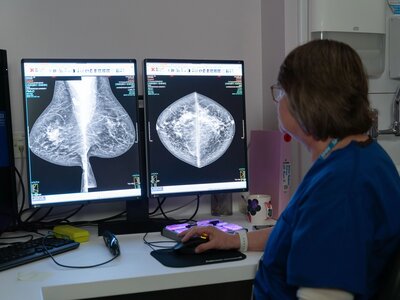
###
[Frequently asked questions about breast screening](https://breastcancernow.org/about-us/blogs/frequently-asked-questions-about-breast-screening)
Decisions made by the NHS Breast Screening Programme on who should receive breast screening and how often are complicated. Read our FAQ blog...
29 Jul 2026
1 min read
###
[This Is Us Now](https://breastcancernow.org/about-us/blogs/this-is-us-now)
We asked you, the breast cancer community, to show the reality of living with or beyond breast cancer in the UK. We called it #ThisIsMeNow –...
11 Jun 2026
1 min read

###
[A bold new chapter, a brand-new look](https://breastcancernow.org/about-us/blogs/a-bold-new-chapter-a-brand-new-look)
We’re excited to reveal our refreshed brand, which is part of an exciting new chapter in our history.
3 min read
###
[We’re advising EastEnders on Sam Mitchell’s breast cancer storyline](https://breastcancernow.org/about-us/blogs/we-re-advising-eastenders-on-sam-mitchell-s-breast-cancer-storyline)
Breast Cancer Now’s nursing team has been advising the research team at EastEnders over the last few months, to make sure that Sam Mitchell’...
2 min read
[Read more blogs](https://breastcancernow.org/about-us/blogs)
## Campaign news
###
[Improving access to medicines in Scotland](https://breastcancernow.org/about-us/campaign-news/improving-access-to-medicines-in-scotland)
Read how we're working to make sure that patients can access new and effective breast cancer treatments quickly in Scotland.
29 May 2026
3 min read

###
['Count Us In' - 12 months on](https://breastcancernow.org/about-us/campaign-news/count-us-in-12-months-on)
Read about the progress we've made since launching the 'Count Us In' advocacy pledge for metastatic breast cancer last year, and what we'll ...
28 May 2026
4 min read

###
[An update on our screening blueprint... 3 years later](https://breastcancernow.org/about-us/campaign-news/an-update-on-our-screening-blueprint-3-years-later)
In 2023, we published ‘Our Blueprint to Transform Breast Screening by 2028’, setting out our vision for the future of the NHS breast screeni...
7 min read

###
[What we’ve learnt from the latest breast screening data](https://breastcancernow.org/about-us/campaign-news/what-we-ve-learnt-from-the-latest-breast-screening-data)
Last month, NHS England published data on breast screening in England from April 2024 to March 2025, providing information on the number of ...
5 min read
[Read more campaign news](https://breastcancernow.org/about-us/campaign-news)
## Research news

###
[The unseen impact of losing mobility after an advanced cancer diagnosis](https://breastcancernow.org/about-us/research-news/the-unseen-impact-of-losing-mobility-after-an-advanced-cancer-diagnosis)
Our Breast Cancer Voices contributed to a study exploring why reduced mobility is an important yet under-recognised symptom of advanced canc...
25 Aug 2026
3 min read

###
[New, cheaper blood test could help detect breast cancer recurrence earlier](https://breastcancernow.org/about-us/research-news/new-cheaper-blood-test-could-help-detect-breast-cancer-recurrence-earlier)
New research from our scientists has shown that more people could benefit from a new type of blood test that can predict breast cancer recur...
3 min read

###
[Our scientists identify the people with breast cancer who could be treated using glaucoma drugs](https://breastcancernow.org/about-us/research-news/our-scientists-identify-the-people-with-breast-cancer-who-could-be-treated-using-glaucoma-drugs)
Our scientists have uncovered weaknesses in cancer cells that we may be able to target with drugs currently used to treat glaucoma.
3 min read
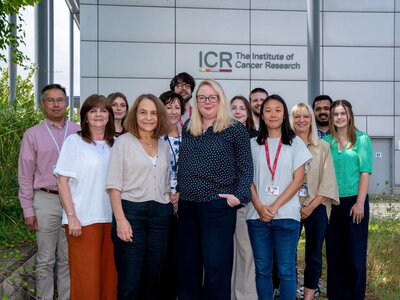
###
[NICE referral criteria ‘miss 95% of women under 50 with higher breast cancer risk’](https://breastcancernow.org/about-us/research-news/nice-referral-criteria-miss-95-of-women-under-50-with-higher-breast-cancer-risk)
New research reveals NICE referral criteria used by GPs to decide who should be referred for further breast cancer risk assessment and speci...
04 Aug 2026
3 min read
[Read more research news](https://breastcancernow.org/about-us/research-news)
---
---
# Someone Like Me helped me when breast cancer shattered my world
_Source: https://breastcancernow.org/about-us/news-personal-stories/someone-like-me-helped-me-when-breast-cancer-shattered-my-world_
[Back to Personal stories](https://breastcancernow.org/about-us/news-personal-stories)
1. [Home](https://breastcancernow.org/)
2. [About us](https://breastcancernow.org/about-us)
3. [Personal stories](https://breastcancernow.org/about-us/news-personal-stories)
Getting support
# Someone Like Me helped me when breast cancer shattered my world
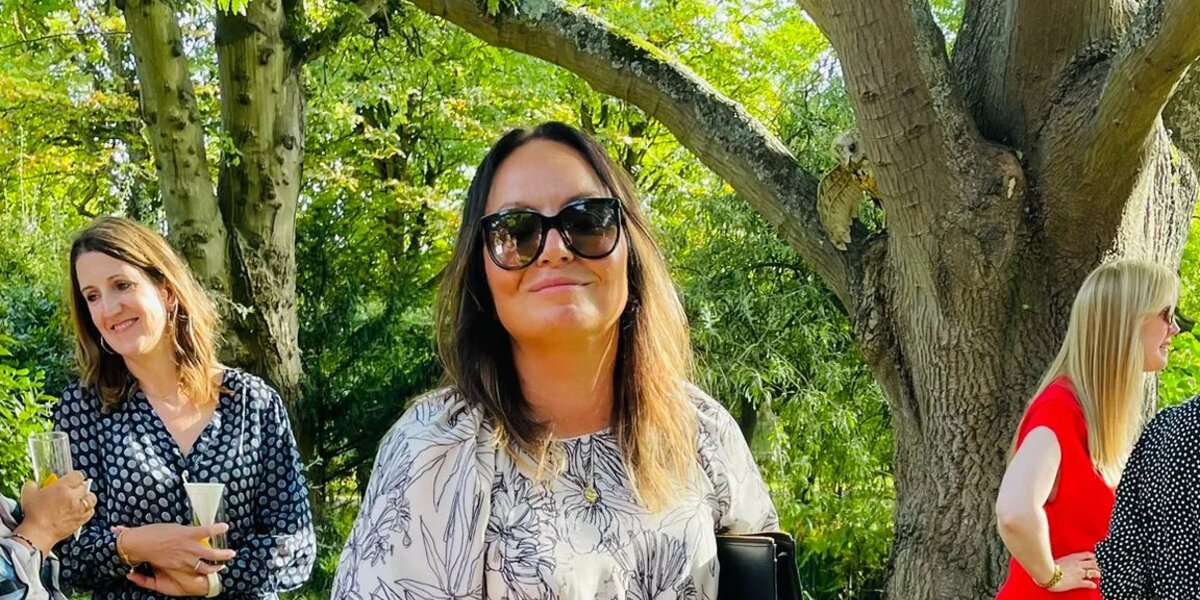
Vickie went on an emotional rollercoaster when she was diagnosed with breast cancer. Not once. But twice. A few years on, she tells us how meaningful her experience was when using our Someone Like Me service.
## Tell us about your first diagnosis
I was first diagnosed when I was 39. It was an earth-shattering 6 weeks before my 40th birthday.
I was really angry. Bitter. Resentful of everyone else. My friends and I were planning our big 40th birthdays, and I felt robbed.
Feeling this way really shook me. I’m not normally that sort of person. It felt like the diagnosis had fundamentally changed me in every way. Physically. Biologically. It took away who I was.
I was terrified that I wouldn’t see my 6-year-old son, Louis, grow up. I remember thinking “this is not fair, he’s too little”.
I became withdrawn and I didn’t really understand it. I was scared because I didn’t know if I would be able to do it.
## How did you find out about Someone Like Me?
After my first diagnosis, I didn’t know anyone else my age who had breast cancer. I knew older people who had it, but I didn’t know anyone in their 30s. It was quite isolating.
I contacted Breast Cancer Now’s helpline in a state of shock. Horror. Confusion.
They told me about [Someone Like Me](https://breastcancernow.org/all-services/someone-like-me "Someone like me"). The service connects you to another person who has experienced what you’re currently going through. Being matched up in this way almost feels like a blind date between people with breast cancer.
## What was the best thing about Someone Like Me?
I was put in touch with a lady who had the same diagnosis as me. She was also in her late 30s and her children were a similar age to my son. I looked forward to her calls so much.
I felt like I was really understood by someone who had experienced what I was currently going through. She was able to understand my fear of not seeing Louis grow up. But she didn’t just tell me that it would all be ok, which is exactly what my friends & family (understandably) were saying.
She became the most familiar stranger and such an important part of me coping in the early days of my diagnosis and treatment.
It was invaluable to me. I always recommend Someone Like Me to anyone I come across.
## How did you feel after your Someone Like Me calls?
After every call I felt a sense of calm amongst the craziness of tests and appointments. She listened in a way that others couldn't and she allowed me to be really honest. I found myself at times not wanting to burden my family with just how scared I was as I knew hard it was for them and I felt guilty for putting them through this.
On my calls I didn't have to worry about being so open. Sharing my fears with her released anxiety and lightened how heavy things felt. I will forever be grateful for our calls.
## Talk us through your second diagnosis. How did you feel this time?
After my first diagnosis, I was entered in the screening programme and had annual mammograms. My 5th one showed a tiny shadow. The doctors biopsied it as a precaution. The results showed it was another primary breast cancer.
I definitely wasn’t expecting to get cancer a second time. But 5 years had passed since the first one. And I dealt with the diagnosis in a very different way.
I had genetic testing and it showed I have the BRCA2 gene. Everything started to make sense to me. It made me realise that this gene is the reason why I had breast cancer. It was nothing to do with what I did. I knew I couldn’t blame myself.
I coped with things better. When talking through my treatment plan the second time round, I felt that I actually knew what to do. We decided I would have a double mastectomy with immediate implants.
This time, I knew I could do it.
## How are you feeling now?
I am living my best life now! I turned 50 a couple of years ago. I was so down about missing my 40th but we more than made up for it this time. The cancer tainted a lot of my 40s. But I want to re-write my 50s.
## How else have you been involved with Breast Cancer Now?
Cancer is a very different part of my life now. I’ve volunteered, fundraised and I’m getting involved in lots of different ways. My husband has run London Marathon 4 times for Breast Cancer Now and I was his biggest supporter. I helped him campaign to get more donations. I'm really hoping he and my son are successful for next year too!
But when I turned 50, I wanted to do something myself. I stepped out of my comfort zone and took part in Breast Cancer Now’s latest advertising campaign.
It was a fascinating experience. I had no idea what happened behind-the-scenes! It was so far from my everyday life. I really enjoyed it.
I was honoured to wave the flag for the breast cancer community and women who have the BRCA2 gene. Celebrating how fabulous my body is for getting me through my treatments and surgeries was amazing.
## Someone Like Me
You never have to face breast cancer alone. With Someone Like Me, you can connect with someone who understands. We’ll match you with a trained volunteer who gets what you’re going through.
Someone Like Me changed Vickie’s life. It could change yours.
[Try Someone Like Me](https://breastcancernow.org/all-services/someone-like-me)
---
# As Voices, we’re the constructive friend giving feedback to make a real difference
_Source: https://breastcancernow.org/about-us/news-personal-stories/as-voices-we-re-the-constructive-friend-giving-feedback-to-make-a-real-difference_
[Back to Personal stories](https://breastcancernow.org/about-us/news-personal-stories)
1. [Home](https://breastcancernow.org/)
2. [About us](https://breastcancernow.org/about-us)
3. [Personal stories](https://breastcancernow.org/about-us/news-personal-stories)
Breast Cancer Voices
# As Voices, we’re the constructive friend giving feedback to make a real difference
Paulette knows from her own experience that care for older people can sometimes feel like a tick box exercise that doesn’t actually provide much valuable support. By becoming a Breast Cancer Voice, she’s making her voice heard and making a valuable difference. Paulette now helps to shape the real-world tools, standards and research to make them more relatable to anyone going through breast cancer.
## Tell us a bit about yourself
I live up in the northeast between Durham and Sunderland in a lovely little old mining village which is really quaint. I've been a member of the Voices community for a few years.
## Tell us a bit about your breast cancer experience
Mine was a difficult experience, a totally unexpected diagnosis. It took several months to both be fully investigated and to formulate a treatment plan for.
I was diagnosed with highly aggressive ductal carcinoma in situ (DCIS) in my right breast in March 2018. My active treatment ended in November 2018 with a single mastectomy.
I then underwent a yearly mammogram until 2023, when I was finally considered to be cancer free.
I felt fully supported throughout the process by my breast cancer team and family and friends. This was so vital during that emotionally charged time, immediately following the initial diagnosis.
Close
Glossary term
## Mammogram
A breast x-ray.
Close
Glossary term
## Mastectomy
This is a type of surgery in which all of the breast tissue is removed, including the nipple.
## Why did you get involved with Breast Cancer Voices?
I wanted to be able to give something back through sharing my own cancer experience.
I believe that empathy and understanding are 2 things that can really help to reduce the trauma of receiving a cancer diagnosis. Especially if it’s from someone who has first-hand knowledge of its devasting impact.
[Being a Voice](https://breastcancernow.org/get-involved/volunteer-with-us/breast-cancer-voices "Breast Cancer Voices") is the perfect way for me to offer this vital support and advice to someone when they need it most.
## What Voices opportunities have you taken part in?
I’ve taken part in a few different opportunities so far, including helping to develop the [Standards of Care of Older People](https://breastcancernow.org/about-breast-cancer/diagnosis/standards-of-care-for-older-adults-with-breast-cancer "Standards of care for older adults with breast cancer"). Often, care for older people can be a checklist exercise that looks good on paper but doesn’t contain any real substance. I really enjoyed being involved in the project and felt like I’d made a valuable difference.
Breast Cancer Voices gives me the chance to speak about my passion for supporting people who have or are currently going through breast cancer. That's what drives me.
## What is the Standards of Care for Older People workshop, and why did you choose to get involved?
The Standards of Care outlines what older people should expect during and after their treatment. Breast Cancer Now developed the standards with us and healthcare professionals. It’s for people over 70, but chronological age isn’t the same as physical age. So the standards apply to anyone who feels they need this level of care.
Although I'm under 70, I've got lots of empathy with older people. And I felt it was crucial that we were included in something as important as this.
I wanted to make sure that these standards related to an older person. The only way really you can try to make that happen is by talking to those people and listening to their answers.
## What was it like being part of that focus group?
I found it really interesting. Focus groups bring out lots of diverse opinions. Hearing different views is important because it gives a true picture of what people are feeling.
There was quite a lot of discussion. People agreed with certain ideas, people disagreed with others, but it was a very open place. It felt like a comfortable space to express your ideas, whether you agreed with something or not.
I think that was important to give a different perspective that healthcare staff hadn't necessarily thought of themselves. And that can only sometimes come from someone with lived experience.
We discussed different parts of the standards. We talked about which support networks nurses should signpost people to. And which other support services are helpful that were missing.
People need to be able to understand the information in the standards quickly without feeling that it’s an extra burden. So we spoke about how the standards should be structured in a way that’s easier to understand.
## How did you feel when you received the final standards and could see where your input was?
It felt like a huge accomplishment. I felt as if I could see the staff at Breast Cancer Now thinking about what was said at the focus group. I could tell they were really trying to take our feedback and use it to make changes in the standards. That came through quite clearly for me.
I feel as though I've been part of something really valuable.
## What would you say to someone thinking about becoming a Voice?
It’s so important. We can give staff our own personal heartfelt, valuable feedback. We can make sure that projects and research focus on what's actually important. Not just what staff assume is important.
We've lived through it. We know what that's like and we'll be truthful about doing that. We might not always agree, or we might confirm that they’re going in the right direction. But we can be that constructive friend, who gives the criticism and the feedback.
## We want to hear your voice
You can make a difference like Paulette. Become a Breast Cancer Voice so you can change the future of breast cancer.
[Become a Breast Cancer Voice](https://breastcancernow.org/get-involved/volunteer-with-us/breast-cancer-voices)
---
# Men need to check their chest for lumps too
_Source: https://breastcancernow.org/about-us/news-personal-stories/men-need-to-check-their-chest-for-lumps-too_
[Back to Personal stories](https://breastcancernow.org/about-us/news-personal-stories)
1. [Home](https://breastcancernow.org/)
2. [About us](https://breastcancernow.org/about-us)
3. [Personal stories](https://breastcancernow.org/about-us/news-personal-stories)
# Men need to check their chest for lumps too
Kevin first experienced cancer when he was 57. But like most men, he never expected to be diagnosed with breast cancer. Having experienced the gap between the research and information available for breast cancer in men and women, he wants to create change. By joining the Men’s VMU (Virtual Meet Up), he’s spreading the word about men’s breast cancer to support other men like him.
## Tell us about yourself
Before retiring, I spent 49 years in engineering. I started as an apprentice toolmaker and ended my career specialising in problem-solving and design improvements. I’m used to looking at how things work, finding the flaw, and fixing it.
## When did you notice something might be wrong?
My first experience of cancer started in 2017. I had a biopsy on a red lump on my nose, which came back positive for skin cancer (basal cell carcinoma). Soon after, I had surgery (Mohs surgery) to remove the cancer and had a local skin graft to repair the area.
My next experience with cancer started in 2024. I noticed a lump in my right breast but wasn’t sure whether I should raise it with my GP, so I did nothing for a couple of weeks. Then I noticed that my right nipple was inverted, with no reaction to touch. I went to my GP soon afterwards. She immediately referred me to a consultant who did a biopsy. 2 weeks later, I got the news that it was ductile breast cancer.
The skin cancer was bad news. But the word ‘cancer’ faded quickly for me because I didn’t need chemotherapy. I was more worried about the effect on my nose. Being told I had breast cancer was definitely more of a shock.
Close
Glossary term
## Biopsy
Removal of tissue to be looked at under a microscope.
## What treatment did you have?
The cancer was a grade 3 (fast-growing) carcinoma. I was quickly booked in for a mastectomy and a sentinel node biopsy to establish the spread and stage of cancer.
The operation to remove the cancer went well and the 3 sentinel nodes removed were sent off oncotype dx testing.
The oncologist saw me about a month later to discuss the results of the sentinel nodes test and the potential need for follow-up treatment.
He suggested there would be minimal benefits from chemotherapy and recommended a prescription of 20mg Tamoxifen for 10 years. I’m now 20 months cancer-free and everything is good, although I have now reduced my Tamoxifen to 10mg. I’m back to working on my house, landscaping the garden, and hitting the golf course.
Close
Glossary term
## Carcinoma
Another word for cancer.
Close
Glossary term
## Mastectomy
This is a type of surgery in which all of the breast tissue is removed, including the nipple.
Close
Glossary term
## Tamoxifen
A hormone therapy drug used to treat breast cancer.
## How has the Men’s Virtual Meet-up group (VMU) supported you?
I was given some booklets and leaflets about breast cancer, but I soon realised they were designed for women. I even had to fill out a questionnaire that included questions about periods! Thankfully, I was also given details for the [Men’s VMU breast cancer support group](https://www.themensvmu.org/), who I contacted for support and to ask some questions.
The Men’s VMU has been a great source of information for me. The companionship you gain gives you hope after breast cancer, but also doesn’t hide the reality of everything that comes with breast cancer.
It provides the chance for a group of men to meet, put the world to rights, and discuss the opportunities to support research activities, trials and events. Our focus is on providing a safe place for men to ask questions and discuss their own experiences of pre- and post-breast cancer.
## How else have you been involved with the VMU?
I’ve recently joined the VMU leadership team, which I am very proud of and grateful for. As part of the leadership team, I’m looking for as many opportunities as I can to spread the word of men’s breast cancer. I want to find new and exciting ways to expand our reach so the support network can help as many men as possible.
There are lots of universities and organisations doing research into breast cancer in men, and they contact the VMU to ask for support from men who have experience with breast cancer. This is a growing area of support at the VMU.
## If you could highlight one key message, what would it be?
It’s so important to spread the word of breast cancer in men. Men need to check their breasts for lumps and inverted nipples, just like they would check for any other cancers that affect males.
There’s currently a lack of data and resources to support and inform men with breast cancer. The more research and information available will help to empower men to understand and manage their diagnosis.
## Breast cancer in men
If you know someone like Kevin, discover how they can get support with their breast cancer.
[Support for men](https://breastcancernow.org/all-services/support-for-men)
---
# Being part of the Breast Cancer Now team and encouraging the runners was incredibly meaningful
_Source: https://breastcancernow.org/about-us/news-personal-stories/being-part-of-the-breast-cancer-now-team-and-encouraging-the-runners-was-incredibly-meaningful_
[Back to Personal stories](https://breastcancernow.org/about-us/news-personal-stories)
1. [Home](https://breastcancernow.org/)
2. [About us](https://breastcancernow.org/about-us)
3. [Personal stories](https://breastcancernow.org/about-us/news-personal-stories)
Volunteering
# Being part of the Breast Cancer Now team and encouraging the runners was incredibly meaningful

Following her treatment for primary breast cancer, Abigail found connection, hope, and inspiration by volunteering at one of our cheer points.
## Can you tell us about your experience of breast cancer?
Receiving a breast cancer diagnosis at any age is devastating. I was 39, with so many plans, especially celebrating my 40th birthday in Bali with friends. My mind was full of questions: Why me? Why now? I felt heartbroken, angry, and overwhelmed.
A few weeks later I began treatment. I underwent six cycles of chemotherapy, and it was the hardest part of my journey. The treatment took so much from me: my strength, my independence, and even my identity. My mother came from Zimbabwe to care for me. She was my strength. There were moments I wanted to give up, but her words and love carried me through.
Next came 21 exhausting sessions of radiotherapy, followed by 18 cycles of immunotherapy and hormonal therapy. On 3 January 2025 I rang the bell for the last time, marking the end of my treatment. It was a deeply emotional moment filled with gratitude. A couple of weeks later I was told I was cancer free.
I never thought I’d say this, but I’m grateful for the journey. Cancer took so much from me: time, strength, and parts of myself, but it also gave me a new perspective on life. I now understand that waking up each day is a true blessing. Our health is our greatest wealth.

## Why did you decide to volunteer?
Community work and giving back have always been part of who I am. Volunteering with Breast Cancer Now at the Royal Parks Half Marathon meant a lot to me because it’s a cause very close to my heart.
I needed that connection with others who understood resilience, strength, and hope. And I wanted to be part of something that brought people together for such an important cause.

## Could you tell us about your experience on the day?
The experience on the day was absolutely amazing. The atmosphere was electric, full of excitement, encouragement and unity. I had so much fun cheering on the runners and interacting with the crowd. Especially when a runner from Breast Cancer Now was passing, we would scream our lungs out to show support.
The staff and my fellow volunteers were very supportive, welcoming and organised, which made the whole experience enjoyable and memorable. The staff treated us so well – offering snacks and good hospitality. It was as if they’d known everyone since way before the event, even though it was their first time meeting most of us.

## What did you enjoy most about volunteering?
I most enjoyed supporting and encouraging the runners through cheering. Watching people push through challenges with determination and strength was emotional and inspiring. I also loved the atmosphere: it was filled with positivity, hope, and togetherness.
The feeling of giving back to the community and being connected to others on similar journeys meant so much to me. Meeting other volunteers and staff who shared the same passion for helping others also made the experience special.

## What would you say to someone considering volunteering?
I would definitely encourage anyone thinking about volunteering to give it a try. It’s a rewarding and fulfilling experience that allows you to meet amazing people, support an important cause, and make a positive difference in the community.
The overall experience is uplifting, inspiring and memorable. You leave feeling proud, connected, and grateful to have been part of something so meaningful.

## You can make a difference
Join our volunteer team and, like Abigail, make a real difference for people with breast cancer.
[Volunteer now](https://breastcancernow.org/get-involved/volunteer-with-us)
---
# I want to show people with a diagnosis they can still live life to the full
_Source: https://breastcancernow.org/about-us/news-personal-stories/i-want-to-show-people-with-a-diagnosis-they-can-still-live-life-to-the-full_
[Back to Personal stories](https://breastcancernow.org/about-us/news-personal-stories)
1. [Home](https://breastcancernow.org/)
2. [About us](https://breastcancernow.org/about-us)
3. [Personal stories](https://breastcancernow.org/about-us/news-personal-stories)
Volunteering
# I want to show people with a diagnosis they can still live life to the full

Following her diagnosis and treatment for primary breast cancer, the Moving Forward course inspired Sheila to start volunteering. Since then, she’s volunteered in a variety of roles, making lifelong friends along the way. She tells us what she’s been involved with and what motivates her.
## How did you first come across Breast Cancer Now?
I had my primary breast cancer diagnosis in January 2015. After I completed my treatment, I attended a Moving Forward Course at Stobhill Hospital.
I gained so much from it. The sessions were very informative, and all of us on the course learned a great deal about ourselves and others going through similar experiences.
We quickly realised that we weren’t alone and that the feelings we were having were shared by others in the room. I found that incredibly powerful.

## What made you want to start volunteering?
Attending the course had helped me so much that I wanted to give something back.
My first-hand experience meant I could empathise with how a lot of ladies were feeling: I could understand the fear of going through a diagnosis, the fear of recurrence. They could look at me, see how far I’d come and know that there’s life after a diagnosis.
I decided to volunteer with Breast Cancer Care, as it was then. I felt as a retired Teacher, I could give talks about my story and the charity. I found when I gave my talks that it helped me too. It still does.
I later decided I wanted to do more, so I volunteered for Moving Forward and I now give public health talks too.
I’m very passionate about volunteering. I enjoy meeting people and letting them see that although my diagnosis changed me and was difficult to come to terms with, I did it.
Volunteering helped me in that process. I love helping others get to where I am and giving groups of women vital information about life after treatment.

## What impact do you think your volunteering has on you and others?
When I’m volunteering, I’m always amazed at people’s resilience. Everybody is different and has a different story to tell. I’m humbled to hear their stories, and the fact that they feel able to share those stories with me is amazing.
I’m learning all the time. I’m not the same person I was when I was first diagnosed, both in appearance and within myself. I hope that the other volunteers can look at me and see the adjustments I’ve made and the person I’ve become.

## What do you enjoy about volunteering?
I enjoy volunteering because I get to meet so many different people. Some have become lifelong friends, others may just have passed through my life, but either way the feeling of making a difference to someone’s attitude and how they live with a diagnosis is very rewarding.
I hope they see that it can be done. You can move on for a diagnosis, and you can live your life to the full. And I do!
## What would you say to someone thinking about volunteering?
I would say that anyone thinking about volunteering should definitely do it.
I have met so many interesting and lovely people, making friends along the way. You get so much out of it, and you all learn from one another. I’m really enjoying the roles I have and I feel appreciated for what I do.
It also allows me to give back a bit of the support that I’ve received to people who might not have much support otherwise. It’s so important to get the message out there that you don’t have to go through it all alone.
So please, if you’re thinking about volunteering, do it!

## Want to get involved?
Like Sheila, you can make a difference for people with breast cancer by volunteering.
[See volunteer opportunities](https://breastcancernow.org/get-involved/volunteer-with-us)
---
# As Voices, we all want to help out with research
_Source: https://breastcancernow.org/about-us/news-personal-stories/as-voices-we-all-want-to-help-out-with-research_
[Back to Personal stories](https://breastcancernow.org/about-us/news-personal-stories)
1. [Home](https://breastcancernow.org/)
2. [About us](https://breastcancernow.org/about-us)
3. [Personal stories](https://breastcancernow.org/about-us/news-personal-stories)
Breast Cancer Voices
# As Voices, we all want to help out with research

Janet was starting to adjust to life after losing her husband during Covid when she was diagnosed with breast cancer in 2021. After finding out about Breast Cancer Now during her treatment, she chose to sign up as a Voice to help with research into breast cancer.
## Can you tell us about your diagnosis?
I was diagnosed with breast cancer in 2021 after losing my husband during the pandemic. When I had the first round of tests and biopsies, I didn’t need to wait long for the official results.
After talking with the doctor, they gave me information leaflets – this is when Breast Cancer Now came into my life! I was very impressed with the support Breast Cancer Now offered and I signed up for everything I could.
## How did you feel about your treatment?
My doctor said I would have a mastectomy on one side and they would remove the lymph nodes. Afterwards, we would see whether I needed chemotherapy as well.
I knew it would be difficult going through this without the support of my husband, but I knew I was lucky that I wasn’t young and needing to worry about work or childcare.
I had my treatment at Poole Hospital, and at my first appointment with the surgeon she said it was ‘treatable and curable’. It really felt like we were on a positive path.
Close
Glossary term
## Chemotherapy
Treatment aimed at destroying cancer cells using anti-cancer drugs.
Close
Glossary term
## Lymph nodes
Also known as lymph glands. Small oval-shaped structures found in clusters throughout the lymphatic system, for example under the arm (axilla).
Close
Glossary term
## Mastectomy
This is a type of surgery in which all of the breast tissue is removed, including the nipple.

## How was your recovery?
After my operation, I made sure I did the exercises in the Breast Cancer Now leaflet and, on the whole, recovered very well.
I returned to the surgeon for the all-clear, but she said I would still need to have chemotherapy and radiotherapy to make sure the cancer was gone. My aunt had breast cancer, and hers returned after her mastectomy, so I understood the importance of prevention.
Close
Glossary term
## Radiotherapy
The use of high energy x-rays to destroy cancer cells.
## Can you tell us about your experience of chemotherapy?
Losing my hair wasn’t the worst part of chemotherapy. It was worse that everything tasted awful! The days could feel quite long without the comfort of tea, coffee or my favourite food. I had infusions every 6 months and, after 2 years, lymphoedema appeared.
I’m currently on 5 years of anastrozole and take calcium tablets to counteract the loss of oestrogen.
Close
Glossary term
## Anastrozole
An aromatase inhibitor drug, a type of hormone therapy used to treat breast cancer.
Close
Glossary term
## Lymphoedema
Swelling of the arm, hand, chest or breast area caused by a build-up of lymph fluid in the surface tissues of the body. It can occur as a result of damage to the lymphatic system, for example because of surgery or radiotherapy to the lymph nodes under the arm and surrounding area.
## What made you want to become a Voice?
I had been following Breast Cancer Now online throughout this time and joining Breast Cancer Voices seemed to be an obvious choice for me. It’s a great way to keep up with what the charity does and contribute to different projects. I always look to see the latest projects and if they apply to me.
I enjoy every project I take part in, and I like chatting with other women from across the country and hearing their different stories and experiences.
## Can you tell us what you’ve been involved with as a Voice?
As Voices, we all want to help out with research and are happy to get involved where we can.
I took part in one project about chemotherapy doses - I had no idea that weighing patients for the correct dose of chemotherapy was not necessarily accurate.
In an online forum we heard about an idea for 3D mapping of the patient's body in some sort of science fiction box! We all thought it a good idea and said we would be happy to do that for our treatment.
Another time we evaluated possible images for leaflets for Breast Cancer Now. We agreed that a worried looking middle-aged woman looking out over a lake was not reassuring and certainly would not resonate with younger women. We suggested a young woman looking hopeful chatting to a friendly person.
In another forum, researchers mentioned that they were not allowed to take biopsies purely for research. We all said we would be happy to consent to that.

## Do you have any tips for anyone about to start their treatment?
During chemo, you are given steroids which you gradually decrease at home. After the steroids wear off, that’s when you feel worse. If you can have family or friends around to support you during this period, that’s very helpful!
I was on a 3-week chemo cycle, meaning I had a break from the chemo during week 3, and I would see my oncologist during this week. I felt great during the breaks, but it’s important to tell your doctor if you felt terrible in the 2 weeks of treatment before. They might adjust the dose to help you feel a bit better.
After treatment, try to get on the move as soon as possible. It’s important to look after our bones, stretch our chest and keep lymphoedema at bay.
This is a personal one, but if you lose your hair, don’t be afraid to explore different options. I went with bright turbans and dangly earrings rather than a wig, and I also knitted colourful hats to be chic in winter!
Close
Glossary term
## Steroids
May be given as part of cancer treatment, for example to help with side effects of chemotherapy such as nausea and vomiting, or to control some symptoms caused by cancer.
## Become a Voice
Like Janet, you can become a Voice and create positive change for people affected by breast cancer.
[Become a Breast Cancer Voice](https://breastcancernow.org/get-involved/volunteer-with-us/breast-cancer-voices/become-a-breast-cancer-voice)
---
# Kylie's breast cancer story inspired Kayla
_Source: https://breastcancernow.org/about-us/news-personal-stories/kylies-breast-cancer-story-inspired-kayla_
[Back to Personal stories](https://breastcancernow.org/about-us/news-personal-stories)
1. [Home](https://breastcancernow.org/)
2. [About us](https://breastcancernow.org/about-us)
3. [Personal stories](https://breastcancernow.org/about-us/news-personal-stories)
Mental wellbeing, Body image, Symptoms
# Kylie's breast cancer story inspired Kayla
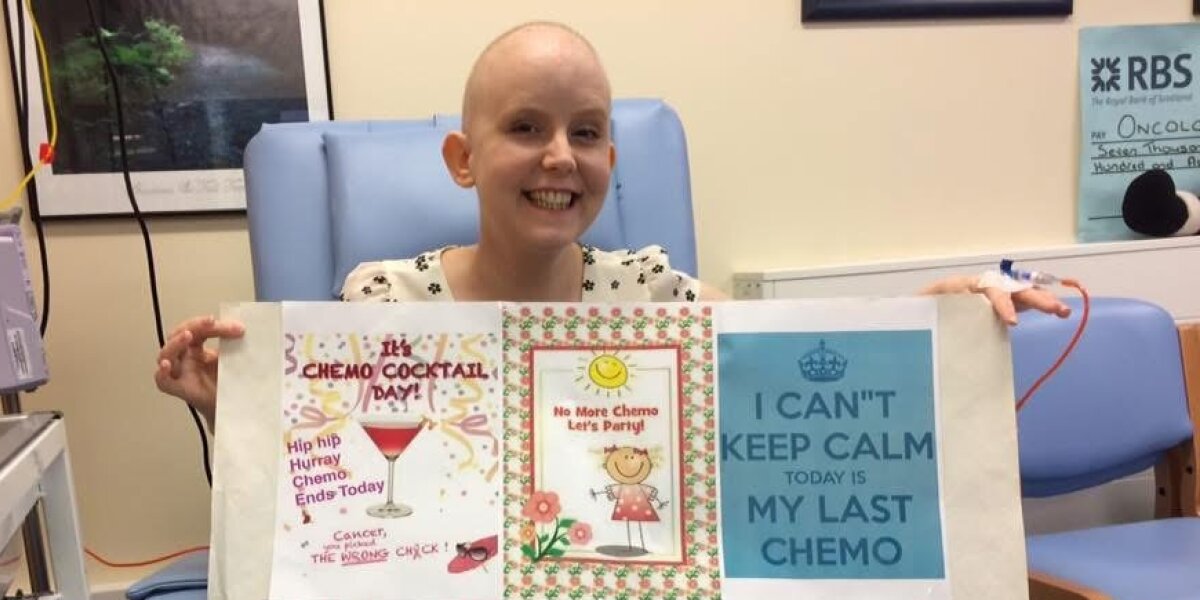
Kayla was diagnosed with breast cancer in 2005 when, aged just 20, she found a lump a few months after Kylie Minogue revealed her own breast cancer diagnosis. With the release of Kylie, a 3-part Netflix documentary about the singer, Kayla tells us how seeing the pop star’s experience made her feel less alone and how her own life has changed since then.
Alongside the release of [her Netflix documentary](https://www.netflix.com/gb/title/82075657), Kylie Minogue's management team have chosen Breast Cancer Now as their charity partner, with proceeds from official Kylie breast cancer merchandise, including a [t-shirt](https://store.kylie.com/products/youre-part-of-my-story-tee?variant=58074537296259) and [tea cup](https://store.kylie.com/products/youre-part-of-my-story-teacups?variant=58074537755011), going directly towards our breast cancer research and support. Together, we can help make sure no one faces breast cancer alone.
###
[Checking for breast cancer](https://breastcancernow.org/about-breast-cancer/touch-look-check)
Anyone can get breast cancer. So it's important to get into the habit of checking your breasts regularly.
Healthcare Information
###
[Signs and symptoms of breast cancer](https://breastcancernow.org/about-breast-cancer/awareness/signs-and-symptoms-of-breast-cancer)
Breast cancer can cause a number of signs and symptoms. See your GP if you notice a change to your breast that’s new or unusual for you.
## How did Kylie’s breast cancer story inspire you after your own diagnosis?
I remember seeing on the news that Kylie had breast cancer and thinking “that’s a shame”, but being so young I didn’t really understand. But once I was diagnosed myself later that same year, I did start to take more notice.
I was so young that there was no one around me going through the same thing as I was. I didn’t have much awareness or understanding of breast cancer at that point. I remember Kylie did an interview on TV after her treatment and thinking, “She’s feeling the exact same things I’m feeling.” It made me feel less alone and she really had quite a positive effect on me at that time.
I had a lumpectomy, chemotherapy, radiotherapy and five years of Tamoxifen. I remember seeing pictures of Kylie in a head scarf during her treatment and she became a real inspiration to me.
After chemotherapy I was very self-conscious, but then I saw pictures of her with her short hair. Seeing those pictures gave me the courage to leave the house without my head scarf for the first time. I thought, “If she can do it, I can do it.” I honestly don’t think I would have taken mine off otherwise.
I still follow Kylie’s life now, not so much her music, but just keeping an eye out for her and hoping she’s doing okay. I was diagnosed with breast cancer again in 2016 and I always hoped she’d never have to go through that experience again.
Close
Glossary term
## Chemotherapy
Treatment aimed at destroying cancer cells using anti-cancer drugs.
Close
Glossary term
## Lumpectomy
An operation to remove an area of breast tissue. In breast cancer terminology it may also be called wide local excision or breast-conserving surgery.
Close
Glossary term
## Radiotherapy
The use of high energy x-rays to destroy cancer cells.
Close
Glossary term
## Tamoxifen
A hormone therapy drug used to treat breast cancer.

## Can you tell us a bit more about your second breast cancer diagnosis?
In 2016, aged 31, I found two lumps in my left breast. I’d been self-checking but I actually found these by accident. My hand brushed them as I was taking my bra off and as soon as I touched them, I knew something wasn’t right. After getting checked out, I was diagnosed with a new primary breast cancer in the opposite breast.
I had chemotherapy, a double mastectomy with no reconstruction and radiotherapy. This time I didn’t need hormone treatment because my breast cancer was triple negative.
I’m doing really well now. It’s been 10 years since my second diagnosis and I still get checked every couple of years. I tell everyone to check themselves. Even though I’ve had a double mastectomy without reconstruction I’m still very aware that I need to check myself regularly.
Close
Glossary term
## Mastectomy
This is a type of surgery in which all of the breast tissue is removed, including the nipple.
Healthcare Information
###
[Breast cancer recurrence symptoms](https://breastcancernow.org/about-breast-cancer/diagnosis/breast-cancer-recurrence/breast-cancer-recurrence-symptoms)
It's normal to worry about breast cancer returning. Find out about the symptoms of breast cancer recurrence and who to talk to if you’re concerned.
## How has your life changed following breast cancer?
When I went through treatment the first time, I was warned it might leave me infertile, but thankfully that didn’t happen. In 2014 I had my daughter naturally, and in 2023 I married my partner, who has been with me since I was first diagnosed.
My breast cancer diagnosis completely changed the course of my life. After all the help I received from Breast Cancer Now, I wanted to give something back, so I started volunteering for Breast Cancer Now’s Younger Women Together groups, which I still do to this day.

My husband Paul and daughter Chloe have always been very supportive of my volunteering. I took a 4-year break after my second diagnosis, then came back after Covid hit and have been volunteering ever since.
Breast cancer also inspired me to change career. I used to work for Schuh in the warehouse. I retrained as a counsellor, and I now work for a breast cancer charity in Edinburgh.

##
Support and information
- 
###
[Services and information at Breast Cancer Now](https://breastcancernow.org/all-services/services-and-information-at-breast-cancer-now)
We’re here with life-changing information and support now. So you never have to face breast cancer alone.
- 
###
[Touch Look Check](https://breastcancernow.org/about-breast-cancer/touch-look-check)
Anyone can get breast cancer. So it's important to get into the habit of checking your breasts regularly.
---
# I want to use my experiences to help others
_Source: https://breastcancernow.org/about-us/news-personal-stories/i-want-to-use-my-experiences-to-help-others_
[Back to Personal stories](https://breastcancernow.org/about-us/news-personal-stories)
1. [Home](https://breastcancernow.org/)
2. [About us](https://breastcancernow.org/about-us)
3. [Personal stories](https://breastcancernow.org/about-us/news-personal-stories)
Younger women, Volunteering
# I want to use my experiences to help others
Liz was diagnosed with triple negative breast cancer in 2022, and after treatment she was keen to both raise money to help progress more breast cancer research and to volunteer in a support role
## Please tell us about yourself
I’ve been a volunteer with Breast Cancer Now for three years, after I was diagnosed with triple negative breast cancer in May 2022. It was a really scary time and I was so grateful for everything that Breast Cancer Now were doing to help people like me.
## What first drew you to volunteering?
After my treatment, I wanted to raise money to help progress more breast cancer research, but also use my experiences to help others. So I signed up as a volunteer and have enjoyed every minute! I was first involved with Wear It Pink in 2023, sharing my story and taking part in a really fun photoshoot for the fundraising campaign.
I raised nearly £10,000 with friends – I organised a pink-themed party and auction, my friend ran the New York Marathon and another held a pink bake sale at her school. I was blown away by everyone’s generosity and support - it meant so much.

## Tell us about volunteering with Younger Women Together
In June 2024, I applied to be a Younger Women Together volunteer. It is a fantastic role and it’s wonderful to see women coming together in a safe place to share their experiences and support each other. It’s really flexible – many of the 3-part sessions are online, and you can choose to volunteer at one or all of the sessions, depending on your availability.
I’ve helped out at a few of these now, and have also attended a couple of the one day in-person workshops too. It’s so easy to book on the volunteer portal, and I know my participation is hugely appreciated by the staff and attendees too. It’s an absolute honour to be part of such an important service.
## What other roles have you enjoyed?
In October 2025, I volunteered for the cheer team at the Royal Parks Half Marathon. I was meant to run but sadly sustained an injury, so enjoyed the day by volunteering instead! It was so much fun - the music and pink T-shirts made sure the runners didn’t miss us, and it was fantastic to give them all a well-deserved cheer or high-five as they passed!
I also helped to write thank you cards to Wear It Pink fundraisers in January this year. It was lovely to meet more of the Breast Cancer Now team and fellow volunteers. I was only there for an hour or two, and everyone was so friendly and welcoming. I’d love to do it again.
I really enjoy volunteering for Breast Cancer Now - it’s my way of saying thank you to the charity for all their incredible work, and I look forward to supporting more in the future.
## Join our community of volunteers
Are you feeling inspired to make a positive change in your community as a Breast Cancer Now volunteer? Get involved as a volunteer today.
[Find a volunteer role](https://breastcancernow.org/get-involved/volunteer-with-us/check-out-our-volunteer-roles)
---
# I’ve seen the difference staying active can make to wellbeing after a breast cancer diagnosis
_Source: https://breastcancernow.org/about-us/news-personal-stories/i-ve-seen-the-difference-staying-active-can-make-to-wellbeing-after-a-breast-cancer-diagnosis_
[Back to Personal stories](https://breastcancernow.org/about-us/news-personal-stories)
1. [Home](https://breastcancernow.org/)
2. [About us](https://breastcancernow.org/about-us)
3. [Personal stories](https://breastcancernow.org/about-us/news-personal-stories)
Mental wellbeing, Volunteering
# I’ve seen the difference staying active can make to wellbeing after a breast cancer diagnosis

Claire is passionate about the role of sport in raising awareness about breast health. We asked Claire what motivates her to volunteer and about the real benefits she has seen through her work with us.
## What first motivated you to get involved?
Supporting Breast Cancer Now matters deeply to me. Through my volunteering, I see first-hand the personal and wider impact of breast cancer. Whether I’m delivering awareness sessions or supporting people through Moving Forward courses, I’m continually reminded how essential access to information, support, and research is.
A breast cancer diagnosis can feel incredibly isolating and overwhelming, even when you’re surrounded by others. And when treatment ends, many people describe it as feeling like they’ve “fallen off a cliff” while trying to return to everyday life. That’s why I’m so passionate about fundraising to sustain the vital services the charity provides.
Being involved allows me to play a small part in helping people feel less alone; empowering them with knowledge and guiding them towards the support they need.
## How can sport raise awareness about breast health?
Partnerships like Premiership Women’s Rugby (PWR) are especially valuable because they introduce new audiences to the conversation. They make awareness more accessible and engaging, connecting people to the cause through something positive like sport. They also play an important role in fundraising, directly supporting the charity’s services and research.
A dedicated PWR weekend for Breast Cancer Now creates a strong sense of unity. It brings people together with a shared purpose—to raise awareness, show support, and make a difference. It’s a powerful reminder of how collective action, even over a short time, can have real impact.
I’d love to see high levels of engagement and a strong sense of community across all PWR locations. It would be great if people not only take part in the activities but also learn more about breast health and feel confident starting conversations. Ultimately, I hope it encourages ongoing support well beyond the weekend.

## Tell us about the benefits of staying active
Physical activity plays an important role in reducing the risk of breast cancer, and I really value how events like these combine movement with purpose. They create a positive, inclusive space where people can challenge themselves, connect with others, and support an important cause. They also provide a natural, relaxed way to open up conversations about breast health.
Through my role on the fundraising committee and by delivering public health awareness sessions, I’ve been able to connect with a wide range of people and communities. It’s incredibly rewarding to know these conversations can raise awareness and potentially support earlier detection. Being a Moving Forward facilitator is especially meaningful, as it allows me to support people as they rebuild confidence and adjust to life after treatment.
Physical activity is a key part of the Moving Forward courses I deliver. We explore how staying active can support both physical recovery and emotional wellbeing, encouraging people to find movement that feels right for them at their own pace. Rebuilding confidence in your body is such an important—and empowering—part of that journey.
Staying active is also important to me personally. I’ve seen the difference it can make to both physical and mental wellbeing, particularly for people who have had a breast cancer diagnosis. For me, it’s about finding balance, building resilience, and feeling strong—both physically and emotionally.
## The Big Pink Weekend
Breast Cancer Now and Premiership Women’s Rugby have teamed up to make checking your breasts regularly the habit of a lifetime. And this May, they’re doing something extra special – The Big Pink Weekend!
From May 29-31 you can join in on The Big Pink Weekend alongside Claire. It’s a special weekend from Premiership Women’s Rugby, all in support of Breast Cancer Now.
We’ve got some extra special moments planned, and we’ll be raising money for people affected by breast cancer too. So wear pink at home or at the match and watch this May – you’ll be helping Premiership Women’s Rugby and Breast Cancer Now tackle breast cancer.
[Read More](https://www.thepwr.com/news/premiership-womens-rugby-and-breast-cancer-now-launch-first-ever-big-pink-weekend)
---
# Breast Cancer Voices is a way for me to continue to give back
_Source: https://breastcancernow.org/about-us/news-personal-stories/breast-cancer-voices-is-a-way-for-me-to-continue-to-give-back_
[Back to Personal stories](https://breastcancernow.org/about-us/news-personal-stories)
1. [Home](https://breastcancernow.org/)
2. [About us](https://breastcancernow.org/about-us)
3. [Personal stories](https://breastcancernow.org/about-us/news-personal-stories)
Volunteering, Breast Cancer Voices
# Breast Cancer Voices is a way for me to continue to give back

Being diagnosed with metastatic breast cancer was a life-changing event for Nes. Now, as a Breast Cancer Voice, she’s using her experience to improve things for others and embracing a new challenge.
## Please tell us about yourself
Hi I’m Nes. It’s been 5 years since I was diagnosed with metastatic breast cancer, a crushing and life changing event. It felt like a double shock, firstly to be told I had breast cancer and then secondly, it had spread to my bones and liver.
We all know we are mortal, but having to face your own mortality on an almost daily basis is very challenging. I decided very early on to embrace the challenge and to truly live my best life with cancer. After chemotherapy (I can only describe this as brutal) I now have immunotherapy every three weeks, along with regular scans and oncology reviews.
## Tell us about your life after diagnosis
After my diagnosis I retired from my full-time job and now work part time. This has given me the time to focus on my fitness, travel, and to think about how I can give back to the cancer club no one wants to join!
Keeping fit and well is hugely important to me. Swimming, golf and Pilates do it for me. Swimming makes me feel normal, I can forget the past me and focus on my new normal. Golf is a great way to meet other like-minded people and to do something active with my husband. And my body thanks me daily for Pilates! I have Breast Cancer Now to thank for sign posting some Pilates sessions that piqued my interest and got me hooked.

## How has joining Breast Cancer Voices helped?
Two years ago, a good friend suggested I look at getting involved with Breast Cancer Voices. She’d been working with their leadership team on the future strategy and thought I could add value through getting more involved. In essence I’d meet "people like me". It’s been a good fit for me, allowing me to feel more connected to my cancer through a specialist charity with a clear focus; Breast Cancer Now until we’re Breast Cancer Never!
There are more of us living in the "long middle" where there’s no cure, but death is not imminent. We want to and are living well with cancer. I’m proud to work with Breast Cancer Now and be part of their vision that "by 2050, everyone with breast cancer will live and live well". I can relate to that.
Being part of Breast Cancer Voices is a way for me to continue to give back and use my professional skills to make a valuable contribution to the future strategy.
## Tell us about your involvement in Breast Cancer Voices
When you join Breast Cancer Voices, you get the monthly bulletin which tells you about different projects and research you can take part in. And you choose what you get involved in. This is a good starting point for anyone thinking they’d like to dip their toe into contributing to the charity.
I was very excited to be part of the advisory group working on a project to see how Breast Cancer Now can show up in every hospital setting. This is set out as a gamechanger in their new strategy. Spending so much time in hospital waiting areas myself I feel well qualified to give good insight, without prejudice and in an objective way.
We’ve reviewed proposed models, always focusing on what difference this would make to people affected by breast cancer, the practicalities of delivering this and the impact it could have on health care professionals. The breadth of experience we all have has made for some lively discussions, always constructive and thought-provoking. As we move onto the next phase, I’m keen to see how we can do more to support people like me in the future.
## What else have you done with Breast Cancer Now?
Over the last year I’ve become more involved with Breast Cancer Now through a few projects. I’ve become a patient advocate with the Service Pledge, working to improve breast care services in hospitals for both patients and staff.
I’ve recently signed up to be a local representative for Breast Cancer Now through the Volunteer Hub and that has been such a positive, heart-warming experience. I’m amazed at the fundraising local communities do and it’s great to represent Breast Cancer Now in accepting their donations and thanking them for their efforts.
## What would you say to someone thinking about joining Breast Cancer Voices?
In my experience Breast Cancer Now immensely values our input and truly welcomes it, so I’d encourage anyone to give Breast Cancer Voices a go, you will be very well supported and be making a positive difference for the future.
## Join Breast Cancer Voices
Our Breast Cancer Voices are a passionate community of people using their experiences for breast cancer research and support. If you want to hear about opportunities to get involved, you can become a Breast Cancer Voice today.
[Breast Cancer Voices](https://breastcancernow.org/get-involved/volunteer-with-us/breast-cancer-voices)
---
# It feels really important to raise awareness - I've loved every minute
_Source: https://breastcancernow.org/about-us/news-personal-stories/it-feels-really-important-to-raise-awareness-ive-loved-every-minute_
[Back to Personal stories](https://breastcancernow.org/about-us/news-personal-stories)
1. [Home](https://breastcancernow.org/)
2. [About us](https://breastcancernow.org/about-us)
3. [Personal stories](https://breastcancernow.org/about-us/news-personal-stories)
# It feels really important to raise awareness - I've loved every minute

Claire, one of the stars of our latest advertising campaign, tells us about her primary breast cancer diagnosis and recovery, the Moving Forward course and what it was like to be involved in filming a TV advert.
## Please tell us about yourself
My name is Claire. I am 52 years old and I was diagnosed with [stage 2](https://breastcancernow.org/about-breast-cancer/diagnosis/breast-cancer-stages "Breast cancer stages") carcinoma in May 2024. A very scary time.
I was in Mexico celebrating my 50th birthday with my husband and my daughter when I found a lump on my left breast. I kept that to myself and carried on having an amazing holiday.
I immediately got it checked out when we got back. It was cancer. So, that's when my scary journey started.
There’s never a good time to get cancer but it was a particularly difficult time for me. My daughter was just finishing off at primary school and I didn't want to tarnish her experience. I asked the hospital if they would put my mastectomy date back so she could celebrate her prom.
I think that was the hardest part for me. All of those months putting on a brave face, saying “I’m fine, I’m fine, everything great” with everyone around me worrying. But that August, I finally had my mastectomy and lumpectomy operation and it was successful.
Close
Glossary term
## Lumpectomy
An operation to remove an area of breast tissue. In breast cancer terminology it may also be called wide local excision or breast-conserving surgery.
Close
Glossary term
## Mastectomy
This is a type of surgery in which all of the breast tissue is removed, including the nipple.

## How did you find the Moving Forward course?
The radio silence after the operation was really difficult. Everybody went on with their lives while I was at home recovering. That was the point where I first reached out to Breast Cancer Now and put myself on the Moving Forward course.
At first, I thought I'd maybe signed up a little bit too early. I'd had my mastectomy in August and signed up in October. I sat in the first session and listened to all the other ladies around the room saying, “I had my breast cancer 2 years ago.” As it got closer to my turn to share, I was getting more nervous.
In the end, I just sat there and cried. But, bit by bit, I realised that I was with ladies who understood what I'd just been through. I came back the next week and did the second part of the course.
It was fantastic for me. I had a safe place where I could just talk about everything: my feelings, my worries. People that would understand exactly how I was feeling. I met such lovely women. We're still in contact now and we sometimes go out to dinner together.
I feel like I'm really coming out the other side now. I'm a lot more mentally stable, and I'm feeling stronger.
It’s still hard sometimes. I had my first mammogram last August, which was quite nerve-wracking. I had to wait 8 weeks for the results. I was eventually told I was okay and I could get back to normal again, but it had been really frustrating and had brought all the anxiety back again. Overall, though, I'm moving forward.
Close
Glossary term
## Mammogram
A breast x-ray.
## Why did you want to get involved with filming our latest advertising campaign?
I absolutely loved taking part in the Moving Forward course and got so much out of it. I jumped at the chance to give something back.
It feels really important to be raising awareness like this. I’ve met so many lovely women who’ve had similar experiences to me. We've had such a laugh together. It's also been fantastic to see how a TV advert is made behind the scenes. I've loved every minute of it.

## What advice would you give someone who has just been diagnosed?
Don’t be hard on yourself. It’s going to be a rollercoaster. It has taken me a year to physically and mentally get through it all.
I definitely found the recovery the hardest part. So, take your time, dig deep and you will find strength.
When you are ready, reach out to support groups and charities as they will really help. Being able to meet, chat and even cry to ladies in a similar situation who really get it helped me hugely!
## Do you have anything else that you'd like to share?
Just a final thank you to Breast Cancer Now. It’s such an amazing charity and there's so many things that they can help you with. I feel really, really grateful because I would have felt lost if Breast Cancer Now wasn't available to us.

## Moving Forward
You don’t always feel 'back to normal' when you finish hospital treatment for primary breast cancer.
Our Moving Forward courses offer a safe, confidential space to connect with people like Claire who get what you’re going through.
---
# I want people to see that you can live well with a diagnosis
_Source: https://breastcancernow.org/about-us/news-personal-stories/i-want-people-to-see-that-you-can-live-well-with-a-diagnosis_
[Back to Personal stories](https://breastcancernow.org/about-us/news-personal-stories)
1. [Home](https://breastcancernow.org/)
2. [About us](https://breastcancernow.org/about-us)
3. [Personal stories](https://breastcancernow.org/about-us/news-personal-stories)
# I want people to see that you can live well with a diagnosis

Paula’s starring in our latest advertising campaign. Here, she talks about her diagnosis of metastatic (secondary) breast cancer, her experience of our Living With Secondary Breast Cancer groups and what it’s been like filming a TV advert.
## Please tell us about yourself
My name's Paula, I'm 51, and I've been living with [ER-positive](https://breastcancernow.org/about-breast-cancer/diagnosis/hormone-receptors-and-breast-cancer#3-oestrogen-receptor-positive-er-positive-breast-cancer "Hormone receptors and breast cancer") [secondary breast cancer](https://breastcancernow.org/about-breast-cancer/secondary-breast-cancer "Secondary breast cancer") since July 2022. It's been a struggle, but I'm doing well. That's all you can do with secondary breast cancer - live well.
I have 3 children and I still work 3 jobs, one of which I started since my diagnosis. I love every minute. I believe you can still do something if you really, really want to do it, no matter the diagnosis.
I work for an arts and crafts company. I was teaching arts and crafts online workshops, but I was struggling with the coughing and needing the toilet constantly, so I now do admin from home. I’m an exam invigilator for a secondary school and a fully-qualified florist.

## Could you tell us about your experience of getting a diagnosis?
I've already been diagnosed with primary breast cancer 2 months before, so it was less of a shock. The main things to deal with were - and are - the unknowns: what if the [surgery](https://breastcancernow.org/about-breast-cancer/treatment/surgery-for-primary-breast-cancer "Surgery for primary breast cancer") hasn't taken the cancer away? What if I go downhill? How's it going to affect me in the future?
I tried to stay positive by breaking everything down into manageable sections: get the surgery done, get the treatment done, then get the [chemo](https://breastcancernow.org/about-breast-cancer/treatment/chemotherapy "Chemotherapy") done. That helped me deal with it mentally and physically.
Then I was told I had secondary breast cancer. I never had anxiety and panic attacks before my diagnosis, but all of a sudden it just hits you.
I probably didn't deal with it very well emotionally. I still wanted to be the strong one. Internally, I was shouting at myself: “you can't let people see that you're weak”.
Eventually, though, I got my head around what it meant, that this wasn't necessarily the end. That's the key when you get a secondary diagnosis, I think. You can live long, and you can live well with it. And here I am today, 4 years later.

## Can you tell us about your connection to Breast Cancer Now?
I first heard about Breast Cancer Now when my husband's auntie died of breast cancer 16 years ago. They supported her and us through that time. My middle son, who was 13 at the time, decided to climb Snowdon and raised quite a lot of money for the charity.
So, once I was diagnosed myself, I was always going to head towards Breast Cancer Now for support. There had been such a tough learning curve. My family are great and they do listen and try to understand. But because I look fine and I act fine most of the time, nobody realises quite what’s going on.
I wanted to go to a face-to-face group so I could talk with people who got me. I had a look on the Breast Cancer Now website and came across Living with Secondary Breast Cancer.
The first time I went, I was I was absolutely terrified and hardly spoke. But listening to other people’s stories, I saw that they really understood what it’s like to live with secondary breast cancer. They could make my experience of going through this horrid journey that little bit easier.
Now, it feels like a group of friends meeting up for morning coffee. It doesn’t have to be anything to do with cancer if you don’t want it to be.
We’re all at different stages of our diagnosis: some have had it a lot longer than I have, and some are newly diagnosed. We all help each other.

## What motivated you to volunteer with us?
When I was able, I always wanted to give something back.
I wanted to raise awareness about what secondary breast cancer is and what it having metastasized to my lungs actually means. I've been asked if secondary breast cancer means you've got cancer for a second time. I've also been asked if I've got lung cancer, because my cancer's spread to my lungs.
I also think people need to understand that you can live well. Because as soon as I tell somebody I've got secondary breast cancer, they say “No, you haven't.” And I have to say “Yes, I have. Just because I look well, it doesn't mean to say that I'm completely fit and healthy. At the moment I’m fit and healthy to the extent that I'm getting on with life.
So, I want to help the charity through attending support groups and getting involved with [Breast Cancer Voices](https://breastcancernow.org/get-involved/volunteer-with-us/breast-cancer-voices "Breast Cancer Voices"). For example, at the moment I'm doing a survey for a university on the care offered to people with secondary breast cancer.

## Why did you decide to get involved in our latest advertising campaign?
Again, it's because I want people to see that you can achieve so much even when you have an illness that is life limiting. You can still have goals, you can go out and get that dream job or you can socialise and do things. Life can still be so good.
And it's also a legacy for my children. To show them that mum didn't give up fighting. To show them that in the future, if they’re striving for something and I'm not here anymore, they can look back and say, “mum managed that. She didn’t give up, so I won’t either.”
As well as bringing something to people that need it, being involved in these projects is really good for my mental health.
It's been great meeting everybody. I didn't realise how many people are involved in a commercial! The whole experience has been really good fun.
*You can read more from Paula about her journey in [issue 48 of our Vita magazine](https://breastcancernow.org/media-assets/1qsmkodm/vita-magazine-issue-48-spring-2025-single-page.pdf#page=8 "Vita Magazine Issue 48 Spring 2025 Single Page").*
## Looking for support with metastatic (secondary) breast cancer?
Metastatic breast cancer is full of uncertainties. At our Living with Secondary Breast Cancer groups, you'll be able to hear from experts and talk to other people like Paula who get what you're going through.
[Find a group for you](https://breastcancernow.org/all-services/group-for-people-with-secondary-breast-cancer)
---
# I thought, “when I get to the end of this, I’m going to give back"
_Source: https://breastcancernow.org/about-us/news-personal-stories/i-thought-when-i-get-to-the-end-of-this-i-m-going-to-give-back_
[Back to Personal stories](https://breastcancernow.org/about-us/news-personal-stories)
1. [Home](https://breastcancernow.org/)
2. [About us](https://breastcancernow.org/about-us)
3. [Personal stories](https://breastcancernow.org/about-us/news-personal-stories)
# I thought, “when I get to the end of this, I’m going to give back"

Anjali, who stars in our latest advertising campaign, tells us about her experience of primary breast cancer, how she got involved with our work through Someone Like Me and why she wanted to be part of our campaign.
## Please tell us about yourself
Hi, I'm Anjali. In 2022, I felt a lump on my right breast. I wasn't expecting to feel anything, but I was so glad that I did because it led to me finding out that I had a [grade 2](https://breastcancernow.org/about-breast-cancer/diagnosis/breast-cancer-grade "Breast cancer grade") invasive breast cancer.
It was unfortunate timing, because 3 days before, I found out that my mum had leukaemia. She went on to pass away in 2023.
I continue to have treatment for breast cancer. I’ve had [surgery](https://breastcancernow.org/about-breast-cancer/treatment/surgery-for-primary-breast-cancer "Surgery for primary breast cancer"), [chemotherapy](https://breastcancernow.org/about-breast-cancer/treatment/chemotherapy "Chemotherapy") and [radiotherapy](https://breastcancernow.org/about-breast-cancer/treatment/radiotherapy-for-primary-breast-cancer "Radiotherapy for primary breast cancer"), and I'm currently taking [hormone therapy](https://breastcancernow.org/about-breast-cancer/treatment/hormone-endocrine-therapy "Hormone (endocrine) therapy"). The journey has been tough, but I’m really amazed to see where it’s taking me.
Life after cancer is a whole new journey. You think you're going to end treatment and just hop back to who you used to be. It’s a shock to find out that’s not the truth.
You have a whole new perspective of life. There are obviously side effects to deal with, but I’ve developed a whole new sense of who I am. I've got a whole new world around me, including a whole community of new friends and different projects that I'm working on.

## How did you get involved with Breast Cancer Now?
When I was diagnosed, I started looking for what resources were out there. I came across the Someone Like Me service. I thought, wow, this is amazing. And I got matched with somebody with 2 children who was from the same ethnic background as me - somebody who might understand me better.
We had some great conversations. It was such a relief to see that there's light at the end of the tunnel. At one point, treatment had been so hard that I hadn’t wanted to continue with it. I was thinking, “how do people get through this?”
But this lady was so calm, so collected. She told me all her little tips and tricks to make life easier. It changed my perspective and made treatment feel more doable.
And I thought, when I get to the end of this, I’m going to give back. It's going to be me on the other end of the phone.
The minute I could, I went in for the [Someone Like Me volunteer](https://breastcancernow.org/get-involved/volunteer-with-us/check-out-our-volunteer-roles/someone-like-me-volunteer "Someone Like Me volunteer") training, which I had a wonderful time doing. Then I started talking to people over the phone straight away.
One of the ladies I spoke to told me “you saved my life.” She told me she wanted to give up chemo too, and I knew exactly what that felt like.
So it's a cycle. You’re supported by a service, and then you continue the cycle by sharing your journey and your experiences to help other people. A simple idea, but so effective.

## Why did you want to be involved in filming our latest advertising campaign?
If you told me 5 years ago that I would be doing something like this, being on a TV advert, or even doing any kind of work like this, I would have said: “no, I'm not a public speaker.”
I've done a few presentations in my time, but I’d never have been so outspoken. And with all the confidence that you lose during cancer treatment, from not looking or feeling like you used to, I’d have said there was no way I’d do something like this.
Now I’ve written articles, been on the radio, been on the cover of Vita magazine and done lots of public speaking about my experiences. I think we need to talk a lot more openly about cancer, especially breast cancer. It's just so prevalent in this country and it's a taboo subject in many communities, mine included.
I’m motivated to do a lot of myth-busting and awareness-raising, and also to take it further and say, “hey everyone, it's your responsibility. It's your body.” There are wonderful charities out there. The NHS is doing so much. But what are we doing for our own bodies? We must take on some of that responsibility ourselves.
That's what brought me here today.
*You can read more from Anjali about her journey in [issue 48 of our Vita magazine](https://breastcancernow.org/media-assets/1qsmkodm/vita-magazine-issue-48-spring-2025-single-page.pdf#page=4 "Vita Magazine Issue 48 Spring 2025 Single Page").*
## Want to talk to Someone Like You?
With Someone Like Me, you can connect with someone, by email or over the phone, who understands what you're going through.
---
# Talking to other women my age, I felt seen and understood
_Source: https://breastcancernow.org/about-us/news-personal-stories/talking-to-other-women-my-age-i-felt-seen-and-understood_
[Back to Personal stories](https://breastcancernow.org/about-us/news-personal-stories)
1. [Home](https://breastcancernow.org/)
2. [About us](https://breastcancernow.org/about-us)
3. [Personal stories](https://breastcancernow.org/about-us/news-personal-stories)
# Talking to other women my age, I felt seen and understood

As a younger woman with breast cancer, Natasha wanted to speak to others who would understand what she was going through. After going to our Moving Forward course, she decided to sign up for Younger Women Together. She tells us about her experience and the support she found with us.
## Tell us about your experience of breast cancer
Shortly before my 38th birthday, I found a lump in my breast. One minute there was nothing, and the next minute it was there. I went to my GP and was seen quickly, though initially they told me it was unlikely to be anything to worry about.
A week later my biopsy results came back. I found out it was in fact [grade 3](https://breastcancernow.org/about-breast-cancer/diagnosis/breast-cancer-grade "Breast cancer grade") breast cancer.
Close
Glossary term
## Biopsy
Removal of tissue to be looked at under a microscope.
## What was your treatment like?
The next few weeks are a bit of a blur of appointments, MRI scans, treatment plans and lots of jargon. My treatment involved [surgery](https://breastcancernow.org/about-breast-cancer/treatment/surgery-for-primary-breast-cancer "Surgery for primary breast cancer"), chemotherapy and radiotherapy, which finished just before Christmas that year.
While I was going through treatment, a breast cancer nurse gave me a leaflet from Breast Cancer Now. It was my first introduction to the charity. I scoured the website and forums for information, so I could better understand all the things I was being told.
In the middle of radiotherapy, when “the end” finally seemed to be in sight, I had the biggest wobble mentally. I was thinking about everything that had happened in the previous 8 months and just felt overwhelmed. I decided to sign up for the Moving Forward course to get support.
Close
Glossary term
## Chemotherapy
Treatment aimed at destroying cancer cells using anti-cancer drugs.
Close
Glossary term
## Radiotherapy
The use of high energy x-rays to destroy cancer cells.
Close
Glossary term
## MRI
MRI stands for magnetic resonance imaging. It's a type of scan that uses magnetism and radio waves to produce a series of images of the inside of the body. An MRI doesn’t expose the body to x-ray radiation.
## What was the Moving Forward course like?
The course was perfect. The Moving Forward course gives you the tools to feel confident and move on after finishing treatment. We could share what we were going through in an open, safe environment.
It helped enormously to be surrounded by other women with very similar experiences. We had a safe space to reflect on everything, and to reframe our outlooks going forward.

## Did you get any other support?
After Moving Forward, I also attended Younger Women Together. It’s a safe, welcoming space to talk to people going through something similar. And we heard from expert speakers on topics relevant to us.
It can feel isolating to be in a different generation from many other patients at the cancer centre. So it was brilliant to talk to other women going through breast cancer at a younger age.
We swapped stories about the experiences and issues we were facing: juggling careers and supporting families, managing early menopause, wanting to keep active and live full lives. Discussing it all with them, I felt seen and understood.
## How are you now?
I’m now almost 4 years post-diagnosis, and 3 years into what will likely be 10 years of hormone therapy. That brings its own challenges. But the Breast Cancer Now nurses have been so helpful, answering questions that come up during my ongoing treatment.
I wanted to thank Breast Cancer Now for their support, so I decided to sign up to run the London Marathon in 2024.
I enjoyed running before my diagnosis, but while I was going through chemo, I felt too tired and ill to run. So, even though training was tough, I remembered how badly I’d wanted to run back then, I kept going and ran the marathon. I'm really proud to have raised over £3,000 for Breast Cancer Now by doing it.
## Looking for support?
If you're looking for support moving forward after treatment for breast cancer, take a look at our Moving Forward courses.
And, if you’re age 20 to 45 and you’ve had a breast cancer diagnosis, you can meet women like you and get the answers you need with Younger Women Together.
---
# I found the Moving Forward course incredibly reassuring
_Source: https://breastcancernow.org/about-us/news-personal-stories/i-found-the-moving-forward-course-incredibly-reassuring_
[Back to Personal stories](https://breastcancernow.org/about-us/news-personal-stories)
1. [Home](https://breastcancernow.org/)
2. [About us](https://breastcancernow.org/about-us)
3. [Personal stories](https://breastcancernow.org/about-us/news-personal-stories)
# I found the Moving Forward course incredibly reassuring

When Rosaviyah found a lump in her breast in 2017, she almost didn’t get it checked. It turned out to be breast cancer, which then returned in 2022. After finishing her treatment for the recurrence, she decided to sign up for our Moving Forward course. She tells us how the course was transformative for her.
## Tell us about your experience of breast cancer
My breast cancer story started in 2017 when I was 34. I felt a lump in my breast, but I thought it was a blocked duct from breastfeeding.
After speaking to a friend of mine who’d experienced breast cancer, I decided to get it checked by a GP. I pushed for a referral and was later diagnosed with [stage 2](https://breastcancernow.org/about-breast-cancer/diagnosis/breast-cancer-stages "Breast cancer stages") [grade 3](https://breastcancernow.org/about-breast-cancer/diagnosis/breast-cancer-grade "Breast cancer grade") breast cancer.
## What treatment did you receive?
I had 8 rounds of chemotherapy, a full mastectomy and 21 rounds of radiotherapy. In 2018, I was given the all-clear.
Then, in 2022, during a yearly oncology check-up, I felt a new lump. After a biopsy, the doctors confirmed that the breast cancer had come back in my mastectomy scar.
I had another 4 rounds of chemotherapy, but I couldn’t continue, as my electrolytes were dangerously low. So, I had a lumpectomy and I’m now taking Herceptin and oral chemotherapy.
Close
Glossary term
## Chemotherapy
Treatment aimed at destroying cancer cells using anti-cancer drugs.
Close
Glossary term
## Herceptin
See Trastuzumab.
Close
Glossary term
## Lumpectomy
An operation to remove an area of breast tissue. In breast cancer terminology it may also be called wide local excision or breast-conserving surgery.
Close
Glossary term
## Mastectomy
This is a type of surgery in which all of the breast tissue is removed, including the nipple.
Close
Glossary term
## Radiotherapy
The use of high energy x-rays to destroy cancer cells.
## Did you get any support?
During my treatment, I felt really scared. I’d had breast cancer twice and my anxiety was overwhelming. But my oncologist, Dr Susan Lupton, was exceptional. Her team and the chemotherapy nurses were amazing and provided me with incredible support throughout my treatment.
My cancer specialist nurse, Rebecca, still checks in on me. Together we do our best to take part in breast cancer awareness events. We aim to raise awareness not only within the B.A.M.E. community, but also within the older community, particularly as people above a certain age no longer receive routine scans.

## How did the Moving Forward course support you?
I found out about Breast Cancer Now’s Moving Forward course around that time. It’s a course for people who have finished breast cancer treatment, designed to equip us with the tools and insights to move forward with our lives.
I was hesitant to go at first. I just wanted to forget everything and not discuss it. But my previous CEO Angela Vernon-Lawson gently encouraged me to attend. She had lost her own brother to cancer, so this meant a lot to her. As a mother, and as someone who understands my community, she felt strongly that I should get support from people who had been through the same experience as me.
When I did go, the course helped me enormously. It helped me realise that I needed to move forward rather than bury my head in the sand.
I met a bunch of amazing women. Many of them shared very similar issues and side effects to my own, which was incredibly reassuring. The support, guidance and advice provided throughout the course were invaluable.
For the first time in a long while, I didn’t feel alone. We still keep in touch too, sharing updates and tips through our WhatsApp group, “Breast Friends”.
## What would you say to people in your community?
Awareness is key to survival. I want people to know that looking well doesn’t mean someone has fully recovered. I also want to reach out to Asian and other minority ethnic communities to address the taboo of breast cancer: speak your truth.
Don't be embarrassed by hot flushes, hair regrowth, or physical changes.
You aren't a burden, and keeping secrets is more worrying than sharing them.
Let people support you - it isn't a sign of weakness. Whether it’s hiring a cleaner or admitting when spicy food is too much, be upfront about your needs.
If others don't understand, that is their problem. You fought this battle, but recovery isn’t always straightforward. In the Muslim community, we say God knows how our lives are written. Ultimately, God knows best – so let yourself tell your story.
###
Rosaviyah's poem: I Am Still Here
*I’ve created a poem for anniversary of when I found my lump, a day I never forgot.*
**I Am Still Here**
Today remembers before I do.
The date holds its breath
nine years since my fingers paused,
since a small truth changed everything.
I was thirty-four.
Raheem was two,
still learning my face,
still needing my arms as his whole world.
Cancer arrived without permission,
speaking in tests and quiet rooms,
trying to shrink my future
into something manageable.
I stayed.
Not because I wasn’t afraid
but because my son
needed his mum to keep showing up.
Years passed.
My scars learned my name.
Strength grew where fear once lived.
Then cancer returned, bold enough to try twice.
It did not know who it was meeting.
I carried pain and school runs,
appointments and packed lunches,
loss and love in the same hands.
I taught survival how to multitask.
I learned something else too
that illness can make people uncomfortable,
that support sometimes ends
where inconvenience begins.
At work, my strength was measured
in absence, not endurance.
Understanding grew quiet.
Doors felt heavier than they should have.
Still, I showed up
not to prove anything,
but because survival had already taught me
how to stand in unfriendly rooms.
Raheem grew.
He is eleven now
taller, louder, full of tomorrow.
A living answer to every dark prediction.
My body tells a story medicine cannot finish:
that endurance can look like laughter,
that courage can sound like ‘I’m tired’
and still keep going.
Today is not only an anniversary of fear.
It is a marker of defiance.
The day I found the lump
is also the day I began proving them wrong.
I am Rosaviyah Razaq
twice tested, still standing.
Not frozen in survival,
but moving, changing, living.
On World Cancer Day,
I am more than diagnoses and dates.
I am a mother who stayed,
a woman who endured,
a life that kept unfolding.
Nine years on,
I am not what cancer took.
I am what it couldn’t
## Moving Forward
Our Moving Forward courses offer supportive, open conversations in a safe, confidential space, and connect you with people like Rosaviyah who understand what you’re going through.
---
# As an operational firefighter, the Walk 100 Miles in May challenge helped me get back on my feet
_Source: https://breastcancernow.org/about-us/news-personal-stories/as-an-operational-firefighter-the-walk-100-miles-in-may-challenge-helped-me-get-back-on-my-feet_
[Back to Personal stories](https://breastcancernow.org/about-us/news-personal-stories)
1. [Home](https://breastcancernow.org/)
2. [About us](https://breastcancernow.org/about-us)
3. [Personal stories](https://breastcancernow.org/about-us/news-personal-stories)
# As an operational firefighter, the Walk 100 Miles in May challenge helped me get back on my feet

Carolynn shares how staying active helped with recovery and inspired her to take part in the Walk 100 Miles in May challenge.
## Could you tell us about your experience of breast cancer?
I was diagnosed with IDC grade 2, stage 1 in January 2025 at the age of 46. I had a single mastectomy in March with immediate reconstruction. And I was fortunate enough not to need any chemotherapy or radiotherapy.
I'm an operational firefighter and worked right up until the day before my operation. Getting back on my feet quickly was really important to me. Keeping a basic level of fitness during recovery helped me feel more like myself and meant I could return to work as soon as I was able.
## Tell us about your fundraising journey
The Walk 100 Miles in May challenge was a perfect way for me to rebuild my fitness. The timing was perfect as I used the challenge to ‘announce’ to my wider friends and family on Facebook that I had been diagnosed with breast cancer.
I posted a link to my fundraising page on Facebook with a short update about what I’d been through, and the response was incredible. I raised several hundred pounds in the first few days.
In total, I raised £1,130 which I’m very proud of. Breast Cancer Now is hands down the most valuable source of information and help available for those of us affected by breast cancer.
## What support did you receive?
From the booklets I was given at the hospital, to the fabulous podcast with Laura Price, everything Breast Cancer Now offers gave us hope for the future.
I also want to give a shout out to the wonderful Facebook admins who guided us all through the Walk 100 Miles in May challenge via the Facebook page. They were so helpful, encouraging and had the patience of saints. What a team!
Close
Glossary term
## Chemotherapy
Treatment aimed at destroying cancer cells using anti-cancer drugs.
Close
Glossary term
## Mastectomy
This is a type of surgery in which all of the breast tissue is removed, including the nipple.
Close
Glossary term
## Radiotherapy
The use of high energy x-rays to destroy cancer cells.
Close
Glossary term
## Reconstruction
Surgery that rebuilds the breast shape after all or part of the breast has been removed.

## How are you doing now?
I’m now 12 months post-mastectomy and reconstruction and I've returned to full operational firefighting duties. It was a huge challenge, but I managed to regain my strength and fitness after almost 6 months off work.
Close
Glossary term
## Mastectomy
This is a type of surgery in which all of the breast tissue is removed, including the nipple.
## Walk 100 Miles in May
Walk with purpose this May. Up for the challenge?
---
# We need to open up the conversation about breast cancer in the South Asian community
_Source: https://breastcancernow.org/about-us/news-personal-stories/we-need-to-open-up-the-conversation-about-breast-cancer-in-the-south-asian-community_
[Back to Personal stories](https://breastcancernow.org/about-us/news-personal-stories)
1. [Home](https://breastcancernow.org/)
2. [About us](https://breastcancernow.org/about-us)
3. [Personal stories](https://breastcancernow.org/about-us/news-personal-stories)
# We need to open up the conversation about breast cancer in the South Asian community

Pretti wants to help create space for conversations about breast cancer within the South Asian community. With her online presence and joining the Voices network, she hopes women will feel more represented and less alone.
## Tell us about yourself
I live in Berkshire with my 3 children, 2 boys and a girl. At the time of diagnosis my boys were in their final A-level and GCSE years, and my daughter had just started secondary school.
I was diagnosed with breast cancer on 25 September 2023, aged 47. I only found my lump because a friend had recently found one herself. Hers turned out to be a cyst, but she urged us all to check.
I wasn’t checking my breasts regularly, so I was shocked when I felt a hard lump just above my right nipple. I tried not to panic and went straight to my GP, who referred me to the breast clinic.
## Could you tell us about your diagnosis
Within a week of finding the lump I was seen at the breast clinic and had a biopsy.
The following week, I was told I had grade 1 invasive ductal carcinoma, measuring around 2cm and that I'd need a lumpectomy followed by radiotherapy.
Further tests showed LCIS in my left breast, so surgery was carried out on both sides later that year. After the lumpectomy, the tumour was confirmed to be 3cm and grade 2, and tests showed features that increased my risk of recurrence.
## How was your treatment?
Because there was high risk of recurrence, my treatment plan changed significantly. I now needed six rounds of chemotherapy, followed by radiotherapy and long-term endocrine therapy. The waiting and uncertainty were some of the hardest parts.
I started chemotherapy in January 2024. It was brutal, physically and emotionally. I lost all my hair, eyelashes and eyebrows, gained weight, went into medically induced menopause and felt completely stripped back.
I did everything I could to keep going like walking, yoga and strength training. I learned that survival often looks very ordinary and very determined.
Close
Glossary term
## Biopsy
Removal of tissue to be looked at under a microscope.
Close
Glossary term
## Carcinoma
Another word for cancer.
Close
Glossary term
## Chemotherapy
Treatment aimed at destroying cancer cells using anti-cancer drugs.
Close
Glossary term
## Endocrine therapy
See Hormone therapy.
Close
Glossary term
## Lumpectomy
An operation to remove an area of breast tissue. In breast cancer terminology it may also be called wide local excision or breast-conserving surgery.
Close
Glossary term
## Radiotherapy
The use of high energy x-rays to destroy cancer cells.
Close
Glossary term
## Tumour
An overgrowth of cells forming a lump. May be benign (not cancer) or cancer.

## What support did you receive?
Throughout my diagnosis and treatment, Breast Cancer Now became my trusted companion. I had never been seriously ill before, suddenly I was navigating scans, surgeries, chemotherapy drugs and side effects.
The website became my safe place. A reliable source of information that helped me understand what was happening to my body and what to expect.
At a time when social media felt overwhelming and frightening, Breast Cancer Now provided clear, factual and compassionate guidance. Reading other people’s stories gave me hope, especially on days when I couldn’t see what lay ahead.
Around 10 months after finishing treatment, I completed the Moving Forward course, which was invaluable. The course helped me process the trauma and begin to move forward.
## What motivated you to inspire others?
During my treatment, I began sharing my journey on Instagram, initially to update friends and family. I didn’t realise how powerful it would become.
This helped me process everything. It gave me a sense of purpose, carried me through some very dark days and 2 years on, my account has grown into a community of over 1,800 people.
Through sharing my experience honestly, the highs and the lows, I’ve connected with incredible women and attended inspiring breast cancer awareness events.
When I was going through treatment, following someone further ahead gave me hope. I’m proud that my account now offers that same reassurance to others.
I’ve also connected with many South Asian women going through breast cancer, who have told me how important it is to see someone they can identify with.

## What do you hope to achieve as a Breast Cancer Voice?
Within the South Asian community, conversations about breast cancer are still limited and awareness remains low. Representation matters and I want to help change that.
I decided to become a Voice because I truly understand how lonely cancer treatment, and life after treatment, can feel. Hearing from someone who has been through it and come out the other side can offer reassurance, strength and hope.
For me, the period immediately after treatment was one of the hardest. Surgically induced menopause, daily aromatase inhibitors, zoledronic acid infusions, weight gain, fatigue and joint pain were, and still are, things I’m learning to navigate.
I believe this is where many women need more support, understanding and reassurance. Through Breast Cancer Now Louder Voices I want to help create space for these conversations and to be a visible voice for our community.
## What have you been involved in as a Breast Cancer Voice?
I featured in a video, took part in the Change Happens Now strategy focus groups, spoke at Breast Cancer Now’s public fundraising directorate away day and on a webinar about navigating diagnosis within families.
Being part of this work has been incredibly meaningful. It has allowed me to turn my experience into something purposeful, helping to raise awareness, amplify underrepresented voices and support others through and beyond breast cancer.
Close
Glossary term
## Aromatase inhibitors
A type of hormone (endocrine) therapy that works by reducing the amount of oestrogen in the body.
## Use your voice
Breast Cancer Voices shape everything we do at Breast Cancer Now. If you’d like to use your experience of breast cancer to inspire change, then sign up today.
[Become a Breast Cancer Voice](https://breastcancernow.org/get-involved/volunteer-with-us/breast-cancer-voices/become-a-breast-cancer-voice)
---
# Someone Like Me gave me the chance to let it all out
_Source: https://breastcancernow.org/about-us/news-personal-stories/someone-like-me-gave-me-the-chance-to-let-it-all-out_
[Back to Personal stories](https://breastcancernow.org/about-us/news-personal-stories)
1. [Home](https://breastcancernow.org/)
2. [About us](https://breastcancernow.org/about-us)
3. [Personal stories](https://breastcancernow.org/about-us/news-personal-stories)
# Someone Like Me gave me the chance to let it all out

Anjali was trying to come to terms with her breast cancer diagnosis when she first called our Someone Like Me service. She tells us about how the conversation that followed helped her to feel listened to and less alone.
## Can you tell us about your breast cancer journey?
I was diagnosed with breast cancer in 2022 – the same week my mum got diagnosed with leukaemia. She passed away while I began my own fight against breast cancer. It was the toughest journey imaginable.
Despite facing many side effects, I am determined to raise awareness, especially in the Asian community where this subject can be taboo. I also want to support others just as I was supported by Someone Like Me.
In addition to my volunteering, I have raised funds, organised and spoken at events and been interviewed for my local paper and hospital.
## What was it like calling Someone Like Me?
When I first called, I was wondering who I’d be speaking to. This person wouldn’t know me. I was quite nervous.
I was matched so well with my volunteer, though. She was around my age, had a similar type of cancer and had 2 boys like me.
I was so relieved to just be free and chat away about not only cancer-related things, but also about children or the weather - whatever it is that I wanted to ask or chat about.
We had a good old laugh about brain fog, and the volunteer told me that she had experienced it too. She gave me useful tips which was really nice too. I felt so reassured to know that it was a real thing and something I could talk about with somebody that understood me. By the end of the call, I was just feeling so much better.
That was the magic of it really: it was somebody who was just like me yet someone I didn’t know. I could speak about anything I wanted to. They weren’t judging me – they didn’t even know what I looked like. They weren’t trying to advise me. They were just there.
## What would you say to someone going through something similar to you?
When you’re first diagnosed, you might not want to talk to anyone. But when you’re ready, sharing what you’re going through can really ease that burden.
Initially, I was so wound up with my own feelings of pain and discomfort and anxiety. But after my call, I took a deep breath and thought ‘hey, you’re not alone’.
You don’t have to be isolated. Reach out.
## Want to talk to Someone Like You?
You never have to face breast cancer alone. With Someone Like Me, we match you with a trained volunteer who’s had a similar experience to you. They'll be a phone call or email away to answer your questions, offer support or simply listen.
---
# I would do the Walk 100 challenge again in a heartbeat
_Source: https://breastcancernow.org/about-us/news-personal-stories/i-would-do-the-walk-100-challenge-again-in-a-heartbeat_
[Back to Personal stories](https://breastcancernow.org/about-us/news-personal-stories)
1. [Home](https://breastcancernow.org/)
2. [About us](https://breastcancernow.org/about-us)
3. [Personal stories](https://breastcancernow.org/about-us/news-personal-stories)
# I would do the Walk 100 challenge again in a heartbeat

Louise felt devastated when she was diagnosed with breast cancer and turned to Breast Cancer Now for support. Determined to stay active and raise awareness, she took on our Walk 100 Miles challenge soon after and raised over £1,500.
## Can you tell us about your diagnosis?
I was diagnosed with breast cancer on the 17 September 2025, aged 45.
I’d found a small bean-sized lump near my right nipple over the summer. I thought maybe it was something that had been there after breastfeeding.
I was a bit worried that the lump didn’t seem to move freely but I didn’t go to the GP straight away - family life and summer holidays got in the way.
I mentioned it to a friend and they said to book an urgent appointment the next day. The GP who examined me suspected it might be a cyst as it was near to the skin, but referred me to the breast clinic to be on the safe side.
I went to my clinic appointment 3 weeks later. After a mammogram, they asked me to have biopsies and ultrasound that day. I didn’t think anything of it and went back 3 weeks later fully expecting the results to be fine.
Instead, the consultant said: “yes, we think it’s a cyst, but we unfortunately found something else near your chest wall. It’s breast cancer. It’s small and should be treatable with surgery, radiotherapy and long-term hormone treatment. Of all the types this is the most responsive to treatment.”
## How did you feel when you received your diagnosis?
I was absolutely devastated. I was so shellshocked that couldn’t process what they were saying to me at that appointment. Something about surgery and further tests, but I was just numb. My husband was also in shock, but he managed to take in more than I did.
I sobbed through the appointment, all the way home and for the next few days. All I could think about was my children, aged 5 and 8. Would I be around for them growing up?
## Where did you go for support?
I was trying to be so strong and brush it off, but deep down I was feeling absolutely frightened to death. I needed to ask so many questions and understand what was ahead.
Breast Cancer Now gave me a place to turn. Through their leaflets, live Facebook Q&As and their confidential helpline, their help transformed my ‘numbness’ into understanding.
The helpline especially was amazing in those early days. The nurses listened to me and pointed me towards so much helpful information. I will never forget Teresa, who was so kind and gave me space to cry. She offered support for my family, too.
## How did you get involved in the Walk 100 Miles challenge?
At some point I came across Walk 100 Miles in October. Although I would be having surgery on 9 October, I knew the challenge would help me to distract myself and support my mental health. Normally I run and play netball, so I also wanted to keep as active as possible.
I wanted to raise awareness for others, but it was hard being so upfront on social media. Many just thought I was doing a fundraising challenge and didn’t realise I was going through breast cancer myself. But the support I had from friends, family, colleagues and the challenge community was unbelievable.
Some days it was hard to push myself to go and walk, but when feeling low it was exactly what I needed and so important for my wellbeing.
It was well worth it. In the end, I completed the 100-mile challenge and raised over £1,500.
## What’s next for you?
I’ve had more surgery since then and still have radiotherapy to come, but I’ve learnt it hasn’t spread to my lymph nodes.
I’m still learning to deal with my diagnosis and to accept the unknown future ahead. But I would do the challenge again in a heartbeat.
Before, I knew nothing about the different types of breast cancer or the #wearitpink campaign. But the challenge community on Facebook gave so much support and inspiration from people either going through it themselves or whose loved ones had been affected. I was so proud to be part of it.
I’m keeping up the daily walks to support my mental health and recovery. I’m also planning for a half marathon and looking forward to doing more challenges in the future.
I will forever be grateful to Breast Cancer Now. Thanks to them, I always have somewhere to turn for support on this journey.
## Will you take on the challenge?
The challenge is to walk 100 miles throughout the month of May, but you can complete the 100 miles in any way you choose. Walking, rolling, running – whatever works for you.
Like Louise, you’ll be raising awareness and funds to power our life-saving breast cancer research and vital support.
---
# Through my work with Breast Cancer Now, I feel I’m keeping my daughter Becs alive
_Source: https://breastcancernow.org/about-us/news-personal-stories/through-my-work-with-breast-cancer-now-i-feel-i-m-keeping-my-daughter-becs-alive_
[Back to Personal stories](https://breastcancernow.org/about-us/news-personal-stories)
1. [Home](https://breastcancernow.org/)
2. [About us](https://breastcancernow.org/about-us)
3. [Personal stories](https://breastcancernow.org/about-us/news-personal-stories)
Family and relationships, Volunteering, Breast Cancer Voices
# Through my work with Breast Cancer Now, I feel I’m keeping my daughter Becs alive

When Amanda lost her daughter Becs to breast cancer, she was desperate to make a difference for other people affected. She tells us about her involvement with the Generations Study, her fundraising and her time as a Breast Cancer Voice.
## What first motivated you to get involved?
In 2003, my youngest child, Rebecca, died of breast cancer at the age of 30, only 11 months after she had been first diagnosed. I had no idea how I was going to cope.
I decided that the devastation of Becs's loss could only be helped by my trying to contribute to a future of progress, research and care for people affected by breast cancer.
I contacted a professor at the breast cancer clinic and said that I had to do something. He suggested I raise money for Breakthrough Breast Cancer (as it was then). He also asked whether I knew about the [Generations Study](https://breastcancernow.org/our-research/research-centres-and-projects/individual-research-projects/the-generations-study "The Generations Study"). I wanted to do anything that would help the future, so I decided to sign up.

## How have you taken part in the Generations Study?
Cammilla, my daughter-in-law Joanna and I applied to take part in the Generations Study in 2003. It aims to track 110,000 participants to find the causes of breast cancer, and to understand it better.
The fact that we could be part of such a large, forward-looking study, and one we’d hear from regularly throughout, was amazing. I’m a radiographer by background, so I was interested in it on that level too.
Every 5 years or so, the researchers ask me for updates about my health. They ask me to take a blood sample and ask detailed questions about my health, my exercise, my diet. It’s like a double check on everything every so often. In between, I receive updates about how the study is going from the 2 scientists involved.
There have been exciting updates and breakthroughs, like finding over 300 common genetic changes linked to breast cancer and discovering that exercise can lower your cancer risk.
I also support the Generations Study in an advisory role and by promoting it publicly. I’ve been to a number of events with one of the professors involved to discuss it. Most recently I went on Women’s Hour on BBC radio with a representative from Breast Cancer Now.
It’s an honour to be part of it, and to have started just after Becs died, when we had that feeling of “we have to do anything and everything to help”.
I will probably not be around when this study finishes. But that doesn’t mean that I won’t be doing things for the study and Breast Cancer Now more generally between now and then.
## How else have you been involved with Breast Cancer Now?
In the years of being physically without Becs, I have had the privilege of so many opportunities and experiences to take forward Breast Cancer Now's work.
I have learnt and enjoyed so much: attending events at Buckingham Palace and other royal houses and meeting with parliamentarians; speaking at gatherings of all kinds and talking with so many different men and women who have been affected by breast cancer; raising money over many years to help fund vital research and care.
I have also been involved in [Breast Cancer Voices](https://breastcancernow.org/get-involved/volunteer-with-us/breast-cancer-voices "Breast Cancer Voices"), a network that puts the experiences of people affected by breast cancer at the heart of changes in research, policy and care.
I want to do anything to help us reach a time when breast cancer may be lived with and no longer feared.

## Could you tell us about your work as a Breast Cancer Voice?
When Breast Cancer Voices started, I had the feeling of a new, positive and varied approach to the charity’s aims. It brought a new look and sense of purpose. It’s been a success in so many ways - for those who contribute to it and to those who listen to it.
One of my main roles as a Voice is speaking at Breast Cancer Now staff inductions. I’ve been attending for about 5 years and do them every 2 months, mostly working with the wonderful Jo and Maddy. I’m absolutely delighted to be involved.
I meet the new staff and tell them about my involvement in Breast Cancer Now and what motivates me. I introduce them to Becs and Christienne in the photo and tell their story.
I feel so privileged to share what I do and talk about Becs with the new staff and to hear about their own connections to breast cancer. There’s always 1 or 2 who’ve had family diagnosed with breast cancer. I always go home with a lot to think about.
Doing the inductions helps staff understand the personal impact of breast cancer and get an idea of what Breast Cancer Now does and the impact that it makes. They’re joining an organisation that works to prevent what happened to Becs from happening now. An organisation that’s vibrant and that reaches across the UK.
I’m so grateful that I can get involved in so many things across the work of the charity. I feel I’m keeping Becs alive.
## What would you say to anyone thinking about helping out?
The work of Breast Cancer Now will always need supporters who look to the future with positivity, who think outside the box, who work through the best ways to fundraise and who keep others in their thoughts throughout. People who believe that the words “breast cancer” will, eventually, be less often heard.
So, in short: do it. You can make a difference and help create a better future for people affected like by breast cancer. Like me, like Becs.
I have absolutely no regrets in joining. So, find out about it, its aims and its successes - and join in.
## Want to get involved?
If you’d like to become a Breast Cancer Voice like Amanda, click the button below to find out more.
You can also see [more about the Generations Study](https://breastcancernow.org/our-research/research-centres-and-projects/individual-research-projects/the-generations-study "The Generations Study").
If you’d like to jump into fundraising, take a look at our page on [starting your own fundraiser](https://breastcancernow.org/get-involved/start-your-breast-cancer-fundraiser "Start your breast cancer fundraiser").
[Find out more about Breast Cancer Voices](https://breastcancernow.org/get-involved/volunteer-with-us/breast-cancer-voices)
---
# Moving Forward with Breast Cancer Now: our stories
_Source: https://breastcancernow.org/about-us/news-personal-stories/moving-forward-with-breast-cancer-now-our-stories_
[Back to Personal stories](https://breastcancernow.org/about-us/news-personal-stories)
1. [Home](https://breastcancernow.org/)
2. [About us](https://breastcancernow.org/about-us)
3. [Personal stories](https://breastcancernow.org/about-us/news-personal-stories)
Mental wellbeing, Getting support
# Moving Forward with Breast Cancer Now: our stories

We asked women who attended the Macclesfield Moving Forward course in February 2025 to tell us how they felt about the course and what it brought to their lives.
## Kate
In December 2023, I was told I had breast cancer. Over the next 12 months, I spent week after week having chemotherapy and immunotherapy, then surgery, then radiotherapy, more immunotherapy and a couple of 2-week-long stays at The Christie in Manchester, fighting infections.
During that whole period, I took things one day at a time. I went to every blood test, consultant appointment and treatment with the hope and understanding that if I just did as I was told, it would all be okay. I was being looked after by multiple teams of amazing people. Walking into the Christie at Macclesfield week after week felt like I was being enveloped in a great big NHS hug.
But then what? After my final radiotherapy I met my surgeon, and was told that that was the last of my appointments until the end of 2025, when I would have the first of my annual mammograms.
It was at this point I started to feel lost. Is it gone? Will it come back? How will I know? What if…? What if…? What if…? Carrying on as normal meant going back to the way everything was in 2023, but how was that possible? I had been through a trauma but couldn’t - didn’t - want to keep talking to my friends about it. Though they tried, they could never really understand.
Then I received an email from Breast Cancer Now, inviting me to their Moving Forward course. “Why not?” I thought.
I am so glad I went. There’s nothing like 12 women in a room talking boobs, horrible experiences and feeling alone to bring out the camaraderie, laughter and tears. Here I was being hugged again. I was not alone. We all got it. We all felt the same. It was both hugely reassuring and uplifting.
At the end of the second session anybody who wanted to stay in touch was invited to send me their phone number so I could set up a WhatsApp group. Everybody sent it.
Since then, mixed groups of us have met multiple times, with the cafe of choice ringing with laughter, shared hugs and reassurance, offered advice or simply offered love. We’ve had one-to-one conversations when it felt helpful, and long group chats going on all day. 3 of our members even popped up in Cheshire Life magazine, enjoying strength-building Nordic Walking.
We’re each other’s cheerleaders, shoulders to cry on, voices of support and love. We may never all be in the same place at the same time again, but we’re here and we’re present. And that’s all that matters.
## Helen
I thought I was doing OK. I had friends and family supporting me, I'd finished treatment and the outcome was positive. I went to the Moving Forward group anyway, because I thought I might as well.
Here, I met these incredible women, all fighting their own breast cancer battles, each trying to navigate their own journeys without much of a road map.
That's when I found the difference it makes, being with others who really know how it is. Having breast cancer, enduring the treatment, facing life when you come out on the other side - that's only part of the story.
Something changes when you hear that diagnosis. And even if we’re the more fortunate ones, it takes years to be declared, medically, "cancer free". I don’t know how long it takes for the brain or heart to believe it. The physical effects can last a lifetime.
It isn't easy to explain it, but with these women, there was no need to. It's understood - even when it's different, we still know how it is.
We have kept in touch and met up when possible. We talk and support each other in all parts of life and especially in key milestones.
Even if life takes us in other directions in the future, I know absolutely that this group of friends will always be very, very special.
## Mel
Being diagnosed with breast cancer is a shock and everybody responds differently. When I heard the words “you have breast cancer”, I went into practical mode, researching my condition, treatment and prognosis.
I got through the mastectomy, reconstructive surgery, lymph node clearance, sepsis and radiotherapy. Then it hit me, a sense of loss for the person I was before. I felt adrift and unsure of myself.
The worst part of the whole thing was the feeling of “now what?” My whole world had been turned upside down, but suddenly the safety net of the hospital appointments and frequent contact, the incredible care delivered by the NHS (at Macclesfield, Wythenshawe and The Christie, Manchester) just melted away: “We’ll see you at your next mammogram - in 12 months.”
Going along to the Moving Forward meeting with other women who had been through a similar experience was invaluable. I realised how essential it is to have the support and understanding you can get only from other women who have ‘been there’. It was clear that Breast Cancer Now understood this too as they welcomed us to our first meeting, which focused on embracing our new normal.
We are very fortunate to have a lovely bunch of ladies in our group. We have met up a number of times and support each other on WhatsApp. And not always about breast cancer-related troubles. We’ve been there through job changes, house moves, the loss of a friend and lots of fun stuff too, celebrating each other’s achievements. I certainly look forward to our regular catch ups.
We are all unique women who together are stronger and are moving forwards after breast cancer.
## Jacqui

When I received my invitation to join the Moving Forward course I felt that this would not be "a thing for me". But, at the same time, I had so many concerns around my experience with cancer that I couldn't share with friends and family, nor that I could bother the doctor or nurses with.
At our first meeting we all shared our diagnosis and medical experiences. It was a relief to share our fears and know that others understood the journey, even if theirs had been slightly different.
The second meeting really was the best. We all laughed a lot, shared personal experiences and felt more comfortable with each other. I enjoyed the sessions and welcomed keeping in touch with each other after the course.
It is a support network when questions come up about aftercare and emotional needs. It’s also reassuring to know that life goes on and we can get back to 'normal'.
## Want to find out more about Moving Forward?
Through supportive, open conversations in a safe, confidential space, our Moving Forward courses connect you with people, like Kate, Helen, Mel and Jaqui, who understand what you’re going through.
---
# The Great North Run has always been close to my heart – this year I’m running for my friend and my mum
_Source: https://breastcancernow.org/about-us/news-personal-stories/the-great-north-run-has-always-been-close-to-my-heart-this-year-i-m-running-for-my-friend-and-my-mum_
[Back to Personal stories](https://breastcancernow.org/about-us/news-personal-stories)
1. [Home](https://breastcancernow.org/)
2. [About us](https://breastcancernow.org/about-us)
3. [Personal stories](https://breastcancernow.org/about-us/news-personal-stories)
Fundraising
# The Great North Run has always been close to my heart – this year I’m running for my friend and my mum

25 years ago, Tori ran the Great North Run with 4 university flatmates in honour of her mum. This year, she returned to the start line for her mum, but also for Elaine, one of the flatmates she had run alongside years before. Tori shares why the race is so special to her, how she prepared for the big day, and why she continues to run for Breast Cancer Now.
## Tell us about yourself
I’m from the Northeast and I’m proud that my region hosts [the Great North Run](https://breastcancernow.org/get-involved/challenge-events/running-events/great-north-run "Great North Run"). It’s the world’s biggest half-marathon, and a race that’s always been close to my heart.
## When did you start running for Breast Cancer Now?
I ran my first Great North Run in 2000 whilst studying at Newcastle University, along with my 4 housemates. We ran in memory of my fabulous mam, who had passed from breast cancer 3 years earlier.
Fast forward 25 years, and I was back at the start line running for Breast Cancer Now again. I was still running in memory of my mam, but in a strange twist of fate, also in honour of one of those housemates.
My amazing friend Elaine received her [breast cancer diagnosis](https://breastcancernow.org/about-breast-cancer/diagnosis "Diagnosis") at the end of 2024. Her diagnosis was such a shock. She was diagnosed at the age of 46 – the same age as my mam when she passed.
## How did you support your friend Elaine?
It’s been my privilege to support her throughout the treatment journey, and her strength throughout has been astonishing.
As a friend, the [Breast Cancer Now Forum](https://forum.breastcancernow.org/) has been a massive help. There’s a huge amount of information on treatment and advice on how I can best offer support.
When I accompanied Elaine for her last [chemo session](https://breastcancernow.org/about-breast-cancer/treatment/chemotherapy "Chemotherapy"), I was moved to see that the information leaflets she received were from Breast Cancer Now. It made fundraising for this incredible charity feel so worthwhile. So I signed up to run the Great North Run for the charity yet again in September 2025.
## Tell us about your fundraising journey
I’m lucky to have a great relationship with the people I work with, and they’ve been so invested in my training and fundraising from start to finish. Telling people why the charity is so special to me has been key to getting sponsors, as well as explaining what Breast Cancer Now does and the impact of their research.
For my friends and family, I held a ‘Pink Party’. Everyone wore something pink, and we had a variety of games which I charged an entry fee to take part in. It’s amazing what a little competition does to drum up extra sponsors from the competitive lot!

## How did you train for the Great North Run?
Training for the actual run can be tough at times, but it’s crucial for staying injury-free. It can be hard to stick to a training plan when it’s cold and rainy outside.
I’ve found that running with a buddy and having specific training days really helps. Running apps can be helpful too, as they let your supporters follow your progress and create accountability. Sometimes a little kick up the bottom is needed!
When you're getting ready for the big day, building up the distance is key. And always listen to your body! Pushing yourself too hard and too quickly will cause an injury.
## What’s it like to run the Great North Run?
Newcastle on race day is unmatched - there’s so much buzz!
The people of the Northeast always come out in force to show their support, and you can expect cheers, jelly babies, high fives, and ‘oggy oggy oggies’ the whole length of the course. This is what the event is all about – a region united in support of the runners, fuelling and sharing the pride felt by everyone. Having your name called out by strangers, especially the little ones, is always so special.
You’ll hit the ‘big climb’ at mile 11, but it’s worth it for the joy of seeing the sea at mile 12. Remember to pace yourself for that last mile, though – it may be flat and joyous, but it’s still a full mile! When you hit the finish line, exhaustion is quickly replaced by an overwhelming sense of pride.
## How do you feel at the end of the race?
The wave of emotions at the end is always such a unique feeling – a mixture of achievement and joy, but also a deep sense of sadness for those I’m running for – those going through breast cancer now, those who are yet to face it, and those who are no longer with us.
It’s these feelings that inspire me to sign up for the next challenge and tie up my laces on those difficult mornings! I’ve even convinced my running buddy to come to the start line with me in 2026.
## Run for an amazing cause
Sign up for the Great North Run 2026 and, like Tori, you can feel the buzz of the race. All while raising funds for life-changing support and life-saving research.
[Great North Run](https://breastcancernow.org/get-involved/challenge-events/running-events/great-north-run)
---
# Even if one person takes action after hearing my story, then that’s one person’s life I may have saved
_Source: https://breastcancernow.org/about-us/news-personal-stories/even-if-one-person-takes-action-after-hearing-my-story-then-that-s-one-person-s-life-i-may-have-saved_
[Back to Personal stories](https://breastcancernow.org/about-us/news-personal-stories)
1. [Home](https://breastcancernow.org/)
2. [About us](https://breastcancernow.org/about-us)
3. [Personal stories](https://breastcancernow.org/about-us/news-personal-stories)
Breast Cancer Voices
# Even if one person takes action after hearing my story, then that’s one person’s life I may have saved

Maria was diagnosed with DCIS at the start of the year. Her experience inspired her to raise awareness of DCIS and encourage women to attend breast screening. Now, she’s shaping our work as a Breast Cancer Voice.
## Tell us about yourself
I’m Maria. I share my life with my amazing husband, our incredible young daughter, and our gorgeous English Springer Spaniel. As a family we love spending time together outdoors whatever the weather, and importantly we enjoy creating lasting memories together with family and friends.
This may sound idyllic, but it really hasn’t been an easy path. Like many people, we’ve had our resilience tested over the years.
The most significant curveball life has thrown at us was my diagnosis of [Ductal carcinoma in situ (DCIS)](https://breastcancernow.org/about-breast-cancer/diagnosis/types-of-breast-cancer/ductal-carcinoma-in-situ-dcis "Ductal carcinoma in situ (DCIS)") at the beginning of the year. This truly turned our world upside down.

## Tell us about your diagnosis
I was invited to my first screening mammogram in January. I didn’t have any symptoms and I thought it would be a simple process, like it is for the majority of women. I’d had a mammogram a few years prior so I knew the process.
I went to a [mobile unit for the screening](https://breastcancernow.org/about-breast-cancer/screening-tests-and-scans/breast-screening "Breast screening"). I felt comfortable, even though having your breasts manipulated and squashed into different positions isn’t the most enjoyable experience.
2 days later, I had a call asking if I could come back. They’d found abnormalities. At the time, I was on my way to the airport for a holiday, so they booked me in the morning after I got back. The haste concerned me slightly, but I didn’t dwell on it.
## What happened at your recall appointment?
On January 20, I went for my second mammogram. My husband came with me to the breast clinic. I was asked to stay for a biopsy and then an appointment with the breast cancer consultant, which sent my mind racing. Some of the darkest and saddest thoughts were coming into mind.
The consultant said they thought I had DCIS. I needed a further biopsy to confirm whether I’d need an operation. I had to stay calm, for me and my family’s sake.
On February 11, I got my diagnosis of DCIS. The consultant said it’s the best one to have, as it’s completely treatable and it’s been caught really early. I needed a lumpectomy to prevent it from progressing into invasive cancer, followed by radiotherapy. I felt a sense of relief, but we still had a mountain to climb.
## How was your treatment?
When I got my treatment plan, I wasn’t sure what to think or feel. But we had clarity and I trusted the consultant, who was also going to be my surgeon. I decided to take time off work to focus on my health and particularly support my daughter through this time.
The challenging part for me was [what came after](https://breastcancernow.org/about-breast-cancer/life-after-treatment "Life after treatment"). After my lumpectomy, I felt like I was in a holding pattern. I had no idea what was going to happen next or when.
5 weeks after my operation, I got the news that I needed a second lumpectomy. Until then, I’d been healing well and was mentally preparing myself for radiotherapy. When I was told I’d need another operation, it was devastating, but necessary.
After the second operation and completing my radiotherapy in August, the process suddenly ended. It was great, but there was a sense of numbness. My loved ones and I had been on such a rollercoaster, it felt strange.
Close
Glossary term
## Lumpectomy
An operation to remove an area of breast tissue. In breast cancer terminology it may also be called wide local excision or breast-conserving surgery.
Close
Glossary term
## Radiotherapy
The use of high energy x-rays to destroy cancer cells.

## What information did you have throughout your treatment?
DCIS doesn’t seem to be widely known. I mainly found information on the internet. The leaflets in the hospital focus largely on invasive cancers. This made me feel a little isolated, and in some ways, that my experience was less valid.
I thought if I’m in this position, I’m sure others will be too. I wanted to turn it into a positive by raising awareness of DCIS and the importance of screening and early detection.
## How did you raise awareness?
I wanted to spread the message that early screening could potentially save your life. In England from 2023 to 2024, [70% of women](https://breastcancernow.org/media-assets/igjo31p3/bcn_955_breast-cancer-in-the-uk-compendium-2025.pdf "BCN 955 Breast Cancer In The UK Compendium 2025") took up their breast screening invitation. If 80% had attended screening, it’s estimated that 2,029 more breast cancers would have been found.
Firstly, I posted on my personal social media. The response was overwhelming. People didn’t know about DCIS, or that it could be symptomless.
I thought that if I could save at least one person, it would be worth it. So, I decided to post on my professional social media too. Thousands of people read my post and sent me messages. I had messages from people I’d inspired to book their mammograms and others simply sent me love and support.

## What else have you done to support others with breast cancer?
When I was first diagnosed with breast cancer, everything felt overwhelming. Between appointments, tests, and trying to process what was happening, I often felt like my world had completely shifted and I didn’t have much control over any of it.
Somewhere along the way, I realised I wanted to do something that made a difference — not just for me, but for others going through the same thing. I was researching breast cancer support organisations and I came across Breast Cancer Now. They immediately captured my attention, especially [Breast Cancer Voices](https://breastcancernow.org/get-involved/volunteer-with-us/breast-cancer-voices "Breast Cancer Voices").
It’s a group of people affected by breast cancer who share their experiences to help shape the charity’s work, from research and support services to awareness campaigns. You can take part in surveys, give feedback, or share your story to help make things better for others.
## What do you enjoy about being a Breast Cancer Voice?
What I really like about it is that you can be involved as much or as little as you want. Some days, I just fill in a quick survey from my sofa. There are a variety of opportunities to be involved in.
Joining voices has allowed me to heal my mental health a little. I thought that if I could share my story, hopefully it would resonate with others going through something similar. Even if one person takes action after hearing my story, then that’s one person’s life I may have saved.
## Use your voice for change
Breast Cancer Voices shape everything we do at Breast Cancer Now. If you’d like to use your experience of breast cancer to inspire change, then sign up today.
[Become a Breast Cancer Voice](https://breastcancernow.org/get-involved/volunteer-with-us/breast-cancer-voices/become-a-breast-cancer-voice)
---
# As men, we’ve got to be prepared to talk about breast cancer
_Source: https://breastcancernow.org/about-us/news-personal-stories/as-men-we-ve-got-to-be-prepared-to-talk-about-breast-cancer_
[Back to Personal stories](https://breastcancernow.org/about-us/news-personal-stories)
1. [Home](https://breastcancernow.org/)
2. [About us](https://breastcancernow.org/about-us)
3. [Personal stories](https://breastcancernow.org/about-us/news-personal-stories)
Getting support, Men with breast cancer, Symptoms
# As men, we’ve got to be prepared to talk about breast cancer

John was 50 years old and working as an engineer when he first noticed a lump on his chest. He was diagnosed with grade 3 breast cancer soon after. He tells us about his treatment and his long road to recovery, supported by his family and services like the Men’s VMU.
## When did you first notice something was up?
I’d never heard of men getting breast cancer before. Neither have almost all the men I’ve spoken to since. I assure you it's real and it doesn't just happen in the older generation (although the younger generation might think I’m old anyway).
I work in construction and one day, back in 2023, I had an accident. As I went to sit down, I felt a sharp pain on the right side of my chest. One of the sharpened pencils in my chest rig had penetrated through my T-shirt and was sticking into my nipple area.
This is where it all goes tits up - literally. After a week of keeping my wound clean and covered up I noticed a lump behind my nipple area. My first thought was that it must be bruising or a slight infection from the injury.
But over the next week it didn’t get any better. When my wife felt it, she was very concerned and told me to go to the doctor straight away. I’m very glad she did.
I went to the GP and got several rounds of antibiotics, but the lump kept getting bigger. My nipple was discharging blood and the lump behind it felt solid. I swear I could feel it growing inside of me.
So, headed down to my local hospital’s 24-hour emergency unit. The doctor there said they needed to investigate the lump right away as he thought it was breast cancer. It was shocking to hear that.

## How did you get your diagnosis?
I got referred to the breast clinic for tests immediately.
First was the mammogram. I was a bit bemused about having one and felt a bit uncomfortable being the only man in the waiting area. But I knew there wasn't really any other option.
The mammogram machine had 2 glass plates where, if you were a woman, the breast would be put and squashed. Not me: I had to use all my force to push my chest into the machine. It basically pinched me, which was extremely painful, but that wasn’t the half of it.
As the pressure from the plates squashed the lump, it spurted blood all over the machine. I was very apologetic, but the nurse was so sympathetic and told me she’d managed to get an image they could use.
Second, the biopsy. This was a very uncomfortable procedure, with the 3-pronged grabber entering from the side of the chest. I felt it inside, slicing at the lump - horrible.
Third, the results. As soon as we arrived at my consultant appointment, we saw a Macmillan nurse was there too. My wife has incurable cancer, so we recognised the uniform straight away.
My wife broke down in tears. I welled up too, but I sat down opposite the consultant and said: “give me the news”. They diagnosed me with breast cancer and told me I had a lump 6cm in diameter. I was shocked at how fast it’d grown. The consultant explained that it was a very aggressive growth, [grade 3](https://breastcancernow.org/about-breast-cancer/diagnosis/breast-cancer-grade "Breast cancer grade") [invasive ductal cancer](https://breastcancernow.org/about-breast-cancer/diagnosis/types-of-breast-cancer/invasive-breast-cancer-no-special-type "Invasive breast cancer (no special type)").
Close
Glossary term
## Mammogram
A breast x-ray.
## Can you tell us about your treatment journey?
Now I had 2 options. Option 1: have a course of chemotherapy and see if the lump reduced in size. Then an operation, more chemo and a course of radiotherapy. Option 2: cut the lump out first, then have chemo and radiotherapy.
I chose option 2. I thought about how big it had grown in such a short time: how big it could get if that continued? So, I made the decision quite quickly - I think I even shocked my consultant.
I asked the consultant how many men came through the breast clinic and how many she’d operated on. I was shocked to hear that I was the second she’d seen in 25 years of working in that department. I felt a bit of a guinea pig.
Surgery was a very surreal experience for my wife, son and me. There were lots of emotions flying around.
First, I had to have a sentinel node injection. A radiographer injects a tracer into your breast, which travels through to the nodes that the cancer would drain into.
Soon after, my wife and I went to the hospital for the operation. It was so nerve-wracking for her waiting most of the day while I was under, but she was eventually allowed to come to the recovery ward to see me. I was awake and it had all gone as well as it could.
I stayed in overnight and I spoke to the doctors the next day. They told me they’d removed 4 lymph nodes, but they were all clear of disease and I could go home. Nurses would come to my house to follow up.
Close
Glossary term
## Chemotherapy
Treatment aimed at destroying cancer cells using anti-cancer drugs.
Close
Glossary term
## Lymph nodes
Also known as lymph glands. Small oval-shaped structures found in clusters throughout the lymphatic system, for example under the arm (axilla).
Close
Glossary term
## Radiotherapy
The use of high energy x-rays to destroy cancer cells.

## How was your recovery after the operation?
The nurses gave me monitoring equipment and went through everything with us. There were nurses and physios, all backed up by consultants.
We were a bit overwhelmed at first but grew to love this part of the service the NHS provided. It was very comforting having that support 24/7. Huge thanks to the whole Medway Smart Patient team. They gave me exercises for getting arm movement back after the surgery, which took a while as my chest still felt very tight.
However, after about 2 months recuperating, the worst part was about to begin.
The chemo was a course of 8 rounds of 2 types every 2 weeks. I shaved my hair off as chemo was going to make me lose it anyway.
Covid was still about, especially in the cancer wards, so we all had to wear masks and couldn't be accompanied by anyone. It was a very lonely experience.
The treatments were [paclitaxel](https://breastcancernow.org/about-breast-cancer/treatment/chemotherapy/chemotherapy-drugs/paclitaxel-taxol "Paclitaxel (Taxol)"), [epirubicin and cyclophosphamide](https://breastcancernow.org/about-breast-cancer/treatment/chemotherapy/chemotherapy-drugs/ec-chemotherapy "EC chemotherapy"), plus zoledronic acid to help my bones as the chemo drugs were screwing them up.
In between each treatment I had blood tests, line flushes, and consultant and dentist appointments.
After all that, I rang the bell to signal my chemo treatment was done. My deepest thanks to all the staff at the Galton Day Unit at Medway Hospital. They’re absolute superheroes.
Radiotherapy was next. I had 5 rounds which took about 10 mins to administer. All I can say is that it's like sun burn and it made me feel tired afterwards. I found it much easier than chemo, though.
## How have you found life post-treatment?
After a bit more recovery time at home, I was getting restless. I’d been off work for 7 months, which felt mad. I usually panic about having a 2-week holiday, worrying about money etc.
I’m still recovering. My chest has had about a flat-hand-sized bit of meat cut out of it. I do miss my nipple and it still feels weird, with numbness around the area. But the scar is as neat as it could be, and I have about 95% of the movement back in my right arm. I still haven't got my strength back fully, but I’m alive.

## What are your thoughts about having breast cancer as a man?
The stats for men surviving breast cancer are so much worse than for women. I think men just don't talk about it and try to soldier on - it’s stupid really, but we do. We should change this and be aware of our bodies.
That’s where the [Men’s Virtual Meet Up (VMU)](https://www.themensvmu.org/) helped. My wife had been concerned that I had no-one to talk to who’d been through something similar, so when she heard about the VMU on a podcast she encouraged me to give it a go. I reached out to them and recently attended my second monthly Zoom meeting.
It’s nice to have a men-only support group where we can listen and bounce off each other. We talk about medications, side effects and, dare I say it, emotions (that can be rare for men).
There are men from all backgrounds: those who’ve been on their breast cancer journey for years and those who’ve been diagnosed more recently. I’ve come across a few in the same situation as me, and everyone seems positive.
I’d gladly recommend the VMU to another man who has experienced breast cancer. I look forward to our monthly virtual meet ups: it makes you feel like you’re not the only one. Though it’s a serious subject, there’s somehow an upbeat attitude with some laughter along the way. It can be a lonely world, but we aren't alone.
I want to say a huge thanks to my family for their support throughout my journey too, especially to my wife. She urged me to go to the doctors that day, and she’s a big reason why I’m still here. I’m very lucky.
Last but not least, I want to send my total respect to all the people that have or had breast cancer. You are all warriors in my book.
## If you’re a man facing breast cancer, we’re here
Sign up to the [Men's VMU](https://www.themensvmu.org/) or [visit our forum](https://forum.breastcancernow.org/c/connect-to-people-like-me/breast-cancer-in-men/76) to talk to men who understand what you’re going through.
You can also find information and support for men on our dedicated page below.
---
# Rediscovering intimacy after breast cancer isn’t about going back to how things were – it's about finding even deeper closeness than before
_Source: https://breastcancernow.org/about-us/news-personal-stories/rediscovering-intimacy-after-breast-cancer-isn-t-about-going-back-to-how-things-were-its-about-finding-even-deeper-closeness-than-before_
[Back to Personal stories](https://breastcancernow.org/about-us/news-personal-stories)
1. [Home](https://breastcancernow.org/)
2. [About us](https://breastcancernow.org/about-us)
3. [Personal stories](https://breastcancernow.org/about-us/news-personal-stories)
Body image, Family and relationships
# Rediscovering intimacy after breast cancer isn’t about going back to how things were – it's about finding even deeper closeness than before

Sex and intimacy can be complicated after breast cancer. In fact, a survey we published in 2024 revealed that 98% of women with breast cancer struggle to be sexually intimate. Monica tells us how she overcame these challenges with her partner. She talks about how important it is to take things slowly, be open and honest, and be kind to yourself.
## Tell us about yourself
I’m an office manager and mum to 3 children aged 20, 18 and 12. On top of my day job, I teach Irish dancing.
I met my partner Sam aged 16 and we got married in 2015. Growing up together gave us a mutual trust as we've changed and grown together. Sex was special and passionate, the glue of our marriage.
## Can you tell us about your diagnosis and treatment for breast cancer?
In 2021, I found a [small, pea-shaped lump](https://breastcancernow.org/about-breast-cancer/awareness/signs-and-symptoms-of-breast-cancer "Signs and symptoms of breast cancer") in my right breast. I went to the GP, who referred me for a biopsy. The biopsy confirmed I had triple negative breast cancer.
Honestly, nothing prepares you for those words. It felt like the ground disappeared from underneath me.
Everything happened so quickly after that. I had chemotherapy over a 6 month period, followed by a bilateral mastectomy and [DIEP reconstruction surgery](https://breastcancernow.org/about-breast-cancer/treatment/surgery-for-primary-breast-cancer/breast-reconstruction "Breast reconstruction"). Each step of treatment left its mark, physically and emotionally. I lost my hair, I had scars on my nipples and I [didn’t recognise myself](https://breastcancernow.org/about-breast-cancer/life-after-treatment/your-body-after-breast-cancer-treatment "Your body after breast cancer treatment") for a long time.
Close
Glossary term
## Triple negative breast cancer
The name given to breast cancer that is:
- Oestrogen receptor negative (ER-negative)
- Progesterone receptor negative (PR-negative)
- HER2-negative
Close
Glossary term
## Bilateral
Affecting both right and left sides of body. A bilateral mastectomy is removal of both breasts.
Close
Glossary term
## Biopsy
Removal of tissue to be looked at under a microscope.
Close
Glossary term
## Chemotherapy
Treatment aimed at destroying cancer cells using anti-cancer drugs.
Close
Glossary term
## Mastectomy
This is a type of surgery in which all of the breast tissue is removed, including the nipple.

## What impact did this have on sex and intimacy with your partner?
The truth is, cancer changed everything. My body felt foreign to me. I was scarred and tired, it wasn’t the body I once knew. Treatment also brought on hot flashes and dryness. And I experienced a [big dip in my sex drive](https://breastcancernow.org/about-breast-cancer/life-after-treatment/sex-and-the-effects-of-breast-cancer-treatment "Sex and the effects of breast cancer treatment").
It wasn’t just physical, though. Emotionally, I didn’t always feel attractive or like I was “enough”. It made intimacy with my partner really complicated. Before my diagnosis, we had an extremely healthy sexual relationship. We talked openly. There were no boundaries or barriers. After breast cancer, sometimes it felt easier to avoid the topic altogether, but that created more distance between us.
## How did you overcome these challenges?
It didn’t happen overnight. Talking openly helped, even when it was uncomfortable. I remember saying, “I’m scared you won’t find me attractive anymore,” and hearing my partner reassure me was huge.
We also learned to take the pressure off sex having to look or feel a certain way. Some days, intimacy was just lying together, touching, or sharing quiet moments.
Slowly, with patience and honesty, we began to rebuild that closeness. I also reached out to a therapist who specialised in intimacy after cancer. This gave me new tools and confidence, which also helped.

## Do you have any advice to help others have open conversations around sex and intimacy after breast cancer?
I worry that women like me feel too shy and embarrassed to speak openly about sexual intimacy. But don’t wait until it feels “easy” to talk about it, because it rarely does. Just start small. Even saying something like, “This feels hard for me, but I want to share it with you,” can open the door.
Be gentle with yourself and your partner. They might be feeling nervous too, not wanting to hurt you or say the wrong thing. And if words are too much, sometimes writing a note or message can get the conversation flowing.
## What are your top tips for people who want to rediscover intimacy and sexual connection?
1. Take your time — there’s no deadline on getting “back to normal”
2. Remember, intimacy isn’t just about sex — it can be about closeness, touch, or even laughing together
3. Explore what feels good now, even if it’s different from before
4. Don’t be afraid to ask for help — doctors, therapists, or support groups can make a big difference
5. Most of all, be kind to yourself. Your body has been through so much and it deserves compassion
Rediscovering [intimacy after breast cancer](https://breastcancernow.org/about-breast-cancer/life-after-treatment/intimate-relationships-and-breast-cancer "Intimate relationships and breast cancer") isn’t about going back to how things were before. It’s about finding new ways to connect and sometimes that leads to even deeper closeness than you had before.
## Sex and intimacy after breast cancer
Everyone deserves a fulfilling sex life after breast cancer. With the help of women affected by breast cancer, Ann Summers designed the My Viv collection of toys to make sex more satisfying. 10% of the profits from the sale of all My Viv products will be donated to Breast Cancer Now.
[Shop My Viv](https://www.annsummers.com/brands/my-viv/?page=2)
---
# My advice to anyone who’s been diagnosed with breast cancer - listen to your body
_Source: https://breastcancernow.org/about-us/news-personal-stories/my-advice-to-anyone-who-s-been-diagnosed-with-breast-cancer-listen-to-your-body_
[Back to Personal stories](https://breastcancernow.org/about-us/news-personal-stories)
1. [Home](https://breastcancernow.org/)
2. [About us](https://breastcancernow.org/about-us)
3. [Personal stories](https://breastcancernow.org/about-us/news-personal-stories)
Secondary breast cancer, Symptoms
# My advice to anyone who’s been diagnosed with breast cancer - listen to your body

Alyson, a retired district nurse, was diagnosed with breast cancer in 2016. She recovered well after treatment but started feeling pain in her hip in 2020. She went to the doctor, but the pain didn’t go away. Now, Alyson is helping us raise awareness of the signs and symptoms of secondary and the importance of speaking to a healthcare professional.
## Can you tell us about your primary diagnosis?
In 2016, after a routine mammogram aged 53, I was diagnosed with Stage 2 [receptor positive breast cancer](https://breastcancernow.org/about-breast-cancer/diagnosis/hormone-receptors-and-breast-cancer "Hormone receptors and breast cancer"). I had a lumpectomy, which I recovered from extremely well, and was told the lymph nodes were free from cancer.
My treatment involved 5 weeks of radiotherapy and then 5 years of taking Tamoxifen. I took this all in my stride, I recovered well and was given a good prognosis. I called it a bump in the road.
## What symptoms of secondary breast cancer did you experience?
At the end of 2020, I started to get pain in my right hip. X rays showed osteoarthritis, a condition that can cause pain and stiffness when the cartilage protecting joints wears away. I did several sessions of physiotherapy and took paracetamol occasionally.
Gradually, the pain got worse. I adapted my lifestyle, changed my car, and stopped certain gym classes. In October 2023, I decided to leave my job and take early retirement to give my leg a rest.
By December 2023, I decided to see a consultant privately, who did a scan on my back. This picked up suspicious lesions on my spine and femur. A later CT scan revealed a cancerous lesion in my liver.
On 13 May 2024, it was confirmed that I had [secondary breast cancer](https://breastcancernow.org/about-breast-cancer/secondary-breast-cancer "Secondary breast cancer").
Close
Glossary term
## Lumpectomy
An operation to remove an area of breast tissue. In breast cancer terminology it may also be called wide local excision or breast-conserving surgery.
Close
Glossary term
## Mammogram
A breast x-ray.
Close
Glossary term
## Radiotherapy
The use of high energy x-rays to destroy cancer cells.
Close
Glossary term
## Tamoxifen
A hormone therapy drug used to treat breast cancer.

## How did you react to your diagnosis?
The news came as a huge shock. I broke down as I told my husband the news. That was the worst time. I’m a glass half full person, but that was really difficult.
## How are you doing now?
I’m still here because of the medication I’m on – a CDK4/6 inhibitor called Ribociclib which blocks the cancer and stops it in its tracks. 5 years ago that medication wasn’t available – it’s only available today because of research.
I walk with a stick, but I’m coping with the life I’ve got now. I swim several times a week and I still go for walks. I look forward, not back. There’s no point in dwelling on the past.
I love travelling and I’m still doing a lot of that. My family are so supportive, and I have loads of brilliant friends that I can offload to.
Close
Glossary term
## Ribociclib
A targeted therapy used to treat secondary breast cancer. Its brand name is Kisqali.

## What advice would you give to other people who’ve been diagnosed with breast cancer?
To anyone who’s had a primary breast cancer diagnosis, I’d say to listen to your body. My secondary breast cancer diagnosis wasn’t straightforward. But you should discuss any concerns you have with a healthcare professional.
## Know the symptoms of secondary
Most breast cancers don’t come back, but it’s important to know the signs to look out for in case they do. If you spot anything you’re worried about, make sure to get it checked.
[Secondary breast cancer symptoms](https://breastcancernow.org/about-breast-cancer/secondary-breast-cancer/secondary-breast-cancer-symptoms)
---
# If I’d known more about the signs and symptoms of secondary breast cancer, I wouldn’t have doubted myself
_Source: https://breastcancernow.org/about-us/news-personal-stories/if-i-d-known-more-about-the-signs-and-symptoms-of-secondary-breast-cancer-i-wouldn-t-have-doubted-myself_
[Back to Personal stories](https://breastcancernow.org/about-us/news-personal-stories)
1. [Home](https://breastcancernow.org/)
2. [About us](https://breastcancernow.org/about-us)
3. [Personal stories](https://breastcancernow.org/about-us/news-personal-stories)
Secondary breast cancer, Symptoms
# If I’d known more about the signs and symptoms of secondary breast cancer, I wouldn’t have doubted myself

8 years after her primary diagnosis, Charli started feeling a pain in her arm. It came out of nowhere - she didn’t have an injury and couldn’t find any obvious cause. Charli had no idea that this could be a symptom of secondary (metastatic) breast cancer.
Now, Charli hopes that her experience will help others be more aware of the symptoms of secondary breast cancer. She wants more people to feel confident raising concerns when they feel something is wrong.
## Can you tell us about your primary diagnosis?
In Spring 2016, a friend of my husband's was diagnosed with breast cancer. As he was telling me her story, I realised that at 32 years old, I’d never [checked my own breasts](https://breastcancernow.org/about-breast-cancer/touch-look-check "Touch Look Check"). Her story made me realise how important it was to check regularly, even at my age.
I never expected to actually find anything, but I did. There was a small lump on my rib, just below my left breast.
At this point, I wasn’t really concerned, but I made a doctor’s appointment just in case. The GP said it would likely be a [cyst,](https://breastcancernow.org/about-breast-cancer/breast-lumps-and-benign-not-cancer-breast-conditions/breast-cysts "Breast cysts") but they had to refer any lumps to the hospital to be checked.
Following a mammogram and ultrasound, it came as a shock when they took a biopsy. My husband came with me to the appointment. I told myself everything would be okay, but I was wrong. I was told my “cyst” was, in fact, breast cancer.
Close
Glossary term
## Biopsy
Removal of tissue to be looked at under a microscope.
Close
Glossary term
## Mammogram
A breast x-ray.
Close
Glossary term
## ultrasound
A scan that uses high frequency sound waves to produce an image.

## How was your treatment and recovery for primary?
Fortunately, things weren’t as bad as I’d thought. I’d caught the cancer early and it hadn’t spread to my lymph nodes, and a test found that my chances of a recurrence were small.
I didn’t need a mastectomy or chemotherapy, just a lumpectomy and 3 weeks of radiotherapy. It was still a traumatic experience, but it was a lot better than I’d expected. In my mind, I’d got cancer out of the way.
## What symptoms of secondary breast cancer did you experience?
In 2022, I started experiencing a dull ache in my arm. The pain got worse and more constant, so I made a doctor’s appointment in January 2023. I explained I’d had the pain daily for about a year and hadn’t injured it. They gave me some exercises for tendonitis, a condition where the tendons become irritated and inflamed, but the exercises did absolutely nothing.
The pain began to spread around my neck and shoulders. I tried my best to live with it, but it was making life impossible. In September, I returned to the GP. I explained that I could no longer sit at my desk for long periods of time, I’d given up the gym, and the pain in my arm, neck and back was now unmanageable. I told him I was concerned the pain was related to the cancer, but they said it was likely to be a nerve problem.
That evening, I looked up my symptoms and saw there were lymph nodes in the area above my neck where I'd felt a lot of tenderness. I texted the GP and said, again, that I was concerned something more sinister was going on.
They told me that they didn’t see anything of concern, which put my mind at ease. After all, my GP had studied for years and knew my history of breast cancer. He wasn’t worried, so why should I be?
Close
Glossary term
## Chemotherapy
Treatment aimed at destroying cancer cells using anti-cancer drugs.
Close
Glossary term
## Lumpectomy
An operation to remove an area of breast tissue. In breast cancer terminology it may also be called wide local excision or breast-conserving surgery.
Close
Glossary term
## Lymph nodes
Also known as lymph glands. Small oval-shaped structures found in clusters throughout the lymphatic system, for example under the arm (axilla).
Close
Glossary term
## Mastectomy
This is a type of surgery in which all of the breast tissue is removed, including the nipple.
Close
Glossary term
## Radiotherapy
The use of high energy x-rays to destroy cancer cells.

## What happened next?
In January 2024, a year after I first reported the pain to my GP, I returned to the surgery. I couldn’t take the pain any longer. I mentioned that the area of tenderness above my collarbone now had lumps, and finally, I was referred to the hospital.
The appointment date for my biopsy results came, it was on my husband’s 40th birthday. We tried to convince ourselves it would be good news, it might be the best birthday present ever! It wasn't.
I was told it was cancer. The same cancer I’d had in 2016 that they thought hadn’t spread, that was unlikely to return. The scans showed that [the cancer had spread](https://breastcancernow.org/about-breast-cancer/secondary-breast-cancer "Secondary breast cancer") to my lungs, liver, lymph nodes and, unsurprisingly, my bones.
## What did you know about secondary breast cancer at that time?
Although I had treatment for primary breast cancer in 2016, it wasn't until February 2024 that I learnt the word "metastatic." I now know that the symptoms I went to the GP with are common [symptoms for metastatic (secondary) breast cancer](https://breastcancernow.org/about-breast-cancer/secondary-breast-cancer/secondary-breast-cancer-symptoms "Secondary breast cancer symptoms"). In fact, they’re the first symptoms shown when you search on Google.
If I’d known that persistent pain without injury, backache, or tenderness in the lymph nodes could be signs of secondary breast cancer, I would have gone straight to my breast care team. I wouldn’t have waited or doubted myself. That’s why I believe so strongly that people who’ve been treated for primary breast cancer should be told what to look out for.

## What support did you get?
The emotions of a terminal diagnosis are too overwhelming to face alone. But there were so many things I didn’t want to say to loved ones. I knew I wasn’t the only one facing this, so I searched online for charities and came across Breast Cancer Now. They had a weekend planned in Bristol for people under 45 with secondary breast cancer. I booked myself in, not knowing what to expect.
It was a relief to talk to women who had the same worries. So many others had also missed an early diagnosis because they hadn’t been listened to. I no longer felt let down for myself, I felt let down on behalf of dozens of women who had been ignored.
I am most grateful to Breast Cancer Now for showing me that I wasn’t alone. And I’m so thankful that I had the opportunity to meet all these wonderful, vibrant women.

## What advice would you give to someone else in your position?
I don’t want to scare anyone who’s had primary breast cancer, but I really hope my experience can help others feel more confident raising concerns. You know your body, and if something doesn’t feel right, you should speak up and be heard.
My most heartfelt advice is this: Get back to your beautiful life and live it fully. Don’t let the fear of recurrence overwhelm you. It can drain your energy and your joy. None of us can control what might happen, but we can learn the signs to look out for.
## Know the symptoms
Most breast cancers don’t come back, but it’s important to know the signs to look out for in case they do. If you spot anything you’re worried about, make sure to get it checked.
[Secondary breast cancer symptoms](https://breastcancernow.org/about-breast-cancer/secondary-breast-cancer/secondary-breast-cancer-symptoms)
---
# Sometimes we underestimate the power of the patient experience, but our voices can make change happen
_Source: https://breastcancernow.org/about-us/news-personal-stories/sometimes-we-underestimate-the-power-of-the-patient-experience-but-our-voices-can-make-change-happen_
[Back to Personal stories](https://breastcancernow.org/about-us/news-personal-stories)
1. [Home](https://breastcancernow.org/)
2. [About us](https://breastcancernow.org/about-us)
3. [Personal stories](https://breastcancernow.org/about-us/news-personal-stories)
Breast Cancer Voices
# Sometimes we underestimate the power of the patient experience, but our voices can make change happen

Penny was looking for a way to get involved at Breast Cancer Now after her diagnosis. She didn’t feel ready to take on a physical challenge. But she soon found that she could make a difference by using her voice. She tells us about all the ways she’s made an impact as a Breast Cancer Voice so far.
## Tell us about yourself
I’m 63 years old and I live in London. In 2014, I was diagnosed with [triple negative inflammatory breast cancer](https://breastcancernow.org/about-breast-cancer/diagnosis/types-of-breast-cancer/triple-negative-breast-cancer "Triple negative breast cancer"), a rare form of breast cancer. Back then, I didn’t realise there were different kinds of breast cancer, I thought it was just one thing. How wrong I was!
## What happened after your diagnosis?
I was thrown into a whirlwind of tests and jargon that I didn’t understand, and honestly, I didn’t want to understand. But it quickly became clear that I had to advocate for myself during my treatment. I really didn’t know how, I just felt lost.
I felt really alone and my hospital team directed me to Macmillan Cancer Support’s online forum. I asked if anyone knew anything about inflammatory breast cancer, and I was met with virtual tumbleweed. No one could offer any information.
I really tried to understand everything that medical professionals were telling me. I had to make decisions about my treatment based on little information, and I just wanted to know more. I wish I’d known back then about Breast Cancer Now.
## How did you find out about Breast Cancer Now?
One day when I was at a clinic, I was lucky enough to meet a woman named Julie, who became a good friend of mine. She’d also been diagnosed with inflammatory breast cancer, but her [cancer had already spread](https://breastcancernow.org/about-breast-cancer/secondary-breast-cancer "Secondary breast cancer").
She told me that she was a patient advocate with Breast Cancer Now. Back then, she was campaigning to make [Kadcyla](https://breastcancernow.org/about-breast-cancer/treatment/targeted-therapy/trastuzumab-emtansine-kadcyla "Trastuzumab emtansine (Kadcyla)"), a medicine that can block the growth and spread of cancer, available across the UK. It opened my eyes to how important it is to share our experiences as patients. It can make a real impact.
At that point, I found Breast Cancer Now. My friend Julie died. But she inspired me to do something practical.
I wanted to get involved, but I wasn’t fit enough to take on a massive physical challenge to raise money due to my treatment. But through Julie’s work, I learned there were other ways I could make a difference by drawing on my own experience. That’s when I joined [Breast Cancer Voices](https://breastcancernow.org/get-involved/volunteer-with-us/breast-cancer-voices "Breast Cancer Voices").

## What have you been involved in as a Breast Cancer Voice?
My time as a Breast Cancer Voice has been really fulfilling and varied.
Before I was diagnosed with breast cancer, I led an active and healthy lifestyle, so it was hard to come to terms with my diagnosis. But my consultant told me that my fitness would help me handle my treatment. So, when I heard about the chance to get involved with a project in collaboration with Sport England, I jumped at the chance. The project explored how to support and motivate people to become more active after a cancer diagnosis. I felt like it fit me perfectly.
I was also invited to observe a day of lectures with students at the Clinical Pharmacology department at St George’s University London. The tutors wanted to understand how to improve teaching and enhance students’ understanding by drawing on the patient experience.
It felt so rewarding to sit down with students and talk about my experience with breast cancer. They were eager to hear from me, and they talked about how my experience might influence them when they work in a healthcare setting.
## What else have you been involved in?
Recently, I was a patient voice on Breast Cancer Now’s strategy steering group. We were setting the priorities of the charity and the direction for the next 5 years.
This was such a privilege to be involved in. I saw first-hand the ambition, determination and passion of the trustees, board, and every member of staff I met. Everyone is working together to make Breast Cancer Now the very best it can be, from funding world class research to providing support and information.
The process was rigorous. We took time to look into every aspect of how the charity works. We listened to the voices of patients, staff and healthcare professionals, learning about what Breast Cancer Now does best and what they can do better.
As well as all the opportunities I described, I also appeared on Breast Cancer Now’s Christmas raffle tickets when I was totally bald. I sold a lot of raffle tickets in my workplace that year. I felt like a celebrity!

## What would you say to anyone considering becoming a Breast Cancer Voice?
I’d say just do it, I promise it can be hugely rewarding. The opportunities are so varied. You can take on as much or as little as you like.
Sometimes, I think we underestimate the power of the patient experience. When people hear human stories, it really resonates, because they have an emotional response.
Our voices can make change happen. Together, I’ve seen how we can influence pharmaceutical companies, government policy, funding for research and more. We can even inspire other women to take up breast cancer screening, hopefully leading to more women being diagnosed earlier.
So if you want to use your voice to create change, sign up today.
## Use your voice
Like Penny says, you can use your voice to create change for others affected by breast cancer. To find out about opportunities, sign up to Breast Cancer Voices today.
[Become a Breast Cancer Voice](https://breastcancernow.org/get-involved/volunteer-with-us/breast-cancer-voices/become-a-breast-cancer-voice)
---
# As a Voice, I use my experience to make lasting, positive change
_Source: https://breastcancernow.org/about-us/news-personal-stories/as-a-voice-i-use-my-experience-to-make-lasting-positive-change_
[Back to Personal stories](https://breastcancernow.org/about-us/news-personal-stories)
1. [Home](https://breastcancernow.org/)
2. [About us](https://breastcancernow.org/about-us)
3. [Personal stories](https://breastcancernow.org/about-us/news-personal-stories)
Breast Cancer Voices
# As a Voice, I use my experience to make lasting, positive change

Neva was ready to start life in the UK when she was diagnosed with primary breast cancer. During treatment she saw the difference personalised support can make, and the challenges people face after treatment. She became a Breast Cancer Voice to ensure that lived experience stays at the heart of what we do.
## Could you tell us about your diagnosis?
I was diagnosed with [grade 3](https://breastcancernow.org/about-breast-cancer/diagnosis/breast-cancer-grade#2-different-grades-of-breast-cancer "Breast cancer grade") [invasive ductal carcinoma (IDC)](https://breastcancernow.org/about-breast-cancer/diagnosis/types-of-breast-cancer/invasive-breast-cancer-no-special-type#1-what-is-invasive-breast-cancer-nst "Invasive breast cancer (no special type)") in March 2022 at the age of 42. With no family history, it was completely unexpected.
I’d successfully moved myself and my family halfway around the world during COVID and was ready to begin a new chapter in my life. Little did I know that the new chapter would include cancer, COVID and a year of doctors, nurses, surgery, chemotherapy and regular post-treatment hospital visits.
I did meet new people, make new friends and see new places, but they were all hospital staff, hospitals and clinics.
I love travelling and was excited to be in London. We had plans to see musicals, visit castles, go on treks and much more. As a family, we were all excited to discover Britain and all it had to offer.
None of that has changed. We had to delay our plans, but since my treatment, we’ve watched a Centre Court match at Wimbledon, “met” the Beatles and, in the football, welcomed the cups back to Manchester and seen Chelsea women win the final.

## What got you interested in volunteering?
During my treatment, I learned about the wonderful work Breast Cancer Now and other charities were doing for patients from information booklets to personalised support.
I knew I wanted to get involved in some way once my treatment was over. I was determined that my diagnosis and experience would help others in some way.
When I finished treatment, I began to notice the lack of support for patients once we’re put on open access care or "sent back" to our GPs. We're all warned about it, but you don't understand it until it happens.
I joined online support communities, like Life After Cancer and Menopause and Cancer. I became aware of so many other issues, from geographical disparities in diagnosis and treatment experience for breast cancer patients, to the sheer number of women, young and old, who were in the same boat as me.
There’s so much power in being part of a community. It literally helped me get back on my feet: I went from not being able to get out of bed in November to walking around Manchester the next May and hiking in the Lake District in July.

## How did you become a Breast Cancer Voice?
It was after a scare in my 2nd year scans that I began to look for ways in which to get involved to make a difference. I discovered the ['Voices' section](https://breastcancernow.org/get-involved/volunteer-with-us/breast-cancer-voices "Breast Cancer Voices") of Breast Cancer Now on their website.
Intrigued, I signed up. Immediately my world opened up to all the different projects, from surveys, to research, to insight and lived experience groups. The best part was when the [Here For You](https://breastcancernow.org/healthcare-professionals-hub/here-for-you "Here for You") team invited me to join their lived experience panel last July.
When I decide to do something, I go all in. No hesitating, no thinking.
Before I knew it, I was meeting the wonderful Here For You team, sharing my thoughts on the [Big Breast Cancer Survey](https://breastcancernow.org/about-us/blogs/the-big-breast-cancer-survey-report "The Big Breast Cancer Survey report") and participating in research.
I never would have thought how influential lived experience could be. And it hasn't been just about our lived experience. I’ve supported the team in hiring new members, provided feedback on messaging for the [Little Lifts packages](https://www.littlelifts.org.uk/little-lifts-boxes/), advised on emails that are sent out to new patients opting into support from Breast Cancer Now and many other projects.
I also took part in a panel discussion at the Breast Cancer Now conference with 2 other courageous, beautiful, wonderful women. We shared our thoughts on what’s going well and where the future focus of the charity needs to be.
## How has being a Voice impacted you?
Among all the things I do day-to-day, knowing that I can use my voice and experience to help create change, even in the smallest way, makes it all worth it. It stops me from going down the rabbit hole of "why?" and helps me focus on growth and resilience.
Louder Voices has been my mindset and empowerment coach in ways that I could not have been for myself. Every month, when I learn about how the team is working to create a positive change, it gives me hope. We are changing the statistics, reaching more people and making an impact.
Being a Voice doesn't require anything more than having been impacted by cancer, either personally or through someone you love. If you've experienced it, you have a voice. And if you'd like to share, then Breast Cancer Now is ready to listen and do something about it.
## Become a Breast Cancer Voice
If you’d like to get involved like Neva, you can join our Voice network. Our Voices use their diverse experience on a whole range of project to improve things for others affected by breast cancer.
[Breast Cancer Voices](https://breastcancernow.org/get-involved/volunteer-with-us/breast-cancer-voices)
---
# If Emma could see some of the things we've done to raise money, she'd be proud
_Source: https://breastcancernow.org/about-us/news-personal-stories/why-linda-and-lucy-set-up-a-tribute-fund-in-memory-of-emma_
[Back to Personal stories](https://breastcancernow.org/about-us/news-personal-stories)
1. [Home](https://breastcancernow.org/)
2. [About us](https://breastcancernow.org/about-us)
3. [Personal stories](https://breastcancernow.org/about-us/news-personal-stories)
# If Emma could see some of the things we've done to raise money, she'd be proud

Emma’s last wish was to raise money so that other people wouldn’t go through the same experience as her. Lin and Lucy, Emma’s mum and sister, decided to honour this wish with a tribute fund.
## Tell us about Emma's breast cancer experience
Emma was 37 when she was first diagnosed, and 38 when she found out she had secondary breast cancer. She unfortunately passed away when she was just 40, which is far too young.
Throughout it all, she was amazing. She carried on as normal. Despite having such a terrible diagnosis, she still lived her life. She had treatment on a Friday and was back to work on the Monday. Her condition didn’t stop her doing anything. Cancer was never going to define her.
In fact, she was working up until the week before she died. That was just the way Emma dealt with things.
## What made you decide to fundraise in memory of Emma?
Emma never thought of herself first, she always thought about other people. When she had just days left, she gave us a list of things that she wanted to happen. One of them was to raise money, so that – in her words - ‘Maybe one day, someone won’t have to suffer like I’ve suffered.’ That was the only time she ever spoke of suffering.
That’s why we initially set up a tribute fund. It was her last wish.
Lin and Lucy in Emma's memory
>
>
> If Emma could see some of the things we’ve done to raise money, she’d definitely laugh at us. But she’d also be proud. She’d be happy.
>
>
Lin and Lucy
## How did you start raising funds?
We started it up at the funeral, and people donated money instead of flowers. They also left beautiful messages to go along with their donations, which is always so lovely to see. Since then, we’ve added to it whenever we’ve done more fundraising events, and it’s so wonderful to see the fund keep growing.
## What do you like about having a tribute fund for Emma?
What’s so lovely about the tribute fund is that, every so often, we’ll go onto it and there will have been a donation out of the blue. Sometimes on her birthday, sometimes at Christmas. It allows us to see the messages people have shared with Emma, which we love.
Every now and then, someone will share a photo of her, too. Usually, you only really get to see the photos you take of someone, so to see pictures from her friends allows us to see her how other people saw her. I think that’s pretty cool!
Normally, when someone leaves you, all the people that were connected to that person sort of go their own way. They don’t disappear, necessarily, but you lose the connection you once had with them. But with the tribute fund, we’ve all had a way to stay in touch.
In the fundraising that we’ve done, we’ve had close contact with people at Breast Cancer Now, and they’ve always supported us however they can. The charity has allowed us to do what we wanted - to raise money in Emma’s name: quite a lot of money, actually!
## Raise funds in memory of a loved one
Set up your own tribute fund so that you can keep track of everything you, your friends and your family are doing to raise money in your loved one's memory.
[Set up a tribute fund](https://breastcancernow.org/get-involved/start-your-breast-cancer-fundraiser/fundraise-in-memory/set-up-a-tribute-fund)
---
# When Gill passed away, I knew that I had to do something that made sure her story lived on
_Source: https://breastcancernow.org/about-us/news-personal-stories/colins-tribute-fund-in-memory-of-his-wife-gill_
[Back to Personal stories](https://breastcancernow.org/about-us/news-personal-stories)
1. [Home](https://breastcancernow.org/)
2. [About us](https://breastcancernow.org/about-us)
3. [Personal stories](https://breastcancernow.org/about-us/news-personal-stories)
# When Gill passed away, I knew that I had to do something that made sure her story lived on

Colin lost his wife, Gill, to breast cancer in 2007 and started a fund in her name. Since then, he’s gone on to raise over £30,000 in her memory with the support of family and friends.
## Tell us about Gill
Gill was our rock. We did everything together. She had so many friends and family members that loved her.
She was passionate about rugby. We met at our local club and our daughters spent their early days watching from the side-lines in a pram! When they got older, I set up a women’s rugby team and we spent our weekends watching them play. On match days, Gill would cook food for everyone and it was legendary! She always put family first, so when she passed away, we decided – as a family – to fundraise in her name.
## What was Gill's experience of breast cancer like?
Gill was diagnosed in early 2006 with very aggressive, stage 4 breast cancer. After 4 rounds of chemotherapy, we decided to stop treatment so that she could be strong enough to enjoy the little time we had left together.
My daughter brought her wedding forward from August to April and it was an incredibly special day, all the more so because Gill passed away just a few days before the original wedding date – only 18 months after she was first diagnosed.
When she passed away, I knew immediately that I had to do something in her name. Something that made sure her story lived on, so others wouldn’t suffer as she had.
Colin's story
## How has your fundraising gone so far?
Being able to do something positive to help others has been a huge source of strength for our family. When Gill passed away, my 4 brothers and I walked 98 miles across the West Highland Way, raising £8,000.
I've since trekked in Peru, Argentina, Nepal and parts of Africa. I've also done long distance treks in the UK including the 200-mile Coast to Coast walk. And I've run the Dublin and London marathons. Knowing I’m raising money to help other families gives us strength. It’s what helps us carry on.
## How has Gill's tribute fund made a difference?
Gill's fund has been our way of showing the people who’ve supported us over the years where their money is going, and how much their support means to us and to all those who have lived with breast cancer. It’s been cathartic in a way – it’s helped us come to terms with losing the person who meant everything.
This is for you, Gill.
## Set up a tribute fund
Set up a personalised page to raise funds in memory of your loved one and remember the life they led.
[Find out how to get started](https://breastcancernow.org/get-involved/start-your-breast-cancer-fundraiser/fundraise-in-memory/set-up-a-tribute-fund)
---
# Giving something back as a Breast Cancer Voice is such a privilege
_Source: https://breastcancernow.org/about-us/news-personal-stories/giving-something-back-as-a-breast-cancer-voice-is-such-a-privilege_
[Back to Personal stories](https://breastcancernow.org/about-us/news-personal-stories)
1. [Home](https://breastcancernow.org/)
2. [About us](https://breastcancernow.org/about-us)
3. [Personal stories](https://breastcancernow.org/about-us/news-personal-stories)
Breast Cancer Voices
# Giving something back as a Breast Cancer Voice is such a privilege

Following her treatment for primary breast cancer, Leighanne found the Moving Forward course helped her to talk through her experiences. Now, as a Breast Cancer Voice, she’s finding ways to help others facing similar challenges.
## Could you tell us about your experience of breast cancer?
In January 2024 I was in the middle of selling my house, working from home while trying to fit in viewings. I have an annual health assessment through work. I almost cancelled to do a viewing. I'm very glad I didn't.
I’d had [cysts](https://breastcancernow.org/about-breast-cancer/breast-lumps-and-benign-not-cancer-breast-conditions/breast-cysts "Breast cysts") on my breasts before, so when I felt a lump I was unphased. I thought it’d always been there. However, the doctor referred me to the breast clinic. After a few appointments, an ultrasound and [surgery](https://breastcancernow.org/about-breast-cancer/treatment/surgery-for-primary-breast-cancer "Surgery for primary breast cancer"), I was diagnosed with [stage 1](https://breastcancernow.org/about-breast-cancer/diagnosis/breast-cancer-stages#3-breast-cancer-stages "Breast cancer stages") [oestrogen-receptive breast cancer](https://breastcancernow.org/about-breast-cancer/diagnosis/hormone-receptors-and-breast-cancer#3-oestrogen-receptor-positive-er-positive-breast-cancer "Hormone receptors and breast cancer").
It was quite scary going from thinking it was a cyst to having a cancer diagnosis. But my consultant and the breast cancer clinic team were great and explained everything that would happen with my treatment plan.
Over the next few months, I had more scans and further surgery, including a sentinel lymph node biopsy which confirmed the cancer hadn't spread. This was followed by a course of radiotherapy. I'm now on [tamoxifen](https://breastcancernow.org/about-breast-cancer/treatment/hormone-endocrine-therapy/tamoxifen "Tamoxifen") for the next 10 years, and I’ll shortly have the first of many annual reviews and [mammograms](https://breastcancernow.org/about-breast-cancer/treatment/follow-up-after-treatment#3-mammograms-after-breast-cancer "Follow-up after treatment").
I was upset at my first radiotherapy session, but the amazing radiographers put me at ease. They got me chatting about my weekend plans, which included seeing Taylor Swift on her Eras Tour. They even played Taylor Swift’s music for me during my treatment. A session that had started with me feeling uncertain and overwhelmed ended in smiles and feeling upbeat.
Close
Glossary term
## Radiotherapy
The use of high energy x-rays to destroy cancer cells.
Close
Glossary term
## Sentinel lymph node biopsy
Abbreviated as SLNB. Identifies whether the sentinel lymph node (the first lymph node that the cancer cells are most likely to spread to) is clear of cancer cells. There may be more than one sentinel node. Sometimes called sentinel node biopsy (SNB).
Close
Glossary term
## ultrasound
A scan that uses high frequency sound waves to produce an image.

## What support did you receive after treatment?
Those same radiographers told me about Breast Cancer Now's Moving Forward course. It’s for people who have recently completed treatment for primary breast cancer and are managing life after treatment. I decided to sign up.
Moving Forward gave me the chance to talk about my experiences with women who had been through their own diagnoses, and to talk with professionals in a safe and welcoming environment.
The hosts of the course talked in depth about the work Breast Cancer Now does. That got me interested in finding ways to get involved. I talk openly about my experience, and I really believe in reducing the stigma of cancer to encourage people to seek earlier diagnosis.

## How did you get involved in Breast Cancer Voices?
I found [Louder Voices](https://breastcancernow.org/get-involved/volunteer-with-us/breast-cancer-voices "Breast Cancer Voices") on the Breast Cancer Now website and signed up. Shortly after, in September 2024, I became a lived experience project team member on the [Here for You project](https://breastcancernow.org/healthcare-professionals-hub/here-for-you "Here for You"). As a project group member, I attend monthly project calls and provide feedback and input into the team’s activity.
I was recently lucky enough to be on the interview panel for support officer roles at Breast Cancer Now. It allowed me to experience conducting interviews from a different perspective, and introduced me to questions that were more specific to the charity sector.
I always feel like my contribution as a Here for You project group member is welcomed and valued. But being on the interview panel felt like I was able to deliver something tangible, with my opinion having an immediate impact. I really appreciated this opportunity to develop and hone my own skills, and I’d happily help with interviews again.

## How are things going now?
Besides being a Louder Voice, Breast Cancer Now has had another positive impact on my life. I set up a WhatsApp group with the girls I met at Moving Forward. We’re always planning meet ups and sharing how things are going.
I've had a few minor setbacks since finishing treatment, including swelling and discomfort in the area where I had radiotherapy. When I got back to doing some gentle running, I found that the radiotherapy on my chest wall had impacted my breathing, too.
Both things were getting me down a bit, but I was able to talk it over with the girls when we met up and get their support. I also contacted the breast cancer nurse team. They referred me for lymphatic massage, which helped to settle things.
Breast Cancer Now helped me throughout my diagnosis and treatment. Now, I feel privileged to be able to give my time to help others going through the same.
## Want to share your voice?
Our Breast Cancer Voices, like Leighanne, make a real difference to what we do. By joining our Breast Cancer Voices community, we’ll keep you up to date about opportunities to use your experience to shape our work.
[Become a Breast Cancer Voice](https://breastcancernow.org/get-involved/volunteer-with-us/breast-cancer-voices)
---
# I couldn’t wait to get back to swimming with my friends after treatment
_Source: https://breastcancernow.org/about-us/news-personal-stories/i-couldn-t-wait-to-get-back-to-swimming-with-my-friends-after-treatment_
[Back to Personal stories](https://breastcancernow.org/about-us/news-personal-stories)
1. [Home](https://breastcancernow.org/)
2. [About us](https://breastcancernow.org/about-us)
3. [Personal stories](https://breastcancernow.org/about-us/news-personal-stories)
# I couldn’t wait to get back to swimming with my friends after treatment

During treatment for primary breast cancer, Jackie was desperate to get back in the water. Now, from plunging into icy lakes to dips in the sea with friends, she’s having more adventures than ever.
## How did you first discover that you had breast cancer?
I was diagnosed with breast cancer in 2018, after finding a pea-sized lump in my left breast. I had only started checking my boobs that year because of Sian.
Sian was my oldest friend. We’d grown up together and both trained as nurses. She self-diagnosed some symptoms, thinking that it was down to menopause and IBS, before realising it was cancer. She underwent extensive surgery and treatment but passed away just before Christmas 2017.
The last time I saw Sian, she made me promise that I wouldn’t ignore any cancer symptoms. If it wasn’t for her, I wouldn’t have checked my boobs. I wouldn’t have found my breast cancer early enough.
## How did your treatment go?
When I found my lump, I was still wasn’t that worried. The consultant reassured me that it was [Grade 1](https://breastcancernow.org/breast-cancer-grade#2-different-grades-of-breast-cancer), meaning it was slow growing. I would have lumpectomy surgery and follow-up radiotherapy.
However, after that surgery, I was told that my tumour was [Grade 3](https://breastcancernow.org/breast-cancer-grade#2-different-grades-of-breast-cancer), aggressive, and it had already spread to the lymph nodes under my arm.
This terrified me. I knew I could now have cancer cells anywhere in my body. I needed further surgery to clear the lymph nodes from my armpit, then chemotherapy and radiotherapy.
My daughter Abbie came with me for my first chemo. I didn’t really know what to expect. Within a couple of hours, I had an awful headache and started being violently sick. I was admitted to hospital and stayed in for a week.
The side effects became more difficult after each treatment, and I was admitted to hospital numerous times. Following each cycle of chemo, I’d spend the first week in bed. By week 2, I’d make it down to the settee. By week 3, I’d try and get out with family and friends.
Close
Glossary term
## Chemotherapy
Treatment aimed at destroying cancer cells using anti-cancer drugs.
Close
Glossary term
## Lumpectomy
An operation to remove an area of breast tissue. In breast cancer terminology it may also be called wide local excision or breast-conserving surgery.
Close
Glossary term
## Radiotherapy
The use of high energy x-rays to destroy cancer cells.

## How did treatment affect your ability to stay active?
A few months before my cancer diagnosis, I had joined the Bluetits Chill Swimmers group and started sea swimming. The group was lovely, and we were fast becoming great friends.
I couldn’t swim during my treatment, though. I had a PICC line in my arm which I couldn’t get wet. But whenever I was strong enough, I’d join my friends on the beach.
I was struggling with lymphoedema in my left arm from the [lymph surgery](https://breastcancernow.org/about-breast-cancer/treatment/surgery-for-primary-breast-cancer#5-surgery-to-the-lymph-nodes "Surgery for primary breast cancer"), and with [peripheral neuropathy](https://breastcancernow.org/about-breast-cancer/treatment/chemotherapy/chemotherapy-side-effects/peripheral-neuropathy-and-breast-cancer "Peripheral neuropathy and breast cancer") in my feet and hands as a side effect of chemo. But being by the sea with my friends really lifted my spirits.
I went on to have 5 weeks of radiotherapy. It burned my skin and left me with blisters and sores that were dressed daily for weeks after radiotherapy ended.
During most of my treatment I was too poorly to be active. I couldn’t even walk. Some days I had to crawl to my bathroom.
This impacted my mental wellbeing. I had a lot of time to think about myself and my life. But, almost in defiance of the situation, I kept planning for the future.
The day I was discharged from hospital from my surgery, I joined my friends for a swimsuit photoshoot in a local shop window. I had a chest drain in my side, but I hid it in a shoulder bag because I didn’t want to miss the shoot.
I’d been determined to remain positive, and on the whole I had done. But after completing my treatment, I started to struggle with my mental health. I was anxious and had panic attacks for the first time.
Facing your own mortality really changes you. I’ve found this saying to be true: you have 2 lives, but you only find the second one when your first life is threatened.
By the end of September 2019, I had finished treatment. I couldn’t wait to get back in the water and swim with my friends.
Close
Glossary term
## PICC
Peripherally inserted central catheter. A tube put into a vein in the arm through which chemotherapy drugs are given. It stays in place throughout the course of treatment.

## What challenges do you face now?
I’ve struggled with my mobility since I injured my back over 20 years ago, and a type of rheumatoid arthritis in most of my joints. I also have chronic pain and fatigue, after-effects of the chemo.
But I’ve learned to keep active in small ways. I enjoy gentle walking, accessible yoga and swimming. I’m lucky enough to live on the coast and I love being in the sea. The water helps my pain and gives me that awesome feeling of being weightless.
Some days it’s hard to maintain these activities. But I know that my body and mind benefit from them.

## Do you receive support to stay active?
I’m extremely lucky to have supportive and loving family and friends. The Bluetits Chill Swimmers helped me immensely over the past 6 years, and the people I met there have become close friends. My family and many of my other friends have joined the group too.
I couldn’t be active without their support. I often need help getting changed for swimming, or an arm to hang onto when getting in and out of the water. My friends go above and beyond to help me, and swimming is so much more fun with a group.

## What achievements are you most proud of?
I’ve been on adventures that I’d never have dreamed possible.
I pushed myself to take part in events like the 15km Swimathon and the Cool Mile swim in the lake at Tal Y Llyn, Powys.
Last year, I swam in a Global Bluetits Team at the World Ice Swimming Championships in Estonia. The water was around 0 degrees, and we had to help break the ice on the water each morning. I came last in my event, but I’m now ranked 259 in the world for 25-metre ice swimming.
It was extremely difficult for me to swim in such freezing water. Despite being in extreme pain from my hand and foot neuropathy, I wasn’t allowed to wear boots and gloves for the event. I’m now challenging the International Winter Swimming Association to allow accommodations for people with neuropathy.
In June last year, I was in the Bluetits relay team when we swam the English Channel. This was a huge challenge. I even needed help getting up and down the ladder on the boat. I know I’d be unlikely to have had such an opportunity without such supportive friends.
Finding a community to swim with has led me to become an extreme cold-water athlete and adventurer in my fifties. If I can do it, I feel like anyone can.

## What would you say to others with a breast cancer diagnosis?
Be kind to yourself and take everything 1 day at a time. Everyone’s cancer journey is specific to them, so don’t compare yourself to others.
Some days will be good, some days not so good, and some days are honestly extremely dark. But it only takes a tiny crack to let the light in. Your family and friends will help you find those cracks.
Do whatever you feel you can do. One day your biggest achievement may be crawling to the toilet, another day it may be a walk or even a run in the park. Some people will be able to stay active throughout their treatment. Just do whatever feels right for you.
I wasn’t prepared for navigating the end of treatment. I assumed that if I got there it would be very celebratory. It was, but it was also very difficult to take in.
While physical things gradually become easier after treatment, you have to take care of your mental health, too - there’s a lot to process.
You move so much closer to your own mortality, whatever age you may be. But you can use this positively to get the most out of every day. It takes time to adjust to these feelings and having a new way of viewing life.
I definitely think physical activity helps with this process. Cold water swimming gives me those mindful moments: you can’t worry because it feels like the water is cold enough to kill you. All you can do is shout and swear a lot.
Cancer is absolutely awful. Even the word brings so much fear. But for those of us who get to the end of treatment there is an awesome second life out there to be lived. I feel very lucky to have this chance, and I’m passionate about grabbing every bit of fun and love I can, every single day.
**Before you start any vigorous exercise, talk to your GP or your treatment team. They can talk to you about the most suitable physical activity for you.**

## Want to get active?
If you’ve been inspired by Jackie’s story, you can find information and support to help you get back into exercise through our We Are Undefeatable campaign.
[Find out more](https://breastcancernow.org/about-breast-cancer/public-health-talks/get-active-with-we-are-undefeatable)
---
# We have so much more to do to raise breast cancer awareness in the Asian community
_Source: https://breastcancernow.org/about-us/news-personal-stories/we-have-so-much-more-to-do-to-raise-breast-cancer-awareness-in-the-asian-community_
[Back to Personal stories](https://breastcancernow.org/about-us/news-personal-stories)
1. [Home](https://breastcancernow.org/)
2. [About us](https://breastcancernow.org/about-us)
3. [Personal stories](https://breastcancernow.org/about-us/news-personal-stories)
# We have so much more to do to raise breast cancer awareness in the Asian community

Diagnosed just after her 50th birthday, Rani faced anxiety during treatment and isolation after. The Moving Forward course helped her connect with people who understood what she was going through and inspired her to start volunteering.
## Could you tell us about your breast cancer journey?
I was diagnosed with breast cancer in October 2018. It was completely out of the blue. I’d just turned 50 and was invited for a screening. I wanted to get it out of the way as my little sister had booked tickets for us to go to Dubai to celebrate my birthday.
But after the screening, I was called back repeatedly for appointments, [biopsies](https://breastcancernow.org/about-breast-cancer/screening-tests-and-scans/what-happens-at-a-breast-clinic-appointment/breast-biopsy "Breast biopsy") and scans. I was just in shock, attending them on autopilot, week after week. Eventually, they confirmed my diagnosis. I now had to make a life-altering decision about my body.
I decided on a mastectomy, which I found heartbreaking. I was losing a part of me. I was offered reconstruction surgery, but after discussing it my surgeon, I decided against it.
I was so scared, and felt like my life had just stopped. I had all these questions: has the cancer spread? How long will I have left? I had so many more things I wanted to do, and so many different emotions.
I got the all-clear in early 2019. The surgery had completely removed any cancer and all the tests had come back clear. I wouldn’t need chemotherapy or radiotherapy, though I’d need to take Anastrozole for 5 years.
Close
Glossary term
## Anastrozole
An aromatase inhibitor drug, a type of hormone therapy used to treat breast cancer.
Close
Glossary term
## Chemotherapy
Treatment aimed at destroying cancer cells using anti-cancer drugs.
Close
Glossary term
## Mastectomy
This is a type of surgery in which all of the breast tissue is removed, including the nipple.
Close
Glossary term
## Radiotherapy
The use of high energy x-rays to destroy cancer cells.
Close
Glossary term
## Reconstruction
Surgery that rebuilds the breast shape after all or part of the breast has been removed.

## What support did you receive after your treatment?
I had a phased return to work to get some normality. Work was quite supportive but I felt like I wanted to hide, still traumatised by what had happened to my body.
During and after my cancer journey, I had limited support from family and friends. They just didn’t want to talk to me about it. I think they were scared to bring it up.
Once I had the all-clear, it was like: “nothing to talk about, Rani is fine now.” I was taken to and from appointments, that sort of thing. But what I needed was someone just to ask me how I felt. I felt numb: I hated looking at my body and was terrified that the cancer would come back.
As an Asian woman who already has a hidden disability, it’s extremely hard. In my personal experience, people with a disability or a cancer diagnosis are still stigmatised in many parts of our society. And as a woman, you’re made to feel you’re a burden and that you’ve become less capable. That impacts your self-esteem and makes social interaction so much harder.
I stopped attending local Asian events and family events for quite a while, hiding myself away. I know of a few Asian ladies who wouldn’t dream of telling their family that they’ve been diagnosed with cancer.
Although our community can provide a great source of care and strength, and every family is different, traditional norms still pose serious barriers. So much more work needs to be done in the Asian community to raise awareness. I really hope that happens.

## How did you get involved with Moving Forward?
Some time after surgery, a nurse asked if I’d be interested in attending a Moving Forward course. I thought it sounded great: at last, I could share my story with other women who’d been through similar things.
I signed up for the course nearest to me, which was actually at the hospital where I’d had my surgery. I arrived on the first day a bit anxious, not sure what to expect. But a lovely volunteer greeted me, put me ease and made me a cuppa.
All of us had different stories about the challenges that we faced and our fears for the future, but we all really related to each other and got on so well.
I really enjoyed the sessions and felt so positive after them. Some of us who met on the course set up a WhatsApp group, and we all still keep in touch. It gives us somewhere to reach out when we want to talk.
Not long after the course, I signed up to become a [Moving Forward volunteer](https://breastcancernow.org/get-involved/volunteer-with-us/check-out-our-volunteer-roles/moving-forward-volunteer "Moving Forward volunteer"). I successfully made it through the interview late last year, and started my first volunteer session in April. It’s been amazing to listen, share stories and relate to each other’s experiences.
It’s an honour to give something back, too. I’ve since volunteered at other events, including the Commonwealth Games. I’ve met so many great people volunteering and it’s really built my confidence back up.
## Want to get involved?
Volunteers like Rani make a real difference for people affected by breast cancer. If you'd like to get involved, sign up below to hear about our latest volunteering opportunities.
[Sign up now](https://breastcancernow.org/get-involved/volunteer-with-us/register-your-interest-to-volunteer)
---
# I hope that my work will improve things even further for people going through breast cancer
_Source: https://breastcancernow.org/about-us/news-personal-stories/i-hope-that-my-work-will-improve-things-even-further-for-people-going-through-breast-cancer_
[Back to Personal stories](https://breastcancernow.org/about-us/news-personal-stories)
1. [Home](https://breastcancernow.org/)
2. [About us](https://breastcancernow.org/about-us)
3. [Personal stories](https://breastcancernow.org/about-us/news-personal-stories)
Breast Cancer Voices, Volunteering
# I hope that my work will improve things even further for people going through breast cancer

People affected by breast cancer are at the heart of what we do. Our Breast Cancer Voices, like Carol, help make that happen. She’s taken on loads of projects so far, and tells us how rewarding it feels to help improve things for others affected by breast cancer.
## Tell us about yourself
I’m Carol, and I live in South Wales with my daughter. I work for a housing association as a tenant engagement officer, where no 2 days are ever the same.
I’m a big fan of rock music and I go to concerts whenever I can. In my spare time, I love walking, especially at the beautiful Gower here in Swansea. I also attempt my own DIY, not always successfully, but I always give it a go.
## Tell us about your experience with breast cancer
I was diagnosed with invasive ductal carcinoma in 2016. It was a big shock for me, especially having [surgery](https://breastcancernow.org/about-breast-cancer/treatment/surgery-for-primary-breast-cancer "Surgery for primary breast cancer") and [radiotherapy](https://breastcancernow.org/about-breast-cancer/treatment/radiotherapy-for-primary-breast-cancer "Radiotherapy for primary breast cancer"). I had so many questions and I didn’t even know where to start.
When you first get your diagnosis, it’s a lot to take in. I didn’t want to sift through lots of complicated booklets that I didn’t understand. I wanted to find information that helped me make sense of things. When I came across Breast Cancer Now’s information and support, I found exactly what I was looking for.

## What support did you receive?
From the very start, Breast Cancer Now’s [leaflets](https://breastcancernow.org/download-and-order-publications "Download and order publications") were hugely helpful and informative for me. At every stage of treatment, I received an information booklet to take away and digest. It helped me come up with specific questions for my breast care nurse and understand more about my treatment.
I also rang Breast Cancer Now’s [helpline](https://breastcancernow.org/all-services/call-our-helpline "Call our helpline"). The nurses were just a phone call away, and helped answer my questions about my medication. It was great to have someone to talk to, whatever was on my mind.
So, when I heard about an opportunity to give back to the charity, I couldn't wait to get involved. I joined [Breast Cancer Voices](https://breastcancernow.org/get-involved/volunteer-with-us/breast-cancer-voices "Breast Cancer Voices") in 2021 so that I could use my experience to help others on their breast cancer journey.
## What have you been involved in as a Breast Cancer Voice?
I’ve done so many interesting things as a Voice. I’ve taken part in panels, research projects and I’ve shared my feedback with Breast Cancer Now.
One of the biggest projects was reviewing information leaflets for the charity. I made sure that the language and presentation were helpful for people affected by breast cancer. Helping to perfect the same leaflets that guided me through my own diagnosis was such a fulfilling experience.
I was also part of a research project run by Sheffield Hallam University about radiotherapy, called RESPIRE. I took part in an online meeting with 2 researchers from the university, along with several other women who were having or had gone through breast cancer treatment.
It was great to meet the other women involved. Everyone was at different stages of their treatment. I got to see how much things had changed since I was going though it, which was so meaningful for me. Hopefully, our work with RESPIRE will help improve things even further.

## It’s amazing that you’ve done so much as a Voice, does any project stand out to you?
One thing that really stands out is a panel I took part in in April 2022. The discussion was about the blue dye used to highlight lymph nodes during surgery, and it was run by NICE, the national body who makes recommendations for the NHS. The panel included several doctors and healthcare professionals, and I was there to make sure they were considering the impact on breast cancer patients.
Taking part in the discussion was so rewarding. I felt like the researchers really listened to what I had to say. I hope my contributions helped influence their decisions about which medicine to use. And hopefully, our collaboration will improve the experience for anyone receiving this treatment.
## What would you say to someone thinking about joining Breast Cancer Voices?
By sharing your experience and using your voice to create change, you can really help someone else. It makes a meaningful difference. And it feels amazing to share my voice to help people affected by breast cancer.
A lot of the projects are run by universities or other external organisations. Sometimes, you even get a small payment or shopping voucher for taking part. And there are plenty of opportunities that you can tailor to your interests and your availability.
There’s no harm in trying it out. My message to anyone thinking about being a Voice is to sign up today!
Close
Glossary term
## Lymph nodes
Also known as lymph glands. Small oval-shaped structures found in clusters throughout the lymphatic system, for example under the arm (axilla).
## Join the network
Our Breast Cancer Voices use their experience to create real change for everyone affected by breast cancer. There are plenty of ways to get involved, so sign up and explore our opportunities.
[Become a Breast Cancer Voice](https://breastcancernow.org/get-involved/volunteer-with-us/breast-cancer-voices/become-a-breast-cancer-voice)
---
# In memory of my beautiful wife Gill, I’m teeing off 100 holes in a single day
_Source: https://breastcancernow.org/about-us/news-personal-stories/in-memory-of-my-beautiful-wife-gill-i-m-teeing-off-100-holes-in-a-single-day_
[Back to Personal stories](https://breastcancernow.org/about-us/news-personal-stories)
1. [Home](https://breastcancernow.org/)
2. [About us](https://breastcancernow.org/about-us)
3. [Personal stories](https://breastcancernow.org/about-us/news-personal-stories)
Family and relationships, Fundraising
# In memory of my beautiful wife Gill, I’m teeing off 100 holes in a single day

When David's wife, Gill, was diagnosed with breast cancer in 2018, their lives changed forever. Now, in Gill's memory, David and his friends are taking on an ambitious golfing challenge, pushing themselves to raise vital funds for cancer charities like Breast Cancer Now. They've already raised over £100,000 and are determined to go even further.
## Tell us about Gill
My beautiful wife, Gill, brightened every room. She was a dedicated teacher who adored floristry. We have 4 children together, and everyone would say that Gill was truly the most thoughtful and kind person you’d ever meet.
In 2018, at just 57, Gill received a diagnosis of advanced breast cancer. She had a mastectomy and 28 lymph nodes removed. It was a massive shock, but Gill was never one to back down.
## What was Gill’s treatment journey like?
For the first 2 years, Gill faced a relentless cycle of chemotherapy, radiotherapy and countless medications. We had more pills in our house than Boots. She was declared in remission at least 3 times and even had a life-threatening sepsis infection at one point.
I tirelessly tracked every new drug and treatment development, so we could make sure we explored every possible option for her recovery. Gill tried any new drug that the oncologist suggested, always holding onto hope.
This journey is incredibly tough, as anyone affected by breast cancer knows. Yet, throughout it all, Gill never once complained. She was determined to keep going, for herself and for me and the kids too. Her spirits remained high even on the toughest days. She even stepped up her daily dog walking routine, I honestly couldn’t keep up with her!
## How did Gill cope?
Beyond the physical toll, Gill's resilience was extraordinary. Throughout her treatment, she carried on teaching and even won a national teaching award along the way. She supported our 4 children the entire time. And she had a wonderful group of friends who were there to offer help in any way they could. Gill was surrounded by love and support, which she was always very grateful for.
In early 2022, after 4 years, the cancer returned once more and worse than before. It had [spread initially to her lungs](https://breastcancernow.org/about-breast-cancer/secondary-breast-cancer/secondary-breast-cancer-treatment/secondary-metastatic-breast-cancer-in-the-lung "Secondary (metastatic) breast cancer in the lung"), and then to her back and liver.
## What happened after Gill’s secondary breast cancer diagnosis?
Everything moved quickly after we learned that Gill’s cancer came back. A few months later, in Spring 2022, she started having trouble breathing. She had 2 drains put in to release fluid from her lungs. Gill was always so proud of her appearance, so this was awful for her. She started staying home more and couldn’t walk our dog anymore.
Gill had less and less of an appetite, and she could only sleep sitting up in bed. For the next few months, she was in and out of hospital a few times, which was always scary. That summer, on July 11, she went in for the last time.
My daughter Lulu and I were by her side the whole time, until the early morning. On July 12, Gill passed away.
## When did you start fundraising?
After Gill was first diagnosed, I wanted to do something to raise money for breast cancer research and support. In 2018, 7 friends and I did [72 holes in a day](https://breastcancernow.org/get-involved/start-your-breast-cancer-fundraiser/fundraising-ideas-and-breast-awareness-activities/golf-at-breast-cancer-now/hold-a-golf-day "Hold a golf day") at Beaconsfield Golf Club. Together, we raised £15,000 for cancer charities, including Breast Cancer Now.
This time, I’m determined to go above and beyond. We’re taking on an even more ambitious challenge, and we’ve united with even more golfers. Together, we’re [teeing off 100 holes in a single day](https://www.justgiving.com/page/david-booker-1), with no buggies! We're targeting the UK's 2 biggest cancer killers – breast cancer and prostate cancer – with funds going to Breast Cancer Now and Prostate Cancer UK.
Close
Glossary term
## Advanced breast cancer
Breast cancer that has spread to another part of the body. Also known as metastatic, secondary or stage 4 breast cancer.
Close
Glossary term
## Chemotherapy
Treatment aimed at destroying cancer cells using anti-cancer drugs.
Close
Glossary term
## Lymph nodes
Also known as lymph glands. Small oval-shaped structures found in clusters throughout the lymphatic system, for example under the arm (axilla).
Close
Glossary term
## Mastectomy
This is a type of surgery in which all of the breast tissue is removed, including the nipple.
Close
Glossary term
## Oncologist
A doctor who specialises in cancer (oncology). A medical oncologist specialises in cancer drugs. A clinical oncologist specialises in radiotherapy alone or radiotherapy and cancer drugs.
Close
Glossary term
## Radiotherapy
The use of high energy x-rays to destroy cancer cells.

David and his friend Mark are taking on the golf challenge together.
We have a host of sporting legends and TV stars supporting our efforts, playing the 100 with us, or promoting the event on social media. We've already smashed our £100,000 target, which feels absolutely incredible! But we’re not slowing down any time soon and the donations keep coming in.
## How does your family feel about your fundraising?
This event means so much to us all. Everyone sees it as a great way of remembering Gill and doing something in her honour. I’m sure Gill would be proud of all our efforts.
## Do something amazing
You can get involved in a golf fundraiser like David. Get your local club, friends, family and neighbours involved to tee up and help raise money for a loved one affected by breast cancer.
[Hold a golf fundraiser](https://breastcancernow.org/get-involved/start-your-breast-cancer-fundraiser/fundraising-ideas-and-breast-awareness-activities/golf-at-breast-cancer-now)
---
# How wearing silly wigs led to raising £15,000
_Source: https://breastcancernow.org/about-us/news-personal-stories/how-wearing-silly-wigs-led-to-raising-15-000_
[Back to Personal stories](https://breastcancernow.org/about-us/news-personal-stories)
1. [Home](https://breastcancernow.org/)
2. [About us](https://breastcancernow.org/about-us)
3. [Personal stories](https://breastcancernow.org/about-us/news-personal-stories)
Fundraising
# How wearing silly wigs led to raising £15,000

Angela, a primary school teacher and mum of 2, was 38 when she was diagnosed with triple negative breast cancer. She shares her diagnosis and treatment, and how wearing a funny pink wig on the school run spiralled into a successful fundraising campaign.
## When did you first notice something might be wrong?
I'm very lucky. I happened to be lying in bed and caught it. I wasn't in the habit of checking my breasts, but the lump was right up against my chest wall, which probably made it easier for me to feel. I used to get a little bit of pain, too, like a tiny electric shock in my breast now and again.
I waited a few weeks before going to my GP – I was young, fit and healthy, and I was hoping it would disappear by itself. When I did go, she referred me straight to the breast care team. I had a scan less than a week later.
They thought it would just be hormonal, nothing to worry about given my age. But the first scan alarm them, and I was sent for a mammogram that same day.
Then they took a biopsy, put a clip in, and did another mammogram. Even more tests followed. I texted my husband to reassure him, but with all the scans and tests he realised something was up and came to the hospital.
The doctor explained they give lumps numbers: 1 and 2 are cancerous, 4 and 5 aren't. I was a 3. She said if the biopsy came back okay, I’d get a letter. If it was cancerous, an appointment.
On day 2 of our summer holiday, I got a call saying I had an appointment. We knew it was bad news.
Close
Glossary term
## Biopsy
Removal of tissue to be looked at under a microscope.
Close
Glossary term
## Mammogram
A breast x-ray.

## When did you get your diagnosis?
The day after our holiday, I learned it was [triple negative breast cancer](https://breastcancernow.org/about-breast-cancer/diagnosis/types-of-breast-cancer/triple-negative-breast-cancer "Triple negative breast cancer"), which is rare and aggressive. The lump was small and they’d try to remove it.
It was hard, but I thought: “I know what's wrong and what I need to do. Let's just crack on.” My husband found it tougher; he felt helpless.
They explained that it could be linked to the [BRCA gene](https://breastcancernow.org/about-breast-cancer/awareness/breast-cancer-in-families/genetic-testing-for-altered-breast-cancer-genes#2-brca1-brca2-palb2-and-other-altered-genes "Genetic testing for altered breast cancer genes"), which is often inherited. Given my family history of cancer, I agreed to have gene testing. If the test came back positive, I’d need to have both breasts removed and a hysterectomy after my [chemo](https://breastcancernow.org/about-breast-cancer/treatment/chemotherapy "Chemotherapy").
Waiting for the results was so tough. I wasn't scared for myself, but more that my 2 small children would grow up without a mum, and that I might pass it on.
I was in a supermarket when they rang with the results. It was negative. That was the first time I cried throughout the whole process, but they were happy tears. I was thinking, “thank God that we don't have to worry about the children.”
## How did you tell your children?
We didn't tell them that day because we needed to get our heads around it first. I didn't want to do it if I was going to start crying. So we told them at teatime the day after.
I didn't really know how to start up the conversation. I remember sitting there feeling very awkward. They were oblivious, just eating tea and telling us about school.
Thankfully, my husband stepped in. He said, “We've got some sad news about mum. But we don't want you to worry, and the doctors are going to fix her.” He took the lead and explained everything.
My daughter was too young at that point to understand what was going on. But my son asked a lot of questions because we’d lost my mum the year before. He was like, “is it the same as Nana's cancer? And are you going to die like Nana did?” Just very honest questions.
We answered them as truthfully as we could, while staying very positive. If you have children and are faced with the same situation, I recommend that you’re open and honest with them from the start. We all helped each other through it.

## How did you get the idea for your campaign?
After more scans and appointments, I started chemotherapy. The side effects are awful: a lot of sickness, constipation, and fatigue. But with all the extra medicine alongside it, I could manage it quite well.
The one they couldn't help with much was the hair loss. About 3 or 4 weeks in, my hair started coming out in clumps. It was making a mess around the house, so my husband and I decided to shave my head.
When I put a wig on to collect the children from school, they looked at me very strangely. They knew it wasn't my hair. When we got home, I took the wig off to show them and explain. My diagnosis really hit my daughter then. She started to cry and said: “You don't look like my mum anymore.”
She'd got a pink Poppy Troll wig on the dining room table she'd been dressing up in, so I put it on to try making her laugh. To show her, “Look, I’m still mum. I can still be silly and play.” It cheered her up.
The next part started as a joke. My son was at that age where they start getting embarrassed. I said, “I'll wear this on the school run tomorrow, Max.” He laughed and called my bluff: "Go on then."
So, one dreary October morning, I set off on the school run as Poppy Troll. I did it to make things easier for the kids, to make it fun. But the other children and parents loved it. I got compliments, laughs, and more importantly, it started a conversation. People were genuinely shocked that a 38-year-old could get breast cancer.
Children are very blunt and honest. They asked my son the same questions he was asking me, like “Is she going to die? Why is she wearing a wig?” He could answer the questions because we'd had discussions about it at home. It gave him strength to talk about it and explain it. He knew what was going on.

## How did the campaign grow?
Everybody seemed to enjoy that I was wearing this silly troll wig. I decided: every morning I was fit enough to take the kids to school, I’d wear a wacky wig. Not only that, but I’d get people to donate money for me to make a fool of myself. My husband had the idea of creating a Facebook page called Wig-on-her - a bit of a pun because I'm from Wigan.
Wearing the wigs helped me, too. It helped me drag myself out of bed on days I wanted to hide away from the world. It got people talking, got them checking their boobs and had started to raise money. It gave me a purpose.
I started of wearing my own wigs, but then people started sending me wigs in the post along with their donations. I think people were seeing how far they could push me. I had to wear a few full costumes.
We just went with whatever people were willing to donate and send us. Now, we’ve raised around £15,000 for Breast Cancer Now. I didn't have to run a marathon or anything - just had to look daft!

## Why motivates you to keep raising money?
Outcomes for people with triple negative breast cancer are improving, but we still need better treatments for this horrible disease. Treatments that don't make you nauseous, constipated, lose your hair, lose your breasts, or make you too ill to play with your children.
I also want everyone to know they need to check themselves, especially younger people. So many of my generation have never even considered it. They think of it as an older person's thing and don’t think they’re at risk.
I had 2 friends who checked themselves when they saw what I was doing and the resources I was sharing. They were diagnosed within the same 12 months. They caught it early enough that neither of them had to go through what I did.
So, I’m determined to keep fundraising. Just before my mastectomy, I decided to organise a ‘Wig Walk’. It gave me something to focus on during my mastectomy recovery and radiotherapy. The weekend before the walk, on my 39th birthday, I was told there was no evidence of disease in my body.
Strange that, 10 months earlier, I was convinced I wouldn't make it to 39. Now, though, I'm gradually getting my fitness back and looking towards the next fundraising event. Check out the [Wig-on-her Facebook page](https://www.facebook.com/p/Wig-on-her-100087245438296/) for more.
## Will you help us develop more powerful, kinder treatments?
With your help, we can fund research into new treatments to help people like Angela. And if you’ve been inspired to start fundraising yourself, take a look at our [fundraising ideas](https://breastcancernow.org/get-involved/start-your-breast-cancer-fundraiser/fundraising-ideas-and-breast-awareness-activities "Fundraising ideas") page.
[Donate today](https://securepay.breastcancernow.org/?campaign=SummerCashAppeal)
---
# Being a Breast Cancer Voice is one of the most rewarding experiences of my life
_Source: https://breastcancernow.org/about-us/news-personal-stories/being-a-breast-cancer-voice-is-one-of-the-most-rewarding-experiences-of-my-life_
[Back to Personal stories](https://breastcancernow.org/about-us/news-personal-stories)
1. [Home](https://breastcancernow.org/)
2. [About us](https://breastcancernow.org/about-us)
3. [Personal stories](https://breastcancernow.org/about-us/news-personal-stories)
Volunteering, Breast Cancer Voices
# Being a Breast Cancer Voice is one of the most rewarding experiences of my life

As a Breast Cancer Voice, Natalie shapes our work as a charity. Our Breast Cancer Voices make sure that the experiences of people with breast cancer are at the centre of what we do. Natalie tells us what she’s been involved in as a Voice, and why it’s been so meaningful for her.
## Tell us about yourself
I’m 41 years old, and I live in London with my husband, Alan, and our daughter, Poppy, who just turned 3.
I’ve spent the last 20 years working in financial services, mainly in sales. When I’m not working, Italy is a big passion of mine — I love the wine, food, and the stunning countryside. I also love staying active, particularly through weight training and running.

Natalie and her daughter, Poppy
## How did you get involved with Breast Cancer Now?
I was diagnosed with breast cancer in 2023. After my diagnosis, my friends were eager to support me by raising funds. We wanted to support an organisation dedicated to breast cancer research and support, and my oncologist highly recommended Breast Cancer Now.
As I learned more about the charity, I realised it offered so much more than just research funding. The depth of information and the level of support Breast Cancer Now provides are truly outstanding.
[The forum](https://forum.breastcancernow.org/) was especially valuable to me. It gave me a genuine sense of community and belonging at a time when I really needed it. Connecting with others going through something similar reminded me that I wasn’t alone on this journey.

Natalie during treatment, wearing a cold cap
## Why did you join Breast Cancer Voices?
I always wanted to support others with breast cancer and to use my own journey to help make theirs easier. I want to be involved in projects that make positive change for people with breast cancer, and [Voices](https://breastcancernow.org/get-involved/volunteer-with-us/breast-cancer-voices "Breast Cancer Voices") lets me do that.
I first heard about a focus group aimed at improving the day-to-day care that breast cancer patients received, and I jumped at the opportunity. Since then, I’ve been involved in many projects, all with the aim of putting lived experience at the heart of breast cancer research and support.
## What’s the most meaningful thing you’ve done as a Voice?
Soon after joining, I became a ‘Louder Voice’, so I get regular alerts about specific opportunities that fit with my interests and skills. I was invited to join the strategy steering group to help shape Breast Cancer Now’s new strategy for the next 5 years and make the [vision of the charity](https://breastcancernow.org/about-us/our-impact "Why we do it") a reality.
Throughout the strategy steering group project, I could draw on my personal experience to help guide, inform, and challenge the group, particularly in its focus on advocacy, research, and care. The passion, drive and determination of everyone involved were genuinely inspiring. It’s clear that Breast Cancer Now is committed to breaking down barriers and pushing for meaningful change. It wasn’t just impressive; it was deeply motivating.

## What do you like about being a Breast Cancer Voice?
Being a Voice has meant the world to me. I’ve loved being part of the strategy steering group - it’s been incredibly rewarding. I’ve felt deeply proud and genuinely privileged to contribute.
During a time when I’ve sometimes felt completely adrift, this role has given me a renewed sense of purpose and a real personal achievement that I will always carry with me. At the heart of the Voices network is the hope that our work today will shape a better future. I’m doing this for my daughter’s generation and for everyone who may face this path.

## What would you say to someone thinking about becoming a Voice?
This has definitely been one of the most rewarding experiences of my life. What I love about it is that you can get involved as much or as little as you like.
Along the way, I’ve had the privilege of meeting some truly inspirational men and women, each with their own remarkable stories. It’s been an experience that’s not only opened my eyes but also given me a deep sense of accomplishment.
## Use your voice for change
Our Voices network is made up of people whose lives have been impacted by breast cancer. If you want to draw on your experience to create positive change, join the network.
[Become a Breast Cancer Voice](https://breastcancernow.org/get-involved/volunteer-with-us/breast-cancer-voices/become-a-breast-cancer-voice)
---
# I’ve raised over £30,000 as a volunteer, and this is just the beginning
_Source: https://breastcancernow.org/about-us/news-personal-stories/i-ve-raised-over-30-000-as-a-volunteer-and-this-is-just-the-beginning_
[Back to Personal stories](https://breastcancernow.org/about-us/news-personal-stories)
1. [Home](https://breastcancernow.org/)
2. [About us](https://breastcancernow.org/about-us)
3. [Personal stories](https://breastcancernow.org/about-us/news-personal-stories)
Volunteering
# I’ve raised over £30,000 as a volunteer, and this is just the beginning

Lorraine discovered the power of volunteering over 10 years ago. Her dedication has since raised over £30,000 for Breast Cancer Now, and she’s showing no signs of slowing down. She tells us about the power of volunteering, its impact on her community, and some projects she’s been working on lately.
## When did you start volunteering?
Just 3 months after finishing my own breast cancer treatment, I started volunteering. I felt the need to give back, and volunteering with Breast Cancer Now felt like a natural step.
I remember so clearly my first experience fundraising. I first saw Breast Cancer Now’s pink [bucket collections](https://breastcancernow.org/get-involved/start-your-breast-cancer-fundraiser/fundraising-ideas-and-breast-awareness-activities/bucket-collections "Bucket collections") at London train stations. Something just clicked. I got in touch straight away, wanting to host my own, and the charity was amazing. They gave me everything I needed to get started.
## How did your first bucket collection go?
I rounded up a group of friends and we stood in Bromley High Street in Kent. We were dressed head to toe in pink with pink buckets in hand. I was wearing a pink wig as my hair had just started to grow back - I felt like a new me.
It was a freezing cold day, but that didn’t stop us. Those 6 hours flew by. That evening, I counted out £1300 that we had raised. It wasn’t just a number; it felt like the beginning of something important.
I arranged for a large cheque with the fundraising total, which I presented at the charity head office, complete with a pink ribbon. While at the office, someone asked me if I’d be interested in taking on a new role as community fundraising leader for Bromley and the Southeast. Of course, my answer was a big yes.

## How did you feel about your new community fundraising role?
I remember I had so many ideas running through my head on my train journey home. I couldn’t wait to get started.
At the time, I was working as an IT technical finance manager, so I had skills in project management and communication. Even with my demanding job, plus hospital appointments and new medication, volunteering quickly became a fulfilling part of my life.
## What else have you been involved in?
Over the last 10 years, I’ve hosted [Afternoon Teas](https://breastcancernow.org/afternoon-tea "Afternoon Tea Home"), [coffee mornings](https://breastcancernow.org/get-involved/start-your-breast-cancer-fundraiser/fundraising-ideas-and-breast-awareness-activities/coffee-mornings "Coffee mornings") and an amazing pink party. I’ve arranged raffles, auctions and collaborated with local businesses to raise funds. I’ve also completed a [half marathon](https://breastcancernow.org/get-involved/challenge-events/running-events "Running events") and been involved in [Tour de Law](https://breastcancernow.org/get-involved/challenge-events/cycling-events/tour-de-law-2026 "Tour de Law 2025"). As a [Louder Voice](https://breastcancernow.org/get-involved/volunteer-with-us/breast-cancer-voices "Breast Cancer Voices"), I raise awareness, support others and campaign for change.
Just under 3 years ago, I moved from London to a seaside village in Essex called Shoeburyness. I wanted to live the next chapter of my life by the sea and be nearer to my family, as I navigated long-term side effects of treatment. As soon as I moved, I knew I wanted to bring awareness to this beautiful village and continue my fundraising.
Since then, I’ve walked miles along the seafront in my Breast Cancer Now t-shirts and I’ve hosted a fundraising event at a beautiful cafe. I was also given a table at the local winter fayre where I sold items all donated by local residents, friends and businesses.

## What support have you gotten?
All of this would never be possible without the support of other volunteers and friends. Since relocating, I’ve found a new passion for open-sea swimming and coastal walking. I’ve made new friends at these groups, who also support my fundraising.
Recently, 2 friends I’ve made since moving volunteered at one of my events, along with other friends and family. My heart is always filled with gratitude and joy when people come along to support me.
## What are you up to now?
I recently took on a new role as an [information point volunteer](https://breastcancernow.org/get-involved/volunteer-with-us/check-out-our-volunteer-roles/information-point-volunteer "Information point volunteer") at my local hospital. I manage their publications and support another local hospital in their coffee mornings for primary breast cancer patients. These coffee mornings aren’t just about sharing information about all the amazing things Breast Cancer Now does. They’re a place where people can find real emotional support and understanding.
I was also recently contacted by a local film production company during Breast Cancer Awareness Month. I did a photoshoot to show my scars, which was a very cathartic experience for me.

## What do you enjoy about volunteering?
What I truly love about volunteering is the connection I feel with others. Being able to offer support no matter what stage they’re at, using my voice to speak up, being there to listen, and raising vital funds - it's all incredibly rewarding.
I’m so proud of what I’ve been able to bring to my new community. Like I said 10 years ago, this is just the beginning. My total raised so far is over £30,000, and it will continue to rise.
Being a volunteer with Breast Cancer Now is like being part of supportive family and a dedicated team, all making a real difference. And I’m so proud to be an ambassador and advocate for the charity.
## Join our community of volunteers
Are you feeling inspired to make a positive change in your community as a Breast Cancer Now volunteer? Get involved as a volunteer today.
[Find a volunteer role](https://breastcancernow.org/get-involved/volunteer-with-us/check-out-our-volunteer-roles)
---
# The Moving Forward course inspired me to take back control
_Source: https://breastcancernow.org/about-us/news-personal-stories/the-moving-forward-course-inspired-me-to-take-back-control_
[Back to Personal stories](https://breastcancernow.org/about-us/news-personal-stories)
1. [Home](https://breastcancernow.org/)
2. [About us](https://breastcancernow.org/about-us)
3. [Personal stories](https://breastcancernow.org/about-us/news-personal-stories)
Volunteering
# The Moving Forward course inspired me to take back control

Struggling with health anxiety after primary breast cancer, Louise signed up to one of our Moving Forward courses. Sharing her experiences helped get her back on track, and inspired her to volunteer and help people like her.
## Can you tell us about your diagnosis?
It was completely out of the blue. I was diagnosed with breast cancer in summer 2022, after noticing a small persistent leakage of clear liquid from one of my nipples. I was completely convinced that they’d say it was nothing sinister. I was fit, healthy, and just getting on with my busy life. The reality of the diagnosis blindsided me.

The next few months were a blur of [biopsies](https://breastcancernow.org/about-breast-cancer/screening-tests-and-scans/what-happens-at-a-breast-clinic-appointment/breast-biopsy "Breast biopsy"), scans, fear, shock, and meetings where I had to make life-altering decisions about my body. I then had a mastectomy and reconstruction surgery. Everything in my life seemed to have turned upside down, and the fear of my mortality was crippling.
In late September that year, I found out that surgery had completely removed my cancer, and my genetic tests came back clear, meaning I didn't need any further treatment at that time.
Close
Glossary term
## Mastectomy
This is a type of surgery in which all of the breast tissue is removed, including the nipple.
Close
Glossary term
## Reconstruction
Surgery that rebuilds the breast shape after all or part of the breast has been removed.
## What was life like after treatment?
Whilst my family and friends were relieved and optimistic, I felt numb, detached and terrified of recurrence. I had to go back to work, and although some normality returned, I had lost faith in my own body. I was wracked with health anxiety and the trauma of what had happened.
During this time, I saw an advert for Breast Cancer Now's Moving Forward course. I read the comments and felt such a connection with peoples' perspectives. I wasn't the sort of person to share my vulnerabilities in front of others, but I felt stuck and I wasn't enjoying the life I was so grateful to have. I impulsively decided to sign up for the course near me.
## How did the Moving Forward course impact you?
I sheepishly arrived for day 1 of the course and was greeted by a volunteer who instantly made me feel welcome and put me at ease. Each of the participants had a different story, but we all shared the same challenges, fears, and concerns for the future.
I made some positive commitments to myself during the sessions, about some things I was going to start doing. I made sense of some of my fears and gained some really useful resources I didn't know about previously. The facilitator and volunteers inspired me to take back control of my life and I absolutely did.
I never looked back, and I decided that one day, when I was ready, I'd volunteer too, and give something back to help others.

## How have you found being a volunteer?
I've now been a Someone Like Me phone volunteer for around a year, and I’ve spoken to a number of women in similar situations mine. To be able to listen, empathise, share stories, and even offer some practical tips that helped me is such a privilege. I’m also about to volunteer at my third Moving Forward course.
I'll never underestimate the courage it takes for people to come along to a session when your life has been turned upside down by cancer, and you need some support to move forward. It's an honour to be there. My workplace is keen to support charities that are close to our hearts, so I'm also grateful for their support in helping me give back.
## What would you say to people who’ve received a diagnosis?
I hope that anyone reading this who feels stuck or lost after a diagnosis, feels they can take a step closer to signing up and joining us. The kettle is always on, and support is at hand from those who’ve been there and have found a way through.

## Volunteer at our Moving Forward course
If you've finished treatment for primary breast cancer, you can help others readjust to everyday life. Find out more about volunteering at our Moving Forward courses.
[Moving Forward volunteering](https://breastcancernow.org/get-involved/volunteer-with-us/check-out-our-volunteer-roles/moving-forward-volunteer)
---
# My nana is my reason for running the London Marathon
_Source: https://breastcancernow.org/about-us/news-personal-stories/my-nana-is-my-reason-for-running-the-london-marathon_
[Back to Personal stories](https://breastcancernow.org/about-us/news-personal-stories)
1. [Home](https://breastcancernow.org/)
2. [About us](https://breastcancernow.org/about-us)
3. [Personal stories](https://breastcancernow.org/about-us/news-personal-stories)
Fundraising
# My nana is my reason for running the London Marathon

Aimee raised money for us by running in this years’ TCS London Marathon. She tells us the story of her nana, Joan, who sadly died from breast cancer in 2004. Aimee’s nana continues to inspire her fundraising. Together with her husband Jason, Aimee is raising vital funds so that by 2050, everyone diagnosed with breast cancer will live and live well.
## Tell us about your experience with breast cancer
My story starts with my Nana Joan. She was a strong-willed, fun, caring lady who adored her family. She loved making her grandchildren smile. She was famous in our family for making the best cherry pies and the biggest lemon meringues. She was diagnosed with breast cancer in 1995.
## How did you cope with her diagnosis?
I was so young that my family shielded me and my brothers from her illness. I remember she had a mastectomy and wore an insert in her bra. She used to make us laugh by pulling out the insert, which was also her way of protecting us from the seriousness of the situation.
After several years of living cancer free, we thought she wouldn’t get a recurrence. But in 2004, we found out the cancer was back, and nothing could be done. By this time, I was a mother of 2 sons, who both had the pleasure of spending time with my Nana Joan.
## What happened next?
Her condition deteriorated quickly. She was admitted to our local hospice, and the whole family visited her every day for a few weeks. The visits became part of my routine, and I still thought she’d recover. My typical day involved dropping the kids at school, picking up some snacks and visiting Nana Joan at the hospice.
On one of those typical days, I arrived at the hospice, walked past Nana’s room and noticed some of my family holding on to her. She had already gone.
Close
Glossary term
## Mastectomy
This is a type of surgery in which all of the breast tissue is removed, including the nipple.

Aimee and her family with Nana Joan
## What are some of your favourite memories with your nana, Joan?
Nana loved music. Some of my favourite memories are of us listening to the Spice Girls and Jimmy Nail and writing out the lyrics to their songs. She also taught me how to knit and embroider.
But my absolute favourite memory of my nana was when she’d chase our car every time we left her house. She’d walk us to the car, make sure we were fastened in, and run alongside the car frantically waving until we were out of sight. We would howl with laughter every time.
Joan Parker is my reason for running for Breast Cancer Now in the [London Marathon](https://breastcancernow.org/get-involved/challenge-events/running-events/2027-tcs-london-marathon "2027 TCS London Marathon"). She protected her loved ones even when she was at her most vulnerable.
## How did you get into fundraising for Breast Cancer Now?
Since losing my Nana Joan, I’ve met my husband, Jason, who has his own connection to breast cancer. He was married to a young woman called Lucy, who sadly passed away from breast cancer in 2015.
Jason and Lucy started their fundraising journey together. They took part in various events to raise funds and awareness for Breast Cancer Now. Jason and Lucy’s story, as well as my Nana Joan’s experience, continue to inspire our fundraising.

Aimee and her brother when they were children, with their Nana Joan.
## What fundraising have you done so far?
Jason and I fundraise for Breast Cancer Now all year. Jason regularly hosts dinners, [golf days](https://breastcancernow.org/get-involved/start-your-breast-cancer-fundraiser/fundraising-ideas-and-breast-awareness-activities/golf-at-breast-cancer-now/hold-a-golf-day "Hold a golf day") and [various events](https://breastcancernow.org/get-involved/start-your-breast-cancer-fundraiser/fundraising-ideas-and-breast-awareness-activities "Fundraising ideas"). And I took part in the [TCS London Marathon](https://breastcancernow.org/get-involved/challenge-events/running-events/2027-tcs-london-marathon "2026 TCS London Marathon") this year.
Being a busy mum with a challenging job, training was sometimes hard. But I saw training for the marathon as my release, giving myself time to breathe and unwind.

## How did the Marathon go?
It was a rollercoaster of emotions. I felt great up to 19 miles, then I hit a brick wall. I talked myself through the pain and jogged for 3 miles to recuperate. Then I kicked up the pace for the final 3.2 miles.
My highlight has got to be sprinting down The Mall. Hearing the cheers gave me the final push of energy. It was an all-consuming feeling. I set myself a target of around 4 hours and 37 minutes, and crossed the finish line at 4 hours 31 minutes.
I also surpassed my fundraising target. I aimed to raise £2,500, and I've raised £2,865 so far, with donations still coming in! I'm blown away by the support I received. It's extremely humbling to know how many people were following my race.

## Apply for London Marathon 2027
Feeling inspired by Aimee’s fundraising story? Apply for London Marathon 2027 and you could be part of the world-famous event next year.
[Apply for London Marathon 2027](https://breastcancernow.org/get-involved/challenge-events/running-events/2027-tcs-london-marathon)
---
# Getting back into sport after my diagnosis made me feel alive and strong again
_Source: https://breastcancernow.org/about-us/news-personal-stories/getting-back-into-sport-after-my-diagnosis-made-me-feel-alive-and-strong-again_
[Back to Personal stories](https://breastcancernow.org/about-us/news-personal-stories)
1. [Home](https://breastcancernow.org/)
2. [About us](https://breastcancernow.org/about-us)
3. [Personal stories](https://breastcancernow.org/about-us/news-personal-stories)
Secondary breast cancer
# Getting back into sport after my diagnosis made me feel alive and strong again

Claire’s secondary breast cancer forced her to stop sports and retire from her work as a PE teacher and coach. She tells us how she returned to the activities she loves and became determined to use them to raise awareness and spread hope.
## Could you tell us about your breast cancer diagnosis?
I was diagnosed with breast cancer in 2018. I had chemotherapy, radiotherapy and a full left mastectomy.
I’ve always been a very keen tennis player, and I was worried my operation would affect that. I had to stop playing after my operation due to recovery. I also couldn’t play as much at the start of chemotherapy as it made me so weak.
I was scared, so I didn’t mix with people during my first chemotherapy. But I’ve altered my thinking since. Being active at any level really helped me cope both mentally and physically.
After my mastectomy, I slowly rebuilt my strength and got back into playing tennis.
Close
Glossary term
## Chemotherapy
Treatment aimed at destroying cancer cells using anti-cancer drugs.
Close
Glossary term
## Mastectomy
This is a type of surgery in which all of the breast tissue is removed, including the nipple.
Close
Glossary term
## Radiotherapy
The use of high energy x-rays to destroy cancer cells.
## Were you able to stay active after that?
By 2019, I was struggling with pain in my right pelvis. The hospital assumed it was a tennis injury, but they found out the breast cancer had spread into my right pelvis and left femur. I needed a hip replacement and radio frequency ablation, meaning I couldn’t play sport again for a several months.
The following year, the cancer had spread to my spine, ribs and liver. I was put on another type of chemotherapy and more radiotherapy.
This slowly became even more serious. In January 2022 I was told I might not make it to the summer.
I fought back and rebuilt myself, but things got worse again in October 2023. My liver stopped functioning properly and my body was building up more fluid. Eventually, I was unable to do very much. I looked like I was carrying triplets in my abdomen.
My oncologist was reluctant to give me any more chemotherapy or similar treatment, because I'd lost a lot of weight. I then started to have a build-up of fluid and ended up in hospital for weeks to have it removed, followed by a permanent drain.
I refused to give up. I demanded a new type of chemotherapy, which I started in October 2023.
The next February, the fluid stopped building up and I was stronger. I started playing some tennis again. The permanent drain was restricting what I could do, so I asked for to be removed.
I do get very tired at times. I can be in a lot of pain, and can struggle to do things. But this year, I’ve slowly built up my strength and fitness levels.
Close
Glossary term
## Ablation
Removing or stopping a part of the body working by surgery, hormone therapy or radiotherapy.

## How did you get back into playing sport more regularly?
Tennis is one of the best sports for people to get involved in because you can play at different levels, either for fun or competitively. I got back to playing doubles and was asked to play for my club again. It was amazing. I’ve adapted my game to suit my weaker areas and I think I now play tennis better than ever.
Last summer, I wanted to try something new, so had my first season playing ladies’ cricket. I kept going after the season finished, playing indoor cricket over the winter. Now I play pairs softball, pairs hardball and T20 cricket. I feel so lucky to be playing sport again. Life is too short to be missing out doing things I want to do.
I got back into hockey, too, which I've played since school. I never believed I’d be able to play goalkeeper again but I thought ‘stuff it, life is for living!’ I’m now gently training with a club once a week, and I’ve played a few matches in my first season back as a keeper.
## What motivates you to stay active?
I’m fully aware my situation is terminal. The last 2 scans showed that there has been further spread in my hip and pelvis area, and to my bowel and an enlarged vertebrae section. But my liver is functioning well and my blood test results are good, so there are still positives.
I’m here and I’m still fighting. I’m loving life again, determined to get as much time as I can.
I have a wife called Suzi. Together we have 2 children, Evie and Frances. They’re my world, and I have to do whatever I can to be here for them for as long as I can.
Memories mean everything to me. Last month, when I played in a mixed doubles tennis tournament at Thongsbridge Tennis Club, the organisers allowed me to play with my 10-year-old nephew, Sammy. We went on and won it - a massive achievement! We got to have our names engraved on the winners’ board at the club. It created such an amazing memory for us both.
## How has being active impacted your life post diagnosis?
Being active is my survival outlet. It makes me feel better when I’m low and, without a doubt, it helps with my treatment side-effects.
Although I’m still going for regular blood tests and continuous chemotherapy, I’m back to playing regular sports. I feel alive again.
The hospital, instead of being cautious about me playing sport, now say ‘just go and do what you want to do and enjoy your life. You’ll do it anyway, despite what we say!’

## Can you tell us about your pink kit?
I was looking online at new hockey goalkeeper kits to make playing as safe as possible. I was inspired when I saw the OBO goalkeeper gear. There it was, bright pink: Breast Cancer Now colours!
I met with Baseline Hockey, who were amazing and so supportive. They kitted me out with pink and white OBO hockey equipment within a week.
Then I checked out Wilson’s website and saw that they did customised tennis rackets. I was so excited when I saw they could be in pink and white.
I managed to contact Wilson through a tennis coach at my club, Thongsbridge Tennis Club. The club is my go-to place and has got me through very difficult periods. After I got in touch, Wilson had a racket custom-made for me in the USA and sent it over to support my story. Wow!
## What’s the goal of your campaign?
I see sports professionals raise so much awareness and inspire so many people. I’m a mum, aged 50 with a terminal diagnosis. Could I also encourage people, including those with a diagnosis, to play tennis, cricket or any sport, and feel alive and inspired?
I’d like to think that I could inspire others with my story. There are so many activities out there for people with a cancer diagnosis. I believe people should never be discouraged from getting active. I think it can only ever help someone cope with this horrendous illness.
I’d also like to raise awareness of secondary breast cancer and help people have hope. Despite having a terminal illness, doing sport helps you make the most of your time. And time is what we all need.
**Before starting vigorous physical activity, make sure to talk to your GP or treatment team.**
## Have you been inspired to get active?
If you’d like to get active like Claire, you can find information and support to help you get back into exercise through our We Are Undefeatable campaign.
[Get active with We Are Undefeatable](https://breastcancernow.org/about-breast-cancer/public-health-talks/get-active-with-we-are-undefeatable)
---
# Walking together was overwhelming and wonderful
_Source: https://breastcancernow.org/about-us/news-personal-stories/walking-together-was-overwhelming-and-wonderful_
[Back to Personal stories](https://breastcancernow.org/about-us/news-personal-stories)
1. [Home](https://breastcancernow.org/)
2. [About us](https://breastcancernow.org/about-us)
3. [Personal stories](https://breastcancernow.org/about-us/news-personal-stories)
Fundraising
# Walking together was overwhelming and wonderful

After finishing her breast cancer treatment, Joanna wanted to get active while raising money for Breast Cancer Now. She signed up for the Pink Ribbon Walk 2024 and formed a group of walkers to join her. Here are Joanna’s tips on preparing for your walk and getting a group together.
## Tell us about your experience with breast cancer
June 2023 didn’t feel very different from any other month. Except I felt a thickening in my left breast. It didn’t seem like much to worry about, and I thought I was too young for it to be breast cancer. But 3 and a half weeks later, I got my diagnosis. It was cancer.
## How did you cope with treatment?
I spent the rest of the year in a haze. It surprised me how low I felt during my treatment. One of my coping mechanisms was to learn everything I could about breast cancer, including the [treatments](https://breastcancernow.org/about-breast-cancer/treatment "Treatment"), the [impact on families](https://breastcancernow.org/about-breast-cancer/primary-breast-cancer/telling-family-and-friends-about-your-breast-cancer "Telling family and friends about your breast cancer"), and the [emotional effects](https://breastcancernow.org/about-breast-cancer/life-after-treatment/coping-with-breast-cancer-emotionally "Coping with breast cancer emotionally").
The Breast Cancer Now booklets, website and forum were my lifeline. It really helped to feel like I wasn’t the first person to go through breast cancer. There were others just like me.
## How are you feeling now?
I feel uplifted by the amazing breast cancer community. When I finished my treatment, I took part in aMoving Forward course with people who’d had a similar experience to me. After the course, someone set up a WhatsApp group to keep in touch, and it’s still active almost a year after the course.
After I finished my treatment, I wanted to regain my physical strength, and I was also looking for a way to give back to Breast Cancer Now. I wanted to help the charity continue to support people affected by breast cancer. I soon discovered the[Pink Ribbon Walk](https://breastcancernow.org/get-involved/challenge-events/walking-events/pink-ribbon-walk "Pink Ribbon Walk"), which was amazing. It was a perfect opportunity to get active while fundraising and raising awareness of early detection.

## How did you start planning for the walk?
In May 2024, I captained a team of 20 walkers for the [Blenheim Palace Pink Ribbon Walk](https://breastcancernow.org/get-involved/challenge-events/walking-events/pink-ribbon-walk/pink-ribbon-walk-blenheim-palace-and-the-cotswolds "Pink Ribbon Walk Blenheim Palace and the Cotswolds"). I started with a list of family and friends who were most likely to say yes. And then it snowballed. Friends of friends found out about it and wanted to join in too.
I created a WhatsApp group where we shared training plans and local walking routes. We also arranged lifts for the day and checked in on each other during the walk.
The hardest part of getting organised was just asking people if they were interested. It turns out a lot of people are secretly looking for ways to improve their fitness and just need a nudge. One of us even recruited a friend the night before the walk! She was the last person to cross the finish line after walking 20 miles, and she absolutely loved it.
## How did you set up your fundraising, and how did it go?
I set up a team on [JustGiving](https://breastcancernow.org/justgiving-create-a-page "JustGiving create a page"). We all fundraised using our individual pages. We shared them on social media and through friends and family. In the end, we raised a total of just over £3740. And we decided to do it again this year!
## What did you enjoy most about the Pink Ribbon Walk?
There was an amazing sense of community and support on the day. Walking together was overwhelming and wonderful at the same time. There was so much joy.

## Where are you walking this year?
This time, we’re walking 10 miles at Chatsworth. In October last year, my family and I moved to the beautiful town of Buxton, on the edge of the Peak District. We’ve been drawn to dramatic landscapes for a while, and I think my cancer diagnosis was a bit of a wake-up call. We thought, ‘What are we waiting for?’.
After moving, the [Chatsworth Pink Ribbon Walk](https://breastcancernow.org/get-involved/challenge-events/walking-events/pink-ribbon-walk/pink-ribbon-walk-chatsworth-house-and-the-peak-district "Pink Ribbon Walk Chatsworth House and the Peak District") was a no-brainer. We’re walking as a team again, and I’ve already got 7 team members signed up. It’s still early, and I hope to get more friends and family involved.
## Get involved
If you’re feeling inspired to take part, join us at a Pink Ribbon Walk near you.
[Walk with us](https://breastcancernow.org/get-involved/challenge-events/walking-events/pink-ribbon-walk)
---
# Volunteering at the Pink Ribbon Walk meant so much to me
_Source: https://breastcancernow.org/about-us/news-personal-stories/volunteering-at-the-pink-ribbon-walk-meant-so-much-to-me_
[Back to Personal stories](https://breastcancernow.org/about-us/news-personal-stories)
1. [Home](https://breastcancernow.org/)
2. [About us](https://breastcancernow.org/about-us)
3. [Personal stories](https://breastcancernow.org/about-us/news-personal-stories)
# Volunteering at the Pink Ribbon Walk meant so much to me

After Aimee’s diagnosis, her mother and friends took on the Pink Ribbon Walk in her honour. Because she was in active treatment, Aimee couldn’t take on the walk herself, but she did the next best thing and signed up to volunteer.
Aimee told us about her story and how it felt to volunteer.
## Can you tell us about your diagnosis?
I was diagnosed with stage 3 breast cancer in November 2023 at the age of 41. This was after 2 previous visits to the breast clinic. I went in 2007 when I felt a lump in my breast, and again in 2018 when I thought it had grown. Both times I was told I had fibroadenomas and that my breasts were ‘lumpy,’ so I didn’t pay much attention to it.
But in September 2023, I noticed I had dimples across my left breast. I thought it looked like the classic ‘orange peel’ appearance, and knowing the signs, I immediately thought, ‘Could this be breast cancer?’ I also paid more attention to my old friend, the lump, and I thought it was larger, so I booked an appointment to see a GP.
The GP didn’t seem that concerned but they made the referral back to the clinic. At this point, I’d started to see a difference in size between my left and right breast. On my left breast, the skin was also red, and the dimpling was getting worse. So, I was pretty confident I was going to get bad news.

## What happened next?
When I went to the clinic, I had a mammogram, and they asked to do a biopsy of my left breast and armpit. I was told I’d get the results in 2 weeks, and that was the longest wait of my life.
I was scheduled to go back on a Friday, but I received a call on Wednesday asking me to come in the following morning. At that point, I was certain I had breast cancer, and that was the news they gave me. I also found out I had another area of DCIS (an early-stage cancer), so I had multi-focal cancer. At least 10 of my lymph nodes had cancer too.
The clinic team kept asking me, ‘Did you not feel the lump?’ and I kept just saying that it had been there for as long as I could remember.
## Can you tell us about your treatment?
My treatment plan was going to be aggressive and long. They told me to expect 12 to 18 months of cancer treatment, and this scared me the most. I had a job and a life, and I was only 41.
I had 5 months of chemotherapy, as well as a mastectomy, DIEP reconstruction and lymph node clearance, followed by more chemotherapy and radiation.
I had a rough ride those first few months. I lost my hair and had untold stomach issues, and I had acne all over my face and scalp. But I was determined to get through it.

## How are you feeling now?
After completing 3 weeks of proton beam treatment at University College London Hospital, I went back to chemotherapy in November 2024. I’m now due to finish active treatment at the end of March 2025, so I’m nearly there!
Last year, I took part in one of Breast Cancer Now’s Younger Women Together events, and that was an amazing thing to be part of. Everyone was so generous in sharing their stories and experiences, and it gave me the strength to continue the long road.
Last summer, I also volunteered at Breast Cancer Now's Pink Ribbon Walk which was fantastic, and I made a friend for life.

## How did you get involved in volunteering at the Pink Ribbon Walks?
Shortly after my diagnosis, my mum and her best friends decided to take part in the Pink Ribbon Walk at Blenheim Palace. It was a way to raise funds for Breast Cancer Now, in my honour.
I wasn’t in a position to take part myself, but I’d been given a 6-week gap to recuperate before my mastectomy and reconstruction. So, I decided to volunteer on the day instead.
I signed up to volunteer, explaining my health situation, and I received a call from a lovely staff member. They assured me that I need only do what I could and told me to take things at my own pace. This really gave me the confidence to take part, even though I was still going through active treatment.
## What happened on the day?
When I got to the volunteer tent, I was greeted by the super friendly team and given my orange t-shirt and all the information I could need.
I’d been assigned as a marshal to direct cars arriving to the event. I was paired up with an incredible lady called Jane, who has had her own experience of breast cancer. She was just the most wonderful and friendly person. We spent the next couple of hours chatting, laughing, and sharing our many stories, all while waving, cheering, and directing the cars coming onto the site.
When we spotted the walking groups, we were given tambourines and an armful of medals to give people at the finish line. The atmosphere was electric, with the music pumping and the crowd all cheering and celebrating.
I was following my family’s progress on the phone, so I was getting more and more excited. As they walked towards the finish line, I was emotional, and I was encouraged to walk the last few metres with them. It all meant so much to me, especially since they’d raised so much money (over £1,500!).

## Would you like to volunteer with us again?
Definitely. Jane and I promised each other we’d meet again at the 2025 event, and I didn’t hesitate to sign up when the time came. Jane and I stayed in contact all year, and even though we live far apart, we’ve been supporting each other with our own journeys. I’m really looking forward to welcoming the next class of Pink Ribbon walkers, when we volunteer in 2025.
## Volunteer with us
If you’ve been inspired to volunteer at the Pink Ribbon Walks, we’d love you to join us.
Join our community of Pink Ribbon Walk Volunteers at Crieff Hydro or Chatsworth House.
[Volunteer at a Pink Ribbon Walk](https://breastcancernow.org/get-involved/challenge-events/walking-events/pink-ribbon-walk/volunteer-at-a-pink-ribbon-walk)
---
# I want to make sure that future generations have a better experience of breast cancer
_Source: https://breastcancernow.org/about-us/news-personal-stories/i-want-to-make-sure-that-future-generations-have-a-better-experience-of-breast-cancer_
[Back to Personal stories](https://breastcancernow.org/about-us/news-personal-stories)
1. [Home](https://breastcancernow.org/)
2. [About us](https://breastcancernow.org/about-us)
3. [Personal stories](https://breastcancernow.org/about-us/news-personal-stories)
Breast Cancer Voices
# I want to make sure that future generations have a better experience of breast cancer

As a Breast Cancer Voice, Almona focuses on making sure equality, diversity and inclusion are a priority in everything we do as a charity. She tells us about 2 recent projects she’s been involved in, and how she's found a sense of purpose as a Voice.
## Tell us about yourself
I’m 60 years old, a mother to a 21-year-old, and I live in West Berkshire. I was diagnosed with breast cancer in 2022. Since then, I’ve been keeping physically active and nourishing my heart, soul and mind.
## Did you get any support when you were diagnosed with breast cancer?
I signed up to Breast Cancer Now’s Someone Like Me service. The service pairs you with someone who has had a similar experience, so you can talk to someone who really understands what you’re going through.
I was brilliantly matched with Helen, who I’ve been speaking to on the phone since November 2023. At first, we had weekly chats, but since my recovery has progressed, we now speak every 6 months. Through our conversations, I get support, reassurance and information. Needless to say, Helen has become a special friend.
Helen has been through a similar journey to me, so she can relate and empathise with my experience. Breast cancer can sound like an alien world to someone who hasn’t been diagnosed, so speaking to someone who understands can be life changing.
## Have you got involved with anything else at Breast Cancer Now?
I joined Breast Cancer Voices in 2023. It’s a network of people who use their voice and breast cancer experience to shape things for others. All our experiences are unique, and we all have something to offer, no matter our age, ethnicity or background.
I signed up because I hope to make a difference in the breast cancer world. I want to make sure that future generations have a better experience of breast cancer, from diagnosis to life after treatment. By being involved, I hope to shape Breast Cancer Now’s campaigns and services throughout the UK.

## What have you been involved in as a Breast Cancer Voice?
I’ve shared my experience of breast cancer as a patient advocate, and I’ve collaborated on research projects.
I’m particularly focused on minority ethnic groups, whose voices are rarely heard. Research shows that many people from ethnic communities experience [different breast cancer outcomes](https://breastcancernow.org/about-breast-cancer/breast-cancer-in-ethnic-communities "Breast cancer in ethnic communities"), and they may fear getting screened for cultural or other reasons.
Fear of coming forward makes it harder to get an early diagnosis. And when people are diagnosed, it may prevent them from seeking treatment. Breast Cancer Now are doing all they can to improve these outcomes and to prioritise equality, diversity and inclusion (EDI).
Through Breast Cancer Voices, I’ve taken part in a few EDI projects. One project involved looking at how we can increase the diversity of volunteers at the charity. Another involved reaching out to diverse communities to improve awareness of the support available.
## Can you tell us more about these EDI projects?
For the project, we had a group of 6 Breast Cancer Voices and 2 members of Breast Cancer Now staff. We met each week for 6 weeks over Zoom.
During the project, we shared our individual breast cancer journeys and the effect they had on us, our family, our friends and our colleagues. For both projects, we were focused on improving diversity in Breast Cancer Now’s work.
We were particularly focused on minority ethnic communities, where women are less likely to get screened for breast cancer and face barriers to attending. We drew on our personal experience to understand these barriers and how we could improve things. We also heard from over 40 women about their experiences accessing breast cancer support, which was very moving.
## What does it mean to you to be a Breast Cancer Voice?
It meant a lot to me to be involved with these study groups. Over 55,000 women and 400 men are diagnosed with breast cancer every year. Early diagnosis is key to saving lives and giving a better quality of life to people with breast cancer. I’m pleased to be doing my bit to bring this about.
Being a Breast Cancer Voice empowers, uplifts and energises me. It makes me feel valued and has given me a sense of purpose. I’ve also found new friends and widened my support network. I feel like I’m playing a part and contributing to society.
## Join the network
Breast Cancer Voices shape everything we do as a charity, including our strategy, research, campaigns and support. If you’re interested in using your experience of breast cancer for positive change, join the network.
[Become a Breast Cancer Voice](https://breastcancernow.org/get-involved/volunteer-with-us/breast-cancer-voices)
---
# Joining the Pink Ribbon Walk gave me such a lift
_Source: https://breastcancernow.org/about-us/news-personal-stories/joining-the-pink-ribbon-walk-gave-me-such-a-lift_
[Back to Personal stories](https://breastcancernow.org/about-us/news-personal-stories)
1. [Home](https://breastcancernow.org/)
2. [About us](https://breastcancernow.org/about-us)
3. [Personal stories](https://breastcancernow.org/about-us/news-personal-stories)
# Joining the Pink Ribbon Walk gave me such a lift

Becky had been feeling fitter than ever when she was diagnosed with breast cancer. Although her treatment forced her to slow down, she decided to take on the Pink Ribbon Walk at Bakewell. She told us about herself, her highlights from the day, and how she raised an incredible £1000.
## Can you tell us about your breast cancer diagnosis?
Before my breast cancer diagnosis in November 2023, I was loving life, looking healthy and feeling my fittest.
I’d always dreaded a diagnosis, since losing my dear mum to it 30 years ago. She was diagnosed a similar age to me now. It made it even harder to come to terms with as I’d nursed her until the end, and I never wanted my children to experience this.
I’d had no idea I was ill. I was teaching 4 days a week in a great school, and 1 day a week at a university. I also taught zumba and yoga classes in the evening for fun. If it hadn't been for my partner noticing a difference in my breast, I wouldn’t have gone to the doctor to get checked.

I had a clear annual mammogram in August 2023, so I thought I was safe for another year. But after an examination, biopsy and MRI scan, I received the devastating news that I had a 10cm tumour in my right breast. The cancer had also spread under my arm pit.
Close
Glossary term
## Biopsy
Removal of tissue to be looked at under a microscope.
Close
Glossary term
## Mammogram
A breast x-ray.
Close
Glossary term
## MRI scan
MRI stands for magnetic resonance imaging. It's a type of scan that uses magnetism and radio waves to produce a series of images of the inside of the body. An MRI doesn’t expose the body to x-ray radiation.
Close
Glossary term
## Tumour
An overgrowth of cells forming a lump. May be benign (not cancer) or cancer.
## Which treatment did you have?
I had 2 major surgeries within 5 weeks at the start of 2024. I also had 4 months of chemotherapy treatment and 3 weeks of radiotherapy. I’m now on Tamoxifen for the next 10 years and I need to take a therapy drug called Abemaciclib for the next 2 years.
Close
Glossary term
## Abemaciclib
A targeted therapy used to treat breast cancer. Its brand name is Verzenios.
Close
Glossary term
## Chemotherapy
Treatment aimed at destroying cancer cells using anti-cancer drugs.
Close
Glossary term
## Tamoxifen
A hormone therapy drug used to treat breast cancer.
## Is there any advice you’d give to people who are concerned about breast cancer?
I beg you all to check your breasts, every gender. If you notice any change or difference, you should get it checked. Ask if you have dense breast tissue. If you do, a mammogram will give you a false result so make sure to request an ultrasound/MRI. Be bold, assertive and your own best advocate. You could be saving your body and your life.

## How do you feel now?
I’m using all my strength to stay positive and see a life beyond this challenging cancer journey. I’m so grateful to my partner and children for caring for me. They’re my world. I’m also grateful to my family, my great friends, and my colleagues.
I can't thank the NHS staff enough. They work tirelessly with such overwhelming compassion. The cancer wellbeing centre at PDH has also supported me and made life more manageable.
Cancer has turned my life upside down but it’s also forced me to slow down. I appreciate every day and everything so much more. I’ve made some incredible friends and I aim to raise as much money as I can, for research, support and awareness.
## How did you feel about signing up for the Pink Ribbon Walk?
I’ve always supported Breast Cancer Now because of losing my mum Shirley May to breast cancer more than 30 years ago.
I wanted to get involved in the Pink Ribbon Walk, but I knew I’d be halfway through chemotherapy at the time, and I was unsure if I could manage the whole distance. But in May 2024, I decided to sign up for the 10-mile walk in the Peak District. My partner and daughter came as well, and we wanted to make a weekend of it.
It gave me a goal and something to look forward to. It also encouraged me to get out for walks with my partner, despite the fatigue, achy joints and breathlessness. It was a great distraction and pain relief.

## What were some of the highlights from the walk?
There were so many. I think seeing family and friends again was one of them. I cried! Having to isolate away from people and germs had been so difficult. It felt safe to do something together outdoors and it gave me such a lift being part of something so positive.
The Pink Ribbon Walk community was superb. Everyone was so friendly and upbeat. It was lovely seeing everyone smiling, laughing and enjoying doing something for such a brilliant cause. The scenery was stunning, too. I’d never been to the Peak District before and I was in awe. I had to stop several times to admire the scenery, as well as to catch my breath.
I also led a short yoga session at the end of the walk which I loved. It allowed me to share something positive that helped me greatly through cancer. I wanted to help people stretch and relax and encourage a positive mindset.
## How did your fundraising go?
In the end, I raised over £1000. I reached out to as many family members and friends as possible, and I shared the walk on social media early on.
I was overwhelmed by people's kindness and generosity, which shows you don’t need to be shy in asking for support or donations. It restores so much faith in humankind.
After the walk, I decided to keep raising funds and turn something negative into a positive. In November 2024, I organised a zumbathon and cake sale and raised £1,200.
## What would you say to someone considering signing up for the Pink Ribbon Walk?
Do it! You’ll have so much fun.
If it’s your first time, my advice is to wear layers, as it started chilly but then the sun came out and it was glorious. Make sure to wear grippy trainers or walking boots too. Spread the word early to get others to put it in their diary to join you or help fundraise.
I’d also like to send everyone affected by cancer much love and positive energy. Know that you’re not alone. There’ll be good and bad days, but take one day at a time, be kind to yourself, and live life to the fullest.
## Want to get involved?
If you’ve been inspired to take part, visit our Pink Ribbon Walk pages to find out more and sign up.
[Find a Pink Ribbon Walk near you](https://breastcancernow.org/get-involved/challenge-events/walking-events/pink-ribbon-walk)
---
# Swimming after breast cancer is so freeing
_Source: https://breastcancernow.org/about-us/news-personal-stories/swimming-after-breast-cancer-is-so-freeing_
[Back to Personal stories](https://breastcancernow.org/about-us/news-personal-stories)
1. [Home](https://breastcancernow.org/)
2. [About us](https://breastcancernow.org/about-us)
3. [Personal stories](https://breastcancernow.org/about-us/news-personal-stories)
Mental wellbeing, Body image
# Swimming after breast cancer is so freeing

There are plenty of benefits to physical activity after breast cancer treatment, both physically and mentally. For Darlaine, swimming helped her adjust to changes in her body and find peace of mind. Darlaine tells us about the benefits of swimming after breast cancer, and how she started to get active after her treatment.
## Tell us about your breast cancer diagnosis
I was diagnosed with [invasive lobular breast cancer](https://breastcancernow.org/about-breast-cancer/diagnosis/types-of-breast-cancer/invasive-lobular-breast-cancer "Invasive lobular breast cancer") in 2016. I had a bilateral mastectomy, followed by reconstruction.
## How did you feel after your treatment?
After my surgery, I wanted to start getting active so I could adjust to [changes in my body](https://breastcancernow.org/about-breast-cancer/life-after-treatment/your-body-after-breast-cancer-treatment "Your body after breast cancer treatment").
I wanted to gently test how my body would feel after my surgery. I started swimming to loosen the muscles around my breasts, and I created my own set of water exercises based on Tai Chi.
Social media is full of fabulous people running marathons, but for a long time I was scared my stitches might burst open. So, doing gentle moves in the water helped me enormously at the beginning.
Close
Glossary term
## Bilateral
Affecting both right and left sides of body. A bilateral mastectomy is removal of both breasts.
Close
Glossary term
## Reconstruction
Surgery that rebuilds the breast shape after all or part of the breast has been removed.

## What was it like to start swimming after breast cancer treatment?
I felt worried about my body at first. On my first visit, I took a T-shirt so I could wear it over my swimming costume. In the end, I didn’t use it. My fear was mostly of the unknown. Once you get to the pool, no one is really looking.
At the beginning, I would just take my time [gently doing exercises](https://breastcancernow.org/about-breast-cancer/life-after-treatment/your-body-after-breast-cancer-treatment/exercises-after-breast-cancer-surgery "Exercises after breast cancer surgery") in the water, and I’d stop if I felt any twinges. It’s important to listen to your body. Even just paddling around was helpful. At first, I picked a time when less people were around, but I soon stopped worrying about it.
## Why do you like to swim?
The benefits of swimming are enormous. I find a lot of peace while swimming. I have my own headspace, even if it’s only for 20 minutes. That time is mine alone.
The water is so supportive. I loved feeling my body gradually start to get back to normal, as well as being able to expand my chest at my own pace. Feeling the weight of your body supported in the water is very freeing.

Shoreham beach in Sussex, where Darlaine goes swimming
## What would you say to other women who are thinking about swimming after treatment?
I’ve spoken to many women who said they felt self-conscious about how their body looks after breast cancer. Body confidence is so personal, especially when you’re [wearing a swimsuit](https://breastcancernow.org/about-breast-cancer/life-after-treatment/clothing-and-swimwear "Clothing and swimwear"). I’d suggest seeing if there are any local breast cancer groups where people can meet and go swimming together.
There is strength in numbers. We can all help each other, and if you see someone who’s having trouble moving, or struggling with body confidence, you can show them they’re not alone. I offer to go swimming with people who feel less confident.
One of the best things to come out of having breast cancer is the people you meet who just ‘get it’. When you have a similar experience, it forges a connection. I’d love to see local pools advertising sessions specifically for people who’ve had breast cancer. It would be great if there was somewhere people could go to get used to their body after breast cancer, while knowing those around them were doing the same.
## Our partnership with Zoggs
Zoggs are passionate about highlighting the benefits of exercise for people affected by breast cancer. They're donating £25,000 to fund our vital research and services. To mark International Women’s Day, Zoggs will make a £10 donation from each womens' swimwear sale from 8 to 10 March.
[Shop Zoggs' swimwear to donate](https://www.zoggs.com/en_GB/swimwear/womens)
---
# 15 years later, we’ve reached our £100,000 fundraising goal
_Source: https://breastcancernow.org/about-us/news-personal-stories/15-years-later-we-ve-reached-our-100-000-fundraising-goal_
[Back to Personal stories](https://breastcancernow.org/about-us/news-personal-stories)
1. [Home](https://breastcancernow.org/)
2. [About us](https://breastcancernow.org/about-us)
3. [Personal stories](https://breastcancernow.org/about-us/news-personal-stories)
Fundraising
# 15 years later, we’ve reached our £100,000 fundraising goal

A tireless fundraiser for Breast Cancer Now, Robert shares how he got started, what keeps him motivated, and how his team pushed towards an incredible milestone.
## How did you become a fundraiser?
Back in 2009, one of my work colleagues asked me to run Great North Run 2009 for Breakthrough Breast Cancer (now Breast Cancer Now). His wife, Audrey, was the Scottish Director of the charity.
I initially had doubts, but that evening I came across the TV programme My Breasts Could Kill Me by Dawn Porter, and it horrified me. I decided to sign up the next day and begin my fundraising journey.
I never expected that, 15 years later, I would still be fundraising for Breast Cancer Now and aiming to reach the £100k milestone before turning 70 in April 2025.
## How did go about raising this amazing total?
Soon after I started, I set up a fundraising group. From 2009 to 2020, we took on a variety of activities, from running events, car boot sales and online sales, to raffles, bag packing and bucket collections in shops and bingo hall. However, post-COVID, we were limited to bucket collections.
## What support did you receive along the way?
The support I’ve received from Breast Cancer Now over the years has been first-class. They put up with me going on about contactless devices and QR code fundraising, but persistence paid off. Both have been implemented charity-wide, enabling people to raise more money.
For the past year, my current manager Sarah has been a guiding light in my final push, offering fundraising ideas and valuable contacts. It hasn’t been easy post Covid. I’ve had to start again and build new contacts and relationships. But I’ve learned over the years that when one door closes, another one opens.
I am so grateful to the Tesco organisation and to Tesco Milngavie Community Champion Evelyn. Both have supported me since the start, and they’ve supported charities in general throughout the post-Covid period with their online booking system, [tasteattesco.com](http://www.tasteattesco.com). Without Tesco and employees like Evelyn, we would not have achieved £100k.

## What motivates you?
In recent times, family and friends have said, "You've done enough," or "You're too old to stand at stores for 2 consecutive days," or "Look how tired you are on Sunday," or "You've given up so many weekends over the years."
I just remind them of the family and friends who suffered from breast cancer and who inspired me to continue over the years. My niece, Lynne, helped me on so many occasions and is now 10 years all-clear, and my cousin Mae remains strong with a positive outlook during her treatment.
Then there are the countless positive stories from women I’ve met at events who’ve recovered or are undergoing treatment. Some days it was very humbling, and a reminder that being tired the day after an event is insignificant compared to how people suffering from breast cancer feel.
## What other campaigns are you involved in?
Fundraising is important, but since 2009, we’ve also promoted self-awareness as the key to early detection. I’d guess that we’ve distributed more than 25,000 Touch, Look, Check (TLC) mini cards and Know my Breasts booklets. I’ve joked with Sarah that we must be the Scottish record holders for early detection awareness.
"TLC works." It saved the lives of Lynne and Mae, and maybe, if you read this, it could save yours too.
## When did you reach your goal?
I am delighted to report that during Breast Cancer Awareness Month, October 2024, we broke through the £100k barrier, with an overall fundraising total of £103,172. In the final push of 2024, we raised £12,887 as a team by doing bucket collections over a remarkable 14 weekends.
As the organiser, I receive a lot of praise from the charity; however, this achievement would not have been possible without the help of past team members who helped me reach the £50k milestone in October 2018.
I also want to extend thanks to my current team who have supported me over the past six years to help achieve the £100k milestone, with special thanks going to Tommy McKay for helping at every event.
Thanks also to my partner, Lucy, and Tommy’s wife, Cathie, for their patience with the many lost weekends over the years. Lastly, a big thank you to everyone for their generous donations since 2009.

## How can people get involved in fundraising?
If you’re interested in bucket collections, you can organise a collection at your local Tesco store. You’d need to register online at [tasteattesco.com](https://www.tasteattesco.com/) and you can apply up to 6 stores per year in your local area.
Once you’re registered, they confirm your association with Breast Cancer Now and you can get applying when applications open.
## Want to get involved?
If Robert’s story has inspired you to start fundraising, check out our tips and inspiration, and you can request a free pack to get you started.
[Start your own fundraiser](https://breastcancernow.org/get-involved/start-your-breast-cancer-fundraiser)
## Other ways to get involved

###
[Get involved](https://breastcancernow.org/get-involved)
By supporting us, you’re helping us continue our life-saving research and life-changing support. Find out more and get involved today.

Fundraising ideas
###
[Bucket collections](https://breastcancernow.org/get-involved/start-your-breast-cancer-fundraiser/fundraising-ideas-and-breast-awareness-activities/bucket-collections)
Bucket collections are a great way to fundraise - make sure to read our guidance and get in touch with us for support.
Anywhere
Anytime
---
# As a Breast Cancer Voice, I’m helping to shape the future of breast cancer support and care
_Source: https://breastcancernow.org/about-us/news-personal-stories/as-a-breast-cancer-voice-i-m-helping-to-shape-the-future-of-breast-cancer-support-and-care_
[Back to Personal stories](https://breastcancernow.org/about-us/news-personal-stories)
1. [Home](https://breastcancernow.org/)
2. [About us](https://breastcancernow.org/about-us)
3. [Personal stories](https://breastcancernow.org/about-us/news-personal-stories)
Younger women, Breast Cancer Voices
# As a Breast Cancer Voice, I’m helping to shape the future of breast cancer support and care

Emily was recently a member of the steering group for our Big Breast Cancer Survey. The survey was created to understand people’s experiences of breast cancer, so we know what needs to be done.
She tells us about her work on the project, how important it is to consider peoples’ lived experiences of breast cancer, and how she’s helping to shape the future of our work as a Breast Cancer Voice.
## Tell us about yourself
I’m 47 years old and I live in Sheffield with my husband and 2 teenage sons. I’m currently doing a PhD exploring socio-economic inequalities in breast screening. I also love to go walking in the Peak District.
## When were you diagnosed with breast cancer?
When I was 39, I was diagnosed with [HER2 positive](https://breastcancernow.org/about-breast-cancer/diagnosis/her2 "HER2") breast cancer. Between 2016 and 2018, I had chemotherapy, surgery, radiotherapy and targeted therapy.
Close
Glossary term
## Chemotherapy
Treatment aimed at destroying cancer cells using anti-cancer drugs.
Close
Glossary term
## Radiotherapy
The use of high energy x-rays to destroy cancer cells.
Close
Glossary term
## Targeted therapy
Also known as biological therapy. The name given to a group of drugs that block the growth and spread of cancer. They target and interfere with processes in the cells that cause cancer to grow.

## How have you been since finishing your treatment?
I have lymphoedema and I had a hysterectomy in 2023. Since then, I’ve been experiencing surgical menopause.
To manage [menopausal symptoms](https://breastcancernow.org/about-breast-cancer/treatment/hormone-endocrine-therapy/menopausal-symptoms-and-breast-cancer "Menopausal symptoms and breast cancer"), I’ve started health and wellness practices. I’ve stopped drinking alcohol, I exercise regularly, and I do yoga, sound baths and adult ballet.
## Did you get any support through your treatment?
My breast care clinical nurse specialist introduced me to Breast Cancer Now. I attended one of the Younger Women Together events, where I got to meet other young women going through breast cancer. I also found out about volunteering opportunities with the charity.
Shortly after I was diagnosed, I signed up to [Breast Cancer Voices](https://breastcancernow.org/get-involved/volunteer-with-us/breast-cancer-voices "Breast Cancer Voices"), which is a network of people affected by breast cancer who use their experiences to shape Breast Cancer Now’s work. I felt that it was essential for people with breast cancer to share their experiences and help shape the future of care and support.
Close
Glossary term
## Lymphoedema
Swelling of the arm, hand, chest or breast area caused by a build-up of lymph fluid in the surface tissues of the body. It can occur as a result of damage to the lymphatic system, for example because of surgery or radiotherapy to the lymph nodes under the arm and surrounding area.

## What have you been involved in as a Breast Cancer Voice?
I’ve done so many things as a Voice, from completing online research for bra providers, to participating in an online focus group about lymphoedema.
I was also on the steering group for the Big Breast Cancer Survey, which is the biggest project I’ve been involved in. The project aims to explore peoples’ experiences of breast cancer, so Breast Cancer Now can understand more about what people need. It fits with my interest in equality, diversity and inclusion, so I really wanted to join this project.
## Can you tell us more about your work with the Big Breast Cancer Survey?
I helped recruit a market research agency, which involved a full day of interviews. I asked questions about how they would involve patients, friends and families from underrepresented groups. It felt good to select an agency who valued these things, and everyone on the steering group agreed on the same agency.
The agency involved our steering group throughout the process. We helped shape the research framework, review research strategies and outcomes, and give feedback on reports of findings. It was incredible how fast the project progressed.
When it finally launched, it was exciting to see it come to life. I had the opportunity to review early findings and provide feedback. When I read the final report, it felt so fulfilling to know that it will inform the Breast Cancer Now strategy.

## What did you enjoy about the experience?
I loved being able to represent patients’ voices on the Big Breast Cancer Survey. I got to learn more about how the charity works, and I could see how important it was for patients’ experiences to shape the future of Breast Cancer Now.
All members of the steering group, including senior staff, were inclusive. And my perspective was heard and appreciated. After every meeting, I had a short call with a staff member to check in on my well-being, which made me feel valued and safe.
## What would you say to others thinking about becoming a Breast Cancer Voice?
It doesn’t have to be a big commitment, and there are many ways to get involved. There's never any pressure, and your views are always valued.
Being a Voice has helped me move forward from breast cancer. I feel like I’m at the forefront of breast cancer knowledge, helping to shape the future of breast cancer support and care.
## Use your voice
To find out more about opportunities to get involved in across research, support and care, join our Breast Cancer Voices network.
[Breast Cancer Voices](https://breastcancernow.org/get-involved/volunteer-with-us/breast-cancer-voices)
---
# The younger women with secondaries event helped me feel less alone
_Source: https://breastcancernow.org/about-us/news-personal-stories/the-younger-women-with-secondaries-event-helped-me-feel-less-alone_
[Back to Personal stories](https://breastcancernow.org/about-us/news-personal-stories)
1. [Home](https://breastcancernow.org/)
2. [About us](https://breastcancernow.org/about-us)
3. [Personal stories](https://breastcancernow.org/about-us/news-personal-stories)
Secondary breast cancer, Getting support, Younger women
# The younger women with secondaries event helped me feel less alone

Alex was diagnosed with secondary breast cancer at 41. As a young woman, going through a serious illness felt isolating. Looking to connect with others like her, she joined our online event for younger women with secondary breast cancer. Alex tells us about her experience with breast cancer and how the course helped her.
## Tell us about your primary diagnosis
When I was 33, I found [a small lump in my breast](https://breastcancernow.org/about-breast-cancer/awareness/signs-and-symptoms-of-breast-cancer "Signs and symptoms of breast cancer") while in the shower. I was still occasionally breastfeeding my 1-year-old daughter, so I assumed it was a blocked milk duct. Still, I knew that I should visit my doctor if I found any changes, so I booked an appointment.
I was surprised that my GP referred me to the breast centre at my local hospital. They did a biopsy, and I soon realised something was wrong. An oncologist told me they knew it was cancer.
I stayed calm at first, but when I thought about telling our 9-year-old son, I started crying. I realised my diagnosis would affect my whole family.

## What treatment did you get?
I quickly started chemotherapy, followed by a mastectomy and then radiotherapy. The chemo made me [lose all my hair](https://breastcancernow.org/about-breast-cancer/treatment/chemotherapy/chemotherapy-side-effects/breast-cancer-and-hair-loss "Breast cancer and hair loss"). I also took hormone blockers for a couple of years, but the side effects were awful, and I had to stop.
Stopping treatment was a scary time for me. I suddenly felt alone, and all the support I had dropped away.
## How was life after treatment?
I went [back to work](https://breastcancernow.org/about-breast-cancer/life-after-treatment/work-and-breast-cancer "Work and breast cancer") part-time after my surgery. It helped my mental health, but I found it very tiring. I thought I’d go back to normal, but I was never the same person again. Cancer is a life changer.
I loved drawing as a kid, but rediscovered it when I was on chemo, because it was a cheap and safe thing to do. It's been so good for my mental health. Now I draw, paint and make mosaics. I encourage anyone with cancer to give it a go.
My oncologist told me that my life expectancy was low because my cancer was very fast-growing, and because I’d been diagnosed at a young age. I educated myself about the [symptoms of secondary breast cancer](https://breastcancernow.org/about-breast-cancer/changes-to-be-aware-of-after-breast-cancer "Signs and symptoms of secondary breast cancer") and became very aware of any changes in my body. Any pain caused me a lot of anxiety and I felt like cancer stopped me from trusting my body.

## When were you diagnosed with secondary breast cancer?
When I was 41, I started getting mild back pain in the morning. I took paracetamol and it would go away. I also felt more tired than usual, but I put that down to being a carer for my husband.
I’d also been having some stomach issues. They did a CT scan and found that my stomach was fine. But they picked up something in my right lung and found some issues with my lymph nodes, so they recommended I have further scans.
After a full-body MRI and a PET CT scan, they found out that I had cancer in my spine, left hip and breastbone. The [breast cancer had spread](https://breastcancernow.org/about-breast-cancer/secondary-breast-cancer/secondary-breast-cancer-treatment/secondary-metastatic-breast-cancer-in-the-bone "Secondary (metastatic) breast cancer in the bone") and was now incurable. But it can be treated.
## How are you now?
I’m responding well to oral chemotherapy. It means I have lower immunity, and it also causes fatigue. But I can still work in my part-time job as a learning support assistant in a college, which I love.
I get a lot of pain in my back, neck and hip, but it’s manageable with painkillers. I can still look after my husband, kids and dog. I don’t look ill, and I live fairly normally, besides needing to rest a lot.
It can feel isolating to have a serious illness at my age. I’m often the youngest patient on the chemo ward, and my life is very different to my friends.

## What support have you had?
I looked online for support and found the Breast Cancer Now website, which was really helpful. I signed up for the 3 week online event for younger women with secondary breast cancer and I’m glad I did. It was a welcoming place where I could chat to other women who understood what I’m going through.
## What would you say to other young women with secondary breast cancer who are looking for support?
I’d recommend the event to anyone in my situation. The topics we discussed were interesting and I could ask questions of the nurse and other patients. I often think of questions that seem too minor to ask my oncologist, so this was really helpful for me. Other patients brought things up that had been on my mind too.
I didn’t have to travel anywhere, which was really helpful for me as I’m often fatigued. I also connected with a woman who lives close to me, and we’ve met up for coffee.
The course has helped me feel less alone. Breast Cancer Now puts us patients at the heart of what they do, which I’m really grateful for.

## Find support
Find out more about our free Living with Secondary Breast Cancer events. Whether you want to connect in-person or online, we’re here for you every step of the way.
---
# We all have our own stories but we’re walking for the same goal
_Source: https://breastcancernow.org/about-us/news-personal-stories/we-all-have-our-own-stories-but-we-re-walking-for-the-same-goal_
[Back to Personal stories](https://breastcancernow.org/about-us/news-personal-stories)
1. [Home](https://breastcancernow.org/)
2. [About us](https://breastcancernow.org/about-us)
3. [Personal stories](https://breastcancernow.org/about-us/news-personal-stories)
Fundraising
# We all have our own stories but we’re walking for the same goal

After her sisters’ breast cancer diagnoses and her own double mastectomy, Nikki decided to take part in the Pink Ribbon Walk in Blenheim. She tells us about her amazing, emotional day.
## Can you tell us a bit about your connection to breast cancer?
In 2014, my sister Tracey was diagnosed with breast cancer at the age of 47. There was no history of breast cancer in our family, but after her diagnosis I decided to get myself checked. My mammogram was clear. I was told that I was no more likely to get breast cancer just because my sister had it. My sister passed away in 2016 when her girls were just 11 and 9 years old.
In November 2020 I received a call from my other sister Michelle to tell me the devastating news that she had just been diagnosed with breast cancer. Fortunately, the cancer hadn’t spread and she started her treatment.

Now that I had had 2 siblings affected by breast cancer, I kept thinking it was coming for me next. So, in early 2021, I went and had another mammogram. I then got recalled for a biopsy and on 15 March 2021, I was diagnosed with grade 3 invasive breast cancer.
I asked if I could have a double mastectomy, and it turned out that I made the right decision. There were markers showing I’d get cancer in my other breast too.
I was quite shocked when the genetic tests came back and showed I didn’t have the BRCA gene. The geneticist said that clearly there was something genetically not right but that genetic science isn’t advanced enough to find out the reason why. At that point I allowed them to use any of my information for research purposes. And I’m now almost 4 years cancer free.
## Could you tell us about your day at the Pink Ribbon Walk?
I love that people get together and sign up for the Pink Ribbon Walks. I took part in the Blenheim Palace walk last year with my sister and brother-in-law.
The atmosphere is amazing. Everyone has their own story to tell, but we’re all there with the same main goal. We’re all raising funds for the incredible charity, Breast Cancer Now, to research this disease.
So there we were, all dressed in our pink t-shirts with our numbers pinned to our chest. We went and grabbed a cup of tea before we headed for a quick little warm-up. Then we were off. You go at your own pace, and there are lots of stop-offs on the way with free water and snacks, as well as many portaloos!
The atmosphere is so heartwarming and emotional and when you come to cross the finish line, Breast Cancer Now volunteers are shouting and cheering you on. You then pin your pink ribbon with your message at the finish line, and you can’t help but read the heartfelt messages that are left. Straight after the walk, I headed for a complimentary foot massage and some food to round out the day.

## What would you say to someone considering getting involved?
If you’re thinking of taking part, I highly recommend it. Great exercise, great countryside, great people and most importantly raising funds for the amazing charity Breast Cancer Now. I will be walking again this year, and I look forward to making more friends and sharing stories along the way.
## Don’t miss your chance to take part in the Pink Ribbon Walk
If you’d like to get involved at one of our upcoming Pink Ribbon Walks, register your interest now and we’ll be in touch.
[Take the first step and sign up now](https://breastcancernow.org/get-involved/challenge-events/walking-events/pink-ribbon-walk)
## Find out more about our fundraising events

###
[Fundraise](https://breastcancernow.org/get-involved/challenge-events)
Walk, run, bake. However you want to get involved, you'll be making life-saving science and life-changing support possible.

###
[The Pink Ribbon Walk was the highlight of my year](https://breastcancernow.org/about-us/news-personal-stories/the-pink-ribbon-walk-was-the-highlight-of-my-year)

###
[Volunteering at the Pink Ribbon Walk was wonderful](https://breastcancernow.org/about-us/news-personal-stories/volunteering-at-the-pink-ribbon-walk-was-wonderful)
---
# Getting fit helped me power through my treatment, and now I’m a weightlifting champion
_Source: https://breastcancernow.org/about-us/news-personal-stories/getting-fit-helped-me-power-through-my-treatment-and-now-i-m-a-weightlifting-champion_
[Back to Personal stories](https://breastcancernow.org/about-us/news-personal-stories)
1. [Home](https://breastcancernow.org/)
2. [About us](https://breastcancernow.org/about-us)
3. [Personal stories](https://breastcancernow.org/about-us/news-personal-stories)
Body image
# Getting fit helped me power through my treatment, and now I’m a weightlifting champion

When Dawn was diagnosed with breast cancer, she decided to increase her physical activity to get the best treatment outcome she could. She tells us about her journey, and her weightlifting triumphs along the way.
## Can you tell us about your breast cancer diagnosis?
I first went to the GP with what I thought was ‘menopausal boobs’. He found a lump and I was referred to the 2-week breast cancer clinic. The mammogram and ultrasound were clear, but the lump remained. So, I called back for a 6-week biopsy and that showed no cancer.
9 months later, the lump was still there. I went back again and this time the biopsy showed stage 3 ductal cancer. That was the day I decided to do everything in my power to give myself the very best shot. I was a single mum of 3 and my children needed their mum.
So, operation ‘beat this’ started. I followed a healthy diet recommended for breast cancer, I upped my immune protection, and I stepped up my exercise. I was already a weightlifter and generally a sporty person, but I knew that exercise would prepare me for treatment.

## How did you increase your exercise at that time?
I had 6 weeks to get ready for chemotherapy. I got stronger and fitter, with more cardio and, more importantly, more weights.
2 weeks before my chemotherapy started, I competed in the British Masters Weightlifting Championships in Glasgow. and I won gold! Just recently, I became the English Champion for 2024. This focus was so important to keep me going and give me a purpose outside of cancer.
## What impact did physical activity have on your wellbeing during and after treatment?
I think exercise was key to my cancer journey being straight forward. I completely understand that not everyone is going to want to do Olympic weightlifting. But I think that getting fit and strong before accelerated chemotherapy, along with a healthy diet, meant I didn’t get a single infection.
During my treatment, it was also crucial to stay strong and train, to keep me mentally focused and keep the bugs away. I think it helped my treatment target the cancer and reduced my side effects. My top tip is to drink lots of water on chemo day. It helps flush the chemo through your system and keep you hydrated. Often, I was back to work the next day.
Between chemo and surgery, I started running again. I raised money for Breast Cancer Now by doing ‘30 miles in March’ 2024. And then in June, post-surgery, I did the Race for Life with my children. Running has been harder since being on oestrogen blockers, but I can row and cycle instead. Just moving again has been such a boost to my mental health.
## What support did you receive along the way?
I was super lucky to have a group of friends who encouraged and supported me to get through my workouts, no matter how tough.
My lifting family at Evolution Weightlifting Club and my coach Sam Heenan were and are amazing. They provided me with social contact and lots of laughs.
My exercise programme was tailored to my treatment timings and day-to-day changes gave me focus. It helped me cope with the routine of chemotherapy twice a week and stopped me feeling like a cancer patient.
The club always made sure the gym was clean and safe for me to train and that reassured me. Every chemo patient needs an Evolution Weightlifting Club in their life. It’s better than therapy!

## How did you stay motivated to exercise?
My mantra was always do something no matter how rubbish I felt. I knew that I’d feel so much better afterwards and that it was helping me fight the critter that came to visit.
Some days it was like I wasn’t even poorly but some days it was really difficult. So, having a plan gave me the focus I needed, and the satisfaction of ticking a workout as done.
## What tips do you have for anyone who is going through breast cancer?
Exercise is good for managing side effects of treatment, and there’s no doubt that it’s good for your mental health too. Get a plan and try your very best to stick to it. It will be hard some days but it all helps, both during and after cancer.
I trained throughout chemo. Yes, I lost some strength, but I was still able to train and had a goal. Goals are good and they’re something you can control when there are things you can’t.
My goal was to win the English master’s Olympic Weightlifting Championships in December. That was my focus throughout my treatment and recovery.
## Is there anything else you’d like to share about your experience?
Get strong doing what you love, even when you hate it. Stay strong doing what you love and build to a new post cancer life when you are able.
Let’s kick cancer and give ourselves the best chance to live longer. Control what you can and be empowered to achieve your goals. This is your journey!
**Before you start any vigorous exercise, talk to your GP or your treatment team. They can talk to you about the most suitable physical activity for you.**
**If you’re worried about breast cancer or have a question about breast health, Breast Cancer Now is here to support you every step of the way. Speak to our expert nurses now by calling our free helpline on [0808 800 6000](tel:08088006000) or visit [forum.breastcancernow.org](https://breastcancernow.org/umbraco/forum.breastcancernow.org).**
## Want to get active?
If Dawn’s story has inspired you to get active following a breast cancer diagnosis, you can find information and support to help you get back into exercise through our We Are Undefeatable campaign.
[Get active with We Are Undefeatable](https://breastcancernow.org/about-breast-cancer/public-health-talks/get-active-with-we-are-undefeatable)
---
# The Pink Ribbon Walk was the highlight of my year
_Source: https://breastcancernow.org/about-us/news-personal-stories/the-pink-ribbon-walk-was-the-highlight-of-my-year_
[Back to Personal stories](https://breastcancernow.org/about-us/news-personal-stories)
1. [Home](https://breastcancernow.org/)
2. [About us](https://breastcancernow.org/about-us)
3. [Personal stories](https://breastcancernow.org/about-us/news-personal-stories)
Fundraising
# The Pink Ribbon Walk was the highlight of my year

Inspired by her friend’s diagnosis and the chance to help people affected by breast cancer, Charlotte has been involved in all sorts of fundraising adventures. Last year, she entered the Pink Ribbon Walk for the first time and told us about her experience.
## What motivates you to raise money for Breast Cancer Now?
Like many others, I know far too many people who have been, and continue to be, affected by breast cancer. While I’m thankful that 2 routine referrals to my local breast clinic resulted in good news, I know that’s not true for everyone, and so I’m motivated to play a part, however small, in helping others.
Each year I like to challenge myself to some form of adventurous activity to raise money for Breast Cancer Now. But I also do it in celebration of someone very special to me who thankfully is still here, over 20 years on from her cancer diagnosis. She‘s the most courageous woman I know, and she’s had a tremendous impact on my outlook on life. She’s also the reason for many of my adventurous antics.

## What kind of fundraising events have you been involved in?
Over the last few years, I’ve ran half marathons and abseiled down The Orbit in London, among other fundraising activities. Unfortunately, I injured my Achilles towards the end of 2023 which forced a break from long distance running.
Not one to be deterred, I sought out another physical challenge that both me and my friend (also called Charlotte) would enjoy. As a keen hiker, I knew she’d be up for a walking challenge. So, without hesitation, and in the spirit of ‘go big or go home’, we signed up for the Blenheim Palace 20-mile Pink Ribbon Walk.
To support our fundraising, I sold pre-loved clothes and books on Vinted and made a collection of handmade pink ribbon earrings which I sold to friends and family. In total, we raised over £1,000.
As a university lecturer and researcher, knowing that our fundraising will help contribute to life-changing research is really humbling. My hope is that one day, everyone affected by breast cancer will live, and most importantly live well.
## What was it like to take part in the Pink Ribbon Walk?
There's something wonderful about coming together with other people at events like the Pink Ribbon Walk. Everyone has a different reason for taking part, but we’re united in our desire to raise awareness of and support the work of Breast Cancer Now. I think that sense of community is really special.
I loved every minute of the Blenheim walk, even when the pain set in at mile 18! The atmosphere was electric from start to finish. We all appreciated the pre-walk warm-up, the words of encouragement from the cheer squad, and the plentiful supply of fresh fruit and other delicious snacks at the refreshment points.
It was deeply moving to cross the finish line and add my pink ribbon to the sea of ribbons from past walks. It’s a moment that will stay with me for a long time. A memorable day and the highlight of my year.
If you’re looking for a challenge, I encourage you to take part in a Pink Ribbon Walk in 2025. You won’t regret it.
## Keen to get involved?
If you’re also inspired to take part in the Pink Ribbon Walk, take the first step and sign up now to one of our four fantastic locations for 2025.
You can also check out our [fundraising events](https://breastcancernow.org/get-involved/challenge-events "Fundraising events") page for other opportunities to raise money for people affected by breast cancer.
[Pink Ribbon Walk](https://breastcancernow.org/get-involved/challenge-events/walking-events/pink-ribbon-walk)
---
# I had no idea men could get breast cancer
_Source: https://breastcancernow.org/about-us/news-personal-stories/i-had-no-idea-men-could-get-breast-cancer_
[Back to Personal stories](https://breastcancernow.org/about-us/news-personal-stories)
1. [Home](https://breastcancernow.org/)
2. [About us](https://breastcancernow.org/about-us)
3. [Personal stories](https://breastcancernow.org/about-us/news-personal-stories)
Getting support, Men with breast cancer
# I had no idea men could get breast cancer

Before his diagnosis, Tony had no idea men could get breast cancer. Now, he wants to make sure people understand that anyone could get the disease. He tells us about his diagnosis, how his treatment went, and how he found support with the Men’s VMU.
## **Can you tell us about your diagnosis?**
In 2022, I noticed a small lump near my left nipple. It was painful whenever I rubbed against anything, so after a while, I went to my GP.
I got a [referral to the breast clinic](https://breastcancernow.org/about-breast-cancer/screening-tests-and-scans/what-happens-at-a-breast-clinic-appointment "What happens at a breast clinic appointment?") and had some tests. They told me it was just a cyst and sent me home. But it was still painful, and over time it got slightly bigger.
I went back to the doctor, and this time they did a biopsy. That’s when I was diagnosed with breast cancer.
## **How did you react to the diagnosis?**
It was a total shock. I had no idea men could get breast cancer. I’d seen adverts about breast cancer in women and heard of organisations focused on that, but it never had anything to do with men.
I don’t tend to think of things negatively, I just thought, ‘What do we do now?’. I think some people thought I was being a bit blasé, but that’s just me. I took the news on the chin. But my wife was very upset.

## **What was it like telling your friends and family?**
My wife Val was with me the whole time at the doctors, so I didn’t have to tell her. She’s been a diamond the whole way through, and very attentive.
I wanted to get [genetic testing](https://breastcancernow.org/about-breast-cancer/awareness/breast-cancer-in-families/genetic-testing-for-altered-breast-cancer-genes "Genetic testing for altered breast cancer genes") to see if I was carrying any genes that might affect my female relatives. Fortunately, the result was negative. So, when I told my sister and daughter I had breast cancer, I also told them that there were no genes that could lead to them getting it. So that was a result in itself.
## **How was your treatment?**
I had more tests and they found that I had cancer on both sides of my chest, so I needed to have both breasts removed.
I didn’t really know anything about the operation, and I feel like the hospital didn’t treat me like an individual. I went into it knowing nothing about male breast cancer and felt the same after the operation. I didn’t have any contact with anyone in the hospital before or after the surgery.
Afterwards, I returned to my local breast clinic. The treatment and attention I’ve received there has been great. I threw so many questions at them, and they always gave me replies.
After surgery I had 6 sessions of radiotherapy and then tamoxifen. But I had bad side effects. I was sweating a lot in the night and feeling more irritable.
My team told me that what we know about tamoxifen comes from studies done on women. There aren’t enough men to study. Men are different to women, and I think we need to understand how treatment affects them differently.
Close
Glossary term
## Radiotherapy
The use of high energy x-rays to destroy cancer cells.
Close
Glossary term
## Tamoxifen
A hormone therapy drug used to treat breast cancer.

## **What have you been up to since finishing treatment?**
I’m retired now, but I’ve tried to carry on as I always have done. I love going on holidays and getting out in the sun whenever I can.
I’m also involved with the [Men’s Virtual Meet Up (VMU)](https://mensvmu.org). My daughter found out about it and encouraged me to get in touch. I wasn’t sure about joining, but I’m glad I did.
I’ve met other men with breast cancer, and we talk about loads of things. They’ve helped me to come forward and ask questions, and I’ve had lots of help from them. It’s another way to spread information about male breast cancer.
## **What do you think should be done to raise awareness of breast cancer in men?**
It should be put out in the open as much as possible. Everyone I speak to knows I’ve had breast cancer. Most of my friends were in complete shock when I told them, they didn’t even know men could get breast cancer. So, I go out of my way to tell people about it and raise awareness.
Medical professionals should know more about breast cancer in men. I met someone in the treatment team at the hospital who said she’d only seen one other man with breast cancer in her whole career. When men have symptoms, they should be treated as though it could be cancer, not just a cyst. I should have had a biopsy much earlier.
## **What advice would you give to a man who’s just been diagnosed with breast cancer?**
Open up, don’t withdraw. Don’t be scared to talk about it and let people know.
## Find out more about breast cancer in men
Learn more about the symptoms, causes and treatment for breast cancer in men. To get support, visit the [Men’s Virtual Meet Up.](https://mensvmu.org/)
---
# I love spreading awareness in local communities
_Source: https://breastcancernow.org/about-us/news-personal-stories/i-love-spreading-awareness-in-local-communities_
[Back to Personal stories](https://breastcancernow.org/about-us/news-personal-stories)
1. [Home](https://breastcancernow.org/)
2. [About us](https://breastcancernow.org/about-us)
3. [Personal stories](https://breastcancernow.org/about-us/news-personal-stories)
Volunteering
# I love spreading awareness in local communities

Hedwig started volunteering with us in 2014. For the past 10 years, she’s been delivering talks to groups across the UK as a public health volunteer, helping people become more breast aware. She tells us why she decided to become a public health volunteer, and why the talks are so important.
## **Why did you decide to become a public health volunteer?**
Not long after my 50th birthday, at the end of 2012, I had my first routine mammogram. That’s when they discovered I had breast cancer. I felt fit and healthy and always considered myself breast aware. I hadn’t felt anything unusual, so the diagnosis came as a total shock.
My surgery took place a few days before Christmas, and I received more treatment for most of 2013.
After my recovery, I wanted to reach as many people as possible to raise awareness of breast cancer. So I started working with Breast Cancer Now as a public health volunteer. It gives me the opportunity to spread the [TLC message](https://breastcancernow.org/about-breast-cancer/touch-look-check "Touch, Look, Check") - Touch, Look, Check, so that you get to know your normal by checking your breasts regularly.
# **Why is it important to spread this message?**
I know from experience that an early diagnosis is so important. I was lucky with the timing of my screening. But many people may not be aware of the signs and symptoms to look out for.
People might think it’s difficult to be breast-aware, or that it’s too scary, so they may avoid it. But the TLC message shows that having awareness is nothing like that. In my talks, I explain the signs of possible breast cancer, and what to do if you notice something that isn’t normal for you.
Empowering people with this information can make a huge difference. I’m so happy when people tell me they learned something new. If only one person makes an appointment with their GP after attending a talk, I know we’re making a difference.

## **Who do you deliver talks to?**
Over the years, I’ve delivered talks to so many different groups of people, from corporate lunches to community centres and fundraising events. We deliver these talks online and in-person to reach as many people as possible.
October is always a busy month as it’s Breast Cancer Awareness Month. I also deliver a lot of talks around International Women’s Day on 8 March. Most of our audience are women, but I’ve also delivered a talk on International Men’s Day on 19 November.
## **What did you talk about for International Men’s Day?**
It’s less known that [men can get breast cancer](https://breastcancernow.org/about-breast-cancer/primary-breast-cancer/breast-cancer-in-men "Breast cancer in men"). They have a much lower risk than women, but they can still get it. When talking to men, we explain the importance of getting to know their normal and being aware of any changes.
I love speaking to men so they can learn more about breast cancer. They can also encourage any women in their lives to be more breast-aware too. It’s important for everybody.
## **What do you enjoy most about being a public health talk volunteer?**
I love doing the talks because I’m so passionate about [spreading the TLC message](https://breastcancernow.org/about-breast-cancer/touch-look-check "Touch, Look, Check"). Being breast, chest and body aware should become part of our general knowledge, and something that everyone is comfortable talking about. That will make it easier for people to recognise and raise their concerns.
We’re all different, and we’re the experts of our own bodies. Anyone can get breast cancer, so remember to touch, look and check your breasts regularly. And if you notice anything new or unusual for you, check with your GP.
## Book a talk for your community
Anyone can book a free public health talk, covering breast cancer awareness, detection, and prevention. Our trained public health volunteers, like Hedwig, can deliver talks online or in person, whether it’s in your local community, at your workplace or to another organisation in your network.
[Book a public health talk](https://breastcancernow.org/about-breast-cancer/public-health-talks/book-a-breast-cancer-now-public-health-talk)
---
# Volunteering at the Pink Ribbon Walk was wonderful
_Source: https://breastcancernow.org/about-us/news-personal-stories/volunteering-at-the-pink-ribbon-walk-was-wonderful_
[Back to Personal stories](https://breastcancernow.org/about-us/news-personal-stories)
1. [Home](https://breastcancernow.org/)
2. [About us](https://breastcancernow.org/about-us)
3. [Personal stories](https://breastcancernow.org/about-us/news-personal-stories)
Volunteering
# Volunteering at the Pink Ribbon Walk was wonderful
After her treatment for primary breast cancer, Priya wanted to give something back. She told us about the atmosphere, emotion and positivity of her time volunteering at the Pink Ribbon Walk at Bakewell.
## Why did you decide to volunteer?
I was diagnosed with primary breast cancer in February 2023. After my treatment, I reached out to Breast Cancer Now for support in my recovery. Over 18 months, I used its Someone Like Me service, watched its webinars, and I attended an in-person event. I found this support extremely beneficial, so I wanted to give back by taking on the [Pink Ribbon Walk](https://breastcancernow.org/get-involved/challenge-events/walking-events/pink-ribbon-walk "Pink Ribbon Walk").
However, things changed for me when I started hormone therapy later that year. I started struggling with side effects and didn't have the energy to commit to walking 10 miles. So I decided to volunteer at the walk instead. I was pleased I could still be involved and be part of other people's special achievement.

## Could you tell us about your experience on the day?
I had a wonderful experience as a first-time volunteer for the Pink Ribbon Walk in Bakewell, Derbyshire in 2024.
It was a perfect summer's day with an amazing atmosphere, and my mum was there to volunteer with me. My mum has been my biggest supporter during my cancer treatment, so it was lovely to create a positive memory with her at this event.
During the walk, I was a marshal. I directed walkers towards the finish and congratulated them as they crossed the line. It was brilliant to cheer for the walkers and give them their hard-earned medals after 10 or 20 miles in the heat.
Listening to everyone share their stories, I knew how much it meant to each and every walker. I saw the emotions being released as walkers reached the end. There were lots of happy tears, hugs and camaraderie!
## What did you enjoy most about volunteering?
The highlight was definitely celebrating each walker crossing the finish line. We were part of a community, cheering everyone on.
People took part with their family, friends, partners, colleagues – everyone was welcome and supportive of one another. You could feel the emotion in the air, united by hope. It’s a powerful thing.
## What would you say to someone considering volunteering?
I would encourage anyone thinking about volunteering to go ahead and do it. I was bit nervous about volunteering because I’m still affected by fatigue, but I let the organisers know when I signed up and they were able to find a role that suited me. It meant I was still able to contribute and be part of the event.
There's a lovely atmosphere and everyone is so welcoming. So, if you’re thinking about volunteering, just do it!
## Want to get involved at a Pink Ribbon Walk?
Like Priya, you can volunteer for our Pink Ribbon Walks. Walks happen a few times a year in stunning locations across the UK.
[Find out more and sign up](https://breastcancernow.org/get-involved/fundraising-events/walking-events/pink-ribbon-walk/volunteer-at-a-pink-ribbon-walk/)
---
# As a Breast Cancer Voice, I’ve regained a sense of purpose
_Source: https://breastcancernow.org/about-us/news-personal-stories/as-a-breast-cancer-voice-i-ve-regained-a-sense-of-purpose_
[Back to Personal stories](https://breastcancernow.org/about-us/news-personal-stories)
1. [Home](https://breastcancernow.org/)
2. [About us](https://breastcancernow.org/about-us)
3. [Personal stories](https://breastcancernow.org/about-us/news-personal-stories)
Breast Cancer Voices
# As a Breast Cancer Voice, I’ve regained a sense of purpose

After her breast cancer diagnosis, Fiona found support through Breast Cancer Now. Speaking to people who understood helped her cope throughout her treatment. Now, she’s part of Breast Cancer Voices where she uses her voice for change. She tells us about the projects she’s been involved in and why it’s important to involve people with lived experience.
## Can you tell us about your diagnosis?
In March 2020, just before the pandemic, I was beginning to rebuild my health and life after several very difficult years. This is when I was diagnosed with breast cancer. I remember thinking, “I feel the best I’ve felt in years. How can I go through with this treatment which will take all that away?”
I was more than halfway through my yoga teacher training, which I had to give up. So, I felt a lot of loss along with my diagnosis and treatment.
## What support did you get?
Breast Cancer Now were an amazing support to me. Whether it was talking to a Someone Like Me volunteer, a nurse on [the helpline](https://breastcancernow.org/all-services/call-our-helpline "Call our helpline"), or someone on [the forum](https://forum.breastcancernow.org/), the connection made such a difference. The human interaction and compassion allowed me to cope with what I was going through.

## Why did you join Breast Cancer Voices?
The support I received made such a difference to me. And I loved that Breast Cancer Now were actively involving people with experience of breast cancer.
As patients, we’re usually on the receiving end of professional expertise. But Breast Cancer Voices switches that round. It gives us the power to say what helps, what we need, and what’s important for us.
That’s why I joined Louder Voices, which means that I get notified about urgent or personalised opportunities throughout the month, as well as the monthly Breast Cancer Voices bulletin. I wasn’t working at the time and could respond to projects quickly. My voice has always been loud, and it felt like the opportunity was calling me.
## As a Louder Voice, what have been involved in so far?
I’ve done so many different things. The rebranding focus group stands out to me. I was part of one of several focus groups working to update Breast Cancer Now’s strapline. We were shown different wording and imagery and asked to evaluate how well they reflected our experience of Breast Cancer Now.
I found it really moving, especially the new strapline “We’re here”. It really resonated with my experience of Breast Cancer Now as an organisation.

## Have you been involved in any other projects?
I was also asked to be part of the Scottish Government’s Early Bird Campaign. The campaign encourages people who spot symptoms of cancer to see a GP as soon as possible. I found out about a woman who sought early treatment because of the campaign, which was a fantastic outcome.
Alongside other Voices, I was recently part of the Insight Panel advising on the Big Breast Cancer Survey. This survey will inform Breast Cancer Now’s new organisational strategy. We worked with the researchers to review the survey questions, the research design and the summary of findings. We made sure that the research was sensitive to the lived experience of people with breast cancer and reflected our priorities and concerns.

## What have you gained from being a Breast Cancer Voice?
I lost so much at the point of my diagnosis. Being a Breast Cancer Voice, my confidence has grown, and I’ve regained a sense of purpose and meaning.
The interest and care that the staff show to volunteers is amazing. I’ve gained new skills and knowledge, particularly around research, which I’m using in my new job. It gives me a real sense of pride to know that Breast Cancer Now prioritises and values lived experience and invests so much in us.
## Use your voice for change
Has Fiona inspired you to get involved? There are plenty of diverse opportunities to shape our work. Join Breast Cancer Voices.
[Breast Cancer Voices](https://breastcancernow.org/get-involved/volunteer-with-us/breast-cancer-voices)
---
# My favourite thing about running karaoke marathons is the look on people’s faces
_Source: https://breastcancernow.org/about-us/news-personal-stories/my-favourite-thing-about-running-karaoke-marathons-is-the-look-on-people-s-faces_
[Back to Personal stories](https://breastcancernow.org/about-us/news-personal-stories)
1. [Home](https://breastcancernow.org/)
2. [About us](https://breastcancernow.org/about-us)
3. [Personal stories](https://breastcancernow.org/about-us/news-personal-stories)
Fundraising
# My favourite thing about running karaoke marathons is the look on people’s faces

Graham has been singing karaoke while running marathons for 10 years. In recognition of his hard work, Graham has recently won the Fundraiser Award from BBC Radio Kent’s Make A Difference Awards. He tells us why fundraising for breast cancer research is so important to him and shares his tips for anyone who wants to do their own fundraising.
## Can you tell us about yourself?
I’m originally from Scotland but I've lived in Kent for the past 37 years. I’m married with a son and a daughter. My wife Lorraine and I organise many fundraising activities together.
## Why did you decide to fundraise for Breast Cancer Now?
My mother in-law, Grace, died of secondary breast cancer in 2004. I had known her since I was 15 years old. Grace felt like another mother to me. Watching her go through her journey with cancer was incredibly difficult.
After Grace passed away, I decided I wanted to support a breast cancer charity that focused on research. At the time, I was working in various research positions at a pharmaceutical company, including the roles of clinical trials project manager and research chemist. These allowed me to see first-hand how research makes a huge difference to many diseases.
I wanted to make sure that my fundraising went towards research into finding a cure for secondary breast cancer. I decided to donate to Breast Cancer Campaign which has since become part of Breast Cancer Now.
## How did you fundraise?
I like to call myself a professional extrovert. When I turned 50, I decided to run the TCS London Marathon and Great North Run while singing karaoke.
I’ve run 10 London Marathons and 8 Great North Runs while singing karaoke. During some of these runs, I was so energised that I felt I could run another marathon after crossing the finish line.
## Is it difficult to sing while running a marathon?
The most difficult thing is not being able to breath when you should. You get an oxygen debt and hit “the wall” sooner than other runners. My training involves a lot more anaerobic running sessions than a normal marathon training schedule.
I’ve also ran into technical difficulties. Once, I had to literally go the extra mile. I was having problems with my microphone during the race. The closest shop to buy a new one was half a mile away, so I had to run there and back. I can laugh about it now, but it was stressful at the time. It could have cost me the race.
One of my favourite things about running karaoke marathons is the look on people’s faces when they realise that I am running *and* singing. There’s always a great reaction from the crowd, and occasionally I like to stop to chat to people to raise awareness of Breast Cancer Now.

Graham and his daughter running the London Marathon
## What are some of your best moments from fundraising?
In 2024, I ran my last marathon with my daughter Kirsty, in London. It was such an enjoyable end to my karaoke marathon career, and it’s one of my fondest memories of fundraising. Being able to spend that time with my daughter made it very special.
I’ve also been interviewed on Tower Bridge by celebrities and athletes such as Denise Lewis, Ore Oduba, Colin Jackson and Radzi Chinyanganya. And I mentioned Breast Cancer Now on national TV, which was great.
Earlier this year, I went viral on TikTok with a video about my fundraising for Breast Cancer Now. It had over 1 million views. It was so heart-warming to see all the lovely comments and messages of encouragement.
## What are you planning to do next?
I am hanging up my microphone. As I get older, running a karaoke marathon is getting harder and I want to stop while I can still sing at a running pace.
I’m now focusing on other ways to do musical fundraising. I run piano sing-alongs and karaoke nights in local venues. My wife, Lorraine, and I also host an annual ball which is very successful. We’ve raised as much as £15,000 in one evening.
Our fundraising total has now gone over £133,000, which is fantastic.
## What happens at your annual ball?
We make our events fun and different to keep people engaged. We hold an ‘auction of promises’ at our annual ball, where people donate their time and skills. A friend who’s a pilot donated a flight in a light aircraft. And a local farmer donated a tractor drive. We’ve also had bespoke artwork donated.
The auction of promises is our biggest fundraiser. It wouldn’t happen without the support of our friends and the wider community.

Graham and Lorraine at their fundraising ball
## Why is fundraising important to you?
Since starting our fundraising journey, we’ve found that many friends and people in our local community have been affected by breast cancer in some way. That’s why we think it’s so important to continue what we’re doing. We want to find new treatments to help people who are diagnosed with breast cancer live well.
## Do you have any tips for anyone interested in doing their own fundraising?
My number 1 fundraising tip is to make it fun and make it different. Find something you’re good at that sets you apart and take it and run with it.
## Get involved
Are you feeling inspired by Graham? There are so many ways to get involved and raise money to support people affected by breast cancer. We’re here to help make it happen.
[Do your own fundraising](https://breastcancernow.org/get-involved/start-your-breast-cancer-fundraiser)
---
# My advice to anyone considering breast reconstruction
_Source: https://breastcancernow.org/about-us/news-personal-stories/my-advice-to-anyone-considering-breast-reconstruction_
[Back to Personal stories](https://breastcancernow.org/about-us/news-personal-stories)
1. [Home](https://breastcancernow.org/)
2. [About us](https://breastcancernow.org/about-us)
3. [Personal stories](https://breastcancernow.org/about-us/news-personal-stories)
Treatment tips, Body image, Volunteering
# My advice to anyone considering breast reconstruction

Helen shares her experience with breast reconstruction, including her difficulties with the expander implant. Since having a DIEP flap reconstruction, she finally feels like herself again. She’s now working to improve the experience for other people.
## **Can you tell us about your breast cancer diagnosis?**
I was diagnosed with invasive breast cancer in my right breast in August 2018. Due to the multifocal nature of the tumour, I couldn’t have a lumpectomy. A month later, I had a mastectomy on my right breast.
Everything was a bit of a blur. I just wanted the cancer gone as soon as possible. I was told that the expander implant operation would be quick and straightforward, and that it had the fastest recovery time out of the reconstruction options. So, I agreed to have it done.
## **How did your reconstruction go?**
The implant was expanded in stages. As soon as the final expansion was complete, I could see that my breasts weren’t symmetrical.
I had surgery to reduce the size of my left breast in 2020, after being put on a waiting list. But even after this surgery, there was still a substantial difference in the size and shape of my breasts. I hated seeing myself in a mirror.
Over time, the implant became hard, lumpy, and painful. It was like a bowling ball stuck under my skin.
## **Did you have any further treatment to improve things?**
I contacted the breast unit in November 2021 and was given an appointment with the breast surgeon. He was reluctant to suggest any further treatment at first. But eventually he agreed to refer me to a plastic surgeon.
Unfortunately, my referral went missing, and I wasn’t seen until a year later in November 2022.
After assessing me, the breast plastic surgeon put me on the waiting list for DIEP flap surgery. [DIEP flap reconstruction](https://breastcancernow.org/about-breast-cancer/treatment/surgery-for-primary-breast-cancer/breast-reconstruction/breast-reconstruction-using-your-own-tissue/#:~:text=Themostcommonlyusedflap,alongwiththebloodvessels.) uses a flap of skin and fat from the lower abdomen to form a new breast shape.
It’s a long and complex operation. There aren’t many surgeons trained to do this type of surgery, so I knew I would have to wait. But just being on the waiting list made me happy.
Close
Glossary term
## Expander implant
A type of breast implant used in breast reconstruction. The implant is gradually inflated with saline (salt water) through a small port.
Close
Glossary term
## Mastectomy
This is a type of surgery in which all of the breast tissue is removed, including the nipple.

## **How are you now?**
In May 2024, I finally had my DIEP flap reconstruction. It all went well and the surgeon was remarkable. I now have 2 breasts that are symmetrical, soft, and feel like part of my body. I’m pain free and loving my new look.
I feel like myself again for the first time since my cancer diagnosis in 2018. It was a long process, but the outcome is so fabulous that it’s all been worth it. All that’s left is my nipple reconstruction when my new breast is healed.
I’ve also got involved with the Task and Finish group at Breast Cancer Now to improve access to breast reconstruction for other women.
## **Can you tell us about your work with the Task and Finish group?**
The group was set up by Breast Cancer Now in January 2023, after it released its ‘[Delivering Real Choice’ report](https://breastcancernow.org/about-us/campaign-news/delivering-real-choice-in-reconstruction "Delivering real choice in reconstruction "). The group is made up of surgeons and people with lived experience of breast cancer. We want to use our expertise to improve breast reconstruction services.
1 of our key aims is to reduce the waiting lists for surgeries like DIEP. We want to secure more funding for training in DIEP and promote the training available. I’ve brought my own experience to the group, telling them about how my long wait for surgery impacted me.
I’ve been so impressed by the work of the group. I’ve attended meetings as a patient voice for the Recon Supporter group, which is made up of people who’ve had reconstruction or are awaiting surgery. We bring the experience of patients to the Task and Finish group, and I’ve felt very privileged to be part of it. I also tell supporters about all the work going on behind the scenes by this wonderful group of professionals.
I have left a [donation to Breast Cancer Now in my will](https://breastcancernow.org/get-involved/donate/leave-a-gift-in-your-will "Leave a gift in your will") so they can continue the fabulous work they’re doing within the Task and Finish group, among the other areas they support.
## **What advice would you give to women about reconstruction surgery?**
My 5 pieces of advice are:
1. Thoroughly research different types of surgery to decide which is most suitable for you. Read all of the leaflets you’re given, and look at before and after photos
2. Talk to the breast surgeon and plastic surgeon who can advise you on the best course of action
3. Try not to rush into a decision. If you’re considering DIEP surgery, be prepared to be on a waitlist
4. Eat well and exercise. If your BMI is too high, your surgeon might not take the risk of performing such a long and complex surgery
5. Talk to others. I joined the Facebook group Diep Reconstruction UK. People talk about their experiences and share their photos, feelings and frustrations. It’s an incredibly supportive group
## Supporting women who have breast reconstruction
We want to make sure that women get access to the right type of reconstruction at the right time for them. Learn more about our work to improve breast reconstruction services.
[Delivering Real Choice – where are we now?](https://breastcancernow.org/about-us/campaign-news/delivering-real-choice-where-are-we-now)
---
# I wanted immediate reconstruction because I couldn’t imagine having part of me missing
_Source: https://breastcancernow.org/about-us/news-personal-stories/i-wanted-immediate-reconstruction-because-i-couldn-t-imagine-having-part-of-me-missing_
[Back to Personal stories](https://breastcancernow.org/about-us/news-personal-stories)
1. [Home](https://breastcancernow.org/)
2. [About us](https://breastcancernow.org/about-us)
3. [Personal stories](https://breastcancernow.org/about-us/news-personal-stories)
Treatment tips, Body image
# I wanted immediate reconstruction because I couldn’t imagine having part of me missing

When Suzanne was diagnosed with breast cancer in 2013, the news came as a huge shock. After coming to terms with her diagnosis, she opted for immediate breast reconstruction after her mastectomy. She tells us about her recovery process, how happy she is with the results, and how she’s drawing on her experience as a Breast Cancer Voice.
## **Can you tell us about your diagnosis?**
In 2013, I went to see my GP after finding a lump in my left breast. Within 2 weeks, I was called back to see a consultant. They told me that I had breast cancer, but it was actually in my right breast. The lump I’d originally felt was just a cyst. The consultant recommended that I have a mastectomy of the right breast and an immediate reconstruction.
I was left reeling. I had a couple more meetings with the consultant and asked for a second opinion. I wasn’t offered the choice of a lumpectomy, and I thought it was quick for the surgeon to decide that a mastectomy was the only option. It was such a shock.
## **What happened next?**
It took some time, but I finally came to terms with the fact that I had breast cancer. The consultant explained to me that a lumpectomy wasn’t an option, as there were too many cancerous areas, and they were too widespread. I would be disfigured, so the only option was the mastectomy.
I was offered immediate [breast reconstruction](https://breastcancernow.org/about-breast-cancer/treatment/surgery-for-primary-breast-cancer/breast-reconstruction "Breast reconstruction"), which I agreed to as I couldn’t imagine having part of me missing. I wanted everything completed in one operation.
In May 2014, I had a mastectomy and reconstruction. It was a big operation that took 10 and a half hours. It took me a while to recover from the whole process, physically and mentally. But the results were excellent. My plastic surgeon did a fantastic job.
## **What was your recovery like?**
It felt like I was about 90 years old in the first few weeks, not a woman of 50! But I did all the exercises I was supposed to do, and I ate healthily. Gradually, my body got back to normal. I returned to work and had standard yearly mammograms.
Unfortunately, in 2017, my yearly mammogram showed that the cancer had come back in my left breast. There was no lump, but my nipple had inverted slightly, which I hadn’t noticed.
I assumed I’d need another mastectomy and I was devastated. But this time, since the cancer was in one area, I could have a lumpectomy.
## **Can you tell us about your treatment?**
I had the operation in the summer, followed by chemotherapy and radiotherapy. I started anastrozole and need to take it for another 5 years.
I’ve been incredibly lucky as I didn’t have to wait for reconstruction, and my treatment has always come at the right time for me. Once I was in the system, everything progressed well, and I didn’t have to follow up on anything.
Close
Glossary term
## Anastrozole
An aromatase inhibitor drug, a type of hormone therapy used to treat breast cancer.
Close
Glossary term
## Chemotherapy
Treatment aimed at destroying cancer cells using anti-cancer drugs.
Close
Glossary term
## Lumpectomy
An operation to remove an area of breast tissue. In breast cancer terminology it may also be called wide local excision or breast-conserving surgery.
Close
Glossary term
## Mastectomy
This is a type of surgery in which all of the breast tissue is removed, including the nipple.

## **How are you now?**
Even though it took me a while to recover from the mastectomy and reconstruction, I’m very happy with the results. Many of my doctors, nurses and friends have said that they couldn’t even tell that I had a reconstruction.
I’m still being monitored by my consultant to make sure everything is ok, but my yearly mammograms and meetings with him will end this year. I have to say that reverting to 3 yearly mammograms does worry me.
I’m involved in some [Breast Cancer Now forums](https://forum.breastcancernow.org/). And I’ve taken part in discussions as a [Breast Cancer Voice](https://breastcancernow.org/get-involved/volunteer-with-us/breast-cancer-voices "Breast Cancer Voices"), where I can draw on my own experience of breast reconstruction.
## **What have you been involved in so far as a Breast Cancer Voice?**
I hear that many women are facing issues accessing reconstruction services. The wait time is so much longer that it was, which can have a great psychological effect.
However, there is a lot of positive news. Breast Cancer Now is fighting to achieve so many aims and as a Voice, I’ve been involved in some of these research projects. With new technology such as artificial intelligence, so much more may be achievable soon.
## **What advice would you give to women who are waiting for their reconstruction surgery?**
Take time to decide exactly what you want. Speak to your breast cancer nurse, your consultant, and any breast cancer groups that you belong to. Don’t be afraid to speak to people and tell them about any worries or concerns that you have.
It does take time to get over a reconstruction, but you’ve been through the worst part.
## Supporting women who have breast reconstruction
We want to make sure that women get access to the right type of reconstruction at the right time for them. Learn more about our work to improve breast reconstruction services.
[Delivering Real Choice – where are we now?](https://breastcancernow.org/about-us/campaign-news/delivering-real-choice-where-are-we-now)
---
# It's important that we keep banging the drum for breast cancer in men
_Source: https://breastcancernow.org/about-us/news-personal-stories/its-important-that-we-keep-banging-the-drum-for-breast-cancer-in-men_
[Back to Personal stories](https://breastcancernow.org/about-us/news-personal-stories)
1. [Home](https://breastcancernow.org/)
2. [About us](https://breastcancernow.org/about-us)
3. [Personal stories](https://breastcancernow.org/about-us/news-personal-stories)
Men with breast cancer, Breast Cancer Voices
# It's important that we keep banging the drum for breast cancer in men

When Richard was diagnosed with breast cancer in 2015, he had no idea that men could get breast cancer too. Now, he volunteers with Breast Cancer Now and helps lead the Men’s Virtual Meet Ups (VMU), raising awareness and supporting other men diagnosed with breast cancer.
## **Can you tell us a little bit about yourself?**
I’m a retired accountant and I was diagnosed with a stage 2 ductal carcinoma back in 2015. When I was told about the diagnosis, I was surprisingly laid back – almost horizontal was the expression I've used.
I had a left breast mastectomy in early 2016 and I was put on the hormone blocker tamoxifen. I had a major reaction to the drug, and only took it for a month.
Prior to that, I had no idea that men could get breast cancer, despite doing things like Wear it Pink. I’d seen nothing about men getting breast cancer.
## What was it like for you as a man to go through breast cancer?
It’s hard walking into a clinic where everything is focused on women. In those days, there was nothing related to men.
I went for the BRCA gene test and I was sent to a maternity clinic. That wasn’t really a problem for me, but I know that there are men out there that would really struggle with that. Last time I went to the breast clinic, I was called Rachel. I know other men who’ve been called Mrs. That is not acceptable or professional.
When inclusivity is high on the agenda for everybody, that should include men with breast cancer as well.
## You now volunteer with Breast Cancer Now and you help lead the Men’s VMU. W**hat motivated you to get involved?**
I started raising awareness about breast cancer in men when I did the the Moonwalk with Walk the Walk in 2017. That was the start of it.
From there, I started looking on the Breast Cancer Now website to see what I could do. I joined [Breast Cancer Voices](https://breastcancernow.org/get-involved/volunteer-with-us/breast-cancer-voices "Breast Cancer Voices"), a network of people affected by breast cancer who influence research, campaigns and more by sharing our experiences. I've done the odd podcast and research study for Breast Cancer Now too. I also trained as a Someone Like Me volunteer.
From there, I joined [the Men’s VMU](https://www.themensvmu.org/). I was looking for what I could do to raise awareness of breast cancer in men, provide support or get involved in research.

## **Tell us about the Men’s VMU**
The Men’s VMU was started 4 years ago by Dr Kerry Quincey, a psychologist who did her PhD on male breast cancer. After completing her PhD and identifying a gap in support for men, Kerry set up the VMU with 1 of her interviewees. The Men’s VMU now has 50 members, and we’re growing.
We’re focused on supporting members, particularly those with a recent diagnosis. It's an opportunity for us to share our experiences as men, in clinics and with treatment.
We meet online once a month. We often have guest speakers from research or support organisations who help us learn more about their work and the support out there.
## Why is it important that there’s specific support for men?
There are a lot of support groups out there for women. So when a man needs support and goes to a women’s support group, some groups will welcome him with open arms, but others don’t offer such a positive experience for men. I think that’s primarily because there’s a lack of awareness that men can get breast cancer too, and that they also need support.
So, at the men's VMU, we're trying to provide a safe space for men to talk about their experiences.

## What can be done to improve outcomes for men and help them get support?
If you look at the outcomes for men, they're worse than for women. Men often just put their head in the sand when faced with medical issues. We don't get our symptoms checked early enough. We just think, ‘Oh, it's a pain in the chest. Ignore it and it'll go away.’
Part of the problem is that men don’t know that they can get breast cancer. So, it's important that as a group we keep banging the drum for breast cancer in men.
## What would be the first thing you'd say to a man who's been newly diagnosed?
Don't panic. And don't be afraid to challenge the experts. It's your cancer journey, you're entitled to know everything about it.
## Breast cancer in men
Read more about breast cancer in men and find out how you can get support.
---
# One day, I hope secondary breast cancer won’t cut anyone’s life short
_Source: https://breastcancernow.org/about-us/news-personal-stories/one-day-i-hope-secondary-breast-cancer-won-t-cut-anyone-s-life-short_
[Back to Personal stories](https://breastcancernow.org/about-us/news-personal-stories)
1. [Home](https://breastcancernow.org/)
2. [About us](https://breastcancernow.org/about-us)
3. [Personal stories](https://breastcancernow.org/about-us/news-personal-stories)
Secondary breast cancer
# One day, I hope secondary breast cancer won’t cut anyone’s life short

In 2013, Vivien was diagnosed with primary breast cancer. She eventually got the all-clear, but several years later, she got the news that the cancer had spread. She tells us about the importance of funding research into secondary breast cancer, and how she’s supporting us by doing her own fundraising.
## Can you tell us a bit about yourself?
I’m married with 2 adult children and 5 grandsons. I don’t work anymore, but I help out a lot with the grandchildren. We’re a close-knit family, which is very important to me.
## Can you tell us about your primary diagnosis?
Back in 2013, I noticed an area on my breast that felt unusual. But I just sat on it for a while. One morning I was watching TV and they were encouraging women to get any unusual breast changes checked. So, I went to the GP who sent me for a mammogram.
The area I had noticed was just fibrous tissue. But during the scan, they found invasive ductal cancer in my left breast and [invasive lobular cancer](https://breastcancernow.org/about-breast-cancer/diagnosis/types-of-breast-cancer/invasive-lobular-breast-cancer "Invasive lobular breast cancer") in my right breast. I wouldn’t have noticed either of them unless I’d gone to get checked.
I had lumpectomies to remove the cancer followed by a mastectomy of my right breast and reconstruction. I also had radiotherapy. Treatment was hard at the beginning, but I didn’t need chemotherapy.
I tried to keep positive through it all. My family and friends were brilliant. Eventually, I was told I was cancer-free.
Close
Glossary term
## Chemotherapy
Treatment aimed at destroying cancer cells using anti-cancer drugs.
Close
Glossary term
## Mammogram
A breast x-ray.
Close
Glossary term
## Mastectomy
This is a type of surgery in which all of the breast tissue is removed, including the nipple.
Close
Glossary term
## Radiotherapy
The use of high energy x-rays to destroy cancer cells.
## How did your secondary diagnosis come about?
A year ago, I went to the GP because my breasts felt very lumpy. I didn’t have any pain, and I have a lot of lumps from the surgeries, but I wanted them to make sure everything was ok.
I thought it would just put my mind at rest. But when the GP examined me, she found a lump tucked into my armpit. I needed another scan to investigate. On the way home, I called my husband, and he was near to tears by the time I got home. I told him it would be fine, it could be so many different things.
## What happened after that?
I went to a clinic to get a mammogram and a biopsy. When I had the scan, it felt like everything started to cave in. I said to the clinician, “It’s cancer, isn’t it?” and she said “Yes.”
I still tried to stay optimistic. They scanned my whole body to see if the cancer had spread. After a CT scan and an unpleasant, lengthy bone scan, I got the all-clear.
My family and I rejoiced. I remember saying, ‘Thank goodness it isn’t in my bones because if it was, I’d be in trouble.’
I had surgery and a lymph node clearance to remove the tumour. Before I started chemotherapy, the oncologist wanted me to have 1 more scan.
2 days before I was due to start chemo, I went in to get the results of the scan. I saw the screen was open with the images, and I already knew what I was about to hear. The breast cancer had [spread to my bones](https://breastcancernow.org/about-breast-cancer/secondary-breast-cancer/secondary-breast-cancer-treatment/secondary-metastatic-breast-cancer-in-the-bone "Secondary (metastatic) breast cancer in the bone").
## How did you react to this diagnosis?
When they told me, I was listening, but not really taking it in. My worst nightmare was happening. Telling my family and friends was terrible.
People ask me when I’ll finish my treatment, and I have to tell them I won’t. They don’t know what to say. Everyone is still really supportive, but it’s different with [secondaries](https://breastcancernow.org/about-breast-cancer/secondary-breast-cancer "Secondary breast cancer").
## How are you doing now?
Thanks to new drugs, I'm doing just fine now. I take medication in 3-week cycles and then have 1 week off for my body to recover. I take a drug called [Palbociclib](https://breastcancernow.org/about-breast-cancer/treatment/targeted-therapy/palbociclib-ibrance "Palbociclib (Ibrance)"), which is targeted towards the cancer in my bones. It’s much better on the body than chemo and it’s working really well.
When I was first diagnosed with secondaries, I felt alone and lost. I wanted to talk to other women who were similar to me, so I could ask them how they were coping.
I joined a face-to-face group with Breast Cancer Now. All the ladies were lovely. We have a WhatsApp group where we talk about how we are and what’s happening.
I think everything Breast Cancer Now does is amazing. There’s so much different support, online and in-person. You can call up and there will always be someone to speak to. It’s so important to have help available and to support [vital research into secondary breast cancer](https://breastcancernow.org/our-research/about-our-research/secondary-breast-cancer "Secondary breast cancer"). I wanted to give back, so I decided to do my own fundraising.
## How did you fundraise?
Last Christmas, we did some wreath-making in our garden. We had a huge turnout. My daughter-in-law is a florist, and she ran the event. There was hot chocolate, mince pies and mulled wine, and everyone loved it. The wreaths were incredible, and people were so generous. We raised so much more than I was expecting, which just makes me want to continue to raise more.
Close
Glossary term
## Biopsy
Removal of tissue to be looked at under a microscope.

## What do you hope for the future?
I just hope there are breakthroughs in research to give people with secondary breast cancer more time. Palbociclib, the drug I take which is keeping the cancer under control, wasn’t available until 2016. Without research into secondary breast cancer, it wouldn’t exist.
It’s not until something like this happens that you realise how precious time is. It puts things into perspective. I love all of my family and I don’t want to leave them.
I do feel very blessed. I’m 62, my children have their own families, and that’s a great comfort because I know they’ll be okay. There are many women with secondary breast cancer much younger, with little children, and they need the time.
Advances in research have already given many of us more time and a better quality of life. But one day, I hope breast cancer won’t cut anyone’s life short.
## Support secondary breast cancer research
Will you consider donating today, towards a better future for people diagnosed with secondary breast cancer? If we all pull together today, we could really make a difference. Thank you.
[Yes, I'll donate today](https://secure.breastcancernow.org/appeal/xmas-cash-homepage-24/#/)
---
# This award is for all the inspirational people I’ve met while volunteering
_Source: https://breastcancernow.org/about-us/news-personal-stories/this-award-is-for-all-the-inspirational-people-i-ve-met-while-volunteering_
[Back to Personal stories](https://breastcancernow.org/about-us/news-personal-stories)
1. [Home](https://breastcancernow.org/)
2. [About us](https://breastcancernow.org/about-us)
3. [Personal stories](https://breastcancernow.org/about-us/news-personal-stories)
Volunteering
# This award is for all the inspirational people I’ve met while volunteering

After her breast cancer diagnosis at age 28, Lauren was determined to help others like her. She became one of our patient advocates and went on to win this year’s Tracey Williams Outstanding Volunteer Award.
## Can you tell us about your diagnosis?
At the age of 28, I was diagnosed with [Stage 3 breast cancer](https://breastcancernow.org/about-breast-cancer/diagnosis/breast-cancer-stages#stage-3-breast-cancer). I have a mutated TP53 gene due to Li-Fraumeni Syndrome which increases my risk of cancer. It’s not a fun thing to find out about yourself, but I’ve come to realise that knowledge is power.
## Why did you decide to become a patient advocate?
After my treatment, I had a strong desire to help others, especially those going through a similar experience.
I decided to look for volunteer opportunities with Breast Cancer Now, and I came across the [patient advocate role](https://breastcancernow.org/get-involved/volunteer-with-us/check-out-our-volunteer-roles/patient-advocate-volunteer "Patient advocate volunteer"). In this role, volunteers use their own experience and work with local patients and healthcare professionals to improve breast care services and the patient experience. I hadn’t done anything like it before, but I felt really motivated to apply. I wanted to push myself out of my comfort zone and there is no bigger motivator than the chance to help people with breast cancer.
During my breast cancer treatment, my experience of getting support was overall very positive. So, I felt grateful that I could draw on my experience to help shape improvements and to highlight how important personalised care is. One of these improvements has been to give patients photos of different surgery options and their outcomes so that they can make informed decisions about their treatment. Another involves clinical nurse specialists calling newly diagnosed patients to discuss their support needs so they don’t feel so overwhelmed.
This year, after 3 years’ volunteering, I was awarded the Tracey Williams Outstanding Volunteer Award.

## How did it feel to win an award for your volunteering work?
Winning the Tracey Williams Award came as such a surprise to me. It was a really wonderful surprise but one I didn’t see coming at all! When you see all of the amazing work staff and volunteers at Breast Cancer Now are doing, it felt surreal to even be nominated, let alone win. This doesn’t take away the gratitude I feel for being chosen. It was an emotional moment being told the news and then processing it.
I want to give a special thank you to the [Service Pledge](https://breastcancernow.org/healthcare-professionals-hub/the-service-pledge/) team who have always supported and encouraged me in my volunteer role.
## What’s it like to volunteer with Breast Cancer Now?
Volunteering as a Service pledge patient advocate has given me the opportunity to turn a difficult part of my life into something more positive. I think most volunteers feel empowered by their roles and by the fact that Breast Cancer Now truly listens and responds to peoples’ voices. The sense of togetherness is so special.
I’ve met so many inspirational people, including staff, health professionals, and other volunteers. Everyone has the same goal of improving lives. I have so much respect for all these individuals and, although it’s a cliché, I really do believe this award is for all of us.
## Join our community of volunteers
If you’ve been inspired by Lauren’s story, take a look at our volunteering roles, from patient advocate volunteer to event support volunteer.
[Find a volunteer role for you](https://breastcancernow.org/get-involved/volunteer-with-us/check-out-our-volunteer-roles)
---
# People acted like I was getting a ‘free boob job’
_Source: https://breastcancernow.org/about-us/news-personal-stories/people-acted-like-i-was-getting-a-free-boob-job_
[Back to Personal stories](https://breastcancernow.org/about-us/news-personal-stories)
1. [Home](https://breastcancernow.org/)
2. [About us](https://breastcancernow.org/about-us)
3. [Personal stories](https://breastcancernow.org/about-us/news-personal-stories)
Treatment tips, Body image, Younger women
# People acted like I was getting a ‘free boob job’

After being diagnosed with breast cancer, Carlie-Ann had breast reconstruction in her early 30s. She talks about the ups and downs of her experience, from being on long waiting lists to regaining her confidence.
## **Can you tell us about your experience with breast cancer?**
I was diagnosed with breast cancer in March 2020. I was scheduled to have a lumpectomy, but due to the COVID-19 lockdown, the hospital changed my surgery to a single mastectomy. I also had 4 rounds of chemo and 18 rounds of Herceptin.
I now have Prostap injections 4 times a year. Prostap is a hormone therapy offered to younger women that switches off your oestrogen production.
## **Can you tell us about your breast reconstruction journey?**
Because of COVID-19, I wasn’t allowed to have immediate reconstruction. Instead, I was put on a waiting list for DIEP surgery. The backlog for reconstruction quickly built up during the pandemic, and the waiting list got longer, with months turning into years. By the time I’d waited 3 years, I felt like they had forgotten me.
One morning in July 2023, the doctors called me to tell me that someone had cancelled last minute and I could take their place. I was crying on the train after the call. I live on my own and I only had a few days to prepare for the surgery. Luckily, my mum and sister came to look after me.
Close
Glossary term
## Herceptin
See Trastuzumab.
Close
Glossary term
## Lumpectomy
An operation to remove an area of breast tissue. In breast cancer terminology it may also be called wide local excision or breast-conserving surgery.

Carlie-Ann in the hospital after her reconstruction surgery
## **What was it like having breast reconstruction surgery as a younger woman?**
Having [breast reconstruction](https://breastcancernow.org/about-breast-cancer/treatment/surgery-for-primary-breast-cancer/breast-reconstruction "Breast reconstruction") in my 30s was a surreal experience. Many people treated it like an opportunity for me to get a ‘free boob job’. They weren’t aware of the physical and mental pain that I went through.
Being flat on one side was affecting my confidence and dating life, so the reconstructions helped improve my confidence.
## What was your recovery like?
I had nipple reconstruction in March 2024, and I’ve had a lot of problems healing since. I’ve gained hypertrophic scars which may need further treatment.
In June 2024, I received nipple tattooing through the NHS, which I feel has completed my look. In the future, I may get a permanent 3D tattoo to make them look even more realistic.
Although I’ve had ups and downs with reconstruction, I don’t regret my decision. And I’m eternally thankful to everyone at Queen Elizabeth Hospital Birmingham.

## **What advice would you give to other women waiting for reconstruction surgery?**
I have 2 pieces of advice.
Firstly, take the time to make sure you’re 100% sure about what type of reconstruction is the best course of action. There are pros and cons to every type, so definitely do your research. And it might be the case that opting for no reconstruction would suit you best.
And secondly, don’t give up hope. The waiting lists are long, but your time will come. Keep in touch with your team so you can ask for regular updates.
## Supporting women who have breast reconstruction
We want to make sure that women get access to the right type of reconstruction at the right time for them. Learn more about our work to improve breast reconstruction services.
[Delivering Real Choice – where are we now?](https://breastcancernow.org/about-us/campaign-news/delivering-real-choice-where-are-we-now)
---
# Yoga was my lifeline after treatment for breast cancer
_Source: https://breastcancernow.org/about-us/news-personal-stories/yoga-was-my-lifeline-after-treatment-for-breast-cancer_
[Back to Personal stories](https://breastcancernow.org/about-us/news-personal-stories)
1. [Home](https://breastcancernow.org/)
2. [About us](https://breastcancernow.org/about-us)
3. [Personal stories](https://breastcancernow.org/about-us/news-personal-stories)
Mental wellbeing, Treatment tips
# Yoga was my lifeline after treatment for breast cancer

Marcia was diagnosed with breast cancer at 32. After going through treatment, she decided to try yoga to help with her mental and physical recovery. Now, 26 years later, Marcia is a qualified yoga teacher and yoga therapist.
## I couldn’t believe I had cancer at 32
I was diagnosed with breast cancer in 1998. For some time, I had been aware of a [pea-sized lump in my right breast](https://breastcancernow.org/information-support/have-i-got-breast-cancer/signs-symptoms-breast-cancer) but, being only 32 years old, I didn’t think it was anything to worry about so I ignored it for several months. I happened to casually mention it to my husband who insisted that I get it checked out.
My GP referred me to a breast specialist, and I went along on my own, still not concerned enough to bring my husband. During that appointment, I underwent an [ultrasound and a fine needle aspiration.](https://breastcancernow.org/information-support/facing-breast-cancer/mammogram-other-tests)
A couple of days later we went back for the results. I was told that [I needed surgery to remove the lump](https://breastcancernow.org/information-support/facing-breast-cancer/going-through-treatment-breast-cancer/surgery), as there was a cancerous tumour. I remember feeling numb. I couldn’t quite believe it. My first thoughts were for my two young boys and would I ever see them grow up.
## **I needed time to rest and regain strength**
I felt like I was being carried along in a whirlwind, just going through the motions of what needed to be done to survive.
A few days after the lumpectomy, we were back in the consultant’s room and he gave us the news that he didn’t get a clear enough margin, so I’d need more of my breast tissue removed. This was when he raised the option of having [a mastectomy.](https://breastcancernow.org/information-support/facing-breast-cancer/going-through-treatment-breast-cancer/surgery#Mastectomy) I remember recoiling in horror, feeling like I was the only 32-year-old women going through this. I was concerned about losing my breast, and as it was important for me to have something that resembled a breast there.
I had a mastectomy and [reconstruction using an expandable implant](https://breastcancernow.org/information-support/facing-breast-cancer/living-beyond-breast-cancer/types-breast-reconstruction#Reconstructionusinganimplant).
## **Breast Cancer Now were a huge support to me**
Gradually, life returned to normal. From a physical aspect, I was functioning. The wounds had healed, and I had a shape that resembled a breast. However, I didn’t feel fully back to my normal self. – I felt on the verge of tears for weeks afterwards and became anxious about recurrence. I and was highly tuned in to any new lump, bump, or twinge I felt in my body.
Breast Cancer Now were a huge support to me before and after my treatment. A few months after my recovery, [I phoned the Helpline](https://breastcancernow.org/information-support/support-you/call-our-helpline) to ask how I could support other young women going through breast cancer because I knew how isolating it could be.
I’m now 26 years on from my diagnosis, I support women with a similar diagnosis to me as [a Someone Like Me volunteer](https://breastcancernow.org/information-support/support-you/someone-me-telephone-support). I’ve worked on the Helpline, delivered breast awareness talks and helped organise and participate in their flagship fashion show.
## **Yoga calmed my nervous system**
Another great source of support to me was yoga. I had a vague awareness of yoga at the time and knew that it could rebalance the body and calm the mind, so I decided to try a class at my local gym. Those 90 minutes on my mat were my lifeline in the months following my treatment.
Yoga rehabilitated me. It made my whole body strong. It stretched the tight areas around the scar tissue and mobilised my right arm and shoulder. It focused and calmed my mind away from anxious thoughts and began to work at a deeper level.
I felt empowered that I was taking charge of my own recovery and wellbeing.
## **Yoga can help alleviate some of the side effects of treatment**
I'm now a qualified yoga teacher with specialist training in teaching yoga to people with cancer. I offer weekly group [online yoga classes](https://www.marcie.yoga/yoga-for-breast-cancer) specifically for anyone with a diagnosis of breast cancer.
I’m also a yoga therapist where I see clients on a 1-to-1 basis, offering a bespoke programme tailored to the individual.
Being diagnosed with breast cancer and having treatment can cause anxiety and leave you feeling imbalanced, both physically and mentally. It’s important to look after your emotional wellbeing and yoga is a great way to take some time focus on yourself.
I've written another post where I share [5 yoga poses to support you through treatment](https://breastcancernow.org/about-us/news-personal-stories/marcia-s-five-yoga-poses-support-you-through-treatment "Marcia’s five yoga poses to support you through treatment"). You can practice along with me with videos and instructions.
## Speak to someone who understands
Our Someone Like Me volunteers are here to support you. We'll match you with someone who's had a similar experience to you so that you can talk to someone who really understands.
---
# As Breast Cancer Voices, our experiences and our stories make a difference
_Source: https://breastcancernow.org/about-us/news-personal-stories/as-breast-cancer-voices-our-experiences-and-our-stories-make-a-difference_
[Back to Personal stories](https://breastcancernow.org/about-us/news-personal-stories)
1. [Home](https://breastcancernow.org/)
2. [About us](https://breastcancernow.org/about-us)
3. [Personal stories](https://breastcancernow.org/about-us/news-personal-stories)
Breast Cancer Voices
# As Breast Cancer Voices, our experiences and our stories make a difference

Sarah has always wanted to improve things for people diagnosed with secondary breast cancer. She has thrown herself into being a Breast Cancer Voice, getting involved in many projects and advocating for Voices to be involved in all our work across the charity. She tells us why it’s so important to centre people with lived experience.
## **Can you tell us about yourself?**
I’m Sarah, I live in Oxford with my husband Toby. I love baking (roll on the next series of Bake Off), gardening, and listening to podcasts. I volunteer with Citizens Advice and a homeless charity, delivering food on pushbikes.
I recently went on a paddle-boarding holiday in Norway. I fall in a lot, but I have a small step to help me stand up and get back down. I’ve got a real fear of missing out, and a growing sense of adventure.
I wanted to leave my breast cancer journey until later in my introduction. It’s a big part of me, but it doesn’t define me.
I was diagnosed with secondary breast cancer in 2015. It had already spread to my bones. 4 years ago, it spread to my brain and caused seizures and permanent damage to my right-hand side. I’m HER2 positive and on Phesgo with 156 treatments under my belt.
## **Why did you join Breast Cancer Voices?**
Early on in my diagnosis, I was lucky enough to find the Living with Secondary Breast Cancer group in Oxford. It’s a face-to-face meeting with speakers covering a range of useful topics. I gained a lot from those meetings, and I still attend. I want to give hope to people newly diagnosed.
In one of these sessions, I met a member of staff from Breast Cancer Now who really listened to me, not just heard me. She put me in touch with the Voices network, and I’ve never looked back. I wanted to help push for people with lived experience to be involved in every project, conversation and decision across the charity. If we’re involved from the start, we can be advocates, not just users.
Close
Glossary term
## HER2
HER2 (Human epidermal growth factor receptor 2) is a protein involved in the growth of cells. Around 15–20% of breast cancers have higher than normal levels of HER2 (known as HER2-positive breast cancers).
[HER2](https://breastcancernow.org/about-breast-cancer/diagnosis/her2)

Sarah on her paddle board
## **What have you done so far as a Voice?**
I feel like I’m pushing on an open door as a Breast Cancer Voice. I’ve been introduced to so many teams within Breast Cancer Now who are keen to involve us in their work.
For example, I was asked to join a call with all staff across Breast Cancer Now. There were more than 200 people on the call and I was petrified. I talked about the benefits of involving people like us in the charity’s work. We ran a follow-up workshop and lots of people were interested. I hope this was the start of a sea of change.
I’m also part of a new advisory group specifically for secondary breast cancer. It’s exciting but scary. I feel a huge responsibility to reflect the needs of the secondary breast cancer community and make sure our voices are heard.
## **Is there anything that's been especially meaningful to you?**
In the past, I wasn't very engaged with Breast Cancer Now. Today, that couldn’t be further from the truth.
I’m really excited by the opportunities ahead. I was lucky enough to meet Claire Rowney, the new CEO, and highlighted many areas where Breast Cancer Now needs to support people with secondary breast cancer. Claire was receptive, and I sensed a real buzz about the future.
After my brain tumour diagnosis and seizures, I was unable to carry out my job to the best of my ability, and I took medical retirement. I’ve struggled to find a purpose and a new identity. Being a Voice has given me that challenge. I know that my voice is listened to and I’m making a difference.
## **Why is it important for someone to be involved in our work?**
It’s critical that the work of Breast Cancer Now reflects the people it’s supposed to help. We’re a diverse group, and all our experiences are unique. When people with lived experience get involved, it means that Breast Cancer Now has the best information to move forward.
Personally, I want to make it easier for the next person diagnosed with breast cancer. I believe that my work with Voices achieves that.
## **What would you say to someone thinking about being a Voice?**
What I like about Voices is that it’s on your terms. You can choose the campaigns you want to be involved in and how much time you spend on them. It’s flexible too, so you can pause if life gets in the way.
We can all make a difference for people diagnosed with breast cancer, so please sign up and get involved.
## Use your voice
People with lived experience of breast cancer shape everything we do at Breast Cancer Now. If you'd like to get involved in our work like Sarah, join the Voices network.
[Breast Cancer Voices](https://breastcancernow.org/get-involved/volunteer-us/breast-cancer-voices)
---
# My secondary breast cancer diagnosis has made me appreciate life so much more
_Source: https://breastcancernow.org/about-us/news-personal-stories/my-secondary-breast-cancer-diagnosis-has-made-me-appreciate-life-so-much-more_
[Back to Personal stories](https://breastcancernow.org/about-us/news-personal-stories)
1. [Home](https://breastcancernow.org/)
2. [About us](https://breastcancernow.org/about-us)
3. [Personal stories](https://breastcancernow.org/about-us/news-personal-stories)
Fundraising, Secondary breast cancer
# My secondary breast cancer diagnosis has made me appreciate life so much more

Sarah’s life went back to normal after she finished treatment for primary breast cancer. But just 19 months later, she received a secondary diagnosis. She shares what she wants people to understand about secondary breast cancer and how she fundraises with her family.
## **Can you tell us about your experience with breast cancer?**
I had my primary diagnosis in April 2020, right at the start of the first lockdown. I couldn’t have anyone at my appointments, but COVID rates were low where I live, so my mastectomy surgery, chemotherapy, radiotherapy and targeted therapy all went ahead according to a normal schedule.
## **What support did you receive?**
Due to restrictions put in place for the pandemic, some of the usual face-to-face support wasn’t available. But I found great support in the [Breast Cancer Now online forums](https://forum.breastcancernow.org/).
I found 3 women who were all starting chemotherapy at the same time as me. We created a WhatsApp group to share our experiences and support each other. We talked about our first chemotherapy infusions, [losing our hair](https://breastcancernow.org/about-breast-cancer/treatment/chemotherapy/chemotherapy-side-effects/breast-cancer-and-hair-loss "Breast cancer and hair loss"), our side effects and medication. It was a safe space to share our worries and was absolutely invaluable to me. We’re still in touch now, 4 years later!
## **After your treatment, how did you adjust to daily life?**
I finished treatment in July 2021. After shielding for so long, it took a while to adjust and I found busy places quite daunting. But life gradually went back to normal.
I returned to work and did things I love, like spending time with my family and going on holidays. I tried to raise awareness of breast cancer symptoms and encourage everyone to do regular monthly checks.
Close
Glossary term
## Chemotherapy
Treatment aimed at destroying cancer cells using anti-cancer drugs.
Close
Glossary term
## Mastectomy
This is a type of surgery in which all of the breast tissue is removed, including the nipple.
Close
Glossary term
## Radiotherapy
The use of high energy x-rays to destroy cancer cells.
Close
Glossary term
## Targeted therapy
Also known as biological therapy. The name given to a group of drugs that block the growth and spread of cancer. They target and interfere with processes in the cells that cause cancer to grow.

## **And how are you now?**
I had 19 months of living cancer-free, but in February 2023, I was told that my cancer had returned. This time, it was stage 4. It had spread to my bones and was incurable.
It’s hard to express how devastating this news was, more for my 2 young children, husband, family and friends. I found it hard to tell people initially, as I felt like I was spreading the misery.
Now, I’m very grateful that I’m stable. I’ve settled into my new treatment regime and have scans every 16 weeks. I try to put them to the back of my mind, but ‘scanxiety’ is a real thing!
## **What do you want people to know about secondary breast cancer?**
When I was diagnosed with primary breast cancer, I didn’t know what secondary breast cancer was. I thought that ‘incurable’ meant ‘terminal’, but I now know that’s not the case. Even though my cancer won’t ever be cured, I can continue to live my life.
I write a blog called Things Cancer Made Me Do on [Facebook](https://www.facebook.com/people/Things-Cancer-Made-Me-Do/100094594099746/) and [Instagram](https://www.instagram.com/things.cancer.made.me.do/), sharing my daily life with secondary breast cancer. I want to raise awareness about the disease as many people don’t fully understand it.

## **What else are you doing to raise awareness and funds for breast cancer?**
I turned 40 in January 2023 and wanted to fundraise for Breast Cancer Now to celebrate. Unfortunately, our plans were put on hold, as my secondary diagnosis came just 3 weeks after my birthday. But once I’d started treatment, my husband and I, alongside family and friends, planned a sponsored 10-mile walk and family fun day.
We were joined by over 120 walkers, and hundreds of people were part of the family day. And thankfully, the weather was kind.
We raised a phenomenal £23,150 which was much more than I’d ever imagined. We had so much support. It was lovely to see so many people raising money for such a deserving charity.

## **What do you hope for the future?**
All I hope is that research will lead to further breakthroughs for people with secondary breast cancer, and will give me more time with my family. I’m grateful that my cancer is responding well to treatment so far. And I’m grateful for the wonderful staff at my hospital who treat me like a friend rather than a patient.
My friends and family have supported us so well over the past 4 years. I can still live a fairly normal life and I find the joy in the every day.
## Get involved
Has Sarah’s story inspired you? By fundraising like Sarah, you can support our ground-breaking research so that people with secondary breast cancer can live well.
[Do your own fundraising](https://breastcancernow.org/get-involved/start-your-breast-cancer-fundraiser)
---
# I love using my experiences to help improve support in the future
_Source: https://breastcancernow.org/about-us/news-personal-stories/i-love-using-my-experiences-to-help-improve-support-in-the-future_
[Back to Personal stories](https://breastcancernow.org/about-us/news-personal-stories)
1. [Home](https://breastcancernow.org/)
2. [About us](https://breastcancernow.org/about-us)
3. [Personal stories](https://breastcancernow.org/about-us/news-personal-stories)
Breast Cancer Voices
# I love using my experiences to help improve support in the future

Julie was diagnosed with triple-negative breast cancer in March 2023. Throughout her treatment, she wanted more control over decisions, and she wanted her doctors to listen to her concerns. Now, as a Breast Cancer Voice, Julie uses her experiences to advocate for others and improve researchers’ understanding of breast cancer.
## **Tell us about your diagnosis**
I’m Julie. After finding a small lump while showering, I was diagnosed with primary triple-negative breast cancer at the age of 47. There’s no history of breast cancer in my family, so it came as a complete shock. I was absolutely terrified.
## **What was treatment like?**
My doctors told me I would have a lumpectomy, chemotherapy, and then radiotherapy. During my treatment, I felt an overwhelming need to raise my voice. I wanted my healthcare team to listen to me, and when that didn’t happen, my mental health took a turn for the worse.
From the day I was diagnosed, I knew I wanted to have a double mastectomy because I simply didn't trust my breasts. I found it difficult to touch them to check for any changes so I was worried I'd miss a recurrence. For my own mental health, I needed to have them removed. It was this part of my story that I felt I really got my voice heard. And by the end of my treatment, I felt that I’d been my own advocate.

Julie before treatment
## **Why did you become a Breast Cancer Voice?**
Throughout my treatment, I knew that I wanted to give something back. After getting in touch with Breast Cancer Now, they let me know about their Voices network. I read up about it and knew it was something I had to get involved in. It’s important to me that people affected by breast cancer can use their voice to shape things, both for themselves and others.
## **What do you do as a Breast Cancer Voice?**
Every month, I receive an email with updates on projects I can get involved with. It’s easy to tailor the projects to my interests and pick things that suit me. I’m a Louder Voice, which means I get regular emails throughout the month about opportunities I can get involved with.
Since being a Louder Voice, I’ve completed several surveys on a range of topics, like post-surgery bras and sharing feedback about adverts. These take no time at all to complete and the projects are really varied. I’ve recorded a 1-minute video to share at a specialist nurse conference to say thank you to the staff. And I’ve enjoyed taking part in discussions and longer research studies.

Julie during treatment, out on a walk
## **Which research study has stood out to you?**
One of the longer studies was titled ‘Support with diet and exercise after breast cancer’. The researchers wanted to gather ideas from women for a community-based exercise programme. I was part of a small focus group and it meant I could speak openly about my thoughts and experiences.
I shared how I’d walked every day during chemotherapy and maintained a good diet, which I believed helped me to stay well. During this discussion, I truly felt that I was being listened to and that my views could benefit other women. I offered to gather views from other women on social media about the barriers they face when exercising after breast cancer.
## **What else have you taken part in?**
I took part in a 90-minute research call about different definitions of the ‘burden of treatment’. The treatment burden refers to how long-term treatment impacts patients’ wellbeing and daily life.
I had to think aloud whilst answering a series of questions. This study helped researchers determine how to measure the treatment burden for conditions like breast cancer. At times during my treatment, the treatment burden had a huge impact on me, so it felt incredibly powerful to share my thoughts.

Julie 'braving the bald'
## **What does it mean to you to be a Breast Cancer Voice?**
Being a Breast Cancer Voice allows me to work behind the scenes to shape the thinking and understanding around breast cancer. I’m focused on supporting the mental health and wellbeing of people with breast cancer, whether that’s through diet, exercise, or thinking about how my own anxiety levels change daily.
It’s exciting to know that I'm using my experiences, good or bad, to help improve support for the future. It gives me the chance to advocate for others.
## Become a Breast Cancer Voice
Our voices use their diverse experience to improve things for others affected by breast cancer. If, like Julie, you’d like to get involved, you can join our network.
[Breast Cancer Voices](https://breastcancernow.org/get-involved/volunteer-us/breast-cancer-voices)
---
# Being an Indian girl, I didn't know anyone who had gone through breast cancer
_Source: https://breastcancernow.org/about-us/news-personal-stories/being-an-indian-girl-i-didnt-know-anyone-who-had-gone-through-breast-cancer_
[Back to Personal stories](https://breastcancernow.org/about-us/news-personal-stories)
1. [Home](https://breastcancernow.org/)
2. [About us](https://breastcancernow.org/about-us)
3. [Personal stories](https://breastcancernow.org/about-us/news-personal-stories)
Getting support
# Being an Indian girl, I didn't know anyone who had gone through breast cancer

Watch Kreena share her story of going through breast cancer as a South Asian woman. She talks about how she overcame the taboo of cancer and why she wants to share her story of hope for other women like her.
Kreena's story
Kreena shares her story of going through breast cancer as a South Asian woman.
## Transcript
You know being an Indian girl I didn't know anyone who had gone through breast cancer. And my grandmother had been through breast cancer but no one had spoken about it and you know, I'm not gonna lie there is still shame and stigma associated with cancer. And yeah I was really afraid of what that meant for my marriage, my relationship, you know my future. It felt like it was all about to be lost.
Because I knew from the minute I had my breast cancer diagnosis that everything had to be about me and getting me well and putting me at the front of everything from this point onwards. Because that was the only way I was going to survive. And that's a huge issue for South Asian women. We're not given the ability to put ourselves first enough. So when there's something like as big as cancer comes knocking at our door, we just don't know how, we don't have the toolkit to deal with it.
I think in my community there's a huge fear that cancer means death, cancer means you're damaged, cancer means the end of something. But for something to end somebody else has to begin. And actually if we change the perspective, when we just say, 'Okay it's happened, but what's next?'. And we have a story like mine, which is a real story of hope, then we can just dull down the stigma and dull down the shame and dull down the taboos. So I share for that reason because I genuinely believe that if someone heard my story, they'd be less fearful of a breast cancer diagnosis. And that's a very powerful thing to do and it's something I wish I'd had.
## Learn more
In the UK, women from ethnic communities face different outcomes when it comes to breast cancer. Make sure you're breast aware and learn more about the experience of women from ethnic communities.
[Breast cancer in ethnic communities](https://breastcancernow.org/about-breast-cancer/breast-cancer-in-ethnic-communities)
---
# As a Breast Cancer Voice, it’s great to see our ideas being implemented
_Source: https://breastcancernow.org/about-us/news-personal-stories/as-a-breast-cancer-voice-it-s-great-to-see-our-ideas-being-implemented_
[Back to Personal stories](https://breastcancernow.org/about-us/news-personal-stories)
1. [Home](https://breastcancernow.org/)
2. [About us](https://breastcancernow.org/about-us)
3. [Personal stories](https://breastcancernow.org/about-us/news-personal-stories)
Breast Cancer Voices
# As a Breast Cancer Voice, it’s great to see our ideas being implemented

Coral is a part of our Here for You project group. She talks to us about what she’s achieved with the group so far and why she’s one of our Breast Cancer Voices.
## **Tell us about yourself**
I live in Lancashire with my 2 dogs and 3 children. You can read about [my experience with breast cancer](https://breastcancernow.org/about-us/news-personal-stories/coral-uses-her-voice-to-shape-the-future-of-our-services/) in another story I wrote for Breast Cancer Now.
## **How did you hear about the Here for You project group and why did you decide to get involved?**
After my diagnosis and treatment, I was very keen to give back to Breast Cancer Now as they’d been such a support to me. I’d participated in a variety of fundraising activities, but I felt I had more to give.
As part of Breast Cancer Voices, I saw the Here for You project group advertised in an email. I thought my skillset matched the project well, so I saw it as a great opportunity for me to get involved in.
[Here for You](https://breastcancernow.org/get-involved/here-you) is a referral pathway that helps people who've just been diagnosed with breast cancer by signposting them to the right support. : The project group meets every month and looks at ways to reach more people and expand geographically.
## **What have you been involved in so far as part of the group?**
We recently helped to review and improve volunteer training. We went to a training session and gave feedback on how to make it more engaging for volunteers.
A key highlight for me so far was helping to recruit a new support officer for the Here for You team. I was part of the interview panel along with 2 staff members and we each asked specific questions. I was pleased to use my previous experience in this area, and I felt like an integral part of the process.
I learnt a lot more about Breast Cancer Now through my involvement in the interviews.
## **What impact do you think the project group has?**
Since I’ve joined, I’ve always felt that the Here for You team respects and welcomes my opinions. The team are genuinely looking for feedback on how to improve and it’s great to see our ideas being implemented.
There are 2 of us with lived experience of breast cancer in the group. Our different perspectives, along with our professional expertise, have provided direction and support to the project. The Here for You staff make us feel very much part of the team and value our input.
## **Why do you think it’s important for people with lived experience of breast cancer to be involved in shaping our work?**
Everyone’s journey through breast cancer treatment is unique, but there are some things we all have in common. Involving people with lived experience makes sure that services continue to be relevant and that we communicate sensitively.
## **What would you say to someone thinking about joining Breast Cancer Voices?**
Using my lived experience in such a proactive way feels so rewarding. I would thoroughly recommend it.
## Get support
Our Here for You service provides personalised support for people diagnosed with breast cancer. We can help you find the right services for your needs.
[Here for You](https://breastcancernow.org/get-involved/here-you)
---
# As a Voice, I get to contribute my whole self to improving things for others
_Source: https://breastcancernow.org/about-us/news-personal-stories/as-a-voice-i-get-to-contribute-my-whole-self-to-improving-things-for-others_
[Back to Personal stories](https://breastcancernow.org/about-us/news-personal-stories)
1. [Home](https://breastcancernow.org/)
2. [About us](https://breastcancernow.org/about-us)
3. [Personal stories](https://breastcancernow.org/about-us/news-personal-stories)
Breast Cancer Voices
# As a Voice, I get to contribute my whole self to improving things for others

As a louder Voice, Anjli uses her experience and skills to help improve our breast cancer research and services. She’s making sure that younger women of South Asian descent are represented in our work.
## **Tell us about yourself**
I’m a passionate home cook who is either eating food or thinking about it. I also love to travel, read fiction and learn new things. I’m close to my mum, who I care for, and my 2 older sisters. We’re a small, loving family and we can always count on each other.
## **Tell us about your experience with breast cancer**
8 years ago, I was diagnosed with high-grade DCIS and triple-negative breast cancer. My treatment involved a mammoplasty, chemotherapy and radiotherapy. I strongly believe that everything happens for a reason, and I feel privileged to use my experience to help improve things for others with breast cancer.
## **Why did you decide to join Breast Cancer Voices?**
In 2019, I signed up to volunteer as a patient advocate for Breast Cancer Now’s Service Pledge. After finding the programme so rewarding, I wanted to find other opportunities to work with the charity.
In 2021, I came across an advert for Breast Cancer Voices and learned about its diverse opportunities. I signed up to become a Voice and love every minute of it. I’m a louder Voice, which means I get emails throughout the month about targeted opportunities I can take part in.
Close
Glossary term
## Chemotherapy
Treatment aimed at destroying cancer cells using anti-cancer drugs.
Close
Glossary term
## DCIS
DCIS - ductal carcinoma in situ - is an early type of breast cancer where the cells have not yet developed the ability to spread out of the ducts into surrounding breast tissue, or to other parts of the body. Sometimes called pre-invasive, intraductal or non-invasive cancer.
Close
Glossary term
## Radiotherapy
The use of high energy x-rays to destroy cancer cells.

## **As a Breast Cancer Voice, what have you been involved in so far?**
There are many different ways to get involved, from filling out surveys online, joining research groups and modelling for a campaign. You can participate in panel discussions, share your story with Breast Cancer Now, and help with the Voices engagement strategy. There’s a huge range of opportunities and it’s never boring.
As part of being a louder Voice, I’m also a member of the Improving Public Health, Equity and Wellbeing funding committee as the patient representative. Soon, I’ll be supporting some Equality, Diversity and Inclusion initiatives to improve volunteer diversity and the inclusivity of services. As a younger woman of South Asian descent who’s had a breast cancer diagnosis, I’m keen to make sure these ethnic communities are represented wherever possible.
## **Has there been anything particularly meaningful to you?**
As a louder Voice, I get to contribute my whole self, which feels really special. As volunteers, we have a range of skills and experience that we can bring to the table. It’s empowering and fulfilling to contribute to Breast Cancer Now’s work, and the staff always appreciate our help.
## **Why is it important for people with lived experience of breast cancer to be involved in our work?**
Having a lived experience of breast cancer provides a unique perspective from someone who has lived with or is still living with breast cancer. We can truly understand what people and their loved ones are going through.
Involving Breast Cancer Voices in research and services can enrich Breast Cancer Now’s very important work. It makes sure that our work benefits the community of breast cancer patients and their loved ones.

## **What would you say to anyone thinking about getting involved?**
At the heart of Breast Cancer Now, the staff and volunteers work hard to improve breast cancer services and outcomes. Everyone is welcoming, compassionate and respectful of each other.
As a Voice, there’s no pressure to do more than you’re comfortable with. The role is easy to balance with your personal life. Breast Cancer Now staff always check if we need any support, and they consider the emotional impact on us at every stage. Every project is a real team effort. Being a Voice is honestly one of the best things I’ve ever done.
## Use your voice for positive change
If, like Anjli, you'd like to use your experience to improve things for others with breast cancer, join our Voices network.
[Breast cancer Voices](https://breastcancernow.org/get-involved/volunteer-us/breast-cancer-voices)
---
# I want to help other young women feel less lonely
_Source: https://breastcancernow.org/about-us/news-personal-stories/i-want-to-help-other-young-women-feel-less-lonely_
[Back to Personal stories](https://breastcancernow.org/about-us/news-personal-stories)
1. [Home](https://breastcancernow.org/)
2. [About us](https://breastcancernow.org/about-us)
3. [Personal stories](https://breastcancernow.org/about-us/news-personal-stories)
# I want to help other young women feel less lonely

Sarah was diagnosed with breast cancer at the age of 29. She tells us what it’s like to have breast cancer as a young woman and what she’s doing to raise awareness.
## **Can you tell us about your diagnosis?**
In February 2023, I was diagnosed with triple positive breast cancer at the age of 29. It happened exactly 6 months after my wedding day and a month before my 30th birthday.
I had stage 3 grade 3 breast cancer, and I was told I’d need chemotherapy, surgery and radiotherapy.
After my doctors offered an opportunity to have fertility treatment, I had 2 rounds of egg collection. The first round was unsuccessful, but luckily the second resulted in 7 frozen embryos.
## **What was your treatment like?**
I had 7 rounds of chemotherapy with EC and Docetaxol. I’m also undergoing immunotherapy with Phesgo which I aim to finish in August 2024. My heart function has been impacted and is still being monitored, so I’m hoping I’ll be able to complete this.
I found chemotherapy extremely emotionally taxing. I lost all of my confidence and self-worth. I lost about 60% of my hair but I kept enough to be able to have tape extensions 5 months post-chemo. This gave me most of my confidence back. To help prevent hair loss, I used the cold cap throughout my chemo and I’m a huge advocate for it.
After doctors found traces of cancer, I also had surgery to remove my lymph nodes. After 2 surgeries, I was declared cancer-free. Next was 20 sessions of radiotherapy to get rid of any remaining cancer cells.

## **Could you tell us more about your fertility treatment?**
I was put on a hormonal treatment called Anastrazole for 10 years and I’ll be in medical menopause throughout this time. I’m still coming to terms with living with menopause and all the side effects it brings. It feels like I’ve lost 10 years of my youth, and I just want to live the life of an average 31-year-old.
My husband and I had plans to start a family last year but cancer completely derailed this for us. We're still trying to make peace with this. We must wait 2 more years before we can use our embryos with IVF treatment, and I can’t wait for that day.
## **How are you now?**
I was told I was cancer-free in November after my second surgery, so I’m so relieved and grateful. I'm slowly building my strength and fitness levels back up. Every day I'm feeling more like myself.
I had another scare recently when I found a lump in the same breast, which thankfully turned out to be scar tissue. I’ll always live with the fear of recurrence but I’m living my life and appreciating all that I have.
## **How are you raising awareness about breast cancer?**
I started a podcast called ‘[The Perky Pair: Breast Cancer Unfiltered](https://open.spotify.com/show/0uOyBXPyketEwe7N841CjO?si=DOXaxg86RfO7PxO_9Ygv0g&nd=1&dlsi=d350233732c9470d)’ with another young woman receiving treatment at the hospital. We wanted to share our breast cancer experiences and show other young people that they aren’t alone.
We hope in doing so we can help people understand what it’s like to have treatment when everyone around you is moving on with their lives, whether they’re getting married, buying houses, having babies or achieving promotions.
I now just want to raise awareness to help others get through this and find some hope and light at the end of the tunnel.

## **What would your advice be to other young women?**
Before I was diagnosed I rarely checked my breasts I didn’t think it would happen to me and I wish I had been checking regularly. If I had been, I may have caught the cancer earlier I want to ask all women, regardless of age, to please check your breasts once a month in the shower and lying down in bed, so you learn what your breasts feel like from all angles. If you have any abnormalities, don’t hesitate to go to your GP. It really could save your life.
## Signs and symptoms of breast cancer
Like Sarah says, if you notice anything unusual about your breasts, get it checked by a GP. The sooner a change is found, the more successful treatment is likely to be.
[Signs and symptoms](https://breastcancernow.org/about-breast-cancer/awareness/signs-and-symptoms-of-breast-cancer)
---
# Sharing my story helps me make sense of it all
_Source: https://breastcancernow.org/about-us/news-personal-stories/sharing-my-story-helps-me-make-sense-of-it-all_
[Back to Personal stories](https://breastcancernow.org/about-us/news-personal-stories)
1. [Home](https://breastcancernow.org/)
2. [About us](https://breastcancernow.org/about-us)
3. [Personal stories](https://breastcancernow.org/about-us/news-personal-stories)
Breast Cancer Voices, Family and relationships
# Sharing my story helps me make sense of it all

After recovering from cancer as a teenager, Claire was diagnosed with breast cancer. With the help of Breast Cancer Now’s services, she regained hope. Claire joined Breast Cancer Voices to make a difference for others.
## **Tell us about yourself**
When I was 14, I was diagnosed with Stage 4 sarcoma. I went through a radical treatment process, including chemotherapy and radiotherapy. After I recovered, I saw myself as a story of hope. I lived a busy but ‘ordinary’ life, working as a teacher, and running up to 3 times a week.
All things considered, living an ordinary life was pretty spectacular. I thought I’d firmly closed the lid on cancer.

## **Can you tell us about your diagnosis?**
I knew I had an increased risk of breast cancer because I had radiotherapy on my chest when my breasts were still developing. But I unconsciously thought that no one gets unlucky twice.
I wasn’t regularly checking my breasts. But one day, I noticed nipple discharge and went to my GP. They discovered a lump and immediately referred me to the breast clinic.
I had painstakingly rebuilt my life after having cancer as a teenager. The diagnosis of grade 3 breast cancer turned my world on its head.
## **What was your treatment like?**
I had a mastectomy and egg collection, followed by chemotherapy. I’m now on hormone therapy with abemaciclib.
It's hard to pinpoint the hardest part of my journey. It’s between telling my family that I had cancer, especially my parents, or feeling as though my hopeful story had been shattered.
## **What support did you receive?**
From the moment I was diagnosed, I was struck by the kindness of NHS staff. My team made me feel heard, understood, and safe throughout my treatment. I’ll never forget their incredible empathy.
My sister looked after me, and Chris, my partner, came to every chemo session with me. I talked through fear, anger, grief, and all the emotions with both of them. It might sound cheesy, but we were still able to laugh together.

## **What was it like to process a second diagnosis?**
I still needed help processing my emotions, and Breast Cancer Now have been brilliant so far. I’ve used the helpline and I took part in [Someone Like Me](https://breastcancernow.org/information-support/support-you/someone-me), [Younger Women Together](https://breastcancernow.org/information-support/support-you/younger-women-together-online), and the [Moving Forward course](https://breastcancernow.org/information-support/support-you/moving-forward).
All these services have helped me regain some hope.
Having breast cancer as a young person comes with hurdles. I questioned whether I should risk having children, and I worried about the impact of medical menopause. But after the support I received, I don’t feel alone anymore.
Writing has given me a sense of purpose, both as a teen and an adult. Sharing my experience through poems and blogs has helped me make sense of it all. It makes me feel recognised beyond cancer, which feels empowering.
## **How are you now?**
A year on, I am back teaching, running, swimming and cycling, and I’m aiming to do a small triathlon for Breast Cancer Now this year. But I can still feel the impact of my treatment. It’s like having an 80-year-old’s head on a 33-year-old’s shoulders.
Chris is right there with me and we’re planning to get married. Making plans for the future feels scary, but I’ve thrown myself into living my life.

## **Why did you decide to become a Voice?**
Being a voice is a chance to give back. I’m starting by contributing to a video to thank my breast care nurse.
Taking part in Breast Cancer Voices makes me feel as though I can make a difference. I’m rewriting my story of hope.
## Use your voice for positive change
Your unique experience with breast cancer can help improve things for others. By joining our Breast Cancer Voices community, you’ll find out about opportunities to shape our work and take part in the latest research.
[Breast Cancer Voices](https://breastcancernow.org/get-involved/volunteer-us/breast-cancer-voices)
---
# Connecting with people my age gave me hope
_Source: https://breastcancernow.org/about-us/news-personal-stories/connecting-with-people-my-age-gave-me-hope_
[Back to Personal stories](https://breastcancernow.org/about-us/news-personal-stories)
1. [Home](https://breastcancernow.org/)
2. [About us](https://breastcancernow.org/about-us)
3. [Personal stories](https://breastcancernow.org/about-us/news-personal-stories)
Younger women
# Connecting with people my age gave me hope

Charlie was diagnosed with breast cancer at the age of 33. She took part in our course for younger women with breast cancer and co-created a podcast to show young women they aren’t alone.
## **Can you tell us about your diagnosis?**
16 June 2023 is a day I’ll never forget. It was when my life took a sharp turn at the age of 33.
In May 2023, I discovered a lump while taking a shower. And that set off a series of events I never hoped to face. Initially, I brushed it off as a cyst and waited a month before seeking medical attention. I was then fast-tracked to the breast clinic for tests.
The moment the doctor inserted a metal clip, I felt the weight of my fears settle in. The diagnosis came as a heavy blow. I had grade 3 invasive triple-negative breast cancer.

Charlie before treatment
## **What was your treatment like?**
The doctors scheduled a whopping 16 rounds of chemo, but this proved too toxic for my body to handle. After several rounds, I couldn’t go any further.
As complications piled up, I was regularly admitted to the hospital. I had suspected internal bleeding and dangerously elevated liver levels. To top it all off, I then had sepsis.
Among the chaos, I also tested positive for mutations in my BRCA1 genes, which puts me at a higher risk of developing cancer.
Chemo was cruel but it did its job. On 20 December 2023, I had a double mastectomy. And this January, I received the news that I was cancer free. It was a victory hard-fought and well-deserved if I do say so myself.
## **How are you doing now?**
Currently, I don’t need any further treatment. I just need a check-up every 6 months to make sure I’m well. With my treatment behind me, I can now look forward to my future.
Despite the horrendous toll that chemo took on me, I found great solace in the online community and Younger Women Together, where I could speak to women going through something similar.

Charlie during treatment
## **How did our Younger Women Together event impact you?**
Connecting with people my age gave me strength, understanding and hope. Without the online community, I don’t know where my mental health would have ended up.
[Breast Cancer Now’s Younger Women Together](https://breastcancernow.org/information-support/support-you/younger-women-together-online) event made me feel more understood than at any other point in my journey. I was surrounded by women my age facing similar situations and fears, and even sharing the same hair loss. For the first time in over 8 months, I didn't feel out of place.
I found tremendous support and even made some friends for life.
## **How have you supported other young women?**
I connected with Sarah, my close friend and podcast co-host to create ‘[The Perky Pair – Breast Cancer Unfiltered Podcast](https://open.spotify.com/show/0uOyBXPyketEwe7N841CjO?si=DOXaxg86RfO7PxO_9Ygv0g)’. We aim to bring the young community together and remind people that they’re not alone in this fight. **** A few people at the Younger Women Together event even recognised me from our podcast.
## **Do you have any advice for younger women?**
My main advice is to advocate for yourself and don’t delay getting checked out. I consider myself lucky that after waiting over a month, my cancer hadn't spread to my lymph nodes. But if I had waited any longer, it could have been a different story.
I also wish I had pushed the genetics team further and insisted on testing before my diagnosis. Believe in your gut because you know your body better than anyone else.
## Services for younger women
Our Younger Women Together course gives tailored support to young women with primary breast cancer. You can talk to experts and meet other young people who understand what you're going through.
[Younger Women Together](https://breastcancernow.org/information-support/support-you/younger-women-together)
---
# Fiona raises her voice to help others with breast cancer
_Source: https://breastcancernow.org/about-us/news-personal-stories/fiona-raises-her-voice-to-help-others-with-breast-cancer_
[Back to Personal stories](https://breastcancernow.org/about-us/news-personal-stories)
1. [Home](https://breastcancernow.org/)
2. [About us](https://breastcancernow.org/about-us)
3. [Personal stories](https://breastcancernow.org/about-us/news-personal-stories)
Breast Cancer Voices
# Fiona raises her voice to help others with breast cancer

After treatment for lobular breast cancer, Fiona wanted to challenge herself. She got involved with Breast Cancer Voices and is now using her experience to help other people diagnosed with breast cancer.
## **Can you tell us about your diagnosis?**
I was a full-time, very fit general practitioner and GP trainer when I started to wonder if I could feel a thickening in my breast. After a few months, I saw a GP, but he couldn't feel anything, so I then decided to go privately.
My mammogram was normal but a fantastic radiographer listened to me, did an ultrasound, and took core biopsies. All 4 biopsies showed [invasive lobular breast cancer](https://breastcancernow.org/about-breast-cancer/diagnosis/types-of-breast-cancer/invasive-lobular-breast-cancer "Invasive lobular breast cancer"). The wide excision procedure that followed was not clear at the margins, so I then had a mastectomy. I went on to have FEC-T chemotherapy and about a year later, a DIEP flap reconstruction.
The hardest time for me was afterwards. I felt quite alone and struggled with full-time work. I eventually went part-time, which made coping with my job easier, but 6 years later my husband and I decided to take early retirement.

Fiona and her husband
## **How did you first get involved with Breast Cancer Voices?**
I’d used Breast Cancer Now during my treatment, and I still have contact with an amazing group of ladies who I made contact with via the forum threads. We all started chemotherapy at about the same time.
Therefore, when I had more time on my hands after retiring, I started to look at Voices to see what I could do. I had a strong feeling of wanting to help other women with breast cancer, and to try and increase awareness of the disease.
The first position I applied for was with City University Radiography Department and the [humanising healthcare project](https://breastcancernow.org/get-involved/volunteer-us/humanising-healthcare). I'm involved with interviewing prospective students. And I’ve also talked to the students about what it’s like to be a cancer patient, to try and make them think more about how we need to be treated.
I then got the position as a Moving Forward volunteer, again via a Voices advert. I love doing this. It’s great to see the ladies - who often turn up feeling quite alone and uncertain - leave the course feeling supported and with some hope of moving on.

Fiona with her family
## **Why did you join the science strategy committee?**
Once my chemo brain had reduced a bit, I started wanting to find something that would give my brain a challenge too. So when I saw on Facebook, and then on Voices, the position of patient representative on Breast Cancer Now’s Scientific Strategy Board, I applied. I was interviewed and got it!
Once I got the position on the SSC, I started to attend meetings where they discuss how current research trials are going and discuss which new trials they’d like to consider for funding.
Recently, I’ve read through 8 ongoing research projects to see what they’ve found and how they want to continue, and I gave my lay opinion on which should be funded. It certainly helps to have a scientific background.

Fiona keeping fit and active
## **Can you tell us about the symposium?**
The most exciting thing I’ve done is attend the UK Interdisciplinary Breast Cancer Symposium in Birmingham. There were over 800 delegates, all involved with either the clinical or research side of breast cancer management.
There were also 25 patient advocates there. We all met the night before the conference started, and it was lovely to be with other interested ladies who’d had either a primary or secondary breast cancer diagnosis. For me, it was great to meet other women from Lobular Breast Cancer UK as this is the type of cancer I had.
We all got to attend any lectures we wanted, with often 3 or 4 going on at a time. The topics discussed were wide-ranging, but the strong theme is triple negative breast cancer, secondary breast cancer, late recurrence and dormancy in oestrogen-positive tumours, and breast cancer prevention.

Fiona with the women she met through the Breast Cancer Now Forum
## **What does it mean to you to be a Voice?**
Being involved with Voices has done just that, it has given me a voice. Without Voices, I’d be doing none of the things I’ve mentioned above. I now feel I have a purpose again. I feel like it’s the next stage in my life. I’m getting brain stimulation again from the SSC, but I’m also telling the researchers what we feel. They’re great at their work but often make incorrect assumptions about how a patient feels.
Also, I'm helping pick future radiographers and educating them in their training. The Moving Forward course not only helps other women, but it helps me too. It’s a great feeling to help others who’ve been through such a life-changing illness.
## You can become a Voice too
If you’ve been affected by breast cancer, and would like to use your experiences to help others, you can become a Breast Cancer Voice like Fiona. You’ll have lots of opportunities to shape breast cancer research, care and support across the UK.
[Breast Cancer Voices](https://breastcancernow.org/get-involved/volunteer-us/breast-cancer-voices)
---
# Michael is walking for his loved ones
_Source: https://breastcancernow.org/about-us/news-personal-stories/michael-is-walking-for-his-loved-ones_
[Back to Personal stories](https://breastcancernow.org/about-us/news-personal-stories)
1. [Home](https://breastcancernow.org/)
2. [About us](https://breastcancernow.org/about-us)
3. [Personal stories](https://breastcancernow.org/about-us/news-personal-stories)
Fundraising, Family and relationships
# Michael is walking for his loved ones

Michael's wife, sister and sister-in-law all heard the news they had breast cancer. Find out more about his story and why he's taking part in our Pink Ribbon Walk.
## **Have you been affected by breast cancer?**
My first connection to breast cancer was in back 1988, when my mother-in-law had a diagnosis.
In 2013, my wife Bev found out she had breast cancer. She was 51 at the time. And just a year later, my sister Annie had the same news. Both had a mastectomy, chemotherapy and radiotherapy, and thankfully, they’re now both well and active.
In 2022, my daughter Claire and my sister-in-law Janet were tested for the BRCA 2 gene and both tests came back positive. The following year, Janet received a diagnosis. She’s recovering from her full mastectomy and reconstruction surgery at the moment. And Claire is considering having preventative surgery in the future.

Michael's wife, Bev
## **How have your family's experiences impacted you?**
As a husband, brother, father, and brother-in-law, I’m so grateful for all the care that my family has received. I’m thankful to all the fantastic charities offering breast cancer care and research and promoting breast cancer awareness. It’s certainly saved many lives.
## **Why did you sign up for the Pink Ribbon Walk?**
I decided I wanted to raise some funds for a deserving charity, and that’s why I’m taking on the 2024 Pink Ribbon Walk for Breast Cancer Now.
To walk a few miles with like-minded people and raise some funds for a deserving charity is a privilege to be a part of.
I signed up for the Pink Ribbon walk as a way of offering my support to a worthwhile cause, not just in a financial way which is so important but also bringing awareness. Through the many ways of fundraising, I can share my own and my family's past and ongoing experiences.
Talking to others can break down the barriers of fear and isolation, giving hope and a positive outlook for the future.

Michael's family
## **How are you fundraising for the walk?**
I’m going to open a JustGiving page for my fundraising and send it to my family and friends.
I have recently received the fundraising pack from Breast Cancer Now so I will use these resources also, maybe the sweepstake at work will go down well.
## **What are you most looking forward to about the Pink Ribbon Walk?**
I really enjoy being out in the countryside. Whether it’s walking or cycling, I enjoy taking advantage of the many benefits to health and wellbeing.
## Has Michael inspired you to get involved?
Come and join the Pink Ribbon Walk community at our 3 wonderful event days!
[Sign up today](https://breastcancernow.org/get-involved/sports-adventure/charity-walks/pink-ribbon-walks/walk-with-us)
---
# Fenjal ambassador, Marie, on her breast cancer story, and our partnership with Fenjal
_Source: https://breastcancernow.org/about-us/news-personal-stories/fenjal-ambassador-marie-on-her-breast-cancer-story-and-our-partnership-with-fenjal_
[Back to Personal stories](https://breastcancernow.org/about-us/news-personal-stories)
1. [Home](https://breastcancernow.org/)
2. [About us](https://breastcancernow.org/about-us)
3. [Personal stories](https://breastcancernow.org/about-us/news-personal-stories)
Mental wellbeing, Symptoms
# Fenjal ambassador, Marie, on her breast cancer story, and our partnership with Fenjal

Marie reached out to us for support after her breast cancer diagnosis, and she’s now one of our incredible supporters. Being a Fenjal ambsassador, Marie connected the dots and opened the door to our partnership with the washing and bathing company.
## **Can you tell us about your diagnosis?**
In October 2022, I was diagnosed with triple-negative breast cancer at the age of 45.
I’d had cysts come and go on my breasts, but this lump didn't feel the same way. So, I immediately booked an appointment with a consultant, and they sent me for a mammogram that day. 2 weeks later, a doctor told me, "This isn’t the news we had hoped for." Then time just stopped for me.
Thankfully, I’d caught the lump early, but despite 16 weeks of intensive chemotherapy, my tumour got bigger. It was one of my operations that finally removed the cancer.

## **How** **did** **breast** **cancer** **impact** **your** **life?**
My life changed in that very moment. I was petrified. Telling my 13-year-old son was one of the hardest things I’ve had to do.
One of the first things I had to come to terms with was the fact I’d lose my hair. It sounds pretty fickle looking back, but at the time, it was a big deal. Eventually, I decided to take control and shave it off.
My first chemotherapy treatment hit me hard. I spent up to 9 days in bed after each round. But my second treatment was much less invasive.
Despite all of this, I never lost my positive outlook. I appreciated that people were going through far worse things. This perspective gave me the strength and determination to get through my chemo.

## **How are you now?**
I feel great. Don’t get me wrong, I still hobble like an old lady and chemo brain is a real thing. But I’m so aware of even the smallest of things that I’m able to do.
I think everyone’s biggest fear is reoccurrence. This is one thing I don’t think I’ll ever get better at coping with. The doctor warned me that after you finish treatment you feel a little lost, as if no one is looking out for you. I was lucky that I didn’t feel this at all. It felt euphoric.

## **What advice would you give to someone who has just been diagnosed with breast cancer?**
Firstly, I had 2 mantras that got me through my treatment. The first one was ‘put your head down and crack on’ because we have no choice, we have to go through this. The second one was ‘brighter days are coming.’
Secondly, don’t look at your treatment plan end-to-end. Just focus on the next appointment or round of treatment. If you see it as a whole, it’s really overwhelming.
Finally, remember that you aren’t alone. I gained so much strength from speaking to ladies who were on the same journey or had gone through it. It helped to know I wasn’t the only one feeling this way.
## **Why is Fenjal’s partnership with Breast Cancer Now so important?**
Well firstly, the money raised through this partnership is vital to research and will make such a huge difference to the lives of those affected by breast cancer. Secondly, it will raise awareness.
So many people go through their day-to-day lives without checking their breasts. Hopefully the partnership will be the timely prompt people need to perform those checks.
The 2 most important things we need to do are raise much-needed funds and educate ladies on what to look for. And this partnership absolutely nails both points.
## Our partnership with Fenjal
Fenjal have donated £50,000 to Breast Cancer Now to fund our vital research and services. Throughout the partnership, they'll be spreading important awareness and raising additional funds with their fabulous communities.
[Fenjal's Instagram page](https://www.instagram.com/fenjaluk/#)
---
# Emma’s story
_Source: https://breastcancernow.org/about-us/news-personal-stories/emma-s-story_
[Back to Personal stories](https://breastcancernow.org/about-us/news-personal-stories)
1. [Home](https://breastcancernow.org/)
2. [About us](https://breastcancernow.org/about-us)
3. [Personal stories](https://breastcancernow.org/about-us/news-personal-stories)
Secondary breast cancer
# Emma’s story

Meet Emma. She’s one of the women featured in our ‘If I had more time’ campaign, which raises awareness of secondary breast cancer, and how our research into the disease can help people like Emma have more time.
Emma tells us about her experience with secondary breast cancer, why our research is so important, and what she would do if she had more time.
## **Tell us about your experience of secondary breast cancer**
I was first diagnosed with primary breast cancer in 2013, when I was 31. I had all of the usual treatments for that, including chemotherapy, radiotherapy, lots of surgery, and also IVF before any of that began. We created three little embryos called Wynken, Blynken and Nod.
I was sent away with a drug called Tamoxifen and I was on that for a year before I started feeling really unwell with fatigue and tiredness. I had a routine, regular checkup at the hospital, and the doctor seemed to be really careful, checking very thoroughly. She was worried about something so she sent me for some further test and exams, and I ended up having a needle biopsy into my lymph nodes in my clavicle. That came back positive for cancer, and they did more investigations and found that it was in my lungs and my liver and my bones. It was not curable, and that’s what’s called secondary or metastatic breast cancer.
## **What was your experience of diagnosis?**
It’s different from primary breast cancer in that everyone says, “Oh, it’s the best one to get! We’ll give you 8-9 months of treatment, and you’ll get better and go back to living a normal life.” With secondary breast cancer, they don’t tell you that. They tell you that they can treat you but they can’t cure you - and, honestly, it felt like a death sentence. I felt like I was terminal, really, from that first appointment. I didn’t expect to see the end of the year.
When I got my secondary diagnosis, it was a slow realisation over quite a long period of tests and investigations and consultations that I wasn’t just not getting back to normal because of my primary treatment - I was actually becoming quite unwell. Because it was such a slow process, when they said it was metastatic, I think the shock for me was that it was in so many different places - lungs, liver and bones! You kind of expect a local occurrence or maybe it’s popped up in a lymph node, but it was everywhere and that was kind of scary.
There were a lot of mixed emotions. I was really scared. Upset for my family. Very angry that I’d been through all that treatment, ended up with lymphedema in my right arm – and for what? They told me that the cancer would go away, and it hadn’t. They sent me away on this horrible drug that I hated taking every day, told me that it would keep the cancer away and it didn’t. I was angry and upset and frustrated, and probably terrified as I wasn’t ready to die – I wasn’t ready to be sick either.
## **What is life like now you’ve had that diagnosis?**
This has changed a lot over time.
When you’re first given a new diagnosis of any kind of progression, initially you’re given a lot of appointments and everything becomes really intense and busy. You’re in and out of the hospital a lot. There are lots of scans to make sure you’re responding to the treatment and if you’re not you might need to try something else. There’s a lot of anxiety and it really takes over your life. It means you don’t have a lot of time to think about things.
Then life calms down again, and the medication is working and so it falls into a routine. You go into hospital every two/three weeks, and you pick up a rhythm of normality - you find a new normal. But it never lasts. That’s the thing with secondary breast cancer - the new normal doesn’t stay. After 18 months of oral chemotherapy, the space around my lungs started to fill up with fluid, making breathing difficult, and I had to have that drained. I was then put on a weekly IV chemotherapy, which meant a different routine. Now I’m on a combination of treatments called letrozole and palbociclib - I’ve been on that since 2017. I actually campaigned to access palbociclib, as it wasn’t available through the NHS. We went to see the big boss of Pfizer - he told me that if NICE did approve palbociclib then it wouldn’t be available for people like me who’d already had 2 types of chemotherapy already for their secondary breast cancer.
It’s hard because in your 30s you’re trying to fit a bit of life around all that. But it’s also made me seize opportunities in a different way. My partner and I still live on a boat but now we have a home mooring and keep chickens, we have a nice life.
## **Why did you want to be part of this campaign?**
If people with secondary breast cancer didn’t get shut out of the broader breast cancer conversation, more people would be aware of it as a disease, and maybe they’d be more prepared. Maybe there would be more support. Maybe there would be more research. Maybe outcomes would be better.
If more people understood that breast cancer isn’t the best cancer to get, that actually 31 people die every day of secondary breast cancer in the UK, maybe people would be taken more seriously when they go to see their GP with symptoms.
If more people knew that breast cancer was still the one of the leading causes of death in women under 50 in the UK, maybe fewer young women would find getting a diagnosis so tough.
## **Why is the research of Breast Cancer Now so important to you?**
If there was more research around secondary breast cancer, maybe I wouldn’t have lost so many friends, and more of us could probably live for a lot longer. That would be a big deal.
## **What would you do if you had more time?**
If I had more time I would go and see more islands, and canoe more rivers. I’m gradually ticking islands off: I’ve been to the Scillies, the Isle of Man, Ireland and Northern Ireland, and I want to go back to Shetland!
My coping mechanisms have really changed over time, but the thing that has always been consistent is being outside. After my primary treatment finished, we got in a red Canadian canoe and canoed from the source of the Thames into central London, camping on the river. After lockdown finished, we got on our bicycles and cycled with camping equipment all the way to Glastonbury - over the Mendips on a Brompton was not very fun!
If there was one thing I could control, I would get involved with NICE drugs approvals and tell them what to do!
## Around 61,000 people are living with secondary breast cancer in the UK
That's why we're funding research to buy people like Emma more time to live their lives to the fullest.
[Learn more about our research](https://breastcancernow.org/breast-cancer-research)
---
# I was treated for secondary breast cancer for a year before doctors realised they’d misdiagnosed me
_Source: https://breastcancernow.org/about-us/news-personal-stories/i-was-treated-secondary-breast-cancer-year-doctors-realised-they-d-misdiagnosed-me_
[Back to Personal stories](https://breastcancernow.org/about-us/news-personal-stories)
1. [Home](https://breastcancernow.org/)
2. [About us](https://breastcancernow.org/about-us)
3. [Personal stories](https://breastcancernow.org/about-us/news-personal-stories)
Fundraising, Mental wellbeing
# I was treated for secondary breast cancer for a year before doctors realised they’d misdiagnosed me

After being diagnosed with invasive ductal breast cancer, and undergoing a mastectomy, lymph node surgery and chemotherapy, Donna wasn’t prepared for another medical shock.
## **Mortality was constantly on my mind**
My story starts with a routine trip to my GP. I had made an appointment for something else, then on the day, my right nipple had inverted. I was sent straight to the hospital.
Life suddenly became a blur of tests and scans. Waiting for results was agony. I hoped it wasn’t what I feared. But it was. I had cancer. One in two people, the ads said. Well, now I had become the one.
Initially, I was told it had been caught early and a lumpectomy would be needed. But it soon became apparent after another CT scan that a [mastectomy](https://breastcancernow.org/information-support/facing-breast-cancer/going-through-treatment-breast-cancer/surgery#Mastectomy) was necessary.
Three weeks after diagnosis, I had my right breast removed. Another operation later and the cancer had spread to 13 of the 14 lymph nodes tested.
Nothing in my half-century of being a girl, woman, wife, mother or grandma had prepared me for the emotional implosion of this [cancer diagnosis](https://breastcancernow.org/information-support/facing-breast-cancer/diagnosed-breast-cancer).
Mortality was constantly on my mind. How long would I live? Would I see my son graduate next year? I needed to distract myself. My happy place has always been my garden – it was now time to dig in.
## **At times, cancer felt like something of a dark gift**
We kept my condition secret from our son until after his final BA exams. Now, [post-op](https://breastcancernow.org/information-support/facing-breast-cancer/living-beyond-breast-cancer/your-body/your-body-after-breast-cancer-treatment), I had to break the news to him and other family. They were all as stoic and supportive as I expected. Every day a new bouquet arrived and each one raised my spirits a little.
Gradually, I felt more lucky than sad. Cancer was turning out to be a dark gift. In frightening you with death, it also makes you appreciate every sunrise, every sunset and everything in between.
My secondary cancer diagnosis had been made on the basis of two small nodules in my chest. After a year of scans, they hadn’t responded to treatment.
Despite targeted [chemotherapy](https://breastcancernow.org/information-support/facing-breast-cancer/going-through-treatment-breast-cancer/chemotherapy) drugs, they weren’t shrinking. On the positive side, they were not growing. Every month my nurses said that ‘no change’ was good. And it had been. Post-surgery, I’d actually felt very well other than a tickly morning cough.
But now, my oncologist was concerned. He ordered more scans and the horror that is a bronchoscopy. I’m not only scared of surgery, I’m also claustrophobic. Doctors pinning me down and interfering with my breathing is my perfect storm of phobias.
Sadly, the procedure was so traumatic that months later I had a near meltdown during a routine dental check. And, on top of the bronchoscopy trauma came another anxious wait for results.

## **After a year of treatment, it turned out I didn’t have secondary breast cancer**
Finally, one Friday afternoon, just before I resigned myself to another weekend of garden distraction therapy, news came via the Chest Clinic. It left me almost as shocked as I had been in receiving my original diagnosis.
The nodules were not cancer.
I had a rare condition called sarcoidosis. It wasn’t secondary breast cancer. It never had been. Sarcoidosis is a disease which can be mild or severe. Mine was mild. So mild that I am only monitored annually. It was what had been responsible for my tickly cough.
The chances of having breast cancer and sarcoidosis at the same time are incredibly rare. It took me some time though to realise I had been misdiagnosed. However, I don’t blame anyone. Thankfully, they’d all been cautious. They’d caught my breast cancer early and from the scans had presumed the nodules meant a spread.
Imagine if they’d made the mistake the other way around: the outcome could have been fatally different. So I feel grateful, not angry or litigious. Everyone’s cancer is personal. Individual. Unique.
## **I have found hope where I least expected it**
Admittedly, the good news threw up questions. Was this new diagnosis reliable? Why hadn’t they done a bronchoscopy earlier? Had I been diagnosed correctly initially, would I have had different treatment?
In truth, the answers don’t matter. The past is irrelevant. With cancer, only today matters. How you feel today. What you do today. And today, like every day since that second diagnosis, I have found hope in the place I had least expected it, which is amazing.
I wanted to share this story, not only because there’s always a chance of spotting light at the end of life’s darkest of tunnels, but because I’ve learned we can all create our own light. Create it by enjoying life’s simple gifts – such as the beauty of flowers.

## **I’ve now turned my passion into a way to give back**
Breast Cancer Now helped me following my initial diagnosis - it’s a charity close to my heart. This year, my third year of treatment, I’ve set up ‘Flowers Against Cancer’ and I [raise funds](https://breastcancernow.org/get-involved/do-your-own-fundraising) by making bespoke floral arrangements, selling them at cost and asking for a donation.
Flowers helped me during my darkest times, now I hope I can use them to help others. It also makes me feel good! It’s a symbiotic relationship.
I’m currently only taking local orders, but I’m looking into expanding nationally. Maybe others might even pick this idea up and do the same!
When people think of fundraising, they probably imagine running a marathon or climbing a mountain, but it doesn’t have to be that. It can be as big or as small as you want; whatever it is will always be worthwhile.
**If you want to contact Donna about setting up a similar business, she is happy to be contacted via [Facebook.com/FlowersAgainstCancer](https://www.facebook.com/FlowersAgainstCancer/).**
## Are you feeling inspired?
If, like Donna, you have your own unique idea to raise money, then we can help you get started.
[Do your own fundraising](https://breastcancernow.org/get-involved/start-your-breast-cancer-fundraiser)
---
# My therapy after treatment? A 1,000-mile cycle to celebrate my 60th
_Source: https://breastcancernow.org/about-us/news-personal-stories/my-therapy-after-treatment-1000-mile-cycle-celebrate-my-60th_
[Back to Personal stories](https://breastcancernow.org/about-us/news-personal-stories)
1. [Home](https://breastcancernow.org/)
2. [About us](https://breastcancernow.org/about-us)
3. [Personal stories](https://breastcancernow.org/about-us/news-personal-stories)
Fundraising
# My therapy after treatment? A 1,000-mile cycle to celebrate my 60th

Nancy, who received a primary breast cancer diagnosis, cycled from Land’s End to John O’Groats for the £1000 Challenge.
## I was terrified at starting chemo but I was not sick once
I’ve always wanted to cycle the length of the UK, but when I was diagnosed with breast cancer in 2019, I was doubtful if this would be possible.
I had 6 months of [chemotherapy](https://breastcancernow.org/information-support/facing-breast-cancer/going-through-treatment-breast-cancer/chemotherapy), followed by surgery and [radiotherapy](https://breastcancernow.org/information-support/facing-breast-cancer/going-through-breast-cancer-treatment/radiotherapy-primary).
I was terrified at starting chemo. I was particularly worried about the treatment making me physically sick, as I’m phobic about vomiting, but the nurses told me I’d be given antiemetic drugs that would help to stop this happening. Just hearing this soothed me hugely, and I was not sick once.
## Without Breast Cancer Now I’d have felt more scared and less informed
I rang Breast Cancer Now several times before, during and after my cancer treatment. Knowing there was someone at the end of the phone who could offer help, advice and [support](https://breastcancernow.org/information-support/support-you) specifically tailored to breast cancer, was so reassuring. Reading [personal stories](https://breastcancernow.org/about-us/news-personal-stories) and blogs on the website about those who have had breast cancer was often inspiring too.
Without Breast Cancer Now, I’d have been (apart from the breast care nurses at my own hospital) wholly reliant on general cancer charities for support and advice. While these charities are wonderful, you can't beat talking to people who have knowledge and understanding of your specific illness.
I live alone, and without this charity, I’d have felt lonelier, more scared and less informed about what was happening to me.
## Cycling over the Cairngorms nearly broke me – but I kept going
I remember on those days in the chemo ward dreaming of being out on my bike, and vowing to myself that if I made it through, I was going to sign up to the £1000 Challenge and take on the ultimate UK road cycling challenge.
And so this year, to celebrate my 60th birthday, I cycled from Land's End to John O'Groats (1,000 miles) in 14 days in June and July, to raise money for Breast Cancer Now. But two weeks before the ride, I got Covid! Although my symptoms were not severe, my energy levels plummeted.
At an average of 70 miles a day, for 14 consecutive days, and sometimes thousands of feet of ascent, it was the toughest physical challenge I’ve taken on.
Cycling over the Cairngorms nearly broke me, and there were many times when I questioned my sanity! But I knew I had to keep going. A bit like when I was having treatment, I never let myself think too far ahead - it was just 'get through this chemo', and then on to the next, and the next. It's a good motto for life.
## Suddenly you feel like you can achieve anything
Arriving at John O'Groats was magical, something I’ll never forget.
I remember looking at the coastline and noticing a strange silvery light. It sounds a bit crazy to say now, but it looked mystical. When our guide pointed to our left and said, 'That's John O'Groats', I knew it before he said it. It was like the Promised Land, and I’d actually done it. You feel that if you can do that, you can do anything!
Cycling has always been my therapy, and writing about this trip is therapy too.

## Fundraising makes you feel fantastic as you’re helping others and yourself
I have fundraised before, for Alzheimer's Society, as this cruel disease took the life of my mother. But Land's End to John O'Groats was the longest and hardest ride I’ve done, and definitely the most rewarding.
And I was blown away as in the end I raised more than £1,700.
Fundraising is such a great way to give thanks for all the care and support you've received. It makes you feel fantastic, because not only are you helping others, but you’re also helping yourself, showing that after all you’ve gone through, you can rise again and make a difference.
## Do your own fundraising
If you’ve been inspired by Nancy’s story, you too can pledge to raise £1,000 to help fund vital breast cancer research.
[Sign up for the £1000 challenge](https://breastcancernow.org/get-involved/do-your-own-fundraising/%C2%A31000-challenge)
---
# Our wedding was perfect, then my world came crashing down
_Source: https://breastcancernow.org/about-us/news-personal-stories/our-wedding-was-perfect-then-my-world-came-crashing-down_
[Back to Personal stories](https://breastcancernow.org/about-us/news-personal-stories)
1. [Home](https://breastcancernow.org/)
2. [About us](https://breastcancernow.org/about-us)
3. [Personal stories](https://breastcancernow.org/about-us/news-personal-stories)
Treatment tips, Family and relationships, Younger women
# Our wedding was perfect, then my world came crashing down

The sound of wedding bells had barely stopped ringing in Charlotte’s ears when she received the shocking news of her breast cancer diagnosis. Find out more.
Photo © Roger Brown Photography
## My dreams were shattered
I’m 36, fit and healthy. I don't drink or smoke and I enjoy a healthy vegan diet.
In August 2022, I married the love of my life, and we were about to start our family. Things were going perfectly. But the following week, my dreams were shattered - I was diagnosed with stage 1, grade 2 breast cancer.
I'd noticed a lump in my breast only 6 weeks before the wedding, then everything happened so fast. I had an ultrasound which showed an abnormality, and I had a biopsy on the same week as our big day.
## I was in a race against time to freeze my embryos
On the day I was diagnosed, I was asked if I wanted children and explained we’d hoped to start a family soon.
They told me that if I needed chemo, I’d be [unlikely to be able to have children](https://breastcancernow.org/about-breast-cancer/primary-breast-cancer/breast-cancer-in-younger-women/fertility-and-breast-cancer-treatment "Fertility and breast cancer treatment"). The best-case scenario was that I’d be hormone receptive, which would mean taking hormone treatment for 5 to 10 years. But this would mean waiting till my 40s to have children, and possibly missing my fertility window.
So, they booked me for emergency fertility preservation a few days later at an NHS clinic. Not only did I need to fight cancer, but I was in a race against time to create embryos to freeze.
## I started IVF the same day as my MRI scan
Everything happened so fast. After my diagnosis, I immediately started the whole IVF process. The first round was funded by the NHS and our insurance covered some of the second. But both had limited results, so we were stuck as to what to do.
I sold my car to pay for a third round, and thanks to the kind help of friends, family and well-wishers, we were able to raise money for a fourth.
We ended up with a good number of stage 1 embryos to freeze. I feel so grateful that we were able to safeguard our dreams of having a family after my treatment.
## Thankfully the breast cancer hasn’t spread
On 23 September 2022, they successfully removed the tumour, and a few weeks later, I found out the surrounding connected tissue and lymph nodes tested negative. This was a huge relief and the best news I could have hoped for.
I had radiotherapy and now I take the hormone treatment Tamoxifen as a long-term precaution.
## Everyone should regularly check their breasts
After my brother had cancer when he was young, I was tested for over 50 known cancer-causing genes, including those linked to hereditary breast cancer (BRCA1, BRCA2, PALB2, CHEK2 and ATM), and no gene alterations were detected. But I still had breast cancer in my 30s.
So what I want to stress to other young people is that you must check your breasts regularly. Even if you’re young, healthy and have no family history of cancer, don’t assume that it couldn’t happen to you.
Although the timing of finding my tumour was bad, I realise that if I hadn’t spotted a lump early on, my story could have been very different.
## I’ve started a podcast with my brother to help raise awareness
To turn my bad situation into a more positive one, my brother and I started a podcast and YouTube channel called [the Cancer Twins](https://linktr.ee/thecancertwins). We documented my journey, and now we’re inviting others to talk about theirs.
My brother, Greg, is a teenage cancer survivor of Ewing sarcoma and he's been a great help to me. When he started his treatment, I was his main support. So, when the roles were reversed, it was strange but very reassuring to have him there for me too. That’s why we started the podcast - we have each other and wanted to make sure others don’t have to feel alone.
Close
Glossary term
## Biopsy
Removal of tissue to be looked at under a microscope.
Close
Glossary term
## Radiotherapy
The use of high energy x-rays to destroy cancer cells.
Close
Glossary term
## Tamoxifen
A hormone therapy drug used to treat breast cancer.

## Do you have any advice for young people about being breast aware?
Make sure you know the signs of breast cancer and check, regardless of your age, so you can catch anything early.
## Be breast aware
Be breast aware - make sure you're clued up on the symptoms of breast cancer.
[Breast cancer signs and symptoms](https://breastcancernow.org/information-support/have-i-got-breast-cancer/signs-symptoms-breast-cancer)
---
# At Christmas we decorate Lisa's grave and leave money to her Fund in Memory
_Source: https://breastcancernow.org/about-us/news-personal-stories/christmas-we-decorate-lisas-grave-leave-money-her-fund-in-memory_
[Back to Personal stories](https://breastcancernow.org/about-us/news-personal-stories)
1. [Home](https://breastcancernow.org/)
2. [About us](https://breastcancernow.org/about-us)
3. [Personal stories](https://breastcancernow.org/about-us/news-personal-stories)
Fundraising, Family and relationships
# At Christmas we decorate Lisa's grave and leave money to her Fund in Memory

Ian’s wife Lisa recovered from breast cancer, but died in 2017 from a neuroendocrine cancer. Since establishing Lisa’s Fund in Memory, Ian and their sons Tom, Harry and Jack have raised more than £5,900 for Breast Cancer Now.
## Lisa was gorgeous, funny and everyone liked her
I first met Lisa in 1983 at school (we were both 13). We first went out together in July 1988, when we went for a drink in my dad’s car and listened to Rhythm of the Rain by the Cascades. We loved it and chattered for ages.
She was gorgeous, funny but a little shy at first. Everyone she met liked her and she was so caring.
## A pre-Christmas mastectomy and a New Year’s Eve visit to the oncologist
Lisa first felt a lump in October 2004, the month after our third son, Tom, was born. The GP dismissed it as nothing, but she persevered and was formally diagnosed on 4 December that year.
The next few weeks were a whirlwind and she had a mastectomy before Christmas. You can imagine how hard it was with three boys under the age of six - one just three months old.
New Year’s Eve consisted of a visit to the oncologist for a treatment plan. Lisa was only 34 so she had the lot, [chemotherapy](https://breastcancernow.org/information-support/facing-breast-cancer/going-through-treatment-breast-cancer/chemotherapy), [radiotherapy](https://breastcancernow.org/information-support/facing-breast-cancer/going-through-breast-cancer-treatment/radiotherapy-primary), plus [tamoxifen](https://breastcancernow.org/information-support/facing-breast-cancer/going-through-treatment-breast-cancer/hormone-therapy/tamoxifen) for 10 years and [Herceptin](https://breastcancernow.org/information-support/facing-breast-cancer/going-through-breast-cancer-treatment/targeted-biological-therapy/trastuzumab-herceptin) (she was one of the first to have Herceptin in the UK).
Lisa was scared but battled it hard, and was given the all-clear after 10 years. I can’t thank enough Mr Ali, Dr Dodwell and all the doctors and nurses who helped.
## She was unable to say goodbye to our beautiful boys
In June 2017 following problems with swallowing, ulcers, et cetera, she was diagnosed with secondary breast cancer.
She never really started treatment and died four weeks later on Sunday 9 July, unable to say goodbye to our beautiful boys.
## Lisa had actually overcome breast cancer before she died
The post-mortem showed she did not have secondaries. So, she had beaten breast cancer – but she never knew it. She actually died of a neuroendocrine cancer established in the appendix. I wish she had known this as she always wanted to beat breast cancer, and she did.
## Our boys coped in different ways, but it was so hard
We were in shock when Lisa died. She had such a quick demise, and her last two weeks in hospital were spent in a state of pain that even morphine couldn’t shift.
She was our world, but all my attention was for our boys who coped in different ways, but it was hard, so hard.
We had great support from family, but we withdrew together to support each other.
It was awful and we seriously struggled for a long time. Over time you learn to live with loss, but it never ever gets easier.
## We decorate Lisa’s grave at Christmas and raise a toast to her
Lisa loved Christmas; she loved the decorations, the build-up, the food, drink, and most importantly the boys. She loved them so much - they would get everything she could find and more. She lit up the room and wanted everyone to have a wonderful time.
Tom is now in charge of the decorations, he decorates the lounge exactly as he did with his mum and the boys.
We decorate Lisa’s grave with beads, flowers and Christmas items – I hope she likes them. The four of us go to the grave to toast Lisa with champagne on Christmas morning, after presents are opened and before lunch is prepared.
I do the dinner for the four of us, our elderly neighbour Allen (who was an amazing friend to all of us) and anyone else is welcome.
I always pour Lisa a glass of champagne and leave it on the side for her, and raise a toast. I need to stay strong for the boys (now men), but personally it isn’t getting any easier.
## We established Lisa’s Fund in Memory to make a difference
We decided to set up a [Fund in Memory for Lisa](https://inmemory.breastcancernow.org/lisa-barraclough) with Breast Cancer Now because we just wanted to make a difference. It’s a personal thing which we open up to friends and family, and it’s so simple to use.
It helped massively to see all the comments about how Lisa enriched the life of many people.
In particular, Lisa’s mum Sue and I find solace in Lisa’s Fund in Memory online pages.
It would be wrong not to recognise Lucy, the daughter of friends of ours, who made bracelets and sold them in Lisa’s honour – she raised £1,400 through this fantastic memento.
## Lisa would be proud of the money raised in her memory
Me and Sue leave money with Lisa’s Fund in Memory at every anniversary, birth, death, wedding anniversary, Christmas, et cetera.
I also leave all my money from Christmas and my birthday to the fund to try and make a difference – there are many things I wish for, but if we can make a difference to help people with breast cancer, I would do that every day.
So far we’ve raised more than £5,900 through Lisa’s fund. I know she would feel proud of us and she wouldn’t believe she was so loved, but it was so obvious to everyone who knew her.
## Start your own Fund in Memory
You can start a Fund in Memory of a loved one to celebrate their life. Each fund, no matter how big or small, helps us provide life-changing care to people with breast cancer.
[Start a Fund in Memory](https://inmemory.breastcancernow.org/)
---
# Grandad was full of love and laughter - we cherish our Christmas memories of him
_Source: https://breastcancernow.org/about-us/news-personal-stories/grandad-was-full-love-laughter-we-cherish-our-christmas-memories-him_
[Back to Personal stories](https://breastcancernow.org/about-us/news-personal-stories)
1. [Home](https://breastcancernow.org/)
2. [About us](https://breastcancernow.org/about-us)
3. [Personal stories](https://breastcancernow.org/about-us/news-personal-stories)
Fundraising, Family and relationships, Men with breast cancer
# Grandad was full of love and laughter - we cherish our Christmas memories of him

Holly, who lost her grandad Roy this year, set up a fund in his memory on behalf of this charity, and raised over £600 by completing the Three Peaks Challenge. Here she recalls how he helped her nan and mum when they had breast cancer, and remembers Christmases together.
## Grandad was always there to lend a helping hand
My grandad Roy was a loving husband, father and grandfather. He was always there, no matter what. He’d lend a helping hand and was always keen to listen.
We were very close as a family and frequently went on holidays together. He loved golf and DIY, and spent his free time customising his golf trolley in the garage.
He had a great sense of humour and was a thrill seeker. He was always giggling and making childish jokes, or trying new adventures like wing walking and gliding (he was still gliding at 82).
## He’d giggle at his own jokes so hard he could barely speak
He was a great teacher and storyteller, and was worldly wise. He taught us how to replace batteries and take links out of watches, how cars work and many other things. We loved listening to his stories about the war and how he met my nan when they were teenagers.
I have so many fond memories of him. A few that stick out include challenging my brother to arm wrestles and push-up competitions in his 80s - my mum was always worried he’d hurt himself; floating around the pool on a giant unicorn on family holidays, and giggling so hard at his own jokes that he could barely speak. One of those occasions was when Nan spilled a sachet of milk on the plane on a family trip, to which he replied: ‘There’s no use crying over spilt milk.’
## Grandad helped Mum and Nan when they were diagnosed with breast cancer
Both his wife and daughter battled with breast cancer at different points in their lives, and Breast Cancer Now provided amazing support.
When my mum was [diagnosed](https://breastcancernow.org/about-breast-cancer/diagnosis "Diagnosis") in 2014, he had a can-do attitude, was very practical and resilient, and helped my mum with looking after us three kids. When my nan was diagnosed, he was completely selfless – he became her carer overnight and made sure she had everything she needed.
I’m proud to be fundraising in memory of my grandad. I hope that by supporting Breast Cancer Now, the same support can be provided to other families.
## Grandad was with me in spirit throughout the Three Peaks Challenge
I did the [Three Peaks Challenge](https://breastcancernow.org/get-involved/challenge-events/walking-events/uk-treks/national-three-peaks-challenge "National Three Peaks Challenge") in September to raise money for Breast Cancer Now, which provided my mum and nan with incredible support whilst battling breast cancer.
I found the challenge physically and mentally difficult. Luckily, I was with a great team whose encouragement and camaraderie got the team to the top of each peak. I made memories and friends that will last a lifetime.
I like to think Grandad would be proud of me for fundraising for such a good cause. He was there with me in spirit throughout the challenge, as I know it’s something he’d have loved to do himself.

## At Christmas he insisted on wearing his Santa hat all day long
One of the many Christmas memories of Grandad I have is when all the adults started to doze off on the sofa after our Christmas meal. My nan had a full glass in her hand which she let go of as she nodded off. Grandad, though dozing off himself, managed to catch it with total ease and seemed completely unphased. Apparently it was a regular occurrence at home.
One of our traditions was playing Nintendo Wii golf and Wii bowling as a family on Christmas Day. As he was such a keen golfer, it was hard for him to come to terms with not being very good at virtual golf.
He made bubble and squeak every Boxing Day morning and insisted on wearing his Santa hat all day.
We miss and think about you every day, you shaped all of our lives and taught us so much over the years. We miss your spirit, your silliness and your love, and hope that we can be as resilient and enthusiastic as you, as we get older.
**[Start a Fund in Memory for a loved one](https://inmemory.breastcancernow.org/), or post a dedication to someone you’ve lost on our [online Christmas dedication wall](https://breastcancernow.org/get-involved/donate/giving-in-memory "Giving in memory").**
## Start a fund in memory of a loved one
[Start a fund](https://inmemory.breastcancernow.org/)
---
# I’m raising funds to help people like me
_Source: https://breastcancernow.org/about-us/news-personal-stories/i-m-raising-funds-to-help-people-like-me_
[Back to Personal stories](https://breastcancernow.org/about-us/news-personal-stories)
1. [Home](https://breastcancernow.org/)
2. [About us](https://breastcancernow.org/about-us)
3. [Personal stories](https://breastcancernow.org/about-us/news-personal-stories)
Fundraising
# I’m raising funds to help people like me

2 months after her primary breast cancer diagnosis, Paula got the news she had secondary breast cancer. Keeping a positive mindset, Paula’s not letting it stop her and enjoying life as it comes. This year, she’s taking on a Pink Ribbon Walk so more people like her can get support.
## **Can you tell us a bit about you?**
I’m 49 and a mum of 3 wonderful young adults. I love walking and arts and crafts, and I work part-time. I also love floristry which is my trade.
## **Can you tell us about your diagnosis?**
In April 2022, I was diagnosed with primary breast cancer at the age of 47. 2 months later, I confirmed with the hospital that I’d have a single mastectomy and reconstruction, only to find out I now had secondary breast cancer. And it was in my lungs.
I was devastated, but I wouldn't let it stop me from enjoying what time I had left.
## **Have you reached out for support since your diagnosis?**
I reached out to Breast Cancer Now for support, and I’ve been part of its [Living with secondary breast cancer face-to-face events](https://breastcancernow.org/information-support/support-you/living-secondary-breast-cancer-face-face-groups) in Oxford ever since. And they’ve been amazing. People not only hear my thoughts, but they understand and support them too.
I want more people to get the support I did, so I decided to raise funds for Breast Cancer Now. This year, I’m doing the Blenheim Palace Pink Ribbon Walk in Oxford, taking place on 11 May. My husband, my eldest son, my sister, and 2 of my nephews are walking with me.
## **How are you fundraising for the walk?**
I have a JustGiving page which I share on social media, asking people for support. It’s so easy to set up. My team is called Smaller Paula, as I’m short.
## **Are you training for the walk?**
Training is hard for me because of the secondary breast cancer in my lungs. And the weather has been too cold.
I've been decorating the house so surely that counts as training, right? But once the weather warms up, I'll be walking our dog around the fields again.
## **What does taking part in the Pink Ribbon Walk mean to you?**
The walk will help me appreciate what people do for this worthy charity. I'm grateful to every single person taking part, as it does truly make a difference.
## Join Paula on a Pink Ribbon Walk
Our Pink Ribbon Walks are 10 and 20-mile routes in stunning countryside locations. They’re a brilliant way to fundraise, take in beautiful sights, and meet supporters like you.
[Pink Ribbon Walk](https://breastcancernow.org/get-involved/sports-adventure/charity-walks/pink-ribbon-walks/walk-with-us)
---
# Emma's diaries
_Source: https://breastcancernow.org/about-us/news-personal-stories/emmas-diaries_
[Back to Personal stories](https://breastcancernow.org/about-us/news-personal-stories)
1. [Home](https://breastcancernow.org/)
2. [About us](https://breastcancernow.org/about-us)
3. [Personal stories](https://breastcancernow.org/about-us/news-personal-stories)
Family and relationships, Mental wellbeing, Secondary breast cancer
# Emma's diaries
Emma Young is 39 and lives in Hemel Hempstead. She was diagnosed with breast cancer in 2014, but just 5 days later, she got the devastating news it was secondary breast cancer, as it had spread to her bones
There’s currently no cure for secondary breast cancer, but treatments can help slow its progress and lower the chances of it spreading further.
In her first set of video diaries, Emma shares her experience as one of the 61,000 women living with secondary breast cancer in the UK today, and all the emotions that come with it.
## The importance of TLC
Diagnosis and awareness - Emma Young's video diary
Devastatingly, Emma’s breast cancer had already spread to her bones when she was diagnosed.
Four in five women diagnosed with breast cancer are over 50, but it’s important that younger women check their breasts regularly too. The earlier breast cancer is found, the better chance of beating it.
Find out more about TLC (Touch, Look, Check) and the [signs and symptoms of breast cancer](https://breastcancernow.org/about-breast-cancer/awareness/signs-and-symptoms-of-breast-cancer "Signs and symptoms of breast cancer").
## "The gym is now my happy place"
Life with secondary breast cancer - Emma Young's video diary
Being [physically active](https://breastcancernow.org/about-breast-cancer/life-after-treatment/your-body-after-breast-cancer-treatment/physical-activity-exercise-and-primary-breast-cancer/) can improve many aspects of your health and wellbeing when you’re living with secondary breast cancer, both mentally and physically.
## "If only it was just cancer"
Feelings, treatment and side effects - Emma Young's diary
As Emma describes, there are lots of mental and physical [side effects](https://breastcancernow.org/about-breast-cancer/treatment#Side_effects "Treatment") that come with secondary breast cancer. Palliative care, such as psychological support, rehabilitation services and complementary therapy, should be offered to those living with the illness.
## Waves of emotion
Waves of emotion - Emma Young's video diary
Living with secondary breast cancer is very difficult and many people experience periods of feeling down, like Emma. It’s important to talk about these feelings, whether with friends or professionals.
Emotional and psychological support is available. Find out more about our [Living with Secondary Breast Cancer services](https://breastcancernow.org/information-support/support-you/living-secondary-breast-cancer-support-services).
## The dilemma of dating with cancer
Dating with secondary breast cancer - Emma Young's video diary
## We're here to help
Knowing how to talk to people about your secondary breast cancer can be hard, especially when dating. See our advice about intimate relationships.
[Intimate relationships and breast cancer](https://breastcancernow.org/about-breast-cancer/life-after-treatment/intimate-relationships-and-breast-cancer)
---
# From Pink Ribbon Walk volunteers to close friends
_Source: https://breastcancernow.org/about-us/news-personal-stories/from-pink-ribbon-walk-volunteers-to-close-friends_
[Back to Personal stories](https://breastcancernow.org/about-us/news-personal-stories)
1. [Home](https://breastcancernow.org/)
2. [About us](https://breastcancernow.org/about-us)
3. [Personal stories](https://breastcancernow.org/about-us/news-personal-stories)
Volunteering
# From Pink Ribbon Walk volunteers to close friends

After having breast cancer, Clare and Carole signed up to volunteer at a Pink Ribbon Walk. They hit it off from the start, bonding through laughing, dancing, and cheering-on the walkers.
## **Can you tell us about your experience of breast cancer?**
**Clare:** I was 32 when I was diagnosed. My mum had died of breast cancer 6 months earlier, so I was already at a low point. My diagnosis was a shock, but it wasn’t unexpected after my auntie’s as well as my mum’s diagnosis. I’d just imagined that, if it happened, I would be much older. Sadly, in the years after my diagnosis, 3 out of my 4 sisters also got the news they had breast cancer.
After my diagnosis, a fantastic surgeon carried out my mastectomy and an immediate reconstruction. And I’m still lucky enough to be here 26 years later.
**Carole:** After my diagnosis in October 2018, I stepped onto a fast rollercoaster of treatment, including a mastectomy, lymph node clearance, chemotherapy and radiotherapy. It was an ordeal but, being a strong Yorkshire lass, I waded through it all, many hideous times.
My mum is a breast cancer survivor, and a shining light to us all at 90-years-old. I‘ve lost both my brother and sister to cancer but I try to send out lots of hope and inspiration, partly by getting involved in events like this. And, of course, having some much-needed fun along the way!

## **Why did you decide to volunteer with us?**
**Clare:** I wanted to do my bit to help such an amazing organisation. I knew it would be really worthwhile.
**Carole:** I used Breast Cancer Now’s [Someone Like Me](https://breastcancernow.org/information-support/support-you/someone-me) service, and it was an absolute godsend. Breast Cancer Now helped me so much, so I wanted to give something back.
## **How did you meet and become friends?**
**Clare:** Carole and I met through volunteering at a Pink Ribbon Walk in 2022. We were both on the registration desk team where we checked the walkers in.
We hit it off immediately. We spent a lot of the day together and shared our stories. Carole is such a star. We catch up regularly and she’s become a great friend.
**Carole:** Clare helped me as I was a tad rusty on the laptop, having been out of work for a while, and the hilarity started there. We spent the whole time chatting, laughing, and sharing the good and the bad.
At the finish line, we literally never stopped shaking our tambourines, singing, dancing, and having a ball.

## **What’s it like to be a Pink Ribbon Walk volunteer?**
**Carole:** It’s so much fun and I can’t wait to do it again this year. It’s one of the best days ever and cheering at the finish line is so heart-warming.
I love being part of a team that cares about the same thing. And you get to meet lovely volunteers. I couldn’t be happier to have met Clare, her friend Michelle, and all the other troopers. And the Breast Cancer Now team are stars, they’re lovely, kind people, and I can't wait to see them again this year.
**Clare:** I absolutely love volunteering at the Pink Ribbon Walk, it’s my highlight of the year. I love standing at the finish line, cheering the walkers on for their last push, and seeing the emotion. Meeting brilliant volunteers and seeing the lovely Breast Cancer Now staff is the icing on the cake.
## **What would you say to someone who is considering volunteering?**
**Clare:** Do it, do it, do it! You’ll have the most fantastic and rewarding day. Once you’ve done it, you’ll want to do it again. It’s such an uplifting day.
Someone told me that without the volunteers, they simply couldn’t put the event on. So, you’d be a huge help.
**Carole:** I would urge anyone thinking about volunteering to dive right in there. You’ll absolutely love it, and you can make great friends.
## Join our brilliant volunteers
If you would like to lend a hand at our Pink Ribbon Walks, we'd love to have you on board. Anyone can sign up. It doesn't matter if you've had a breast cancer diagnosis or just want to support us on the day.
[Pink Ribbon Walk volunteer](https://breastcancernow.org/get-involved/sports-adventure/charity-walks/pink-ribbon-walks/walk-with-us/volunteer)
---
# I can’t get enough of volunteering
_Source: https://breastcancernow.org/about-us/news-personal-stories/i-can-t-get-enough-of-volunteering_
[Back to Personal stories](https://breastcancernow.org/about-us/news-personal-stories)
1. [Home](https://breastcancernow.org/)
2. [About us](https://breastcancernow.org/about-us)
3. [Personal stories](https://breastcancernow.org/about-us/news-personal-stories)
Volunteering
# I can’t get enough of volunteering

Faye is a midwife and has 3 boys with her husband Nathan. A volunteering superstar, Faye gets involved in several of our roles.
We asked Faye why she volunteers and what she enjoys most.
## **Why did you decide to volunteer?**
After my diagnosis, Breast Cancer Now was my go-to for any support. So, I wanted to give something back and help people affected by breast cancer. I try to find a positive in every situation and volunteering helps me tick that box.
There was never a question that I wanted to help the charity. I love how Breast Cancer Now is ‘the full package.’ Its services offer support where it’s most needed. And then there’s its endless research, campaigning, and reputable information.
## **Which volunteer role did you sign up for?**
I began volunteering in September 2023, and I now have a variety of roles. I help out with some of Breast Cancer Now’s support services, including [Someone Like Me](https://breastcancernow.org/information-support/support-you/someone-me), [Moving Forward](https://breastcancernow.org/information-support/support-you/moving-forward) and [Younger Women Together](https://breastcancernow.org/information-support/support-you/younger-women-together), and I update hospital information points.
I get involved with the [Pink Ribbon Ball](https://breastcancernow.org/get-involved/special-events/pink-ribbon-ball) and [Tickled Pink campaign](https://breastcancernow.org/get-involved/other-ways-give/breast-cancer-awareness-month-charity-products) and I’m part of [Breast Cancer Voices](https://breastcancernow.org/get-involved/volunteer-us/breast-cancer-voices). As part of the Voices network, I’ve been a patient advocate at the UKIBCS (UK Interdisciplinary Breast Cancer Symposium).
This year, I’m going to volunteer at one of the [Pink Ribbon Walks](https://breastcancernow.org/get-involved/sports-adventure/charity-walks/pink-ribbon-walks/walk-with-us), and I’m thinking about applying for [Here for You](https://breastcancernow.org/get-involved/here-you) and [Public Speaker roles](https://breastcancernow.org/get-involved/volunteer-us/public-health-volunteer). I never intended on doing so much but I love all the roles. They don’t take up too much time and they just slot in with my life.

## **What's been your favourite thing about volunteering so far?**
I love making a difference to people who are going through a difficult time.
And I’ve met some amazing volunteers and staff through the charity. It feels like a family.
## **What's been your biggest surprise about volunteering with us?**
I’ve never had a continuous volunteer role before. I’d always told myself it would take up so much time in my busy life, but it really doesn’t.
I’m in control of when and where I choose to volunteer, and Breast Cancer Now is so supportive, appreciative, and flexible in making it work for me. It’s something I’ve never experienced in employment, so it really surprised me.
The variety of volunteer roles at Breast Cancer Now has surprised me too. It never gets repetitive, and I look forward to each session, meeting, or phone call. I can’t get enough of it.
## Join our volunteers
If Faye has inspired you to get involved, we’d love to have you on board.
[Volunteer with us](https://breastcancernow.org/get-involved/volunteer-us)
---
# We laughed and we cried, and we learned about moving on with life
_Source: https://breastcancernow.org/about-us/news-personal-stories/we-laughed-and-we-cried-and-we-learned-about-moving-on-with-life_
[Back to Personal stories](https://breastcancernow.org/about-us/news-personal-stories)
1. [Home](https://breastcancernow.org/)
2. [About us](https://breastcancernow.org/about-us)
3. [Personal stories](https://breastcancernow.org/about-us/news-personal-stories)
Getting support
# We laughed and we cried, and we learned about moving on with life

Age 53, Ruth is a primary school teacher with 2 daughters aged 21 and 24. We asked Ruth about her diagnosis and how she adjusted to her new normal.
## **Can you tell us about your diagnosis?**
The hospital diagnosed me with triple-negative breast cancer back in January 2022. It was devastating news and something that I’d always feared. My tumour was 2cm and my surgeon did a lumpectomy, chemotherapy, and radiotherapy.
My life as I knew it grounded to a halt. I was on a wheel of endless appointments and hospital visits. After my final radiotherapy in August 2022, I rang a bell to celebrate the end of my treatment but the reality of my life having changed forever hit hard. I had to navigate moving on as a different person.
## **How did you adjust to everyday life?**
I started to follow Breast Cancer Now on social media, and I found its website really helpful. I found out about its new Moving Forward courses in Northern Ireland and I signed up for one, not knowing what to expect. Without a doubt, it was one of the best things I’ve done since my treatment.
## **What happened on the course?**
I was part of a small group of ladies and facilitators who spent 2 days sharing experiences. There was something so comforting in this. We had a deep understanding of what everyone had gone through, even though none of our stories were the same. We laughed, cried, and supported each other.
Our facilitators told us about services in the community to help us move forward, from counselling, to online forums and physical activities.
## **How did the course impact you?**
The course helped me appreciate what I’d been through and realise that my feelings were normal. It showed me ways to help move further forward.
Everyone had such warmth and a deep understanding of life’s ups and downs. There was such an appreciation for everyone and we learnt from each other about ways to move on. The course facilitators were super too. It was one of those special times in my breast cancer journey and something that helped me greatly.
I can’t thank Breast Cancer Now enough for its help, support, and the new friends I made across the 2-day course.
## **What would you say to someone thinking about our Moving Forward courses?**
You should definitely do the course. It helps with the emotions and thoughts you have when your treatment finishes.
I waited until a year post-treatment before I signed up. It was the right time for me after I spent the year prioritising my physical health and rebuilding some of my life.
## We're here for you
If you’ve finished your primary breast cancer treatment, we’re here to help you move forward. We hold our face-to-face courses across the UK, including in our new Northern Ireland locations. Sign up today.
[Moving Forward courses](https://breastcancernow.org/information-support/support-you/moving-forward)
---
# Valerie had the time of her life as a Pink Ribbon Walk volunteer
_Source: https://breastcancernow.org/about-us/news-personal-stories/valerie-had-the-time-of-her-life-as-a-pink-ribbon-walk-volunteer_
[Back to Personal stories](https://breastcancernow.org/about-us/news-personal-stories)
1. [Home](https://breastcancernow.org/)
2. [About us](https://breastcancernow.org/about-us)
3. [Personal stories](https://breastcancernow.org/about-us/news-personal-stories)
Volunteering, Fundraising
# Valerie had the time of her life as a Pink Ribbon Walk volunteer

Valerie’s passionate about raising breast cancer awareness and doing her bit. When she could no longer take on a Pink Ribbon Walk, she decided to volunteer instead.
## **Why did you decide to volunteer?**
In 2022, I took part in a Pink Ribbon Walk at Blenheim Palace and it was an amazing day. The following year, my foot injury stopped me from walking any distance, so I signed up to volunteer instead. Boy, oh boy did I have fun.

Valerie cheering on the walkers alongside other volunteers
## **How did your volunteering go?**
On the day of the walk, I made my way to the marquee where Breast Cancer Now staff and fellow volunteers warmly greeted me. I donned an orange T-shirt and a high-vis jacket.
The staff briefed us before they took us to our first station. From there, we directed people who were driving to the site.
Throughout the day, I cheered, sang, and even danced at different cheer points. It was great to encourage and motivate the amazing walkers. Later, I joined other volunteers and staff at the finish line, and that was great fun.

Valerie cheering on walkers at the finish line
## **What did you enjoy most about volunteering?**
It was wonderful to give medals to the people I’d seen on the route. The sheer joy and sense of pride were second to none.
It was inspiring to see the fantastic contributions the walkers made towards Breast Cancer Now’s vision. Its vision is that by 2050, everyone diagnosed with breast cancer will live and be supported to live well.

Valerie by the Pink Ribbon Walk finish line
## **What advice would you give to someone who is considering volunteering?**
If someone asked for my opinion on volunteering at a Pink Ribbon Walk, I would say what are you waiting for?. The Breast Cancer Now staff will support you, and there’s a role for everyone.
## In the words of Valerie, what are you waiting for?
You can join our brilliant volunteers and help support the walkers on the day. We’d love to have you on board.
[Volunteer at a Pink Ribbon Walk](https://breastcancernow.org/get-involved/challenge-events/walking-events/pink-ribbon-walk/volunteer-at-a-pink-ribbon-walk)
---
# Lucy’s journey from diagnosis to Pink Ribbon Walker
_Source: https://breastcancernow.org/about-us/news-personal-stories/lucy-s-journey-from-diagnosis-to-pink-ribbon-walker_
[Back to Personal stories](https://breastcancernow.org/about-us/news-personal-stories)
1. [Home](https://breastcancernow.org/)
2. [About us](https://breastcancernow.org/about-us)
3. [Personal stories](https://breastcancernow.org/about-us/news-personal-stories)
Fundraising
# Lucy’s journey from diagnosis to Pink Ribbon Walker

Lucy was diagnosed with breast cancer at age 25. She told us how it came about, where she is now and why doing a Pink Ribbon Walk was important to her.
## How did you spot the signs of breast cancer?
During the height of the pandemic, I found a rash under my armpit. A GP prescribed some cream for it and sent me away. A couple of weeks later, I felt a small lump in my right breast. I automatically had a gut feeling that something was wrong. I reported it again to my GP and this time they fast tracked an appointment for me. The following week, I had my mammogram, and after a few appointments, a doctor diagnosed me with Grade 3 Her2+ breast cancer.
## **How did you react to your diagnosis?**
I was 25, heartbroken and scared. I didn’t know what my future would look like. I went home and everyone was crying and asking me questions I didn’t know the answers to.
The hospital sent me what seemed like thousands of appointments, but I was glad things were moving quickly.
## **What did your treatment plan look like?**
I went through IVF before anything else because I was told my chemo could damage my ovaries.
Then, after 8 rounds of chemotherapy I was cold-capped. Wow, it was painful, but it worked well for me. I dealt with all sorts of side effects, but you just have to keep going. It was then time for my lumpectomy and lymph node removal, 10 days of radiotherapy, and a hormonal drip treatment for 9 months.
I made the best friends ever at the chemo ward. Some unfortunately aren’t with us anymore, but some will be friends for life. Angie, my chemo nurse, became like my second mum and my best friend rolled into one.
## **How are you doing now?**
I’ve been cancer free for nearly 3 years now. Now I go back for check-ups and I’m glad they’re still monitoring me. And while I have anxiety about my health, I live my life to the full. I’m the happiest I’ve ever been. I want to show people that it’s hard, but you can still live a long and happy life.
Recently, I took part in Breast Cancer Now’s [Pink Ribbon Walk](https://breastcancernow.org/get-involved/sports-adventure/charity-walks/pink-ribbon-walks/walk-with-us). It looked like a great way to raise money and breast cancer awareness.
Close
Glossary term
## Chemotherapy
Treatment aimed at destroying cancer cells using anti-cancer drugs.
## **How was the Pink Ribbon Walk?**
The walk was amazing. From start to finish, everything was so well organised. At first, I was nervous that I'd get lost or that I wouldn’t be able to finish, but the route was amazing. There were such beautiful views and it was easy to navigate the route. And it goes so quickly while you look around and talk to people along the way.
The volunteers were wonderful and provided snacks and drinks on the way. I enjoyed it so much, I could have carried on walking for miles.

Lucy and fellow Pink Ribbon walkers
## **How did taking part in the walk impact you?**
I felt a sense of ‘home’ knowing that everyone there had something in common. Breast cancer has affected us all in some way.

Lucy's partner cheering her on
## Interested in our Pink Ribbon Walks?
Our Pink Ribbon Walks are a chance to fundraise, meet like-minded people, and soak up stunning scenery. See how you can take part.
[Pink Ribbon Walks](https://breastcancernow.org/get-involved/sports-adventure/charity-walks/pink-ribbon-walks/walk-with-us)
---
# Lynne's journey from Moving Forward attendee to volunteer
_Source: https://breastcancernow.org/about-us/news-personal-stories/lynnes-journey-from-moving-forward-attendee-to-volunteer_
[Back to Personal stories](https://breastcancernow.org/about-us/news-personal-stories)
1. [Home](https://breastcancernow.org/)
2. [About us](https://breastcancernow.org/about-us)
3. [Personal stories](https://breastcancernow.org/about-us/news-personal-stories)
Volunteering, Getting support
# Lynne's journey from Moving Forward attendee to volunteer

Feeling overwhelmed at the end of her treatment, Lynne joined our online Moving Forward course to help her readjust to daily life. After it helped her take the next steps, she became a volunteer for our new Northern Ireland courses.
## **Which breast cancer symptoms did you spot?**
In September 2020, when I was 48, I noticed a change in my right breast. It felt fuller and firmer. There was no lump, and I had no family history of cancer so I put it down to age and hormones. But it was still there in November, even after several weeks. So, I decided to see my GP so they could tell me that I didn’t need to worry.
I was so determined that it would be fine. I didn’t even tell my husband I was going to the doctor. But when I was there, my GP urgently referred me to my local breast clinic.
## **What happened next?**
In December, I had an appointment for an ultrasound and some mammograms. I had to go in alone because of COVID-19. During my ultrasound, they did biopsies which were really distressing for me. When everyone left the room, I almost got up and ran away. At the same appointment, a doctor placed a metal ‘marker’ in my breast and they sent me for my third mammogram. Next, they called me into one of those side rooms that you never want to see.
At 9pm that day, the doctor told me I had breast cancer. I was alone, so I called my husband asking him to come in. It was probably the hardest phone call I’ve ever had to make.
Next, I had a whirlwind of appointments, a mastectomy and a breast reconstruction. But after the surgery, I recovered well, and I was happy with my new shape and size.
Although my lymph nodes were clear, the hospital recommended chemotherapy because my tumour was large. I broke down at that point. It took me 2 days to accept it. After 6 rounds of chemotherapy, I had 5 rounds of radiotherapy and that unfortunately slightly affected my breast implant.
## **Did you get any support during this time?**
I came across Breast Cancer Now by accident one day. Its support services like [Moving Forward](https://breastcancernow.org/information-support/support-you/moving-forward) helped me through some very dark and lonely days.
After I completed my hospital-based treatment plan, I felt somewhat lost, overwhelmed, and alone. Although I had support from my friends and family, I knew that none of them could fully understand how I felt. So, Moving Forward was an ideal option for me. It could help me connect with similar people and give me what I needed to move on.
## **How did your Moving Forward course impact you?**
Because of lockdown restrictions, I did my Moving Forward course online. But it still helped me greatly.
The course helped me think about getting my life back together after months of treatment. Speaking to people who'd had similar experiences was really beneficial for my mental and emotional wellbeing. It made me feel less ‘alone.' And I realised that my roller coaster of thoughts and feelings was completely normal.
## **What would you say to someone thinking about joining a Moving Forward course?**
There is help and support out there, don't be afraid to ask for it.
After my Moving Forward course helped me so much, I signed up to volunteer at the new Northern Ireland courses. In my breast cancer journey, I felt very isolated and lonely, so I wanted to support other people and help make their experiences easier.
It's been lovely to watch and listen to people sharing their stories, tips and support. I felt a sense of pride when people who'd been strangers were bonding and sharing contact details. So, I'd really recommend the course to anyone.
## We're here to help you move forward
Whether you'd like to join us online or in-person, we have Moving Forward courses for you. We offer courses all over the UK, including in our new Northern Ireland locations.
[Moving Forward courses](https://breastcancernow.org/information-support/support-you/moving-forward)
---
# Coral uses her voice to shape the future of our services
_Source: https://breastcancernow.org/about-us/news-personal-stories/coral-uses-her-voice-to-shape-the-future-of-our-services_
[Back to Personal stories](https://breastcancernow.org/about-us/news-personal-stories)
1. [Home](https://breastcancernow.org/)
2. [About us](https://breastcancernow.org/about-us)
3. [Personal stories](https://breastcancernow.org/about-us/news-personal-stories)
Breast Cancer Voices
# Coral uses her voice to shape the future of our services

Coral joined Breast Cancer Voices to get more involved in our work. We asked about her breast cancer experience and the opportunities she’s been involved in.
## **Can you tell us about yourself?**
I'm a mum of 3 living in Lancashire. I love nothing better than long walks with our 2 dogs. My Great Dane, Phoebe, is the love of my life.

Coral's 2 dogs at the beach
## **Can you tell us about your diagnosis?**
In 2019, I was diagnosed with lobular breast cancer that was fast-growing and invasive. 3 weeks later, I needed a mastectomy, followed by more surgery, chemotherapy and radiotherapy. For me, this meant 9 months off work.
I was a managing director, and work played a big part in my life. So not being able to work was a big deal for me. Losing control was as big as the cancer diagnosis.
## **What support did you get during this time?**
After my diagnosis and throughout my treatment, Breast Cancer Now was a lifeline for me. I didn’t google my diagnosis. I used Breast Cancer Now’s website for any information I needed. From its forum to its booklets, it supported me so much. I used its resources to help my mum and sisters understand my treatment and to help me share the news with my sons.
So, after my treatment, I wanted to give something back to Breast Cancer Now, and I got involved with fundraising activities. Later, I saw an email about Breast Cancer Voices and thought it could be a great way to support the charity.

Coral on a fundraising event, wearing her Breast Cancer Now t-shirt
## **Have you taken up any opportunities since you joined Breast Cancer Voices?**
Through Voices, I joined the Here for You project group. Here for You is a referral platform that helps people who've just been diagnosed with breast cancer. It signposts people to the right support for them.
The project group meets every month, and we look at ways to improve how Here for You runs. We're currently looking at how it recruits and trains its volunteers. Soon, I'll go to a volunteer training session to learn a bit more. We're also reviewing the way Here for You evaluates its impact. So far, we've put together a survey for people who've used the service.
And we're talking about ways to increase Here for You's reach to other parts of the country. We're speaking to local cancer services about using Here for You to help people get the support they need. We'll also be involved in recruiting a new team member.
I find it so rewarding being part of this project group and shaping the future of Here for You.
## **What would you say to someone thinking about becoming a Breast Cancer Voice?**
I would encourage anyone who wants to support Breast Cancer Now to sign up for Breast Cancer Voices. It's great because you can get involved in the areas that interest you. There’s no pressure, and it’s very flexible. There are short-term ways to get involved, as well as longer ones.
Researchers studying breast cancer care and treatment often approach us with opportunities to get involved in. And staff at Breast Cancer Now ask us to support their projects too. They all want to hear from people who've been affected by breast cancer."
## You can become a Voice too
If breast cancer has affected you, you can play a part in breast cancer research and become one of our Voices, just like Coral. Sign up today, and we’ll send you opportunities you can get involved in.
[Breast Cancer Voices](https://breastcancernow.org/get-involved/volunteer-us/breast-cancer-voices)
---
# Natalie on dating after a mastectomy
_Source: https://breastcancernow.org/about-us/news-personal-stories/natalie-on-dating-after-a-mastectomy_
[Back to Personal stories](https://breastcancernow.org/about-us/news-personal-stories)
1. [Home](https://breastcancernow.org/)
2. [About us](https://breastcancernow.org/about-us)
3. [Personal stories](https://breastcancernow.org/about-us/news-personal-stories)
Body image, Family and relationships
# Natalie on dating after a mastectomy

Since her mastectomy, Natalie has faced challenges in her dating life which have affected her confidence. She shares her experience, her thoughts and her advice to people going through similar.
## **Can you tell us a bit about yourself?**
I’m now 47, and during lockdown I was diagnosed with stage 2 Grade 2 HER-2 negative breast cancer. When I was diagnosed, I had a very successful career that I loved and a long-term partner, and my children were 9 and 13.
## **How has your diagnosis impacted your confidence?**
I’ve never been confident in my body, and I think it’s something every woman feels because of the media. But I was always proud of my breasts. However, after my mastectomy, I realised this was only because of the ‘male gaze.’ Breasts are funny things. They are sexualised and we place so much importance on them. But from a woman's perspective, they also feed our children.
Not long after my mastectomy, my ex-partner ended things with me and that massively impacted my confidence. I took the time to be single and heal and now I’ve entered the dating field. And men’s reactions to breast cancer have been extraordinary. I’ve had everything from unwanted sympathy to extreme insults. It’s made me need to work twice as hard on my confidence issues. I’ve brought up breast cancer in different ways but it’s always had the result of getting cut off and ghosted.
I haven’t been intimate with anyone since my mastectomy and I can't see how I could be again, if I’m honest with myself. But I still hope this will change. I also hope I’ll eventually find someone who isn't fazed by my cancer diagnosis or my mastectomy and can see me as a person.
## **What advice would you give to another woman who has had a similar experience?**
Despite everything, I’ve found my cancer journey extremely positive and liberating. Since my diagnosis, I’ve lost my job and I’ve lost people from my life, but I feel mentally stronger than ever before. I’m on an amazing journey of self-discovery where I question everything.
I place a lot of importance on self-care and I stay as positive as I can for myself, but also for the remaining people in my life. My children are the most important thing to me, and cancer has reiterated this. Now I always make time for them no matter how exhausted I feel. And if other things have had to fall away, so be it.
## **Is there anything else you’d like to share?**
I think kindness is key. We really don't know what anyone else is suffering and cancer is an invisible illness most of the time. And if I hear 1 more person say my mastectomy is a free NHS boob job, I'm not sure what I'll do. I'm now learning to laugh at the ridiculous comments and think humour is the best way forward. There’s a stand-up show in it, definitely. I also gave my missing boob a pseudonym, which I’ve dedicated books to.
I know I'm not the only person wrestling with dating after cancer. And I don’t think we should change our belief in finding a soulmate, just because of some people’s reactions.
## We're here to support you
If Natalie's story has affected you or you'd like support on breast cancer and intimacy, we're here for you. You can connect with someone similar through our Someone Like Me service, check out our tips on breast cancer and intimacy, or take a look at [our forum](https://forum.breastcancernow.org/?gad_source=1&gclid=CjwKCAiA1-6sBhAoEiwArqlGPnemByeXORb8jvxST5pxyRK5qiidM3OcymRkRWWLRTMXmW-JV7S4jBoCymMQAvD_BwE).
[Intimate relationships and breast cancer](https://breastcancernow.org/about-breast-cancer/life-after-treatment/intimate-relationships-and-breast-cancer/)
---
# Meet our volunteer, Eileen
_Source: https://breastcancernow.org/about-us/news-personal-stories/meet-our-volunteer-eileen_
[Back to Personal stories](https://breastcancernow.org/about-us/news-personal-stories)
1. [Home](https://breastcancernow.org/)
2. [About us](https://breastcancernow.org/about-us)
3. [Personal stories](https://breastcancernow.org/about-us/news-personal-stories)
Volunteering
# Meet our volunteer, Eileen

After 2 breast cancer diagnoses, Eileen wanted to support people like her. She decided to volunteer on our Moving Forward course and help with our hospital information points.
## **Can you tell us about your diagnosis?**
In 2008, I was diagnosed with lobular breast cancer at age 56. 10 years later, I found I had invasive ductal cancer in the other breast. The first diagnosis was a total shock to me as nobody in my family had ever been diagnosed with cancer.
## **Where are you now?**
I have sampled many treatments including a lumpectomy, 2 mastectomies, chemotherapy twice over, radiotherapy, oestrogen blockers and more. Now, at age 71, I’m delighted to be fit and well.
## **How did you find out about us?**
Sadly, throughout my 2 cancer journeys, I knew nothing about Breast Cancer Now. I only discovered it through a friend’s social media page about 2 years ago. I was amazed at the wonderful information on the website and the support that’s available. I really wish I’d discovered it when I had my treatment.
I was really interested in the Moving Forward courses and immediately volunteered to help at the face-to-face events. I’d found moving forward a difficult phase in my journey. The transition from being a patient with every step mapped out to returning to work as a busy healthcare professional was difficult. I was lacking in confidence and anxious about recurrence.
## **What does your volunteering with Moving Forward involve?**
The Moving Forward courses help people who are at the end of their treatment. These take place every few months. Each course usually has 2 volunteers, a facilitator and at least 1 breast-care nurse.
Around 6 to 15 people come to the events, which happen over 2 sessions and last 4 hours each.
There are plenty of chances to chat and share stories. And we talk about a range of issues, from treatment side effects and return-to-work problems, to self-confidence and intimacy issues. I thoroughly enjoy helping with the events and making people feel welcome. It’s good to feel I'm helping people during a difficult phase of their cancer journeys.
I discovered that some ladies weren’t aware of all the support available from Breast Cancer Now, just like I wasn’t. This led me to become an Information Point volunteer and help with hospital information stands.
## **How does being an Information Point volunteer work?**
I order leaflets and information booklets for hospital stands and I keep them tidy and well stocked. I also talk to the hospital clinical staff, mainly breast care nurses and mammographers, and I help with breast awareness events.
My local hospital was my starting place, but now I’m covering 3 different hospitals along the North Wales coast. I’ve managed to increase the number of information points from 5 to 7 at these hospitals. Hopefully, as the number of stands increases, the volunteers to keep them stocked will increase too.
## **How has volunteering impacted you?**
Overall, I find volunteering interesting, educational, sociable and rewarding. The volunteer recruitment process and training is professional and easy to navigate online. There’s plenty of support from the different teams who are all friendly and respond to any questions quickly.
I never feel pressured to take on more than I want to contribute. I’m extremely happy that I decided to become involved, and I may do other volunteer roles in the future.
## **What would you say to someone thinking about volunteering?**
I would urge anyone who has a little time and enjoys meeting people to consider volunteering. There are so many roles available so it’s easy to find something you’d enjoy. And it’s a good feeling to know you might be making a difference to people.
## Volunteer with us
We have volunteer roles for everyone, all around the UK. Find out the different ways you could make a difference.
[Become a volunteer](https://breastcancernow.org/get-involved/volunteer-us)
---
# I loved volunteering at a Pink Ribbon Walk
_Source: https://breastcancernow.org/about-us/news-personal-stories/i-loved-volunteering-at-a-pink-ribbon-walk_
[Back to Personal stories](https://breastcancernow.org/about-us/news-personal-stories)
1. [Home](https://breastcancernow.org/)
2. [About us](https://breastcancernow.org/about-us)
3. [Personal stories](https://breastcancernow.org/about-us/news-personal-stories)
Volunteering, Fundraising
# I loved volunteering at a Pink Ribbon Walk

Beth loves supporting the walkers at our Pink Ribbon Walks. She’d recommend volunteering to anyone looking to have fun and meet people, while making a difference for people affected by breast cancer.
## Can you tell us about your connection to breast cancer?
My mum was diagnosed with breast cancer when I was doing my GCSEs. At the end of my first year of university, she was diagnosed with secondary breast cancer and died in 2015, just after I’d started my final year.
I went on to work for Breast Cancer Now, and I feel so proud to be a part of a charity supporting people affected by breast cancer.
## Why did you decide to volunteer at a Pink Ribbon Walk?
I work in Breast Cancer Now’s volunteering team, so I see the incredible impact volunteers make every day. It made me want to make a difference myself. So, I decided to support Pink Ribbon Walkers on one of the walks. I asked my friends if they'd be keen to help, and 6 of us went along together. It was a special thing to do with friends.

## What did you do on the day?
Some of the Breast Cancer Now team gave us a briefing. They kitted us out in orange t-shirts and dropped us off at the marshalling points and snack station. They tasked us with setting up a gazebo**,** which gave a lot of laughs. Once we’d got it up, we laid out the snacks and chopped up orange slices**,** which were very popular with the walkers.
Our role was to keep the snack station topped up and cheer on the walkers. Many people took a break at our snack station, where we could chat with them and let them know they were over halfway. For the walkers, I think spotting a volunteer cheering them on was a real motivation when they’d been walking for hours.
After the last walkers passed us, we got picked up in a minibus to the finish line, where we stayed to cheer people on. For me, it was a real highlight of the day. You could see the emotion on people’s faces as they walk over that line, from relief to pride. We clapped, cheered and blew whistles, giving them all a warm welcome. At the finish line, you could see groups of friends holding hands as they completed the walk, and walkers who'd completed it in memory of a loved one. Someone was holding up a sign for her mum who had just finished chemo and was taking part.
## What did you enjoy most about volunteering?
Seeing the difference we made to the walkers was amazing. We could reassure them they were going the right way, keep them topped up with snacks and celebrate them as they crossed the finish line. There’s a real feeling of community at the Pink Ribbon Walks, whether you’re walking, volunteering or supporting a loved one. Everyone has their own reason for being there, but you’ve all come together to make a difference for people affected by breast cancer.
## What would you say to someone considering volunteering?
Volunteering at a Pink Ribbon Walk is a fantastic way to spend a day. You can get friends together and do something meaningful while hanging out and having fun. Or you can volunteer by yourself and meet new people. Lots of volunteers come on their own and you get chatting with people really quickly. You don’t need any special skills - just turn up and help support an incredible day.
## Don’t miss your chance to volunteer at a Pink Ribbon Walk
If Beth has inspired you, you can volunteer for our Pink Ribbon Walks too. Our walks happen a few times a year in a stunning UK location.
[Learn more and sign up](https://breastcancernow.org/get-involved/sports-adventure/charity-walks/pink-ribbon-walks/walk-with-us/volunteer)
---
# Kaur's experience
_Source: https://breastcancernow.org/about-us/news-personal-stories/kaurs-experience_
[Back to Personal stories](https://breastcancernow.org/about-us/news-personal-stories)
1. [Home](https://breastcancernow.org/)
2. [About us](https://breastcancernow.org/about-us)
3. [Personal stories](https://breastcancernow.org/about-us/news-personal-stories)
# There’s nothing to fear – breast screening is important so make that appointment

Are you worried about going for your breast screening? Hear from Kaur about the importance of breast screening as a woman from the South Asian community.
Kaur's experience
My diagnosis was breast cancer Stage 1. It came as a shock. I had no symptoms whatsoever, perfectly healthy, and it was just one of those routine screening appointments.
The reception staff were great and the radiographer was very pleasant. It was my second mammogram so I knew what to expect.
And the actual taking of the shot is seconds - it doesn’t take very long at all.
## **I was very blasé about the whole thing**
But depending on where you’re at, what NHS you’re in and the machine they’re using, it can be a little bit uncomfortable. I laughed and said: “These machines aren’t designed for women 5ft and under. I should have come in my heels.”
I was very blasé about the whole thing, and I was there for no more than 5 minutes.
Just over 2 weeks later, I received a letter saying they wanted me to come back for further testing. I do remember in my original letter it did say they typically call back 4 women out of every 100.
Once I got my biopsy results, there was a bit of a delay. When I went back to the hospital and the consultants asked if I knew why I was there, I said, “I’m here for my biopsy results”.
And they just turned round and looked at me and said, “Yes, that’s right. It is cancer.”
## **Breast cancer is not talked about in our community**
I think we don’t prioritise our health. Maybe we’re a little bit blasé and we think, “Well, there’s nothing wrong with me, so why should I waste my time going to these appointments? It happens to other people; it doesn’t happen to Indians.
Or [we think] “what if I go and they find something? How would I deal with it? Who will I go to? I won’t be able to talk about it. And oh my God, it’ll show bad karma. It means I’ve done bad deeds in my last life and now I’m being punished for them.”
I think these obstacles - these thoughts - stop people from attending these appointments.
And because cancer is not talked about in our community, we’re not exchanging information, we’re not putting up support groups. It’s all just brushed under the carpet - even when people are diagnosed. And sadly, more often than not, they’re diagnosed at a later stage.
Dare I say, people think it’s just a death sentence [but] it doesn’t have to be.”
## **There's nothing to fear - do make that appointment**
All the staff that I came across in my journey were female. The original radiographer, those that did the biopsies, those that did the scans, they were all female. The first males that I came across were my surgical team.
Breast screening is important because as [with] screening for cervical cancer or bowel cancer, we know cancer is on the rise and it’s important to be self-aware.
I would say to anyone there’s nothing to fear - if you’ve received that letter then do make that appointment.
And if you’re apprehensive and you don’t want to go by yourself, take your husband, take your daughter, sister, mother, friend – whoever it might be. But rest assured, these professionals do this day in, day out, and they’re very experienced. They will make you feel comfortable.
And yes, it’s a little uncomfortable whilst your breast tissue is squeezed, but it’s only for a minute or so and you’ll be thankful later on that you did.
If nothing else, it will give you that [knowledge] that fear is allayed – that you’ve had a check and you’re all okay and you’re good to go.
And if they find something, God forbid, [then it’s more likely to be] the early stages and the prognosis will be good and they can do something about it.
---
# Donna Fraser's experience
_Source: https://breastcancernow.org/about-us/news-personal-stories/donna-frasers-experience_
[Back to Personal stories](https://breastcancernow.org/about-us/news-personal-stories)
1. [Home](https://breastcancernow.org/)
2. [About us](https://breastcancernow.org/about-us)
3. [Personal stories](https://breastcancernow.org/about-us/news-personal-stories)
# There are a lot of barriers within ethnically diverse communities

Breast screening can find breast cancer early – before you even see or feel any symptoms. Hear from Donna Fraser OBE about why it’s so important to go for your screening.
Donna Fraser's experience
Donna Fraser (OBE) talks about her experience of breast cancer.
## **It’s everyone’s business to go for screening**
Breast cancer does not discriminate. I’m a prime example of that - no family history, I was healthy [but] it didn’t matter. I was diagnosed with breast cancer at the age of 36.
There are a lot of barriers within ethnically diverse communities. Even since my diagnosis, so many women have come up to me and said that I’ve inspired them to go for screening. But the fear is there.
And I think it’s the culture around the culture. Even when I came out about my story, my parents were adamant that they didn’t want me to tell my story: “Oh, you shouldn’t hang out your dirty laundry and tell everyone your business.”
It’s not just my business. It’s everyone’s business to go for screening.
## **There’s that fear of the diagnosis**
It’s sad to see the statistics around black women not turning up for their screening appointments.
There could be a number of reasons, some of which I’ve heard personally. There’s that fear of the diagnosis: “Oh well, they’ve got a disease, it’s a terrible thing, they’re cursed.”
I detected it early - prevention is really key. If we go for screening then a lot of treatments can be put in place to stop [the illness] getting further down the line.
But unfortunately, stats are showing that women and men from ethnically diverse communities are being diagnosed way too late, when it’s really difficult to treat.
And unfortunately, the end result is not a good one.
## **My advice? Please go to your appointment**
So the best bit of advice I can give anyone contemplating not going for their breast screening appointment is: Just go to the appointment.
It’s important that early detection [happens]. Then you can make those decisions - and all the support is there for you to make your decisions moving forward. But the earlier the better.
---
# Being around other young women was priceless
_Source: https://breastcancernow.org/about-us/news-personal-stories/being-around-other-young-women-was-priceless_
[Back to Personal stories](https://breastcancernow.org/about-us/news-personal-stories)
1. [Home](https://breastcancernow.org/)
2. [About us](https://breastcancernow.org/about-us)
3. [Personal stories](https://breastcancernow.org/about-us/news-personal-stories)
Younger women
# Being around other young women was priceless

After getting diagnosed at 32, Rachel was in shock and felt isolated. She found our support group, Younger Women Together, and it showed her she wasn’t alone.
## **Can you tell us about your diagnosis?**
I found a lump in June 2022 but I didn’t tell anyone about it at first. It was my way of not having to worry about it.
A few weeks later, I went in for a biopsy and found out I had stage 1, grade 3 invasive ductal carcinoma. It was a complete shock because I’d always been into health and fitness, and breast cancer wasn’t in my family.
## **How did it feel to get diagnosed at 32?**
You probably won’t know anyone your age going through it too. And you won't understand how and why this happened to you. You feel like you've joined a club you didn’t ask to be part of.
In July 2022, I saw the women in the waiting room - all over 50 and waiting for their routine mammograms. So it never crossed my mind I was about to get a diagnosis. When I was going through my treatment, I felt unbelievably isolated. And being on the same wards as cancer patients double my age only amplified this. It felt like another rude reminder that you aren't meant to be diagnosed this young.
And I think the hardest thing was knowing I'd have to take tamoxifen for 10 years. It’s something I’m still struggling to accept. It stops the cancer from returning but it has very unpleasant side effects - it can cause early onset menopause, affecting your fertility, bone health, mental health and relationships.

Rachel during her treatment
## **Did yo** **u find any younger women that you could connect with?**
After I did some research, I saw that Breast Cancer Now has a group called [Younger Women Together](https://breastcancernow.org/information-support/support-you/younger-women-together?gad_source=1&gclid=Cj0KCQiAgqGrBhDtARIsAM5s0_mlYSDjy1o-PZNp5SAFiJxMdn1fd8MXouEAjXfIZlDJla1zOiV2W3caAjaLEALw_wcB). It holds events for young women with a breast cancer diagnosis.
A week later, I was in a room with about 20 young women. They were at all different stages of treatment, including some like me, with everything still in front of them.
I was finally having conversations and getting my questions answered. It was the first time I’d felt understood and not like an alien in my own body. Being around those young women, nurses and volunteers was truly priceless.
If it hadn’t been for Breast Cancer Now’s events, I’m not sure I could have handled my treatment.

Rachel after the Royal Parks Half Marathon
## **Where are you now?**
It’s been 1 year since my breast cancer diagnosis. I can run again, and that’s helped me regain a sense of control over my body. After my operation, I couldn’t even walk around my local park.
In October 2023, I ran the Royal Parks Half Marathon for Breast Cancer Now. I did it in the hope that one day, research will find something new and women can stop taking hormone treatment. Taking part in the run was like therapy for me, and I was so proud that I hadn’t let the diagnosis stop me.
## **What would you say to other young women with a diagnosis?**
Support is out there for younger women. You can find social media groups, events, and support groups like Younger Women Together.
And you’ll develop a better understanding of yourself - you'll realise how strong and resilient you are.
## Get support and meet women like you
If you’re age 20 to 45 and you’ve had a breast cancer diagnosis, you’re not alone. You can meet women like you and get the answers you need, with Younger Women Together.
[Younger Women Together](https://breastcancernow.org/information-support/support-you/younger-women-together)
---
# If you’re supporting a loved one, you don’t need to be alone
_Source: https://breastcancernow.org/about-us/news-personal-stories/if-you-re-supporting-a-loved-one-you-don-t-need-to-be-alone_
[Back to Personal stories](https://breastcancernow.org/about-us/news-personal-stories)
1. [Home](https://breastcancernow.org/)
2. [About us](https://breastcancernow.org/about-us)
3. [Personal stories](https://breastcancernow.org/about-us/news-personal-stories)
Volunteering
# If you’re supporting a loved one, you don’t need to be alone

When Pete’s wife, Amanda, was diagnosed with primary breast cancer in 2021, he didn’t know there was support for him too.
Here, Pete encourages people like him to get the help they need.
Pete's story
Pete reflects on his wife's diagnosis and how it affected him. He talks about his part in the men's VMU and Someone Like Me, to help people who are supporting a loved one.
## **How did your wife’s breast cancer diagnosis affect you?**
Until you’re there, you don’t really realise the magnitude of it. You’re kind of caught up in this world of technical, medical jargon, or fear of the unknown. You’re worried about how the bills are going to get paid, you’re worried about how somebody is going to get to the hospital, you’re worried about work. Fundamentally, more importantly, you’re worried about your partner.
## **Did you get support during that time?**
I was struggling. I was struggling mentally. I was struggling physically because I was knackered from trying to figure things out. It just gets to a point where it’s genuinely overwhelming. Really, at the time, I couldn’t find where to get support. What I didn’t know was that there were people I could talk to as well.

## **Why did you decide to volunteer for our Someone Like Me service?**
As part of Amanda’s recovery, she was very fortunate and was involved with [Someone Like Me](https://breastcancernow.org/information-support/support-you/someone-me). Someone Like Me is a way of finding somebody that’s got similar life experiences within the breast cancer journey.
It kind of dawned of me and I thought, ‘I wish I’d had that for my experience.' I ended up completing the training and volunteering with Someone Like Me now. And the reason I did that was to hopefully find a way of supporting other people who find themselves in a position of supporting somebody with the disease.
## **What would you say to other men supporting someone through breast cancer?**
Breast cancer isn’t the usual pub conversation. It’s not something which as men that we tend to talk about.
There’s absolutely no stigma to saying, ‘Actually, wait a minute, I need a little bit of help here.’
It doesn’t matter if it’s a friend. It doesn’t matter whether it’s Someone Like Me. It doesn’t matter who it is that you talk to, but be open with them. If you need that help, do ask for it.
## We’re here for you
If you’re supporting someone through breast cancer, we want to be there for you too.
[Get support](https://breastcancernow.org/about-breast-cancer/primary-breast-cancer/supporting-someone/my-partner-has-breast-cancer/#4-getting-support-for-yourself)
---
# Men with breast cancer, like me, need support too
_Source: https://breastcancernow.org/about-us/news-personal-stories/men-with-breast-cancer-like-me-need-support-too_
[Back to Personal stories](https://breastcancernow.org/about-us/news-personal-stories)
1. [Home](https://breastcancernow.org/)
2. [About us](https://breastcancernow.org/about-us)
3. [Personal stories](https://breastcancernow.org/about-us/news-personal-stories)
Men with breast cancer
# Men with breast cancer, like me, need support too

Richard found out he had primary breast cancer in 2015. Now he supports other men with breast cancer and encourages them to ask for help.
## **What’s your experience of breast cancer?**
I was diagnosed with a stage 2 ductile carcinoma. I had a mastectomy and got lymph nodes removed. But my lymph nodes were clear, so I didn’t need radiotherapy or chemotherapy.
For me, my diagnosis was just another life challenge that I had to deal with. I didn’t escape the negative thoughts, but I felt like I could deal with them. I consider myself lucky when my diagnosis could have been a whole lot worse.
After my breast cancer diagnosis, I decided to join the Men’s Virtual Meet Up (VMU). It’s a monthly online support group for men who’ve had breast cancer.
## How did you get involved in supporting men with breast cancer?
For me, it’s all about trying to give something back and help others. Initially, I gave a couple of talks for Macmillan about my cancer journey, and I did Walk the Walk in 2017. In 2015, I found out about the men’s VMU, and I decided to get involved.
Through the men’s VMU, I linked up with Breast Cancer Now and became a volunteer for [Someone Like Me](https://breastcancernow.org/information-support/support-you/someone-me). As a volunteer, I speak to men who are going through what I did, and I show them they’re not alone.

## **In your experience, how can a breast cancer diagnosis affect men’s mental health?**
I think men have always been taught to be strong and be providers. So, when they can’t, they can feel weak and like they’re a failure.
Some people feel like their family and friends are slipping away, and they don’t understand why this is happening. This can make them feel deserted and like everything’s hard to cope with.
## **What are the other challenges men face around breast cancer?**
Many people see breast cancer as a disease that just affects women. So, men need to deal with that, as well as everything else that comes with a diagnosis.
Getting a timely diagnosis is important for a better outcome. But some men put off going to the GP, or don’t go back if they’re told it may be a cyst. Fortunately, I went back after 2 months. I’ve heard from others who left it longer before going back, by which time the cancer had spread.
Another issue we face is that clinics’ signs, posters, and information aren’t as inclusive of men.
## **Why do you think men should reach out for support?**
A breast cancer diagnosis can be a troubling time. It’s important that men talk about their concerns, with either support workers or other men who’ve faced the same challenges.
It can help them understand their diagnosis a bit better, and the issues they’re facing. And I think it would help them come to terms with their diagnosis.
## **What would you say to a man who has just been diagnosed?**
Your hospital with assign you with a breast care nurse who’ll be there for you through your treatment. Ask your nurse what support is available for men.
It’s not a one-size-fits-all, and finding the right type of support for you is important. There’s the [helpline](https://breastcancernow.org/information-support/support-you/contact-our-nurses), the online [forum](https://forum.breastcancernow.org/c/connect-to-people-like-me/breast-cancer-in-men/76?_gl=1*1vrsgta*_ga*NzAxNzczNjE2LjE2ODc4NTE2Nzc.*_ga_F5D6D6WGJR*MTcwMDAzNzcxMy44Ni4xLjE3MDAwNDA5MDcuMzYuMC4w&_ga=2.104460800.1011394403.1700037714-701773616.1687851677) and Someone Like Me, and there’s lots of [useful information](https://breastcancernow.org/information-support-men-breast-cancer) out there. There’s also the men’s VMU, which is a great source of support. You can join by emailing co-founder Doug Harper at doug.harper@themensvmu.org.
## **Is there anything else you'd like to say?**
Guys, check your breasts. Ladies, make sure all the men in your life are aware they can get breast cancer too.
## We’re here to support you
If you’re a man who’s been affected by breast cancer, find out how we can support you.
[Find support now](https://breastcancernow.org/information-support-men-breast-cancer)
---
# I jump at the chance to take part in research
_Source: https://breastcancernow.org/about-us/news-personal-stories/i-jump-at-the-chance-to-take-part-in-research_
[Back to Personal stories](https://breastcancernow.org/about-us/news-personal-stories)
1. [Home](https://breastcancernow.org/)
2. [About us](https://breastcancernow.org/about-us)
3. [Personal stories](https://breastcancernow.org/about-us/news-personal-stories)
Breast Cancer Voices
# I jump at the chance to take part in research

When she was 59, Debbie was diagnosed with primary breast cancer. She decided to join Breast Cancer Voices to be part of the community and play a part in breast cancer research.
## **Can you tell us about yourself?**
I’m an oncology nurse and I was diagnosed with primary breast cancer during the pandemic.
I’m a keen cyclist, and since my diagnosis, I’ve been determined to line up even more challenges and live life to the full.
## **Can you tell us about your diagnosis?**
After my routine mammogram in November 2021, I didn’t think more of it until I got a call in mid-December. The breast unit asked me to come in and it set my alarm bells ringing. I had to go in alone because of COVID-19 and have 4 biopsies. Waiting for the results was awful and just so hard to cope with.
On 31 December, I got my results. I expected a cancer diagnosis, but it was still a shock. Next thing I knew, I was having a bilateral mammoplasty and a sentinel lymph node biopsy.
Going through my treatment in the pandemic was tough. Attending appointments alone is such an emotional roller coaster.
## **Where are you now?**
I took 6 months off work after my surgery, so I could work through my feelings. I needed to be in a good place for my job - which I love. I’m now back at work and I need to take Letrozole for 5 years.
Exercise is important to me, so I asked my surgeon for advice and continued cycling throughout my treatment. I signed up to a cycling holiday that started 10 days after my radiotherapy, and 2 months later, I did a Women V Cancer ride. Slightly later in 2022, my husband and I did the Lands’ End to John O’Groats challenge with support from my coach. This year, we did the Mount Ventoux Cingles challenge, cycling all 3 routes up the mountain in one day. And next year, I’m doing an Ironman event.
I've also got involved with Breast Cancer Now. I'm a [Someone Like Me](https://breastcancernow.org/information-support/support-you/someone-me) volunteer and I'm part of a network called Breast Cancer Voices.

Debbie on the Lands’ End to John O’Groats challenge
## **Why did you decide to join Breast Cancer Voices?**
Breast Cancer Now was such a great support to me - I used its helpline, its forum and its [Someone Like Me](https://breastcancernow.org/information-support/support-you/someone-me) service - so I wanted to give back.
Being a Voice lets you get involved and have an impact, and that's exactly what I wanted to do. I'm just so glad I found this community with amazing people and great opportunities.
## **What have you got involved in so far?**
I religiously read each Voices email to find out the news and opportunities. When I see a research opportunity, I jump at the chance to get involved. I was an oncology research nurse in the past so I know the impact that research can have.
When I had radiotherapy, I only needed it for 5 days rather than 21 because of a research study. Through Voices, I took part in a different study about this, where I answered questions about how I found it. It was easy to do and could have a big impact.
## Become a Breast Cancer Voice
Our Breast Cancer Voices shape our research and support by sharing their personal experiences. Get involved and join a community of passionate people.
[Breast Cancer Voices](https://breastcancernow.org/get-involved/volunteer-us/breast-cancer-voices)
---
# I have secondary breast cancer, but I try to make the most out of life
_Source: https://breastcancernow.org/about-us/news-personal-stories/i-have-secondary-breast-cancer-but-i-try-to-make-the-most-out-of-life_
[Back to Personal stories](https://breastcancernow.org/about-us/news-personal-stories)
1. [Home](https://breastcancernow.org/)
2. [About us](https://breastcancernow.org/about-us)
3. [Personal stories](https://breastcancernow.org/about-us/news-personal-stories)
Secondary breast cancer, Symptoms
# I have secondary breast cancer, but I try to make the most out of life

12 years after her primary diagnosis, Rosie got the news she had secondary breast cancer.
## **How did your primary diagnosis come about?**
In 2005, age 58, I found a tiny lump on my left breast. But I wasn’t too worried as I’d had benign cysts removed before. After seeing the GP and getting a biopsy, I found out I had breast cancer and needed a lumpectomy, lymph node removal and 3 weeks of radiotherapy.
## **Did the hospital tell you about secondary breast cancer and its symptoms?**
I was never told to look out for any symptoms that could be secondary cancer. And I knew nothing about secondary breast cancer other than it could come back anywhere in the body.
## **When did you first notice symptoms that led to your diagnosis?**
When I was 70, 12 years after my primary cancer, I noticed my left arm looked bigger than my right one. I thought I might be imagining things, so I did nothing for a while. But to be on the safe side, I made an appointment with my GP. They told me it was lymphoedema and they referred me to an oncology department.
I went in for a biopsy of a lymph node in my left axilla and it showed cancer. Luckily, the tumour could be removed, but I needed an MRI to make sure the cancer wasn’t anywhere else.

## **What happened next?**
I walked in for the result and just knew there was something wrong - the breast care nurse was sitting on the chair next to mine. I was told they’d found cancer in my lungs and that it wasn’t curable, but they could treat it. I had an appointment with a senior oncologist a few weeks later.
I was devastated as I thought I had lung cancer and I’d known someone who had only lived a year after being diagnosed. I went home and sobbed at the thought of leaving my family - my 3 lovely granddaughters and their children.
After seeing the oncologist, I felt so much better as he told me there was a difference between lung cancer and secondary breast cancer in the lungs, and I have the latter. He said that I’d be taking a drug called Letrozole which could shrink the tumours or keep them stable. When I asked him my options, he said that I had 6 to 12 months without treatment, or 5 to 10 years with. So, of course, I had no option.
## **Where are you now?**
In March 2024, it will be 7 years since my diagnosis, and I’m still on Letrozole. Many of my multiple large cancer nodes have completely disappeared, and there are just a few tiny ones left. And I go for annual X-rays and CT scans.
Unfortunately, nobody told me I should be taking calcium, and the drug has given me osteoporosis, piriformis syndrome and aches and pains in my muscles. At the moment, there seems to be a supply issue - they can’t give me the brands I need as I’m intolerant to maize starch. I’m hoping the situation will resolve itself soon. But - it's keeping me alive!
I try to make the most of life, although I need to rest every other day. I consider myself to be very fortunate, as I know others with this awful disease aren’t so lucky.
Close
Glossary term
## Letrozole
A hormone therapy and one of a group of drugs called aromatase inhibitors, used to treat breast cancer.
## Know the signs of secondary breast cancer
Most breast cancers don’t come back after treatment, but sometimes they can, and they can spread to other parts of the body. This is called secondary breast cancer.
Learn the signs to look out for and raise any concerns with your breast care nurse or GP.
[Secondary breast cancer symptoms](https://breastcancernow.org/information-support/signs-symptoms-secondary-breast-cancer)
---
# I was young so cancer wasn't on my radar
_Source: https://breastcancernow.org/about-us/news-personal-stories/i-was-young-so-cancer-wasnt-on-my-radar_
[Back to Personal stories](https://breastcancernow.org/about-us/news-personal-stories)
1. [Home](https://breastcancernow.org/)
2. [About us](https://breastcancernow.org/about-us)
3. [Personal stories](https://breastcancernow.org/about-us/news-personal-stories)
Younger women, Symptoms
# I was young so cancer wasn't on my radar

Just by chance, Stacey came across a lump in her armpit. After months of putting it off, she had it checked out and got the news she had primary breast cancer.
## **Can you tell us about your diagnosis?**
In November 2019, age 35, I was lying in bed one night when I had an itch in my left armpit. It felt different somehow and I eventually felt a lump. I spoke to my husband and he thought it could be hormonal, or a lymph swelling after a bad flu I'd had.
I left it for a few months and it didn’t seem to grow, but it didn’t go away. I eventually saw the GP in February after people pushed me to go. The GP thought it was fatty tissue, but he referred me to the hospital just in case. Around a week later, I had 2 ultrasounds, 3 mammograms and 2 biopsies, all in one day.
I’ll never forget 20 February, the day I got my results. I had grade 3 invasive ductal carcinoma, ER-positive, HER2-positive breast cancer. It was just behind my left nipple and it had spread into my lymph nodes. My world came crashing down. I was numb and I cried a lot.
## **What happened next?**
In March 2020, I went to speak about my treatment options. I chose to have chemo before surgery to shrink the tumour. That way, I wouldn't need a mastectomy.
Starting in April, I had 6 rounds of chemo. My side effects were mainly tiredness and hair loss, including my eyebrows and eyelashes. It was hard having to go in alone during the pandemic.
The hardest part was telling our children - we didn’t tell them until we had all the answers. But a nurse gave me a book about it which my youngest son read, and that was really helpful.
By September, the chemo had completely killed my cancer. The team removed some tissue and lymph nodes but didn't find cancer in anything. I started my 20 radiotherapy sessions in November and finished my treatment on 15 December. We had the best Christmas we could manage in 2020, and it was definitely time to celebrate.

## **Where are you now?**
3 years on and my hair is growing back. And I’m now on Tamoxifen tablets which I’ll be taking for 10 years.
I feel good at the moment and I'm living life to the full. I’m so grateful to the NHS, the chemo team and the radiotherapy team.
## **What advice would you give to other young women?**
Before my diagnosis, I thought I was too young to get breast cancer, so I didn’t check my breasts. I was just lucky I felt the lump when I did. But now I check regularly and I look out for symptoms. It’s something all women should do.
And you need to know your ‘normal.’ By checking regularly, you can get to know your body. And if anything looks or feels different, you need to get it checked. It might be nothing, but it’s not worth risking it - getting a diagnosis sooner rather than later is the key.
## Know your normal
Anyone can get breast cancer at any age. Get to know your normal by checking your breasts for changes. And if you notice anything new or unusual, go to your GP.
[Learn the signs and symptoms](https://breastcancernow.org/information-support/touch-look-check)
---
# 21 years later, Jayne got a secondary breast cancer diagnosis
_Source: https://breastcancernow.org/about-us/news-personal-stories/21-years-later-jayne-got-a-secondary-breast-cancer-diagnosis_
[Back to Personal stories](https://breastcancernow.org/about-us/news-personal-stories)
1. [Home](https://breastcancernow.org/)
2. [About us](https://breastcancernow.org/about-us)
3. [Personal stories](https://breastcancernow.org/about-us/news-personal-stories)
Secondary breast cancer, Symptoms
# 21 years later, Jayne got a secondary breast cancer diagnosis

Jayne endured years of intense back pain before discovering that she had secondary breast cancer, 21 years after her initial diagnosis in 2002.
## **How did your primary diagnosis come about?**
After a mammogram showed microcalcifications (white spots) in my right breast, I had surgery and got the all-clear. A few months later, I felt a lump in the same breast but I was reassured it was only a cyst.
At my next mammogram, the microcalcifications were still there and the ‘cyst’ was as big as a large grape. I had a biopsy and could tell that something was wrong by the look on the surgeon’s face.
At age 48, I was told I had stage 2 grade 2 breast cancer and needed a lumpectomy, node removal, a mastectomy and hormone treatment.
## **Did the hospital tell you about secondary breast cancer and its symptoms?**
No, they didn't. My breast consultant told me that secondary cancer pain is more noticeable at night, but that's all I remember. So I did a lot of Googling to know what to look for.
After I was discharged, I had yearly check-up appointments. But these stopped after 3 years and they gave me a direct line to call the hospital about any worries.
I always knew that secondary breast cancer was a possibility, but after 20 years I rarely thought about it.
## What symptoms of secondary breast cancer did you experience?
In 2017, I started getting aches and pains in my lower back and went for an X-ray. It showed bone spurs and osteoarthritis that were causing sciatica.
6 years later, I hurt my back and was in so much pain I could hardly walk. After an X-ray, they asked me to get in touch immediately, and I just knew the cancer had come back.
## What happened next?
I immediately got an appointment at the breast clinic and the wheels were set in motion. A biopsy found a local recurrence in the skin over my breast implant. I couldn't feel it, but the experts could. Then, a separate CT scan showed that the breast cancer had spread to my bones.
## **How did your diagnosis impact you?**
The last few months have been horrendous. At first, I couldn't sleep. I felt very ill, and I was incredibly sad. But with help from my amazing husband, family and friends, I came to terms with what was happening. I'm sad I'm probably going to go sooner than I want, but if I can get a few more healthy years with my family, I’ll have done okay. And we have 3 gorgeous grandchildren I never thought I'd see.
And I've had a CT nuclear bone scan, which showed that the cancer is now stable. I'm so relieved.
## **What advice would you give someone worried about secondary breast cancer?**
I should have been more persistent with my GP - I was fobbed off several times with painkillers, exercise sheets and physio consultations. And I'm not sure they remembered I'd had breast cancer.
And I'd say take photos of your boob after primary breast cancer and get to know its feel and shape. That way you’ll know if anything's changed. The breast clinic told me they could feel a lump, but I wasn't aware of it.
## **What would you change about secondary breast cancer awareness?**
I think I should have been made more aware of the signs and symptoms of secondary breast cancer and been given more information about recurrence in general.
It's important to see your dentist regularly. If you need dental treatment it can delay some cancer treatment for at least a month.
## Know the symptoms
Most breast cancers don’t come back, but sometimes they can return, so it’s important to know what signs to look out for. If you spot anything you’re worried about, make sure to get it checked.
[Secondary breast cancer symptoms](https://breastcancernow.org/about-breast-cancer/secondary-breast-cancer/secondary-breast-cancer-symptoms)
---
# Help Joanna say 'goodbye breasts!'
_Source: https://breastcancernow.org/about-us/news-personal-stories/help-joanna-say-goodbye-breasts_
[Back to Personal stories](https://breastcancernow.org/about-us/news-personal-stories)
1. [Home](https://breastcancernow.org/)
2. [About us](https://breastcancernow.org/about-us)
3. [Personal stories](https://breastcancernow.org/about-us/news-personal-stories)
Mental wellbeing, Body image
# Help Joanna say 'goodbye breasts!'

After getting her second breast cancer diagnosis in 2020, Joanna produced a documentary and art installation about her breast cancer experience.
She tells us about her two-time diagnosis, the discovery of a hereditary altered gene, and everything she wants to achieve with her project, Goodbye Breasts!

Joanna recording a video diary for Goodbye Breasts! documentary.
## Tell us a bit about you and your breast cancer story
I’m a filmmaker and a Professor of Filmmaking at the University of Sussex. I am married with a 16 year old son and my family often works with me on my art and film projects.
My mum had breast cancer, and my sister was diagnosed at 47. So when I turned 47 in 2017, I asked my doctor to have a mammogram. At that mammogram, they found a lump. It was a huge shock, and I went through a lumpectomy and radiotherapy and was then on tamoxifen. They caught it early, and I was lucky.
I wasn't eligible for genetic testing after my first diagnosis, because my sister had already had one and nothing was found. But because of my diagnosis, my sister had her DNA retested and found out she had the newly discovered gene alteration PALB2. Because of this, I was tested and found out I carry the gene too. This had many implications for all of us. [Women with an altered PALB2 gene have a 44% to 63% risk of breast cancer](https://breastcancernow.org/about-breast-cancer/awareness/breast-cancer-in-families/genetic-testing-for-altered-breast-cancer-genes/), and we could pass it on to our children.
My mum was also tested but even though she'd had breast cancer it came back negative. This meant the gene came from my father.
In 2020, when I was 50 years old, I considered a risk-reducing mastectomy and visited Guy's Hospital to discuss it, but I was unsure. Soon after, I found another lump. This made things clearer. I decided to have a double mastectomy. I had an immediate reconstruction using tissue from my thighs, chemotherapy, Herceptin, Zometa, Letrozole and I also had my ovaries removed to further reduce my risk.
## What’s your project, Goodbye Breasts!, about?
It's about saying goodbye to my breasts, my recovery and opening up conversation around breasts and breast cancer. For this project I've made a documentary and an art installation about my journey. The documentary features my video diaries documenting my journey and treatment that I started filming after my second biopsy. I have conversations with women from a support group and learn about their experiences. And I explore the impact it’s had on my family and visit them in Australia.
I also do some quirky things like my art installation. I make a giant inflatable breast that I’ve suitably named, The Big Breast. And I created a song and dance based on post-operative mastectomy exercises. I filmed it as a music video with young women from a local Brighton dance group. It was a lot of fun!
At the end, we throw a Goodbye Breasts! Party which brings together all the people involved in the project.

Joanna’s mother tells her about her breast cancer experience.
## What motivated you to film the Goodbye Breasts! documentary?
Because I had already had breast cancer once, the second time was quite different. There’s a different kind of awareness. While I waited for the diagnosis the second time I started filming. So in some ways, that’s what set me on the path. I tried to find some creative energy from this terrible situation that was happening to me and my family. It also gave me a focus and allowed me to take back some control when everything else was out of my control.
The first time I kept it very private and didn’t want to talk about it, but this time I felt I had to talk about it. I was meeting so many people affected by breast cancer and it seemed there was a silence around it, particularly around mastectomies. People seemed afraid to ask about it. It’s difficult to talk about, but that doesn’t mean we shouldn’t try. I wanted to talk about mastectomies and help others to talk about it, to open a positive, non-clinical space for these kinds of conversations.
## What’s next in the Goodbye Breasts! project?
I’m holding an exhibition in Brighton on 24 -28 October 2023 of The Big Breast. It’s an inflatable breast measuring 9 metres wide and 5 metres high. You can enter inside it where the breast anatomy has been playfully reimagined creating a colourful wonderland. You can also hear people’s breast cancer stories on headphones and in short films. Alongside the exhibition are a series of talks, workshops and events.
I wanted to create conversations about breast cancer, particularly around mastectomies and its effects on a woman’s life. I also wanted to highlight altered genes and their impacts on those who carry them and their families. Mainly, I wanted to celebrate breasts and how amazing they are, even if they can cause us so much trouble.

The Goodbye Breasts! party with The Big Breast.
## What’s the key message you want women to take away from your project?
The first is the importance of allowing women to share their experiences about these difficult subjects. We need to listen and empathise, ask good questions and not be embarrassed, because that makes the person with breast cancer feel ashamed of their experience and that’s not right or helpful. I hope The Big Breast can be a positive and welcoming place for conversations about mastectomy and people can talk more widely about breast health.
The second is that it's okay to mourn your breasts, even if they caused you a lot of trouble. They were part of you, a part of your life, your history, your self-image, and it's important to recognise all that to let them go and move on. You might get new breasts or choose not to, but nothing replaces what you've lost, which is difficult to deal with but necessary for recovery. I think finding ways to incorporate this loss is important to heal.
My project is about recovery through saying goodbye. By making The Big Breast, I want to show how big an issue breasts can be whoever you are, whatever your experiences. But I also want to celebrate breasts as these amazing parts of our body, unlike anything else, that are unique, wonderous and beautiful, from the inside and the outside.
## What impact do you feel Goodbye Breasts! has had so far?
On the women participating it has given them a chance to revisit what has happened to them and to share and reflect upon it. The feedback was overwhelmingly positive, even if it was difficult at times. I think the young women who participated in devising the dance, they became more familiar with their breasts and how to talk about them more openly. For the people visiting The Big Breast, they learn about breast anatomy through a playful and welcoming installation and listen to stories of resilience and joy and of sadness and loss. We hope the project will bring people who might not have otherwise into the conversation.
For me, it has helped me to transform what has happened to me into something positive. It has brought me close to my family, and I have met so many wonderful people and made new, lasting friendships.
The impact of the project is so great because of the support we had to create it. We had support from the University of Sussex, Heraclitus Pictures, Macmillan and Chalk Cliff Trust, and many others who have provided time, contributions, and support.

Joanna inside The Big Breast.
## Do you have any personal messages or advice for women who’ve had breast cancer?
Don’t be afraid to talk about it – including all the details, because they are facts and there is nothing to be ashamed of. I think everyone has a different way of dealing with this, and it's important to find a way that works for you. I needed a way to own and filter it through me. It’s not that I have gotten rid of it and will never think about it again, but more that it has become part of me.
## Where can we find Goodbye Breasts!?
The first Big Breast exhibition will be 24–28 October at the [Dance Space Brighton](https://southeastdance.org.uk/whats_on/goodbye-breasts/).
We are on Instagram at [@goodbyebreasts,](https://www.instagram.com/goodbyebreasts/) [TikTok](https://www.tiktok.com/@goodbyebreasts) and you can [visit our website](https://goodbyebreasts.com/).
The Goodbye Breasts! documentary will be out in 2024.
## Do you need support after breast cancer?
Thousands of people turn to us every year for help navigating life after breast cancer. Whether you need expert information, or want to talk to someone like you, we're here.
---
# If I had more time, I’d finish my tattoo
_Source: https://breastcancernow.org/about-us/news-personal-stories/if-i-had-more-time-i-d-finish-my-tattoo_
[Back to Personal stories](https://breastcancernow.org/about-us/news-personal-stories)
1. [Home](https://breastcancernow.org/)
2. [About us](https://breastcancernow.org/about-us)
3. [Personal stories](https://breastcancernow.org/about-us/news-personal-stories)
Secondary breast cancer
# If I had more time, I’d finish my tattoo

Meet Sukhy. She's taken part in our "If I had more time" campaign - helping us put a spotlight on secondary breast cancer, and how our research can help people like Sukhy to have more time. Sukhy tells us about her secondary breast cancer diagnosis, and how she wants research to provide more options for people in her position.
## How were you first diagnosed with breast cancer?
I was only 35 when I was diagnosed with primary breast cancer in December 2019. I had multiple surgeries, chemotherapy, radiotherapy, and hormone treatment. Then, in March last year, I was signed off from oncology.
## When did you know the cancer had come back?
About a month or so later I started to feel fatigued, and I returned to hospital. They told me that my liver enzymes were slightly heightened, but it was probably just the general day to day life of being a single mum. I ran in my son’s sports day in June and could feel a pain in my sternum. My oncologist said everything was fine, so I thought I’d just pulled a muscle. I ignored it for a few weeks before my sister told me to go to hospital to get it checked out. I managed to get an appointment quite quickly with my oncologist. I was sent for a CT scan, confirming that I had cancer in my bones and liver. I was absolutely devastated. When you get signed off from treatment, you hope you’ll have a long time to enjoy life – to not even make 2 years is horrible.
## How has secondary breast cancer impacted your life?
The diagnosis impacted my life in 2 ways. I’m a lot less stressed, which seems strange, but when you have a secondary diagnosis, you know that things can change really quickly, so I try not to worry about little things any more, and try to make the most of things I can.
On the flip side, I think about death all the time. It isn’t always negative as I’ve planned all the things I want to do, sorted my will and semi-planned my funeral. I spend lots of time with my kids now and we appreciate time together more.
It’s tough as you don’t always have good days. You can’t trust or control your own body. You can feel great but inside it’s doing something completely different, and you have to trust the treatment and see what happens. I would’ve crumbled a long time ago if I didn’t have the people around me to support me.
## Why is our research important to you?
Having more research focused on secondary breast cancer would mean that people living with secondaries would be able to have hope to live longer. We are often told that we only have a few lines of treatment and, once those are no longer working, we are left to die. If we were able to have further lines of treatment opened up and more options for life, it would mean the world.
## Why did you want to be part of the ‘If I had more time’ campaign?
When I was first diagnosed with breast cancer I had never seen a South Asian person with cancer, so I was massively shocked that it had happened to me. It’s really important to have representation. If someone can see me, and I potentially look like them, it makes them a lot more aware of what could happen to them, and I think that’s so important.
I want to help other South Asian people with breast cancer to feel less lonely. If I had seen more representation of South Asian people with secondary breast cancer, it would’ve made me feel less alone.
## What would you do if you had more time?
If I could see my kids start secondary school, that would mean everything.
Another milestone I’d like to get to would be my 40^th^ birthday, which is coming up in February. I initially wanted to have a massive 80s themes party with lots of amazing food and confetti canons but now I’ve decided to go on a holiday with a group of people who mean a lot to me and just connect with them in a really relaxed setting.
Ever since I was 18, I wanted a full-sleeve tattoo. My mum and dad despise tattoos, but I decided last year that life is too short. The tattoo makes me really happy. The yellow rose is for friendship. I want to honour my friends for all their support. The violets are for my son’s birth month and the lily of the valley is for my daughter’s birth month – it shows how much they mean to me.
## Around 61,000 people are living with secondary breast cancer in the UK
That’s why we’re funding research to buy people like Sukhy more time to live their lives to the fullest.
[Learn more about our research](https://breastcancernow.org/breast-cancer-research/our-research-secondary-breast-cancer)
---
# If I had more time, I’d love to see my son get married
_Source: https://breastcancernow.org/about-us/news-personal-stories/if-i-had-more-time-i-d-love-to-see-my-son-get-married_
[Back to Personal stories](https://breastcancernow.org/about-us/news-personal-stories)
1. [Home](https://breastcancernow.org/)
2. [About us](https://breastcancernow.org/about-us)
3. [Personal stories](https://breastcancernow.org/about-us/news-personal-stories)
Secondary breast cancer
# If I had more time, I’d love to see my son get married

Meet Adobea. She's one of the amazing women living with secondary breast cancer featured in our "If I had more time" campaign. She tells us about her experience with secondary breast cancer, why our research is so important, and what she would do if she had more time.
## Tell us about your experience of secondary breast cancer. When did you first notice something wrong with your breasts?
It started in 2016. It was just an ordinary day for me, but, while getting ready for work, I discovered a small grape-sized lump in the left side of my breast. I wasn’t too concerned at first, but I went to my GP to get it checked out for peace of mind. After being examined at the GP, I was told it was an ordinary breast lump and nothing to worry about.
## How did you get diagnosed with secondary breast cancer?
Around the end of 2017, I noticed the lump had got larger and my breast was becoming discoloured and dimpled. Again, I went to my GP and was told it was nothing to worry about.
In April 2018 I felt a sharp pain in my chest while walking to work. The pain continued throughout the day, and a colleague suggested I go to the hospital. I waited in A&E for several hours, only to be told I likely had muscular-skeletal pain. I was given painkillers and sent home. The pain got worse and progressed throughout the week, and I found myself in A&E again. I insisted on having a scan. The scan revealed a large mass in my breast, armpit and bone. I was told I would be referred to the breast clinic. That is how it started. On 8 May 2018, after more scans and a biopsy, I was told I had secondary breast cancer. It was devastating, one of the worst days of my life.
## What’s life like now that you’ve had that diagnosis?
At first, I was very down and depressed, but I had this fight in me, and I knew I had to be there for my son, and my friends and family. Once I was on medication that kept the disease stable, I began to do things I enjoyed in life again.
I try to live and enjoy my life as much as I possibly can. I have a fashion vlog on YouTube and Instagram. I have a more positive outlook on life. I just want to do all the things that I’ve always feared doing.
## Why did you want to be part of the ‘If I had more time’ campaign?
I want to bring attention to secondary breast cancer. Before my diagnosis, I didn’t know what secondary breast cancer was.
I find that explaining my story helps me to cope with what happened to me, and to work through it.
Where I can, I try to speak to people who are going through the same thing as myself. I want to do more and find a place where I can actively help other people, as I find this can be helpful.
I also want to use this platform to encourage others to check themselves and to insist on getting extra checks if you think something is unusual.
## Why is our research important to you?
Research is important to me because it keeps people like me, who have secondary breast cancer, alive. It gives us more time and a better quality of life. Without the research into drugs and treatment, I wouldn’t be able to create memories and spend time with my loved ones.
## What would you do if you had more time?
If I had more time, I would love to have more children and to travel the world. I’d love to see my son get married, go to university, and meet my grandkids. Every day, I want to make sure that everyone I’m close to knows how dearly I love them.
## Discover our secondary breast cancer research
If secondary breast cancer has affected you or the ones you love like it’s affected Adobea, our research could help buy more time.
[Discover our research](https://breastcancernow.org/breast-cancer-research/our-research-secondary-breast-cancer)
---
# Secondary breast cancer wasn't on Michelle's radar
_Source: https://breastcancernow.org/about-us/news-personal-stories/secondary-breast-cancer-wasnt-on-michelles-radar_
[Back to Personal stories](https://breastcancernow.org/about-us/news-personal-stories)
1. [Home](https://breastcancernow.org/)
2. [About us](https://breastcancernow.org/about-us)
3. [Personal stories](https://breastcancernow.org/about-us/news-personal-stories)
Secondary breast cancer, Symptoms
# Secondary breast cancer wasn't on Michelle's radar

Secondary breast cancer is when breast cancer cells spread from the primary (first) cancer in the breast to other parts of the body.
But secondary breast cancer wasn’t on Michelle's radar after her initial treatment. She was more worried about primary breast cancer coming back.
## Can you tell us about yourself?
I’m 55 and I’ve worked for the NHS since 1996. I’m an ocularist, meaning I make and fit artificial eyes for people who’ve lost them through illness or trauma.
I love music, nothing that new - more 70s to 90s. And days with friends and family are important to me.
## How were you diagnosed with primary breast cancer?
In 2018, I saw my GP about a lump in my left breast but he dismissed it as menopausal changes. The next year, I spotted an inverted nipple on the same side and saw a GP again. Straight away, they referred me to the Nightingale at Wythenshawe Hospital. After mammograms, an ultrasound scan and biopsies, I was unfortunately diagnosed with stage 3 primary breast cancer in May 2019.
I opted for a left mastectomy without immediate reconstruction to recover before my wedding. Unfortunately, I got an infection and was in hospital until days before. In autumn, I started chemotherapy at The Christie (NHS Trust), then radiotherapy, finishing my treatment just days before lockdown.
Close
Glossary term
## Chemotherapy
Treatment aimed at destroying cancer cells using anti-cancer drugs.
Close
Glossary term
## Mastectomy
This is a type of surgery in which all of the breast tissue is removed, including the nipple.
Close
Glossary term
## Radiotherapy
The use of high energy x-rays to destroy cancer cells.
Close
Glossary term
## Ultrasound scan
A scan that uses high frequency sound waves to produce an image.

## Did the hospital tell you anything about secondary breast cancer?
Secondary breast cancer wasn’t part of any huge discussion. It was more that I should get in touch if I noticed changes. And every 6 months, I was monitored with CT scans, blood tests and yearly mammograms.
I educated myself by delving a little into [secondary breast cancer](https://breastcancernow.org/about-breast-cancer/secondary-breast-cancer "Secondary breast cancer") and its symptoms. But at the time, I think I was more worried about primary breast cancer recurrence.
## Can you tell us about your secondary breast cancer diagnosis?
In April 2023, I had a routine CT scan and bloods at The Christie then an MRI scan. Unfortunately, in May 2023, literally 4 years to the day of my primary breast cancer diagnosis, I got the devastating news that I had secondary breast cancer with metastasis in my liver.
I was in utter disbelief - I was feeling well and hadn’t noticed any changes. I’d been a bit tired, but I put that down to being busy. Normally at an oncology review, the doctor would say, ‘I’m pleased to tell you that…’ But this time, it started with ‘I’m sorry to say that…’ After this line, I lost it and cried hysterically.
Close
Glossary term
## CT scan
CT stands for computerised tomography. It's a type of scan that uses x-rays to take detailed pictures across the body.
Close
Glossary term
## MRI scan
MRI stands for magnetic resonance imaging. It's a type of scan that uses magnetism and radio waves to produce a series of images of the inside of the body. An MRI doesn’t expose the body to x-ray radiation.

## How do you feel about your diagnosis, a few months later?
At first, I was too depressed and anxious to work - I took just over 2 months off. And I’m still coming to terms with it.
But the diagnosis has completely changed my outlook on life. It’s hard to stop my fears about the future. But I’ve been massively supported by family, friends, nurses, and Maggie’s (cancer centre) in Manchester. And I try to stay positive. I give thanks for every day and the memories I’ve made for me and my loved ones.
My treatment gives me a lot of fatigue, making working very difficult. I don’t want to expand all my energy at work, with no reserves left, so we’re trying to work something out.
## What would your advice be to someone else in your position?
Don’t be afraid to do your research to raise your awareness of secondary breast cancer. And stick to reliable sources like Breast Cancer Now.
Keep vigilant and raise any concerns with your oncologist and breast cancer nurse. And make sure you keep your appointments. This picked up my secondary breast cancer within 6 months of a previously clear scan.
## Right now, 61,000 people are living with secondary breast cancer in the UK.
Learn the signs and symptoms of secondary breast cancer, so you know what to look for.
[Read our guide to the signs and symptoms](https://breastcancernow.org/about-breast-cancer/secondary-breast-cancer/secondary-breast-cancer-symptoms)
---
# If I live a while longer, I don't want to waste it being angry
_Source: https://breastcancernow.org/about-us/news-personal-stories/if-i-live-a-while-longer-i-dont-want-to-waste-it-being-angry_
[Back to Personal stories](https://breastcancernow.org/about-us/news-personal-stories)
1. [Home](https://breastcancernow.org/)
2. [About us](https://breastcancernow.org/about-us)
3. [Personal stories](https://breastcancernow.org/about-us/news-personal-stories)
Secondary breast cancer
# If I live a while longer, I don't want to waste it being angry

Meet Jaqueline. She’s living with secondary breast cancer. And she’s one of the bold and brave women featured in our ‘If I had more time’ campaign, where we’re spotlighting our research into secondary breast cancer this Breast Cancer Awareness Month. Jaqueline tells us why she’d spend less time being angry if she had more time.
## Tell us about your experience of secondary breast cancer
I received by primary breast cancer diagnosis is 2017. In 2021 it came back, and I had a mastectomy. And then, in 2022, I was given my secondary breast cancer diagnosis.
I got a phone call from the oncologist. The thought that it would be secondary breast cancer hadn’t even crossed my mind. I was in such a state of shock, my whole body shut down. It’s difficult to explain, it felt like I wasn’t in my own body.
Because my grandmother and mother both survived cancer, I assumed I would have the same experience. I thought, “We don’t get secondary breast cancer in my family, so I won’t get it.” There were lots of emotions involved. Both my husband and I had to take time to process it. Then I was scared, scared it would soon take away my life.
## What’s life like now you’ve had that diagnosis?
I thought I’d lost control and wanted to take control back, so I started reading books about secondary breast cancer. My advice to others is: don’t use Google, as it gives information overload and leads to so many other things.
I decided I was going to live as best a life as I possibly could. Life is precious, and it’s a shame that I had to get to that stage in my life to realise that.
## Why did you want to be part of the ‘If I had more time’ campaign?
When I had my primary breast cancer diagnosis, I decided that I wanted to get the word out about how I felt. It felt like a great opportunity to write a play. It was such a creative relief. I’m normally a private person, but I thought that it was important for people to see how people diagnosed deal with cancer. I hope this campaign will further show this experience for people with secondary breast cancer. I hope this campaign can help me to further explain my experience now that I’ve had a secondary diagnosis.
## Why is our research important to you?
Breast Cancer Now’s research is important because it gives me hope. Hope that research is getting closer to make more discoveries to prevent secondary breast cancer, and support those living with it. I will never give up hope.
## What would you do if you had more time?
If I had more time, I would have the pleasure of enjoying every celebration and milestone with my children and enjoy every second.
I would continue to make my life full of love, joy and kindness. I would continue to be thankful for every day.
I would travel the world with my husband and have an amazing adventure together, with the Great Wall of China first on my list.
I would write a novel or maybe publish a book of short stories.
I would create and exhibit my art – maybe about cancer, to express myself in a creative way.
There is so much I would like to do. The list is endless.
## Our research
We fund vital research to buy people with this incurable disease more time. Learn more about our research and how it helps people like Jaqueline.
[Secondary breast cancer](https://breastcancernow.org/our-research/about-our-research/secondary-breast-cancer)
---
# Ella and Laura on posing in pink with Fairfax and Favor
_Source: https://breastcancernow.org/about-us/news-personal-stories/ella-and-laura-on-posing-in-pink-with-fairfax-and-favor_
[Back to Personal stories](https://breastcancernow.org/about-us/news-personal-stories)
1. [Home](https://breastcancernow.org/)
2. [About us](https://breastcancernow.org/about-us)
3. [Personal stories](https://breastcancernow.org/about-us/news-personal-stories)
# Ella and Laura on posing in pink with Fairfax and Favor

At 23 and 25, Ella and Laura had a diagnosis. They modelled for Fairfax and Favor’s pink breast cancer collection, to show breast cancer can happen to anyone.
## Can you tell us a bit about you?
Laura: I’m now 35 and live with my husband Brad, and our 2 cocker spaniels. Before cancer, I had my own hairdressing business, but I can't use my arm properly since my diagnosis. Now, I run support groups for people with secondary cancer, alongside my Instagram page [@baldbooblessandbeautiful](https://www.instagram.com/baldbooblessandbeautiful/).
Ella: Before my diagnosis, I worked with young people needing mental health support, and now, I work in admin. I’m 24 and live with my boyfriend, Owen, and our black Labrador puppy, Freddie. We enjoy going for walks, cooking, baking, and watching Formula 1.
## Can you tell us about your diagnosis?
Ella: I was diagnosed in June 2022, age 23, with [grade 3](https://breastcancernow.org/about-breast-cancer/diagnosis/cancer-grade/#2-different-grades-of-breast-cancer#2-different-grades-of-breast-cancer) [ER+](https://breastcancernow.org/about-breast-cancer/diagnosis/hormone-receptors-and-breast-cancer/#2-oestrogen-receptor-positive-er-positive-breast-cancer), HER2+ primary breast cancer. It was picked up in a routine MRI for my condition called Li-Fraumeni Syndrome, which means I’m at a higher risk of cancer. My treatment started quickly - a double mastectomy with immediate reconstruction, and 6 rounds of chemotherapy.
Close
Glossary term
## Chemotherapy
Treatment aimed at destroying cancer cells using anti-cancer drugs.
Close
Glossary term
## HER2
HER2 (Human epidermal growth factor receptor 2) is a protein involved in the growth of cells. Around 15–20% of breast cancers have higher than normal levels of HER2 (known as HER2-positive breast cancers).
[HER2](https://breastcancernow.org/about-breast-cancer/diagnosis/her2)
Close
Glossary term
## Mastectomy
This is a type of surgery in which all of the breast tissue is removed, including the nipple.
Close
Glossary term
## MRI
MRI stands for magnetic resonance imaging. It's a type of scan that uses magnetism and radio waves to produce a series of images of the inside of the body. An MRI doesn’t expose the body to x-ray radiation.

Laura: When I was 25, I found a pea-sized lump in my left breast, and was diagnosed with aggressive stage 3, [grade 3](https://breastcancernow.org/about-breast-cancer/diagnosis/cancer-grade/#2-different-grades-of-breast-cancer), [ER+](https://breastcancernow.org/about-breast-cancer/treatment/surgery-for-primary-breast-cancer/breast-reconstruction/#2-oestrogen-receptor-positive-er-positive-breast-cancer) and HER2+ breast cancer. I was eventually put in remission, but sadly, when I was scanned for severe shoulder pain, I found out my cancer was back. It had spread to my head, spine, and pelvis, and classed as secondary which is incurable. I was facing a very unknown, short future.
I have treatment every 3 weeks, that I was told may only work for 18 months. But for some miracle, I’m still here, almost 7 years later.
## What was your reaction to your diagnosis?
Ella: I was shocked and upset to be diagnosed so young, and I didn’t know anyone my age going through it. It was upsetting to know I’d lose my hair and not feel as confident. I found out about [Younger Women Together](https://breastcancernow.org/information-support/support-you/younger-women-together?gclid=EAIaIQobChMIzeDuqa6bgQMVD9vtCh3BUw0TEAAYASAAEgIEI_D_BwE), a Breast Cancer Now support group, which reassured me. I got answers only someone who’d been through it would know.
Laura: My life was completely flipped upside down and I was terrified. I lost my career and was told I wouldn’t be able to have children, which was devastating.
Googling was scary, so Breast Cancer Now’s website was amazing and the support has been invaluable. I’ve been involved in its campaigns too, meeting wonderful people in the cancer community.
Close
Glossary term
## HER2
HER2 (Human epidermal growth factor receptor 2) is a protein involved in the growth of cells. Around 15–20% of breast cancers have higher than normal levels of HER2 (known as HER2-positive breast cancers).
[HER2](https://breastcancernow.org/about-breast-cancer/diagnosis/her2)

## Why did you take part in the campaign with Fairfax and Favor?
Ella: I wanted to do something to raise awareness of breast cancer in younger women. Fairfax and Favor and Breast Cancer Now offered this opportunity to me, and I’m so pleased I accepted. The photoshoot was so fun, and it made me want to spread awareness even more.
## What’s the campaign about, and why is it so important?
Ella: The campaign encourages people to be breast aware, as it can happen to anyone, at any age. Sharing my story made me feel so good, helping people who are going through similar, and educating people about breast cancer.
By purchasing something from the campaign, people can make a difference, as 100% of the profits are donated to the charity.
Laura: By using models with personal experiences, the campaign shows the real side of cancer and raises awareness. If it gets just 1 more person to check their breasts, then that’s amazing.
## What’s the main message you want people to take from the campaign?
Laura: It’s so important to get to know your normal, so any changes to your breasts are easier to spot. Speak to your sisters, daughters and nieces about checking, and the men in your life. Although it’s rare, men can get breast cancer too. Remember to see a GP if you find anything that worries you.
You can support the campaign too, by buying an item from the collection. All profits go to Breast Cancer Now.
## Support Ella and Laura
Get your hands on the pink collection by Fairfax and Favor.
[Shop the collection](https://www.fairfaxandfavor.com/collections/womens-coming-soon)
###
How the Fairfax and Favor pink collection supports Breast Cancer Now
As part of the Fairfax and Favor campaign, Fairfax and Favor are donating 100% of the profits earned on royalty generating revenue (RGR) which will be given to Breast Cancer Now a charity registered in England and Wales (No. 1160558), Scotland (SC045584) and Isle[BB4] of Man (No. 1200).
- The £7.40 profit from each sale of the Bobble Hat will be given to Breast Cancer Now.
- The £94.40 profit from each sale of the Boudica Boots will be given to Breast Cancer Now.
- The £73.26 profit from each sale of the Madeline Gilet will be given to Breast Cancer Now.
---
# Sheila's story: Embracing her new look and inspiring others
_Source: https://breastcancernow.org/about-us/news-personal-stories/sheilas-story-embracing-her-new-look-and-inspiring-others_
[Back to Personal stories](https://breastcancernow.org/about-us/news-personal-stories)
1. [Home](https://breastcancernow.org/)
2. [About us](https://breastcancernow.org/about-us)
3. [Personal stories](https://breastcancernow.org/about-us/news-personal-stories)
Breast Cancer Voices, Volunteering, Body image
# Sheila's story: Embracing her new look and inspiring others

After learning to love her new look, and embrace life, Sheila signed up to some of our volunteering opportunities, including Breast Cancer Voices. She wanted to teach people that ‘life can be good again after a diagnosis.’
## Can you tell us about your diagnosis?
When I was diagnosed in 2015, I didn't believe it at first, I thought that they’d made a mistake.
I was told I’d need a mastectomy and 15 rounds of Herceptin, and that I’d lose my hair when I had chemo. I had loved my blonde, shoulder length hair.
## What was your initial reaction?
I was horrified, not at the treatment, as I’d been in and out of hospital since I was 11, but at the diagnosis, and the thought of losing a breast and my hair. It was only 6 months since I’d moved in with Ross, my partner, and I was scared of losing myself and my image. I’d been comfortable with the way I looked - I quite liked me. And I was worried what Ross would make of all this, we’d only been together for 1 1/2 years.
I knew my hair would be grey when it grew back, and that it would take time to get back to the length it was. I took solace in the fact I could hide a false breast from everyone, but the hair was different. The wig I got was quite good, but it was too big as I have a small head.
I decided one morning I had to accept whatever was changing in me, so I ditched the wig and started to accept what was to be the "new me."
## What support did you receive at this time?
The support I received was fabulous - Ross was always with me, as were my friends and family. I also reached out to Breast Cancer Now (called Breast Cancer Care at the time), to ask things I didn’t understand or didn't want to ask the hospital. The [nurse helpline](https://breastcancernow.org/information-support/support-you/contact-our-nurses) was great. Frankly I needed all the support I could get. Although, I always made light of the way I was feeling.
I then decided to volunteer with Breast Cancer Now, to give back some of the care that I experienced.
## What kind of volunteering did you get involved in?
I’ve been volunteering with Breast Cancer Now for few years now, and I still do.
I help with the [Moving Forward course](https://breastcancernow.org/information-support/support-you/moving-forward) about coping with life after breast cancer. It gives me an opportunity to show people that there’s life after cancer, and you can accept and embrace the "new you" with time.
I now have grey hair. Who would have thought I’d be happy? I’ve been a model in the 2018 [Glasgow Fashion Show](https://breastcancernow.org/get-involved/special-events/show-london), I was part of a Breast Cancer Now’s film, and I’ve been on the front cover of the Breast Cancer Care Magazine, which went in all the pharmacies in Scotland.
I also decided to join [Breast Cancer Voices](https://breastcancernow.org/get-involved/volunteer-us/breast-cancer-voices), a network giving people affected by breast cancer the chance to shape breast cancer work and support.
## Why did you become a voice?
I wanted to become a Breast Cancer Voice, to listen to other people’s stories and try to make a difference.
When I was diagnosed, my mum told me not to tell anyone, as it wasn't talked about in her generation. So I want to let women know that we can speak about it, and that life can be good again after a diagnosis – you can still love yourself and feel confident.
I also wanted to take part in any research opportunities that would be beneficial.
## Which Voice opportunities have you got involved in?
I volunteered to be part of a study for Dundee University. It was to look at a new way of doing a mammogram, using a dye, that would be offered to women with denser breasts. We looked at how we could invite ladies for appointments, from the wording of the letters to the test itself. I found it so interesting.
## What do you love most about being a Voice?
I really do love being part of Breast Cancer Voices. I feel in touch with other people in the network, who just understand. And I love hearing about opportunities to take part in various activities and studies.
As a Voice, I’ve met amazing ladies. They’re all so inspiring, with different stories, some of which have become good friends.
## Become a Breast Cancer Voice
Do you want to work towards change? Support others? And join a community of like-minded people?
If this sounds like you, you should join Breast Cancer Voices.
[Breast Cancer Now Voices](https://breastcancernow.org/get-involved/volunteer-us/breast-cancer-voices)
---
# Roger is celebrating life, 10 years after a BRCA diagnosis
_Source: https://breastcancernow.org/about-us/news-personal-stories/roger-is-celebrating-life-10-years-after-a-brca-diagnosis_
[Back to Personal stories](https://breastcancernow.org/about-us/news-personal-stories)
1. [Home](https://breastcancernow.org/)
2. [About us](https://breastcancernow.org/about-us)
3. [Personal stories](https://breastcancernow.org/about-us/news-personal-stories)
Men with breast cancer, Symptoms
# Roger is celebrating life, 10 years after a BRCA diagnosis

10 years after his breast cancer and BRCA diagnosis, Roger fundraised and ‘celebrated being alive’ by abseiling down Spinnaker Tower, in Portsmouth.
Here, he talks about genetic testing, why it’s important and what it’s meant for him and his family.
## Can you tell us a bit about yourself?
I’m now 84 – I turned 84 on the day I abseiled down the Spinnaker Tower to raise money for Breast Cancer Now. In essence, I celebrated being alive. It was an exhilarating, adrenaline-filled challenge.
Dave, my son-in-law, and I ended up exceeding our target, with a sum of around £2,945 (once Gift Aid was added).
Over the years, I’ve been an engineer at both a nuclear power station and a desalination plant in Hong Kong. When I returned to the UK, I decided to train afresh to start a career in law.
## What signs of breast cancer did you come across?
My breast cancer story is an unusual one – not just because I’m a man, but also because of how lucky I was to discover the cancer in the first place.
Nearly 10 years ago now, I accidentally walked into a tightly stretched rope in the garden, holding up a fence in the storms. It hurt a lot more than I thought it should, so I did a bit of a self-check. I felt some lumps under the surface and saw a doctor about them the next morning. He sent me for a biopsy and a mammogram – an interesting experience for a chap.
## Can you tell us about your diagnosis?
Within a short time, I was diagnosed with breast cancer, sent in for a mastectomy and given my first packet of tamoxifen, to take every day for 10 years. A few months later, I had genetic testing and found out that I have the BRCA gene, an inherited gene which makes cancer much more likely.

## What led to you getting genetic testing?
Around the same time as my diagnosis, my cousin emailed to say that he had prostate cancer – sadly, this is what my father died from. My cousin thought about how many family members had been affected – two aunts on my father’s side had also passed away from cancer.
After some thought, my cousin and I both decided to get a genetic test and found out that we each carried the mutation called BRCA2.
## Did your diagnosis encourage other family members to get tested?
Yes, my diagnosis meant that my children may have inherited it and that, if they did, my grandchildren may have it too.
My 2 adult children got tested pretty quickly and found out that one carries the faulty gene. As for my grandchildren, they need to decide whether to be tested. They’re young, and cancer research is moving at a fantastic pace, so I’m hopeful for their future, yet mindful that all the research and required care do come at a cost – and a lot of funding is needed.
## What would you say to someone considering genetic testing?
I’d recommend genetic testing to anyone with a strong family history of cancer. I advised my children and grandchildren to get tested, so that they can be more knowledgeable about their own position.
## Want to know more about genetic testing?
Learn more about genetic testing for altered breast cancer genes in your helpful guide.
[Genetic testing](https://breastcancernow.org/information-support/have-i-got-breast-cancer/family-history/genetic-testing-altered-breast-cancer-genes)
---
# My son ran 30 miles in a month
_Source: https://breastcancernow.org/about-us/news-personal-stories/my-son-ran-30-miles-in-a-month_
[Back to Personal stories](https://breastcancernow.org/about-us/news-personal-stories)
1. [Home](https://breastcancernow.org/)
2. [About us](https://breastcancernow.org/about-us)
3. [Personal stories](https://breastcancernow.org/about-us/news-personal-stories)
Fundraising, Family and relationships
# My son ran 30 miles in a month

After her diagnosis, Kerry’s son ran a mile a day, for a month, as part of our Run 30 miles fundraising challenge.
## Can you share your breast cancer story with us?
I was diagnosed with grade 2 lobular breast cancer in March 2023. I hadn’t even hit the age for screening, and there wasn’t a lump.
I caught sight of myself in the mirror one day and noticed a big size difference in my breasts. 2 days later, I did an online consultation with a GP, and they referred me to a breast clinic. After another 3 days, I had a mammogram, an ultrasound, and a biopsy, and I heard those words that strike fear into every woman, ‘I’m so sorry, it's breast cancer’.
And I had to tell my 14-year-old son about my diagnosis, which was really challenging.
## What happened next?
3 weeks on, after numerous scans and tests, I had a single mastectomy and 15 lymph nodes removed which were all cancerous. I’m now currently mid-chemo.
## What led your son to get involved in the Run 30 miles challenge?
After I told my son about my diagnosis, he told me he wanted to raise money for a breast cancer charity. I was so very proud of him. We looked together and found the Run 30 miles challenge, where you run 1 mile a day for a month.
Just 4 days after my op, he started fundraising. He was thrilled to see the money start to pour in from amazing family and friends. The final total was nearly £2,300.
He’s now even more keen to raise more money for such an amazing cause. He’s turned one of the worst things a 14-year-old could hear, into a positive, by raising money and awareness to about the work of Breast Cancer Now.

## How did your son fundraise for the challenge?
I set him up a Facebook fundraising page which he shared on Facebook and instagram with friends and family.
## How did the Run 30 miles challenge go?
My son found it difficult to fit the challenge around school and other commitments, but when he couldn’t complete a day, he ran a bit extra on other days to make the miles up. He actually ended the month at over 40 miles.
## What did the challenge mean to you both?
I think it helped my son process the news, and it showed him how many people loved and supported us. It gave him a focus after my operation.
For me, I was overwhelmed with all the donations from family and friends. And it was heartening to know I was surrounded by so much love and support, and that people wanted to help the charity, and therefore others in a similar situation.
I was so incredibly proud of my son, not only his thoughtfulness at such a tough time in his life but his determination to smash the 30-mile target.
## What would you say to someone considering a sports challenge?
Do it. Whether you do it as a personal challenge, or to support a loved one, you'll be helping this amazing charity continue its important research and support. It really makes a difference.
## Take on a challenge
If Kerry and her son have inspired you to take on a challenge, check out our virtual events. From hikes, to walks, runs and bike rides, there's something for everyone.
[Our virtual challenges](https://breastcancernow.org/get-involved/sports-adventure/virtual-events)
---
# Judy is surrounded by support and trying to stay positive
_Source: https://breastcancernow.org/about-us/news-personal-stories/judy-is-surrounded-by-support-and-trying-to-stay-positive_
[Back to Personal stories](https://breastcancernow.org/about-us/news-personal-stories)
1. [Home](https://breastcancernow.org/)
2. [About us](https://breastcancernow.org/about-us)
3. [Personal stories](https://breastcancernow.org/about-us/news-personal-stories)
Getting support
# Judy is surrounded by support and trying to stay positive

When she was 38, Judy got the news she had both triple breast cancer and the BRCA gene. She’s trying to stay positive, through family, friends, her own strength, and Someone Like Me.
## Can you tell us about yourself?
I’m a single mum with 3 children. I’ve always been very healthy, fit, and active. I love pole fitness, being out on my paddleboard, and taking my children to the beach.

## Can you share your breast cancer story with us?
My bombshell was just after Christmas 2022, when they found a small lump in my left breast. In February 2023, I got diagnosed with triple negative grade 3 breast cancer.
I had a lumpectomy and chemotherapy, and 10 days after my first chemo cycle, I was hospitalised with neuropathy sepsis. They put me forward for genetic testing too, and I found out I had the [BRCA2 gene](https://breastcancernow.org/information-support/have-i-got-breast-cancer/family-history/genetic-testing-altered-breast-cancer-genes).
I’m now waiting on my double mastectomy and reconstruction surgery.
## How have your diagnosis and treatment impacted you?
I've tried to stay as positive as I can. I’m sharing my journey on Instagram, which has helped me cope with hospitals, hair loss, infections, and overcoming all my phobias. I’ve always had a phobia of hospitals, needles, and sickness. Although they aren’t gone, I've had to put up with them and try to suppress my fears.
Losing my thick auburn locks, even though I was trying the cold cap, was devastating to me.
## How has it all impacted your son?
When William, my 15-year-old son, saw how upset I was, he had his head shaved to raise money. He set up a GoFundMe page for Breast Cancer Now, because he knew it supported me. And he raised £750.
Breast cancer affects all the family, and teenagers can struggle to express how they feel when a parent isn’t well. Raising money helped my son feel he was doing something positive for me.
I'm so proud of the way he's supported me through my cancer journey.

## How did you try to stay positive during this time?
I’m lucky to have a Someone Like Me buddy from Breast Cancer Now, who understands what I'm going through. They listen to all my worries and moans. I'd highly recommend this to anyone going through this journey.
And I've been very lucky to have a supportive boyfriend, family and friends, who’ve all helped me through this difficult time. My pole studio raised money to send me and my children on holiday, which was absolutely amazing support for us all. I've even had friends come over and decorate for me to boost my spirits.
## Have you been affected by breast cancer?
If you've been affected by breast cancer, then we have support for you. From our befriending Someone Like Me service, to our Ask the Nurse helpline and Moving Forward courses.
[Find a support service for you](https://breastcancernow.org/information-support/support-you)
---
# Your support can stop people like Bex feeling alone
_Source: https://breastcancernow.org/about-us/news-personal-stories/your-support-can-stop-people-like-bex-feeling-alone_
[Back to Personal stories](https://breastcancernow.org/about-us/news-personal-stories)
1. [Home](https://breastcancernow.org/)
2. [About us](https://breastcancernow.org/about-us)
3. [Personal stories](https://breastcancernow.org/about-us/news-personal-stories)
Volunteering
# Your support can stop people like Bex feeling alone

After her diagnosis, Bex just wanted to speak to someone who understood. She decided to be that person for others, by volunteering with our support service, Someone Like Me.
You can help us continue our life-changing support, like Someone Like Me, and our life-saving research, by making a donation today.
## Can you tell us about your diagnosis?
I was diagnosed with breast cancer 2 years ago, when I was 36. My children were 2 and 4 at the time, too young to understand the word ‘cancer,’ so I just said, ‘I’ve got a poorly booby and a naughty lump in there, but the medicine is going to get rid of it.’
I’d found the lump when I was in the bath. It felt so alien and horrible. So, when the doctor told me I had triple negative breast cancer, a part of me wasn’t surprised. But when the surgeon said, 'We’ll do chemotherapy, an operation and radiotherapy, and hopefully get you 5 years,' I couldn’t take it in. 5 years wasn’t enough - I was scared my babies wouldn’t remember me. I never believed I’d feel safe, positive, or able to look forward again.
## How did you cope with your diagnosis?
Luckily, I met my friend Sarah in the chemo suite, who helped me through it. It was so comforting to have someone who knew how I felt, and we shared many tips. But I really needed someone when I was first diagnosed who’d been through it all and could reassure me. My friends and family all obviously told me, ‘You’ll be okay,’ but they didn’t know that.
So, when I heard about Someone Like Me, I jumped at the chance to volunteer and be that person for someone else. I didn’t want anyone else to feel alone and overwhelmed. I wanted to tell people - I'm ok and you will be too.
## What is Someone Like Me?
It matches people with a trained volunteer with a similar breast cancer experience. We talk about anything they want to, and they can ask me anything. Often, they tell me about feelings they’re finding it hard to cope with.
And they tell me how much it means to speak to someone who was there a few years ago, but is now out the other side.

## Why are our services, like Someone Like Me, so important?
Breast Cancer Now supports people through all parts of their diagnosis and treatment. It has a helpline people can ring, to speak to a trained nurse. Someone Like Me supports people with emotional and psychological worries, and its Moving Forward course helps people look to the future.
They're all so important, so people don't need to feel alone, scared, or lost, like I did. But to keep them going we need your support. Any gift you give could make a big difference to someone affected by breast cancer, who might feel overwhelmed or alone.
## Do you have any other advice for anyone reading your story?
Trust your body and your instincts. Sadly, you’re never too young to be affected by breast cancer, so don’t let anyone tell you that. Check your breasts every month, and if you find a change or concern, get it checked out as soon as possible. Don’t wait. Early detection saved my life.
## Support our work
You can help us continue our breast cancer support and research by donating today. You’ll be helping us make sure that by 2050, everyone with breast cancer will live, and live well.
[Make a donation](https://secure.breastcancernow.org/appeal/lookforward-homepage/?&_ga=2.153621560.1830350106.1695629896-755001033.1661859883&_gac=1.92151528.1694532228.Cj0KCQjwmICoBhDxARIsABXkXlJZAcY7NEv8daMGzxn0P8ST5vQmRyOEyO19vd-utrH4CLIT3v8vMH4aAkQlEALw_wcB&_gl=1*xekkhh*_ga*NzU1MDAxMDMzLjE2NjE4NTk4ODM.*_ga_F5D6D6WGJR*MTY5NTYyOTg5Ni4xMTcuMS4xNjk1NjQyNTU0LjIzLjAuMA..#/)
---
# Sandra is embracing life as a Breast Cancer Now Voice
_Source: https://breastcancernow.org/about-us/news-personal-stories/sandra-is-embracing-life-as-a-breast-cancer-now-voice_
[Back to Personal stories](https://breastcancernow.org/about-us/news-personal-stories)
1. [Home](https://breastcancernow.org/)
2. [About us](https://breastcancernow.org/about-us)
3. [Personal stories](https://breastcancernow.org/about-us/news-personal-stories)
Breast Cancer Voices, Volunteering
# Sandra is embracing life as a Breast Cancer Now Voice

Sandra's making the most of life with a secondary breast diagnosis and enjoys showing people it’s possible.
## How did your primary diagnosis come about?
In February 2015, I found a lump in my breast. Despite telling myself I wouldn’t, I looked online and decided it was probably a cyst, so I didn’t need to worry. Unfortunately, 2 visits to the clinic showed it was a cancerous ER positive tumour. And I needed a mastectomy and lymph node removal.
The tumour was bigger than they thought, so I had 2 types of chemotherapy and 21 radiotherapy sessions. At this stage, it felt like every appointment revealed worse news.
## What support did you get from people around you?
Friends and family were amazing, but I wanted to talk to someone who’d been through it. I came across Breast Cancer Now’s Someone Like Me service, and they linked me with a lady who just understood, and she supported me through my treatment. And I used the helpline to speak to a trained nurse.

## What happened next?
In 2021, I felt unwell and came across a small lump on my arm. So, I asked to be referred to the breast clinic. My cancer had come back and spread to my bones, lungs, brain and lymphatic system. The outlook was bleak - we thought I might only have a few months.
I had 2 sessions of radiotherapy, chemotherapy and immunotherapy, and the results were incredible - the cancer shrank and became stable. I again turned to Breast Cancer Now for support - I used the forum and joined monthly calls for people with secondary.
## Where are you now?
In May 2023, we found a tumour in my neck. Unfortunately, it was pressing on my spinal cord, which caused permanent paralysis. This means I’m in a wheelchair, which has changed my life considerably. But with the right help, I can do things I enjoy, like family days out, paid work, and volunteering with Breast Cancer Now.

## What volunteering have you done?
After my first treatment in 2015, I wanted to give something back. So, I became a Someone Like Me volunteer. It felt like a real privilege to support other people facing breast cancer.
When my cancer returned, I got involved with the Service Pledge, helping improve local breast cancer services. And I joined Breast Cancer Voices, a network where people affected by breast cancer can shape breast cancer research and support.
## What opportunities have you enjoyed most, since joining the network?
At the moment, I’m a patient representative on an early-stage research trial, looking into spinal implants for people at risk of spinal collapse, due to secondary breast cancer. I love being able to share the patient's voice.
I’ve been involved in other research studies too, and I reviewed Breast Cancer Now’s information on secondary breast cancer, which I really enjoyed.
## What does being a Voice mean to you?
There are 2 things that mean the most to me. The first is feeling part of a community sharing their breast cancer challenges while being realistic, honest, positive and hopeful. This is through the online stories we share, and through projects too. Our contribution to projects is often sharing our views and experience. And it’s great to open up to other Voices on the same project.
And the second – in my projects, I like to show people that you can have a great quality of life with the right support, even when the cancer has spread significantly.
## Become a Breast Cancer Voice
Breast Cancer Voices gives you the chance to use your experience in powerful ways. As a Voice, you can shape our services, research and breast cancer policy, to change things for people with breast cancer.
[Sign up](https://breastcancernow.org/get-involved/volunteer-us/breast-cancer-voices)
---
# Remembering Dawn: Continuing her legacy by supporting the Omaze prize draw
_Source: https://breastcancernow.org/about-us/news-personal-stories/remembering-dawn-continuing-her-legacy-supporting-omaze-prize-draw_
[Back to Personal stories](https://breastcancernow.org/about-us/news-personal-stories)
1. [Home](https://breastcancernow.org/)
2. [About us](https://breastcancernow.org/about-us)
3. [Personal stories](https://breastcancernow.org/about-us/news-personal-stories)
Secondary breast cancer, Fundraising
# Remembering Dawn: Continuing her legacy by supporting the Omaze prize draw

After losing his wife, Dawn, to secondary breast cancer just a month after diagnosis, Nick wanted to continue her legacy.
He shares her story as part of our partnership with Omaze.
Dawn's Legacy
Nick talks about his wife, Dawn, who passed away after receiving a secondary breast cancer diagnosis in 2019. He talks about her life, her legacy, and the importance of funding for Breast Cancer Now's vital research and services.
## It all happened so quickly
My wife, Dawn, was diagnosed with primary breast cancer in April 2017. After various treatments, she was fine, up until July 2019, when she was diagnosed with secondary breast cancer, and unfortunately died on August 28, 2019.

## Together since prom
We met at infant school. We were just very, very good friends. I actually asked Dawn to be my prom date. The first move was made, and we got together. I’d asked her to marry me after 1 month.
It came to a point where we wanted to start a family; Charlie came along, and then Ted.
## Robbed of another 30 years
When Dawn died from breast cancer, it robbed me. It robbed us. I feel cheated of another 30 years of a great life together. She was the glue to our family. I just couldn't have asked for a better mum for my kids.
We were coming unstuck straight away. What I loved about her was that as much as she loved our kids, she would help anyone else who needed helping.

## Dawn wanted to make a difference
Mid-chemo in 2017, she wanted to make a difference. She was very positive. The best way she could do that was by raising money for Breast Cancer Now with an Afternoon Tea, which went so well.
And it all started from there. And myself and close friends have continued fundraising because we can all see that it's such an important charity that needs to be helped.
She’s making a difference in more ways than she knows. Her story helped Breast Cancer Now get selected as the charity for the Omaze house in Scotland. Dawn would be pleased that she’s still making a difference in this way. And that sharing her story will help other people in the same position as us. It helps us too, making sure her legacy lives on.

## The support was amazing
The help Breast Cancer Now give out to people is priceless. They were there for me when I just needed to talk. Speaking to someone who I didn't know, who had experience, was amazing. It could put things into perspective for me, but nonjudgmental, and reminded me that all the feelings I'm going through are normal and to not be ashamed of them.
## No one should have to go through this
Every day I look at my 2 boys and see Dawn in them, their mannerisms, the generosity they've got, the humility they've got, the kindness they've got. No child should ever have to deal with what they've had to deal with.
Research that Breast Cancer Now funds is so important. It could have given Dawn and others in the same situation extra time, which is priceless. It’s priceless to Dawn, the person involved, and the family.

## Enter the Omaze Prize Draw and make a difference
I think it's so important that Omaze support Breast Cancer Now, because it can affect so many people's lives.
I don't want people to go through what my boys and I have gone through in the last 2 years. If the Omaze prize draw can help Breast Cancer Now’s research and support, it will be life-changing for many people.
**We want to thank Nick for passing on Dawn’s legacy and sharing her story to support our partnership with Omaze.**
## Enter the Omaze Prize Draw
When you enter the Omaze prize draw, you could win the spectacular Surrey house and £250,000 cash. The guaranteed £1,000,000 donation from Omaze will go towards life-saving research for everyone affected by the disease.
[Enter the draw](https://goto.omaze.co.uk/4go8ZH0)
---
# Men with breast cancer don't need to feel alone
_Source: https://breastcancernow.org/about-us/news-personal-stories/men-with-breast-cancer-dont-need-to-feel-alone_
[Back to Personal stories](https://breastcancernow.org/about-us/news-personal-stories)
1. [Home](https://breastcancernow.org/)
2. [About us](https://breastcancernow.org/about-us)
3. [Personal stories](https://breastcancernow.org/about-us/news-personal-stories)
Men with breast cancer, Getting support
# Men with breast cancer don't need to feel alone

We had a chat with Dr Kerry Quincey, Doug and Dave from the Men’s Virtual Meet Up (VMU). We asked about their connection to breast cancer, how the Men's VMU came about, and its impact.
The Men's VMU is an online group for men who’ve had breast cancer. It’s a safe space for men to laugh and chat, as well as have serious conversations about their breast cancer experiences. It was set up by Doug and health psychologist, Kerry, and today, it’s led by Doug and Dave.
## Kerry and Doug, why did you set up the Men's VMU?
Doug: When I was diagnosed in 2012, there was no support for men. I felt really lonely. My breast cancer nurse suggested a support group, but there were only women.
Later that year, I met another man with breast cancer for the first time. It was an emotional experience. We didn’t speak a lot about breast cancer, but knowing he’d gone through it really impacted me.
Kerry: Doug and I met in 2016. He was involved in research for my PhD, on the psychological experience of men during and after breast cancer. According to my study, men felt they were offered a different amount of support to women.
After speaking to Doug, it was clear we both wanted to create a network for men to come together. And so, we launched the Men’s VMU (Virtual Meet-Up) in October 2020. It was the first of its kind for men in the UK, and almost 3 years later, it’s still one of very few male-dedicated services.
## What is the Men’s VMU, in your own words?
Kerry: It’s a peer-led group for men, ran by men who’ve had breast cancer. The group meets online every month, for around 2 hours, and it welcomes men of all ages and backgrounds.
It offers men a safe space to talk through their experiences with other men who just get it. From time to time, there are guest speakers, like charity representatives, researchers and breast surgeons.
Meetings are relaxed and aren’t just cancer chat – there’s plenty of light, friendly talk, and banter. Men can simply listen if they’d prefer not to talk, there’s never pressure to talk about anything, and turning on video is optional. People can come as a one-off, but we have many regular visitors too.
Dave: I always compare the VMU to a gathering of men at a pub, where rather than discussing football (although we touch on that too), we talk about breast cancer. Most importantly, the group is warm, supportive and full of laughter.
## Doug and Dave, can you tell us about your experiences of breast cancer?
Doug: In mid-2011, I had what I thought was a cyst. Like a lot of men, I ignored it and hoped it would go away. At the end of the year, I saw my GP to set things straight. I didn’t think it would be breast cancer because I didn’t know men could get it. But when I saw my GP, he looked serious and told me to go to the hospital. When I found out I had cancer, I was shocked beyond belief.
I had chemo and radiotherapy and thought that was it, but after 5 years of Tamoxifen, I found out I had chronic fatigue syndrome from the impact of treatment.
Dave: I was in the shower on my birthday, when I found a lump between my right nipple and my armpit. It wasn’t sore and I thought it was just a pimple. I wasn’t feeling tired or unwell – life seemed normal. But I knew if your body changes, you shouldn’t leave it, so I saw my GP. She said it was common for men to get fatty deposits but referred me forward any way.
As soon as a specialist consultant did the ultrasound, their face changed. And I could see the scan didn’t look good. They took a biopsy, and a week later, I was diagnosed with hormone receptive breast cancer. The tumour was the size of a golf ball. Maybe I hadn’t come across it earlier because I’m a big man, and the lump wasn’t hard.
I had a mastectomy, and they removed all the lymph nodes from under my right arm. Then I had chemotherapy and radiotherapy. Now, I feel in good health and still take Tamoxifen, which has some interesting side effects. But I’m so much calmer now, and I take things in my stride.
## What impact has the Men's VMU made so far?
Kerry: I think it’s fair to say that everyone whose ever been to the Men’s VMU has benefitted from it, however big or small. With cases being much lower in men, most hadn’t been able to speak to another man who understood. So, when they do, there’s a big impact.
Dave: Its impact goes way beyond our meetings too. It allows us to get the male breast cancer message out there.
Doug: It really has gone beyond our wildest dreams. Breast Cancer Now have been so supportive - we now have a dedicated men’s forum on their website. And we’ve made many charities more aware of breast cancer in men.
We even impacted a recent Eastenders storyline, where a character played by Ricky Champ was diagnosed with breast cancer. Ricky came along to one of our meetings and used some of what was said for the storylines.
## How has the Men's VMU has impacted you personally, as men who’ve experienced breast cancer?
Dave: For me, there’s always someone who has experienced the same problems. It has meant I’m not alone with my diagnosis and long-term challenges.
Doug: The Men's VMU has supported me with some personal problems, and I’ve made friends for life.
## What would you say to someone thinking of joining the Men's VMU?
Doug: Come and join us. We aren’t doom and gloom. There is some serious talk but there’s light-hearted stuff as well. It’s just a place for men with something in common, to chat and come together.
## Join the Men's VMU
The Men's VMU meet one Thursday a month at 7pm. If you're interested in joining, email doug.harper@themensvmu.org or pop a message on the Men's VMU online forum.
[The Men's VMU online forum](https://forum.breastcancernow.org/t/the-mens-virtual-meet-up/105944)
---
# Celebrating 1 year of Breast Cancer Voices
_Source: https://breastcancernow.org/about-us/news-personal-stories/celebrating-1-year-of-breast-cancer-voices_
[Back to Personal stories](https://breastcancernow.org/about-us/news-personal-stories)
1. [Home](https://breastcancernow.org/)
2. [About us](https://breastcancernow.org/about-us)
3. [Personal stories](https://breastcancernow.org/about-us/news-personal-stories)
# Celebrating 1 year of Breast Cancer Voices

We celebrated 1 year since the relaunch of Breast Cancer Voices, by chatting with 2 of our Voices, rounding up highlights from the first year, and sharing our plans for the next.
Our Voices are a network of people who use their lived experiences of breast cancer to shape breast cancer work and research.
## Highlights from our first year
Since relaunching Breast Cancer Voices, we've expanded the network to make sure more people affected by breast cancer can share their voice and lived experience. Here are some highlights from the last year:
- Our network has increased from 667 to 981 Voices. A diverse community, our Voices are from all 4 nations, with a range of skills, expertise and breast cancer experiences
- To date, our Voices have participated in over 200 projects across Breast Cancer Now, research facilities, universities and more. They've got involved by shaping our work, taking part in research studies and helping design and lead research projects
- 100% of project leaders who involved Breast Cancer Voices recommend it to others. Here’s what they had to say:
‘By speaking to the Voices, we could make sure decisions were led by what's most important - people affected by breast cancer.’ Daisy Lindlar, brand, marketing and communications – Tone of Voice project
’The George slogan project was completely driven by the Voices positive slogans and affirmations, which got designed into T-shirts and raised money for Breast Cancer Now. The project would have never happened without them.’ Charlotte Mills, corporate partners - Share your slogans on Asda Tickled Pink Partnership
## A chat with Fola and Linda
We asked Fola and Linda, 2 of our Voices, why they joined the network and what their favourite moments have been.
### Why did you sign up to become a Voice?

Fola: I wanted to raise confidence in women like me who’re going through breast cancer. It can be difficult for younger women to share their ideas and speak out about what’s needed. The Voices network encourages this and is a way to build confidence.
I think it’s important for younger women in minority groups, like me, to have a way to speak out and share their ideas for change, especially on treatment and support on living well after breast cancer.

Linda: I got involved in the Service Pledge in 2016. After seeing what that could achieve, I wanted to take on another opportunity so I signed up to become a Voice. I think it's important that we share our experiences and use these for real change.
### Can you tell us about one of your highlights of being a Voice so far?
Linda: It was doing a talk on my breast cancer experience at Bradford University, to PhD students, professors, and tutors. Telling them about my story felt so important. I was terrified, but I just got into it, and the comments were wonderful. And what it's done for my confidence has been incredible.
Fola: For me, it’s being part of a lovely project that started last year. It’s wonderful to have meetings with amazing people and get to contribute skills from my own career. It's great to just be involved and it really boosts your confidence.
### What would you like to see for the future of the network?
Fola: I think we should look into ways we can reach under-represented communities that feel they've never been heard. We should do deeper research on what they want and what we need to do for them.
Linda: We speak to healthcare professionals about our personal experiences with breast cancer, but I think we’re just dipping our toes in the water with this. We need to do more to remind them that it’s a person on the other end of research and medicine. That's very important to me.
You can watch Fola and Linda share their thoughts, and hear our highlights, on our [video presentation](https://www.youtube.com/watch?v=9DgZM6n7vvA).
## Our plans for next year
We've been working with our Voices, like Fola and Linda, to develop our plans for next year. In 2024, we'll be focusing on:
- Growing and diversifying our network
- Making sure everyone can get involved in our work as much as they want to
- Sharing our impact so our Voices know the difference they're making
## Join Breast Cancer Voices
If you’re interested in being a Breast Cancer Voice, you can join our network. Each month, we'll send you opportunities you can get involved in, and the latest on what our Voices have been up to.
If you’d like to involve Breast Cancer Voices in your work, you can find out more on our [support for researchers](https://breastcancernow.org/breast-cancer-research/information-researchers/support-your-research-study) page.
[Breast Cancer Voices](https://breastcancernow.org/get-involved/volunteer-us/breast-cancer-voices)
---
# Why being a Voice is important to Fola
_Source: https://breastcancernow.org/about-us/news-personal-stories/why-being-a-voice-is-important-to-fola_
[Back to Personal stories](https://breastcancernow.org/about-us/news-personal-stories)
1. [Home](https://breastcancernow.org/)
2. [About us](https://breastcancernow.org/about-us)
3. [Personal stories](https://breastcancernow.org/about-us/news-personal-stories)
Breast Cancer Voices
# Why being a Voice is important to Fola

We asked Fola about her diagnosis, why she became a Breast Cancer Voice, and her favourite moment from our Voices network to date.
Our network is a community of people affected by breast cancer, who use their lived experiences to impact breast cancer work and research. Every month, we send our Voices opportunities to get stuck into projects.
## What’s your connection to breast cancer, Fola?
Since having a benign lump removed at 17, I’ve made sure to check my breasts every month. Almost 20 years later, in 2017, I started to feel something was off – there was a dull pain in my right breast that wouldn’t go away.
I saw the doctor, but they didn’t take my concerns seriously. When I woke up with a dark brown stain from my nipple, 2 months later, my doctor finally referred me for a mammogram with a breast consultant They diagnosed it as an infection, sending me home with a breast pain booklet.
After I kept asking for further tests, I got the news I had stage 2 breast cancer. I needed rounds of chemotherapy, radiotherapy, a year of trastuzumab (Herceptin) and a mastectomy to my right breast. More recently, I needed a breast reconstruction known as a DIEP flap.
## How has your diagnosis affected you?
Being a single mother of 2 young children, accepting this diagnosis and going through treatment has been challenging. I had a strong support network , but after 6 months of treatment, I started feeling overwhelmed. I didn’t have a clear schedule of next steps, and it filled me with anxiety.
I was recommended courses that could help, like Breast Cancer Now’s [Moving Forward Course](https://breastcancernow.org/information-support/support-you/moving-forward), helping you adjust to life after breast cancer. It was a great course. But I wanted something that would address my unique circumstances, as a woman from a minority group.
This made me passionate about increasing the representation of minority women with breast cancer. And the Voices network seemed like the perfect opportunity.
## Can you tell us more about your decision to join Breast Cancer Voices?
I’m keen to build confidence in young women – many of them, like me, face unique challenges in their communities and often struggle to have a voice. I really want to see everyone's needs known and met in breast cancer treatment and support. And I want to be part of a movement encouraging everyone, regardless of their background, to come forward and contribute to positive change around breast cancer.
So, the Voices network was exactly the kind of thing I wanted to join. It’s a vibrant community giving people with diverse backgrounds a platform to have their voices heard, and to influence as a group. It helps me use my personal experiences and skills to make a lasting impact and build others’ confidence to do the same.

## What do you get involved in, as a Breast Cancer Voice?
One of my roles is a louder Voice welcome volunteer – I call people who signed up to join the network and asked for a welcome call. I ask about their passions and skills, then explain the type of projects they could get involved in. Projects may be anything from research studies, to changing policy and improving Breast Cancer Now services and campaigns.
I love my role because I can help bring diverse people on board and encourage them to use their voice to create change. I can inspire them and help them build confidence to share their experiences.
In meetings with the welcome team, I use my background in community engagement to suggest ways to make the calls, and Voices opportunities more inclusive.
## What’s your favourite Voice moment so far?
One of my highlights so far was being on the interview panel for hiring a new Breast Cancer Now involvement officer. I got to see people’s eagerness to join the staff team and be part of the mission of giving a voice to everyone affected by breast cancer.
## What are the benefits of being a Voice?
I want to see an increased representation of people from all backgrounds impacting breast cancer treatment and aftercare. For me, being able to encourage people to share their voice, particularly those who may feel unheard, is incredibly fulfilling.
And Breast Cancer Now staff really recognise the value of our voices and appreciate the fresh perspectives we bring to the table – which I think is amazing.
I’m proud to contribute to Breast Cancer Now’s mission. Being able to help others going through breast cancer to have a voice has been one of the most rewarding experiences of my life.
## What would you say to someone thinking about joining the network?
You should definitely join. Anyone who wants to make a lasting impact on people affected by breast cancer should definitely be part of it. There are all kinds of ways to use your passion and experiences to create positive change.
And being a Voice can make you feel much more empowered and self-assured.
## Sign up to Breast Cancer Voices
If Fola's story has inspired you to become a Voice, find out more and sign up.
[Breast Cancer Voices](https://breastcancernow.org/get-involved/volunteer-us/breast-cancer-voices)
---
# Being a Voice gave Claire her control back
_Source: https://breastcancernow.org/about-us/news-personal-stories/being-a-voice-gave-claire-her-control-back_
[Back to Personal stories](https://breastcancernow.org/about-us/news-personal-stories)
1. [Home](https://breastcancernow.org/)
2. [About us](https://breastcancernow.org/about-us)
3. [Personal stories](https://breastcancernow.org/about-us/news-personal-stories)
Breast Cancer Voices, Volunteering
# Being a Voice gave Claire her control back

After her diagnosis, Claire felt her choices had been taken away. But after volunteering with us and joining Breast Cancer Voices, Claire had a chance to have her say and play a part in breast cancer support.
## Can you tell us about your diagnosis?
In June 2016, I was diagnosed with invasive ductal carcinoma. It was a total shock - I was 39 years old with no family history of breast cancer. I was treated with a lumpectomy, a sentinel node biopsy, chemo and radiotherapy. After my treatment, I started taking Tamoxifen and I’ve been taking it every day since.
Being diagnosed with breast cancer was the most terrifying thing I’ve experienced. In the first few weeks, it felt like all I could think about was cancer. I had 2 young boys and was desperately scared I wouldn’t be there to see them grow up.
Once my treatment plan was in place, it gave me something to focus on.
## Why did you decide to volunteer with us?
After my nurse gave me an information pack from Breast Cancer Now, I did some research and found out about its [Someone Like Me service](https://breastcancernow.org/information-support/support-you/someone-me), run by volunteers.
I’d had my unofficial Someone Like Me person - my lovely mum-in-law who’d been diagnosed when she was my age. She got what I was going through, and I could talk to her about anything. This support encouraged me to be there for others, so I became a Someone Like Me volunteer. Cancer can be an incredibly lonely experience. While no 2 experiences are identical, getting support from someone who understands makes a massive difference.
When I became a volunteer I enjoyed feeling like I was making a difference. It encouraged me to get involved in other ways, so I decided to join Breast Cancer Voices - a network of people who can help shape breast cancer work.
## What interested in you in Breast Cancer Voices?
The Voices network allows people to have a say and play a part in breast cancer support. It's an empowering and positive thing to be part of.
During my treatment, I felt passive, like I didn’t have a voice. I’d always made my own decisions, but after my diagnosis, it was handed over to the surgeon and the oncologist.
The Voices network was a way to get back control. It gave me the chance to have a say and influence breast cancer support, even in a small way. It felt like an incredibly positive thing to do after the negativity of my diagnosis.
## What have you got involved in since becoming a Voice?
I've got involved in some great things. The one that means the most to me was a project led by Oxford Brookes University. They were creating a digital support package for women prescribed hormone therapy, like Tamoxifen, and they wanted to talk to women who’d been through it.
They asked about my experience and what I thought about some information they’d put together for consumers about the drugs.
Through being a Someone Like Me volunteer, I know how much misinformation is out there and how hard it's to learn about the side effects. So, it felt great to be part of something that would help women make more informed decisions about their treatment.
## How has being a Voice impacted you?
Being a Voice and a Someone Like Me volunteer has made me feel useful and like something positive is coming out of a pretty scary experience. I was so lucky to have the support I did during my treatment, and I’m so glad I can pay some of that back. If I can make things better by volunteering with Breast Cancer Now - even if it’s only in a small way - I’ll have played my part. Being a Voice makes me feel happy and proud.
## Become a Breast Cancer Voice today
Our Breast Cancer Voices are a passionate community of people using their experiences for breast cancer research and support. If you want to hear about opportunities to get involved, you can become a Breast Cancer Voice today.
[Breast Cancer Voices](https://breastcancernow.org/get-involved/volunteer-us/breast-cancer-voices)
---
# Cycling enthusiast Terry tells us about his 4th cycling challenge for Breast Cancer Now
_Source: https://breastcancernow.org/about-us/news-personal-stories/cycling-enthusiast-terry-tells-us-about-his-4th-cycling-challenge-for-breast-cancer-now_
[Back to Personal stories](https://breastcancernow.org/about-us/news-personal-stories)
1. [Home](https://breastcancernow.org/)
2. [About us](https://breastcancernow.org/about-us)
3. [Personal stories](https://breastcancernow.org/about-us/news-personal-stories)
# Cycling enthusiast Terry tells us about his 4th cycling challenge for Breast Cancer Now

Sponsored cycling events are a popular way to hit personal goals, take on new challenges and raise money for a cause close to you.
Since his wife’s diagnosis in 2018, cycling enthusiast, Terry, has taken on a new cycling challenge every year. We caught up with Terry to hear all about his latest event, RideLondon 2022.

## **Could you tell us a bit more about your wife’s breast cancer story?**
My wife was diagnosed with a type of breast cancer called [HER2+](https://breastcancernow.org/information-support/facing-breast-cancer/diagnosed-breast-cancer/her2). She had just begun an apprenticeship to become an NHS registered nurse, so it was all a big shock. After a [lumpectomy](https://breastcancernow.org/information-support/facing-breast-cancer/going-through-treatment-breast-cancer/surgery), [chemotherapy](https://breastcancernow.org/information-support/facing-breast-cancer/going-through-treatment-breast-cancer/chemotherapy) and [radiotherapy](https://breastcancernow.org/information-support/facing-breast-cancer/going-through-breast-cancer-treatment/radiotherapy-primary), she’s currently thankfully symptom-free. She has also since qualified as a nurse, gaining a 1st class honours degree.
## **Why did you decide to fundraise for Breast Cancer Now?**
I thought, if my wife could go through all the discomfort and trauma she did, I should 'get off my butt,' and do something to help fundraise for a great charity.
## **Why did you choose to sign up to RideLondon 2022?**
A self-confessed ‘fitness’ junkie, I like to do a fitness challenge and ‘push it to another level’ when it comes to fundraising. With a passion for cycling, I joined RideLondon in 2019 and I’ve done similar challenges since.
## **How did you fundraise for the charity bike ride?**
I sent letter-type messages, by email, WhatsApp, Facebook messenger, LinkedIn and post, to ask for donations and talk about the charity. Each message was the same, but with a personal start. I also shared my progress and donation page on social media.
After the event, I thanked donators and asked if I could approach them next year.
## **How did you feel after completing the challenge?**
I felt on top of the world. Crossing Tower Bridge was amazing, and I beat my target time which was a bonus.
I really love the 'buzz' from raising funds for good causes. From my recent rides, I’m proud to have now raised £12,500 (including Gift Aid) for Breast Cancer Now.
## **How did you find the overall support from Breast Cancer Now?**
The help, support and guidance I’ve received from the breast cancer charity has been first class. The team cheered me on in the race, which was a real boost.
Having the charity’s cycle jersey they sent me is great too – it’s good quality and very visible, I often wear it for training.
## **What would you say to anyone considering future charity bike rides, for Breast Cancer Now?**
Just do it, it’s an amazing event. And doing it to raise funds for a charity close to your heart makes it very special. RideLondon is also a great way to meet likeminded people, and it definitely helps you get fit.
## Register to join the team
If Terry’s story inspired you to take on a cycle challenge for Breast Cancer Now, check out our other cycling events and register to join the Breast Cancer Now team.
[Cycling events](https://breastcancernow.org/get-involved/challenge-events/cycling-events)
---
# You see incredible parts of London - stunning locks, boats and residences
_Source: https://breastcancernow.org/about-us/news-personal-stories/you-see-incredible-parts-of-london-stunning-locks-boats-and-residences_
[Back to Personal stories](https://breastcancernow.org/about-us/news-personal-stories)
1. [Home](https://breastcancernow.org/)
2. [About us](https://breastcancernow.org/about-us)
3. [Personal stories](https://breastcancernow.org/about-us/news-personal-stories)
Fundraising
# You see incredible parts of London - stunning locks, boats and residences

Jacqui joined us for the 2022 Thames Path Challenge – an exciting, stunning trek around London. She told us why she signed up, how she fundraised, and how it all went.

## Why did you decide to fundraise for Breast Cancer Now?
In 2018, I was diagnosed with stage three triple negative breast cancer. It was a complete shock. Within a year, I had surgery, 6 months of [chemotherapy](https://breastcancernow.org/information-support/facing-breast-cancer/going-through-treatment-breast-cancer/chemotherapy) and 3 weeks of [radiotherapy](https://breastcancernow.org/information-support/facing-breast-cancer/going-through-breast-cancer-treatment/radiotherapy-primary).
In my darkest days, Breast Cancer Now was a real support to me. It was really hard to find information, but everything I needed was on its website. It became my main source of information, comfort, and knowledge.
## Why the Thames Path Challenge?
Since nerve endings in my fingers and toes got damaged in chemotherapy, walking or running isn’t that simple anymore. So, I decided to challenge myself.
My brother, Pete, wanted to join me to walk for cancer. We both loved the idea of joining the Breast Cancer Now team for the Thames Path Challenge.
## What are your top training tips?
- Build-up your training gently - I did an extra mile each weekend
- The charity will send you some great training plans
- Drink lots and lots of water
- Wear good walking shoes and take some blister plasters

## How did you decide to fundraise?
I was sent breast cancer fundraising tips from the charity. I’m not a big social media person, so mainly posted on LinkedIn, but friends and family reposted on their socials, and then it took on a life of its own.
## How did you feel after the challenge?
We set out to do 25km but ended up walking much, much further - almost 50km. I felt so emotional and mega-proud, so exhaustion didn't matter.
I’m so grateful to the charity and breast cancer research experts for what they do, so I was really happy I could help in this way.
Our fundraising target was smashed, too, which blew us away.
## What would you say to anyone thinking about a charity walk, to fundraise for Breast Cancer Now?
It’s a wonderful event, you see remarkable parts of London, and you don't realise how wide the river gets. You see beautiful locks, luxury riverside residences, cool boats and amazing rowers. Other challengers on the walk were also super friendly.
## Find your challenge
If you like the sound of Jacqui’s adventure, there are lots of charity walks throughout the UK. We'd love to have you on board.
[Walking events](https://breastcancernow.org/get-involved/challenge-events/walking-events)
---
# Jumping to the challenge - Eve took a leap of faith with a sponsored skydive
_Source: https://breastcancernow.org/about-us/news-personal-stories/jumping-to-the-challenge-eve-took-a-leap-of-faith-with-a-sponsored-skydive_
[Back to Personal stories](https://breastcancernow.org/about-us/news-personal-stories)
1. [Home](https://breastcancernow.org/)
2. [About us](https://breastcancernow.org/about-us)
3. [Personal stories](https://breastcancernow.org/about-us/news-personal-stories)
Fundraising
# Jumping to the challenge - Eve took a leap of faith with a sponsored skydive

This year, why not do something different, while raising money for a cause you care about? If you’re an adrenaline junkie, want to face a fear, or you’ve pledged to say ‘yes’ to new things, an adrenaline event, like a skydive, could be the perfect opportunity. Eve decided to ‘take the plunge’ herself, signing up to one of our Big Pink Jumps for Breast Cancer Now.
Read Eve’s story and top tips!

## You mentioned you had breast cancer; can you tell us a bit more?
Luckily enough, I’ve checked my boobs from a young age, after my mum had breast cancer at 46. In 2021, I found a lump and got it checked. I chose to hold off on surgery and do a medical trial. This reduced it in size by around 20% which was amazing. I then had a therapeutic mammoplasty and reduction to my other breast. After that, I had 15 sessions of radiotherapy.
## Why did you decide to fundraise for Breast Cancer Now?
When I got diagnosed, Breast Cancer Now’s website was so helpful. There’s a forum, helpline and downloadable booklets, and you can ask a nurse a question. It helped me know I wasn’t alone.
This was one of the main factors I wanted to fundraise for Breast Cancer Now. You don’t realise the amount support that’s there till you need it.
## Why a skydive?
The skydive jumped out at me - how often would you say I’m just going for a skydive like you would for a run – never! The main factors that attracted me were the build-up and unknown of what it would be like.
## How did you find the fundraising?
It was so easy to set up! After registering for the skydive on Breast Cancer Now’s website, someone got in touch. They sent me fundraising tips, how to set up a fundraising page, and a charity t-shirt for the day.
I was surprised I went above my fundraising goal so quickly – there are so many supportive people out there.
## What are your top fundraising tips?
- Write about your story on your fundraising page
- Post the page on social media, and share it with family, friends and colleagues
- Don’t be afraid to share or ask
- Share pictures and videos before, during and after your event
## What are your top tips for the day of the jump?
- Bring family and friends
- Put long hair in a plait or bun to avoid knots
- Don’t overthink it. Enjoy every second - the views, and of course, gliding through the sky
- Wear something warm, like a hoody
- Take lots of pictures, and a handy cam so you can watch it back - my face jiggling was hilarious
## How did you feel after the challenge?
My first thought was - wow I’ve done it and could do it again. It truly was an amazing experience. My main goal was raising awareness and funds for an amazing cause, and I’m so happy that was achieved.
In a strange way, I think it gave me some closure on a testing year, which ended with an achievement.
## What would you say to anyone considering an adrenaline event for Breast Cancer Now?
Honestly, if you’re thinking about a skydive or new challenge, why not sign up?
If you want to do the Big Pink Jump like me, you can sign up on Breast Cancers Now’s website. It’s such a rewarding experience.
## Keen to rise to the challenge?
Experience the thrill of a lifetime, and all for a good cause.
[Events for thrill seekers](https://breastcancernow.org/get-involved/challenge-events/thrill-seekers)
---
# Linda took on Trek Nepal - a chance to visit her dream destination, while fundraising too
_Source: https://breastcancernow.org/about-us/news-personal-stories/linda-took-on-trek-nepal-a-chance-to-visit-her-dream-destination-while-fundraising-too_
[Back to Personal stories](https://breastcancernow.org/about-us/news-personal-stories)
1. [Home](https://breastcancernow.org/)
2. [About us](https://breastcancernow.org/about-us)
3. [Personal stories](https://breastcancernow.org/about-us/news-personal-stories)
Fundraising
# Linda took on Trek Nepal - a chance to visit her dream destination, while fundraising too

If you’d like to take on a new challenge, visit a dream location, and support a charity close to your heart, overseas events are a great way to combine the 3.
Linda did just that by joining Team Now, our brilliant community of fundraisers, to take on Trek Nepal - a stunning trek through the Himalayas.
## What’s your connection with breast cancer?
Sadly, I lost my great aunt, great grandmother, and my mum to this awful disease. My daughter and I both had it too.
## Why did you decide to fundraise for Breast Cancer Now?
I was already volunteering for Breast Cancer Now, to support others like the charity supported me. After the pandemic, I heard donations had really decreased, so I wanted to fundraise too.
## Why did you choose the Trek Nepal challenge?
I’d always wanted to go to Nepal, so when I heard about the challenge, I knew I had to do it. I told Olivia from the central volunteering team, and she said she’d join me, which was great.
## What are your top training tips?
- If you’re doing Trek Nepal, make sure to do lots of training on the step machine. The whole trek was up or down steps – we climbed over 5,500 on day 1!
- The challenge company will probably give you a training schedule which gradually builds up to make it more manageable.
- My training was mainly walking up and down big hills. I wish I'd used the step machine every other day as that would have made it easier.

## What are your top fundraising tips?
- When you ask for donations, talk about your own experience and just how common breast cancer is in the UK.
- Just keep going - if one fundraising event isn’t as successful as you hoped, it’s ok, you can just plan the next one.
- We did lots of events over a long period so people didn’t need to donate a big amount in one go.
- The events team at Breast Cancer Now were full of great ideas and supported us throughout. They sent me a fundraising pack and lots of other materials I could use to promote my fundraising events.
## How did you feel after completing the challenge?
Absolutely amazing! It was the hardest thing I’ve ever done, but the sense of achievement I felt when standing at the top of Poon Hill, watching the 4:30am sunrise, was incredible. I achieved something I thought I’d never be able to do at 60, but I did it.

## What would you say to someone considering overseas charity treks in 2023?
Find somewhere you’ve always wanted to go, then go for it. It’s a great way to see something you’ve always wanted to.
People of all ages can do it, and it doesn’t matter how fit you are right now - you just need to get the training in.
## Get involved
Find out more about our overseas fundraising challenges. Your support will help us achieve our 2050 goal, that everyone diagnosed with breast cancer will live, and be supported to live well.
[Overseas events](https://breastcancernow.org/get-involved/sports-adventure/overseas)
---
# I cannot wait for the walk this year. Walking through the beautiful countryside, alongside my friends, is one of my favourite things to do.
_Source: https://breastcancernow.org/about-us/news-personal-stories/i-cannot-wait-for-the-walk-this-year-walking-through-the-beautiful-countryside-alongside-my-friends-is-one-of-my-favourite-things-to-do_
[Back to Personal stories](https://breastcancernow.org/about-us/news-personal-stories)
1. [Home](https://breastcancernow.org/)
2. [About us](https://breastcancernow.org/about-us)
3. [Personal stories](https://breastcancernow.org/about-us/news-personal-stories)
Fundraising
# I cannot wait for the walk this year. Walking through the beautiful countryside, alongside my friends, is one of my favourite things to do.

Our Pink Ribbon Walks are a great way to get out into the beautiful countryside while fundraising for our world-class research and support. Jane loves taking part so much, this year she's joining us for the 5th time in a row!
Hear from Jane and learn about her experience with breast cancer and how she fundraises for the Pink Ribbon Walk.
## Can you tell us a bit about your story?
I was first diagnosed with breast cancer in 2012, aged 49. Having lost my mum to breast cancer in 2009, it was a really tough time. I needed surgery and radiotherapy, then life started to go to back to normal. But after my next annual check-up, I was diagnosed with an invasive tumour in my other side.
Now, 10 years later, after a mastectomy, reconstruction and chemotherapy, I’m so happy to be well and cancer-free. I’m so fortunate to have had a wonderful team of doctors, nurses and mammographers and know I can speak to them if I’m worried about anything.
## Why did you decide to fundraise for Breast Cancer Now?
Having had cancer in both breasts, I do worry about my daughter and future generations. By supporting this wonderful charity, I feel I’m doing my bit to help those undergoing treatment and those who’ll need it in the future.
I also wanted to fundraise in memory of my wonderful mum, as well as friends who’ve been affected by breast cancer.
## Why did you choose the Pink Ribbon Walk?
I’ve done a few of these breast cancer walks now, and loved it, and I can’t wait for this years one. Walking through the beautiful countryside alongside my friends is one of my favourite things to do.
And I think when you ask for a sponsorship, it should be for something that really challenges you, and 20 miles is certainly a challenge for me.
## How do you prepare for the challenge?
I walk a lot with my dog anyway, but my friends and I also plan a few longer walks in the months before the event.
## How do you fundraise for the Pink Ribbon Walks?
For last year’s breast cancer charity walk, I made some yoga eye pillows and took them along to my yoga class, asking for donations towards my sponsorship.
This year, I hope to do some more sewing to raise money, and host an afternoon tea in my garden.
## What would you say to someone thinking about a Pink Ribbon Walk in 2023?
Go for it! You won't regret it. Not only is walking a great way to keep fit, you’ll also meet many like-minded people and probably make some new friends along the way. The event is really well organised with plenty of support along the route, the atmosphere is amazing, and you're helping to save lives. Just do it!
## Interested in joining one of our Pink Ribbon Walks?
We'd love to have you on board.
[Walk with us](https://breastcancernow.org/get-involved/challenge-events/walking-events/pink-ribbon-walk)
---
# Jemma took on the Pink Ribbon Walk in memory of her mum, Angela Mason
_Source: https://breastcancernow.org/about-us/news-personal-stories/jemma-took-on-the-pink-ribbon-walk-in-memory-of-her-mum-angela-mason_
[Back to Personal stories](https://breastcancernow.org/about-us/news-personal-stories)
1. [Home](https://breastcancernow.org/)
2. [About us](https://breastcancernow.org/about-us)
3. [Personal stories](https://breastcancernow.org/about-us/news-personal-stories)
Fundraising
# Jemma took on the Pink Ribbon Walk in memory of her mum, Angela Mason

Jemma signed up to our May 2022 Pink Ribbon Walk around Blenheim Palace, in memory of her ‘beautiful mum, Angela.’ She shares her mum’s story and how it all went.

## Could you tell us about your mum’s story?
My beautiful mum, Angela Mason, found a large lump on her right breast in March 2020. As COVID-19 just hit, she had to go to hospital by herself. It was a horrible time. She had a biopsy and some scans, and in April, she was told she had stage 3, triple negative breast cancer.
Due to the pandemic, mum couldn’t have chemotherapy, so she went straight for surgery in April and had her breast and all 36 lymph nodes removed, which all had cancer in them. Unfortunately, by June, the cancer had spread to the skin where her breast was removed. It also started spreading to her back and other areas.
In July, my mum could start chemotherapy, but by August, she had developed sepsis and sadly passed away on 11 August 2020. My mum didn’t check her boobs until it was too late.
It was tough to go through that as a family; I wouldn’t wish it on anybody.
## Why did you decide to fundraise for Breast Cancer Now?
I wanted to fundraise for Breast Cancer Now, which helps support people with breast cancer, and research into it too, in memory of my beautiful mum. I’ll make her proud and I hope she’ll be smiling down from heaven.
Supporting those with breast cancer is very close to my heart and means a lot to me. The money raised will go towards helping other people and their families during tough times.
## Why did you choose the Pink Ribbon Walk?
I wanted to raise the money by completing a physical, fun and challenging walk, so the Pink Ribbon Walk was perfect.
## How was your Pink Ribbon Walk experience?
I did the 20-mile walk. At each stop there were snacks, drinks and people to cheer you on. Both the build up at the start and the finish line had a great atmosphere. It was all planned really well and a lot of effort went into bringing an incredible day to life.
Seeing everyone come together to raise awareness and fundraise for Breast Cancer Now really does mentally help.
## How did you decide to fundraise?
I set up a JustGiving page, linking the donations to go to Breast Cancer Now, and I shared it on Facebook and with friends and family. It was so easy to set up and Breast Cancer Now was really helpful.
## What would you say to someone considering the 2023 Pink Ribbon Walk?
It’s an amazing, emotional experience. I’d recommend it to anyone. Think of all those people being diagnosed, going through treatment and putting up a fight - you could be helping even just one person. I think that really gives you the push and strength to do it.
Make sure you bring plasters, stay hydrated and have a high protein and carb breakfast.
## Interested in taking part?
Join our amazing Pink Ribbon Walk community, all walking for the same cause. We'd love to have you on board.
[Pink Ribbon Walk](https://breastcancernow.org/get-involved/challenge-events/walking-events/pink-ribbon-walk)
---
# Being a voice is so empowering and allows you to give back
_Source: https://breastcancernow.org/about-us/news-personal-stories/being-a-voice-is-so-empowering-and-allows-you-to-give-back_
[Back to Personal stories](https://breastcancernow.org/about-us/news-personal-stories)
1. [Home](https://breastcancernow.org/)
2. [About us](https://breastcancernow.org/about-us)
3. [Personal stories](https://breastcancernow.org/about-us/news-personal-stories)
Breast Cancer Voices
# Being a voice is so empowering and allows you to give back

When the pandemic made things lonely, Trisha used our helpline and Someone Like Me service for the support she needed during treatment. After getting the all clear, she threw herself into our Breast Cancer Voices network, to both give back and get involved.
**Breast Cancer Voices is a community of people affected by breast cancer who help shape what we do. Everyone in the network can use their voice and experience to play a part, whether that's in our research, partnerships, policy, or our support services.**
## Can you tell us about your diagnosis?
My whole world changed when I was diagnosed after my routine mammogram in 2019. On Christmas Eve, I had the call that it was HER2+ grade 2 invasive ductal breast cancer. I had plans to travel through Europe for winter, but instead, I had a bevy of hospital appointments, for scans, chemo and the oncologist.
There were some light-hearted moments, like comical wig appointments, which left us crying with laughter. But most of it was very difficult.
## What was it like to be treated during the pandemic?
It was isolating. I just felt very alone. From March 2020, I no longer had a hand to hold in waiting rooms or anyone to keep me company in the chemo unit, and I couldn't have hugs from friends, family or my grandchildren. There were no face-to-face appointments with my oncologist, just an unknown doctor at the end of a phone. My husband Terry was my rock - he spent weeks in hospital car parks when he couldn't go into the hospital with me.
So, I decided to turn to Breast Cancer Now to offload this huge mass of feelings and emotions. I felt so isolated and craved support and someone to talk to.
## How did we support you during this time?
I rang the nurse helpline and they put me in touch with a Someone Like Me phone counsellor who rang me every few weeks. She recovered from cancer 10 years earlier so really understood my feelings. It was amazing to have somebody to talk to, who got it. I trusted her and she gave me hope.
A big worry of mine was recurrence, so I sometimes used the helpline to ask about any concerns. And they always put my mind at ease.
After treatment, I wanted to give something back, so I set up a ‘Pink Party’ to fundraise. A month or so later, the enormity of the past 2 and a half years hit me like a sledgehammer. My mental health was very low. I used the Helpline again and they organised a counsellor for me. Enormously grateful doesn't cover it. It felt like I’d been rescued from a lifeboat in a turbulent sea.
## Is there anything else you’ve done to celebrate finishing treatment?
At 66, I took part in a topless photoshoot called ‘The NewNormal’ with an independent photographer. The photoshoot series celebrated women’s bodies and scars in all their diversity.
I also had a tattoo done of the moon and stars, with the initials of my grandchildren. They really were the focus of my fight all the way through - especially the 2 babies born during my treatment.
And I signed up to become a Voice in Breast Cancer Now’s Voices Network.

## Why did you sign up for Breast Cancer Voices?
The network’s a way for people to authentically give back, and it’s amazing to be involved in this way, when everything else is taken from our control. To me, being a Voice is a go-between being a patient, researcher, and part of Breast Cancer Now.
And I think it’s vital that researchers understand symptoms and treatment effects first-hand from people like us.
## What have you got involved in so far, since becoming a Voice?
The network gives you so many opportunities to get involved. I was involved in a virtual tour of a research lab which showed the different things going on in breast cancer research. I think it’s so important to be involved at research level, and to be able to talk to scientists about the human side of breast cancer and what it’s like to be a patient.
I hope to be involved more as opportunities come up, to help others in their breast cancer journey.
## What would you say to someone considering joining our Voices Network?
Definitely sign up. Being a Voice is so empowering. It’s amazing to be part of such important work.
## Become a Voice today
As a Voice, you can use your experience for something powerful. Every month, we send you a bulletin with opportunities to get involved in supporting our work or research, and you can take part in as much or as little as you like. Find out more and join our network.
[Breast Cancer Voices](https://breastcancernow.org/get-involved/volunteer-us/breast-cancer-voices)
---
# For International Nurses Day, Catherine gives the low-down on our nurse helpline and why it is so valuable
_Source: https://breastcancernow.org/about-us/news-personal-stories/for-international-nurses-day-catherine-gives-the-low-down-on-our-nurse-helpline-and-why-it-is-so-valuable_
[Back to Personal stories](https://breastcancernow.org/about-us/news-personal-stories)
1. [Home](https://breastcancernow.org/)
2. [About us](https://breastcancernow.org/about-us)
3. [Personal stories](https://breastcancernow.org/about-us/news-personal-stories)
# For International Nurses Day, Catherine gives the low-down on our nurse helpline and why it is so valuable

We asked Catherine what she enjoys most about being one of our nurses and why the helpline is so important.
Catherine offers a listening ear, information and support, as part of our specialist nurses and trained staff team. From answering calls on our helpline, to hosting Facebook lives, the team does it all.
## How long have you been with us?
This is my 15th year in the team. In my first year, I worked as an NHS breast care nurse too, but ever since, I've worked permanently with Breast Cancer Now.
## What do you enjoy most about your role with us?
It’s such a rewarding experience. It can get busy, but we always have time to care for those who call us, which is such a good feeling.
## Why do you think the helpline is so important?
Now more than ever, people are finding it difficult to get time with their doctor or nurse, to ask anything or talk through how they’re feeling.
Although we get busy, our team’s here for anyone worried about or affected by breast cancer. We have the time to listen to your concerns and we can signpost you to different support services.
So many people call us at all stages of treatment - before, during, and even long after, which I think tells us it’s so valuable.
## Which questions or topics do you get most?
I don’t think there’s a ‘most asked’ question, and a lot of the time, there isn’t a question, just a need to be listened to.
Since the pandemic, we’ve had lots of callers needing more emotional support, and many are concerned they don’t want to be wasting their doctor or nurse’s time, as they know the pressure staff are under.
## What would you say to someone considering using the helpline, but feeling unsure?
We know it can be scary to pick up the phone for the first time and make that call. But we’re here to listen and help, without judgement, and provide a confidential service.
If it’s easier for us to call you, or if we're busy, you can leave us a voicemail out of hours. Or you can ask us a question on our [Ask Our Nurses form](https://breastcancernow.org/submission/ask-our-nurses), and we’ll call or email you back.
We have the time you need to talk out loud about the things whizzing through your head, which you maybe can’t explain or say to others. And we’re here with you every step of the way, for as long as you need us.
## Contact our nurses
If you have any questions or concerns regarding your experience with breast cancer, or if you just want someone to talk to, Catherine and our team of nurses are here for you. Find out more.
[Nurse support services](https://breastcancernow.org/information-support/support-you/contact-our-nurses)
---
# Amy talks body confidence and trying for a baby after breast cancer
_Source: https://breastcancernow.org/about-us/news-personal-stories/amy-talks-body-confidence-and-trying-for-a-baby-after-breast-cancer_
[Back to Personal stories](https://breastcancernow.org/about-us/news-personal-stories)
1. [Home](https://breastcancernow.org/)
2. [About us](https://breastcancernow.org/about-us)
3. [Personal stories](https://breastcancernow.org/about-us/news-personal-stories)
Body image
# Amy talks body confidence and trying for a baby after breast cancer

At 25, with no family history of breast cancer, Amy’s diagnosis came as a massive shock and she struggled with the effects of her treatment. Now, 4 years on, she’s feeling stronger than ever. She has learnt to be proud of her scars and is trying for a baby.
## Can you talk us through your breast cancer diagnosis?
In April 2019, I went to my GP after finding a lump. Being 25, with no family history of breast cancer, the doctor said cancer was unlikely, but she still referred me to the breast clinic. Within weeks, I was having scans at the clinic and got the dreaded news I had stage 2, grade 3 ER+ HER2+ breast cancer - something no 25-year-old expects to hear.
I didn’t know what to tell my 8-year-old son and everything happened so quickly. I had 2 surgeries, FEC chemotherapy, radiotherapy and hormone therapy, and I started Tamoxifen.
The chemo made me feel tired, dizzy and nauseous – I was bed-bound for a week and worried I’d always feel poorly. But my family gave me the love and support I needed, and I got reassurance from reading [Breast Cancer Now’s online stories](https://breastcancernow.org/about-us/news-personal-stories).
## Where are you now in your recovery?
In January 2023, I decided to have another mastectomy, as I didn’t feel confident having 1 breast, and I had fears about cancer returning in my remaining one.
Throughout everything, my partner has been so supportive. I wouldn’t have been able to do it without him. We got married in 2021 after it was postponed 5 times in the pandemic. And the day was incredible, I couldn’t ask for a better person to have in my life.

Close

## Hoping for another baby, did you need to make any changes to your treatment?
I was offered the choice to freeze my eggs before chemo, but I was told I’d need to take hormones, with the breast cancer being hormone positive. That worried me. So, instead, I took Zoladex, a drug that shuts down the ovaries to stop damage from chemotherapy. After my last bit of chemo, I stopped taking it and my periods came back within a month, proving it worked to protect my ovaries.
And I spoke to my oncologist and breast cancer nurse about Tamoxifen, a drug usually taken for 10 years after treatment. They recommended taking it for just 2 years, then coming off it to try for a baby. After 1 and a half years, I decided to stop taking it completely due to changes to my womb.
Unfortunately, Tamoxifen can cause thickening of the womb lining which can lead to infertility issues - something I didn’t want to risk with my main goal now being trying for a baby. Now, every 3-6 months, I need a hysteroscopy to keep an eye on the womb changes, and the last one showed the thickening had reduced which is good news, I have another ultrasound soon, then hopefully I’ll get the go ahead to try for a baby.
## How is your relationships with your body after breast cancer?
After my second mastectomy, I have decided to live flat and be proud of my scars. I also booked a photoshoot to showcase my scars, and it made feel so confident. I loved it - I felt on top of the world that day. I was a bit reluctant to do it at first, but I wanted to show others that you can still look fantastic and feel confident after breast cancer. And I can safely say, it was the best day of my life.
Throughout my experience, I have embraced my body image and I love it more than before – I’m extremely proud of my scars.

## What advice would you give to other young women with a diagnosis?
Going through breast cancer is a scary time, but there’s help everywhere you turn.
Breast Cancer Now offers support over the phone and email. And you can search for breast cancer groups on Facebook, where you can speak with others in the same situation. It’s great to have people who can relate to what you’re going through.
If you want to try for a baby after breast cancer, always check when it’s safe to start trying – most recommend 2 years after a diagnosis ends or after starting Tamoxifen. Never give up hope on starting a family - I won’t.
## Moving Forward
Moving Forward gives you the tools to adjust to life beyond primary breast cancer treatment.
---
# Zahida volunteers so no one feels alone
_Source: https://breastcancernow.org/about-us/news-personal-stories/zahida-volunteers-so-no-one-feels-alone_
[Back to Personal stories](https://breastcancernow.org/about-us/news-personal-stories)
1. [Home](https://breastcancernow.org/)
2. [About us](https://breastcancernow.org/about-us)
3. [Personal stories](https://breastcancernow.org/about-us/news-personal-stories)
Volunteering
# Zahida volunteers so no one feels alone

Feeling lonely in her community, Zahida used our Someone Like Me service to be able to speak to someone openly. She was matched with a volunteer who understood what she was going through.
To give back and be there for others, she decided to volunteer herself. To date, Zahida has helped over 150 people through Someone Like Me, offering support and a listening ear.
## Did you feel supported after your diagnosis?
When I was diagnosed 11 years ago, I couldn’t access support within my community. Cancer isn’t something we talk about – it’s more of a taboo subject. And I think I’d have really benefited from speaking to someone from a similar faith or background.
Just by chance, I stumbled across Breast Cancer Now’s Someone Like Me volunteer service, and it gave me a safe space to speak about my journey. I didn’t feel so alone anymore.
After my first call with Gillian, the volunteer, I finally understood the meaning of the word empowerment. I thought, if Gillian could go through this, so could I.
## What led you to volunteer for us?
My driving forces were my first-hand experience of Someone Like Me and my desire to give back to Breast Cancer Now, which was there for me when I needed it most. My diagnosis was one of the most scary and lonely journeys of my life. I decided that no one should have to go through that alone.
## What do you enjoy most about being a volunteer?
There are so many things I enjoy. At first, I saw it as an opportunity to give back, but I hadn’t anticipated how rewarding I’d find it. To know you’ve been there for someone when they most needed it, like someone was for me, is hugely inspiring. It’s kept me volunteering for the last 10 years.
I also love speaking to people from different backgrounds and learning from them, and it’s helped me grow as an individual. I’ve developed so many skills, like communication and leadership, and I’ve learnt how to navigate sensitive conversations and think outside the box. It’s given me the confidence to believe in myself and do things I probably wouldn’t have considered.
## Has volunteering helped you feel a sense of community?
Both receiving and offering the Someone Like Me service has made such a difference. It made me feel like I could speak openly about my experience and connect with others, which I couldn’t before, and like I wasn’t so alone anymore.
And by being a listening ear and support to others, I hope I can help them feel more connected too.
I’ve also developed a community of my own. Some colleagues and I set up the national charity, [Safeena Muslim Cancer Support Network](https://www.safeena.org.uk/). It aims to raises awareness of cancer and offers a befriending service to people from a Muslim background. People with or without faith can use our service.
## Would you like to make a difference like Zahida?
If you’d like to support people affected by breast cancer, just like Zahida, find out about our volunteer roles. We have a range of opportunities to make a difference.
If we aren't currently recruiting for a role you’re interested in, register your interest and we’ll be in touch.
[Volunteer with us](https://breastcancernow.org/get-involved/volunteer-with-us)
---
# I love being part of an amazing community of volunteers
_Source: https://breastcancernow.org/about-us/news-personal-stories/i-love-being-part-of-an-amazing-community-of-volunteers_
[Back to Personal stories](https://breastcancernow.org/about-us/news-personal-stories)
1. [Home](https://breastcancernow.org/)
2. [About us](https://breastcancernow.org/about-us)
3. [Personal stories](https://breastcancernow.org/about-us/news-personal-stories)
Volunteering
# I love being part of an amazing community of volunteers

For Volunteers’ Week 2023, we asked Elizabeth, Someone Like Me and information point volunteer, about how she helps out. She told us her about her BRCA2 gene alteration diagnosis, what she gets involved in, and her favourite things about volunteering.
## Can you tell us about your connection to breast cancer?
Back in 2008, age 41, I tested positive for the BRCA2 gene alteration. My mum had tested positive just a few months before, and she also had ovarian cancer.
After I got the results, I decided to have a total hysterectomy and a risk-reducing bilateral mastectomy with immediate reconstruction. I was lucky to have recovered so well. And recently, I needed a revised breast reconstruction called a diep flap.
But back then, there was no real support for women like me, without a cancer diagnosis, but with a very high risk of developing cancer. It was a scary and lonely place to be, even with the support of a very loving and supportive family.
## Why did you decide to become a volunteer?
For a few reasons really; I loved the idea of being part of a volunteer community, where we can support and encourage each other to the best of our abilities. I believe this helps us do a great job in representing the charity. I have made life-long friends with other volunteers which has been amazing.
And I felt an incredibly strong need to support local people in my community and give something back to the amazing hospital staff who supported me 15 years ago, at the start of my BRCA journey. The information point role was perfect for that.
As for Someone Like Me, I knew that I had so much experience and useful information to share with ladies, at a time when they're perhaps feeling their most vulnerable and scared, so I just had to volunteer.
## What does your volunteering involve?
As an information point volunteer, I pop into the hospital to stock-up the information stand, and I check-in on the admin and nursing staff to see if there's anything they need, or if they have any questions, which I love. We're a real team, working and communicating with each other in a fantastic, caring and warm environment. I feel immense pride upon entering the Breast Care Unit, wearing my gorgeous, shocking, pink Breast Cancer Now T-shirt.
As to my Someone Like Me role, I talk to service users who want to speak to someone who has gone through similar experiences to get support. My favourite part is having that first conversation with sometimes a very nervous and emotional service user, and seeing how they progress over time to become more confident and knowledgeable. I always feel so proud of all my ladies and do tell them.

Close
## How has your volunteering work impacted you, personally?
Personally, I believe I've grown so much in confidence by chatting to lots of service users in my Someone Like Me role, and my family have noticed this too.
My role as an information point volunteer has also helped with my confidence, by chatting to patients and also to doctors, clinical nurse specialists and research nurses about the services the charity can offer and about my experiences of having a BRCA gene alteration.
Apart from gaining confidence, I feel happier in myself and love learning (even at my age) about any new services the charity has to offer and the latest research information. As I work from home full-time, it has been good for me to get out of the house, which has definitely improved my general well-being.
## What does the word community mean to you, and do you feel a sense of community in the volunteer network?
To me, community means coming together as one to support each other, by talking, listening, being kind and being compassionate – just being there for each other.
100%, yes I do feel this way in the community network. I feel incredibly lucky to work with the absolutely fantastic team at Breast Cancer Now and wonderful volunteers I've met over the years, at various face-to-face events and online meetings – we are one big team encouraging and supporting each other in the most caring and safest of environments.
## How has being part of the volunteering community impacted you?
Being part of the volunteer community makes me feel connected with others who understand. It’s so rewarding to be part of a group of people who are all passionate about the same thing. And I love being a part of Breast Cancer Now and helping represent a charity that’s important to me.
As well as my volunteer work, I think being part of the team of volunteers has helped me grow so much in confidence. I’ve met so many great people and I love being part of the group.
## What would I say to someone who is thinking about becoming a volunteer?
Just do it. You'll get fantastic training and incredible support from the best teams possible, and you'll be part of an amazing community – you won’t regret it.
## Find out more about volunteering
If you’d like to make a difference and get involved, take a look at our fantastic volunteering opportunities. If we aren't currently recruiting for a position that suits you, register your interest and we'll get in touch.
[Volunteer with us](https://breastcancernow.org/get-involved/volunteer-with-us)
---
# How Beverley supports and inspires the community by volunteering
_Source: https://breastcancernow.org/about-us/news-personal-stories/how-beverley-supports-and-inspires-the-community-by-volunteering_
[Back to Personal stories](https://breastcancernow.org/about-us/news-personal-stories)
1. [Home](https://breastcancernow.org/)
2. [About us](https://breastcancernow.org/about-us)
3. [Personal stories](https://breastcancernow.org/about-us/news-personal-stories)
# How Beverley supports and inspires the community by volunteering

Beverley has been a devoted volunteer for 10 years. During this time, she’s got involved with local Moving Forward courses and given speeches to local fundraisers. We asked Beverley about her breast cancer experience, why she volunteers and the impact her volunteering has on her community.
## Can you tell us about your connection to breast cancer?
About 6 months before my diagnosis, I noticed crusting on my left nipple while showering but I thought it might be a menopausal symptom. I then started to lose weight which I was rather happy about at the time. And in February 2013, I noticed a small pea sized lump in my left armpit. But again, I wasn't too concerned, as I had a sebaceous [cyst](https://breastcancernow.org/about-breast-cancer/breast-lumps-and-benign-not-cancer-breast-conditions/breast-cysts) removed from the same armpit at 21.
I got checked by my GP and they quickly referred me to an NHS breast clinic. I needed a mammogram, an ultrasound and 3 biopsies, and a week later, I was diagnosed with Grade II HER2 positive breast cancer with extra lymph node spread. I was 57.
On 1 May 2013, I had a mastectomy and lymph node removal with immediate reconstruction. Recovery seemed to go well until an infection almost led to sepsis, then I had an anaphylactic shock in reaction to antibiotics. So they needed to totally remove the reconstruction. After I recovered and finished chemo and radiotherapy, I was discharged with the usual follow-up with the consultant. But I had no support on what was next.
## Why did you decide to become a Moving Forward volunteer?
During my recovery, I met someone who’d had breast cancer at the same time. After her treatment, she did Breast Cancer Now’s Moving Forward group course, led by volunteers, about adjusting to normal life. As someone who had no peer support or information after my treatment, it sounded like a really needed service.
I’m a qualified coach, in-house trainer and a clinical hypnotherapist, and I thought I could be helpful, so I took the leap and decided to volunteer myself.
## As a volunteer, what do you get involved in?
Most of my volunteering is with local Moving Forward courses. I meet and greet attendees to the course and help them feel comfortable, and I introduce them to others.
As well as Moving Forward, I’ve started attending meetings held by local fundraising groups, to give speeches about Breast Cancer Now and talk about my own experience.
## How does your work impact people in the community?
For Moving Forward, I help connect like-minded people in the community, during what could be a lonely time. Some people make amazing friendships from the course.
And by visiting local fundraising groups, I can show just how much Breast Cancer Now value their support. And I think it motivates groups to really work together, as one.
## What do you enjoy most about each of your roles?
I love how rewarding my Moving Forward work can be. I help give people knowledge, confidence and sometimes new friends, so they don’t need to feel lost or self-conscious anymore. I’m very proud to call myself a volunteer for Breast Cancer Now.
And I love being able to meet new people, whoever and wherever they are.
Close
Glossary term
## HER2
HER2 (Human epidermal growth factor receptor 2) is a protein involved in the growth of cells. Around 15–20% of breast cancers have higher than normal levels of HER2 (known as HER2-positive breast cancers).
[HER2](https://breastcancernow.org/about-breast-cancer/diagnosis/her2)
Close
Glossary term
## Mammogram
A breast x-ray.
Close
Glossary term
## Mastectomy
This is a type of surgery in which all of the breast tissue is removed, including the nipple.
Close
Glossary term
## Radiotherapy
The use of high energy x-rays to destroy cancer cells.
Close
Glossary term
## ultrasound
A scan that uses high frequency sound waves to produce an image.
## Volunteer with us
If Beverley’s story has inspired you to get involved, take a look at our volunteering opportunities. There are lots of ways to help people feel supported and connected. Every role can make a difference to the community around you.
[Get involved](https://breastcancernow.org/get-involved/volunteer-with-us)
---
# Jill is stepping forward for a Pink Ribbon Walk
_Source: https://breastcancernow.org/about-us/news-personal-stories/jill-is-stepping-forward-for-a-pink-ribbon-walk_
[Back to Personal stories](https://breastcancernow.org/about-us/news-personal-stories)
1. [Home](https://breastcancernow.org/)
2. [About us](https://breastcancernow.org/about-us)
3. [Personal stories](https://breastcancernow.org/about-us/news-personal-stories)
Fundraising
# Jill is stepping forward for a Pink Ribbon Walk

To mark the end of her hospital treatment, Jill signed up to a Pink Ribbon Walk.
We asked Jill about her diagnosis, why she took part in our 2023 Pink Ribbon Walk, and how she fundraised.
Our Pink Ribbon Walks are a great day out, no matter your fitness level. On a 10- or 20-mile walk, you can stroll through some of the UK’s most iconic scenery with other like-minded people.

Jill and her husband on the Chatsworth House walk
Close
Jill and her husband on the Chatsworth House walk
## How did your diagnosis come about?
In 2020, I had a breast cancer diagnosis at age 43. I’d found a lump, but it was near my collar bone, so I never imagined it could be breast cancer.
My GP referred me to the breast clinic, and several tests later, I found out I had 3 tumours with a diagnosis of grade 3, stage 1 invasive breast cancer.
I needed a mastectomy and started my 10-year hormone treatment. And I had genetic testing that showed I carried the BRCA1 mutation. This led to more procedures to lower my high risk of getting breast cancer again. It was an overwhelming time, but Breast Cancer Now’s support was invaluable.
## How did we support you?
On the day of my diagnosis, I left the hospital armed with Breast Cancer Now's information leaflets. And I joined the online forum, where I got much needed advice from others who’d been through it. Later, I took part in an online Moving Forward course and joined Younger Women Together webinars.
I used the Breast Cancer Now website to stay in-the-know about new research, and I still do. And I'm thankful to Breast Cancer Now for campaigning to have the drug Olaparib approved in England.
## How have you adjusted to life after breast cancer?
Life after cancer has had its challenges. It’s taken time to accept my post-surgery body and adapt to medication side effects. I’m a strong believer in being positive, but of course, there have been tough days, which my husband and 2 boys have helped me get through.
To help me process my breast cancer journey, I started to write poems. In 2023, I self-published a book called [Breast Cancer & Me, My Journey Through Poems](http://www.jsrackham.com/poems) with my poems. I hope that anyone who goes through breast cancer can relate to my words and feel inspired and uplifted by them too. All profits from my book go to 3 cancer charities, including Breast Cancer Now. The book is £5.95 including posting and packaging, and I'm thrilled that it has raised £1,130 so far.
To mark the end of 3 years of hospital treatment, I set myself the challenge of a Pink Ribbon Walk in 2023, and my husband joined me, who has given me so much support. Since my diagnosis, my mission has been raising much needed funds for Breast Cancer Now and raising awareness to younger women.

Jill and her husband at the finish line
Close
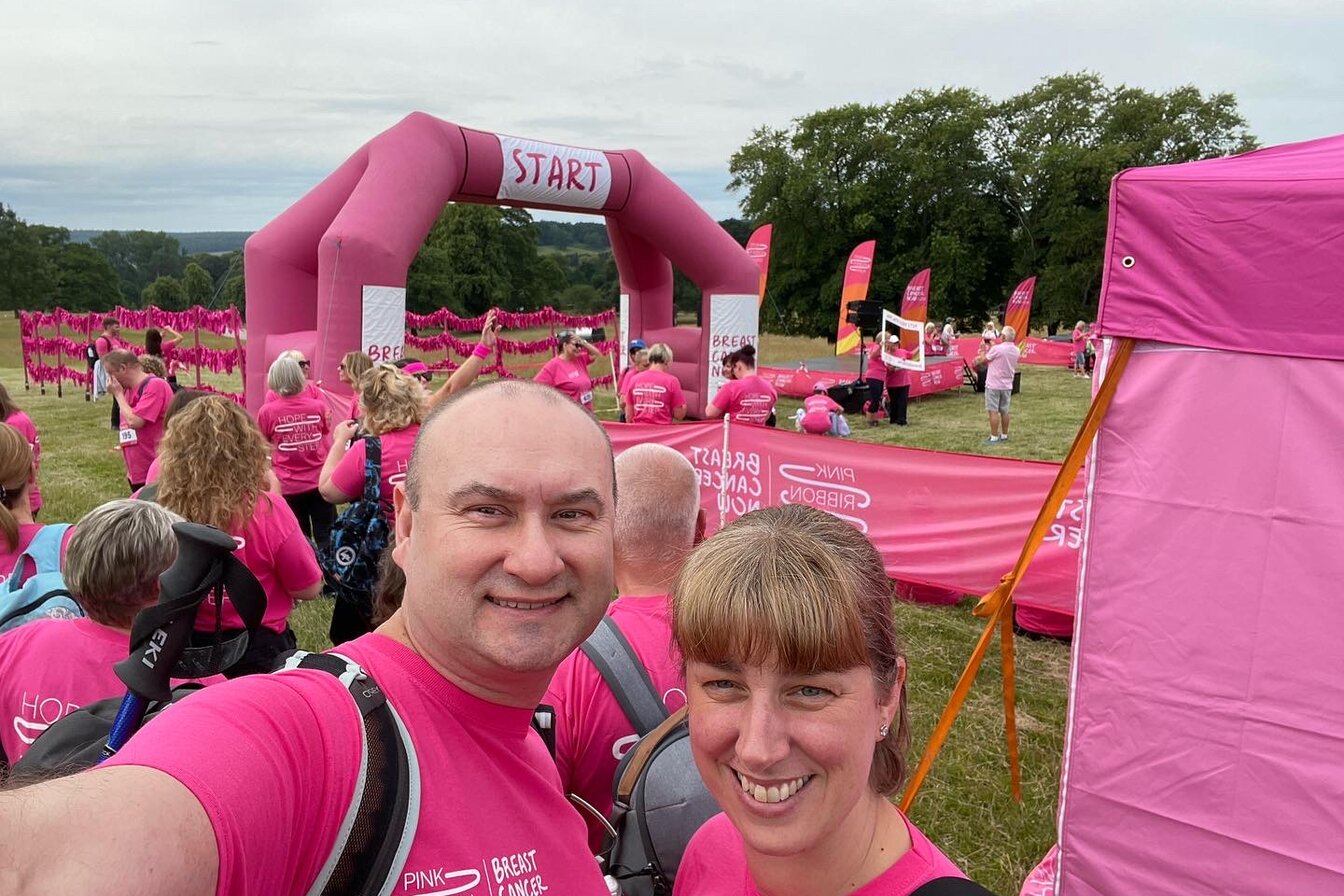
Jill and her husband at the finish line
## Why did you choose the Pink Ribbon Walk?
Walking has been a huge part of my recovery, so it was the perfect choice. I was diagnosed during COVID-19 so walking was the only way I could spend time with friends and family, and it helped my physical and mental health.
We chose the Chatsworth House walk because Chatsworth and the Peak District are favourite places of ours. So, raising money whilst walking in a special place means so much to us.
## **What was your Pink Ribbon Walk experience like?**
The day felt so emotional, I had tears streaming down my face. It was so moving to be surrounded by people whose lives had been touched by breast cancer too. Reaching the finish line with my husband by my side felt like such an achievement, and it was an honour to attach my pink ribbon on the line with everyone.
## How did you fundraise for the walk?
I set up a JustGiving page and shared it through social media. In the end, it raised £1,805.
As well as the Pink Ribbon Walk, 2023 was a bit of a fundraising year for me in general. For Breast Cancer Awareness month in October, I raised £617 for Breast Cancer Now through selling raffle tickets for a pink hamper.
## Why not follow Jill's footsteps and sign up to a Pink Ribbon Walk?
We’ll be there on the day to support you, with a clear route, expert guides and plenty of snack stops to keep you going.
[Pink Ribbon Walks](https://breastcancernow.org/get-involved/sports-adventure/charity-walks/pink-ribbon-walks/walk-with-us)
---
# Celebrating 20 years of our Service Pledge with Karen, our longstanding volunteer
_Source: https://breastcancernow.org/about-us/news-personal-stories/celebrating-20-years-of-our-service-pledge-with-karen-our-longstanding-volunteer_
[Back to Personal stories](https://breastcancernow.org/about-us/news-personal-stories)
1. [Home](https://breastcancernow.org/)
2. [About us](https://breastcancernow.org/about-us)
3. [Personal stories](https://breastcancernow.org/about-us/news-personal-stories)
# Celebrating 20 years of our Service Pledge with Karen, our longstanding volunteer

To celebrate the 20th year of our Service Pledge programme, we asked Karen, patient advocate of 15 years, all about it. She shares its impact on breast cancer services in the UK, what her work involves, and more.
Our Service Pledge brings patients and healthcare professionals together, to come up with improvements to NHS breast cancer services. It gives a voice to primary and secondary patients currently using the services.
## Have you been affected by breast cancer personally?
I was diagnosed with primary breast cancer in 2007. That same year, I had surgery, chemotherapy and radiotherapy, and I started 5 years of hormone therapy.
Towards the end of my treatment, I wanted to find out more about breast cancer and started digging around online. I came across Breast Cancer Now’s Service Pledge and signed up to be a volunteer patient advocate.
## What motivated you be part of the Service Pledge?
I’m passionate about all things breast cancer, and I loved the idea of helping improve patients’ hospital experiences.
## What have you got involved in to date?
As a patient advocate for the Service Pledge, I support patient representatives (local patients who represent the patient voice at their hospital) throughout their work with breast care teams. I ensure their views are listened to and taken on board.
Over the years, I’ve also represented the charity in many meetings. Some have been patient focus groups, where I listen to patients talk about their experience of the care at their hospital.
Having been involved in every Service Pledge since 2007, I’ve seen it evolve and grow into what it is today.
## Why is our Service Pledge important, in your opinion?
It's a respected programme that makes a real difference. The feedback partnership helps ensure the best care is available for breast cancer patients, both medically and psychologically.
## Over the years, what impact have you seen the Service Pledge make?
It has raised concerns that haven’t always been top of the agenda. Clinic waiting time issues has been one of them, now tackled using noticeboards at some hospitals. The noticeboards update patients on timings, who can now use the bathroom or get a beverage without missing their slot.
Some patient feedback has been used to back clinics’ requests for additional staff or clinic improvements. It's helped improve patient information booklets and has resulted in hospitals introducing Breast Cancer Now support services, like Moving Forward and [Here for You](https://breastcancernow.org/healthcare-professionals-hub/here-for-you "Here for You").
The programme often brings up issues that are quite easy to fix, like poor signage, the layout of waiting areas or being given sufficient surgery recovery time before being discharged. Improving things like these can make such a difference to patients and their hospital teams.
Close
Glossary term
## Chemotherapy
Treatment aimed at destroying cancer cells using anti-cancer drugs.
Close
Glossary term
## Hormone therapy
Drugs that work in different ways to block the effect of oestrogen on cancer cells. Only used if the breast cancer is hormone receptor positive.
Close
Glossary term
## Radiotherapy
The use of high energy x-rays to destroy cancer cells.
**Our Service Pledge helps patients turn their experience into something positive. Over the past 5 years, more than 140 UK breast cancer services have got involved, resulting in over 400 service improvements.**
## Interested in becoming a patient advocate?
If you’re interested in becoming a patient advocate, just like Karen, please email service.pledge@breastcancernow.org, or find out more about our Service Pledge programme.
[Find out more](https://breastcancernow.org/healthcare-professionals-hub/the-service-pledge)
---
# After doing her research, Laura spotted secondary symptoms and pushed for an answer
_Source: https://breastcancernow.org/about-us/news-personal-stories/after-doing-her-research-laura-spotted-secondary-symptoms-and-pushed-for-an-answer_
[Back to Personal stories](https://breastcancernow.org/about-us/news-personal-stories)
1. [Home](https://breastcancernow.org/)
2. [About us](https://breastcancernow.org/about-us)
3. [Personal stories](https://breastcancernow.org/about-us/news-personal-stories)
# After doing her research, Laura spotted secondary symptoms and pushed for an answer

After primary treatment, Laura armed herself with knowledge of secondary breast cancer and its signs. 10 years later, she noticed symptoms and pushed for the checks she needed.
## After primary breast cancer, were you told about secondary and what to look out for?
I don’t recall my hospital team ever telling me the signs of secondary breast cancer. I decided to educate myself through websites like Breast Cancer Now, so I knew what to look out for.
## Which symptoms of secondary did you notice?
After being healthy for almost 10 years, I started experiencing symptoms in late 2021. The skin on my chest above my sternum bone felt tender to the touch, like a bruise. With what I knew from my research, I was immediately concerned that this pain in my bones could be secondary breast cancer.
## How did your secondary diagnosis come about?
I called my hospital helpline about the symptoms, but I’d just had my annual MRI scan, and there was nothing sinister of note, so they just told me to monitor it. As I’d recently changed drugs, they hoped it might be hormonal symptoms.
But the pain worsened and I sometimes felt sharp pain when breathing in. I called the helpline and had an examination and breast ultrasound, but again, they explained there wasn’t anything of concern and that it could be costochondritis (inflammation of the breastbone).
Over the next few months, the pain worsened. It became extremely painful to even turn over in bed or to swim front crawl. Sometimes, it felt like the bones were crunching together. I spoke to the GP who sent me for a chest X-ray and referred me back to the hospital. And in May 2022, I had another ultrasound. which was clear. But I was getting increasingly concerned – I had no answers, and I knew these pains were symptoms of secondary.
Eventually, I was offered an MRI of my thorax (chest) which showed a large area of concern. I got booked in for a PET-CT scan, and in July 2022, 9 months after the pain began, I was told the cancer had spread to my bones. A biopsy confirmed that there was a 7cm tumour in my sternum bone and the cancer was incurable.
I feel very sad I wasn’t given an MRI or PET-CT scan when I first reported the issue. If I’d had the right scan at the time, I would still have secondary, but the tumour would have been significantly smaller and I would have started treatment much earlier.
Close
Glossary term
## MRI scan
MRI stands for magnetic resonance imaging. It's a type of scan that uses magnetism and radio waves to produce a series of images of the inside of the body. An MRI doesn’t expose the body to x-ray radiation.
Close
Glossary term
## X-ray
Used to produce images of dense tissues in the body such as bone or lungs.

Close
## Can you tell us about the treatments you've had since?
I started Goserelin (Zoladex), Letrozole and Ribociclib (Kisqali) to shrink the cancer in my bones. It worked incredibly well, shrinking the tumour significantly. In January 2023, I had a major operation to remove my entire sternum bone, with a view to getting rid of all traces of cancer, allowing me to live for as long as possible. I’m now recovering from surgery and continuing the medication, and I go for physiotherapy and acupuncture.
## What advice would you give to someone post-primary, about looking out for secondary?
Breast cancer can return at any point, even 10 or 20 years down the line. So, it’s important to understand secondary symptoms, get to know what’s normal for your body and pay attention to any new aches, pains, breathlessness or other symptoms.
## What would you say to someone concerned about secondary breast cancer?
Firstly, try not to panic, which is easier said than done. After treatment for primary breast cancer, there are side effects that could easily be mistaken for signs of secondary.
Try to avoid Google, and if you have a persistent new symptom, instead call your hospital and ask to be examined. There's every likelihood that your symptom isn’t cancer, but it’s always worth getting it checked, even if you think it’s nothing.
If you’re worried your hospital isn’t offering you the right kind of test, you can go back to them or your GP, and explain your worries or ask for a second opinion. Or use the Breast Cancer Now helpline to speak to a nurse. Nobody knows your body like you do.
Close
Glossary term
## Goserelin
A hormone therapy drug used to treat breast cancer. Its brand name is Zoladex.
Close
Glossary term
## Letrozole
A hormone therapy and one of a group of drugs called aromatase inhibitors, used to treat breast cancer.
Close
Glossary term
## Ribociclib
A targeted therapy used to treat secondary breast cancer. Its brand name is Kisqali.
**Laura Price, featured in this post, is the author of [Single Bald Female](https://www.amazon.co.uk/Single-Bald-Female-Laura-Price/dp/1529074266/ref=tmm_pap_swatch_0?_encoding=UTF8&qid=1626344602&sr=8-1). It's a book inspired by her experience of a diagnosis at 29. You can follow Laura’s story via Instagram [@LauraPriceWrites](https://www.instagram.com/laurapricewrites/) or subscribe to her newsletter via [lauraprice.substack.com](http://lauraprice.substack.com/).**
## Secondary signs and symptoms
If you’ve had primary breast cancer, it’s important to understand secondary breast cancer symptoms, get things checked, and be persistent - like Laura did.
Most breast cancer won’t come back, but it’s important to know your body and get clued up on secondary.
To stay aware of the signs and symptoms, see our helpful resources.
[Find out more](https://breastcancernow.org/about-breast-cancer/changes-to-be-aware-of-after-breast-cancer)
---
# Kerry urges you to know the signs of secondary and follow your gut-feeling
_Source: https://breastcancernow.org/about-us/news-personal-stories/kerry-urges-you-to-know-the-signs-of-secondary-and-follow-your-gut-feeling_
[Back to Personal stories](https://breastcancernow.org/about-us/news-personal-stories)
1. [Home](https://breastcancernow.org/)
2. [About us](https://breastcancernow.org/about-us)
3. [Personal stories](https://breastcancernow.org/about-us/news-personal-stories)
Secondary breast cancer, Symptoms
# Kerry urges you to know the signs of secondary and follow your gut-feeling

After getting clued up on secondary breast cancer, Kerry noticed some of the symptoms, but these became dismissed. Learn about Kerry’s experience, how her diagnosis came about, and the advice she'd give to others.
## Can you tell us a bit about yourself?
I’m a small animal vet with a husband called Steve and 2 teenage stepsons. Steve and I met through mountain biking - a firm hobby of mine.
I think running is the activity that defines me best - more specifically, ultra-running. Most of my runs have been after my primary diagnosis, but I’ve just completed my first 50 miler since my secondary diagnosis, and that feels amazing.
## Can you tell us about your primary diagnosis?
In 2013, I was diagnosed with primary breast cancer at age 39. I went through a left-sided mastectomy with no reconstruction (but an amazing tattoo), chemo, radiotherapy and more. 9 years later, I got my secondary diagnosis.
## Did your hospital talk to you about secondary breast cancer, and its symptoms?
After my primary treatment, there was no information given or said from my hospital team. I wasn’t told that breast cancer could come back. Luckily, I decided to do my own research.
## What symptoms of secondary breast cancer did you notice?
In late 2021, 8 years after primary treatment, I had back pain which came out of nowhere. I knew it was a symptom of secondary, so I spoke to my GP. They did an X-ray that was apparently all-clear. Around 9 months later, the pain was still there, so I saw the GP again for pain relief. Although I should have stuck with my gut feeling, at this point, I thought it was a sporting injury.
A few months later, I went to the GP again, but for fatigue. I was used to feeling tired from training, but this was like nothing before - I was bone tired and could fall asleep by sitting down. I knew fatigue was a secondary symptom too, and I should have put 2 and 2 together and chased for an answer, but in my mind, I didn’t have it at that point - my X-ray was clear.
## Can you tell us about your diagnosis?
Eventually, I had blood tests which showed issues with my bone activity, and I was sent for a bone scan which confirmed I had secondary breast cancer. I should have had blood tests sooner, not just an X-ray. My GP didn't use the right diagnostic pathway, and the false negative delayed my diagnosis.
After my bone scan, I was due an urgent CT, but that wasn’t going to happen anytime soon. I felt like no one was helping me to do anything. I started organising a private CT when a nurse happened to ask how my back was, while writing notes. I said I was in agony with back pain and pins and needles in my left foot. Next thing I knew, she got advice and they sent me an ambulance.
At the hospital, it took 15 hours before I was properly seen, which involved being pushed between A&E and a short stay ward. I had an MRI scan and was told I would be transferred to a specialist hospital for emergency spinal surgery. I had a pathological fracture of T12 and needed 8 screws and 2 rods to stop me becoming paralysed. And then I finally received a CT scan which confirmed the extent of my disease – it was in my spine, ribs, pelvis and lungs.
I was so angry that I wasn’t listened to and diagnosed sooner, especially as I was very aware of the symptoms - I felt let down. My GP, the hospital, palliative care… everyone thought someone was doing something and no one was. I felt completely abandoned.
## What would you say to someone who has had primary breast cancer?
Make sure you know the signs of secondary and follow your gut-feeling if something feels off. Make sure you get an answer, and if you don’t feel comfortable with the advice you’ve been given, ask for a second opinion.
Close
Glossary term
## CT scan
CT stands for computerised tomography. It's a type of scan that uses x-rays to take detailed pictures across the body.
Close
Glossary term
## Mastectomy
This is a type of surgery in which all of the breast tissue is removed, including the nipple.
Close
Glossary term
## MRI scan
MRI stands for magnetic resonance imaging. It's a type of scan that uses magnetism and radio waves to produce a series of images of the inside of the body. An MRI doesn’t expose the body to x-ray radiation.
Close
Glossary term
## Radiotherapy
The use of high energy x-rays to destroy cancer cells.
Close
Glossary term
## X-ray
Used to produce images of dense tissues in the body such as bone or lungs.
## Secondary signs and symptoms
Most breast cancers won’t return, but sometimes they do. It’s important to be aware of the signs and symptoms, know your body, and trust when something isn’t right
[Find out more](https://breastcancernow.org/about-breast-cancer/changes-to-be-aware-of-after-breast-cancer)
---
# Knowing something was not right, Jasmin urged for the secondary checks she needed
_Source: https://breastcancernow.org/about-us/news-personal-stories/knowing-something-was-not-right-jasmin-urged-for-the-secondary-checks-she-needed_
[Back to Personal stories](https://breastcancernow.org/about-us/news-personal-stories)
1. [Home](https://breastcancernow.org/)
2. [About us](https://breastcancernow.org/about-us)
3. [Personal stories](https://breastcancernow.org/about-us/news-personal-stories)
Secondary breast cancer, Symptoms
# Knowing something was not right, Jasmin urged for the secondary checks she needed

After spotting secondary symptoms, Jasmin spoke to her doctor, but they weren't concerned. Knowing that something wasn’t right, she pushed to understand what was going on. In early 2021, she was diagnosed with secondary breast cancer.
## When did you finish primary treatment?
I finished my treatment for primary breast cancer in early 2020. Before the diagnosis, I had been so excited to begin a new chapter. I moved in with my boyfriend in 2019, ready to start my new job at Burberry, London, and 3 days later, I got the news.
After primary breast cancer I was excited to get on with everything. But I started getting symptoms and was diagnosed with secondary breast cancer in 2021. The breast cancer cells had spread to my spine and liver.
## After primary breast cancer, were you told to look out for signs of secondary?
It was only mentioned to me when I was put on the hormone therapy, tamoxifen, by my oncologist. They told me that secondary was unlikely, but that I should look out for the symptom of pain in my bones. I needed scans every 6 months to check things through, and my first was clear.
## What symptoms did you notice early on, and did you think these could be secondary?
New Year, new goals, I set myself a target of a few 3k runs each week. But at that time, I started getting extreme pains around the bottom of my ribcage and right shoulder, which worried me after knowing the symptoms.
I spoke to my oncologist, but they weren’t concerned. And my next scan wasn’t till April, so I booked to see a physiotherapist instead. The pain started to intensify and I knew something wasn’t right, so I pushed to bring my MRI scan forward, and it picked up secondary breast cancer in March 2021.
Close
Glossary term
## Tamoxifen
A hormone therapy drug used to treat breast cancer.

Close
## How has your secondary diagnosis affected day-to-day life?
My secondary diagnosis left me fearful of my future. It took me 6 weeks to get hold of my new reality.
Through my own reading, research, and my determination to live well, I put a positive spin on my situation. I completed some brilliant health and wellbeing courses, and a nutritionist helped me fuel my body with goodness and a strong immune system.
Secondary breast cancer can come with all sorts of challenges. One of my hardest has been knowing I won’t be able to have children of my own.
## What would your advice be to someone after primary treatment?
My advice would be to learn to trust your body and what it's telling you. If you have any new symptoms, get them checked out, be persistent, and know that you’re always entitled to a second opinion.
## Secondary breast cancer symptoms
Jasmin’s story shows the importance of understanding your body, the symptoms, and when something isn’t right. Knowing what to look out for could lead to quicker diagnoses and treatment, hugely impacting quality of life.
[Signs and symptoms of secondary breast cancer](https://breastcancernow.org/about-breast-cancer/changes-to-be-aware-of-after-breast-cancer)
---
# Louise shares why she was inspired to support us and what it's like to be a Voice
_Source: https://breastcancernow.org/about-us/news-personal-stories/louise-shares-why-she-was-inspired-to-support-us-and-what-its-like-to-be-a-voice_
[Back to Personal stories](https://breastcancernow.org/about-us/news-personal-stories)
1. [Home](https://breastcancernow.org/)
2. [About us](https://breastcancernow.org/about-us)
3. [Personal stories](https://breastcancernow.org/about-us/news-personal-stories)
Breast Cancer Voices
# Louise shares why she was inspired to support us and what it's like to be a Voice

Louise turned to Breast Cancer Now for support during a lonely time, mid-pandemic. To give back, she got involved in volunteering opportunities, including our Voices network.
Our Voices are a group of people affected by breast cancer who’ve signed up to help shape our work. Louise talks about her breast cancer experience, why she became a Voice and how joining the network has impacted her.
## Can you tell us about your diagnosis?
In January 2020, I was diagnosed with triple-negative breast cancer with lymph node involvement, about to start a journey of chemo, surgery and radiotherapy taking 6 to 9 months. Little did I know that a worldwide COVID pandemic was looming - 2 chemo’s in, my support network disappeared overnight. But here I am, 3 clear mammograms in, ever thankful for my treatment and support from others.
I won’t lie, going through breast cancer in a pandemic, age 54, living on my own, it was extremely tough at times. There were some very dark moments – often in the middle of the night when sleep escaped me. But it was a new experience for both patients and medical staff, a world of unknown.
## How did you get support during this time?
I’m grateful that despite the pandemic, the support was still there, albeit slightly different to what I planned. My support came in the form of doorstep deliveries, telephone support, driveway chats and of course, Breast Cancer Now’s Someone Like Me volunteer service.
Having chats with a like-minded volunteer was amazing. It made me determined to give back and become a volunteer after my recovery. And I did just that and I’ve been a volunteer for 2 years now.
## How has being a volunteer impacted you?
It’s so rewarding - I’ve been honoured to support and chat to others going through the same thing I did. I get what others are experiencing, so to help them on their journey and out the other side is something you cannot put a value on, but it is high.
Leading on from Someone Like Me, I joined volunteering opportunities like the Pink Ribbon Walks, The Show and the Voices network.
## Why did you decide to become a Voice?
You feel like you’re playing a role in shaping the future of Breast Cancer Now (however small that might be). For me, this was getting involved in research questionnaires as well as university studies around coping with breast cancer during a pandemic.
It can really push you out of your comfort zone.
## Which opportunities have you got stuck into within the Voices network?
Belonging to the Voices network has opened an avenue of opportunities, ones I may not have looked at previously. Being involved in the We’re Here campaign in 2022, sharing my experience of having lymphoedema, was fantastic. And to be featured in the Metro was a proud moment. I’ve also been asked to write pieces on my experience of having chemo, for Breast Cancer Now’s show, The Chat.
## How has being a Voice impacted you?
I believe it’s helped me turn negatives into positives. I can continue to see how I can help others and hopefully make a difference. It goes a little outside of my comfort zone but for the right reasons.
## Join our network
Our Breast Cancer Voices are a passionate community of people using their experiences for breast cancer research and support. If you want to hear about opportunities to get involved, you can become a Breast Cancer Voice today.
[Breast Cancer Voices](https://breastcancernow.org/get-involved/volunteer-us/breast-cancer-voices)
---
# Using the nurse helpline made me feel like someone cared and understood, I cried with relief
_Source: https://breastcancernow.org/about-us/news-personal-stories/using-the-nurse-helpline-made-me-feel-like-someone-cared-and-understood-i-cried-with-relief_
[Back to Personal stories](https://breastcancernow.org/about-us/news-personal-stories)
1. [Home](https://breastcancernow.org/)
2. [About us](https://breastcancernow.org/about-us)
3. [Personal stories](https://breastcancernow.org/about-us/news-personal-stories)
Getting support
# Using the nurse helpline made me feel like someone cared and understood, I cried with relief

When she felt worried and alone, Cath reached out to our nurse helpline for the advice and reassurance she needed.
Our helpline is here for anyone affected by breast cancer or worried about their breast health. Whether you need information, specialist support, or want to go over things, our nurses are at the other end of the phone.
## Can you tell us about your diagnosis, Cath?
After discovering a lump, I was diagnosed with triple positive invasive ductal carcinoma breast cancer in 2021, at age 49. I have a young boy, 3 grown-up children and a husband, and it was a shock to us all. Your brain pings off in all sorts of directions as to what this now means.
## What has your treatment involved?
My consultant was very quick to get my treatment started. After all the usual pre-chemo scans and heart checks, I had 6 rounds of chemotherapy every 3 weeks, then I had a double mastectomy and lymph node removal.
After surgery, I had 5 rounds of radiotherapy and I needed the Herceptin injection every 3 weeks for a year, which I finished in July 2022.

Close
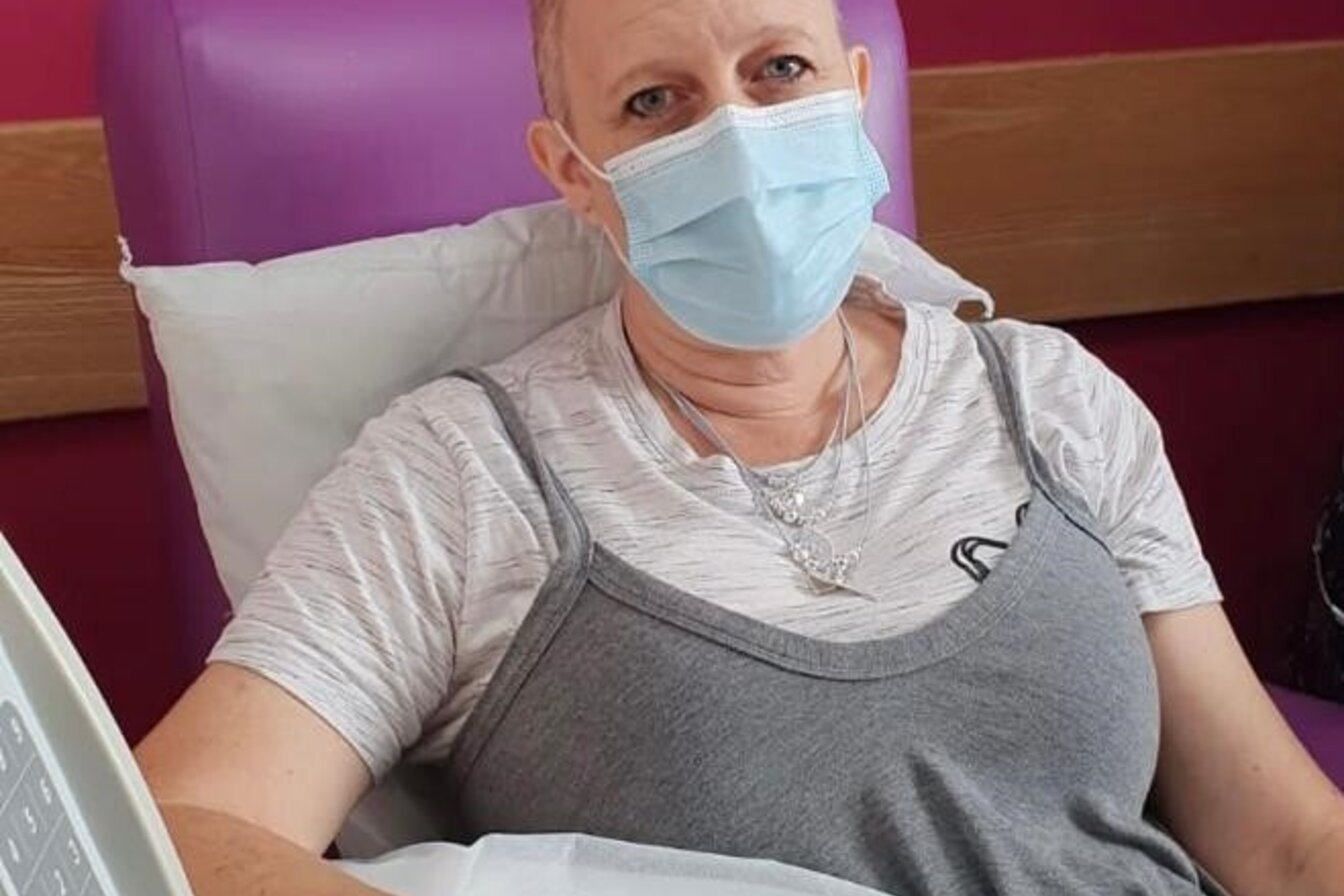
## Why did you decide to use our nurse helpline?
After my surgery, I felt very alone and was worried about whether things were normal, and I didn’t seem to be getting answers from my nurses and doctors.
## How did using the helpline impact you?
When I rang the helpline, I spoke to a nurse from Breast Cancer Now. She was so kind and reassuring and listened to all my concerns. She understood exactly the pains and strange sensations I described to her. She even identified the feeling, asking, ‘Does it feel like there’s a cheese grater under your arm?’ And that was exactly it.
She reiterated how important it was to do the daily exercises the hospital had given me and explained why it was so essential to keep persevering with them. This gave me the motivation to keep going even though they were painful.
Using the nurse helpline made me feel like someone cared and understood. I cried with relief.
It wasn’t just the practical help they provided but also the emotional help, like arranging for me to have a call from a Someone Like Me volunteer. It was lovely to be able to talk to someone who’d been through the same thing and answer my questions - of which I had a lot.

Close
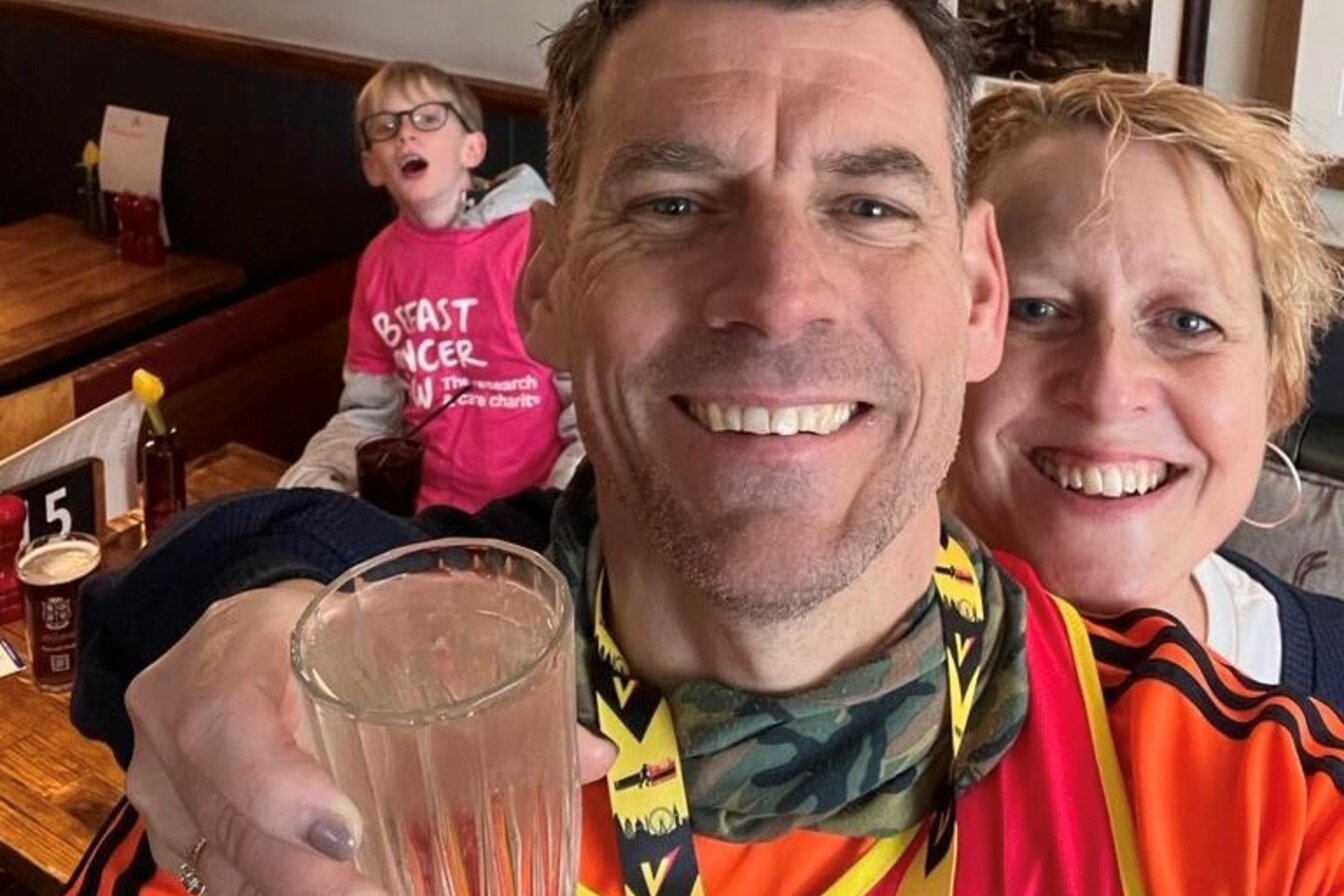
## If you hadn't used the service, how do you think things would have been different?
Without the Breast Cancer Now nurses at the end of the phone I would have felt very alone. Knowing they were there was so comforting. The Helpline really was invaluable, and I'd encourage everyone affected by breast cancer to make use of it.
Since my treatment finished, the fear of reoccurrence has been unbearable at times, but again, speaking to someone on the end of the phone has been such a relief.
Keep up the good work Breast Cancer Now - we love you.
## Our nurse helpline
Our nurses are just a phone call away. To speak to one of our specialist nurses or trained staff, call us for free on [0808 800 6000](tel:0808%208006000).
---
# Feeling alone and a little lost after breast cancer, Jo signed up to our Moving Forward course
_Source: https://breastcancernow.org/about-us/news-personal-stories/feeling-alone-and-a-little-lost-after-breast-cancer-jo-signed-up-to-our-moving-forward-course_
[Back to Personal stories](https://breastcancernow.org/about-us/news-personal-stories)
1. [Home](https://breastcancernow.org/)
2. [About us](https://breastcancernow.org/about-us)
3. [Personal stories](https://breastcancernow.org/about-us/news-personal-stories)
Getting support
# Feeling alone and a little lost after breast cancer, Jo signed up to our Moving Forward course

After breast cancer treatment, Jo was worried about leaving her hospital team, who had been her ‘security blanket.’ To get the support she needed, she signed up to one of our Moving Forward courses.
Our Moving Forward courses are safe, friendly spaces to meet similar people and get support on returning to everyday life. You can either sign up to a face-to-face course near you, or join one of our courses online. They're 2 weeks long, and you’ll be in a small group of no more than 15, along with a Moving Forward Facilitator and friendly volunteers.
## Can you tell us about your breast cancer story?
At 42, I was diagnosed with Stage 2, HER negative, ER+ breast cancer. I remember it like it was yesterday, the bombshell that was dropped from a great height. I'm just thankful I found the lump when I did. Initially, I thought it was just fatty scar tissue, as I had a breast reduction 6 years before.
It played on my mind for some time, before I saw my doctor who fast-tracked my referral. I’m so grateful she did, my story could have been very different if it was left any longer.
## Why did you sign up to a Moving Forward course?
After my treatment finished and I was discharged, I was left to go alone until my annual check-up. As elated as I was, I felt very alone and a little lost. The hospital team was my security blanket and that was gone.
My nurse told me about Breast Cancer Now's Moving Forward course, that can help people after breast cancer. I'm so glad I signed up.
Close
Glossary term
## ER+
ER positive (ER+) means the breast cancer has oestrogen receptors.
## What did the course involve, and how did you find it?
The course was over a few sessions and ran by a lady who had been through breast cancer herself. It was such a great experience to chat to similar people, ask questions and know you're not alone. It really brought out a lot of emotion and feelings I'd probably been holding in through treatment.
It made me feel comfortable and confident about life post-breast cancer and generally getting used to normal life again.

Close
## **How do you think your experience would have been different if you hadn't signed up?**
If I hadn't attended the Moving Forward course things may have been very different. I would have never met the people I did and my fears and feelings may have bottled up. Also, my questions would have gone unanswered, not knowing where to turn to for further help and support. Moving Forward gave me everything I needed to know.
## What did you enjoy most about the groups?
I loved meeting a lovely group of ladies who formed such a great bond. It was like group therapy with people who just understood each other. We’re still in touch on a WhatsApp group and try to meet every few months. Out of something as awful as breast cancer, I met a wonderful bunch of ladies whom I now call my friends.
## What would you say to someone considering a Moving Forward course?
Do it! The thought of a course with people you’ve never met may seem daunting, but you'll make friends for life. I was very sceptical at first, but after the first session, I was hooked. Meeting like-minded people who just 'got it' was such a comfort.
## Moving Forward
If you're interested in joining one of our Moving Forward courses, online or in person, click below.
---
# Marie takes to The Show's catwalk to prove breast cancer can happen at any age
_Source: https://breastcancernow.org/about-us/news-personal-stories/marie-takes-to-the-shows-catwalk-to-prove-breast-cancer-can-happen-at-any-age_
[Back to Personal stories](https://breastcancernow.org/about-us/news-personal-stories)
1. [Home](https://breastcancernow.org/)
2. [About us](https://breastcancernow.org/about-us)
3. [Personal stories](https://breastcancernow.org/about-us/news-personal-stories)
Fundraising
# Marie takes to The Show's catwalk to prove breast cancer can happen at any age

Marie’s taking part in The Show, our annual catwalk, to show that breast cancer can happen at any age and ‘there is light at the end the tunnel.’
Marie and our 23 other models are people from all walks of life, living with or beyond breast cancer. Using fashion, they’re celebrating who they've become through their personal experience of breast cancer.
Read Marie’s story.
## Can you tell us about your diagnosis?
After spotting a lump in my left breast in 2018, I immediately saw the doctor who referred me to the hospital. A consultant saw something but wasn’t overly concerned, describing me as ‘young, fit and healthy’ at 38. I was told to come back in 3 months, which I did, and was told the same thing.
A few months later, I felt a recurring, striking pain in the same breast and was referred to the consultant. Almost a year after I first went, the consultant reluctantly sent me for a mammogram, and there it was, ‘C’. I had 5 biopsies and was sent away bruised, emotional and angry that I hadn’t been heard, but palmed off because of my age. I was told I had grade 2 HER2 positive breast cancer and needed 6 months of chemotherapy, alongside 18 rounds of Herceptin and a mastectomy.

Close
Being a single mum of 2, I felt my whole world crumbling away around me, and how could I tell them I had cancer? After days of tears, I grabbed the bull by the horns and put it on my Facebook, as people would soon see my hair loss any way. After always having long thick hair, it was time for the big chop. My friends and family joined me while my hair was chopped and donated to the Little Princess Trust.
My family supported me every step of the way which I'm so thankful for. Without them, I don’t think I would have been as strong and determined as I was.
## How has breast cancer impacted your everyday life?
When I was told I had breast cancer, the fear of having half a boob on just one breast scared the hell out of me. All I wanted was for these boobs to be gone forever, and so I persisted on saying I wanted a double mastectomy. Thankfully, after talking to a psychologist, my wish was granted.
Since cancer, I’ve had my ups and downs and scares that it returned, but now I’m in a far happier place. I’m back doing what I love doing – motivating others and living life to the full. Last year, I got married to my beautiful wife who has stood by me every step of the way. Between us, we have 4 children and 2 dogs, and at this moment in time, we couldn’t be happier. As for me, I’m happy in my body and very happy with my decision of not having boobs. As for my hair, I keep it short now and love my curls.

Close
## What advice would you give to someone who has just been diagnosed with breast cancer?
Take each day as it comes but try to be one step ahead. Be brave, positive and look forward to things. You’ve got this.
## Why did you sign up for The Show?
Since having cancer, I’ve changed so much as a person, not only in how I look but in how strong and focused I’ve become. And for that reason, I want to show others who face the BIG C that change CAN be a good thing!
I also wanted to show that breast cancer really can affect people of any age, and if you’re worried about something, push to get it checked.
## Why do you think The Show is important?
To be able to spread the word that everybody’s cancer journey is different, and to show that there is light at the end of the tunnel. There is hope that cancer CAN be beaten.
And we are supported as one big family.
## What does taking part in the event mean to you?
It’s giving me the opportunity to meet fellow breast cancer warriors while spreading awareness and supporting others at the beginning of their cancer journey.
## Why should people watch The Show?
To become more aware of breast cancer and hopefully to be inspired by us, confidently walking the catwalk with a positive mindset.
## All you need to know about The Show
Learn more, and watch our latest catwalk on Facebook livestream.
[The Show](https://breastcancernow.org/get-involved/special-events/show-london)
---
# Showing men can get breast cancer too, Jim signed up to our fabulous catwalk, The Show
_Source: https://breastcancernow.org/about-us/news-personal-stories/showing-men-can-get-breast-cancer-too-jim-signed-up-to-our-fabulous-catwalk-the-show_
[Back to Personal stories](https://breastcancernow.org/about-us/news-personal-stories)
1. [Home](https://breastcancernow.org/)
2. [About us](https://breastcancernow.org/about-us)
3. [Personal stories](https://breastcancernow.org/about-us/news-personal-stories)
Men with breast cancer, Symptoms
# Showing men can get breast cancer too, Jim signed up to our fabulous catwalk, The Show

Jim wants to get men talking about breast cancer and show men can get it too. He’s excited for an uplifting experience, donning adventurous clothing.
Jim's one of 24 models selected for The Show: an inspiring catwalk showing breast cancer can affect anyone. Read his story and find out how to watch The Show.

Close
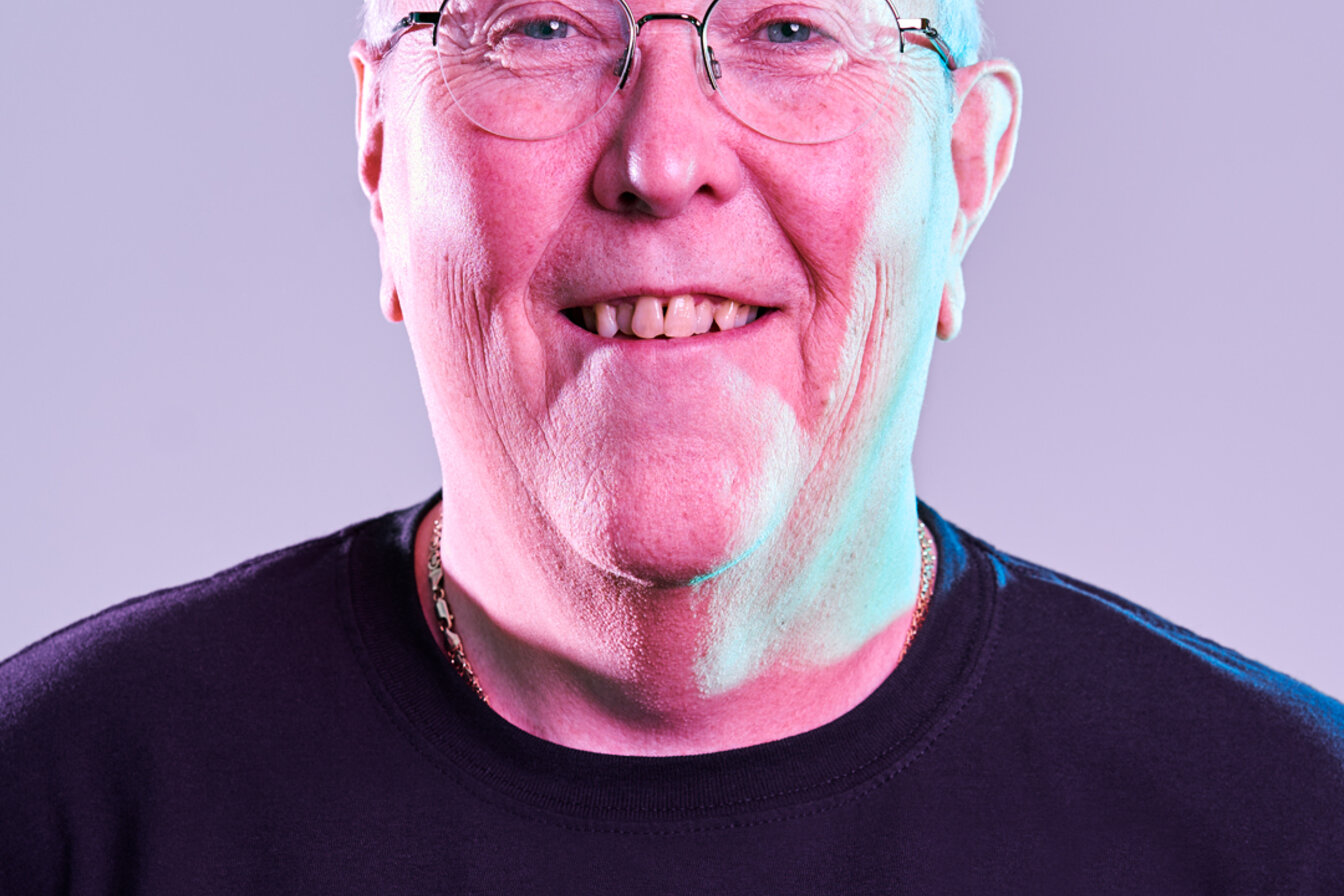
## How did you find out you had breast cancer?
I saw an advert getting everyone to check for breast lumps, not just women. I did just that and felt a small, hidden, pea-size lump in the middle of my chest, but the doctor said it was just a cyst.
When I lost weight, it became more of a red-looking, round one. I went back to the doctor who removed it, sent it for a biopsy, and gave me the news I had male variant breast cancer. I honestly didn’t know what to think... A week later, I had a mammogram and needed a mastectomy (breast removal surgery), among other things.
## Did you feel supported at this time?
The ward was amazing, but I never got to talk with any men going through it. It made me feel really lonely.

Close
## Did you know men could get breast cancer?
I didn't think men got breast cancer and certainly not in the middle of their chests - I'd been told its usually near the nipple.
If you get a cyst on your chest, get it checked. It could be something else and you'd only know after a biopsy. It's more common than you think.
## Why did you sign up to The Show?
A friend in last year’s show said I should apply; she had a wonderful experience and looked fabulous on the runway. Anyway, I applied, but in my heart of hearts, I thought there was no way I'd be picked.
I mainly signed up to show that men can get breast cancer too, and raise awareness. I want to encourage them to keep an eye out for symptoms and reach out if they need support. I’d also like to encourage them to apply for the next show if they’ve been through something similar.
## Why do you think men need to be made more aware about breast cancer?
I think most don’t know they could get breast cancer, and I was the same.
And men can tend to find these sorts of things embarrassing, so tend to not talk about it. We can also be procrastinators, ignoring issues we spot. So, I think we need to get men talking about it, checking for signs and doing something about any worries they have.
## See The Show in action
Find out more about The Show and watch our latest catwalk.
[The Show](https://breastcancernow.org/get-involved/special-events/show-london)
---
# When I felt scared and confused, Breast Cancer Now was my lifeline
_Source: https://breastcancernow.org/about-us/news-personal-stories/when-i-felt-scared-and-confused-breast-cancer-now-was-my-lifeline_
[Back to Personal stories](https://breastcancernow.org/about-us/news-personal-stories)
1. [Home](https://breastcancernow.org/)
2. [About us](https://breastcancernow.org/about-us)
3. [Personal stories](https://breastcancernow.org/about-us/news-personal-stories)
Getting support
# When I felt scared and confused, Breast Cancer Now was my lifeline

Bonita was left in the dark about a lump that turned out to be breast cancer. Later on, she turned to us for the reassurance and information she needed.
## Can you tell us about your diagnosis?
13 years ago, I spotted a lump in my left breast and was referred to the hospital. I had a CT scan and biopsies and I wasn’t told much at all - I felt petrified. 3 weeks later, I was told it was benign, but I had no reassurance and just felt so lost.
It was always on my mind, and in 2022, I had some pain in the same area. I went for a mammogram, and it showed small spots called calcifications. After a biopsy, I needed more tests, and lumpectomy surgery, even though I didn’t even know I had cancer yet. After researching calcifications on Breast Cancer Now’s website, I thought it must be DCIS breast cancer, which it turned out to be.
My lumpectomy cleared 95% of the cancer, so I still needed a mastectomy, or another lumpectomy. I chose a lumpectomy which cleared everything, and I’m now just waiting for reconstruction on my breast.
## What support did you get from Breast Cancer Now?
During the 2 week-wait for my second lumpectomy, I felt really anxious, so I rang the Breast Cancer Now helpline for reassurance. I spoke to a nurse who was amazing and answered all my questions. To be truthful, it helped me so much and made me feel so much better about my worries and concerns.
I also just want to thank Breast Cancer Now, as I feel the website has been more informative to me than anything. From the very beginning, the website gave me what I needed to know, when I wasn’t getting what I needed.
## How do you think things would have different if hasn’t use the service?
When you hear the initial word, cancer, it’s petrifying. Everything goes through your mind, and not fully understanding your diagnosis makes things seem worse.
Once I’d read about my diagnosis on Breast Cancer Now’s website, and I spoke to a nurse in the comfort of my own home, I could truly take in what was being said to me. When you’re sitting in a consultant’s room, you have all these fears and emotions inside of you.
## What would you say to someone else feeling anxious or in the dark, along their journey?
I ‘d really recommend using the helpline. You’ll feel more comfortable in your own space and can think of things you didn’t ask the hospital, and just feel reassured.
It helped that I didn’t know that person, too. I felt like I didn’t need to put on a brave face and could tell them all my worries or fears - something I didn’t want to share to my family or friends.

Close
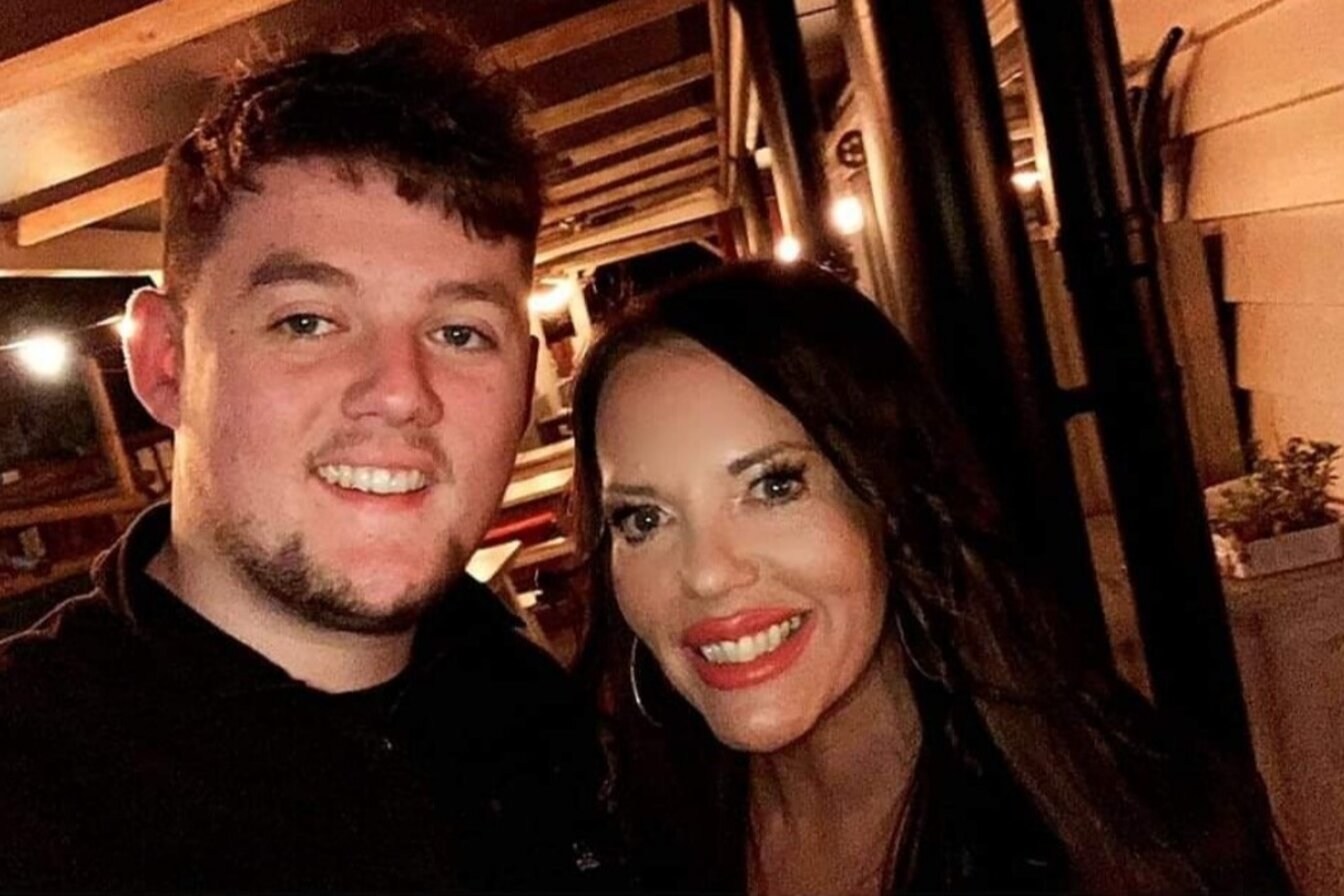
## We’re here for you
If you've been in Bonita's shoes, we're here for you. We have a whole range of services and resources to help you.
---
# Angela and Mary, mum and daughter, are taking on The Show after taking on breast cancer together
_Source: https://breastcancernow.org/about-us/news-personal-stories/angela-and-mary-mum-and-daughter-are-taking-on-the-show-after-taking-on-breast-cancer-together_
[Back to Personal stories](https://breastcancernow.org/about-us/news-personal-stories)
1. [Home](https://breastcancernow.org/)
2. [About us](https://breastcancernow.org/about-us)
3. [Personal stories](https://breastcancernow.org/about-us/news-personal-stories)
Fundraising, Family and relationships
# Angela and Mary, mum and daughter, are taking on The Show after taking on breast cancer together

Mary was diagnosed just 3 weeks after her mum, Angela. Supporting each other whilst trying to look after themselves was tricky to navigate. But going through it together was a big comfort. To celebrate their journeys, they applied for our diverse catwalk, The Show.
Find out more about their stories, why they're taking part, and how to watch.
## What did your breast cancer journeys look like?

Close
**Angela:** My right nipple had been inverted for a while, and I knew it could be breast cancer, but I kept putting off getting it checked. After my mammogram, I was diagnosed with a ‘little cancer,’ which turned out to be Grade 2, Stage 2. And I needed a lumpectomy, and more. I can’t stress enough how very important it is to get any change in your breasts checked out as soon as possible.
Just 3 weeks after, Mary, my daughter, was diagnosed too. It was shocking, more than my own diagnosis. How could my beautiful daughter be diagnosed? She was only 31. I wanted to take away her cancer and give it to me, so she could get on with her life.

Close
**Mary:** Previously, on 2 different occasions, I was told that a lump that I had found in my breast was a cyst. At that point, we had no family history of breast cancer and I was young, so it didn’t even cross my mind to question the medical professionals.
After Mum’s diagnosis, I finally had a scan, and it did show cysts, but also a dark mass hiding behind them. Waiting for the results was horrible; I didn’t tell my parents at first, as Mum was about to start treatment. At the time of my biopsy, I decided to tell them. The results of my biopsy showed that I had Stage 3 breast cancer. Thanks to Mum, we discovered my cancer before it spread even further.
The weeks that followed were chaotic; we were always on the phone trying to decide whether I should come back for treatment or stay in Kenya.
So much has happened that we could write a book. We’ve been the mum or daughter of a cancer patient, as well as patients ourselves.
## How’ve you found going through breast cancer together?
**Angela:** It was very difficult at first. All I wanted to do was see my little girl, and in my appointments, I just wanted to speak about her. But after a surgeon said “do you want your results or not?’ I realised what I had to do – I had to deal with my cancer before I could help Mary. It was difficult to get my head around.
So there’s been challenges, but going through it together has given us such a special bond. I’ve found such caring and loving support from Mary, and she sent me a beautiful song called ‘Brave’, by Ella Henderson, that I played before my first operation. Sharing music helped us bridge the gap.

Close
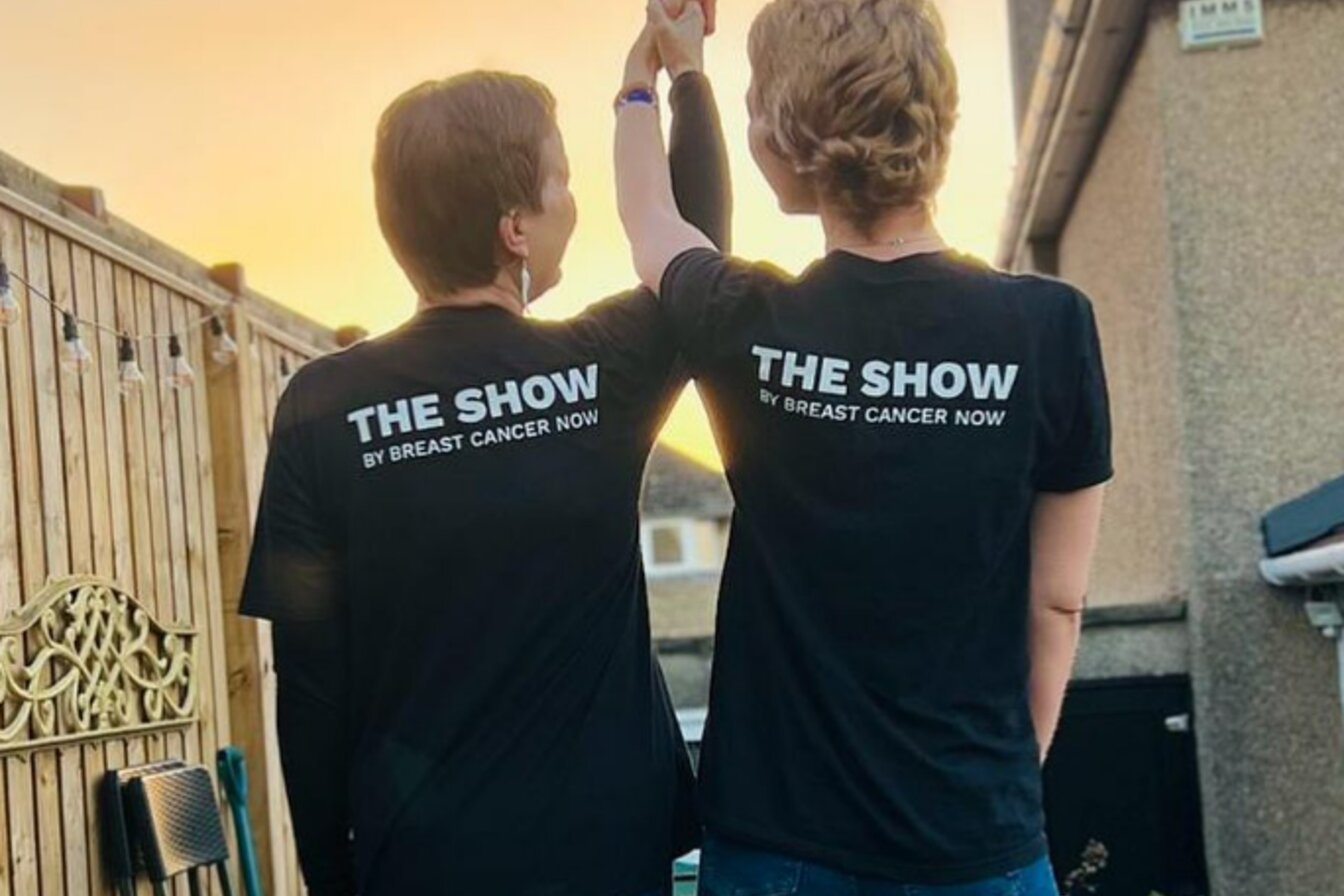
**Mary:** Although I wish Mum hadn’t been diagnosed, it’s been strangely comforting having her go through it with me. But it has been challenging at times. When going through a cancer diagnosis, everyone responds differently and has their own way of processing and dealing with it, and this has been the case for us.
## Why did you both decide to take part in The Show?
**Mary:** We wanted to inspire others, raise awareness of the different signs of breast cancer and how it can affect all ages. We also wanted to celebrate how far we’ve come. After our worlds were turned upside down, The Show has given us something to look forward to.
**Angela:**Mary said she was applying and asked if I’d like to. I wanted to be alongside her as she walked down the runway, with her head held high. And I wanted to raise awareness, send a positive message to all affected by breast cancer, and celebrate everything my body has gone through.
## How are you feeling about The Show now it’s almost here?
**Angela:** I’m very excited. It's such a lovely thing to think about, after all the emotionally draining times.
**Mary:** Between applying for The Show and now, so many things have happened in our lives, including my treatment being prolonged. I can’t wait to walk down the catwalk with Mum and celebrate us and everyone else by our sides.
## What would you say to someone considering watching The Show?
**Angela:**Do it! It will be something wonderful that has come out of real despair! You’ll see so much strength and support, with all the models saying ‘yes’ to life!
**Mary:** The Show’s a bright light amongst all the darkness breast cancer can bring. It’s sure to be an evening full of love, hope, awareness and resilience.
## Interested in The Show?
Find out more and watch the last Facebook livestream.
[The Show](https://breastcancernow.org/get-involved/special-events/show-london)
---
# Viv shares the story of her strong, passionate daughter, Tanya, and how she donates in her memory every year
_Source: https://breastcancernow.org/about-us/news-personal-stories/viv-shares-the-story-of-her-strong-passionate-daughter-tanya-and-how-she-donates-in-her-memory-every-year_
[Back to Personal stories](https://breastcancernow.org/about-us/news-personal-stories)
1. [Home](https://breastcancernow.org/)
2. [About us](https://breastcancernow.org/about-us)
3. [Personal stories](https://breastcancernow.org/about-us/news-personal-stories)
Fundraising, Younger women, Family and relationships
# Viv shares the story of her strong, passionate daughter, Tanya, and how she donates in her memory every year

Diagnosed at age 26, Tanya ‘began a quest for experiences,' ensuring to live life fully. Viv, Tanya's mum, shares Tanya's story and how she keeps her memory alive.
## Can you tell us a bit about Tanya’s story?
Growing up, Tanya loved the outdoors, cars and design, and she represented the county for archery. She went on to get a 1st in industrial design from Cardiff University, where she met her husband, Conny, and had placements in Umeå, the south of Sweden and Gotherburg (working for Volvo Cars). She then did an MA in Transportation Design in Sweden, and a MA Interior Design course at Brighton University. Feeling like her heart was in Sweden, she then made it her home.
In May 2005, Tanya was diagnosed with breast cancer. She started chemotherapy and planned for a mastectomy after the tumour had shrunk enough. But, after a bout of seizures, the cancer had spread to the fluid around her brain and became inoperable. She asked for the worst-case scenario and was told she might not live to the end of the year, making her determined to prove them wrong.

Close
With lots of living to do, Tanya began a quest for experiences. She kept a diary hoping to publish it. She wrote that she wanted ‘to have something good come out of all my experiences, something that talks about cancer, feelings, emotions and expectations at age 26.’ After her diagnosis, Tanya never allowed cancer to rule her life - it was just something to overcome, and she continued smiling and being positive. In 2005, she got engaged to Conny and had an informal, stunning white wedding, even down to the snow, before enjoying a honeymoon in Mauritius. She also achieved her dream of owning a Swedish summerhouse.
Tanya died on 22 March 2006 in her beloved Sweden with Conny, her father, her younger brother James, and myself, at her bedside. She wrote in her diary on 21st December 2005: 'I really need to know that everyone will be there for each other, to help and support one another, through remembering, understanding and knowing me.'
As James Dean said, dream as if you’ll live forever. Live as if you’ll die tomorrow. This was exactly how Tanya lived.
## Do you have any advice for someone going through a similar experience to you?
Supporting someone through breast cancer, indeed any cancer, is extremely hard, but just concentrate on each day - the future is unknown. It is so very important to make memories, however insignificant they might feel at the time. They are just so wonderful to look back on.
## Why did you decide to support Breast Cancer Now, going forward, and can you tell us a bit about this?
I’ve done a lot of fundraising for breast cancer over the years.
In 2015, when Breast Cancer Campaign and Breakthrough Breast Cancer merged into Breast Cancer Now, with an emphasis on research and support, this seemed the best charity to concentrate on. Every year, instead of sending Christmas cards, I donate to Breast Cancer Now in Tanya’s memory, especially as her birthday was 17 December.

Close
## Why is donating in Tanya’s memory important to you?
For me, donating to a breast cancer charity keeps Tanya's memory alive and it’s what she would have wanted - she was so passionate about helping and supporting others going through the same thing, one reason why she kept a diary which she hoped would be published.
## Honour a loved one
If you’d like to pay tribute to a loved one, there are lots of ways you can support Breast Cancer Now in their name.
[Fundraise in memory](https://breastcancernow.org/get-involved/start-your-breast-cancer-fundraiser/fundraise-in-memory)
---
# Breast cancer made my confidence hit the floor, but I used my experiences to help other women enjoy intimacy and feel sexy again
_Source: https://breastcancernow.org/about-us/news-personal-stories/breast-cancer-made-my-confidence-hit-the-floor-but-i-used-my-experiences-to-help-other-women-enjoy-intimacy-and-feel-sexy-again_
[Back to Personal stories](https://breastcancernow.org/about-us/news-personal-stories)
1. [Home](https://breastcancernow.org/)
2. [About us](https://breastcancernow.org/about-us)
3. [Personal stories](https://breastcancernow.org/about-us/news-personal-stories)
Breast Cancer Voices, Body image
# Breast cancer made my confidence hit the floor, but I used my experiences to help other women enjoy intimacy and feel sexy again

After lobular breast cancer, Darlaine felt alone and wasn’t prepared for her ‘confidence to hit the floor.’ After receiving support from Breast Cancer Now, she decided to give back by joining Breast Cancer Voices, a network giving a voice to people affected by breast cancer. Find out how the network helps Darlaine fulfil her passion for helping others feel sexy again.
## Can you tell us a bit about yourself?
I love food, music, theatre, glitter, opera and flamenco! And I work in sexual health.
In 2016, I was diagnosed with invasive lobular breast cancer – a breast cancer that’s harder to spot, because it doesn’t always form a solid lump. This led me to co-found Lobular Breast Cancer UK (LBCUK) over lockdown, offering tips, advice and community for people with this unique type of breast cancer.
Working in sexual health, I’m really interested in how breast cancer can impact sex and relationships.
## How did you feel after treatment finished?
I’ve had 4 lumpectomies and a bilateral mastectomy, and I decided to have breast reconstruction. When surgery, chemo and radiation is over it's like ‘well you are fine now,’ except that it’s not. It can be worse. I took hormone suppressors which can have unpleasant side effects and some people would shut me down if I talked about cancer.
I’d never felt lonely before, despite the curveball I had, but at that point in time, I did feel alone.
And I wasn’t prepared for my confidence to hit the floor in such a forceful way. I didn’t look in the mirror; nothing felt the way it used to. My body doesn’t move the same and my hands seize up sometimes from medication.
My confidence started to come back after I redecorated my breasts with tattoos. All the flowers in my beautiful artwork represent ones I love.

Close
## How have you got support during this time?
Cancer social media groups have been amazing. You can rant and scream to people, and they just get it. This was how I met the co-founders of LBCUK.
Breast Cancer Now have also been amazing, and I’ve been part of the charity for a while now. When I was recovering from surgery, sitting in my caravan on my own, crying, everything hit me. I used their helpline, and the response was just fantastic, and it made me want to give something back and volunteer.
Through volunteering, I heard about Breast Cancer Voices, a network giving people an opportunity to share their stories, join a community and have a voice on how things work at Breast Cancer Now. I decided to sign up.
## How has being a Breast Cancer Voice helped you turn your experience into something positive for you and other people?
One of the most exciting and rewarding things I've been a part of through Breast Cancer Voices is the Ann Summers MyViV project, around intimacy after breast cancer.
I work in sexual health, so for me it was incredible to work with Breast Cancer Now and Ann Summers to design the range. We took part in focus groups to decide on the colour and smells, and we ensured the products had natural ingredients and no colour or perfume for intimate areas. So much thought went into all of them, to help people feel sexy again. It was amazing to be part of something that’s still helping women today.
I also attended the Ann Summers conference and spoke about breast cancer and its effect on relationships, intimacy and confidence. I was overwhelmed by the responses I had from everyone there. They all had experience directly or indirectly of someone with breast cancer and they were incredible and so supportive.
## Interested in the Voices Network?
If you’ve been affected by breast cancer and want to share your voice, like Darlaine, you can sign up to become a Breast Cancer Voice. Find out more about about Breast Cancer Voices or ask our team by emailing voices@breastcancernow.org.
[Breast Cancer Voices](https://breastcancernow.org/get-involved/volunteer-us/breast-cancer-voices)
---
# Jessica understands more than ever the importance of checking your breasts
_Source: https://breastcancernow.org/about-us/news-personal-stories/jessica-understands-more-than-ever-the-importance-of-checking-your-breasts_
[Back to Personal stories](https://breastcancernow.org/about-us/news-personal-stories)
1. [Home](https://breastcancernow.org/)
2. [About us](https://breastcancernow.org/about-us)
3. [Personal stories](https://breastcancernow.org/about-us/news-personal-stories)
Younger women
# Jessica understands more than ever the importance of checking your breasts

After finding a lump by chance, Jessica realised ‘more than ever how important it is to check your breasts regularly.’ She talks about her experience and her passion for spreading awareness, particularly to younger women like her.
## What’s your experience with breast cancer?
While breastfeeding my daughter, I felt a lump in my breast. 2 weeks later, I went to a breast cancer unit, then fast forward a week, I was diagnosed with squamous metaplastic breast cancer, found in less than 2% of breast cancers. My world fell apart, but I decided to fight as long as my body would.
I’ve had 6 rounds of chemotherapy and a mastectomy, and I just need a bit more treatment to zap any remaining cancer cells.
## Has your experience changed your views on checking your breasts?
Absolutely. I’m not embarrassed to admit that I never checked my breasts before my diagnosis. I know I should have but I put it off when I was busy, and I think I was scared to find something.
Now I understand more than ever how important it is to check them and do it regularly. Spotting a lump early can make all the difference. I’m extremely fortunate to have found my lump – if I hadn’t been breastfeeding my daughter, I probably wouldn’t have found it early enough.
I really hope others can learn from my experience.
## How did you feel as a young woman with breast cancer?
Being diagnosed with breast cancer at 36 was a huge shock. I was fit, ate relatively healthily, I’ve always been slim and I hardly ever drank alcohol. There is little history of cancer in my family. As my surgeon put it, it’s purely bad luck.
Now, it's important to me to spread breast cancer awareness to other younger women.

Close
## Can you tell us more about your passion for spreading awareness?
Definitely - I’m now really passionate about raising awareness, particularly to younger women, and I do this on my Instagram [@life_lemons_and_my_melons](https://www.instagram.com/life_lemons_and_my_melons/). Yes, breast cancer mostly affects women over 50, but there’s a growing number younger women like me being diagnosed too.
Younger women need to know it can affect their age group. They need to know the early signs and how to check for breast cancer. Learning and sharing some simple steps really can save lives.
**As Jessica mentioned, [breast cancer rates in younger women are on the rise](https://www.cancerresearchuk.org/health-professional/cancer-statistics/statistics-by-cancer-type/breast-cancer/incidence-invasive#heading-Two). For women age 25 to 49, they've risen by 17% over the last 30 years.**
**To stay aware, see our [guide on breast cancer symptoms and how to check for breast cancer](https://breastcancernow.org/about-breast-cancer/awareness/signs-and-symptoms-of-breast-cancer "Signs and symptoms of breast cancer").**
## Support for women under 45
Being diagnosed at a younger age can be very isolating, but you're not alone. Our Younger Women Together courses offer the chance to talk to experts and meet other young people who understand what you're going through.
---
# Standing together to support Breast Cancer Now - Roseann’s story
_Source: https://breastcancernow.org/about-us/news-personal-stories/standing-together-to-support-breast-cancer-now-roseann-s-story_
[Back to Personal stories](https://breastcancernow.org/about-us/news-personal-stories)
1. [Home](https://breastcancernow.org/)
2. [About us](https://breastcancernow.org/about-us)
3. [Personal stories](https://breastcancernow.org/about-us/news-personal-stories)
Getting support, Volunteering, Fundraising
# Standing together to support Breast Cancer Now - Roseann’s story

After getting support from Breast Cancer Now, Roseann decided to give back and support our charity. Read about her pledge to stand together and help others affected by breast cancer.
## What’s your connection with breast cancer?
It's been 10 years since I was diagnosed with triple negative breast cancer (TNBC) at the age of 34. Thankfully, I've been clear since, and my oncologist said I now have the same chance of getting breast cancer as someone who hasn't had a diagnosis. Scary and anxious words to be given, so saying this 10 years milestone is a relief is an understatement.
## What support did you receive from Breast Cancer Now?
Breast Cancer Now was my support from day 1. When I had no idea where to turn, their Someone Like Me service connected me with someone else who had breast cancer. They were trained to help and close to me in age and diagnosis. It was great to speak to someone a bit further along who could give me advice and emotional support. It made me feel less alone, that my feelings were normal and that things would get better.
Ask Our Nurses was another incredibly helpful Breast Cancer Now service - especially when any ache or pain made me worry cancer was coming back. I was able to speak to a specialist nurse without ever feeling I was making a mountain out of a molehill.
After I completed my treatment, I wanted to say thank you and pay it forward by supporting Breast Cancer Now myself.
## What did you do to support Breast Cancer Now?
Because of Breast Cancer Now, no one affected by breast cancer needs to feel alone and unsupported, and support from others is really what helps the most – support from Breast Cancer Now helped me feel strong, listened to, and cared for.
Once I was in a better place, I wanted to pay it forward, support the charity and help others affected by breast cancer.
So I decided to become a headstrong volunteer as well as a Someone Like Me volunteer, offering one-to-one support, like the volunteer gave me. I’m also fundraising for Breast Cancer Now. This year, I hope to raise at least £1000 to mark 10 years since my diagnosis. I've just completed the 300k cycling challenge, raising £750, and I hope to do the afternoon tea in August.
Will you stand with me and give a gift that could help someone affected by breast cancer today?

Close
## Support people like Roseann and donate today
By donating, you’re helping people like Rosann by supporting our world-class research and life-changing support.
[Donate today](https://secure.breastcancernow.org/)
---
# I was lucky to notice the lump when I did – otherwise it could have been a different story
_Source: https://breastcancernow.org/about-us/news-personal-stories/i-was-lucky-to-notice-the-lump-when-i-did-otherwise-it-could-have-been-a-different-story_
[Back to Personal stories](https://breastcancernow.org/about-us/news-personal-stories)
1. [Home](https://breastcancernow.org/)
2. [About us](https://breastcancernow.org/about-us)
3. [Personal stories](https://breastcancernow.org/about-us/news-personal-stories)
Symptoms
# I was lucky to notice the lump when I did – otherwise it could have been a different story

Shortly after New Year, Rashmi received a triple negative breast cancer diagnosis. Almost a year on, she has finished treatment and is urging other people to take seriously any changes in their breasts.
## Waiting for that appointment before Christmas was agony
I found a very big lump one day last November. I was standing with my arm stretched right over my head, wiping off some talc powder. I felt it straight away.
I showed it to my husband and said it was probably a cyst that would go away. My husband insisted I contact the doctor to be checked, which I did. The doctor checked the lump and referred me for an urgent appointment at the breast clinic. It wasn’t until a whole month later that I got a hospital appointment.
The hardest part was waiting for that appointment just before Christmas. I had a mammogram, ultrasound and five biopsies taken on 23 December. I knew from the body language of the doctor, and the biopsies taken by the consultant, that it was cancer.
I returned a few days after New Year to be told I had [triple negative breast cancer](https://breastcancernow.org/information-support/facing-breast-cancer/diagnosed-breast-cancer/primary-breast-cancer/triple-negative-breast-cancer) which had not spread to the lymph nodes and was 4.5cm big. I was angry at myself for not noticing this before. I remember noticing a bit of tenderness in my breast in the summer, but put it down to the menopause.
## I want to raise more awareness about triple negative breast cancer
After my diagnosis, I had scans and was told the cancer had not spread.
I started four months of chemotherapy and my midway scans showed a significant reduction in tumour size. I had a wide excision [lumpectomy](https://breastcancernow.org/information-support/facing-breast-cancer/going-through-treatment-breast-cancer/surgery) and sentinel lymph node biopsy in June. The pathology report showed I had responded well to chemotherapy and that the cancer cells had gone. I then started two weeks of radiotherapy.
I’m aware that triple negative breast cancer is a more aggressive cancer and I want to raise awareness of this. It's more difficult to treat and I was lucky to notice it when I did – otherwise it could have been a different story.
## My treatment has finished and I’m trying to move on
I kept reasonably well through the chemotherapy treatment, although I suffered from mouth sores and ulcers. With the [paclitaxel chemotherapy](https://breastcancernow.org/information-support/facing-breast-cancer/going-through-treatment-breast-cancer/chemotherapy/paclitaxel-taxol) sessions I started to get lots of pain in my legs, and skin rashes. I lost my hair really quickly after the second cycle. Radiotherapy didn’t affect me at all, although I’m still having episodes of fatigue.
Unfortunately, I’ve been left with peripheral neuropathy in my legs and feet which I’m on medication for.
I’m happy I got through it all, but it’s like my security blanket has been lifted. It was very scary to walk out of the hospital on my last day of radiotherapy - it's all I've known for the last nine months.
I’m glad to say all my treatment has finished and I’m trying to [move on](https://breastcancernow.org/information-support/support-you/moving-forward) with my life. I know it’ll take time to get my head around all of this, but I’m taking one day at a time.
## I’ve been overwhelmed by the kindness shown by everyone
My husband and I waited until I had a confirmed diagnosis before we told our two grown-up children. They were shocked and upset at first, then accepting and supportive.
My friends have been an amazing support and at times accompanied me to the many appointments I had, as my husband works away and couldn’t always be with me.
I have felt overwhelmed by the kindness shown by everyone. My “work family” have been there for me all the way along, and through my experience I’ve met other women who’ve been going through the same experience as me - these people will be my friends for life.
Breast Cancer Now has been able to answer any worries or questions I’ve had and continues to be wonderfully [supportive](https://breastcancernow.org/information-support/support-you). I used the website to access information as I went through various stages of treatment, and also used the forums, and I joined quite a few Facebook Live sessions.

## Be aware of any changes to your breasts – no matter how small
The best advice I can give is to not put off checking out any changes in your breasts. It’s important to be aware of any changes, no matter how small, as the sooner treatment is started, the better the outcome can be.
Triple negative breast cancer is a rare form which accounts for only around 15% of breast cancers and its early detection is more likely to result in a positive outcome.
## Touch, Look, Check
Triple negative breast cancer is a rare form which accounts for only around 15% of breast cancers and its early detection is more likely to result in a positive outcome.
[Touch, Look, Check](https://breastcancernow.org/about-breast-cancer/touch-look-check)
---
# Helping others is a massive part of my healing process
_Source: https://breastcancernow.org/about-us/news-personal-stories/helping-others-is-a-massive-part-of-my-healing-process_
[Back to Personal stories](https://breastcancernow.org/about-us/news-personal-stories)
1. [Home](https://breastcancernow.org/)
2. [About us](https://breastcancernow.org/about-us)
3. [Personal stories](https://breastcancernow.org/about-us/news-personal-stories)
Volunteering
# Helping others is a massive part of my healing process

A married mum of 2, Donna is a Public Health volunteer for Breast Cancer Now. Here she tells us why helping others is a crucial step on her own path to recovery.
## Breast cancer doesn’t discriminate
I’m 49. My Mum had breast cancer 18 years ago, then I was diagnosed with it at the age of 46 after I’d found a lump. I had a malignant tumour that had spread to my lymph nodes.
I started six months of chemotherapy, then had a double mastectomy with lymph node removal and after that, radiotherapy every day for three weeks. Then I had biological therapy for a year. Now I’m on medication for at least the next 10 years.
Breast cancer doesn’t discriminate. You can be old, young, a man, a woman, and still get it. I thought I was young at 46, but there are women in their twenties diagnosed with it and that’s really frightening because I’ve got children, and my oldest is 21.
Now a massive part of my recovery is helping others. I’m a massive believer that after something bad happens, something good must follow. I joined Breast Cancer Now as a Someone Like Me volunteer but last year I decided to become a Public Health volunteer too. Even if just one person goes to their GP to get checked out after one of my talks, then that makes it all worthwhile.
## People don’t like talking about boobs – now boobs are all I talk about!
As a Public Health volunteer for Breast Cancer Now, I deliver [Public Health talks](https://breastcancernow.org/information-support/public-health-talks) to businesses, charities and community groups, and talk about breast cancer facts and figures, breast awareness, and the signs and symptoms of breast cancer.
It can be an interactive talk, and sometimes we have a bit of fun, but the message is serious. We highlight Breast Cancer Now’s [Touch, Look, Check (TLC message)](https://breastcancernow.org/information-support/touch-look-check), and we talk about the importance of checking yourself, and the signs and symptoms to look out for. It’s not too heavy, it’s all factual and we don’t want to frighten people. We just want to get the message out. People don’t like talking about boobs, and now boobs are all I talk about!
We also talk about causes of breast cancer and how you can reduce your risk, how to stay healthy, and the myths and misconceptions surrounding breast cancer.
## If anything goes wrong, we laugh and start again
I delivered an online talk for a local council to ladies of all different ages. There was really good feedback and I really enjoyed it.
The host is responsible for setting the talk up. In this case, the local council had chosen Breast Cancer Now to raise awareness of breast cancer as part of their health week. It’s kept really simple for volunteers to deliver these talks, the hosts do everything preparation-wise. They sent me an invite to join their virtual event, I just start the talk and I’m in charge of all the slides.
I was a bit scared about giving a talk online, but it wasn’t hard and it went well. And if anything goes slightly wrong at the beginning, we just laugh about it and start again.
## Never forget to TLC
The one message I’d like people to take away from my talks is to regularly [Touch, Look, Check (TLC)](https://breastcancernow.org/information-support/touch-look-check). I’d like them to say to themselves, ‘This is going to be part of my routine’, and to set a reminder that works for them, and get into the habit of checking themselves regularly.
A lot of people don’t check themselves for signs of breast cancer because it’s hard to think that it can happen to otherwise healthy people. I was fit, I went to the gym, I drank a lot of water, there was nothing wrong with me and then suddenly I found a lump. The doctor tells you that you’ve got breast cancer and you think, ‘But I’m not ill!’
The final stage of my healing is using my experience to help others Delivering Public Health talks and volunteering for Someone Like Me helps the people I talk to, but it helps me just as much.
## Find out more about our Public Health Talks
Find out more or a book a talk in your community.
[Public health talks](https://breastcancernow.org/about-breast-cancer/public-health-talks)
---
# I developed PTSD following my breast cancer diagnosis
_Source: https://breastcancernow.org/about-us/news-personal-stories/i-developed-ptsd-following-my-breast-cancer-diagnosis_
[Back to Personal stories](https://breastcancernow.org/about-us/news-personal-stories)
1. [Home](https://breastcancernow.org/)
2. [About us](https://breastcancernow.org/about-us)
3. [Personal stories](https://breastcancernow.org/about-us/news-personal-stories)
Mental wellbeing, Younger women
# I developed PTSD following my breast cancer diagnosis

After being diagnosed with breast cancer at 27 and encountering difficulties during treatment, Melissa was constantly worried. It wasn’t until she went to therapy that she realised she’d been experiencing physical and mental symptoms of health anxiety and PTSD.
## I experienced some difficult moments on my own
In September 2020, I [found a lump](https://breastcancernow.org/information-support/have-i-got-breast-cancer/signs-symptoms-breast-cancer) in my breast while in the shower. I contacted the GP pretty much immediately and got a referral to the breast unit. After an ultrasound, a biopsy, and two weeks of waiting, I was told I had cancer.
Because of COVID restrictions, I was totally alone when I got the news. I remember being told that they thought it was treatable, but most of the appointment is just a blur to me now. I was so upset.
After another two weeks of waiting, I got my full diagnosis: stage one, grade three, HER2+ invasive ductal carcinoma.
Because of my age (I turned 27 the week I was diagnosed), I was offered [fertility treatment](https://breastcancernow.org/information-support/facing-breast-cancer/breast-cancer-in-younger-women/fertility-breast-cancer-treatment). Once that was done, I was supposed to have chemotherapy and then surgery and radiotherapy. However, the fertility treatment was going to take a while, so they gave me the surgery first.
As it turns out, I am allergic to the blue dye they put in to find your lymph nodes, so I went into anaphylactic shock and got put on a ventilator. I didn’t know about it until I woke up in intensive care 24 hours later – again, on my own.
## I had never experienced anxiety before my cancer diagnosis
Luckily, they had already removed the cancer and were stitching me up when I had the reaction, so the surgery was a success.
I continued with my treatment up until August 2021, and there were a few more bumps along the way. The fertility treatment was horrible (but we managed to store 19 embryos, so worth it), I lost all my hair, and also suffered with sepsis and a blood clot.
It didn’t end when my treatment did, though. In October 2021, I had to start therapy because my health anxiety was just off the scale. I was diagnosed with [PTSD](https://breastcancernow.org/about-us/news-personal-stories/my-story-podcast-professor-naz-derakhshan-ptsd) because of everything that had happened.
I had never suffered with anything like it before. As soon as I was diagnosed, however, I constantly worried that there was going to be a recurrence, or that pain in other parts of my body were symptoms that it had spread.
At one point, I had a headache for three weeks. I had two CT scans of my brain, but both came back clear. I thought I had heart problems because I would constantly get palpitations and experience a racing heartbeat. Now, I realise that they were symptoms of [anxiety](https://breastcancernow.org/about-us/news-personal-stories/10-ways-overcome-anxiety-when-worry-gets-out-control).
## Therapy helped me come to terms with everything that had happened
Until it happens to you, you don’t necessarily realise the effect that stress and anxiety can have on your body. It also didn’t help that I lost a friend to breast cancer just two months after being diagnosed.
The doctors had offered me SSRIs early, but I turned them down because I felt I already had enough stuff being pumped into my body. I regret not listening to them now, because I’ve been put on fluoxetine, and it’s really helped.
I also had about 25 weeks in therapy, and being able to talk about what had happened to me really helped me to come to terms with things.
I finally felt well enough to resume planning my wedding (which was originally meant to happen in 2021). I had originally postponed it because I lost my job, but when I was [diagnosed with cancer](https://breastcancernow.org/information-support/facing-breast-cancer/diagnosed-breast-cancer) it was like all of the joy had been stripped out of my life. I didn’t have the capacity to think about getting married. I couldn’t look forward to anything.
It wasn’t until I started therapy that I felt in the right mindset to do it, and we eventually got married in May this year. It meant so much to me to be able to get married with a full head of hair after I’d lost it all in chemo.
## It is possible to find happiness again after cancer
To some extent, I was able to talk about my worries with my friends and family. I delved into little bits here and there, but I didn’t want to talk about it too much. I felt that it was a burden. It wasn’t until I went to therapy that I was really able to get everything out there.
Since then, one of the other mums from my daughter’s school got diagnosed with breast cancer, and I’ve been able to talk to her about what she’s going through. It’s been nice for me as well as her - I’ve become the friend I wish I had when I was starting treatment.
I want to be that for other young ladies who are in my position. I think it’s so important to be able to speak to someone who understands what you’re going through. I was eventually able to do this myself through Breast Cancer Now’s [Moving Forward](https://breastcancernow.org/information-support/support-you/moving-forward) programme, which I found helpful.
If anyone reading this has been recently diagnosed, just remember that you’re going through a lot right now. You are experiencing trauma, and you need to take time to rest and recover; not just your body, but your brain too.
Cancer might always be there at the back of your mind, but you can find life and happiness again outside of your diagnosis. The most important thing for you to do is start that process.
## We're here to help
When treatment is over, it can be hard to readjust to everyday life. If you're struggling to get back to normal life after breast cancer treatment, we're here to support you.
[Moving Forward](https://breastcancernow.org/information-support/support-you/moving-forward)
---
# Becoming a volunteer following my diagnosis has helped me readjust to life
_Source: https://breastcancernow.org/about-us/news-personal-stories/becoming-volunteer-following-my-diagnosis-has-helped-me-readjust-life_
[Back to Personal stories](https://breastcancernow.org/about-us/news-personal-stories)
1. [Home](https://breastcancernow.org/)
2. [About us](https://breastcancernow.org/about-us)
3. [Personal stories](https://breastcancernow.org/about-us/news-personal-stories)
Volunteering
# Becoming a volunteer following my diagnosis has helped me readjust to life

After she was diagnosed with breast cancer, Anisa became detached from ‘normal’ life. In her Office Volunteer role with Breast Cancer Now, she’s starting to feel comfortable again.
## I wanted to get back into the world and stop feeling like a patient
I was motivated to become an Office Volunteer at Breast Cancer Now through my own experience with breast cancer, as I felt it was a manageable way for me to somehow help others who have been affected.
It was a way of me giving back and saying thank you to the volunteers who were there for me when I needed these services.
What I enjoy most about my Office Volunteer role is the people I get to work with. Every person I’ve met so far has been amazing, and so genuinely kind and considerate. I could really tell straight away from the working environment that I would feel comfortable and safe once I was in the office.
That was another important motivation for my volunteering: to regain my confidence, get back into the world and no longer feel like I was just a patient. Breast Cancer Now felt like a safe place where I could do that.
## I already feel I have benefitted so much
I also like that the role can be tailored for me, and I’m not just given any task that needs completing.
In my role, I hope to develop my communication skills, as well as improve my IT abilities (which are essential in today’s digital world).
Even though I’ve only recently started, I already feel like I’ve benefitted so much. I’m starting to feel a little more ‘normal’ around people again. I’m gaining more confidence each week, adjusting to being back in an office environment, and also getting used to not having to explain my diagnosis. There’s something weirdly liberating about it.
Although not everyone knows I’ve also had breast cancer, they have still been so supportive – especially Anna, the Volunteering Administrator. She is always so patient and understanding. I really enjoy our weekly video catch-ups; I always leave feeling so positive and smiling.
I was very nervous to start, but having a space where I can be honest with her so we both gain from this role is the best place to be.
## Everyone has made me feel safe and supported
I would definitely recommend that other people volunteer with Breast Cancer Now. I’ve felt so safe, and it’s been the perfect environment to get back in an office after my diagnosis.
Plus, I still have the option to use the services whilst volunteering.
The role is flexible and is just as much about what I can gain for myself as it is about helping others. Everyone here is so lovely and I know I can learn so much more with Breast Cancer Now.
## Become a Volunteer
We regularly update our website with volunteer opportunities. We have roles across the UK with flexible hours to work around you. If you're interested in volunteering for us, we'd love to have you.
[Apply to be a volunteer](https://ats-breastcancernowvolunteers.jgp.co.uk/vacancies?ga_client_id=52762d8e-70db-42cf-9f82-87171ef0a280)
---
# In 2020, I was given 2 years to live. This year, my scans show that I’ve had a complete response to treatment
_Source: https://breastcancernow.org/about-us/news-personal-stories/in-2020-i-was-given-two-years-live-year-my-scans-show-i-ve-had-complete-response-treatment_
[Back to Personal stories](https://breastcancernow.org/about-us/news-personal-stories)
1. [Home](https://breastcancernow.org/)
2. [About us](https://breastcancernow.org/about-us)
3. [Personal stories](https://breastcancernow.org/about-us/news-personal-stories)
Treatment tips, Secondary breast cancer, Younger women
# In 2020, I was given 2 years to live. This year, my scans show that I’ve had a complete response to treatment

When Fran was diagnosed with secondary breast cancer at 25, she was determined to defy the prognosis she’d been given. After surgery, chemotherapy and radiotherapy, she's been declared No Evidence of Disease.
## I was denied a scan after finding a lump
In January 2019, at the age of 24, I found a lump in my right breast and inevitably was concerned. At the time, I was a personal trainer, had been training for the Ironman, and was the fittest I’d ever been. I also had no family history.
The following day, I went to my GP. It was confirmed there was a lump and I was referred to the breast clinic for an ultrasound. However, on attending this, I was told that I was “young and hormonal” and that the “lump was no concern.” No scan was done.
18 months later, in July 2020 and at the height of the pandemic, I discovered a dimpling where the lump was. Knowing this wasn’t a good sign, I booked in for a rapid diagnostic test and three days later, at the age of 25, I was diagnosed with breast cancer.
In the time since first finding the lump, my cancer had advanced. I was given a stage 4 diagnosis with three tumours: breast, liver and skull. The oncologist gave me two years to live.
I remember asking, “What am I supposed to do before I’m 27?!” but I was determined to fight and sought an oncology team who would back my corner.
## Incredibly, I had a complete response to treatment
Moving to The Royal Marsden, I started my treatment journey. In the space of 12 months, I had a craniotomy to remove the part of the skull the tumour was in, six months of aggressive chemotherapy, cyberknife radiotherapy, and on completion started a new targeted therapy drug as well as endocrine therapy.
At 26, I was put into a treatment-induced menopause (which continues to be a struggle), but the week before my 27th birthday we got the incredible news that my scans showed No Evidence of Disease.
Fast-forward to the current day: my scans are not only still clear, but I have had a complete response to treatment, and therefore do not need to have breast surgery - quite the head scratcher for us all!
Throughout my treatment I continued to exercise, and I don’t think it’s a coincidence that I not only had such a remarkable response to treatment but also did not suffer from fatigue.
My experience inspired me to help others going through cancer treatment to continue to exercise so they could hopefully experience the same. In 2021 I qualified as a Level 4 Cancer and Exercise Rehabilitation Specialist.
## I wouldn’t be alive today without fundraising and research
I now work full time with other cancer thrivers to prehab before treatment, keep active during treatment and rehabilitate post treatment.
I absolutely love my job, seeing the difference it makes to those people, and I now also hold a monthly meetup for young cancer thrivers to be able to be around others experiencing cancer at a similar life stage to them.
I’m also so honoured to be a part of this year's [Pink Ribbon Ball](https://breastcancernow.org/get-involved/special-events/pink-ribbon-ball "Pink Ribbon Ball"). It’s so important to me to share my story and be part of this event to show everyone the positivity that can come after such a difficult diagnosis.
Without fundraising, awareness, research I wouldn’t be alive today. I wouldn’t still be smiling, moving, enjoying life and helping others.
We’re often shown the darkness that comes with a cancer diagnosis, but I want to show the other side, the side of light, that can also happen even at stage 4 with the research and fundraising that happens.
1 in 7 women will get breast cancer. It’s quite the shock to know how many are diagnosed at my age. Cancer doesn’t discriminate against age or lifestyle, but - together - we can enable more people to live with it without fear.
Close
Glossary term
## Chemotherapy
Treatment aimed at destroying cancer cells using anti-cancer drugs.
Close
Glossary term
## Endocrine therapy
See Hormone therapy.
Close
Glossary term
## ultrasound
A scan that uses high frequency sound waves to produce an image.
## Fizz, food and fundraising
Each year, we host a Pink Ribbon Ball to fund further research into breast cancer, to help more women like Fran see incredible results from treatment. We'd love to see you there.
[Pink Ribbon Ball](https://breastcancernow.org/get-involved/special-events/pink-ribbon-ball)
---
# The doctor laughed when I told him about a lump at my mastectomy site. It turned out to be secondary breast cancer
_Source: https://breastcancernow.org/about-us/news-personal-stories/doctor-laughed-when-i-told-him-about-lump-my-mastectomy-site-it-turned-out-be-secondary-breast-cancer_
[Back to Personal stories](https://breastcancernow.org/about-us/news-personal-stories)
1. [Home](https://breastcancernow.org/)
2. [About us](https://breastcancernow.org/about-us)
3. [Personal stories](https://breastcancernow.org/about-us/news-personal-stories)
Secondary breast cancer, Symptoms
# The doctor laughed when I told him about a lump at my mastectomy site. It turned out to be secondary breast cancer

After completing treatment for primary breast cancer, Debi was told very little about the risk of developing secondaries. Then, when she did try to seek help for her symptoms, she was turned away.
## I thought I was being melodramatic
In 2017, I was diagnosed with primary breast cancer after finding a lump. I went through chemotherapy, surgery and radiotherapy, and was eventually told there was No Evidence of Disease. Nobody told me to keep my eye out for any symptoms of recurrence.
I’d had a mastectomy on my left side, so everything there felt weird for a while. About 4 or 5 months after the surgery, though, [this little lump started to appear](https://breastcancernow.org/information-support/facing-breast-cancer/secondary-metastatic-breast-cancer/secondary-breast-cancer-symptoms).
Naturally, I was a bit worried, so I went to the doctor. When he felt it, he laughed and told me it was my rib.
So, there I was thinking I was just being melodramatic. But when you’ve already had cancer, you do get the fear that everything is cancer. It’s only natural to feel that way.
A few more months passed, and the lump - my "rib" - started to become sore and grow bigger. I went back and explained what was happening, but again the doctor laughed. He told me it was just swelling and that it would take some time to settle down.
I wanted to trust what he was saying, but in the back of my mind, I knew something wasn’t right.
## It took 6 months to get an answer
I ended up hounding them for a scan, because I could tell that this thing – whether it was my rib or something on my rib – was continuing to grow.
At the time, I was booked in to do a skydive for Breast Cancer Now. I thought I was cured, I was finally starting to feel better, and I wanted to celebrate by doing something a bit stupid. So, I was prattling on about it to the radiographer. When I came out, he had a strange look on his face. He asked me when the skydive was, and said I should probably see a doctor before doing it.
I asked why, and he said it was nothing. Well, I knew instantly that it wasn’t nothing.
Within 2 weeks, I saw the doctor again. This time he said they could see something on the scan, but it wasn’t clear enough, so I needed to go for an MRI. I didn’t hear back from that, but instead was told I needed a PET scan.
By this point, I was panicking. I knew something was wrong, but I hadn’t even connected it to secondary breast cancer because nobody had talked about it.
When the results eventually came through, they didn’t even call me into the doctors – they called me while I was at work. It had been 6 months since I initially mentioned the lump on my rib, and they finally had an answer.
## I was so cross that I’d been left without answers for so long
I remember sitting there after being told I had secondary breast cancer and asking, ‘What does that mean?’
I’d heard of it, but I’d avoided it – as you do when you have a primary diagnosis. You just sort of put this wall up, and you don’t want to think about anything else that could happen.
That call happened on a Friday afternoon. They told me I had a doctor’s appointment on Tuesday, and I could find out more about it then.
I was absolutely floored by this information, and they left me with it for 4 days.
When I did get to see him, I was really cross. I reminded him that I’d been telling him about the lump for months, and only now was I hearing that it was incurable, and that I wouldn’t be able to have surgery.
I was so upset with how it had been handled that I moved hospitals. I’d just lost faith in them completely.
## People need to be more aware of secondary breast cancer
I can’t help but think that, if I hadn’t pushed them as much as I did, I might not be here now.
Even at my primary diagnosis, I was laughed at. I was told that I was too young, that it would be nothing. But again, I had pushed for them to investigate.
I don’t understand why they don’t tell you about the possibility of developing secondary breast cancer when you’re diagnosed with primary. I get that it’s scary, but so is being told you have cancer in the first place.
You hear so many stories of women missing things, or not understanding things they’ve been told, and it’s just not OK. We need to make people more aware of secondary breast cancer, because the way things are right now just isn’t working.
Close
Glossary term
## Chemotherapy
Treatment aimed at destroying cancer cells using anti-cancer drugs.
Close
Glossary term
## Radiotherapy
The use of high energy x-rays to destroy cancer cells.
Close
Glossary term
## Secondary breast cancer
Breast cancer that has spread to other parts of the body such as the bones, lungs, liver or brain. Also called metastases, advanced breast cancer, secondaries or stage 4 breast cancer.
## Secondary breast cancer
Most breast cancers don’t come back after treatment, but it's important to know the signs and symptoms in case they do. Make sure to familiarise yourself with secondary breast cancer and help us spread awareness to others who may be affected.
[Signs and symptoms of secondary breast cancer](https://breastcancernow.org/about-breast-cancer/changes-to-be-aware-of-after-breast-cancer)
---
# In a way, my breast cancer diagnosis has been a kind of rebirth for me
_Source: https://breastcancernow.org/about-us/news-personal-stories/in-way-my-breast-cancer-diagnosis-has-been-kind-rebirth-me_
[Back to Personal stories](https://breastcancernow.org/about-us/news-personal-stories)
1. [Home](https://breastcancernow.org/)
2. [About us](https://breastcancernow.org/about-us)
3. [Personal stories](https://breastcancernow.org/about-us/news-personal-stories)
Mental wellbeing, Treatment tips
# In a way, my breast cancer diagnosis has been a kind of rebirth for me

When Kimi was diagnosed with breast cancer, she immediately reacted with acceptance. Her attitude of ‘kicking cancer’s butt’ has already got her through a mastectomy, and she is confident it will help her in chemotherapy.
## I made peace with my breast cancer diagnosis right away
I normally check my breasts every month so, when I found the lump back in January, I knew it wasn’t normal for me.
At first, the GP dismissed me, and said it might have something to do with my loop recorder (an implant I have to monitor my arrythmia). I work alongside clinicians, so I checked with one of our cardiac consultants about whether this was likely. He said it wasn’t, so I went back and insisted I got a referral.
When I made it to my consultation, I knew almost immediately that I had cancer. I could tell from the way the consultant answered one of my questions.
While she was out of the room, I made peace with the likelihood that I was about to be diagnosed with breast cancer. Sure enough, when she came back, I got the news.
## I am determined to kick cancer’s butt!
Being diagnosed with grade 3 [invasive ductal breast cancer](https://breastcancernow.org/information-support/facing-breast-cancer/diagnosed-breast-cancer/primary-breast-cancer/invasive-ductal-breast-cancer) at the age of 34 is not an easy pill to swallow. However, I wasn’t overcome with anger. Surprisingly, I felt something more like acceptance and peace.
At first, I was overwhelmed, but in the sense that there was so much information to take in. I needed five minutes to process what treatments I’d be having and the next steps I needed to take, but I wasn’t sad.
I realised that there was no point crying about something I can’t change – and that’s an attitude I have towards life in general, not just towards this.
No matter what, I know I still have to live. I still have to be a mum, a partner, a sister, a colleague. Dwelling on my diagnosis wouldn’t change any of that.
I thought, ‘Well, if I have cancer, I might as well kick its butt!’
## People must think I’m crazy, but I feel fortunate
I’ve already had my [mastectomy](https://breastcancernow.org/information-support/facing-breast-cancer/going-through-treatment-breast-cancer/surgery#Mastectomy), and I don’t see myself any differently than I did when I had two breasts. In fact, I’m quite proud of it – my scars have healed really beautifully!
I’ve been talking about my experience on Instagram and TikTok, and I think some people must think I’m crazy. But I want to celebrate my ‘uniboob’! My breasts did their job when my babies needed them, and so I’m quite fine with just having one now.
I know I still have chemotherapy ahead of me, but I’ve accepted the changes that will come with that. I know my hair will fall out. I realise that I’ll probably gain or lose weight, and that I’ll most likely feel unwell. But I know I just need to get on with it.
In a way, my diagnosis has been something of a rebirth for me. It’s as if I’ve been given a second chance to live.
I’m also aware that other people aren’t as fortunate. Some women have [secondary diagnoses](https://breastcancernow.org/information-support/support-you/secondary-metastatic-breast-cancer), or [triple negative breast cancer](https://breastcancernow.org/information-support/facing-breast-cancer/diagnosed-breast-cancer/primary-breast-cancer/triple-negative-breast-cancer) (which is harder to treat). In that respect, I class myself as blessed.
## My strength comes from my faith and my loved ones
A lot of people around me seem to expect me to lose my positivity at some point. I think they’re waiting for me to crash and burn, but that’s not how I work. I believe in God, and so I believe that he will help me through it. I also believe he wouldn’t have given me anything I can’t handle, so I know I’m on the right path.
I also get my strength from my two amazing kids and my loved ones. They are so supportive and, though it might be tough for them to see me go through chemotherapy, I hope that my positive attitude will help us all.
Of course, it’s also important to accept that sometimes you will have a bad day. I’ve had times where I have cried – again, not because I was sad, but because I was overwhelmed. And that’s OK. Sometimes you just need to cry in order to deal with a feeling and move forward.
My affirmations keep me going every day
Every day, I repeat this affirmation to myself:
I am strong
I am able
I am capable
I am determined
I will get through this
I will beat cancer
I will survive
To all those going through something similar, remember that everything has its season, and it too shall pass.
*To find out more about Rhakima and her progress through treatment, you can [follow her on Instagram via @kimzykima](https://www.instagram.com/kimzykima/).*
## Support to help you stay positive
Everybody needs different levels of support to stay positive during treatment. If you need a little help finding your positivity during or after treatment, we have a number of services and support programmes that could work for you.
[Support for you](https://breastcancernow.org/information-support/support-you)
---
# Being miserable wasn’t going to change the fact I had breast cancer, so I chose not to be
_Source: https://breastcancernow.org/about-us/news-personal-stories/being-miserable-wasn-t-going-change-fact-i-had-breast-cancer-so-i-chose-not-be_
[Back to Personal stories](https://breastcancernow.org/about-us/news-personal-stories)
1. [Home](https://breastcancernow.org/)
2. [About us](https://breastcancernow.org/about-us)
3. [Personal stories](https://breastcancernow.org/about-us/news-personal-stories)
Mental wellbeing
# Being miserable wasn’t going to change the fact I had breast cancer, so I chose not to be

When Moke was diagnosed with triple negative breast cancer, she was committed to keeping her positive attitude – even when she faced complications in treatment.
## I know I should have gone to the doctor sooner
I found a lump in my breast while moisturising my body after a shower in September 2018, but did not report it to my GP until after a month (which I know was naughty – I should have gone sooner). The mammogram picked up a second lump I hadn’t been able to feel, as it was very close to my chest wall.
After some more tests, I was diagnosed with [triple negative breast cancer](https://breastcancernow.org/information-support/facing-breast-cancer/diagnosed-breast-cancer/primary-breast-cancer/triple-negative-breast-cancer) that had spread to my lymph nodes.
From the day I was diagnosed, I’ve had a very positive attitude, and I’ve been told that probably has helped with my recovery. No matter what the challenge was – and there were a few! - I was always able to find a positive side to it.
## Instead of being miserable, I was focused and positive
I think the best example of this was when I started chemotherapy in February 2019. After the first dose, I developed neutropenic sepsis and had to be hospitalised for a week. I had to be in my own separate room because I was at high risk of infection from other people.
Rather than being miserable, though, I was my usual happy self. Some of the nurses would actually stop by my room just to ‘rejuvenate and recharge’ because they appreciated my positive energy so much.
Even when I was first told I had cancer, I wasn’t negative about it. I had my cousin and my son with me, and my cousin was the one to cry – not me! I told her to stop; being miserable wasn’t going to make the cancer go away, so there was no point in it.
Instead, I decided that I was going to make the best use of a bad situation. I did a lot of research and equipped myself with a lot of knowledge regarding my specific diagnosis so that I could understand the medical team and all their terminologies.
This helped me get involved with my treatment plan as I understood the medical jargon, and I even suggested certain treatments when others failed.
## I want to share my story with people who might not talk about cancer
People would ask me how I was managing to stay positive, but I think I’ve always been this way. Even as a kid, I was always vibrant, always cheeky. I just believe that every negative has a positive side to it, and I focus on that.
My oncologist told me that, once I’d been declared No Evidence of Disease, I should put my strength to good use and become an ambassador for others. I also benefitted from programmes organised by various organisations like Breast Cancer Now and Macmillan, and that gave me a passion to give back – especially to some of the harder-to-reach communities.
It might seem that it’s only been in recent times that Black people have been suffering from breast cancer, but really it’s just that they were keeping it quiet and nobody knew. I think a lot of Black people and other cultures can be quite secretive about their health – but not me. I wanted the world to know.
I’m very open about my experience, I’ve spoken to all of my friends about it. I show them pictures of myself when I had no hair, how I looked at different stages of my treatment. In fact, I’ve even shown some people my mastectomy scar!
By opening up and telling my story, I know it encourages other people to share their experiences too. That can be hard to do for some people, especially when you have some beliefs that still blame cancer on karma or something like that.
## I feel good knowing my story is helpful to other people
I know that everybody deals with cancer differently, and not everyone is going to have this attitude. Sometimes you need to cry, and there’s absolutely nothing wrong with that. The important thing is to get all those feelings out, and then try to focus on the positives after.
Before cancer my motto was, ‘Life is for Living. Now, it’s changed to, ‘Life is for Living, No Limits.’
And I say this as someone who hasn’t got the most hunky-dory life. I’ve got lymphoedema as a result of needing my lymph nodes removed, so that’s something I deal with daily.
I also know that the cancer could come back, and I could die. But you know what? If that’s my fate, I’m still determined to die with a smile on my face.
However, I am going to be around for a very long time.
I’ve got a lot of friends who have told me that I’ve motivated and encouraged them to get through some tough times, and it makes me feel good to know that I’m helping people in a way. Hopefully, by sharing my story here, I’ll be able to help someone else.
## Breast cancer stories from ethnic communities
Sharing breast cancer experiences is important for raising awareness - but it's not easy for people who have been historically missed out of these conversations. That's why we've created the Ethnic Communities Hub, a place for people to find and share information that specifically caters to their needs.
[Ethnic Communities Hub](https://breastcancernow.org/information-support/support-you/ethnic-communities-hub)
---
# It's so rewarding to be able to provide the support that I personally missed out on during my breast cancer treatment
_Source: https://breastcancernow.org/about-us/news-personal-stories/it-so-rewarding-be-able-provide-support-i-personally-missed-out-during-my-breast-cancer-treatment_
[Back to Personal stories](https://breastcancernow.org/about-us/news-personal-stories)
1. [Home](https://breastcancernow.org/)
2. [About us](https://breastcancernow.org/about-us)
3. [Personal stories](https://breastcancernow.org/about-us/news-personal-stories)
Volunteering
# It's so rewarding to be able to provide the support that I personally missed out on during my breast cancer treatment

When Christianne went through breast cancer as a young mum 20 years ago, she felt isolated and in need of support. Shortly after, she discovered Breast Cancer Now’s services, and has since volunteered to help others like her.
## I felt isolated during my breast cancer treatment
I was diagnosed with breast cancer 20 years ago at the age of 36, and underwent a vast array of treatment, including a mastectomy with reconstruction, chemotherapy, radiotherapy, hormone therapy and an oophorectomy - all while looking after four young children.
Throughout this whirlwind of shock, grief, and physical challenges, I didn’t have anyone to support me apart from family and friends. While they were kind and sympathetic, they didn’t know from a personal viewpoint what I was going through.
Their stories of aunties, grandmothers and great grandmothers who had gone through it, while helpful and well-meaning, didn’t seem that relevant to me as a young mum; I felt very isolated, especially when going through menopausal symptoms early.
I wish I had known about Breast Cancer Now at the time, where I could have accessed one-to-one peer support from someone similar to me, and benefitted from specific advice and information around breast cancer from the website, phone line and publications.
## Volunteering allows me to provide the support I personally lacked
It was partly this experience of isolation that made me search out the charity once I had finished my treatment and volunteer so I could be that ‘missing’ support for other women.
I also had to take early retirement from my job as a language tutor due to a pre-existing medical condition unrelated to the breast cancer. I felt - and still feel now - that volunteering gives me a purpose and uses my brain and skills for good, while fitting around my disability: I can choose to do as much or as little as I feel capable of.
Once I had completed my training, I started a number of different roles with the charity, all varied and interesting. I have now been volunteering for over 17 years.
## Support services are vital for people during and after treatment
My current volunteer work for Breast Cancer Now includes attending [Moving Forward courses](https://breastcancernow.org/information-support/support-you/moving-forward), both online and in person, to support the attendees and provide tips from personal experience.
These courses are aimed at helping people move on from diagnosis and treatment and live as healthy and happy a life as possible, both physically and mentally. It can be very hard at the end of treatment when all the appointments stop, people can feel abandoned, confused and fearful.
The courses can really help, with a combination of information from the charity and personal support and tips from volunteers.
The beauty of the online courses is that I can attend them from my own home, so they don’t rely on me being geographically close. However, I also enjoy the face-to-face courses as it is nice to meet attendees in person.
I also volunteer on the peer support service [Someone Like Me](https://breastcancernow.org/information-support/support-you/someone-me), where the team matches someone in need with a volunteer who has had a similar experience.
My matches on this vary greatly. It can be quite specific, such as someone considering the type of reconstruction that I had, or who has children the same age as mine were. Or it can be general: they may want to talk about feelings that I experienced, or just to someone who has had a similar treatment path. No two calls are the same.
## The impact on my self-esteem, confidence and happiness is significant
I enjoy volunteering because it is all about people: meeting people (whether that’s face to face or virtually), helping them and supporting them.
It is rewarding when you feel you have made a difference to that person’s experience of breast cancer, or their life going forward, however big or small that difference is. Just listening to them can be enough. It helps me feel relevant, useful, and stretches my brain, as well as using empathy skills to keep them from getting rusty.
I am told that I make an impact on the people I support. It can be as simple as someone who is worried about the future seeing me alive and cheerful 20 years post-diagnosis, thinking how positive that is, and feeling buoyed up by that, thinking that could be them. It could be someone who has been struggling with a decision, but having discussed it with me, feeling empowered to make that decision or to ask for more information. It could be someone who is newly diagnosed saying how much better they feel after speaking to me; that they are calmer and not as scared.
It could even have a more tangible impact, such as the day I was in a queue at a café and a woman I didn’t recognise came up to me and said, ‘You are the reason I had a reconstruction, I met you at a course a few years ago and was encouraged to go for it, and I haven’t looked back since.’
These types of feedback are worth their weight in gold and remind me why I am doing this.
**Because of her incredible effort and dedication, Christianne was awarded the Tracy Williams Outstanding Volunteer Award for 2022. Congratulations, Christianne!**
## Join our team
If you have previously been affected by breast cancer and would like to use your experience to help others by volunteering, we would love to have you join our team.
[Volunteer with us](https://breastcancernow.org/get-involved/volunteer-us)
---
# There’s no guidebook on how to be a single dad after losing your wife to breast cancer
_Source: https://breastcancernow.org/about-us/news-personal-stories/there-s-no-guidebook-how-be-single-dad-after-losing-your-wife-breast-cancer_
[Back to Personal stories](https://breastcancernow.org/about-us/news-personal-stories)
1. [Home](https://breastcancernow.org/)
2. [About us](https://breastcancernow.org/about-us)
3. [Personal stories](https://breastcancernow.org/about-us/news-personal-stories)
Fundraising, Family and relationships
# There’s no guidebook on how to be a single dad after losing your wife to breast cancer

When Martim’s wife, Celina, died of secondary breast cancer, he initially worried about how he and their four young children would cope. He tells us about managing grief, finding support, and adapting to change.
## There is no ‘right’ way to deal with losing a partner to cancer
I don’t know if everyone feels this way about their partner, but I always assumed I would be the one to die first. It may sound silly because I was only 18 months older than Celina, but usually women live longer than men, so it never occurred to me that I might outlive her.
I also just expected it to happen much later in life. I look at the people in my family, and it’s the women who have been widowed, and always when they were a lot older.
When you lose a partner to cancer, there’s no real instruction booklet on how to do it right. There’s no manual on how you should react, nor any guidelines on how you’re supposed to help your children through it.
Being a single dad, too, seems to be more uncommon than being a single mum. I don’t think one is necessarily easier than the other, but it does feel like there isn’t really as much of an established toolkit or framework to follow.
Over the last couple of years, however, my family and I have learnt a lot and been able to adjust.
## I worried about how I would cope as a single dad
One of the first things I learnt was that cancer is such a lonely place. It was lonely for Celina to be going through a stage 4 cancer diagnosis, but I also felt alone a lot of the time. I was in a situation where a lot of my friends were just starting their families or settling down with their partners, meanwhile my wife was dying.
Fortunately, there are plenty of charities and organisations that will give advice or put you in contact with useful resources. Not just for partners, but for children, too.
It’s hard to manage your children’s grief, because it’s something you end up experiencing through them. I have had to face the reality that my children will spend the overwhelming majority of their lives without their mum. I was lucky enough to get 14 years with her, but knowing that they only got a tiny fraction of that is hard to accept.
It’s also difficult to adapt to being a single dad, especially with three daughters.
At first, I was worried about being able to relate to them – not just when it comes to things like their bodies, but also really fundamental things like how they think. However, I’m really lucky to have a lot of support around me.
I now have an amazing partner who treats the kids as if they are her own, a family who helps out, and I’ve been able to explain the situation to my eldest’s school. Just being open about the situation invites a lot of support because, ultimately, most people want to be helpful in these circumstances.
## Cancer is lonely for everyone involved
If there are other people reading this who are in a similar situation with a partner who has stage 4 cancer, I want to say that there’s no right or wrong way to do things, but there were certainly things that helped me towards the end of Celina’s life and shortly after her death.
One really important thing that allowed me to accompany Celina in those hard moments was to accept what was happening. Really listen to what the doctors are saying, and ask questions – but only if you genuinely want to hear the answers.
I’ve heard stories through the community of instances where partners or close family members just refused to accept the reality of what was happening. When that happens, it’s both exhausting and heart-breaking. Nobody wants to keep reminding people that they’re dying – whether that takes years or, in Celina’s case, 11 months.
By accepting that Celina wasn’t going to recover, it allowed me to understand it better, and to be with her in what she was experiencing. And that’s so important, because cancer is such a brutally lonely place to be, even if you’ve got a million people around you.
One of the things that made me feel less lonely – and also why I wanted to share my experience with Breast Cancer Now – was hearing the stories of other dads who had lost a partner.
When Rio Ferdinand’s wife died of breast cancer, he really opened up about it. That was so helpful for me to see, because he’s the kind of guy people expect to be invincible. But that’s the thing about cancer: it doesn’t discriminate. It doesn’t matter how tough you are, cancer can still affect you.
## Being kind to yourself is so important during this time
I set up a [Fund in Memory for Celina](https://inmemory.breastcancernow.org/celina-kin-armbrust) because I knew it was really important to her to raise money for others in her situation. My initial "goal" was to raise £3000, so you can imagine just how overwhelmed I was when we ended up raising over £22,000. It would have made her very happy - which is another good reason to set up funds like this.
It’s still hard, more than two years later. But it’s getting easier.
I worried so much at the beginning, because I’d always taken my cue from Celina, in a way. I had the impression that she always knew what she was doing with being a parent, and I was just following along.
But you learn to take things step by step, and suddenly the magnitude of the task doesn’t seem so great.
At the same time, though, it’s important not to hurt yourself in this process of adapting to something new. As my counsellor says to me over and over again, we sometimes find it difficult to be kind to ourselves. Even if it might seem inappropriate – especially if you’re a parent with responsibilities – it's so important to give yourself a break.
Accept that there will be days when you’ll be angry or upset, and don’t beat yourself up over it.
## Fundraise in Memory
Triple negative breast cancer needs targeted treatment so that young mums like Celina have a better chance to live. The best way for that to happen is through research, and the key component of that research is funding.
By setting up or donating to a Fund in Memory, you’ll be able to cherish memories of a loved one while raising vital funds to help others affected by breast cancer.
[Find out about fundraising in memory](https://breastcancernow.org/get-involved/start-your-breast-cancer-fundraiser/fundraise-in-memory)
---
# It’s been difficult for us all, but we still talk about their mum every day
_Source: https://breastcancernow.org/about-us/news-personal-stories/it-s-been-difficult-us-all-we-still-talk-about-their-mum-every-day_
[Back to Personal stories](https://breastcancernow.org/about-us/news-personal-stories)
1. [Home](https://breastcancernow.org/)
2. [About us](https://breastcancernow.org/about-us)
3. [Personal stories](https://breastcancernow.org/about-us/news-personal-stories)
Family and relationships
# It’s been difficult for us all, but we still talk about their mum every day

Martim’s wife, Celina, passed away in 2020, just one year after being diagnosed with secondary breast cancer. Suddenly a single dad to four young children, he had to find a way to adapt to his situation.
## My wife had to go through breast cancer treatment while pregnant
Celina was first diagnosed with breast cancer about six months after our eldest was born. She initially hadn’t been too worried about her symptoms – not just because she was young, but also as she had experienced fibroids in the past. Even the GP thought it was most likely a blocked milk duct.
Unfortunately, it turned out to be [triple negative breast cancer](https://breastcancernow.org/about-breast-cancer/diagnosis/types-of-breast-cancer/triple-negative-breast-cancer "Triple negative breast cancer").
That first round of treatment was horrendous for both of us. It was very emotional and incredibly hard, but – following chemotherapy, a lumpectomy and radiotherapy – there was no evidence of disease. The doctors were really positive about the result.
One thing we had been told during her treatment, however, was that the chemotherapy meant it was very unlikely she’d be able to have more children. So, we were quite surprised when she got pregnant with triplets.
It was already a challenging pregnancy to start with, but then she started to experience bleeding from her nipple. She went to get it checked out, and again the diagnosis came back as triple negative breast cancer.
She had a mastectomy and chemotherapy while pregnant, but they couldn’t do the test to see if it had spread elsewhere.
All things considered, she managed to get through treatment quite well. Immediately after the birth, though, she got really sick and was in intensive care for almost three weeks.
## We tried to be positive, but we knew what was happening
The scans at that time showed no evidence of the cancer anywhere else, but when she went for a follow-up three months later in January 2019, that scan showed [it had spread](https://breastcancernow.org/about-breast-cancer/secondary-breast-cancer "Secondary breast cancer") to her lungs and peritoneum.
However positive we wanted to be, that news was obviously devastating. We still had hope, of course, and she tried to get into a couple of clinical trials, but the cancer kept spreading. It was just blow after blow.
She died in February 2020, about 11 months after receiving her first treatment.
COVID lockdowns began about a month later, and I was grateful to have still been able to visit Celina when she was in the hospice before restrictions came in.
## I had to have some really important conversations with Celina before she died
Quite early on, we had a chat about what I needed to do after she passed away, and I realised I had to come back to Portugal where my family live. Doing that meant that I would be able to get some help looking after the kids, and I really don’t know how I’d have got through this period without other people’s support.
I was grateful to be able to have those big, important discussions with Celina. I still can’t believe we actually had them, but I’m glad we did.
The kids and I moved to Portugal in May 2020, which made things a little easier for us. I was also fortunate enough to find a good job here in a supportive workplace, and they understand that I have four small children to take care of.
Since then, it’s been a process of adaption for us all. It’s been difficult, of course, but – in more recent months – I can see that we’ve all mostly settled into life here. We hate the reason we ended up here, but, now we’ve dusted ourselves down, we’re doing OK.
Close
Glossary term
## Chemotherapy
Treatment aimed at destroying cancer cells using anti-cancer drugs.
Close
Glossary term
## Mastectomy
This is a type of surgery in which all of the breast tissue is removed, including the nipple.

## It has been so important for all of us to have support
I set up a [Fund in Memory](https://inmemory.breastcancernow.org/celina-kin-armbrust) because I knew it was really important to Celina to raise money for other people like her. There aren't enough targeted treatments for triple negative breast cancer, or breast cancer in general. Celina got the best possible standard of care, but it can only get better with more research.
The kids all know about their mum, and we talk about her very often. Things are a bit different for Ellie, my eldest, as she remembers her mum in a different way to how the triplets do. They have pictures of her, but they were very young when she passed away.
One of the organisations I found really helpful in helping the kids deal with their loss was [Winston’s Wish](https://www.winstonswish.org/). They gave me some amazing advice, and were there to suggest things that I never would have thought of doing.
I personally sought help, too, and have been speaking with the same counsellor throughout this time. Even though I have moved to Portugal and she to New Zealand since we began counselling, we still have our sessions over Whatsapp.
It’s still been a rollercoaster of emotions but, given all the possible outcomes, my children and I were incredibly lucky to have a support network we can rely on.
If anyone else reading this is going through a similar situation, just know that there are resources out there. It’s incredibly tough, but it is possible to get through it.
## Raise funds in memory of a loved one
Triple negative breast cancer needs targeted treatment so that young mums like Celina have a better chance to live. The best way for that to happen is through research, and the key component of that research is funding.
By setting up or donating to a Fund in Memory, you’ll be able to cherish memories of a loved one while raising vital funds to help others affected by breast cancer.
[Find out more about Funds in Memory](https://inmemory.breastcancernow.org/)
---
# I started volunteering after my breast cancer diagnosis, and now I work for Breast Cancer Now
_Source: https://breastcancernow.org/about-us/news-personal-stories/i-started-volunteering-after-my-breast-cancer-diagnosis-now-i-work-breast-cancer-now_
[Back to Personal stories](https://breastcancernow.org/about-us/news-personal-stories)
1. [Home](https://breastcancernow.org/)
2. [About us](https://breastcancernow.org/about-us)
3. [Personal stories](https://breastcancernow.org/about-us/news-personal-stories)
Volunteering
# I started volunteering after my breast cancer diagnosis, and now I work for Breast Cancer Now

When Tracey first got in touch with Breast Cancer Now, it was as a participant on the Younger Women Together course. Over the years, she began volunteering herself, and now works as a member of our team!
## My experience of Breast Cancer Now’s services made me want to volunteer
I was motivated to volunteer for the charity after attending a residential [Younger Women Together](https://breastcancernow.org/information-support/support-you/younger-women-together) event back in 2011. At the time, I had finished most of my active treatment, but was still having targeted and hormone therapy, and was awaiting further surgery.
Looking back, I can see how lost I was – with no confidence, and really no idea how I was going to navigate my way back to any sort of normality.
The volunteers at the event were incredible. One of them, Penny, sat in on the reconstruction session with us. She was a few years past her own diagnosis and treatment, which was really reassuring. Meeting someone who had walked a similar path gave me such a boost.
Her reassurance was amazing, and prompted me to volunteer myself the following year. I thought to myself: if she could do it, maybe I could too?
## It was a privilege to help others through their treatment
Since then, I have volunteered for several years for Breast Cancer Now in a number of different roles: Someone Like Me, Younger Women Together, Moving Forward, as well as some amazing fundraising events.
Volunteering helped me to see how far I had come, and my work with the [Someone Like Me](https://breastcancernow.org/information-support/support-you/someone-me) service holds a special place in my heart. The team were amazingly supportive, and my confidence began to return.
As a Someone Like Me volunteer, you can support some people right through their diagnosis and treatment. Helen was one such service user.
Helen and I spoke every couple of weeks or so, and it was such a privilege to be with her as she navigated her way through treatment, side-effects and - like many people - the other events that life can throw at us. Her tenacity, warmth and humour shone through, and I remember towards the end of her support encouraging her to think about volunteering herself.
## Volunteering helped me become ‘me’ again
Attending my first Younger Women event as a volunteer, rather than a service user was incredible, and is a milestone I will never forget. I was made to feel part of the team immediately, and it was clear from the start how much the role of the volunteer, with our personal experience and perspective we bring, is valued.
My volunteering also provided me with a great deal of training, giving me many transferable skills. When a vacancy came up in the Sheffield office, I plucked up the courage to apply for it and joined the team as a member of staff in 2015!
In 2017, I joined the Community Support Services team working on our [Moving Forward](https://breastcancernow.org/information-support/support-you/moving-forward) courses and [Living with Secondary Breast Cancer](https://breastcancernow.org/information-support/facing-breast-cancer/secondary-metastatic-breast-cancer/living-secondary-breast-cancer/living-secondary-breast-cancer-online-sessions-video-programme) services. For me, volunteering has been part of the process of finding ‘me’ again, and helped me to make sense of my experiences.
It has been a chance to use my experiences in a positive way and make a real difference. I feel so proud of my work as a volunteer, and so grateful for the support and encouragement I received for the services teams.
## There are so many different volunteering opportunities at Breast Cancer Now
I would really encourage anyone who is thinking about volunteering to just go for it.
Both the [Volunteer Hub](https://breastcancernow.org/get-involved/volunteer-us) and our individual teams are really good at making sure that the role is right for you, that it's the right time for you to volunteer, and are always happy to talk to you about different opportunities and what is involved in a role.
There is so much that you can do, and different things can suit you at different times. I have been lucky enough to work with our volunteer Penny over the years; she and so many of our volunteers continue to inspire me personally and within my role.
Meeting Helen for the first time at our recent Regional Volunteer Event in Sheffield was a very special moment, and one that I will treasure, and makes me feel so grateful to be able to be part of a group of people - volunteers, facilitators, and staff, all working together to make such a difference.
Close
Glossary term
## Hormone therapy
Drugs that work in different ways to block the effect of oestrogen on cancer cells. Only used if the breast cancer is hormone receptor positive.
## Find out about volunteering
If, like Tracey, you are interested in volunteering with us, we'd love to have you on board. There are so many ways you can help out, and we appreciate every bit of help we can get.
[Volunteer with us](https://breastcancernow.org/get-involved/volunteer-with-us)
---
# Because I was young, my breast cancer symptoms weren’t taken seriously
_Source: https://breastcancernow.org/about-us/news-personal-stories/because-i-was-young-my-breast-cancer-symptoms-weren-t-taken-seriously_
[Back to Personal stories](https://breastcancernow.org/about-us/news-personal-stories)
1. [Home](https://breastcancernow.org/)
2. [About us](https://breastcancernow.org/about-us)
3. [Personal stories](https://breastcancernow.org/about-us/news-personal-stories)
Younger women, Symptoms, Secondary breast cancer
# Because I was young, my breast cancer symptoms weren’t taken seriously

Adobea first went to her GP with a lump in 2016, but wasn’t diagnosed with breast cancer until it has already spread. She tells us how cancer has changed her as a person, and how she’s determined to stay positive.
## It took 18 months to get a diagnosis
In September 2016, [I found a lump in my breast](https://breastcancernow.org/information-support/have-i-got-breast-cancer/signs-symptoms-breast-cancer) about the size of a grape. I want to my GP and expressed concern but, after being examined by a nurse, was told it was just an ordinary breast lump and that I should only come back if it became painful or discoloured.
Towards the end of 2017, I noticed the lump was getting larger, was warm to the touch, and that my breast was becoming discoloured and dimpled. I thought I might have some kind of muscle strain from swimming, but I still went to the GP. Again, I was told not to worry.
For ages, I was living with this thing and - because they had said it was ok - I was just carrying on with my life. But there was always something at the back of my mind. I kept looking at it in the mirror and in the shower and could feel it getting bigger and bigger.
In April 2018, I started experiencing a strange pain in my back. It got worse over the day and wouldn’t get better with painkillers. It got to the point where I couldn’t breathe properly; I was worried I was having a heart attack.
I went to hospital where I had an x-ray and ECG, and the doctor told me I probably had a hernia or muscular-skeletal pain and gave me some painkillers. Two days later, I was still in agony, so I called an ambulance.
Once I reached the hospital, I insisted on having a scan. That’s when they saw the mass on my breast and in my lymph nodes. After more [scans and tests](https://breastcancernow.org/information-support/facing-breast-cancer/mammogram-other-tests), they told me it was cancer, and that it had already spread.
## My cancer is incurable, but it can be treated
I called a helpline to help me work out what my diagnosis meant. I wanted to know if I would die. The nurse I spoke to helped me to understand that it was treatable, but not curable. She explained that many people can live a long time with [secondary breast cancer](https://breastcancernow.org/information-support/support-you/secondary-metastatic-breast-cancer), and that there are a lot of options available.
Due to where the cancer had gone and how it was spreading, they wanted to get me on treatment as quickly as possible. I didn’t have the option to have any kind of fertility treatment, which was tough, as that year I’d decided I wanted another baby.
I was meant to have six rounds of [chemotherapy](https://breastcancernow.org/information-support/facing-breast-cancer/going-through-treatment-breast-cancer/chemotherapy), but ended up only having four. It made me so unwell, I didn’t feel like I could survive it. At times it was as if I’d swallowed hot coal, like I was burning from the inside out.
I’d feel that way for about two-and-a-half weeks, then have a few days where I felt normal, and then have to start the next cycle.
I told my oncologist I couldn’t do any more and, based on my scans, she said she felt that it had targeted as much of the cancer as it could anyway. So, I was able to go onto [hormone therapy](https://breastcancernow.org/information-support/facing-breast-cancer/going-through-treatment-breast-cancer/hormone-therapy).
The medication is doing its job but I have intense menopausal side effects: hot flushes, tiredness, bone pain. My mum and I have got the same ailments now – we’re always complaining about our knees!
## Cancer changed how I see my body
Breast cancer made feel disappointed in my body. I became insecure all of a sudden. My identity was askew for a while, and I had to re-figure out who I was. I had to embrace this new body that I have now, and I’m still working on it.
In a way, it made me feel less secure about my womanhood, too. I had to figure out a way of styling this new body I have, and I’m slowly learning how to flatter my new shape.
I also felt less feminine knowing I couldn’t have any more children, that my son won’t have any brothers or sisters. I’ve had to come to terms with that. I’ve had to accept that my life is not the same as it used to be.
My son rarely saw me ill. I had to explain my hair loss, but I had very short hair at the time anyway, so it wasn’t as much as a shock. He just knew that mum was poorly and she had to take a strong medication to make her feel better.
We didn’t explicitly talk about cancer, he just knew I wasn’t feeling well. He knows I still live with this illness and that I take medication for it, but that’s it. I try not to think about it, too. I know I have something that will shorten my lifespan, but I keep pushing through and hope things stay under control as they are.
I’m confident in my medication and in the research that is still being done to help people with secondary breast cancer. With this positive mindset and energy, I feel that things aren’t all doom and gloom!
Where I can, I try to speak to people that are going through the same thing as myself. I want to do more and find my place where I can actively help other people, as I find this can be really helpful.
## It’s so important to check yourself
I don’t like to dwell on it, but I do wonder what would’ve happened if my initial concern in 2016 been picked up on. I could have been a primary case, and my life would different now.
I feel that, because of my age, they wrote off that it could have been anything to do with cancer - but if you have symptoms, it needs to be investigated.
Now, I’d say to other people: if you feel anything unusual, make sure you go to your doctor and insist that they check it. Don’t be afraid of what they may or may not say. It’s better to know than not - prevention is better than cure.
Cancer is a very scary word still. People think that cancer is synonymous with death, so they don’t want to talk about it, but even having a simple conversation about checking your breasts can be so important.
## Help fund life-changing care and research
Adobea shared her story as part of our Fashion Targets Breast Cancer Campaign. This year, we've teamed up with River Island and Dorothy Perkins to create the 'Fashion. Your Story' collection. By purchasing from the collection, you'll be supporting people like Adobea.
[Fashion Targets Breast Cancer](https://breastcancernow.org/get-involved/fashion-targets-breast-cancer)
---
# I used to be happy with my body, but cancer made me hate the way I look
_Source: https://breastcancernow.org/about-us/news-personal-stories/i-used-be-happy-my-body-cancer-made-me-hate-way-i-look_
[Back to Personal stories](https://breastcancernow.org/about-us/news-personal-stories)
1. [Home](https://breastcancernow.org/)
2. [About us](https://breastcancernow.org/about-us)
3. [Personal stories](https://breastcancernow.org/about-us/news-personal-stories)
Body image, Getting support, Younger women
# I used to be happy with my body, but cancer made me hate the way I look

After going through chemotherapy, radiotherapy and two breast reconstructions, Sukhy lost her former body confidence and self-esteem. Over time, she’s found a way to get it back, and she’s sharing her story to help others.
## They thought I was too young for breast cancer
I was only 35 when I found the lump, but the doctor still fast-tracked me to the breast clinic.
When I got there, however, I was told, "You are very young, so it’s probably just hormones." Then, when they did the ultrasound, the technician became quiet before saying, "I’m just going to do a little biopsy." I knew then that something was up.
I was diagnosed with [ER+ breast cancer](https://breastcancernow.org/information-support/facing-breast-cancer/diagnosed-breast-cancer/hormone-receptors-breast-cancer#ER+) in December 2019.
Initially, they thought it was DCIS, and that I wouldn’t need chemotherapy or radiotherapy. Unfortunately, during an appointment on my birthday in February 2020, I was told it had spread to my lymph nodes. I was scheduled for a mastectomy with reconstruction and full removal of my lymph nodes, and started chemotherapy the following month.
## Treatment has changed how my body looks and feels
Due to the pandemic, nobody was allowed to come with me, so I went through chemotherapy alone. Thankfully, the nurses were absolutely amazing. I knew I was being looked after, and that if I had any questions I could ask them or the doctors.
I don’t think I worried too much about my mastectomy and reconstruction at the time because I was dating someone, and that gave me the security that I didn’t look hideous.
However, after I had radiotherapy, the implant shrunk by up to 60%. There was a huge difference between my breasts. I couldn’t find comfortable bras because the underwiring would irritate the area where I had radiotherapy, and in warmer weather I felt that I couldn’t wear any summery tops.
Thankfully, I was able to get a [DIEP reconstruction](https://breastcancernow.org/information-support/facing-breast-cancer/living-beyond-breast-cancer/breast-reconstruction) to sort the issues with my original implant, and I thought that would be the end of it. My surgeon told me I’d have a flat stomach and look the way I am supposed to look, but I didn’t. I was so swollen. I couldn’t go back to doing running and yoga, I couldn’t pick up my kids. That was one of the toughest parts.
Six months post-surgery I’m pleased to say that I’ve been working on my fatigue and my strength and am back to running again – albeit slower than I was. But it’s progress, nonetheless.
I’ve also managed to come to terms with my body. I don’t have the flat stomach that I was promised, but it’s ok. I’m thankful that I was able to have surgery, and having even breasts has given me a lot more confidence.
## I was angry that my body had turned against me
There was a point when I was happy with my body, and then I wasn’t - and then I was, and then I wasn’t again. There are so many changes to get used to when you go through treatment; it feels like such a rollercoaster.
I began to hate the way I looked when my hair started to fall out. For women in particular, beauty is associated with hair, so not having any was difficult. Now it’s grown back, I have chemo curls - and that annoyed me too, at first.
Breast cancer smashes your self-esteem in so many ways, and it’s such a difficult thing to get over. Throughout active treatment, I would tell people, "I’m fine, it’s ok," but it almost didn’t feel real then. It was only after treatment was finished that it hit me.
As a way of processing everything that had happened, I started an Instagram account to tell my story. I also wanted to share my experience of cancer as a South Asian person, as we don’t really talk about illness.
In fact, when I was first diagnosed, I thought, "I can’t have cancer – I've never seen any South Asian people with cancer."
## Illness isn’t spoken about in the South Asian community
There are so many issues with cancer and the shame that can come with it, but I wanted to show people that they were not alone. I told my mum and dad what I was planning to do and explained that – even though they don’t like telling people about illness – I thought it was important.
I’ve since had people message me and say they can relate to my experience – not just people from the South Asian community, but other younger people with kids.
Sharing my story on social media also generated a lot of support from my family and friends. My mum’s family in India would call up every week to check on me, and some of them would send me messages saying they thought what I was doing was amazing.
My parents did struggle with my diagnosis, especially my mum. When I lost all my hair, I must have looked really sick, and I think it was hard for her to see me like that.
They still supported me, though. Dad drove me to every chemotherapy session, and my two best friends organised it between them that I would never be alone at any of my appointments.
## Having emotional support was vital for me
When you get diagnosed with cancer, everyone tells you about the operations and the physical side of things, but no one talks about your mental health. When you speak to people who have finished treatment, though, everyone seems to find it difficult.
When I finished treatment, I attended Breast Cancer Now’s Moving Forward course to help with those emotional struggles. It helped me so much in terms of rebuilding my confidence, and the services that Breast Cancer Now provide are amazing.
For anyone else who has been recently diagnosed, I’d recommend getting something in place for your mental health. You can get therapy through the NHS, but there are other resources if you need someone to talk to. I found exercise to be a great form of therapy, as it allowed me to get away from my thoughts for a short period of time.
Even if you can only connect with other people on social media, you don’t have to go through breast cancer alone.
Close
Glossary term
## Biopsy
Removal of tissue to be looked at under a microscope.
Close
Glossary term
## Chemotherapy
Treatment aimed at destroying cancer cells using anti-cancer drugs.
Close
Glossary term
## DCIS
DCIS - ductal carcinoma in situ - is an early type of breast cancer where the cells have not yet developed the ability to spread out of the ducts into surrounding breast tissue, or to other parts of the body. Sometimes called pre-invasive, intraductal or non-invasive cancer.
Close
Glossary term
## Mastectomy
This is a type of surgery in which all of the breast tissue is removed, including the nipple.
Close
Glossary term
## Radiotherapy
The use of high energy x-rays to destroy cancer cells.
## Moving Forward
Moving Forward gives you the tools to adjust to life beyond primary breast cancer treatment.
---
# I wanted to use my breast cancer experience to educate others, and ended up helping myself unexpectedly
_Source: https://breastcancernow.org/about-us/news-personal-stories/i-wanted-use-my-breast-cancer-experience-educate-others-ended-helping-myself-unexpectedly_
[Back to Personal stories](https://breastcancernow.org/about-us/news-personal-stories)
1. [Home](https://breastcancernow.org/)
2. [About us](https://breastcancernow.org/about-us)
3. [Personal stories](https://breastcancernow.org/about-us/news-personal-stories)
Breast Cancer Voices
# I wanted to use my breast cancer experience to educate others, and ended up helping myself unexpectedly

After Linda was treated for DCIS, she wanted to give back and help improve services for future patients. She’s now a Patient Advocate with Breast Cancer Now, and continues to learn new things as she works to help others.
## I wanted to give something back to the people who helped me
In 2016, I was diagnosed with [DCIS](https://breastcancernow.org/information-support/facing-breast-cancer/diagnosed-breast-cancer/primary-breast-cancer/ductal-carcinoma-in-situ-dcis). After going through treatment and receiving the good news that there was No Evidence of Disease, I decided I wanted to give something positive back to the hospital and NHS that had treated me. So, [I became a Patient Representative](https://breastcancernow.org/get-involved/volunteer-us/breast-cancer-voices) with Breast Cancer Now.
Initially, my role involved analysing the outcomes from the Service Pledge surveys and identifying areas for improvement at the hospital which had treated my cancer. Then, I progressed to being a Patient Advocate, looking at the surveys from other hospitals in more detail and identifying viable and cost-effective service improvements.
Later, I had the opportunity to speak to big groups of people about my experience.
In 2019, I was invited to give a presentation about my cancer journey to the students and staff at Bradford University. The University has a large cancer research unit, partially funded by Breast Cancer Now. Then, in March 2020, just before the first Covid lockdown, after lots of preparation and rehearsing, I found myself standing in front of a packed lecture theatre and delivered my story.
## I wanted to share my experience with future doctors
I had never really spoken or talked about my cancer to anyone other than to the medics and my immediate family. Yet, there I was, in front of over 100 very clever people who I had never met before, talking about how my life and my sex life(!) had been since my cancer diagnosis. It was such a cathartic experience.
Afterwards, one of the professors gave a tour of the university’s mind-blowing research facilities. That made me even more determined to give as much as I could (either through volunteering or fundraising) to Breast Cancer Now.
So, shortly after, I applied to attend virtual cancer clinics for Guy’s and St Thomas’ Year Three medical students: tomorrow’s doctors.
I attended several clinics via video call, with each session lasting around 40 minutes. One thing I told each of them was to never say to your patient that, ‘So and so had cancer, but they are fine now’. A doctor said that to me at the start of the investigation into the lump in my breast, but life after breast cancer is never just fine.
## In helping others, I also ended up helping myself
Shortly after these virtual clinics, Breast Cancer Now contacted me and asked me to share my experience with Year Three pharmacology students at St George’s University Hospital.
I gathered together all the medicines I was taking, and pulled out the patient leaflets from each box. Then I made a note of [all the side effects that were common](https://breastcancernow.org/information-support/facing-breast-cancer/going-through-breast-cancer-treatment/side-effects-of-treatment) to each drug. It was a light bulb moment for me. Amongst aches, pains and other problems, I was experiencing hair loss. I had never associated this with the meds I was taking, but there it was in black and white.
I had been taking Anastrozole for almost five years at this point. This had raised my cholesterol level, and so statins had been prescribed too. These two drugs each could cause hair thinning. After a specialist dermatologist investigation, which included a biopsy, I was told I am suffering from male pattern hair loss - thanks to the Anastrozole.
I went to see my oncologist in May 2021 to discuss stopping the Anastrozole. The oncologist and I agreed that the benefits of stopping outweighed the risk, so I did. Stopping any medication is something that should be done only with the involvement of the doctors involved in a patient’s treatment.
## Life is good and I feel so well
The side effects crept up on me so gradually that I didn’t notice them - I just thought it was an age thing! Had I been more aware perhaps I could have considered an alternative course of treatment. Hindsight is wonderful.
Both my dermatologist and oncologist were incredibly supportive, as was the Breast Cancer Now Helpline. My GP’s practice prescribes the treatment for my hair loss on the NHS due to the cause being cancer treatment-related. My hair loss is still happening and to a much lesser degree, but most important of all, I feel so well!
I am currently a Louder Voice for Breast Cancer Now, and I am really looking forward to seeing what opportunities Breast Cancer Now offer in 2022 and beyond. Life is good!
## Become a voice
If, like Linda, you would like to use your experience to help others experiencing breast cancer, we would love to welcome you as part of our Voices network.
[Breast Cancer Voices](https://breastcancernow.org/get-involved/volunteer-us/breast-cancer-voices)
---
# Even if one person finds their breast cancer because of me, it will have been worth my time
_Source: https://breastcancernow.org/about-us/news-personal-stories/even-if-one-person-finds-their-breast-cancer-because-me-it-will-have-been-worth-my-time_
[Back to Personal stories](https://breastcancernow.org/about-us/news-personal-stories)
1. [Home](https://breastcancernow.org/)
2. [About us](https://breastcancernow.org/about-us)
3. [Personal stories](https://breastcancernow.org/about-us/news-personal-stories)
Volunteering
# Even if one person finds their breast cancer because of me, it will have been worth my time

After seeing her sister and her best friend go through breast cancer years ago, Jackie decided she wanted to help other people learn the risks and catch their symptoms early.
## I know I’ve helped at least one person find their cancer
I’ve actually not had a personal experience of breast cancer, but my sister and best friend both got it around the same time. When that happened, I decided I wanted to do something to raise money and awareness, which is how I was initially introduced to Breast Cancer Now.
I started volunteering with the charity sometime around 2005, but I didn’t start delivering [Public Health Talks](https://breastcancernow.org/book-breast-cancer-now-public-health-talk) until later. I began by volunteering with Headstrong, which was for people who had lost their hair during treatment.
At the time, not as many people used the internet to find out all the things they needed, so that was a really important service.
After that, I started volunteering on information stands, and those required me to know a bit more about [signs and symptoms](https://breastcancernow.org/information-support/have-i-got-breast-cancer/signs-symptoms-breast-cancer) of breast cancer and other things like that. I went on the breast health promotion training to deliver breast awareness talks and then I was ready to go. I’ve been delivering talks for about seven or eight years now.
I really enjoy doing them, and it’s been so rewarding at times. One time, a woman came up to me and said she’d learnt how to check herself from me at a previous event, and had actually found a lump because of it. She’d been through treatment and was so grateful to have caught it when she did.
I welled up at that. I remember thinking, ‘Even if just one person finds their cancer because of me, it will have been worth my time.’
## Checking for symptoms is more than just a ‘lump hunt’
Since moving on to deliver Breast Cancer Now Public Health Talks, I've been able to talk to much larger groups of people – most often businesses, church groups, regional centres. All sorts of people, really!
There is a range in the ages of people who come along, but it’s always good to see younger people in the audience. So many people think, ‘I’ll just wait until I have my mammogram,’ but for people who do develop breast cancer before they are old enough to qualify for routine mammograms, it can often be more aggressive.
I make sure to really show people all the signs and symptoms to look out for. Often, people think it’s just a ‘lump hunt’, but there are other indicators.
We used to always deliver talks in person (and have now returned to doing so), but had been delivering them online since the start of the pandemic. I’m getting used to it, but it’s not quite the same. I’m someone who likes to engage the audience by asking lots of questions, but you can’t do that as easily online, and it can be hard to gauge people’s reactions when you’re looking at a screen full of tiny boxes!
## Everyone should check themselves, regardless of their ‘risk’
I like to think that I am educating people and helping individuals take responsibility for themselves, rather than relying on routine breast screening.
It’s also a good chance to remind people of how they can reduce their risk of developing cancer. This is a really important part, as we still don’t know for certain what causes it, and there have been developments in how much we do understand in recent years.
At the same time, it’s also important to note that you could be the healthiest person in the world – someone who doesn’t drink or smoke, or who exercises regularly – and still get breast cancer. Those people need to know how to check themselves, too.
I also just love meeting people. Usually, everyone I come across is so nice. Plus – and I know this isn’t the point of the talks – it makes me feel good about myself! I feel like I’m doing something important.
As well as teaching people how to look out for themselves, I also try to let them know that they don’t need to be terrified of breast cancer. The treatments are getting so much better than they used to be, and getting a diagnosis doesn’t necessarily mean the end.
Close
Glossary term
## Mammogram
A breast x-ray.
## Schedule a public health talk
If you are part of a company, organisation, or group that could benefit from a public health talk, we would love to speak to you. Book your talk today or reach out to us for more information.
[Book a public health talk](https://breastcancernow.org/book-breast-cancer-now-public-health-talk)
---
# It was a tough decision, but I decided I’d rather have no breasts than just one
_Source: https://breastcancernow.org/about-us/news-personal-stories/it-was-tough-decision-i-decided-i-d-rather-have-no-breasts-just-one_
[Back to Personal stories](https://breastcancernow.org/about-us/news-personal-stories)
1. [Home](https://breastcancernow.org/)
2. [About us](https://breastcancernow.org/about-us)
3. [Personal stories](https://breastcancernow.org/about-us/news-personal-stories)
Body image
# It was a tough decision, but I decided I’d rather have no breasts than just one

Danni had a difficult time in chemotherapy when she was diagnosed with breast cancer at 31, and faced more hurdles when it came to surgery. Cancer has changed her in many ways, but she feels it’s made her a better person.
## My initial referral was cancelled because of COVID
I found a lump when I was breast feeding my son, Dexter. Initially, it was about the size of a blueberry, high up on my chest wall. It looked like a bruise.
I ignored it for a bit as I thought it was probably something to do with breastfeeding. When I eventually went to the GP, they didn’t seem concerned, but I still got referred to the breast clinic. However, when COVID hit, the appointment was cancelled as it wasn’t considered urgent.
When I went to rebook, I noticed that the lump had started to grow and the bruise was more noticeable. As we were in lockdown, I spoke to the doctor over the phone. He asked if I thought it was urgent.
Before that, I hadn’t been too worried, but something made me push for the urgent referral. I was given it and was meant to be seen 6 weeks later, but a cancellation came up in under 2 weeks.
I went in for a biopsy and a mammogram. A week later, they told me I had breast cancer.
## Everything is out of your control when you have cancer
The breast care nurse was fab. She sat us down and explained everything.
You learn very quickly that it’s a waiting game at the start. You wait for scans and appointments and results. I found that the hardest. Everything is out of your control, and you just have to wait.
At the time I thought, ‘I’ve got cancer, why aren’t you treating me tomorrow?’ but they need to put a plan in place for you.
Of course, my world crashed down momentarily but - as soon as I had a plan - I relaxed quite a lot. I was told to take it 1 day at a time, so I didn’t look any further than the next appointment in my diary. That helped significantly.
However, the treatment wasn’t easy.
## I advocated for myself throughout my treatment
After additional biopsies, they found my left breast was full of tumours and my [lymph nodes were affected](https://breastcancernow.org/information-support/facing-breast-cancer/going-through-treatment-breast-cancer/surgery#Surgerytothelymphnodes). I went from potentially just needing a lumpectomy to requiring a full mastectomy, and they wouldn’t be able to save my nipple due to the size of the mass.
Before any surgery, though, I had chemotherapy: 3 rounds of FEC and then 4 rounds of Docetaxel. I developed sepsis on the first round of the Docetaxel and also had colitis. They wanted me to stop the treatment, but I could still feel the lump, which worried me.
I pushed hard and advocated for myself, after which they agreed to put me on a paclitaxel. I completed 9 weeks of that, and MRI scans showed the lump had become undetectable.
But even that didn’t go smoothly! I went in for a routine scan after round 7 and ended up in hospital for a week after they found a blood clot in my heart. It was a nightmare – my mum had been waiting in the car outside the hospital with my kids. We were meant to go out for dinner after. I had to call and let her know what was happening.
## I just wanted to be symmetrical
By the time it got to surgery, I had decided I wanted a double mastectomy.
The waiting list for reconstructive surgery was between 18 months and two years, and I didn’t want to go that long being asymmetrical. I had quite big breasts, and so the idea of just having one didn’t suit my appearance or my lifestyle.
A big part of my decision was influenced by me being a dancer. I just want to dance normally. I don’t wear revealing clothes, but I would hate to be dancing and be fearful of someone banging into my prosthesis.
It was a massive decision, and one I didn’t take lightly. I think the doctors thought I’d rushed into it, but they hadn’t considered that I’d already had 6 months of chemotherapy before that, and I knew the surgery was coming.
I felt that it was hard at times to voice my opinions, and that other people were trying to make decisions about my body. I was the one that would have to look in the mirror, or have a bath, or go swimming with my children. I wanted to look the best I possibly can given the circumstances that I have to live with.
## Cancer isn’t nice, but it isn’t all bad either
I do sometimes look at old photos and not recognise myself. I look at myself while brushing my teeth, and I have no eyelashes and have had my brows microbladed. It changes your whole face.
I shaved my hair off exactly two weeks after the start of my chemo when it started to fall out. I knew it was coming. I would say it was worse in my head, so getting rid of it was actually quite liberating. That daily stress of worrying if it was falling out was gone.
I did go through a paranoid stage when I thought that everyone was staring at me in my headscarf. However, you soon realise that people don’t actually care, and you get used to it very quickly. Now I am so used to seeing myself with no hair that when it started growing back it shocked me!
Of course, cancer isn’t nice, and nobody wants it – but it’s not all bad. I’ve had some of the best days of my life in the last 6 months. I’ve had fun times with my friends and family, making memories and doing things together. Treatment was a nightmare, yes – but it wasn’t the end of the world.
Going through cancer changes you, but I actually think I am a better person now than I was before.
Close
Glossary term
## Biopsy
Removal of tissue to be looked at under a microscope.
Close
Glossary term
## Chemotherapy
Treatment aimed at destroying cancer cells using anti-cancer drugs.
Close
Glossary term
## Docetaxel
A chemotherapy drug used to treat breast cancer. Its brand name is Taxotere.
Close
Glossary term
## Mammogram
A breast x-ray.
Close
Glossary term
## Mastectomy
This is a type of surgery in which all of the breast tissue is removed, including the nipple.
Close
Glossary term
## Paclitaxel
A chemotherapy drug used to treat breast cancer. Its brand name is Taxol.
## Sharing stories through fashion
The Show is more than a catwalk. More than just clothes. Our amazing models are people living with or beyond breast cancer. Our models celebrate who they've become and reflect on their experiences of breast cancer.
[The Show](https://breastcancernow.org/get-involved/special-events/show-london)
---
# Since my cancer was missed by a mammogram, I’ve been a huge advocate for breast cancer awareness
_Source: https://breastcancernow.org/about-us/news-personal-stories/my-cancer-was-missed-mammogram-i-ve-been-huge-advocate-breast-cancer-awareness_
[Back to Personal stories](https://breastcancernow.org/about-us/news-personal-stories)
1. [Home](https://breastcancernow.org/)
2. [About us](https://breastcancernow.org/about-us)
3. [Personal stories](https://breastcancernow.org/about-us/news-personal-stories)
Getting support
# Since my cancer was missed by a mammogram, I’ve been a huge advocate for breast cancer awareness

Jane was diagnosed with breast cancer in 2013 after her tumour was initially missed by mammogram and ultrasound scans. Since then, she’s been doing what she can to raise awareness amongst her friends, family and colleagues.
## My breast cancer was missed by scans
When I got breast cancer in 2013, the diagnosis was delayed because of where the lump was. It was deep into my armpit, but nothing was picked up on [any of the scans](https://breastcancernow.org/information-support/facing-breast-cancer/mammogram-other-tests), so I was told it was just a swollen lymph node.
I tried to ignore it, and even when it started to grow bigger I reassured myself it wasn’t anything serious. I thought, as the doctors knew what it was, I didn’t worry about it.
It was only by chance that it was detected later on.
I had an unrelated check-up and my blood test had come back showing a very low lymphocyte count. I’m not a medical person, but when I heard that I assumed it had something to do with the lymph nodes, so I pointed out the swollen node under my arm. When the doctor felt it, she insisted that I get it checked out, even though I’d already been to the breast clinic and been cleared.
## I’m a strong advocate for better breast cancer awareness
Since then, I’ve been a strong advocate for breast cancer awareness. I’m conscious that a lot of people might not realise their cancer could be missed by scans, or that [it could show up in your armpit](https://breastcancernow.org/information-support/have-i-got-breast-cancer/signs-symptoms-breast-cancer), so it’s something I try to talk about as much as I can.
The accountancy firm I work for is quite focused on wellbeing. We have wellbeing champions in every office, and I head up the wellbeing team in mine. We have lots of different initiatives to try and support staff with all aspects of their health and welfare including external speakers on different topics.
I suggested to the group that we do something about breast cancer, and they tasked me with finding out who could do an awareness talk.
## Breast Cancer Now helped me arrange the Public Health Talk
I first became familiar with Breast Cancer Now through their social media, which I’d initially followed just to hear other people’s stories and feel like I had a bit of extra support when I was diagnosed. I reached out to the charity to ask whether they offered any awareness talks, and they do!
The charity sent me a link to [book the talk online](https://breastcancernow.org/book-breast-cancer-now-public-health-talk), and shortly after I had someone contact me to arrange it. It was quite easy to coordinate, as we were going to be hosting the talk on Teams.
When it came to inviting people to the talk, we opened up the opportunity to everyone within our Southern regional group – not just the offices, but also any friends and family who wanted to come along.
We eventually had 76 attendees, including around 15 men, which I thought was a really good turnout.
## We got so much helpful information from the talk
The volunteer running the talk was a woman named Bami. She began with some quite basic things about breast cancer, then went on to how to check yourself for symptoms. That was really helpful, as I don’t think many people realised you have to check more than just your breasts.
She then talked about warning signs of breast cancer other than lumps: things like changes in breast size and nipple inversion. Again, I don’t think people were aware of some of this, so it was really useful.
Bami also spoke about how diet and lifestyle can affect your chances of developing breast cancer, and then talked a little bit about [her own experience](https://breastcancernow.org/about-us/news-personal-stories/after-losing-two-loved-ones-developing-breast-cancer-myself-i-wanted-educate-others).
Even though it was quite a serious subject, the talk focused on positive steps you can take to be breast aware, but also how to manage the situation if you do find symptoms of breast cancer. Interestingly, two people in our office have actually been to the doctor with concerns since the talk, so it clearly had a strong impact.
## Educating people on how to take care of themselves is so important
I think it’s important for people to host and attend Public Health Talks because, ultimately, you’ve got to be responsible for your own health. You can’t rely on other people, especially as there’s still quite a lot of ignorance around things like breast cancer.
Just making people more aware of what is within their control – the importance of leading a healthy lifestyle, looking out for yourself - I think that’s something we don’t always appreciate, but it could have a huge impact on your life.
I’m a really big advocate for people taking care of themselves as much as they can, even if that means making small changes like drinking less or eating better. Education really is key.
## Book a public health talk
If you are part of a company, organisation or group that could benefit from a public health talk, we would love to speak to you. Book your talk today or reach out to us for more information.
[Public health talks](https://breastcancernow.org/about-breast-cancer/public-health-talks)
---
# I may have secondary breast cancer, but there are still so many things in my life that make me feel lucky
_Source: https://breastcancernow.org/about-us/news-personal-stories/i-may-have-secondary-breast-cancer-there-are-still-so-many-things-in-my-life-make-me-feel-lucky_
[Back to Personal stories](https://breastcancernow.org/about-us/news-personal-stories)
1. [Home](https://breastcancernow.org/)
2. [About us](https://breastcancernow.org/about-us)
3. [Personal stories](https://breastcancernow.org/about-us/news-personal-stories)
Breast Cancer Voices, Secondary breast cancer
# I may have secondary breast cancer, but there are still so many things in my life that make me feel lucky

Anna is 54 and developed primary breast cancer 10 years ago. She was diagnosed with secondary breast cancer of the liver and bones five years ago and in the brain two years ago. She is currently Breast Cancer Now’s Patient Rep on the Science Strategy Committee and a member of our Patient Voices and Experience Panel. She has degrees in Psychology and in Biochemistry.
## I have found a voice that is so often lost with a cancer diagnosis
My name is Anna. I’m a single mother, a scientist, I love to travel, visit the theatre and run - and I have [secondary breast cancer](https://breastcancernow.org/information-support/support-you/secondary-metastatic-breast-cancer) in my liver, bones and brain.
I’ve had many treatments over the 10 years I’ve had cancer and I will continue to have treatment for as long as I can. Because as long as I have treatment options that can keep my cancer stable, I have hope.
I’ve been working with Breast Cancer Now since 2015. Through my work as a Patient Advocate, and now as the Patient Representative for the Science Strategy Committee (SSC), I have found my own voice and a sense of control so often lost with a cancer diagnosis.
With the SSC, I see the extraordinary research that’s going on and how it can, and does, benefit patients in the real world – it’s not all about lab work and theories. Breast Cancer Now funds about a third of all [breast cancer research](https://breastcancernow.org/breast-cancer-research/research-projects) in the UK.
I’ve also been able to add my voice to campaigns for new treatments – for the last two years I’ve been working with Breast Cancer Now to try to get a novel drug called [Tucatinib](https://breastcancernow.org/information-support/facing-breast-cancer/going-through-breast-cancer-treatment/targeted-biological-therapy/tucatinib-tukysa) approved for use on the NHS. Most drugs cannot get in to the brain, but Tucatinib can to great effect, which is something especially relevant to my diagnosis.
Through my work with Breast Cancer Now, I feel valued and have found a way to make something positive come out of a largely negative experience. Through [Breast Cancer Voices](https://breastcancernow.org/get-involved/volunteer-us/breast-cancer-voices), I hope that others will find a similar sense of purpose and know that their own voices matter.
## I feel so proud of the work I've done to support others with breast cancer
Everything had been relatively stable up until about two months ago, at which point I reacted badly to a new treatment and ended up having several brain haemorrhages which have left me paralysed in my right hand. As luck would have it, I’m left-handed, but there’s so much I can’t do or find a challenge – lighting a gas hob, for example. Or just buttering toast! But I’m finding ways to get by.
Ironically, whilst in hospital and unable to walk unaided, with slurred speech and issues with balance, the news came in that Tucatinib had been approved for use on the NHS. I think it was one of my proudest moments, knowing that I had had some small part, through Breast Cancer Now and Voices, in [campaigning for it](https://breastcancernow.org/get-involved/campaign-us).
Now, all women with secondary brain tumours have the chance to get a revolutionary new drug. I expect to start treatment with it myself in a few weeks; I'll be one of the first in my county to be prescribed it, which means so much given that it's something I thought might come too late for me.
## I still feel lucky, despite it all
Rather than run, I do walking challenges and get medals walking a kilometer or two a day up to a target distance. Since leaving hospital and regaining mobility, I’ve earned two. I’ve just booked a theatre trip with five of my six siblings, and aim to do a bit of UK travel with my son as my trusty driver. I’ve also spent so much quality time with my boys (now 23 and 25) that I never would have, had this new challenge not presented itself.
So I feel incredibly lucky, despite it all. I could have died or had worse paralysis but I am still here, learning a 'new normal'. I am still able to enjoy the lovely spring and see the wonderful friends and family who keep me moving forward, and I do my best not to look back to what was or could have been.
Plus, I have another treatment option which I very nearly missed out on, with others in the scientific pipeline. There are so many reasons to be hopeful and thankful.
My cancer is still relatively stable, but Tucatinib may send it in to remission. 'Lucky' doesn’t really cover it!
## Join the network
If you have been affected by breast cancer and would like to share your experience in a way that could help others, we'd love to have you join our Breast Cancer Voices Network.
[Breast Cancer Voices](https://breastcancernow.org/get-involved/volunteer-us/breast-cancer-voices)
---
# Unless cancer happens to you, you don’t understand the impact it has
_Source: https://breastcancernow.org/about-us/news-personal-stories/unless-cancer-happens-you-you-don-t-understand-impact-it-has_
[Back to Personal stories](https://breastcancernow.org/about-us/news-personal-stories)
1. [Home](https://breastcancernow.org/)
2. [About us](https://breastcancernow.org/about-us)
3. [Personal stories](https://breastcancernow.org/about-us/news-personal-stories)
Fundraising
# Unless cancer happens to you, you don’t understand the impact it has

Dawn was diagnosed with breast cancer in 2018, when her child was just 10 years old. After attending Breast Cancer Now’s support programmes, she was inspired to volunteer, and has done some incredible fundraising with her Afternoon Tea event.
## My child wanted to raise money for a breast cancer charity as soon as I was diagnosed
I was diagnosed with breast cancer in 2018. My child, Eve, was only 10 years old at the time, and they really wanted to do some fundraising to show their support.
They planned the whole thing themself and set up a cake stall at their school. I couldn’t actually go to it myself because I was too poorly during chemotherapy, but the school sent me some photos and told me how it all went. They raised around £700 in the end!
A year later, I went to a [Younger Women Together](https://breastcancernow.org/information-support/support-you/younger-women-together) event, and it completely changed my perspective on everything. I was in my early 40s when I was diagnosed, but everyone I’d met who’d had it was in their 70s. I couldn’t relate to them at all. Meeting other women around my age was such a powerful experience. It made me realise that I wanted to volunteer.
I began by working on the [Moving Forward programme](https://breastcancernow.org/information-support/support-you/moving-forward) and – as of last May – I joined the [Afternoon Tea](https://breastcancernow.org/get-involved/do-your-own-fundraising/afternoon-tea) team.
My own Afternoon Tea was only meant to be a small one, but then a friend got involved and it just snowballed. It ended up being so big that we had to host it in a local village hall.
## My event was so much more popular than I had expected
For the week leading up to it, I’d been panicking that nobody would turn up. When the day actually arrived, we had people queueing outside all the way down through the village! It was ridiculous!
The event went on for two hours, in which time we took £1500 on the cake stall alone. Even as we were selling things, more people were turning up to donate things they’d baked. I didn’t have any set prices for the cakes we sold, only suggested donations – but people often gave more than what we asked for.
We also had three big tables of donated raffle and tombola prizes, and I sold a few things I’d made. I got into sewing during the first lockdown, so I made loads of boob face masks and purses, and they sold amazingly well! A friend had sent me some crocheted hats she’d made, too, which brought in some extra donations.
On top of that, I ran a ‘bling up your bra’ competition. People decorated their bras and I hung them all up on a washing line so that everybody could see them. I actually got the idea for it from an [Afternoon Tea Facebook group](https://www.facebook.com/groups/afternoonteabreastcancernow), and it went down really well.
I’ve no idea how many people came, but in total we made about £3,000.
## Raising money for breast cancer research is so important
This year, I’m climbing Scafell Pike (the highest mountain in England) dressed as a giant boob. I’m doing it with a friend, and we’re going to split the funds we raise between Coppafeel and Breast Cancer Now.
I would like to do another Afternoon Tea next year, though. It had such a lovely community feel to it, especially as we’d all been in lockdown for so long.
Whatever people do, I think it’s so important to support Breast Cancer Now because it is a lifeline for so many people. It was a lifeline for me, certainly – I think I would’ve gone a bit stir crazy without their services and peer support.
As well as the care aspect, however, there’s also the research.
I recently lost a very good friend to secondary breast cancer. We were work colleagues, and she was diagnosed around the same time I was. That just shows how much work there is still to be done. I was only able to get through this because of my treatment, and, with more research, hopefully there will be better treatments for people with other types of breast cancer.
## Fundraising doesn’t have to be big or complicated
Unless cancer happens to you, or someone very close to you, you can’t really understand the impact it has on a person. But I do know, and it’s put a real fire in my belly to keep fundraising. Not just for other people with breast cancer, but for Eve. I want to be around as long as I can for them, so I’m going to raise as much as I can for breast cancer research.
Fundraising doesn’t have to be a big thing, either. Sometimes, just doing silly things like wearing a boob headband, dressing your dog up, or dyeing your hair pink can get you a lot of donations. I dyed my hair last year and, because I live in quite a small village, it attracted a lot of attention – but in a good way!
Even starting that conversation can have a huge impact. You never know who it might reach, or who it might help.
So, if you can fundraise, I strongly recommend getting involved. It can be something as simple as setting up a JustGiving fundraiser on your birthday (which you can do from your sofa!), or putting on an event for Afternoon Tea.
No matter how much or how little you raise, it all goes towards a fantastic cause.
Close
Glossary term
## Chemotherapy
Treatment aimed at destroying cancer cells using anti-cancer drugs.
## Afternoon Tea
If you've been inspired by Dawn's story and want to host your own Afternoon Tea, we'd love to have you fundraising with us! Signing up only takes a couple of minutes, and we'll send you a fabulous fundraising kit with everything you need to get started.
[Sign up for Afternoon Tea](https://breastcancernow.org/afternoon-tea/about-afternoon-tea)
---
# I know I have an altered BRCA2 gene, but I need time to consider my options
_Source: https://breastcancernow.org/about-us/news-personal-stories/i-know-i-have-altered-brca2-gene-i-need-time-consider-my-options_
[Back to Personal stories](https://breastcancernow.org/about-us/news-personal-stories)
1. [Home](https://breastcancernow.org/)
2. [About us](https://breastcancernow.org/about-us)
3. [Personal stories](https://breastcancernow.org/about-us/news-personal-stories)
Family and relationships
# I know I have an altered BRCA2 gene, but I need time to consider my options

After losing her mum to ovarian cancer, Naomi discovered she had inherited an altered BRCA2 gene which increases her risk of breast and ovarian cancer. She wants to do all she can to decrease her risk, but she is apprehensive about surgery.
## We didn’t know the link between breast and ovarian cancer
In 2014, I lost my mum, Juliette, to ovarian cancer.
The tragic thing about ovarian cancer is that it often doesn’t present symptoms in the early stages. As such, it was already fairly advanced when my mum was diagnosed in 2009.
She had an operation and then several rounds of chemo over a few years. We knew that it would likely come back as they hadn’t been able to remove it all in the initial surgery, but nothing prepares you for when you realise there’s nothing more the doctors can do.
Before she died, we discovered she had the BRCA2 genetic alteration, which meant she had a higher risk of breast and ovarian cancer. The mutation is more prevalent in people with Ashkenazi Jewish heritage, which my mum had.
She’d actually had a mastectomy around 1991 when I was very little. She always said it was an easy decision for her to make. She heard the word ‘cure’, and she did what she thought would be best for her and her two children.
However, at the time, the connection between breast and ovarian cancer wasn’t as widely known, so she didn’t go through any additional screening.
For most of mum’s life, she had no idea she was at a greater risk. I think about this a lot.
## I also carry the altered BRCA2 gene, and I know I have some choices to make
After mum died, I found out I also have the altered BRCA2 gene. This means I have an 80% lifetime risk of breast cancer and around a 20% lifetime risk of ovarian cancer.
I am grateful that I found out I had the altered BRCA2 gene when I did. I was about 30 when I got the news, whereas my mum found out about it when it was already too late. Of course, that means the risk is always on my mind, but I am grateful to have this awareness and also to be able to access screening.
I am now facing big decisions about surgery. When I really think about it, I can’t deny it scares me - but not as much as the thought of being in the dark about this or taking no action.
The way I look at it, if I can show the same strength that my mum did in surviving this disease for as long as she did by removing the things that could cause it, I will make myself and my family proud.
## I’ve been doing what I can to prepare for any eventual surgery
I’ve already spoken with the breast unit at my local hospital and met with a plastic surgeon, plus had a call with a psychologist to assess whether I am in the right headspace about everything. Once I decide to have the surgery, I’ll need to have that assessment again.
I’ve been to an open evening organised by Breast Reconstruction Awareness, which gave me the opportunity to speak to women who have already been through mastectomy and reconstruction. I also know of an organisation called Keeping Abreast which has a network of support groups for people who have had or are contemplating their options.
I want to make sure I fully understand the possible emotional and physical trauma of going through this. I also need to prepare myself for the recovery time.
I'm sure that, when the time comes, I won’t be so matter of fact about it. I’ll grieve the loss of parts of my body and be worried about what I will look like, how I will feel. I also know I'll need a support network, and to feel my mum guiding me. But I’m stronger than I think I am. We all are.
## It's important people know about genetic risk
For those who suspect they might be at increased risk of breast cancer, I can only encourage you, gently, and with your best interests in mind, to talk to your GP.
I’ve got two daughters: a nine-month-old and a six-year-old. I want to be transparent about them possibly being carriers of the altered BRCA2 gene, but I have decided to wait until they are adults to tell them. I don’t know what they could do with that knowledge before they are 18, anyway, and I don’t want to give them an undue level of worry.
Hopefully, by the time they are old enough to know, it won’t be such a life-changing issue.
**You can find out more about Naomi and keep up with her story by following [@eatsleepgrieverepeat on Instagram](https://www.instagram.com/eatsleepgrieverepeat/).**
Close
Glossary term
## Mastectomy
This is a type of surgery in which all of the breast tissue is removed, including the nipple.
## Try Becca
With Becca, the breast cancer support app, we’re with you even when your treatment has finished.
[Download the Becca app](https://breastcancernow.org/information-support/support-you/becca)
---
# I was at the fittest I’ve ever been – then secondary breast cancer had me at my sickest
_Source: https://breastcancernow.org/about-us/news-personal-stories/i-was-fittest-i-ve-ever-been-then-secondary-breast-cancer-had-me-my-sickest_
[Back to Personal stories](https://breastcancernow.org/about-us/news-personal-stories)
1. [Home](https://breastcancernow.org/)
2. [About us](https://breastcancernow.org/about-us)
3. [Personal stories](https://breastcancernow.org/about-us/news-personal-stories)
Fundraising, Secondary breast cancer
# I was at the fittest I’ve ever been – then secondary breast cancer had me at my sickest

Miranda was training for a race when she first started experiencing symptoms of secondary breast cancer. After months of thinking she just had a cough, tests confirmed her biggest worry.
## My GP didn’t link my cough to breast cancer
In September 2018, I completed the Great North Run for Breast Cancer Now and I wasn't pleased with my time, so I knew I wanted to do it again. I began training quite intensely, going to extra gym classes, changing my diet.
I managed to get my fitness up really quickly, and was soon at the fittest I’d ever been.
Then, in around October or November, I developed a cough. I thought it was just the time of the year, or maybe I’d been pushing myself a bit too much. I was also feeling quite tired, but I had been going to the gym 4 or 5 times a week, so I put it down to that.
When I went back to work in January, my colleagues pointed out that I still had the same cough from a few months earlier. They suggested I should go to the GP, which I did. He gave me some amoxicillin for a chest infection and told me to come back in a week if I didn’t feel any better.
We didn’t discuss that I’d previously had breast cancer, and – looking back – I probably should have highlighted it, or he should have looked at my notes in a bit more detail.
## I was so worried my heart would stop
By the end of the week, I was having heart pains and being sick so much I couldn’t even keep water down. I couldn’t physically make it to the GP, but my friends encouraged me to call 111. When I did, they told me to take some aspirin and that they would be sending an ambulance.
When I got to hospital, an X ray found a massive build-up of fluid in my lungs and around my heart. I was there for a couple of nights and was practically bedridden as I was hooked up to all these drains that were in place to get rid of the excess fluid.
Going through that was really scary. At one point, when they had to take the drain out of my heart, I worried I would die. I kept thinking, ‘What if my heart stops?’
When they went through my history and saw I’d had breast cancer, they realised they would have to run some tests to see if it had come back. However, they didn’t have the facilities to do it there, so they had to send some samples to another hospital.
## I worried it was my fault the cancer had returned
When the results confirmed that the cancer had come back, it was my worst nightmare.
I still had to have more tests after that to see whether it had spread, so I was given a CT scan. Just a day later, they told me that the cancer was in the lining of my lungs and also my liver.
My mum was already with me anyway, and so she got the news that I had [secondary breast cancer](https://breastcancernow.org/information-support/support-you/secondary-metastatic-breast-cancer) at the same time I did.
I was worried she would blame me, as I had come off my tamoxifen not long beforehand in the hopes that I would be able to get pregnant. However, my consultant told us that the tumours in my liver looked like they had been there for a while anyway. That was actually a relief, in some way. I knew it wasn’t my fault.
## I’ve learnt to roll with the punches
It’s been just over three years now since my diagnosis. I’m still fighting, still having chemotherapy. I also have MRI scans as I later developed brain tumours – something I wasn’t even that surprised about when I got the news.
Just before the first lockdown in March 2020, I started getting loads of headaches. Because my cancer was [HER2+](https://breastcancernow.org/information-support/facing-breast-cancer/diagnosed-breast-cancer/her2) and [ER+](https://breastcancernow.org/information-support/facing-breast-cancer/diagnosed-breast-cancer/hormone-receptors-breast-cancer#ER+), there was a high chance of me developing brain tumours, so it wasn’t a shock when they told me.
Since I’ve had my secondary diagnosis, I’ve just had to roll with the punches. I had radiotherapy on my head, and when the headaches returned I was put on steroids. It’s taken a while to get to a suitable dose, but, other than that, I’m managing everything fine.
## Now I make sure to take care of myself properly
After I received my primary diagnosis, it had almost seemed like a second chance at life. I became so much more independent – I went to gigs and galleries on my own, travelled to New Zealand, just made the most out of life.
When I got my secondary diagnosis, I was rushing a bit to get back to work. I wanted to get back to normal, to make sure that the cancer wasn’t going to affect me. But my body was telling me to slow down and relax, so that’s what I started doing – and I’m loving it.
I listen to my instincts and trust myself a bit more than I used to. I put myself first more often. So many of my friends have been absolute angels, too. They’ll just turn up with food or send you a nice message. You learn quickly who’s there for you and who isn’t.
## Cancer doesn’t discriminate
I’ve always been quite a positive person, and I’m always keen to see the good in things. That’s why I like doing things for Breast Cancer Now: it’s a way of turning my negative into a positive.
And representation matters as well. I was diagnosed with primary at 32 and secondary at 37, which surprises people. But cancer doesn’t discriminate. It doesn’t matter if you’re Black, or LGBT, or non-binary, or disabled. If you’re going to get it, you’re going to get it.
I have no choice but to deal with it now. I take my pills, I have my treatment, and I get on with it as best I can. But I’m not just a cancer statistic. I’m still a person, and I want to continue doing what I can to make a difference for other people like me.
Close
Glossary term
## Chemotherapy
Treatment aimed at destroying cancer cells using anti-cancer drugs.
Close
Glossary term
## Tamoxifen
A hormone therapy drug used to treat breast cancer.
## You can make a difference
If you want to help women like Miranda and change the future of incurable secondary breast cancer, even a small donation can make a huge difference.
We need more research. More campaigning. And we need to make sure no one faces it alone.
[Donate today](https://breastcancernow.org/get-involved/donate)
---
# Despite a family history of breast cancer, I never properly checked myself
_Source: https://breastcancernow.org/about-us/news-personal-stories/despite-family-history-breast-cancer-i-never-properly-checked-myself_
[Back to Personal stories](https://breastcancernow.org/about-us/news-personal-stories)
1. [Home](https://breastcancernow.org/)
2. [About us](https://breastcancernow.org/about-us)
3. [Personal stories](https://breastcancernow.org/about-us/news-personal-stories)
Younger women, Symptoms, Fundraising
# Despite a family history of breast cancer, I never properly checked myself

Jo was diagnosed with breast cancer after finding a lump by chance. She tells us about her treatment, the help she received from Breast Cancer Now, and how she now hopes to help others.
## I always thought I’d be too scared to make an appointment if I found a lump
There is a family history of breast cancer on my mum’s side. My aunt had it at 38 and unfortunately died, and my mum had it almost 10 years ago when she was 62. Thankfully, she was treated successfully and declared No Evidence of Disease.
Because of this, I was always aware of the risk and was supposed to start yearly [mammograms](https://breastcancernow.org/information-support/facing-breast-cancer/mammogram-other-tests) at 40. Despite this, I stupidly never checked myself.
One night when I was 38, however, I was lying in bed and had an itch on my left side. As I went to scratch it, I felt [a lump on my boob](https://breastcancernow.org/information-support/have-i-got-breast-cancer/signs-symptoms-breast-cancer). This was on a Friday evening, but when Monday came I made an appointment.
I always thought I’d be too scared to do it, but something told me I needed to get checked straight away.
When I saw the nurse, she assured me it felt like a cyst, but due to my family history she referred me. The following Monday, I went to the hospital for a mammogram, ultrasound and [biopsy](https://breastcancernow.org/information-support/have-i-got-breast-cancer/core-biopsy-fine-needle-aspiration-fna). After, I was called back into the room and told that, while my mammogram was clear, the ultrasound had shown ‘something’. I needed an MRI to check further.
I crumbled. I knew it wasn’t going to be good news, but I would have to wait to find out exactly what I’d be facing.
## The best advice I got was to not think about the ‘what if’s
The following Monday, I was told I had stage 1 grade 1 breast cancer.
My consultant was brilliant, reassuring, and gave me all the information I would need. There was so much to take in and a lot of ‘what if’s, but she told me to focus on what we already knew at the time – which was honestly the best advice she could have given me.
I still needed the MRI, which I had later that week. Unfortunately, that picked up a second, smaller and much deeper lump, so I needed to have another biopsy and wait on the results. After all that, it turned out to be the same cancer.
My treatment plan was relatively straightforward: remove the lumps and then, providing nothing else showed up and my nodes were clear, I’d just need radiotherapy and tamoxifen. I was grateful not to need chemotherapy, as the thought of that had been one of the worst things.
I was also [genetically tested](https://breastcancernow.org/information-support/have-i-got-breast-cancer/family-history-breast-cancer) and came back negative.
## I struggled a bit once my treatment had ended
Overall, I think I took my diagnosis quite well. I was lucky in the sense that it had been caught early, and I knew my mum had got through it so I felt I could too.
I had a few choices with regards to the type of operation – a [mastectomy](https://breastcancernow.org/information-support/facing-breast-cancer/going-through-treatment-breast-cancer/surgery#Mastectomy) or a lumpectomy – and then different options for [reconstruction](https://breastcancernow.org/information-support/facing-breast-cancer/living-beyond-breast-cancer/breast-reconstruction). It may sound daft, but I was more worried about what I would look like after the operation than the cancer itself – but that may have just been my way of coping with it.
In the end, I had a li-cap procedure where they use fat from your back to reconstruct the breast. However, it’s now been over a year after my operation and I still find I have daily discomfort and numbness, and I often wonder if I made the right choice.
I definitely struggled more after treatment than during it. I think I’d been on autopilot for those couple of months, and then it all hit me.
## I want to give back to a charity that supported me in my time of need
Supporting Breast Cancer Now means everything to me.
If I’ve been unsure about something during this time, the website has been a huge help. The information on there is invaluable. When I had a question about tamoxifen, [the Forum](https://forum.breastcancernow.org/) in particular was excellent.
I honestly believe it is because of research and the work that Breast Cancer Now do that I am still here to tell my story. Because of this, I’m keen to raise awareness and do more for those who unfortunately aren’t as lucky as I was, especially those who are diagnosed with stage 4 cancer. It breaks my heart to see so many young women go through this.
I’ll be [taking part in a Pink Ribbon Walk](https://breastcancernow.org/get-involved/sports-adventure/charity-walks/pink-ribbon-walks/walk-with-us) to give something back to a charity that helped me immensely in my time of need. Plus, I love walking and hiking in beautiful places, so I’m sure I’ll enjoy it.
I am very active on social media, and I hope that documenting my journey and fundraising will help raise awareness as well as much-needed funds.
Close
Glossary term
## Radiotherapy
The use of high energy x-rays to destroy cancer cells.
Close
Glossary term
## Tamoxifen
A hormone therapy drug used to treat breast cancer.
## Get involved
If you'd like to take part in a Pink Ribbon Walk and help raise money for people like Jo, we'd love to have you on board!
[Pink Ribbon Walk](https://breastcancernow.org/get-involved/challenge-events/walking-events/pink-ribbon-walk)
---
# Learning about breast cancer is so important for everyone, not just people who are at higher risk
_Source: https://breastcancernow.org/about-us/news-personal-stories/learning-about-breast-cancer-so-important-everyone-not-just-people-who-are-higher-risk_
[Back to Personal stories](https://breastcancernow.org/about-us/news-personal-stories)
1. [Home](https://breastcancernow.org/)
2. [About us](https://breastcancernow.org/about-us)
3. [Personal stories](https://breastcancernow.org/about-us/news-personal-stories)
# Learning about breast cancer is so important for everyone, not just people who are at higher risk

Nic does not have any personal experience of breast cancer, so she learnt a lot when her company hosted one of Breast Cancer Now’s Public Health Talks. She shares her experience of the talk, as well as why she hopes other organisations will get involved.
## We came to know Breast Cancer Now through a different event
I am the current North West Chair of Women in Property, an organisation which was formed in 1987. We work with women in the property sector, which has historically been – and still is – quite a male-dominated industry.
We have 10 regional branches, and each region organises various events. One of the biggest ones we have is our annual dinner, and last year we had Lisa Riley as the compère for the evening. That’s how we originally came to know about Breast Cancer Now, as she is a patron of the charity.
She asked us if we would be happy to raise money for the charity on the night, which we did, and I have to say it was the highest amount we’ve ever raised through this sort of event! As we’re a charitable organisation ourselves, we don’t do a great deal of fundraising, but times are changing and non-profits are beginning to collaborate a bit more (which is excellent to see).
When we presented the cheque to Breast Cancer Now at another one of our events, the representative who came along mentioned the [Public Health Talks](https://breastcancernow.org/book-breast-cancer-now-public-health-talk) and asked if we might be interested in one.
So, we got to organising it.
## I knew very little about breast cancer until recently
The talk was very straightforward, and the whole thing was online. A volunteer with Breast Cancer Now – someone who had gone through breast cancer herself – took us through her story and how her breast cancer had developed. Then she showed us some diagrams and explained to us the [signs and symptoms](https://breastcancernow.org/information-support/have-i-got-breast-cancer/signs-symptoms-breast-cancer) that we should be looking out for.
We also had a question-and-answer session at the end, which a lot of people found really useful. There were about 50 or 60 people on the call, so we mostly used the chat box function but some people felt comfortable enough to raise their hands and ask the questions aloud. Some questions are just easier to explain by talking them out, too, so it was good that we had that option.
I’m very fortunate in that I haven’t had any personal experience with breast cancer. However, during lockdown, Linda, one of my colleagues, was diagnosed. Up until then, I didn’t really know anything about it, but I’ve learnt a bit more through her.
Even now, though, some of the processes and technical jargon goes over my head, but that’s why it was such a good opportunity to have that talk.
## Using an online platform made everything so easy
In the past, our organisation hasn’t had much interaction between regions, but COVID has meant that everything has gone online. Even though we’ve been able to resume those in-person events now, we’ve kept the online platform for events such as the Public Health Talk. It just allows for a wider reach of people.
It also makes things so much easier. I’ll be honest: sometimes things are so busy, you don’t have time to travel anywhere, so you might not go to these things. Plus, if you’re in a big room with lots of people, you might not want to ask questions, but having chat box facilities allows for more discussion from people who may not normally share things.
In our Public Health Talk, some people were comfortable enough to share their own personal experiences, too, which was a really valuable insight.
## Everyone, not just women, should hear these talks
One of the most valuable things I learned from the talk was that, [when you check yourself, you should be feeling your upper chest area](https://breastcancernow.org/information-support/check-your-breasts/learn-signs-breast-cancer) as well as your breasts and under your arms.
I also remember there being some discussion of the importance of continuing to check yourself even after your [regular mammograms](https://breastcancernow.org/information-support/facing-breast-cancer/mammogram-other-tests) are stopped. One of the people in our talk mentioned that her mum had developed breast cancer when she was quite a bit older, but was still able to get treated successfully because she’d checked herself and caught it before it spread. It really struck me how important it is to always be aware of it.
If we get the opportunity to have another talk, I’d love to extend the invitation to even more people within our organisation. I think it’s so important to keep these things at the front of people’s minds; women in particular, but also men - because learning about these things helps you understand what other people go through.
Everybody handles breast cancer differently, and there are obviously support networks like Breast Cancer Now out there, but it also helps to know what someone else is going through. That’s one of the things I learned from Linda, actually. Just talking to someone who understands things is so important.
## Invite us to speak at your organisation
If you're part of a company, organisation or group that could benefit from a Public Health Talk, we would love to speak to you. Book your talk today or reach out to us for more information.
[Book a public health talk](https://breastcancernow.org/about-breast-cancer/public-health-talks)
---
# My breast cancer diagnosis never made me feel like less of a man
_Source: https://breastcancernow.org/about-us/news-personal-stories/my-breast-cancer-diagnosis-never-made-me-feel-less-man_
[Back to Personal stories](https://breastcancernow.org/about-us/news-personal-stories)
1. [Home](https://breastcancernow.org/)
2. [About us](https://breastcancernow.org/about-us)
3. [Personal stories](https://breastcancernow.org/about-us/news-personal-stories)
Treatment tips, Men with breast cancer
# My breast cancer diagnosis never made me feel like less of a man

Dave has lost several close friends and family members to breast cancer, so was quick to get himself checked when he found a lump on his chest. Now, he is keen to use his experience to educate others.
## Both my mum and brother died of cancer, so I was always wary of it
22 August 2015: my birthday. I was on holiday in Florida, and was taking a shower when I felt a lump between my nipple and armpit. It wasn’t sore, and I just thought it was a boil.
At the time, I didn’t tell anyone about it - not even my partner.
I’d had a lump 15 years earlier on the other side of my chest which had turned out to be a fatty deposit, so I thought it could be that. Back then, however, I had read about breast cancer in men.
My brother died from Leukaemia when he was just three years old, so my mother always drummed into me the importance of checking my body. Even so, I wasn’t aware that men should check their breasts – but I was acutely aware that, if your body changes, you shouldn’t ignore it.
Sadly, I have lost close friends to cancer as they ignored signs that weren’t right. Also, my mother died from ovarian cancer when she was 68 years old, and I knew there was a link between ovarian and breast cancer.
## I knew from the ultrasound scan that it wasn’t good news
On returning from my holiday, I went to see my GP. She checked the area and said it was quite common for men to get fatty deposits, but referred me to a specialist consultant to make doubly sure it wasn’t anything to worry about. It was at this point that I told my partner about the lump.
I had private healthcare, so I didn’t use a breast clinic. Instead, I saw a consultant at a private hospital who is well-known in Bristol for treating breast cancer patients. As soon as he did the [ultrasound](https://breastcancernow.org/information-support/facing-breast-cancer/mammogram-other-tests), his face changed. I could see the scan myself and knew it didn’t look good.
The consultant took a [biopsy](https://breastcancernow.org/information-support/have-i-got-breast-cancer/core-biopsy-fine-needle-aspiration-fna) there and then, and it went straight to the lab as a matter of urgency. When I got home, I started googling images of breast cancer and I just knew that’s what I had.
A week later, I was diagnosed with hormone receptive breast cancer. The tumour was the size of a golf ball. I think the reason I hadn’t come across it earlier was that I am a big man, and the lump wasn’t hard.
## I believe it’s easier for a man to lose a breast
I wasn’t exactly shocked by the news, but I defy anybody who receives a cancer diagnosis not to be a bit scared. It was also tough telling my children the news, but they are all grown-up and were very supportive.
I went to a group counselling session at the Penny Brohn Centre in Bristol. It was a good experience, but in hindsight I should maybe have sought further support.
In terms of treatment, I had a [mastectomy](https://breastcancernow.org/information-support/facing-breast-cancer/going-through-treatment-breast-cancer/surgery#Mastectomy) and all the lymph nodes from my right arm removed. I remember asking my surgeon whether he could save my nipple but, when he explained the risks in doing so, I realised it was better just to lose it.
This was followed by 6 sessions of [chemotherapy](https://breastcancernow.org/information-support/facing-breast-cancer/going-through-treatment-breast-cancer/chemotherapy) and 20 sessions of [radiotherapy](https://breastcancernow.org/information-support/facing-breast-cancer/going-through-breast-cancer-treatment/radiotherapy-primary). I was fortunate enough to have the chemo at home, and the oncology department where I had radio was only a 10-minute drive away.
I’ve not felt embarrassed about the physical changes cancer has made to my body. I personally believe it’s easier for a man to lose a breast, as it’s not linked to how I feel about my body.
## My treatment has had some positive side effects
Having cancer was a positive experience in many ways, as it made me take a good look at my life and reassess things.
I have never felt less of a man in a way that I believe some men do when diagnosed with breast cancer. Right from the start, I decided to cope with my diagnosis by facing it head on. In fact, the first thing I did when I got the news was to register for The Moonwalk.
I feel in good health now and continue to take [tamoxifen](https://breastcancernow.org/information-support/facing-breast-cancer/going-through-treatment-breast-cancer/hormone-therapy/tamoxifen) – which has had interesting side effects. I am so much calmer now, and I take things in my stride. I was talking to my consultant, and he commented that the tamoxifen could be interacting with my testosterone, lessening the hormone that makes men aggressive.
Overall, there seems to be a lack of research into the impact of tamoxifen on male breast cancer patients. It is obviously mainly prescribed to women, and I am told that it reduces the chance of the cancer returning from 30% to 8%, but there seems to be no hard evidence for men.

## I am lucky to have had a lot of support throughout my experience
I’m quite happy to talk to complete strangers about my breast cancer experience if the topic comes up in conversation.
I can honestly say that I’ve never, ever had anyone make a negative comment about my breast cancer or even been teased about it. That’s saying something as I work in quite a male-dominated environment where it’s common to make jokes!
My friends were extremely supportive throughout my treatment. We all chatted openly, and it really helped me to deal with it. I would be lying if I said I didn’t have moments when I felt low, but I just went onto Facebook and spoke about it - hopefully it helped others going through the same thing as me.
There is still not enough awareness around male breast cancer I did a presentation about male breast cancer to 2,500 of my former colleagues in the Police Federation. It was great to shine a light on the disease and the importance of men checking their chest area.
However, I still believe that there is not enough awareness. When I listen to radio programmes about breast cancer, they usually don’t even mention that men can get it. If it is a call-in show I try to get through and make sure I get the message out there.
6 years on from my diagnosis, I am still No Evidence of Disease, and continue to work with charities such as Walk the Walk. Most prominently, I am 1 of the 2 moderators of a UK based support group for men with breast cancer known as [the ‘Virtual Meet-up’](https://walkthewalk.org/blog/posts/uk-virtual-meet-up-vmu-for-men-diagnosed-with-breast-cancer)which meets on-line each month.
This group, setup with the assistance of Walk the Walk and Dr Kerry Quincey of De Montfort University in Leicester, has become the leading support group for men with/recovering from the disease. If any other men with breast cancer are reading this, we hope they get involved!
## Someone Like Me
When you’re facing breast cancer, it can help to talk it through with someone who’s been there too. Our Someone Like Me service has male and female volunteers who are there to listen and support you.
[Connect with Someone Like Me](https://breastcancernow.org/information-support/support-you/someone-me-telephone-support)
---
# I’m leaving a gift in memory of my friend, Clare
_Source: https://breastcancernow.org/about-us/news-personal-stories/leaving-gift-in-my-will-not-just-my-legacy-also-legacy-dear-friend-i-lost-breast-cancer_
[Back to Personal stories](https://breastcancernow.org/about-us/news-personal-stories)
1. [Home](https://breastcancernow.org/)
2. [About us](https://breastcancernow.org/about-us)
3. [Personal stories](https://breastcancernow.org/about-us/news-personal-stories)
# I’m leaving a gift in memory of my friend, Clare
Wendy shares what led her to pledge a gift in her will, to help change the future of breast cancer.
Many years ago, I was a hairdresser working in a salon in Reading, where I got to know a very special lady called Clare.
We quickly became friends and spent a lot of time together as we had so much in common.
## **I suggested she go to see her GP** ****
Clare eventually got married to a lovely man and had a sweet little baby boy. He was gorgeous and Clare was so happy, but she complained of having “lumpy boobs”.
I remember suggesting she should get them checked.
The news was devastating. The diagnosis was breast cancer, and soon after she was told it had spread to other parts of her body and was incurable [secondary breast cancer](https://breastcancernow.org/about-breast-cancer/secondary-breast-cancer "Secondary breast cancer").
It seemed so cruel - she was only 40 and had just given birth to her longed-for child. I can even picture myself now sat at my desk when she rang me at work and told me.
## **I felt like I needed to do more, so I started fundraising** ****
She was one of my best friends, and I did everything I could to support her, but I wanted to do even more. So, I started to raise money for Breast Cancer Now in her name, which I’ve continued to this day.
It’s been 12 years since I lost my dear friend Clare and I still miss her terribly.
A few years ago, I decided to do something more to keep her memory alive and I arranged to leave a gift in my will to Breast Cancer Now - something that would forever be a reminder of our friendship.
## **It's not only a legacy for me, but a legacy for Clare too**
Through Clare and my fundraising, I got to know quite a bit about Breast Cancer Now and I know that the gift will help people like Clare who’ll need their support in the future.
A will is a positive thing because you’re writing down what you want to be done once you’re gone.
And it’s something simple we can all do now, to keep a loved one’s memory alive and help others in the future.
## Remember a loved one
Leaving a gift like Wendy is a lasting way to support the work we do. Your generosity can help make sure that people affected by breast cancer receive the support they need in years to come.
[Giving in memory](https://breastcancernow.org/get-involved/donate/giving-in-memory)
---
# Dr. Diana Zatreanu: a day in the life of a breast cancer researcher
_Source: https://breastcancernow.org/about-us/news-personal-stories/dr-diana-zatreanu-day-in-life-breast-cancer-researcher_
[Back to Personal stories](https://breastcancernow.org/about-us/news-personal-stories)
1. [Home](https://breastcancernow.org/)
2. [About us](https://breastcancernow.org/about-us)
3. [Personal stories](https://breastcancernow.org/about-us/news-personal-stories)
# Dr. Diana Zatreanu: a day in the life of a breast cancer researcher

We caught up with Dr Diana Zatreanu, who works in the Gene Function team based at the Breast Cancer Now Toby Robins Research Centre at The Institute of Cancer Research, to hear about a typical day at the research centre.
Diana was involved in the discovery of a new type of drug that could treat breast cancer with changes to the BRCA genes.
## What is your role?
I’m a researcher in the team led by Professor Chris Lord. My role is to investigate the different ways in which tumours can become resistant to drugs called [PARP inhibitors](https://breastcancernow.org/information-support/facing-breast-cancer/going-through-breast-cancer-treatment/parp-inhibitors-in-breast-cancer-treatment). I want to find new ways to treat breast cancer for when it becomes resistant to these drugs.
## What is your research about?
My project is mostly done in collaboration with a company called Artios Pharma. We’re studying a drug that blocks a protein called POLQ. Recently we’ve shown this drug works against certain cancers, leading to a new clinical trial. This has been my most memorable work moment.
In fact, this new targeted cancer drug could be used to treat breast cancer patients whose tumours have [changes to the BRCA genes](https://breastcancernow.org/information-support/have-i-got-breast-cancer/family-history/genetic-testing-altered-breast-cancer-genes#BRCA). BRCA genes usually protect us from developing breast cancer, however changes to these genes can increase a person's risk of developing the disease. Now, I’m testing if cancers can become resistant to this new drug, which could ultimately help to personalise treatment.
## What does your typical day involve?
Typically, I spend the morning growing cancer cells in flasks and preparing them to be used in different experiments. The afternoons are mostly spent analysing experiments I set up and looking for signs of DNA damage and cell survival. Any spare time I have away from the lab bench, I like reading scientific journals to keep up with current findings in my field.
## What’s the best part of your job?
I love every part of my job, even when experiments don’t work. I like the challenge to figure out why they didn’t work and how to troubleshoot them. And like every scientist, I think the best part is discovering new things about the world and how our bodies work.
## If you weren’t a researcher, what would your dream job be?
I think I’d try to combine my love for baking and games and would have opened a café or bakery in which you could also play board games.
## Get email updates from Breast Cancer Now
We'd like to send you email updates about our work, developments in breast cancer research, the support we provide, information about breast health and all the ways you can get involved including through donating, fundraising, campaigning and volunteering.
[Stay in touch](https://breastcancernow.org/about-us/stay-in-touch)
---
# Since losing my youngest child to breast cancer, I have done all I can to support Breast Cancer Now
_Source: https://breastcancernow.org/about-us/news-personal-stories/losing-my-youngest-child-breast-cancer-i-have-done-all-i-can-support-breast-cancer-now_
[Back to Personal stories](https://breastcancernow.org/about-us/news-personal-stories)
1. [Home](https://breastcancernow.org/)
2. [About us](https://breastcancernow.org/about-us)
3. [Personal stories](https://breastcancernow.org/about-us/news-personal-stories)
Breast Cancer Voices
# Since losing my youngest child to breast cancer, I have done all I can to support Breast Cancer Now

For almost two decades, Amanda has worked tirelessly in so many areas of Breast Cancer Now. She gives us an insight into her work and imagines what it would look like condensed into a day.
## Becs’ enthusiasm is what keeps me motivated
My name is Amanda, and I’m a fundraiser and supporter of Breast Cancer Now. I have been working alongside the charity for 19 years, following the death of my youngest child, Becs.
It is her courage and joy for life which will always drive me to make the most of where I have lived and worked – from the far northwest Highlands of Scotland to the south of France – and to live fully the amazing experiences which supporting research into breast cancer have given me.
I wanted to show people what my involvement with the charity looks like, so I’ve condensed it all down into what it would look like as if it happened in just one day.
## I am involved in many facets of Breast Cancer Now
So, here I am, starting the day by writing this blog. Blogs are a wonderful outlet for everyone to see what is being said and done by, and for, the charity. They give an opening for anyone to join in discussions, tell their story, learn of the latest developments in research into breast cancer and in the early diagnosis of it.
Then, I join a Zoom meeting about the Generations Study, with which I have been involved since its inception. In this meeting, we go over encouraging developments and give people a chance to ask questions about how the study is progressing. Soon, the amazing participants of this study will be hearing more about what we’ve been doing.
Feeling very buoyed up by that meeting, I go into another Zoom call to give an induction talk to the latest, and warmly welcomed, intake of staff members. It is always so interesting to hear how and why they came to Breast Cancer Now.
Even after only a week or two, each one has become part of the ethos and aims of Breast Cancer Now and they all comment on how welcome they have been made to feel by their different teams.
## I am so grateful that the charity gives me a way to remember my daughter
Now I have seen such an enthusiastic part of the charity’s future, I imagine a post-pandemic face-to-face meeting with the [Humanising Health Care team](https://breastcancernow.org/get-involved/volunteer-us/humanising-healthcare). This work endeavors to involve patients and service users in healthcare education, in the hopes that healthcare providers will be better at their jobs.
I am involved in interviewing candidates, and I have positive expectations for everyone involved.
After this, I spend some very special time with the team who are organising the annual Becs James Award in memory of my beautiful, brave daughter.
I can never thank the charity’s CEO, Delyth Morgan, and all the staff enough for the enthusiasm and commitment to this each year. It is such an honour for me to read all the proposals from so many teams as to who should be the year’s winner.
Very kindly, the final choice and presentation of the award is mine and I am so proud to have Becs remembered, with love, by everyone at Breast Cancer Now.

## I am grateful to anyone who gives their time to Breast Cancer Now
By this time, in my fictional day, I must wait until the next time to continue yet more of the aspects of Breast Cancer Now with which I am involved.
In my home life, as it were, I remember that two of my grandsons are turning 21 and 18, and I must do presents and cards. I also have a walk on the Common with friends (at a pace suitable for my recent heart intervention), a French gathering, a book group and an Italian revision Zoom.
So, for a while, I will turn off my computer and say many thanks to YOU for reading my image of some of the aspects of Breast Cancer Now which are part of my life, and I send my very best wishes to you all.
## Join the voices network
Our Breast Cancer Voices are a passionate community of people using their experiences for breast cancer research and support, just like Amanda. Become a Breast Cancer Voice today to find out about opportunities to shape our work.
[Breast Cancer Voices](https://breastcancernow.org/get-involved/volunteer-us/breast-cancer-voices)
---
# One of the hardest things about going through breast cancer was not being able to be the mum I wanted to be
_Source: https://breastcancernow.org/about-us/news-personal-stories/one-hardest-things-about-going-through-breast-cancer-was-not-being-able-be-mum-i-wanted-be_
[Back to Personal stories](https://breastcancernow.org/about-us/news-personal-stories)
1. [Home](https://breastcancernow.org/)
2. [About us](https://breastcancernow.org/about-us)
3. [Personal stories](https://breastcancernow.org/about-us/news-personal-stories)
Treatment tips, Body image, Family and relationships, Younger women
# One of the hardest things about going through breast cancer was not being able to be the mum I wanted to be

Jade was only 27 the first time she was diagnosed with breast cancer, and treatment meant she couldn’t care for her young son. When she faced a recurrence 3 years later, she had a daughter to care for, too.
## Treatment was tough for me and my young family
The day I got the news was a whirlwind. I don’t recall much, only that I was told I had stage three breast cancer. My whole life fell apart at those words. I was only 27 and had an 18-month-old son – I had no idea how I was going to get through it.
When I think back to it now, I just remember there being a black splodge on the wall, and I focused on that while they gave me all the information. Thankfully, my partner’s mother was there with me. She wrote down everything I needed to know.
3 weeks later, I started [chemotherapy](https://breastcancernow.org/information-support/facing-breast-cancer/going-through-treatment-breast-cancer/chemotherapy).
It didn’t go smoothly; I was hospitalised twice, and each time was kept in for a week. My white blood cell count dropped and I got an infection. The second time I was admitted it was Christmas Eve, which was particularly rough as my little boy, Charlie, was at the age where he had just started to understand Christmas.
One of the hardest things was that I couldn’t be the mum I wanted to be. I couldn’t care for myself or my son. We had to rely on other people to do things for us.
When I went on to have radiotherapy, I found out I had a [mutated PALB2 gene](https://breastcancernow.org/information-support/have-i-got-breast-cancer/family-history/genetic-testing-altered-breast-cancer-genes#BRCA) which made me more likely to develop breast cancer. The surgeon told me that, if he had known this earlier, he would have given me a [mastectomy](https://breastcancernow.org/information-support/facing-breast-cancer/going-through-treatment-breast-cancer/surgery#Mastectomy).
## Things were going so well for a little while
I was told that I wouldn’t be able to have more kids after chemotherapy. At that point, I wasn’t sure if I wanted more or not, but decided not to have any eggs harvested before beginning treatment because I didn’t want to prolong it any further. I wanted to survive for the son I already had.
However, at the start of 2020, 2-and-a-half years after my diagnosis, my daughter Margot was born. She was a little miracle.
From January to March, we were in our happy little bubble. Then, of course, COVID hit.
We did our best to stumble on through with 2 little ones to look after, but things went from bad to worse in August when I [noticed my breast had changed shape](https://breastcancernow.org/information-support/have-i-got-breast-cancer/signs-symptoms-breast-cancer). I couldn’t feel any lumps and bumps, but I already had a lot of scar tissue in the area so it was difficult to tell. Then, I noticed a dimple.
I felt I already knew what it was but I didn’t do anything about it for a couple of months. It sounds silly, but I didn’t want this new life I had to be ruined. I just hoped it would go away by itself.
Finally, I realised I had to get it checked out – not for my sake, but for my kids'.
3 years and 10 days after I first got that awful news, I was diagnosed again. It was the same room, the same surgeon, and the same breast care nurse.
## Not being able to hold my daughter was heart-breaking
This time around, I didn’t have anyone with me at my appointments. It already felt worse because I knew how bad it had gone the first time, and with nobody to support me I almost didn’t turn up.
The whole time, I just kept thinking of my children. It was Charlie’s first year at school, and with it already being disrupted by COVID we didn’t want anything else to deal with. He was old enough to understand a bit more about what was happening with me this time, but he was such a resilient boy.
Things were especially tough with my little girl, however. I was so ill after each chemotherapy session that I was away from her for a week at a time. Because she’d been born shortly before COVID, I had previously been with her all the time. She hadn’t known anything else. It was heart-breaking for both of us.
I finally finished treatment in March 2021. I still get tired days now and then, but on the whole I feel so much better.
I initially struggled with my mastectomy and [reconstruction](https://breastcancernow.org/information-support/facing-breast-cancer/living-beyond-breast-cancer/breast-reconstruction), too. I didn’t want to admit to myself that it would be quite a major operation, and hadn’t quite prepared for recovery to take so long.
The hardest part about it was that I couldn’t pick Margot up. She was so clingy at the time, and would follow me whenever I went anywhere. I couldn’t have her on my front for about 6 weeks.
Now I’m recovered, we’re making up for all the lost time and cuddles we didn’t get.
## Breast cancer has changed me as a mother
Since going through breast cancer, I’m so much more patient and forgiving of the little things. I used to be quite a strict parent, now I don’t sweat the small stuff.
I also think I’m happier than I used to be. I’m a lot kinder to myself. I used to think I had to look and act a certain way, but now, if I’m having a rough day, I just accept it. I’m far more accepting of all emotions.
The experience also taught me who my real friends are. The ones who stuck around will be friends for life, and I grew even closer to my family who isolated with us during lockdown in order to make sure we were alright.
For any other mothers or younger women out there: please remember to check yourself and show your boobs some love. It’s an ongoing process, but I’m learning to love my boobs again.
## Know your normal
This Mother's Day it's important to 'Show Your Boobs Some Love' and make sure you know what's normal for you. Learn more about the signs and symptoms of breast cancer to look out for.
[Signs and symptoms of breast cancer](https://breastcancernow.org/about-breast-cancer/awareness/signs-and-symptoms-of-breast-cancer)
---
# It is heart-breaking to sit your children down and tell them you’re going to die
_Source: https://breastcancernow.org/about-us/news-personal-stories/it-heart-breaking-sit-your-children-down-tell-them-you-re-going-die_
[Back to Personal stories](https://breastcancernow.org/about-us/news-personal-stories)
1. [Home](https://breastcancernow.org/)
2. [About us](https://breastcancernow.org/about-us)
3. [Personal stories](https://breastcancernow.org/about-us/news-personal-stories)
Family and relationships
# It is heart-breaking to sit your children down and tell them you’re going to die

Anita’s husband has been living with a life-limiting illness for a long time, which meant it was especially devastating for her to learn she had secondary breast cancer. She tells us about how she took the news, as well as how she explains things to her children.
Anita’s husband has been living with a life-limiting illness for a long time, which meant it was especially devastating for her to learn she had secondary breast cancer. She tells us about how she took the news, as well as how she explains things to her children.
## I went to A&E with enlarged lymph nodes
My name is Anita, I’m 47, and I’m married with two children called Sarah and James.
I was first diagnosed with breast cancer in December 2016, just four days before Christmas. I had six cycles of [chemotherapy](https://breastcancernow.org/information-support/facing-breast-cancer/going-through-treatment-breast-cancer/chemotherapy), a [lumpectomy](https://breastcancernow.org/information-support/facing-breast-cancer/going-through-treatment-breast-cancer/surgery)with node excision (which caused me to develop [lymphoedema](https://breastcancernow.org/information-support/facing-breast-cancer/going-through-treatment-breast-cancer/side-effects/lymphoedema)), and finally 20 rounds of [radiotherapy](https://breastcancernow.org/information-support/facing-breast-cancer/going-through-breast-cancer-treatment/radiotherapy-primary).
In August 2017, I started on [tamoxifen](https://breastcancernow.org/information-support/facing-breast-cancer/going-through-treatment-breast-cancer/hormone-therapy/tamoxifen), which I was originally supposed to take for 10 years.
In January 2021, I woke up one morning to find a lump had suddenly appeared around my clavicle. For a few years, I’d had enlarged lymph nodes under my jaw, and CT scans and ultrasounds hadn’t shown anything suspicious, so we thought they were just sensitive.
This time, I ended up going to A&E because we thought it could be due to cellulitis or infection, and from there I was given some antibiotics and advised to contact my breast clinic.
## At first, we thought it was just a local recurrence
I had an ultrasound, but the radiologist couldn’t say for sure whether it was a haematoma or a problem with a lymph node. So, I was referred for an urgent CT, which confirmed it was the latter.
Because it was quite close to a major vein, it was too dangerous to biopsy. Instead, I had a scan and then a biopsy of some of the lymph nodes in my neck that I’d previously noted were swollen. When the results came back, they showed that, unfortunately, there was breast cancer in the nodes.
As it was most likely also in my clavicle, I was told it was most likely an aggressive locoregional recurrence.
I was scheduled in to have the affected lymph nodes removed but, a week before surgery, I noticed some nodes on the opposite side of my jaw had also come up. Because of how many nodes had been affected, the surgeon decided it would be inappropriate to do so much surgery.
As it had gone from the right to the left side of my body, it was confirmed as stage 4 breast cancer – meaning it was incurable.
## There is a chance our children will soon be orphans
I’m a glass half empty girl and, as much as I wanted to feel good when I got my primary treatment results saying there is no evidence of disease, I think my experience of other things we’ve been through – such as my husband’s ill health – meant I was sort of always waiting for something bad to happen.
However, while I wasn’t exactly surprised to learn the cancer had come back and spread, the news was still devastating – mainly because of the children.
My husband, Simon, has kidney disease, and it was bad enough when it was only his treatment we were waiting on. Before his transplant, we knew it was unlikely he’d survive to see the kids into adulthood or, if he did, maybe not being around for big moments such as walking them down the aisle.
We’ve gradually come to terms with it, though. He’s had a successful second transplant, but transplants aren’t any kind of cure for organ failure, and he’s already three years into the predicted eight to 10 of it lasting.
Our son, James, is only nine, so there’s a high chance he could be orphaned before he’s 18.
## I have always been honest with my children
Sarah, being a bit older, has been able to adapt slightly easier. From a young age, she lapped up medical information, and we’ve always been as honest as we can in an age-appropriate way. It actually seemed to help her cope to understand why Daddy couldn’t decide some things, or why Mummy couldn’t do certain things.
As upsetting as the news might be, she always wants to know. James, on the other hand, doesn’t. He’s recently been diagnosed with autism, so the way he processes information is slightly different. Sometimes he wants it in little pieces, and other times he can’t really handle it at all.
Sarah has been an amazing big sister in helping James with these things. When I had to tell them about my secondary diagnosis, James ran away and didn’t want to listen, but Sarah was able to explain what was happening. She told him it wasn’t the same as last time when the doctors could give me medicine, and that I wasn’t going to get better.
He accepted the information from her, then he came back to have a cry and a cuddle with me.
## Life-extending treatments are out there
For most of their friends, the idea of a parent dying is almost fictional. If they think about death at all, it tends to be to do with a pet or a grandparent – but people don’t tend to talk to their children about their own death.
It is heart-breaking having to sit your children down and tell them that you’re going to die, and there’s really no sugar-coating it. But I do think honesty is the best policy, as their imagination will always be worse than what is really going on.
Since I was first diagnosed with primary breast cancer, there have been new life-extending treatments made available to people with secondaries, and so my hope is that those discoveries will continue.
Of course, those treatments and that research is only made possible with fundraising, so it’s really important to do what you can to help. If anyone reading this is considering doing their own fundraising for Breast Cancer Now – especially for secondary breast cancer research – I'd say absolutely go for it.
## You can make a difference
If you want to help women like Anita and change the future of incurable secondary breast cancer, even a small donation can make a huge difference.
We need more research. More campaigning. And we need to make sure no one faces it alone.
[Donate today](https://breastcancernow.org/get-involved/donate)
---
# Right up until the end of her life, Emma was thinking of others and how she could help
_Source: https://breastcancernow.org/about-us/news-personal-stories/right-until-end-her-life-emma-was-thinking-others-how-she-could-help_
[Back to Personal stories](https://breastcancernow.org/about-us/news-personal-stories)
1. [Home](https://breastcancernow.org/)
2. [About us](https://breastcancernow.org/about-us)
3. [Personal stories](https://breastcancernow.org/about-us/news-personal-stories)
Fundraising, Family and relationships, Younger women
# Right up until the end of her life, Emma was thinking of others and how she could help

Emma’s last wish was to raise money so that other people wouldn’t go through the same experience as her. Lin and Lucy, Emma’s mum and sister, tell us more about Emma’s legacy, as well as how they are honouring her wish.
## Cancer never stopped Emma from being herself
Emma was an extremely caring person. She was funny, she laughed a lot.
She was 37 when she was first diagnosed, and 38 when she found out she had [secondary breast cancer](https://breastcancernow.org/about-breast-cancer/secondary-breast-cancer "Secondary breast cancer").
Throughout it all, she was amazing. She carried on as normal. She had treatment on a Friday and was back to work on the Monday. Her condition didn’t stop her doing anything.
In fact, she was working up until the week before she died. That was just the way Emma dealt with things.
She unfortunately passed away when she was just 40, which is far too young.
## Emma’s last wish was to help other people
Despite having such a terrible diagnosis, she still lived her life. Cancer was never going to define her.
Emma never thought of herself first, she always thought about other people. When she had just days left, she gave us a list of things that she wanted to happen. One of them was to raise money, so that – in her words - ‘Maybe one day, someone won’t have to suffer like I’ve suffered.’ That was the only time she ever spoke of suffering.
That’s why we initially set up a [Fund in Memory](https://inmemory.breastcancernow.org/). It was her last wish.
We started it up at the funeral, and people donated money instead of flowers. They’d also leave beautiful messages to go along with their donations, which is always so lovely to see.
Since then, we’ve added to it whenever we’ve done more fundraising events, and it’s so wonderful to see the fund keep growing.
If Emma could see some of the things we’ve done to raise money, she’d definitely laugh at us. But she’d also be proud. She’d be happy.
## The Fund in Memory is a place to celebrate Emma
What’s so lovely about the Fund in Memory is that, every so often, we’ll go onto it and there will have been a donation out of the blue. Sometimes on her birthday, sometimes at Christmas. It allows us to see the messages people have shared with Emma, which we love.
Every now and then, someone will share a photo of her, too. Usually, you only really get to see the photos you take of someone, so to see pictures from her friends allows us to see her how other people saw her. I think that’s pretty cool!
Ultimately, it’s a celebration of life – of Emma’s legacy – as well as a space to fundraise.
Normally, when someone leaves you, all the people that were connected to that person sort of go their own way. They don’t disappear, necessarily, but you lose the connection you once had with them. But with the Fund in Memory, we’ve all had a way to stay in touch.

## She wanted to help others in her position
We chose to raise funds for Breast Cancer Now because Emma had specified that she wanted it to go towards somewhere that would help people like her, [specifically through research](https://breastcancernow.org/our-research). Their goal to ensure that, in the future, nobody will die from breast cancer, really spoke to us.
In the fundraising that we’ve done, we’ve had close contact with people at Breast Cancer Now, and they’ve always supported us however they can. The charity has allowed us to do what we wanted - to raise money in Emma’s name: quite a lot of money, actually!
We may have had the initial ideas of how to raise money, but it was the help and support from Breast Cancer Now that allowed us to raise as much as we did. We had no idea what we were doing in the beginning, but the charity really helped us.
## I hope nobody else has to go through this
Because of how far away she lived from us, she had to give us the news of her diagnoses over the phone. I just hope that, one day, thanks to the money we have raised in Emma’s name, a mum won’t have to receive a call like that from her daughter.
## Set up a fund to remember a loved one
If you have lost a loved one to breast cancer and would like a way to remember them while raising money for vital research, consider setting up a Fund in Memory of your own.
[Find out more about Funds in Memory](https://inmemory.breastcancernow.org/)
---
# I lost my mum to breast cancer when I was 7, then I was diagnosed 20 years later
_Source: https://breastcancernow.org/about-us/news-personal-stories/i-lost-my-mum-breast-cancer-when-i-was-seven-then-i-was-diagnosed-20-years-later_
[Back to Personal stories](https://breastcancernow.org/about-us/news-personal-stories)
1. [Home](https://breastcancernow.org/)
2. [About us](https://breastcancernow.org/about-us)
3. [Personal stories](https://breastcancernow.org/about-us/news-personal-stories)
Family and relationships, Younger women
# I lost my mum to breast cancer when I was 7, then I was diagnosed 20 years later

Nicole was diagnosed with triple negative breast cancer at the age of 27. She speaks about losing her mum to the disease, and her hopes of one day becoming a mum herself.
## I was very young when my mum passed away
I lost my mum to breast cancer at the age of 7. Because I was so young, I have some memories of her but not lots. The most vivid are the ones when she wasn't well. I remember visiting her in hospital and she just seemed sad. She obviously knew she wasn't going to be here much longer, but I was oblivious.
Now I realise she was being strong for us. I can't imagine having to leave your children behind, looking in their eyes knowing they’ll have to deal with the loss.
A mother’s instinct is to protect their children, so to think of my mum being in that position breaks my heart.
## I was sad and angry for a long tme
At that time, I didn’t know much about cancer, just that it made her very sick. I was angry at the nurses and doctors for years because I didn't understand how she could be given the all-clear then be told it had come back again.
I genuinely thought they had missed something, but I guess I was looking for someone to blame and direct my anger at. It wasn't until I was diagnosed that I realised it wasn't their fault, it just happens.
I found out I had [triple negative breast cancer](https://breastcancernow.org/information-support/facing-breast-cancer/diagnosed-breast-cancer/primary-breast-cancer/triple-negative-breast-cancer) when I was 27 in July 2019, after finding a lump in my right breast.
The first thing I said to the doctor was, "that's what killed my mum." In that instant I believed I was going to die just like she had. I cried loudly for a while while the doctor sat patiently waiting for me to digest what I had just been told. I then looked at my dad who had tears in his eyes and my heart broke for him.
It was after that I was sent to a genetics clinic where we found out I had the [altered BRCA1 gene](https://breastcancernow.org/information-support/have-i-got-breast-cancer/am-i-risk/breast-cancer-in-families).
## I had IVF treatment as soon as I was diagnosed
Determined to have a family of my own one day, but concerned the [treatment may affect my fertility](https://breastcancernow.org/information-support/facing-breast-cancer/breast-cancer-in-younger-women/fertility-breast-cancer-treatment), I started IVF treatment. This stimulated the production of 14 eggs which were then harvested under sedation and frozen for the future.
There is only a 30% chance my eggs will work but, hey, 30% is better than none! I found this very difficult at the time, mainly because most of my friends were new mums or pregnant.
I hope one day I can be a mum, as it's something I have always felt strongly about. They can test embryos for the altered BRCA1 gene - but if it isn't supposed to be, it's just something I'll need to deal with when the time comes.
## I struggled during treatment
In August I had surgery to remove the tumour. In September I began a course of 6 chemotherapy sessions, which meant my long blonde hair started to fall out. My dad shaved it for me as it was too upsetting watching it come away while showering.
My dad has always told me "bald is beautiful", as he is also bald!
I had discussions with the doctors who informed me there was a 60% chance I could go on to have ovarian cancer due to the altered BRCA1 gene. I made the decision to have my ovaries removed in January 2020. I found this difficult to deal with, as I knew I only had limited chances of becoming a mum.
During treatment, I mainly did jigsaws and read books. I also spent a lot of my time researching everything as I wanted to know all the facts and understand fully what was going on. I would visit my work from time to time as I didn't want to lose contact with everyone and figured it would help me when I came back if I stayed in contact.
In March 2020, I had my [mastectomy](https://breastcancernow.org/information-support/facing-breast-cancer/going-through-treatment-breast-cancer/surgery#Mastectomy) and [reconstruction](https://breastcancernow.org/information-support/facing-breast-cancer/living-beyond-breast-cancer/breast-reconstruction). By this time, I was tired and was at my lowest, but the end was in sight.
## I am now so much happier
A few months after that, I returned to work in the Scottish Ambulance Service, I always thought it would be an instant relief after it all, but that's not the case. I was tired all the time and had forgotten that, while I was in my own little bubble with treatment and fighting to stay alive, the world had kept turning and so much had changed.
However, a year later I found I was the happiest I have ever been and had finally settled into life after cancer. My main focus now is to help charities that helped me in my time of need.
Close
Glossary term
## Chemotherapy
Treatment aimed at destroying cancer cells using anti-cancer drugs.

## I still think about my mum – it's only natural
Because I was so young when I lost my mum, I pretended Mother’s Day was just another day – even though it left me with a heavy heart. I was quiet and seemed to get more upset about it as I got older. I would give my nana a card, as she was like a mother figure to me. She didn't replace my mum, but she did a great job at trying to make the absence of her just that little bit better.
To anyone else who has lost their mother to breast cancer, I want to say it’s ok to be angry or sad. The person that carried you for nine months and brought you into the world is no longer here, and you will always feel a part of you is missing.
Even after many years, I find certain things do trigger emotions for me - it's only natural. For years, I didn't speak about my mum, as I was worried the other party would find it too awkward. But I wish I hadn't had mindset for so long, as this isn't the case. If you want to speak about her, speak about her.
## 3 years on from diagnosis, I am still affected by breast cancer in some ways
Since first sharing my story with Breast Cancer Now in 2021, a few things have changed! Firstly, I got a job as a student technician out on the ambulances. I'll be starting my role properly at some point later this year.
Breast cancer still continues to affect my day-to-day life, however - mostly through the constant worry of it returning and the scars that it left behind (both physical and mental). I also have very bad menopausal symptoms, but am unable to take HRT (hormone replacement therapy) because of the increased breast cancer risk.
Breast Cancer Now helped me the most when I was unwell. They were a real lifeline. I found answers to all the questions I had, and reading other people's stories made me realise there was a community full of people who knew exactly how I was feeling.
For younger women with breast cancer, there are no magic words that make how you are feeling go away, but it's important to know you’re not alone. Everything you are feeling is totally normal, but help and support is always available from Breast Cancer Now.
Cancer takes away so many things, but you can't let it take away your smile.
## We're here for you
Whoever you are, wherever you live, whatever type of breast cancer you have. Whenever you need us, we’re always with you. To help us support people like Nicole and her mum, please consider donating.
[Donate](https://breastcancernow.org/get-involved/donate)
---
# After my mum was diagnosed with breast cancer, I needed to know whether I also had the altered BRCA2 gene
_Source: https://breastcancernow.org/about-us/news-personal-stories/after-my-mum-was-diagnosed-breast-cancer-i-needed-know-whether-i-also-had-altered-brca2-gene_
[Back to Personal stories](https://breastcancernow.org/about-us/news-personal-stories)
1. [Home](https://breastcancernow.org/)
2. [About us](https://breastcancernow.org/about-us)
3. [Personal stories](https://breastcancernow.org/about-us/news-personal-stories)
Family and relationships
# After my mum was diagnosed with breast cancer, I needed to know whether I also had the altered BRCA2 gene

Skylar was only 12 when her mum was diagnosed with breast cancer, and the news had a huge impact on her life. Later on, she began to question her own risk of developing the disease.
## My mum approached her diagnosis with positivity
When I was 12 years old, my life forever changed when I received the devastating news that my best friend - my mum - was diagnosed with breast cancer. It felt like my world had collapsed.
She needed chemotherapy, radiotherapy and, eventually, a [double mastectomy](https://breastcancernow.org/information-support/facing-breast-cancer/going-through-treatment-breast-cancer/surgery#Mastectomy). It was a long and tiring time, but she went through it all with strength, hope and a positive attitude. Throughout it all, she never gave up.
Although she couldn’t control the terrible thing that had happened to her, she could control how she responded to the situation. Cancer impacted her life goals, but it never stopped her drive and determination.
Watching her go through that showed me how to always carry a smile, and to look at the positives in life instead of fretting about the negatives. She really taught me how to make the best of every situation, and that nothing – no matter how big – should get in the way of your happiness.
After she had finished treatment, my mum used her frightening experience to help other cancer patients by becoming a mentor and counsellor.
## I changed my own attitude through fundraising
You never really think about a disease ever affecting you or a loved one until it actually does. It came as a complete shock.
Feeling hopeless and confused about breast cancer, I wanted to make a difference. So, [I began fundraising](https://breastcancernow.org/get-involved/do-your-own-fundraising).
I rang doorbells, sent out hundreds of messages, made posters for my neighbourhood bake sales, made breast cancer-themed treats and had raffles at local gyms. I then participated in a sponsored race to raise money for research into a cure for breast cancer.
I will never forget what I saw looking into the crowd: brave women, families, and friends running this race to beat the odds. Pink, glittery signs pinned to the backs of t-shirts designating survivors. Pink boas fluttering in the sky, bright banners shimmering from a mile away, confetti flying through the air.
I thought of the initial feeling of grief I experienced when I heard about my mum’s diagnosis, and how it diminished as hope washed over me. I had been scared then, but now I felt mighty and determined.
It was one of the most rewarding moments of my life, and it helped me to realise I could play a part in changing someone’s life.
All told, I raised over $15,000 for the cause.
## I wanted to know my own risk
After my mum’s diagnosis, we found out she had the [BRCA2 genetic mutation](https://breastcancernow.org/information-support/have-i-got-breast-cancer/am-i-risk/breast-cancer-in-families). And, as time went on, I wondered if I carried it, too.
Eventually, my desire for the truth overpowered my fears, and I told my parents [I wanted to be tested for the altered gene](https://breastcancernow.org/information-support/have-i-got-breast-cancer/am-i-risk/breast-cancer-in-families/genetic-testing). They were supportive of my decision, but worried about how the outcome would affect me, as a positive result could raise my risk of breast cancer to 85%.
However, the uncertainty seemed worse than not knowing. There was a 50-50 chance of me having it, and it was crucial for me to know so that I could begin early screening.
So, I got tested. And, after several weeks of waiting anxiously, my lab results were ready.
In an instant, everything changed. I felt like all the air suddenly escaped from my lungs. I was lost and confused. My heart sank. Devoid of emotion, I numbly shuffled to my bedroom, buried my head in my pillow and cried.
Finally, after a month of self-pity and grief, I shed my last tear and came to terms with my likely future. I soon began laughing at the irony that I would perhaps one day be the beneficiary of all the research efforts I’d fundraised so hard for.
Close
Glossary term
## Chemotherapy
Treatment aimed at destroying cancer cells using anti-cancer drugs.
Close
Glossary term
## Radiotherapy
The use of high energy x-rays to destroy cancer cells.
>
>
> Going through chemo, radiation, and a double mastectomy was a long and arduous journey, but having my daughter by my side every step of the way kept me smiling and hopeful. Life is tough, but remember it’s not what happens to you, it's how you choose to respond to it that makes all the difference.
>
>
Tracy, Skylar's mum

## Testing positive for the BRCA2 gene helped me find a new purpose
After first feeling overwhelmed at my future and afraid of my fate, I turned my positive test result into a catalyst for personal growth. I’ve learned not to take life for granted, to take chances and try new things without letting fear get in the way. Most importantly, I have learned to live in the moment.
I used this energy to become a designated community leader and fundraiser, making it my goal to educate as many people as possible. During this time, I hosted several ‘think pink’ gatherings, one of which was a craft project in which we painted rocks with inspirational sayings for patients undergoing chemotherapy.
Furthermore, as a fluent bilingual leader in the non-profit field, I made a positive impact in the community of both English and Spanish speakers by serving as a peer counsellor for teenagers struggling with their mother's diagnosis.
Most importantly, I discovered an entire world of people who faced obstacles like mine – and many who struggled with worse. I began to focus on others instead of myself, and it brought me great joy. Who would have known that testing positive for the altered BRCA2 gene could help me find my life purpose?
I’ve been passionate about breast cancer since I was 12 years old, and I will continue to be for the rest of my life. I will never stop fighting to put an end to breast cancer, and I hope to one day have been a part in finding a cure, as well as correcting genetic mutations like the BRCA2 gene that my mother and I both carry.
## Genetic testing
Most breast cancers are not inherited, but if you're worried about your family history, the first step is to talk to your GP. If you are considered high risk, you may be offered a genetic test to find out more.
[Genetic testing for altered breast cancer genes](https://breastcancernow.org/about-breast-cancer/awareness/breast-cancer-in-families/genetic-testing-for-altered-breast-cancer-genes)
---
# My diagnosis meant I had to shield for 18 weeks, so I used the opportunity for something good
_Source: https://breastcancernow.org/about-us/news-personal-stories/my-diagnosis-meant-i-had-shield-18-weeks-so-i-used-opportunity-something-good_
[Back to Personal stories](https://breastcancernow.org/about-us/news-personal-stories)
1. [Home](https://breastcancernow.org/)
2. [About us](https://breastcancernow.org/about-us)
3. [Personal stories](https://breastcancernow.org/about-us/news-personal-stories)
Fundraising, Mental wellbeing, Getting support
# My diagnosis meant I had to shield for 18 weeks, so I used the opportunity for something good

When Julie was diagnosed with triple negative breast cancer during lockdown, she wanted to do something to ensure both she and her son stayed healthy and happy – so she took on a challenge.
**This blog was originally shared in January 2021. It has since been updated with more details.**
## Being diagnosed during lockdown was very difficult
I am a single mum to Charlie, who was 10 when I was diagnosed. The hardest part of my breast cancer experience was being advised by the oncologist that I would need to either keep him inside with me for 18 weeks while shielding or send him away. Neither was a workable option, as you can imagine!
It's not healthy for a young lad to be stuck inside for that long, and he was already feeling a bit down because of lockdown and being away from his friends.
So, I called the [Breast Cancer Now Helpline](https://breastcancernow.org/information-support/support-you/call-our-helpline) - and it was brilliant. The nurse I spoke to was so helpful.
## Having someone to talk to meant everything to me
I had a plan in my head of what I thought might be a solution, and the nurse talked through it all with me. She made me feel like I'd really come up with a great plan, so I left that call feeling buoyant and ready to take it on. As long as I knew Charlie was going to be okay and manage to stay with me most of the time, I was happy!
She also reassured me that the way I had told my son about my cancer was textbook stuff. She really was an angel on the phone.
For me, in that moment, it meant everything to have that nurse taking the time to help me work through a solution. This is the main reason I decided to raise money for Breast Cancer Now.
## Breast Cancer Now is working to help people like me
I then went on to do a bit of digging into what research they are doing, and found they were working quite a lot on [triple negative breast cancer](https://www.google.com/url?client=internal-element-cse&cx=009527392833196322959:mcsioss5rkr&q=https://breastcancernow.org/information-support/facing-breast-cancer/diagnosed-breast-cancer/primary-breast-cancer/triple-negative-breast-cancer&sa=U&ved=2ahUKEwiCgZ-YzILuAhVKyhoKHZG-CRMQFjAAegQIBRAB&usg=AOvVaw2jhBb8bokb3t_p74_IIhZm). This is of personal interest with regards to my own diagnosis - but they also have a great presence on social media and provide live Q&As covering various topics, which I also appreciated. They just seem very present and approachable.
In order to support them, I aimed to walk or run 275 miles before my last cycle of [chemo](https://breastcancernow.org/information-support/facing-breast-cancer/going-through-treatment-breast-cancer/chemotherapy) - which I achieved a week ahead of schedule!
The most rewarding part of undertaking this fundraiser was being contacted by another woman who had been through a similar experience and told me that I had inspired her to do something similar! She is now raising money for Breast Cancer Now through her own challenge.
This, as well as all the fantastic support, really made the experience enjoyable for me.
## Having a recurrence soon after prompted me to put my mind to something else
I finished my treatment with a mastectomy, but then had a recurrence about 6 months later. This meant that, in total, I had 4 surgeries, 6 rounds of chemotherapy and 19 rounds of radiotherapy.
Since then, I have put together a reflective coaching program for people diagnosed with cancer, the pilot of which is running on 10 of March for between 6 to 8 weeks! I’m so excited about it.
I am now a Transformational coach, a Meaning and Purpose Practitioner and Resilience Practitioner. It isn’t about cancer or giving advice, it’s giving people the opportunity to explore various topics including the following: acceptance, resilience, meaning and purpose, mindset, values, strengths and how we can begin to tap into these areas in order to move forward and build lives that are congruent with who we truly are.
At every opportunity I've had, I have helped others who are just starting out on their treatment and healing journeys, and my new coaching program allows me to do this on a larger scale.
## I am a strong believer in focusing on health
Through this period of my life, I have become a total believer in focusing on my wellbeing rather than my cancer diagnosis. I have held visions of perfect health and vitality throughout my treatment, and the challenge is something that I knew would help me with that.
When you are walking in nature, moving your body and getting lots of fresh air in your lungs, it's almost impossible to feel anything other than healthy and positive.
I've also been blown away by the support I have received through donations and words of encouragement along the way. People really are incredible!
## Pick something you enjoy doing and go for it
If you have a burning desire to do something, just take the first step towards making it happen. Then you have to keep asking, 'What is one thing that I can do today to move me one step closer to my goal?' and do that! We can so often talk ourselves out of things because we see the goal as being too big or too far away, so it's important to keep going one step at a time.
When I was doing all the walking and running for charity during chemotherapy, I always held the vision of perfect health in my mind. I'd also picture myself with the Golden Retriever I'd always wanted: something I now have!
For anyone else out there that is thinking of doing a similar challenge I would say, absolutely go ahead and do it! It has been so beneficial to me in so many ways.
If you’re going through active treatment like I was, then you'll get to know when you can push yourself a bit and when you need to take a slower pace. Just listen to your body and don't overdo it. The support you will receive from others will keep you going, and also the knowledge that you are helping a great charity.
Also make sure you choose something that you enjoy doing for your challenge! That definitely makes it a whole lot easier.
## Get involved
If you’ve been inspired my Julie’s story, why not take on your own challenge? From marathons taking place later in the year to socially distanced walks and virtual events, there's something for everyone.
[Do your own fundraising](https://breastcancernow.org/get-involved/start-your-breast-cancer-fundraiser)
---
# My family were amazing, but speaking to other women online made all the difference
_Source: https://breastcancernow.org/about-us/news-personal-stories/my-family-were-amazing-during-my-breast-cancer-treatment-speaking-other-women-online-made-all-difference_
[Back to Personal stories](https://breastcancernow.org/about-us/news-personal-stories)
1. [Home](https://breastcancernow.org/)
2. [About us](https://breastcancernow.org/about-us)
3. [Personal stories](https://breastcancernow.org/about-us/news-personal-stories)
Getting support, Fundraising
# My family were amazing, but speaking to other women online made all the difference

When Gaby was diagnosed with triple negative breast cancer, she found comfort in Breast Cancer Now’s forum. Even now, several years on, she still uses it to connect with others.
## Receiving the news that I had breast cancer was an awful experience
I was diagnosed with [triple negative breast cancer (TNBC)](https://breastcancernow.org/information-support/facing-breast-cancer/diagnosed-breast-cancer/primary-breast-cancer/triple-negative-breast-cancer) in August 2018. I’d had a bit of pain in my left breast for a few weeks and my cancer was picked up during a routine [mammogram](https://breastcancernow.org/information-support/facing-breast-cancer/mammogram-other-tests) that luckily I’d had scheduled for some time.
The process was emotionally very difficult. My consultant, although very experienced and a good surgeon, didn’t (and still doesn’t) have great social skills, and was pretty blunt in giving me the diagnosis. The nurse assisting him, although well-meaning, was overbearingly 'understanding' and my husband and I were just grateful when we were left alone in a small room to cry and hug.
However, once we’d met my lovely breast care nurse, things started to improve. She provided me with concrete information and explained both the diagnosis and treatment with great clarity, patience and kindness.
I had [chemotherapy](https://breastcancernow.org/information-support/facing-breast-cancer/going-through-treatment-breast-cancer/chemotherapy) from September 2018 to February 2019. Surgery ([lumpectomy](https://breastcancernow.org/information-support/facing-breast-cancer/going-through-treatment-breast-cancer/surgery#Breast-conservingsurgery:lumpectomyorwidelocalexcision) and sentinel node biopsy) followed in April, at which point I was given the amazing news by my medical team that there had been a complete response to the chemotherapy, that only one nymph node had been affected, and that my prognosis was excellent.
Finally, I had 20 sessions of [radiotherapy](https://breastcancernow.org/information-support/facing-breast-cancer/going-through-breast-cancer-treatment/radiotherapy-primary) (I got 5 'bonus' sessions due to it being TNBC) and that was it.
## The forum was an invaluable support network during treatment
One of the first things my lovely breast care nurse advised me to do was to check out the website for Breast Cancer Now. She also warned me not to google anything about my cancer: advice which I have followed to this day!
As soon as I got home from that first hospital appointment, I went to the website and checked out all the information about cancer in general, TNBC in particular, and the various treatment forms. But most importantly of all, I found [the forum](https://forum.breastcancernow.org/) – a place where I could give voice to my fears and share my thoughts with others who were in the same position.
I joined 'my' chemo group and later on those for surgery and radiotherapy, which provided me with vital support throughout my treatment. It was great just being able to compare notes on various side effects, and to moan with others about aches and pains and get advice on ways to alleviate them.
But most important was the emotional support the forum provided.
## The forum is a place where everyone is in it together
Of course, my family was always there for me, and they really were amazing, but the women on the forum were going through the same awful procedures and were having the same awful thoughts. I didn’t have to worry about upsetting or worrying them, because they too were terrified. We were in this together and there was no judgement.
During the 10 months of treatment, the forum provided me with a vital emotional outlet and I’m sure I would not have been able to cope as well as I did with the treatment without it.
I also contacted the nurses on the Breast Cancer Now Helpline several times, either when I was unable to get hold of my breast care team or when I just needed some reassurance or explanation from a professional.
They were always kind and helpful, listened to my worries and were able to provide comfort and information that I trusted.
Since treatment has finished, I’ve continued to use the forum (and very occasionally [the Helpline](https://breastcancernow.org/information-support/support-you/call-our-helpline)) both for information and as a way of letting off steam when needed.
## I’m doing a Pink Ribbon Walk to support Breast Cancer Now
The end of treatment doesn’t mean that the emotional or physical effects disappear.
In fact, in some ways they are amplified, as the regular check-ups and support systems disappear. I also did a [Moving Forward](https://breastcancernow.org/information-support/support-you/moving-forward) course shortly after finishing treatment, which was helpful, but the forum and my breast care nurses at the hospital continue to provide the most important support outside my family.
I have been wanting to say thank you to Breast Cancer Now for the help they have given me for some time. I have given donations, but I wanted to do more. I’m no good at any sort of endurance sports, but walking is something I have always enjoyed.
When I saw the [Pink Ribbon Walk](https://breastcancernow.org/get-involved/sports-adventure/charity-walks/pink-ribbon-walks/walk-with-us) advertised, I felt that here was finally something I could manage and that would enable me to raise a decent amount of money for this charity that has helped me so much.
I’m slightly apprehensive about the distance – 20 miles! – that I have signed up for, but I wanted a proper challenge and that’s what I’ve got.
Rather wonderfully, my sister-in-law has signed up with me, so I also get to spend a day with her, just the two of us, which is something that doesn’t happen very often. I’m really looking forward to it.
## Take part in a Pink Ribbon Walk
If you'd like to take part in a Pink Ribbon Walk and help raise money for people like Gaby, we'd love to have you on board.
[Pink Ribbon Walk](https://breastcancernow.org/get-involved/challenge-events/walking-events/pink-ribbon-walk)
---
# After treatment, you just want to draw a line under it and move on – but that’s not always possible
_Source: https://breastcancernow.org/about-us/news-personal-stories/after-treatment-you-just-want-draw-line-under-it-move-s-not-always-possible_
[Back to Personal stories](https://breastcancernow.org/about-us/news-personal-stories)
1. [Home](https://breastcancernow.org/)
2. [About us](https://breastcancernow.org/about-us)
3. [Personal stories](https://breastcancernow.org/about-us/news-personal-stories)
Treatment tips, Getting support
# After treatment, you just want to draw a line under it and move on – but that’s not always possible

Joanne is currently in treatment after receiving a second breast cancer diagnosis. She reflects on the resources she found helpful after her first diagnosis, especially those she used after her treatment finished.
## I thought I was done with treatment
Three-and-a-half years ago, I was diagnosed with breast cancer in my left breast. I’d initially thought it was a cyst, as I get a lot of those, but I thought it would be best to get it checked anyway. When I did, they found a very small amount of breast cancer.
I was originally meant to begin treatment with surgery, but it turned out the cancer was [HER2+](https://breastcancernow.org/information-support/facing-breast-cancer/diagnosed-breast-cancer/her2), so I needed [chemotherapy](https://breastcancernow.org/information-support/facing-breast-cancer/going-through-treatment-breast-cancer/chemotherapy) first. I had that from September to January, then a [wide local excision](https://breastcancernow.org/information-support/facing-breast-cancer/going-through-treatment-breast-cancer/surgery#Surgeryforbreastcancertreatment) in February. This was followed by what felt like years of [radiotherapy](https://breastcancernow.org/information-support/facing-breast-cancer/going-through-breast-cancer-treatment/radiotherapy-primary), but was actually only a month’s worth.
And that was that. I was done with treatment.
In August 2021, however, when I went for a follow-up [mammogram](https://breastcancernow.org/information-support/facing-breast-cancer/mammogram-other-tests), they found some [calcifications](https://breastcancernow.org/information-support/have-i-got-breast-cancer/benign-breast-conditions/breast-calcifications) and decided to do a vacuum [biopsy](https://breastcancernow.org/information-support/have-i-got-breast-cancer/core-biopsy-fine-needle-aspiration-fna). If you don’t know what that is, they basically hook a hoover up to a needle and suck up a little bit of material.
When they analysed it, they found a different type of cancer to what I’d had before.
## I’ll still need treatment for another 5 years
I needed to have a [mastectomy](https://breastcancernow.org/information-support/facing-breast-cancer/going-through-treatment-breast-cancer/surgery#Mastectomy), but as the cancer was so small they initially struggled a bit with the pathology. It turned out to be [lobular](https://breastcancernow.org/information-support/facing-breast-cancer/diagnosed-breast-cancer/primary-breast-cancer/invasive-lobular-breast-cancer), which can be slightly harder to detect.
As I’ve now had two different types of breast cancer, I’m going for genetic testing to find out whether I’m genetically predisposed to developing it. If it turns out I am, I’m expecting to have another mastectomy.
With my original diagnosis, I had to have a [Zometa infusion](https://breastcancernow.org/information-support/facing-breast-cancer/going-through-breast-cancer-treatment/bisphosphonates-primary-breast-cancer/zoledronic-acid-primary-breast-cancer) every 6 months, but I’ve finished with that now. Other than that, it’s just hormone stuff, which I’ll be on for another 5 or so years – the thought being that, by then, I’ll have been through menopause and won’t be producing as much oestrogen.
## Knowing there was support after treatment was hugely comforting
One of the things I was really grateful for after my first diagnosis was [Breast Cancer Now’s Moving Forward programme](https://breastcancernow.org/information-support/support-you/moving-forward).
Contact with cancer support – whether that’s directly through the NHS or otherwise – is really important for your mental wellbeing. Honestly, it felt comforting just to receive the invite: I didn’t feel like I'd been totally cast adrift.
I'm not the kind of person who wants to be overwhelmed by these things as I have quite a busy lifestyle. However, as this was during COVID-19 lockdowns, the [programme had been moved online](https://breastcancernow.org/information-support/support-you/moving-forward-online-course), and that meant I could fit it into my schedule. Also, because I live in quite a rural area, there would probably have been some travelling involved.
It was also really helpful to have an online course as it meant I could watch and rewatch the videos. Even if you initially think you won’t need to, you’d be surprised at how often you revisit something after talking to your doctor or learning something else.
The lymphoedema resources were especially helpful for me, as I was supposed to be referred to a clinic after my first surgery but must’ve fallen through the cracks as I never received an invite. Being able to catch up on things I probably already should’ve known was a great help.
## Breast Cancer Now’s information is trustworthy
I work as a researcher at a university, so I’m quite information led. It just makes sense to me to use Breast Cancer Now’s website and services as I know they are a trusted source of information.
For example, the possibility of another mastectomy was something I wanted to investigate, as I know that having had radiotherapy on the left side means it may need to be different to the right. When I asked at the hospital, different people seemed to explain things in different ways, and I got a bit turned around.
On the Breast Cancer Now site, I was able to read medical information and also some testimonials, which were really helpful.
Personally, I didn’t interact or leave many comments during the Moving Forward course, as I was a little further beyond my active treatment by that point. A lot of the women were still in the weeds of feeling grotty and afraid, and I didn’t think it would be particularly helpful or empathetic to say, ‘It gets better.’ It’s an important message, of course, but sometimes you just want to hear from other people who are exactly where you are.
Occasionally, though, I could offer insight as someone who was 12 months down the line, so I was still engaging with others on the programme.
## Revisiting some of my treatment experiences helped me move forward properly
When active treatment ended, I felt I could just draw a line under it and move on – which is not an uncommon method of coping. In joining the course, I realised that wasn’t possible, and hearing other women share what they were feeling helped me see that I needed to process some of the things I'd been through.
Revisiting the experience also allowed me to see how far I'd come in the time since treatment ended. It showed me that, on the whole, my experience was quite a positive one.
## Moving Forward
If, like Joanne, you've had a diagnosis of primary breast cancer and would like some support to move forward from your experiences, Moving Forward is for you.
[Moving Forward Online](https://breastcancernow.org/information-support/support-you/moving-forward-online-course)
---
# Going through breast cancer at 24 during COVID was a complicated time
_Source: https://breastcancernow.org/about-us/news-personal-stories/going-through-breast-cancer-24-during-covid-was-complicated-time_
[Back to Personal stories](https://breastcancernow.org/about-us/news-personal-stories)
1. [Home](https://breastcancernow.org/)
2. [About us](https://breastcancernow.org/about-us)
3. [Personal stories](https://breastcancernow.org/about-us/news-personal-stories)
Younger women
# Going through breast cancer at 24 during COVID was a complicated time

When Lynsey found a lump on her breast in January 2021, she thought it was just a cyst. Thankfully, she still went to the GP – but her treatment wasn’t as straightforward as she’d hoped.
## I was 24 and had no family history of breast cancer
I found the lump at the start of January 2021. Immediately, I thought it was weird, but I know people can get lumps and bumps around their periods, so I thought it could be that.
The first thing I did was Google it (obviously, because everyone Googles everything), and the NHS site said that if it felt smooth and was moveable, it was probably a cyst. Well, mine felt like a small ping pong ball and I could move it about, so I thought, ‘Sweet, it’s probably nothing.’
A few days later, however, I noticed it was still there. When I mentioned this to my boyfriend, he pointed out that, if it were a friend of mine who had this lump, I would be encouraging them to go to the doctor – and he was totally right.
Because it was lockdown at the time, I was only able to get a telephone call, which was quite useless as – other than the lump - I was physically fine. After the initial call, though, I was able to get a proper appointment quite quickly (which surprised me, as normally it takes about 7,000 years).
The GP was really nice and reassured me it was nothing to worry about, especially as I was only 24 and had no family history of breast cancer. Better to be safe than sorry, though, she referred me to the breast clinic and told me to let her know if the lump happened to go in the meantime.
I was fortunate enough to get an appointment in a couple of weeks, at which point I was pretty sure it was a cyst and I was just being dramatic. When I got to the [ultrasound](https://breastcancernow.org/information-support/facing-breast-cancer/mammogram-other-tests), though, the radiographer said that what she found wasn’t what she’d expected to see.
## I was grateful not to be alone
Even when I had a [biopsy](https://breastcancernow.org/information-support/have-i-got-breast-cancer/core-biopsy-fine-needle-aspiration-fna), I didn’t think it was cancer.
When I went to get my results, I actually went to the wrong hospital. I thought it would be the same one I had all my tests at, and when they told me I’d made a mistake I began running for the bus. As I was legging it over, I got a call from the hospital. They told me to stop running and go back to the first hospital, as I needed more tests.
I think this was the moment I realised the lump was more than a dodgy cyst.
Thankfully my boyfriend was with me when I got the news - I know so many people had to find out alone during COVID. They didn’t know what stage it was, so I still needed a CT and MRI scan. The results from that confirmed it hadn’t spread to my lymph nodes, which was great news, and that it was [HER2+](https://breastcancernow.org/information-support/facing-breast-cancer/diagnosed-breast-cancer/her2) and [ER+](https://breastcancernow.org/information-support/facing-breast-cancer/diagnosed-breast-cancer/hormone-receptors-breast-cancer#ER+).
## There were complications with my treatment
When it actually came to treatment, it was a bit complicated.
The first step was to have a [lumpectomy](https://breastcancernow.org/information-support/facing-breast-cancer/going-through-treatment-breast-cancer/surgery#Breast-conserving%20surgery:%20lumpectomy%20or%20wide%20local%20excision), after which they would assess the next steps. I was told I didn’t need [chemotherapy](https://breastcancernow.org/information-support/facing-breast-cancer/going-through-treatment-breast-cancer/chemotherapy), which was brilliant news, and would only need a course of [radiotherapy](https://breastcancernow.org/information-support/facing-breast-cancer/going-through-breast-cancer-treatment/radiotherapy-primary). When that was done, I transferred hospitals from Huddersfield, where my family live, to London, where I live – just so I didn’t have to keep travelling back and forth for scans and things.
When I went to my first London appointment in August, I wasn’t stressed at all. Once I went in, however, they made me wait for ages – which I thought was a bit rude more than anything else.
It turned out I did need chemotherapy, and I should never have been told otherwise.
Without it, there would be an 85% chance the cancer wouldn’t return, but having it would boost that to 95%. The oncologist then explained that, if the cancer did come back, it would be more likely to become [secondary](https://breastcancernow.org/information-support/support-you/secondary-metastatic-breast-cancer).
## I underwent fertility preservation
By that point, I’d already been on [Tamoxifen](https://breastcancernow.org/information-support/facing-breast-cancer/going-through-treatment-breast-cancer/hormone-therapy/tamoxifen) for four months. That was a problem because – due to the way chemotherapy affects you – I needed to freeze some of my eggs so that I could have a chance of having kids in future.
I suddenly had to stop the Tamoxifen and instead start having these injections two or three times a day to encourage egg production. They make you feel absolutely horrendous because you’re so pumped full of hormones; my emotions were all over the place.
Because of the treatment I’d already had, a lot of the eggs weren’t viable – but I have enough, so it’s fine.
Finally, I got round to having chemotherapy. I’d go in for a blood test on Mondays then the actual chemotherapy on Tuesday. It would have only taken an hour, but I chose to cold cap in order to prevent hair loss (which worked really well), so it took about three hours in total.
## I’m glad to have finally finished treatment
I did absolutely fine with it until about the fifth week, at which point I got horrible infections. As soon as I would get out of hospital for one thing, I’d get hit with chemotherapy again. There was no chance to bounce back.
Now that I’ve finally finished it, I feel so much better! There are still side effects to deal with, however, and the doctors can’t really tell you how long it’s going to take for them to stop.
I’m now going back on Tamoxifen and I have regular [Herceptin](https://breastcancernow.org/information-support/facing-breast-cancer/going-through-breast-cancer-treatment/targeted-biological-therapy/trastuzumab-herceptin) jabs which I administer myself, but I’ve got through it, and I’m now at the point where I can step back and say I’m fine.
I’m grateful to have got through it, and I hope that sharing my story will show others – especially younger people – that they can get through it, too. When [I talk about breast cancer on Instagram](https://www.instagram.com/lyndasladylumps/), I like to have a bit of a laugh. I think it’s important to do that: to show people that it’s not all doom and gloom!
## Support for younger women
Being a younger woman with breast cancer can be daunting, but you don't have to go through it alone. If you’re under 45 and have had a primary breast cancer diagnosis within the last three years, our Younger Women Together service is there for you.
[Younger Women Together](https://breastcancernow.org/information-support/support-you/younger-women-together)
---
# Breast cancer made me feel like I had to rebuild myself
_Source: https://breastcancernow.org/about-us/news-personal-stories/breast-cancer-made-me-feel-i-had-rebuild-myself_
[Back to Personal stories](https://breastcancernow.org/about-us/news-personal-stories)
1. [Home](https://breastcancernow.org/)
2. [About us](https://breastcancernow.org/about-us)
3. [Personal stories](https://breastcancernow.org/about-us/news-personal-stories)
Mental wellbeing
# Breast cancer made me feel like I had to rebuild myself

During her recovery from breast cancer treatment, Angela decided to write Rebel Boob, a show about the real-life experiences of women with breast cancer.
## I felt a lot of emotion
I didn’t have a good experience with my diagnosis. It took several weeks, and when I got the news that I had breast cancer, I was in shock. I spent the first three days afterwards sitting on my couch watching Friends. I just needed something to distract me.
When I’m in those situations – any kind of trauma or stress – I troubleshoot. I want to know all the details, all the possibilities, even if they’re not going to happen. I started researching, which gave me some control and power over what was happening.
I would flip between being positive and then feeling that I was going to die. There was a lot of emotion.
## Feeling uncertain was the worst part
I wasn’t always in a bad place. I was more anxious leading up to my diagnosis when I wasn’t sure what was happening than when I knew I had cancer.
I decided to have my treatment in Greece, where I used to live, so I flew out there almost immediately for surgery. I had a [mastectomy](https://breastcancernow.org/information-support/facing-breast-cancer/going-through-treatment-breast-cancer/surgery#Mastectomy), [fertility treatment](https://breastcancernow.org/information-support/facing-breast-cancer/breast-cancer-in-younger-women/fertility-breast-cancer-treatment) and four rounds of [chemotherapy](https://breastcancernow.org/information-support/facing-breast-cancer/going-through-treatment-breast-cancer/chemotherapy).
## Connecting with others helped me a lot
All the services I connected with post-treatment have been brilliant. All the support has been amazing – but, at the beginning, I felt completely lost.
Thankfully, I found one person to reach out to through Breast Cancer Now’s [Someone Like Me](https://breastcancernow.org/information-support/support-you/someone-me) service. She gave me a lot of amazing support, it made me feel so much better. I felt relieved.
What helped me was finding women who had been through it and come out the other side. It made me feel like it was possible for me to do the same.
## The misconceptions about cancer affected me
There are a lot of misconceptions and myths about breast cancer. This is one of the reasons I wanted to do Rebel Boob.
For example, I didn’t have any [symptoms](https://breastcancernow.org/information-support/have-i-got-breast-cancer/signs-symptoms-breast-cancer) at the time of my diagnosis. I only found out I had cancer through a [mammogram](https://breastcancernow.org/information-support/facing-breast-cancer/mammogram-other-tests).
Then there’s the notion that breast cancer is always fatal. When you hear cancer, you just think, ‘that’s it’. I went through a paranoid phase where I thought I was only being told it was treatable so I didn’t flip out completely.
People tend to go online and talk about their breast cancer when they’re not having a good experience. There are far more negative accounts online than there are positive ones. In a way, that’s a good thing – because it shows that, when people move on and they’re having a good time, they put it behind them. But it also leaves people with a lack of information and support.
## Cancer is a near-death experience
When I was having chemotherapy, I started thinking creatively. I initially wanted to write a stand-up comedy, because a lot of what was happening to me was, in a way, hilarious: the way people reacted to me, what was happening to my body.
When I finished treatment, I felt like I was grieving. Even though I was relieved, all my emotions caught up with me. My husband put it best when he said that it was normal for me to feel this way, as I had had a near-death experience – only one that happened in slow-motion.
## Rebel Boob is for everyone
During my recovery, I met other amazing women who had been through the same thing, and I realised we all had stories. From the outset, we may have looked similar, but all our experiences were different. And I wanted those stories to be told – not just for us, but for other people who have all these misconceptions about breast cancer.
[Rebel Boob](https://www.thecockpit.org.uk/show/rebel_boob) is about defying those misconceptions and how cancer changed our lives.
I know women who, after their treatment, have left their partners. Others who have moved to a different country or quit their jobs. Personally, I went to university to study ceramics, which I’ve always wanted to do. It made me think: what if everyone lived like this, diagnosis or no diagnosis?
I want my audience not to have to experience what I have to appreciate that we ought to live our lives thinking about what we want to do, rather than what we should be doing.
## I have rebuilt myself
Since my initial diagnosis, I found out I have an altered [PALB2 gene](https://breastcancernow.org/about-us/news-personal-stories/breast-cancer-genetics-–-palb2-beyond), which means I am at a higher risk of developing breast cancer. As a result, I am going to get a mastectomy on my other breast.
I’ve dealt with all this by taking baby steps. A friend once told me that the next five minutes are the most important time of your life, and so I’ve gone by that. It’s all about taking it slowly.
Breast cancer has made me feel like I have had to rebuild myself and my life. Even though it was horrible, a lot of good has come out of it, too. I now feel like I really appreciate what is important in my life.
You can find out more about Angela and [her show, Rebel Boob](https://www.thecockpit.org.uk/show/rebel_boob), on [Instagram](https://www.instagram.com/rebel.boob.the.play/), [Facebook](https://www.facebook.com/speakactforum/) or [Twitter](https://twitter.com/SpeakUpActOut). If you would like to attend the show, it will be playing at the Cockpit Theatre in London between 23 and 27 February 2022.
## Feeling lost?
If you are feeling lost or have questions about breast cancer, our forum provides a place to talk.
[Our forum](https://forum.breastcancernow.org/)
---
# Hormone treatment can feel daunting, but at least I can use my experience to help with new research
_Source: https://breastcancernow.org/about-us/news-personal-stories/hormone-treatment-can-feel-daunting-least-i-can-use-my-experience-help-new-research_
[Back to Personal stories](https://breastcancernow.org/about-us/news-personal-stories)
1. [Home](https://breastcancernow.org/)
2. [About us](https://breastcancernow.org/about-us)
3. [Personal stories](https://breastcancernow.org/about-us/news-personal-stories)
Volunteering
# Hormone treatment can feel daunting, but at least I can use my experience to help with new research

Tracy recently took part in the SWEET project, which hopes to build a new platform of resources for women undergoing long-term hormone therapy after breast cancer.
## There can be lots of unpleasant side effects to hormone therapy
I was diagnosed with [hormone receptor positive](https://breastcancernow.org/information-support/facing-breast-cancer/diagnosed-breast-cancer/hormone-receptors-breast-cancer) breast cancer on New Year's Eve 2018 (Happy New Year!) with treatments including surgery beginning early 2019. Given the type of cancer I had, as well as it [spreading to a lymph node](https://breastcancernow.org/information-support/facing-breast-cancer/going-through-treatment-breast-cancer/surgery#Surgery%20to%20the%20lymph%20nodes), I also began 10 years of [hormone (endocrine) therapy](https://breastcancernow.org/information-support/facing-breast-cancer/going-through-treatment-breast-cancer/hormone-therapy).
At first, I was taking tamoxifen, but was transferred to anastrozole after beginning menopause. The side effects can be extreme at times, and knowing I would be taking it for so long was daunting.
I was a couple of years into treatment when I heard about a research project called SWEET (Supporting Women with Adherence to Adjuvant Endocrine Therapy), which is setting out to design a website that offers support for people taking endocrine therapy once other cancer treatment had ended.
It felt like a little olive branch being extended to me, so I applied to be a participant in the study.
## It excited me to be part of research that could help others
I filled out all the relevant forms and consent via email, and was contacted by Dr Joanna Slodkowska-Barabasz.
Dr Slodkowska-Barabasz called me for a chat to explain what the project was about and how my participation would help form the website. She also asked me for my opinions on what the site already had to offer, or where I thought it could be edited to give a clearer view from the perspective of someone going through therapy first-hand.
This excited me greatly, as I felt I had the ability to help women in the future who may also be daunted by the need for long-term hormone therapy.
Also, without prior research, I probably wouldn't be alive to tell the tale and help others in this way.
## It felt good to know my experience was being put to good use
After the initial chat, I had an interview on Zoom. This initially filled me with fear due to me being a bit of a technophobe, but it couldn’t have been more straightforward! I even learned new skills in participating on the laptop as well.
The interview lasted around 30-45 minutes and the researchers took notes of everything I had to say concerning various pages the SWEET website had to offer. I felt as though I was really contributing in every way when I remarked on various elements, including how certain subjects were worded, or when visual components didn’t stand out enough.
It gave me a sense of achievement knowing my experiences concerning endocrine therapy were being put to good use, and all my points were made note of.
## If you have relevant experience, you should consider taking part in research
At the end, I was asked if I would like future follow-ups on how the website would turn out and when it would become live for all to use as a support platform.
I really hope the SWEET website does go ahead because, from what I saw, it’ll be such a support for women just like me who may feel isolated and caught up in a cancer journey that never seems to end sometimes.
I want to send love and light to anyone that's going through cancer, but also fully urge anyone with relevant experience to participate in future research. You really will be part of the future of cancer support, and everyone needs that.
Plus, if I can master Zoom, anyone can - trust me on that one!
Close
Glossary term
## Anastrozole
An aromatase inhibitor drug, a type of hormone therapy used to treat breast cancer.
Close
Glossary term
## Tamoxifen
A hormone therapy drug used to treat breast cancer.
## Share your experience
If you have experienced breast cancer treatment and would like to share your experience to help researchers with their work, there are a number of ways you can get involved.
[Participate in a research study](https://breastcancernow.org/get-involved/volunteer-with-us/participate-in-a-research-study)
---
# I love my body even more since having a mastectomy
_Source: https://breastcancernow.org/about-us/news-personal-stories/i-love-my-body-even-more-having-mastectomy_
[Back to Personal stories](https://breastcancernow.org/about-us/news-personal-stories)
1. [Home](https://breastcancernow.org/)
2. [About us](https://breastcancernow.org/about-us)
3. [Personal stories](https://breastcancernow.org/about-us/news-personal-stories)
Body image
# I love my body even more since having a mastectomy

When Clare was told she had breast cancer and needed a mastectomy, she expected to be upset by it. After approaching her treatment with positivity, however, she now feels better than she ever did before.
## I was still breastfeeding when I found the lump
I used to regularly check my breasts a couple of times a month when I was in the bath, and I never felt anything unusual. However, in May last year, a large lump came up out of nowhere - I could actually see it protruding from my skin.
Immediately, I thought, ‘What the hell is this?’ but as I was breastfeeding and on my period at the time, I decided to wait before doing anything. When it was still there 4 weeks later, I made a doctor’s appointment.
The doctor put it down to a blocked milk duct (which is what my husband and I thought it might be), but asked me if I wanted to be referred to the breast clinic, which I did.
Originally, the clinic thought it was a cyst. It was only after an [ultrasound](https://breastcancernow.org/information-support/facing-breast-cancer/mammogram-other-tests) that they were more concerned, as the mass was solid and irregular in shape – plus they found another area they wanted to check.
I had a [mammogram](https://breastcancernow.org/information-support/facing-breast-cancer/mammogram-other-tests) so they could get a closer look, then a [biopsy](https://breastcancernow.org/information-support/have-i-got-breast-cancer/core-biopsy-fine-needle-aspiration-fna).
## I wasn’t bothered about the mastectomy: I just wanted the cancer gone
A week later, in July 2021, I was diagnosed with early stage invasive ductal carcinoma – though this was later changed to [invasive lobular carcinoma](https://breastcancernow.org/information-support/facing-breast-cancer/diagnosed-breast-cancer/primary-breast-cancer/invasive-lobular-breast-cancer) after an MRI.
When I got the news, I wasn’t shocked. I think I expected to hear it.
Still, I kept thinking of my husband and my girls. The doctors told me it was treatable and that I would be ok – so I was relieved, but still emotional.
In contrast, when I found out I needed a mastectomy I felt nothing. It was weird: I thought I would be devastated, but I was fine. I just wanted the cancer gone.
I had the operation in September, then a second one in October for an axiliary node clearance. I breezed through them both with very little pain, and the recovery was easy.
When I was told that the surgery had removed all the cancer, I was elated! I would still need [chemotherapy](https://breastcancernow.org/information-support/facing-breast-cancer/going-through-treatment-breast-cancer/chemotherapy) as a precaution (which I’m currently halfway through) as well as [radiotherapy](https://breastcancernow.org/information-support/facing-breast-cancer/going-through-breast-cancer-treatment/radiotherapy-primary) and [tamoxifen](https://breastcancernow.org/information-support/facing-breast-cancer/going-through-treatment-breast-cancer/hormone-therapy/tamoxifen), but I was so happy to hear that news.
## I still feel sexy and confident
Throughout this experience, I have really embraced my body image and I love my body more than I ever did before.
When I looked in the mirror for the first time after my mastectomy, I said to myself: ‘It’s ok, you look good,’ and I haven’t looked back. In fact, seeing my reflection just shows me how far I’ve come, and that I’m still the same person I was before.
I still feel sexy, I still dress up – but now, I feel more confident.
I did initially have a bit of a shock with chemotherapy, as my hair came out in clumps and I didn’t know whether to leave it or shave it all off. Eventually, though, on my daughter’s 10th birthday, my husband shaved it for me... and I loved it!
I was worried I wouldn’t suit it, but instead it made me feel liberated, relaxed and in control.
Even when I’m out, I embrace the bald look. It doesn’t faze me at all.
## Cancer is too serious to take seriously
Obviously, I never thought I would have cancer at 39 years old, but I have remained positive all the way through. People seem to think that I should be crying all the time, but I’ve been getting through it by making jokes. I think this mindset has helped me a lot.
Cancer is serious enough, so I’ve been trying not to take it too seriously. I’ve spray-painted my bald head pink, worn funny hats, made an ABBA video with my daughter while wearing a funny wig – you name it.
The things I used to take for granted or let bother me have disappeared, and I’m much more focused on things that bring me happiness.
I’ve also been fortunate to have enough to have support throughout this. My husband has been amazing and always tells me I’m beautiful, and our kids have adapted to the situation so well.

## I want to show other people you can still look great after breast cancer
I’ve also made so many new friends through doing this, and have found other women who are in a similar situation to me.
Just before my 2nd operation, I created a fundraiser called ‘Going Topless for Breast Cancer’ in order to promote body confidence. I did a burlesque photoshoot with my hair and makeup done, and the pictures turned out amazing!
I wanted to raise awareness to help other people who were recently diagnosed, and showed off my mastectomy scar to prove that you can still look fantastic after breast cancer.
I raised £600 for Breast Cancer Now by doing this, and I don’t want to stop there! Having such excellent support has really helped me through this, and, at the same time, I know I’m doing something important by normalising mastectomies.
## Touch, Look, Check
Checking your breasts only takes a few minutes and everyone will have their own way of touching and looking for changes. Whether it's in the bath, shower or before going to bed, checking for signs and symptoms is as easy as TLC. Check them - it could make all the difference.
[Learn how to TLC](https://breastcancernow.org/information-support/check-your-breasts-2021)
---
# For a long time, I didn’t want to acknowledge my breast cancer diagnosis. I just wanted to be ‘normal’
_Source: https://breastcancernow.org/about-us/news-personal-stories/natasha-living-secondary_
[Back to Personal stories](https://breastcancernow.org/about-us/news-personal-stories)
1. [Home](https://breastcancernow.org/)
2. [About us](https://breastcancernow.org/about-us)
3. [Personal stories](https://breastcancernow.org/about-us/news-personal-stories)
Treatment tips, Secondary breast cancer
# For a long time, I didn’t want to acknowledge my breast cancer diagnosis. I just wanted to be ‘normal’

When Natasha was diagnosed with secondary breast cancer at the age of 43, she tried to keep it at arm’s length. Now, she sees the value of community support, and wants to use her experience to educate others.
## My diagnosis made me face my own mortality
My world turned upside down the day I found out I had breast cancer. I was 38 and had a young family (my daughters were just nine and five at the time).
I went through every kind of treatment they could throw at me, and I felt the sense of urgency to ‘save’ me. I was terrified. It was the first time I had ever really stared into the face of my own mortality.
At the end of it all, I was told I was in remission.
However, in 2019, at the age of 43, I started to have some problems with my hip. It was initially put down to sciatica or hip impingement, and I spent a lot of time going back and forth between the doctor and physiotherapist. Even though they were aware of my medical history, they didn’t feel it was a red flag.
Then, one day, I couldn’t even stand – at which point they realised my hip was almost fractured and that something was badly wrong. After being referred for a CT scan, they discovered I had metastases in my hips, but also in my spine and my shoulder.
In other words, the breast cancer had [spread to my bones](https://breastcancernow.org/about-breast-cancer/secondary-breast-cancer/secondary-breast-cancer-treatment/secondary-metastatic-breast-cancer-in-the-bone "Secondary (metastatic) breast cancer in the bone") and had become incurable.
## I didn’t want to consider the possibility my cancer had spread
I suppose I’d always known the hip pain could have been secondary breast cancer, but I had tried to put that to the back of my mind and think positively. The doctors suggested it was something less severe, so I was happy to accept that at the time – the alternative was not something I was ready to accept.
Looking back, I realise that GPs aren’t always switched on to these sorts of things, and secondary cancer isn’t the first thing to come to mind when you encounter a health problem like this – even if you do have a history of breast cancer.
When I first got the news, I thought that was it for me. I was so poorly at that point and in so much pain. It was quite a difficult time. However, I had a hip replacement in July 2019 followed by six rounds of [chemotherapy](https://breastcancernow.org/information-support/facing-breast-cancer/going-through-treatment-breast-cancer/chemotherapy), and everything began to stabilise after that.
Now, I receive immunotherapy injections every three weeks, a bone injection every six weeks, and take tablets daily – all with the aim of keeping my tumours from growing. It’s a minor disruption to life, but otherwise I am able to get on as normal.
I do have days when I feel quite tired, but the pandemic has meant that I work from home mostly (which is great on the days I feel like I couldn’t do the commute into work). I also appreciate that it gives me more time to spend with my children – something I wouldn’t have had otherwise.
## Gradually, I overcame the stigma associated with secondary breast cancer
My secondary diagnosis is always something I’ve kept slightly at arm’s length. At first, I didn’t want to get too involved in any cancer groups; I think mostly because of the stigma attached to them. I wanted to try and continue living ‘normally’, and to acknowledge those groups meant I had to accept what was happening to me.
Over time, however, I have joined in a bit more, and in doing so I’ve realised there are so many people out there who are in a similar situation to me. Now, I tend to dip in and out of them as I feel comfortable.
Last year, I shared my story in [a blogpost](https://breastcancernow.org/about-us/news-personal-stories/i-may-have-secondary-breast-cancer-hope-keeps-me-going), after which Breast Cancer Now contacted me asking if I would want to be part of a TV advert – and I said yes. It might sound strange, now, saying I didn’t want to acknowledge my diagnosis and then doing something so public, but I feel it’s been really positive for me.
Not only has it helped me realise that there’s a community of support out there for people like me, but it’s also been good to push the message that we need to take action with breast cancer now.
Have you seen our TV advert? Make a monthly donation today
## I hope others will benefit from me sharing my story
I think a lot of people hear about breast cancer and think it’s maybe something they’ll have to consider when they’re older, if at all. But breast cancer is happening now, to young families such as mine. It needs immediate attention.
Things have certainly improved over the years, as there used to be a lot more stigma around cancer than there is now. Even when I was first diagnosed in 2014, the only younger person in the media I remember talking about their experience with breast cancer was Kylie Minogue. It sounds weird, but she was the only person I could relate to. And with nobody else talking about it, I felt quite lonely.
Not only was this advert a chance to remind people of the urgency of breast cancer, but it was also an opportunity to make other younger people with a secondary diagnosis realise they’re not alone.
Plus, for me, it was a way I could turn a bad experience into a positive one. I know that it has really helped me to hear about other people’s cancer experiences, especially from those who have been able to carry on with their lives normally. Hopefully, this advert will mean I can do that for someone else.
## Give Natasha your support
Right now, Natasha's cancer can't be cured, but she has hope that one day it will be. By supporting Breast Cancer Now, you'll be funding research that helps us learn more about secondary breast cancer.
[Donate today](https://breastcancernow.org/get-involved/donate)
---
# My body confidence plummeted after having breast cancer, but now it’s better than ever before
_Source: https://breastcancernow.org/about-us/news-personal-stories/my-body-confidence-plummeted-after-having-breast-cancer-now-it-s-better-ever_
[Back to Personal stories](https://breastcancernow.org/about-us/news-personal-stories)
1. [Home](https://breastcancernow.org/)
2. [About us](https://breastcancernow.org/about-us)
3. [Personal stories](https://breastcancernow.org/about-us/news-personal-stories)
Body image
# My body confidence plummeted after having breast cancer, but now it’s better than ever before

When Cassie went through breast cancer treatment at 34, it changed how she felt about her body. She challenged herself to build back her confidence – and now she’s helping other people do the same.
## I didn’t recognise my body after treatment
I always liken the aftermath of breast cancer treatment to lending someone your brand new car.
It’s the car you've always wanted – one that fits your needs so well and is super comfortable. But you lend it to someone and, when you get it back, they've added 100,000 miles to the clock, the tyres are bald, the seats are tired and lumpy, and the paintwork is damaged, scratched and dented. It’s not the car you recognise as the one you own.
This is how I felt after my breast cancer treatment.
The body I had inhabited for 34 years – the body I knew so well – had been passed to the medical team to cure, and while the cancer may have gone, the body they returned to me wasn't anything I recognised.
## Breast cancer prompted me to go on a journey of self-discovery
I struggled with this initially. I soon found there was a gap in the support offered to women after treatment to help them cope with the physical and psychological side effects of what they’d been through.
However, I realised I couldn't go on hating what my body had become and resenting it for basically trying to kill me.
So, I began a period of self-discovery which involved me testing out my body: seeing what it could and couldn't do. What I could now cope with and what I couldn't. I didn't liken it to how my body was before, because it would never be the same again.
But that didn't mean it couldn't be better.
Over the 18 months after finishing treatment, I took up a few challenges which helped me test out my body.
I tried my hand at horseback archery (being an archer and horse rider it was only natural to combine the two). I climbed Ben Nevis with my violin and played at the summit. And I took part in a boudoir photoshoot in just my underwear.
These are things I'm not sure I ever would have done if I hadn't been diagnosed with breast cancer.
## Learn about Moving Forward
Breast cancer and its treatments can mean changes to your body and how you look, but you don't have to cope with them alone. There are plenty of resources out there to help you, many of which you can find via our Moving Forward programme and 'coping with changes to your body' information page.
---
# When my wife died of secondary breast cancer, I felt robbed of a future we could have had
_Source: https://breastcancernow.org/about-us/news-personal-stories/when-my-wife-died-secondary-breast-cancer-i-felt-robbed-future-we-could-have-had_
[Back to Personal stories](https://breastcancernow.org/about-us/news-personal-stories)
1. [Home](https://breastcancernow.org/)
2. [About us](https://breastcancernow.org/about-us)
3. [Personal stories](https://breastcancernow.org/about-us/news-personal-stories)
Fundraising, Secondary breast cancer
# When my wife died of secondary breast cancer, I felt robbed of a future we could have had

Nick’s wife, Dawn, died just a month after being diagnosed with secondary breast cancer. He tells us about the life they shared, and how supporting Breast Cancer Now can help prevent other families from going through the same.
## I had known Dawn almost my whole life
My wife, Dawn, was diagnosed with primary breast cancer in April 2017. After various treatments, we thought she was fine. In July 2019, however, she was diagnosed with [secondary breast cancer](https://breastcancernow.org/information-support/support-you/secondary-metastatic-breast-cancer), and unfortunately passed away the next month.
We originally met at infant school, and we remained very good friends for a long while. I eventually made the first move by asking her to be my prom date. After that, we were together. I asked her to marry me after a month.
We knew we wanted to start a family, so our first son, Charlie, came along, and then we had Ted.
When Dawn passed away from breast cancer, I felt cheated. It robbed me – robbed us – of another 30 years of a great life we could have had together.
I couldn’t have asked for a better mum for our kids. She was the glue to our family, and losing her meant we came unstuck straight away.
## Dawn began fundraising for Breast Cancer Now during her treatment
One of the things I loved so much about her was that, as much as she loved our kids, she would help anyone else who needed it.
In 2017, while she was in the middle of chemotherapy, she decided she wanted to make a difference for others. She was positive that the best way she could do that was by raising money for Breast Cancer Now, which she did by hosting an [Afternoon Tea](https://breastcancernow.org/get-involved/do-your-own-fundraising/afternoon-tea). It went so well, and we all really enjoyed it.
Since then, some close friends and [I have continued what she started](https://www.justgiving.com/fundraising/DawnPayne44).
We can all see that Breast Cancer Now is such an important charity that needs help and support, and the help that they provide to other people is priceless.
They were there for me when I needed them most. I needed to talk to someone I didn’t know, but someone who had experience with breast cancer. It was amazing to have someone put things into perspective for me in a non-judgmental way, and to be reminded that all the feelings I was going through were normal, and that I didn’t need to be ashamed of them.
Close
Glossary term
## Chemotherapy
Treatment aimed at destroying cancer cells using anti-cancer drugs.

## No family should have to lose someone to breast cancer
Every day, I look at my two boys and I see Dawn in them. Their mannerisms and their generosity, their humility, and their kindness – it's all her.
No child should ever have to deal with what they have been through.
The [research that Breast Cancer Now funds](https://breastcancernow.org/breast-cancer-research) is so important. What they have achieved in more recent years could have given Dawn - and others in her situation - more time to be with her family, and that is simply invaluable.
I don’t want anyone else to go through what our family have been through in the last two years. But I know that, if Breast Cancer Now is able to help that, they absolutely will.
## Get involved in fundraising
Nick and his sons continue to fundraise for Breast Cancer Now to help other people who will be diagnosed with breast cancer. If you want to help us raise money for breast cancer care and research, you can order your free fundraising pack today.
[Do your own fundraising](https://breastcancernow.org/get-involved/start-your-breast-cancer-fundraiser)
---
# There is still a lack of information about BRCA genes – for patients and health professionals
_Source: https://breastcancernow.org/about-us/news-personal-stories/there-still-lack-information-about-brca-genes-patients-health-professionals_
[Back to Personal stories](https://breastcancernow.org/about-us/news-personal-stories)
1. [Home](https://breastcancernow.org/)
2. [About us](https://breastcancernow.org/about-us)
3. [Personal stories](https://breastcancernow.org/about-us/news-personal-stories)
Men with breast cancer, Breast Cancer Voices
# There is still a lack of information about BRCA genes – for patients and health professionals

Tony found out he had an altered BRCA2 gene after being diagnosed with breast cancer in 2011. Before that, he had no idea what it could entail, and he worries that many people still don’t.
## My breast cancer treatment went quite smoothly
I was diagnosed with breast cancer in 2011, and went through the standard treatment at the time: [mastectomy](https://breastcancernow.org/information-support/facing-breast-cancer/going-through-treatment-breast-cancer/surgery#Mastectomy), [chemotherapy](https://breastcancernow.org/information-support/facing-breast-cancer/going-through-treatment-breast-cancer/chemotherapy), [lymph node clearance](https://breastcancernow.org/information-support/facing-breast-cancer/going-through-treatment-breast-cancer/surgery#Surgerytothelymphnodes) and [radiotherapy](https://breastcancernow.org/information-support/facing-breast-cancer/going-through-breast-cancer-treatment/radiotherapy-primary).
Like most people, I had ups and downs in my treatment - but overall I felt it went quite well.
As well as the treatment, my breast surgeon persuaded me to go for counselling for gene testing. When I did, I found I had the [altered BRCA2 gene](https://breastcancernow.org/information-support/have-i-got-breast-cancer/family-history/genetic-testing-altered-breast-cancer-genes) which increases a person’s chance of developing breast cancer.
## I feel it is important to tell others what I have learnt
Because of what I’d been through and learnt, I felt I had a contribution to make to the breast cancer cause. So, I got involved with Breast Cancer Now – first through fundraising and raising awareness, and later as a volunteer with [Someone Like Me](https://breastcancernow.org/information-support/support-you/someone-me).
Being able to use my voice helps me in my passion to raise awareness of [breast cancer in men](https://breastcancernow.org/information-support/have-i-got-breast-cancer/breast-cancer-in-men), but I am also very interested in discussing and learning about the effects of having an altered BRCA2 gene.
I believe there is a lack of awareness around BRCA2, for patients and some healthcare professionals. One important thing I wasn’t made aware of was that if I developed prostate cancer it could be a more aggressive type.
## Medical professionals should be more informed about BRCA2
In 2017, I had [Prostate Specific Antigen (PSA) tests](https://prostatecanceruk.org/prostate-information/prostate-tests/psa-test) with both my GP who said it was OK and the genetics team who went on to refer me on to the urology unit. The PSA results were the same. I was examined by a registrar who said I had a thickening of my prostate wall, but that it was not urgent and, as I was going to New Zealand for three months, I should have a biopsy on my return.
There was no mention of a suspicion of cancer.
On my return, the consultant giving me the biopsy said, ‘You’ve come about your cancer’. Apparently, it had been stage 2 when I was assessed by the registrar, and the biopsy would later show it had progressed to stage 3.
It was not until I saw the oncologist that I learned that having the altered BRCA2 gene meant it was more aggressive, and the side effects of radiotherapy may be worse.
## It can be difficult knowing your children may have the gene
I do wonder how having an altered BCRA2 gene affects others with their breast cancer diagnoses and treatments, especially as some people might not even know they have the mutation.
And that’s another issue: the next generation of people who have a parent with an altered gene may view the prospect of inheriting it in a number of ways. Some people may not want to know the result of their parent’s test at all. Some will maybe have counselling and then become more cautious, perhaps getting screened annually. Others will get tested and - if it is found they have a mutated gene - they will take whatever action they deem appropriate (which could be anything from annual screenings to preventative surgery).
There are lots of difficult decisions to be made and while as a parent you may feel it is best your children know if they have inherited the altered gene, they must make their own mind up how to proceed.
I am grateful to [Breast Cancer Voices](https://breastcancernow.org/get-involved/volunteer-us/breast-cancer-voices) for enabling me to highlight these issues and hopefully make people more aware.
## Learn more about family history
If you are concerned about a family history of breast cancer, the first step is to talk to your GP. You can also talk to one of the nurses on our Helpline.
[Breast cancer in families](https://breastcancernow.org/about-breast-cancer/awareness/breast-cancer-in-families)
---
# Even in her final days with breast cancer, Emma was thinking of others
_Source: https://breastcancernow.org/about-us/news-personal-stories/even-in-her-final-days-breast-cancer-emma-was-thinking-others_
[Back to Personal stories](https://breastcancernow.org/about-us/news-personal-stories)
1. [Home](https://breastcancernow.org/)
2. [About us](https://breastcancernow.org/about-us)
3. [Personal stories](https://breastcancernow.org/about-us/news-personal-stories)
Fundraising, Family and relationships
# Even in her final days with breast cancer, Emma was thinking of others

As Philippa and Wilma reflect on their friend Emma and her gregarious way of life, they are grateful to be able to remember her in a way that might one day find a cure for secondary breast cancer.
## Emma was a force of nature
Emma was always there for the good times: being with friends, going out, socialising. She liked to have a drink and to party, to get dressed up and go out. She loved her fancy shoes and clothes. Even at her funeral, we weren’t allowed to wear black!
Every time she would walk into a room, heads would turn. She just lit up a place, and you knew that – if she was there – you were going to have a fun time. It may sound like a cliché, but she was so full of life. She was a force of nature.
You wouldn’t have known she had cancer up until the very end. She never let it affect her, and even continued with work all through her treatment. She had so much strength; it was quite incredible to see.
## She was so good at bringing people together
We all came to know one another through work, but we became close outside of that too.
In the office, she became the organiser of monthly nights out. We didn’t have them before she started working there, but it became something we all looked forward to.
She was great at bringing people together, too. At birthday celebrations, she’d bring together all these different groups of people who might not normally mix, and she was so great at making sure everyone had a great time.
Even when she was going through treatment, she’d make sure to give you a present.
But it wasn’t just the birthdays and anniversaries that she was great at – even when there was no occasion, she’d remember little things you’d told her and she’d make sure to check in or send a message. She was so thoughtful and considerate.
She really loved cooking for people and entertaining – and she did it well.
## Emma always looked out for us during important times
If she hadn’t seen you in a while, she would make sure to pop in to say hello – but she would also make sure she was there for important things.
When my [Wilma’s] daughter was born – she's 19 now – Emma was the only person who actually came around to check on me. Everybody else was cooing over the baby, but she wanted to know how I was doing. She’d bought a present for my daughter, but she also brought me some things to pamper myself and just make sure I was ok.
It might have seemed like such a little thing, but it meant so much to me. I burst out crying, which led her to say, "For god’s sake, get a grip woman!" That’s just what she was like.
She didn’t really do big displays of emotion – she always preferred to just get on with it. And that’s how she confronted everything, really. She never even suffered from hangovers – or never seemed to, anyway.
She was brutally honest; you always knew where you stood with her and what she thought about people. But that was a good thing.

## We have raised £35,000 in Emma’s memory
Towards the very end of her life, while she was in hospital, she realised she was dying and wanted to make some arrangements with us for after she had gone. Typical Emma: she had a list of instructions to make sure everything was done correctly.
One of the things she wanted us to do was to sell all her lovely clothes and shoes – some of which she’d never had the chance to wear – and make sure that the money went to a breast cancer charity. Another of Emma’s friends, Lisa, had been through breast cancer too, and had shared part of her journey and her struggle with Emma. She’d been quite involved with [fundraising for Breast Cancer Now](https://breastcancernow.org/get-involved/do-your-own-fundraising), so we decided that’s where the money would go.
It was actually Lisa who suggested that a [Funds in Memory page](https://inmemory.breastcancernow.org/) would be the best way to donate the funds, so we set it up in her name as a way of fulfilling one of her last requests.
A year later, we held a black-tie event called Emma’s Last Wish. We auctioned off Emma’s clothes which, along with the tickets and a raffle, ended up raising £15,000. It was so important to us to be able to do that for her.
The entire fund is over £35,000 now, and I know that Emma would be thrilled to know that we’ve been able to do that. She’d be there saying, "Well done guys!"
## Right up to the end of her life, Emma wanted to help others
The tribute pages just give you a focus for something positive, and they’re a good place to go every now and then to remember the person you love. Obviously, we’d much rather she was here, but the Funds in Memory page is a space where we can see how much good she did and is still able to do.
The page has also helped us to connect with and get closer to other people who knew Emma, which has really helped to keep her memory alive. It gives us an opportunity to get together and do whatever it may be to fundraise further – have an [Afternoon Tea](https://breastcancernow.org/get-involved/do-your-own-fundraising/afternoon-tea), drink champagne, talk about her.
Of course, eating cake and drinking champagne are always good things, but it feels even better to remember Emma while raising money for a good cause.
One of the things that was really important to all of us about Breast Cancer Now is that [they fund research](https://breastcancernow.org/breast-cancer-research) so that, hopefully, someone else doesn’t go through what Emma did. It provides hope. And even in her final days, Emma was selflessly thinking of other people and hoping she could help them.
## How to fundraise in memory
If you have lost a loved one to breast cancer and would like to have a way of remembering them while raising money to further research and care, consider fundraising in memory today.
[Fundraise in memory](https://breastcancernow.org/get-involved/start-your-breast-cancer-fundraiser/fundraise-in-memory)
---
# I'm sharing my story to remind others to make their health a priority
_Source: https://breastcancernow.org/about-us/news-personal-stories/im-sharing-my-story-remind-others-make-their-health-priority_
[Back to Personal stories](https://breastcancernow.org/about-us/news-personal-stories)
1. [Home](https://breastcancernow.org/)
2. [About us](https://breastcancernow.org/about-us)
3. [Personal stories](https://breastcancernow.org/about-us/news-personal-stories)
Younger women
# I'm sharing my story to remind others to make their health a priority

Meera is 33 years old and having treatment for breast cancer. She has been documenting her story on social media in the hope of reaching other young people with cancer and reminding people to stay breast aware.
## Waiting for my results was brutal
My name is Meera Patel. I’m 33, been married for 5 years, and I have a 2-year-old daughter named Arya. The last thing I could ever have imagined was being told I have cancer, but here we are – and now this is part of my journey of things to overcome.
At the end of August 2021, I felt a sharp pain and a [small lump in my right breast](https://breastcancernow.org/information-support/have-i-got-breast-cancer/signs-symptoms-breast-cancer). I knew this wasn’t right, so I called my doctor to book in for my annual health check which I get every October.
As I had only just turned 33, I didn’t think it could be breast cancer. However, when I went to the check-up, my doctor immediately scheduled a [mammogram](https://breastcancernow.org/information-support/facing-breast-cancer/mammogram-other-tests). After I had that, all the tests started. I needed an ultrasound, [biopsy](https://breastcancernow.org/information-support/have-i-got-breast-cancer/core-biopsy-fine-needle-aspiration-fna), MRI, PET scan, heart echo scan, and so many blood draws.
While all of that was happening, I wasn’t sure exactly what to think. The waiting to find out any information is absolutely brutal, and trying not to look up anything about what I might have was so hard.
It wasn’t until mid-November when I saw my oncologist for the first time that things started to feel real and really hit me. I was told that my cancer was stage 3 [invasive ductal carcinoma](https://breastcancernow.org/information-support/facing-breast-cancer/diagnosed-breast-cancer/primary-breast-cancer/invasive-breast-cancer-no-special-type), ER+, PR+ and HER2-.
## I just need to get through these next several months
After hearing the news, everything just became a blur. I didn’t know what to feel, think, or expect. Thankfully, I had my sister with me to answer all the questions when I was feeling numb. Having a support person is so important because they really are your eyes and ears during a time when you don’t want to feel and hear anything.
My treatment plan for now is four rounds of [chemotherapy](https://breastcancernow.org/information-support/facing-breast-cancer/going-through-treatment-breast-cancer/chemotherapy) every other week for the next 8 weeks. On my off weeks, I get blood draws to check my levels. I was told this is just the first phase, so I’m not entirely sure of the next steps, but I believe it is another round of chemo, then a double [mastectomy](https://breastcancernow.org/information-support/facing-breast-cancer/going-through-treatment-breast-cancer/surgery#Mastectomy) with reconstruction surgery.
My oncologist told me that my cancer is treatable and I just need to get through these next several months to be able to get back to life.
I was also told that "God doesn’t throw anything your way you can’t handle", and I truly believe this. I’ve been holding onto those words – they keep me going day to day.
I’m also a yoga teacher and practice gratitude, mindfulness and meditation daily. Taking space and time for yourself is so important for healing, and this has helped me so much in staying positive: for myself, for the people around me, and especially for my daughter.

## I’m sharing my journey to help others
When I first got my news, I tried to find more resources and stories of others diagnosed with breast cancer, but there isn’t much out there for people diagnosed under the age of 40. I think a lot of people like to keep it private, which is completely understandable.
I chose to start sharing my journey on social media in hopes of it helping someone else, and most importantly for my daughter to be able to look back and know that – whatever she may be feeling and experiencing at a time of need – she has the strength to overcome anything that comes her way.
I hope by sharing my story and journey that people make their health a priority. I want to remind people not to put off going to the doctor about any abnormalities, and to get any routine exams if you qualify for them. If there is something wrong, it’s far better to know about it.
Also, for anyone else going through this, just know that you have a strong pillar of a community surrounding you. The support, love, strength and prayers will get you through the hardest of times because no one fights alone.
**You can keep up with Meera and her journey by [following her on Instagram](https://www.instagram.com/meeravpatel_/).**
## Support for younger women
If you're under 45 and have had a recent diagnosis of breast cancer, you're welcome to join us in person or online at one of our Younger Women Together events to find support and others with similar experiences.
[Younger Women Together](https://breastcancernow.org/information-support/support-you/younger-women-together)
---
# Having a breast cancer diagnosis feels like being put on a train with no idea of the destination
_Source: https://breastcancernow.org/about-us/news-personal-stories/having-breast-cancer-diagnosis-feels-being-put-train-no-idea-destination_
[Back to Personal stories](https://breastcancernow.org/about-us/news-personal-stories)
1. [Home](https://breastcancernow.org/)
2. [About us](https://breastcancernow.org/about-us)
3. [Personal stories](https://breastcancernow.org/about-us/news-personal-stories)
Fundraising
# Having a breast cancer diagnosis feels like being put on a train with no idea of the destination

When Nana was diagnosed with triple negative breast cancer, she felt overwhelmed by uncertainty. She shares how she consciously adopted a positive mindset, and how she’s since given back by fundraising.
## The news about Sarah Harding made me act quickly
In September 2020, I woke up one morning and just knew something wasn’t right. It felt like I had a hazelnut on the front of my right breast. My grandmother had breast cancer in her 50s, so I’d always been aware of the possibility of getting it and would check myself whenever I remembered.
I mentioned it to my partner, and he suggested it could be an injury from working out.
A couple of days later, I saw on the news that singer Sarah Harding was talking about going through treatment for [secondary breast cancer](https://breastcancernow.org/information-support/support-you/secondary-metastatic-breast-cancer). That made me realise I had to contact my GP. Though it’s sad she died so young, I am grateful she talked about her diagnosis – it really brought the urgency to my consciousness.
I got a referral to a breast clinic and went in thinking I was OK. I was nervous, but hopeful. Almost immediately after the mammogram, however, they did a [biopsy](https://breastcancernow.org/information-support/have-i-got-breast-cancer/core-biopsy-fine-needle-aspiration-fna) in three different locations.
Two weeks later, I was diagnosed with [triple negative breast cancer](https://breastcancernow.org/information-support/facing-breast-cancer/diagnosed-breast-cancer/primary-breast-cancer/triple-negative-breast-cancer) which had spread to my lymph node.
## There are so many negative thoughts at first
The doctor was so straightforward, but he took me through everything so fast. I kept asking myself: am I dreaming? I was relatively calm, but I couldn’t speak – my head was spinning.
I had 4 wobbly days after that, but realised I needed to get my support system ready for upcoming treatment. I reached out to my hypnotherapist as I wanted her to help me control my fear, and she was amazing.
When you speak with a doctor, they give you so many statistics and you end up thinking of the worst-case scenario. I had thoughts such as, ‘Should I be writing a will?’ and it just wasn’t good for me. However, through hypnotherapy, I can shift my focus and change my mindset, and that enabled me to see the positives instead.
I also have a good friend who does reiki, so I arranged some treatments. I also looked at the Breast Cancer Now website to familiarise myself with what to expect, and made sure to avoid Dr Google.
I needed a five-month course chemotherapy straight away, starting with [4 sessions of EC](https://breastcancernow.org/information-support/facing-breast-cancer/going-through-treatment-breast-cancer/chemotherapy/ec-chemotherapy) before moving on to paclitaxel and carboplatin.
## I decided to take control wherever I could
When I was first referred to the breast clinic, I had no say in what was happening. It was like being put on a train and I had no say in where it was going or where I could sit.
With the help of my best friend, I found a consultant who was a specialist in triple negative breast cancer, and got referred to him. That made me feel more in control, at least, as I had some say in what was going to happen.
After my first round of chemo, my body felt like it was full of liquid, but I was OK.
Throughout it all, I never felt sick, and I know I’m lucky with that. I meditated every day. I had reiki once a week. I went out for a walk whenever I could.
I decided that any feelings I had, I would let out. I sang, I read lots of books, I questioned the meaning of life. In a way, it was quite idyllic. Before, I had always been rushing around, but this really gave me time to myself.
It did become tough around Christmas because of [fatigue](https://breastcancernow.org/information-support/facing-breast-cancer/going-through-breast-cancer-treatment/side-effects/fatigue), but I would just sleep whenever I wanted. I also ate whenever I wanted. I’m a big foodie, and had initially worried I wouldn’t be able to enjoy food as much. I had two meetings with nutritionists to discuss what I could and couldn’t eat.
I was also lucky enough to access psychological support through the hospital, and they considered my mental as well as physical health.
## I wanted to give back somehow
When I finished treatment, I really wanted to give something back by way of thanks for all the love, support and goodwill I had received during that time. I was overwhelmed with the care I’d got from people – I'd never understood that I could receive that before.
Around that time, I saw that [my friend Yuki was doing a cooking class in aid of her friend](https://breastcancernow.org/about-us/news-personal-stories/losing-dear-friend-breast-cancer-has-motivated-me-help-however-i-can) who’d passed away not long before. I told her I wanted to help out in some way, but I also wasn’t quite ready yet.
When you're diagnosed, it's like your house is on fire: you get out as quickly as you can. But when the fire has burnt out, and the treatment slows down, you go back and you find what's left of yourself. I needed that time to go back and build myself up.
In the summer, I saw something about [Afternoon Tea](https://breastcancernow.org/get-involved/do-your-own-fundraising/afternoon-tea). It looked like such a lovely thing to do, but I wanted to put my own twist on it, and I wanted it to be about awareness as well as fundraising.
Close
Glossary term
## Chemotherapy
Treatment aimed at destroying cancer cells using anti-cancer drugs.
Close
Glossary term
## Mammogram
A breast x-ray.
Close
Glossary term
## Paclitaxel
A chemotherapy drug used to treat breast cancer. Its brand name is Taxol.

## Hosting an Afternoon Tea was such a wonderful experience
I ended up doing a Japanese style Afternoon Tea in November. I reached out to a restaurant in South Kensington and asked if I could use their space, which they kindly allowed me to do. I hired special equipment and incorporated lots of Japanese traditions.
I knew I would have limited capacity but still wanted to raise as much money as possible, so I opened up on social media. I shared my story, including a picture of myself when I had very little hair, as I thought it would show the true impact of breast cancer.
I set up a Just Giving page and arranged a raffle with some amazing prizes from really generous donors, including a tour of the Tower of London and some custom Saville Row slippers.
All told, we raised over £6,000. Everyone had such a lovely day, especially as Covid restrictions meant we hadn’t had the opportunity to get together in a while. It was also great for me, personally, as I got the opportunity to talk to people and share the importance of checking their breasts.
## Get involved in fundraising
Whether you have a personal experience of breast cancer or not, we are always grateful for people's fundraising efforts. If Nana's story has inspired you, why not give fundraising a go yourself?
[Do your own fundraising](https://breastcancernow.org/get-involved/do-your-own-fundraising)
---
# The unfairness of waiting two years for a diagnosis turned my world upside down
_Source: https://breastcancernow.org/about-us/news-personal-stories/unfairness-waiting-two-years-diagnosis-turned-my-world-upside-down_
[Back to Personal stories](https://breastcancernow.org/about-us/news-personal-stories)
1. [Home](https://breastcancernow.org/)
2. [About us](https://breastcancernow.org/about-us)
3. [Personal stories](https://breastcancernow.org/about-us/news-personal-stories)
Mental wellbeing
# The unfairness of waiting two years for a diagnosis turned my world upside down

Nicky struggled with her mental health after breast cancer treatment and worked hard to rebuild herself. She shares what she struggled with, what helped her, and where she is now.
## My mastectomy was a trade for my future
I was diagnosed with [Paget’s disease](https://breastcancernow.org/about-breast-cancer/diagnosis/types-of-breast-cancer/pagets-disease-of-the-breast "Paget's disease of the breast") of the breast and DCIS in 2018, two years after I’d initially gone to the GP with symptoms. I went through what felt like a hamster wheel of tests and treatment, culminating in a mastectomy with immediate reconstruction.
I reasoned with myself that, back in the ‘knowing-but-not-knowing’ stage, my primal fear was dying. In comparison, a mastectomy was an awful outcome - but I could and would live with it. It was a trade for my future.
I decided very early on to accept my ‘newbie’ boob and to see it as an alternative tattoo that represents strength. It looks different and I have a scar, but nobody apart from me can tell - even when I’m wearing a bikini. The muscles contract differently, but I genuinely spend 99% of the time not feeling any difference between that and my other breast.
## You learn a lot about yourself and others when you’ve got cancer
At first, it’s hard to tell people about your diagnosis. Hearing the C-word out aloud is tough when you are trying to come to terms with everything, especially as it makes other people upset and you feel that you have to console them.
Most people are lovely and will do anything to help, but others can be absolute idiots. I found that people looked at my chest when talking to me as if trying to work out what was going on under my clothes.
When I finally got the all-clear, it felt amazing – but that soon disappeared. I couldn’t work out why I wasn’t able to snap back to normal life, and that made me feel guilty. My mental health took a nosedive, and I suffered with crippling [anxiety and post-traumatic stress](https://breastcancernow.org/information-support/facing-breast-cancer/living-beyond-breast-cancer/life-after-breast-cancer-treatment/coping-emotionally/managing-stress-anxiety). I didn’t recognise who I was anymore.
Some days I felt so angry that I could flip a car. I’m a naturally fiery person and had never seen anger as a negative emotion previously, but now was unanchored and in a really bad place.
## You need a lot of options in your recovery arsenal
Finding the new and improved me took time. When I began counselling, I expected to get a cheat sheet of things I needed to do to feel better, but – sadly – it doesn’t work like that.
I learnt we all have a set of core beliefs, and that if these get shaken it can send us off course. Mine are truth and justice, and so the unfairness of waiting two years for my diagnosis turned me upside down.
I also learnt that you need a number of options in your recovery arsenal to deploy.
Initially, I had resisted going on anxiety medication as I felt like it would be giving in. By that point, though, I’d sunk into such a hole I just couldn’t get a grasp on the ladder out. I kept doing the same things and wasn’t moving forward.
In the end, I decided to try medication - not at his request, but for my husband’s sake. Personally, it was the best decision I made. It gave me the leg-up I needed.
## Sometimes my greatest achievement was getting out of bed
Other options I regularly deployed were dancing around wildly to loud music to shake out the bad vibes. Yoga and meditation also really helped (although I’m still as flexible as Tin Man in Wizard of Oz).
Being in nature and fresh air was another healer. I found sanctuary in my local park and loved seeing it change with the seasons.
Sometimes, just getting out of bed and having a shower was the achievement of the day. And, although it was hard psyching myself up to it, I always felt better spending time with friends and family.
I filtered out the mood-hoovering people and situations that didn’t support my recovery, too. Keeping a log of what you do on good and bad days can help you identify root causes and things to make you feel better.
My PTS meant I found talking about what had happened very difficult. I’d convinced myself that I wasn’t going to let cancer affect me, but it’s impossible to do this. You have to deal with the emotions.
As soon as I started talking more about what had happened and what was going on in my head, everything changed. I cut the head off the monster lurking over me so it couldn’t scare me anymore.
My final part of moving on was using my experience to help others and rebranding it as something more positive, which I’ve done by becoming a [Someone Like Me](https://breastcancernow.org/information-support/support-you/someone-me) volunteer.
## I’m a different person now, but in the best possible way
So, how has this whole experience changed me?
I love my husband, family and friends to a whole new level. I laugh harder (technically more silent hyperventilating only audible to animals). I really try not to sweat the small stuff. I know what makes me happy. I exit toxic situations. I surround myself with uplifting and positive people and try to be one of them. I trust my gut instinct and stand for what I believe in. I burn my eye-wateringly expensive candles regularly. I wear my favourite clothes and most days look like a cross between Lady Gaga and Tiger King.
I appreciate that you don’t always know what other people are going through. I try to be kind and generous, not just to others but myself too. I don’t fear getting older, ageing is privilege.
Most of all I appreciate life and grab it by the jubblies.
Close
Glossary term
## DCIS
DCIS - ductal carcinoma in situ - is an early type of breast cancer where the cells have not yet developed the ability to spread out of the ducts into surrounding breast tissue, or to other parts of the body. Sometimes called pre-invasive, intraductal or non-invasive cancer.
Close
Glossary term
## Mastectomy
This is a type of surgery in which all of the breast tissue is removed, including the nipple.
Close
Glossary term
## Reconstruction
Surgery that rebuilds the breast shape after all or part of the breast has been removed.
## Someone Like Me
If you or someone you love is struggling to move forward from a primary breast cancer diagnosis, our Someone Like Me service could help. Get in touch to find out more about speaking with someone who has had a similar experience with breast cancer.
[Get in touch](https://breastcancernow.org/information-support/support-you/someone-me)
---
# Being diagnosed just before Christmas was hard, but being out of treatment was even more difficult
_Source: https://breastcancernow.org/about-us/news-personal-stories/being-diagnosed-just-christmas-was-hard-being-out-treatment-was-even-more-difficult_
[Back to Personal stories](https://breastcancernow.org/about-us/news-personal-stories)
1. [Home](https://breastcancernow.org/)
2. [About us](https://breastcancernow.org/about-us)
3. [Personal stories](https://breastcancernow.org/about-us/news-personal-stories)
Getting support
# Being diagnosed just before Christmas was hard, but being out of treatment was even more difficult

Louise found out she had breast cancer after a routine scan last December and began treatment just before Christmas. She reflects on the toughest parts of the last year, and how she hopes to keep moving forward.
## Getting a breast cancer diagnosis during COVID-19 was awful
Last year, I went for a routine [mammogram](https://breastcancernow.org/information-support/facing-breast-cancer/mammogram-other-tests). I didn’t have any symptoms of breast cancer, but the scan showed something, so I was called back for a [needle biopsy](https://breastcancernow.org/information-support/have-i-got-breast-cancer/core-biopsy-fine-needle-aspiration-fna). In December 2020, I was diagnosed with a grade 3 [ductal carcinoma](https://breastcancernow.org/information-support/facing-breast-cancer/diagnosed-breast-cancer/primary-breast-cancer/invasive-ductal-breast-cancer).
Obviously, it’s difficult to go through a cancer diagnosis at any time, but having to go through it while COVID-19 is happening is even harder.
Because of restrictions, I got the news alone. I found that to be very overwhelming. I was tearful, scared and uncertain. It was a time when I really needed my loved ones, but they couldn’t be there. I was anxious and angry.
## I needed surgery just before Christmas
When I started treatment, it had a huge impact. I was unable to do everyday things because I was so tired. Plus, going through [radiotherapy](https://breastcancernow.org/information-support/facing-breast-cancer/going-through-breast-cancer-treatment/radiotherapy-primary) and [chemotherapy](https://breastcancernow.org/information-support/facing-breast-cancer/going-through-treatment-breast-cancer/chemotherapy) meant I had to avoid seeing my family as, with COVID-19 being about, I had to be extra careful.
Christmas, especially, was affected by my diagnosis. I had a [lumpectomy](https://breastcancernow.org/information-support/facing-breast-cancer/going-through-treatment-breast-cancer/surgery#Breast-conservingsurgery:lumpectomyorwidelocalexcision) on 15 December, so I was healing from that while also being worried about the treatment I still had to come. It really took the shine off the festive season.
This year, now things are different, I hope I can spend the holidays with my family.
## I struggled after finishing breast cancer treatment
To be honest, though, I found things harder to deal with after treatment had finished. When that happens, people think that you’re back to normal – that you’re your old self again. But that’s not true.
It’s very daunting not having regular appointments or being surrounded by doctors and nurses like before. You worry about cancer returning, and you can’t talk to the treatment team about it.
For me, personally, I also have a lot of body image issues. Because of radiotherapy, my right breast has shrunk a lot and is very noticeable if I have a tight top on. Losing my hair was also a big thing for me and, even though it’s growing back now, I don’t like the way I look.
On top of that, [my skin is dryer, I have aches and pains, and there are still days where I’m more fatigued than others](https://breastcancernow.org/information-support/facing-breast-cancer/going-through-breast-cancer-treatment/side-effects-of-treatment). My [mental health](https://breastcancernow.org/information-support/facing-breast-cancer/living-beyond-breast-cancer/life-after-breast-cancer-treatment/coping-emotionally/your-mental-health-toolkit) has also taken a battering throughout.
## My advice is to take things one day at a time
Though this, I have learnt that it’s so important to keep talking to family, friends or services that can offer support. Over the last year, I’ve found [Maggie’s](https://www.maggies.org/) to be a great resource, as was Breast Cancer Now’s [Moving Forward Course](https://breastcancernow.org/information-support/support-you/moving-forward).
If I could go back and give myself some advice, it would be to take things one day at a time, one treatment at a time. Try not to think or worry about things that are too far ahead – just what’s coming next.
It also helps to write down your feelings as a way of clearing your mind. And, if you have any worries, you can talk to your team – they're always there for you.
## We're here for you
Being diagnosed with breast cancer can be difficult to manage at any time, and you may find that you need even more support once treatment is over. No matter where you are on your journey, we have services and resources to support you.
[Support for you](https://breastcancernow.org/information-support/support-you)
---
# People with breast cancer need support – but what about their partners?
_Source: https://breastcancernow.org/about-us/news-personal-stories/people-breast-cancer-need-support-what-about-their-partners_
[Back to Personal stories](https://breastcancernow.org/about-us/news-personal-stories)
1. [Home](https://breastcancernow.org/)
2. [About us](https://breastcancernow.org/about-us)
3. [Personal stories](https://breastcancernow.org/about-us/news-personal-stories)
Family and relationships, Getting support
# People with breast cancer need support – but what about their partners?

Chris’ wife, Miriam, was diagnosed with breast cancer in 2020. When she began supporting others after her treatment, Chris realised that he wanted to help support their partners.
## Miriam could tell something wasn’t right
My wife, Miriam, had regular mammograms. They would show that her breasts were lumpy, but the radiographers always assured her she had nothing to worry about. When she went in December 2019, the results showed everything to be normal.
However, in March 2020, Miriam mentioned [feeling an uncomfortable lump](https://breastcancernow.org/information-support/have-i-got-breast-cancer/signs-symptoms-breast-cancer). She continued to monitor it but, once the lump became sore and (in her opinion) started growing, she took action.
Miriam is in-tune with her health because she’s lived with a diagnosis of ME (myalgic encephalomyelitis) and fibromyalgia for over 25 years – though you wouldn’t know it if you saw her.
In the year 2000, realising the scientific route was not working for her, she decided to stop her medication and to go down the natural route. She changed her diet, researched supplements that supported her, and began a daily routine of walking and yoga which increased her energy, while ensuring she rested each afternoon for 3 hours. Over time, these changes really helped. Being in tune with her health ensures she knows her body well and can tell if something isn’t right.
So, in May 2020, Miriam contacted her GP about the lump. Within 10 days, she was referred for a mammogram, scan and a biopsy. Three weeks later, it was confirmed as breast cancer. On 30 June, she had a lumpectomy and two lymph nodes removed.
## We are the type of people to just deal with things
When we first got the news, it took me back to when my dad was diagnosed with terminal cancer in October 2010. After his appointment, I drove us back home. We didn’t say a lot – I think because we were both stunned by the prognosis. He died 6 weeks later.
On the drive home with Miriam, though, we talked openly about how we would approach her cancer. I believe there are two ways of approaching any situation: you can get involved with the drama, or you can accept it and deal with it. Miriam and I are good communicators, unafraid to discuss openly any health issues.
Following her surgery, Miriam slept in the guest bedroom for many months, needing to heal and rest. Her sleep was constantly disrupted. I supported her by running the house, helping her up, preparing meals, redressing her wound. She made no fuss. I totally respect how she dealt with her recovery - never losing her sense of humour or positivity.
Miriam knows she is very lucky, as she caught her cancer at stage 1.
## We couldn’t find any support groups
In September, following a 5-day course of [radiotherapy](https://breastcancernow.org/information-support/facing-breast-cancer/going-through-breast-cancer-treatment/radiotherapy-primary), her ME and fibromyalgia flared up. She was mentally and physically exhausted and struggled with small everyday tasks for a year. Nevertheless, she remained positive and coped well, completing small everyday tasks, and was already back at her desk writing within a month. She says it is a form of healing therapy and gives her focus.
Miriam continues to cope the fallout, but we remain hopeful her situation will change.
Apart from the excellent support from the NHS, Miriam received one phone call and little other support - although promises had been made. Equally, though, she believed she would recover well on her own merit.
At the same time, I became aware there were no support groups in place for partners of women with breast cancer. I had checked each time we attended one of the hospitals but saw nothing.
## Supporting others gave us both a sense of purpose
Late last year, at a scheduled appointment with her oncologist, Miriam mentioned she had not received any support.
Her oncologist immediately contacted [Someone Like Me](https://breastcancernow.org/information-support/support-you/someone-me) who reached out within days. Her oncologist also asked if her local NHS trust could contact her. Miriam agreed and, in Febuary this year, she became the face of the NHS ‘safe access’ campaign for cancer patients in Kent and Medway. Miriam felt this was a great way of ‘giving back’ – doing something to encourage other people to come forward and get checked if they noticed any [symptoms which could indicate breast cancer](https://breastcancernow.org/information-support/have-i-got-breast-cancer/signs-symptoms-breast-cancer).
Then, in July, I was invited by the CEO of a local charity to help set up a local cancer support group. I immediately agreed. I don’t believe in retirement; there’s no such word in my life. I think that, when people get to 60, we have a responsibility to share the skills we have obtained – whatever they are. So, I began volunteering there and it is already much needed and appreciated.
The meetings consisted of men and women talking about their personal experiences. Listening to these poignant stories can be exhausting, but has been worth my time. After a while, I concluded that [Someone Like Me](https://breastcancernow.org/information-support/support-you/someone-me) might consider giving a talk, or teaching me what to talk about so that we can provide more support to people in the group.
Miriam had previously been contacted by Someone Like Me and, through conversations with a few of their assigned volunteers, she has been given immeasurable support. For my part, I decided to contact a male volunteer and I wished to hear the approach he takes when supporting other male partners.
## It’s so important for men to talk about their emotions
I think it’s important to hear about providing support from a man’s perspective – no matter the gender of the person who has cancer – because we don’t often hear men talking about how they feel. Miriam and I have been married for 25 years, but it took her many years to encourage me to talk about my emotions.
I also hope to sign up as a volunteer for Someone Like Me so that I can help men who are supporting a partner through breast cancer.
If someone came to me for support, I would ask them what *they* think they need, and ask how they feel by opening up a conversation between us.
I am always wary of giving advice, too, but if there is one thing I would say it’s, "Be kind to yourself." Whether you have cancer or are supporting someone with cancer, we must firstly take care of our own needs. How can we give to others if we are not taking care of ourselves?
## Find Someone Like Me
If you feel you need some extra support while dealing with a breast cancer diagnosis, or you'd like to support someone else, you can reach out to our Someone Like Me service.
---
# The hardest part was when my breast cancer treatment finished
_Source: https://breastcancernow.org/about-us/news-personal-stories/hardest-part-was-when-my-breast-cancer-treatment-finished_
[Back to Personal stories](https://breastcancernow.org/about-us/news-personal-stories)
1. [Home](https://breastcancernow.org/)
2. [About us](https://breastcancernow.org/about-us)
3. [Personal stories](https://breastcancernow.org/about-us/news-personal-stories)
Getting support
# The hardest part was when my breast cancer treatment finished

When Jenny was diagnosed with breast cancer at the end of 2019, her treatment went by in a blur. After it was finished, she suddenly felt lost.
## My mum died of breast cancer
I was diagnosed with breast cancer in December 2019 at the age of 42. I had found something in my left breast in bed one evening while chatting with my husband. I asked him whether he thought it [felt like a lump](https://breastcancernow.org/information-support/have-i-got-breast-cancer/signs-symptoms-breast-cancer) and he said it did.
Initially, I was convinced it was nothing, but my mum died from breast cancer at the age of 40 so I went straight to the GP the next morning. The doctor said she’d send me through the rapid screening ‘just in case’, but that it was unlikely to be anything nasty.
At the screening appointment, I waited for the mammogram, then for the scan. The radiologist said she wanted to check something with her colleague, and I knew then that something was wrong. They said I needed a biopsy. I wished I’d let my husband come with me to the appointment!
Another wait and I was met with a breast surgeon, a breast care nurse and the nurse I’d seen initially. They wouldn’t say it was cancer but they were clear it was ‘unusual’.
## I got a lot of support from people
I didn’t tell anyone except work and one friend while I waited for the results. My husband came to the second appointment and we both cried when we were told it was triple negative breast cancer.
It’s a bit of blur from there to starting treatment, I didn’t understand or take in a lot of what was being said. I had chemotherapy followed by a lumpectomy and radiotherapy.
My work were amazing, and really supported me all the way through. My husband was lovely, but I think he found it harder than I did. I guess he didn’t really know [how he could help](https://breastcancernow.org/information-support/facing-breast-cancer/how-support-someone-breast-cancer/my-partner-has-breast-cancer).
I told other people the news slowly. I didn’t really want anyone to know for quite a while, but my sister was great and my friends were really supportive. I had a rota of people who took me to chemotherapy until Covid-19 stopped visitors. Luckily the pandemic didn’t affect my treatment at all, but it meant I had to go to all my appointments alone.
## The pandemic really affected my personal life
I was lucky in that I had very few side effects and managed to work from home pretty much all the way through, which I think kept me sane. My husband couldn’t go to work as he was front-facing NHS, so he got 6 months compassionate leave and baked bread while I worked at the dining table.
Because I was having chemotherapy I had to shield from Covid-19. This meant my 8-year-old stepdaughter had to stop coming to our house. My husband and I slept in separate rooms and stopped all physical contact so he could pick her up every day to take her somewhere outside for a walk or a bike ride. Not being able to have a hug through it all was really hard.
I didn’t give 2 hoots about the cancer at that point, but I was utterly terrified that I’d catch Covid-19.
## Finishing treatment was a sudden shock
The hardest part was the end of treatment.
After the blur of diagnosis, I was straight on a conveyor belt of appointments, tests, check-ups and treatments. It seemed like an incredibly long plan but it whizzed by.
After my last appointment, I rang the bell and they say, "See you in 6 months". Then I was on my own.
Everyone at home was delighted I was ‘all better’ but the chemotherapy had broken me. I was [utterly shattered](https://breastcancernow.org/information-support/facing-breast-cancer/going-through-breast-cancer-treatment/side-effects/fatigue), sore and terrified of the cancer coming back. Not having cancer was far harder than having cancer for me.
I joined some Facebook groups in an effort to help myself, a couple were brilliant. I found them hugely supportive, with lots of jokes and honesty. I mostly got through by being incredibly flippant about the whole thing.
I also signed up to a course with Cancer Support UK. It was really good and I’m still in touch with some of the ladies, which is lovely.
Now I’m looking forward to Christmas and having my sister and family stay with us.
Close
Glossary term
## Triple negative breast cancer
The name given to breast cancer that is:
- Oestrogen receptor negative (ER-negative)
- Progesterone receptor negative (PR-negative)
- HER2-negative
Close
Glossary term
## Biopsy
Removal of tissue to be looked at under a microscope.
Close
Glossary term
## Chemotherapy
Treatment aimed at destroying cancer cells using anti-cancer drugs.
Close
Glossary term
## Lumpectomy
An operation to remove an area of breast tissue. In breast cancer terminology it may also be called wide local excision or breast-conserving surgery.
Close
Glossary term
## Mammogram
A breast x-ray.
Close
Glossary term
## Radiotherapy
The use of high energy x-rays to destroy cancer cells.
---
# I sought medical help for years before finally being diagnosed with breast cancer
_Source: https://breastcancernow.org/about-us/news-personal-stories/i-sought-medical-help-years-finally-being-diagnosed-breast-cancer_
[Back to Personal stories](https://breastcancernow.org/about-us/news-personal-stories)
1. [Home](https://breastcancernow.org/)
2. [About us](https://breastcancernow.org/about-us)
3. [Personal stories](https://breastcancernow.org/about-us/news-personal-stories)
Mental wellbeing, Treatment tips, Getting support
# I sought medical help for years before finally being diagnosed with breast cancer

Despite multiple visits to GPs, Nicky was told for more than a year that the change in her breast was nothing to worry about. She tells us about her frustration, her eventual diagnosis, and how she's coping now.
## I was told it was nothing to worry about
It all started back in September 2016 on our honeymoon. While holding on for dear life in a safari truck bouncing across the Serengeti, I felt a tearing sensation across my breast. I went to the GP as soon as I got home but was told the lesion on my nipple was eczema - nothing to worry about.
The GP even told me not to google [Paget's disease](https://breastcancernow.org/information-support/facing-breast-cancer/diagnosed-breast-cancer/primary-breast-cancer/pagets-disease-breast) as it ‘definitely wasn’t that’. Spoiler alert: it definitely was.
The lesion wouldn’t heal, despite regular wound dressings from the practice nurse. I was referred to the breast clinic, saw numerous GPs and a private dermatologist, only to be sent away with steroid cream and no further tests.
After waiting a year for an NHS dermatology appointment, I begged the doctor for a [biopsy](https://breastcancernow.org/information-support/have-i-got-breast-cancer/core-biopsy-fine-needle-aspiration-fna). Thankfully, she gave me one.
I got the news that it was breast cancer. My GP was panicked and couldn’t stop apologising. I’d had cancer for at least two years by that point.
‘Am I going to die?’ I asked.
‘I don’t know,’ she said.
My initial reaction was one of pure rage, not because I’d got cancer, but because this thing had an unfair head start despite my best efforts. I’d done everything right – I just wasn’t taken seriously.
## I struggled with mastectomy options
When I met with my consultant, he diagnosed Paget’s disease and [Ductal Carcinoma in Situ (DCIS)](https://breastcancernow.org/information-support/facing-breast-cancer/diagnosed-breast-cancer/primary-breast-cancer/ductal-carcinoma-in-situ-dcis), and said I was one of his youngest ever patients. He did everything he could for me.
From there, I entered what felt like a hamster wheel of treatment. I turned up over and over to get poked, prodded, injected and have things cut out. I underwent four unsuccessful attempts to remove the affected area before being told I needed a [mastectomy](https://breastcancernow.org/information-support/facing-breast-cancer/mammogram-other-tests).
I agonised for a few months over reconstruction. I just wanted someone to tell me what the ‘right’ choice was, and ended up having some interesting conversations in the process. One person I spoke to thought it was barbaric. Another asked if it was ‘just a boob job’.
I came to think of my treatment options like going to a restaurant where all the choices were a Bush Tucker Trial from I’m a Celebrity.
My husband was absolutely amazing when I asked him what he thought. He told me he was most attracted to my confidence and would love me whatever my body looked like.
My dad, bless him, was also a complete star. He listened and asked really good questions – though it’s probably not a conversation a father expects to have with his daughter!
## I was amazed at how quickly I recovered physically
In the end, I opted for [immediate implant reconstruction](https://breastcancernow.org/information-support/facing-breast-cancer/living-beyond-breast-cancer/breast-reconstruction) because it offered a shorter recovery time, no scarring to other areas, less chance of further operations and wouldn’t potentially impede my yoga planks. For anyone reading this who also has to make a reconstruction decision, just remember that the right choice is whichever one you choose.
I remember coming round from surgery and having the first peak down my hospital gown. I was happy and relieved to see some sort of cleavage.
At no time did I feel in pain. The only very mild annoyance was my drain - I still can’t look at Siracha bottles and not be reminded of it.
However, I was upset the first night, probably due to a combination of hope, relief, and all the drugs hitting me. My lovely nurse, just sat and hugged me. I’ll never forget this act of compassion and humanity.
I was discharged from hospital after three days and stunned at how quickly I healed and recovered. I followed my physio exercises (especially as I’d experienced cording after my other surgeries so didn’t want that again) and was back to light yoga within a few weeks.
The human body is amazing; I’m in awe of what it can do.
## Breast cancer also has an impact on your mental health
When I got the all-clear, initially I felt amazing. So did my bank balance, as there was no need for ‘surgery rewards’ anymore. But that feeling soon disappeared.
Despite being surrounded by an army of loving and supportive cheerleaders, I felt utterly alone. I just couldn’t work out why I wasn’t happy and able to snap back into normal life.
I found talking about what had happened very difficult and tried to block everything out. However, it’s impossible to do this, as cancer permeates every area of your life.
My [mental health](https://breastcancernow.org/about-breast-cancer/life-after-treatment/coping-with-breast-cancer-emotionally "Coping with breast cancer emotionally") took a real nosedive and everything started to spiral out of control. I suffered with crippling anxiety and post-traumatic stress. I didn’t recognise who I was anymore and became pretty vile to be around. At the height of this, I told my lovely mum to eff off, and I’m still horrified that my anger made me do this. (Sorry again Mum.)
It sounds counter-productive but, when you develop a fear of something, the best thing you can do is face it. As soon as I realised this and started acknowledging what had happened to me, everything changed.
I cut the head off the monster so that it couldn’t scare me anymore.
## I needed justice for having my symptoms ignored for so long
When my GP initially gave me the news, I’d said that I would deal with the cancer and then deal with her. I’d done the first part, so now I had to do the second.
An important part of my recovery was getting my diagnosis investigated legally and holding those responsible to account. I needed justice. The thought of someone else having to go through this or following all the wrong advice and dying was incomprehensible. I had a responsibility to shine a light so those involved could learn, re-educate and never make the same mistake again.
After that, my final part of moving on was using my experience to help others and rebranding it as something more positive.
When going through treatment, I desperately wanted someone who could show me the ‘way out’ sign. Someone who understood the rollercoaster I was on. I’ve since become a [Someone Like Me](https://breastcancernow.org/information-support/support-you/someone-me) volunteer so that I can be that person to others.
I never wanted to be part of the cancer club, but now I am I can see it’s such an inspiring and supportive community – and I love it.
## Adjusting after treatment
It's not easy to readjust to life after finishing treatment for breast cancer. You might feel worried, shocked or alone, but we're always here for you. Learn more about our support.
---
# It may sound weird, but I almost enjoyed the time I had during my cancer treatment
_Source: https://breastcancernow.org/about-us/news-personal-stories/it-may-sound-weird-i-almost-enjoyed-time-i-had-during-my-cancer-treatment_
[Back to Personal stories](https://breastcancernow.org/about-us/news-personal-stories)
1. [Home](https://breastcancernow.org/)
2. [About us](https://breastcancernow.org/about-us)
3. [Personal stories](https://breastcancernow.org/about-us/news-personal-stories)
Fundraising
# It may sound weird, but I almost enjoyed the time I had during my cancer treatment

Catherine was determined to stay positive during her breast cancer treatment. She filled her time with friends and family, and now uses that same drive to raise money for others.
## Nobody thought it would be cancer
In March 2019, I felt some sharp pains in my right breast, almost akin to the sort of pain I experienced when I started breastfeeding. I wondered whether it was perhaps linked to menopause, but I didn’t think much more about it.
However, it happened another few times over the following weeks, and at one point almost took my breath away. Then [I found a lump](https://breastcancernow.org/information-support/have-i-got-breast-cancer/signs-symptoms-breast-cancer) while I was in the shower. It was only small, and I’d had cysts before, so I thought it was just that. After thinking about it for a few days, however, I made a GP appointment.
I was immediately referred to the breast clinic for further investigation, even though the GP agreed it was likely a cyst. I had various scans and [biopsies](https://breastcancernow.org/information-support/have-i-got-breast-cancer/core-biopsy-fine-needle-aspiration-fna), but the consultant hadn’t marked me down as someone who was likely to have breast cancer. I was young, I’m fit and healthy, and I had no family history of breast cancer.
When I went back and got the news in May, the consultant admitted that she was surprised to find I had [HER2+ breast cancer](https://breastcancernow.org/information-support/facing-breast-cancer/diagnosed-breast-cancer/her2). She told me it was only [stage one](https://breastcancernow.org/information-support/facing-breast-cancer/diagnosed-breast-cancer/diagnosis/breast-cancer-stages) but [grade three](https://breastcancernow.org/information-support/facing-breast-cancer/diagnosed-breast-cancer/cancer-grade), so I would need to start treatment immediately.
## I was lucky to have caught my cancer early
I was shocked. There was a lot of information to take in. I hadn’t expected to get this news, either, so I'd gone on my own before school (I work as a secondary school teacher).
The consultant had been very clear that I would need [chemotherapy](https://breastcancernow.org/information-support/facing-breast-cancer/going-through-treatment-breast-cancer/chemotherapy) followed by an operation and [radiotherapy](https://breastcancernow.org/information-support/facing-breast-cancer/going-through-breast-cancer-treatment/radiotherapy-primary). Thankfully, it had been caught early and hadn’t spread to my lymph nodes, but it was clear that there was no time to waste.
I didn’t want to go home and just sit around worrying about things, nor did I want to start scaring myself by Googling things, so I thought the best thing to do was just get myself in the classroom and get on with my day. After all, there’s nothing like dealing with a room full of teenagers to distract you from your own thoughts.
I continued to go to work up until starting chemotherapy a couple of weeks later, only taking a day off to have my PICC line put in.
## I set myself challenges to get me through treatment
During treatment, I was in hospital every three weeks for chemotherapy, but also needed appointments for blood tests and heart scans and my PICC line. My calendar was suddenly full of hospital appointments.
I was fortunate to be supported by my family and friends, so I went into it with an ‘it is what it is’ attitude. I knew that I just had to stay positive, put my blinkers on and crack on with it.
To help me through, I set myself mini-challenges, one of which was to get to the top of one of my favourite fells between every chemotherapy session. I live in the Lake District, so I’m often out hill-walking or cycling anyway. I told my friends I was determined to do it, even if it meant they had to drag me up there.
It sounds weird, but I actually quite enjoyed that time. I got to spend more time with my kids, I was well enough to go to yoga a couple of times a week with my mum, and hospital appointments became opportunities to go shopping or get a coffee with friends.
I also tried to ensure my appointments were between 10am and 2pm so that I could see the kids in the morning and be done before they were home.
## My return to normality was cut short by lockdown
I felt like I had so much drive to do things during treatment, and I was so eager to get back to work when it was over. However, only a couple of months after my return, the UK went into lockdown.
I suddenly had to teach online using Teams and try to home-school my kids at the same time, and I couldn’t do the sorts of things that had helped me through treatment. I still had to go to hospital to continue treatment with [Herceptin](https://breastcancernow.org/information-support/facing-breast-cancer/going-through-breast-cancer-treatment/targeted-biological-therapy/trastuzumab-herceptin) and [pertuzumab](https://breastcancernow.org/information-support/facing-breast-cancer/going-through-breast-cancer-treatment/targeted-biological-therapy/pertuzumab-perjeta), but that was no longer followed by a meet-up with a friend.
Then, in February 2021, in the midst of another lockdown, I found myself needing to get out of the house. However, I had a lesson coming up in an hour – there was no time for my usual walking route. So, I decided to run it.
I have never been a runner. In fact, it’s something of a joke in my family that I’m the only one who can’t run. I’ve just always preferred walking: I like taking in the sights and not coming home looking like a tomato.
But when I went for that run, I found I enjoyed it. It actually made me feel really good! So I started running as a way of getting through lockdown.
## I realised how lucky I had been
By the time it got around to October 2021, it had been a year since I finished treatment. However, it was also two years since I had my operation, which had coincided with one of my best friends dying very suddenly due to a bleed on the brain. She was only 42 years old.
When I thought about all this, I realised I'd been so lucky to have my chance of survival.
It was quite serendipitous that I then saw something about [running 100km](https://breastcancernow.org/get-involved/sports-adventure/charity-runs/run-100k) in a month pop up on Facebook from Breast Cancer Now. I decided to sign up – partly because Breast Cancer Now provided me with so much information when I was diagnosed, but also because I know my friend would have found it hilarious if she’d still been alive to see it.
Within half an hour of signing up, I had about £200 in sponsorship. I was amazed – especially as I hadn’t even realised my friends could see that I had signed up! Having that sponsorship meant I definitely couldn’t back out though.
People were so generous, I kept having to increase my target. I made sure to personalise my page with my story to raise awareness at the same time, because I think people still don’t understand some things about breast cancer.
So many friends, family and colleagues reached out and supported me, even some who I hadn’t seen for years. That was amazing and made me feel happy and determined to complete the challenge.
## Get involved
If you'd like to join Catherine in raising money for Breast Cancer Now, you don't have to be a runner. No matter how you choose to get involved, we'd love to have your support.
[Do your own fundraising](https://breastcancernow.org/get-involved/do-your-own-fundraising)
---
# The emotional and practical support from Living with Secondary Breast Cancer meet-ups was invaluable
_Source: https://breastcancernow.org/about-us/news-personal-stories/emotional-practical-support-living-secondary-breast-cancer-meet-ups-was-invaluable_
[Back to Personal stories](https://breastcancernow.org/about-us/news-personal-stories)
1. [Home](https://breastcancernow.org/)
2. [About us](https://breastcancernow.org/about-us)
3. [Personal stories](https://breastcancernow.org/about-us/news-personal-stories)
Getting support, Secondary breast cancer
# The emotional and practical support from Living with Secondary Breast Cancer meet-ups was invaluable

When Anne was diagnosed with secondary breast cancer, she found it invaluable to meet up with others with the same diagnosis. For five years, she has turned to them for emotional and practical help.
## I needed to see other people living with a secondary diagnosis
Before I was diagnosed with [secondary breast cancer](https://breastcancernow.org/information-support/support-you/secondary-metastatic-breast-cancer), I didn’t really know anything about it. Nobody had explained to me at my primary diagnosis that breast cancer could spread and that, if it does, it becomes incurable.
When I got my diagnosis in 2016, one of the breast care nurses told me about the [Living with Secondary Breast Cancer meet-ups](https://breastcancernow.org/information-support/facing-breast-cancer/secondary-metastatic-breast-cancer/living-secondary-breast-cancer-meet-groups) with Breast Cancer Now.
She said that I didn’t have to go straight away as I might need some time to get my head around everything, but I wanted to surround myself with like-minded people as soon as possible. I needed hope, and to see people l[iving with secondary breast cancer](https://breastcancernow.org/information-support/facing-breast-cancer/secondary-metastatic-breast-cancer/living-secondary-breast-cancer).
## The Living with Secondary Breast Cancer programme covers so much
I went along to the Poole meeting because I was living in Dorset at the time, and I still go along to that group even though I’ve since moved to Somerset. It's an hour and a half’s drive, but it’s worth it to spend time with people who really get me.
The emotional support from them is so helpful, and you can often find practical support from someone who has experienced the same side effects as you or gone through the same treatment. It's so helpful to link up with someone who has the same type of cancer as you, almost like a buddy system, because sharing that sort of knowledge is invaluable.
I met people whose cancer had progressed more than mine and, at the start, I almost felt too well to be there at times. I felt a bit awkward. But I know that my own treatment could stop working and that my condition could change at any time – even though some days I feel I could go on forever.
The Zoom meetings and speaker sessions we had during Covid-19 were also helpful. Anyone who has had a secondary diagnosis should attend because they cover so many useful things.
We've had information on everything from aromatherapy and yoga to writing a Will. Everyone was so down to earth, too. They really tell it like it is, and everyone in our group appreciates that.
I know that further down the line I might want more [psychological support](https://breastcancernow.org/information-support/facing-breast-cancer/secondary-metastatic-breast-cancer/living-secondary-breast-cancer#support%20groups) for [end-of-life care](https://breastcancernow.org/information-support/facing-breast-cancer/secondary-metastatic-breast-cancer/planning-ahead-choices-decisions-end-life), but right now I think I have quite a lot of help.
## There are so many practical things to deal with when you have cancer
Before my diagnosis, I had quite a high-powered job. It was very demanding and I was travelling all over the place. When I had my primary diagnosis, the company were so caring. My boss was brilliant and they really looked after me.
When I got my secondary news, I asked the oncologist how long I'd got. She told me I probably had about five years, so I decided I would [stop working](https://breastcancernow.org/information-support/facing-breast-cancer/living-beyond-breast-cancer/life-after-breast-cancer-treatment/work-breast-cancer). I was determined that we’d find a way to [survive financially,](https://breastcancernow.org/information-support/facing-breast-cancer/living-beyond-breast-cancer/life-after-breast-cancer-treatment/financial-support-benefits-when-you-have-breast-cancer) as I didn’t want to spend the last years of my life at work.
I looked into pensions and all that sort of thing, and someone from Macmillan Cancer Support came around to help us out. We manage and we get by, but not as well as we did before.
It’s difficult to know what to do with [pensions and savings](https://breastcancernow.org/information-support/facing-breast-cancer/living-beyond-breast-cancer/life-after-breast-cancer-treatment/financial-support-benefits-when-you-have-breast-cancer) when you don’t know how long you’re going to live for. I guess none of us know when we’re going to die, but having secondary breast cancer means you need to make certain calculations. You have to try and work out how long you’re going to live so that you can budget accordingly. It's an awful thing to have to do.
I've already had five years since my diagnosis, and I find myself thinking I might have another 10, or maybe even more. But then I worry that I'll live longer than I expect and won't have enough money to get by.
## I hope there will be support for my family
Ultimately, having secondary breast cancer makes you think about things you really wish you didn’t have to think about.
I try not to let it impact on my family, but it’s hard sometimes.
My sons are 29 and 26, and they do ask how I am, but I don’t think they fully understand what I'm dealing with. I don’t think I want them to either. My mother is a lot more switched on – she always wants to know what’s going on – but I don’t want her to worry.
As for my husband, I’m not sure how he’ll cope when I go. I worry about him more than I worry about myself. I worry that he won’t reach out, that he won’t open up to anybody emotionally.
Right now, I am grateful for all the support I get through the [Living with Secondary Breast Cancer programme](https://breastcancernow.org/information-support/facing-breast-cancer/secondary-metastatic-breast-cancer/living-secondary-breast-cancer/living-secondary-breast-cancer-online-programme-virtual-meetings). I just hope that, when the time comes, there will be [support for my family](https://breastcancernow.org/information-support/facing-breast-cancer/secondary-metastatic-breast-cancer/planning-ahead-choices-decisions-end-life#support) too.
## Meet others living with Secondary Breast Cancer
If you’ve been diagnosed with [secondary breast cancer](https://breastcancernow.org/information-support/support-you/secondary-metastatic-breast-cancer) and want more information or to talk to others who understand, our online programme and virtual meetings are here for you.
[Learn more about Living with Secondary Breast Cancer meet-ups](https://breastcancernow.org/information-support/facing-breast-cancer/secondary-metastatic-breast-cancer/living-secondary-breast-cancer-meet-groups)
---
# I want people to see the true picture of cancer
_Source: https://breastcancernow.org/about-us/news-personal-stories/i-want-people-see-true-picture-cancer_
[Back to Personal stories](https://breastcancernow.org/about-us/news-personal-stories)
1. [Home](https://breastcancernow.org/)
2. [About us](https://breastcancernow.org/about-us)
3. [Personal stories](https://breastcancernow.org/about-us/news-personal-stories)
Secondary breast cancer, Body image
# I want people to see the true picture of cancer
In 2013, Esther had a mastectomy to treat primary breast cancer. Following a secondary (metastatic) breast cancer diagnosis earlier this year, she is sharing her pictures to raise awareness and encourage self-checking.

## I was unsure about my reconstruction options
In September 2013, I was diagnosed with primary breast cancer after finding a lump in my breast. I had 6 rounds of chemotherapy (3 of FEC and 3 docetaxel), a mastectomy, then 15 sessions of radiotherapy.
I spent many hours trying to decide what to do about [reconstruction](https://breastcancernow.org/information-support/facing-breast-cancer/living-beyond-breast-cancer/breast-reconstruction). Because I had radiotherapy, I couldn't have an implant, so my only option was to use my own skin and tissue.
I joined the [Breast Cancer Now forum](https://forum.breastcancernow.org/?_ga=2.227582362.604467170.1636631286-2000730112.1579615994) to see what other people had decided after needing a mastectomy, and also spoke to someone via the [Someone Like Me](https://breastcancernow.org/information-support/support-you/someone-me) service. Everyone was really helpful. After much soul searching, I realised I wasn’t prepared to sacrifice one part of my body for another, so I decided to stay flat.
I wanted to share my pictures in order to raise awareness and encourage people to check themselves. Sometimes people take their health for granted, but it’s important to make sure there are no lumps or any other unusual things going on with your body.
## I want people to talk about cancer more
When I was first diagnosed, I was quite shy. I didn’t want to talk about it and needed space and time to deal with it in my own way.
In late July this year, I received a [secondary breast cancer](https://breastcancernow.org/information-support/support-you/secondary-metastatic-breast-cancer) diagnosis, and that’s made me a bit more open. I think it’s important to share ideas and make cancer a topic that you can talk about, and I hope that seeing such a stark image will make people really think.
This is the true picture of cancer. So many people don’t realise what you go through – not just with surgery, but all the other treatments and side effects.
I am so glad I didn’t go through with reconstruction now. I wear a bra with a [prosthesis](https://breastcancernow.org/information-support/facing-breast-cancer/living-beyond-breast-cancer/your-body/breast-prosthesis) in and no-one is any the wiser. Physically it hasn’t affected me. I am still able to do the things I love – running, Pilates and general everyday life. But mentally, the scar is daily reminder of what I went through, and not a day goes by when I don’t think of the whole experience.
## I do not want to know my prognosis
I was diagnosed with secondary breast cancer after finding a hard, immobile lump in my neck that was similar to the original one in my breast.
The news didn’t exactly blindside me, but I hadn’t expected the tumour to come up in that spot - I thought it would be around my chest somewhere. I went for a PET scan, at which point they found further tumours in my spine and some lymph nodes around my sternum area that were also affected.
The doctor explained that it was incurable, then asked me if I wanted to know "how long I'd got". I said that I didn’t - I just wanted to put it out of my mind. I later got a letter to confirm the conversation we’d had, and it mentioned that I "didn’t want to discuss my prognosis".
I was in tears for the rest of the day. All I could think about was death.
I think that doctors could think about the sort of language they use a bit more, because it can be really upsetting to hear. A nurse later explained to me that it’s usually patients who ask the doctors about their prognosis, and so he was just trying to do his job. But the way he asked me was as if he was just ticking a box - I don’t think he considered how it would affect me.
For him, it might just be another day on the job, but obviously it had a huge impact on me.
## The treatment side effects can be difficult to manage
I’m currently taking abemaciclib alongside hormone therapy and get monthly injections.
At first, the tablets caused me to lose my appetite. I just couldn’t face any food. They have reduced the dose now, but I still experience some gastrointestinal issues and I’ve got a really sore tongue – it looks like I’ve got streaky bacon in my mouth all the time.
I’m taking other things to manage the symptoms, and it’s still a work in progress.
At first, I didn’t know what was a ‘normal’ side effect and what wasn’t. However, I got lots of leaflets about what to expect, and I've also got the specialist breast care nurses on hand to call and email whenever I need to, so I contact them if I'm ever struggling.
I know that Breast Cancer Now has [monthly talks](https://breastcancernow.org/information-support/facing-breast-cancer/secondary-metastatic-breast-cancer/living-secondary-breast-cancer-meet-groups) for people with secondary breast cancer, too, which is something I want to sign up to.
Recently, I have had some other MRI and CT scans which have showed my treatment is working so far. I can also feel the lump in my neck going down.
I’ve also been part of the [Cambridge Personalised Breast Cancer Programme](https://www.icgc-argo.org/page/92/pbcp), in which they take a biopsy of your tumour and use genome sequencing to make a treatment specific to you. If my current line of treatment stops working, I know I have that to fall back on.
## I hope one day I’ll be cured
Treatment days are long and sometimes unexplained delays mean waiting hours between appointments. The staff themselves are brilliant, but the system itself has problems. Just last week, I was supposed to have a blood test first thing in the morning. I arrived on time only to be told they were running an hour behind schedule. On top of everything else, it’s so draining.
I'm fortunate to have family supporting me, and my other half drives me to all my appointments without any complaints. He's always there for me.
Overall, I’m coping, but I am definitely more emotional these days. I seem to cry at the drop of a hat, and am much less resilient than I used to be.
I suppose, deep down, I worry how long I’ve got. Though my cancer is treatable, it is incurable. I try to focus on the treatable part of it but, in the back of my mind, I dig deep and hope beyond hope that a miracle will happen and that I will be cured.
Close
Glossary term
## Abemaciclib
A targeted therapy used to treat breast cancer. Its brand name is Verzenios.
Close
Glossary term
## Chemotherapy
Treatment aimed at destroying cancer cells using anti-cancer drugs.
Close
Glossary term
## Docetaxel
A chemotherapy drug used to treat breast cancer. Its brand name is Taxotere.
Close
Glossary term
## FEC
A combination of the chemotherapy drugs 5-fluorouracil (5FU), epirubicin and cyclophosphamide.
Close
Glossary term
## Mastectomy
This is a type of surgery in which all of the breast tissue is removed, including the nipple.
Close
Glossary term
## Radiotherapy
The use of high energy x-rays to destroy cancer cells.
## Secondary breast cancer
If you have previously had a diagnosis of primary breast cancer, it is important to be aware of the signs and symptoms of secondary breast cancer. If you do notice any changes, make sure to visit your GP or call our helpline on 0808 800 6000 to talk about any concerns.
[Signs and symptoms of secondary breast cancer](https://breastcancernow.org/about-breast-cancer/changes-to-be-aware-of-after-breast-cancer)
---
# When I first noticed a change in my breast, I thought nothing of it
_Source: https://breastcancernow.org/about-us/news-personal-stories/when-i-first-noticed-change-in-my-breast-i-thought-nothing-it_
[Back to Personal stories](https://breastcancernow.org/about-us/news-personal-stories)
1. [Home](https://breastcancernow.org/)
2. [About us](https://breastcancernow.org/about-us)
3. [Personal stories](https://breastcancernow.org/about-us/news-personal-stories)
Symptoms
# When I first noticed a change in my breast, I thought nothing of it

Lorraine’s initial breast cancer symptoms were not what she expected, so she didn’t see her doctor. When she was eventually diagnosed, she worried it was too late for treatment.
## My lump felt more like a splinter
I was diagnosed with breast cancer in April 2010, a month before I turned 48. Just prior to my diagnosis, I had found a [large lump on my left breast](https://breastcancernow.org/about-breast-cancer/awareness/signs-and-symptoms-of-breast-cancer "Signs and symptoms of breast cancer") that felt like a small golf ball. On closer inspection, I also noticed that my nipple had slightly pulled to the side.
But these were not my first symptoms. Several months earlier whilst checking my breast, at the edge of the areola where it met my skin, I felt something small and thin. It was like a wooden splinter or a sliced grain of uncooked rice.
At the time, I was not overly worried that it might be cancer because it wasn’t the typical ‘pea-sized lump’. I wondered whether it had always been there, and I had perhaps never noticed it.
It was my intention to check again the following month, but I was so unconcerned about it that I forgot. By the time I did remember, it had become much larger. At this point, I had no doubt that I had cancer and was angry with myself for not going to the GP earlier.
## I was sceptical that I would survive
As I had already convinced myself that I had cancer prior to my formal diagnosis, I had started both practically and mentally preparing for death. However, I was thrown into a state of utter confusion when the doctor told me that my cancer was not only treatable but curable.
I had been thrown a lifeline, but it meant enduring 18 months of hospital treatments.
I must admit, although I was suddenly filled with hope, I did hold on to an element of scepticism and continued with my practical preparations, such as updating my will and making tentative arrangements for who my sons would live with if I were to die.
## I tried to get through treatment on my own
I continued working until it was time for me to have my mastectomy and [DIEP reconstruction](https://breastcancernow.org/about-breast-cancer/treatment/surgery-for-primary-breast-cancer/breast-reconstruction "Breast reconstruction"). I had no intentions of working while I was going through chemotherapy.
At the time of my diagnosis, my sister and her family were living with me while their house was being renovated, so I had loads of support around me. However, I was determined to go through most of my treatment on my own as I didn’t want to feel dependent on others.
I was in for the long haul, and I didn’t think it was fair for my sister or my friends to have to take time out of work to come to my numerous hospital appointments, so I would only call on support if absolutely necessary.
It was initially strange going for chemotherapy on my own as nearly everyone had someone with them. I received some pitiful looks from the other patients and their supporters who I guess assumed that I had no friends or family.
## I remained positive despite treatment difficulties
The effects of the treatment were gruelling. I [lost all my hair](https://breastcancernow.org/about-breast-cancer/treatment/chemotherapy/chemotherapy-side-effects/breast-cancer-and-hair-loss "Breast cancer and hair loss"). I was thrown into an early menopause, I lost my toenails and developed lymphoedema. I was hospitalised with infections, developed a blood clot and cardiomyopathy. The worst of all was losing my taste buds, as I love food!
Despite all this, I managed to go through treatment with a positive state of mind. I made the most of my new bald look by learning how to apply make-up and wearing colourful clothes. I had morphed from an invisible jeans and T-shirt woman to one of glamour and curiosity.
I came down to earth with a huge bump at the end of treatment and, instead of being elated, I sunk into a [depression](https://breastcancernow.org/about-breast-cancer/life-after-treatment/low-mood-and-depression-after-a-breast-cancer-diagnosis "Low mood and depression after a breast cancer diagnosis"). I had [brain fog](https://breastcancernow.org/about-breast-cancer/treatment/chemotherapy/chemotherapy-side-effects/cognitive-impairment-chemo-brain "Cognitive impairment (chemo brain)"), I couldn’t concentrate, I was [fatigued](https://breastcancernow.org/about-breast-cancer/treatment/extreme-tiredness-cancer-related-fatigue "Extreme tiredness (cancer-related fatigue)"), and I was scared about my future.
But even with the trials and tribulations of my cancer treatment, I have no regrets. I am so thankful and happy to be alive.
## I want to encourage others to check their breasts
Before being diagnosed and going through treatment, I believed that breast cancer had only one outcome and that was death. I had no concept that I or anyone else would live for more than a few years post-diagnosis and I thought the sole purpose in having treatment was to extend life, not save it.
I am so glad I was wrong.
I want all women to know that if their breast cancer is diagnosed early enough, it can improve their chances of surviving. But it is even more important for me to encourage black women like myself who are of African heritage to be [aware of how their breasts normally look and feel](https://breastcancernow.org/about-breast-cancer/awareness "Awareness") and report any changes to their GP, no matter how slight.
Far too many of us are being diagnosed late, which is reducing our chances of survival.
I have watched several friends die because they have either not checked their breasts or been too scared to go to the doctors when they have found a change.
I was too young for breast screening at the time of my diagnosis, and I am only here today telling my story because I checked my breasts and went to the GP. My story could have had a very different ending if I had not.
I survived because I checked my breasts, and I want other women to do the same.
The personal stories and experiences that you share with us can help us raise awareness of breast cancer, our life-saving research and the issues affecting patients. In some cases, we can use them in media activity, on digital and social media channels, in campaigning or fundraising materials and in internal communications to our staff.
Close
Glossary term
## Chemotherapy
Treatment aimed at destroying cancer cells using anti-cancer drugs.
Close
Glossary term
## Lymphoedema
Swelling of the arm, hand, chest or breast area caused by a build-up of lymph fluid in the surface tissues of the body. It can occur as a result of damage to the lymphatic system, for example because of surgery or radiotherapy to the lymph nodes under the arm and surrounding area.
Close
Glossary term
## Mastectomy
This is a type of surgery in which all of the breast tissue is removed, including the nipple.
Close
Glossary term
## Menopause
The time when a woman stops having periods. It usually occurs between the ages of 45 and 55 years, with 51 being the average age. Treatment for breast cancer may result in an early menopause or menopausal symptoms.
## Tell us your story
Sharing breast cancer experiences is important for raising awareness - but it's not easy for people who have been historically missed out of these conversations. That's why we've created the Ethnic Communities Hub: a place for people to find and share information that specifically caters to their needs.
[Ethnic communities hub](https://breastcancernow.org/information-support/support-you/ethnic-communities-hub)
---
# I was diagnosed 15 months after losing my husband to cancer
_Source: https://breastcancernow.org/about-us/news-personal-stories/i-was-diagnosed-15-months-after-losing-my-husband-cancer_
[Back to Personal stories](https://breastcancernow.org/about-us/news-personal-stories)
1. [Home](https://breastcancernow.org/)
2. [About us](https://breastcancernow.org/about-us)
3. [Personal stories](https://breastcancernow.org/about-us/news-personal-stories)
Getting support
# I was diagnosed 15 months after losing my husband to cancer

When Judi found out she had breast cancer in January 2021, she worried about navigating treatment alone. More than anything, she needed to find people who understood what she was going through.
## I didn’t know how I’d get through treatment alone
I got invited for a routine screening during lockdown last year. I almost didn’t go, but I realised that a lot of people probably weren’t being given the opportunity for one at the time, so I felt I should.
I had my mammogram in December and was recalled in January. I had a biopsy and was told I had grade 3 breast cancer. They actually told me they thought it might be cancer before they did the [biopsy](https://breastcancernow.org/information-support/have-i-got-breast-cancer/core-biopsy-fine-needle-aspiration-fna), so I knew they must be pretty sure.
It was a bit of a shock, especially as I’d lost my husband to cancer only 15 months earlier. I was worried about how I would deal with treatment on my own.
In February, I had a therapeutic mammoplasty to remove the affected breast tissue. When the pathology results came back, they showed that it was actually only grade 2, so I wouldn’t need chemotherapy. I felt really lucky to have avoided it.
In April, I had radiotherapy, and then in June I had equalisation surgery on my other breast. It was all done so quickly.
Obviously, I wasn’t lucky to get cancer. But, compared to what other people go through, I’ve been really lucky in terms of what treatment I needed and how fast I was able to access it.
## Friends and neighbours helped me out
Because I live out in the countryside, I was quite isolated.
I don’t have any family close by and, because of COVID-19, they couldn’t visit me. That was difficult for them, as they wanted to support me. It was hard for me, too, but I had a couple of local friends that were able to help out.
One friend I was in a bubble with was able to take me to appointments and stay with me when I got out of hospital. She made sure I was OK and that I had help if I needed it. Another friend came around to help me with cleaning and those sorts of things, which I really appreciated.
A neighbour helped me out by walking my dogs for a couple of weeks while I was still recovering from surgery, but I tried to get back to doing it myself as soon as I could because I know the exercise helps with fatigue.
## I needed connection with people who understood breast cancer
When I was diagnosed, I got a big folder from Breast Cancer Now with lots of helpful information. I went on the website to find out more and ended up joining the forum. Through interacting with people on that, I found out about the [Moving Forward Online course](https://breastcancernow.org/information-support/support-you/moving-forward-online-course).
I’m not normally somebody who gets involved in these sorts of things, but my whole life had been turned upside down twice in such a short space of time – I felt like I needed connection with other people who had been through something similar. I thought that would help me make sense of what I was feeling.
The first thing we had was a ‘getting to know you’ Zoom call, and hearing other people share their experiences was eye-opening. They made me realise that what I was going through was normal, that I wasn’t on my own.
I worried that I didn’t deserve the support as I’d only had surgery and radiotherapy, but nobody made me feel that way. Everyone was really supportive, it was great.
I also got lots of helpful hints and tips, especially on dealing with the side effects of tamoxifen.
## I worry about recurrence
We spoke about the worry of the cancer returning, which is something I still struggle with.
What scared me most was the fact I had no detectable symptoms before my diagnosis. The cancer was right at the back of my chest wall, so I hadn’t been able to feel any lumps or bumps – I had been totally fine, as far as I was concerned.
I did actually go back and speak to my breast care nurse about what I thought was a lump in my breast, but when I was referred to the consultant he assured me it was just bruising from radiotherapy and surgery.
If I hadn’t been on the Moving Forward course, I probably wouldn’t have got that checked, as I worried I would be bothering the doctor. Having the support made me realise it was OK to get checked out.
I’ve got my first follow-up mammogram in December, so I’m a little bit nervous about that.
## The Moving Forward course is a lifeline
I would absolutely recommend the Moving Forward course for anyone who has had a recent diagnosis. If you find the Zoom calls daunting, you don’t have to speak or have your camera on. You can just sit in and listen.
It gives you space to talk about things that you might not want to tell friends or family about, and it’s an absolute lifeline for that. You learn so much about side effects, fears of recurrence, navigating intimate relationships – all sorts of things.
It helps you accept that you’re not going to be the same person you were before, but that’s OK. You might be different, but you can still move forward.
Close
Glossary term
## Chemotherapy
Treatment aimed at destroying cancer cells using anti-cancer drugs.
Close
Glossary term
## Mammogram
A breast x-ray.
Close
Glossary term
## Radiotherapy
The use of high energy x-rays to destroy cancer cells.
Close
Glossary term
## Tamoxifen
A hormone therapy drug used to treat breast cancer.
## Moving Forward
If you have finished treatment for primary breast cancer and feel you may benefit from our Moving Forward Online course, we’d love to have you. You can talk to experts, meet people who understand and share experiences to move forward after breast cancer.
---
# My mum hid her breast cancer symptoms for so long – by the time she was diagnosed, it was already too late
_Source: https://breastcancernow.org/about-us/news-personal-stories/my-mum-hid-her-breast-cancer-symptoms-so-long-time-she-was-diagnosed-it-was-already-too-late_
[Back to Personal stories](https://breastcancernow.org/about-us/news-personal-stories)
1. [Home](https://breastcancernow.org/)
2. [About us](https://breastcancernow.org/about-us)
3. [Personal stories](https://breastcancernow.org/about-us/news-personal-stories)
# My mum hid her breast cancer symptoms for so long – by the time she was diagnosed, it was already too late

Chris’ mum, Gill, died of secondary breast cancer in March this year. He tells us about the wonderful person she was, as well as how he is raising money for others in her memory.
## Mum didn’t tell anyone about her breast cancer symptoms
In 2020, my mum was awaiting an operation for a hip replacement which had been rearranged a number of times due to COVID-19. She finally went for a pre-op in October 2020, after which the doctor wrote to her saying they had found something they didn’t like and wanted her to make another appointment.
My mum hid the letter as she was so scared. Unbeknownst to us, she also had wounds from surface-level tumours on her breast that she hadn’t told anyone about.
Then, in February 2021, she woke up and one of her eyes wouldn’t open. She could still see through it but was unable to move or open her eye. We thought it was a stroke at first, but unfortunately tests showed there were lesions behind her eye.
A couple of days later, [secondary breast cancer](https://breastcancernow.org/information-support/support-you/secondary-metastatic-breast-cancer) was confirmed. I took her out the following day and we were talking about her treatment options. At the same time, she was buying birthday cards for the family for the whole of the year. She was very scared, but it was almost as if she had made her peace with it.
## She died before she could start treatment
We rallied round to support her. We spoke every day and I saw her as often as I could. My Dad tried his hardest to care for her, but her health deteriorated quite quickly. He was so upset – his best friend for 46 years was going through so much and he felt a bit helpless.
We all tried to stay positive and regularly discussed the treatment. We gave positive reinforcement to the fact that they’d offered chemotherapy, radiotherapy and immunotherapy; although I think my mum knew that it wasn’t going to be easy.
In the end, the cancer progressed so quickly that she didn’t get the opportunity to start treatment. She passed away on 24 March.
I lost my nan and grandad both to cancer years ago, which was obviously upsetting, but you almost expect to lose people when they reach a certain age. However, to lose my mum when she was only 62 was a massive shock. I was and still am absolutely devastated.
## Mum wanted us to raise money for charity at her funeral
My mum was such a selfless person who lived for her family. She was an amazing wife to my dad; they made a great team! She was supportive of my brother and me, and always worked so hard to give us the best of everything. She was a devoted grandma to my children and she had the biggest heart. I miss her so much!
Before she passed away, she said she wanted us to choose a charity for donations instead of flowers at her funeral. I had seen things about Breast Cancer Now on Facebook so I suggested it to my dad and brother. We set the target to £150, but ended up raising over £1800! It was such a success.
After that, I felt inspired to raise more money for the charity.
I was signed up to compete in Ironman UK in July 2021 which is a 2.6 mile swim, 112 mile bike ride then a 26.2 mile run. My plan was to get sponsors for this, but I was unfortunately injured and unable to compete - so this is on hold until 2022, with training commencing soon.
We held a Euro 2020 party at work when England reached the final, and I introduced Breast Cancer Now to my workplace who donated some of the money raised.
I also started to do the 100km bike and 10 mile swim throughout July, but injury struck again and I was unable to finish – although sponsors did continue to come in! I intend to complete the challenge in November now instead.
## I have encountered setbacks, but raising money for Breast Cancer Now has been amazing
The highlights so far have definitely been the level of support I have received and the amount of money I have been able to raise in such a short time. Two injuries setting back my sporting challenges, the latest resulting in a full reconstruction of my shoulder joint, have definitely been lowlights - but I am nothing if not determined!
To anyone else considering [raising money for Breast Cancer Now](https://breastcancernow.org/get-involved/start-your-breast-cancer-fundraiser "Do your own fundraising"), I would say absolutely do it. It’s a great way to set your mind to something and make the most of your time – the feeling from making a difference is fantastic.
Close
Glossary term
## Chemotherapy
Treatment aimed at destroying cancer cells using anti-cancer drugs.
Close
Glossary term
## Immunotherapy
A type of targeted therapy that uses the body’s immune system to help it fight cancer.
Close
Glossary term
## Radiotherapy
The use of high energy x-rays to destroy cancer cells.
## Set up a fund in memory of a loved one
As Chris has shown, there are many ways to raise money for Breast Cancer Now. One way you can help us is by setting up a fund in memory of a loved one who has passed away from breast cancer.
[Learn more about funds in memory](https://inmemory.breastcancernow.org/)
---
# I use my breast cancer experience to raise awareness and money for others
_Source: https://breastcancernow.org/about-us/news-personal-stories/i-use-my-breast-cancer-experience-raise-awareness-money-others_
[Back to Personal stories](https://breastcancernow.org/about-us/news-personal-stories)
1. [Home](https://breastcancernow.org/)
2. [About us](https://breastcancernow.org/about-us)
3. [Personal stories](https://breastcancernow.org/about-us/news-personal-stories)
Fundraising
# I use my breast cancer experience to raise awareness and money for others

When Dawn was diagnosed with breast cancer in March last year, she went on walks to maintain her physical and mental health. She tells us how this eventually became a fundraiser, and shares her insight for anyone else who wants to raise money.
## I’ve been involved in fundraising before
I was diagnosed with breast cancer in March 2020, just before lockdown happened. I was off for two months and then working from home, so I started to occupy my time by going out for walks.
I've always done a charity walk once a year, so it’s something I’m used to doing anyway. I’ve done some for Macmillan and was due to do a 26-mile walk for Parkinson’s, but that got delayed because of COVID-19. My dad has Parkinson’s, so we do it to raise money and awareness of what he’s going through.
I posted about my walking on social media and a friend messaged saying she’d like to join in. This was followed by a message from another friend, and then another, so it became more of a social activity.
Then, I had an idea.
It’s my birthday in November and, because of lockdown, nobody could do anything to celebrate. I didn’t really need anything, either, so [I thought I’d do a fundraising walk for Breast Cancer Now](https://breastcancernow.org/get-involved/do-your-own-fundraising).
## I felt so much love and support from people
We had to be careful about not breaking the COVID-19 rules, so we spread out into groups of six and said that everyone could do the walk at their own pace.
My walking partner and I met the first crew at 7.30am. We wore pink leggings and our Breast Cancer Now shirts that the charity kindly sent, and we had a pink balloon each. We were essentially the markers for the start point.
I did a competition for the person wearing the most pink, one of my daughter’s friends made a delicious lemon cake, and other people brought along flapjacks. We passed out tea and some sneaky prosecco, so everyone got a little reward at the end.
I’m not normally one for crying, but at the end of my event I was quite tearful – I felt really emotional. I felt so much love from everyone coming together!
It also meant a lot to have my daughter with me, as I know she’d been a bit scared when I was first diagnosed.
## Breast Cancer Now were on hand to help
I was introduced to Breast Cancer Now by a close friend of mine, Sharan, who has also been through breast cancer. She was my go-to person when I was first diagnosed, and she directed me towards the charity because she’d found it useful when she needed support.
While I was planning the event, I exchanged some emails back and forth with someone at Breast Cancer Now. Having that rapport and feeling that support was lovely, and I felt like I could ask them for anything I needed.
I knew that the money I’d raise wouldn’t just go towards science and research, but also towards having the [Helpline for people to call or the website to provide information](https://breastcancernow.org/information-support/support-you). They also need money for [events like The Show](https://breastcancernow.org/get-involved/special-events), which I’m happy to fundraise for because I know it raises so much awareness and shows people they can be supported during and after a life-changing experience.
It was particularly important to me to support Breast Cancer Now last year, as I knew a lot of the big events couldn’t go ahead due to COVID-19.
## There is no shame in asking for sponsorship
When it comes to fundraising, I think it helps that I don’t feel any shame in asking for sponsorship. I just tell my story and ask for support, but I don’t take it personally if someone doesn’t donate. Having a big network of friends and family definitely helps, but you’ve still got to go out there and blow your own trumpet a bit!
Social media is brilliant for that. I [set up a JustGiving page](https://www.justgiving.com/breastcancernow) where I could tell my story and post updates, which was a great way to keep the momentum going. People were actually donating while the walk was going on because so many of those involved had posted about it on Facebook.
I also got my work to share the link on their intranet, and they match donations up to £250 so I got a good boost from that!
Lockdown probably helped with my fundraising as people needed an excuse to get out. We hadn’t really been able to do much until that point, and I think everyone wanted to do something where they could see their friends.
Plus, people knew I was doing these little walks to get my fitness back up after surgery, and they wanted to support me in doing that.
## Raising awareness is also important
The C-word scares people, so when you tell people that you have cancer, they tend to be a bit gobsmacked and scared for you. But I was very lucky: it got detected early, I didn’t need any chemotherapy, and now I’m fine.
So, as well as raising money, I now use this experience as a stepping-stone for making my friends check their breasts. I share posts on Instagram and post once a week about how to check yourself.
I enjoy fundraising in a slightly selfish way, too – it gets me out of the house, gives me achievable goals to complete. I also think it’s important to show other people the importance of getting out and being healthy.
One in two people get cancer, so the chances are that someone who sees or gets involved with my fundraising will be diagnosed at some point. I think it could be helpful to be a role model for those people, to show there is a way to get through the experience.
Close
Glossary term
## Chemotherapy
Treatment aimed at destroying cancer cells using anti-cancer drugs.
## Get involved
We're so grateful to Dawn for all her fundraising efforts, and to everyone who joined in to support her. If you'd like to do your own fundraising this Autumn, we'd love to have you on board! Sign up for your free fundraising pack to get started.
[Get your free fundraising pack](https://breastcancernow.org/get-involved/do-your-own-fundraising/request-your-fundraising-pack)
---
# Talking to children about death or cancer can be difficult, so I wrote books to help them understand
_Source: https://breastcancernow.org/about-us/news-personal-stories/talking-children-about-death-or-cancer-can-be-difficult-so-i-wrote-books-help-them-understand_
[Back to Personal stories](https://breastcancernow.org/about-us/news-personal-stories)
1. [Home](https://breastcancernow.org/)
2. [About us](https://breastcancernow.org/about-us)
3. [Personal stories](https://breastcancernow.org/about-us/news-personal-stories)
Family and relationships
# Talking to children about death or cancer can be difficult, so I wrote books to help them understand

Elke was diagnosed with breast cancer three years after her husband died. In both instances, she worked hard to be honest with her children and wrote books to help other families in similar circumstances.
## I feared my kids would be alone
In early 2012, my left breast felt hot and swollen. I went to the GP and got antibiotics, which improved the situation. But then I felt a lump.
Ironically, although I am usually a total hypochondriac, I wasn’t that worried. I’d been to the breast clinic before and had mastitis, so it wasn’t unfamiliar. However, this time, things didn’t go so smoothly.
I had gone by myself, so had no emotional support, and during an [ultrasound](https://breastcancernow.org/information-support/facing-breast-cancer/mammogram-other-tests#Ultrasoundscan), the whole room suddenly went eerily quiet. I remember asking if this was cancer. When they said, ‘It’s possible,’ silent tears rolled down my face.
I whispered, ‘I can’t die. My kids are only three and six, and their daddy is already dead.’
They did [biopsies](https://breastcancernow.org/information-support/have-i-got-breast-cancer/core-biopsy-fine-needle-aspiration-fna) there and then. That was on a Friday. On Saturday I got a letter saying my recent smear test had detected pre-cancerous cells and I would need a colposcopy.
I panicked, as I thought that meant not only did I have breast cancer but it must have spread and was incurable.
It turned out that, yes, I did have breast cancer. But the smear result was unrelated to the breast cancer, and both were curable.
I felt incredibly lucky. Lucky to have found the lump. To have gone to the GP. To have been referred and diagnosed so quickly. To live in a country where treatment is available and free.
## There were so many people I had to tell
My first husband, Martin, had died in April 2009 from a heart attack at 34 years old. By the time of my diagnosis, I was living with my new partner, John, and between us we have seven children, then aged between three and 15.
Alex and Olivia immediately asked if I was going to die, as my friend’s sister had just died from breast cancer the previous month.
I had to tell my parents over the phone as they live in Germany, which was tough as my mum’s cousin had died from breast cancer in her 30s.
Then there was my sister, who was pregnant with her first baby. Telling her felt like stealing her thunder.
Thankfully, John was amazing. He was there for me at every appointment. When I was too ill to look after the kids, he took holidays from his job, then unpaid leave, and then quit when his work demanded he give them a return date. I couldn’t have done it without him.
## It’s difficult to talk to children about death
After my husband died young and suddenly, I realised how little support there was for young grieving children and their carers or families. I have always loved children’s books, so I wrote two fully illustrated books to help families explain the difficult subject of death in words very young children can understand.
I did the same thing when confronted with my cancer diagnosis, and now have a third book called [Is It Still OK to Have Cuddles](http://www.elkethompson.com/books/is-it-still-ok-to-have-cuddles/)?
It is our natural parental instinct to want to protect our children, but sadly we can’t stop bad things from happening. So we need to protect them in a different way – with the best version of the truth, and by helping them understand.
Children will sense that something is wrong anyway and what they imagine in their heads is usually far worse than anything we can tell them. It is important to remember that to a child, there is no difference between asking, ‘How does a plane stay in the air?’ or, ‘What’s cancer?’ – they simply want to understand.
I remember how scared I was that I might catch cancer when my granddad was dying, and I was 13 at the time. Nobody had explained to me that it wasn’t contagious – not because they didn’t want to, but because they didn’t think of it, and I had been too afraid to ask.
It's also important to explain that none of this is their fault, as young children will often blame themselves for a bad situation. Is It Still OK to Have Cuddles? helps to do all of this.
## Honesty is so important
I decided very early on to always be honest with my kids. I have had many difficult and awkward conversations, but I have kept my promise to them and myself.
Keeping their trust was most important to me. I didn’t want them to think, ‘Why didn’t mummy tell me? Why didn’t she explain?’ I felt it was – and still is – my job to help them understand, and to build their emotional resilience. They are now 13 and 16, and I can honestly say I have never regretted that decision.
Writing my book was lovely and tricky in equal measure. It put me back into a very difficult time, but I really wanted to help other families have open conversations with their children, as it made such a positive difference to us.
I am also working on a second book in which Mummy’s cancer is incurable, which has been much harder to write.
It’s early days, but I am hoping my book is helping many young families. I donated copies to every Maggie’s Centre in the country, as Maggie’s Edinburgh helped me so much when I was going through treatment.
## It’s OK to have cuddles
To anyone else trying to talk to young children about cancer, my advice is to be honest.
Use easy-to-understand, age-appropriate language, and always find the best version of the truth. For example, when my kids asked me if I was going to die from my breast cancer, I said that it was a possibility, but that the doctors had told me that there were lots of treatments and medicine that could help me get better. Explain that cancer is not contagious. That it is still OK to have cuddles, kisses and be close.
**You can find out more about Elke and details on how to buy her book on [her website](http://www.elkethompson.com/).**
## Download a free children's book
If you are looking for more resources that help explain breast cancer to little ones, you can download a free PDF copy of Mummy's Lump. There is also a read-along version available for iOS users.
[Download Mummy's Lump](https://breastcancernow.org/information-support/publication/mummys-lump-bcc164)
---
# Going through breast cancer treatment as a man is intimidating at times
_Source: https://breastcancernow.org/about-us/news-personal-stories/going-through-breast-cancer-treatment-man-intimidating-times_
[Back to Personal stories](https://breastcancernow.org/about-us/news-personal-stories)
1. [Home](https://breastcancernow.org/)
2. [About us](https://breastcancernow.org/about-us)
3. [Personal stories](https://breastcancernow.org/about-us/news-personal-stories)
Treatment tips, Men with breast cancer, Symptoms
# Going through breast cancer treatment as a man is intimidating at times

When Richard was diagnosed with breast cancer, he found that all his treatment was female-focused. Now, he is working to raise awareness and eliminate stigma for other men in the same position.
## I had breast and prostate cancer
The way I like to tell the story is that cancer tried to get me 3 ways.
Firstly, there's the breast cancer itself, which was a [ductal carcinoma](https://breastcancernow.org/information-support/facing-breast-cancer/diagnosed-breast-cancer/primary-breast-cancer/invasive-ductal-breast-cancer). Thankfully, I caught it at a very early stage at the end of 2015. Then, at the start of 2016, I had a [mastectomy](https://breastcancernow.org/information-support/facing-breast-cancer/going-through-treatment-breast-cancer/surgery#Mastectomy) and a couple of [lymph nodes removed](https://breastcancernow.org/information-support/facing-breast-cancer/going-through-treatment-breast-cancer/surgery#Surgerytothelymphnodes) (which turned out to be clear), so that part of all of this is no longer a real issue for me.
I had prostate cancer as well in 2018, which was only picked up because I was being monitored through the PSA blood test. That is also no longer much of a problem.
## Men tend to put off going to the doctor
The second way it tried to get me was through the [lack of awareness and attitude of complacency in men](https://breastcancernow.org/information-support/have-i-got-breast-cancer/breast-cancer-in-men).
I first noticed soreness around my left nipple, which, as a runner, I initially dismissed as jogger’s nipple. Then I noticed a small lump close to the nipple when taking a shower, at which point I decided that I should get a doctor to take a look at it.
Initially, when I went to the doctor, he said that it was probably a cyst and that I should come back in a couple of weeks if it hadn’t gone away. The problem is, in a man’s head that translates to: "Everything’s ok".
Statistically, it was more likely to be a cyst, but the doctor should have emphasised the importance of coming back – especially as us men tend to put off going to the doctor if we can. I know a guy who has a similar story to me; he left it 14 months to follow up and now wears a [lymphoedema](https://breastcancernow.org/information-support/facing-breast-cancer/going-through-treatment-breast-cancer/side-effects/lymphoedema) sleeve on a regular basis because the cancer spread to his lymph nodes.
Thankfully, I only left it about six to eight weeks before returning, and it was then that I was referred for the usual mammograms and biopsies.
When you go for a breast screening, it’s very female-focused. Going in on my own was pretty intimidating. When I subsequently had to go and get tested for possible changes in [BRCA genes](https://breastcancernow.org/information-support/have-i-got-breast-cancer/am-i-risk/breast-cancer-in-families), I actually had to go to a maternity clinic!
Later, after I did a fundraiser that involved men, I sent some posters to a load of breast clinics to provide more representation.
## I experienced a rare side effect of my treatment
The final way it tried to get me was the treatment.
I was put on [tamoxifen](https://breastcancernow.org/information-support/facing-breast-cancer/going-through-treatment-breast-cancer/hormone-therapy/tamoxifen), which I understand is quite standard treatment for women. I was only on it for a month before I was blue-lighted to hospital with pulmonary embolisms.
After that, my consultant looked at the numbers from someone in my position with my type of cancer, and the survival rate was about 90%. Taking tamoxifen would only have taken that up by another 1% or 2%, so it didn’t seem worth it. I no longer take any medication.
As far as I’m aware, men and women are slightly different beasts in terms of hormones, so why are we treated exactly the same way when diagnosed with breast cancer? The lack of research into male breast cancer at the time basically meant there was no alternative but to treat me the same way he would treat a woman. It also meant that my breast tissue was disposed of as there was nowhere for it to go.
## Men are rarely mentioned in the conversation
About 6 months after the embolisms, I received an email from [Walk the Walk](https://walkthewalk.org/). I had previously done a MoonWalk with them back in 2013 for reasons unrelated to me, but this time I felt I really had to get involved for male breast cancer awareness – especially as I felt I’d gotten away lightly with the treatment I’d needed.
When, in 2017, I went along to do the moonwalk with a friend, there was a stage with lots of speakers. There was frequent mention of how many women a year get breast cancer – but nothing about men. I gave them a bit of a hard time about it!
After that, they invited me along to the start of their ‘Men Get Breast Cancer Too’ campaign.
The first time we turned up, myself and 5 other men were given a pink t-shirt with a white bra, and we said that it’s not good enough.
All credit to Walk the Walk, they took that message on board. Their brand colours are pink and white, they have effectively tweaked the brand by giving every man involved in their events a pink t-shirt with a blue bra, and that was a major step forward in helping to raise awareness of male breast cancer.
Walk the Walk have been great since that initial event in 2017, organising several media events highlighting male breast cancer and giving it a high profile at their keynote events.
## Erasing the stigma around male breast cancer is vital
Walk the Walk commissioned a survey, which showed that 1 in 6 men didn’t know they could get breast cancer, but I think that number is quite optimistic.
When I did a presentation with my local hospital trust, I asked the audience of cancer professionals how many of them were aware that men could get breast cancer before they entered their field. It was about 50/50.
It's important to get rid of that ignorance, but also the stigma. I previously did a video with a Chinese PhD student who wanted to take their research back to China, as the stigma there is so much greater and the mortality rate is much higher as a result.
We have a stigma over here, too. I’m not sure how we change that. Perhaps some more male representation in adverts, just to make people think. The imagery around it is very pink, and that can put people off.
Statistically, breast cancer affects mostly women, but it doesn’t affect just women. We need to talk about that more.
## Breast Cancer Voices
If you have an underrepresented experience you would like to share, you could help others who may feel alone. Find out about opportunities to use your voice to shape our work by joining our Breast Cancer Voices community.
[Breast Cancer Voices](https://breastcancernow.org/get-involved/volunteer-us/breast-cancer-voices)
---
# I was told I had secondary breast cancer, but nobody explained what that meant
_Source: https://breastcancernow.org/about-us/news-personal-stories/i-was-told-i-had-secondary-breast-cancer-nobody-explained-what-meant_
[Back to Personal stories](https://breastcancernow.org/about-us/news-personal-stories)
1. [Home](https://breastcancernow.org/)
2. [About us](https://breastcancernow.org/about-us)
3. [Personal stories](https://breastcancernow.org/about-us/news-personal-stories)
Secondary breast cancer, Treatment tips, Symptoms
# I was told I had secondary breast cancer, but nobody explained what that meant

When Anne found a lump in her neck, she had no idea it could be linked to the breast cancer she had years earlier. She tells us how she got the news, and how secondary breast cancer affects her today.
## I wasn’t offered chemotherapy or radiotherapy
In 2012, I had my first routine mammogram. I was called back a week later, at which point I had another mammogram, an ultrasound and a biopsy – all on the same day. It became clear that something was wrong.
My initial diagnosis was [ductal carcinoma in situ (DCIS)](https://breastcancernow.org/information-support/facing-breast-cancer/diagnosed-breast-cancer/primary-breast-cancer/ductal-carcinoma-in-situ-dcis). It wasn’t actually confirmed as cancer, only as pre-cancerous (an early form of breast cancer). But because it affected a large area of the breast, they felt a [mastectomy](https://breastcancernow.org/information-support/facing-breast-cancer/going-through-treatment-breast-cancer/surgery#Mastectomy) was the way to go. I was quite upset by that. It felt like using a sledgehammer to crack a walnut.
After that, they checked some lymph nodes and did a [sentinel lymph node biopsy](https://breastcancernow.org/information-support/facing-breast-cancer/going-through-treatment-breast-cancer/surgery#Surgery%20to%20the%20lymph%20nodes). It came back clear, meaning the breast cancer has not spread to the lymph nodes, and the consultant said I didn’t need any further treatment.
I'd almost wished I'd been more ill. I lost a breast, and I was going back to work after three weeks – it didn’t feel right.
When the [pathology results](https://breastcancernow.org/information-support/facing-breast-cancer/diagnosed-breast-cancer/your-pathology-results) came back, it showed the DCIS had become invasive. This meant the cancer cells had spread outside the ducts, into the surrounding breast tissue. However, because I’d had a full mastectomy and my lymph nodes were clear, it wasn’t deemed necessary to offer me any chemotherapy or radiotherapy.
The consultant said ‘You’re cured’, so I didn’t give it any further thought. In my mind, I was ok.
## Three years after my mastectomy, a lump appeared
Then, around Christmas 2015, I felt a lump above my collarbone.
When I saw the doctor, he said the lump was unlikely to be cancer as I’d been on tamoxifen for three years to reduce the risk of breast cancer returning. Until then, it had never really crossed my mind that it could be cancer. As it had been there for a few weeks, however, he fast-tracked me to see a head and neck specialist.
I had a [fine needle aspiration (FNA)](https://breastcancernow.org/information-support/have-i-got-breast-cancer/core-biopsy-fine-needle-aspiration-fna#Fine%20needle%20aspiration) and was told to stay in the hospital to wait for the results. When I was called back, I could see there were a lot of people waiting for me and I knew it wasn’t going to be good news.
It was cancer, but they weren’t sure what kind. The consultant said it was most likely to be breast cancer.
## I didn’t know anything about secondary breast cancer
I was so confused – it wasn’t on my breast, it was my neck. When he said it could be [secondary breast cancer](https://breastcancernow.org/information-support/support-you/secondary-metastatic-breast-cancer), I didn’t know what that meant. I thought, ‘Had I got a tumour in my other breast?’. Nobody had explained to me at my primary diagnosis that breast cancer could spread.
I went for another biopsy, and the ultrasound technician admitted to me that he could tell from what he’d seen that it was breast cancer. It was this technician him who told me it was incurable. He explained that while secondary breast cancer could be treated, it couldn’t be cured.
All this information came at me out of nowhere.
When my original consultant wanted to see me, I asked whether the cancer had come back. She explained that it never really went – it was always there, and it had come from somewhere that just hadn’t been found before.
I asked why nobody had said there was a chance there was a chance of it coming back. I suppose they don’t want you to be worried about it for the rest of your life, but I would rather have been prepared.
## My tumours have caused permanent nerve damage
Scans showed that the cancer had spread to my lungs, so I started docetaxel, trastuzumab (Herceptin) and pertuzumab. Within six months my scans showed almost no evidence of disease.
The lump came back in 2018 and I had radiotherapy to treat it. However, a year later, it returned.
Covid-19 and lockdown meant that all my appointments were done over the phone, so I had to call up and explain that the lump on my neck was getting bigger, and that another lump had appeared higher up.
It progressed to the point that I couldn’t feel anything in my jaw.
Despite this, my consultant didn’t want to stop my current treatment because it would mean moving on to the next line of treatment (chemotherapy), and that would make me vulnerable during lockdown.
I woke up one morning and my right eye was droopy. The tumours had got so big that they were pressing on a nerve. The damage is done now, I have something called Horner syndrome.
## People who haven’t had cancer don’t know what it’s like
I’ve now been switched over to [trastuzumab emtansine (Kadcyla)](https://breastcancernow.org/information-support/facing-breast-cancer/going-through-breast-cancer-treatment/targeted-therapy/trastuzumab-emtansine-kadcyla), which had not been NICE approved when I was first diagnosed. There is also another line of treatment available for when that stops working. I am really grateful that I have access to medication that keeps me well – but it still has a huge impact on my life.
Sometimes, even my close family don’t seem to understand what’s going on. They’ll invite me to things, forgetting I have ongoing treatment. They don’t see the blood tests I have to go for every three weeks, or my scans, or how often I have to get rigged up to a drip.
If I looked more ill, I think they would remember. People don’t understand that not everyone loses their hair when they’re on chemotherapy, and that not every person affected by cancer looks the same.
That’s the thing about cancer, though – unless you live it, you don’t really know what it’s like.
Close
Glossary term
## Biopsy
Removal of tissue to be looked at under a microscope.
Close
Glossary term
## Chemotherapy
Treatment aimed at destroying cancer cells using anti-cancer drugs.
Close
Glossary term
## Docetaxel
A chemotherapy drug used to treat breast cancer. Its brand name is Taxotere.
Close
Glossary term
## Mammogram
A breast x-ray.
Close
Glossary term
## Pertuzumab
A targeted therapy used to treat breast cancer. Its brand name is Perjeta.
Close
Glossary term
## Radiotherapy
The use of high energy x-rays to destroy cancer cells.
Close
Glossary term
## Tamoxifen
A hormone therapy drug used to treat breast cancer.
Close
Glossary term
## Trastuzumab
A targeted therapy used to treat breast cancer. A well-known brand name is Herceptin.
## Changes to be aware of
Most breast cancers don’t come back after treatment, but it's important to know the signs and symptoms in case they do. Learn more about changes to be aware of.
[Secondary breast cancer symptoms](https://breastcancernow.org/about-breast-cancer/secondary-breast-cancer/secondary-breast-cancer-symptoms)
---
# My doctor told me I had inflammation, but it was actually secondary breast cancer
_Source: https://breastcancernow.org/about-us/news-personal-stories/my-doctor-told-me-i-had-inflammation-it-was-actually-secondary-breast-cancer_
[Back to Personal stories](https://breastcancernow.org/about-us/news-personal-stories)
1. [Home](https://breastcancernow.org/)
2. [About us](https://breastcancernow.org/about-us)
3. [Personal stories](https://breastcancernow.org/about-us/news-personal-stories)
Secondary breast cancer
# My doctor told me I had inflammation, but it was actually secondary breast cancer

After finishing treatment for primary breast cancer, Jac began feeling a pressure in her chest. It was eventually diagnosed as metastatic breast cancer, which Jac has now been living with for 8 years.
## I was worried about how I would tell my children
In 2006, I woke up one morning and felt a pea-sized lump in my right breast. For most of that day, I kept feeling my boob to check it wasn’t my imagination. I booked an appointment with my GP and, within a couple of days, was called to the local hospital.
First, a doctor did a physical examination. This was followed by an [X-ray and ultrasound](https://breastcancernow.org/information-support/facing-breast-cancer/mammogram-other-tests). Then, I was called back to the doctor for a [core biopsy](https://breastcancernow.org/information-support/have-i-got-breast-cancer/core-biopsy-fine-needle-aspiration-fna) and told to wait. After an hour or so, the doctor called me back in and said I needed another biopsy as the first wasn’t good enough. I felt sick – it wasn’t a nice experience at all.
Throughout all this, I was with a very lovely friend who did her best to keep my mind from running wild. I had been divorced 5 years at that time, but had managed to build myself some great friendships which are still propping me up now.
By 8 o’clock that evening, I had my diagnosis. It was breast cancer.
My biggest fear was how I was going to tell my 3 boys.
## I felt so relieved to have finished treatment
I had a lumpectomy, chemotherapy, and later radiotherapy. I tolerated the treatment quite well if I say so myself. Knowing I would come out the other side made it more bearable, and I just saw it as a means to an end.
I also saw the positives. I had such a fun experience trying on wigs. I felt so sorry for the wig lady; my friend and I were besides ourselves with laughter. In the end, I decided scarves were the route I’d take.
Eventually, I managed to get on with life, and was only gently reminded of breast cancer by my annual check-ups.
I was also taking tamoxifen, which I was told would be for 10 years. However, I struggled with it, as it seemed to exacerbate the enforced menopause that had been brought upon me (breast cancer really is the gift that just keeps giving!). Thankfully, I eventually found an alternative.
After the magic 5-year milestone, I switched to annual check-ups. I was so grateful for them; they were just the reassurance I needed to get on with things.
## My secondary breast cancer was initially misdiagnosed
2 more years later, when doctors were talking about signing me off, I started feeling pressure in my chest. It felt like an elephant was sitting there. The sensation didn’t last long, and I had a check-up due shortly so made a mental note to mention it.
After a physical exam, the doctor said the sensation was common after the kind of treatment I’d had. He gave it a name - inflammation caused by radiotherapy - so I went home feeling confident that all was well.
But it started to get worse.
Soon, a small lump appeared on my sternum and the pain was unreal. I got girlfriends over for lunch to ask their opinion, and they urged me to go to my GP.
After a night of particularly bad pain, I got in to see a locum that same day. She was brilliant. She referred me to the orthopaedic hospital to the musculoskeletal department ASAP. From there, I was told I needed a biopsy, which happened a week later. A week after that, I got the results.
Sure enough, they had found breast cancer in my sternum, meaning [it had become stage 4](https://breastcancernow.org/information-support/support-you/secondary-metastatic-breast-cancer).
## Even with metastatic cancer, I have been able to live well
I was drowning in a language I didn’t know. All I could think was, ‘I’m dying. It’s game over.’ I can’t tell you how lonely and isolated I felt.
I just wanted it out of my body, but the surgeon explained it couldn’t be removed as it would leave me with a poor quality of life. However, I could have radiotherapy – and it worked like magic. The pain disappeared and the lump vanished.
What I was left with afterwards was the label of stage 4 breast cancer. It hung over my head like a dreaded sword. My mental health suffered and I was referred to a counsellor.
Slowly, I came to terms with it, and was reassured by regular scans that showed everything was stable. For the next 6 years, I was living a full and happy life. At times, I even thought that my diagnosis couldn’t have been right.
In 2019, I began to notice my voice changed, but I shrugged it off thinking it was me using my voice more than I used to. Then, one day while chatting away on the phone at work, I felt a lump just above my collarbone. I was gripped by fear.
A scan showed the disease had progressed. Ok, I thought, I can cope with this – so long as I don’t need any more chemotherapy. Unfortunately, radiotherapy was not an option as I’d already had my quota. I needed 18 weekly rounds of paclitaxel.
I’m now on fulvestrant and ribociclib, and I have regular scans. I’m so grateful for these relatively new drugs that have come along for all of us secondary breast cancer patients. My family and I still lurch from scan to scan, but I’m still here and have a reasonable quality of this precious life, so I’m not complaining.
Close
Glossary term
## Chemotherapy
Treatment aimed at destroying cancer cells using anti-cancer drugs.
Close
Glossary term
## Fulvestrant
A hormone therapy used to treat secondary breast cancer. Its brand name is Faslodex.
Close
Glossary term
## Lumpectomy
An operation to remove an area of breast tissue. In breast cancer terminology it may also be called wide local excision or breast-conserving surgery.
Close
Glossary term
## Paclitaxel
A chemotherapy drug used to treat breast cancer. Its brand name is Taxol.
Close
Glossary term
## Radiotherapy
The use of high energy x-rays to destroy cancer cells.
Close
Glossary term
## Ribociclib
A targeted therapy used to treat secondary breast cancer. Its brand name is Kisqali.
Close
Glossary term
## Tamoxifen
A hormone therapy drug used to treat breast cancer.
## Connect with others who understand
If you’ve been diagnosed with secondary breast cancer and want to talk others who understand, we're for you. Explore our online and in-person services.
---
# My marathon training was interrupted by breast cancer treatment, but that won’t stop me from running
_Source: https://breastcancernow.org/about-us/news-personal-stories/my-marathon-training-was-interrupted-breast-cancer-treatment-won-t-stop-me-running_
[Back to Personal stories](https://breastcancernow.org/about-us/news-personal-stories)
1. [Home](https://breastcancernow.org/)
2. [About us](https://breastcancernow.org/about-us)
3. [Personal stories](https://breastcancernow.org/about-us/news-personal-stories)
Fundraising
# My marathon training was interrupted by breast cancer treatment, but that won’t stop me from running

Despite unpleasant treatment side effects and surgery recovery time, Danielle persevered with her training. Now, 18 months after her diagnosis, she will be running the London Marathon for Breast Cancer Now.
## I was told the lumps looked ‘suspicious’
On 14 March 2020, I headed out for my last long marathon training run - 22 miles! - in preparation for both the Manchester and London Marathons (both of which ended up cancelled due to lockdown regulations).
Two days later, I found some lumps in my left breast. I managed to get an appointment at my GP surgery, but was told I would have to wait at least three weeks for a scan. As I’m sure you can imagine, I was in a bit of a state by this point. The thought of such a long wait was agonising.
Thankfully, through my work’s private medical cover, I was able to get a sooner appointment at Harley Street in London. I had a [mammogram, ultrasound, biopsy](https://breastcancernow.org/about-breast-cancer/screening-tests-and-scans/what-happens-at-a-breast-clinic-appointment/mammogram-and-breast-ultrasound "Mammogram and breast ultrasound") and [MRI scan](https://breastcancernow.org/about-breast-cancer/screening-tests-and-scans/what-happens-at-a-breast-clinic-appointment/mammogram-and-breast-ultrasound/#3-other-types-of-breast-imaging) on one day, then went back the next day for a PET scan. I was told it looked suspicious.
Three days later, I was diagnosed with [stage 2 invasive breast cancer](https://breastcancernow.org/about-breast-cancer/diagnosis/types-of-breast-cancer/invasive-breast-cancer-no-special-type/).
## My world fell apart
I remember thinking, ‘How can this be happening to me? I’m fit and healthy. I run and eat really well. Surely this must be a mistake!’ You hear the stats that one in two people will get cancer at some point in their life, but you never think it will happen to you.
I was initially so anxious about what was ahead of me, but then I had a really positive call with my oncologist. She explained that my cancer was treatable, but that I would need to go through 16 weeks of chemotherapy, a mastectomy and radiotherapy.
I went into fight mode. I knew what I had to face; I just had to get on with it and do what was needed. A friend who had previously been through breast cancer told me to take everything one day at a time, and that really helped.
## Breast cancer treatment interrupted my training routine
I’ve been a keen runner for over 16 years and have run 14 marathons.
Because of my treatment, I knew that I wouldn’t be able to run anywhere near the mileage I’d run in the past, but I was determined to still get out and run when I could. Getting out for a 5k run a few times a week while I was going through chemotherapy felt great! It helped me maintain my physical fitness and was good for my mental health.
I recall one time when my husband Mark and I were out running and the heavens opened. I couldn't help but think that we were running through a physical storm as well as the emotional one going on in our life.
After my mastectomy, I was on a 12-week running ban. I had already decided by then that I was going to run the deferred London marathon in October 2021, as I needed time to recover from surgery and radiotherapy.
I also had to take six months' worth of chemo tablets after my surgery. I took my first ones on New Year’s Day 2021 and my last on 16 June 2021. Although I had started running a little bit further while taking the chemo tablets, I had to stop running during the last few cycles as the soles of my feet were so sore (a common side effect).
I decided to let my body recover before heading back out again.
## Despite everything, I’m ready to run the London Marathon
So, my training for the London Marathon officially started at the end of June. If I’m totally honest, I wasn’t even sure at this stage that I would be able to complete the race. Every run was so tough, and I couldn’t imagine being able to cover the distance. Still, I persevered with my training plan, which consisted of a short run, a medium run and a long run, as well as a weekly bike ride and Pilates class. It hasn’t been easy.
Obviously, I don’t have the speed I had prior to all this. My long runs are at 10 min miles, instead of 8.5 min miles, which means I’m out there for a lot longer.
This marathon is not about pace, though - it’s about putting a finish line on what has been a hugely challenging 18 months in our lives and raising a huge amount of money for an incredible charity: Breast Cancer Now.
I will be running with my husband, who has been my rock throughout this whole ordeal, and [we welcome donations](https://uk.virginmoneygiving.com/TeamButlersJourney) from anyone who wants to support us on our journey.
Close
Glossary term
## Chemotherapy
Treatment aimed at destroying cancer cells using anti-cancer drugs.
Close
Glossary term
## Mastectomy
This is a type of surgery in which all of the breast tissue is removed, including the nipple.
Close
Glossary term
## Radiotherapy
The use of high energy x-rays to destroy cancer cells.
## Feeling inspired?
If, like Danielle, you'd like to run for Breast Cancer Now, we'd love to have you on board. Learn more about our running events.
[Running events](https://breastcancernow.org/get-involved/challenge-events/running-events)
---
# My treatment was tough, but the emotional support I received had a huge impact on my recovery
_Source: https://breastcancernow.org/about-us/news-personal-stories/my-treatment-was-tough-emotional-support-i-received-had-huge-impact-my-recovery_
[Back to Personal stories](https://breastcancernow.org/about-us/news-personal-stories)
1. [Home](https://breastcancernow.org/)
2. [About us](https://breastcancernow.org/about-us)
3. [Personal stories](https://breastcancernow.org/about-us/news-personal-stories)
Fundraising
# My treatment was tough, but the emotional support I received had a huge impact on my recovery

Toria Kendrick was diagnosed with breast cancer shortly after having a baby and seeing her own mother go through treatment. Once she felt well enough to return to work, she began raising money to help others.
## I thought I could work during treatment
I was diagnosed with breast cancer in August 2015. I was 37 years old, worked full-time at Eversheds Sutherland (International) LLP and had returned from maternity leave 10 months previous. During those 10 months, I had witnessed my mum being diagnosed twice with cancer, and she was still receiving treatment when I got my news.
My first operation took place in September, followed by a second operation three weeks later. As I continued to work throughout my first operations, I think there was something subconsciously telling me that if I continued to work then everything would be okay.
However, after that, I was told that I would need six months of [chemotherapy](https://breastcancernow.org/information-support/facing-breast-cancer/going-through-treatment-breast-cancer/chemotherapy), followed by 15 cycles of [radiotherapy](https://breastcancernow.org/information-support/facing-breast-cancer/going-through-breast-cancer-treatment/radiotherapy-primary). I quickly realised through conversations with both my oncology team and colleagues at the firm that I should take the time to allow my body to fully recover.
I only told those who worked closely with me about my diagnosis, and the support I received from such a small network was incredible. It became evident when my body became so weak that adding work into the equation would have been very difficult, and so I’m thankful for the amazing advice and support given to me.
While there are lots of people who do continue to work throughout their treatment, I am very grateful that I was financially secure enough to take six months away from the office and fully concentrate on both my treatment and getting myself better.
## I valued the support I got during treatment
Chemotherapy is tough. As well as losing my hair, I experienced an allergic reaction and needed a reduced dose for the last two cycles.
Radiotherapy meant I needed to go into hospital every day for 15 days. My work colleagues kept in touch the entire time, sending encouraging texts and voicemails, which all helped my recovery.
I returned to work a month later, feeling the need to ‘get back to normal’. The firm was incredible and planned out my phased return over the summer months. Everyone in my local office was really supportive and played a part in making the transition easy for me.
Balancing work started to become a little more difficult six months post-returning. I think the enormity of what had happened hit me. Again, work were incredibly considerate. It was actually through the firm’s Employee Assistance Programme that I was able to access counselling – something that really helped me.
## The help I got from Breast Cancer Now inspired me to fundraise
Just before my diagnosis, I had become an active member of the firm’s charity committee and had taken on the charity representative role for prostate cancer. During my six months of treatment, I continued to raise money by asking friends to donate items for a local office raffle.
Together, we were able to raise a substantial amount of money and I was so proud of what we had achieved. Following my return to work, I was determined to raise money for Breast Cancer Now, as they had really supported me during my diagnosis.
[My first charity event](https://breastcancernow.org/get-involved/sports-adventure) involved me encouraging a group of friends and colleagues to join me on a 20-mile walk through central London on a busy Saturday night. It was tough but brilliant, and the money we raised encouraged me to do more.
My second event took a slightly different route as I was lucky enough to be given the opportunity to walk the catwalk at the Breast Cancer Now annual dinner and fundraiser. How fantastic to meet 22 other people who had experienced something similar and raise money at the same time!
Sadly, four of that group are no longer with us, which makes me even more determined to raise as much money as possible.
## Raising money as a team is so rewarding
When I was told about [Tour de Law](https://breastcancernow.org/get-involved/sports-adventure/charity-bike-rides/tour-de-law), a team bike riding event, I knew it was something we needed to do. By working with Breast Cancer Now, we were able to bring the ‘Wales on Wheels’ event to Cardiff.
The whole office got involved, raising £10,000, which is an outstanding achievement. The event was absolutely fantastic as it brought so much excitement, competitive rivalry and, most importantly, awareness to the Cardiff team. I was even told by a colleague that, had it not been for the event, they would never have gone to see their doctor.
During Breast Cancer Awareness month in October, 60 colleagues from across our UK offices took part in the Tour de Law. They covered an incredible 4,833km and took a hard-fought second place. As a team, an outstanding £17,094 was raised (including £5K from the firm's Charitable Trust).
The pandemic has presented a real challenge for charities – so please join me in doing what you can to raise money and awareness. Tour de Law is a great way to bring the office together and raise money for such an important charity.
The more money we raise will ensure that this brilliant charity continues educating, supporting and helping people just like me. As a young mum diagnosed with breast cancer, I really didn’t know what life had in store for me, but the knowledge and support given to me by the charity truly helped me through every part of my journey.
## Take part with your colleagues
If you work in a law firm and would like to raise funds for Breast Cancer Now with your colleagues, sign up for our 2024 event. The deadline for signing up is Thursday 26 September so get in touch if you'd like to take part.
[Tour de Law 2024](https://tourdelaw.breastcancernow.org/)
---
# 2 months after being told I was cancer-free, I discovered I had secondary breast cancer
_Source: https://breastcancernow.org/about-us/news-personal-stories/two-months-after-being-told-i-was-cancer-free-i-discovered-i-had-secondary-breast-cancer_
[Back to Personal stories](https://breastcancernow.org/about-us/news-personal-stories)
1. [Home](https://breastcancernow.org/)
2. [About us](https://breastcancernow.org/about-us)
3. [Personal stories](https://breastcancernow.org/about-us/news-personal-stories)
Secondary breast cancer
# 2 months after being told I was cancer-free, I discovered I had secondary breast cancer

When Pam was diagnosed with metastatic breast cancer in October 2020, she was overwhelmed physically and emotionally. She tells us what she’s struggled with, but also what she’s found helpful.
They say you go to hell and back. But with secondary breast cancer, there is no back.
## I was told I was cancer-free
In total, I have now had 4 diagnoses of breast cancer. My first was at my first routine check after turning 50 in 2012. I had a lumpectomy in my right breast but didn’t have further treatment because no cancer was detected in the breast tissue removed.
The second was in 2015. I had a lumpectomy in my left breast, followed by chemotherapy, radiotherapy, and [trastuzumab (Herceptin)](https://breastcancernow.org/information-support/facing-breast-cancer/going-through-breast-cancer-treatment/targeted-biological-therapy/trastuzumab-herceptin). The next year, I had a [recurrence](https://breastcancernow.org/information-support/facing-breast-cancer/diagnosed-breast-cancer/your-primary-cancer-has-come-back-recurrence) in the same breast, for which I had a mastectomy with [DIEP flap reconstruction](https://breastcancernow.org/information-support/facing-breast-cancer/living-beyond-breast-cancer/types-breast-reconstruction#DIEPflap). I received [zoledronic acid](https://breastcancernow.org/information-support/facing-breast-cancer/going-through-breast-cancer-treatment/bisphosphonates-primary-breast-cancer/zoledronic-acid-primary-breast-cancer) infusions every six months thereafter.
In 2017 I had a nipple graft, and after that I was monitored and received regular [mammograms](https://breastcancernow.org/information-support/facing-breast-cancer/mammogram-other-tests) in the remaining breast every six months until April 2020. That check-up was delayed by COVID-19.
In August 2020, I saw my breast surgeon and had all the usual checks. I was told that I only needed annual monitoring from this point, as I was cancer-free.
## The cancer spread to my skin, bones and lungs
Just 2 months later, however, I noticed swelling, heat, and redness in my reconstructed breast, so I went straight to A&E because my local health centre was only operating remotely. After some consideration of infection and antibiotics, I arranged to see my surgeon. She confirmed my suspicion that this was to do with breast cancer and not an infection.
The biopsy revealed another recurrence of my breast cancer, and a CT scan revealed that it was [secondary](https://breastcancernow.org/information-support/support-you/secondary-metastatic-breast-cancer). It had spread to my skin, bones, lungs and possibly spine.
I began treatment shortly after and have been on it ever since.
At first, I was treated with [docetaxel (Taxotere)](https://breastcancernow.org/information-support/facing-breast-cancer/going-through-treatment-breast-cancer/chemotherapy/docetaxel-taxotere), Herceptin, [pertuzumab (Perjeta)](https://breastcancernow.org/information-support/facing-breast-cancer/going-through-breast-cancer-treatment/targeted-biological-therapy/pertuzumab-perjeta), and zoledronic acid. I’ve since come off the Taxotere because there has been tumour shrinkage and stability, but still have the [Phesgo injection](https://breastcancernow.org/information-support/facing-breast-cancer/going-through-breast-cancer-treatment/targeted-biological-therapy/pertuzumab-perjeta) (which combines Herceptin with Perjeta) every three weeks. I also had one radiotherapy session a few months ago.
## Managing secondary breast cancer treatment is like a full-time job
Mentally, I was all over the place to start with. I was trying to process the shock.
I've never had any physical evidence of cancer before this: no lumps, no other physical signs of being unwell. In fact, the day before I went to A&E with secondary symptoms, I rode 26 miles.
Apart from side effects from treatment, I have never looked or felt unwell with my primary diagnoses, either. I worked throughout all treatment and operations. But the secondary diagnosis, treatment and managing side effects floored me.
The first 4 cycles of treatment were extremely gruelling. I lost my hair, my digestive system was shot to pieces, and at one point I tore a ligament getting into the car (which may have been related to side effects such as the weakening of my bones). I was off sick for 6 months and then decided to retire.
Emotionally, I was mainly dealing with fear, anger and grief. To be honest, the first few months are just a blur.
It is like a full-time job managing the appointments, treatments, self-medication, and practical difficulties of living with cancer. On top of that, you can see the impact on your family in their unguarded moments, and it really hurts.
The main thing to deal with is the lack of control and overwhelming sense of powerlessness. You and your team have done everything possible to get rid of it, but it is a nasty insidious disease and it is back in your system.
Before my secondary diagnosis, there was an end point to focus on and strive for, now there is just uncertainty and scan dread every four months.
## The Living With Secondary Breast Cancer service provided some relief
One of my breast cancer nurses mentioned Breast Cancer Now’s [Living With Secondary Breast Cancer](https://breastcancernow.org/information-support/facing-breast-cancer/secondary-metastatic-breast-cancer/living-secondary-breast-cancer-meet-groups) service to me when we were discussing the need to use the words ‘living with’ rather than ‘dying from’.
Experience has taught me to investigate every avenue of support available, because otherwise you risk dumping it all on your nearest and dearest.
When taking part, it hit home that there are so many other women who are living with this disease while dealing with all the other things we juggle daily - but that helped me in a way.
There are long-term survivors, inspirational people, and some very useful sessions on creativity and mindfulness.
The most surprising thing for me was that, even though we are all in the same wobbling boat, just listening to someone else explaining exactly how you feel, or fear, does relieve the pressure. It gives you a break from all the explaining and reassuring, which can be so exhausting.
## I hope to continue taking part in Living With Secondary Breast Cancer
Because of COVID-19, I have so far only experienced Breast Cancer Now’s support via Zoom, so I would be interested to know how different it can be face to face. However, I also think it would be nice to keep the virtual network going because of the national perspective it offers.
When local groups start up again, I hope to join one while still checking in with the online network.
For anyone who is living with secondary breast cancer, I would recommend signing up for a group so that you can see what you think. There is nothing to lose, plenty of help and solidarity, as well as lots of useful information and links. Plus, you can dip in and out of things as it suits you.
Close
Glossary term
## Biopsy
Removal of tissue to be looked at under a microscope.
Close
Glossary term
## Chemotherapy
Treatment aimed at destroying cancer cells using anti-cancer drugs.
Close
Glossary term
## Lumpectomy
An operation to remove an area of breast tissue. In breast cancer terminology it may also be called wide local excision or breast-conserving surgery.
Close
Glossary term
## Radiotherapy
The use of high energy x-rays to destroy cancer cells.
## Secondary breast cancer support
If, like Pam, you are living with a secondary breast cancer diagnosis and are interested in accessing more support, Breast Cancer Now offers both in-person and online support groups.
---
# Breast Cancer Now did so much to help me physically and mentally through my treatment
_Source: https://breastcancernow.org/about-us/news-personal-stories/breast-cancer-now-did-so-much-help-me-physically-mentally-through-my-treatment_
[Back to Personal stories](https://breastcancernow.org/about-us/news-personal-stories)
1. [Home](https://breastcancernow.org/)
2. [About us](https://breastcancernow.org/about-us)
3. [Personal stories](https://breastcancernow.org/about-us/news-personal-stories)
Mental wellbeing, Getting support
# Breast Cancer Now did so much to help me physically and mentally through my treatment

Tracy Armstrong was diagnosed with breast cancer at the end of 2019. After three operations, and with the COVID-19 pandemic creating even more challenges, she turned to us for support.
## I experienced physical, mental and emotional side effects of treatment
I was diagnosed with breast cancer back in November 2019 following a routine [mammogram](https://breastcancernow.org/information-support/facing-breast-cancer/mammogram-other-tests). When they told us at the hospital it was breast cancer, I was in complete shock – I felt numb. Luckily, my husband was able to ask the doctor all the important questions when I didn’t feel up to it.
My first operation was in December, but I needed further surgery in February, followed by a third just before lockdown in March 2020. By then I was exhausted and began to feel unwell.
Each time I experienced some [fatigue](https://breastcancernow.org/information-support/facing-breast-cancer/going-through-breast-cancer-treatment/side-effects/fatigue) and discomfort in the breast area, which I still occasionally have. These physical problems were hard enough, but it was the mental side that I found challenging at times.
My [levels of concentration dropped](https://breastcancernow.org/information-support/facing-breast-cancer/going-through-breast-cancer-treatment/side-effects/side-effects-chemotherapy/cognitive-impairment-chemo-brain) sometimes, which affected my ability to focus on complex tasks at work. My emotions suffered as the treatment took its toll, affecting all my relationships, and the various lockdowns meant I didn’t always have other family or friends visiting to offer me support.
## Breast Cancer Now’s help has been invaluable
Fortunately, the hospital told me about Breast Cancer Now. I ordered some of their publications to understand more about my treatment and how I might manage my side effects better. I also downloaded [the Becca app](https://breastcancernow.org/information-support/support-you/becca), which I still use occasionally. The links to additional resources and the breakdown of topics make it very user-friendly.
The Breast Cancer Now website was a huge source of information during the early stages of my care, diagnosis and treatment, and I still use it today. Above all, I found reading about people in similar situations and the information on breast cancer and COVID-19 extremely helpful for improving my mental health. It made me feel less alone.
As my treatment came to an end, I realised I needed help to recover emotionally and psychologically. [Breast Cancer Now’s Moving Forward course](https://breastcancernow.org/information-support/support-you/moving-forward-online-course) has been a revelation. It’s helped me manage my expectations, deal with my symptoms, and improve my overall wellbeing. It’s allowed me to move forward with more confidence.
I’m thrilled that this wonderful charity has asked me to share my story as I know how valuable that could be to someone else facing treatment. [I’m keen to raise funds](https://breastcancernow.org/get-involved/do-your-own-fundraising) too, as I would love more people to receive the support I did.
**For information and support, call our free Helpline on 0808 800 6000.**
## Sign up for In touch
Tracy’s story featured in our In touch newsletter, which you can have delivered to your door.
[In Touch](https://breastcancernow.org/general-sign-receive-in-touch-post)
---
# Chemotherapy took so much from me, but I’ve found a way to take back control
_Source: https://breastcancernow.org/about-us/news-personal-stories/chemotherapy-took-so-much-me-i-ve-found-way-take-back-control_
[Back to Personal stories](https://breastcancernow.org/about-us/news-personal-stories)
1. [Home](https://breastcancernow.org/)
2. [About us](https://breastcancernow.org/about-us)
3. [Personal stories](https://breastcancernow.org/about-us/news-personal-stories)
Volunteering, Treatment tips, Breast Cancer Voices
# Chemotherapy took so much from me, but I’ve found a way to take back control

While going through treatment for stage three breast cancer, Bal experienced hair loss, fatigue and ongoing brain fog. Thanks to support and research groups, she’s now feeling more empowered.
## Treatment happened so quickly
I was diagnosed with stage 3 breast cancer in August 2015 following a routine medical check-up. My whole world collapsed that day.
Time seemed to pass quickly from surgery to chemotherapy to radiotherapy. I didn’t have time to think about what was happening.
The surgeon explained that the cancer was aggressive, so they had to go in pretty quickly. Another 3 weeks later, the pathology report showed that there was [lymph node involvement,](https://breastcancernow.org/information-support/facing-breast-cancer/going-through-treatment-breast-cancer/surgery#Surgerytothelymphnodes)so I had to go in for more surgery.
A few weeks after that, I began 8 months of chemotherapy. Then I had 15 sessions of radiotherapy to make sure that they’d caught anything that was still hiding away.
Chemotherapy floored me. When [I lost my hair](https://breastcancernow.org/information-support/facing-breast-cancer/going-through-treatment-breast-cancer/side-effects/side-effects-chemotherapy/breast-cancer-hair-loss), I felt like it had taken my identity. It didn’t fall out after the first session, so I thought I was in the clear. But, after the second session, it came out in clumps. I just sat and cried in the bath.
## I couldn’t see the light at the end of the tunnel
I also experienced swollen hands and feet, as well as [severe fatigue](https://breastcancernow.org/information-support/facing-breast-cancer/going-through-breast-cancer-treatment/side-effects/fatigue). I couldn’t even walk to the bathroom by myself. Before, I was a very fit and energetic person. My haemoglobins dropped so much that I needed two blood transfusions.
I found that very difficult. It was as if I couldn’t see the light at the end of the tunnel. It was such a dark place.
Now, I’m on 10 years of medication. I was initially on tamoxifen, but I kept bleeding even though I shouldn’t have had a period. It transpired that I had another tumour in my stomach that was causing it, so I had to go and get that removed. Further tests after that showed I had gone into menopause, so I was switched from tamoxifen to Letrozole.
Even now, 6 years on, I still get flashbacks. My first chemotherapy was on Diwali, and so now I’m reminded of it every year.
However, as hard as it was, it was doable. My family, friends and work colleagues were all there supporting me. They reminded me not to lose help.
## Having someone to talk to helped so much
When I went for my first appointment, I was handed a binder of leaflets by the breast care nurse. I didn’t take much notice at the time because I had so much else going on. In hindsight, perhaps I should’ve, because it had so much information in it. I came across it again after my second chemo and found plenty of resources for support.
I also got help from an oncology nurse through BUPA. I called them up, they sent me a form, and before I knew it I was getting a phone call every other Monday.
My medical team were amazing, but the oncology nurse answered questions and said things I wish my team had told me. One of the helpful tips she gave me was to eat frozen pineapple when I had a horrible taste in my mouth after chemo.
Sometimes, we didn’t even talk about breast cancer, which was so refreshing.
I love my friends and family, but it was so lovely to be able to talk to someone non-judgmental.
## Participating in research helped me regain control
Later on, I came across the [BRiC (building resilience in breast cancer)](http://briccentre.bbk.ac.uk/) studies on Facebook, which are led by Professor Naznin Derakshan’s PhD students at Birkbeck University. I initially got involved because it offered me support with what they call ‘chemo brain’.
For my particular study, I had to answer questionnaires and do simple memory tasks. As part of the research, my brain activity was measured while I did this. I actually did quite well! Then, they give you some exercises to go away and do before coming back and doing the task again. Training helps to improve cognitive behavioural memory function.
The study leaders do everything they can to make you feel comfortable. There’s obviously some commitment involved, but you’re not tied into it; if you find it challenging, you can leave at any time.
It definitely helped me. My mind became sharper, and I felt I was more focused. It gave me some of my independence back, which I felt I lost during treatment when so many decisions were being made for me. That had been a source of anger for me, but now I feel more in control. I feel more positive.
Overall, I found it empowering. It was rewarding to see how my brain could improve and how I am still able to see things I thought I couldn’t. At times it was tiring, but no pain no gain!
## Taking part in these studies helps so many others
BRiC has ongoing support groups focusing on the psychological effects of breast cancer treatment which are hosted on social media.
What they’re doing is so important because I don’t think there is enough support for the long-term side effects of treatment and the impact it has on cognitive functions. They gave so many helpful hints and tips to manage my symptoms and move beyond treatment and diagnosis.
We also work to help one another. On different days we have different sessions, and all of them focus on making everyone feel supported. On Sundays, we have a discussion called ‘panning for gold’, in which we talk about a variety of topics that have helped us collectively as a group. These are then summarised by admin staff and published in our blog, Panning for Gold, as BRiC's Collective Voice.
We do local lunch meetups, too. That way, you get to make friends and meet new people.
Taking part in research is so interesting. A little challenging, but not hard. It just makes you use your brain.
Breast cancer can leave us with such vulnerability, and these studies apply neuroscientific research to improve quality of life and practise resilience.
BRiC are always looking for new people to join the studies and, for anyone who does join, I think it’s always worth remembering that the results can go a long way to help others affected by breast cancer. You’ll be making a huge difference – not just for yourself, but for others like you.
Close
Glossary term
## Chemotherapy
Treatment aimed at destroying cancer cells using anti-cancer drugs.
Close
Glossary term
## Letrozole
A hormone therapy and one of a group of drugs called aromatase inhibitors, used to treat breast cancer.
Close
Glossary term
## Radiotherapy
The use of high energy x-rays to destroy cancer cells.
Close
Glossary term
## Tamoxifen
A hormone therapy drug used to treat breast cancer.
## Become a part of Breast Cancer Voices
Learn more about opportunities to get involved in research through the Breast Cancer Voices network. You can also use your voice to shape our work.
[Breast Cancer Voices](https://breastcancernow.org/get-involved/volunteer-with-us/breast-cancer-voices)
---
# Having breast cancer has given me a new zest for life
_Source: https://breastcancernow.org/about-us/news-personal-stories/having-breast-cancer-has-given-me-new-zest-life_
[Back to Personal stories](https://breastcancernow.org/about-us/news-personal-stories)
1. [Home](https://breastcancernow.org/)
2. [About us](https://breastcancernow.org/about-us)
3. [Personal stories](https://breastcancernow.org/about-us/news-personal-stories)
Mental wellbeing, Treatment tips
# Having breast cancer has given me a new zest for life

When she was diagnosed 5 years ago, Fran decided to approach her treatment with positivity. Now she looks back at the things that helped her through.
## I decided to be positive from the start
I was diagnosed when I was 64. I went to my GP with an uncomfortable feeling in my left breast. He said he couldn’t feel anything but that I should go for further checks just to be safe.
The scan showed I had [invasive breast cancer](https://breastcancernow.org/information-support/facing-breast-cancer/diagnosed-breast-cancer/primary-breast-cancer/invasive-breast-cancer-no-special-type). I was told I needed [surgery](https://breastcancernow.org/information-support/facing-breast-cancer/going-through-treatment-breast-cancer/surgery) and probably [chemotherapy](https://breastcancernow.org/information-support/facing-breast-cancer/going-through-treatment-breast-cancer/chemotherapy), which was a huge shock. Once we got in the car, my husband Chris and I had a good weep. But, as we drove home, I looked out of the window, saw the beautiful Dorset countryside, and decided I was going to deal with this whole thing in the most positive way I could.
I said to Chris, ‘There are going to be no what-ifs, we will Google nothing, we will take things a day at a time.’ And that’s what we did.
## I stayed active during treatment
To begin with, everything carried on as normal. The only exception was that I decided to get even fitter, so I walked and stretched every day.
The surgery didn’t impact on daily life much - though I did have to take a break from golf and, as choreographer of the local pantomime, my demonstrations of the moves were a little lame.
Once I began having chemo (the oncologist said he was going to give me a stronger dose than usual for someone my age because of my fitness) I did have a few days where my energy was low. But still I walked every day; 563 miles in total.
I started to record how I felt and gave myself a figure for my ‘perk factor’. This helped me during the treatments, because I could look back at each new round and know which days to expect to feel a bit worse.
## Poetry was a practical way to convey my feelings
When I look back at my diary, one thing that keeps popping up is how wonderful the nurses, doctors and carers were.
I hadn’t written very much in the past, probably because my spelling is shocking and, at school, the spelling seemed more important than the message.
I later started writing poems (well, doggerel really) when I had to make emotional speeches, usually when someone was leaving work. It seemed a good way to avoid tears.
Then, there I was, lying under the rays of the [radiotherapy](https://breastcancernow.org/information-support/facing-breast-cancer/going-through-breast-cancer-treatment/radiotherapy-primary) machine, and I thought: how am going to thank these people? They are wonderful, but their job requires so much concentration and the time is short so I can just about get a ‘thank you’ in. I decided to write a poem and, as I breathed in and out, I began to compose.
When my treatment was finished, I met with a nurse to talk through how I had progressed and then handed her my first poem, which was called Radio Ga Ga. She read it and cried saying how lovely, thoughtful and moving it was. I was really humbled by her reaction.
## My poetry book raised money for our local hospital
Writing the poem had helped me start to deal with my feelings. I am not one for bottling up anyway, but this was different. I could really explore how I looked at the whole package that arrived in my head, as the cancer had in my body. I really was able to move forward through the process of writing.
The poems became a book called ‘Francesca and me’ (so named because it’s about Fran’s chest). The book sold really well and made over £10,000, which we donated to Dorchester County Hospital.
Probably the best thing to come out of the book is that people who read it, especially those who have had similar experiences to me, have said how much it has helped them. It certainly wasn’t what I expected when I wrote that first poem, but I do feel very glad that I could be of some help.
For people who find it hard to talk and to share what they are going through, [writing can be useful](https://breastcancernow.org/information-support/support-you/my-story-writing-guide).
Sometimes it's not easy to get going, but maybe you could imagine just writing for yourself. Focus on those thoughts that churn around in your head as you lie in bed, those things that you hide from, the things that have made you angry, the unfairness of it all. Until you give it a try, you won't know if it's for you - but it certainly helped me.
## It’s lovely to see how far I’ve come
A few weeks ago, I had the results of my fifth [mammogram](https://breastcancernow.org/information-support/facing-breast-cancer/mammogram-other-tests), and they were all good.
I was told that, now that five years have passed, I won’t need another boob squashing for three years because the likelihood of a return is diminishing. That was a lovely feeling, and made me think back to how far I have come.
Going through this whole experience made me stronger, wiser, more positive and I certainly appreciate every single day.
I have remained friends with 2 girls who had chemo at the same time as me, and we all agree that we feel the same. Who we are now reflects a zest for and appreciation of life.
## Dealing with your emotions
You'll probably go through many different emotions after a breast cancer diagnosis. If you're looking for ways to cope with your emotions, we're always here.
[Coping with breast cancer emotionally](https://breastcancernow.org/about-breast-cancer/life-after-treatment/coping-with-breast-cancer-emotionally)
---
# My secondary breast cancer was misdiagnosed as a chest infection
_Source: https://breastcancernow.org/about-us/news-personal-stories/my-secondary-breast-cancer-was-misdiagnosed-chest-infection_
[Back to Personal stories](https://breastcancernow.org/about-us/news-personal-stories)
1. [Home](https://breastcancernow.org/)
2. [About us](https://breastcancernow.org/about-us)
3. [Personal stories](https://breastcancernow.org/about-us/news-personal-stories)
Secondary breast cancer, Symptoms
# My secondary breast cancer was misdiagnosed as a chest infection

When Joy initially started experiencing symptoms of secondary breast cancer, her doctors thought it was asthma-related. A decade later, she tells us how important it is to recognise the signs of metastatic cancer.
## I’ve been living with secondary breast cancer for 10 years
I was initially diagnosed with [primary breast cancer](https://breastcancernow.org/information-support/facing-breast-cancer/diagnosed-breast-cancer/primary-breast-cancer), aged 38, at the end of 1998. I had a mastectomy and chemotherapy as part of a drug trial. I was monitored for 10 years and discharged in 2009.
Two years later, I was diagnosed with secondaries in my left lung. My cancer was identified as [ER+](https://breastcancernow.org/information-support/facing-breast-cancer/diagnosed-breast-cancer/hormone-receptors-breast-cancer) and [HER2+](https://breastcancernow.org/information-support/facing-breast-cancer/diagnosed-breast-cancer/her2) so I received [trastuzumab (Herceptin)](https://breastcancernow.org/information-support/facing-breast-cancer/going-through-breast-cancer-treatment/targeted-biological-therapy/trastuzumab-herceptin) and [hormone therapies](https://breastcancernow.org/information-support/facing-breast-cancer/going-through-treatment-breast-cancer/hormone-therapy), plus [radiotherapy on my lung](https://breastcancernow.org/information-support/facing-breast-cancer/secondary-metastatic-breast-cancer/secondary-breast-cancer-in-lung) followed by surgery.
I was also diagnosed with a paralysed left vocal cord because of damage caused to my vocal nerve by my lung tumour, which caused problems with my voice. I’ve had three surgeries to correct it, which has helped me speak more audibly.
Unfortunately, abemaciclib stopped working recently after two years, and doctors have found evidence of cancer in the lymph nodes above my stomach. As a result, I have had 12 weekly sessions of paclitaxel chemo, lost my hair and feel generally crap!
In total, I have been living with [secondary (metastatic) breast cancer](https://breastcancernow.org/information-support/support-you/secondary-metastatic-breast-cancer) for 10 years. My original prognosis was 1 to 3 years maximum, so I have outlived that by a long way!
## My symptoms appeared long before my diagnosis
I used to teach young children, and had persistent problems with coughing, wheezing, breathlessness and difficulty maintaining my voice at work. This started well over a year before my secondary diagnosis.
I visited the doctor a number of times and was treated for chest infections and worsening asthma. Eventually, I was referred to the respiratory department at the hospital.
The consultant there thought I was maybe suffering with a reflux cough, but decided to send me for breathing tests as a precaution. These tests showed that I was ill with a suspected chest infection, so my consultant asked me to go for a chest x-ray that day. My x-ray showed a partially collapsed lung on the left side with fluid filling the cavity.
I asked if it was possible that something like a tumour could be causing the problem, and was told it might. That was the first time that the thought of a recurrence of my breast cancer crossed my mind.
## The delay in diagnosis had a profound impact on me
I subsequently spent nearly two weeks in hospital having scans, blood tests, antibiotics, nebulisers and chest drains. I was told that the problem was a tumour in my lung, but that they were unsure whether it was related to my previous breast cancer or if it was lung cancer.
The only way they could identify what sort of cancer I had was through an EBUS bronchoscopy, used to take a biopsy of the tumour. Several stressful weeks followed waiting for an appointment at a different hospital which had the equipment needed. The biopsy revealed that the tumour was secondary breast cancer – I received this result over two-and-a-half months after my hospital admission.
This delay in diagnosis had a profound impact on me. It was a very anxious time involving a lot of tests and waiting for results. I spent a lot of that time researching secondary breast cancer online. I was very upset to read that it was incurable, something I was totally unaware of. I was also very poorly, too ill to go back to work before the summer break.
I felt very vulnerable and isolated. I just wanted to know what my diagnosis was and to start treatment.
## I was never warned about secondary breast cancer
The GP I had initially seen was new to the practice. She never mentioned anything about my previous breast cancer. It had been 12 years, but looking back now, I feel that was no excuse.
I didn’t realise there could be a connection between my symptoms and breast cancer, and I don’t think my GP was aware of the signs and symptoms of secondary breast cancer either.
I also wasn’t told about secondary breast cancer at the point of my discharge from oncology after my primary diagnosis. I had a vague awareness that it could come back in my bones, as I had been sent for a scan when I developed neck and shoulder pain to check for secondaries.
At no point was I made aware of the [signs and symptoms of secondary breast cancer](https://breastcancernow.org/information-support/facing-breast-cancer/secondary-metastatic-breast-cancer/secondary-breast-cancer-symptoms).
I was used to having chest infections, as I had a history of bronchitis and pneumonia since I was a young child. But I had no idea that a persistent cough, wheeze and chest pain could be linked to breast cancer.
If I had known this, I would have asked the right questions and requested a referral. I should have been made aware of them much earlier.
## It's vitally important people are aware of secondary breast cancer symptoms
I think things have improved in that area in the years since my secondary diagnosis, but I also think there is still a reluctance to scare women who have finished their breast cancer treatment. Charities have definitely played their part in raising awareness of secondary breast cancer in recent years, but it has been a long time coming.
Since my diagnosis, I have devoted a lot of effort to raising awareness of metastatic breast cancer and how it can be identified. I’ve found that the general public have no idea what the term means or that it is in fact incurable. Sadly, I haven't seen much evidence of greater awareness of symptoms in recent months, but I have heard a couple more stories of GPs failing to diagnose.
With regards to my own treatment, my oncologist stopped my chemotherapy a few weeks ago as my scan showed no significant changes. As a result, I am now on my last hormone therapy: [anastrazole](https://breastcancernow.org/information-support/facing-breast-cancer/going-through-breast-cancer-treatment/hormone-therapy/anastrozole-arimidex). There will be other chemo to follow, as that's all I have left treatment-wise.
On the upside, I have reached the milestone of 10 years since diagnosis. This has meant that I was able to celebrate our ruby wedding anniversary, which I had not expected to see.
Close
Glossary term
## Abemaciclib
A targeted therapy used to treat breast cancer. Its brand name is Verzenios.
Close
Glossary term
## Chemotherapy
Treatment aimed at destroying cancer cells using anti-cancer drugs.
Close
Glossary term
## Mastectomy
This is a type of surgery in which all of the breast tissue is removed, including the nipple.
Close
Glossary term
## Paclitaxel
A chemotherapy drug used to treat breast cancer. Its brand name is Taxol.
## Changes to look out for
Most breast cancers don’t come back after treatment, but it's important to know the signs and symptoms in case they do.
[Secondary breast cancer symptoms](https://breastcancernow.org/about-breast-cancer/secondary-breast-cancer/secondary-breast-cancer-symptoms)
---
# After being part of a medical trial, I now help to approve future clinical trials for breast cancer patients
_Source: https://breastcancernow.org/about-us/news-personal-stories/after-being-part-medical-trial-i-now-help-approve-future-clinical-trials-breast-cancer-patients_
[Back to Personal stories](https://breastcancernow.org/about-us/news-personal-stories)
1. [Home](https://breastcancernow.org/)
2. [About us](https://breastcancernow.org/about-us)
3. [Personal stories](https://breastcancernow.org/about-us/news-personal-stories)
Volunteering
# After being part of a medical trial, I now help to approve future clinical trials for breast cancer patients

Opting to take part in a clinical trial has helped Hilary to realise the importance of research and motivated her to do more to represent patient views in breast cancer research.
## Being part of a trial made me realise the importance of research
I had breast cancer in 2009. At the time of diagnosis, I also opted to join the IMPORT LOW clinical trial. It was looking at whether women with early breast cancer and low risk of [local recurrence](https://breastcancernow.org/information-support/facing-breast-cancer/diagnosed-breast-cancer/your-primary-cancer-has-come-back-recurrence) would benefit from partial breast [radiotherapy](https://breastcancernow.org/information-support/facing-breast-cancer/going-through-breast-cancer-treatment/radiotherapy-primary) instead of whole breast treatment.
Being part of the trial made me realise the importance of research. The many thousands of people who have taken part in clinical studies over many years have improved the outcomes and experience of treatment that patients have now. This is what motivated me to get involved more.
I found an advert in a national newspaper inviting patients to represent their views at the National Cancer Research Institute and to work with clinicians and scientists. To my surprise, my application was accepted. About a year after, I joined the [Independent Cancer Patients' Voice](http://www.independentcancerpatientsvoice.org.uk/), and benefited immensely from the mentoring and training that they have.
Over the years my involvement has grown. Now I am on several clinical trial management groups, and I have spent three years as a public contributor to the [NIHR Research for Patient Benefit programme](https://www.nihr.ac.uk/explore-nihr/funding-programmes/research-for-patient-benefit.htm). I am also involved in other projects where a patient voice is needed.
## It is important that the patient voice is heard
I already had some involvement with Breast Cancer Now when I was asked to join the [Breast Cancer Now Catalyst Programme](https://breastcancernow.org/breast-cancer-research/research-projects/breast-cancer-now-catalyst-programme) Grants Committee. I accepted because I think it is important that the patient voice is heard together with those of the scientists and clinicians.
I found that choosing the research projects was a collaborative experience and, as a patient advocate and public member of the committee, I felt fully included.
Applications from researchers were first reviewed by Breast Cancer Now for completeness and each was sent to several experts in the field for peer review. Applications that were to be considered by the grants committee on the day were divided between the two patient representatives. We read them in advance before the committee meeting.
We were looking at the quality of the application, which includes whether is it well-written and easy to understand. We then assessed how the projects could benefit breast cancer patients down the road. If the applications were clinical trials, we looked to see what the patients need to do in the trial. We asked questions that someone who has experienced breast cancer would ask: is this acceptable to breast cancer patients? Would someone with breast cancer be willing to join the trial?
Importantly, all members of the grants panel (including us) had an equal vote in scoring the grant applications, ensuring that the patient voice is heard.
I also think that it is important to look at projects on the whole, considering all the different aspects. This includes the science, the team, the feasibility of delivering the project within the budget and the timelines. But the most important part is thinking about what will benefit patients.
## I hope that the developments we have seen over the last 20 years will be matched in the next 20
My main hope is that, with the help of the Catalyst Programme, we can find new ways to use drugs that will bring improved outcomes for patients. I also hope that we can further understand how breast cancer develops and bring new ideas for the treatment of breast cancer patients. I hope that the developments we have seen over the last 20 years will be matched in the next 20 years, so that more breast cancer patients have better outcomes. Particularly that we can find ways to treat the cancers that currently have poor outcomes.
Even the sheer numbers of applications received for the Catalyst Programme show the need for these kinds of funding streams. It has been fantastic to have Pfizer provide their drugs for the programme as well as funding, and freedom for the committee to choose which research projects to support.
## Our work
Find out more about the Breast Cancer Now Catalyst programme and the projects it funds.
[The Breast Cancer Now Catalyst Programme](https://breastcancernow.org/our-research/research-centres-and-projects/the-breast-cancer-now-catalyst-programme)
---
# Waiting for reconstruction has been hard, but I’ve got through it with humour
_Source: https://breastcancernow.org/about-us/news-personal-stories/waiting-reconstruction-has-been-hard-i-ve-got-through-it-humour_
[Back to Personal stories](https://breastcancernow.org/about-us/news-personal-stories)
1. [Home](https://breastcancernow.org/)
2. [About us](https://breastcancernow.org/about-us)
3. [Personal stories](https://breastcancernow.org/about-us/news-personal-stories)
Treatment tips, Body image
# Waiting for reconstruction has been hard, but I’ve got through it with humour

Carole was diagnosed with breast cancer when she was 37. After a tough experience with chemotherapy, she’s also had to wait a long time for reconstruction. Thankfully, her friends have helped her through it.
## Breast cancer wasn’t something I ever thought about
I first noticed something was wrong one morning before work. I couldn’t lift my arm properly. When I felt underneath it, I found a lump.
I didn’t have any [other symptoms](https://breastcancernow.org/information-support/have-i-got-breast-cancer/signs-symptoms-breast-cancer), really. I remember being quite tired at the time, but I didn’t think it was anything serious.
Even when I went to the doctor about it, I thought it would just turn out to be a cyst. I never dreamt I’d be told I had breast cancer at the age of 37.
At the time, breast cancer wasn’t something I even thought about.
## Chemotherapy was tough to go through
When I was given the news, I was in shock. It felt like I was in a noisy pub with everybody talking around me. There were just too many thoughts going through my head.
Telling my family was hard.
I live with my dad, and my sister had to tell him about my diagnosis. I found it too tricky to do it myself. It remained a tough subject to talk about for a while, too, as none of us knew what to expect from treatment.
When I did go through treatment, it affected me badly. I lost all my hair by the third round of chemotherapy and I lost a lot of weight because it made me feel so sick. At the same time, a blood clot was found on my lung, so I had to have treatment for that.
I was already afraid of needles, so having chemo and injections to help thin my blood was a lot to deal with!
The worst part of all of it was that the first type of chemotherapy did not help shrink my tumour. When it was checked, the lump had actually grown from 4cm to 7cm.
When we found that out, I was scheduled for emergency surgery. I had a [single mastectomy](https://breastcancernow.org/information-support/facing-breast-cancer/going-through-treatment-breast-cancer/surgery#Mastectomy), and the surgeon said that – if it all went well – I would only have to stay in for a night. He was true to his word, as I went in on the Friday and was back home by Saturday evening.
## I still don’t feel ‘normal’
After that, I had radiotherapy, but I’ve been waiting a long time for my [reconstruction](https://breastcancernow.org/information-support/facing-breast-cancer/living-beyond-breast-cancer/breast-reconstruction). I’m now 40, and I am still living with one breast.
Because of the pandemic, it’s been delayed a bit, but I’ve been sent a letter saying that I should be able to have my operation soon.
It still gets to me sometimes. I can’t help feeling that I am not ‘normal’. When I had the lump, I couldn’t even look down at my breast. It was like I’d gone blind, but I hadn’t - I just had to block it out somehow.
One of my friends helped me out by telling me about a site called [Knitted Knockers](https://www.knittedknockersuk.com/). I’d never heard of it before, but it’s a charity that provides breasts made out of wool to women who have had mastectomies. When I got mine in the post, the lady who made it had included some good luck charms, which was really lovely.
## I am grateful to have friends who make me laugh
My friends helped me feel better about it, too.
One time, a friend invited me to her parents’ wedding anniversary celebration. She told her dad about my knitted knocker! I wasn’t sure how people would react, but we ended up having a big laugh about it.
Another time, I met up with a friend who I don’t see very often and we were messing about throwing stuff at one another in a supermarket. I remember at one point I shouted, ‘I’ll throw my boob at you!’ We found it so funny – other people must have thought we were mad.
When I finished my treatment, a group of my friends actually turned up in fancy dress to ring the bell with me. I had no idea they were going to do that!
I also found a way to have a laugh with my wig. I would take it off to surprise people – nobody ever knew how to react.
It was quite useful during chemotherapy, too, as my head would get so hot and my hands would get really cold, so I’d just warm them by putting them on my wig. The staff would laugh with me about it, and it made things a bit easier to deal with.
## Now I tell others to check themselves
I’m at a point now where I can enjoy things again.
For a long time, I couldn’t eat my favourite foods because of chemo, but I can finally eat cake! I have a friend who’s also been through cancer, and whenever he visits I get him to bring me some cake or KFC – he knows what it’s like to have been through it, so it’s good that we can share that.
I’m also more aware of health-related things than I used to be.
Not long ago, a friend of mine also found a lump under her armpit, and asked me what to do about it. Of course, I said she should go to her GP. Thankfully, it turned out just to be a fatty lump, but the doctor asked who had told her to come along and reassured her it had been the right thing to do.
I will always say now that all women should be checking themselves more often, and to go to the doctor if anything doesn’t feel right. Even if it’s nothing, it’s always best to check.
Close
Glossary term
## Chemotherapy
Treatment aimed at destroying cancer cells using anti-cancer drugs.
Close
Glossary term
## Radiotherapy
The use of high energy x-rays to destroy cancer cells.
## Know what to look out for
We want everyone to be aware of the signs of breast cancer. Find out more about what changes to be aware of.
[Signs and symptoms of breast cancer](https://breastcancernow.org/about-breast-cancer/awareness/signs-and-symptoms-of-breast-cancer)
---
# I used to think I was a victim of secondary breast cancer, now I see myself thriving
_Source: https://breastcancernow.org/about-us/news-personal-stories/i-used-think-i-was-victim-secondary-breast-cancer-now-i-see-myself-thriving_
[Back to Personal stories](https://breastcancernow.org/about-us/news-personal-stories)
1. [Home](https://breastcancernow.org/)
2. [About us](https://breastcancernow.org/about-us)
3. [Personal stories](https://breastcancernow.org/about-us/news-personal-stories)
Mental wellbeing, Secondary breast cancer
# I used to think I was a victim of secondary breast cancer, now I see myself thriving

Jennifer struggled when she was diagnosed with secondary (metastatic) breast cancer, but has worked hard to change her attitude and to advocate for others who may not realise their breast cancer risk.
## I did not think I was at risk of developing breast cancer
If I’m honest, I never [checked my breasts](https://breastcancernow.org/information-support/have-i-got-breast-cancer/signs-symptoms-breast-cancer) before my diagnosis. I was only 31 and I didn’t think I needed to.
I never saw young black women in breast cancer campaigns, so it just never occurred to me that it was something I was at risk of. I’m an intelligent person. I knew that, in theory, it could happen to me – I just never thought it would.
When I noticed discharge from my right nipple, I went to the GP.
I was eventually diagnosed with [primary breast cancer](https://breastcancernow.org/information-support/facing-breast-cancer/diagnosed-breast-cancer/primary-breast-cancer) in October 2010, right before my 32nd birthday. I didn’t tell many people – only my parents, brothers, a couple of cousins and a few of my closest friends.
I went through treatment, but later noticed that the scar tissue around my mastectomy/reconstruction had become a bit lumpy. I told my oncology team about it, and they investigated. On 2 August 2018, I was given a diagnosis of [secondary breast cancer](https://breastcancernow.org/information-support/support-you/secondary-metastatic-breast-cancer).
## I have no choice but to endure treatment
Obviously, I remember the date because it was the day that my life changed forever - but it was also the morning of my uncle's funeral. I got a call insisting I come to the hospital, even though my oncologist wasn’t there. I got the news and was told that the surgical team couldn’t do anything for me.
As I was with my extended family and friends that day, a lot of people found out about my diagnosis a lot earlier than I would have liked.
With my primary diagnosis, I took it day by day and told myself, ‘This too will pass’. As hard as it was and as sick as I felt, I had an end date for my treatment. I also knew others who had been through cancer treatment, and that helped me to see that I would get through it, too.
With my secondary diagnosis, it’s different. I know there is no end until the end. Whatever the side effects, I have no choice but to endure it because it is keeping me alive – for now.
I am painfully aware that everything is temporary but forever at the same time, and that can be emotionally draining.
## There are difficult times, but I am thriving
A lot of the treatment side effects are also a constant reminder of what cancer has taken from me - and what it’s left me with: [medically induced menopause](https://breastcancernow.org/information-support/facing-breast-cancer/going-through-treatment-breast-cancer/side-effects/menopausal-symptoms-after-treatment), [infertility](https://breastcancernow.org/information-support/facing-breast-cancer/breast-cancer-in-younger-women/fertility-breast-cancer-treatment) and hot flushes.
Just knowing that I will be in active treatment for the rest of my life is a lot to deal with. My life is now planned in the three-month chunks between my scans and regular appointments. I’ve had to quickly come to terms with the reality of that and try and live my life as fully as possible.
I have transitioned from victim to survivor, and now to ‘thriver’ - but that didn’t happen overnight. It came only after I met women that had been living well past the average three to five years and thriving for 10, 15, 20 years plus!
When you’re diagnosed, no one tells you about these women. But they should, because it is what has given me the hope and strength to live rather than just exist.
## I see my life differently now
I do not let my diagnosis or prognosis define me or dictate the kind of life I lead, but having secondary breast cancer has forced me to think about what matters most to me in life. I am much more protective of my time. I’ve had to create boundaries and take a more holistic approach to my health and wellness.
When I was first diagnosed, I just couldn’t help but think, ‘But I haven’t done anything yet!’ and fear took over. Now, I just focus on the things and people I love.
The blog I write, the exercise I do every day, and the food I eat all help to keep me going in a balanced and healthy way. I have taken control of the things in life that I can. I choose life, love and to be happy.
I’ve also created a ‘Best Life List’ with experiences and things that I want to achieve. Pre-pandemic, I travelled a lot and did my best to try new things that pushed me out of my comfort zone.
Plus, in sharing my story and doing advocacy work, I’ve been presented with opportunities that I never would have had otherwise. I was recently on ITV's Lorraine show, and I’ve been live on the radio and lunchtime news. Yes, it was talking about cancer... but that’s still cool, right?
## I hope my story encourages others to check themselves
Everyone - regardless of gender - needs to check their breasts regularly. Knowing what’s normal for you means you’ll notice any changes and can tell your GP.
The earlier the cancer is diagnosed, the better the chance of successful treatment.
If hearing my story urges someone who wouldn’t normally check themselves to do so, and gets them an early diagnosis, then my journey has not been in vain.
Black women especially tend not to check themselves - mainly because they don’t perceive themselves to be at risk. This is adding to the poorer outcomes when compared with our white counterparts. I want other black women see my struggle, to realise it can happen to them, and to understand the importance of them checking themselves.
## Support women with breast cancer
Jen is sharing her story as part of GHD's Take Control Now campaign in partnership with Breast Cancer Now. The campaign aims to raise awareness of the importance of regularly checking your breasts.
£10 from every purchase of the Take Control Now collection in the UK will go to Breast Cancer Now.
[Take Control Now](https://www.ghdhair.com/pink)
---
# A year after a clear mammogram, I had grade 3 cancer in my breast and lymph nodes
_Source: https://breastcancernow.org/about-us/news-personal-stories/year-after-clear-mammogram-i-had-grade-three-cancer-in-my-breast-lymph-nodes_
[Back to Personal stories](https://breastcancernow.org/about-us/news-personal-stories)
1. [Home](https://breastcancernow.org/)
2. [About us](https://breastcancernow.org/about-us)
3. [Personal stories](https://breastcancernow.org/about-us/news-personal-stories)
Getting support
# A year after a clear mammogram, I had grade 3 cancer in my breast and lymph nodes

Vicks' diagnosis was a shock, and she found it difficult to manage treatment on top of being a single mum and starting a new job. Thankfully, she found support online.
## My early mammogram showed no evidence of breast cancer
I had been called for [an early screening](https://breastcancernow.org/information-support/facing-breast-cancer/mammogram-other-tests) at 49 in the summer of 2018. It all came back clear, and I didn't think anything more about it. A year later, I found a lump under my breast while towelling myself down after a shower.
I was a specialist practice nurse, so I had close contact with a lot of GPs, including my own. I sent her an email to let her know I'd found the lump.
I couldn’t make it in for an appointment because I was moving away in 48 hours: I'd be in Cornwall for the summer holidays before settling into a new place in Eastbourne. My doctor told me to just see the GP as soon as I was in my new home.
## I had a mammogram and other tests
I moved on 31 August 2019 and registered with a new GP the same day. When I finally got to see a doctor, she couldn't say for sure whether the lump was something to be worried about but – especially because of my age – I needed to be referred for more tests.
Even at that point, I never thought it would be cancer.
A week later, I went with a friend to see the breast surgeon. By coincidence, he turned out to be the son of my mum's neighbour in Cornwall. I'd met him and his wife before I moved, and he'd given me tips about settling into the area.
He ordered a mammogram for the same day, and I thought he was doing me a favour because he knew me. After I had that done, he said he'd book me in for an [ultrasound and possible biopsy](https://breastcancernow.org/information-support/facing-breast-cancer/mammogram-other-tests#Ultrasoundscan) in the next 10 days.
I got a call a couple of days later to say there had been a cancellation, and could I come in at 8am the next day for the follow-up. Again, I thought the surgeon might have pulled some strings - especially as he knew I didn't want to take any time off from my new job.
Now, I know it was because they'd found something on the mammogram.
## Waiting to find out if it had spread was the hardest part
Even before I got the official diagnosis, the radiographer said I needed to be prepared for bad news. It was clear there was a tumour present and that there were 3 abnormal-looking nodes in my left arm.
I was distraught.
After some blood tests and an MRI, I had a week's wait before I could get the results.
It eventually turned out that the tumour was grade 3 and [HER2 negative](https://breastcancernow.org/information-support/facing-breast-cancer/diagnosed-breast-cancer/her2). That was the only positive news during that beast of a journey, as a Macmillan nurse explained to me that HER2 negative cancer is less aggressive.
What followed was a horrendous fortnight of waiting for the results of the CT and bone scan. Every twinge and every pain in that time made me so worried. I kept thinking of my 11-year-old. During this whole ordeal, those two weeks were the worst.
Fortunately, I got the news that it hadn't spread.
## There were some difficult moments during treatment
I needed a [single mastectomy and full lymph node clearance](https://breastcancernow.org/information-support/facing-breast-cancer/going-through-treatment-breast-cancer/surgery#Mastectomy), which I had just five days after my diagnosis. During the operation, the surgeon found that the tumour was right up against my ribcage, and he'd had to do two bone shaves to make sure he got it all. I was in quite a lot of pain afterwards.
Two months later, in December, I began my eight rounds of [chemotherapy](https://breastcancernow.org/information-support/facing-breast-cancer/going-through-treatment-breast-cancer/chemotherapy). I worked all the way through it. Mentally, I didn't want to stop – I felt like I needed something to keep me going.
After my fifth dose, however, I remember walking the dog and feeling that I couldn't manage it. My fortnightly bloods showed that I needed a blood transfusion. Once I'd had it, I felt much better again.
I came to the end of chemotherapy treatment in March 2020, around the time the first lockdown was looming. I made the decision to get my daughter, dog and guinea pig in the car, and we bolted to Cornwall. The house there was empty, and I knew I didn't want to be around too many people because chemotherapy meant I was vulnerable.
My [radiotherapy](https://breastcancernow.org/information-support/facing-breast-cancer/going-through-breast-cancer-treatment/radiotherapy-primary) care was transferred over to Truro, and I was lucky to be one of the first women to have a higher dose over a shorter period of time (five days), rather than needing treatment for 3 weeks.
## I turned to Breast Cancer Now for answers and support
The care I received was outstanding. The only hitch was that I had to change oncologists at the end of my chemotherapy, and the second one left me feeling quite abandoned.
It was during that period that I contacted Breast Cancer Now.
I called up the Helpline and the nurse I spoke to was amazing. She didn't try to 'normalise' what I was going through, but she made me realise that everything I was encountering during my treatment was to be expected.
After that, a friend of mine who'd had triple negative breast cancer a few years earlier told me about the [Moving Forward course](https://breastcancernow.org/information-support/support-you/moving-forward). She told me how helpful it was for her, so I signed up for it.
Due to the pandemic, it was moved to an online course, but I still went along – and it was brilliant. It was a lifesaver. Because I was so isolated, and because I was no longer under the care of my original oncologist, I felt like I needed that extra support.
It gave me somewhere to ask questions I hadn't previously been able to – but I didn't need to, really, as it was all covered on the programme.
One of the most helpful things for me was the information around medication. I'd been having issues with tamoxifen, and through the course I learned I could try a different brand. I still have some side effects now, but nowhere near as bad.
## The Moving Forward course is an excellent resource
Being able to navigate the concerns I had by looking through the course topics and talk with others about their experiences really helped me – especially while I was in that treatment gap between chemotherapy and radiotherapy.
Just knowing Breast Cancer Now is there is such a comfort, and for anyone considering the course, I’d say absolutely go for it. The information you get from it is amazing, but it’s also so simple. You don’t feel bombarded by terminology or overwhelmed at all. It’s a fantastic resource for support.
## Get support
If, like Vicks, you feel you need some support during or after a primary breast cancer diagnosis, we'd love to invite you to the Moving Forward programme.
[Moving Forward](https://breastcancernow.org/information-support/support-you/moving-forward)
---
# Being diagnosed with breast cancer while supporting a young family changed everything
_Source: https://breastcancernow.org/about-us/news-personal-stories/being-diagnosed-breast-cancer-while-supporting-young-family-changed-everything_
[Back to Personal stories](https://breastcancernow.org/about-us/news-personal-stories)
1. [Home](https://breastcancernow.org/)
2. [About us](https://breastcancernow.org/about-us)
3. [Personal stories](https://breastcancernow.org/about-us/news-personal-stories)
# Being diagnosed with breast cancer while supporting a young family changed everything

When Dawn was diagnosed with breast cancer, she worried about how her young daughter, Eve, might react.
## My sister's diagnosis prompted me to check myself
In our family, there’s me, my husband Stu, my daughter Eve, Daisy the pup, and our three chickens. We live on a farm in the countryside.
I think family and friends would say I'm friendly and would do anything for anyone if they needed help.
I was diagnosed with breast cancer on my husband’s birthday in 2018. I needed a full [mastectomy](https://breastcancernow.org/information-support/facing-breast-cancer/going-through-treatment-breast-cancer/surgery#Mastectomy), [chemotherapy](https://breastcancernow.org/information-support/facing-breast-cancer/going-through-treatment-breast-cancer/chemotherapy), [radiotherapy](https://breastcancernow.org/information-support/facing-breast-cancer/going-through-breast-cancer-treatment/radiotherapy-primary), [Herceptin](https://breastcancernow.org/information-support/facing-breast-cancer/going-through-breast-cancer-treatment/targeted-biological-therapy/trastuzumab-herceptin) and hormone therapy. My sister had been diagnosed herself just six months prior, and it was because of her experience that I had been prompted to check myself.
## Breast Cancer Now and their services were a lifesaver for me, especially Younger Women Together
When I was going through treatment, I'd not met anyone else in their early 40s with a breast cancer diagnosis. [The Younger Women Together](https://breastcancernow.org/information-support/support-you/younger-women-together) programme was a welcome relief, as it allowed me to find other women I could talk to about similar issues.
This experience then prompted me to get involved in some fundraising for Breast Cancer Now.
I originally sent off for the [Afternoon Tea fundraising pack](https://breastcancernow.org/get-involved/do-your-own-fundraising/afternoon-tea/sign-afternoon-tea)with the view to host it after my surgery. Unfortunately, my histology had other ideas, and it turned out I needed more invasive treatments which floored me.
Eve was still in primary school and wanted to help whilst her mummy was laid up poorly, so she asked her school if she could host it there.
## With her teachers support, Eve started planning an Afternoon Tea
They let her organise everything. She hand-painted tee shirts and canvas bags to sell on the day, along with [organising a raffle](https://breastcancernow.org/get-involved/do-your-own-fundraising/afternoon-tea/afternoon-tea-stories-tips/everything-you-need-know-about-hosting-raffle) and fun games.
The day of the event came and I was too ill to make it, unfortunately. Thankfully, my husband was still able to go along, and the teachers took photos for me and told me how proud they were of her efforts.
Eve loved organising the Afternoon Tea as she knew she was helping me and others affected by breast cancer by raising vital funds.
## I was the proudest mum
After active treatment ended, I started volunteering for Breast Cancer Now’s service [Moving Forward](https://breastcancernow.org/information-support/support-you/moving-forward-online-course).
I now volunteer for more life-changing services such as Here For You and Younger Women Together, and I’m currently training for the Someone Like Me service.
I love volunteering for Breast Cancer Now because it gives me an enormous sense of satisfaction knowing I am helping others go through a really tough time. I know how hard a cancer diagnosis is and the support services are invaluable.
This year I am planning an Afternoon Tea at my local village hall - Eve and I can’t wait!
## Join the community
Join our Afternoon Tea community where you can share tips and ideas with your fellow Afternoon Tea fundraisers.
[Join our Facebook group](https://www.facebook.com/groups/afternoonteabreastcancernow)
---
# It took 6 months for doctors to diagnose me with secondary breast cancer
_Source: https://breastcancernow.org/about-us/news-personal-stories/it-took-six-months-doctors-diagnose-me-secondary-breast-cancer_
[Back to Personal stories](https://breastcancernow.org/about-us/news-personal-stories)
1. [Home](https://breastcancernow.org/)
2. [About us](https://breastcancernow.org/about-us)
3. [Personal stories](https://breastcancernow.org/about-us/news-personal-stories)
Secondary breast cancer
# It took 6 months for doctors to diagnose me with secondary breast cancer

Aliya experienced a long delay when seeking help for her secondary (metastatic) breast cancer symptoms. By speaking about her experience, she hopes she can help both doctors and patients to recognise potential signs of secondary breast cancer.
## I didn’t know much about secondary breast cancer
I was initially diagnosed with [primary breast cancer](https://breastcancernow.org/information-support/facing-breast-cancer/diagnosed-breast-cancer/primary-breast-cancer) in 2010, but had completed treatment by the time my [secondary symptoms](https://breastcancernow.org/information-support/facing-breast-cancer/secondary-metastatic-breast-cancer/secondary-breast-cancer-symptoms) appeared. I went to the doctor because I’d been experiencing intense skull pain, fevers and weakness, but knew so little about [secondary breast cancer](https://breastcancernow.org/information-support/support-you/secondary-metastatic-breast-cancer) that I never thought it could be that.
The pain started at the beginning of March 2018, but it took until 31 August of the same year to correctly diagnose me. By then, the cancer had spread to my bones. I was 56 years old.
I reported the GP surgery to the health ombudsman and they took up the case on the basis that the GP didn't take on board the pain I was in, nor did they give me the ALP (alkaline liver phosphatase) blood results on time. High ALP is an indication of bone cancer and mine was going up quickly. Had the doctor reacted correctly, I could have been referred to the oncologist much sooner.
I felt very upset at the news and, although the diagnosis came as a shock, it wasn’t really a surprise. I felt extremely faint and weak which, coupled with the unbearable pain in my skull, told me it had to be something serious.
I am still taking time to fully accept the consequences of living with secondary breast cancer.
## I have a lot of support, but treatment is difficult
Currently, I’m on an intensive course of [chemotherapy](https://breastcancernow.org/information-support/facing-breast-cancer/going-through-treatment-breast-cancer/chemotherapy) ([Eribulin](https://breastcancernow.org/information-support/facing-breast-cancer/going-through-treatment-breast-cancer/chemotherapy/eribulin-halaven)) with two weeks on and two weeks off. Initially, in September 2018, I was given [Ribociclib](https://breastcancernow.org/information-support/facing-breast-cancer/going-through-breast-cancer-treatment/targeted-therapy/ribociclib-kisqali) and Zometa but in December 2020 the cancer spread to my liver, so I was put on to chemotherapy and the Ribociclib was stopped.
Secondary cancer has invaded every aspect of my life. Not only is the treatment totally immersive, but there's also no let up or end in sight. Although the cancer symptoms would be a lot worse without treatment, the side effects are unpleasant and inescapable.
However, the chemo day unit and oncologist are incredibly supportive and helpful. They are always available during difficult times, whether it’s physical or emotional support I need.
What has helped me most during difficult times is loving kindness from close family. Dear friends have been extremely kind and understanding, and I appreciate people a lot more since the diagnosis.
I am also part of a generous and supportive ‘Cancer Sisters’ group - and what a difference it makes knowing others in a similar situation.
## It is imperative that we move fast to treat secondary breast cancer
To any doctors or medical professionals who care for people that may be at risk of secondary breast cancer, I want to say: wake up, don't waste time, act quickly, and don't dither. Where possible, we should be working to escalate scans, ultrasounds and blood tests to establish causes on time.
And to anyone reading this who may be at risk: if you have unusual symptoms, be confident about getting to the bottom of them quickly.
I really hope that we will have a relatively painless cure by 2050, and that’s why I am pleased to be a part of Breast Cancer Now’s work.
## Support for you
We're here for anyone affected by breast cancer. We have free services available for people living with secondary breast cancer, so that you can get the support you need.
---
# I put off seeing a doctor because I believed that breast cancer was incurable
_Source: https://breastcancernow.org/about-us/news-personal-stories/i-put-seeing-doctor-because-i-believed-breast-cancer-was-incurable_
[Back to Personal stories](https://breastcancernow.org/about-us/news-personal-stories)
1. [Home](https://breastcancernow.org/)
2. [About us](https://breastcancernow.org/about-us)
3. [Personal stories](https://breastcancernow.org/about-us/news-personal-stories)
Volunteering, Treatment tips, Symptoms
# I put off seeing a doctor because I believed that breast cancer was incurable

When Lorraine found a lump, she thought nothing could be done to help her. After her treatment and recovery, she turned her attention to helping and educating others on breast cancer.
## I wasn’t sure what to check my breasts for
I was diagnosed with [HER2 positive](https://breastcancernow.org/information-support/facing-breast-cancer/diagnosed-breast-cancer/her2), [ER positive](https://breastcancernow.org/information-support/facing-breast-cancer/diagnosed-breast-cancer/hormone-receptors-breast-cancer#ER+) breast cancer in April 2010. I was 47 at the time, so too young for breast screening. I was therefore dependent on myself to find my cancer.
My discovery of my cancer had begun many months earlier. I used to check my breasts on a regular basis – or so I thought. On 1 of the occasions, I felt something under my skin at the edge of my nipple area. It was odd and felt like a cross between a thin grain of rice and a small splinter.
I didn’t panic, but wondered whether this was normal; was it something that was always there, and I hadn’t noticed? What I did know was that it didn’t feel like the pea-size lump which we women had often been told to check for.
I decided not to act on the grain of rice but told myself to keep an eye on it.
## When I found the lump, I thought that was it
My life was very busy. I was a lone parent with 2 football-mad young sons who had long-term health conditions. I also worked full-time as a manager of a community mental health team. So, I forgot about my grain of rice.
Several months later, in one of my calmer moments in life, I remembered it again and went to check if it was still there. It wasn’t, but in its place was a solid golf ball-sized lump.
I looked at my breast in front of the mirror. The lump wasn’t visible, but I could see a very slight inversion of the nipple area.
I now had a dilemma on my hands. The family's rucksacks were packed and we were due to fly to Malaysia that evening. A multitude of thoughts was dashing through my mind. Should I try and see the doctor before I go? What if they say I can’t travel? This might be my last holiday with my children.
It was this last thought that made me decide that my GP visit would have to wait. I wanted to create wonderful memories of us as a family so that my children would have something to hold on to when I was gone.
## I had no idea breast cancer could be treated
As certain as I was that I had breast cancer, I was also certain that people didn’t survive breast cancer. All my experiences and contact with people that had had breast cancer had shown me that there was only 1 outcome, and that was death.
Therefore, on returning from my holiday, my purpose in seeking medical treatment for my cancer wasn’t about survival but extending my life. I had two boys and I desperately wanted at the very least to see my youngest start secondary school (he was 9 and the eldest 12), and at the very best to see them both grow into teenagers.
Given this belief, could you imagine my shock and confusion when the consultant told me that, even though my cancer was a fast-growing aggressive tumour (the type that was more likely to come back and spread), with the right treatment, it was not only treatable but *curable*?
## I’ve since met other women like me
The news that I might survive was harder to digest than the fact that I had breast cancer. There was an element of disbelief, so I continued getting my house in order – updating my will, making plans about who my children would live with.
That was over 11 years ago. My sons are now adults and the eldest has flown the nest.
I decided from the off that I was going to be very open about my diagnosis. I had no intention of wearing a wig or covering my head when the [chemotherapy](https://breastcancernow.org/information-support/facing-breast-cancer/going-through-treatment-breast-cancer/chemotherapy) destroyed my hair follicles. My baldness became a topic of conversation on the chemo ward, at work, in the supermarket, and I received a lot of affirmation.
But it also prompted others to express their beliefs – some of which I had previously held – such as, 'We've all got to go sometime'.
Since my diagnosis, I have met so many other Black women who, like me, have lived 7 years or more after a primary breast cancer diagnosis.
## Breast Cancer Now helped me move forward
When I reflect on some of the things that have helped me through this process, I think first of my treatment ([mastectomy](https://breastcancernow.org/information-support/facing-breast-cancer/going-through-treatment-breast-cancer/surgery#Mastectomy) with reconstruction, chemotherapy, [hormone therapy](https://breastcancernow.org/information-support/facing-breast-cancer/going-through-treatment-breast-cancer/hormone-therapy)), second of my family and friends, and third of Breast Cancer Now.
Breast Cancer Now came into my life 3 years after my diagnosis. I had given up work and my career to become a stay-at-home mum, partly due to the ongoing side effects of my cancer treatment.
I was still struggling with my memory and ability to concentrate, had [lymphoedema](https://breastcancernow.org/information-support/facing-breast-cancer/going-through-treatment-breast-cancer/side-effects/lymphoedema), and was in a constant state of tiredness.
The final nail in the coffin was when I was told that I had permanent heart damage caused by [Herceptin](https://breastcancernow.org/information-support/facing-breast-cancer/going-through-breast-cancer-treatment/targeted-biological-therapy/trastuzumab-herceptin).
I was feeling depressed when I decided to participate in a research study that Breast Cancer Now was conducting. They were looking at the barriers preventing women of African heritage (Black) who had been diagnosed with breast cancer from seeking support from the charity.
## I want to encourage others to share their stories
Following on from this research, a new project, PROWESS, was developed, and I volunteered to be involved in the development of it and to facilitate the groups.
I then went on to volunteer on another project promoting breast awareness in diverse communities and became a breast awareness volunteer. I also started working as a [Moving Forward](https://breastcancernow.org/moving-forward-online-course-registration) Facilitator.
Doing all these roles gave me a new purpose in life and opened me up to new opportunities, such as talking about my experience at a parliamentary reception in the House of Commons and being interviewed for newspaper articles.
They also gave me the opportunity to challenge some of the fatalistic narratives and taboos that exist in some communities and have also hopefully allowed others in my community to share their stories.
## Be breast aware
If you notice a change in your breasts, go to your GP to get it checked. And if you're unsure, you can always [call our helpline](tel:0808%208006000).
[Touch, Look, Check](https://breastcancernow.org/about-breast-cancer/touch-look-check)
---
# I hid my breast cancer diagnosis for years, but now I’m speaking out to help others
_Source: https://breastcancernow.org/about-us/news-personal-stories/i-hid-my-breast-cancer-diagnosis-years-now-i-m-speaking-out-help-others_
[Back to Personal stories](https://breastcancernow.org/about-us/news-personal-stories)
1. [Home](https://breastcancernow.org/)
2. [About us](https://breastcancernow.org/about-us)
3. [Personal stories](https://breastcancernow.org/about-us/news-personal-stories)
Volunteering, Getting support
# I hid my breast cancer diagnosis for years, but now I’m speaking out to help others

When Zahida discovered she had cancer, it was difficult to find support amongst friends and family because it was seen as a taboo topic. She tells us why she’s now keen to share her story and change perspectives within ethnic communities.
## Cancer was never on my radar
I was 36 years old when I found the lump. I was on holiday at the time, so I called my sister to book an appointment for me. When I went to the appointment on my return, I wasn’t concerned, and neither was my GP. After a biopsy and further scans, I was diagnosed with [triple negative breast cancer](https://www.google.com/url?client=internal-element-cse&cx=009527392833196322959:mcsioss5rkr&q=https://breastcancernow.org/information-support/facing-breast-cancer/diagnosed-breast-cancer/primary-breast-cancer/triple-negative-breast-cancer).
Nobody expects that news. I'd not had anyone within my vicinity – both family and friends – who'd had breast cancer. It just wasn’t on my radar.
It came at a time where, seemingly, things were going well for me. I'd just completed my family, I'd been promoted, I was enjoying my time off with my boys. To say my world came crashing down around me would be an understatement.
## I dealt with treatment by keeping myself busy
I needed a [lumpectomy](https://breastcancernow.org/information-support/facing-breast-cancer/going-through-treatment-breast-cancer/surgery#Breast-conservingsurgery:lumpectomyorwidelocalexcision), which felt straightforward. Lymph node testing showed it had spread there however, so I had to go in for [more surgery](https://breastcancernow.org/information-support/facing-breast-cancer/going-through-treatment-breast-cancer/surgery#Surgerytothelymphnodes). Nobody explained at the time that my arm would be out of action afterwards. My younger son had only just started walking and needed constantly picking up, which was quite difficult.
This was followed by six months of [chemotherapy](https://breastcancernow.org/information-support/facing-breast-cancer/going-through-treatment-breast-cancer/chemotherapy) and then three-and-a-half weeks of [radiotherapy](https://breastcancernow.org/information-support/facing-breast-cancer/going-through-breast-cancer-treatment/radiotherapy-primary).
I knew the only way I could get through it was to just make myself frantically busy. I decided to go back to work during my treatment.
I tried to maintain a positive frame of mind and tire myself out so much that, by the time I’d got in from work and sorted the kids out, I would just zonk out and go to sleep. I figured that I would have [fatigue](https://breastcancernow.org/information-support/facing-breast-cancer/going-through-breast-cancer-treatment/side-effects/fatigue) and other side effects, but at least I would be too busy to ponder and worry about it.
Sometimes it worked, sometimes it didn’t.
## Cancer is more taboo in BAME communities
When you get diagnosed with something – be it cancer or something else – you tend to gravitate towards people that are like you. When I was told I had breast cancer, I couldn’t find anyone else.
This is because there is a taboo surrounding cancer in BAME communities.
28 years ago, my father was diagnosed with cancer, and he passed away quite quickly. I was 18 at the time, and I vividly recall being told not to tell anybody that it was cancer, and that he’d had some other illness. I never understood it, and I never had time to process it due to the enormity of what I was going through.
When I was diagnosed, I was told the same thing. At that point, I really tried to understand it, and I got to see this taboo. Cancer is always associated with fatality – even though, with breast cancer, statistics show that there is a high survival rate.
I’ve come to realise now that there are a few people in my wider family who had gone through cancer but hadn’t spoken about it.
## Representation is invaluable
Not seeing others like myself affected the kind of support I was able to access.
For example, I knew I was going to lose my hair, so I contacted a charity who provided me with a list of wig outfitters. When I went along to one of the places, the attendant kept showing me wigs that are very big and bulky, but Asian hair is very fine, so it didn’t look right on me.
When I mentioned this to the attendant, she snapped at me. I felt like crying, but I couldn’t because my sisters were with me, and I didn’t want them to see it.
After, we went and found a store that happened to be run by two black women. When I explained what I wanted, they were able to find something immediately. What they picked out felt so much more natural for me. They also explained that, if I found the wig to be too thick still, I could take it to a salon and get it thinned out - which is exactly what I did.
Having something that helped me resemble my old self made my experience so much more bearable, but the list of outfitters that I’d been provided with did not include a single BAME-run business.
I had been let down, partly because the organisation did not represent the people they help, but also because BAME people had not been speaking about their experiences enough for them to realise it was a problem.
## Being able to speak to someone who understood me was empowering
As I couldn’t reach out to my family support network, even though we’re usually very close, cancer was the loneliest period in my life. Had I not stumbled across the [Someone Like Me service](https://breastcancernow.org/information-support/support-you/someone-me), I don’t know how I would’ve got through it.
I was able to speak to Gillian, a lovely lady from a BAME background with exactly the same diagnosis as me. I cannot begin to tell you the impact that first call had on me. I went from thinking, ‘How am I going to get through this?’ to ‘if Gillian can do this, so can I.’
I felt like a huge weight had been lifted off me. I was empowered. I never looked back from that moment.
Gillian’s influence also encouraged me to become a volunteer myself. Quite often, people from BAME backgrounds are reluctant to seek help, but the way she helped me made me want to help others.
Since becoming a volunteer, I have supported over 100 women, and I was recently told that 10% of those women have then gone on to become volunteers themselves.
## Nobody should go through breast cancer alone
It wasn’t easy for me to start talking about this, and even after seven years I was worried that I would be letting down my people and my culture. I was scared stiff of what my mum might say.
But I felt I had to do it, because it shouldn’t be a taboo, and I can’t break that down if I am not willing to talk about breast cancer myself. A friend of mine compared it to a sort of ‘coming out’, and that really is what it felt like for me.
There has been some progress since I was diagnosed, and I know that, within Breast Cancer Now, volunteers are being trained on the issues that affect BAME people. But it’s still baby steps. The issue is still very much there.
To anyone from a BAME background going through breast cancer, I’d like to mention how important it is to seek out help from other resources, because sometimes we don’t get the family or community support we need.
Breast cancer is such a difficult thing to go through anyway, but doing it alone compounds all those difficulties. You’re not letting yourself or anyone else down by seeking help. What you’re going through is enormous, and you do not have to do it on your own.
## More information for you
Women in ethnic communities experience differences in breast cancer outcomes. Learn more about the facts and read more stories from women from ethnic communities.
[Breast cancer in ethnic communities](https://breastcancernow.org/about-breast-cancer/breast-cancer-in-ethnic-communities)
---
# Getting breast cancer led me back into writing and onto a new career path
_Source: https://breastcancernow.org/about-us/news-personal-stories/getting-breast-cancer-led-me-back-writing-new-career-path_
[Back to Personal stories](https://breastcancernow.org/about-us/news-personal-stories)
1. [Home](https://breastcancernow.org/)
2. [About us](https://breastcancernow.org/about-us)
3. [Personal stories](https://breastcancernow.org/about-us/news-personal-stories)
Mental wellbeing, Younger women
# Getting breast cancer led me back into writing and onto a new career path

A few years ago, Jo discovered she had breast cancer and was a carrier of an altered BRCA2 gene. She had always enjoyed writing but it was when she turned to it as an outlet after diagnosis, that it became a much bigger focus in her life.
## I didn’t take in the news at first
My family has a history of breast cancer, but nearly everyone had been over 60 when they were diagnosed. When I started to get a nagging pain in my breast one day and found a small lump, I didn’t think it would be anything to worry about. I was only 37.
I got it checked out and was stunned when I was told it was hormone receptor positive breast cancer.
As soon as the consultant said the word ‘cancer’, I didn’t hear anything else. It felt like a cloud of darkness swept in. My mum was with me so she was able to listen to everything and relay it to me later, but it still took a couple of weeks for it to hit me.
## I am still dealing with side effects several years later
I had surgery, chemotherapy, radiotherapy and hormone therapy and, in the middle of all that, I asked to have genetic testing. At the time it was normal practice not to look at genetics until after treatment had ended, as it can be too much to take on board.
I knew that my options for preventative surgery would be more limited if I left it until after treatment though, so I insisted. I found out I have the altered BRCA2 gene, so I had more surgery before radiotherapy began.
I already had some health conditions before I was diagnosed with breast cancer and the treatment both exacerbated and added to them. I’m still dealing with long-term side effects of this – and of course the implications of having an altered BRCA gene.
## My diagnosis changed my life in good ways too
It’s not easy to find a ‘new normal’ after a cancer diagnosis, but I feel fortunate that I’ve been able to use [creative writing both as an outlet](https://breastcancernow.org/about-us/news-personal-stories/how-use-writing-self-care-after-treatment "How to use writing as self-care after treatment")for, and a break from, what’s happened. In fact, this renewed focus on writing has gone further than I could have imagined.
A few years after diagnosis, I became the first writer-in-residence at a cancer care centre in Nottingham. I then decided to go back to university and achieved an MA with distinction in creative writing. I’ve been shortlisted and longlisted in prestigious competitions like the Bridport Prize and last month my debut poetry book – How not to multitask – was published by Wild Pressed Books.
I’ve altered my career path and am now a poet and writer, which I love. My recent projects have included poetry commissions, proofreading, and ghost-writing memoirs. I’ve run workshops on creative writing for people living with cancer and made audio recordings of others’ work, as well as my own.
## It means a lot that my experience has helped others
It was the idea of finding a ‘new normal’ after cancer which inspired the theme of my new poetry pamphlet.
When you’re going through cancer, ‘normal’ life is still carrying on alongside it. You’re juggling both everyday issues and life-changing ones, all at once. It was this extreme juggling act that inspired the title How not to multitask.
It’s important to me that poetry is accessible to everyone and if it can also help others, even better. People who've had cancer tell me my writing helps them feel heard and less alone. Those who've not experienced it say my poems help them understand what it can be like.
Not all of my writing is about health though, and even some of the pieces which are have a comic element. If a poem is described as being ‘about cancer’ for example, people assume it will be depressing – and sometimes the piece quite rightly is. But parts of my work are also amusing because, in many challenging situations, where would we be without humour?
**You can find out more about Jo's creative writing on her [website](https://t.co/oRqINWx9Ai?amp=1). The ebook version of How not to multitask is available to purchase on [Amazon](https://smile.amazon.co.uk/dp/B096K4B6R6/ref=cm_sw_r_cp_apa_glt_M3GWBD31G0413F7XNW3C).**
Close
Glossary term
## Chemotherapy
Treatment aimed at destroying cancer cells using anti-cancer drugs.
Close
Glossary term
## Hormone receptor
Involved in the growth of cells. In some breast cancers they bind to hormones within the cells (known as hormone receptor positive) and help the cancer to grow.
Close
Glossary term
## Hormone therapy
Drugs that work in different ways to block the effect of oestrogen on cancer cells. Only used if the breast cancer is hormone receptor positive.
Close
Glossary term
## Radiotherapy
The use of high energy x-rays to destroy cancer cells.
## Try Becca
With Becca, the breast cancer support app, we’re with you even when your treatment has finished.
[Download the Becca app](https://breastcancernow.org/information-support/support-you/becca)
---
# I took on a 100k running challenge while undergoing chemotherapy
_Source: https://breastcancernow.org/about-us/news-personal-stories/i-took-100k-running-challenge-while-undergoing-chemotherapy_
[Back to Personal stories](https://breastcancernow.org/about-us/news-personal-stories)
1. [Home](https://breastcancernow.org/)
2. [About us](https://breastcancernow.org/about-us)
3. [Personal stories](https://breastcancernow.org/about-us/news-personal-stories)
Fundraising
# I took on a 100k running challenge while undergoing chemotherapy

Julie was diagnosed with breast cancer in the midst of the pandemic, and took on the 100k challenge while having treatment.
## I was hoping to avoid chemotherapy
It was a huge shock when I was diagnosed with breast cancer in both breasts in September 2020. Testing for an [altered BRCA gene](https://breastcancernow.org/information-support/have-i-got-breast-cancer/am-i-risk/breast-cancer-in-families) came back negative, which made my bilateral breast cancer diagnosis even more unusual.
I had a [double mastectomy](https://breastcancernow.org/information-support/facing-breast-cancer/going-through-treatment-breast-cancer/surgery#Mastectomy) and [reconstruction](https://breastcancernow.org/information-support/facing-breast-cancer/living-beyond-breast-cancer/breast-reconstruction) in October and hoped that would be the end of it. Unfortunately, the cancer had spread to some of the lymph nodes on the left-hand side. As a result, I underwent an axillary [lymph node clearance](https://breastcancernow.org/information-support/facing-breast-cancer/going-through-treatment-breast-cancer/surgery#Surgerytothelymphnodes) followed by 16 rounds of [chemotherapy](https://breastcancernow.org/information-support/facing-breast-cancer/going-through-treatment-breast-cancer/chemotherapy) and three weeks of daily [radiotherapy](https://breastcancernow.org/information-support/facing-breast-cancer/going-through-breast-cancer-treatment/radiotherapy-primary).
While I accepted the surgery, I found it difficult to come to terms with having chemotherapy. The first four chemo cycles consisted of fortnightly [EC](https://breastcancernow.org/information-support/facing-breast-cancer/going-through-treatment-breast-cancer/chemotherapy/ec-chemotherapy"), and these were definitely the toughest.
I felt very ill in the days immediately following each cycle. I put on weight, became bloated because of the steroids I was prescribed, and my hair began falling out just after Christmas despite using the cold cap.
I wasn’t working at the time and, due of the surge in Covid cases, I was keeping my toddler away from nursery because of the risk infection might pose to me. Looking after my toddler definitely kept me going, but my self-confidence had plummeted.
## I signed up without a second thought
I saw [the Run 100k](https://breastcancernow.org/get-involved/sports-adventure/) challenge advertised when I couldn’t sleep one night after chemo. I thought it sounded like a great opportunity to raise awareness for Breast Cancer Now. It would also be a great personal challenge, to get through the next month and a step closer to the end of treatment, even if I only managed to walk it.
I signed up before realising what I had done, and the next morning was shocked to see donations had already started coming through! At that point, there was no going back.
I have never been a very athletic person, but I marked New Year's Day 2020 by doing my very first 5km parkrun. After having our little boy in June 2019, I really wanted to get fit and saw running as a chance to do that while also having time for myself.
I only managed to complete a couple more parkruns before Covid hit. Unlike the rest of the world who seemed to take up running during the pandemic, I used it as an excuse to bin my new year's resolution!
## Friends and family joined me in the challenge
I wanted to raise money for Breast Cancer Now for a few reasons. First because they helped me when I was struggling to come to terms with needing chemotherapy. Through [Someone Like Me](https://breastcancernow.org/information-support/support-you/someone-me) I was introduced to a lovely lady who really helped reassure me by sharing her own experiences.
I also wanted to give something back to everyone who had helped me get to this point, from medical staff to family and friends. By donating to Breast Cancer Now, I knew I was contributing to the greater cause.
When I started the fundraiser, I openly said I might have to walk some of it, and it might take a bit longer than the month. At that point, family and friends in Ireland set up a WhatsApp group where they committed to walk the 100k across the month alongside me. It was incredible.
Every day, people were sharing pictures from all over reminding me how much people were behind me. A couple of very good friends in London also came to run alongside me each week, which turned into a very welcome social event given we were in the midst of lockdown.
## Breaking the challenge into smaller chunks really helped
To anyone who is considering taking up the challenge, I would say try not to get overwhelmed by the long road in front and instead look towards completing smaller wins over shorter time periods. This was a strategy that helped me get through my whole cancer treatment journey as well as the Run 100k challenge.
100km sounds overwhelming on its own, but broken down to 3km a day it felt a lot more achievable. Also, if possible, try and get a little supporter group together who will encourage you to get out even if they don’t want to join you.
[Join the Facebook group](https://www.facebook.com/groups/run100k) too, as it is bursting with encouragement and motivation from other people also completing the challenge. It’s full of people with all ranges of ability from marathon runners to total beginners.
I never put too much pressure on myself to complete the challenge in a certain way. On the very first day, I struggled to make the 5k goal I had set myself and didn't know how I would ever get to 100k. However, each day I went out I got a bit closer to the goal, and was incredibly proud that I did manage to run it all in the end.
## Fundraising turned something rubbish into an excellent experience
I am so proud of the money I helped to raise, and so grateful to everyone who donated and helped push me through the challenge. I never expected to raise nearly as much.
I also never expected how much I would gain personally from the challenge. I felt stronger and fitter by the end than I had done at any point in my treatment, despite still having weekly chemo at the time.
It connected me to friends and family I hadn't been able to see as a result of the pandemic, and turned something quite rubbish into a really positive force, on so many levels.
## Get involved
Feeling inspired to take on a challenge and raise money for breast cancer? Whether you're a runner, swimmer or even a skydiver, we have plenty of opportunities for you to get involved all year round.
[Sports and adventure](https://breastcancernow.org/get-involved/sports-adventure/)
---
# Having cancer 4 times over 17 years has given me a greater awareness of life
_Source: https://breastcancernow.org/about-us/news-personal-stories/having-cancer-four-times-over-17-years-has-given-me-greater-awareness-life_
[Back to Personal stories](https://breastcancernow.org/about-us/news-personal-stories)
1. [Home](https://breastcancernow.org/)
2. [About us](https://breastcancernow.org/about-us)
3. [Personal stories](https://breastcancernow.org/about-us/news-personal-stories)
Volunteering
# Having cancer 4 times over 17 years has given me a greater awareness of life

Angela was first diagnosed with breast cancer in 1989. Since then, she has done what she can to help others by volunteering and raising money for Breast Cancer Now.
## Attitudes were so different when I was first diagnosed
I was diagnosed for the first time in 1989 at the age of 45, and I had my first lumpectomy around the same time as the Berlin Wall came down. This was shortly followed by a course of radiotherapy, after which I felt like I could cook an egg on my left breast! Other than that and some tiredness, I didn’t really experience any side effects.
Attitudes towards breast cancer were very different at the time. There seemed to be a general consensus that even talking about it could make it contagious. Even medical staff would talk to me with their heads tilted to the side, asking ‘How are you?’ in a whisper.
Aside from with my immediate family, it wasn’t really an area for deep discussion. However, I do recall that my sister absolutely refused to discuss it and wouldn’t even have a mammogram for her own sake.
Years later, her daughter was diagnosed with breast cancer and sadly passed away. When my niece received her diagnosis, my sister called and asked, ‘Do we know anyone in the family who has had breast cancer?’ She was totally oblivious to my experiences!
## I dealt with everything pragmatically
10 years later, in 1999, I had my first recurrence. I then had another in 2003 and a third in 2006. In total, I’ve had three lumpectomies and a double mastectomy with immediate [reconstruction](https://breastcancernow.org/information-support/facing-breast-cancer/living-beyond-breast-cancer/breast-reconstruction).
The first time, my cancer was discovered by mammogram. It was detected by ultrasound each subsequent time. I was very lucky to have had excellent care with specialists with each of my diagnoses.
I recall being rather pragmatic about everything. It was a shock but, when you’re a patient, it can feel as if you are on a conveyor belt going through procedures. You just have to get on with it. Often, it is harder for other people, as to them everything appears to be out of control.
The fourth diagnosis was probably the hardest as it came back so soon after the third. The oncologist called me directly, so I knew it was going to be bad news.
On the whole, I was mostly worried that people would treat me differently because of cancer. But I was and still am the same person I always was.
## I loved volunteering and helping others
After my first diagnosis, I volunteered at Breast Cancer Care (which later became Breast Cancer Now). I even had the pleasure of meeting Betty Westgate, who founded it in the first place – a delightful and fascinating lady. I used to go in once or twice a week, make or take calls, and continued to do so for a few years until personal circumstances got in the way.
When I became a counsellor all those years ago, I realised just how lucky I was to always have people around when I wanted or needed them, as so many people do not.
I felt this most keenly when having my radiotherapy in 1989, when friends filled up my ‘dance card’ within nanoseconds, so there was always someone there to take and bring me home – usually just after a lunch.
At the same time, there was another lady having treatment who was always alone. When I asked her how she was, she said, ‘Getting through it’. I asked if she had any friends or family who could share the experience with her and she explained that, although her family were very sympathetic when she was diagnosed, they felt it was over once she’d had surgery – hence no need for any discussion or support when needed.
## I feel very lucky and I want to give back
Because of experiences like this, I have previously volunteered and raised money for different charities. I enjoyed meeting people, finding out their stories, listening to their fears and their attitudes to life when diagnosed, during or after treatment.
When I married my husband Peter in 2014, a lot of our friends wanted to buy us gifts even though we requested no presents (I did not need another toaster!). We did, however, say that people could donate money if they wanted, and we ended up raising £13,600 in total – half of which went to Breast Cancer Now.
Overall, I would say having breast cancer has given me a greater awareness of life and a determination not to waste it, and really to forget the small stuff and focus on the bigger picture. I learnt to pace myself and listen to my body.
I feel I have a lot still to offer and, being 77 and approaching semi- or full retirement, I would like to give back some of the special gifts I have been lucky enough to receive.
Close
Glossary term
## Lumpectomy
An operation to remove an area of breast tissue. In breast cancer terminology it may also be called wide local excision or breast-conserving surgery.
Close
Glossary term
## Mammogram
A breast x-ray.
Close
Glossary term
## Radiotherapy
The use of high energy x-rays to destroy cancer cells.
## We're here for you
Whether you’re worried about breast cancer, dealing with your diagnosis or trying to live your life with or beyond treatment, we're here for you. Choose the right support service for you.
---
# We turn our golf green into a sea of pink once a year for Breast Cancer Now
_Source: https://breastcancernow.org/about-us/news-personal-stories/we-turn-our-golf-green-sea-pink-once-year-breast-cancer-now_
[Back to Personal stories](https://breastcancernow.org/about-us/news-personal-stories)
1. [Home](https://breastcancernow.org/)
2. [About us](https://breastcancernow.org/about-us)
3. [Personal stories](https://breastcancernow.org/about-us/news-personal-stories)
# We turn our golf green into a sea of pink once a year for Breast Cancer Now

Every year, Turnhouse Golf Club hosts a special event to raise money for Breast Cancer Now - and it's always a smashing success!
## The competition has grown year by year
The ladies at Turnhouse Golf Club traditionally held small competition every July in aid of a breast cancer charity. Following the death of a lady called Midge McCrone, whose husband, sons and daughter-in-law were all staunch Turnhouse members, the ladies section thought they should try to up the profile of the competition. So, they opened it to the whole club to see if we could raise more money than the modest amounts we had done in the past.
The family presented the club with the 'Midge McCrone Trophy', and I was one of those instrumental in getting this more ambitious undertaking off the ground. That was many years ago now, and this germ of an idea gradually grew. It became bigger and better every year, and has long been established as one of the highlights on our Turnhouse calendar. When the booking sheet opens there is a mega scramble to get a tee time!
We hold the competition every July at Turnhouse Golf Club in Edinburgh. This is our home club, and I have to say it is a club with a fantastic camaderie and willingness to participate wholeheartedly in anything of this nature.
## Everybody has to wear pink!
We play in pairs: any combination of men, ladies and juniors. Our competition is a Greensomes. We charge a minimum of £5 per person, but most people give a lot more.
Everybody has to wear pink and we always see some wonderful outfits, especially from the men! If you turn up with nothing pink on, you are fined! Our slogan has become 'Turn Turnhouse into a Sea of Pink,' and this really happens in many ingenious ways. All raffle tickets, advertising posters in the clubhouse, programmes etc are printed on pink paper, too.
We have also been in the habit of giving (not selling) a Breast Cancer Now golf pin to each player - so everyone is on brand!
The ways we raise money are quite simple. Attached to everyone's team score card is a Penalty Score Card (pink of course) where you are fined 50p every time you lose a ball, fail to get out of a bunker first time, take three putts on a green, or fail to get on the green at a short par three. We put a maximun penalty of £5 per team on this and an awful lot of folk just hand in the fiver before they start.
## Our members are always very generous
During the event, all the staff wear Breast Cancer Now t-shirts, we decorate the clubhouse with balloons and posters, and we ensure there are plenty of collection cans around the place.
Thanks to the generosity of some members, we have special pink and white flag sticks and beautiful crested flags on all the greens. These only come out on that one day in the year.
We have a big raffle and tickets are available not just on the day but also in the couple of weeks leading up to the competition. If we are donated really big, valuable things for the raffle we run a silent auction which continues for at least a week after the event. This means other club members can participate, even those not playing on the day.
Some years we ask members who have their own businesses, or groups within the club, to sponsor holes: we don’t really go looking for money out with our own membership. If we are asking for sponsors like this, we print a small programme showing their names, and every participant gets one of these on the day.
Our winning couple get the Trophy, and the McCrone family add to this a voucher to play a round of golf on one of Scotland’s most prestigious courses. The family have always been there to present the trophy, except last year because of all the restrictions.
## There is such a fantastic energy on the big day
The turnout for the competition is fantastic. Even last year, with all the social distancing, we had a great day and raised a considerable sum of money. Of course, when the clubhouse is open and people can stay on to eat, drink and be merry, we raise a lot more! A sunny day helps, too!
I still do a fair bit of the running of this myself, and try to be around all day. In the past I pretty much did all the organising, with a few pals helping, but it is now almost completely in the hands of the club general manager and his staff. I just stick my oar in now and then! They do all the score cards, the printing, the handicapping, looking after the money etc. The greens staff look after the special flag poles.
The best bit for me is the sheer exuberance of the club on the day: so many people out there, all in pink and all dipping their hands deep into their pockets for this cause.
## Breast Cancer Now are excellent at helping out
We always get the support we ask for from Breast Cancer Now. Mainly supplying t-shirts, balloons, collecting cans, golf pins etc. We have not tried to sell merchandise on the day as we feel there is enough generosity around without this. Leaflets are available for people to pick up.
I suppose it is a fun golf day with a purpose rather than a day about educating people about breast cancer, though many of the participants have been involved through loved ones in this wicked disease. We always have a ceremony once all the sums are done to present a cheque to a representative of Breast Cancer Now.
If any other golf club wants to try something like this, it is not difficult! You could make it as big or as internal (our way) as you like. And you can be assured that Breast Cancer Now will be on hand to help out whenever you need.
## Join the club
Want to host a day like this at your own club? Sign up to host your own golf day and we'll help you get things started.
[Golf at Breast Cancer Now](https://breastcancernow.org/get-involved/start-your-breast-cancer-fundraiser/fundraising-ideas-and-breast-awareness-activities/golf-at-breast-cancer-now)
---
# I had to learn to be my own advocate when I had breast cancer
_Source: https://breastcancernow.org/about-us/news-personal-stories/i-had-learn-be-my-own-advocate-when-i-had-breast-cancer-0_
[Back to Personal stories](https://breastcancernow.org/about-us/news-personal-stories)
1. [Home](https://breastcancernow.org/)
2. [About us](https://breastcancernow.org/about-us)
3. [Personal stories](https://breastcancernow.org/about-us/news-personal-stories)
Treatment tips
# I had to learn to be my own advocate when I had breast cancer

Verite was diagnosed with breast cancer in 2003, but still experiences side effects of treatment today. She learnt the importance of educating and speaking up for herself, and encourages others to do the same.
## Breast cancer wasn’t my first encounter with a serious illness
In 2003, I noticed some changes in myself that gave me cause to visit my doctor.
For about a month or so, I had felt lethargic, didn't want to get up in the morning, and was much more tired than usual. Something didn't feel right. Thankfully, my doctor was very supportive, telling me: "I always listen to my women patients - they know their bodies."
He sent me off for an immediate mammogram, which revealed that I had cancer. As this had been caught early at stage 1, I would only need a lumpectomy and radiotherapy - no chemotherapy. It was caught so early, in fact, that it had initially been quite hard to find.
At the age of 15, I had been told I had Polio and would never walk again. But after a year in hospital and the work of a brilliant surgeon, I walked out. I was convinced I could 'get over' cancer in the same way.
Unfortunately, I learned this time around that I had to use my initiative to ensure I was getting the best care.
## I relied on alternative forms of support
Instead of doctors discussing my case around my bed and involving me, there was a MDT (multi-disciplinary team) discussing me in another room. I wasn’t present for this, which made it more difficult to suggest what I thought would be best for me.
It was suggested that I brought someone with me to appointments, which I suspected was because the doctors wanted me to have someone else to remember what they said. Personally, I did not want to bring any friends along with me to appointments, so I turned up alone. I preferred to go over things with the doctor, taking more time until something was clear. And although I was supposed to have a clinical nurse specialist, I never had one.
Cancer support centres such as The Haven, Macmillan and Maggies were incredibly helpful, as was [Breast Cancer Now's Helpline](https://breastcancernow.org/information-support/support-you/call-our-helpline). I relished their practical tips and support, asking questions about what worried me, rather than depending on the 10-minute check-up that often felt rushed.
During radiotherapy, I was under the care of someone the nurses called 'Doctor 30-second', whose bedside manner was appalling - but he was known to be one of the best in the field, so I managed without TLC.
## I found help in unlikely places
Overall, I found the best support came from the hospital chaplain, Revd. David Brown. He had been a senior chaplain for over 20 years.
We all need a 'go-to' person to bounce questions off, and David was that for me. Because chaplains work in hospitals, they understand how they work and where is best to turn to for support. His help with navigating the complex treatment path was invaluable.
Hospital chaplains can be any faith - they support anyone, even atheists. When you need someone to talk things over and don't understand treatment, they can be incredibly helpful, and I always found that David was a good listener. Funnily enough, David and I never had a 'religious' conversation, but I could phone him and ask something like, 'What is haematology?' or any other unfamiliar medical word, and he would explain it to me.
Of course, not everyone will have as helpful a hospital chaplain, but it goes to show that looking to others who have experience can be very helpful.
## The long-term effects of treatment aren’t always discussed
When first diagnosed, I imagined a few months of ill-health, then gradually getting back to 'normal'. But, years later, I am still dealing with the after-effects of my treatment, and I continue campaigning for long-term survivors who are like me.
At the time, my experiences with side effects were supposedly out-of-the-ordinary. I kept on being told, "We've ever seen this before", or, "only 1-in-a-million have reported this side effect". Well, someone has to be the 1-in-a-million, and when I started writing my blog I was getting comments from all over the world (156 countries in total), saying they had experienced the same things.
Today, doctors are more inclined to react quickly to reported side effects. During COVID-19 vaccinations, it was interesting to see how quick the reaction was to possible side effects.
## Advocate for yourself where you can
To others who have diagnosed with breast cancer, I would suggest learning as much as you can about your treatment from trusted sources.
If you get on with the doctor treating you, stick with them. Ask if you can see them specifically. If you don’t get along with your doctor, you can ask for a second opinion. As my favourite surgeon told me: "Make a fuss - it's better for your health."
Advocate for yourself, and turn to reliable sources of information if you are not sure about something. And if you feel that you are experiencing side effects, tell someone about them - don't leave them to get worse.
Close
Glossary term
## Chemotherapy
Treatment aimed at destroying cancer cells using anti-cancer drugs.
Close
Glossary term
## Lumpectomy
An operation to remove an area of breast tissue. In breast cancer terminology it may also be called wide local excision or breast-conserving surgery.
Close
Glossary term
## Mammogram
A breast x-ray.
Close
Glossary term
## Radiotherapy
The use of high energy x-rays to destroy cancer cells.
## Life after treatment
If you are concerned about long-term side effects following breast cancer treatment, be sure to check out our information on life beyond breast cancer.
[Life after breast cancer treatment](https://breastcancernow.org/information-support/facing-breast-cancer/living-beyond-breast-cancer/life-after-breast-cancer-treatment)
---
# We shouldn’t think of breast cancer as a woman’s disease
_Source: https://breastcancernow.org/about-us/news-personal-stories/we-shouldn-t-think-breast-cancer-woman-s-disease_
[Back to Personal stories](https://breastcancernow.org/about-us/news-personal-stories)
1. [Home](https://breastcancernow.org/)
2. [About us](https://breastcancernow.org/about-us)
3. [Personal stories](https://breastcancernow.org/about-us/news-personal-stories)
Men with breast cancer
# We shouldn’t think of breast cancer as a woman’s disease

10 years ago, Tony discovered he had breast cancer. Since then, he’s got involved with Breast Cancer Now to make other men aware of the risks.
## I was hesitant to get my lump checked out
In 2010, I felt some soreness in my left nipple while on holiday in Namibia. I thought it was probably down to irritation caused by the seatbelt when we were bouncing around on unmade roads.
The soreness persisted when I got back to the UK, and later I noticed a lump under my nipple. I could tell it was getting bigger and did some research on the internet. I decided it was probably a cyst.
However, in January 2011, my wife gave me a playful poke in the chest and felt the lump. By this time, it had got a lot bigger, and my nipple was turning inwards. My wife insisted I see my GP – up until now she hadn’t known I had a problem.
I was initially reluctant to go to the doctor as, though [I knew men could get breast cancer](https://breastcancernow.org/information-support/have-i-got-breast-cancer/breast-cancer-in-men), the numbers were so small I thought it couldn’t happen to me. Then there was the fear of being diagnosed with any sort of cancer – and there’s a reluctance, in men especially, to go to the doctor.
Another factor was not wanting to admit to having a disease that’s widely thought of as something that only affects women. People might think you’re less of a man.
## My diagnosis was a shock to my family
After five months, I finally saw my GP. He examined me and didn’t think it was anything serious but referred me to the breast clinic as a precaution.
I still didn’t think I had breast cancer.
It wasn’t until the doctor at the clinic examined me and I could see her expression that I knew it was something serious. A [biopsy](https://breastcancernow.org/information-support/have-i-got-breast-cancer/core-biopsy-fine-needle-aspiration-fna) confirmed I had breast cancer.
My diagnosis was a shock to us all. My wife was extremely supportive and sensitive. We found it very difficult to tell our children, even though they were grown up.
Three days after my diagnosis, I had a mastectomy. In March, I started 18 weeks of [chemotherapy](https://breastcancernow.org/information-support/facing-breast-cancer/going-through-treatment-breast-cancer/chemotherapy). I also had a lymph node clearance, followed by three weeks of [radiotherapy](https://breastcancernow.org/information-support/facing-breast-cancer/going-through-breast-cancer-treatment/radiotherapy-primary). I finished treatment in October 2011, and I’ve been taking [tamoxifen](https://breastcancernow.org/information-support/facing-breast-cancer/going-through-treatment-breast-cancer/hormone-therapy/tamoxifen) since.
## Being a man made some things easier, but other things much harder
The plus side of being a man was that I didn’t have any issues with losing a breast, although I sometimes feel a little self-conscious when I go swimming.
Hair loss during chemotherapy also wasn’t a problem (I didn’t have much anyway), and not having to shave so much was a bonus. However, I’ve come to understand that not all men take my view of treatment, and the side effects of a mastectomy and chemotherapy can have a greater impact on women.
The downside of being a man is that breast cancer is regarded as a woman's disease. This means a man can feel very isolated and not be able to talk to someone of the same sex. My sister was diagnosed in 2008 and remained in contact with women who were treated at the same time.
Meanwhile, I was in a room of my own and didn’t speak to another man who’d had breast cancer until I took part in the Breast Cancer Now fashion show in 2014.
It was also irritating when nurses assumed it was my wife who was the patient, when I was attending an appointment.
## I have found positives in my diagnosis
Because both my sister and I had been diagnosed with breast cancer, the hospital team was keen for me to have genetic testing. It turned out we both had an [altered BRCA2 gene, which increases the risk of breast cancer](https://breastcancernow.org/information-support/have-i-got-breast-cancer/am-i-risk/breast-cancer-in-families). This has given us a lot of heartache, worrying about passing the gene on to future generations.
Still, there have been positives resulting from breast cancer.
Being able to help with the [Someone Like Me service](https://breastcancernow.org/information-support/support-you/someone-me) has given me a great deal of satisfaction, as well as talking to other men. I have met and talked to some inspirational men and women because of volunteering with Breast Cancer Now.
Another positive is that I feel more focused on the future and less inclined to think about the past, and I’m more likely to take up opportunities which I would not have considered before.
## I have taken part in support groups for men with breast cancer
I have also taken part in a peer-to-peer support group for men with experience of a breast cancer diagnosis. The UK’s first [virtual meet-ups](https://walkthewalk.org/blog/posts/uk-virtual-meet-up-vmu-for-men-diagnosed-with-breast-cancer) were set up by Dr Kerry Quincey, a Senior Lecturer in Psychology at De Montfort University, Leicester, working with the American organisation, Male Breast Cancer Coalition, lead moderator Doug Harper, and grant-making charity [Walk the Walk](https://walkthewalk.org/).
On 16 June 2021, I also attended the latest in-person meet up of the men working with Walk the Walk on their Men Get Breast Cancer Too campaign, which they run [in collaboration with other charities](https://walkthewalk.org/blog/posts/charities-collaborating-on-our-men-get-breast-cancer-too-campaign) including Breast Cancer Now.
## We need to support other men with breast cancer
My wife has been, without doubt, the biggest help to me both during and since diagnosis. We have goals of things we want to do, places to visit. This has helped to take my mind off the side effects of treatment and keep me focused on the future.
To other men who might go through what I have, I would say that breast cancer is no different from other cancers. There’s a myth that only women can get breast cancer, but it’s not true. Men can – and do – get it too.
Do not think of it as a woman’s disease; just have the treatment, do what the professionals tell you, and be determined to come out the other side. There can be differences in the treatment side effects suffered by men and women, and unfortunately little [research from the male perspective](https://breastcancernow.org/breast-cancer-research/research-projects/our-research-projects/male-breast-cancer-study), but hopefully this will change.
## Breast cancer in men
To familiarise yourself with the signs and symptoms of breast cancer in men, take a look at our information pages.
[Find out more about breast cancer in men](https://breastcancernow.org/information-support/have-i-got-breast-cancer/breast-cancer-in-men)
---
# After losing two loved ones and developing breast cancer myself, I wanted to educate others
_Source: https://breastcancernow.org/about-us/news-personal-stories/after-losing-two-loved-ones-developing-breast-cancer-myself-i-wanted-educate-others_
[Back to Personal stories](https://breastcancernow.org/about-us/news-personal-stories)
1. [Home](https://breastcancernow.org/)
2. [About us](https://breastcancernow.org/about-us)
3. [Personal stories](https://breastcancernow.org/about-us/news-personal-stories)
Getting support
# After losing two loved ones and developing breast cancer myself, I wanted to educate others

Breast cancer has been in Bami’s life ever since her mother was diagnosed. She uses her experience to make others aware of symptoms.
## I was vigilant because of my family history
Breast cancer has been a part of my life for more than 30 years now. My mum and my sister both had it, and they sadly both died at the age of 46.
Due to the family history, I was advised by my GP to undergo risk-reducing [mastectomy](https://breastcancernow.org/information-support/facing-breast-cancer/going-through-treatment-breast-cancer/surgery#Mastectomy). Neither myself nor my late sister have the [BRCA gene alteration](https://breastcancernow.org/information-support/have-i-got-breast-cancer/am-i-risk/breast-cancer-in-families) which made our situation different to most people.
In spite of undergoing the mastectomy, I still developed breast cancer which was discovered after the surgery.
I was [too young to have had a routine mammogram](https://breastcancernow.org/information-support/have-i-got-breast-cancer/screening-risk-reducing-treatment-breast-cancer), but I knew the importance of checking myself and the [signs and symptoms](https://breastcancernow.org/information-support/have-i-got-breast-cancer/signs-symptoms-breast-cancer) because of what my family had already been through.
I initially came to know Breast Cancer Now prior to my diagnosis at a breast reconstruction awareness event. I met some members of the Cardiff team, and a lovely lady named Tracey encouraged me to become a volunteer - so I did!
## There is still a lot of stigma around breast cancer
I now give [public health talks](https://breastcancernow.org/book-breast-cancer-now-public-health-talk) to organisations, which means I go and share my story and let people know what to look out for in their own bodies.
A lot of people do not understand the importance of checking themselves. Amongst men or younger women or people from ethnic minorities, it's just not spoken about. A lot of the time, only older women are represented in breast cancer media, and so other groups do not know they are at risk.
There is stigma, too, because we are talking about breasts. In some communities, you don’t speak about those things. You don’t speak about cancer. But not talking about it doesn’t stop people from getting it. The only way we can help with the prognosis is by making them aware of what to look for and when to go to the doctor.
So many people have missed [mammograms](https://breastcancernow.org/information-support/facing-breast-cancer/mammogram-other-tests) or doctors' appointments because of the COVID-19 pandemic. We are going to be dealing with the repercussions of this for three or four years at least, so it is really important that people be aware of their bodies and what to check for.
## I love educating and engaging with people
I am a very positive person; I like to see the silver lining in everything and that is what I have tried to do with the pandemic.
This last year has made it very difficult to speak to people, especially as not everyone is familiar with the technology we’re using and you can sometimes run into problems. Plus, it’s not the same when people are just looking at a screen. I like being there in person and seeing everyone’s faces. When I give talks face to face, and I have the Breast Cancer Now colours behind me, people are very engaged.
But I have used this as a challenge to make things fun, and I still like to get people involved!
I always say that people can check themselves in the shower, maybe while they’re singing Brown Skin Girl, or something else to remind them that they should love their bodies. Because that’s what you are doing when you check yourself – you are taking care of yourself and loving the parts of your body that we might not want to talk about.
## Breast cancer doesn’t just affect the patient
Doing these talks online means that I can talk to people without needing to travel, which is a plus. When we can go back into the world, though, I want to be out there meeting people. I want to have those colours behind me again.
I know that even if I can just help one person, encourage just one person to get a symptom checked before it is too late, it is worth me doing these talks. Because breast cancer doesn’t just affect the individual, it affects their whole family. I know this from personal experience.
This is so, so important to me, and I am grateful to Breast Cancer Now for letting me share that.
## Book a talk
If your company or organisation would be interested in receiving a Public Health Talk from Bami or one of our other speakers, it is easy to book one with us.
[Book a public health talk](https://breastcancernow.org/book-breast-cancer-now-public-health-talk)
---
# Having secondary breast cancer does not make me brave, but I have been able to live well with my diagnosis
_Source: https://breastcancernow.org/about-us/news-personal-stories/having-secondary-breast-cancer-does-not-make-me-brave-i-have-been-able-live-well-my-diagnosis_
[Back to Personal stories](https://breastcancernow.org/about-us/news-personal-stories)
1. [Home](https://breastcancernow.org/)
2. [About us](https://breastcancernow.org/about-us)
3. [Personal stories](https://breastcancernow.org/about-us/news-personal-stories)
Secondary breast cancer
# Having secondary breast cancer does not make me brave, but I have been able to live well with my diagnosis

Jane was initially diagnosed with breast cancer 14 years ago, then found out she had secondary breast cancer in 2012. She tells us about what helps her, as well as how she supports Breast Cancer Now.
## **Telling my children was so difficult**
[I found a pea-sized lump in my right breast](https://breastcancernow.org/information-support/have-i-got-breast-cancer/signs-symptoms-breast-cancer) whilst in the shower. I remember it so clearly. It was the Friday after New Year, and a very dear friend of mine had recently had a real scare, so it had prompted me to check.
I went straight to the doctors and things escalated.
I remember going to get my results with my husband, Mark, and being completely devastated when we were told it was breast cancer.
At the time, I had four school-age children, and the youngest was only five. The worst was having to tell them and my parents. The guilt you feel inflicting that pain on your loved ones is awful, especially as you are supposed to protect them.
I am very aware it was not my fault, but those conversations are still tough to think about.
## **Having cancer is an inescapable reality**
I had a lumpectomy, chemotherapy, and radiotherapy. It was a very tough year.
[Losing my hair was incredibly hard](https://breastcancernow.org/information-support/facing-breast-cancer/going-through-treatment-breast-cancer/side-effects/side-effects-chemotherapy/breast-cancer-hair-loss), not because I am vain but because I felt it branded me as being sick. It’s like having a big sticker on you saying you’ve got cancer, and your reality becomes inescapable.
At one stage I ended up on the neutropenic ward, but we got through it with incredible support. My parents came and stayed with us, which was especially helpful. They helped us keep the children’s diaries unchanged and gave them normality for which I am forever grateful.
I also have the most amazing friends who formed a support group that I still rely on to this day.
## **Having secondary does not make me ‘brave’**
[The secondary diagnosis](https://breastcancernow.org/information-support/support-you/secondary-metastatic-breast-cancer) was also very hard to deal with initially.
I was diagnosed just before my 5-year all clear, which would have been a huge milestone for me emotionally as well as physically. It took much more of a toll on me than my primary diagnosis, and I went for counselling to help me through the stress and emotional strain. I really needed that help, and I am so thankful that it was available to me.
However, to this day, the continuous testing every 6 months, the MRI and CAT scans, the drugs – it can be very draining.
I get very frustrated when people tell me I have been brave. Brave is people who rush into burning buildings, not people who have no choice but to fight like hell when your back is against the wall.
But I am incredibly grateful to the nurses, doctors, and healthcare professionals whom I can access whenever I need, and who provide me and my family with a support blanket when we need it. I see other countries’ healthcare and just thank my lucky stars to be born in the UK.
## **I have been able to live well with my diagnosis**
Living well with a secondary cancer diagnosis, whilst not always easy, is an incredible opportunity that is not open to many in the world. I still find there is so much hope and joy to be had. I’ve never thought, ‘Why me?’ I’m just grateful to be here to be able to really enjoy life.
Sometimes it’s hard, but it’s bloody amazing to be here, and that’s why the work that Breast Cancer Now does is so important.
I can’t stand the thought that any of our children would have to go through what I did; I want them all to live their lives cancer-free, and Breast Cancer Now is helping to achieve that. I look forward to the day the charity is not needed but, until then, I hope that others will support the work they do.
## **One of the things I love doing is baking**
Over lockdown, I’ve been making so many cakes. I don’t have a particularly sweet tooth, but I have been making a lot of cakes and giving them to next-door neighbours.
To anyone who is thinking of fundraising through their own baking, I want to remind them that every little helps. It’s never about ‘how much’, but always about thanking anyone for taking the time and effort to support the charity. It’s not a competition, there is no right or wrong way, just do what’s best for you.
Also, as a top tip, I would say steer clear of fresh cream and try to bake things that are easy to transport, as you really don’t want to spend a day in the kitchen to have them break on the way over!
When we think of who our dream [Afternoon Tea](https://breastcancernow.org/afternoon-tea "Afternoon Tea Home") guests might be, our first instinct is to say incredible people and interesting heroes, stars of stage and screen or musicians. But, for me, the reality is I’d want to have my Grandparents there and my darling Auntie Eve and so many others who you really love who are no longer with us. So remember this when hosting your tea!
Most importantly: have a lovely afternoon, have a fabulous tea party, and support Breast Cancer Now.
Read Jane's recipes for a [Doughball Bread](http://•https//breastcancernow.org/about-us/news-personal-stories/jane-devonshires-tear-share-doughball-bread) and [Gluten-Free Scones](https://breastcancernow.org/about-us/news-personal-stories/jane-devonshires-gluten-free-scones).
Close
Glossary term
## Chemotherapy
Treatment aimed at destroying cancer cells using anti-cancer drugs.
Close
Glossary term
## Lumpectomy
An operation to remove an area of breast tissue. In breast cancer terminology it may also be called wide local excision or breast-conserving surgery.
Close
Glossary term
## Radiotherapy
The use of high energy x-rays to destroy cancer cells.
## Support for you
If you need support, we're always here for you. Our Living with Secondary Breast Cancer service is available in person and online.
[Living with secondary breast cancer](https://breastcancernow.org/about-breast-cancer/secondary-breast-cancer/living-with-secondary-breast-cancer)
---
# Volunteering helps the people I work with, but it's also been invaluable to me
_Source: https://breastcancernow.org/about-us/news-personal-stories/volunteering-helps-people-i-work-its-also-been-invaluable-me_
[Back to Personal stories](https://breastcancernow.org/about-us/news-personal-stories)
1. [Home](https://breastcancernow.org/)
2. [About us](https://breastcancernow.org/about-us)
3. [Personal stories](https://breastcancernow.org/about-us/news-personal-stories)
Volunteering
# Volunteering helps the people I work with, but it's also been invaluable to me

Amanda, a retired radiographer who sadly lost her daughter to breast cancer, has been volunteering with university students to share her knowledge and experiences.
## Volunteering can be valuable to everyone involved
What a useful, all-purpose word 'volunteering' is. It can describe so many kinds of activities – giving up time, offering help, sharing in a cause, working together to the benefit of others and learning from those who are younger than you.
I was invited to join an innovative collaboration between Breast Cancer Now and City, University of London, involving people affected by breast cancer in the recruitment and training of radiography students. Thanks to this, I have found a new source of learning from the students, while having the privilege of sharing with them both my academic and life experiences.
From the beginning, I knew this joining together of students and service users was going to be hugely beneficial to both sides. The academic staff and the staff of Breast Cancer Now had prepared the substance of the year ahead, and their welcome and encouragement were both wonderful. I felt my first meetings with the students were already awaited with great expectations on both sides.
## I told the students about losing my daughter to breast cancer
My professional back ground was in diagnostic radiography. I graduated from Westminster Hospital in 1962 and subsequently worked in London, the Highlands of Scotland and the south of France. You can imagine the students were always ready with questions like, 'Did you have a smart phone with which to ask questions?' until I gently reminded them that, in 1962, there were no such things! We did have much amusement when they realised I was rather a 'dinosaur' professionally. But I did say I had been shown all the incredible modern equipment in their department and I thought they were very lucky!
They also, very politely, wanted to know what else I had done. So I told them that I have been a volunteer fundraiser for Breast Cancer Now for 18 years, and I raise money for research into breast cancer because my beautiful youngest child, Becs, died of the disease when she was just 33. I told them I wanted to help find a future free from the fear of breast cancer and in memory of my precious Becs.
At the end of the session, many of them came up to me to say how sad they were about Becs – their kindness was overwhelming.
## I feel so privileged to be a part of this
Since first speaking with the classes, I was asked to join the interview panels for the annual admissions for the next year. This was again truly enlightening, and I was so privileged to be part of the important selection for City, University of London. It was a huge responsibility to help choose the successful applicants, knowing there had been so many other applicants who, this time, we had not felt able to admit. It was another very memorable experience from which I learned so much.
This coming year will be the fourth year of my association with Breast Cancer Now and City, University of London. I am absolutely convinced that Breast Cancer Now should consider its involvement as an absolute permanency in the arrangement.
The collaboration of the two organisations is yet another new branch of the charity’s work; a particularly special one in that it brings together academic life, the experiences of generations, the enthusiasm of youth and the conviction that the meeting of different worlds will be, together, the beginning of a new world. A world in which may I continue to be involved – to the benefit, I hope, of both Breast Cancer Now, City, University of London and the amazing, special students with whom we are privileged to share a future.
**[Find out more about Breast Cancer Now’s exciting collaboration with City, University of London](https://breastcancernow.org/get-involved/volunteer-us/our-insight-experience-panel/humanising-healthcare).**
## Get involved
If, like Amanda, you want to help us by volunteering your time, knowledge or experience, we would love to work with you. Check out our volunteering opportunities, or join our [Breast Cancer Voices community.](https://breastcancernow.org/get-involved/volunteer-us/breast-cancer-voices)
[Volunteer with us](https://breastcancernow.org/get-involved/volunteer-with-us)
---
# People with secondary breast cancer can still live a relatively normal life
_Source: https://breastcancernow.org/about-us/news-personal-stories/people-secondary-breast-cancer-can-still-live-relatively-normal-life_
[Back to Personal stories](https://breastcancernow.org/about-us/news-personal-stories)
1. [Home](https://breastcancernow.org/)
2. [About us](https://breastcancernow.org/about-us)
3. [Personal stories](https://breastcancernow.org/about-us/news-personal-stories)
Secondary breast cancer
# People with secondary breast cancer can still live a relatively normal life

When Sue was initially diagnosed with secondary (metastatic) breast cancer, she was told she may only have a year to live. Five years on, she is still able to enjoy an active lifestyle.
## I dealt with my first diagnosis very practically
It all began when I found a pea-sized hard lump in my breast. I delayed seeking a GP appointment for about six weeks, but when I did go my GP immediately referred me to the breast clinic. Samples were taken and a week later, in June 2014, I was diagnosed with [invasive ductal carcinoma](https://breastcancernow.org/information-support/facing-breast-cancer/diagnosed-breast-cancer/primary-breast-cancer/invasive-ductal-breast-cancer). It was hormone negative and [HER2](https://breastcancernow.org/information-support/facing-breast-cancer/diagnosed-breast-cancer/her2) positive.
The diagnosis did not come as a surprise because of the way things were handled at the breast clinic the previous week. I was quite matter-of-fact about it because it was clarification of what was going on. I wanted to know what the next steps and options were with regards to treatment.
I had chemotherapy, nine months of Herceptin, a lumpectomy and then radiotherapy.
Unfortunately, in December 2015 , the cancer was found to have [metastasized in my brain](https://breastcancernow.org/about-breast-cancer/secondary-breast-cancer/secondary-breast-cancer-treatment/secondary-metastatic-breast-cancer-in-the-brain "Secondary (metastatic) breast cancer in the brain"). I had a craniotomy a month later, but the cancer came back in the same place, so I had gamma knife surgery in May 2016.
Since February 2016, I have had [Kadcyla](https://breastcancernow.org/information-support/facing-breast-cancer/going-through-breast-cancer-treatment/targeted-therapy/trastuzumab-emtansine-kadcyla) every three weeks and have remained stable.
## I was told I had only a year or two left
With primary treatment, numerous medical appointments dominated my life and I had chemo fatigue. I was on sick leave for nine months. When I received my secondary diagnosis, my day-to-day life changed immensely.
I medically retired from work as I was told my prognosis would be a year, maybe two. I had to rehabilitate from open brain surgery. I became dependent on help, which I didn’t like. I had to re-build my confidence as my cognition and physical ability were poor, and I was unable to drive for two years which had a great impact on my life.
During this time, all my family were very helpful. I also attended Breast Cancer Now support sessions.
## I found face-to-face support so useful
I was introduced to Breast Cancer Now by one of my support friends from my primary group. She came to see me early on in my secondary diagnosis and said I may find Breast Cancer Now’s support useful, as a secondary diagnosis is a different way of living. I did not understand what she meant at the time.
The face-to-face sessions were very helpful because it allowed everyone to speak truthfully and honestly. We shared and compared information and tips which we otherwise would not have known about. There was humour as well as sadness.
The speaker sessions were also invaluable as the information and tips given were all relevant to our conditions. I’m looking forward to attending the face-to-face sessions when they recommence.
## There is plenty of support available
I wouldn’t describe myself as an anxious person and my ‘Special K’ (Kadcyla) has helped my condition to remain stable. For these reasons I’ve only participated in a few online chats and speaker sessions during the pandemic, but it is reassuring to know the service was there if needed.
The last speaker session I participated in was for [lymphoedema](https://breastcancernow.org/information-support/facing-breast-cancer/going-through-treatment-breast-cancer/side-effects/lymphoedema). It was helpful because the advice I was given a few years ago has since changed and it highlighted to me that medical science and research is always changing and progressing.
In addition to this, my local hospice has provided a lot of help, as have retreats at the Penny Brohn Centre and the Global World Centre Oxford. To help myself, I practise meditation and visualisation, and listen to a motivational speaker.
## I can still do many of my usual activities
For the most part, I have been able to live a normal life.
Before the pandemic, I was dancing, swimming, playing table tennis, walking, cycling and enjoying all sorts of activities. I still have issues with balance, stamina and cognition, but people who do not know my medical background are in disbelief when I tell them and that I’m on forever chemo.
To anyone else with a secondary cancer diagnosis, I would say keep an open mind and be with people who uplift you. Don’t get fixated on your mortality, and instead strive to be the best you can. Concentrate on what you can do and not what you could do. Embrace life by making changes to make things possible for you. Change can bring new experiences which you may never had previously considered.
Close
Glossary term
## Chemotherapy
Treatment aimed at destroying cancer cells using anti-cancer drugs.
Close
Glossary term
## Herceptin
See Trastuzumab.
Close
Glossary term
## Lumpectomy
An operation to remove an area of breast tissue. In breast cancer terminology it may also be called wide local excision or breast-conserving surgery.
Close
Glossary term
## Radiotherapy
The use of high energy x-rays to destroy cancer cells.
## Support for you
If you're living with secondary breast cancer, we're here for you every step of the way. You can attend one of ourfree support services, or learn more about living with secondary breast cancer.
[Living with secondary breast cancer](https://breastcancernow.org/about-breast-cancer/secondary-breast-cancer/living-with-secondary-breast-cancer)
---
# Losing my hair and my breast at 24 made me feel so alien
_Source: https://breastcancernow.org/about-us/news-personal-stories/losing-my-hair-my-breast-24-made-me-feel-so-alien_
[Back to Personal stories](https://breastcancernow.org/about-us/news-personal-stories)
1. [Home](https://breastcancernow.org/)
2. [About us](https://breastcancernow.org/about-us)
3. [Personal stories](https://breastcancernow.org/about-us/news-personal-stories)
Body image, Younger women
# Losing my hair and my breast at 24 made me feel so alien

When Sacha was diagnosed with breast cancer last year, she felt isolated. Through social media, she was able to find support – and now hopes to support others.
## I felt angry that this had happened to me
When I found out I had breast cancer I couldn’t help but feel, ‘Why now?’ I was only 24 and I felt like my health was at its best.
I took my mum to the appointment with me and when they told me the news, I just went blank. I don’t really remember anything. I think I collapsed on the floor.
Three weeks later, I had a [mastectomy](https://breastcancernow.org/information-support/facing-breast-cancer/going-through-treatment-breast-cancer/surgery#Mastectomy).
I was so angry that it was happening to me when I was so young. I felt like I was at my best one moment, and then, after my diagnosis, everything changed so quickly. Losing my hair was particularly hard, and losing my breast made me self-conscious.
## Breast cancer changed my identity
The whole process has made me feel alien.
My relationship with my body has definitely changed. I was happy with how I looked before. Yes, I had little insecurities - everyone does - but overall, I was happy. Now it’s a completely different story.
When you [lose your hair and eyelashes](https://breastcancernow.org/information-support/facing-breast-cancer/going-through-treatment-breast-cancer/side-effects/side-effects-chemotherapy/breast-cancer-hair-loss/hair-loss-eyelashes-eyebrows), even when you apply makeup, it’s never going to be the ‘old you’. And losing a breast makes you a different person both physically and emotionally. My scars are a constant reminder of what I’ve been through.
On top of that, [my diagnosis has made me incredibly anxious](https://breastcancernow.org/information-support/facing-breast-cancer/living-beyond-breast-cancer/life-after-breast-cancer-treatment/coping-emotionally/managing-stress-anxiety), which is something I never suffered from before. At times I felt such a mess, I didn’t want to get out of bed. I worry about [recurrence](https://breastcancernow.org/information-support/facing-breast-cancer/diagnosed-breast-cancer/your-primary-cancer-has-come-back-recurrence) and feel traumatised by having to go through such extreme treatment at such a young age.
I don’t feel like ‘me’ anymore.
## I found support through social media
At the start, I felt completely alone. I thought I was the only person my age being diagnosed. But when I started to share my story on social media, other women reached out. Two friends who went to the same school as me are also going through breast cancer. They’ve been a huge support.
Some people even messaged me saying they’d gone to the GP to get a lump checked that they’d been putting off because they saw my story, which made me feel good. It makes it all worth it.
Before my diagnosis, I was using my social media channels to share content about fashion. When I started to experience more physical changes from treatment, I couldn’t really carry on as much as I’d planned. I didn’t really document my cystic fibrosis journey either, but now I’m trying to raise awareness of both diseases by talking about it on those same platforms.
## I’m now discovering a new side to myself
My relationship with clothes has changed. I used to choose style over comfort, but now I just want to be comfortable.
Fashion has always played a big part in my life. It’s always been my way of showing my personality: an opportunity to play with colours and express myself. During treatment, I was looking at my old clothes thinking that I had become a different person now. I felt lost, and my clothes just didn’t feel the same.
I struggle with being lopsided as this affects how I dress, and seeing other women wear what they want can be difficult. Even finding underwear is tricky.
I’m starting to come to terms with it, but it’s still quite fresh for me. I need to find a new me, and that includes a new style.
I’m so pleased to be taking part in this year’s Fashion Targets Breast Cancer campaign. When I was diagnosed, I felt so alone, so I hope sharing my story as part of the campaign will help others going through something similar to feel less lonely.
## Get involved
You can help support people like Sacha by purchasing something from our Fashion Targets Breast Cancer range. Every piece sold helps fund vital research and care for people with breast cancer.
[Fashion Targets Breast Cancer](https://breastcancernow.org/get-involved/fashion-targets-breast-cancer)
---
# Before my diagnosis, I was terrified of developing breast cancer
_Source: https://breastcancernow.org/about-us/news-personal-stories/my-diagnosis-i-was-terrified-developing-breast-cancer_
[Back to Personal stories](https://breastcancernow.org/about-us/news-personal-stories)
1. [Home](https://breastcancernow.org/)
2. [About us](https://breastcancernow.org/about-us)
3. [Personal stories](https://breastcancernow.org/about-us/news-personal-stories)
Treatment tips, Getting support
# Before my diagnosis, I was terrified of developing breast cancer

Anne was diagnosed with breast cancer shortly after her mum had finished treatment. Despite her fears, she felt supported throughout and beyond her treatment.
## I had to ask for a second opinion
Last summer, I went to the GP because I felt a slight pulling in my breast. Because there was no lump, the GP wasn’t worried. However, I was a little paranoid because my mum had recently recovered from breast cancer, so I asked to be referred to the breast clinic.
The staff at the breast clinic weren’t initially concerned either. It was only when [calcifications](https://breastcancernow.org/information-support/have-i-got-breast-cancer/benign-breast-conditions/breast-calcifications) were noticed on the [mammogram](https://breastcancernow.org/information-support/facing-breast-cancer/mammogram-other-tests) that things became more serious.
My initial diagnosis was [DCIS](https://breastcancernow.org/information-support/facing-breast-cancer/diagnosed-breast-cancer/primary-breast-cancer/ductal-carcinoma-in-situ-dcis). When it was removed, it was found to be invasive but very small. I underwent a [lumpectomy](https://breastcancernow.org/information-support/facing-breast-cancer/going-through-treatment-breast-cancer/surgery#Breast-conservingsurgery:lumpectomyorwidelocalexcision) and [radiotherapy](https://breastcancernow.org/information-support/facing-breast-cancer/going-through-breast-cancer-treatment/radiotherapy-primary). I also had to have a second operation to investigate the nodes.
## I was shocked when I got the news
I was upset initially, but then, after talking with the nurse, relieved it was an early-stage cancer. When they then realised it was invasive, I found it very hard. The wait between the first operation and the results coming out of the second operation was tough.
My husband was fantastic throughout it all. Going through treatment was a bit of a bumpy journey, but we tried to be pragmatic and saw it as something we just had to get through.
We never told our children that I had breast cancer, only that it could become cancer if I didn’t have treatment. In light of seeing my mum go through treatment (although she is now doing well), I thought that was enough to deal with. When we got the news that it was invasive, I didn't want to tell them any more unless we had to. Lockdowns and home schooling were enough stress for everyone without adding to their burden!
I don't know whether we did the right thing, I can only say it felt like the right decision at the time.
## Treatment took a while to recover from
The first operation left me with quite low blood pressure, so it took a bit longer to recover from. Still, I was back at work fairly quickly. The second operation was very easy in comparison - my son said it was like I’d had a day at a spa!
The [radiotherapy](https://breastcancernow.org/information-support/facing-breast-cancer/going-through-breast-cancer-treatment/radiotherapy-primary) surprised me. The first day I really hated it, but you get used to it very quickly. I had some irritation, but it later calmed down, and the consultant is very pleased with my recovery.
I had some nerve damage from the node operation, but I have recovered a lot of the feeling in that arm. I'm still having physiotherapy to make sure I get back to fitness as quickly as I can, and to have a full(ish!) range of motion.
The team at the hospital were great. They really were aware of the impact of not being able to have people with you, which was quite isolating, I really appreciated my breast care nurse. I guess that’s the Covid effect: it makes you appreciate the support that you do have.
Friends and family were unable to visit (I haven't seen my parents for 16 months now) and couldn't help, and I think they found that hard.
## Breast Cancer Now’s Moving Forward course helped me after treatment
When I finished my treatment, I was really pleased to be done but I found the lack of structure hard. Not having consultants and appointments was weird! There's something quite reassuring about putting yourself in their hands and doing as you're told. When you can't do that anymore, it does feel strange.
I wanted to know what I could do to help myself and give myself some structure to help me move through recovery in lockdown, which is when I came across the [Moving Forward course](https://breastcancernow.org/information-support/support-you/moving-forward-online-course).
Meeting other people who have had similar experiences has been so helpful. The content of the course was great and delivered well, especially considering the limitations of doing a course online. The best bit has been being able to meet other people that you can say anything to and they just 'get it'.
Some of the content was also what I really needed to know - there's a talk on recurrence that I pretty much had to watch from behind the sofa like a child watching Doctor Who, but it was genuinely useful.
## I needed time to adjust
I’ve also had some counselling alongside my recovery. I found it helpful to have a space once a week where I could just be me - not ‘mum me’ or ‘work me’. If anything came up the rest of the time, I could mentally park it and then talk about it in my session.
As well as that, it was helpful to stop work for a few weeks towards the end of treatment and take some time to just be. I also really valued weekly exercise classes where I could make sure I could keep active, whatever else was going on.
## Cancer treatment isn’t pleasant, but I am grateful for it
Before all this, I was terrified of developing breast cancer. But I can honestly say I feel very lucky that it was found so early and, although it was not at all something I ever wanted to go through, my treatment has been incredibly well-structured, and I have felt genuinely cared for. Early detection meant my journey through treatment was much more straightforward than it could have been (touch wood).
The Moving Forward programme has helped enormously with putting some structure around getting back to living life without treatment, and I have kept in touch with several of the women from the course. We Zoom call once a week and, while we all have ups and downs, it is good to know we can support each other.
I think for women of my generation (I'm 48), the outcomes for breast cancer have moved on so much from when we were younger and that's really good news. It's scary and it's not pleasant to go through, but you’re supported every step of the way.
## Support for moving forward
Many women struggle readjusting to life after they finish treatment for primary breast cancer. Our Moving Forward courses connect you with people who understand to help you move forward after breast cancer.
[Moving Forward courses](https://breastcancernow.org/information-support/support-you/moving-forward)
---
# Waiting to know what type of cancer I had left me completely terrified
_Source: https://breastcancernow.org/about-us/news-personal-stories/waiting-know-what-type-cancer-i-had-left-me-completely-terrified_
[Back to Personal stories](https://breastcancernow.org/about-us/news-personal-stories)
1. [Home](https://breastcancernow.org/)
2. [About us](https://breastcancernow.org/about-us)
3. [Personal stories](https://breastcancernow.org/about-us/news-personal-stories)
Treatment tips, Mental wellbeing
# Waiting to know what type of cancer I had left me completely terrified

Catrina, a writer and artistic director, was diagnosed with breast cancer at the end of last year. These excerpts from her blog show the turmoil of emotions she felt and how she's doing now treatment is over.
## My world was rocked by my diagnosis
I was diagnosed with breast cancer in December 2020 and it’s fair to say it rocked my world.
I’d had a biopsy, a recall, another biopsy and I knew - before they said it - that it was cancer. I got the news in my home office, my hair wet, my wife next to me. It was a total shock.
At the beginning, I felt total terror all the time. It was like someone kept jumping out at me from cupboards and corners. I felt blind panic; a panic that meant I thought I couldn’t see. I stood one day looking at the grill and couldn’t think how to turn it on. I was driving the car at night and couldn’t figure out the full beam.
At the time, I was working on three projects. It was challenging not to cry.
If I were to write the story of me, in this moment, I would want to write about how strong I was - that I reassured others and had it all in perspective. But I didn’t. I panicked a lot and I cried. I still do, but not as much. That has been something I’ve learnt: I cry.
I explain this – that I am a crier - when talking with medical experts, friends, work colleagues and family. I explain I can’t talk on the phone, that I am alright with text, but I can’t call or have them call me. I learnt that telling people on text was a gift for me.
## My future became wobbly
I still worked with theatre groups during this time, and creative writing became a big part of our projects.
We all wrote and shared our work, which became tricky towards the last few workshops as my personal world had become wobbly. It was hard to say goodbye to the group, as I didn’t yet know the results of what kind of cancer I had or whether it had spread. I didn’t know what the future would look like, or when I would be back.
I started to understand what I needed. Blue skies, to think of ice cream, sand, sea, moons and to walk under the stars. At night I needed candles and roaring fires.
## The doctor had good news
On the morning I received my results, I thought about the surgeon walking into the hospital to start his day. I pictured him looking through his list, drinking a cup of tea, making himself ready. I found it strange to think someone else already knew the results of my operation.
The wife and I took our places in my office, her sat on the bench, while I sat making a list of possible outcomes.
The phone rang, no caller ID. He was new and Irish, and started with ‘I have brilliant news’. My wife and I punched the air, locked eyes and leaned in. The cancer was (past tense) [invasive lobular](https://breastcancernow.org/information-support/facing-breast-cancer/diagnosed-breast-cancer/primary-breast-cancer/invasive-lobular-breast-cancer), [grade 2](https://breastcancernow.org/information-support/facing-breast-cancer/diagnosed-breast-cancer/cancer-grade).
He went on to explain that the margin was clear and it hadn’t spread to my lymph nodes.
I watched my wife as we talked in disbelief, the hard emotions she must have been holding disappearing into the air around us.
As I share this, I am acutely aware that, when that surgeon put the phone down, he had to pick it up again to tell other women harder news. My thoughts are with them.
## I reflected a lot
We climbed into the car and drove to the sea. I needed to breathe in the air and blue sky. We remembered then how we had made the same trip just one month earlier, joining our son and his partner on the beach to tell him I had breast cancer, the devastation we all felt.
I still had radiotherapy to come. The treatment is usually given over a three-week period, but due to the COVID-19 pandemic it was all done in one week. I’ll also be on tablets for five years. The side effects include potential bone weakness, but I’m looking forward to building myself strong.
As we walked, we reflected on this time last year, and how I’d had this terrible sense of foreboding. I had a fear I was going to die within the year. When the pandemic hit, I thought I had some sort of sixth sense.
When I got the diagnosis, before I knew what I was dealing with, I was frightened the premonition would come true.
If I think back to before, to Christmas Day, sitting with our son and his partner (them on the wall, me shielding), it feels so different. I remember getting diagnosed and saying I want to laugh and dance my way through this, but I couldn’t.
## I am allowing myself time to recover
It’s now been 14 weeks since diagnosis, 11 weeks since the operation, and one month since the end of radiotherapy and I’m feeling so much better. The pain has almost gone. I’m still tender and little sore, but there’s no shooting, stabbing, needles or pins.
I’ve been laughing loads with my wife, friends, sisters and family, and I have loved this feeling.
I’m still recovering. I get tired out of the blue and I say, ‘I don’t understand why I am so tired,’ and my wife then tells me that I’ve done too much. Losing energy is like having your legs taken from under you, like superwoman and kryptonite, and I have to sit or sleep.
I’ve been thinking about those that have reached out throughout this time: women who have had breast cancer, people with other cancers, or those with loved ones with cancer. People in front of me reaching back and holding out their hands, helping me see what lies ahead. I’ve been thinking about their generosity.
I am still a work in progress, but I am determined to find balance. This is the gift I give myself this year: the year of my recovery.
**You can read more of Catrina's story by visiting [her blog](https://openclasp.wordpress.com/).**
Close
Glossary term
## Biopsy
Removal of tissue to be looked at under a microscope.
Close
Glossary term
## Radiotherapy
The use of high energy x-rays to destroy cancer cells.
## Support for you
It's normal to feel a wave of different feelings when you're diagnosed with breast cancer. If you're struggling with your emotions, we're here for you.
[Coping with breast cancer emotionally](https://breastcancernow.org/about-breast-cancer/life-after-treatment/coping-with-breast-cancer-emotionally)
---
# Breast cancer stripped me of everything, but I felt born again
_Source: https://breastcancernow.org/about-us/news-personal-stories/breast-cancer-stripped-me-everything-i-felt-born-again_
[Back to Personal stories](https://breastcancernow.org/about-us/news-personal-stories)
1. [Home](https://breastcancernow.org/)
2. [About us](https://breastcancernow.org/about-us)
3. [Personal stories](https://breastcancernow.org/about-us/news-personal-stories)
Body image
# Breast cancer stripped me of everything, but I felt born again

When Nina began treatment for breast cancer at the age of 36, she saw her body change drastically. As she began to recover, she discovered a new side of herself.
## I couldn’t stop thinking about my daughter
When they told me it was breast cancer, I only took in those words. I couldn’t hear anything after that.
It was even worse finding out later that it was [triple negative](https://www.google.com/url?client=internal-element-cse&cx=009527392833196322959:mcsioss5rkr&q=https://breastcancernow.org/information-support/facing-breast-cancer/diagnosed-breast-cancer/primary-breast-cancer/triple-negative-breast-cancer). In that moment, my life stopped. My daughter was six at the time and I couldn’t stop thinking about her. I knew I had to keep going for her.
I cried in front of her, which had never happened before. She ran straight over to me and gave me a massive hug. I explained to her as much as I could, as I wanted to be open and honest with her and empower her with knowledge. I’m hoping it will teach her to be compassionate.
## I lost myself during treatment
When treatment started, I totally lost my identity. Not just the physical aspects, like [losing your hair and eyebrows](https://breastcancernow.org/information-support/facing-breast-cancer/going-through-treatment-breast-cancer/side-effects/side-effects-chemotherapy/breast-cancer-hair-loss/hair-loss-eyelashes-eyebrows), but I couldn’t plan my life. Everything got put on pause. I lost my freedom.
I didn’t want pity from others but eventually I had to accept that I was sick. My daughter didn’t leave my side, she wanted to look after me. We were going through this together.
There were days where I was too weak to even shower on my own. That’s when my mum and daughter would watch over me. I saw their faces when my hair began to fall out in the shower – that’s one of the worst memories.
I mainly tried to keep my hair during treatment because I was worried about how my daughter would feel seeing me poorly. I wanted to protect her. Her insecurities about me losing my hair took precedence over my own.
## My body looked completely different
As treatment progressed, I watched myself change every day. I felt like I was fading away from the person I was. I didn’t feel like a woman, I didn’t feel attractive. I lost weight, I was covered in bruises, my nails turned black and yellow, my skin colour changed. I looked ill.
I didn’t want to look at myself after surgery. I was scared about what I was going to see.
I didn’t realise that I would still feel so low after treatment was over. During treatment, my goal was to stay alive, and I was so focused on it. When I finished, my mind started to process everything I had been through.
Then, when lockdown happened, it was like a second wave of cancer. I was stuck at home, unable to plan or live my life.
But the surgery helped save me, and the scars I have are part of my journey. Having my appearance change meant I had to dig down and find out what makes me beautiful. I saw parts of my face that I’d never seen or noticed before. It taught me to focus on the good things about myself and gave me time to reevaluate everything. I was able to accept myself in a different way.
In a way, when I was stripped of my features, I felt born again.
## Now, I am much kinder to myself
Before I was diagnosed, I wasn’t kind to my body. I was very judgmental of the way I looked and critical of the smallest things. But when I was going through treatment, I could appreciate what my body was doing for me. That’s when I thought, ‘Why have I been so unkind to myself?’
My outlook has completely changed. I’m a different person now. I’m more compassionate, I enjoy the little things in life, and I always try to be present. When I was sick, at times all I could do was go for walks, so even these small moments are very special and precious to me. I want my daughter to value these moments too.
However, when you’re told you could die, life is never really the same. I had to start over again. I’m a work in progress, and some days I still don’t feel great.
My daughter motivates me. She looks up to me and I’m always trying to set her a good example - I want her to love her body and be comfortable in her own skin.
When I was a little girl, people used to tease me for my hair, and I would try to straighten the curls. Now it’s growing back to how it was when I was back then, and I love it. I want my daughter to learn from this, and I want her to love her hair too.
## I hope to empower and give hope to others
When I’m not feeling body confident, I make sure I’m quick to switch my mindset. Therapy has really helped with this. This body took on cancer, it got me through months of [chemotherapy](https://breastcancernow.org/information-support/facing-breast-cancer/going-through-treatment-breast-cancer/chemotherapy) and surgery, and it’s still here.
I also believe in the power of dressing to make yourself feel better. When you see someone put on a suit, you instantly see a change in their body language and behavior. Makeup can do the same.
During treatment, I would try and dress up as much as I could, even when I had nowhere to go. It made me feel empowered. I would put my makeup and wig on for chemotherapy, put my best attitude on, and tackle it as though it were a job.
Because of this, I’m so pleased to be supporting this year’s Fashion Targets Breast Cancer campaign. I knew that, when I finished treatment, I wanted to be able to help others – to give people hope and let them know it will get better. I especially wanted other biracial and Black women to feel represented. Sharing my story on social media is my way of doing that.
My advice to others is to love your body and be kind to it. Stop, reflect and appreciate what you have.
## Help fund vital research
You can help support people like Nina by purchasing something from our Fashion Targets Breast Cancer range. Every piece sold helps fund vital research and care for people with breast cancer.
[Fashion Targets Breast Cancer](https://breastcancernow.org/get-involved/fashion-targets-breast-cancer)
---
# Getting breast cancer at 26 has turned my life upside down
_Source: https://breastcancernow.org/about-us/news-personal-stories/getting-breast-cancer-26-has-turned-my-life-upside-down_
[Back to Personal stories](https://breastcancernow.org/about-us/news-personal-stories)
1. [Home](https://breastcancernow.org/)
2. [About us](https://breastcancernow.org/about-us)
3. [Personal stories](https://breastcancernow.org/about-us/news-personal-stories)
Younger women
# Getting breast cancer at 26 has turned my life upside down

When Tabby found a lump in her breast, she immediately feared the worst. Since starting treatment, she feels positive about the future.
## October 2020 – finding a lump
I’d woken up late on a Sunday morning with a slight wine hangover, but in one of those really positive, how-great-is-life moods.
As I lay there basking in my naïve, happy little state, I suddenly felt some sort of twinge in my right boob. Not too sure what this feeling was, I went to touch it just to see what it was all about. And that’s when I felt a lump. A marble-sized, rock-solid thing that seemed to have set up camp in my boob overnight.
Now, I’m rather ashamed to admit I wasn’t checking my boobs as often as I should have (please don’t make that same mistake), but I truly believe that twinge was my body’s way of telling me I really needed to check.
## I panicked immediately
I could say I remained calm and collected upon this discovery but that would be a total lie. I am a massive hypochondriac. Seriously, even the slightest sniffle sends me into the pits of WebMD hell.
So instead of my usual Sunday morning ritual of bingeing Gilmore Girls with a bowl of Aldi’s own Crunchy Nut, I was on the phone to my mum in tears. Next thing you know, she and my dad were driving up to Manchester to take me out for lunch and try to calm me down. I'm such a bloody drama queen!
Luckily, the next day I managed to get an appointment with my GP. A quick look and feel, and she told me it was most likely nothing to worry about – I’m only 26 and have no family history of breast cancer – but she’d refer me to the breast clinic anyway just to make sure.
## Two weeks later – going for tests
My boyfriend took me to the breast clinic after work. For some reason (perhaps deep down in my gut knew what was coming), I was nervous – I don’t think I uttered a word to him the entire journey. But after initially seeing the consultant, I was straight onto WhatsApp telling him everything was fine.
I believe my exact words were, ‘good news – the consultant says it’s a benign lump, but we’re just doing a few scans to make sure.’ Not-so-spoiler alert: it was not good news.
That same evening, I ended up having an ultrasound and a [fine needle aspiration](https://breastcancernow.org/information-support/have-i-got-breast-cancer/core-biopsy-fine-needle-aspiration-fna). Now, prior to this experience I thought I had a fairly high pain threshold. I’d sat through two tattoos, microblading, and numerous piercings including my nipple – but this really hurt! I almost passed out on the examination table, which was fairly embarrassing.
I just remember the drive back home, clutching my poor, battered boob and sobbing in pain. Did I mention I’m dramatic?
## Another two weeks passed – I got my results
Finally, the day arrived after weeks of playing the waiting game. At last, I’d find out what was going on! But alas. My results were inconclusive. I needed to have another biopsy. Fan-bloody-tastic, I thought.
After another week, I went back for more tests. This time, I had a [core needle biopsy](https://breastcancernow.org/information-support/facing-breast-cancer/mammogram-other-tests) under local anaesthetic (thank the lord). With no aching boob, and no big fat \*CANCER ALERT\* flashing up on the system, I left the appointment feeling more confident than ever that this was just a cyst or something.
I’d convinced myself at this point that this was all just precautionary. They did this to everyone in their twenties, I told myself. I had absolutely nothing to worry about. My family and friends I’d confided in had said the same. Who gets breast cancer at 26?
Well, me, apparently.
## 10th November 2020
I was diagnosed with breast cancer.
I was given the news completely alone (thanks COVID) and all I remember next is crying, begging for my mum to be let in the room, and holding on to her until it was time to go home.
## A huge mix of emotions
Since then, it’s been an emotional rollercoaster – and that’s putting it extremely mildly.
I’ve been upset. Sad for my family, friends, and boyfriend for what I’m about to put them through. I’ve felt guilty that it’s my body and I’ve somehow allowed for this to happen. I’ve been so bloody angry – how dare my body do this to me? I’ve treated her so well for 26 years, and this is how she repays me?!
My initial treatment was [chemotherapy](https://breastcancernow.org/information-support/facing-breast-cancer/going-through-treatment-breast-cancer/chemotherapy). Soon, I’ll have a [mastectomy](https://breastcancernow.org/information-support/facing-breast-cancer/going-through-treatment-breast-cancer/surgery#Mastectomy) and reconstruction. Then it’s one year of [Herceptin](https://breastcancernow.org/information-support/facing-breast-cancer/going-through-breast-cancer-treatment/targeted-biological-therapy/trastuzumab-herceptin) and 10 years of [hormone therapy](https://breastcancernow.org/information-support/facing-breast-cancer/going-through-treatment-breast-cancer/hormone-therapy), but hopefully no radiotherapy will be needed.
So, I’ve made it through, with only a few minor breakdowns and ‘am I going to die?’ moments in tow. I’ve had to make huge decisions about my future which I’d never even considered this time last month. I’ve moved back home with my parents. I’ve discussed my [fertility options](https://breastcancernow.org/information-support/facing-breast-cancer/breast-cancer-in-younger-women/fertility-pregnancy-breast-cancer-treatment/options-preserving-fertility-during-treatment). I’ve told friends, family members, and colleagues about my diagnosis.
## I have been overwhelmed by the support
My life has completely turned upside down in a very short space of time. But honestly, I feel good. I feel overwhelmed with love, positivity and good vibes. Everyone has been supportive and amazing. And with each day and every hospital visit, I’m one step closer to beating this thing.
I simply want to share my experience with cancer in a way that might help anyone else in the same situation. Because it is scary. And it’s really hard when you’re only 26 and you’re ‘too young to have cancer’.
So, if you’re a member of the ‘C club’, I want to let you know that I'm here for you and sending so many positive vibes your way. Stay strong – we have so got this.
Oh and please, remember to check your damn boobs!
## We're here for you
You might feel like you’re the only younger woman with breast cancer. But you’re not alone. Our Younger Women Together courses offer support for women under 45 to meet others who understand.
---
# I was always the caregiver in my family. When I got breast cancer, I had to learn how to be cared for
_Source: https://breastcancernow.org/about-us/news-personal-stories/i-was-always-caregiver-in-my-family-when-i-got-breast-cancer-i-had-learn-how-be-cared_
[Back to Personal stories](https://breastcancernow.org/about-us/news-personal-stories)
1. [Home](https://breastcancernow.org/)
2. [About us](https://breastcancernow.org/about-us)
3. [Personal stories](https://breastcancernow.org/about-us/news-personal-stories)
Getting support
# I was always the caregiver in my family. When I got breast cancer, I had to learn how to be cared for

Julia had several unexpected hospital treatments when she had breast cancer. She learned how to let herself be cared for, and how to better care for others.
## My diagnosis was worse than originally thought
Recently, a book I read prompted me to think about what I want to be like for others by remembering a time someone showed care for me. The point of the exercise wasn’t to focus on the specific person or situation, but what they were like and how it made me feel.
I thought back to when I had breast cancer.
I was diagnosed with breast cancer in 2016. I was too young for routine mammograms, but I had noticed a lump. I thought it was probably a cyst, but over the course of two months it grew bigger and felt strange, so I got it checked out. I was diagnosed with DCIS, an early form of breast cancer.
At first, I felt reassured by my surgeon that all would be well following just one surgery and radiotherapy. However, following the operation, a grade 3, HER2 positive cancer was found. It was a real shock to then be told that I would need further surgery, chemotherapy (FEC-T) and targeted therapy (Herceptin) as well.
## I was shocked at how unwell I became
I remember waking up with tears on my pillow while I waited for my chemotherapy to begin. Once it started, I found myself in survival mode. I was fit and healthy when I started treatment and I was shocked at how unwell I became.
I had many emergency trips and admissions to hospital, often in the middle of the night, and was diagnosed with severe neutropenic sepsis twice.
During one of these admissions, I recall a doctor sitting next to my bed asking about how I felt, listening and helping me sit up to take sips of water through a straw. I remember a nurse who helped make me more comfortable.
The nurse used clippers on my hair. It was the most wonderful feeling to be rid of the hair that was making my scalp so tender as it was falling out. Then the nurse helped me use a commode, wash and change into some clean pyjamas and brush my teeth before tucking me in with a heat pad to help the pain.
## I accepted and appreciated the care I was given
The medical staff were attentive, genuine and empathetic. I remember feeling enveloped by their warmth.
The caring actions of that doctor and that nurse helped heal me then and as I look back, now too. I remember how very strange it was to find myself in that situation, a role reversal.
As a family carer and a professional I was used to being the caregiver. I was used to being a capable and strong person, not feeling weak and vulnerable.
However, it was through those experiences as a care recipient when I lost so much – my dignity, looks, independence and strength – that I truly learned about care and the difference care makes.
## Friends and family came to my aid
Before leaving hospital following my first admission with severe neutropenic sepsis, a dietitian, an occupational therapist and a physiotherapist visited me. A doctor also chatted with me about my need for care and helped me work out how my needs could be met. We had to balance the needs of everyone in the family.
My husband carried out most of my care, but I stayed with my parents for a few days every chemotherapy cycle to give him a break. It was strange to be bathed by my mother at the age of 48.
Friends also helped in all sorts of practical ways, for example gardening, lifts to hospital and doing the ironing to help lessen the load.
## Help can be found in so many places
It can be hard to accept help, but most people want to give it. I would say it’s not a sign of weakness to accept help but a sign of strength. I have also learned that allowing other people to help you is an act of grace towards them.
If you don’t have family and friends who can help, then perhaps speak to your healthcare team who may be able to make suggestions and refer you to support services.
I was referred to a local charity where I received complementary therapies and counselling. National breast cancer charities such as Breast Cancer Now and Breast Cancer Haven provide so many services, as do charities that support cancer patients more generally such as Macmillan and Penny Brohn.
Some of the services these charities offer are more accessible now they have moved online in response to the pandemic.
## We need to care for ourselves
I always try to be hopeful and positive but life can be tough and sometimes I weep. I think it’s important to let ourselves do that, to be vulnerable. My Christian faith in a loving God has been a comfort throughout my life.
As a result of my experiences, I now feel able to reach out and ask others for help when I need it, and I still help others as much as possible too. And to anyone else dealing with breast cancer, I would say don’t compare your experiences to anyone else’s. We are all different, we have different backgrounds and different circumstances. We have different diagnoses and different treatments. We have different bodies and respond to treatments differently. Cut yourself some slack and be kind to yourself and others.
Close
Glossary term
## Chemotherapy
Treatment aimed at destroying cancer cells using anti-cancer drugs.
Close
Glossary term
## DCIS
DCIS - ductal carcinoma in situ - is an early type of breast cancer where the cells have not yet developed the ability to spread out of the ducts into surrounding breast tissue, or to other parts of the body. Sometimes called pre-invasive, intraductal or non-invasive cancer.
Close
Glossary term
## Herceptin
See Trastuzumab.
## We're here for you
Asking for help isn't always easy, but you can reach out if you need it. Whether you have a current or previous diagnosis, we have plenty of resources to support you.
---
# My wife was given 6 months to live the same month we found out our daughter was pregnant
_Source: https://breastcancernow.org/about-us/news-personal-stories/my-wife-was-given-six-months-live-same-month-we-found-out-our-daughter-was-pregnant_
[Back to Personal stories](https://breastcancernow.org/about-us/news-personal-stories)
1. [Home](https://breastcancernow.org/)
2. [About us](https://breastcancernow.org/about-us)
3. [Personal stories](https://breastcancernow.org/about-us/news-personal-stories)
Secondary breast cancer, Family and relationships
# My wife was given 6 months to live the same month we found out our daughter was pregnant

Shirley was diagnosed with secondary breast cancer in 2016, but sadly passed away in 2020. Her husband, Bob, tells us about how one of her last wishes was to meet her grandchild.
## Shirley dealt with her treatments independently
In December 2012, only a few weeks after our daughter, Anna, had started her first nursing role in a neonatal intensive care unit, we got some bad news. My wife, Shirley, was diagnosed with breast cancer.
Shirley had a lump removed and in early 2013 had six rounds of chemotherapy and 15 treatments of radiotherapy. She was quite independent and wanted to attend most of her appointments alone, so I didn’t know much about what was happening.
During her first lot of treatment, she got very sick. I remember her cocooning herself on the sofa and watching Last of the Summer Wine. She said she never wanted to have the treatment again.
## Her cancer returned a few years later
Jumping forward to March 2016, Shirley noticed a change in her skin on her breast and contacted the local breast unit. She got an appointment the next day and found out she’d had a recurrence.
A few weeks later, she had a mastectomy. After that, she still needed about 4 more minor operations as the cancer cells kept presenting in scar tissue at the mastectomy site.
She was eventually diagnosed with [secondary breast cancer](https://breastcancernow.org/information-support/support-you/secondary-metastatic-breast-cancer).
## She still had plenty of things to enjoy
Between then and 2019, she had a lot of treatment, and would sew to keep herself busy. During 2016/17, Shirley’s nephew, Lewis, was also going through chemotherapy treatment and the 2 of them became ‘chemo buddies’.
I bought her some chickens for the garden so that she could have a walk and see them; they were a good distraction.
When Anna came home, the two of them would spend the afternoon’s binge-watching horror movies.
I was able to take Shirley to take every appointment because of the support I had from my colleagues and employer, Nottingham University Hospitals NHS Trust. Having that level of support made the difficult times a lot easier to manage.
## We faced such a whirl of emotions
Sadly, in June 2019, she was told that the treatment options were very limited.
By this time, she’d had four different forms of chemotherapy since 2016 and had been told she had a build of fluid around her lungs. That very same month, our daughter discovered she was pregnant. We were overjoyed at the news, but my own emotions were up and down, as Shirley had only been given about six months to live.
In July, she started the fifth form of chemotherapy. The treatment lasted all the way up until November 2019. In early December, her consultant decided to give her radiotherapy to try to slow the cancer so that she could meet the baby.
## Shirley was able to meet our granddaughter
On the 17 January 2020, Anna went to the maternity unit feeling unwell and with extremely high blood pressure.
The following day, Shirley and I became grandparents, and later in the evening we got to meet our new 8-week premature granddaughter, Florence.
When we got home in the evening and I had helped Shirley get to bed, I asked if she was ok. She looked at me with a big beaming smile and said, "What do you think?"
Shirley got to see Florence on another 2 occasions, and the last time she saw her she got to hold her.
## I want to keep her memory alive
Sadly, Shirley died 4 days after the picture in this blog was taken. She was at home with Anna and me at her side.
On the day Shirley died, my daughter and son-in-law were told that Florence has cystic fibrosis, but thankfully she is doing fine.
I wanted to share my story because, in everything Shirley went through, she took it on the chin and never complained. She was a very shy and reserved person on the surface, but to her friends – once she’d got to know them – she was confident and funny.
She always loved to have cut flowers around. Lilies, daffodils and tulips were her favourite, and I still buy them every week. I want to keep her memory alive for Florence.
To anyone else who has lost someone to secondary breast cancer, I want to remind them that life goes on, and your loved one is no longer suffering - try to take comfort from that. There will be sad times and difficult times, and you’ll never stop missing them, but it’s so important to remember the good times.
Close
Glossary term
## Chemotherapy
Treatment aimed at destroying cancer cells using anti-cancer drugs.
Close
Glossary term
## Mastectomy
This is a type of surgery in which all of the breast tissue is removed, including the nipple.
Close
Glossary term
## Radiotherapy
The use of high energy x-rays to destroy cancer cells.
Close
Glossary term
## Recurrence
When a disease or condition returns. There are different types of breast cancer recurrence.
- Local recurrence: Breast cancer that has come back in the chest/breast area or in the skin near the original site or scar.
- Locally advanced breast cancer (sometimes called regional recurrence): Breast cancer that has come back and has spread to the chest wall or skin of the breast, or the lymph nodes around the chest, neck and under the breast bone, but has not spread to other areas of the body. Sometimes breast cancer is locally advanced when it's first diagnosed.
- Distant recurrence: Also called metastatic, advanced, stage 4 or secondary breast cancer. When cancer has spread from the breast to other parts of the body such as the bones, lungs, liver or brain.
## Secondary breast cancer information
If you have a diagnosis of secondary breast cancer or know somebody who does, you can find information and support on our webpages.
[Secondary breast cancer](https://breastcancernow.org/about-breast-cancer/secondary-breast-cancer)
---
# After my cancer diagnosis, I started a care package charity for people in treatment
_Source: https://breastcancernow.org/about-us/news-personal-stories/after-my-cancer-diagnosis-i-started-care-package-charity-people-in-treatment_
[Back to Personal stories](https://breastcancernow.org/about-us/news-personal-stories)
1. [Home](https://breastcancernow.org/)
2. [About us](https://breastcancernow.org/about-us)
3. [Personal stories](https://breastcancernow.org/about-us/news-personal-stories)
Mental wellbeing
# After my cancer diagnosis, I started a care package charity for people in treatment

Oa set up littlelifts as a way of supporting people in active cancer treatment. Throughout the COVID-19 pandemic, she is still making sure people feel cared for.
## My life has changed so much since I was diagnosed
I was diagnosed with breast cancer in 2014 and finished active treatment (other than [hormone therapy](https://breastcancernow.org/information-support/facing-breast-cancer/going-through-treatment-breast-cancer/hormone-therapy)) in 2015. Since then, a lot has happened!
I got married, I got a pooch called Norma, and I kayaked with orcas in the wild while on honeymoon in Canada - something I would often dream about doing when I was going through treatment. I also had a slight change in career.
At the end of 2016, I founded littlelifts: a charity supporting people affected by breast cancer.
We’re on a mission to support people with a diagnosis by offering a littlelifts box during their chemotherapy or radiotherapy treatment. Each box contains a collection of items that will hopefully provide practical support and comfort during treatment.
One of the ways we support people with breast cancer is by working directly with hospitals in East Anglia, where boxes are given out to patients during treatment planning or review meetings with their oncology, radiotherapy or breast care teams.
I want everyone who receives a box to feel supported, and for the box to let them know that they’re not alone.
## People in treatment can get a free littlelifts box
Breast cancer doesn’t stop during COVID-19 and, despite changes to the ways we work, we have continued to provide littlelifts boxes to our hospital partnerships. We now work directly with six hospitals and, in October 2020, we also extended our support to include radiotherapy patients.
Since the beginning of the pandemic, we have received a surge in requests from breast cancer patients outside Norfolk and Suffolk enquiring about a littlelifts box, so we launched The little Kindness Fund.
The little Kindness Fund is a discretionary fund for people undergoing chemotherapy or radiotherapy treatment for [primary](https://breastcancernow.org/information-support/facing-breast-cancer/diagnosed-breast-cancer/primary-breast-cancer) or [secondary breast cancer](https://breastcancernow.org/information-support/support-you/secondary-metastatic-breast-cancer) living in England and Wales. The fund enables eligible applicants to receive a littlelifts box, free of charge, to support their physical and emotional wellbeing through their cancer treatment.
## The boxes provide both practical and emotional support
We understand that every person’s experience of breast cancer treatment is different, which is why littlelifts boxes are full of items carefully selected to provide people with practical support as well as mood-boosting goodies to promote emotional wellbeing; but it isn’t just what’s inside the box that provides support. We really love getting feedback and box recipients tell us that the sense of solidarity and kindness they experience is equally valuable – and right now, kindness matters.
Our boxes are full of carefully-curated items (with the planet in mind), all chosen to help relieve side effects such as:
- A water bottle, herbal tea and cordial, because it is important to keep hydrated during treatment.
- Natural moisturiser to calm sensitive skin.
- Luxurious organic chocolates because everyone deserves a treat during treatment.
- A heated eye mask to aid sleep and relaxation.
- Lolly recipe cards and moulds to help with lack of taste and a sore mouth which can be caused by chemotherapy.
- A notebook and pen, which are useful to note down thoughts and questions to ask the medical team.
People who have received a littlelifts box say that it helps them feel more prepared for treatment and comforted knowing that someone understands what they are going through.
One thing that really surprised me was hearing that people had used the littlelifts boxes to explain to their children what they were going through. When I started littlelifts I didn’t expect the boxes to have such a big impact on the loved ones of someone going through treatment.
## Self-care is so important
Since my cancer diagnosis, I have paid closer attention to my self-care routine. I always start my day doing something enjoyable, whether that’s a walk with the dog, a workout or a cuppa in bed. That way, I always start my day with a positive mindset.
Plus, I never take my phone to bed – getting a good night’s sleep is so important!
At the start of my treatment, I wish I had known not to be hard on myself when I didn’t have the energy to do certain things. It is so important to be kind to yourself.
I’d tell anyone going through treatment that there will be good days as well as bad days. You just have to take it steady and ask for help and support when you need it.
**To support Oa’s work or request a care box for yourself, [visit the littlelifts website](https://www.littlelifts.org.uk/).**
Close
Glossary term
## Chemotherapy
Treatment aimed at destroying cancer cells using anti-cancer drugs.
Close
Glossary term
## Radiotherapy
The use of high energy x-rays to destroy cancer cells.
## Learn more about treatment for breast cancer
If you are about to have treatment and are not sure what to expect, we have plenty of information and support available.
[Life during treatment](https://breastcancernow.org/about-breast-cancer/treatment/life-during-treatment)
---
# When our older sister passed away from breast cancer, we wanted to do something in her memory
_Source: https://breastcancernow.org/about-us/news-personal-stories/when-our-older-sister-passed-away-breast-cancer-we-wanted-do-something-in-her-memory_
[Back to Personal stories](https://breastcancernow.org/about-us/news-personal-stories)
1. [Home](https://breastcancernow.org/)
2. [About us](https://breastcancernow.org/about-us)
3. [Personal stories](https://breastcancernow.org/about-us/news-personal-stories)
Fundraising
# When our older sister passed away from breast cancer, we wanted to do something in her memory

When their older sister, Susan, was diagnosed with secondary breast cancer in 2016, Carol and Lisa began fundraising. They continue their efforts now in her memory.
## We started fundraising to offer moral support to our sister
My sister Lisa and I first started hosting an Afternoon Tea back in 2016 after our older sister, Susan, was re-diagnosed with breast cancer after a 13-year respite. At the time, Susan was on a constant round of treatments and hospital visits. It made us all feel powerless, and we felt we needed to find a way as a family to show her that we were rooting for her during that difficult period.
We decided to organise an Afternoon Tea. It was a great way to not only show Susan our support, but help other people and families affected by breast cancer.
## Susan's family encouraged us to continue the tradition
Our tea party became a big highlight - not just for Susan, but for all of us. We went on to hold more events, at which Susan always made her famous fruit cake and created wonderful intricate sewing items to sell at our craft table.
After she sadly passed, we didn't know if it would be right to hold another Afternoon Tea.
But when Susan's husband and daughter said they'd be pleased if we did, especially as Susan looked forward to the day so much, we knew we had to.
We now host an annual Afternoon Tea and we wholeheartedly give it our all. The money we have raised in Susan’s memory will work towards Breast Cancer Now’s goal that, by 2050, everyone who is diagnosed with breast cancer lives – and is supported to live well.
## Host your own Afternoon Tea
Want to host your own event? Sign up today to receive everything you need to host an absolutely amazing Afternoon Tea and help raise funds for those affected by breast cancer.
[Afternoon Tea](https://breastcancernow.org/afternoon-tea)
---
# Being diagnosed with breast cancer at a young age made it hard to find support
_Source: https://breastcancernow.org/about-us/news-personal-stories/being-diagnosed-breast-cancer-young-age-made-it-hard-find-support_
[Back to Personal stories](https://breastcancernow.org/about-us/news-personal-stories)
1. [Home](https://breastcancernow.org/)
2. [About us](https://breastcancernow.org/about-us)
3. [Personal stories](https://breastcancernow.org/about-us/news-personal-stories)
Family and relationships, Younger women, Getting support
# Being diagnosed with breast cancer at a young age made it hard to find support

When Beth was diagnosed with breast cancer at 33, she struggled to find other patients her age. After joining the Younger Women Together course, she was able to find the support she needed.
## I had a feeling that something was wrong
Last year, I went to the GP about a strange sensation in my left breast. I just knew something wasn’t right.
The GP examined my breast and found a small, pea-sized lump. However, up until the point when was removed, I couldn’t feel it, and neither could the breast specialist consultant.
I was given an ultrasound to double check what was going on, which led to a [core biopsy](https://breastcancernow.org/information-support/have-i-got-breast-cancer/core-biopsy-fine-needle-aspiration-fna). This came back inconclusive, so I was advised to have a [lumpectomy](https://breastcancernow.org/information-support/facing-breast-cancer/going-through-treatment-breast-cancer/surgery#Breast-conservingsurgery:lumpectomyorwidelocalexcision) to confirm a diagnosis.
When the results came back, I was told I had [oestrogen receptor positive (ER+)](https://breastcancernow.org/information-support/facing-breast-cancer/diagnosed-breast-cancer/hormone-receptors-breast-cancer), IDC ([invasive ductal carcinoma](https://breastcancernow.org/information-support/facing-breast-cancer/diagnosed-breast-cancer/primary-breast-cancer/invasive-ductal-breast-cancer)) with extensive DCIS ([ductal carcinoma in situ](https://breastcancernow.org/information-support/facing-breast-cancer/diagnosed-breast-cancer/primary-breast-cancer/ductal-carcinoma-in-situ-dcis)) in my right breast. Following my [mastectomy](https://breastcancernow.org/information-support/facing-breast-cancer/going-through-treatment-breast-cancer/surgery), a further IDC was found.
## COVID-19 restrictions meant I received the news alone
I was in utter shock. Even during my first lumpectomy, nobody had expected it to be cancer.
I attended this initial appointment alone while my husband waited for me in the car due to COVID-19 rules. Even now, remembering the consultant saying the words, ‘it’s cancer' makes me feel physically sick.
I swore quite a lot and actually vomited after getting the news. I remember quite distinctly not being able to breathe behind my mask. No-one was allowed to comfort me, I couldn’t see anyone’s faces, and everyone was sat socially distanced. The nurse had to disinfect the tissue box I was given before and after use.
Thinking back, the whole scene was totally surreal.
## Being treated during the pandemic was so isolating
This loneliness was a feeling that permeated throughout the whole experience. Having to attend appointments alone was obviously horrific and has left me terribly anxious.
As for breast cancer treatment, I had a mastectomy with an immediate implant-based [reconstruction](https://breastcancernow.org/information-support/facing-breast-cancer/living-beyond-breast-cancer/breast-reconstruction). As there was thankfully no node involvement and good margins, I didn’t need any radiotherapy. I was advised to take [tamoxifen](https://breastcancernow.org/information-support/facing-breast-cancer/going-through-treatment-breast-cancer/hormone-therapy/tamoxifen) for at least five years, but was told I did not need chemotherapy as there was no evidence of increased benefit.
I was very isolated throughout all this, which I think is probably the saddest thing. I couldn’t even get a cuddle from my mum, my best friend has yet to give my new boobs a squeeze(!), and I haven’t worn any of my old ‘dressing up’ clothes to see if they still look good.
I was told about a lot of initiatives that could have helped me, but they weren’t running due to the pandemic. I feel like I’ve been denied access to so much that would have made the experience more bearable.
## Other people in support groups were much older
Thankfully, there were some online resources that helped me.
I attended a group for cancer patients locally via Zoom, which was really helpful in terms of the practical aspects of recovery such as nutrition and mindfulness.
However, all of my fellow participants were much older than me and we had little in common. Having a young family, being at the midpoint of my career, and experiencing money worries were all things that many of these other women didn’t have to deal with.
Meanwhile, an old colleague who I got back in touch with after finding out she was also being treated for breast cancer suggested I have a look at the Breast Cancer Now website. It was there that I came across the [Younger Women Together Online course](https://breastcancernow.org/information-support/support-you/younger-women-together).
## The Younger Women Together course made a world of difference
When I found out that it was going to be online, I didn’t think that it would help much - but I’m so glad I attended! It was such a godsend. Just being able to share my experience with other women who got me, without judgement or pity or indifference, was a relief.
The course had some fantastic themes that helped me to explore all the aspects of my life as a young woman, as well as how to assimilate this with the seismic shifts in myself. Just seeing other women thriving and living full lives made a world of difference to me.
I’m now part of a WhatsApp group of a few women I met through the course and it’s so helpful. We’re there for each other to vent, to lift each other up and offer support and advice.
## Remember to check your breasts
To other young women out there, I want to say this: know your body. Don’t leave those little niggles. I am so incredibly lucky that my cancer was caught early, but it’s totally bulldozed through my life and I’ve had to rebuild everything.
And for those women who are struggling with their treatment and diagnosis – you are not alone. We are here and we are strong together.
## Support for younger women
Our Younger Women Together course gives tailored support to women under 45 with primary breast cancer. You can talk to experts and meet other young people who understand what you're going through.
[Younger Women Together](https://breastcancernow.org/information-support/support-you/younger-women-together)
---
# I regret my breast reconstruction decision, and I want other women to know their options
_Source: https://breastcancernow.org/about-us/news-personal-stories/i-regret-my-breast-reconstruction-decision-i-want-other-women-know-their-options_
[Back to Personal stories](https://breastcancernow.org/about-us/news-personal-stories)
1. [Home](https://breastcancernow.org/)
2. [About us](https://breastcancernow.org/about-us)
3. [Personal stories](https://breastcancernow.org/about-us/news-personal-stories)
Body image
# I regret my breast reconstruction decision, and I want other women to know their options

Gina was offered a single mastectomy with reconstruction after her breast cancer diagnosis in May last year but has regrets about the outcome. Here is what she wishes she knew before getting her surgery.
## I was given a lot of mastectomy options to choose from
I was diagnosed with breast cancer in 2019 a routine [mammogram](https://breastcancernow.org/information-support/facing-breast-cancer/mammogram-other-tests) picked up something suspicious in one of my breasts.
I needed a [mastectomy](https://breastcancernow.org/information-support/facing-breast-cancer/going-through-treatment-breast-cancer/surgery#Mastectomy), and I was given several options to choose from. I could have a single mastectomy and stay flat, or I could have a [reconstruction](https://breastcancernow.org/information-support/facing-breast-cancer/living-beyond-breast-cancer/breast-reconstruction) using an implant, my belly fat, or part of my back muscle.
It’s very difficult to make informed decisions when you’re being told so many different things. However, I eventually went for the one that uses my back muscle because the surgeon who was doing it was a pioneer in that operation.
I was told: ‘You’re a prime candidate, it will be amazing, we’ll just need one, maybe two, operations.’
But almost a year down the line I'd had three operations and still needed three more.
## I had complications after surgery
Two hours after my first operation, during which I had every bit of breast tissue, plus my nipple and lymph nodes removed, I had a hematoma. I had to go back into surgery for another five-hour operation. After that, I had another surgery to increase the size of my breast and form a nipple.
But I hated what it looked like, what it felt like and how it made me feel.
My surgeon sent me to counselling with a health psychologist and, as a result of this, he agreed to remove my reconstructed breast. That final operation was planned for May, but it was cancelled due to the COVID-19 pandemic.
In November, I was finally able to have it removed. The relief was instant - no more pain and discomfort. I am totally happy remaining flat on one side and wish I had made that clear to my surgeon at the start of my journey, as it would have saved me and my loved ones a lot of heartache.
A lot of people don’t understand why I have come to this decision to go flat on one side. But they haven’t felt like I felt. It has been very hard for me, both mentally and physically, and it’s been tough to reach this conclusion.
## I’m regaining confidence in my body through community
I have lost a lot of body confidence. I thought my body was grotesque. I feel like I can’t enjoy a lot of my old hobbies. New situations, meeting new people and going out of my house is still a struggle.
However, I have found some amazing support, especially through social media. There is a whole community that I am listening and talking to. I think that’s why I was able to make the decision that I don’t need my breast to be feminine, to be me. Because of them, I am regaining my confidence.
I have since been approached to be part of a documentary, I’ve had a few interviews and I fundraise. The more things I can get involved in, the better.
I have decided that something good has to come from me getting cancer. Of course, it was an awful thing to go through, but even if I just inspire or help one person make the right decision for themselves, I am happy.
This decision has really helped my own personal healing, too. I don’t want to forget about having breast cancer. It will always be in my life, and therefore I’ve got to make it positive.
## My best advice is to take your time
The best advice that I would give my earlier self is to speak to other women who have had breast cancer. Of course, you must talk to your surgeon and the breast care nurses (who are all amazing), but the other women I spoke to were the most helpful.
I’d also say take time to make your decision. I know that when you get a diagnosis of cancer it feels like there isn’t much time, and you need an operation straight away. But you can have the mastectomy and, later, once you have healed physically and mentally, think with a clear head about what procedure you would like to go ahead with.
I’m having my breast taken away now, but if I change my mind further down the line, they can put in an implant or do another reconstructive surgery. That door is never closed to you; it’s there for the rest of your life.
## I still have worries, but I feel better about myself
At this point, I would like to have my other breast removed, too, but surgeons are reluctant to operate on a part of me that is healthy.
As for life with one breast, I think I like having the option to wear a prosthetic bra for special occasions. I’ve never liked wearing tight clothes anyway, so I feel I can hide my chest quite easily. And sometimes I just can’t be bothered!
I’m a 53-year-old woman, I have four children - I don’t need to worry about how my body looks. I know my husband loves me anyway, and I have found so much support online.
## The breast cancer support app
If you are struggling with your body image or any other concerns following a primary breast cancer diagnosis, you can find helpful advice and resources on our free Becca app.
[Download Becca](https://breastcancernow.org/information-support/support-you/becca)
---
# After my breast cancer diagnosis, I needed a place to share my difficult thoughts
_Source: https://breastcancernow.org/about-us/news-personal-stories/after-my-breast-cancer-diagnosis-i-needed-place-share-my-difficult-thoughts_
[Back to Personal stories](https://breastcancernow.org/about-us/news-personal-stories)
1. [Home](https://breastcancernow.org/)
2. [About us](https://breastcancernow.org/about-us)
3. [Personal stories](https://breastcancernow.org/about-us/news-personal-stories)
Getting support
# After my breast cancer diagnosis, I needed a place to share my difficult thoughts

When Irene was diagnosed with breast cancer in February 2020, she was so grateful for all her family support. However, she also needed to speak to people who understood her situation.
## A nurse prompted me to check myself
I was initially prompted to examine my breasts after going for a routine smear test. Jenny, the nurse, asked if I’d checked myself recently, and I joked that, "I wouldn’t know what was a lump or a bump". Being well-endowed, I’d just relied on routine [mammograms](https://breastcancernow.org/information-support/facing-breast-cancer/mammogram-other-tests) to check for anything.
"Just check," the nurse said as I walked out the door.
Later, I thought more about it. I go for smear tests and mammograms regularly, so why don’t I also check my breasts myself? I went for a shower and found a distinct lump straight away. Thinking back, I’d been feeling some unusual sensations in my breast, but I put it down to nothing.
I was diagnosed with grade 2 breast cancer in February 2020.
## I felt betrayed by my body
I was just in total shock.
Physically, I was in the best shape I’d ever been in my life. I was 56 and I’d got super fit; life was so good and I felt invincible.
These things don’t happen to people like me, I thought. It’s always someone else. I felt my body had let me down. I felt betrayed. I was frightened for my future, wondering about my time left with my family and what lay ahead.
## I endured all my treatment alone
The initial plan for my treatment was to have a [lumpectomy](https://breastcancernow.org/information-support/facing-breast-cancer/going-through-treatment-breast-cancer/surgery#Breast-conservingsurgery:lumpectomyorwidelocalexcision) followed by [radiotherapy](https://breastcancernow.org/information-support/facing-breast-cancer/going-through-breast-cancer-treatment/radiotherapy-primary), but after being assessed for risk of recurrence, it was recommended that I have four cycles of [chemotherapy](https://breastcancernow.org/information-support/facing-breast-cancer/going-through-treatment-breast-cancer/chemotherapy) as well. I was so grateful for that. It was a positive thing to do.
Chemo wasn’t as bad as I first thought. I had a great medical team around me and lots of support from the nurses. Because this was during the first lockdown, I had to go through all the treatment alone, but I was thankful to be receiving any treatment at all.
I did find it distressing once my hair started to fall out, and I decided I wanted to cut it short so that the eventual loss wouldn’t seem as bad. My daughter and I had a girly night with some wine and got the clippers out. We laughed as we played hairdressers.
## I am so grateful for my family’s support
My family was the rock that got me through it. My daughter had come back home from university. My husband quietly held me. We all got through it together.
Because of lockdown, I had to Zoom with the rest of my family. My friends would message me. Everyone was so supportive. Together, we made everything fun. Having treatment meant that I was a step closer to not having cancer, so we embraced it with a ‘bring it on!’ attitude.
It was a surreal situation due to the pandemic anyway, as – underneath – we were all hurting and dealing with our own emotions.
## Finding a support group for breast cancer helped immensely
Because of my treatment, I developed [lymphoedema](https://breastcancernow.org/information-support/facing-breast-cancer/going-through-treatment-breast-cancer/side-effects/lymphoedema). I spoke to my cancer nurse about it, at which point she mentioned the [Moving Forward Online course run by Breast Cancer Now](https://breastcancernow.org/information-support/support-you/moving-forward-online-course). I’d also read the [Moving Forward](https://breastcancernow.org/information-support/publication/moving-forward-people-living-beyond-breast-cancer-bcc197) book and found it really useful as a reference tool.
The course made me realise I wasn’t alone.
Meeting and talking with others with similar thoughts and feelings was a great support network. We could share experiences and speak openly away from our family who didn’t need to hear about those dark thoughts and concerns.
It also gave clear, factual help. There were explanations and guidance about life after breast cancer, reducing future risks, looking after your body, diet and exercise, plus physical, medical and emotional issues and concerns.
It let me know there’s always someone there for me.
## I’ve come a long way in the last year
Exercise has been the most helpful thing throughout my treatment and recovery. I continued my exercise and it made me feel stronger, physically and mentally. Plus, I know it’s the thing that can help me reduce my risk going forward.
I’ve also joined ‘Speak up against Cancer’ through my local football club, Brighton and Hove Albion.
It has been helping to raise awareness of the signs and symptoms of the seven most common cancers in the Brighton area since it launched in 2016. It has also been promoting the importance of screening, with volunteers sharing their individual experiences of cancer.
I will always remember that it was only because Jenny prompted me that I checked myself. If I hadn’t, things could have been very different. She might have saved my life.
I feel that I can make my own cancer experience a positive one if I can help other people be more aware and encourage them to check themselves. I want to be that voice for someone else, the one that prompted me to ‘just do it’.
## Moving Forward Online course
If you have finished treatment for primary breast cancer and feel you may benefit from our Moving Forward Online course, we’d love to have you. You can talk to experts, meet people who understand and share experiences to move forward after breast cancer.
---
# Nobody talks about feeling self-conscious about your body after breast cancer
_Source: https://breastcancernow.org/about-us/news-personal-stories/nobody-talks-about-feeling-self-conscious-about-your-body-after-breast-cancer_
[Back to Personal stories](https://breastcancernow.org/about-us/news-personal-stories)
1. [Home](https://breastcancernow.org/)
2. [About us](https://breastcancernow.org/about-us)
3. [Personal stories](https://breastcancernow.org/about-us/news-personal-stories)
Body image
# Nobody talks about feeling self-conscious about your body after breast cancer

Kate and Sarah became friends after being diagnosed with breast cancer around the same time in 2018. They faced a lot of the same problems during and after treatment – but, together, they’re trying to solve one of them.
## We both had bad experiences with bra fittings after cancer
**Kate**
I was diagnosed in the summer of 2018, aged 36. I had invasive breast cancer and early-stage cervical cancer (which was detected during my treatment). I had a [double mastectomy](https://breastcancernow.org/information-support/facing-breast-cancer/going-through-treatment-breast-cancer/surgery#Mastectomy) with [reconstruction](https://breastcancernow.org/information-support/facing-breast-cancer/living-beyond-breast-cancer/breast-reconstruction), six months of [chemotherapy](https://breastcancernow.org/information-support/facing-breast-cancer/going-through-treatment-breast-cancer/chemotherapy), and a hysterectomy.
I found it bewildering trying to work out where to be fitted for a bra after my double mastectomy. I decided to try a department store fitting, and as soon as I mentioned the words 'breast cancer', I suddenly felt like I had the word 'death' tattooed on my forehead!
I left feeling embarrassed and with a bra I never would have worn before cancer. It was such a disappointing experience, as I had hoped it would help to make me feel like myself again - but it did the exact opposite.
**Sarah**
I was diagnosed in June 2018, aged 37. I had invasive breast cancer which had spread to some lymph nodes. I had a single mastectomy without reconstruction, followed by six months of chemo and three weeks of [radiotherapy](https://breastcancernow.org/information-support/facing-breast-cancer/going-through-breast-cancer-treatment/radiotherapy-primary). Now I’m on [letrozole](https://breastcancernow.org/information-support/facing-breast-cancer/going-through-breast-cancer-treatment/hormone-therapy/letrozole-femara), [Zoladex](https://breastcancernow.org/information-support/facing-breast-cancer/going-through-breast-cancer-treatment/hormone-therapy/goserelin-zoladex) and six-monthly [bisphosphonate](https://breastcancernow.org/information-support/facing-breast-cancer/going-through-breast-cancer-treatment/bisphosphonates) infusions.
I was fitted in my first post-surgery bra in my hospital bed by a lovely breast care nurse. It was the wrong size but the closest they had.
I waited a year for my next fitting. This was done in a very clinical consulting room, with the fitter using a suitcase of bras and a makeshift mirror. Although a trained specialist fitter, she talked about herself constantly and even dealt with her shopping delivery! It was surreal.
## We deserve the same range of options as before
**Kate**
Sarah and I were introduced by a mutual friend during our treatment. Then, over many coffees and a few glasses of wine, Bra Sisters was born.
Bras were important to us before treatment (be it squeezing them into a push up bra for a night out or into a comfy one while breastfeeding our children), but they became even more important after breast cancer.
The [impact of surgery](https://breastcancernow.org/information-support/facing-breast-cancer/going-through-treatment-breast-cancer/surgery), both physically and emotionally, can lead to feelings of loss of identity which makes it difficult to move on from cancer. We want to empower women by providing them with a feel-good fitting service and range of bras and lingerie to help rebuild confidence and make them feel like themselves again.
**Sarah**
We’re still the same people we were before our diagnosis and treatment. We have the same likes and dislikes. Why should choosing lingerie and being fitted for a new bra be any different? Why shouldn’t we have the same service and options as women who haven’t had surgery for breast cancer?
We deserve options that don’t include a darkened, one-rail option of a department store with a (quite often) inexperienced post-mastectomy fitter.
## Breast cancer has changed us in good and bad ways
**Kate**
I'm definitely sweatier, thanks to my hysterectomy and letrozole! I’ve found one of the hardest things has been losing my innocence in my health and the panic which comes with any change in my body.
However, I have found that it has made me even more positive in certain ways. I lost my mum to cancer. She was also in her 30s when she was first diagnosed. It was always one of my greatest fears that the same would happen to me. Facing my fear and coming through it gave me a feeling of resilience. If I can get through this, I can get through anything.
**Sarah**
I echo the hot flush complaint! It’s very odd to suddenly experience [menopausal symptoms](https://breastcancernow.org/information-support/facing-breast-cancer/going-through-treatment-breast-cancer/side-effects/menopausal-symptoms-after-treatment) in your 30s.
I also have to deal with the lingering feeling that there’s a [chance of recurrence](https://breastcancernow.org/information-support/facing-breast-cancer/diagnosed-breast-cancer/your-primary-cancer-has-come-back-recurrence). It’s strange to get your head around at first, but that feeling starts to lessen as time goes by.
More generally, I really don’t sweat the small stuff anymore. After all, what’s bigger in life than dealing with cancer? I’ve a newfound confidence in my approach to every day and work situations: we even boldly took our Bra Sisters idea to the Chief Exec of The London Clinic (who loved it!).
## We want to help women re-build their confidence
**Kate**
It’s completely normal to feel self-conscious after breast cancer, and it's really important to speak about body image and seek help and support.
Lots of women we speak to suffer with asymmetry after surgery, but there are lots of options you can go for in terms of breast forms and lingerie to help with this and rebuild confidence. You might be surprised at how many other women feel just like you, which is why it is so important that we provide a positive empowering experience for breast cancer patients.
We hope that we will be able to do this with Bra Sisters.
**Sarah**
To anyone feeling down about their bodies, I want to say that you’re not alone. It’s a valid feeling to have, and you shouldn’t feel guilty about it. The shock of your post-surgery or post-treatment body is something we don’t really talk about.
If you’re able to access any specialist oncology counselling, take it. I found it life affirming and have been able to draw upon the advice and techniques I received during my sessions.
**If you are looking for a new bra (or a self-confidence boost!) be sure to visit the [Bra Sisters website](https://www.brasisters.co.uk/) and check out all of Kate and Sarah’s brilliant work.**
## Your body after breast cancer
It's common for your appearance to change after breast cancer surgery. Read our tips on finding the right clothing for you and how to cope with changes to your body.
[Clothing and swimwear](https://breastcancernow.org/about-breast-cancer/life-after-treatment/clothing-and-swimwear)
---
# I've had to go through a lot of treatment on my own, but I feel really positive
_Source: https://breastcancernow.org/about-us/news-personal-stories/ive-had-go-through-lot-treatment-my-own-i-feel-really-positive_
[Back to Personal stories](https://breastcancernow.org/about-us/news-personal-stories)
1. [Home](https://breastcancernow.org/)
2. [About us](https://breastcancernow.org/about-us)
3. [Personal stories](https://breastcancernow.org/about-us/news-personal-stories)
Fundraising
# I've had to go through a lot of treatment on my own, but I feel really positive

When Deb was diagnosed with DCIS last year, she didn’t panic. Now, she’s just finished radiotherapy – and she explains why she’s still feeling optimistic.
## I know how important it is to check your breasts
When I noticed something on my left breast, I hesitated about going to the GP, but only because we were in a pandemic and I’d had something similar to eczema in this area before. However, I am one for checking yourself and getting to know your boobs, so I still thought it was worth mentioning to the doctor who referred me straight to the hospital.
Two weeks later, I had a mammogram. It turned out there was nothing wrong with my left breast at all – but the other side showed signs of breast calcification. I knew something was up because I had to have further mammograms an ultrasound and core needle biopsies, all at that first appointment, but I felt calm the whole time. The team were brilliant.
I had to wait two more weeks for the results. I’m not the most patient person in the world, and waiting that time was the worst bit.
## COVID-19 restrictions made things a bit tricky
I was told my breast cancer diagnosis was DCIS (Ductal Carcinoma in Situ).
I just thought, okay, how quickly can the team deal with this. I knew they wouldn’t be able to tell me everything until I’d had the surgery, but I came prepared with a list of 22 questions all typed up!
I asked the surgeon my questions, he was very helpful in answering everything he could. Really, I just wanted to know more about my diagnosis and what, if anything, I could do to help. I just wanted to know what the plan was, which he kindly and calmly explained to me.
Because I work for the NHS, I know there are good outcomes. I'd just started a training course on cancer journeys, so I didn’t worry too much.
Due to COVID-19, though, I had to be at all appointments on my own, and there wasn’t any of the usual waiting room chat with other people because of having to wear masks. I noticed it more because I’ve worked in hospitals, I know what these things are usually like. The breast care nurse even said she wished she could give me a hug, but she obviously couldn’t.
## I found practical ways of helping myself
One of the first things I did to help myself was source a local group: The Ridgeway Breast Care and Support Group. I emailed them and wanted to know as much as I could. I was put in touch with someone who had the same cancer as me. She told me what to expect, which was really helpful.
The group are excellent. They have a virtual coffee morning regularly, have hosted online quiz night fundraisers, and they also supply wonderful comfort bags to people going through treatment.
I’ve also been keeping a photo journal throughout my treatment and documented everything. I studied to be a photojournalist, so I’ve found it interesting and quite therapeutic. It’s given me something to focus on.
## I’ve been very lucky with my treatment
When I went back for my follow-up, the surgeon said they had found and successfully removed a 6mm invasive cancer and a further small area of DCIS. My treatment ended being a therapupeutic mammoplasty, followed by a second procedure with a sentinel node biopsy (which was clear) and then five days of radiotherapy. Now I’m on five years of hormone therapy.
I was astonished I was treated so quickly, considering it was in the middle of the pandemic. I didn’t even have that ‘Oh no, I have cancer’ moment. It all just happened so quickly.
It seems strange to say it, but I’ve been very lucky throughout this. I am very lucky that I haven’t felt unwell, I wouldn’t have known about my cancer if I didn't have the mammogram.
## I even managed to fundraise while being treated
The surgery was sore, I won’t lie, but the aftercare was brilliant, and it all went smoothly. For my first op, I stayed overnight, but for the second one I was out on the same day. I was given some exercises to do for my arm, and I’ve even been able to complete the 1,000 Squat Challenge for Breast Cancer Now while going through treatment.
I heard about the challenge through Facebook. I saw someone else doing it and I thought, ‘I’ll have a go at that!’ I took a video of myself every day so that people would know I was actually doing it. I even got my husband to record me going out in the snow one day!
I was rubbish to start with, but I knew that if I was sponsored it would make me do it. I really enjoyed it in the end, it gave me a real sense of achievement. Plus, I beat my fundraising target. I only set myself a £100 bar, but I’ve reached about £230 now.
## I am grateful not to feel ill
Although I had to attend my appointments and treatment on my own, my husband and three children and my friends have been very supportive. I've been surrounded by the people that I love and we’re working from home, so I've had time to recover.
My work colleagues have also been very supportive. I’m still here, I’m the same me. I may have wonky boobs, but I’m not ill.
I know everybody’s journey is different, and I know a lot of people get worried – and there’s no right or wrong way to deal with a cancer diagnosis, it a personal journey. To anyone else going through cancer, I want to say try not to panic. We are so lucky to have our wonderful NHS – they know what they’re doing. They really do care, and they are brilliant.
Close
Glossary term
## Breast calcification
Areas of calcium deposit in one or both of the breasts.
Close
Glossary term
## DCIS
DCIS - ductal carcinoma in situ - is an early type of breast cancer where the cells have not yet developed the ability to spread out of the ducts into surrounding breast tissue, or to other parts of the body. Sometimes called pre-invasive, intraductal or non-invasive cancer.
Close
Glossary term
## Hormone therapy
Drugs that work in different ways to block the effect of oestrogen on cancer cells. Only used if the breast cancer is hormone receptor positive.
Close
Glossary term
## invasive
Cancer that has the potential to spread to other parts of the body.
Close
Glossary term
## Mammogram
A breast x-ray.
Close
Glossary term
## Radiotherapy
The use of high energy x-rays to destroy cancer cells.
## Moving Forward
If, like Deb, you have finished active treatment, but still feel like you'd benefit from some support our Moving Forward courses are designed to help you transition into your 'new normal'.
[Moving Forward Online](https://breastcancernow.org/information-support/support-you/moving-forward-online-course)
---
# It took time, but I have now accepted breast cancer as part of my story
_Source: https://breastcancernow.org/about-us/news-personal-stories/it-took-time-i-have-now-accepted-breast-cancer-part-my-story_
[Back to Personal stories](https://breastcancernow.org/about-us/news-personal-stories)
1. [Home](https://breastcancernow.org/)
2. [About us](https://breastcancernow.org/about-us)
3. [Personal stories](https://breastcancernow.org/about-us/news-personal-stories)
Mental wellbeing, Getting support
# It took time, but I have now accepted breast cancer as part of my story

Tracy was diagnosed with breast cancer following a routine mammogram, and felt challenged by the side effects of treatment. Over time, she has been able to move forward.
## I had no signs of ill health
When I received a call-back letter following a routine [mammogram](https://breastcancernow.org/information-support/facing-breast-cancer/mammogram-other-tests), I didn’t dream anything was wrong. When I went for the appointment, I was told I needed another mammogram, an ultrasound scan, and a [biopsy](https://breastcancernow.org/information-support/have-i-got-breast-cancer/core-biopsy-fine-needle-aspiration-fna) – which was a more painful experience than I’d bargained for.
Despite the tests, I was still feeling positive, perhaps naively.
I was completely shocked about my initial diagnosis. I had no lump or signs of ill health, so it was surreal to fully take in the reality that I had cancer.
I found it hard to absorb what the consultant was saying, but, fortunately, my husband was with me, so he asked lots of questions. Afterwards, I withdrew into myself. I felt completely numb.
## My energy levels dropped during treatment
I was fortunate in that the two things I dreaded were [chemotherapy](https://breastcancernow.org/information-support/facing-breast-cancer/going-through-treatment-breast-cancer/chemotherapy) and a [mastectomy](https://breastcancernow.org/information-support/facing-breast-cancer/going-through-treatment-breast-cancer/surgery#Mastectomy), and I didn’t need either. I did need three lots of [surgery](https://breastcancernow.org/information-support/facing-breast-cancer/going-through-treatment-breast-cancer/surgery), however, plus [radiotherapy](https://breastcancernow.org/information-support/facing-breast-cancer/going-through-breast-cancer-treatment/radiotherapy-primary) - both of which left me with fatigue and some discomfort.
Following treatment, I took plenty of rest and didn’t do any strenuous exercise.
My employer was very supportive and said I could work around my energy levels and rest whenever I needed. This was partly during lockdown, which in many ways made it easier to have an adaptable working pattern.
However, my levels of concentration and focus also diminished somewhat during my treatment, which affected my ability to deal with complex and detailed work issues. This has improved over time, but I believe it was also compounded by changes caused by COVID-19 measures.
## People’s responses varied throughout my treatment
My emotions were heightened as the impact of each surgery and result took effect. This occasionally challenged my personal relationships. Plus, I couldn’t exercise as much as normal, and this adversely affected my wellbeing.
The COVID-19 restrictions also meant I couldn’t celebrate my eventual No Evidence of Disease (NED) news in a way I would like to, and any socialising I did had to be through Facebook, Zoom or Teams.
Even so, my husband, family and friends were very supportive, and I was overwhelmed by the cards, flowers, thoughtful gifts and messages of support that came almost immediately once I started to tell people. What was interesting to notice was who ‘stayed the course’, so to speak, and who stayed with me right through to my surgery and subsequent radiotherapy.
I learnt that some people are naturally insightful and seemed to intuitively know what I needed. Others struggled but, deep down, everyone is doing their best. The C-word is scary for everyone, and nothing can prepare you or anyone else for it.
Maybe my expectations were high or maybe I just felt that if they had told me the same news then I might have reacted differently. It’s hard to tell, as I’ve since learnt that just because my world has changed dramatically, everyone else’s has stayed the same (COVID-19 aside).
I’ve also learnt that this is definitely *my* experience. On countless occasions, people would tell me about their friend, relative or neighbour who had the ‘same’ thing and felt they were helping me by recounting their experiences – but everyone is different, and no two people will ever feel the same.
## I also found a lot of support through Breast Cancer Now
[The Moving Forward Online](https://breastcancernow.org/information-support/support-you/moving-forward-online-course) course gave me a good insight into helpful information post-cancer: managing expectations, symptoms, wellbeing and generally about moving on with life.
I found it was a challenge engaging with the course online as opposed to face to face, as I’m sure people would have connected more easily in person. However, I think it’s an invaluable resource and all credit to the team for creating this so quickly in such difficult times.
I also use the [Becca app](https://breastcancernow.org/information-support/support-you/becca) - the links to additional resources and the breakdown of topics makes it very user-friendly.
The Breast Cancer Now website is a huge source of information and I used this both in my early stages of breast care diagnosis/treatment and still use it now. I think reading case studies from people in similar situations, and the current information on breast cancer and coronavirus are extremely helpful.
I also like the promotions and ideas around [fundraising](https://breastcancernow.org/get-involved/do-your-own-fundraising), as I lead a group of volunteer workplace health and wellbeing champions in my job and find these campaign ideas very beneficial.
## Mindfulness was invaluable to me in recovery
My outlook on life has changed to some degree since my diagnosis. I think that my thoughts and feelings about cancer oscillate between calm acceptance and huge gratitude for being alive to distress, and every emotion in between.
Overall, though, I’m a person who looks at life very positively and am seeing this experience as something that can be an opportunity to learn and give back.
I think what really helped me through this is mindfulness. I had spent a long time filling up my well of self-care, and now I am drawing from it. Taking time out and joining things like the Moving Forward Online course is an investment, and it is good to have those things to provide reflection.
I have since discussed the impact of breast cancer at length with a psychosocial counsellor who specialises in this type of support work and have recognised the need to take time with healing. It cannot be rushed or ‘unexperienced’.
This counselling came at exactly the right time for me. Through it, I was able to share my anxieties and learn how to accept that cancer is now part of my narrative and history.
Cancer has taught me what’s important in life, what’s worthwhile and what isn’t even worth being in your headspace. Spending time with people you love, laughter, walking, exercise, yoga, music and the odd gin and tonic are the best healers!
And to round off with a phrase from one of the cards I received: ‘Chin up, Boobs out, Onwards!’
## Moving Forward
If you've finished treatment for primary breast cancer and feel you may benefit from our Moving Forward Online course, we’d love to have you. You can talk to experts, meet people who understand and share experiences to move forward after breast cancer.
[Register for Moving Forward](https://breastcancernow.org/moving-forward-online-course-registration)
---
# Opting for a double mastectomy was one of the hardest decisions of my life
_Source: https://breastcancernow.org/about-us/news-personal-stories/opting-double-mastectomy-was-one-hardest-decisions-my-life_
[Back to Personal stories](https://breastcancernow.org/about-us/news-personal-stories)
1. [Home](https://breastcancernow.org/)
2. [About us](https://breastcancernow.org/about-us)
3. [Personal stories](https://breastcancernow.org/about-us/news-personal-stories)
Treatment tips, Body image
# Opting for a double mastectomy was one of the hardest decisions of my life

After finding out she was a carrier of the altered BRCA1 gene, Chantal made the difficult decision to have a double mastectomy. She explains why she feels it was the right choice for her.
## My mum passed away shortly after I was diagnosed
I first noticed a lump in my breast while showering. Despite my mum’s history with ovarian cancer, I wasn’t too concerned, but I still went to get it checked out. I was asked to have a [mammogram](https://breastcancernow.org/information-support/facing-breast-cancer/mammogram-other-tests), ultrasound and [biopsy](https://breastcancernow.org/information-support/have-i-got-breast-cancer/core-biopsy-fine-needle-aspiration-fna), and I knew then that it must be more serious than I thought.
I was later diagnosed with stage 3 breast cancer. Further tests showed my sentinel lymph node was also affected with cancer, and soon I started a course of [chemotherapy](https://breastcancernow.org/information-support/facing-breast-cancer/going-through-treatment-breast-cancer/chemotherapy), followed by a [lumpectomy](https://breastcancernow.org/information-support/facing-breast-cancer/going-through-treatment-breast-cancer/surgery#Breast-conservingsurgery:lumpectomyorwidelocalexcision) including the removal of all my underarm lymph nodes, and [radiotherapy](https://breastcancernow.org/information-support/facing-breast-cancer/going-through-breast-cancer-treatment/radiotherapy-primary).
It was a difficult time, especially as I lost my mum to ovarian cancer in the same period and subsequently learnt that I was a carrier of the [altered BRCA1 gene.](https://breastcancernow.org/information-support/have-i-got-breast-cancer/am-i-risk/breast-cancer-in-families) This news carried extra concern for me, as I have 2 daughters and a niece who could also be carriers.
All this led to one of the most difficult decisions of my life: opting to have a [double mastectomy](https://breastcancernow.org/information-support/facing-breast-cancer/going-through-treatment-breast-cancer/surgery#Mastectomy).
## I sought a second opinion about surgery
Following the completion of my cancer treatment, I then made the decision to have my ovaries removed in April 2019 as a preventative measure, but I wasn’t quite ready yet to undergo a mastectomy.
Towards the end of 2019, I started conversations with a surgeon. It was important for me to have my [breasts reconstructed](https://breastcancernow.org/information-support/facing-breast-cancer/living-beyond-breast-cancer/breast-reconstruction") from my own tissue rather than having implants. However, my surgeon advised against this approach, and it was then that I got myself a second opinion.
In February 2020, right before the COVID-19 pandemic swept across the UK, I attended my first consultation and I was completely astounded by my initial meeting. It’s so hard to put it into words. I had a really good feeling about my choice.
The team took the time to really listen to me and my reasoning for preferring to have reconstructive breast surgery using my own tissue. In our next consultation, I also met the plastic surgeon doing the reconstruction, where together they discussed my care with me. I felt so involved and that I was in complete control about what was happening to my body, which was so important given the sensitivities around the operation.
## I wanted to get down to a healthy BMI
Knowing I wanted to lose weight before my operation, I was thrilled when I was able to lower my Body Mass Index (BMI) from 40 to 23, which I am incredibly proud of. The consultants made it clear that it was crucial that I was completely happy with my weight and body shape before surgery and shouldn’t drastically change weight after the surgery, as visually this could affect the reconstruction.
With mum being poorly for a number of years and work stress, I did not have the energy to tackle my weight. However, it was something I was unhappy with. In the summer of 2019, we had a few days in the New Forest and I struggled with moving my body. As soon as we came home, I decided, this was it: I had to lose the weight!
I went to a slimming club in my local community that day and found a lovely group. They did not know my whole breast cancer journey at that point, but my initial aim was to get my BMI below 30 ready for surgery. When I hit that target, my consultant told me that my surgery would look best at the weight I wanted to be, so I kept going.
## My operation and recovery went so smoothly
I achieved my ideal weight in September 2020, and, following consultations with my consultants, booked the procedure for November.
It was a lengthy and complex procedure – 11 hours in total - but was a complete success. I was moved to the intensive care unit as I was being monitored every fifteen minutes to ensure the blood flow was going through to the new tissue around my nipple area, now that it had been moved from my stomach to my breasts.
I honestly couldn’t rate my care highly enough. The breast cancer nurses who supported me along the way were all incredible and always so encouraging. Not only was the care I received second-to-none, but I was astounded by my speedy recovery. After only 4 days in hospital, I was able to go home – without the need for any drains, what a relief!
Within 2 weeks of being home I was back at my desk (at home of course) and able to start working again.
## It’s so important to have control over your body
With regards to any additional treatment, I will need to have regular checks every 6 months, including scans. As my cancer is linked to my hormones, I am on a 10-year [hormone treatment plan](https://breastcancernow.org/information-support/facing-breast-cancer/going-through-treatment-breast-cancer/hormone-therapy) now with [letrozole](https://breastcancernow.org/information-support/facing-breast-cancer/going-through-breast-cancer-treatment/hormone-therapy/letrozole-femara"). This however can affect bone density, so I will soon also be having treatment to strengthen my bones.
It’s so important to be in charge of your own treatment and that you ensure you are involved in the decisions about your body. I felt empowered and in control with the team and felt I was listened to at every level.
It’s also essential to attend your regular screening appointments. I spent time focusing on caring for my mother, who was unwell at the time, which meant I missed my mammogram. I will always encourage my 2 daughters and niece to be mindful of any changes to their body, and to see a doctor immediately if they’re concerned, especially if they’re at an increased risk because of our family history and the fact that I am an altered BRCA1 gene carrier.
Now, though, I am thrilled that I’m able to look forward and make plans which don’t just revolve around when my next operation will be!
## Learn about breast cancer surgery
For more information on mastectectomy and what to expect from breast cancer surgery visit our information pages.
[Breast cancer surgery](https://breastcancernow.org/information-support/facing-breast-cancer/going-through-treatment-breast-cancer/surgery)
---
# I may have secondary breast cancer, but hope keeps me going
_Source: https://breastcancernow.org/about-us/news-personal-stories/i-may-have-secondary-breast-cancer-hope-keeps-me-going_
[Back to Personal stories](https://breastcancernow.org/about-us/news-personal-stories)
1. [Home](https://breastcancernow.org/)
2. [About us](https://breastcancernow.org/about-us)
3. [Personal stories](https://breastcancernow.org/about-us/news-personal-stories)
Secondary breast cancer
# I may have secondary breast cancer, but hope keeps me going

Natasha was diagnosed with secondary breast cancer at the age of 43. She tells us about her experience of being diagnosed and living with secondary breast cancer.
## No one really thought it could be cancer
I was 38 when I first faced breast cancer. I found a lump, went to my GP and was referred for a scan - but no one really thought it could be cancer. Unfortunately, it was.
The cancer was HER2 positive and aggressive. It wasn’t particularly big, but somehow it had found its way into a nearby lymph node.
My world turned upside down that day and I still feel a part of me remains there in that quiet, stark consulting room back in 2014. I had a young family: my husband and two daughters (aged 9 and 5 at the time).
I was given everything they could throw at me: chemotherapy, surgery, radiotherapy and a year of trastuzumab (Herceptin). I felt the sense of urgency and panic as everyone rallied to ‘save me’, and it terrified me – it was the first time I had ever really stared into the face of my own mortality.
## I was told that the cancer was no longer curable
I thought I had made it through, but in 2019, at the age of 43, I began to suffer some hip discomfort. A vague pain that came and went and eventually started to keep me awake at night.
I received physio for a number of months and, although I didn’t go directly back to the Oncology Department straight away (I didn't really believe the cancer would come back and I couldn't face the thought of having to return), I did visit various doctors and other healthcare professionals, all of whom decided it was nothing sinister. I was told it was probably sciatica or a hip impingement.
Sadly, in May 2019, we had to call an ambulance as I suddenly became unable to move, walk or stand - the ambulance never came that day and luckily the pain subsided slightly. However, a week later, I received a scan which gave me the worst news. I had secondary breast cancer in the bone in my pelvis, hips and spine. I was told the cancer was no longer curable.
## My wonderful family and friends helped me through
I underwent a total hip replacement that summer, followed by a further 6 rounds of chemo. It was a time of deep depression and the thought that my cancer had come back, alongside the physical fall out of what I was enduring, totally floored me.
With the help of wonderful family and friends, I slowly started to improve, both mentally and physically. And I started to find a ‘safe place’ within my own home where I felt in control and untouchable from life at the hospital.
I was hugely grateful for everything all the doctors and specialists were doing for me, but I felt they were taking my control away from me and I didn’t want them to be pulling all the strings to my life.
## I have to be my own advocate now
I have received wonderful care from all the doctors I have been treated by, but I lack the ‘comfort blanket’ feeling that I had during my primary diagnosis when I was under the care of the breast care unit - when everyone was telling me it could be cured and there was every hope.
Somehow I often feel bereft, like I don’t belong to that club anymore as I no longer qualify – that somehow I have gone beyond what they are able to offer me. I feel now I am my own advocate and sometimes need to do the liaising myself between different departments.
## I finally have the tools to see life in all its glory
Today I receive 3-weekly IV drugs, a 6-weekly bone injection and take a number of tablets everyday - all with the aim of keeping the remaining tumours in check within my spine and other areas. These tumours can’t be removed, but they can be controlled and, since my hip operation, have so far remained stable.
I think the thing that keeps me positive through all of this is hope. A hope that if I can just keep on being as healthy as I can and take things day to day, one day there could be new drugs and new breakthroughs.
For me there is no ‘end of the line’ - we keep going. Never stopping. I feel that I can see life now in sharper focus - almost like looking through a lens, zooming in on the things that are important to me. Of course, the usual daily niggles still get to me but, I feel I am better equipped to tune my mind out without feeling guilty.
Coronavirus has messed up my plans for getting on with my life and doing wonderful things with my family. Cancer already threatens to cut it short and I feel angry that COVID-19 has complicated things further. So, for now I continue to make plans (that's part of the fun, isn't it?) and I look forward to a time that we can visit the places we want to go. In the meantime, I enjoy the extra time I am getting to spend at home with my family.
I know that life can be short, and - even though I’ve been dealt a terrible blow - I finally have the tools to see life in all its glory. My amazing girls and my husband keep me positive and have helped me focus on the here and now. They remind me that life continues, no matter what.
Close
Glossary term
## Chemotherapy
Treatment aimed at destroying cancer cells using anti-cancer drugs.
Close
Glossary term
## HER2
HER2 (Human epidermal growth factor receptor 2) is a protein involved in the growth of cells. Around 15–20% of breast cancers have higher than normal levels of HER2 (known as HER2-positive breast cancers).
[HER2](https://breastcancernow.org/about-breast-cancer/diagnosis/her2)
Close
Glossary term
## Radiotherapy
The use of high energy x-rays to destroy cancer cells.
Close
Glossary term
## Secondary breast cancer
Breast cancer that has spread to other parts of the body such as the bones, lungs, liver or brain. Also called metastases, advanced breast cancer, secondaries or stage 4 breast cancer.
Close
Glossary term
## Trastuzumab
A targeted therapy used to treat breast cancer. A well-known brand name is Herceptin.
## Support our research
Right now, Natasha's breast cancer can't be cured, but Breast Cancer Now are working hard to fund research so that - hopefully - one day it will be. If you are able to support us in doing this, no matter how small your donation, we would be incredibly grateful.
[Donate](https://breastcancernow.org/get-involved/donate)
---
# For the first time since my secondary diagnosis, I am being relentlessly kind to myself
_Source: https://breastcancernow.org/about-us/news-personal-stories/sherin-trinny-london_
[Back to Personal stories](https://breastcancernow.org/about-us/news-personal-stories)
1. [Home](https://breastcancernow.org/)
2. [About us](https://breastcancernow.org/about-us)
3. [Personal stories](https://breastcancernow.org/about-us/news-personal-stories)
Getting support, Secondary breast cancer
# For the first time since my secondary diagnosis, I am being relentlessly kind to myself

After being diagnosed with secondary breast cancer, Sherin lost her usual zest for life. Thankfully, she’s now rediscovered it – but it came from an unlikely source.
## Cancer made me forget who I was
I had dealt pragmatically with my two previous breast cancer diagnoses in 2016 and 2017, receiving the usual therapies and treatments before defiantly throwing myself back into work and routine and mirth.
But, in 2019, I received my third cancer diagnosis, but this time it is [incurable](https://breastcancernow.org/information-support/facing-breast-cancer/secondary-metastatic-breast-cancer/secondary-breast-cancer-diagnosis). It shrouded and erased any semblance of what had previously been normal to me.
The cancer cells had gone rogue, infiltrating my bones and bone marrow. I lost the ability to walk. I had become invisible to the able-bodied and was overlooked by those with vigour. Work became infrequent and increasingly impossible. Pastimes became irrelevant. I forgot who I was, what I was capable of, what had driven me for five decades.
And then I came across the Trinny Tribe.
## I am re-learning how to be kind to myself
The Trinny Tribe is an online community for enthusiasts of the Trinny London makeup range – but it’s also so much more than that. The Tribe filled in gaps for me of which only my subconscious was aware.
The friendships I have made there are no less solid for having been established in a virtual reality. They are founded upon honesty, mutual respect, and a willingness to factually express vulnerability.
A simple, honest message I posted on the Tribe pages was where it all started. The positive response was astounding. In parallel, the Trinny London HQ gifted me a care hamper. I was taken aback (in a very good way) and wrote to the head office to thank them. And so began a deep, abiding and organic relationship with the organisation.
At a time when I had forgotten how to smile, the Tribe – my safe space – gave me permission to laugh and showed me how!
For the first time in a long time, I am allowing myself to be relentlessly kind to myself.
## I am stunned by the support I’ve received
The Trinny Tribe is where I seek solace, companionship, and the kind of rumbling belly-laughs that bubble up among friends and cushion us in difficult times.
During a live interaction last summer, Trinny told me that a decision had been made to name a Lip2Cheek product after me. My reaction was – in the first instance – stunned silence, and then an outpouring of emotion off-camera!
To this day, I remain somewhat shellshocked at the honour given to me.
I was privileged to have been given the opportunity to nominate a charity to receive a meaningful proportion of the proceeds generated from the sale of this product, and I have chosen Breast Cancer Now.
## I have found Breast Cancer Now’s services invaluable
Breast Cancer Now has accompanied me in a variety of ways as I’ve progressed along a five-year cancer ‘journey’ I fervently wish I had never had to undertake.
Still, I could not have asked for a more supportive or effective companion. Early in 2018, Breast Cancer Now mentored me through their [Moving Forward course](https://breastcancernow.org/information-support/support-you/moving-forward): a nationwide support service designed to equip primary cancer patients with a host of resources and tools to help them proceed with their lives and flourish.
I had no idea that I was to be dealt an even harsher blow down the line, but the programme helped me more than I had thought it would. It brought me together with others who had either completed or were still undergoing treatment, and made me feel less alone.
The course moderators handled the content with sensitivity and insight, participants shared their narratives and experiences in a safe setting, and I left the programme enriched, empowered, and emboldened.
## Supporting Breast Cancer Now means so much
My association with the charity did not stop there.
In 2020, a year after my third (metastatic) cancer diagnosis, I participated in the 12-week LIBERATE study. The study researched the usability and effectiveness of a supportive, self-management-focused website for women living with secondary breast cancer. I was glad to be helping the cause and saw clear merit in equipping patients with a self-management tool, thereby empowering them to take charge of their condition.
All these things are facilitated by the charity so, every time someone buys Sherin Lip2Cheek (that still sounds so surreal!), they are doing more than they potentially know. They are aiding the cause, furthering research, helping people and enabling them to smile. And smiling is what lips do best and to greatest effect!

## I am still rediscovering myself
The products in the Trinny fold are gaining ground, and the emphasis on wellness is compelling. The products inspire the community, but are not the end-point of engagement. What looms larger is the movement towards empowerment within the community.
Before Trinny London, I had a basic skincare routine, but the Tribe drew me in and allowed me to open my eyes and my heart to the immense power of self-care. I take the time, now, to linger over skincare and thoroughly enjoy each facial massage! To some extent, self-care offsets the clinical burden, making it more bearable.
It is also within the Tribe that I am rediscovering my love for writing, versing and reciting. Rediscovery is still relatively new to me: I’m learning and growing all the time.
I read and rhyme, I continue to enjoy food and little, indulgent treats. My three Cavalier King Charles Spaniels bring me just as much joy as they did before, and I refuse to subject my family to doom and gloom – and so we joke and smile and laugh and banter every bit as intensely as we ever did.
Thank heavens I opened myself up to possibility. Thank heavens I allowed myself joy.
I’m not done yet!
## Support women with breast cancer
Trinny London have teamed up with us to help create inspire, support and empower women affected by breast cancer. Get you own Lip2Cheek kit to help us with our cause.
[Sherin Lip2Cheek](https://trinnylondon.com/uk/products/sherin)
---
# There is still room for hope with a secondary breast cancer diagnosis
_Source: https://breastcancernow.org/about-us/news-personal-stories/there-still-room-hope-secondary-breast-cancer-diagnosis_
[Back to Personal stories](https://breastcancernow.org/about-us/news-personal-stories)
1. [Home](https://breastcancernow.org/)
2. [About us](https://breastcancernow.org/about-us)
3. [Personal stories](https://breastcancernow.org/about-us/news-personal-stories)
Secondary breast cancer
# There is still room for hope with a secondary breast cancer diagnosis

Anna, a 53-year-old mother of two, has been living with secondary breast cancer since 2017. Here, she talks about how her life has changed – and how it hasn't.
## When I heard my cancer was incurable, I thought that was it for me
My journey started in late 2012 when I was diagnosed with primary breast cancer that had spread to a couple of lymph nodes. I had [surgery](https://breastcancernow.org/information-support/facing-breast-cancer/going-through-treatment-breast-cancer/surgery), [chemotherapy](https://breastcancernow.org/information-support/facing-breast-cancer/going-through-treatment-breast-cancer/chemotherapy), [radiotherapy](https://breastcancernow.org/information-support/facing-breast-cancer/going-through-breast-cancer-treatment/radiotherapy-primary), Herceptin and tamoxifen. I also underwent an elective [double mastectomy](https://breastcancernow.org/information-support/facing-breast-cancer/going-through-treatment-breast-cancer/surgery#Mastectomy) and reconstruction. After two years, I was discharged and told to come back if I had symptoms. I had no scans or check-ups after that.
In 2017, just short of my ‘five years clear’ milestone, I was diagnosed with [secondary breast cancer](https://breastcancernow.org/information-support/support-you/secondary-metastatic-breast-cancer) in my liver. I thought I was just run down, especially as I’d recently lost my father. As it turned out, 30% of my liver was taken up with tumours, plus I had some tumours in my bones.
The moment I heard, ‘inoperable and incurable’ I thought, ‘That’s it then’. But it turned out I had treatment options – and with options comes hope.
So, I had more chemotherapy and more Herceptin, plus daily pills and monthly injections. I was delighted to be offered pertuzumab, the star treatment at the time for HER2 positive cancer, but I had an allergic reaction to it so Herceptin alone was my best hope. And, thankfully, it worked, and continues to work brilliantly at reducing and controlling my tumours.
## I don’t want sympathy – just empathy
Last year, at the start of lockdown, I had a fit while running. An MRI showed I had multiple tumours in my brain – I’m still blown away by that thought, especially as I had no notion that they were even there. Again, I thought that was it for me. But I still had treatment options, so I still have hope.
I’ve had one round of whole brain radiotherapy and two of the more targeted Gamma Knife radiotherapy. So far, we’ve seen tumours shrinking and disappearing while my cancer remains under control.
I noticed with a secondary diagnosis that people did the ‘bless face’: a tilt of the head, a sympathetic look, often accompanied with ‘bless’. I realise they mean well and it’s very difficult to pitch responses to bad news, but I don’t want sympathy – just empathy and perhaps a willing ear.
So much time is focussed on stopping primary breast cancer becoming secondary that you begin to feel like you’re at the bottom of the priority list. The unwanted by-product. The lame duck. The unsurvivor. But I have an amazing oncologist, surgeon and oncology team who make me feel incredibly valued, and not a lost cause. Plus, I have an ever-optimistic and huge network of family and friends to bolster me when needed.
## My support network has been brilliant
Having a diagnosis like mine during lockdown is incredibly hard, even for someone who knows the ropes as well as I do. My boys immediately self-isolated then came home so I wasn’t alone, but I know many people didn’t have that same luxury.
My support network has been brilliant; I am so lucky in the family and friends I have. And through virtual meetings and long phone calls I’ve really felt that support. But it’s been very isolating and frightening at times.
I’m a member of a local support group and we’ve had lots of virtual events: talks, mindfulness courses and physiotherapist sessions, for example. I’ve also walked – round my garden while shielding and then in parks as things eased. I do monthly lockdown challenges that award me medals – I’ve got five so far!
I was 6.2km into a 10k run when I had my fit, so I missed out on a medal. I wrote to the organisers and asked if I could complete it by walking the final distance and they agreed – I was never so proud of a medal! Exercise keeps me sane and I firmly believe it’s helped me get through what can be gruelling treatment.
## There is still room for hope
Having breast cancer can be an isolating experience at any time and it is crucial that we, as patients, get our voices and experiences heard. We're a multitude of voices – all different but with commonalities that bind us together – and it’s only through listening to others that we can truly understand the effects breast cancer has, physically and mentally.
For my part, I’ve been a [Patient Advocate](https://breastcancernow.org/patient-advocates) for Breast Cancer Now, as well as a member of [Breast Cancer Voices](https://breastcancernow.org/get-involved/volunteer-us/share-your-views-experience). I’m also the Patient Rep on the Science Strategy Committee, so I see first-hand the amazing research that is out there. These roles have been both rewarding and made something more positive come out of my diagnoses.
I have discovered over the past three years of living with secondary breast cancer that there is room for much hope. There have been many challenges, but there have been many high points too.
I have travelled, I have run races and seen an eclipse. I have enjoyed time with my friends and family with renewed clarity. I try to find something every day that reminds me how lucky I am to still be here, to still have options and to still be myself. I have incurable secondary breast cancer, but I am not yet terminal. And, for that reason alone, I am extremely lucky.
## Talk to us about secondary breast cancer
If you have any questions or concerns about secondary breast cancer, you can call the helpline on 0808 800 6000.
To find out more about the signs and symptoms of secondary breast cancer, [visit our information pages](https://breastcancernow.org/information-support/facing-breast-cancer/secondary-metastatic-breast-cancer/secondary-breast-cancer-symptoms). And if, like Anna, you want to use your experiences of breast cancer to help shape and improve our work, you can find out more here:
[Breast Cancer Voices](https://breastcancernow.org/get-involved/volunteer-us/breast-cancer-voices)
---
# After brain surgery and chemotherapy, I have gained appreciation for what I am capable of
_Source: https://breastcancernow.org/about-us/news-personal-stories/after-brain-surgery-chemotherapy-i-have-gained-appreciation-what-i-am-capable_
[Back to Personal stories](https://breastcancernow.org/about-us/news-personal-stories)
1. [Home](https://breastcancernow.org/)
2. [About us](https://breastcancernow.org/about-us)
3. [Personal stories](https://breastcancernow.org/about-us/news-personal-stories)
Treatment tips, Younger women
# After brain surgery and chemotherapy, I have gained appreciation for what I am capable of

When she was diagnosed with secondary breast cancer at 25, Fran put her all into building and maintaining her physical strength.
## I put a lot of determination into my recovery
In August 2020, I had brain surgery to remove a metastatic tumour. In October 2020, I began chemotherapy. My treatment plan consisted of 4 cycles of EC chemotherapy (a combination of the drugs epirubicin and cyclophosphamide) each 2 weeks apart, and then I started weekly paclitaxel for 12 weeks.
Physically, brain surgery came with a lot of pain and fatigue; the headache was quite something! But, after unexpectedly losing my grandmother 2 days after my surgery and being desperate to attend her funeral, I put a lot of determination into recovery. 2 weeks post-surgery, I was up and resuming most activity like normal.
I also knew I needed to be strong and fit heading into chemotherapy. With the guidance of my neurosurgeon, I resumed gentle exercise on a stationary bike I had at home and light body weight exercise.
## You really need to listen to your body
During chemotherapy, I have gained so much appreciation for the fight my body is putting in and have never completely stopped training.
EC chemotherapy was particularly gruelling, but thankfully after each treatment I bounced back within a couple days and resumed exercising on the bike and using resistance bands. I do believe it was my activity level pre-treatment and throughout that has helped me fight the fatigue and stay as healthy as I have managed to.
You must, however, listen to your body. The days I felt tired I would be gentler with my programming or I would just take a long walk around the Thames for air and movement instead. I also found, during the current pandemic, exercising and walking has helped keep my anxiety levels lower while shielding, something I have found mentally tough!
## I like to get out every day for my mental and physical health
Currently, I do 3 to 4 resistance sessions a week using equipment I have at home. I got an Assault bike at Christmas (somewhat crazy I know, but I love it!) and I’ll do cardio when my energy is higher.
Chemo day is every Tuesday so I never workout then, but thankfully paclitaxel has been a lot kinder so usually I’m back to exercising on the Wednesday. I listen to my body and I take at least 2 rest days a week, but I will walk every day for an hour to get fresh air and headspace.
I think it’s important to note that pre-cancer I trained 5 or 6 days a week at a high intensity. I trained for Ironman and did CrossFit, so my body was used to high levels of activity. When trying to continue activity throughout treatment, you should base this on what your body was used to previously.
Close
Glossary term
## Chemotherapy
Treatment aimed at destroying cancer cells using anti-cancer drugs.
Close
Glossary term
## Paclitaxel
A chemotherapy drug used to treat breast cancer. Its brand name is Taxol.
Close
Glossary term
## Tumour
An overgrowth of cells forming a lump. May be benign (not cancer) or cancer.

## Having a routine helps a lot
I don’t set myself goals at the moment. It’s very easy to see people on social media setting themselves fitness goals such as running times or increasing the amount of press-ups they can do and feel you should do the same.
But I know in my current situation it’s more important for me to tailor exercise around my treatment and be gentle to my body. Mentally I find setting exercise goals detrimental as, if I don’t achieve them, I feel like I’ve failed when I haven’t at all. Getting through cancer treatment is a huge achievement, let alone maintaining any form of exercise throughout!
I do, however, try to have a daily routine of getting up at the same time and going for a walk. I think in these current lockdown circumstances it’s very important for our mental health to stick to some kind of routine while also getting out to help with treatment fatigue.
## Exercise is a huge help for treatment fatigue
Pre-lockdown, I was going into the studio and coaching daily. Seeing clients gave me the normality I needed and I thrive off coaching others. Since we have gone into lockdown, all coaching has gone back online, but I am so grateful to have the support I do from everyone I work with.
While I'm not 1-to-1 coaching, I am using this time to gain additional qualifications so I can help train others going through cancer treatment like myself.
My number one advice is to listen to your body and be kind to it. Don’t be afraid to exercise during treatment, it is proven to help with fatigue. Regular walks may be all that you can do, but that is perfect and still a form of activity that will help.
If you don’t have access to equipment, you could introduce some body weighted exercises such as squats, press-ups, lunges and core movements to retain muscle that can be lost during cancer treatment.
I also find that resistance bands give a fantastic workout. You can adapt the intensity to your level and keep yourself physically and mentally strong.
## You don’t have to work out alone
It can be very daunting exercising for the first time during or after treatment, and it is completely natural to feel a little lost. Start off slow and gradually introduce more over time.
If you enlist someone to help you, it is really important that you find someone qualified and who you can trust to help you on your journey. I am currently undergoing my level 4 qualification in Cancer and Exercise Rehabilitation to help others in this position.
I also, throughout my treatment, have become very close with a fantastic organisation called Battle Cancer who aim to do just this. Scott Britts, the founder, has set up the [Battle Cancer Programme](https://www.battlecancerprogram.com/) which is a free worldwide fitness support programme designed to give a structured plan and community to those who are post-cancer treatment. They use accessible equipment, and it is suitable for people of any age and fitness level. I would highly recommend anyone feeling lost to look into this and get started with additional support from those in the same position.
**For more of Fran’s story and to keep up with her fitness tips and advice, [follow her on Instagram](https://www.instagram.com/franwhitfield/).**
## Get involved in fundraising
If you've been inspired by Fran and would like to help her and others with breast cancer, check out our [charity runs](https://breastcancernow.org/get-involved/challenge-events/running-events "Running events"). Take on a new challenge and help us fund life-changing research.
[Running events](https://breastcancernow.org/get-involved/challenge-events/running-events)
---
# I needed emergency surgery after my secondary symptoms were ignored for so long
_Source: https://breastcancernow.org/about-us/news-personal-stories/i-needed-emergency-surgery-after-my-secondary-symptoms-were-ignored-so-long_
[Back to Personal stories](https://breastcancernow.org/about-us/news-personal-stories)
1. [Home](https://breastcancernow.org/)
2. [About us](https://breastcancernow.org/about-us)
3. [Personal stories](https://breastcancernow.org/about-us/news-personal-stories)
Secondary breast cancer, Symptoms
# I needed emergency surgery after my secondary symptoms were ignored for so long

Gillian was diagnosed with secondary breast cancer in January 2020. She tells us about the difficulties she faced getting diagnosed and what her life is like now.
## I thought I could live the rest of my life cancer-free
In September 2018, at the age of 38, I received my first breast cancer diagnosis. I had chemotherapy, a mastectomy and radiotherapy. By May 2019, I had finished active treatment and was discharged.
Although I would always be at high risk for [recurrence](https://breastcancernow.org/information-support/facing-breast-cancer/diagnosed-breast-cancer/your-primary-cancer-has-come-back-recurrence), I thought I would be able to live the rest of my life cancer-free.
Around three months after finishing treatment and being back at work, I started experiencing an ache in my neck and shoulders. I presumed it was just the stress of going back to a desk job.
Over the next four months, I went to my GP regularly with complaints about the pain. I was referred for physiotherapy. I remember sobbing at appointments with the GP and the physio because I couldn’t seem to get them to understand that my pain levels were increasing and my whole back was beginning to seize up on a daily basis. I couldn’t sleep. I could barely walk.
## I was dismissive of my own pain
Despite the back problems and the escalating pain, it never once occurred to me that I should insist on asking for a scan or get someone to investigate any potential return of cancer. I was dismissive of my own pain.
It didn't helped that healthcare professionals frequently suggested to me that my aches and pains were likely a result of my body going through cancer treatment.
It was December 2019 by the time I was referred to a senior physiotherapist who suggested I have an MRI scan on my spine. I had the scan 2 weeks before Christmas and in January 2020 I received a call from my GP asking if I could come into the surgery as soon as possible. The physio had told the GP I needed to go to hospital immediately.
Once admitted into hospital, I was told I had to wear a neck brace. That was when I began to feel frightened. I was told I had secondary breast cancer, which was affecting my spine. Consequently, one of the vertebra in my neck had completely collapsed and was slightly pressing on my spinal cord. The worry was if the bone collapsed or moved any further, it would push right onto my spinal cord.
I had a 2-week hospital stay and emergency surgery to remove the collapsed vertebra in my neck, which was replaced with metalwork. I noticed immediate pain relief – my back felt pain-free at last. I was so happy to be rid of the pain!
## I felt like I’d been pushed off a cliff with no parachute
My old oncology team came to see me. I was reassured there was no indication the cancer had spread anywhere else. My hair had only just grown back to the length of a buzz cut, so I was very grateful to be told that I wouldn’t be having chemo again any time soon.
Despite the prognosis, there was no psychological or emotional support. I was sent home on my not-so-merry way, with no idea what to do next. I felt like I’d just been pushed off a cliff with no parachute.
So, that’s how my January 2020 started! Then Covid came along and the whole world suddenly learned what it was like to have to face your own mortality, your own fragile state of health.
The rest of the year passed in a strange blur. I had some more scares where it looked like the cancer was spreading despite my medication, so my treatment was switched. It was a waiting game in between each three-monthly scan period to see how the cancer was responding.
## If you’ve had primary breast cancer, don’t ignore your body
When I reflect back over the past 2 years, I think about how, if someone had just taken my pain complaints more seriously, or if I’d reminded healthcare professionals about my high risk of cancer recurrence and pushed for a scan sooner, I wouldn’t have had the traumatic, shock secondary diagnosis in the way I did.
Being seen sooner wouldn’t have changed the diagnosis or the treatment, but I might not have needed emergency surgery. I spoke to a number of other people with secondary cancer and heard similar stories to mine. There is a silent pandemic going on. People who are at risk of secondary breast cancer are not being listened to, not getting the investigations or diagnoses that they should be.
If you’ve had primary breast cancer, don’t ignore your body. Don’t be afraid to get symptoms checked out. If you are suffering with pain, don’t dismiss it. Remind your GP/healthcare professional you’ve had cancer in the past and push to get yourself properly checked out.
Don’t let fear stop you from taking action because the consequences could be worse in the long run, and don’t be afraid to challenge health services either. It’s your body and you know it best.
## Last year changed me in so many ways
Despite this traumatic journey, the strange world of lockdown helped me re-evaluate my life. I adopted a much more philosophical and spiritual approach to everything.
Unexpectedly, I started to feel so much better, both emotionally and physically. Once things had settled on my new medication, I began a full-time, work from home job. I took up online piano lessons. I started walking every day. I laughed as much as possible. I wrote my will and spoke to my partner, family and friends about death and what I wanted to happen if the disease got worse and I died sooner than I wanted to.
I felt like an enormous burden had been lifted, I was more carefree than I’d ever been.
In December 2020, I had some news I never thought I’d hear: "Your scan results show no visible signs of cancer". Although it doesn’t mean I’m cured, it means my medication is working.
The cancer might still pop up in a few months’ time, or it might not. I don’t worry about it anymore. I accept things are what they are and I don’t waste time ruminating on the past or future.
I’m too busy living the life I should have lived before two rounds of cancer made me realise it.
Close
Glossary term
## Chemotherapy
Treatment aimed at destroying cancer cells using anti-cancer drugs.
Close
Glossary term
## Mastectomy
This is a type of surgery in which all of the breast tissue is removed, including the nipple.
Close
Glossary term
## Radiotherapy
The use of high energy x-rays to destroy cancer cells.
Close
Glossary term
## Secondary breast cancer
Breast cancer that has spread to other parts of the body such as the bones, lungs, liver or brain. Also called metastases, advanced breast cancer, secondaries or stage 4 breast cancer.
## Secondary breast cancer
To find out more about the signs and symptoms of secondary breast cancer, visit our information pages.
[Secondary breast cancer symptoms](https://breastcancernow.org/about-breast-cancer/secondary-breast-cancer/secondary-breast-cancer-symptoms)
---
# When I had a recurrence, I was forced to face my greatest fear
_Source: https://breastcancernow.org/about-us/news-personal-stories/when-i-had-recurrence-i-was-forced-face-my-greatest-fear_
[Back to Personal stories](https://breastcancernow.org/about-us/news-personal-stories)
1. [Home](https://breastcancernow.org/)
2. [About us](https://breastcancernow.org/about-us)
3. [Personal stories](https://breastcancernow.org/about-us/news-personal-stories)
Younger women
# When I had a recurrence, I was forced to face my greatest fear

Lucy was just 28 when she was first diagnosed with breast cancer. She faced a recurrence only 3 years later. She’s now taking part in a clinical trial.
## I thought I was too young to get cancer
I was initially diagnosed in September 2016 at the age of 28 with stage 2 [triple negative breast cancer](https://breastcancernow.org/information-support/facing-breast-cancer/diagnosed-breast-cancer/primary-breast-cancer/triple-negative-breast-cancer). I was naive to the fact I could have breast cancer at such a young age, so when I got the bad news, it came as a huge shock!
I usually face my fears, but this was one I was willing to keep beneath the surface. I was playing Whack-A-Mole with my reality: I was continuously batting away every thought that crept in.
## Having a recurrence was my worst fear
3 years after being declared NED (no evidence of disease), I had a check-up with my surgeon. A lump was discovered under my left armpit (where the cancer was initially) and I knew instantly from the look on his face that it wasn’t good.
After an urgent [biopsy](https://breastcancernow.org/information-support/have-i-got-breast-cancer/core-biopsy-fine-needle-aspiration-fna) and [ultrasound](https://breastcancernow.org/information-support/facing-breast-cancer/mammogram-other-tests), it was later confirmed in February 2020 that the cancer had returned. Thankfully, after a CT scan, it was confirmed that it only affected the lymph nodes under my armpit.
Having to face cancer once is enough, but knowing the battle was never really won in the beginning is disheartening. I questioned every life choice I had made since and, knowing my one fear had come to fruition, I lost all confidence in myself.
## I’m trying a brand new treatment through a clinical trial
This time around, my treatment is totally different. I am on a [clinical trial](https://breastcancernow.org/information-support/facing-breast-cancer/going-through-treatment-breast-cancer/clinical-trials) - [atezolizumab](https://breastcancernow.org/information-support/facing-breast-cancer/going-through-breast-cancer-treatment/targeted-biological-therapy/atezolizumab-tecentriq)which is an immunotherapy and [nab-paclitaxel](https://breastcancernow.org/information-support/facing-breast-cancer/going-through-treatment-breast-cancer/chemotherapy/paclitaxel-taxol) chemotherapy.
I have fortnightly infusions, and I am now on my 11th cycle (there is currently no end date). This particular trial for triple negative breast cancer is new to my oncologist and, in her words, "you‘re my guinea pig".
The treatment is more tolerable this time around and my hair has grown back.
I am pleased to say that all my scans have been clear since treatment commenced.
## I am grateful to have my husband and daughter for support
I have taken my [recurrence](https://breastcancernow.org/information-support/facing-breast-cancer/diagnosed-breast-cancer/your-primary-cancer-has-come-back-recurrence) harder than my initial diagnosis, but the knowledge I gained the first time around has helped me transition back to being a cancer patient. I know what to expect with treatment and appointments with my oncology team.
Overall, though, my outlook on life in general has changed. I appreciate the small things and have found comfort in helping others through their journeys by being so transparent about my own diagnosis.
My daughter and husband have supported me immensely through this diagnosis and, with COVID-19 added to the mix, we have managed to spend quality time together.
## Opening up about my recurrence has been difficult, but worthwhile
I continue to write my blogs about my current journey through the highs and lows. I have also carried on working from home while going through treatment; it gives me something other than cancer to focus on.
Recurrence isn’t something many people open up about. I completely understand why, because it was my ultimate fear, but I have found that being an open book has not just helped me but also others on their journeys.
To everyone reading: please keep checking your breasts!
## Recurrence symptoms
If you have had breast cancer and are concerned about a recurrence, make sure to familiarise yourself with the signs and symptoms.
[Recurrence symptoms](https://breastcancernow.org/information-support/facing-breast-cancer/living-beyond-breast-cancer/life-after-breast-cancer-treatment/coping-emotionally/breast-cancer-recurrence-symptoms)
---
# I wanted to create a magazine to empower women of colour with cancer
_Source: https://breastcancernow.org/about-us/news-personal-stories/i-wanted-create-magazine-empower-women-colour-cancer_
[Back to Personal stories](https://breastcancernow.org/about-us/news-personal-stories)
1. [Home](https://breastcancernow.org/)
2. [About us](https://breastcancernow.org/about-us)
3. [Personal stories](https://breastcancernow.org/about-us/news-personal-stories)
Getting support
# I wanted to create a magazine to empower women of colour with cancer

Rachel, our senior clinical nurse specialist, chats to Leanne Pero, founder of Black Women Rising, about the magazine she hopes will help BAME women diagnosed with cancer.
## I know that you have shared this many times before, but can you tell us about your own breast cancer diagnosis?
I was diagnosed in 2016 at the age of 30 just before my 31st birthday, and 6 months after my mum had been diagnosed for a second time. I had 8 rounds of chemotherapy, trastuzumab[(Herceptin)](https://breastcancernow.org/information-support/facing-breast-cancer/going-through-treatment-breast-cancer/targeted-therapy) and a [double mastectomy](https://breastcancernow.org/information-support/facing-breast-cancer/going-through-treatment-breast-cancer/surgery) with [breast reconstruction](https://breastcancernow.org/information-support/facing-breast-cancer/living-beyond-breast-cancer/breast-reconstruction).
In June 2017 I was given the ‘[all clear](https://breastcancernow.org/information-support/facing-breast-cancer/diagnosed-breast-cancer/prognosis#Cancer‘cure’and‘allclear’)’.
## What led you to start Black Women Rising and what impact has it had?
I set up the [Black Women Rising](https://www.blackwomenrisinguk.org/) cancer support project in 2017 after struggling with the aftermath of my own breast cancer experience at such a young age.
In my quest to find the right services to support me, I soon realised that the NHS lacked cancer support packages for BAME cancer patients. Cancer stories from the BAME community showed that we were being excluded from the UK’s mainstream media outlets and from annual cancer campaigns by brands and charities.
This has further fuelled the false narrative amongst the BAME community that cancer is not a ‘black disease’.
There are so many unhelpful myths and taboos surrounding cancer within the BAME community which have stopped people speaking out about their experiences. This has led to a lack of awareness and education around cancer, its signs and symptoms and ultimately to the devastating outcomes of late-stage diagnoses and higher mortality rates.
To raise awareness, I decided to create my own platform to showcase the stories I was hearing and provide vital support for black cancer patients and survivors as they undergo daunting treatments and struggle when treatment ends.
I am really proud that in its small lifetime, the Black Women Rising project has created the UK’s first all-black cancer portrait exhibition that has toured London’s Southbank, The Oxo Tower and is due to exhibit at the Tate Gallery in 2021.
The mission at Black Women Rising is to educate, inspire and bring opportunities for women from the BAME community, to connect with one another and share their stories, without fear or shame. At the heart of this is the monthly peer-to-peer support groups and a popular weekly podcast which tells stories of our inspirational women.
## What inspired you to create a magazine for Black Women Rising?
I came across the [Future Dreams](https://futuredreams.org.uk/) magazine and loved its format, but I knew that what we needed for our community was a magazine dedicated to BAME women. Supported by Future Dreams and the amazing women involved in Black Women Rising, we have been able to produce our own version.
[This magazine](https://www.blackwomenrisinguk.org/magazine) serves our community and is an opportunity to empower women of colour as they navigate their cancer journey. Whether it be information about hair loss, coping with chemotherapy or understanding different types of cancer, it is all in there.
It has also been an amazing way to reach healthcare professionals and family members so that they can understand some of what its like being diagnosed with cancer.
## What are your plans for the future of Black Women Rising?
Another magazine would be amazing. It is a lot of hard work, but the response has been incredible.
I feel in a privileged position in that I can open up conversations with people and organisations, and I can see change happening. Being able to increase the amount of support services that we offer in 2021 would be incredible, it’s so needed and this has been backed up by our recent survey of 100 women, 74% of those who use a softie, prosthetic breast or nipple were not offered one to match their skin tone. There is so much more to do but we are on our way.
You can order a copy of the magazine on the [Black Women Rising website](https://www.blackwomenrisinguk.org/magazine).
Close
Glossary term
## Chemotherapy
Treatment aimed at destroying cancer cells using anti-cancer drugs.
Close
Glossary term
## Trastuzumab
A targeted therapy used to treat breast cancer. A well-known brand name is Herceptin.
## Breast cancer in ethnic communities
Women in ethnic communities experience differences in breast cancer outcomes, and studies show that these communities have lower awareness of the signs and symptoms.
Read stories from women in ethnic communities:
[Breast cancer in ethnic communities](https://breastcancernow.org/about-breast-cancer/breast-cancer-in-ethnic-communities)
---
# Even with secondary breast cancer, I am still able to feel ‘normal’
_Source: https://breastcancernow.org/about-us/news-personal-stories/even-secondary-breast-cancer-i-am-still-able-feel-normal_
[Back to Personal stories](https://breastcancernow.org/about-us/news-personal-stories)
1. [Home](https://breastcancernow.org/)
2. [About us](https://breastcancernow.org/about-us)
3. [Personal stories](https://breastcancernow.org/about-us/news-personal-stories)
Treatment tips, Secondary breast cancer
# Even with secondary breast cancer, I am still able to feel ‘normal’

Flora Sheringham is a 73-year-old mother of three and a grandmother of six, and has been living with secondary breast cancer since 2014.
## I have had several different cancers
I first had breast cancer in 1987, which was treated with a lumpectomy and radiotherapy. Then, 10 years ago, I found lumps in my groin which were found to be Non-Hodgkin’s Lymphoma, for which I had chemotherapy and radiotherapy. I’ve also had several, non-invasive basal cell carcinomae on my face. I think I’m defined as a person with multiple tumours.
I found I had breast cancer again in 2014. Needing new underwear, as one does from time to time, I bought a new bra and, while trying it on, I noticed a change in my left breast.
I immediately went to my GP who referred me to the breast care team for an appointment. Scans were arranged and I was diagnosed with grade 3 breast cancer. This was classed a completely new incidence of cancer and I had a mastectomy, followed by chemotherapy with all the ‘free gifts’ that it brings.
The following year, I found that cancer had spread to my lymph nodes on the side I'd had the lumpectomy. When they were removed, I opted to have another mastectomy at the same time.
## Continuous chemo has damaged my veins
Within a few months, I found a lump on my scar and then a lump at the base of my neck. I’d got a check-up booked with my surgeon that week and he told me he couldn’t operate, so he referred me back to the oncology team. This is when my [secondary breast cancer](https://breastcancernow.org/information-support/support-you/secondary-metastatic-breast-cancer) was diagnosed.
The initial treatment was radiotherapy and then four years of different types of chemotherapy.
I was referred onto a [clinical trial](https://breastcancernow.org/information-support/facing-breast-cancer/going-through-treatment-breast-cancer/clinical-trials). Unfortunately, this didn’t work for me and I felt very poorly. I was put on other treatment, which improved my condition very quickly.
The worst aspect of this for me, much worse than [hair loss](https://breastcancernow.org/information-support/facing-breast-cancer/going-through-treatment-breast-cancer/side-effects/side-effects-chemotherapy/breast-cancer-hair-loss) (for which wigs are an instant fix), was that continuous chemo has left my naturally fragile veins even more difficult to use, both for treatment and taking blood. Secondary tumours in my abdomen have also changed my body shape, which is something that needs mental as well as physical adjustment.
## The treatment and care I’ve received is excellent
During all the chemo I was so well looked after. Any side effects were dealt with quickly, and the team were not only knowledgeable and sympathetic but also able to keep me comfortable.
I live pretty much a normal life, e.g. going on holiday - both in this country and abroad. You can imagine my surprise when I had a phone call (I was on a beach in Barbados, at the time!) to see if I’d remembered to take my medication at the right time.
Although the treatment seems endless and difficult at the time, I’ve always felt it was excellent and like the team were treating me as a person. There is sadly no identified breast cancer nurse at our hospital anymore, but there is always a contact to phone who can listen and give informed advice.
My husband and family are paramount in my life, giving me love, support and pleasure. We’re lucky as we see our grandchildren often, helping out after school with the younger ones and at holiday times.
## I relish the sensation of feeling ‘normal’
I’m also involved with [Breast Cancer Voices](https://breastcancernow.org/get-involved/volunteer-with-us/breast-cancer-voices "Breast Cancer Voices"). Opportunities have come through that allow me to use my previous experience: talking to researchers, interviewing prospective students for City University and volunteering as a patient advocate. I’ve also recently begun working with a drug company on their patient participation panel.
These activities, just for me, sustain me and my identity. They are very important in maintaining my self-esteem and the feeling I can contribute in a meaningful way.
I am happy to say that at the present time, although I’m not cancer-free, I’m not on any treatment and relishing feeling ‘normal’ with my own hair.
Close
Glossary term
## Chemotherapy
Treatment aimed at destroying cancer cells using anti-cancer drugs.
Close
Glossary term
## Lumpectomy
An operation to remove an area of breast tissue. In breast cancer terminology it may also be called wide local excision or breast-conserving surgery.
Close
Glossary term
## Mastectomy
This is a type of surgery in which all of the breast tissue is removed, including the nipple.
Close
Glossary term
## Radiotherapy
The use of high energy x-rays to destroy cancer cells.
## Use your voice
To find out more about secondary breast cancer, [visit our information pages](https://breastcancernow.org/information-support/facing-breast-cancer/secondary-metastatic-breast-cancer/secondary-breast-cancer-symptoms)or [call our helpline](tel:0808%208006000). And if, like Flora, you want to help shape and improve our work, learn more about Breast Cancer Voices.
[Breast Cancer Voices](https://breastcancernow.org/get-involved/volunteer-with-us/breast-cancer-voices)
---
# Cancer made me realise who my true friends were
_Source: https://breastcancernow.org/about-us/news-personal-stories/cancer-made-me-realise-who-my-true-friends-were_
[Back to Personal stories](https://breastcancernow.org/about-us/news-personal-stories)
1. [Home](https://breastcancernow.org/)
2. [About us](https://breastcancernow.org/about-us)
3. [Personal stories](https://breastcancernow.org/about-us/news-personal-stories)
Family and relationships, Getting support
# Cancer made me realise who my true friends were

When Aurelie was diagnosed with breast cancer at the age of 40, only a few of her friends stuck around for support. Thankfully, she found someone to talk to.
## I thought my life was perfect
I have always been a dreamer. I’d pictured my perfect life since I was a teenager, and - even though I achieved some of those life goals - I realised 18 months ago that my life was not that perfect.
In May 2019, I felt a lump in my right breast. I was convinced that it was nothing, but I still ended up making an appointment with the GP. She reassured me and told me that she was 99% sure it wasn’t anything to worry about.
However, thanks to my brother who is an oncologist, I insisted on a referral and did all the required tests to confirm this.
## I sensed something was wrong
Apparently, breast cancer can be very hard to detect at a younger age. That was one piece of good news, I thought: in the cancer world, 40 years old is actually young!
The mammogram was fine, but the ultrasound wasn’t, so I needed a biopsy. Then, two days later, while I was off work and chilling with a friend, my phone rang. I think that I will remember that moment for all my life.
I was told I had to go to see the breast specialist as soon as possible. I knew deep inside that it wasn’t a good sign, but I was still trying to convince myself that it would all be ok.
## I was so scared at first
When I heard the word ‘cancer’, my world turned upside down.
My first reaction was to cry and to tell my surgeon and the nurse that I was not ready to pass away, and then it all gets quite blurry.
I remember calling my brother, then my parents. I was not crying anymore. I was actually quite rational and explained the next steps in a quiet, almost cold way. I realise now that I may not have been very sensitive in the way I announced it to my family - I think that may have been my way of protecting myself.
The next 3 weeks were all about finding out the type of breast cancer I had and whether it had spread.
## Treatment was tough
I thought my work was stressful, but it was nothing compared to the anxiety I felt waiting for those results. The verdict came back - I had [triple negative breast cancer](https://www.google.com/url?client=internal-element-cse&cx=009527392833196322959:mcsioss5rkr&q=https://breastcancernow.org/information-support/facing-breast-cancer/diagnosed-breast-cancer/primary-breast-cancer/triple-negative-breast-cancer&sa=U&ved=2ahUKEwinqtu81cvuAhVIRBoKHXv1BWQQFjAAegQIAxAB&usg=AOvVaw3NdE60hQswB0IXY7J5z8KH). So, the treatment would start with chemotherapy.
When my oncologist went through all the possible side effects of the treatment with me, I decided to focus on my only target: getting rid of this cancer. My oncologist also told me that, as a ‘young’ woman, I may not be able to have children anymore, so I had to rethink my dreams about my potential future family.
The chemotherapy was very tough, but efficient, so it was worth all the months of fighting [chemo brain](https://breastcancernow.org/information-support/facing-breast-cancer/going-through-breast-cancer-treatment/side-effects/side-effects-chemotherapy/cognitive-impairment-chemo-brain), of struggling to go for a walk, of feeling nauseous, lonely and anxious.
After six months of two different chemo treatments, I had a [lumpectomy](https://breastcancernow.org/information-support/facing-breast-cancer/going-through-treatment-breast-cancer/surgery) in December 2019, but there was still cancer left behind, so I opted for a [complete mastectomy](https://breastcancernow.org/information-support/facing-breast-cancer/going-through-treatment-breast-cancer/surgery#Mastectomy) with [reconstruction](https://breastcancernow.org/information-support/facing-breast-cancer/living-beyond-breast-cancer/breast-reconstruction) in January 2020.
This was followed by [radiotherapy](https://breastcancernow.org/information-support/facing-breast-cancer/going-through-breast-cancer-treatment/radiotherapy-primary), which ended at the same time the COVID lockdown began.
## Cancer showed me who my real friends were
Those months of treatments made me realise that, while I knew many people, I only had a few friends. It was a painful realisation, but now at least I know exactly who the most important people in my life are.
My family and few close friends played such a key role during those tough months. My family called me every day and came several times from France to be with me. My friends visited and brought me food if I was exhausted or went for walks with me on bad days.
I understand now that it may have been hard for them to go through this ‘journey’ as well.
The healthcare team were also so lovely with me. When I was going to my weekly chemo, I was focusing on the fact that I would see the team of nurses and that they would take care of me in such an amazing way.
They helped me cope with both the physical and emotional side effects – especially when I could not get my head around the fact that many people disappeared from my life as soon as I told them I had cancer! One of the nurses explained that some people get scared, some are selfish, and some can’t cope with diseases that remind them of their own anxiety.
## Someone Like Me was an invaluable service
It was sometimes challenging for me to share my thoughts and questions, so I started searching for breast cancer associations online. It was then I discovered [Someone Like Me](https://breastcancernow.org/information-support/support-you/someone-me).
The team were so nice, and they matched me so quickly with someone to talk to: a person who also had triple negative breast cancer a few years ago at about same age. It helped so much to talk with someone who understood what I was going through, who found the right words and could answer some of my questions.
I started to really focus on all the positive things. I was already lucky to have an amazing family, to have some great friends, to be able to get treatment, and to understand how precious and fragile life is.
## I want to give back
And today - now that I am starting to feel better and more myself since my hair has started to grow back and I can exercise again - I want to also be able to help! I want to be able to support people who are in treatment, people who will also start this new chapter of their life.
The stronger you feel emotionally, the stronger you are to get through cancer. If there’s anything I can do to help people feel less lonely along the journey, I will do it.
Close
Glossary term
## Biopsy
Removal of tissue to be looked at under a microscope.
Close
Glossary term
## Chemotherapy
Treatment aimed at destroying cancer cells using anti-cancer drugs.
Close
Glossary term
## Mammogram
A breast x-ray.
Close
Glossary term
## ultrasound
A scan that uses high frequency sound waves to produce an image.
## Speak to someone who understands
If you would like to speak with someone who has been through a similar experience to you, our Someone Like Me service is here for you.
---
# As a widow, my first thoughts when I was diagnosed were for my children
_Source: https://breastcancernow.org/about-us/news-personal-stories/widow-my-first-thoughts-when-i-was-diagnosed-were-my-children_
[Back to Personal stories](https://breastcancernow.org/about-us/news-personal-stories)
1. [Home](https://breastcancernow.org/)
2. [About us](https://breastcancernow.org/about-us)
3. [Personal stories](https://breastcancernow.org/about-us/news-personal-stories)
Family and relationships
# As a widow, my first thoughts when I was diagnosed were for my children

Last year, Francesca was diagnosed with breast cancer. She had lost her husband five years before and struggled with handling treatment during the pandemic. She shares how her family helped her cope.
## I was so naive
My name is Francesca. I am a mother of three children: Joe, Siena and Sonny. My husband Ryan was sadly killed in an accident just over five years ago and, nearly one year ago, I found out I had stage 2 breast cancer.
I guess, like most people, I was shocked to hear my diagnosis. I didn’t think I had breast cancer. Even though my mum had it four years ago, I was completely naive.
## I wanted to protect my children
My first thoughts were for my children. Since Ryan died, I have been in 'fight' mode. I saw myself as a tough mother who must protect her children from any more sadness. I wanted to try and make their lives as ‘normal’ as possible. My 17-year-old had just started his A Levels, so I was especially worried about putting too much strain on him.
I was also scared that if the cancer spread I wouldn’t be able to bring my children up.
Many people felt for me. I had already lost my soulmate. They thought I deserved a break, but life doesn’t work like that.
Out of all my friends, I have always been the control freak who never drank too much, has never been overweight, always exercised, and always eaten well. On paper, I didn’t seem like someone who would get cancer at 43. It didn’t make any sense.
## COVID-19 caused me so much anxiety during treatment
I managed two of my eight [chemotherapy](https://breastcancernow.org/information-support/facing-breast-cancer/going-through-treatment-breast-cancer/chemotherapy) sessions before lockdown, then I was on my own with the kids.
I was so petrified at one stage of catching COVID-19 that I wasn’t sure whether I should continue with the treatment. My thought was that I would rather take the risk of the cancer coming back than leave my children without a mother. It was the most awful time.
Thankfully, my oncologist talked some sense into me and said I must continue. So, for six cycles I didn’t have any company as no one was allowed in. This was tough, as I was sitting on my own with lots of thoughts going through my head.
## It was a very difficult period
I also wasn’t allowed to drive to treatment, so it was difficult making the decisions about who was going to take me. It was like a military operation. My sister would disinfect her whole car and I sat at the back with the windows wide open. I had a mask, and we didn’t talk just in case. She was so frightened of infecting me with COVID-19.
I then had [radiotherapy](https://breastcancernow.org/information-support/facing-breast-cancer/going-through-breast-cancer-treatment/radiotherapy-primary) and, over the last few months, have tried to get myself back on track.
## I was lucky to have support
The thing that helped me the most were my children. They were all out of school and my youngest, who is nine, was full of energy.
I still had to keep to routines the best I could, and this would make me get out of bed every morning. The beautiful summer helped too, as the kids could play in the garden and it was lovely weather to go for walks (which kept me sane).
My family were brilliant, they would drop shopping off to the doorstep. I had a very good friend support network who would make food to drop off, too. They were all so frusrated that they couldn’t do more to help.
## I found out I have the altered BRCA2 gene
Then, towards the end of 2020, I got the results of a [genetic test](https://breastcancernow.org/information-support/have-i-got-breast-cancer/am-i-risk/breast-cancer-in-families/genetic-testing). I have the altered BRCA2 gene.
I can’t believe I have had this all my life. Everyone has been taken aback with my result.
Following the news, my mum got tested for the gene. My three sisters also called their GPs and are arranging to get tested, and my brother will hopefully do the same soon
Looking at our family history, my mum’s aunts had ovarian and breast cancer. There seems to be a link, although we won’t know until mum gets her results if she is carrying the altered gene.
## I still have surgery to go through
All my active treatment is done now, but I am taking t[amoxifen](https://breastcancernow.org/information-support/facing-breast-cancer/going-through-treatment-breast-cancer/hormone-therapy/tamoxifen). It causes hot sweats but they have calmed down a bit.
I’m hoping to see the gynaecologist soon to discuss the removal of my ovaries due to the ovarian cancer risk. I am going to have a [double mastectomy](https://breastcancernow.org/information-support/facing-breast-cancer/going-through-treatment-breast-cancer/surgery#Mastectomy) with reconstruction this year, too.
I felt that, once my chemo and radio was over, I could start to move forward and get my life back on track - but I now have another diversion with two possible operations to come.
## More people should know about altered BRCA genes
I wanted to write about my experience because no one thought I had the altered BRCA2 gene. I really pushed to have the test, and even the medical team were surprised with the results. However, the gene specialist said anyone under 50 who gets breast cancer should be tested.
I feel that things should change, and that everyone should be offered the test.
But I am also feeling positive and grateful that I found out about this altered gene. I have a large family and children, so it is important we all know.
People often say, ‘I don’t know how you cope, losing Ryan and now cancer.’ I always say I have three children; I just carry on and do my best. He would want me to do my best, and that is what I intend to do.
## Family history and breast cancer
For more information on altered BRCA genes and increased family risk of breast cancer, please visit our page on genes and family history.
[Genes and family history](https://breastcancernow.org/about-breast-cancer/awareness/breast-cancer-in-families/)
---
# I was working as a palliative care nurse when I found out I had secondary breast cancer
_Source: https://breastcancernow.org/about-us/news-personal-stories/i-was-working-palliative-care-nurse-when-i-found-out-i-had-secondary-breast-cancer_
[Back to Personal stories](https://breastcancernow.org/about-us/news-personal-stories)
1. [Home](https://breastcancernow.org/)
2. [About us](https://breastcancernow.org/about-us)
3. [Personal stories](https://breastcancernow.org/about-us/news-personal-stories)
Secondary breast cancer
# I was working as a palliative care nurse when I found out I had secondary breast cancer

Rachel, a married mum of three, was diagnosed with secondary (metastatic) breast cancer in 2018. She tells us about her experience of living with the disease and the impact it has on her life.
## I was working my dream job before diagnosis
I qualified as a nurse back in 1993 and, up until this year, was working as a palliative care specialist nurse in the community. Since my student nurse days, this had been my dream role.
Back in October 2018, age 46, I eventually had an MRI scan of my left shoulder after being treated for terrible nerve pain in my left collarbone for nine months. This nerve pain had initially been treated as a strain or injury. My husband and I were called into the GP surgery to discuss the results. The MRI showed nothing in my collarbone area but, by chance, the scan picked up a suspicious area just above the breastbone.
At that point, mine and my husband’s world just evaporated; we sat holding our breath, feeling like we had just been hit by a truck.
From that moment, there were endless scans and tests to find out what had caused this potential cancer. Within a few weeks (which felt like a few months), I was diagnosed with a small [HER2 positive](https://breastcancernow.org/information-support/facing-breast-cancer/diagnosed-breast-cancer/her2) lump in my left breast. This lump had been busy spreading to my bones.
## This wasn’t what I’d planned
I was diagnosed with primary and [secondary breast cancer](https://breastcancernow.org/information-support/facing-breast-cancer/secondary-metastatic-breast-cancer/secondary-breast-cancer-diagnosis) in one fell swoop. I never had the chance to absorb having primary breast cancer, let alone secondary breast cancer. As the monopoly game goes, I felt I had been told to ‘go straight to jail and do not pass go’ in one consultation.
I was very much aware of [secondary cancer, signs, symptoms](https://breastcancernow.org/information-support/facing-breast-cancer/secondary-metastatic-breast-cancer/secondary-breast-cancer-symptoms) and areas where certain cancers tend to spread to because of my current role as a palliative care nurse. But, other than a consistent pain and fatigue (And what full-time working mother doesn’t feel fatigued?), I had no clue I was going to receive such a life changing and paralysing diagnosis - this wasn’t what I had planned.
## There are people who can and do help
I was used to giving care and support to people who were facing uncertainties, worries and anxieties. I thought and believed I gave this support to the best of my ability, but I was suddenly on the other side of the fence and doubting myself.
How could anyone possibly give the support needed when facing what I was now facing without ever experiencing the hurt, anguish, fear, uncertainty first hand?
Happily, I can say to some extent I was wrong - there are people who can and do help. I have a fantastic secondary breast care nurse and team who are on the end of a phone and listen to and deal with my concerns, questions and tears. I have a great team in the chemotherapy clinic and have complete trust and faith in the expertise of my oncologist.
Unfortunately, COVID-19 has played a major role in challenging and changing the kind of support available.
My husband always came to my cancer treatments and my consultations with my oncologist. He’s like my buffer and takes in information that I sometimes don’t. Since the pandemic began, I have my treatments on my own and my oncology consultations are via telephone. He has expressed that he feels ‘left out’ and not ‘as connected’ with what’s going on. And, at times I find it a challenge and a strain being the sole communicator, having to feed the information back.
But hopefully this will soon change with face-to-face meetings of my secondary breast cancer support group and the distraction of going out and seeing my friends.
## I don’t take life for granted
I don’t ever think anyone can understand the physical and emotional pain and the inner strength that you must find within yourself to ‘carry on’ until you’ve faced such life-changing circumstances.
I used to think people who don’t have to face daily challenges of secondary breast cancer were ‘lucky’, and on bad days I still do. But I also accept I am on a different path to other people.
I think and believe I am walking this path with my eyes open wider, seeing and feeling so much more around me than those people who take life for granted. Consequently, I am more grateful for what I have and what I can do, rather than taking life, things and people for granted.
Maybe if I was still working as a palliative care specialist nurse I would be better in my role because of my experience; I could give more empathy and understanding to patients.
I think I also deal with things differently because of my health background and being in the know but, sadly, this also works as a negative for me. I now find it far too difficult and painful to continue in my role as a nurse. Life is now about my husband and my children and trying to make memories and moments.
## More information on secondary breast cancer
To find out more about the signs and symptoms of secondary breast cancer, visit our information pages. You can also call our helpline on 0808 800 6000.
[Secondary breast cancer](https://breastcancernow.org/about-breast-cancer/secondary-breast-cancer)
---
# I love my body after having a double mastectomy
_Source: https://breastcancernow.org/about-us/news-personal-stories/i-love-my-body-after-having-double-mastectomy_
[Back to Personal stories](https://breastcancernow.org/about-us/news-personal-stories)
1. [Home](https://breastcancernow.org/)
2. [About us](https://breastcancernow.org/about-us)
3. [Personal stories](https://breastcancernow.org/about-us/news-personal-stories)
Body image
# I love my body after having a double mastectomy

When Carly first got breast cancer, she decided she’d have a double mastectomy if it ever recurred. However, when that happened, she was met with some resistance to ‘going flat’.
## I felt lucky to have caught the cancer early
When I was first diagnosed with breast cancer at the age of 31, I never once thought, ‘Why me?’ I went through all the tests, operation and treatment thinking how lucky I was.
I was told that I had grade 1 ER+ breast cancer. The tumour was 6mm, the size of the end of a pencil. I was fortunate that I had caught it at the earliest stage. I’ve always been aware of how much more serious it could have been. I can honestly say my cancer diagnosis never affected me in a bad way.
I needed a [lumpectomy](https://breastcancernow.org/information-support/facing-breast-cancer/going-through-treatment-breast-cancer/surgery#Breast-conservingsurgery:lumpectomyorwidelocalexcision) and [radiotherapy](https://breastcancernow.org/information-support/facing-breast-cancer/going-through-breast-cancer-treatment/radiotherapy-primary). I had to take t[amoxifen](https://breastcancernow.org/information-support/facing-breast-cancer/going-through-treatment-breast-cancer/hormone-therapy/tamoxifen) for five years.
To me, that didn’t seem too bad. My life was never at risk and my treatment wasn’t too invasive. I felt I got away lightly.
As I was quite young, I always knew that the cancer might come back. Not in a pessimistic kind of way. More like a practical, looking at the odds kind of way. I always knew I wanted have a double [mastectomy](https://breastcancernow.org/information-support/facing-breast-cancer/going-through-treatment-breast-cancer/surgery#Mastectomy) if or when it came back. I also knew I never wanted reconstruction.
## My decision to have a double mastectomy was met with resistance
Fast forward 11 years: I had a recurrence.
My decision to ‘go flat’ was easy for me but was met with some resistance from the doctors and nurses. I felt a lot of pressure from them to a have reconstruction: either implants or using my own tissue. I knew I didn’t want either. It was implied that I wouldn’t feel normal or like a woman without breasts, and I felt kind of insulted.
It took a lot to convince everyone. I really feel this needs to change. It’s great to know our options of reconstruction but not all women feel the same. We all have our own reasons; we are all different. We should all be respected.
I’ve never had a problem with the thought of having my breasts removed; it’s not something I need like an arm or a leg, so in my view it was no big deal. I know many women will find this difficult to believe, but it’s true.
My surgeon was the best and even did the op without needing to use drains, which was a massive contribution to my quick recovery. I could move my arms above my head quite comfortably the next day. I ran three miles 2.5 weeks after my op and felt great. I ran a 10-miler six weeks after. There’s a lot to be grateful for right there.
## I feel so much more confident now
I actually prefer my body now. I love how freeing it is not to have to wear a bra, especially a sports bra. My new shape feels great when I run. All my clothes hang better and look nicer on me (I was a bit annoyed about this as I was looking forward to buying a whole new wardrobe). I think my scars are cool. And I never have to worry about sagging boobs as I get older!
I wasn’t expecting to feel more confident flat-chested, but I really do.
I hope, when you see my photo, you notice how happy I look as well as how neat my scars are. When I look at this photo, I see strength. My smile is real. I see how lucky I am that I’ve not only survived breast cancer twice, but also that it hasn’t changed me at all.

## I am happy with my life
I’m also not naïve, in case you were wondering. I’m fully aware that my breast cancer can come back, either in my chest wall or elsewhere in my body.
But why would I spend my life worrying? I could also get diagnosed with another cancer. I could also go out and get run over. There are countless things that could end my life, but if I were to spend my time worrying or focusing on the fact that my cancer might come back, then my life as I know it is over already. What a waste that would be.
None of us are born with a guarantee to live a long, healthy life with no problems. There’s a lot of bad stuff that can happen in our lifetimes, and the chances are that we’re going to experience a few challenging things. It’s how we respond to those things that makes the difference between feeling happy or constantly feeling scared.
I feel so lucky to be 43 and married to my best friend. I’ve got a fantastic relationship with my four healthy kids. My life is filled with everything I love: family, running, my work. So how can I be anything other than happy?
## Your body and breast cancer
It's common for your body to change after breast cancer. Read our tips on managing these changes confidently.
[Your body after breast cancer treatment](https://breastcancernow.org/about-breast-cancer/life-after-treatment/your-body-after-breast-cancer-treatment)
---
# I remain a positive person, even though my cancer has spread to my brain
_Source: https://breastcancernow.org/about-us/news-personal-stories/i-remain-positive-person-even-though-my-cancer-has-spread-my-brain_
[Back to Personal stories](https://breastcancernow.org/about-us/news-personal-stories)
1. [Home](https://breastcancernow.org/)
2. [About us](https://breastcancernow.org/about-us)
3. [Personal stories](https://breastcancernow.org/about-us/news-personal-stories)
Mental wellbeing, Secondary breast cancer
# I remain a positive person, even though my cancer has spread to my brain

Natalie was diagnosed with secondary (metastatic) breast cancer in 2017 and received news it had spread to her brain a year later. She explains how she’s always been a positive and active person and appreciates life.
## I wish I'd known more about secondary breast cancer
I had my primary breast cancer some 10 years before the [secondary diagnosis](https://breastcancernow.org/information-support/support-you/secondary-metastatic-breast-cancer). I’m not sure if in those days it was normal to give you lots of information on what might happen. For me, it had always been important to focus on moving on.
My surgeon and oncologist saw me regularly and one day had to remind me of the survival statistics when I moaned about the side effects of tamoxifen. When I finished treatment, I didn’t want a reminder of what might happen - I wanted to get on with my life.
But, in retrospect, I feel I should have been given all the information, support and guidance to be more in control of my body. I don’t think it would have changed anything, but maybe I could have avoided subsequent problems if I’d acted faster.
In reality, I was so wrapped up in work, I didn’t have time to be ill.
## I needed immediate treatment after my diagnosis
After seeking help from my oncologist for severe pains in my neck and shoulders, I was diagnosed with [secondary breast cancer in my bones](https://breastcancernow.org/information-support/facing-breast-cancer/secondary-metastatic-breast-cancer/secondary-metastatic-breast-cancer-in-bone) and [lungs](https://breastcancernow.org/information-support/facing-breast-cancer/secondary-metastatic-breast-cancer/secondary-breast-cancer-in-lung). I was devastated.
I needed an immediate operation to rebuild my neck as I had spinal cord compression. Then I had chemotherapy radiotherapy and now regular treatment of trastuzumab and pertuzumab, plus injections of denosumab.
Fortunately, these treatments have enabled me to get on with life.
## I was determined to get the treatment I needed
In 2018, however, I woke up with pains down my left-hand side and went straight to my hospital. I was then told that the [cancer had spread to my brain](https://breastcancernow.org/information-support/facing-breast-cancer/secondary-metastatic-breast-cancer/secondary-breast-cancer-in-brain).
I was shocked when I was told I had brain tumours but relieved that my oncologist suggested the Gamma Knife treatment (a type of specialist radiotherapy). I had so many tumours that treating someone like me was not routine – but the neurologist could see I was otherwise in good health, so was confident to go ahead.
I have to say the treatment is not pleasant: the neurologist screws a metal frame to your head (with anaesthetic of course) so you can’t move on the bed as they give the treatment. The teams that took care of me were fantastic though.
The treatment was all fine in the end: I had a good sleep and enjoyed a sandwich afterwards. As I was pushed to the bed for the treatment, I joked with my husband we should pop into the children’s ward and scare them for Halloween.
Subsequent scans showed the tumours either disappearing or looking like they had been halted in their growth. A few tiny ones remain, so I need another Gamma Knife treatment next year.
## I had a scare due to the treatment
About a year later, I developed water on the brain as a result of the radiation.
I’d gone to London to see an exhibition and my phone battery ran out. I found myself bumping into things. On the way home, I got completely lost in the neighbourhood. I’d lost the ability to think straight.
When I got home at 4am, my poor husband had rung the police and hospitals.
My neurologist saw me straight away and gave me steroids, which made an immediate difference. I also had some experimental treatment which worked well, and gradually things got back to normal.
## I don’t want any fuss
I’ve been very open about my situation with my husband and our 21-year-old daughter, as well as our family and friends. All of them support me in their own way, but know not to fuss me and understand my need to get on with things.
My husband drives me around now, as I am not allowed. He does a lot for me, and we generally do more together, which feels good.
We visited the local hospice, which I found such a happy place, and that helped me realise they were focused on quality of life. Since Covid, they have organised weekly discussions and relaxation classes via Zoom.
## I’ve been finding more and more things to enjoy in life
I have always believed it’s important to have a reason to get up in the morning.
Before Covid, I had reflexology during my 3-weekly treatment, which I find very relaxing. I also attended the Breast Cancer Now Sutton meet ups for [Living with Secondary Breast Cancer](https://breastcancernow.org/information-support/facing-breast-cancer/secondary-metastatic-breast-cancer/living-secondary-breast-cancer-meet-groups), which gave me hope, laughter, and the time to be ‘real’.
I was constantly out and saw all the art exhibitions in London and many theatre productions. I enjoyed seeing friends and explored new places. I went on an amazing holiday with my husband and daughter. One of my relations called me the family ambassador, as we are always seeing uncles and aunts and cousins around the UK!
We still do as much as we can within the rules. Distraction is a wonderful thing!
Sometimes I have to remember I am ill - not just retired and having a good time. I’ve had to learn to do things more slowly and sleep when needed.
## I still have a good quality of life
With Covid, we have tried to balance risk and be sensible and ensure a good quality of life. Zoom calls are great to keep in regular contact with people that matter, and we’ve had some fun ones with the extended family and friends.
I have great wrap-around care (medical experts, nurses, family and friends) - Team Natalie, in fact!
I am in regular contact with my GP and the hospice, and I have the medications I need to live my life as pain-free as possible. My GP kindly reassured me the hospice would give me the medication I need to keep me comfortable at the end, which is important to know - though I plan for this to be years away, to enjoy my life and stay positive.
Close
Glossary term
## Chemotherapy
Treatment aimed at destroying cancer cells using anti-cancer drugs.
Close
Glossary term
## Pertuzumab
A targeted therapy used to treat breast cancer. Its brand name is Perjeta.
Close
Glossary term
## Primary breast cancer
Breast cancer that has not spread beyond the breast or the lymph nodes (lymph glands) under the arm (axilla).
Close
Glossary term
## Radiotherapy
The use of high energy x-rays to destroy cancer cells.
Close
Glossary term
## Tamoxifen
A hormone therapy drug used to treat breast cancer.
Close
Glossary term
## Trastuzumab
A targeted therapy used to treat breast cancer. A well-known brand name is Herceptin.
## Find out more about secondary breast cancer
For more information and support for secondary breast cancer, be sure to visit our secondary breast cancer information pages.
[Secondary breast cancer](https://breastcancernow.org/about-breast-cancer/secondary-breast-cancer)
---
# Even though my wife had limited time, she never stopped caring about others
_Source: https://breastcancernow.org/about-us/news-personal-stories/even-though-my-wife-had-limited-time-she-never-stopped-caring-about-others_
[Back to Personal stories](https://breastcancernow.org/about-us/news-personal-stories)
1. [Home](https://breastcancernow.org/)
2. [About us](https://breastcancernow.org/about-us)
3. [Personal stories](https://breastcancernow.org/about-us/news-personal-stories)
Secondary breast cancer, Family and relationships
# Even though my wife had limited time, she never stopped caring about others

Melissa was diagnosed with secondary breast cancer at the age of 36. She sadly passed away in March 2020 – but not before leaving behind a wonderful legacy.
## She never slowed down
By the time Melissa found out she had breast cancer, it had already spread to her bones and become incurable. She had [6 rounds of chemotherapy](https://breastcancernow.org/information-support/facing-breast-cancer/going-through-treatment-breast-cancer/chemotherapy) and, for nearly 7 years, continued with regular infusions and scans.
When it spread to her brain 2 months before she died, her endurance was tested, but she never lost her energy and passion. Throughout her illness, Melissa was determined to cram as much as possible into whatever time she had left.
"She was so selfless; such a brilliant daughter, wife, mother, friend and teacher," says her husband, Robin. "It never slowed her down. She just lived 10 times the speed of everyone else to make memories and give the best while she could to those around her."
## She always put others first
Even while going through treatment, Melissa was involved in fundraising events for various charities and participated with many organisations supporting young people, such as the Parent-Teacher Association and National Childbirth Trust.
"She loved people and always put others first, and that’s perhaps why she didn’t notice the lump in her breast; there were always other people to care about before herself."
But when Melissa became ill, her friends turned to help her.
"The support she had was a testament to what people thought of her," says Liz, a close friend of Melissa’s. "She lived with breast cancer for so long that people forgot she had it. She just lived life to the max and had such a brave outlook on everything."
## Melissa just wanted to live a normal life
After she was diagnosed, Melissa set up a Facebook group to keep those closest to her informed of developments.
"When you look so well most of the time, you don’t want to tell everybody what you’re enduring behind the scenes. She didn’t want to be judged by it, so it became easier not to mention it and enjoy some of our new normality while we could," explains Robin.
When Melissa did pass away, it was sudden and a shock to everyone. She had been working up until the day before she died.
Her loss was felt not only by Melissa’s immediate family, but also her friends and the wider community. It was particularly difficult to deal with only a week into the first COVID-19 lockdown.
## Her passion was teaching
"Melissa was a humanities teacher, with the pastoral side of it a particular passion. She absolutely loved her pupils and they loved her; they were like another family," Robin explains. "We actually delayed having our own family so that she could see her first tutor group complete their GCSEs."
"Even after her diagnosis and with three young children, Melissa went back into teaching part-time.
"Her enthusiasm was infectious with students and staff. Whether she was talking with the Head or the cleaner, it didn’t matter; conversations were always positive and engaging."
## Melissa had one more idea for others
Only a couple of weeks before her death, Melissa had one last brilliant idea to bring people together. As COVID meant schools closing, Melissa thought that the pupils in her youngest son’s class could collaborate on writing a story.
"It was partly so that the teachers would know that the kids had been working hard and that they’d been practising their handwriting," Liz says. "She wasn’t thinking of herself; she was thinking of the kids and the teachers. She wanted something to bring them together."
She continues: "When she died, we wanted to do something to remember her. We all felt helpless – she had had such an impact in our community."
## We carried it on in her legacy
"Another school mum and I thought we could take Melissa’s book idea and continue with it. We asked the teachers what they thought – we didn’t want to do anything that would have a negative impact on the kids, especially Seth, Robin and Melissa’s son, who was only 7."
After some discussion, they decided to go for it.
So, over the next few months, over 30 children from Seth’s year managed to write and illustrate a storybook during lockdown schooling. At the end of the summer, they presented it to Seth as gift to show that both he and his mum were so loved by everyone.

## She knew she wouldn’t always be here
The project was such a success that Blue Peter got to hear of it. The story of Seth, his book and how the class came together to write it was filmed and it went out on the TV show. Everyone involved got a badge, and the book – as well as Melissa’s story – was celebrated.
This is just one of the many ways that Melissa continues to have such a positive influence on the people who were in her life.
"She knew one day she wouldn’t be here," Robin says. "Without me realising, she set me up with things to help me.
"Some days I’ll look at a bookshelf and see a book about managing grief, or another on how to help the children with their maths homework and wonder how it got there. She had put it there, ready for me to find when it was needed."
## Melissa is still having a positive influence
"We're planning a memorial get together in a festival style, with friends and family. It’s going to be called MelFest," Robin says. "Because of COVID-19, we haven’t been able to meet and grieve. But, when life returns to normal, one big party is going to happen. It’ll be a time to share memories and music together. She would want it to be fun."
In 2020, Liz and her son took on a walking challenge to raise money in Melissa’s memory. Not only did it help them fundraise, but it also allowed them some time together to grieve.
"Nobody replaces the fact that she’s not here, but I can’t be sad," Liz says. "I have to feel so positive that she was in my life for that period of time."
## More research needs to be done
Unfortunately, Melissa and her family are not alone in their experience – and that is something she wanted to have an impact on.
"She felt that there needed to be more acknowledgement of young women with [secondary breast cancer](https://breastcancernow.org/information-support/support-you/secondary-metastatic-breast-cancer), with money and time spent on finding positive outcomes to prolong life," Robin says. "Hopefully with research and advances in cancer care, in the future secondary breast cancer will be become a manageable disease that does not limit life."
## More information and support
For more information on secondary breast cancer visit our information pages.
[Secondary breast cancer](https://breastcancernow.org/about-breast-cancer/secondary-breast-cancer)
---
# ‘You’ll feel so alone’: a letter to myself a year after my diagnosis
_Source: https://breastcancernow.org/about-us/news-personal-stories/you-ll-feel-so-alone-letter-myself-year-after-my-diagnosis_
[Back to Personal stories](https://breastcancernow.org/about-us/news-personal-stories)
1. [Home](https://breastcancernow.org/)
2. [About us](https://breastcancernow.org/about-us)
3. [Personal stories](https://breastcancernow.org/about-us/news-personal-stories)
Treatment tips, Mental wellbeing
# ‘You’ll feel so alone’: a letter to myself a year after my diagnosis

In November 2019, Laura found out she had breast cancer. This is the letter she wrote to herself exactly a year after her diagnosis.
## Your world will crumble
Happy diagnosis day.
Exactly 1 year ago, you were told the words you never thought you would hear: ‘you have cancer’. Your whole world will crumble.
You will have spent the morning in a waiting room with women all at least 20 years older than you. You were sent for test after test, slowly realising that it wasn’t going to be good news.
You will have waited for your wonderful husband to drop everything and head straight to meet you so that you didn’t have to go through a [biopsy](https://breastcancernow.org/information-support/have-i-got-breast-cancer/core-biopsy-fine-needle-aspiration-fna), or hear the results, on your own.
## You will be scared
You will never be able to face wearing the outfit you had on that morning. There is a perfectly lovely pair of Valentino trainers sat on a shelf that you can’t bear to put on your feet anymore (in hindsight, you should have worn a cheaper pair).
You will break down and cry. You will be more scared than you have ever felt in your life. You will look at your husband in despair as he holds you tighter than he has ever held you before, trying to stop his own tears falling.
You will wish you had gone to the doctors sooner, and that you had been [checking your boobs regularly](https://breastcancernow.org/information-support/have-i-got-breast-cancer/signs-symptoms-breast-cancer), rather than just finding the lump by chance. You’ll wonder, ‘would the prognosis have been better if I had, would I have been able to keep my boob?’ There will be so many what-ifs.
## You will wonder how this happened
You are one of the healthiest people you know. You will realise cancer doesn’t discriminate.
Your [fertility](https://breastcancernow.org/information-support/facing-breast-cancer/breast-cancer-in-younger-women/fertility-breast-cancer-treatment) will be taken away from you and the chance to have another child naturally will most likely be gone. But you will start to come to terms with that and realise it could be the opportunity to do something wonderful.
You will feel so alone.
You will feel like you aren’t supposed to get cancer at 32. There is no one for you to talk to, no one who really ‘gets’ it.
Then you’ll meet others, the most amazing, inspirational people who will help you with their incredible support. They will shape your life more than you would ever have thought possible.
## It gets easier
You will lose your hair. You will feel sicker than you ever imagined. [Your body will change](https://breastcancernow.org/information-support/facing-breast-cancer/living-beyond-breast-cancer/your-body/your-body-after-breast-cancer-treatment) beyond all recognition. You will realise that hair grows back, the nausea will subside and the scars will heal. Your body has been through more than you ever thought it would have to.
You will need to learn to love your new body again, and that is going to take time.
You will get frustrated with yourself that you are weaker and slower than you used to be. The brain fog from the [chemotherapy](https://breastcancernow.org/information-support/facing-breast-cancer/going-through-treatment-breast-cancer/chemotherapy) will be debilitating at times, but you will learn to laugh about it in time. It gets easier.
You won’t be this fragile forever. It might feel like it right now, but you are at your most vulnerable, and it will get better. You will get better.
## You will be angry
At times you’ll feel despair at what has happened and how much has changed, but you’ll learn how to deal with it and accept it.
Your tears will fall easier than ever before. For someone who never cries, you will be amazed at how much more emotional you will become, and how much more you will feel.
From all this, you will learn how strong and brave you truly are, and that you can take on anything with a smile on your face.
## You will feel gratitude in simple things you never noticed before
You will learn to never take anything for granted again. Every day you have feels like a gift.
That being said, you will still get frustrated by the little things that used to annoy you, and that’s ok too. You will still swear at someone for not saying thank you when you give way for them. Your cancer diagnosis isn’t a magical gateway into a completely zen existence.
You will see just how loved you are and feel so lucky to have the best family and friends you could ever have asked for. You will hold those you love so much tighter after they have stayed by your side, helped you carry your burden, and lifted you up when you needed it the most.
## You are still here, fighting, one year on
Some people will surprise and disappoint you. It will hurt to see them fade into the background, but at the same time, you will see kindness and love that you have never experienced before.
You will see a good in people that restores your faith in humanity - from a stranger through Instagram sending you a gift, to regular care parcels and cooked meals hand delivered to your door by friends and family.
Even after all your treatment is done, and you are told you have ‘no evidence of the disease’, you will never be able to say those words. You won’t be able to tell people you’re all ok, because you feel like you don’t want to tempt fate.
You still have a way to go with your recovery, but you did it. You made it through. It was tough - oh so tough - the worst year of your life. But it’s done, and you can move on knowing that you have learnt so much.
You have grown and developed into a better person.
You are a superwoman.
## Moving Forward
Moving forward from breast cancer isn't always easy. If you are having a tough time, check out our moving forward courses.
[Moving Forward](https://breastcancernow.org/information-support/support-you/moving-forward-after-breast-cancer-treatment)
---
# I can’t change what I’ve been through, so I’m embracing it instead
_Source: https://breastcancernow.org/about-us/news-personal-stories/i-can-t-change-what-i-ve-been-through-so-i-m-embracing-it-instead_
[Back to Personal stories](https://breastcancernow.org/about-us/news-personal-stories)
1. [Home](https://breastcancernow.org/)
2. [About us](https://breastcancernow.org/about-us)
3. [Personal stories](https://breastcancernow.org/about-us/news-personal-stories)
Younger women
# I can’t change what I’ve been through, so I’m embracing it instead

Shevelle was diagnosed with triple negative breast cancer at the age of 28 after finding a lump in her breast. The mum-of-one took part in ITV’s The Real Full Monty On Ice and met the celebrities involved, including Dame Jenni Murray.
## I am embracing my experience
Taking part in The Real Full Monty On Ice was an amazing experience. You never know who you can inspire with your story. I thought I wouldn’t really matter to the celebrities, but they were really touched and got quite emotional. You just think, ‘Who am I, why am I here?’ but they were so lovely. We spoke about the fact you just don’t know what people are going through.
I told them about myself, what I’ve gone through and I showed them my [mastectomy](https://breastcancernow.org/information-support/facing-breast-cancer/going-through-treatment-breast-cancer/surgery#Mastectomy) scars from my reconstruction. I’m a big believer that you have got to own what you’ve gone through.
I can’t change what’s happened to me, so I embrace it instead. There’s no point shying away from it.
## I feel more powerful now
Before breast cancer, I wouldn’t say I was the most confident person. When I was going through my treatment, I gained weight and I had no hair. However, thanks to the Black Women Rising support project, I was able to embrace what I’ve gone through and find my confidence.
I always say that everyone tells you the story they want you to hear. Sometimes I feel more powerful than other people because they wouldn’t have a clue that I had breast cancer and had a mastectomy. It makes me feel confident because I can choose to tell people my story if I want to.
Speaking to those celebrities made me realise that they are normal people as well. They’re all so lovely and all amazing ladies.
Breast cancer is not my fault, so I’ve just got to own it. Not everybody is able to speak up about their breast cancer or cancer diagnosis, but I feel like I want to.
## Get support after treatment
Coping with a diagnosis, treatment and side effects can make it difficult to readjust. That’s why Moving Forward is here for you.
---
# Breast Cancer Now's services kept me positive in dark times
_Source: https://breastcancernow.org/about-us/news-personal-stories/breast-cancer-nows-services-kept-me-positive-in-dark-times_
[Back to Personal stories](https://breastcancernow.org/about-us/news-personal-stories)
1. [Home](https://breastcancernow.org/)
2. [About us](https://breastcancernow.org/about-us)
3. [Personal stories](https://breastcancernow.org/about-us/news-personal-stories)
Getting support, Mental wellbeing
# Breast Cancer Now's services kept me positive in dark times

Louisa was diagnosed with breast cancer at the start of 2019. Throughout her treatment, she turned to Breast Cancer Now for help and support.
## All my plans came crashing down
14th February, 2019: not only my first Valentine’s Day with my partner, Duncan, but also the day I found out I had breast cancer.
I had just turned 41 and it had taken a lifetime to find Duncan, but our plans of travelling and starting a family - albeit quite late at my age - came crashing down around us in an instant.
It is a weird feeling. I felt like I stopped breathing. I went into autopilot.
By the time I’d left the hospital car park I’d cancelled my place on an upcoming scuba trip and called my friend at work to tell my boss that I wouldn’t be in for the rest of the day. I began work on writing a will.
## Breast Cancer Now were so easy to speak to
A few weeks passed, during which time I had been given so many leaflets on what was happening. Now was the time to rip the plaster off and deal with them.
I found some information about Becca and downloaded the app, which subsequently provided information on Breast Cancer Now’s [Someone Like Me](https://breastcancernow.org/information-support/support-you/someone-me) service. I registered online and they called me back quickly. It was so easy to speak to the people at Breast Cancer Now. I gave them a summary of my situation and they endeavoured to find someone who I could relate to.
Within two weeks, I was speaking to Zahida – our first conversation was the day before my first chemo session. She was my saviour. I could talk to her about how I was feeling emotionally and physically – she completely understood everything I was going through. I could cry, rant, ask questions and voice all my anxieties to the extent that I felt I couldn’t do with my family and friends.
## It kept me positive in dark times
Zahida was the voice of reason and reassurance that what I was feeling and experiencing was normal for the situation I was in. She shared her similar experiences. It wasn’t all doom and gloom. We laughed at certain things that had happened just as much as I cried. If she could do it, then so could I.
It was as if Zahida had a sixth sense about when to call. When I was low or was having a particularly tough time, she called. My grandfather passed away in the middle of my chemo on the same night that I was hospitalised with an infection in my PICC line and blood clots in my shoulder. She called me the following evening, just when I needed her. When my liver function results delayed one of my chemo sessions, she called.
Zahida’s calls kept reminding me that there is light at the end of the long tunnel, which helped me stay mostly positive. I am so glad that I decided to reach out to Someone Like Me, and I’ve since told many people about how wonderful it is. I will forever be grateful to Breast Cancer Now and to Zahida.
## I had so much support
I am also extremely lucky to have an amazing partner, family and friends. Their response was an outpouring of love and support, which was overwhelming.
Now, my partner and I have a dog and a house together! Onward and upward!
My advice to others would be to not suffer in silence. There are people there to help you and to make your life a little easier. Use Someone Like Me. Get yourself a Zahida.
## Support for you
We can match you with a trained volunteer who understands what you're going through. Our Someone Like Me service means you'll never have to face breast cancer alone.
[Someone Like Me](https://breastcancernow.org/information-support/support-you/someone-me)
---
# I found it difficult to move forward after my treatment
_Source: https://breastcancernow.org/about-us/news-personal-stories/i-found-it-difficult-move-forward-after-my-treatment_
[Back to Personal stories](https://breastcancernow.org/about-us/news-personal-stories)
1. [Home](https://breastcancernow.org/)
2. [About us](https://breastcancernow.org/about-us)
3. [Personal stories](https://breastcancernow.org/about-us/news-personal-stories)
Getting support
# I found it difficult to move forward after my treatment

After being diagnosed with breast cancer, Aisling found it difficult to adjust to a new pace of life. Now, she feels she's made progress.
## I found it hard to slow down after my diagnosis
I had a [lumpectomy](https://breastcancernow.org/information-support/facing-breast-cancer/going-through-treatment-breast-cancer/surgery) to remove my tumour and surrounding tissue and sentinel lymph node removal in April 2019.
The following week, I went back for my follow up appointment to be told I needed further surgery. Thankfully, I didn't need chemo - but I did need [radiotherapy](https://breastcancernow.org/information-support/facing-breast-cancer/going-through-breast-cancer-treatment/radiotherapy-primary), and I will have to be on [tamoxifen](https://breastcancernow.org/information-support/facing-breast-cancer/going-through-treatment-breast-cancer/hormone-therapy/tamoxifen) for 10 years.
I decided to continue to work in my job as a PE teacher up until my surgery date, as I felt physically fit enough to continue and I wanted to be there for my senior pupils who were preparing for their exams. Looking back, I was an emotional wreck, but being in work gave me something to focus on.
## Asking for help felt strange
I found it difficult to sit still and rest when I had my operations as I’m usually such an active person. Then, a few weeks after my treatment, the [fatigue](https://breastcancernow.org/information-support/facing-breast-cancer/going-through-breast-cancer-treatment/side-effects/fatigue) hit me. It was the strangest thing I’ve ever experienced. Some days I was fine, then the next it was like being hit with a ton of bricks.
At first, it was difficult to adapt my mindset, as I have always been the person who just did everything myself instead of asking for help.
As a mum, you think it is sometimes easier to just do it yourself. I now realise it is important to allow people to help you, it is not a weakness to ask for help. It is hard for family and friends during treatment to know how to help, so let them do what they can.
My children were fab throughout as we were very honest with them. They were so caring, helping around the house. My daughter took on the role of my nurse (which was so cute) bringing me my medicine and pain relief when needed.
## I’ve changed a lot
I have always been a very resilient person. Since my diagnosis, I have found things challenging at times - but I remind myself that what I've been through is huge, so I shouldn’t be too tough on myself.
People who know me well have said they haven’t seen a change in me, but internally I feel I have. I now think life’s too short to get stressed at the little things, and put myself first more often when I feel things are getting stressful or tiring. I focus more on what’s important to me and my family.
This change of attitude has also made me reassess what I want from life. Before my diagnosis, I was preparing myself to further my career but, on reflection, my priorities have now changed. I have decided to put this on hold for the moment so that I can focus on my family and my full recovery.
## We have to focus on our own recoveries
One thing that helped me a lot in the transition back to work and my personal life was Breast Cancer Now’s Moving Forward course. I did one in November 2019 and it helped me so much.
Through this process, I've learnt we all are different and have different treatment plans with their own challenges.
It’s important not to compare ourselves to others and to focus on our own recovery.
## Life after treatment
It's not easy to get back to 'normal life' after finishing treatment for breast caner. Our free Moving Forward course gives you the tools to adapt.
---
# Losing your hair can leave you feeling extremely vulnerable
_Source: https://breastcancernow.org/about-us/news-personal-stories/losing-your-hair-can-leave-you-feeling-extremely-vulnerable_
[Back to Personal stories](https://breastcancernow.org/about-us/news-personal-stories)
1. [Home](https://breastcancernow.org/)
2. [About us](https://breastcancernow.org/about-us)
3. [Personal stories](https://breastcancernow.org/about-us/news-personal-stories)
Fundraising
# Losing your hair can leave you feeling extremely vulnerable

When Ann lost her hair due to chemotherapy, she found it difficult. Now it’s grown back, she’s planning on shaving her head to raise money for Breast Cancer Now.
## Losing my hair changed my identity
Six years ago, I began [chemotherapy](https://breastcancernow.org/information-support/facing-breast-cancer/going-through-treatment-breast-cancer/chemotherapy) for breast cancer. I knew I was likely to lose my hair. I did try the cold cap, it soon became evident that it wasn’t going to work for me.
On Christmas day 2014 (also my daughter’s fourth birthday) my hair stared to fall out in clumps every time I put my hand to my head. I squirrelled it away into my pockets for fear of spoiling the day for my family.
In the New Year, following my second chemo session, I took the decision to have my head shaved. There were tears and a sense of being forced into an identity I had never wanted: that of the cancer patient.
## The experience is humiliating
One of the things that makes hair loss so difficult to those going through chemotherapy is that it makes the cancer diagnosis visible, turning private struggle into public spectacle. At a time when we have so little control over our physical being, hair loss feels like the ultimate humiliation.
Yes, there are choices in the form of wigs, scarves, hats and makeup, but they are scarcely choices we’d like to be making.
By the time I had finished my final round of chemotherapy, I had lost pretty much all the hair on my head, face and body and had become a pale, anaemic shadow of my former self.
At this low point, I attended a wonderful [Younger Women Together](https://breastcancernow.org/information-support/support-you/younger-women-together) weekend organised by Breast Cancer Now, which was both informative and supportive at a time when I needed it the most.
## Now I am going to revisit that experience
Six years later – on 1st January 2021 – I am planning to shave my head to raise money to support Breast Cancer Now’s £1,000 challenge for [secondary breast cancer research](https://breastcancernow.org/breast-cancer-research/its-time-act-secondary-breast-cancer).
For a second time, I will have to go back out into the world and face people’s thoughts, questions and assumptions about my lack of hair. And it’s not because I’ve been diagnosed with a recurrence or with metastatic spread or another form of this dreadful disease. But that’s the point.
Right now, I’m still in good health. I haven’t had to pull those headscarves and caps out from the back of my closet where I’ve been holding onto them so as not to ‘tempt fate’. I haven’t had to face devastating news from an oncologist or surgeon. I haven’t had to explain to my loved ones that my cancer has become incurable, though I’ve known, seen and followed those who have.
## There are so many ways of supporting Breast Cancer Now
Right now, I’m one of the lucky ones. This is the least I can do to show my support for people facing secondary breast cancer and for the research that enables them to live and thrive. And with the challenges imposed by Covid-19, there’s never been a better time to take action.
My advice to anyone thinking about fundraising for Breast Cancer Now would be to go for it! Let’s use the extra time we may have gained due to Covid restrictions to do something significant.
There are [so many simple things we can do at home to raise money](https://breastcancernow.org/get-involved/do-your-own-fundraising/how-fundraise-home) and, thanks to social media, we don’t even need to leave the house to gather support.
In 2021, I will wear and share my shaved head with pride.
## Get involved
Join Ann and sign up to the £1,000 Challenge. Your support will bring us closer to the day where everyone with secondary breast cancer lives and lives well.
[£1k Challenge](https://breastcancernow.org/get-involved/do-your-own-fundraising/%C2%A31000-challenge)
---
# My world came crashing down when I was diagnosed with secondary breast cancer at 25
_Source: https://breastcancernow.org/about-us/news-personal-stories/my-world-came-crashing-down-when-i-was-diagnosed-secondary-breast-cancer-25_
[Back to Personal stories](https://breastcancernow.org/about-us/news-personal-stories)
1. [Home](https://breastcancernow.org/)
2. [About us](https://breastcancernow.org/about-us)
3. [Personal stories](https://breastcancernow.org/about-us/news-personal-stories)
Secondary breast cancer, Younger women, Symptoms
# My world came crashing down when I was diagnosed with secondary breast cancer at 25

Fran was diagnosed with secondary (metastatic) breast cancer this year. She shares why she wants to raise awareness of cancer in younger people, and why she is determined to live her life.
## I thought I was living without a risk of cancer
‘It’s cancer’: two words you never think you’re going to be told, let alone at the age of 25.
Of all the things they say that helps to prevent cancer, I pretty much ticked them all. Don’t smoke? Tick. Drink under the limit? Tick. Plant-based diet? Tick. Lots of fruit and veg? I aim for 10 a day - tick. No family history? Tick. Wear sunscreen? I have tattoos, so I wear factor 50 - tick.
Active lifestyle? I’m a personal trainer and train twice a day, as well as walking 25,000 steps - big tick.
You can imagine my confusion when the lump I found turned out to be trying to kill me.
## I was told I was too young for breast cancer
In January 2019 I had just adopted my cat, Zazu, and we were chilling in bed one evening. He was padding away at me as cats do. However, he was incessantly padding on my right breast. I was thinking I’d just adopted a right old pervert of a cat until I went to move his paw and felt a lump.
I was pretty panicked and barely slept that night. At 8am the next day, I called the GP and made an appointment. I was then referred to the hospital to have an ultrasound the following week. However, that didn’t quite go to plan.
I was examined for all of two seconds. still remember the exact words: ‘You are very young. At 24, you are hormonal at this age, the scan isn’t needed. It’s normal.’
Normal. For 18 months I went around thinking that my lump was just ‘normal’.
## I didn’t think I had a reason to be worried
Fast forward to July 2020. I was in the shower and I noticed [a puckering of my skin](https://breastcancernow.org/information-support/have-i-got-breast-cancer/signs-symptoms-breast-cancer). I knew this wasn’t ‘normal’.
Due to the COVID-19 pandemic, there was a two-week delay, so I booked a private clinic and got seen straight away. I saw the consultant and he examined me. He sent me next door for an emergency ultrasound and [biopsy](https://breastcancernow.org/information-support/have-i-got-breast-cancer/core-biopsy-fine-needle-aspiration-fna).
At the time, I wasn’t worried. I thought this was all routine. Even to the point that, after the biopsy, I apologised to him as if I had wasted his time. He looked me in the eye and said, ‘Frances, I will have the results in three days' time. For that appointment I need you to bring a chaperone.’
I asked what he meant. Why would I need a chaperone? Is that what everyone does? It was when he said to me that both himself and the radiographer had voiced their concern about my scan that I knew in my gut it wasn’t ‘normal’.
## Everything came crashing down around me
Three days later, I was diagnosed with breast cancer.
Then, when reviewing the results of my CT scan, a lump was discovered in my liver. To investigate further I had a PET scan, which thankfully showed the mass to be benign. However, it also showed activity in my brain. After having a brain MRI, it was confirmed I had a brain tumour.
My oncologist at the time told me that, if this was caused by the breast cancer, I would be looking at a prognosis of about two years. Everything felt like it was crashing down around me.
Four days after that, I was getting brain surgery to have the tumour removed. The majority was taken out, but the residual left is attached to muscle. The lab confirmed the tumour was [secondary breast cancer.](https://breastcancernow.org/information-support/support-you/secondary-metastatic-breast-cancer)
All I could hear were the words, ‘you have two years’ circulating in my head.

## I didn’t want to give up
I didn't want the negativity and I didn't want to give up. I changed hospitals and my new treatment team don’t talk about numbers or years.
Due to my cancer being hormone-responsive, we hoped to avoid [chemotherapy](https://breastcancernow.org/information-support/facing-breast-cancer/going-through-treatment-breast-cancer/chemotherapy) and treat with [hormone therapy](https://breastcancernow.org/information-support/facing-breast-cancer/going-through-treatment-breast-cancer/hormone-therapy) instead. However, I had a test which showed my recurrence rate was high and chemo was needed.
I was more scared about chemotherapy than I was brain surgery, but I have just finished my 4 rounds of [EC chemotherapy](https://breastcancernow.org/information-support/facing-breast-cancer/going-through-treatment-breast-cancer/chemotherapy/ec-chemotherapy) and will be starting 12 weeks of [paclitaxel](https://breastcancernow.org/information-support/facing-breast-cancer/going-through-treatment-breast-cancer/chemotherapy/paclitaxel-taxol) to reduce the breast tumour. Then, next year, I’ll be having surgery and [radiotherapy](https://breastcancernow.org/information-support/facing-breast-cancer/going-through-breast-cancer-treatment/radiotherapy-primary).
## I’m determined to get stronger
Before my diagnosis, during the first lockdown, I had an accident that left me with paralysis in my left leg and required emergency spinal surgery. As a personal trainer living alone, this was tough - but recovery was going well.
Chemotherapy is unfortunately slowing my progress down, but I am determined to keep the rehab going as best I can. I’ve adapted my training considerably, but I still use resistance training, cardio and daily walking to fight the chemo [fatigue](https://breastcancernow.org/information-support/facing-breast-cancer/going-through-breast-cancer-treatment/side-effects/fatigue). I aim to keep as strong as I can whilst still rehabbing my spine.
If there is one thing I aim to get from speaking out about my diagnosis, it’s to change the procedure and the opinion on age. Cancer doesn’t discriminate, and neither should the medical system.
**To find out more about Fran and her story, make sure to [follow her on Instagram.](https://www.instagram.com/franwhitfield/)**
## Find out more
For more information and support about secondary breast cancer, please visit our information pages.
[Secondary breast cancer](https://breastcancernow.org/about-breast-cancer/secondary-breast-cancer)
---
# I didn’t realise the connection between my symptoms and breast cancer
_Source: https://breastcancernow.org/about-us/news-personal-stories/i-didn-t-realise-connection-between-my-symptoms-breast-cancer_
[Back to Personal stories](https://breastcancernow.org/about-us/news-personal-stories)
1. [Home](https://breastcancernow.org/)
2. [About us](https://breastcancernow.org/about-us)
3. [Personal stories](https://breastcancernow.org/about-us/news-personal-stories)
Secondary breast cancer, Symptoms
# I didn’t realise the connection between my symptoms and breast cancer

Joy has been living with secondary breast cancer since 2011. She tells us about the difficulties she faced getting diagnosed and the importance of being aware of the symptoms of secondary breast cancer.
## I’ve been living with secondary breast cancer for nine years
I was initially diagnosed with [primary breast cancer](https://breastcancernow.org/information-support/facing-breast-cancer/diagnosed-breast-cancer/primary-breast-cancer) aged 38, at the end of 1998. I had a mastectomy and chemotherapy as part of a drug trial. I was monitored for 10 years and discharged in 2009.
Two years later, I was diagnosed with secondaries in my left lung. My cancer was identified as ER+ and HER2+ so I received [trastuzumab (Herceptin)](https://breastcancernow.org/information-support/facing-breast-cancer/going-through-breast-cancer-treatment/targeted-biological-therapy/trastuzumab-herceptin) and [hormone therapies](https://breastcancernow.org/information-support/facing-breast-cancer/going-through-treatment-breast-cancer/hormone-therapy), plus radiotherapy on my lung followed by surgery.
I was also diagnosed with a paralysed left vocal cord because of damage caused to my vocal nerve by my lung tumour, which caused problems with my voice. I’ve had 3 surgeries to correct it, which has helped me speak more audibly.
In total, I have been living with [secondary (metastatic) breast cancer](https://breastcancernow.org/information-support/support-you/secondary-metastatic-breast-cancer) for 9 years. My original prognosis was 1 to 3 years maximum, so I have outlived that by a long way!
## My symptoms appeared long before my diagnosis
I used to teach young children, and had persistent problems with coughing, wheezing, breathlessness and difficulty maintaining my voice at work. This started well over a year before my secondary diagnosis.
I visited the doctor a number of times and was treated for chest infections and worsening asthma. Eventually, I was referred to the respiratory department at the hospital.
The consultant there thought I was maybe suffering with a reflux cough, but decided to send me for breathing tests as a precaution. These tests showed that I was ill with a suspected chest infection, so my consultant asked me to go for a chest x-ray that day. My x-ray showed a partially collapsed lung on the left side with fluid filling the cavity.
I asked if it was possible that something like a tumour could be causing the problem, and was told it might. That was the first time that the thought of a recurrence of my breast cancer crossed my mind.
## The delay in diagnosis had a profound impact on me
I subsequently spent nearly 2 weeks in hospital having scans, blood tests, antibiotics, nebulisers and chest drains. I was told that the problem was a tumour in my lung, but that they were unsure whether it was related to my previous breast cancer or if it was lung cancer.
The only way they could identify what sort of cancer I had was through a EBUS bronchoscopy, used to take a biopsy of the tumour. Several stressful weeks followed waiting for an appointment at a different hospital which had the equipment needed. The biopsy revealed that the tumour was secondary breast cancer – I received this result over 2-and-a-half months after my hospital admission.
This delay in diagnosis had a profound impact on me. It was a very anxious time involving a lot of tests and waiting for results. I spent a lot of that time researching secondary breast cancer online. I was very upset to read that it was incurable, something I was totally unaware of. I was also very poorly, too ill to go back to work before the summer break.
I felt very vulnerable and isolated. I just wanted to know what my diagnosis was and to start treatment.
## I was never warned about secondary breast cancer
The GP I had initially seen was new to the practice. She never mentioned anything about my previous breast cancer. It had been 12 years, but looking back now, I feel that was no excuse.
I didn’t realise there could be a connection between my symptoms and breast cancer, and I don’t think my GP was aware of the signs and symptoms of secondary breast cancer either.
I also wasn’t told about secondary breast cancer at the point of my discharge from oncology after my primary diagnosis. I had a vague awareness that it could come back in my bones, as I had been sent for a scan when I developed neck and shoulder pain to check for secondaries.
At no point was I made aware of the signs and symptoms of secondary breast cancer.
I was used to having chest infections, as I had a history of bronchitis and pneumonia since I was a young child. But I had no idea that a persistent cough, wheeze and chest pain could be linked to breast cancer.
If I had known this, I would have asked the right questions and requested a referral. I should have been made aware of them much earlier.
## It's vitally important people are aware of secondary breast cancer symptoms
I think things have improved in that area in the years since my secondary diagnosis, but I also think there is still a reluctance to scare women who have finished their breast cancer treatment.
The charities have definitely played their part in raising awareness of secondary breast cancer in recent years, but it has been a long time coming.
Since developing secondary breast cancer, I have devoted a lot of effort to raising awareness of what it is and how it can be identified. I’ve found that the general public have no idea what the term means or that it is in fact incurable.
Close
Glossary term
## Chemotherapy
Treatment aimed at destroying cancer cells using anti-cancer drugs.
Close
Glossary term
## Mastectomy
This is a type of surgery in which all of the breast tissue is removed, including the nipple.
Close
Glossary term
## Radiotherapy
The use of high energy x-rays to destroy cancer cells.
## Know the symptoms
Most breast cancers don't come back after treatment. But it's important to know what signs and symptoms to look out for. And if you're unsure, you can always [call our helpline](https://breastcancernow.org/all-services/call-our-helpline "Call our helpline").
[Secondary breast cancer symptoms](https://breastcancernow.org/about-breast-cancer/secondary-breast-cancer/secondary-breast-cancer-symptoms)
---
# Even though people offered support, it was hard not to feel alone
_Source: https://breastcancernow.org/about-us/news-personal-stories/even-though-people-offered-support-it-was-hard-not-feel-alone_
[Back to Personal stories](https://breastcancernow.org/about-us/news-personal-stories)
1. [Home](https://breastcancernow.org/)
2. [About us](https://breastcancernow.org/about-us)
3. [Personal stories](https://breastcancernow.org/about-us/news-personal-stories)
Family and relationships, Getting support
# Even though people offered support, it was hard not to feel alone

Kate had a 3-year-old boy and another little 1 on the way when she found out she had breast cancer. Here’s how our Someone Like Me service helped her through.
## I immediately thought of my children
Nothing prepares you for a cancer diagnosis. In the week between my biopsy and the results, all sorts of emotions ran through my head.
My husband was with me when I got the news. He was very calm. While I was panicking about the what ifs and worst-case scenarios, he was listening to the medical advice we were given and always kept me looking at the practical side when I needed it.
I remember immediately thinking about my children. [I was pregnant](https://breastcancernow.org/information-support/facing-breast-cancer/breast-cancer-in-younger-women/fertility-pregnancy-breast-cancer-treatment/breast-cancer-during-after-pregnancy) at time of diagnosis and also had a three-year-old. I knew that I had to be OK because I wanted to be with them, I wanted to see all their milestones. I remember saying, ‘I need to be OK because I want to walk them to school.’
Something that may seem quite trivial to other people suddenly felt enormous.
I wanted to do whatever I could to keep me with my children. After a lot of thought, I decided to have a mastectomy.
## I was relatively lucky
When you tell people, they always say, ‘but you are so young’ or ‘but your children are so little’. I know people can’t help their reactions, but I remember being angry because that’s all I thought about, too. Not necessarily that it shouldn’t be happening to me, but that it wasn’t fair on my children.
I had a mastectomy about eight weeks after my diagnosis (due to needing to wait until being 12 weeks pregnant), and I was lucky enough to not need any further treatment after my mastectomy other than taking tamoxifen for ten years.
## It was difficult spending time apart from my son
The operation itself was simple but the recovery was hard.
Needing time to get my strength back and having to get my little boy looked after by others was tough because I wanted to spend every second with him. I wanted to be the one playing with him and reading his bedtime stories, but it wasn’t possible to begin with as I was so sore.
We decided not to tell him about my diagnosis as we didn’t think he would understand. He was a happy little boy and we didn’t want to burst his bubble, although he knew that I was ‘poorly’.
Looking back on it now, it was only a short time and children are resilient. He was happy and looked after, and that is all that matters.
## Someone Like Me gave me invaluable support
I didn’t have family or friends who had been through breast cancer and, although everyone offered support, it was hard not to feel alone. So I phoned [Someone Like Me](https://breastcancernow.org/information-support/support-you/someone-me).
They put me in touch with a volunteer who had also been pregnant and had young children at the time of her diagnosis. She helped with questions around the mastectomy and my physical recovery, but I also needed help emotionally. I needed to be reassured that my children would be OK.
I felt silly saying things like, ‘I just want to see them go to school,’ but my volunteer made me feel like I could ask anything. This was what I needed.
I continued this support for a few months. The help it gave me was invaluable.
## Now, I am returning that support
Three years after my diagnosis, I decided to become a Someone Like Me volunteer because I wanted to be that person for someone else.
I wanted to be the person who listens, who understands, and who will try to answer any question however big or small.
Being diagnosed and having children so young is terrifying and you would give anything to stop it from happening so you can be around for them. I want to share my experiences and reassure others who are pregnant or have young children.
## Things are better for me now
People who have been diagnosed with cancer will know that it changes your outlook on life. You develop a new normal. The fear of recurrence is there – it never goes away – but you learn to live with it.
I have been lucky enough to be able to change my work–life balance and spend more time with my children. We do a lot as a family and are always going out for the day, making memories. I love seeing my children doing things that make them happy. You can’t take anything for granted.
I recently walked my youngest to school for the first time: a huge milestone for us both.
## Everybody could do with some help
People going through breast cancer need to accept help.
As a mum you are used to juggling work, kids, housework and a busy life, so I found it difficult to say yes to people. But sometimes you really need a hand.
Also, don’t keep all your thoughts and feelings to yourself. If you can’t share them with your family, pick up the phone and speak to the Someone Like Me service. Speaking to someone who's like me is the best thing I ever did.
I will never forget the support I was given.
Close
Glossary term
## Biopsy
Removal of tissue to be looked at under a microscope.
Close
Glossary term
## Mastectomy
This is a type of surgery in which all of the breast tissue is removed, including the nipple.
Close
Glossary term
## Tamoxifen
A hormone therapy drug used to treat breast cancer.
## Speak to someone who understands
If you would like to talk to someone who understands what you're going through, our Someone Like Me service is here for you.
---
# I hope my mum’s story will encourage others to have genetic testing
_Source: https://breastcancernow.org/about-us/news-personal-stories/i-hope-my-mum-s-story-will-encourage-others-have-genetic-testing_
[Back to Personal stories](https://breastcancernow.org/about-us/news-personal-stories)
1. [Home](https://breastcancernow.org/)
2. [About us](https://breastcancernow.org/about-us)
3. [Personal stories](https://breastcancernow.org/about-us/news-personal-stories)
Family and relationships
# I hope my mum’s story will encourage others to have genetic testing

After her mum was diagnosed with breast cancer, Jess discovered she had the BRCA1 gene. She’s set up the Jo Fine campaign in memory of her mum to spread awareness of genetic testing and its importance.
## My mum’s diagnosis had a massive impact on my family
My mum was diagnosed with [triple negative breast cancer](https://breastcancernow.org/information-support/facing-breast-cancer/diagnosed-breast-cancer/primary-breast-cancer/triple-negative-breast-cancer) in late 2014, after her doctor found a small lump during a yearly routine check-up.
Her initial breast cancer returned three times, [firstly in the breast](https://breastcancernow.org/information-support/facing-breast-cancer/diagnosed-breast-cancer/your-primary-cancer-has-come-back-recurrence), then [in her lungs](https://breastcancernow.org/information-support/facing-breast-cancer/secondary-metastatic-breast-cancer/secondary-breast-cancer-in-lung), and then [in her brain](https://breastcancernow.org/information-support/facing-breast-cancer/secondary-metastatic-breast-cancer/secondary-breast-cancer-in-brain).
It had a massive impact on my family. My siblings were very young at the time, so they didn’t fully understand what was happening. It felt quite isolating and lonely that I couldn’t talk to them about it.
## We tried to stay positive and determined
My mum had multiple rounds of chemotherapy, radiotherapy, a [double mastectomy](https://breastcancernow.org/information-support/facing-breast-cancer/going-through-treatment-breast-cancer/surgery) and a hysterectomy. She also tried adopting some lifestyle changes, such as organic and chemical-free diets.
We are a very positive and determined family, which we maintained throughout mum’s treatment. We were always looking for new trials and treatments up until just before she passed away.
## I felt relieved when I found out I had BRCA1
My mum found out that she had the altered [BRCA gene](https://breastcancernow.org/information-support/have-i-got-breast-cancer/am-i-risk/breast-cancer-in-families#inherited-altered-genes), which put her at high risk of breast cancer. I was incredibly confused, as I had never heard of it before.
I had only been exposed to the cancer world a few months earlier. I had no idea that cancers could be hereditary. My mum had heard of BRCA but couldn’t understand why it hadn’t affected her parents. We later realised my Grandpa was the carrier.
With the encouragement of my mum, I applied to have [genetic testing](https://breastcancernow.org/information-support/have-i-got-breast-cancer/am-i-risk/breast-cancer-in-families/genetic-testing) in November 2016. I took the test a few days after my 18th birthday, on 24 February 2017.
I received my results in mid-April. They came back positive. I was strangely relieved. I felt grateful that I had found out at such a young age. It meant that I had time to discuss and think about my options.
## I’m setting up a BRCA campaign in memory of my mum
Since finding out about the BRCA1 gene and experiencing my mum’s passing, I’ve started to work on creating the Jo Fine BRCA campaign. Its mission will be to shed light on the importance of genetic testing and hereditary cancers. By sharing my mum’s story, I hope to raise awareness and reach out to as many people as possible.
I want to shed a more positive light on the BRCA gene – where people can embrace knowing about their genetics and be able to plan for the future.
## I believe knowledge is power
My mantra is that knowledge is power. I believe that if my mum had been able to take the genetic test sooner, she might have been able to undergo surgeries that could have stopped the cancer from developing.
It’s important to know if you’re carrying a gene like BRCA, as it can affect your treatment plan. It’ll also help you take control of the health of your family. Your parents, siblings and children have a chance of carrying the same mutation, putting them at an increased risk of cancer.
Close
Glossary term
## Chemotherapy
Treatment aimed at destroying cancer cells using anti-cancer drugs.
Close
Glossary term
## Radiotherapy
The use of high energy x-rays to destroy cancer cells.
## Find out more about genetic testing
Certain altered genes can put people at higher risk of developing breast cancer. Learn more about how testing works.
[Genetic testing for altered breast cancer genes](https://breastcancernow.org/about-breast-cancer/awareness/breast-cancer-in-families/genetic-testing-for-altered-breast-cancer-genes)
---
# Marcia’s 5 yoga poses to support you through treatment
_Source: https://breastcancernow.org/about-us/news-personal-stories/marcia-s-five-yoga-poses-support-you-through-treatment_
[Back to Personal stories](https://breastcancernow.org/about-us/news-personal-stories)
1. [Home](https://breastcancernow.org/)
2. [About us](https://breastcancernow.org/about-us)
3. [Personal stories](https://breastcancernow.org/about-us/news-personal-stories)
Treatment tips, Mental wellbeing
# Marcia’s 5 yoga poses to support you through treatment

After her breast cancer diagnosis, Marcia began to practise yoga. She felt empowered and in charge of her recovery and well-being. Now a qualified yoga teacher and yoga therapist, she shares 5 poses to support you through your treatment and beyond.
**Please check with a medical professional before you practise yoga and remember to listen to your body throughout. If something doesn’t feel right in your body, ease off.**
### 1) Knee to Chest Flow
Practise this pose with Marcia

**Benefits:**
- Stimulates circulation of the lymphatic system
- Connects breath to movement and brings awareness of the breath
- Releases hips and lower back
- Stimulates digestion
**How to:**
1. Lie on your back in a straight line, drawing chin slightly towards chest, legs extended
2. Inhale and take your arms over your head (or as far as is comfortable for you)
3. Exhale and hug right knee to chest
4. Inhale and take your arms overhead and release right leg long
5. Exhale and hug left knee to chest
6. Inhale and take your arms overhead
Repeat for 10 rounds, alternating between sides and synchronise breath with movement.
### 2) Cat/Cow
Practise this pose with Marcia


**Benefits:**
- Builds strength and flexibility in shoulders
- Mobilises the spine
- Improves circulation
- Connects breath to movement
- Builds awareness of whole body
**How to:**
1. Start in Table Top (all fours) position on a yoga mat (or place a blanket under knees for padding)
2. Place the shoulders over the wrists and hips over knees (spine neutral)
3. Spread the fingers wide, root down through the palms and press down through the shins so you’re resisting gravity
4. Initiate the movement from the tailbone: inhale lift the tailbone and draw the chest forward as you arch the back into Cow
5. Exhale and curl the tailbone under, rounding the spine into Cat and broaden into your shoulder blades
Repeat 10 times, synchronising breath with movement, keeping a slow, fluid, mindful flow, noticing how you feel as you move your spine.
### 3) Extended Child Pose
Practise this pose with Marcia

**Benefits:**
- Stretches shoulders and armpits
- Releases spine
- Opens hips
- Calms the nervous system
**How to:**
Start in Table Top, with a neutral spine, and place a yoga brick or book in front of your right hand.
1. Place the hand on top
2. Inhale, lift tailbone and lengthen chest
3. Exhale, curl tailbone and take sitting bones to heels, take an inhale in Child
4. Exhale, curl tailbone, rounding the spine to Table Top
5. Inhale, lift tailbone, lengthen chest forward
6. Repeat 5 times on right side, then repeat 5 times on left side.
Practise slowly with awareness, particularly if you are feeling any tightness or resistance due to scar tissue.
### 4) Tree Pose
Practise this pose with Marcia

**Benefits:**
- Builds leg strength
- Strengthens feet and calves
- Mobilises and strengthens hips
- Develops balance
- Focuses and calms the mind
**How to:**
1. Stand on a hard floor (non-carpeted) in Mountain Pose and use a wall or chair for support if you need to
2. Find a gaze point and fix your gaze
3. Come onto the ball of your right foot and turn out your right leg, keeping your pelvis facing forward
4. **Option 1:** Keep the foot on the floor
5. **Option 2:** Raise the foot to the inner calf
6. **Option 3:** Raise the foot to the inner thigh. Press the lifted foot into the leg and the standing leg into the foot
7. Work with the option that’s right for you
8. Root down through the standing foot, and draw the energy up through the leg, spine and crown of the head
9. Take the palms to the heart in Prayer position
10. Lightly engage the abdomen
Breathe for 5 full breaths and don’t worry if you wobble – it’s all part of the process! Repeat on left side.
### 5) Legs Up Wall or Legs on Chair Pose
Practise this pose with Marcia

**Benefits:**
- Combats fatigue
- Restores energy
- Improves circulation in legs
- Calms the nervous system
**How to:**
This pose can be done with the legs up the wall or resting on a chair.
Wall version
1. Sit on a blanket sideways to the wall and carefully swing your legs around and up the wall so that your lower back is resting on the blanket
2. If you have tight hamstrings you may want to take your buttocks further away from the wall, or slightly bend the knees
3. Have another blanket close by to place under your head. Rest the arms down by your side, palms up, and close the eyes, softening the face muscles and using each exhalation to let go
Chair version
1. Place a blanket on the seat of the chair and lie down with a blanket under your head
2. Shuffle down so that your legs are at a right angle on the seat and the back of the knees are at the edge of the seat
3. Soften your whole body from face to feet and focus on your exhale, feeling your body let go to the support of the floor beneath you
Stay here for 5-10 minutes, or until you feel ready to come down.
To come out of the pose, bend the knees, roll to one side and come up sideways with the head coming up last of all.
Marcia has launched ‘Yoga for Breast Cancer’ online classes and sees clients individually for private [yoga therapy](https://www.marcie.yoga/blog/2024/8/13/what-is-yoga-therapy) sessions. No previous experience of yoga is necessary. Find out more on her [website](https://www.marcie.yoga/yoga-for-breast-cancer) or Instagram [@yogaforbreastcancer](http://instagram.com/yogaforbreastcancer).
## Read more from Marcia
Marcia has written another post about her personal experience with breast cancer, and how yoga helped her recovery. She also tells us how she's supporting other women as a Someone Like Me volunteer.
[Marcia's story](https://breastcancernow.org/about-us/news-personal-stories/yoga-was-my-lifeline-after-treatment-for-breast-cancer)
---
# I was in denial about the lump in my breast
_Source: https://breastcancernow.org/about-us/news-personal-stories/i-was-in-denial-about-lump-in-my-breast_
[Back to Personal stories](https://breastcancernow.org/about-us/news-personal-stories)
1. [Home](https://breastcancernow.org/)
2. [About us](https://breastcancernow.org/about-us)
3. [Personal stories](https://breastcancernow.org/about-us/news-personal-stories)
Secondary breast cancer, Younger women
# I was in denial about the lump in my breast

Louisa was diagnosed with secondary breast cancer in April 2017. She shares why it’s important to know the signs of breast cancer, and how yoga nidra and breathing exercises helped her cope with her diagnosis.
## I waited 9 months to check my lump
I first felt a[lump in my breast around 9 months](https://breastcancernow.org/information-support/have-i-got-breast-cancer/signs-symptoms-breast-cancer?_ga=2.124046157.614586464.1600684889-1349231390.1583324590) before I got it checked out. I thought it was caused by hormonal changes, but it wasn’t going away so I decided I really needed to get it checked it out.
I made an appointment with my GP who [referred me for a mammogram](https://breastcancernow.org/information-support/facing-breast-cancer/mammogram-other-tests) and [biopsy](https://breastcancernow.org/information-support/have-i-got-breast-cancer/core-biopsy-fine-needle-aspiration-fna) straight away. I got the sense that something wasn’t quite right.
I’ve got no idea why I waited. I was working in the City and felt like I didn’t have time. Perhaps I was scared to find the lump as well, because what if it was cancer? I was living in denial.
## I associated breast cancer with older women
The biopsy confirmed that it was oestrogen receptor positive breast cancer. I had a full body scan to start considering treatments, which revealed that the cancer had also [spread to my liver](https://breastcancernow.org/information-support/facing-breast-cancer/secondary-metastatic-breast-cancer/secondary-breast-cancer-in-liver). I was told that I had incurable [secondary breast cancer](https://breastcancernow.org/information-support/support-you/secondary-metastatic-breast-cancer).
I started chemotherapy – six cycles with treatment every three weeks – which left me pretty wiped out. Luckily the cancer responded to it really well. I was then started on [palbociclib](https://breastcancernow.org/information-support/facing-breast-cancer/going-through-breast-cancer-treatment/targeted-therapy/palbociclib-ibrance), [letrozole](https://breastcancernow.org/information-support/facing-breast-cancer/going-through-breast-cancer-treatment/hormone-therapy/letrozole-femara) and [Zoladex](https://www.google.com/url?client=internal-element-cse&cx=009527392833196322959:mcsioss5rkr&q=https://breastcancernow.org/information-support/facing-breast-cancer/going-through-breast-cancer-treatment/hormone-therapy/goserelin-zoladex&sa=U&ved=2ahUKEwiZ9N-CrfrrAhUc7eAKHY-ZBxIQFjAAegQIAhAB&usg=AOvVaw3xvEFUKkDZAf2s4AL9hfkN) and have been on that ever since.
My dad had cancer and passed away seven years ago, so I knew a bit about his diagnosis. But although I knew about breast cancer, I associated it with older women. I was 34 years old at diagnosis. None of my immediate circle of friends have had breast cancer. I’m the first in the friendship group and hopefully the last!
## Yoga nidra and breathwork became my coping mechanism for treatment
I was a yoga teacher before I was diagnosed. When I was going through my treatment it became my coping mechanism. I started meditating way more than I had done before.
I couldn’t do power yoga due to my [fatigue](https://breastcancernow.org/information-support/facing-breast-cancer/going-through-breast-cancer-treatment/side-effects/fatigue), so started doing more yoga nidra – guided relaxation meditation. I really enjoyed it so trained in that after chemo finished.
I got into breathwork and met some amazing teachers. I have also had some counselling, some talking therapy and CBT (cognitive behavioural therapy). I’ve been finding my own way as I’m quite proactive and practical.
I had left my permanent job before my diagnosis so didn’t have [financial security](https://breastcancernow.org/information-support/facing-breast-cancer/secondary-metastatic-breast-cancer/finances-employment-secondary-breast-cancer). I really would have benefited from some financial help and support with getting benefits – there were awful applications to try and process. I still don’t receive certain benefits, which I can’t understand.
One of the biggest impacts has been on family. [I didn’t have any children](https://breastcancernow.org/information-support/facing-breast-cancer/breast-cancer-in-younger-women/fertility-breast-cancer-treatment) before my diagnosis and now it’s so much more complicated. I met my boyfriend just over a year before my diagnosis and he’s still here supporting me. I’m not sure what I would have done otherwise.
## Despite lockdown, my treatment has still been going ahead
I’m being treated at Guy's Hospital and things have been going ahead. Though the cancer centre is in lockdown, I still had my scans and have been getting my 3-monthly blood tests and consultations over the phone. My palbociclib treatment is being couriered over to my flat.
I like to look at the positives. Having telephone appointments means that I can be in the comfort of my home rather than waiting in the hospital. I think the hospital may now be looking at video calls too, which I would much rather have when getting scan results in particular.
I was shielding at the start of the pandemic but have popped up to Nottingham a few times to see my mum as she’s by herself. I’m taking lots of precautions and being sensible. You’ve got to be so careful. But then also you get anxiety about leaving the house when you haven’t done that for a while. There has to be a balance.

## It’s so important to know how to check your breasts
I have phoned the [Helpline](https://breastcancernow.org/information-support/support-you/call-our-helpline) a number of times. It has been really valuable to speak to the nurses, especially when I’ve been waiting for scan results. Your mind can go to not very happy places.
Just knowing that they are there, and that I can offload and get everything off my chest, rather than carrying it with me or bombarding my family, really helps.
If you haven’t been affected by cancer you might not feel confident about checking your breasts. It’s so important to get to know your breasts and spend some time understanding your body. Educating yourself on how to check and doing it regularly is so important. See your GP as soon as possible if you notice a lump or change to your breast.
**Find out more about Louisa’s breathwork at [Breathe Balance Breathe](https://www.breathebalancebe.com/).**
## Be breast aware
Learn more about the signs and symptoms of breast cancer. And if you notice anything unusual, get it checked by a GP a early as possible.
[Signs and symptoms of breast cancer](https://breastcancernow.org/about-breast-cancer/awareness/signs-and-symptoms-of-breast-cancer)
---
# I found out I had breast cancer after a random mammogram trial
_Source: https://breastcancernow.org/about-us/news-personal-stories/i-found-out-i-had-breast-cancer-after-random-mammogram-trial_
[Back to Personal stories](https://breastcancernow.org/about-us/news-personal-stories)
1. [Home](https://breastcancernow.org/)
2. [About us](https://breastcancernow.org/about-us)
3. [Personal stories](https://breastcancernow.org/about-us/news-personal-stories)
Symptoms
# I found out I had breast cancer after a random mammogram trial

Georgina had no history of breast cancer in her family and believed that she was too young to develop the disease when she was diagnosed.
## I felt lucky for the random selection
I was randomly selected for a mammogram when I was 48 as part of a trial assessing the age caps on them. It was in a mobile unite outside Selby hospital, and, shortly after, I was given an appointment at York hospital.
They weren’t sure about what they’d found, so I had to have a surgical biopsy. I was shocked when I was told that something worrying had been seen – I felt that I was too young.
When the results came back, I was officially diagnosed with breast cancer. It was grade 1, so it had been found very early.
I felt so lucky for the random selection, but also surprised as I'd never had a relative with breast cancer. I was prepared to deal with whatever had to happen, but I hoped that there wouldn't be much more to go through.
## My friends supported me
I was told I’d need surgery to see if all the affected cells had been removed, but they hadn’t - so I needed surgery a third time for the same reason. I’d got to the stage where, if this surgery didn’t work, a mastectomy (my worst nightmare) might be needed. Thankfully, after the third surgery, I was told that all the cancerous cells were gone.
2 months later, I had 3 weeks of daily radiotherapy. I finished my treatment in January 2019.
My friends had offered me support immediately, and I made sure to keep my brothers informed about what was going on. I also had a friend with me at two or three of the appointments.
## I was alone a lot
However, I was on my own a lot during the treatment. During the surgery, I never stayed the night at hospital. I was told that I could be at home, but that I had to have someone with me. I only did once. The other 2 times, I was on my own but told the hospital that I wasn't - I didn’t really have any other options. My brothers couldn't stay with me, and they didn't have the facilities for me to stay with them.
I didn't mind because I prefer being at home and was sure I would be ok. Plus, my brothers took me to and from the hospital, so I wasn’t totally alone.
A York cancer charity took me to and from the radiotherapy with other cancer patients, which was helpful.
I seemed to do okay with the radiotherapy overall, and fortunately didn’t really suffer with the many possible side effects. I did have to take time off from my regular volunteering and, at other times, couldn't do as much as usual, but I was able to get back to it after a few weeks.
## Mammograms should be more widely available
On the whole, I feel lucky and amazed with what happened. I also feel shocked as well! I survived being hit by a bus earlier on in my life, and didn’t think anything else quite that bad would happen to me!
Because of my experience, I think that mammograms should be offered to people under 50. I also think people should be able to insist on more help from the hospital. I’m quite tough, but I don’t think others should have to cope alone.
**Nearly one million women in the UK have missed potentially lifesaving NHS breast screening due to COVID-19. We are calling on Governments and NHS bodies across the UK to set out how they will meet this increased demand for imaging and diagnostics.**
Close
Glossary term
## Mammogram
A breast x-ray.
Close
Glossary term
## Radiotherapy
The use of high energy x-rays to destroy cancer cells.
## Be breast aware
Get to know your normal by checking your breasts regularly. If you notice anything unusual, get it checked by your GP as soon as possible.
[Touch, Look, Check](https://breastcancernow.org/about-breast-cancer/touch-look-check)
---
# When I found out I had breast cancer, all I could think about was my little girl
_Source: https://breastcancernow.org/about-us/news-personal-stories/when-i-found-out-i-had-breast-cancer-all-i-could-think-about-was-my-little-girl_
[Back to Personal stories](https://breastcancernow.org/about-us/news-personal-stories)
1. [Home](https://breastcancernow.org/)
2. [About us](https://breastcancernow.org/about-us)
3. [Personal stories](https://breastcancernow.org/about-us/news-personal-stories)
Family and relationships, Younger women
# When I found out I had breast cancer, all I could think about was my little girl

Maxine was diagnosed with breast cancer in 2019 at the age of 32. Her first thought was for her daughter, who had just turned two.
## I wasn’t worried when I found a lump
Last year, I found a lump in my left armpit. I didn't think anything of it, but still went to the GP. He wasn't concerned but said to return in a month if nothing changed. A few weeks later I found a large lump in my left breast, but I was on my period at the time so thought it was hormonal. When it didn’t go, I returned to the GP.
This time, I was told the lumps were probably cysts but was referred to the one-stop clinic. There, the doctor examined me and noted the lumps were both painful and could be cysts, but I needed an ultrasound anyway.
Breast cancer still hadn't even entered my head at this point. I wasn't worried at all and was moaning, wishing they would hurry up. I had my [ultrasound, mammogram and biopsies](https://breastcancernow.org/information-support/facing-breast-cancer/mammogram-other-tests), and then got called into a room with a breast care nurse present. This was the first time I was worried.
I was told there and then it was cancer, but I'd need to wait for the biopsy results to know which kind.
## I felt my world shatter
I instantly broke down. My husband was with me, and we were both crying. I felt my world completely shatter.
All I could think about was my little girl. She’d turned two the day before I was diagnosed.
I had waited 10 years for her: 5 years of active fertility treatment including three rounds of IVF. I didn’t want cancer taking me away from her. I'd lost my mother-in-law not long before to bowel cancer and thought the same would happen to me.
Once we processed it, I went and picked my little girl up. I couldn't look at her for days without crying.
## Being away from my daughter was hard
I didn't tell many people at first – just some family and a few friends. Everyone was in total shock. I had no family history of breast cancer, and never worried about any cancer up until this point.
I eventually found out my specific breast cancer was [invasive ductal carcinoma](https://breastcancernow.org/information-support/facing-breast-cancer/diagnosed-breast-cancer/primary-breast-cancer/invasive-ductal-breast-cancer) and that it had spread to four lymph nodes.
I had scans to check it hadn’t spread, then a [lumpectomy](https://breastcancernow.org/information-support/facing-breast-cancer/going-through-treatment-breast-cancer/surgery) with partial reconstruction and full lymph node clearance.
The hardest part of surgery was being away from my daughter. She was too young to know what was going on, she just knew I had a ‘poorly boob’.
## I had some good days
After that, I had 6 cycles of [chemotherapy](https://breastcancernow.org/information-support/facing-breast-cancer/going-through-treatment-breast-cancer/chemotherapy) and 25 sessions of [radiotherapy](https://breastcancernow.org/information-support/facing-breast-cancer/going-through-breast-cancer-treatment/radiotherapy-primary).
Chemo was extremely hard for me. I had lots of complications with blood clots and infections and had [PICC lines and Hickman lines](https://breastcancernow.org/information-support/facing-breast-cancer/going-through-treatment-breast-cancer/chemotherapy#given) because my veins were awful. I don’t think anyone can prepare you for all the side effects that come with it.
I couldn’t eat, I couldn’t get out of bed. I spent Christmas Day on the sofa. I wanted to quit every single day.
But, as hard as it was, I had some good days. And even though I struggled with the looks and comments I would get during chemotherapy because of my hair loss, I tried to make wearing scarves fun for myself by trying lots of different styles.
Plus, the hospital staff were amazing and helped me every step of the way.
I finally finished active treatment in May 2020, and am now on hormone therapy.

## I felt guilty
The biggest impact was on trying to look after my daughter. My husband had to have time off work and my sister helped whenever she could. She was always giving me pep talks and staying level-headed, especially when I would feel afraid of dying.
Those thoughts plagued me every day at the beginning, but it’s getting easier. I still have thoughts when I feel some pain pop up, and I don’t think that will ever go away, but I deal with it much better now.
I also felt a lot of guilt. I felt like I was failing as a mum and a wife. My husband still wasn’t over the loss of his mum, and he was suddenly thrown into looking after our daughter and the house while working full-time. I think I said sorry every day.
But my little girl also gave me strength and positivity. She was the future I wanted.
## I am a different person
My experience with breast cancer has definitely changed me – in some ways for the better, and some for the worse.
I no longer stress about the small things in life. I don't worry about the way I look anymore. And I appreciate even the littlest moments – a pyjama day with my girl is a blessing! I just want to be surrounded by the people who love me.
But it’s changed me into a person who's always worried the cancer will take me. Still, I know now I have a fight in me.
## Younger women should check their breasts
Lastly, I want to say to all the younger ladies reading this: please don’t think like I did. I never checked my breasts and, though it’s uncommon to get breast cancer under 50, it does happen.
Check your breasts regularly and if there are any changes, get them seen to. Nine times out of 10 it’s nothing serious, but it’s always better to get checked. The earlier breast cancer is found, the better.
My driving force now is to stop other ladies going through what I've been through.
## Support for women under 45
Being diagnosed at a younger age can be very isolating, which is why we've got resources specifically for women under 45.
[Support for younger women](https://breastcancernow.org/information-support/facing-breast-cancer/breast-cancer-in-younger-women)
---
# I was meant to run the London Marathon in memory of my mum
_Source: https://breastcancernow.org/about-us/news-personal-stories/i-was-meant-run-london-marathon-in-memory-my-mum_
[Back to Personal stories](https://breastcancernow.org/about-us/news-personal-stories)
1. [Home](https://breastcancernow.org/)
2. [About us](https://breastcancernow.org/about-us)
3. [Personal stories](https://breastcancernow.org/about-us/news-personal-stories)
# I was meant to run the London Marathon in memory of my mum
Steve was going to run the London Marathon 2020 in memory of his mum, who passed away from breast cancer. Instead, he’s been organising virtual fundraising and marathons to continue to support Breast Cancer Now.
Steve was going to run the London Marathon 2020 in memory of his mum, who passed away from breast cancer. Instead, he’s been organising virtual fundraising and marathons to continue to support Breast Cancer Now.
## My mum died a few years after my dad
My mum died of breast cancer in 2014, a few years after my dad passed away from a brain tumour. The impact of losing both parents to cancer had a huge impact on my family. They had lived healthy and happy lives, and it was devastating to lose them to the disease at a relatively young age.
Since losing mum, I’ve had a strong motivation to support charities like Breast Cancer Now who fund life-changing and ground-breaking research. In 2018, I ran my first London Marathon in memory of my dad. This year, it was meant to me in memory of my mum. I was so proud to get a place to run in support of Breast Cancer Now and join Team Now.
## I was training right up until lockdown
My plan had been to run both the Manchester and London Marathons. I was training right up until the initial pandemic lockdown and completed my last 20-mile event at Oundle just a couple of days before the postponements for each marathon were announced.
During lockdown, I continued to run regularly to make sure I was ready for the new autumn dates. Since lockdown’s eased, I’ve completed two virtual marathons with friends from my running clubs and am looking forward to running my virtual London Marathon on 4 October.
## COVID-19 has had such a huge impact on charities
I was disappointed when the London Marathon was cancelled, but I know it’s the right decision. COVID-19 has had such a huge impact on charities, and it’s still so important to raise the profile of how vital charity fundraising is. Breast Cancer Now needs to continue to fund fantastic work into [research](https://breastcancernow.org/breast-cancer-research) and provide [care and support](https://breastcancernow.org/information-support) to all those currently affected by breast cancer.
I’m motivated to keep fundraising thanks to the partnership my employer Anglian Water has with Breast Cancer Now. I want to help promote awareness with colleagues, partners and our customers. I’m currently putting together plans to run the marathon distance between two Anglian Water sites, and finish at one of our recreation water parks on 4 October.
## Fundraising for Breast Cancer Now has kept me going
If you’re looking to fundraise, make sure you base it around something you enjoy. I love running but coupling it with the motivation to fundraise for a cause so close to my heart had really helped me through training (particularly in the dark cold winter nights!)
Don’t be afraid to ask for help. So many people have had their lives affected by breast cancer and are keen to support such a worthy charity. Use social media to get your message out. I also have to acknowledge my friends, colleagues and our partners at Anglian Water, who have always given me such fantastic support.
Anglian Water offers additional practical support to their customers, including those with serious or long-term illnesses, through their Priority Service Register. If you’d like to find out more, just visit their [website](https://www.anglianwater.co.uk/help-and-advice/water-care/priority-services/).
We need your support now more than ever before. Join Stephen and take on a sporting challenge to fundraise for Breast Cancer Now
[Charity runs](https://breastcancernow.org/get-involved/sports-adventure/charity-runs)
---
# I struggled to find support for my PALB2 gene mutation
_Source: https://breastcancernow.org/about-us/news-personal-stories/i-struggled-find-support-my-palb2-gene-mutation_
[Back to Personal stories](https://breastcancernow.org/about-us/news-personal-stories)
1. [Home](https://breastcancernow.org/)
2. [About us](https://breastcancernow.org/about-us)
3. [Personal stories](https://breastcancernow.org/about-us/news-personal-stories)
Getting support
# I struggled to find support for my PALB2 gene mutation

Yulia was diagnosed with breast cancer in January 2019. After finding out she had the PALB2 gene mutation, she struggled to find support for what she was going through.
## I didn’t know what breast cancer meant for my family
I heard the dreaded words ‘you have breast cancer’ at my annual breast screening in January 2019. As a woman over 40, I had been offered breast screening through the private healthcare I got through my employer.
I remember walking towards Oxford Street tube station, holding my phone in shaky hands, telling my husband about my diagnosis and making appointments for various follow-on tests and scans. It felt I was in some sort of dream.
I cannot remember anything about my journey home to West Sussex. When at home, I got on the floor and both my husband and I cried. We decided to tell our children straight away, they were 13 and 18 at the time. They were stunned and no one in the family really knew what to say.
We didn’t know what my diagnosis meant for us as a family. I hadn’t thought about death at all before – I was in my early 40s and I had big plans for my life. That night I went online and looked at over 750 [clinical trials](https://breastcancernow.org/information-support/facing-breast-cancer/going-through-treatment-breast-cancer/clinical-trials), hoping to find a cure.
## I found invaluable support
I quickly realised that a lot of people wanted to know how I was doing and had many questions about my diagnosis and treatment.
I decided to set-up a WhatsApp group for my family and friends whom I updated on a regular basis. Their comments and encouragement provided me with invaluable support during very difficult time – I will be eternally grateful to all of them. Many of them sat with me during my chemotherapy sessions, they called it ‘coffee with Yulia’.
My office was incredible, and I managed to continue working on a part-time basis up until my surgery. I even led a panel at an industry event just before my last chemotherapy and no one noticed that I was in a wig!
## I felt like my treatment would never stop
My active treatment lasted 9 months and included 16 chemotherapy sessions, a bilateral mastectomy with [immediate DIEP reconstruction](https://breastcancernow.org/information-support/facing-breast-cancer/living-beyond-breast-cancer/types-breast-reconstruction#LD%20flap,%20DIEP%20flap%20and%20other%20breast%20reconstruction%20options) and 25 radiotherapy sessions.
This year I had a [bilateral salpingo oophorectomy](https://breastcancernow.org/information-support/have-i-got-breast-cancer/screening-risk-reducing-treatment-breast-cancer#risk-reducing-surgery) (BSO). I am taking [Letrozole](https://breastcancernow.org/information-support/facing-breast-cancer/going-through-breast-cancer-treatment/hormone-therapy/letrozole-femara), have [Zometa infusions](https://breastcancernow.org/information-support/facing-breast-cancer/going-through-breast-cancer-treatment/bisphosphonates-primary-breast-cancer/zoledronic-acid-primary-breast-cancer) and I was on [Zoladex](https://breastcancernow.org/information-support/facing-breast-cancer/going-through-breast-cancer-treatment/hormone-therapy/goserelin-zoladex) until my BSO. I felt like my treatment would never stop.
During my active treatment I did a lot of things that helped me – exercises and yoga classes, complementary therapies, drawing, meditation, listening to daily news briefings on Alexa that included everyday positivity and I also had counselling.
I attended a [Look Good Feel Better workshop](https://www.lookgoodfeelbetter.co.uk/), a [Penny Brohn Living Well](https://www.pennybrohn.org.uk/find-help/support-national-centre/courses-national-centre/living-well/) event with my husband and [Younger Women Together](https://breastcancernow.org/information-support/support-you/younger-women-together) course led by Breast Cancer Now. I read a lot about research, new treatments and listened to many informative podcasts. My meetings with my medical team always overran as I had so many questions.
## I was told I had a hereditary PALB2 gene
A year before my diagnosis, I asked my breast consultant if I should have [genetic testing](https://breastcancernow.org/information-support/have-i-got-breast-cancer/am-i-risk/breast-cancer-in-families/genetic-testing). My father and his mother had both died from cancer in their late 40s. We decided not to do the test then as I was not seen as high risk.
Post diagnosis and two months into my treatment, I was told I had a hereditary PALB2 mutation, later confirmed it was from my Dad’s side. My medical team referred me for genetic counselling that was very helpful. I checked every page on the internet trying to find more information and all roads led to the [PALB2 Interest Group](http://www.palb2.org/) chaired by Dr Marc Tischkowitz, based at Addenbrooks, Cambridge.
I also joined many groups on Facebook including one called [Palb2 Warriors](https://www.facebook.com/groups/113514819289505/). 15 months ago, there were 300 people from the US, Canada, Australia, UK. Today it has nearly 700 members as more people were getting tested and, like me, were searching for answers.
## I struggled to find someone else with PALB2 to talk to
When I needed to decide if I should have a mastectomy or a lumpectomy, I wanted to consult as widely as possible. I used the [Someone Like Me](https://breastcancernow.org/information-support/support-you/someone-me) service and was paired with someone who had the BRCA gene, but I wanted to speak to someone who had PALB2. Luckily my hospital’s HBOC clinic connected me to Trudi who had the same gene, and she happened to work in the Imaging department at my clinic.
I became a member of [FORCE](https://www.facingourrisk.org/index.php), and they paired me up with a woman from Canada who had PALB2. I ran polls in the Facebook group to learn what others had done, receiving a lot of varied responses.
I reached out to Dr Marc Tischkowitz and joined his research and eventually visited his clinic. It didn’t take me long to see that many PALB2 carriers had similar questions and were receiving different advice from their medical teams. Like me, many had children who might also be at risk of inheriting the PALB2 gene mutation and were worried about the emotional impact on them.
## We’ve set up a session for patients to find out more about PALB2
Marc and I came up with the idea to host a patient information evening. We planned to hold it in London this June, but COVID-19 changed our plans.
Instead, we have set up a Zoom session that is taking place on the 24 September 2020. There will be a panel with Marc and two genetic specialists from Guy’s and St Thomas’s Hospital HBOC clinic, Dr Anju Kulkarni and Dr Vishakha Tripathi. They are my medical team whom I know and trust.
The event is aimed at people who have a PALB2 gene mutation and want more information. We will cover the latest research, how to manage their risks within their families, treatments and how to share this information with others.
I am excited to provide information for everyone in the UK and we’ve had a lot of interest from abroad too.
## Find people who understand what you’re going through
If you’re struggling with your diagnosis, take time to settle with the news. Your emotions will be extreme for a while and your life will change significantly.
Do your research about all aspects about your treatment. There will be a lot of decisions you need to make and endless appointments, treatment sessions and scans. I bought a big paper diary, and it was overflowing with notes and questions for doctors during my treatment and afterwards.
Find a supportive network of your close friends and family and work out a way of communicating that works for you. There are so many valuable resources out there for you too. Find other cancer patients who understand your situation, like the [Someone Like Me](https://breastcancernow.org/information-support/support-you/someone-me) service. By finding people who get you, you’ll never feel alone.
Close
Glossary term
## Chemotherapy
Treatment aimed at destroying cancer cells using anti-cancer drugs.
Close
Glossary term
## Radiotherapy
The use of high energy x-rays to destroy cancer cells.
## We're here for you
You never have to face breast cancer alone. Whether you're coping with a diagnosis, going through treatment, or adjusting to life beyond treatment, our free services are here for you.
---
# I struggled with deciding which reconstruction option was best for me
_Source: https://breastcancernow.org/about-us/news-personal-stories/i-struggled-deciding-which-reconstruction-option-was-best-me_
[Back to Personal stories](https://breastcancernow.org/about-us/news-personal-stories)
1. [Home](https://breastcancernow.org/)
2. [About us](https://breastcancernow.org/about-us)
3. [Personal stories](https://breastcancernow.org/about-us/news-personal-stories)
Treatment tips, Body image
# I struggled with deciding which reconstruction option was best for me

When Sara-Jane was told she needed a mastectomy, she worried a lot about her options. She used our Someone Like Me service to help her come to a decision.
## I tried not to worry about my diagnosis
Before I’d even had my diagnosis of breast cancer confirmed, a GP told me, ‘You will require a mastectomy, I am referring you to the breast clinic at the hospital’. I was numb.
I am a natural worrier, but I told myself not to jump to any conclusions. I’d had a rough few years at that point, and I thought, don’t worry yet, you don’t have the facts.
When my diagnosis was confirmed, I laughed at the incredulity of it. I thought, ‘Oh, come on universe, cut me some slack’.
‘How blunt would you like me to be?’ the consultant had asked me. ‘Blunt,’ I replied.
She told me the news and at that point I felt like I separated out. I was viewing it through someone else’s eyes.
My first thought was of my son. Then, I cried. A lot.
## There were so many test and scans arranged
After my initial GP referral, I had a blood test done. A week later, I attended the hospital, met my cancer surgeon, and had my first ever mammogram, as well as some biopsies.
I attended scans arranged incredibly quickly. 10 days later I met with the surgeon again. She confirmed that I had DCIS and that none of my lymph nodes affected, but they were still unsure whether it was invasive.
I had three biopsies taken. The good news was that the scans had confirmed it was not anywhere else in my body.
Once I had all the results, they explained the reconstruction options to me. It would either be a DIEP flap reconstruction or implants.
## I struggled to know what was best for me
When faced with choice about reconstruction, the consultants give you the facts, then pass you over to the Breast Care Nurses who fill in the details and give you the time to process all the information you have just been given.
The nurses are great, they give you time to talk and share the right information at the right time, so you don’t go rushing into overdrive.
I struggled with deciding what was best. I had a serious illness the year before, and with everything else that had recently happened in my life, I questioned my decision-making abilities. I feared making a mistake.
I was worried about the time off work required, about caring for my son with the recovery time. Was I being selfish? I could have an implant and be back to ‘normal’ quicker. I struggled with the scarring that could occur. The only part of my body I liked were my breasts and my torso.
I questioned my vanity, endlessly.
## I reached out for help
I contacted the Someone Like Me service. I was put in touch with someone who had been in a similar situation to me. We had an hour’s chat and it was helpful to talk through what the outcomes could be and what would happen.
I was also referred for counselling. After only a couple of sessions, the counsellor said to me, ‘Don’t feel the need to be perfect, you can only make the decision based on the information you have now. it appears to me that in your heart you do know what you want.’ That helped.
## Eventually I realised what was right for me
An appointment was made to meet the plastic surgeon. These appointments are very matter of fact. They produce a drawing of your body and what they will do to it. I found this difficult and emotional to see. My body teamed up with the measured description of the risks.
The same day I had my first topless photo shoot. Pictures are taken from different angles which they use to ensure they know how your body looks. That’s an experience I won't forget!
The plastic surgeon asked me to attend the Breast Reconstruction Awareness Group that the nurses run. I did so and it was helpful to talk to ladies who have been through the process.
Eventually, I decided to go ahead with the DIEP reconstruction. For me personally, I realised that I would never have considered having silicone put into my body for aesthetic reasons, so why would I do it now?
I was on my way. It felt right.
## Recovery went well
After the operation I rested, did my physiotherapy exercises and ate well. I was back driving short journeys at six weeks, swimming with the use of a float at nine weeks and back to work with reduced hours at 16 weeks.
I’m still managing fatigue and its effects, but I am thrilled with the results of the surgery. I accept it happened and now want it to be the best my body can make it.
## It’s important to be kind to yourself
Some days I feel invincible. Others, I just feel incredibly lucky.
I now understand what self-care means. It is about being kind to yourself, through maintaining your health and reminding yourself you are worth looking after.
So, please, be kind to yourself, eat well, rest when you need it. Give in to help from family and friends. Be selfish when you need to be. You’ll be giving yourself the best shot at a full recovery.
Close
Glossary term
## DCIS
DCIS - ductal carcinoma in situ - is an early type of breast cancer where the cells have not yet developed the ability to spread out of the ducts into surrounding breast tissue, or to other parts of the body. Sometimes called pre-invasive, intraductal or non-invasive cancer.
Close
Glossary term
## Mammogram
A breast x-ray.
Close
Glossary term
## Mastectomy
This is a type of surgery in which all of the breast tissue is removed, including the nipple.
Close
Glossary term
## Reconstruction
Surgery that rebuilds the breast shape after all or part of the breast has been removed.
## Talk to our breast care nurses
If you're concerned about any of your treatment options, talk to one of our breast care nurses on our Helpline.
[Call our helpline](https://breastcancernow.org/all-services/call-our-helpline)
---
# I was diagnosed with cancer twice – but I’m not letting it stop me
_Source: https://breastcancernow.org/about-us/news-personal-stories/i-was-diagnosed-cancer-twice-i-m-not-letting-it-stop-me_
[Back to Personal stories](https://breastcancernow.org/about-us/news-personal-stories)
1. [Home](https://breastcancernow.org/)
2. [About us](https://breastcancernow.org/about-us)
3. [Personal stories](https://breastcancernow.org/about-us/news-personal-stories)
Mental wellbeing, Secondary breast cancer
# I was diagnosed with cancer twice – but I’m not letting it stop me

Victoria was diagnosed with secondary breast cancer in 2019, but she refuses to be held back by it. She shares how her diagnosis encouraged her to start running.
## I never thought I’d get cancer twice
In July 2019, I was referred for a mammogram. Then I was told I needed an ultrasound. Three hours after I initially arrived at the hospital, I was told I had breast cancer.
I had already had stage four cancer of the parotid gland (head and neck) in 2015, which I managed to recover from, but my five years of follow-up appointments were rapidly coming to an end. Ironically, when my consultant said, ‘We’ll see you in a year,’ I panicked.
I wasn’t ready to be left alone. I never imagined I’d get cancer twice.
The following day, the consultant rang to say they would like to do a routine bone scan. Fast forward a few weeks and it was confirmed the cancer had spread to my ribs. I had [secondary breast cancer](https://breastcancernow.org/about-breast-cancer/secondary-breast-cancer/secondary-breast-cancer-symptoms "Secondary breast cancer symptoms").
My immediate reaction was mainly shock. You know that feeling in the pit of your stomach when you have no idea what is going on? That’s how I felt.
My partner was with me. We were both heartbroken by the news.
## I am still living despite my diagnosis
At first, the shock was difficult to manage. I still didn’t understand how I could have cancer again.
I decided that being positive was the best way to deal with it. I have amazing people supporting me and that really helps.
Physically, I felt well. Early menopause was emotional, but it had to happen for the treatment to work. When I was first diagnosed, one of my head and neck consultants said, ‘When your treatment settles down you will almost forget about it and get on with your life as normal.’ That’s pretty much where I’m at now.
Being told that my cancer can be controlled for ‘many years’ is good – none of us really know how long we’ve got, so let’s just get on with it.
I still have moments that take my breath away, but those moments are rare. I have a great support team at the hospital and at home. My treatment plan means that I can pretty much carry on as normal.
## Exercise has helped me immensely
During an appointment with my Macmillan Nurse Consultant, I asked, ‘Are there any restrictions on exercise?’.
She said there weren’t, and actually encouraged me to do more. She then promptly produced a leaflet detailing the '5K Your Way' group, who meet the last Saturday of each moth and take part in Parkrun.
The group is for people living with or dealing with cancer, plus their families and friends, and health professionals.
Running! I thought, 'I can't run!' I was thinking gentle Pilates or similar. But I met with the 5K Your Way ambassador, and 55 minutes later I completed my first 5K run.
We all then went for a coffee and a chat. It was lovely to talk to others in similar situations. I’d had a wonderful morning and felt energised by the run (it was more of a very fast walk!)
I downloaded the Couch to 5K app, dusted off the treadmill, and a few weeks later I completed the 5K in 41 minutes.
## Everyone should give it a go
It’s not been easy for me, but that’s because I’m a non-runner, not because I have cancer.
The treadmill is ok to help get started, but you can't beat the great outdoors for fresh air. It definitely lifts your spirits. I feel energised and happy!
To other people considering giving it a go, I would say do it. Look up your local [Parkrun](http://www.parkrun.org.uk/) or 5K Your Way group and give it a go. You can go at whatever pace you want, meet new people and get fitter in the process.
To others with a secondary diagnosis, I would say that it’s tough. There’s no denying that.
But you can live life with cancer. I was told I have 'many years', and that's all any of us can hope for.
The advancements in treatments are literally life-changing, and hopefully research will continue to find new ones.
Talk to people and ask your support team questions if there's anything you're not sure of. Most importantly, stay positive. It really does help - though I know it’s not always that easy.
Close
Glossary term
## Mammogram
A breast x-ray.
## Find out more about secondary breast cancer
See our secondary breast cancer pages, including treatment options, coping with emotional and practical concerns, and where to find support.
[Find out more](https://breastcancernow.org/about-breast-cancer/secondary-breast-cancer)
---
# Someone Like Me helped me stay positive during the worst parts of treatment
_Source: https://breastcancernow.org/about-us/news-personal-stories/someone-me-helped-me-stay-positive-during-worst-parts-treatment_
[Back to Personal stories](https://breastcancernow.org/about-us/news-personal-stories)
1. [Home](https://breastcancernow.org/)
2. [About us](https://breastcancernow.org/about-us)
3. [Personal stories](https://breastcancernow.org/about-us/news-personal-stories)
Getting support
# Someone Like Me helped me stay positive during the worst parts of treatment

On Valentine’s Day last year, all of Louisa's plans came crashing down when she was diagnosed with breast cancer. Thankfully, our Someone Like Me service was there to help her through.
## I got the news on Valentine’s Day
I found a lump in the shower at the end of January 2019 and, after a chat with friends, I took myself to the doctor. They believed it was a cyst but referred me to the hospital anyway.
There was no reason for me to think it was cancer. There was no history in my family, I had never smoked, I drank rarely and had been the fittest and healthiest I’d ever been. It couldn’t be cancer.
However, after an initial consultation, a mammogram, an ultrasound scan, and a biopsy, I got the results.
It was 14 February. Not only my first Valentine’s Day with my partner, Duncan, but also the day I found out I had breast cancer.
## All my plans came crashing down
I had just turned 41 and it had taken a lifetime to find Duncan, but our plans of travelling and starting a family - albeit quite late at my age - came crashing down around us in an instant.
It is a weird feeling. I felt like I stopped breathing. Although rationally the outcome for people diagnosed with cancer is improving all the time, you can’t help thinking the worst.
I went into autopilot, feeling that I had to put all my ducks in a row.
By the time I’d left the hospital car park I’d cancelled my place on an upcoming scuba trip and called my friend at work to tell my boss that I wouldn’t be in for the rest of the day. I began work on writing a will.
## I sought urgent fertility treatment
I was told that it was caught early. The lump was relatively small, and it didn’t look as if my lymph nodes were affected, which was great news. Later, though, there was evidence that it had spread to one of my sentinel nodes. This initiated a whirlwind of events.
Chemotherapy could affect my fertility and, due to my age, I was on a knife-edge as to whether it would put me in to permanent menopause. I was urgently referred to the fertility clinic. I only had one shot at this so diligently injected myself every day. I had to have a full bone and body scan before chemotherapy, but it couldn’t be done until the I’d completed the fertility treatment.
Initially, 12 eggs were collected and fertilised. But, after just 6 days, only 2 embryos were viable. I started thinking that everything was stacked against me and I needed help. I’d gone from, ‘I’m going to fight this and be fine,’ to, ‘I don’t know if I can do this.’
## That’s when I turned to Someone Like Me
I’d been given so many leaflets in the previous weeks that I’d just stored away. Now was the time to rip the plaster off and deal with them.
I found some information about Becca and downloaded the app which provided information on Breast Cancer Now’s[Someone Like Me service](https://breastcancernow.org/information-support/support-you/someone-me), so registered online and they called me back quickly. It was so easy to speak to the people at Breast Cancer Now. I gave them a summary of my situation and they endeavoured to find someone who I could relate to.
Within two weeks, I was speaking to Zahida – our first conversation was the day before my first chemo session. She was my saviour. I could talk to her about how I was feeling emotionally and physically – she completely understood everything I was going through. I could cry, rant, ask questions and voice all my anxieties to the extent that I felt I couldn’t do with my family and friends.
Close
Glossary term
## Biopsy
Removal of tissue to be looked at under a microscope.
Close
Glossary term
## Chemotherapy
Treatment aimed at destroying cancer cells using anti-cancer drugs.
Close
Glossary term
## Mammogram
A breast x-ray.
Close
Glossary term
## Ultrasound scan
A scan that uses high frequency sound waves to produce an image.

## It kept me positive in dark times
Zahida was the voice of reason and reassurance that what I was feeling and experiencing was normal for the situation I was in. She shared her similar experiences. It wasn’t all doom and gloom. We laughed at certain things that had happened just as much as I cried. If she could do it, then so could I.
It was as if Zahida had a 6th sense about when to call. When I was low or was having a particularly tough time, she called. My grandfather passed away in the middle of my chemo on the same night that I was hospitalised with an infection in my PICC line and blood clots in my shoulder. She called me the following evening, just when I needed her. When my liver function results delayed one of my chemo sessions, she called.
Zahida’s calls kept reminding me that there is light at the end of the long tunnel, which helped me stay mostly positive. I am so glad that I decided to reach out to Someone Like Me, and I’ve since told many people about how wonderful it is. I will forever be grateful to Breast Cancer Now and to Zahida.
## I had so much support
I am also extremely lucky to have an amazing partner, family and friends. Their response was an outpouring of love and support, which was overwhelming. I hadn’t realised how many people in my life cared for me so deeply. I am indebted to them all for getting me through. My house looked like a florist for the whole of my treatment, I had regular coffee visits and they even accompanied me to chemo sessions. My partner and my aunt were rocks and I relied on them so much.
Now, my partner and I have a dog, are about to buy a house together, and I just had my 1-year check-up... and it’s all good! Onward and upward – I have two embryos waiting for me!
My advice to others would be to not suffer in silence. There are people there to help you and to make your life a little easier. Use Someone Like Me. Get yourself a Zahida.
## Someone Like Me
Whatever you are concerned about, whether it's the shock of a diagnosis, making decisions about treatment or how to adjust to life afterwards, or that you are feeling isolated, support is just a phone call or email away.
[Try Someone Like Me](https://breastcancernow.org/information-support/support-you/someone-me)
---
# I was working as a doctor during the coronavirus pandemic when I got diagnosed with breast cancer
_Source: https://breastcancernow.org/about-us/news-personal-stories/i-was-working-doctor-during-coronavirus-pandemic-when-i-got-diagnosed-breast-cancer_
[Back to Personal stories](https://breastcancernow.org/about-us/news-personal-stories)
1. [Home](https://breastcancernow.org/)
2. [About us](https://breastcancernow.org/about-us)
3. [Personal stories](https://breastcancernow.org/about-us/news-personal-stories)
Mental wellbeing
# I was working as a doctor during the coronavirus pandemic when I got diagnosed with breast cancer

Marisa, a doctor, was diagnosed with breast cancer in April. The diagnosis took a toll on her physical health, her mental wellbeing, and her work.
## I went into overdrive
In February this year, I experienced spontaneous bleeding from my left nipple. I called my GP and she referred me to a breast clinic, where I proceeded to have a [mammogram and biopsies](https://breastcancernow.org/information-support/facing-breast-cancer/mammogram-other-tests).
Initially, I was mainly worried about having to cancel my afternoon clinic. I work as a doctor and I wasn’t expecting to stay at the breast clinic all day. As the day went on, however, I became more and more alarmed by how seriously they were taking it. The looks on everyone’s faces said that they thought I had cancer.
I went into overdrive. I couldn’t concentrate on work the next day, and logged on to the system to examine my very abnormal-looking mammogram (I’d already seen it the day before, so I wasn’t breaking the rules) and read up on radiological appearances of breast cancer and tried to self-diagnose.
## I felt angry and anxious at the news
I diagnosed myself with [invasive ductal carcinoma](https://breastcancernow.org/information-support/facing-breast-cancer/diagnosed-breast-cancer/primary-breast-cancer/invasive-ductal-breast-cancer) based on what I read. I wondered how much the NHS death in service would pay out if I were to die.
I finally got an official diagnosis of low-grade [DCIS](https://breastcancernow.org/information-support/facing-breast-cancer/diagnosed-breast-cancer/primary-breast-cancer/ductal-carcinoma-in-situ-dcis) on 3rd April, four days after my 47th birthday. A [mastectomy](https://breastcancernow.org/information-support/facing-breast-cancer/going-through-treatment-breast-cancer/surgery) was recommended as there was a large area affected and that was the only way to ensure clear margins.
I was angry that I was going to lose my breast, my fitness, and my athletic figure. I was also told that there would be at least a three-month wait for surgery, which made me very anxious.
## COVID-19 delayed my treatment
Because of coronavirus, I had no treatment at all for three months.
During that time, I sought a second opinion and transferred my care to another NHS Trust. There were several reasons for this. Firstly, it felt a bit less like being at work to go somewhere where I wasn’t known as a doctor. Secondly, I had low confidence in the [pathology report](https://breastcancernow.org/information-support/facing-breast-cancer/diagnosed-breast-cancer/your-pathology-results), and I wanted to make sure that it really was DCIS.
I underwent further investigations at the new Trust and low-grade DCIS was confirmed at the beginning of May. An MRI scan also showed a couple of areas which were suspicious for invasive disease. At that point, the surgeon said he wanted to operate by the end of June.
The problem was I wanted to have a mastectomy with immediate reconstruction, and those services hadn’t been resumed yet. So, I waited.
## I’d already been through so many struggles
During this period, my husband was going through job difficulties. Cancer just added to the strain.
We had also been through struggles with infertility, failed IVF and failed adoption a few years earlier, and the cancer diagnosis felt like somebody’s idea of a bad joke.
As time went on, I found it harder and harder to concentrate on work as I had my diagnosis hanging over me constantly. Eventually, I had to give up doing clinical work as I was afraid that I was no longer safe to treat patients.
It was awful having to tell my employer, ‘I have breast cancer. I need a mastectomy and at least six weeks sick leave afterwards, but I’m not sure when it’ll be. Carrying this cancer around with me is having a devastating effect on my psychological wellbeing. I am still at work as I don’t want to let you down, but I am really struggling.’
## Everything felt so uncertain
Being diagnosed with cancer is one thing but being told that there is no immediate plan to resume surgery and that I might be waiting six months is another.
My husband struggled too, as he was worried I was going to die and felt so powerless to help me.
When I first broke the news to my family, my mum said, ‘we love you, you are strong, you will get through this’. My sister burst into tears. My other sister said she loved me. My sister-in-law swore. They’ve all been as supportive as you can be when you live apart.
## I realised that my distress was normal
Everyone copes differently with cancer, but I found it really helped to talk about how I was feeling. I have been open with everyone about my diagnosis and the impact it’s having on me.
I started weekly counselling sessions, via video call, with Cancer Care, a local cancer charity which provides free counselling. They helped me realise that my psychological distress was normal and that I was coping far better than I thought I was.
I also had weekly meditations via video call with a friend from Australia who had had breast cancer herself and runs retreats for women with breast cancer. She was awesome and helped me process what was going on in my head.
Other things that helped me were cups of coffee with colleagues at work, going running or wild swimming, taking daily walks, doing watercolour painting and eating well.
## I have learned to be kinder to myself
I finally had my mastectomy with immediate reconstruction on 1st July. At the time of writing, I am less than two weeks post-surgery – but so far, I feel really good.
I also recently found out that there was a small invasive ductal carcinoma after all, which illustrates the uncertainty that we have all been dealing with whilst trying to do the best thing for our patients during Covid. Had I not sought a second opinion, I wouldn’t have suspected the cancer was invasive and I might still be waiting for treatment.
During this whole process, I have slowed down, learned my natural rhythm and been far kinder to myself than I have in a long time. I have also started blogging which I absolutely love.
**You can read more about Marisa’s experience and continued recovery on her [blog](https://bigholeblog.wordpress.com/).**
## The breast cancer support app
Our free app is full of trustworthy information and real-life stories of people living with breast cancer.
[Download Becca](https://breastcancernow.org/information-support/support-you/becca)
---
# Before my diagnosis, I didn’t check my breasts at all
_Source: https://breastcancernow.org/about-us/news-personal-stories/my-diagnosis-i-didn-t-check-my-breasts-all_
[Back to Personal stories](https://breastcancernow.org/about-us/news-personal-stories)
1. [Home](https://breastcancernow.org/)
2. [About us](https://breastcancernow.org/about-us)
3. [Personal stories](https://breastcancernow.org/about-us/news-personal-stories)
# Before my diagnosis, I didn’t check my breasts at all

Shevelle found a lump in her breast last summer. The mum-of-one, who was 28 at the time, was originally told it was unlikely to be anything to worry about as she was young. She shares her experience as part of GHD's Take Control Now campaign.
## I noticed my lump by chance
Before my diagnosis, I didn’t check my breasts at all and only noticed my lump by chance. It was small and weirdly positioned as I could only feel it when I was lying down. However, I thought nothing of it – my Mum has had [benign cysts](https://breastcancernow.org/information-support/have-i-got-breast-cancer/breast-pain-other-benign-conditions/breast-cysts), so I thought it must be something similar.
When I found out it was breast cancer, everything changed and I initially thought it meant that I was going to die. The only person I’d known who’d had the disease was my grandmother, who passed away not long after her diagnosis just 18 months ago. It was terrifying and I’ve been suffering from anxiety ever since.
## A blog on Breast Cancer Now helped me connect with others
However, after seeing [a blog post on Breast Cancer Now](https://breastcancernow.org/about-us/news-personal-stories), I engaged with the[Black Woman Rising project](https://www.instagram.com/blackwomenrisinguk/?hl=en) and connected with the founder. This gave me a greater confidence to go through my fight as I felt I belonged somewhere and it helped with my feelings of rejection and anger as I was able to engage with people who were my age and from the BAME community who understood the cultural taboos I could potentially face going through this journey. Luckily, chemo wasn’t as bad as I thought it would be.

## I want to raise awareness of breast cancer in young women
I’m now really keen to raise awareness of breast cancer in young women as I now know it can happen at any age. My GP was great and referred me quickly, but I’ve heard from others who were told that they’re too young to worry about breast cancer and their diagnosis was delayed. Everyone - women, men, younger and older – should check themselves.
## GHD's Take Control Now campaign
Shevelle is part of GHD's Take Control Now campaign in partnership with Breast Cancer Now. The campaign features 11 women diagnosed with breast cancer under the age of 35 who are sharing their experiences to remind women to check their breasts.
£10 from every purchase of the Take Control Now campaign in the UK will go to Breast Cancer Now.
[The Take Control Now campaign](https://www.ghdhair.com/pink)
---
# My breast cancer is incurable but it won’t stop me living my life
_Source: https://breastcancernow.org/about-us/news-personal-stories/my-breast-cancer-incurable-it-won-t-stop-me-living-my-life_
[Back to Personal stories](https://breastcancernow.org/about-us/news-personal-stories)
1. [Home](https://breastcancernow.org/)
2. [About us](https://breastcancernow.org/about-us)
3. [Personal stories](https://breastcancernow.org/about-us/news-personal-stories)
Younger women, Secondary breast cancer
# My breast cancer is incurable but it won’t stop me living my life

Laura was first diagnosed with breast cancer when she was 25 after finding a lump in her breast while she was travelling. She finished treatment for primary breast cancer, but later, Laura was told the cancer was back - this time it had spread to her bones.
## I never knew anyone my age to get cancer
I was in Australia travelling and usually used a washing mitt but I hadn't got it out of my bag and was just using my hands for the shower gel. It was then I discovered the lump. I had no idea it could be cancer. I was 25. Too young I thought. I had never known anyone that age to get cancer. I never even checked my boobs and had never been told I should or what to look for.
I had a year of treatment, including chemotherapy and a mastectomy. But one year after finishing treatment, I started experiencing pain in my right shoulder. After going for tests, I was diagnosed with [stage 4 incurable breast cancer.](https://breastcancernow.org/about-breast-cancer/secondary-breast-cancer "Secondary breast cancer") It had already spread to my bones. I had a shoulder replacement and chemotherapy. Three years on, I receive treatment every three weeks and I am stable.
Close
Glossary term
## Chemotherapy
Treatment aimed at destroying cancer cells using anti-cancer drugs.
Close
Glossary term
## Mastectomy
This is a type of surgery in which all of the breast tissue is removed, including the nipple.

## My diagnosis has made me live life to the full
Initially, because of treatment, I lost confidence and hated myself and my body. I found I lost some friends but gained a heap of new ones who really understood me. Over the years I grew to love myself and found a new confidence I never knew I had. I found a positivity and a new zest for life. And a new appreciation to all those who have followed me on this journey. My husband has been by my side since before I was diagnosed and our relationship has faced huge challenges but we are stronger than ever and got married in April 2019.
Cancer has made me live life to the full as much as I can. I say yes to most things and have a new appreciation into each day. I may never get the pleasure of growing old so I need to do what I can now to enjoy life. I love experiences and things I can share with my loved ones. Making memories is so important to me. Cancer has taken away my chance to have a family of my own which is very hard but I try to spend as much time with my friends’ children as I can.
It only takes five minutes of your life every month to check your breasts and may save you having to endure what I have been through.
## Check your breasts
It's important to check your breasts regularly and see your GP if you notice a change in your breasts. Find out the signs and symptoms of breast cancer.
[Signs and symptoms](https://breastcancernow.org/information-support/have-i-got-breast-cancer/signs-symptoms-breast-cancer)
---
# I thought I was too young to get breast cancer
_Source: https://breastcancernow.org/about-us/news-personal-stories/i-thought-i-was-too-young-get-breast-cancer_
[Back to Personal stories](https://breastcancernow.org/about-us/news-personal-stories)
1. [Home](https://breastcancernow.org/)
2. [About us](https://breastcancernow.org/about-us)
3. [Personal stories](https://breastcancernow.org/about-us/news-personal-stories)
Younger women
# I thought I was too young to get breast cancer

Shayna was just 25 years old when she found out she had triple negative breast cancer. Now, she wants other young women to know about the warning signs.
## I had a gut feeling something was wrong
I was misdiagnosed in October 2019. After having an [ultrasound and biopsy](https://breastcancernow.org/information-support/facing-breast-cancer/mammogram-other-tests), I was told that the lump I had found was fibrocystic tissue (benign). However, my gut instinct didn’t sit well with this and the ‘lump’ was growing by the day.
Thankfully, I was referred to a breast cancer specialist. She requested another biopsy and mammogram. One week later, I was diagnosed with [triple-negative breast cancer](https://breastcancernow.org/information-support/facing-breast-cancer/diagnosed-breast-cancer/primary-breast-cancer/triple-negative-breast-cancer). The microscopy report mentioned the tumour is a high grade [invasive ductal carcinoma](https://breastcancernow.org/information-support/facing-breast-cancer/diagnosed-breast-cancer/primary-breast-cancer/invasive-ductal-breast-cancer).
## I felt so numb
The specialist held my hand as she told me the news. As the words came out of her mouth, I just sat there and stared at her. I felt so numb. I had nothing to say.
My first word was, ‘ok’.
Obviously, nothing was ok about the situation – but, as I looked over at my mum, I just knew I had no choice but to fight hard.
## Treatment is awful, but my family are helping
My life has been turned upside down since I was diagnosed. The side effects, both mental and physical, have taken a toll on my emotions. It’s like a whole new world. But I have the most supportive family, and I know that’s why I will keep fighting.
I went through four rounds of AC [chemotherapy](https://breastcancernow.org/information-support/facing-breast-cancer/going-through-treatment-breast-cancer/chemotherapy) treatment and 12 weekly rounds of taxol, which was hell. On top of that, I had to put everything on hold and completely change the way I lived. I went chemical free in my house - from cleaning products to body wash - and I take natural supplements and oils, which have been HUGE benefits for me.
## I want other young women to know about the signs
After finishing my six months of chemotherapy - which was not a great experience - I have learnt so many positives things. I now listen to my body and provide it with love and care as it has been fighting so hard. This is especially important as I still have [radiotherapy](https://breastcancernow.org/information-support/facing-breast-cancer/going-through-breast-cancer-treatment/radiotherapy-primary) to go.
Being diagnosed at any age is scary, but being 25 I have dreams of one day becoming a mother and a wife, and of having my own family. That’s something that keeps me driven.
When I first felt the lump, I thought to myself, ‘I’m only 25 years old, it can’t be cancer’. So please, if you feel a gut instinct, seek professional advice. And if you’re still not happy, seek a second opinion.
And if you do end up in this situation, stay positive. Do everything you can to help heal your body in the meantime and remember to be kind to yourself. Your mind is the most powerful tool that you have.
## Support for younger women
If you're a younger woman with breast cancer, you're not alone. You can meet other women your age and get tailored information to support you at our Younger Women Together events.
---
# I felt like I was the only gay man with breast cancer in the country
_Source: https://breastcancernow.org/about-us/news-personal-stories/i-felt-i-was-only-gay-man-breast-cancer-in-country_
[Back to Personal stories](https://breastcancernow.org/about-us/news-personal-stories)
1. [Home](https://breastcancernow.org/)
2. [About us](https://breastcancernow.org/about-us)
3. [Personal stories](https://breastcancernow.org/about-us/news-personal-stories)
Men with breast cancer
# I felt like I was the only gay man with breast cancer in the country

Roger was diagnosed with breast cancer in 2015. He talks about his experience as a gay man going through treatment, and why there needs to be better support for men diagnosed with breast cancer.
## I was too shocked to take it all in
In December 2015 [I felt a lump on my chest](https://breastcancernow.org/information-support/have-i-got-breast-cancer/signs-symptoms-breast-cancer). I went to my doctor, who referred me to a specialist. They suggested the lump might be a side effect of some medication I had been taking, but to be sure I was to undergo tests.
[I had a mammogram, then a biopsy](https://breastcancernow.org/information-support/facing-breast-cancer/mammogram-other-tests). Following that, I had another appointment with the specialist. My husband was with me when I found out that I had breast cancer. I heard all the words that were spoken to me, but I was too shocked to take it all in.
I was told I would need to have [a mastectomy](https://breastcancernow.org/information-support/facing-breast-cancer/going-through-treatment-breast-cancer/surgery#Mastectomy)and [a lymph node removal](https://breastcancernow.org/information-support/facing-breast-cancer/going-through-treatment-breast-cancer/surgery#Surgerytothelymphnodes). We returned home in a stunned quietness, taking stock of the news. What was clear from the appointment was that I wasn’t going to have to go through this alone. I felt grateful.
## I didn’t feel supported to be openly gay during treatment
Following my mastectomy, the second operation for lymph node removal involved a longer stay in hospital. I was placed in a ward surrounded by loud men. I wasn’t in the right frame of mind to be so openly out and gay in front of them.
To my shame I asked my husband that when he visited, he shouldn’t kiss me. I wasn’t in the situation where I felt safe to be myself. It would have been helpful to have some LGBTQ+ staff around to make me feel supported.

## I tried to find other men to connect with
A course of [radiotherapy](https://breastcancernow.org/information-support/facing-breast-cancer/going-through-breast-cancer-treatment/radiotherapy-primary) followed. Travelling to the hospital was tiring, but I was hopeful that I was keeping the cancer at bay.
I felt strong enough to start exercising again, which did my mind and body a lot of good. I felt the need to search out others in the same situation as me, but I was unsuccessful.
I knew that around 370 men were diagnosed with breast cancer each year in the UK. There would be value in us all sharing our experiences and supporting each other. I also hoped that I would find other gay men to connect with. I got in touch with a lot of breast cancer charities who were helpful. My Macmillan nurse told me about a handful of other men in Kent with the condition but for reasons of confidentiality it was not possible to arrange contact. I started to think that I was the only gay man in the country with breast cancer.
I know other men might have felt ashamed of their diagnosis. Breast cancer is still perceived as a women’s disease, and some men might find it difficult to discuss the side effects of treatment. For example, [tamoxifen can cause side effects](https://breastcancernow.org/information-support/have-i-got-breast-cancer/breast-cancer-in-men/treatment-breast-cancer-in-men) ranging from hot flushes even to erectile dysfunction and this may not be easy for men to talk about.
## Male breast cancer is not just a small part of a larger whole
As a gay man, I felt like the health professionals around me could have engaged a lot more with my sexuality. It meant a lot to me when my Macmillian nurse started every conversation with the words ‘How’s Nigel?’, asking about my husband. I didn’t want to be treated the same as everyone else, I wanted to be treated with my gayness as a feature of how they considered me as a patient.
I think that men with breast cancer need to attempt to co-ordinate as a group. We need each other and it’s insufficient to see us as honorary members of the larger group of women who have also been diagnosed.
We are not just a small part of a larger whole. We need to be clearer about the nature of male breast cancer. Breast cancer charities and organisations need to be proactive in showing concerns for the needs of men with the condition.
Men with breast cancer are not an adjunct. They are separate and distinctive. They need to have their place acknowledged.
## Male breast cancer
You can find more information and support on male breast cancer on our information pages.
[Breast cancer in men](https://breastcancernow.org/information-support/have-i-got-breast-cancer/breast-cancer-in-men)
---
# When I was diagnosed at 23, Breast Cancer Now was there for me
_Source: https://breastcancernow.org/about-us/news-personal-stories/when-i-was-diagnosed-23-breast-cancer-now-was-there-me_
[Back to Personal stories](https://breastcancernow.org/about-us/news-personal-stories)
1. [Home](https://breastcancernow.org/)
2. [About us](https://breastcancernow.org/about-us)
3. [Personal stories](https://breastcancernow.org/about-us/news-personal-stories)
# When I was diagnosed at 23, Breast Cancer Now was there for me
Stacey had already experienced leukaemia as a child, so getting breast cancer as a young adult was a big shock for her.
Stacey had already experienced leukaemia as a child, so getting breast cancer at the age of 23 was a big shock for her.
## I didn’t think it was anything serious at first
At the beginning of 2019, I had so much to look forward to. Everything was on the up in life and I had my first holiday abroad booked with my best friend, so I was super excited. I had symptoms at the beginning of the year, such as discharge, but I wasn’t aware it was a sign of breast cancer at the time and just put it down to a change in hormones.
A week after I came back from my holiday, I was just going about my day when I noticed a sharp pain in my left breast that wouldn’t go away, and that was the point where I knew there was something more to this, so I did a breast check, which is when I felt the lump. I contacted my doctor’s surgery and they got me to see a doctor straight away.
The doctor initially thought that it was an abscess, due to me having discharge, and prescribed me antibiotics, but they still referred me to my local hospital to have some more tests done, as I have family members that have also experienced breast cancer, including my mum who sadly died from it.
## I needed a double mastectomy
I didn’t think any more about it and went along and had the tests done and they scheduled me an appointment to go back to receive the results in two weeks’ time, which is when I was diagnosed with cancer.
A week later, they told me that I had signs of cancer in my right breast as well. The only way to treat this successfully was to have a double mastectomy.
There were quite a few hurdles that I had to overcome through this journey, such as trying to get my head around the fact that I was having to face cancer again, as this was not the first time (I had leukaemia as a child), and that the treatment was physically going to change the way I looked.
## Breast Cancer Now’s information was fantastic
The information leaflets that I was given at the start and throughout my journey were so helpful and they explained everything in so much detail, so that I was able to understand things in my head better. When I was in a room with the doctors and they were bombarding me with information, I just wasn’t taking it in. All I could think about was ‘How am I going to get through this?’ and ‘How am I going to tell my family and friends?’.
After I had recovered from the surgery and was back on my feet, I decided there and then that I wanted to raise as much money as possible for Breast Cancer Now. Their information booklets helped me so much in understanding everything and I want to help them to be able to fund their life saving research.
## ‘Bust a Move to Save Boobs’
I decided to hold a fundraising disco, ‘Bust a Move to Save Boobs’, within my local community. This included a raffle and a buffet, as I love to dance and to help to raise as much money as possible.
The aim of this event was to also raise as much awareness of this disease as possible and the importance of carrying out regular checks on your breasts and to make people aware that although it’s rare, younger people can get diagnosed with this disease too.
This took a lot of planning and I would say that the toughest part of organising the event was trying to get raffle prizes, and making sure that everything that was needed to run the event turned up on time, but all the hard work was well worth it.
So many people came out to support me, and raising £1,786.50 on the night alone was amazing. I can’t thank the charity enough for all the support they have given me throughout this whole process, and the people who helped me to make the fundraising night such a success.
## I’m so grateful for everyone’s help
The best part of fundraising for Breast Cancer Now is knowing that all the money that was raised on the night of my fundraiser and through my JustGiving page is going to make such a difference to the charity, as it is going to help fund some of their research.
Breast Cancer Now does incredible and amazing work in supporting people through one of the toughest times of their lives, including myself. When I contacted them about holding a fundraiser for them, they were so helpful and gave me all the support and materials that I needed to help to make it such a success.
I would urge anyone who is thinking of fundraising for Breast Cancer Now to just set your mind to it and make it happen. It is so much fun to organise and it’s such an incredible feeling to know that the money that you raise is going to help to make a difference to the charity and change the lives of people who have been affected by this disease.
If, like Stacey, you want to fundraise for Breast Cancer Now, check out these stay-at-home options for raising money.
[Fundraising alternatives](https://breastcancernow.org/get-involved/do-your-own-fundraising/how-fundraise-home)
---
# After my treatment, I found it hard to re-adjust
_Source: https://breastcancernow.org/about-us/news-personal-stories/after-my-treatment-i-found-it-hard-re-adjust_
[Back to Personal stories](https://breastcancernow.org/about-us/news-personal-stories)
1. [Home](https://breastcancernow.org/)
2. [About us](https://breastcancernow.org/about-us)
3. [Personal stories](https://breastcancernow.org/about-us/news-personal-stories)
Getting support
# After my treatment, I found it hard to re-adjust

After being diagnosed with breast cancer, Aisling found it difficult to adjust to a new pace of life. Now, she feels she's made progress.
## My first thought was for my dad
When I found out I had breast cancer, I was totally shocked and in a complete daze. My first thought was not for me and the implications, but how was I going to tell my dad.
My mum died from bowel cancer at 48. She was diagnosed at 43, so my dad had to go through all that pain and suffering with her. Now I had to tell him I had cancer, too.
It was heartbreaking. Thankfully, my sister is an oncology nurse specialist in Ireland so she was able to reassure him.
## Surgery was daunting
I had a [lumpectomy](https://breastcancernow.org/information-support/facing-breast-cancer/going-through-treatment-breast-cancer/surgery) to remove my tumour and surrounding tissue and sentinel lymph node removal in April last year.
The following week, I went back for my follow up appointment to be told I needed further surgery as the margins were not clear from my first surgery. I was offered the [Oncotype test](https://breastcancernow.org/information-support/facing-breast-cancer/diagnosed-breast-cancer/oncotype-dx) as I met the criteria. It felt like forever waiting for the results, but they came back 18 which meant I did not need chemotherapy.
However, I did need [radiotherapy](https://breastcancernow.org/information-support/facing-breast-cancer/going-through-breast-cancer-treatment/radiotherapy-primary), and I will have to be on [tamoxifen](https://breastcancernow.org/information-support/facing-breast-cancer/going-through-treatment-breast-cancer/hormone-therapy/tamoxifen) for 10 years. Through this process, I've learnt we all are different and have different treatment plans with their own challenges. It’s important not to compare ourselves to others and to focus on our own recovery.
## I found it hard to slow down
I decided to continue to work up until my surgery date, as I felt physically fit enough to continue teaching PE and I wanted to be there for my senior pupils who were preparing for their exams. Looking back, I was an emotional wreck, but being in work gave me something to focus on.
I found it difficult to sit still and rest when I had my operations as I’m usually such an active person, but came to terms with the fact that I needed to do it in order to heal. Even short walks were tiring at the beginning, but - slowly - I got my energy and fitness back.
Luckily, I had very few side effects from my radiotherapy, so was able to drive myself to the hospital for my morning appointments. This meant my husband could focus on getting the children organised for the day.
A few weeks after my treatment, the [fatigue](https://breastcancernow.org/information-support/facing-breast-cancer/going-through-breast-cancer-treatment/side-effects/fatigue) hit me which was the strangest thing I’ve ever experienced. Some days I was fine, then the next it was like being hit with a ton of bricks.
## Getting back to work was tough
I did a phased return to work just after Christmas, and it hasn’t been easy adapting to a new way of teaching. I am left-handed and have restricted movement in my left shoulder as a result of [radiotherapy](https://breastcancernow.org/information-support/facing-breast-cancer/going-through-breast-cancer-treatment/radiotherapy-primary). I am unable to lift it up high so have had to change my style of teaching so that I’m not putting too much strain on my joint.
It has been frustrating as I’m unable to teach gymnastics, trampoline or demonstrate to the class. I’ve realised it will take time and I just need to accept these changes for the time being and focus what I can do and how I can adapt.
Also, in the corridors and in the PE halls, I am more wary in crowds of getting knocked on my left side. The tiredness has also been an issue, but I now know to stop when I feel it’s too much.
## I'm teaching remotely for now
The week I started back full time after my phased return was the week lockdown started. School officially closed on 20 March, but my headteacher made the decision to advise me to go home two days before. Although I’m not in the vulnerable category, she felt I was at risk because my treatment was so recent. It was really strange being sent home when I had just got my head around to the fact that I was back to work full time. I am so glad she made the decision for me, as guilt about staying in work to support the pupils would have made me stay on.
Since lockdown, I have been teaching my pupils remotely sending them out weekly physical challenges and links to emotional support networks. The pupils seem to enjoy them as it’s a fun way to escape the reality of what’s going on around them. It’s a strange time and I think it has been an opportunity to reflect on how we teach and come up with innovative lessons and activities to support their learning. The return to school after this will be very different and will take time for us all to adjust to this new normal.
## I'm also adjusting in my personal life
At first, it was difficult to adapt my mindset, as I have always been the person who just did everything myself instead of asking for help.
As a mum, you think it is sometimes easier to just do it yourself. I now realise it is important to allow people to help you, it is not a weakness to ask for help. It is hard for family and friends during treatment to know how to help, so let them do what they can.
My children were fab throughout as we were very honest with them. They were so caring, helping around the house. My daughter took on the role of my nurse (which was so cute) bringing me my medicine and pain relief when needed.
## I’ve changed a lot
I have always been a very resilient person. Since my diagnosis, I have found things challenging at times - but I remind myself that what I've been through is huge, so I shouldn’t be too tough on myself.
People who know me well have said they haven’t seen a change in me, but internally I feel I have. I now think life’s too short to get stressed at the little things, and put myself first more often when I feel things are getting stressful or tiring. I focus more on what’s important to me and my family.
This change of attitude has also made me reassess what I want from life. Before my diagnosis, I was preparing myself to further my career but, on reflection, my priorities have now changed. I have decided to put this on hold for the moment so that I can focus on my family and my full recovery.
## Now I want to give back
One thing that helped me a lot in the transition back to work and my personal life was Breast Cancer Now’s [Moving Forward course](https://breastcancernow.org/information-support/support-you/moving-forward-after-breast-cancer-treatment). I did one in November and it helped me so much.
It has also made me more determined to try new things. I have signed up to do the Women v Cancer London to Amsterdam cycle 2021. Keeping myself healthy and fit is very important to me so this goal will keep me on track. It’s my way of showing cancer can’t keep me down and is also a way I can pay back to Breast Cancer Now all the support I have got from them throughout my treatment.
## Find support with our app
If you're moving forward from your diagnosis, much like Aisling, our Becca app could be a valuable resource for you.
[Discover Becca](https://breastcancernow.org/information-support/support-you/becca)
---
# 7 positive things that breast cancer taught me
_Source: https://breastcancernow.org/about-us/news-personal-stories/positive-things-breast-cancer-taught-me_
[Back to Personal stories](https://breastcancernow.org/about-us/news-personal-stories)
1. [Home](https://breastcancernow.org/)
2. [About us](https://breastcancernow.org/about-us)
3. [Personal stories](https://breastcancernow.org/about-us/news-personal-stories)
Mental wellbeing
# 7 positive things that breast cancer taught me

Since her diagnosis in 2016, Susan has had time to reflect on the positive influence breast cancer had on her life.
Somewhere recently, I read about an exercise a school had been given which was to list the pros and cons of cancer. Everyone’s reaction was to say, ‘How can there be pros to cancer?’ and, when I was going through breast cancer treatment, I would have also thought this. I was very angry and miserable and definitely wouldn’t have found anything positive to say.
But I started to think about my own experience from my diagnosis in 2016 all the way up to now, and decided to find the positives. There was a hell of a lot of loss… but what did I gain?
## 1) A new sense of self-worth
I used to work myself into the ground trying to please everyone and now I think about my own well-being first before anything else. My energy levels aren’t what they used to be and I now know that I need to respect my body and my time. Previously, I would rush around like a headless chicken always feeling panicky and exhausted. Now I only chose to do what I can, and prioritise my time and respect it.
## 2) Learning to say no
I was always such a people pleaser - I never said no. I’d go out of my way to do everything for everyone else before myself. ‘No’ is such a powerful word; it puts me back in control and shows people I respect my own time and worth.
## 3) I know who my real friends are
When you are diagnosed with cancer, you expect everyone to rush to help. But suddenly there are some odd responses and lots of silence. However, I know who was there for me in my darkest hours and who not to waste my time on anymore - which I consider a blessing.
## 4) Sense of adventure
I used to be stuck in my ways, working 12-hour days running my own company. Work was my everything. Now, I make time for adventures and push myself to try new things. I abseiled down St Thomas’ Hospital for cancer research last year - something I would never have done before cancer.
## 5) I am a more understanding person now
I know what it’s like to have gone to the depths of despair and I’m a more patient, kinder person. I make time for other people and try and support them in anything they are going through because I know what it’s like to be in a very dark place emotionally.
## 6) I don’t waste my time worrying about things I cannot change
I used to spend the whole time during my cancer treatment worrying about everything. If I got a temperature, I’d worry that I had an infection and would have to be admitted to hospital. I worried about every ache and pain. I was exhausted from worrying. Now I realise worry won’t solve anything or change the result, so I don’t exhaust myself worrying about things beyond my control.
## 7) A new appreciation for life
I don’t waste my time on negativity and complaining. I try to appreciate the small things and make the best out of any situation. I notice lots of people spend their lives complaining and never seem happy. I try to count my blessings and make each day count. I also try and surround my life with positivity and stay away from negative people.
During treatment I was very angry and depressed, but now that I’ve had time to process everything I can take the lessons I learnt to help me be kinder to myself and those around me. Overall, I can say that cancer made me a better person, and I live a more meaningful positive life.
## Get support
Susan's positivity is wonderful, but it's OK not to feel the same. If you have been through breast cancer and still need some support, we're here for you.
[Life after treatment](https://breastcancernow.org/about-breast-cancer/life-after-treatment)
---
# It’s been a year since my diagnosis, and this is what I’ve learnt
_Source: https://breastcancernow.org/about-us/news-personal-stories/it-s-been-year-my-diagnosis-what-i-ve-learnt_
[Back to Personal stories](https://breastcancernow.org/about-us/news-personal-stories)
1. [Home](https://breastcancernow.org/)
2. [About us](https://breastcancernow.org/about-us)
3. [Personal stories](https://breastcancernow.org/about-us/news-personal-stories)
Mental wellbeing
# It’s been a year since my diagnosis, and this is what I’ve learnt

Exactly 1 year on since she was diagnosed, Anita looks back on her journey and how far she still has yet to go.
## My world was turned upside down
Today, 7 May 2020, is my Cancerversary - 1 year exactly since I was diagnosed. A day of mixed emotions and they say that writing heals, so perhaps the best way for me to channel this is by sharing my journey, in the hope that it helps someone somewhere.
I got referred in April last year to get something small checked, just to be safe, which the consultant felt was nothing to worry about - in fact after doing all the testing and examining, she told me to go and enjoy my Easter holiday with my boys. So that is what I did, then went along to the results appointment a few weeks later in quite a carefree manner, never expecting to hear those words which turn your world upside down.
## It felt like history repeating itself
Everything from my mum’s journey came flooding back, as she also had breast cancer, but hers was more advanced and aggressive. Sadly, we lost her 13 years ago to this disease.
In that moment, it felt like history was repeating itself - but I had only turned 40 the year before and I had big plans! When it had eventually sunk in, I decided that would be the first and last time I would ask the question ‘was I going to survive this?’ I had to keep focusing on the fact that it had been caught early and that things have come a long way in this field since my mum’s time.
## We all pulled together
So the next day, and every day after that, was about moving forwards and visualising what my life would be like on the other side of it all. The hardest thing was telling the boys (now aged 8 and 11, and my older son has high-functioning autism). Nothing prepares you for that. But we found the courage, pulled together and drew strength from our loved ones.
Everything was then to come my way. First, there was the [surgery](https://breastcancernow.org/information-support/facing-breast-cancer/going-through-treatment-breast-cancer/surgery): a mastectomy, as the initial small lump had started to turn into a few more lumps, then the intense, ‘oestrogen squashing’ hormonal treatment plan and its side effects (monthly [Zoladex injections](https://breastcancernow.org/information-support/facing-breast-cancer/going-through-breast-cancer-treatment/hormone-therapy/goserelin-zoladex) and daily [tamoxifen](https://breastcancernow.org/information-support/facing-breast-cancer/going-through-treatment-breast-cancer/hormone-therapy/tamoxifen) for 10 years), and the follow-up re-construction surgery (which has now been postponed due to COVID-19) – all a short-term sacrifice for a long-term gain, I kept telling myself.
## It is still possible to find hope
Looking back, it doesn’t seem real at times and I wonder whether it’s better to forget and move on. On the other hand, I feel that cancer survivors need to continue sharing. Maybe that way, more people will remember to listen to their bodies and not ignore ‘small’ things, they will take control of what they can, they will feel hopeful in the darkest of times and ultimately feel less scared about the ‘C’ word. It’s out there and affecting people in so many ways, but there is also so much that can be done.
Final thoughts? I feel that (in between the sad and worrying moments), in the last year I have also lived, loved, laughed and grown in ways I never thought possible. I also know that I’m not done and the best is still to come. I had cancer, but cancer didn’t have me.
## Forum
Whether you have been recently diagnosed or are further along with your cancer journey, you can find support in our forum.
[Forum](https://forum.breastcancernow.org/)
---
# I’m learning to trust my body after developing cardiotoxicity
_Source: https://breastcancernow.org/about-us/news-personal-stories/i-m-learning-trust-my-body-after-developing-cardiotoxicity_
[Back to Personal stories](https://breastcancernow.org/about-us/news-personal-stories)
1. [Home](https://breastcancernow.org/)
2. [About us](https://breastcancernow.org/about-us)
3. [Personal stories](https://breastcancernow.org/about-us/news-personal-stories)
# I’m learning to trust my body after developing cardiotoxicity
After finishing active treatment for breast cancer, Lucy was told she had chemotherapy-induced cardiotoxicity.
After finishing active treatment for breast cancer, Lucy was told she had chemotherapy-induced cardiotoxicity. She explains how she manages this rare condition and why she is sharing her story to help others.
## I felt vulnerable
I was diagnosed in May 2017. I first noticed something after a reiki practitioner drew my attention to my underarm. I got home and felt a thickening of my skin. My sister had been diagnosed with breast cancer In October 2015 and I couldn’t risk not going to get it checked out.
I was told that I had [grade 3 triple negative breast cancer](https://breastcancernow.org/information-support/facing-breast-cancer/diagnosed-breast-cancer/primary-breast-cancer/triple-negative-breast-cancer). The diagnosis left me feeling extremely vulnerable as targeted therapy isn’t possible when [treating triple negative cancers](https://breastcancernow.org/information-support/facing-breast-cancer/diagnosed-breast-cancer/primary-breast-cancer/triple-negative-breast-cancer#Treating%20triple%20negative%20breast%20cancer). You want all the protection you can get.
I felt like I was alone at sea. It was a year to the day that my sister had finished her treatment.
## Cancer affects you psychologically
Cancer doesn’t only affect you physically, but also psychologically. After finishing [chemotherapy](https://breastcancernow.org/information-support/facing-breast-cancer/going-through-treatment-breast-cancer/chemotherapy) in December, I didn’t feel like I was recovering.
I was recommended to attend a [Younger Women Together event](https://breastcancernow.org/information-support/support-you/younger-women-together). I thought it would be helpful to connect me with other people who had received a triple negative diagnosis.
I hadn’t met anybody in the breast care unit who I felt related to my experiences. I came away from the event exhausted, but it was amazing. I met women who just got it and were so supportive. If we could bottle the empathy I received in that room and hand it out to people, it would be a great medicine.
## I never imagined something else was wrong
I finished [radiotherapy](https://breastcancernow.org/information-support/facing-breast-cancer/going-through-breast-cancer-treatment/radiotherapy-primary) in February 2018. A few months later, I started to think something wasn’t quite right. I had worsening fatigue and breathlessness. I understood that recovering from treatment could take time but never imagined that something was wrong.
I explained my symptoms of breathing difficulties to my GP I was sent for a chest x-ray which subsequently showed an enlarged heart.
My oncologist then felt it was a good idea to investigate further and was referred for an echocardiogram. It showed my heart wasn’t working properly.
I was admitted onto a cardiac ward with left ventricular heart failure. I was told I had chemotherapy-induced cardiotoxicity. I felt my world crumble again.
## It's important to get checked
'Some treatments for breast cancer affect the way the heart works. This is usually temporary but for a small number of people it may be permanent,' explains Rachel Rawson, Breast Cancer Now Senior Clinical Nurse Specialist.
'You may have tests to check how well your heart is working before, during and after your treatment.
'If you have pain or tightness in your chest or feel breathless or notice changes to your heartbeat at any time during or after treatment, tell a doctor straight away.
'These symptoms can be caused by other conditions but it’s important to get them checked by a doctor.'
**You can find more information in [Macmillan and British Heart Foundation’s booklet](https://be.macmillan.org.uk/be/p-22855-managing-heart-health-during-and-after-cancer-treatment-guide.aspx).**
## The condition is so rare
I was not prepared for another life-changing diagnosis. Chemotherapy had saved my life but also threatened it. My treatment had caused damage to the heart muscle and it had become weaker and less efficient. Cardiotoxicity can develop during cancer treatment, within months or years later and is a very rare side effect of chemotherapy with no cure.
My condition meant I had to postpone my [DIEP reconstruction](https://breastcancernow.org/information-support/facing-breast-cancer/living-beyond-breast-cancer/types-breast-reconstruction#DIEP%20flap). I wasn’t fit enough for surgery and desperately searched for people that also had experienced chemotherapy-induced heart failure, but found very little online, as it was statistically so rare. I felt like I was in limbo.
## I want to share my story to help people like me
I want to help raise awareness about my condition. I was warned about heart failure as a [side effect](https://breastcancernow.org/information-support/facing-breast-cancer/going-through-breast-cancer-treatment/side-effects) but the only words I could hear were ‘chemo’ and ‘hair loss’. I thought every procedure came with a risk, but you don’t assume it’s going to happen to you.
I couldn’t find a lot of information about cardiotoxicity when I was diagnosed. I went onto the internet to find blogs and articles but there’s not much out there.
I want to share my story to help one person, looking for that one article on their condition.
## I’m learning to trust my body
Having the diagnosis of triple negative breast cancer and then another life-threatening condition has been lonely at times. It’s been peaks and troughs, but I don’t wallow in the troughs.
I’m a Running Wardrobe Manager for an opera company, so I’ve had to adapt how I approach things. You learn the parameters of what you’re able to do. I've completed a heart rehabilitation exercise programme and I am relying on lifelong medication to keep my heart working. I’m learning to trust my body with help from the amazing support I’ve received.
I've also been on a Breast Cancer Now Moving Forward course and called the Helpline which has given me confidence and knowledge.
I’m learning to enjoy my life under a shadow of uncertainty. Cancer will always be part of my life, but I am adamant to not let it frame who I am.
If you have any concerns about side-effects from treatment, you can speak to our healthcare professionals on our Helpline.
[Helpline](https://breastcancernow.org/information-support/support-you/call-our-helpline)
---
# Why I'm taking on the 2.6 Challenge for Breast Cancer Now
_Source: https://breastcancernow.org/about-us/news-personal-stories/why-im-taking-26-challenge-breast-cancer-now_
[Back to Personal stories](https://breastcancernow.org/about-us/news-personal-stories)
1. [Home](https://breastcancernow.org/)
2. [About us](https://breastcancernow.org/about-us)
3. [Personal stories](https://breastcancernow.org/about-us/news-personal-stories)
# Why I'm taking on the 2.6 Challenge for Breast Cancer Now
Sharon is still in active treatment for breast cancer, but that isn’t stopping her from taking part in the 2.6 fundraiser challenge!
Sharon is still in active treatment for breast cancer, but that isn’t stopping her from taking part in the 2.6 fundraiser challenge!
## I’m feeling strong enough for a challenge
On 1 November 2019 I was diagnosed with [invasive lobular breast cancer](https://breastcancernow.org/information-support/facing-breast-cancer/diagnosed-breast-cancer/primary-breast-cancer/invasive-lobular-breast-cancer) with two lumps in my left breast which had spread to two of my lymph nodes. I had surgery to remove the lumps and all my lymph nodes on the left side. I started [chemotherapy](https://breastcancernow.org/information-support/facing-breast-cancer/going-through-treatment-breast-cancer/chemotherapy) in January.
On top of the cancer I also have fibromyalgia and an underactive thyroid which causes fatigue and widespread pain.
My fourth and last chemotherapy was a little worse than the sessions I'd had before. I was due to have six but it was reduced because of the [risks with coronavirus](https://breastcancernow.org/information-support/coronavirus-covid-19-breast-cancer-information).
But, after two weeks of feeling crappy, I started getting out and about a little and walking up the mountains near me (socially distancing myself as I only came across the odd sheep on my walks). My body was starting to feel a little stronger and so, when I saw the 2.6 Challenge on Facebook, I thought, ‘I can do that’.
## I wanted to give something back
I saw it was linked to Breast Cancer Now and was delighted that this could be my opportunity to give something back. I regularly look for support and information from all the breast cancer charities online who have helped me along the way.
So, on Sunday (less than three weeks after my last chemo), I will be running 2.6 miles to raise money for Breast Cancer Now.
I set up my JustGiving page with a target of £100 and in two days I've raised a massive £897 so far, which is more than I ever thought. The generosity of friends and family has just reiterated to me just how much support I have through all of this, and it's made me determined and prepared to hit the next stage of my treatment which is [radiotherapy](https://breastcancernow.org/information-support/facing-breast-cancer/going-through-breast-cancer-treatment/radiotherapy-primary) in a couple of weeks’ time.
## It’s a scary time for people with breast cancer
Being diagnosed with breast cancer is scary at any time, but even more so during the covid crisis. It helps if you have a good support network around you. I'm lucky to have such a wonderful family and circle of friends, and I realise some others are not so lucky.
To those who may not have as much support, I would say take all the help you can get and all the help you're offered. I'm usually such an independent person and it's difficult to rely on other people, but my advice is to grasp with both hands all the help you can.
Stay in touch with friends and family and don’t be afraid to ask for help. You'll be surprised how eager people are to do a good deed for you. The priority slots for online shopping from the major supermarkets have been a God-send. Keep your mind and body active and try to have some sort of structure to your day. YouTube and online social networks are full of fitness videos and ideas. And then don’t beat yourself up for having a well-deserved rest with your feet up and a good book.
## This is such a worthy cause
My husband and my son and daughter have vowed to run with me on Sunday, supporting me every step of the way.
I'm proud and very happy to be challenging myself during my treatment for a very worthy cause and as a thank you to Breast Cancer Now for helping me and other people to beat cancer and kick its butt.
We will come out the other side. Love and light to you all.
If you want to take part in the 2.6 Challenge, we have plenty of ideas to inspire you!
[26 challenge ideas](https://breastcancernow.org/about-us/news-personal-stories/26-ideas-your-26-challenge-breast-cancer-now)
---
# Rosie’s tips for coping with letrozole
_Source: https://breastcancernow.org/about-us/news-personal-stories/rosie-s-tips-coping-letrozole_
[Back to Personal stories](https://breastcancernow.org/about-us/news-personal-stories)
1. [Home](https://breastcancernow.org/)
2. [About us](https://breastcancernow.org/about-us)
3. [Personal stories](https://breastcancernow.org/about-us/news-personal-stories)
# Rosie’s tips for coping with letrozole
After having treatment for primary breast cancer in 2015, Rosie started taking letrozole. Here's how she manages the side effects.
After having treatment for primary breast cancer in 2015, Rosie started taking letrozole. Here's how she manages the side effects.
## I worried about telling my family
I was diagnosed with breast cancer in June 2015.
I was initially told it was [grade 1 cancer](https://breastcancernow.org/information-support/facing-breast-cancer/diagnosed-breast-cancer/cancer-grade-size). Of all the bad news I could’ve got, this was actually the best. I even went away feeling quite positive.
I would say my husband took it worse than I did. I’m a ‘just deal with it’ sort of person. The thing I was worried about most was telling my family.
However, following a lumpectomy, I was told I had [grade 3 breast cancer](https://breastcancernow.org/information-support/facing-breast-cancer/diagnosed-breast-cancer/cancer-grade-size). It was a very stressful time. My husband had just had a heart attack the week before – I got my diagnosis on the day he was discharged from hospital.
## Treatment was difficult
I found out that I would now need chemo, but not a [mastectomy](https://breastcancernow.org/information-support/facing-breast-cancer/going-through-treatment-breast-cancer/surgery#Mastectomy), which I was grateful for. I told myself it wasn’t as difficult as some people had to deal with.
I had some problems with my treatment plan. My oncologist told me that I needed [chemotherapy](https://breastcancernow.org/information-support/facing-breast-cancer/going-through-treatment-breast-cancer/chemotherapy) initially, then later said that I didn’t. He didn’t give me any reasoning for this – no facts or figures – which left me feeling quite vulnerable.
I went for a second opinion following a discussion with my breast surgeon and nurse. They were both very supportive, as was my GP. I ended up going to another hospital, where, upon them seeing my biopsy results, it was decided I did need chemotherapy after all.
The support from the breast care team was excellent. My chemotherapy wasn’t pleasant, but I had anticipated it would be worse.
I had three lots of [EC chemotherapy](https://breastcancernow.org/information-support/facing-breast-cancer/going-through-treatment-breast-cancer/chemotherapy/ec-chemotherapy), the second dose of which leaked into my vein. It was so difficult. For the remaining nine sessions, I had [paclitaxel](https://breastcancernow.org/information-support/facing-breast-cancer/going-through-treatment-breast-cancer/chemotherapy/paclitaxel-taxol) and they fitted a Hickman line. I also had 23 sessions of [radiotherapy](https://breastcancernow.org/information-support/facing-breast-cancer/going-through-breast-cancer-treatment/radiotherapy-primary) and finished active treatment in April 2016.
## Letrozole’s side effects have been tricky
I started [letrozole](https://breastcancernow.org/information-support/facing-breast-cancer/going-through-breast-cancer-treatment/hormone-therapy/letrozole-femara) the following month. I was told it would be the ‘kindest’ treatment for me, as I have osteoarthritis and fibromyalgia, which already affect my joints. I was told I’d need to be on it for five to 10 years.
I have noticed some side effects. My hair thinning has been particularly difficult. Even though I shaved off all my hair for chemo, this feels different. Before, I had some control over what was happening – it didn’t bother me, but now it’s unexpected, and it’s quite upsetting.
My joints, too, have been affected. I don’t know how much that has to do with my existing conditions, but I have had to have both my knees replaced in the last 12 months. Sometimes it takes a lot of effort to move. I suspect that letrozole has hastened the problems, but I can't be sure.
## I have a positive outlook
I’m still here. I can still see and hear and walk and talk. I can still enjoy things. I have so many things to be grateful for, and it’s all thanks to the research and care from people like Breast Cancer Now.
It was through the Breast Cancer Now [Forum](https://forum.breastcancernow.org/) that I found solidarity with a group of women who were going through chemotherapy at the same time as me. We still support each other even now. We have a special connection.
Services like these are a real lifeline for people, which is why I volunteer for [Someone Like Me](https://breastcancernow.org/information-support/support-you/someone-me). I am happy to talk to other people who have cancer and who may also be taking letrozole.
## Keep moving forward
See the medication as a way forward, even with the side effects.
One practical tip I can give is to take the medication at night. I also tell people to check forums for more information about any existing conditions you have and how letrozole may affect them.
Ultimately, what I will tell people is to keep track of the positives. Write them down, because it’s easy to forget them. Just think: what have you achieved? What can you do now that you couldn’t do last week?
You just have to value the small steps.
If you're looking for tips and information on topics like this, check out the Becca app.
[Download Becca](https://breastcancernow.org/information-support/support-you/becca)
---
# We want to continue what mum started
_Source: https://breastcancernow.org/about-us/news-personal-stories/we-want-continue-what-mum-started_
[Back to Personal stories](https://breastcancernow.org/about-us/news-personal-stories)
1. [Home](https://breastcancernow.org/)
2. [About us](https://breastcancernow.org/about-us)
3. [Personal stories](https://breastcancernow.org/about-us/news-personal-stories)
# We want to continue what mum started
28 years ago, Kim and Karen's mother passed away from secondary breast cancer. Almost three decades on, they're fundraising in her memory.
28 years ago, Kim and Karen's mother passed away from secondary breast cancer. Now, almost three decades on, they're fundraising in her memory.
## Mum never let her cancer affect her
Breast cancer is something that has cast a dark shadow over our lives for the past 32 years.
In 1987, when I was six and Kim was three, our beautiful mum was diagnosed with breast cancer. We don't remember much about the diagnosis as we were so young. One thing that we do remember is how mum never let it get her down. She carried on every day with a smile on her face.
## She was an inspiration
After her initial diagnosis, when she was just 28, mum had a single [mastectomy](https://breastcancernow.org/information-support/facing-breast-cancer/going-through-treatment-breast-cancer/surgery#Mastectomy), then [chemotherapy](https://breastcancernow.org/information-support/facing-breast-cancer/going-through-treatment-breast-cancer/chemotherapy) and [radiotherapy](https://breastcancernow.org/information-support/facing-breast-cancer/going-through-breast-cancer-treatment/radiotherapy-primary). Around one year after her treatment, she was doing so well, but then came the devastating news that she had [secondary breast cancer](https://breastcancernow.org/information-support/support-you/secondary-metastatic-breast-cancer).
Mum put on a brave face and carried on.
She threw herself into fundraising, fancy dress pub crawls and charity discos. She had so much support from her friends and family. We remember going to these events ourselves, although on the pub crawls we were only ever allowed to go to the first pub!
During mum’s fundraising years, we went with her and our dad to present cheques for the money that she raised to Hammersmith Hospital in London and also the QE Hospital in Birmingham. The last fundraising cheque she handed over was seven months before she died. She truly was an inspiration.
## Her memory is still alive
Nothing can prepare you for when the day comes where you have to say goodbye.
It’s still feels like yesterday. I was 10 and Kim was seven. Kim was so brave, she went up with dad to give Mum a kiss and say goodbye.
The day of the funeral, I remember walking into the church and being amazed at how many people were there. She was loved by so many people.
It is so amazing to hear all of the wonderful memories that family and friends have of our mum. Her memory is still very much alive. Words that are commonly used to describe mum are 'strong,' 'kind,' and 'amazing.' She was all of those things and so much more.
The hardest times without mum are the anniversary of her death, birthdays and all family occasions. My wedding and the birth of her three granddaughters have been particularly hard - she would have been the most amazing nanny! If only she could have met mine and Kim’s partners too, she would have loved them.
## We want to continue what mum started
Growing up without mum has been so hard, but our dad did an amazing job raising us. We have such a strong sister bond - we're always there for each other no matter what, and we talk about Mum all of the time.
We have grown up worrying that the same thing will happen to us, because mum was so young. As soon as we turned 30, we were referred for yearly MRI scans, and [we check ourselves regularly](https://breastcancernow.org/information-support/have-i-got-breast-cancer/signs-symptoms-breast-cancer).
Kim and I decided that we wanted to start fundraising in mum’s memory. Mum would have been 60 in July 2019 so we thought that would be a good time to start a fundraising project of our own, to continue what our amazing mum started. We decided to raise money for Breast Cancer Now and Coppafeel.
## Fundraising has been emotional for us
We had so much support from our local community, friends and family. It was just fantastic. So many local businesses donated raffle prizes, a photographer offered his services to capture the event for free, and Kim’s work were extremely generous in donating £300 for each charity as well as a brand new iPad. Their support was phenomenal.
It took nine months of preparation, a few tears, a few hurdles (such as a last-minute cancellation for a bouncy castle which was quickly resolved!) but we got there.
The date of our first event was 13 July 2019, and it was amazing! I was so emotional, I spent most of the night crying and Kim was amazingly strong.
We had two singers, a photo booth, a bouncy castle, a pig roast, an auction and a raffle. We had been in contact with Breast Cancer Now regarding the event and they were so supportive, sending us balloons, decorations and pin badges to sell, too.
On the evening, Roz, one of our local Breast Cancer Now representatives, came along and gave a speech about Breast Cancer Now, where the money goes and some statistics too. She was so lovely, and it was great for her to take the time to come and support us.
## Our first event was a huge success
We had set ourselves a target of £2,000 for the evening, but after the amazing support of our community, friends and family we completely smashed that target and raised £4,000. We could not believe it, we were completely speechless.
Once the event was over, we arranged with Breast Cancer Now to go down to their offices in London to present a cheque for the money that we had raised. It was another fantastic emotional moment for us. Everyone at Breast Cancer Now was so kind and genuinely interested in our story, looking through photos of our event and of our mum and listening to our stories about her.
## Onwards and upwards
We are planning a skydive this year for Breast Cancer Now. We're excited but petrified at the same time! Some of our friends will be joining us too. It's something completely out of our comfort zone, we are hoping we will be able to raise lots of money.
We are planning our next fundraising evening for next summer - and we are hoping it will be even bigger than last year's. It will be 30 years since we lost mum, so it feels right to do another event then.
If you're considering fundraising for Breast Cancer Now, know that it's hard work, emotional and a bit stressful - but it's so worth it. The support you get from Breast Cancer Now is fantastic, and they are always on the end of an email or the phone if you need them.
We can’t wait to see where our fundraising adventure will take us, and look forward to our next planned events.
Join Karen and Kim and do some of your own fundraising by signing up to Team Now.
[Join Team Now](https://breastcancernow.org/get-involved/join-team-now)
---
# Seeing my daughter go through breast cancer was an eye-opening experience
_Source: https://breastcancernow.org/about-us/news-personal-stories/seeing-my-daughter-go-through-breast-cancer-was-eye-opening-experience_
[Back to Personal stories](https://breastcancernow.org/about-us/news-personal-stories)
1. [Home](https://breastcancernow.org/)
2. [About us](https://breastcancernow.org/about-us)
3. [Personal stories](https://breastcancernow.org/about-us/news-personal-stories)
# Seeing my daughter go through breast cancer was an eye-opening experience
When Carol found out her daughter had stage three breast cancer, she felt completely helpless. Here's her side of experiencing cancer.
When Carol found out her daughter had stage three breast cancer, she felt completely helpless. Here's her side of experiencing cancer.
## It was the worst possible news
It was a terrible day for us all. Strangely enough, my other daughter and granddaughter were with me at the time. It was around teatime when my phone rang. It was Nikki. The worst news followed. The worst a mother could have. My world collapsed in a moment when Nikki said the words; 'Mum, I’ve got stage 3 breast cancer'.
I remember thinking:
*'No! No! No! Not my daughter.*
*This is not happening.*
*She’s too young.*
*She has children.*
*No! No! No! It should be me.*
*I’ve had my life.*
*I’ve seen my grandchildren grow up.*
*It should be me, not her.*
*Not my daughter.'*
## I felt useless
I didn’t know how or what to feel. I wanted to be with Nikki all of the time. I wanted to guard her, take care of her, hug her, protect her and make this thing go away. But I couldn’t. As a mother, I felt helpless. Useless. I couldn’t mend this with a 'kiss it better' or some 'magic cream'.
I felt like I was having an out of body experience, like I was having this nightmare and I couldn’t do a thing about it. All I could do was be there for her.
Nikki had to have six months of [chemotherapy](https://breastcancernow.org/information-support/facing-breast-cancer/going-through-treatment-breast-cancer/chemotherapy). The cancer was also in her lymph nodes. Throughout treatment, she was in and out of hospital. She also developed sepsis, which I knew nothing about until much later.
That’s Nikki though: always trying to protect Mum from bad things and not wanting to bother me. I understand why though. She didn’t need a blubbering heap to cope with on top of what she was going through.
## My daughter is so strong
I went with Nikki for her second chemotherapy session and couldn’t believe the cocktail of drugs being carefully measured, checked and placed on a tray. There were nine big syringes of three different drugs waiting to be pumped into my daughter. I was horrified. But Nikki being Nikki took it in her stride. As an experienced skier, mountain biker, half-marathon runner and horse rider, she’d always been a bit of a white knuckle rider - and I hoped she would hold on just as tight with this challenge.
Next was the [mastectomy](https://breastcancernow.org/information-support/facing-breast-cancer/going-through-treatment-breast-cancer/surgery). I know Nikki suffered mentally and physically but has come through it well. I think she’s bionic!
The last hurdle was the [radiotherapy](https://breastcancernow.org/information-support/facing-breast-cancer/going-through-breast-cancer-treatment/radiotherapy-primary). I went with Nikki to her last session and then she rang that bloody bell in the unit. End of treatment. After that, it was the mental, as well as physical healing.
## She has incredible determination
I know Nikki has to take medication and has made a lot of changes to her lifestyle. I have never seen anyone with such stamina and determination. She called breast cancer the 'mountain lion', and during treatment said she was 'going up the mountain to kill that lion'. This was because she’d read a story from another woman who had breast cancer about this.
Daffodils mean a lot to Nikki and have a big significance as they were blooming when she was diagnosed and she didn’t know if she’d see them again. She didn’t think she would see the next three years in which her children graduated and got their first jobs. Nikki was, of course, there by their sides.
## A message to my daughter
Dear Nikki,
It’s been a journey of all journeys. A bumpy one with lots of ups and downs. A journey I didn’t plan for you in life. One I didn’t ever want you to be on. Wasn’t it only yesterday when you were a baby in my arms? I remember looking at your beautiful face and wondering where life would take you, never expecting the journey you have been on.
I look at the person you have become: strong, kind, tenacious, brave and always optimistic. I know along the journey, too, you have helped and inspired other women with [writing your blog](http://lifeafterlola.blogspot.com/), letting them know the steps they will be taking. Throughout all of your own experiences, you have been a beacon for others in their darkest hour.
If I could give you one thing in life, I would give you the ability to see yourself through my eyes.
With love from a very proud Mum. X
If you have a family member with breast cancer, our Someone Like Me service can help offer support for both you and them.
[Someone Like Me](https://breastcancernow.org/information-support/support-you/someone-me)
---
# What it's like to have breast cancer as a mother
_Source: https://breastcancernow.org/about-us/news-personal-stories/what-its-have-breast-cancer-mother_
[Back to Personal stories](https://breastcancernow.org/about-us/news-personal-stories)
1. [Home](https://breastcancernow.org/)
2. [About us](https://breastcancernow.org/about-us)
3. [Personal stories](https://breastcancernow.org/about-us/news-personal-stories)
# What it's like to have breast cancer as a mother
This Mother's Day, we spoke to four mums in order to hear about how they and their children coped with a breast cancer diagnosis.
This Mother's Day, we spoke to four mums in order to hear about how they and their children coped with a breast cancer diagnosis.
## Marije
### It’s something you always fear
When you have young children, the worst thing you can imagine is something happening to them. But the next worst thing is something happening to you, because you don’t want to leave them behind. That’s the biggest worry as a parent.
When I was diagnosed, my eldest was four and my youngest had just turned one. I was still breastfeeding, so that was a factor that was impacted by my diagnosis, because I had to stop quite suddenly. It was slowing down anyway, but the option to make that decision myself was taken away from me – which was quite nasty.
### I felt guilty
It’s very physically tiring already, having two young children that still need you. But the mental impact of knowing that life is so fragile – it just hits you in the face.
Treatment, as well, made it so that I was not always capable of looking after them.
When my husband’s parents stepped in to help, I felt guilty about it. The children had a great time, of course – they were with their granny and granddad. But, as a mother, I struggled to let it go.
But having children while going through [chemotherapy](https://breastcancernow.org/information-support/facing-breast-cancer/going-through-treatment-breast-cancer/chemotherapy) is almost a curse and a blessing at once. My husband works abroad a lot, so I had to be there for my kids. It’s hard as you’re so tired all the time, but you still have a reason to get out of bed.
### It is a bittersweet experience
If you go through a traumatic experience, it’s a game changer. Even before I had cancer, a few years earlier, I lost my sister. It was so sad. And my older son, too, was born 10 weeks premature. So those two things had already given me this perspective.
It’s bittersweet, in a way. When I did fun things with my boys, I would feel a mixture of wanting to cry because I would get thoughts like, ‘Are these memories that I’m making with them the ones they’ll have of me if I’m not going to be here?’ At the same time, I would feel gratitude of being able to enjoy the moment with them.
My advice to other parents in this situation is to just keep swimming. It’ll be hard, but it’s doable.
## Stella
### My son struggled with the news
I have a son and a stepson. When I found out I had a grade three [invasive ductal carcinoma](https://breastcancernow.org/information-support/facing-breast-cancer/diagnosed-breast-cancer/primary-breast-cancer/invasive-ductal-breast-cancer), it was difficult to tell them.
My stepson was around 19, so he understood what was going on, and he tried to support me as best as he could. But my nine-year-old didn’t react as well. He couldn’t express himself properly. He bottled things up, became a bit more naughty.
I later understood this was just his way of dealing with things, of trying to get my time and attention.
### I couldn’t be present for my family
Unfortunately, I was completely zapped by chemotherapy. I couldn’t be present for my family like I usually was. I was in bed more often than not. At worst, I would be out of it for close to a week before I could get back enough energy to function normally.
On top of that, I had a lot of emotional and psychological trauma. [I lost my hair](https://breastcancernow.org/information-support/facing-breast-cancer/going-through-treatment-breast-cancer/side-effects/side-effects-chemotherapy/breast-cancer-hair-loss) and eyebrows, my fingernails and toenails, which really affected my confidence.
### I am so grateful for support
I was very lucky to get the support I did from my husband. He travels a lot for work, so sometimes he couldn’t be there for me. However, he was there when I was diagnosed, holding my hand. And he was always available when I was having chemotherapy – even if he was only able to drop me off and pick me up after. He stepped in to help whenever he could.
Eventually, I had to tell my mum what was happening.
I had already lost a brother and sister, and my dad had died not long before my diagnosis. Because of that, it didn’t feel right telling her over the phone. So I waited until I could see her face-to-face: that way she could see I was having treatment and that I was going to be ok.
Having her around was so helpful. It was good to have more support and someone I could confide in. Even so, I would edit what I said to her. I think we’re all like that with our mothers – we don’t want to worry them.
### Seek help where you can
If you’re going through breast cancer you need all the support you can get. You shouldn’t hide from your loved ones. If possible, you should talk to your children honestly, and be as open as you can about what you’re going through.
Your children can even be a great source of support. They might not be able to physically do things for you, but they can still support you emotionally. We can underestimate them. My son understood what was happening, he just didn’t know how to express his emotions.
Let people get involved. Let them know if you’re not able to cope. When you are able to be present for people, be present. But if you can’t, be honest about that.
## Christine
### I felt stunned and confused
When I was first diagnosed, I felt stunned with irrational thoughts of death. I wondered how I was going to tell my children.
The one positive thing was that my breast care nurse gave me the best advice I’ve had, which was: ‘this is your cancer and is unique to you, don’t google or compare it to anyone else’.
My husband was with me at the diagnosis, he was also shocked. We just went and had a coffee and sat in silence. We were on autopilot.
### Telling my children was difficult
My children Sarah and Daniel were, at the time, aged 33 and 29. Although adults, to me they are my children - and to them I am their mum, with whom they share thoughts and worries.
My son was coming home for Christmas from London with his girlfriend and my daughter lives locally. I wanted to tell them both at the same time and face to face. When I told them, the day after my diagnosis, they were shocked and upset. However, not once did they look on the dark side. In fact my daughter said that if I lost my hair then I would ‘rock the bald look’, which helped ease the situation!
### My family helped me through
My family all played a great part in helping me through my treatment.
At first, my son was in denial and couldn’t bring himself to talk to me about it. My daughter talked to him about his feelings and that helped a lot – they are very close and this made them even more so.
My granddaughter was five at the time and she was great with the situation. I explained to her that I had cancer and that I was having ‘magic put into my body which would make my hair fall out but would make cancer go away’. As with all children, she took it at face value and when she had a question I would give her an honest answer.
My advice to other mothers in this situation is to try to be honest and open and discuss it with your children. If they are young, then get help and advice on how to talk to them.
## Laura
### I felt so responsible
When I was diagnosed, I was married with a two-year-old son and five months pregnant with my second child. It was a really scary time because I felt so responsible for the life I was carrying inside me, and had to think about her as well as me when it came to treatment options.
As a result, breast cancer had a huge impact on our family life.
My son was too young to understand but we told him as much as we could and we had a book from Breast Cancer Now called [Mummy's Lump](https://breastcancernow.org/information-support/publication/mummys-lump-bcc164), which helped a lot. He still asks me to read it sometimes now. I find it hard as it takes me back to when I was going through treatment.
Although he didn't really understand much of what was going on, all the sadness and fear in the house must have filtered through to him and I worry about that sometimes.
### I worry for my daughter
I also found out that I have the [BRCA2 gene mutation](https://breastcancernow.org/information-support/have-i-got-breast-cancer/am-i-risk/breast-cancer-in-families#inherited-altered-genes) while I was still pregnant. I knew I was having a daughter and I knew there was a chance she would have it too.
It breaks my heart to know that she might have to go through all of this.
I try not to dwell on it as she can't be tested until she's an adult. Right now, she's three and she's so perfect - I hate to think there might be something in her genetics that could harm her in the future.
### Cancer stole my time with my children
Being diagnosed while you have young children is hard. It's a busy and stressful time of life, as well as being full of wonder and joy, and there isn't much room for things like surgery and chemo.
Obviously, you have to make room for them, but it's at the expense of other things, like trips to the park and adventures in the woods. Cancer stole things from me that I'll never get back.
If you know someone in that position, and you're able to, offer help. It could be anything: a home-cooked meal, an hour's babysitting, a cup of tea and a chat. Those things make all the difference.
Need to talk to someone? Our breast care nurses and highly trained staff on our free and confidential Helpline are here for you, your family and friends. So, whether you have been diagnosed with breast cancer yourself, or have questions about a loved one- we’re ready to listen. Call 0808 800 6000 or email nurse@breastcancernow.org
[Information and support](https://breastcancernow.org/information-support)
---
# Mother's Day miniblog: Stella
_Source: https://breastcancernow.org/about-us/news-personal-stories/mothers-day-miniblog-stella_
[Back to Personal stories](https://breastcancernow.org/about-us/news-personal-stories)
1. [Home](https://breastcancernow.org/)
2. [About us](https://breastcancernow.org/about-us)
3. [Personal stories](https://breastcancernow.org/about-us/news-personal-stories)
# Mother's Day miniblog: Stella
In May 2014, Stella found a strain put on her family life when she was diagnosed with breast cancer.
In May 2014, Stella found a strain put on her family life when she was diagnosed with breast cancer.
## My son struggled with the news
I have a son and a stepson. When I found out I had a grade three [invasive ductal carcinoma](https://breastcancernow.org/information-support/facing-breast-cancer/diagnosed-breast-cancer/primary-breast-cancer/invasive-ductal-breast-cancer), it was difficult to tell them.
My stepson was around 19, so he understood what was going on, and he tried to support me as best as he could. But my nine-year-old didn’t react as well. He couldn’t express himself properly. He bottled things up, became a bit more naughty.
I later understood this was just his way of dealing with things, of trying to get my time and attention.
## I couldn’t be present for my family
Unfortunately, I was completely zapped by [chemotherapy](https://breastcancernow.org/information-support/facing-breast-cancer/going-through-treatment-breast-cancer/chemotherapy). I couldn’t be present for my family like I usually was. I was in bed more often than not. At worst, I would be out of it for close to a week before I could get back enough energy to function normally.
On top of that, I had a lot of emotional and psychological trauma. [I lost my hair](https://breastcancernow.org/information-support/facing-breast-cancer/going-through-treatment-breast-cancer/side-effects/side-effects-chemotherapy/breast-cancer-hair-loss) and eyebrows, my fingernails and toenails, which really affected my confidence.
## I am so grateful for support
I was very lucky to get the support I did from my husband. He travels a lot for work, so sometimes he couldn’t be there for me. However, he was there when I was diagnosed, holding my hand. And he was always available when I was having chemotherapy – even if he was only able to drop me off and pick me up after. He stepped in to help whenever he could.
Eventually, I had to tell my mum what was happening.
I had already lost a brother and sister, and my dad had died not long before my diagnosis. Because of that, it didn’t feel right telling her over the phone. So I waited until I could see her face-to-face: that way she could see I was having treatment and that I was going to be ok.
Having her around was so helpful. It was good to have more support and someone I could confide in. Even so, I would edit what I said to her. I think we’re all like that with our mothers – we don’t want to worry them.
## Seek help where you can
If you’re going through breast cancer you need all the support you can get. You shouldn’t hide from your loved ones. If possible, you should talk to your children honestly, and be as open as you can about what you’re going through.
Your children can even be a great source of support. They might not be able to physically do things for you, but they can still support you emotionally. We can underestimate them. My son understood what was happening, he just didn’t know how to express his emotions.
Let people get involved. Let them know if you’re not able to cope. When you are able to be present for people, be present. But if you can’t, be honest about that.
Need to talk to someone? Our breast care nurses and highly trained staff on our free and confidential Helpline are here for you, your family and friends. So, whether you have been diagnosed with breast cancer yourself, or have questions about a loved one- we’re ready to listen. Call 0808 800 6000 or email nurse@breastcancernow.org
[Information and support](https://breastcancernow.org/information-support)
---
# Mother's Day miniblog: Christine
_Source: https://breastcancernow.org/about-us/news-personal-stories/mothers-day-miniblog-christine_
[Back to Personal stories](https://breastcancernow.org/about-us/news-personal-stories)
1. [Home](https://breastcancernow.org/)
2. [About us](https://breastcancernow.org/about-us)
3. [Personal stories](https://breastcancernow.org/about-us/news-personal-stories)
# Mother's Day miniblog: Christine
Christine's children were adults when she was diagnosed with breast cancer, but sharing the news with them was still difficult.
Christine's children were adults when she was diagnosed with breast cancer, but sharing the news with them was still difficult.
## I felt stunned and confused
When I was first diagnosed, I felt stunned with irrational thoughts of death. I wondered how I was going to tell my children.
The one positive thing was that my breast care nurse gave me the best advice I’ve had, which was: ‘this is your cancer and is unique to you, don’t google or compare it to anyone else’.
My husband was with me at the diagnosis, he was also shocked. We just went and had a coffee and sat in silence. We were on autopilot.
## Telling my children was difficult
My children Sarah and Daniel were, at the time, aged 33 and 29. Although adults, to me they are my children - and to them I am their mum, with whom they share thoughts and worries.
My son was coming home for Christmas from London with his girlfriend and my daughter lives locally. I wanted to tell them both at the same time and face to face. When I told them, the day after my diagnosis, they were shocked and upset. However, not once did they look on the dark side. In fact my daughter said that if I lost my hair then I would ‘rock the bald look’, which helped ease the situation!
## My family helped me through
My family all played a great part in helping me through my treatment.
At first, my son was in denial and couldn’t bring himself to talk to me about it. My daughter talked to him about his feelings and that helped a lot – they are very close and this made them even more so.
My granddaughter was five at the time and she was great with the situation. I explained to her that I had cancer and that I was having ‘magic put into my body which would make my hair fall out but would make cancer go away’. As with all children, she took it at face value and when she had a question I would give her an honest answer.
My advice to other mothers in this situation is to try to be honest and open and discuss it with your children. If they are young, then get help and advice on how to talk to them.
Need to talk to someone? Our breast care nurses and highly trained staff on our free and confidential Helpline are here for you, your family and friends. So, whether you have been diagnosed with breast cancer yourself, or have questions about a loved one- we’re ready to listen. Call 0808 800 6000 or email nurse@breastcancernow.org
[Information and support](https://breastcancernow.org/information-support)
---
# 'I hated PE at school': three women on how they got active after breast cancer
_Source: https://breastcancernow.org/about-us/news-personal-stories/i-hated-pe-school-three-women-how-they-got-active-after-breast-cancer_
[Back to Personal stories](https://breastcancernow.org/about-us/news-personal-stories)
1. [Home](https://breastcancernow.org/)
2. [About us](https://breastcancernow.org/about-us)
3. [Personal stories](https://breastcancernow.org/about-us/news-personal-stories)
Treatment tips
# 'I hated PE at school': three women on how they got active after breast cancer

Three women share how they took up exercise after being diagnosed with breast cancer, and the difference it has made to them.
## I used to hate exercise – Joy, 59
### I was diagnosed with secondary breast cancer eight years ago
After I retired from work six years ago, I decided to try to find some exercise that I enjoyed in order to keep myself as fit as possible through my treatment.
I joined a gym, but never really felt motivated to go and exercise on my own.
### I hated PE at school
I was never a great fan of exercise. I hated PE at school and was hopeless at it.
I always felt self-conscious and humiliated, and I never found an activity I enjoyed or was any good at.
### I found something I enjoyed
I started to attend an aquaerobics class twice a week at my gym.
I'd at last found something I enjoyed. I made several friends at my class and this motivated me to go regularly.
Exercising in the water took the pressure off my joints, which were suffering due to hormone therapy. It was ideal and really good fun!
Leading on from this I tried Clubbercise classes.
Clubbercise involves exercising with glow sticks in the dark to club music.
### No one laughed at me if I made mistakes
As we were all 'in the dark', it didn't matter if I couldn't keep up!
I managed to keep up two to three exercise classes a week until November 2018, when I had an operation to remove half my lung due to cancer progression. This put me out of action for over two months, and I really missed my classes.
Nearly a year on, amazingly, I was back to doing aqua twice a week.
I can't quite cope with the speed of Clubbercise. But I've been doing a class specially for older members called Gently does it.
It makes me feel young and relatively fit as I'm one of the youngest there!
### Exercise has given me a boost
I used to hate exercise, but now I really miss it if I can't go.
It's given me a boost, improved my fitness, helped me recover from surgery and cope with my ongoing treatment.
It also gives me a routine and structure to my week.
I wouldn't be without it and I'd recommend it to anyone living with secondary breast cancer.
Close
Glossary term
## Secondary breast cancer
Breast cancer that has spread to other parts of the body such as the bones, lungs, liver or brain. Also called metastases, advanced breast cancer, secondaries or stage 4 breast cancer.

## I had never run before in my life – Rachel, 50
### I was diagnosed with breast cancer in 2010 at the age of 41
Finding it was devastating. My two girls were 13 and 16.
I had a mastectomy, reconstruction (twice), chemotherapy and radiotherapy and I am now on tamoxifen.
Not only was I going through this, but my mum was also diagnosed at exactly the same time.
### A colleague was trying the local Beginners to Runners course
I had never run before in my life but thought I’d give it a go.
Years later my colleague, Angela, is one of my best friends and we’ve been running ever since.
### Running has helped me find a focus to move forward
It has helped me through the bad days. I still get those even 10 years later.
In September 2018 I had a setback when I had an infection that led to having the reconstruction completely removed. I now have to wear a prosthesis – another challenge.
### Running is amazing for my mental health and wellbeing
I turned 50 last year. To celebrate I took on the London Landmarks Half Marathon, running for Breast Cancer Now, along with my friend Angela.
Breast Cancer Now was my go-to place when I was worried or stressed throughout my treatment. Reading people’s stories, using the online Forum and reading about the latest research helped me and continues to do so.
Close
Glossary term
## Chemotherapy
Treatment aimed at destroying cancer cells using anti-cancer drugs.
Close
Glossary term
## Mastectomy
This is a type of surgery in which all of the breast tissue is removed, including the nipple.
Close
Glossary term
## Radiotherapy
The use of high energy x-rays to destroy cancer cells.
Close
Glossary term
## Reconstruction
Surgery that rebuilds the breast shape after all or part of the breast has been removed.
Close
Glossary term
## Tamoxifen
A hormone therapy drug used to treat breast cancer.

## I love the physical and mental benefits – Marie, 65
### I've always been a keen walker
I’ve walked on and off since about the age of five, when my parents took me out walking with them in the Peak District.
I had a break when recovering from my lumpectomy and radiotherapy, till my skin healed. Then started again a few months ago.
### I love the challenge
I walk in groups, on my own, and with friends.
I love it. I love the landscapes, the challenge, exploring new routes, the satisfaction, and the physical and mental benefits.
I recommend it highly.
Close
Glossary term
## Lumpectomy
An operation to remove an area of breast tissue. In breast cancer terminology it may also be called wide local excision or breast-conserving surgery.
## We Are Undefeatable
We Are Undefeatable is a campaign, led by 15 charities, that’s supporting people with long-term health conditions to be active in a way that works for them.
If you’d like to start getting active, read our exercise tips and real-life stories for inspiration.
[Get inspired](https://breastcancernow.org/we-are-undefeatable)
---
# Mother's Day miniblog: Laura
_Source: https://breastcancernow.org/about-us/news-personal-stories/mothers-day-miniblog-laura_
[Back to Personal stories](https://breastcancernow.org/about-us/news-personal-stories)
1. [Home](https://breastcancernow.org/)
2. [About us](https://breastcancernow.org/about-us)
3. [Personal stories](https://breastcancernow.org/about-us/news-personal-stories)
# Mother's Day miniblog: Laura
Laura was pregnant with her second child when she was diagnosed with primary breast cancer. She was also told she had the BRCA2 gene.
Laura was pregnant with her second child when she was diagnosed with primary breast cancer. She was also told she had the BRCA2 gene.
## I felt so responsible
When I was diagnosed, I was married with a two-year-old son and five months pregnant with my second child. It was a really scary time because I felt so responsible for the life I was carrying inside me, and had to think about her as well as me when it came to treatment options.
As a result, breast cancer had a huge impact on our family life.
My son was too young to understand but we told him as much as we could and we had a book from Breast Cancer Now called [Mummy's Lump](https://breastcancernow.org/information-support/publication/mummys-lump-bcc164), which helped a lot. He still asks me to read it sometimes now. I find it hard as it takes me back to when I was going through treatment.
Although he didn't really understand much of what was going on, all the sadness and fear in the house must have filtered through to him and I worry about that sometimes.
## I worry for my daughter
I also found out that I have the [BRCA2 gene mutation](https://breastcancernow.org/information-support/have-i-got-breast-cancer/am-i-risk/breast-cancer-in-families#inherited-altered-genes) while I was still pregnant. I knew I was having a daughter and I knew there was a chance she would have it too.
It breaks my heart to know that she might have to go through all of this.
I try not to dwell on it as she can't be tested until she's an adult. Right now, she's three and she's so perfect - I hate to think there might be something in her genetics that could harm her in the future.
## Cancer stole my time with my children
Being diagnosed while you have young children is hard. It's a busy and stressful time of life, as well as being full of wonder and joy, and there isn't much room for things like surgery and [chemo](https://breastcancernow.org/information-support/facing-breast-cancer/going-through-treatment-breast-cancer/chemotherapy).
Obviously, you have to make room for them, but it's at the expense of other things, like trips to the park and adventures in the woods. Cancer stole things from me that I'll never get back.
If you know someone in that position, and you're able to, offer help. It could be anything: a home-cooked meal, an hour's babysitting, a cup of tea and a chat. Those things make all the difference.
Need to talk to someone? Our breast care nurses and highly trained staff on our free and confidential Helpline are here for you, your family and friends. So, whether you have been diagnosed with breast cancer yourself, or have questions about a loved one- we’re ready to listen. Call 0808 800 6000 or email nurse@breastcancernow.org
[Information and support](https://breastcancernow.org/information-support)
---
# I am more than my cancer
_Source: https://breastcancernow.org/about-us/news-personal-stories/i-am-more-my-cancer_
[Back to Personal stories](https://breastcancernow.org/about-us/news-personal-stories)
1. [Home](https://breastcancernow.org/)
2. [About us](https://breastcancernow.org/about-us)
3. [Personal stories](https://breastcancernow.org/about-us/news-personal-stories)
# I am more than my cancer
When Kit was initially diagnosed with secondary breast cancer at the age of 33, she was shocked. She explains why she refuses to let her cancer define her.
When Kit was initially diagnosed with secondary breast cancer at the age of 33, she was shocked. She explains why she refuses to let her cancer define her.
## I didn’t have primary breast cancer
In November 2017, I was admitted to A&E feeling sick and barely able to move my left leg or back. They identified I had nearly fatal hypercalcemia (too much calcium in the blood). Tests to identify the cause revealed widespread cancer in my bones.
My official diagnosis was de novo (meaning I never had a primary diagnosis) ER+ HER2-: [secondary breast cancer](https://breastcancernow.org/information-support/support-you/secondary-metastatic-breast-cancer) with cancer in my breasts, spine, hips, pelvis and ribs (at least two of which had been mostly eaten by the disease).
I'd been feeling pain for a few weeks but thought it was a pulled muscle. When my back started hurting, it was the first symptom of cancer I had ever had. And it meant I was already incurable.
## I felt guilty
I blamed myself. I was panicking and feeling guilty about how the news would impact my husband and friends.
Initially, I didn't respond well to treatments - which made things hard for everyone - but I was determined to get life back to "normal" as soon as possible.
I found out a year later that I have PTEN Hamartoma Tumour Syndrome (aka [Cowden Syndrome](https://www.cancer.net/cancer-types/cowden-syndrome)): a genetic condition making me at higher risk of developing certain types of cancer.
## I don’t want cancer take over my life
About 16 months after receiving my diagnosis, while I was at work, we were joking over lunch about what our superhero names would be. The formula we agreed upon was your key attribute followed by your gender.
I have to admit that I was struggling. When my turn came up, I wasn’t sure what to say. After all what is the key thing about me?
I’m sad to say my first thought was cancer. For over two years, cancer has been a massive part of my life.
This made me angry at myself. Yes, I have secondary breast cancer. Yes, cancer is taking my life away from me. But I realised I really don’t want it to take over my life. Cancer is stealing my future and my health. I can’t let it have everything. I am so much more than this disease.
## In reality, I am...
A feminist (a fairly radical feminist as it happens - and proud of it).
A football fan. I love AFC Rushden and Diamonds.
An animal lover. Very few things make me happier than visiting animal sanctuaries.
Obsessed with politics. I studied International Relations at Aberystwyth University and loved it. I care about what is happening in the world and want the world to be a better place.
A wife. I love my husband more than anything in this world. We met when I was 18. Married when I was 22.
So yes, cancer is a big thing about me. But it isn’t the only thing about me as I realised after that discussion – probably for the first time since my diagnosis. I am me. I’m cool with that.
## I forgot what makes me who I am
I know this mini revelation of mine might seem insignificant or stupid, but I’d been so busy adapting to being a cancer patient that I forgot to just be Kit. I forgot to remember the things that make me who I am. I forgot that there are things cancer can never take from me. Or if it can take them, it should be prepared to work really hard to do so!
To keep hold of me, I intend to try and follow four steps.
I aim to tweet at least one thing a day that isn’t cancer-related.
I will aim to do at least one fun thing every weekend. Either go to a football game or visit an animal sanctuary.
I will get involved with trying to make the world a better place. Not sure how yet. But I have a voice and need to use it in the time I have.
I will try and be kind to someone every day, to see if I can improve their world just a little, even if just for a minute.
I will aim to stick to these resolutions. But, I will be kind to myself if I can’t for any reason. Life is just too short to do anything else!
## I want to live life as much as possible
I work full time, exercise, enjoy my hobbies and live life as actively as possible. But to this day I'm furious I'm going to die. More research and access to new and innovative treatments is desperately needed for those of us who are #BusyLivingWithMets. That's why I support research funding charities and the patient advocacy group METUP UK.
And I’m still living. As of January 2020, I've started the oral chemotherapy drug [Capecitabine](https://breastcancernow.org/information-support/facing-breast-cancer/going-through-treatment-breast-cancer/chemotherapy/capecitabine-xeloda). Throughout the two years of treatments, I've had a monthly [Zoladex](https://breastcancernow.org/information-support/facing-breast-cancer/going-through-breast-cancer-treatment/hormone-therapy/goserelin-zoladex) (goserelin) injection to induce menopause. I also have monthly denosumab to [strengthen my bones](https://breastcancernow.org/information-support/facing-breast-cancer/secondary-metastatic-breast-cancer/secondary-metastatic-breast-cancer-in-bone#treatment) to try and slow down my cancer.
Incidentally, the superhero name I went with? Stubborn Female.
**You can read more from Kit on her blog, [Kit vs Cancer](https://kitvscancer.wordpress.com/).**
If you have questions about secondary breast cancer and want to know more, we have plenty of resources.
[Learn more](https://breastcancernow.org/information-support/support-you/secondary-metastatic-breast-cancer)
---
# Moving on from cancer is not as easy as everyone wants it to be
_Source: https://breastcancernow.org/about-us/news-personal-stories/moving-cancer-not-easy-everyone-wants-it-be_
[Back to Personal stories](https://breastcancernow.org/about-us/news-personal-stories)
1. [Home](https://breastcancernow.org/)
2. [About us](https://breastcancernow.org/about-us)
3. [Personal stories](https://breastcancernow.org/about-us/news-personal-stories)
# Moving on from cancer is not as easy as everyone wants it to be
Four years on from her diagnosis, Susan reflects on how difficult moving on from breast cancer treatment truly is.
Four years on from her diagnosis, Susan reflects on how difficult moving on from breast cancer treatment truly is.
## Nobody wanted to hear about cancer
As soon as my hair grew back and I looked like myself again, people assumed I’d moved on from breast cancer. *They* certainly had, and they didn’t want to hear me mention it again.
It seemed to them that I was ‘fine now’, I ‘look good’, and I ‘should not look to the past’. I’ve had comments that 'continuing to go on about cancer in your blogs is not healthy’, and I ‘really should move on’.
I find writing about cancer very therapeutic and if it helps others at the start of their journey then that’s all I can hope for. I even wrote a book about my experiences called Beyond the Pink, where I document how people changed towards me after my diagnosis and my treatment experiences.
## Cancer isn’t a scream but a whisper
I find it infuriating that people assume that we can just move on from a cancer diagnosis.
Don’t get me wrong – I’ve moved on that I have a new job as a Pilates instructor and I don’t sit at home thinking about cancer all day. But I do still think about cancer every day.
Cancer isn’t a scream in my ear but a whisper. The fear is always there, and every pain and cough makes me fear the worst.
What if it comes back?
After all, the worst already happened, so no one can tell me that it’s all in my mind if I worry about a pain or an ache.
## I still feel anxious about it
I explained it once being like the dementors in Harry Potter floating around my head, making me feel panicky and scared while no one else can see them. They are forever hovering like a dark cloud, waiting for their chance to invade. At least that’s how I feel about cancer.
I go for check-ups every couple of months and I get scan anxiety. Until they tell me everything is clear I’m practically holding my breath fearing the worst. When I get the all clear I feel lightheaded and elated, but a couple of days later the thoughts come back again.
I manage the fear, but I don’t forget about cancer. It’s not like having a broken leg – a little rehabilitation and then forget it happened. Cancer isn’t something you can forget as people seem to assume.
When you are diagnosed with cancer it’s the worst thing that can happen. You change forever and I find it hurtful that people would expect such a traumatic experience to become something distant in your mind.
## I want to talk about it
Everyone who has been diagnosed with cancer – no matter how long ago – remembers that moment like a punch in the stomach. It’s not something we can forget.
I have moved on with my life. I would say I’m living a more positive, less stressful life – but I do still think about breast cancer.
I would like the ability to express my fear and to also talk about my experiences without the eye rolls and the looking away pretending not to hear what I’m saying.
**You can follow Susan on her [blog](http://www.facebook.com/beyondthepink) or [Instagram](http://www.instagram.com/beyondthepink). Her book is [available](https://www.amazon.co.uk/Beyond-Pink-Breast-Cancer-Survivor-ebook/dp/B07SS9VCNC/ref=sr_1_1?keywords=beyond+the+pink+susan&qid=1566482105&s=gateway&sr=8-1) online.**
It's common to feel anxious after treatment, especially if you're waiting for a mammogram or other appointment. We can offer support.
[Learn more](https://breastcancernow.org/about-us/news-personal-stories/what-can-i-do-about-scanxiety)
---
# Finding breast cancer support in our own language means so much to us
_Source: https://breastcancernow.org/about-us/news-personal-stories/finding-breast-cancer-support-in-our-own-language-means-so-much-us_
[Back to Personal stories](https://breastcancernow.org/about-us/news-personal-stories)
1. [Home](https://breastcancernow.org/)
2. [About us](https://breastcancernow.org/about-us)
3. [Personal stories](https://breastcancernow.org/about-us/news-personal-stories)
Getting support
# Finding breast cancer support in our own language means so much to us

Welsh friends Catrin and Glenda were diagnosed with breast cancer just two years apart. Share why having access to Becca in Welsh is so important to them.
## It was a shock to hear ‘you have breast cancer’
**Catrin**: I was diagnosed with triple negative breast cancer in 2015 after a routine mammogram. I felt so shocked, confused and worried, as my mother had died from breast cancer.
**Glenda**: I found a lump in my right breast in 2017 and went to the GP the next day. After a mammogram, scan and biopsy, I was told I had breast cancer. I went into a bubble – it felt like the ground opened and swallowed me up.
## People expect you to return to ‘normal’
**Catrin**: When I finished active treatment, it was hard walking out of there. I was anxious because having triple negative breast cancer meant there would be no more treatments, besides six-monthly [Zometa](https://breastcancernow.org/information-support/facing-breast-cancer/going-through-breast-cancer-treatment/bisphosphonates-primary-breast-cancer/zoledronic-acid-primary-breast-cancer) sessions for three years.
**Glenda**: When treatment ended, I felt alone and anxious. Physical treatment is only a small part of the journey – there’s a gap in the emotional support after the cancer's ‘gone’. People may expect you to return to your normal self, but life’s never the same after cancer. I felt guilty I didn’t feel like the ‘old me’.
## We can rely on each other
**Catrin**: I met Glenda through a group of friends six years ago. Our bond is stronger now she’s gone through breast cancer too. It’s a two-way support system. We appreciate each other’s company and understanding. We see films together, have lunch, and always egg each other on and have a laugh. She's a tremendous character.
**Glenda**: After treatment, I relied on friends like Catrin, and Breast Cancer Now’s [Becca app](https://becca.breastcancercare.org.uk/), to realise the feelings I had were normal. There's nothing like speaking with someone who’s been through it. Catrin, and other friends who’ve had breast cancer, have kept me sane! We have a bond that can’t be broken. I don’t think she realises how instrumental she’s been to my recovery and life after cancer.
## Becca helps you feel like you’re not alone
**Catrin**: Breast Cancer Now’s Becca app is an easily accessible, portable, one-stop shop for reliable information. I like reading the blogs – they give you insights into how others are coping after cancer, and help you realise you’re not alone in your feelings. The body image category helped me accept physical loss after surgery. My next Becca tip to try is mindfulness. Being a driven person, I haven’t always been able to appreciate the world around me and take time out.
**Glenda**: Catrin introduced me to the Becca app. I read the blogs and get tips for mindfulness. I recently started developing joint pains and found, through Becca, that many suffer these side effects from treatment. I found such comfort in this. It’s helpful to know you’re not the only one experiencing pain. I've also adopted some of Becca's tips for better sleep.
Close
Glossary term
## triple negative
The name given to breast cancer that is:
- Oestrogen receptor negative (ER-negative)
- Progesterone receptor negative (PR-negative)
- HER2-negative
[Triple negative breast cancer](https://breastcancernow.org/about-breast-cancer/diagnosis/types-of-breast-cancer/triple-negative-breast-cancer)
Close
Glossary term
## Biopsy
Removal of tissue to be looked at under a microscope.
Close
Glossary term
## Mammogram
A breast x-ray.

## Finding breast cancer support in Welsh is a great comfort
**Catrin**: The Becca app means so much to me. And being able to now access it in my mother tongue of Welsh is very important, because you feel more comfortable in your own language. I’ve been bilingual for most of my life, and my family life is mainly in Welsh. The Welsh language is part of my personal, social and cultural identity.
**Glenda**: Having Becca in Welsh has made the app more relevant for me. Welsh is my first language and I speak it every day. I haven’t accessed much support in Welsh elsewhere, so it’s comforting being able to access something in your own language. To have this available in my mother tongue is amazing.
## Try Becca
Try Becca’s language switch in settings to use Becca in English or Welsh today. You can download Becca for free in your app store.
[Download Becca](https://breastcancernow.org/information-support/support-you/becca)
---
# Is it possible to ‘win’ at breast cancer?
_Source: https://breastcancernow.org/about-us/news-personal-stories/it-possible-win-breast-cancer_
[Back to Personal stories](https://breastcancernow.org/about-us/news-personal-stories)
1. [Home](https://breastcancernow.org/)
2. [About us](https://breastcancernow.org/about-us)
3. [Personal stories](https://breastcancernow.org/about-us/news-personal-stories)
# Is it possible to ‘win’ at breast cancer?
Melanie was diagnosed with breast cancer in 2018. During her treatment, she wondered: is it ever possible to ‘win’ at breast cancer?
Melanie was diagnosed with breast cancer in 2018. During her treatment, she wondered: is it ever possible to ‘win’ at breast cancer?
## It was hard to accept my diagnosis
I found out I had breast cancer after falling over in my daughter’s flat. It was quite funny at the time. I remember saying, ‘I think I’ve popped my boob’. A few days later I was checking to see if I had a bruise and found quite a large lump.
I initially reacted to my diagnosis with disbelief.
Then, I had the incredibly hard task of telling everyone, because only my husband, best friend and a couple of colleagues knew about the lump. I had to take a year off work – my oncologist wouldn't let me carry on due to a risk of infection.
There were obviously tears, a bit of anger, and jealousy that others were carrying on with their 'normal' lives. But on the whole, life became about treatments, trips to the hospital, and just getting through each day.
## Is one diagnosis ‘better’ than another?
With all that going on, then, is it possible to ‘win’ at breast cancer?
The question came to me while wig shopping. Maybe it was a weird thought to have; but how do you win at cancer?!
I was with my daughter, Lauren, and there was another lady there looking at the wigs who seemed quite upset. Me being me, I tried to make light of the situation and said, ‘At least you can be who you want to be.’
She replied, ‘But it’s the reason I’m doing this.’
‘Me too,’ was my response.
She then went on to tell me that she was [triple negative](https://breastcancernow.org/information-support/facing-breast-cancer/diagnosed-breast-cancer/primary-breast-cancer/triple-negative-breast-cancer). ‘Er, I’ve got some positive bits,’ was my reply.
She clearly knew more about this cancer jargon than I did but it got me wondering about her diagnosis and whether it was ‘worse’ or ‘better’ than mine.
## We all try to ‘win’ at certain things
Let me explain. I compared it to childbirth. If you have a labour of 72 hours, a hell on earth that results in an emergency caesarean, then you might feel like you ‘win’ when discussing it with other mothers. You also might feel you’ve won if you give birth in 20 minutes, with no pain relief and hardly break into a sweat.
But if you have a ‘normal’ 12-hour labour, use gas and air and any other pain relief offered, then you most certainly do not win anything. You are average, nondescript, boring!
And don’t we all try to win with our nearest and dearest? I can’t think of many times that I have said I’ve got a cold without my husband saying he has flu, or a bad back without him saying he can hardly walk. And I’m sure we have all complained about having a bad night and the response being, ‘Well I only had 20 minutes' sleep all night!’
So, is it the same with cancer? Do we always have to one-up each other?
## You deal with difficult situations however you can
On another occasion, I had to have a clip fitted in the tumour so that if the chemo reduces the size, the surgeon would know the area to remove during surgery.
While Lauren and I were waiting in the reception area, a lady kept crying clearly worried about being there. The nurse told me that the rest of the people there that day were recalls from routine mammograms where they had either found something or couldn’t read the results clearly.
So, on returning to Lauren I said, ’Well I’m winning today – these people don’t even know if they have cancer or not!’ Is that heartless? Maybe – but you deal with stuff in whichever way gets you through.
My only hope, obvious I’m sure, is that I win for myself by getting through treatment. I’m sure that will really mean I’m winning.
**Since writing this blog post, Melanie has finished treatment for breast cancer. She says she has a fear of it returning, but she isn’t going to let it dictate her life. Instead, she’s using it as a motivator to live well.**
If you’re looking for support with your breast cancer diagnosis, we’re here for you.
[Information and support](https://breastcancernow.org/information-support)
---
# Training for an ultra marathon after my diagnosis kept me sane
_Source: https://breastcancernow.org/about-us/news-personal-stories/training-ultra-marathon-after-my-diagnosis-kept-me-sane_
[Back to Personal stories](https://breastcancernow.org/about-us/news-personal-stories)
1. [Home](https://breastcancernow.org/)
2. [About us](https://breastcancernow.org/about-us)
3. [Personal stories](https://breastcancernow.org/about-us/news-personal-stories)
# Training for an ultra marathon after my diagnosis kept me sane
In July 2018, Emma was diagnosed with breast cancer. Almost exactly a year later, she took part in the Peak District Ultra Challenge.
In July 2018, Emma was diagnosed with breast cancer. Almost exactly a year later, she took part in the Peak District Ultra Challenge.
## You can’t prepare yourself for cancer
I'm not sure which was worse: finding a lump and knowing something may be wrong, waiting to hear after my biopsy, or being told what it actually was. You can't really prepare yourself for someone telling you it's cancer. You don't take anything else in.
All I heard was 'breast cancer', 'aggressive' and 'we have to act fast'.
My first question was, could I still do the Great North Run I’d been training for? My second was how on earth I'd tell my parents.
## I focused on running
Shortly before that, I’d been offered a new job. I contacted them to let them know about my diagnosis and told them I had no idea what the future held. I gave them the chance to offer the post to someone else while I dealt with whatever lay ahead.
That same day they replied to say the position was mine, regardless. I don't think they know how much that meant – it gave me a focus for the future.
My other focus was running.
I waited for a surgical date and decided I'd carry on with my training plan until I had to stop or do my first half marathon – whichever came first. In the end it was [surgery](https://breastcancernow.org/information-support/facing-breast-cancer/going-through-treatment-breast-cancer/surgery).
Just four weeks later, I ran the Great North Run. It was the first time I ran pain free – not because I was magically OK, but because the atmosphere, people and adrenaline lifted me, supported me and got me through.
## I ran for my sanity
No one could tell me whether running was a good idea or not, how far I should be going, nothing. It was as if no one with cancer had run before – it was frustrating.
But my breast care nurse told me that I needed to do things I enjoyed, so I ran. I had days out, ate beautiful food, did wonderful things... basically, I lived.
Then I met my oncologist, Caroline. Caroline is a fellow runner and an all-round amazing woman. When my results came back to say my cancer was [oestrogen receptor positive](https://breastcancernow.org/information-support/facing-breast-cancer/diagnosed-breast-cancer/hormone-receptors-breast-cancer") and I had to be clinically made [menopausal](https://breastcancernow.org/information-support/facing-breast-cancer/going-through-treatment-breast-cancer/side-effects/menopausal-symptoms-after-treatment), and that I needed [chemotherapy](https://breastcancernow.org/information-support/facing-breast-cancer/going-through-treatment-breast-cancer/chemotherapy) and [radiotherapy](https://breastcancernow.org/information-support/facing-breast-cancer/going-through-breast-cancer-treatment/radiotherapy-primary), she told me to run – both for my sanity and my body.
## I was physically exhausted, but mentally prepared
Due to the type of treatment I'd be having, I wasn't allowed to get dehydrated. I could run, but no longer than a 10k or an hour-and-a-half – whichever came first. Caroline explained that, as things went on, I'd slow down, get sicker, my muscles would waste regardless, my body would weaken, and keeping warm would become an issue.
I went home and wrote a training plan: 18 weeks of pretty much the same thing, but every three weeks chemotherapy would mean a four-day break. Up to starting treatment, I just ran.
I walked into the chemo suite overtrained and exhausted, but also mentally and physically ready.
Over the next few weeks I started looking at things for the next year when I saw that [Ultra Challenges](https://breastcancernow.org/get-involved/sports-adventure/charity-walks/ultra-challenge-series) were doing a 50k Peak District ultra on my ‘canceranniversary’ weekend. I figured by then I'd have finished treatment, so thought, ‘Heck, why not? Go big or go home!’
## After a year of training, I was ready
The run presented some problems.
The hills were brutal and really took it out of me. I also ended up in a cornfield and was only saved from cutting myself to pieces by fellow runners who navigated me back into the trail. I misjudged an uphill over the river and a man actually lifted me off the slope I was on and put me back on the path! I got a huge blister, I had issues with my hips feeling tight, and a feeling almost like cramp pulsing through my muscles on and off. But otherwise all was OK!
## I couldn’t fight the emotion
Just after 43k, the volunteers said to me, ‘Well done, it’s 9k from here.’ I’d forgotten the run was 52k and not 50!
I tried so hard to push, to speed up, to try and get back sooner. My body did fine but I couldn’t fight the emotion. Then, two fellow runners caught me up and tried spurring me on and I just let everything out. One was doing 100k and the other the 50k like me. They told me there wasn’t a cut-off time, that I would get a medal and to think about all I’d done and achieved. We were at 49k. They decided to stay with me and that we’d all cross the line together.
We ran–walked the next kilometre then ran downhill to the finish line. I shall be forever grateful to them for their kindness and support.
At the line I cried, was given my medal, plus a T-shirt and fizz.
After, it felt sad that it was over, and surreal that I’d achieved such an amazing thing.
At home, I checked my details – I was the fourth female in the 50k! The whole experience made me realise just what I was capable of.
If you've been inspired by Emma's story and would like to test yourself, why not try out one of our sports challenges?
[Our challenges](https://breastcancernow.org/get-involved/sports-adventure)
---
# My relationship with my wife grew stronger after her diagnosis
_Source: https://breastcancernow.org/about-us/news-personal-stories/my-relationship-my-wife-grew-stronger-after-her-diagnosis_
[Back to Personal stories](https://breastcancernow.org/about-us/news-personal-stories)
1. [Home](https://breastcancernow.org/)
2. [About us](https://breastcancernow.org/about-us)
3. [Personal stories](https://breastcancernow.org/about-us/news-personal-stories)
Family and relationships
# My relationship with my wife grew stronger after her diagnosis

Steve and his wife Melanie had only been married for four months when she was diagnosed with breast cancer. This is how they coped.
## The first scan came back clear
Melanie was diagnosed in early 2010.
She had found a couple of small lumps, and so a mammogram was arranged at a local breast clinic. It came back clear.
Still, Melanie was very worried, and I felt a second opinion was required – so we pushed and pushed for one. Eventually, a doctor saw us and organised a scan.
It was later discovered that Melanie had three areas of cancer in her breast. She had lost her mother to breast cancer only six months earlier, and so was understandably in pieces.
## There were lots of decisions we had to make
We were given the results and were told a nurse would come to see us in what they called a ‘quiet room’. We sat all afternoon – four hours – and eventually were told the nurse had gone home!
Melanie was distraught, I was angry.
Nevertheless, I picked up a leaflet from Breast Cancer Now and [rang the Helpline](https://breastcancernow.org/information-support/support-you/call-our-helpline).
Just being able to talk to someone was so good.
We went back to hospital the next day and met the consultant, who repeated the bad news and asked Melanie: ‘What would you like to do next?’
Eventually, Melanie felt the best course of action was to have her left [breast removed](https://breastcancernow.org/information-support/facing-breast-cancer/going-through-treatment-breast-cancer/surgery#Mastectomy). Sadly, we didn’t feel much support throughout the entire process.
## I learnt new things about her through her treatment
However, a surprising positive was that our relationship grew stronger.
I suppose it grew because this beautiful wife of mine was so damn positive in her attitude to what was happening to her, I quickly realised the woman I had met and married was immensely strong. I loved her even more for this.
There were dark days, though – days when Melanie did not like her new shape, or her new wigs during the treatment. There were days she told me she was worried I would ‘go off' her, as she put it, but I told her that I had not married a shape – I had married a person that I loved.

## Emotions were fraught
During her treatment, chemotherapy followed by a month of radiotherapy, Mel was up and down. We couldn’t fly to go on holiday, but we managed a weekend by the coast. We needed the break – and it worked, to some extent: our spirits were lifted.
Melanie then decided to have reconstruction. It didn’t go exactly to plan, and she spent three weeks in hospital.
Supporting Melanie was hard. It was full on. I was always judging her mood to make silly suggestions of things we should do. I never once told her what to do, though. I suggested, encouraged, cajoled, and told her I loved her more than ever.
I shopped with her for new dresses: the cut on the front was so important so as not to reveal scarring. But she struggled with this and felt sad because her body dictated to her more than ever what she could wear.
## It took work from both of us
So, as a partner, what do you do?
You always try to encourage her.
You help, but never dominate.
You bite your tongue when sometimes it gets to you.
You constantly remind her that you love her.
And four years later when you are on a beach in Ibiza and she strolls down the beach in a bikini, you cry your bloody eyes out.
I know that I am lucky to be waking up to my wife every day. She is never taken for granted; she is loved and she knows it.
So, to any husbands out there: if your wife is going through breast cancer, let her know she is loved.
Close
Glossary term
## Chemotherapy
Treatment aimed at destroying cancer cells using anti-cancer drugs.
Close
Glossary term
## Radiotherapy
The use of high energy x-rays to destroy cancer cells.
Close
Glossary term
## Reconstruction
Surgery that rebuilds the breast shape after all or part of the breast has been removed.
## How to support someone with breast cancer
If someone you love is dealing with breast cancer, we have some tips and information that might help you.
[Get support tips](https://breastcancernow.org/information-support/facing-breast-cancer/how-support-someone-breast-cancer)
---
# After my surgery I felt forgotten by the lingerie market
_Source: https://breastcancernow.org/about-us/news-personal-stories/after-my-surgery-i-felt-forgotten-lingerie-market_
[Back to Personal stories](https://breastcancernow.org/about-us/news-personal-stories)
1. [Home](https://breastcancernow.org/)
2. [About us](https://breastcancernow.org/about-us)
3. [Personal stories](https://breastcancernow.org/about-us/news-personal-stories)
# After my surgery I felt forgotten by the lingerie market
Following a double mastectomy and reconstruction, Caroline felt there was a gap in the market for post-surgery lingerie. She decided to build her own brand, LoveRose lingerie.
Caroline was diagnosed with breast cancer twice: once in 2012, and again in 2015. Following a double mastectomy and reconstruction, she decided to build her confidence back up by creating a lingerie brand.
## Lingerie has the power to help me feel good
I’ve always loved lingerie. I was that girl that wore matching sets even under a tracksuit (my lingerie was, and always will be, only for me!). It has the power to help me feel good about myself, gave me a secret confidence, was my armour, and got me ready for my day.
But that was all BBC (before breast cancer).
After breast cancer, dressing was stressful due to the lack of choice on the market. I couldn’t find underwear that made me feel good or look good.
## I was sad to lose my breasts
I loved my own breasts and I was really sad to lose them when I had a [double mastectomy](https://breastcancernow.org/information-support/facing-breast-cancer/going-through-treatment-breast-cancer/surgery#Mastectomy) and [reconstruction](https://breastcancernow.org/information-support/facing-breast-cancer/living-beyond-breast-cancer/breast-reconstruction). I stayed strong for my children – who were really brave throughout the process – and pretended I was OK, but inside I found it really hard. People, family and friends would all say, ‘That’s great, Caroline, you have it all out of your body now you can just get on’ or, ‘You look great Caroline, you must be so glad to come out the other side’.
Well, yes. But I could no longer feel my breasts – they could be on fire and I’d not feel them. I had lost some of who I was, I looked like the old Caroline, but I sure wasn’t feeling like her. Yet.
## I was forgotten by the lingerie market
On the outside, I looked put-together – but I knew that I was wearing a bra made from some poly, nylon, yuck fabric that wasn’t breathable and had industrial size straps that, on my frame of 5 foot 3, felt like another top under my top.
In everyday life, I still faced the problem of dressing: what underwear could I wear that was comfortable but didn’t look like my gran’s?
I would describe the choice of post-surgery lingerie in the shops as ‘beige’, and online it’s mostly medical brands which I found to be too formed or a bit dated. I wanted colour, I wanted softness, I wanted matching underwear I would have chosen that doesn’t scream ‘cancer patient’! I found it impossible to find bras that were comfortable as well as feminine or sexy.
## We deserve nice underwear
I decided to find out how other women who had gone through surgery felt and realised I wasn’t alone in feeling that I was somehow forgotten about by the lingerie market. How dare they not cater to us (especially considering that, pre-cancer, I dedicated lots of pay cheques to them)! It’s ironic really, as the lingerie market is worth billions and yet our ever-growing sector isn't being catered too as well as it should be.
So, one day in May – to be precise, 27 May – I went for dinner with my daughter and I wore something lovely, but underneath I remember being so conscious of the big ugly strap of the bra I was wearing being visible. I knew what I had on under my top. I felt like crap.
## I wanted to help other women with cancer
That night I made a diary entry; it said, ‘I am going to design post-surgery bras. People who have had surgery for breast cancer deserve nice underwear too, it would make me feel more "normal", whatever that is!’
I refused to accept that what was available had to be my only choice! And so, [LoveRose Lingerie](http://loveroselingerie.com/blog/) was born. I want to help other women who have been through cancer feel like they haven’t been forgotten, and that we too can have sexy, feminine lingerie.
The LoveRose team is Sarah Bell Jones and me, and we work with a wider team spread over the UK and Portugal. Our models are ordinary women who have had different breast surgeries that are part of our community.
We are often getting very interesting glances in coffee shops across the city when we’re checking out fabric samples and drawings, and we’ve yet to have a meeting when one of us isn’t air-drawing boobs! All part of a day’s work!
*Caroline’s company, LoveRose Lingerie, caters specifically to women who have been affected by breast cancer. To explore the body confidence-boosting products she sells, visit [loveroselingerie.com.](http://loveroselingerie.com/)*
If you have any questions about surgery, you can call our Helpline and speak to one of our nurses.
[Call our Helpline](https://breastcancernow.org/information-support/support-you/call-our-helpline)
---
# I’m doing everything I can to raise money in support of my mum
_Source: https://breastcancernow.org/about-us/news-personal-stories/i-m-doing-everything-i-can-raise-money-in-support-my-mum_
[Back to Personal stories](https://breastcancernow.org/about-us/news-personal-stories)
1. [Home](https://breastcancernow.org/)
2. [About us](https://breastcancernow.org/about-us)
3. [Personal stories](https://breastcancernow.org/about-us/news-personal-stories)
# I’m doing everything I can to raise money in support of my mum
To support his mum and the research that has helped her through two breast cancer diagnoses, Carl is raising £20,000 for Breast Cancer Now.
To support his mum and the research that has helped her through two breast cancer diagnoses, Carl is raising £20,000 for Breast Cancer Now.
## Mum’s mastectomy was a difficult decision
My mum has unfortunately had breast cancer on two occasions.
The first was while I was at Sandhurst training to be an officer. She was living in Spain and had to initially try and contend with the challenges of the Spanish healthcare system. Then, when she came back to the UK, she ended up having [chemotherapy](https://breastcancernow.org/information-support/facing-breast-cancer/going-through-treatment-breast-cancer/chemotherapy). Her second diagnosis came while I was serving in Germany.
After the second treatment, she made the difficult decision to have a [double mastectomy](https://breastcancernow.org/information-support/facing-breast-cancer/going-through-treatment-breast-cancer/surgery#Mastectomy) to lower her risk.
## I want to do something significant for her
I’ve always done events and tried to support charities for as long as I can remember. However, I wanted to do something significant for a charity that helped mum and is fighting a disease affecting around 55,000 women and 370 men every year.
Inspired by the year 2020, in Breast Cancer Awareness Month (2019) I announced my challenge to raise £20,000 for Breast Cancer Now. I’ll be aiming to complete 20 marathon distances as well as charity auctions, virtual race series, raffles, bucket collections and anything else I can do to raise money and awareness.
## I’ve done some tough challenges
Truthfully, it’s been a difficult ordeal. I’m managing a full-time job, my family and other commitments. However, I am not backing down from this challenge and will do all I can to succeed.
The 50km ultramarathon has been the hardest challenge I’ve done to date. Although I firmly suspect the 24hr event I am doing in May will be an unrivalled test of my physical and mental robustness (if my knee holds out!).
I always knew this would be an ambitious challenge, especially for someone who ran their first ever marathon in September 2019. But I take inspiration and strength from those who have had a diagnosis, as well as the incredible support and encouragement that I have received already.
## I am inspired and motivated by others
I have been on the verge of giving into an easier option more than once, but remind myself what I’m doing, why I’m doing it and that many have suffered far more than me, my pain is only temporary.
I have met many people on my fundraising journey that have been affected by breast cancer. From the lady who had been through 50 sessions of chemotherapy and feared she wouldn’t make Christmas this year with her children, to the ladies who had a [mammogram](https://breastcancernow.org/information-support/facing-breast-cancer/mammogram-other-tests) after seeing the mobile van and were diagnosed and treated quickly.
## Everyone can get involved
To anyone else considering raising money, I would say: What are you waiting for?!
Breast Cancer Now provides you with a network of help, guidance and support. The event doesn’t have to be a crazy, ambitious endeavour like mine. Every penny really does add up and everyone you share the message with becomes better aware of the impact of breast cancer and the important work that Breast Cancer Now does.
**You can [donate](https://www.justgiving.com/fundraising/carl-orme-20k) to support Carl in his mission to raise £20,000 in 2020.**
If you want to take on a challenge of your own, find out how you can fundraise as part of Team Now.
[Learn more](https://breastcancernow.org/get-involved/join-team-now)
---
# This World Cancer Day, I'm standing with everyone affected by a cancer diagnosis
_Source: https://breastcancernow.org/about-us/news-personal-stories/world-cancer-day-im-standing-everyone-affected-cancer-diagnosis_
[Back to Personal stories](https://breastcancernow.org/about-us/news-personal-stories)
1. [Home](https://breastcancernow.org/)
2. [About us](https://breastcancernow.org/about-us)
3. [Personal stories](https://breastcancernow.org/about-us/news-personal-stories)
Getting support
# This World Cancer Day, I'm standing with everyone affected by a cancer diagnosis

Sara never expected breast cancer to happen to her. This World Cancer Day, she’s helping to spread the message that you’re not alone after a diagnosis, and that there’s support out there for everyone affected by cancer.
## I never expected breast cancer to happen to me
I was diagnosed with primary breast cancer in 2016. It was a huge shock. I was only 42, and a mother to two young children. Getting breast cancer wasn’t something I ever expected to happen to me.
Treatment included surgery to remove all the [lymph nodes](https://breastcancernow.org/information-support/facing-breast-cancer/going-through-treatment-breast-cancer/surgery#Surgerytothelymphnodes) in my left armpit. My breast cancer was a little unusual because it didn't present as a lump. I had six months of [chemotherapy](https://breastcancernow.org/information-support/facing-breast-cancer/going-through-treatment-breast-cancer/chemotherapy), three weeks of daily [radiotherapy](https://breastcancernow.org/information-support/facing-breast-cancer/going-through-breast-cancer-treatment/radiotherapy-primary), a year of [Herceptin](https://breastcancernow.org/information-support/facing-breast-cancer/going-through-breast-cancer-treatment/targeted-biological-therapy/trastuzumab-herceptinhttps://breastcancernow.org/information-support/facing-breast-cancer/going-through-breast-cancer-treatment/targeted-biological-therapy/trastuzumab-herceptin), and now I’m on [Tamoxifen](https://breastcancernow.org/information-support/facing-breast-cancer/going-through-treatment-breast-cancer/hormone-therapy/tamoxifen) for five to 10 years.
## I felt so many emotions at the end of treatment
I visited the hospital for treatment over the course of 18 months. When it came to an end, I felt many emotions. I was relieved to have finished treatment and to be declared ‘No Evidence of Disease’ (NED), but I was also disappointed the doctors couldn't tell me I was 100 per cent cured.
## I had to learn to trust my body again
It was, and still is, scary to think that breast cancer could come back as a recurrence or spread into [secondary breast cancer](https://breastcancernow.org/information-support/support-you/secondary-metastatic-breast-cancer). During treatment, you feel as though you're actively doing something to get better. Once it ends, there's a feeling of helplessness. You must rely on yourself to keep well and learn to trust your body. This is hard to do when it’s your body that let you down in the first place.
## Moving forward takes time
With the help of regular exercise, a healthy diet, listening to my body, and a lot of patience, I'm feeling very good now physically. I also feel much better on an emotional level. I've used [tools to help my mental health](https://breastcancernow.org/information-support/facing-breast-cancer/living-beyond-breast-cancer/life-after-breast-cancer-treatment/coping-emotionally/your-mental-health-toolkit) after my cancer diagnosis, including talking to a counsellor, writing about my experience (my book, [Ticking Off Breast Cancer](http://www.tickingoffbreastcancer.com/ticking-off-breast-cancer-the-book/), came out in September 2019), and practising mindfulness and meditation. This combination has helped me move beyond cancer.
## World Cancer Day is a chance to come together
World Cancer Day on 4 February is a day to recognise a large proportion of the population will receive a cancer diagnosis at some point in their lives. By virtue of the amazing cancer community in the UK, there’s a vast amount of support out there. It's a day to bring all the organisations, charities and individuals together to show just how extensive the support is.
World Cancer Day is also a time to bring cancer to the attention of people whose lives have not been affected by cancer. We can encourage everyone to support the research that can improve the lives of those diagnosed.
Personally, I’ll be reflecting on my own cancer diagnosis and what I went through. But at the same time, I’ll celebrate the fact that I’m currently ‘NED’ and express my gratitude to all the researchers and scientists who made this possible.
## I’m standing with the cancer community
This year, I was honoured to represent Breast Cancer Now in a World Cancer Day film collaboration, led by Cancer Central. Bringing together a bunch of charities, organisations and individuals to make a film about standing together to support the cancer community, just sums up World Cancer Day for me.
My book and website, Ticking off Breast Cancer, informs people about the support and resources available to them. Through this work, I’ve met some fantastic people who work in one way or another to help cancer patients. World Cancer Day is a day that can help showcase all the resources out there in the community.

## Cancer can feel so isolating and lonely
Breast cancer, or indeed any type of cancer, can feel incredibly isolating and lonely. I want people to know that [support is out there](https://breastcancernow.org/information-support/support-you) – and that there is something for everyone. Whether it's going to a cancer support group, reading personal stories or blogs, connecting with fellow cancer patients on forums or social media, reading books about cancer, or talking to someone on the phone, I want people to know that you're not in this on your own.
## Watch the film
We're all in this together. Watch and share our film to show your support for everyone affected by cancer this World Cancer Day.
[World Cancer Day 2020 film](https://www.facebook.com/watch/?v=116176129806491)
---
# I promised myself that I would run a half marathon after my treatment
_Source: https://breastcancernow.org/about-us/news-personal-stories/i-promised-myself-i-would-run-half-marathon-after-my-treatment_
[Back to Personal stories](https://breastcancernow.org/about-us/news-personal-stories)
1. [Home](https://breastcancernow.org/)
2. [About us](https://breastcancernow.org/about-us)
3. [Personal stories](https://breastcancernow.org/about-us/news-personal-stories)
# I promised myself that I would run a half marathon after my treatment
After Davina was diagnosed with primary breast cancer in 2017, she decided she wanted to give something back by fundraising for Breast Cancer Now.
After Davina was diagnosed with primary breast cancer in 2017, she decided she wanted to give something back by fundraising for Breast Cancer Now.
## I was fortunate to be diagnosed early
My breast cancer was discovered very early on in the process, and I was very fortunate. I didn’t have to have any of the [radiotherapy](https://breastcancernow.org/information-support/facing-breast-cancer/going-through-breast-cancer-treatment/radiotherapy-primary) or [chemotherapy](https://breastcancernow.org/information-support/facing-breast-cancer/going-through-treatment-breast-cancer/chemotherapy) that a lot of my friends have been through. But I know that, without the research that gets done and is continuing to be done, our chances for survival would not have been so great.
So, when I was diagnosed, I promised myself that - if everything was ok - I would run a half marathon for Breast Cancer Now. And it was. So, within the year, I was able to fulfil this promise and go a little way to say thank you for everything that this wonderful charity does.
## I got really into running with my daughter
My family have been with me every step of this journey, either on the side-lines or literally running alongside me in every half marathon that I have done since.
Last year, while training for the Royal Parks half marathon with my daughter, Jessie, we decided that what we should really think about doing is the [London marathon](https://breastcancernow.org/get-involved/sports-adventure/charity-runs/virgin-money-london-marathon-2020).
It started as a joke. But then we thought, well, maybe we should. Ok, it’s another 13.1 miles - but maybe with the training and all the rest of it we could do it.
So now we motivate each other to train.
## Having a goal makes it easier
I think it’s actually quite easy to stay motivated when you have a goal for what you’re doing. And having Jessie running with me really helps.
Some mornings she doesn’t want to get out of bed, and some mornings I don’t - but having one another to stay motivated really works. Even when it’s raining, we could think, ‘We could just go home’ or, ‘It’s a bit cold.’ But one or the other of us is always good at saying, ‘No, we’ve got to do it. We’ve got to get out there.’
## Breast Cancer Now is a special charity to be part of
Jessie and I have put down that we want to raise £2,000 each, which I hope we will make – or exceed!
We’ve got lots of things planned: a quiz night, a dinner, a blind date night, a shopping event… and Breast Cancer Now are incredible at supporting us through it all. They are great at giving advice, and with balloons and banners they make it easy to help us spread the word. They keep in touch through e-mails and phone calls and are constantly saying thank you – you never feel like you are doing this alone.
I think it’s a very special charity to be part of; partly because of what it’s for, but also because of the people that are helping to run it. It makes you feel very good about the world!
Be a part of something big. No matter what you choose to do, by joining Team Now you will be making a huge difference.
[Join Team Now](https://breastcancernow.org/get-involved/join-team-now)
---
# I dealt with scanxiety through poetry
_Source: https://breastcancernow.org/about-us/news-personal-stories/i-dealt-scanxiety-through-poetry_
[Back to Personal stories](https://breastcancernow.org/about-us/news-personal-stories)
1. [Home](https://breastcancernow.org/)
2. [About us](https://breastcancernow.org/about-us)
3. [Personal stories](https://breastcancernow.org/about-us/news-personal-stories)
# I dealt with scanxiety through poetry
Jackie deals with stress by putting down her thoughts as poetry. She wrote a poem after her first clear scan in July, nearly a year after finishing treatment for breast cancer.
Jackie deals with stress by putting down her thoughts as poetry. She wrote this after her first clear scan in July, nearly a year after finishing treatment for breast cancer.
Is that a lump, it cannot be
It just won’t happen, not to me
Perhaps it will just go away
I’ll get it checked, but not today
Finally I have to book
An urgent scan to have a look
And then I’m shown it on the screen
A shadow where it shouldn’t be
Appointment here, appointment there
And now I’m feeling pretty scared
Surgery went fine for me
Home same day for recovery
Resting when I get the call
“Sorry, we didn’t get it all”
Another op, now I’m in bits
How long until I’m well and fit
Finally I’m healing fine
Everyone has been so kind
Radiotherapy daily now
I don’t need chemo – lucky cow!
A year on now, all clear to date
The care I’ve had has been first rate
I live with hope now every day
That cancer’s really gone away
Writing can be a therapeutic way of expressing your feelings about your breast cancer diagnosis. If you're unsure about where to start, or haven't had any writing experience, our guide may help.
[Writing guide](https://breastcancernow.org/information-support/support-you/my-story-writing-guide)
---
# I’m raising awareness for male breast cancer after my partner’s diagnosis
_Source: https://breastcancernow.org/about-us/news-personal-stories/im-raising-awareness-male-breast-cancer-after-my-partners-diagnosis_
[Back to Personal stories](https://breastcancernow.org/about-us/news-personal-stories)
1. [Home](https://breastcancernow.org/)
2. [About us](https://breastcancernow.org/about-us)
3. [Personal stories](https://breastcancernow.org/about-us/news-personal-stories)
# I’m raising awareness for male breast cancer after my partner’s diagnosis
Lorraine was shocked to find out that her partner, Richard, had developed secondary breast cancer at the age of 40.
Lorraine was shocked to find out that her partner, Richard, had developed secondary breast cancer at the age of 40. Here, she shares why she’s started a campaign to raise awareness about male breast cancer.
## Nobody took Richard’s concern seriously
When I spoke to people about Richard’s diagnosis, the response I would get was: ‘Male breast cancer... Is that a thing?’
Richard had developed a lump under his right nipple. After several visits to various GPs, he was told it was nothing to worry about.
Unfortunately, they were wrong. In November 2018, Richard was diagnosed with [secondary breast cancer](https://breastcancernow.org/information-support/support-you/secondary-metastatic-breast-cancer).
At diagnosis, the tumour under Richard’s right nipple was 5.5cm in diameter and the cancer had spread to his lungs and liver.
Treatment started immediately, with seven rounds of [chemotherapy](https://breastcancernow.org/information-support/facing-breast-cancer/going-through-treatment-breast-cancer/chemotherapy) over eight months. This was alongside a targeted treatment, which he will now have in hospital every three weeks for the rest of his life.
## I wanted to create something empowering and real
My journey with Richard during his ongoing treatment has led me to meet some inspiring and wonderful individuals.
One of these people was Amanda, who I met at the Sunrise Chemotherapy Unit in High Wycombe Hospital. I told her how beautiful she was. When she discovered that I’m a celebrity make-up artist and portrait photographer, she asked me if I would make her up and photograph her for her personal journal, scars and all.
What’s more, Amanda and her breast cancer group of friends were desperate to lend their support to us while Richard was going through treatment.
It dawned on me that – with my creative skills and drive to turn pain into passion – I could create something visually very empowering: a photographic campaign. Something that didn’t hide the scars, something raw and real.
I wanted to use tasteful images of people with breast cancer to visually help raise awareness of male breast cancer and early detection – not only aimed at the general public, but also as a wakeup call to GPs. So, with the willing help of the wonderful group I call my BREAST FRIENDS, I created #bluegetittoo.
## We’re used to breast cancer focusing on women
We’re so used to breast cancer campaigns focusing on women, very often with pink slogans and symbols representing femininity. But breast cancer is not just about ‘pink’; ‘blue’ get it too!
In order to spread the word about this, I started #bluegetittoo: a non-profit awareness campaign. It is self-funded, created and designed by me, and supported by those who care. And if it can save just one man or woman’s life, then I’ve found our purpose.
I would be so grateful if people would take the time to join the movement, spread the word through our social media links, and share our short, [compelling ‘Men Too?’ film](https://www.youtube.com/watch?v=G1wnGstz78Y&feature=youtu.be) to support the campaign and our story.
To find out more about Lorraine’s campaign, you can follow along on [Facebook](https://www.facebook.com/bluegetittoo/).
If you have concerns about male breast cancer and how to check for signs, take a look at our information pages.
[Male breast cancer info](https://breastcancernow.org/information-support/have-i-got-breast-cancer/breast-cancer-in-men)
---
# Fundraising helps keep my mum’s memory alive
_Source: https://breastcancernow.org/about-us/news-personal-stories/fundraising-helps-keep-my-mum-s-memory-alive_
[Back to Personal stories](https://breastcancernow.org/about-us/news-personal-stories)
1. [Home](https://breastcancernow.org/)
2. [About us](https://breastcancernow.org/about-us)
3. [Personal stories](https://breastcancernow.org/about-us/news-personal-stories)
# Fundraising helps keep my mum’s memory alive
When Richard’s mum passed away from secondary breast cancer, he chose to honour her memory by cycling for Breast Cancer Now.
When Richard’s mum passed away from secondary breast cancer, he chose to honour her memory by cycling for Breast Cancer Now.
## Cycling is like therapy
I originally got into cycling to become healthier. I’m not really a keen runner, but cycling is always something I’ve enjoyed doing - especially the longer distances - and setting myself some goals and achievements and some very difficult challenges was something I wanted to aim towards.
But now, one of the things I enjoy most about it - whether it’s training or long-distance challenges - is that I can just get out and be away from everything. I can switch off. And sometimes, in those moments, it feels like I’m cycling with my mum. It’s quite therapeutic.
## It keeps my mum’s memory alive
Deep down, the cycling that I do and the fundraising that comes with it is all about keeping my mum’s memory alive. Whether it’s bake sales or raffles at work, through to the cycling long distance challenges for Team Now – it's really about my mum, and about her values.
Of course, I'd very much like her to be at the start and the finish line. But in a way I feel that she is.
She supported me at previous fundraising events that I've done in the past, so I have no doubt that she would be there cheering me on. I think she’d be very proud of what I'm doing – both in her memory and for others.
## I’m looking forward to fundraising even more
In 2019, I raised around £2,500 for Breast Cancer Now. In 2020, my goal is to reach £10,000.
I think it’s achievable. I've got quite a few things planned to try and achieve the goal – such as bucket collections, packing bags at supermarkets, bake sales, raffles, tombolas, quiz nights. Basically anything I can do to not only raise awareness but also drive fundraising.
We’ve even organised pub crawl scavenger hunts through friends and family which have proved popular!
Raising money and doing these events for Breast Cancer Now means that I can hopefully help others who, like my mum, will get breast cancer. But hopefully, they’ll be able to catch it earlier.
## No challenge is too hard
To anyone else thinking of raising money for Breast Cancer Now, I would say: don’t delay.
The amount of time and effort put into Breast Cancer Now is truly remarkable, and they will support you every step of the way. Even if you think the challenge is beyond you, it won’t be with the amount of support you get.
And when you finally achieve your goal on race day or ride day, you will look back and think you made the right decision.
Be a part of something big. No matter what you choose to do, by joining Team Now you will be making a huge difference.
[Join Team Now](https://breastcancernow.org/get-involved/join-team-now)
---
# Walking saved me after I lost my mum
_Source: https://breastcancernow.org/about-us/news-personal-stories/walking-saved-me-after-i-lost-my-mum_
[Back to Personal stories](https://breastcancernow.org/about-us/news-personal-stories)
1. [Home](https://breastcancernow.org/)
2. [About us](https://breastcancernow.org/about-us)
3. [Personal stories](https://breastcancernow.org/about-us/news-personal-stories)
# Walking saved me after I lost my mum
When Sacha lost her mum to breast cancer in 2019, she wanted to do something in her memory.
When Sacha lost her mum to breast cancer in 2019, she wanted to do something in her memory. So, she decided to trek to Everest base camp with Team Now.
## I’ve always enjoyed a challenge
I’ve always been a fairly active person. I like going to the gym, I’ve always loved walking, and I've always enjoyed a challenge – whatever it may be.
Eight years ago, after I lost my dad, I climbed Kilimanjaro; and I raised money for him while doing it. When I booked my trip to Everest base camp, it was meant to be for him. But then my mum was diagnosed with secondary breast cancer, so I decided to do it for her.
She passed away two weeks before I was originally meant to go.
## Walking saved me
I wouldn’t say that I'm a mountaineer or a huge trekker but walking after I lost my mum kind of saved me. It was the only thing that gave me any peace and comfort and relief from the grief - and I love it now.
I think the feeling of moving forward - of putting one foot in front of the other - just that process of making progress all the time when you feel like your world has stopped is very powerful. And breathing the air in a world that felt very claustrophobic, that felt huge.
It just gave me some peace.
## It strengthened my friendships
Every single weekend for about six months I went walking with a different person or a different group of people, and they’re all still walking with me now even though it’s over.
I would spend four to five hours at a time with them, and we would end up having conversations about things that you wouldn’t normally have - because you wouldn’t normally spend quite that much time with somebody.
Our friendships have grown and become incredibly strong as a result of it.
## I want to keep making mum proud
My biggest achievement through this whole process was stepping foot at Everest basecamp and holding up my sign for my mum. She knew I was going to do it, but unfortunately was no longer around to hear that I'd made it.
I know she would be so proud of everything I've achieved, and I want to keep making her proud and doing great things in her memory.
If somebody wanted to support Breast Cancer Now, or join Team Now, I would say do it. Especially if you or someone you love has been affected by breast cancer. It's a phenomenal charity and an amazing cause, and Team Now will support you all along the way.
Be a part of something big. No matter what you choose to do, by joining Team Now you will be making a huge difference.
[Join Team Now](https://breastcancernow.org/get-involved/join-team-now)
---
# Have I been unlucky? It depends how you look at it
_Source: https://breastcancernow.org/about-us/news-personal-stories/have-i-been-unlucky-it-depends-how-you-look-it_
[Back to Personal stories](https://breastcancernow.org/about-us/news-personal-stories)
1. [Home](https://breastcancernow.org/)
2. [About us](https://breastcancernow.org/about-us)
3. [Personal stories](https://breastcancernow.org/about-us/news-personal-stories)
# Have I been unlucky? It depends how you look at it
When Maureen was diagnosed with secondary breast cancer, she reflected on the suggestion that she's been unlucky – and why she doesn’t think it’s so clear-cut.
Maureen was diagnosed with secondary breast cancer at the beginning of 2019. She reflects on the suggestion that she's been unlucky – and why she doesn’t think it’s so clear-cut.
## It’s instinctive to feel you’ve been unlucky
I wasn't shocked or surprised when I was diagnosed, but I felt terribly, terribly sad that it had happened so soon after finishing treatment for [primary breast cancer](https://breastcancernow.org/information-support/facing-breast-cancer/diagnosed-breast-cancer/primary-breast-cancer) in 2016.
Understandably, a lot of people get upset when you tell them you’ve been diagnosed with [secondary breast cancer](https://breastcancernow.org/information-support/support-you/secondary-metastatic-breast-cancer). My boss was one of the first people I told. We chatted and she said, sympathetically, that I’d been so unlucky.
She and I both know how serious any type of secondary cancer is. If you’ve been diagnosed early enough, it will be treatable and can be controlled – in some cases for many years – but, ultimately, it’s incurable. What treatment does is buy you time.
Instinctively I agreed with my boss. To find out at the age of 55 that your likely prognosis is in years not decades felt unlucky to me.
## I have not had a hard life, despite my diagnosis
Almost immediately, though, it occurred to me that wasn’t actually the case. In fact, I said to her while trying to hold back tears, I’ve been incredibly lucky.
What do I mean by that?
Well, there have been some very sad and difficult times but, broadly speaking, I have not had a hard life.
I have an amazing partner I’ve essentially been with since I was 21. We’ve had and are continuing to have lots of good times together.
## My family and friends are wonderful
I have two lovely, healthy and seemingly happy young-adult children. They are away at university and I'm hoping they don't worry about me too much. My husband and I are being honest and open with them about my diagnosis and we'll take each stage as it comes.
I had a happy childhood with loving parents and five great brothers. My dad died just a few years ago but my mum is alive and kicking and clearly loves me to bits. My brothers and I are all still very close.
I have two aunts out in the US, one of whom is also my godmother. I’m very close to both despite the distance between us. I visited them last year with my brother, and while I know the term 'joy-filled' sounds schmaltzy and cliched, I can’t think of a better way to describe the few days we were all together.
My husband’s parents thought the world of me. We were lucky to have them in our lives for as long as we did.
Outside of the family, I have a godson and goddaughter I’m incredibly fond of.
I have numerous wonderful friends and lots of different friendship and acquaintanceship groups.
## I have things to be grateful for
We’re financially secure and I have great colleagues and a job I love. I’ve been able to travel extensively, both on a personal and professional level. I’ve been responding well to treatment; there was no guarantee I would.
Physically, most of the time, I really don’t feel like there’s anything wrong with me over and above the standard things any woman my age might expect to have. I’m cycling, running and playing tennis.
Other treatment options will be available once the specific treatment that I’m on stops working. I hope it’ll be a long time before that happens but I’m aware it could happen sooner rather than later.
## I try to be easy on myself
So, have I been lucky or unlucky? Maybe it’s not a question of one or the other. We’ve had our share of troubles and no one would ever choose to have what I have. Regardless of how well I feel physically, living with an incurable disease is tough emotionally. Among other things it’s hard not to feel guilty for bringing this upset into everyone’s lives.
Healthwise, I can but hope for the best and take the coming months and hopefully years as they come. In the meantime, I’ll try to stay calm and be easy on myself and keep appreciating and making the most of this life – lucky or unlucky – that I have.
To read more about Maureen’s experiences with secondary breast cancer, [check out her blog](https://iamtheoneineight.wordpress.com/).
If you’re living with secondary breast cancer and feel like you need some extra support, you can join one of our meet-up groups.
[Find support](https://breastcancernow.org/find-events-near-you?distance%5Bpostal_code%5D=&distance%5Bsearch_distance%5D=20&distance%5Bsearch_units%5D=mile&field_service_tid%5B0%5D=122)
---
# How to use writing as self-care after treatment
_Source: https://breastcancernow.org/about-us/news-personal-stories/how-use-writing-self-care-after-treatment_
[Back to Personal stories](https://breastcancernow.org/about-us/news-personal-stories)
1. [Home](https://breastcancernow.org/)
2. [About us](https://breastcancernow.org/about-us)
3. [Personal stories](https://breastcancernow.org/about-us/news-personal-stories)
# How to use writing as self-care after treatment
Fran used poetry and creative writing to help her move forward after treatment. Here are her top tips for getting started.
Fran used poetry and creative writing to help her move forward after treatment. Here are her top tips for getting started.
After my radiotherapy I wanted to thank the incredible team who'd helped me, but they don't have much time to chat as they're so focused when they're working. Instead I decided to write a poem, something I'd never done before.
At first, I worried that everything I wrote was awful. But I shared it with friends who were so supportive, and eventually published a book of poetry about my experience. Through sales we managed to raise £5,000 for Dorchester Hospital, which was incredible.
It can be so hard to open up. But it's important to do so for every aspect of our lives, especially the more demanding times. Here are some top tips for writing:
1. **Have a go privately at first** – then you won't worry whether it's good or not.
2. **Try different ways of writing** – for me it was poetry, but for others it can be prose or a diary, either detailed or simple.
3. **Ask for feedback** – it can be scary, but share your work with loved ones. I read all of them to my husband, except for the one about him. When he finally read it, he said it made him cry, which was so touching.
4. **Don't be afraid of opening up** – It won't hurt you, but will help you. Writing gave me strength, and I felt so proud once I'd created something.
5. **Do it for yourself** – you don't have to share anything if you don't want to. It's worth writing just for the benefit it gives you, helping you understand how you feel and deal with any demons. You can still be proud of what you've achieved.
If you’re interested in using writing as a tool in your recovery, check out our handy writing guide to get you started.
[Writing guide](https://breastcancernow.org/information-support/support-you/my-story-writing-guide)
---
# When mum was diagnosed I felt helpless
_Source: https://breastcancernow.org/about-us/news-personal-stories/when-mum-was-diagnosed-i-felt-helpless_
[Back to Personal stories](https://breastcancernow.org/about-us/news-personal-stories)
1. [Home](https://breastcancernow.org/)
2. [About us](https://breastcancernow.org/about-us)
3. [Personal stories](https://breastcancernow.org/about-us/news-personal-stories)
# When mum was diagnosed I felt helpless
In support of his mum, Oliver and his team are raising £12,000 by running 5km every single day from the 1st to 25th December.
In support of his mum and Breast Cancer Now, Oliver and his team have a goal of raising £12,000 by running 5km every single day from the 1st to 25th December.
## Cancer feels unlucky and cruel
The cloud of breast cancer has hung above our family for over 25 years.
My mum and her sister were diagnosed within two years of each other in the 1990s, and it was then that my connection with the disease began.
When people are going through treatment, that cloud is very prominent, palpable and plain to see. Those are often the times support floods in; an abundance of flowers, offers of support and cups of tea. In the grand scheme of things though, that cloud is often more subtle, insidious and hidden. It casts its shadow psychologically more than physically. It makes people feel every ache or pain might be something serious. It sometimes makes people feel they are never truly safe ever again. And the human mental state benefits from safety more than anything.
Recently, that cloud became visible for us all again. Mum was diagnosed with a [second primary breast cance](https://breastcancernow.org/information-support/facing-breast-cancer/diagnosed-breast-cancer/second-primary-diagnosis)[r](https://breastcancernow.org/information-support/facing-breast-cancer/diagnosed-breast-cancer). It felt horribly unlucky and cruel.
## Breast cancer is especially emotive
I still remember that sense of fear I felt when I was a 12-year-old boy faced with the possibility that my mum might die. It was that feeling that spurred me on to become a doctor. To want to fix things. I even thought about being a surgeon at one point... but my lack of dexterity and skill scuppered that idea. I’m now a GP and, rather than dealing with the cutting edge of cancer treatment, I get a reward from supporting families in a more peripheral and holistic way.
I understand there is something specific to breast cancer that makes it so emotive. Perhaps because it affects young, otherwise well people. However, I suspect the emotions can be generalised and extrapolated to every life-changing disease. I like to think in some way that experience has made me a better doctor. It’s certainly made me a more empathetic person.
## Support for us snowballed
When mum was diagnosed recently, a sense of passivity, helplessness and loss of control came flooding back. We therefore wanted to do something to help and show our support. To try and grapple some semblance of control from within the grip of cancer. We initially assembled a group of eight friends and family. However, as word spread the enthusiasm for support snowballed and we now have 18 people taking part.
Running 5k a day during the cold and busy winter period felt like a good challenge to not only raise awareness over a sustained period of time, but also to act as a metaphor for the attritional nature of cancer. It’s not about having surgery and it all being done with. There are months of appointments, treatments and complications you may have to face.
I think (and apologies for the massive gender generalisation here) men show their support better by doing things. We’re sometimes not very good at talking about or listening to problems. We like to feel we’re fixing it. That doesn’t mean we care any less. It just means we show our support in different ways. Raising money provides an avenue for this and I think that’s why so many people have taken part with such gusto.
## Fundraising is a humbling experience
We’ve all been spurred on by the fact that, no matter how tired your legs are or how creaky your knees feel, it’s not a patch on what those going through breast cancer treatment experience on a daily basis.
I’m hugely proud to work for the NHS. Our nation simply can not comprehend what life would be like without it as we’ve never lived in that reality. However, research and innovation can feel pressured. That’s where Breast Cancer Now comes in. It provides the research that drives improvements to allow the NHS to deliver the best care.
Being involved in the #125k2xmasday has personally been the most humbling experience of my life. From lifelong friends that remember when mum went through treatment the first time to neighbours who have only met her recently at the school gate, people have stepped up and been there and that feels incredible for me. More importantly though, this has given mum something positive to focus on and I have no doubt that in some way that has aided her recovery. I hope it’s made her feel we’re holding her hand.
## Raising money brings a sense of community
I would say to anyone who is looking to raise money, do something that puts you out of your comfort zone. It needs to be difficult and agitating. Raising money as a team helps you get through those hard days. It brings a sense of community. It delineates and crystallises everything that is good in the human spirit.
The money will raise will go some way towards creating a future for people with breast cancer. Please donate via [Just Giving](http://www.justgiving.com/team/125k2xmasday).
If you would like to do some fundraising of your own, take a look at how you can get involved.
[Find out more](https://breastcancernow.org/get-involved)
---
# Moving Forward courses helped me feel like myself again
_Source: https://breastcancernow.org/about-us/news-personal-stories/moving-forward-courses-helped-me-feel-myself-again_
[Back to Personal stories](https://breastcancernow.org/about-us/news-personal-stories)
1. [Home](https://breastcancernow.org/)
2. [About us](https://breastcancernow.org/about-us)
3. [Personal stories](https://breastcancernow.org/about-us/news-personal-stories)
Getting support
# Moving Forward courses helped me feel like myself again

In 2014, Stella was diagnosed with a grade 3 invasive ductal carcinoma. During treatment, she felt confused, emotional and lost. When she discovered Breast Cancer Now’s Moving Forward Course, things started to change.
>
>
> You learn to manage it, but the fear is still there. Without Breast Cancer Now, it would have taken much longer to recover.
>
>
Stella
## How did you feel after you finished treatment?
After treatment ended, I was an emotional mess. I felt guilty – I don't know where that came from, but it was there. [Losing my hair](https://breastcancernow.org/about-breast-cancer/treatment/chemotherapy/chemotherapy-side-effects/breast-cancer-and-hair-loss "Breast cancer and hair loss"), eyelashes, eyebrows, fingernails and toenails really affected my confidence, and made me feel like a freak.
You can stick a wig on and you wear a bit of makeup and look 'normal' to everyone else, and they tell you, 'you look great!'. But on the inside, you're just not yourself. Everything is so upside-down. I went through a lot of emotional stress that no one else could see.
## Did you get any support?
It wasn't until after my active treatment that I found out about Breast Cancer Now. My oncologist recommended I go on a [Moving Forward course](https://breastcancernow.org/information-support/support-you/moving-forward-after-breast-cancer-treatment). I am so thankful for that day.
It was after that course that I started to really feel that I was recovering from cancer. Physically, mentally and emotionally. It's one thing to go through the physical treatment and recover from that, but actually you don't recover immediately. It takes a while to get back into yourself.
## How did the course impact you?
On the Moving Forward course, I met other women going through similar experiences. It made me feel like I wasn't alone, and that it was perfectly normal to go through that phase. They were all going through the same journey as myself, so it made things easier to cope with. I could make sense of what was going on and understand what I was going through.
I am so thankful that I had that support – so many women don't.
## Find support after treatment
Find the tools you need to feel more confident and in control, so that you can move forward after finishing treatment for breast cancer.
---
# I want to help women feel supported during their breast cancer treatment
_Source: https://breastcancernow.org/about-us/news-personal-stories/i-want-help-women-feel-supported-during-their-breast-cancer-treatment_
[Back to Personal stories](https://breastcancernow.org/about-us/news-personal-stories)
1. [Home](https://breastcancernow.org/)
2. [About us](https://breastcancernow.org/about-us)
3. [Personal stories](https://breastcancernow.org/about-us/news-personal-stories)
Mental wellbeing, Younger women
# I want to help women feel supported during their breast cancer treatment

When Oa was going through chemotherapy and other treatments for breast cancer, her friends and family were there to support her. Now, she's doing the same for other women.
Oa Hackett felt unprepared for chemotherapy but was helped by the kindness of her family and friends. Their phenomenal support inspired her to start [littlelifts](https://www.littlelifts.org.uk/), a charity providing women with a box of support at the start of their treatment.
## My first appointment lasted an eternity
In May 2014, I was in Cornwall for my 28th birthday. I had taken a shower after a long bike ride, which is when I found a [lump on my breast](https://breastcancernow.org/information-support/have-i-got-breast-cancer/signs-symptoms-breast-cancer).
My husband, Greg, told me that I should get it checked out when we got home. I didn’t do anything about it for a while. I even cancelled my first appointment. When I finally went to the doctors in July, I was [referred to a breast clinic](https://breastcancernow.org/information-support/facing-breast-cancer/what-expect-breast-clinic-appointment).
I went to my appointment on my lunch break. My mum asked if she should come, but I told her I would be fine.
I felt like it lasted an eternity. I had a [mammogram](https://breastcancernow.org/information-support/facing-breast-cancer/mammogram-other-tests), an [ultrasound](https://breastcancernow.org/information-support/facing-breast-cancer/mammogram-other-tests) and [5 biopsies](https://breastcancernow.org/information-support/have-i-got-breast-cancer/core-biopsy-fine-needle-aspiration-fna). Once the tests were done, my consultant told me to come back on Monday, and this time to bring someone with me.
On 28th July, 2 months after I had first spotted my lump, I was diagnosed with breast cancer. Until you hear the words ‘you have breast cancer’ you don’t really process what’s happening. It didn’t feel real.
## I was naïve about breast cancer
Luckily, I had brought my family with me. My mum was brilliant and had brought her notebook and pen. She was asking all the questions that I couldn’t think of.
I was naïve to think that breast cancer couldn’t affect me because I was only 28 years old. I was lucky that my cancer hadn’t spread beyond my lymph nodes, but I still went through six rounds of chemotherapy, surgery and 15 sessions of radiotherapy.
I did my research before I started treatment and found [information on websites like Breast Cancer Now](https://breastcancernow.org/information-support). Information is helpful, but nothing prepares for what’s going to happen until you’re in it.
One of the most challenging moments for me was my [chemotherapy information session](https://breastcancernow.org/information-support/facing-breast-cancer/going-through-treatment-breast-cancer/chemotherapy#start). My consultant reeled off a [long list of side effects](https://breastcancernow.org/information-support/facing-breast-cancer/going-through-breast-cancer-treatment/side-effects) for the treatment that I had to consent to. At the time, I felt really well and I was worried that was going to change. I just thought, *I’m going to be really ill.*
## littlelifts was inspired by my family and friends
Chemotherapy was tough, but manageable because of the amazing gifts that my friends and family got me. They boosted my mood and helped me deal with some of the tougher side effects, like sore mouth and loss of taste.
I felt lucky to have the support from them. It made me think about how scared I was in that first information session for what was about to come, and how much I would have valued feeling more prepared for my treatment.
That’s what inspired the [littlelift boxes](https://www.littlelifts.org.uk/) – they're a collection of items to provide comfort to women who are facing chemotherapy. I want every woman to receive one of our boxes to feel supported, and for the box to let them know that they’re not alone.

Oa with gifts she received from her family during treatment
## We help women feel prepared for treatment
Once I had the idea and went back to work full time, I decided to change my hours so that I could dedicate one day a week to littlelifts. However, everything quickly snowballed once I shared my idea with my local hospital, Norfolk and Norwich University Hospital. We got incredible feedback from them, and our first littlelifts box went out in November 2017.
We didn’t think we’d hear back about the boxes for at least 6 months – boxes aren’t the first thing on someone's mind during treatment! But we heard back within weeks. We have feedback forms in the boxes and they just kept coming through.
Women who received a box said that it helped them feel more prepared for chemotherapy and that they were comforted knowing that someone had been there before. One thing that really surprised me was hearing that women had used the boxes to explain to their children what they were going through. I never thought about the impact the boxes could have on the loved ones of someone going through treatment.
## We’ve achieved so much in 18 months
In 18 months, littelifts has achieved what we thought would take us five years. Based on the feedback we’ve received from hospitals, we’ve started offering littlelifts boxes to women with [secondary breast cancer](https://breastcancernow.org/information-support/support-you/secondary-metastatic-breast-cancer).
We’re hoping to be able to expand beyond Norfolk and Suffolk hospitals. One way we’re doing this is with the launch of our [online shop](https://www.littlelifts.org.uk/shop/). Anyone can go online and buy [one of our boxes](https://www.littlelifts.org.uk/shop/signature-box/) for women going through chemotherapy. We’ve already sent orders to Australia, South Africa and Japan – I hope that we continue to reach as many women as possible.
## Treatment is tough, but you’ll get through it
Someone told me before I started treatment that it would be tough, but I would be able to get through it.
I’d tell anyone going through treatment that there will be good days as well as bad days. You just have to take it steady and ask for help and support when you need it.
**Find out more about [littlelifts](https://www.littlelifts.org.uk/) on their website and visit their online shop to purchase a [littlelifts box](https://www.littlelifts.org.uk/shop/).**
## Going through treatment
It's not easy going through treatment for breast cancer, but we're here for you every step of the way.
[Life during treatment](https://breastcancernow.org/about-breast-cancer/treatment/life-during-treatment)
---
# Five ways to practise self care over Christmas
_Source: https://breastcancernow.org/about-us/news-personal-stories/five-ways-practise-self-care-over-christmas_
[Back to Personal stories](https://breastcancernow.org/about-us/news-personal-stories)
1. [Home](https://breastcancernow.org/)
2. [About us](https://breastcancernow.org/about-us)
3. [Personal stories](https://breastcancernow.org/about-us/news-personal-stories)
# Five ways to practise self care over Christmas
Practising self care after breast cancer isn’t always easy, especially in the lead up to Christmas. Fay shares five tips for being kind to yourself in the busy holiday period.
Practising self care after breast cancer isn’t always easy, especially in the lead up to Christmas. Fay shares five tips for being kind to yourself in the busy holiday period.
## I noticed a large breast lump
I found a large lump in my left breast. There were [other signs](https://breastcancernow.org/information-support/have-i-got-breast-cancer/signs-symptoms-breast-cancer) too, including an inverted nipple and a change in breast shape. Because I noticed the signs, deep down I knew it was breast cancer before I was diagnosed. I was 29.
Although the cancer was found in the early stages, it had spread to the lymph nodes on my left side. I had six rounds of [chemotherapy](https://breastcancernow.org/information-support/facing-breast-cancer/going-through-treatment-breast-cancer/chemotherapy), a double [mastectomy](https://breastcancernow.org/information-support/facing-breast-cancer/going-through-treatment-breast-cancer/surgery") with lymph node removal, and fifteen rounds of [radiotherapy](https://breastcancernow.org/information-support/facing-breast-cancer/going-through-breast-cancer-treatment/radiotherapy-primary).
## I was worried about my family
Even though I was expecting a breast cancer diagnosis, I felt so frightened and lost when I was diagnosed. But what I was most upset about was the pain it would cause my family.
## I felt emotionally exhausted after treatment
I thought I'd feel relieved after treatment, but I felt drained. I was emotionally exhausted. New worries started to creep in, like the fear of recurrence.
## I struggled to love the ‘new me’
I struggled most with the side effects of [hormone therapy](https://breastcancernow.org/information-support/facing-breast-cancer/going-through-treatment-breast-cancer/hormone-therapy) and the physical aftermath of surgery. Despite the fantastic care I received, my body and mind were traumatised. I struggled learning to love the ‘new me’ I'd become.
It can be difficult remembering to practise self care after breast cancer, particularly during busy times, like Christmas. As a self-confessed Christmas fanatic, here are my five top tips for being kind to yourself over the holidays.
### 1. Manage your expectations
I love everything about Christmas. The food, drinks, decorations and, most of all, spending quality time with loved ones. But it’s so important to be realistic about what you're able to do and manage your expectations.
While it’s never easy to say ‘no’, try to respect your ‘new normal’ and preserve your energy levels. Take a moment to question your plans – are you over committing? It’s easily done, especially if you’ve had to miss out during treatment.
### 2. Be open with your loved ones
If you’re feeling drained or having an off day, tell your loved ones about it. Most of the time, talking about difficult moments can be a massive relief. It’s true when they say, ‘a problem shared is a problem halved.’
### 3. Be patient
It’s tough for family and friends to watch us struggle. You may not always want to be ‘fussed over’, but sometimes it’s nice to let your loved ones take the reins.
On the other hand, if you’re the loved one or friend, be patient with us too. Trying to find our way through the fog of cancer is draining. We may not always say it, but your support makes the world of difference.
### 4. Be kind to yourself
Prioritise you. Your body and mind are trying to process a massive trauma, and busy times such as Christmas (and the build-up to it) can create pressure. Take those opportunities to enjoy a Christmas film snuggled up on the sofa, a hot chocolate with your friend, or soaking fruit for that epic Christmas cake! Wherever your happy place is, let yourself go there with bells on.
### 5. Be yourself
I’m a big Christmas fan, but not everyone is! And that’s completely fine. Be yourself and know what you want to do (and equally avoid) over Christmas. I find I'm most content when I relax and give myself permission to be me. If you love the festive season, then deck the halls. If you’re not a fan, do whatever makes you happy. Whatever you do, be yourself.
For more hints and tips for managing life after treatment, check out our free Becca app.
[Download Becca](https://breastcancernow.org/information-support/support-you/becca)
---
# My diagnosis is a part of who I am now
_Source: https://breastcancernow.org/about-us/news-personal-stories/my-diagnosis-part-who-i-am-now_
[Back to Personal stories](https://breastcancernow.org/about-us/news-personal-stories)
1. [Home](https://breastcancernow.org/)
2. [About us](https://breastcancernow.org/about-us)
3. [Personal stories](https://breastcancernow.org/about-us/news-personal-stories)
Mental wellbeing, Family and relationships
# My diagnosis is a part of who I am now

Isla was diagnosed while on holiday in Japan. She shares how her breast cancer diagnosis has shaped her and her family, and why she has written a book about her experiences, Making Pearls From Grit.
## I was diagnosed while on holiday
I was diagnosed with breast cancer in Tokyo while I was away with my husband and children. I already had a suspicion that something was wrong. Just before we left, I found a [dimple below the nipple](https://breastcancernow.org/information-support/have-i-got-breast-cancer/signs-symptoms-breast-cancer) of my right breast that had been gradually getting bigger.
I eventually saw my GP four days before we were due to travel to Japan. She said that she would refer me to a breast clinic, but when I told her that I was going away she suggested I see a doctor in Tokyo instead.
## I was too busy to worry
I got in touch with a Japanese breast cancer charity who recommended a hospital in Tokyo.
I had an [ultrasound and mammogram](https://breastcancernow.org/information-support/facing-breast-cancer/mammogram-other-tests) and the doctor diagnosed me with breast cancer. In the meantime, my family and I were sightseeing round Japan, Hong Kong and Taiwan – and I think that’s why I just wasn’t worried about the diagnosis. We were too busy eating new food, seeing amazing sights and doing new things.
## I had a biopsy in a Tokyo hospital
The doctor recommended I have a [biopsy](https://breastcancernow.org/information-support/have-i-got-breast-cancer/core-biopsy-fine-needle-aspiration-fna)too. When I went a week after my initial appointment, I was introduced to the doctor who would be carrying out the biopsy. She apologised for her terrible English, which of course wasn’t half as terrible as my non-existent Japanese!
She spread out a form in front of me which explained the biopsy, along with any complication that might occur. It was all in Japanese.
The doctor skimmed to find any parts of it that I should maybe know about. ‘One percent chance of infection, but that is very low, so...’ she shrugged and put the form aside. Clearly, I had nothing else to worry about. Gulp.

Isla and her family in Japan
## I returned home feeling lucky
After my biopsy results, we flew back home to Edinburgh, cutting our trip short by about six weeks.
I had been writing a travel blog while we were away. The last post had been about my cancer diagnosis, so most of my friends knew what was happening.
They were amazing. I was so humbled by the response – there were boxed meals and bunches of flowers left on the doorstep nearly every day, alongside offers of childcare and lifts to hospital. It made me realise how lucky we were to live in such a tightknit community.
## My family were my rock
Over nine months I had three operations, 16 [chemotherapy](https://breastcancernow.org/information-support/facing-breast-cancer/going-through-treatment-breast-cancer/chemotherapy) sessions and 19 [radiotherapy](https://breastcancernow.org/information-support/facing-breast-cancer/going-through-breast-cancer-treatment/radiotherapy-primary) sessions.
My husband runs his own business. He was working full time and looking after our two children and me. He was my rock, though the stress of having to cope did have an emotional impact on him and he showed symptoms of PTSD a year or so after.
My mum travelled 400 miles from her home to ours every other week. She understood what I was going through as she had experienced breast cancer seven years previously.
From the very first phone call I made from Tokyo to tell her I had cancer, she had been calm and supportive.
## I wasn’t prepared for the emotional impact
Unusually for me – I’m a bit of a drama queen! – I was calm throughout my treatment.
I experienced side effects, but I was able to tolerate them and let the doctors get on with their job. I did as I was told and listened to my body. If I felt unwell and was tired, I stayed in bed. If I had a bit more energy, I went for walks.
However, my diagnosis has had a much bigger emotional impact than I expected. I thought that once I finished treatment, that would be it, done and dusted. But the intensity of cancer treatment has a much deeper impact than you realise, and stays with you for quite some time.
People talk about not being defined by their cancer, but I feel that I have been, in a way. It’s part of who I am now and influences how I feel about life.
## Writing acted as a form of therapy
In the year after my treatment ended I wrote a book of my experience, based on a blog I was writing to let family and friends know what was happening. I also think that the blog was for me, too, and acted as a sort of therapy.
The book, [Making Pearls From Grit](https://www.amazon.co.uk/Making-Pearls-Grit-I-Aitken/dp/108148246X/ref=sxin_0_sxwds-bia-wc1_0), was published in July. It has had an amazing response. Cancer patients and their friends and relatives have said how helpful they found it.
I really want the book to be a sign to those with breast cancer that they’re not alone – that they are one of many people who go through this experience, and we’re all here to hold each other up.
*You can buy Making Pearls From Grit [on Amazon](https://www.amazon.co.uk/Making-Pearls-Grit-I-Aitken/dp/108148246X/ref=sxin_0_sxwds-bia-wc1_0?crid=2YHVZ7LODQVJM&keywords=making+pearls+from+grit&pd_rd_i=108148246X&pd_rd_r=102c97f6-6365-4521-9bee-6f790455ee1f&pd_rd_w=8ETVl&pd_rd_wg=HZKM2&pf_rd_p=2159348c-d23b-4602-b79a-23a554c807e1&pf_rd_r=5ZZYGK8WS6GQ2FC0XGCB&psc=1&qid=1568385210&s=gateway&sprefix=making+pearls+from+grit,aps,282)*
## Express how you feel
Writing can be a therapeutic way of expressing your feelings about your breast cancer diagnosis. If you're unsure about where to start, or haven't had any writing experience, our guide may help.
[My story writing guide](https://breastcancernow.org/information-support/support-you/my-story-writing-guide)
---
# Dragon boat racing helped me find my ‘new normal’ after treatment
_Source: https://breastcancernow.org/about-us/news-personal-stories/dragon-boat-racing-helped-me-find-my-new-normal-after-treatment_
[Back to Personal stories](https://breastcancernow.org/about-us/news-personal-stories)
1. [Home](https://breastcancernow.org/)
2. [About us](https://breastcancernow.org/about-us)
3. [Personal stories](https://breastcancernow.org/about-us/news-personal-stories)
# Dragon boat racing helped me find my ‘new normal’ after treatment
Jackie expected to feel like new after treatment, but she struggled with her fitness. She explains how dragon boat racing helped her regain fitness and find people who understood.
Jackie expected to feel like new after treatment, but she struggled with her fitness. She explains how dragon boat racing helped her regain fitness and find people who understood.
## I felt numb when I was diagnosed with breast cancer
I was diagnosed with breast cancer after a routine mammogram at 63 years old. I was surprised when I received my diagnosis, as nobody in my family had had breast cancer. I felt numb.
Being a doctor, I just wanted to get on with what I knew would be a long treatment process. I had [surgery](https://breastcancernow.org/information-support/facing-breast-cancer/going-through-treatment-breast-cancer/surgery), [chemotherapy](https://breastcancernow.org/information-support/facing-breast-cancer/going-through-treatment-breast-cancer/chemotherapy)and [radiotherapy](https://breastcancernow.org/information-support/facing-breast-cancer/going-through-breast-cancer-treatment/radiotherapy-primary).
## I needed more surgery
During chemotherapy, I was told I carried the inherited, altered BRCA2 gene. This means you are more at risk of developing breast and ovarian cancer. My sister died of ovarian cancer, so it was difficult to tell my family and my sister’s children about this and what it might mean for them. I then needed more surgery, including an oophorectomy (removal of the ovaries) and a second mastectomy.
## I expected to feel like a new person after treatment
When treatment finished, I expected to feel like a new person, but I struggled with ongoing physical [side effects](https://breastcancernow.org/information-support/facing-breast-cancer/going-through-breast-cancer-treatment/side-effects/side-effects-chemotherapy). I had cording after surgery and was unable to do Pilates due to muscle tightening in my chest, which was upsetting. I went from being very fit to unfit.
## I was introduced to dragon boat racing
I felt frustrated at the time it was taking to get better physically. My physiotherapist suggested joining a dragon boat racing team called ‘Wave Walkers,’ with people who’ve also had an experience of cancer. I enjoyed learning and participating in something new after stopping most of my usual activities.
## What does dragon boat racing involve?
Dragon Boat racing involves paddling just on one side, but we normally change sides mid-session to use both arms. The skill is to master the technique, which isn’t all about the arms, but a slight twisting motion, where strength comes from your core and legs. It’s easy on the knees and hips.
## I felt like I was returning to normal
Most years, our team goes to Venice to participate in the Vogalonga on the Grand Canal. With our green oars, we are very distinctive!
It was brilliant paddling down the Grand Canal with everyone waving at us, and we bonded while we were away. I’ve done other challenging activities, but this was very special, as I didn't think I’d be able to stretch myself that way after treatment. I even texted friends and family pictures of us –something I don’t normally do. That was the point I felt I was back to some sort of ‘new normal’.
## The team understands what you’re going through
Being part of a team where you don’t have to be embarrassed about cancer is so important. People at Wave Walkers socialise and support each other. The members come from a range of backgrounds and parts of London. But we’re all there to paddle, have fun and get fit.
## There’s no judgement from the team
Being on the water is calming. You must think about your stroke. We all know how it feels to have an off day, so there’s no judgement if you’re struggling. We all have good days and bad days and just laugh about it. You don’t have to go every week and can come when you want to. However, you do get hooked!
## Start slowly after treatment
Recovery after breast cancer isn’t immediate. But slowly, you will get there. While it’s not for everyone, trying new things like dragon boat racing really helped me after treatment.
Learn more about dragon boat racing and Wave Walkers on [their website](http://www.wavewalkers.co.uk/about.html) and [Facebook page](https://www.facebook.com/Wave-Walkers-Dragon-Boat-Team-363541383733922/).
**Find more articles on exercise, plus other hints and tips for moving forward after treatment, in our free Becca app:**
[Try Becca](https://breastcancernow.org/information-support/support-you/becca)
---
# I wrote poetry to help me through my breast cancer treatment
_Source: https://breastcancernow.org/about-us/news-personal-stories/i-wrote-poetry-help-me-through-my-breast-cancer-treatment_
[Back to Personal stories](https://breastcancernow.org/about-us/news-personal-stories)
1. [Home](https://breastcancernow.org/)
2. [About us](https://breastcancernow.org/about-us)
3. [Personal stories](https://breastcancernow.org/about-us/news-personal-stories)
# I wrote poetry to help me through my breast cancer treatment
Pam wrote poems to help process her breast cancer treatment. She shares extracts from her collection on things to remember after a diagnosis.
Pam wrote poems to help process her breast cancer treatment. She shares extracts from her collection that highlight the important things to remember after a diagnosis.
## My life changed overnight
In September 2018 I was diagnosed with [invasive lobular breast cancer](https://breastcancernow.org/information-support/facing-breast-cancer/diagnosed-breast-cancer/primary-breast-cancer/invasive-lobular-breast-cancer). It came as a complete shock.
I feel like I have been on one of the toughest rides at the fairground with more loops and turns, ups and downs than I have experienced before.
I found writing things down really helped. Sometimes I took my questions into my appointments at the hospital and went through them one by one.
**Questions, questions, questions**
So many questions running through my head.
So many anxieties as I lie here in my bed.
They crowd my thoughts, invade my dreams, every single night
Impossible to cast them away, try, try as I might.
Why didn’t I know it was growing there?
Was it because I didn’t dare?
All the while it’s attacking me
Deep in a place that I cannot see.
Had it been there for very long?
Could the medics have got it wrong?
Time to ask questions now.
What can be done? When and how?
So many questions you need to ask.
Make a list, address the task.
No query is too small.
Best to raise them after all.
Knowledge is empowering or so they say.
What’s most important is you do things your way.
## I kept some of my feelings hidden
Throughout my experience, I have felt a range of emotions. Some of my feelings and thoughts I shared openly at the time but others I kept to myself, until now.
Once you receive the diagnosis, life does change. You become a ‘cancer patient’ and for the rest of your life you are someone who has had cancer. People view you differently, and you view yourself differently.
**Emotions**
Positivity is hard to sustain
Well, today anyway it is starting to wane.
I’m sitting in the sun with not a smile but a frown
Not sure really why I am feeling quite so down.
With cancer comes emotions; emotions of extremes
Bear with me a few minutes while I explain what I mean.
Emotions can be striking, whether happy or sad,
Angry, frustrated, despondent or glad.
I’m usually well-balanced; level-headed, you know what I mean.
Confident to show my feelings, but never make a scene.
Cancer has changed me in ways I do not know
One minute I am fine, but the next I am low.
Don’t feel you have to push your emotions aside
Accept your feelings. It’s really important they are not denied.
It’s good to open up, get things off your mind,
But above all else, to yourself, be kind.
Allow yourself, if you need, to shed a tear
Accept your emotions without any fear.
Don’t worry about your family and everyone
Thinking all the time you have to stay so strong.
Ultimately your true feelings shouldn’t be fake.
Let them out and share them or you will surely break.
## I’ve realised that I matter
The last year has been a little surreal. Quite frequently I felt like an observer watching things happen to somebody that wasn’t really me. It has felt like life has been on hold.
A huge amount has changed for me, and there is no question I have changed too. Surprisingly my confidence has grown. I am less worried about what others think of me and am more prepared to say no when I need to.
One of the key messages I hope has emerged throughout my poems is the importance of self. Breast cancer has helped me realise that I matter.
**The end of my cancer journey**
Health matters are getting sorted, the end is in sight.
Hormonal ups and downs I’m determined to fight.
I have become very aware that none of us live forever
But I am determined now to enjoy all of our time together
With family and friends who bring such pleasure
Time to enjoy life with them at our leisure.
They have been with me each step of the way.
Thank you so much is all I can say.
There’s so much to be thankful as my cancer journey comes to an end.
For the medics, my family and each and every friend.
For your kindness, your love and your listening ears
For supporting me through all of my fears.
None of us know the future from here on in,
But I’m determined to embrace it… let my new life begin!
Read Pam's poetry collection, [Surviving Breast Cancer Through Rhyme](https://breastcancernow.org/sites/default/files/surviving_breast_cancer.pdf).
Writing can be a therapeutic way of expressing your feelings about your breast cancer diagnosis. If you're unsure about where to start, or haven't had any writing experience, our guide may help.
[Writing guide](https://breastcancernow.org/information-support/support-you/my-story-writing-guide)
---
# I felt guilty for having breast cancer
_Source: https://breastcancernow.org/about-us/news-personal-stories/i-felt-guilty-having-breast-cancer_
[Back to Personal stories](https://breastcancernow.org/about-us/news-personal-stories)
1. [Home](https://breastcancernow.org/)
2. [About us](https://breastcancernow.org/about-us)
3. [Personal stories](https://breastcancernow.org/about-us/news-personal-stories)
# I felt guilty for having breast cancer
When Susan was diagnosed with breast cancer, she felt like she would be a burden to her loved ones. She shares how she managed her feelings of guilt around her diagnosis.
When Susan was diagnosed with breast cancer, she felt like she would be a burden to her loved ones. She shares how she managed her feelings of guilt around her diagnosis.
## I thought my cancer made me a burden
When I was [diagnosed with breast cancer](https://breastcancernow.org/information-support/facing-breast-cancer/diagnosed-breast-cancer) in 2016, after the initial shock, my next thought was that I was suddenly going to become a burden on my husband.
I was running my own interior design company, living a life very independently and suddenly everything came crashing down. I was going to have to have [chemotherapy](https://breastcancernow.org/information-support/facing-breast-cancer/going-through-treatment-breast-cancer/chemotherapy), a [lumpectomy](https://breastcancernow.org/information-support/facing-breast-cancer/going-through-treatment-breast-cancer/surgery) and [radiotherapy](https://breastcancernow.org/information-support/facing-breast-cancer/going-through-breast-cancer-treatment/radiotherapy-primary), and I knew I wouldn’t be able to keep up with my life as it was.
Working on a building site and 12-hour days were not conducive to undergoing the treatment that was ahead for me.
## I didn’t want to cause my family stress
Marriage vows say, ‘in sickness and in health’, but everyone is thinking more along the lines of a broken leg or a couple of weeks off work, while your other half steps up. I felt terribly guilty.
I must add that my husband never once made me feel that way. He was extremely supportive and patient but, in my mind, I was a dreadful burden and added stress to his life that he didn’t need.
I felt the same when I was telling my mother. I didn’t tell her for weeks because I kept thinking, ‘If I just get through the first few treatments, I’ll be less of a burden’, and I could make light of it – as much as you can when you’ve just been told you have cancer.
She was furious when she found out I’d kept it from her. She lives in Ireland and I’m in London, but as far as I was concerned by keeping her in the dark, I was taking away stress she didn’t need.
## Other people's comments added to the guilt
The guilt was added to by people around me who would make comments like, 'That must be really hard for your husband' and 'Aren’t you lucky that he’s paying for you now.'
He even had a Christmas card from someone at work which said, 'Thank you for everything this year. You have amazing patience with everything you have to deal with at home.' It wasn’t just my own emotions that made me feel guilty. Other people were saying it too.
When my mother told her friend, the friend commented, 'That’s all you need now.' That really hurt me. I already felt so much guilt and stress for my diagnosis. I felt like my body had betrayed me and I’d let everyone down.
## I know that I haven't done anything wrong
It’s taken me a long time and counselling to realise that I didn’t do anything wrong. Those guilty feelings are irrational, but that didn’t stop me feeling them at the time.
I had people telling me that I caused my own cancer, interrogating me on my diet, my lifestyle, my stress levels. The guilt mounted up on all sides. They wanted to find a reason to blame me. This left me looking for reasons to blame myself also.
## I've allowed myself to ask for help
It has taken time to get over those feelings of guilt. I’ve had to allow myself to ask the people around me for help when I’m struggling with side effects like fatigue. It’s hard not to feel like a burden still, but I’m getting there.
**You can follow Susan on her [blog](http://www.facebook.com/beyondthepink) or [Instagram](http://www.instagram.com/beyondthepink). Her book is [available to buy](https://www.amazon.co.uk/Beyond-Pink-Breast-Cancer-Survivor-ebook/dp/B07SS9VCNC/ref=sr_1_1?keywords=beyond+the+pink+susan&qid=1566482105&s=gateway&sr=8-1) online.**
A breast cancer diagnosis can affect your emotions. We can offer support on coping emotionally.
**[Coping emotionally](https://breastcancernow.org/information-support/facing-breast-cancer/living-beyond-breast-cancer/life-after-breast-cancer-treatment/coping-emotionally)**
---
# My partner stopped paying me attention after my diagnosis
_Source: https://breastcancernow.org/about-us/news-personal-stories/my-partner-stopped-paying-me-attention-after-my-diagnosis_
[Back to Personal stories](https://breastcancernow.org/about-us/news-personal-stories)
1. [Home](https://breastcancernow.org/)
2. [About us](https://breastcancernow.org/about-us)
3. [Personal stories](https://breastcancernow.org/about-us/news-personal-stories)
Family and relationships
# My partner stopped paying me attention after my diagnosis

After being diagnosed with breast cancer, Darlaine struggled to feel comfortable with her body and dating. She shares why it is so important to share experiences about sex and intimacy after breast cancer.
## Surgery left my confidence shattered
I was diagnosed with breast cancer in October 2016 after attending a [routine screening appointment](https://breastcancernow.org/information-support/facing-breast-cancer/what-expect-breast-clinic-appointment/breast-screening).
When they told me, I felt strangely calm. I just wanted the cancer gone and to get on with my life. My partner came with me on the day of my diagnosis. He said to the nurse, ‘Don’t worry, I’ll look after her.’ We had been together for four-and-a-half years.
I was so caught up in the whirlwind of appointments and consultations that it was hard to take anything in. I had [four lumpectomies](https://breastcancernow.org/information-support/facing-breast-cancer/going-through-treatment-breast-cancer/surgery#Breast-conservingsurgery:lumpectomyorwidelocalexcision) and a [double mastectomy](https://breastcancernow.org/information-support/facing-breast-cancer/going-through-treatment-breast-cancer/surgery#Mastectomy). It left my confidence shattered.
## My partner stopped paying me attention
After my first operation, I noticed that my partner had stopped giving me any sexual attention. At first, I thought it might be because he was scared to hurt me, but it continued throughout my treatment.
By January 2017, I found it increasingly hard to manage emotionally. I was working full time, commuting for four hours a day and going back and forth from the hospital – it was overwhelming. I gradually felt the need to be on my own for a while, so I temporarily moved out of our home into a bedsit nearby.
We still spent some evenings together, and all the weekends together and we spoke constantly – we were still very much a couple, even though we’d stopped having sex.
## I found out he was on a dating site the day of my mastectomy
On the evening before my final double mastectomy, which was my final surgery, I found out that my partner had been on a dating website. I challenged him and he made a big show of deleting the profile. When I was in recovery, I checked and saw that his profile was still active.
It was a huge shock, especially as he had been outwardly so supportive after my surgery and taken care of me.
I was in a lot of emotional pain. It was like a double whammy. Having breast cancer and losing my breasts was bad enough, but being rejected by him was traumatic.
## I was anxious about starting another relationship
I felt anxious about the possibility of starting another relationship. Not only did I worry about being knocked back again, but I was concerned about negotiating sex with someone new as my body has changed so much due to treatment.
Hormone therapy, which I’ll be on for at least another seven years, comes with a whole host of [side effects](https://breastcancernow.org/information-support/facing-breast-cancer/going-through-breast-cancer-treatment/side-effects), including painful joints, vaginal dryness and mood swings which would make it near impossible to have the sex life I used to. I also experience [fatigue](https://breastcancernow.org/information-support/facing-breast-cancer/going-through-breast-cancer-treatment/side-effects/fatigue) – can you imagine if I fell asleep in the middle of the date!
I was also worried about what people would think of my body. I’m okay with my [reconstructed breasts](https://breastcancernow.org/information-support/facing-breast-cancer/living-beyond-breast-cancer/breast-reconstruction) – they remind me of what I’ve been through. But I’m sure that the lack of nipples would look strange to someone else. I’m still on letrozole and have gained weight, something I struggle with.
## It’s important to share experiences
It’s so important to share experiences with each other, especially about something like sex that isn’t regularly spoken about. As an NHS sexual health adviser, I encourage women to discuss their sex lives and issues in my everyday life at work.
I’d urge anyone who has just been diagnosed to join [forums, like Breast Cancer Now's](https://forum.breastcancernow.org/), and to speak to other women. This will help you learn and prepare what questions you need to take to your healthcare team, so you can get the answers you need.
## I’ve taken back control of my body
I’m starting to feel stronger and more able to move forward with my life. Recently, I had my [reconstructed breasts tattooed](https://breastcancernow.org/information-support/facing-breast-cancer/living-beyond-breast-cancer/your-body/artistic-tattoos-after-breast-cancer-surgery). I spent nearly a year looking at tattooists’ work until I found the right one. We collaborated on a floral design steeped in personal symbolism as each flower represents part of me and the people I hold close.
When the tattoo was finished, I felt amazing and had a real sense of closure – I had taken back control of my body.
## I’m upfront about my diagnosis
In terms of dating, I joined a broadsheet dating site last year. It was unsuccessful, but I think that was down to my mindset. I was still nervous about dating again.
This year, I joined another dating website. I’ve been upfront about my breast cancer, letting them know that I’m two years post-treatment. I don’t know if I’ll stay on the site, as out of the 1,200 odd men who have looked at my profile, only seven have been in touch.
I’m not sure if this is because of my age, or my diagnosis, or both. While I completely understand, it does make me feel somewhat undesirable.
## Talking to other women about sex is so helpful
Although my care during my breast cancer treatment was generally great, the topic of sex was only touched lightly on by my doctors and nurses. It was all about the immediate things in hand, and I didn’t feel prepared for the aftermath.
I had the pleasure of attending a focus group on sex, intimacy and body confidence after breast cancer with Ann Summers and Breast Cancer Now. The session aimed to understand how best to help women who feel anxious about sex because of early menopause, side effects and ongoing treatment.
It was a diverse group, but we all had similar experiences of trying to adapt to our new normal. We talked about how this has affected our sex life and the lack of aftercare there is available to us.
It was brilliant to discuss something that’s usually so personal with other women and to share our experience of post-surgery sex, both good and bad.
[Sex and Intimacy](https://breastcancernow.org/information-support/facing-breast-cancer/living-beyond-breast-cancer/your-body/sex-intimacy-breast-cancer)
## Sex and intimacy after breast cancer
One of the first steps to improving sexual wellbeing for women affected by breast cancer is starting the conversation. We want to support women to talk openly with their loved ones or health care professionals.
We launched a partnership with Ann Summers to highlight the issues many women are facing and to support this important conversation.
[Sex and breast cancer treatment](https://breastcancernow.org/about-breast-cancer/life-after-treatment/sex-and-the-effects-of-breast-cancer-treatment)
---
# I had no idea how cancer would impact my work
_Source: https://breastcancernow.org/about-us/news-personal-stories/i-had-no-idea-how-cancer-would-impact-my-work_
[Back to Personal stories](https://breastcancernow.org/about-us/news-personal-stories)
1. [Home](https://breastcancernow.org/)
2. [About us](https://breastcancernow.org/about-us)
3. [Personal stories](https://breastcancernow.org/about-us/news-personal-stories)
Getting support
# I had no idea how cancer would impact my work

Liz shares her experience of returning to work as a breast surgeon after her own diagnosis, and why she’s now an ambassador for Working with Cancer.
## I had no idea how cancer would impact my work
As a consultant breast surgeon I spent most of my working life treating patients with breast cancer. Until I was diagnosed with cancer myself, I had no idea what a huge impact it would have on my work.
I was diagnosed when I was 40 and had nine months of treatment, including chemotherapy, surgery and radiotherapy. I didn’t even consider working during chemotherapy. There was no way I could safely look after breast cancer patients while having treatment myself.
I knew returning to work would be difficult, but I didn’t realise how hard it would be. I don’t think my employers knew either.
It took a good six months before I was ready to return to work. I was shocked at how exhausted I felt. I struggled to string a simple sentence together. Early menopausal symptoms on top of chemo brain didn’t help. How could I treat patients when I couldn’t remember the name for the TV remote?
## Working with Cancer was my lifeline
It was obvious that I didn’t have the energy or the concentration to work full-time. My medical team thought I needed six months of part-time working. This was easier said than done, as the normal ‘return to work’ policy at my employer was four to six weeks part-time.
In the beginning, neither my line manager nor I were aware that a cancer diagnosis means that you are [legally disabled](https://breastcancernow.org/information-support/facing-breast-cancer/living-beyond-breast-cancer/life-after-breast-cancer-treatment/breast-cancer-employment#isbreastcanceradisability) and that your employer must make reasonable adjustments to help you return to work. This only applies if your employer knows you have had cancer.
I was thrown a lifeline by [Working with Cancer](https://www.workingwithcancer.co.uk/), a social movement helping people affected by cancer return to work. They work with patients and employers to make things as easy and as fair as possible.
I had a couple of coaching sessions which were invaluable to make my return as smooth as possible, and I’m now an ambassador for them. We want every cancer patient to know what their legal rights are after a cancer diagnosis.
Close
Glossary term
## Chemotherapy
Treatment aimed at destroying cancer cells using anti-cancer drugs.
Close
Glossary term
## Radiotherapy
The use of high energy x-rays to destroy cancer cells.

## It’s tough to explain what you're going through to your colleagues
If you are working through active treatment, it can be tough to explain to your boss what [fatigue](https://breastcancernow.org/about-breast-cancer/treatment/extreme-tiredness-cancer-related-fatigue "Extreme tiredness (cancer-related fatigue)") is. It’s difficult to make them realise that it’s hard enough to concentrate on anything more challenging than what to watch on TV, let alone remember what you've been told to do.
Then there’s the guilt you feel at having to arrange for colleagues to cover for you when you have scans, blood tests and appointments, or the anger at having to use up your own annual leave.
If you go back to work after treatment has finished, people don’t see the scars under your clothes or the mental and emotional changes you’re dealing with.
Not everyone is understanding. Because you look OK, you should be back to normal, right? You also have to think about how you want to tell your colleagues about your sick leave. Maybe a round-robin email to your team before you start can help stop gossip and endless questions.
Also be prepared for people not to recognise you – it happened to me!
## My recurrence meant I had to retire
Going back to work was one of the hardest things I’ve ever done. Breaking bad news to patients meant revisiting my own diagnosis, and when operating I was all too aware of the pain the surgery might cause. Physically I was shattered after a morning clinic and needed a day off to recover before going back in again.
My [cancer came back locally](https://breastcancernow.org/information-support/facing-breast-cancer/diagnosed-breast-cancer/your-primary-cancer-has-come-back-recurrence) last year, which meant more surgery and radiotherapy. The side effects of this have permanently reduced my shoulder movement which mean I can no longer operate. I had no choice but to retire, giving up the career I have spent 20 years training to do.
Many patients have no choice but to work because they need money. I hadn’t anticipated [the effect cancer would have on my finances](https://breastcancernow.org/information-support/facing-breast-cancer/living-beyond-breast-cancer/life-after-breast-cancer-treatment/financial-support-when-you-have-breast-cancer). In the beginning, you have no idea how long you will be off sick for and if you’ll go back to work. Through the NHS I was entitled to six months’ full pay and six months’ half pay, but then it stopped.
My husband’s salary meant we could afford for me to take as much time as I needed to recover, but not everyone is that lucky. My early retirement also means that my pension is a fraction of what it should be.
## Going back to work offers normality and stability
One in two of us are going to get cancer in our lifetime. You will be tired and find it harder to concentrate and having the backing of the medical team will make things easier.
Secondly, know your legal rights. You are legally disabled, and your employer may need to be reminded of that, so they don’t discriminate against you.
Work can offer a lifeline back to normality, wellbeing and stability for both primary and metastatic cancer patients. It might be something that helps you forget you have cancer for a while. Employers need to remember this and provide the support that we all need and deserve.
**Visit the [Working with Cancer](https://www.workingwithcancer.co.uk/2019/03/liz-oriordan-joins-working-with-cancer-to-promote-benefits-of-work-during-cancer-treatment/) website for more information.**
## Working with breast cancer
Learn about your rights and the support you can get at work if you've been diagnosed with breast cancer.
[Breast cancer and employment](https://breastcancernow.org/information-support/facing-breast-cancer/living-beyond-breast-cancer/life-after-breast-cancer-treatment/breast-cancer-employment)
---
# Despite my diagnosis being nearly 5 years ago, I still feel like it was yesterday
_Source: https://breastcancernow.org/about-us/news-personal-stories/despite-my-diagnosis-being-nearly-five-years-ago-i-still-feel-it-was-yesterday_
[Back to Personal stories](https://breastcancernow.org/about-us/news-personal-stories)
1. [Home](https://breastcancernow.org/)
2. [About us](https://breastcancernow.org/about-us)
3. [Personal stories](https://breastcancernow.org/about-us/news-personal-stories)
Getting support
# Despite my diagnosis being nearly 5 years ago, I still feel like it was yesterday

Esther shares how Breast Cancer Now’s services helped her reclaim her life after her diagnosis in 2013.
No one could have prepared me for hearing those three words: 'You have cancer'. The bottom of my world fell away. I really wanted my doctor to be wrong.
The nurse gave me a thick wallet full information, but it would be weeks before I could face reading any of it. I was still trying to accept and internalise my diagnosis. I’m a small-chunks thinker, and this was big-chunk stuff!
Fortunately, I have a sister who is an oncologist who was able to talk me through my options. I opted to receive treatment at a clinic an hour away, and the doctors and nurses were fantastic with me — despite my phobia of needles.
For just over 6 months, it felt like my life was one long hospital appointment. 6 sessions of chemotherapy, 15 sessions of radiotherapy and two rounds of surgery resulting in a mastectomy.
I was at a real crossroads about whether to have reconstruction or not — it was a big decision, either way. I contacted Breast Cancer Now who put me onto their Someone Like Me service, where I was able to quiz others who had been through similar experiences. Sometimes I just wanted reassurance.
I spent many an hour using the Breast Cancer Now Forum, where there are so many lovely ladies offering so much good advice. This was a great place to ask questions, discuss any breast cancer-related topic and if I wanted to moan about stuff, that was okay too!
Before I went back to work, Breast Cancer Now invited me to attend a half-day Moving Forward Course, which talked about adjusting to life after breast cancer. I was amongst a group of ladies who had been through a similar experience to me, and it was nice to chat freely and discuss our journeys in an informal but confidential way. It was very helpful for me.
Despite my diagnosis being nearly 5 years ago, I still feel like it was yesterday. The scar I have from the mastectomy is a daily reminder. But as the saying goes, ‘What doesn’t kill you makes you stronger’. It is certainly the case for me.
Since finishing treatment, I have devoted much of my time to fundraising as a thank-you for the treatment and care I received. I’m proud to have taken part in a number of events, including the Manchester 10k, The Yorkshire 3 Peaks, The Tower Run in Manchester, Zip Wire and a 10k walk through the beautiful grounds of Tatton Park in Cheshire. I also volunteer quite a bit, not to mention the odd cake sale at work!
For me, there is life after breast cancer. I love making the most of every day.
## We're here for you
Whether you want to speak to our nurses, join a support group or connect with volunteers, our services can help you feel in control.
[Support for you](https://breastcancernow.org/information-support/support-you)
---
# I've been diagnosed with breast cancer three times - and I'm not yet 30
_Source: https://breastcancernow.org/about-us/news-personal-stories/ive-been-diagnosed-breast-cancer-three-times-im-not-yet-30_
[Back to Personal stories](https://breastcancernow.org/about-us/news-personal-stories)
1. [Home](https://breastcancernow.org/)
2. [About us](https://breastcancernow.org/about-us)
3. [Personal stories](https://breastcancernow.org/about-us/news-personal-stories)
Younger women, Secondary breast cancer
# I've been diagnosed with breast cancer three times - and I'm not yet 30

Katie was diagnosed with breast cancer three times before she turned 30. She shares how she’s kept her sense of self while living with secondary breast cancer.
## I thought I was too young
At the end of my third and final year of university, I was 21 and ready to take life by the reins to begin my journey as a qualified adult. However, it appeared that my body — my right breast to be precise — had decided otherwise. I was diagnosed with grade 3 primary breast cancer. These are words that would make any woman plead with the big guy upstairs when gazing imploringly into the eyes of their doctor.
My primary diagnosis came as a shock. Up until that point, I had been optimistically led to believe that the sizeable, hard and mobile lump in the forefront of my right breast was more than likely a [benign condition](https://breastcancernow.org/information-support/have-i-got-breast-cancer/breast-lumps-benign-breast-conditions)because of my age.
I was thought to be too young, a lightweight on the cancer probability scale. The doctor kept mentioning [fibroadenoma](https://breastcancernow.org/information-support/have-i-got-breast-cancer/benign-breast-conditions/fibroadenoma), a non-cancer tumour typically found in younger women due to our supposed raging hormones.
It’s not often that a 21-year-old receives a diagnosis of breast cancer and then an intimidating prescription of hardcore chemotherapy, mastectomy, radiotherapy and hormone drugs. A tableau of bald, hormonal and boobless patients flashed through my mind.
## I didn’t know how to navigate breast cancer
A few days after the C-bomb had dropped, in the utter desolation left in its wake, I found myself wondering where the guidebook was on how to navigate life now that cancer had bought a majority stake in my future.
I coped with my primary diagnosis by channelling my trauma into something proactive to assist others. I penned blogs for magazines, spoke on stage for the Teenage Cancer Trust, took part in radio interviews and created [YouTube vlogs](https://www.youtube.com/channel/UCmrL9kStUJxqMonKd1dlzEg) documenting the highs and the lows of my recovery.
My cancer did fall into remission and I did move on. I trained to become a secondary English teacher. It’s my absolute passion and purpose in life to educate the future generations and make a positive mark.
## They found another tumour five years later
In 2016 during my yearly scan, a [second primary tumour](https://breastcancernow.org/information-support/facing-breast-cancer/diagnosed-breast-cancer/second-primary-diagnosis)was found in my left breast. It was found early, so it was decided that I should have second mastectomy. Yet again I moved on with my life.
Despite the trials and tribulations of dealing with two diagnoses before my 27th birthday, I learned again that cancer needn’t consume my day-to-day life.
When it came to the aftermath of my second diagnosis, the fear I felt began to gradually decrease from a noisy attention-seeking nagging to a dull throb. Life gets busy and you learn to live again.
During this time, I tried desperately to avoid thoughts of a [recurrence](https://breastcancernow.org/information-support/facing-breast-cancer/diagnosed-breast-cancer/your-primary-cancer-has-come-back-recurrence/breast-cancer-recurrence-prognosis). The concept terrified me because it means labels like ‘incurable’ and ‘palliative’ rather than ‘curative’.
Close
Glossary term
## Chemotherapy
Treatment aimed at destroying cancer cells using anti-cancer drugs.
Close
Glossary term
## Mastectomy
This is a type of surgery in which all of the breast tissue is removed, including the nipple.
Close
Glossary term
## Radiotherapy
The use of high energy x-rays to destroy cancer cells.

## I’m managing my secondary diagnosis
Earlier this year, I was diagnosed with [secondary breast cancer](https://breastcancernow.org/information-support/support-you/secondary-metastatic-breast-cancer). My fears were suddenly a reality. I was sad for those around me, for the ways they might have to come to terms with my disease as a lifelong presence. For me, there was never an option to give in. I’m stubborn like that.
An online search around secondary breast cancer will mean you’re suddenly met with horrific figures, diminishing your hopes and filling your head with thoughts of mortality.
The truth is, there’s a certain liberation in being told you have secondary breast cancer. The ‘worst’ has transpired and yet I feel good. I am acutely aware of the value of life, of each day, of the need to truly see the positive.
Right now, I’m on monthly [Zoladex](https://breastcancernow.org/information-support/facing-breast-cancer/going-through-breast-cancer-treatment/hormone-therapy/goserelin-zoladex) injections and nightly [letrozole](https://breastcancernow.org/information-support/facing-breast-cancer/going-through-breast-cancer-treatment/hormone-therapy/letrozole-femara) meds to keep my hormones in check. I’m in a medical menopause, which comes with its hot and sweaty challenges.
I’m also on oral chemotherapy and bone-strengthening drugs meaning I can still work full-time and manage my disease.
I like to think of my secondary diagnosis as a chronic condition. Not ideal by any stretch, but certainly manageable. My most recent MRI reveals a stable disease, which is music to any patient and words I will never tire of hearing.
## Cancer hasn’t taken my sense of self
Cancer may have taken both of my breasts, my fertility and potentially precious time, but I will forever retain my unique sense of self. It could so easily have been lost in the minefield that is breast cancer.
So, what makes my account unique? My experience as someone with secondary breast cancer has been documented by people across the globe in books, vlogs and videos, but not often by young women who have received news of cancer three times before thirty.
I create [videos on my YouTube](https://www.youtube.com/watch?v=NpUwE_I6SGM&feature=youtu.be) channel and content on my [Kate's cleavage Instagram page](https://www.instagram.com/kates_cleavage/) to combat the taboos surrounding a secondary diagnosis.
After all, despite everything, my heart is so full of gratitude. I have a renewed capacity for seeing life through the eyes of someone acutely aware of how precious it is.
## Get support
If you’ve been diagnosed with secondary breast cancer, we're here for you every step of the way. We'll help you get the right support that suits you.
[Living with secondary breast cancer](https://breastcancernow.org/information-support/support-you/living-secondary-breast-cancer-support-services)
---
# Breast cancer made me realise how important friendship is
_Source: https://breastcancernow.org/about-us/news-personal-stories/breast-cancer-made-me-realise-how-important-friendship_
[Back to Personal stories](https://breastcancernow.org/about-us/news-personal-stories)
1. [Home](https://breastcancernow.org/)
2. [About us](https://breastcancernow.org/about-us)
3. [Personal stories](https://breastcancernow.org/about-us/news-personal-stories)
Fundraising
# Breast cancer made me realise how important friendship is

As part of M&S and Breast Cancer Now’s Breast Cancer Awareness Month campaign, 11 women share their stories of the surprising and invaluable support they received after a breast cancer diagnosis.
## Sophie, Lisa and Vic

Lisa, Vic and Sophie were all diagnosed with breast cancer in 2017, they all found each other through social media.
**Lisa:**I used to watch Vic talking about breast cancer on her Instagram Stories. I found it comforting because I agree with everything she was saying. I used to message her saying that I felt like we were going through the same thing. At the same time, Sophie and I were also messaging one another.
**Sophie:** When treatment finishes, a lot of people think you can just crack on. But if anything, I found it harder. The pressure is then just on you to get through it. Being part of this campaign has helped me to have a focus. We want to turn a negative into a positive and help raise awareness of breast cancer.
**Vic:** I feel honored to be a part of this campaign. All of us have had cancer diagnoses in the past two years, but we’re all still here and still happy.
## Suzanne, Paula and Sara

Suzanne was diagnosed with breast cancer just after her 50th birthday. Her neighbor Sara and her ex-husband's new wife Paula became her unexpected sources of support throughout treatment and beyond.
**Suzanne:**At the beginning you feel so alone. You build up a wall because you’re so scared. I wanted to wrap myself up and go quiet. I hit a dark place. I’ve come to realise that people are willing to go the extra mile and help you. You realise how much people care. I cannot put into words how grateful I am to Sara and Paula. I’ll never be the same person I was before, but on the positive side I’m a much better person. I realise how important friendships are.
**Sara:** It’s made me realise how important my actions are. Even if I just spent a couple of second sending Suzanne a message to check in on her after treatment, it let her know that I was thinking of her.
**Paula:** People are all too quick to cross the street when something like this happens, because cancer is difficult. Sometimes you need to have a difficult conversation. Sometimes you need to be there.
## Laura, Sarah and Sheli

Laura is 31 and living with secondary breast cancer. She was original diagnosed with primary breast cancer in 2015 and has since received amazing support from her colleagues Sarah and Sheli.
**Sarah:** Laura was my first student! Her cancer diagnosis was so unexpected. I thought, ‘I can still do this. We can still do this’.
**Sheli:** I met Laura when I joined the same practice as her. I’d never met anybody so young with cancer before. I asked lots of questions and quickly realised we had a similar perspective on life: If you want something, you’ve got to go out and get it.
**Laura:**Everyone’s been absolutely amazing. I want people to know that a cancer diagnosis is not as scary as it sounds. There is support out there. I didn’t realise people would be as good as they have been. Here are two people who I wasn’t originally that close to who are now my best friends.
## Farida and Julie

Farida and Julie became friends after breast cancer brought them together. They’ve since created a comedy and theatre show inspired by their shared experience of diagnosis, treatment and beyond.
**Farida:**Friends come in the most unexpected places. Julie helped me find myself again. We did the fun bits of my life before my diagnosis – simple things like going for a meal or a coffee and having a chat.
**Julie:** Everybody needs somebody, and friendship can get you through anything. It isn’t all doom and gloom.
In 2020, we partnered with M&S for Breast Cancer Awareness Month. M&S donated 25% from each purchase on selected M&S sleepwear products to fund our ground-breaking research into the prevention of cancer.
## Supporting a loved one with breast cancer
It's normal to have lots of questions when a friend or family member has been diagnosed with breast cancer. Found out what you can do to support them.
[How to support someone with breast cancer](https://breastcancernow.org/about-breast-cancer/primary-breast-cancer/supporting-someone/how-to-support-someone-with-breast-cancer)
---
# I isolated myself after my diagnosis
_Source: https://breastcancernow.org/about-us/news-personal-stories/i-isolated-myself-after-my-diagnosis_
[Back to Personal stories](https://breastcancernow.org/about-us/news-personal-stories)
1. [Home](https://breastcancernow.org/)
2. [About us](https://breastcancernow.org/about-us)
3. [Personal stories](https://breastcancernow.org/about-us/news-personal-stories)
# I isolated myself after my diagnosis
When Susan was diagnosed with breast cancer, she struggled with feelings of loneliness and isolation. She shares how she managed these emotions after finishing treatment.
When Susan was diagnosed with breast cancer, she struggled with feelings of loneliness and isolation. She shares how she managed these emotions after finishing treatment.
## My life changed forever
I was diagnosed with breast cancer in March 2016. I’d just come back from holiday where I hadn’t felt anything unusual.
In the shower, I felt a [hard, pea-sized lump in my left breast](https://breastcancernow.org/information-support/have-i-got-breast-cancer/signs-symptoms-breast-cancer). I went to the doctor and, after a referral to the [breast clinic](https://breastcancernow.org/information-support/have-i-got-breast-cancer/what-expect-breast-clinic-appointment), I had a [biopsy](https://breastcancernow.org/information-support/have-i-got-breast-cancer/core-biopsy-fine-needle-aspiration-fna).
They told me that I had breast cancer. I was 41 and my life changed forever.
## I isolated myself
I had [chemotherapy](https://breastcancernow.org/information-support/facing-breast-cancer/going-through-treatment-breast-cancer/chemotherapy), a [lumpectomy](https://breastcancernow.org/information-support/facing-breast-cancer/going-through-treatment-breast-cancer/surgery), [radiotherapy](https://breastcancernow.org/information-support/facing-breast-cancer/going-through-breast-cancer-treatment/radiotherapy-primary) and a year of [Herceptin](https://breastcancernow.org/information-support/facing-breast-cancer/going-through-treatment-breast-cancer/targeted-therapy/trastuzumab-herceptin). I had a very bad reaction to steroids which meant that I couldn’t work.
I was worried about how I was going to sit at home each day doing nothing. I’ve always been a ‘doer’ and kept myself extremely busy running an interior design company. I usually had no time to myself, and suddenly I felt very alone.
I found that I didn’t feel up to meeting people or leaving the house, so slowly began to isolate myself. My mental health took a terrible turn. I felt like I was having a breakdown.
## I felt shame about my diagnosis
I had a real feeling of shame about my diagnosis. I felt like the cancer was my fault. I didn’t know anyone who had gone through breast cancer and no one understood how I was feeling.
I struggled to even tell my mother that I had breast cancer. For a while, it was just my husband and I trying to deal with everything on our own. He was extremely supportive, but we had no idea what to expect from my diagnosis.
I’m sure he felt lonely too and under immense pressure. I felt like such a burden.
## Despite support, I felt alone
Loneliness doesn’t necessarily mean that you're physically alone, but that you feel alone.
The way people treated me after my breast cancer diagnosis made me feel lonely. Previous friends, clients from work and others acted like I was already dead. They'd walk past me on the street and pretend they hadn’t seen me. I was replaced on projects and I'd not hear from them again.
That was incredibly hurtful. In my time of need I expected people to run towards me to help, not away.
## Cancer is a lonely place
Cancer feels like a lonely place. We can get lost in our own heads. When people told me that it would all be fine, I didn’t believe them. It wasn’t fine when I discovered the lump. It wasn’t fine when I was told I had breast cancer.
When I have an MRI or a scan, I’m in the machine by myself. No one can go through it for me. Even with all the support from my friends and family, I’m the one sitting opposite my doctor waiting to hear how my life is going to turn out. I’m the one awake at night, worried that the cancer will come back.
I once told my psychiatrist during treatment that I felt like everyone was on a carousel and I was standing at the side watching, wondering when I could jump back on.
## I’m getting back on track
It’s taken me a while, but I’m finally getting back on track with my life. I couldn’t work during my treatment, but now I have a new job as a Pilates teacher at a physiotherapy clinic. It’s very rewarding and I have a wonderful, supportive group of strong women around me.
I feel that my experience has made me a more tolerant and patient person. I still have days when I panic about the cancer coming back, but feel that I'm living my life to the fullest.
I even did a charity abseil from St Thomas’ Hospital – something I would have never done before my diagnosis!
## Writing helped me realise my feelings were common
I started writing my blog, [Beyond The Pink](https://www.facebook.com/beyondthepink), after my treatment. Sharing my thoughts online made me realise that the way I had been feeling was common – I had so many comments from other people with breast cancer who had experienced loneliness too.
I feel lucky that I was able to find people who understood how I felt. It inspired me to [write a book about my experience](https://www.amazon.co.uk/Beyond-Pink-Breast-Cancer-Survivor-ebook/dp/B07SS9VCNC/ref=sr_1_1?keywords=beyond+the+pink+susan&qid=1566482105&s=gateway&sr=8-1). I wanted to share everything I wish I'd known during my own treatment.
I hope that my writing will help make other people with breast cancer not feel so alone.
*A version of this blog was originally posted on Susan's blog,[Beyond The Pink.](https://www.facebook.com/beyondthepink)*
A breast cancer diagnosis can feel lonely. Our supportive online community, the Forum, is here for you.
[Join the Forum](https://breastcancernow.org/information-support/join-breast-cancer-care-forum?utm_source=facebook&utm_medium=social&utm_content=forummarketing&utm_campaign=services)
---
# My daughter and I were diagnosed in the same year
_Source: https://breastcancernow.org/about-us/news-personal-stories/my-daughter-i-were-diagnosed-in-same-year_
[Back to Personal stories](https://breastcancernow.org/about-us/news-personal-stories)
1. [Home](https://breastcancernow.org/)
2. [About us](https://breastcancernow.org/about-us)
3. [Personal stories](https://breastcancernow.org/about-us/news-personal-stories)
# My daughter and I were diagnosed in the same year
21 years after she first had breast cancer, Amanda and her daughter Leanne were diagnosed with the disease. She tells us why she’s sharing her story and raising awareness through Leanne’s Black Women Rising project.
Twenty-one years after she first had breast cancer, both Amanda and her daughter Leanne were diagnosed with the disease. She talks about why she’s sharing her story and raising awareness through Leanne’s Black Women Rising project.
##
## I was naïve about what was going on
The first time I was diagnosed in 1995 I knew nothing about breast cancer. I wasn’t aware of the disease and hadn’t known anyone else with it. I just knew I had a lump and went to my GP who referred me to a breast clinic for further tests.
It was a huge shock when I was told I had breast cancer, but maybe my naivety helped as I wasn’t really aware of what was going on. Everyone I told was shocked too. I was 35 at the time and had seven children, including Leanne. I had a [mastectomy](https://breastcancernow.org/information-support/facing-breast-cancer/going-through-treatment-breast-cancer/surgery#mastectomy) and [chemotherapy](https://breastcancernow.org/information-support/facing-breast-cancer/going-through-treatment-breast-cancer/chemotherapy)but wasn’t very ill so my treatment didn’t impact much on my family, and the children took it in their stride, as children do.
## I never expected it to come back
It was a huge relief once my treatment ended – I could get on with life again. Then, 21 years later, I went for a [routine screening](https://breastcancernow.org/information-support/have-i-got-breast-cancer/referral-to-a-breast-clinic/routine-breast-screening) and they saw something in my other breast. I was almost more shocked at being [diagnosed for a second time](https://breastcancernow.org/information-support/facing-breast-cancer/diagnosed-breast-cancer/second-primary-diagnosis) – I didn’t have a lump or any [signs or symptoms](https://breastcancernow.org/information-support/have-i-got-breast-cancer/signs-symptoms-breast-cancer) of breast cancer. I never expected it to happen again.
By this point my children had grown up and my second diagnosis was more shocking to them than the first. It was different this time: they were scared, I think, and more aware of what was going on. I had a mastectomy but didn’t need chemotherapy.
That same year Leanne found a lump. I thought she was being paranoid because of my own diagnosis; I never thought she would actually have breast cancer. I couldn’t believe it when she was diagnosed as well. I tried to reassure her she’d be ok, but sometimes you just don’t want to hear that.
## I'm no less of a woman because I don't have breasts
##
I didn’t mind showing my mastectomy scars and taking part in the photo shoot for [Black Women Rising](https://www.instagram.com/blackwomenrisinguk/?hl=en), because I have no hang ups about it. Breast cancer is something that’s happened to me and if it can help educate people that’s good – the more awareness the better.
You can move on after a shocking diagnosis. I don’t think everyone realises that. To me, I’m no less of a woman because I don't have breasts.
I had to stay strong. Whatever life throws at you, go with the flow. It’s frightening, but you can’t run from a diagnosis of breast cancer, you face it head on and do the best you can.
## I’m so proud of Leanne
I’m so proud of Leanne for building this project. It’s allowed me to share my experiences with other people of colour. Some black people can ostracise others with illness. It’s good to talk about it and show that there’s a life after cancer so that people feel comfortable having a conversation about it.
Like most things, it’s about educating people. When you hear cancer you think death, but it's important to remember that you're still a human being and there's still life beyond a diagnosis of breast cancer.
Our information and support services are here for you after a breast cancer diagnosis
[Support for you](https://breastcancernow.org/information-support/support-you)
---
# I felt guilty for feeling fatigued after treatment
_Source: https://breastcancernow.org/about-us/news-personal-stories/i-felt-guilty-feeling-fatigued-after-treatment_
[Back to Personal stories](https://breastcancernow.org/about-us/news-personal-stories)
1. [Home](https://breastcancernow.org/)
2. [About us](https://breastcancernow.org/about-us)
3. [Personal stories](https://breastcancernow.org/about-us/news-personal-stories)
Treatment tips
# I felt guilty for feeling fatigued after treatment

Sarah felt flat after treatment, but found ways to manage her fatigue. She shares her top 5 tips.
Photo: Sarah’s dad shaved his head in solidarity after her second round of chemo.
## I was diagnosed after my first breast cancer screening
I was diagnosed with invasive ductal breast cancer after getting my first [breast screening](https://breastcancernow.org/about-breast-cancer/screening-tests-and-scans/breast-screening "Breast screening") invitation. I had no symptoms at all, and the idea that something sinister may be found never crossed my mind. So, when I was recalled for assessment at the [breast clinic](https://breastcancernow.org/about-breast-cancer/screening-tests-and-scans/what-happens-at-a-breast-clinic-appointment "What happens at a breast clinic appointment?"), I went into shock.
## I felt numb when I heard the word ‘chemotherapy’
After surgery the doctors found cancer cells in one of my lymph nodes, so I had another operation. It was after this that they told me chemotherapy would be part of my treatment. It felt like a blow to my body. I was numb inside. I worried about the [side effects](https://breastcancernow.org/about-breast-cancer/treatment/chemotherapy/chemotherapy-side-effects "Chemotherapy side effects"), and was terrified of losing my hair.
## I scared myself by googling things about breast cancer
During treatment, I wasn’t sleeping well, and anxiety meant I'd find myself googling about breast cancer in the early hours. I worried myself with survival rates and outdated statistics. What really helped me during this time was the support I gained from Breast Cancer Now's website and [Forum](https://forum.breastcancernow.org/).
## My fatigue built up gradually during treatment
By the end of chemotherapy and radiotherapy I was on my knees energy-wise, and I was struggling to stay awake during the day.
Fatigue felt like extreme waves of tiredness washing over me at regular intervals. I’d rarely wake up feeling refreshed, and everyday tasks took longer than normal. My fatigue felt worse in the afternoon.
## My safety net was whipped from underneath me after treatment
I expected to feel elated after finishing my treatment, but instead I felt flat. It was as if my safety net had been whipped from underneath me. Suddenly, I had no appointments, no hospital visits and no structure to my day. It was a scary place to be.
Adding to me feeling flat were the side effects of [tamoxifen](https://breastcancernow.org/about-breast-cancer/treatment/hormone-endocrine-therapy/tamoxifen "Tamoxifen"). Along with a lack of energy and fatigue, aches and hot flushes became part of my ‘new normal’.
I found ways to manage fatigue, and adapt to how I felt. Here are my top five tips:
## 1. Pace yourself
My biggest tip for managing fatigue would be to pace yourself. If I was busy for one day, I’d find myself completely whacked the next. Accept that your body has been through so much and that you’re still recovering.
## 2. Give in to your fatigue
Sometimes it can help to ‘give in’ to your fatigue. Having a short nap does not mean that you’ve failed. You may have friends and family expecting everything to return to normal when you no longer look visibly ill. While well-meaning, people may even make comments like: ‘Everyone feels tired now and again’. It’s important to listen to your body.
## 3. Get some fresh air and exercise
I find fresh air and exercise helps to shake off the fuzziness. Even if it’s just 15 minutes of weeding in the garden or a 10-minute walk, it can make a difference.
## 4. Find a place that helps you relax
When I was going through chemotherapy, my garden was my sanctuary. I turned it into an allotment, which helped me to keep active when all I wanted to do was lie on the sofa and eat chocolate!
## 5. Let go of the guilt
It can be easy to confuse fatigue with laziness. I found myself feeling lazy for occasionally napping. And I felt guilty for not being able to ‘bounce back’ to the person I was before cancer. Try and let go of any guilt you feel, because taking care of yourself is not self-indulgent.
After treatment, I slowly learnt that I needed to find my ‘new normal’, and that this would be a very different kind to the one I knew before.
Close
Glossary term
## Chemotherapy
Treatment aimed at destroying cancer cells using anti-cancer drugs.
Close
Glossary term
## Radiotherapy
The use of high energy x-rays to destroy cancer cells.
## Support for you
It's not always easy to ask for help. But we're here for you if you need it. Whether you're finishing breast cancer treatment or just starting, our free services are here to support you.
---
# Why are so many unreconstructed women like me hidden?
_Source: https://breastcancernow.org/about-us/news-personal-stories/why-are-so-many-unreconstructed-women-me-hidden_
[Back to Personal stories](https://breastcancernow.org/about-us/news-personal-stories)
1. [Home](https://breastcancernow.org/)
2. [About us](https://breastcancernow.org/about-us)
3. [Personal stories](https://breastcancernow.org/about-us/news-personal-stories)
# Why are so many unreconstructed women like me hidden?
When Claire discovered that about 2/3 of women choose not to have reconstruction after mastectomy, she wanted to find a way to share and understand their experiences through her Intimate Tour of Breasts.
When Claire discovered that about 2/3 of women choose not to have reconstruction after mastectomy, she wanted to find a way to share and understand their experiences through her Intimate Tour of Breasts.
##
## Breast cancer became my focus for my art
As a writer and artist, I’ve been exploring themes of women, health and representation for 30 years – so it wasn’t surprising, when diagnosed with breast cancer in 2014, that this would become a focus for new work. It was just a matter of deciding what form it would take: poetry? Portrait? Memoir? Well, yes, all those, but this new territory required something new – something that could involve others, and would open things up rather than tidy them away.
## Treatment is about more than treating the cancer
When I learned I had breast cancer, one of the first things I was told was that I needed to decide whether to have [reconstructive surgery](https://breastcancernow.org/information-support/facing-breast-cancer/living-beyond-breast-cancer/breast-reconstruction) during my [mastectomy](https://breastcancernow.org/information-support/facing-breast-cancer/going-through-treatment-breast-cancer/surgery#mastectomy), or later: not if, but when. I find this extraordinary. I had a life-threatening illness, and yet I felt I was being asked to make a decision about something that would supposedly make everyone else feel better. But breast cancer treatment, I quickly learned, is as much about the way women feel – about our breasts, and the way they are perceived – as it is about what we are experiencing in any medical sense.
## We are encouraged to care more about how we appear than how we are
Since electing not to have reconstructive surgery – and learning [this is what about 2/3 of women also decide](https://breastcancernow.org/news-and-blogs/blogs/rebuilding-my-body-why-breast-reconstruction-matters) – I’ve been asking: why are the thousands of women like me so hidden? Even now, when I’ve met scores of women who I know are like me, we remain hidden to each other. From the outset, I feel we are encouraged to focus on disguise – wigs, prostheses, reconstruction. What has happened to us that means we are so preoccupied with how we appear rather how we are? And how does this invisibility impact on our healthcare choices?
I want to show how the representation of women affects how we feel
I’ve come up with two ways of creatively exploring these questions: a single-breasted life drawing monologue, Truth Is Beauty, which I’ll be performing during October; and a participatory walking tour, An Intimate Tour of Breasts.
I want to make connections between how we are represented and how we feel. An Intimate Tour Of Breasts takes participants on routes I have organised that explore images of breasts all around us – from art galleries to Page 3 – to consider how breasts have been mythologised and commodified throughout history to the present day. Streets, shops, images and adverts that we pass along the way provoke conversations, as we attempt to unravel how all this makes women feel about their own breasts.
## Women’s bodies are shown in so many different ways
So far, I’ve designed walks in London and Birmingham. In London, we looked at the differences between fantasy breasts and real ones. We ate oranges outside the Nell Gwynn pub, and visited Soho’s Windmill Theatre, famed for its nude tableaux, where ‘if it moved, it was rude’. We compared this iconic venue with current lap dancing club culture, where women pay to work, and breast enhancement is practically a requirement if they are to earn enough to recoup their costs. We visited the most lactating Old Master in the National Gallery, Tintoretto’s Origin of The Milky Way, where luminous breast milk splutters across the massive canvas, offending no one – and we discussed why this was fine, when down the road at Claridges, a nursing mother having tea there recently was asked to cover up. In Birmingham the question of what breasts are for was explored through church and sex shop, via a bra department, and ending with a whistle stop tour of Women Protest Power at the Museum and Art Gallery.
Right now, I’m creating two brand new Intimate Tours, in Peterborough and Liverpool. Researching in Peterborough, I discovered treasures, including an old lingerie factory, a pioneering radiographer, and biblical breastfeeding stories in the stained glass window of a church. I’m currently weaving these all into a leisurely and accessible three-hour walk, which will culminate with a celebratory swim at the heated Art Deco lido, along with a specially prepared breast-themed tea.
And now I’m in Liverpool. A culturally rich city to explore, it has the highest percentage of women undertaking cosmetic breast surgery in the UK. It also has a thriving community of breast cancer survivors, including the Pool of Life dragon boat team, who have invited me to row with them.
## Join my Intimate Tour of Breasts
I’m convinced everywhere has its own Intimate Tour of Breasts. My mission is to meet people who can help me unearth them. I’m hoping to meet all kinds of people in Liverpool – those affected by breast cancer, arts and life drawing communities, local historians, breastfeeding activists, bra fitters, psycho-geographers… I’d love to hear from you with suggestions of places to include. Or invite me to your hometown to create a bespoke tour for you! And please, come to the events. It won’t be the same without you.
Claire is in residence at Metal Liverpool from 27 August to 2 September.
Claire will be leading her [free Intimate Tours of Breasts](http://www.metalculture.com/artists-area/claire-collison-2/) in Peterborough on Saturday 7 Sept 1–4pm and in Liverpool on Saturday 28 Sept 1–4pm.
[Join an Intimate Tour of Breasts](http://www.metalculture.com/artists-area/claire-collison-2/)
---
# Fly fishing helped me relax after breast cancer
_Source: https://breastcancernow.org/about-us/news-personal-stories/fly-fishing-helped-me-relax-after-breast-cancer-0_
[Back to Personal stories](https://breastcancernow.org/about-us/news-personal-stories)
1. [Home](https://breastcancernow.org/)
2. [About us](https://breastcancernow.org/about-us)
3. [Personal stories](https://breastcancernow.org/about-us/news-personal-stories)
# Fly fishing helped me relax after breast cancer
Casting for Recovery offers unique weekend retreats for people with breast cancer. Clare Foulkes found it brought fun, relaxation and friendship.
Casting for Recovery offers unique weekend retreats for people with breast cancer. Clare Foulkes found it brought fun, relaxation and friendship.
## I had a bit of a meltdown
I was [diagnosed with breast cancer](https://breastcancernow.org/information-support/facing-breast-cancer/diagnosed-breast-cancer") in March 2014 at the age of 40.
I had [two young children](https://breastcancernow.org/information-support/facing-breast-cancer/talking-children-about-breast-cancer"), aged two and eight at the time, and had only just met my new partner. I had also recently lost my mum to breast cancer.
It was a whirlwind, a rollercoaster of treatments and feelings.
After treatment you can take a bit of a step back and feel quite down. It’s like your safety net has been pulled away from you, but you still need support. A few years down the line it can feel like you’ve been forgotten.
I was coming up to five years post-diagnosis and had a bit of a meltdown.
I didn’t expect that.
## I wanted to get away and relax
The Mid Yorks Breast Cancer Support Facebook group put up a link to [Casting for Recovery](https://www.countryside-alliance.org/charity/casting-for-recovery-uk-ireland). I’d never heard of it before.
They offer free fly fishing retreats for people with breast cancer.
It sounded like a unique opportunity to get away and relax, and have the support from other women who’ve been through the same breast cancer journey.
It was a lovely surprise when I found my application had been successful. I was so excited.
## We felt safe with each other
The retreat I went on was at the Coniston Hotel in Skipton, North Yorkshire, in April 2019.
I met an amazing bunch of ladies. We all got to know each other over dinner on Friday.
On Saturday we were split into teams and practised using fishing rods. The weather was not very good and it was raining. But the members of the Casting for Recovery team really looked after us.
Afterwards we made some flies. We all really enjoyed it, everyone really concentrating and helping each other.
There was also a mindfulness and relaxation session, which was really nice.
We just felt quite safe with each other, and we discussed things we wouldn’t have discussed with anyone else.
## I found fishing so relaxing
On Sunday we met our fishing guides, who are all experienced fly casting experts, and spent some time on the lake.
I’d never done anything like that before. I found it so relaxing. It takes your mind off everything. I definitely want to carry on and do some more fishing.
As well as being fun and relaxing, there was a lot of camaraderie in the group.
It didn’t matter where we were in our treatment. Some women were still having [chemotherapy](https://breastcancernow.org/information-support/facing-breast-cancer/going-through-treatment-breast-cancer/chemotherapy") but others like me were five or ten years plus down the line.
## It’s good to go out of your comfort zone
I think it’s important after breast cancer to take the plunge and look at hobbies you might not have done before, to go past your normal comfort zone. Things that help you relax and give you time yourself to make the most of the new chapter in your life.
Through Casting for Recovery, I’ve found a new group of friends.
We’ve all kept in touch, and we contact each other through WhatsApp. When we saw Casting for Recovery featured on a recent episode of Countryfile, it was really emotional remembering our weekend. But it’s a fun, happy memory.
It brings a smile to my face thinking about it.
Adapting to life after hospital treatment ends can be hard, but information and support are available. Find out more about life after treatment.
[Life after treatment](https://breastcancernow.org/information-support/facing-breast-cancer/living-beyond-breast-cancer/life-after-breast-cancer-treatment")
---
# When my sister was diagnosed with breast cancer, I kept my lump secret
_Source: https://breastcancernow.org/about-us/news-personal-stories/when-my-sister-was-diagnosed-breast-cancer-i-kept-my-lump-secret_
[Back to Personal stories](https://breastcancernow.org/about-us/news-personal-stories)
1. [Home](https://breastcancernow.org/)
2. [About us](https://breastcancernow.org/about-us)
3. [Personal stories](https://breastcancernow.org/about-us/news-personal-stories)
# When my sister was diagnosed with breast cancer, I kept my lump secret
Rosemarie found a lump just before her sister was diagnosed. Black Women Rising helped her accept her diagnosis.
Rosemarie found a lump in her breast just before her sister was diagnosed with breast cancer. She shares how the support of her family and Black Women Rising helped her accept her own diagnosis.
**I delayed getting my lump checked**
In May 2018, I found a lump in my left breast. Initially I was in denial, putting the lump down to normal breast changes. As a midwife I know about breast changes and often give advice and [support to women about checking their breasts](https://breastcancernow.org/information-support/have-i-got-breast-cancer/checking-your-breasts).
Then in June, my sister was diagnosed with breast cancer after a [mammogram](https://breastcancernow.org/information-support/have-i-got-breast-cancer/mammogram-other-tests). I went to all her appointments with her and supported her through it all, even though in the back of my mind I was concerned about my own breast. I felt I couldn’t say anything because I didn’t want to make the situation about me. I didn't tell anyone, including my sister.
In July 2018 my sister went on holiday before starting treatment. I took the opportunity to get myself checked. I had a mammogram and a[biopsy](https://breastcancernow.org/information-support/have-i-got-breast-cancer/core-biopsy-fine-needle-aspiration-fna) of the lump and a few suspicious areas of the breast. On the 9 August 2018, I was eventually diagnosed with [DCIS](https://breastcancernow.org/information-support/facing-breast-cancer/diagnosed-breast-cancer/primary-breast-cancer/ductal-carcinoma-in-situ-dcis) and [invasive breast cancer](https://breastcancernow.org/information-support/facing-breast-cancer/diagnosed-breast-cancer/primary-breast-cancer/invasive-ductal-breast-cancer). I was 48 years old.
In that moment, I realised my own mortality. I had cancer.
## **My sister and I supported each other**
I told my mother and the rest of my family. When my sister returned from holiday I told her about my diagnosis. She was devastated and couldn't believe I kept my lump a secret for so long.
During the following weeks we were both able to support each other. Her surgery was first, so I remained strong and went into medical mode to support her through this emotional time.
When she was recovering, she was able to help me deal with the worries I felt as my own surgery approached.
This was a difficult time for the whole family, but we tried to remain positive. My medical background meant I was able to ask the necessary questions to get the answers we both needed.
## **My surgery had complications**
I was told I would need to have a [mastectomy](https://breastcancernow.org/information-support/facing-breast-cancer/going-through-treatment-breast-cancer/surgery#Mastectomy) and a [sentinel lymph node biopsy](https://breastcancernow.org/information-support/facing-breast-cancer/going-through-treatment-breast-cancer/surgery#Surgery%20to%20the%20lymph%20nodes).
I opted to have [a reconstruction](https://breastcancernow.org/information-support/facing-breast-cancer/living-beyond-breast-cancer/breast-reconstruction) using tissue from my thighs. On average this surgery can take up to eight hours. I ended up in theatre for 18 hours.
There were complications. The first flap taken from my thigh started to fail. I had a second flap taken from my other thigh, but the blood supply to it failed. In an attempt to save the flap, vein grafts were taken from various areas. Eventually a vein from my left calf was used.
When I woke up, my left breast was half its original size. My main shock however was seeing a large bandage on my left calf. I couldn’t understand why there was a bandage on my leg.
When the bandage was removed, the scar I saw floored me. I was devastated to see a long scar stretching from the middle of my inner calf down to my ankle. It was more distressing than losing my breast. I wasn’t prepared for it.
## **I sought counselling after the operation**
I believed that after the surgery I would have minimal scars that could be hidden. But the scar along my leg was a permanent and prominent reminder of my diagnosis. It was there for all to see.
The multiple surgeries to reconstruct my lost breast was one thing, but for a breast reconstruction operation to suddenly include my leg was too much for me to bear.
I was so traumatised. I couldn't get passed it. It was beyond my control.
I eventually [sought counselling](https://breastcancernow.org/information-support/facing-breast-cancer/living-beyond-breast-cancer/coping-emotionally) to help. It was decided that I should discuss my surgery with the consultant who carried out the operation.
The consultant explained that he was doing everything in his power to give me a breast I would be happy with and that this was extraordinary circumstances. He said that he had managed to salvage two flaps of thigh tissue in order to create a breast for me, and when the flaps started to fail he tried everything in his power to save it.
**[» Find out more about LD flap, DIEP flap and other breast reconstruction options.](https://breastcancernow.org/information-support/facing-breast-cancer/living-beyond-breast-cancer/types-breast-reconstruction#LD%20flap,%20DIEP%20flap%20and%20other%20breast%20reconstruction%20options)**
## **I need further surgeries**
Knowing that my surgeon had my best interest at heart made me view my scars in a different light.
I will still have to have further surgeries to reconstruct my breast, as it is not aesthetically pleasing to me. Currently I wear a [prosthetic breast](https://breastcancernow.org/information-support/facing-breast-cancer/living-beyond-breast-cancer/your-body/breast-prostheses/getting-your-prosthesis) to give me my desired symmetry.
The results from the sentinel lymph node biopsy showed that the cancer had not spread. Fortunately, I didn’t need to have chemotherapy or radiotherapy. Instead I will be on tamoxifen for the next five years.
## **Hospitals still do not cater for the ethnically diverse population they are caring for**
During my treatment I noticed that hospitals don't understand that different ethnicities have slightly different needs.
Choosing a suitable prosthetic breast was a challenge. They mainly catered for white skin tones and as a result my brown coloured prosthesis needed to be ordered and shipped in from another country.
It took four months to receive my prosthesis; I was left to wear a white skin-toned one which was not easily disguised against my darker skin.
It left me wondering why hospitals located in areas with such a culturally diverse population fall short of catering for such a vulnerable and emotionally dependant group, especially with something as simple as a brown-coloured breast prosthesis.
## **I’ve found strength through Black Women Rising**
I met Leanne Pero at a Macmillan support group that ran at the hospital where I was having treatment.
I ended up joining the [Black Women Rising](https://www.instagram.com/blackwomenrisinguk/) group and taking part in the project. This meant having photographs taken of our surgery and treatment scars, which were then shown in a gallery in Southwark. Along with our images, we were encouraged to share our stories.
I have found so much strength from taking part in the project. Not only do I feel empowered by the photographs of my scars, but I have met a group of women who have scars too. I feel like I’m not alone which has enabled me to embrace my new journey alongside women with a shared experience.
Learn how to check for the signs and symptoms of breast cancer
[Signs and symptoms](https://breastcancernow.org/information-support/have-i-got-breast-cancer/signs-symptoms-breast-cancer)
---
# Helen’s 7 tips on managing the fear of recurrence
_Source: https://breastcancernow.org/about-us/news-personal-stories/helen-s-seven-tips-managing-fear-recurrence_
[Back to Personal stories](https://breastcancernow.org/about-us/news-personal-stories)
1. [Home](https://breastcancernow.org/)
2. [About us](https://breastcancernow.org/about-us)
3. [Personal stories](https://breastcancernow.org/about-us/news-personal-stories)
Mental wellbeing, Treatment tips
# Helen’s 7 tips on managing the fear of recurrence

Helen’s cancer came back while she was having treatment. She talks about her fears of it returning again, and gives her tips on managing those concerns.
## I felt shocked when I noticed a change in my breast
On my way home from work, I noticed my right breast was rubbing on the seatbelt. It felt swollen. I’d had a mammogram earlier in the year that was clear, so I was surprised when I noticed something wasn’t right. I went to my doctor straight away and was referred on to the breast clinic. In June 2018, I was diagnosed with breast cancer and told I’d need a mastectomy, chemotherapy and radiotherapy. Everything was moving so fast.
## I couldn’t speak without crying
After I was diagnosed, I couldn’t speak for a whole day without ending up in tears. When I spoke with friends, family and colleagues, it was devastating to have to say the words ‘I have breast cancer’.
## During my treatment I noticed more symptoms
When I was one month into chemotherapy, I noticed little lumps on the skin of my right breast. It turned out to be a [local recurrence](https://breastcancernow.org/information-support/facing-breast-cancer/diagnosed-breast-cancer/your-primary-cancer-has-come-back-recurrence). Because I noticed and told my doctors so quickly, they could give me the right treatment as soon as possible. I needed radiotherapy, a different chemotherapy, and had the piece of skin removed.
## It can be difficult to deal with the fear of recurrence
Because I had a local recurrence during my treatment, my biggest challenge is dealing with the fear of the cancer returning again. Usually, the fear starts with a thought that pops into my head if I’ve got a pain somewhere new. Over time, I’ve found these tips helpful for managing my worries:
## 1. Be aware of your thoughts
It can help to try and be aware of your thoughts. I’ve learnt to recognise when my mind takes over and when unhelpful thoughts pop into my head.
## 2. Accept that some days will be better than others
Take one day at a time. I try to accept that some days I’ll feel fine, while other days will be harder, where your mind will convince you something is wrong. It’s normal to have hard days – try not to beat yourself up when this happens.
## 3. Tell someone how you’re feeling
It can help to tell others you trust about the thoughts in your head. Some days, I’ll talk to my partner. He’s always there to joke with me about my worries and might say them back to me. While it’s different for everyone, sometimes it helps me to have a laugh to get out of a negative mindset.
## 4. Find support
I’ve got a friend who recommended the counselling she received. I’ve now booked in to speak to a professional about different ways to manage my thoughts and to talk about how I’m feeling. I’m also going to attend Breast Cancer Now's Moving Forward course.
## 5. Try self-talk
Sometimes I'll say my thoughts back to myself. I’ll then ask myself how that thought sounds, why I believe it, and if there’s any evidence to back it up. If I’m still worried, I’ll speak to my doctor.
## 6. Try the ‘one-week’ rule
Another tip I’ve found helpful is to give myself one week if I’m worried about a new niggle or pain. More often than not, the things that worried me never lasted beyond that time.
## 7. Allow yourself time
While the fear of recurrence might not go away completely, it does get better over time. There may be triggers that make you feel worse, like bad news stories, or when you’ve got scans coming up. Be kind to yourself when that happens. I’ve found that time really is a healer.
Close
Glossary term
## Chemotherapy
Treatment aimed at destroying cancer cells using anti-cancer drugs.
Close
Glossary term
## Mammogram
A breast x-ray.
Close
Glossary term
## Mastectomy
This is a type of surgery in which all of the breast tissue is removed, including the nipple.
Close
Glossary term
## Radiotherapy
The use of high energy x-rays to destroy cancer cells.
## More information
If you're worried about breast cancer returning, we're here for you. Learn more about the symptoms of breast cancer recurrence. And [call our free helpline](tel:0808%20800%206000) if you'd like to speak to someone about your concerns.
[Breast cancer recurrence](https://breastcancernow.org/about-breast-cancer/diagnosis/breast-cancer-recurrence)
---
# Getting a mastectomy tattoo has transformed how we feel about our bodies
_Source: https://breastcancernow.org/about-us/news-personal-stories/getting-mastectomy-tattoo-has-transformed-how-we-feel-about-our-bodies_
[Back to Personal stories](https://breastcancernow.org/about-us/news-personal-stories)
1. [Home](https://breastcancernow.org/)
2. [About us](https://breastcancernow.org/about-us)
3. [Personal stories](https://breastcancernow.org/about-us/news-personal-stories)
# Getting a mastectomy tattoo has transformed how we feel about our bodies
Four women have shown their support for a ghd campaign, which will raise money for Breast Cancer Now, by sharing their experiences of getting a mastectomy tattoo.
Four women affected by breast cancer have shown their support for a ghd campaign, which will raise money for Breast Cancer Now, by sharing their experiences of getting a mastectomy tattoo after treatment for breast cancer.
To celebrate 15 years of supporting breast cancer charities, ghd has partnered with renowned mastectomy tattoo artist, David Allen, whose signature creations have helped thousands of women to move forward after breast cancer surgery. David Allen’s iconic artwork on one of his US clients, Grace Lombardo, adorns the new pink hair stylers in the [latest ghd collection](https://www.ghdhair.com/pink), which is aiming to raise more than £1m Globally for Breast Cancer Charities.
To support the campaign, Alice, Kathleen, Natasha and Natasha, who have had a mastectomy tattoo after breast cancer surgery, are sharing their own experiences.
## Alice: I’m so grateful I’ve been able to reclaim my body
Getting a tattoo has transformed how I feel about my body and my breast in such an incredible way. I’ve gone from having a scar that reminds me of everything I’ve been through to having a beautiful piece of art that I carry with me every single day. I’m so grateful I’ve been able to reclaim my body in this way.
The idea for the tattoo came to me like a dream. I’m a writer and I love stories. Writing about breast cancer has been a huge part of my recovery - I’ve even written a book about it!
[Writing has been a massive solace for me](https://breastcancernow.org/information-support/support-you/my-story-writing-guide), not only through this experience but throughout my whole life. Because of this, it felt like it made sense to mark this experience with a quill design for my tattoo.
After deciding on a quill, I wanted some powerful words to go along with my tattoo. One of my favourite films is Hook and one of the last lines is ‘to live would be an awfully big adventure’. To me that sums up my life after breast cancer.
## Natasha: My tattoo makes me feel free
I’m not the only member of my family to have had a cancer diagnosis. Eight members of my family have also been diagnosed with cancer, including my sister who was going through treatment when I was diagnosed in 2014. She sadly passed away.
I had [chemotherapy](https://breastcancernow.org/information-support/facing-breast-cancer/going-through-treatment-breast-cancer/chemotherapy), [mastectomy](https://breastcancernow.org/information-support/facing-breast-cancer/going-through-treatment-breast-cancer/surgery#Mastectomy) and a [reconstruction](https://breastcancernow.org/information-support/facing-breast-cancer/living-beyond-breast-cancer/breast-reconstruction). I decided to get a tattoo after seeing a post on Instagram. After they finished the tattoo, I cried with how beautiful it looked.
The experience of cancer has been so difficult, in terms of my journey and so many people passing in my family. My breast is something beautiful to me. It closed the chapter in my life that day. It made me feel free.
## Kathleen: I got a tattoo to symbolise that my life was there for living
I was diagnosed with primary breast cancer first in 2005 and again in 2010. I had multiple scars from four operations, including a mastectomy, but I was never embarrassed about them.
When I reached the five-year anniversary after my [second primary breast cancer diagnosis](https://breastcancernow.org/information-support/facing-breast-cancer/diagnosed-breast-cancer/your-primary-cancer-has-come-back-recurrence), I wanted to do something to mark how I had been feeling.
I chose to get a tattoo of a lily because it symbolises life, and my life was certainly going to be there for the living!
Since I’ve had my tattoo I feel it’s given me more confidence in my own body. I feel like I’m more in control and don’t feel so aware of my scars. I am thrilled with my tattoo. Now when I look at where my breast used to be, I’m reminded not of operations but of the beauty of life.
## Natasha: My tattoo is my way of coping with what I’ve been through
I was first diagnosed with primary breast cancer in 2011. I had a [lumpectomy](https://breastcancernow.org/information-support/facing-breast-cancer/going-through-treatment-breast-cancer/surgery#Breast-conserving%20surgery:%20lumpectomy%20or%20wide%20local%20excision), chemotherapy and radiotherapy. Six years later I had a recurrence, this time having a double mastectomy and immediate reconstruction.
With my reconstruction, I opted not to have my nipples saved or tattooed as I didn’t see the point. They didn’t feel like my breasts any more.
I’ve always marked every big moment in my life with a tattoo. After my second primary diagnosis I bought a cherry tree for the garden to give my two children something to remember me by if my breast cancer became incurable. They would be able to have a place to go and think about their mum. This tree is what inspired my cherry blossom tattoo.
It’s been about two years since I got my mastectomy tattoo and I love it now more than ever. When people ask why I’ve got it, I can tell them my story. My tattoo is my way of coping with what I have had to go through.
For this year’s campaign, £10 from every styler sold in the UK will be donated to Breast Cancer Now. The money raised will help Breast Cancer Now fund life-saving research to reach its ambition that by 2050, everyone who develops breast cancer will live and be supported to live well.
This year, ghd’s campaign is set to raise £1 million for breast cancer charities globally.
Read our information on tattoos after breast cancer surgery.
[Tattoos after surgery](https://breastcancernow.org/information-support/facing-breast-cancer/living-beyond-breast-cancer/your-body/your-body-after-breast-cancer-treatment/artistic-tattoos-after-breast-cancer-surgery)
---
# I was the youngest person on my chemotherapy ward
_Source: https://breastcancernow.org/about-us/news-personal-stories/i-was-youngest-person-my-chemotherapy-ward_
[Back to Personal stories](https://breastcancernow.org/about-us/news-personal-stories)
1. [Home](https://breastcancernow.org/)
2. [About us](https://breastcancernow.org/about-us)
3. [Personal stories](https://breastcancernow.org/about-us/news-personal-stories)
Younger women
# I was the youngest person on my chemotherapy ward

Hattie was 27 when she was diagnosed with breast cancer. She coped by finding the positives in her situation, including having her name on a F1 car.
As our partnership with Racing Point F1 Team comes to an end, we are very grateful to everyone who has supported this incredible 3 year partnership. Drivers, racing teams, spectators, volunteers, and fans have all come together to help to fund our world-class research and life-changing support for all those affected by breast cancer.
One of those affected is Hattie, who was 27 when she was diagnosed with breast cancer. She coped by finding the positives in her situation, including having her name on a F1 car.
## I was told not to worry
Last year, I found a [lump on my breast](https://breastcancernow.org/information-support/have-i-got-breast-cancer/signs-symptoms-breast-cancer). I didn’t think anything of it at first and waited a few days to see if it would go away. When it started to bug me, I decided to go to the doctor.
My GP said it was probably nothing, but that they would send me off for a second opinion at the [breast clinic](https://breastcancernow.org/information-support/have-i-got-breast-cancer/what-expect-breast-clinic-appointment). A couple of days later I was having an [ultrasound and a mammogram](https://breastcancernow.org/information-support/have-i-got-breast-cancer/mammogram-other-tests).
When I was told they needed to take a [biopsy](https://breastcancernow.org/information-support/have-i-got-breast-cancer/core-biopsy-fine-needle-aspiration-fna), I started to feel uneasy. I didn’t know what a biopsy was, or what it was testing for. I had gone by myself as my GP had reassured me it was just a precautionary appointment.
I was told that the sample taken from my biopsy was suspicious. Then I had a horrible week’s wait before I found out my diagnosis. On 1 July it was confirmed that I had breast cancer.
Everything happened so quickly, I don’t really remember the first two weeks after my diagnosis. But in a way, that was good. There wasn’t any time to be worried.
## Recovering after surgery was the hardest part
I was keen to get started on my treatment and not wait around any longer. I think the news hit my family harder than me. My mum was with me when I was diagnosed, and my dad came down soon after that.
My treatment ended up being a mixture of different things. I started on 4 rounds of [AC chemotherapy](https://breastcancernow.org/information-support/facing-breast-cancer/going-through-breast-cancer-treatment/chemotherapy/ac-chemotherapy)and [Docetaxel](https://breastcancernow.org/information-support/facing-breast-cancer/going-through-treatment-breast-cancer/chemotherapy/docetaxel-taxotere), but after my second round I had problems with my liver. It took me a month and a half to recover. My doctor said that we couldn’t keep waiting around, so we discussed having [surgery](https://breastcancernow.org/information-support/facing-breast-cancer/going-through-treatment-breast-cancer/surgery) alongside the chemotherapy.
Within a week I had a consultation with the surgeon and a [mastectomy](https://breastcancernow.org/information-support/facing-breast-cancer/going-through-treatment-breast-cancer/surgery#Mastectomy) on my left side with [reconstruction](https://breastcancernow.org/information-support/facing-breast-cancer/living-beyond-breast-cancer/breast-reconstruction). Initially, losing a part of your body feels like a shock, but I knew I needed to have the procedure for my own health.
It was the first time I’d ever had surgery and I found the 6 weeks of recovery the hardest part. I couldn’t do much and my mum and my boyfriend had to look after me. I’m terrible at sitting in bed and not doing anything – I always want to be up and about. Not being able to leave my house was awful.

## I found my support on Instagram
I was always the youngest person on the ward. I didn’t meet anyone around my age while going through my chemotherapy. It was hard as I found it difficult to connect with anyone. I also found that people felt more sorry for me because I was younger.
I started to try and find people like me on social media. A girl on Instagram reached out to me as she was also going through cancer treatment. We ended up creating a WhatsApp group with about 20 other young women in their 20s who had cancer.
It’s really helped me feel less alone and it made everything feel more manageable. If I have a problem or if I’m worried about something, I message the group. 9 times out of 10, someone will reply saying that they’ve felt the same way.
## Having a routine kept me sane
I’m quite a mentally strong person and I’ve never felt I’ve lost control during my diagnosis. I’m still going through [radiotherapy](https://breastcancernow.org/information-support/facing-breast-cancer/going-through-breast-cancer-treatment/radiotherapy-primary) and I am aware that when the appointments stop, I’ll feel more on my own.
I try to manage these thoughts by keeping myself busy. I always make sure that I have fun plans to look forward to.
I’m also still at my job, having [worked throughout most of my treatment](https://breastcancernow.org/information-support/facing-breast-cancer/living-beyond-breast-cancer/finances-practicalities/breast-cancer-employment). It’s something I really needed to keep myself feeling normal.
I found that when I was home I started to spiral, Googling things that I shouldn’t have and feeling alone. Going into work, having things to do and keeping to a routine kept me sane.

Hattie and her boyfriend's uncle, David.
## F1 has helped turn a negative into a positive
My family and friends have been incredibly supportive. My boyfriend’s uncle, David, even did a huge charity walk to mark his 60th birthday. He walked from Ipswich to the Circuit de Barcelona-Catalunya for the F1 Spanish Grand Prix raising money for Breast Cancer Now and other charities that have supported me in my treatment.
Because of the F1 connection, I was thrilled when I was told that SportPesa Racing Point would have my name on one of their cars at Silverstone. I never thought something like this would happen to me.
I've always tried to take whatever is negative and turn it into a positive. My diagnosis has allowed me to have incredible opportunities, such as having my name race around a track on a F1 car. Getting to this point with my journey feels like such an achievement.
## You’re stronger than you think
Something that’s really helped me is staying active. I try to walk once a day, run once a week and swim – it's helped my endorphins stay high and I think it’s helped me manage the fatigue. Find things that will keep you busy and positive and you will get through it.
I would tell anyone who is newly diagnosed to remember that your body is amazing and stronger than you think. Make sure that you research, ask questions and learn about what’s happening to you. It’ll help you to feel like more than just a patient being constantly prodded.
Although it can feel like you’re the only younger woman with breast cancer, you’re not alone.
## Support for younger women
Younger Women Together gives you the chance to meet other women aged 20-45 who understand what you’re going through.
[Younger Women Together](https://breastcancernow.org/information-support/support-you/younger-women-together)
---
# Clare’s top tips for coping with radiotherapy
_Source: https://breastcancernow.org/about-us/news-personal-stories/clare-s-top-tips-coping-radiotherapy_
[Back to Personal stories](https://breastcancernow.org/about-us/news-personal-stories)
1. [Home](https://breastcancernow.org/)
2. [About us](https://breastcancernow.org/about-us)
3. [Personal stories](https://breastcancernow.org/about-us/news-personal-stories)
Treatment tips
# Clare’s top tips for coping with radiotherapy

When Clare found out she needed radiotherapy, she tried to prepare herself as much as possible. She shares her top tips for coping with radiotherapy.
## I thought it was nothing
I first [felt a lump on my breast](https://breastcancernow.org/node/add/signs-symptoms-breast-cancer") in January 2019. I’ve always had lots of [cysts and sore breasts](https://breastcancernow.org/home/information-support/have-i-got-breast-cancer/breast-pain-other-benign-conditions/breast-cysts)before my period, so I ignored it.
However, my right breast felt different to normal, so I decided to go and see my GP.
I went to the hospital to have some tests. When the consultant told me that I had breast cancer, I sat in shock in the quiet room. I didn’t expect it at all. I had gone on my own, thinking it would be nothing.
## There were so many unanswered questions
I had to tell my partner John over the phone.
That evening when I got home, we talked a lot about the different scenarios. I knew that I couldn’t change my situation, so how were we going to deal with it? That’s when I decided to call my diagnosis ‘Project Cancer’. I could try to map out my treatment and face it head on.
That didn’t mean I wasn’t afraid of what was coming, but I didn’t want to waste my energy on being negative and focusing on what I couldn’t control.
I was told that the cancer hadn’t spread to my lymph nodes, but my surgeon was going to remove some to check during my lumpectomy and I would need radiotherapy.
## Clare’s top tips for coping with radiotherapy
I started radiotherapy on 15 April. Despite all my planning, I found radiotherapy the most challenging of my treatments.
Here are some tips that helped me through.
### 1. Accept that you cannot plan
Although I called my diagnosis ‘Project Cancer’, breast cancer didn’t necessarily follow the milestones I had planned, despite me thinking that I had all of the dates and tasks mapped out.
Early on my breast care team encouraged me to take things one step at time. While there is an end date in relation to treatment, you won’t get a full understanding of when this might be until after your first couple of appointments. It’s good to keep that perspective.
### 2. Allow yourself to feel emotions
I set out to face my diagnosis with a positive attitude. That doesn’t mean I didn’t cry or feel angry, but I let those moments be short and I talked about how I felt.
One day during the first week of my radiotherapy, I saw a young woman ring the bell to signal the end of her treatment.
I didn’t know her, but I burst into tears. It was the first time I had really cried since the day I was diagnosed. Although it was draining, I felt better for it.
### 3. Know that everyone reacts differently
Before I started radiotherapy, I talked to others who had gone through treatment, read the Breast Cancer Now website and [information booklets](https://breastcancernow.org/information-support/publications/download-order)and checked [the BECCA app](https://breastcancernow.org/information-support/support-you/becca).
Despite this, I was still unprepared for the extent I would experience [side effects.](https://breastcancernow.org/information-support/facing-breast-cancer/going-through-breast-cancer-treatment/side-effects-radiotherapy) I had pain in my ribs, my breast swelled and my skin experienced sunburn. I didn’t realise that radiotherapy could continue to affect my body after treatment had ended.
After speaking to the other women who were going through radiotherapy with me, I learnt that everyone reacts differently to treatment. Research plays a small part in feeling prepared for what you are about to face.
### 4. Listen to your body
I made the decision to carry on working throughout my treatment, although I was ignorant about how the side effects of radiotherapy would affect me.
I had to accept that I had to slow down, especially as the [fatigue](https://breastcancernow.org/information-support/facing-breast-cancer/going-through-breast-cancer-treatment/side-effects/fatigue) in the afternoons was quite debilitating. I learnt to listen to my body and to stop and rest when I was tired. I was able to adapt my ways of working to suit my needs.
### 5. Create a coping kit
I made up a coping kit to help me through my treatment. It included E45 cream and aloe vera gel out of the fridge that I applied regularly. I also had painkillers prescribed from my GP.
My radiotherapy team gave me nipple covers which were a godsend. I didn’t wear underwire bras, instead I wore a vest which helped lessen irritation. They also advised me about skin care during and after treatment.
### 6. Keep moving
I tried to keep exercising. Daily walks helped me keep on top of the fatigue. I did try and go to the gym several times, but it made me feel worse! For me, the light exercise of my walks were enough.
## You can’t control everything
I rang my end of treatment bell on 15 May with tears of joy. My treatment reinforced what an amazing and supportive network I have around me. It’s also proven to me the strength and resilience that I have.
I’ve learnt that you can’t control everything. Everyone will deal with their treatment differently, but it’s important to stay true to yourself. Cancer can change things physically and mentally but try not to let it change who you are as a person.
Close
Glossary term
## Lumpectomy
An operation to remove an area of breast tissue. In breast cancer terminology it may also be called wide local excision or breast-conserving surgery.
Close
Glossary term
## Lymph nodes
Also known as lymph glands. Small oval-shaped structures found in clusters throughout the lymphatic system, for example under the arm (axilla).
Close
Glossary term
## Radiotherapy
The use of high energy x-rays to destroy cancer cells.
## Connect with someone who understands
If you're finding treatment challenging, our Someone Like Me service can connect you with someone who truly understands.
[Reach out today](https://breastcancernow.org/information-support/support-you/someone-me)
---
# Secondary should not mean second best
_Source: https://breastcancernow.org/about-us/news-personal-stories/secondary-should-not-mean-second-best_
[Back to Personal stories](https://breastcancernow.org/about-us/news-personal-stories)
1. [Home](https://breastcancernow.org/)
2. [About us](https://breastcancernow.org/about-us)
3. [Personal stories](https://breastcancernow.org/about-us/news-personal-stories)
# Secondary should not mean second best

Jen shares her experience of living with secondary breast cancer and why it's important to stay involved.
## My name is Jen Hardy...
I’m 51 and live in Edinburgh with my husband, Rod, and my two border terriers, Millie and Finn. I’m mum to my wonderful daughters Erin (22) and Carys (20). My life now is very different from the one I had nearly 2 years ago. I was busy then, with family, friends and work. I worked hard and my career was on the up. My girls were older and self-sufficient, I could devote more time to the job I loved and was looking forward to working my way up the career ladder and spending more time with my husband, jetting off around the world and indulging in our love for travel and adventure.
My cancer and the drugs that I take to keep it under control have many [side effects](https://breastcancernow.org/about-breast-cancer/breast-cancer-resources/breast-cancer-glossary#Side_effects "Unwanted symptoms caused by medical treatment.
"), the worst one for me is fatigue. This means that I am unable to work and have had to let go of the job I loved, the daily contact with my friends and colleagues and that sense of being ‘someone’. I now live a much quieter life, I have to pace myself and make sure that I don’t overdo it. Nearly 2 years on from diagnosis, and I am now in a better place, but it has been hard. So hard to accept my ‘new normal’.
## My experience with secondary breast cancer
I was diagnosed with HER2 positive, ER+8, PR+8 [secondary breast cancer](https://breastcancernow.org/breast-cancer-research/its-time-act-secondary-breast-cancer) on 18th October 2018. I had no obvious symptoms that I was aware of (although knowing what I know now, I did) and was waiting for the results of a CT scan to find out what the cause of my sore throat/paralysed vocal chord was. At the time, I knew what breast cancer was, but I didn’t know anything about secondary breast cancer, and the fact that whilst it was treatable, it was incurable. I would always have cancer.
My treatment has so far included 5 months of weekly [chemotherapy](https://breastcancernow.org/about-breast-cancer/breast-cancer-resources/breast-cancer-glossary#Chemotherapy "The use of chemical substances to treat disease by killing fast growing cells in the body, such as cancer cells. Chemotherapy drugs are often used in combination, and the drugs given, and the way they are given will differ according to the situation of the person being treated. For example, the FEC regime of chemotherapy, often used to treat breast cancer, consists of the drugs fluorouracil (also known as 5FU), epirubicin and cyclophosphamide
") and 19 sessions of daily [radiotherapy](https://breastcancernow.org/about-breast-cancer/breast-cancer-resources/breast-cancer-glossary#Radiotherapy "The use of high energy x-rays to destroy cancer cells.
"). I am now on a maintenance regime of daily letrozole and intravenous [Trastuzumab](https://breastcancernow.org/about-breast-cancer/breast-cancer-resources/breast-cancer-glossary#Trastuzumab "Another name for 'Herceptin'.
") ([Herceptin](https://breastcancernow.org/about-breast-cancer/breast-cancer-resources/breast-cancer-glossary#Herceptin "Also known as trastuzumab. A drug used to treat HER2 positive breast cancers. Herceptin blocks the growth signals sent from HER2 receptors to stop cells from growing. Because it works by targeting the HER2 protein on cells it is known as a targeted therapy. Herceptin is a type of drug called a monoclonal antibody, meaning that the targeting part of each Herceptin molecule uses the same method as antibodies in the immune system to locate and target HER2 proteins in breast cancer cells.
")) every 3 weeks.
This regime will continue until one day, I will be told that my cancer is growing and that these drugs no longer work. I don’t know when that will be – it could be months, it could be years. But even then, I hope I will still have options – more chemo, different drugs, surgery. That is what those of us with secondary cancer live for – options.
One of the medications that would have helped me and given me 12-18 months extra to live was [Pertuzumab (Perjeta)](https://breastcancernow.org/information-support/facing-breast-cancer/going-through-breast-cancer-treatment/targeted-biological-therapy/pertuzumab-perjeta). But because I live in Scotland and Perjeta was not available on the NHS in Scotland at that time, I could not access this life extending drug.
I wanted to do something to raise awareness of this injustice and to effect change so that others could benefit where I could not. So I worked with Breast Cancer Now to head up our Perjeta Now campaign.
BCN were amazing, making sure I was fully supported throughout the campaign. In January 2019 Perjeta was approved for use on the NHS in Scotland! What an achievement! What a team effort!

## I know that having my voice and my story behind a campaign works
I am passionate about continuing to help BCN as I know how amazing the people that work in this charity are. I know that campaigning works. I know many (too many) people who have (or are affected by) secondary breast cancer. I know these people either in person, or online on Instagram and Facebook.
Each one of them is different and have different stories - when they were diagnosed, how they are diagnosed, what type of cancer they have, what treatments they have. I wanted to represent all of these people and do my best to ensure that secondary breast cancer is kept to the forefront of research, awareness and support.
## So little is known about the experiences of people living with secondary breast cancer
Do we all have a dedicated cancer nurse? Can we access the best treatment and the support we need, regardless of where we live in the UK? Are there clinical trials out there that could help us, and help ongoing research and development for the future?
This survey will help us get a much better picture of the state of secondary breast cancer treatment and care in the UK. The information gathered will help us effect change. Change to the experience of being diagnosed with breast cancer, change to raising awareness about the symptoms of secondary breast cancer. Change to all aspects of secondary breast cancer, so that we can improve the lives of those living with this incurable disease.
It will give us knowledge and with this comes power. Power to go to those in charge and demonstrate the evidence that we have gathered. Power to convince, encourage and make change happen.
## The more people that complete the survey, the louder we'll be heard
The more people that complete this survey, the more evidence we will have and the stronger our case for change will be. If we make this the biggest survey of its kind, it will make it so much harder to ignore us.
Secondary should not mean second best. Please take the time to complete this survey so that Breast Cancer Now can work to ensure that no matter where you live in the UK that your diagnosis, treatment and care are consistent, relevant and the best it can possibly be.
## Secondary Breast Cancer Survey
[Take the survey](https://www.myonlinesurvey.co.uk/BC19DMGS/)
---
# Cancer made me realise you can't sit around and wait
_Source: https://breastcancernow.org/about-us/news-personal-stories/cancer-made-me-realise-you-cant-sit-around-wait_
[Back to Personal stories](https://breastcancernow.org/about-us/news-personal-stories)
1. [Home](https://breastcancernow.org/)
2. [About us](https://breastcancernow.org/about-us)
3. [Personal stories](https://breastcancernow.org/about-us/news-personal-stories)
Mental wellbeing, Getting support
# Cancer made me realise you can't sit around and wait

After her diagnosis, Tracy pushed for her preferred treatment. She shares how cancer changed her outlook and led her to join the Black Women Rising project.
## I didn’t think anything was wrong
In April 2014, I was invited to have a [routine mammogram](https://breastcancernow.org/information-support/have-i-got-breast-cancer/referral-to-a-breast-clinic/routine-breast-screening). I had noticed [a lump](https://breastcancernow.org/information-support/have-i-got-breast-cancer/signs-symptoms-breast-cancer)on my left breast but I never thought something else might be wrong.
After my mammogram the nurse said the consultant wanted to look at my right side too.
I thought it was going to be a quick in-and-out job, but I wasn’t allowed to go home. Not long after, I was told I had breast cancer.
I was knocked back. Then, I asked them to tell me what to do. I wanted my next steps laid out as clearly as possible.
## I wanted to feel in charge
I felt totally disconnected from what was happening. I went home and did a lot of research. I wanted to feel in charge of the situation and know all my options.
My treatment was a [lumpectomy](https://breastcancernow.org/information-support/facing-breast-cancer/going-through-treatment-breast-cancer/surgery#Breast-conservingsurgery:lumpectomyorwidelocalexcision) followed by six weeks of [radiotherapy](https://breastcancernow.org/information-support/facing-breast-cancer/going-through-breast-cancer-treatment/radiotherapy-primary). It was an intense, short experience and I’ve just finished taking [tamoxifen](https://breastcancernow.org/information-support/facing-breast-cancer/going-through-treatment-breast-cancer/hormone-therapy/tamoxifen) after five years.
The operation recovery was quick. Before the surgery, I got a personal trainer as I wanted to make sure I was in top physical health. I’m a dancer and a teacher, so I knew it was important to look after myself. Six weeks after my surgery, I went dancing in the south of France, then came back to start my radiotherapy.
Most of my radiotherapy session were in the late afternoon. I would go to work, have lunch, and then head to the hospital. I’d then get the boat home to Greenwich to avoid getting crushed on the tube!
## I had to speak up for what I wanted
During treatment I felt like I was watching a film of my life. It was like I wasn’t there. My friend taught me how to meditate while I was on the radiotherapy bed, so I could completely disassociate from what was happening.
The treatment burnt the skin on my armpit where I had a lymph node removed and my nipple lost pigment and went a different colour.
The breast swelled and was tender, but I didn’t let it stop me from doing what I usually do. I was determined in how I wanted my treatment to go.
I didn’t think my healthcare team were very supportive. They had their own view of when was the best time to have my treatment. For example, I was told my treatment should be done in the morning, even though it suited me to have it in the afternoon. I wanted my surgery to be done in half-term so I could miss less work, which they didn’t get at first.
I managed to get what I wanted but I had to speak up to say why it was important to me.

Tracy on her French dance trip six weeks after her lumpectomy
## I’m not going to waste any more time
Most of my family have a medical background. Although my mum was devastated, breast cancer never felt taboo and we were able to talk about my diagnosis.
My daughter, Samira, was 17 when I was diagnosed and didn’t really show outwardly if she was upset. However, I think my breast cancer had an impact on her.
My outlook on life completely changed. It made me realise that you can’t sit around and wait. I got rid of negative energies and people in my life. I bought an apartment in Tenerife on the second anniversary of my surgery. On the fourth anniversary, Samira went into the TV programme Love Island. I encouraged her to go on the show. Breast cancer taught me to take every opportunity you can and not waste any time you have. I want her to do the same.
## Black Women Rising creates positivity
When [Leanne Pero](https://breastcancernow.org/about-us/news-personal-stories/my-story-podcast-leanne) invited me to be a part of the Black Women Rising project, I was thrilled. I first met her through her work for the Movement Factory when I was running a dance and drama department.
I had worked with Leanne in the past. We stayed in touch, and when I found out she was diagnosed with breast cancer too, I reached out.
I think the project shows some much-needed positive images of cancer. You don’t always look like someone on the back of a tobacco packet. We all felt glamorous and strong, and I think the photographs showed that.
## I feel lucky
I care so much less about things than I did before. I’ll go topless on the beach now, even after my surgery. I don’t care what people think of me.
I feel lucky to be alive and living the way I am five years on from my breast cancer diagnosis. I could feel awful, but I’m glad I took the steps I did to keep my fitness and my sense of self throughout my treatment.
## Support for you
Our support services can help you feel more in control after your breast cancer diagnosis.
[Explore our support services](https://breastcancernow.org/information-support/support-you)
---
# Dear diary: I don’t know what’s going to happen next
_Source: https://breastcancernow.org/about-us/news-personal-stories/dear-diary-i-don-t-know-what-s-going-happen-next_
[Back to Personal stories](https://breastcancernow.org/about-us/news-personal-stories)
1. [Home](https://breastcancernow.org/)
2. [About us](https://breastcancernow.org/about-us)
3. [Personal stories](https://breastcancernow.org/about-us/news-personal-stories)
# Dear diary: I don’t know what’s going to happen next
Gwen kept a diary during her first few months after her diagnosis. She shares how she dealt with the whirlwind of appointments and information.
Gwen kept a diary during her first few months after her diagnosis. She shares how she dealt with the whirlwind of appointments and information.
## 7 March
So, breast cancer doesn’t just happen to other people.
When I got back from a trip with my friends there was a letter waiting for me. It was the only letter on the mat, just begging me to open it.
It was not a thin letter. That’s always a bad sign. I had been called back to a breast clinic.
How do I feel about all this? Calm, mostly. It’s only later that other feelings begin to surface. When I was in the shower, I thought maybe I should have a little feel to see if I could find a lump.
That is when it all got a lot more real. [What if there is a lump](https://breastcancernow.org/information-support/have-i-got-breast-cancer/signs-symptoms-breast-cancer)? What if I do have breast cancer? Is my breast a funny shape? Does that bit feel harder? Honestly, I could have convinced myself of anything at that moment.
It’s strange what this situation can do to your mind. And your body. If I’m a bit tired, is it breast cancer? Or is it just that my cat wakes me up four times a night and my husband snores, and, and, and... It could drive you crazy.
## 14 March
It’s been a strange week. I have been bouncing between thinking I should adopt a totally healthy lifestyle – fresh food, no booze, daily runs, the whole deal. But then I think, you might have cancer, so enjoy yourself while you can.
When we arrived at breast clinic, I was taken to have a chat with one of the nurses. She [went through how the day would work](https://breastcancernow.org/information-support/have-i-got-breast-cancer/what-expect-breast-clinic-appointment).
I returned to the coldest waiting room I’ve ever been in before having a [mammogram](https://breastcancernow.org/information-support/have-i-got-breast-cancer/referral-breast-clinic/mammogram-other-tests). Then back to the waiting room to wait to see the doctor. I had my book and was trying to read, but quite honestly, I have no idea what I was reading.
Later, a doctor came to collect me to talk through what they had found. I then had an [ultrasound](https://breastcancernow.org/information-support/have-i-got-breast-cancer/referral-breast-clinic/mammogram-other-tests#Ultrasound%20scan) on both of my breasts and a [core biopsy](https://breastcancernow.org/information-support/have-i-got-breast-cancer/referral-breast-clinic/mammogram-other-tests#Ultrasound%20scan).
After my biopsy, I had to stay there while one of the nurses pressed down firmly on my breast to stop it bleeding. It felt very surreal.
## 22 March
On the 19 March we went to see the doctor who did the biopsy last week. As soon as I walked in and saw her face, I knew it was bad news. She told me that I had breast cancer.
She then gave me a box of tissues. Strangely I didn’t want to cry at all. I just got hot and thought I might faint.
She then started to tell me all the details, none of which I took in the first time. Officially, my cancer is a [grade 2 invasive ductal carcinoma](https://breastcancernow.org/information-support/facing-breast-cancer/diagnosed-breast-cancer/primary-breast-cancer/invasive-ductal-breast-cancer).
The next thing is to see a surgeon with a view to having it taken out. It should just be a [lumpectomy](https://breastcancernow.org/information-support/facing-breast-cancer/going-through-treatment-breast-cancer/surgery#Breast-conserving%20surgery:%20lumpectomy%20or%20wide%20local%20excision)as it’s small.
## 27 March
We went to the Royal Marsden last Wednesday to meet my surgeon. He explained the procedure and that I would be having a [node biopsy](https://breastcancernow.org/information-support/facing-breast-cancer/going-through-treatment-breast-cancer/surgery#Surgery%20to%20the%20lymph%20nodes). If this is clear, then [chemotherapy](https://breastcancernow.org/information-support/facing-breast-cancer/going-through-treatment-breast-cancer/chemotherapy) might not be on the cards.
I also met my breast care nurse, who went through a bit more of the nitty gritty and asked some personal questions to get a feel of who I am. I think we will be seeing a lot of each other over the next few months.
Yesterday, I went to the pre-op assessment. It all took about an hour and was fine. The only thing is that I now feel like a patient. I think it also struck me for the first time today that this is my life now – it’s not a quick fix. I will live with my diagnosis once this is all over.
I’ll be glad to get the surgery over with. I can only keep everything crossed and hope..
## 4 April
Today was my meeting with the surgeon after the operation. The good news is that the lump came out well and there was no evidence of cancer in the lymph nodes.
However, the pathology report shows that the lump was a [grade 3 rather than grade 2](https://breastcancernow.org/information-support/facing-breast-cancer/diagnosed-breast-cancer/cancer-grade-size). I started to feel faint again when I was told this.
The surgeon suggested having the [Oncotype DX test](https://breastcancernow.org/information-support/facing-breast-cancer/diagnosed-breast-cancer/oncotype-dx) done to confirm if I need chemotherapy. It takes two weeks for the results, and in the meantime, he’ll start planning my [radiotherapy](https://breastcancernow.org/information-support/facing-breast-cancer/going-through-breast-cancer-treatment/radiotherapy-primary).
On leaving, my husband and I went for lunch. I got the closest I've been to having a cry when we sat down. I was expecting a clear answer – good or bad – and what I got was good with some bad. It’s quite hard to get my head round it.
## 17 April
It’s been quiet recently. I think I haven’t really had time to think about the diagnosis in any depth, as so much has happened in such a short space of time.
When I do, it’s mostly to worry about the next stage. It’s hard to make plans too, because I just don’t know what is going to happen next.
In some ways I feel like I’m getting used to the whole thing. I feel OK, just a bit swollen and bruised, and I can do most of what I was doing before. The flowers have stopped coming now and it sort of feels like normal life is resuming.
## 25 April
I met with my doctor yesterday. Annoyingly, the first thing she said was that the result of the Oncotype DX test hadn’t come back.
It was quite hard to take. So far everything has been positive – the cancer is small, we caught it early – but now it feels like my cancer is out to get me.
We decided that the best thing to do was to carry on and get measured up for radiotherapy. It was a strange experience. They position you on the plinth, arms above head, breasts out, and then they write on you in black ink before leaving and letting the CT scanner do its work. Very strange!
Then it was over. I was exhausted. I told my husband I felt like the woman with cancer again today, rather than feeling like myself. All I can do now is wait.
Find information and support for understanding your breast cancer treatment.
[Going through treatment](https://breastcancernow.org/information-support/facing-breast-cancer/going-through-breast-cancer-treatment)
---
# I took comfort in eating during treatment
_Source: https://breastcancernow.org/about-us/news-personal-stories/i-took-comfort-in-eating-during-treatment_
[Back to Personal stories](https://breastcancernow.org/about-us/news-personal-stories)
1. [Home](https://breastcancernow.org/)
2. [About us](https://breastcancernow.org/about-us)
3. [Personal stories](https://breastcancernow.org/about-us/news-personal-stories)
Body image
# I took comfort in eating during treatment

Rebekah felt as though food became a comfort during her breast cancer treatment. She shares her top 5 tips for losing weight healthily.
## **I couldn't process what I was going through**
I noticed a painful lump in my left breast, which felt like it might be growing. Although I thought it could be [a cyst](https://breastcancernow.org/home/information-support/have-i-got-breast-cancer/breast-pain-other-benign-conditions/breast-cysts), I decided to get it checked by my doctor. In February 2016, I was diagnosed with [HER2 positive breast cancer](https://breastcancernow.org/information-support/facing-breast-cancer/diagnosed-breast-cancer/her2). My treatment included chemotherapy, a mastectomy, radiotherapy and Herceptin.
When I was diagnosed my first thoughts were, ‘Wow!’ and ‘Really?’ I felt like the experience was happening outside of me. I couldn’t engage with any of the support services available because I was in shock. I didn’t process my feelings, or the gravity of what was happening, until much later.
I'd also just lost my dad, so I kept thinking about how he wasn't going to be there with me to get through it. I was still grieving that loss.
## **I kept trying to make my diagnosis feel real**
I kept telling people about my diagnosis to make it feel more real. I reached out to friends who had some understanding of what was happening to me. They were so supportive. Speaking to them made me feel like I was doing something productive to help myself.
Close
Glossary term
## Chemotherapy
Treatment aimed at destroying cancer cells using anti-cancer drugs.
Close
Glossary term
## Herceptin
See Trastuzumab.
Close
Glossary term
## Mastectomy
This is a type of surgery in which all of the breast tissue is removed, including the nipple.
Close
Glossary term
## Radiotherapy
The use of high energy x-rays to destroy cancer cells.

## **I felt like I was in limbo after treatment**
I remember feeling relieved on the day I got my last Herceptin injection. For me, that drew the line for the end of active treatment. I was so happy that I hugged my nurse who I had a positive relationship with. We chatted about everything together, she was just wonderful.
But I also felt lost after treatment. I thought, ‘What do I do now?’ I felt like I was in limbo because I still had my [reconstruction surgery](https://breastcancernow.org/information-support/facing-breast-cancer/living-beyond-breast-cancer/breast-reconstruction) to go.
## **I made self-care a priority after treatment**
In the last year I've started to be honest about how I felt after my diagnosis. During my treatment, I lost my sister and it was like our family fell apart from the grief.
I also experienced fatigue when I returned to work, so self-care became important to me. My workplace had counselling available, so I took them up on that. It helped me realise I couldn’t take on problems that weren’t mine.
## **I started comfort eating after my diagnosis**
Before I was diagnosed, I was so fit and strong, I felt like an Amazon! But without my normal energy levels, I couldn’t cook like I used to and went for convenient options. During treatment, the steroids caused me to put on weight, and I also started to overeat, as eating was an accessible comfort. I put on around three stone after my diagnosis.

## **I forgot to listen to my body**
Instead of expressing my emotions after my diagnosis, I ate them! I ate a lot of rubbish and because I felt sluggish, I stopped doing exercise.
When I was waiting for my reconstruction and after surgery, I felt frustrated with what I could do physically. If I couldn’t exercise to the level I wanted, then I didn’t exercise at all! It became an ‘all or nothing’ situation.
## **I’ve lost over one stone**
I've still got a little way to go, but I’ve gradually lost over one stone. Some people have told me I should just appreciate I’m alive and not worry about my weight gain. But I don't think they realise how gaining weight after treatment can get you down when you know you’re not making the best of yourself.
## Rebekah's top 5 tips for losing weight healthily
### **1. Try positive self-talk**
Positive self-talk is so important when you’re starting out with weight loss. I used to meditate on what I couldn’t do and that can be immobilising.
I started to focus on small things I could do and told myself I was worth it. That I was worth having a positive and strong body. This helped get my mind back to a positive place.
### **2. Buddy up with friends or family**
If you’ve got a friend who wants to lose weight healthily too, sharing a goal can be motivating. I had friends who would encourage me to go for walks in parks I’d not normally consider working out in. My daughters also bought me a fitness tracker so I could measure my progress.
### **3. Listen to your body**
After my mastectomy, I was advised to do light walking. Once I began exercising, I had to listen to my body, especially when I wanted to increase the amount I was doing. I had to recognise my limits.
### **4. Be imaginative with food**
I’ve become imaginative with food again and it reminded me how much I love cooking. I cook in bulk, so I have a few days of healthy food. Even though I’m returning to how I used to eat, I recognise when I’m extremely tired and can’t manage cooking – it’s OK to have an off day.
### 5. Share your story with others
Try connecting with a social group on Facebook or another online forum. It's an amazing thing to be able to share your journey with other people, and you can back each other up.
## Staying healthy
There are plenty of benefits to exercising and staying physically active if you've had breast cancer treatment. Read our advice on building healthy habits.
[Physical activity and exercise](https://breastcancernow.org/about-breast-cancer/life-after-treatment/your-body-after-breast-cancer-treatment/physical-activity-exercise-and-primary-breast-cancer)
---
# People don’t realise the emotional turmoil of cancer
_Source: https://breastcancernow.org/about-us/news-personal-stories/people-don-t-realise-emotional-turmoil-cancer_
[Back to Personal stories](https://breastcancernow.org/about-us/news-personal-stories)
1. [Home](https://breastcancernow.org/)
2. [About us](https://breastcancernow.org/about-us)
3. [Personal stories](https://breastcancernow.org/about-us/news-personal-stories)
# People don’t realise the emotional turmoil of cancer
Lucy discusses the difficult emotions she felt after her breast cancer diagnosis and how she manages them since she finished hospital treatment.
Lucy discusses the difficult emotions she felt after her breast cancer diagnosis and how she manages them since she finished hospital treatment.
## I had no idea what I was facing
We all experience difficult emotions every day. We feel stressed, sad or low – but when you are hit with a breast cancer diagnosis, all emotions apply.
A large fog surrounds you and you think there is no way to see past it. Even when the fog starts to lift, it still affects the way you think and how you perceive things.
To this day, my diagnosis is still a blur. What I do remember are the words my breast surgeon said to me: ‘I’m sorry Lucy, it’s cancer.’
I was 28, I had only been married a year and I was being told that my life as I knew it would never be the same. I had no idea what I was facing when I stepped into my surgeon's office. To this day I am still shocked at how naïve I was.
## I worried about my daughter
The first thing I said was, ‘I have a young daughter.’ She was four at the time and all I could think about was her.
I lost both of my parents when I was a teenager within nine days of one another. I know what it’s like to lose a parent and I didn’t want that for my daughter.
Along with my husband and my family and friends, she would see me at my worst. No child should see their parent suffering.
I started six months of [chemotherapy](https://breastcancernow.org/information-support/facing-breast-cancer/going-through-treatment-breast-cancer/chemotherapy). [I lost my hair](https://breastcancernow.org/information-support/facing-breast-cancer/going-through-treatment-breast-cancer/side-effects/breast-cancer-hair-loss/if-you-lose-your-hair)within the first two weeks and I couldn’t taste a thing. I was tired, very sick and in and out of hospital for suspected sepsis.
I was so worried about what my daughter would think of her mummy having no hair. To my surprise she took it in her stride and would often be very protective of me if people were staring.
After chemotherapy, I had [a mastectomy](https://breastcancernow.org/information-support/facing-breast-cancer/going-through-treatment-breast-cancer/surgery#mastectomy)on my left breast and [lymph node removal](https://breastcancernow.org/information-support/facing-breast-cancer/going-through-treatment-breast-cancer/surgery#Surgery%20to%20the%20lymph%20nodes). It took me a couple of days to look in the mirror after surgery, but I soon realised that it would all be worth it. Who cares if I was one breast down? I was surviving.
## The fog started to lift
After 16 rounds of [radiotherapy](https://breastcancernow.org/information-support/facing-breast-cancer/going-through-breast-cancer-treatment/radiotherapy-primary), I got the final nod from my oncologist that my treatment was over. I could start to rebuild my life again.
The fog had started to lift, and I could finally see a light at the end of the tunnel. My family and friends were amazing all the way through. I went through treatment, but they had to watch me do it and push me to keep going, even when I was a sweaty mess on the sofa.
When you think of someone facing cancer, you think of hair loss, exhaustion and sickness. But you might not realise the emotional turmoil that someone with cancer faces every day.
## How I manage my emotions
### Jealousy
An emotion I constantly felt during my treatment was jealousy. I would see people living their lives as normal. They were healthy, planning holidays and the next exciting stage of their lives. I was left fighting for my life wondering if I would see my daughter grow up.
I was jealous of people with long hair, missing how my hair was before chemotherapy. I eventually learnt to manage my feelings by planning hair styles and finding inspiration on Pinterest for when my hair started to come back.
### Anger
I felt angry. I was fed up and annoyed that I had been diagnosed. I was angry with myself more than anything because my body had failed me. I was distraught that I couldn’t be the mummy that my daughter deserved.
After a month or so, I learnt to channel my anger into positivity.
If all else fails, I'd say scream into a pillow or invest in a punchbag!
### Hope
Let’s have a good emotion. Hope. Without hope, we would never see the good in all that is bad. When you are facing cancer, sometimes you have nothing but hope. I was constantly hoping that chemotherapy would work, hoping I would not look too much like a boiled egg and hoping that my loved ones wouldn’t be too affected.
Hope keeps us from sinking deeper, it gives us that lift to ensure we keep going.
### Overwhelmed
The emotion I can relate to the most is feeling overwhelmed. The pressure of dealing with cancer can be enough to cause a meltdown. The constant appointments are exhausting. I feel overwhelmed at work because of what I’ve been through. A simple thought will come into my head while I’m working, and the memories will flood back.
My Macmillan nurse gave me a coping mechanism. When a bad thought enters my head, I think about it for a few minutes. I think of every scenario possible and go through all emotions from that one thought. I then put it in an imaginary box, lock it, and forget about it.
### Fear
I believe fear played the main role throughout my entire cancer treatment. I feared for my life and for my loved ones while going through it. Now, I fear the what-ifs.
The fear that [my cancer will come back](https://breastcancernow.org/information-support/facing-breast-cancer/diagnosed-breast-cancer/your-primary-cancer-has-come-back-recurrence) is always at the forefront of my mind. I take each day as it comes and keep living my life how I want to. Even when I have a terrible day, I’m grateful I’m here to experience it. I will never let fear define my own fate.
### Grief
We associate grief with the loss of a loved one, but we don’t think about it relating to the loss of a routine or an attachment to something.
I grieved for the eight months I went through treatment. I found it incredibly hard leaving the support of my doctors, nurses and the constant hospital appointments. It took a long time to come to terms with the fact that my life was beginning to look normal again.
## Emotions show that we’re human
My advice to anyone facing breast cancer is that our emotions are there to show that we care. Without our emotions, we would not be human.
Cancer will alter your life and change your perspective forever. For me, positivity has kept my head above water throughout my diagnosis, and it’s kept my mind strong. In turn, it’ll help me heal.
*A version of this article was originally published on Lucy’s website, [Life or just Lucyisms](https://www.lifeorjustlucyisms.co.uk/).*
A breast cancer diagnosis can affect your emotions. We can offer support on coping emotionally.
[Coping emotionally](https://breastcancernow.org/information-support/facing-breast-cancer/living-beyond-breast-cancer/coping-emotionally)
---
# Sometimes I don’t recognise the person looking back at me
_Source: https://breastcancernow.org/about-us/news-personal-stories/sometimes-i-don-t-recognise-person-looking-back-me_
[Back to Personal stories](https://breastcancernow.org/about-us/news-personal-stories)
1. [Home](https://breastcancernow.org/)
2. [About us](https://breastcancernow.org/about-us)
3. [Personal stories](https://breastcancernow.org/about-us/news-personal-stories)
# Sometimes I don’t recognise the person looking back at me
Patricia’s long, red hair was a huge part of her identity. She shares some tips for managing your hair as it regrows.
Patricia’s long, red hair was a huge part of her identity. She tells us about her decision to shave her head before [chemotherapy](https://breastcancernow.org/information-support/facing-breast-cancer/going-through-treatment-breast-cancer/chemotherapy) and shares some tips for managing your hair as it regrows.
When I was approaching my 50th birthday, I found an area of breast tissue that didn't feel quite right. It wasn’t a lump, just a [thickening](https://breastcancernow.org/information-support/have-i-got-breast-cancer/signs-symptoms-breast-cancer). My doctor referred me for tests and in early 2018 I was diagnosed with ductal carcinoma in situ [(DCIS)](https://breastcancernow.org/information-support/facing-breast-cancer/diagnosed-breast-cancer/primary-breast-cancer/ductal-carcinoma-in-situ-dcis). I had a single [mastectomy](https://breastcancernow.org/information-support/facing-breast-cancer/going-through-treatment-breast-cancer/surgery#mastectomy) without reconstruction. The surgery revealed three small invasive areas, so I was put on a course of six cycles of chemotherapy and a year of [Herceptin](https://breastcancernow.org/information-support/facing-breast-cancer/going-through-treatment-breast-cancer/targeted-therapy/trastuzumab-herceptin).
## I was carried along on a tsunami of love
I was incredibly calm and accepting when I was diagnosed. It wasn't the news I wanted to hear but I took it all in my stride. On some level it wasn’t a shock – my mother had had breast cancer, and I'd lost a very good friend to it, so I’d envisaged that it could one day happen to me. However, I know it’s different for many others who can be absolutely floored by their diagnosis.
I received a huge amount of support from my family and friends. I remember that one friend told me before my tests that ‘it would be fine’, but she also said, ‘and if it’s not fine, we’ll be there for you’. I was carried along on a tsunami of love.
## The hardest part came after treatment ended
Once I'd finished my active treatment, the adrenaline which had kept me going seeped away and I felt weirdly flat. I'd spent six months being the centre of attention, with people sending me good wishes and presents and generally making a fuss of me. Then suddenly I was expected to return to ‘normal’, almost as if nothing had happened. This wasn't easy as I was still feeling the physical effects of my treatment.
## I had always considered my hair to be my best feature
My hair had always been long, red and wavy. It felt like a huge part of my identity, so I knew I didn't want to go through the experience of my hair falling out in handfuls. I decided to cut it all off before chemotherapy and donate it to the [Little Princess Trust](https://www.littleprincesses.org.uk/). I felt good that it was going to be made into a wig for someone else.
I had a big party with all my girlfriends, we drank champagne and a hairdresser cut my hair. It was quite surreal, but I was determined not to let it get me down. I quite enjoyed the drama of being bald and didn’t mind having a crew cut, but I certainly missed my hair and my old identity.
## I created my new signature look during chemotherapy
Early on in chemo, I came across a wonderful person, Emily from [Bravery Co](https://www.braveryco.com.au/), who taught me how to tie headscarves in a really cool way. That became my signature look during chemo. When my hair reached the buzz cut phase, I got a local barber to cut a shooting star into my hair at the back - it looked amazing!
## Sometimes I get a jolt when I look in the mirror
I knew it was going to be difficult as my hair started growing back. It was uneven and I had bald patches that I had to colour in with eyeshadow. Now that it's coming in properly, it's a completely different colour and texture. Instead of the big, dark red curls I used to have, it is a greyish-brown and grows in tight, frizzy curls, like the texture of wool. I look like an alpaca, and not in a good way, and it's difficult to manage. It’s not a hairstyle I’d ever have chosen for myself in a million years. Often, I look in the mirror and wonder who the old lady with granny hair is looking back at me! The fact that my new look is not something I chose is the hardest part.
## People I know don’t recognise me anymore
Now that my hair has started to grow back, even people I know well don’t recognise me straight away. It’s a difficult moment when this happens as it’s a reminder that I’m not who I was.
I try to remind myself that they don’t mean anything by it, and that my long, red hair is how people normally identified me. Sometimes I quite enjoy being able to go out and have some anonymity!
## Patricia’s tips for managing hair regrowth
### 1. Try leave-in conditioner
A hairdresser I went to suggested using leave-in conditioner instead of conditioning it when I wash it. I've found that a combination of leave-in conditioner and hair gel controls the frizz a little. [Cancer Hair Care](https://www.cancerhaircare.co.uk/) also has helpful tips.
### 2. Embrace your new look
I can't deny that I struggle with my new look some days, but on better days I try to embrace it. During chemo I learned to go out with my head held high even though I had no hair, eyebrows or eyelashes, so I try to do the same now. Even when I'm having a really bad hair day, I look people in the eye and try to feel proud of what I've come through.
### 3. Try clothing looks that suit your new hair
Even though I would never have chosen my current colour or style, I make the best of it and try and make an entire look of it. I do this by dressing in a way that’s right for my new hair. Certain looks can go quite well with a short cut.
I’m drawn to edgier looks and find myself wearing leather jackets and big earrings and having a bit of fun with that. I hadn’t really bothered with earrings before because they got lost beneath all my hair, so I’ve dug some out that I haven’t worn in years and years.
### 4. Focus on the positives of shorter hair
There are some really good elements to having super short hair. For example, I never really knew where to put my hair when I was in bed – should it go under or on top of my pillow when I slept? Now, I don’t have that problem! It also only takes a short while to wash it, and I’m not worried about going out in the rain anymore. My first hair cut with short hair also only cost about £6!
For more hints and tips on adjusting to life after active treatment ends, download our free BECCA app:
[BECCA](https://breastcancernow.org/information-support/support-you/becca)
---
# I just wanted to get back to being me
_Source: https://breastcancernow.org/about-us/news-personal-stories/i-just-wanted-get-back-being-me_
[Back to Personal stories](https://breastcancernow.org/about-us/news-personal-stories)
1. [Home](https://breastcancernow.org/)
2. [About us](https://breastcancernow.org/about-us)
3. [Personal stories](https://breastcancernow.org/about-us/news-personal-stories)
# I just wanted to get back to being me

When Cassie finished breast cancer treatment in April 2018, she knew she wanted to mark the occasion by doing something different.
I was in shock when I was told I had breast cancer. It never even entered my mind for a minute that I would be diagnosed. It was like being hit by a lorry.
Walking and exercise helped me start feeling like myself again. I just wanted to get back to being me.
After finishing my hospital based treatment, I took the four hour trek up the mountain with a violin on my back in September 2018 (I bought a pink one for the occasion)
It was pouring with rain and when we got to the top it was so wet the bows were sliding all over the place. It wasn’t the best playing but it was an achievement!

It kept me going to think about what I had been through. I told myself if I can cope with that then climbing a mountain should be easy.
Right now I’m pretty confident that I can do just about anything if I set my mind to it. I would love to do the Inca Trail in Peru.
## Pink Ribbon Walks
Cassie is taking part in a Pink Ribbon Walk in association with Skechers. Join her and show your support for everyone affected by breast cancer.
[Join a Pink Ribbon Walk](https://breastcancernow.org/get-involved/sports-adventure/charity-walks/pink-ribbon-walks)
---
# Rebecca’s top tips for coping with the emotional side of pain
_Source: https://breastcancernow.org/about-us/news-personal-stories/rebecca-s-top-tips-coping-emotional-side-pain_
[Back to Personal stories](https://breastcancernow.org/about-us/news-personal-stories)
1. [Home](https://breastcancernow.org/)
2. [About us](https://breastcancernow.org/about-us)
3. [Personal stories](https://breastcancernow.org/about-us/news-personal-stories)
Treatment tips, Mental wellbeing
# Rebecca’s top tips for coping with the emotional side of pain

Rebecca struggled with joint pain as a side effect of her treatment. She shares how taking care of her emotional wellbeing helps her manage her pain.
## I was 30-weeks pregnant when I was diagnosed
I found an area of thickening in my breast when I was pregnant with my second child. I had just had a baby seven months earlier.
Because it was a thickening rather than a lump, I did not go to my GP for some time. I guess that sounds quite ignorant now, as the area of thickening was not normal for me. But I was only 37, so breast cancer never crossed my mind as a possibility.
I was 30-weeks pregnant when I was diagnosed with [invasive lobular breast cancer](https://breastcancernow.org/information-support/facing-breast-cancer/diagnosed-breast-cancer/primary-breast-cancer/invasive-lobular-breast-cancer).
I had six cycles of [chemotherapy](https://breastcancernow.org/information-support/facing-breast-cancer/going-through-treatment-breast-cancer/chemotherapy) altogether, and two while pregnant. After that I started taking tamoxifen, had a lumpectomy and further [surgery](https://breastcancernow.org/information-support/facing-breast-cancer/going-through-treatment-breast-cancer/surgery) to remove more tissue, and [radiotherapy](https://breastcancernow.org/information-support/facing-breast-cancer/going-through-breast-cancer-treatment/radiotherapy-primary).
## I felt like I wasn’t being a good mum
The day I had my second surgery was the day I kind of broke mentally. This volcano of anger just erupted, and I knew then that I wasn’t coping emotionally.
I was handed a leaflet for a cancer support centre, which I did reach out to. But up until that point, I felt like the focus was more on the physical side of treatment. If someone had stepped in to see how I was doing emotionally, I might have thought about getting help earlier.
I also experienced extreme [fatigue](https://breastcancernow.org/information-support/facing-breast-cancer/going-through-breast-cancer-treatment/side-effects/fatigue). I felt like I wasn’t being a good mum because I had no energy. That affected my sense of self. I also had a lot of fear about my children losing their mother.
## I developed osteoporosis
After taking [tamoxifen](https://breastcancernow.org/information-support/facing-breast-cancer/going-through-treatment-breast-cancer/hormone-therapy/tamoxifen) for nine years, I found a lump above my collarbone and was diagnosed with a recurrence of breast cancer. There was a great deal of grief to process at this point, but I also felt a drive to live life while I can.
I had more chemotherapy and radiotherapy, and then I was put on [letrozole](https://breastcancernow.org/information-support/facing-breast-cancer/going-through-breast-cancer-treatment/hormone-therapy/letrozole-femara) and [Zoladex](https://breastcancernow.org/information-support/facing-breast-cancer/going-through-breast-cancer-treatment/hormone-therapy/goserelin-zoladex). Because of my treatment plan, I was offered a DEXA scan to check my bone density, which showed that I had thinning of the bones (osteoporosis). I would not have known I had osteoporosis as I didn’t have any symptoms at all, and it doesn’t cause me pain.
## I had sore, stiff joints
The side effects of the letrozole, however, caused so much stiffness in my joints that I found it uncomfortable to walk in the evening.
It’s difficult for me to run due to my joint issues, but I walk every day and sometimes I do gentle weights or go cycling. I make sure that I don’t put my body under any additional strain.
I am angry and sad that I can’t run anymore due to side effects, but I focus on the fact that I’m here for my children.
I’m really focused on the process that gets me to emotionally accepting whatever I’m going through physically. Once I can cope emotionally, I can manage my pain better.
## Rebecca’s top tips for coping with the emotional side of pain
### 1. Stay engaged with the medical process
Stay informed about your treatment. When I understood what was happening to me, I felt better. I would always go to the specialist prepared with any questions I had. I appreciate not everyone likes to be like this, but if it helps you to be more involved rather than passive, you may find it helps you cope with how you’re feeling.
### 2. Look at what’s in your control
I’ve adjusted my lifestyle to help me manage ongoing pain and side effects, such as sore and stiff joints. I make sure I eat very healthily, don’t drink or smoke, and exercise daily. To support myself physically and emotionally, I find it helps to focus on what’s in my control rather than what’s out of my control.
### 3. Check in with yourself emotionally
Ask yourself if you’re coping with what’s going on and be aware that everything that’s happening to you physically has an emotional impact too. If I ever felt really angry or upset that I had breast cancer, osteoporosis, or sore joints, I would look for emotional support.
## The breast cancer support app
If you’re living with or beyond primary breast cancer, Becca is for you. Read trusted information and inspiring true stories.
[Get Becca](https://breastcancernow.org/information-support/support-you/becca)
---
# My story: Going back to work
_Source: https://breastcancernow.org/about-us/news-personal-stories/my-story-going-back-work_
[Back to Personal stories](https://breastcancernow.org/about-us/news-personal-stories)
1. [Home](https://breastcancernow.org/)
2. [About us](https://breastcancernow.org/about-us)
3. [Personal stories](https://breastcancernow.org/about-us/news-personal-stories)
# My story: Going back to work
Bal, Alice-May and Kaz share their experiences of going back to work after their breast cancer treatment.
Bal, Alice-May and Kaz share their experiences of going back to work after their breast cancer treatment.
## Alice-May: I made my work more flexible
*Follow Alice-May on Instagram [@alicemaypurkiss](https://breastcancernow.org/about-us/news-personal-stories/www.instagram.com/alicemaypurkiss)*
Alice-May decided to become a freelance writer after her treatment was completed, this allowed her to be flexible with her working approach and gradually build-up her client base as she continued to recover.
‘I registered as self-employed a few weeks after I finished my treatment for breast cancer, but I had a period of a month or so where I allowed myself the time and space to breathe and process what I had been through before easing back into things.
‘As I went self-employed, I didn't have a "phased return" as such, but I was able to start slowly and steadily building-up my client base at a pace I was comfortable with – so I guess it was my own phased return to work in a way.
‘I was incredibly anxious about going back to work which was why I made the decision not to return to full-time employment but to take control of my own workload. It meant I didn't need to answer to anyone and I could ease back into work at my own pace. That's not to say going freelance rather than going back to full-time work was easy, but I felt like I was in a lot more control than if I had had a "boss" to go back to.
‘I have found it particularly difficult because I was doing really well in my career before I got sick, but I hadn't really had the chance to establish myself as a professional, so I feel like I'm playing catch up to recover the time that cancer took from me.
‘I think the best advice I can give is go at your own pace if you can. Remember that you're the one who knows your experience and your body best so trust that you know what's best for you. Be honest with your employers about what you can feasibly manage and prepare yourself for the fact you might not be able to do as much as you hope straight away. You might be able to – which is great – but don't be too hard on yourself.
‘Getting back to work after breast cancer, especially at a young age, can feel quite overwhelming so kindness is key!’
## Bal: I had no purpose in life
*Follow Bal on Instagram [@balnanray](https://breastcancernow.org/about-us/news-personal-stories/www.instagram.com/balnanray)*
Bal returned to work in financial services after taking 15 months off for her breast cancer treatment. She found that a six-month phased return to work and the support of her employer allowed her to gradually get back into working life.
‘I felt very lost and had no purpose in life, emotions were all over the place. My employers were and are still very supportive, having time off was never an issue.
‘I felt very strange when I went back into the office, I didn’t feel part of the team, even though my colleagues were very supportive. I kept thinking that I couldn’t keep up with the work, as my mind was filled with feelings of failure, not being able to do my job like I used to, being very slow to grasp basic tasks that I was really fast and accurate at before diagnosis, and over sensitive that my colleagues/bosses were treading carefully by not giving me complicated work.
‘Time is a great healer, take it slowly and try not to be superwoman! Take baby steps, one day at a time and remember to ask for help, it’s not a sign of weakness but a sign of self-care. Be selfish, learn to put yourself first and say no to demands that you know you cannot manage.
‘Listen to your body and rest if needed. Look after yourself as life is a one-time opportunity, so use it well.’
## Kaz: I was desperate for a new routine after hospital treatment
*Follow Kaz on Instagram [@kazfoncette](https://breastcancernow.org/about-us/news-personal-stories/www.instagram.com/kazfoncette)*
Kaz struggled with anxiety when she returned to work after treatment. Her new-found work routine helped her move forward.
‘Going back to work after treatment was a big deal for me. I had so many questions and scenarios running through my mind, which kept triggering my anxiety. The main question at the front of my mind was, ‘Will I be able to cope?’
‘The moment eventually came when treatment all ended, and I only had the Herceptin left to complete. Although my body was still recovering from chemotherapy and radiotherapy, I felt a little lost. I felt like I had come to the end of a fixed-term contract, without having an exit interview for the closure I needed.
‘I decided to go back to work. Not only for my ever-drying pockets or my mental health, but also for a new routine that I was desperately hoping for.
‘I needed to get out of the ‘I'm a very sick person’ mode, and transition to the ‘I'm now cancer-free and must move on with my life’ mode. The easiest way was to grab onto a new routine... and fast.
‘I wanted to relearn what work, and a tiring day in the office, were like. I wanted to relearn what contact with healthy people, being on someone else's clock, and being an independent woman were like. I wanted to relearn what conversations that didn't involve ‘cancer chat’ were like.
‘I like waking up to something other than a hospital appointment, and I like feeling useful again. Useful in something that I’m good at.’
Find more tips on adapting to life after hospital-based treatment in [Becca](https://breastcancernow.org/information-support/support-you/becca), our free app.
---
# I didn’t want to hide my diagnosis
_Source: https://breastcancernow.org/about-us/news-personal-stories/i-didn-t-want-hide-my-diagnosis_
[Back to Personal stories](https://breastcancernow.org/about-us/news-personal-stories)
1. [Home](https://breastcancernow.org/)
2. [About us](https://breastcancernow.org/about-us)
3. [Personal stories](https://breastcancernow.org/about-us/news-personal-stories)
# I didn’t want to hide my diagnosis
Kiren worried what people would think when she was diagnosed with breast cancer. She shares why she wants to spread awareness of breast cancer in Asian communities.
Kiren worried what people would think when she was diagnosed with breast cancer. She shares why she wants to spread awareness of breast cancer in Asian communities.
## I told myself I was going to be fine
When I first felt [a lump on my breast](https://breastcancernow.org/information-support/have-i-got-breast-cancer/signs-symptoms-breast-cancer), I didn’t think anything of it. It wasn’t until I was at a doctor’s appointment for something different that I thought to get it checked. Within a couple of days, I was being referred for [a mammogram and an ultrasound](https://breastcancernow.org/information-support/have-i-got-breast-cancer/referral-breast-clinic/mammogram-other-tests).
I didn’t want to believe it was serious. I kept telling myself I was going to be fine.
When the doctor told me I had a tumour, I said, ‘It could be [benign](https://breastcancernow.org/information-support/have-i-got-breast-cancer/benign-breast-conditions).’ He replied, ‘No, it’s breast cancer.’
The shock hit me then. I didn’t know what to say.
## I was scared of chemotherapy
I was told I would start [chemotherapy](https://breastcancernow.org/information-support/facing-breast-cancer/going-through-treatment-breast-cancer/chemotherapy). I think it scared me more than breast cancer.
When you hear the word chemotherapy, you create a physical image of treatment in your head straight away. With breast cancer, you don’t really know what to expect.
I finished chemotherapy on 31 January. I had my [surgery](https://breastcancernow.org/information-support/facing-breast-cancer/going-through-treatment-breast-cancer/surgery) on 8 March. I've just found out I'll be having three weeks of [radiotherapy](https://breastcancernow.org/information-support/facing-breast-cancer/going-through-breast-cancer-treatment/radiotherapy-primary).
## I didn’t realise I could lose my fertility
I had [fertility treatment](https://breastcancernow.org/information-support/facing-breast-cancer/breast-cancer-in-younger-women/fertility-pregnancy-breast-cancer-treatment) before my chemotherapy started. It almost felt like an afterthought. My doctor simply mentioned, ‘You can do fertility treatment.’ There was no follow-up. No further conversation. I went ahead with it, as I was worried about chemotherapy ruining my chances of conceiving.
After finishing chemotherapy I saw my oncologist, and I realised that pregnancy wouldn't be an option while I was taking [hormone therapy](https://breastcancernow.org/information-support/facing-breast-cancer/going-through-treatment-breast-cancer/hormone-therapy) for the next five to ten years. That hadn’t been mentioned to me before starting treatment. I was so thankful for having had the chance to preserve my fertility.
## My mum didn’t want to tell anyone
When I was diagnosed, I told my parents. My mum was very emotional and then said, ‘We’re not going to tell anybody.’ It's a natural response to anything worrying in our community.
She didn't really explain why, but I assumed it was because I’m 37, single, and now with a breast cancer diagnosis. She was worried about what people would think. In our community it always seems to be about what people will think.
But I was going to lose my hair. Did I always have to wear a wig, so people didn’t notice? Did I have to stay inside so people wouldn’t see me?
I didn’t want it to feel like my diagnosis was my fault. I told her that I was going to tell the people that I wanted to know. I wasn’t going to hide.
## I didn’t know any Asian women who’d had breast cancer
Breast cancer isn’t spoken about in Asian communities. I don’t think enough people are informed about it. It’s a way of keeping everything behind closed doors.
I told my mum when I first found my lump, but because I wasn’t concerned, nor was she. We didn’t know that a lump should be taken so seriously.
If she had been able to speak to someone at temple about it or if there had been more awareness about breast cancer in our community, we could have caught it sooner.
I started searching for blogs as I wanted to read other people's stories of breast cancer. Hearing from others helped me understand what my experience might look like.
There were hardly any Asian women sharing their stories. How was I meant to find a perspective that I related to?
## I want to be there for other women like me
I decided to start an Instagram account, [sikhgirlvscancer](https://www.instagram.com/sikhgirlvscancer/), to document my cancer journey. I wish I had known someone else with my background who had been through breast cancer. Now, through Instagram, I can be that person for someone else.
It’s amazing. People have messaged me to say how helpful they find my account and I’ve received so much support back. One person even went to get checked because of seeing my page.
I also joined a support group on Facebook when I first got diagnosed. I found it a bit much at first – lots of the members were going through treatment and I had just started mine. But as time went on, it became such an amazing space. If I had any issue at all, the other members would have an answer.
I wish it was as open in my community as it is online.
## It’s easy to feel overwhelmed
I've learnt that it’s easy to feel overwhelmed. When you’re first diagnosed, there's so much information to take in. I thought I'd need to give the doctors answers to things immediately, but you need to absorb as much as you can over time.
It helps to have supportive people around you. I went to my first appointment alone. It was a lot to take in, so after that my dad or sister came with me to every single appointment. It’s been a tough journey but my family and friends have been amazing. I’ve surrounded myself with people who have kept me busy when I needed it and have helped me to keep a positive attitude about my treatment. It's really helped me get through my diagnosis.
When you’re facing breast cancer, it can help to talk it through with someone who’s been there too. Find out more about Someone Like Me.
[Someone Like Me](https://breastcancernow.org/information-support/support-you/someone-me")
---
# When my sister told me she found a lump, I felt sick
_Source: https://breastcancernow.org/about-us/news-personal-stories/when-my-sister-told-me-she-found-lump-i-felt-sick_
[Back to Personal stories](https://breastcancernow.org/about-us/news-personal-stories)
1. [Home](https://breastcancernow.org/)
2. [About us](https://breastcancernow.org/about-us)
3. [Personal stories](https://breastcancernow.org/about-us/news-personal-stories)
# When my sister told me she found a lump, I felt sick
Jennifer, founder of Naked Jam, hosted an Afternoon Tea in memory of her sister, Jackie.
Jennifer, founded of Naked Jam, hosted an her Afternoon Tea in memory of her sister, Jackie.
My sister was first diagnosed in 2006.
When she told me she had found a lump and was having it checked, I felt sick. It was like a train was running around my head at full speed.
I tried to think positively, but when the results came in, it wasn’t good news. Jackie had a mastectomy and treatment, still remaining her fabulous self throughout.
She was clear until August 2008, when she was told that the cancer had spread all over her body.
My sister loved my cooking, specifically the jam I made for her. She always told me it should be my career.
While on holiday in Cornwall the first summer after she died, I saw a hedgerow full of fruit. I thought of her, and started to pick the fruit. It was a therapy I didn’t know I needed.
Naked Jam was inspired by Jackie. She was the person that I made my jams for. It makes me feel very close to her, as it was what she loved and what she wanted me to do.
We held our Afternoon Tea at the Garden in the East Close Hotel in Hinton on the 12th July. There was cooking and jam demonstrations, cocktails and a special pink cream tea.
Be part of something exciting this July. Join us for an [Afternoon Tea](https://breastcancernow.org/get-involved/do-your-own-fundraising/afternoon-tea) and help support people with breast cancer.
[Afternoon Tea](https://breastcancernow.org/get-involved/do-your-own-fundraising/afternoon-tea)
---
# Will I ever feel normal?
_Source: https://breastcancernow.org/about-us/news-personal-stories/will-i-ever-feel-normal_
[Back to Personal stories](https://breastcancernow.org/about-us/news-personal-stories)
1. [Home](https://breastcancernow.org/)
2. [About us](https://breastcancernow.org/about-us)
3. [Personal stories](https://breastcancernow.org/about-us/news-personal-stories)
# Will I ever feel normal?
Fran writes about what 'normal' means to her two years on from her breast cancer treatment.
Fran writes about what 'normal' means to her two-and-a-half years on from her breast cancer treatment.
## What does ‘normal’ mean?
A little while ago I had a lovely lunch with a woman who had shared the same [chemo sessions](https://breastcancernow.org/information-support/facing-breast-cancer/going-through-treatment-breast-cancer/chemotherapy) as me. She asked me a question: ‘Do you ever feel normal?’
That would take a lot of answering and would be different for every one of us. We are all so different – our needs and responses to life and all it throws at us vary immensely. So maybe the next questions are, ‘Do you feel the same as you did before your cancer diagnosis?’ Or, ‘Are you back to who you were before?’
## We all have a different experience
I asked a few people I knew who have been diagnosed. The first reply was: ‘I don’t think I will ever feel normal or get back to where I was before, but I have a different outlook on life now, an outlook which is positive and encouraging and which makes me appreciate my life and my family.’
Another friend who had chemo and [radiotherapy](https://breastcancernow.org/information-support/facing-breast-cancer/going-through-breast-cancer-treatment/radiotherapy-primary) at the same time as me told me that she feels as though she has recently turned a corner. Her life has suddenly became more about family, work and having relaxing times rather than about cancer.
## I’m struck by how my nails and hair are growing back
Then I asked Alice what her thoughts were. Alice is one of the most positive people I know, and has inner strength in buckets.
‘I think the honest truth about life after breast cancer treatment is that you need to be focused mentally and physically on accepting your "new normal". Once your body has undergone fairly drastic surgery and months of constructive poisoning (all for your long-term benefit), I don’t think there’s any way to get back to ‘the way you were’. So the future is just a new normal!
'There are certainly days when I pine for my long thick hair or to go shopping for [pretty underwear without mastectomy pockets](https://breastcancernow.org/information-support/facing-breast-cancer/living-beyond-breast-cancer/bras-after-surgery-breast), but at the same time I’m constantly in awe of how your body works incredibly hard to rejuvenate itself. The nails I never thought would return are back, the eyelashes which disappeared grow longer every day, and my entire bald body is getting hairier by the month! The sensitive gums, the dripping nose, the funny taste buds and the menopausal flushes are all a memory now.
‘Even the numb, flat chest has been accepted by my mind so that it doesn’t feel so odd to touch. I do still get days or weeks of tiredness, my hair is still thin, especially on the top, and I still have to remind myself when I look in the mirror to be grateful. This body has fought back against so much and tries every day to continue rebuilding.
‘Things will never be the same and I think it’s OK to be sad for what you’ve lost, so long as you encourage yourself to put more energy into looking forward at what you’ve still got, and how far you’ve come. Each year I feel more like me, more accepting, and I hope to keep growing physically and mentally with each year that comes.’
## I still feel I am my old self
Do I feel the same as I did before my diagnosis? I believe my answer is that in many ways I do feel back to ‘me’. We all adjust to things that happen in our lives. We appraise the world and our lives differently, we react to the way our family members grow up and change. But adjusting to some of the changes that have occurred in the last few years does not make me not ‘normal’ or not ‘me’.
I know that if I am ill, or have symptoms that might suggest something serious, I now react very differently. I am more concerned and worry more than in the past. I don’t think this makes me unlike my old self, it’s a natural reaction to protect and care about myself. When the yearly hospital tests arrive, of course I will think about what might happen, but I also think how lucky it is that we can detect abnormalities and that I can be monitored so that I feel cared for and looked after.
## I can’t do everything I used to
For a large part of my life I have played golf and I was delighted that I could still hit a golf ball after my surgery. What was different was that I couldn’t play 18 holes and I still can’t. This means that I am unable to enter any competitions because they are all held over 18 holes.
At first, I thought that I would give up golf because it was going to be different and I wouldn’t be able to enjoy that competitive streak that lies within me. This winter while it was wet, freezing and the golf course was closed, I decided to have a think about what I should do. I realised that it was not about me being competitive, but rather, would I enjoy golf without trying to thrash the pants off everyone else? I decided yes – it was lovely to walk around a golf course, and it was good for my arm to hit the ball without having to worry about the result. I should relax and enjoy it for what it is. So, that’s the plan.
## I’ve realised I need to be realistic
I have always had a pretty positive attitude to life and this is one thing that has changed, but not for the worse. The way I think now is that negativity is not a very helpful emotion. Life needs to be dealt with and things need to be faced realistically.
I try to deal with what happens and to move forward, not dwelling on things I can’t change, but understanding them. The one thing that is really important for me is to celebrate the good in the world, whether its family, friends, people I meet randomly, the sunshine, beautiful places, music, art, a good book... I could go on. There are so many wonderful things that lift my heart every day, and while I can appreciate them, that’s what I will do.
Find tips on moving forward after treatment and adapting to your new normal in BECCA, our free app.
[Try BECCA](https://breastcancernow.org/information-support/support-you/becca)
---
# Why Louise and her family have inspired best friend Jane to run the Virgin Money London Marathon
_Source: https://breastcancernow.org/about-us/news-personal-stories/why-louise-her-family-have-inspired-best-friend-jane-run-virgin-money-london-marathon_
[Back to Personal stories](https://breastcancernow.org/about-us/news-personal-stories)
1. [Home](https://breastcancernow.org/)
2. [About us](https://breastcancernow.org/about-us)
3. [Personal stories](https://breastcancernow.org/about-us/news-personal-stories)
# Why Louise and her family have inspired best friend Jane to run the Virgin Money London Marathon
Jane and Louise have been best friends all their lives. Jane is running the London Marathon in honour of Louise and her family, whose lives have been hugely affected by cancer over the last few years.
Jane and Louise have been best friends all their lives. Jane, 39, from Bedfordshire is running the London Marathon in honour of Louise and her family, whose lives have been hugely affected by cancer over the last few years.
## The BRCA gene mutation runs in Louise's family
Following an aunt being diagnosed with breast cancer and learning she carried the [BRCA gene](https://breastcancernow.org/about-breast-cancer/breast-cancer-resources/breast-cancer-glossary#Gene), Louise got tested in 2016 and it turned she too carried the gene. Bravely, Louise made the decision to have a double [mastectomy](https://breastcancernow.org/about-breast-cancer/breast-cancer-resources/breast-cancer-glossary#Mastectomy) to help reduce the chance of her developing the disease. As part of a routine [mammogram](https://breastcancernow.org/about-breast-cancer/breast-cancer-resources/breast-cancer-glossary#Mammogram) to prepare for the process, it was discovered that Louise had two lumps in her left breast. A few days later it was confirmed that Louise had grade 3 breast cancer.
As well as having to go through her own diagnosis, when Louise's mum (who also carried the BRCA gene) had her ovaries removed as a preventative measure, she was shocked to find that cancer was found. Louise, her mum and her two aunties all had to undergo [chemotherapy](https://breastcancernow.org/about-breast-cancer/breast-cancer-resources/breast-cancer-glossary#Chemotherapy) at the same time as each other.
Louise began chemotherapy in December 2016. She had a double mastectomy in May 2017 and became critically ill after the operation, having picked up an infection. The treatment nearly cost her her life. After she recovered, Louise's operation was successfully repeated in October 2017.
## Jane has been inspired to help in any way she can
"I have been inspired by the inspirational fight my best friend Louise and her family since the news that they carry the BRCA1 mutation. I am completely overwhelmed by Louise's strength and bravery. Not only in terms of how she has managed her treatment, but more importantly how proactive in understanding the implications of carrying the BRACA 1 gene as soon as it was confirmed.
“The marathon will be a huge personal challenge for me, but I will be inspired by Louise's strength, courage and zest for life with every step I take and mile I get through - it will truly be in honour of my wonderful best friend, and raising awareness that her pro-activity is the reason she was successful in her battle with breast cancer."
If you are interested in helping to raise money for Breast Cancer Now, check out our fundraising pages.
[Fundraise for us](https://breastcancernow.org/get-involved/do-your-own-fundraising)
---
# I regained my spirit and never looked back
_Source: https://breastcancernow.org/about-us/news-personal-stories/i-regained-my-spirit-never-looked-back_
[Back to Personal stories](https://breastcancernow.org/about-us/news-personal-stories)
1. [Home](https://breastcancernow.org/)
2. [About us](https://breastcancernow.org/about-us)
3. [Personal stories](https://breastcancernow.org/about-us/news-personal-stories)
# I regained my spirit and never looked back
Jennie was diagnosed with breast cancer in 2017. Last year, she walked in The Show London.
Jennie was diagnosed with breast cancer in 2017. Last year, she walked in [The Show London](https://breastcancernow.org/get-involved/social-events/show-london-2019).
I was diagnosed in August 2017. I had gone to the GP about another matter, but had a hunch something else wasn’t quite right.
Two weeks later, I was told I had an invasive tumour and needed chemotherapy, a mastectomy and radiotherapy.
I was more scared than I had ever been in my life.
But that feeling didn’t last. Once I started my treatment and knew the cancer hadn’t spread, I regained my fighting spirit and never looked back.
I underestimated how devastating the mastectomy would be but I knew that after it I would be cancer free.
I found the end of my treatment very strange. I was expected to just go back to being me and move on. A friend I met as a result of my diagnosis had been a model in The Show London before and encouraged me to apply. I had also attended The Show eight years ago when another friend modelled. It was an amazing experience.
The Show London was a hugely emotional day. My mum bought a table for both the afternoon and evening show to treat her friends and family.
It’s been an incredibly hard journey, which still isn’t over, but The Show marked the start of the rest of my life.
Join us and 32 inspirational models at [The Show London](https://breastcancernow.org/get-involved/social-events/show-london-2019) as they step out in style onto the catwalk after a breast cancer diagnosis. Book your tickets today.
[The Show London](https://breastcancernow.org/get-involved/social-events/show-london-2019)
---
# Jacqueline’s seven tips on coping once hospital treatment ends
_Source: https://breastcancernow.org/about-us/news-personal-stories/jacqueline-s-seven-tips-coping-once-hospital-treatment-ends_
[Back to Personal stories](https://breastcancernow.org/about-us/news-personal-stories)
1. [Home](https://breastcancernow.org/)
2. [About us](https://breastcancernow.org/about-us)
3. [Personal stories](https://breastcancernow.org/about-us/news-personal-stories)
# Jacqueline’s seven tips on coping once hospital treatment ends
Jacqueline struggled with achy joints, nausea and dizziness due to hormone therapy. She gives her tips on managing symptoms.
Jacqueline struggled with achy joints, nausea and dizziness due to hormone therapy. She explains how it’s affected her work and social life and gives her tips on managing symptoms.
## I didn’t need chemo or radio
After I was diagnosed I was booked in for surgery straightaway. Luckily the cancer hadn’t spread to my lymph nodes, so I didn’t need any further treatment in hospital.
But since I finished active treatment last year I’ve been on [letrozole](https://breastcancernow.org/information-support/facing-breast-cancer/going-through-breast-cancer-treatment/hormone-therapy/letrozole-femara), and found the side effects really hard to deal with. My ankles, my knees, my arms and my hands are really painful.
## Getting back to normal is going to take longer than I thought
Work has been my focus forever, but I'm nervous about going back. I changed careers from being a hair and beauty teacher to a job in training and development, but I was diagnosed three months in.
I feel anxious about returning as my confidence has been affected. I returned to work in October but it was way too soon, and after five days I felt ill. I went too fast, which is what I'm used to doing – ‘Let's get back to normal.’ But it’s harder than I thought.
## I'm not as social as I used to be
I was very social before I was diagnosed and liked to go out with friends and family. Not being able to do those things because of dizziness, nausea and headaches is awful, as they’re what keep me mentally well. They have been taken away from me, which is very frustrating.
My son wanted to take me for dinner for my birthday, but I couldn’t cope. I spent the day in bed. The most exciting part was my new pyjamas and a lovely bath! I forced myself to go for dinner a few days later and pretended I enjoyed it, but really I wanted to get back to bed.
Now the nausea and headaches are wearing off, I’ve given myself the task of meeting a friend once a week and going to the leisure centre. It's helping me build up that side of my life again.
## Jacqueline’s tips for managing side effects
### 1.Take a hot bath
When my joints are aching, I have a lovely hot bath with Epsom salts and lavender oil.
### 2.Ask for a referral to a leisure centre
My GP gave me one so now I’ve started pilates and aqua fit, and I get three personal training sessions to help me ease back into exercise. There’s also a steam room that is great for my joint pain, and helps me crash out and sleep when I get home.
### 3.Put yourself first
I would say put your needs and feelings first. Be selfish – no one else’s feelings and needs should go above yours. If you have children, or a partner, obviously it affects them, but your wellbeing comes first.
### 4.Take life one day at a time
Try not to rush. If the most you can do is brush your teeth, that’s fine. Or if you can’t, that’s fine too. I won't smell too bad if I miss a shower for one day!
### 5.Look Good Feel Better
I went on one of their workshops recently and met a few women who were experiencing the same side effects as me from letrozole. It was great to chat to people who know how I feel.
### 6.Accept support from friends and family
I'm not good at asking for help. I had a friend who stayed for a week when I had surgery, she said what do you need me to do? I normally say ‘nothing!’. But I said, ‘Could you change my bed sheets?’. It's a huge thing for me to ask someone to do, but it makes such a difference. You can’t do it all.
Having said that, it’s OK to have time for yourself too.
### 7.Remember you are unique
Your mood and feelings change from day to day. That's OK as well. You can’t expect to get up and start running a marathon.There are days you feel good, and others you feel awful. Everyone’s journey is different and unique to themselves. It's not a competition or a comparison.
Everyone is different, so try not to measure yourself against someone else’s recovery. If it’s time you need, allow the time.
Find more tips on adapting to life after hospital-based treatment in Becca, our free app.
[Try Becca](https://breastcancernow.org/information-support/support-you/becca)
---
# Rebecca’s 5 tips for managing scanxiety
_Source: https://breastcancernow.org/about-us/news-personal-stories/rebecca-s-five-tips-managing-scanxiety_
[Back to Personal stories](https://breastcancernow.org/about-us/news-personal-stories)
1. [Home](https://breastcancernow.org/)
2. [About us](https://breastcancernow.org/about-us)
3. [Personal stories](https://breastcancernow.org/about-us/news-personal-stories)
Mental wellbeing
# Rebecca’s 5 tips for managing scanxiety

After her secondary diagnosis, Rebecca had 14 months of bad scan results before she had one that showed her cancer was shrinking. She gives her tips on how to manage ‘Results Day’.
## Scans are very emotive
For reasons I don’t quite understand, there are pictures of fish on the [MRI machine](https://breastcancernow.org/information-support/secondary-metastatic-breast-cancer/secondary-breast-cancer-tests) I’m usually in. You only see them when you’re lying down on the machine bed, and it took me a while to notice them at first, because they’re part of a larger, slightly trippy design that covers the MRI’s arch. Now, though, whenever I’m having a scan, I look out for their elegant tails and begin to ponder the outcome of this latest scan. Put bluntly, these fish make me wonder whether I’m getting better, or if I’m a stage closer to death.
It’s a dark but inevitable train of thought, even though the fish exist for the sole purpose of trying to make me think of something else. Scans are powerfully emotive.
## Every few months there’s another Results Day
Scans are the only surefire way to find out if treatment for my secondary cancer is working. I usually have a fairly clear indication that [chemo](https://breastcancernow.org/information-support/facing-breast-cancer/going-through-treatment-breast-cancer/chemotherapy) isn't working when my back starts hurting – always in the same place, where there’s cancer on my spine – but obviously I can only be sure of the position once my oncologist has translated the scan report for me. So, every few months I face another scan and, more significantly, another Results Day. It causes me to feel a sense of trepidation more significant than when I received the results of my law school finals.
And of course, it's not just me who worries. I have an incredible husband, wonderful family, and a support network of friends that I can't praise highly enough. Probably 95% of them have expressed to me at some point their increasing nervousness approaching Results Day. They want to support me, but there's literally nothing they can do to help the results fall in my favour.
Instead, they're left waiting for me to report back, keeping their fingers crossed for good news and having to deal with what comes, even if it is the news that cancer is getting the better of me. Putting that into black and white, I'm struck by how equally tense Results Day is for them.
## I wasn’t prepared for a good scan result
I know that my family and I are not alone in experiencing ‘scanxiety’, but how best to manage it?
First up I should say that I recently received my first positive scan result in the 14-odd months I’ve had secondary breast cancer – and positive in the sense of good news for me. Finally (finally!) a scan showed that my cancer is starting to shrink, having spread like wildfire for the past year. So, hooray! I feel truly blessed.
But the great news was unexpected. After a year of bad scan results, I was a seasoned pro, accustomed to telling friends and family that the cancer had spread, chemo wasn’t working, a new treatment plan was being implemented, and so on. Prognosis was discussed regularly on Results Day. I faced each scan with a sense of sad inevitability, regretfully confident that the scan results were going to disappoint yet again.
## I don’t share my deepest fears with everyone
I won’t always share this negative view with friends and family, because there’s no point worrying them if there remains an outside chance of good news. I tend to keep my gut feeling to myself these days, but make it clear that, if it is bad news, my oncologist knows what the next step can be. She's wonderful like that.
Once, I was vocal about my feeling that the scan results would be favourable. I got my hopes up, as well as the hopes of family and friends. When Results Day came, though, it was really bad. If memory serves, it was on that occasion I learned of my [brain mets](https://breastcancernow.org/information-support/secondary-metastatic-breast-cancer/secondary-breast-cancer-diagnosis/secondary-breast-cancer-in-brain).
So, as cancer patients, how do we manage scanxiety? As I’ve said, we have to have these scans if we want to find out if and how treatment is working. They’re a crucial part of any treatment plan and a wonderful resource for planning treatment. A good Results Day, as I had recently, can give you a mental boost like nothing else. A renewed purpose to life. But that doesn’t make them any less stressful, and I’ll admit to the odd sleepless night before a scan.

## Rebecca's five tips for managing scanxiety
### 1. Talk it through
Confide in your partner, best friend, counsellor – it doesn’t matter who, but tell that person why you’re worried. Articulating a fear can make it seem less scary, and there's nothing to be embarrassed about in having feelings of scanxiety.
### 2. Buddy up on Results Day
Take at least one friend or relative who’ll be a calming presence if the news isn’t great.
### 3. Make a list of questions for ‘good’ and ‘bad’ scenarios
If you're like me, your mind may be prone to going blank after hearing the results, good or bad. It's helpful to have thought in advance of what you might want explained in either scenario.
### 4. Treat yourself
My wonderful mum tends to accompany me on scan days, and we usually go for a nice lunch afterwards, so that we can concentrate on that rather than the scan (and impending results). On Results Day, plan something nice for after your appointment, so that you can either take your mind off bad news or celebrate good news.
### 5. Play a proactive role in fixing your scans
If you know it'll be ‘towards the end of the month’ for example, you'll be fretting for weeks. Uncertainty isn't helpful. If you can fix your scan, I believe you'll be less likely to worry for the whole month and can mentally park thoughts about the scan until the week of it. Also, it saves you having to answer endless questions from loved ones wanting to know the date. I don't know about you, but I never like answering cancer-related queries with ‘I don't know, I'm hoping to hear soon.’ That in itself causes me stress.
## It’s a lot to go through
One of my best friends had a scan recently and, as a result, said she had a new understanding of all the treatment and tests I go through. This is because she found it stressful enough enduring one scan, but was aware I have to undergo the experience on a regular basis (as I'm sure many of you do). This isn’t to be sniffed at – we’re brave for enduring all that we endure as part of our treatment, scans included, and should pat ourselves on the back every now and again. Perhaps by way of a nice treat.
## Breast Cancer Now Podcast
Hear more from Rebecca on our podcast channel.
[Listen to our podcast](https://audioboom.com/channels/4978682)
---
# Mum is no longer here but her presence is huge in everything we do
_Source: https://breastcancernow.org/about-us/news-personal-stories/mum-no-longer-here-her-presence-huge-in-everything-we-do_
[Back to Personal stories](https://breastcancernow.org/about-us/news-personal-stories)
1. [Home](https://breastcancernow.org/)
2. [About us](https://breastcancernow.org/about-us)
3. [Personal stories](https://breastcancernow.org/about-us/news-personal-stories)
# Mum is no longer here but her presence is huge in everything we do
When Holly Macbeth's mum was diagnosed with cancer back in 1988, she had no idea what the future held for her.
In 1988, Holly Macbeth's mum, Christine, was diagnosed with cancer. However, she did not let her illness slow her down. In fact, she worked tirelessly to support cancer charities for more than 25 years - and now her legacy lives on.
## Mother, grandmother, great-grandmother
My mother Christine was a wife to John for 45 years. A Mother to Neal, Colin, Alexander, Tim and I. A grandmother to Laura, Megan, Ashlea, Alex, Rosie, Chloe, Oscar, Ava & Ronnie. A Great-Grandmother to Elodie, Aubrey & Olive.
She is sadly missed by family and friends; the lady who touched many people’s lives with her passion and dedication in the fight against breast cancer.
## Her first diagnosis over 20 years ago
She saw much advancement in the detection and treatment of breast cancer since she was first diagnosed in 1988, but unfortunately it was the long-term effects of earlier treatments for the disease which ultimately contributed to her failing health. Many of these life-saving improvements have come from the research laboratories and hospitals of Breast Cancer Now (formerly Breakthrough Breast Cancer and Breast Cancer Campaign charities) and she was very proud to have raised over £400,000 since she first founded the Somerset group back in 1997 with her husband, John.
Her work was also recognised with several awards, including the Bristol Evening Post's Woman of courage 2002 and BBC Inspiration Award 2008. She was also involved in an all-party parliamentary committee on breast cancer.
## She didn't let further diagnosis stop her
Despite further diagnosis in 2001 and whilst undergoing treatment, she continued to lead the group, raising money and awareness for Breakthrough with a whole string of events, including:
- A Tug of War completion with presenters of ITV
- Twist on the Beach in 2002 recognised by the Guinness Book of Records
- A visit to Burnham-on-Sea from the Rugby World Cup relay message ball in 1999 on its way to Cardiff Arms Park (now Millennium Stadium)
- Pulling Humphrey the Camel around the streets of Bath
- Launching Julie's Legacy in 2011
- A world record attempt for the largest rugby scrum
- Christmas shopping fairs, summer fetes and annual gala balls
- Pink balloon walks, fashion shows, wicked women evenings and ladies' nights
- Golf events, skydives, quiz and race nights
It feels impossible to list all the events she organised and inspired, but even after almost two decades of fundraising she continued to be thrilled by every type of support given to the group, whether it was news of a fresh collection tin being placed on a local shop counter or a pair of 4K TVs being donated for our ball auction.
#### She was always passionate about the cause
My mum's passion for the fight against breast cancer also benefited local people as well as Breakthrough’s world class research centres; in 2009, on behalf of the Somerset Women's Campaign, she was delighted to present cheques totaling £80,000 to four Somerset clinics, including the Breast Care Centre at Weston General Hospital and Musgrove Park Hospital.
It was always a family affair, and she would involve us - or should I say, twist our arm - on most occasions to come along and support her. After my second daughter, Chloe, I asked mum if I could officially join the group, and was soon thrown in as the secretary and took over this side for her. We have always been close as I was her only daughter, but I truly believe this brought us closer. My siblings and I had seen our mum go through cancer for the second time and watching the way her whole life changed was very hard to go through. However, I’m eternally thankful for the care, treatment and support she received as this helped her fight on long enough to see her grandchildren be born.
## She worked so hard
As her health started to decline once again in 2014, mum knew she had to take a step back as she didn’t have the strength to continue anymore and so she asked me to run the group for her. How could I say no! She worked so hard to get us to where we were and I felt I needed to do it for her. It also helped me to keep focused and strive forward as I knew mum's time with us was short. 2015 was probably the hardest year of our life, as mum declined very quickly. The strong independent woman she once was was fading before us. However, the group remained strong and we pushed forward with our events knowing this is what she would want.
We know mum is no longer here, but her presence is huge in everything we do. She will always be remembered and is the main reason why we continue on with her work. I have had several personal breast cancer scares and I’m thankful that I’m highly monitored, but there are those as we know who are not so lucky. However, with the research and support that Breast Cancer Now provides, I’m passionate that we will find a cure by 2050 and I will continue to carry on mum’s legacy in any way I can.
## Her amazing legacy
Mum would be thrilled to know that since she started the group our fundraising total as of end of year 2018 brings us to over £536,318. Which is a huge testament to her legacy still striving forward and continuing her amazing work. The group couldn’t be more proud of what we have achieved so far and the huge support we have in our local area for our events. Hopefully, it won’t be long before we smash that £1 million target and achieve Breast Cancer Now's goal that [by 2050, everyone diagnosed with breast cancer can live, and live well.](https://breastcancernow.org/donate)
Thanks to people like Holly and Christine, we can continue our work in supporting those with breast cancer. We always love hearing about people who have worked hard for our cause, and think it's important to recognise such incredible efforts.
[Find out more](https://breastcancernow.org/about-us/what-we-do/how-your-support-helps)
---
# Mum's diagnosis made spending time together even more important
_Source: https://breastcancernow.org/about-us/news-personal-stories/mums-diagnosis-made-spending-time-together-even-more-important_
[Back to Personal stories](https://breastcancernow.org/about-us/news-personal-stories)
1. [Home](https://breastcancernow.org/)
2. [About us](https://breastcancernow.org/about-us)
3. [Personal stories](https://breastcancernow.org/about-us/news-personal-stories)
# Mum's diagnosis made spending time together even more important
We talk to Francesca and Fiona, Kally and Amanda about their stories of motherhood and breast cancer.
We talk to Francesca and Fiona, Kally and Amanda about their stories of motherhood and breast cancer.
## Fiona and Francesca: We’ve always been close – now we work together
## Fiona: It was the most difficult time of my life
I don’t know how I got through my [primary breast cancer diagnosis](https://breastcancernow.org/information-support/facing-breast-cancer/diagnosed-breast-cancer). I was a single mum with two teenage children and was due to start a new job.
I had to start work as soon as I’d had my [mastectomy](https://breastcancernow.org/information-support/facing-breast-cancer/going-through-treatment-breast-cancer/surgery#mastectomy) and after just beginning my [chemotherapy](https://breastcancernow.org/information-support/facing-breast-cancer/going-through-treatment-breast-cancer/chemotherapy). I thought I would be supported financially, but as it was a new job, I had no option but to work to support my family. It was one of the most difficult times of my life.
## Nobody can prepare you for a secondary diagnosis
My daughter Francesca and I have always been close, as it was just the three of us – me, her and her brother. The diagnosis made spending time together even more important. She’s always been there to support me.
A [secondary breast cancer diagnosis](https://breastcancernow.org/information-support/secondary-metastatic-breast-cancer/secondary-breast-cancer-diagnosis) is a whole different ball game. Nothing can prepare you for it. Both my children now live in Cambridge to be closer to me, and we all go on holiday and socialise together. We try not to dwell on things, but I know my children find it hard to deal with, even though they are strong for me.
Francesca works with me on [Something to Look Forward To](https://somethingtolookforwardto.org.uk/), a charity offering free experiences and gifts to people with cancer. We work well together and have a similar way of approaching things. Our passion for our charity and what we want to achieve is equally matched.
## Francesca: Cancer didn’t happen to people like my mum
I was at university when my mum and stepdad came to tell me about her diagnosis. I was knocked sideways. Cancer didn’t happen to people like my mum.
They were positive about the treatment and surgery when telling me, which gave me the strength to think positively too.
## There’s never an elephant in the room
I was angry when mum received her secondary diagnosis. I immediately wanted to blame someone, but the more I learnt about metastatic breast cancer, the more I realised how common it was. I do think it was something that should have been mentioned more during my mum’s primary diagnosis.
My mum and I have always had a strong relationship. We talk about our fears and the future as much as possible so that there is no elephant in the room.
It makes me sad that mum’s cancer will never go away – but she’s been living with her diagnosis for over five years. Now, our lives are about spending as much time together as possible.
## Tell your mum how much you love her
Working with Mum on Something to Look Forward To means I get to spend a lot of time with her now. We’re so proud to have touched the lives of over 5,300 people (not bad for a family-run charity!)
I’d tell any daughter supporting their mum through breast cancer to be as honest and open as possible about your feelings. Show her you care and tell her you love her.
## Kally: My mum is my guardian angel
When I was 40 I found a [lump](https://breastcancernow.org/information-support/have-i-got-breast-cancer/signs-symptoms-breast-cancer), which turned out to be a cyst. Because of my mum being diagnosed at a young age, the doctor recommended I had yearly mammograms.
It was in one of the routine scans that the doctor spotted a shadow. I didn't have any symptoms and hadn't even realised that there could be signs other than a lump.
## I struggled to tell my sons
I couldn't tell the boys. I'd brought them up on my own since they were aged five and one. I felt so protective of them. Indi, my eldest, was 25 by that point. But I couldn't tell Kyran, my youngest. He had his driving test in the same week as my appointment and I didn't want to distract him.
Indi came along with me to the doctor. During the ultrasound the nurses were being so nice, but I couldn't speak – I froze. I had no voice. I knew they had found something.
A few days later we went back to get the results. My son was with me when the doctor said those words, 'You have cancer.' The world stopped.
## We’re open with our emotions
I really struggled to get my head round it. I thought, 'Why me? Hadn't I had enough bad luck?' My son was so supportive the whole way through. He said, 'It's because you're the strongest soldier,' and we managed to laugh about it.
I've always been independent, but I do feel weaker than before. The boys and I have to laugh about it. It allows us to talk about it, and not fear the 'C word'. They're so open with their emotions, it's so different to how I grew up.
## My mum saved my life
I have one photo of my mum, but she's always in my heart. I have always wondered if we are alike. I needed a mum, and I needed to talk about my breast cancer. Through my sons I have been able to.
She's been my guardian angel – without her, I would never have gone for yearly mammograms. She saved my life.
## Amanda: My daughter and I were diagnosed in the same year
I was first diagnosed with breast cancer in 1995. It was a huge shock but maybe my naivety helped as I wasn’t aware of what was going on. I was 35 at the time and had seven kids aged four to 25, including Leanne.
I had a mastectomy and chemotherapy, but I wasn’t very ill, so it didn’t have much impact on the family, and as kids do they took it in their stride.
## I never thought my daughter would have breast cancer
21 years later I went for a [routine screening](https://breastcancernow.org/information-support/have-i-got-breast-cancer/referral-to-a-breast-clinic/routine-breast-screening)and they saw something in my other breast. I didn’t have a lump, or any signs or symptoms. I never expected it to happen again.
By this point my kids were all older and it shocked them a lot more. It was different this time, they were a bit scared I think, and more aware of what was going on.
That same year Leanne found a lump. I thought she was being paranoid because of my own diagnosis, I never thought she would have breast cancer. I couldn’t believe it when she was diagnosed in the same year as me. I tried to reassure her she’d be OK, but sometimes you just don’t want to hear that.
## It’s good to talk about breast cancer
Breast cancer is something that’s happened to me, and if it can help educate people that’s good – the more awareness the better.
Leanne has built a project, [Black Women Rising](https://breastcancernow.org/get-involved/social-events/black-women-rising), which has allowed me to share my experiences with other people of colour. I’m so proud of her.
It’s good to talk about it and show that there’s a life after cancer so that people feel comfortable having a conversation about it.
For mums who are still mothering and mums who have been lost, Mother's Day is a chance to celebrate them all.
[Mother's Day with Breast Cancer Care](https://breastcancernow.org/get-involved/mothers-day)
---
# I grieved for my body after my mastectomy
_Source: https://breastcancernow.org/about-us/news-personal-stories/i-grieved-my-body-after-my-mastectomy_
[Back to Personal stories](https://breastcancernow.org/about-us/news-personal-stories)
1. [Home](https://breastcancernow.org/)
2. [About us](https://breastcancernow.org/about-us)
3. [Personal stories](https://breastcancernow.org/about-us/news-personal-stories)
Body image
# I grieved for my body after my mastectomy

Karen struggled with grief for her pre-mastectomy body. She shares how she processed her emotions.
## **How do I grieve for a breast?**
Grief is the emotional suffering you feel when something you have a bond with is taken away. But how on earth do you grieve for a breast?
How do we grieve for the loss of a body part? An aspect of our intimate anatomy? There’s no funeral service, no eulogies, no publicly acknowledged period of mourning, no closure. You go to sleep on a hospital trolley with two breasts and wake up with one, or both, absent.
There might be a new breast in place if you’ve opted for [a reconstruction](https://breastcancernow.org/information-support/facing-breast-cancer/going-through-breast-cancer-treatment/surgery/breast) but the breasts you knew, stroked, squeezed into ill-fitting lingerie, cursed for being too big, too small, too weirdly shaped, too mismatched, too sore, too jiggly, have gone. Gone into the hospital’s medical furnace or onto glass slides in a pathology lab. The cancer has hopefully gone into the furnace too, but still, it’s a hard way to say goodbye.
## **No one wants the scars, the implants, the reconstructed breast**
In the forums and peer support groups for breast cancer patients, the debates about staying ‘flat’ [post-mastectomy](https://breastcancernow.org/information-support/facing-breast-cancer/going-through-treatment-breast-cancer/surgery#mastectomy) or opting for reconstruction are numerous. For some women, the thought of waking up post-op and looking down to see only a space where once there was a breast is too traumatic a thought to countenance. ‘I couldn’t bear seeing myself flat’ is a common thread. And when reconstruction surgery is a success, there is much delight.
Some women opt to remain flat after their surgery. This may be a medical necessity or it may be a deliberate choice, an embracing of the flatter, post-mastectomy body with a surgical scar as a symbol of the hard times endured and the difficulties overcome. Some women [use tattoos to cover their mastectomy scars](https://breastcancernow.org/information-support/facing-breast-cancer/living-beyond-breast-cancer/your-body/your-body-after-breast-cancer-treatment/artistic-tattoos-after-breast-cancer-surgery), as a way to reclaim their body from breast cancer.
Either way, flat or reconstructed, these women have a strong sense of how they want their bodies to be shaped post-cancer. No one *wants* the scars, the implants, the reconstructed breast, but making a decision about how you look after breast cancer surgery is also about confronting a change of self.

Karen at the Olivier Awards.
## **How do I grieve for my sense of self?**
How do we grieve for that element of our identity that's tied into our physical body? Even though I'm not someone who places all my sense of value in my physical appearance, I still have to deal with the fact that post-op I *am* different.
There is less of me. Some of me is in a different place from where it used to be. I am transformed. I, and the thousands of women who face similar surgery, are not less than we were before. But I am *not* the same physical being I was before the surgery. That is unalterably true and will always affect who I am.
I see that difference every day in the mirror, it's inescapable. My new breast bears a large circular scar. I no longer have a nipple or areola on that breast, just a blank expanse of skin, different in colour and texture to that around it. And another scar, pink and vivid, runs hip to hip just above my bikini line. I have a new belly button too. Technically it’s the same belly button, but all the skin around it moved so there’s a new hole for it to show through.
## **You have to accept the new you**
Grief is different for everyone. I suspect, as with the death of a loved one, the grief of what has been lost physically and emotionally will never go away completely.
The psychologist I met prior to my surgery told me that she advises all her breast reconstruction patients to look at and touch their changed breasts as soon as possible after surgery.
The brain holds a ‘map’ of our anatomy, built up over years of looking at and touching our own bodies. When you have a mastectomy with a reconstruction, suddenly there’s new skin, flesh, scars where the old you used to be. Your brain doesn’t know this new you yet, hasn’t had time to map it out. So you have to re-educate your brain to accept the new bits.
Grieving for what we lose through cancer is hard. It’s hard to articulate, hard to convey to others, hard to understand yourself. But maybe helping your brain to learn the new you can be part of the healing process.
*A version of this blog was originally posted on Karen's blog, [The A to Zee of BC](https://atozeeofbc.com).*
## Learn about your body after breast cancer
Read information on the changes to your body after breast cancer. Understand what to expect, how to cope, and ways to embrace your post-treatment journey.
[Discover more](https://breastcancernow.org/about-breast-cancer/life-after-treatment/your-body-after-breast-cancer-treatment/)
---
# How breast cancer changed my life
_Source: https://breastcancernow.org/about-us/news-personal-stories/how-breast-cancer-changed-my-life_
[Back to Personal stories](https://breastcancernow.org/about-us/news-personal-stories)
1. [Home](https://breastcancernow.org/)
2. [About us](https://breastcancernow.org/about-us)
3. [Personal stories](https://breastcancernow.org/about-us/news-personal-stories)
# How breast cancer changed my life
Three years on, Clare looks back at her breast cancer diagnosis and shares how it has changed her.
Three years on, Clare looks back at her breast cancer diagnosis and shares how it has changed her.
## I tried to be as normal as possible
I was diagnosed with breast cancer during October half term, more than three years ago. I tried as hard as I could to make the holiday fun for the kids and as normal as possible, but inside I was screaming.
It was also Breast Cancer Awareness Week, so I was surrounded by pink ribbons and balloons, unable to forget my terror for even a minute.
## I feel like an expert on breast cancer
My diagnosis was, as they go, a good one. At 23mm, my lump wasn’t huge (although not tiny either). It was a [grade 2](https://breastcancernow.org/information-support/facing-breast-cancer/cancer-grade-size)tumour and I was strongly [ER and PR positive](https://breastcancernow.org/information-support/facing-breast-cancer/hormone-receptors-breast-cancer), so very receptive to [tamoxifen](https://breastcancernow.org/information-support/facing-breast-cancer/going-through-treatment-breast-cancer/hormone-therapy/tamoxifen). My lymph nodes were clear. I had a [lumpectomy](https://breastcancernow.org/information-support/facing-breast-cancer/going-through-treatment-breast-cancer/surgery#lumpectomy), [radiotherapy](https://breastcancernow.org/information-support/facing-breast-cancer/going-through-breast-cancer-treatment/radiotherapy-primary) and [hormone therapy](https://breastcancernow.org/information-support/facing-breast-cancer/going-through-treatment-breast-cancer/hormone-therapy), but narrowly escaped a course of chemotherapy.
Before my diagnosis, that last paragraph would have sounded like gobbledygook. Now I feel like rather an expert on the huge variations of the disease that is described with one term – breast cancer.
## I thought I would be scarred by what I have been through
I remember when I was mid-way through treatment, someone telling me that a few years into the future this would all seem like a bad dream. I didn’t believe them. I thought that if I were lucky enough to still be alive, I would be haunted by the dread of [recurrence](https://breastcancernow.org/information-support/facing-breast-cancer/diagnosed-breast-cancer/your-primary-cancer-has-come-back-recurrence), and scarred by the experience I’d been through.
Yesterday I had a meeting with my oncologist to discuss my latest blood tests.
I have, he told me, 'a perfect set of bloods.' I don't have a perfect set of boobs any longer, obviously, but you can't have everything.
This means that I am, as far as we can tell, still cancer free.
## My life is better than before my breast cancer in many ways
I swore that I would never, ever become one of those irritating people who say that cancer was the best thing that happened to them.
I still stand by that. Cancer was the very worst thing that has ever happened to me and my family, and I wouldn't wish it on anyone.
However, in many ways my life is so much better now than it was before my diagnosis. Here’s why:
## 1. I am grateful
Many studies have shown that feeling grateful is good for our mental health. It's so easy to feel constantly dissatisfied with our lives, and to forget the important things, like health and family.
I can never forget. The night before the last check-up, I lay in bed mulling over the usual issues of the day, like whether my son will ever get to grips with French grammar and where my daughter's hockey mouth guard had disappeared to, and it struck me that in twenty-four hours I might be worrying about how long I had to live instead. From one day to the next, your life can change irrevocably.
## 2. I don't sweat the small stuff
I used to stress out about the smallest things. Everything had to be perfect.
A cancer diagnosis puts things into perspective. Once you've had to stare death in the face and think about your children growing up without a mother, a parking ticket or a less than perfect school report seem utterly insignificant.
I'm still not an entirely laid-back mother, but I'm much more so.
## 3. I'm more empathetic
We are always so quick to judge each other, and to get angry when we think that someone has treated us badly in some way.
Dealing with cancer makes you realise that everyone has their own stuff going on – a sick parent, a troubled child, a mean boss. Sometimes, just getting to the end of the day is a triumph. No-one can be expected to be perfect.
## 4. I have a ‘sod it button’
My life has totally transformed over the last three years. There were always many things I wanted to do with my life, but I thought there was plenty of time. I'd get around to it one day, when the time was right.
I was also paralysed by the fear of failure. Since I was a child I wanted to write, but I worried that I didn't have time, that I would never be good enough, that I'd be rejected or, worse, laughed at.
Since the cancer thing, however, I've developed a 'sod it button'.
Now, whenever I hear that little voice of doubt saying you can't, I think, what's the worst that can happen? I'm not going to die (yet), and if I don't do it now, I might run out of time, because who knows what's around the next corner.
So I published the story of that year of my life – the year I quit drinking, and then got cancer, [The Sober Diaries](https://www.amazon.co.uk/Sober-Diaries-stopped-drinking-started/dp/1473661870). Next year, my debut novel is being published in twenty-nine different languages.
## Take it one step at a time
I told this story to my oncologist and he said that many of his breast cancer survivors have gone on to do extraordinary things. They’ve travelled around the world, raised huge sums for charity, started new business and, like me, rediscovered old passions.
If you’re in that place of terror right now, where you can’t think beyond the next couple of days, just take it one step at a time and know that you are not alone.
*Find out more about [Clare's memoir](https://www.amazon.co.uk/Sober-Diaries-stopped-drinking-started/dp/1473661870). A version of this blog was originally posted on [Clare's website.](http://mummywasasecretdrinker.blogspot.com/2019/01/how-cancer-changed-my-life.html)*
Find tips on moving forward after treatment in BECCA, our free app.
[Try BECCA](https://breastcancernow.org/information-support/support-you/becca)
---
# Tips for managing lymphoedema
_Source: https://breastcancernow.org/about-us/news-personal-stories/tips-managing-lymphoedema_
[Back to Personal stories](https://breastcancernow.org/about-us/news-personal-stories)
1. [Home](https://breastcancernow.org/)
2. [About us](https://breastcancernow.org/about-us)
3. [Personal stories](https://breastcancernow.org/about-us/news-personal-stories)
Treatment tips
# Tamsin's tips for managing lumphoedema

Tamsin developed lymphoedema after finishing chemotherapy for a breast cancer recurrence. She shares her top tips for managing the condition.
## I noticed my right hand was puffy
The beginning of my [lymphoedema](https://breastcancernow.org/information-support/facing-breast-cancer/going-through-treatment-breast-cancer/side-effects/lymphoedema) was sudden. I’d just finished [chemotherapy](https://breastcancernow.org/information-support/facing-breast-cancer/going-through-treatment-breast-cancer/chemotherapy) to treat a recurrence of my breast cancer when I noticed my right hand was puffy. My surgeon immediately referred me to a lymphoedema clinic. By the time of the appointment, I couldn’t get my arm into the sleeve of my clothes or hold a pen or a fork due to the swelling in my arm and hand. Fluid was weeping from cracks in my fingers.
## I was shocked to wait weeks for an appointment
Unlike treatment for cancer where everything happens quickly, lymphoedema treatment happens at a slower pace. It was a shock to have to wait weeks for an appointment, only to be advised to try out a new technique for three to six months! I now understand that the approach is to see how each person’s swelling responds and to teach patients the skills to manage their own condition.
## It took 18 months to reduce the fluid in my arm
Because my hand was so swollen, I had intensive, multi-layered bandaging. For three weeks I made a daily trip to the hospital, where my hand and arm were bandaged to reduce the swelling before being fitted with a compression sleeve. It took eighteen months to reduce the amount of fluid in my arm. Although my arm looks ‘normal’, the swelling in my hand and fingers remains troublesome unless I wear my sleeve daily.

## I felt like my body had let me down again
When I was first diagnosed with lymphoedema, I didn’t appreciate that there was no cure for it. I also didn’t know about some of the more distressing effects like cellulitis, which is a bacterial infection of the skin and tissue. Consequently, the full enormity of what it meant to live with lymphoedema for the rest of my life only hit me much later. I felt like my body had let me down again.
## It took me a long time to accept that I had lymphoedema
I hated wearing a compression garment in the early months because of the stiff and uncomfortable fabric, the blisters in between my fingers and the awful choice of colours. I felt ugly. Because lymphoedema is a visible reminder of breast cancer, it forced me to face all my complicated and difficult emotions. It has taken me a long time to accept the disease.
I can’t easily disguise my swollen arms, especially during the summer months when wearing a compression sleeve rarely goes unnoticed. I find it particularly difficult to deal with the question: What have you done to your arm?’ because I don’t always want to have to explain my lymphoedema, or reveal that it’s a consequence of breast cancer treatment.
I wear a compression sleeve, with an integrated glove, every day. I sleep wearing a glove and if needed I insert foam to prevent swelling across the back of my hand. Every six months, I see a nurse who prescribes two made-to-measure garments. It takes her an hour to take the twenty-seven or so individual measurements of the length and width of each of my fingers, hand and arm. I’m right-handed, so swelling and the compression garment impact on my ability to use my hand.
Unfortunately, I developed lymphoedema in my trunk in 2017. To manage this, I use textured foam which is cut into pieces and inserted into my bra. I also have lymphoedema in my left arm and wear an off-the-shelf sleeve most days.
## Tamsin’s top tips for managing lymphoedema
### 1. Take Control
We can do a lot to manage our swelling and prevent it from building up. I do a set of exercises twice a day to encourage the lymph fluid to move around the body. I’ve also been taught a gentle massage technique (MLD) which helps fluid to drain from my arm. Reducing swelling is a bit like losing weight: it’s a gradual process and there are sometimes set-backs which can feel disheartening.
### 2. Strike a balance between keeping active and elevation
There’s evidence to support the positive effect of exercise on lymphoedema. It makes sense that physical activity will help lymphatic drainage and keep the affected limb flexible. My experience is that this is not always easy because some activities cause my swelling to increase – and I really wish there was tailored support to help me increase my overall strength and fitness.
I try to avoid staying too long in a static position. When I’m sitting down, raising my arm to a comfortable level by resting it on the arm of a chair offers relief from the heavy, aching sensation of pressure which builds up across the day.
### 3. Keep a supply of emergency antibiotics to hand
I’ve had cellulitis at least twice a year. I worry about infection because the lymphatic system plays such an important role in helping the body deal with it. I have a supply of emergency antibiotics at home to start taking straight away if I notice any signs of infection.
### 4. Have a box of lymphoedema tricks
A spikey massage ball makes self-massage easier. Using it regularly can help prevent fibrosis (the tissue becoming thick and hard). A good moisturiser is essential because it improves the quality of the skin. Applying Cavilon eases any chaffing on my elbow and in the crook of my arm. I would be absolutely lost without Siltape, which I cut to size to prevent blisters developing between my fingers. If you’re thinking of trying these products, it’s important to check with your specialist team first.

### 5. Accept that managing lymphoedema can be hard work
There are days when I don’t want to do my exercises or massage my hand. There are days when I’m late for work because I can’t get my sleeves on. I used to feel guilty about these feelings because after all, I’d survived breast cancer. I’ve learned that by accepting the many ways that lymphoedema impacts on my daily life, I can be more self-compassionate.
### 6. Educate yourself
Lymphoedema services vary considerably depending on where you live and many people still find there’s a lack of knowledge about the condition. Support from [Lymphoedema Support Network](https://www.lymphoedema.org/) is invaluable.
## Tips from our breast care nurse
Our Clinical Nurse Specialist, Addie Mitchell, shares her five top tips for those living with lymphoedema.
1. Keep your skin moisturised and supple, which will help to prevent dry, flaky areas and soften firm areas (called fibrosis).
2. Risk of infection (cellulitis) increases with arm swelling, so look for redness on the skin, if it's hot to the touch or you have a high temperature. Report these symptoms to your GP as soon as possible.
3. Try to maintain a suitable weight for you. Research studies have proven that risk of lymphoedema increases in those who are overweight.
4. Deep breathing and stretching exercises help by moving lymph fluid more effectively.
5. Ensure that compression garments are fitted correctly. Ill-fitting sleeves can cause more damage.
[Tamsin is a member of BRiC](http://briccentre.bbk.ac.uk/) and blogs about living with breast cancer.
## More information
Read more information on managing lymphoedema, including treatment, skincare and where to find support.
[Managing lymphoedema](https://breastcancernow.org/about-breast-cancer/treatment/managing-lymphoedema)
---
# I wanted to be brave enough to rock a bald head
_Source: https://breastcancernow.org/about-us/news-personal-stories/i-wanted-be-brave-enough-rock-bald-head_
[Back to Personal stories](https://breastcancernow.org/about-us/news-personal-stories)
1. [Home](https://breastcancernow.org/)
2. [About us](https://breastcancernow.org/about-us)
3. [Personal stories](https://breastcancernow.org/about-us/news-personal-stories)
# I wanted to be brave enough to rock a bald head
After experiencing hair loss during chemotherapy, Christeen started to get creative with her new bald look.
When Christeen experienced hair loss during chemotherapy, she started to get creative with her new bald look.
I was diagnosed with breast cancer in August 2018. It was a blow that I wasn’t expecting. I had never been ill before.
I had surgery in September, and started my chemotherapy in November. I was worried about the hair loss - I didn’t want to look like an alien and had no idea what shape my head would be.
From the start, I wanted to be brave enough to rock a bald head. I’m an entertainer and singer and felt that I needed to have support from others.
My friend is a phenomenal face painter. I asked her if she could bling my head up for the first time I rocked my bald look at the Waterloo bar where I sing.
Then my two friends were getting married and said they would be proud if I walked down the aisle bald. It gave me another excuse to paint my head! I’ve also done an I love 80’s look, and have a colourful wig that I like to wear.
All of these looks give me more confidence. I don’t particularly like looking in the mirror when I’m just bald with no makeup. But when I transform myself, my confidence is immediately lifted.
Find information and tips on hair loss during breast cancer treatment.
[Breast cancer and hair loss](https://breastcancernow.org/information-support/facing-breast-cancer/going-through-treatment-breast-cancer/side-effects/side-effects-chemotherapy/breast-cancer-hair-loss)
---
# Acupuncture helped me cope during chemotherapy
_Source: https://breastcancernow.org/about-us/news-personal-stories/acupuncture-helped-me-cope-during-chemotherapy_
[Back to Personal stories](https://breastcancernow.org/about-us/news-personal-stories)
1. [Home](https://breastcancernow.org/)
2. [About us](https://breastcancernow.org/about-us)
3. [Personal stories](https://breastcancernow.org/about-us/news-personal-stories)
Treatment tips
# Acupuncture helped me cope during chemotherapy

During treatment, Monica chose to have acupuncture as a complementary therapy. She explains what acupuncture involves and how it helped her.
## I noticed my nipple was inverted
I wasn’t shocked when I found out I had breast cancer, because I discovered the signs myself. In the lead up to being diagnosed, I had been really stressed trying to sell a property and with my business, so when I first felt a slight change in my breast, I thought it was due to an autoimmune condition I already have. But then I noticed that my [nipple was inverted](https://breastcancernow.org/information-support/have-i-got-breast-cancer/signs-symptoms-breast-cancer/information-girls-about-breasts-breast-development-breast-cancer/breast-development-are-my-breasts-normal) and I thought, no, it’s something else.
I had also read a lot about breast cancer and seen a lot on television about the importance of checking your breasts regularly, so the moment I noticed my nipple was inverted, I felt like I already knew. It still took me days to get my head around hearing the words, ‘You have breast cancer’, but I feel like I was kind of prepared and had a sense for what it was.
I was diagnosed in May 2018, finished my [chemotherapy](https://breastcancernow.org/information-support/facing-breast-cancer/going-through-treatment-breast-cancer/chemotherapy) in December and had a [mastectomy](https://breastcancernow.org/information-support/facing-breast-cancer/going-through-treatment-breast-cancer/surgery#mastectomy). Last month I had the results from my operation, which were all really positive.
## Instead of enjoying the sun I was inside having treatment
During treatment, I was pushed into the [menopause](https://breastcancernow.org/information-support/facing-breast-cancer/going-through-treatment-breast-cancer/side-effects/menopausal-symptoms-after-treatment#what%20is%20the%20menopause) and experienced a lot of [anxiety](https://breastcancernow.org/information-support/facing-breast-cancer/living-beyond-breast-cancer/coping-emotionally/managing-stress-anxiety). I spoke to my breast care nurse about how I was feeling, and they explained it could be the menopause making me feel that way.
I felt like the longer my treatment went on, the more anxious I became. It was also going on during the beautiful summer we had in 2018, so instead of being outside enjoying the sun, I was inside receiving chemotherapy. I felt really low at the time.
## I feel like acupuncture helped with the side effects of treatment
Before being diagnosed with breast cancer, I'd been having acupuncture to help me with an existing thyroid condition, so I already knew about it as a complementary therapy.
My thyroid condition comes with a lot of symptoms, like inflammation and tiredness, so I had been having acupuncture on and off for many years. I feel like acupuncture helps me manage my [fatigue.](https://breastcancernow.org/information-support/facing-breast-cancer/going-through-breast-cancer-treatment/side-effects/cancer)
When I was diagnosed, I tried to find an acupuncturist who had experience with breast cancer. It was the first complementary therapy I had alongside my medical treatment.
I feel like acupuncture helped me manage typical adverse reactions to chemotherapy, like sickness, and I’d usually have it the day after my treatment. I also felt it helped lift my anxiety and gave me a more positive outlook on things. I felt better with each session I had.

## Everyone’s symptoms are different
A friend of mine recommended my acupuncturist to me, as she knew they had experience with working with women with breast cancer.
I went along for one session and found them very knowledgeable. They made me feel very comfortable and like I was in good hands.
They spoke to me about my [symptoms](https://breastcancernow.org/information-support/have-i-got-breast-cancer/signs-symptoms-breast-cancer) so they could understand where I was coming from and tailored the treatments to me. Everyone’s symptoms are different, and I don’t think you can find two women who are the same. So, because acupuncture is tailor-made to you, I think that’s why it’s such a good complementary therapy.
## What happens when you have acupuncture?
On your first session you’ll go in for a consultation. They’ll ask you about symptoms you’re experiencing, if you have any existing health conditions, how you’re feeling and about your mental health. They want to look at what they can do for you with the treatment.
Depending on where they put the needles, you’ll need to take your clothes off in that area. For example, if I got acupuncture on my back, I’d need to remove my top or bra. For my feet or ankles, I’d just roll my trousers up. So, you won’t be sitting there naked, but partially clothed. Then they’ll put the needles in.
The needles stay in for about 20 minutes, but the session lasts for an hour. I’d say that if you’re OK with having your blood taken, then you’d be OK with acupuncture. For me, when the needles go in, it just feels like a tiny scratch but then there’s no feeling after that while they’re in.
## Make sure you make an informed decision
I’d recommend that anyone who’s interested in acupuncture researches thoroughly and makes sure that whatever you have been sent or find online is reputable. Misinformation about complementary therapies can make a lot of people wary. You might like to research if there are studies or papers behind the therapy, and speak to your breast care nurse or GP about it beforehand.
There are also organisations that have complementary therapies suites, like Maggie’s or Primrose Centres, where you can find out more about complementary therapies while you’re having treatment.
## Learn more
Read more about complementary therapies that you might find useful. Just remember, if you’re thinking about having a complementary therapy, speak to your specialist team before you begin.
[Types of complementary therapies](https://breastcancernow.org/about-breast-cancer/life-after-treatment/complementary-therapies/types-of-complementary-therapies)
---
# People are living longer with this disease; things can only get better as long as research continues
_Source: https://breastcancernow.org/about-us/news-personal-stories/people-are-living-longer-disease-things-can-only-get-better-long-research-continues_
[Back to Personal stories](https://breastcancernow.org/about-us/news-personal-stories)
1. [Home](https://breastcancernow.org/)
2. [About us](https://breastcancernow.org/about-us)
3. [Personal stories](https://breastcancernow.org/about-us/news-personal-stories)
Mental wellbeing, Secondary breast cancer
# People are living longer with this disease; things can only get better as long as research continues

Anna is living with secondary breast cancer. Here's how she's learning to deal with her diagnosis.
## Incurable, but not terminal
Eighteen months ago I was, unfortunately, re-diagnosed with breast cancer… but this time it is secondary, and therefore incurable. So I have had more chemotherapy and will be on aromatase inhibitors and Herceptin (every three weeks) for as long as they keep working – which they thankfully are so far.
Terminology can make all the difference in how people perceive you and how you perceive yourself. I have always found the ‘battling’ and ‘fighting’ terminology rather exhausting, plus it makes it seem the patient's fault if they ‘lose the battle’ - as if they didn't try hard enough to stay alive! But some people find it empowering and I think it’s important to find and use words that help you personally.
With my diagnosis, ‘stage 4’ made everyone think I was going to die imminently. To be honest I thought the same when I was given the diagnosis. Because there is no stage 5 and everyone knows it. It makes people do what I call the ‘bless face’ – it’s a look that all cancer patients will know and often comes with the words ‘bless you’ and a tilt of the head. People would see me as someone who needs help or pity. Or they’d ask me my prognosis i.e. "do you know when you’re going to die?"! Sympathy is great and very welcome, pity not so much.
But my cancer is not yet terminal. It is currently incurable and I accept that, but incurable gives a hint of the possibility that it might not get to the terminal - or at least not yet! Because people are living longer and longer with this disease and things can only get better as research such as that funded by Breast Cancer Now continues.
‘Metastatic’, meanwhile, is just too medical and no one knows how to say it or spell it let alone know what it means. For me, ‘secondary’ is more manageable, both mentally and in terms of how people view and react to me. It just doesn't sound so final and I am not treated as a lame duck (or not as much). So incurable secondary breast cancer is what I have!
## Patient involvement is fundamental
I joined [Breast Cancer Voices](https://breastcancernow.org/get-involved/volunteer-us/share-your-views-experience) as part of its pilot in 2016. This presented the opportunity to be a patient representative on the Science Strategy Committee (SSC) - a group of eminent and international scientists who oversee Breast Cancer Now’s research portfolio and its funding and advises the Board of Trustees accordingly. Since I also have a PhD in Biochemistry, this seemed an ideal fit for me so I was delighted when my application was accepted.
Through my work with the SSC, I am at the cutting edge of breast cancer research and see firsthand the amazing work that Breast Cancer Now does. I also get to glimpse where the future may be in prevention, diagnosis and treatment of breast cancer.
Working with the SSC brings that patient voice from the treatment programmes to the cutting edge of science. I think it’s invaluable to have a patient voice in this particular arena because sometimes scientists (and I speak as one!) can get so focussed on their area that they forget the wider picture - that they are working to help prevent people like me from dying. From my own point of view, it was exciting to hear what research was going on, the breadth of the topics, what was planned for the future and what had already made strides in scientific understanding.
I had worried that my opinion might not be entirely welcome or relevant but this seemed to be far from the case and I felt that my points were taken on board. My voice was heard. And it made a difference.
## Immunotherapy may be the future
My personal preference for research would be on treatments. I have my eye on immunotherapy - there was a well-publicised case in the States recently where a patient with my type of secondary cancer was given targeted immunotherapy and has been in ‘complete and durable remission’ for 2 years - that is where the future of cancer therapy seems to be heading. For those of us with secondary, all research other than that on treatments would be almost irrelevant.
As a scientist, I realise that we need the research at the micro-level too because we need to understand the hows and whys to get to the cures. But as a patient rep for all breast cancer patients, I want research into prevention - of getting a primary in the first place and, perhaps more realistically, of primary becoming secondary - and I want research on treatment.
## It is possible to live well
What I’d like to communicate to everyone is that there is life after a secondary diagnosis. It is possible to live, and live well. It is not ideal, I grant you, in fact it’s very scary at times and treatments can be (and have been) gruelling, but it is not an immediate death sentence either. I may have to do things in 3-week windows, but do things I will! So I travel to all sorts of places, I run races, I go to the theatre, I am about to do a cookery course and I have an in-door skydive booked! And I have plenty of good times with friends and family. I know that at some point I may not be able to do all of these things, but for now I can. So please don’t give me the ‘bless face’!
Close
Glossary term
## Chemotherapy
Treatment aimed at destroying cancer cells using anti-cancer drugs.
Close
Glossary term
## Secondary breast cancer
Breast cancer that has spread to other parts of the body such as the bones, lungs, liver or brain. Also called metastases, advanced breast cancer, secondaries or stage 4 breast cancer.
## Learn about the Science Strategy Committee
The Science Strategy Committee was established to provide expert scientific advice directly to the Board of Trustees. Members include leading, international scientists and the SSC meets three times per annum. You can find out more about our advisory committees by clicking below.
[Our advisory committees](https://breastcancernow.org/our-research/information-for-researchers/funding-opportunities/our-advisory-committees)
---
# I’ve felt like a pinball in a machine. But as time has ticked on, I’ve stopped spinning
_Source: https://breastcancernow.org/about-us/news-personal-stories/i-ve-felt-pinball-in-machine-time-has-ticked-i-ve-stopped-spinning_
[Back to Personal stories](https://breastcancernow.org/about-us/news-personal-stories)
1. [Home](https://breastcancernow.org/)
2. [About us](https://breastcancernow.org/about-us)
3. [Personal stories](https://breastcancernow.org/about-us/news-personal-stories)
# I’ve felt like a pinball in a machine. But as time has ticked on, I’ve stopped spinning
Deborah was diagnosed with breast cancer in January last year. One year on, she is taking part in a Pink Ribbon Walk.
Deborah was diagnosed with breast cancer in January last year, and is taking part in a Pink Ribbon Walk at her favourite place, Chatsworth House.
I found a band of tissue on my right breast around Christmas. I had some time off work, so I booked an appointment with the GP, although I assumed it was nothing.
My GP referred me to the breast clinic. Whilst there, my world crashed in. It was clear from my appointment that they had found something worrying. All I kept saying was, I can’t leave my children. I can’t die.
I felt bitter and cross about my diagnosis. I was told I’d need a [lymph node biopsy](https://breastcancernow.org/information-support/facing-breast-cancer/going-through-treatment-breast-cancer/surgery#lymph%20nodes), a [mastectomy](https://breastcancernow.org/information-support/facing-breast-cancer/going-through-treatment-breast-cancer/surgery#mastectomy) and, if I wanted, a reconstruction. I found the whole situation surreal, and I felt overwhelmed by the choices I was having to make. I just wanted the cancer gone.
My mastectomy and immediate reconstruction happened on Mother’s Day. I distracted myself whilst waiting for the surgeries by walking in the Peak District with friends and family.
It’s a strange feeling coming out the other end of a breast cancer diagnosis. I’ve felt like a pinball in a pinball machine. But as time has ticked on, I’ve stopped spinning.
I’m doing a Pink Ribbon Walk to say thank you to everyone involved in my care. It seemed appropriate to do the walk at [Chatsworth House](https://breastcancernow.org/get-involved/sports-adventure/charity-walks/pink-ribbon-walks/walk-with-us). I grew up not far from there and it’s full of happy memories for me (I’ve even swum in The Derwent!)
I want to honour all those who have dealt with breast cancer before me, and all those who will come after. I want to join a show of strength and to say that you’re not alone.
Join Deborah on a Pink Ribbon Walk in association with Skechers to show your support for everyone affected by breast cancer
[Pink Ribbon Walk](https://breastcancernow.org/get-involved/sports-adventure/charity-walks/pink-ribbon-walks)
---
# Ann’s top 10 tips for managing hand-foot \(Palmar-plantar\) syndrome
_Source: https://breastcancernow.org/about-us/news-personal-stories/ann-s-top-10-tips-managing-hand-foot-syndrome-palmar-plantar_
[Back to Personal stories](https://breastcancernow.org/about-us/news-personal-stories)
1. [Home](https://breastcancernow.org/)
2. [About us](https://breastcancernow.org/about-us)
3. [Personal stories](https://breastcancernow.org/about-us/news-personal-stories)
# Ann’s top 10 tips for managing hand-foot (Palmar-plantar) syndrome
When Ann developed Palmar-plantar syndrome, she couldn’t find any support.
When Ann developed Palmar-plantar syndrome as a side effect of capecitabine, she couldn’t find any support. She gives her top tips on how to manage symptoms.
## What is hand-foot, or Palmar-plantar, syndrome?
I was diagnosed with breast cancer in 2006 and took part in a clinical trial. The oral chemotherapy drug [capecitabine](https://breastcancernow.org/information-support/facing-breast-cancer/going-through-treatment-breast-cancer/chemotherapy/capecitabine-xeloda) was part of my treatment. I initially tolerated the capecitabine well, but after four months I started getting a side effect called [hand-foot or Palmar-plantar (PP) syndrome](https://breastcancernow.org/information-support/facing-breast-cancer/going-through-treatment-breast-cancer/side-effects/side-effects-chemotherapy/hand-foot-syndrome-palmar-plantar). PP usually affects the palms of your hands and the soles of your feet, causing them to become red, painful and sore, which in turn can affect your quality of life.
In 2006 I reluctantly had to finish my capecitabine because of the effects of PP.
## I couldn’t find any support
I developed [secondary breast cancer in my bones](https://breastcancernow.org/about-breast-cancer/secondary-breast-cancer/secondary-breast-cancer-treatment/secondary-metastatic-breast-cancer-in-the-bone "Secondary (metastatic) breast cancer in the bone") and in 2015 was offered the capecitabine again. I looked online for information on how to manage, prevent or tolerate the effects of capecitaine more effectively, but I couldn't find any. So I set about finding ways which worked for me.
## Ann’s top 10 tips on managing Palmar-plantar syndrome
## 1. Wear cotton gloves if your hands get hot
Your hands and feet may firstly start to feel hot. Friction can cause this, for example when ironing or cleaning. I found that wearing cotton gloves helped to stop the friction when hoovering or driving, for example. I bought cotton gloves from eBay in packs of 12 as they get grubby quite quickly and need to be washed frequently.
## 2. Find a cream that suits your skin
Find a cream that suits your hands and feet. Cream soothes the skin and provides a protective coating on the skin. Your doctor can advise on the creams they think would be suitable. Or you can choose your own that you feel happy with such as E45, Aveeno, Diprobase or Body Shop.
## 3. Bathe or shower in the morning
Ideally you should bathe or shower in the morning. This is because bathing at night and then getting under a warm duvet will raise the temperature of your feet and hands. If you prefer to bathe at night, put a pillow under the duvet near your feet. This raises the duvet up, so it is not touching your feet, and allows the feet to cool slightly.
## 4. Keep your feet uncovered but don’t walk barefoot
Keep your feet uncovered as much as possible to keep them cool and wear sandals to allow the air to circulate. However, do not go barefoot in the house. If you go barefoot, you may irritate your feet or stand on something. Carpet and rugs are an irritant to your feet.
## 5. Put your feet up
Try and rest with your feet up when watching TV. Raise your feet on a stool and keep them uncovered. Your feet may swell slightly, so you may need to go up a shoe size. I went from a size 6 to a 7. Try to buy comfy, flat shoes with Velcro fastenings, or slip-on shoes. This saves irritating your hands with fiddly laces or buckles.
## 6. Wrap ice packs in tea towels
Ice packs wrapped in a tea towel will help to cool both hands and feet. Small gel packs cost about £1 from bargain shops. These can be popped into your gloves to cool your hands down. But do not walk if you use them in your socks! Use them when your feet are up and resting
## 7. Learn to accept help from others
Accept help from family and friends. It can be quite frustrating to be slowed down by PP. Do an online shop so you don’t have to walk around the supermarket. Buy ready meals to pop in the microwave when your hands are too hot or sore to cook.
## 8. Be careful when picking up slippery objects
Cream on your hands and feet will make them very smooth. So be careful when picking up milk bottles and glasses. These have literally slid through my fingers and landed on the floor. It’s good to buy milk in a plastic carton with a handle, which you can grip securely.
## 9. Watch out for slippery surfaces
Take care when standing in the bath and use a bath mat. Be careful when standing on tiled or marble floors when barefoot. In the bathroom, stand on a bath rug or towel to stop your feet from slipping.
## 10. Speak to your doctor
Not everyone will experience PP as a side effect of capecitabine. Always remember to discuss side effects with your consultant or GP. You may need a break from capecitabine or go on a reduced dosage to effectively your manage PP.
Finally, good luck with your treatment!
Find more information on [hand-foot (Palmar-plantar) syndrome](https://breastcancernow.org/information-support/facing-breast-cancer/going-through-treatment-breast-cancer/side-effects/side-effects-chemotherapy/hand-foot-syndrome-palmar-plantar).
[Find out more](https://breastcancernow.org/information-support/facing-breast-cancer/going-through-treatment-breast-cancer/side-effects/side-effects-chemotherapy/hand-foot-syndrome-palmar-plantar)
---
# 5 tips for managing hair loss
_Source: https://breastcancernow.org/about-us/news-personal-stories/five-tips-managing-hair-loss_
[Back to Personal stories](https://breastcancernow.org/about-us/news-personal-stories)
1. [Home](https://breastcancernow.org/)
2. [About us](https://breastcancernow.org/about-us)
3. [Personal stories](https://breastcancernow.org/about-us/news-personal-stories)
Body image
# 5 tips for managing hair loss

Jo was devastated when she found out chemotherapy meant that she would lose her hair. She shares her tips on managing hair loss.
## I was determined to get through my diagnosis
I was diagnosed with breast cancer in October 2017 at the age of 39 after finding a lump in my left breast. The day I was diagnosed will be etched in my memory forever. I was scared but determined to get through my diagnosis.
I was told my treatment would be a lumpectomy, followed by chemotherapy, radiotherapy and tamoxifen for 10 years.
## I didn’t want to stand out because of my breast cancer
Once I heard the word chemotherapy and found out that I was going to lose my hair, I knew there was only one thing for it. I decided that I would get myself a [wig](https://breastcancernow.org/information-support/facing-breast-cancer/going-through-treatment-breast-cancer/side-effects/side-effects-chemotherapy/breast-cancer-hair-loss/hair-loss-what-wear).
The thought of going out in public and my nearest and dearest seeing me without my hair... It just wasn’t going to happen. I didn’t want to stand out even more – breast cancer already made me feel so isolated.
I wanted to be able to blend in so that I didn’t look like I was undergoing any treatment. I chose two wigs with different lengths so that I had the freedom to choose my hairstyle depending on how I was feeling.
## Losing my hair felt like I was losing my identity
Losing my hair felt like I was losing my femininity and my identity. I didn’t want to see it coming out in clumps, or to wake up and see my hair splayed out on my pillow no longer attached to my head. It would have been too distressing.
At the end of my first round of chemotherapy, I asked my husband to shave all my hair off. He left just 1cm of fuzz behind. It was scary, but my scalp felt less sensitive afterwards.
## Saying ‘it will grow back’ felt tactless
A comment that I heard frequently when people learnt that I was having chemotherapy was, ‘It’s only hair, it will grow back!’
People may have meant well and may have thought that their little quip might lighten the situation, but that simple comment was completely inconsiderate, thoughtless and tactless. I loss count of the amount of times it was said to me.
In the end my response became, ‘Well, if it’s only hair, here is a set of clippers – cut your hair off. After all, it’s only hair, it will grow back!’
Strangely enough no one took me up on that offer and looked shocked that I had suggested such a thing.
Close
Glossary term
## Chemotherapy
Treatment aimed at destroying cancer cells using anti-cancer drugs.
Close
Glossary term
## Lumpectomy
An operation to remove an area of breast tissue. In breast cancer terminology it may also be called wide local excision or breast-conserving surgery.
Close
Glossary term
## Radiotherapy
The use of high energy x-rays to destroy cancer cells.
Close
Glossary term
## Tamoxifen
A hormone therapy drug used to treat breast cancer.

## I would have never had the confidence to have short hair
I was born with naturally curly hair, so it came as no surprise to me that my newly sprouting hair came back extremely curly and completely grey. I was more shocked at the grey hair than the curls.
Before being diagnosed I would have never had the confidence to have very short hair, but I have enjoyed being able to experiment a little with different styles as it’s grown back.
I enjoyed the baby mohawk phase immensely and wore that style with pride. I was just so glad to have my hair back.
## Jo’s top five tips for managing hair loss
## 1. Wear a sleep cap
Wear a sleep cap at night to keep your newly bald head warm and cosy. I bought some 100% cotton sleep caps and they worked a treat. I had various colours including a blue and white striped one that I used to joke made me look like a Smurf!
## 2. Choose a wig early on
If you decide to wear a wig, choose a wig while you’ve still got your own hair. Then you won’t feel pressured into buying a style you’re not comfortable with when you need one.
## 3. Wear a cap under your wig
If you choose to wear a wig, or even a headscarf, I would advise that you buy a cap to wear underneath to prevent your head from itching. I bought bamboo caps as I found the nylon tight-style ones too scratchy.
## 4. Use perfume-free shampoo
Start using a perfume-free shampoo once your head starts to sprout new hairs – the feeling of having hair to wash again is great!
## 5. Be confident in yourself
It's fun to experiment with different styles. Try something new and wear your style with pride.
## Your appearance and breast cancer
Find more information and tips on hair loss during breast cancer treatment.
[Breast cancer and hair loss](https://breastcancernow.org/about-breast-cancer/treatment/chemotherapy/chemotherapy-side-effects/breast-cancer-and-hair-loss)
---
# Seeing our ideas come to life was fantastic!
_Source: https://breastcancernow.org/about-us/news-personal-stories/seeing-our-ideas-come-life-was-fantastic_
[Back to Personal stories](https://breastcancernow.org/about-us/news-personal-stories)
1. [Home](https://breastcancernow.org/)
2. [About us](https://breastcancernow.org/about-us)
3. [Personal stories](https://breastcancernow.org/about-us/news-personal-stories)
# Seeing our ideas come to life was fantastic!

After Linda was diagnosed and successfully treated for breast cancer, she felt like she needed to give something back.
After Linda was diagnosed and successfully treated for breast cancer, she felt like she needed to give something back. This is her story.
## Unknown territory
My name is Linda Young. I am married with two daughters and two granddaughters. One Sunday morning in August 2016 I found a lump in my breast. From that point on everything went into slow motion. I was referred to the Breast Clinic at St James’s Hospital, Leeds. When the Consultant confirmed I had cancer, I cried. I cried because I was so scared. This was, for me, unknown territory.
Everything happened so fast, but it was a very worrying waiting game – lurching from one appointment to the next. I had a [lumpectomy](https://breastcancernow.org/about-breast-cancer/breast-cancer-resources/breast-cancer-glossary#Lumpectomy "See 'Breast-conserving surgery'.
") and was delighted when the surgeon told me she had got all the cancer out, and the three lymph nodes she had harvested were all free of cancer.
I suffered from cording after surgery, and needed physio to sort it out. It does not cause me any issues today. My consultant talked to me about having [chemotherapy](https://breastcancernow.org/about-breast-cancer/breast-cancer-resources/breast-cancer-glossary#Chemotherapy "The use of chemical substances to treat disease by killing fast growing cells in the body, such as cancer cells. Chemotherapy drugs are often used in combination, and the drugs given, and the way they are given will differ according to the situation of the person being treated. For example, the FEC regime of chemotherapy, often used to treat breast cancer, consists of the drugs fluorouracil (also known as 5FU), epirubicin and cyclophosphamide
"), but as the benefit to me was just 3%, I declined this treatment. I went on straight away to have 15 consecutive, and tiring, days of [radiotherapy](https://breastcancernow.org/about-breast-cancer/breast-cancer-resources/breast-cancer-glossary#Radiotherapy "The use of high energy x-rays to destroy cancer cells.
") treatment.
The staff in all the departments I attended at St James’s were fantastic, supportive and encouraging. They were there to do the worrying for me, I was there to get better. I did, and I was discharged in January 2017.
## I wanted to give something back
I was sent a survey from Breast Cancer Now asking for feedback about my patient experience at the hospital. I was more than happy to complete this. Being able to bring thoughts about my cancer journey at the hospital together in one place, which would ultimately get the attention of the hospital staff, was very uplifting for me personally.
At the end of the survey, I was asked if I would like to volunteer to be involved in the [Service Pledge](https://breastcancernow.org/get-involved/campaign-with-us/improving-services/what-is-the-service-pledge). I ticked the ‘yes’ box. I wanted to give something back to the hospital that had looked after me. I wanted to help make their good patient service even better. I also wanted to make sure that they kept their focus on the patient; there’s a patient at the end of everything that staff at the hospital do.
I attended a focus group, where we were split into small groups and introduced ourselves. I enjoyed the contact with others. We all shared a common problem - breast cancer, but we all had very different experiences on our journeys through treatment at the hospital. We all had similar worries and concerns and I found exploring these together in a group discussion to find possible solutions was very therapeutic.
## Using our voice
After a telephone interview, I was accepted for the role of patient representative. A simple training pack soon followed in the mail so that I could prepare myself for the first meeting.
Breast Cancer Now sent us all copies of the survey results for us to read through prior to our meetings. Meetings with the other patient representatives, Patient Advocates and frontline staff were held at the hospital, along with tea and biscuits! (Our out of pocket expenses were paid for, travel and parking.) In the meetings, we reviewed and discussed the survey outcomes and, setting aside any personal issues we may have experienced with our own treatment and care, prioritised them. As far as we could, we suggested improvements for the hospital to take forward. To be able to input our voices and thoughts into the big NHS machine and see our ideas come to life was fantastic.
## Working with Patient Advocates
The Patient Advocates were great facilitators. They made sure our discussions kept on track and that we did not get distracted from our objectives. The patient representatives were only knowledgeable about their own experiences and those shared in the survey. The Patient Advocates had a much broader understanding of matters and so were able to give guidance as to whether the changes we suggested were realistic and achievable.
The hospital has committed to taking forward the recommendations made in the Service Pledge. This can only help to make St James’s Hospital’s treatment and care of all patients even better.
## Want to use your experience to improve breast cancer services?
We're incredibly grateful to people like Linda for giving up their time in order to improve services and treatment for other people. To find out more about the Service Pledge and being a Patient Advocate, take a look at our Service Pledge page.
[The Service Pledge](https://breastcancernow.org/healthcare-professionals-hub/the-service-pledge)
---
# Sarah's story: redesigned, reinvented, reinvigorated
_Source: https://breastcancernow.org/about-us/news-personal-stories/sarahs-story-redesigned-reinvented-reinvigorated_
[Back to Personal stories](https://breastcancernow.org/about-us/news-personal-stories)
1. [Home](https://breastcancernow.org/)
2. [About us](https://breastcancernow.org/about-us)
3. [Personal stories](https://breastcancernow.org/about-us/news-personal-stories)
# Sarah's story: redesigned, reinvented, reinvigorated
Sarah's journey with breast cancer was full of ups and downs. Now she's out of treatment, she takes a look back at what she achieved.
Sarah's journey with breast cancer was full of ups and downs. Now she's out of treatment, she takes a look back at what she achieved, the things she learned, and how much she's changed as a person.
## The learning curve
So, I am back at work full time. I raced at the 2018 Rowing Championships. I won.
I had a heap more appointments than I’ve told you about so far, lots of little steps on the way during a long unplanned walk. I was guided through the entire process by some very special people, and it has been a pleasure to have met them.
You learn loads of things, like freezing pineapple juice in ice cube trays and sucking on them as an enzyme helps to stop the inside of your mouth getting sore, or chewing/sucking sweets whilst the cold cap cools (kept my mind occupied so I didn’t focus on the cold), painting your finger and toe nails to prevent flaking – some groovy colours out there! And I learnt how to deal with my reactions, emotions, feelings and the responses of family, friends and colleagues. When I felt angry I thrashed it out in the gym; when I didn’t feel angry – well I thrashed it out in the gym and ate cake afterwards.
## Low points and high points
The single most difficult thing through this was the first time I combed out my hair. I knew it was going to fall out to some extent but nothing prepared me for the shock when it actually happened. I’m happy to say that it has grown back with no issue, and I still sport the short haircut.
I visited a few hairdressers to ask about “chemo hair” but sadly they knew nothing that would help. It might be worth noting though, after my internet research: Trevor Sorbie has many salons and some, if not all, of the staff in his shops are trained to deal with chemo patients. The lady who dealt with me early on was everything I needed in personality, understanding, knowledge and skill. I am now a regular there and love each visit.
Recovery from the surgeries, I believe has been made easier by my physical fitness/healthy lifestyle, and maybe more by my mental determination to not let this affect me or my life going forward. Of course it has knocked my confidence, but this creeps back daily as does my fitness. My managers have been incredibly supportive, as has the rest of the organisation I work for. We also have a cancer support group that I now help with whenever I can.
## Recovery
I am back in full training, have joined a new rowing club and have started racing longer distances. Hell, I may even run a marathon! (That was a joke, that will never EVER happen.) I hate running and much prefer sports where I can sit down.
Imminently I will be having the last bit of surgery to “balance” me up, I look a bit daft at the moment. The right is nice and pert, as promised, and the left I can almost tuck into my belt. Hurrah for Marks and Spencer’s sports bras.
My life’s priorities have changed and I got a tattoo! I feel redesigned, reinvented and reinvigorated and revisiting my immortal standing in life. Sadly I have had to start shaving my legs again but that’s a good thing, isn’t it? I look forward to seeing Orla again next week as she has been such a rock in my unforeseen voyage. The whole experience has been what I perceive to be an “inconvenience” in my life, but it is the new normal for me and it’s made me stronger and more resilient.
PMA all the way - POSITIVE MENTAL ATTITUDE.
And the tattoo?
Simply: Courage does not always roar.
## More developments
In October 2018 I had some more surgery, this time to balance me up.
Once again I had a chest full of marker pen! There was about an inch to inch and a half disparity in the height of my nipples but Mr Al-Mufti, the perfectionist that he is, has lifted my left side to match the new right side. He even said that I was pointing off to the right slightly from the original surgery (I hadn’t actually noticed this) so he corrected that too. The results are incredible. I feel truly amazing and I am venturing away from Marks and Spencer’s sports bras into something a bit more Victoria’s Secret! Hell, I might even buy some new knickers to match!
I have also signed up to a clinical trial. This won’t actually assist me in anything but will hopefully help others in the future; at least in my current position I can do something positive going forward. I continue to train in the gym and on the river and my confidence continues to bounce back. I endeavour to improve on the healthy eating plan I have in place, but continue to enjoy cream cakes, sweets and crisps with a clear conscience.
I cannot thank Mr Al-Mufti and Orla enough, also the extended medical staff and the NHS - their expertise has made this journey much easier for me to deal with, and this, in turn, has made it easier on my family, especially my daughter.
Bring on the World Masters Rowing Championships in Hungary… I feel epic!
*Sarah’s story shows us that it’s possible to come out the other side, and how important it is to catch it early.*
*The earlier breast cancer is diagnosed, the better the chance of successful treatment – but too many of us don’t know what to look for or simply forget. Give yourself a little TLC and check out our guide to Touch, Look, Check for signs and symptoms, that will put you in control of your health.*
[TLC guide](https://breastcancernow.org/information-support/publication/touch-look-check-mini-guide-bcn-tlc-mini)
---
# Sarah's story: Chemotherapy is a nasty word
_Source: https://breastcancernow.org/about-us/news-personal-stories/sarahs-story-chemotherapy-nasty-word_
[Back to Personal stories](https://breastcancernow.org/about-us/news-personal-stories)
1. [Home](https://breastcancernow.org/)
2. [About us](https://breastcancernow.org/about-us)
3. [Personal stories](https://breastcancernow.org/about-us/news-personal-stories)
# Sarah's story: Chemotherapy is a nasty word
After Sarah underwent surgery to remove her breast cancer, she thought she was done with treatment. Then, chemotherapy happened.
After Sarah underwent surgery to remove her breast cancer, she thought she was done with treatment. Then, chemotherapy happened.
## I never expected it
Just before Christmas 2017 I was told I was to have chemotherapy. Just as I thought everything was fine and dandy after my surgery. This wasn’t a conversation I was expecting to have; it just never occurred to me. I had always regarded myself as immortal. I was handed an EIGHT PAGE document of possible [side effects](https://breastcancernow.org/about-breast-cancer/breast-cancer-resources/breast-cancer-glossary#Side_effects "Unwanted symptoms caused by medical treatment.
"), the [oncologist](https://breastcancernow.org/about-breast-cancer/breast-cancer-resources/breast-cancer-glossary#Oncologist "Oncology is the medical term for the study and treatment of cancer and so oncologists are doctors who have trained to be specialists in cancer. They work with a team of specialists to guide patients on which treatments they should receive.
") explained each and every one to me in detail. I wasn’t listening: too busy crying, mascara making its way around my face again.
My specialist nurse, Orla, had her arm around my shoulders after scraping me up off the floor. She didn’t ask how I was this time – she could already see I was not okay. I was given Christmas and New Year to get through and treatment would start on the 5th January.
I stopped any alcohol consumption after New Year’s Eve – I did drink a bottle of wine that day though, as I didn’t think my body needed anything else to filter out along with whatever I was about to be injected with.
## Chemotherapy
Chemotherapy – nasty word. Implies lots of other nasty things. To be honest, it was nowhere near the horror story I had in my mind. I’m not going to talk about the damned injections into my abdomen for five days after each session – me and needles will never be a happy partnership! Yes, I got tired, had headaches, felt a bit of nausea each time, but I resolved this by eating. It worked for me; cream doughnuts, cakes, biscuits with every mug of tea. I ate every mouthful with a clear conscience and not caring if I gained weight. My nurse assured me that during chemotherapy avoiding weight loss is a good thing. So I didn’t need to take the anti-nausea tablets provided, one less thing for my body to filter. The only nausea really came from “just one more wafer thin mint”!
As expected, I have ended up with a short haircut, even though the cold cap did work for me, with about 45% hair loss. I cut it short to take the weight out of it. I lost hair everywhere else too (yes everywhere else!). I didn’t have to shave my legs or armpits for 6 months, all the “peach fuzz” was gone from my face without all the effort of product application, my skin was great and I am through the menopause! \*Runs around room punching the air and cheering loudly\*
Oh yeah, and my eyebrows and eyelashes fell out. I looked remarkably blank. As it is fashionable to draw eyebrows on these days, I gave it a go. Oh, how I tried. One looked great but damned if I could get the other to resemble the first effort. I gave up on that and remained blank for a few more months.
## Radiotherapy
Next was the radiotherapy. Each appointment lasted only about 5 minutes and 19 seconds. Five minutes to get undressed and dressed, 19 seconds of treatment. Every day, in the middle of the day for three weeks. On completion, I had a nice twelve-inch square of sun tan over my right boob whilst the rest of me was sickly pale, as I had been advised to stay out of the sun. Bit hard this year as the weather was screaming hot.
Tomorrow, Sarah is going to take us on her road to recovery and regaining her new normal – join us for the final part in this series.
If you’re going through treatment or preparing to, your journey may be similar or quite different. Why not check out our treatment guide to help you think about your preferences and views when your healthcare team are discussing treatment with you.
[Treatment guide](https://breastcancernow.org/about-breast-cancer/are-you-having-breast-cancer-treatment)
---
# Sarah's story: 'technically' a breast lift?!
_Source: https://breastcancernow.org/about-us/news-personal-stories/sarahs-story-technically-breast-lift_
[Back to Personal stories](https://breastcancernow.org/about-us/news-personal-stories)
1. [Home](https://breastcancernow.org/)
2. [About us](https://breastcancernow.org/about-us)
3. [Personal stories](https://breastcancernow.org/about-us/news-personal-stories)
# Sarah's story: 'technically' a breast lift?!
Sarah's journey with breast cancer has been full of ups and downs. Here's how she felt about having surgery.
Sarah's journey with breast cancer has been full of ups and downs. Here's how she felt about having surgery.
## I was mortified
Ok, the examinations the second time I saw the consultant were a trifle embarrassing, but I was a bit past caring. He drew what would be my “boobs” (can I use that word?) on my notes with a Sharpie marker pen and explained what he would be doing during the surgery. He told me he would be “technically” giving me a breast lift as he removed the [tumour](https://breastcancernow.org/about-breast-cancer/breast-cancer-resources/breast-cancer-glossary#Tumour "An abnormal growth or swelling of tissue which may or may not be cancerous.
"). I WAS MORTIFIED. Did I need a breast lift?! I didn’t think I did! He even told me I had the assets of a 30-year-old but that when he was finished I would have the assets of a 21-year-old! Is this really a good look at 52? I wasn’t sure.
After a few more scans it was determined that the breast lift was out the window – I was to have the nipple removed as I had in fact grown two small tumours, right behind the nipple, and they would be a challenge to remove (hell, I thought, I have twins – another name to think of). Surgery day came around and I was dropped off by my daughter who then went on to school as usual. Good for her I say, resilient and grounded, studying for her A-level mocks in Physics. Explains why she wanted to come and watch me have the radioactive injection. And why she was asking so many questions to the needle-wielding gent in the dodgy overalls and visor.
## I asked if he had done art
My Surgeon came into the room where I had been sat with my Macmillan Nurse, Orla, and explained what would happen in the next few hours. He asked me to remove the gown to my waist (by this time I just took my clothes off from the waist up as a matter of course, no one wanted to see my legs) and then proceeded to draw all over my right boob with his black sharpie pen – turned out we might be able to save my nipple after all. He did warn me that other surgery may be required if the “cells shaved off the back of the nipple” came back containing cancer cells. Yuck – the mere thought of this made me want to heave and still does.
Concerning as it was, he wanted a “before” photo (I’m not into that sort of stuff) so, there I was, naked from the waist up, standing against a white wall covered on one side with a lot of marker pen, three other people in the room along with Orla and the surgeon’s camera. It was almost a party, we just lacked the music. He promised not to put the pictures on Facebook or Instagram. I asked if he had done art when he was at school – the answer was yes, he also said he had done sculpture too. I was in good hands. What a result!
## Recovery was good
I was advised that the next process was to have my lymph nodes removed from my right armpit, with the same surgeon, as they had found a few of those despicable cancer cells there too. Orla walked me through this, but didn’t ask how I was doing this time. I’d told her not to – she didn’t need to see me fall apart again. She had been rostered to a nearby ward and popped in just after the surgery as she “liked to keep tabs on her ladies”, she came and sat with me for about twenty minutes, and as always, we laughed loads. Largely at my body modifications.
So, recovery from both ops was all good and we are now well on the way to Christmas and the New Year. So I can write off 2017 as just a pants year. Or so I thought.
Tomorrow, join Sarah on the next part of her journey as she starts chemotherapy.
Surgery looks different for everyone, and while the surgeons do what’s necessary, it matters that you’re well informed about what your breasts might look like afterwards, and offered [reconstruction](https://breastcancernow.org/about-breast-cancer/breast-cancer-resources/breast-cancer-glossary#Reconstruction "See breast reconstruction.
") if you want this. Read about our campaign to eliminate restrictions placed on reconstructive and balancing surgery, so that you can attain the post-surgery body you feel comfortable with.
[Our campaign](https://breastcancernow.org/news-and-blogs/blogs/rebuilding-my-body-my-breasts-my-choice)
---
# Sarah's story: I considered naming it
_Source: https://breastcancernow.org/about-us/news-personal-stories/sarahs-story-i-considered-naming-it_
[Back to Personal stories](https://breastcancernow.org/about-us/news-personal-stories)
1. [Home](https://breastcancernow.org/)
2. [About us](https://breastcancernow.org/about-us)
3. [Personal stories](https://breastcancernow.org/about-us/news-personal-stories)
# Sarah's story: I considered naming it
When Sarah found out she had a tumour during a routine breast screening, she prepared herself for a lot of change.
When Sarah found out she had a tumour during a routine breast screening, she prepared herself for a lot of change. Here, she recounts the beginning of her journey.
## Dealing with the news
I’m in Dublin, at a rowing championships, and it’s three weeks since I was diagnosed with breast cancer.
I only decided to compete two days ago – I was having a crisis funnily enough. Orla, my specialist breast cancer nurse at Charing Cross Hospital, calls me seconds before I start my pre-race day pub crawl – just seeing the hospital number come up on the phone is enough to raise my heart rate to blockbuster levels.
Orla is great, she gets me laughing and explains everything in terms I can understand about my imminent surgery. Then I have a few drinks… followed by a few more. I let my hair down so to speak, and for the first time since D-Day (Diagnosis Day) I achieve a little bit of escapism for a few hours. And a headache for the next morning.
I race, and I win, and celebrate and drink some more. On departing the race venue, I tell all my fellow competitors to watch this space: I will be back for next year’s competition. The kind words and hugs on departure are overwhelming; I do hate it when people make me cry. That was September 2017. (And I did go back.)
## Diagnosis
They found that little [tumour](https://breastcancernow.org/about-breast-cancer/breast-cancer-resources/breast-cancer-glossary#Tumour "An abnormal growth or swelling of tissue which may or may not be cancerous.
") that changed everything at my routine breast screening. Worst case scenario was that it was only twelve months old, as it had not been detected at the previous routine checks – well that had to be good news. I even considered naming it, but nothing that can be repeated here.
On meeting with the consultant (what a legend!) and Orla, the next few weeks were explained to me. The surgeon quickly got a handle on me and was direct and straightforward with no fluffiness - I respond best to this direct approach. Orla sat back and watched me, listening to my replies. On finishing, Orla and I went into the next room where she asked if I understood the process and she got me some of the relevant Macmillan booklets that covered every aspect of surgery, recovery, support and so forth. She was fab and I had loads of information – everything I thought I needed to know.
Everything was sort of ok until she asked how I really was. Then everything was not ok, that was it, the flood gates opened and I cried long and hard with her. She was very comforting and didn’t once comment on the mascara that had gone flooding down my face. She was with me at nearly all my appointments and called me almost every Friday to touch base. She always had me laughing – a calm and reassuring demeanour at all times.
Tomorrow, Sarah shares the next part of her story and takes us through the intricacies of surgery.
Sarah’s story shows how important it is to catch breast cancer early. Breast screening saves lives – if you’re between 50 and 70, you should be invited for screening every three years. Read our guide to the potential benefits and risks of breast screening and what to expect at your appointment.
[Our guide](https://breastcancernow.org/about-breast-cancer/want-to-know-about-breast-cancer/breast-screening)
---
# Downward-facing what? Yoga and secondary breast cancer
_Source: https://breastcancernow.org/about-us/news-personal-stories/downward-facing-what-yoga-secondary-breast-cancer_
[Back to Personal stories](https://breastcancernow.org/about-us/news-personal-stories)
1. [Home](https://breastcancernow.org/)
2. [About us](https://breastcancernow.org/about-us)
3. [Personal stories](https://breastcancernow.org/about-us/news-personal-stories)
Mental wellbeing, Secondary breast cancer
# Downward-facing what? Yoga and secondary breast cancer

Rebecca discovered yoga after her secondary diagnosis. She gives her tips on getting started, and shares how it’s helped her understand her body and enjoy life.
## My first yoga attempt was like a game of Twister
Downward-facing dog is pretty straightforward, but I can't hold it for long. Lizard and Pigeon are exceedingly satisfying and perhaps my favourites, and one day I'll conquer the Eagle.
Some of you will be with me on this, while others may think I've gone mad. Fear not though, I'm talking about yoga poses, and want to take a moment to talk about how passionately I believe that yoga is a key element of physical recovery and mental wellbeing for any cancer patient, particularly those with secondary cancer.
First, allow me to rewind. My only experience of yoga prior to my secondary breast cancer was on holiday about 15 years ago. I signed up for a yoga class – my first – to be held on the beach. What a romantic idea! Unfortunately, the reality was far from the idea. I was too hot and bothered by the sun and slipped all over the mat like a drunk game of Twister.
So, when I heard that the charity Trekstock was offering cancer-friendly yoga, I was hesitant to say the least. But my ‘try new things’ mantra won through. Led by the supportive Joelle Rainford, the class was a revelation. We moved steadily and gently, and Joelle was on hand to help with any moves my cancer made tricky for me. I was immediately hooked.
## It’s not about pushing yourself
Like anyone, I find some of the positions a bit of a challenge. I also struggle at times because of, you guessed it, secondary breast cancer. My back pain has been excruciating at times, which has either stopped me attending class, or prevented me from fully participating. And my lymphoedema means I avoid weight-bearing on my arms for anything longer than a few moments.
Some of you may feel self-conscious about your ability/disability, but trust me, all the yoga classes I've attended have been very safe spaces, led by people who have nothing but sympathy and understanding for my need to do my own thing every now and again. Have a word with the instructor before class begins, and you'll probably find that they offer you alternative poses when it gets a bit tricky.
If you attend a cancer yoga class, you'll probably be expected to have certain limitations. Of course, only ever do what your doctor, oncologist and physio say you can safely do. If you break yourself in yoga, you've missed the point!
## Yoga has helped me understand my body
I've found that yoga has improved my connection with my body. In other words, it's helped me tune into how my body normally feels, so that if I have a niggle or issue, I'm quicker at pinpointing exactly what feels wrong, and why. My back is often an indicator of when my secondary breast cancer is growing, and yoga has helped me identify these symptoms more efficiently.
The wonderful thing about yoga is that it’s not only good for your physical health, but it also provides a calm and tranquil space – away from cancer – that enables you to relax and focus on what's good in your body.
For example, when I even half-succeed with a challenging pose, I feel proud of myself for being able to achieve something physically challenging, despite my many cancer-related handicaps. I thank and congratulate my body for this. When I'm concentrating on my breath, I'm exercising the mindfulness that gives me a sense of calm and clarity in daily life – crucial for coping with the impact of secondary cancer. I can’t help but have a more positive feeling towards my rather damaged body as a result of yoga.
Close
Glossary term
## Lymphoedema
Swelling of the arm, hand, chest or breast area caused by a build-up of lymph fluid in the surface tissues of the body. It can occur as a result of damage to the lymphatic system, for example because of surgery or radiotherapy to the lymph nodes under the arm and surrounding area.
Close
Glossary term
## Secondary breast cancer
Breast cancer that has spread to other parts of the body such as the bones, lungs, liver or brain. Also called metastases, advanced breast cancer, secondaries or stage 4 breast cancer.

## How do you find a good yoga class for cancer patients?
So how do you find a good class? In London, the cancer charity Victoria's Promise offers cancer-friendly yoga, led by the wonderful Laura. At these classes, like the Trekstock ones, everyone has one physical difficulty or another, and generally, after a minute or two, we're joyfully comparing notes and helping each other. It's a great way to meet other cancer patients and thrive off mutual support.
However, another feather in yoga's cap is that it's often held in unusual or beautiful spaces. For example, I attend a dawn yoga class on the 28th floor of The Shard. You can imagine how positive it feels to look down on the vast expanse of London while conquering the Warriors. A bonus is that Sarah Kerrigan, the friendly and inspirational teacher, runs these classes to raise money for The Children's Trust.
## Yoga has given me a positive mindset so I can enjoy life
Had it not been for my secondary breast cancer, I'd never have found yoga. I'm delighted I did. It is definitely a significant factor in my positive mindset and enjoyment of life. Of course, you may not be able to stand on your head or tickle your ears with your feet, but there's more to yoga than ambitious Instagram pics. Provided you're well enough to participate, I'd recommend you give it a try, for the benefit of your physical and mental wellbeing. Take it from this old cynic, it's definitely worth a go.
## Support for you
Find more self-care tips and blogs to help you feel better emotionally.
[Self-care toolkit](https://breastcancernow.org/information-support/facing-breast-cancer/living-beyond-breast-cancer/coping-emotionally/your-self)
---
# My story: exercise and breast cancer
_Source: https://breastcancernow.org/about-us/news-personal-stories/my-story-exercise-breast-cancer_
[Back to Personal stories](https://breastcancernow.org/about-us/news-personal-stories)
1. [Home](https://breastcancernow.org/)
2. [About us](https://breastcancernow.org/about-us)
3. [Personal stories](https://breastcancernow.org/about-us/news-personal-stories)
Treatment tips
# My story: exercise and breast cancer

Sara, Rebecca and Della talk about their relationship with exercise throughout and beyond their breast cancer treatment.
## Sara: I felt physically and mentally better
Sara shares how gentle exercise helped her while she was going through her treatment.
### Everyone told me exercise would help
I was told that a little gentle exercise would help me during my treatment. Exercise when you have the energy of a zombie? Exercise when you want to curl up under the duvet for a year? Exercise when your tears won’t stop? Yes. Yes. Yes.
My husband told me. The oncologist told me. The chemo nurses told me. All the help websites told me.
### I built up my strength
I did not feel like doing any exercise. But I tied up my trainer laces, peeled myself off the sofa and went for a gentle walk. This became a gentle walk a couple of times a day. No more than 10–15 minutes on my bad days, but longer and longer on my good days.
It really did help me. I felt physically better. And I felt mentally better.
### We are all different
Some people try to carry on with their pre-diagnosis exercise regime as much as they can. But we are all different when it comes to energy levels and exercising during treatment.
The benefits of exercise were huge for me: the fresh air, seeing people, having a change of scene, getting out of the house and realising that even though you are feeling awful, life carries on as normal.
## Rebecca: It’s important to listen to your body
Rebecca shares how exercise helped her manage her fatigue after her breast cancer treatment.

### Being active helped with my fatigue
After [radiotherapy](https://breastcancernow.org/information-support/facing-breast-cancer/going-through-breast-cancer-treatment/radiotherapy-primary) I was put on [Zoladex](https://breastcancernow.org/information-support/facing-breast-cancer/going-through-breast-cancer-treatment/hormone-therapy/goserelin-zoladex) and [tamoxifen](https://breastcancernow.org/information-support/facing-breast-cancer/going-through-treatment-breast-cancer/hormone-therapy/tamoxifen") for 10 years. At first the hot flushes were really bad, and then [fatigue](https://breastcancernow.org/information-support/facing-breast-cancer/going-through-breast-cancer-treatment/side-effects/cancer) hit.
I had been seeing a physiotherapist throughout my treatment, who recommended physical activity to help with the fatigue. The idea of getting up and being active when you're exhausted is the last thing you want to do! But the more I persevered, the more it helped.
If I was feeling tired from fatigue and went for a lie down, it often made me feel worse, whereas if I pushed myself to go outside or run up the stairs, I felt more energised.
### Exercise can be daunting
I was extremely fit before I was diagnosed, but even for me it was a struggle getting back into anything after treatment. [Chemotherapy](https://breastcancernow.org/information-support/facing-breast-cancer/going-through-treatment-breast-cancer/chemotherapy) particularly affected me.
It can be scary getting back into exercise, or starting for the first time, but it's easier than it seems. Sometimes you don't even realise you're doing it, like walking the dog or taking the stairs instead of the lift.
### Don’t push yourself
I wanted to rush back into running, but my physio advised me to take it easy.
The key piece of advice I got was not to do anything more than 60% of what you're used to. I was desperate to turn up the dial when I felt I was getting better, but that would have sent me back again.
It's vital to listen to your body and not push yourself too far.
## Della: I found what motivates me
Della explains how exercise helped her regain confidence and feel better once her treatment finished.

### I wanted to take care of myself
After I was diagnosed with breast cancer, I wanted to do my best to take care of myself.
Going to the gym during treatment wasn’t an option because I was too tired. It took me about three to four years after treatment to really start looking after myself and start going to the gym.
### I do what I enjoy
I look forward to going to the gym now and the goodness I receive from exercise. I feel like I’m catching up on what I was missing out on! I feel so much more energised.
I do what I get enjoyment out of, like swimming and aqua-aerobics. Now I look at myself and can say, ‘You feel good, and you look good!’
I have my down days where I don’t feel like exercising, but I try not to take life too seriously and not to be too hard on myself when this happens.
### Take one day at a time
Exercise doesn’t always come easy during, or straight after treatment, and it’s OK if it takes you a while to feel ready.
My advice to people who are getting started with exercise after treatment is to take one step at a time, and to do something you like doing. If you enjoy what you’re doing and it makes you feel good, you’re more likely to keep with it.
I’d also suggest starting off with something gentle, like going for a walk, or getting in the pool. Take one day at a time.
## Keeping healthy
There are plenty of benefits to exercise when you're going through breast cancer. Read our tips on how to build healthy habits and look after yourself.
[Physical activity and exercise](https://breastcancernow.org/about-breast-cancer/life-after-treatment/your-body-after-breast-cancer-treatment/physical-activity-exercise-and-primary-breast-cancer)
---
# 5 ways to manage fatigue over the holidays
_Source: https://breastcancernow.org/about-us/news-personal-stories/5-ways-manage-fatigue-over-holidays_
[Back to Personal stories](https://breastcancernow.org/about-us/news-personal-stories)
1. [Home](https://breastcancernow.org/)
2. [About us](https://breastcancernow.org/about-us)
3. [Personal stories](https://breastcancernow.org/about-us/news-personal-stories)
# 5 ways to manage fatigue over the holidays

It’s common to experience ongoing fatigue after treatment ends, which can make special occasions feel overwhelming. Helen shares her best tips for managing your energy levels over the holidays.
## I decided to be kind to myself
Last year, I had my first post-cancer Christmas. I was diagnosed with breast cancer in February 2016, and following my initial surgery, I completed chemotherapy at the end of September.
Contemplating my first Christmas after my diagnosis was quite overwhelming, so part of being kind to myself was making a plan that allowed me to cope with the exhaustion that I experienced after treatment.
Here are the tips that allowed me to be kind to myself, have fun, and keep it simple.
## 1. Try online shopping
For once, I took the ‘easy present option’ and all my shopping was done online or with a friend in direct sales. While I worried about what the recipients would think about their gifts, I really shouldn’t have. They were all delighted. Online shopping is much more realistic in the aftermath of treatment than spending days fighting the Christmas crowds.
## 2. Ask your relatives to host
Another part of being kind to myself was being smart about the entertaining that goes hand-in-hand with Christmas. If possible, ask your relatives to play host. My experience was that they were only too pleased to help.
My sister hosted our extended family day, while my children decided to spend Christmas with their in-laws, leaving my husband and I to enjoy a rare Christmas Day to ourselves. We celebrated with our children on another day with a no-pressure supper. Instead of cooking, I made the most of pre-prepared dishes.

## 3. Choose your social engagements with care
Pick social events that allow your attendance to be decided on the day. My first festive event involved going carol singing with friends at our local pub. The whole evening was no more than two hours. But I was with friends, doing something I enjoy. I loved it. Most importantly, it was an event that I could give as much to as I was able, and easily slip away from when needed.
## 4. Schedule time to rest
It can be hard for family to understand that when treatment is over, you're far from recovered. While your loved ones just want everything to go back to normal, it’s important that you're kind to yourself.
I scheduled nap time throughout the Christmas fortnight. I'm lucky I don’t have young or dependent children living with me, so it was relatively easy to do. I rarely slept, but I enjoyed an hour or so of solitude, which helped me recharge. When this wasn’t possible, I tried to have a rest day between busy days. This is where the ‘keep it simple’ part of my plan really came into its own.
## 5. Tell others how you feel
I found that the only way to help my family understand my fatigue was to be honest with them. I practised saying ‘no’, and rehearsed simple statements explaining that I was still too tired to do everything. As I was the most likely person to demand too much of myself, rehearsing my answers was really designed to keep myself in check.
Come the first week in January, I was able to reflect over the Christmas fortnight, and it felt like a huge success. It was different to normal, but its simplicity only added to my enjoyment. This year, I've started preparing earlier but still intend to keep things as simple as possible and will also keep an eye on my fatigue levels. Most of all, I'm looking forward to celebrating another year of life with my family and friends.
## BECCA
Find more hints and tips on moving forward after treatment in BECCA, our free app.
[Try BECCA](https://breastcancernow.org/information-support/support-you/becca)
---
# My tips for managing the festive season with breast cancer
_Source: https://breastcancernow.org/about-us/news-personal-stories/my-tips-managing-festive-season-breast-cancer_
[Back to Personal stories](https://breastcancernow.org/about-us/news-personal-stories)
1. [Home](https://breastcancernow.org/)
2. [About us](https://breastcancernow.org/about-us)
3. [Personal stories](https://breastcancernow.org/about-us/news-personal-stories)
Treatment tips, Mental wellbeing
# My tips for managing the festive season with breast cancer

As Lauren approaches her first Christmas after treatment, she explains why it’s important to be kind to yourself and shares her top self-care tips.
## I’ll be reflecting on how far I’ve come
I’m one of 4 children, so Christmas is a massive celebration every year. Even last year when I was going through [chemo](https://breastcancernow.org/information-support/facing-breast-cancer/going-through-treatment-breast-cancer/chemotherapy), it was a great day. New Year’s Eve was just after my 4th chemotherapy, so my husband Nick stayed in with me and we didn’t even see midnight!
October 2018 marked one year since I was [diagnosed with breast cancer](https://breastcancernow.org/information-support/facing-breast-cancer/diagnosed-breast-cancer). Every now and again I’ll think, ‘What was I doing this time last year?’ and Christmas will be similar to that. In some ways, it’s nice to think about how far I’ve come. Last year I still had my original hair, so I still felt like me.
My birthday is also on 21 December, and birthdays always make you think about where you are in your life. I’ll be turning 33 and reflecting on what that means, and where I thought I was going to be at this age compared to where I am now.
## I was scared to think about what happens next
Last Christmas, I was still in the ‘shock period’. I’d been given life-changing news, and felt I needed to stay strong in order to get through treatment. Now my treatment has finished, I’m feeling a little lost.
I never really took the time to think about how I was going to feel after treatment. When I was going through chemotherapy, my only focus was the next step. I was almost too scared to think about what happens next, because I’m struggling with the uncertainty of it all.
## My seven self-care tips
Whether you’ve been affected by cancer or not, Christmas and the New Year can be a difficult time for a lot of people. I think it’s really important to be kind to yourself, so here are my top tips for self-care this festive season.
## 1. Don’t let FOMO (the fear of missing out) get the best of you
You may feel like saying ‘yes’ to every invitation you get, but it’s important to give yourself time to relax. This may mean you have to be more selective about what you go to during the holiday season, but you might find that you can enjoy those outings more.
## 2. Invite your friends over
If you’re feeling fatigued, or just really exhausted during or after treatment, invite your friends around. Open a bottle of wine, pop the movie Love Actually on, and sit back and relax with good company.

## 3. Get outdoors and embrace the fresh air
Wrap up warmly, put a bobble hat on, and go for a walk in the park. The fresh air does wonders for your mental and physical health. If you’re feeling up for it, you might like to try going for a gentle run – it’s something which makes me feel so much better afterwards.

## 4. Reflect on how far you’ve come
Try reflecting on how far you’ve come during the year, rather than beating yourself up about things. Focus on everything you’ve achieved during the year. Some things that stand out for me are coming through my treatment cancer-free, and taking part in The Show 2018, which was so much fun!
Obviously cancer can be absolutely horrible, but there can be some really positive things that come out of your experience. I never would have got to walk on a catwalk and meet so many other inspiring people. I know it’s difficult sometimes, but try to find the silver lining in your experience.
## 5. Put together a playlist that makes you smile
Put together a playlist that makes you smile when you listen to it. Include songs that remind you of happy moments. The power of music is amazing.
I’ll listen to the first song my husband and I danced to at our wedding, and it cheers me up straight away. A Spotify playlist I’m currently obsessed with is called ‘[All Out 90s](https://open.spotify.com/playlist/37i9dQZF1DXbTxeAdrVG2l)’. It’s something I’ve been walking and running to.
## 6. Find someone to talk to
I’m aware it always sounds easier than it is, but if you’re feeling lonely or anxious, it’s important to talk to someone. Whether it’s a family member or friend, someone from the amazing cancer community on social media, or the [Breast Cancer Now Helpline](https://breastcancernow.org/information-support/support-you/call-our-helpline), it’s so important to have a chat. It doesn’t even have to be about cancer, but just knowing you’ve got someone there who cares about you will help.
## 7. Write down your achievements
When I was going through chemotherapy, I’d write down three things that I managed to do that day. It might be as simple as ‘I unloaded the dishwasher,’ ‘I went for a walk for 20 minutes,’ or ‘I had a 30-minute chat with a friend.’ As time goes on, you’ll manage to look back on how much you’ve achieved and improved.
It’s important to be kind to yourself, and not to beat yourself up if you’re not feeling as happy as you think you should be at Christmas or the New Year. It’s OK not to be OK.
## Becca
Read more personal stories, plus other hints and tips on moving forward after treatment in Becca, our free app.
[Try Becca](https://breastcancernow.org/information-support/support-you/becca)
---
# Ann's story: Moving forward after breast cancer
_Source: https://breastcancernow.org/about-us/news-personal-stories/anns-story-moving-forward-after-breast-cancer_
[Back to Personal stories](https://breastcancernow.org/about-us/news-personal-stories)
1. [Home](https://breastcancernow.org/)
2. [About us](https://breastcancernow.org/about-us)
3. [Personal stories](https://breastcancernow.org/about-us/news-personal-stories)
# Ann's story: Moving forward after breast cancer
Ann, who was diagnosed with primary breast cancer in 2014, talks about her experience once treatment ended.
Ann, who was diagnosed with primary breast cancer in 2014, talks about her experience once treatment ended.
1. Fear of recurrence
2. Managing anxiety
3. Work and breast cancer
4. Sex and intimacy
5. managing relationship with husband
1. Fear of recurrence
## 2. Managing anxiety
## 3. Work and breast cancer
## 4. Sex and intimacy
## 5. Managing relationship with husband
Find tips on adapting to life after treatment in BECCA, our free app:
[Try BECCA](https://breastcancernow.org/information-support/support-you/becca)
---
# Making wigs helped us talk about breast cancer
_Source: https://breastcancernow.org/about-us/news-personal-stories/making-wigs-helped-us-talk-about-breast-cancer_
[Back to Personal stories](https://breastcancernow.org/about-us/news-personal-stories)
1. [Home](https://breastcancernow.org/)
2. [About us](https://breastcancernow.org/about-us)
3. [Personal stories](https://breastcancernow.org/about-us/news-personal-stories)
# Making wigs helped us talk about breast cancer
When Kate was diagnosed, her daughter Hana set up the Weekly Wigs project to support her during chemotherapy. They explain why it became so important to them.
When Kate was diagnosed, her daughter Hana set up the Weekly Wigs project to support her during chemotherapy. They explain why it became so important to them.
## Kate: My first thought when I was diagnosed was Hana
I was diagnosed with breast cancer on 6 June 2012. I discovered a [lump](https://breastcancernow.org/information-support/have-i-got-breast-cancer/signs-symptoms-breast-cancer) while changing after swimming, but as I’d had a clear [mammogram](https://breastcancernow.org/information-support/have-i-got-breast-cancer/referral-breast-clinic/mammogram-other-tests)in the autumn, I didn’t think too much of it.
I went for my first appointment with the consultant straight from a week’s island retreat, so I was feeling quite relaxed.
When I was told I had breast cancer, I was shocked. My first thought was my daughter, Hana, who’d already had to go through the death of her sister, Emily. My diagnosis came at exactly four years, to the hour, since Emily’s funeral.
My pragmatic streak kicked in. I knew we’d have to get through it, one day, one hour, one minute at a time. Initially, that meant getting packed to go on the holiday my husband Roger and I had planned in the Scottish Highlands. Going away gave us time to process the news ourselves before telling anyone else.
## We worked through it together
We stayed with Hana in Glasgow on our way home and I worried about the best way to tell her.
She had taken the day off, and we planned to explore the city going to galleries and teashops. When sitting over breakfast, I told her that I had some news. I told her we’d found some lumps, that they were cancer, I was going to have a [mastectomy](https://breastcancernow.org/information-support/facing-breast-cancer/going-through-treatment-breast-cancer/surgery) to remove them and that we would take it from there.
Throughout the day, Hana asked any questions as they came to her, and we’d talk it through. Spending that time together helped us work through the news.
## Chemotherapy day became 'wig day'
I had a mastectomy, followed by [lymph node clearance](https://breastcancernow.org/information-support/facing-breast-cancer/going-through-treatment-breast-cancer/surgery#lymph%20nodes)on my right side. This was followed by six lots of [chemotherapy](https://breastcancernow.org/information-support/facing-breast-cancer/going-through-treatment-breast-cancer/chemotherapy), three weeks of [radiotherapy](https://breastcancernow.org/information-support/facing-breast-cancer/going-through-breast-cancer-treatment/radiotherapy-primary), [Hereceptin](https://breastcancernow.org/information-support/facing-breast-cancer/going-through-treatment-breast-cancer/targeted-therapy/trastuzumab-herceptin), [letrozole](https://breastcancernow.org/information-support/facing-breast-cancer/going-through-breast-cancer-treatment/hormone-therapy/letrozole-femara) and [Zometa](https://breastcancernow.org/information-support/facing-breast-cancer/going-through-breast-cancer-treatment/bisphosphonates).
When we discovered that I’d need chemotherapy, Hana suggested making me a weekly wig, which she would send a photo of every Monday morning.
It was a great idea. Monday was chemotherapy day, but gradually it became wig day. I’d wake up to a message on my phone, with a new wig to distract me from how I was feeling and what I was going through.
It made me smile every week, knowing how much thought she’d put into the wig, and that she had sat down and spent a long time making something for me.
I started sharing the photos in the chemotherapy unit, showing the nurses, the patients – anyone I met really!
The response from everybody was amazing. I started getting asked, 'Oh, have you had this week’s wig?'
## We took it one day at a time
Hana and I have been through a lot together, and throughout my treatment I was conscious of not putting too much pressure on her. But I know she wanted to support me and felt frustrated that she was so far away.
We got through it by taking one day at a time.
## Hana: I knew nothing about breast cancer
I was terrified when Mum told me she had breast cancer. I didn’t know anything about it and felt guilty for living so far away.
After my sister died, I had [severe anxiety](https://breastcancernow.org/information-support/facing-breast-cancer/living-beyond-breast-cancer/coping-emotionally/managing-stress-anxiety) about my family’s health, so the news was difficult to manage.
## I wanted to give her something to look forward to
When Mum started [losing her hair,](https://breastcancernow.org/information-support/facing-breast-cancer/going-through-treatment-breast-cancer/side-effects/side-effects-chemotherapy/breast-cancer-hair-loss) we had a good laugh over some of the wigs that she tried on (Jackie Collins hair was a highlight!)
As an artist I use found and recovered materials in all my work, and love comedy, costume and drag. That was the ethos behind the [Weekly Wigs](https://hanawilde.com/projects/weekly-wigs/) project. I wanted to use my skills and sense of humour to give Mum something to look forward to on her chemotherapy days.
I knew that she was being well looked after by her breast care team in practical ways, so I felt this was something I could do to support her from Scotland.
We all needed some light relief. The loss of my sister taught us that good support lies in being a steady and loving presence, and that being given permission to laugh over something is a lifeline.
## The wigs helped me manage my own fears
My favourite wig was the moss and lichen wig, which included a full beard. We had a great time photographing me emerging from a ditch full of twigs!
Lots of the wigs were made or photographed in situ – train tickets on the train, the snow wig and the beach plastic wig where a whole group of friends helped to bury me in the sand.
Nothing was careful or considered – I had to be spontaneous and resourceful. It didn’t matter – my only criteria was making Mum laugh.
The great thing about the project was that I had to ask people to help: finding materials, photographing me and occasionally sticking errant mossy eyebrows back on!
This was an easy way of starting conversations around Mum’s diagnosis and finding support. It also helped to give me a tangible way to cope with my own fears. I had anxiety and OCD, related to my family and their safety. It’s something that was exacerbated by Mum’s diagnosis. Having the wigs to focus on was a way to manage my mental health.
## The wigs helped us talk about breast cancer
I think the Weekly Wigs project has potential to help other people; it certainly helped us both. The wigs gave us something fun to focus on and a way to talk about breast cancer that didn’t just focus on the medical side of things.
I'd love to speak to more people receiving cancer treatment, or supporting a loved one, about how to take it forward – get in touch!
*Find out more about the Weekly Wigs project on [Hana's website](https://hanawilde.com/projects/weekly-wigs/).*
If you're worried about telling your loved ones about your diagnosis, our support pages could help.
[Telling family and friends about breast cancer](https://breastcancernow.org/information-support/facing-breast-cancer/telling-family-friends-about-your-breast-cancer)
---
# I’ve had breast cancer – and I’m blind
_Source: https://breastcancernow.org/about-us/news-personal-stories/had-breast-cancer-blind_
[Back to Personal stories](https://breastcancernow.org/about-us/news-personal-stories)
1. [Home](https://breastcancernow.org/)
2. [About us](https://breastcancernow.org/about-us)
3. [Personal stories](https://breastcancernow.org/about-us/news-personal-stories)
# I’ve had breast cancer – and I’m blind
Eve’s fingers numbed due to treatment, and for six months she struggled to go about her daily life. She shares how she coped.
Eve’s fingers numbed due to treatment, and for six months she struggled to go about her daily life. She shares how she coped, and how her breast care team made sure she got the care she needed.
## I felt like cancer was waiting for me
I was diagnosed with breast cancer in November 2016. I went for my [normal routine screening](https://breastcancernow.org/information-support/have-i-got-breast-cancer/referral-to-a-breast-clinic/routine-breast-screening). I wasn’t worried about it, as I’d had two screenings before.
They called me back for another appointment to have some tests. When they started using a different machine I thought, ‘They didn’t do this last time.’
My husband was with me when they told us it was breast cancer. I already suspected it from the way that they were talking and acting during my [ultrasound and biopsy](https://breastcancernow.org/information-support/have-i-got-breast-cancer/referral-breast-clinic/mammogram-other-tests).
I have retinoblastoma, which is a childhood eye cancer that has left me blind. The altered gene which caused my retinoblastoma can be linked to a higher risk of other types of cancer. So I had thought that cancer would turn up again at some point. It felt like it was hovering, waiting for me.
When they told me, I wasn’t surprised. My husband said, ‘We’re going to beat this.’
## I had genetic testing
Less than a week after my recall appointment, I met with the surgeon discussing my treatment options. At first, they weren’t sure where to start, as I had a [tumour](https://breastcancernow.org/information-support/facing-breast-cancer/diagnosed-breast-cancer/primary-breast-cancer/borderline-malignant-malignant-phyllodes-tumours)on each side. They’d done genetic testing for the [altered BRCA gene](https://breastcancernow.org/information-support/have-i-got-breast-cancer/am-i-risk/breast-cancer-in-families/genetic-testing), which came back clear.
I had [chemotherapy](https://breastcancernow.org/information-support/facing-breast-cancer/going-through-treatment-breast-cancer/chemotherapy) and a [double mastectomy](https://breastcancernow.org/information-support/facing-breast-cancer/going-through-treatment-breast-cancer/surgery) with a [reconstruction](https://breastcancernow.org/information-support/facing-breast-cancer/going-through-breast-cancer-treatment/surgery/breast). I had a goldilocks procedure, which takes excess skin and rebuilds breasts using that.
## My blindness was never an issue
Everyone made sure that my blindness was considered at every step.
When I was diagnosed, I was given a [printed list of the information](https://breastcancernow.org/information-support/publications/download-order) that Breast Cancer Now provide. My husband spotted that they were available in Braille, so ordered them all for me.
Before I went into my mastectomy, I asked if I could be admitted the day before to get settled in and get to know the room that I would be staying in. This was no problem at all.
The surgeon came and read the surgical consent form to me himself and made sure that I knew where to sign on the form. The night after my surgery they wouldn’t let me go the bathroom by myself, and there was always someone on hand to help me.
It could have been an issue, but everyone was positive and helpful in managing it.
## My numb fingers made it hard to ‘see’
I struggled with some of the[side effects of my treatment](https://breastcancernow.org/information-support/facing-breast-cancer/going-through-breast-cancer-treatment/side-effects/side-effects-chemotherapy). Chemotherapy made my asthma and migraines worse, and I felt quite sick. I was aware of other side effects like loss of taste and numb fingers, but I didn’t know how long they would last.
My fingers felt numb for six months after I’d finished treatment. This made it difficult to go about my daily life, as I use my fingers to ‘see’ what I’m doing.
I managed to read Braille OK, but if I was trying to read a new book I’d have to take breaks, because it was too rough for my fingers.
When I was trying to measure out liquids while cooking, I couldn’t feel how full something was. It was a difficult barrier for me to navigate.
## I’m more aware of my body
I knew that I’d lose my hair. I didn’t want to have[a cold cap or wear a wig](https://breastcancernow.org/information-support/facing-breast-cancer/going-through-treatment-breast-cancer/side-effects/side-effects-chemotherapy/breast-cancer-hair-loss), as they would make the migraines worse.
Being able to wear different scarves and hats when my hair was falling out really helped. I had a lot of fun putting together looks and ordering new ones from the internet. My hair ended up growing back curly, which I really enjoy. My grandson likes to play with it!
Because I don’t see myself, or what everybody else looks like, I struggle with my appearance. I don’t like others seeing photographs of me, because if I can’t see them, why should they see me?
I know I look OK as my husband has a good idea of colour and helps me pick out outfits to wear. Before my diagnosis, I had got to the point where I thought I looked good most of the time.
Now, as my breasts are smaller due to my treatment, I’m more aware of my body. I have the odd day when I feel unattractive, but if I tell my husband how I feel, he usually puts my mind to rest.
## I’m looking after my health
I’ve attended a [Moving Forward course](https://breastcancernow.org/information-support/support-you/moving-forward-after-breast-cancer-treatment) in Glasgow. The team sent me all the slides the presenters would be using so I could read them beforehand, which was immensely helpful.
I’ve also been trying to keep my health up by doing some more exercise and eating better. I like dancing in the kitchen because I can control the environment I’m in and know how long I can go for. I’ve also started looking at walking routes, though I’ll need someone to come with me.
## Make sure you’re treated as a ‘whole’ person
From my experience, I think it’s important to remember to make sure that you’re treated as a ‘whole’ person when going through breast cancer.
If you have other conditions like I do, they don’t exist on their own – they’ll be affected by your treatments. Mention it to your breast care team so they can take it into account at every step of the way. It’s how you’ll get the best care for you.
Find out more about Moving Forward courses near you.
[Find a Moving Forward course](https://breastcancernow.org/information-support/support-you/moving-forward-after-breast-cancer-treatment)
---
# I want to celebrate my mastectomy, not hide it
_Source: https://breastcancernow.org/about-us/news-personal-stories/i-want-celebrate-my-mastectomy-not-hide-it_
[Back to Personal stories](https://breastcancernow.org/about-us/news-personal-stories)
1. [Home](https://breastcancernow.org/)
2. [About us](https://breastcancernow.org/about-us)
3. [Personal stories](https://breastcancernow.org/about-us/news-personal-stories)
Body image
# I want to celebrate my mastectomy, not hide it

Diana struggled to find a sports bra after she had a mastectomy, and asks why women aren’t encouraged to love their bodies as they are.
## Where’s the body positive movement for mastectomies?
I’ve just got back from my first run after having a mastectomy and I feel great. My scar is fine, my seroma is gone and I’ve just run (maybe jogged would be more accurate), for 20 minutes.
I wasn’t bothered by my lopsided appearance as I bumbled along. I’m a bit of a daydreamer so when I’m out and about I don’t notice much whether people are noticing me. I’m also quite stubborn, so if they do notice me and disapprove I don’t care.
However, I am bothered that my sports bra doesn’t fit. On the right side I’m now a slenderish ‘no-cup’, while on the left I’m still a support-needing DD. And, despite being one of thousands of women going one-breasted after a mastectomy, despite the body positive movement’s call to love our bodies as they are, and despite sports brands’ female empowerment messaging, there is no sports bra for me.
## I thought my sons would have to grow up alone
The five minutes after I was [diagnosed with breast cancer](https://breastcancernow.org/information-support/facing-breast-cancer/diagnosed-breast-cancer), and before the nurse calmed me with the disease’s survival statistics, were awful. I thought I was going to die – to leave my four- and two-year-old sons to grow up without me.
I made my sister, who’d come to the appointment with me for moral support, vow to always look after them, which now seems a bit melodramatic. I think I urged the consultant to ‘just chop it off’ there and then, which would probably have been quite difficult for her.
Maybe those five minutes were why a mastectomy didn’t bother me, I was so relieved the cancer was treatable.
## I knew that breast reconstruction wasn’t for me
I had an immediate and strong sense that reconstruction wasn’t for me. With an intense desire to be rid of the foreign cells inside me, the idea of inserting something else (silicone) didn’t appeal. I was offered a procedure where the fat from my stomach would be formed into a new breast. But to me, it wouldn’t be a breast, it would have no sensation and no nipple. I felt it really would just be moving my tummy to the top of my torso.
I also didn’t particularly want to wear a prosthesis. My thoughts were:
- Imagine trying to leave the house in the morning with two small children – ‘Have I got keys, wallet, nappies... prosthesis?’
- It’s hard to keep track of. I’ve currently got a ‘softee’ and my children either like cuddling it or, in their more energetic moments, throwing it round the room. Consequently, it’s never where I think it is.
- The heat – I live in London where, this summer, temperatures reached 36 degrees. On the tube into work temperatures reached 40 degrees. It can be pretty disgusting. One time I felt water land on my face, looked up and a man was literally dripping sweat onto me. In addition, when I’ve finished chemo and radiotherapy I’ll be taking tamoxifen. My understanding is that one of the major side effects is hot flushes. All this with a winter-weight duvet strapped to my chest? No thanks.
These are the things I say if people ask. But really, although I’m glad these options are there for others, for myself I feel a sort of intuitive stubbornness, a sense of, ‘Why should I?’.
## Why should I hide what has saved me?
The people offering implants, other types of reconstruction and prostheses mean kindly, they say nobody will be able to tell I’ve had a mastectomy. But I think, why should I hide it? It saved my life (fingers crossed).
My friends and family know I’ve had one, and what do I care if some random bloke in the street can tell too? Surely this hypothetical person should either congratulate me for not dying, or mind their own business.
## Where are the bras for women like me?
So, here I am, going running in a sports bra that doesn’t fit. Loose on the right, full on the left, it looks and feels odd. I search on the internet and find inflatable bras, Halloween pumpkin bras, Christmas tree bras, Easter chicken bras and a lot more festive and animal-themed bosom supporters (Google it - it’s fun!). You can also find a lot of, let’s call them niche, items (don’t Google this - it’s rude).
But nowhere is there a bra for women like me who just want to be as they are, with one breast.
Maybe nobody else feels like me, and maybe if Sweaty Betty, Nike or Adidas made such a bra I’d be the only one wearing it.
## I want to love my body as it is
But I’d like to think it’s possible that as well as being offered reconstruction, realistic prostheses and knitted softees, women who have had a mastectomy could be offered a sports bra that works for them.
So that we really could love our bodies as they are. So that rather than hiding our mastectomies, we could celebrate the survival they’ve given us.
Close
Glossary term
## Mastectomy
This is a type of surgery in which all of the breast tissue is removed, including the nipple.
Close
Glossary term
## Prosthesis
An artificial breast form used to restore shape when all or part of the breast has been removed.
Close
Glossary term
## Reconstruction
Surgery that rebuilds the breast shape after all or part of the breast has been removed.
Close
Glossary term
## Tamoxifen
A hormone therapy drug used to treat breast cancer.
## Find support on Becca
Read more stories like Diana’s and find information and support on adapting to life beyond treatment in BECCA, our free app.
[Download Becca](https://breastcancernow.org/information-support/support-you/becca)
---
# Secondary breast cancer made me realise what is most important to me
_Source: https://breastcancernow.org/about-us/news-personal-stories/secondary-breast-cancer-made-me-realise-what-most-important-me_
[Back to Personal stories](https://breastcancernow.org/about-us/news-personal-stories)
1. [Home](https://breastcancernow.org/)
2. [About us](https://breastcancernow.org/about-us)
3. [Personal stories](https://breastcancernow.org/about-us/news-personal-stories)
# Secondary breast cancer made me realise what is most important to me
After one and a half years living with secondary breast cancer, Charlie sadly died earlier this year. She worked with us to tell her story.
After one and a half years living with secondary breast cancer, Charlie sadly died earlier this year. She worked with us to tell her story and share what life is like with the disease.
## I thought I would be able to go back to normal
In March 2017, I noticed a change in one of my breasts. There was no lump, but it felt slightly denser and heavier than the other so I made an appointment to see my GP. She couldn’t feel a lump either but referred me for further tests, to be on the safe side.
I really didn’t expect there to be anything seriously wrong. I had no family history of breast cancer and I was only 38. It was a huge shock to be told it was breast cancer.
Initially my oncologist was very reassuring when talking about the treatments available, and that it was likely to be just a ‘blip’. A year of treatment and then I would be able to go back to normal.
Whilst I was still trying to get my head around my diagnosis, I was hit again. Just two weeks after learning I had breast cancer, I was told that it had already spread outside of the breast, and I was diagnosed with [secondary metastatic breast cancer.](https://breastcancernow.org/information-support/secondary-metastatic-breast-cancer/secondary-breast-cancer-diagnosis)
## Being informed has helped me deal with my diagnosis
I had no idea what secondary breast cancer was. I thought that breast cancer could only be in your breast, right? Wrong. My spread was in my chest lymph nodes and spine. Secondary breast cancer is also commonly found in other bones, the liver, lungs and brain.
On that day, the breast care nurse gave me some leaflets from Breast Cancer Care. For me, taking control in any way that I can has helped me through my diagnosis, and I craved information and facts. I feel that if I am well informed then I can be an active participant in my treatment, not just a passenger along for the ride. Breast Cancer Care has been amazing in helping me achieve this.
I signed up to one of the [Living with Secondary Breast Cancer](https://breastcancernow.org/information-support/support-you/living-secondary-breast-cancer) support groups quite early on, and I’m so glad that I did. There is nothing quite like sharing experiences with other women who just get it. I can’t thank Breast Cancer Care enough for facilitating the courses.
## I've realised what the important things are in life
I have also been able to work with Breast Cancer Care to [help raise awareness of secondary breast cancer](https://breastcancernow.org/get-involved/campaign-us/secondary) and to assist them in their work on supporting others like me. It's something I feel very passionate about.
What has happened to me has really made me realise what the important things are in life. It’s not the time we have left that matters, it’s what we do with that time.
Support women like Charlie and join our Secondary. Not Second Rate. campaign.
[Secondary. Not Second Rate](https://breastcancernow.org/get-involved/campaign-us/secondary)
---
# 4 members of my family have the altered BRCA2 gene
_Source: https://breastcancernow.org/about-us/news-personal-stories/four-members-my-family-have-altered-brca2-gene_
[Back to Personal stories](https://breastcancernow.org/about-us/news-personal-stories)
1. [Home](https://breastcancernow.org/)
2. [About us](https://breastcancernow.org/about-us)
3. [Personal stories](https://breastcancernow.org/about-us/news-personal-stories)
Family and relationships
# 4 members of my family have the altered BRCA2 gene

After Katie’s mum and half-sister were diagnosed with breast cancer, Katie and her sister discovered they all had the altered BRCA2 gene.
## There was no mention of the BRCA gene
My half-sister, Melissa, was diagnosed with breast cancer in 2010. A year later, my mum was also diagnosed. Their treatment was going on around the same time so it’s hard for me to remember exactly how I felt.
I know that we were all shocked and extremely worried. Especially for Melissa, as she had a more aggressive diagnosis.
Melissa’s treatment was a lot more extensive, and she fell very ill. Although they had both been diagnosed, there was no mention of the [faulty BRCA gene](https://breastcancernow.org/information-support/have-i-got-breast-cancer/am-i-risk/breast-cancer-in-families) or how this increases the risk of breast and ovarian cancers, and no testing was offered to us.
## I couldn’t take the risk of breast cancer
In 2014, a while after her treatment ended, Melissa was referred for genetic testing by her oncologist. It was then that she found out she was BRCA 2 positive.
She sat down with my mum and me and told us that we probably needed testing. We had never heard of BRCA and had no idea what it meant for our family.
I ended up doing a lot of research before I got tested. I decided early on that if I tested positive for an altered BRCA gene, I'd have a double mastectomy, where both breasts are removed. I’d seen first-hand what my mum and Melissa had been through. I couldn’t take the risk.
My younger sister Charlotte and I went for testing. I was 27, and she was 25. When we tested positive, I decided to have a double mastectomy.
## I feel lucky to have had a choice
A lot of people told me I was brave for having a double mastectomy, but it would have been scarier and braver not to do it. The risk was so high that the surgery seemed the safest option. I wanted to be proactive.
It’s been the best decision for me. I felt relieved when I woke up after my surgery. I tried not to worry about how I looked. I’d chosen to have a reconstruction with an expander implant. It would be a bit of a waiting game for me, and I knew that the way I looked was temporary.
It was still very strange for the first 6 weeks – I was pretty flat! It was awful to look at as I had some scarring and it was hard to process at times. I blocked it out and focused on the long-term.
I had my implants gradually expanded over months, and now I think my reconstruction looks great. It’s given me more confidence, as my experience has put a lot of silly issues I had with my body in perspective. I’m still here and feel very lucky that I had this choice before a cancer diagnosis.
In 2016, Melissa was told that she’d had a recurrence. We were terrified. We’d already seen her go through so much.
Close
Glossary term
## Expander implant
A type of breast implant used in breast reconstruction. The implant is gradually inflated with saline (salt water) through a small port.
Close
Glossary term
## Mastectomy
This is a type of surgery in which all of the breast tissue is removed, including the nipple.
Close
Glossary term
## Reconstruction
Surgery that rebuilds the breast shape after all or part of the breast has been removed.
Close
Glossary term
## Recurrence
When a disease or condition returns. There are different types of breast cancer recurrence.
- Local recurrence: Breast cancer that has come back in the chest/breast area or in the skin near the original site or scar.
- Locally advanced breast cancer (sometimes called regional recurrence): Breast cancer that has come back and has spread to the chest wall or skin of the breast, or the lymph nodes around the chest, neck and under the breast bone, but has not spread to other areas of the body. Sometimes breast cancer is locally advanced when it's first diagnosed.
- Distant recurrence: Also called metastatic, advanced, stage 4 or secondary breast cancer. When cancer has spread from the breast to other parts of the body such as the bones, lungs, liver or brain.

## Saying "I’m here for you" is the best thing
It’s so difficult when your loved one is diagnosed with breast cancer. I think it’s important to realise that it’s okay if they’re not okay.
Lots of people try to look on the bright side and try to be positive about what someone is going through. People say, you’re so lucky, you’re such a fighter – but sometimes, it just feels really rubbish.
They just need you to be there for them, and not try to fix it. Just saying "I’m here from you" can be the best thing.
## Donate today
Help more women like Katie and her family get the support they need by donating today.
[Donate](https://breastcancernow.org/get-involved/donate)
---
# My friends stopped talking to me after I was diagnosed
_Source: https://breastcancernow.org/about-us/news-personal-stories/my-friends-stopped-talking-me-after-i-was-diagnosed_
[Back to Personal stories](https://breastcancernow.org/about-us/news-personal-stories)
1. [Home](https://breastcancernow.org/)
2. [About us](https://breastcancernow.org/about-us)
3. [Personal stories](https://breastcancernow.org/about-us/news-personal-stories)
Family and relationships, Getting support
# My friends stopped talking to me after I was diagnosed

Leanne’s social circle diminished when she was diagnosed with breast cancer. She shares her experience and why her support network is stronger than ever.
## Before breast cancer I was a social butterfly
One thing that becomes clear when you’re [diagnosed with breast cancer](https://breastcancernow.org/information-support/facing-breast-cancer/diagnosed-breast-cancer) is who is there for you and who is not. You find out who your support network is – the people you rely on to support you in all different aspects of your life.
My support network before my breast cancer diagnosis hadn’t changed much over the past few years. It was family, friends, colleagues and mentors.
Before breast cancer, I was a self-proclaimed work addict and social butterfly. I was used to being out of my house for most of the day. I admit, I rarely had a day off, but I prided myself on being there for people in my support network when I was needed.
I would drop everything to be there for them. I’d do whatever they needed, whether it be advice, lifts, financial help, company, an impromptu night out on the lash – you name it, I was there.
I would have moved heaven and earth for any one of them, never asking for anything in return.
## I didn’t want to show I was vulnerable
In the early days of my diagnosis, I needed my support network more than ever.
I didn’t want to show them I was vulnerable, as I was usually the one helping others, not the other way around. But when they asked me that same question of how they could help, I had to be honest with them – ‘I just don’t want to do this alone.’
I’m not sure if that answer sat right with certain people or not, but it prompted a huge eye-opener for me. Some members of my so-called support network completely blanked me and didn’t get in touch at all. Some distanced themselves from me once I revealed my diagnosis and what my outlook was. Some just went on with their normal life and treated my breast cancer like it was a day-to-day occurrence.
These were the people I’ve called my mentors, father figures, family away from family, holiday buddies, but most importantly, friends. Where were they?
It’s amazing how many friends you lose when you can’t drink, socialise or give your time any more. Is breast cancer really that anti-social?
## I made excuses for people
I spent a lot of time making excuses for certain people just in case they called. Maybe they feel uncomfortable? Maybe they’re scared?
I’ve now come to the realisation that none of that matters when you haven’t bothered to see how someone is doing after an operation. Or going through a [set of scans](https://breastcancernow.org/information-support/have-i-got-breast-cancer/referral-breast-clinic/mammogram-other-tests) to see if the cancer has spread. Or started [chemotherapy](https://breastcancernow.org/information-support/facing-breast-cancer/going-through-treatment-breast-cancer/chemotherapy).

## I have learnt to forgive them
It took me a while to stomach it all. It was an unnecessary stress that I didn’t need whilst going through my treatment. There are some people I will never speak to again, simply because I thought, ‘If you’re not there for me during the toughest parts of my life, why should you be there for the good?’
I decided that forgiveness was the only way forward. I’ve forgiven them in my heart and mind because I know that their behaviour was more of a reflection of themselves, rather than of me. They showed me who they really are.
## My new support network has blossomed
Out of my breast cancer, my new support network blossomed. I call it my ‘Magic Circle’ and the renewal and cleanse of this has been one of the most amazing gifts of my breast cancer journey.
Remember when you were always advised to count the number of friends you have on one hand? Well, that’s me.
I have amazing people who I know I can rely on. Family members who remind me every day why family are family. Friends who checked in on me when no one else did, stayed with me during my anxiety and panic attacks, went out of their way to do things to make me smile and would drop everything to help me. They didn’t try to fit me around their schedule, or only see me when convenient.
‘Sorry, I haven’t checked in on you Leanne, I’ve just been busy’. A word of advice – don’t ever say that to someone who’s going through breast cancer.
## Get support
If you're struggling with a diagnosis of breast cancer, our services are here to help.
---
# I was scared to check my breasts
_Source: https://breastcancernow.org/about-us/news-personal-stories/i-was-scared-check-my-breasts_
[Back to Personal stories](https://breastcancernow.org/about-us/news-personal-stories)
1. [Home](https://breastcancernow.org/)
2. [About us](https://breastcancernow.org/about-us)
3. [Personal stories](https://breastcancernow.org/about-us/news-personal-stories)
Fundraising
# I was scared to check my breasts
Della was diagnosed in 2010. This Breast Cancer Awareness Month she’s working to increase awareness and improve care for women with breast cancer.
Della was diagnosed in 2010. This [Breast Cancer Awareness Month](https://breastcancernow.org/breast-cancer-awareness) she’s working to increase awareness and improve care for women with breast cancer.
## I didn’t think black people got breast cancer
I was with a friend, complaining about an agonising breast pain in my left breast. I was self-medicating with pain killers, but she recommended I go to the GP. I was referred to the hospital for further tests, but I’d ruled out breast cancer.
‘Breast cancer is for white people, and it wouldn’t feel like that,’ I thought.
The doctor did a [biopsy](https://breastcancernow.org/information-support/have-i-got-breast-cancer/referral-breast-clinic/mammograms-breast-scans/fine-needle-aspiration), then an ultrasound, and at this point her face dropped. But I still didn’t think it was anything bad. I was about to go on holiday, I’d just got a new job, all I could think about was the plane journey!
The tests came back, and the lump was [malignant](https://breastcancernow.org/information-support/facing-breast-cancer/diagnosed-breast-cancer/primary-breast-cancer/borderline-malignant-malignant-phyllodes-tumours). I was in shock.
## I found it scary to check my breasts
It can be scary to [check your breasts](https://breastcancernow.org/information-support/have-i-got-breast-cancer/checking-your-breasts) if you don’t know how or you’re worried about breast cancer. Particularly after you’ve had a primary diagnosis, because you’re searching for cancer and so scared it might come back.
Sometimes you feel you don’t want to find out. You want to leave it to the professionals to deal with during routine mammograms. I always talk from an African point of view, although I’m in the UK. We weren’t brought up to touch our bodies, it’s not something that we’re used to doing. I knew mine, I was touching them, but I didn’t think it was anything to do with cancer. I thought, ‘My boobs are still growing, that’s it.’
Had my friend not encouraged me, I may never have seen the GP.
## Get to know your own body and breasts
It can be lifesaving to check and find a [symptom](https://breastcancernow.org/information-support/have-i-got-breast-cancer/signs-symptoms-breast-cancer)early on so you can have treatment as soon as possible.
It’s about getting to know your breasts, not just looking for lumps and signs and symptoms.
If you know what your breasts normally feel like, you’ll know when something is different. That’s when you can go to the GP to get it checked.
Join Della and spread awareness this [Breast Cancer Awareness Month](https://breastcancernow.org/breast-cancer-awareness) and share our breast awareness guide with friends and family.
[Breast awareness guide](https://breastcancernow.org/information-support/publication/taking-care-your-breasts-mini-guide-bcc211)
---
# I can’t control if my cancer comes back
_Source: https://breastcancernow.org/about-us/news-personal-stories/i-cant-control-if-my-cancer-comes-back_
[Back to Personal stories](https://breastcancernow.org/about-us/news-personal-stories)
1. [Home](https://breastcancernow.org/)
2. [About us](https://breastcancernow.org/about-us)
3. [Personal stories](https://breastcancernow.org/about-us/news-personal-stories)
Fundraising
# I can’t control if my cancer comes back

When Lauren’s treatment finished she thought she’d be overjoyed, but instead struggled with anxiety.
## I didn’t think someone my age could have cancer
I [found a lump](https://breastcancernow.org/information-support/have-i-got-breast-cancer/signs-symptoms-breast-cancer) in my left breast when I was 31-years-old. It felt like a skittle – like a small, hard sweet.
I got a referral from my GP then went to Sri Lanka for 3 weeks the next day, and completely forgot about it. I genuinely had no element of fear. You don’t imagine that people my age get cancer. You see pictures of old people or young children with cancer, but never those in between.
When I got back, I was diagnosed. I had a week of appointments, and they mentioned they thought it was [triple negative](https://breastcancernow.org/information-support/facing-breast-cancer/diagnosed-breast-cancer/primary-breast-cancer/triple-negative-breast-cancer). I knew nothing about breast cancer, so this all went over my head.
It was a lot to take in, and I probably didn’t absorb half of it. Although, had I had time to digest it, I would have freaked out. I just focused on my next appointment and my treatment, and started on [chemotherapy](https://breastcancernow.org/information-support/facing-breast-cancer/going-through-treatment-breast-cancer/chemotherapy), [surgery](https://breastcancernow.org/information-support/facing-breast-cancer/going-through-treatment-breast-cancer/surgery) and [radiotherapy](https://breastcancernow.org/information-support/facing-breast-cancer/going-through-breast-cancer-treatment/radiotherapy-primary).
## I thought I’d be elated once treatment ended
Once treatment finished, I was petrified. I'd become used to being in a hospital, going in and out for 10 months and knowing when the next appointment was. I'm a control freak, so being able to keep track of things really helped me. But once that ended, there was nothing for me to focus on.
I thought I'd feel elated. I thought I'd be jumping around. But I felt quite deflated in a way. This whole time cancer had been my life, then all of a sudden there’s no treatment that’s about to happen. It’s such a strange feeling.
What's happening next? Where do I go? Who do I speak to about concerns I have?
And the scariest question – will it come back?
I can’t do anything to prevent my cancer from coming back. I’m a healthy person but there’s nothing I can personally do. Controlling that anxiety is really hard.
## I needed more support on the emotional side
My team at the hospital were so brilliant at dealing with the physical side. They saved my life. But I'm not sure that the emotional side is dealt with particularly well.
I've just started counselling, which I found out through something else, not through my team. I think I would have benefitted from it during treatment, too. Now I'm having to go back through everything that happened.
It's quite hard to deal with something that’s happened in the past. If I'd been able to speak to someone at the time, as I was going through it, that would have helped me.
## I didn’t want to burden the nurses with my mental health
You see an oncologist every 3 weeks during treatment, they’re focusing on your side effects and physical symptoms. But they never really asked me how I was feeling. I probably would have had a meltdown if they had. I'm an ‘in denial’ sort of person, and pushed all the emotion out of sight the majority of the time.
When it comes to cancer, mental health is so difficult. The focus should be on getting rid of the cancer, but mental health should be considered alongside it. The breast care nurses are so overworked, I didn’t feel I could call them about my mental health. I could call them about losing the feeling in my fingertips, but I didn’t want to put my psychological concerns onto other people.

Lauren and her husband Nick
## It's tiring being positive all the time
I’ve always been super positive, and during treatment I think I dealt with things even better than my husband, Nick, did.
He didn't need to comfort me that often, which is where he would find himself useful. It's so hard for the people looking after those going through cancer. He had to watch me go through everything, which I know he found so hard.
Being positive is fine, but it’s also really tiring when you’re like that the whole time. I had a few meltdowns over tiny things, but it was an indicator of some deeper stress.
Since treatment, I think Nick and I have swapped – he feels more positive about the future. We've had to figure out how we work as a couple now that the elephant in the room doesn’t exist anymore. Our sole focus for almost a year was getting rid of my cancer and that’s no longer our aim, so now we have to find a focus in our new world of being cancer-free.
## I need to find a new identity
I think I became ‘cancer’ during treatment. I had become so tied up in appointments and hospital plans, and it was all everyone around me could talk about.
When I met friends we’d always have 10 minutes of cancer chat, but now I have nothing to report. It's like I have to find a new identity and figure out who I'm going to be next.
My relationships with people are different in a good way too. I value people more now, and I'm very mindful of those who were amazing throughout my treatment. I'd like to repay the favour, although I doubt I’d ever be able to in some cases.
## I feel less isolated
My friends are so supportive but none of them can really understand how I feel, because they haven’t had cancer. I use [Becca](https://breastcancernow.org/information-support/support-you/becca), the Breast Cancer Now app, which has tips on dealing with anxiety and so many blogs from wonderful women who’ve been through the same thing. It helps me feel less isolated.
I’m walking in [The Show](https://breastcancernow.org/get-involved/social-events/show-london-2018) in October. Since surgery I’ve been trying to deal with having these new breasts which are supposed to be mine but don’t necessarily look or feel like they are. On the flip side, now I wear things I never would have, because I don’t care so much about what others think. I’m excited to try on all the different clothes!
I think The Show will be a turning point for me. After treatment, there’s no massive celebration, no fireworks. You feel a bit abandoned. This will be my chance to see how far I've come, and walk like I've never walked before.
## Donate today
Help more women like Lauren reach our essential mental health support and donate today.
[Donate](https://secure.breastcancernow.org/appeal/donate/)
---
# I didn’t think I could cope going back to work
_Source: https://breastcancernow.org/about-us/news-personal-stories/i-didnt-think-i-could-cope-going-back-work_
[Back to Personal stories](https://breastcancernow.org/about-us/news-personal-stories)
1. [Home](https://breastcancernow.org/)
2. [About us](https://breastcancernow.org/about-us)
3. [Personal stories](https://breastcancernow.org/about-us/news-personal-stories)
Mental wellbeing
# I didn’t think I could cope going back to work

Kaz struggled with anxiety when she returned to work after treatment. She shares how she transitioned back to the workplace, and how a new-found routine helped her move forward.
## I was worried I wouldn’t be able to cope
Going back to work after treatment was a big deal for me. I had so many questions and scenarios running through my mind, which kept triggering my [anxiety](https://breastcancernow.org/information-support/facing-breast-cancer/living-beyond-breast-cancer/coping-emotionally/managing-stress-anxiety). The main question at the front of my mind was, ‘Will I be able to cope?’
## My hospital routine felt like a job
I was diagnosed with [HER2 positive breast cancer](https://breastcancernow.org/information-support/facing-breast-cancer/diagnosed-breast-cancer/diagnosis/her2) in May 2017 at the ripe-old age of 31. After completing [fertility treatment](https://breastcancernow.org/information-support/facing-breast-cancer/breast-cancer-in-younger-women/fertility-pregnancy-breast-cancer-treatment/preserving-fertility) to preserve my embryos, my brutal cancer treatment began.
I had five months of chemotherapy, a lumpectomy, full lymph node clearance, 20 rounds of radiotherapy and 18 rounds of Herceptin. It was a busy 15 months.
Being at the hospital every week became a routine – a bit like a crappy job. I knew what I had to do, had lunch on my chemo chair, chatted with other patients like I was in a weird board meeting, but I didn't receive the nice pay packet at the end of the month.
## Hospital felt like my safe place
Appointment times filled my phone calendar. Any day that didn't involve treatment was spent resting at home watching Netflix, blogging or working on my charity, [Wigs For Heroes](http://wigsforheroes.blogspot.com/), from bed.
Treatment became my life. I became somewhat institutionalised and felt like the hospital was my safe place where they were keeping me alive, but it was also a place that I despised.
## I felt lost after treatment finished
The moment eventually came when it all ended, and I only had the Herceptin left to complete. Although my body was still recovering from chemotherapy and radiotherapy, I felt a little lost. I felt like I had come to the end of a fixed-term contract, without having an exit interview for the closure I needed.
## I kept wondering, ‘What am I going to do with myself now?’
Despite having to continue visits to the chemotherapy unit every three weeks for Herceptin over the course of the next few months, I kept wondering, ‘What am I going to do with myself now?’
I decided to go back to work. Not only for my ever-drying pockets or my mental health, but also for a new routine that I was desperately hoping for.
I needed to get out of the ‘I'm a very sick person’ mode, and transition to the ‘I'm now cancer-free and must move on with my life’ mode. The easiest way was to grab onto a new routine... and fast.
## I’ve started to settle in to work again
Scared and anxious (and maybe a little too soon according to some), I made the choice to phase myself back into my old job. The job where I had been signed off sick for well over a year. The workplace where 500 people who knew about my diagnosis would naturally want to know and ask how I'm feeling.
I’ve been back at work for a few hours a week for about nine weeks. Although I've had some ups and downs, it’s now become a routine that I’ve started to settle into again.
## I like feeling useful again
My life changed during treatment. I found a passion for creative outlets which I thought I'd get into career-wise. But I wanted to remind myself of the taste of my old life, the old life which I thought I'd never go back to.
I wanted to relearn what work, and a tiring day in the office, were like. I wanted to relearn what contact with healthy people, being on someone else's clock, and being an independent woman were like. I wanted to relearn what conversations that didn't involve ‘cancer chat’ were like.
I like waking up to something other than a hospital appointment, and I like feeling useful again. Useful in something that I’m good at.
*Read Kaz's [five top tips on going back to work after treatment](https://breastcancernow.org/about-us/news-personal-stories/five-tips-returning-work-after-treatment).*
Close
Glossary term
## Chemotherapy
Treatment aimed at destroying cancer cells using anti-cancer drugs.
Close
Glossary term
## Herceptin
See Trastuzumab.
Close
Glossary term
## Lumpectomy
An operation to remove an area of breast tissue. In breast cancer terminology it may also be called wide local excision or breast-conserving surgery.
Close
Glossary term
## Radiotherapy
The use of high energy x-rays to destroy cancer cells.
## Getting back to work
Getting back to work after you've had breast cancer treatment can feel daunting, but support is available. Read our guidance on how to prepare and your rights at work.
[Work and breast cancer](https://breastcancernow.org/about-breast-cancer/life-after-treatment/work-and-breast-cancer)
---
# 5 tips for returning to work after treatment
_Source: https://breastcancernow.org/about-us/news-personal-stories/five-tips-returning-work-after-treatment_
[Back to Personal stories](https://breastcancernow.org/about-us/news-personal-stories)
1. [Home](https://breastcancernow.org/)
2. [About us](https://breastcancernow.org/about-us)
3. [Personal stories](https://breastcancernow.org/about-us/news-personal-stories)
Mental wellbeing
# 5 tips for returning to work after treatment

Kaz shares her top 5 tips for reclaiming your work routine after treatment ends.
Going back to work after treatment was a big deal for me. I had so many questions and scenarios running through my mind, which kept triggering my [anxiety](https://breastcancernow.org/information-support/facing-breast-cancer/living-beyond-breast-cancer/coping-emotionally/managing-stress-anxiety). The main question at the front of my mind was, ‘Will I be able to cope?’
I wanted to share what I learnt with others going back to work after breast cancer treatment, so I put together my top tips.
## 1. There’s no right or wrong time to return to work
I’m not sure if you can ever be 100% certain that you’re ready to return to work, and for some people the decision will take longer than for others. There’s no right or wrong when it comes to deciding whether to return to work, but the longer you leave it, the harder it may feel.
If you’re ready, it can’t hurt to consider taking on things that will get you a little more tired or challenge you. Your body may take a while to recover from [fatigue](https://breastcancernow.org/information-support/facing-breast-cancer/going-through-breast-cancer-treatment/side-effects/cancer), which is one of the biggest hurdles to recovery.
## 2. Talk to your employer to come up with a realistic plan
If you've made the decision to work, or are thinking about it, speaking to your manager or employer about a realistic return-to-work plan should be the next step.
If you are applying for a new job, you might like to think about hours and flexibility.
If you a planning on returning to an existing job, a phased return (which is a gradual return to work after an extended absence) may be the best way to ease yourself back in.
Consider discussing start times, extra breaks, having equipment closer to you, time off for hospital appointments, and what you can do if you’re almost falling asleep because of fatigue.
I’ve been really lucky with my employers. They have been very flexible, and even though I've only been back for a short time, I’ve changed my work pattern three times.
I take extra tea breaks just to get up off my chair and reboot my brain. For me, [‘chemo brain’](https://breastcancernow.org/information-support/facing-breast-cancer/going-through-breast-cancer-treatment/side-effects/side-effects-chemotherapy/cognitive-impairment-chemo-brain) has been the most annoying part about being back. As I’m forgetful, we've agreed that any more challenging duties can be introduced slowly.

## 3. Pace yourself and remember it’s not a race
Depending on your job, you may be tempted to jump back in at the deep end and do everything you used to do before. Doing too much is not advisable at the best of times, let alone after cancer treatment.
Pace yourself, get a notepad and make a little to-do list. When you start crossing things off, as small as they may be, the sense of achievement feels great!
When I first got back to the HR office I work in, I spent my first week walking around catching up with people. That was my task.
Talking is tiring work and during my first week I was going home exhausted. I learnt to keep the conversations short and sweet and started focusing on office tasks.
It’s up to you how much you want people to know, so saying ‘Can we talk about this another time?’ won’t be frowned upon. In fact, people are really understanding, so don't be afraid to stop the conversation if it gets too much.
## 4. Plan lunch dates with your colleagues
Planning lunch dates with your colleagues may help you rebuild working relationships and also help them understand the support you need. Everyone has a different personality, so a one-to-one lunch may work brilliantly with one colleague, but not others.
Your colleagues may or may not have an understanding of what you went through in the last few months, and they may have questions they wish to ask to get a deeper understanding.
I remember taking one of my colleagues out for lunch and it was lovely. I told her all about ‘chemo brain’, and apologised in advance if anything went wrong. The conversation was great and my anxiety started to settle.
It’s always difficult to try and prove your capability to people after cancer because they just assume you’re going to be slow and forgetful, which may be the case for a while, but don't be disheartened. Your team will understand.
## 5. Enjoy it and don't forget to breathe
You've decided, or are deciding, to go back to work for a reason. It may be because you love the independence it gives you. You’ll be earning money again, and waking up to have something to do, even if it’s just for a few hours.
It may take a few weeks, but you will enjoy it again. And if you don't, there’s always that career change you may have thought about for years. Anything is possible.
*Kaz writes her own blog, [Wigs for Heroes](https://www.wigsforheroes.org/). Read her [personal experience on going back to work.](https://breastcancernow.org/about-us/news-personal-stories/i-didnt-think-i-could-cope-going-back-work/)*
## Download Becca for more tips
Find other hints and tips on moving forward after treatment in Becca, our free app.
[Download Becca](https://breastcancernow.org/information-support/support-you/becca)
---
# I didn't let myself recover mentally after treatment
_Source: https://breastcancernow.org/about-us/news-personal-stories/i-didnt-let-myself-recover-mentally-after-treatment_
[Back to Personal stories](https://breastcancernow.org/about-us/news-personal-stories)
1. [Home](https://breastcancernow.org/)
2. [About us](https://breastcancernow.org/about-us)
3. [Personal stories](https://breastcancernow.org/about-us/news-personal-stories)
# I didn't let myself recover mentally after treatment
After Lauren's treatment ended she desperately wanted to return to ‘normal’, but became overwhelmed with anxiety. She tells us how she coped and found support to help her feel less alone.
After Lauren's treatment ended she desperately wanted to return to ‘normal’, but became overwhelmed with anxiety. She tells us how she coped and found support to help her feel less alone.
## Doctors were confused about my diagnosis
I found a lump in April 2016, but wasn’t diagnosed until June 2016. I had a really rare [malignant phyllodes tumour](https://breastcancernow.org/information-support/facing-breast-cancer/diagnosed-breast-cancer/primary-breast-cancer/borderline-malignant-malignant-phyllodes-tumours), and there was a lot of confusion as to whether it was cancer. My [biopsy](https://breastcancernow.org/information-support/have-i-got-breast-cancer/referral-breast-clinic/mammograms-breast-scans/fine-needle-aspiration) got sent to Leeds and was seen by a handful of different pathologists before it could be diagnosed. I was 25 at the time too, so they just didn’t expect it to be breast cancer.
My surgeon had only seen a handful of cases like mine in his career, which didn’t fill me with confidence. Doctors couldn’t agree on whether I should have [radiotherapy](https://breastcancernow.org/information-support/facing-breast-cancer/going-through-breast-cancer-treatment/radiotherapy-primary), which I eventually had in October.
Once that ended, that was it – the end of treatment.
## I thought I’d be overjoyed
I thought I'd be elated, relieved, wanting to celebrate, jumping for joy once treatment ended. I thought I would have an epiphany in life. I thought a giant weight would be lifted off my shoulders.
But I felt deflated. It was a complete anti-climax. I walked out of the hospital and thought, ‘What now?’
## I felt pressure to return to normal
There was no way I could be the same person I was a year before. But I didn’t know where to start picking up the pieces.
I felt pressure to return to normal, because of my age, and didn’t have anything to tell me that what I was feeling was normal, that it was OK not to be OK. I was being pulled in two directions – this enormous thing had happened to me that I needed to process, but I desperately wanted to go back to who I was before I was diagnosed.
I ended up going back to work two weeks after radiotherapy ended. There were financial pressures, and I could see everyone else around me getting on with life; I wanted to as well.
## I shut down from my mum
I'm an only child and have always been close to my mum. But I totally shut down on her. She was so scared and worried that seeing her scared me. She'd ask a question about it, and I'd get so mad. Seeing her so distressed brought it home to me and showed me my own fear.
I have a close-knit group of friends who were amazing, but in my wider circle, a couple of people I'd known for years just didn’t know what to say. A few just completely ignored me. They couldn’t handle it, perhaps because of something they were dealing with themselves.
That's damaged those relationships. Breast cancer makes you realise who you can rely on.
On the other side, I had friends who I hadn’t seen for 10 years – people from school who would drop me a message to see how I was doing.
## My anxiety after treatment was totally different
I’m a worrier by nature and always struggled with anxiety. Once I finished treatment, though, it was very different to my stress during treatment. That was short-term and was based on physical realities like waiting for the next appointment.
Post-treatment was totally different. I had physical side effects which I knew would eventually go, but I found myself constantly worried about the future. I was willing for the next few years to speed up so I could get further away from my diagnosis and into ‘safety’.
## I convinced myself I couldn’t have kids
A lot of my friends started having children. Although I'm young, I convinced myself that it couldn’t happen to me, I felt in a rush, that I should think about it now because what if it comes back?
My body fundamentally broke down on me. When was it going to break again?
I realised I can’t make life decisions like that.
## My fear of recurrence comes in waves
There are triggers that set me off. I can completely forget about it, then my check-up will creep up on me or I will feel a pain in my ribs or armpits and I can feel my anxiety creeping back in. I get frustrated at how much it consumes me.
I don’t know if that fear ever goes away, but other things in life do take over.
Sometimes it gets easier, but then my head tells me, ‘Don’t be complacent, you’re not out of the woods, don’t take that sigh of relief – that’s when it will go wrong.’
I feel on guard all the time.
## I found support that made me feel less alone
My family and friends were so supportive, but they couldn’t understand how I really felt. None of my friends had experience of this and how life-changing it was.
I went to a [Younger Women Together event](https://breastcancernow.org/information-support/support-you/younger-women-together) in Bristol which was incredible. For the first time, I didn’t feel like an outsider. I realised I wasn’t alone. It helped me normalise my fears, and stop beating myself up for dwelling on concerns and worries.
## You have to do what makes you happy
I wish I hadn’t been so hard on myself straight after treatment ended.
It’s so important to do whatever you need to that can make you happy in that moment. There were a lot of times I wanted to stay in bed but forced myself to be ‘normal’ and get up and go.
Words like ‘should’ and ‘could’ were so pressurising. But they don’t really exist – there's nothing you should or could be doing, other than taking care of yourself.
I wish I'd let myself recover more mentally. I wish I'd been able to live in the moment. Finally, I'm getting there.
Help more women like Lauren receive the support they need through services like Younger Women Together. #ShareTheCare and donate today.
[Donate](https://breastcancernow.org/donate)
---
# Five tips for managing scans and results
_Source: https://breastcancernow.org/about-us/news-personal-stories/five-tips-managing-scans-results_
[Back to Personal stories](https://breastcancernow.org/about-us/news-personal-stories)
1. [Home](https://breastcancernow.org/)
2. [About us](https://breastcancernow.org/about-us)
3. [Personal stories](https://breastcancernow.org/about-us/news-personal-stories)
# Five tips for managing scans and results
Kate, who has secondary breast cancer, gives her tips on managing scanxiety and upcoming appointments.
Kate, who has secondary breast cancer, gives her tips on managing scanxiety and upcoming appointments.
## Scans and results have turned my life upside-down
Sometimes I feel I could write a book on this subject. I’ve had so many scans and received so many results over the past ten years since my initial [primary cancer diagnosis](https://breastcancernow.org/information-support/facing-breast-cancer/diagnosed-breast-cancer) and now my [secondary breast cancer](https://breastcancernow.org/information-support/secondary-metastatic-breast-cancer) diagnosis.
There have been some where I’ve been able to breathe a sigh of relief at the news, and others which have turned my life, and that of my family and friends, upside down.
## My worries about scans are worse than the reality
First of all it’s worth mentioning that the scans themselves are generally ok to deal with, the thought is often worse than the reality.
They come in many forms – it could be a [mammogram](https://breastcancernow.org/information-support/have-i-got-breast-cancer/referral-breast-clinic/mammogram-other-tests#Mammogram), [ultrasound](https://breastcancernow.org/information-support/have-i-got-breast-cancer/referral-breast-clinic/mammogram-other-tests#Ultrasound), [CT](https://breastcancernow.org/information-support/secondary-metastatic-breast-cancer/secondary-breast-cancer-tests), [MRI](https://breastcancernow.org/information-support/secondary-metastatic-breast-cancer/secondary-breast-cancer-tests), PET, [Bone](https://breastcancernow.org/information-support/secondary-metastatic-breast-cancer/secondary-breast-cancer-tests#bone) etc. That said, the first time you go for any of these scans it’s going to feel daunting, as it’s always a case of the ‘unknown’.
Will it hurt? How will it make me feel while it’s happening? How will I feel afterwards?
Usually the hospital will send some information through with the appointment which will explain what will happen, but I now break them down into my own categories:
- Mammogram – the boob squasher
- Ultrasound – the cold, jelly one
- CT – the big ring doughnut one where you feel like you’ve wet yourself!
- MRI – the ‘rave’ tunnel one which seems to last forever
- Bone – the dye injection then wait three hours for the short body scan one
I’ve not had a PET scan so far during my treatment….that’s the only one left to tick off my list!
## The hospital staff know you’re nervous
So it’s clear that not all scans are equal, some are quick, some take a long time, there are some where you need to hold your breath and some where they inject you with radioactive substances or dye which makes you feel like you’ve wet yourself.
But what I’ve always found is the staff undertaking the scans are friendly and comforting as they know, as you sit in that waiting room, that you will usually be a bag of nerves. Even though I’ve had so many I still get nervous, so I take things to distract me (I love a good puzzle book).
Then once the scan is done…. It’s the waiting. It’s always the most difficult bit and what you will hear a number of patients call ‘scanxiety’. It is something that other cancer patients can definitely understand.
For me, the key is distraction.
## Mastering the art of scanxiety
*Kate and her husband*
Try and get an understanding of when you are likely to receive the results and how you will receive them which means, you can give yourself that ‘time off’ worrying until the results are actually due. Even if you worry, I’m afraid to say that there is nothing you can do about what those results will say at all. Coming from a control freak like me, I know that can be hard to digest.
To be honest, I’m still trying to master the art of scanxiety myself as it is natural to worry if you are going for diagnostic testing or if you’ve received a breast cancer diagnosis.
Here are my top tips for managing how you feel.
## Kate’s five tips for managing scans and results
**1. Distraction is key** - Whether it’s listening to your favourite music, dancing, singing, meeting friends, getting stuck into your favourite hobby, what is the one thing that ‘lifts’ you? Whatever that is, do it.
**2. Try not to make predictions** - I need to take my own advice for this one, but try not to predict all the possible outcomes and fret about them, it is a waste of your precious energy until you get the results and know exactly what you are dealing with.
**3. What will be, will be** - I can’t take credit for this one, but there was a young woman, Emily Hayward, who, when dealing with her own incurable cancer diagnosis, asked her wife what her thoughts were about some upcoming scan results.
She said, ‘No matter what I think now, I cannot change the outcome of what that results will say, so there is no point sitting and worrying about it.’
**4. Avoid searching online** - While the internet is a wonderful thing, it can also be very dangerous too. Everyone is different and most breast cancer diagnoses are different, as there are so many forms of the disease and grades and stages, so try not to scare yourself before you even know what you are dealing with.
**5. Be kind to yourself** - One thing I often do after a scan, or results – no matter what the outcome – is treat myself to a cream doughnut or vanilla slice. They are two cakes that I love, and while I certainly don’t eat them very often, I sometimes feel like I deserve a treat!
If you have worries or concerns about upcoming appointments, you can speak to our breast care nurses by phone or email.
[Speak to our nurses](https://breastcancernow.org/information-support/support-you/call-our-helpline)
---
# I feel guilty for having a baby when I have a faulty BRCA gene
_Source: https://breastcancernow.org/about-us/news-personal-stories/i-feel-guilty-having-baby-when-i-have-faulty-brca-gene_
[Back to Personal stories](https://breastcancernow.org/about-us/news-personal-stories)
1. [Home](https://breastcancernow.org/)
2. [About us](https://breastcancernow.org/about-us)
3. [Personal stories](https://breastcancernow.org/about-us/news-personal-stories)
Family and relationships
# I feel guilty for having a baby when I have a faulty BRCA gene

Aimi’s mother and grandmother both died by the age of 36 from breast and ovarian cancers. Aimi tells us what it’s like to have inherited the faulty BRCA1 gene.
## I wanted to live the life my mother and grandmother couldn’t
I’m sure almost everyone by now has heard of the mutations to [BRCA1 and BRCA2 genes](https://breastcancernow.org/information-support/have-i-got-breast-cancer/am-i-risk/breast-cancer-in-families#inheritedalteredgenes) that increase the risk of certain cancers. They are responsible for around 20% of familial breast or ovarian cancers. I carry a faulty BRCA1 gene. In August 2013 I underwent a risk-reducing double mastectomy and reconstruction, and in 2017 I had a full hysterectomy.
It is this gene that has terrorized my family for generations. My mum passed away at 35 from breast cancer and my grandmother passed away at 36 from ovarian cancer.
## I felt like it was happening to someone else
Since day one of finding out that I carried the same faulty gene, none of it has seemed real.
It wasn’t happening to me, it was happening to someone else. Someone else sat through endless appointments of intense genetic counselling, someone else had prosthetic nipple casts made, someone else disfigured her body, someone else underwent a full hysterectomy at the age of 34, someone else struggles with the never ending, tiresome, lonely menopause.
But this ‘someone else’ is also reminded everyday how lucky they are to have had the opportunity to do these things, in order to save her life.
## My outlook on life completely changed
Like so many people, I was under the impression that checking for a faulty gene is just a case of taking a simple blood test. But it’s not as easy as that. That blood test is life-changing. I didn’t realise it at the time. In fact, I don’t think even now I realise it. One simple test can change your whole outlook on life.
If I sound bitter about it, it’s because I am. I’m angry, I’m sad, I’m frustrated that I have had to make these decisions. I’m angry that I no longer feel like me – I feel as though I have lost who I was before.
## Adjusting emotionally has been the hardest part
Going through the operations was hard – I’ve gone through four breast ops and hysterectomy. But the hardest thing has been adjusting emotionally to it all.
Don’t get me wrong, I have definitely had my ‘Why me?’ moments, and I’ve cried a lot of tears, but I always try and focus on why I have done this – to live my life. Being a BRCA ‘mutant’ comes with a lot of baggage I guess, going through very similar operations and feelings to that of someone who has cancer, but we don’t have that diagnosis.
## I feel guilty for having my baby girl
In 2016 I gave birth to my little girl, Rae, who really is my best friend. Part of me is wracked with guilt that I had a baby knowing I carry a gene that could potentially violate part of her life like it has mine. Believe me, every single day that blame creeps into my heart. But I know that I will be there, by her side, every step of the way – that’s something that my mum didn’t have the chance to do.
I have been lucky enough to be able to use my experience in a positive way. I watched the BBC3 documentary, ‘Kris – Dying to Live’ about the founder of breast cancer charity CoppaFeel, Kris Hallenga, and her experience of living with incurable secondary breast cancer. Afterwards, I instinctively knew I wanted to be part of this charity. I now volunteer for Coppafeel as a ‘Boobette’ where I don a giant boob costume and visit schools and colleges to encourage others to check their breasts and to try and educate them to know the [signs and symptoms of breast cancer](https://breastcancernow.org/information-support/have-i-got-breast-cancer/signs-symptoms-breast-cancer).
## I’ve found confidence through sharing my story
It has without a doubt given me confidence to stand up and share my story and not be embarrassed. At our very first training session there were five of us, all young women, all there for the same reason, but with very different stories. There was a young girl aged 17, who had found a lump that had luckily had turned out to be benign, a young mother of two who had been diagnosed with breast cancer and was just getting her life back on track, a 27-year-old woman with secondary breast cancer and her best friend, and me.
I will never forget that day. It did turn into a bit of a counselling session – listening to each other’s stories, shedding tears. But it was that day that I realised how important and life changing my choices had been.
Charities like CoppaFeel and Breast Cancer Care are imperative for people facing these challenges – be it BRCA, a diagnosis, or even how to support a loved one or a friend.
## I want to share my experience as a ‘previvor’
‘Previvor’ - such a strong yet confusing word. But this is what I refer to myself as now. For the last five years my life has changed more than I could have imagined, in both good and bad ways. A ‘previvor’ is someone who, like me, has an increased risk of cancer but has not been diagnosed with the disease.
I’ve never been keen on 'labels' but this one does do my journey justice, I think. In saying that, I would never try to compare my experience with someone who has been diagnosed with cancer. But for me, the word signifies strength, experience and knowledge. It’s what encourages me to share my experience and knowledge too, and to help spread awareness of the signs and symptoms of breast cancer.
Close
Glossary term
## Mastectomy
This is a type of surgery in which all of the breast tissue is removed, including the nipple.
Close
Glossary term
## Reconstruction
Surgery that rebuilds the breast shape after all or part of the breast has been removed.
Close
Glossary term
## Secondary breast cancer
Breast cancer that has spread to other parts of the body such as the bones, lungs, liver or brain. Also called metastases, advanced breast cancer, secondaries or stage 4 breast cancer.
## Learn more about breast cancer in families
If you have concerns about your risk of breast cancer, find out more about genes and family history.
[Breast cancer in families](https://breastcancernow.org/about-breast-cancer/awareness/breast-cancer-in-families)
---
# Five tips for losing weight after breast cancer
_Source: https://breastcancernow.org/about-us/news-personal-stories/five-tips-losing-weight-after-breast-cancer_
[Back to Personal stories](https://breastcancernow.org/about-us/news-personal-stories)
1. [Home](https://breastcancernow.org/)
2. [About us](https://breastcancernow.org/about-us)
3. [Personal stories](https://breastcancernow.org/about-us/news-personal-stories)
# Five tips for losing weight after breast cancer
Emma struggled when she gained weight during breast cancer treatment. She shares five tips that helped her on her weight loss journey.
Emma struggled when she gained weight during breast cancer treatment. She shares five tips that helped her on her weight loss journey.
## I felt like I’d let my family down
In September 2016, I noticed that my right breast didn’t feel the same as my left. It had been painful for a few months, but I put it down to menstrual pain and didn’t think much of it.
When I noticed a [thickening of the tissue](https://breastcancernow.org/information-support/have-i-got-breast-cancer/signs-symptoms-breast-cancer), I took myself to the doctors. She examined me, and put it down to hormones, possibly because of breast feeding and said it was nothing to worry about.
A year later, the thickening had started to become a lump. When I tried to make an appointment with a female doctor, I was told I would have to wait two weeks.
In those short few weeks, the lump began to grow. I could see it under my skin. I began to worry again.
When I went for my appointment I was thrown into a new world of panic. Within the space of a few minutes my doctor was talking about urgent referrals.
I was officially diagnosed with breast cancer on the 20th October. I felt numb. I was 37, with no family history of breast cancer. How could this be happening?
I didn’t cry for myself, I cried for my little boys, my husband and my family. I felt like I’d let them all down in the most devastating way.
## I felt out of control
The talk soon turned to treatment. I was told I had a [grade three](https://breastcancernow.org/information-support/facing-breast-cancer/diagnosed-breast-cancer/cancer-grade-size) tumour in my right breast. It was an [invasive ductal](https://breastcancernow.org/information-support/facing-breast-cancer/diagnosed-breast-cancer/primary-breast-cancer/invasive-ductal-breast-cancer), [triple negative cancer](https://breastcancernow.org/information-support/facing-breast-cancer/diagnosed-breast-cancer/primary-breast-cancer/triple-negative-breast-cancer). Due to my age and the nature of the tumour it was decided that I would have [chemotherapy](https://breastcancernow.org/information-support/facing-breast-cancer/going-through-treatment-breast-cancer/chemotherapy) before surgery and finally a course of [radiotherapy](https://breastcancernow.org/information-support/facing-breast-cancer/going-through-breast-cancer-treatment/radiotherapy-primary). The works!
The thought of chemo completely terrified me. I had a vision of a chemo patient in my head and it was a million miles away from who I was. One of the worst things for me was that it was going to change the way I saw myself when I looked in the mirror.
The feeling of being completely out of control was also a major mental stumbling block. I had no control over what was happening to me anymore.
## I saw the old me disappear
I lost my hair just before my second chemotherapy session. It wasn’t long after that that I began to pile on the weight. The combination of lots of steroids and an insatiable appetite meant that I started gaining weight very quickly.
Chemotherapy is hard enough, but to see the old you slowly disappear and be replaced by a bloated, bald and fatigued version of yourself is heartbreaking.
A few years earlier I had lost three stone by following SlimmingWorld. As I watched my appearance change during my treatment I decided that as soon as I finished chemotherapy I would go back to SlimmingWorld.
Lots of my friends and family thought I was crazy, but I felt like I was gaining back a little bit of control.
It seemed a ridiculous thing for me to be worrying about, but the extra weight was having a massive effect on my mental health and self-esteem.
I kept being told that the weight didn’t matter, that there were more important things. They were right. My weight doesn’t define me, but they didn’t understand that I was beginning to lose myself. I only saw cancer when I looked in the mirror.
## It’s important to do things in your own time
My last chemotherapy was on the 1st March 2017 and I walked into my SlimmingWorld group with one of my best friends for moral support on the 14th March. I stepped on the scales to discover I had gained 3st and 1lb.
25 weeks later I have lost 2st 9.5lbs. I’m well on my way to my target weight and I’m feeling fantastic. I look in the mirror and there I am, looking right back at me!
I’m not saying that rushing straight into weight loss is the best thing to do, but it felt right for me. It’s so important to do things in your own time, with your oncologist’s advice and most importantly only when it feels right for you.
## Emma’s five top tips for losing weight after breast cancer
**1. SlimmingWorld has really worked for me**, but it’s important find a plan that fits your lifestyle and works for you.
**2.** **Don’t put any pressure on yourself.** Your body is still recovering. It has been through a lot and it’s so important to listen to what it needs. I have found that the fatigue and neuropathy really limit what exercise I can do. Some days I can’t even walk down the street, so I don’t! Get out and move when you feel you can, but make sure you listen to your body.
**3. Make healthy, low fat meals that your whole family can enjoy**. You don’t want to be watching your family eating fish and chips while you’re nibbling on a salad leaf. It’s about incorporating healthy meals and snacks into your everyday life. It’s a lifestyle change, not a diet.
**4. Have a lovely selection of healthy quick grab snacks** in your fridge/cupboards for those moments when you just want to grab something yummy!
**5. Take a before photo**, you’ll be amazed at the after results!
Find out more about diet and breast cancer.
[Diet and breast cancer](https://breastcancernow.org/information-support/facing-breast-cancer/living-beyond-breast-cancer/diet-breast-cancer-why-balanced)
---
# I planned my wedding while going through chemotherapy
_Source: https://breastcancernow.org/about-us/news-personal-stories/i-planned-my-wedding-whilst-going-through-chemotherapy_
[Back to Personal stories](https://breastcancernow.org/about-us/news-personal-stories)
1. [Home](https://breastcancernow.org/)
2. [About us](https://breastcancernow.org/about-us)
3. [Personal stories](https://breastcancernow.org/about-us/news-personal-stories)
# I planned my wedding while going through chemotherapy
Cliona was 24 and newly engaged when she found out she had breast cancer. She shares why she kept her spirits up and how her loved ones helped her to the altar.
Cliona was 24 and newly engaged when she found out she had breast cancer. She shares how her loved ones helped her to the altar, and why she's excited to walk in [The Show](https://breastcancernow.org/get-involved/social-events/show-london-2018) this year.
## I heard the words you never want to hear
I was diagnosed in June 2017. It was two days after my 24th birthday. I had just been promoted at work and was recently engaged. Everything felt like it was perfect.
I regularly [checked my breasts](https://breastcancernow.org/information-support/have-i-got-breast-cancer/checking-your-breasts), but I wasn't really concerned when I found a lump. I was young and had no history of breast cancer in my family.
My doctor referred me to a breast specialist. Then I heard the words you never want to hear, 'You have breast cancer.'
I didn't cry. I remember turning to Ian, my partner, and saying, 'How are we going to fight this?'
I was diagnosed on a Thursday. By the following Wednesday, I was undergoing surgery. I barely had any time to come to terms with it all.
I had to have follow-up surgery, as not all the cancer cells were removed. Then I had six months of [chemotherapy](https://breastcancernow.org/information-support/facing-breast-cancer/going-through-treatment-breast-cancer/chemotherapy), 20 sessions of [radiotherapy](https://breastcancernow.org/information-support/facing-breast-cancer/going-through-breast-cancer-treatment/radiotherapy-primary), and I'll be having [hormone therapy](https://breastcancernow.org/information-support/facing-breast-cancer/going-through-treatment-breast-cancer/hormone-therapy) for the next 10 years.
## I feel sad I can't be a normal 25-year-old
Every now and again I feel sad that I can't be a normal 25-year-old. I'm going through [menopausal symptoms](https://breastcancernow.org/information-support/facing-breast-cancer/going-through-treatment-breast-cancer/side-effects/menopausal-symptoms-after-treatment) in my early twenties because of the side effects of my treatment. I just don't have the energy to go out and see my friends. It isn't the same.
I had a big night out in London planned for my birthday the Saturday after my diagnosis. Despite my shock, I went ahead and celebrated my birthday. I love looking back at the gorgeous photos and seeing my birthday dress, my makeup all done up and my hair before it fell out because of treatment – it's a happy memory for me, despite what happened.
The psychological effect of seeing myself change in front of the mirror has stayed with me. My skin and hair changed. I lost my eyebrows and eyelashes. It completely knocked my confidence. My husband reminds me of how beautiful I am.
## No matter what happened, we wanted to get married
Ian and I were engaged in February and had planned to get married back home in Ireland. It was already tricky as we were arranging a wedding in a different country.
We had a lot planned before I was diagnosed. Afterwards, we had to decide if we were going to go ahead with everything. But no matter what happened, we wanted to get married.
Whenever I had a down day, I'd focus on my wedding. I'd read bridal magazines in my chemotherapy appointments and talk to my friends and family about it.
Everyone rallied around to help. My mother-in-law made invitations, my dad made the wedding cake – even my bridesmaids made the wedding favours. It felt wonderful to commemorate everything we had been through with our loved ones.
After you go through something like we did, you don't sweat the small stuff as a couple. I will always remember, on our wedding day, saying the vows at the altar, 'always in sickness and in health'.
I had finished my treatment three weeks before. We both had tears in our eyes. We felt like we had finally made it.
## I was worried I wouldn't fit into my dress
I bought my wedding dress before I was diagnosed. It happened by chance. I was out with my sisters, not even looking for dresses. We walked past a shop and I saw it in the window. It was gorgeous.
I tried it on and fell in love. But it was the first dress I'd seen. What if I found one that was better? After doing the rounds of lots of shops, I knew the first was the best.
The dress stayed in Ireland. During my treatment, I was worried that I wouldn't fit into it anymore. Your weight can fluctuate with chemotherapy treatment, and I couldn't travel home to check.
I went home three days before the wedding and finally got to put the dress back on. Mum had the seamstress on call in case it didn't fit. But it did. It was the perfect dress.
## I found out I was in The Show the day before my wedding
My Royal Marsden nurse sent me the application for [The Show London](https://breastcancernow.org/get-involved/social-events/show-london-2018), but it went into my junk inbox. I found it the day after the deadline and decided to apply anyway.
I knew it would be a wonderful experience, as well as helping raise awareness about young women with breast cancer. I also wanted to do it for my family and friends. They had got me through the past year, and I knew it would make them proud to see me on the catwalk.
I was told the day before my wedding that I had been chosen as a model. I couldn't believe it.
## Never forget how strong you are
Every breast cancer story is different. I hope that by sharing my experience I can encourage young women to check themselves and show that there is life after a diagnosis.
There's a Winnie the Pooh quote I like to think of, 'You are braver than you believe, stronger than you seem and smarter than you think.'
That's the message I would share with other women going through what I've been through. Never forget how incredible and strong you are. I've met so many strong people, through The Show and my experience, who have inspired me as I regain my health and happiness.
Join Cliona and 30 other inspirational people at [The Show London](https://breastcancernow.org/get-involved/social-events/show-london-2018) as they step out in style onto the catwalk after a breast cancer diagnosis. Raise vital funds to help us be there for others like her. Book your tickets today.
[Join Cliona](https://breastcancernow.org/get-involved/social-events/show-london-2018)
---
# I'm afraid to celebrate the end of my treatment
_Source: https://breastcancernow.org/about-us/news-personal-stories/im-afraid-celebrate-end-my-treatment_
[Back to Personal stories](https://breastcancernow.org/about-us/news-personal-stories)
1. [Home](https://breastcancernow.org/)
2. [About us](https://breastcancernow.org/about-us)
3. [Personal stories](https://breastcancernow.org/about-us/news-personal-stories)
Mental wellbeing
# I'm afraid to celebrate the end of my treatment

Emma, who recently finished treatment, shares how she is managing her emotions and why it's important to take time for herself.
## I’m afraid to celebrate
Last week I was told by my oncologist that he didn’t intend to see me ever again. That this is it, the end of my treatment. My successful treatment. I’m one of the lucky ones. Off I go to live the rest of my life.
I feel like I should be jumping for joy and yet instead there’s this numbness. It’s almost as if I’m too afraid to celebrate, as if celebrating may tempt fate. As if celebrating is disrespectful to the unlucky ones. Anxiety, guilt and [fatigue](https://breastcancernow.org/about-breast-cancer/treatment/extreme-tiredness-cancer-related-fatigue "Extreme tiredness (cancer-related fatigue)")rule.
Perhaps cancer has left more of a mark on me than I ever imagined it could or would.
## Cancer has been who I am for the last 10 months
The last 10 months have been tough. They’ve been full on and intense. There hasn’t been too much time to think, it’s been action stations. It’s been, quite rightly so, about getting through the treatment. The 'fight'. But what do you do when the fight is over?
I began to wonder who I am now. Cancer has been who I am for the last 10 months. I can’t just go back to how it was before, but I’m not sure if I know what happens next.

## I want to forget cancer happened
I’m very conscious that people probably don’t really want to hear me banging on about cancer constantly! The problem is that it’s almost always in my thoughts. I’m sure everyone just wants to forget it happened. Bloody hell, so do I! Looking to the future is the most obvious thing to do, what good can come from looking back?
Of course everyone around me wants to go back to their 'normal' life again now. The last 10 months have been scary, unpredictable and completely out of their control. They’ve had to watch me go through it all from the side-lines. They’ve felt helpless and scared and they’ve prayed that soon it would be over, and now it is over.
Although, the problem is, I’m not sure it will ever really be over. The urgency is over, the life threatening bit, but what is left behind is the messy stuff. The stuff that people don’t really like talking about. The stuff that you can’t see. The stuff that we’ve all been suppressing whilst we’ve been getting on with the fighting. The emotional stuff.
## The only person putting pressure on me is me
I went back to work a few weeks ago on a ‘phased return’. I can already feel the little demon in my mind telling me to just get on with it, why do I need to phase myself back into normal life. People’s lives have been on hold for long enough. Why am I prolonging it all?
The logical part of my mind knows that people understand that it will take time to get back to full swing. Nobody is putting any pressure on me, far from it. The only person putting pressure on me is me.
I’ve always been a people pleaser and I feel like I’m letting people down, like I’m dragging it out. I’m putting so much pressure on myself to bounce back. If I was giving myself advice I would tell myself to just stop it - to accept that this has made me a different person and that I need to allow myself time to begin to learn who that new person is.
Most importantly of all, I would tell myself to be kind to myself.
## I need to take time and be kind to myself
I’ve tried a few times over the past few months to start writing again for my blog, [Boobs behaving badly](https://boobsbehavingbadlyblog.wordpress.com/), but I felt like I didn’t really know what to say anymore. I lost my mojo a little bit. But as I write this I am doing something that I have never really done before. I’m taking some time out. Time out from being a mum, a wife, a daughter, a friend, an employee. I’m being me. For the first time in a long time I feel like I’m listening to my own advice! I allowed myself to just stop.
That’s the crux of it all really. Stopping. Thinking. Learning who I am again and listening to what I need. Taking time out and being kind to myself. It sounds so simple doesn’t it? I know it’s going to take time, probably a long time, but I’ll get there.
---
# I realised how much I wanted a family when I was diagnosed
_Source: https://breastcancernow.org/about-us/news-personal-stories/i-realised-how-much-i-wanted-family-when-i-was-diagnosed_
[Back to Personal stories](https://breastcancernow.org/about-us/news-personal-stories)
1. [Home](https://breastcancernow.org/)
2. [About us](https://breastcancernow.org/about-us)
3. [Personal stories](https://breastcancernow.org/about-us/news-personal-stories)
Family and relationships
# I realised how much I wanted a family when I was diagnosed

Rachael’s first thought when she was diagnosed was ‘Can I still have children?’ She talks about fertility treatment and how she had her son, Elliot.
## I wondered if I would die without having been a parent
In 2011, my partner and I had just started thinking about having a baby. In December that year I felt a lump while in the shower. I thought it was hormonal, but in early 2012 I was diagnosed with triple positive breast cancer, aged 36.
One of my first questions to my breast cancer nurse was, "Can I still have children?"
## I postponed chemo for fertility treatment
My breast care nurse was fantastic and told me to leave it with her. Three days later I had an appointment at Bourn Hall fertility clinic.
My oncologist was fully supportive of me having fertility treatment (IVF), and delayed chemotherapy until my fertility treatment was complete.
IVF isn’t a walk in the park - you have to inject yourself frequently and go for regular scans and blood tests. When ready, the eggs are harvested. We had a process called ICSI (intracytoplasmic sperm injection), where they pick the best sperm, fertilise the eggs and freeze the resulting embryos, of which we had seven.
Choosing what to do is very much down to individual circumstances, and some people may not have the same opportunity as me, but there are other options if freezing embryos isn’t one. I was prescribed letrozole to help control my hormone levels during the fertility treatment, then continued with my breast cancer treatment, hoping that at the end of it all we’d be able to have a baby.
## I thought I’d be able to use my embryos straight after hormone therapy
After active, hospital-based treatment, I had to go on hormone therapy for 2 years, to reduce the risk of recurrence as much as possible. After that I had to be re-referred by a gynaecologist to have the IVF treatment, and to reach the IVF criteria set by my CCG once again to qualify for NHS treatment – all of which I had been through before.
One of the boxes I had to tick was having a certain BMI (for my CCG, it was below 30). But treatment had made me gain weight, particularly the steroids, which I was on for two years due to a drug sensitivity. I had to go on a drastic diet to lose it again.
## So many don’t get to discuss fertility
I now realise I was lucky to receive the treatment on the NHS and have such a supportive team. As an admin on the [Younger Breast Cancer Network](https://www.facebook.com/YoungerBreastCancerNetwork/), I speak to many women who have had completely different experiences. It’s a real postcode lottery, from what you have to pay for through to even having the topic brought up in the first place.
For example, it was never mentioned that I would have to pay about £300 per year after the first year to store my embryos. One day I just received an invoice, which was the first I knew about it.
Although NICE guidance has recommendations for people with cancer who wish to preserve fertility there is a lot of variation throughout the country regarding access and provision. And many patients don’t even realise that cancer treatments can affect fertility, in men and women.
## Speaking to other women helped me through
For both breast cancer treatment and IVF, I found so much support from speaking to other women going through the same thing on forums and Facebook groups.
Peer support is essential. When you join, you’re naïve, you’re scared and overwhelmed, and you need someone to help you make sense of it. Symptoms come up that you’re not sure about, but you ask the community and someone will always reply. It’s reassuring, like a safety net or comfort blanket – there is a feeling of belonging (albeit to a club no one wants to join).
## I had to prepare my body for IVF
We wanted to try naturally first, and tried for 3 months but it didn’t happen, so we decided to go ahead and use our embryos.
I had 2 rounds of IVF, both using our frozen embryos.
The first step was to see how our embryos thawed, which is not always successful. For the first attempt we thawed 4 and decided to use the 2 best quality embryos.
Before the embryo transfer, I had to take a number of drugs again to prepare my body to receive the embryo, including oestrogen and progesterone.
The first round didn’t have a successful outcome. I got pregnant, and at my 7-week viability scan they could see a heartbeat, however the embryo was measuring a bit smaller than expected. They told me to come back in a week for another scan and to be cautiously optimistic.
A week later, I went to my scan –there was no heartbeat. I’d had a missed miscarriage.
## We feel so lucky to have Elliot
I only had 3 frozen embryos left, and only 2 survived being thawed. We decided to transfer both and hope that at least one was viable. Amazingly, one survived and implanted, which resulted in my little boy, Elliot. He is a 19 month-old bundle of energy, and although at times it’s exhausting, I would not change it for the world.
Without that final attempt at IVF, we wouldn’t have had children.
## Breast cancer gave me a reality check
I was 42 when I had Elliot – a ‘geriatric’ mother according to my medical notes!
Before I was diagnosed I was a bit of a workaholic. Being a mum wasn’t something that I'd always dreamed of from a young age. Then I met my current partner, and meeting the right person made me realise I wanted a family.
Breast cancer gave me a huge reality check. I’d faced my own mortality, I’d realised I wasn’t invincible. It helped me recognise what is important to me. When I was diagnosed one of my first thoughts was, ‘What if I die and I've never been a mum? What if I die having never experienced childbirth or parenthood?’ For me, that was so important.
I won’t have any more children, Elliot will be our one and only. I am now back on tamoxifen and will be for the foreseeable future. I'm disappointed that Elliott won’t have a sibling, but feel so lucky that he is in our lives. He is loved beyond words. Our little miracle.
Close
Glossary term
## Chemotherapy
Treatment aimed at destroying cancer cells using anti-cancer drugs.
Close
Glossary term
## Hormone therapy
Drugs that work in different ways to block the effect of oestrogen on cancer cells. Only used if the breast cancer is hormone receptor positive.
Close
Glossary term
## Letrozole
A hormone therapy and one of a group of drugs called aromatase inhibitors, used to treat breast cancer.
Close
Glossary term
## Tamoxifen
A hormone therapy drug used to treat breast cancer.
## Fertility and breast cancer
Learn about how breast cancer treatment could affect your chances of becoming pregnant, and find out how to get support.
[Fertility and breast cancer treatment](https://breastcancernow.org/about-breast-cancer/primary-breast-cancer/breast-cancer-in-younger-women/fertility-and-breast-cancer-treatment)
---
# I couldn’t get it out of my head that my children would grow up without a mummy
_Source: https://breastcancernow.org/about-us/news-personal-stories/i-couldnt-get-it-out-my-head-my-children-would-grow-without-mummy_
[Back to Personal stories](https://breastcancernow.org/about-us/news-personal-stories)
1. [Home](https://breastcancernow.org/)
2. [About us](https://breastcancernow.org/about-us)
3. [Personal stories](https://breastcancernow.org/about-us/news-personal-stories)
# I couldn’t get it out of my head that my children would grow up without a mummy
Kim's walking in The Show London to show other women who have had a double mastectomy that they are still beautiful.
Kim was diagnosed with breast cancer when her youngest son was six months old. She's walking in [The Show London](https://breastcancernow.org/get-involved/social-events/show-london-2018) to show other women who have had a double mastectomy that they are still beautiful.
I was diagnosed in October 2014. I have two sons and my youngest was just six months old. It was an awful blow to our family.
I had six rounds of chemotherapy, a mastectomy and 15 rounds of radiotherapy. Three months after finishing treatment, I was told there was a recurrence. I had another round of treatment and another mastectomy. I hoped that this was the end, but then a cancerous lymph node was found in my chest and removed.
I always thought deep down it was only a matter of time before breast cancer reared its ugly head. In May 2017, I was diagnosed with secondary breast cancer.
It wasn’t a huge shock, but was devastating. I couldn’t get it out of my head that my children would grow up without a mummy. It’s a strange feeling knowing your life will be cut short, especially when you’re only 32.
It’s made me do the things I’d been putting off. I’ve learned to live in the moment and if I want to do something, I do it.
When I got the call to say I had been picked to model in [The Show](https://breastcancernow.org/get-involved/social-events/show-london-2018), I was so happy. For the last two years I’ve been in the crowd watching my friends, and now it’s my chance!
I want to show the world that after a double mastectomy, you can still look beautiful. It took a while to accept my new body shape and my scars after my surgeries. Now I embrace living flat and my body.
Join Kim and 30 inspirational models at [The Show London](https://breastcancernow.org/get-involved/social-events/show-london-2018) as they step out in style onto the catwalk after a breast cancer diagnosis. Raise vital funds to help us be there for others like her. Book your tickets today.
[Join Kim](https://breastcancernow.org/get-involved/social-events/show-london-2018)
---
# I had to confront my own mortality
_Source: https://breastcancernow.org/about-us/news-personal-stories/i-had-confront-my-own-mortality_
[Back to Personal stories](https://breastcancernow.org/about-us/news-personal-stories)
1. [Home](https://breastcancernow.org/)
2. [About us](https://breastcancernow.org/about-us)
3. [Personal stories](https://breastcancernow.org/about-us/news-personal-stories)
# I had to confront my own mortality
Yoga and meditation helped Catherine come to terms with her diagnosis. Here she shares her top tips for finding calm during and after treatment.
Yoga and meditation helped Catherine come to terms with her diagnosis. Now she helps others do the same on our Younger Women Together courses, and shares her top tips for finding calm during and after treatment.
## I didn’t think I had any risk factors
At 51, I was diagnosed with [ductal carcinoma in situ](https://breastcancernow.org/information-support/facing-breast-cancer/diagnosed-breast-cancer/primary-breast-cancer/ductal-carcinoma-in-situ-dcis) (DCIS). It was a real shock because I wasn't expecting it. In fact, I skipped a [mammogram](https://breastcancernow.org/information-support/have-i-got-breast-cancer/referral-breast-clinic/mammogram-other-tests) at 50 because breast cancer wasn’t on my radar. No one in my family had it, and I didn’t think I had any risk factors.
My experience has made me encourage every woman I know to always consider going for a mammogram when invited or to check for unusual symptoms in their breasts, because the main risks are being a woman and getting older.
## I learnt to embrace the reality of what was happening
The diagnosis felt like the stages of grief. Initially, I felt anger and thought, ‘Why me, what have I done wrong?’ Once that calmed down, I was able to embrace the reality of what was happening and get behind the treatment.
## I felt lost once treatment ended
During treatment there’s a feeling of being looked after – you’re on a programme, with so much support. Once that’s done you're free of the hospital routine, which is a huge relief, but you also feel lost.
Having listened to a lecture by a psychologist about the end of the treatment, I realised it was natural to still feel scared. I think the most important thing at this point is maintaining a ‘normal’ life – whatever that means for you.
There came a point in my recovery when I knew I needed time alone, and I went on a retreat which was totally off-grid. That was where I came to terms with what happened and let go emotionally.
## My diagnosis made me confront my own mortality
I had been [practising yoga](https://breastcancernow.org/about-us/news-personal-stories/five-poses-get-you-started-yoga-after-breast-cancer) and meditation for years before my diagnosis. While they don’t give you an immunity to getting ill, they can help change your reaction to difficult situations. The idea of coming to terms with who we are and why we’re on this earth – that’s what those practices do for me.
My diagnosis forced me to confront the idea of my own mortality and spirituality. I was already on that path, but I hadn't really faced those aspects of it. It changed me on a profound level and gave me acceptance and gratitude for life as it is.
## Breast cancer made me realise how powerful meditation is
The stress of surgery and treatment puts you into fight-or-flight mode, which brings about physical tension and anxiety. Meditation allows us to access a relaxed state from the inside, no matter what’s going on externally.
Going through breast cancer made me realise that meditation doesn’t have to be complicated – it’s the simple techniques that work. When you manage to stay calm in a situation, you can step back and hear what's being told to you. This helped me understand my situation, the treatment, and what my consultants were telling me.
## Five tips for getting started with meditation
**1. Close your eyes** - Just sitting with your eyes closed is meditation, and you get many of the benefits of calming down the nervous system by doing this. When you’re waiting for appointments, it can help to close your eyes and simply follow your breath’s natural rhythm.
**2. Try a mantra** - Giving your mind something to focus on when you’re under pressure is helpful. My favourite is Buddhist monk Thich Nhat Hanh’s meditation on the breath:
‘Breathing in, I calm my body.
‘Breathing out, I smile.
‘Dwelling in the present moment, I know this is a wonderful moment.’
You could repeat this three times slowly and notice your mind and body settle.
**3. Download an app** - Initially, guided meditations are a good way to start meditating. There are great free apps out there which can help you practise if you find it hard to slow down. Insight Timer and 1 Giant Mind have many techniques for all levels.
**4. Get into the habit** - The best time to set the habit is in the morning before you get caught up in your day. Getting up five minutes earlier to practise is enough, then build up gradually to 10 or 15 minutes when you can.
**5. Try yoga nidra** - If you’ve never meditated before, try yoga nidra, otherwise known as yogic sleep. It’s a ‘talk-through’ relaxation of the body which has a profound calming effect and is a great way to get to sleep. You can find a great choice of yoga nidra on the free app Insight Timer.
*Catherine Turner is a writer, editor and meditation teacher at Will Williams Meditation in London.*
Find more tips and hints on adjusting to life after breast cancer in BECCA, our free app.
[Try BECCA](https://breastcancernow.org/information-support/support-you/becca)
---
# I had a recurrence 10 years after my first diagnosis
_Source: https://breastcancernow.org/about-us/news-personal-stories/i-had-recurrence-10-years-after-my-first-diagnosis_
[Back to Personal stories](https://breastcancernow.org/about-us/news-personal-stories)
1. [Home](https://breastcancernow.org/)
2. [About us](https://breastcancernow.org/about-us)
3. [Personal stories](https://breastcancernow.org/about-us/news-personal-stories)
Getting support
# I had a recurrence 10 years after my first diagnosis

Cora was first diagnosed with breast cancer in 1999. When she had a recurrence 10 years later, Breast Cancer Now provided her with essential support.
## After 10 years I went back to where I started
I was first diagnosed with breast cancer in 1999. I had a [lumpectomy](https://breastcancernow.org/information-support/facing-breast-cancer/going-through-treatment-breast-cancer/surgery/breast-conserving-surgery-lumpectomy-or-wide-local-excision), followed by [radiotherapy](https://breastcancernow.org/information-support/facing-breast-cancer/going-through-breast-cancer-treatment/radiotherapy-primary).
In 2009, I was told that I had a [recurrence](https://breastcancernow.org/information-support/facing-breast-cancer/diagnosed-breast-cancer/your-primary-cancer-has-come-back-recurrence), and that the cancer had returned. It wasn't a complete shock – I always had a fear and a feeling that the cancer could come back.
Despite this, it still felt surreal that after 10 years I would be going back to where I had started.
I dealt with it by being as practical as possible. I'd learnt through my previous diagnosis how to process things logically, rather than emotionally. I wanted to know my treatment options, when we would start, what my prognosis was and how we were going to deal with it this time around.
Thinking practically about my recurrence made it so much easier to accept my diagnosis, not just for myself, but for those around me.

## My family and friends rallied around me
I found out I needed [chemotherapy](https://breastcancernow.org/information-support/facing-breast-cancer/going-through-treatment-breast-cancer/chemotherapy). Having managed to avoid it the first time, I had no idea what to expect from the treatment. Luckily, my family and friends rallied around me. During my appointments I always had someone to keep me company, with a muffin and a coffee (or a green tea for me!)
I also had a [double mastectomy](https://breastcancernow.org/information-support/facing-breast-cancer/going-through-treatment-breast-cancer/surgery/mastectomy). Although only one breast was affected after a discussion with the surgeon it was agreed I could have both breasts removed.
## I dealt with a lot of worry and anxiety
During my treatment for the recurrence I dealt with a lot of worry and anxiety, so I reached out to Breast Cancer Now’s peer-support service, [Someone Like Me](https://breastcancernow.org/information-support/support-you/someone-talk/someone-me).
They put me in touch with several amazing volunteers who had been through a similar experience to me. Their encouragement helped me feel confident in the decisions that I was making and gave me much-needed support throughout my treatment.
Breast Cancer Now also made my childhood dream come true. In 2016, I was one of the models in [The Show](https://breastcancernow.org/get-involved/social-events/show-london-2018), and walked down the catwalk for the charity.
I met men and women who had also had their lives affected by the incredible work that Breast Cancer Now does. We all felt privileged to be a part of it.
## Now is the time to do things I love
Today I feel very lucky to have more time with my family and friends. I take every opportunity I can to go on holidays, to visit relatives and to travel to new places. Now is the time to do things I love, to learn a new skill and to travel the world. I am so thankful to have the chance to do everything I want to do.
From my experience and hearing the stories of others, I know that Breast Cancer Now makes an enormous difference to the lives of people affected by breast cancer. It's so important that they continue to offer their life-changing services for a long time.
Because of this, I've [left a legacy in my will for Breast Cancer Now](https://breastcancernow.org/donate/other-ways-give/leave-gift-in-your-will). I hope that it will help give them the resources to help more people in the future, and provide the vital support for families, friends and individuals going through the difficulties of breast cancer.
## Speak to someone who understands
You never have to face breast cancer alone. Our Someone Like Me service can connect you with someone similar who shares your experience. Whatever you're concerned about, they'll be there for a chat.
[Try Someone Like Me](https://breastcancernow.org/all-services/someone-like-me)
---
# It was hard for friends to understand how I felt
_Source: https://breastcancernow.org/about-us/news-personal-stories/it-was-hard-friends-understand-how-i-felt_
[Back to Personal stories](https://breastcancernow.org/about-us/news-personal-stories)
1. [Home](https://breastcancernow.org/)
2. [About us](https://breastcancernow.org/about-us)
3. [Personal stories](https://breastcancernow.org/about-us/news-personal-stories)
# It was hard for friends to understand how I felt
Julia felt isolated as a young, gay woman with breast cancer. Now she shares her experience with other young women.
Julia felt isolated as a young, gay woman with breast cancer. Now she shares her experience with other young women, supporting them with emotional and practical concerns through our Someone Like Me service.
## I was diagnosed aged 32
I was diagnosed in 2011, aged 32, with an [invasive ductal carcinoma](https://breastcancernow.org/information-support/facing-breast-cancer/diagnosed-breast-cancer/primary-breast-cancer/invasive-ductal-breast-cancer).
I was walking along one day when I fell over carrying shopping – at the time I was so embarrassed! Later on, I was in the shower, and had to reach in a weird way because of how I'd fallen. I suddenly felt a strange lump.
I went to the doctor who thought it might be a [fibroadenoma](https://breastcancernow.org/information-support/have-i-got-breast-cancer/benign-breast-conditions/fibroadenoma), but sent me for more checks just in case. It turned out I had breast cancer.
I had a [lumpectomy](https://breastcancernow.org/information-support/facing-breast-cancer/going-through-treatment-breast-cancer/surgery/breast-conserving-surgery-lumpectomy-or-wide-local-excision), a [mastectomy](https://breastcancernow.org/information-support/facing-breast-cancer/going-through-treatment-breast-cancer/surgery/mastectomy) with [reconstruction](https://www.google.com/url?q=https://breastcancernow.org/information-support/facing-breast-cancer/going-through-treatment-breast-cancer/surgery/breast-reconstruction&sa=U&ved=0ahUKEwjmjuWDoorcAhVGyqYKHS03CP4QFggEMAA&client=internal-uds-cse&cx=018248792842177021973:nuegg3kg0dc&usg=AOvVaw0DMQQd9uJuOy5ekcfqi1Yx), as well as nipple reconstruction, and later had my implant changed.
My grandfather had breast cancer, but no one else in my family, and he was diagnosed in his 70s so it came as a huge shock to realise I could have it so young.
## We both felt isolated
I had a girlfriend who I'd been going out with for three or four years, but a year after my diagnosis we broke up.
She said she felt isolated. It's hard supporting someone through something like that and having to hold it together for them. I also felt alone – looking on blogs and forums at the time, everyone seemed to be older, heterosexual and with kids or grandkids. I found it hard to relate to anyone.
## I was worried about my body image changing
I really didn't want a mastectomy, and body image was a huge issue for me. It's different being in a gay relationship too, as my girlfriend had the thing that I was having removed. It was a strange dynamic.
I used Breast Cancer Now's Someone Like Me service to talk about my mastectomy, but it was a while ago, and I spoke to someone a bit older. That was one reason why I wanted to become a volunteer, to support younger women.
## There's nothing like speaking to someone who understands
I did find it helpful to speak to someone who had been in the same situation though. As great as your friends and family are, there's nothing like speaking to someone who's had breast cancer. You can cut to the chase, there's a level of understanding, and you can use a certain terminology.
I enjoy speaking to women as a volunteer too. There's an intimacy between you because of what you've both been through, that's different to talking about it to friends. Friends can get a bit bossy and have their own opinions sometimes!
## I now support other lesbian women
I didn't have [chemotherapy](https://breastcancernow.org/information-support/facing-breast-cancer/going-through-treatment-breast-cancer/chemotherapy) or [radiotherapy](https://breastcancernow.org/information-support/facing-breast-cancer/going-through-breast-cancer-treatment/radiotherapy-primary), so most of the people I'm paired with to speak to over the phone or email ask questions around my breast or nipple reconstruction.
Out of all of the women I've spoken to, I've only had long-running relationships with a few – and they have been lesbian women seeking emotional support. We talk through feeling isolated, intimacy issues in relationships – hormone therapy like tamoxifen can cause low libido and vaginal dryness – or getting back into the dating scene after treatment. When do you tell someone about your diagnosis?
## I felt I was lying if I didn't mention my mastectomy
Whether you're gay or not, going back to dating after breast cancer treatment can be nerve-wracking. After my break-up I had my implant swapped, and felt so aware of my surgery and my chest.
I felt I was lying to people if I didn't mention it. It's hard not to think about, as it's the main focus of your life at the time. Now I don't even think about telling people I've had a mastectomy!
## I realised my concerns were all in my head
##
I had just had my nipple reconstructed when I met my current partner. I think I told her about my breast cancer on our second date. I knew that I really liked her, so it just felt right at the time. I also had a huge sponge attached to me from my surgery, so getting intimate would have been odd without an explanation!
She was totally fine about it all. In fact, all the dates I had been on were really positive – I was shocked. I had thought that it was such a huge deal, that they would care about my reconstruction. It was the same going swimming – 'Everyone will be looking at my chest!'
But no one minded at all. My current partner made me feel that it was in fact beautiful, because it had saved me. We're now married and have an eight-month-old baby.
## Everyone is different
Everyone I have supported through Someone Like Me has been completely different. We are all individual. There are certain issues related to being gay and having breast cancer, but they're often more to do with you as an individual.
The best advice I can give is to talk to someone. If you're feeling isolated, Someone Like Me is a good place to start. Talking through your concerns can help you come to terms with it.
Find support with someone who has had a similar experience, over the phone or email, through our Someone Like Me service.
Find support with someone who has had a similar experience, over the phone or email, through our Someone Like Me service.
[Find out more](https://breastcancernow.org/information-support/support-you/someone-talk/someone-me)
---
# Coming out as gay helped me prepare for breast cancer
_Source: https://breastcancernow.org/about-us/news-personal-stories/coming-out-gay-helped-me-prepare-breast-cancer_
[Back to Personal stories](https://breastcancernow.org/about-us/news-personal-stories)
1. [Home](https://breastcancernow.org/)
2. [About us](https://breastcancernow.org/about-us)
3. [Personal stories](https://breastcancernow.org/about-us/news-personal-stories)
# Coming out as gay helped me prepare for breast cancer
When Ruth was diagnosed with breast cancer she wondered what it would mean for her relationship. She shares how her experiences have taught her to be open.
When Ruth was diagnosed with breast cancer aged 27, she was worried about what it would mean for her relationship. She shares how her experiences have taught her to be open and honest with others.
## I thought I had someone else's results
I was 27 when I was diagnosed with breast cancer.
I'd found a tiny lump, only a few millimetres wide. I went to the GP, who said it probably wasn't anything serious. We agreed that I should get it checked, just in case.
I was referred to a consultant, who said the same thing as the GP. I had a [biopsy](https://breastcancernow.org/information-support/have-i-got-breast-cancer/referral-breast-clinic/mammograms-breast-scans/fine-needle-aspiration) and two weeks later went back in for the results.
I had been dating Nicola, who is now my wife, for six months. I told her that she didn't need to worry about coming with me to the appointment. I was sure it would be fine. Everyone had told me it would be.
The nurse called about four people through for their appointments. Another women called Ruth came up at the same time as me.
When I went in, the nurse told me they had found breast cancer. I was in complete disbelief. I asked, 'Are you sure it's not the other Ruth?' But they were my results. It didn't seem real.
The main thing I remember is asking, 'Am I going to be OK?', and the nurse replying, 'Yes'.
## I felt guilty for feeling OK
I ended up having a [lumpectomy](https://breastcancernow.org/information-support/facing-breast-cancer/going-through-treatment-breast-cancer/surgery/breast-conserving-surgery-lumpectomy-or-wide-local-excision) and six weeks of [radiotherapy](https://breastcancernow.org/information-support/facing-breast-cancer/going-through-breast-cancer-treatment/radiotherapy-primary). Throughout my treatment I didn't feel ill. I was still able to cycle to the hospital for my appointments.
I used to hide my bike helmet before going into the room. Everyone else was visibly unwell. I felt guilty for feeling OK.
## I wasn't sure my relationship would survive it
I debated telling Nic about my diagnosis. We hadn't been seeing each other very long, and Nic had lost her mum to breast cancer two years before we met. I was hesitant about putting her through that experience again.
I wondered if I should call the relationship off. I wasn't sure we would survive it.
At the time she lived in Edinburgh and I lived in Glasgow. I had plans to drive to visit her the day I was diagnosed. When I finally called and told her, she simply replied, 'When are you getting here?'
She went above and beyond to support me throughout my treatment.
## We never had any difficulty as a gay couple
We were quite conscious of being open about our relationship. Every appointment we went to I would introduce Nic as my partner and make it clear who she was to me.
We never faced any difficulty. As soon as people realised we were together, she was treated the same as anyone else would have been in that situation.
## We went on an adventure
I was saving up for travelling when I met Nic. It was a plan that had stalled because of my diagnosis. But halfway through my treatment, I became preoccupied with the idea of selling everything and travelling the world.
I told Nic my plan. We agreed that if we hadn't thought of a reason not to do it by the next day, we'd go. The day after, we started planning to sell our flats to fund our new adventure.
When my radiotherapy finished we went on a 10-month trip, visiting everywhere from South Africa to Australia.
## I put off dealing with what I had gone through
When we came back from travelling, Nic and I got married, and soon we started thinking about having a family.
But it was once we had returned that everything hit home.
I had put off dealing with the after effects of treatment by leaving the country. Now I was having to come to terms with what I'd gone through.
Nic gave birth to our first son and later I became pregnant with our two twins. I started to worry about breastfeeding after my radiotherapy.
I reached out to Breast Cancer Care, whose [Someone Like Me](https://breastcancernow.org/information-support/support-you/someone-talk/someone-me) service put me in contact with a volunteer who had been in my position before. It was incredibly reassuring and helpful.
## Talking to The Show models was invaluable
Last year, Nic put me forward to be a model in [The Show Scotland](https://breastcancernow.org/fundraising/show-scotland). I had absolutely no idea what it meant until I went to the welcome day.
At the time, I was thinking about having risk-reducing surgery. Nic and I are both very breast aware and conscious of our [risk factors](https://breastcancernow.org/information-support/have-i-got-breast-cancer/am-i-risk-breast-cancer). We had been discussing with my consultant about me having a [bilateral mastectomy](https://breastcancernow.org/information-support/facing-breast-cancer/going-through-treatment-breast-cancer/surgery/mastectomy).
Because of The Show I met so many women who had been through a similar experience to me. Talking to them helped me come to a decision to have the mastectomy.
## It's important to be honest
When I came out as gay, I learned how important it is to be honest and open about how you feel.
I think it's the same for breast cancer. If someone asks how you are, tell them truthfully. If you need help, ask for it.
Being honest with yourself and others makes everything so much easier. It helped me when coming out and guided me through any difficulties I faced because of my breast cancer.
If you're worried about the after effects of breast cancer treatment, you can speak to our trained volunteers who have had similar experiences through our Someone Like Me service.
[Find out more](http://breastcancernow.org/information-support/support-you/someone-talk/someone-me)
---
# Should I want to know my prognosis?
_Source: https://breastcancernow.org/about-us/news-personal-stories/should-i-want-know-my-prognosis_
[Back to Personal stories](https://breastcancernow.org/about-us/news-personal-stories)
1. [Home](https://breastcancernow.org/)
2. [About us](https://breastcancernow.org/about-us)
3. [Personal stories](https://breastcancernow.org/about-us/news-personal-stories)
# Should I want to know my prognosis?
Rebecca, diagnosed with incurable, secondary breast cancer earlier in 2018, looks at what a prognosis means to her, and whether it would change the way she lives.
Rebecca, diagnosed with incurable, [secondary breast cancer](https://breastcancernow.org/information-support/secondary-metastatic-breast-cancer) earlier in 2018, looks at what a prognosis means to her, and whether it would change the way she lives.
## What does a number mean?
In life, we put a number on everything and, depending on the context, that number will likely be considered simply 'good' or 'bad'. Think, for example, of your salary, your temperature, your weight, the number of followers you have on Instasnappybook. A 'good' number for you may be considered disappointing for your neighbour. If 500 people like my blogs, for example, it means the world to me because it means I’m connecting with you and perhaps, fingers crossed, helping. But I imagine Taylor Swift might fire her PR team if only 500 people express an interest in her work.
## Should I look more sick than I do?
So, what about life expectancy? What's the good number on that? My gran lived to 100. That was cool. I used to think I too would one day receive a card from the Queen (or King). Now, that’s statistically unlikely... but my body doesn’t care much for statistics.
Statistically, I shouldn’t have breast cancer (considering age, lifestyle, family etc etc). Statistically, my cancer should have responded to treatments (plural!). Yet I have secondary breast cancer, and, in the months since getting the 'all clear', my cancer has resisted multiple treatment plans and spread to my bones and vital organs. As I’ve said in a previous blog, it’s not great on paper, and considering the number of (startled-looking) people who tell me I look good, perhaps I 'should’ be looking much more sick that I do.
## I wonder how my 'number' would make me feel
I’ve not been given a prognosis as yet. I don’t know ‘my number’, good or bad. My wonderful oncologist says it’s something we may discuss after my next scan, but that makes me wonder:
1. If my number is good, will I lose that new-found appreciation of the wonders of life I wrote about previously? If I’m told that I can expect that special tasseled birthday card, there’s a danger I may fall back to old ways, hurrying without pausing, living life inwardly, nose perpetually on the ground or on a screen.
2. However, if the number is bad, what if I’m tempted to hold a kind of living wake, spending my remaining time on earth weeping in a corner for what might have been? Good grief that sounds depressing.
3. Therefore, do I want a prognosis? Knowing me, if I’m given a number, I’ll at least double it and make that my target. But if I then reach that target, will I automatically keel over at midnight, like a sad Cinderella?
For me, the less-than-perfect answer is to be given a very vague ‘category’, for want of a better word. Am I looking at months, years or decades? That way, I have a moveable goal that I can keep shifting forward. Way forward. For once, I shan’t listen to my oncologist!
## I want to enjoy every second of life
I can tell you now - and hold me to this - if the prognosis is bad (for me), I’m going to multiply it several times over, figure out how I can achieve it, and enjoy every second I have while doing so. Perhaps I’ll put a call out for someone to helicopter me to the top of an epic, isolated mountain so I can meditate there. Maybe I’ll organise wonderful days with my husband, family and friends.
Now that I think on it, whatever the prognosis, and perhaps even my number if I’m given one, I choose to live my life in the manner I'm proud to say I’m living now. Adventure, new friends, new complementary therapies, and a deeper appreciation of what I already had. A prognosis is based on statistics, but ask my mum - I never was a numbers girl.
Now, anyone got a helicopter?
If you have secondary breast cancer, you can find support by speaking to our breast care nurses on our free Helpline.
[Call our Helpline](https://breastcancernow.org/information-support/support-you/someone-talk/call-our-helpline)
---
# How to manage menopausal symptoms in the heat
_Source: https://breastcancernow.org/about-us/news-personal-stories/how-manage-menopausal-symptoms-in-heat_
[Back to Personal stories](https://breastcancernow.org/about-us/news-personal-stories)
1. [Home](https://breastcancernow.org/)
2. [About us](https://breastcancernow.org/about-us)
3. [Personal stories](https://breastcancernow.org/about-us/news-personal-stories)
Treatment tips
# How to manage menopausal symptoms in the heat

Managing the side effects of hormone therapies like tamoxifen can be challenging. Helen shares her tips for managing menopausal symptoms in the summer heat.
## In this section
- Helen's tips for managing hot flushes
- Helen’s tips for managing sweating
- Helen’s tips for managing muscular cramps
- Helen's tips for dealing with insomnia
## Hot flushes, sweating, muscle cramps and insomnia
This [hormone positive cancer](https://breastcancernow.org/about-breast-cancer/diagnosis/hormone-receptors-and-breast-cancer "Hormone receptors and breast cancer") is a funny ol’business and I have found it particularly tricky to negotiate the medication side of things. Initially, I was prescribed letrozole, and what fun we had together! Joint stiffness and muscle cramping were just the start. I changed to exemestane, but my problems got worse. The joint pain and muscle cramps were, at times, crippling. Since January, I have been taking tamoxifen. There are still issues, but things have improved. Although, dealing with the fabulous, gorgeous, and beautifully-warm weather has been interesting! My biggest issues are with hot flushes, sweating, muscle cramps, and insomnia.
This is how I have been managing them.
Close
Glossary term
## Exemestane
A hormone therapy and one of a group of drugs called aromatase inhibitors, used to treat breast cancer.
Close
Glossary term
## Letrozole
A hormone therapy and one of a group of drugs called aromatase inhibitors, used to treat breast cancer.
Close
Glossary term
## Tamoxifen
A hormone therapy drug used to treat breast cancer.
## Helen's tips for managing hot flushes
1. **Dress in layers** My first tip is to wear nothing that cannot be rapidly ripped off as soon as your temperature goes up. Dress in layers and natural fibres.
2. **A small, hand-held electric fan**
I got mine from Amazon and love it because it’s rechargeable! Concertina fans are great too and easy to carry in a handbag.
3. **A cooling pillow or 'chillow'** This is a cooling pillow to slip in your pillow case for those unbearably hot nights. They are also handy for managing migraines.
4. **Auricular acupuncture** I had a course of this as soon as I started on letrozole, and then a couple of top up sessions last year. It seemed to work really well to begin with for me but sadly, since taking tamoxifen, I haven’t noticed a difference. But I would definitely recommend it as I had 12 months of relief that I suspect can be attributed to it.
5. **Find some shade**
Seek it out wherever possible, as it still allows you to be outdoors, top up your Vitamin D levels, and enjoy the sunshine.
## Helen’s tips for managing sweating
1. **Wear layers to bed and change your sheets** When it comes to night sweats, besides the chillow, my best advice includes wearing layers of bedclothes that can be easily thrown off, and to frequently change your sheets.
2. **Wear minimal makeup**
I have pretty much given up wearing make up after it slid off my face within ten minutes of application one too many times. I still use eye makeup and lippy, but that’s all these days. The ‘au natural’ look is definitely the best one for those inclined to a sweaty face.
3. **Carry around a lens cloth**
Thanks to regularly steaming up my glasses with hot flushes and sweating, I generally carry around a lens cloth.
## Helen’s tips for managing muscular cramps
1. **Try some form of exercise** On the days when I do more than just lounge about, I definitely have fewer problems with cramping. Either a short energetic walk, or a longer, more ambling stroll works wonders.
2. **Remember to stay hydrated**
Drinking plenty and keeping hydrated also seems to help. I tend to drink a lot of water anyway but on the days when I have less, again, I notice the cramps are worse.
## Helen's tips for dealing with insomnia
1. **Listen to audiobooks**
I have always been prone to insomnia, but tamoxifen or venlafaxine have taken it to a whole new level. Chemotherapy also left me with tinnitus. To combat the tinnitus while falling asleep, I started listening to audiobooks and it’s delightful.
2. **Remember to exercise**
That old chestnut again. But it does work. I definitely sleep better after a good walk in the fresh air.
3. **Sleep with the windows open**
Earplugs are a godsend if your neighbourhood is noisy!
These are the tips I find most helpful for managing menopausal symptoms, and I have not yet found the warmer weather something to dread. Something to manage, yes, but it is manageable.
---
# How I supported my daughter through breast cancer
_Source: https://breastcancernow.org/about-us/news-personal-stories/how-i-supported-my-daughter-through-breast-cancer_
[Back to Personal stories](https://breastcancernow.org/about-us/news-personal-stories)
1. [Home](https://breastcancernow.org/)
2. [About us](https://breastcancernow.org/about-us)
3. [Personal stories](https://breastcancernow.org/about-us/news-personal-stories)
# How I supported my daughter through breast cancer
Dennis lost his wife and later his partner to breast cancer. When his daughter Sarah was diagnosed, his experience helped him give her the support she needed.
Dennis lost his wife and later his partner to breast cancer. When his daughter Sarah was diagnosed, his experience helped him give her the support she needed.
## We thought we'd caught it early
Sarah's mother, Jenny, was 45 when she was diagnosed with breast cancer.
She found her lump while helping her sister, whose husband was going through chemotherapy. She stayed with them to look after their shop. One night, she found a lump.
She came home and told me. I said to go to the GP as soon as possible.
The doctor told us that it was breast cancer and that she would need to have a [mastectomy](https://breastcancernow.org/about-breast-cancer/treatment/surgery-for-primary-breast-cancer#3-mastectomy "Surgery for primary breast cancer").
I don't remember how we told our three daughters, it's all a blur. Everything happened very quickly, as she went to a private hospital to have her mastectomy within two days of being diagnosed.
We thought we'd caught it early and done everything we could, and she was being monitored every six months.
Five years later, Jenny died from [secondary breast cancer](https://breastcancernow.org/about-breast-cancer/secondary-breast-cancer "Secondary breast cancer"), when Sarah was 28.
## My partner was diagnosed the same time as my daughter
About 10 years after Jenny died I met a new partner, Carolyn. We bought a house with a lovely garden, where I still live now.
When Sarah called me up having found a lump on her breast, Carolyn herself had just been diagnosed with secondary breast cancer.
Carolyn had [hormone positive](https://breastcancernow.org/about-breast-cancer/diagnosis/hormone-receptors-and-breast-cancer "Hormone receptors and breast cancer") cancer, and it appeared so suddenly. There were no symptoms and you never would have thought that she was ill.
She had a very good quality of life for just over a year, until her last three months when she had to have chemotherapy. She died when she was 60.
## I went into protection mode
It was a huge shock when Sarah told me she had found a lump. But I knew from my experience from Jenny and Carolyn that an early diagnosis is extremely important.
I went into protection mode, doing everything I could to take her to appointments and organise her scans. I tried to put Sarah at ease, telling her that a lump does not always mean it is breast cancer. In most cases, lumps are indeed [benign](https://breastcancernow.org/about-breast-cancer/breast-lumps-and-benign-not-cancer-breast-conditions "Breast lumps and benign (not cancer) breast conditions"). But because of her mum's history, I knew it was important to check as soon as possible. I had gone through it all before and knew that time was precious.
The doctor confirmed our fears that it was breast cancer.
## I was immensely proud
Sarah was diagnosed with a rarer type, [triple negative breast cancer](https://breastcancernow.org/about-breast-cancer/diagnosis/types-of-breast-cancer/triple-negative-breast-cancer "Triple negative breast cancer"). Her treatment ended five years ago, and has shown that early diagnosis and treatment really helps.
She was a model in Breast Cancer Care's fashion show in Wales in 2016, and even gave a speech. We had no idea she was doing it!
She invited her gran, her sisters and me to [The Show](https://breastcancernow.org/get-involved/special-events/show-london "The Show"). She did a fantastic job. She was so brave to stand up in front of all those people, I felt immensely proud.
## Information is key
My advice for other parents if their children are going through breast cancer is to get as much information as possible. There are some fantastic sources, like Breast Cancer Care, that give you lots of helpful information to prepare you for what's to come.
I'd always found it helpful to learn as much as possible. When my wife Jenny and I went first went back to the doctor for her secondary breast cancer treatment, I ended up handing him a bunch of papers with drug options I had researched! The doctor was a bit stunned.
I didn't speak to anyone else for support, but I guess I'm& lucky in a way that my experience helped me support my daughter. Her treatment has been horrible, but it's also been life-saving.
If your daughter or son has had a breast cancer diagnosis, you can speak to other parents who have had a similar experience through our Someone Like Me service.
Find out more
---
# I was shocked to find out what breast cancer really felt like
_Source: https://breastcancernow.org/about-us/news-personal-stories/i-was-shocked-find-out-what-breast-cancer-really-felt_
[Back to Personal stories](https://breastcancernow.org/about-us/news-personal-stories)
1. [Home](https://breastcancernow.org/)
2. [About us](https://breastcancernow.org/about-us)
3. [Personal stories](https://breastcancernow.org/about-us/news-personal-stories)
# I was shocked to find out what breast cancer really felt like
Psychologist Dr Cordelia Galgut was used to supporting women with breast cancer. But after her own diagnosis she truly understood what they were going through.
Psychologist Dr Cordelia Galgut was used to supporting women with breast cancer. But it was only after her own diagnosis that she truly understood what they were going through.
## I hadn’t understood the emotional effects
I had been supporting women with breast cancer as a psychologist long before I was diagnosed myself in 2004.
I remember thinking I knew well enough what my patients were going through. There was a kind of complacency about me. I was so shocked by the difference between what I thought a [diagnosis of breast cancer](https://breastcancernow.org/information-support/facing-breast-cancer/diagnosed-breast-cancer) would mean, and what the whole process after was actually like.
## I had two lots of surgery
A few months after my first diagnosis and [surgery](https://breastcancernow.org/information-support/facing-breast-cancer/going-through-treatment-breast-cancer/surgery) I started to feel that there was something wrong in the other breast. Later that year, I was diagnosed with another, bigger tumour in the other breast. So I had two lots of surgery, and six weeks of radiotherapy to each breast, then hormone therapy.
## It took me a while to realise I was in shock
With any life trauma, unless you’ve been through it yourself, you don’t really know the awful shock of it, and just how long and complicated a process it is.
Shock is not just something you feel and then it goes away. It endures. And it wasn’t until about three years after I was diagnosed that I started to properly realise I was in shock. For me, because I had two diagnoses, it was a double whammy of shocks.
It stumped me as a psychologist. I was like a rabbit caught in the headlights.
## There’s no linear process for coming to terms with it
I had been taught as a psychologist that there are different ‘stages of grief’, and that after huge life trauma people generally go through these stages – such as denial, shock and anger – in a linear way. I didn’t at all in the ways I expected to.
Prior to being diagnosed myself I thought: ‘You have your operation, you have your treatment, you’re relatively all right, and you just move on.’ But it’s like the death of someone close to you. You just have to try to live alongside it as best you can, rather than trying to move on and get over it. How can we? We see our scars every day, and fear recurrence and spread.
## I focus on what I can do rather than what I cannot do
I also remind myself that it’s OK to feel down about it. I say to myself: ‘No matter what anybody else says, how I feel is real.’ I’ve spoken to many others for the book I’m writing who feel the same, and I know it’s justifiable that I feel the way I feel.
## Give yourself time to grieve
It’s important to give yourself the time to grieve and to express the negative feelings about your situation.
I wrote a poem telling those who haven't had breast cancer how the things people say make me feel:
Tell me instead that you have an open heart
And an open mind.
That you’ll listen,
That you’ll try and understand,
Even when what I’m saying sounds preposterous to you.
It is my reality.
Excerpt from 'Please Don’t', published in Emotional Support through Breast Cancer by Dr Cordelia Calgut (2013).
## There’s no right way of coping
In a sense, living with the fall-out of breast cancer over the years, we can be our own worst enemies because there’s no ‘right way’ of coping with a diagnosis. I talk to women and they say ‘I’m fine’, but then you find out their relationships and sex lives are affected, they have aches and pains and worse symptoms, as well. I think we can often be in denial ourselves.
There’s no right way to cope at all, but it probably helps to be aware of unhelpful patterns, like not really saying what’s on our minds.
## Being kind to yourself
Try not to put too much pressure on yourself to move forward, and set the bar as low as possible in terms of what you’re ‘expected’ to do. Try to accept that you’re going to feel the way you feel and that it’s normal, it’s natural.
I find it helpful to say affirming statements, or put Post-it Notes around the place, such as:
- ‘I’m doing really well at getting through this’ – say that to yourself over and over again
- ‘I’m allowed to feel angry and upset’ – you can allow yourself to vent like that in private
- ‘I’m allowed to feel OK, I’m allowed to feel positive, and I’m allowed to feel anxious. I don’t have to bottle it all up’
- ‘It’s rational to feel frightened of recurrence. It’s normal to have long-term effects’
I think the biggest thing is allowing yourself to validate how you really feel. Having the courage to speak out about how you feel – if you can – can be empowering as well.
Find tips on moving forward after treatment and managing emotions in BECCA, our free app.
[Try BECCA](https://breastcancernow.org/information-support/support-you/becca-app")
---
# My story: breast reconstruction
_Source: https://breastcancernow.org/about-us/news-personal-stories/my-story-breast-reconstruction_
[Back to Personal stories](https://breastcancernow.org/about-us/news-personal-stories)
1. [Home](https://breastcancernow.org/)
2. [About us](https://breastcancernow.org/about-us)
3. [Personal stories](https://breastcancernow.org/about-us/news-personal-stories)
# My story: breast reconstruction
We speak to three women about their different experiences and choices around breast reconstruction.
Deciding whether or not to have [breast reconstruction](https://breastcancernow.org/information-support/facing-breast-cancer/going-through-breast-cancer-treatment/surgery/breast) can feel daunting. We speak to three women about their different experiences and choices.
## Claire: reconstruction was the right decision for me
*Claire had a double mastectomy and reconstruction. She tells us how talking to someone who had previously had the operation helped her come to a decision.*
## It was a bombshell
I was diagnosed with [invasive breast cancer](https://breastcancernow.org/information-support/facing-breast-cancer/diagnosed-breast-cancer/primary-breast-cancer) in December 2014. It was a bombshell.
At first, I was offered a [lumpectomy](https://breastcancernow.org/information-support/facing-breast-cancer/going-through-treatment-breast-cancer/surgery/breast-conserving-surgery-lumpectomy-or-wide-local-excision). My mum had died from breast cancer at a young age, and I wanted to know that the cancer would be all gone. I decided to have a mastectomy. I needed it for my peace of mind.
## Speaking to someone was invaluable
I was offered a reconstruction at the same time as my mastectomy. I decided to wait and think about my reconstruction later. I couldn't deal with having two operations at the same time.
I took a long time deciding my surgery. I consulted my surgeon a lot. I also met someone who had previously had the operation I was considering. Being able to speak to her and see what the results of the operation would look like was invaluable.
## I knew I wanted to have both breasts done
Although I wasn't positive for the altered [BRCA gene](https://breastcancernow.org/information-support/have-i-got-breast-cancer/am-i-risk/breast-cancer-in-families), the fact that my mum had died from breast cancer led me to this decision.
My surgeon agreed to do an [LD flap reconstruction](https://breastcancernow.org/information-support/facing-breast-cancer/going-through-breast-cancer-treatment/surgery/types-breast#LD%20flap,%20DIEP%20flap%20and%20other%20breast%20reconstruction%20options), using tissue from my back to reconstruct my breasts. I also had expander implants put in, which would stretch the skin using injections of saline - salt water - after the operation.
It was a massive operation. When I came to, I felt like I had been hit by a bus.
I slowly got better, thanks to resting and doing small exercises to keep my arms moving. I went for my check-ups and to have the saline inserted into the implants.
Once they got to a size I was happy with, I also had [nipple reconstruction](https://breastcancernow.org/information-support/facing-breast-cancer/going-through-breast-cancer-treatment/surgery/types-breast#Surgery%20to%20your%20other%20breast).
## Make sure it's the right decision for you
Never in my wildest dreams did I think that I would have such great results from my reconstruction.
When choosing your options, speak to breast care nurses who can put you in touch with people who have had the same operation and talk to your surgeon.
Most importantly, make sure it's the right decision for you.
## Juliet: I'm happy I chose not to have a reconstruction
Photo by Sue Lacey
*After Juliet was told she'd need a mastectomy, she assumed that a reconstruction would follow. She tells us how she realised the choice was hers, and how the decision empowered her.*
## I assumed I'd have a reconstruction
I was given a lot of information around the surgery and shown a series of photos of what my body might look like after the mastectomy and then after a [breast reconstruction](https://breastcancernow.org/information-support/facing-breast-cancer/going-through-breast-cancer-treatment/surgery/breast). But I was in shock and didn't absorb it properly. I just remember flicking through a gallery of photos of different people’s chests.
I was large breasted, and one option was to have a [DIEP flap](https://breastcancernow.org/information-support/facing-breast-cancer/going-through-breast-cancer-treatment/surgery/types-breast#DIEP%20flap). The nurse explained how it would work, taking fat from my stomach to help rebuild my left breast. Everything was spoken about as though it was next step in my treatment, as though it was inevitable.
## I didn't know anyone who'd had breast cancer
I knew no different – I didn't know anyone who'd had a reconstruction or even breast cancer, and I had got so used to following what the medical professionals told me to do.
I came away thinking: 'OK, I don't want to do this, but it's what I have to do.'
## I realised I had a choice
I then started thinking, what if I don't have one? What would that be like, or look like? One day I Googled, 'not having a reconstruction after breast cancer'. I found blogs and stories, and a group called [Flat Friends](http://www.flatfriends.org.uk/). I suddenly realised I didn't have to have a reconstruction.
A lightbulb went on in my head: 'I don't have to go through with it.' It wasn’t inevitable.
After my breasts were removed I didn't feel happy, as I was still losing my breasts, but I was definitely relieved. I had been able to make the decision around my own body. Once that happened I felt a lot happier, and my head was a lot clearer.
## I feel empowered by my decision
Two years ago I would never have thought I would feel happy or at ease with myself without having breasts. I feel, for me, I've made the best of a bad situation. I feel happy and confident in my own body.
I've drawn a lot of strength and empowerment from my decision. I think I'm now a more positive 'me', and feel so much more like myself after the rocky road through treatment.
[Read more of Juliet's story](https://breastcancernow.org/about-us/news-personal-stories/i-felt-empowered-choosing-not-have-reconstruction)
## Julia: I asked a lot of questions about my options
*Julia didn't want a mastectomy at first. She tells us how asking questions and speaking to her surgeons led to a decision she was happy with.*
## I thought it would all be fine
I found a lump after I fell over. My GP referred me for a biopsy. Because I was only 31, everyone was sure it was a [benign breast condition](https://breastcancernow.org/information-support/have-i-got-breast-cancer/benign-breast-conditions).
I went away thinking it would all be fine. After a month I went back in for my results, and I was told I had [invasive ductal breast cancer](https://breastcancernow.org/information-support/facing-breast-cancer/diagnosed-breast-cancer/primary-breast-cancer/invasive-ductal-breast-cancer).
## I didn't want a mastectomy
I had a lumpectomy, then three months later I had a mastectomy.
I didn't want a mastectomy at first. I convinced myself that they would cut my breast off and then realise that everything was fine.
While waiting in between my surgeries, I started to research reconstruction.
## I didn't want surgery elsewhere on my body
I preferred a reconstruction to having nothing at all. At first, I was told that an implant was my only option, but I asked a lot of questions!
My surgeon referred me to a plastic surgeon, who suggested a Strattice with implant or an LD flap with implant, both [types of breast reconstruction](https://breastcancernow.org/information-support/facing-breast-cancer/going-through-breast-cancer-treatment/surgery/types-breast#Reconstruction%20using%20an%20implant). I preferred the first option to the LD flap, which takes muscle from the back, as I didn't want to have to operate on another part of my body.
## A nipple reconstruction helped me feel balanced
I thought that having the surgery would be like losing a part of myself, but now I feel positive about my experience. A lot of that is due to the fact I had [nipple reconstruction](https://breastcancernow.org/information-support/facing-breast-cancer/going-through-breast-cancer-treatment/surgery/types-breast#Nipple%20reconstruction).
After my lumpectomy I had lost some skin. I didn't have a nipple on one side. I thought it looked lopsided, like a caricature with one eye closed!
My nipple was reconstructed over several stages. They then tattooed it to get the correct colour of my areola.
After my nipple reconstruction I felt a lot better about my body. People won't be able to tell the difference if I get changed in a swimming pool or wear a T-shirt on holiday without a bra.
## I wouldn't have done it any other way
I think people go into two camps when it comes to reconstruction. You either don't want anything, or you want something to help you feel like yourself again.
I did feel unsure at times, and the operations felt like a massive hurdle, but I wouldn't have done it any other way.
If you're considering whether or not to have a reconstruction, you can speak to our trained volunteers who have had different experiences through our Someone Like Me service.
[Find out more](http://breastcancernow.org/information-support/support-you/someone-talk/someone-me)
---
# My new look: when my hair grew back after chemo
_Source: https://breastcancernow.org/about-us/news-personal-stories/my-new-look-when-my-hair-grew-back-after-chemo_
[Back to Personal stories](https://breastcancernow.org/about-us/news-personal-stories)
1. [Home](https://breastcancernow.org/)
2. [About us](https://breastcancernow.org/about-us)
3. [Personal stories](https://breastcancernow.org/about-us/news-personal-stories)
Body image
# My new look: when my hair grew back after chemo

Sheila McNicol describes how the day she stopped wearing her wig was the day she came to terms with how she looked.
## I didn’t believe it
Sheila’s first reaction to her breast cancer diagnosis was one of total disbelief.
She’d found a lump in her breast in early December 2014. But since her doctor thought it probably wasn’t something to worry about, she didn’t give it another thought over Christmas and New Year.
Tests confirmed, however, that the lump was breast cancer, and Sheila was given the news on 21 January 2015.
Sheila, 60 from Airdrie, describes a flurry of letters and appointments to meet healthcare professionals. "I thought: 'Why are they doing this?' I expected a phone call to say they’d got it wrong."
She even asked partner Ross to check it was really her name on the letters.

## I was told I would lose my hair
Reality hit home when Sheila met her breast care nurse, who explained what was going to happen.
"I was told I was going to lose my shoulder-length blonde hair, which I loved and had worked so hard to keep," says Sheila, who had been blonde since her mid-30s. "That’s when it really hit me that this was serious."
Going through treatment was ‘horrendous’, and chemotherapy made her very ill. "I went totally off food, I was sick… I had everything going," says Sheila.
Sheila dreaded losing her hair most, and eventually went to a hairdresser to get it shaved off. "I waited until the last minute," she says. "Hair was falling out everywhere."
Despite her initial fear, when Sheila’s hair was finally gone, she felt as if a weight had been lifted. "I thought: I can do this," she says.
## Support from friends and family made ‘a huge difference’
"I was very blessed to have people around me," says Sheila. "Ross, my partner, was amazing. We had only lived together for about six months when I was diagnosed. He didn’t let me get too down. He encouraged me all the way."
Another source of support came in the surprising shape of a puppy called Bobbi.
"Before I was diagnosed I had got a wee poodle. She helped me and Ross through a lot. When you feel dreadful, this wee thing gives you a lick and lies down next to you, and you feel: I can do this."
Using Breast Cancer Now's information, [online forum](https://forum.breastcancernow.org/)and Helpline ([0808 800 6000](tel:08088006000)) also made a big difference.
Close
Glossary term
## Chemotherapy
Treatment aimed at destroying cancer cells using anti-cancer drugs.

## Deciding to ditch the wig
After her hair had gone, Sheila was adamant that she would wear a wig until it had grown back.
"I hated my wig with a passion," she says. "I hated wearing it and was terrified it would fall off. But I didn’t want to go out without it."
However, a few months after her treatment finished, she had a sudden change of heart.
"I woke up one Saturday morning in September. My hair was about a quarter of an inch long. I came downstairs and said to Ross: 'I’m not wearing my wig anymore'."
Sheila even phoned her mother and best friend Nancy to tell them she was ditching the wig. That night, she went out for the first time without it.
"Ross’s family owns a nightclub. I went to the club that night with no wig on and I felt great. It was the first time I accepted me for who I am.
"I wasted a lot of energy on the way I look," says Sheila, who no longer finds herself checking for roots in the mirror. "That person with the long blonde hair isn’t there anymore."
## You’re not alone
It’s now just over 3 years since Sheila was struggling to take in the news that she had breast cancer.
"I’m doing really well," she says. "I’m a Volunteer Speaker for Breast Cancer Now and I’ve had a lot of fun in the last year since I started [volunteering](https://breastcancernow.org/get-involved "Get involved")."
Sheila also recently retired from teaching. "I lived to work at one point," she says. "I thought I would miss working, but I don’t.
"I’m happy with life. I’ve got everything: my family, my home, Ross, the dogs. These experiences taught me that."
Sheila’s advice to anyone going through breast cancer is to use all the support you can muster. "Family, friends, and information and support from Breast Cancer Now.
"I went on the [forum](https://forum.breastcancernow.org/) when I didn’t want to worry people. I used the helpline. It made a big difference just to know someone else is there.
"You feel lonely even though you have everybody around you. You feel like you’re the only person going through this. But then you find that you’re not."
## Find out more about hair loss
For some people, hair loss is one of the hardest parts of breast cancer treatment. You may like to read our information about breast cancer and hair loss.
[Breast cancer and hair loss](https://breastcancernow.org/about-breast-cancer/treatment/chemotherapy/chemotherapy-side-effects/breast-cancer-and-hair-loss)
---
# Five things that helped me move forward after treatment
_Source: https://breastcancernow.org/about-us/news-personal-stories/five-things-helped-me-move-forward-after-treatment_
[Back to Personal stories](https://breastcancernow.org/about-us/news-personal-stories)
1. [Home](https://breastcancernow.org/)
2. [About us](https://breastcancernow.org/about-us)
3. [Personal stories](https://breastcancernow.org/about-us/news-personal-stories)
# Five things that helped me move forward after treatment
One year on, Fran looks back at how she felt after treatment and how far she has come since then.
One year on, Fran looks back at how she felt after treatment and how far she has come since then.
## I learnt so much from asking questions
When I started out on this inevitably challenging road I was prepared for it to be hard. The thing that helped me most of all was the advice I got. My breast care and chemo nurses and [Breast Cancer Care's Helpline](https://breastcancernow.org/information-support/support-you/someone-talk/call-our-helpline) and booklets answered so many of my questions.
I would ask things like: What are tips for avoiding [lymphoedema](https://breastcancernow.org/information-support/facing-breast-cancer/going-through-treatment-breast-cancer/side-effects/lymphoedema)? What’s the best thing to do if I can't sleep? Should I cat nap? What can I do to help the regrowth of my hair?
It's scary and overwhelming when you're first diagnosed so it's easy to forget the questions you want to ask once you get to the hospital, but if you write them down beforehand it'll make it easier.
## A breast cancer diagnosis is so destabilising
I was certainly much more emotional last year than I am now. Sometimes I think this was because I got frustrated, but also because the whole breast cancer thing is pretty destabilising at the start. I must admit that I did sometimes take things out on my husband, because he was there and because our relationship is very strong. I believe it's important not to bottle things up, so I tried hard to discuss how I felt and kept a diary to write down my feelings.
About a year ago I had my last session of [radiotherapy](https://breastcancernow.org/information-support/facing-breast-cancer/going-through-breast-cancer-treatment/radiotherapy-primary). This had followed six doses of chemo, so now I feel it’s the right time to look back and appreciate how far I have come in one year, and the five little things that helped me get here.
## 1. Managing hair loss
This time last year my hair had fallen out. I took a look at myself in the mirror one morning and thought, 'I look awful'. I smiled back, and suddenly looked so much nicer. Hiding beneath the pale, red-eyed, bald image I saw 'me' again, and instantly felt a little better. From then on I smiled lots.
Occasionally putting on some lovely lipstick and a quick smudge of pink on my cheeks helped too. People would tell me I looked well, and there’s nothing like that to help you feel better.
## 2. Finding lost energy
I was prepared to feel tired, exhausted even, and it did happen. I had read that walking would be good for increasing my energy levels and for boosting my immunity so I started walking every day. Some days I did not feel at all like going out, but I would make myself take at least a few steps.
The countryside around me is so beautiful that it made me happy to be there, outside and away from thoughts about treatment. Sometimes I would feel rubbish and say to my husband, 'I don't think I can go that far today.' But as I walked I began to feel as though concrete bricks were falling off my shoulders. Even if we didn’t walk far I often felt better.
Walking helped me so much both mentally and physically, and doing something like Breast Cancer Care's [Pink Ribbon Walk](https://breastcancernow.org/get-involved/sports-adventure/charity-walks/pink-ribbon-walk) would have been perfect.
## 3. Struggling to sleep
Not only was I exhausted but I then couldn't sleep very well after my treatment. I turned to pillow mist and focused on relaxing my body.
I would lie down, close my eyes, and scan my body starting with my toes and working up to my face. This alongside slow, deep breathing and a good blast of pillow mist (lavender is excellent) was much more effective than counting sheep – their bleating gets in the way.
## 4. Dealing with sad thoughts
I have always tried to be positive in my outlook, but sometimes this was a bit of a challenge. At the end of every day, before my attempts to sleep, I went through everything I had achieved. I wrote a diary and listed how far I had walked, recorded my steps and wrote about how I felt. This way I could go to sleep in a positive frame of mind and sometimes even feeling a little bit proud.
Before I started my treatment I listed places I would like to visit that were nearby and that I could have a gentle walk around in some new and interesting places. The National Trust houses and gardens nearby proved to be interesting and fun and provided a useful distraction on days when I might potentially feel low.
## 5. Setting myself an achievable goal
*Fran and her grandchildren*
I didn't want to put pressure on myself to do anything too strenuous, but I wanted something to work towards in the future. I have family abroad, so I made it my goal to visit them once treatment ended. I did get there in the end, and my family – most especially my two gorgeous grandchildren – were the best tonic ever.
## I'm focusing on all the small improvements
Looking back on how I felt last year, there are so many ways in which I have moved forward. My confidence is also getting back to where it was. During chemo I didn’t drive because I felt wobbly. Then when I started to drive I felt a little weird and stressed. Now I enjoy driving and feel happy behind the wheel. My passengers haven’t moaned yet.
I am about to perform in the village pantomime, and there is no way I would have done this a year ago.
## Who knows how I'll feel next year?
I hope that this time next year I will feel even more energetic and find other little surprises as my body and mind get stronger. Everyone's journey is different, but we find a way through.
Find more tips and blogs on moving forward after treatment in BECCA, our free app.
[Try BECCA](https://breastcancernow.org/becca)
---
# I felt empowered by choosing not to have a reconstruction
_Source: https://breastcancernow.org/about-us/news-personal-stories/i-felt-empowered-choosing-not-have-reconstruction_
[Back to Personal stories](https://breastcancernow.org/about-us/news-personal-stories)
1. [Home](https://breastcancernow.org/)
2. [About us](https://breastcancernow.org/about-us)
3. [Personal stories](https://breastcancernow.org/about-us/news-personal-stories)
# I felt empowered by choosing not to have a reconstruction
Juliet, from Hertfordshire, explains how she had thought that a breast reconstruction was inevitable, and how realising it wasn’t was a huge relief.
Juliet, from Hertfordshire, explains how she had thought that a breast reconstruction was inevitable, and how realising it wasn’t was a huge relief.
*Photo by Sue Lacey*
## I felt so well
My breast cancer was picked up on my second routine [screening](https://breastcancernow.org/information-support/have-i-got-breast-cancer/referral-to-a-breast-clinic/routine-breast-screening) in January 2016. I hadn't felt any [lump or seen other signs](https://breastcancernow.org/information-support/have-i-got-breast-cancer/signs-symptoms-breast-cancer), so it was a major shock. I had felt so well, I wasn't expecting it at all. After a [biopsy](https://breastcancernow.org/information-support/have-i-got-breast-cancer/referral-breast-clinic/mammograms-breast-scans/fine-needle-aspiration) and scans I was told I had a tumour in my left breast, that I would need a [lumpectomy](https://breastcancernow.org/information-support/facing-breast-cancer/going-through-treatment-breast-cancer/surgery/breast-conserving-surgery-lumpectomy-or-wide-local-excision) and [radiotherapy](https://breastcancernow.org/information-support/facing-breast-cancer/going-through-breast-cancer-treatment/radiotherapy-primary).
## I knew nothing about breast cancer
I had never known anyone who had been diagnosed. I felt clueless and panicked. I started searching around on the internet and came across [Breast Cancer Care's information](https://breastcancernow.org/information-support/facing-breast-cancer/diagnosed-breast-cancer). I called their [Helpline](https://breastcancernow.org/information-support/support-you/someone-talk/call-our-helpline), who were amazingly helpful, and listened to all of my concerns.
## Having a mastectomy floored me
After surgery I was told that I would need to have another operation, this time a [mastectomy](https://breastcancernow.org/information-support/facing-breast-cancer/going-through-treatment-breast-cancer/surgery/mastectomy) – the second biggest shock of my life, after my diagnosis. I was devastated.
I was given a lot of information around the surgery and shown a series of photos of what my body might look like after the mastectomy and then after a [breast reconstruction](https://breastcancernow.org/information-support/facing-breast-cancer/going-through-treatment-breast-cancer/surgery/breast-reconstruction). But I was in shock and didn't absorb it properly. I just remember flicking through a gallery of photos of different people’s chests.
## It was assumed I'd have a reconstruction
I was large breasted, and one option was to have a [DIEP flap](https://breastcancernow.org/information-support/facing-breast-cancer/going-through-treatment-breast-cancer/surgery/breast-reconstruction/breast-reconstruction-diep-flap). The nurse explained how it would work, taking fat from my stomach to help rebuild my left breast. Everything was spoken about as though it was next step in my treatment, as though it was inevitable.
It was recommended not to have immediate reconstruction at the same time as the mastectomy because I would have radiotherapy soon after, but they said they'd make the appointment with the plastic surgeon and a year later I'd have my 'lovely new breast'.
I knew no different – I didn't know anyone who'd had a reconstruction or even breast cancer, and I had got so used to following what the medical professionals told me to do.
I came away thinking 'Ok, I don't want to do this, but it's what I have to do.'
## I realised I had a choice
After a few days I started thinking more about the situation. I'd always been a bit worried about the very long operation. I didn't like the idea of any surgery at all, so it concerned me quite a lot.
I then started thinking, what if I don't have one? What would that be like, or look like? Ideas and thoughts started going around my head. One day I Googled, 'not having a reconstruction after breast cancer'. I found blogs and stories, and a group called [Flat Friends](https://www.facebook.com/flatfriendsUK). I suddenly realised I didn't have to have a reconstruction.
A lightbulb went on in my head, 'I don't have to go through with it.' It wasn’t inevitable. I spoke to my husband about what he thought, and he was brilliant. He said, 'what you decide is right for you, and that's fine for me.'
## How would I feel without a breast?
I realised I wouldn't know until it happened. I went to see the plastic surgeon anyway to talk through my options. But in my pre-surgery consultation before my mastectomy I proposed the idea of not having a reconstruction, and removing both breasts. I thought if one was going, I could have the other side removed too.
However, it’s not straightforward having a mastectomy on the other side if there is no evidence of cancer there, or you don’t have a significantly increased risk of developing breast cancer on that side. There are lots of things to consider for both the surgeon and the patient. In my case, after lots of discussion and because of my individual circumstances, the surgeon agreed, and the following year I had my other breast removed.
## I felt a huge relief
*Photo by Sue Lacey*
After my breasts were removed I didn't feel happy, as I was still losing my breasts, but I was definitely relieved. I had been able to make the decision around my own body. Once that happened I felt a lot happier, and my head was a lot clearer.
Two years ago I would never have thought I would feel happy or at ease with myself without having breasts. I feel for me, I've made the best of a bad situation. I feel happy and confident in my own body.
## I feel empowered by my decision
I've drawn a lot of strength and empowerment from my decision. I think I'm now a more positive 'me', and feel so much more like myself after the rocky road through treatment.
## Juliet's top tips if you're thinking about breast reconstruction
1. **Take all the time you need** – don't let yourself be rushed into making a decision. It can be difficult to see clearly when you're in the midst of diagnosis and active treatment.
2. **Ask for advice** – there are many trusted sources who can talk through your options with you, including [Breast Cancer Care's nurses](https://breastcancernow.org/information-support/support-you/someone-talk/call-our-helpline) or [people who have had different experiences of reconstruction](https://breastcancernow.org/information-support/support-you/someone-talk/someone-me).
3. **Be true to yourself** – don't let others influence what you want to do. At the end of the day, it's your body that will be affected.
*Juliet also writes for her own blog, [Blooming Cancer](https://bloomingcancer.wordpress.com/).*
If you're considering whether or not to have a reconstruction, you can speak to our trained volunteers who have had different experiences through our Someone Like Me service.
[Find out more](https://breastcancernow.org/information-support/support-you/someone-talk/someone-me)
---
# Breast cancer changed me as a person
_Source: https://breastcancernow.org/about-us/news-personal-stories/breast-cancer-changed-me-person_
[Back to Personal stories](https://breastcancernow.org/about-us/news-personal-stories)
1. [Home](https://breastcancernow.org/)
2. [About us](https://breastcancernow.org/about-us)
3. [Personal stories](https://breastcancernow.org/about-us/news-personal-stories)
Treatment tips, Mental wellbeing
# Breast cancer changed me as a person

Sara shares her experience and gives her tips for moving forward after treatment for feeling like 'me' again.
## I religiously checked my breasts
I was a checker. I regularly, religiously checked my breasts. Five years ago, around the time I was heading towards 40, I started to get lumpy boobs.
It was scary to start with but I soon found out that they were [cysts](https://breastcancernow.org/publications/benign-breast-conditions/breast-cysts-bcc73). Innocent little lumps that, without warning, started to appear in my breasts. 'Nothing to worry about, just something that women of a certain age can get.' They have absolutely no relation to breast cancer, and they don’t increase the chances of getting breast cancer. They are just little pockets of fluid which would either disappear or need aspirating.
So, I was no stranger to the breast clinic at my hospital. And when I found the lump in my armpit during the summer of 2016 I didn’t really think it would be anything other than a cyst. So, when I went back to the breast clinic for the biopsy results and the breast consultant said, 'We have found cancer cells,' I was taken aback, to say the least.
## Breast cancer wasn’t part of my life plan
I have the same story as thousands of other women. I have never smoked. I didn’t drink too much. I ate healthily. I exercised. I wasn’t overweight. I was a reasonably healthy, certainly happy, 42-year-old mother of two, wife and part-time lawyer.
Breast cancer wasn’t on the cards. It wasn’t part of my life plan. Unfortunately, breast cancer had other ideas. It decided to surreptitiously, sneakily, maliciously make itself at home inside my breast. Which led to the past 18 months being taken over by treatment.
As I head towards the end of treatment, I find myself reflecting on the past 18 months and looking forwards to the future.
## I’m not the person I was before cancer

I have learnt that having cancer can change you as a person. It has certainly changed me.
Physically, a few [chemo side effects](https://breastcancernow.org/information-support/facing-breast-cancer/going-through-breast-cancer-treatment/side-effects/side-effects-chemotherapy) still linger around, I look different to pre-breast cancer me, I am tired a lot of the time and I have plenty of menopausal symptoms.
Emotionally, I am no longer a level-headed person but one whose moods swing up and down like a yo-yo.
And mentally, aside from the fact that having cancer is a pretty huge thing to get your head around, I am still suffering from chemo brain absent-mindedness, I can’t multi-task like I used to and I am really rather forgetful.
On the other hand, some of the changes are for the better. For example, I have a renewed appreciation for life, I am thankful for a lot more and my pace of life has slowed down so I can enjoy every precious minute of it.
## Sara’s top tips for moving forward after breast cancer
A question that I often ask myself is whether it will be possible to ever feel more like 'me'. I am gradually getting back to someone I recognise more than the person I have been over the past 18 months. And in getting back to 'me', I find that the following things are helping.
### **1. Take it easy and don’t rush your recovery**
I thought that once treatment was over I would probably need, say, a month of recuperation and then I would bounce back. Be back to pre-cancer energy levels, back on top of home life, return to work, back on the social scene where I had left off and generally be able to rejoin the big wide world. That would have been October.
It is now March and I am only just feeling OK about going back to work, going out with friends and getting back in the swing of normal life that involves being a mum and wife. But I am glad I have taken my time because I now feel ready to embark on this next stage. And I feel excited to do so.
### **2. Channel your emotions**
When you have a cancer diagnosis and have to undergo some pretty hardcore treatment, it is a shock. It is stressful, scary, terrifying and generally mentally tough. Then treatment ends and you are left to pick up the pieces.
This is the time when the cancer stuff can start go a bit, well, crazy in your head. Not only are you trying to recover physically, but you also have a lot of mental issues to deal with. So what can you do about this? Well, perhaps the answer for some people is to channel these issues into something else.
I was never a writer, but I found myself writing about my experience during my treatment and I haven’t stopped since. I used all my writing to set up a website, Ticking Off Breast Cancer, to help others going through breast cancer treatment. For me, not only is also my writing hopefully helping others who are going through breast cancer treatment, but it is helping me to come to terms with what has happened over the past 18 months.
### **3. Take 'me time' and relax**
Take just 10 or 15 minutes to do something like meditation or mindfulness. It helps to calm a frantic, anxious mind and make you feel more like you again. The [Becca](https://breastcancernow.org/becca) app has loads of tips on how to get started.
### **4. Talk**
A lot of people expect you to finish treatment and immediately return to 'normal'. Of course we would love that to happen, but in reality it doesn’t.
So, tell your friends and family this. Explain to them that, yes, you have finished treatment but you are not quite back to normal. Ask for their help: friends can help motivate you to exercise, they can invite you along to social gatherings but won’t write you off if you keep declining because you don’t have the energy to go out. And they can provide practical support if you still need it, allowing you to focus on your recuperation.
You find out who your true friends are when going through treatment: allow these friends to help you as you recover.
### 5. Exercise
This is the most important step for me in getting back to my pre-cancer self. I walk. I walk a lot. I walk every day. Usually I walk a couple of miles, sometimes more, sometimes less. But I get outside come rain, shine or snow and I walk. I feel so much better - I have lost weight, I feel healthier, my skin feels and looks clearer, my joints hurt less and all the scary, crazy thoughts racing around my mind are calming down. The [Pink Ribbon Walks](https://breastcancernow.org/get-involved/sports-adventure/charity-walks/pink-ribbon-walk) are a great goal to train for and pick up your fitness again.
Sara also writes for her own blog, [Ticking Off Breast Cancer](http://www.tickingoffbreastcancer.com/).
## The breast cancer support app
Find more tips and blogs on moving forward after treatment in Becca, our free app.
[Get Becca](https://breastcancernow.org/becca)
---
# I was diagnosed aged 21
_Source: https://breastcancernow.org/about-us/news-personal-stories/i-was-diagnosed-aged-21_
[Back to Personal stories](https://breastcancernow.org/about-us/news-personal-stories)
1. [Home](https://breastcancernow.org/)
2. [About us](https://breastcancernow.org/about-us)
3. [Personal stories](https://breastcancernow.org/about-us/news-personal-stories)
# I was diagnosed aged 21
Liz, from Southend, was told she had the altered BRCA gene after being diagnosed. She tells us how she felt as a young woman with breast cancer.
Liz, from Southend, was told she had the altered BRCA gene after being diagnosed. She tells us how she felt as a young woman with breast cancer.
I have checked my breasts every month since I was about 14. My brother accidentally hit my breast which caused a lump to develop. I went to the doctor who said it was a cyst, but since then I've always been very aware of the [signs and symptoms of breast cancer](https://breastcancernow.org/information-support/have-i-got-breast-cancer/signs-symptoms-breast-cancer).
In 2014 I found a lump, and went to the breast unit for further tests. They said it was nothing to worry about, but later that year I found a new lump. My boyfriend has always been so supportive of me checking, and also recognised that this one was different. I got an emergency referral from my doctor and the following week I was diagnosed, aged 21.
## I was petrified
I'd spent so long worrying about lumps, so when I found one I had kind of convinced myself that I was just being paranoid, that it had to be nothing. When the doctors confirmed that it was cancer, I was shocked.
I had a [lumpectomy](https://breastcancernow.org/information-support/facing-breast-cancer/going-through-treatment-breast-cancer/surgery/breast-conserving-surgery-lumpectomy-or-wide-local-excision) then fertility treatment, followed by [FEC chemotherapy](https://breastcancernow.org/information-support/facing-breast-cancer/going-through-treatment-breast-cancer/chemotherapy/fec-chemotherapy) about two months after my operation, and then six weeks of [radiotherapy](https://breastcancernow.org/information-support/facing-breast-cancer/going-through-breast-cancer-treatment/radiotherapy-primary).
## I didn't know much about the BRCA gene
Because of my age they suggested I meet with a geneticist, to see whether I had an [altered BRCA gene](https://breastcancernow.org/information-support/have-i-got-breast-cancer/am-i-risk/breast-cancer-in-families#inherited%20altered%20genes), which significantly increases the [risk of breast cancer](https://breastcancernow.org/information-support/have-i-got-breast-cancer/signs-symptoms-breast-cancer). My dad's mother had died of breast cancer when he was 11, and a few other distant members of family had also been diagnosed.
I was aware of BRCA through Angelina Jolie, who had risk-reducing surgery because she had the gene. But I didn't know much more than that.
## I thought I had let myself down
By the time I was finishing treatment I was almost certain that I had the gene. When the doctors confirmed, I felt a sense of clarification, because there was an explanation.
There are so many scare-mongering articles about how dairy or even asparagus causes breast cancer. You get pulled in, and if you don't have the right information then how do you know any different? My cancer was hereditary, but for the many whose isn't, it's hard to accept that there isn't an obvious cause.
## The decision to get tested has to be your own
After I found out I had the gene I had a bilateral [mastectomy](https://breastcancernow.org/information-support/facing-breast-cancer/going-through-treatment-breast-cancer/surgery/mastectomy). I had already been diagnosed, so it was an easy decision to get the test. But I understand that the decision may not be so easy for others, especially if they haven't had a diagnosis.
At the end of the day you have to do what makes you happiest. It's totally dependent on the person. It's important to talk through your options with a geneticist to find the right decision for you.
## My friends have realised anyone can get cancer
##
I didn't meet anyone who was my age with a diagnosis until about six months later. Then I met a few other young women, and spoke to some through networks online.
Although shocked and slightly confused, my friends were incredibly supportive. A lot of them still don't check their own breasts as often as they should, but some do regularly since I was diagnosed. I think it woke them up to the fact that it can happen to younger people.
My boyfriend was also brilliant, and got on with everything. I think he was worried but he never wanted to let it on.
## **Liz's tips for anyone concerned about breast cancer**
1. Get to know your breasts – it's so important to know the signs and symptoms and check regularly. Set a reminder on your phone to check yourself regularly.
2. Write a checklist for doctors' appointments – whether you're going to see your GP or have been recalled. You take in so much information when you're in there and forget to ask everything.
3. Discuss your options with your doctors – if you are concerned about your family history of breast or ovarian cancer talk to your GP, they can refer you to a family history clinic if appropriate.
If you have concerns about your risk of breast cancer, find out more about genes and family history.
[Read more](https://breastcancernow.org/information-support/have-i-got-breast-cancer/am-i-risk/breast-cancer-in-families)
---
# Ten tips for getting through chemo
_Source: https://breastcancernow.org/about-us/news-personal-stories/ten-tips-getting-through-chemo_
[Back to Personal stories](https://breastcancernow.org/about-us/news-personal-stories)
1. [Home](https://breastcancernow.org/)
2. [About us](https://breastcancernow.org/about-us)
3. [Personal stories](https://breastcancernow.org/about-us/news-personal-stories)
# Ten tips for getting through chemo
Laura tells us about her experience of chemotherapy and shares her top tips for getting through treatment.
Laura tells us about her experience of chemotherapy and shares her top tips for getting through treatment.
In December 2012 I had just finished the last of [six rounds of chemotherapy](http://www.huffingtonpost.co.uk/laura-price/my-chemotherapy-diary-part-iii_b_2130557.html) and was preparing for my first post-chemo Christmas. I found it hard to believe a whole year had gone by, particularly as I still remember the day I was '[sentenced](http://thebigscarycword.wordpress.com/2012/07/17/fecked/)' to eight months of treatment as if it were yesterday.
Since then I’ve met a lot of people going through chemo and I’ve been surprised at the varying advice given to them by different hospitals, for example the woman whose nails went black and started falling off after chemo because she had never been given a simple tip to help protect them.
So below I’ve listed a few tips from my own chemo experience that I hope will be beneficial to all. My particular regime (for breast cancer) was called [FEC-T](https://breastcancernow.org/information-support/facing-breast-cancer/going-through-treatment-breast-cancer/chemotherapy/fec-t-chemotherapy) and there are many different types but hopefully some of the advice will still apply.
## 1. Preventing hair loss
Having chemo doesn’t always mean losing all your hair. If you’re willing to sit for hours with an ice-cold cap on your head you might be able to minimise your hair loss with cold-cap treatment, so ask your doctor if it’s an option. Though I didn’t choose it myself I’ve met women who had the cold-cap treatment and I could barely tell they had had chemo at all. With cold-cap your hair can also grow back faster because it doesn’t have to grow from below the root.
## 2. Going for the chop
If you decide against cold-cap therapy, don’t shave your head as soon as you find out you’re going to have chemo. Consider cutting it short before the treatment starts then shave when it starts falling out (usually two-three weeks after your first chemo session) to minimise the shock of going bald.
## 3. Wig shopping
Don’t buy all your wigs before you start chemo – they’ll look completely different once you lose your hair and they can be very expensive.
## 4. Anti-sickness
Take all the anti-sickness medication your oncologist prescribes but avoid the anti-sickness bands you can buy at the chemist. They’re great for anti-sickness but can squeeze and damage the veins around the wrist if you wear them for too long.
## 5. ‘Light relief’
Stock up on Senokot – a brilliant natural remedy for constipation, which is common during chemo and can make for a very unpleasant experience. Start taking them a night or two before each chemo and continue until everything is working as normal.
## 6. Ice-cold cravings
Consider investing in an ice lolly maker to give yourself something cold to eat during chemo. Treatment affects the taste buds and often leaves you craving icy drinks so these are a good option. I got one from Zoku which is great but can be a bit of an effort when you’re feeling zonked, so make sure you’ve got someone to help you out with it. Or maybe just stock up on ice cream instead…
## 7. Getting your five a day
Consider buying a good quality juicer. It’s natural to start looking at ways to [improve your diet after diagnosis](https://breastcancernow.org/information-support/facing-breast-cancer/living-beyond-breast-cancer/diet-breast-cancer-why-balanced) and juicing is a great way to stock up on loads of good vitamins that may help lessen the side effects of your treatment. The L’Equip Omni Juicers are absolutely brilliant, though quite an investment.
## 8. Nail paint
If you’re having [Taxotere](https://breastcancernow.org/information-support/facing-breast-cancer/going-through-treatment-breast-cancer/chemotherapy/docetaxel-taxotere) (the T in FEC-T), paint your nails in dark colours at the beginning of chemo and keep it on throughout the treatment. This will stop your nails going black and falling off. (There’s no harm in doing this for other types of chemo too.)
## 9. Ice gloves
If you’re having Taxotere ask the hospital to provide ice gloves for your hands and feet. These aren’t always available but it’s worth asking. It makes for a very uncomfortable experience wearing ice-cold gloves on your hands and feet for several hours each treatment but again it can stop your nails going black and falling off.
## 10. Catching ‘z’s
Sleep sleep sleep – and avoid technology. The first few nights of each treatment can feel like the worst hangover combined with the worst migraine in history so the more sleep you can get and water you can drink, the better.
*Laura also writes for the [Huffington Post](http://www.huffingtonpost.co.uk/laura-price/) and [the big scary 'C' word](http://thebigscarycword.wordpress.com/).*
Read more about the side effects of chemotherapy.
[Read more](https://breastcancernow.org/information-support/facing-breast-cancer/going-through-breast-cancer-treatment/side-effects/side-effects-chemotherapy)
---
# Writing helped me face my demons
_Source: https://breastcancernow.org/about-us/news-personal-stories/writing-helped-me-face-my-demons_
[Back to Personal stories](https://breastcancernow.org/about-us/news-personal-stories)
1. [Home](https://breastcancernow.org/)
2. [About us](https://breastcancernow.org/about-us)
3. [Personal stories](https://breastcancernow.org/about-us/news-personal-stories)
Mental wellbeing
# Writing helped me face my demons

Fran, from Dorset, tells us how writing helped her move forward after treatment, and gives her top tips for starting to write.
## I chose to have a mastectomy
I didn't feel a lump, but noticed that my breast was slightly different to normal, so called my GP. I'd always been good at going to routine mammograms, but nothing had appeared in my last one, about 18 months before. I was diagnosed with an [invasive ductal carcinoma](https://breastcancernow.org/information-support/facing-breast-cancer/diagnosed-breast-cancer/primary-breast-cancer/invasive-ductal-breast-cancer) aged 62.
I was given the choice of a lumpectomy or mastectomy. My friend is a GP, so I could chat through my decision to her, and ended up having a mastectomy. After my surgery, I had my prosthesis fitted, which I soon named 'Francesca', as it was Fran's chest!

## I began to track my energy levels
When I met my oncologist he said that as I was very fit, he would be able to give me a type of chemotherapy called [FEC-T](https://breastcancernow.org/information-support/facing-breast-cancer/going-through-treatment-breast-cancer/chemotherapy/fec-t-chemotherapy). I managed to keep up my walking throughout, which really helped with my recovery.
At the time my sister gave me a diary to track my energy levels after each cycle. I'd never written much before, but decided it might be good to look back on during my next cycle, to see how I felt on day 3 or 4. I wrote down how many steps I walked each day and my 'perk factor', which really helped me plan ahead as I could judge how active I might feel on certain days after chemotherapy.

Fran and her husband
## I wanted to thank my team
After my radiotherapy I wanted to thank the incredible team who'd helped me, but they don't have much time to chat as they're so focused when they're working. Instead I decided to write a poem, something I'd never done before.
When I gave it to the radiographer, she cried. She said, "Thank you so much." I was amazed, it had really affected her.
## I didn't want to revisit the tough times
I thought about writing a book but then thought, "No, this isn't me, I can't do it." My Knit and Natter group tried to encourage me. But I didn't want to revisit all the tough times from treatment.
I mentioned this to my radiographer, who then asked, is that necessarily a bad thing, to revisit the past? "Maybe not," I thought. Then at least I wouldn't bury the emotions, but might move forward from my experience.
## I had to face my demons
It could have been easy to leave it and lock it away in the past. But I believe everything in life has to be about going forward and facing your demons. I used to council kids who'd had a tough time and gave them the same advice. I thought, "Right, let's do this."
At first, I worried that everything I wrote was awful. But I shared it with friends who were so supportive, and eventually published a book of poetry about my experience. Through sales we managed to raise £5,000 for Dorchester Hospital, which was incredible.

## Sharing experiences is essential
I gave a copy of my poems to the breast care nurses at the hospital, and they rang back and asked for copies to give to all newly diagnosed patients. I was so glad it could help others as well as me.
Throughout and beyond treatment I was lucky to have my chemo buddies to chat and listen to. Sharing our experiences helped us all deal with the emotions.
Since then I have read other people's blogs and stories about breast cancer. It makes me quite emotional to read what they say, but it does make me think – "Right, that's a good way to deal with that aspect or that emotion." I also feel so privileged to share in their life that they've put out there to the public.
It can be so hard to open up. But it's important to do so for every aspect of our lives, especially the more demanding times.
## Fran's top tips for writing about your experience
1. **Have a go privately at first** – then you won't worry whether it's good or not.
2. **Try different ways of writing** – for me it was poetry, but for others it can be prose or a diary, either detailed or simple.
3. **Ask for feedback** – it can be scary, but share your work with loved ones. I read all of them to my husband, except for the one about him. When he finally read it, he said it made him cry, which was so touching.
4. **Don't be afraid of opening up** – It won't hurt you, but will help you. Writing gave me strength, and I felt so proud once I'd created something.
5. **Do it for yourself** – you don't have to share anything if you don't want to. It's worth writing just for the benefit it gives you, helping you understand how you feel and deal with any demons. You can still be proud of what you've achieved.
---
# I learnt to accept the fear of recurrence
_Source: https://breastcancernow.org/about-us/news-personal-stories/i-learnt-accept-fear-recurrence_
[Back to Personal stories](https://breastcancernow.org/about-us/news-personal-stories)
1. [Home](https://breastcancernow.org/)
2. [About us](https://breastcancernow.org/about-us)
3. [Personal stories](https://breastcancernow.org/about-us/news-personal-stories)
Mental wellbeing
# I learnt to accept the fear of recurrence

As the new year draws near, Ann reflects on how she gave voice to her fears, and how Acceptance and Commitment Therapy helped her through.
## I've found words that inspire me
In the three years since I was diagnosed with breast cancer I have read and heard many words about the disease: some medical, some personal, some useful, some frightening, some informative, others less so.
For many of those affected, writing, reading, talking and listening are powerful forms of therapy for the mind and spirit, filling the gaps left by treatments that focus primarily on the body.
## 'Living with the consciousness of death at my shoulder'
Of all the words I have read, perhaps the most inspiring for me have been those written several decades ago by Audrey Lorde, the radical African American poet, writer and self-styled warrior who died of secondary breast cancer in 1992.
Years before the invention of blogs and forums, Lorde dedicated herself to turning silence into language and action, to speak the truth as she saw and experienced it. She wrote The Cancer Journals in the years following her primary diagnosis in 1979 with an urgency she described as 'living...with the consciousness of death at my shoulder.'
In a powerful passage that really chimed with me, Lorde wrote:
'When I dare to be powerful, to use my strength in the service of my vision, then it becomes less important whether or not I am unafraid.' - Audrey Lorde
## Giving voice to my fears
At around the same time as I read these stirring words, I learnt about ACT, 'Acceptance and Commitment Therapy', a form of ‘talking therapy’ that combines mindfulness techniques with aspects of cognitive behavioural therapy and can be beneficial for cancer patients and people moving forward from a cancer diagnosis and treatment.
Despite the slightly jargonistic name, the premise of ACT (also known as ‘Act’) is relatively simple. I am no expert, but I did attend a support group that used ACT to address fear of recurrence, and what I took away from that experience was a clear message:
- if you can, find a way to give voice to your fears and accept them as a healthy response to a deeply threatening situation
- recognise your thoughts for what they are: just thoughts
- commit to doing something life-affirming that is in line with your values, however humble it may be. Knit a scarf, bake a cake, play music you love and dance in your kitchen, go for a walk and observe your surroundings, write a letter, or hold a hand, plant something and watch it grow
## My garden became a metaphor

Anne notes that the garden became a clear metaphor of new life and hope.
I began my [chemotherapy](https://breastcancernow.org/information-support/facing-breast-cancer/going-through-treatment-breast-cancer/chemotherapy) in December of 2014, just before we moved house to a larger place with a back garden. It was the first time I had my own small plot of land to look after since moving to London over 15 years ago.
Being new to the house, I wasn’t quite sure what plants would come up in the garden’s modest but mature borders so I would put two hats over my bald head, bundled up and wander outside every day through that long, dark winter to observe any green shoots or signs of spring.
The garden became a clear metaphor of new life and hope. It also allowed me to see that chemotherapy had given me the chance to slow down, to be at home and to observe things that I may have missed if I had been busy with work, commuting and the school run, caught up in the fast pace of my normal routine. Something that had happened to me out of necessity had become a form of mindful living.
## 'Mindfulness' can seem off-putting
Mindfulness has become a popular buzz word in recent years. To some, it may be an intimidating or off-putting term. In fact, it is really a word that has come to sum up a contemporary approach to an ancient form of wisdom.
You don't need to sit in a class with crossed legs to practice mindfulness or mindful living (though of course you may find that helpful). And you don't need to run a marathon, climb Mount Everest or stage a political protest to change the world (though well done to people who do).
## Start with what you love
Identify what it is you love to do or observe, what activities you lose yourself in, what you believe in, what changes you would like to see in the world, what you can contribute, what your talents are, what means a lot to you. Start small and focus on what is within your grasp in the here and now.
It’s not about emptying your mind or achieving a state of nirvana. It’s simply about shifting your focus and doing something positive. Use your strengths in the service of your vision and observe, like Lorde, how it becomes less important whether or not you are unafraid.
## Discover mindfulness and more in the BECCA app
Explore valuable mindfulness tips and inspiring personal stories like Ann's with BECCA, our free app. Find the support and resources you need, all in one place.
[Download BECCA now](https://breastcancernow.org/information-support/support-you/becca)
---
# Christmas is still magical despite my secondary diagnosis
_Source: https://breastcancernow.org/about-us/news-personal-stories/christmas-still-magical-despite-my-secondary-diagnosis_
[Back to Personal stories](https://breastcancernow.org/about-us/news-personal-stories)
1. [Home](https://breastcancernow.org/)
2. [About us](https://breastcancernow.org/about-us)
3. [Personal stories](https://breastcancernow.org/about-us/news-personal-stories)
# Christmas is still magical despite my secondary diagnosis
Kate was diagnosed three years after the death of her husband. She tells us how she's learnt to grab opportunities and make the most of Christmas with her son.
Kate was diagnosed with secondary breast cancer in 2015, three years after the death of her husband. She tells us how she has learnt to grab opportunities as they come, including making the most of Christmas with her son.
## It's always been a special time
Christmas has always been a very special time of year for us. Something that's been passed on to me by my grandparents, then my mum. It's always been really important. For us, it's about children, winter and spending time with people that we love, not just family.
After my husband, Bruce, died in 2012, things changed as it was suddenly just me and my son Ollie. That year we didn’t stick to a routine or have a Christmas dinner. We decided to do what we wanted to, relaxing and watching movies.
We both thought this would be wonderful, but on Boxing Day both admitted it was horrible.
## We don't have a routine anymore
Before Bruce died we'd always watch the Muppet Christmas Carols on Christmas Eve, then go to Midnight Mass, and the family service on Christmas morning. The religious side is very important for us. We'd have family Christmas lunch and open presents afterwards.
That routine has gone now. The first year afterwards I was taken aback when Ollie came rushing up telling me he'd left his letter out for Father Christmas. It was something I hadn't even thought about – each year Bruce would write back to him as 'Santa'.
It was one of those, 'Oh wow, how do I deal with this?' moments. I couldn't copy Bruce's handwriting, so that year Father Christmas upgraded to a laptop.
## Together we make new memories
Now I try to make new memories and focus on us being together. We also just do what everyone else does and have fun! I don't think my [secondary diagnosis](https://breastcancernow.org/information-support/secondary-metastatic-breast-cancer) has changed that.
Christmas is a part of life, and when it's just the two of us, we get on with it. Ollie doesn't worry about me, and he doesn't use my diagnosis as an excuse – or let me use it as one either.
## I don't focus on my diagnosis
I think it might be different if I wasn't in remission and on a more aggressive form of treatment with bigger side effects that were more obvious. I don't want people to think about it all the time, and I don't want to either. Although sometimes I'd like people to understand, at other times it's nice that we can all carry on as normal.
I just have to remember to take it easy myself, as every now and then I catch myself and think, 'I’m exhausted!' and realise that I’ve done way too much. But I try not to let it get in the way.
## There are moments where I wonder if it's my last Christmas
There’s inevitably that fleeting moment of, 'It’s Christmas again, will I be here for the next one?'. I don't think that's necessarily unique to someone with secondary breast cancer, but you're definitely more aware of it.
That feeling tends to get stronger as more time passes, and the likelihood of recurrence increases. Being five years down the line doesn’t make you safer. But as time goes on I've also become better at handling those thoughts.
## There's always that underlying worry and uncertainty
You can never be 100% sure about your future, as a prognosis is only as good as the last study that’s been done, whether it's on life expectancy or the cancer getting more aggressive. Opinion changes all the time.
It can be easy to be scared by all the numbers. When you have a diagnosis, there’s always that underlying worry, a concern, a niggle, a doubt. It wouldn’t be normal if there wasn’t.
Christmas itself isn't a trigger for these feelings, but the fact that it's something that comes around once a year. It's the same with anniversaries or birthdays – a date in the calendar that you can pinpoint and remember what you did last year, and question whether there'll be one next year.
## I've learnt to seize the opportunity if it's there
The Christmas after I was diagnosed I took Ollie to Florida. We'd booked it before I'd even found a lump, but I decided to go ahead with it anyway. It became my goal – the light at the end of the tunnel after active treatment.
We decided that we don't need routine, just a lot of love and joy, and chocolate. Last year we went to Ollie's friend's house, which is something we've never done. This year they're coming to us, and he's more excited than ever! He’s your typical child at Christmas – chocolate coins, stockings, a carrot for the reindeer, even though he’s 15.
We just keep on keeping it magic. Whatever you do, wherever you are, cherish every moment, hug the ones you love a little bit closer and have fun!
Find support for living with secondary breast cancer.
[Support for secondary breast cancer](https://breastcancernow.org/information-support/secondary-metastatic-breast-cancer)
---
# ‘What can I do to help?’ How to support someone through treatment
_Source: https://breastcancernow.org/about-us/news-personal-stories/what-can-i-do-help-how-support-someone-through-treatment_
[Back to Personal stories](https://breastcancernow.org/about-us/news-personal-stories)
1. [Home](https://breastcancernow.org/)
2. [About us](https://breastcancernow.org/about-us)
3. [Personal stories](https://breastcancernow.org/about-us/news-personal-stories)
# ‘What can I do to help?’ How to support someone through treatment
It can be hard to know how to help someone who has been diagnosed with breast cancer. Bex gives us her tips that helped her when she started treatment.
It can be hard to know how to help someone who has been diagnosed with breast cancer, despite wanting to support them in every way. Bex gives us her tips that helped her when she started treatment.
When I started chemotherapy, I was asked ‘What can I do to help?’ a lot. The outpour of support from so many different directions was incredible - I think the postman was quite bewildered!
The trouble was, I didn’t always know [how people could help](https://breastcancernow.org/information-support/facing-breast-cancer/supporting-someone-breast-cancer). Having friends and family around who are flexible but don’t necessarily expect a lot back is key! I decided to make a list, to help me give those supporting me some guidance.
## How you can help
## 1. Meals, meals, meals
This is something I greatly appreciated. It saves time and energy, and can be a nice treat. My breast care nurse said that I needed extra protein and vitamins at the moment, so healthy options and not too much cake are preferable! [Hearty soups and stews](https://www.pinterest.co.uk/bccare/winter-recipes/) are great, particularly in winter.
## 2. Car lifts
I wasn't able to drive for a few weeks after surgery, and struggled going to/from chemotherapy sessions in the longer term, so giving lifts is very useful.
## 3. Kind messages
Although sometimes I needed some space, I loved being able to connect with people, and small messages like 'Just thinking of you' that I didn't necessarily need to reply to really brightened my day.
## 4. Donating to causes I support
Things can be tougher financially during treatment, so some friends donated to causes that I normally supported. See if there are any charities your friend or family member would like you to give to.
## 5. Wish lists
I made a list of different things I thought might help me, with ideas from people in the [Forum](https://forum.breastcancercare.org.uk/) who have already started their treatment:
- Ginger chews, to aid nausea during chemotherapy
- Gentle, natural body wash and bath products for sensitive skin after radiotherapy
- Cotton exercise headband to put under my cold cap and wear when my hair starts to thin
- [Books](https://breastcancernow.org/about-us/news-blogs/news/top-10-books-read-when-youre-going-through-breast-cancer)
- A cleaner, tidying the house takes a lot of energy
- Natural hair treatment, like this one with [peppermint and honey](https://uk.lush.com/products/roots)
- Soothing eye drops, for when I lose my lashes
- A cooling pillow for [hot flushes](https://breastcancernow.org/information-support/facing-breast-cancer/going-through-treatment-breast-cancer/side-effects/menopausal-symptoms-after-treatment), like this [gel version](https://www.amazon.co.uk/dp/B014R8VA0Y/_encoding=UTF8?coliid=I1GAM1DN3DB09L&colid=3TOTJG2VOKLR9&psc=0)
- Mini fan, also to help hot flushes
- Resistance exercise bands, for doing gentle [exercises during and after treatment](https://breastcancernow.org/information-support/facing-breast-cancer/living-beyond-breast-cancer/your-body/physical-activity-breast-cancer/physical-activity-during-after-treatment).
Read more from Bex in [her blog](http://drbexl.co.uk/2017/12/08/life-week-chemo1-breastcancer/).
If you know someone who's recently been diagnosed but aren't sure how to help, we can put you in touch with someone who has had had the same experience.
[Speak to someone](https://breastcancernow.org/information-support/support-you/someone-talk/someone-me)
---
# I thought I was the only one experiencing fatigue
_Source: https://breastcancernow.org/about-us/news-personal-stories/i-thought-i-was-only-one-experiencing-fatigue_
[Back to Personal stories](https://breastcancernow.org/about-us/news-personal-stories)
1. [Home](https://breastcancernow.org/)
2. [About us](https://breastcancernow.org/about-us)
3. [Personal stories](https://breastcancernow.org/about-us/news-personal-stories)
# I thought I was the only one experiencing fatigue
After treatment ended, Betty struggled with fatigue. She realised she wasn't the only one, and gives her top tips on how to manage it.
After treatment ended, Betty struggled with fatigue. She realised she wasn't the only one, and gives her top tips on how to manage it.
I was 61 when I was diagnosed. I’d just retired and started to get my pension. I was excited to be a lady of leisure, so I wasn’t best pleased! Until then, I’d been working in a doctor’s surgery in palliative care and on reception duties.
My treatment lasted over 17 months. It was one thing after another, without a break. I was taking [letrozole](https://breastcancernow.org/letrozole-femara) and having [Herceptin](https://breastcancernow.org/information-support/facing-breast-cancer/going-through-treatment-breast-cancer/targeted-therapy/trastuzumab-herceptin) every three weeks at the hospital, and the [fatigue](https://breastcancernow.org/fatigue-extreme-tiredness) got worse and worse as it went on. I’d get up in the morning, and even if I had a full night’s sleep I’d feel tired.
It was so frustrating – I wanted to do things but I just couldn’t.
## I started having dark days
My thoughts would start driving me down. I thought: ‘I have to pull myself together, I’m on the road to recovery. I should feel better, not worse!’
I’m someone who likes to get things done, and became angry with myself for not being able to do them.
## I thought there was something wrong with me
I’d known people who’d had breast cancer, but they hadn’t had chemotherapy and I didn’t know that fatigue was a side effect. I thought it was just me, that I was being a drama queen.
I spoke to a nurse, who told me it happens to a lot of people. But as time went on, I got worried and thought there was something more serious wrong with me as I was so exhausted all the time.
## Realising I wasn’t alone
It was only when a doctor explained that fatigue is a common side effect of chemotherapy that I realised it wasn’t just me. I got in touch with my breast care nurse, who directed me to a [Moving Forward](https://breastcancernow.org/information-support/support-you/local-support/moving-forward-after-breast-cancer-treatment) course.
At the course, one woman said: ‘I am tired all the time!’ We all laughed! We all felt the same. We started comparing notes on managing fatigue, and joking about it. It was such a relief!
I then found so much information on Breast Cancer Care’s website, which lead me to [BECCA](https://breastcancernow.org/becca), their app with tips on adapting to life beyond treatment.
## I was being too harsh on myself
I was pushing myself too much. I thought: ‘If I can get on with it, I’ll be fine.’ But you can’t beat or fight fatigue, you have to manage it. Once you accept that you’re not Wonder Woman, you can adjust and pace yourself.
I’m now on [tamoxifen](https://breastcancernow.org/information-support/facing-breast-cancer/going-through-treatment-breast-cancer/hormone-therapy/tamoxifen), which can also cause fatigue. But because I know what it is, I can accept it and live with it. It no longer takes over my day.
## Betty’s tips for managing fatigue
1. Go for short walks to keep active without exhausting yourself. I love my walking, especially in the crisp, winter sunshine.
2. Eat sensibly and avoid overly sugary food, it will only make you crash later!
3. Mindfulness colouring books are brilliant for helping you learn to accept certain things and be kinder to yourself.
4. BECCA, the Breast Cancer Care App, has plenty of tips for managing fatigue. There are also fun creative cards that are great for distracting you, like how to make pom-poms!
Find tips on managing fatigue and read more personal stories like Betty’s in BECCA, our free app.
[Try BECCA](https://breastcancernow.org/becca)
---
# Why I chose to get a mastectomy tattoo
_Source: https://breastcancernow.org/about-us/news-personal-stories/why-i-chose-get-mastectomy-tattoo_
[Back to Personal stories](https://breastcancernow.org/about-us/news-personal-stories)
1. [Home](https://breastcancernow.org/)
2. [About us](https://breastcancernow.org/about-us)
3. [Personal stories](https://breastcancernow.org/about-us/news-personal-stories)
Body image
# Why I chose to get a mastectomy tattoo

When Liz decided to cover her mastectomy scar with a tattoo, she didn’t know where to begin. Her tattoo artist Shirley helped Liz restore her love for her body. Here, they share their tips on finding the right design and studio for mastectomy tattoos.
## In this section
- Liz's story
- Shirley's story
- Liz and Shirley’s 5 tips if you’re thinking about mastectomy tattoos
## Liz's story
### I couldn’t believe I had cancer. I was so sure they were wrong.
My breast cancer was picked up at a [breast screening](https://breastcancernow.org/information-support/have-i-got-breast-cancer/referral-to-a-breast-clinic/routine-breast-screening) when I was 64. I had no obvious [symptoms](https://breastcancernow.org/information-support/have-i-got-breast-cancer/signs-symptoms-breast-cancer), no reason to suspect anything was wrong. I was sure that when the tests went to the pathology lab they would discover there’d be no cancer there at all. Of course, I was wrong.
When they told me I’d need a [mastectomy](https://breastcancernow.org/information-support/facing-breast-cancer/going-through-treatment-breast-cancer/surgery/mastectomy)I was still in shock. I had surgery aged 65, and chose not to have a reconstruction. I wanted my body to heal as quickly as possible, and didn’t want it to go through any more trauma.
### I’d never thought about getting a tattoo
My surgeon had done a great job and the scar was very neat, but I didn’t like looking at myself in the mirror. I didn’t like undressing in front of my husband, or having a shower or looking at myself.
About five years later I was watching a programme about tattoos. A young woman came into the studio to cover up scars she had on her stomach. It made me sit up and think, ‘Oh! I could do that!’
In my final check up with my surgeon I asked if it would be ok, [if a tattoo would do me any harm](https://breastcancernow.org/information-support/facing-breast-cancer/living-beyond-breast-cancer/your-body/your-body-after) or be detrimental to my progress. They said no, not at all, go ahead.
### I met Shirley, and everything fell into place
It took a lot of courage to go through the studio doors! My husband came with me for support. I met Shirley in the first studio I visited. I wanted it to be nearby in my local town, Bathgate in West Lothian, and for me it was important to have a female artist. I spoke to Shirley in a private room, and it started from there.
Shirley hadn’t done a mastectomy tattoo before, but she told me to leave it with her to do some research and make sure nothing would be harmful. I was so impressed at how seriously she took it.
### Finding a design
I originally had an idea to put daisies on and around the scar. When I came back to the shop Shirley had drawn up a beautiful cherry blossom design - I loved it.
The colours reminded me of spring time and new beginnings. It’s a bit of a cliche, but to me that was something lovely.
I won’t say it wasn’t painful, but no worse than dental treatment! As soon as the needle stopped you didn’t feel it anymore. Across the breast bone was probably the sorest, but it was still ok.
I ended up going back to add some vines around the flowers, and eventually some butterflies on my shoulder and more cherry blossom on my foot. I wanted everyone to be able to see the gorgeous work Shirley had done! My husband even ended up getting two Elvis portraits on his arm in the same studio, so now we both have tattoos.
### I felt different immediately
I no longer see one lop-sided breast. My eyes now go to my tattoo and that’s all I see, lovely flowers. It makes me feel so good. I’m now 76 and I think that’s wonderful, I think I’m so lucky to have it.
## Shirley's story

Shirley the tattoo artist
### Liz's was my first mastectomy tattoo
When I first spoke to Liz, my main thoughts were more technical. How bad was the scar tissue? How much was there, and what kind of design was she thinking of doing?
No-one else at that time was working with this kind of scar tissue. I was the only female tattooist in the shop and it was a very ‘male’ environment, and perhaps this put women off asking.
### I wanted to turn the scar into something positive
Surgeons are saving lives through surgery, but women must go on to live with the loss of their breasts, and sometimes a horrendous scar.
Since Liz’s tattoo I’ve done done more for women with mastectomy scars. By adding pretty patterns or designs it changes how they look at the area, and the way they feel about themselves.
### Scar tissue varies from person to person
Generally, a mastectomy or surgery scar tends to be wider and longer than other types of scar, which can make covering them a lot trickier.
Scar tissue also doesn’t heal in the same way as non-scar tissue, so it may absorb the ink when tattooed or it could reject the ink, leading to a patchy tattoo. It can also swell and bleed more than fresh skin, and sometimes people feel tattooing scar tissue is more sensitive.
Bearing these in mind, it’s important to find an artist who will do proper research around your particular scar, and to speak to your doctor before you make any decisions.
## Liz and Shirley’s 5 tips if you’re thinking about mastectomy tattoos
1. Get the all-clear from your doctor first.
2. Research the artist and their studio. Check if they have experience and knowledge of mastectomy scars.
3. If it makes you feel more comfortable, ask for a woman to do your tattoo.
4. Do some research around the style and design of your tattoo. This will help the artist create something that’s right for you. [Find inspiration here.](https://www.pinterest.co.uk/bccare/mastectomy-tattoo-inspiration/)
5. Finally - if you really want it, go for it!
## What you need to know
Mastectomy tattoos can be a beautiful way to heal and express yourself after breast cancer surgery. But it's crucial to speak to your doctor or surgeon first. Learn more about the process before you make your decision.
[Decorative tattoos after breast cancer surgery](https://breastcancernow.org/about-breast-cancer/life-after-treatment/your-body-after-breast-cancer-treatment/decorative-tattoos-after-breast-cancer-surgery)
---
# Dear Cancer: I am no longer afraid
_Source: https://breastcancernow.org/about-us/news-personal-stories/dear-cancer-i-am-no-longer-afraid_
[Back to Personal stories](https://breastcancernow.org/about-us/news-personal-stories)
1. [Home](https://breastcancernow.org/)
2. [About us](https://breastcancernow.org/about-us)
3. [Personal stories](https://breastcancernow.org/about-us/news-personal-stories)
Mental wellbeing
# Dear Cancer: I am no longer afraid

'Three years ago, you made a shocking appearance in my life. I can't pretend that you are going to like what I have to say, but I have to get it off my chest.' Three years after she was diagnosed, Ann confronts breast cancer and reflects on what it has meant to her.
## Dear Cancer
I've been meaning to write to you for a while. Three years ago you made a shocking appearance in my life. I can't pretend that you are going to like what I have to say, but I have to get it off my chest – the very place where you sprang up uninvited.
You chose to invade my left breast. Not just any place, but one so close to my heart. The place where I nursed my daughter. The place onto which I latch my own identity as a woman, a wife, a mother, a lover. I'm still grieving the loss of that mound of self-definition, re-shifting and reshaping this reconstructed life.
## How can I know if you’ve gone?

The hardest part is that no one can tell me that it's over. Have you gone for good or are you lurking, hiding out in some fertile corner, ready to spread your seed and take route in my body like you so successfully invaded my psyche? Stephen Hawking talked about 'remembering the future'. Because of you, I know what this phrase could mean.
## You confronted me with my mortality
Most people my age don't give too much thought to how they might die. They remember the past and make plans for the future, but don't dwell on their own mortality. For the most part, we are a species that lives in denial about this fact. A cancer diagnosis changes all that.
Most of the time I get on with life in the present tense – I overcome the anxiety. But every now and then I remember that I may have a future with you in it, an untimely death. I remember the threat that lies ahead, like having flashbacks to some trauma that hasn't happened yet.
## I’m no longer angry
I would tell you I am angry with you but I am beyond that stage. I was angry, and sad and fearful. But time has softened those feelings and slowly, bit by bit, I have been able to accept your part in my life.
In all likelihood, you were removed nearly three years ago. Treatment followed on, and then the real work of living and loving, striving and thriving began again. Making the days count, using my skills, giving what I can to the world.
Should you choose to return, I want you to know that this time I am no longer afraid. Because I have learnt to accept that over you I have relatively little control. I accept, come what may.
## I am so much more than ‘cancer’

I want you to know that you have less and less control over the essence of me, over all those parts that are more than my body parts: my mind, my spirit, my character, my wisdom, my joy, my love, my creativity.
You have forced me to take stock, bringing into sharp focus what really matters. Because of you, I have gained insight, resilience, strength. So I ask myself these questions: Can I forgive you? Can I choose to embrace what was, what is and what will be? Despite, or perhaps because, of you, I think I can.
## Support for you
There's no right or wrong way to feel after a breast cancer diagnosis. Your emotions might change day to day, or hour to hour. We're here for you every step of the way.
[Coping emotionally](https://breastcancernow.org/about-breast-cancer/life-after-treatment/coping-with-breast-cancer-emotionally/)
---
# How to support someone with secondary breast cancer
_Source: https://breastcancernow.org/about-us/news-personal-stories/how-support-someone-secondary-breast-cancer_
[Back to Personal stories](https://breastcancernow.org/about-us/news-personal-stories)
1. [Home](https://breastcancernow.org/)
2. [About us](https://breastcancernow.org/about-us)
3. [Personal stories](https://breastcancernow.org/about-us/news-personal-stories)
Getting support, Secondary breast cancer
# How to support someone with secondary breast cancer

Kate, who has incurable, secondary breast cancer, and her friend David tell us how their friendship helps them through difficult times.
If your friend, family member or loved one has incurable [secondary breast cancer](https://breastcancernow.org/about-breast-cancer/secondary-breast-cancer/) (also known as stage 4), it can be hard to know how best to support them.
We spoke to Kate, who has a secondary breast cancer diagnosis, and her friend David, about how they give each other strength to work through difficult times. And they give their five recommendations on how you can support someone with secondary breast cancer.
## Kate’s story

I was walking home one day and tripped on the curb, and ended up in A&E. The next day I was still struggling to balance after my fall, and while trying to stand up in the shower I noticed a lump in my breast, the size of a 5p coin.
I had a gut feeling something wasn’t right. In February 2015 I went to my hospital appointment, and they requested extra tests. The diagnosis came back – I had a 9cm tumour in my left breast and two 5cm tumours in my in lymph nodes. I had [inflammatory breast cancer](https://breastcancernow.org/information-support/facing-breast-cancer/diagnosed-breast-cancer/primary-breast-cancer/inflammatory-breast-cancer), a rare, fast-growing type of breast cancer, which I hadn’t even heard of.
The doctors had also found anomalies elsewhere. They found that the breast cancer had spread to my sternum and spine. It was treatable, but incurable.
## I lost my husband, people think I’ve been through enough
When other people found out I have secondary breast cancer, their main reactions were shock, upset and sympathy. I lost my husband in 2012, and have a 12-year-old son who I raise as a single parent. They think, ‘You’re widowed, only 42, haven’t you been through enough?’
But I see it more as a process, something you have to get on with. I won’t become a crumpled heap in front of them, so they don’t need to feel sorry for me!
## It’s a difficult thing to process
It’s hard for people to understand and hear about my diagnosis. But my friends and family who really support me have taken my lead on being practical and positive - they’re the ones who help me through the really tough times. It’s those people who on the bad days cheer me up and say: ‘Right, are we doing this or not?’
## David understands my fears and frustration
We met at a work event nearly four years ago, he was a florist and I’m an event planner. We bonded over a love of showbiz and cabaret!
Then last year his husband messaged me to say he’d been in a head-on car crash. I told David I was there to support him. Anything he needed, I could be there. And he supports me in the exact same way.
David’s one of the only people who completely gets the implication of a secondary diagnosis, from an emotional point of view. He understands my fears, frustrations and apprehension.
He is invaluable to me.
## David’s story

Cancer has affected me in many ways, through people I’ve known throughout my life, but I’d never known someone with secondary breast cancer before I met Kate. As soon as we met our friendship blossomed. But her secondary diagnosis has nothing to do with who she is, Kate is Kate!
It’s important not to look at someone as their illness and what they can’t do, but to look at what they can do. I understand that some days are down days, like treatment days, and some are good days. I just promise that I’ll be there to support her in those tougher times.
## Kate was my inspiration to recover
About 15 months ago, I was in a head-on car crash – I’m very lucky to be alive. Kate was there for me immediately, and was my inspiration to get better and get out of hospital. She was set to do a charity run with her ‘Angels’ 10 days later, and I’d promised her I’d be there at the finish line.
I made it, with my arm in a sling and a head injury. Seeing Kate cross over the finish line, with my husband and dog by my side, was incredibly emotional – I can still remember her reaction today.
## You have to look beyond the exterior
I think I understand what’s going on underneath. I know when Kate feels hurt, anguish or worry, even if she’s hiding it beneath a smile. I can see right through her mask! I see it in her expression and body language, and hear it in her voice.
It’s about listening. Listening to Kate, hearing what she’s saying, I realise she’s talking with me, not to me. And she can do, because she knows that come rain or shine, I’ll be there.
## Five ways to support someone with secondary breast cancer
If you’ve found out that a friend or family member has been diagnosed with secondary breast cancer, Kate and David’s advice may help:
1. Remember they’re still the same person.
2. If they have something they want to say, let them. Talk with them, not at them.
3. If you’re not sure how to talk about their diagnosis, ask them what they would prefer.
4. Take their lead. If they’re being positive, do the same.
5. Finally – remember that love is greater than death. Bear this in mind and you can support anyone.
We want everyone affected by secondary breast cancer to get the care and support they deserve. That's why we're [campaigning for better care](https://breastcancernow.org/information-support/healthcare-professionals/improving-services#:~:text=Dedicated%20to%20delivering%20change&text=We%20work%20in%20partnership%20with,make%20improvements%20for%20the%20future.) in hospitals, and providing invaluable support through our [helpline](https://breastcancernow.org/information-support/support-you/call-our-helpline) and [Living with Secondary Breast Cancer meet-ups](https://breastcancernow.org/information-support/support-you/living-secondary-breast-cancer-face-face-groups#:~:text=Groups%20take%20place%20on%20a,All%20discussions%20are%20confidential.).
## Support for you
If you’ve been diagnosed with secondary breast cancer, we're there for you no matter what. We offer face-to-face and online groups where you can talk to others who understand.
[Living with secondary breast cancer](https://breastcancernow.org/information-support/support-you/living-secondary-breast-cancer-support-services?gad_source=1&gclid=CjwKCAjwgdayBhBQEiwAXhMxtsSrOLYJWxnG7lLw-3taChdHUhbvnRj6sHPODpn9XlVbcZ6hj9TTfBoCZqEQAvD_BwE)
---
# I thought black women didn’t get breast cancer
_Source: https://breastcancernow.org/about-us/news-personal-stories/i-thought-black-women-didnt-get-breast-cancer_
[Back to Personal stories](https://breastcancernow.org/about-us/news-personal-stories)
1. [Home](https://breastcancernow.org/)
2. [About us](https://breastcancernow.org/about-us)
3. [Personal stories](https://breastcancernow.org/about-us/news-personal-stories)
Getting support
# I thought black women didn’t get breast cancer

Della was shocked when she was diagnosed. Now she works setting up support groups to raise awareness and understanding of breast cancer.
In my community, there are huge myths and taboos about black people getting breast cancer. Mainly, that only white people get it. So when I went to the GP with [pain in my breast](https://breastcancernow.org/information-support/have-i-got-breast-cancer/benign-breast-conditions/breast-pain), I was certain it wasn’t cancer.
## I was in shock
I was with a friend, complaining about agonising breast pain in my left breast. I was self-medicating with pain killers, but she recommended I go to the GP. I was referred to the hospital for [further tests](https://breastcancernow.org/information-support/have-i-got-breast-cancer/what-expect-breast-clinic-appointment), but I’d ruled out breast cancer.
‘Breast cancer is for white people, and it wouldn’t feel like that,’ I thought.
The doctor did a biopsy, then an ultrasound, and at this point her face dropped. But I still didn’t think it was anything bad. I was about to go on holiday, I’d just got a new job, all I could think about was the plane journey!
The tests came back, and the lump was malignant. I was in shock.
## I didn’t know the signs and symptoms

I was the only black person in my bible study group, and everyone seemed to know more about the signs and symptoms than I did. My vicar’s wife came with me to my appointments, and took notes while I sat there in shock.
My mum came over from Nigeria on holiday, but I didn’t know how to tell her. We went to my vicar’s house and had a cup of tea, they helped me tell her.
## Where was the support for black women?
After my treatment, chemotherapy and a mastectomy, I went through depression. As an African woman I’d been brought up to be strong and brave. ‘We are not weak,’ I told myself.
I was offered a support group, but wanted to go to one with other black women who would have been through the same shock that I had. Normally I’d never go to a support group, my family is my support. But I didn’t know how to speak about breast cancer in the black community. It was a taboo subject.
>
>
> Why hadn’t I known that black women could get breast cancer?
>
I started looking at brochures and websites for cancer charities, and found no black women there. To me, all the images made it seem like a disease that affected white women.
I challenged this, and Macmillan gave me a grant to set up my own support group. That‘s how my journey started.
## People think you can 'catch' cancer
For some black people in the UK, myths about breast cancer come from traditions and ideas that haven’t been questioned. Many think cancer is contagious, that if your mum has it you shouldn’t eat with her, as you could catch it. I wanted to dispel these myths. I needed to get people to talk!
## I had to admit my vulnerability

Talking to others and hearing their stories prompted me to share mine.
In Nigeria, once treatment is over that’s it - there is no follow-up. But this is the most crucial time for support. I set up my first support group there in 2013, working with one of the only breast cancer charities there, COPE.
That was the first time I cried. Standing there among 20 other black people with breast cancer.
I was surprised at how open people were! This was the first time they’d had the chance to speak about their diagnosis, as Nigerians shy away from the word ‘cancer’. There was a queue of people to talk to me afterwards, and one by one they referred their friends to me.
## Why I’m going to Nigeria this Breast Cancer Awareness Month

We now run groups in Lagos and the capital, Abuja. I’m flying out in October for [Breast Cancer Awareness Month](https://breastcancernow.org/awareness-month), raising awareness and keeping the conversation going. The national Breast Cancer Day is 5 October, and COPE are running a pamper day for women with breast cancer.
I hope more and more black communities will talk about breast cancer, and that charities and hospitals will keep working to bridge the gap that I found seven years ago. My daughters seem to know more than I did, so that’s one thing!
## Support for ethnic communities
In the UK, women from ethnic minority backgrounds face different barriers when it comes to breast cancer. Visit our hub to find more breast cancer information and support for ethnic communities.
[Ethnic Communities Hub](https://breastcancernow.org/information-support/support-you/ethnic-communities-hub)
---
# Mum’s breast cancer diagnosis changed our whole family dynamic
_Source: https://breastcancernow.org/about-us/news-personal-stories/mums-breast-cancer-diagnosis-changed-our-whole-family-dynamic_
[Back to Personal stories](https://breastcancernow.org/about-us/news-personal-stories)
1. [Home](https://breastcancernow.org/)
2. [About us](https://breastcancernow.org/about-us)
3. [Personal stories](https://breastcancernow.org/about-us/news-personal-stories)
Family and relationships
# Mum’s breast cancer diagnosis changed our whole family dynamic

Sally Taylorson-Lavers was 27 when her mother was diagnosed with breast cancer. She gives 10 tips for coping when a parent has cancer.
Mum was diagnosed with breast cancer in October 2014.
She had seen her doctor about some puckering on her breast, and we met at my office in London, where she was doing some coaching, before she went to get her test results.
I told her to call me as soon as she had the results. I was so sure it would be fine that I went to the gym after work. As I left, realising her appointment had finished, I called her. ‘How did it go?’ I asked cheerily, expecting it to be nothing. A pause. ‘Well, darling. They say it’s cancer.’
I cried all the way home. It was raining and I used my umbrella to shield me from the passers-by.
What had just happened? We don’t get cancer, I thought. That happens to other people. And then: Mum has cancer. Mum has cancer. *My mum* has cancer.
## I felt it wasn’t my turn to be upset
There were more tests the following day.
I met my parents that afternoon. I sat in the waiting room as they didn’t want me to come in with them. I was on my phone writing and deleting text messages to my friends. ‘I have some bad news. Mum has “the big C”.’ No, that’s ridiculous.
Mum had to wait two hours for the test results, so we walked to a pub nearby. We sat in the corner and tried to make sense of how this disease had crashed into our lives.
My father kept taking phone calls from the health insurer – that was his way of coping, by taking control of logistics. While he was outside taking a call, Mum started to cry.
She felt she had let me down and guilty that I now had a ‘mother with cancer’. I had no words to explain how wrong she was. All I could think was that it wasn’t my turn to be upset, that I had to be strong for her.
I wanted her to know that it didn’t change anything about our family. Of course, I couldn’t have known the enormous impact it would have on us.

### Cancer changed our family
Mum’s diagnosis changed the whole dynamic of our family.
I’m an only child and I have a very close relationship with my parents. But it can be strained at times because we aren’t always brilliant communicators.
An insightful friend recently told me that people who receive the news together often form a tightly bonded club. I know this is true of my parents, and I felt left on the outside, trying to deal with everything on my own.
In the days after Mum’s diagnosis, I felt upset, confused, numb, angry, determined and lonely. I felt that, being a grown-up, this was now my time to take care of my parent. But I also wasn’t ready to take on that responsibility. I felt like maybe I didn’t have the right to expect their support either, now that I was grown up.
As an only child I didn’t have anyone around me to speak to who would understand my situation. I held back how I was feeling for fear that seeing me upset or scared would make Mum feel worse.
I tried to visit Mum whenever she was having chemo. But I often found myself walking around outside while various discussions or treatments were happening inside, as my parents didn’t want me to be involved.
My dad and I grew further apart and were barely speaking by the end of the treatment. I was desperate for his emotional support, but unsure of how to ask for it without seeming needy when he was going through such a stressful time. He would often call me with an update on Mum’s various appointments while I was at work. I know he felt it was helpful to keep me informed, but the calls were extremely disorientating and difficult to digest in the middle of a work day.
I would ask him how he was doing, but he didn’t realise that I also wanted him to ask the same question back.
## I didn’t have enough support
I didn’t feel that there was enough support for me. The focus at the clinic, and rightly so, was on my mum, and to a certain extent my dad as well.
The clinic offered therapy sessions for partners and carers. About two weeks after the diagnosis we went to a session held for partners and loved ones of those who had been diagnosed. When I arrived I was the only ‘child’ in the room, and I felt like I had to justify my reasons for being there.
The day after the diagnosis, I sent my friends a text, telling them the news and asking them to keep in touch on a regular basis.
I felt relieved to have told them, but I also got a number of generic responses back: ‘Cancer is awful’ (although in stronger words than that), ‘She’s strong, she will get through this’, as well as stories of family members who had also been diagnosed with breast cancer, as if everyone’s experience is the same.
Friends who simply listened and asked questions and seemed genuinely interested and concerned about what I had to say, about either Mum’s treatment or what I had learned that week, were the ones I truly appreciated and who made me feel completely supported.

## My 10 tips for coping when a parent has cancer
### 1. Don’t be afraid to say how you feel
This is your parent. They’ve seen you at your best and your worst. While there will be times when you’ll need to support them, they will also appreciate your honesty. Getting everything out in the open means you can start to work on a solution.
### 2. Recognise that things may change
Everyone reacts to life-changing news differently. The way you interact with your parent, your immediate family, your extended family and your friends may change. Be open, honest and respectful in your conversations so that you can work through these changes together.
### 3. Being there is the most important thing
Showing your parent that you will show up and be by their side, no matter what, can be more powerful than knowing the right thing to say. If you can’t physically be there, sending them a text or scheduling a phone call will let them know that you are thinking about them.
Put your parent’s key dates in your diary so you can either be there or check in with them before and after.
### 4. Ask for what you need
The best way to ensure your family and friends know what you need from them to help you cope is to tell them. In times of stress, those close to us want to help, but are often unsure how. Tell them exactly what you need to feel secure and supported, and if you’re unsure, ask them to keep checking in with you.
### 5. It’s OK to feel down or confused
This is likely to be a completely new experience. It’s scary, confusing and exhausting, and it’s OK to feel that way. As a concerned son or daughter, you may feel the need to put on a brave face, but you will also probably take on a lot of stress on your parent’s behalf. This is noble and I’m sure appreciated, but it’s also exhausting and it’s OK to say so.
### 6. You don’t have to tell everyone what’s going on
Give as much or as little information as you’re comfortable with. People often ask questions out of concern, but sometimes it can feel like gossip, especially when talk turns to your personal relationships. Perceptive friends and family will understand if there are things you want to share or keep to yourself.
### 7. Plan nice events together
A cancer diagnosis can feel like swimming in an endless stream of appointments and treatments. Make time outside of these to create some good memories as a family. Simply planning to spend time together, even just watching a movie at home, can be something to look forward to for the whole family.
### 8. Speak to your employer
In the weeks after Mum’s diagnosis, I found myself close to tears at my desk. It was incredibly difficult, but I told my managers what I was going through. They agreed to let me take time off whenever Mum had appointments in London, or if I needed time away from the office.
### 9. Ask if you can speak to a nurse
You may not be comfortable discussing all your questions or concerns with your parents. Ask whether you can speak with a nurse (you’ll need your parent’s permission to ask about specific details). Or call the Breast Cancer Now Helpline. They will be able to provide the information that you’re looking for.
### 10. Keep healthy and take care of yourself
Care for yourself as much as you care for your parent. It might feel selfish to take time to focus on your own wellbeing, but being mentally and physically well means you’re better able to support your parent through their treatment.
## Need support?
If you or a loved one has been diagnosed with breast cancer, we're here for you. Our dedicated nurses are only a phone call away. They can offer support and understanding to anyone affected by breast cancer.
[Call the helpline](https://breastcancernow.org/information-support/support-you/call-our-helpline)
---
# Breast cancer changed my perception of time
_Source: https://breastcancernow.org/about-us/news-personal-stories/breast-cancer-changed-my-perception-time_
[Back to Personal stories](https://breastcancernow.org/about-us/news-personal-stories)
1. [Home](https://breastcancernow.org/)
2. [About us](https://breastcancernow.org/about-us)
3. [Personal stories](https://breastcancernow.org/about-us/news-personal-stories)
Mental wellbeing, Family and relationships
# Breast cancer changed my perception of time

After Ann finished treatment for breast cancer, she was struck by a wave of anxiety and grief as the impact of her diagnosis hit.
Two years ago I had finished my treatment for grade 2, stage 3 triple negative breast cancer and was looking forward to a relaxing family holiday on the Kent coast with my husband and daughter.
Though I had been warned about the common experience of feeling low after the grinding intensity of the treatment period had ended, I was still unprepared for the all-consuming feelings of grief and anxiety that flooded in once I was in a position to finally relax.
## My brain went into survival mode
In these moments the past, present and future have a different weight and balance. They take on new roles, and play different parts in life. When the past is painful and traumatic and the future is frightening and uncertain, the brain goes into survival mode and often wants to keep us in the present.
Planning ahead becomes a new challenge. At other times my grief over the past and anxiety about the future have been so intense that I have felt swallowed up, completely removed from the present moment.
## I suddenly felt the enormity of the threat I was facing

Ann and her daughter
On a blustery summer's day my husband, daughter and I went for a walk on a beautiful open stretch of the Kent coast. While my husband and daughter played in the sand, I walked along the shoreline alone.
Staring out at a cold, grey ocean, I suddenly felt the enormity of the threat I was facing. I was sucked into a tidal wave of emotion while my feet were still on the sand. Looking back down the beach I saw my husband and daughter, heard their distant giggles, and felt utterly alone.
It was as if I had been removed from my own life and was watching them carry on without me.
## I was stuck, unable to live in the moment
I wanted to go back to them and be present in the moment, carefree, not caught up in thoughts of a frightening future. But my feet felt stuck in the sand and the tsunami of emotions was sucking me under.
Then I made a decision. Whilst I had a life to live, I would live it. I would be present to it. I would use all my strengths and my skills and my love, time and energy. I turned and ran back up the beach to be with my loved ones.
## Still coming to terms
I'd like to say I never looked back, but coming to terms with a cancer diagnosis is an ongoing process. It is nearly three years since my diagnosis now, and luckily I remain well.
At times I have to remind myself of that powerful feeling of wanting to be present as wife and mother, to use my talents and to live every day to the full. But the anxiety and grief are also fading.
## Mindfulness allows me to set goals again
Practising mindfulness techniques is a great way to turn down the volume on the internal voices of fear and anxiety and to focus on the present. I explored some mindfulness methods in a support group at St Thomas's Hospital. I learnt to accept the fear as normal and to channel my energy into doing what I find fulfilling.
Last spring I ran every step of a 10k race and raised over £1,000 for Cancer Research UK. A month later, I experienced a high point in my job as Curator of Displays at Tate Modern when we opened the new museum building, having re-hung the entire collection. My daughter continues to grow and bring joy, and my husband and I are celebrating nine years of marriage.
## Moving forward
Last month I went back to that same beach, this time as a volunteer helping with my daughter's school trip to the seaside. With a large group of six-year-olds there was no time to reflect on that emotional day two years ago. It was a calm, bright, sunny day and I was just another school mum exploring the beach with the children, caught up in the moment.
## Support for moving forward
Many women struggle readjusting to their day-to-day lives after finishing breast cancer treatment. Our Moving Forward course connects you with people and tools to move forward with your life.
[Moving Forward course](https://breastcancernow.org/information-support/support-you/moving-forward)
---
# Cancer is part of my life but now I’m in control
_Source: https://breastcancernow.org/about-us/news-personal-stories/cancer-part-my-life-now-im-in-control_
[Back to Personal stories](https://breastcancernow.org/about-us/news-personal-stories)
1. [Home](https://breastcancernow.org/)
2. [About us](https://breastcancernow.org/about-us)
3. [Personal stories](https://breastcancernow.org/about-us/news-personal-stories)
Fundraising, Treatment tips
# Cancer is part of my life but now I’m in control

When Joanna was diagnosed with breast cancer four years ago, she thought her life would change forever. She talks about side effects, cold caps and how she’s moving forward.
I always knew it was a good idea to check your breasts, but I'd never really managed to do it on a regular basis. I was in my early thirties so I never thought it would happen to me. One of my friends posted a video on Facebook about how to check yourself. That was when I found the lump.
## It was a total shock when I received my breast cancer diagnosis
I was scared that my life would be changed forever.
I had surgery to remove the lump, followed by [chemotherapy](https://breastcancernow.org/information-support/facing-breast-cancer/going-through-treatment-breast-cancer/chemotherapy) and [Herceptin](https://breastcancernow.org/information-support/facing-breast-cancer/going-through-treatment-breast-cancer/targeted-therapy/trastuzumab-herceptin) treatment, [radiotherapy](https://breastcancernow.org/information-support/facing-breast-cancer/going-through-breast-cancer-treatment/radiotherapy-primary) and [Tamoxifen](https://breastcancernow.org/information-support/facing-breast-cancer/going-through-treatment-breast-cancer/hormone-therapy/tamoxifen).
Chemotherapy wasn't exactly a walk in the park. I experienced the full range of symptoms you'd expect – nausea, fatigue, aches and pains. I had episodes of mania due to the high doses of steroids you have to take. One night I struggled to sleep and found myself sat on the floor surrounded by the entire contents of the bathroom cupboards!
## I used a cold cap during chemo to prevent hair loss
I was the first patient in my hospital to try a cold cap model called Dignitana DigniCap, so I was the guinea pig. I had to wear the cap for an hour or so before and after the chemo was given, so it lengthened my treatment time.
I managed to keep around half of my hair, but I lost all my eyelashes and eyebrows. Even now, they haven't properly regrown.
## Cancer and its effects are still very present in my life
During my treatment I experienced menopausal symptoms – hot flushes, mood swings, and a lot of gynecological symptoms that were pretty hellish. I still have some of these symptoms now, as well as dealing with the risk of [lymphoedema](https://breastcancernow.org/information-support/facing-breast-cancer/going-through-treatment-breast-cancer/side-effects/lymphoedema). I have to be careful not to lift heavy items on that side and to try not to injure that arm, or do any sort of repetitive activities like mowing the lawn.
Sometimes it can be frustrating. I'm used to being an independent and active person.
## Cancer doesn't discriminate
Two weeks after I'd finished chemo I attended a [Younger Women Together](https://breastcancernow.org/information-support/support-you/local-support/younger-women-together) session in London.
It was so good to have the opportunity to meet other younger women going through very similar treatments and issues. I met people from all walks of life, all different backgrounds, jobs, shapes and sizes – each have had their own unique journey since receiving the diagnosis of breast cancer.
My eyes were watering throughout as I listened to their stories. It was sad to see so many other young women in their 20s, 30s and 40s affected by this horrible disease.

Joanna enjoying the Ribbon Walk with her Pug dog.
## Pink Ribbon Walks have helped me move forward
There’s something I really love about the Pink Ribbon Walks. They are always held by some of the most idyllic country houses, castles and palaces, and give you glimpses of some of our country's stunning scenery while you tackle your walk. I’ve done four in total and will be walking at Blenheim Palace this year.
I take part in Pink Ribbon Walks each year to show others who are also faced with this diagnosis that there is life afterward. And it can be better.
My first walk was quite a challenge as I had only just finished radiotherapy a few weeks beforehand. I did it with a good friend who had lost her mum a few years before to secondary breast cancer, so the charity was close to both our hearts. It was an emotional experience and a real bonding moment as we crossed the finish line hugging one another.
Joanna and her pug Sherlock, who joined her for a 2016 Pink Ribbon Walk.
## Cancer is part of my life but now I’m in control
Since my diagnosis I feel I have grown as a person. My attitude towards life has changed: I've become braver than I ever thought I could be and have started to do things I never imagined before having cancer. I’ve travelled to places like America and Australia on my own, snorkelling with whale sharks and scuba diving deep into coral reefs.
There’s a quote I try to live by: 'Life isn't about waiting for the storm to pass, it's about learning to dance in the rain.’
## Join Joanna on the Pink Ribbon Walk
If Joanna’s story has inspired you, why not follow in her footsteps and take part in a Pink Ribbon Walk this year?
[Sign up today](https://breastcancernow.org/get-involved/sports-adventure/charity-walks/pink-ribbon-walks/walk-with-us)
---
# Everyone with secondary breast cancer should have a specialist nurse
_Source: https://breastcancernow.org/about-us/news-personal-stories/everyone-secondary-breast-cancer-should-have-specialist-nurse_
[Back to Personal stories](https://breastcancernow.org/about-us/news-personal-stories)
1. [Home](https://breastcancernow.org/)
2. [About us](https://breastcancernow.org/about-us)
3. [Personal stories](https://breastcancernow.org/about-us/news-personal-stories)
Secondary breast cancer
# Everyone with secondary breast cancer should have a specialist nurse

Mandy was diagnosed with secondary breast cancer two years ago when she was 47. Since being diagnosed she has had support from Tracy, a secondary breast cancer nurse at her hospital.
Nearly half of all hospitals are failing to provide specialist support for people living with this incurable condition, which means thousands of women aren't getting the care and support they need to live well with the disease for as long as possible. Mandy shares her story and explains the importance of specialist nursing support for women with secondary breast cancer.
## I was devastated when I was diagnosed with secondary breast cancer
Totally devastated. I thought, ‘I’ve done all the treatment and now here we are back to it again.’ They said they can’t cure it so I had to learn to live with it. It’s always there in the background.
I was introduced to Tracy when I was diagnosed with secondary breast cancer and told that the aim would be to keep it from spreading for as long as possible.
Tracy’s support has been unlimited. She makes me feel important even though she has so many other people to give her time to as well as myself.
## I get anxious in the lead up to scans
I have scans every 3 months and I do get anxious waiting for the results. I know she is on the end of the phone and I can meet her if I need to. If I am really worried, she can help me get scanned earlier.
During my last round of chemotherapy in October, she became a bigger part of our lives. My blood was so badly affected by the treatment; I ended up speaking to her 2-3 times a week. I had to have lots of blood and platelet transfusions and so she’d arrange all of that. She would discuss the blood test results and formulate a plan. Tracy also visited me when I was really unwell and admitted to hospital, this meant alot to me.
Without Tracy it would never have been as easy and far more stressful. The consultants are just really busy and you also wouldn’t deal with the same person every time, so there is no continuity.
## My breast cancer nurse is there for my family as well
Special people become nurses and work in the medical profession, Tracy is one of those special people. She is amazingly dedicated to her ladies.
And it’s not just support for me; it’s support for the family as well. She is there for all of us. My husband has spoken to Tracey and asked her things. He knows that he could ring her if he wanted to. My two sons could contact her without a doubt as well.
['We stop women with secondary breast cancer feeling forgotten.' - Read Tracy's story](https://breastcancernow.org/about-us/news-blogs/news/we-stop-women-secondary-breast-cancer-feeling-forgotten)
## Without a specialist nurse this would have been a lot harder to deal with
I know if I am worried or need to ask anything she is always there for me. Sometimes I think of a question after I have seen my oncologist instead of worrying or keeping it till I see him the next time I can ask Tracy.
I’ve spoken to people at other hospitals and they don’t have the same support. I have heard people say they feel overlooked; they feel very lonely and isolated.
I feel very sorry for them not having that support network because it’s so important. It’s a hard enough thing to deal with and go through, without having to deal with it on your own.
People may have their family and friends but you do still need medical support as well. It’s a real shame that everyone doesn’t have that.
## Support women with secondary breast cancer
Join us in ensuring that every woman with secondary breast cancer receives the care and support she deserves from her hospital. Your action can make a profound difference.
[Act today and help us make a change](https://breastcancernow.org/get-involved/campaign-us/secondary?utm_source=video&utm_medium=social&utm_content=sc&utm_campaign=bcam)
---
# 2 steps to creating natural-looking eyebrows after chemotherapy
_Source: https://breastcancernow.org/about-us/news-personal-stories/two-steps-creating-natural-looking-eyebrows-after-chemotherapy_
[Back to Personal stories](https://breastcancernow.org/about-us/news-personal-stories)
1. [Home](https://breastcancernow.org/)
2. [About us](https://breastcancernow.org/about-us)
3. [Personal stories](https://breastcancernow.org/about-us/news-personal-stories)
# 2 steps to creating natural-looking eyebrows after chemotherapy

Make-up artist Melanie Daly shares some tips and products for recreating the look of natural eyebrows after chemotherapy.
As a qualified make-up artist, I offer all the usual make-up services for weddings, photo shoots and special occasions of every kind.
I’ve also had breast cancer myself, so I’m particularly passionate about offering something special to fellow cancer patients.
## A total shock
It was September 2008 when I found a lump in my breast. I didn’t, for a split second, think it was anything sinister. Unfortunately, after a trip to the Royal Marsden hospital in October, I was diagnosed with grade 3 breast cancer.
It was a total shock. After my diagnosis and during treatment, I contacted Breast Cancer Care, which is now Breast Cancer Now, many times to get support from the [helpline](https://breastcancernow.org/all-services/call-our-helpline "Call our helpline"). I also found chatting to women on the [online forum](https://forum.breastcancernow.org/) invaluable.
I was also lucky enough to model at the 2011 [fashion show](https://breastcancernow.org/get-involved/special-events/show-london "The Show"), which was so much fun, and I made some lifetime friends on the catwalk.
## You don’t feel like yourself
It’s now 8 years since my cancer treatment. But I remember clearly how it can take away your identity and leave you lacking in confidence. You just don't feel or look 'yourself' anymore.
I was fortunate to have the skills to create the look of eyebrows and eyelashes that chemotherapy took away from me, and to be able to contour my face when the drugs caused it to become bloated.
However, so many women going through chemotherapy don’t have the knowledge of a make-up artist, and have to deal with losing their self-confidence, femininity and identity.
I want to share some tips on creating natural-looking eyebrows after chemotherapy.
## 2 steps to creating eyebrows
### 1. Plot the three points of your eyebrow
Use the diagram below to help you.
*Image: Look Good Feel Better*
First, take an eyebrow pencil and place it vertically against your outer nostril, in line with the inner corner of your eye. Place a small dot on your skin above your eye, where your eyebrow should start.
Then hold the pencil against the outer edge of your nostril again, but this time line the pencil up with the centre of your pupil. Place another dot where you’ll create your eyebrow arch.
Finally, with the pencil against your outer nostril, line it up with the outer corner of your eye. Put another dot where your eyebrow will finish.
### 2. Join the dots
It’s then a case of joining up the dots.
I’ve spent the past 8 years since my chemotherapy searching for the perfect eyebrow product – something that’s both natural-looking and long-lasting. I’ve tried so many products but **ka-BROW!** by benefit is my favourite by far. So much so that I have all 6 shades to cater for every one of my chemotherapy make-up patients.
Take the brush and dab a little product on it. Then join up the dots that you created making little brush strokes to imitate hairs. You can keep applying it until you’ve achieved the look you want.
The beauty of ka-BROW! is that it won’t smudge until you use make-up remover at the end of the day.
The above method of joining the dots with little brush strokes to imitate hair is more suitable for those who still have about 50% of their eyebrows.
If you’ve lost more than 50%, you can buy **eyebrow stencil kits** from Boots and Superdrug that contain a selection of eyebrow shapes. Pick a stencil out of the kit that closely resembles your natural eyebrow, and place it over the dots you’ve already created. You can then use the ka-BROW! to fill in the stencil with tiny brush strokes.
If you’ve lost nearly all of your eyebrows, instead use a **brown eye shadow** that’s closest to your natural eyebrow colour. Fill in the stencil by applying the eyeshadow with a small make-up brush.
For this method, a great tip is to then apply a coat of **Lipcote** over the eyeshadow, which will ensure it doesn’t smudge and will stay in place all day. You can buy Lipcote from Boots and Superdrug, and even though it's designed for lips, trust me, it works wonders for keeping eyebrows in place!
Melanie offers two packages to help people during or after chemotherapy regain confidence in their appearance. [Visit her website](https://www.melaniedalymakeup.com/) for more details.
## More makeup tutorials
If you're looking for more makeup inspiration after breast cancer treatment, watch our video tutorials from professional makeup artists.
[Makeup tutorials](https://breastcancernow.org/about-breast-cancer/life-after-treatment/makeup-tutorials)
---
# Hoping to click: dating and breast cancer
_Source: https://breastcancernow.org/about-us/news-personal-stories/hoping-click-dating-breast-cancer_
[Back to Personal stories](https://breastcancernow.org/about-us/news-personal-stories)
1. [Home](https://breastcancernow.org/)
2. [About us](https://breastcancernow.org/about-us)
3. [Personal stories](https://breastcancernow.org/about-us/news-personal-stories)
# Hoping to click: dating and breast cancer
Seven women share their stories of dating after a breast cancer diagnosis.
Seven women share their stories of dating after a breast cancer diagnosis.
The explosion of dating sites and apps may have revolutionised the way potential partners can meet nowadays. And a quick search for ‘dating advice’ brings up countless pages dedicated to the topic. But if you’ve had breast cancer, there may be additional worries to negotiate when looking for a match.
Who better to help you navigate the world of dating after a breast cancer diagnosis than the women who’ve been there themselves?
## Dating sites do work, just be patient
**Clair was diagnosed with breast cancer at the end of 2014, aged 38. Having ended her eight-year relationship shortly after finishing surgery, she decided to try internet dating in February 2016.**
‘I decided to be upfront about my diagnosis. I chatted to one man I had a lot in common with and we got on really well. I told him and was shocked by his response. He normally wrote long messages but his response was: “I’m sorry to hear that, I’m not ignoring you I have to go out”. This really hurt.
‘I decided to try a different approach. This time I wanted to meet a man who would get to know me before I told him.
‘I received a lovely message. We chatted daily for hours, getting to know each other. I instantly felt like I had met my soul mate.
‘When he asked me for a date I decided he had to know, so I started typing the message while in a flood of tears. I was really scared of what his response may be. The anxiety became intense when I saw ‘Typing a message’ flash up on my phone. It seemed to take forever. His response was amazing. He said it wasn’t an issue for him and he still wanted to take me out.
‘Finally our date arrived. I was very nervous but we hit it off instantly. He asked me about the cancer and we arranged a second date. Four months later we are still together and very much in love.
‘I would advise anyone to be honest. Get to know someone a little and pick the right moment to tell them. Dating sites do work, just be patient.’
## When’s the right time to tell someone you have one breast?
**Penny, who was diagnosed at 52 in 2014, worries about the right time to tell potential partners about her cancer.**
‘I haven't really dared to start dating! Friends urged me to try online dating but when is the right time to let someone know that you only have one breast?
‘I was set up by a friend on one date, and frankly it was a bit of a disaster. It was over a year after my diagnosis and I don't think I was ready, emotionally or physically. But after the breakup of my marriage shortly before my diagnosis, I missed being close to someone.
‘Once I was on the date I realised it was inevitable my cancer diagnosis would come up in the conversation – the treatment was a big part of my life for almost a year. It wasn't until my date questioned me about what type of cancer I’d had that I realised how embarrassed I was about making the disclosure. It may have been bad timing but swiftly after telling him my cancer was in my breast, he up and left. I hadn’t intended to talk about my breasts on my first date, and it seemed he was just as reluctant to hear about them!
‘Finding oneself back on the “dating scene” later in life is challenging for anyone. But missing one breast means I’m incredibly nervous about the idea of a new man seeing my body. Most of all I worry about what point to raise the topic.
‘I get annoyed when people say it won't matter if I meet the right man. I know of women in stable and happy relationships who feel shy about their ageing bodies. I wonder how they would feel about not having a breast to add to their insecurities!’
## It didn’t bother him I only had one breast
**Jeanette was diagnosed with breast cancer at 45 in June 2012.**
‘A year after my diagnosis, I finished all my treatment, my hair grew back and I went on my first date.
‘He was a friend of a friend who knew I had breast cancer. But I wasn’t sure if he knew I had had a mastectomy. We never spoke about it in our early days together, and as our relationship progressed and we got closer it was still never discussed.
‘I knew I would have to broach the subject one day so I told him by text (it was easier than a face-to-face conversation) that I needed to go into hospital for another operation, my breast reconstruction. I gave him the choice there and then to walk away if he couldn’t cope.
‘He was lovely and said these words I’ll never forget: "I love you for you". It didn’t bother him I only had one breast.
‘After my reconstruction I eventually got the courage to take my bra off and bare my scars and imperfections. I felt totally at ease with him and liberated, and our relationship just gets better and better.’
## The men I’ve had relationships with have been totally accepting
**Sue, 47, began dating through an online dating site three years after her diagnosis in July 2006.**
‘I probably would have felt very nervous anyway, but the breast cancer added to this. I did have a fear that no one would want to be with me once they found out about it.
‘When I first started dating I almost felt I needed a plan as to how and when to tell people. But I soon realised it was a very individual thing and that if and when the time was right, I would broach it.
‘Since then I have had several relationships, and I’m now living with my partner. Initially I was terrified about the prospect of intimacy with a new partner and what they might make of my surgery. But without exception the men I have had relationships with have all been totally accepting. In fact my partner celebrates my “magic breast” as without my surgery I would not still be here.
‘That’s not to say I haven’t felt self-conscious about it and really miss how I felt before breast cancer – there is a mourning for how it used to be.
‘There are plenty of people out there who will be totally accepting of any changes as a result of breast cancer. If not then this is their issue and not yours. Tell potential partners at the time that feels right for you – don’t feel under pressure to say something the minute you meet someone.’
## I still feel insecure
**Melissa was married when she was diagnosed with breast cancer at 38 in 2007, but her marriage broke down and she started a new relationship soon after.**
‘He was someone I had known for years. Dating wasn’t the problem, but I did worry about how he would react to my scars. Unfortunately that relationship also dissolved.
‘I am currently in a new relationship with an old school friend. He had followed me on Facebook and knew about my cancer, I just had to fill in all the gaps. I still feel insecure in this relationship and worry every day about my scars.’
## I’m really nervous at the thought of meeting someone
**Frances, 46, was diagnosed with breast cancer in September 2015.**
‘I’m currently single have no children, but have always hoped that I'd meet the man of my dreams one day after a few previous failed attempts!
‘I've always been a confident and very open and honest person at work (I have got quite a senior position managing staff). But since all my treatment and diagnosis, I've found myself really nervous at the thought of meeting someone new and having to share some personal details, for fear of putting them off.
‘I’m currently on an online dating site, and have been on a couple of dates. But if I've told them about my last year, I've found I have not heard from them again which of course can be quite upsetting. I guess some people’s “baggage” is harder to deal with than others’.
‘It's a tricky one because I'm not ashamed of what I've been through – I'm proud to be a “survivor” and so I just tell myself that if someone is going to judge me in a particular way, then they're not right for me anyway.
However, I remain positive and hopeful that with time I'll find someone who will celebrate my past and support me with my future!’
## I never thought I’d meet someone at such a rough time
**Carole, a 54-year-old widow, began dating someone three weeks before she was diagnosed with breast cancer in 2015.**
‘I was scared and dating was certainly not in the forefront of my mind anymore. I did not want to leave him wondering why I hadn’t been in touch, so I called him a week after my diagnosis to tell him about the news. I wasn’t expecting anything further as we both knew I had tough months ahead with surgery, chemotherapy, radiotherapy and hormone therapy.
‘To my surprise, he sent me a heart-warming text to say that he would be willing to do anything for me. He was extremely caring and sensitive towards me during and after surgery, he took time off work to go with me to chemotherapy and was very supportive throughout all my treatments.
‘We’re still seeing each other and love each other very much. I never thought I would meet someone so nice at such a rough time of my life.’
[Order or download our booklet Your body, intimacy and sex](https://breastcancernow.org/information-support/publication/your-body-intimacy-sex-bcc110)
---
# My secondary care is so uncertain
_Source: https://breastcancernow.org/about-us/news-personal-stories/dawn-secondary-blog_
[Back to Personal stories](https://breastcancernow.org/about-us/news-personal-stories)
1. [Home](https://breastcancernow.org/)
2. [About us](https://breastcancernow.org/about-us)
3. [Personal stories](https://breastcancernow.org/about-us/news-personal-stories)
Secondary breast cancer
# My secondary care is so uncertain

What Dawn had thought was back pain turned out to be secondary breast cancer. Feeling lost and as though no one knew what they were doing, she had to take her illness into her own hands.
### It took months to get a formal diagnosis
It began with back pain. I had a slipped disc on my right side, and thought perhaps I’d lifted something I shouldn’t have. After five visits to the osteopath it still wasn’t getting any better. One day I moved off the settee, got up, and suddenly my back went and I couldn’t move.
I was crawling around on the floor, trying to understand why my back hadn’t been fixed by the osteopath as it had in the past. I knew there was something wrong, something the osteopath couldn’t help with, so I told her I was going to see a private doctor, a back specialist.
The doctor immediately saw that I wasn’t responding as he expected. ‘I’ve noticed that you’ve had breast cancer, primary breast cancer,' he said. 'Just to be on the safe side, I’d like you to go and have a scan.’
So off I went for the scan. That’s when I was told it was secondary breast cancer, which is not curable. I just fell through the floor. I just completely went to bits.
I got home, cried my eyes out and thought ‘Oh my God, is it really incurable? My God, I’m gonna die.’
### The waiting around was hell
As soon as I received my diagnosis, I was told to contact the hospital and get my GP involved. That’s when the real waiting began.
The wait was hell. From talking to the hospital to organising a scan, to more scans because they 'couldn’t quite understand the extent of this'.
It was just push, push, push all the time, and I was just about hanging on. I ended up having a scan at 8 o’ clock at night after calling and being put straight through to the radiology department. I needed the scan and I needed the results, I needed to know ‘Have I got it? Is it a problem?’
### My secondary care felt so uncertain
When I had primary breast cancer the process I went through seemed so much more connected. It felt as though there was a process in place - everybody knows what they’re doing and what you’re going through. You have your operation, you have radiotherapy; things flow. Yes, you still have to chase for appointments, but it felt as though someone was in control, giving you confidence.
After my secondary diagnosis everything felt so disconnected. I had no real confidence in the doctors because they didn’t have confidence in what they were doing themselves. I started looking at redoing my Will, I started clearing my house out, all because I had the feeling that I was going to die really quickly. There was no one to say 'Look, this is the situation, this is the process.' I realised that I'd have to manage this illness myself.
They’ll give me this drug and hope it works. You never see the same person twice. You’re told one thing and then you get there and it’s different. Recently I arrived at an appointment only to be told, ‘Oh no, we don’t need to do scans. Just go along and see how you feel for six months.’ I was enraged. How will they know if it’s progressing or not? Are the drugs working? Are they not? What’s going on with my body now?
### I’m living with an uncertain future
The uncertainty is really painful because you just don’t know. I can’t plan because I don’t know if I’m going to be alive next year. Do I spend all my money now and screw tomorrow? I’ve always had a plan and set myself goals. Now, I look at my wheel of life and think, ‘Well, what do I put on it now?’ And the bucket list I had - I’ve been told I really shouldn’t be doing those things because they’re 'high risk'.
It feels like I have to live in the moment, which is great in some ways. But I also think about everything I need to do so that nobody is left with the mess when I die, as well as all the people I need to visit. I wonder whether I’ll be able to cram it all in. My friends are everything to me, and I want to spend as much time with them as possible.
What is the future? There isn’t one really. I’m not really thinking about the future. I’m thinking about the here and now.
### Why the campaign matters
While there’s a lot of focus and support for primary breast cancer treatment, with secondary you end up feeling like you’re on a production line, not treated as an individual. It’s as though you don’t matter, because you’re going to die anyway.
Two out of three hospitals aren’t collecting data on women with secondary breast cancer. This means there isn’t enough understanding around the care that women like me need, leaving us on our own and without answers.
## Make your voice heard
We've launched a survey to capture the experience of women with secondary breast cancer. If you've been effected, this is your chance to have your voice heard. Together, we can push for better care for everyone.
[Take the survey](https://breastcancernow.org/get-involved/campaign-us/secondary?utm_source=video&utm_medium=social&utm_content=sc&utm_campaign=bcam)
---
# The day I was diagnosed with triple negative breast cancer
_Source: https://breastcancernow.org/about-us/news-personal-stories/day-i-was-diagnosed-triple-negative-breast-cancer_
[Back to Personal stories](https://breastcancernow.org/about-us/news-personal-stories)
1. [Home](https://breastcancernow.org/)
2. [About us](https://breastcancernow.org/about-us)
3. [Personal stories](https://breastcancernow.org/about-us/news-personal-stories)
Younger women
# The day I was diagnosed with triple negative breast cancer

14 months after she finished her treatment, Sarah Pickles looks back on the day she found out she had triple negative breast cancer.
The door handle started to turn. I knew this was the moment that could change my life forever.
The surgeon appeared with another staff member. He introduced himself and then introduced Sally, a breast care nurse. He started to go through my notes: family history, the results of the mammogram and the biopsy. Then he delivered the devastating news: ‘I’m really sorry but the mammogram has shown two tumours in the left breast.’
I felt like someone had kicked me in the stomach. Any emotion I had held back came out all at once. I never thought I would be given the news that I had breast cancer at 32. Until that moment my life was pretty much perfect – mother to a beautiful little girl, wife to a wonderful man and a career that I loved.
### Understanding my diagnosis
Just when I thought my diagnosis couldn’t get any worse, I had an appointment to see the oncologist who gave me the news that I had a stage 3, grade 3, [triple negative breast cancer](https://breastcancernow.org/information-support/facing-breast-cancer/diagnosed-breast-cancer/primary-breast-cancer/triple-negative-breast-cancer).
The room blurred with my tears as the specialist explained that triple negative breast cancer can’t be treated with some common treatments such as hormone therapy or Herceptin. This meant that chemotherapy would be the only option to treat my cancer.
I felt sick and, although I didn’t really understand what it meant (most of the information was very scientific), I did think: I’m going to die.
My oncologist told me about a drug that was being trialled in people with triple negative breast cancer called [carboplatin](https://breastcancernow.org/information-support/facing-breast-cancer/going-through-treatment-breast-cancer/chemotherapy/carboplatin). It’s thought that this drug may reduce the risk of triple negative cancer coming back, especially within the first two to three years when the risk is higher. However, the downside was this drug came with a range of possible side effects, from nausea and vomiting to infertility and hair loss. However, I didn’t let this put me off as I was willing to try anything that was going to give me a better chance of survival.
In the end my side effects were minimal – I just felt like I had a severe hangover for seven days.
## Looking for the positives
Something I realised through talking about my own diagnosis was that most people didn’t understand the seriousness of it until I explained it in more detail.
As time has gone on I have met more ladies (young and old) with this type of cancer on my [butterfly cancer support group](https://www.facebook.com/sarahsstory.co.uk/). It has been lovely to connect and chat with people who understand and support one another.
Despite the emotions that were coursing through me when I was given the diagnosis, I made the decision that, no matter what, I would not let the cancer take control of me. I would be in control and would look for the positive in every aspect of my journey.
It’s now 14 months since I finished treatment. I’m still here and getting used to the ‘new normal’ of life after breast cancer.
*Sarah’s highly rated book, The Shock Factor, is available on Amazon now.*
## Support for you
Explore our detailed resources to understand more about triple negative breast cancer, its treatment options, and support available for you.
[Triple negative breast cancer](https://breastcancernow.org/about-breast-cancer/diagnosis/types-of-breast-cancer/triple-negative-breast-cancer)
---
# I had a double mastectomy on my 27th birthday
_Source: https://breastcancernow.org/about-us/news-personal-stories/i-had-double-mastectomy-my-27th-birthday_
[Back to Personal stories](https://breastcancernow.org/about-us/news-personal-stories)
1. [Home](https://breastcancernow.org/)
2. [About us](https://breastcancernow.org/about-us)
3. [Personal stories](https://breastcancernow.org/about-us/news-personal-stories)
Treatment tips, Body image, Younger women
# I had a double mastectomy on my 27th birthday

Almost 20 years after she lost her mother to breast cancer, Nicola Downey found out she had inherited an altered BRCA1 gene, which increases her risk of the disease.
My mum was diagnosed with breast cancer aged 32. She passed away after developing secondary breast cancer 4 years later, just before my 8th birthday. My grandmother also died from breast cancer when she was 50, and my great-grandmother died from ovarian cancer.
It will be 20 years this year since Mum passed away. I have always known there was this gene, which increases the risk of both breast cancer and ovarian cancer, and which my sisters and I may or may not have.
Dad always said not to worry about it until I was at least 18. I went away to university and was having the time of my life, and although I thought about Mum a lot, I didn’t think about how it may affect me.
When I left university and I got nearer and nearer to the age my mum was when she was diagnosed, it became more of an issue.
I went to see my doctor when I was 24, but due to moving from my home in Leeds down south, I didn’t have genetic testing until I was 26.

Nicola with her mum and three sisters.
## Getting my results
The moment I got my results, which confirmed I have the altered BRCA1 gene, I said I wanted to be referred for surgery. The geneticist who dealt with me told me to take a couple of months to think about my options.
I could have risk-reducing surgery, which would involve removing both breasts (a double mastectomy). Or I could be referred to annual screening from the age of 30, but I just wasn’t interested in that. The thought that I would have to go through the screening and then they might find something made me feel sick. My decision was always going to be surgery.
I chose to have my operation at London’s Royal Marsden Hospital.
I had to see the surgeon, a consultant psychiatrist and a breast cancer nurse before the surgeon would perform the operation. And there was a wait of at least 6 months to give me time to change my mind.
When I went to see the surgeon again in September 2015, I was as sure as ever of my decision, and was booked for the soonest available date, 15 December, which happened to be my 27th birthday.
## 100% happy with the procedure
The pain was horrendous when I first came round from the operation. I was in hospital for three days and the first night was just awful.
I was so swollen. I was really emotional and crying. But the nurses and staff were absolutely fantastic.
The first 4 weeks were the toughest. I stayed with my dad and his wife, and my eldest sister took a week off work to look after me.
4 months later, I feel about 85% back to normal and I’ve recently returned to my job as a paralegal for personal injury law firm [Hudgell Solicitors](https://www.hudgellsolicitors.co.uk/).
The scars are still quite bad, but to look at me you would never know what I have been through. There is no doubt that I’ve done the right thing, I am 100% happy I had the procedure.
Since the surgery, I have questions about my body because it still feels slightly alien to me, but I think that will all improve in time. When I think about how painful and upsetting those first four to six weeks were, I can’t believe how far I’ve come and it was worth everything to not have to worry now.
## Understand breast cancer in families
Discover how genetics and family history can influence breast cancer risk. Our resources provide crucial information to help you and your family stay informed and proactive.
[Breast cancer in families](https://breastcancernow.org/about-breast-cancer/awareness/breast-cancer-in-families/)
---
# How I stayed active during chemotherapy
_Source: https://breastcancernow.org/about-us/news-personal-stories/how-i-stayed-active-during-chemotherapy_
[Back to Personal stories](https://breastcancernow.org/about-us/news-personal-stories)
1. [Home](https://breastcancernow.org/)
2. [About us](https://breastcancernow.org/about-us)
3. [Personal stories](https://breastcancernow.org/about-us/news-personal-stories)
# How I stayed active during chemotherapy
Breast surgeon Liz O’Riordan explains how she managed to stay active during treatment for breast cancer.
Liz O’Riordan, founder of the [Breast Surgeon with Breast Cancer blog](http://www.liz.oriordan.co.uk/), explains how she managed to stay active during treatment for breast cancer.
Getting diagnosed with breast cancer was one of the biggest shocks of my life. I was 40 with no family history and was fit and healthy. In fact, one month before I was diagnosed I cycled up the Stelvio mountain pass in Italy, and was planning to race an Olympic distance triathlon.
How could I have breast cancer? The weekend between being diagnosed and starting chemotherapy I cycled 50 miles to the coast for breakfast and back with my local club, still in denial.
## I wondered if chemotherapy would stop me exercising
Whenever I tried to find out whether it was safe to exercise during cancer treatment, the recurring theme was ‘Ask your doctor’. I’m a breast cancer surgeon, and I have never had any teaching in how much exercise patients should be doing. We all know that exercise is good for you, for many reasons, but as to the specifics of how much is too much – I didn’t know for certain. Most cancer websites suggest you should walk for 30 minutes every day, but many people don’t even do that when they are well.
I’ve only had a couple of sporty patients, and the look of sadness and frustration on their face when I suggested they stop training or reduce what they were doing was really hard to see. Both needed an implant reconstruction, and I had to ask them to stop running for one to two months to let the implant settle in case it moved and ended up sitting under their collarbone.
## I found several sporty women with breast cancer through Twitter
They all told me to do what I felt my body could cope with. Some of them continued to race mountain bikes during chemo, while others carried on weight training. Exercise made them feel good, and they weren’t going to stop. If your doctor isn’t sporty, they might not understand how important exercise is to you, and how good it can make you feel.
## I walked every day for 30 minutes
The one thing everyone told me was to walk for 30 minutes every day. I did this with a neighbour. Although I swore at my alarm clock, just getting some fresh air, hearing the birds, being able to gossip and giving my mind a break from a few things was wonderful. I felt I’d earned the right to sit on the sofa for the rest of the day.
## I did gentle exercise to maintain my fitness
During my good weeks, I did gentle weight training in the gym to try to keep up the fitness I’d developed before diagnosis. I went swimming, and cycling with friends. I even cycled to three of my chemo sessions, which made me feel fantastic. For that hour I would forget I had cancer and just be ‘Liz’. I started doing the local parkrun (more of a slow jog) with my husband. The other runners were fantastic and cheered me on. It was great to do something with my husband and it brought us closer together during what was quite a traumatic time.
## I even did a triathlon
I was even able to do my local sprint distance triathlon halfway through chemotherapy. I had to persuade my tri club to let me do it. They were (rightly) concerned in case I became ill on the course. I promised them that my aim was to finish it and not to race, and that I’d be sensible and stop if I felt unwell. They were great, and understood that just completing the triathlon would be a huge achievement for me. It was blooming hard, I’m not going to lie to you, but I did it. Crossing the finish line and getting my medal, then seeing my husband crying with pride, was one of the best days of my life.
My advice to any of you who are sporty is to try to keep it up during treatment.
You can achieve far more than you think you can, and your body will know what it is and isn’t capable of. Let's encourage others to join us and show that these girls (and boys) can.
**If you’re looking to get back into gentle exercise, join us for a 5, 10 or 20 mile Pink Ribbonwalk and help us be there for women with breast cancer. You’ll make miles of marvellous memories and it’ll be so much more than just a day out.**
[Sign up for a Pink Ribbonwalk today](https://breastcancernow.org/pink-ribbonwalks-2016)
---
# Radiotherapy: I knew what to expect but the reality was quite different
_Source: https://breastcancernow.org/about-us/news-personal-stories/radiotherapy-i-knew-what-expect-reality-was-quite-different_
[Back to Personal stories](https://breastcancernow.org/about-us/news-personal-stories)
1. [Home](https://breastcancernow.org/)
2. [About us](https://breastcancernow.org/about-us)
3. [Personal stories](https://breastcancernow.org/about-us/news-personal-stories)
# Radiotherapy: I knew what to expect but the reality was quite different
Alice-May Purkiss, who was diagnosed with breast cancer in July 2015 aged 26, describes the reality of having radiotherapy.
Alice-May Purkiss, who was diagnosed with breast cancer in July 2015 aged 26, describes the reality of having radiotherapy.
When it comes to cancer treatments, [radiotherapy](https://breastcancernow.org/about-breast-cancer/treatment/radiotherapy-for-primary-breast-cancer "Radiotherapy for primary breast cancer") is the lesser-talked-about sibling of chemotherapy. It doesn't have the reputation that chemotherapy does, it isn't perceived to be as blatant in the way it goes about its business, and it generally isn't as widely recognised as part of Operation Let's Blast the Pants off Cancer.
But radiotherapy, despite all these things, is still an integral part of cancer treatment for many people and one which can take its toll, if not as much physically as its predecessors then emotionally and mentally.
The treatments may only be 15 minutes long, but hot-footing your way to the hospital five days a week for a minimum of three weeks is hardly anyone's idea of a good time.
## My first session
I was very apprehensive ahead of my first session of radiotherapy. I'd had my CT scan and my [planning session](https://breastcancernow.org/about-breast-cancer/treatment/radiotherapy-for-primary-breast-cancer#6-before-radiotherapy-treatment "Radiotherapy for primary breast cancer"). The team had all the measurements for ensuring I'd be blasted in the right place and I'd learned the position I'd be spending 225 minutes in over the following three weeks (it's a bit like being in fifth position in ballet, or what your arms would be doing if you were holding a beach ball above your head). I knew the basics of what I was going to be experiencing.
But it was quite different when I found myself on that first day, back in a hospital gown, back in a clinical setting, awaiting the last part of my active cancer treatment.
It was quite different when the team, though incredibly friendly and wonderfully reassuring, muttered numbers and words at one another over me in some kind of medical language that I had zero understanding of: ‘One right and one ant’.
It was quite different when they shifted me into exactly the right spot on the bed, telling me not to help them, but to let them manipulate my body as they needed to.
It was quite different when they left the room, the risk of them being exposed to what I was being exposed to, too great for them to remain.
It was quite different when the machine clunked and clicked and growled its way around me, blasting The Artist Formerly Known as Boob with radioactive waves, eradicating any final stubborn cancer cells which may have survived the poison of chemotherapy.
## An end and a new beginning
Radiotherapy is the last flourish across the finish line, the last push in a pretty brutal series of events. But for many people, the end of radiotherapy and active treatment marks the beginning of something else – a whole new journey, a new set of obstacles, a new bunch of challenges to tackle.
But that's a topic for another blog post. Maybe to onlookers it seems like it's easier than what has come before it. Maybe because it's often the last thing on the treatment menu for most patients, it's expected that the feeling of almost being ‘done’ will carry you to that victory lap.
I found radiotherapy easier than chemotherapy, but it's all relative. No matter what has come before it, finding yourself in that environment will never be easy. It's manageable.
[Find out more about radiotherapy for primary breast cancer](https://breastcancernow.org/about-breast-cancer/treatment/radiotherapy-for-primary-breast-cancer "Radiotherapy for primary breast cancer")
---
# Why I got a tattoo to cover my mastectomy scar
_Source: https://breastcancernow.org/about-us/news-personal-stories/why-i-got-tattoo-cover-my-mastectomy-scar_
[Back to Personal stories](https://breastcancernow.org/about-us/news-personal-stories)
1. [Home](https://breastcancernow.org/)
2. [About us](https://breastcancernow.org/about-us)
3. [Personal stories](https://breastcancernow.org/about-us/news-personal-stories)
Body image
# Why I got a tattoo to cover my mastectomy scar

Kerry Allison hated looking at her mastectomy scar. But 2 years after her breast cancer diagnosis, she found an artistic way to regain her self-esteem.
## I felt cheated by my own body
It was terrible to lose a breast. I knew why it had to go, but it was one of the few aspects of my body I liked, and now I felt my body had let me down. I hated looking at my scar, I hated being flat on one side.
I kept a facade on for everyone around me, but I’ve never cried so much.
To the outside world, you look normal with a prosthesis in your bra. But every night and every morning I would be reminded by a big scar across my chest. I felt cheated by my own body.
## No reassurances
After treatment finished and the appointment for reconstruction came around, I wasn’t sure what I would do. I led a very active life – ultra-distance off-road running, mountain biking, road biking, ice climbing – and was fearful that any surgery would impact my ability to continue.
I left the reconstruction appointment in tears. The doctor couldn’t answer a lot of my questions about the effect it might have on my activities. The hospital only offered LD flap reconstruction using tissue taken from the back. But I was concerned it may affect my ability to lift things (like my bike over obstacles) or wear a rucksack. And would I be able to climb or scramble again?
I got no reassurances. Being slim and sporty, I didn’t have enough abdominal tissue to use for reconstruction. And it was recommended that I couldn’t have a breast implant as I’d had radiotherapy.
The chance of a ‘boob’ was gone. Now what? I didn’t feel ‘whole’ or ‘complete’ being left like this. I needed something positive.

## A perfect design
I’d seen images on the internet of tattoos, but there wasn’t much information. I did a lot of research, going into (and out of!) many tattoo studios before I found an artist called Anna, at Adorn Studios in Shrewsbury.
She came up with the most perfect design to give a feminine curve and cover up my scar (and the annoying radiotherapy dot in the middle of my chest!).
I had the tattoo done in August 2015, just under 2 years after diagnosis. The whole design was done in one day. 6 hours of tattooing was very painful! The design was of irises as my paternal grandmother, Iris, had cancer at about my age and survived into her 80s.
The impact on my self-esteem was massive. Instead of hiding my scar away, I was making sure everyone saw my tattoo! I absolutely love it. I could never have believed how much better about myself it could make me feel.
## Showing the world
The process of finding a design and getting my tattoo led me to volunteer as a media representative for Breast Cancer Care (now Breast Cancer Now). When I was asked to do a photoshoot for World Cancer Day, I agreed. A couple of glasses of prosecco, along with a very supportive photography team, and we had a lovely photo of my tattoo.
The reaction was massively positive. Breast Cancer Now's Facebook page went bonkers with 21,000 likes and some beautiful comments. It felt good!
## Your appearance and breast cancer
It's common for breast cancer treatment to cause changes to the way you look. Learn more about changes to your body and how to cope.
[Your body after treatment](https://breastcancernow.org/about-breast-cancer/life-after-treatment/your-body-after-breast-cancer-treatment/)
---
# My scar reminds me I’m still here
_Source: https://breastcancernow.org/about-us/news-personal-stories/my-scar-reminds-me-im-still-here_
[Back to Personal stories](https://breastcancernow.org/about-us/news-personal-stories)
1. [Home](https://breastcancernow.org/)
2. [About us](https://breastcancernow.org/about-us)
3. [Personal stories](https://breastcancernow.org/about-us/news-personal-stories)
Body image
# My scar reminds me I’m still here

2 years after she was diagnosed with breast cancer, Kim Smith reveals how her surgery affected her body image and relationship.
I was diagnosed with breast cancer just after my 34th birthday. All I heard was ‘cancer’, ‘mastectomy’, ‘chemotherapy’ and my head went into a spin.
I was so shocked I needed a mastectomy. My first thought was: ‘What does that look like?’ I remember looking at all this information and thinking: ‘No, I don’t like it’. It all looked so scary.
Looking back now I know a lot of it was out of date or looked worse than it was. A week after my surgery when they took the dressings off and I saw the scar for the first time, I thought ‘Oh – that looks fine.’ It was nothing like what I thought it was going to look like.
## Showing my husband
It was only when I got back from hospital that I thought about my husband seeing my scar. That part just hadn’t hit me before then. I wasn’t happy with him seeing me at first, I would turn away when I was getting dressed. But I knew I was going to have to get used to it.
My husband was brilliant, he never said anything negative. He always wanted to give me cuddles and kisses, which helped me still feel like myself. When my hair started falling out he helped me shave my head. He was joking that he was repaying the favour for all the times I’ve done his!
We talked about anything and everything and he’d always let me vent if I needed to. He was with me every step of the way.
## A silver lining
Losing my hair was the worst part for me. But when my hair grew back I got a pixie cut and dyed it platinum silver. I’ve always had long hair, I would never have cut it short and now I love it. I wish I’d done it years ago! With every problem you’ve got to look at the positives and go with those.
My scar is now a constant reminder of the tough times and the good stuff.
Last year I shocked everyone I know by appearing topless in The Sun for Breast Cancer Awareness Month. The only person who’d seen me without my clothes on was my husband so I was really nervous, but it was such a good thing for me to do.
It took a lot of trauma to get where I am but my scar reminds me that I’m still here for my husband and 3 children.
## Understanding body image after breast cancer
Explore our resources to learn about changes in body image following breast cancer treatment. Gain insights and strategies to help you embrace and manage these changes confidently.
[Your body after breast cancer treatment](https://breastcancernow.org/about-breast-cancer/life-after-treatment/your-body-after-breast-cancer-treatment/)
---
# The only menopausal mum at the school gate
_Source: https://breastcancernow.org/about-us/news-personal-stories/only-menopausal-mum-school-gate_
[Back to Personal stories](https://breastcancernow.org/about-us/news-personal-stories)
1. [Home](https://breastcancernow.org/)
2. [About us](https://breastcancernow.org/about-us)
3. [Personal stories](https://breastcancernow.org/about-us/news-personal-stories)
Family and relationships
# The only menopausal mum at the school gate

Ann Coxon was diagnosed with breast cancer in autumn 2014, the year before her young daughter was going to start school.
When I was diagnosed with breast cancer, my first thought was whether I would live to see my (then not quite four-year-old) daughter go to school the following September.
After months of treatment over what felt like the longest ever winter and spring, and a summer of ‘phasing myself’ back into work, I did; and she did.
Autumn 2015 was the season in which I felt ‘life continues’. While my daughter adjusted to her new ‘big school’ (having moved on from the security of nursery), I was finally well enough to be back in the galleries in my job as Curator at Tate Modern, installing the joyful Alexander Calder exhibition and feeling lucky to be here and able to do so.
## The school run
It’s not easy at the best of times to juggle the demands of working life with parenting a little person. Add a cancer diagnosis, treatment and all its after effects into the mix and you have a recipe for exhaustion.
Fast forward to February 2016 and I’m no longer rushing around like James Stewart’s character at the end of It’s a Wonderful Life, when he realises that the nightmare vision of life without him is over and all the things that used to frustrate him or wear him down seem like wonderful gifts by comparison.
For one thing, I’m still living with the fear of my cancer coming back or spreading. And then there’s the fall-out from chemotherapy. In my case, that includes eyes as dry as the Sahara desert, an inability to spring out of bed in the morning, creaky hips, hot flushes, a foggy head, and – possibly the cause of it all – a chemo-induced [early menopause](https://breastcancernow.org/information-support/publication/menopausal-symptoms-breast-cancer-bcc18).
Rushing my daughter out of the door at the start of the day to begin our 15-minute walk/jog/scoot to school while juggling school book bags, water bottles, school trip forms, my own work bag, and sporting my habitual winter down-filled duvet coat, all ready to face the frosty weather, I realised I was in fact roasting hot.
The school run (which in our case is called a ‘run’ for a reason as we are always five minutes late) is an embarrassing social circumstance in which to appear flustered and dripping with sweat. As other mothers breezily arrived at the Reception classroom door, pushing buggies with months-old younger siblings in tow, it also dawned on me that I may well be the only menopausal mother at the school gate.
## Reasonable adjustments
My advice, though I know it’s easier said than done, would be to pace yourself in a return to work.
Don’t be afraid to ask others for help (luckily I have a supportive husband) and communicate clearly with your managers at work about what you are going through (within reason!).
You are entitled to request ‘reasonable adjustments’ at work, and I would advocate doing the same at home. Bin all ambitions to be superwoman and be glad that you are simply you, albeit a slightly scarred version.
Learning to live again post-cancer diagnosis and treatment is a little like going back to one’s own anxious first days at school. Only this time, you are older, wiser, more resourceful and more fiery (in more ways than one).
## Find out more
Learn more about breast cancer treatment and menopausal symptoms, and read our tips on how to cope.
[Menopausal symptoms and breast cancer](https://breastcancernow.org/about-breast-cancer/treatment/hormone-endocrine-therapy/menopausal-symptoms-and-breast-cancer)
---
# Alison Keenan: adjusting to life after breast cancer
_Source: https://breastcancernow.org/about-us/news-personal-stories/alison-keenan-adjusting-life-after-breast-cancer_
[Back to Personal stories](https://breastcancernow.org/about-us/news-personal-stories)
1. [Home](https://breastcancernow.org/)
2. [About us](https://breastcancernow.org/about-us)
3. [Personal stories](https://breastcancernow.org/about-us/news-personal-stories)
Fundraising, Body image
# Alison Keenan: adjusting to life after breast cancer

QVC presenter Alison Keenan was diagnosed with breast cancer in 2011. She modelled for us in The Show 2012 in London. She talks about adjusting to life after treatment.
I was diagnosed in January 2011 with invasive lobular breast cancer. It’s sometimes difficult to see this type of breast cancer on a mammogram or ultrasound and even the MRI scan I had failed to show both tumours.
Following a biopsy to get a definite diagnosis I had a lumpectomy, then a mastectomy, total lymph node clearance, six months of chemotherapy, 15 radiotherapy sessions and began taking tamoxifen to inhibit the production of oestrogen.
I wasn’t able to work during treatment and that was hard – I missed my friends and that sense of purpose and belonging. I did, however, save a fortune on shampoos, conditioners, make-up and epilation because nothing will ever be as effective as chemotherapy when it comes to hair removal!
I then found a lump in the remaining breast. Although this wasn’t cancer (it was a condition called lobular neoplasia) it was a precursor to the same invasive cancer I’d had in the right breast. To find that the disease had already started setting up in the other side shocked me. I had the breast removed and immediate reconstruction using an implant, but luckily didn't need any more chemo.
## Life after treatment
Adjusting to life after treatment has been harder than I thought it would be. I expected to feel relief that the chemo and radiotherapy were over. But I had been so well looked after – any ache pain or worry was investigated – and now I was flying without that safety net.
Everyone around me understandably wanted to believe that I was better and could now get on with my life. After all, my physical appearance was much the same as it had been before cancer. But I see the scars and struggle with the fear that this wretched disease will return.
You also can bet your bottom dollar you'll bump into someone who was diagnosed with secondary breast cancer within the same timeframe that you’re now living in. Your sorrow for them is combined with fear for yourself.
## Lasting effects
When I first went back to work, I really struggled with hot flushes, particularly in the TV studio environment. They definitely worsened as the years passed. I had to plan what clothes to wear to avoid certain colours that show the perspiration and the physical effect from lack of sleep has been quite crippling. I had up to nine hot flushes a night and even more during the daytime. At work a fan was set up to be switched on whenever I needed, but the overall effect was distracting and debilitating. It's embarrassing when in company you have to start disrobing and fanning yourself!
I haven't been very lucky with my reconstruction surgery. I had several issues that required additional surgery and a haemorrhage that required blood transfusions. Fat from my thighs and tummy was used as part of the reconstruction and I was unfortunately left with hard ridges in my tummy, which had been pretty flat even after three children! I was very uncomfortable for weeks, and yet when I returned to my plastic surgeon to express my concerns he was anything but sympathetic.
My right arm is compromised with lymphodeama but I’ve given up wearing my compression sleeve as I don't like to wear it at work. Within an hour of removing it my arm has swollen up again.
## Loss of femininity
I always used to sunbathe topless before my diagnosis, but now I wear a swimsuit to cover not just my breasts but also my tummy.
I don't feel anywhere near as feminine as I used to and I feel huge insecurity on holiday surrounded by 'normal' women. My fiancee has been incredibly kind and supportive and has always made me feel attractive. But I know how I looked when I first met him and how I look now.
I feel very lucky that my partner is so understanding. But I also feel cheated – breast cancer robs you of so much – and because the tamoxifen I take is there to block the effects of oestrogen my libido has been affected, not just by my insecurity but also by this loss of femininity.
## Incredible support
Two years after I was on the catwalk as a model at the Breast Cancer Care (now Breast Cancer Now) London fashion show, I returned to the Grosvenor House Hotel as a guest for the 2014 show. And as soon as I stepped back into the Great Hall the memories came flooding back.
For me the afternoon show was a tad more nerve-wracking as most of us had never dressed up and walked out in front of an audience before. But the evening performance was unbelievable. My children my partner and my closest friends were all sitting at the end of the catwalk, so when I dared to look ahead I saw them. Tears were pouring down my son Jack's face, although he was smiling and there were whistles, cheering and clapping from the rest of the table.
These were the people who had got me through the previous two years and it meant the world to have them there. I think the most overwhelming feeling of all was one of relief that I now had hair, eyebrows and lashes, confidence, happiness and hopefully good health. And possibly the overriding memory is of the incredible support love and energy that the audience gave us.
## Relationships and intimacy
It's normal for your relationship to sex and intimacy to change if you've been diagnosed with breast cancer. But it's not always easy to talk about it with your partner. Read our guidance on the emotional effects of breast cancer.
[Intimate relationships and breast cancer](https://breastcancernow.org/about-breast-cancer/life-after-treatment/intimate-relationships-and-breast-cancer)
---
# When my hair regrew after chemotherapy, it felt like getting my life back
_Source: https://breastcancernow.org/about-us/news-personal-stories/when-my-hair-regrew-after-chemotherapy-it-felt-getting-my-life-back_
[Back to Personal stories](https://breastcancernow.org/about-us/news-personal-stories)
1. [Home](https://breastcancernow.org/)
2. [About us](https://breastcancernow.org/about-us)
3. [Personal stories](https://breastcancernow.org/about-us/news-personal-stories)
Treatment tips, Body image
# When my hair regrew after chemotherapy, it felt like getting my life back

Rosa Panadès kept a blog about her hair regrowth after chemotherapy. Five years on, she talks about losing her hair, what happened when it grew back, and what it meant to her.
On a month like this five years ago I had gone through my second round of chemotherapy for breast cancer and the inevitable was happening: I started losing my hair. Or rather I started losing what was left of it.
My hair journey began as soon as I heard the cancer news. Up until then I’d had long wavy hair which I’d grown for years. Sometimes I thought about cutting but I could never bring myself to do it. Knowing that my hair was going to go I decided to take charge of the loss and make the most of it while I still had hair.
In the months before chemo I found a [trainee hairdresser](http://rosaslump.wordpress.com/2009/12/29/chemo-chic/)and tried all kinds of different hairstyles, progressively cutting it shorter. I then bleached it and finally shaved it off myself. By the time I started chemo I had a nice clean shaved head and I felt ready for the battle ahead. Cutting my hair before chemo was an empowering experience. I may be losing my hair to chemo but I was going to have some fun with it before!

Going

Going

Gone
To my surprise, I did not find losing my hair a traumatic experience. [I wrote about it](http://rosaslump.wordpress.com/2009/11/14/sweet-dreams-are-made-of/)at the time. My guess as to why it wasn’t as hard as I’d expected was that, having been so attached to my hair for so long, losing it was somehow liberating. But I also think I just accepted the side effects of chemotherapy, because even if I didn’t like it there wasn’t much I could do about it.
So I took it as part of the deal: you want to increase your survival chances? You have to have chemo, and that means losing your hair (besides many other nasty side effects of course).
What was more traumatic for me was waiting for my hair to grow back after chemo. And I dedicated a [whole blog to it](http://hairgrowthafterchemo.wordpress.com/2010/01/13/1-week-on/). This may seem a frivolous topic to some. After all, you are battling for survival so really should you be that bothered about hair?
Worldwide and historically, hair is part of many cultures and religions. Both for women and men it can symbolise group belonging, religious belief or a form of self-expression. To me, hair had always been an essential part of my identity. As a little girl I had long brown hair which I loved to comb, then as teenager I went on to bleach it, cutting it short in my late teens and dying it all sorts of colours (from green to purple to pink to blue). My early 20s were a time for dreadlocks. Then in my late 20s I went back to the natural look which I kept until cancer struck.
Hair somehow symbolised different stages in my life. Having no hair was symbolic of my cancer self and that’s why I was so desperate for it to grow back.

Weeks 1 and 2 after starting chemotherapy
Ultimately, my feeling that growing my hair back was an important part of the recovery process was cemented by the many comments I had from women all over the world telling me how helpful they found the blog. I was not alone after all.
Getting my hair back represented getting myself and my life back, which I felt had been controlled by chemo. Hair regrowth signified going back to normal, whatever normal was going to be after cancer. But my desperation grew by the day as the expectation I had about how fast hair grows after chemo was completely distorted. I thought that in a month I would have a full head of hair. It actually took nearly four months for me to feel like I could go out on the streets [sans head cover.](http://hairgrowthafterchemo.wordpress.com/2010/04/22/week-15/)

Weeks 12 and 16 after losing my hair
In the process I did all sort of things from buying caffeine shampoo, to rubbing coconut oil on my scalp, to taking vitamin supplements.
But really all I needed was patience and a bit of humour. Once the hair started coming back it was unstoppable and soon I had a full head of hair which then grew into a lovely curly mane. Month my month my hair grew and with every inch cancer was further and further away.

35 weeks, one year and two years after
And nearly five years on from starting the process of growing my hair after chemo, there is now something else growing in me: a baby! As I write this post I am halfway through my first pregnancy. A baby conceived only with the help of Mother Nature.
If growing my hair after chemo represented leaving cancer behind, being pregnant feels like the ultimate sign that I have truly moved on. As I concentrate on this new stage in my life, cancer and the fear of it feels more and more like a distant memory, an old chapter. Because this is what life is, after all, a succession of chapters: some good, some bad, some brilliant and some painful.
If my cancer did come back I would treat it as a new chapter not a continuation of the last one. Because now I have turned a page and a new chapter has started, possibly the sweetest one I have ever lived. And I am not going to let fear of cancer spoil it for me.
You can read more from Rosa on her own blog [Hair regrowth after chemotherapy](http://hairgrowthafterchemo.wordpress.com/).
## Changes to your appearance
It's common for breast cancer treatment to cause changes to the way you look. Read more about changes to your body and how to cope with them.
[Your body after breast cancer treatment](https://breastcancernow.org/about-breast-cancer/life-after-treatment/your-body-after-breast-cancer-treatment)
---
# 'Probably benign' – How I almost didn’t get diagnosed with breast cancer
_Source: https://breastcancernow.org/about-us/news-personal-stories/probably-benign-how-i-almost-didnt-get-diagnosed-breast-cancer_
[Back to Personal stories](https://breastcancernow.org/about-us/news-personal-stories)
1. [Home](https://breastcancernow.org/)
2. [About us](https://breastcancernow.org/about-us)
3. [Personal stories](https://breastcancernow.org/about-us/news-personal-stories)
Treatment tips
# 'Probably benign' – How I almost didn’t get diagnosed with breast cancer

After her first mammogram, Laura was told her lump was given a category of bi-RADS 3, and that it was 'probably benign', but being breast aware led her to get a second diagnosis.
## I had a strong family history of breast cancer
A year and a half ago I had my very first mammogram. I had just discovered the lump in my left breast and wanted it checked out straight away because of my strong family history of breast cancer (my maternal grandmother had the disease in her 30s). I was living in Buenos Aires at the time and was seen straight away at a private clinic.
Thanks to my health insurance, I had the tests and results all in the same day. Everything was fine. I didn’t have cancer, said the Argentine doctor. He did utter the words 'We’re 99% sure' and he said I could go for further tests in a few months' time if I so wished. But by no means did he lead me to believe that was a requirement.
I was given some printed reports and a short letter which I read and kept, always planning to follow up with that Argentine clinic when I was eventually diagnosed with breast cancer at Dublin’s St. Vincent’s hospital four months later.
## I was told my tumour was bi-RADS 3
But cancer is time consuming and it took me a year after my diagnosis to retrieve that letter and really look into its meaning. The letter read:
‘The tests confirm the existence of a solid nodule of 12mm in diameter […] in the left breast. Absence of any other solid or cystic lesions. Category bi-RADS 3.’
There it was right at the end, that ‘Category bi-RADS 3.' What did it mean?
I Googled it. And there it was clear as day on the Internet of truth:
Bi-RADS 3 definition: Probably Benign.

Laura enjoying a meal in a restaurant
## There was no certainty in my diagnosis
Probably benign? Well what about the certainty? How could I have been sent away from hospital to get back to my normal life when the only thing I knew about the growing lump in my boob is that it was probably benign?
I was angry when I found this definition a year or so later. I felt the doctor in Argentina could have given me more clarity over the fact that there was no certainty in my diagnosis and that I definitely needed to get it checked out again a few months later. I felt I had been dismissed without a proper conclusion.
## I didn't realise how important it was to have a follow-up check
So last week I finally wrote to them, not expecting much of a reply. What I got was a full, explanatory, semi-apologetic, completely personalised response within two days from the director of the hospital. He provided a full report of his investigation into the matter with my original doctor, who justified his decision and provided global medical studies to back it up.
The longer definition of [bi-RADS 3](http://www.cancer.org/treatment/understandingyourdiagnosis/examsandtestdescriptions/mammogramsandotherbreastimagingprocedures/mammograms-and-other-breast-imaging-procedures-mammo-report) is:
‘Probably benign – Follow-up in a short time frame is suggested.
The findings in this category have a very good chance (greater than 98%) of being benign. The findings are not expected to change over time. But since it’s not proven benign it’s helpful to see if an area of concern does change over time.
Follow-up with repeat imaging is usually done in six months and regularly thereafter until the finding is known to be stable (usually at least two years). This approach helps avoid unnecessary biopsies but if the area does change over time it allows for early diagnosis.’
That latter paragraph about the recommendation to return within six months was never made clear to me. Of course there’s a chance it was lost in translation and I’m the first to admit I sometimes don’t listen to people, but I definitely heard something along the lines of 'You can get it checked out again if you want to but you don’t have to.' It was only by chance that I ended up back at the hospital in Dublin a few months later.
I hold no grudges against the Argentine doctor. He was a lovely, highly qualified man and was doing what his medical manual told him to do. I completely understand there’s a risk of over-testing with unnecessary biopsies and many young women have lumps and cysts that are purely hormonal and come to nothing. The first two doctors I saw in Dublin also almost dismissed me for that reason as well. And thanks to an early diagnosis and some incredible medical teams in Manchester and Dublin, I am perfectly well right now and awaiting the all-clear from my one-year MRI scan.
## If you are unsure, ask for another opinion
But there is a moral to the story. We need to know our bodies and our family histories well enough to be able to know when something isn’t right. If we suspect anything untoward and are not satisfied with a doctor’s conclusion we have a right to go back and seek a second or third opinion.
This is not to suggest that all girls (or guys) with a lump or sore patch or any other unusual symptom in their breast should disbelieve their doctors and keep campaigning until they’ve had a core biopsy. But for those with strong family histories and lingering doubt it just helps to keep an eye out and make a point of regular trips to the doctor if any lump, bump or other abnormality persists.
Knowledge is power and knowing our own bodies and double-checking the facts is surely the first step towards preventing late diagnosis.
## Explore Laura's journey on 'The Big Scary C Word' blog
Delve into Laura's personal stories and insights on living with breast cancer. Check out her blog, 'The Big Scary C Word', for more compelling and inspiring content.
[Read Laura's blog](https://thebigscarycword.wordpress.com/)
---
# Why I started the Younger Breast Cancer Network
_Source: https://breastcancernow.org/about-us/news-personal-stories/why-i-started-younger-breast-cancer-network_
[Back to Personal stories](https://breastcancernow.org/about-us/news-personal-stories)
1. [Home](https://breastcancernow.org/)
2. [About us](https://breastcancernow.org/about-us)
3. [Personal stories](https://breastcancernow.org/about-us/news-personal-stories)
Mental wellbeing, Getting support, Younger women
# Why I started the Younger Breast Cancer Network

When Victoria Yates was diagnosed with breast cancer at 36, she found the fear isolation and sense of guilt overwhelming. She now helps younger women with breast cancer come together to support each other.
I went to bed early one Saturday night – my husband was watching Match of the Day which bores me to tears – and examined my breasts. I was shocked to find a lump. Within a short time I’d been diagnosed with breast cancer.
Suddenly I was thrust into the breast cancer world and living on a whole different track to all my peers. I went from being a strong independent invincible young mum to becoming a cancer patient. I felt out of place in the school playground as the mum with cancer and I felt out of place in the breast cancer unit as I was a few decades younger than everybody else there. I was utterly terrified and felt all alone, despite being surrounded by people who loved me.
## Overcome by emotion
I found chemotherapy extremely tough. The nausea and overwhelming tiredness were bad enough but the onslaught of menopausal symptoms knocked me sideways. Nobody had really warned me about that. I felt like I was losing my mind as I suffered huge hormonal mood swings and felt overcome by emotion.
I started a thread on the [Forum](https://forum.breastcancernow.org/) to see if chemo affected any other younger women that way. I sobbed with relief when it was flooded with replies that this was entirely normal and that I wasn’t failing to cope.
It’s not an exaggeration to say that breast cancer has affected every sphere of my life. The hardest battle for me has been psychological. I struggled so much after treatment. I started having panic attacks and felt like a failure.
My breast care nurse arranged some cognitive behavioural therapy (CBT) and that quite simply turned the whole thing around for me. I had a huge amount of guilt that I’d brought this to my two boys, who were two and four years old at the time. I felt like a failure. I’d always done my very best to protect my children and suddenly I was the bomb that had gone off in their midst. That was extremely hard to deal with.
## Finding reassurance
I started to post a lot on the Forum. I needed someone to talk to about everything but I was really searching for someone to reassure me that everything was going to be OK. The Forum really helped. I became really close to another woman and we’re still best friends.
I also went to a Younger Women Together event in Manchester, where I met several women who lived in the same area as me and who’d been through treatment at the same time. It was brilliant to meet them but I thought it was a real shame we hadn’t met each other before.
In October 2012 I started a Facebook group – called the Younger Breast Cancer Network (UK). Initially it was set up to connect younger women with breast cancer living in Manchester, but the group was soon opened up to women all over the country. It’s there to help people find a friend who’s going through the same thing. People chat to each other day and night and there are different groups depending on people’s circumstances. We have local and national meet-ups and many deep friendships are formed.
## Support for younger women
Our Younger Women Together course gives tailored support to women under 45 with primary breast cancer. You can talk to experts and meet other young people who understand what you're going through.
[Younger Women Together](https://breastcancernow.org/information-support/support-you/younger-women-together)
---
# The day I was diagnosed with breast cancer
_Source: https://breastcancernow.org/about-us/news-personal-stories/day-i-was-diagnosed-breast-cancer_
[Back to Personal stories](https://breastcancernow.org/about-us/news-personal-stories)
1. [Home](https://breastcancernow.org/)
2. [About us](https://breastcancernow.org/about-us)
3. [Personal stories](https://breastcancernow.org/about-us/news-personal-stories)
Getting support
# The day I was diagnosed with breast cancer

Nicky, who was diagnosed with breast cancer in 2013, couldn’t believe the diagnosis when it happened. She found our support services kept her informed and stopped her feeling isolated.
When I was diagnosed my initial reaction was disbelief. It really did take a while to sink in. Every time I heard myself say it out loud it sounded like I was talking about someone else.
Not only had my father lost his mum to breast cancer, but my husband had recently lost his mother to pancreatic cancer, so it was a very difficult time for my family as well.
I had found a lump one evening while lying in bed. I’d always been aware of breast cancer because my grandmother had died of the disease when I was a child, so I knew what to look out for. But I never dreamed it would affect me in my early forties.
Telling my 2 boys, aged 7 and 2, was particularly hard. I used a copy of the children’s book Mummy’s Lump which was given to me by the nurse when I was diagnosed. It really helped to explain everything to them in language and pictures they could understand.
I think it’s so easy to just assume a lump is something to do with pregnancy, breastfeeding or hormonal changes. I could so easily have left it and not gone to the doctor to get it checked out. Even the GP said she was 99% sure it was a cyst but referred me anyway and I’m eternally grateful that she did. Now I am so passionate about raising awareness among younger women who are below the national screening age.
## Cancer changes everything
Once you’ve been diagnosed, your world is turned upside down. You live from appointment to appointment and you can’t plan anything, which was a tough lesson for a control freak!
Once I realised how long the treatment would take, I just thought ‘I don’t have time for this. I’ve got two small children, a busy job, and there’s no way I can take the best part of a year off to have surgery, chemo and radiotherapy.’ I hadn’t even potty trained my two year old and he was about to start nursery. But of course the reality was that I didn’t have a choice.
I threw myself into research, keeping myself informed and taking advantage of any complementary therapies that were on offer at my hospital such as massage and reflexology
## Getting support when I needed it
Breast Cancer Care, which is now Breast Cancer Now, helped so much. I used many of the support services that they offer. I rang the [helpline](https://breastcancernow.org/all-services/call-our-helpline "Call our helpline")on the day I was diagnosed, and used the Someone Like Me service that pairs you with a volunteer who’s had a similar experience.
I also attended a two day Younger Women’s eventin London a few days after I finished chemo, which was great.
Through the [Forum](https://breastcancernow.org/forum) I made some wonderful friends who provided much needed support during my treatment and who I am still close to now.
You can feel so isolated and alone during this time, so being able to connect with other people who just ‘get it’ helps to normalise everything you are going through.
Once I was with two friends in a bookshop in Richmond having a coffee with our toddlers in their buggies. Anyone looking at us would have thought we were three ordinary mums, but we were all bald under our wigs and comparing chemo side effects, rather than our toddlers’ nap times!
If I were to give advice to someone who has just been diagnosed, I would say reach out and use Breast Cancer Now's support services. Whatever your age, your location, or your diagnosis, there’s a service to help support you. Just pick up the phone, that’s what they’re there for.
## Need support with breast cancer?
Just like we were there for Nicky, we're here for you. Contact our compassionate nurses for care, support, and information from day one. Reach out today and find the help you need.
[Call our nurses](Tel:08088006000)
---
# Chemotherapy may take your taste buds, but don’t let it take your love of food
_Source: https://breastcancernow.org/about-us/news-personal-stories/chemotherapy-may-take-your-taste-buds-dont-let-it-take-your-love_
[Back to Personal stories](https://breastcancernow.org/about-us/news-personal-stories)
1. [Home](https://breastcancernow.org/)
2. [About us](https://breastcancernow.org/about-us)
3. [Personal stories](https://breastcancernow.org/about-us/news-personal-stories)
Treatment tips
# Chemotherapy may take your taste buds, but don’t let it take your love of food

If you could change just one thing about your treatment for breast cancer, what would it be? Jackie explains why she would choose the chemotherapy consent form.
## If I were to rewrite the consent form I would add two things
All too often there’s a focus on all the things cancer treatment takes away (seven pages of focus in my case). Admittedly it does make quite a dent. Without even reading the form, for example, I knew it would tug at my hair, attack my nails and pluck out my eyebrows (in truth, I didn’t think too much about nose hair, which is not to be underestimated. And while losing your hair downstairs may sound like a treat it does have a rather adverse effect on your ability to pee in one direction).
If I were to rewrite the consent form I would add two things. First, I would include truths that would make even the most hardened oncologist blush (and us feel normal when they actually happen).
And second, I would add the positive side effects that many tend to overlook. Nowhere do you see the words: ‘By signing up to this course of [chemotherapy drugs](https://breastcancernow.org/information-support/facing-breast-cancer/going-through-treatment-breast-cancer/chemotherapy/chemotherapy-drugs), please be advised that your skin will become silky smooth and soft and you won’t need to shave for a good few months.’
And what about your taste buds? Everyone mentions the metallic taste and the fact everything turns to cardboard. But what about the sheer delight that comes with rediscovering your taste buds every cycle? Right now, a month after my last docetaxel, I can honestly say that food has never tasted this good. And I never want to take that feeling for granted ever again!
## I didn’t think much about losing my sense of taste
Interestingly, for a self-confessed foodie the one thing I didn’t think much about before treatment was losing my sense of taste (so preoccupied was I with thoughts of peripheral neuropathy and neutropenic sepsis). But when the bread rolls turned to Brillo pads and the madras felt like a korma I started to realise just how important taste is to my general happiness. Of course I’ll never forget rejecting my first glass of water or eating a tasteless sea bass with a teaspoon (due to a lovely helping of mouth ulcers). But my most vivid memory throughout this whole journey is the moment I discovered I could taste bread again. (I am not sure my friend will ever forget it either, as I proceeded to demolish our shared bread bowl and was craving seconds before our starters arrived.)
Even though I tried hard to reclaim them each cycle (see top tips below) I am glad I lost my taste buds. Far from putting me off the kitchen it has brought me closer to it. Every time they returned I would dig out my plastic spatula and icing sugar, indulge my passion for baking and try to develop my skills. Anything to keep smiling!
I baked for patients and staff at the cancer day unit to help turn chemo days into milestone events. I started the search for the ultimate ginger chemo cookie through my blog and have worked my way through everything from ginger nuts to syrup-soaked ginger cakes (admittedly not cookies) over the last four months to help combat nausea. Delia’s ginger nuts seem to have come out on top. (If you’re keen to join the challenge and have any great chemo cookie recipes or tips you’d love to share, please do post them below. Can you top Delia’s ginger nuts?)
And I even covered a vanilla syrup sponge cake in more than 450 fondant tablets for my last chemo to thank all the staff – while also demonstrating I could cook something that isn’t brown or beige.
One month on from chemo and I am still going strong. Determined to enjoy every mouthful of toast from now on, I’ve set out to complete a year without buying sliced bread. Three weeks in and I’ve already baked four loaves and a batch of crumpets. Not sure it will do much for the waistline (why do you think I took up running – see last month’s blog post) but it’s certainly raising a smile. I also spent the weekend covering a cake in cricket balls to try and achieve my ambition of baking for the BBC cricketing radio show Test Match Special (which sadly didn’t make it past security even though one of the commentators contacted me to say he was excited about receiving it). And I have promised myself I will one day master the dreaded macaroon (it is my baking nemesis). I’ve got the ingredients. Just need the courage!
## I found a way to seek out happiness in every day
When I started out on my cancer journey I feared chemotherapy more than anything else. I didn’t want to be made ill for months on end. I didn’t want to live my life attached to a digital thermometer. And I certainly didn’t want to have less hair than my fiancé at 32. When I look back over the last five months, however, I think the hardest part for me was the waiting, the wondering and the obsessing over that consent form (which was explained to me three times). When treatment started I found a way to seek out happiness in every day and find solutions for each of the side effects I experienced. Yes there were hard days. Yes there were times when I just wanted to look in the mirror and see my old self. But there were also more positives than I can even remember. And now things are starting to grow back I’m excited about rediscovering myself all over again – not just my love of Green and Black’s white vanilla chocolate. Plus I still have good skin and hairless legs!
## Six ways to reclaim your taste buds
For those of you going through treatment and looking to fire up those taste buds, here are a few things that helped me. I ate three meals a day (even when I couldn’t taste anything) to keep my intake of healthy foods (and bowel movements) up and my weight down, so these are just a few extras that made me smile.
**1) Extra-strong mints** - No chemo kit list would be complete without these powerful minty sweets. They accompanied me everywhere and reminded me that my taste buds were still there – albeit in hibernation.
**2) Lemon** - Eating out is a big deal for me (even on chemo, although I was careful). I always order tap water and found that by asking for lemon slices too I could keep drinking it without having to buy soft drinks. And it’s healthy too.
**3) Ribena** **(or your favourite squash)** - When water tastes bad it really tastes bad, so having flavourings on hand was a real lifesaver. Ribena does remind me of the chemo drug epirubicin now though (along with cranberry juice), so you might want to choose something a little less red in colour! Fruit juices can feel a bit too acidic at times.
**4) Smoothie ice lollies** - There’s nothing like a cold ice lolly to soothe a sad chemo mouth. I dug out my childhood lolly-making set, and tried freezing grapes (which went a bit soggy) and sucking on pink lemonade lollies, but my favourites were smoothie lollies.
**5) Fruit** - Sugary foods tend to hit the spot on chemo, so fruit is ideal. Blueberries, apples and pineapple chunks worked well for me. I tried to eat the apples and blueberries whole (with skin on) rather than juicing, to get all the nutrients.
**6) Herbs and spices** - Stock up on things like paprika and coriander and you’ll be able to spice up your life even on chemo. Just remember who else is eating with you (although it is entertaining to watch someone fanning their mouth while you’re trying to find some flavour).
My advice to those about to tackle the toxic stuff is this: read the consent form, understand the consent form, sign the consent form – and then forget the consent form. Arm yourself with extra-strong mints and a splash of cordial and think not about the day you will lose your taste buds, but about the day you will reclaim them.
As someone currently tucking in to tea and homemade bread I can assure you: it is a day you will never forget.
Bon appetit!
You can read more from Jackie on her blog or follow her on Twitter at @Jackie8.Jackie has also [written a chemotherapy kit list](https://smallboobsbigsmiles.com/cancer-kit-list/) to help those undergoing treatment.
## Healthy eating
It's common to lose or gain weight when you have treatment for breast cancer. Learn more about how to eat a healthy diet and looking after yourself after treatment.
[Healthy eating after breast cancer treatment](https://breastcancernow.org/about-breast-cancer/life-after-treatment/your-body-after-breast-cancer-treatment/healthy-eating-after-breast-cancer-treatment)
---
# Raising awareness of breast cancer in British Asian women
_Source: https://breastcancernow.org/about-us/news-personal-stories/raising-awareness-breast-cancer-in-british-asian-women_
[Back to Personal stories](https://breastcancernow.org/about-us/news-personal-stories)
1. [Home](https://breastcancernow.org/)
2. [About us](https://breastcancernow.org/about-us)
3. [Personal stories](https://breastcancernow.org/about-us/news-personal-stories)
Fundraising
# Raising awareness of breast cancer in British Asian women

After her own diagnosis, Farhana Alam was keen to get the subject of breast cancer out in the open and make other British Asian women more breast aware.
As a Pakistani Muslim woman, talking about breasts is often considered taboo in our community as it’s such a private part of the body. After my own experience of breast cancer, I wanted to raise awareness in the British Asian community that breast cancer is a disease like any other and definitely not something to be embarrassed about.
I was diagnosed after noticing a lump while breastfeeding, just a few weeks before my 30th birthday. My little girl Noor had just turned one and I had been on maternity leave for a year from my PhD in Linguistics. The news came as a huge shock, especially as I had just resumed my studies and was still coping with having a baby.
I had been solely breastfeeding Noor and I thought the lump was just a blocked milk duct. Cancer was not even on my radar as I had always been fit and healthy throughout my life.
## Seeking out support
My treatment plan started straight away and it was just scan after scan, appointment after appointment. I remember thinking: ‘I’m going to die from this’. I was even more distraught when the doctors said I had to stop feeding Noor immediately. I didn’t have any of the risk factors and I kept thinking: ‘Why me?’
I wanted to be able to talk to someone from the same faith and cultural background to help answer my questions from that perspective.
I contacted Breast Cancer Care (now Breast Cancer Now) about my diagnosis and they were a huge support in many ways. I wish I could have talked more openly to my family and friends but I didn’t feel able to in the early stages. I just felt too shy.
## Getting through treatment
I had the works: six months of chemotherapy, mastectomy with breast reconstruction, radiotherapy, breast reduction, more cosmetic surgeries and ongoing medication. It feels like a never-ending process, but every time I feel low I take comfort in the fact that I’m still here breathing, and especially for Noor. I’ve also taken much solace in considering God’s greater plan for me. Side effects from treatment have been so hard and tiring, but my parents have been great, especially my mum who’s inspired me and given me so much strength.
After my treatment I became a model in the Scottish fashion show to raise awareness in the Asian community. I received a Facebook message from a woman very much like me who’d read my newspaper article about the show. It’s comforting to think that I’ve been able to help someone in the same position.
My family and friends nominated me for the Scottish Asian Women’s Awards and I won in the category Achievement Against All Odds. It was really humbling.
## A new normal
The thought is always there that the cancer might come back, but for now I’m hopefully cancer free and back to ‘normal’ – whatever that ‘new normal’ may be. Being back at university now and engaging in feel-good activities helps me feel like I’m part of the world again. I’m not defined by my cancer but I am someone who’s been through tribulation yet come out the other side – stronger, wiser and, importantly for me, closer to my faith than ever before.
## Information for ethnic communities
In the UK, women from ethnic minority backgrounds face different barriers when it comes to breast cancer. Visit our hub for breast cancer information and support for ethnic communities.
[Ethnic Communities Hub](https://breastcancernow.org/information-support/support-you/ethnic-communities-hub)
---
# Join the breast cancer dragon boat movement
_Source: https://breastcancernow.org/about-us/news-personal-stories/join-breast-cancer-dragon-boat-movement_
[Back to Personal stories](https://breastcancernow.org/about-us/news-personal-stories)
1. [Home](https://breastcancernow.org/)
2. [About us](https://breastcancernow.org/about-us)
3. [Personal stories](https://breastcancernow.org/about-us/news-personal-stories)
# Join the breast cancer dragon boat movement

Christine Bailey, a member of the Pink Champagne Dragon Boat team, talks about an activity that’s bringing women with breast cancer together around the world.
The link between dragon boating – an activity that started in China over 2,000 years ago – and breast cancer may not be obvious. But dragon boat teams made up of people who’ve had breast cancer have been growing in popularity since the movement began in Canada in 1996.
Set up to challenge the conventional wisdom that after treatment, women should avoid upper body exercise for fear of developing lymphoedema, the dragon boat movement has since spread internationally.
Now the benefits of physical activity for people with breast cancer are well known, and there’s evidence that regular exercise doesn’t cause or worsen lymphoedema. Today teams from all over the world meet and compete every four years at a festival of dragon boating.
Christine Bailey has been a member of the [Pink Champagne Dragon Boat team](http://www.pinkchampagne.org.uk/) in Bournemouth since 2009. She’d been diagnosed with breast cancer the year before. ‘I was very depressed and tearful after my treatment,’ she says. ‘I found out about the dragon boat team through the breast care nurses at the hospital, and I’ve never looked back.’
The Pink Champagne Dragon Boat team started in 2008. ‘The name Pink Champagne was chosen as a celebration of life,’ says Christine.
‘We have now about 35 ladies paddling. We paddle every Saturday morning all year round, and Monday evenings in the summer. The ladies range in age from their 30s to our oldest member who is 74. The older ones keep up with the younger ones. Age doesn’t mean anything, we feel 18 again as we paddle our boat.
‘It’s a good way to keep fit and lose weight, but it’s so much more than that. It gives you drive. Working as a team to get the dragon boat through the water is really uplifting. Going down the Christchurch River on a Saturday morning, when everyone else is shopping, really clears your head and makes you feel alive.’
The highlights for Christine are the friendships she’s formed and the excitement of meeting new people.
‘We’re always spreading the word that anyone with breast cancer has a seat on our boat.’
Dragon boating has taken Christine and the Pink Champagne team all over the world, from Dublin and Venice to festivals in Peterborough Canada and Sarasota USA.
‘It’s wonderful meeting people you’d never meet in ordinary life. You may not speak their language but you give them a hug and a kiss. They’re your friends.’
---
# Getting active with secondary breast cancer
_Source: https://breastcancernow.org/about-us/news-personal-stories/getting-active-secondary-breast-cancer_
[Back to Personal stories](https://breastcancernow.org/about-us/news-personal-stories)
1. [Home](https://breastcancernow.org/)
2. [About us](https://breastcancernow.org/about-us)
3. [Personal stories](https://breastcancernow.org/about-us/news-personal-stories)
# Getting active with secondary breast cancer

Cancer exercise expert Lizzy Davis gives her tips for getting active if you have secondary breast cancer.
Exercise may be the furthest thing from your mind if you’re having cancer treatment. But evidence is emerging about the benefits of physical activity for those [living with secondary breast cancer.](https://breastcancernow.org/information-support/secondary-metastatic-breast-cancer/living-secondary-breast-cancer)Secondary breast cancer is when cancer cells from the breast have spread to other parts of the body.
Although traditionally people with secondary cancer were told not to exercise, it’s now generally accepted that rest is not always best.
Research has shown that doing some regular physical activity, even for just 10 minutes at a time, can help boost energy levels and improve quality of life. Exercise can help you take control of your physical and mental wellbeing, and it doesn’t have to be strenuous or difficult to make a difference.
## Five benefits of staying active
Regular physical activity may help:
- Reduce the impact of treatment- or cancer-related side effects, such as fatigue, pain, nausea, lymphoedema and breathlessness
- Control weight
- Improve muscular strength and stamina and maintain bone health
- Reduce anxiety and depression, and improve mood
- Regulate blood pressure.
## How much should I do?
Current guidelines recommend 30 minutes of activity five times a week. This can feel like a lot, and it may be easier to start slowly and break it up into more manageable sessions.
To start with, I suggest focusing on trying to break up the time you spend sitting down or being inactive. Five or ten minutes of walking might be enough at first. But over time, you should be able to walk for longer and possibly at a more strenuous pace.
The amount you do will depend on how you feel. Acknowledge your physical limitations and match your activity to how you’re feeling.
## Five tips for getting started and staying motivated
- Find an activity you enjoy. This can include gardening and housework too!
- Set realistic goals, start slowly and build up gradually.
- Plan ahead and allow for changes as how you feel may vary from day to day.
- Take the stairs instead of the lift, get off the bus one stop earlier, or catch up with a friend over a walk rather than a coffee.
- Keep track of your activity using a diary, smart phone app or pedometer. Aim to have a consistent routine. We all know that once we get out of a routine, it’s hard to find it again!
## If you’re having treatment or have side effects
- Seek support from your medical team so you know what precautions to take and how to exercise safely.
- Try to walk even if it’s just around the house or garden.
- When your energy levels are low, try some breathing, stretching or balance exercises.
- Schedule activity for when you have the most energy in the day.
- Listen to your body and make a note of how you feel before and after your exercise.
- Progress at your own pace and know when to rest.
## Exercise and secondary breast cancer in the bones
Physical activity may help strengthen the bones and reduce pain. Choose low-impact exercises and avoid contact sports.
- Walking is a great choice for bone strengthening.
- Swimming and riding a stationary bike are safe options too.
- Avoid extreme range of motion, such as twisting or large forward bends of the spine.
- Choose exercises that have a low risk of falling.
## Exercise and secondary breast cancer in the lungs
Breathlessness, coughing and pain can all be symptoms of secondary breast cancer in the lungs. Research has found that when people with respiratory disease exercise regularly they are less breathless, have more stamina, are better able to perform everyday tasks and have a better quality of life.
Light exercise can help increase the flow of oxygen to your blood. Incorporate daily breathing exercises, taking slow, steady, deep breaths, and try to visualise a setting that relaxes and calms you.
## Exercise and secondary breast cancer in the liver
Some people with secondary breast cancer in the liver have no symptoms while others have a combination of pain, nausea, loss of appetite, hiccups, tiredness and fatigue. While physical activity may help reduce some symptoms, listen to your body and don’t push too hard.
## Exercise and secondary breast cancer in the brain
Depending on where exactly secondary breast cancer in the brain is, the symptoms may include headaches, nausea, blurred vision, seizures, and dizziness or balance problems.
While these symptoms may not prevent you from exercising, it’s important to choose a suitable activity so you don’t put yourself at unnecessary risk of injury. For example, an exercise bike may be better than cycling outdoors for people with balance problems. For safety, avoid exercising alone.
## Try the following affirmations to keep yourself motivated
‘Becoming stronger can help me regain the feeling of controlling my life and my body.’
‘I have already faced one of the hardest things in life. I can handle a little exercise.’
## More information
Our information pages offer plenty of guidance on living with secondary breast cancer. We're here for you every step of the way.
[Secondary breast cancer](https://breastcancernow.org/about-breast-cancer/secondary-breast-cancer)
---
# Trisha Goddard: running helped me through breast cancer
_Source: https://breastcancernow.org/about-us/news-personal-stories/trisha-goddard-running-helped-me-through-breast-cancer_
[Back to Personal stories](https://breastcancernow.org/about-us/news-personal-stories)
1. [Home](https://breastcancernow.org/)
2. [About us](https://breastcancernow.org/about-us)
3. [Personal stories](https://breastcancernow.org/about-us/news-personal-stories)
Fundraising
# Trisha Goddard: running helped me through breast cancer

Talk show host Trisha Goddard reveals how running helped her through treatment for breast cancer.
As the models took to the stage for [our fashion show](https://breastcancernow.org/get-involved/social-events) in October 2012, one of them was no stranger to the spotlight. Having presented talk shows for many years, Trisha Goddard should be more comfortable than most with having a room full of people watch her every move. But this, she says, is far from the case.
‘Everyone keeps saying to me “You’re all right you’re used to being in front of people”, but this is totally different. When I’m interviewing people I’m thinking about the person I’m interviewing and thinking of it technically. I once introduced a concert with Nelson Mandela in front of 40,000 people and friends say to me: “Oh you’ve done that, you’ll be fine.” But all I could see were lights and I was more interested in the fact I was interviewing Nelson Mandela and meeting him. Walking alone along the catwalk is a different thing altogether.’
## Running helped me cope with breast cancer
Trisha was diagnosed with breast cancer in 2008 after a visit to the hospital for an x-ray on a running injury. ‘The lady doing the x-ray asked me if I’d been for an x-ray before,’ says Trisha. ‘I said “A mammogram; does that count?” She asked when it was and I couldn’t remember so she looked it up and said: “2001. Due for another one.” She booked me in and things went pretty quickly from then. So thank God for running.’
But it’s not just the diagnosis that Trisha says she owes to her love of running. Lacing up her trainers and getting out into the fresh air is something that has helped her to deal with the physical and emotional effects of her treatment.
‘I went running every day, even if I just staggered for an hour or so. Even if I didn’t feel like doing it. First thing I did when I got out of bed was put my running gear on, so it wasn’t a question of not feeling like it. Nine times out of ten I did not feel like it, but I knew at 17–20 minutes that I’d get that kick. So I thought: “What’s 17 minutes?”
‘The only time I didn’t run was after my second operation and I was going mad – I was looking outside dreaming of running. Honestly, I could not have got through treatment without it.’
## Friends and family
Trisha also says she owes a lot to the support of her friends and family. And though her family were looking after her, she was also determined to continue looking after them.
‘I always said to my husband: “I’d rather I go through this than you.” I think a lot of women are like that. You absolutely don’t just switch off being mother protector.
‘I still made sure I did the shopping and cooking. I’m a vegetarian anyway but the smell of meat was just horrific for me during treatment. My family loves my shepherd’s pie but that meant I had to fry meat. I had to sit outside the back door while it was cooking. It sounds over the top but to see them enjoying my shepherd’s pie – that was being normal. When I look back I think: “Why didn’t I just buy a ready meal?” But it was important to me.’
Wanting to protect those close to her meant not always sharing with them how she was really feeling. So for Trisha it was important to have another outlet to talk about her feelings, such as the [Helpline](https://breastcancernow.org/information-support/support-you/someone-talk/call-our-helpline).
‘There’s a lot of stuff you can’t say to your partner and family. You just can’t tell them everything you’re feeling. It’s either because you know they won’t understand or because you don’t want them to go through the worst with you. I do believe that there’s some other area that you have to take stuff.’
## Moving forward
Like for many people who have had breast cancer, the end of treatment didn’t mean life could go back to normal. She says: ‘If people think you’re going to have the last treatment and that will be it, it’s not. There’s always going to be that doubt. Some stupid newspaper report on a “Pill to cure breast cancer” – you think you’re over it but you’re reading every line. It never goes away, but as long as you’re aware of that you can be kind to yourself.'
## A fashion show like no other
Every year, our amazing models take to the runway to support breast cancer research and care. All of the models are living with or beyond breast cancer. Find out more and get involved.
[The Show](https://breastcancernow.org/get-involved/special-events/show-london)
---
# Choosing swimwear after breast surgery
_Source: https://breastcancernow.org/about-us/news-personal-stories/choosing-swimwear-after-breast-surgery_
[Back to Personal stories](https://breastcancernow.org/about-us/news-personal-stories)
1. [Home](https://breastcancernow.org/)
2. [About us](https://breastcancernow.org/about-us)
3. [Personal stories](https://breastcancernow.org/about-us/news-personal-stories)
Treatment tips, Body image
# Choosing swimwear after breast surgery

Choosing swimwear after breast surgery can be daunting. Kelly Short was diagnosed with breast cancer in 2006 aged 31, and later took part in Channel 4’s How to Look Good Naked. Here are her tips.
My body confidence was completely shattered after my mastectomy. I had previously enjoyed holidays with friends or visits to spas with my girlfriends. But after my mastectomy I couldn’t imagine wanting anyone to see me in a swimsuit. When Gok Wan gave me a gorgeous bikini the moment was truly life-changing. And now I know what to look for in a swimsuit I’m keen to hit the beach whenever I can!
## 1. Pocketed swimwear
Pocketed swimwear with a built-in pocket for holding a prosthesis is available from specialist retailers such as [Amoena](http://www.amoena.co.uk/), [Anita](http://www.anita.com/) and some department stores. I always choose a pocketed one-piece swimsuit for fitness swimming. The choice is increasing and there are some fab styles.
For the beach I prefer non-specialist swimwear for more fashion forward styles. You could consider getting the needle and cotton out to add a pocket. I’ve even bought swimwear with removable pads and used the opening for the pads as a pocket for my prosthesis.
## 2. Prostheses for swimming
You can buy specifically designed prostheses for swimming. These tend to be lighter weight so they don’t drag down your swimsuit when you’re in the water. I like to use a ‘beanie’ from About the Girl. They’re filled with micro-beans that don’t absorb water like a normal ‘softie’. They’re also easier to squeeze through smaller openings such as those in swimsuits not specifically designed for surgery prostheses but with pockets for removable pads.
## 3. Bandeau bikinis
The bikini Gok gave me was a bandeau bikini which he had pocketed. The shape means the top has good high coverage across the bust but shows contours beneath the breasts giving a great sexy shape. Since then I’ve bought Seafolly bandeau bikinis from About the Girl who pocket them with matching fabric.
## 4. Moulded cups
Moulded cups are great to disguise discrepancies between the breasts. If you’ve had a mastectomy they also mean it’s not obvious that you only have one nipple when the suit gets wet.
## 5. Low cut one-piece swimsuits
These can work for smaller-breasted women who’ve had surgery. I’ve worn a pocketed Miraclesuit which had a very narrow but deep V neck offering good coverage of the breasts. It was a style that I never imagined would work after a mastectomy but it looked fabulous. As it was also a **control swimsuit** it offered great support keeping everything well and truly in place.
## 6. Mix-and-match bikinis
These are are a great option when you want a top with more coverage but don’t want belly button-hugging bottoms. I’ve even bought a top from one store and bottoms from another. This is particularly easy when choosing black but remember tops and bottoms don’t always have to match.
## 7. Halternecks
Halternecks are great as you can tie the straps around the neck as tight as you like to ensure it’s secure. I find that if I choose one with wide straps it also covers my radiotherapy burn and scarring just under my arm.
## 8. Ruching frills and patterns
These are great to distract from any differences in size and shape between the breasts.
## 9. Cover-ups
Cover-ups such as kaftans are great to wear over a swimsuit or bikini. I like to wear one with wide sleeves that disguises the difference in my arms as my left arm is swollen from lymphoedema. They are also useful to provide a little extra cover from the sun for skin which may be extra sensitive after chemotherapy or radiotherapy.
## **My top tips**
Try lots of different styles – not just specially designed post-surgery styles – to find out what works for you.
Do the jump and the wiggle test to make sure everything stays in place before you hit the beach!
## More information
Your body goes through changes when you have treatment for breast cancer. Read our tips on choosing the right swimwear and clothing after surgery, and how to cope with changes to your body.
[Clothing and swimwear](https://breastcancernow.org/about-breast-cancer/life-after-treatment/clothing-and-swimwear)
---
# 10 surprising things that will never look the same because of breast cancer
_Source: https://breastcancernow.org/about-us/news-personal-stories/10-surprising-things-will-never-look-same-because-breast-cancer_
[Back to Personal stories](https://breastcancernow.org/about-us/news-personal-stories)
1. [Home](https://breastcancernow.org/)
2. [About us](https://breastcancernow.org/about-us)
3. [Personal stories](https://breastcancernow.org/about-us/news-personal-stories)
Treatment tips
# 10 surprising things that will never look the same because of breast cancer

Jackie Scully lists the 10 surprising things that will never look the same because of breast cancer treatment.
Nobody warned me when I started out on active treatment for breast cancer that I may come out the other side with a slight aversion to the smell of energy drinks (thank you chemotherapy drugs for giving me Lucozade-scented wee).
That's because, when the information booklets and consultations talk about changes after cancer, they're thinking about body-altering surgery, weight gain and the possibility of your hair growing back grey.
What nobody tells you is that your 'new normal' – when you find it – may have some rather odd quirks in it. Things that you once took for granted suddenly become hugely important. Everyday items remain loaded with memories. Even walking up the road from your house can take on a whole new meaning.
Having lived for the little details (which are a lot easier to control) over the last year, I have come to appreciate just how important they are – and how much a change in them (however small) can affect our lives. So here's my list of 10 things that have taken on a whole new meaning because of breast cancer (trust me, there are many more). Consider this my alternative breast cancer guide!
## 1. Cranberry juice (and Ribena)
Chemotherapy drug epirubicin, you have a lot to answer for! This red liquid is responsible for not just turning your wee pink, but also turning you off any red/pink-coloured drink. The only consolation is that it didn't adversely affect my love of red wine, but cranberry-coloured cocktails do transport me right back to the cancer day unit and the chemo chair.
## 2. The fridge door
Never did I think cooking dinner every night would remind me of the chemo chair. The reason, you ask? Well, the beeping noise made by the fridge when it has been left open bears a remarkable resemblance to the noise made by the chemo machines when the drugs have dripped their last drop. There were times after a session when I thought I could hear the beeping in bed!
## 3. Cool bags
Weird entry, I know. But if, like me, you went through a course of fertility treatment before chemotherapy (to help preserve embryos or eggs should the drugs do their worst), you will probably have been given one to transport your injections (that need constant refrigeration) to and from the hospital. I still have my bright blue cool bag, although I confess, I'm not sure it will be going on a picnic any time soon!
## 4. Oranges
For the [PICC line](https://breastcancernow.org/breast-cancer-information/treating-breast-cancer/chemotherapy/how-chemotherapy-given#PICC) wearers among us, see if you can pick up the taste of mouldy oranges when you next have a saline flush. I found the experience (unlike pretty much any other treatment) a bit nauseating and the taste stayed with me for ages. If that wasn't a bad enough association, the supposedly orange-flavoured (which smells like, but tastes nothing like, an orange) laxative drink they give you to help things along after surgery makes you want to go running from the fruit and veg aisle.
## 5. Nail painting
Not being a huge nail painter before cancer, I had a romantic notion of sitting in front of a fire painting my toenails. I have to say, there is nothing romantic or pleasing about covering blackened, brittle and wobbly chemo-damaged nails with layers of dark varnish. While I still have a rainbow to choose from in my bedroom, I am not sure the act of toe painting will ever feel like anything other than a chemo ritual.
## 6. Tummy fat
None of us want it, unless we get breast cancer and then need it to create a new boob. A month of cake eating certainly helped ensure my borderline stomach was up to the challenge. And, I must say, in its new home up top, it is doing a pretty good job. My favourite fact from the entire year was the fact that tummy fat never forgets where it came from. That means, should I put on weight, I'll be looking lopsided before I know it.
## 7. Christmas ham
It has always been a family tradition to cook ham on Christmas Eve to serve up for breakfast over the festive season. It's my favourite Christmas food and, given it was the food I was cooking when I discovered my lump (admittedly I was in the shower while it was on the hob), it will be forever known as the food that saved my life. I appreciate it had a bit part (you could say the shower was more important), but it's the thought of ham covered in cloves and cider, and not running water, that always makes me smile.
## 8. The local area
After surgery, when I was trapped inside a Velcro corset while my stomach decided to glue itself back together, the local area was my world. Lampposts became landmarks, Greenwich Park walked me through the seasons and The Shard (close to the hospital) shone brightly in the sky as a reminder of just how far I'd come. Instead of rushing through life on the way to work, I saw my world (with all its local details) in beautiful Technicolor. I still stop now to soak up the scenery and feel grateful.
## 9. Hot flushes
Whoever said hot flushes aren't bad should get a job in PR. When the oncologist said having menopausal symptoms through chemo (and beyond with Tamoxifen) would be a good dress rehearsal for the real thing (like we all need one of those), I thought nothing of it. Little did I know just how debilitating the sweats would be. In a desperate attempt to sleep through the night just once, I even tried out a magnet for your knickers! What the magnet packaging doesn't tell you, however, is that it is more likely to attach you to a supermarket trolley or metal door handle than it is help rid you of your own personal heat wave.
## 10. Human nature
Cancer is not a relationship healer, but, having experienced more love and kindness in the last year than I have in the 32 years that preceded it, I can safely say it has restored my faith in human nature. From the charity runners who hugged me when I did my first ever 10k during chemo and the nurse who helped me pull up my knickers when I got stuck on the toilet after surgery to the touching messages that filled up my heart, my inbox and my living room shelves, I have seen just how beautiful this world can be. And, most importantly, I know where to look to be reminded of that fact every day.
Special mention should also be made of seabass (having to eat it with a teaspoon after I ended up with a mouth full of ulcers was a food-related low point), jelly babies and ice lollies (still love them, but not for dinner anymore, now my taste buds have been restored), the downstairs region (nobody warns you what losing that hair will do for your ability to pee in a straight line) and the hairdresser (once a bit of a chore – now the equivalent of a spa day).
These are the changes for which no amount of reading can prepare you. These are the changes you will have to discover for yourself. And this list represents just some of the changes that have coloured my experience.
I would be delighted if you would comment below and share your own, so that more people can feel reassured that their 'new normal' is, in many ways, just as weird as everyone else's.
There's a reason they recommend you don't eat your favourite foods during chemo!
You can read more from Jackie on [her own blog](http://www.smallboobsbigsmiles.com) or on Twitter at [@Jackie8](https://twitter.com/Jackie8).
## Support for you
Moving forward after breast cancer treatment is never easy. We offer tailored support to help you readjust to normal life.
[Moving Forward courses](https://breastcancernow.org/information-support/support-you/moving-forward)
---
# 7 years on: what I wish I had known during treatment
_Source: https://breastcancernow.org/about-us/news-personal-stories/seven-years-what-i-wish-i-had-known-during-treatment_
[Back to Personal stories](https://breastcancernow.org/about-us/news-personal-stories)
1. [Home](https://breastcancernow.org/)
2. [About us](https://breastcancernow.org/about-us)
3. [Personal stories](https://breastcancernow.org/about-us/news-personal-stories)
Treatment tips, Younger women
# 7 years on: what I wish I had known during treatment

Liz was diagnosed with breast cancer at 28. Seven years later, she shares the things she wish she knew when going through treatment.
21 February 2014 was my seventh ‘cancerversary’.
7 years ago on that day at about 3pm, I was sitting in a room being told I had a highly aggressive form of breast cancer which would need surgery, chemotherapy, radiotherapy and Herceptin. When I asked if I was going to die, all my doctors could tell me was that they would throw everything at it.
## I looked for answers
The world turned to liquid. I could hear my own breathing and little else and I felt as though I was watching myself react. It’s a cliché to say nothing prepares you to hear news like that. You find yourself questioning what you should do. Should I scream? Cry? I opted for telling my doctors I would not go for the tests they had ordered as I had things to do, and I walked out, bought a bottle of red wine and steeled myself to tell my family.
I did go back for the tests, which were to see if the cancer had spread, the following day. I got the results a week later – it hadn’t.
This was good news in a sea of appointments in which the news seemed to get worse and worse and worse over the following few weeks and months. I had assumed that they would simply need to take the cancer away and I would be fine. Everything I’d seen my in life before I had cancer suggested that breast cancer was very curable, that young bouncy women wore pink and had fun together bonding in a cancer sisterhood in which everyone got better and your hair grew back.
I learnt a lot – my cancer was grade 3, my tumour was a massive 8cm, HER+++ is very aggressive (young women generally have more aggressive kinds of cancer), my lymph nodes were full of the stuff and this was not good. Not good at all, according to people posting on the message boards I read.
I Googled and lurked on message boards. I looked and looked for the answers I wanted to hear and I desperately tried to find out if I would survive. I didn’t want a wake-up call or a reality check or to see it how it really was – I wanted some hope, a sense I had a future, and something to still the terrifying lurch in my stomach which kept taking my breath away. It was so bad I lay on the bathroom floor for hours at a time just so I could listen to my breathing and feel the ground underneath me.
## What I know now
So 7 years on I’d like to give those people searching for good news something to find. I want people who are feeling as scared as I was to find a story of someone who’s living their life after breast cancer – even the scary rotten-node mega-tumour kind.
I’m not suggesting that my experience reflects anyone’s other than my own but these are some things I know now that I didn’t know then.
## It’s still scary… but it’s less scary
It can be frustrating to have to explain to people who think no one dies from breast cancer that people still do. And that it isn’t cured after five years or even 10 years. Even when it’s no longer in your body you carry the fear of it coming back in your mind. Sometimes even now, I lose days or weeks to pure terror again when it’s the first thing I think about when I wake up and the last thing I think about when I go to sleep. Sometimes I still have to lie on the bathroom floor.
But – it gets better. Nothing has ever been as frightening as those first few weeks. Once I knew the facts and what the plan was, I felt a little less frightened and I kept feeling a little less frightened every day until eventually weeks went by and I realised I hadn't thought about it at all. I just kept putting one foot in front of the other.
## Good things can still happen
Some people go on to not just live but to realise the dreams they had before cancer became part of their life. I wanted a family. Being told that chemotherapy meant this wouldn’t happen after my treatment was almost as painful as being told I had cancer in the first place. I felt as though it just kept on kicking me.
But then at an appointment with an oncologist who insisted on a pregnancy test as he didn’t believe my symptoms were sinister, I found out I was expecting my son who’s now a noisy adorable healthy-as-a-horse two-year-old. I’m not suggesting that everyone gets a miracle but sometimes you do.
## Your experience is unique
Your cancer, the way your body reacts to it, and your treatment plan is unique. You can Google lurk and agonise over recurrence, secondary breast cancer, prognosis and life expectancy, but in the end no one can finish your story for you.
My oncologist told me that he planned for me to live a long and happy life and that I was getting gold-standard treatment. Thanks to the women who campaigned for Herceptin to be provided on the NHS for primary breast cancer, I got the absolutely best care that was available anywhere in the world and I feel incredibly lucky.
It’s hard to let the fear go – I found finishing treatment challenging as I didn’t feel as though I was doing anything to stop the cancer coming back. I wanted the structure and the practical steps. But gradually I’ve learnt to give myself a break and trust myself and my body a little bit again.
When I was diagnosed with breast cancer seven years ago at the age of 28, the last thing I wanted was a reality check. I wanted stories of people who had made it out the other side with their sense of humour and sense of self vaguely intact. I hope that some of the people frantically Googling for hope at 4am might find a little bit of it in my story.
Close
Glossary term
## Chemotherapy
Treatment aimed at destroying cancer cells using anti-cancer drugs.
Close
Glossary term
## Herceptin
See Trastuzumab.
Close
Glossary term
## Radiotherapy
The use of high energy x-rays to destroy cancer cells.
## Support for younger women
If you’re age 20 to 45 and you’ve had a breast cancer diagnosis, you’re not alone. You can meet women like you and get the answers you need, with Younger Women Together.
[Younger Women Together](https://breastcancernow.org/information-support/support-you/younger-women-together)
---
# Hair regrowth after cancer and why I ditched the wigs
_Source: https://breastcancernow.org/about-us/news-personal-stories/hair-regrowth-after-cancer-why-i-ditched-wigs_
[Back to Personal stories](https://breastcancernow.org/about-us/news-personal-stories)
1. [Home](https://breastcancernow.org/)
2. [About us](https://breastcancernow.org/about-us)
3. [Personal stories](https://breastcancernow.org/about-us/news-personal-stories)
Body image
# Hair regrowth after cancer and why I ditched the wigs

Laura shares what made her decide to ditch the wigs after hair loss following breast cancer treatment.
It was almost as if I knew I was going to get cancer and go bald.
Exactly a year ago travelling around Argentina I suddenly found myself buying eight pairs of huge, brightly coloured earrings in the space of three days. I’m not sure exactly what sparked the jewellery spree but a year later, as trivial as it sounds, I’m glad it happened because those earrings have become an important part of helping me regain my femininity after breast cancer.

Battling the bald look with big earrings
You see, when I was first diagnosed with breast cancer and realised I was going to lose my hair, for some reason I imagined it would be a temporary thing. And when I say temporary I mean really temporary. Without really thinking about it I somehow imagined my hair would start growing back as soon as I lost it. I hadn’t realised I would remain bald for the entire five months of chemotherapy and a further few months after that, and that it would be a full year before I really had a good head of hair to show for myself. (I’m still waiting for that to happen.)
During those long months of chemo I saw a great photo of a model in a magazine ad campaign. The girl had a perfectly small round shaved head and wore big hoop earrings and a leather jacket. She looked the epitome of cool. I decided I would have to look like that when my hair started growing back.
But what the non-cancer-initiated don’t realise is that your hair doesn’t grow back all perfect and sexy after chemo – far from it! There are a lot of things you may not realise about hair regrowth after cancer until it happens:
Your barnet grows back unevenly, at varying speeds. The hair on the crown is often the last bit to grow so you may, like me, look like you have a hugely receding hairline for a couple of months with random sprouts of dark hair at the back and sides.
Your hair can grow back an entirely different colour. Your perfectly beautiful brunette mop might grow back grey and vice versa. It’s not uncommon to become a redhead after chemo when you were a brunette before. One friend’s grandfather even regained a full head of dark hair having been entirely grey before chemo – talk about silver linings!
Your hair can grow back curly if it was once straight and vice versa. Certainly not the easiest way to get a new hair do!
But the important thing is that most people’s hair doesn’t grow back as they would like it to. As much as I’d love to have grown Cheryl Cole’s luscious mane overnight (yes, I’m aware she has hair extensions) it was sadly not the case.
Furthermore it is often right at the very end of chemotherapy that we lose the bulk of our eyelashes and eyebrows. So just when the treatment is all over and everyone expects us to start looking more ‘healthy’, we actually start looking more like a cancer patient than ever.
For me, the month of January, five weeks after my final chemo and well into my radiotherapy, was the moment my confidence plummeted. I had managed to keep my eyebrows and eyelashes throughout chemo only to lose them all just as I was about to go back to work. People expected me to look good but underneath the make-up I was hairless and looked quite frankly like a cancer patient.

Me today, before and after make-up
For the first month of 2013 I wore a different wig to work every day. My colleagues thought it was great when I showcased Brandi, Valerie, Samantha and Joana around the office. But the wigs were hot and uncomfortable and I feared I was slowing my hair growth by covering my scalp all day long.
So on 4 February I ditched the wigs. It took me two days to pluck up the courage to stop wearing my red woolly beanie hat (also hot and itchy) around the office, but eventually I unveiled my naked scalp with my uneven sprouting hairs and bald crown, and skulked self-consciously around the office avoiding people’s gaze. Braving my head was terrifying – I felt like I was walking around in a bikini or naked – but it was also liberating. I was finally just being ‘me’.

Three steps to braving the bald look: wig, hat… me
That was a month ago and my hair has been growing beautifully ever since. I’m still self-conscious but with the help of my big Argentine earrings and lashings and lashings of eyeliner I’m growing more confident with my new baby hair by the day. I would even go as far as to say I love my new hair. Without cancer I never could have appreciated something so simple as a centimetre of hair growth, but it’s a thing of beauty to me now – a silky soft layer around my head that I can’t stop touching to make sure it’s still there. They do say you appreciate the simple things a lot more after cancer.
Losing your hair can feel a lot like losing your femininity – especially when you lose your breasts, periods and fertility too. But with the help of my trusty earrings, my eyeliner and eyebrow make-up I can go back to being just ‘me’. Another battle won against the big scary ‘C’.

The Wig Graveyard: from left to right, Samantha, Joana, Valerie, Candy Pink, Brandi
Read more from Laura on her [blog](http://www.thebigscarycword.wordpress.com/).
## Hair loss and breast cancer
Losing your hair is a common side effect of breast cancer treatment, and can be distressing. Read our tips on wigs, scarves and headwear you might want to wear after hair loss.
[Wigs, scarves and headwear](https://breastcancernow.org/about-breast-cancer/treatment/chemotherapy/chemotherapy-side-effects/wigs-scarves-and-headwear)
---
# 5 tips for coping with breast radiotherapy
_Source: https://breastcancernow.org/about-us/news-personal-stories/five-tips-coping-breast-radiotherapy_
[Back to Personal stories](https://breastcancernow.org/about-us/news-personal-stories)
1. [Home](https://breastcancernow.org/)
2. [About us](https://breastcancernow.org/about-us)
3. [Personal stories](https://breastcancernow.org/about-us/news-personal-stories)
Treatment tips
# 5 tips for coping with breast radiotherapy

Laura, who was diagnosed with breast cancer at 29, went through a course of 33 radiotherapy sessions, here she offers her advice for anyone preparing to go through radiotherapy.
Ah January. This time last year, I was just starting a course of 33 radiotherapy sessions for breast cancer and I didn’t really know what to expect. All in all, I found it much more pleasant and less terrifying than chemo, but I still appreciated the tips people gave me, so here’s my advice for anyone preparing to go through radiotherapy:
## 1. Prep the area
It’s important to moisturise during and after treatment, but you can also help prevent redness and soreness by moisturising the area a few weeks before you start. I recommend E45 cream or pure Aloe Vera gel.
## 2. Cover the whole area
Don’t just moisturise the breast – you should cover your whole shoulder and a bit of your back as well. The radiotherapy machines deliver radiation to a large square from below the breast to your neck and around the back and shoulder, so make sure it all gets covered.
## 3. Avoid hot baths
By all means have a hot bath or shower, but sit up and keep your breast out of it to avoid worsening the redness and soreness. Also avoid soaps and shower gels that could aggravate the skin – stick to E45 shower gel or water.
## 4. Take it easy
You might feel like the radiotherapy is having no effect on your energy levels at the beginning, but suddenly the tiredness can hit you like a truck, so don’t overdo it. Get as much sleep as you need and don’t do anything too exerting if you can help it.
## 5. Give it time
The effects of radiotherapy (and chemotherapy) can last months or even years after the treatment ends, so don’t assume you’re fine to resume normal life straight away. Get as much sleep and rest as possible, and don’t be afraid to tell people you’re still fatigued. Also keep moisturising the area for as long as you can after treatment – the dryness, soreness and redness can last a long time.
I hope I have managed to help some of you by sharing my experiences. I’m also still writing the occasional update on my own blog because the cancer story never really ends, so if you’d like to keep reading my posts please follow the links below.
*You can read more from Laura on her blog the [big scary 'C' word](http://thebigscarycword.wordpress.com/) or follow her on Twitter [@bigscaryCword](https://twitter.com/bigscaryCword).*
## Speak to our nurses
Our breast are nurses are always a phone call away. If you have any questions or worries, or just want to talk things through, you can call our helpline.
[Call the helpline](https://breastcancernow.org/information-support/support-you/call-our-helpline)
---
---
# Just diagnosed? Your breast cancer questions answered by Jane Murphy
_Source: https://breastcancernow.org/about-us/podcasts/just-diagnosed-your-breast-cancer-questions-answered-by-jane-murphy_
[Back to Podcasts](https://breastcancernow.org/about-us/podcasts)
1. [Home](https://breastcancernow.org/)
2. [About us](https://breastcancernow.org/about-us)
3. [Podcasts](https://breastcancernow.org/about-us/podcasts)
Season 7, Information
# Just diagnosed? Your breast cancer questions answered by Jane Murphy

Published 11 Sept 2026
1 min read
Breast Cancer Now nurse Jane Murphy answers the most asked questions about breast cancer from people just diagnosed with breast cancer.
>
>
> Often people will say, ‘this is a really silly question’, and we’re always like, there’s no silly questions. Breast Cancer Now is here for you.
>
>
Jane Murphy
Breast Cancer Now nurse
Breast Cancer Now nurse Jane Murphy answers your questions about primary breast cancer. She explains what to expect after a diagnosis, tips for surgery, genetic testing, diet, exercise, telling people about your diagnosis, dealing with work, and much, much more.
If you’ve just been diagnosed with breast cancer and have questions, or you know someone who has, this episode is a good place to start getting answers.
You can subscribe to this podcast on [Spotify](https://open.spotify.com/show/5U7H2gfVhHtgNpmgZnoN0R?si=7cd095d0012741c2), [Apple Podcasts](https://podcasts.apple.com/gb/podcast/breast-cancer-now/id1448238412), or wherever you get your podcasts.
You can also [watch this episode on YouTube](https://youtu.be/0g4jAP_lrac "Just diagnosed? Your breast cancer questions answered by Jane Murphy").
---
# Ashley Dalton MP: What the National Cancer Plan means for you
_Source: https://breastcancernow.org/about-us/podcasts/ashley-dalton-mp-what-the-national-cancer-plan-means-for-you_
[Back to Podcasts](https://breastcancernow.org/about-us/podcasts)
1. [Home](https://breastcancernow.org/)
2. [About us](https://breastcancernow.org/about-us)
3. [Podcasts](https://breastcancernow.org/about-us/podcasts)
Personal experience, Season 7, Policy and campaigns, Secondary breast cancer
# Ashley Dalton MP: What the National Cancer Plan means for you

Published 14 Aug 2026
1 min read
Ashley Dalton, Labour MP and former Health Minister, joins Laura on the Breast Cancer Now podcast this week.
>
>
> People with cancer aren’t just somebody with cancer. They’re also part of a family. They have a job, they may have children, all sorts of other things.
>
>
Ashley Dalton MP
In this episode, Ashley reflects on her breast cancer diagnoses, and what working with incurable metastatic disease is like. She also talks about leading the development of the National Cancer Plan for England and why patients' experiences are essential for creating cancer policy.
Ashley discusses the importance of counting people with metastatic cancers, having a single patient file in the NHS, and pushing for real change.
[Read the National Cancer Plan](https://www.gov.uk/government/publications/national-cancer-plan-for-england)
You can subscribe to this podcast on [Spotify](https://open.spotify.com/show/5U7H2gfVhHtgNpmgZnoN0R?si=7cd095d0012741c2), [Apple Podcasts](https://podcasts.apple.com/gb/podcast/breast-cancer-now/id1448238412), or wherever you get your podcasts.
You can also [watch this episode on YouTube](https://youtu.be/IR_fwFc04gM).
---
# Navigating cultural taboos with breast cancer \(Pretti\)
_Source: https://breastcancernow.org/about-us/podcasts/navigating-cultural-taboos-with-breast-cancer-pretti_
[Back to Podcasts](https://breastcancernow.org/about-us/podcasts)
1. [Home](https://breastcancernow.org/)
2. [About us](https://breastcancernow.org/about-us)
3. [Podcasts](https://breastcancernow.org/about-us/podcasts)
Personal experience, Season 7
# Navigating cultural taboos with breast cancer (Pretti)

Published 17 Jul 2026
1 min read
In this episode, Laura speaks to Pretti, who was prompted to self-check by a friend and was diagnosed with breast cancer aged 47.
>
>
> You get something like cancer in the South Asian community, its disease, its shame, people don’t talk about it...its not easy to navigate that as well as then the uncertainty of a cancer diagnosis.
>
>
Pretti
In this episode Laura speaks to Pretti who was prompted to self-check by a friend, and was diagnosed with breast cancer aged 47.
Pretti reflects on some of the misconceptions and taboos around breast cancer in the South Asian community. She speaks about the importance of encouraging open and honest conversations about breast cancer awareness and early detection.
They discuss the physical effects of treatment such as hair loss during chemotherapy and how she coped with body image changes. Pretti also talks about how exercise, acupuncture, education and self-compassion have helped her recovery.
Pretti explains how sharing her story through social media has helped create a supportive community, encouraging women to check their breasts and attend mammograms, and providing hope to others undergoing treatment.
You can subscribe to this podcast on [Spotify](https://open.spotify.com/show/5U7H2gfVhHtgNpmgZnoN0R?si=7cd095d0012741c2), [Apple Podcasts](https://podcasts.apple.com/gb/podcast/breast-cancer-now/id1448238412), or wherever you get your podcasts.
You can also [watch this episode on YouTube](https://youtu.be/iSPig_OJBbU).
---
# Understanding cancer in Black communities \(Tamara\)
_Source: https://breastcancernow.org/about-us/podcasts/understanding-cancer-in-black-communities-tamara_
[Back to Podcasts](https://breastcancernow.org/about-us/podcasts)
1. [Home](https://breastcancernow.org/)
2. [About us](https://breastcancernow.org/about-us)
3. [Podcasts](https://breastcancernow.org/about-us/podcasts)
Personal experience, Season 7
# Understanding cancer in Black communities (Tamara)

Published 31 Jul 2026
1 min read
In this episode of the Breast Cancer Now podcast, we speak to Tamara about her diagnosis of triple negative breast cancer, cancer in Black communities, and the impact of discovering she carries the BRCA2 gene mutation.
>
>
> No one size fits all. Everyone’s journey is completely different... This is a s\*\*t time and it will get better. If you want a friend, come and find us.
>
>
Tamara
In this episode of the Breast Cancer Now podcast, we speak to Tamara about her diagnosis of triple negative breast cancer, cancer in Black communities, and the impact of discovering she carries the BRCA2 gene mutation.
Tamara opens up about the emotional weight of having to explain her cancer and her behaviour to the people around her. She also explores the stigma and mistrust that surrounds cancer in Black communities, and why culturally sensitive education is the key to improving outcomes.
The conversation explores the feeling of dismissal Black women face in healthcare settings, and the incredible support Tamara experienced when she found [Black Women Rising](https://blackwomenrisinguk.org/).
You can subscribe to this podcast on [Spotify](https://open.spotify.com/show/5U7H2gfVhHtgNpmgZnoN0R?si=7cd095d0012741c2), [Apple Podcasts](https://podcasts.apple.com/gb/podcast/breast-cancer-now/id1448238412), or wherever you get your podcasts.
You can also [watch this episode on YouTube](https://youtu.be/5FOSs_Aben0).
---
# Understanding BRCA: Naomi’s 80% cancer risk
_Source: https://breastcancernow.org/about-us/podcasts/understanding-brca-naomi-s-80-percent-cancer-risk_
[Back to Podcasts](https://breastcancernow.org/about-us/podcasts)
1. [Home](https://breastcancernow.org/)
2. [About us](https://breastcancernow.org/about-us)
3. [Podcasts](https://breastcancernow.org/about-us/podcasts)
Personal experience, Season 7
# Understanding BRCA: Naomi’s 80% cancer risk

Published 03 Jul 2026
1 min read
In this episode of the Breast Cancer Now podcast, we explore the role of genetics in cancer risk, including BRCA1 and BRCA2 gene mutations, specifically in Jewish populations.
>
>
> I had an 80% lifetime risk of breast cancer. I never want to be told I’ve got cancer. If I can do something to prevent that, then I’m going to do that
>
>
Naomi
Naomi shares her powerful story after discovering she carries the BRCA2 gene mutation following the loss of her mum to ovarian cancer. With an 80% lifetime risk of breast cancer, she faced life-changing decisions, and opted for risk-reducing surgery.
Naomi speaks about what it’s like to live with that knowledge, how it shaped her choices, and why taking preventative action gave her a sense of control. She also shares the impact of her gene mutation on her children, and how they've dealt with it as a family.
We’re also joined by Josh from [Jnetics](https://www.jnetics.org/), a Jewish genetic disorders charity, who explains the science behind BRCA gene mutations, why they increase cancer risk, and why they are more common in people with Jewish ancestry. He also outlines how testing works, who may be eligible, and what support is available.
You can subscribe to this podcast on [Spotify](https://open.spotify.com/show/5U7H2gfVhHtgNpmgZnoN0R?si=7cd095d0012741c2), [Apple Podcasts](https://podcasts.apple.com/gb/podcast/breast-cancer-now/id1448238412), or wherever you get your podcasts.
You can also [watch this episode on YouTube](https://youtu.be/7NbHTW28KY8).
---
# Understanding a triple negative breast cancer diagnosis - Nikki Wheatley
_Source: https://breastcancernow.org/about-us/podcasts/understanding-a-triple-negative-breast-cancer-diagnosis-nikki-wheatley_
[Back to Podcasts](https://breastcancernow.org/about-us/podcasts)
1. [Home](https://breastcancernow.org/)
2. [About us](https://breastcancernow.org/about-us)
3. [Podcasts](https://breastcancernow.org/about-us/podcasts)
Personal experience, Season 7, Secondary breast cancer
# Understanding a triple negative breast cancer diagnosis - Nikki Wheatley

Published 19 Jun 2026
1 min read
In this episode, Laura talks to Nikki Wheatley about her experience being diagnosed with triple negative breast cancer. And being later diagnosed with metastatic breast cancer.
>
>
> I feel like hope breeds hope. The more you see, the more you find. And it's easy for it to seep into everything. And you start to believe it.
>
>
Nikki Wheatley
5 years on from her metastatic breast cancer diagnosis, Nikki shares how she finds and spreads hope, like working with the [Change+Check campaign](https://futuredreams.org.uk/change-and-check-leaflets/).
They discuss what triple negative breast cancer means, and why it can be harder to treat. Nikki talks about living with metastatic breast cancer day-to-day, how she manages the side effects of her treatments and looking after her mental well-being.
Nikki also talks about how she has found parenting with cancer. And finding support in places like the [Fruitfly collective](https://www.fruitflycollective.com/), [Ruth Strauss foundation](https://ruthstraussfoundation.com/) and [Maggie's](https://www.maggies.org/). They talk about the importance of self-advocacy, early detection, and how she hopes to help others by sharing her story.
Close
Glossary term
## Triple negative breast cancer
The name given to breast cancer that is:
- Oestrogen receptor negative (ER-negative)
- Progesterone receptor negative (PR-negative)
- HER2-negative
Close
Glossary term
## Metastatic breast cancer
Breast cancer that has spread to other parts of the body such as the bones, lungs, liver or brain. Also called secondary breast cancer, metastases, advanced breast cancer, or stage 4 breast cancer.
You can subscribe to this podcast on [Spotify](https://open.spotify.com/show/5U7H2gfVhHtgNpmgZnoN0R?si=7cd095d0012741c2), [Apple Podcasts](https://podcasts.apple.com/gb/podcast/breast-cancer-now/id1448238412), or wherever you get your podcasts.
You can also [watch this episode on YouTube](https://youtu.be/QkBMPVued5E).
---
# You know your body – why speaking up matters \(Jay\)
_Source: https://breastcancernow.org/about-us/podcasts/you-know-your-body-why-speaking-up-matters-jay_
[Back to Podcasts](https://breastcancernow.org/about-us/podcasts)
1. [Home](https://breastcancernow.org/)
2. [About us](https://breastcancernow.org/about-us)
3. [Podcasts](https://breastcancernow.org/about-us/podcasts)
Personal experience, Season 7
# You know your body – why speaking up matters (Jay)

Published 05 Jun 2026
1 min read
In this episode of the Breast Cancer Now podcast, Jay shares her journey working in cancer research to receiving a diagnosis of breast cancer herself.
>
>
> You don’t know how strong you are until you have to be.
>
>
Jay
Jay opens up about discovering a lump in 2018 at age 47, navigating a stage 3 diagnosis, and dealing with chemotherapy, surgery and radiotherapy. Drawing on her science background, she also explains how understanding the system helped her advocate for herself and regain some sense of control.
She reflects on the emotional realities of cancer, and the role of family, culture and her community in her experience. Jay also speaks about the challenges within the South Asian community, where cancer is often a taboo subject, and highlights the urgent need for better awareness and representation.
Jay is now a strong advocate for health literacy and inclusion, and tells Laura about her dedication to empowering women to listen to their bodies, ask questions, and speak up in healthcare settings.
You can subscribe to this podcast on [Spotify](https://open.spotify.com/show/5U7H2gfVhHtgNpmgZnoN0R?si=7cd095d0012741c2), [Apple Podcasts](https://podcasts.apple.com/gb/podcast/breast-cancer-now/id1448238412), or wherever you get your podcasts.
You can also [watch this episode on YouTube](https://youtu.be/VKoUkZUMTm4).
---
# Sir Chris Hoy on hope, living for today, and not letting cancer define you
_Source: https://breastcancernow.org/about-us/podcasts/sir-chris-hoy-on-hope-living-for-today-and-not-letting-cancer-define-you_
[Back to Podcasts](https://breastcancernow.org/about-us/podcasts)
1. [Home](https://breastcancernow.org/)
2. [About us](https://breastcancernow.org/about-us)
3. [Podcasts](https://breastcancernow.org/about-us/podcasts)
Personal experience, Secondary breast cancer, Season 7
# Sir Chris Hoy on hope, living for today, and not letting cancer define you

Published 22 May 2026
1 min read
In this episode of the Breast Cancer Now podcast, six-time Olympic gold medallist Sir Chris Hoy shares his experience of being diagnosed with metastatic prostate cancer.
>
>
> We don’t get to choose what happens to us—but we can choose how we respond
>
>
Sir Chris Hoy
Chris discusses the shock of diagnosis, adapting to life with incurable cancer, and how his mindset as an elite athlete has helped him navigate uncertainty. He also introduces the Tour de 4, a community cycling event raising funds and awareness for metastatic cancers.
Together with Laura Price—who is also living with metastatic breast cancer—the conversation explores resilience, the importance of healthy living, and finding meaning while living with an incurable diagnosis.
Tour de 4 will take place on Sunday 6 September 2026 – [sign up here](https://tourde4.com).
You can subscribe to this podcast on [Spotify](https://open.spotify.com/show/5U7H2gfVhHtgNpmgZnoN0R?si=7cd095d0012741c2), [Apple Podcasts](https://podcasts.apple.com/gb/podcast/breast-cancer-now/id1448238412), or wherever you get your podcasts.
You can also [watch this episode on YouTube](https://youtu.be/e0mALblG3eE).
---
# Living with hope and metastatic breast cancer - Laura Ashurst
_Source: https://breastcancernow.org/about-us/podcasts/living-with-hope-and-metastatic-breast-cancer-laura-ashurst_
[Back to Podcasts](https://breastcancernow.org/about-us/podcasts)
1. [Home](https://breastcancernow.org/)
2. [About us](https://breastcancernow.org/about-us)
3. [Podcasts](https://breastcancernow.org/about-us/podcasts)
Personal experience, Season 7, Secondary breast cancer
# Living with hope and metastatic breast cancer - Laura Ashurst

Published 24 Apr 2026
1 min read
In this episode of the Breast Cancer Now podcast, returning guest Laura Ashurst shares her experience of living nearly 20 years with metastatic breast cancer.
>
>
> We want to create change and we want the landscape to be better for people who have yet to be diagnosed... We want to eliminate a post-code lottery system that exists... We want people to not be in the situation that I certainly was, where I knew absolutely nothing about the red flag signs and symptoms of metastatic breast cancer.
>
>
Laura Ashurst
Laura speaks about why she thinks she has survived so long with a metastatic diagnosis, about the importance of holistic care and the importance of mental wellbeing.
She talks about her advocacy for improved treatment access, the need for more consistent support, and improved data collection for those with metastatic breast cancer.
You can subscribe to this podcast on [Spotify](https://open.spotify.com/show/5U7H2gfVhHtgNpmgZnoN0R?si=7cd095d0012741c2), [Apple Podcasts](https://podcasts.apple.com/gb/podcast/breast-cancer-now/id1448238412), or wherever you get your podcasts.
You can also [watch this episode on YouTube](https://youtu.be/t5ZpUO8U4qc).
---
# Parenting doesn't stop when cancer starts – Victoria Mapplebeck
_Source: https://breastcancernow.org/about-us/podcasts/parenting-doesnt-stop-when-cancer-starts-victoria-mapplebeck_
[Back to Podcasts](https://breastcancernow.org/about-us/podcasts)
1. [Home](https://breastcancernow.org/)
2. [About us](https://breastcancernow.org/about-us)
3. [Podcasts](https://breastcancernow.org/about-us/podcasts)
Personal experience, Season 7
# Parenting doesn't stop when cancer starts – Victoria Mapplebeck

Published 24 Apr 2026
1 min read
In this episode of the Breast Cancer Now podcast, documentary filmmaker Victoria Mapplebeck shares her experience of raising her son as a solo parent while documenting the journey over 20 years.
>
>
> You can get through the tough times. You can embrace them and meet them head on, but you can get through them
>
>
Victoria Mapplebeck
Filmmaker (Motherboard)
She talks to Laura about her film Motherboard, which captures the humour and heartbreak of parenting, and how her unexpected breast cancer diagnosis affected her teenage son Jim.
Victoria opens up about navigating breast cancer treatment without a partner, and how she uses creativity as a way to cope with and process those challenges.
You can subscribe to this podcast on [Spotify](https://open.spotify.com/show/5U7H2gfVhHtgNpmgZnoN0R?si=7cd095d0012741c2), [Apple Podcasts](https://podcasts.apple.com/gb/podcast/breast-cancer-now/id1448238412), or wherever you get your podcasts.
You can also [watch this episode on YouTube](https://youtu.be/-3Ej63dWGq8).
---
# A bold new chapter - Claire Rowney
_Source: https://breastcancernow.org/about-us/podcasts/a-bold-new-chapter-claire-rowney_
[Back to Podcasts](https://breastcancernow.org/about-us/podcasts)
1. [Home](https://breastcancernow.org/)
2. [About us](https://breastcancernow.org/about-us)
3. [Podcasts](https://breastcancernow.org/about-us/podcasts)
Personal experience, Information, Season 7
# A bold new chapter - Claire Rowney

Published 27 Mar 2026
1 min read
In this episode Laura speaks to Breast Cancer Now’s chief executive, Claire Rowney, about our long-term vision, and her own recent experience of being diagnosed with breast cancer.
>
>
> Everyone always thinks it's going to be someone else – or at least that's my experience – and I certainly did
>
>
Claire Rowney
CEO, Breast Cancer Now
Claire talks about the importance of attending mammogram screenings, and how her diagnosis was discovered through a routine screening. She reflects on the emotional impact of diagnosis, the lack of control she felt, and how the experience has given her a deeper understanding of what patient empowerment really means.
They also talk about how Breast Cancer Now’s new strategy and look will help us achieve our bold vision. That by 2050, everyone with breast cancer will live and live well.
You can subscribe to this podcast on [Spotify](https://open.spotify.com/show/5U7H2gfVhHtgNpmgZnoN0R?si=7cd095d0012741c2), [Apple Podcasts](https://podcasts.apple.com/gb/podcast/breast-cancer-now/id1448238412), or wherever you get your podcasts.
You can also [watch this episode on YouTube](https://youtu.be/2lPKl-h19L4).
---
# What does it mean to you to live well?
_Source: https://breastcancernow.org/about-us/podcasts/what-does-it-mean-to-you-to-live-well_
[Back to Podcasts](https://breastcancernow.org/about-us/podcasts)
1. [Home](https://breastcancernow.org/)
2. [About us](https://breastcancernow.org/about-us)
3. [Podcasts](https://breastcancernow.org/about-us/podcasts)
Personal experience, Season 6
# What does it mean to you to live well?

Published 02 Jan 2026
1 min read
Breast Cancer Now's mission is that by 2050, everyone with breast cancer will live, and be supported to live well. What does it mean to you to live well?
That's the question Laura asked each of our guests this season, and the answers were diverse, enlightening, and hinted at hope for the future.
Thank you for listening to this season of the Breast Cancer Now podcast! We'll be back with more episodes soon.
You can subscribe to this podcast on [Spotify](https://open.spotify.com/show/5U7H2gfVhHtgNpmgZnoN0R?si=7cd095d0012741c2), [Apple Podcasts](https://podcasts.apple.com/gb/podcast/breast-cancer-now/id1448238412), or wherever you get your podcasts.
You can also [watch this episode on YouTube](https://youtu.be/S5pcG-eOO44).
>
>
> Breast Cancer Now's mission is that by 2050, everyone with breast cancer will live, and be supported to live well. What does it mean to you to live well?
>
>
---
# Getting travel insurance with cancer might be easier than you think – with Fiona Macrae
_Source: https://breastcancernow.org/about-us/podcasts/getting-travel-insurance-with-cancer-might-be-easier-than-you-think-with-fiona-macrae_
[Back to Podcasts](https://breastcancernow.org/about-us/podcasts)
1. [Home](https://breastcancernow.org/)
2. [About us](https://breastcancernow.org/about-us)
3. [Podcasts](https://breastcancernow.org/about-us/podcasts)
Personal experience, Information, Season 6
# Getting travel insurance with cancer might be easier than you think – with Fiona Macrae

Published 19 Dec 2025
1 min read
In this episode, Fiona talks to Laura about her own breast cancer diagnosis, how it stopped her from getting travel insurance and how difficult this was for her and her young family at the time. She tells us about, Insurancewith, the insurance company she founded, to help improve this barrier for others like her.
>
>
> Travel helps you forget about your illness. I’m just Fiona on holiday, I’m not Fiona with cancer. It’s just so important to get away from that.
>
>
Fiona
In this episode, Fiona talks to Laura about her own breast cancer diagnosis and how it stopped her from getting travel insurance. She speaks about how difficult this was at the time for her and her young family, and how she founded Insurancewith to help improve this barrier for others like her.
Fiona explains why travel insurance is important, demystifies the medical screening behind travel insurance quotes, discusses confusing terminology and shares practical tips when planning to travel while receiving treatment for breast cancer.
You can subscribe to this podcast on [Spotify](https://open.spotify.com/show/5U7H2gfVhHtgNpmgZnoN0R?si=7cd095d0012741c2), [Apple Podcasts](https://podcasts.apple.com/gb/podcast/breast-cancer-now/id1448238412), or wherever you get your podcasts.
You can also [watch this episode on YouTube](https://youtu.be/ml0maw62dmA).
---
# Lucy - on being diagnosed as a younger woman
_Source: https://breastcancernow.org/about-us/podcasts/lucy-on-being-diagnosed-as-a-younger-woman_
[Back to Podcasts](https://breastcancernow.org/about-us/podcasts)
1. [Home](https://breastcancernow.org/)
2. [About us](https://breastcancernow.org/about-us)
3. [Podcasts](https://breastcancernow.org/about-us/podcasts)
Personal experience, Season 6
# Lucy - on being diagnosed as a younger woman

Published 05 Dec 2025
1 min read
In this episode, Lucy speaks to Laura about her experience of breast cancer as a younger woman. She also talks about the importance of sharing positive stories, pregnancy and starting a family after breast cancer.
>
>
> Trust your gut. You know your body better than anyone else. Never ever be afraid to go back to the doctor 2, 3, 4 times with the same thing.
>
>
Lucy
Lucy Dawson was diagnosed with breast cancer aged 25.
She speaks to Laura about her experience of being diagnosed with breast cancer as a younger woman and having fertility preservation treatment as a result of her breast cancer diagnosis.
They also talk about the importance of spreading awareness of the signs and symptoms of breast cancer and having the confidence to advocate for yourself in a medical setting.
You can subscribe to this podcast on [Spotify](https://open.spotify.com/show/5U7H2gfVhHtgNpmgZnoN0R?si=7cd095d0012741c2), [Apple Podcasts](https://podcasts.apple.com/gb/podcast/breast-cancer-now/id1448238412), or wherever you get your podcasts.
You can also [watch this episode on YouTube](https://youtu.be/NxPmDErqtsA).
---
# Caroline - on talking with children about death and grief
_Source: https://breastcancernow.org/about-us/podcasts/caroline-on-talking-with-children-about-death-and-grief_
[Back to Podcasts](https://breastcancernow.org/about-us/podcasts)
1. [Home](https://breastcancernow.org/)
2. [About us](https://breastcancernow.org/about-us)
3. [Podcasts](https://breastcancernow.org/about-us/podcasts)
Personal experience, Information, Season 6
# Caroline - on talking with children about death and grief

Published 19 Nov 2025
1 min read
In this episode of the Breast Cancer Now podcast, Dr Caroline Leek speaks to Laura about how to communicate with children about death and grief.
>
>
> A lot of people think that when a parent dies, a child has a period of grief and then they get on with it. Often it might be 5 years down the line.
>
>
- Caroline Leek
Caroline Leek is the founder of Fruitfly Collective, which empowers people with a cancer diagnosis to navigate family life and to support their children.
In this episode, Caroline focuses on talking to children and teenagers about death and grief, and how to communicate with children about being diagnosed with incurable cancer. She talks about strategies for communicating with teenagers, discusses whether it's OK to tell a white lie, and shares helpful tips and prompts to help children with death and grief.
You can subscribe to this podcast on [Spotify](https://open.spotify.com/show/5U7H2gfVhHtgNpmgZnoN0R?si=7cd095d0012741c2), [Apple Podcasts](https://podcasts.apple.com/gb/podcast/breast-cancer-now/id1448238412), or wherever you get your podcasts.
You can also [watch this episode on YouTube](https://youtu.be/2pKGejZJKe8).
---
# Rosamund and Alice - on writing through the breast cancer experience
_Source: https://breastcancernow.org/about-us/podcasts/rosamund-and-alice-on-writing-through-the-breast-cancer-experience_
[Back to Podcasts](https://breastcancernow.org/about-us/podcasts)
1. [Home](https://breastcancernow.org/)
2. [About us](https://breastcancernow.org/about-us)
3. [Podcasts](https://breastcancernow.org/about-us/podcasts)
Personal experience, Season 6
# Rosamund and Alice - on writing through the breast cancer experience

Published 24 Oct 2025
1 min read
In this episode of the Breast Cancer Now podcast, Laura speaks to fellow authors Rosamund Dean and Alice May Purkiss about putting the breast cancer experience into words.
>
>
> “Let go of any preconceptions of what you’re going to write, and just do it for the joy of it”
>
>
- Alice
They talk about writing, specifically how to put your own breast cancer experience into words. Laura talks to Rosamund and Alice about how they started writing and why they wanted to share their experience with others.
They each discuss topics such as how writing affects their mental health, imposter syndrome and how anyone can be a writer. Both Rosamund and Alice also share their book and newsletter recommendations for people experiencing a breast cancer diagnosis.
You can subscribe to this podcast on [Spotify](https://open.spotify.com/show/5U7H2gfVhHtgNpmgZnoN0R?si=7cd095d0012741c2), [Apple Podcasts](https://podcasts.apple.com/gb/podcast/breast-cancer-now/id1448238412), or wherever you get your podcasts.
You can also [watch this episode on YouTube](https://www.youtube.com/watch?v=7DFZRkCn6Co).
---
# Dr Hajra - on being newly diagnosed with breast cancer
_Source: https://breastcancernow.org/about-us/podcasts/dr-hajra-on-being-newly-diagnosed-with-breast-cancer_
[Back to Podcasts](https://breastcancernow.org/about-us/podcasts)
1. [Home](https://breastcancernow.org/)
2. [About us](https://breastcancernow.org/about-us)
3. [Podcasts](https://breastcancernow.org/about-us/podcasts)
Personal experience, Season 6
# Dr Hajra - on being newly diagnosed with breast cancer

Published 24 Oct 2025
1 min read
In this episode of the Breast Cancer Now podcast, Hajra talks to Laura about being newly diagnosed with breast cancer, and the differences between viewing cancer as a doctor and a patient.
>
>
> I was shocked to get the diagnosis. When you're a doctor, you see it from one perspective. And now I'm a doctor and a patient, I have an idea of how I want to be given information, how I want to be treated.
>
>
- Dr Hajra
Dr Hajra is a GP and aesthetic doctor who was diagnosed with breast cancer in 2025, aged 37. In this episode of the Breast Cancer Now podcast, Hajra talks to Laura about the shock of her recent diagnosis, the effects of the chemotherapy treatment she’s undergoing, and the treatment plan coming up, including a double mastectomy.
Hajra also shares the differences in experiencing cancer as a doctor, compared with as a patient, and the surprising ways it’s affected her. She tells Laura about her BRCA gene mutation, and how that news affected her outlook on her breast cancer diagnosis.
Close
Glossary term
## Chemotherapy
Treatment aimed at destroying cancer cells using anti-cancer drugs.
Close
Glossary term
## Mastectomy
This is a type of surgery in which all of the breast tissue is removed, including the nipple.
You can subscribe to this podcast on [Spotify](https://open.spotify.com/show/5U7H2gfVhHtgNpmgZnoN0R?si=7cd095d0012741c2), [Apple Podcasts](https://podcasts.apple.com/gb/podcast/breast-cancer-now/id1448238412), or wherever you get your podcasts.
You can also [watch this episode on YouTube](https://youtu.be/hasl1GgBmkQ).
---
# Laura - on founding Secondary Sisters
_Source: https://breastcancernow.org/about-us/podcasts/laura-on-founding-secondary-sisters_
[Back to Podcasts](https://breastcancernow.org/about-us/podcasts)
1. [Home](https://breastcancernow.org/)
2. [About us](https://breastcancernow.org/about-us)
3. [Podcasts](https://breastcancernow.org/about-us/podcasts)
Personal experience, Season 6
# Laura - on founding Secondary Sisters

Published 10 Oct 2025
1 min read
In this episode of the Breast Cancer Now podcast, Laura talks about founding the online support group Secondary Sisters.
>
>
> You might not see the light at the end of the tunnel. But there will be cracks in the outside and those cracks let in a little bit of light. Then those cracks might turn into holes and those holes will let in more light. Eventually those light moments will overshadow the dark. And you have to just grasp onto those moments.
>
>
- Laura
Laura was diagnosed with secondary breast cancer in 2016, aged 28. In this episode of the Breast Cancer Now podcast, Laura shares how she felt when she first received that diagnosis 9 years ago, and how it impacted her life. She goes on to talk about living her life to the full, and adjusting to an uncertain future.
Later in the conversation, Laura talks about founding Secondary Sisters, an online community supporting people with secondary cancer. She also shares how it feels, after almost a decade of living with secondary breast cancer, when people look to her as an example for living well with an incurable disease.
You can subscribe to this podcast on [Spotify](https://open.spotify.com/show/5U7H2gfVhHtgNpmgZnoN0R?si=7cd095d0012741c2), [Apple Podcasts](https://podcasts.apple.com/gb/podcast/breast-cancer-now/id1448238412), or wherever you get your podcasts.
You can also [watch this episode on YouTube](https://youtu.be/co_KClaeXmM).
---
# Hayley - on drawing the breast cancer experience
_Source: https://breastcancernow.org/about-us/podcasts/hayley-on-drawing-the-breast-cancer-experience_
[Back to Podcasts](https://breastcancernow.org/about-us/podcasts)
1. [Home](https://breastcancernow.org/)
2. [About us](https://breastcancernow.org/about-us)
3. [Podcasts](https://breastcancernow.org/about-us/podcasts)
Personal experience, Season 6
# Hayley - on drawing the breast cancer experience

Published 25 Sept 2025
1 min read
In this episode of the Breast Cancer Now podcast, Hayley talks to Laura about her graphic memoir ‘This Might Surprise You’.
>
>
> Whatever people's diagnosis is, I’m saying look, there's hope, you're not alone
>
>
- Hayley
Hayley talks about why she decided to write a graphic memoir, and how she used her illustrations to express her identity whilst going through the “dehumanising” experience of breast cancer treatment.
The conversation also goes into how Hayley’s book covers the ups and downs of a breast cancer diagnosis, from the painful, grim experiences to some of the more absurd and hopeful moments. Hayley talks about the importance of self-expression and using this to connect with others, and how she hopes her book will act as a companion for other people facing treatment, helping them feel less alone.
You can subscribe to this podcast on [Spotify](https://open.spotify.com/show/5U7H2gfVhHtgNpmgZnoN0R?si=7cd095d0012741c2), [Apple Podcasts](https://podcasts.apple.com/gb/podcast/breast-cancer-now/id1448238412), or wherever you get your podcasts.
You can also [watch this episode on YouTube.](https://youtu.be/grolkaUTRtA)
---
# Sam - on sex and intimacy after breast cancer
_Source: https://breastcancernow.org/about-us/podcasts/sam-on-sex-and-intimacy-after-breast-cancer_
[Back to Podcasts](https://breastcancernow.org/about-us/podcasts)
1. [Home](https://breastcancernow.org/)
2. [About us](https://breastcancernow.org/about-us)
3. [Podcasts](https://breastcancernow.org/about-us/podcasts)
Personal experience, Season 6, Information
# Sam - on sex and intimacy after breast cancer

Published 12 Sept 2025
1 min read
In this episode, Laura talks to Sam Evans, an intimate health and pleasure expert who shares tips on intimacy during menopause and coping with the side effects of cancer treatment.
>
>
> Communication is key. You need to talk to your partner and most partners will be understanding... actually there are partners who don’t want to be intimate with you because they’re worried they’re going to hurt you.
>
>
- Sam
This week on the Breast Cancer Now podcast, Sam talks candidly about the effects of breast cancer on our sex lives, and how these may be relieved to allow more enjoyment of sex and intimacy again. She also speaks about why she set up the online company Jo Divine, which sells sex products with a particular focus on safety and sexual health.
Sam is joined by Jane, one of Breast Cancer Now’s nurses, who gives insight into the sex and intimacy concerns we hear about from people with breast cancer on our helpline and ask our nurses service.
You can subscribe to this podcast on [Spotify](https://open.spotify.com/show/5U7H2gfVhHtgNpmgZnoN0R?si=7cd095d0012741c2), [Apple Podcasts](https://podcasts.apple.com/gb/podcast/breast-cancer-now/id1448238412), or wherever you get your podcasts.
You can also [watch this episode on YouTube](https://www.youtube.com/watch?v=7q3uTqSZsWA).
---
# Helen - on dealing with grief
_Source: https://breastcancernow.org/about-us/podcasts/helen-on-dealing-with-grief_
[Back to Podcasts](https://breastcancernow.org/about-us/podcasts)
1. [Home](https://breastcancernow.org/)
2. [About us](https://breastcancernow.org/about-us)
3. [Podcasts](https://breastcancernow.org/about-us/podcasts)
Personal experience, Season 6, Secondary breast cancer
# Helen - on dealing with grief

Published 29 Aug 2025
1 min read
In this episode, Laura talks to Helen about grief.
They talk about how grief isn’t just about losing someone, but about the loss of anything: your hair, your body image, your friendships, the life you hoped you’d have.
>
>
> Grief is not a failure. It’s nothing broken. I think we grieve the things we’ve loved, the people we’ve loved, the life that we would have loved to have. And the depth of our grief is the depth of our love.
>
>
- Helen
Psychotherapist Helen, who lives with secondary breast cancer, talks about grief in all its forms, and why it's important to accept it.
Drawing on her own experience, Helen shares the grief she’s experienced as part of her breast cancer diagnosis and treatment, and how that grief extends to losing friends in the breast cancer community she’s a part of. She also promotes acceptance of grief and anger as emotions that should be recognised and lived with, and shares some outlooks that may help others see their grief in a new light.
You can read [Helen's writing on Substack](https://secondarypsych.substack.com/)
You can subscribe to this podcast on [Spotify](https://open.spotify.com/show/5U7H2gfVhHtgNpmgZnoN0R?si=7cd095d0012741c2), [Apple Podcasts](https://podcasts.apple.com/gb/podcast/breast-cancer-now/id1448238412), or wherever you get your podcasts.
You can also [watch this episode on YouTube](https://youtu.be/49M5_jQKSb0).
---
# Kelly - on talking openly and taking on challenges
_Source: https://breastcancernow.org/about-us/podcasts/kelly-on-talking-openly-and-taking-on-challenges_
[Back to Podcasts](https://breastcancernow.org/about-us/podcasts)
1. [Home](https://breastcancernow.org/)
2. [About us](https://breastcancernow.org/about-us)
3. [Podcasts](https://breastcancernow.org/about-us/podcasts)
Personal experience, Season 6, Secondary breast cancer
# Kelly - on talking openly and taking on challenges

Published 15 Aug 2025
1 min read
In this episode Laura talks to model and influencer, Kelly Crump, about the importance of honesty and positivity when living with secondary breast cancer, and how she takes on challenges like climbing Mount Kilimanjaro.
>
>
> It’s so important to talk about our experiences because it shows the other side that’s not shown always in the media, and if we don’t talk about it, the media’s not going to change either.
>
>
- Kelly
Kelly Crump is a model and influencer who lives with secondary breast cancer. On the Breast Cancer Now podcast she talks to Laura about finding out at the age of 40 that her cancer had spread, and how she feared she wouldn’t be able to continue doing the things she loves, like hiking and running.
But Kelly also shares how exercise, positivity and talking openly and honestly all helped her to live life on her own terms, even while living with breast cancer. She speaks about her experience climbing Mount Kilimanjaro and how she was the first person to post with a mastectomy scar in Sports Illustrated Swimsuit magazine.
You can follow Kelly on Instagram [@itskellycrump](https://www.instagram.com/itskellycrump)
You can subscribe to this podcast on [Spotify](https://open.spotify.com/show/5U7H2gfVhHtgNpmgZnoN0R?si=7cd095d0012741c2), [Apple Podcasts](https://podcasts.apple.com/gb/podcast/breast-cancer-now/id1448238412), or wherever you get your podcasts.
You can also [watch this episode on YouTube](https://youtu.be/5Ntmofpvpp8?v=A9u9-mYoMek).
---
# Giving breast cancer patients #MoreTimeToLive
_Source: https://breastcancernow.org/about-us/podcasts/giving-breast-cancer-patients-moretimetolive_
[Back to Podcasts](https://breastcancernow.org/about-us/podcasts)
1. [Home](https://breastcancernow.org/)
2. [About us](https://breastcancernow.org/about-us)
3. [Podcasts](https://breastcancernow.org/about-us/podcasts)
Personal experience, Season 6, Policy and campaigns
# Giving breast cancer patients #MoreTimeToLive

Published 01 Aug 2025
1 min read
In this episode Laura talks to Sophie Blake who lives with secondary breast cancer, and Eleanor Pearce Willis from Breast Cancer Now. They discuss the issues with the drug approval system in England, Wales and Northern Ireland, and the work Breast Cancer Now is doing to help change things.
>
>
> To have access to the latest drugs is not just for me. It's for [my daughter], it's for my mum who doesn't want to bury a daughter too young. It's for everybody, it's for all of our loved ones... And obviously devastatingly for us, we're not at that point yet.
>
>
- Sophie
Sophie Blake, who lives with secondary breast cancer, talks to Laura about Breast Cancer Now's campaign to make sure everyone with breast cancer across the UK can get access to the drugs they need to survive.
Eleanor from Breast Cancer Now also joins the conversation to explain the issues with the drug approval system in England, Wales and Northern Ireland, and what work Breast Cancer Now is doing to help change things.
Help us [take action now](https://action.breastcancernow.org/email-your-mp-give-people-secondary-breast-cancer-more-time-live) with our automatic form that contacts your MP asking them to help fix the system.
Find out more about Breast Cancer Now's campaign, [#MoreTimeToLive.](https://breastcancernow.org/get-involved/campaign-with-us/more-time-to-live "More time to live")
You can subscribe to this podcast on [Spotify](https://open.spotify.com/show/5U7H2gfVhHtgNpmgZnoN0R?si=7cd095d0012741c2), [Apple Podcasts](https://podcasts.apple.com/gb/podcast/breast-cancer-now/id1448238412), or wherever you get your podcasts.
You can also [watch this episode on YouTube](https://youtu.be/A9u9-mYoMek?v=A9u9-mYoMek).
---
# Faye and Rebecca - on The Show by Breast Cancer Now
_Source: https://breastcancernow.org/about-us/podcasts/faye-and-rebecca-on-the-show-by-breast-cancer-now_
[Back to Podcasts](https://breastcancernow.org/about-us/podcasts)
1. [Home](https://breastcancernow.org/)
2. [About us](https://breastcancernow.org/about-us)
3. [Podcasts](https://breastcancernow.org/about-us/podcasts)
Personal experience, Season 6
# Faye and Rebecca - on The Show by Breast Cancer Now

Published 18 Jul 2025
1 min read
In this episode of the Breast Cancer Now podcast Faye and Rebecca, who have both had breast cancer, talk about what it was like to be a model on The Show by Breast Cancer Now, and the support and excitement from the night.
>
>
> I think like for friends and family to see us… they obviously saw me in a hospital bed, you know, feeling terrible and not feeling and looking like myself. And so they could then see me out there on that catwalk and see how far we've managed to come.
>
>
- Rebecca
Faye and Rebecca join Laura in the podcast studio to talk about The Show by Breast Cancer Now, where they joined 21 other people with a breast cancer diagnosis as models for the day.
They speak about the nerves and excitement of taking to the catwalk in stylish outfits, the importance of support and friendship between all the models, and how they feel several weeks after the big night!
You can subscribe to this podcast on [Spotify](https://open.spotify.com/show/5U7H2gfVhHtgNpmgZnoN0R?si=7cd095d0012741c2), [Apple Podcasts](https://podcasts.apple.com/gb/podcast/breast-cancer-now/id1448238412), or wherever you get your podcasts.
You can also [watch this episode on YouTube](https://www.youtube.com/watch?v=8aWWyib0tjc).
---
# Donna Fraser - on mental attitude towards breast cancer
_Source: https://breastcancernow.org/about-us/podcasts/donna-fraser-on-mental-attitude-towards-breast-cancer_
[Back to Podcasts](https://breastcancernow.org/about-us/podcasts)
1. [Home](https://breastcancernow.org/)
2. [About us](https://breastcancernow.org/about-us)
3. [Podcasts](https://breastcancernow.org/about-us/podcasts)
Personal experience, Season 6
# Donna Fraser - on mental attitude towards breast cancer

Published 20 Jun 2025
1 min read
In this episode of the Breast Cancer Now podcast, Donna talks to Laura about how her shock diagnosis affected her and the tough decisions she had to make about her world-class athletics career.
>
>
> After the surgery, I'd just stand in front of the mirror, and it was a process of acceptance that this is me.
>
>
- Donna
Donna Fraser OBE, Team GB athlete, was diagnosed with breast cancer at the age of 36, with no family history. She talks about her breast cancer diagnosis, its effect on her life and career, and her work with young and ethnically diverse communities to improve breast awareness.
Donna also speaks about being an Ambassador for Breast Cancer Now, and her work to improve breast cancer diagnosis and treatment more accessible for people in ethnically diverse communities.
You can follow Donna on Instagram: [@donnalegz](https://www.instagram.com/donnalegz) and [@donnafraserobe](https://www.instagram.com/donnafraserobe)
You can subscribe to this podcast on [Spotify](https://open.spotify.com/show/5U7H2gfVhHtgNpmgZnoN0R?si=7cd095d0012741c2), [Apple Podcasts](https://podcasts.apple.com/gb/podcast/breast-cancer-now/id1448238412), or wherever you get your podcasts.
You can also [watch this episode on YouTube](https://www.youtube.com/watch?v=i3e73rg7tys?v=tAzgFGJR_ew).
---
# Paula - on living well with secondary breast cancer
_Source: https://breastcancernow.org/about-us/podcasts/paula-on-living-well-with-secondary-breast-cancer_
[Back to Podcasts](https://breastcancernow.org/about-us/podcasts)
1. [Home](https://breastcancernow.org/)
2. [About us](https://breastcancernow.org/about-us)
3. [Podcasts](https://breastcancernow.org/about-us/podcasts)
Personal experience, Season 6
# Paula - on living well with secondary breast cancer

Published 20 Jun 2025
1 min read
In this episode of the Breast Cancer Now podcast, Paula chats with Laura about how she dealt with the shock of a secondary breast cancer diagnosis, and how she copes with the continued impact on her and her family.
>
>
> When you say you're healthy and you have cancer, people look at you as if to say, you've got cancer, how can you be healthy? But I am healthy.
>
>
- Paula
Paula was diagnosed with breast cancer in 2022, and found out just 2 months later that it had spread to her lungs.
She’s joined by one of our nurses, Catherine, who talks with Paula about Breast Cancer Now’s face-to-face support services. They discuss how these and other services helped Paula come to terms with her diagnosis, and the many ways to live well with secondary breast cancer.
You can find Paula on instagram [@yourflowers1](https://www.instagram.com/yourflowers1/)
Check out our episode with [Claire from Make 2nds Count](https://breastcancernow.org/about-us/podcasts/claire-on-the-services-of-make-2nds-count) talking about clinical trials.
Check out our episode with [Caroline Leek from Fruitfly Collective](https://breastcancernow.org/about-us/podcasts/caroline-leek-on-parenting-with-cancer) on talking with children about breast cancer.
Watch Paula talk with Catherine about more topics, such as palliative care, on [Breast Cancer Now chats](https://youtu.be/-6Olaf9Adf0).
Find out more about Breast Cancer Now's [Living with Secondary Breast Cancer](https://breastcancernow.org/support-for-you/living-with-secondary-breast-cancer/) service.
You can subscribe to this podcast on [Spotify](https://open.spotify.com/show/5U7H2gfVhHtgNpmgZnoN0R?si=7cd095d0012741c2), [Apple Podcasts](https://podcasts.apple.com/gb/podcast/breast-cancer-now/id1448238412), or wherever you get your podcasts.
You can also [watch this episode on YouTube](https://www.youtube.com/watch?v=tAzgFGJR_ew).
---
# Alice - on breast cancer language and mental health
_Source: https://breastcancernow.org/about-us/podcasts/alice-on-breast-cancer-language-and-mental-health_
[Back to Podcasts](https://breastcancernow.org/about-us/podcasts)
1. [Home](https://breastcancernow.org/)
2. [About us](https://breastcancernow.org/about-us)
3. [Podcasts](https://breastcancernow.org/about-us/podcasts)
Personal experience, Season 6
# Alice - on breast cancer language and mental health

Published 06 Jun 2025
1 min read
In this episode, Laura chats with Alice about the language we use to talk about cancer, and if there is better language we can use.
>
>
> Language can alienate people, it can connect people, and when we’re talking about cancer it’s that recalibration of the way we talk about things. Do we need to do it the way we’ve always done it, or is there a better way to do it?
>
>
- Alice
Alice also talks about the impact her breast cancer diagnosis had on her mental health, and shares tips and tricks she has learnt to help her live well with depression.
You can find Alice on instagram @alicemaypurkiss
You can also find Alice on her website https://www.alicemaypurkiss.co.uk
Read Coopafeel's [The Media Guidelines](https://coppafeel.org/wp-content/uploads/2024/11/CF24_Media-Guidelines-03-1.pdf).
You can subscribe to this podcast on [Spotify](https://open.spotify.com/show/5U7H2gfVhHtgNpmgZnoN0R?si=7cd095d0012741c2), [Apple Podcasts](https://podcasts.apple.com/gb/podcast/breast-cancer-now/id1448238412), or wherever you get your podcasts.
You can also [watch this episode on YouTube](https://youtu.be/45s7A7qyt5Y).
---
# Richard and Stuart - on breast cancer in men
_Source: https://breastcancernow.org/about-us/podcasts/richard-and-stuart-on-breast-cancer-in-men_
[Back to Podcasts](https://breastcancernow.org/about-us/podcasts)
1. [Home](https://breastcancernow.org/)
2. [About us](https://breastcancernow.org/about-us)
3. [Podcasts](https://breastcancernow.org/about-us/podcasts)
Personal experience, Season 6
# Richard and Stuart - on breast cancer in men

Published 23 May 2025
1 min read
In this episode, Laura speaks to Richard and Stuart. Both men living with breast cancer, they share their experiences of diagnosis, treatment, and the challenges of being diagnosed with a disease mostly associated with women.
>
>
> If men aren’t aware that they can get breast cancer, they don’t know what the signs are… If we can create a little bit of awareness, get men to check themselves… it’s got to have an impact on outcomes for men long term.
>
>
- Richard
Richard was diagnosed with breast cancer in 2015, and Stuart was diagnosed in 2005 and now lives with secondary breast cancer.
They are both involved with the Men’s VMU, an online group aimed at supporting men with a breast cancer diagnosis, promoting research into breast cancer in men, and raising awareness of the signs and symptoms.
Richard and Stuart talk about how their diagnoses took them by surprise, and share their work in the Men’s VMU trying to get the message to as many people as possible.
Find out more about [the Men's VMU](https://www.themensvmu.org/).
Find out more about Breast Cancer Now's support service [Someone Like Me](https://breastcancernow.org/support-for-you/someone-like-me).
You can subscribe to this podcast on [Spotify](https://open.spotify.com/show/5U7H2gfVhHtgNpmgZnoN0R?si=7cd095d0012741c2), [Apple Podcasts](https://podcasts.apple.com/gb/podcast/breast-cancer-now/id1448238412), or wherever you get your podcasts.
You can also [watch this episode on YouTube](https://youtu.be/smee8dECboQ).
---
# Anna - on coping with PTSD
_Source: https://breastcancernow.org/about-us/podcasts/anna-on-coping-with-ptsd_
[Back to Podcasts](https://breastcancernow.org/about-us/podcasts)
1. [Home](https://breastcancernow.org/)
2. [About us](https://breastcancernow.org/about-us)
3. [Podcasts](https://breastcancernow.org/about-us/podcasts)
Personal experience, Season 6
# Anna - on coping with PTSD

Published 09 May 2025
1 min read
In this episode, Laura speaks to Anna who talks about the effects of her diagnosis and PTSD, and the ways she’s discovering to cope with them.
>
>
> I'd be awake trying to control my breathing… I'd smell the hospital or I'd hear the beeping. And I'm like, I know this isn't real… I don't actively remember these anniversaries, but my body does
>
>
- Anna
Anna was diagnosed with [triple negative breast cancer](https://breastcancernow.org/about-breast-cancer/diagnosis/types-of-breast-cancer/triple-negative-breast-cancer "Triple negative breast cancer") when she was 34. After having an adverse reaction to her treatment she was hospitalised, and that trauma continued to affect her long afterwards.
We’re also joined by Vic, clinical nurse specialist at Breast Cancer Now, who provides expert support to people with a breast cancer diagnosis through our many support services. She talks with Anna about the difficulties that can arise with a breast cancer diagnosis and PTSD, and signposts to the support that’s available.
You can subscribe to this podcast on [Spotify](https://open.spotify.com/show/5U7H2gfVhHtgNpmgZnoN0R?si=7cd095d0012741c2), [Apple Podcasts](https://podcasts.apple.com/gb/podcast/breast-cancer-now/id1448238412), or wherever you get your podcasts.
You can also [watch this episode on YouTube](https://youtu.be/H1N6PFMVT2g).
---
# Rosamund Dean - on wellness
_Source: https://breastcancernow.org/about-us/podcasts/rosamund-dean-on-wellness_
[Back to Podcasts](https://breastcancernow.org/about-us/podcasts)
1. [Home](https://breastcancernow.org/)
2. [About us](https://breastcancernow.org/about-us)
3. [Podcasts](https://breastcancernow.org/about-us/podcasts)
Personal experience, Season 6
# Rosamund Dean - on wellness

Published 25 Apr 2025
1 min read
In this episode, Rosamund talks to Laura about her mental and physical health, what she’s learned from her diagnosis, and how she deals with the fear of her breast cancer returning.
>
>
> After going through cancer treatment, and after being told I had this comparatively high risk of recurrence, I was so determined to do everything I can to reduce my risk of recurrence, I wanted to be as healthy as possible
>
>
- Rosamund Dean
Rosamund Dean is an author and journalist who was diagnosed with breast cancer in 2021.
Rosamund was diagnosed at the age of 40 and she documented her journey with a column in the Sunday Times Style magazine. Since appearing on this podcast back in 2021, Rosamund has completed her treatment and come a very long way.
You can subscribe to this podcast on [Spotify](https://open.spotify.com/show/5U7H2gfVhHtgNpmgZnoN0R?si=7cd095d0012741c2), [Apple Podcasts](https://podcasts.apple.com/gb/podcast/breast-cancer-now/id1448238412), or wherever you get your podcasts.
You can also [watch this episode on YouTube](https://youtu.be/H1N6PFMVT2g).
---
# Claire Rowney - a chat with the CEO of Breast Cancer Now
_Source: https://breastcancernow.org/about-us/podcasts/claire-rowney-a-chat-with-the-ceo-of-breast-cancer-now_
[Back to Podcasts](https://breastcancernow.org/about-us/podcasts)
1. [Home](https://breastcancernow.org/)
2. [About us](https://breastcancernow.org/about-us)
3. [Podcasts](https://breastcancernow.org/about-us/podcasts)
Personal experience, Season 6
# Claire Rowney - a chat with the CEO of Breast Cancer Now

Published 11 Apr 2025
1 min read
Claire Rowney joined Breast Cancer Now as Chief Executive Officer in 2024. In this episode, she talks about why she chose Breast Cancer Now, and her personal connection to breast cancer that happened while she was applying.
>
>
> I would like us to get to a point where anybody with a breast cancer diagnosis lives the limitless sort of life that they had before, so aren't limited by their diagnosis, aren't limited by the side effects of their treatment, don’t feel that things are out of their reach because of their breast cancer diagnosis.
>
>
- Claire Rowney
CEO of Breast Cancer Now
Claire also talks about her career in charities including her time at Macmillan and Cancer Research UK, and outlines her ambitious plans for Breast Cancer Now to make sure that by 2050, everyone diagnosed with breast cancer not only lives, but lives well.
You can subscribe to this podcast on [Spotify](https://open.spotify.com/show/5U7H2gfVhHtgNpmgZnoN0R?si=7cd095d0012741c2), [Apple Podcasts](https://podcasts.apple.com/gb/podcast/breast-cancer-now/id1448238412), or wherever you get your podcasts.
You can also [watch this episode on YouTube](https://youtu.be/cB7dvNV_P3g).
---
# Caroline Leek - on parenting with cancer
_Source: https://breastcancernow.org/about-us/podcasts/caroline-leek-on-parenting-with-cancer_
[Back to Podcasts](https://breastcancernow.org/about-us/podcasts)
1. [Home](https://breastcancernow.org/)
2. [About us](https://breastcancernow.org/about-us)
3. [Podcasts](https://breastcancernow.org/about-us/podcasts)
Personal experience, Season 6
# Caroline Leek - on parenting with cancer

Published 30 Mar 2025
1 min read
In this episode, Dr Caroline Leek talks about the Fruitfly Collective, which she founded to empower people with a cancer diagnosis to navigate family life and to support their children.
>
>
> I was playing with my little kids and thinking how they learn… I was perplexed why at school they learn all the sciencey things which they need to know. They need to know about space and magnetism and all that stuff. But really, is there anything about when a parent or a loved one in their family is sick?
>
>
- Caroline Leek
Caroline Leek is the founder of Fruitfly Collective, which empowers people with a cancer diagnosis to navigate family life and to support their children. Caroline set up Fruitfly Collective to give the kind of support she wished she’d had when her own father died when she was 12 years old.
In this episode, Caroline gives helpful tips for explaining cancer to children of all ages, including whether it's OK to use the word "cancer", the importance of getting timing right, and how to talk to a child who refuses to talk about cancer. She also describes the resources available to help with parenting during treatment for breast cancer, such as Fruitfly Collective's parenting coaching programme and the Cancer Cloud Kits designed to help families learn about cancer.
Visit [Fruitfly Collective](https://www.fruitflycollective.com/) to access the brilliant toolkits and resources discussed in this episode.
You can subscribe to this podcast on [Spotify](https://open.spotify.com/show/5U7H2gfVhHtgNpmgZnoN0R?si=7cd095d0012741c2), [Apple Podcasts](https://podcasts.apple.com/gb/podcast/breast-cancer-now/id1448238412), or wherever you get your podcasts.
You can also [watch this episode on YouTube](https://youtu.be/H1N6PFMVT2g).
---
# Lisa Riley - on family history, awareness and support
_Source: https://breastcancernow.org/about-us/podcasts/lisa-riley-on-family-history-awareness-and-support_
[Back to Podcasts](https://breastcancernow.org/about-us/podcasts)
1. [Home](https://breastcancernow.org/)
2. [About us](https://breastcancernow.org/about-us)
3. [Podcasts](https://breastcancernow.org/about-us/podcasts)
Personal experience, Season 6
# Lisa Riley - on family history, awareness and support

Published 14 Mar 2025
1 min read
In this episode, Lisa Riley opens up about her mum's breast cancer diagnosis, the Emmerdale storyline about breast cancer, and her work with Breast Cancer Now.
>
>
> Mum passed the last week of July… She was my ally… And I didn’t know how to cope on my own... I choose Breast Cancer Now because I know exactly what family members are going through… I’ve lived it.
>
>
- Lisa Riley
Lisa Riley plays the iconic character Mandy Dingle on ITV soap Emmerdale.
Mandy was involved in a breast cancer storyline last year, which explored family history and genetics, and sex and intimacy after cancer. In this episode, Lisa tells us about the research and collaboration with Breast Cancer Now behind the scenes to get the details of the storyline right.
Lisa also sadly lost her mum to breast cancer in 2012. She opens up about how that affected her mental health and why she made the choice to live her life without undergoing genetic testing. Lisa also shares how she lives her life with positivity and humour in the face of adversity, and the importance of her work with Breast Cancer Now as Ambassador of the charity.
You can follow Lisa Riley on Instagram [@lisajaneriley](https://www.instagram.com/lisajaneriley/)
Sign up to [wear it pink](https://breastcancernow.org/wear-it-pink/) now!
Find out more about being [breast aware with TLC](https://breastcancernow.org/about-breast-cancer/touch-look-check/).
You can subscribe to this podcast on [Spotify](https://open.spotify.com/show/5U7H2gfVhHtgNpmgZnoN0R?si=7cd095d0012741c2), [Apple Podcasts](https://podcasts.apple.com/gb/podcast/breast-cancer-now/id1448238412), or wherever you get your podcasts.
You can also [watch this episode on YouTube.](https://www.youtube.com/watch?v=Dv2f52KHS-4)
---
# Laura - on the new season of the Breast Cancer Now podcast
_Source: https://breastcancernow.org/about-us/podcasts/laura-on-the-new-season-of-the-breast-cancer-now-podcast_
[Back to Podcasts](https://breastcancernow.org/about-us/podcasts)
1. [Home](https://breastcancernow.org/)
2. [About us](https://breastcancernow.org/about-us)
3. [Podcasts](https://breastcancernow.org/about-us/podcasts)
Personal experience, Season 6
# Laura - on the new season of the Breast Cancer Now podcast

Published 28 Feb 2025
1 min read
In this short episode Laura, the returning presenter of the podcast, introduces herself and discusses what to expect in this season of the Breast Cancer Now podcast.
>
>
> There is so much hope. We’re here as you go through what might just be one of the biggest challenges of your life.
>
>
Laura introduces the new season of the Breast Cancer Now podcast and updates us on her experience of breast cancer since last season.
You can follow Laura on social media or find out more below:
- [Instagram @laurapricewrites](https://www.instagram.com/laurapricewrites)
- [Facebook @LauraPriceWrites](https://www.facebook.com/LauraPriceWrites/)
- Subscribe to her podcast [Life in Food with Laura Price](https://open.spotify.com/show/4bYjs0V1CpOEGodov38fxW)
- Read her novel [Single Bald Female](https://www.amazon.co.uk/Single-Bald-Female-Laura-Price/dp/1529074266)
- Read her newsletter on [Substack](https://lauraprice.substack.com/)
You can subscribe to this podcast on [Spotify](https://open.spotify.com/show/5U7H2gfVhHtgNpmgZnoN0R?si=7cd095d0012741c2), [Apple Podcasts](https://podcasts.apple.com/gb/podcast/breast-cancer-now/id1448238412), or wherever you get your podcasts.
You can also [watch this episode on YouTube.](https://youtu.be/q-w46BFxnp8)
---
# Season 5 podcast guests - on their goals for the future of breast cancer
_Source: https://breastcancernow.org/about-us/podcasts/season-5-podcast-guests-on-their-goals-for-the-future-of-breast-cancer_
[Back to Podcasts](https://breastcancernow.org/about-us/podcasts)
1. [Home](https://breastcancernow.org/)
2. [About us](https://breastcancernow.org/about-us)
3. [Podcasts](https://breastcancernow.org/about-us/podcasts)
Personal experience, 2024, Season 5
# Everyone on their goals for the future of breast cancer

Published 19 Jul 2024
1 min read
This season we asked all our guests the same question: if you could change one thing in terms of breast cancer diagnosis, treatment and beyond, what would it be?
>
>
> If you could change one thing in terms of breast cancer diagnosis, treatment and beyond, what would it be?
>
>
A round-up of all this season's guests' answers to the question: if you could change one thing in terms of breast cancer diagnosis, treatment and beyond, what would it be?
Their answers ranged from providing better mental health and exercise support, to making sure people from all backgrounds have access to the same treatments and resources. From more awareness of the signs and symptoms of breast cancer, to more funding and research to be put into extending the lives of secondary breast caner patients. From allowing all patients to make informed choices about their own health with reliable information, to being respected and allowed dignity by our doctors when it comes to our own bodies.
Thank you for listening to the Breast Cancer Now Podcast and stay tuned for season 6, coming soon.
Listen now on [Spotify](https://open.spotify.com/show/5U7H2gfVhHtgNpmgZnoN0R "https://open.spotify.com/show/5u7h2gfvhhtgnpmgznon0r"), [Apple Podcasts](https://podcasts.apple.com/gb/podcast/breast-cancer-now/id1448238412 "https://podcasts.apple.com/gb/podcast/breast-cancer-now/id1448238412") or wherever you get your podcasts.
You can [watch this episode](https://www.youtube.com/watch?v=WAr3_e5V9_4&feature=youtu.be?v=XMs5vWi9cyg&list=PL0EcG3ori88z5zxajpLGq76lBzpiVSavO&index=15?v=DE7R0NZaftw&list=PL0EcG3ori88z5zxajpLGq76lBzpiVSavO&index=14?v=aXJCjrJewMY&list=PL0EcG3ori88z5zxajpLGq76lBzpiVSavO&index=14?v=gh3fb0XD4-w&list=PL0EcG3ori88z5zxajpLGq76lBzpiVSavO&index=12watch?v=jOwSROSAa6I&list=PL0EcG3ori88z5zxajpLGq76lBzpiVSavO&index=12 "https://www.youtube.com/watch?v=WAr3_e5V9_4&feature=youtu.be"), and the rest of the season, on YouTube. A [written transcript](https://audioboom.com/posts/8451781-emma-campbell-on-being-limitless/transcript "https://audioboom.com/posts/8451781-emma-campbell-on-being-limitless/transcript") is also available.
---
# Toral and Kreena - on cancer in the South Asian community
_Source: https://breastcancernow.org/about-us/podcasts/toral-and-kreena-on-cancer-in-the-south-asian-community_
[Back to Podcasts](https://breastcancernow.org/about-us/podcasts)
1. [Home](https://breastcancernow.org/)
2. [About us](https://breastcancernow.org/about-us)
3. [Podcasts](https://breastcancernow.org/about-us/podcasts)
Personal experience, 2024, Season 5
# Toral and Kreena - on cancer in the South Asian community

Published 05 Jul 2024
1 min read
In this episode, Laura talks to Toral and Kreena about breast cancer in the South Asian community, and the cultural expectations and taboos that surround a diagnosis.
>
>
> Why are people still being branded as damaged goods just because they’ve had breast cancer? We have to change that narrative within our community.
>
>
- Kreena
Toral and Kreena talk about the challenges of having a breast cancer diagnosis as South Asian women, as well as their organisation South Asian Supernovas.
Toral and Kreena share their experiences being diagnosed with breast cancer as younger women. Toral describes the challenges of getting breast cancer three times, and Kreena talks about her infertility from breast cancer treatment. They both speak about issues they've faced during their cancer diagnosis and treatment, from the health system and within their community, focusing on the importance of self-advocating and challenging cultural norms. They also tell us about an organisation they set up, the South Asian Supernovas, which aims to improve breast cancer awareness and outcomes for the South Asian community.
Listen now on [Spotify](https://open.spotify.com/show/5U7H2gfVhHtgNpmgZnoN0R "https://open.spotify.com/show/5u7h2gfvhhtgnpmgznon0r"), [Apple Podcasts](https://podcasts.apple.com/gb/podcast/breast-cancer-now/id1448238412 "https://podcasts.apple.com/gb/podcast/breast-cancer-now/id1448238412") or wherever you get your podcasts.
You can [watch this episode](https://www.youtube.com/watch?v=XMs5vWi9cyg&list=PL0EcG3ori88z5zxajpLGq76lBzpiVSavO&index=15?v=DE7R0NZaftw&list=PL0EcG3ori88z5zxajpLGq76lBzpiVSavO&index=14?v=aXJCjrJewMY&list=PL0EcG3ori88z5zxajpLGq76lBzpiVSavO&index=14?v=gh3fb0XD4-w&list=PL0EcG3ori88z5zxajpLGq76lBzpiVSavO&index=12watch?v=jOwSROSAa6I&list=PL0EcG3ori88z5zxajpLGq76lBzpiVSavO&index=12 "https://www.youtube.com/watch?v=XMs5vWi9cyg&list=PL0EcG3ori88z5zxajpLGq76lBzpiVSavO&index=15"), and the rest of the season, on YouTube. A [written transcript](https://audioboom.com/posts/8451781-emma-campbell-on-being-limitless/transcript "https://audioboom.com/posts/8451781-emma-campbell-on-being-limitless/transcript") is also available.
---
# Barbara - on working with cancer
_Source: https://breastcancernow.org/about-us/podcasts/barbara-on-working-with-cancer_
[Back to Podcasts](https://breastcancernow.org/about-us/podcasts)
1. [Home](https://breastcancernow.org/)
2. [About us](https://breastcancernow.org/about-us)
3. [Podcasts](https://breastcancernow.org/about-us/podcasts)
Personal experience, 2024, Season 5
# Barbara - on working with cancer

Published 21 Jun 2024
1 min read
In this episode, Laura talks to Barbara about working after a cancer diagnosis and treatment.
>
>
> Recovery from cancer... is not linear”
>
>
- Barbara
Barbara talks about returning to work after a cancer diagnosis, and the resources and support her organisation Working With Cancer can offer.
Barbara shares her experience being diagnosed with breast cancer in 2005, and how she realised a need to support people with cancer going back to work. She also speaks about her organisation Working With Cancer, and describes the ways a person working with a diagnosis can access support, as well as some helpful practical tips.
Read more information about [work and breast cancer](https://breastcancernow.org/about-breast-cancer/life-after-treatment/work-and-breast-cancer).
Find more resources, support and information about [Working With Cancer](https://workingwithcancer.co.uk/).
Listen now on [Spotify](https://open.spotify.com/show/5U7H2gfVhHtgNpmgZnoN0R "https://open.spotify.com/show/5u7h2gfvhhtgnpmgznon0r"), [Apple Podcasts](https://podcasts.apple.com/gb/podcast/breast-cancer-now/id1448238412 "https://podcasts.apple.com/gb/podcast/breast-cancer-now/id1448238412") or wherever you get your podcasts.
You can [watch this episode](https://www.youtube.com/watch?v=DE7R0NZaftw&list=PL0EcG3ori88z5zxajpLGq76lBzpiVSavO&index=14?v=aXJCjrJewMY&list=PL0EcG3ori88z5zxajpLGq76lBzpiVSavO&index=14?v=gh3fb0XD4-w&list=PL0EcG3ori88z5zxajpLGq76lBzpiVSavO&index=12watch?v=jOwSROSAa6I&list=PL0EcG3ori88z5zxajpLGq76lBzpiVSavO&index=12 "https://www.youtube.com/watch?v=DE7R0NZaftw&list=PL0EcG3ori88z5zxajpLGq76lBzpiVSavO&index=14"), and the rest of the season, on YouTube. A [written transcript](https://audioboom.com/posts/8451781-emma-campbell-on-being-limitless/transcript "https://audioboom.com/posts/8451781-emma-campbell-on-being-limitless/transcript") is also available.
---
# Fiona - on inspiring change in the face of adversity
_Source: https://breastcancernow.org/about-us/podcasts/fiona-on-inspiring-change-in-the-face-of-adversity_
[Back to Podcasts](https://breastcancernow.org/about-us/podcasts)
1. [Home](https://breastcancernow.org/)
2. [About us](https://breastcancernow.org/about-us)
3. [Podcasts](https://breastcancernow.org/about-us/podcasts)
Personal experience, 2024, Season 5
# Fiona - on inspiring change in the face of adversity

Published 07 Jun 2024
1 min read
In this episode, Laura talks to Fiona a Breast Cancer Voice and active campaigner for disability issues about challenges she faced during breast cancer treatment and inspiring change in the face of adversity.
>
>
> Everyone, regardless of age, creed, whatever, should be listened to, and not judged
>
>
- Fiona
Fiona speaks about being diagnosed with breast cancer over 30 years ago, and the challenges she faced during her diagnosis and treatment. She tells Laura about her disability and wheelchair use, and how it created obstacles in treatment for breast cancer.
Listen now on [Spotify](https://open.spotify.com/show/5U7H2gfVhHtgNpmgZnoN0R "https://open.spotify.com/show/5u7h2gfvhhtgnpmgznon0r"), [Apple Podcasts](https://podcasts.apple.com/gb/podcast/breast-cancer-now/id1448238412 "https://podcasts.apple.com/gb/podcast/breast-cancer-now/id1448238412") or wherever you get your podcasts.
You can [watch this episode](https://www.youtube.com/watch?v=aXJCjrJewMY&list=PL0EcG3ori88z5zxajpLGq76lBzpiVSavO&index=14?v=gh3fb0XD4-w&list=PL0EcG3ori88z5zxajpLGq76lBzpiVSavO&index=12watch?v=jOwSROSAa6I&list=PL0EcG3ori88z5zxajpLGq76lBzpiVSavO&index=12 "https://www.youtube.com/watch?v=aXJCjrJewMY&list=PL0EcG3ori88z5zxajpLGq76lBzpiVSavO&index=14"), and the rest of the season, on YouTube. A [written transcript](https://audioboom.com/posts/8451781-emma-campbell-on-being-limitless/transcript "https://audioboom.com/posts/8451781-emma-campbell-on-being-limitless/transcript") is also available.
---
# Claire - on the services of Make 2nds Count
_Source: https://breastcancernow.org/about-us/podcasts/claire-on-the-services-of-make-2nds-count_
[Back to Podcasts](https://breastcancernow.org/about-us/podcasts)
1. [Home](https://breastcancernow.org/)
2. [About us](https://breastcancernow.org/about-us)
3. [Podcasts](https://breastcancernow.org/about-us/podcasts)
Personal experience, 2024, Season 5
# Claire - on the services of Make 2nds Count

Published 19 May 2024
1 min read
In this episode, Laura talks to Claire, support and patient engagement manager at Make 2nds Count, a UK-wide charity giving hope to people living with secondary breast cancer.
>
>
> “Whether its wanting to understand it as a newly diagnosed person, or if you’re further down the line, like myself, and maybe things are changing, and you want the best advice or the right place to go, thats what Make 2nds Count aims to do”
>
>
- Claire
Claire speaks about the work that Make 2nds Count does for people with secondary breast cancer, including their Patient Trials Advocate service helping patients with the exploration of clinical trials, and their many support services around the country for people navigating life with their diagnosis.
You can find out all about Make 2nds Count on their website https://make2ndscount.co.uk or follow them on instagram @make2ndscount
Listen now on [Spotify](https://open.spotify.com/show/5U7H2gfVhHtgNpmgZnoN0R "https://open.spotify.com/show/5u7h2gfvhhtgnpmgznon0r"), [Apple Podcasts](https://podcasts.apple.com/gb/podcast/breast-cancer-now/id1448238412 "https://podcasts.apple.com/gb/podcast/breast-cancer-now/id1448238412") or wherever you get your podcasts.
You can [watch this episode](https://www.youtube.com/https://www.youtube.com/watch?v=gh3fb0XD4-w&list=PL0EcG3ori88z5zxajpLGq76lBzpiVSavO&index=12watch?v=jOwSROSAa6I&list=PL0EcG3ori88z5zxajpLGq76lBzpiVSavO&index=12 "https://www.youtube.com/watch?v=gh3fb0XD4-w&list=PL0EcG3ori88z5zxajpLGq76lBzpiVSavO&index=12"), and the rest of the season, on YouTube. A [written transcript](https://audioboom.com/posts/8451781-emma-campbell-on-being-limitless/transcript "https://audioboom.com/posts/8451781-emma-campbell-on-being-limitless/transcript") is also available.
---
# Fran - on the benefits of exercise with cancer
_Source: https://breastcancernow.org/about-us/podcasts/fran-on-the-benefits-of-exercise-with-cancer_
[Back to Podcasts](https://breastcancernow.org/about-us/podcasts)
1. [Home](https://breastcancernow.org/)
2. [About us](https://breastcancernow.org/about-us)
3. [Podcasts](https://breastcancernow.org/about-us/podcasts)
Personal experience, 2024, Season 5
# Fran - on the benefits of exercise with cancer

Published 10 May 2024
1 min read
In this episode, Laura talks to Fran, a cancer exercise and rehabilitation specialist. Fran talks about how exercise can help body and mind, during and beyond a breast cancer diagnosis.
>
>
> “It’s about viewing exercise as different to what you probably think it is right now”
>
>
- Fran
Fran speaks about her diagnosis of secondary breast cancer at the age of just 25 years old. She tells Laura about how she got back to exercising in incredible time after her surgery, and talks about the importance of 'prehab' before treatment.
You can train with Fran at [One Step Training](https://one-step-training.com/), or follow her on Instagram [@franwhitfield](https://www.instagram.com/franwhitfield)
Listen now on [Spotify](https://open.spotify.com/show/5U7H2gfVhHtgNpmgZnoN0R "https://open.spotify.com/show/5u7h2gfvhhtgnpmgznon0r"), [Apple Podcasts](https://podcasts.apple.com/gb/podcast/breast-cancer-now/id1448238412 "https://podcasts.apple.com/gb/podcast/breast-cancer-now/id1448238412") or wherever you get your podcasts.
You can [watch this episode](https://www.youtube.com/watch?v=jOwSROSAa6I&list=PL0EcG3ori88z5zxajpLGq76lBzpiVSavO&index=12 "https://www.youtube.com/watch?v=jOwSROSAa6I&list=PL0EcG3ori88z5zxajpLGq76lBzpiVSavO&index=12"), and the rest of the season, on YouTube. A [written transcript](https://audioboom.com/posts/8451781-emma-campbell-on-being-limitless/transcript "https://audioboom.com/posts/8451781-emma-campbell-on-being-limitless/transcript") is also available.
---
# Sonia - on 20 years of change in breast cancer
_Source: https://breastcancernow.org/about-us/podcasts/sonia-on-20-years-of-change-in-breast-cancer_
[Back to Podcasts](https://breastcancernow.org/about-us/podcasts)
1. [Home](https://breastcancernow.org/)
2. [About us](https://breastcancernow.org/about-us)
3. [Podcasts](https://breastcancernow.org/about-us/podcasts)
Personal experience, 2024, Season 5
# Sonia - on 20 years of change in breast cancer

Published 26 Apr 2024
1 min read
In this episode, Laura talks to Sonia, member of the board of trustees at Breast Cancer Now. Sonia speaks about her diagnosis of breast cancer and how it affected her personally and professionally.
She tells Laura about how she believed black women don't get breast cancer, back when she was diagnosed in 2004, and how she works to improve diversity and awareness. Sonia also champions the importance of early detection of breast cancer and describes the promising research into the use of artificial intelligence (AI) in breast screening.
>
>
> "It's not something to be ashamed of. Anybody can get breast cancer, even men. And it's no respect of age or colour or your sexuality."
>
>
- Sonia
Listen now on [Spotify](https://open.spotify.com/show/5U7H2gfVhHtgNpmgZnoN0R), [Apple Podcasts](https://podcasts.apple.com/gb/podcast/breast-cancer-now/id1448238412), or wherever you get your podcasts.
You can [watch this episode](https://youtu.be/zQ0Z3_l21pM), and the rest of the season, on YouTube. A [written transcript](https://audioboom.com/posts/8479134-hannah-on-campaigning-for-enhertu/transcript) is also available.
---
# Erin Kennedy - on early detection of breast cancer
_Source: https://breastcancernow.org/about-us/podcasts/erin-kennedy-on-early-detection-of-breast-cancer_
[Back to Podcasts](https://breastcancernow.org/about-us/podcasts)
1. [Home](https://breastcancernow.org/)
2. [About us](https://breastcancernow.org/about-us)
3. [Podcasts](https://breastcancernow.org/about-us/podcasts)
Personal experience, 2024, Season 5
# Erin Kennedy - on early detection of breast cancer

Published 12 Apr 2024
1 min read
In this episode, Laura talks to Paralympic athlete Erin Kennedy, about her breast cancer diagnosis and treatment, and the importance of early detection.
Erin speaks about how she continued competing to win a gold medal during chemotherapy, then winning again after a double mastectomy the following year. She also voices her strong support for breast awareness, and the importance of early detection of breast cancer. Finally, Erin shares some insightful thoughts about how she felt it was important to write her own narrative, and not let breast cancer define her.
You can follow Erin on Instagram [@erinmwj](https://www.instagram.com/erinmwj/) and on X/Twitter [@erinwysocki](https://twitter.com/erinwysocki)
>
>
> I want to be able to answer the how are you question with how’s my life going, not, how’s my treatment going
>
>
- Erin Kennedy
Paralympic Athlete
Listen now on [Spotify](https://open.spotify.com/show/5U7H2gfVhHtgNpmgZnoN0R), [Apple Podcasts](https://podcasts.apple.com/gb/podcast/breast-cancer-now/id1448238412), or wherever you get your podcasts.
You can [watch this episode](https://www.youtube.com/watch?v=hrqBJln04PE), and the rest of the season, on YouTube. A [written transcript](https://audioboom.com/posts/8479134-hannah-on-campaigning-for-enhertu/transcript) is also available.
---
# Dan Wills and Liz O’Riordan - on finding reliable information about cancer
_Source: https://breastcancernow.org/about-us/podcasts/dan-wills-and-liz-o-riordan-on-finding-reliable-information-about-cancer_
[Back to Podcasts](https://breastcancernow.org/about-us/podcasts)
1. [Home](https://breastcancernow.org/)
2. [About us](https://breastcancernow.org/about-us)
3. [Podcasts](https://breastcancernow.org/about-us/podcasts)
Personal experience, 2024, Season 5, Information
# Dan Wills and Liz O’Riordan - on finding reliable information about cancer

Published 06 Apr 2024
1 min read
Laura talks to Dr Liz O'Riordan and Dan Wills about the ways to find reliable breast cancer information, as well as tips on how to spot misinformation and false facts.
In this episode, Laura talks to Dr Liz O'Riordan and Dan Wills about the ways to find reliable breast cancer information, as well as tips on how to spot misinformation and false facts.
>
>
> “How do we make sure that you get information that's not just accurate, but that's understandable”
>
>
- Dan Wills (Patient Information Forum)
Dr Liz O'Riordan is a breast cancer expert who worked as a breast surgeon before receiving a diagnosis herself. You can follow Liz on Instagram [@oriordanliz](https://www.instagram.com/oriordanliz/) and find all her links on her [Linktree](https://linktr.ee/lizoriordan).
Dan Wills works for the [Patient Information Forum](https://pifonline.org.uk/) (PIF), an independent body for people working in health information and support. They run the quality mark for health information – the PIF TICK – which is on all of Breast Cancer Now's patient information.
Listen now on [Spotify](https://open.spotify.com/show/5U7H2gfVhHtgNpmgZnoN0R), [Apple Podcasts](https://podcasts.apple.com/gb/podcast/breast-cancer-now/id1448238412) or wherever you get your podcasts.
You can watch this episode and the rest of the season, on YouTube. A [written transcript](https://audioboom.com/posts/8468754-dr-liz-dan-on-finding-reliable-information-about-cancer/transcript) is also available.
---
# Dr Liz O’Riordan - Answers all your questions about breast cancer
_Source: https://breastcancernow.org/about-us/podcasts/dr-liz-o-riordan-answers-all-your-questions-about-breast-cancer_
[Back to Podcasts](https://breastcancernow.org/about-us/podcasts)
1. [Home](https://breastcancernow.org/)
2. [About us](https://breastcancernow.org/about-us)
3. [Podcasts](https://breastcancernow.org/about-us/podcasts)
Personal experience, 2024, Season 5, Information
# Dr Liz O’Riordan - Answers all your questions about breast cancer

Published 05 Apr 2024
1 min read
Laura asks Dr Liz O'Riordan questions about breast cancer ranging from diet and exercise to treatment and drugs.
In this episode, Laura asks Dr Liz O'Riordan questions about breast cancer ranging from diet and exercise to treatment and drugs, from signs and symptoms of secondary breast cancer to how to reduce a risk of recurrence, from what cancer actually is to whether it can be cured, and many more.
>
>
> “I just love doing this to let people know they're not alone, and its not as scary as they think”
>
>
- Liz
Dr Liz is a breast cancer expert who worked as a breast surgeon before receiving a diagnosis herself. She's now an accredited Trusted Information Creator, podcast host and author. You can follow Liz on Instagram [@oriordanliz](https://www.instagram.com/oriordanliz/) and find all her links on her [Linktree](https://linktr.ee/lizoriordan).
Listen now on [Spotify](https://open.spotify.com/show/5U7H2gfVhHtgNpmgZnoN0R), [Apple Podcasts](https://podcasts.apple.com/gb/podcast/breast-cancer-now/id1448238412), or wherever you get your podcasts.
You can [watch this episode](https://youtu.be/ZSk1D0HilvU), and the rest of the season, on YouTube. A [written transcript](https://audioboom.com/posts/8479134-hannah-on-campaigning-for-enhertu/transcript) is also available.
---
# Hannah Gardner - on campaigning for the life extending drug Enhertu
_Source: https://breastcancernow.org/about-us/podcasts/hannah-gardner-on-campaigning-for-the-life-extending-drug-enhertu_
[Back to Podcasts](https://breastcancernow.org/about-us/podcasts)
1. [Home](https://breastcancernow.org/)
2. [About us](https://breastcancernow.org/about-us)
3. [Podcasts](https://breastcancernow.org/about-us/podcasts)
Personal experience, 2024, Season 5, Secondary breast cancer, Policy and campaigns
# Hannah Gardner - on campaigning for the life extending drug Enhertu

Published 29 Mar 2024
1 min read
In this episode, Laura talks to Hannah Gardner about the life-extending drug Enhertu, which has just been rejected for use on the NHS in England. This means thousands of women, including Hannah, will be denied access to a drug that could’ve given them the hope of more time to live.
In this episode, Laura talks to Hannah Gardner about the life-extending drug Enhertu, which has just been [rejected for use on the NHS in England](https://action.breastcancernow.org/enhertu-emergency-sign-petition). This means thousands of women, including Hannah, will be denied access to a drug that could’ve given them the hope of more time to live.
>
>
> “As Lilah’s mum, I don’t want to miss one more kiss, hug, first sports day, Marvel film, whatever. I don’t want to miss one more of those than I need to. And if this drug has the potential to bring about extra life, I want that for me and I want it for all the other women too.”
>
>
- Hannah
Hannah also shares how life with secondary breast cancer is for her and her 3-year-old daughter. She discusses her previous career as a clinical trials manager, and what it was like to be on the other side of the table when she joined a clinical trial herself. Hannah also describes the devastating impact of finding out she may be denied the drugs that could give her more time.
Listen now on [Spotify](https://open.spotify.com/show/5U7H2gfVhHtgNpmgZnoN0R "https://open.spotify.com/show/5u7h2gfvhhtgnpmgznon0r"), [Apple Podcasts](https://podcasts.apple.com/gb/podcast/breast-cancer-now/id1448238412 "https://podcasts.apple.com/gb/podcast/breast-cancer-now/id1448238412") or wherever you get your podcasts.
You can [watch this episode](https://www.youtube.com/watch?v=kxviFIhUrok&list=PL0EcG3ori88z5zxajpLGq76lBzpiVSavO&index=7&t=2582s "https://www.youtube.com/watch?v=kxviFIhUrok&list=PL0EcG3ori88z5zxajpLGq76lBzpiVSavO&index=7&t=2582s"), and the rest of the season, on YouTube. A [written transcript](https://audioboom.com/posts/8451781-emma-campbell-on-being-limitless/transcript "https://audioboom.com/posts/8451781-emma-campbell-on-being-limitless/transcript") is also available.
---
# Fern and Jan – on sharing a diagnosis
_Source: https://breastcancernow.org/about-us/podcasts/fern-and-jan-on-sharing-a-diagnosis_
[Back to Podcasts](https://breastcancernow.org/about-us/podcasts)
1. [Home](https://breastcancernow.org/)
2. [About us](https://breastcancernow.org/about-us)
3. [Podcasts](https://breastcancernow.org/about-us/podcasts)
Personal experience, 2024, Season 5
# Fern and Jan – on sharing a diagnosis

Published 09 Mar 2024
1 min read
Mother and daughter Jan and Fern talk about their shared breast cancer diagnosis, and how they supported each other throughout their experiences.
In this episode, Laura talks to Jan and Fern, a mother and daughter who were diagnosed with breast cancer just weeks apart. Fern shares how her mum's cancer led her to check her own breasts, and Jan talks about the emotional impact of her daughter being diagnosed with the same disease.
>
>
> “I think that mum’s experience had prompted me to ask a lot more questions... because we were both diagnosed alongside each other, we really could compare the different symptoms, and how different they were.”
>
>
– Fern
You can follow Fern on Instagram [@the.little.birds.nest](https://www.instagram.com/the.little.birds.nest/)
Listen now on [Spotify](https://open.spotify.com/show/5U7H2gfVhHtgNpmgZnoN0R), [Apple Podcasts](https://podcasts.apple.com/gb/podcast/breast-cancer-now/id1448238412) or wherever you get your podcasts.
You can [watch this episode](https://youtu.be/RIs3YNdpfQs), and the rest of the season, on YouTube. A [written transcript](https://audioboom.com/posts/8466162-fern-jan-on-family-and-support/transcript) is also available.
---
# Sam Orange – on physical activity after breast cancer
_Source: https://breastcancernow.org/about-us/podcasts/sam-orange-on-physical-activity-after-breast-cancer_
[Back to Podcasts](https://breastcancernow.org/about-us/podcasts)
1. [Home](https://breastcancernow.org/)
2. [About us](https://breastcancernow.org/about-us)
3. [Podcasts](https://breastcancernow.org/about-us/podcasts)
Season 5, Research
# Sam Orange – on physical activity after breast cancer

Published 01 Mar 2024
1 min read
Dr Sam Orange is a researcher at Newcastle University, working on a research project funded by Breast Cancer Now. The project aims to improve women's access to physical activity support after breast cancer treatment.
In this episode, Laura talks to Sam about his research project, how exercise helps with fatigue, and tips on how to be physically active. Sam also shares his experience of getting back into physical activity after medical treatment.
>
>
> Physical activity encompasses so much more than just going to the gym and lifting weights... it’s really important to remember that anything is better than nothing. So any movement, any amount and any type is beneficial.
>
>
- Dr Sam Orange
You can follow updates on [Sam's research project](https://breastcancernow.org/breast-cancer-research/our-research-projects/developing-programme-support-women-diet-exercise-after-breast-cancer) and keep up with Sam's work on [Newcastle University's website](https://www.ncl.ac.uk/bns/people/profile/samorange.html).
Listen now on [Spotify](https://open.spotify.com/show/5U7H2gfVhHtgNpmgZnoN0R), [Apple Podcasts](https://podcasts.apple.com/gb/podcast/breast-cancer-now/id1448238412) or wherever you get your podcasts.
You can [watch this episode](https://youtu.be/3LlqHB-VRtM), and the rest of the season, on YouTube. A [written transcript](https://audioboom.com/posts/8454909-dr-sam-orange-on-physical-activity-after-breast-cancer/transcript) is also available.
---
# Emma Campbell – on what it means to be limitless
_Source: https://breastcancernow.org/about-us/podcasts/emma-campbell-on-what-it-means-to-be-limitless_
[Back to Podcasts](https://breastcancernow.org/about-us/podcasts)
1. [Home](https://breastcancernow.org/)
2. [About us](https://breastcancernow.org/about-us)
3. [Podcasts](https://breastcancernow.org/about-us/podcasts)
Personal experience, 2024, Season 5, Secondary breast cancer
# Emma Campbell – on what it means to be limitless

Published 16 Feb 2024
1 min read
Emma looks back on her experience of secondary breast cancer, her friendships with the late Dame Deborah James and Nicky Newman, and how she keeps going when she feels far from limitless.
Emma Campbell ([@limitless_em](https://www.instagram.com/limitless_em/?hl=en)) is an author, public speaker and a single mum of 4, living with secondary breast cancer. She also hosts her own podcast 'Open with Emma Campbell'.
>
>
> She taught me and many of us the importance of just needing to focus on one step in front rather than those of us who are prone to the catastrophic thinking and also all of the wonderful things about Debs, the obvious – the rebellious hope and the spirit and the ability and the determination to find joy and look for joy and create joy.
>
>
- Emma, recalling Dame Deborah’s support and rebellious hope
Listen now on [Spotify](https://open.spotify.com/show/5U7H2gfVhHtgNpmgZnoN0R "https://open.spotify.com/show/5u7h2gfvhhtgnpmgznon0r"), [Apple Podcasts](https://podcasts.apple.com/gb/podcast/breast-cancer-now/id1448238412 "https://podcasts.apple.com/gb/podcast/breast-cancer-now/id1448238412") or wherever you get your podcasts.
You can [watch this episode](https://youtu.be/P8p7DBT1wpU "https://youtu.be/p8p7dbt1wpu"), and the rest of the season, on YouTube. A [written transcript](https://audioboom.com/posts/8451781-emma-campbell-on-being-limitless/transcript "https://audioboom.com/posts/8451781-emma-campbell-on-being-limitless/transcript") is also available.
---
# Introducing Laura Price, your new host - Breast Cancer Now Podcast
_Source: https://breastcancernow.org/about-us/podcasts/introducing-laura-price-your-new-host-breast-cancer-now-podcast_
[Back to Podcasts](https://breastcancernow.org/about-us/podcasts)
1. [Home](https://breastcancernow.org/)
2. [About us](https://breastcancernow.org/about-us)
3. [Podcasts](https://breastcancernow.org/about-us/podcasts)
Personal experience, 2024, Season 5, Secondary breast cancer
# Introducing Laura Price, your new host - Breast Cancer Now Podcast

Published 26 Jan 2024
1 min read
The Breast Cancer Now podcast is beginning a brand new season! In this episode Laura introduces herself and discusses what to expect in this season of the podcast.
In this episode Laura also talks through her experience of 10 years living with breast cancer, and her more recent secondary breast cancer diagnosis, and how it's affected her.
>
>
> In June 2012, I heard those words for the first time. ‘It’s breast cancer’
>
>
- Laura
Listen now on [Spotify](https://open.spotify.com/show/5U7H2gfVhHtgNpmgZnoN0R "https://open.spotify.com/show/5u7h2gfvhhtgnpmgznon0r"), [Apple Podcasts](https://podcasts.apple.com/gb/podcast/breast-cancer-now/id1448238412 "https://podcasts.apple.com/gb/podcast/breast-cancer-now/id1448238412") or wherever you get your podcasts.
You can [watch this episode](https://www.youtube.com/watch?v=xwPJbeB-E6g&list=PL0EcG3ori88z5zxajpLGq76lBzpiVSavO&index=2&t=6s "https://www.youtube.com/watch?v=xwPJbeB-E6g&list=PL0EcG3ori88z5zxajpLGq76lBzpiVSavO&index=2&t=6s"), and the rest of the season, on YouTube. A [written transcript](https://audioboom.com/posts/8451781-emma-campbell-on-being-limitless/transcript "https://audioboom.com/posts/8451781-emma-campbell-on-being-limitless/transcript") is also available.
---
# Laura - hurdles and healing in the 10 years since diagnosis - Breast Cancer Now Podcast \(1\)
_Source: https://breastcancernow.org/about-us/podcasts/laura-hurdles-and-healing-in-the-10-years-since-diagnosis-breast-cancer-now-podcast-1_
[Back to Podcasts](https://breastcancernow.org/about-us/podcasts)
1. [Home](https://breastcancernow.org/)
2. [About us](https://breastcancernow.org/about-us)
3. [Podcasts](https://breastcancernow.org/about-us/podcasts)
Personal experience, Season 4, 2022
# Laura - hurdles and healing in the 10 years since diagnosis

Published 30 Sept 2022
1 min read
We talk to Laura about the 10 years since her primary breast cancer diagnosis, and about her novel Single Bald Female which touches on some of her experiences.
Laura was diagnosed with primary breast cancer 10 years ago at the age of 29. She talks about some of the challenges she's faced since then, as well as writing her novel, Single Bald Female, which tells a story similar to her own.
Shortly after the episode was recorded, Laura was diagnosed with secondary breast cancer, aged 39.
Laura's novel [Single Bald Female](https://www.amazon.co.uk/Single-Bald-Female-Laura-Price/dp/152907424X/ref=sr_1_1?crid=2X3U0UMZ4690H&dchild=1&keywords=single+bald+female+in+books&qid=1626344602&sprefix=single+bald+%2Caps%2C162&sr=8-1) is available to purchase online and in bookshops. You can subscribe to Laura's [newsletter](https://lauraprice.substack.com/), or follow her on [Instagram](https://www.instagram.com/laurapricewrites/), [Twitter](https://twitter.com/LauraPriceWrite), or visit her [website](https://www.laura-price.com/). Laura also has a podcast, [Life in Food with Laura Price](https://podcasts.apple.com/us/podcast/life-in-food-with-laura-price/id1614254296).
Listen now on [Spotify](https://open.spotify.com/show/5U7H2gfVhHtgNpmgZnoN0R "https://open.spotify.com/show/5u7h2gfvhhtgnpmgznon0r"), [Apple Podcasts](https://podcasts.apple.com/gb/podcast/breast-cancer-now/id1448238412 "https://podcasts.apple.com/gb/podcast/breast-cancer-now/id1448238412") or wherever you get your podcasts.
---
# Dani - adapting to life with menopausal symptoms - Breast Cancer Now Podcast
_Source: https://breastcancernow.org/about-us/podcasts/dani-adapting-to-life-with-menopausal-symptoms-breast-cancer-now-podcast_
[Back to Podcasts](https://breastcancernow.org/about-us/podcasts)
1. [Home](https://breastcancernow.org/)
2. [About us](https://breastcancernow.org/about-us)
3. [Podcasts](https://breastcancernow.org/about-us/podcasts)
Personal experience, Season 4, 2022
# Dani - adapting to life with menopausal symptoms

Published 02 Sept 2022
1 min read
In this episode of the Breast Cancer Now Podcast, Dani discusses her diagnosis, her reaction to the early onset of menopause, and she provides top tips for someone experiencing menopausal symptoms as a result of breast cancer treatment.
After being diagnosed with primary breast cancer aged 33, Dani’s treatment caused her to experience an early menopause. It prompted her to set up an initiative to help other people going through the same thing.
After finding ways to cope with an early [menopause](https://breastcancernow.org/sites/default/files/publications/pdf/menopausal_web_0.pdf) following breast cancer treatment, Mum-of-three Dani set up [Healthy Whole Me](https://www.healthywholeme.com/), to help other people going through the same thing.
Healthy Whole Me supports people who have experienced [early menopause](https://breastcancernow.org/information-support/facing-breast-cancer/going-through-treatment-breast-cancer/side-effects/menopausal-symptoms-after-treatment) after [cancer treatment](https://breastcancernow.org/information-support/facing-breast-cancer/going-through-breast-cancer-treatment).
>
>
> "It's very different to navigating menopause naturally"
>
>
- Dani
Listen now on [Spotify](https://open.spotify.com/show/5U7H2gfVhHtgNpmgZnoN0R "https://open.spotify.com/show/5u7h2gfvhhtgnpmgznon0r"), [Apple Podcasts](https://podcasts.apple.com/gb/podcast/breast-cancer-now/id1448238412 "https://podcasts.apple.com/gb/podcast/breast-cancer-now/id1448238412") or wherever you get your podcasts.
---
# Chris and Miriam - supporting others after a diagnosis - Breast Cancer Now Podcast
_Source: https://breastcancernow.org/about-us/podcasts/chris-and-miriam-supporting-others-after-a-diagnosis-breast-cancer-now-podcast_
[Back to Podcasts](https://breastcancernow.org/about-us/podcasts)
1. [Home](https://breastcancernow.org/)
2. [About us](https://breastcancernow.org/about-us)
3. [Podcasts](https://breastcancernow.org/about-us/podcasts)
Personal experience, Season 4, 2022
# Chris and Miriam - supporting others after a diagnosis

Published 16 Sept 2022
1 min read
After Miriam had treatment for breast cancer, she and her husband Chris decided to explore how they could both provide support to others.
When Miriam was diagnosed with breast cancer, she felt like she was walking into an abyss. But by sharing her fears and concerns with her husband, Chris, and with help from the Someone Like Me service, she was able to move forward with more confidence.
In this episode of the Breast Cancer Now Podcast, we speak to Miriam, a published author, about the impact breast cancer has had on her, and how she and Chris soon began to help others who have had a breast cancer diagnosis.
Miriam and Chris give their advice on how to support a loved one with breast cancer, and what to say to someone who might be unsure of how to ask for help. According to the couple, a little bit of humour used in the right context never goes amiss.
>
>
> Even if you’ve just got one question, there’s someone within Breast Cancer Now, within Someone Like Me, who can help
>
>
- Miriam and Chris
Listen now on [Spotify](https://open.spotify.com/show/5U7H2gfVhHtgNpmgZnoN0R "https://open.spotify.com/show/5u7h2gfvhhtgnpmgznon0r"), [Apple Podcasts](https://podcasts.apple.com/gb/podcast/breast-cancer-now/id1448238412 "https://podcasts.apple.com/gb/podcast/breast-cancer-now/id1448238412") or wherever you get your podcasts.
---
# Reuben - losing a loved one to breast cancer - Breast Cancer Now Podcast
_Source: https://breastcancernow.org/about-us/podcasts/reuben-losing-a-loved-one-to-breast-cancer-breast-cancer-now-podcast_
[Back to Podcasts](https://breastcancernow.org/about-us/podcasts)
1. [Home](https://breastcancernow.org/)
2. [About us](https://breastcancernow.org/about-us)
3. [Podcasts](https://breastcancernow.org/about-us/podcasts)
Personal experience, Season 4, 2022
# Reuben - losing a loved one to breast cancer

Published 22 Jul 2022
1 min read
In this episode of The Breast Cancer Now Podcast, Reuben and Erin speak honestly and openly about the ways grief can affect us, and share a very positive outlook of caring for oneself following the death of a loved one.
Reuben's mum was diagnosed with breast cancer in the Spring of 2021, and died shortly before Christmas. In conversation with psychologist, Erin Thompson, we talk about how people may prepare for and manage grief.
Reuben's mum was diagnosed with breast cancer in the Spring of 2021, and died shortly before Christmas. In conversation with psychologist, Erin Thompson, we talk about how people may prepare for and manage grief.
**"I knew before it happened that we'd done and said everything we wanted to"**
When Reuben's mum was first diagnosed with breast cancer, neither she nor his dad told him how serious it was. As time went on, though, they came to understand that she did not have very long, and had to accept the reality that she would soon pass away.
He speaks about how he and his family drew closer together in his mum's final months, how he turned to multiple different friends to gain support without feeling like a 'burden', and also how grief hasn't impacted him quite as he expected it to.
>
>
> It's hard to process what's happening while it's happening, so what we often see in cancer bereavement is that - if someone does die - it's not just that we're having to process the loss of them not being in our lives anymore, we're also processing everything that happened before.
>
>
Listen now on [Spotify](https://open.spotify.com/show/5U7H2gfVhHtgNpmgZnoN0R "https://open.spotify.com/show/5u7h2gfvhhtgnpmgznon0r"), [Apple Podcasts](https://podcasts.apple.com/gb/podcast/breast-cancer-now/id1448238412 "https://podcasts.apple.com/gb/podcast/breast-cancer-now/id1448238412") or wherever you get your podcasts.
---
# Val - the Tissue Bank's 10 year anniversary - Breast Cancer Now Podcast
_Source: https://breastcancernow.org/about-us/podcasts/val-the-tissue-banks-10-year-anniversary-breast-cancer-now-podcast_
[Back to Podcasts](https://breastcancernow.org/about-us/podcasts)
1. [Home](https://breastcancernow.org/)
2. [About us](https://breastcancernow.org/about-us)
3. [Podcasts](https://breastcancernow.org/about-us/podcasts)
Season 4, 2022, Research
# Val - the Tissue Bank's 10 year anniversary

Published 05 Aug 2022
1 min read
We speak with Prof. Val Speirs about the Breast Cancer Now Tissue Bank's important history and exciting legacy.
Professor Valerie Speirs is co-principal investigator of the Breast Cancer Now Biobank. Here Valerie and Edward Jones, our research communications officer, discuss how the biobank has grown over the past 10 years to become a phenomenal medical resource.
**"It’s about striving for improved outcomes for patients in future"**
Valerie is a laboratory scientist with a PhD in cancer biology. She’s been working in breast cancer research for more than 25 years, and helped create the Biobank Project.
To date, the biobank has collected almost 129,000 samples from people who are at risk or affected by breast cancer. Already, more than 16,000 of those samples have been allocated to research projects.
Among the projects Val and Edward talk about in this episode is the Cell Atlas, and how that’s transforming the way researchers understand the biology of disease. It could, Val explains, lead to major advances in the way breast cancer is diagnosed and treated in future.
>
>
> The biobank has grown over the last 10 years to become a phenomenal resource.
>
>
- Val
Listen now on [Spotify](https://open.spotify.com/show/5U7H2gfVhHtgNpmgZnoN0R "https://open.spotify.com/show/5u7h2gfvhhtgnpmgznon0r"), [Apple Podcasts](https://podcasts.apple.com/gb/podcast/breast-cancer-now/id1448238412 "https://podcasts.apple.com/gb/podcast/breast-cancer-now/id1448238412") or wherever you get your podcasts.
---
# Nic - explaining cancer to children - Breast Cancer Now Podcast
_Source: https://breastcancernow.org/about-us/podcasts/nic-explaining-cancer-to-children-breast-cancer-now-podcast_
[Back to Podcasts](https://breastcancernow.org/about-us/podcasts)
1. [Home](https://breastcancernow.org/)
2. [About us](https://breastcancernow.org/about-us)
3. [Podcasts](https://breastcancernow.org/about-us/podcasts)
Personal experience, Season 4, 2022
# Nic - explaining cancer to children - Breast Cancer Now Podcast

Published 19 Aug 2022
1 min read
In this episode of the Breast Cancer Now Podcast, we speak to Nic, a nurse, about the impact breast cancer has had on her, as well as her ongoing work with the Little C Club.
Nic, a mum of 2, was diagnosed with secondary breast cancer in March 2018. She tells us how she approached the subject of cancer with her children. And how she and her friend set up an initiative to help parents communicate with kids about cancer.
**"We called it a ‘club’ so children don’t feel isolated"**
After receiving a diagnosis of secondary breast cancer, Nic worked with her friend, Jen, who died in April this year, to create ‘The Little C Club’. The club is a resource for parents who want to communicate with their children about cancer.
During the conversation, Nic delves into the issues that parents may want to navigate when addressing cancer-related topics with their children.
>
>
> We made an A-Z of cancer – breaking it down into bite-size chunks
>
>
- Nic
Listen now on [Spotify](https://open.spotify.com/show/5U7H2gfVhHtgNpmgZnoN0R "https://open.spotify.com/show/5u7h2gfvhhtgnpmgznon0r"), [Apple Podcasts](https://podcasts.apple.com/gb/podcast/breast-cancer-now/id1448238412 "https://podcasts.apple.com/gb/podcast/breast-cancer-now/id1448238412") or wherever you get your podcasts.
---
# Miranda - intersectional experiences of breast cancer - Breast Cancer Now Podcast
_Source: https://breastcancernow.org/about-us/podcasts/miranda-intersectional-experiences-of-breast-cancer-breast-cancer-now-podcast_
[Back to Podcasts](https://breastcancernow.org/about-us/podcasts)
1. [Home](https://breastcancernow.org/)
2. [About us](https://breastcancernow.org/about-us)
3. [Podcasts](https://breastcancernow.org/about-us/podcasts)
Personal experience, Season 4, 2022
# Miranda - intersectional experiences of breast cancer

Published 24 Jun 2022
1 min read
We talk to Miranda about her secondary breast cancer diagnosis, with regards to her identity as a member of the LGBTQ+ community.
Miranda was diagnosed with secondary breast cancer five years after being treated for primary. She tells us how cancer experiences may be different for people in black and/or LGBTQ+ communities.
**"The louder the voices, the more we'll get heard and the more we'll get done"**
2 of Miranda's aunts had breast cancer so, when she went to the GP after finding a lump, she was referred to the breast clinic immediately. After being diagnosed and treated for primary breast cancer, she later developed secondaries, and experienced a number of complications.
Since then, she's been grateful for the support she's received from the cancer community, her friends and her family - especially as she's heard of other people being abandoned by loved ones after getting a cancer diagnosis.
>
>
> 10 years ago, we probably wouldn't even be discussing these things on a podcast.
>
>
- Miranda
Listen now on [Spotify](https://open.spotify.com/show/5U7H2gfVhHtgNpmgZnoN0R "https://open.spotify.com/show/5u7h2gfvhhtgnpmgznon0r"), [Apple Podcasts](https://podcasts.apple.com/gb/podcast/breast-cancer-now/id1448238412 "https://podcasts.apple.com/gb/podcast/breast-cancer-now/id1448238412") or wherever you get your podcasts.
---
# Jane Devonshire - supporting loved ones - Breast Cancer Now Podcast
_Source: https://breastcancernow.org/about-us/podcasts/jane-devonshire-supporting-loved-ones-breast-cancer-now-podcast_
[Back to Podcasts](https://breastcancernow.org/about-us/podcasts)
1. [Home](https://breastcancernow.org/)
2. [About us](https://breastcancernow.org/about-us)
3. [Podcasts](https://breastcancernow.org/about-us/podcasts)
Personal experience, Season 4, 2022
# Jane Devonshire - supporting loved ones

Published 01 Jul 2022
1 min read
In this episode of The Breast Cancer Now Podcast, Jane shares the things that supported her most during difficult times, the hope she has for continued research and improved treatments. And why hosting an Afternoon Tea is much more than a fundraising event for her.
Jane was diagnosed with secondary breast cancer five years after receiving her primary diagnosis. She's been living with the disease for a decade now. Jane tells us how grateful she is to still be here, the valuable support she's received, and why events like Afternoon Tea are so important to her.
**"I look back and I know I was hard on myself, I didn't give myself the time I needed"**
In 2007, Jane was prompted to go to the doctor after a friend had a cancer scare. She was found to have primary breast cancer, and was treated with chemotherapy and radiotherapy. 5 years later, she began to feel lethargic and not quite herself. Scans showed that her cancer had returned and that she had secondaries in her liver.
Following a surgical procedure, she was declared to be in remission. Since then, she's been very grateful to remain stable, but still feels the impact of daily medication.
>
>
> I think the older generation in particular aren't very good at talking about [cancer]... but it can be a positive story. It's positive that I'm sat here talking to you after what happened to me.
>
>
- Jane
Listen now on [Spotify](https://open.spotify.com/show/5U7H2gfVhHtgNpmgZnoN0R "https://open.spotify.com/show/5u7h2gfvhhtgnpmgznon0r"), [Apple Podcasts](https://podcasts.apple.com/gb/podcast/breast-cancer-now/id1448238412 "https://podcasts.apple.com/gb/podcast/breast-cancer-now/id1448238412") or wherever you get your podcasts.
---
# Adobea - barriers to accessing treatment - Breast Cancer Now Podcast
_Source: https://breastcancernow.org/about-us/podcasts/adobea-barriers-to-accessing-treatment-breast-cancer-now-podcast_
[Back to Podcasts](https://breastcancernow.org/about-us/podcasts)
1. [Home](https://breastcancernow.org/)
2. [About us](https://breastcancernow.org/about-us)
3. [Podcasts](https://breastcancernow.org/about-us/podcasts)
Personal experience, Season 4, 2022
# Adobea - barriers to accessing treatment

Published 08 Jul 2022
1 min read
In this episode of The Breast Cancer Now Podcast, Adobea tells us about the difficulty she experienced in trying to find out what breast cancer looks like on darker skin; the false idea that black people have a higher pain tolerance. And why it’s so important to keep having these conversations.
Adobea sought medical help 4 times before her breast cancer was detected. By then, it had already become secondary. She tells us how factors like age and race can have an impact on how patients are treated.
Adobea was in her late 20s when she first found a grape-sized lump in her breast. Despite not being particularly worried about it, she went to her GP. Unfortunately, she was told it was probably nothing and was sent away. This happened twice more. When Adobea finally insisted on a scan, it was discovered that she had secondary breast cancer.
Because of her age, she was not seen as being high risk, but her race is likely to have had an impact on her experience.
Listen now on [Spotify](https://open.spotify.com/show/5U7H2gfVhHtgNpmgZnoN0R "https://open.spotify.com/show/5u7h2gfvhhtgnpmgznon0r"), [Apple Podcasts](https://podcasts.apple.com/gb/podcast/breast-cancer-now/id1448238412 "https://podcasts.apple.com/gb/podcast/breast-cancer-now/id1448238412") or wherever you get your podcasts.
>
>
> My GP told me there was nothing to worry about and sent me on my merry way
>
>
- Adobea
---
# Carly - family history - Breast Cancer Now Podcast
_Source: https://breastcancernow.org/about-us/podcasts/carly-family-history-breast-cancer-now-podcast_
[Back to Podcasts](https://breastcancernow.org/about-us/podcasts)
1. [Home](https://breastcancernow.org/)
2. [About us](https://breastcancernow.org/about-us)
3. [Podcasts](https://breastcancernow.org/about-us/podcasts)
Personal experience, Season 4, 2022
# Carly - family history

Published 12 May 2022
1 min read
We talk to Carly about her family history of breast cancer and the fear that came along with it.
Carly lost her mum and her grandmother to breast cancer, so she almost expected to get a diagnosis at some point. But it came much sooner than she thought, and presented a lot of challenges - mental and physical.
## "No matter how positive you are, you'll always need extra support"
Carly was diagnosed with triple negative breast cancer in 2019 when she was 37. Because of the history of breast cancer on her mother's side, she had somewhat prepared herself for the possibility of getting it one day. But genetic testing would later confirm she had most likely developed the cancer as a result of a mutated BRCA1 gene on her father's side.
After going through 16 rounds of chemotherapy, a double mastectomy, radiotherapy and immunotherapy, Carly's mental and physical health was massively impacted. The news of having a genetic mutation was also difficult to take, as it meant her children might also one day develop breast cancer.
>
>
> I watched my mum's mental health decline massively after her primary breast cancer treatment finished, so I was aware that there was this sense of falling off the cliff edge at that end.
>
>
- Carly
Listen now on [Spotify](https://open.spotify.com/show/5U7H2gfVhHtgNpmgZnoN0R "https://open.spotify.com/show/5u7h2gfvhhtgnpmgznon0r"), [Apple Podcasts](https://podcasts.apple.com/gb/podcast/breast-cancer-now/id1448238412 "https://podcasts.apple.com/gb/podcast/breast-cancer-now/id1448238412") or wherever you get your podcasts.
---
# Ruth - Diagnosed with the altered BRCA1 gene - Breast Cancer Now Podcast
_Source: https://breastcancernow.org/about-us/podcasts/ruth-diagnosed-with-the-altered-brca1-gene-breast-cancer-now-podcast_
[Back to Podcasts](https://breastcancernow.org/about-us/podcasts)
1. [Home](https://breastcancernow.org/)
2. [About us](https://breastcancernow.org/about-us)
3. [Podcasts](https://breastcancernow.org/about-us/podcasts)
Personal experience, Season 4, 2022
# Ruth - Diagnosed with the altered BRCA1 gene

Published 27 May 2022
1 min read
In this episode of The Breast Cancer Now Podcast, we talk to Ruth about the implications of being diagnosed with the BRCA1 gene on her life.
After Ruth's mum died of breast cancer at a young age, it was suspected she might have had a mutated BRCA gene. When Ruth's own genetic tests showed she was at a higher risk, she decided to undergo preventative surgery.
**"I always knew I'd get a mastectomy, it was just a case of when"**
Ruth's mum was only 36 when she was diagnosed with breast cancer and passed away at the age of 42. Because she was so young, the genetics team at the hospital that treated her kept in touch with Ruth, and offered her genetic counselling when she was old enough.
Looking back now, Ruth says she felt quite invincible when she was younger, and decided not to have the test until she was in her 20s. It was the birth of her first child that prompted her to get tested, as she realised she didn't want him to have to experience the loss of a parent.
>
>
> I still struggle to acknowledge that it's been a big deal, that it's been a big operation that I've had. I think it's because my brain is telling me, 'Well, you've not had cancer so you're OK'.
>
>
- Ruth
Listen now on [Spotify](https://open.spotify.com/show/5U7H2gfVhHtgNpmgZnoN0R "https://open.spotify.com/show/5u7h2gfvhhtgnpmgznon0r"), [Apple Podcasts](https://podcasts.apple.com/gb/podcast/breast-cancer-now/id1448238412 "https://podcasts.apple.com/gb/podcast/breast-cancer-now/id1448238412") or wherever you get your podcasts.
---
# Anita - working in cancer research - Breast Cancer Now Podcast
_Source: https://breastcancernow.org/about-us/podcasts/anita-working-in-cancer-research-breast-cancer-now-podcast_
[Back to Podcasts](https://breastcancernow.org/about-us/podcasts)
1. [Home](https://breastcancernow.org/)
2. [About us](https://breastcancernow.org/about-us)
3. [Podcasts](https://breastcancernow.org/about-us/podcasts)
Season 4, Research
# Anita - working in cancer research

Published 15 Apr 2022
1 min read
We talk to Dr Anita Grigoriadis about her breast cancer research at Kings College London.
Dr. Anita Grigoriardis leads the cancer bioinformatics group at King's College London. She tells us about her work and how it has an impact on cancer research and treatments.
**"Science progresses first with technology, then with ideas"**
For more than 20 years, Dr Anita Grigoriadis has been working in the field of molecular biology. After teaching herself programming, she pivoted to work with data analytics to explore patterns related to [breast cancer growth and treatment.](https://www.zooniverse.org/projects/effeli/node-code-breakers-looking-for-patterns-in-lymph-nodes)
Dr Grigoriadis’s type of work is known as 'bioinformatics' - a relatively new discipline that has only been made possible through developments in technology and data collection.
Most recently, the team at King's College London have been focusing on lymph nodes and how they respond to breast cancer and its treatments.
>
>
> One of the challenges [at work] is to be heard in the way that one wants to be heard. I think we all could get better at listening to each other without any biases, to accept that we come from different fields and backgrounds, and to take a step back and listen.
>
>
- Anita
Listen now on [Spotify](https://open.spotify.com/show/5U7H2gfVhHtgNpmgZnoN0R "https://open.spotify.com/show/5u7h2gfvhhtgnpmgznon0r"), [Apple Podcasts](https://podcasts.apple.com/gb/podcast/breast-cancer-now/id1448238412 "https://podcasts.apple.com/gb/podcast/breast-cancer-now/id1448238412") or wherever you get your podcasts.
---
# Claire and Jen - secondary breast cancer audit - Breast Cancer Now Podcast
_Source: https://breastcancernow.org/about-us/podcasts/claire-and-jen-secondary-breast-cancer-audit-breast-cancer-now-podcast_
[Back to Podcasts](https://breastcancernow.org/about-us/podcasts)
1. [Home](https://breastcancernow.org/)
2. [About us](https://breastcancernow.org/about-us)
3. [Podcasts](https://breastcancernow.org/about-us/podcasts)
Personal experience, Season 4, 2022
# Claire and Jen - secondary breast cancer audit

Published 01 Apr 2022
1 min read
We talk to Claire and Jen about how a secondary breast cancer audit would affect them, and the work involved in making it happen.
For 15 years, Breast Cancer Now has been campaigning for better information on those living with secondary breast cancer. We still don't have the statistics we need, but we are determined to see improvements.
**"We do a wonderful job of counting the dead, but not enough to count the living"**
It is estimated that there are around 35,000 people currently living with secondary breast cancer in the UK, but we still don’t have an accurate, up-to-date figure, nor do we have data on their care, treatment and outcomes. Without this vital insight, breast cancer services and governments across the UK are unable to plan for or provide services or support that meet the needs of secondary breast cancer patients.
Part of our work here at Breast Cancer Now involves [campaigning on this issue](https://breastcancernow.org/about-us/news-personal-stories/secondary-counts-–-our-secondary-breast-cancer-campaign-win).
'It can often seem like data is not something that would impact on patients, but all of our work has demonstrated how important data is,' explains Anna, one of our policy managers.
We have made some great progress over the years, with the [audit in England and Wales being commissioned and developed](https://www.hqip.org.uk/news/future-opportunity-national-cancer-audit-collaborating-centre/#.YYFgXWDP2Uk). However, there’s still progress needed to ensure secondary breast cancer patients across the UK can receive the best possible care, with the best possible outcomes.
>
>
> There's been a lot of commentary on a 'golden age' of treatment following breakthrough studies into new immunotherapy drugs, for example - almost giving the impression that, if we all just pull together as a society and focus on prevention, living healthily, and early detection through screening, then we can make deaths from breast cancer a thing of the past. But I'm afraid, for secondary breast cancer patients like me, that simply isn't true.
>
>
Listen now on [Spotify](https://open.spotify.com/show/5U7H2gfVhHtgNpmgZnoN0R "https://open.spotify.com/show/5u7h2gfvhhtgnpmgznon0r"), [Apple Podcasts](https://podcasts.apple.com/gb/podcast/breast-cancer-now/id1448238412 "https://podcasts.apple.com/gb/podcast/breast-cancer-now/id1448238412") or wherever you get your podcasts.
---
# Marcia and Jackie - support beyond basic medical care - Breast Cancer Now Podcast
_Source: https://breastcancernow.org/about-us/podcasts/marcia-and-jackie-support-beyond-basic-medical-care-breast-cancer-now-podcast_
[Back to Podcasts](https://breastcancernow.org/about-us/podcasts)
1. [Home](https://breastcancernow.org/)
2. [About us](https://breastcancernow.org/about-us)
3. [Podcasts](https://breastcancernow.org/about-us/podcasts)
Personal experience, Season 4, 2022
# Marcia and Jackie - support beyond basic medical care

Published 29 Apr 2022
1 min read
We speak with Marcia, whose yoga practice helped aid her recovery, and breast cancer nurse Jackie, who offers insight into complementary therapies.
After being treated for breast cancer at the age of 32, Marcia was left with a lot of fear and anger. Counselling didn't feel right for her, so she tried yoga. More than 24 years later, she teaches classes for other women who’ve experienced breast cancer.
**"I came back after that 90-minute class and thought, This is it. This is what's really going to help me."**
Marcia was 32 years old and a mother to 2 young children when she found the lump in her breast. She was initially convinced it was nothing to worry about. After undergoing the trauma of diagnosis and a mastectomy, she turned to yoga as a way of moving forward - and it worked wonders.
She now runs classes, both online and in-person, for people living with and beyond a breast cancer diagnosis. These have the physical benefit of building up strength and mobility in areas that have been affected by treatment and surgery, as well as boosting mental and emotional wellbeing.
>
>
> Being able to resonate with other people who have been through a similar thing is vital, and it does aid recovery.
>
>
- Marcia
Listen now on [Spotify](https://open.spotify.com/show/5U7H2gfVhHtgNpmgZnoN0R "https://open.spotify.com/show/5u7h2gfvhhtgnpmgznon0r"), [Apple Podcasts](https://podcasts.apple.com/gb/podcast/breast-cancer-now/id1448238412 "https://podcasts.apple.com/gb/podcast/breast-cancer-now/id1448238412") or wherever you get your podcasts.
---
# Fiona - pre-existing mental health conditions and breast cancer - Breast Cancer Now Podcast
_Source: https://breastcancernow.org/about-us/podcasts/fiona-pre-existing-mental-health-conditions-and-breast-cancer-breast-cancer-now-podcast_
[Back to Podcasts](https://breastcancernow.org/about-us/podcasts)
1. [Home](https://breastcancernow.org/)
2. [About us](https://breastcancernow.org/about-us)
3. [Podcasts](https://breastcancernow.org/about-us/podcasts)
Personal experience, Season 4, 2022
# Fiona - pre-existing mental health conditions and breast cancer

Published 04 Mar 2022
1 min read
Fiona was already seeking help for her mental health when she was diagnosed with breast cancer, but found the support for this was sidelined when she began treatment.
Fiona was undergoing treatment for her mental health when she was then diagnosed with breast cancer. We talk about how co-morbidities can affect breast cancer treatment, and the importance of mental health before and after a breast cancer diagnosis.
Fiona had already been struggling with anxiety, depression and post-traumatic stress for four years when she was diagnosed with breast cancer in March 2020. At the time, she felt like her mental health was finally starting to improve - but getting the news of breast cancer and beginning treatment brought her right back down again.
She was told she had to stop her therapy sessions before undergoing chemotherapy, and later found out that other people with co-morbidities were told that they could not receive treatment for their pre-existing conditions while they were breast cancer patients.
Fortunately for her, Fiona was able to access some avenues of support that helped her during treatment, and now finds herself in a much happier place. She is now using her experience to help other breast cancer patients, encourage people to advocate for themselves, and raise awareness of these issues amongst healthcare workers.
>
>
> You ride the rollercoaster of emotions, and sometimes it feels like you're losing the plot
>
>
- Fiona
Listen now on [Spotify](https://open.spotify.com/show/5U7H2gfVhHtgNpmgZnoN0R "https://open.spotify.com/show/5u7h2gfvhhtgnpmgznon0r"), [Apple Podcasts](https://podcasts.apple.com/gb/podcast/breast-cancer-now/id1448238412 "https://podcasts.apple.com/gb/podcast/breast-cancer-now/id1448238412") or wherever you get your podcasts.
---
# Jane - expectations after a breast cancer diagnosis - Breast Cancer Now Podcast
_Source: https://breastcancernow.org/about-us/podcasts/jane-expectations-after-a-breast-cancer-diagnosis-breast-cancer-now-podcast_
[Back to Podcasts](https://breastcancernow.org/about-us/podcasts)
1. [Home](https://breastcancernow.org/)
2. [About us](https://breastcancernow.org/about-us)
3. [Podcasts](https://breastcancernow.org/about-us/podcasts)
Personal experience, Season 4, 2022
# Jane - expectations after a breast cancer diagnosis

Published 18 Feb 2022
1 min read
We talk to BBC News journalist and presenter Jane Hill about her diagnosis, and the expectations she experienced around breast cancer.
Jane was diagnosed with breast cancer after months of going back and forth for tests. She reflects on which parts of treatment she expected - and the parts she didn't.
**"You are not a lesser person if you've had a breast removed"**
After waiting for so long to finally get the news she had breast cancer, BBC news presenter Jane Hill says that actually hearing the words felt surreal. In a way, she felt the time it took her to get a diagnosis allowed her to process and accept it.
What she did struggle with was deciding whether or not to have a reconstruction after mastectomy. In her experience, there was very little information or guidance on the options she had following her surgery. Eventually, after a lot of thought and some reassurance from her wife, she decided to “stay flat”.
Now, she finds herself frequently talking to other women about their breast cancer experiences - about the things they struggled with, and also the unexpected positive moments. She also touches on some of the things breast cancer patients still might be unaware of following treatment, like the difference between lobular and ductal, and the importance of knowing the specifics of your cancer.
>
>
> There were lots of things about my treatment that were nowhere near as bad as I anticipated, or nowhere near as scary. There are lots of things that are nowhere near as daunting as you'd imagine.
>
>
- Jane
Listen now on [Spotify](https://open.spotify.com/show/5U7H2gfVhHtgNpmgZnoN0R "https://open.spotify.com/show/5u7h2gfvhhtgnpmgznon0r"), [Apple Podcasts](https://podcasts.apple.com/gb/podcast/breast-cancer-now/id1448238412 "https://podcasts.apple.com/gb/podcast/breast-cancer-now/id1448238412") or wherever you get your podcasts.
---
# Liz - experiencing both sides of breast cancer - Breast Cancer Now Podcast
_Source: https://breastcancernow.org/about-us/podcasts/liz-experiencing-both-sides-of-breast-cancer-breast-cancer-now-podcast_
[Back to Podcasts](https://breastcancernow.org/about-us/podcasts)
1. [Home](https://breastcancernow.org/)
2. [About us](https://breastcancernow.org/about-us)
3. [Podcasts](https://breastcancernow.org/about-us/podcasts)
Personal experience, Season 4, 2022
# Liz - experiencing both sides of breast cancer

Published 04 Feb 2022
1 min read
In this episode, we talk to Liz, who loved her career as a breast cancer surgeon. But her job - and life - was hugely impacted when she herself had a breast cancer diagnosis.
This episode contains some swearing.
When Liz was working as a breast cancer surgeon, she loved the artistry and technical aspects of her job. She also cherished the role she played for the women she operated on - she could be a source of hope and comfort. And she could give them back something they felt had been taken away through breast cancer.
In 2015, at the age of 40, she received a diagnosis of her own. Having seen so many other people through diagnosis and treatment, she was terrified of what was to come.
After going through nine months of treatment and needing to take time off work to recover, she tried to return to her former role. Unfortunately, her experience meant she could no longer do her job. Instead, she now uses her experience in her new role as an author, storyteller and speaker to educate others on breast cancer and how it affects people.
>
>
> "The first time I saw someone being told they had breast cancer, I saw myself "
>
>
- Liz
Listen now on [Spotify](https://open.spotify.com/show/5U7H2gfVhHtgNpmgZnoN0R "https://open.spotify.com/show/5u7h2gfvhhtgnpmgznon0r"), [Apple Podcasts](https://podcasts.apple.com/gb/podcast/breast-cancer-now/id1448238412 "https://podcasts.apple.com/gb/podcast/breast-cancer-now/id1448238412") or wherever you get your podcasts.
---
# Delyth - Breast Cancer Now CEO, on our mission to turn the tide on secondary breast cancer - Breast Cancer Now Podcast
_Source: https://breastcancernow.org/about-us/podcasts/delyth-breast-cancer-now-ceo-on-our-mission-to-turn-the-tide-on-secondary-breast-cancer-breast-cancer-now-podcast_
[Back to Podcasts](https://breastcancernow.org/about-us/podcasts)
1. [Home](https://breastcancernow.org/)
2. [About us](https://breastcancernow.org/about-us)
3. [Podcasts](https://breastcancernow.org/about-us/podcasts)
Season 3, 2021, Information
# Delyth - Breast Cancer Now CEO, on our mission to turn the tide on secondary breast cancer

Published 13 Oct 2021
1 min read
Breast Cancer Now CEO Delyth Morgan speaks about the charity's work and mission.
In this episode we speak to Baroness Delyth Morgan, CEO of Breast Cancer Now. She speaks about her 25 years of involvement with the charity, the work we do, and our mission to 'turn the tide' on secondary breast cancer.
Listen now on [Spotify](https://open.spotify.com/show/5U7H2gfVhHtgNpmgZnoN0R "https://open.spotify.com/show/5u7h2gfvhhtgnpmgznon0r"), [Apple Podcasts](https://podcasts.apple.com/gb/podcast/breast-cancer-now/id1448238412 "https://podcasts.apple.com/gb/podcast/breast-cancer-now/id1448238412") or wherever you get your podcasts.
---
# Insights - from our season 3 guests - Breast Cancer Now Podcast
_Source: https://breastcancernow.org/about-us/podcasts/insights-from-our-season-3-guests-breast-cancer-now-podcast_
[Back to Podcasts](https://breastcancernow.org/about-us/podcasts)
1. [Home](https://breastcancernow.org/)
2. [About us](https://breastcancernow.org/about-us)
3. [Podcasts](https://breastcancernow.org/about-us/podcasts)
Personal experience, Season 3, 2021
# Insights - from our season 3 guests

Published 21 Oct 2021
1 min read
Our guests from this season share their insights and experiences of breast cancer diagnosis and treatment.
In this episode we share a whole range of fascinating and helpful insights from our guests this season about their breast cancer experiences. They also tell us about what they know now that they wish they'd known before their diagnosis and treatment.
Listen now on [Spotify](https://open.spotify.com/show/5U7H2gfVhHtgNpmgZnoN0R "https://open.spotify.com/show/5u7h2gfvhhtgnpmgznon0r"), [Apple Podcasts](https://podcasts.apple.com/gb/podcast/breast-cancer-now/id1448238412 "https://podcasts.apple.com/gb/podcast/breast-cancer-now/id1448238412") or wherever you get your podcasts.
---
# Elke - explaining breast cancer to children - Breast Cancer Now Podcast
_Source: https://breastcancernow.org/about-us/podcasts/elke-explaining-breast-cancer-to-children-breast-cancer-now-podcast_
[Back to Podcasts](https://breastcancernow.org/about-us/podcasts)
1. [Home](https://breastcancernow.org/)
2. [About us](https://breastcancernow.org/about-us)
3. [Podcasts](https://breastcancernow.org/about-us/podcasts)
Personal experience, Season 4, 2022
# Elke - explaining breast cancer to children - Breast Cancer Now Podcast

Published 18 Mar 2022
1 min read
We talk to Elke about how she spoke to her young children about her breast cancer diagnosis and their father's death.
Shortly after the sudden death of her husband, Elke was diagnosed with breast cancer. In both situations, she had to find a way to explain what was happening to her young children.
**"I quickly realised when my 34-year-old husband dropped dead how little bereavement support there was for children"**
In 2009, Elke's husband died suddenly from a heart attack. As well as having to personally deal with the grief and shock of her sudden loss, Elke had to find a way to explain to her two young children, aged 1 and 3, that their dad was gone.
She looked for resources to help her do so but, not being able to find much, decided to create her own book called 'Is Daddy coming back in a minute'.
3 years later, Elke was diagnosed with breast cancer. By this point in her life, Elke was living with her new partner and his 5 children. Once again, she had to find a way to tell her family the difficult news, and to answer the questions that the kids had. Her experience eventually led her to write another book: 'Is it still ok to have cuddles?'
>
>
> I never really thought, 'Why me'. I think I was just grateful I'd found it while it was still treatable. I thought about how lucky I was.
>
>
- Elke
Listen now on [Spotify](https://open.spotify.com/show/5U7H2gfVhHtgNpmgZnoN0R "https://open.spotify.com/show/5u7h2gfvhhtgnpmgznon0r"), [Apple Podcasts](https://podcasts.apple.com/gb/podcast/breast-cancer-now/id1448238412 "https://podcasts.apple.com/gb/podcast/breast-cancer-now/id1448238412") or wherever you get your podcasts.
---
# Annabel - on dating and relationships after a diagnosis - Breast Cancer Now Podcast
_Source: https://breastcancernow.org/about-us/podcasts/annabel-on-dating-and-relationships-after-a-diagnosis-breast-cancer-now-podcast_
[Back to Podcasts](https://breastcancernow.org/about-us/podcasts)
1. [Home](https://breastcancernow.org/)
2. [About us](https://breastcancernow.org/about-us)
3. [Podcasts](https://breastcancernow.org/about-us/podcasts)
Personal experience, Season 3, 2021
# Annabel - on dating and relationships after a diagnosis

Published 05 Aug 2021
1 min read
Before Annabel was diagnosed, she felt that her main concern in life was to find a boyfriend. She tells us how breast cancer changed her perspective on things, but also how it affected her dating life.
## **"In that moment you're told you have cancer, everything just falls away"**
In 2002, Annabel had a busy lifestyle. She was working 60 hours a week as an architect, going to the gym often, and socialising with friends. At the time, she had been hoping to find a boyfriend - but her breast cancer diagnosis interrupted her plans.
While her friends carried on with their lives, Annabel felt held back. Cancer had interfered with her plans to find a boyfriend, and she worried that she might be seen as 'damaged goods' because of what she'd been through.
Tune in to hear Annabel speak about how her illness prompted her to make some big life changes, how she navigated dating and telling people about her diagnosis. And how she later found out she had a higher genetic risk of breast cancer.
>
>
> All my friends were getting on with their work, getting on with planning their weddings. Some of them were having their first babies. I just lived in this very different world for a while.
>
>
- Annabel
Listen now on [Spotify](https://open.spotify.com/show/5U7H2gfVhHtgNpmgZnoN0R "https://open.spotify.com/show/5u7h2gfvhhtgnpmgznon0r"), [Apple Podcasts](https://podcasts.apple.com/gb/podcast/breast-cancer-now/id1448238412 "https://podcasts.apple.com/gb/podcast/breast-cancer-now/id1448238412") or wherever you get your podcasts.
---
# Nadia and Medina - on family support and breast cancer - Breast Cancer Now Podcast
_Source: https://breastcancernow.org/about-us/podcasts/nadia-and-medina-on-family-support-and-breast-cancer-breast-cancer-now-podcast_
[Back to Podcasts](https://breastcancernow.org/about-us/podcasts)
1. [Home](https://breastcancernow.org/)
2. [About us](https://breastcancernow.org/about-us)
3. [Podcasts](https://breastcancernow.org/about-us/podcasts)
Personal experience, Season 3, 2021
# Nadia and Medina - on family support and breast cancer

Published 12 Aug 2021
1 min read
Nadia was just 23 when she was diagnosed with breast cancer last year. She and her older sister, Medina, tell us how they were both impacted.
## "The emotional side of it is so indescribable. You have no power to do anything"
During the first lockdown last year, Nadia found a lump in her breast. She wasn't sure if it had always been there and, at just 23 years old, did not feel immediately concerned that it was cancerous. However, after speaking with her sister, Medina, she decided to go and get it checked out.
The diagnosis came as a shock - not just to Nadia, but to her whole family.
In this episode, Nadia and Medina tell us how they pulled together to support Nadia throughout her treatment, the taboos they overcame in order to talk openly about breast cancer, and their involvement in the ghd Take Control Now campaign.
>
>
> I almost felt bad telling other people, because they couldn't do anything about it. Nothing they could say would make things better.
>
>
- Nadia
Listen now on [Spotify](https://open.spotify.com/show/5U7H2gfVhHtgNpmgZnoN0R "https://open.spotify.com/show/5u7h2gfvhhtgnpmgznon0r"), [Apple Podcasts](https://podcasts.apple.com/gb/podcast/breast-cancer-now/id1448238412 "https://podcasts.apple.com/gb/podcast/breast-cancer-now/id1448238412") or wherever you get your podcasts.
---
# Kayla - on dealing with a recurrence and raising awareness - Breast Cancer Now Podcast
_Source: https://breastcancernow.org/about-us/podcasts/kayla-on-dealing-with-a-recurrence-and-raising-awareness-breast-cancer-now-podcast_
[Back to Podcasts](https://breastcancernow.org/about-us/podcasts)
1. [Home](https://breastcancernow.org/)
2. [About us](https://breastcancernow.org/about-us)
3. [Podcasts](https://breastcancernow.org/about-us/podcasts)
Personal experience, Season 3, 2021
# Kayla - on dealing with a recurrence and raising awareness

Published 19 Aug 2021
1 min read
Kayla was first diagnosed with breast cancer at 20 and experienced a recurrence in her early 30s. She tells us about the long-term impact cancer had and how she’s worked to move forward and help others.
## "It's taken a long time to come to terms with what's happened to me"
In 2005, when she was 20 years old, Kayla was diagnosed with breast cancer. Being so young, there were not many people she could talk to about her experience. And she felt quite detached from friends her age, who were able to get on with their lives without the interruption of treatment.
Shortly after, Kayla started volunteering for this charity, and hoped she could help other women who had been diagnosed at a young age. She also had a daughter, despite initial worries that treatment may have affected her fertility.
After a recurrence, Kayla is even more determined to help others, and hopes that her story will help raise awareness - especially amongst younger women.
>
>
> You end up growing up really quickly, which I find very unfair. You're supposed to be free and happy and having fun, and it was all just taken away from me.
>
>
- Kayla
Listen now on [Spotify](https://open.spotify.com/show/5U7H2gfVhHtgNpmgZnoN0R "https://open.spotify.com/show/5u7h2gfvhhtgnpmgznon0r"), [Apple Podcasts](https://podcasts.apple.com/gb/podcast/breast-cancer-now/id1448238412 "https://podcasts.apple.com/gb/podcast/breast-cancer-now/id1448238412") or wherever you get your podcasts.
---
# Edd and Holly - on breast cancer research - Breast Cancer Now Podcast
_Source: https://breastcancernow.org/about-us/podcasts/edd-and-holly-on-breast-cancer-research-breast-cancer-now-podcast_
[Back to Podcasts](https://breastcancernow.org/about-us/podcasts)
1. [Home](https://breastcancernow.org/)
2. [About us](https://breastcancernow.org/about-us)
3. [Podcasts](https://breastcancernow.org/about-us/podcasts)
Season 3, 2021, Research
# Edd and Holly - on breast cancer research

Published 26 Aug 2021
1 min read
Research communications officer Edd and Policy manager Holly speak about breast cancer research and how Breast Cancer Now is involved.
In this episode we speak to Edd, research communications officer, and Holly, policy manager at Breast Cancer Now. They speak about how research into breast cancer treatments and clinical trials work, and how Breast Cancer Now is involved in this work at every stage.
To support Breast Cancer Now's #TimeForTrodelvy petition, please visit: breastcancernow.org/get-involved/campaign-us/time-trodelvy
Listen now on [Spotify](https://open.spotify.com/show/5U7H2gfVhHtgNpmgZnoN0R "https://open.spotify.com/show/5u7h2gfvhhtgnpmgznon0r"), [Apple Podcasts](https://podcasts.apple.com/gb/podcast/breast-cancer-now/id1448238412 "https://podcasts.apple.com/gb/podcast/breast-cancer-now/id1448238412") or wherever you get your podcasts.
---
# Amanda Mealing - on PTSD after breast cancer - Breast Cancer Now Podcast
_Source: https://breastcancernow.org/about-us/podcasts/amanda-mealing-on-ptsd-after-breast-cancer-breast-cancer-now-podcast_
[Back to Podcasts](https://breastcancernow.org/about-us/podcasts)
1. [Home](https://breastcancernow.org/)
2. [About us](https://breastcancernow.org/about-us)
3. [Podcasts](https://breastcancernow.org/about-us/podcasts)
Personal experience, Season 3, 2021
# Amanda Mealing - on PTSD after breast cancer

Published 15 Jul 2021
1 min read
In 2002, actor Amanda Mealing discovered she had breast cancer within 24 hours of giving birth. Determined not to let her treatment interfere with motherhood, she buried a lot of her feelings. Years later, she began to suffer with what she now recognises as PTSD.
## "Cancer took away my innocence"
When Amanda was told she had breast cancer, she initially feared that she wouldn't live long enough to see her sons grow up. One of them was barely a day old when she was diagnosed, and the other was only three. Thankfully, she was successfully treated with chemotherapy and radiotherapy, and was later declared as having ‘No Evidence of Disease’.
Unfortunately, her struggle did not end there. Around five or six years later, Amanda began experiencing bouts of anxiety and depression. She would find herself thinking about her and her family's mortality a lot. And she experienced survivors' guilt after losing a friend who had been diagnosed with breast cancer shortly before she had been.
In this episode, Amanda speaks openly and fearlessly about PTSD, how she came to recognise it, and the work she is still doing to take care of her mental health.
>
>
> I was determined that cancer wasn't going to take anything else from me. It might take a little bit of my time, a little bit of my health, but I wouldn't let it interfere with any more of my life.
>
>
- Amanda
Listen now on [Spotify](https://open.spotify.com/show/5U7H2gfVhHtgNpmgZnoN0R "https://open.spotify.com/show/5u7h2gfvhhtgnpmgznon0r"), [Apple Podcasts](https://podcasts.apple.com/gb/podcast/breast-cancer-now/id1448238412 "https://podcasts.apple.com/gb/podcast/breast-cancer-now/id1448238412") or wherever you get your podcasts.
---
# Lucy - on coping with recurrence - Breast Cancer Now Podcast
_Source: https://breastcancernow.org/about-us/podcasts/lucy-on-coping-with-recurrence-breast-cancer-now-podcast_
[Back to Podcasts](https://breastcancernow.org/about-us/podcasts)
1. [Home](https://breastcancernow.org/)
2. [About us](https://breastcancernow.org/about-us)
3. [Podcasts](https://breastcancernow.org/about-us/podcasts)
Personal experience, Season 3, 2021
# Lucy - on coping with recurrence

Published 22 Jul 2021
1 min read
Last year, Lucy experienced a recurrence just four years after first being diagnosed at age 28. She tells us about how she's managing treatment, being open with her young daughter, and being optimistic about the future.
## I felt like I'd never actually beat it, that I'd never won
The first time Lucy found a lump in her breast, she had only recently got married and had a four-year-old daughter. Being only 28, she believed she was too young to get breast cancer. A trip to the doctor revealed another lump in her armpit, at which point she was promptly referred for tests. Shortly after, she was diagnosed with triple negative breast cancer.
Lucy went through six months of chemotherapy, a single mastectomy, and had eight lymph nodes removed. After that, she had radiotherapy. When she was finally declared No Evidence of Disease (NED), she did her best to distance herself from her diagnosis.
Unfortunately, she experienced a recurrence last year, and once again felt as if her life was put on hold. She tells us about the difficulties associated with going through cancer treatment at such a young age, but also shares her hope for cancer treatments that may offer much longer term success.
>
>
> Even though kids should never have to see their parents go through something like this, it will shape her - I believe - into someone who will stick up for herself, someone who is vigilant, and someone who is aware of her own body.
>
>
- Lucy, on her daughter
Listen now on [Spotify](https://open.spotify.com/show/5U7H2gfVhHtgNpmgZnoN0R "https://open.spotify.com/show/5u7h2gfvhhtgnpmgznon0r"), [Apple Podcasts](https://podcasts.apple.com/gb/podcast/breast-cancer-now/id1448238412 "https://podcasts.apple.com/gb/podcast/breast-cancer-now/id1448238412") or wherever you get your podcasts.
---
# Jen - on campaigning for better treatment- Breast Cancer Now Podcast
_Source: https://breastcancernow.org/about-us/podcasts/jen-on-campaigning-for-better-treatment-breast-cancer-now-podcast_
[Back to Podcasts](https://breastcancernow.org/about-us/podcasts)
1. [Home](https://breastcancernow.org/)
2. [About us](https://breastcancernow.org/about-us)
3. [Podcasts](https://breastcancernow.org/about-us/podcasts)
Personal experience, Season 3, 2021
# Jen - on campaigning for better treatment

Published 29 Jul 2021
1 min read
In 2017, Jen received a de novo diagnosis of secondary breast cancer after experiencing some unusual symptoms. Here she talks about the misconceptions she had about cancer, and how she's working with us to campaign for change.
## **"I never thought in my wildest dreams I'd still be here"**
Jen initially went to the doctor in 2017 after experiencing some persistent throat problems. She was initially told she probably had laryngitis. But she didn't see any improvement after five weeks of treatment. After a referral to the ear, nose and throat department and further testing, she was informed that she had advanced (metastatic) breast cancer.
As she had never received a primary breast cancer diagnosis, Jen was unsure of what to expect from her treatment. She also had no idea what her prognosis would be, and worried that she might only have months to live. Thanks to her current treatment, however, she has been declared as having no evidence of active disease.
Since then, Jen has worked with us to campaign for better treatment options for people with secondary breast cancer. Tune in to hear her speak about this, as well as how she’s learned to live with her diagnosis.
>
>
> "You're told you've got an incurable diagnosis, so you go to some very dark places. And your family and friends go to dark places as well. But then, as time goes on, you think, 'I'm still here'."
>
>
- Jen
Listen now on [Spotify](https://open.spotify.com/show/5U7H2gfVhHtgNpmgZnoN0R "https://open.spotify.com/show/5u7h2gfvhhtgnpmgznon0r"), [Apple Podcasts](https://podcasts.apple.com/gb/podcast/breast-cancer-now/id1448238412 "https://podcasts.apple.com/gb/podcast/breast-cancer-now/id1448238412") or wherever you get your podcasts.
---
# Bami - on educating others on breast awareness - Breast Cancer Now Podcast
_Source: https://breastcancernow.org/about-us/podcasts/bami-on-educating-others-on-breast-awareness-breast-cancer-now-podcast_
[Back to Podcasts](https://breastcancernow.org/about-us/podcasts)
1. [Home](https://breastcancernow.org/)
2. [About us](https://breastcancernow.org/about-us)
3. [Podcasts](https://breastcancernow.org/about-us/podcasts)
Personal experience, Season 3, 2021
# Abi - on living with secondary happiness

Published 08 Jul 2021
1 min read
After losing her mum and sister to breast cancer, Bami was hypervigilant about her own risk. Now, she volunteers her time and efforts to educating others on what to look out for.
## "I will be a victor, not a victim"
In 1990, Bami's mum was diagnosed with breast cancer. In 2011, her sister was diagnosed. Both of them sadly passed away with secondary breast cancer. This led Bami to get a preventative mastectomy. But, as she tells this podcast, the surgery uncovered the fact that she had already developed the disease.
Thankfully, Bami's cancer was caught early enough - but she knows that other people may not know their risk. She tells us how important it is to educate others, particularly people from BAME communities, on the signs and symptoms of breast cancer.
Tune in to hear about the incredible work Bami has done to raise awareness, the stigmas she hopes to dispel, and how she’d like to see the narratives around cancer continue to become more inclusive and representative of minorities.
>
>
> Secrecy and silence are deadly. I know the damage - first hand - that secrecy, stigma, silence and shame around health does. Especially around breast cancer.
>
>
- Bami
Listen now on [Spotify](https://open.spotify.com/show/5U7H2gfVhHtgNpmgZnoN0R "https://open.spotify.com/show/5u7h2gfvhhtgnpmgznon0r"), [Apple Podcasts](https://podcasts.apple.com/gb/podcast/breast-cancer-now/id1448238412 "https://podcasts.apple.com/gb/podcast/breast-cancer-now/id1448238412") or wherever you get your podcasts.
---
# Ed - on research studies in the catalyst programme- Breast Cancer Now Podcast
_Source: https://breastcancernow.org/about-us/podcasts/ed-on-research-studies-in-the-catalyst-programme-breast-cancer-now-podcast_
[Back to Podcasts](https://breastcancernow.org/about-us/podcasts)
1. [Home](https://breastcancernow.org/)
2. [About us](https://breastcancernow.org/about-us)
3. [Podcasts](https://breastcancernow.org/about-us/podcasts)
Season 3, 2021, Research
# Ed - on research studies in the catalyst programme

Published 01 Jul 2021
1 min read
Research communications officer Edd speaks about recent research funded by Breast Cancer Now as part of the Catalyst Programme.
In this episode, we speak to Edd, research communications officer here at Breast Cancer Now. He speaks about some studies in the Catalyst Programme focused on cancer prevention, treatment and cure, that have been funded by Breast Cancer Now.
Listen now on [Spotify](https://open.spotify.com/show/5U7H2gfVhHtgNpmgZnoN0R "https://open.spotify.com/show/5u7h2gfvhhtgnpmgznon0r"), [Apple Podcasts](https://podcasts.apple.com/gb/podcast/breast-cancer-now/id1448238412 "https://podcasts.apple.com/gb/podcast/breast-cancer-now/id1448238412") or wherever you get your podcasts.
---
# Rosamund & Jonathan - on support and children - Breast Cancer Now Podcast
_Source: https://breastcancernow.org/about-us/podcasts/rosamund-jonathan-on-support-and-children-breast-cancer-now-podcast_
[Back to Podcasts](https://breastcancernow.org/about-us/podcasts)
1. [Home](https://breastcancernow.org/)
2. [About us](https://breastcancernow.org/about-us)
3. [Podcasts](https://breastcancernow.org/about-us/podcasts)
Personal experience, Season 3, 2021
# Rosamund & Jonathan - on support and children

Published 17 Jun 2021
1 min read
In 2020, two days before Christmas, Rosamund found out she had breast cancer. We spoke to her and her husband about how they're working through it together.
## "It was almost a relief to have things taken out of our hands"
When Rosamund was told there was a 95% chance she had breast cancer just days before Christmas, she and Jonathan approached the matter quite pragmatically. By the time it was confirmed on 6 January, they were almost relieved that they could stop speculating about possibilities and that Rosamund could get underway with treatment.
In this episode, Rosamund and Jonathan tell us about how breast cancer has had an impact on both of them, how they've navigated treatment while being in lockdown with their two young children. And also their experience of sharing regular updates on Rosamund's progress in a column with The Sunday Times.
>
>
> Having a couple of humans in the house just saying really silly things is a great help when you're going through something that, as grown-ups, we obsess over.
>
>
- Rosmaund
Listen now on [Spotify](https://open.spotify.com/show/5U7H2gfVhHtgNpmgZnoN0R "https://open.spotify.com/show/5u7h2gfvhhtgnpmgznon0r"), [Apple Podcasts](https://podcasts.apple.com/gb/podcast/breast-cancer-now/id1448238412 "https://podcasts.apple.com/gb/podcast/breast-cancer-now/id1448238412") or wherever you get your podcasts.
---
# Abi - on living with secondary happiness - Breast Cancer Now Podcast
_Source: https://breastcancernow.org/about-us/podcasts/abi-on-living-with-secondary-happiness-breast-cancer-now-podcast_
[Back to Podcasts](https://breastcancernow.org/about-us/podcasts)
1. [Home](https://breastcancernow.org/)
2. [About us](https://breastcancernow.org/about-us)
3. [Podcasts](https://breastcancernow.org/about-us/podcasts)
Personal experience, Season 3, Secondary breast cancer, 2021
# Abi - on living with secondary happiness

Published 24 Jun 2021
1 min read
Abi was diagnosed with secondary breast cancer in 2019 after losing both her mum and grandmother to the disease. She tells us how it has changed her life, and how she’s helping others with breast cancer.
## "Cancer has been in my family for a long time now"
When Abi's mum and grandmother developed breast cancer at young ages, she felt it was best to be proactive about her own health. She requested routine mammograms while in her 30s. But Abi was told she was too young to qualify for them. Finally, she was granted them at the age of 40. And a scan at 41 found primary breast cancer.
Despite having a mastectomy, chemotherapy, radiotherapy, lymph node removal and tamoxifen, Abi had a recurrence five years later. By the time it was found, the cancer had already spread to her peritoneum.
In this episode, Abi speaks about how her diagnosis has affected her and her family, shares advice on how to support a loved one with cancer, and explains why she's looking forward to hosting a fundraising event to help others with breast cancer.
>
>
> I think that's a sensible way to look at cancer: every day is different. Every day is not going to be a good day. But then there are lots and lots of good days as well.
>
>
- Abi
Listen now on [Spotify](https://open.spotify.com/show/5U7H2gfVhHtgNpmgZnoN0R "https://open.spotify.com/show/5u7h2gfvhhtgnpmgznon0r"), [Apple Podcasts](https://podcasts.apple.com/gb/podcast/breast-cancer-now/id1448238412 "https://podcasts.apple.com/gb/podcast/breast-cancer-now/id1448238412") or wherever you get your podcasts.
---
# Nina - on body image and breast cancer - Breast Cancer Now Podcast
_Source: https://breastcancernow.org/about-us/podcasts/nina-on-body-image-and-breast-cancer-breast-cancer-now-podcast_
[Back to Podcasts](https://breastcancernow.org/about-us/podcasts)
1. [Home](https://breastcancernow.org/)
2. [About us](https://breastcancernow.org/about-us)
3. [Podcasts](https://breastcancernow.org/about-us/podcasts)
Personal experience, Season 3, 2021
# Nina - on body image and breast cancer

Published 27 May 2021
1 min read
When Nina was treated for triple negative breast cancer, she experienced side effects that completely changed how she looked and felt.
Nina was only 36 when she began experiencing issues with her health. For months, she was dismissed by doctors - only to eventually be diagnosed with triple negative breast cancer.
Throughout treatment, Nina experienced hair loss, weight changes, skin discolouration and nail damage. This impacted not only her, but also her young daughter. She tried her best to make herself feel comfortable in her appearance, but struggled to find wigs that suited her complexion and natural hair type.
Now, a few years on from finishing treatment, Nina is part of our Fashion Targets Breast Cancer campaign. She speaks about how she’s been working through her anxiety surrounding the changes in her appearance, and how she wants to inspire others to find their strength after going through similar trauma.
>
>
> I had to force myself to look in the mirror, put my makeup on, and make myself feel good. And it worked. But eventually you have to take it all off.
>
>
- Nina
Listen now on [Spotify](https://open.spotify.com/show/5U7H2gfVhHtgNpmgZnoN0R "https://open.spotify.com/show/5u7h2gfvhhtgnpmgznon0r"), [Apple Podcasts](https://podcasts.apple.com/gb/podcast/breast-cancer-now/id1448238412 "https://podcasts.apple.com/gb/podcast/breast-cancer-now/id1448238412") or wherever you get your podcasts.
---
# Kendra - on stigma around a breast cancer diagnosis- Breast Cancer Now Podcast
_Source: https://breastcancernow.org/about-us/podcasts/kendra-on-stigma-around-a-breast-cancer-diagnosis-breast-cancer-now-podcast_
[Back to Podcasts](https://breastcancernow.org/about-us/podcasts)
1. [Home](https://breastcancernow.org/)
2. [About us](https://breastcancernow.org/about-us)
3. [Podcasts](https://breastcancernow.org/about-us/podcasts)
Personal experience, Season 3, 2021
# Kendra - on stigma around a breast cancer diagnosis

Published 03 Jun 2021
1 min read
Kendra found her diagnosis difficult to deal with, especially when everyone around her struggled to talk about it. In this episode, she speaks about how her children, mother and co-workers all had different reactions to the words, 'breast cancer'.
### **"To this day, my mum calls it 'The Big C'"**
Kendra discovered she had breast cancer after attending a trial for women under 50 and hadn't noticed any symptoms herself. The diagnosis came as a shock, and proved to be difficult to explain to those around her - especially her young sons and her mother.
In speaking about her diagnosis and treatment, Kendra noticed there is still a strong taboo around breast cancer, particularly amongst the Caribbean and other black communities.
Now she is in recovery, Kendra is hoping to raise awareness that black women can get breast cancer and reduce the stigma surrounding cancer in general.
>
>
> My son, Ben, who has autism, said: 'Right, mum, I have 4 questions for you.' To be honest, I only remember two of them. The first one was, 'Are you going to lose your hair?' and the second one was, 'Are you going to die?'
>
>
- Kendra
Listen now on [Spotify](https://open.spotify.com/show/5U7H2gfVhHtgNpmgZnoN0R "https://open.spotify.com/show/5u7h2gfvhhtgnpmgznon0r"), [Apple Podcasts](https://podcasts.apple.com/gb/podcast/breast-cancer-now/id1448238412 "https://podcasts.apple.com/gb/podcast/breast-cancer-now/id1448238412") or wherever you get your podcasts.
---
# Tony - on being a man with breast cancer - Breast Cancer Now Podcast
_Source: https://breastcancernow.org/about-us/podcasts/tony-on-being-a-man-with-breast-cancer-breast-cancer-now-podcast_
[Back to Podcasts](https://breastcancernow.org/about-us/podcasts)
1. [Home](https://breastcancernow.org/)
2. [About us](https://breastcancernow.org/about-us)
3. [Podcasts](https://breastcancernow.org/about-us/podcasts)
Personal experience, Season 3, 2021
# Tony - on being a man with breast cancer

Published 10 Jun 2021
1 min read
A decade ago, Tony was diagnosed with breast cancer. As he approaches the end of his treatment, he speaks about how the last 10 years have affected him.
## **"I never really took in the full implications of being tested for BRCA"**
After finding a lump in his chest, Tony initially thought he just had a cyst. It was only when his wife encouraged him to go to the doctor that he found out he had breast cancer.
As his sister had also received a diagnosis some years before, Tony was tested for the BRCA gene mutation, and it turned out he was a carrier. He speaks of feeling guilty about this, as he has children and grandchildren that he fears may have inherited the gene.
Since then, Tony has also been diagnosed with prostate cancer. He speaks about the differences between that and breast cancer, the kinds of support that were - or weren't – available. And how he eventually found a small community of men who could understand what he’d been through.
>
>
> I'd spoken to some ladies who had had breast cancer, including my sister. But I hadn't spoken to a man. And while I think the treatment pattern is roughly the same for men and women, there are differences in the way it affects you psychologically.
>
>
- Tony
Listen now on [Spotify](https://open.spotify.com/show/5U7H2gfVhHtgNpmgZnoN0R "https://open.spotify.com/show/5u7h2gfvhhtgnpmgznon0r"), [Apple Podcasts](https://podcasts.apple.com/gb/podcast/breast-cancer-now/id1448238412 "https://podcasts.apple.com/gb/podcast/breast-cancer-now/id1448238412") or wherever you get your podcasts.
---
# Ed - on funded research - Breast Cancer Now Podcast
_Source: https://breastcancernow.org/about-us/podcasts/ed-on-funded-research-breast-cancer-now-podcast_
[Back to Podcasts](https://breastcancernow.org/about-us/podcasts)
1. [Home](https://breastcancernow.org/)
2. [About us](https://breastcancernow.org/about-us)
3. [Podcasts](https://breastcancernow.org/about-us/podcasts)
Personal experience, Season 3, 2021
# Ed- on funded research

Published 20 May 2021
1 min read
Research communications officer Edd speaks about recent research funded by Breast Cancer Now.
In this episode, we speak to Edd, research communications officer here at Breast Cancer Now. He speaks about just a few recent studies focused on cancer prevention, treatment and cure, that has been funded in 2021 by Breast Cancer Now.
Listen now on [Spotify](https://open.spotify.com/show/5U7H2gfVhHtgNpmgZnoN0R "https://open.spotify.com/show/5u7h2gfvhhtgnpmgznon0r"), [Apple Podcasts](https://podcasts.apple.com/gb/podcast/breast-cancer-now/id1448238412 "https://podcasts.apple.com/gb/podcast/breast-cancer-now/id1448238412") or wherever you get your podcasts.
---
# Catherine - being a breast cancer nurse - Breast Cancer Now Podcast
_Source: https://breastcancernow.org/about-us/podcasts/catherine-being-a-breast-cancer-nurse-breast-cancer-now-podcast_
[Back to Podcasts](https://breastcancernow.org/about-us/podcasts)
1. [Home](https://breastcancernow.org/)
2. [About us](https://breastcancernow.org/about-us)
3. [Podcasts](https://breastcancernow.org/about-us/podcasts)
Personal experience, Season 3, Information, 2021
# Catherine - being a breast cancer nurse

Published 11 May 2021
1 min read
Clinical nurse specialist Catherine speaks about what it means to be a breast cancer nurse at Breast Cancer Now.
In this episode, in recognition of International Nurses Day, we speak to Catherine, a clinical nurse specialist here at Breast Cancer Now. She speaks about the nursing side of breast cancer, as well as her personal experience of the role.
If you would like to speak to one of our Helpline team about a diagnosis of breast cancer, or any symptoms or worries you may have, you can call our Helpline free on 0808 800 6000. You can also get in touch via our website or by emailing nurse@breastcancernow.org
>
>
> It’s important that people know we are there, because it's important that the whole organisation is trusted. Ultimately, we want people to come to us, to our services and our information, because that's how we can best support them.
>
>
- Catherine
Listen now on [Spotify](https://open.spotify.com/show/5U7H2gfVhHtgNpmgZnoN0R "https://open.spotify.com/show/5u7h2gfvhhtgnpmgznon0r"), [Apple Podcasts](https://podcasts.apple.com/gb/podcast/breast-cancer-now/id1448238412 "https://podcasts.apple.com/gb/podcast/breast-cancer-now/id1448238412") or wherever you get your podcasts.
---
# Fran - on mental and physical health - Breast Cancer Now Podcast
_Source: https://breastcancernow.org/about-us/podcasts/fran-on-mental-and-physical-health-breast-cancer-now-podcast_
[Back to Podcasts](https://breastcancernow.org/about-us/podcasts)
1. [Home](https://breastcancernow.org/)
2. [About us](https://breastcancernow.org/about-us)
3. [Podcasts](https://breastcancernow.org/about-us/podcasts)
Personal experience, Season 3, Secondary breast cancer, 2021
# Fran - on mental and physical health

Published 06 May 2021
1 min read
Personal trainer Fran speaks about her secondary breast cancer diagnosis and how she looks after her mental health and physical health.
In this episode we speak to personal trainer Fran, who was diagnosed with secondary breast cancer last year at the age of 25. She has had surgery, chemotherapy and radiotherapy, and has managed to continue working as a personal trainer throughout this time.
Listen now on [Spotify](https://open.spotify.com/show/5U7H2gfVhHtgNpmgZnoN0R "https://open.spotify.com/show/5u7h2gfvhhtgnpmgznon0r"), [Apple Podcasts](https://podcasts.apple.com/gb/podcast/breast-cancer-now/id1448238412 "https://podcasts.apple.com/gb/podcast/breast-cancer-now/id1448238412") or wherever you get your podcasts.
---
# Kate and Sarah - The bra sisters - Breast Cancer Now Podcast
_Source: https://breastcancernow.org/about-us/podcasts/kate-and-sarah-the-bra-sisters-breast-cancer-now-podcast_
[Back to Podcasts](https://breastcancernow.org/about-us/podcasts)
1. [Home](https://breastcancernow.org/)
2. [About us](https://breastcancernow.org/about-us)
3. [Podcasts](https://breastcancernow.org/about-us/podcasts)
Personal experience, Season 3, 2021
# Kate and Sarah - The bra sisters

Published 29 Apr 2021
1 min read
Kate and Sarah met through a mutual friend after they were both diagnosed with breast cancer in 2018. As well as supporting one another through treatment, they started a company that specialises in post-mastectomy lingerie.
## "It was so nice to have someone who just 'gets it'"
At the time of their diagnoses, Sarah and Kate were in very similar positions. They were both in their 30s, each had 2 young children, and they lived nearby. When they were introduced by a mutual friend, they found immediate support.
Kate had a double mastectomy with reconstruction, while Sarah opted for a single mastectomy with no reconstruction. Despite the differences in their surgeries, they found themselves facing similar problems. From ugly bras to insensitive fitters, the whole experience further added to the strain of living with or beyond a breast cancer diagnosis.
Tune in to find out how they teamed up to start [Bra Sisters](https://www.brasisters.co.uk/), and their hopes of helping others who’ve had surgery following breast cancer.
>
>
> Breast cancer can feel like an attack on everything that might be considered feminine. You can lose your breasts, your hair. I lost my ability to have more children. It just feels like everything is coming after you.
>
>
Listen now on [Spotify](https://open.spotify.com/show/5U7H2gfVhHtgNpmgZnoN0R "https://open.spotify.com/show/5u7h2gfvhhtgnpmgznon0r"), [Apple Podcasts](https://podcasts.apple.com/gb/podcast/breast-cancer-now/id1448238412 "https://podcasts.apple.com/gb/podcast/breast-cancer-now/id1448238412") or wherever you get your podcasts.
---
# Laura - on the five years since diagnosis - Breast Cancer Now Podcast
_Source: https://breastcancernow.org/about-us/podcasts/laura-on-the-five-years-since-diagnosis-breast-cancer-now-podcast_
[Back to Podcasts](https://breastcancernow.org/about-us/podcasts)
1. [Home](https://breastcancernow.org/)
2. [About us](https://breastcancernow.org/about-us)
3. [Podcasts](https://breastcancernow.org/about-us/podcasts)
Personal experience, Season 3, 2021
# Laura - on the five years since diagnosis

Published 22 Apr 2021
1 min read
In this episode we speak to author and mum of two, Laura, who was diagnosed with breast cancer five years ago while pregnant with her second child. Laura speaks about her experience and reflects on how much has changed since she has finished treatment.
Laura found out she had breast cancer while pregnant with her daughter, and had to begin chemotherapy just a week after she gave birth. She also had to undergo a number of preventative surgeries after discovering she carries the altered BRCA2 gene.
As a younger woman with breast cancer, Laura felt very isolated - especially when attending events that were supposed to help her move forward.
Now she has had a number of years to reflect on this time in her life, Laura speaks about her struggles, as well as some of the things that have helped her transition into her "new normal" - one of them being writing her third novel, [I Wanted You to Know](https://www.amazon.co.uk/I-Wanted-You-to-Know/dp/B07WTP7CMQ/).
>
>
> When I was first diagnosed, I felt like I was the only person in the world who had ever been diagnosed with breast cancer while pregnant. But that is far from the case.
>
>
- Laura
Listen now on [Spotify](https://open.spotify.com/show/5U7H2gfVhHtgNpmgZnoN0R "https://open.spotify.com/show/5u7h2gfvhhtgnpmgznon0r"), [Apple Podcasts](https://podcasts.apple.com/gb/podcast/breast-cancer-now/id1448238412 "https://podcasts.apple.com/gb/podcast/breast-cancer-now/id1448238412") or wherever you get your podcasts.
---
# Claire - on secondary breast cancer - Breast Cancer Now Podcast
_Source: https://breastcancernow.org/about-us/podcasts/claire-on-secondary-breast-cancer-breast-cancer-now-podcast_
[Back to Podcasts](https://breastcancernow.org/about-us/podcasts)
1. [Home](https://breastcancernow.org/)
2. [About us](https://breastcancernow.org/about-us)
3. [Podcasts](https://breastcancernow.org/about-us/podcasts)
Season 2, Personal experience, Secondary breast cancer
# Claire - on secondary breast cancer

Published 09 Apr 2020
1 min read
In this episode of the podcast we hear from Claire, who has secondary breast cancer and has been recently involved in Breast Cancer Now's Secondary Breast Cancer Campaign.
She shares the speech that she gave at the ABC5 conference in Lisbon last year. ABC is a major international conference for advance or secondary breast cancer. It brings together around 15000 healthcare professionals, clinical researchers and Secondary Breast Cancer patient advocates from around the world.
Claire speaks about the realities of living with secondary breast cancer and how the emotional, mental and physical effects of this diagnosis should impact how secondary patients are treated.
Listen now on [Spotify](https://open.spotify.com/show/5U7H2gfVhHtgNpmgZnoN0R "https://open.spotify.com/show/5u7h2gfvhhtgnpmgznon0r"), [Apple Podcasts](https://podcasts.apple.com/gb/podcast/breast-cancer-now/id1448238412 "https://podcasts.apple.com/gb/podcast/breast-cancer-now/id1448238412") or wherever you get your podcasts.
---
# David - on male breast cancer - Breast Cancer Now Podcast
_Source: https://breastcancernow.org/about-us/podcasts/david-on-male-breast-cancer-breast-cancer-now-podcast_
[Back to Podcasts](https://breastcancernow.org/about-us/podcasts)
1. [Home](https://breastcancernow.org/)
2. [About us](https://breastcancernow.org/about-us)
3. [Podcasts](https://breastcancernow.org/about-us/podcasts)
Season 2, Personal experience, Secondary breast cancer
# David - on male breast cancer

Published 04 Apr 2020
1 min read
In this episode we speak to David, who was diagnosed with breast cancer in 2015. He shares his experience of his diagnosis, treatment and how it affected his family, as well as how he dealt with finding out he had secondary breast cancer.
## "I just never thought it would be me"
David was diagnosed with primary breast cancer after discovering a lump under his nipple that he initially believed was a result of an injury. The news didn’t entirely surprise him, but it was tricky to deal with.
After surgery, chemotherapy, radiotherapy, and hormone therapy, David was given the all clear. Unfortunately, two years after his initial diagnosis, he found out that his cancer had spread to his lungs and that he had secondary breast cancer.
Tune in to hear about how he and his family have taken the news, as well as how breast cancer has impacted his day-to-day life.
>
>
> Just when you mention the word cancer, quite a lot of people become quite awkward and don’t really know what to say – and I have to admit that the same thing would have applied to me a few years ago.
>
>
- David
Listen now on [Spotify](https://open.spotify.com/show/5U7H2gfVhHtgNpmgZnoN0R "https://open.spotify.com/show/5u7h2gfvhhtgnpmgznon0r"), [Apple Podcasts](https://podcasts.apple.com/gb/podcast/breast-cancer-now/id1448238412 "https://podcasts.apple.com/gb/podcast/breast-cancer-now/id1448238412") or wherever you get your podcasts.
---
# Discussion - Someone Like Me - Breast Cancer Now Podcast
_Source: https://breastcancernow.org/about-us/podcasts/discussion-someone-like-me-breast-cancer-now-podcast_
[Back to Podcasts](https://breastcancernow.org/about-us/podcasts)
1. [Home](https://breastcancernow.org/)
2. [About us](https://breastcancernow.org/about-us)
3. [Podcasts](https://breastcancernow.org/about-us/podcasts)
Season 2, Information
# Discussion - Someone Like Me

Published 26 Mar 2020
1 min read
In this podcast we discuss our Someone Like Me service, which matches you up with someone who can listen, share their own experiences and offer support.
In a recording from our Facebook Live series, Senior Clinical Nurse Specialist Rachel Rawson is joined by Anita and Charlotte who have volunteered as part of the service to help others like them.
>
>
> I think it’s really useful and helpful for people to know that this isn’t something unusual, this isn’t something different - and to have someone who understands what they’re going through.
>
>
Listen now on [Spotify](https://open.spotify.com/show/5U7H2gfVhHtgNpmgZnoN0R "https://open.spotify.com/show/5u7h2gfvhhtgnpmgznon0r"), [Apple Podcasts](https://podcasts.apple.com/gb/podcast/breast-cancer-now/id1448238412 "https://podcasts.apple.com/gb/podcast/breast-cancer-now/id1448238412") or wherever you get your podcasts.
---
# Tamsin - living with lymphoedema - Breast Cancer Now Podcast
_Source: https://breastcancernow.org/about-us/podcasts/tamsin-living-with-lymphoedema-breast-cancer-now-podcast_
[Back to Podcasts](https://breastcancernow.org/about-us/podcasts)
1. [Home](https://breastcancernow.org/)
2. [About us](https://breastcancernow.org/about-us)
3. [Podcasts](https://breastcancernow.org/about-us/podcasts)
Season 2, Personal experience, Information
# Tamsin - living with lymphoedema

Published 12 Mar 2020
1 min read
In this podcast we discuss living with lymphoedema and how to reduce your risk. In a recording from our FB Live series, Clinical Nurse Specialist Addie talks to Tamsin Sargeant about her own history of breast cancer and lymphoedema and answer your questions.
## "I felt like I didn't have the right to complain"
When she first developed lymphoedema, Tamsin didn’t know much about the condition. However, she soon found that it affected lots of areas of her life – from what she was able to wear, to how she was able to move, to how comfortable she felt in her own body.
Over time, she has been able to adapt to her condition. Tune in to hear about how she has learnt to cope with lymphoedema, and the steps she still takes in order to manage symptoms.
Close
Glossary term
## Lymphoedema
Swelling of the arm, hand, chest or breast area caused by a build-up of lymph fluid in the surface tissues of the body. It can occur as a result of damage to the lymphatic system, for example because of surgery or radiotherapy to the lymph nodes under the arm and surrounding area.
>
>
> I think there was a part of me that thought, well, this isn’t cancer – this is a chronic condition, I can learn to live with it. But on the other hand, I didn’t really know what lymphoedema was.
>
>
- Tamsin
Listen now on [Spotify](https://open.spotify.com/show/5U7H2gfVhHtgNpmgZnoN0R "https://open.spotify.com/show/5u7h2gfvhhtgnpmgznon0r"), [Apple Podcasts](https://podcasts.apple.com/gb/podcast/breast-cancer-now/id1448238412 "https://podcasts.apple.com/gb/podcast/breast-cancer-now/id1448238412") or wherever you get your podcasts.
---
# Claire - on using art to find acceptance - Breast Cancer Now Podcast
_Source: https://breastcancernow.org/about-us/podcasts/claire-on-using-art-to-find-acceptance-breast-cancer-now-podcast_
[Back to Podcasts](https://breastcancernow.org/about-us/podcasts)
1. [Home](https://breastcancernow.org/)
2. [About us](https://breastcancernow.org/about-us)
3. [Podcasts](https://breastcancernow.org/about-us/podcasts)
Season 2, Personal experience
# Claire - on using art to find acceptance

Published 05 Mar 2020
1 min read
In this episode, we speak to Claire: a writer, poet and artist. When she was initially told she had breast cancer, she was told she could either have immediate reconstruction, or reconstruction at a later date. She wasn’t informed there was an option for no reconstruction at all.
Claire decided to embrace her new, ‘wonky’ appearance. She presents ‘life modelling monologues’, in which she gives talks about her experiences while modelling for people’s artwork.
>
>
> I would love it if it was more acceptable to be wonky... the more open and accepting we are of difference, the happier a place will be to live in.
>
>
- Claire
Listen now on [Spotify](https://open.spotify.com/show/5U7H2gfVhHtgNpmgZnoN0R "https://open.spotify.com/show/5u7h2gfvhhtgnpmgznon0r"), [Apple Podcasts](https://podcasts.apple.com/gb/podcast/breast-cancer-now/id1448238412 "https://podcasts.apple.com/gb/podcast/breast-cancer-now/id1448238412") or wherever you get your podcasts.
---
# Research - Current projects - Breast Cancer Now Podcast
_Source: https://breastcancernow.org/about-us/podcasts/research-current-projects-breast-cancer-now-podcast_
[Back to Podcasts](https://breastcancernow.org/about-us/podcasts)
1. [Home](https://breastcancernow.org/)
2. [About us](https://breastcancernow.org/about-us)
3. [Podcasts](https://breastcancernow.org/about-us/podcasts)
Season 2, Research
# Research - Current projects

Published 27 Feb 2020
1 min read
In this podcast episode, we give you a quick insight into three of our current research projects and how they impact people affected by breast cancer.
You can find out more about our research projects by visiting our website.
Listen now on [Spotify](https://open.spotify.com/show/5U7H2gfVhHtgNpmgZnoN0R "https://open.spotify.com/show/5u7h2gfvhhtgnpmgznon0r"), [Apple Podcasts](https://podcasts.apple.com/gb/podcast/breast-cancer-now/id1448238412 "https://podcasts.apple.com/gb/podcast/breast-cancer-now/id1448238412") or wherever you get your podcasts.
---
# Emi - on body acceptance - Breast Cancer Now Podcast
_Source: https://breastcancernow.org/about-us/podcasts/emi-on-body-acceptance-breast-cancer-now-podcast_
[Back to Podcasts](https://breastcancernow.org/about-us/podcasts)
1. [Home](https://breastcancernow.org/)
2. [About us](https://breastcancernow.org/about-us)
3. [Podcasts](https://breastcancernow.org/about-us/podcasts)
Season 2, Personal experience
# Emi - on body acceptance

Published 20 Feb 2020
1 min read
During her treatment for primary breast cancer, Emi felt numb. However, when her emotions began to return, she discovered new feelings of love and respect for her body.
## "I will never be perfect, but I am enough"
In this episode we speak to Emi: a consultant, body therapist and speaker for BodEquality. Diagnosed in 2013, Emi initially thought the lump in her breast was a false alarm, as she’d had a benign cyst before. However, faced with the reality that she had breast cancer – and the fear that accompanied it – she began to feel numb.
Two years after that initial diagnosis, Emi’s emotions came flooding back, and many of them were about her body. By that point her support network was not as strong as it had been at the beginning, so she found herself dealing with a lot of her feelings alone.
>
>
> I’ve not got a perfect body. I never had a perfect body. I never will have a perfect body, other than it’s perfect for what I need it to be.
>
>
- Emi
Listen now on [Spotify](https://open.spotify.com/show/5U7H2gfVhHtgNpmgZnoN0R "https://open.spotify.com/show/5u7h2gfvhhtgnpmgznon0r"), [Apple Podcasts](https://podcasts.apple.com/gb/podcast/breast-cancer-now/id1448238412 "https://podcasts.apple.com/gb/podcast/breast-cancer-now/id1448238412") or wherever you get your podcasts.
---
# Our nurses talk to Lizzy Davies - Breast Cancer Now Podcast
_Source: https://breastcancernow.org/about-us/podcasts/our-nurses-talk-to-lizzy-davies-breast-cancer-now-podcast_
[Back to Podcasts](https://breastcancernow.org/about-us/podcasts)
1. [Home](https://breastcancernow.org/)
2. [About us](https://breastcancernow.org/about-us)
3. [Podcasts](https://breastcancernow.org/about-us/podcasts)
Season 2, Information
# Our nurses talk to Lizzy Davies

Published 13 Feb 2020
1 min read
In this podcast we discuss being active after a breast cancer diagnosis. In a recording from our Facebook Live series, our Clinical Nurse Specialist Addie speaks to Lizzy Davies, a cancer exercise specialist. They chat about moving back into exercise after breast cancer treatment.
Listen now on [Spotify](https://open.spotify.com/show/5U7H2gfVhHtgNpmgZnoN0R "https://open.spotify.com/show/5u7h2gfvhhtgnpmgznon0r"), [Apple Podcasts](https://podcasts.apple.com/gb/podcast/breast-cancer-now/id1448238412 "https://podcasts.apple.com/gb/podcast/breast-cancer-now/id1448238412") or wherever you get your podcasts.
---
# Avril - on building a community - Breast Cancer Now Podcast
_Source: https://breastcancernow.org/about-us/podcasts/avril-on-building-a-community-breast-cancer-now-podcast_
[Back to Podcasts](https://breastcancernow.org/about-us/podcasts)
1. [Home](https://breastcancernow.org/)
2. [About us](https://breastcancernow.org/about-us)
3. [Podcasts](https://breastcancernow.org/about-us/podcasts)
Season 2, Personal experience
# Avril - on building a community

Published 30 Jan 2020
1 min read
In this episode, we speak to Avril, who found herself at a loose end while undergoing treatment for breast cancer. She decided to set up her own network offering community and support - Cancer Central.
In this episode, we speak to Avril about the isolation she felt throughout her treatment, and how her network - [Cancer Central](https://www.cancercentral.org.uk/) - is helping to prevent others from feeling the same way.
Avril initially started experiencing difficulties during her chemotherapy. She found that she was no longer extroverted and outgoing. Instead, she was avoidant, closed-off, and experienced low moods.
When she sought out some real-world support for her struggles with side effects (osteoporosis, anxiety, and hair loss, in particular), she found that there was a lack of community that suited her needs. She decided to start her own.
>
>
> It’s totally ok to feel how you’re feeling. We always feel guilty if we feel angry or low, or that we shouldn’t be showing these emotions. But, actually, you need to show these emotions and get it out.
>
>
- Avril
Listen now on [Spotify](https://open.spotify.com/show/5U7H2gfVhHtgNpmgZnoN0R "https://open.spotify.com/show/5u7h2gfvhhtgnpmgznon0r"), [Apple Podcasts](https://podcasts.apple.com/gb/podcast/breast-cancer-now/id1448238412 "https://podcasts.apple.com/gb/podcast/breast-cancer-now/id1448238412") or wherever you get your podcasts.
---
# Fay - on sex and intimacy after breast cancer - Breast Cancer Now Podcast
_Source: https://breastcancernow.org/about-us/podcasts/fay-on-sex-and-intimacy-after-breast-cancer-breast-cancer-now-podcast_
[Back to Podcasts](https://breastcancernow.org/about-us/podcasts)
1. [Home](https://breastcancernow.org/)
2. [About us](https://breastcancernow.org/about-us)
3. [Podcasts](https://breastcancernow.org/about-us/podcasts)
Season 2, Personal experience
# Fay - on sex and intimacy after breast cancer

Published 23 Jan 2020
1 min read
In this episode, we speak to Fay, who talks about struggling with sex and intimacy in the months following her breast cancer treatment.
After finding a lump while on a work trip in April 2018, Fay was diagnosed with primary breast cancer. She was initially very calm about the situation. But treatment later caused some problems for her.
Shortly after being diagnosed, Fay underwent six rounds of chemotherapy, a double mastectomy and immediate reconstruction, and radiation treatment.
All of this took a toll on her body, and the physical effects made her feel like she’d lost her femininity. It impacted how she felt about sex and intimacy with her husband.
She tells us about the anxiety this caused her, and how – after a lot of worry and isolation – she was brave enough to talk to her husband about it.
>
>
> I was really frightened and nervous, thinking: what if he’s not attracted to me anymore? I look completely different. I’m not the woman he married, I’m not the woman he chose.
>
>
- Fay
Listen now on [Spotify](https://open.spotify.com/show/5U7H2gfVhHtgNpmgZnoN0R "https://open.spotify.com/show/5u7h2gfvhhtgnpmgznon0r"), [Apple Podcasts](https://podcasts.apple.com/gb/podcast/breast-cancer-now/id1448238412 "https://podcasts.apple.com/gb/podcast/breast-cancer-now/id1448238412") or wherever you get your podcasts.
---
# Susan - managing difficult emotions during treatment- Breast Cancer Now Podcast
_Source: https://breastcancernow.org/about-us/podcasts/susan-managing-difficult-emotions-during-treatment-breast-cancer-now-podcast_
[Back to Podcasts](https://breastcancernow.org/about-us/podcasts)
1. [Home](https://breastcancernow.org/)
2. [About us](https://breastcancernow.org/about-us)
3. [Podcasts](https://breastcancernow.org/about-us/podcasts)
Season 2, Personal experience
# Susan - managing difficult emotions during treatment

Published 16 Jan 2020
1 min read
In this episode, we speak to Susan, who has written extensively about her experience with breast cancer.
Susan was diagnosed with breast cancer in 2016, and struggled with the difficult emotions she felt after her diagnosis, including guilt, isolation and loneliness. She explores the effect that cancer had on her personal life – from how she treated other people to how they, in turn, treated her.
>
>
> At the beginning, I really locked myself away. I rarely left the house unless I had to. And even if I saw people I knew, I would cross the road and go the other way.
>
>
- Susan
Listen now on [Spotify](https://open.spotify.com/show/5U7H2gfVhHtgNpmgZnoN0R "https://open.spotify.com/show/5u7h2gfvhhtgnpmgznon0r"), [Apple Podcasts](https://podcasts.apple.com/gb/podcast/breast-cancer-now/id1448238412 "https://podcasts.apple.com/gb/podcast/breast-cancer-now/id1448238412") or wherever you get your podcasts.
---
# Lauren - on managing the festive season after breast cancer- Breast Cancer Now Podcast
_Source: https://breastcancernow.org/about-us/podcasts/lauren-on-managing-the-festive-season-after-breast-cancer-breast-cancer-now-podcast_
[Back to Podcasts](https://breastcancernow.org/about-us/podcasts)
1. [Home](https://breastcancernow.org/)
2. [About us](https://breastcancernow.org/about-us)
3. [Podcasts](https://breastcancernow.org/about-us/podcasts)
2019, Season 2, Personal experience
# Lauren - on managing the festive season after breast cancer

Published 19 Dec 2019
1 min read
In this episode we speak with Lauren about the impact breast cancer had on her mental health during Christmas time - and where she found support.
We speak with Lauren, who was diagnosed with breast cancer in 2017 when she was 31. She explains how she felt when she was diagnosed, the impact cancer had on her mental health, and where she found support.
Lauren also reflects on how she felt going through treatment during the holidays, and why it's important to be kind to yourself over Christmas.
Tune in to hear her story and tips on how best to practise self-care during and after treatment.
>
>
> The whole of Christmas for me felt really overwhelming. I’ve got a big family who I love ... however, it was so loud, and I felt like I had to put on a front because I didn’t want to ruin everyone’s Christmas.
>
>
- Lauren
Listen now on [Spotify](https://open.spotify.com/show/5U7H2gfVhHtgNpmgZnoN0R "https://open.spotify.com/show/5u7h2gfvhhtgnpmgznon0r"), [Apple Podcasts](https://podcasts.apple.com/gb/podcast/breast-cancer-now/id1448238412 "https://podcasts.apple.com/gb/podcast/breast-cancer-now/id1448238412") or wherever you get your podcasts.
---
# Sonia - on BRCA2 and fertility - Breast Cancer Now Podcast
_Source: https://breastcancernow.org/about-us/podcasts/sonia-on-brca2-and-fertility-breast-cancer-now-podcast_
[Back to Podcasts](https://breastcancernow.org/about-us/podcasts)
1. [Home](https://breastcancernow.org/)
2. [About us](https://breastcancernow.org/about-us)
3. [Podcasts](https://breastcancernow.org/about-us/podcasts)
2019, Season 2, Personal experience
# Sonia - on BRCA2 and fertility

Published 12 Dec 2019
1 min read
When Sonia was diagnosed with breast cancer, she found out she had the BRCA2 gene. She talks to us about worries about her fertility and finding a community online.
This week, we’re talking to Sonia, who was diagnosed with breast cancer at 27.
When she was 14, Sonia lost her mother to breast cancer after 6 years of treatment. Because of this, having to receive the news that she also had the condition – and the BRCA2 gene mutation which causes it – was incredibly difficult.
To decrease the chances of her cancer returning, she opted to have a bilateral mastectomy and underwent chemotherapy straight away, meaning she didn’t really have time to consider how her life would be impacted.
>
>
> I was in hospital for six weeks and I honestly believed that I wouldn’t make it out. So I started thinking about all the things I hadn’t done.
>
>
- Sonia
Listen now on [Spotify](https://open.spotify.com/show/5U7H2gfVhHtgNpmgZnoN0R "https://open.spotify.com/show/5u7h2gfvhhtgnpmgznon0r"), [Apple Podcasts](https://podcasts.apple.com/gb/podcast/breast-cancer-now/id1448238412 "https://podcasts.apple.com/gb/podcast/breast-cancer-now/id1448238412") or wherever you get your podcasts.
---
# Karin - on recurrence - Breast Cancer Now Podcast
_Source: https://breastcancernow.org/about-us/podcasts/karin-on-recurrence-breast-cancer-now-podcast_
[Back to Podcasts](https://breastcancernow.org/about-us/podcasts)
1. [Home](https://breastcancernow.org/)
2. [About us](https://breastcancernow.org/about-us)
3. [Podcasts](https://breastcancernow.org/about-us/podcasts)
2019, Information, Season 2, Personal experience
# Karin - on recurrence

Published 05 Dec 2019
1 min read
In this episode, we spoke to Karin Sieger, a psychotherapist, writer and podcast host. We speak to Karin about dealing with her recurrence and how she supports others with their mental health after a breast cancer diagnosis.
As someone who has had breast cancer twice, Karin more than understands the impact that breast cancer and its treatment can have on a person’s mental wellbeing.
Karin spoke to us about how she dealt with her diagnoses, treatment, and recovery, as well as how she uses her experience to help others going through breast cancer.
>
>
> There are a lot of reasons to be anxious and to feel down. But we have to find a way of living with that and living our lives in a way that continues to make sense and be satisfying.
>
>
- Karin
Listen now on [Spotify](https://open.spotify.com/show/5U7H2gfVhHtgNpmgZnoN0R "https://open.spotify.com/show/5u7h2gfvhhtgnpmgznon0r"), [Apple Podcasts](https://podcasts.apple.com/gb/podcast/breast-cancer-now/id1448238412 "https://podcasts.apple.com/gb/podcast/breast-cancer-now/id1448238412") or wherever you get your podcasts.
---
# Rav - diet myths and recurrence - Breast Cancer Now Podcast
_Source: https://breastcancernow.org/about-us/podcasts/rav-diet-myths-and-recurrence-breast-cancer-now-podcast_
[Back to Podcasts](https://breastcancernow.org/about-us/podcasts)
1. [Home](https://breastcancernow.org/)
2. [About us](https://breastcancernow.org/about-us)
3. [Podcasts](https://breastcancernow.org/about-us/podcasts)
Season 1, 2019, Information
# Rav - diet myths and recurrence

Published 09 May 2019
1 min read
We discuss diet, which can cause a lot of confusion and anxiety for women who are worried about their risk of breast cancer or the chance of it coming back.
Our nurse Addie speaks to Rav, a dietician at the Royal Marsden hospital. They chat about diet myths and breast cancer risk and recurrence, diet advice during and after treatment, and how to get referred to a dietician.
Listen now on [Spotify](https://open.spotify.com/show/5U7H2gfVhHtgNpmgZnoN0R "https://open.spotify.com/show/5u7h2gfvhhtgnpmgznon0r"), [Apple Podcasts](https://podcasts.apple.com/gb/podcast/breast-cancer-now/id1448238412 "https://podcasts.apple.com/gb/podcast/breast-cancer-now/id1448238412") or wherever you get your podcasts.
---
# Sue - on managing lymphoedema - Breast Cancer Now Podcast
_Source: https://breastcancernow.org/about-us/podcasts/sue-on-managing-lymphoedema-breast-cancer-now-podcast_
[Back to Podcasts](https://breastcancernow.org/about-us/podcasts)
1. [Home](https://breastcancernow.org/)
2. [About us](https://breastcancernow.org/about-us)
3. [Podcasts](https://breastcancernow.org/about-us/podcasts)
Season 1, 2019, Personal experience
# Sue - on managing lymphoedema

Published 02 May 2019
1 min read
Our nurse Addie speaks to Sue about her experience of living with lymphoedema.
Sue volunteers for Breast Cancer Care on our Moving Forward courses, sharing her experience to support other women and let them know about the symptoms of this long-term condition, as well as how she manages it.
Listen now on [Spotify](https://open.spotify.com/show/5U7H2gfVhHtgNpmgZnoN0R "https://open.spotify.com/show/5u7h2gfvhhtgnpmgznon0r"), [Apple Podcasts](https://podcasts.apple.com/gb/podcast/breast-cancer-now/id1448238412 "https://podcasts.apple.com/gb/podcast/breast-cancer-now/id1448238412") or wherever you get your podcasts.
---
# Alice-May - on managing anxiety - Breast Cancer Now Podcast
_Source: https://breastcancernow.org/about-us/podcasts/alice-may-on-managing-anxiety-breast-cancer-now-podcast_
[Back to Podcasts](https://breastcancernow.org/about-us/podcasts)
1. [Home](https://breastcancernow.org/)
2. [About us](https://breastcancernow.org/about-us)
3. [Podcasts](https://breastcancernow.org/about-us/podcasts)
Season 1, 2019, Personal experience
# Alice-May - on managing anxiety

Published 25 Apr 2019
1 min read
In a live Facebook recording, our senior clinical nurse specialist Rachel Rawson spoke to Alice-May Purkiss, author of the book 'Life, Lemons and Melons'.
We know that 1 in 3 women with breast cancer experience anxiety for the first time in their lives after their diagnosis and treatment.
Rachel spoke to Alice-May about mental health during and after treatment, and ways to manage feelings of anxiety, depression and stress.
Listen now on [Spotify](https://open.spotify.com/show/5U7H2gfVhHtgNpmgZnoN0R "https://open.spotify.com/show/5u7h2gfvhhtgnpmgznon0r"), [Apple Podcasts](https://podcasts.apple.com/gb/podcast/breast-cancer-now/id1448238412 "https://podcasts.apple.com/gb/podcast/breast-cancer-now/id1448238412") or wherever you get your podcasts.
---
# Anita - talking to children - Breast Cancer Now Podcast
_Source: https://breastcancernow.org/about-us/podcasts/anita-talking-to-children-breast-cancer-now-podcast_
[Back to Podcasts](https://breastcancernow.org/about-us/podcasts)
1. [Home](https://breastcancernow.org/)
2. [About us](https://breastcancernow.org/about-us)
3. [Podcasts](https://breastcancernow.org/about-us/podcasts)
Season 1, 2019, Personal experience
# Anita - talking to children

Published 11 Apr 2019
1 min read
Anita talks to us about how being honest with her children helped them cope with her breast cancer diagnosis.
When Anita was diagnosed with breast cancer, she and her partner struggled to tell her children about her diagnosis. They have since written a book for kids whose parents have cancer: B is for Breast Cancer.
Anita talks about how this has helped her continue to communicate with her children about her breast cancer and about her partner's medical condition.
>
>
> I said, it's going to be a really hideous year, but hopefully we'll come through it, but we'll always tell you if anything will change...We promised that we'd always be honest with them and not keep anything from them.
>
>
- Anita
Listen now on [Spotify](https://open.spotify.com/show/5U7H2gfVhHtgNpmgZnoN0R "https://open.spotify.com/show/5u7h2gfvhhtgnpmgznon0r"), [Apple Podcasts](https://podcasts.apple.com/gb/podcast/breast-cancer-now/id1448238412 "https://podcasts.apple.com/gb/podcast/breast-cancer-now/id1448238412") or wherever you get your podcasts.
---
# Laura - the power of storytelling - Breast Cancer Now Podcast
_Source: https://breastcancernow.org/about-us/podcasts/laura-the-power-of-storytelling-breast-cancer-now-podcast_
[Back to Podcasts](https://breastcancernow.org/about-us/podcasts)
1. [Home](https://breastcancernow.org/)
2. [About us](https://breastcancernow.org/about-us)
3. [Podcasts](https://breastcancernow.org/about-us/podcasts)
Season 1, 2019, Personal experience, Secondary breast cancer
# Laura - the power of storytelling

Published 04 Apr 2019
1 min read
When Laura was diagnosed with secondary breast cancer, she was told she had two years to live. 11 years later, she is running her own successful blog, Living with Hope and Secondary Breast Cancer.
We spoke to Laura about the effect that sharing her story and experience has had on her, and what led to her speaking onstage in front of an audience of hundreds last year.
>
>
> I’d found by writing things down, it was starting to help me focus more clearly. And it was helping me to stop internalising all of the emotions and feelings that I had... In actual fact, by writing things down, in a strange way it helped to reduce the amount of time I was spending dwelling on my cancer.
>
>
- Laura
Listen now on [Spotify](https://open.spotify.com/show/5U7H2gfVhHtgNpmgZnoN0R "https://open.spotify.com/show/5u7h2gfvhhtgnpmgznon0r"), [Apple Podcasts](https://podcasts.apple.com/gb/podcast/breast-cancer-now/id1448238412 "https://podcasts.apple.com/gb/podcast/breast-cancer-now/id1448238412") or wherever you get your podcasts.
---
# Rachel and Zahida - Mental health - Breast Cancer Now Podcast
_Source: https://breastcancernow.org/about-us/podcasts/rachel-and-zahida-mental-health-breast-cancer-now-podcast_
[Back to Podcasts](https://breastcancernow.org/about-us/podcasts)
1. [Home](https://breastcancernow.org/)
2. [About us](https://breastcancernow.org/about-us)
3. [Podcasts](https://breastcancernow.org/about-us/podcasts)
Season 1, 2019, Personal experience
# Rachel and Zahida - Mental health

Published 28 Mar 2019
1 min read
In a live Facebook recording, our Senior Clinical Nurse Specialist Rachel Rawson spoke to Zahida, who has used our Someone Like Me service, about her personal experience managing her mental health after breast cancer treatment.
>
>
> It felt really scary to be left on the outside. People didn't really understand. They expected you to be happy and excited and to move back to life how it was before.
>
>
Listen now on [Spotify](https://open.spotify.com/show/5U7H2gfVhHtgNpmgZnoN0R "https://open.spotify.com/show/5u7h2gfvhhtgnpmgznon0r"), [Apple Podcasts](https://podcasts.apple.com/gb/podcast/breast-cancer-now/id1448238412 "https://podcasts.apple.com/gb/podcast/breast-cancer-now/id1448238412") or wherever you get your podcasts.
---
# Leanne - on building a community - Breast Cancer Now Podcast
_Source: https://breastcancernow.org/about-us/podcasts/leanne-on-building-a-community-breast-cancer-now-podcast_
[Back to Podcasts](https://breastcancernow.org/about-us/podcasts)
1. [Home](https://breastcancernow.org/)
2. [About us](https://breastcancernow.org/about-us)
3. [Podcasts](https://breastcancernow.org/about-us/podcasts)
Season 1, 2019, Personal experience
# Leanne - on building a community

Published 21 Mar 2019
1 min read
We speak to Leanne about how she built a community for herself after her breast cancer diagnosis. Once her treatment stopped, Leanne couldn't find any support that she felt related to her.
Leanne has set up Black Women Rising, a platform for black women to connect with one another about their breast cancer experience.
>
>
> A lot of my work now is trying to bridge the gap - get people talking more and get services listening more... so that people don't feel traumatised years after treatment.
>
>
- Leanne
Listen now on [Spotify](https://open.spotify.com/show/5U7H2gfVhHtgNpmgZnoN0R "https://open.spotify.com/show/5u7h2gfvhhtgnpmgznon0r"), [Apple Podcasts](https://podcasts.apple.com/gb/podcast/breast-cancer-now/id1448238412 "https://podcasts.apple.com/gb/podcast/breast-cancer-now/id1448238412") or wherever you get your podcasts.
---
# Juliet - on living flat-chested - Breast Cancer Now Podcast
_Source: https://breastcancernow.org/about-us/podcasts/juliet-on-living-flat-chested-breast-cancer-now-podcast_
[Back to Podcasts](https://breastcancernow.org/about-us/podcasts)
1. [Home](https://breastcancernow.org/)
2. [About us](https://breastcancernow.org/about-us)
3. [Podcasts](https://breastcancernow.org/about-us/podcasts)
Season 1, 2019, Personal experience
# Juliet - on living flat-chested - Breast Cancer Now Podcast

Published 14 Mar 2019
1 min read
We speak to Juliet, who called in from her home in Hertfordshire. Juliet had thought that having a breast reconstruction was an inevitable part of having a mastectomy, even though she felt uncomfortable about having one.
In this episode she tells us about the moment she made the decision to live flat-chested.
>
>
> I like my body, I like my scars a lot actually, they're kind of a sign of what I've gone through... I feel happy, strong, confident. I still feel like a woman.
>
>
- Juliet
Listen now on [Spotify](https://open.spotify.com/show/5U7H2gfVhHtgNpmgZnoN0R "https://open.spotify.com/show/5u7h2gfvhhtgnpmgznon0r"), [Apple Podcasts](https://podcasts.apple.com/gb/podcast/breast-cancer-now/id1448238412 "https://podcasts.apple.com/gb/podcast/breast-cancer-now/id1448238412") or wherever you get your podcasts.
---
# Naz Derakhshan - on PTSD and breast cancer - Breast Cancer Now Podcast
_Source: https://breastcancernow.org/about-us/podcasts/naz-derakhshan-on-ptsd-and-breast-cancer-breast-cancer-now-podcast_
[Back to Podcasts](https://breastcancernow.org/about-us/podcasts)
1. [Home](https://breastcancernow.org/)
2. [About us](https://breastcancernow.org/about-us)
3. [Podcasts](https://breastcancernow.org/about-us/podcasts)
Season 1, 2019, Information, Research
# Naz Derakhshan - on PTSD and breast cancer

Published 28 Feb 2019
1 min read
A study published by psycho-oncology revealed that nearly 80% of women with a breast cancer diagnosis experienced PTSD for at least a year after their diagnosis.
We speak to Professor Naz Derakhshan from Birkbeck College about her own diagnosis, her work on how PTSD effects women with breast cancer, and what you can do to manage the symptoms.
>
>
> Once treatment ends, the expectation is you’re cured, you’re alright and you move on. You’re ready to face the world. In fact it’s that time when you're at your most vulnerable…
>
>
- Professor Naz Derakhshan
Listen now on [Spotify](https://open.spotify.com/show/5U7H2gfVhHtgNpmgZnoN0R "https://open.spotify.com/show/5u7h2gfvhhtgnpmgznon0r"), [Apple Podcasts](https://podcasts.apple.com/gb/podcast/breast-cancer-now/id1448238412 "https://podcasts.apple.com/gb/podcast/breast-cancer-now/id1448238412") or wherever you get your podcasts.
---
# Special edition - International Women's day- Breast Cancer Now Podcast
_Source: https://breastcancernow.org/about-us/podcasts/special-edition-international-womens-day-breast-cancer-now-podcast_
[Back to Podcasts](https://breastcancernow.org/about-us/podcasts)
1. [Home](https://breastcancernow.org/)
2. [About us](https://breastcancernow.org/about-us)
3. [Podcasts](https://breastcancernow.org/about-us/podcasts)
Season 1, 2019, Information
# Special edition - International Women's day

Published 07 Mar 2019
1 min read
We speak to Samia al Qadhi, CEO at Breast Cancer Care and Dr Emma Pennery, Clinical Director.
We discuss how things have changed for women with breast cancer over the past few decades, both in terms of care and treatment, and what women have done to help us get to where we are now.
We’ll also look at how Breast Cancer Care has grown to support millions of women, and how we will support even more women once we merge with the research charity Breast Cancer Now this April 2019.
>
>
> What I'm most proud of that we've achieved over the years is the demystification of breast cancer... We've shared the whole breadth of human experience and its diversity.
>
>
Listen now on [Spotify](https://open.spotify.com/show/5U7H2gfVhHtgNpmgZnoN0R "https://open.spotify.com/show/5u7h2gfvhhtgnpmgznon0r"), [Apple Podcasts](https://podcasts.apple.com/gb/podcast/breast-cancer-now/id1448238412 "https://podcasts.apple.com/gb/podcast/breast-cancer-now/id1448238412") or wherever you get your podcasts.
---
# Rachel Rawson - on diet and breast cancer - Breast Cancer Now Podcast
_Source: https://breastcancernow.org/about-us/podcasts/rachel-rawson-on-diet-and-breast-cancer-breast-cancer-now-podcast_
[Back to Podcasts](https://breastcancernow.org/about-us/podcasts)
1. [Home](https://breastcancernow.org/)
2. [About us](https://breastcancernow.org/about-us)
3. [Podcasts](https://breastcancernow.org/about-us/podcasts)
Season 1, 2019, Information
# Rachel Rawson - on diet and breast cancer

Published 21 Feb 2019
1 min read
Our recent report found that 8/10 women with breast cancer say that their weight changed during their treatment. We speak to Clinical Nurse Specialist, Rachel Rawson, about weight gain as well as anxiety around diet and recurrence.
>
>
> "It's important for doctors and nurses to remind women that they may gain weight. Not to know that, and not to expect it, and then to be faced with weight gain can be a really difficult thing to face."
>
>
Listen now on [Spotify](https://open.spotify.com/show/5U7H2gfVhHtgNpmgZnoN0R "https://open.spotify.com/show/5u7h2gfvhhtgnpmgznon0r"), [Apple Podcasts](https://podcasts.apple.com/gb/podcast/breast-cancer-now/id1448238412 "https://podcasts.apple.com/gb/podcast/breast-cancer-now/id1448238412") or wherever you get your podcasts.
---
# Rebecca - on speaking to others about secondary breast cancer - Breast Cancer Now Podcast
_Source: https://breastcancernow.org/about-us/podcasts/rebecca-on-speaking-to-others-about-secondary-breast-cancer-breast-cancer-now-podcast_
[Back to Podcasts](https://breastcancernow.org/about-us/podcasts)
1. [Home](https://breastcancernow.org/)
2. [About us](https://breastcancernow.org/about-us)
3. [Podcasts](https://breastcancernow.org/about-us/podcasts)
Season 1, Personal experience, Secondary breast cancer
# Rebecca - on speaking to others about secondary breast cancer

Published 14 Feb 2019
1 min read
Rebecca talks about speaking to children, friends, family and strangers about a secondary breast cancer diagnosis.
Listen now on [Spotify](https://open.spotify.com/show/5U7H2gfVhHtgNpmgZnoN0R "https://open.spotify.com/show/5u7h2gfvhhtgnpmgznon0r"), [Apple Podcasts](https://podcasts.apple.com/gb/podcast/breast-cancer-now/id1448238412 "https://podcasts.apple.com/gb/podcast/breast-cancer-now/id1448238412") or wherever you get your podcasts.
---
# Laura - on living with secondary breast cancer - Breast Cancer Now Podcast
_Source: https://breastcancernow.org/about-us/podcasts/laura-on-living-with-secondary-breast-cancer-breast-cancer-now-podcast_
[Back to Podcasts](https://breastcancernow.org/about-us/podcasts)
1. [Home](https://breastcancernow.org/)
2. [About us](https://breastcancernow.org/about-us)
3. [Podcasts](https://breastcancernow.org/about-us/podcasts)
Season 1, Personal experience, 2019, Secondary breast cancer
# Laura - on living with secondary breast cancer

Published 06 Feb 2019
1 min read
We speak to Laura, who writes her own blog, "That Mum With…". She speaks about living with secondary breast cancer, how her perspective on life has changed, and the difficulties with 'battling' language around cancer.
Listen now on [Spotify](https://open.spotify.com/show/5U7H2gfVhHtgNpmgZnoN0R "https://open.spotify.com/show/5u7h2gfvhhtgnpmgznon0r"), [Apple Podcasts](https://podcasts.apple.com/gb/podcast/breast-cancer-now/id1448238412 "https://podcasts.apple.com/gb/podcast/breast-cancer-now/id1448238412") or wherever you get your podcasts.
---
# Diana - on mastectomies and body positivity - Breast Cancer Now Podcast
_Source: https://breastcancernow.org/about-us/podcasts/diana-on-mastectomies-and-body-positivity-breast-cancer-now-podcast_
[Back to Podcasts](https://breastcancernow.org/about-us/podcasts)
1. [Home](https://breastcancernow.org/)
2. [About us](https://breastcancernow.org/about-us)
3. [Podcasts](https://breastcancernow.org/about-us/podcasts)
Season 1, Personal experience, 2019
# Diana - on mastectomies and body positivity

Published 31 Jan 2019
1 min read
We speak to Diana about how she struggled to find a sports bra after she had a mastectomy. She asks why women aren’t encouraged to love their bodies after they’ve had a mastectomy, and what fashion brands could do to make women like her, feel more empowered.
>
>
> The appearance of my body, and what other people thought about it, was the least of my worries. My friends and family know I've had a mastectomy - and they don't care.
>
>
- Diana
Listen now on [Spotify](https://open.spotify.com/show/5U7H2gfVhHtgNpmgZnoN0R "https://open.spotify.com/show/5u7h2gfvhhtgnpmgznon0r"), [Apple Podcasts](https://podcasts.apple.com/gb/podcast/breast-cancer-now/id1448238412 "https://podcasts.apple.com/gb/podcast/breast-cancer-now/id1448238412") or wherever you get your podcasts.
---
# Sara - on being kind to yourself - Breast Cancer Now Podcast
_Source: https://breastcancernow.org/about-us/podcasts/sara-on-being-kind-to-yourself-breast-cancer-now-podcast_
[Back to Podcasts](https://breastcancernow.org/about-us/podcasts)
1. [Home](https://breastcancernow.org/)
2. [About us](https://breastcancernow.org/about-us)
3. [Podcasts](https://breastcancernow.org/about-us/podcasts)
Season 1, Personal experience, 2019
# Sara - on being kind to yourself

Published 24 Jan 2019
1 min read
We speak to Sara who runs her own blog, Ticking Off Breast Cancer. We speak to her about how blogging helped her through her treatment, and how to take the pressure off yourself after breast cancer.
Listen now on [Spotify](https://open.spotify.com/show/5U7H2gfVhHtgNpmgZnoN0R "https://open.spotify.com/show/5u7h2gfvhhtgnpmgznon0r"), [Apple Podcasts](https://podcasts.apple.com/gb/podcast/breast-cancer-now/id1448238412 "https://podcasts.apple.com/gb/podcast/breast-cancer-now/id1448238412") or wherever you get your podcasts.
---
# Edwina - Yoga and breast cancer - Breast Cancer Now Podcast
_Source: https://breastcancernow.org/about-us/podcasts/edwina-yoga-and-breast-cancer-breast-cancer-now-podcast_
[Back to Podcasts](https://breastcancernow.org/about-us/podcasts)
1. [Home](https://breastcancernow.org/)
2. [About us](https://breastcancernow.org/about-us)
3. [Podcasts](https://breastcancernow.org/about-us/podcasts)
Season 1, Personal experience, 2019
# Edwina - Yoga and breast cancer

Published 15 Jan 2019
1 min read
We speak to Edwina about how yoga helped her through her struggle with mental health, and how it helped her move forward after her breast cancer treatment ended. She gives her tips on getting into yoga for the first time.
Listen now on [Spotify](https://open.spotify.com/show/5U7H2gfVhHtgNpmgZnoN0R "https://open.spotify.com/show/5u7h2gfvhhtgnpmgznon0r"), [Apple Podcasts](https://podcasts.apple.com/gb/podcast/breast-cancer-now/id1448238412 "https://podcasts.apple.com/gb/podcast/breast-cancer-now/id1448238412") or wherever you get your podcasts.
---
# Stella - Exercise and breast cancer - Breast Cancer Now Podcast
_Source: https://breastcancernow.org/about-us/podcasts/stella-exercise-and-breast-cancer-breast-cancer-now-podcast_
[Back to Podcasts](https://breastcancernow.org/about-us/podcasts)
1. [Home](https://breastcancernow.org/)
2. [About us](https://breastcancernow.org/about-us)
3. [Podcasts](https://breastcancernow.org/about-us/podcasts)
Season 1, Personal experience, 2019
# Stella - Exercise and breast cancer

Published 18 Jan 2019
1 min read
We speak to Stella about getting back into exercise and getting fit again after treatment for primary breast cancer.
Listen now on [Spotify](https://open.spotify.com/show/5U7H2gfVhHtgNpmgZnoN0R "https://open.spotify.com/show/5u7h2gfvhhtgnpmgznon0r"), [Apple Podcasts](https://podcasts.apple.com/gb/podcast/breast-cancer-now/id1448238412 "https://podcasts.apple.com/gb/podcast/breast-cancer-now/id1448238412") or wherever you get your podcasts.
---
# Rebecca - Self-care - Breast Cancer Podcast
_Source: https://breastcancernow.org/about-us/podcasts/rebecca-self-care-breast-cancer-podcast_
[Back to Podcasts](https://breastcancernow.org/about-us/podcasts)
1. [Home](https://breastcancernow.org/)
2. [About us](https://breastcancernow.org/about-us)
3. [Podcasts](https://breastcancernow.org/about-us/podcasts)
Season 1, Secondary breast cancer, Personal experience, 2019
# Rebecca – Self-care
Published 03 Jan 2019
1 min read
Rebecca talks about the steps she takes to look after herself and wellbeing, as well as living with secondary breast cancer.
Listen now on [Spotify](https://open.spotify.com/show/5U7H2gfVhHtgNpmgZnoN0R "https://open.spotify.com/show/5u7h2gfvhhtgnpmgznon0r"), [Apple Podcasts](https://podcasts.apple.com/gb/podcast/breast-cancer-now/id1448238412 "https://podcasts.apple.com/gb/podcast/breast-cancer-now/id1448238412") or wherever you get your podcasts.
---
# Naz – on mental health and resilience
_Source: https://breastcancernow.org/about-us/podcasts/naz-on-mental-health-and-resilience_
[Back to Podcasts](https://breastcancernow.org/about-us/podcasts)
1. [Home](https://breastcancernow.org/)
2. [About us](https://breastcancernow.org/about-us)
3. [Podcasts](https://breastcancernow.org/about-us/podcasts)
Personal experience, 2024, Season 5, Research
# Naz – On mental health and resilience

Published 02 Feb 2024
1 min read
In this episode Laura talks to Naz about her research, her own breast cancer diagnosis, and how her organisation BRiC (Building Resilience in Breast Cancer) supports the mental health of people with breast cancer. She also shares insightful strategies to deal with the challenges faced by people after diagnosis and treatment.
Professor Naz Derakhshan talks all things mental health, during and after a breast cancer diagnosis.
Nazanin Derakshan is a professor who specialises in cognitive neuroscience of anxiety and depression. She founded and works at the BRiC Centre, an organisation that helps people who've had a breast cancer diagnosis feel less anxious and improve their quality of life.
You can find out more about [The BRiC Centre](https://briccentre.co.uk/) or follow BRiC on:
Instagram [@briccentre](https://www.instagram.com/briccentre/)
Twitter/X [@BC_Resilience](https://twitter.com/BC_Resilience)
Facebook [@resilienceinbreastcancer](https://www.facebook.com/resilienceinbreastcancer)
You can also follow Naz personally on:
Instagram [@profnderakshan](http://www.instagram.com/profnderakshan)
Twitter/X [@ProfNDerakshan](https://twitter.com/ProfNDerakshan)
>
>
> It’s about nourishing yourself. Mentally. Psychologically.
>
>
- Naz
Listen now on [Spotify](https://open.spotify.com/show/5U7H2gfVhHtgNpmgZnoN0R "https://open.spotify.com/show/5u7h2gfvhhtgnpmgznon0r"), [Apple Podcasts](https://podcasts.apple.com/gb/podcast/breast-cancer-now/id1448238412 "https://podcasts.apple.com/gb/podcast/breast-cancer-now/id1448238412") or wherever you get your podcasts.
You can [watch this episode](https://www.youtube.com/watch?v=I5UKIGXDP84&list=PL0EcG3ori88z5zxajpLGq76lBzpiVSavO&index=2 "https://www.youtube.com/watch?v=I5UKIGXDP84&list=PL0EcG3ori88z5zxajpLGq76lBzpiVSavO&index=2"), and the rest of the season, on YouTube. A [written transcript](https://audioboom.com/posts/8451781-emma-campbell-on-being-limitless/transcript "https://audioboom.com/posts/8451781-emma-campbell-on-being-limitless/transcript") is also available.
---
---
# Frequently asked questions about breast screening
_Source: https://breastcancernow.org/about-us/blogs/frequently-asked-questions-about-breast-screening_
[Back to Blogs](https://breastcancernow.org/about-us/blogs)
1. [Home](https://breastcancernow.org/)
2. [About us](https://breastcancernow.org/about-us)
3. [Blogs](https://breastcancernow.org/about-us/blogs)
# Frequently asked questions about breast screening
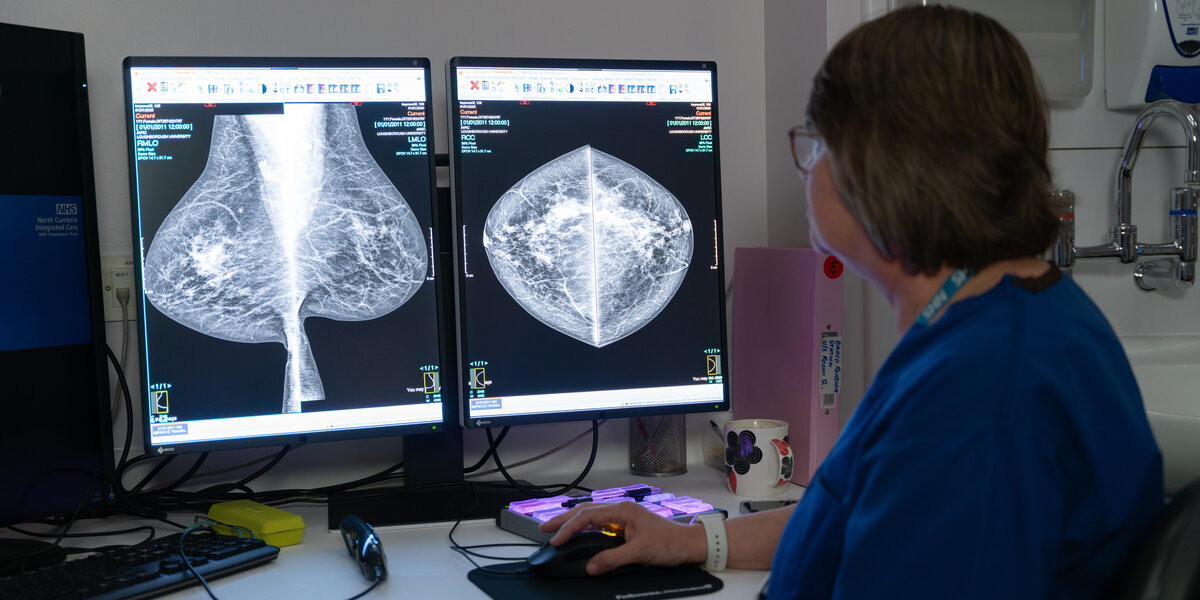
Published 29 Jul 2026
1 min read
This blog answers some of the most asked questions about screening.
The NHS Breast Screening Programme has been running for almost four decades, with the goal to find more breast cancers early and prevent breast cancer deaths.
Decisions on who should receive breast screening and how often are complicated. They have to balance the benefits of finding breast cancers early, against the risks for women and cost to the NHS.
###
Why is breast screening only available to women between 50-71?
Routine screening (imaging people without any signs or symptoms) is offered to people who are the most likely to have breast cancer. The two biggest risk factors for breast cancer are being a woman and getting older, with over 80% of breast cancers occurring in women over 50.
Younger women are less likely to develop cancer, but also are more likely to have dense breasts, which makes mammography a less reliable way of finding cancer. These factors – the lower relative risk level and effectiveness of mammography – mean that mammographic screening for women under 50 is not currently recommended.
Women who are over 70 are not automatically invited to screening because they are more likely to be ‘over diagnosed’. For example they are more likely to have an early cancer found and treated that would have not caused any harm in their lifetime. However, they can self-refer into screening every 3 years if they choose.
###
Do you think the age range when women are eligible for screening should be changed?
There is less evidence that the benefits of breast screening outweigh the risks in women outside the current age range, but research is ongoing. The Age X extension trial is looking at expanding screening to women aged 47-73 and is due to report findings in 2027. If screening is shown to be effective in women outside the current age group, we will push for the screening offer to be expanded as quickly as possible.
Women who are at an increased risk of developing breast cancer, due to a significant family history or genetic risk, should already be offered screening from a younger age and more regularly. Women at an increased risk are categorised as moderate, high or very-high risk, and should be offered screening based on which group they’re in.
###
Why is breast screening only offered to women every 3 years?
The frequency of screening is based on the balance of benefits provided by screening more often compared to the risks more frequent screening would present, as well as considering the sustainability and cost of the programme.
It’s estimated that around 3 out of every 1,000 women who do get screened will develop cancer between screenings, which is called an ‘interval cancer’. This is why we encourage everyone to still regularly check themselves for any signs of breast cancer between screenings.
While screening more often would likely reduce the number of interval cancers that occur, it would also increase the harms associated with screening. For example, more regular screening would increase women’s radiation exposure, result in more follow up tests for women who do not have a cancer but need them to rule it out, and risk more over diagnosis.
###
How are decisions around breast screening made?
The UK National Screening Committee (UK NSC) is responsible for reviewing the evidence and making recommendations around what health conditions should be screened for, and who should be eligible. Health ministers in the UK are then responsible for deciding whether and how UK NSC recommendations are put into practice.
The UK NSC make screening recommendations based on [specific criteria](https://www.gov.uk/government/publications/evidence-review-criteria-national-screening-programmes), looking at the disease, the population it affects, and the possible tests. The goal of screening is to reduce the harm caused by a condition through finding and treating it earlier.
###
Do you always agree with all the recommendations of the UK NSC?
We agree that screening recommendations must be evidence-based and carefully consider the benefits and risks. As a leading funder of breast cancer research, we understand the importance of designing services and support based on the best evidence available. We review and carefully consider all new evidence to decide whether we believe a change to screening should be made.
We welcomed the UK NSC’s decision to set up a specific breast screening working group. The group reviews the large amount of evidence coming out on breast screening, with the eventual aim to “move us beyond ‘one-size-fits-all’ screening”.
###
Are there any changes you do want to see in the national breast screening programme?
Yes. We want to see changes in the way women who are at an increased risk of breast cancer are offered screening. We would like to see the UK NSC act faster and with more transparency to determine how women with dense breasts can be screened more effectively.
###
What changes do you want to see around screening for women at increased risk of breast cancer?
Currently, at-risk screening is not consistently delivered through the national screening programme across the UK for women at all levels of increased risk, with each nation taking a different approach.
For example, in England, at-risk screening for moderate and high-risk women is not provided through the national programme. As a result, access varies a lot. In 2024 we collected data from a freedom of information request. We found that of the 64 breast clinics in England that offered screening to moderate and high-risk women, only 4 offered at-risk screening in line with guidance. Most clinics offered less than what was recommended.
Screening that is delivered through the national Breast Screening Programme (which in England is only very-high risk screening) is subject to national oversight and quality standards. That’s why we want to see all at-risk screening delivered through the national programme. So all women have consistent access to the screening that’s right for them.
###
What is your position on screening for women with dense breasts?
Standard mammography is less effective at finding breast cancers in women with dense breasts, which reduces their chances of getting diagnosed early through mammography.
Looking at the most recent evidence, the UK NSC recently concluded that the current screening offer is insufficient for women with dense breasts, and that other types of imaging could find more cancers in this group. But they feel more evidence is still needed to make a recommendation.
We believe women with dense breasts should get additional imaging to ensure they are screened effectively. We want the committee to prioritise gathering the evidence needed to decide what additional imaging should be offered, so they have the same opportunity to be diagnosed early. This should be considered an urgent matter for the UK NSC, and the process needs to be completed, and a recommendation made as quickly as possible.
###
What about offering women personalised risk-assessment to decide what screening they should get?
Ongoing research is looking how women could be offered different screening, based on their individual level of risk (referred to as risk-stratified screening). This could involve offering some women screening more frequently and from a younger age if they are found to be at higher risk. But it could also involve offering less screening to women at lower risk. These risk assessments take into account family history and genetics, but also other risks like lifestyle factors that can impact the risk of someone developing breast cancer.
We support the goal to move towards risk-based screening and have funded studies looking at the benefits and risks of introducing it. We continue to monitor emerging evidence on risk-stratified screening to inform our position on this issue. We're undertaking work to understand the barriers to introducing a risk-stratified approach in practice, so we can develop solutions that would enable a successful rollout.
We want the UK NSC breast screening working group to share their findings and the evidence gaps they’ve identified around risk-stratified screening and set out timelines for the next stages of work. We want them to commit to working with the NHS and clinical experts to prepare screening programmes for the introduction of a risk-based screening.
## Sign up for campaign updates
Sign up and receive our campaign updates on screening. Find out other ways you can take action to help people affected by breast cancer.
[Sign up to receive campaign updates](https://breastcancernow.org/get-involved/campaign-with-us/sign-up-to-receive-campaign-updates)
---
# This Is Us Now
_Source: https://breastcancernow.org/about-us/blogs/this-is-us-now_
[Back to Blogs](https://breastcancernow.org/about-us/blogs)
1. [Home](https://breastcancernow.org/)
2. [About us](https://breastcancernow.org/about-us)
3. [Blogs](https://breastcancernow.org/about-us/blogs)
# This Is Us Now
Published 11 Jun 2026
1 min read
We asked you, the breast cancer community, to show the reality of living with or beyond breast cancer in the UK. We called it #ThisIsMeNow – and we were blown away by your response.
A #ThisIsMeNow post from @sparkleandthread
With nearly 4 million views, your posts showed what it’s really like to go through breast cancer. And that while everyone’s story is different, they can bring comfort, hope and strength to other people.
- 
##
[Amy Dowden](https://www.instagram.com/p/DWWVRSfjEch/)
"This was me during intense, tough fortnightly chemo, and this is #thisismenow feeling happier, stronger, and more confident than ever."
- 
##
[Sonia Kur](https://www.instagram.com/p/DWd-yJhDAmi/?img_index=1)
"For me, this campaign represents hope. It represents courage. It represents life beyond cancer."
- 
##
[Laura Middleton-Hughes](https://www.instagram.com/p/DWW_n_CCGba/?img_index=1)
"I may not look like a cancer patient now, but I am, and I always will be ... a huge shout-out to @breastcancernow for their support"
## Sharing your stories has a powerful effect
>
>
> Such a great campaign. In the trenches of chemo at the mo and this gives me strength and positivity to continue!
>
>
>
>
> This is so inspirational I cannot tell you. I started chemo for breast cancer two days ago and all I want is to be where you are now. That second photo is the most beautiful sight to behold!
>
>
>
>
> I honestly love #ThisIsMeNow so much… it’s not often you sit down and acknowledge everything you’ve been through. Our bodies and minds have overcome SO much.
>
>
Right now, nearly a million people in the UK are living with or beyond breast cancer. That’s why we’re researching now. Supporting now. Driving change now. And we won’t stop raising awareness of breast cancer and what it’s like to experience it.
When you, the breast cancer community, get involved too, we can reach more people than ever. So we’d like to say a huge thank you to all the incredible people who took part in the campaign.
Our vision is that by 2050, everyone with breast cancer can live and live well. We believe in a day where the now in our name can finally become never. And every single action we take now gets us closer to that future. We can’t do it alone. But together, we can make change happen.
We’re Breast Cancer Now. Until we’re Breast Cancer Never.
## See more stories and share yours
To see all the stories posted and share yours, click the button below.
[See #ThisIsMeNow](https://www.instagram.com/stories/highlights/18095284508026190/)
---
# A bold new chapter, a brand-new look
_Source: https://breastcancernow.org/about-us/blogs/a-bold-new-chapter-a-brand-new-look_
[Back to Blogs](https://breastcancernow.org/about-us/blogs)
1. [Home](https://breastcancernow.org/)
2. [About us](https://breastcancernow.org/about-us)
3. [Blogs](https://breastcancernow.org/about-us/blogs)
# A bold new chapter, a brand-new look

Published 19 Mar 2026
3 min read
We’re excited to reveal our refreshed brand, which is part of an exciting new chapter in our history.
## Change Happens Now
Last year, we launched our new strategy. We called it ‘[Change Happens Now](https://breastcancernow.org/about-us/our-strategy "Our strategy")’. And it’s more than just a name to us – it’s an attitude.
It sets out how we’re going even further and faster over the next 5 years. Because that’s what we need to do to achieve our vision – that by 2050, everyone with breast cancer will live and live well.
We want to double our spend on research. Get to the root of the big questions about why breast cancer comes back and spreads, so we can stop it taking lives. And transform the way we deliver support and information, so we can be here for absolutely everybody who needs us.
To deliver on these bold ambitions, we knew we needed to make some changes.
## Reaching more people, making more impact
We’ve come a long way since we brought our research and support together as one single charity, uniting [world-class research](https://breastcancernow.org/our-research "Our research") with providing vital [information](https://breastcancernow.org/about-breast-cancer "About breast cancer") and support, and running campaigns that genuinely shift the dial. And we have an amazing community of supporters – from fundraisers and volunteers to campaigners and partners – who make it all possible.
But right now, almost 1 million people in the UK are living with or beyond breast cancer. And too many of them, their friends and family don’t know about us, our work or how we can help them.
If we’re going to make the kind of progress people with breast cancer urgently need from us, we need to change that.
We need to be able to cut through the noise so more people who could benefit from our support can find us. More people can join our movement. And we can fund even more of our amazing science and support.
## What we’ve changed
We’re still Breast Cancer Now. We’re still funding life-saving science, life-changing support and change-making campaigns. And we’ve kept everything that we know people value in us – like our warm and supportive nature, our trustworthiness and our expert knowledge.
But we’ve refreshed how we look, how we sound and how we talk about the difference we can make to people’s lives.
We’ve got a much more striking look – that stands out and is easier to use. And we’ll be bolder and more confident in how we sound. All to help make it simpler and clearer for people to engage with us. Because we know this will help us supercharge progress and get closer to our vision.
Watch our latest advertising campaign
## Putting people at our heart
Everything we do is built around making the changes that people affected by breast cancer tell us they need. When we developed our strategy, we heard from thousands of people through our [Big Breast Cancer Survey](https://breastcancernow.org/about-us/blogs/the-big-breast-cancer-survey-report "The Big Breast Cancer Survey report") to understand the challenges they face, their unmet needs and the impact breast cancer is having on them.
We’ve used those insights – and talked to many more people affected by breast cancer as we refreshed our brand – to understand what we need to do to reach more people, tackle those challenges and reduce the impact the disease has on people’s lives.
## Help us make it happen
We have a bold vision and a plan for how we’re going to get there. But we can’t do it on our own.
So join us. Be a part of it. Whether you want to donate, fundraise, volunteer or campaign, we need you to join our movement and our mission.
Because together, we can make change happen. Now.
## Help make change happen
We have a bold vision. That by 2050, everyone with breast cancer will live and live well.
We can’t do it on our own. But together, we can make change happen. Now.
[Donate now](https://securepay.breastcancernow.org/)
---
# We’re advising EastEnders on Sam Mitchell’s breast cancer storyline
_Source: https://breastcancernow.org/about-us/blogs/we-re-advising-eastenders-on-sam-mitchell-s-breast-cancer-storyline_
[Back to Blogs](https://breastcancernow.org/about-us/blogs)
1. [Home](https://breastcancernow.org/)
2. [About us](https://breastcancernow.org/about-us)
3. [Blogs](https://breastcancernow.org/about-us/blogs)
# We’re advising EastEnders on Sam Mitchell’s breast cancer storyline
Published 08 Jan 2026
2 min read
Breast Cancer Now’s nursing team has been advising the research team at EastEnders over the last few months, to make sure that Sam Mitchell’s breast cancer storyline, which has been playing out since the character returned to Albert Square in early December, is portrayed sensitively and accurately.
Viewers of the popular BBC soap will have recently seen Sam confiding her concerns with her loved ones after finding a lump in her breast. On their advice, Sam is encouraged to visit her doctor, and will later receive a breast cancer diagnosis.
Our help advising the EastEnders BBC team has seen our nurses feeding into scripts and signposting the researchers to our health information, so that what plays out in Walford mirrors a real-life experience of breast cancer diagnosis and treatment as closely as possible. It’s really important to us that the episodes offer an authentic portrayal of what happens when you have a breast lump checked and then removed, as well as the emotions that Sam may be feeling at all stages of this story, but it's important to remember that this is Sam’s story, and every story is different.
Having this important storyline playing out on a primetime soap and generating lots of conversations in the media and social channels also offers a huge opportunity to raise awareness of the importance of breast checking, knowing the signs and symptoms of breast cancer and getting any new or unusual changes checked by a GP.
Checking your breasts only takes a few minutes and there's no right way to check, as long as you do it regularly. It’s important to check your whole breast area, your armpits and up to your collarbone (upper chest) for changes. At Breast Cancer Now, we say, it’s as simple as [TLC: Touch Look Check.](https://breastcancernow.org/about-breast-cancer/touch-look-check "Touch Look Check")
>
>
> Sam’s experience will resonate with thousands of EastEnders viewers. We’ve drawn on our insights and extensive expertise supporting people affected by breast cancer to help guide this storyline and ensure it's portrayed authentically. We know that the earlier breast cancer is diagnosed, the better the chances of successful treatment and, ultimately, of lives being saved. As such, EastEnders is delivering a vital health message by raising awareness of the importance of breast checking, knowing the signs and symptoms of breast cancer, and getting any new or unusual breast changes checked by a GP.
>
>
Sally Kum, associate director of nursing and health information at Breast Cancer Now
To find out more about breast checking and signs and symptoms of breast cancer, visit [breastcancernow.org/checking](https://breastcancernow.org/about-breast-cancer/touch-look-check "Touch Look Check"). And if you have any questions, you can [speak to our expert nurses on Breast Cancer Now’s free, confidential helpline](https://breastcancernow.org/tel;08088006000) or email Ask our Nurses.
---
# Bingo Against Breast Cancer Is Back!
_Source: https://breastcancernow.org/about-us/blogs/bingo-against-breast-cancer-is-back_
[Back to Blogs](https://breastcancernow.org/about-us/blogs)
1. [Home](https://breastcancernow.org/)
2. [About us](https://breastcancernow.org/about-us)
3. [Blogs](https://breastcancernow.org/about-us/blogs)
# Bingo Against Breast Cancer Is Back!
Published 14 Oct 2025
1 min read
Bingo Against Breast Cancer is back for another exciting evening of prizes, fun, and fundraising – and you could win a guaranteed jackpot of at least £50,000!
And here's the best bit: when you buy a ticket, you're doing more than just playing for a prize. 50% of all ticket sales will go directly to Breast Cancer Now.
The other 50%? It goes straight into the prize pot – so the more people who play, the bigger the winnings!
## Every Ticket Counts
Your ticket gives you the chance to win at least £50,000 – but more importantly, it helps us provide life-saving research and life-changing support for people affected by breast cancer.
Thanks to our partnership with tombola, playing bingo is now a powerful way to make a difference.
## Ready to play?
- Pre-buy tickets now from just £2
- Join us Thursday 30 October at 9pm - don’t miss your chance to be part of something special
- Support our lifesaving and life-changing work
- Be in with a chance to win at least £50,000
Bingo Against Breast Cancer is your chance to play, win and make a real impact to those living with and beyond breast cancer.
[Get your tickets and learn more](https://www.tombola.co.uk/bingo/games/bingo-against-breast-cancer)
---
# The Cost of Breast Cancer: 2025 Update
_Source: https://breastcancernow.org/about-us/blogs/the-cost-of-breast-cancer-2025-update_
[Back to Blogs](https://breastcancernow.org/about-us/blogs)
1. [Home](https://breastcancernow.org/)
2. [About us](https://breastcancernow.org/about-us)
3. [Blogs](https://breastcancernow.org/about-us/blogs)
# The Cost of Breast Cancer: 2025 Update

Published 04 Sept 2025
1 min read
2 years after Demos and Breast Cancer Now first revealed the shocking cost of breast cancer, our new report exposes a worsening situation. The scale of the challenge in tackling breast cancer and the urgent need for action is growing.
## Read the full report
### The Cost of Breast Cancer: 2025 Update
[Download PDF (833 KB)
for The Cost of Breast Cancer: 2025 Update](https://breastcancernow.org/media-assets/oyqhgmtm/the-cost-of-breast-cancer-2025-update_report_sept-final.pdf)
## The costs
###
£3.2 to £3.5 billion in 2025
...is what breast cancer is already costing the UK economy.
###
£4.2 billion
...is what the annual cost of breast cancer to the UK economy could reach in 2050. That's an increase of up to 31%.
###
£24.5 billion in 2050
...is the projected wellbeing cost of breast cancer, rising from £20.2 billion in 2025. That's 6 times higher than the estimated economic costs.
Crucially, updated evidence and modelling now allows Demos and Breast Cancer Now to demonstrate how improving breast screening uptake and addressing health inequalities could address the severe human and financial impacts of breast cancer in the UK.
## In 2025, improving NHS breast screening uptake to 80% across the UK could generate an estimated...
###
£158 to £185 million
...in economic savings
###
£1.6 billion
...in wellbeing gains
## Tackling health inequalities in breast cancer diagnosis could save around...
###
2,000 lives a year in ethnic minority communities
...and save £180 to £250 million in 2025
###
3,200 lives a year in the most deprived areas
...and save £327 to £389 million in 2025
>
>
> Breast cancer is so far from a done deal. Our new report exposes the growing scale of the problem, and the human and economic prices being paid - with far too many lives tragically being lost to this devastating disease.
>
>
Claire Rowney
Chief executive at Breast Cancer Now
---
# Introducing Our New Partnership with tombola: Eyes Down, Check Up
_Source: https://breastcancernow.org/about-us/blogs/introducing-our-new-partnership-with-tombola-eyes-down-check-up_
[Back to Blogs](https://breastcancernow.org/about-us/blogs)
1. [Home](https://breastcancernow.org/)
2. [About us](https://breastcancernow.org/about-us)
3. [Blogs](https://breastcancernow.org/about-us/blogs)
# Introducing Our New Partnership with tombola: Eyes Down, Check Up
Published 22 Jul 2025
1 min read
We’re thrilled to announce the launch of our brand-new partnership with Britain’s leading bingo brand, tombola, as we join forces to raise awareness of breast cancer and encourage more people across the UK to regularly check their breasts.
Together, we’ve launched the ‘Eyes Down, Check Up’ campaign – an ambitious initiative aiming to encourage 1 million people to regularly check their breasts and raise up to £1 million to support our vital work.
tombola in partnership with Breast Cancer Now has created a new online tool: Breast Check Now.
This easy-to-use, interactive tool takes just one minute to complete and is designed to:
- Educate people about the signs and symptoms of breast cancer
- Encourage regular self-checking
- Build confidence in knowing what’s normal – and what to get checked by a GP
We know that **around 2/3s of breast cancers** are found when a person notices a new or unusual change and gets it checked. Regular breast checking really can make all the difference – and we want it to become a habit for everyone.

## What’s happening next?
To support the campaign and raise crucial funds, tombola will:
- Kick off the partnership with a generous **£250,000 donation**
- Run 5 special ‘Bingo Against Breast Cancer’ games, each donating at least £50,000 to Breast Cancer Now – and giving players the chance to win jackpots of £50,000
- Share breast health tips and personal stories through tombola’s Feel-Good Friday series across their social media channels
Try the new [Breast Check Now tool](https://breastchecknow.tombola.co.uk/).
---
# The Big Breast Cancer Survey report
_Source: https://breastcancernow.org/about-us/blogs/the-big-breast-cancer-survey-report_
[Back to Blogs](https://breastcancernow.org/about-us/blogs)
1. [Home](https://breastcancernow.org/)
2. [About us](https://breastcancernow.org/about-us)
3. [Blogs](https://breastcancernow.org/about-us/blogs)
# You spoke. We listened. The Big Breast Cancer Survey report

Published 29 Apr 2025
2 min read
In 2024, we started the process of developing our next strategy – the plan we’ll use to guide our work over the coming years. We wanted the experiences of people affected by breast cancer to be at the heart of it. And to do that, we needed to hear from as many people affected by breast cancer as possible.
That’s why we carried out the Big Breast Cancer Survey, in partnership with Kaleidoscope Health & Care and Ipsos. We wanted to understand the needs and challenges that people affected by breast cancer face and the kind of change they want to see. In this report, we set out what they told us.
## What did we do?
Through interviews and surveys, we heard from nearly 3,000 people from England, Wales, Scotland and Northern Ireland. This includes people with primary and secondary breast cancer, people who are at – or worried they are at – increased risk because of their family history, and family and friends of people with the disease.
## Why is it important?
While there’s been huge progress in diagnosing and treating breast cancer over the last few decades, it’s still one of the UK’s biggest health challenges. More people are being diagnosed than ever before, too many lives are being lost to the disease and having breast cancer can be a life-changing experience for people, during and beyond their diagnosis and treatment.
We have a bold vision – that by 2050, everyone diagnosed with breast cancer will live, and be supported to live well. But to make that a reality, we need to keep learning and adapting to the realities of breast cancer right now, and making sure we’re focusing on the ways we can have the biggest impact.
## What did we find?
We learned about the distinct challenges each group faces, their support needs – and where they aren’t being met – and the kind of change they want to see.
We found that there were some significant gaps in support – for people with secondary breast cancer, support for mental health and wellbeing, or after people with primary breast cancer finish treatment, for example. And we found out that people consistently told us they wanted to see more funding for research, better availability of treatments and shorter waiting times, to name just a few.
## What will we do next?
We’ll use what we’ve learnt – along with input from experts in breast cancer – to set out what we’ll do to make lasting change. And we’ll be publishing this in our strategy later in 2025.
## Read the report
Learn about our next steps to making sure everyone with breast cancer lives and lives well by 2050.
[Download the report](https://breastcancernow.org/media-assets/tazb0mae/big_breast_cancer_survey_report_final.pdf)
---
# Eimer on what it’s like to be a breast cancer nurse specialist
_Source: https://breastcancernow.org/about-us/blogs/eimer-on-what-it-s-like-to-be-a-breast-cancer-nurse-specialist_
[Back to Blogs](https://breastcancernow.org/about-us/blogs)
1. [Home](https://breastcancernow.org/)
2. [About us](https://breastcancernow.org/about-us)
3. [Blogs](https://breastcancernow.org/about-us/blogs)
# Eimer on what it’s like to be a breast cancer nurse specialist

Published 13 Mar 2025
5 min read
This National Cancer Clinical Nurse Specialist (CNS) Day, we’re sharing and celebrating the story of Eimer McGeown. Eimer is a clinical nurse specialist who has been working on our Service Pledge since 2023.
## Can you tell us about yourself and your nursing career?
My name is Eimer and I'm a breast care nurse specialist in the Southern Health and Social Care Trust. I’ve worked in the Southern Trust since 1982, but I took up my current post as a breast care nurse specialist in 2006. As a specialist, I’ve completed my advanced practitioner’s course, and I take my own clinics.
I’ve had an amazing career, one that I could never have imagined. I was given every opportunity to excel. I thank the Trust managers for putting their trust in me and supporting me in every way.
I was the first breast care nurse specialist in Northern Ireland to complete the nipple tattooing course. This was at a time when women had to wait years and years to have a nipple tattooing procedure after reconstructive surgery. There was only one person providing the service in the whole of Northern Ireland at that time.
## What do you enjoy most about your role?
As a specialist nurse, I’m in a really privileged position to listen to my patient’s concerns, worries and feedback, and understand what their needs are versus what we are providing. As you get into a band 7 NHS role, you have more access to working with senior managers and different charities, including Breast Cancer Now. That is a great advantage when moving forward with projects and implementing service improvements. I really enjoy that part of my job and I've been doing that throughout my whole nursing career.
I work with a great team of staff and managers who are committed to their jobs of caring for people in the Southern Trust with breast cancer. 'Teamwork makes the dream work.'
I also love sharing my knowledge and experience and encouraging staff to be the best they can be. It's awe inspiring to see the willingness of staff to learn and provide new services, or to change how services are provided. Seeing new colleagues grow into their service roles as breast cancer nurses and taking on leadership positions is so gratifying.
## How did you start working with Breast Cancer Now?
I got in contact with one of your Breast Cancer Now colleagues. We introduced the Moving Forward programme into the Southern Trust to provide local support for our patients on their road to recovery.
I've been also really, really lucky to be able to be involved in Service Pledge, which looks at our whole service. This came from me having a discussion with a colleague whose sister had just been given a secondary breast cancer diagnosis. She didn't know where to turn or who to talk to. We have no secondary breast cancer nurse in our trust which is something I wanted to bring to our senior managers.
I presented the idea of the Service Pledge project and working with Breast Cancer Now to improve our services. In particular, I wanted to look at how we could improve our services for our patients with secondary breast cancer.
## What does your typical day in-practice look like?
I’ll start the day by seeing what's going on and what needs to be done. This can include reassuring patients going into theatre, attending to people with wound problems and making sure patients are referred to the right services. Our patient information packs are made up of Breast Cancer now booklets because they're really good. I also give bad news to ladies at the clinic and I'm there to support them as their key worker. I work with families, children, and everybody that has been affected, to help them through that whole journey.
## What do you find most rewarding about being a breast cancer specialist?
There's a lot about my job that's very rewarding. I enjoy working in a team and being there to support our patients. It’s great to watch patients move forward into recovery mode and see them do well in life, taking back control.
I’m also grateful for the education I’ve received as a surgical nurse, critical care nurse and now as a breast care nurse specialist. It’s allowed me to excel in my career pathway, doing the job I love.
## What would you like to say to any aspiring breast cancer specialists?
Work hard, it's a super rewarding job. You’re working with a lot of different people - patients, clinicians, and charities on different support services.
Be motivated to make changes to see the best outcomes for your patients. Stay up to date with new research, be involved in service improvements and audits, and talk to your manager about where you want to be in the future.
Stay persistent when you hit roadblocks. I went to my manager, colleagues and the consultant nurse for the public health agency to get their support to get the Pledge up and running. So sometimes, you must keep pushing.
## If you weren't a nurse, what do you think you'd be doing?
If I was to do it all again, I would still be a nurse. I can't imagine doing anything else because it gives you so many opportunities.
I retired 2 years ago to help look after my grandchildren who I love dearly but I just had to keep working as a breast care nurse. I now work 2 days a week and couldn’t do without this super job.
I've shared many happy moments with the true friends I've made since my early days in nursing. Through both joy and sorrow, we've always been there for each other.
Last but not least, I thank all the patients I’ve nursed. They're the reason I do my job and why I continually look at ways I can strive to improve their care experience, with my colleagues and managements support. It is a privilege serving the population of the Southern Health and Social Care Trust.
## Are you a healthcare professional?
We’re here to support you with development opportunities, so that people affected by breast cancer get the best treatment and care. You can become a member of our healthcare professional hub which includes access to our specialist interest groups, recorded webinars, toolkits and monthly bulletin.
[Healthcare professionals hub](https://breastcancernow.org/healthcare-professionals-hub)
---
# Our public health talk was a huge success
_Source: https://breastcancernow.org/about-us/blogs/our-public-health-talk-was-a-huge-success_
[Back to Blogs](https://breastcancernow.org/about-us/blogs)
1. [Home](https://breastcancernow.org/)
2. [About us](https://breastcancernow.org/about-us)
3. [Blogs](https://breastcancernow.org/about-us/blogs)
# Our public health talk was a huge success

Published 31 Jan 2025
1 min read
Our trained public health volunteers deliver talks across the UK, sharing important information about breast awareness. Sarah booked a public health talk at her workplace, Bank of America, during Breast Cancer Awareness Month 2024. She tells us what motivated her to book a talk, how the event went, and the positive impact it’s had on her colleagues.
## What made you interested in booking a public health talk?
At our organisation, we’re very passionate about the health and wellbeing of our employees. Breast cancer is the most common form of cancer in the UK. 1 in 7 women will get it in their lifetimes. We wanted to raise awareness of breast cancer while supporting anyone who may be impacted in our community.
## How did the talk go?
It was a huge success. [Our speaker, Hedwig](https://breastcancernow.org/about-us/news-personal-stories/i-love-spreading-awareness-in-local-communities "I love spreading awareness in local communities"), was charismatic, courageous and inspiring. She took the audience on a journey, sharing her personal story with good humour, along with important facts about breast awareness. We had some cancer survivors in the audience who were so impressed with her strength and ability to educate others.

## What did employees think about the talk?
Several people have stopped me to tell me how much they liked the event, and that they’ve taken steps to be [more breast aware](https://breastcancernow.org/about-breast-cancer/touch-look-check "Touch, Look, Check"). One woman told me that she finally had her first mammogram after the talk and reminded her mother to request a screening too.
We’d love to welcome Hedwig back in the future.

## How was the booking process?
It was a seamless process. The Breast Cancer Now team were very responsive to emails and happy to help with the planning. They also provided resources and materials to share at the event.
## What would you say to anyone thinking about booking a public health talk with us?
Do it! The sessions are incredibly informative and can bring your community together. If it changes the approach of just one person, it will be worth it. I’m sure that you’ll find it as valuable as we did.

## Raise awareness in your community
Our public health talks are completely free to book. Whether it’s in your workplace or any other organisation, our trained public health volunteers can share important information about breast awareness.
[Book your own public health talk](https://breastcancernow.org/about-breast-cancer/public-health-talks/book-a-breast-cancer-now-public-health-talk)
---
# Meet our Fairfax & Favor brand ambassadors
_Source: https://breastcancernow.org/about-us/blogs/meet-our-fairfax-favor-brand-ambassadors_
[Back to Blogs](https://breastcancernow.org/about-us/blogs)
1. [Home](https://breastcancernow.org/)
2. [About us](https://breastcancernow.org/about-us)
3. [Blogs](https://breastcancernow.org/about-us/blogs)
# Meet our Fairfax & Favor brand ambassadors

Published 03 Oct 2024
4 min read
Fairfax & Favor have been supporting us for 9 years now. Each October, they sell a limited-edition range of products to mark Breast Cancer Awareness Month, with 100% of the profits going to Breast Cancer Now.
This year, we’re highlighting the stories of our brand ambassadors, Ella, Laura and Phil, who recently modelled for Fairfax & Favor and showcased their individual styles. We talked to Ella, Laura and Phil about their experiences with breast cancer and how their styles have changed since their diagnoses.
## Laura
### Can you tell us about your experience with breast cancer?
In February 2014, at the age of 25, I was diagnosed with stage 3 primary breast cancer. It was HER2 and oestrogen positive. My treatment included chemotherapy, radiotherapy, a mastectomy and hormonal medication.
After a year of my cancer being in remission, I started to develop a pain in my shoulder, but I assumed it was a gym injury. After 6 months of no improvement, I had a CT scan and it showed that my breast cancer had spread to the bones in my shoulder, spine and pelvis. Aged 28, I found out my cancer was stage 4 and incurable.
I had a full shoulder replacement followed by more chemo. And today, my treatment regime involves HER2 therapy alongside hormonal tablets and injections.
### How has your personal style changed since having breast cancer?
I lost a lot of my confidence with clothing after my mastectomy. But since I’ve had a reconstruction, I’ve managed to regain it.
I’m still girly, but I embrace being comfortable more than I used to. I get sore feet from my neuropathy, so flat sandals or trainers are now my go-to shoes.
I need bags that can carry everything I need throughout the day, like my medications and a fan for hot flushes. And I don’t wear figure-hugging clothes as much, since my treatment leaves me feeling quite bloated. But I still love getting dressed up.
### What do you look for when you go shopping?
I want to buy things that I’ll wear for years to come. I love colours and patterns, especially floral. Even though I don’t follow fashion, I look for classic pieces that I feel good in.
## Ella
### Can you tell us about your experience with breast cancer?
I was diagnosed with grade 3 primary breast cancer at 23 years old. It was HER2 positive, so I needed to have 6 rounds of chemotherapy. I lost a lot of weight and all of my hair. I also had a nipple-sparing double mastectomy, and permanent breast implants 6 months later. A year later, I had another surgery to remove my nipples to minimise the risk of breast cancer returning.
I have a genetic condition called Li-Fraumeni Syndrome which means I can’t suppress cancers from growing in my body, so I couldn’t have radiotherapy. The doctor recommended I take Tamoxifen, but you can’t take it whilst trying to conceive. I didn’t get the chance to freeze my eggs, so I decided not to take the tablets and to prioritise having a family.
### How has your personal style changed since having breast cancer?
When I lost my hair, eyelashes and breasts, I lost my confidence too. I didn’t feel like me anymore. I wore oversized baggy clothes that were always comfortable. I just didn’t feel like dressing up.
But now that I’m recovering and regrowing my hair, I’m finding my style again. I like to make an effort to look after myself. I enjoy wearing clothes that make me feel well-dressed and good about my new look.
## Phil
### Can you tell us about your experience with breast cancer?
I was diagnosed with breast cancer at age 44. As a man, I struggled to find my place and I felt isolated, especially after having surgery. Men are often overlooked in the breast cancer conversation. That’s why it’s such an honour to represent men who’ve been affected by breast cancer and bring attention to this group.
### How are you spreading awareness?
I seize every opportunity to raise awareness of breast cancer in men, wherever I can make an impact. Whether it’s through photoshoots, events, or partnering with charities, I want to shine a light on a part of the cancer community that doesn’t get enough visibility.
### What do you look for when shopping?
I aim for style but always prioritise comfort. I’m all about re-wearing items I feel good in, and I go through cycles of my favourite clothes. It’s empowering to wear shoes that were designed specifically to raise awareness of breast cancer in men. It’s a meaningful way to make a statement and feel confident in what I wear.
## Shop the collection
Explore the limited-edition range of Fairfax & Favor products this Breast Cancer Awareness Month. 100% of the profits are donated to Breast Cancer Now. Full donation amounts can be found on the Fairfax & Favor website.
[Fairfax & Favor](http://www.fairfaxandfavor.com/blogs/supports/breast-cancer-now-2024)
---
# Have your say in our Big Breast Cancer Survey
_Source: https://breastcancernow.org/about-us/blogs/have-your-say-in-our-big-breast-cancer-survey_
[Back to Blogs](https://breastcancernow.org/about-us/blogs)
1. [Home](https://breastcancernow.org/)
2. [About us](https://breastcancernow.org/about-us)
3. [Blogs](https://breastcancernow.org/about-us/blogs)
# Have your say in our Big Breast Cancer Survey

Published 02 Oct 2024
2 min read
Tell us how breast cancer has impacted your life. We’re creating our next strategy – the plan we’ll use to guide our work over the coming years – and we want the experiences of people affected by breast cancer to be at the heart of it.
The Big Breast Cancer Survey is all about understanding your experience better. From the worries or grief that make it harder to get up in the morning to the anxieties, challenges or pain you live with all day, every day, until you go to sleep.
No matter what your relationship is with breast cancer, we’re listening. We know that when it comes to talking about the disease it’s not always easy. There’s often lots of things that get left unsaid. So this is your chance to help us to get an honest, unvarnished picture of the realities of breast cancer right now.
## How do I take part?
We want to hear from people who:
- Are living with or beyond breast cancer
- Are supporting someone living with breast cancer
- Have lost a loved one to breast cancer
- Are at increased risk because of their family history
You can [complete the survey](https://enter.ipsosinteractive.com/landing/?p=6ow7%2bLgzs9QHq9EdXmShz%2bPhs1S1Gr%2fxIZIaTZSOAaitZFv0Vx43EANM3i44B7eSYrPBXzmI7Nyp1MY4fQHh4qoM4%2bilCakTOSH7jkBz%2bEw%3d&rType=377&id=) now. It’s open until 16 October 2024.
## Why we want to hear from you
The more people we hear from, the more we know. And the more we know, the more we can do to make sure everyone affected by breast cancer lives and is supported to live well.
We’re worried the UK is becoming complacent about breast cancer – and we need that to change.
While there’s been huge progress in diagnosing and treating breast cancer over the last few decades, it’s still one of the UK’s biggest health challenges. More people are being diagnosed than ever before, too many lives are being lost to the disease and the burden isn’t shared equally. And we know that having breast cancer can be a life-changing experience for people, during and beyond their diagnosis and treatment.
Unless we act now, the number of people diagnosed will continue to rise, thousands will continue to lose their lives to the disease and many more will have to live with the long-term effects of it. That’s why understanding your experience couldn’t come at a more important time.
## When will your new strategy be ready?
Our next strategy will set out how we’ll work to improve the picture for everyone affected by breast cancer over the coming years. That means identifying about what the biggest challenges in breast cancer are, and how we can have the biggest impact.
To make those decisions, we need to hear from as many people affected by breast cancer as possible. We’ll then use what you tell us, along with input from researchers, healthcare professionals and decision makers to set out what we’ll do to change things.
We’ll be developing our strategy over the coming year. And of course, when it’s available we’ll share it with you and let you know how what you’ve told us has shaped what we’ll do over the coming years.
## Have your say
Tell us how breast cancer has impacted your life and help us build our strategy.
[Fill in the survey](https://enter.ipsosinteractive.com/landing/?p=6ow7%2bLgzs9QHq9EdXmShz%2bPhs1S1Gr%2fxIZIaTZSOAaitZFv0Vx43EANM3i44B7eSYrPBXzmI7Nyp1MY4fQHh4qoM4%2bilCakTOSH7jkBz%2bEw%3d&rType=377&id=)
---
# Co-production week 2024: Keeping people with lived experience at the heart of what we do
_Source: https://breastcancernow.org/about-us/blogs/co-production-week-2024-keeping-people-with-lived-experience-at-the-heart-of-what-we-do_
[Back to Blogs](https://breastcancernow.org/about-us/blogs)
1. [Home](https://breastcancernow.org/)
2. [About us](https://breastcancernow.org/about-us)
3. [Blogs](https://breastcancernow.org/about-us/blogs)
# Co-production week 2024: Keeping people with lived experience at the heart of what we do

Published 19 Jun 2024
2 min read
Co-production week is a national week, running from 1 to 5 July. It’s hosted by the Social Care Institute for Excellence and gives organisations like us the chance to celebrate the incredible contributions that people affected by breast cancer make to our work.
The involvement team shares why co-production matters to us, and how you can get involved.
## **What is co-production?**
Co-production is all about making sure that our work reflects what really matters to people affected by breast cancer.
It means that we actively involve people with lived experience when we make decisions about what we do and how we do things. We recognise that people who are ‘experts by experience’ bring valuable perspectives, and we work with them as equal partners to make meaningful change.
## **Why does co-production matter?**
We want to make sure that everything we do benefits people affected by breast cancer. And we can only do that by working with the people we’re here for. Co-production helps us to understand what’s important to them and what they need.
By including people affected by breast cancer at every stage of our work, we can make sure that we’re getting things right. And it means that our work will have lasting benefits for the people we support.
>
>
> It’s about equality and equity within decision making. It makes sure that you’re not just doing something to another person, but you're creating something with them. Our work is sustainable because we understand more about what people want. And only people with lived experience can give you that perspective.
>
>
Michaela and Zoe
Here for You team
This is key to achieving our 2050 vision, that everyone diagnosed with breast cancer will live, and be supported to live well.
## **How do people get involved in our work?**
Our [Breast Cancer Voices](https://breastcancernow.org/get-involved/volunteer-us/breast-cancer-voices) are a community of people affected by breast cancer, whether it’s a personal diagnosis or that of a loved one. Our Voices are passionate about changing things for people diagnosed with breast cancer in the future.
>
>
> The Voices network was a way to get back control. It gave me the chance to have a say and influence breast cancer support, even in a small way. It felt like an incredibly positive thing to do after the negativity of my diagnosis.
>
>
Claire
Breast Cancer Voice
Our Voices use their personal and professional skills and interests to contribute so much value to our work.
## Our voices get involved in our work in many different ways. They...
- ###
Join project groups to help us develop strategies and create training for staff and volunteers.
- ###
Attend focus groups to help us understand what support services we should offer.
- ###
Talk at events to inspire healthcare professionals to change how they interact with people
- ###
Sit on committees to help us decide which research is most important to fund.
- ###
Shape how we carry out research into how we can support people who need it most.
In these and so many other ways, Breast Cancer Voices help us keep people affected by breast cancer at the heart of what we do.
>
>
> I’ve had the privilege of taking part in different projects – from providing insight from a generic patient perspective, to becoming an integral part of shaping and tailoring Breast Cancer Now’s services to better serve the diverse community that we live in.
>
>
Cheryl
Breast Cancer Voice
## **How can I get involved?**
If you’ve been personally affected by breast cancer and would like to be involved in shaping our work, you can join Breast Cancer Voices.
You’ll hear about different opportunities to get involved with us and have the chance to shape UK-wide research, care and policy.
## Become a Breast Cancer Voice
We’d love to have you on board! Together, we can be here for everyone affected by breast cancer.
[Breast Cancer Voices](https://breastcancernow.org/get-involved/volunteer-us/breast-cancer-voices)
---
# Here for You: Creating meaningful change through co-production
_Source: https://breastcancernow.org/about-us/blogs/here-for-you-creating-meaningful-change-through-co-production_
[Back to Blogs](https://breastcancernow.org/about-us/blogs)
1. [Home](https://breastcancernow.org/)
2. [About us](https://breastcancernow.org/about-us)
3. [Blogs](https://breastcancernow.org/about-us/blogs)
# Here for You: Creating meaningful change through co-production

Published 19 Jun 2024
3 min read
Our Here for You team, Michaela and Zoe, are working with a group of people affected by breast cancer to co-create different aspects of the referral pathway. They talk about the difference it’s made to their work.
## **Tell me about Here for You.**
### **Michaela**
[Here for You](https://breastcancernow.org/get-involved/here-you) is a way for healthcare professionals to refer people diagnosed with primary or secondary breast cancer to our services. After we get a referral, people receive 3 calls to tell them about what we offer and understand what support they need.
### Zoe
The calls can vary from a 5-minute check-in to a 40-minute longer conversation. What we talk about depends on the person we’re calling – they lead the conversation.
## Why did you decide to set up a project group?
### **Michaela**
It's important that we’re guided by the people that we want to support. And that we give them a voice and the power to make those decisions. So we wanted to have a group of people who have experienced breast cancer to help us co-create everything we do.
We worked with the involvement team to create the group and to recruit people from [Breast Cancer Voices](https://breastcancernow.org/get-involved/volunteer-us/breast-cancer-voices). It was important to us that we recruit people with diverse experiences and skills, who are willing to go on a learning process with us.
## What has the project group done so far?
### **Zoe**
We worked with the project group to create some refresher training for volunteers who’d been with us for a long time.
One of the group members came to a session and gave feedback on it. Based on their feedback, we made some changes to make the training more engaging and valuable for the volunteers.
### Michaela
We also had a project group member help us recruit a new staff member. They helped us write the job description and interview questions. They were part of the selection process and on the interview panel as well.
It really helped us see it from a different perspective. And it helped us make an informed decision about who we chose.
We’ve also involved them in different areas of Here for You, such as reshaping the website and creating evaluation surveys for people receiving the calls.
## How has the group added value to your work?
### **Michaela**
Sharing power helps us make informed decisions together about what will work. Because of that, we’re able to reach more people and help them get the support they need.
The project group isn’t only an opportunity to share their experience of breast cancer, but also contribute their other skills. This is rewarding for them and hugely valuable to us.
### Zoe
The group also helps us to think outside the box. It’s great to have a different perspective to ask us, ‘Why do you do it this way?’. It challenges us to think differently and creatively.
## Why is it important for people affected by breast cancer to shape our work?
### **Zoe**
Including someone with lived experience should be a standard in all that we do. It helps us make sure we're getting it right.
Our Voices bring so many skills and new ideas. It means we’re not relying on how things have been done in the past. It makes our work sustainable because we understand more about what people want. And only people with lived experience can give you that perspective.
## Use your voice to make an impact
Our Breast Cancer Voices use their lived experiences to shape our work and improve things for people diagnosed in the future. Find out more and become a Breast Cancer Voice today.
[Breast Cancer Voices](https://breastcancernow.org/get-involved/volunteer-us/breast-cancer-voices)
---
# Q&A with Cassie on ‘personalised support’
_Source: https://breastcancernow.org/about-us/blogs/qa-with-cassie-on-personalised-support_
[Back to Blogs](https://breastcancernow.org/about-us/blogs)
1. [Home](https://breastcancernow.org/)
2. [About us](https://breastcancernow.org/about-us)
3. [Blogs](https://breastcancernow.org/about-us/blogs)
# Q&A with Cassie on ‘personalised support’

Published 08 May 2024
2 min read
Cassie is one of our clinical nurse specialists. We asked her about personalised support for people with primary breast cancer, including why it’s so important.
## 1. What’s personalised support?
Personalised support is support that’s tailored to a person, so that it prioritises their needs. Getting this right can have a big impact on peoples' quality of life.
## 2. Why is personalising care important in the primary breast cancer follow-up pathway?
More people are living with and beyond breast cancer and they need support. When people finish their treatment and move into the [follow-up pathway](https://breastcancernow.org/sites/default/files/publications/pdf/bcc169_after_breast_cancer_what_now_2019_rebrand_2021_v.8.pdf), it can be difficult for them to [adjust to life after treatment](https://breastcancernow.org/about-breast-cancer/life-after-treatment/).
Healthcare professionals can tailor care and support to peoples' needs, so that people can access the support they need. This could involve connecting people with our [Someone Like Me](https://breastcancernow.org/information-support/support-you/someone-me-telephone-support?gad_source=1&gclid=EAIaIQobChMI2PCi8qnphQMVp5ZQBh2GqwDVEAAYASAAEgJGDPD_BwE) service or signposting people to advice on returning to work.
## 3. What do current guidelines say?
Current NICE (National Institute for Health and Care Excellence) guidelines state that people affected by breast cancer should be provided with a follow-up care plan. They state that this should include the contact details of support services, among other resources.
Macmillan has a [recovery package](https://be.macmillan.org.uk/be/showsection.aspx?SectionID=689&SEName=recovery-package) that supports the personalisation of this by using health needs assessment, treatment summaries, cancer care reviews and the provision of health and wellbeing information and support.
## 4. What are the challenges of implementing personalised support in practice?
From talking with breast care professionals and people who’ve had breast cancer treatment, we know that both implementing and accessing personalised support can be challenging. Many factors can impact both, such as time and capacity in the clinics as well as individual factors such as cultural or social barriers.
Charities like us can play a vital role in helping people access the care and support they need, when they need it, through a range of services, from helplines to online forums.
We aim to support clinicians and people affected by breast cancer, to make sure that everyone wanting support can feel able to get access, both during and after breast cancer treatment.
## Hear more from Cassie
If you’re a healthcare professional, you can join Oncology Professional Care 2024, taking place in ExCel London on Tuesday 21 and Wednesday 22 May.
We have a session on the Right support at the right time, on Tuesday 21 May, from 1.40 to 2.10pm.
[Oncology Professional Care 2024](https://rfg.circdata.com/publish/OPC24/?source=BCNpartner)
---
# Do you treat younger women with breast cancer? Here's Vic's advice
_Source: https://breastcancernow.org/about-us/blogs/do-you-treat-younger-women-with-breast-cancer-heres-vics-advice_
[Back to Blogs](https://breastcancernow.org/about-us/blogs)
1. [Home](https://breastcancernow.org/)
2. [About us](https://breastcancernow.org/about-us)
3. [Blogs](https://breastcancernow.org/about-us/blogs)
# Do you treat younger women with breast cancer? Here's Vic's advice

Published 22 Feb 2024
2 min read
Vic is a clinical nurse specialist who supports younger women with breast cancer. We asked her about the rise in cases, her tips for healthcare professionals, and more.
## What does your role involve?
At Breast Cancer Now, I support healthcare professionals and the public with issues that affect younger women, including breast cancer and breast health.
A few times a year, I host [Facebook Live events](https://www.facebook.com/breastcancernow/) and join [Younger Women Together](https://breastcancernow.org/information-support/support-you/younger-women-together) events, including [Speakers Live.](https://breastcancernow.org/information-support/support-you/speakers-live) I also lead Breast Cancer Now’s [Younger Women’s Champion Nursing group](https://breastcancernow.org/information-support/healthcare-professionals/younger-women-champions-nursing-group#:~:text=OpentoanyNursingNetwork,secondarybreastcanceraremet.), made up of nurses across the UK.
## We’re seeing a rise in breast cancer cases among younger women. Why do you think this is?
It’s difficult to say. From [Breast Cancer Now’s Generations Study](https://breastcancernow.org/breast-cancer-research/research-projects/our-research-projects/breast-cancer-now-generations-study), a study looking into the causes of breast cancer, we know that genes, lifestyle choices and life events all play a part. In the study, scientists are looking at hormones and small genetic changes, and their impact on younger women.
## What are the challenges for younger women with a diagnosis?
Younger women are at a stage of their life that’s often very productive. They may be forming new relationships, considering starting a family, or beginning a career. So, a diagnosis can cause obstacles.
And with breast cancer mostly affecting older age groups, younger women can sometimes feel isolated.
## Choosing between treatments can be difficult. Are there any extra challenges younger women face?
Some treatments can affect women's ability to become pregnant. So, younger women may need to think about ways to preserve their fertility, like IVF or freezing their eggs.
## What's your advice for healthcare professionals who are treating younger women?
Find out what’s happening in their lives. Ask them what support they have now and what they may need. If they want to consider a family, you’ll need to refer them to a fertility clinic.
## Can you recommend any resources to signpost women to?
You can signpost women aged 20 to 45 to Breast Cancer Now's [Younger Women Together](https://breastcancernow.org/information-support/support-you/younger-women-together) events. They're a way for women to meet similar people and get advice. Breast Cancer Now also has a [helpline](https://breastcancernow.org/information-support/support-you/call-our-helpline), [forum,](https://forum.breastcancernow.org/)[Someone Like Me](https://breastcancernow.org/information-support/support-you/someone-me) service, and lots of information on [fertility](https://breastcancernow.org/about-breast-cancer/primary-breast-cancer/breast-cancer-in-younger-women/fertility-and-breast-cancer-treatment/#:~:text=Havingbreastcancertreatmentmay,freezingeggs–canbeoffered.), [talking to children](https://breastcancernow.org/about-breast-cancer/primary-breast-cancer/talking-with-children-about-breast-cancer/), and [menopausal symptoms](https://breastcancernow.org/about-breast-cancer/treatment/hormone-endocrine-therapy/menopausal-symptoms-and-breast-cancer/).
## Hear more from Vic
If you're a healthcare professional, you can join the [Women’s Health Professional Care](https://www.womenshealthprofessionalcare.co.uk) 2024 conference, taking place in London Olympia on Wednesday 28 February at 9.30 am.
Vic will cover common myths about younger women and breast cancer, the signs and symptoms, obstacles to confirming a diagnosis, and more.
[Get your free pass](https://rfg.circdata.com/publish/BPL24/?source=__&utm_source=&utm_medium=&utm_campaign=)
---
# This International Nurse’s Day, we’re sharing and celebrating the story of our specialist nurse, Addie
_Source: https://breastcancernow.org/about-us/blogs/this-international-nurse-s-day-we-re-sharing-and-celebrating-the-story-of-our-specialist-nurse-addie_
[Back to Blogs](https://breastcancernow.org/about-us/blogs)
1. [Home](https://breastcancernow.org/)
2. [About us](https://breastcancernow.org/about-us)
3. [Blogs](https://breastcancernow.org/about-us/blogs)
# This International Nurse’s Day, we’re sharing and celebrating the story of our specialist nurse, Addie

Published 19 Apr 2023
1 min read
In celebration of International Nurse’s Day, we asked Addie about our nurse helpline and why it’s so important. Find out more.
## Can you tell us about yourself?
I’m Addie and I’ve been a specialist nurse at Breast Cancer Now for 5 years now.
I’m part of the nurse helpline, where we answer your questions and can signpost you to services like Younger Women Together, Someone Like Me and our Moving Forward Course. I do live talks on Breast Cancer Now’s Facebook as well as interviews on TV, radio and social media. Sometimes, I help out with awareness projects too.
It’s great to be able to offer such important services.
## What’s your favourite part of the role?
I love being able to listen to and support people when they’re having a really difficult time in their lives, and hopefully make a difference.
## Why do you think the helpline is so important?
The helpline gives people support, reassurance and answers to questions when they need it, and people can discuss their feelings in as much detail as they wish.
## Which questions do you get most?
I get a whole range of topics. Many callers talk about the impact on their mental health or about treatment side effects and ways to cope with them. Some callers are people who’ve had treatment and worried about the cancer returning.
No question is a silly or embarrassing question. We’re here to help.
## What would you say to someone who is nervous about calling the helpline?
It can take courage to pick up the phone to call us. But even if you call and aren’t sure what to say or ask, you’ll only be treated with warmth and respect by our nurses and trained staff.
If you’d prefer to email your questions, we have an [email service](https://breastcancernow.org/information-support/support-you/email-our-nurses) too.
## Here to support you
No matter how breast cancer affects you, Addie and the team are here to support you.
Learn more about our nurse services, including our helpline, nurse email service and forum.
[Support from our nurses](https://breastcancernow.org/information-support/support-you/contact-our-nurses)
---
# Understanding the risks of late side effects to the heart after radiotherapy
_Source: https://breastcancernow.org/about-us/blogs/understanding-risks-late-side-effects-heart-after-radiotherapy_
[Back to Blogs](https://breastcancernow.org/about-us/blogs)
1. [Home](https://breastcancernow.org/)
2. [About us](https://breastcancernow.org/about-us)
3. [Blogs](https://breastcancernow.org/about-us/blogs)
# Understanding the risks of late side effects to the heart after radiotherapy

Published 27 Feb 2023
3 min read
How Breast Cancer Now Voices helped researchers understand people’s perceptions and understanding of late side effects to the heart.
Our Breast Cancer Voices, made up of people whose lives have been changed by cancer, helped with research into radiotherapy. The researchers wanted to understand what patients think of the risks of late effects on the heart after radiotherapy. These Voices provided vital support and enabled the research to be done.
## Radiotherapy and late side effects to the heart
Some people have [radiotherapy](https://breastcancernow.org/information-support/facing-breast-cancer/going-through-breast-cancer-treatment/radiotherapy-primary) as part of their breast cancer treatment. This treatment aims to destroy any cancer cells that may remain after having surgery.
A technique called Deep Inspiration Breath Hold (DIBH) can help protect the heart from being affected by radiotherapy given to the left side. It involves taking a deep breath in and holding it for a short time. By breathing in deeply, your lungs expand and move the wall of your chest away from your heart. This can reduce the dose received by the heart.
Although modern radiotherapy techniques and equipment will reduce the dose, some late effects to the heart can still happen. And, some women will [develop heart problems months or years after treatment.](https://breastcancernow.org/information-support/facing-breast-cancer/going-through-breast-cancer-treatment/side-effects/side-effects-radiotherapy)
## Exploring patients’ understanding of radiotherapy side effects
Amy Lynch, an MSc student at Sheffield Hallam University, wanted to explore patients’ perceptions and understanding of late side effects on the heart after radiotherapy. She was supervised by Dr Amy Hancock, a senior lecturer from the University of Exeter. And by Neill Roberts, a consultant breast therapeutic radiographer from Leeds Teaching Hospitals and Sheffield Hallam University.
Breast Cancer Now helped promote the study [through our Voices network](https://breastcancernow.org/get-involved/volunteer-us/breast-cancer-voices). This gave women diagnosed with breast cancer the opportunity to take part in this research.
Overall, 10 women took part in individual interviews and kindly shared their experiences. The interviews took place over the phone or via Microsoft Teams.
## Research questions and aims
The researchers asked women who had received radiotherapy for left-sided breast cancer about their:
- Awareness, understanding, and perception of risks around late side effects on the heart
- Experiences with receiving or accessing information about late side effects on the heart
- Engagement with healthy behaviours for your heart and how this was influenced by cancer treatment
- Needs and preferences around receiving information on late effects on the heart
## The results of the study
The researchers found that the women did not have much awareness and understanding of late side effects to the heart following radiotherapy. The participants said they received a lot of verbal and written information before starting radiotherapy. But, they thought specific information about the risks was minimal. And in some cases non-existent, even during the consent process.
When healthcare professionals did mention potential risks, it was usually about how risks would be managed. For example, by using Deep Inspiration Breath Hold (DIBH). The participants also felt they weren’t aware how risks would be managed long term.
The research also demonstrated that there’d been a lack of information provided to these women at follow up. This included information about maintaining heart health and how to spot risks to the heart associated with radiotherapy.
Some participants were later curious about possible implications after treatment, especially after viewing the advertisement for this study. This led to some participants searching for information about healthy behaviours.
## Future recommendations
This study found that there’s a need for specific information and support around long term heart health after receiving radiotherapy. And the researchers hope that these findings will help to develop ways to support patients in the future.
## Breast Cancer Voices
Breast Cancer Voices use their diverse experiences of breast cancer to shape and improve our work and change the future of breast cancer.
These Voices help us accelerate research and provide vital support, in every way we can.
[Find out more](https://breastcancernow.org/get-involved/volunteer-with-us/breast-cancer-voices)
---
# The Jewish community’s BRCA testing programme
_Source: https://breastcancernow.org/about-us/blogs/jewish-community-s-brca-testing-programme_
[Back to Blogs](https://breastcancernow.org/about-us/blogs)
1. [Home](https://breastcancernow.org/)
2. [About us](https://breastcancernow.org/about-us)
3. [Blogs](https://breastcancernow.org/about-us/blogs)
# The Jewish community’s BRCA testing programme
Published 30 Jan 2023
1 min read
NHS England has launched a new service offering free BRCA genetic testing to people with a Jewish anstery.
People with altered BRCA 1 or BRCA2 genes have an increased risk of developing certain cancers, particularly breast cancer. Research has shown that people with Jewish ancestry are much more likely to have BRCA gene alternations.
NHS England and [Jnetics](https://www.jnetics.org/getting-tested/nhs-brca-screening/) have launched a testing programme and are looking for people who are at an increased risk of cancer due to a BRCA gene alternation and offer support to those affected. If you are found to have a BRCA gene alternation through the testing programme, you will be referred to your local genetics service. Local genetics services can provide various cancer risk-management options, including extra screening and risk-reducing treatments.
The testing programme is open to anyone who:
- has at least one Jewish grandparent
- is aged 18 or over
- lives in England
## Want to get involved?
Register your interest for the testing programme with NHS England and Jnectics by clicking the button below.
You can also [learn more about family history and breast cancer here](https://breastcancernow.org/information-support/have-i-got-breast-cancer/family-history-breast-cancer#:~:text=Onlyabout5–10%of,breastcancerinbothbreasts.).
[Register your interest](https://www.jnetics.org/getting-tested/nhs-brca-screening/)
---
# 10 thoughtful items to gift someone during their breast cancer treatment
_Source: https://breastcancernow.org/about-us/blogs/10-thoughtful-items-gift-someone-during-their-breast-cancer-treatment_
[Back to Blogs](https://breastcancernow.org/about-us/blogs)
1. [Home](https://breastcancernow.org/)
2. [About us](https://breastcancernow.org/about-us)
3. [Blogs](https://breastcancernow.org/about-us/blogs)
# 10 thoughtful items to gift someone during their breast cancer treatment
Published 22 Aug 2022
2 min read
If you know someone undergoing chemotherapy or radiotherapy, here are some simple things you can get for them to help them through.
## 10 simple gifts for people in cancer treatment
[Chemotherapy](https://breastcancernow.org/information-support/facing-breast-cancer/going-through-treatment-breast-cancer/chemotherapy) and [radiotherapy](https://breastcancernow.org/information-support/facing-breast-cancer/going-through-breast-cancer-treatment/side-effects/side-effects-radiotherapy) can both have unpleasant side-effects for breast cancer patients. Possible side-effects include hair loss, nausea and fatigue, as well as a number of other symptoms. Getting through this part of treatment is never easy, and it’s important to support people through it as much as possible.
With that in mind, here are 10 simple gifts you can give to someone who is currently in treatment:
- Moisturising cream to soothe sensitive skin.
- A heated eye-mask, or a candle for the room, to aid relaxation.
- A soft toothbrush and natural toothpaste to help a sore mouth.
- Crosswords and puzzles to support mindfulness, and to help pass the time during treatment.
- Lolly recipe cards to help with hot flushes and soothe a sore mouth.
- Cordial and organic herbal tea to help stay hydrated during treatment.
- A notebook to keep track of questions, side-effects or to note down feelings and thoughts.
- Hot chocolate – simply put, a hug in a mug!
- Organic mixed herbs and chilli oil to add flavour to food.
- Wildflower seeds so they can embrace nature during their treatment.
## Little Lifts’ mission to provide care packages for everyone in treatment
Oa, who had breast cancer in 2014, knows the value of these simple but effective items.
‘Chemotherapy was tough but manageable because of the amazing gifts that my friends and family got me,’ she said. ‘They boosted my mood and helped me deal with some of the tougher side-effects, like a sore mouth and loss of taste. I felt lucky to have the support from them.’
A couple of years after she finished treatment, Oa decided to set up the charity ‘Little Lifts’, to help other people who had recently been diagnosed.
Little Lifts, a charity dedicated to supporting people in active treatment, provides all of the above items and more in one handy little box. The organisation is on a mission to provide free, thoughtfully-curated boxes to every breast cancer patient in the UK currently receiving chemotherapy or radiotherapy treatment.
To find out more or to apply, visit the [Little Lifts website](http://www.littlelifts.org.uk/get-a-box).
[Side-effects of treatment](https://breastcancernow.org/information-support/facing-breast-cancer/going-through-breast-cancer-treatment/side-effects-treatment)
---
# Most breast cancers don’t come back after treatment, but we know how scary it can be when they do
_Source: https://breastcancernow.org/about-us/blogs/most-breast-cancers-do-not-come-back-after-treatment-we-know-how-scary-it-can-be-when-they-do_
[Back to Blogs](https://breastcancernow.org/about-us/blogs)
1. [Home](https://breastcancernow.org/)
2. [About us](https://breastcancernow.org/about-us)
3. [Blogs](https://breastcancernow.org/about-us/blogs)
# Most breast cancers don’t come back after treatment, but we know how scary it can be when they do

Published 10 Aug 2022
2 min read
It’s very common for people who have had a primary breast cancer diagnosis to worry about a recurrence. If it does happen, we're on hand to help you through it.
It’s very common for people who have had a primary breast cancer diagnosis to worry about a recurrence. If it does happen, we're on hand to help you through it.
## What is recurrence?
[Recurrence](https://breastcancernow.org/information-support/facing-breast-cancer/diagnosed-breast-cancer/your-primary-cancer-has-come-back-recurrence) means the same breast cancer has come back. It’s not a new breast cancer, although people who’ve had breast cancer have a slightly higher risk of developing a [new primary breast cancer](https://breastcancernow.org/information-support/facing-breast-cancer/diagnosed-breast-cancer/second-primary-diagnosis).
If breast cancer comes back in the chest, breast or armpit area, or in the skin near the original site or scar, it’s called local recurrence. Having local recurrence doesn’t mean the cancer has spread.
And if breast cancer has spread to the chest wall or skin of the breast, or the lymph nodes around the chest, neck and under the breast bone, but has not spread to other areas of the body, it’s called locally advanced breast cancer.
Sometimes breast cancer is locally advanced when it’s first diagnosed.
## Caroline’s experience
Caroline, a 46-year-old mum of two, was diagnosed with primary breast cancer in February 2016, only for it to come back in June 2021.
She said: ‘My first thought was that I was going to die. I was afraid and angry at the time, which I still am sometimes, but I realised I had to stay strong for the sake of my two young children.’
But right from that first moment, Breast Cancer Now was there for her. Straight after her diagnosis at the clinic, Caroline was handed our information leaflet which reassured her that we were there for her with our life-changing support services.
Our [Someone Like Me Service](https://breastcancernow.org/information-support/support-you/someone-me) provided a lifeline to Caroline after diagnosis, as she was able to talk to someone who had just been through what she was about to face. Our [Moving Forward course](https://breastcancernow.org/information-support/support-you/moving-forward) helped her prepare for life post-treatment with confidence. Our [Younger Women Together](https://breastcancernow.org/younger-women-together) course introduced her to other women going through the same experience as her. And our breast care nurses provided her with professional information and a listening ear.
## Breast Cancer Now is a 'lifeline'
It’s scary to think what Caroline’s breast cancer experience might have been like if Breast Cancer Now wasn’t there to support her every step of the way. Even now, after her treatment has finished, we’re still here for Caroline, who says that Breast Cancer Now is a 'lifeline' and that it would be ‘devastating’ if our services were no longer available.
'Post treatment and years after my first diagnosis, Breast Cancer Now still check in on me,' adds Caroline.
## You can make a real difference
Research has improved treatment and care for thousands of people like Caroline who are affected by breast cancer.
Your donations will not only help to fund life-changing support, but also vital research into ways to prevent breast cancer, save lives and help people live well with the disease.
[Donate now](https://breastcancernow.org/get-involved/donate)
---
# Top 5 tips and resources for women in menopause after breast cancer
_Source: https://breastcancernow.org/about-us/blogs/top-five-tips-resources-women-in-menopause-after-breast-cancer_
[Back to Blogs](https://breastcancernow.org/about-us/blogs)
1. [Home](https://breastcancernow.org/)
2. [About us](https://breastcancernow.org/about-us)
3. [Blogs](https://breastcancernow.org/about-us/blogs)
# Top 5 tips and resources for women in menopause after breast cancer
Published 05 Aug 2022
2 min read
Dani, a patient advocate for women in menopause after cancer, shares what helped her navigate some of the trickier moments of post-treatment menopause.
## Dani’s story
I was diagnosed with breast cancer 9 years ago at the age of 33. Today, I am a patient advocate for women in menopause after cancer. I want to share from my personal and professional experience so that others can have a more positive experience themselves.
Too many women say they feel they have little to zero support. I hear so many people saying menopause after cancer feels isolating and that they don’t know where to start, or what to do next.
However, by methodically looking at everything we can do - from medical to complementary treatments, to lifestyle changes and community - I do believe that we can make this [menopause](https://breastcancernow.org/information-support/facing-breast-cancer/going-through-treatment-breast-cancer/side-effects/menopausal-symptoms-after-treatment) post-cancer malarkey a more positive one.
## 1) Talk, talk, talk
So many women feel excluded by the bigger menopause conversation. Treatment options vary to those available for a woman entering menopause naturally - but that doesn’t mean you’re alone.
I host The Menopause And Cancer Podcast (available on [Apple](https://podcasts.apple.com/gb/podcast/the-menopause-and-cancer-podcast/id1631842514) or [Spotify](https://open.spotify.com/show/3OhAwupemqzdI6sCXCZLSX?si=ze72D_NnTe6q3yT38N-huw&nd=1)) in which I talk to some fab experts and about what we can do to help with symptoms.
Speak about your experiences, talk about your symptoms. Share what you’re feeling with other people. You don’t need to bottle it up.
## 2) Make time for yourself and track your symptoms
It can be hard knowing if what you are experiencing is cancer or menopause related. But to make a start, become aware of your symptoms and fill in a menopause symptom checker, or make notes on your symptoms every couple of weeks.
A good free app to do so is [balance-menopause](https://www.balance-menopause.com/balance-app/).
## 3) Ask your health care team to refer you to a menopause specialist
Your GP, oncologist or breast care nurse can do this for you.
NHS menopause specialists have a long wait, but that’s ok. Get on the waiting list and get the ball rolling!
These clinics exist for women like us. You can also be referred outside your catchment area.
You can find NHS or private clinics on the [British Menopause Society website](https://thebms.org.uk/find-a-menopause-specialist/).
## 4) Support your general health every single day
Many women worry about their long-term health, especially if HRT is not an option.
Bone health, heart health and brain health can be positively impacted by plenty of movement, as well as a healthy and balanced diet.
Don’t think you need to commit to hour-long exercise classes, as even regular walking will help. Something is better than nothing!
## 5) Don’t give up hope!
It can sometimes feel as if you have no options, that there is nothing you can do. But that’s not true.
Menopause after breast cancer might be more difficult to navigate but, by consistently showing up for yourself, and by continuously asking for help, you can take positive steps to feeling better!
Find more of Dani’s excellent advice via [www.healthywholeme.com](http://www.healthywholeme.com/) or @healthywholeme.com on social media.
[Menopausal symptoms and breast cancer](https://breastcancernow.org/information-support/facing-breast-cancer/going-through-treatment-breast-cancer/side-effects/menopausal-symptoms-after-treatment)
---
# The top 10 research priorities for breast cancer surgery right now
_Source: https://breastcancernow.org/about-us/blogs/top-10-research-priorities-breast-cancer-surgery-right-now_
[Back to Blogs](https://breastcancernow.org/about-us/blogs)
1. [Home](https://breastcancernow.org/)
2. [About us](https://breastcancernow.org/about-us)
3. [Blogs](https://breastcancernow.org/about-us/blogs)
# The top 10 research priorities for breast cancer surgery right now

Published 23 Jun 2022
3 min read
Patients, carers, healthcare professionals and researchers have come together to highlight the most pressing unanswered questions in breast cancer surgery. These questions will become the basis for new research to move forward breast cancer care and to benefit current and future patients.
## Patients’ voices in research
Breast Cancer Now supported a Priority Setting Partnership led by the Association of Breast Surgery and the James Lind Alliance to define the most urgent unanswered questions in breast cancer surgery.
A Priority Setting Partnership is a way to give people affected by breast cancer and at high risk of developing the disease a louder voice in research. Through this partnership, people with breast cancer, their carers, family members and healthcare professionals defined the top 10 questions about breast cancer surgery that they most want answers to.
These questions will be shared with the research community and research funders in the UK to guide new research projects.
## The Top 10
These are the top 10 questions that urgently need research to answer them:
1. Can complete lymph node removal be avoided in patients with spread of breast cancer to the armpit; what are the alternatives and the outcomes of this approach?
2. What factors increase the risk of breast cancer returning; is it possible to predict which patients are at higher risk to help them make a more informed decision about breast cancer surgery?
3. Are minimally invasive, image-guided techniques (e.g. vacuum excision or freezing) to remove or destroy the breast cancer a safe and effective alternative to breast cancer surgery?
4. In patients having breast chemotherapy before surgery, what is the best way of monitoring the cancer and is it possible to tell whether the cancer has completely responded to treatment without performing an operation? How long, if at all, after finishing chemotherapy should an operation be performed?
5. What is the best management of ductal carcinoma in situ (DCIS, an early form of breast cancer) and how is this influenced by tumour and patient characteristics (e.g. patient age, hormone receptor status)?
6. Are there some low-risk breast cancers or lesions detected by breast screening that do not need treatment at all, and how is it possible to work out which ones these are?
7. How does a breast cancer diagnosis impact on patients’ wellbeing? What information and support do patients want around the time of diagnosis, during and after treatment, and what are the best methods to individualise this?
8. What are the outcomes of mastectomy with and without breast reconstruction; how should these be discussed with patients so that they have realistic expectations of outcomes and can make informed decisions?
9. What is the best method of follow-up imaging to detect whether the cancer has returned following breast cancer surgery and how is this influenced by tumour and patient characteristics (e.g. patient age, hormone receptor status)?
10. What is the impact of mastectomy with or without breast reconstruction on quality of life for women at high risk of breast cancer, and when or at what age should surgery be performed?
## The process for defining priorities
These questions are the result of a thorough process of enquiry and prioritisation that [Breast Cancer Voices](https://breastcancernow.org/get-involved/volunteer-us/breast-cancer-voices) had a chance to take part in.
The Priority Setting Partnership first ran a survey that asked patients, families and healthcare professionals to submit their questions about breast cancer surgery. Around 260 people took part, sending in 940 questions in total.
These questions were then reviewed for duplication. They were also categorised and checked to ensure they had not already been answered through existing research. The result was a list of 59 summary questions that need to be researched further.
The next stage of the process was a second survey, asking people to choose the questions that they think are the most important to answer. It was completed by 572 individuals. The most highly ranked questions from this survey were taken to a final workshop with 22 patients, carers and clinicians discussing and ranking the questions to determine the top 10.
## Shaping future research
These research priorities were presented at the recent Association of Breast Surgery Conference in Liverpool and will soon be published in a research paper so that they can inform new research projects.
Breast Cancer Now will be asking researchers applying for its funding to take into account how their research is progressing our understanding in these 10 priority areas.
Find out about opportunities to use your voice by joining our Breast Cancer Voices community. Researchers need you for your voice and experience, so be sure to check out opportunities to participate.
[Breast Cancer Voices](https://breastcancernow.org/get-involved/volunteer-us/breast-cancer-voices)
---
# Researchers find new way to potentially stop triple negative breast cancer from spreading around the body
_Source: https://breastcancernow.org/about-us/blogs/researchers-find-new-way-potentially-stop-triple-negative-breast-cancer-spreading-around-body_
[Back to Blogs](https://breastcancernow.org/about-us/blogs)
1. [Home](https://breastcancernow.org/)
2. [About us](https://breastcancernow.org/about-us)
3. [Blogs](https://breastcancernow.org/about-us/blogs)
# Researchers find new way to potentially stop triple negative breast cancer from spreading around the body

Published 06 Jun 2022
3 min read
Researchers at the University of Nottingham have furthered our understanding of how triple negative breast cancer spreads around the body. This could lead to the development of new treatments that stop triple negative breast cancer from spreading.
## NDBTs and triple negative breast cancers
Researchers have discovered that proteins called sodium driven bicarbonate transporters (NDBTs) can help provide the right environment for [triple negative breast cancer](https://breastcancernow.org/information-support/facing-breast-cancer/diagnosed-breast-cancer/primary-breast-cancer/triple-negative-breast-cancer) to spread around the body.
In the future, researchers hope to develop new treatments that target NDBTs and prevent triple negative breast cancer from spreading.
Around 15% of breast cancer are classed as triple negative. This form of breast cancer can be more aggressive, and there are currently limited targeted treatments available.
Some parts of triple negative breast tumours can also have low oxygen levels, which is linked to an increased chance of [secondary breast cancer](https://breastcancernow.org/information-support/support-you/secondary-metastatic-breast-cancer).
Dr Alan Macintyre and his team, based at the University of Nottingham, investigated the role that NDBTs have in triple negative breast cancer spreading around the body, because they become more abundant when a tumour is low in oxygen. To do this, they looked at what happened if these proteins are ‘removed’ or prevented from working properly.
They found that cancer cells were less able to form tumours and invade nearby tissue if NDBTs were prevented from working, suggesting they play a role in breast cancer's ability to spread around the body. They also found that the disruption of NDBTs resulted in less cancer spread, and that secondary tumours in the lung were reduced by 94-98% in mice.
## Understanding the role of NDBTs in cancer spreading
Previous research has shown that NDBTs are involved in regulating how acidic tumours are, but Dr. Macintyre and his team wanted to figure out how they can help the disease spread.
They found that preventing NDBTs from working properly affected tumour cells in multiple ways. Not only did it have an effect on how acidic the tumour was, but it also affected processes in tumour cells that are important for cell growth.
Disrupting NDBTs also had an effect on two molecules called LCK and LYN, which are involved in allowing breast cancer cells to move around and become more mobile.
## A look into the future
Currently, there are no available drugs that target NDBTs, but this research highlights the importance of studying this group of proteins further. Targeting these proteins could provide a new approach to reducing the spread of triple negative breast cancer and save more lives from the disease.
Dr Kotryna Temcinaite, Senior Research Communications Manager at Breast Cancer Now, said: ‘This exciting study has helped further our understanding of triple negative breast cancer and how it spreads around the body. By identifying NDBTs and the role they play, we could develop treatments in the future that target these molecules and stop this process from happening. This could help save lives from the disease and give women more precious time with their loved ones.’
**The study was published in the journal [Neoplasia](https://www.ncbi.nlm.nih.gov/pmc/articles/PMC8844412/) and was funded by the Medical Research Council, Breast Cancer Now and the Breast Cancer Research Foundation.**
Breast Cancer Now is steered by world-class research, and we are always working on new projects. You can find out more about our work in the research section of our site.
[Our research](https://breastcancernow.org/breast-cancer-research)
---
# Being a breast cancer nurse can be a challenge, but it's also incredibly rewarding
_Source: https://breastcancernow.org/about-us/blogs/being-breast-cancer-nurse-can-be-challenge-its-also-incredibly-rewarding_
[Back to Blogs](https://breastcancernow.org/about-us/blogs)
1. [Home](https://breastcancernow.org/)
2. [About us](https://breastcancernow.org/about-us)
3. [Blogs](https://breastcancernow.org/about-us/blogs)
# Being a breast cancer nurse can be a challenge, but it's also incredibly rewarding

Published 10 May 2022
6 min read
For International Nurses Day, we'd like to take a moment to recognise all the fantastic work our nurses do here at Breast Cancer Now.
For International Nurses Day, we'd like to take a moment to recognise all the fantastic work our nurses do here at Breast Cancer Now. We sat down with just a few of the nurses to talk about their roles.
## Cassie, Clinical Nurse Specialist
Most days, I spend some time on [the Helpline or answering ‘Ask Our Nurse’ emails](https://breastcancernow.org/information-support/support-you/contact-our-nurses). I enjoy these sessions as it is a chance to connect with people. I have taken on the lead for family history, so am spending time keeping up to date on current practice and looking at how we can develop information and support for people with a [genetic high risk for developing breast cancer](https://breastcancernow.org/information-support/have-i-got-breast-cancer/family-history/family-history-assessing-your-breast-cancer-risk).
I really enjoy my Helpline shifts; it's great to have the time to just listen to people and be there for them, and to use my clinical knowledge to help make sense of what people are going through. We have such a great nursing team here with so much knowledge - I've only recently started at Breast Cancer Now, so I’m enjoying getting to know everyone and learning from their expertise!
After that, I might spend some time updating patient information on our website and in print, ensuring it is accurate and engaging. Sometimes I'll work on our Facebook Live sessions, which has been a fun new skill to learn! We try to reply to everyone who submits a question, either within the session or in the comments afterwards.
Doing my first Facebook live was a milestone for me. It was so far out of my comfort zone, but once we got talking I really enjoyed it.
Juggling all these parts of my role can be a challenge, but it's so rewarding to reach and support so many people! It's such a different way of working from my previous NHS role, but I'm really looking forward to the next few months!
If I wasn't a nurse, I like to think I'd be starring in the West End! I studied Film and Drama at university but definitely found my calling working in breast cancer nursing, so I really can't see myself doing anything else.
## Katy, Clinical Nurse Specialist
The joy of this role is that my days are so varied, and no two days are the same! I work between the London and Sheffield offices and home, so even my commute and working environment is different each day!
Wherever I am, I usually start my day by catching up on emails and updating myself on any relevant news stories, research, drug or policy announcements specific to the breast cancer field. We then have a daily team meeting in the morning where we share any updates and discuss any topical issues.
The rest of my day is then spent responding to people via our email service or Helpline, which will always cover a wide variety of topics; from people who have noticed a breast change, to enquiries about treatment side effects and those wanting to talk through the emotional impact of a diagnosis of breast cancer. We are available to support anyone effected by breast cancer and frequently take calls from relatives as well as those with a diagnosis. It can be challenging to not know what the next question may be, but it means there's never a dull day.
I also write and review patient information, produce presentations for our online courses and prepare for our Facebook Live events. I've also had the opportunity to participate in a Q an A session with the [Moving Forward services](https://breastcancernow.org/information-support/support-you/moving-forward) team, which was particularly rewarding. I really enjoyed speaking with people coming to the end of their treatment and answering their concerns and questions as they start to move on with their life.
If I wasn't a nurse, I think I'd be travelling the world in my campervan discovering beautiful places to open-water swim and horseride! However, I love working at Breast Cancer Now. The team is supportive, talented and experienced, and I have been made to feel so welcome.
## Addie, Clinical Nurse Specialist
I’m a clinical nurse specialist for Breast Awareness, Breast Screening and Lymphoedema. I previously worked as a breast care nurse for 18 years as well as a lymphoedema specialist for two years.
Now, I spend my time reviewing health information, responding to press interviews or articles, and helping other staff who may need some help with clinical information. Facebook, Instagram Lives and Health Care Professional webinars are increasingly part of our remit, so I work on those things, too. I also spend time on the Helpline and responding to Ask Our Nurse emails.
My favourite part of the job is that it is unpredictable, varied and so much less stressful than being a Clinical Nurse Specialist in the NHS! As well as the usual meetings and emails, I get to contribute my knowledge to our campaigns and partnerships. There are also some slightly unusual aspects, such as interviewing celebrities to raise awareness of certain topics and the profile of our great charity, which I really enjoy.
The biggest challenge, as for many people, has been the last two years. Getting used to working from home without seeing friends and colleagues face-to-face was tough.
If I wasn’t a nurse at Breast Cancer Now, I would like to have worked in Sexual/Women’s Health, which I previously enjoyed a role in.
## Catherine, Clinical Nurse Specialist
I work across three different work sites - our offices in London and Sheffield, and my home - but I never have a 'typical' work day!
Wherever I am, however, my day starts with a cup of tea and checking my emails. The Nursing Team have a daily briefing meeting before our Helpline opens, so I’m updated on breast cancer news or developments which might prompt calls or emails and messages to our Ask Our Nurses service via our website, discussion forums, social media and online services.
Like everyone in the team I take my turn on the Helpline answering calls and emails and messages. At the moment, I’m also undertaking a review of quite a few of our publications on secondary breast cancer, so I spend quite a bit of my day on this.
A stand-out moment for me during my role has been my work on co-ordinating the Secondary Breast Cancer Nursing Group, a network of nurses supporting those with secondary breast cancer or who are passionate about improving care. When I started, there were only about 20 of us. Now, there are over 170. I’m proud to know these nurses who do the most amazing job under difficult circumstances and who really strive to make a difference for those with a diagnosis of secondary breast cancer.
I think we have a continued challenge of ensuring that everyone who needs us knows that we are here for them. We still hear from people who’ve not used our services before who tell us they wished they’d known about us much earlier, as they’ve found our support invaluable.
If I could do any job, I think I’d still be working with people with breast cancer. I enjoyed my time in both private practice and the NHS working with patients, but I so enjoy the diversity of the role of being Breast Cancer Now nurse. I work with an amazing team, and we all use our skills and knowledge differently, but to achieve the same aim: supporting those who need us.
International Nurses' Day
## Have a question for our team?
At Breast Cancer Now, we are so proud to work with so many fantastic nurses who consistently provide their care and expertise to people who need it. If you have a question or concern for the team, you can get in touch via [phone](tel:08088006000), [this form](https://breastcancernow.org/support-for-you/ask-our-nurses/ask-our-nurses-for-information-and-support/), or by visiting [the forum](https://forum.breastcancernow.org/c/ask-our-nurses-your-questions/6?_gl=1*1xd2r4r*_gcl_au*MzY0Njg5NzMwLjE3MzQ2OTA0ODM.*_ga*MTExNzE2NjQxOS4xNzI2NTkyNjM4*_ga_F5D6D6WGJR*MTczODU4MDQwMC4xMzcuMS4xNzM4NTgzOTI3LjU4LjAuMA.. "forum").
[Get in touch with our nurses](https://breastcancernow.org/information-support/support-you/contact-our-nurses)
---
# 7 games to put the 'fun' in fundraising
_Source: https://breastcancernow.org/about-us/blogs/seven-games-put-fun-in-fundraising_
[Back to Blogs](https://breastcancernow.org/about-us/blogs)
1. [Home](https://breastcancernow.org/)
2. [About us](https://breastcancernow.org/about-us)
3. [Blogs](https://breastcancernow.org/about-us/blogs)
# 7 games to put the 'fun' in fundraising

Published 21 Apr 2022
2 min read
Having games at your Afternoon Tea is a great way to keep guests entertained and boost your fundraising.
Having games at your Afternoon Tea is a great way to keep guests entertained and boost your fundraising.
## Seven fundraising games to play
### Afternoon Tea quiz
Put your quiz master hat on and get quizzical! We’ve put together an [Afternoon Tea themed quiz](https://breastcancernow.org/sites/default/files/files/afternoon_tea_quiz_2022.pdf) which we think your guests will love. You’ll be answering questions like; how many cups of tea does the UK drink every day?
### Can you beat the Guinness world record?
Try and beat the current Guinness world record for most tea bags thrown in a mug in 30 seconds… It’s currently 12 – challenge accepted!
### Guess the weight of the cake
This game is a real crowd pleaser! Bake (or buy) a cake, make a secret note of its weight and pop it on [the game sheet](https://breastcancernow.org/sites/default/files/files/afternoon_tea_guess_the_weight_of_the_cake_game_download.pdf) then ask guests to guess the weight. The winner of the game can win the cake, a very tasty prize.
### Garden games
There are so many fun games you can play in the garden or park, like hoopla, Twister (if you’re feeling brave!) and even a treasure hunt.
### Pin the lid to the teapot
[Can you pin the lid to the teapot?](https://breastcancernow.org/sites/default/files/files/afternnon_tea_teapot_game_0.pdf) It seems simple enough, but once you’ve put a blindfold on it soon becomes difficult and very fun to watch. See who can get the closest and win the game – but promise no peeking.
### Who’s the best baker?
Pick a few friends to be judges and have a baking competition, awards could include; tastiest bake, most technical and best decorated.
You can then ask guests to make a donation to taste test all the scrumptious baked goods.
### Sweepstake
Everyone loves a sweepstake and we have some readymade ones waiting for you and your guests. Take a look at the [downloads](https://breastcancernow.org/afternoonteadownload) section, where you can print some for your tea.
[Order free fundraising games](https://breastcancernow.org/afternoonteaorders)
**Top tip from your Afternoon Tea team**
We suggest that players make a donation of £2 to play, but if they can’t, that’s okay too.
If 15 people donate £2, it could pay for one hour of world-class research. That's one more hour of progress, another hour closer to breakthroughs, and ultimately – another hour closer to a world where nobody loses someone they love to breast cancer. How incredible is that?
---
# What started as a way to support my daughter with her diagnosis turned into a huge event
_Source: https://breastcancernow.org/about-us/blogs/what-started-way-support-my-daughter-her-diagnosis-turned-huge-event_
[Back to Blogs](https://breastcancernow.org/about-us/blogs)
1. [Home](https://breastcancernow.org/)
2. [About us](https://breastcancernow.org/about-us)
3. [Blogs](https://breastcancernow.org/about-us/blogs)
# What started as a way to support my daughter with her diagnosis turned into a huge event
Published 20 Apr 2022
5 min read
When Maggie’s daughter, Kirsty, was diagnosed with breast cancer, her friends and family rallied around to support her. Their group decided to host a ‘small’ Afternoon Tea for the cause – and it ended up being much bigger than expected!
When Maggie’s daughter, Kirsty, was diagnosed with breast cancer, her friends and family rallied around to support her. Their group decided to host a ‘small’ Afternoon Tea for the cause – and it ended up being much bigger than expected!
## My daughter didn’t get her symptoms checked at first
Last May, my daughter Kirsty was diagnosed with breast cancer at the age of 40. I’ve known a couple of friends who have passed away from breast cancer, but it hadn’t been this close to home before.
It started with her finding [a little dent in her boob](https://breastcancernow.org/information-support/have-i-got-breast-cancer/signs-symptoms-breast-cancer), which she ignored for a while. She’d had something similar seven or eight years earlier, and when she went through the whole rigamarole of getting it checked out, it turned out to be nothing.
Around the same time, though, my best friend was diagnosed with breast cancer, and that prompted my daughter to go and get checked.
She had a [lumpectomy](https://breastcancernow.org/information-support/facing-breast-cancer/going-through-treatment-breast-cancer/surgery#Breast-conserving%20surgery:%20lumpectomy%20or%20wide%20local%20excision), but unfortunately found out later on that wasn’t enough. So, she then had to have a [mastectomy](https://breastcancernow.org/information-support/facing-breast-cancer/going-through-treatment-breast-cancer/surgery#Mastectomy) and some of her lymph nodes removed. Now, she’s waiting on a reconstruction.
The news affected us a lot – not just Kirsty, but the whole family.
I actually used to work with cancer patients, so all the thoughts about what they went through came back to me. I would lie awake at night worrying about her, about whether the cancer would come back after they’d got rid of it.
## Our fundraising started as a way to support my daughter
At the same time that Kirsty was going through this, she was introduced to Debs: someone else who was having breast cancer treatment. A bunch of us then formed a group around them and we called it ‘Debs’ and Kirsty’s Army’. From there, we started fundraising.
Someone else in the group suggested Breast Cancer Now as the charity to raise money for, but I was familiar with them because of all the leaflets and information you get given at diagnosis. It was suggested that we take part in the Afternoon Tea event, and I sort of took on the planning from there.
I’m pretty good at organisation (I like being in charge!) so I went ahead and started arranging the day. It soon became obvious that we were going to need quite a bit of space, so instead of hosting it at home we moved it to a pub with a huge back garden.
The pub was happy for us to have our Afternoon Tea there, and people were buying food and drink on the day so it worked out well for them as well as us.
## There was something for everyone on the day
When the day finally came, it ended up being much busier than we thought! The pub was serving breakfast from 10 o’clock, but so many people had come along that there was barely anywhere to park by about nine.
We’d set up loads of stalls in the garden. There was a jumble sale, books and crafts, an ice cream van, and even a stall where you could throw wet sponges at the pub landlord. I also made some little chocolate boobs to sell, which got people talking. The variety meant there was plenty of things for kids and adults – something for everyone, really.
The things that raised the most money, however, were the raffle and tombola. We’d been collecting prizes for them in the weeks leading up to the big day – we must’ve had about 80 for the raffle and over 100 for the tombola!
We collected most of the funds through JustGiving, which made everything a bit easier. You don’t have to handle any cash, you just get people to donate online. All in all, I think we ended up raising over £5,000.
It was so lovely to see people enjoying themselves. There were people coming and going all day.
At one point, a lady turned up who I thought I recognised from somewhere. It turned out I had spoken to her at a Maggie’s Centre while Kirsty was having treatment. It just goes to show that all sorts of people will come along if you get the word out enough.
## The Afternoon Tea team are there to help if you need them
For anyone else thinking of organising an event, my biggest tip would be to get everything in writing. If you organise something with a venue or get promised a raffle prize, make sure you have it written down so you can keep track of it and follow it up later if you need.
It’s also a good idea to start advertising on social media as soon as possible. Use it to tell people about the event, but also mention the sorts of donations you are looking for from local businesses.
You can also ask for a hand if you need it. While we were organising everything, I spoke with the Afternoon Tea team at Breast Cancer Now quite a lot, and they were always so helpful.
They sent us some t-shirts, which we gave to the bar staff to wear, as well as plenty of literature. I’ve already had one person say that their mum ended up checking herself and going to the doctor about a lump she found, all because she picked up one of the leaflets.
Looking back, I could’ve just made a few sandwiches - but this was much more fun!
Whether you go all out like Maggie or stick to hosting a few close friends at home, we'd love to have you join us for an Afternoon Tea! Signing up is easy, and we'll send you everything you need.
[Sign up for Afternoon Tea](https://breastcancernow.org/get-involved/do-your-own-fundraising/afternoon-tea/sign-afternoon-tea)
---
# Not sure about using the helpline? These are just some of the calls we receive
_Source: https://breastcancernow.org/about-us/blogs/not-sure-about-using-helpline-these-are-just-some-calls-we-receive_
[Back to Blogs](https://breastcancernow.org/about-us/blogs)
1. [Home](https://breastcancernow.org/)
2. [About us](https://breastcancernow.org/about-us)
3. [Blogs](https://breastcancernow.org/about-us/blogs)
# Not sure about using the helpline? These are just some of the calls we receive
Published 28 Mar 2022
2 min read
What is it like to work on the Breast Cancer Now helpline? Our clinical nurse specialist, Jane, tells us about a few calls she received recently.
Because of people like you, our nurses can be there for people affected by breast cancer. Clinical nurse specialist Jane tells us about three calls made to the Helpline, sharing the variety of calls the Helpline receives.
## I talk to people with primary and secondary breast cancer
My first call was from a woman with [secondary breast cancer](https://breastcancernow.org/general-sign-receive-in-touch-post).
She had heard about the drug Olaparib and wondered if it would be suitable for her. Olaparib is a drug that helps stop cancer cells repairing themselves when they get damaged. It’s given to people with secondary breast cancer who have an [inherited breast cancer gene (BRCA)](https://breastcancernow.org/information-support/have-i-got-breast-cancer/am-i-risk/breast-cancer-in-families), but it’s usually only available on the NHS as part of a clinical trial.
We talked about the treatment, and the caller felt more informed and prepared to talk to her treatment team at the hospital about it.
## Sometimes we can refer to other helpful services
My next caller was due to have a mastectomy and was asking about [breast reconstruction](https://breastcancernow.org/information-support/facing-breast-cancer/living-beyond-breast-cancer/breast-reconstruction). This is the creation of a new breast shape, or mound, using surgery. There are many different reconstruction techniques, to suit different needs and circumstances.
As well as discussing these options, I also explored with her the option of remaining flat, which happens to some women through choice, and others because they can’t have a reconstruction. This was something she hadn’t considered.
After we’d talked all this through, I put her through to our [Someone Like Me team](https://breastcancernow.org/information-support/support-you/someone-me). They’ll put her in touch with a volunteer who has had a reconstruction, and another who has chosen to remain flat, so she can talk about it with people who’ve been in her situation. I also let her know about Flat Friends UK, an organisation dedicated to supporting women who have had single or double mastectomy surgery without breast reconstruction.
## You can still call if you don't have a diagnosis
My last call was from someone who was concerned that she hadn’t been called for her routine breast appointment. She thought her mammogram should have been earlier this year. I explained that due to the COVID-19 pandemic, breast screening programmes were paused in March 2020, to reduce the risk of COVID-19 spreading and to free up resources for the NHS.
The breast screening service has now started again and the NHS is catching up with the backlog. She felt reassured that it wasn’t likely that she’d been missed, and I gave her the number of her local screening service to check when her appointment will be. I reminded her to be breast aware, Touch Look Check regularly, and to speak to her GP if she noticed any breast changes or had any worries.
This article is from our Spring 2022 In touch newsletter. If you'd like to receive updates like this, plus other information on what's going on at Breast Cancer Now, be sure to sign up to recieve our newsletter by post.
[Sign up](https://breastcancernow.org/general-sign-receive-in-touch-post)
---
# How you can show your breasts some TLC this Valentine’s Day
_Source: https://breastcancernow.org/about-us/blogs/how-you-can-show-your-breasts-some-tlc-valentine-s-day_
[Back to Blogs](https://breastcancernow.org/about-us/blogs)
1. [Home](https://breastcancernow.org/)
2. [About us](https://breastcancernow.org/about-us)
3. [Blogs](https://breastcancernow.org/about-us/blogs)
# How you can show your breasts some TLC this Valentine’s Day
Published 11 Feb 2022
4 min read
The most romantic day of the year isn’t just about chocolate and roses – it's also a good opportunity to show some self-love by looking out for your breast health.
The most romantic day of the year isn’t just about chocolate and roses – it's also a good opportunity to show some self-love by looking out for your breast health.
## Why should I be checking my breasts?
While some instances of breast cancer are detected by routine NHS mammograms for women aged 50 to 70, most cases are found by people noticing new or unusual changes to their breasts.
The sooner breast cancer is found, the better the chance of successful treatment – which is why it is vital for everyone to know what changes to look and feel for.
At Breast Cancer Now, we encourage people to do this using TLC: our breast awareness message.
## What is TLC?
Usually, TLC stands for tender, loving care – and that’s certainly something you’ll be giving yourself when checking your breasts for anything new and unusual. However, in this case, it also stands for **touch, look, check**.
Touching, looking at and checking your breasts and chest are the three ways you can help identify and follow up on anything unusual for you.
When **touching** your breasts and/or chest, make sure to pay attention to any new or unusual changes, and include the area up to your collarbone and into your armpits. This might be a lump, a difference in skin texture such as puckering or dimpling, or any painful areas. On its own, pain is not usually a sign of breast cancer, but it’s important to make note of pain which is there all or almost all of the time.
When **looking** at your breasts and/or chest, keep an eye out for any changes such as redness or inflammation. You’ll also want to look for nipple changes – has it become pulled in (inverted) or is there an unusual liquid (discharge) from either nipple? Can you see any rashes or crusting around them?
You will also want to look for changes to the size or shape of your breasts – it’s normal to have one breast a little larger than the other, but has one suddenly become larger than or different to the other?
Remember, you know your body better than anybody else, so you’re more likely to spot any new or unusual changes.
If you do notice anything out of the ordinary for you, the final step is to **check** with your GP. Visiting the doctor about your breast health may feel worrying at first, but it is better to get the changes checked than to ignore them. It may be a [non-cancerous (benign) breast condition](https://breastcancernow.org/information-support/have-i-got-breast-cancer/breast-lumps-benign-not-cancer-breast-conditions), or a normal change that happens to the breasts throughout life – but it could also be the key to getting treatment for breast cancer, as soon as possible.
Remember, the sooner breast cancer is found, the more successful treatment is likely to be.
## When and how should I TLC?
Touching, looking at and checking your breasts only takes a few minutes, and there’s no special way to do it. You can check while standing up or sitting down, in the shower or while you’re getting ready in the morning.
The important thing is to do it regularly – that way you’ll get used to the way your breasts/chest look and feel so you’ll know what’s normal for you, you’ll be aware of any changes sooner, and can have a better chance of successful treatment if it is breast cancer.
## Is there anything else I should know?
Your breasts can change with age, pregnancy, menopause, and, if you have a menstrual cycle, at different times of the month. For this reason, most breast changes are normal. If you get into the habit of doing TLC regularly, you’ll become familiar with what *your* normal looks like.
If you have already had a diagnosis of breast cancer, it might be a bit scary to check yourself. While most breast cancers are successfully treated, there is a possibility it can come back, and it is common to worry about breast cancer returning. If you want to learn about the signs and symptoms to look out for when you’ve had breast cancer, we have [some resources to help](https://breastcancernow.org/information-support/facing-breast-cancer/living-beyond-breast-cancer/life-after-breast-cancer-treatment/coping-emotionally/breast-cancer-recurrence-symptoms).
If you are nervous about visiting a GP, remember that you can always look to Breast Cancer Now’s information on [signs and symptoms](https://breastcancernow.org/information-support/have-i-got-breast-cancer/signs-symptoms-breast-cancer) of breast cancer or [speak to one of our nurses confidentially](https://breastcancernow.org/information-support/support-you/contact-our-nurses) for more information on what to check for and what happens if you are [referred to a breast clinic](https://breastcancernow.org/information-support/facing-breast-cancer/what-expect-breast-clinic-appointment).
Checking your breasts only takes a few minutes and everyone will have their own way of touching and looking for changes. Whether it's in the bath, shower or before going to bed, checking for signs and symptoms is as easy as TLC. Check them - it could make all the difference.
[Learn how to TLC](https://breastcancernow.org/information-support/check-your-breasts-2021)
---
# What happened when the Shadow Health Team met people living with secondary breast cancer
_Source: https://breastcancernow.org/about-us/blogs/what-happened-when-shadow-health-team-met-people-living-secondary-breast-cancer_
[Back to Blogs](https://breastcancernow.org/about-us/blogs)
1. [Home](https://breastcancernow.org/)
2. [About us](https://breastcancernow.org/about-us)
3. [Blogs](https://breastcancernow.org/about-us/blogs)
# What happened when the Shadow Health Team met people living with secondary breast cancer
Published 30 Jun 2021
4 min read
The Policy and Campaigns team, alongside 4 amazing supporters living with secondary breast cancer, met with the Labour shadow health team last week for a roundtable event.
This roundtable was a fantastic opportunity for our supporters to make sure secondary breast cancer is a priority for the shadow health team, inspiring them to take a stand on the key issues and push the Government to do the same.
## Who are the Shadow Health Team?
The Shadow Health Team are the opposition to the Government’s Department of Health and Social Care, responsible for challenging and scrutinizing their policies and offering alternative solutions.
The Shadow Secretary of State for Health and Social Care, Jonathan Ashworth MP, and the Shadow Minister for Public Health and Patient Safety, Alex Norris MP, attended our roundtable event.
## What happened at the event?
Anna, Claire, Gillian and Natasha shared their personal experiences to illustrate the issues experienced by people living with [secondary breast cancer](https://breastcancernow.org/information-support/support-you/secondary-metastatic-breast-cancer), raising awareness about the need for better data collection and to improve access to treatment and support. Here is what each of them had to say:
### Anna
I feel very lucky to have had the opportunity to be part of the secondary breast cancer roundtable with the shadow health team. I am a passionate advocate for patient voices being heard, and we were not only heard but really listened to. I was able to highlight how we all hope for new and better treatment options, and with those options comes hope.
But these new drugs need to come faster and be available more widely, and that can only happen if there is more funding for research and for the cost of drugs. I felt that my thoughts and experiences were valued and valuable, something that can be difficult to find when you have secondary breast cancer.
### Gillian
It was a privilege to be able to be involved with the roundtable event and be able to share my experience and advocate on behalf of others who have secondary breast cancer. I felt the MPs listened compassionately and it was heartening to hear that they are already aware of some of the resource issues surrounding cancer services in general.
I hope that the opportunity to share my story has made some small impact in getting the importance and awareness of secondary breast cancer specifically on the government’s agenda, in order to improve the services and experiences that people have when living with this life-limiting condition.
### Claire
It was good to speak to the shadow health team about what it means to live with secondary breast cancer. The MPs were very respectful to all of us that took part, listening hard to our experiences and seeming to genuinely care about the issues we face. It was good to be heard.
On the campaigning front, it was great to have the chance to explain in more detail the impacts of not having accurate numbers of patients living with secondary breast cancer.
Jonathan Ashworth agreed that more needed to be done to push forward with the Secondary Breast Cancer data audit. He said that, 'In matters of policy you only make progress on the things that get measured,' which is why he committed to helping as much as he could in holding the government accountable for the improvements in data collection that need to be made.
### Natasha
It was a great opportunity for me to be invited along to the roundtable and to be able to share my experiences with the MPs and Breast Cancer Now. It is so important for those in healthcare with the ability to push change to understand what it's really like to live with a secondary cancer and not just see it as a list of statistics and numbers.
I hope our discussions will lead to getting this high up on an agenda so crucial issues are addressed right now and not in years and years, and getting our voices heard is such an important step toward this.
## What’s next?
We have asked the Shadow Health team to write to Sajid Javid, the newly appointed Secretary of State for Health and Social Care, to enquire about the progress on addressing issues faced by secondary breast cancer patients. We also asked them to write to Lord Bethell, Innovations Minister, specifically on issues relating to access to secondary breast cancer drugs, such as [the NICE Methods Review](https://breastcancernow.org/about-us/news-personal-stories/what-nice-methods-review-why-does-it-matter-breast-cancer-patients).
We hope the powerful testimonies of Anna, Claire, Gillian and Natasha, will continue to make the shadow health team hold the Government to account on the key issues affecting people living with the disease.
If you’d like to find out more about our work with MPs and understand how our supporters help us to create positive change for people affected by breast cancer, sign up to our campaign mailing list.
[Sign up](https://breastcancernow.org/get-involved/campaign-us/sign-receive-campaign-updates)
---
# Hot flushes: your questions answered
_Source: https://breastcancernow.org/about-us/blogs/hot-flushes-your-questions-answered_
[Back to Blogs](https://breastcancernow.org/about-us/blogs)
1. [Home](https://breastcancernow.org/)
2. [About us](https://breastcancernow.org/about-us)
3. [Blogs](https://breastcancernow.org/about-us/blogs)
# Hot flushes: your questions answered

Published 18 Mar 2021
4 min read
Our Helpline nurses answer your common questions about hot flushes.
## What treatments can cause hot flushes?
[Hot flushes](https://breastcancernow.org/information-support/facing-breast-cancer/going-through-breast-cancer-treatment/hot-flushes-night-sweats) can be caused by several treatments including [chemotherapy](https://breastcancernow.org/information-support/facing-breast-cancer/going-through-treatment-breast-cancer/chemotherapy), [hormone (endocrine) therapy](https://breastcancernow.org/information-support/facing-breast-cancer/going-through-treatment-breast-cancer/hormone-therapy) or [ovarian suppression](https://breastcancernow.org/information-support/facing-breast-cancer/going-through-breast-cancer-treatment/hormone-therapy/ovarian-suppression-breast-cancer). Hot flushes are the most common side effect of the hormone therapy treatment, [tamoxifen](https://breastcancernow.org/information-support/facing-breast-cancer/going-through-treatment-breast-cancer/hormone-therapy/tamoxifen).
Everyone is different, some people have a couple of hot flushes a day or a few every hour. They can fade over time and become less severe, or others find that they last for years.
## My hot flushes are so severe, I’m thinking about stopping hormone therapy. What can I do?
If you’re struggling to manage your side effects and want to stop taking hormone therapy talk to your specialist first. This is because not taking the drug for the recommended time may increase the risk of breast cancer coming back.
You may be able to change the hormone therapy drug you are on. Speak to your treatment team to see if this is an option for you. This will depend on your individual situation and discussions with your specialist.
### Will I experience different side effects with different manufacturers?
Some people taking hormone therapy say they have found that different manufacturers cause a change in the side effects they experience.
Although the main ingredient remains the same, some of the tablets may differ in their additional ingredients (for example, preservatives). The colour, shape, size and sometimes taste of the tablets can also differ between brands. You may find that one manufacturer suits you better than another. However, the effectiveness of the treatment remains the same.
### Does changing the time of day that I take hormone therapy help with hot flushes?
Some women have found that changing the time of day they take hormone therapy can improve side effects. Once you find a time that suits you, it’s best to take it at the same time every day.
Find helpful tips from other women who have experienced hot flushes caused by breast cancer treatment in our booklet [Menopausal symptoms and breast cancer](https://breastcancernow.org/information-support/publication/menopausal-symptoms-breast-cancer-bcc18).
## Are prescription drugs or complementary treatments better for hot flushes?
A number of prescription drugs, such as antidepressants, can help relieve hot flushes. However, these can have side effects so you may need to see if the benefits of taking them outweigh the drawbacks. Some prescription drugs may also interact with other treatments you might be having so check first with your treatment team.
Some women prefer to try complementary therapies and find them helpful in relieving hot flushes and improving a sense of wellbeing. However, compared to conventional drug treatments there is much less reliable evidence to show that complementary therapies work.
Everyone is different, what works for one person may not work for you. You may need to try different treatments, this could be complementary therapies or prescription drugs, before you find one that helps you.
[Find out more about treatment for hot flushes.](https://breastcancernow.org/information-support/facing-breast-cancer/going-through-breast-cancer-treatment/hot-flushes-night-sweats)
## Does evening primrose oil help with hot flushes?
Although evening primrose oil is often talked about there is little evidence to show that it has an effect on reducing hot flushes. Some herbal remedies might interact with your treatment so it’s important to speak to your treatment team before taking any herbal remedy or supplement.
[Find out more about complementary therapies and hot flushes.](https://breastcancernow.org/information-support/facing-breast-cancer/going-through-breast-cancer-treatment/hot-flushes-night-sweats)
## Will moisture-wicking clothes help with hot flushes?
Moisture-wicking clothes are designed to draw moisture (sweat) away from your skin. Some women have said they find these clothes helpful.
However, this type of clothing won’t prevent or stop your hot flushes, but they may help you feel more comfortable.
## What support is there for me?
If hot flushes and night sweats are getting worse, or impacting your daily life, then speak to your treatment team or GP.
It can be useful to talk to other women who have similar symptoms. This can give you the opportunity to share experiences and get tips on different ways of coping. You can join our [Forum](http://forum.breastcancernow.org) to get support and tips from other women who have experienced hot flushes and night sweats.
Instagram Live: Menopausal symptoms
Order or download our booklet [Menopausal symptoms and breast cancer](https://breastcancernow.org/information-support/publication/menopausal-symptoms-breast-cancer-bcc18). If you would like any further information or just want to talk things through, you can speak to one of our experts by calling our free [Helpline](https://breastcancernow.org/information-support/support-you/call-our-helpline) on [0808 800 6000](tel:08088006000).
[Contact us](https://breastcancernow.org/information-support/support-you/call-our-helpline/)
---
# Breast screening and coronavirus: up to 1.5 million fewer women seen by screening services since they restarted
_Source: https://breastcancernow.org/about-us/blogs/breast-screening-coronavirus-15-million-fewer-women-seen-screening-services-they-restarted_
[Back to Blogs](https://breastcancernow.org/about-us/blogs)
1. [Home](https://breastcancernow.org/)
2. [About us](https://breastcancernow.org/about-us)
3. [Blogs](https://breastcancernow.org/about-us/blogs)
# Breast screening and coronavirus: up to 1.5 million fewer women seen by screening services since they restarted

Published 05 Oct 2021
2 min read
Breast screening programmes were paused in March 2020 because of Covid-19. Screening restarted in summer 2020, but Breast Cancer Now estimates almost 1.5 million women fewer women in the UK had breast screening, compared to pre-pandemic levels.
## Fewer women being screened
[Breast screening](https://breastcancernow.org/about-breast-cancer/want-to-know-about-breast-cancer/breast-screening") was suspended in March 2020 to try to reduce the spread of Covid-19 and to free up resources for the NHS. In September last year, we [estimated that around a million women had missed their screening appointment](https://breastcancernow.org/about-us/media/press-releases/almost-one-million-women-in-uk-miss-vital-breast-screening-due-covid-19).
[There’s now been an increase of around half a million women who haven’t been screened since services restarted](https://breastcancernow.org/about-us/media/press-releases/50-rise-in-number-women-in-uk-who-have-not-had-vital-breast-screening-services-restarted). NHS staff are working hard to see as many women as possible at breast screening services and in breast clinics. However, an increase in demand for mammograms and other diagnostic tests is adding further pressures to services that were under-resourced and over-stretched prior to the pandemic.
## What effect could this have on diagnoses of breast cancer?
Breast screening can pick up cancers early, before there are any noticeable signs and symptoms.
The sooner breast cancer is diagnosed, the more successful treatment is likely to be.
Breast Cancer Now estimates around 12,000 people in the UK could be living with undiagnosed breast cancer due to the impact of the pandemic on breast screening services and fewer women being referred to specialists with possible symptoms of the disease since March 2020.
Baroness Delyth Morgan, Chief Executive at Breast Cancer Now, said:
‘Women with breast cancer are continuing to pay the price due to the impact of the pandemic, and in the worst cases delayed diagnoses could mean that some women die of this devastating disease. Quickly finding and treating those with undiagnosed breast cancer must be a priority, and governments across the UK must urgently ensure there is sufficient investment to do this – these women do not have time to wait.
‘Urgent investment in the chronically understaffed imaging and diagnostic workforce will enable significant headway in tackling the breast screening backlog and help ensure women with possible symptoms see a specialist quickly so that if they have breast cancer it’s diagnosed as soon as possible – only then will women receive the best care and have the best chances of survival.’
## I’ve still not been invited for breast screening, what should I do?
If you were due to attend breast screening at any point since March 2020, you should have received another invitation. If not, [contact your local screening service on the NHS website](https://www.nhs.uk/service-search/other-services/Breast-screening-services/LocationSearch/325).
## **I’m over 70. Can I request breast screening?**
Currently women over 70 in England, Wales and Northern Ireland can request breast screening every three years. The screening services in Scotland has yet to make a decision about whether to restart the offer of screening on request to the over-70s.
## **Being breast aware**
It’s important to [continue checking your breasts](https://breastcancernow.org/information-support/have-i-got-breast-cancer/signs-symptoms-breast-cancer) regularly, whether you are able to attend breast screening or not. Contact your GP if you notice any unusual changes.
You can call our free [Helpline](https://breastcancernow.org/information-support/support-you/call-our-helpline) on **0808 800 6000** for information and support.
[Breast cancer symptoms and signs](https://breastcancernow.org/information-support/have-i-got-breast-cancer/signs-symptoms-breast-cancer)
---
# I tried to continue as normal during treatment for the sake of my sons
_Source: https://breastcancernow.org/about-us/blogs/i-tried-continue-normal-during-treatment-sake-my-sons_
[Back to Blogs](https://breastcancernow.org/about-us/blogs)
1. [Home](https://breastcancernow.org/)
2. [About us](https://breastcancernow.org/about-us)
3. [Blogs](https://breastcancernow.org/about-us/blogs)
# I tried to continue as normal during treatment for the sake of my sons
Published 14 Aug 2020
3 min read
When Lesley was diagnosed with breast cancer in 2018, her first thought was for her children. During treatment, she tried her hardest to continue ‘as normal’ - even when she struggled to get out of bed.
When Lesley was diagnosed with breast cancer in 2018, her first thought was for her children. During treatment, she tried her hardest to continue ‘as normal’ - even when she struggled to get out of bed.
## I wasn’t worried at first
When I found a lump in my breast, I didn’t think for one minute that it would be cancer. My first thought was it was probably a cyst. I spoke to a few friends who said the same thing, telling me, ‘You’ll be fine.’
How wrong we were.
I was referred to the breast clinic after getting my lump checked out by my doctor. I still wasn’t too worried. However, after a [mammogram and an ultrasound](https://breastcancernow.org/information-support/facing-breast-cancer/mammogram-other-tests), I knew from the look on the nurse’s face that there was something wrong. I then had to have a biopsy and by that point I knew that the lump was more serious than a cyst.
## I was so scared for my boys
My partner, Iain, and I were then taken into a room. A consultant told me, ‘I’m sorry, you have breast cancer.’
Our world fell apart. It didn’t seem real, I felt like they were talking about somebody else. I felt completely numb. I was scared for my boys and my future.
I was diagnosed with [invasive ductal carcinoma](https://breastcancernow.org/information-support/facing-breast-cancer/diagnosed-breast-cancer/primary-breast-cancer/invasive-ductal-breast-cancer), stage 2 breast cancer, as it had also spread to my lymph nodes. I was absolutely terrified.
All this happened during October: Breast Cancer Awareness Month. I had actually been following broadcaster Rachael Bland’s story at the time and was a huge fan of her ‘You Me & The Big C’ podcasts. Little did I know, I was about to be thrown the same life-changing diagnosis.
## I tried to keep things normal during treatment
My initial thoughts were for my two young sons. How was I going to tell them the news? My youngest was only seven years old. Surprisingly, they both coped so incredibly well and only on the days when I was quite ill did I see them tearful and worried.
I had a [lumpectomy](https://breastcancernow.org/information-support/facing-breast-cancer/going-through-treatment-breast-cancer/surgery), six rounds of [chemotherapy](https://breastcancernow.org/information-support/facing-breast-cancer/going-through-treatment-breast-cancer/chemotherapy), and four weeks of [radiotherapy](https://breastcancernow.org/information-support/facing-breast-cancer/going-through-breast-cancer-treatment/radiotherapy-primary). I was also asked to take part in two clinical trials which I was quite happy to do, as these trials are so important for future treatments and research.
During this time, I tried to keep things as normal as possible. I carried on doing the school run and also kept as active as I could. There were some days where I wasn’t able to get out of bed, too, but on days I felt well, I walked my dog and met up with friends for lunch.
It was important for me to keep some sense of normality – not just for me, but for my boys, my family and my friends. There were some very dark days during chemo, but I got through it and knew I wouldn’t feel that bad forever. Staying positive kept me going.
## Cancer had a huge impact on me
My life was so busy before my diagnosis. I worked full time, I had a busy social life and I was on the PTA at school. Now, I live life at a slow, steady pace - very little stresses me out anymore.
I still haven’t returned to work yet, and I don’t know when I will, as I continue to have side effects from chemotherapy and radiotherapy. I’m also currently having [hormone therapy](https://breastcancernow.org/information-support/facing-breast-cancer/going-through-treatment-breast-cancer/hormone-therapy) in the form of [tamoxifen](https://breastcancernow.org/information-support/facing-breast-cancer/going-through-treatment-breast-cancer/hormone-therapy/tamoxifen) and [goserelin](https://breastcancernow.org/information-support/facing-breast-cancer/going-through-breast-cancer-treatment/hormone-therapy/goserelin-zoladex).
I’ve learned that the best way to get through treatment is to get up/dress up when you can. You just have to face things head on – rest up when you feel you need to, but get out there when you can on the good days. Just arranging lunch or coffee dates with friends and keeping active really helps with mental and physical wellbeing.
If you are still searching for your 'new normal' following a breast cancer diagnosis, our 'life after breast cancer' information and resources may help you.
[Find out more](https://breastcancernow.org/information-support/facing-breast-cancer/living-beyond-breast-cancer/life-after-breast-cancer-treatment)
---
# 10 tips for keeping your mind and body active while at home
_Source: https://breastcancernow.org/about-us/blogs/10-tips-keeping-your-mind-body-active-while-home_
[Back to Blogs](https://breastcancernow.org/about-us/blogs)
1. [Home](https://breastcancernow.org/)
2. [About us](https://breastcancernow.org/about-us)
3. [Blogs](https://breastcancernow.org/about-us/blogs)
# 10 tips for keeping your mind and body active while at home
Published 25 Mar 2020
3 min read
If you don’t have a lot of opportunity to go outside, here are some tips for keeping yourself active.
Breast cancer can feel isolating. If you’re recovering from surgery, undergoing treatment, or simply not up to going outside, you may find yourself spending a lot of time in your home. Here are some ways you can keep yourself healthy – both mentally and physically – even if you don’t have much opportunity to venture outdoors.
## Keep a regular routine
If you’ve had to take time off work or disrupt your usual schedule in some other way, you may find yourself feeling lost. Help yourself by keeping to a routine. Get up at a regular time, get dressed every day, make yourself your morning coffee – all these little things will help.
## Get some exercise
This might not sound easy to do if you’re stuck inside, but there are ways. If you’re in active treatment, something gentle like yoga could be a huge help for you. There are plenty of resources for classes and routines online, and we’ve got [some easy yoga poses to help get you started](https://breastcancernow.org/about-us/news-personal-stories/yoga-breast-cancer-exercises).
If you’re not a fan of yoga, you can look on YouTube or visit your mobile app store to find an exercise that suits you best. Again, if you're not sure where to begin, why not try our [eight exercises to get you started after breast cancer](https://breastcancernow.org/about-us/news-personal-stories/eight-exercise-videos-help-you-get-started-after-breast-cancer)?
## Read
If you’re looking for reading material that is related to breast cancer, [we have several recommendations](https://breastcancernow.org/about-us/news-personal-stories/top-books-read-when-youre-going-through-breast-cancer) you may want to check out.
If you’re looking to branch out and find something new, [goodreads](https://www.goodreads.com/) is an excellent source of inspiration. You can also download Kindle to your phone or computer if you do not have the option of buying paper copies of books.
## Tune in to music or podcasts
We don’t always have the attention span for books, which is why having something on in the background is helpful if you want a gentle distraction.
If you want to quieten any unpleasant thoughts, zone in with a podcast on a topic you like. You can [listen to our podcasts](https://audioboom.com/channels/4978682) featuring the stories of people affected by breast cancer.
If you want to completely disengage and relax, zone out with a playlist of your favourite songs.
## Be social
Even if you can’t see people face-to-face, you can still talk over the phone or via the web. Try your best to encourage positive conversations and set clear boundaries about avoiding topics that might make you uncomfortable or upset.
## Journal
Keep track of your thoughts and feelings, both good and bad. This is especially good to do if you don’t want to feel like you’re ‘burdening’ others with your worries.
If you need a little guidance with what to keep track of, there are some very good apps that can help you. [Reflectly](https://reflectly.app/) is an excellent place to start. You can also [take a look at our own writing guide](https://breastcancernow.org/information-support/support-you/my-story-writing-guide).
## Avoid negative opinions
If being on social media too often makes you feel anxious, stay away from it. If you find the news too depressing, don’t watch it.
Don’t rely on distractions that make you feel worse – there are plenty of positive things you could be tuning into.
## Get fresh air
If you have a garden or a balcony, try to spend as much time out there as possible. If you don’t, try to get enough fresh air and natural light by opening the curtains and windows in your house. Even a little bit can make all the difference.
## Eat well
It can be difficult to still eat properly if your routine is disrupted, especially if food shopping is tricky for you. Wherever possible, do your best to maintain a healthy, balanced diet, eat at regular times, and stay hydrated.
## Be kind to yourself
What you are going through is extremely difficult, so don’t feel guilty if you have a bad day here and there. If you need a break from exercise or an indulgent snack, go for it! Listen to what your body is telling you that you need.
**If you're unsure if you need to self-isolate, [you can read the NHS advice on self-isolation](https://www.nhs.uk/conditions/coronavirus-covid-19/self-isolation-advice/).**
**For more specific guidelines relating to coronavirus, you can read our [Q&A on breast cancer and coronavirus with our Clinical Nurse Specialist](https://breastcancernow.org/about-us/news-personal-stories/i’ve-had-breast-cancer-i’m-worried-about-coronavirus-what-should-i-do) and [Breast Cancer Now's response to the coronavirus crisis](https://breastcancernow.org/about-us/media/statements/our-response-coronavirus-crisis).**
If you are struggling right now, Breast Cancer Now is here to support you.
[Information and support](https://breastcancernow.org/information-support/support-you)
---
# 5 hashtags connecting people with breast cancer
_Source: https://breastcancernow.org/about-us/blogs/five-hashtags-connecting-people-breast-cancer_
[Back to Blogs](https://breastcancernow.org/about-us/blogs)
1. [Home](https://breastcancernow.org/)
2. [About us](https://breastcancernow.org/about-us)
3. [Blogs](https://breastcancernow.org/about-us/blogs)
# 5 hashtags connecting people with breast cancer

Published 25 Feb 2020
2 min read
Receiving a breast cancer diagnosis can be a lonely time. We share the five hashtags that are connecting people affected by breast cancer on social media.
Receiving a breast cancer diagnosis can be a lonely time. We share the 5 hashtags that are connecting people affected by breast cancer on social media.
## #goingflat
After having a mastectomy, many people opt for [reconstruction](https://breastcancernow.org/information-support/facing-breast-cancer/living-beyond-breast-cancer/breast-reconstruction). However, there is now a movement of women who have chosen not to have reconstruction, and instead have decided to ‘go flat’.
The #goingflat hashtag is there to offer support to people in this position, and to show them that women don’t need breasts to be beautiful. By following along, you can read stories from people who have ‘gone flat’, get tips on everything from changing your style to dealing with scar tissue, and connect with others who are preparing for [surgery](https://breastcancernow.org/information-support/facing-breast-cancer/going-through-treatment-breast-cancer/surgery).
## #busylivingwithmets
This hashtag is for anyone who has been diagnosed with [secondary](https://breastcancernow.org/information-support/support-you/secondary-metastatic-breast-cancer) (or metastatic) breast cancer. It exists to allow anyone living with secondary breast cancer to highlight the good days, and offer support or solidarity in the bad ones.
Living with a secondary diagnosis may feel quite lonely at times, and this hashtag is an excellent way of connecting with others through social media.
## #bccww
Breast cancer chat worldwide, or #bccww, is a hashtag used to share the stories, thoughts and feelings of those living with breast cancer. All sorts of people use the tag, whether they have primary or secondary breast cancer. The one common factor shared by everyone is that they know what it is like to live with cancer.
This hashtag is particularly useful if you have any questions that could be answered by someone who has been in a similar situation, especially on Twitter.
## #BCSM
Of all the hashtags listed here, #BCSM (Breast Cancer Social Media) has the biggest following. It is an online community deliberately set up to unite, educate and empower people affected by breast cancer. A quick scroll through Instagram will show you infographics of the [signs and symptoms](https://breastcancernow.org/information-support/have-i-got-breast-cancer/signs-symptoms-breast-cancer) of breast cancer, inspiring selfies from women post-surgery and helpful tips on how to deal with common problems like fatigue and scanxiety.
#BCSM has an extensive global reach, with people using the tag on practically every continent.
## #YoungAdultCancer
Breast cancer is not common in people under the age of 45, so being diagnosed at a younger age can be very isolating. The #YoungAdultCancer hashtag is particularly useful for people who might feel alone, as it provides a sense of unity and understanding that is specific to a younger age group.
The solidarity in this community is particularly strong, making it a great place to turn to if you’re feeling a little lost.
## Join the conversation
If you’re looking for someone to talk to outside of social media, our forum is here for you to ask questions and get the support you need.
[Breast Cancer Now forum](https://forum.breastcancernow.org/)
---
# Why it’s important to take time for reflection
_Source: https://breastcancernow.org/about-us/blogs/why-it-s-important-take-time-reflection_
[Back to Blogs](https://breastcancernow.org/about-us/blogs)
1. [Home](https://breastcancernow.org/)
2. [About us](https://breastcancernow.org/about-us)
3. [Blogs](https://breastcancernow.org/about-us/blogs)
# Why it’s important to take time for reflection
Published 31 Jan 2020
3 min read
We often talk about the effects breast cancer can have on your physical health, but it’s also important to acknowledge how your mental health may be impacted.
We often talk about the effects breast cancer can have on your physical health, but it’s also important to acknowledge how your mental health may be impacted.
## Being more mindful
Our 2018 survey found that more than [eight in 10 women](https://breastcancernow.org/about-us/media/press-releases/eight-in-ten-breast-cancer-not-told-about-possible-impact-mental) in England were not told about the possibility of developing long-term mental health problems as a direct result of their breast cancer diagnosis.
If you’re experiencing difficulties with your mental health, we have a [mental health toolkit](https://breastcancernow.org/information-support/facing-breast-cancer/living-beyond-breast-cancer/life-after-breast-cancer-treatment/coping-emotionally/your-mental-health-toolkit) with tips and support that may help you manage your emotions by practising mindfulness and reflection.
## Why reflection is important
A diagnosis of breast cancer can have many [different emotional effects](https://breastcancernow.org/information-support/facing-breast-cancer/living-beyond-breast-cancer/life-after-breast-cancer-treatment/coping-emotionally). You might be anxious about your treatment or sad because your life is changing. It’s natural to feel hopeful on some days, and very low or worried on others.
By setting aside time to reflect on your life (not just on your health, but also on everything else), you can process your feelings in a strategic, measured way.
## How to self-reflect in a healthy way
You can approach reflection in whichever way feels most natural to you, but here are a few methods you might want to use.
### **Journaling or blogging**
The practice of putting pen to paper (or hands to a keyboard) will encourage you to consider your words carefully. You may spend more time thinking about your emotions, how to express them, and whether you're comfortable with the way you're feeling. Our [writing guide](https://breastcancernow.org/information-support/support-you/my-story-writing-guide) can offer tips to help you get started.
Once you’ve got something written down, you have a record of your reactions and experiences. Whether they're positive or negative, both are useful. Think of writing down your negatives as relieving yourself of them, and your positives as celebrating them.
Here’s an example from Helen, who was diagnosed with de novo [stage four breast cancer](https://breastcancernow.org/information-support/support-you/secondary-metastatic-breast-cancer) (diagnosed with secondary breast cancer at her first presentation) in 2016. At the start of 2020, she wrote a blog post to reflect on her previous year, saying, 'This feels the right time to assess all aspects of my life and how I can best live and enjoy the time I have left.'
She listed her 'highlights', which included a trip to Hawaii, a 'weekend of fun and frolics' with good friends and a new tattoo. However, Helen also notes 'the medical stuff' – 'a grand total of 41 [hospital] appointments', various different treatment options (with mixed success) and hair loss.
Despite her diagnosis, Helen writes, 'most of the time I am able to focus on the positives and try and remain (a little) optimistic.'
You can read the rest of her post [here](https://breastisnotbest.wordpress.com/2020/01/09/happy-new-year-kind-of/).
### **Meditating**
Meditating can be a difficult practice to get into at first, especially if you find yourself with persistent, ‘loud’ thoughts. However, once you adapt, you'll find that you're more easily able to take control.
There are several free apps you can download to help with meditation, or you can check out this [online guide](https://www.mindful.org/how-to-meditate/).
### **Acknowledging milestones and anniversaries**
This may be difficult for some people, but taking note of the progress and changes you’ve made or experienced can be very useful.
If you’re better at managing your emotions than you were before, make sure to be mindful of that. If you’re still struggling to manage negative thoughts, pay attention to the feelings you have, accept them, and try your best to keep moving. You can always [call our Helpline](https://breastcancernow.org/information-support/support-you/call-our-helpline) to speak to one of our breast care nurses about any concerns you might have.
If you're looking for some more support and tips on mindfulness, check out our Becca app.
[Download Becca](https://becca.breastcancercare.org.uk/)
---
# Treatment developments, patient communication and updating guidelines: highlights from the ABC5 conference on secondary breast cancer
_Source: https://breastcancernow.org/about-us/blogs/treatment-developments-patient-communication-updating-guidelines-highlights-abc5-conference-secondary-breast-cancer_
[Back to Blogs](https://breastcancernow.org/about-us/blogs)
1. [Home](https://breastcancernow.org/)
2. [About us](https://breastcancernow.org/about-us)
3. [Blogs](https://breastcancernow.org/about-us/blogs)
# Treatment developments, patient communication and updating guidelines: highlights from the ABC5 conference on secondary breast cancer
Published 20 Dec 2019
3 min read
Our Clinical Nurse Specialist Catherine Priestley highlights some themes from the 2019 International Consensus Conference for Advanced Breast Cancer (ABC) in Lisbon.
Our Clinical Nurse Specialist Catherine Priestley highlights some themes from the 2019 International Consensus Conference for Advanced Breast Cancer (ABC) in Lisbon.
As Clinical Nurse Specialist for Secondary Breast Cancer at Breast Cancer Now, I was fortunate enough to attend the [ABC5 conference](http://www.abc-lisbon.org/) for the third time.
ABC is a major international conference for [advanced or secondary breast cancer](https://breastcancernow.org/information-support/support-you/secondary-metastatic-breast-cancer").
It brings together healthcare professionals and patient advocates. Patient advocates are people who promote the needs and concerns of patients, and many of those at the conference had secondary breast cancer.
The conference reviews current evidence on the use of existing or new treatments. And it develops guidelines for treating people with secondary breast cancer.
There are also sessions which look at maintaining quality of life, managing side effects of treatment and helping empower patients to live well.
While it’s smaller than other international cancer conferences, attendance has increased over the five meetings held to date. This year’s conference was attended by around 1,500 people.
## A valuable message
The conference was opened by Claire Myerson, who is living with secondary breast cancer.
She told her own story of receiving a diagnosis and ongoing treatment for secondary breast cancer, and the support she has accessed, including our own [Living with Secondary Breast Cancer meet-ups](https://breastcancernow.org/information-support/facing-breast-cancer/secondary-metastatic-breast-cancer/living-secondary-breast-cancer-meet-groups").
Claire challenged the oncologists in the audience to treat their patients according to what is important to them as individuals, and not to treat the disease without this in mind.
The session was well received and provoked much positive discussion about its valuable message.
## New developments in treatment
There were medical sessions to review existing and new evidence on ways of treating certain types of secondary breast cancer, including [triple negative](https://breastcancernow.org/node/add/triple-negative-breast-cancer"), [hormone receptor](https://breastcancernow.org/information-support/facing-breast-cancer/diagnosed-breast-cancer/hormone-receptors-breast-cancer") positive and [HER2](https://breastcancernow.org/node/add/her2") positive cancers.
There was also discussion about new drugs that are starting to come into use across the world.
For example, atezolizumab is a type of immunotherapy. Immunotherapy helps the immune system to recognise and attack cancer cells. Some cancer cells have a higher than normal level of a protein called PD-L1, which stops the immune system from attacking these cells. Atezolizumab blocks PD-L1, allowing the immune system to recognise and destroy these breast cancer cells. It also offers a new treatment option to some people with triple negative breast cancer.
A drug called alpelisib has been developed to treat people with a particular genetic mutation. A mutation is like a spelling mistake in your DNA. The PIK3CA mutation, which is not inherited, has been linked to cancer growth in some people. Alpelisib is suitable for people with hormone receptor positive, HER2 negative, PIK3CA-mutated secondary breast cancer.
These drugs are not currently routinely available on the NHS.
## Living with secondary breast cancer
The advocacy sessions provided an opportunity to discuss thought-provoking topics such as the use of complementary therapies alongside newer treatments and the pitfalls of doing this without discussing it with the oncology team first.
The programme also included some incredibly valuable sessions on having difficult conversations with family, strategies for communication at the end of life, and improving patients’ communication skills to help them get the most from healthcare professional teams.
## Creating up-to-date guidance
Having reviewed up-to-date research and practice, on the last day of the conference a panel of around 40 faculty members discussed the strength of the evidence they had heard.
They then voted on changes to update the International Consensus Guidelines for Advanced Breast Cancer. These guidelines are used by many oncologists in the UK to help guide their decisions about treatment.
This important element of the meeting ensures oncologists across the world have access to the best and most up-to-date guidance on how to treat their patients.
Crucially, it also gives evidence to those campaigning to improve the care of people with a diagnosis, which they can take to their policy makers to drive change and improve access to specialist treatments.
You can read the current [ABC4 guidelines](https://www.esmo.org/Guidelines/Breast-Cancer/4th-ESO-ESMO-International-Consensus-Guidelines-for-Advanced-Breast-Cancer-ABC-4). The updated ABC5 guidelines will be released in 2020.
We have information about secondary breast cancer, including symptoms, treatments and life after a diagnosis.
[Secondary breast cancer](https://breastcancernow.org/information-support/support-you/secondary-metastatic-breast-cancer")
---
# The study that spans generations
_Source: https://breastcancernow.org/about-us/blogs/study-spans-generations_
[Back to Blogs](https://breastcancernow.org/about-us/blogs)
1. [Home](https://breastcancernow.org/)
2. [About us](https://breastcancernow.org/about-us)
3. [Blogs](https://breastcancernow.org/about-us/blogs)
# The study that spans generations
Published 21 Apr 2015
5 min read
The last post looked at the achievements of Breast Cancer Campaign’s Scientific Fellows. This blog takes us on a journey that began 10 years ago – to find the root causes of breast cancer.
## Talkin’ ‘bout my Generation
Can you remember what you were doing on 2 September 2004? At Breakthrough Breast Cancer this day marked the public launch of the Generations Study – a landmark study designed to identify and understand the complex mix of genetic, lifestyle and hormonal factors involved in the development of breast cancer. The response to the media campaign was phenomenal, with 15,000 women signing up to the study on the first day. Just over ten years later and more than 113,000 have signed up, making it the world’s largest [epidemiological](http://www.bmj.com/about-bmj/resources-readers/publications/epidemiology-uninitiated/1-what-epidemiology) study to find out the causes of breast cancer.
But what does it mean to be part of the study and what exciting new findings have been made as a result?
## Epidemiology, Cohorts and Doll
Around 50,000 women are diagnosed with breast cancer each year in the UK. Half of these cases could be prevented if we knew more about the causes of the disease – a science known as [epidemiology](http://www.bmj.com/about-bmj/resources-readers/publications/epidemiology-uninitiated/1-what-epidemiology). Epidemiologists use [cohort](http://www.medicalnewstoday.com/articles/281703.php) studies, where participants are followed up and observed over a long period of time in order to determine whether exposure to certain factors may be linked to the development of a particular disease. It was through a cohort study, called the [British Doctors Study](http://en.wikipedia.org/wiki/British_Doctors_Study), that the renowned epidemiologist [Sir Richard Doll](http://news.bbc.co.uk/1/hi/uk/1218554.stm) provided compelling evidence for the link between cigarette smoking and lung cancer in the 1950s.
## Who are you?
In 2002, epidemiologist Professor Tony Swerdlow and Professor Alan Ashworth approached Breakthrough Breast Cancer and the Institute of Cancer Research with an idea for a new cohort study to find out more about the genetic, lifestyle and hormonal causes of breast cancer. They knew that knowing more about these causes could help to identify women at higher risk of developing breast cancer and ultimately, try to prevent the disease. After careful evaluation by a group of scientific experts the project was given the green light and the Generations Study was born.
Women who have signed up to the study provide a blood sample so that scientists can understand inherited (genetic), hormonal and other factors which may influence breast cancer risk. They must also complete a confidential questionnaire to identify lifestyle and reproductive factors which may play a role in breast cancer risk. This is no flimsy questionnaire either – it’s 50 plus pages covering in detail everything that does or is thought to impact breast cancer risk. Women taking part in the Study are then followed for up to 40 years with blood samples and questionnaires taken periodically since lifestyle, genetic and hormonal risk factors may differ throughout life.
Women aged from 16 to over 100 years old, and from all over the UK, have been inspired to become part of the Generations study. In some cases entire families have registered. Caroline Holmes, who signed up for the study along with her mother Judith and daughter Sarah said:
>
> There are three generations of my family taking part in the study, and that says it all really. It’s about following women at all stages of their lives.
>
## The magic bus of results
So what advances in knowledge has the Generations Study given us? Genetic data obtained has so far led to the identification of more than 60 single nucleotide polymorphisms, or single letter changes in the genetic code, associated with the development of breast cancer. This more than doubles what we previously knew about the inherited risks of breast cancer. These genetic markers could be useful in generating genetic tests to assess an individual woman’s breast cancer risk.
In fact in April 2015 a large international group, including the Generations Study, showed that by [combining 77 of the known genetic markers](https://www.bbc.co.uk/news/health-32219411) for breast cancer into a single test they could more confidently predict an individual's lifetime risk of breast cancer. This prediction was even stronger when they combined the test with results from testing for faulty BRCA genes or taking into account a woman’s family history. This shows that combining genetic markers can not only improve prediction of risk but can also strengthen predictions made based on other known risk factors.
The Generations Study has also shown that [increased density of breast tissue and an imbalance in sex hormones when combined is a much better predictor of breast cancer risk](http://www.ncbi.nlm.nih.gov/pubmed/24518596) than using either alone. In the future this information could be captured at routine breast screening appointments and could help identify women who would benefit from extra screening.
And [last but not least](http://www.ncbi.nlm.nih.gov/pubmed/?term=breakthrough+generations+study), the study has uncovered the role of life events such as the importance of earlier breast development and the onset of regular periods, how lifestyle factors such as drinking more alcohol and weighing more as an adult, and how age at menopause all impact on breast cancer risk.
## Join together
The merger of Breast Cancer Campaign and Breakthrough Breast Cancer offers an exciting chance for even more researchers to get involved with the Study. Scientists funded by both charities have already worked together using blood and questionnaire data from the Generations Study. Dr James Flanagan, a Campaign funded scientist, in collaboration with Professor Garcia-Closas, a Breakthrough funded scientist, showed that women who have a [certain modification in the DNA of their white blood cells](http://www.ncbi.nlm.nih.gov/pubmed/22374981) have an increased risk of breast cancer.
Over the remaining 30 years, the Generations Study can only be expected to yield more exciting information which can be used to better understand breast cancer risk and empower women to make lifestyle choices to reduce their risk. The words of Generations Study participant, Caroline Holmes, sum it up perfectly:
>
> Cancer brings chaos to families and we have the potential not only to change the way that breast cancer is treated in the future, but also to ultimately one day remove the worry altogether, and that’s really exciting.
>
**Dr Emma Blamont – Senior Research Insight and Innovation Officer**
---
# Painting a richer picture - DNA methylation and breast cancer risk
_Source: https://breastcancernow.org/about-us/blogs/painting-richer-picture-dna-methylation-breast-cancer-risk_
[Back to Blogs](https://breastcancernow.org/about-us/blogs)
1. [Home](https://breastcancernow.org/)
2. [About us](https://breastcancernow.org/about-us)
3. [Blogs](https://breastcancernow.org/about-us/blogs)
# Painting a richer picture - DNA methylation and breast cancer risk
Published 04 Aug 2015
4 min read
DNA methylation is a chemical change to the DNA molecule but not the code it contains. A simple chemical tag called a methyl group is added to the DNA at various points, which helps switch genes on and off – a normal process which occurs in most cells in the human body.
The [research](https://breastcancernow.org/news-and-blogs/news/key-dna-discovery-points-to-new-clinical-biomarker-in-predicting-breast-cancer) was led by Breast Cancer Now-funded researcher Dr James Flanagan at Imperial College London, and Prof Paolo Vineis also at Imperial and the Human Genetics Foundation in Torino, Italy. The research compared the DNA from women involved in four individual studies, including Breast Cancer Now’s [Generations Study](https://breastcancernow.org/breast-cancer-research/the-generations-study).
## Beyond DNA – the study of [epigenetics](https://breastcancernow.org/about-breast-cancer/breast-cancer-resources/breast-cancer-glossary#Epigenetics "Epigenetics refers to the study of epigenetic changes to the body's genetic material (DNA). These are molecular changes which tell the cell how the genes should be read. It might be easier to imagine as if the DNA code is the script of a play, epigenetics are like notes in the margin telling the actor or director how to interpret and enact that script.
")
This study into DNA methylation is part of a wider research area called epigenetics. Genetics is the study of genes and the DNA code, but epigenetics – roughly translated as ‘on top of genetics’ – is the study of changes to our DNA that do not involve changes to the underlying code.
Epigenetics is an exciting field in science and an important area for breast cancer research.
Firstly, epigenetic changes could provide another layer of information to what we can currently learn from a person’s genes, and so help to provide a more accurate picture of someone’s chances of developing the disease. This could help find people who might qualify for risk-reducing measures such as [chemoprevention](https://breastcancernow.org/about-breast-cancer/breast-cancer-resources/breast-cancer-glossary#Chemoprevention "Chemoprevention is a way to reduce the risk of a disease by taking medication. The drugs tamoxifen and raloxifene are now available on the NHS for some women with an increased risk of developing breast cancer.
") or prophylactic [mastectomy](https://breastcancernow.org/about-breast-cancer/breast-cancer-resources/breast-cancer-glossary#Mastectomy "This is a type of surgery in which all of the breast tissue is removed, including the nipple. A modified radical mastectomy also involves removing some of the lymph nodes under the armpit and some muscle from the chest wall.
") that would have otherwise not been identified.
A second aspect of epigenetics is that epigenetic changes are modifiable – environmental, hormonal and lifestyle factors may change epigenetic patterns like DNA methylation. Therefore we could use epigenetic changes to help monitor how a person’s risk changes over time – which could be used to test whether risk-reducing measures are really having the desired effect.
## Yet another ‘simple blood test’?
DNA methylation occurs in the majority of cells in the body, but the study published today has been specifically looking at changes in white blood cells, obtained by taking a blood sample – a cheap, easy, and reliable method to study a person’s DNA. We’ve heard a lot in the news recently about ‘simple blood tests’ that claim to predict who will get cancer, which on closer scrutiny [don’t always live up to the hype](http://www.nhs.uk/news/2014/06June/Pages/Blood-test-for-breast-cancer-shows-promise.aspx). So what about this research – could there be yet another simple blood test on the horizon?
The short answer is ‘not yet’. Whilst this study has confirmed that measuring DNA methylation could help predict breast cancer risk, there is still a lot of work left to do to make it into a helpful test ready for regular use in the clinic.
This study has been looking at the amount of methylation across the entirety of the DNA found in participants’ white blood cells. One of the next steps is to understand whether there is a pattern to where DNA methylation occurs. Although it could be possible to develop a test that looks at DNA methylation across the whole genome, focusing on changes in a few key areas would make such a test a lot easier and cheaper to perform. Dr Flanagan himself has already made some progress, by finding that [DNA methylation on a gene called ATM](http://www3.imperial.ac.uk/newsandeventspggrp/imperialcollege/newssummary/news_1-5-2012-11-17-53) can help predict a woman’s breast cancer risk.
Finding where key areas of DNA methylation occur will also help to answer why this affects breast cancer risk – what is happening differently in a cell when ‘gene X’ is or isn’t methylated, and why does that affect someone’s risk of breast cancer? Knowing the answers to these questions could help develop new methods to lower a person’s chances of developing the disease.
## Bringing it all together
But perhaps the most important question to answer about DNA methylation and other epigenetic changes is how they fit into the wider picture of breast cancer risk.
We know that epigenetics won’t on its own replace how we calculate risk using genetic, environmental, and lifestyle factors, but it is yet to be confirmed how important it will be – or, to put it another way, how valuable any ‘simple blood test’ for DNA methylation will be, compared to other risk factors.
Data from research like Breast Cancer Now’s Generations Study will help us address this issue. The Generations Study provided the largest contribution of blood samples to the current study – over 1,000 of the 2,600 samples used. Being the world’s largest investigation of its kind into the causes of breast cancer, [the Generations Study has already contributed a great deal](https://breastcancernow.org/news-and-blogs/blogs/the-study-that-spans-generations) to our understanding of many different risk factors, which, combined with other information, will ultimately provide women with a much more accurate picture of their own risk.
There’s been a real momentum building with research into epigenetics, and it feels like we’re on the brink of a significant change in our understanding of epigenetics and breast cancer risk. By funding researchers like Dr Flanagan and initiatives like the Generations Study we believe we can make this a reality.
---
# The call to arms – how tumours radicalise normal cells
_Source: https://breastcancernow.org/about-us/blogs/call-arms-how-tumours-radicalise-normal-cells_
[Back to Blogs](https://breastcancernow.org/about-us/blogs)
1. [Home](https://breastcancernow.org/)
2. [About us](https://breastcancernow.org/about-us)
3. [Blogs](https://breastcancernow.org/about-us/blogs)
# The call to arms – how tumours radicalise normal cells
Published 18 Jan 2016
3 min read
We sometimes imagine a breast tumour to be a self-contained lump of cancer cells that have ‘gone rogue’, working on their own and no longer cooperating with normal cells. But in fact the opposite is true – a tumour is constantly interacting with all kinds of cells in its local area, and is actually exploiting and recruiting these cells to help the cancer grow and spread throughout the body.
## Fibroblasts
One group of cells involved in this are called fibroblasts. These cells exist throughout the body, and their normal job is to construct a scaffold which all cells attach to. Breast tumours are able to ‘radicalise’ these fibroblasts (which are then called ‘Cancer Associated Fibroblasts’, or CAFs) in such a way that they help the tumours grow and survive. It has been known for a while that breast tumours that have recruited a lot of fibroblasts are more aggressive and so people with these tumours are more likely to have their breast cancer spread throughout the body. What hasn’t been known is exactly how breast tumours recruit fibroblasts; what exactly is the message – the ‘call to arms’ – that tumours send to fibroblasts?
A team of Breast Cancer Now funded researchers think they have found an answer. The scientists were led by Professor Clare Isacke, based at [the Breast Cancer Now Toby Robins Research Centre in London](https://breastcancernow.org/breast-cancer-research/where-we-fund-our-research/our-research-centre).
## Discovering the 'call to arms'
By comparing aggressive breast tumours which are able to recruit fibroblasts, and less-aggressive tumours which cannot, they found that aggressive breast cancer cells secrete a protein called Wnt7a, which can convert normal fibroblasts into CAFs that could help the spread of breast cancer.
They found in mice that blocking the production of Wnt7a reduced the spread of breast cancer to the lung. Crucially, they also found that Wnt7a could be used in the future to predict the outlook for patients: high levels of Wnt7a in breast tumours were more common in more aggressive breast cancer types, and were associated with an increased risk of breast cancer spreading and so reduced chances of survival for patients.
## Next steps...
This research is at an early stage, but finding what message breast cancer cells are sending to fibroblasts is an important discovery. The next step for Professor Isacke and her team is to understand what’s being sent in the opposite direction – that is, what messages these fibroblasts are sending breast tumours and how fibroblasts help breast cancer to grow and spread.
Understanding more about how breast tumours interact with (and exploit) the non-cancer cells around them could lead to new treatments to stop the growth and spread of breast cancer. This concept of stopping tumours using their environments has only relatively recently been explored to help develop treatments – for example, the drug [Avastin](https://breastcancernow.org/about-breast-cancer/treatment/targeted-biological-therapy#:~:text=Avastin "Also known as bevacizumab, Avastin is a targeted therapy that works by blocking the formation of new blood vessels which allow cancer cells to continue growing, a process called anti-angiogenesis.
") which blocks the messages that tumours send to blood vessels and so stops new blood vessels forming which strangles tumour growth.
Professor Clare Isacke’s research at the Breast Cancer Now Research Centre in London is all to do with understanding how breast tumours interact with their local environment. In the video below she spoke to us about her work and what an average day’s work looks like:
Close
Glossary term
## Tumour
An overgrowth of cells forming a lump. May be benign (not cancer) or cancer.
Professor Clare Isacke - Time to Live
## Thank you
We are grateful to [Walk the Walk](http://www.walkthewalk.org/Home) for supporting the work of Professor Clare Isacke.
---
# Cholesterol and breast cancer – uncovering the escape routes
_Source: https://breastcancernow.org/about-us/blogs/cholesterol-breast-cancer-uncovering-escape-routes_
[Back to Blogs](https://breastcancernow.org/about-us/blogs)
1. [Home](https://breastcancernow.org/)
2. [About us](https://breastcancernow.org/about-us)
3. [Blogs](https://breastcancernow.org/about-us/blogs)
# Cholesterol and breast cancer – uncovering the escape routes
Published 01 Jun 2016
4 min read
Despite many advances in treatment, some breast cancers still find ways to become resistant to drugs and grow back. We need to find all of breast cancer’s escape routes – and block them.
[In research published today](https://breastcancernow.org/news-and-blogs/news/cholesterol-production-could-drive-resistance-to-anti-hormone-treatment), scientists funded by Breast Cancer Now have uncovered another escape route – cancers that normally depend on [hormones](https://breastcancernow.org/about-breast-cancer/breast-cancer-resources/breast-cancer-glossary#Hormones "Naturally occurring substances in the body that control the growth or activity of cells in the body.
") to grow could instead be switching to molecules made from cholesterol. But first, let’s look at what these breast cancers are trying to escape from.
## Anti-hormone treatments
Anti-hormone drugs are targeted treatments for ‘ER-positive’ breast cancer, the most common form of the disease which represents up to 80% of cases. In these cancers, the hormone oestrogen attaches to the [oestrogen receptor](https://breastcancernow.org/about-breast-cancer/breast-cancer-resources/breast-cancer-glossary#Oestrogen_Receptor "Oestrogen Receptor (or ER for short), is a protein found in many cells around the body, including some cells in the breast. The female hormone oestrogen binds to the ER, which has the knock on effect of switching certain genes on or off, causing a change in the behaviour of the cell; for example, to make the cell grow and make copies of itself.
Around 80 per cent of breast cancers have more oestrogen receptors present in their cells than normal breast cells, and therefore they are particularly sensitive to oestrogen. These breast cancers are called ER-positive or hormone-positive and rely heavily on oestrogen to keep growing. 'Anti-hormone' drugs are used to treat ER-positive breast cancers, and work by either reducing the production of oestrogen (these drugs are known as aromatase inhibitors, and include Femara, Arimidex, Aromasin), or blocking the ER itself (tamoxifen being the most well-known example).
") (ER) which in turn stimulates the growth of breast tumours. All anti-hormone treatments aim to prevent this interaction between oestrogen and the ER, but they work in different ways.
Drugs called aromatase inhibitors, which include [anastrozole (Arimidex)](https://breastcancernow.org/about-breast-cancer/breast-cancer-resources/breast-cancer-glossary#Anastrozole_Arimidex "A type of aromatase inhibitor.
") and [letrozole (Femara)](https://breastcancernow.org/about-breast-cancer/breast-cancer-resources/breast-cancer-glossary#Letrozole_Femara "A type of aromatase inhibitor; a hormone therapy.
"), stop the production of oestrogen, removing the fuel that these breast cancers need to grow. [Tamoxifen](https://breastcancernow.org/about-breast-cancer/breast-cancer-resources/breast-cancer-glossary#Tamoxifen "Also known as Nolvadex, tamoxifen is an anti-hormone therapy used to treat hormone-positive breast cancer, the growth of which is driven by the hormones oestrogen and/or progesterone. It works by blocking the oestrogen receptor (ER) that is overproduced on the cells of most hormone-positive breast cancers, so preventing oestrogen from stimulating the growth of these tumours. It is normally taken on a daily basis for several years.
") blocks the oestrogen receptor, preventing oestrogen from activating it and driving breast cancer growth. Finally, a drug called fulvestrant (Faslodex) destroys the ER, meaning oestrogen can’t fuel the cancer anymore. Anti-hormone treatments like these have helped improve survival for thousands of patients and continue to save lives every year.
However, despite the treatments available, up to around 30% of ER positive patients see their breast cancer come back. Our researchers have been investigating one of the ways they do this: exploiting the machinery that our cells use to make their own cholesterol.
## Cholesterol – the good and the bad
Although too much cholesterol can be damaging to our health, it is still essential for our cells and our bodies to function. For example, it is one of the main components of cell membranes (the barrier that lines all cells), and is also the raw material to make a range of different hormones, including oestrogen and testosterone.
To keep up with demand, cells have a process called the ‘cholesterol biosynthesis pathway’ – a process that manufactures most of the cholesterol we need. But as is often the case in cancer, it appears that this normal process could be hijacked for the benefit of breast tumours.
## A new escape route
A team lead by [Dr Lesley Ann Martin](https://breastcancernow.org/news-and-blogs/blogs/spotlight-on-dr-lesley-ann-martin), based at the Breast Cancer Now Toby Robins Research Centre in London, [published research today](http://breast-cancer-research.biomedcentral.com/articles/10.1186/s13058-016-0713-5) which found that ER positive breast cancer cells can continue to grow in the lab without oestrogen by using a molecule made from cholesterol called ‘25 hydroxycholesterol’.
This molecule, which is produced by the cholesterol biosynthesis pathway, can mimic the effect of oestrogen by attaching to ER, causing it to stimulate the growth of breast cancer cells – allowing breast cancer cells to multiply in the absence of oestrogen such as when they are treated with aromatase inhibitors.
Now that we know more about how some breast cancers might escape anti-hormone treatments, what comes next? Dr Martin believes this discovery has two main implications.
## Helping to tailor treatments
Firstly, this could one day help doctors predict whether a patient’s [tumour](https://breastcancernow.org/about-breast-cancer/breast-cancer-resources/breast-cancer-glossary#Tumour "An abnormal growth or swelling of tissue which may or may not be cancerous.
") might become resistant to aromatase inhibitors, by measuring the levels of 25-hydroxycholesterol or proteins involved in the cholesterol biosynthesis pathway in a tumour. If likely to develop resistance, patients could be switched to alternative anti-hormone drugs.
In fact Dr Martin’s team has shown that this might be possible, by studying tumours from patients who were treated with anti-hormone therapies. Looking at the genes which make proteins in the cholesterol biosynthesis pathway, they found that some of these genes are more active in the tumours which are associated with poor response to anti-hormone treatment. More work needs to be done to confirm this, but it’s a promising start.
## Statins for breast cancer – an intriguing possibility?
The second potential outcome of today’s research, and one that has received a lot of [attention in the media](http://www.theguardian.com/society/2016/jun/01/statins-breast-cancer-research-treatment-cholesterol-oestrogen), is the suggestion that cholesterol-blocking drugs known as statins could potentially help to treat ER-positive breast cancer. Statins effectively shut down the cholesterol biosynthesis pathway, which in theory could reduce the production of 25-hydroxycholesterol and so cut off this alternative fuel supply for ER-positive breast cancer.
Statins are already widely used to treat people with high cholesterol, and help to reduce the risk of heart attacks and stroke. There is already [some evidence to support the idea of treating breast cancer with statins](http://www.ncbi.nlm.nih.gov/pmc/articles/PMC4167822/), and Dr Martin is not alone in believing that it is high time for a clinical trial which definitively tests whether statins improve the chances of survival for people with ER-positive breast cancer.
Though it’s still early days for this research, ultimately it’s another positive step towards a future where we can outsmart ER-positive breast cancer, and [tailor treatment for each individual with the disease](https://breastcancernow.org/breast-cancer-research/about-our-research/treatment) – which will help us achieve our ambition to stop people dying of the disease once and for all.
* * *
---
# My gift for the future of research
_Source: https://breastcancernow.org/about-us/blogs/my-gift-future-research_
[Back to Blogs](https://breastcancernow.org/about-us/blogs)
1. [Home](https://breastcancernow.org/)
2. [About us](https://breastcancernow.org/about-us)
3. [Blogs](https://breastcancernow.org/about-us/blogs)
# My gift for the future of research
Published 16 Nov 2016
2 min read
It’s only thanks to your long-term support that we’re able to plan research projects that span years and even decades – helping to pave the way for new discoveries that really do have the power to change the future for people affected by breast cancer.
When breast cancer turned supporter Bob Mitchell’s life upside down, he was determined to do something so that no other family would have to suffer like his did.
## Bob's story
“My worries for my daughter, Fiona, were the same as every dad’s – falling off her bike, getting her heart broken by a boy. I never dreamed she’d be diagnosed with breast cancer.
After a few gruelling months of chemo, the breast cancer quickly came back and began to spread. The consultant told us that she had [secondary breast cancer](https://breastcancernow.org/about-breast-cancer/breast-cancer-resources/breast-cancer-glossary#Secondary_breast_cancer "When breast cancer spreads from the breast or armpit to other areas of the body, it is called secondary breast cancer. It can also be called metastatic breast cancer and advanced breast cancer.
") and – as too many of us know – the treatments would soon stop working. We would have to say goodbye.
We lost our brave, determined daughter, aged just 36.
I knew we had to do something so that, one day, no other family will hear those dreaded words: ‘nothing more can be done’. No other father will be told that his daughter is going to die. That’s why my wife and I have both left a gift to Breast Cancer Now in our wills – to develop those desperately needed treatments for secondary breast cancer.
Because only research has the power to stop breast cancer taking the lives of the ones we love. And it starts now, with each of us.”
## Leave a gift in your will
Leaving a gift in your will can help pay for the long-term research that will lead to new treatments for breast cancer. Research is a long journey, and we need to have a steady stream of money over the decades so that when a discovery happens, not a moment is lost in taking advantage of it.
## Dedicate a gift in your will to a loved one to keep their memory alive
One way you can remember someone you have lost is to leave a gift in your will and dedicate it to them.
It’s a special way to help future generations affected by breast cancer and keep your loved one’s memory alive.
If this is something you would like to do, we would love to hear from you. It would be wonderful to know who your legacy
gift is in memory of and why you’ve chosen to support Breast Cancer Now in their memory.
Please get in touch by email gifts@breastcancernow.org or phone 0333 20 70 300.
## Request a free guide to gifts in wills
To request a free guide to gifts in wills, please fill in the form[here.](https://breastcancernow.org/get-involved/other-ways-give/leave-gift-in-your-will/your-free-gift-in-wills-guide)
---
# Our day at the Britain Against Cancer Conference
_Source: https://breastcancernow.org/about-us/blogs/our-day-britain-against-cancer-conference_
[Back to Blogs](https://breastcancernow.org/about-us/blogs)
1. [Home](https://breastcancernow.org/)
2. [About us](https://breastcancernow.org/about-us)
3. [Blogs](https://breastcancernow.org/about-us/blogs)
# Our day at the Britain Against Cancer Conference
Published 03 Jan 2019
4 min read
The [Britain](http://www.cvent.com/events/britain-against-cancer-conference-2018/custom-17-72274b774a6e4c1b82a676821f60081e.aspx)[Against Cancer conference](http://www.cvent.com/events/britain-against-cancer-conference-2018/custom-17-72274b774a6e4c1b82a676821f60081e.aspx) brings together politicians, charities and patients to talk about cancer policy. 2018's conference was held in early December at Methodist Central Hall in Westminster. The discussion covered many issues including progress of the cancer strategy, patients’ priorities, the future of cancer care, and NHS funding.
Three of our supporters joined us at the conference and here, they share their thoughts about the day.
## Juliet
>
>  I’m Juliet, and I’m a campaigner for Breast Cancer Now and an advocate for patients living flat after [mastectomy](https://breastcancernow.org/about-breast-cancer/breast-cancer-resources/breast-cancer-glossary#Mastectomy "This is a type of surgery in which all of the breast tissue is removed, including the nipple. A modified radical mastectomy also involves removing some of the lymph nodes under the armpit and some muscle from the chest wall.
> "). I’d never been to the Britain Against Cancer conference and so was very much looking forward to it. My interest is mainly breast cancer, so I was keen to hear about the cancer strategy for the country, and to meet other patient advocates working with the many and varied cancer charities.
>
>
> Sadly the Health Secretary, Matt Hancock, was otherwise engaged on Brexit matters, so the first part of my interest went unfulfilled. The second part was fully covered as I managed to network with many patient advocates from different cancer charities. Another massive plus for me was that I met several people who I chat to regularly on Twitter.
>
>
> There were two sessions that I particularly enjoyed, the first being an amazing and very emotional speech by Anita Brown who is living with [Stage](https://breastcancernow.org/about-breast-cancer/breast-cancer-resources/breast-cancer-glossary#Stage "Stage is a measure based on the size of the cancer and whether it has spread to the lymph nodes in the armpit, or further in the body, for example to the liver or bones. Stage is given a number on a scale of 1 to 4 where stage 1 is a breast tumour under 2cm in diameter and there is no cancer found in the lymph nodes, and stage 4 is breast cancer that has spread further in the body, for example to the liver or bones. Stage 4 breast cancer is also known as secondary or metastatic breast cancer.
>
> Find out more about breast cancer staging.
> ") 4 bladder cancer. Her speech was raw and straight from her heart, and it resonated with me and my experience so much.
>
>
> The second was the panel question and answer session, chaired by Nick Robinson. There was much discussion of staff shortages and how this affects patient care and moral. In fact, putting patient care at the forefront of future policy and decision making was a much-repeated theme throughout the day, and featured in most of the talks that I listened to.
>
## Johnny
>
> I’m Johnny, a Breast Cancer Now fundraiser and patient advocate. Having been involved in the #55000Reasons campaign, which had been presented in person to the Health Secretary, Matt Hancock, the previous week (which I was sadly unable to attend), I was delighted to be invited to represent Breast Cancer Now at the Britain Against Cancer conference.
>
>
> I was really keen to attend the conference to hear from politicians, senior NHS executives, other cancer charities and patient advocates about their expectations for cancer patients from the forthcoming Long-Term Plan for the NHS. It was great to hear that the key aims of all the different parties are broadly the same – the themes of improved screening and better staffing (of diagnostic and nursing personnel) kept coming up throughout the day.
>
>
> Unfortunately, events in Parliament meant that Matt Hancock wasn’t able to attend, which was a shame as I was really looking forward to hearing about his plans. But the ‘Question Time’ session hosted by Nick Robinson was really interesting, as were the short, sharp side presentations in between the main sessions that were held on a variety of themes including the use of new technology and research techniques in cancer care.
>
>
> All in all, it was a really interesting day which gave me a great insight into the future of cancer care in the UK, and of course, it was great to catch up with fellow campaigners Amanda and Juliet! And huge thanks to Eleanor and Jenny from the Campaigns team for inviting and looking after us.
>
## Amanda
>
> Hello, I'm Amanda, fundraiser and campaigner for Breast Cancer Now. I have been to the last 3 conferences and, knowing that the content of these was always of current importance, I wanted to hear the up-to-date progress of the aims of the government, the NHS, the pharma industry and fellow campaigners and those affected by breast cancer specifically, and cancer in general.
>
>
> Overall, I felt the conference was better organised this year, ignoring the last-minute changes in the running of the events and absence of the Health Secretary, all of which was outside the organisers' control. The format of the Speakers' Stage was a great improvement on the long presentations, morning and afternoon, in the past: much slicker, a greater variety of topics and logistically simpler, in having these held in the same room.
>
>
> Nick Robinson's chairing of the panel in the morning was excellent. His guidance allowed each speaker time to talk about their particular expertise, so that the audience left well-informed.
>
>
> As always, the participating charities and organisations in the exhibition represented a broad spectrum of the sector. I was pleased to see that the attendance appeared even better than last year. Overall, the content of the day was varied, informative and positive. I certainly benefited from being a delegate and would hope to attend again in the future.
>
If you want to get involved in our campaigns work like Juliet, Johnny and Amanda, join our Facebook campaigns group: [Breast Cancer Now Action Network](https://www.facebook.com/groups/breastcancernowactionnetwork/).
---
# Five tips to help you get through Dry January
_Source: https://breastcancernow.org/about-us/blogs/five-tips-help-you-get-through-dry-january_
[Back to Blogs](https://breastcancernow.org/about-us/blogs)
1. [Home](https://breastcancernow.org/)
2. [About us](https://breastcancernow.org/about-us)
3. [Blogs](https://breastcancernow.org/about-us/blogs)
# Five tips to help you get through Dry January
Published 07 Jan 2019
1 min read
Whether you’re joining the millions going dry this January, or you’re just looking to cut back on the booze for a week or two after the Christmas and new year festivities, we’ve got five alcohol-free tips to help.
Whether you’re joining the millions going dry this January, or you’re just looking to cut back on the booze for a week or two after the Christmas and new year festivities, we’ve got five alcohol-free tips to help.
## 1. Remove possible temptation
Meeting friends and family in the pub? Be the designated driver so you don’t get tempted.
## 2. Find alternatives
If you have a cocktail night out with friends in the diary, stick to mocktails. They’re just as delicious… and they’re alcohol-free. Win-win!
## 3. Forge new habits
If your go-to place with friends is the pub, make a change and go to a café instead. Or better yet, take a walk or an exercise class together.
## 4. Seek mutual support
If you’re struggling to make booze-free choices, encourage your friends and family to cut out or cut down with you. It’s easier to do it when you have the support of others.
## 5. Try alcohol-free drinks
There are lots of great alcohol-free wines, beers and ‘spirits’ on the market these days. If you’re missing the taste, try picking up a booze-free bottle or cans in the supermarket.
And if we’ve left you wondering why we’re encouraging you to cut the amount you drink, here’s why: [regularly drinking alcohol – even one drink a day – increases your chances of developing breast cancer](https://breastcancernow.org/about-breast-cancer/want-to-know-about-breast-cancer/what-can-cause-breast-cancer/alcohol-and-breast-cancer-risk).
Dry January is a great way to start you on the road to cutting down. Our research suggests that almost a third of those who take part in Dry January drink less six months on.
It’s not too late to take part. Give our tips a go and be alcohol-free for the rest of the month.
[Sign up to Dry January](https://alcoholchange.org.uk/get-involved/campaigns/dry-january/sign-up-for-dry-january)
---
# Why Suzanne was campaigning for Perjeta
_Source: https://breastcancernow.org/about-us/blogs/why-suzanne-was-campaigning-perjeta_
[Back to Blogs](https://breastcancernow.org/about-us/blogs)
1. [Home](https://breastcancernow.org/)
2. [About us](https://breastcancernow.org/about-us)
3. [Blogs](https://breastcancernow.org/about-us/blogs)
# Why Suzanne was campaigning for Perjeta
Published 09 Jan 2019
3 min read
In May 2018, we launched our [Perjeta Now campaign](https://breastcancernow.org/get-involved/campaign-with-us/take-action-now/perjeta-now) in Scotland which aims to make Perjeta available on Scotland’s NHS.
Perjeta is an extraordinary drug which can offer women with incurable [secondary breast cancer](https://breastcancernow.org/about-breast-cancer/breast-cancer-resources/breast-cancer-glossary#Secondary_breast_cancer "When breast cancer spreads from the breast or armpit to other areas of the body, it is called secondary breast cancer. It can also be called metastatic breast cancer and advanced breast cancer.
") nearly 16 months of extra life compared to other treatments. It is routinely available on the NHS for treating secondary breast cancer in England, Wales and Northern Ireland – but not in Scotland.
Suzanne lives in England and has been a fantastic supporter of the Perjeta Now campaign in Scotland. She helped us promote the cause in the media and spoke about her experience for our campaign video to help promote the campaign’s petition.
## Suzanne’s story
>
> I’m Suzanne. I live on the edge of the New Forest in Hampshire.
>
>
> I was diagnosed with secondary breast cancer in 2016. Following a course of [chemotherapy](https://breastcancernow.org/about-breast-cancer/breast-cancer-resources/breast-cancer-glossary#Chemotherapy "The use of chemical substances to treat disease by killing fast growing cells in the body, such as cancer cells. Chemotherapy drugs are often used in combination, and the drugs given, and the way they are given will differ according to the situation of the person being treated. For example, the FEC regime of chemotherapy, often used to treat breast cancer, consists of the drugs fluorouracil (also known as 5FU), epirubicin and cyclophosphamide
>
>
> "), I started on Perjeta & [Herceptin](https://breastcancernow.org/about-breast-cancer/breast-cancer-resources/breast-cancer-glossary#Herceptin "Also known as trastuzumab. A drug used to treat HER2 positive breast cancers. Herceptin blocks the growth signals sent from HER2 receptors to stop cells from growing. Because it works by targeting the HER2 protein on cells it is known as a targeted therapy. Herceptin is a type of drug called a monoclonal antibody, meaning that the targeting part of each Herceptin molecule uses the same method as antibodies in the immune system to locate and target HER2 proteins in breast cancer cells.
>
>
> ") every 3 weeks & I’m still going strong after 48 sessions!
>
>
> I got involved with Breast Cancer Now and the campaign to make Perjeta available to women in Scotland for two main reasons.
>
>
> The first was I have close family living & working in Scotland. My visits are limited to fit in around returning to England for treatment.
>
>
> The second was I felt it is unfair that I could access this drug and those in Scotland couldn’t.
>
## Going to the Scottish Medicines Consortium meeting
Suzanne also got involved with the drugs appraisal process. She travelled up from England to join us at the Scottish Medicines Consortium Committee meeting in Glasgow. The Committee met in December to consider whether Perjeta should be made available to treat secondary breast cancer on the NHS in Scotland.
>
> I felt that I wanted to follow through my involvement with Breast Cancer Now and the campaign so I grabbed the opportunity to go to Glasgow on 4 December to observe the Scottish Medicines Consortium (SMC) discussion around Perjeta.
>
>
> It was interesting....35 very professional people sat around a table with “my life in their hands”. It was quite obvious that there was a lot more information given to the SMC that I didn’t have access to, and a lot of the information discussed went over my head. However, I was so glad I went...hopefully it showed that for all the talking my presence made the issue ‘real’.
>
## Campaigning with Breast Cancer Now
>
> Breast Cancer Now have been really supportive - providing emotional & friendly support and keeping me informed of the campaign’s progress.
>
>
> The whole experience of working with Breast Cancer Now has been really positive. The team have been really supportive, nothing is too much trouble.
>
>
> I’m hoping for a positive outcome from the SMC meeting but am quite happy & prepared to continue with the campaign for Perjeta if it’s needed.
>
>
> I would suggest to anyone that is thinking about getting involved with a campaign to go for it!
>
>
> You can be as involved as you feel comfortable with, there is no right or wrong amount, the BCN team will support you at any level of input.
>
## Want to get involved in our campaigns?
Help us fight for breast cancer patients by joining our amazing network of campaigners. There’s several ways you can get involved!
You can [sign up to receive our campaigns mailing](https://breastcancernow.org/get-involved/campaign-with-us/become-a-campaigner/sign-up-to-receive-campaign-updates).
You can also join our community of campaigners and learn about what they are up to across the UK by joining our [Action Network on Facebook](https://www.facebook.com/groups/breastcancernowactionnetwork/). You can also Like our [Facebook page for Scotland](https://www.facebook.com/breastcancernowscotland/) to keep up to date on local activity.
---
# Perjeta approved for secondary breast cancer on NHS in Scotland
_Source: https://breastcancernow.org/about-us/blogs/perjeta-approved-secondary-breast-cancer-nhs-in-scotland_
[Back to Blogs](https://breastcancernow.org/about-us/blogs)
1. [Home](https://breastcancernow.org/)
2. [About us](https://breastcancernow.org/about-us)
3. [Blogs](https://breastcancernow.org/about-us/blogs)
# Perjeta approved for secondary breast cancer on NHS in Scotland
Published 14 Jan 2019
1 min read
Perjeta can be life-changing for women with incurable [secondary breast cancer](https://breastcancernow.org/about-breast-cancer/breast-cancer-resources/breast-cancer-glossary#Secondary_breast_cancer "When breast cancer spreads from the breast or armpit to other areas of the body, it is called secondary breast cancer. It can also be called metastatic breast cancer and advanced breast cancer.
") – offering nearly 16 precious extra months of life on average, compared to existing medicines.
## Perjeta is only available thanks to our supporters
Although Perjeta is already available for routine use in England, Wales and Northern Ireland, it has been rejected for use in Scotland three times by the Scottish Medicines Consortium.
The decision to approve Perjeta for use in Scotland happened thanks to our ‘Perjeta Now’ campaign - backed by 12,203 amazing people who signed our petition. It called on drug manufacturer Roche, the Scottish Government and the Scottish Medicines Consortium to secure a deal to make the drug available to breast cancer patients in Scotland.
[Suzanne Hickling](https://breastcancernow.org/news-and-blogs/blogs/why-suzanne-was-campaigning-for-perjeta), one of our campaigners, said:
>
> I’m absolutely thrilled with the SMC’s decision and I’m proud to have been part of a campaign that helped make this happen. Thank you to everyone who has supported our campaign and helped make this life-changing drug available in Scotland.
>
## Thank you
‘Perjeta Now’ is a great example of the difference we can make when we work together to improve services for breast cancer patients.
This decision will have a profound and far-reaching impact for Scottish women and their families. We are so grateful to our supporters who helped make this happen.
If you want to get more involved in our campaigning, please join our [Breast Cancer Now Action Network on Facebook](https://www.facebook.com/groups/breastcancernowactionnetwork/).
---
# World Cancer Day 2019
_Source: https://breastcancernow.org/about-us/blogs/world-cancer-day-2019_
[Back to Blogs](https://breastcancernow.org/about-us/blogs)
1. [Home](https://breastcancernow.org/)
2. [About us](https://breastcancernow.org/about-us)
3. [Blogs](https://breastcancernow.org/about-us/blogs)
# World Cancer Day 2019
Published 01 Feb 2019
2 min read
Monday 4 February is international World Cancer Day. A day to raise awareness of cancer and to encourage its prevention, detection, and treatment.
Monday 4 February is international World Cancer Day. A day to raise awareness of cancer and to encourage its prevention, detection, and treatment.
## Why it matters
The theme for this year’s World Cancer Day is “I am and I will”. We believe the time to act is now and with your support, we’ll be able to carry out even more world-class research, provide even more life-changing support and campaign even more effectively for better services and care.
In the UK, one thousand people have lost their lives to breast cancer this year alone. Every day around 150 people will be diagnosed with breast cancer. These are not just statistics to us. These numbers represent real women and men. That’s why our research focuses entirely on breast cancer.
We support nearly 380 scientists working in 23 cities across the UK and Ireland. This means we pay their salaries and for many we also provide their lab equipment and facilities. Thanks to this research and the invaluable work of our researchers, working on over 85 cutting-edge projects, more people are surviving breast cancer than ever before.
On 1 April, Breast Cancer Care and Breast Cancer Now are uniting so that everyone affected by breast cancer can get the very best care and support today, and hope for the future that research will discover better ways to prevent, detect and treat breast cancer.
**This World Cancer Day, you can make a difference and help make life-saving research happen.**
[Donate](https://breastcancernow.org/get-involved/donate)
[Read more about how we are funding the most impactful research](https://breastcancernow.org/breast-cancer-research/our-research-projects).
"I want to live well with my breast cancer" - [Anna is a single mother of two who is determined to live well with her breast cancer.](https://breastcancernow.org/news-and-blogs/blogs/as-breast-cancer-patients-we-need-to-speak-and-we-need-to-be-heard)
“I barely had time for my feet to touch the ground” – [read Bal’s story about how she felt she was losing herself in the rush for treatment, when she was diagnosed in 2015.](https://breastcancernow.org/about-us/news-personal-stories/i%E2%80%99m-person-mother-sister-my-breast-cancer-took-over-all?utm_source=bcn&utm_medium=email&utm_content=wcdbalsaniablog&utm_campaign=fundraising)
---
# Triple negative breast cancer explained
_Source: https://breastcancernow.org/about-us/blogs/triple-negative-breast-cancer-explained_
[Back to Blogs](https://breastcancernow.org/about-us/blogs)
1. [Home](https://breastcancernow.org/)
2. [About us](https://breastcancernow.org/about-us)
3. [Blogs](https://breastcancernow.org/about-us/blogs)
# Triple negative breast cancer explained
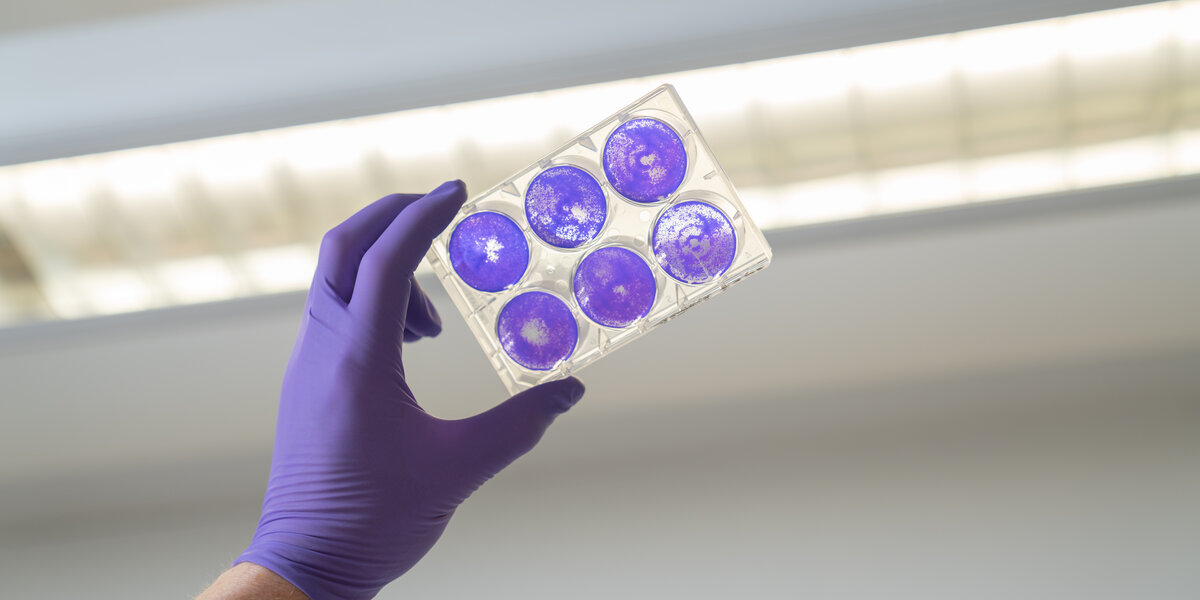
Published 20 Feb 2019
3 min read
Triple negative breast cancer makes up 15% of all breast cancer diagnoses. It can be more aggressive, with fewer targeted treatments available. But our research is changing that.
## In this section
- What is triple negative breast cancer?
- Turning weaknesses into treatments
- Stopping cancer from resisting treatment
- Finding out sooner if treatment works
- Changing the future
## What is triple negative breast cancer?
When someone is diagnosed with [triple negative breast cancer](https://breastcancernow.org/about-breast-cancer/diagnosis/types-of-breast-cancer/triple-negative-breast-cancer "Triple negative breast cancer"), it means their cancer cells don’t have 3 molecules called receptors commonly seen in other breast cancers.
These receptors are for the hormones oestrogen and progesterone and a third protein called Human Epidermal Growth Factor Receptor 2 (HER2).
More than 8,000 women are diagnosed with triple negative breast cancer in the UK each year. That’s around 15% of breast cancer diagnoses. Currently, we have limited targeted treatments options available for triple negative breast cancer. That’s because hormone therapies and HER2-targeted drugs don’t work on these tumours.
So, our scientists are working tirelessly to understand more about this type of breast cancer and find new ways to treat it. And they’re making headway already.
## Turning weaknesses into treatments
[Professors Andrew Tutt and Chris Lord](https://breastcancernow.org/about-us/research-news/our-researchers-uncover-a-new-avenue-for-treating-triple-negative-breast-cancer "Our researchers uncover a new avenue for treating triple negative breast cancer") found a new weakness linked to a gene called HORMAD-1. This gene is usually active in reproductive cells, but it’s also switched on in many triple negative breast cancers.
HORMAD1 can cause mistakes and damage to build up when cancer cells divide. Our researchers found that blocking other proteins these cells rely on could push this damage too far and slow tumour growth. It’s an early but promising route towards a targeted treatment.
[Professor Ester Hammond and her team](https://breastcancernow.org/about-us/research-news/scientists-uncover-how-out-of-breath-cancer-cells-spread "Scientists uncover how 'out-of-breath' cancer cells spread") also revealed another weakness we can target. They found that a protein called TPM3 plays a key role in how cancer cells adapt to low oxygen environments in and around triple negative breast cancers.
When they blocked TPM3 from working as it usually would, the triple negative breast cancer cells were less able to spread. And, when combined with chemotherapy treatments it made these drugs more effective.
## Stopping cancer from resisting treatment
With fewer targeted treatments available, improving existing ways to treat triple negative breast cancer is important too.
Immune checkpoint blockade (ICB) is a type of immunotherapy already used to treat thousands of people living with this type of breast cancer. But sometimes, tumours can find ways to resist it.
[Professor Pascal Meier and his team](https://breastcancernow.org/about-us/research-news/our-scientists-reveal-how-we-can-rewire-cancer-cell-death-to-help-fight-tumours "Our scientists reveal how we can rewire cancer cell death to help fight tumours") found that changing how cancer cells die can act like an alarm signal that wakes up the immune system and boosts treatment response.
They showed that in mice, neither immunotherapy nor a drug called tolinapant stopped tumour growth on their own alone. But when combined, 45% of tumours responded. Adding a third drug increased this to 71%, and some tumours disappeared completely.
It’s still early research. But it could lead to stronger, longer-lasting immunotherapy combinations.
## Finding out sooner if treatment works
And when treatment isn’t working, every cycle matters. [Professors Andrew Tutt and Sheeba Irshad](https://breastcancernow.org/about-us/research-news/early-scan-could-help-predict-how-well-triple-negative-breast-cancer-responds-to-treatment "Early scan could help predict how well triple negative breast cancer responds to treatment") investigated whether PET scans could show how someone’s cancer is responding after just 1 cycle of chemotherapy.
In a small study, changes seen on these early scans were strongly linked to whether the cancer had a complete response by the end of treatment. The scans also predicted the response better than standard MRI scans taken partway through treatment.
This research could help doctors spot sooner when chemotherapy isn’t working. Allowing healthcare teams to adjust treatment or explore other options before valuable time is lost.
## Changing the future
We’re making incredible progress in triple negative breast cancer research, but there’s still so much to be done. Treatments don’t work for everyone. And when the disease spreads, it can’t currently be cured.
Through our research, we’re revealing how cancer escapes treatment. Finding its hidden weaknesses. Developing new drugs. And finding smarter ways to get the right treatment to each person sooner.
## We're making change happen
The Breast Cancer Now Research Unit at King’s College London was the first UK centre dedicated entirely to triple negative breast cancer.
15 scientists across 6 teams are working tirelessly to tackle the disease from every angle. The unit is fully funded by [Asda Tickled Pink](https://breastcancernow.org/get-involved/donate/partner-with-us/asda-tickled-pink "Asda Tickled Pink").
[Read more about our research unit](https://breastcancernow.org/our-research/research-centres-and-projects/our-research-unit)
---
# Recent advances in secondary breast cancer treatments
_Source: https://breastcancernow.org/about-us/blogs/recent-advances-in-secondary-breast-cancer-treatments_
[Back to Blogs](https://breastcancernow.org/about-us/blogs)
1. [Home](https://breastcancernow.org/)
2. [About us](https://breastcancernow.org/about-us)
3. [Blogs](https://breastcancernow.org/about-us/blogs)
# Recent advances in secondary breast cancer treatments
Published 14 Mar 2019
11 min read
Our ambition as a charity is to stop breast cancer deaths, and this can only be achieved by improving treatments for [secondary breast cancer](https://breastcancernow.org/about-breast-cancer/breast-cancer-resources/breast-cancer-glossary#Secondary_breast_cancer "When breast cancer spreads from the breast or armpit to other areas of the body, it is called secondary breast cancer. It can also be called metastatic breast cancer and advanced breast cancer.
"). By developing new drugs and making best use of the ones we’ve already got, we can ensure that people can live with secondary breast cancer – and live well – for longer.
Last year saw results released from several clinical trials which are finding better ways to keep secondary breast cancer under control. In this blog we summarise the highlights from clinical trials in 2018, grouped by the type of breast cancer.
Below we run through drugs currerntly being assessed by the National Institute for Health and Care Excellence (NICE) and the Scottish Medicines Consortium (SMC) to decide whether they can be used by the NHS:
#### ER-positive breast cancer
- CDK4/6 inhibitors
- PI3K inhibitrors
- Crizotinib for lobular breast cancer
- Chidamide
- Neratinib - anti-HER2 therapy for ER positive breast cancer?
#### HER2-Positive breast cancer
- Palbociclib and [Herceptin](https://breastcancernow.org/about-breast-cancer/breast-cancer-resources/breast-cancer-glossary#Herceptin "Also known as trastuzumab. A drug used to treat HER2 positive breast cancers. Herceptin blocks the growth signals sent from HER2 receptors to stop cells from growing. Because it works by targeting the HER2 protein on cells it is known as a targeted therapy. Herceptin is a type of drug called a monoclonal antibody, meaning that the targeting part of each Herceptin molecule uses the same method as antibodies in the immune system to locate and target HER2 proteins in breast cancer cells.
")
- Atezolizumab
#### Triple negative breast cancer
- Atezolizumab and nab-paclitaxel
- Sacituzumab govitecan
- Triple Negative Trial - carboplation vs docetaxel
Our Policy & Campaigns team recently gave a preview of which [decisions we are expecting in 2019](https://breastcancernow.org/news-and-blogs/blogs/access-to-breast-cancer-drugs-what-to-look-out-for-in-2019), and we include links throughout this blog.
If you have breast cancer and are considering taking part in a clinical trial, you should speak with your [breast care team](https://breastcancernow.org/about-breast-cancer/breast-cancer-resources/breast-cancer-glossary#Breast_care_team "A team of specialists, including doctors and nurses, responsible for the care of a patient with breast cancer.
") to discuss which trials you may be eligible for, as you may have to meet certain requirements to be able to take part in a trial. Lists of clinical trials open to people in the UK are available from the [UK Clinical Trials Gateway](https://www.ukctg.nihr.ac.uk/) and [Cancer Research UK](https://www.cancerresearchuk.org/about-cancer/find-a-clinical-trial).
[Clinical trials](https://breastcancernow.org/about-breast-cancer/are-you-having-breast-cancer-treatment/clinical-trials/clinical-trials) of drugs are designed to test the safety and effectiveness of a drug (or combinations of drugs) for a specific group of people. For some – particularly those with secondary breast cancer – they also represent an opportunity to potentially get access to new treatments on top of the ones they’re already receiving. The hope is that these treatments may stop their secondary breast cancer from getting worse, and possibly extend their life – although in clinical trials this is not guaranteed.
## ER-positive breast cancer
Anti-hormone drugs, like [tamoxifen](https://breastcancernow.org/about-breast-cancer/breast-cancer-resources/breast-cancer-glossary#Tamoxifen "Also known as Nolvadex, tamoxifen is an anti-hormone therapy used to treat hormone-positive breast cancer, the growth of which is driven by the hormones oestrogen and/or progesterone. It works by blocking the oestrogen receptor (ER) that is overproduced on the cells of most hormone-positive breast cancers, so preventing oestrogen from stimulating the growth of these tumours. It is normally taken on a daily basis for several years.
"), and aromatase inhibitors such as anastrozole, are a key part of treatment for both primary and secondary [oestrogen receptor](https://breastcancernow.org/about-breast-cancer/breast-cancer-resources/breast-cancer-glossary#Oestrogen_Receptor "Oestrogen Receptor (or ER for short), is a protein found in many cells around the body, including some cells in the breast. The female hormone oestrogen binds to the ER, which has the knock on effect of switching certain genes on or off, causing a change in the behaviour of the cell; for example, to make the cell grow and make copies of itself.
Around 80 per cent of breast cancers have more oestrogen receptors present in their cells than normal breast cells, and therefore they are particularly sensitive to oestrogen. These breast cancers are called ER-positive or hormone-positive and rely heavily on oestrogen to keep growing. 'Anti-hormone' drugs are used to treat ER-positive breast cancers, and work by either reducing the production of oestrogen (these drugs are known as aromatase inhibitors, and include Femara, Arimidex, Aromasin), or blocking the ER itself (tamoxifen being the most well-known example).
") (ER)-positive breast cancer (also known as hormone receptor positive breast cancer). For people with ER-positive breast cancer which has spread, [chemotherapy](https://breastcancernow.org/about-breast-cancer/breast-cancer-resources/breast-cancer-glossary#Chemotherapy "The use of chemical substances to treat disease by killing fast growing cells in the body, such as cancer cells. Chemotherapy drugs are often used in combination, and the drugs given, and the way they are given will differ according to the situation of the person being treated. For example, the FEC regime of chemotherapy, often used to treat breast cancer, consists of the drugs fluorouracil (also known as 5FU), epirubicin and cyclophosphamide
") and targeted treatments such as palbociclib and everolimus can also help keep the cancer under control for longer. Newer drugs are being developed and tested which are matched to a person’s [tumour](https://breastcancernow.org/about-breast-cancer/breast-cancer-resources/breast-cancer-glossary#Tumour "An abnormal growth or swelling of tissue which may or may not be cancerous.
") – for example, drugs which are designed for tumours which carry certain mutations in their DNA.
#### CDK4/6 inhibitors
CDK4/6 inhibitors such as palbociclib (Ibrance), ribociclib (Kisqali), and abemaciclib (Verzenio) are already being used in combination with aromatase inhibitors, as a first treatment for women with ER-positive secondary breast cancer. Now, these drugs are being tested in combination with a different anti-hormone drug called fulvestrant, in particular for women who have already had anti-hormone treatments for their secondary breast cancer.
• The combination of palbociclib with fulvestrant (Faslodex) was tested as a treatment for women who have already had [anti-hormone therapy](https://breastcancernow.org/about-breast-cancer/breast-cancer-resources/breast-cancer-glossary#Anti-hormone_therapy "Sometimes referred to as "hormone therapy", this is a way of treating breast cancer by blocking the effect of hormones, such as oestrogen. Some breast cancers are stimulated to grow by oestrogen so drugs such as tamoxifen or aromatase inhibitors are given to block the effects of oestrogen.
") for secondary breast cancer in a trial called PALOMA-3. [The final results showed that](https://www.nejm.org/doi/full/10.1056/NEJMoa1810527), when looking at all women in the trial, this combination did not provide a statistically significant increase in life-expectancy. However, a subgroup of women whose secondary breast cancer initially responded to anti-hormone therapy gained an average of 10 months of life from palbociclib with fulvestrant (39.7 months from the start of treatment, compared to 29.7 months with fulvestrant alone).
• Last year, we heard the results from two trials testing the combination of ribociclib and fulvestrant with women who’ve had either one or no previous anti-hormone treatments. In post-menopausal women, [the MONALEESA-3 trial showed](http://ascopubs.org/doi/full/10.1200/JCO.2018.78.9909)that ribociclib delays the time before the cancer gets worse by nearly eight months (to 20.5 months, compared to 12.8 months with fulvestrant alone). For pre-menopausal women, the [MONALEESA-7 trial reported](https://www.thelancet.com/journals/lanonc/article/PIIS1470-2045%2818%2930292-4/fulltext) that ribociclib delays disease progression for this group of women by nearly 11 months (to 23.8 months from beginning ribociclib treatment, compared to 13.0 months without ribociclib).
The combinations of ribociclib with fulvestrant, and palbociclib with fulvestrant, for women with advanced ER-positive breast cancer are currently being assessed by NICE for use on the NHS. [The decision for ribociclib is expected in August 2019](https://www.nice.org.uk/guidance/indevelopment/gid-ta10285), and the [decision for palbociclib is expected in December 2019](https://www.nice.org.uk/guidance/indevelopment/gid-ta10095). We are also expecting a [decision from NICE on the use of abemaciclib with fulvestrant](https://www.nice.org.uk/guidance/indevelopment/gid-ta10263) very soon.
The SMC is also assessing palbociclib for use in the NHS in Scotland, with a [decision due later this year](https://www.scottishmedicines.org.uk/medicines-advice/palbociclib-ibrance-full-submission-smc2149/).
#### PI3K inhibitors
PI3K inhibitors are a relatively new type of cancer drug, blocking a protein called PI3K which helps cells to grow and multiply. These inhibitors are particularly used for tumours which carry a fault in a [gene](https://breastcancernow.org/about-breast-cancer/breast-cancer-resources/breast-cancer-glossary#Gene "A gene is a length of DNA or genetic code which contains the necessary instructions for cells to make one particular protein. Cells then use these proteins to carry out a huge range of functions around the body, for example growth, repair, and reproduction; just about everything in fact. We inherit a unique combination of genes from each of our parents.
") called PIK3CA, which provides the instructions to make one part of the PI3K machinery. Mutations in the PIK3CA gene are very common in cancer, and occur in the tumours of about 40% of people (or 2 in 5) with ER-positive secondary breast cancer.
Last year, early results from two trials testing two PI3K inhibitors – taselisib and alpelisib – were announced. These drugs are being tested in combination with the anti-hormone drug fulvestrant, for women with tumours carrying PIK3CA-mutations, whose breast cancer has gotten worse or returned following treatment with an [aromatase inhibitor](https://breastcancernow.org/about-breast-cancer/breast-cancer-resources/breast-cancer-glossary#Aromatase_inhibitor "An aromatase inhibitor (AI) is a type of anti-hormone therapy that blocks the production of oestrogen in the body. It is used to treat hormone-positive breast cancers, which are defined by the cancer cells having high levels of the oestrogen and / or progesterone receptors. An AI is often used as an alternative to tamoxifen and includes the drugs anastrozole, letrozole or exemestane.
").
• Taselisib, in combination with fulvestrant, is being tested in the SANDPIPER trial. [Results from the trial showed](https://meetinglibrary.asco.org/record/158535/abstract) that taselisib delays the progression of their breast cancer for an additional two months (to 7.4 months with taselisib, from 5.4 months with placebo).
• Alpelisib is being tested with fulvestrant in the SOLAR-1 trial. Results from the trial revealed that alpelisib delays disease progression by an additional 5.3 months (to 11 months with alpelisib from 5.7 months with the placebo).[A further analysis from this trial showed](https://www.abstracts2view.com/sabcs18/view.php?nu=SABCS18L_515&terms) that a blood test could identify people who would benefit from alpelisib by analysing whether the circulating tumour DNA carried a mutation in the PIK3CA gene.
A [NICE appraisal for alpelisib](https://www.nice.org.uk/guidance/indevelopment/gid-ta10398) in combination with fulvestrant for treating advanced ER-positive breast cancer with PIK3CA mutations is currently on hold, and is not due to recommence until early 2020.
#### Crizotinib for lobular breast cancer
Scientists from the Breast Cancer Now Toby Robins Research Centre at The Institute for Cancer Research in London showed that the drug [crizotinib could be effective for treating people with secondary lobular breast cancer](https://breastcancernow.org/news-and-blogs/news/lung-cancer-drug-shows-promise-as-targeted-therapy-for-thousands-with-breast-cancer). The drug (also known as Xalkori) which is currently being used to treat lung cancer, blocks a molecule called ROS1, which represents a weak spot for cancers which have faults in the E cadherin protein, like lobular breast cancer. The results have led to [a new clinical trial called ROLO](https://breastcancernow.org/breast-cancer-research/our-research-projects/rolo-trial-for-advanced-lobular-breast-cancer) for women with secondary lobular ER-positive breast cancer, which is being run from the Royal Marsden Hospital in London.
#### Chidamide
Researchers from China recently presented results from a trial testing a drug called chidamide – an inhibitor of a molecule called histone deacetylase (HDAC). The drug was being tested in combination with [exemestane (Aromasin)](https://breastcancernow.org/about-breast-cancer/breast-cancer-resources/breast-cancer-glossary#Exemestane_Aromasin "A type of aromatase inhibitor.
") for women with secondary ER-positive breast cancer, whose disease had gotten worse during treatment with anti-hormone treatments[. The results of this trial showed](https://www.esmo.org/Press-Office/Press-Releases/Chidamide-hdac-breast-cancer-Jiang) that chidamide with exemestane delayed further progression of the disease by 3.6 months on average (to 7.4 months, compared to 3.8 months with exemestane alone). However, more research is needed to compare chidamide and other HDAC inhibitors to the current standard-of-care for this group of women – either everolimus (Afinitor) or palbociclib.
#### Neratinib – anti-HER2 therapy for ER-positive breast cancer?
[Research released last year showed](http://www.abstractsonline.com/pp8/#!/4562/presentation/5619) that some ER-positive secondary breast tumours can become resistant to treatments because of mutations which activate the HER2 receptor – making the ER-positive cancer more like HER2-positive. To treat these tumours, an anti-HER2 drug called neratinib is being tested in combination with fulvestrant in a small trial called SUMMIT. [The results from this trial](https://www.abstracts2view.com/sabcs18/view.php?nu=SABCS18L_1360&terms) were promising, considering that the tumours of the people involved in the trial had already become resistant to several different treatments. For instance, 33% of tumours responded to the drug, with an average duration of response of nine months. However, larger trials are needed to fully assess how long the combination can delay further progression of the disease.
## HER2-positive breast cancer
Herceptin, Perjeta and Kadcyla are a key part of treatment for people whose HER2-postive breast cancer has spread. Clinical trials are now testing whether these drugs can be used in combination with other therapies to control the disease for longer.
#### Palbociclib and Herceptin
A combination of Herceptin and palbociclib is being tested with women with secondary HER2-positive breast cancer, who had already been treated with at least two types of anti-HER2 therapy. [Early results from the PATRICIA trial showed](https://www.abstracts2view.com/sabcs18/view.php?nu=SABCS18L_1427&terms) that the combination was most effective against tumours which were both HER2- and ER-positive. [Genetic testing](https://breastcancernow.org/about-breast-cancer/breast-cancer-resources/breast-cancer-glossary#Genetic_Testing "People who have a significant history of breast cancer in the family may be offered the option of having a blood test to see if they have a mutated or faulty gene that is linked to the breast cancer in their family. For more on the types of tests and who they are available to see our family history and breast cancer pages.
") of the tumours revealed a group of women with ‘luminal type’ tumours, for which the combination was even more effective. The trial is continuing to recruit participants in Spain in order to fully assess the value of this combination.
#### Atezolizumab and Kadcyla
Atezolizumab, or Tecentriq – a type of immunotherapy called a ‘[checkpoint inhibitor](https://breastcancernow.org/news-and-blogs/blogs/breast-cancer-now-explains-immunotherapy-immune-checkpoint-inhibitors)’ which blocks the tumour’s ability to hide from the immune system – is being tested in combination with the anti-HER2 treatment Kadcyla in the KATE2 trial. Sadly, [the results from this trial](https://www.abstracts2view.com/sabcs18/view.php?nu=SABCS18L_1253&terms) did not show any benefit of this combination compared to Kadcyla alone.
## Triple negative breast cancer
For people with [Triple negative breast cancer](https://breastcancernow.org/about-breast-cancer/breast-cancer-resources/breast-cancer-glossary-edit) which has spread, chemotherapy still remains the main treatment option. However, clinical trials are exploring the potential of using immunotherapy drugs and targeted therapies such as PARP inhibitors for this broad group of tumours.
#### Atezolizumab and nab-paclitaxel
Atezolizumab in combination with the chemotherapy drug nab-paclitaxel (Abraxane) is being tested with women whose triple negative breast cancer has spread in the IMpassion130 trial. [The latest results from the study showed](https://www.esmo.org/Press-Office/Press-Releases/IMpassion130-atezolizumab-nab-pac-triple-negative-breast-cancer-Schmid) that the combination was particularly effective for women whose tumours contained immune cells which over-produced the PD L1 protein, which is the case for about 40% of triple negative tumours. For these women, the combination delayed the progression of the disease by 2.5 months on average (to 7.5 months, compared to 5 months with paclitaxel alone). An early estimate of long-term survival, which needs to be confirmed as the trial continues, suggested that the combination may also extend life by nearly 10 months.
Atezolizumab in combination with nab-paclitaxel for women with advanced triple negative breast cancer is currently being assessed by NICE for use on the NHS, [with a decision expected in November 2019](https://www.nice.org.uk/guidance/indevelopment/gid-ta10433).
We’ve recently heard that this combination [will be made available to certain women with secondary triple negative breast cancer through an Early Access To Medicines Scheme](https://breastcancernow.org/news-and-blogs/news/we-respond-to-news-that-immunotherapy-atezolizumab-is-to-be-made-temporarily-available-to-certain-nhs-breast-cancer-patients-via-early-access-scheme).
#### Sacituzumab govitecan
A new drug called sacituzumab govitecan has been tested for people with secondary ‘HER2-negative’ breast cancer – that is, either ER-positive or triple negative disease. Sacituzumab govitecan is a ‘smart drug’ which delivers a chemotherapy drug SN-38 straight to cancer cells which have the protein Trop 2 on their surface, which is the case in many types of cancer. [Results from an early stage trial showed](https://www.nejm.org/doi/10.1056/NEJMoa1814213) that the treatment could be beneficial for treating people with HER2-negative tumours who have already had several treatments for their breast cancer. In this small trial, a third (33%) of triple negative tumours responded to the drug, and the average duration of this response was nearly eight months. More research is needed to fully evaluate the effectiveness of the drug, but for people who have already received several different treatments for the secondary cancer, this could provide a new option in the future.
#### Triple Negative Trial – carboplatin vs docetaxel
Finally, our very own Prof Andrew Tutt set out to determine what was the most effective chemotherapy treatment for women with advanced triple negative breast cancer in the [Triple Negative Trial](https://breastcancernow.org/news-and-blogs/blogs/triple-negative-trial-reveals-chemotherapy-drug-as-a-long-awaited-targeted-therapy-for-patients) (TNT).[The results published last year showed](https://www.nature.com/articles/s41591-018-0009-7) that women who carry a BRCA mutation benefited more from carboplatin than from docetaxel (Taxotere) – about 10% of women with triple negative disease. For women with BRCA¬-mutated advanced TNBC, carboplatin delayed the progression of the disease by roughly an extra two and half months (6.8 months with carboplatin, compared to 4.4 months with docetaxel). In direct response to the TNT results, the European Society for Medical Oncology (ESMO) recently updated their guidelines to include that BRCA-mutated triple negative secondary breast cancer should treated with a ‘platinum’ chemotherapy drug like carboplatin.
**Progress is being made all the time in research – though we know that for far too many people with secondary breast cancer, advances like the ones above come too late. We will not stop funding new research, and campaigning for access to the newest medicines, until breast cancer has taken its last life.**
**You can keep up to date on the latest developments in breast cancer research here on the blog – such as[our round-up of last year’s San Antonio Breast Cancer Symposium](https://breastcancernow.org/news-and-blogs/blogs/highlights-from-the-san-antonio-breast-cancer-symposium-2018).**
**You can also find out about how you can help make sure people with secondary breast cancer get access to the drugs they need, by [signing up to our campaign updates](https://breastcancernow.org/get-involved/campaign-with-us/become-a-campaigner/sign-up-to-receive-campaign-updates).**
---
# What our merger means for Healthcare Professionals
_Source: https://breastcancernow.org/about-us/blogs/what-our-merger-means-healthcare-professionals_
[Back to Blogs](https://breastcancernow.org/about-us/blogs)
1. [Home](https://breastcancernow.org/)
2. [About us](https://breastcancernow.org/about-us)
3. [Blogs](https://breastcancernow.org/about-us/blogs)
# What our merger means for Healthcare Professionals
Published 27 Mar 2019
1 min read
This year, Breast Cancer Care and Breast Cancer Now will be merging. Here's how we're going to make that work for healthcare professionals.
This year, Breast Cancer Care and Breast Cancer Now will be merging. Here's how we're going to make that work for healthcare professionals.
## Exciting developments
The merged charity is something we’re all excited to be part of and means we are better placed than ever to support you as healthcare professionals.
Breast Cancer Care already works closely with breast care nurses to help ensure people affected by breast cancer get the best treatment and care. They support healthcare professionals with learning and development opportunities, specialist breast cancer groups and a [Nursing Network](https://breastcancernow.org/information-support/healthcare-professionals/nursing-network-member-benefits).
At Breast Cancer Now, we conducted a survey of breast cancer healthcare professionals in 2018 to better understand your training and development needs and to identify how best we could support you. Because of what you told us, we developed this e-newsletter last year and launched the [online hub](https://breastcancernow.org/about-breast-cancer/healthcare-professionals) for healthcare professionals just last month.
Listening to and supporting you as healthcare professionals is something we’re committed to. Working together opens up many new opportunities for us to deliver what you asked for, too. We’re looking forward to working with a range of partners to help you deliver the best treatment, information and support to all breast cancer patients.
If you have any questions or are able to support this work in some way, please get in touch at [HCPengagement@breastcancernow.org.](mailto:HCPengagement@breastcancernow.org)
To find out more about the work we've already done with healthcare professionals, as well as our plans for continuing support, take a look at our healthcare professionals section.
[Learn more](https://breastcancernow.org/information-support/healthcare-professionals)
---
# Got green fingers?
_Source: https://breastcancernow.org/about-us/blogs/got-green-fingers_
[Back to Blogs](https://breastcancernow.org/about-us/blogs)
1. [Home](https://breastcancernow.org/)
2. [About us](https://breastcancernow.org/about-us)
3. [Blogs](https://breastcancernow.org/about-us/blogs)
# Got green fingers?
Published 03 Apr 2019
3 min read
It might be surprising, but gardening is a great way to stay healthy. Here are some top tips on how gardening can help you this spring.
Though we might not usually think of it as a form of exercise, gardening is actually a very good way to stay fit and healthy.
## How gardening can help you
Evidence shows that you can reduce your risk of developing breast cancer by being physically active on a regular basis. This includes any activity such as gardening, which can be done for ten minutes or more that makes you breathe harder and get warmer. You should aim for around 150 minutes a week of this type of activity. However, this can be divided up into 20 minutes a day or 30 minutes five days a week as you prefer.
Our corporate partner, [Town & Country](https://www.townandco.com/bcn), has produced a range of pink gardening products to help you get out in the garden and get moving. Their products are not only practical, but will also keep you stylish. Check out their top tips to help you make the most of spring:
### 1. Get moving and get warm
By making sure that you’re working up a sweat through exercise, you can not only keep your weight down, but research has shown that this type of exercise has seen improvements in [reducing your risk of heart disease.](https://breastcancernow.org/about-breast-cancer/want-to-know-about-breast-cancer/what-can-cause-breast-cancer/physical-activity-and-breast-cancer-risk?deep_link=exercise) In preparation for summer, shrubs and bushes need extra attention, so putting the work in early is beneficial to promote new growth for your garden. It is important to use sharp secateurs which will provide a clean cut, reducing the risk of fungal diseases in the plant to ensure that it can grow healthily.
### 2. Gardening regularly
Weeds can grow quickly at this time of the year so keep on top of them by regularly hoeing between them as required. Again, by doing this task often, you will be able to promote good health in many other ways as it can reduce your risk of diseases such as diabetes, stroke, osteoporosis and other cancers such as bowel cancer. It can also improve your mood and reduce symptoms of depression.
And don’t forget your gloves! The latex coating on these Bamboo Gloves helps protect against thorny bushes and brambles, whilst providing excellent grip, breathability and dexterity.
### 3. Other activities to get you moving
Other gardening activities to be done this month include sowing bedding plants and vegetables, digging over soil to give it a new lease of life and planting hanging baskets. Being physically active on a regular basis, you may be able to improve many aspects of your of health and wellbeing, as well as improving some of the symptoms of cancer and the [side effects](https://breastcancernow.org/about-breast-cancer/breast-cancer-resources/breast-cancer-glossary#Side_effects "Unwanted symptoms caused by medical treatment.
") to treatment, including anxiety, depression, [Lymphoedema](https://breastcancernow.org/about-breast-cancer/breast-cancer-resources/breast-cancer-glossary#Lymphoedema "Long-term swelling in the tissues, which can occur in the arm or upper body after breast cancer surgery or radiotherapy. It is caused by a build-up of excess fluid in the tissue.
") and fatigue.
With so many jobs to do outside, all your tools can be kept to hand in this handy Gardening Pouch which has three pockets and can be worn over the shoulder or around the waist.
This can help you keep moving whilst not having to worry about your tools.
These tips were kindly provided by our partner [Town & Country.](https://www.townandcountrymag.com/uk/)These products carry a 10% donation to Breast Cancer Now, so now’s the time to get active and spruce up your garden. [Shop the collection.](https://www.townandco.com/bcn)
For other items that carry a donation to Breast Cancer Now, check out our Breast Cancer Awareness Month charity products.
[Find out more](https://breastcancernow.org/get-involved/other-ways-give/breast-cancer-awareness-month-charity-products)
---
# Fashion Targets Breast Cancer 2019
_Source: https://breastcancernow.org/about-us/blogs/fashion-targets-breast-cancer-2019_
[Back to Blogs](https://breastcancernow.org/about-us/blogs)
1. [Home](https://breastcancernow.org/)
2. [About us](https://breastcancernow.org/about-us)
3. [Blogs](https://breastcancernow.org/about-us/blogs)
# Fashion Targets Breast Cancer 2019
Published 09 Apr 2019
1 min read
For this year’s Fashion Targets Breast Cancer campaign, we are asking our supporters to get together and take action with their #BosomBuddies.
Every year we team up with the biggest names in British fashion and the hottest of the high street to bring you clothing with the power to save lives.
Our previous campaigns have seen the likes of Kate Moss, Twiggy and Naomi Campbell dress in solidarity to help Breast Cancer Now make life-saving research happen.
For 2019, we have more famous-faces including Sadie Frost, Rosemary Ferguson and Malaika Firth, teaming up with their #BosomBuddies, to show their support. We also have great high street names, including M&S, River Island and Simply Be, creating [exclusive collections for this year's campaign.](https://fashiontargetsbreastcancer.org.uk)
You will be able to choose from unique products that include statement t-shirts, hot accessories and on-trend dresses, to dress in solidarity with your own #BosomBuddies.
### Why is Fashion Targets Breast Cancer important?
Every day, around 150 people in the UK hear the words ‘it’s breast cancer’ and every month the disease takes the lives of nearly 1,000 people. That’s one every 45 minutes.
We know that it’s going to take all of us to end breast cancer. So, for this year’s campaign, we are asking our supporters to get together and take action with their #BosomBuddies. Because when it comes to stopping breast cancer in its tracks, we know we’re stronger together.
Since 1996, when Fashion Targets Breast Cancer was founded by fashion-royalty, Ralph Lauren, the campaign has raised over £16million for breast cancer research. For each product purchased through the Fashion Targets Breast Cancer campaign, 30% of the profit will help Breast Cancer Now achieve our vision: we believe that if we all act now, by 2050, everyone who develops breast cancer will live – and live well.
Check out what our #BosomBuddies have got in store for you this year.
[Shop the collection](https://fashiontargetsbreastcancer.org.uk)
---
# Here’s how you can fundraise this July
_Source: https://breastcancernow.org/about-us/blogs/here-s-how-you-can-fundraise-july_
[Back to Blogs](https://breastcancernow.org/about-us/blogs)
1. [Home](https://breastcancernow.org/)
2. [About us](https://breastcancernow.org/about-us)
3. [Blogs](https://breastcancernow.org/about-us/blogs)
# Here’s how you can fundraise this July
Published 08 Jul 2019
2 min read
So why not get inspired and put on a fundraiser this summer?
July is jam-packed with big and exciting sporting events. From the prestigious [Wimbledon tournament](https://breastcancernow.org/news-and-blogs/blogs/hold-the-perfect-wimbledon-fundraiser) to the [Cricket World Cup](https://breastcancernow.org/sites/default/files/public/cricket_world_cup_2019_sweepstake_1_0.pdf), you can guarantee that there will always be something to get involved with this month. So why not be a good sport, get inspired and put on a fundraiser this summer?
Here are some ideas to get you started:
## Organise your own event
Make the most of summer, get some friends together and get into the great outdoors. There are thousands of different sports and activities for you to choose from, and these are just some of our favourites:
- The Premier League is over, so now’s the time to start your own league. Dust off your football boots, rounders bats or tennis rackets and head for a friendly (or competitive) game with friends, colleagues or in your community. Hold a collection at half time and charge entry to the tournament in return for a prize.
- Did someone say fun run? Bring the community together on a summer afternoon for a fun run (or walk) for everyone to attend. Make sure there’s a water stop!
- Pretend you’re back in school and organise a sports day with your family and friends in the garden. People could donate to enter the classic egg and spoon race, tug of war, relay or even a sack race, in return for a fun prize.
[Get started!](https://breastcancernow.org/get-involved/fundraise-for-us/organise-your-own-fundraising/request-your-fundraising-pack)
## Set yourself a challenge
Set yourself a challenge this month! You could walk to work every day, do a sponsored cycle, arrange a swim-a-thon or even organise a dance-a-thon. However big or small your challenge is, collect your sponsorship easily by setting up an online giving page.
[Start fundraising](https://breastcancernow.org/get-involved/fundraise-for-us/organise-your-own-fundraising/request-your-fundraising-pack)
## Get your walking boots on
Keep it simple and organise a solo walk and get people to sponsor you for every mile you walk. Or maybe you would prefer to turn it into an exciting sponsored trek and try out a route you’ve always wanted to do. Or, you can bring everyone together and organise the walk in your community, with a pink dress code so that you can raise awareness and money while you walk!
[Put on a pink walk](https://breastcancernow.org/sites/default/files/public/how_to_guide_sponsored_challenge.pdf)
## Hold a sweepstake in your office
We’ve got your summer sweepstake needs covered. You can download our quick and easy templates and start fundraising instantly.
[Download a sweepstake](https://breastcancernow.org/get-involved/fundraise-for-us/fundraising-materials-and-ideas)
Don’t forget to [order your fundraising pack](https://breastcancernow.org/get-involved/fundraise-for-us/organise-your-own-fundraising/request-your-fundraising-pack) which is full of ideas, posters and other stuff to help with your event! We’re here for you every step of the way, keep in touch by emailing Community@breastcancernow.org or call 0333 20 70 300.
No matter how you fundraise, the money you raise will help bring us closer to the day that everybody who develops breast cancer lives – and receives the support they need to live well.
---
# With the help of my friends and family, we have achieved something wonderful.
_Source: https://breastcancernow.org/about-us/blogs/help-my-friends-family-we-have-achieved-something-wonderful_
[Back to Blogs](https://breastcancernow.org/about-us/blogs)
1. [Home](https://breastcancernow.org/)
2. [About us](https://breastcancernow.org/about-us)
3. [Blogs](https://breastcancernow.org/about-us/blogs)
# With the help of my friends and family, we have achieved something wonderful.
Published 16 Jul 2019
3 min read
Julie shares why she’s raising money for Breast Cancer Now and what it would mean to her to win at the Amazing Women Awards, hosted by Woman and Home Magazine.
This year, The Hotter Community Awards, part of the Amazing Women Awards, hosted by Woman and Home Magazine, celebrates women all around the UK who have raised money and awareness for important causes. Julie was nominated for the “Going the Extra Mile” award in recognition of her amazing contribution to Breast Cancer Now. Here she shares why she’s raising money for Breast Cancer Now and what it would mean to her to win the award:
## It started back in 1995
Louise, my sister-in-law, asked me to become a £1,000 Challenger (where you raise £1,000 for the charity in return for having your name displayed in the Research Centre) after she was diagnosed with breast cancer, back in 1995. Along with my friends and family we organised a charity ball and raised £7,000, which is where I thought my charity work would end. Sadly, Louise died just a few months after the ball and I treasure the letter she sent asking me to continue fundraising for the sake of our daughters. Her words are my mantra, “Research is the only way forward.” That’s why I support Breast Cancer Now, as it holds the key to a better future.
I wanted to honour Louise’s memory and so our Sutton Coldfield West Midlands group was formed, bringing together some amazing women with different strengths and skills to organise another charity ball. As our confidence grew we began organising all sorts of events such as pink walks in the park, lunches, afternoon teas, swap and share clothes parties and annual golf days which have now run for 20 years.
## A Las Vegas themed ball raised £32,000 in one night
One year we had a ball with a Las Vegas theme and a casino, ‘Elvis’ and the most amazing staging and dancers. Along with a raffle and auction we gift-wrapped and displayed 100 tombola prizes which everyone loved; it looked amazing and was so much fun and we raised an incredible £32,000 that night.
## Overcoming challenges
The first ever golf day I organised coincided with torrential rain for days before, so when we arrived at the golf club they had closed the course. With 80 golfers en-route I was panic-stricken. Fortunately, we found a nearby municipal course which was more than happy to accommodate us and all the golfers took it in good spirit as we ferried them to and fro. They all stayed for the evening meal and prize-giving, so we still raised £5,000.
>
> The most important thing is to work together as a team.
>
In a group, everyone has something to offer – cake making, account keeping, artwork, selling tickets, finding raffle prizes, photography, giving speeches – so it’s good to find out what each person is good at and confident with, then organise your events around their skills. We make our group meetings an opportunity to socialise too. We’ve become good friends and supported each other through all our ups and downs.
## ‘I would love to think that some of the £1million we’ve raised helps research into secondary breast cancer.’
Three of my sisters-in-law have died from breast cancer and everyone in our group has lost loved ones to this dreadful disease. To think that we have contributed towards a future when no one will die from breast cancer is a truly wonderful legacy and one we are all proud to have been a part of.
>
> I am just thrilled to have been nominated for the Amazing Women Award as this recognises what a difference volunteers can make for charity.
>
I would love to win so we can get a full-page editorial in Woman and Home magazine and this might encourage others to get together with friends, do something they enjoy and raise vital money for Breast Cancer Now.
#### The vote has now closed for the Woman and Home Awards 2019.
---
# Sun care after breast cancer treatment
_Source: https://breastcancernow.org/about-us/blogs/sun-care-after-breast-cancer-treatment_
[Back to Blogs](https://breastcancernow.org/about-us/blogs)
1. [Home](https://breastcancernow.org/)
2. [About us](https://breastcancernow.org/about-us)
3. [Blogs](https://breastcancernow.org/about-us/blogs)
# Sun care after breast cancer treatment
Published 02 May 2019
5 min read
You may be concerned about the effects of hot weather during and after breast cancer treatment. Our nurse, Rachel, suggests ways to look after your skin and stay comfortable in the heat this summer.
You may be concerned about the effects of hot weather during and after breast cancer treatment.
Find ways to look after your skin and stay comfortable in the heat this summer, including going in the sun after radiotherapy, what to do if you have lymphoedema, protecting your scalp , and managing hot flushes.
## Top sun-safety tips after breast cancer treatment
- Use a high sun protection factor (SPF) sunscreen and apply regularly, particularly after swimming
- Drink plenty of water at regular intervals
- Wear loose-fitting, cotton or bamboo clothing (some bamboo fabrics protect you from UVA and UVB)
- Keep your head covered in the sun
- Avoid the hottest part of the day (11am–3pm)
- Use insect repellent (if required), particularly at night
- Moisturise your skin regularly
## Can I go in the sun after radiotherapy or chemotherapy?
Breast cancer treatments such as [radiotherapy](https://breastcancernow.org/information-support/facing-breast-cancer/going-through-breast-cancer-treatment/radiotherapy-primary) and [chemotherapy](https://breastcancernow.org/information-support/facing-breast-cancer/going-through-treatment-breast-cancer/chemotherapy) can make skin more sensitive.
If you’re having radiotherapy, don’t expose the treated area to the sun until your radiotherapy has finished and any skin reaction has settled down.
The skin in the treated area will remain sensitive to the sun for some time after treatment so you will need to use sunscreen.
Take care in the sun by covering your skin and wearing a hat. Use a sunscreen with a high sun protection factor (SPF) and avoid the hottest part of the day (11am–3pm). Remember, it’s also possible to get sunburnt through clothing, so apply sunscreen underneath your clothes too. You may want to look at clothes that are made of bamboo fabric. Some bamboo fabrics naturally protect you from the sun.
## How long after radiotherapy can I go swimming?
You may want to avoid swimming until any skin reactions have healed. Skin changes from radiotherapy can be irritated by chlorine or chemicals in the pool. Speak to your treatment team if you want to go swimming during or shortly after treatment.
## Which sunscreen should I use?
Sunscreens generally fit into two categories, mineral or chemical.
Mineral sunscreens act as a physical barrier that works immediately after you apply it, blocking both UVA (sun rays that lead to premature aging and wrinkles) and UVB (rays that cause sunburn).
Chemical sunscreens use ingredients that absorb UV rays and break them down before they reach the skin, but need to be applied 20 to 30 minutes before you go out in the sun.
Both types of sun screen should be reapplied at least every two hours.
There are so many sunscreens on the market but it’s important to find one that you’re likely to use on a regular basis.
## I have lymphoedema, do I need to take extra care in the sun?
[Lymphoedema](https://breastcancernow.org/information-support/facing-breast-cancer/going-through-treatment-breast-cancer/side-effects/lymphoedema) causes the skin to stretch and it can become dry, flaky, itchy and prone to infection. Wear loose clothing with long sleeves to protect the affected area from the sun along with your sunscreen, and wear a compression garment if you’ve been given one by your specialist. You can still get burnt through compression garments, particularly synthetic ones. Your lymphoedema specialist can advise you on which garments will offer the most sun protection.
Try to avoid extremes of temperature – getting too hot then too cold, or too cold then too hot.
## What can I do to protect my scalp?
If you’ve lost your hair because of chemotherapy or your hair is just starting to grow back, keep your head covered while outside to help prevent burning. You may also want to apply sunscreen to your scalp. The most comfortable head coverings in the heat are made from natural fabrics that are gentle on the scalp and allows the skin to breathe.
Wigs can sometimes feel hot and itchy, particularly in warmer weather, but you can try wearing a thin cotton or bamboo lining under your wig. You can buy these from wig suppliers or find them online.
Find out about [hair loss tips for all seasons](https://breastcancernow.org/about-us/news-personal-stories/hair-loss-tips-all-seasons).
## What can help with hot flushes?
Menopausal symptoms, including [hot flushes](https://breastcancernow.org/about-us/news-personal-stories/how-manage-menopausal-symptoms-in-heat), can be caused by breast cancer treatments. Hot flushes can vary for each person, from a couple a day to a few every hour. They range from a mild sensation of warming that just affects the face, to waves of heat throughout the body. Some women also experience drenching perspiration affecting the entire body.
Hot flushes can feel more intense during hot weather, so keep cool by using a fan, wearing loose-fitting cotton clothing and drinking plenty of water. Getting to know what triggers your hot flushes can help you avoid them.
Read Helen’s tips on[managing menopausal symptoms in the heat](https://breastcancernow.org/about-us/news-personal-stories/how-manage-menopausal-symptoms-in-heat).
## I’m travelling abroad what else do I need to think about?
If you’re travelling to a hotter, tropical area you may need to use insect repellent, particularly at night, to avoid bites and stings. Bites from insects such as mosquitos can become infected and are very uncomfortable.
If you have lymphoedema it’s a good idea to ask your GP for some antibiotics to take with you. This is so you can start taking them immediately if you develop an infection in the area affected by lymphoedema.
If you’re having chemotherapy, you may also be advised to avoid swimming pools. This is because chemotherapy affects your immune system’s ability to fight infection, which might make you more susceptible to any germs in the water. If you do want to go swimming, discuss it with your treatment team first.
Check with your doctor if you’ll need any vaccinations or preventive medication before you travel. Live vaccinations (such as yellow fever) are not recommended during chemotherapy or for six months afterwards, as they could cause serious infections. While inactivated vaccines (such as cholera and typhoid) are safe during and after treatment, they may be less effective if you have a weakened immune system. This may be the case in the first six months after chemotherapy. Talk to your treatment team about the best time to have any injections.
Read more travel and holiday tips.
[Travel and holiday tips](https://breastcancernow.org/information-support/facing-breast-cancer/living-beyond-breast-cancer/life-after-breast-cancer-treatment/travelling-abroad-breast-cancer)
---
# Tips for going back to work after treatment
_Source: https://breastcancernow.org/about-us/blogs/tips-going-back-work-after-treatment_
[Back to Blogs](https://breastcancernow.org/about-us/blogs)
1. [Home](https://breastcancernow.org/)
2. [About us](https://breastcancernow.org/about-us)
3. [Blogs](https://breastcancernow.org/about-us/blogs)
# Tips for going back to work after treatment
Published 29 Apr 2019
4 min read
If you’ve had to take time off work during breast cancer treatment, when or whether you return can depend on a number of things. We look at your rights and your employer’s responsibilities.
If you’ve had to take time off work during breast cancer treatment, when or whether you return can depend on a number of things. We look at your rights and your employer’s responsibilities.
## Your employer's responsibilities
In England, Scotland and Wales, if you have or have had breast cancer, the Equality Act 2010 protects you against any discrimination relating to your employment including the recruitment process. For the purposes of the Act, anyone who has or has had cancer is classed as disabled.
The Disability Discrimination Act (DDA) continues to protect people living in Northern Ireland.
## Reasonable adjustments
Your employer is required to make reasonable adjustments to help you return to work to have time off for medical appointments or continued [treatment](https://breastcancernow.org/information-support/facing-breast-cancer/going-through-breast-cancer-treatment) and recovery. You can discuss returning to work and what adjustment your employer might need to make with your treatment team, occupational health or human resources departments, or your line manager.
>
>
> I was incredibly anxious about going back to work which was why I made the decision not to return to full-time employment but to take control of my own workload. It meant I didn't need to answer to anyone and I could ease back into work at my own pace.
>
>
Alice-May
Read Alice-May, Bal and Kaz’s experiences of [going back to work after breast cancer treatment](https://breastcancernow.org/about-us/news-personal-stories/my-story-going-back-work).
## Telling your employer
You don’t have to tell your employer any details of your diagnosis and treatment if you don’t want to. How much information you give about your breast cancer to those involved with your return to work is a personal decision.
You also have the right for any information you do provide about your breast cancer to be kept private and only discussed with other people with your permission.
Remember your employer has a duty to make reasonable adjustments to your role or your working environment to help you do your job. If you don’t tell them about your diagnosis and treatment it’s difficult for them to know what adjustments they need to make.
## Not returning to work
Some people decide not to go back to work after having breast cancer. This may be for health reasons or because the experience of having breast cancer has made them reassess what’s important. However, giving up work is not an option for everyone and your circumstances may mean it’s not possible for you to do this.
Giving up work for good means you also give up any rights and benefits linked to your job, such as pension rights. If you’re planning to stop working it’s important to get independent employment advice before you make any decisions. Macmillan Cancer Support can talk through your financial situation and options with you.
## Starting a new job
If you’re looking to start a new job you might be worried that giving information about your cancer could affect your chances of success. The Equality Act protects anyone who has had treatment for cancer against any discrimination relating to employment – including the recruitment process.
Under the Equality Act, employers are not permitted to ask questions about candidates’ health during the recruitment process. This includes asking if you have a disability. However, an employer can ask for information regarding your health if it is relevant to the job or is to be used as part of equal opportunities monitoring.
If you’re asked whether you have a health condition on an application form or in an interview, it might be a good idea to check whether the question is one that is allowed to be asked at that stage of recruitment.
Once you have been offered a job, an employer can then ask for information about your health. If you’re asked directly, it’s important you answer truthfully. Giving false or incomplete information could mislead your employer. However, if they then decide to withdraw the job offer, this must be for reasons that are non-discriminatory.
>
>
> I wanted to relearn what work, and a tiring day in the office, were like. I wanted to relearn what contact with healthy people, being on someone else's clock, and being an independent woman were like. I wanted to relearn what conversations that didn't involve ‘cancer chat’ were like.
>
>
Kaz
## Getting help and support
### Macmillan Cancer Support
[Macmillan](https://www.macmillan.org.uk/) has more information about how cancer and cancer treatments may have an impact on your employment.
### Acas
If you feel like you have been discriminated against at work because of your breast cancer diagnosis, you can contact [Acas](http://www.acas.org.uk/index.aspx?articleid=1461) (Advisory, Conciliation and Arbitration Service) or call their helpline on 0300 1230 1100. Acas provides free and impartial information and advice to employers and employees on all aspects of workplace relations and employment law.
### Citizens Advice
[Citizens Advice](https://www.citizensadvice.org.uk/) is also a good place to go for guidance.
### Someone Like Me
If you’re thinking about going back to work after treatment you might like to talk to someone who has been in a similar position. Our [Someone Like Me](https://breastcancernow.org/information-support/support-you/someone-me) service can put you in touch with a trained volunteer who can help.
Read more about returning to work and financial support when you have breast cancer.
[Information and support](https://breastcancernow.org/information-support)
---
# 8 exercise videos to help you get started after breast cancer
_Source: https://breastcancernow.org/about-us/blogs/8-exercise-videos-to-help-you-get-started-after-breast-cancer_
[Back to Blogs](https://breastcancernow.org/about-us/blogs)
1. [Home](https://breastcancernow.org/)
2. [About us](https://breastcancernow.org/about-us)
3. [Blogs](https://breastcancernow.org/about-us/blogs)
# 8 exercise videos to help you get started after breast cancer
Published 02 Apr 2019
3 min read
It can be difficult to start or restart exercise after treatment. Lizzy Davis, who works with women on our Moving Forward course, explains how to get started.
It can be difficult to start or restart exercise after treatment, but beginning slowly is key. Exercise expert Lizzy Davis, who works with women on our Moving Forward course, explains how to get started.
## **How can physical activity help me after treatment?**
[Exercise](https://breastcancernow.org/information-support/facing-breast-cancer/living-beyond-breast-cancer/your-body/physical-activity-breast-cancer) can prepare your body for physically demanding breast cancer treatments and can help in the recovery period. It can also help you to reconnect with the ‘old you’ or adjust to the ‘new me’. Exercise has been proven to positively impact our life span and quality of life.
You might begin with some gentle stretching and focused breathing exercises to help you relieve any unwanted stress and tension.
Re-building muscle mass after treatment can help improve your balance, bone density and your overall daily functioning. It can also bring about a sense of achievement.
## **It’s important to approach physical activity with care**
Start exercising gently by:
- [Adjusting your physical activity](https://breastcancernow.org/information-support/facing-breast-cancer/living-beyond-breast-cancer/your-body/physical-activity-breast-cancer/physical-activity-during-after-treatment) according to ongoing side effects or limitations.
- Being aware of your physical body, especially if your balance is poor or if you have restricted movement.
- Understanding your exercise plan and how it relates to your unique needs.
- Pacing, prioritising, and planning.
- Talking to your health care team before you begin.
## **How should I feel when I’m exercising?**
This will vary from person to person. If you haven’t exercised for some time, take it slowly. Build up and see how you feel each day.
You might like to keep a diary to log and track your efforts and note changes to how you feel. You might feel pain, discomfort, stiffness, fatigue or weakness to begin with.
## **What if I feel pain?**
It’s important to stop an activity if you experience unusual pain. Knowing your limits can help you to navigate pain and check in with yourself.
If you’re feeling pain, you might ask yourself:
- What kind of pain am I feeling? Is it muscular? Scar tissue-related? Joint-related?
- Have I warmed up enough and moved all my joints?
- Am I breathing properly?
- Can I gently move through it? Or, should I listen to it and act on it?
## **Can I get all the exercise I need from the comfort of my own home?**
Yes, absolutely. With growing access to apps, YouTube videos, books, DVDs and other websites, there is plenty of exercise guidance at your fingertips.
Be smart and safe by doing physical activities that are suitable for you and be sure to speak to your healthcare team before getting started. You can buy home-based equipment, or simply use your body weight and surfaces around your home such as walls, floors, stable chairs and stairs.
Exercise 1: Deep breathing
Exercise 2: Neck and shoulders
Exercise 3: Active warm up
Exercise 4: Sit to stand
Exercise 5: Arms and upper body
Exercise 6: Chest, back and stomach
Exercise 7: Posture muscles
Exercise 8: Balance
## Top tips for getting started and staying motivated
1. Start with short walks, gentle stretching, or deep breathing exercises
2. Find a buddy to exercise with
3. Use a walking app or pedometer to monitor your daily step count
4. Sets realistic and achievable goals (short term to begin with)
5. Work out what barriers you might have before beginning an exercise programme (such as family or work commitments)
6. Choose something you enjoy and that works with your lifestyle
7. Select a time in the day when your energy levels are higher
8. Know that your efforts come with physical and emotional rewards
---
# Should I get a mastectomy tattoo?
_Source: https://breastcancernow.org/about-us/blogs/should-i-get-mastectomy-tattoo_
[Back to Blogs](https://breastcancernow.org/about-us/blogs)
1. [Home](https://breastcancernow.org/)
2. [About us](https://breastcancernow.org/about-us)
3. [Blogs](https://breastcancernow.org/about-us/blogs)
# Should I get a mastectomy tattoo?
Published 27 Mar 2019
4 min read
Tattoo artist Anna Garvey answers your questions about mastectomy tattoos.
## Tattoos are special and unique to the person
I’ve been tattooing for fifteen years. For me, each tattoo is special and unique to the person wearing it. I’m constantly delighted that tattoos are a visual representation on the outside of who we are on the inside.
The tattoo is not 'on' the skin, but it 'is' the skin. It lives, travels, ages and goes everywhere with the wearer for the rest of their life.
## I help empower people to reclaim their bodies
A decade into my tattooing career, I did my first post-mastectomy tattoo.
I had a good amount of knowledge and experience – but working with post-mastectomy cover ups was the next level. The strength of the experience blew me away.
Every day I give people the power to reclaim their bodies. From the very first point of contact, I let the client know that I am here for them and I'll treat them with empathy, compassion and professionalism from start to finish.
## What do you want to achieve with your tattoo?
I like to do thorough in-person consultations if geography allows, or email and telephone consultations if it doesn't. We discuss medical history as well as detailed design ideas.
One of the most important things to me is 'who is this person?’, ‘what do they want to achieve here visually and emotionally?'. By getting to know each other first, we can trust one another and work together through the whole process with kindness and strength.
## Answering your questions on mastectomy tattoos
## 1. Can you tattoo onto a breast reconstruction?
Yes. Most breast reconstructions are suitable for being tattooed. There are technical considerations for the tattoo artist, so make sure you find an artist who asks for an overview of your surgical history and a consultation. It’s important to have these steps to ensure you get the best possible results
## 2. Can you tattoo onto a scar?
Yes. Most types of surgical scars can be tattooed over. If an area of scarring is not suitable, a good specialised artist should always be honest with you, and will likely have some clever design trick up their sleeve that will work with your particular scar.
## 3. Is there a higher risk of infection or allergic reactions if you’ve had a mastectomy?
No. However, your body may be more delicate after undergoing breast cancer treatment and surgery. Therefore, talking through your health and working closely with your chosen artist is essential.
A tattoo is a wound, but if the procedure is performed in a hygienic manner with good aftercare there is little risk of infection or allergy. The most important thing is to trust your instinct. Take the time to see the studio and meet with your artist, ask questions, and if something doesn't feel right then keep on looking until you find the right studio for you.
You can read more about the importance of hygiene in a tattoo studio and things to look out for on[Anna's blog](https://www.annaadorned.com/blog).
4. If I’m unhappy with my nipple tattoo, can this be tattooed over?
Nipple tattooing refers to the [micropigmantation and colouring that can be done post-surgery.](https://breastcancernow.org/information-support/facing-breast-cancer/going-through-breast-cancer-treatment/surgery/types-breast#Nipple%20reconstruction)
Yes. However, any unhappiness can be prevented by researching and choosing your artist or clinician carefully. There are many excellent tattoo artists available.
Whether you are planning a nipple tattoo or an artistic tattoo, it's important to look at the artist's portfolio carefully. Make sure to see healed examples of work as well as fresh examples of the sort of tattoo you are looking for.
Also, ask questions! Make sure you’re satisfied with their experience level and attention to detail.
## 5. What kind of design would you recommend for a mastectomy tattoo?
Your design should be personal to you. We are all unique and shaped by our experiences and things we love.
I like organic images like plants or flowers, especially for post-mastectomy tattoos. They are timeless, elegant and represent the growth of life.
Channel who you are – your inner fabulousness, strength and growth. By working with a tattoo artist who you trust, they will listen and help guide you. They’ll hold your hand as you work away together in comfortable silence.
*You can find Anna's work on her [instagram](https://www.instagram.com/anna_adorned/) and contact her on her [website](https://www.annaadorned.com/).*
Read our information on tattoos after breast cancer surgery
[Tattoos after surgery](https://breastcancernow.org/information-support/facing-breast-cancer/living-beyond-breast-cancer/your-body/your-body-after-breast-cancer-treatment/artistic-tattoos-after-breast-cancer-surgery)
---
# Hair loss tips for all seasons
_Source: https://breastcancernow.org/about-us/blogs/hair-loss-tips-all-seasons_
[Back to Blogs](https://breastcancernow.org/about-us/blogs)
1. [Home](https://breastcancernow.org/)
2. [About us](https://breastcancernow.org/about-us)
3. [Blogs](https://breastcancernow.org/about-us/blogs)
# Hair loss tips for all seasons
Published 18 Mar 2019
3 min read
Living in a country with a changeable climate can be a challenge if you have hair loss. We have some tips whatever the weather.
Living in a country with a changeable climate can be a challenge if you have hair loss.
## Keeping your scalp comfortable whatever the weather
In winter you’ll probably want to protect your scalp from the cold and keep it warm. But moving into summer you’ll be thinking more about keeping your head cool and protected from the sun.
Losing your hair through [chemotherapy](https://breastcancernow.org/information-support/facing-breast-cancer/going-through-treatment-breast-cancer/chemotherapy) can leave your scalp sore, itchy or tender and make wearing headwear uncomfortable.
It can help to wash your scalp daily using a gentle shampoo or facial wash. This removes oils and sweat from the skin that are naturally produced on the scalp. If you have very sensitive skin you may like to try products that are perfume-free or a product specifically designed for sensitive skin.
Using a moisturising lotion can also make your scalp feel more comfortable, as long as you let it settle into your scalp before you put on your wig or headwear.
Thinking about scalp care for the summer months will involve adding in sunscreen or headwear to protect your scalp from the sun. The sun can penetrate some fabrics so wearing sunscreen as well as headwear will give the most protection.
[Cancer Hair Care](https://www.cancerhaircare.co.uk/) has some really useful tips for keeping your scalp in good condition as well as great general tips on hair loss.
## Choosing headwear
Feeling comfortable with how your headwear looks and feels is important. It needs to be practical, but also something that you feel confident wearing.
A good starting place might be a cotton or bamboo undercap that’s soft on your scalp and can be really comfortable to wear under hats, scarves and wigs. Bamboo is hypoallergenic so perfect for people who experience allergic reactions to other natural fibres like wool. Unlike many other fabrics, bamboo is extremely breathable. This means it keeps you cooler in the heat and warmer in the cold, it is ideal for changeable weather. It can also filter out 98% of the sun’s harmful UV rays.
Choosing what headwear you use will be something that’s personal to you. There are lots of companies that specialise in headwear for people experiencing hair loss. These have been specially designed to help cover your scalp and hairline. Or you may already have a favourite hat or scarf in mind. There are some suggestions below to help you choose the right headwear for you.
- Many people choose to wear a wig because it’s important to them to have as little change to their appearance as possible. [My New Hair](http://www.mynewhair.org/) offers a wig styling service that can really help you to get a style that suits you.
- Combine different headwear. A turban or headscarf would work with a [fringe wig](https://www.etsy.com/ie/listing/627170405/fringe-wig-golden-blonde-for-hair-loss?ref=listing-shop-header-2).
- Try interesting hairclips or brooches attached to a headband for something a little different.
- Don’t be afraid to try something new.
[Read Jo’s tips on managing hair loss](https://breastcancernow.org/about-us/news-personal-stories/five-tips-managing-hair-loss)
## Covering your neck
Image courtesy of Chemo Headwear
The nape of the neck can be vulnerable to the elements until hair grows back, so it’s important to keep it well covered especially in the summer. Sunscreen is a must.
You can place a long scarf on the head and tie at the back with a single knot to keep the nape of the neck covered.
## Shopping online
Finding something that suits you and fits in with your lifestyle can be challenging, this is where online shopping can be really useful.
[Etsy](https://www.etsy.com/uk/?ref=lgo) has a wide range of headwear at all price points including hair turbans, hats and comfortable hair pieces in different colours and styles. Hair turbans come in a wide variety of designs suitable for daytime and dressier styles for night-time. [Chemo Headwear](https://www.chemoheadwear.co.uk/) and [Suburban Turban](https://www.suburbanturban.co.uk/) have great ranges to choose from.
Browse the[list of headwear suppliers](https://breastcancernow.org/information-support/facing-breast-cancer/going-through-treatment-breast-cancer/side-effects/side-effects-of-chemotherapy/breast-cancer-and-hair-loss/hair-loss-what-to-wear) on our website, or you can see what works for other people on our[Forum](https://forum.breastcancercare.org.uk/).
Find out more about wigs, scarves and headwear.
[Wigs, scarves and headwear](https://breastcancernow.org/information-support/facing-breast-cancer/going-through-treatment-breast-cancer/side-effects/side-effects-chemotherapy/breast-cancer-hair-loss/hair-loss-what-wear)
---
# I'm scared of sex after breast cancer, what can I do?
_Source: https://breastcancernow.org/about-us/blogs/im-scared-sex-after-breast-cancer-what-can-i-do_
[Back to Blogs](https://breastcancernow.org/about-us/blogs)
1. [Home](https://breastcancernow.org/)
2. [About us](https://breastcancernow.org/about-us)
3. [Blogs](https://breastcancernow.org/about-us/blogs)
# I'm scared of sex after breast cancer, what can I do?
Published 14 Feb 2019
4 min read
It's normal to worry about being intimate after breast cancer. Dr Joy Hall answers your questions about sex and intimacy.
It's normal to worry about being intimate after breast cancer. Dr Joy Hall, who works with women on our [Moving Forward courses](http://breastcancernow.org/information-support/support-you/moving-forward-after-breast-cancer-treatment), answers your questions about sex, intimacy, and starting a conversation with your partner.
## It's common for there to be a barrier between you and your partner
It’s common to feel worried about being intimate with your partner after breast cancer. When you’re diagnosed and going through treatment, sex may be the last thing on your mind. Both you and your partner may end up creating an invisible barrier between yourselves.
Even though you may not want sex, you may feel like you miss the closeness that intimacy brings. Here are some common questions people have about [sex and intimacy after breast cancer.](https://breastcancernow.org/information-support/facing-breast-cancer/living-beyond-breast-cancer/your-body/sex-intimacy)
## I’m worried about being intimate. Is this normal?
It’s different for each person and couple. Often people think that being intimate is the same as being sexual, and while this is true for some, for others it can be very different. People often say that they miss sharing a bed or having a cuddle with their partner but are frightened to ask for these things.
This is all quite normal. Because some people think sex and intimacy are the same thing, they worry about being intimate as they don’t want or feel like sex. Instead they may just crave closeness with, and comfort from, the person they love.
For many couples, simply sharing a bed with each other and ‘snuggling up’ is enough, with occasional sexual intimacy – and this is OK.
Perhaps what’s important is that, as a couple, you’re able to share and discuss your desires with each other. People frequently accommodate differences in their desires to be sexual and find their own way as a couple.
## When should I start a conversation about intimacy with my partner?
You know what your partner is like and how you would normally talk to each other about ‘difficult’ things in your lives. But if you can, [try to talk to each other throughout your treatment](https://breastcancernow.org/information-support/facing-breast-cancer/living-beyond-breast-cancer/your-body/sex-intimacy/intimate-relationships-breast-cancer) as it can be helpful further down the line if, and when, you want to be more sexual with each other.
You may find it useful to set aside a time to talk to your partner about how you’re feeling. It doesn’t have to be a long time, and it can be useful to structure the discussion so it doesn’t veer off on a tangent. You might start by saying that there’s something worrying you that you would like to talk about, or that you’re missing having a hug and take it from there.
After treatment finishes, you may feel as though you’re under pressure to feel ‘normal’ and to be like you were before your diagnosis and treatment. You may feel this in many areas of your life, including the sexual and intimate side of life. But you and your partner have been through a really frightening and difficult time, and it’s going to take time for you to heal, both physically and emotionally.
It’s important to give yourselves time and space to do this and to recognise that things have changed for you both and that there’s a ‘new normal’. This can be exciting as well as frightening. It can offer you new ways of seeing and exploring things (including sexually).
## How can I become comfortable again with my body?
After treatment, you may worry about how you look or be fearful of revealing your body. If this is how you feel, it’s OK and it’s normal. Again, take your time and get to know your [‘new body’](https://breastcancernow.org/information-support/facing-breast-cancer/living-beyond-breast-cancer/your-body/your-body-after-breast-cancer-treatment) slowly. This may involve taking time in the bath or shower to gently explore your body (focus on all your positive attributes – maybe you have great eyes, or shapely legs).
You can spend time with your partner, gradually reintroducing yourselves through gentle message and body exploration. You may find places you didn’t know were nice to be touched. Gradually, you can widen this exploration to gentle sexual exploration of each other – remember sex with a partner is a two-way process. You may find that you get aroused/turned on through touching in new places, while the ‘old ones’ may not feel so good anymore (chemotherapy can cause problems with the nerve endings in sexual areas).
If you experience pain or discomfort you may need to try new positions, which can be an enjoyable thing to do. Women often find that they need to use extra lubrication. Again this is normal and there are many lubricants available. Most women find the silicone or water-based ones work best for them (your specialist nurse or GP should be able to discuss this with you).
The most important thing here – take things slowly and keep talking with your partner – communication is key.
## I’m single. How and when do I tell my date I’ve had breast cancer?
The simple answer to this question is that there’s no ‘standard’ right time or way to do this. Some useful questions to ask yourself include:
- What do I want from this date?
- Am I am looking for a serious relationship, or something no-strings-attached?
- What am I worried about?
- How will I cope with rejection?
If you’re looking for a long-term relationship, it’s important to take your time to begin to get to know someone. Do you like them? Are they someone you want to spend time with?
Sometimes it’s useful to talk about your worries with a trusted friend and perhaps rehearse with them what you’ll say to a potential new partner. You could try out something like:
'I really like where our relationship is going, and I need you to know that I had breast cancer a few months/years ago. How do you think that might affect our relationship?’
One thing that’s important is how confident you feel about yourself. When you feel comfortable with yourself, you’re more likely to feel confident when meeting new people. So the healing starts with you caring and nurturing yourself – take your time and treat yourself to some ‘me time’.
Find more hints and tips on adjusting to life after breast cancer in BECCA, our free app:
[Try the free BECCA app](https://breastcancernow.org/information-support/support-you/becca)
---
# Top tips for getting enough Vitamin D
_Source: https://breastcancernow.org/about-us/blogs/top-tips-getting-enough-vitamin-d_
[Back to Blogs](https://breastcancernow.org/about-us/blogs)
1. [Home](https://breastcancernow.org/)
2. [About us](https://breastcancernow.org/about-us)
3. [Blogs](https://breastcancernow.org/about-us/blogs)
# Top tips for getting enough Vitamin D
Published 07 Feb 2019
2 min read
Vitamin D is important for good bone health, but it can be difficult to get enough during the winter. We look at the top ways for getting enough vitamin D after a diagnosis.
Vitamin D is important for good bone health, but it can be difficult to get enough during the winter. We look at the top ways for getting enough vitamin D after a diagnosis.
## Why is vitamin D important?
Vitamin D helps to control the amount of calcium and phosphate in our bodies. Both are needed for healthy bones, teeth and muscles.
## Should I be taking a vitamin D supplement?
During the autumn and winter, you need to get vitamin D from your diet because the sun isn't strong enough for the body to make vitamin D.
But since it's difficult for people to get enough vitamin D from food alone, everyone should consider taking a daily supplement containing 10 micrograms of vitamin D during the autumn and winter.
## Who is most at risk of being low on vitamin D?
People who are most at risk of a vitamin D deficiency include those who:
- Spend most or all of their time indoors (for example, because they are in a nursing home)
- Have medical problems (such as coeliac disease) that make it hard for them to absorb vitamin D
- Have a condition called [osteoporosis](https://breastcancernow.org/information-support/facing-breast-cancer/going-through-treatment-breast-cancer/side-effects/bone-health-osteoporosis#What%20is%20osteoporosis) which makes bones weak
## Can I get vitamin D from my food?
You can get vitamin D from:
- Egg yolks
- Red meat
- Mushrooms
- Oily fish, such as herrings and sardines
- Cod liver oil
- Margarine, yoghurts and breakfast cereals that have added vitamin D (vitamin D-fortified)
Another source of vitamin D is dietary supplements.
In the UK, cows' milk is generally not a good source of vitamin D because it isn't fortified, as it is in some other countries.
## Can you have too much vitamin D?
Taking too many vitamin D supplements over a long period of time can cause too much calcium to build up in the body (hypercalcaemia). This can weaken the bones and damage the kidneys and the heart.
If you choose to take vitamin D supplements, 10 micrograms a day will be enough for most people.
## Top tips for getting enough vitamin D
Eat foods that contain vitamin D, such as oily fish, mushrooms and egg yolks.
Enjoy the sun safely during summer. From about late March/early April to the end of September, the majority of people should be able to get all the vitamin D they need from sunlight on their skin.
Getting vitamin D from food alone (especially if you are vegan) can be difficult. You may want to consider taking a daily supplement containing 10 micrograms of vitamin D during the autumn and winter.
Visit the [NHS website](https://www.nhs.uk/conditions/vitamins-and-minerals/vitamin-d/) for more information.
For more diet and exercise blogs, plus hints and tips for moving forward after treatment ends, why not try our free BECCA app?
[Try the free BECCA app](https://breastcancernow.org/information-support/support-you/becca)
---
# Top tips for self-care
_Source: https://breastcancernow.org/about-us/blogs/top-tips-self-care_
[Back to Blogs](https://breastcancernow.org/about-us/blogs)
1. [Home](https://breastcancernow.org/)
2. [About us](https://breastcancernow.org/about-us)
3. [Blogs](https://breastcancernow.org/about-us/blogs)
# Top tips for self-care
Published 31 Jan 2019
2 min read
We picked out your top self-care tips that you have shared with us.
We picked out your top self-care tips that you have shared with us.
It can be easy to get overwhelmed. While it’s good to care for your body, it’s just as important to care for your mind.
This month, we focused on the importance of self-care, and asked our community to share their top tips on looking after yourself after breast cancer treatment.
## Jude: friendships have helped
‘Recovery for me has been very, very difficult. Particularly going back to work. Help has come in the form of [Breast Cancer Care nurses](https://breastcancernow.org/information-support/support-you/call-our-helpline), [Someone Like Me volunteers](https://breastcancernow.org/information-support/support-you/someone-me) and friendships made at workshops. Don't be too proud. Get yourself help. It's so painful without it.’
## Gem: you don’t need fancy gadgets
‘Tap in to something you can do without any fancy gadgets, like yoga, mindfulness, singing, running... anything you can do that helps your mental wellbeing as well as physical.’
## Rebecca: I can boost my body image
‘My [secondary breast cancer](https://breastcancernow.org/information-support/secondary-metastatic-breast-cancer) may have caused irreversible physical changes, but, rather than focus on that, I think about ways in which I have the power to control my appearance. And that is a great boost to my sense of body image.’
## Pat: allow yourself time to process emotions
‘Be kind to yourself is my tip. Take care of your skin, [your mental](https://breastcancernow.org/information-support/facing-breast-cancer/living-beyond-breast-cancer/coping-emotionally/mental-health-toolkit)and your physical health. take time to relax and become aware of how you are feeling, allow yourself time to indulge that feeling before moving on from it.’
## Meryl: actions speak volumes
‘Let people help. They don’t always know what to say, but action speaks volumes.’
## Della: take one step at a time
‘After I was diagnosed with breast cancer, I wanted to do my best to take care of myself by exercising.
‘My advice to people who are getting started with exercise after treatment is to take one step at a time, and to do something you like doing. If you enjoy what you’re doing and it makes you feel good, you’re more likely to keep with it.’
## Nadeen: make time for yourself
‘Always make time for yourself. Be it a bubble bath with candles, ear buds in while listening to your favourite tunes or having a group cuddle with the ones you love.’
## Sara: writing helps me come to terms with what’s happened
‘Sometimes the cancer stuff can start to go a bit crazy in your head. Not only are you trying to recover physically, but you also have a lot of mental issues to deal with.
‘I was never a writer, but I found myself [writing about my experience](https://breastcancernow.org/information-support/support-you/my-story-writing-guide) during my treatment and I haven’t stopped since. For me, writing is helping me to come to terms with what has happened.’
If you're not sure where to start with self-care, our toolkit may help you get started.
[Self-care toolkit](https://breastcancernow.org/information-support/facing-breast-cancer/living-beyond-breast-cancer/coping-emotionally/your-self-care-toolkit)
---
# Yoga and breast cancer: exercises
_Source: https://breastcancernow.org/about-us/blogs/yoga-breast-cancer-exercises_
[Back to Blogs](https://breastcancernow.org/about-us/blogs)
1. [Home](https://breastcancernow.org/)
2. [About us](https://breastcancernow.org/about-us)
3. [Blogs](https://breastcancernow.org/about-us/blogs)
# Yoga and breast cancer: exercises
Published 22 Jan 2019
1 min read
Yoga helped Edwina physically and emotionally after treatment ended. Watch her easy-to-follow videos on getting started with yoga.
Yoga helped Edwina physically and emotionally after treatment ended. Watch her easy-to-follow videos on getting started with yoga. If you've had breast reconstruction, remember to check with your treatment team first.
Yoga breathing exercise with Edwina
Chair yoga (part 1) with Edwina
Chair yoga (part 2) with Edwina
Floor yoga (part 1) with Edwina
Floor yoga (part 2) with Edwina
Shoulder exercises with Edwina
---
# What does the NHS Long Term Plan mean for breast cancer?
_Source: https://breastcancernow.org/about-us/blogs/what-does-nhs-long-term-plan-mean-breast-cancer_
[Back to Blogs](https://breastcancernow.org/about-us/blogs)
1. [Home](https://breastcancernow.org/)
2. [About us](https://breastcancernow.org/about-us)
3. [Blogs](https://breastcancernow.org/about-us/blogs)
# What does the NHS Long Term Plan mean for breast cancer?
Published 18 Jan 2019
3 min read
Find out what the NHS Long Term Plan includes, how it affects people with breast cancer, and how you can get involved with campaigning for further action.
Find out what the NHS Long Term Plan includes, how it affects people with breast cancer, and how you can get involved with campaigning for further action.
## What is the NHS Long Term Plan?
In June 2018, the Government announced an additional £20.5 billion to be spent on the NHS in England over the next five years. The NHS Long Term Plan sets out how this money will be spent to improve services for patients and ensure the health service can meet the needs of the future.
Breast Cancer Care submitted our response to the NHS Long Term Plan consultation last autumn. We wanted to see a commitment to ensure access to tailored follow-up support after hospital treatment for [primary breast cancer](https://breastcancernow.org/information-support/facing-breast-cancer/primary-breast-cancer) and investment to recruit additional dedicated [secondary breast cancer](https://breastcancernow.org/information-support/secondary-metastatic-breast-cancer) specialist nurses. Importantly, we also pushed for it to include a clear plan to tackle the ongoing crisis in the cancer workforce.
The NHS Long Term Plan was published last week. If delivered in full, we believe it has the potential to improve the lives of people affected by breast cancer. We were pleased to see a strong focus on cancer along with commitments to make sure every person diagnosed with cancer receives more personalised care and tailored follow-up support.
## What does the Long Term Plan include?
The Long Term Plan includes commitments across diagnosis, treatment, support and care:
- Review the [breast screening service](https://breastcancernow.org/information-support/have-i-got-breast-cancer/referral-to-a-breast-clinic/routine-breast-screening) to look at how to increase screening uptake and introduce new technologies.
- Safer and more precise treatments including advanced [radiotherapy techniques](https://breastcancernow.org/information-support/facing-breast-cancer/going-through-breast-cancer-treatment/radiotherapy-primary) and immunotherapies. As part of this, there will be a £130 million upgrade of radiotherapy machines across England.
- By 2021, offering patients diagnosed with cancer access to personalised care, including a needs assessment, care plan and health and wellbeing support and information.
- Access to the right expertise and support, for all patients, including those with secondary cancers, including a Clinical Nurse Specialist or other support worker.
- In 2019, all breast cancer patients will have access to a follow-up pathway that suits their needs and to clinical support where they are worried their cancer may have returned.
## What happens now?
The promised changes are impossible to deliver without first tackling the ongoing workforce crisis.
While the Plan certainly offers hope for future improvements in cancer care, we believe the commitments do not go far enough.
Cancer workforce challenges were not addressed in the Plan which is worrying as many of the promised improvements are dependent on having the right staff in place.
Instead it includes a commitment to publish a Workforce Implementation Plan later in 2019. This must be published as soon as possible and include the necessary funding to tackle issues such as the lack of specialist nurses available to support people with secondary breast cancer.
## What further action is needed?
We need to see further action from Government to ensure that:
1. Secondary breast cancer patients have access to a [Secondary Support Package](https://breastcancernow.org/get-involved/campaign-us/secondary-not-second-rate/support-need-secondary-support-package) – which includes support from a dedicated Clinical Nurse Specialist (CNS), with appropriate, skills, knowledge and experience of the disease, and specific time and resource to support them.
2. Support doesn’t end when treatment does. We want all people to receive tailored support after treatment for primary breast cancer – not just for those who are worried their cancer has returned.
3. Funding for workforce training and education is made available to recruit and train more staff – in particular secondary breast cancer Clinical Nurse Specialists. The promised changes are impossible to deliver without first tackling the ongoing workforce crisis.
The job is not done. We will be working with the Government, NHS and the wider health sector to make sure not only that the promises in the Plan are turned into reality, but that they go further so that we truly achieve world class cancer services.
## Campaign with us
If you would like to be a part of this, then why not [join our Campaigns Network](https://breastcancernow.org/get-involved/campaign-us). By getting involved you can help us take action to ensure everyone affected by breast cancer receives the best care possible.
Join our Campaigns Network and find out how you can help us secure better care for people affected by breast cancer.
[Campaign with us](https://breastcancernow.org/submission/join-campaigns-network)
---
# 9 ways to overcome anxiety: when worry gets out of control
_Source: https://breastcancernow.org/about-us/blogs/9-ways-to-overcome-anxiety-when-worry-gets-out-of-control_
[Back to Blogs](https://breastcancernow.org/about-us/blogs)
1. [Home](https://breastcancernow.org/)
2. [About us](https://breastcancernow.org/about-us)
3. [Blogs](https://breastcancernow.org/about-us/blogs)
# 9 ways to overcome anxiety: when worry gets out of control
Published 16 Mar 2020
4 min read
Senior Clinical Nurse Specialist Rachel Rawson explains how to spot the signs of anxiety, and explains some simple ways of coping and reducing it.
## In this section
- 1. Talk it through
- 2. Take a deep breath
- 3. Write a diary
- 4. Practise yoga and mindfulness
- 5. Keep fit
- 6. Remember it will pass
- 7. Break it down into smaller tasks
- 8. Talking therapy
- 9. Medication
Senior Clinical Nurse Specialist Rachel Rawson explains how to spot the signs of anxiety, and explains some simple ways of coping and reducing it.
Photo: istock.com/PeopleImages
Anxiety is a normal human experience that many people live with. But when it becomes very strong or lasts for a long time it can be overwhelming. After breast cancer it’s not unusual for anxiety to get worse or to appear for the first time. It can leave you with a sense of worry or dread – where hours can be spent thinking over worst-case scenarios – and gets in the way of daily life.
We look at tips for overcoming anxiety, understanding anxiety, and recognising the signs.
## 1. Talk it through
Talking about what triggers anxiety with a friend or partner – someone who knows you well and you can trust – can help.
Talking to someone away from the home environment can also help. Speaking to a breast care nurse, calling [Breast Cancer Now’s Helpline](https://breastcancernow.org/information-support/support-you/someone-talk/call-our-helpline), posting on the online [Forum](https://forum.breastcancernow.org/) or joining a support group can be useful ways of knowing you’re not alone.
## 2. Take a deep breath
Breathing more deeply can make you feel a lot calmer.
Breathe in through your nose and out through your mouth. Try to keep your shoulders down and relaxed, and place your hand on your stomach – it should rise as you breathe in and fall as you breathe out.
## 3. Write a diary
Keeping a diary can help you see how you’re feeling day to day as well as what helps or triggers stress and anxiety.
## 4. Practise yoga and mindfulness
Yoga and mindfulness may help you relax, sleep better and manage the symptoms of anxiety and panic attacks. There are lots of mindfulness apps available, some of which, like Smiling Mind, are free.
If you're starting out, these [beginner yoga tips](https://breastcancernow.org/about-us/news-personal-stories/marcia-s-five-yoga-poses-support-you-through-treatment "Marcia’s 5 yoga poses to support you through treatment") may help.
## 5. Keep fit
Exercise can help you manage anxiety and panic attacks.
Thinking about exercising can be overwhelming, but just going for a short walk every day can give you some time to yourself. There are lots of [different types of exercise](https://breastcancernow.org/about-breast-cancer/life-after-treatment/your-body-after-breast-cancer-treatment/physical-activity-exercise-and-primary-breast-cancer "Physical activity, exercise and primary breast cancer"). The important thing is to find something you enjoy.
## 6. Remember it will pass
Reassure yourself that the symptoms you’re experiencing are caused by anxiety and will pass. This can help you feel calmer and less fearful of future bouts of anxiety.
## 7. Break it down into smaller tasks
Big tasks can feel impossible, but breaking them down into smaller tasks can make them feel easier to complete.
## 8. Talking therapy
Talking therapies, such as cognitive behavioural therapy (CBT), are becoming more widely available. CBT focuses on changing the way you think and behave and teaches coping skills for dealing with different problems. Having access to counselling or therapy may also be useful. A trained therapist will work with you to understand the causes of your anxiety, and to find strategies to help manage it.
## 9. Medication
Certain types of medication can be helpful and these can be used in addition to other self-help strategies. Antidepressants and beta-blockers are two of the most commonly used medications.
## When the bucket overflows
Being [diagnosed with breast cancer](https://breastcancernow.org/about-breast-cancer/diagnosis "Diagnosis"), having [treatment](https://breastcancernow.org/about-breast-cancer/treatment "Treatment"), dealing with side effects, then learning to find your new normal is stressful. While having a degree of stress in life is fine, when it builds up it can lead to anxiety, which can be hard to cope with on a daily basis.
The charity Anxiety UK has a useful way to think about stress and anxiety. Imagine that stress levels are like water in a bucket. If stressors are added to the bucket, even tiny ones like the school run or commuting to work, over time the buckets fills up. Then one day, often after what seems like a trivial trigger, it overflows.
At times like this the simple things in life can seem overwhelming, and the physical and psychological symptoms that anxiety brings can be difficult to understand and cope with.
Finding a way to have a bucket with holes in the bottom can, in the long term, reduce overall stress levels and anxiety. Each one of these holes could be something positive that’s done to manage anxiety.
## Recognise the signs
Physical feelings of anxiety can include a racing heart, light-headedness, headaches, churning in the pit of the stomach and, for some people, panic attacks.
The psychological signs of anxiety can be harder to identify. Experiencing a sense of dread or numbness, the mind racing, restlessness, not being able to concentrate and fearing the worst are all symptoms of anxiety.
Recognising these signs and symptoms can sometimes be difficult and seeking help and support is often the hardest thing to do. But taking this first step can be the key to breaking the cycle of feeling fearful and insecure.
## Useful resources
- [Mind](http://mind.org.uk/) provides information and support to anyone with anxiety or other mental health issues.
- [Anxiety UK](https://www.anxietyuk.org.uk/) works to relieve and support people living with anxiety and anxiety-based depression.
- [Smiling Mind](https://smilingmind.com.au/) is a free guided meditation app that can help with anxiety.
Content created March 2017; updated March 2020
---
# Expert tips for better sleep
_Source: https://breastcancernow.org/about-us/blogs/expert-tips-better-sleep_
[Back to Blogs](https://breastcancernow.org/about-us/blogs)
1. [Home](https://breastcancernow.org/)
2. [About us](https://breastcancernow.org/about-us)
3. [Blogs](https://breastcancernow.org/about-us/blogs)
# Expert tips for better sleep
Published 16 Mar 2020
4 min read
With the help of an expert, we look at the best ways to try to get a good night’s sleep, from self-help tips to sleep aids.
With the help of an expert, we look at the best ways to try to get a good night’s sleep.
Difficultly getting to sleep or staying asleep – known as insomnia – is a common problem, affecting around one in three people in the UK, according to the NHS.
If you’re finding it hard to drop off or to get enough sleep to feel alert the next day, the first question to ask is: what’s causing your sleep to be disrupted?
## Why can’t I get a good night’s sleep?
According to independent sleep expert Dr Neil Stanley, there are several reasons why someone diagnosed with breast cancer may have trouble sleeping.
‘It’s going to be a stressful and worrisome time,’ says Neil. ‘Stress and worry are part of dealing with the situation, but stress and worry are also the enemies of sleep.
‘Many medicines also have a negative effect on sleep,’ he says. For example, steroid drugs – often given to relieve sickness from chemotherapy – can cause difficulty sleeping. Some side effects can also disrupt sleep, such as hot flushes and night sweats caused by breast cancer treatment.
## What can I do about it?
Identifying what’s causing your insomnia, and what you can do about it, is an important step towards improving your sleep.
‘Don’t just accept poor sleep as part of having cancer,’ says Neil.
‘For stress and anxiety, you need to look at stress-reduction techniques.’
There are many self-help techniques you can try, from relaxation and meditation to exercise. ‘Find the right one for you,’ says Neil.
If your sleeplessness is a result of medication or its side effects, speak to your specialist team to see what can be done.
## Sleepy or fatigued – what’s the difference?
Feeling sleepy during the day can be a sign that you’re not getting enough sleep at night. But there is a difference between sleepiness and fatigue. Fatigue is extreme tiredness or a lack of energy that may not get better with sleep or rest, and is a common side effect of breast cancer treatment.
There are various things you can do to help manage fatigue. It might seem counter-intuitive, but being physically active can really help with fatigue.
## Three things we all need for a good night’s sleep
‘If you ask a good sleeper what they do to get to sleep, they’ll say: “Nothing”,’ says Neil. But according to him, there are generally three things you need when going to sleep.
### 1. The right environment
‘First, your bedroom needs to be conducive to sleeping,’ says Neil. ‘This means dark, quiet, cool and comfortable.’
If sharing a bed with your partner is causing sleep disruption, or you worry about disrupting their sleep, you may want to try sleeping separately.
### 2. A relaxed body
Next, you need a relaxed body. One way to ensure this is by being awake during the day.
Doing some exercise during daylight hours can also give your body a good reason to sleep at night.
### 3. A quiet mind
The third thing you need is a quiet mind.
‘Most of the time it’s the mind that’s stopping you sleeping,’ says Neil. ‘You need to find a way of quieting it.’
This is individual, he says. Some people like to read before going to bed, while others drink a hot milky drink or try meditation. Does listening to Pink Floyd really loudly relax you? Then go ahead!
‘It doesn’t matter what you do, as long as it gives you a quiet mind,’ says Neil.
Neil stresses the importance of ‘winding down’ at least 30 minutes before sleep. And it’s best to put the smartphone or tablet screen to bed first.
## Do high-street sleep aids work?
An array of high-street products, from herbal tablets and drops to sprays and patches, claim to relieve sleep disturbances.
Can a few drops of lavender oil on the pillow help you drift off?
‘There’s no magic answer,’ says Neil. ‘It’s whatever works for you.
‘If you can’t stand the smell of lavender then it’s not going to relax you. But there’s no reason not to try something.’
Neil stresses that if you do try something, then try it for at least a week, not just for one night.
## What treatments are available?
What about medicines and sleep aids you can buy from the pharmacy?
‘Over-the-counter sleeping aids aren’t long-term treatments,’ says Neil. ‘They’re only designed to be used short term.’
Sometimes a doctor might consider prescribing sleeping pills for insomnia. Neil stresses that all drugs have side effects as well as benefits. And, of course, sleeping pills will not address the underlying causes of insomnia. But taking one occasionally may help.
Some people who have difficulties getting back to their old sleeping patterns find talking therapies, such as counselling or cognitive behavioural therapy (CBT), helpful after a breast cancer diagnosis. You can ask your GP or specialist team about these, or visit our web page on managing stress and anxiety.
## 'Let sleep find you'
If you’re lying in bed right now, struggling to fall asleep, what should you do?
‘You shouldn’t be struggling to get to sleep,’ says Neil. ‘The harder you try to fall asleep, the less likely you are to do so.’
Neil’s advice is that if you’re still awake within 30 minutes of going to bed, get up, go to another room, do something else, then go back to bed when you feel sleepy.
‘You can’t find sleep,’ he says. ‘You have to let sleep find you.’
---
# Exercise for all: 5 activities to try today
_Source: https://breastcancernow.org/about-us/blogs/exercise-all-5-activities-try-today_
[Back to Blogs](https://breastcancernow.org/about-us/blogs)
1. [Home](https://breastcancernow.org/)
2. [About us](https://breastcancernow.org/about-us)
3. [Blogs](https://breastcancernow.org/about-us/blogs)
# Exercise for all: 5 activities to try today
Published 16 Mar 2020
4 min read
From walking to swimming, we look at five types of exercise that you may want to try after breast cancer treatment, with some expert tips to get you started.
From walking to swimming, we look at five types of exercise that you may want to try after breast cancer treatment, with some expert tips to get you started.
The benefits of physical activity for people with breast cancer are well known, from easing fatigue to improving mental wellbeing. But if you’re struggling with the effects of treatment, getting active is easier said than done.
Cancer exercise expert Lizzy Davis offers [tips to get started](https://breastcancernow.org/about-us/news-personal-stories/eight-exercise-videos-help-you-get-started-after-breast-cancer). ‘Exercise doesn’t need to be vigorous or high-impact to provide its many health benefits,’ she says. ‘It’s important to start gently and progress slowly.’
Lizzy recommends speaking to your medical team before starting out.
## Best foot forward
A brisk walk is the perfect way to increase your activity levels. All you need is a comfortable pair of shoes or trainers – and maybe a friend to keep you company. It’s the easiest form of exercise to incorporate into your daily routine.
Start slowly and build up the amount of walking you do, and pace, gradually. You could use an app for your phone to track your progress.
[Walking for Health](https://www.walkingforhealth.org.uk/) is England’s largest network of health walks.
You can also find information about walking on the [NHS website](https://www.nhs.uk/live-well/exercise/walking-for-health/).
## Strike a pose
Yoga combines stretching, breathing and sometimes meditation to boost physical and mental wellbeing. It’s great for improving strength, flexibility and balance.
There is some evidence that practising yoga after a breast cancer diagnosis can be useful for relieving fatigue, pain, anxiety and depression.
There are many different types of yoga.It may be vigorous or gentle, leaving you feeling full of energy or relaxed. Some styles – such as Iyengar and hatha yoga – focus on relaxation and are suitable for beginners. It’s always good to ask around for a recommendation especially if you haven’t tried yoga before. If you are unsure which style is suitable for you, speak to the yoga teacher before joining a class to get more information about what techniques are used.
Yoga can be practised in classes, one to one with a yoga teacher, or on your own at home.
Practising yoga after breast surgery is safe once you have healed from surgery and if it doesn’t cause you pain. If it’s painful, particularly to the arm or shoulder on the side of your surgery, stop doing it straight away.
Use a good quality yoga mat if practising yoga at home. This will help to cushion your joints, give you stability and prevent you from slipping.
Always check with your GP or treatment team before starting any new activity.
[Watch our videos on getting started with yoga >>](https://breastcancernow.org/about-us/news-personal-stories/yoga-breast-cancer-exercises)
## The extra mile
If you want to start running and have never run before, you may want to build up to it by beginning with brisk walking. Having comfortable clothes and a good pair of running shoes is key to your comfort.
Keeping your [running goal](https://www.nhs.uk/live-well/exercise/running-tips-for-beginners/)manageable will help you to stay motivated. Your goal might be a local park run or ‘[couch to 5K](https://www.nhs.uk/live-well/exercise/couch-to-5k-week-by-week/)’, or just running once around the park. All of these goals will get you exercising.
It can really help your motivation to have a running buddy. You may also want to look for beginner running groups in your area.
## Make a splash
Whether butterfly’s your bag or you’re more of a doggy paddler, swimming is a great all-round exercise suitable for all ages. It’s low-impact, so won’t put joints under stress.
Many swimming pools have adult beginner classes and women-only sessions. Find your local pool at [swimming.org](http://www.swimming.org/)
You can buy pocketed mastectomy swimwear in some high street shops, large department stores or specialist shops. For tips on choosing swimwear, try Breast Cancer Now’s information on [clothing and swimwear](https://breastcancernow.org/information-support/facing-breast-cancer/living-beyond-breast-cancer/your-body/breast-prostheses/clothing-swimwear).
## Pedal power
A means of getting to work or an enjoyable family activity, cycling is a simple way to increase your activity.
A specialist cycle shop can help you choose the right bike for your budget and needs. Some workplaces operate a cycle to work scheme, which can make buying a bike and equipment more affordable. And if you have an old bike, you could think about having it serviced to make sure it’s still suitable for road use.
If you’re a beginner or getting back in the saddle, cycle training can help boost your confidence. Ask your local council what cycle training is available near you.
Try the [Sustrans](http://www.sustrans.org.uk/) website for tips on getting started, road safety, bike maintenance and plenty of route maps to inspire you.
## Get active, stay active
Lizzy suggests the following tips for getting and staying active:
- List all the activities you enjoy, from walking with a friend to gardening. Don’t exclude anything.
- Plan how you’ll deal with any barriers. For example, if you’re more tired today or feel under the weather, choose lighter activities such as walking or take it easy in your exercise class.
- Try to exercise at a time in the day when energy levels are higher.
- Keep an activity diary. It’s a great motivator and helps track your progress.
- Consistency is key. Do something every day, even if it’s a few minutes of walking. No effort is ever wasted.
---
# We stop women with secondary breast cancer feeling forgotten
_Source: https://breastcancernow.org/about-us/blogs/we-stop-women-secondary-breast-cancer-feeling-forgotten_
[Back to Blogs](https://breastcancernow.org/about-us/blogs)
1. [Home](https://breastcancernow.org/)
2. [About us](https://breastcancernow.org/about-us)
3. [Blogs](https://breastcancernow.org/about-us/blogs)
# We stop women with secondary breast cancer feeling forgotten
Published 21 Apr 2017
4 min read
Tracy, a secondary breast specialist cancer nurse, tells us about the importance of specialist support for people living with secondary breast cancer.
Nearly half of all hospitals are failing to provide specialist support for people living with [secondary breast cancer](https://breastcancernow.org/information-support/secondary-metastatic-breast-cancer), which means thousands of women aren't getting the care and support they need to live well with the disease for as long as possible.
We spoke to Tracy, a secondary breast specialist cancer nurse at the Dorset Cancer Centre in Poole, about the importance of providing support to women living with the condition.
## I am here to support women with secondary breast cancer
I am a nurse dedicated to the support and care of women with secondary (or metastatic) breast cancer. Secondary breast cancer is breast cancer that has spread from the breast to other sites and although we can manage it, often for long periods, unfortunately at this present moment, it’s not curable.
>
>
> A diagnosis of secondary breast cancer is far more devastating than the initial, primary diagnosis.
>
>
Although all patients diagnosed with cancer need support and psychological intervention at some point, women diagnosed with secondary breast cancer are understandably extremely anxious when first aware the disease cannot be cured.
There is a lot of uncertainty. The uncertainty is unfortunately ongoing with a life dominated by treatments and side effects.
## Women with secondary breast cancer have very complex needs
They are very obviously frightened and worried about when they may die; they may have children and are distraught at the thought they may not see them grow up; they may have pain and be living with difficult symptoms which severely impact their quality of life.
I have found the term coined by patients ‘scanxiety’ is very apt as they often live from scan to scan. They need support and encouragement to be able to try to live a ‘normal’ a life as possible between these times.
I make sure I am with them when they get their scan results, especially when disease has progressed. This is often the time when they need the most emotional support. I’m also there for in between scans, if they are worried or feeling ill.
>
>
> One patient referred to me as being her anchor when she was lost at sea.
>
>
There are peaks and troughs for how a person may need support. They may be very well for long periods of time and then they don’t need me. But if they’re not so well or they need to change treatment, then you see a lot of each other.
['Everyone with secondary breast cancer should have access to a specialist nurse.' - Read Mandy's story](https://breastcancernow.org/about-us/news-blogs/news/everyone-secondary-breast-cancer-should-have-specialist-nurse-0)
## We stop women with secondary breast cancer feeling forgotten
It is evident that the patients I meet from neighboring Trusts who don’t have secondary breast cancer nurses do feel very sad and upset that they don’t have the same level of support. They have described how they feel forgotten and somehow less important. Without a secondary breast cancer nurse, the specialist support they need is just not there.
And it’s not just the patients that need support. The family often need support as well to help them them to come to terms with their diagnosis and process the inevitable changes to their lives as well.
## We empower patients to move forward
Working with Breast Cancer Care, Breast Cancer Now and patients with secondary breast cancer, I have helped set up the Secondary Breast Cancer Pledge within my trust. This is a patient-led initiative to improve services for women with secondary breast cancer.
I have also set up the Living with Secondary Breast Cancer group in Dorset, which allows patients from the neighbouring trusts come along and get support that they need. It has become one of the most successful in the UK. It is very positively evaluated. It helps patients feel less isolated and gives them to access information and guidance, empowering them to be able to move forward even though they are living with an incurable disease.
## But there aren’t enough of us
I support approximately 120 women in the Trust where I work. Mine is the only role in Dorset. Patients and nurses from other hospital trusts and patients I meet at the Living with Secondary Breast Cancer group also turn to me for support.
Unfortunately there aren't enough specialist breast cancer nurses available in hospitals across the UK to meet the needs of women with secondary breast cancer. Women who don't have access to a specialist breast cancer nurse really do miss out and just don't get that support. More needs to be done to highlight the how important specialist nurses are for women who have this illness and how we need more nurses to provide the support they need.
**Help us make sure that every woman with secondary breast cancer gets the care and support they deserve from their hospital**.
[Act today](https://breastcancernow.org/secondary)
---
# Depression, mental health and breast cancer
_Source: https://breastcancernow.org/about-us/blogs/depression-mental-health-breast-cancer_
[Back to Blogs](https://breastcancernow.org/about-us/blogs)
1. [Home](https://breastcancernow.org/)
2. [About us](https://breastcancernow.org/about-us)
3. [Blogs](https://breastcancernow.org/about-us/blogs)
# Depression, mental health and breast cancer
Published 16 Mar 2020
2 min read
Our nurse Jane Murphy looks at mental health and breast cancer, and provides support if you think you're experiencing the signs of depression.
Our nurse Jane Murphy looks at mental health and breast cancer, and provides support if you think you're experiencing the signs of depression.
## Feeling low
As a [Helpline](https://breastcancernow.org/information-support/support-you/someone-talk/call-our-helpline) nurse I often hear from people who are feeling low in mood after a diagnosis of breast cancer. It’s normal to feel shocked and upset when you receive such news. It’s common to experience times when you feel down while going through treatment, and sometimes after treatment has finished.
The effects of treatment can last for some while, or you may be on treatment such as hormone therapy for a number of years. This can also impact on how you feel.
## Am I depressed?
Generally, feeling down or low in mood is not uncommon but if you’re continually feeling sad or lacking in energy or you're having problems with concentration or sleep, it could be due to [depression](https://breastcancernow.org/information-support/facing-breast-cancer/living-beyond-breast-cancer/coping-emotionally/depression).
Depression is more common than you might think, with one in four people in the UK experiencing a mental health problem each year.
## Asking for help
It’s important to reach out to someone, so let family and friends know how you are feeling.
Talk to your GP, breast care nurse or someone in your treatment team. Our information about [depression](https://breastcancernow.org/information-support/facing-breast-cancer/living-beyond-breast-cancer/life-after-breast-cancer-treatment/low-mood-depression) explains more about the different forms of treatment and support that might be available to you.
You can also get support from Breast Cancer Now. Our services can help you feel listened to and more supported. They include:
- Our free and confidential [Helpline](https://breastcancernow.org/information-support/support-you/call-our-helpline)
- Our [Someone Like Me](https://breastcancernow.org/information-support/support-you/someone-me) service where you can speak to someone who has had a similar breast cancer experience to you
- Our [Forum](https://forum.breastcancernow.org/) – a safe and welcoming online community
Many people are surprised about how emotional and low they feel after their initial treatment finishes. Often the need for support continues. [Becca](https://breastcancernow.org/information-support/support-you/becca), is our free app with tips on life beyond treatment, including mindfulness and personal stories.
## Other forms of support
- [NHS](https://www.nhs.uk/mental-health/) mental health support
- [Mind](https://www.mind.org.uk/) (a mental health charity for England and Wales)
- [Anxiety UK](https://www.anxietyuk.org.uk/)
- [SAMH](https://www.samh.org.uk/)(the Scottish Association for Mental Health)
- [AWARE](https://www.aware-ni.org/) (the national depression charity for Northern Ireland)
There may be local support services in your area that your GP or breast cancer nurse can tell you about. You may also find support in a number of ways through these organisations:
- [Maggie’s](https://www.maggies.org/)
- [Tenovus Cancer Care](https://www.tenovuscancercare.org.uk/)
- [Cancer Support Scotland](https://www.cancersupportscotland.org/)
- [Cancer Focus Northern Ireland](https://cancerfocusni.org/)
- Macmillan, where you can search [what's in your area](https://www.macmillan.org.uk/in-your-area/choose-location.html)
## Speak to our nurses
If you need any more information, or just want to talk to someone about how you are feeling, you can contact us free on [0808 800 6000](tel:08088006000).
We’re here to listen and to answer your questions, big or small.
[Call our nurses](tel:08088006000)
---
# Support with breast cancer over Christmas and the New Year
_Source: https://breastcancernow.org/about-us/blogs/support-breast-cancer-over-christmas-new-year_
[Back to Blogs](https://breastcancernow.org/about-us/blogs)
1. [Home](https://breastcancernow.org/)
2. [About us](https://breastcancernow.org/about-us)
3. [Blogs](https://breastcancernow.org/about-us/blogs)
# Support with breast cancer over Christmas and the New Year
Published 26 Nov 2020
2 min read
If you feel unwell or need support, the Christmas and New Year season can be difficult. We offer some tips and places where you can get help.
If you feel unwell or need support, the Christmas and New Year season can be difficult. Clinical Nurse Specialist, Jane Murphy, offers some tips and places where you can get help.
## Preparing for the festive season
Over the festive period, it can feel as though everything has shut down. Clinics are cancelled and GP surgeries are closed. This year, because of ongoing Coronavirus restrictions, the services that are still in place could be restricted. Getting emotional support or medical advice might be difficult.
There are things you can do to prepare.
- Find out your GP opening times and the process for speaking to a doctor out of hours.
- If you are having treatment, ask your hospital team if they operate any out-of-hours services (patients having [chemotherapy](https://breastcancernow.org/information-support/facing-breast-cancer/going-through-treatment-breast-cancer/chemotherapy) are usually given a contact for this when they start treatment).
- If you are concerned or if you are away from home, make sure you know the location and opening hours of your nearest [urgent care centre](https://www.nhs.uk/service-search/Urgent-care-centre/LocationSearch/658) and for the nearest 24-hour Accident and Emergency department.
- In [England](https://www.england.nhs.uk/urgent-emergency-care/nhs-111/), [Scotland](https://www.nhs24.scot/) and Wales you can dial 111 when you have an urgent healthcare need. The out of hours contact details for [Northern Ireland](https://www.nidirect.gov.uk/out-of-hours) vary depending on location.
## Someone to talk to
[Our Helpline](https://breastcancernow.org/information-support/support-you/call-our-helpline) will close briefly between Christmas and New Year 2020.
The Helpline will close at 12.30pm on Thursday 24 December and open again on Monday 4 January 2021, from 9am.
If you leave a message when we are closed, we will call you back when we next open.
[Breast Cancer Now’s Forum](https://forum.breastcancercare.org.uk/) is a welcoming community where you can get practical and emotional support.
Some other organisations you might want to contact over the Christmas period are:
[Samaritans](https://www.samaritans.org/) – operates 24 hours a day, seven days a week. Many people believe the Samaritans are only for people who are feeling suicidal. This is not the case. They are there to listen and talk through whatever concerns you might have.
[The Silver Line](https://www.thesilverline.org.uk/) – offers a helpline and friendship service for people aged 55 and over.
[Age UK](https://www.ageuk.org.uk/services/age-uk-advice-line/) – free, confidential, national phone service for older people, their families, friends and carers.
[Macmillan Cancer Support](https://www.macmillan.org.uk/information-and-support/coping/getting-support/talking-to-us/macmillan-support-line.html) – provides emotional and practical support, or can listen if you need to talk.
[CRUSE](https://www.cruse.org.uk/telephone-support/christmas)– is for anyone affected by bereavement.
Our [Becca app](https://breastcancernow.org/information-support/support-you/becca) also has tips on coping during this time.
[Find support on Becca](https://breastcancernow.org/information-support/support-you/becca)
---
# Worried about breast pain?
_Source: https://breastcancernow.org/about-us/blogs/worried-about-breast-pain_
[Back to Blogs](https://breastcancernow.org/about-us/blogs)
1. [Home](https://breastcancernow.org/)
2. [About us](https://breastcancernow.org/about-us)
3. [Blogs](https://breastcancernow.org/about-us/blogs)
# Worried about breast pain?

Published 05 Nov 2020
2 min read
Many women worry about breast pain. But, as Clinical Nurse Specialist Addie Mitchell explains, on its own breast pain is rarely a sign of cancer.
Many women worry about breast pain. But, as Clinical Nurse Specialist Addie Mitchell explains, on its own breast pain is rarely a sign of cancer.
## Breast pain is very common
We often get calls to [our Helpline](https://breastcancernow.org/all-services/call-our-helpline "Call our helpline") from women who are worried because they’re experiencing [sign of breast cancer](https://breastcancernow.org/about-breast-cancer/awareness/signs-and-symptoms-of-breast-cancer "Signs and symptoms of breast cancer").
However, breast pain on its own is highly unlikely to be caused by cancer.
## Why might breasts be painful?
When someone calls our Helpline to ask about breast pain, the first thing we try to do is to ascertain when they get pain.
For example, breast pain can be linked to the menstrual cycle. This type of pain, known as [cyclical breast pain](https://breastcancernow.org/about-breast-cancer/breast-lumps-and-benign-not-cancer-breast-conditions/breast-pain#2-types-of-breast-pain "Breast pain"), affects up to two-thirds of women, with one in ten women having moderate to severe pain.
The pain is linked to changing hormone levels during the menstrual cycle, and it often goes away once a period starts.
Breast pain can have other causes too. For example, an injury to the breast or some benign (not cancer) conditions can cause pain.
Stress and anxiety can also be linked to breast pain. So if you’re worrying about cancer, this could also contribute.
## When to contact your GP about breast pain
We always recommend speaking to your GP if you have breast pain that’s new and isn’t going away.
A GP should ask you about your symptoms, for example: How often does the pain occur? How long does it last for? Is the pain in one or both breasts? Do you feel the pain all over the breast or in one specific area?
You might be asked to keep an eye on the pain for a while or to fill in a simple pain chart. This can help identify the nature and timing of your pain.
## Managing the pain
There’s no magic cure for breast pain, but there may be some things that can help.
Evidence shows that being given a clear explanation and reassurance after a thorough assessment by a GP helps a significant number of women (75–85%) with breast pain symptoms, with no further treatment being needed.
Simple measures such as [breast pain page](https://breastcancernow.org/about-breast-cancer/breast-lumps-and-benign-not-cancer-breast-conditions/breast-pain "Breast pain").
Although breast pain is common, it can still cause worry, upset and affect your lifestyle.
If you’re worried or have questions about breast pain or any other breast symptom, [call us free on 0808 800 6000](https://breastcancernow.org/all-services/call-our-helpline "Call our helpline").
---
# Caring for scars after breast cancer surgery
_Source: https://breastcancernow.org/about-us/blogs/caring-for-scars-after-breast-cancer-surgery_
[Back to Blogs](https://breastcancernow.org/about-us/blogs)
1. [Home](https://breastcancernow.org/)
2. [About us](https://breastcancernow.org/about-us)
3. [Blogs](https://breastcancernow.org/about-us/blogs)
# Caring for scars after breast cancer surgery
Published 25 Sept 2023
2 min read
Scars are a natural part of the body's healing process but they can cause irritation and some find them unsightly. Here, we talk about caring for scars after breast cancer surgery.
## What are scars and how are they formed?
Scars are a natural part of the body's healing process. All breast surgery will leave some scarring but it’ll be different for each person.
After breast cancer surgery, wound healing is helped by the formation of new collagen for around three months. The blood supply to the area increases, causing the scar to become raised, lumpy and red.
Then, as some of the collagen at the wound site starts to break down and the blood supply reduces, the scar gradually becomes smoother, softer and paler. This takes many months.
In some cases the body can produce too much collagen causing scars that are more raised than usual. Such scars are called **hypertrophic** and can take several years to settle.
A **keloid scar** is similar to a hypertrophic scar but it continues to grow, increasing in height and spreading over normal tissue even after it has healed. The scar may be painful, tender and itchy.
Both of these kinds of scars are more common in younger and dark-skinned people.

## Are there treatments for scars?
There isn’t a treatment that can remove scars, but there are some things that may help reduce them or improve their feel and appearance. Again, the success of a treatment will depend on your individual case.
Your surgeon will have ideas about the best treatment for you.
Your hospital team or breast care nurse will be able to discuss your concerns and expectations, and suggest what treatments might be used to improve your scars. Some treatments are listed below.
- Silicone gel sheets and silicone gel may help to heal a scar, reducing its size and colour, and making it feel softer. The sheet or gel covers the scar and moisturises it. You can get silicone gel products through your GP (local doctor) or hospital team on prescription, or buy it direct from pharmacies.
- Steroid injections can help to soften and flatten hypertrophic and keloid scars. They may also reduce any pain and itching caused by the scar.
- Pressure treatment with an individually tailored elastic garment may help reduce a scar.
- Surgery can remove scar tissue but will also make new scar tissue.
- Cosmetic camouflage can help to conceal a scar.
## Care tips
Callers often ask what type of cream they should use to moisturise the scar area. Any emollient cream or oil is suitable.
The type you use will not have a direct effect on your scar but massaging moisturiser into the scar will keep it from becoming dry and helps to make it supple.
Scars, especially new ones, are sun sensitive. Use sunscreen for protection.
Tight clothing can irritate or injure scar tissue.
Continuing with your post operative exercises is really beneficial for your arm and shoulder movement but take care during stretching because skin that has already been damaged is extremely sensitive.
## We’re here to help
If you want to speak to someone about this or any other breast health concern, call our free helpline on 0808 800 6000.
[More about recovering after surgery](https://breastcancernow.org/information-support/facing-breast-cancer/living-beyond-breast-cancer/after-breast-cancer-surgery)
---
# Letrozole joint pain and hormone therapy help
_Source: https://breastcancernow.org/about-us/blogs/letrozole-joint-pain-and-hormone-therapy-help_
[Back to Blogs](https://breastcancernow.org/about-us/blogs)
1. [Home](https://breastcancernow.org/)
2. [About us](https://breastcancernow.org/about-us)
3. [Blogs](https://breastcancernow.org/about-us/blogs)
# Letrozole joint pain and hormone therapy help
Published 20 Apr 2020
3 min read
It’s common to experience painful joints when taking hormone therapy to treat breast cancer. Especially drugs like [letrozole](https://breastcancernow.org/about-breast-cancer/treatment/hormone-endocrine-therapy/letrozole-femara "Letrozole (Femara)"), [anastrozole](https://breastcancernow.org/about-breast-cancer/treatment/hormone-endocrine-therapy/anastrozole-arimidex "Anastrozole (Arimidex)") and [exemestane](https://breastcancernow.org/about-breast-cancer/treatment/hormone-endocrine-therapy/exemestane-aromasin "Exemestane (Aromasin)"). We selected some frequently asked questions about joint pain on the [Forum](https://forum.breastcancernow.org/) and asked our senior clinical nurse specialist, Rachel.
## 1. Should I just take painkillers to manage joint pain caused by hormone therapy, or is it something that will improve over time?
Aching or pain in the joints and muscles is often mild and temporary, although for some people it’s more severe and longer-lasting.
You can use mild pain relief like paracetamol or an anti-inflammatory drug such as ibuprofen. Before using anti-inflammatory pain relief, ask your doctor about the correct dose, how long you should use it for and any possible side effects, especially if you have a stomach ulcer or asthma.
Weight-bearing exercises such as walking may also help to strengthen up your muscles and help to protect the joints in your legs.
If the pain doesn’t improve, talk to your doctor as there are other things you can consider. For example, a referral to a doctor who specialises in pain management or switching to a different [hormone therapy](https://breastcancernow.org/about-breast-cancer/treatment/hormone-endocrine-therapy "Hormone (endocrine) therapy") drug.
## 2. When I eventually stop taking letrozole, will I regain some flexibility and be able to move more freely?
For many people, joint pain and stiffness will settle over time when you stop taking hormone therapy. But for some people, you might have some stiffness and pain in your joints as a result of the natural aging process.
This is why it’s important, if you are able, to keep your joints as flexible as possible and your muscles strong. You should do a combination of weight-bearing exercises like walking or dancing and muscle-strengthening activities like yoga or lifting light weights.
## 3. I’m on letrozole and exercise regularly. But if I walk more than a mile or so, my hips hurt and it’s hard to keep going. Am I doing any harm pushing myself further?
Listening to your body is always important. It might help to have a chat with your treatment team about the pain you're experiencing.
While it can be frustrating not to be able to walk as far as you usually do, its good that you're able to keep going. You may find it useful to work up slowly to that next mile and perhaps start some leg strengthening exercises that will help to protect your knees and hips. These [videos from an exercise expert](https://breastcancernow.org/about-us/news-personal-stories/eight-exercise-videos-help-you-get-started-after-breast-cancer) may help.
## 4. I’m taking anastrozole, but it's severely affecting my quality of life. Some mornings I can barely get out of bed and down the stairs due to the pain in my knees. Should I just stop taking it?
It’s really important to carry on taking your hormone therapy as prescribed, as it may affect your outlook. Talk to someone in your treatment team before stopping anastrozole.
Your doctor may suggest having a break from your treatment to see if it settles or may talk to you about switching you to another [hormone therapy](https://breastcancernow.org/about-breast-cancer/treatment/hormone-endocrine-therapy "Hormone (endocrine) therapy"), to see if your joint pain improves.
## 5. What are the differences between the 3 aromatase inhibitor drugs (anastrazole, letrozole and exemestane) when it comes to joint pain?
It’s not possible to predict how any of these drugs will affect an individual.
The side effects of all 3 drugs are similar. But some people may get on better with one drug than another.
If you’re finding it hard to cope with side effects from one [aromatase inhibitor](https://breastcancernow.org/about-breast-cancer/treatment/hormone-endocrine-therapy/aromatase-inhibitors-anastrozole-exemestane-and-letrozole "Aromatase inhibitors (anastrozole, exemestane and letrozole)"), your specialist may recommend changing to a different aromatase inhibitor or another [hormone therapy](https://breastcancernow.org/about-breast-cancer/treatment/hormone-endocrine-therapy "Hormone (endocrine) therapy") drug.
## Find out more
Visit our health information pages to learn more about managing joint and muscle pain during breast cancer treatment.
[Learn more about joint and muscle pain](https://breastcancernow.org/about-breast-cancer/treatment/hormone-endocrine-therapy/joint-and-muscle-pain-during-breast-cancer-treatment)
---
# Breast biopsy results: Will they be fast?
_Source: https://breastcancernow.org/about-us/blogs/breast-biopsy-results-will-they-be-fast_
[Back to Blogs](https://breastcancernow.org/about-us/blogs)
1. [Home](https://breastcancernow.org/)
2. [About us](https://breastcancernow.org/about-us)
3. [Blogs](https://breastcancernow.org/about-us/blogs)
# Breast biopsy results: Will they be fast?

Published 24 Sept 2025
4 min read
It’s normal to be worried while waiting for results of a breast biopsy. Breast Care Nurse Eve Smith explains how long results usually take and what you can do to manage anxiety.
## How long do breast biopsy results take?
Most people will get the result of their [breast biopsy](https://breastcancernow.org/information-support/have-i-got-breast-cancer/breast-biopsy) within 7 to 10 days.
Some people may get their results a bit sooner, and for some people it may be longer depending on whether more tests need to be done on the tissue.
People often wonder why it takes this long.
Once tissue from the biopsy has been looked at in the laboratory, the results need to be discussed by a team of healthcare professionals, alongside the results of any other investigations you had.
This happens in a meeting that takes place usually once a week, and you’ll only get the results after this meeting has happened. This meeting is called a multi-disciplinary team meeting or MDM.
## If I have cancer will my biopsy results come back faster?
No. How long you have to wait for your biopsy results does not reflect what the result will be.
The speed at which biopsy results come back only reflects the process within a particular clinic.
## How will I get my results?
You may get your results face to face, over the telephone or by letter.
This varies across the country, so check when and how you’re likely to get your results before you leave hospital.
If you don’t know how you’ll be getting your results, you can ask the hospital. This may be by contacting the surgeon’s secretary or the breast unit.
It can be frightening if someone doesn’t know how they’re going to get their results and then gets a phone call asking them to go to the clinic.
Sometimes that’s just the way that unit works. When it’s known the results are going to be ready some people may be contacted by phone to give them an appointment.
## What happens at a biopsy results appointment?
You’ll be told your results, and there are three possibilities: it’s benign (which means it’s not cancer), it’s cancer or it’s indeterminate.
Indeterminate means the result is unclear and you may need another biopsy or other tests to get a definite answer.
Whatever the result, it’s a good opportunity to ask any questions you’ve had in your mind. For example, if you’re told it’s benign, will you need any other tests or procedures, or will you be discharged?
The results will go to your GP and you can also ask for a copy to be sent to you. That will be another opportunity for you to look at the results.
If there’s anything in your results that you’re unsure of, you can [call our Helpline](https://breastcancernow.org/information-support/support-you/call-our-helpline) on 0808 800 6000.
## Can I bring someone with me?
If you’re given an appointment, it may be a good idea to have someone with you when you go. That way you can be sure there’s someone there for support, should you need it. They may also think of questions that hadn’t occurred to you and remember things you may forget.
If you have to go on your own, you could ask the doctor or nurse if you can record what they’re saying. It’s not essential, but it’s easy to forget things you’re told.
You can use your phone to record the conversation.
## Is it normal to feel scared?
It’s normal to be very anxious when you’re waiting for results.
Some people say waiting for results is the most worrying part of the whole process, whatever the outcome is.
It’s very common to worry about the possibility of cancer. However, it’s important to remember that until you have your results, these are thoughts and not facts.
I often suggest people remind themselves of what they actually know. A good way of doing that is to write down what you’ve been told up to now and what the facts are about your situation.
It’s also a good idea to [call our Helpline](https://breastcancernow.org/information-support/support-you/call-our-helpline) on 0808 800 6000 if you’d like to talk about your worries.
## What can I do to cope with the worry?
We all cope differently in times of stress.
Some people cope by keeping busy or distracting themselves. Others use [calming breathing exercises](https://www.nhs.uk/conditions/stress-anxiety-depression/ways-relieve-stress/) or mindfulness and relaxation.
What’s not helpful is to start looking for information online about breast cancer.
Googling breast cancer is often what drives people’s anxiety. Remember that any information you find online at this point will not be specific to your situation.
It’s a much better idea to look for information on managing worry or anxiety while you’re waiting for your results.
## Support for you
Waiting for biopsy results can be a very worrying time. Our nurses are here for you if you need to talk things through.
[Call the helpline](https://breastcancernow.org/information-support/support-you/call-our-helpline)
---
# How long for mammogram recall results?
_Source: https://breastcancernow.org/about-us/blogs/how-long-for-mammogram-recall-results_
[Back to Blogs](https://breastcancernow.org/about-us/blogs)
1. [Home](https://breastcancernow.org/)
2. [About us](https://breastcancernow.org/about-us)
3. [Blogs](https://breastcancernow.org/about-us/blogs)
# How long for mammogram recall results?
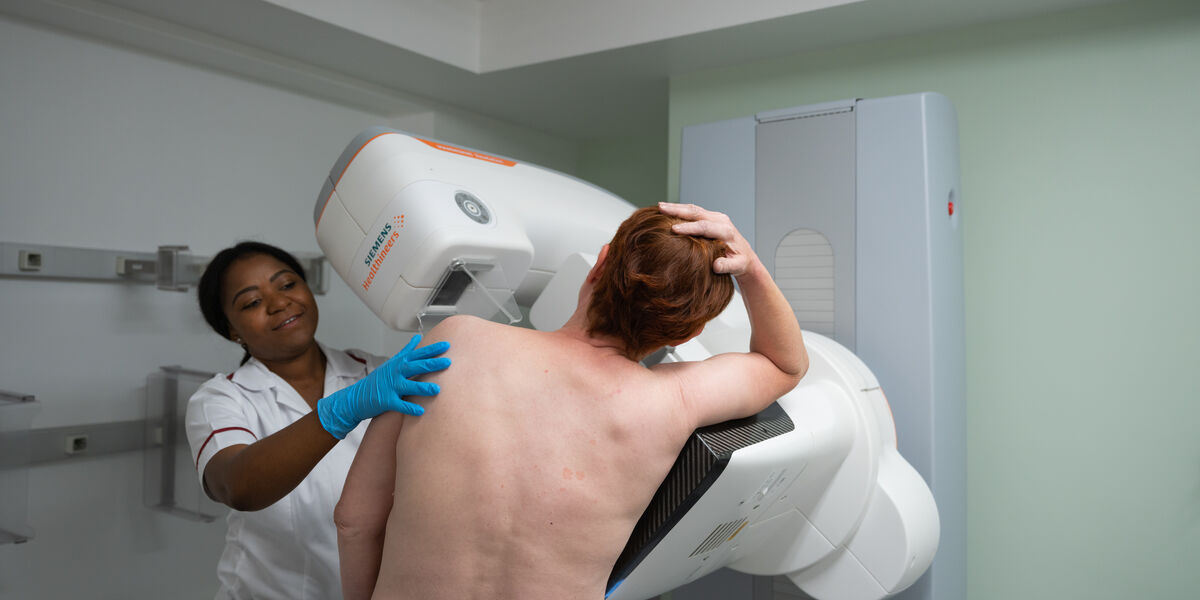
Published 24 Sept 2025
3 min read
Being recalled to a breast clinic after routine breast screening can be an anxious time. You may wonder how long it takes to get mammogram results if something is wrong. Understanding why you’ve been recalled and what will happen next might help ease some of your worries.
## Why have I been recalled?
This is often the first thing people want to know.
Most women are recalled because an area has shown up on the mammogram and more information is needed before a result can be given. This could be an area of the breast that looks slightly different from the rest of the breast or the other breast, or from a previous mammogram if you’ve had one. Often this area is small and any change very subtle.
You may also be recalled if you mentioned you’d noticed a breast change, such as a lump, at your screening appointment, even if your mammogram looked OK.
## Does it mean I have breast cancer?
Being recalled doesn’t mean you have breast cancer. And the majority of women who are recalled don’t have cancer.
About four out of every 100 women screened are recalled. You’re slightly more likely to be recalled after your first mammogram.
Of these four people recalled, three will not have breast cancer. They might have a normal breast change or a benign (not cancer) condition.
## My breast clinic appointment is really soon – does this mean my case is urgent?
Guidelines recommend that women should be seen quickly after they’ve received their recall letter.
Some people worry that because their appointment is really soon, it must mean it’s more urgent. But this isn’t the case. The reason people are seen quickly is to reduce the amount of time they have to wait, because we know that waiting can be a very worrying and stressful time.

## What happens at the breast clinic?
[At the breast clinic](https://breastcancernow.org/about-breast-cancer/screening-tests-and-scans/what-happens-at-a-breast-clinic-appointment "What happens at a breast clinic appointment?"), you’ll be seen by a doctor or a nurse. They should explain why you’ve been recalled.
You may have a breast examination, though not everyone will.
You may have another mammogram, an ultrasound scan or a breast biopsy. You might have one or a combination of [these tests](https://breastcancernow.org/about-breast-cancer/screening-tests-and-scans/what-happens-at-a-breast-clinic-appointment/mammogram-and-breast-ultrasound "Mammogram and breast ultrasound").
Some people worry that being offered a biopsy means they’re more likely to have cancer. But biopsies are often done to confirm that something is not cancer.
You might have to wait around for many hours to have all the tests you need, so it’s a good idea to bring someone with you to keep you company.
## When will I get my results?
If you don’t have a biopsy you’ll probably be able to get your results on the same day.
If you have a biopsy you will have to go back another day to get your results. You may have to wait a week or more for this to ensure that your results are complete. Again, it’s a good idea to bring someone with you to get your results.
If you have a normal result, and you’re aged 50–70, you’ll be invited back for [routine screening](https://breastcancernow.org/about-breast-cancer/screening-tests-and-scans/breast-screening "Breast screening") again in three years’ time. If you’re over 70 you’ll need to request an appointment in three years’ time.
If tests show you have cancer, the specialist breast team will take over your care. You will usually meet a breast surgeon and a breast care nurse who will talk to you about your diagnosis and treatment. Most breast cancers found through screening are early-stage breast cancers, and the sooner breast cancer is diagnosed, the more effective treatment is likely to be.
## I’m so scared I can’t sleep. Is this normal?
It’s completely normal to be worried after receiving a recall letter or while waiting for test results.
Talking to someone might help reduce your anxiety. Your letter should contain a phone number you can call if you have any questions. This will often be a breast care nurse.
You should also have been given information about what to expect at the breast clinic appointment.
Although you might be very worried, try to remember that for most women this anxiety will be temporary.
## Speak to someone
If you're feeling worried, have any questions, or just want to talk things through, we're here for you. Call our free helpline and speak to our breast care nurses.
[Call our helpline](https://breastcancernow.org/all-services/call-our-helpline)
---
# Men with breast cancer don't need to feel alone
_Source: https://breastcancernow.org/about-us/blogs/men-breast-cancer-do-not-need-feel-alone_
[Back to Blogs](https://breastcancernow.org/about-us/blogs)
1. [Home](https://breastcancernow.org/)
2. [About us](https://breastcancernow.org/about-us)
3. [Blogs](https://breastcancernow.org/about-us/blogs)
# Men with breast cancer don't need to feel alone
Published 06 Jun 2023
5 min read
We spoke to Dr Kerry Quincey, Doug and Dave from the Men’s Virtual Meet Up (VMU). They told us how it all started, its impact, and more.
We had a chat with Dr Kerry Quincey, Doug and Dave from the[Men’s Virtual Meet Up](https://www.themensvmu.org/) (VMU). We asked about their connection to breast cancer, how the Men's VMU came about, and its impact.
The Men's VMU is an online group for men who’ve had breast cancer. It’s a safe space for men to laugh and chat, as well as have serious conversations about their breast cancer experiences. It was set up by Doug and health psychologist, Kerry, and today, it’s led by Doug and Dave.
## Kerry and Doug, why did you set up the Men's VMU?
Doug: When I was diagnosed in 2012, there was no support for men. I felt really lonely. My breast cancer nurse suggested a support group, but there were only women.
Later that year, I met another man with breast cancer for the first time. It was an emotional experience. We didn’t speak a lot about breast cancer, but knowing he’d gone through it really impacted me.
Kerry: Doug and I met in 2016. He was involved in research for my PhD, on the psychological experience of men during and after breast cancer. According to my study, men felt they were offered a different amount of support to women.
After speaking to Doug, it was clear we both wanted to create a network for men to come together. And so, we launched the Men’s VMU (Virtual Meet-Up) in October 2020. It was the first of its kind for men in the UK, and almost 3 years later, it’s still one of very few male-dedicated services.
## What is the Men’s VMU, in your own words?
Kerry: It’s a peer-led group for men, ran by men who’ve had breast cancer. The group meets online every month, for around 2 hours, and it welcomes men of all ages and backgrounds.
It offers men a safe space to talk through their experiences with other men who just get it. From time to time, there are guest speakers, like charity representatives, researchers and breast surgeons.
Meetings are relaxed and aren’t just cancer chat – there’s plenty of light, friendly talk, and banter. Men can simply listen if they’d prefer not to talk, there’s never pressure to talk about anything, and turning on video is optional. People can come as a one-off, but we have many regular visitors too.
Dave: I always compare the VMU to a gathering of men at a pub, where rather than discussing football (although we touch on that too), we talk about breast cancer. Most importantly, the group is warm, supportive and full of laughter.
## Doug and Dave, can you tell us about your experiences of breast cancer?
Doug: In mid-2011, I had what I thought was a cyst. Like a lot of men, I ignored it and hoped it would go away. At the end of the year, I saw my GP to set things straight. I didn’t think it would be breast cancer because I didn’t know men could get it. But when I saw my GP, he looked serious and told me to go to the hospital. When I found out I had cancer, I was shocked beyond belief.
I had chemo and radiotherapy and thought that was it, but after 5 years of Tamoxifen, I found out I had chronic fatigue syndrome from the impact of treatment.
Dave: I was in the shower on my birthday, when I found a lump between my right nipple and my armpit. It wasn’t sore and I thought it was just a pimple. I wasn’t feeling tired or unwell – life seemed normal. But I knew if your body changes, you shouldn’t leave it, so I saw my GP. She said it was common for men to get fatty deposits but referred me forward any way.
As soon as a specialist consultant did the ultrasound, their face changed. And I could see the scan didn’t look good. They took a biopsy, and a week later, I was diagnosed with hormone receptive breast cancer. The tumour was the size of a golf ball. Maybe I hadn’t come across it earlier because I’m a big man, and the lump wasn’t hard.
I had a mastectomy, and they removed all the lymph nodes from under my right arm. Then I had chemotherapy and radiotherapy. Now, I feel in good health and still take Tamoxifen, which has some interesting side effects. But I’m so much calmer now, and I take things in my stride.
## What impact has the Men's VMU made so far?
Kerry: I think it’s fair to say that everyone whose ever been to the Men’s VMU has benefitted from it, however big or small. With cases being much lower in men, most hadn’t been able to speak to another man who understood. So, when they do, there’s a big impact.
Dave: Its impact goes way beyond our meetings too. It allows us to get the male breast cancer message out there.
Doug: It really has gone beyond our wildest dreams. Breast Cancer Now have been so supportive - we now have a dedicated men’s forum on their website. And we’ve made many charities more aware of breast cancer in men.
We even impacted a recent Eastenders storyline, where a character played by Ricky Champ was diagnosed with breast cancer. Ricky came along to one of our meetings and used some of what was said for the storylines.
## How has the Men's VMU has impacted you personally, as men who’ve experienced breast cancer?
Dave: For me, there’s always someone who has experienced the same problems. It has meant I’m not alone with my diagnosis and long-term challenges.
Doug: The Men's VMU has supported me with some personal problems, and I’ve made friends for life.
## What would you say to someone thinking of joining the Men's VMU?
Doug: Come and join us. We aren’t doom and gloom. There is some serious talk but there’s light-hearted stuff as well. It’s just a place for men with something in common, to chat and come together.
## Get involved
The Men's VMU meet one Thursday a month at 7pm. If you're interested in joining, email doug.harper@themensvmu.org or post a message on the Men's VMU online forum.
[The men's VMU online forum](https://forum.breastcancernow.org/c/connect-to-people-like-me/breast-cancer-in-men/76)
---
# For International Nurses Day, Catherine gives the low-down on our nurse helpline and why it is so valuable
_Source: https://breastcancernow.org/about-us/blogs/international-nurses-day-catherine-gives-low-down-our-nurse-helpline-why-it-so-valuable_
[Back to Blogs](https://breastcancernow.org/about-us/blogs)
1. [Home](https://breastcancernow.org/)
2. [About us](https://breastcancernow.org/about-us)
3. [Blogs](https://breastcancernow.org/about-us/blogs)
# For International Nurses Day, Catherine gives the low-down on our nurse helpline and why it is so valuable

Published 19 Apr 2023
2 min read
We asked Catherine what she enjoys most about being one of our nurses and why the helpline is so important. Learn more.
We asked Catherine what she enjoys most about being one of our nurses and why the helpline is so important.
Catherine offers a listening ear, information and support, as part of our specialist nurses and trained staff team. From answering calls on our helpline, to hosting Facebook lives, the team does it all.
## How long have you been with us?
This is my 15th year in the team. In my first year, I worked as an NHS breast care nurse too, but ever since, I've worked permanently with Breast Cancer Now.
## What do you enjoy most about your role with us?
It’s such a rewarding experience. It can get busy, but we always have time to care for those who call us, which is such a good feeling.
## Why do you think the helpline is so important?
Now more than ever, people are finding it difficult to get time with their doctor or nurse, to ask anything or talk through how they’re feeling.
Although we get busy, our team’s here for anyone worried about or affected by breast cancer. We have the time to listen to your concerns and we can signpost you to different support services.
So many people call us at all stages of treatment - before, during, and even long after, which I think tells us it’s so valuable.
## Which questions or topics do you get most?
I don’t think there’s a ‘most asked’ question, and a lot of the time, there isn’t a question, just a need to be listened to.
Since the pandemic, we’ve had lots of callers needing more emotional support, and many are concerned they don’t want to be wasting their doctor or nurse’s time, as they know the pressure staff are under.
## What would you say to someone considering using the helpline, but feeling unsure?
We know it can be scary to pick up the phone for the first time and make that call. But we’re here to listen and help, without judgement, and provide a confidential service.
If it’s easier for us to call you, or if we're busy, you can leave us a voicemail out of hours. Or you can ask us a question on our [Ask Our Nurses form](https://breastcancernow.org/submission/ask-our-nurses), and we’ll call or email you back.
We have the time you need to talk out loud about the things whizzing through your head, which you maybe can’t explain or say to others. And we’re here with you every step of the way, for as long as you need us.
If you have any questions or concerns regarding your experience with breast cancer, or if you just want someone to talk to, Catherine and our team of nurses are here for you. Find out more.
[Nurse support services](https://breastcancernow.org/information-support/support-you/contact-our-nurses)
---
# Compelling stage play throws spotlight on the power of peer support
_Source: https://breastcancernow.org/about-us/blogs/compelling-stage-play-throws-spotlight-power-peer-support_
[Back to Blogs](https://breastcancernow.org/about-us/blogs)
1. [Home](https://breastcancernow.org/)
2. [About us](https://breastcancernow.org/about-us)
3. [Blogs](https://breastcancernow.org/about-us/blogs)
# Compelling stage play throws spotlight on the power of peer support
Published 10 Aug 2022
2 min read
In 2016, a team of researchers from Sheffield University created a play about how people living with breast cancer interact and use forums like ours, to gain support from others. Eithne Cullen, one of our Breast Cancer Voices, recently watched a performance of the play. This is her review.
In 2016, a team of researchers from Sheffield University created a play about how people living with breast cancer and other health problems interact and use forums like ours, to gain support from others. Eithne Cullen, one of our Breast Cancer Voices, recently watched a performance of the play. This is her review.
## A Space for Sharing
A team of researchers at Sheffield University have been working on a project looking at how people living with breast cancer and other health problems interact with and use [forums](https://forum.breastcancernow.org/) to gain support from others. The project is called A Shared Space and a Space for Sharing.
In 2016, they developed the play, A Space for Sharing to convey their key research findings through drama. The play came about through collaboration between the Sheffield researchers and the professional theatre company - Dead Earnest. The result is a powerful and memorable drama telling the stories of five fictional women diagnosed with breast cancer who gain support from an online health forum.
The play has been performed at a number of events enabling audiences, which include health professionals, to find out about online health forums. It is also intended to help people think about whether this support would be useful either for themselves or for patients in their care.
## Emotional highs and lows
On a bare stage a group of five women move their chairs and tap their keyboards as they engage with each other. Their movement reinforces the cyclical nature of forums, as people leave, more join etc. They share high and low moments; they express some of their fears and talk about the side effects of their treatment. The acting was realistic and, often, emotional. The message that this forum was an example of the empathy we can draw from others is a great support - and the whole play is one of empathy and sensitivity around issues woman and men face on this journey.
## Compassionate and compelling drama
It’s a strong ensemble, some characters are more reserved than others, some more outspoken and all of them concerned, compassionate and believable.
The play illustrates the types of support offered by forums like friendship, emotional support and information sharing. We can see the benefits and potential risks of joining forums. But what came across for me most was the idea that online health forum friendships support people through their individual journeys with breast cancer. It is a powerful piece of drama.
[Breast Cancer Now Forum](https://forum.breastcancernow.org/)
---
# I volunteer to encourage women to attend the same sort of screenings that saved my life
_Source: https://breastcancernow.org/about-us/blogs/i-volunteer-encourage-women-attend-same-sort-screenings-saved-my-life_
[Back to Blogs](https://breastcancernow.org/about-us/blogs)
1. [Home](https://breastcancernow.org/)
2. [About us](https://breastcancernow.org/about-us)
3. [Blogs](https://breastcancernow.org/about-us/blogs)
# I volunteer to encourage women to attend the same sort of screenings that saved my life
Published 28 May 2021
1 min read
It’s National Volunteers’ Week and today we want to shine a spotlight on Karen, one of our incredible Media Volunteers.
It’s National Volunteers’ Week and today we want to shine a spotlight on Karen, one of our incredible Media Volunteers. We’re so grateful to people who share their story so that we can help to campaign and raise awareness of breast cancer.
## Hi Karen. Why did you choose to volunteer with Breast Cancer Now?
I chose to volunteer with Breast Cancer Now after being diagnosed with breast cancer after an early [mammogram](https://breastcancernow.org/information-support/facing-breast-cancer/mammogram-other-tests), as part of a trial at the age of 48 in September 2019. I completed a survey after taking part in Breast Cancer Now’s [Moving Forward online course](https://breastcancernow.org/information-support/support-you/moving-forward-online-course), and was contacted and asked if I would like to be a media volunteer.
## What do you enjoy most about your role?
I did two live interviews during October 2020 for Breast Cancer Awareness month which was really out of my comfort zone, but I found confidence and I love being able to help raise awareness, and hopefully encourage ladies to accept their screening invitations, as I truly believe it saved my life.
## Why would you recommend people volunteer with Breast Cancer Now?
I would certainly recommend people volunteer with Breast Cancer Now, as I’ve found it very rewarding, and talking about my experience really helped me.
Would you be interested in getting involved in our media work? Please get in touch and tell us your story.
---
# Why I love working as a telephone volunteer for Breast Cancer Now
_Source: https://breastcancernow.org/about-us/blogs/why-i-love-working-telephone-volunteer-breast-cancer-now_
[Back to Blogs](https://breastcancernow.org/about-us/blogs)
1. [Home](https://breastcancernow.org/)
2. [About us](https://breastcancernow.org/about-us)
3. [Blogs](https://breastcancernow.org/about-us/blogs)
# Why I love working as a telephone volunteer for Breast Cancer Now
Published 02 Jun 2021
1 min read
It’s National Volunteers’ Week and today we want to shine a spotlight on Kully, one of our amazing Here For You Volunteers.
It’s National Volunteers’ Week and today we want to shine a spotlight on Kully, one of our amazing Here For You Volunteers. Here For You is a telephone referral service, where volunteers call people who have had a recent diagnosis, to tell them about the support Breast Cancer Now can offer.
## Hi Kully! Why did you choose to volunteer with Breast Cancer Now?
I was diagnosed with HER2 positive stage 3 breast cancer, and I chose to volunteer as I am happy to share my experience, and feel comfortable talking about the treatment I have been through. I also researched information after diagnosis to learn more.
## What do you enjoy most about your role?
I feel happy that I can help after seeing that others do not have the same level of support from family, friends, or their employer as I did. I find it rewarding, and having a Human Resources background, I find it easy to build a rapport with people, even on a sensitive topic.
## Why would you recommend people volunteer with Breast Cancer Now?
It’s informative, rewarding, and gives you increased confidence in knowing that you can be of help to others. You meet other volunteers and make new friends. All the staff and trainers are amazing, and helpful.
Thank you for everything you do Kully!
If you’d be interested in becoming a Here For You volunteer when we’re next recruiting, please contact volunteer.hub@breastcancernow.org.
[More about volunteering](https://breastcancernow.org/get-involved/volunteer-us)
---
# Access to atezolizumab with nab-paclitaxel: what you need to know
_Source: https://breastcancernow.org/about-us/blogs/access-atezolizumab-nab-paclitaxel-what-you-need-know_
[Back to Blogs](https://breastcancernow.org/about-us/blogs)
1. [Home](https://breastcancernow.org/)
2. [About us](https://breastcancernow.org/about-us)
3. [Blogs](https://breastcancernow.org/about-us/blogs)
# Access to atezolizumab with nab-paclitaxel: what you need to know
Published 17 Dec 2019
3 min read
Atezolizumab with nab-paclitaxel can be offered to NHS patients through a free access scheme. We explain what you need to know about this treatment.
Atezolizumab with nab-paclitaxel can be offered to NHS patients through a free access scheme. We explain what you need to know about this treatment.
## What kind of treatment is atezolizumab with nab-paclitaxel?
Atezolizumab (also known as Tecentriq) is a type of immunotherapy given in combination with [chemotherapy](https://breastcancernow.org/information-support/facing-breast-cancer/going-through-treatment-breast-cancer/chemotherapy) drug nab-paclitaxel. It is licensed as a first-line treatment for patients with untreated locally advanced or secondary triple negative breast cancer, whose cancers produce a marker known as PD-L1. There is a test to identify patients who are PD-L1 positive.
The latest exploratory analysis from a major trial (Impassion130) suggests that atezolizumab with nab-paclitaxel may offer up to seven additional months of life on average for those with PD-L1 positive tumours, compared to nab-paclitaxel alone.
## What’s the latest news regarding atezolizumab with nab-paclitaxel?
Roche, the drug’s manufacturer, will now offer atezolizumab with nab-paclitaxel free of charge for patients being treated on the NHS while the National Institute of Health and Care Excellence (NICE) – the body that decides whether a new treatment should be available on the NHS in England – makes a final decision on its use.
In March 2019, atezolizumab was [made available through an Early Access to Medicines Scheme (EAMS)](https://breastcancernow.org/about-us/media/statements/we-respond-news-immunotherapy-atezolizumab-be-made-temporarily-available-certain-nhs-breast-cancer-patients-early-access-scheme), which provides access to unlicensed drugs that could be of benefit to patients where there is significant unmet need. This scheme came to an end in September following the treatment receiving its marketing authorisation from the European Medicines Agency (EMA).
In October 2019, NICE provisionally rejected the treatment for use on the NHS because it had found the treatment wasn’t a cost-effective use of NHS resources. [Read our response to this draft decision](https://breastcancernow.org/about-us/media/statements/our-response-draft-nice-rejection-atezolizumab-nab-paclitaxel). We urged Roche, NHS England and NICE to work together to explore every possible solution to ensure this treatment option could be recommended for use on the NHS.
## What should I know about the free access scheme?
Now that a free of charge scheme (also known as a commercial supply scheme) is in place, access to atezolizumab with nab-paclitaxel will rely on relevant health bodies agreeing to participate in the scheme. We hope that all parties will work together in a timely manner to ensure agreements are in place so that as many people as possible can benefit from this scheme.
## When will a final decision be made by NICE?
Following NICE’s draft decision to not recommend atezolizumab with nab-paclitaxel for use on the NHS, a consultation took place which Breast Cancer Now responded to. We are now awaiting the second committee meeting and we hope a final positive decision will be reached as quickly as possible.
In the meantime, anyone who thinks this treatment may be suitable for them should contact their treatment team to ask about accessing it through the free of charge scheme.
In Scotland, decisions about the use of drugs on the NHS are made by the Scottish Medicines Consortium (SMC). This treatment has recently been submitted for assessment to the SMC and we are awaiting further timelines.
**Anyone with questions about their breast cancer treatment can also call our free Helpline on 0808 800 6000 to speak to one of our expert nurses.**
Keep up to date with our policy and campaign news by signing up to our campaign newsletter.
[Sign up](https://breastcancernow.org/get-involved/campaign-us/sign-receive-campaign-updates)
---
# As a Patient Advocate I can speak up and represent others with breast cancer
_Source: https://breastcancernow.org/about-us/blogs/patient-advocate-i-can-speak-represent-others-breast-cancer_
[Back to Blogs](https://breastcancernow.org/about-us/blogs)
1. [Home](https://breastcancernow.org/)
2. [About us](https://breastcancernow.org/about-us)
3. [Blogs](https://breastcancernow.org/about-us/blogs)
# As a Patient Advocate I can speak up and represent others with breast cancer
Published 08 Feb 2019
4 min read
#### My story
In Singapore in my late 20’s when swinging from a tree on a liana (a woody vine) with a group of children like Tarzan (or was it Jane?), the vine caught the side of my breast causing inflammation and an abscess to form in a cyst. I eventually had the cyst removed and was told then that I had dense breast tissue with calcification which presented a small risk of cancer in the future. My risk factors (including taking HRT) increased over time and I knew my chances of developing breast cancer were quite high. Even so, when the Senior [radiologist](https://breastcancernow.org/about-breast-cancer/breast-cancer-resources/breast-cancer-glossary#Radiologist "A doctor specialising in the use of x-rays and other imaging methods for diagnosis and treatment.
") told me (a few days before Christmas 2014) that she was 99.9% sure that I had a breast cancer, it was not what I wanted to hear in my 69th year but I was not surprised. What a Christmas present!
My first experience of breast cancer was as a student nurse in 1964. It was whispered that a 32-year-old lady had been admitted to the ward with breast cancer. Of course, in those days the big C was never mentioned and patients not told. A [biopsy](https://breastcancernow.org/about-breast-cancer/breast-cancer-resources/breast-cancer-glossary#Biopsy "A biopsy involves removing some tissue from the body so that the cells can be inspected under a microscope to see if they are normal or cancerous and to identify other features, such as whether the cancer cells are stimulated to grow by oestrogen (a hormone receptor positive cancer).
") (a frozen section) would be done under anaesthetic and a [mastectomy](https://breastcancernow.org/about-breast-cancer/breast-cancer-resources/breast-cancer-glossary#Mastectomy "This is a type of surgery in which all of the breast tissue is removed, including the nipple. A modified radical mastectomy also involves removing some of the lymph nodes under the armpit and some muscle from the chest wall.
") performed if confirmed. It was only on waking that the patient would learn the result of the operation.
I spent forty years (as a Health Visitor, teaching and working with children) promoting healthy lifestyles and advocating positive health measures, applying it first to myself of course. To reduce my risk, I followed any advice I could find including cutting out caffeine in 1988 as, according to an eminent breast surgeon at the time, it was linked to breast lumps. We now know that caffeine can cause a number of problems but probably not breast cancer! The lack of information in the past stopped those at risk from taking preventative measures.
We have come a long way and Breast Cancer Now are no doubt pioneers in the field. However, we cannot stop now if we are to meet their goal that by 2050, everyone who develops breast cancer will live - and live well.
#### Speaking up for breast cancer patients
For me, becoming a Patient Advocate was about making a difference. I felt with my background and diagnosis of breast cancer I could speak up and represent others who might not themselves be able to do so.
I took part in a clinical trial linked to Her2+ cancer and regularly attended a breast cancer support group. I found the group helpful to me in my early days after diagnosis and in turn, was then able to support others. When I saw a request for Patient Advocates it was an obvious next step for me.
#### My own experience helped bring an objective perspective
In the first year, I participated in the evaluation of patient and staff surveys from Nottingham. In the second year, I was invited to act as Patient Advocate at one of the country’s most famous hospitals, St. James’s in Leeds. I was also able to visit the Thackray Medical Museum next door, viewing equipment that I had used myself in the sixties - an added bonus!
The patient workshop was well attended. I felt a strong sense of empathy as I recalled my own experiences. As patients highlighted their main concerns a number of emotive topics emerged. The patients’ views reflected the feelings raised in the survey and soon specific issues were identified. My own experience had been very positive and I felt I was able to offer useful suggestions. The points identified were drafted into a proposal to place before the hospital team. I then presented these findings to the staff forum, where a patient-centered action plan was defined.
It was clear that staff were open to ideas and suggestions and wanted what was best for their patients. The response was very positive and although there were constraints of time, money and resources, there was definitely a willingness to improve their provision. I feel confident that St. James’s breast cancer patients will benefit greatly from their newly formed Service Pledge.
#### Always striving to improve
What did emerge from these surveys and meetings that has not yet been fully addressed is the long-term care of patients. In both hospital surveys and the meetings there was a clear message that some patients felt ‘abandoned’ after their initial treatment. There was also an absence of a voice from minority groups. As Patient Advocates, we need to continue to speak out on these issues in an ongoing quest ‘to make things better’.
To find out more about the Service Pledge and becoming a patient advocate, take a look at our [Service Pledge page](https://breastcancernow.org/about-us/what-we-do/improving-services/what-service-pledge).
[Service Pledge](https://breastcancernow.org/about-us/what-we-do/improving-services/what-service-pledge)
---
# Celebrating ActWELL's achievements
_Source: https://breastcancernow.org/about-us/blogs/celebrating-actwells-achievements_
[Back to Blogs](https://breastcancernow.org/about-us/blogs)
1. [Home](https://breastcancernow.org/)
2. [About us](https://breastcancernow.org/about-us)
3. [Blogs](https://breastcancernow.org/about-us/blogs)
# Celebrating ActWELL's achievements
Published 15 Apr 2019
4 min read
On Thursday 21 March, 28 ActWELL volunteer lifestyle coaches joined Breast Cancer Now and the ActWELL trial team at the V & A in Dundee to celebrate the trial’s achievements to date.
ActWELL is a research trial that seeks to reduce women’s risk of developing breast cancer by helping them make sustainable lifestyle changes, focusing on physical activity, diet and body weight. Women aged over 50 attending their routine breast screening appointments have been invited to take part in the trial, which is being delivered across Aberdeen, Dundee, Edinburgh and Glasgow.
On Thursday 21 March, 28 ActWELL volunteer lifestyle coaches joined Breast Cancer Now and the ActWELL trial team at the V&A in Dundee to celebrate the trial’s achievements to date.
## Breast Cancer Now and ActWELL
Breast Cancer Now has supported the delivery of ActWELL by providing a team of volunteer lifestyle coaches to deliver a lifestyle intervention to participants. Lifestyle coaches are supporting women who have been recruited to the trial over 12 months, carrying out two face-to-face lifestyle coaching sessions and nine follow-up telephone support sessions.
Since the three-year trial began in May 2017, Breast Cancer Now has received over 170 applications from people who wanted to volunteer their time as a lifestyle coach. In total, 66 volunteers have been trained to deliver the intervention with 45 people actively taking on participants across the four cities.
At the event, Professor Annie Anderson (below), from the University of Dundee, gave an update on the trial’s progress to date. In total, 560 women were recruited to the study. Of this group, 279 participants were randomly selected to receive the full ActWELL lifestyle intervention and 281 participants were allocated to a control group who did not receive any support. Over 100 participants have now completed the 12-month programme.
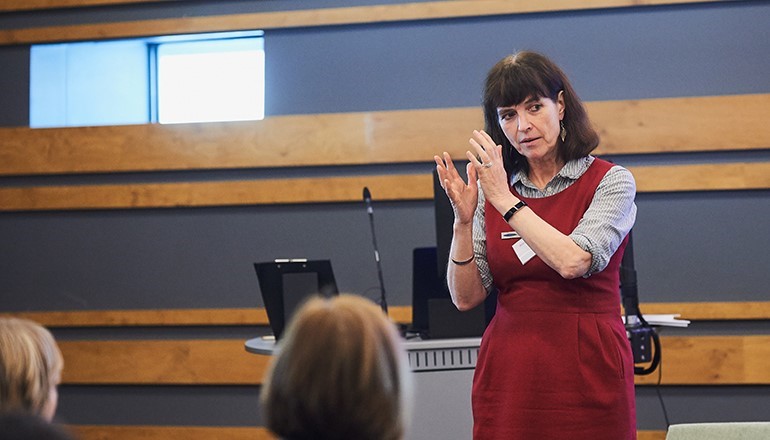
## The coaching sessions
Face-to-face coaching sessions have formed an integral part of the trial, with over 550 face-to-face coaching sessions in participating leisure centres having taken place and over 1800 phone calls been made with women in the intervention group. In addition, 49 women within the control group, who have now completed the trial, have also registered their interest to meet with a lifestyle coach to receive a one-off coaching session.
Fiona Hazell, Director of Communications and Engagement at Breast Cancer Now, highlighted the importance of projects like ActWELL in achieving our ambition. She said:
"ActWELL is a real first for Breast Cancer Now and we couldn’t be more excited to be part of the work. We’re working to raise awareness that breast cancer is preventable, so more women understand the importance of a healthy lifestyle and that breast cancer is not just down to fate.
"This project would not be possible without the level of support, commitment and enthusiasm each of the ActWELL lifestyle coaches has shown. Thank you all for taking the time to come and celebrate with us today. It’s fantastic to see so many of you here and a testament to the commitment you have all shown to your role in ActWELL. Thank you!"
## ActWELL volunteers
At the event, Volunteers were given time to reflect on their own experiences and individual contributions to the ActWELL project. They received some of the feedback taken from trial participant evaluations on their experiences of the support they received from lifestyle coaches.
> "My lifestyle coach was endlessly encouraging and realistic."
> "I found her really encouraging and non-judgemental. Knowing I would talk to her spurred me on."
> "It would be great if more people could have access and support like this."
> "My lifestyle coach was fantastic at keeping me motivated, even through very difficult times."
## The ActWELL lifestyle coaches
Breast Cancer Now also received some wonderful feedback from lifestyle coaches on their involvement in ActWELL and what it has meant to be part of the ActWELL team.
During the event, we asked lifestyle coaches to tell us ‘What have you taken away from their experience on the ActWELL project’. These are some of the comments we received:
> "It really has been fantastic to hear volunteers had such a positive experience delivering the project."
> "I feel that I have made a big difference to the lives of the participants I have met over the course of the trial."
> "What I have taken from this project is the effects that these interventions have had on the participants, our children and grandchildren!"
> "The health struggle is real for us all and ActWELL/ Breast Cancer Now is helping us all to address this in a positive and non-judgemental way."
> "I really enjoyed meeting new people and seeing their sense of achievement."
Everyone at Breast Cancer Now is very much looking forward to hearing the results of the trial after it concludes later this year. In the meantime, you can find out more about the ActWELL team by clicking below.
[Find out more](https://breastcancernow.org/actwell-volunteers-Q-A)
---
# Celebrating the positive impact of volunteering
_Source: https://breastcancernow.org/about-us/blogs/celebrating-positive-impact-volunteering_
[Back to Blogs](https://breastcancernow.org/about-us/blogs)
1. [Home](https://breastcancernow.org/)
2. [About us](https://breastcancernow.org/about-us)
3. [Blogs](https://breastcancernow.org/about-us/blogs)
# Celebrating the positive impact of volunteering
Published 05 Jun 2019
3 min read
Volunteering brings people and communities together, builds confidence and develops new skills, improves mental health, and has a positive impact on health and wellbeing. The ActWELL volunteer lifestyle coaching role is a perfect example of this.
Volunteering brings people and communities together, builds confidence and develops new skills, improves mental health, and has a positive impact on health and wellbeing. The ActWELL volunteer lifestyle coaching role is a perfect example of this.
ActWELL is an innovative and exciting research trial being delivered in Scotland. The study aims to reduce women’s risk of developing breast cancer by helping them make sustainable lifestyle changes, focusing on physical activity, diet and body weight, delivered by a team of 45 volunteer lifestyle coaches. The trial is ongoing until August 2019 and the impact on the trial participants will remain unknown until it concludes later in the year.
However, we do know what being involved in the ActWELL project has meant to our volunteer lifestyle coaches. In March, we invited them to the V&A in Dundee to [thank them for their invaluable contribution](https://breastcancernow.org/news-and-blogs/blogs/celebrating-actwells-achievements) and celebrate the trial’s achievements to date. It was also an opportunity to find out what being involved in ActWELL meant to them.
## Our coaches volunteer for all sorts of reasons
For some it was a chance to use existing skills as healthcare professionals, others wanted to support women of a similar age to improve their lifestyle and raise awareness of the link between lifestyle and cancer prevention.
Other reasons included giving back to the community, having an interest in health promotion, meeting new people and trying something different. Regardless of their motivation, what united them was their belief that the project was worthwhile.
"I decided to become a lifestyle coach because the main interests in my career are health promotion and breast cancer. This role gave me the opportunity to try something different and incorporate both those interests while helping people," said Jackie a volunteer lifestyle coach in Aberdeen."
## It's enjoyable and rewarding
"Overall, it has been a fantastic experience being a lifestyle coach," said Angela, who volunteers in Glasgow. "I've thoroughly enjoyed it and do actually now use some of it in the workplace."
Overwhelmingly volunteers told us they enjoyed meeting women, listening to their stories and supporting them on a journey. Volunteers believed they were helping these women and making a difference in improving their lifestyle. Many mentioned that it was a real privilege to work alongside the women they supported and helping them achieve their goals.
"It's been brilliant being part of the team and you actually feel quite privileged to part of the journey these women are on," explained Edinburgh-based Elaine. "They were at a time in their lives where lots was going on and it was nice to be able to provide support to them at that time."
## The positive impact is widespread
Volunteers described feeling more confident, they had met new people, made friends, and gained new skills or built on existing skills. Many mentioned they felt they were giving something back while contributing to research on cancer prevention.
"Personally, it has reminded me of the skills I have. I feel I have been of help to these women. Feedback has been positive which encouraged me to continue to do what I was trained in by the ActWELL team," said Christine, a volunteer lifestyle coach in Dundee.
Notably though, the biggest benefit our volunteer coaches noted was the positive impact it had on their own health and wellbeing - particularly around being more active, their own drinking habits, and how these factors affect breast cancer risk.
Lifestyle coaches were asked how this has impacted their own health and wellbeing in a short survey 'Being A Lifestyle Coach and You’ which revealed:
- 83% felt more conscious about their own personal lifestyle habits
- 70% have made lifestyle changes to increase physical activity
- 42 % have made lifestyle changes around weight management
## Thank you to our brilliant volunteers
To celebrate Volunteers Week 2019 this is an opportunity for us as an organisation to say thank you to the ActWELL volunteer lifestyle coaches for their fantastic contribution and ongoing commitment throughout the ActWELL trial.
Without the level of support, commitment and enthusiasm of each of them over the 2 years of the project, ActWELL would not be possible.
If you've been inspired by these stories, why not pursue some volunteering opportunities yourself? We have plenty of different ways you can get involved, and we're always grateful to those who help out.
[Explore opportunities](https://breastcancernow.org/get-involved/volunteer-us)
---
# Our New Year’s Day sea dip is fantastic fun and a great way to raise money
_Source: https://breastcancernow.org/about-us/blogs/our-new-year-s-day-sea-dip-fantastic-fun-great-way-raise-money_
[Back to Blogs](https://breastcancernow.org/about-us/blogs)
1. [Home](https://breastcancernow.org/)
2. [About us](https://breastcancernow.org/about-us)
3. [Blogs](https://breastcancernow.org/about-us/blogs)
# Our New Year’s Day sea dip is fantastic fun and a great way to raise money
Published 09 Nov 2022
3 min read
Angie heads up Breast Cancer Now Isle of Man Group, which has raised almost £2 million over 30 years. The IOM Group has held a fundraising dip for the past 15 years.
Angie heads up Breast Cancer Now Isle of Man Group, which has raised almost £2 million over 30 years. The IOM Group has held a fundraising dip for the past 15 years.
## What is your connection to breast cancer?
I was [diagnosed](https://breastcancernow.org/information-support/facing-breast-cancer/diagnosed-breast-cancer) with breast cancer in 2002 and joined the Breakthrough Breast Cancer IOM Group in 2003.
Our Group [which was renamed Breast Cancer Now IOM Group in 2015] is 30 years old this year and we’ve raised £1.9 million over these years. I’ve led the Group since 2005.
## Why did you start your New Year’s Day dips?
A small group of people advised us they were going to do a one-off sponsored sea dip for our charity on New Year’s Day 15 years ago. We went to join them by dipping and supporting them.
We continued running the dips from the following year onwards. More than 230 people dipped last year!
Many people dip in big groups around the island - it’s fun, cold and a real challenge. Many spectators come too.
## What preparation is required?
We check with our coastguards early in the morning that the weather is okay. The police and the local government event safety team are briefed beforehand, and the risk assessment and insurance forms are completed and submitted in advance.
We arrive at the beach an hour early to set up tables and buckets, and to check the beach for any debris. We set up the tables for checking-in the ‘dippers’ who’ve entered online, and provide them with a numbered wrist band.
Also, we ensure the arrival of the St John Ambulance before the event starts, and we provide hot drinks to all the dippers, coastguard members and first-aiders after the dip.
## What’s your favourite part about the day?
My favourite part is when everyone has safely returned from the water and they’re enjoying a hot drink on the promenade, with lots of smiles and laughter around us.
## How do you fundraise for the dips?
There’s no entry fee, and we receive donations at the point of sign up. Spectators also donate in buckets, and sponsorship may be gained via a sponsor form or the JustGiving social platform.
At a guess, I’d say that to date with the dips alone we’ve raised around £10,000 to 12,000, maybe more.
## What would you say to anyone looking to organise a sponsored dip?
Do your homework, as risk assessments and insurance need to be signed off by Breast Cancer Now’s head office. Speak to the coastguards, police and trained first-aiders, and on the day, know how many dippers went into the water and ensure that they all safely come back out.
Make sure you have plenty of helpers too. Our coastguards form a semi-circle in the sea and ensure that no one swims past them - safety is paramount.
It can be a good idea to invite a hot drinks trailer vendor to sell drinks and snacks to spectators, and to invite spectators, in return, to make a donation.
You might like to invite a well-known person from the community to start your dip, and doing so could help to generate more publicity for your event. We had our Lieutenant Governor, Sir John and Lady Lorimer start our dip last year – and they dipped too.
Feeling inspired to hold your own charity dip for Breast Cancer Now? Get in touch today by signing up for your free fundraising pack.
[Sign up](https://breastcancernow.org/get-involved/do-your-own-fundraising/request-your-fundraising-pack)
---
# Who doesn’t love an excuse to throw a party, and this is the greatest excuse there is, helping others
_Source: https://breastcancernow.org/about-us/blogs/who-doesnt-love-excuse-throw-afternoon-tea-party_
[Back to Blogs](https://breastcancernow.org/about-us/blogs)
1. [Home](https://breastcancernow.org/)
2. [About us](https://breastcancernow.org/about-us)
3. [Blogs](https://breastcancernow.org/about-us/blogs)
# Who doesn’t love an excuse to throw a party, and this is the greatest excuse there is, helping others
Published 01 Aug 2022
4 min read
Cath Kidston's Social Media Manager, Lucy, tells us how she's been personally affected by cancer and why Cath Kidston's partnership with Breast Cancer Now's Afternoon Tea campaign is so important.
At Cath Kidston, we consider ourselves lucky to know so many women and to be surrounded by so many women. We’re a brand built on the special blend of tenacity and the unwavering strength of the female spirit - our teams, our customers and, by extension, their families.
That means we also know breast cancer is something that affects many lives, either directly or through those we love. That's why we've teamed up with Breast Cancer Now - a charity steered by world-class research and powered by life-changing care - to help deliver a more hopeful future.
Our Social Media Manager, Lucy, has been personally affected by cancer and here she tells us her story and why she thinks our partnership with Breast Cancer Now’s Afternoon Tea campaign is so important.
## What does this partnership mean to you?
This is incredibly important to me personally. In 2015 my mum was diagnosed with breast cancer and underwent surgery, chemotherapy and radiotherapy. So, it’s a cause that is very close to my heart and being able to support it at Cath Kidston, where I work, is just wonderful.
## Why is it so important to support Breast Cancer Now?
Not only do Breast Cancer Now provide amazing support for anyone affected by breast cancer but they are also doing pioneering research into breast cancer and campaigning for the best care and services. With breast cancer affecting so many, it’s vital we show our support every way we can.
## Why are Cath Kidston proud to be partnered with Breast Cancer Now?
We, at Cath Kidston, are very proud to be partnered with Breast Cancer Now, as it’s such an important cause. Breast cancer will directly affect 1 in 7 women in the UK in their lifetime, and the charity do so much to help create a more hopeful future for anyone affected by breast cancer.
## How would your colleagues describe you?
Hopefully, kind, helpful and fun to be around! But I’ll let some of my colleagues chime in instead! My colleague, Neil, has added that I’m also very creative, friendly and fantastic at creating content out of nothing!
## How can people help support Breast Cancer Now via Cath Kidston?
The best way would be to sign up to hold your very own Afternoon Tea or buy a [Cath Kidston mug](https://www.cathkidston.com/en-gb/home/kitchen/mugs/) in August, as we’re donating 10% of all mug sales to Breast Cancer Now. And you can also get involved on social using #CathKidstonXBreastCancerNow to share your Afternoon Tea posts.
## Why is Breast Cancer Now's work important to you?
Having seen my mum go through breast cancer and now, bowel cancer, you want to help in every way you can, not only to support my own family directly but to help everyone else who is affected by Breast Cancer. The research and support Breast Cancer Now provides really is life-changing for so many.
## What would you say to someone who is thinking about having an Afternoon Tea for Breast Cancer Now?
What are you waiting for? Who doesn’t love an excuse to throw a party, and this is the greatest excuse there is, helping others!
## What makes a successful Afternoon Tea?
Food and good friends! If you have a guest list of your nearest and dearest, along with all the best afternoon tea snacks, it’s a recipe for success. Make sure you have beverage options for your guests. While I’m a Yorkshire tea girl myself, I’ll make sure there are lots of other refreshments on offer along with the all-important scones, cream and jam (no arguments over which to put on first please!).
## Do you have any top tips for ensuring the day goes smoothly?
Prepare as much as you can in advance, string up some bunting ([lovingly designed here at Cath Kidston](https://breastcancernow.org/sites/default/files/files/afternoon_tea_cath_kidston_bunting.pdf)) and set the table the day before. Then all you have to do is make some sandwiches and pop the kettle on before your guests arrive.
## What are your favourite Afternoon Tea snacks?
Top of my list are scones with cream and jam, and some finger sandwiches, but it’s also nice to mix it up, so I’m also planning a platter of Eton mess served in Cath Kidston mugs!
## Do you have jam or cream first on a scone?
I personally have cream first, purely because I find it easier to spread.
Have an Afternoon Tea for people affected by breast cancer and raise money for world-class research and vital support. Sign up to get your fundraising kit now - [breastcancernow.org/afternoonteaCK](https://breastcancernow.org/get-involved/do-your-own-fundraising/afternoon-tea?form_source=cath-kidston&utm_source=ck&utm_medium=marketing&utm_content=new-audience&utm_campaign=afternoontea2021)
If you'd like to support Breast Cancer Now and get yourself a brand new mug while you're at it, take a look at Cath Kidston's latest range.
[Browse mugs](https://www.cathkidston.com/en-gb/home/kitchen/mugs/)
---
# An Afternoon Tea is the perfect way to come together after a tough year
_Source: https://breastcancernow.org/about-us/blogs/afternoon-tea-perfect-way-come-together-after-tough-year_
[Back to Blogs](https://breastcancernow.org/about-us/blogs)
1. [Home](https://breastcancernow.org/)
2. [About us](https://breastcancernow.org/about-us)
3. [Blogs](https://breastcancernow.org/about-us/blogs)
# An Afternoon Tea is the perfect way to come together after a tough year
Published 15 Jul 2021
3 min read
The last year has been challenging for all of us, but fundraising provides the opportunity for us to come together again. Here, Cath Kidston share their tips on how to host a fantastic Afternoon Tea.
The last year has been challenging for all of us, but fundraising provides the opportunity for us to come together again. Here, Cath Kidston share their tips on how to host a fantastic Afternoon Tea.
## Let's embrace being together again
It’s been another extraordinary year. As life slowly returns to something close to normal, there’s never been a more important time for us to band together to make a difference.
Breast Cancer Now depends on contributions from our communities to support their all-important work.
And after a year apart, an Afternoon Tea is the perfect way to embrace being together again: with some tea and cake, and all for a good cause.
## Everyone has their unique way of celebrating
For us, any successful Afternoon Tea starts with bunting.
We’ve painted and designed a very special Cath Kidston bunting and delivery order form especially for Afternoon Tea, which you can [download from the Breast Cancer Now website](https://breastcancernow.org/get-involved/do-your-own-fundraising/afternoon-tea/afternoon-tea-downloads) and print at home.
Then, of course, there’s the food. If you ask us, you can’t go wrong with a good selection of teas and a classic Victoria sponge (though we’ve never met a cake we didn’t like), but we love how Afternoon Teas invite everyone to bring out their favourite recipes and their heirloom recipes – the ones that have been passed down the family, and the ones they save for special occasions.
So much love and care goes into an Afternoon Tea spread, so that’s our dream menu. Tea & togetherness.
## A few top tips
If we could share three top tips for hosting an Afternoon Tea, they would be...
Fundraising – the easiest way to gather your funds is a [JustGiving page](https://justgiving.com/campaign/AfternoonTea2021). It’s so easy to set up and is then sharable across your social networks, making it quick and simple for your loved ones to get involved and support.
Food – before getting to work on your Afternoon Tea menu, don’t forget to check any dietary requirements of your guests.
Finishing Touches – it’s all about the little details. Handwritten table settings, flowers for the table, and the bunting of course!
And for anyone sticking to hosting virtually this year, we’ve also designed a [helpful order form](https://breastcancernow.org/get-involved/do-your-own-fundraising/afternoon-tea/afternoon-tea-downloads) – so that you can prep some Afternoon-Tea-To-Go boxes before the video call goes live.
## Help us support such a brilliant cause
By hosting an Afternoon Tea for Breast Cancer Now you can raise money to help them provide urgent support and help fund world-class research into the disease.
To support the cause, we will be [donating 10% of every mug sold](https://www.cathkidston.com/en-gb/home/cook-and-dine/mugs/)\* throughout August to Breast Cancer Now, in a celebration of hugs, mugs and sisterhood. We’re also currently cooking up the ultimate Cath Kidston Afternoon Tea Recipe, which will be live on our blog soon (so keep an eye out!).
Our community at Cath is what makes our brand so full of joy and optimism, and we consider ourselves truly lucky that it’s made prominently of incredible women.
Partnering with Breast Cancer Now and supporting the world-class research and life-changing care they offer the women and their families affected by breast cancer is a very proud moment for us. It’s a charity and a cause close to our hearts, and Afternoon Tea couldn’t be a better fit for us to help raise some funds and awareness.
\* 10% of every mug sold from 1st - 31st August will be donated to Breast Cancer Now. Breast Cancer Now is a charity registered in England and Wales (No. 1160558), Scotland (SC045584) and Isle of Man (No. 1200).
If you'd like to support Breast Cancer Now and get yourself a brand new mug while you're at it, take a look at Cath Kidston's latest range.
[Browse mugs](https://www.cathkidston.com/en-gb/home/cook-and-dine/mugs/?utm_source=blog&utm_medium=website&utm_campaign=2021_bcn_afternoontea_blog)
---
# Tracey continued working after her secondary diagnosis, and she’d want us to carry on her legacy
_Source: https://breastcancernow.org/about-us/blogs/tracey-continued-working-after-her-secondary-diagnosis-she-d-want-us-carry-her-legacy_
[Back to Blogs](https://breastcancernow.org/about-us/blogs)
1. [Home](https://breastcancernow.org/)
2. [About us](https://breastcancernow.org/about-us)
3. [Blogs](https://breastcancernow.org/about-us/blogs)
# Tracey continued working after her secondary diagnosis, and she’d want us to carry on her legacy
Published 30 Apr 2021
5 min read
Tracey was a beloved member of the Breast Cancer Now team in Cardiff. Even after she was diagnosed with secondary breast cancer, she continued helping others with the condition.
Tracey was a beloved member of the Breast Cancer Now team in Cardiff. Vicky and Elaine, two of Tracey's colleagues, spoke to us about how she continued working with secondary breast cancer patients even after she received a diagnosis of her own.
## Tracey was a force to be reckoned with
**Elaine**
Tracey was the service development coordinator in the Wales office, which included work on the [Moving Forward](https://breastcancernow.org/information-support/support-you/moving-forward-online-course) and [Living With Secondary Breast Cancer](https://breastcancernow.org/information-support/facing-breast-cancer/secondary-metastatic-breast-cancer/living-secondary-breast-cancer/living-secondary-breast-cancer-online-programme-virtual-meetings) courses. She initially had a primary breast cancer diagnosis, which is why she became a volunteer for the charity.
I’ve also had a primary diagnosis and worked as a volunteer, and that’s how I met Tracey.
We were very likeminded in lots of ways, which really helped in our roles. I loved how much she enjoyed working for Breast Cancer Now, how passionate she was, and her beaming smile when she walked in every morning.
**Vicky**
Tracey did so much for the charity. We used to run lingerie events in Wales, and she would get involved as much as possible. She would even participate as a model if we couldn’t find one!
Tracey was a force to be reckoned with. Prior to her breast cancer diagnosis, she was an intensive care and neonatal nurse for 30 years, which meant she was our unofficial medical guru on any ailment that anyone in the office had.
She was a really warm and reassuring presence for anyone coming to the Moving Forward course. Often, people would turn up and they’d be quite nervous or not sure what to expect and having Tracey there – someone who could deal with any matter in such a reassuring and knowledgeable way – was so valuable.
She was just an incredible person to work with.
## She loved her job so much
**Elaine**
Tracey was diagnosed with secondary breast cancer in April 2018. It first showed up in her bones and gave her a bad back, but she already had back problems, so she wasn’t really sure what was going on.
Following her diagnosis, I think she wanted to be able to carry on as normal as possible and have something to focus on other than her diagnosis. She also felt it was important to share this experience with others. She just loved her role so much; she didn’t want to let anybody down.
Plus, she liked bossing us about!
**Vicky**
Even with all her experience and knowledge, it still took a little bit of time for Tracey to get a referral to the breast care team. It was just devastating for all of us.
Due to her previous career as a nurse, Tracey had always looked after others and provided care for people, and I think it was a huge part of who she was. The physical effects of the cancer made it difficult for her to work, but it must have been hard dealing with the psychological ones too.
But I think that’s a testament to her strength, her stubbornness and her passion. She didn’t want to be defined by her diagnosis. She didn’t want to just be somebody with cancer, she wanted to carry on being Tracey – and that’s what she did.
## Tracey would have wanted us to carry on raising money and awareness
**Elaine**
Due to the current COVID-19 situation, we weren’t able to have a memorial service for Tracey, so we wanted to do something to honour her. Vicky came up with the idea of doing some fundraising in her name, and when we saw the [£1,000 research challenge](https://breastcancernow.org/get-involved/do-your-own-fundraising/%C2%A31000-challenge), we thought it would be ideal.
Tracey was part of the [Unsurvivors campaign](https://breastcancernow.org/get-involved/campaign-us/unsurvivors), so we knew how important it was for her to promote research into secondary breast cancer. She would have wanted us to carry that on.
**Vicky**
As part of the £1,000 challenge, Helen and I from the Cardiff team took on the task of running 100km in March. Helen completed it in time, but I finished in April due to an injury - but I say better late than never!
We’re also fundraising virtually. So far, we’ve held a virtual facial, which was very relaxing, and we’re going to do a raffle – I’m hoping to raise lots of money that way.
I think it would be lovely to culminate all our fundraising efforts in a sponsored walk around the Newport Wetlands, as I know that was an area which was really special to Tracey. If we’re allowed, we’d like to gather with her family and friends and remember her.
## I hope we make her proud
**Elaine**
I’ve done a lot of fundraising myself over the years. I’ve done a couple of treks, I went to Iceland and Cuba, I’ve climbed Ben Nevis. It’s such an enjoyable way of raising money because it’s a real challenge, and when you achieve your challenges, it makes you feel incredibly proud. I would recommend fundraising to anybody.
Of course, we’re very passionate about it because we want to carry on the research to help people live well with breast cancer, but I think it’s also a great way of bonding with people. It’s really brought us together during this time. It’s enabled us to do something positive.
We will always be thinking and talking about her, so that will carry on her legacy for sure, but we’d also love to get a plaque for her on the wall by completing the £1,000 challenge.
**Vicky**
To anyone who is considering fundraising for Breast Cancer Now – just go for it. Do something that’s a bit of a challenge (maybe not 100km if you’re not a runner, because it is a little bit tricky!) but something that works for you. It’s something different do to, especially in this environment when we’re all stuck indoors.
Even now, when restrictions are easing a bit, it’s good to get out of your comfort zone and do something different. It doesn’t have to be something sporty or drastic like shaving your head – just find something achievable and challenging, and you’ll find support. It’s so motivating to be able to do it as a group of people so that you can cheer one another on.
I think the best way we can continue Tracey’s legacy is to spread awareness of [secondary breast cancer symptoms](https://breastcancernow.org/information-support/facing-breast-cancer/secondary-metastatic-breast-cancer/secondary-breast-cancer-symptoms), to carry on her work and make her proud.
**To help Vicky, Elaine and the rest of the team hit their £1,000 target, you can donate to their [JustGiving page](https://www.justgiving.com/fundraising/TraceyWilliams1K).**
Tracey was one of thousands of people who get diagnosed with secondary breast cancer each year. To help us fund research into secondary breast cancer, we'd love for you to join us in one of our many fundraising challenges.
[Do your own fundraising](https://breastcancernow.org/get-involved/do-your-own-fundraising)
---
# Almost half of UK women do not check their breasts regularly for signs of breast cancer
_Source: https://breastcancernow.org/about-us/blogs/almost-half-uk-women-do-not-check-their-breasts-regularly-signs-breast-cancer_
[Back to Blogs](https://breastcancernow.org/about-us/blogs)
1. [Home](https://breastcancernow.org/)
2. [About us](https://breastcancernow.org/about-us)
3. [Blogs](https://breastcancernow.org/about-us/blogs)
# Almost half of UK women do not check their breasts regularly for signs of breast cancer
Published 26 Oct 2020
3 min read
Our recent survey reveals that 47% of women in the UK do not check their breasts regularly. We explain why it’s important to check for signs of breast cancer.
Our recent survey reveals that 47% of women in the UK do not check their breasts regularly. We explain why it’s important to check for signs of breast cancer.
## Women are ‘forgetting’ to check their breasts
Almost half (47%) of women in the UK do not check their breasts regularly for potential signs of breast cancer.
According to [a YouGov survey commissioned by Breast Cancer Now](https://breastcancernow.org/about-us/media/press-releases/almost-half-uk-women-do-not-check-their-breasts-regularly-signs-breast-cancer), one in 10 women have ‘never checked their breasts for new or unusual changes’. Meanwhile, a fifth (19%) of women check their breasts ‘once every six months or less’, while 13% do this ‘once a year or less’.
Asked what stops or prevents them from checking their breasts more regularly, almost half (46%) of women said they ‘forget’. This is concerning when most cases of the disease are detected because women have spotted new or unusual changes to their breasts.
## I never really checked my breasts growing up
Amaya is a mum of three and nurse from Birmingham who was diagnosed with [triple negative breast cancer](https://breastcancernow.org/information-support/facing-breast-cancer/diagnosed-breast-cancer/primary-breast-cancer/triple-negative-breast-cancer) in 2019. She also tested positive for the [faulty BRCA1 gene](https://breastcancernow.org/information-support/have-i-got-breast-cancer/am-i-risk/breast-cancer-in-families#inherited-altered-genes).
‘I’m embarrassed to say that growing up, I never really checked my breasts regularly. I had a healthy diet, exercised and just assumed I was too young to be diagnosed with breast cancer.
‘In July 2019, whilst moisturising after a bath I found a lump in my right breast very close to my armpit. I didn’t feel worried at the time but after showing my mum, I booked a GP appointment to get it checked. When the test results revealed I had breast cancer I couldn’t believe it, my life turned upside down in that very moment. My first thought was of my three beautiful babies; would I get to see them grow up?
‘Given my age, my consultant suggested I have a genetic test. When I was told I’d tested positive for the faulty BRCA1 gene I was in total disbelief, it was like being diagnosed with cancer all over again.
‘I found being diagnosed with breast cancer at such a young age incredibly isolating. I started a blog about my experience so others wouldn’t have the same feelings of loneliness that I’d felt. I want to spread as much awareness of breast cancer and self-checking as possible, particularly in young black women.
‘I now check my breasts regularly, it’s so important to make the time for self-checking and learn what’s normal for you.’
## Checking your breasts only takes a few minutes
The earlier breast cancer is diagnosed, the better the chance of successful treatment. It’s vital that women get into the habit of regular breast checking all year round.
Manveet Basra, Head of Public Health and Wellbeing at Breast Cancer Now, said:
‘Breast checking is quick, easy, and can help detect any breast cancer early, giving treatment the best chance of working.
‘There’s no special technique – just get to know your breasts and what’s normal for you, so you can spot any new or unusual changes, and remember to check all parts of your breasts, your armpits and up to your collarbone for changes.
‘Making this part of your routine – such as in the shower or when you apply moisturiser – can help you to do it regularly. Encourage your female friends and family to do this too; please don’t feel embarrassed talking about this simple step that could save your life.’
[**It’s as simple as TLC: Touch Look Check**](https://breastcancernow.org/information-support/have-i-got-breast-cancer/signs-symptoms-breast-cancer?utm_source=tlc&utm_medium=miniguide&utm_campaign=services)
- **Touch** your breasts: can you feel anything unusual?
- **Look** for changes: does anything look different?
- **Check** any changes with your GP.
Do this regularly to check for changes. If you notice anything new or unusual it’s important to go and get it checked by your GP. You can also talk to our breast care nurses by calling [our free Helpline on 0808 800 6000](https://breastcancernow.org/information-support/support-you/call-our-helpline).
Find out more about the signs and symptoms of breast cancer, and what to look for when you’re checking your breasts.
[Signs and symptoms](https://breastcancernow.org/information-support/have-i-got-breast-cancer/signs-symptoms-breast-cancer)
---
# Do breast cancer treatments lower your immune system?
_Source: https://breastcancernow.org/about-us/blogs/do-breast-cancer-treatments-lower-your-immune-system_
[Back to Blogs](https://breastcancernow.org/about-us/blogs)
1. [Home](https://breastcancernow.org/)
2. [About us](https://breastcancernow.org/about-us)
3. [Blogs](https://breastcancernow.org/about-us/blogs)
# Do breast cancer treatments lower your immune system?
Published 12 Aug 2021
3 min read
Some people worry that breast cancer treatments might lower their immune system, putting them more at risk from Covid-19. But not all cancer treatments affect the immune system.
## In this section
- Breast cancer treatment and your immune system
- Does hormone therapy affect the immune system?
- Does trastuzumab (Herceptin) lower your immune system?
- Does having lymph nodes removed affect your immune system?
- Who is more at risk from Covid-19?
- What you can do to stay as safe as possible
- Coping with worry
**Last updated 24 June 2022**.
## Breast cancer treatment and your immune system
Some cancer treatments, such as [chemotherapy](https://breastcancernow.org/information-support/facing-breast-cancer/going-through-treatment-breast-cancer/chemotherapy), affect the immune system making it harder for the body to fight infections. This can increase the risk of becoming seriously ill if you get Covid-19, although being fully vaccinated is the best protection against serious illness due to Covid-19.
However, not all cancer treatments affect the immune system.
Read more about breast cancer treatment and Covid-19 risk.
## Does hormone therapy affect the immune system?
Taking [hormone therapy](https://breastcancernow.org/information-support/facing-breast-cancer/going-through-treatment-breast-cancer/hormone-therapy), including tamoxifen, letrozole, anastrozole, exemestane and goserelin, does not affect your immune system.
Hormone therapies do not increase your risk of getting coronavirus or of becoming seriously ill if you do get it.
[Covid-19 vaccines](https://breastcancernow.org/about-us/news-personal-stories/can-i-have-coronavirus-vaccine-if-i’ve-had-breast-cancer-treatment) are safe and effective for people having hormone therapy.
## Does trastuzumab (Herceptin) lower your immune system?
Having [trastuzumab (Herceptin)](https://breastcancernow.org/information-support/facing-breast-cancer/going-through-breast-cancer-treatment/targeted-biological-therapy/trastuzumab-herceptin) could mean you’re more at risk of getting coronavirus or becoming very ill if you get it.
The risk is likely to be higher if you’re having it with chemotherapy.
However, being [fully vaccinated against Covid-19](https://breastcancernow.org/about-us/news-personal-stories/can-i-have-coronavirus-vaccine-if-i’ve-had-breast-cancer-treatment) reduces the risk.
## Does having lymph nodes removed affect your immune system?
Having lymph nodes removed does not affect your body’s ability to fight infections.
It’s common to have lymph nodes under the arm removed as part of surgery for breast cancer.
While having lymph node surgery increases the risk of a condition called [lymphoedema](https://breastcancernow.org/information-support/facing-breast-cancer/going-through-treatment-breast-cancer/side-effects/lymphoedema), having nodes removed or having lymphoedema does not affect the overall ability of the immune system to fight infection.
Find out more about [vaccinations after lymph node removal](https://breastcancernow.org/about-us/news-personal-stories/covid-19-vaccines-breast-cancer-treatment#lymph).
## Who is more at risk from Covid-19?
Having certain treatments for breast cancer could mean you’re more at risk of getting an infection such as Covid-19, and more at risk of becoming seriously ill if you do get it.
However, most people having cancer treatment will have been fully vaccinated, reducing the risk of serious illness.
People considered more at risk include those having:
- [Chemotherapy](https://breastcancernow.org/information-support/facing-breast-cancer/going-through-treatment-breast-cancer/chemotherapy)
- Immunotherapy or targeted (biological) therapies such as [trastuzumab emtansine (Kadcyla)](https://breastcancernow.org/information-support/facing-breast-cancer/going-through-breast-cancer-treatment/targeted-therapy/trastuzumab-emtansine-kadcyla) or [everolimus (Afinitor)](https://breastcancernow.org/information-support/facing-breast-cancer/going-through-treatment-breast-cancer/targeted-therapy/everolimus-afinitor)
- [Trastuzumab (Herceptin)](https://breastcancernow.org/information-support/facing-breast-cancer/going-through-breast-cancer-treatment/targeted-biological-therapy/trastuzumab-herceptin), or trastuzumab with [pertuzumab (Perjeta)](https://breastcancernow.org/information-support/facing-breast-cancer/going-through-breast-cancer-treatment/targeted-biological-therapy/pertuzumab-perjeta), with or without chemotherapy (the risk is likely to be smaller if you’re not having chemotherapy as well)
- Other targeted (biological) therapies which can affect the immune system, including [palbociclib (Ibrance)](https://breastcancernow.org/information-support/facing-breast-cancer/going-through-breast-cancer-treatment/targeted-therapy/palbociclib-ibrance), [ribociclib (Kisqali)](https://breastcancernow.org/information-support/facing-breast-cancer/going-through-breast-cancer-treatment/targeted-therapy/ribociclib-kisqali) and [abemaciclib (Verzenios)](https://breastcancernow.org/information-support/facing-breast-cancer/going-through-breast-cancer-treatment/abemaciclib-verzenios)
Compared with chemotherapy drugs, targeted therapies tend to have fewer serious side effects. However, they can still cause problems in some people.
Because of this, it’s best to contact your hospital team to check your individual risk.
People on these treatments usually have regular blood tests to check their white blood cell count. A low white blood count means you’re more at risk of infection.
If you’re having any of these treatments, you may be advised to take extra precautions to protect yourself.
## What you can do to stay as safe as possible
The government recommends everyone follow the same actions to reduce the risk of catching Covid-19 or passing it on to others. These are:
- [Get vaccinated](https://breastcancernow.org/about-us/news-personal-stories/covid-19-vaccines-breast-cancer-treatment)
- Let fresh air in if you’re meeting others indoors
- Wash your hands, cover coughs and sneezes, and clean your surroundings frequently
- Wear a face covering or mask, especially in crowded, enclosed spaces.
There's no longer separate guidance for people previously classed as being clinically extremely vulnerable.
## Coping with worry
While the pandemic has been hard for everyone, it may have been particularly difficult if you were dealing with a cancer diagnosis or going through treatment.
You may find it helpful to talk to someone about how you’re feeling. You can call our Helpline free on 0808 800 6000.
You may also find it useful to read our tips on [managing stress and anxiety](https://breastcancernow.org/information-support/facing-breast-cancer/living-beyond-breast-cancer/life-after-breast-cancer-treatment/coping-emotionally/managing-stress-anxiety).
## Need to talk to someone?
Our breast care nurses and highly trained staff on our free and confidential Helpline are here for you.
[Support for you](https://breastcancernow.org/information-support/support-you)
---
# Little and often fundraising
_Source: https://breastcancernow.org/about-us/blogs/little-often-fundraising_
[Back to Blogs](https://breastcancernow.org/about-us/blogs)
1. [Home](https://breastcancernow.org/)
2. [About us](https://breastcancernow.org/about-us)
3. [Blogs](https://breastcancernow.org/about-us/blogs)
# Little and often fundraising
Published 03 Apr 2019
4 min read
When Frankie and Katy took on the task of running a half marathon, they didn't realise there'd be an even bigger challenge ahead: getting people to sponsor them!
This year, our very own Frankie and Katy from the Breast Cancer Now team have taken on the challenge of running a half marathon. Before they run, though, they have another task ahead: getting people to sponsor them!
## Taking on a huge task
So, my friend Katy and I signed up to do the London Landmarks Half Marathon with [#TeamNow](https://twitter.com/breastcancernow) with just eight weeks to go until race day. We both work for Breast Cancer Now so we see every day the amazing work that our researchers do, and wanted to help power them towards a day where everybody who develops breast cancer lives – and lives well.
The fact we signed up so close to race day was massively daunting for Katy, as it’s going to be her first half marathon. That’s a lot of training to manage in a short time! But the scariest thing for me was the combined fundraising target we’d committed to – it was £800. That’s £100 a week. How were we going to manage that?!
We did some planning, and came up with some ideas. Loads of people do massive events like balls and gala days but we thought that with the time given, we needed to hit our fundraising little and often. We didn’t have the time to plan anything massive. Here are all the ideas we came up with, and I’ll let you know how successful they’ve all been at the end!
## Fundraising little and often ideas
#### Actually beg friends and family
That’s what social media is for. Get sharing your fundraising page - I recommend Virgin Money Giving or JustGiving - and let them know why the cause is close to your heart. I predict this will make up between 30-40% of our fundraising, and has already got us off to a great start.
#### Raffles
Get a letter of authorisation from your chosen charity and go around all your local businesses to get raffle prizes. We’re approaching partners that work with Breast Cancer Now, like M&S and Debenhams, as well as small eateries and cafes locally that might donate a dinner for two or something similar. Will charge about £3 a ticket. Hopefully, this should raise a couple of hundred pounds if the prizes are good enough.
#### Toastie Fridays
We’re ditching the bake sales in favour of some savoury snacks. We’ll be the secret Friday hangover office saviours and make toasties on Friday lunchtimes for £3.50 a pop.
#### Clothes swap
Tell your friends and colleagues to hold off that charity shop dash with their black bin bags. Gather everyone together in a pub function room, with their unwanted (clean and not broken) clothes, charge them a tenner each, and get trading. You get donations and your friends get a wardrobe refresh. Fabulous.
#### Bucket Collections
Check with the charity if they’ve got any bucket collections organised in the coming months. They normally get them set up months in advance so it’s worth asking about. Breast Cancer Now had one organised in Kings Cross and for a morning’s work Katy managed to raised over £150 on her own! Hopefully I’ll be able to go to the next one and we’ll be able to raise even more with double the buckets.
#### Donations in lieu of gifts
So easy. Just tell people to make a donation instead of giving you a birthday or crimbo present – Facebook do a really good birthday donation app that could help.
#### Festive bake-off
Okay, I lied when I said we were ditching the bake sale. We capitalised on Valentine’s Day and put our colleagues up against each other in a loved-up bake off. A bit of oven based competition means that you’re guaranteed to get a higher calibre of cake brought to the table. Which means you can charge more for them, and raise more cash. Easy, right?
#### Matched giving
I don’t think this is something that will be easy as we work for the charity already, but apparently lots of banks and business’ will match your fundraising penny for penny if you ask them nicely enough. This can halve your fundraising efforts so it’s really worth finding out if this is an option - ask your partner, parents, brothers and sisters - anyone that works for a nice big rich company.
With all this, hopefully we can smash that fundraising target and help Breast Cancer Now to make life-saving research happen. So far between family and friends donating, bake sales and toastie Fridays we’ve raised an amazing £587 between us! With four weeks to go we’re more confident than ever that we can smash that fundraising target, and the training is coming along nicely too.
Thanks for reading, and happy fundraising. Together with the rest of [#TeamNow](https://twitter.com/breastcancernow), we know we can show breast cancer the finish line.
If you're looking for more ideas on how you can fundraise (not just for a half marathon!), we have plenty of suggestions and materials available on our site.
[Find out more](https://breastcancernow.org/get-involved/do-your-own-fundraising/charity-fundraising-ideas)
---
# Europe's biggest party is just around the corner
_Source: https://breastcancernow.org/about-us/blogs/europes-biggest-party-just-around-corner_
[Back to Blogs](https://breastcancernow.org/about-us/blogs)
1. [Home](https://breastcancernow.org/)
2. [About us](https://breastcancernow.org/about-us)
3. [Blogs](https://breastcancernow.org/about-us/blogs)
# Europe's biggest party is just around the corner
Published 09 May 2019
2 min read
The Eurovision song contest is fast approaching. Here's how you can use the event as an opportunity for a fun-filled fundraiser!
Europe’s favourite song contest is nearly here again! The fundraising team here are super excited to watch the event – are you?
It’s a great excuse to get your friends together and hold a fundraising party. There are lots of fun and exciting ways to watch the contest and help raise funds for life-saving research, life-changing support and more.
Here are some of the team’s top tips to celebrate Eurovision:
## Hold a viewing party
Invite everyone around to watch the contest! You can ask friends and family for a small entrance fee. It can be fancy dress, organise a sing-a-long, anything goes. Why not decorate your living room with European flags and Breast Cancer Now bunting, put out a collection box and get the party started with a European-inspired playlist?
## Organise a sweepstake
Sweepstakes are a quick, fun and easy way to raise money while encouraging some friendly competition. You can download [Breast Cancer Now’s Europe’s Biggest Party sweepstake](https://breastcancernow.org/sites/default/files/public/bcn_eurovision_sweepstake_2019-compressed.pdf) which includes information on how to play. If you want to find out more information about running prize competitions and free draws please visit the [Gambling Commission website](http://www.gamblingcommission.gov.uk/for-the-public/Safer-gambling/Consumer-guides/Running-prize-competitions-and-free-draws.aspx).
## Have a European buffet
From Swedish meatballs to Spanish paella, ask each of your guests to get creative in the kitchen and bring a tasty dish from a country taking part in the contest. You can ask people for an optional donation for each plate they have, raising crucial funds to help people affected by breast cancer.
## Karaoke
Get the microphone out and put the camera away! You and your friends can sing the night away and have your own song contest. Ask for a donation per song request and have prizes for the best and worst performer.
## Sound like fun?
If you have any questions or would like some more information about holding a party, you can email us on Community@breastcancernow.org.uk or give us a call on 0333 20 70 300. We’re always more than happy to help and chat about your fundraising ideas.
In the meantime, our fundraising packs include everything you need such as fundraising tips and advice - and we'll also send you any useful updates about what fundraising is helping to achieve. Register now to receive yours.
[Register now](https://breastcancernow.org/get-involved/fundraise-for-us/organise-your-own-fundraising/request-your-fundraising-pack)
---
# Hold the perfect Wimbledon fundraiser
_Source: https://breastcancernow.org/about-us/blogs/hold-perfect-wimbledon-fundraiser_
[Back to Blogs](https://breastcancernow.org/about-us/blogs)
1. [Home](https://breastcancernow.org/)
2. [About us](https://breastcancernow.org/about-us)
3. [Blogs](https://breastcancernow.org/about-us/blogs)
# Hold the perfect Wimbledon fundraiser
Published 30 May 2019
2 min read
Here are our top tips to on how you can raise funds to help make life-saving breast cancer research and life-changing support happen while watching the tournament!
With summer in full swing and Wimbledon just around the corner, now is the perfect time to plan an exciting fundraiser for the nation’s favourite tennis tournament. Here are our top tips on how you can raise funds to help make life-saving breast cancer research and life-changing support happen while watching the tournament!
## 1. Rally up your friends and watch the final together
Invite everyone over to watch the nail-biting final and see who wins the tournament. You can ask your guests for a donation upon arrival and decorate the room with Breast Cancer Now bunting, collection boxes and balloons (all of which are included in our wonderful [fundraising packs](https://breastcancernow.org/get-involved/fundraise-for-us/organise-your-own-fundraising/request-your-fundraising-pack)).
## 2. Serve some strawberries and cream
You can’t watch Wimbledon without having strawberries and cream, so why not serve them to your guests? You can set up a collection box and suggest that anyone who has a bowl make a small donation. This way your guests have a tasty treat and the money raised could help us to create a future without fear of breast cancer.
## 3. Prep the lawn
Become a groundsman and get the garden ready for a Wimbledon after-party. Make a day of it and ask your guests to stay for a BBQ – not only can you serve some delicious food, you can play garden games such as swingball, giant Jenga and, of course, tennis!
## 4. Love a sweepstake?
This year we’ve made it super simple for you to [organise a sweepstake](https://breastcancernow.org/get-involved/fundraise-for-us/fundraising-materials-and-ideas), by creating a template for you to download and print. Suggest an optional donation of £2 (with no donation necessary) for your guest to put their name next to a player. Once the sheet is full and the money is in, the competition can begin!
## 5. Hold your own tournament
Think you’re the next Serena Williams or Roger Federer? Why not get some friends, family and even colleagues together and test out your tennis skills in a friendly sponsored tournament? You can ask people to sponsor you to see how far you get in the completion, charge an entrance fee and even hold a bucket collection throughout the game.
## So why not join in and watch the match whilst raising funds for charity?
If you have any questions or would like some more information about holding a party, you can email us on Community@breastcancernow.org.uk or give us a call on 0333 20 70 300 and we’d be happy to help!
In the meantime, we can send you one of our wonderful fundraising packs, full of fun materials, games, decorations and a collection box to help make your fundraising a success!
[Register now](https://breastcancernow.org/get-involved/fundraise-for-us/organise-your-own-fundraising/request-your-fundraising-pack)
---
# What the NHS Long Term Plan means for breast cancer patients
_Source: https://breastcancernow.org/about-us/blogs/what-nhs-long-term-plan-means-breast-cancer-patients_
[Back to Blogs](https://breastcancernow.org/about-us/blogs)
1. [Home](https://breastcancernow.org/)
2. [About us](https://breastcancernow.org/about-us)
3. [Blogs](https://breastcancernow.org/about-us/blogs)
# What the NHS Long Term Plan means for breast cancer patients
Published 07 Jan 2019
4 min read
Today the Prime Minister and the Chief Executive of the NHS published a Long Term Plan for the NHS in England. Here's what it says about Breast Cancer.
Today the Prime Minister, Theresa May, and the Chief Executive of the NHS, Simon Stevens, published a [Long Term Plan for the NHS](https://www.longtermplan.nhs.uk/) in England. This sets the ambition and priorities for the health service over the next ten years. This has been matched with an increase of up to £20.5 billion for the NHS by 2023/24.
Cancer is a priority within the Plan, and so it includes specific ways the government will tackle cancer to make a big difference in cancer survival.
## What does the plan mean for breast cancer patients?
We launched [#55000Reasons: Why the NHS must invest in breast cancer services](https://breastcancernow.org/sites/default/files/public/breast-cancer-now_nhs-long-term-plan_briefing.pdf) (PDF) at the end of September which set out our ten priorities for the Long Term Plan. We [handed our book of reasons from supporters to Health Secretary Matt Hancock](https://breastcancernow.org/news-and-blogs/blogs/we-took-your-reasons-to-the-health-secretary) in November.
We are pleased that the Government and NHS England have listened to breast cancer patients’ reasons for investment in breast cancer and have made commitments that could make a huge difference to the diagnosis, treatment, care and outcomes for breast cancer patients.
The NHS Long Term Plan includes commitments to:
- Review the breast screening service to look at how to increase screening uptake and introduce new technologies
- The use of personalised and risk stratified screening for the earlier diagnosis of cancers
- Access to the right expertise and support, for all patients, including those with secondary cancers, including a [Clinical Nurse Specialist](https://breastcancernow.org/about-breast-cancer/breast-cancer-resources/breast-cancer-glossary#Clinical_nurse_specialist "A clinical nurse specialist has extra training to specialise in a particular area of care. For all breast cancer patients a clinical nurse specialist should be available to provide information, advice and support in the hospital and help with information on, contacting and arranging other services outside of the hospital.
") (CNS) or other support worker
- Potentially offer patients more personalised treatment options.
These are steps we asked for through the #55000Reasons campaign and it’s fantastic to see that the government has listened to what Breast Cancer Now thinks should be done. We’re very proud of this achievement.
## Next steps – the devil is in the detail
The work doesn’t stop here. We need to make sure that the government delivers on their promises and that priorities for breast cancer patients are followed through in the Plan’s implementation. We want to make sure that patient experience is at the heart of this.
Cancer Alliances, responsible for the local delivery of national policies in England, will play a huge role in this. We will be working with them to shape the details of how they will deliver on these positive commitments for breast cancer patients.
There are three key areas where we want to see continued commitment from Government:
### 1. Breast [imaging](https://breastcancernow.org/about-breast-cancer/breast-cancer-resources/breast-cancer-glossary#Imaging "Techniques, including mammography, that allow doctors to get a detailed picture of internal body structures.
") and diagnostic workforce
While the Plan recognises the importance of the workforce to deliver its commitments, funding for workforce training and education sits outside the remit of the Long Term Plan. We urgently need to see a fully funded Cancer Workforce Plan to increase numbers of staff to address the current workforce crisis and harness the ambition set out in the Plan.
### 2. Access to CNS for patients with [secondary breast cancer](https://breastcancernow.org/about-breast-cancer/breast-cancer-resources/breast-cancer-glossary#Secondary_breast_cancer "When breast cancer spreads from the breast or armpit to other areas of the body, it is called secondary breast cancer. It can also be called metastatic breast cancer and advanced breast cancer.
")
We are delighted that the NHS Long Term Plan recognises the need to make sure that patients living with secondary cancers benefit from the right expertise and support, including access to a Clinical Nurse Specialist.
We know that those living with secondary breast cancer often do not have access to a CNS, despite this being the single most important factor for a positive patient experience. Only 34% of organisations in England have one or more dedicated CNS to secondary breast cancer. We will work with NHS England and Cancer Alliances to follow through on this ambition to improve access to a dedicated CNS for patients with secondary breast cancer.
### 3. Access to breast cancer treatments
There is a huge amount of world class research conducted into breast cancer treatments – and the NHS Long Term Plan has the ambition to harness this better so that patients will be offered more personalised treatment options. However, we know there are issues with patients’ ability to access treatments.
A new agreement on the pricing of branded medicines between the Government and the pharmaceutical industry commits the National Institute for Health and Care Excellence (NICE) to scoping and, where appropriate, initiating a review of its methods of appraising drugs.
To deliver the ambition set out in the NHS Long Term Plan of offering more personalised treatment options, this review must look at the issue of ‘combination’ treatments – where more than one drug is given at a time. The current difficulties with these ‘combination’ treatments being approved for use on the NHS mean many patients are currently missing out on receiving them.
## Thank you
We’re really encouraged by the Government’s commitments today. Thank you so much to everyone who shared their reason as part of the #55000Reasons campaign, it’s had a huge impact and these commitments form a solid foundation to improve breast cancer services for the future.
If you want to get more involved in our campaigning, please join our Breast Cancer Now Action Network on Facebook.
[Join now](https://www.facebook.com/groups/breastcancernowactionnetwork/)
---
# The National Cancer Patient Experience Survey
_Source: https://breastcancernow.org/about-us/blogs/national-cancer-patient-experience-survey_
[Back to Blogs](https://breastcancernow.org/about-us/blogs)
1. [Home](https://breastcancernow.org/)
2. [About us](https://breastcancernow.org/about-us)
3. [Blogs](https://breastcancernow.org/about-us/blogs)
# The National Cancer Patient Experience Survey
Published 31 Jan 2019
3 min read
Every year, The National Cancer Patient Experience Survey goes out. This is what you need to know about it.
Every year, The National Cancer Patient Experience Survey goes out. This is what you need to know about it.
## Why is it important to breast cancer patients?
The responses are extremely important in driving tangible improvements to cancer services for patients on a local and national level. For example, it is because of data collected through the National Cancer Patient Experience Survey that we know that having access to a [Clinical Nurse Specialist](https://breastcancernow.org/about-breast-cancer/breast-cancer-resources/breast-cancer-glossary#Clinical_nurse_specialist "A clinical nurse specialist has extra training to specialise in a particular area of care. For all breast cancer patients a clinical nurse specialist should be available to provide information, advice and support in the hospital and help with information on, contacting and arranging other services outside of the hospital.
") is the single most important factor for a positive cancer patient experience. This insight means we can campaign to ensure this remains a priority for NHS England and the Government.
The current cancer strategy commits to putting patient experience on a par with clinical effectiveness and safety, recognising that improving patients’ experience of care is fundamental to improving outcomes. The National Cancer Patient Experience Survey is the only measure that exists to hold the NHS in England to account on this.
## The National Cancer Patient Experience Survey under threat
Over the past 18 months, we have been working with other cancer charities, NHS England and the Department of Health and Social Care to ensure that the National Cancer Patient Experience Survey stays as it is in light of changes to the way in which data is handled.
The National Data Opt Out was introduced to allow patients to opt out of their confidential patient information being used for research and planning. We believe it is extremely important that patients understand and have control over how their data is used. However, using data is crucial to help services improve, as being able to contact patients means they can feed back on their experiences and highlight local issues.
We were concerned that the opt out would have affected the number of people who complete the National Cancer Patient Experience Survey. This would have introduced an unwanted bias to the data, meaning that we wouldn’t have been sure that everybody’s views would have been fairly represented. It would have meant that we wouldn’t be able to compare any new results with previous years’ results. It is really important for us to know, for example, that patient experience is improving year on year, as well as any areas where challenges exist.
## Patient experience at the heart of improving cancer services
We worked with other cancer charities to ensure that the impact of these changes would not affect the National Cancer Patient Experience Survey by asking for a permanent exemption to the National Data Opt-Out.
This month, we found out that we were successful when the Minister for Cancer, Steve Brine MP, announced that the National Cancer Patient Experience Survey would be permanently exempt from the data opt out so the survey can continue as it is.
We are delighted with this news. It shows a renewed commitment from the Government to put the patient voice at the heart of improving cancer services.
However, the National Cancer Experience Survey isn’t perfect. The experience of patients living with [secondary breast cancer](https://breastcancernow.org/about-breast-cancer/breast-cancer-resources/breast-cancer-glossary#Secondary_breast_cancer "When breast cancer spreads from the breast or armpit to other areas of the body, it is called secondary breast cancer. It can also be called metastatic breast cancer and advanced breast cancer.
") is not accurately reflected, so we will continue to work with NHS England to improve this.
If you want to get involved in our policy and campaigns work, sign up to the Breast Cancer Now Action Network on Facebook.
[Sign up](https://www.facebook.com/groups/breastcancernowactionnetwork/)
---
# News roundup: Night shifts, Black Women Rising and diet and breast cancer
_Source: https://breastcancernow.org/about-us/blogs/news-roundup-night-shifts-black-women-rising-diet-breast-cancer_
[Back to Blogs](https://breastcancernow.org/about-us/blogs)
1. [Home](https://breastcancernow.org/)
2. [About us](https://breastcancernow.org/about-us)
3. [Blogs](https://breastcancernow.org/about-us/blogs)
# News roundup: Night shifts, Black Women Rising and diet and breast cancer
Published 21 Jun 2019
5 min read
A roundup of the latest news about breast cancer research, treatments and side effects.
A roundup of the latest news about breast cancer research, treatments and side effects.
## 1. UK breast cancer mortality rates predicted to improve in 2019
Mortality rates from breast cancer are predicted to fall in the UK and across Europe (except for Poland), a recent study by University of Milan researchers suggests.
The analysis predicted that mortality rates for breast cancer in the UK would fall to 13.33 per 100,000 women in 2019 – down from the observed rate in 2014 of 15.38 per 100,000 women. The researchers suggest that this would likely be due to improved screening, earlier diagnosis and better treatment options.
Of the six largest countries in Europe, the UK also had the greatest predicted decrease in breast cancer deaths for 2019.
Our Chief Executive, Baroness Delyth Morgan commented:
‘It’s really encouraging that, thanks to research advances and NHS progress, breast cancer mortality rates in the UK are finally expected to catch up with the rest of Europe. But with incidence increasing and over 11,000 mothers, daughters and sisters still dying from metastatic breast cancer each year, this progress cannot come soon enough and we need to do much, much more.
‘While this analysis represents very positive news, our rate of progress appears to be much greater than our neighbours largely because we have had some of the highest mortality rates in Europe for a long time.'
2. Black Women Rising - The Untold Cancer Stories
[Black Women Rising](https://www.itv.com/news/london/2019-03-27/we-struggle-to-get-wigs-exhibition-highlights-how-hard-it-is-to-have-cancer-when-youre-black/) was the UK's first all-black female cancer portrait exhibition, held in Peckham in March 2019. Set up by Leanne Pero, who was diagnosed herself in 2016, the exhibition focused on the effects of cancer on black women and showcased photographs of women’s mastectomy and surgery scars, with the aim of raising awareness of breast cancer in the community and getting more black women who have been diagnosed to share their cancer experiences.
Breast Cancer Care have supported Leanne throughout the project and had a stand at the exhibition with information booklets, run by one of our clinical nurse specialists.
Jacqueline, a participant in the exhibition said, 'The Black Women Rising project is such a great platform for women of colour to express themselves and be themselves. I think the photos will shock people, but that will help to start the conversation around breast cancer in black women. I’m so happy to be a part of it.'
[Read Jacqueline’s story »](https://breastcancernow.org/about-us/news-personal-stories/i-want-create-platform-black-women-express-themselves)
## 3. NICE approves abemaciclib with fulvestrant for use on the Cancer Drugs Fund
[New draft guidance](https://www.itv.com/news/2019-04-02/thousands-of-nhs-breast-cancer-patients-eligible-for-new-drug-combination/)recommends that the use of the medication [abemaciclib](https://breastcancernow.org/information-support/facing-breast-cancer/going-through-breast-cancer-treatment/abemaciclib-verzenios) and [fulvestrant](https://breastcancernow.org/information-support/facing-breast-cancer/going-through-treatment-breast-cancer/hormone-therapy/fulvestrant-faslodex)as a new option for patients with hormone positive, HER2 negative locally-advanced or metastatic breast cancer in England who have had prior endocrine therapy. The treatment has been shown to extend the time before a patient’s condition progresses by around seven months on average, compared to fulvestrant alone – and could now benefit thousands of breast cancer patients.
Our Chief Executive, Delyth Morgan, said:
'This new combination can offer patients precious extra months before their disease progresses – time to live well that will be so important to them and their loved ones. Being progression-free for longer and able to continue with normal activities such as working is highly-valued by patients, and this combination could also help delay the need for chemotherapy and the difficult side effects that come with it.'
4. Low-fat diet could help lower risk of death from breast cancer by a fifth in postmenopausal women
[A major study of almost 50,000 postmenopausal women](https://www.telegraph.co.uk/news/2019/05/15/low-fat-diet-including-one-piece-fruit-day-could-cut-risk-death/) found that people who limited their daily fat consumption and ate at least one serving of a fruit, vegetable and grain had a lower risk of death from breast cancer compared to those continuing their normal diets. Having followed participants for 20 years, the researchers found that women eating a diet lower in fat had a 21% lower risk of dying from breast cancer following a diagnosis of the disease, compared to women continuing with their normal diets.
Our Chief Executive Delyth Morgan said:
'This major trial provides strong evidence that all postmenopausal women [who have not had breast cancer] can reduce their risk of dying from breast cancer by maintaining a healthy diet. These findings are promising as they suggest that by encouraging healthy eating, we could help more women lower their risk of dying from breast cancer.'
[Find out more about diet and breast cancer »](https://breastcancernow.org/information-support/facing-breast-cancer/living-beyond-breast-cancer/diet-breast-cancer-why-balanced-diet-important)
## 5. Trial to train radiographers to help reduce patient's fears of breast cancer returning
University of St Andrews researchers have been awarded over £110,000 by Breast Cancer Now in partnership with the Scottish Government's Chief Scientist Office, to lead a two-year trial to train radiographers to help prevent patients developing long-term fears of recurrence, which could significantly improve their quality of life after breast cancer treatment.
Ashleigh Simpson, Policy and Campaigns Manager for Scotland at Breast Cancer Care and Breast Cancer Now, said:
'This training package could ultimately help radiographers and other healthcare professionals to adopt the best methods at the most appropriate time to help reduce this fear, which will allow people to achieve the best possible quality of life during and after treatment.'
## 6. Night shifts do not increase breast cancer risk, study suggests
A [landmark study](https://breastcancernow.org/news-and-blogs/news/night-shifts-do-not-increase-breast-cancer-risk-major-uk-analysis-suggests) of more than 100,000 women for the Breast Cancer Now Generations Study suggests that night shift work may not have an impact on developing breast cancer. The study, recently published in the [British Journal of Cancer](https://www.nature.com/bjc/), examined extensive details of women's night shift work, finding those who worked night shifts were no more likely to develop breast cancer than those who had not.
The findings come as the worldwide evidence on night shift work and cancer, including any possible impact on breast cancer risk, is set to be reviewed by the International Agency for Research on Cancer in the summer of 2019.
## 7. Combining ribociclib with hormone therapy could extend life for younger women
Combining breast cancer drug [ribociclib](https://breastcancernow.org/information-support/facing-breast-cancer/going-through-breast-cancer-treatment/targeted-therapy/ribociclib-kisqali)with an [aromatase inhibitor](https://breastcancernow.org/information-support/facing-breast-cancer/going-through-treatment-breast-cancer/hormone-therapy/aromatase-inhibitors-anastrozole-exemestane-letrozole) can extend the lives of premenopausal women diagnosed with hormone positive, [HER2-negative](https://breastcancernow.org/information-support/facing-breast-cancer/diagnosed-breast-cancer/her2) metastatic breast cancer, a major trial presented at ASCO annual meeting in Chicago has found. The trial followed 672 premenopausal women from across 30 countries. The trial followed 672 premenopausal women from across 30 countries. This drug combination was made available on the NHS in December 2017 to pre- and post-menopausal patients following major trial results showing it can delay the progression of the disease.
Our Chief Executive Delyth Morgan commented:
‘We cannot put into words what it will mean for so many women to be able to spend precious extra time with their families and create memories that will last a lifetime.We now eagerly await further results to fully understand the life-extension that this and other similar drugs may offer, as well as their survival benefit in postmenopausal women.’
---
---
# Improving access to medicines in Scotland
_Source: https://breastcancernow.org/about-us/campaign-news/improving-access-to-medicines-in-scotland_
[Back to Campaign News](https://breastcancernow.org/about-us/campaign-news)
1. [Home](https://breastcancernow.org/)
2. [About us](https://breastcancernow.org/about-us)
3. [Campaign News](https://breastcancernow.org/about-us/campaign-news)
# Improving access to medicines in Scotland
Published 29 May 2026
3 min read
Making sure that patients can access new and effective breast cancer drugs quickly is a key priority for us. However, in recent years, several targeted therapies have been rejected by the Scottish Medicines Consortium (SMC) in Scotland.
## In this section
- The issue
- What are we doing to fix it?
In this blog, we break down the drugs that were rejected, the underlying issues, and what we’re doing to campaign for better medicines access in Scotland moving forwards.
## The issue
In 2025, the SMC decided not to recommend two targeted treatments for [ER-positive](https://breastcancernow.org/about-breast-cancer/diagnosis/hormone-receptors-and-breast-cancer#3-oestrogen-receptor-positive-er-positive-breast-cancer "Hormone receptors and breast cancer"), [HER2-negative](https://breastcancernow.org/about-breast-cancer/diagnosis/her2 "HER2") [metastatic breast cancer](https://breastcancernow.org/about-breast-cancer/secondary-breast-cancer "Secondary breast cancer"), [capivasertib](https://breastcancernow.org/about-breast-cancer/treatment/targeted-therapy/capivasertib-truqap "Capivasertib (Truqap)") with [fulvestrant](https://breastcancernow.org/about-breast-cancer/treatment/hormone-endocrine-therapy/fulvestrant-faslodex "Fulvestrant (Faslodex)") and [elacestrant](https://breastcancernow.org/about-breast-cancer/treatment/hormone-endocrine-therapy/elacestrant-korserdu "Elacestrant (Korserdu)"), for use on the NHS in Scotland.
This came after another SMC decision not to recommend [alpelisib](https://breastcancernow.org/about-breast-cancer/treatment/targeted-therapy/alpelisib-piqray "Alpelisib (Piqray)") in combination with fulvestrant for a similar group of patients in 2022. All three treatments are available on the NHS in England, Wales and Northern Ireland, meaning patients in Scotland are the only patients in the UK that can’t access them.
Both capivasertib (for patients with PIK3C3A3/AKT1/PTEN-alteration) and elacestrant (for patients with an ESR1 mutation) would have been the first targeted treatments available for people with those mutations. They could have offered patients the hope of extra time before their condition progressed, but sadly their rejections have left them with fewer treatment options and having to rely on chemotherapy earlier compared to patients elsewhere in the UK.
One of the driving factors behind these decisions is the way the SMC assesses new cancer drugs. When a new drug is being reviewed, the SMC requires proof of how it performs against the standard line of treatment, which for these patients in Scotland is chemotherapy.
In contrast, NICE in England assessed these drugs against newer treatments which are approved for use in England. In Scotland, these treatments were not approved by the SMC, so can’t be used as a comparison.
We’re concerned that the way the SMC assesses drugs is negatively impacting treatments for breast cancer. If new, targeted treatments are rejected, the gap in access between Scotland and the rest of the UK will continue to widen.
Getting cancer drugs approved by the SMC is only part of the picture for people wanting to access them. Many of these treatments need people to get a [genomic test](https://breastcancernow.org/about-breast-cancer/awareness/breast-cancer-in-families/genetic-testing-for-altered-breast-cancer-genes "Genetic testing for altered breast cancer genes") to identify whether they have a specific gene alteration that would make them eligible to receive the drug.
But there is no agreed funding for this genomic testing in Scotland. This means that some healthcare teams can’t do the tests and so there is a risk that people can’t get access to potentially life-extending and life-saving treatments. We’ll continue to raise issue with the Scottish Government.
Close
Glossary term
## Chemotherapy
Treatment aimed at destroying cancer cells using anti-cancer drugs.
## What are we doing to fix it?
Our first priority has been to ensure that patients in Scotland can access these treatments.
We know that many will urgently need them to stop their cancer progressing, and don’t have time to wait. We’ve therefore been meeting with the pharmaceutical companies to understand if they will resubmit the drugs.
We’re pleased to say that both of these drugs have been resubmitted. As the appraisals are progressing, we’ll work with the SMC to make sure the real-life experiences of patients are considered during the decision-making process.
While the SMC makes its decisions independently of the Scottish Government and Parliament, we can urge politicians to highlight the unequal access in Scotland. That’s why, in the last parliament, we also raised this issue with the then Cabinet Secretary for Health and Social Care when we met with him, and again in writing, and ensured it was raised in a debate on metastatic breast cancer in Holyrood.
We’ll be making sure this is a priority for the new Scottish Government, including the Cabinet Secretary, and incoming parliamentarians. We’re also teaming up with a new network of MSP ambassadors, who will champion the things that matter most to people affected by breast cancer, including access to treatments.
We’ll also be working with other charities and patient groups like [METUPUK](https://metupuk.org.uk/) and [Make 2nds Count](https://make2ndscount.co.uk/) to make progress on this issue. Together, we wrote a [letter to the new chair of the SMC](https://breastcancernow.org/media-assets/bpijfd14/joint-letter-to-dr-robert-peel-1.pdf "Joint Letter to Dr Robert Peel") to raise this issue and highlight concerns we have over genomic testing and timescales.
We've had a response back from the Chair, who confirmed the SMC have prioritised these drugs for review, and that the SMC have raised the requirement for new tests for these medicines.
## Sign up for campaign updates
We’re campaigning to make change happen now. So everyone with breast cancer can live and live well.
Sign up for campaign updates and we’ll keep you up to date on how to take action. Together, we can make a difference for people affected by breast cancer – in Scotland and across the UK.
[Sign up to receive campaign updates](https://breastcancernow.org/get-involved/campaign-with-us/sign-up-to-receive-campaign-updates)
---
# 'Count Us In' - 12 months on
_Source: https://breastcancernow.org/about-us/campaign-news/count-us-in-12-months-on_
[Back to Campaign News](https://breastcancernow.org/about-us/campaign-news)
1. [Home](https://breastcancernow.org/)
2. [About us](https://breastcancernow.org/about-us)
3. [Campaign News](https://breastcancernow.org/about-us/campaign-news)
# 'Count Us In' - 12 months on

Published 28 May 2026
4 min read
We won’t stop until everyone with metastatic breast cancer is counted, seen and supported. So last year we signed an international advocacy pledge alongside partner charities Breast Cancer Network Australia and Rethink Breast Cancer (Canada) to call on governments across the world to improve data collection on people living with the disease.
## In this section
- Global challenge, global solutions
- Developing solutions
- A landmark win
- A whole UK approach
- Pushing for progress
In this blog, we’ll update you on the progress we’ve made since then, and where we’ll go next, so please read on to find out more.
## Global challenge, global solutions
We estimate around 61,000 people in the UK live with metastatic breast cancer. But because there’s no comprehensive data collection, we don’t have an accurate, up-to-date figure.
Without proper data, we’re operating in the dark. And that means the needs of people living with metastatic breast cancer can’t been properly planned for, they can’t be sure of getting the right support, and there’s no guarantee that they will be able to get the treatment and care they need. Often, they’re left feeling like they don’t count.
After learning that [Australia](https://www.bcna.org.au/) and [Canada](https://rethinkbreastcancer.com/) were facing many of the same challenges, we all decided to work in partnership to push for urgent action on the issue by launching the ‘Count Us In Advocacy Pledge’.
At the launch event, we hosted a panel discussion with representatives from the other charities, our CEO Claire Rowney, the then Cancer Minister Ashley Dalton, and patient advocate Claire Myerson to explore how stronger data, policy changes and community voices are vital to transforming the experiences of people living with metastatic breast cancer.
The pledge called on governments to:
1. Prioritise secondary breast cancer data collection and reporting
2. Collaborate internationally – allowing researchers and governments to share knowledge and support consistent approaches
3. Integrate secondary breast cancer across global initiatives
4. Ensure people living with secondary breast cancer are visible within health systems
## Developing solutions
Since then, we’ve continued to push for progress. In December, we brought together patient representatives, clinicians and data experts to develop actionable solutions to improve breast cancer recurrence (including metastatic recurrence) data.
We’re continuing to work with those involved to implement these, and ensure that decision makers are on board with our suggested changes.
## A landmark win
After years of campaigning with our supporters, the patient group [METUPUK](https://metupuk.org.uk/) and many others, the government committed in their new [National Cancer Plan for England](https://breastcancernow.org/about-us/campaign-news/the-uk-government-s-cancer-plan-what-does-it-mean-for-breast-cancer) to ‘define and count recurrent cancers, starting with metastatic breast cancer’ in 2026.
In the most recent National Audit of Metastatic Breast Cancer (NaoME) [State of the Nation report](https://www.natcan.org.uk/wp-content/uploads/2025/09/NAoMe-State-of-the-Nation-Report-2025.pdf), it highlighted that there were still glaring gaps in data on metastatic breast cancer, so we believe the commitment made in the National Cancer Plan marks a positive milestone on the way to improving both the data and the insights available.
We’ll now work in partnership with government, clinicians and patient advocates to ensure it is delivered effectively.

>
>
> “We will harness data to make sure that all metastatic disease is counted properly—starting with breast cancer—so that people with incurable cancer are properly recognised and supported. When people are not counted, they feel like they do not count, but we will end that.”
>
>
Ashley Dalton
Former Cancer Minister
## A whole UK approach
We’re committed to improving metastatic data collection across the whole of the UK, and as most health decisions are devolved in Scotland, Wales and Northern Ireland, we’ve also been working hard to improve data collection in those nations too.
With the support of Make 2nds Count, we unveiled an [‘I don’t count’ installation](https://breastcancernow.org/about-us/campaign-news/unveiling-our-i-don-t-count-installation-outside-the-scottish-parliament "Unveiling our ‘I don’t count?’ installation outside the Scottish parliament") featuring 16 women living with metastatic breast cancer to highlight that women living with the disease are effectively missing in official statistics in Scotland last year.
We’ll be pushing for the new Scottish Government’s next Cancer Action Plan fresh on the heels of the recent election.
Likewise in Wales we’ll be calling on the new government to develop a cancer strategy of its own and include a similar commitment to improve data collection.
In Northern Ireland, we’ve funded a new study to build on the ground-breaking work published by the Northern Ireland Cancer registry last year, which gives estimates on metastatic breast cancer. The study will try to improve our understanding of health inequalities and how to improve support with people living with metastatic breast cancer in Northern Ireland.
## Pushing for progress
Nearly one year on from the launch of the pledge, we went to the UK parliament to share a progress and learnings with MPs. We’ve been working hard to build more evidence and build political will, so we were pleased to [share an update](https://breastcancernow.org/media-assets/f0sptbkt/bcna_mbc_pledge_report_fy26_hr.pdf) at an All Party Parliamentary group (APPGBC) meeting with chair Clive Jones and Ashley Dalton, alongside patient advocate Claire Myerson.
But there’s still much more to do. After the meeting, there was a clear consensus. We need to continue our push for data to be published and to get a credible national estimate on the number of people living with metastatic breast cancer this year.
So we’ll continue to work with patients, clinicians and other charities, at both a global and national level and won’t stop until being counted is the same as being cared for.
To find out how you can support with that work, please [sign up for campaign updates](https://breastcancernow.org/get-involved/campaign-with-us/sign-up-to-receive-campaign-updates).

>
>
> I have been campaigning for over 10 years now on the need for accurate data collection, and with that true visibility of the needs of patients like me. I was really pleased to see this commitment from the UK government on data collection in the National Cancer Plan for England. Now I would like to see that commitment being delivered and action on data being taken this year – then and only then will I really feel that we have achieved progress on this issue, with metastatic (secondary) breast cancer patients finally being properly counted and supported in our healthcare system.
>
>
Claire Myerson
Patient advocate
## Read all about it
We're working hard behind the scenes on a number of policy issues.
If you'd like to read about the progress we've made on issues like breast cancer screening and access to treatments, please visit our Campaigns News page.
[Campaign News](https://breastcancernow.org/about-us/campaign-news)
---
# An update on our screening blueprint... 3 years later
_Source: https://breastcancernow.org/about-us/campaign-news/an-update-on-our-screening-blueprint-3-years-later_
[Back to Campaign News](https://breastcancernow.org/about-us/campaign-news)
1. [Home](https://breastcancernow.org/)
2. [About us](https://breastcancernow.org/about-us)
3. [Campaign News](https://breastcancernow.org/about-us/campaign-news)
# An update on our screening blueprint... 3 years later

Published 26 Mar 2026
7 min read
In 2023, we published ‘Our Blueprint to Transform Breast Screening by 2028’, setting out our vision for the future of the NHS breast screening programme. So, 3 years later, we wanted to share with you some of the wins we’ve achieved, the impact it’s had, and how we’ll continue to push for further progress.
## In this section
- A quick recap first... what is the blueprint?
- So what has this achieved so far?
- More coordination and support for screening at a local level
- An increased recognition and focus on inequalities in screening
- Improving digital services and data in breast screening
- Preparing the screening programme for the future
- What are we doing now?
## A quick recap first... what is the blueprint?
The screening blueprint was our proposal for how breast screening in the England could be improved by 2028. It was launched in March 2023 as part of our #NoTimeToWaste campaign, which is focused on saving lives from breast cancer through early diagnosis. In the blueprint, we called for changes to the breast screening programme to make it:
1. Accessible
2. Efficient
3. Transparent
4. Well-resourced
5. Ready for the future
You can read the [full blueprint and its recommendations here](https://breastcancernow.org/media-assets/r4leo0tj/bcn_report_blueprint.pdf "Our blueprint to transform screening by 2028").
## So what has this achieved so far?
### Securing a first of its kind national screening awareness campaign
In January 2024, in response to the continuing decline in screening attendance, [we called for NHS England to run a national awareness campaign](https://breastcancernow.org/about-us/campaign-news/why-we-need-a-national-breast-screening-awareness-campaign "Why we need a national breast screening awareness campaign") to encourage breast screening attendance, especially amongst those women who were least likely to attend.
Thanks to the help of over 55,000 supporters who backed our call, NHS England ran a national [breast screening awareness campaign](https://www.england.nhs.uk/2025/02/nhs-launches-first-ever-breast-screening-campaign-to-help-detect-thousands-of-cancers-earlier/) in early 2025 and worked closely with us to develop screening messages that would reach and resonate with their target audiences.
Although data for the long-term impacts of this campaign are yet to be published, visits to NHS breast screening advice pages increased by 145% in just the first week of the campaign, and the number of people accessing our own information also spiked.
We want the government to publish its evaluation of the campaign so we can better understand its impact and learn lessons for future campaigns across the UK.
## More coordination and support for screening at a local level
Our blueprint called for incentives for Community Diagnostic Centres (CDCs) to deliver breast screening provision, especially in the areas that need it most. CDCs are core to the NHS’ plan to improve cancer diagnosis.
But the majority of centres do not currently offer mammography or aren’t involved in promoting or educating women about the importance of screening, which we felt was a real missed opportunity.
The latest CDC review for a sustainable future recommends including cancer screening programmes in all CDCs as part of the next phase of their work. This is a win, but we need this to be delivered and see how this is integrated into practice.
We've also started and will continue to work with regional healthcare leaders on screening, after collaborating with local services to explore how to increase [breast screening uptake in London](https://breastcancernow.org/media-assets/0bzlv0ql/bcn4717_screening-in-london-policy7.pdf "BCN No one left behind Opportunities to improve breast screening uptake in London"). In the report, we explored how better links can be made to deliver and support screening locally through CDCs.
## An increased recognition and focus on inequalities in screening
We’ve placed tackling inequalities at the core of [our new strategy](https://breastcancernow.org/media-assets/tcybugqy/changehappensnow-2025-30.pdf "Our strategy 2025-30"), as well as in [our blueprint](https://breastcancernow.org/media-assets/r4leo0tj/bcn_report_blueprint.pdf "Our blueprint to transform screening by 2028") and [other work on screening](https://breastcancernow.org/media-assets/tosjcml2/a_consensus_statement_on_addressing_health_inequalities_in_breast_screening.pdf "Building a truly accessible, equal, and fair breast screening programme: A consensus statement on health inequalities within breast screening").
NHS England’s [recent review of breast screening uptake](https://www.gov.uk/government/publications/tackling-the-uptake-challenge-a-review-of-progress-and-next-steps/tackling-the-uptake-challenge-a-review-of-progress-and-next-steps), its [statement on health inequalities,](https://www.england.nhs.uk/long-read/nhs-englands-statement-on-information-on-health-inequalities/) and even the new [National Cancer Plan](https://assets.publishing.service.gov.uk/media/699ec931532c9ad91ebbcc64/national-cancer-plan-for-england-delivering-world-class-cancer-care.pdf) for England, all acknowledge the challenge of unequal screening uptake. They also acknowledge what these disparities mean for certain groups who are at risk of being diagnosed late.
The uptake review sets out the government plan to tackle some of the root causes of poor uptake. This includes updating resources and breast screening information to be available in 30 languages and other accessible formats, improving staff training, and working with primary care to promote screening in their communities.
These are definitely steps in the right direction, but we need to see these promises delivered in practice for progress to be made.
We were pleased to see a focus on screening inequalities in the [National Cancer Plan](https://assets.publishing.service.gov.uk/media/699ec931532c9ad91ebbcc64/national-cancer-plan-for-england-delivering-world-class-cancer-care.pdf), as well. As part of the plan, services are being asked to work with local communities on targeted campaigns to improve screening in deprived, ethnic minority and underserved communities.
We’ve been [calling for better disability access to screening](https://breastcancernow.org/about-us/campaign-news/improving-breast-screening-for-women-with-physical-disabilities "Improving breast screening for women with physical disabilities"), so were pleased to see the government commit to work with manufacturers to create more accessible machines. However, there’s no specific timeframe for when these new machines will be delivered or a commitment to offer an alternative for women who are still unable to undergo mammography.
## Improving digital services and data in breast screening
Our blueprint called for breast screening services to have access to timely, robust data to help them when making planning decisions.
In the [uptake improvement review](https://www.gov.uk/government/publications/tackling-the-uptake-challenge-a-review-of-progress-and-next-steps/tackling-the-uptake-challenge-a-review-of-progress-and-next-steps), the government agreed that the amount of data currently available isn’t good enough, and promised to make improvements.
In the [National Cancer Plan](https://assets.publishing.service.gov.uk/media/699ec931532c9ad91ebbcc64/national-cancer-plan-for-england-delivering-world-class-cancer-care.pdf), they also promised to create national linkable datasets that cover all cancer screening programmes, to help improve our understanding of who is not turning up to screening.
These are big promises and would be massive steps forward if delivered. But we need more information and timelines for how these datasets will be set up, what information will be collected, and how it will be used to improve the care women receive.
Better data collection and reporting will only be possible thanks to the progress that has been made to deliver the Digital Transformation of Screening programme, which was another call in our blueprint.
Currently, [new digital tools are being rolled out in breast screening.](https://www.england.nhs.uk/blog/transforming-digital-services-breast-screening/) This will not only make better data collection possible, but will also enable screening services to meet the commitment made in the [National Cancer Plan](https://assets.publishing.service.gov.uk/media/699ec931532c9ad91ebbcc64/national-cancer-plan-for-england-delivering-world-class-cancer-care.pdf) to book and manage all screening appointments through the NHS app by 2028.
## Preparing the screening programme for the future
Our blueprint called for a breast screening programme that would be ready for the future. To deliver this, we wanted to see government produce a horizon scanning report on how breast screening is likely to evolve over the next decade, and we wanted them to future-proof key parts of the programme, like digital upgrades and workforce planning and training.
We’re pleased that the government in the [National Cancer Plan](https://assets.publishing.service.gov.uk/media/699ec931532c9ad91ebbcc64/national-cancer-plan-for-england-delivering-world-class-cancer-care.pdf) has said it will monitor the outcomes from screening research, including the [EDITH](https://www.nihr.ac.uk/news/world-leading-ai-trial-tackle-breast-cancer-launched) trial which uses AI to support radiologists in identifying breast cancer and studies like [BRAID](https://news.cancerresearchuk.org/2025/05/22/dense-breasts-enhanced-breast-cancer-screening/), which are looking at the benefits of offering additional imaging to women with dense breasts. They have also committed to exploring whether new digital tools could be used to introduce a more risk-based approach to cancer screening.
While monitoring research is important, we’re concerned about the lack of transparency and urgency with which breast screening recommendations are being made.
Upskilling and more training for the screening workforce was included in the [uptake improvement review](https://www.gov.uk/government/publications/tackling-the-uptake-challenge-a-review-of-progress-and-next-steps/tackling-the-uptake-challenge-a-review-of-progress-and-next-steps). But we haven’t seen any progress on our call for the NHS to publish projections on the future levels of demand for breast screening or commit to providing the workforce and funding needed to meet it.
## What are we doing now?
We’re so proud of the wins we’ve achieved, alongside our incredible supporters, but there’s still more to do.
We’re glad to see some big ambitions in the uptake review, but we must make sure these ambitions are met. Our focus continues to be on ensuring that the government follows through on their commitments, and campaigning for change when they don’t.
One specific area where we’re calling for further action, is on the integration of additional screening for women at increased risk into the national screening programme.
Right now, the national programme only delivers screening for women at very-high risk. We know women at moderate or high risk (who should also be screened earlier and more often) are not consistently getting the screening they deserve.
The support available to at-risk women shouldn’t be based on their postcode. We believe that providing all at-risk screening through the national programme, which comes with clear standards, oversight, and quality requirements, will help ensure all women are offered the right screening, in line with their risk level, regardless of where they live.
We’re continuing to explore how better links can be made to deliver and support screening locally and we’re calling for a similar focus on screening uptake in the devolved nations. As part of our [#NoTimeToWaste Wales campaign](https://breastcancernow.org/get-involved/campaign-with-us/no-time-to-waste-wales "No Time To Waste Wales"), we called for a breast screening awareness campaign in Wales, focused on communities with low uptake.
We’re also committed to working with Public Health Wales and Breast Test Wales on developing the next Screening Equity Strategy, which should help improve access to those who most struggle to take up screening.
Wales, Scotland and Northern Ireland are yet to publish their breast screening data for 2023/24 or 2024/25 - 2 years behind England.
We’re calling on all nations in the UK to increase data reporting, to ensure greater transparency and accountability within their screening programmes and allow for evidence-based decision making and long-term planning for breast screening services.
## Keep up to date with our campaigns
With your support, our campaigns can bring about real, positive changes. Sign up for campaign updates and we’ll keep you up to date on how to take action and help people affected by breast cancer.
[Sign up to receive campaign updates](https://breastcancernow.org/get-involved/campaign-with-us/sign-up-to-receive-campaign-updates)
---
# What we’ve learnt from the latest breast screening data
_Source: https://breastcancernow.org/about-us/campaign-news/what-we-ve-learnt-from-the-latest-breast-screening-data_
[Back to Campaign News](https://breastcancernow.org/about-us/campaign-news)
1. [Home](https://breastcancernow.org/)
2. [About us](https://breastcancernow.org/about-us)
3. [Campaign News](https://breastcancernow.org/about-us/campaign-news)
# What we’ve learnt from the latest breast screening data
Published 05 Mar 2026
5 min read
Last month, NHS England published data on breast screening in England from April 2024 to March 2025, providing information on the number of women being invited to screening, getting screened and being diagnosed with breast cancer.
## In this section
- Screening attendance overall has stalled
- Regional variation is significant and closely linked to deprivation
- First time invitees are still a massive challenge
- Self-referral numbers are growing
- More women at a very high risk of breast cancer are getting screened
As screening is the route most likely to find breast cancer early, when survival rates are highest, making sure as many eligible women as possible take up their invite is a priority for us.
Increasing screening uptake is also a core part of NHS England’s strategy to drive earlier diagnosis and save lives, as set out in the new [Cancer Plan for England](https://assets.publishing.service.gov.uk/media/699ec931532c9ad91ebbcc64/national-cancer-plan-for-england-delivering-world-class-cancer-care.pdf) published last month.
Here, we run down some of the key things we’ve learnt from this data release and what it means for early breast cancer diagnosis.
## Screening attendance overall has stalled
Between 2024 and 2025, 70.6% of women aged 50 to 71 took up their invite to take part in breast screening. While this is a very small increase from last year's 70.0% uptake, it’s still slightly below where attendance was a decade ago. It's also well below the 80% achievable target we want to see the programme meet.

Our analysis suggests that if the 80% target was met in 2024-25, over a quarter of a million (259,519) more women in England would have been screened and 2,228 more breast cancers would have been found.
The recovery in uptake post-pandemic is really positive to see. But it’s clear more needs to be done to build on this progress and deliver higher attendance rates in the future.
## Regional variation is significant and closely linked to deprivation
While uptake overall has levelled off, the picture across England differs a lot, with uptake ranging from 55.8% in one area of London to 81.0% in a screening unit in Nottinghamshire. Only 3 out of 77 screening units in England reached the 80% achievable target, and 25 units missed the minimum 70% standard.

The [government’s analysis](https://fingertips.phe.org.uk/profile/public-health-outcomes-framework/data#page/7/gid/1000042/pat/15/par/E92000001/ati/502/are/E09000002/iid/22001/age/225/sex/2/cat/-1/ctp/-1/yrr/1/cid/4/tbm/1/page-options/car-do-0_ine-yo-1:2025:-1:-1_ine-pt-0_ine-ct-160) shows that the proportion of women that are up to date with their breast screening in an area depends on how deprived that place is.
Women of screening age in the most deprived parts of England are much less likely to have undergone breast screening in the last 3 years, compared to women in the least deprived areas.
That gap has to close if we are going to address the unequal levels of early diagnosis in the country, which drive health inequalities in breast cancer survival.
We were really glad to see the new Cancer Plan direct local services to work with communities on targeted campaigns to improve screening attendance in deprived, ethnic minority and underserved groups. This follows on from the [national breast screening awareness campaign we secured](https://breastcancernow.org/about-us/media/press-releases/breast-cancer-now-celebrates-milestone-announcement-as-nhs-england-backs-call-for-first-ever-national-breast-screening-awareness-campaign "Breast Cancer Now celebrates milestone announcement as NHS England backs call for first-ever national breast screening awareness campaign") last year.
## First time invitees are still a massive challenge
One place where uptake is really strong is in women who attended their previous screening: 89.1% of women who had been screened in the last 5 years took up their invite in 2024-25.

Given the high uptake once women are screened, the lower levels of uptake in first time invitees are a real concern.
Only 63.6% of first time invitees attended their screening appointment in 2024-25, missing the 70% minimum standard across all the regions in England. Only 14 out of 77 screening units reached 70% uptake amongst first time invitees, and none reached 80%.
We know that worries and misconceptions about breast cancer and the screening process can put women off attending their first appointment.
So, promoting and sharing information about breast screening, along with making screening convenient for women - mostly in their early 50s - who are being invited for the first time, are both going to be crucial to closing this gap in attendance. Our [screening blueprint](https://breastcancernow.org/about-us/campaign-news/our-blueprint-transform-breast-screening "Our blueprint to transform breast screening") and [statement on inequalities](https://breastcancernow.org/media-assets/tosjcml2/a_consensus_statement_on_addressing_health_inequalities_in_breast_screening.pdf "Building a truly accessible, equal, and fair breast screening programme: A consensus statement on health inequalities within breast screening") set out the changes we think would help make this a reality.
It’s positive to see some progress being made on this issue as part of the Cancer Plan, which commits to inviting women to screening and allowing them to manage their appointments through the NHS App by 2028.
## Self-referral numbers are growing

Eligible women are automatically invited to screening every 3 years, but some are screened after a GP referral or getting in contact with the service themselves. This can be because they did not respond to their invite, or because they are over 70 and therefore are only screened if they ask to be.
In 2024-25, over 175,000 women were screened after a GP or self-referral, with most (almost 2/3s) being women over 70.
This number is slightly below the peak seen when the programme was recovering from COVID disruption in 2020-21, when many women were catching up with health appointments missed during the pandemic. However, it’s still much higher than the number of requests the programme was getting pre-pandemic.
Given the UK’s ageing population, the number of women over 70 opting to continue breast screening could continue to increase in coming years.
## More women at a very high risk of breast cancer are getting screened
In addition to standard mammography every 3 years, the national breast screening programme runs a very-high risk pathway for women with an above 40% lifetime risk of developing breast cancer.
These women are offered screening every year from a younger age and are much more likely to be diagnosed. In the standard screening programme, for every 1,000 women screened, 8.6 breast cancers are found. That's compared to the very-high risk pathway, where 18.7 breast cancers are found for every 1,000 women screened.
The number of women who are part of this very-high risk programme has doubled over the last 8 years.

The surge in demand is likely due to the expanding [eligibility for breast cancer patients](https://breastcancernow.org/about-breast-cancer/awareness/breast-cancer-in-families/genetic-testing-for-altered-breast-cancer-genes#3-who-can-have-genetic-testing "Genetic testing for altered breast cancer genes") and their family members to get genetically tested, alongside programmes like [the one offering BRCA testing to Jewish people](https://jewishbrca.org/), who are more likely to carry harmful alterations in those genes.
These are positive steps that should mean more women at increased risk are found and offered screening that can help catch their cancers earlier. But we’re still concerned about women at moderate and high risk, who are not screened through the national programme, and are therefore less likely to be offered additional screening that’s in line with their risk level.
**So, demand for breast screening is strong, but the programme still needs to do more to give everyone a fair chance at an early diagnosis through screening.**
Alongside this year’s data, NHS England published their [Breast Screening Uptake Review](https://www.gov.uk/government/publications/tackling-the-uptake-challenge-a-review-of-progress-and-next-steps/tackling-the-uptake-challenge-a-review-of-progress-and-next-steps), setting out the steps it has taken to improve uptake and what else it’s going to do to boost attendance.
We’ve been pushing for this to be shared since the plan was first developed. We’re happy to see commitments we’ve been calling for included in the review. But this data shows us how much work there is left to do.
In future updates, we’ll be taking a closer look at the changes the programme has made and where we think there are still gaps.
## Keep up to date with our campaigns
Sign up below to receive further campaign updates on screening and other ways you can take action to help people affected by breast cancer.
[Sign up to receive campaign updates](https://breastcancernow.org/get-involved/campaign-with-us/sign-up-to-receive-campaign-updates)
---
# Paid Oedi Cymru – No Time to Waste Wales
_Source: https://breastcancernow.org/about-us/campaign-news/paid-oedi-cymru-no-time-to-waste-wales_
[Back to Campaign News](https://breastcancernow.org/about-us/campaign-news)
1. [Home](https://breastcancernow.org/)
2. [About us](https://breastcancernow.org/about-us)
3. [Campaign News](https://breastcancernow.org/about-us/campaign-news)
# Paid Oedi Cymru – No Time to Waste Wales

Published 13 Feb 2026
4 min read
Back in August, we launched our No Time To Waste Wales Campaign. Over 4,000 people signed our petition asking the government to commit to improving breast screening uptake in Wales.
## In this section
- Why was this petition so important?
- What steps did we take?
- Taking the campaign to the Senedd
- What’s next?
- Diolch yn fawr! A big thank you!
Thanks to everyone that supported the [campaign](https://breastcancernow.org/get-involved/campaign-with-us/no-time-to-waste-wales "NoTimeToWaste Wales").
We focused on improving breast screening uptake and addressing inequalities in access to breast screening. We also highlighted why women may not be able to attend appointments and how the Welsh government should support Breast Test Wales and Public Health Wales with these key areas:
- Deliver a breast screening awareness campaign, focusing on low-uptake areas and communities
- Provide more convenient, flexible routes into breast screening services, including multiple options to arrange appointments
- Improve data reporting and accountability by regularly publishing uptake data, including for minority ethnic and underserved groups
## Why was this petition so important?
Breast screening saves lives from breast cancer. Yet targets for women screened in Wales were being missed.
In 2022-23, only 69.5% of women invited for screening attended their appointment - below the 70% minimum standard and the 80% target. If the 80% target was met, 15,871 more women would’ve been screened and an estimated 154 more breast cancers detected.
Though efforts had been made to improve uptake by Breast Test Wales, it was clear that much more strategic and ambitious change was needed by Welsh government to truly deliver convenient, flexible and equitable access to breast screening.
The aim of the petition was to call on the government to take action and to secure a debate in the Senedd to highlight the issues around breast screening in Wales.
## What steps did we take?
- Our supporters shared the campaign wide with their networks, helping us to secure 4,254 signatures. This included our amazing [Changemakers](https://www.facebook.com/groups/1546701782313934) campaigning community and Members of the Senedd
- We also worked with some incredible supporters who shared their experiences of breast screening to put a real face and story to the campaign. The aim was to encourage others to sign the petition as well as to attend their screening when invited
- We secured coverage on the [BBC](https://www.bbc.co.uk/news/articles/c8jpennm23yo "Calls for breast cancer screening awareness drive") and [ITV](https://www.itv.com/watch/news/i-didnt-have-any-breast-cancer-symptoms-a-routine-mammogram-saved-my-life/bh73s84 "'I didn't have any breast cancer symptoms — a routine mammogram saved my life'") for the petition
- In October, our Wear It Pink event in the Senedd focused on the petition and screening, providing an opportunity to gain support. Breast Cancer Now also had key meetings with MSs from the health and petitions committee, along with party health spokespeople
- The petition was even promoted at the Wales vs North Macedonia football match in November, with posters put up around the stadium about the campaign
## Taking the campaign to the Senedd
On 12 January, our petition was considered by the Senedd Petitions committee. We attended with Sheila, our incredible supporter, from Anglesey in North Wales, who was diagnosed with breast cancer through screening.
"My visit to Cardiff to present our petition to the Senedd was a deeply moving experience. Meeting the Senedd Members and hearing our petition being discussed in the chamber was both surreal and powerful, a reminder of why this campaign matters so much. The warmth and commitment of the Breast Cancer Now team in Cardiff added even more purpose to the day, leaving me hopeful and proud of the steps we’re taking to encourage more women to attend breast cancer screening."

Unfortunately, with upcoming elections and Senedd business officially ending on 27 March, the committee said there wasn’t time to fit in a debate this parliament.
However, the committee was incredibly supportive of our calls and has written to the government to ask for answers to all the questions the petition raised. They want to see urgent action taken to improve screening uptake. All members were in firm agreement that this is an emergency that needs serious focus from the Welsh government.
## What’s next?
We’ll be calling for a breast cancer screening awareness campaign and for Wales’ breast screening service to push further to make access to breast screening more flexible, equal and easier for everyone. We’ll also call for this to be included within Public Health Wales’ new Screening Equity Strategy, as the current strategy ends this year.
Alongside this, we want improved data reporting, with Breast Test Wales and Public Health Wales regularly publishing uptake data (we’re still waiting for [Breast Test Wales to publish its annual statistical report](https://phw.nhs.wales/services-and-teams/screening/breast-screening/programme-reports/breast-test-wales-annual-statistical-report-2022-23/) for 2023-24). Up to date data would improve accountability and enable evidence-based decision making and long-term planning for breast screening in Wales.
## Diolch yn fawr! A big thank you!
We’d like to thank everyone who supported the campaign. Whether you signed and shared the petition, or wrote to your MS, each one of you helped make a difference. With your help, we've won strong support from members of the Senedd and we hope to build on that momentum in the coming months.
## Sign up to receive updates on future campaigns
[Sign up now](https://breastcancernow.org/get-involved/campaign-with-us/sign-up-to-receive-campaign-updates)
---
# The UK government’s cancer plan – what does it mean for breast cancer?
_Source: https://breastcancernow.org/about-us/campaign-news/the-uk-government-s-cancer-plan-what-does-it-mean-for-breast-cancer_
[Back to Campaign News](https://breastcancernow.org/about-us/campaign-news)
1. [Home](https://breastcancernow.org/)
2. [About us](https://breastcancernow.org/about-us)
3. [Campaign News](https://breastcancernow.org/about-us/campaign-news)
# The UK government’s cancer plan – what does it mean for breast cancer?

Published 06 Feb 2026
6 min read
On World cancer day, Wednesday 4 February, the UK government published their long-awaited National Cancer Plan for England.
## In this section
- The headlines
- A big campaign win on secondary breast cancer
- Action for people at increased risk of breast cancer
- Improving the breast screening programme
- Treatment, research and innovation
- Anything else?
- Delivering the plan and holding the government to account
- What’s our role and what comes next?
Alongside other cancer charities as part of the One Cancer Voice Coalition, we’ve been calling for a plan for many years. And over the last 12 months, we’ve been working alongside our incredible supporters to make sure it delivers for people affected by breast cancer.
In this blog we’ll look at the headline ambitions the government have set and what that means specifically for breast cancer.
## The headlines
We welcome the government’s headline ambitions that they have laid out in the plan. We’re particularly pleased to see it aligns with the change we want to see, as set out in [our new strategy: Change Happens Now](https://breastcancernow.org/media-assets/tcybugqy/change-happens-now-our-strategy-2025-30.pdf). This includes:
- **Everyone with breast cancer should live and live well** – the government’s plan sets out the ambition that, from 2035, 75% of people diagnosed with cancer will be cancer free or living well
- **Quicker, earlier diagnosis to save and improve lives** – the government has committed to meeting cancer waiting time targets by 2029
- **Everyone getting the best care and support** – Diagnosis Connect is a new partnership between government and charities, with the aim of referring patients directly to charities, like Breast Cancer Now, for support, advice and guidance
## A big campaign win on secondary breast cancer
We’re delighted that following years of campaigning with our supporters, the patient group [METUPUK](https://metupuk.org.uk/) and many others, the government has committed to **“define and count recurrent breast cancers – starting with metastatic (secondary) breast cancer in 2026”**
The current lack of data makes it difficult to understand the exact number of people living with secondary breast cancer. As a result, it’s incredibly hard to plan for and implement the services that will meet their needs - so this commitment is really welcome news!

>
>
> I have been campaigning for over 10 years now on the need for accurate data collection, and with that true visibility of the needs of patients like me. I am really pleased to see this commitment from the government. Now I would like to see that commitment being delivered and action on data being taken in 2026 – then and only then will I really feel that we have achieved progress on this issue, with metastatic (secondary) breast cancer patients finally being properly counted and supported in our healthcare system.
>
>
Claire Myerson
Patient advocate living with metastatic (secondary) breast cancer
## Action for people at increased risk of breast cancer
Some women are at increased risk of breast cancer due to carrying an altered gene or because they have a significant family history.
We called for improvements in the consistency of treatment and support for these women at increased risk. And for urgent steps to be taken to improve data collection.
So, we’re pleased to see that the government has committed to creating a new world-leading national database ([National Inherited Cancer Predisposition Registry](https://digital.nhs.uk/ndrs/our-work/genomics/nicpr)) for people at an increased risk of cancer.
This aims to deliver proactive, targeted prevention, surveillance and earlier diagnosis for people and their families.
We hope it will help to lead to better access to frequent screening and to risk-reducing treatments for those at increased risk of breast cancer.
It’s a great start but we need to make sure that that the register is available to all women at increased risk and that it is accessible to all clinicians.
## Improving the breast screening programme
Screening finds most breast cancers early, when survival is almost 100%. More women screened means more lives saved.
That’s why we’ve been calling for action to address the most common barriers preventing people from getting screened and to tackle unequal uptake of screening. And it’s why we want to see screening services becoming more flexible, convenient, and adaptable.
It’s great to see the plan commit to address variations in screening uptake, with targeted, local campaigns to get more women from ethnic minority and underserved communities screened.
There’s also a welcome commitment to work with manufacturers to promote the development of mammography machines that are accessible to people with physical disabilities, which is something else [we’ve been calling for](https://breastcancernow.org/about-us/campaign-news/improving-breast-screening-for-women-with-physical-disabilities "Improving breast screening for women with physical disabilities").
And the plan also includes other positive actions, like committing to everyone being able to book and manage their screening appointment through the NHS App by 2028.
## Treatment, research and innovation
We want to see new and better treatments that pave the way for cures. So, we welcome the plan’s ambition for the NHS to be the first choice for clinical trials, improve how innovation is spread and for more people to access potentially life-saving treatments.
There’s a commitment that everyone who could benefit from genomic testing should be able to access it in a timely way, so they can receive targeted treatments – something we've called for.
But we’d like to have seen more from the government on how they plan to ensure people can access and benefit from innovative new treatments, including life-extending drugs.
We know there are women right now who are unable to access drugs that could give them more time to live. Drugs like [Enhertu](https://breastcancernow.org/about-breast-cancer/treatment/targeted-therapy/trastuzumab-deruxtecan-enhertu "Trastuzumab deruxtecan (Enhertu)") for HER2-low secondary breast cancer – available in Scotland and many other countries, but not in England, Wales, or Northern Ireland.
## Anything else?
Yes! There’s some other really encouraging commitments in the plan that could benefit breast cancer patients:
- Personalised assessments and cancer plans at the point of diagnosis – covering treatment, wider physical and mental health needs, and social needs
- End of treatment summaries – offering people a route back into hospital if they need it which are co-produced with patients and their clinical team
- Support for health care professionals to spot signs that could be cancer
- New cancer manuals – digital tools for both clinicians and patients, which will identify best practice and give a consistent framework to assess the quality of services
## Delivering the plan and holding the government to account
While the plan contains lots of really welcome commitments, this is just the first step.
The plan will only make a difference if its ambitions are met and its promises delivered.
To help this happen we called for there to be clear accountability for delivering the plan. We’re pleased to see there will be a reformed National Cancer Board which will be accountable for delivery of the plan and clear oversight from the Secretary of State for Health and Social Care. There will also be an annual summary of progress, and a more in-depth report after 3 years.
## What’s our role and what comes next?
We’re now ready to work in close partnership with the government and the NHS to help turn these ambitions into real and lasting change for everyone affected by breast cancer.
But we’re also here to make sure they deliver the plan and to speak up and put the pressure on when they’re not going far enough or fast enough.
And key to making this plan a success will be ensuring the NHS has enough money, resources, and the right workforce in place to deliver it. We’ll be keeping a close watch to make sure they do.
[You can read our Chief Executive’s response to the plan here.](https://breastcancernow.org/about-us/media/statements/we-welcome-uk-government-s-commitment-to-secure-greatest-improvement-in-cancer-outcomes-this-century "We welcome UK Government’s commitment to secure greatest improvement in cancer outcomes this century")
[And you can view the National Cancer Plan for England in full here.](https://assets.publishing.service.gov.uk/media/698315a35a7e802e96d343a4/national-cancer-plan-for-england-delivering-world-class-cancer-care.pdf)
## Keep up to date with our campaigns
With your support, our campaigns can bring about real, positive changes. Sign up for campaign updates and we’ll keep you up to date on how to take action and help people affected by breast cancer.
[Sign up](https://breastcancernow.org/get-involved/campaign-with-us/sign-up-to-receive-campaign-updates)
---
# Working with the London Assembly to improve breast screening uptake in London
_Source: https://breastcancernow.org/about-us/campaign-news/working-with-the-london-assembly-to-improve-breast-screening-uptake-in-london_
[Back to Campaign News](https://breastcancernow.org/about-us/campaign-news)
1. [Home](https://breastcancernow.org/)
2. [About us](https://breastcancernow.org/about-us)
3. [Campaign News](https://breastcancernow.org/about-us/campaign-news)
# Working with the London Assembly to improve breast screening uptake in London

Published 27 Jan 2026
4 min read
The breast screening programme is one of the NHS’s biggest success stories. However, fewer women in London are attending their screening appointments than any other region in the country.
## In this section
- The issue
- Why were we at the London Assembly?
- What are we calling for?
- What else are we doing?
We have worked with the London Assembly to spread awareness of the barriers behind improving screening uptake in the region, as well as discussing how the Mayor of London can support.
## The issue
The NHS has two targets for breast screening uptake in England, and the average uptake in London hasn’t hit either target in at least 25 years. In some areas of London, fewer than 1 in 2 women will attend their breast screening appointment when first invited.
This means that the women in London who don’t attend their screening when invited may have their breast cancer diagnosed later on, when it's at a later stage and treatment can be less successful.
Many of these women in London who don’t attend also come from communities that already experience worse outcomes in breast cancer and in healthcare more generally, such as ethnic minority women, women from more socioeconomically deprived backgrounds or women experiencing homelessness.
For the last year we’ve undertaken research to understand what can be done to improve breast screening uptake in London. This research has been compiled into a briefing for the NHS in London called [No one left behind: opportunities to improve breast screening in London.](https://breastcancernow.org/media-assets/0bzlv0ql/bcn4717_screening-in-london-policy7.pdf "BCN No one left behind Opportunities to improve breast screening uptake in London")
NHS services in London have been trying to improve breast screening uptake for decades, however there are a range of barriers which prevent progress. We’ve heard that when something works, it’s hard to replicate every year. This is because funding is only given to the responsible services on a yearly basis, so it’s harder to do long-term planning.
Data is also a big barrier to improving uptake. Accurate and consistent data is needed for services to understand who is not attending and why, but this data is not always correct or not always shared between services.
## Why were we at the London Assembly?
The London Assembly is the political body for Greater London, and acts to hold the Mayor of London, Sadiq Khan, to account. It also has several committees which investigate issues important to Londoners and influence the development of policy regionally.
By telling the London Assembly Health Committee about the issue of low uptake in screening, we were able to persuade them to make breast cancer screening one of their main health priorities of the year. This meant that we could go to City Hall to give evidence on the issues and work together towards meaningful change.

Left to right: Helen Dickens, Chief Support Officer from Breast Cancer Now, Lee Dibben from OUTPatients, Leanne Graham from Black Women Rising
We were joined at the evidence session by representatives from [OUTPatients](https://outpatients.org.uk/), a LGBTQ+ cancer charity, and [Black Women Rising](https://blackwomenrisinguk.org/), who support Black women and women of colour through cancer.
We were asked by the Assembly Members about a range of issues, from how to improve the invite process for breast screening, to how screening outreach and engagement could be better designed to target those least likely to attend their screening appointments.

Helen and our supporter Carol outside City Hall
We were also joined by our wonderful supporter Carol, from North London. She told us that since her diagnosis, she has been doing all she can to spread awareness of the importance of screening.
Speaking after the evidence session, she said:
>
>
> "We are so incredibly lucky to have this breast screening service. My diagnosis came after my third screening appointment, and I was told the lump was so deep I would never have found it.
>
> If I didn't attend my appointment, who knows what could've happened. Sure, the mammogram wasn't pleasant, but that moment of discomfort could save your life."
>
>
Carol
Patient Advocate
## What are we calling for?
We know that staff across breast cancer screening services and many others across the NHS are working tirelessly to improve screening uptake in London. We look forward to continuing to work with them to spread awareness and improve outcomes for women across the capital.
However, we are urging all parts of the healthcare system in London, from primary care to the Mayor of London, to collaborate and have breast screening at the heart of their ambitions that focus on prevention and address health inequalities.
You can read our briefing, [No time to waste: opportunities to improve breast screening in London](https://breastcancernow.org/media-assets/0bzlv0ql/bcn4717_screening-in-london-policy7.pdf "BCN No one left behind Opportunities to improve breast screening uptake in London") here.
You can also watch back the [livestreamed London Assembly Health Committee evidence session](https://webcasts.london.gov.uk/Assembly/Event/Index/a2a60ea5-3c98-4109-9467-f73b308cdec4) here.
## What else are we doing?
We have funded a [new study](https://breastcancernow.org/about-us/media/press-releases/london-researchers-tackle-barriers-to-breast-screening-attendance "London researchers tackle barriers to breast screening attendance") to explore how breast screening could be made more comfortable, by working with women from different ethnic backgrounds living in North East London.
Our [consensus statement on health inequalities](https://breastcancernow.org/media-assets/tosjcml2/a_consensus_statement_on_addressing_health_inequalities_in_breast_screening.pdf "Building a truly accessible, equal, and fair breast screening programme: A consensus statement on health inequalities within breast screening") in breast screening was developed alongside a group of organisations and experts that work to combat health inequalities, and outlines ways the NHS can make screening more accessible and inclusive for those who face additional barriers.
## Keep up to date with our campaigns
With your support, our campaigns can bring about real, positive changes. Sign up for campaign updates and we’ll keep you up to date on how to take action and help people affected by breast cancer.
[Sign up to receive campaign updates](https://breastcancernow.org/get-involved/campaign-with-us/sign-up-to-receive-campaign-updates)
---
# What the new UK-US pharmaceutical deal means for people living with secondary breast cancer
_Source: https://breastcancernow.org/about-us/campaign-news/what-the-new-uk-us-pharmaceutical-deal-means-for-people-living-with-secondary-breast-cancer_
[Back to Campaign News](https://breastcancernow.org/about-us/campaign-news)
1. [Home](https://breastcancernow.org/)
2. [About us](https://breastcancernow.org/about-us)
3. [Campaign News](https://breastcancernow.org/about-us/campaign-news)
# What the new UK-US pharmaceutical deal means for people living with secondary breast cancer

Published 14 Jan 2026
2 min read
At the start of December, the UK government announced a new UK-US pharmaceutical deal. As part of the deal the government committed to increasing the cost-effectiveness threshold for new medicines for the first time in 20 years – allowing the NHS in England to pay more for treatments.
## In this section
- What is it and what’s changed?
- Access to secondary breast cancer treatments
- What happens now?
- What’s next?
In this blog, we’ll look at what this means for people living with incurable secondary breast cancer. And whether it will translate into improved access to new and effective treatments that can give them more time to live.
## What is it and what’s changed?
In England, the organisation that decides whether drugs can be made available on the NHS is the National Institute for Health and Care Excellence, usually known as NICE.
To make decisions on the cost effectiveness of a new drug, NICE uses the health economics concept of the ‘QALY’ or quality-adjusted life year. This takes into account the number of years a treatment could be expected to add to a person’s life, as well as the quality of that life.
The NHS sets a standard amount of money they’ll pay for each additional QALY a treatment offers. This ‘cost effectiveness threshold’ is currently £20,000- £30,000 per QALY. The threshold hasn’t risen in over 20 years, but from April 2026 it will rise to £25,000 – to £35,000 per QALY.
## Access to secondary breast cancer treatments
[Our #MoreTimeToLive campaign](https://breastcancernow.org/get-involved/campaign-with-us/more-time-to-live) has been demanding action to make sure people living with incurable secondary breast cancer can access the treatments they need to stay alive.
We’ve been calling for the government to spend more on drugs for secondary breast cancer and to make changes to the wider system that’s used to decide how much the NHS will pay for different treatments.
This has included highlighting the need for the cost effectiveness threshold to be reviewed, which was one of the longer-term reforms we called for in our report, [“Setting the bar too high”](https://breastcancernow.org/media-assets/yvllgmk0/setting-the-bar-too-high-report.pdf).
The changes to the cost effectiveness threshold are welcome. And we hope it will be a step that could see more people getting access to vital life extending drugs.
However, the real test will be to see if secondary breast cancer drugs like Enhertu, which was [rejected by NICE](https://breastcancernow.org/about-us/media/statements/breast-cancer-now-respond-to-devastating-nice-decision-to-not-recommend-life-extending-breast-cancer-drug-enhertu-in-england) on grounds of cost-effectiveness last year, can now be approved.
## What happens now?
We’re ready to work with the government, NICE and the drug companies to make sure this change gives secondary breast cancer patients access to the life-extending treatments they need and deserve.
We’ve written to the [Health Secretary, Wes Streeting](https://breastcancernow.org/media-assets/tgojxzbp/wes-streeting-enhertu-and-medicines-pricing-joint-letter.pdf), NICE and drug companies[AstraZeneca and Daiichi Sankyo](https://breastcancernow.org/media-assets/v1blrntg/ds-and-az-enhertu-and-medicines-pricing-joint-letter.pdf). We want to understand what the increase in the thresholds will mean in practice and to find out whether Enhertu for HER2-low secondary breast cancer will be resubmitted for appraisal.
We’re also writing to relevant ministers and working with other charities to find out what the impact of the changes will be in the devolved nations.
## What’s next?
We’ve been working with Clive Jones and other MPs to bring this issue to parliament.
We’ll soon be able to share the date and details of a debate on secondary breast cancer. The debate will be an opportunity for MPs to discuss access to treatments and other issues affecting people living with secondary breast cancer.
Once the date of the debate is confirmed, we’ll need your help to make sure as many MPs as possible attend – so keep an eye out for more information soon.
## Keep up to date with our campaigns
With your support, our campaigns can bring about real, positive changes. Sign up for campaign updates and we’ll keep you up to date on how to take action and help people affected by breast cancer.
[Sign up to receive campaign updates](https://breastcancernow.org/get-involved/campaign-with-us/sign-up-to-receive-campaign-updates)
---
# Improving breast screening for women with physical disabilities
_Source: https://breastcancernow.org/about-us/campaign-news/improving-breast-screening-for-women-with-physical-disabilities_
[Back to Campaign News](https://breastcancernow.org/about-us/campaign-news)
1. [Home](https://breastcancernow.org/)
2. [About us](https://breastcancernow.org/about-us)
3. [Campaign News](https://breastcancernow.org/about-us/campaign-news)
# Improving breast screening for women with physical disabilities

Published 07 Jan 2026
4 min read
All women aged 50 to 71 who are registered with their GP are invited to get a mammogram as part of routine breast screening every 3 years. But even though anyone can be affected by breast cancer, mammography equipment is not accessible to many people who live with physical disabilities or mobility impairments.
## In this section
- The issue
- The impact
- The evidence
- What are we calling for?
- What else is Breast Cancer Now doing?
- Share your experience
This must change so that everyone is given the best chance to be diagnosed early via screening, regardless of their disability.
## The issue
Standard mammography machines require women to hold themselves still in-position while an x-ray is taken. This allows a clear picture to be taken, which can then be used to look for signs of early breast cancer.
Screening units are expected to find and offer support to women with physical disabilities to make their services accessible, like ensuring step-free access or offering longer appointments. However, there are no specific standards or requirements for equipment or support that screening units must have to improve the accessibility and adaptability of screening equipment.
Because the UK National Screening Committee (UK NSC), who are responsible for making recommendations on screening, do not specifically recommend a different type of imaging (for example an MRI scan) when mammography isn’t possible, screening services do not offer any alternative to disabled women.
## The impact
Women who are unable to complete screening at their appointment are given information about the [signs and symptoms of breast cancer](https://breastcancernow.org/about-breast-cancer/awareness/signs-and-symptoms-of-breast-cancer), encouraging them to be breast aware and contact a GP as soon as possible with any concerns.
While regular [breast checking](https://breastcancernow.org/about-breast-cancer/awareness/signs-and-symptoms-of-breast-cancer#3-how-to-check-your-breasts) is an important way to help find breast cancer early, screening mammograms can find breast cancers before symptoms even have the chance to develop. This is why breast screening is the most effective way to find cancers at an early stage, with over 90% of screen-detected breast cancer being found at stage 1 or 2, when survival is close to 100%. That means the current system does not give women with disabilities who are unable to have a mammogram an equal opportunity to have their breast cancer diagnosed early.
Inaccessible screening equipment and barriers to screening access also have an impact on women’s wider wellbeing. As an organisation we’ve heard from women with disabilities who’ve had bad experiences trying to access mammography, with the process causing significant discomfort, pain, and emotional distress. Even some of those women who were able to eventually get success fully screened said the experience put them off attending again.
## The evidence
Data on breast screening attendance is not broken down by disability, which means we don’t know the full scale of women missing out on screening because of inaccessible services and equipment.
However, previous research found that in England women with disabilities were 36% less likely to attend breast screening, and those with multiple conditions were even less likely to participate. Looking at UK-wide data, women with mobility impairments had significantly lower odds of having a mammogram taken than women without mobility problems. Women with mobility problems living in the most deprived areas were the least likely to have had a mammogram.
NHS England data on the number of women who attend but are unable to complete screening suggests that over 5,000 women in England in a year were recorded as having partial or incomplete mammography.
Over 50% of these cases were due to women having restricted mobility or being unable to attain and/or maintain a position, or due to restricted positioning because of using a wheelchair. So, for over half of the cases where screening was not fully completed, it was due to screening equipment being unable to adapt to women’s disabilities.
It’s also likely that these numbers underestimate the scale of the issue, as some disabled women won’t go to their appointment if they think they can’t undergo screening or have been put off by previous bad experiences.
## What are we calling for?
NHS England are currently developing a new 10 year cancer plan, which we expect to be published in the coming weeks. [One of the priorities we’ve called for](https://breastcancernow.org/about-us/campaign-news/how-nhs-england-s-cancer-plan-can-deliver-progress-for-breast-cancer "How NHS England’s cancer plan can deliver progress for breast cancer") in the plan is a focus on making breast screening services more accessible and flexible, including by:
- Including information from people’s health records, including reasonable adjustments automatically into breast screening databases so screening units are prepared to meet people’s needs
- Establishing a process of asking for and noting support needs, reasonable adjustments, or any information people want staff to be aware of ahead of their appointment, so they can get screened and have a positive experience
- Having a clear set of requirements for assistive equipment and adjustments that must be offered by services to make mammography more accessible and comfortable for women with disabilities
- Committing to work with clinical experts to determine what imaging can be offered as a safe and effective alternative to mammography, so all women can get screened and have an equal opportunity to be diagnosed early.
## What else is Breast Cancer Now doing?
We’re funding research that’s looking to develop robotic assistive technology to support women with disabilities during the mammography process, so they can undergo screening and make the process more comfortable for them.
[You can learn more about that project here](https://breastcancernow.org/our-research/research-centres-and-projects/individual-research-projects/creating-a-robotic-assistant-to-help-everyone-access-breast-screening "Creating a robotic assistant to help everyone access breast screening").
## Share your experience
We’re keen to hear from women with disabilities or impairments about their experience in accessing routine mammography through the breast screening programme, so we can continue making the case for why change is needed.
If you’d like to share your story, please get in touch:
[Contact the policy team](mailto:policy@breastcancernow.org)
## Keep up to date with our campaigns
With your support, our campaigns can bring about real, positive changes. Sign up for campaign updates and we’ll keep you up to date on how to take action and help people affected by breast cancer.
[Sign up to receive campaign updates](https://breastcancernow.org/get-involved/campaign-with-us/sign-up-to-receive-campaign-updates)
---
# Unveiling our ‘I don’t count?’ installation outside the Scottish parliament
_Source: https://breastcancernow.org/about-us/campaign-news/unveiling-our-i-don-t-count-installation-outside-the-scottish-parliament_
[Back to Campaign News](https://breastcancernow.org/about-us/campaign-news)
1. [Home](https://breastcancernow.org/)
2. [About us](https://breastcancernow.org/about-us)
3. [Campaign News](https://breastcancernow.org/about-us/campaign-news)
# Unveiling our ‘I don’t count?’ installation outside the Scottish parliament

Published 12 Dec 2025
2 min read
We’re committed to improving secondary breast cancer data collection across the UK. Read how we’ve been spotlighting this issue in Scotland and holding the Scottish government to account.
## What’s the issue?
10 years ago, the Scottish government first committed to improving the collection of data on how many people are living with secondary (metastatic) breast cancer, however they still haven’t.
The current lack of data means thousands of people living with secondary breast cancer are effectively missing. As a result, they are not planned for by NHS Scotland and are not guaranteed to be able to get the treatment and care they need.
Without proper data, we’re operating in the dark. We can’t be sure whose breast cancer comes back and why. We don't know what treatments they’re being given to tackle it, or how many of them could benefit from new ones. And we can’t make sure everyone’s getting the support they need to cope with what they’re going through. This leaves people living with secondary breast cancer feeling like they don’t count.
## How we’re holding the Scottish government to account
To bring attention to the issue we unveiled our ‘I don’t count’ installation outside the Scottish parliament. Featuring 16 Scottish women who are living with secondary breast cancer, it shows cut out of images of them doing their everyday activities like yoga and dog walking. Helping to highlight that women living with the incurable disease are effectively missing and not counted in official statistics.

Installation outside of Scottish Parliment
We were joined at the Scottish parliament by some of the women featured in the installation and others living with the disease. They shared with Members of the Scottish Parliament (MSPs), including the Minister for Public Health and Women’s Health, their own experiences of living with secondary breast cancer and the personal impact of feeling like they don’t count.
The installation was revealed on the same day as a debate in the Scottish parliament. Led by Emma Harper MSP and supported by Breast Cancer Now and Make 2nds Count, the debate set out how until accurate data is gathered, people with secondary breast cancer will remain overlooked.MSPs across political parties joined us in calling on the Scottish government to live up to their promise and fulfil their commitment in the Cancer Action Plan 2023-2026 and improve data collection on secondary breast cancer. To show people living with secondary breast cancer that they matter.
We were pleased to hear in the Minister’s closing speech that the Scottish government will agree the best method of data collection by the end of the current Cancer Action Plan in March 2026.
We’re incredibly grateful to all our supporters who helped make the day so impactful by asking their MSPs to come and view the installation, speak to us and attend the debate.
## What happens now?
Over the next few months, we’ll be working to make sure that the commitment to collect secondary breast cancer data is on track to be delivered by 2026. We’ll be looking to collaborate with the Scottish government and Public Health Scotland to ensure we can collect the right data, at the right time.
In January, alongside two of our patient advocates, Jen Hardy and Alison Tait, we’ll be meeting with the Cabinet Secretary for Health and Social Care, for an update on progress. We’ll also be calling on the Scottish government to commit, in the next iteration of the Cancer Action Plan, to fully fund and resource the best method of data collection once it is agreed.
## Make change happen for people affected by breast cancer
Share your campaigning ideas with us in our Facebook group. Here you can share your ideas about how we could make things better locally or nationally, participate in our national campaign planning and more.
[Join our Change Makers Facebook group](https://www.facebook.com/groups/1546701782313934)
---
# Wearing it pink in parliaments across the UK for Breast Cancer Awareness Month 2026
_Source: https://breastcancernow.org/about-us/campaign-news/wearing-it-pink-in-parliaments-across-the-uk-for-breast-cancer-awareness-month-2026_
[Back to Campaign News](https://breastcancernow.org/about-us/campaign-news)
1. [Home](https://breastcancernow.org/)
2. [About us](https://breastcancernow.org/about-us)
3. [Campaign News](https://breastcancernow.org/about-us/campaign-news)
# Wearing it pink in parliaments across the UK for Breast Cancer Awareness Month 2026

Published 07 Nov 2025
5 min read
Marking Breast Cancer Awareness Month, we took our annual wear it pink event to the Senedd in Cardiff, the Scottish parliament, and finally Westminster!
Hundreds of politicians from across the UK got involved by wearing it pink, hearing about our work, and publicising the event on social media to encourage others to take part.
## Wear it pink highlights from our socials
- ###
[Wales](https://www.instagram.com/breastcancernow/reel/DPrFl6kjFEB/)
- ###
[Scotland](https://www.instagram.com/breastcancernow/reel/DQEp-aAikgZ/)
- ###
[England](https://www.instagram.com/breastcancernow/reel/DQuJKXMAT6L/)
You can also see our [round up of wear it pink events on LinkedIn](https://www.linkedin.com/posts/breastcancernow_this-year-we-took-our-wear-it-pink-events-activity-7393638650963525632-ED5A).
## Wales – Senedd
On Tuesday 30 September, we turned the Senedd pink, with our annual wear it pink photocall in the Welsh parliament.
Half of the Members of the Senedd attended this year, donning our pink accessories and hearing all about our work in Wales.
We got to tell them about our [No Time To Waste Wales campaign](https://petitions.senedd.wales/petitions/246708?fbclid=IwY2xjawMbt5ZleHRuA2FlbQIxMAABHnQmocMFtFneslQLzZHFiC2T11RiBUo6LVC0IVfGR4-eUv_gqUskgCwXth2U_aem_56hVIQjGdMzE6CsrrISkzw), which is urging the Welsh government to give Breast Test Wales and Public Health Wales the resources and support they need to get more women screened.
We were so pleased to welcome Nicola Willis-Sheppard from Newport to the Senedd, whose breast cancer was discovered following a routine mammogram.

>
>
> I was honoured to be asked to attend the Breast Cancer Now, wear it pink day in the Senedd. The No time to Waste Wales campaign is a topic very close to my heart. Meeting the members of the Senedd and talking to them was so lovely and also interesting to hear their stories. Cancer effects everyone. Attending routine screening is paramount and can save lives, it saved mine.
>
>
Nicola Willis-Sheppard
Among the attendees were the Cabinet Secretary for Health and Social Care, and all opposition party leaders, as well as the Llywydd and Dirprwy Lywydd (Presiding Officer and Deputy Presiding Officer) of the Senedd.
## Scotland – Holyrood
On Thursday 2 October it was Scotland’s turn as we headed to Holyrood.
Over half of the Members of the Scottish Parliament (MSPs) joined us to learn about our policy priorities for breast cancer in Scotland, including the First Minister and Cabinet Secretary for Health and Social Care.
We were also joined by our incredible patient advocates Alison Tait and Jen Hardy, who shared their experiences of living with secondary breast cancer and why it's so important that the Scottish government deliver on their commitment to improve data collection on secondary breast cancer.

The following week, led by Clare Adamson MSP, MSPs took to the debate chamber to acknowledge wear it pink’s vital impact for raising awareness and recognising that breast cancer isn’t a done deal!
It also provided the opportunity to remember the late Christina McKelvie MSP who supported our wear it pink event in the Scottish parliament for more than a decade, even before her own diagnosis.
## Northern Ireland
Between 15 and 16 October we attended NICON, the NHS Confederation conference in Northern Ireland, talking to health and social care leaders to champion the needs of people affected by breast cancer.
At our stand, we shared our Northern Ireland wear it pink briefing which provided an overview of data across the breast cancer pathway in Northern Ireland. It also called for tackling inequalities in breast screening and highlighted the need to drive forward the breast services review.
On wear it pink day, Friday 24 October, First Minister Michelle O’Neill MLA and deputy First Minister Emma Little-Pengelly MLA, proudly wore pink and shared messages of solidarity and awareness with their followers on social media - reaching thousands of people across Northern Ireland.
Their support sent a powerful message: breast cancer touches lives in every community, and together, we can make a difference.
[See the Northern Ireland Executive's post supporting our #wearitpink campaign](https://x.com/niexecutive/status/1981742450390585428).
## England – Westminster
Finally, we brought our wear it pink event to parliament at Westminster on Wednesday 29 October.
Over 110 MPs from across the UK joined us to learn more about issues facing people living with secondary breast cancer, including Health Minister Ashley Dalton, Shadow Health Secretary Stuart Andrew, Liberal Democrat Deputy Leader Daisy Cooper, Health Spokesperson Helen Morgan and Cancer Spokesperson Helen Maguire.
We were delighted that the Health Minister agreed to meet us to discuss the issue of metastatic data collection following the event. We discussed how vital it was for this issue to be included in the upcoming cancer plan for England.
We were joined by 3 of our incredible supporters - Claire Myerson, Laura Price and Sophie Blake. They spoke to MPs about their experiences with secondary breast cancer, including why it’s so important that the government improves access to treatments and commits to collecting data on secondary breast cancer.

Sophie Blake, a supporter, said:
“It was an honour to be invited back to the Breast Cancer Now wear it pink day in parliament as a patient advocate for secondary breast cancer.
It was a fantastic opportunity to talk to MPs. A few shared that they still weren’t fully aware of what secondary breast cancer is and that’s exactly why days like this matter so much.
Being able to raise awareness, share experiences, and talk openly about the realities of living with incurable breast cancer felt hugely important.
We highlighted the urgent need for better data collection and Breast Cancer Now’s [#MoreTimeToLive campaign](https://breastcancernow.org/about-us/campaign-news/our-moretimetolive-campaign-launches-in-uk-parliament "Our #MoreTimeToLive campaign launches in UK Parliament") calling for urgent improvements to access to life-extending treatments - because everyone living with incurable breast cancer deserves to be properly counted, supported and cared for.
Days like this really do make a difference. I’m so grateful to Breast Cancer Now for continuing to amplify and champion our voices and push for the change we need.”
## Thank you!
Thank you to everyone who invited their MP, MSs or MSPs to wear it pink in parliament this year. We really appreciate your support – these events would not be such a success without it!
## What's next?
A quick check on social media following the events, and you’ll find dozens of photos of pink parliamentarians calling for their followers to show their support for Breast Cancer Now and everyone affected by breast cancer.
We’ll continue following up with all politicians who showed their support to ensure that tackling breast cancer stays firmly on the UK political agenda.
## Keep up to date with our campaigns
With your support, our campaigns can bring about real, positive changes. Sign up for campaign updates and we’ll keep you up to date on how to take action and help people affected by breast cancer.
[Sign up to receive campaign updates](https://breastcancernow.org/get-involved/campaign-with-us/sign-up-to-receive-campaign-updates)
---
# Improving support for women at increased risk of breast cancer
_Source: https://breastcancernow.org/about-us/campaign-news/improving-support-for-women-at-increased-risk-of-breast-cancer_
[Back to Campaign News](https://breastcancernow.org/about-us/campaign-news)
1. [Home](https://breastcancernow.org/)
2. [About us](https://breastcancernow.org/about-us)
3. [Campaign News](https://breastcancernow.org/about-us/campaign-news)
# Improving support for women at increased risk of breast cancer

Published 21 Oct 2025
3 min read
Around 1 in 7 women in the UK will be diagnosed with breast cancer in their lifetime. However, some women due to their genetics or family history are much more likely to get breast cancer at some point in their life.
These women can be classed as at moderate, high or very-high risk of breast cancer.
For these women it’s important that they’re aware of their risk level, and have access to the right support and treatment to manage and potentially reduce their risk.
While there are other things that can also increase the risk of breast cancer, additional support is only currently recommended for women with these inherited risk factors.
## What are the issues facing these women?
>
>
> It wasn't until I got back the BRCA test that I knew I was high level, but I think my main issue was I struggled to get anyone to sort of listen and take me seriously until my sister had stage 4 cancer.
>
>
Family history focus group participant
Once someone is identified as being at increased risk, they should be offered support to manage their risk-level. This includes access to risk-reducing drugs, surgery and lifestyle advice to help reduce their risk. They should also get early or more frequent screening to help find breast cancer early if it does develop.
Over the last year, we’ve been collecting data from England, Scotland, Wales and Northern Ireland on the demand for and access to services for women at increased risk. And we’ve been talking to women from across the UK about their experiences using these services.
This research has uncovered a range of issues and gaps in the support and care for these women. Listening to women affected, they highlighted:
- difficulty getting a referral for risk assessment
- long waits for genetic testing and appointments in familial risk services
- the forms used to collect information of family history can be confusing and unclear
- the support offered is not consistently meeting their needs
The data we collected shows how inconsistent access to risk reducing services is across the UK. For example, screening services for moderate and high-risk women in England are run, ad hoc, through breast units with no dedicated resources in most cases and little oversight or monitoring.
This has led to a lot of variation in what screening is offered to women depending on where they live rather than their risk level. The lack of oversight also means many units do not track how many women they are managing at each level of risk.
Both the data and feedback from women highlighted that information about and access to risk-reducing drugs is limited. Many women are not being given the chance to discuss the risks and benefits of taking drugs and have no support in managing their side effects.
## What are we doing?
We recently held a meeting with specialists, clinicians, policy makers, and patient advocates to discuss the issues affecting people at increased risk in England and how to improve the services supporting them.
Informed by the discussion, we submitted our evidence and recommendations for how these services can be improved to the team at NHS England (NHSE), who are currently developing a 10-year plan for cancer care, due to be published this year.
We also worked with a coalition of cancer charities to advocate for improved data collection and support for people at increased risk of a range of cancers. We hope to see clear action in the cancer plan to improve the care provided to women at increased risk.
We also have plans to work with experts, governments and health systems in Scotland, Wales and Northern Ireland to highlight the challenges faced by women at an increased risk across the UK and to improve access to risk-assessment and care.
## Our asks for government
We’ve established 5 key asks for the UK government that we believe will improve support and services for women at increased risk of breast cancer in England.
In the upcoming cancer plan we want to see the UK government:
1. Integrate all at-risk screening into the national NHS Breast Screening Programme
2. Require formal commissioning, service planning, and resource allocation for services to support women at increased risk
3. Reform the pathway and support available for prescribing risk-reducing drugs
4. Establish a national register to capture and integrate the data of all women at increased risk
5. Enable innovation and more research on how to effectively personalise and risk-stratify breast cancer screening and prevention
## Get involved
If you'd like to get involved in this work or share your story about being at increased risk of breast cancer, please get in touch.
[Contact us](mailto:policy@breastcancernow.org)
---
# National Audit of Metastatic Breast Cancer publishes second ‘State of the Nation’ report
_Source: https://breastcancernow.org/about-us/campaign-news/national-audit-of-metastatic-breast-cancer-publishes-second-state-of-the-nation-report_
[Back to Campaign News](https://breastcancernow.org/about-us/campaign-news)
1. [Home](https://breastcancernow.org/)
2. [About us](https://breastcancernow.org/about-us)
3. [Campaign News](https://breastcancernow.org/about-us/campaign-news)
# National Audit of Metastatic Breast Cancer publishes second ‘State of the Nation’ report

Published 26 Sept 2025
3 min read
Currently in the UK, there is no accurate, up-to-date figure on the number of people living with secondary (metastatic) breast cancer.
## In this section
- The National Audit of Metastatic Breast Cancer
- What’s happening in the rest of UK?
- What's next?
This information is really important. A better understanding of how many people are living with secondary breast cancer can help the NHS to plan and provide the services, treatments and care they need. At a time when NHS budgets are increasingly under pressure, this is particularly important.
We’ve campaigned to change this for many years, alongside many of our amazing supporters living with secondary breast cancer.
This blog looks at recent progress in this area, what needs to happen next, and what we’re doing to ensure this happens.
## The National Audit of Metastatic Breast Cancer
In England, it’s been mandatory for NHS Trusts to record all new cases of breast cancer recurrence, including secondary breast cancer, since 2013. But we know that in practice this hasn’t been happening – as highlighted again by the [latest report](https://www.natcan.org.uk/wp-content/uploads/2025/09/NAoMe-State-of-the-Nation-Report-2025.pdf) from the [National Audit of Metastatic Breast Cancer (NAoMe)](https://www.natcan.org.uk/audits/metastatic-breast/), published earlier this month.
The National Audit of Metastatic Breast Cancer (NAoMe) uses routine data collected by the NHS across England and Wales to report on the care received by patients with secondary breast cancer.
For the second year in a row, the Audit has been unable to report accurately on all people with secondary breast cancer, due to the continuing incompleteness of data in routine datasets. Urgent action is now needed to ensure progress is made.
## What’s happening in the rest of UK?
Breast Cancer Now successfully advocated for Scotland’s Government to [improve data collection on secondary breast cancer](https://breastcancernow.org/about-us/campaign-news/year-1-of-scotlands-cancer-action-plan "Year 1 of Scotland's Cancer Action Plan") in its Cancer Action Plan for Scotland 2023-2026 to drive service improvement. But they still haven’t delivered this commitment, with the current action plan ending in March 2026.
In January 2025, an audit, funded by Cancer Focus Northern Ireland, [published estimates](https://jamanetwork.com/journals/jamanetworkopen/fullarticle/2828694) on the number of people living with metastatic breast cancer in Northern Ireland for the first time.
## What's next?
The Audit’s report highlights the need for improved data collection to be a priority – and recommends that NHS organisations across England and Wales look at their own performance in this area and try to improve.
We’re also determined to do our part. We’ll continue to push for the changes that are needed. Earlier this year, we launched the Count Us In Advocacy Pledge in partnership with Breast Cancer Network Australia and Rethink Breast Cancer (Canada). The Pledge calls on governments around the world to take action on this issue.
Since then, we’ve been working with clinicians, patient advocates, researchers and policy makers who attended the event to explore new ideas and solutions that could deliver the change that is needed. We stand ready to work in partnership with the UK government and the NHS to make this happen.

In England, the upcoming cancer plan, expected towards the end of this year, also presents an opportunity to address this issue.
In Wales, we're calling for health boards to be supported and resourced to use Wales’ new data form to collect accurate data on secondary breast cancer. We’ll also be monitoring if Wales starts quarterly reporting in 2027 to ensure the NHS in Wales can continuously learn from the data and be regularly monitored on data collection.
Over the next few months in Scotland, we’ll be raising awareness of the lack of data collection on secondary breast cancer amongst the public and members of the Scottish Parliament – so the Scottish Government takes action and people living with secondary breast cancer are finally counted!
## Read the reports
### State of the Nation report 2025
[Metastatic Breast Cancer State of the Nation Report 2025
to State of the Nation report 2025](https://www.natcan.org.uk/wp-content/uploads/2025/09/NAoMe-State-of-the-Nation-Report-2025.pdf)
### ‘Count us in’ global advocacy pledge report
[‘Count us in’ global advocacy pledge
to ‘Count us in’ global advocacy pledge report](https://breastcancernow.org/media-assets/xhriazkq/count-us-in-advancing-global-visibility.pdf)
## Want to get involved?
We’re looking for people who are living with secondary breast cancer in Scotland to help us on campaigns like this one.
To find out more about our plans and how you can get involved, please get in touch with our campaigns team.
[Get in touch](mailto:campaign@breastcancernow.org)
---
# How NHS England’s cancer plan can deliver progress for breast cancer
_Source: https://breastcancernow.org/about-us/campaign-news/how-nhs-england-s-cancer-plan-can-deliver-progress-for-breast-cancer_
[Back to Campaign News](https://breastcancernow.org/about-us/campaign-news)
1. [Home](https://breastcancernow.org/)
2. [About us](https://breastcancernow.org/about-us)
3. [Campaign News](https://breastcancernow.org/about-us/campaign-news)
# How NHS England’s cancer plan can deliver progress for breast cancer

Published 31 Aug 2025
5 min read
Last week, we heard new estimates predicting that 6.3 million new cancer cases will be diagnosed in England between now and 2040. 906,000 of these new cases will be breast cancer - an all-time high.
## In this section
- Prevention
- Access and earlier diagnosis
- Treatment
- Living with and beyond cancer
In response, Breast Cancer Now came together with 60 other leading cancer charities as One Cancer Voice (OCV). Together, we're calling for the government’s upcoming cancer plan for England to address the rising number of cancer cases and to put forward 6 tests that the plan must meet:
1. **Prevention:** Deliver successful policies to prevent cancer, including tackling some of the biggest risk factors
2. **Access:** Pledge to meet all cancer wait times by the end of this parliament
3. **Earlier diagnosis:** Outline a new earlier diagnosis target, alongside improvements to screening programmes and support for primary care so that fewer cancers are diagnosed at a later stage
4. **Treatment:** Ensure every patient receives the best possible treatment and address inequalities
5. **Research and development:** Improve patient access to relevant cancer clinical trials and make the NHS the world leading platform for cancer research and development
6. **Living with and beyond cancer:** Improve the quality of life for every person living with cancer, by delivering care and support that meets the needs of people with breast cancer and tackles inequalities
If the National Cancer Plan is to truly deliver, it must drive progress across these tests. At Breast Cancer Now, we’re clear that the plan must deliver radical improvements in detection, treatment and support. We’ve been working with government, NHS England and people affected by breast cancer to develop practical solutions which would deliver real change for people with breast cancer.
## Prevention
Some women are at an increased risk of breast cancer due to carrying an [altered gene](https://breastcancernow.org/about-breast-cancer/awareness/breast-cancer-in-families/genetic-testing-for-altered-breast-cancer-genes "Genetic testing for altered breast cancer genes"), or because they have a significant [family history](https://breastcancernow.org/about-breast-cancer/awareness/breast-cancer-in-families/family-history-assessing-your-breast-cancer-risk "Family history: Assessing your breast cancer risk") of cancer. These women should have access to additional support, including extra screening and risk-reducing treatments. But we know that right now, they’re not always able to get the care they need.
In the new cancer plan, we want to see that treatment and support for women at increased risk is available consistently across England. And that the teams providing this care have the resources they need to meet demand. It’s also important that the plan includes steps to improve data collection and encourage more research into calculating and reducing breast cancer risk.
## Access and earlier diagnosis
Screening finds the highest proportion of breast cancer cases at an early stage, but access and uptake of breast cancer screening isn't equal. The cancer plan should include specific actions to address the most common barriers preventing people from getting screened and reduce the inequalities in uptake.
Making screening services more flexible, convenient, and adaptable to people’s needs must be the central focus of this work. This will require upgraded technology, digital and data systems, which is why the plan must deliver the full digital transformation of screening promised over 5 years ago.
As well as improving access to breast screening, the cancer plan should also set out how the programme will prepare for the future. This should make it possible to quickly and safely rollout new innovations in screening, like risk-stratification, different imaging tools, and A.I.
Most of the delays that breast cancer patients experience are waits to be seen by a specialist and get a full diagnosis, as shown by waiting time data. However, current measurements of performance hide these delays within top line figures, making it harder to identify the causes behind long wait times.
We want to see more transparency in waiting times performance statistics, so that it’s easier to identify why people are missing the targets. More importantly, to fix the underlying issue, the cancer plan should commit to recruiting across the entire diagnostic workforce to meet the high demand for breast cancer services.
## Treatment
Recent changes to treatment evaluations mean that some people with incurable secondary breast cancer can’t get access to life-extending the treatments. In the case of Enhertufor HER2-low secondary breast cancer, people in England are unable to access a treatment that’s available in 25 other European countries, including Scotland.
We want the cancer plan to promise to review and reform the current drug appraisal system to ensure women with secondary breast cancer aren't denied access to treatments that can extend their lives. You can find out more about the issue in our current campaign, [More Time To Live](https://breastcancernow.org/get-involved/campaign-with-us/more-time-to-live "More time to live").
Getting treatment quickly is also a big challenge. High demand and limited capacity has meant long waits for systemic anti-cancer therapy (SACT) and some types of breast surgery, particularly reconstruction. The core issue here is gaps in the breast cancer workforce, which is why the cancer plan needs to provide updated, long-term workforce planning that meets the growing demand.
To improve breast cancer treatment and survival, we need cutting-edge research. But it's often hard for people to get involved in studies. And research can be hindered by poor data collection. We want to see the cancer plan include actions to make it easier for people to enrol in clinical trials. We also want it to commit to integrating breast cancer datasets to enable research and help services evaluate and improve their performance.
## Living with and beyond cancer
We think that there are around 61,000 people in the UK with [secondary breast cancer.](https://breastcancernow.org/about-breast-cancer/secondary-breast-cancer "Secondary breast cancer") But we still don't have accurate, up-to-date data in England, despite data collection being mandatory since 2013. Without reliable data on secondary breast cancer patients, services struggle to understand their local patient population’s needs or plan to meet them.
We want to see the cancer plan establish a taskforce dedicated to solving this problem so that everyone with secondary breast cancer is counted, and services are prepared to treat them.
The cancer plan must also include steps to make sure all secondary breast cancer patients can have their needs assessed and have access to mental health and wellbeing support on an ongoing basis.
Clinical nurse specialists (CNSs) are a vital source of support, but many secondary breast cancer patients are forced to navigate their illness without a CNS. The cancer plan should commit to recruiting enough CNSs so that everyone with secondary breast cancer has access to one.
As work on the National Cancer Plan progresses, we’ll be continuing to push for changes which deliver for people with breast cancer. The plan is a unique opportunity to transform outcomes and experiences for the better. It’s crucial that the government takes it.
## Keep up to date
Sign up for our mailing list to hear the latest updates on our campaigns.
[Sign up for campaign updates](https://breastcancernow.org/get-involved/campaign-with-us/sign-up-to-receive-campaign-updates)
---
# Updating the Scottish referral guidelines for suspected cancer
_Source: https://breastcancernow.org/about-us/campaign-news/updating-the-scottish-referral-guidelines-for-suspected-cancer_
[Back to Campaign News](https://breastcancernow.org/about-us/campaign-news)
1. [Home](https://breastcancernow.org/)
2. [About us](https://breastcancernow.org/about-us)
3. [Campaign News](https://breastcancernow.org/about-us/campaign-news)
# Updating the Scottish referral guidelines for suspected cancer

Published 06 Aug 2025
3 min read
People with secondary breast cancer often tell us they faced difficulties getting diagnosed quickly. We've helped update the Scottish referral guidelines to include more guidance for GPs on identifying secondary breast cancer, so that hopefully, more people can be diagnosed as quickly as possible.
## In this section
- What's the problem?
- How do GPs in Scotland diagnose someone with cancer?
- How have we been involved in changing the guidelines?
- What happens next?
## What's the problem?
Many symptoms of [secondary breast cancer](https://breastcancernow.org/about-breast-cancer/secondary-breast-cancer "Secondary breast cancer") are very similar to other health conditions. For example, people may feel constantly tired, experience nausea, and unexplained weight loss. And [symptoms can change](https://breastcancernow.org/about-breast-cancer/secondary-breast-cancer/secondary-breast-cancer-symptoms "Secondary breast cancer symptoms") depending on where in the body the cancer cells have spread to.
The average General Practitioner (GP) will also see very few people with secondary breast cancer during their career. This means it can be challenging for GPs to recognise when someone might have secondary breast cancer.
We know from our UK-wide 2019 survey that almost a quarter (23%) of secondary breast cancer patients had to see their GP 3 or more times before they were diagnosed. And 41% of patients who had spoken to a healthcare professional didn’t feel their secondary breast cancer symptoms were taken seriously.
That’s why we’ve been working to make sure that GPs in Scotland have the tools and resources to recognise when a patient might have secondary breast cancer as quickly as possible.
## How do GPs in Scotland diagnose someone with cancer?
The [Scottish Government’s Cancer Action Plan](https://breastcancernow.org/about-us/campaign-news/year-1-of-scotlands-cancer-action-plan "Year 1 of Scotland's Cancer Action Plan") 2023-2026 committed to reviewing and updating the Scottish Referral Guidelines for Suspected Cancer. These guidelines help GPs identify patients who are likely to have cancer and whether they need referral to a specialist for tests.
The breast cancer guideline has previously only focused on the [signs and symptoms of primary breast cancer](https://breastcancernow.org/about-breast-cancer/awareness/signs-and-symptoms-of-breast-cancer "Signs and symptoms of breast cancer"). And the guidelines didn’t cover vague symptoms that can be linked to multiple cancers as well as other health conditions. This made it even harder for GPs to recognise the signs and symptoms of secondary breast cancer.
## How have we been involved in changing the guidelines?
As members of the Scottish Cancer Coalition, Breast Cancer Now were asked to take part in reviewing the guidelines. We had the opportunity to respond to an initial survey and attend a peer review session to help shape the breast cancer guideline.
We also called for a new guideline in Scotland around non-specific (vague) symptoms, and we fed into the process, helping to create this guideline.
Through our influencing, we’ve helped update the Scottish Referral Guidelines to include more guidance on identifying secondary breast cancer:
- For the first time, the breast cancer guideline now includes information on secondary breast cancer, helping GPs to recognise the signs and symptoms. And instructions that a previous diagnosis of breast cancer is a risk factor for developing breast cancer again
- The new non-specific symptoms guideline includes a reminder for GPs that vague symptoms could be a sign of secondary cancer, so it’s important to check if the patient has had a previous cancer diagnosis, including of breast cancer
We hope these updates will help GPs recognise when patients might be at risk of secondary breast cancer, so that more people can be diagnosed as quickly as possible.
## What happens next?
Now, we’ll be working to make sure that GPs across Scotland are aware of the changes made to the guidelines. Next time you visit your GP surgery, why not ask if they are aware of the updates or share our posts on your social media channels.
Last year, we also welcomed the launch of Gateway C in Scotland, a cancer education platform which provides online courses and webinars to help educate GPs on cancer detection. One of these courses is a breast cancer recurrence course, which we helped develop back in 2021.
We’re continuing to monitor how many GPs and other primary care health care professionals are completing the course. We’ll also be encouraging the Scottish Government and NHS Scotland to ensure GPs have the capacity and time to take this training as part of their professional development.
## Get involved
Help shape out work on secondary breast cancer in Scotland. To learn about future opportunities to get involved, join our Change Makers group on Facebook.
[Join the group](https://www.facebook.com/groups/1546701782313934)
---
# Our #MoreTimeToLive campaign launches in UK Parliament
_Source: https://breastcancernow.org/about-us/campaign-news/our-moretimetolive-campaign-launches-in-uk-parliament_
[Back to Campaign News](https://breastcancernow.org/about-us/campaign-news)
1. [Home](https://breastcancernow.org/)
2. [About us](https://breastcancernow.org/about-us)
3. [Campaign News](https://breastcancernow.org/about-us/campaign-news)
# Our #MoreTimeToLive campaign launches in UK Parliament

Published 05 Aug 2025
3 min read
In July, we held an event in Parliament to launch our #MoreTimeToLive campaign.
This campaign calls on the government to urgently change the system for deciding which drugs are made available on the NHS in England, so that everyone with secondary breast cancer can access the drugs they need to stay alive.
## In this section
- What's the problem?
- A powerful day in Parliament
- What's next
This follows the publication of our new report, [Setting the Bar Too High.](https://breastcancernow.org/media-assets/yvllgmk0/setting-the-bar-too-high-report.pdf) Right now, some people can’t get access to drugs because their condition isn’t considered severe enough, despite having only months to live.
## What's the problem?
NICE (the National Institute for Health and Care Excellence) is the organisation that decides whether drugs can be made available on the NHS. To work out how much money to spend on different treatments, they rate conditions by how severe they are. The more severe the condition, the more the NHS can spend on drugs to treat it.
But NICE has set the bar for severity too high. NICE need to lower the bar for what counts as a very severe condition, so that the NHS can spend more money on drugs to treat them. But first, the government needs to remove any restrictions that could stop them doing this.
We’re inviting supporters to [ask their MP to help](https://action.breastcancernow.org/email-your-mp-give-people-secondary-breast-cancer-more-time-live?_gl=1*7xqm3a*_gcl_aw*R0NMLjE3NTM4ODM2ODUuRUFJYUlRb2JDaE1JbmNDUm5OM2tqZ01WdEpGUUJoMlhiaFNzRUFBWUFTQUFFZ0xkWHZEX0J3RQ..*_gcl_au*MTc3NDc5ODkwLjE3NDkwMzI4NzE.*_ga*MTIzNDAyNjY2My4xNzM5OTkzMzg0*_ga_F5D6D6WGJR*czE3NTQyOTgwOTQkbzcyJGcxJHQxNzU0Mjk5MjQ0JGoyMCRsMCRoMA..) by writing to the health secretary, asking him to change the system. Because people with secondary breast cancer deserve access to treatments which can give them #MoreTimeToLive.
And while this system specifically effects the NHS in England, these decisions are usually adopted in Wales and Northern Ireland - so fixing the system matters here too.
## A powerful day in Parliament

On 2 July, we held an event in parliament to introduce our campaign to politicians. MPs and Peers were able to drop in and get a copy of the report, and speak to us about what needs to change and how they can support.
We were also joined by [3 of our incredible supporters](https://www.instagram.com/breastcancernow/reel/DLsfhgPuPHw/?hl=en) living with secondary breast cancer - Laura Price, Lee Daniel and Kathryn Hulland. They generously donated their time to speak to MPs about their own experiences, and why the system urgently needs to change.
Together we spoke to MPs and peers about how the current process is failing people with secondary breast cancer and asked them to raise the issue in parliament. We also asked them to write to the secretary of state for health and social care directly.
We had a great turnout with over 70 MPs from across the UK joining us, including Ed Argar, then shadow secretary of state for health and social care. MPs from the health and social care committee also joined, and agreed to take action to support the campaign.

>
>
> Inside parliament, I looked around at 70 MPs - many of whom shared their own connections to breast cancer. And I told them this is a crisis. Each day, 31 people die from advanced breast cancer. And many of those deaths are preventable - if only our system allowed access to treatments that already exist.
>
> I asked them to be bold. Ambitious. To look at best practices around the world. And above all - to be humane. To make sure people like me across the country aren’t forgotten or failed.
>
>
Lee Daniel
Campaigner living with secondary breast cancer
We couldn’t have put it better!
If you’d like to find out more about #MoreTimeToLive campaign, you can catch the [latest episode of our podcast.](https://www.youtube.com/watch?v=A9u9-mYoMek) Sophie Blake, who is living with secondary breast cancer, and Eleanor Pearce Willis from Breast Cancer Now, discuss the issues with the drug approval system in England, Wales and Northern Ireland, and the work we're doing to help change things.
## What's next
We’ve been busy following up with all MPs and peers who attended our event. We've also been sharing the report and ways to support the campaign with those who didn’t attend.
We’re also asking supporters to email their MP, asking them to write to Wes Streeting. As of the time of this post, we have had almost 4,000 supporters write to their MP, and so far, just over 100 MPs have written to the secretary of state for health and social care.
You can help too, **** by [emailing your own MP](https://action.breastcancernow.org/email-your-mp-give-people-secondary-breast-cancer-more-time-live). It only takes around a minute to complete, but can make a big difference. The more MPs who contact the health secretary, the more pressure we can put on him to act. Your email could make all the difference.
We’ll be continuing conversations with MPs and campaigning for change, because people with secondary breast cancer deserve access to life-extending treatments. And they deserve it now.
## Take action today
You can support the #MoreTimeToLive campaign by emailing your MP. Your action can help us put pressure on the government to act now.
[Email your MP](https://action.breastcancernow.org/email-your-mp-give-people-secondary-breast-cancer-more-time-live)
---
# Why breast screening in Wales needs urgent attention and action
_Source: https://breastcancernow.org/about-us/campaign-news/why-breast-screening-in-wales-needs-urgent-attention-and-action_
[Back to Campaign News](https://breastcancernow.org/about-us/campaign-news)
1. [Home](https://breastcancernow.org/)
2. [About us](https://breastcancernow.org/about-us)
3. [Campaign News](https://breastcancernow.org/about-us/campaign-news)
# Why breast screening in Wales needs urgent attention and action

Published 06 Aug 2025
2 min read
Breast screening in Wales needs urgent attention. Here's how we're taking action to improve things.
## In this section
- Breast screening data in Wales
- The importance of finding breast cancer early
- Screening and health inequalities
- What we’re doing and how you can help
## Breast screening data in Wales
Early diagnosis of breast cancer saves lives. But the latest screening data shows that only 69.5% of women who were invited for screening attended their appointment. This is below the 70% minimum standard and far below the 80% target which has been achieved in other areas in the UK.
Also, only 63.4% of women in Wales invited for their first breast screening appointment attended. We know that those who miss their first appointment are less likely to attend in the future.
Wales has only just now published their 2022 - 2023 data, while the other UK nations published their data in 2024. This lack of transparency means Wales is missing important insights into how its breast screening programme is currently performing.
## The importance of finding breast cancer early
The reality is that based on the latest figures, if the 80% target been met, 15,871 more women would have undergone routine screening. And an estimated additional 154 breast cancers would have been found. This means more women would have had the best chance of being diagnosed at an early stage when survival rates are highest.
Breast Test Wales, who provide screening services in Wales, are working to improve the uptake of screening. But it’s clear that we need more strategic and ambitious change to truly deliver convenient, flexible and fair access to breast screening.
## Screening and health inequalities
The Welsh Government should also commit to addressing inequalities in communities with lower rates of access to breast screening, such as women living in more deprived areas or from minority ethnic communities.
With the Public Health Wales Screening Equity Strategy ending this year, we need to see a new strategy to address these inequalities.
## What we’re doing and how you can help
We’re calling on the Welsh government to make a strategic commitment to support and enable Public Health Wales and Breast Test Wales to improve uptake and reduce inequalities in access to the breast screening. We're calling on the government to:
- Fund and support the delivery of a breast screening awareness campaign in Wales, with a focus on areas and communities with the lowest uptake, to promote breast screening and its importance
- Support the breast screening programme to provide more convenient, flexible routes into breast screening services, ensuring that systems and sufficient staffing is in place to provide multiple options to arrange appointments
- Enable improved and regular reporting of breast screening uptake data, bringing the annual statistical reporting in line with the timescale of other UK nations. This should include improving data collection and reporting on uptake by minority ethnic communities and other underserved groups
We want to see these commitments outlined in a new Screening Equity Strategy.
We continue to work with Public Health Wales and Breast Test Wales to ensure more women from all communities across Wales have equitable access to breast screening. But it's vital that we get a strategic commitment from the Welsh Government to ensure they have the resources and support to deliver impactful change within the programme.
## Help us improve breast screening uptake in Wales
Add your name on the Senedd website and help drive change. We need 10,000 signatures to be considered for a debate, so your signature will really count.
[Sign the petition](https://petitions.senedd.wales/petitions/246708)
---
# Improving data collection for secondary breast cancer
_Source: https://breastcancernow.org/about-us/campaign-news/improving-data-collection-for-secondary-breast-cancer_
[Back to Campaign News](https://breastcancernow.org/about-us/campaign-news)
1. [Home](https://breastcancernow.org/)
2. [About us](https://breastcancernow.org/about-us)
3. [Campaign News](https://breastcancernow.org/about-us/campaign-news)
# Improving data collection for secondary breast cancer

Published 03 Jul 2025
2 min read
In the UK, we're still lacking accurate data on the number of people living with secondary breast cancer. No one living with secondary breast cancer should be invisible. So we've signed an international advocacy pledge to call on governments to improve their data collection.
## What's the issue?
[Secondary breast cancer](https://breastcancernow.org/about-breast-cancer/secondary-breast-cancer "Secondary breast cancer") happens when breast cancer cells spread from the breast to other parts of the body. It's also known as metastatic breast cancer, advanced breast cancer, or stage 4 breast cancer. Although secondary breast cancer can be treated, it currently can’t be cured.
Right now in the UK, we estimate that around 61,000 people are living with secondary breast cancer. But we still don’t have an accurate, up-to-date figure.
This current lack of data makes it difficult to understand the exact number of people living with secondary breast cancer. As a result, it’s incredibly hard to plan for and implement the services that will meet their needs.
## How we’re pushing for progress
In England and Wales, we helped secure the [National Audit of Metastatic Breast Cancer](https://www.natcan.org.uk/audits/metastatic-breast/). However, the audit’s first ‘State of the Nation’ report showed there is still much more to do to improve the recording of secondary breast cancer.
In Scotland, the [Cancer Action Plan 2023-2026](https://breastcancernow.org/about-us/campaign-news/year-1-of-scotlands-cancer-action-plan "Year 1 of Scotland's Cancer Action Plan") committed the Scottish Government to improve secondary breast cancer data collection. With less than a year until the plan ends, we still don’t know what data can and will be collected and reported on.
In Northern Ireland, the Cancer Strategy 2022-2032 recognised the need to improve data collection for people with secondary breast cancer. The strategy also committed to reviewing cancer data and developing a cancer data framework to improve services.
## Count us in: An advocacy pledge
We know that we need to do more – now.
So we’re going bigger by working with Breast Cancer Network (Australia) and Rethink Breast Cancer (Canada), to make sure no one living with secondary breast cancer is invisible.
Alongside these 2 leading breast cancer charities, we’ve added our name to [Count us in: An advocacy pledge](https://breastcancernow.org/media-assets/xhriazkq/count-us-in-advancing-global-visibility.pdf "Count us in Advancing global visibility"). It calls on governments to:
1. Prioritise secondary breast cancer data collection and reporting
2. Collaborate internationally – allowing researchers and governments to share knowledge and support consistent approaches
3. Integrate secondary breast cancer across global initiatives
4. Ensure people living with secondary breast cancer are visible within health systems

>
>
> For too long when it comes to secondary breast cancer, we’ve done a wonderful job of counting the dead, but not enough to count the living. I’ve been campaigning for over 10 years to change that - to make sure that data on secondary breast cancer is collected and then used effectively. As of today we still don’t know how many people are living with the disease in the UK. People with secondary breast cancer do not have time to wait - we need action on data collection now.
>
>
Claire Myerson
## Find out more

###
[Overview of Secondary Breast Cancer in Wales, Summer 2024](https://breastcancernow.org/about-us/campaign-news/overview-of-secondary-breast-cancer-in-wales-summer-2024)
Over the last year, we’ve been working hard to address the challenges facing secondary breast cancer patients in Wales.
15 Oct 2024
4 min read

###
[We respond to the National Audit of Metastatic Breast Cancer State of the Nation Report 2024](https://breastcancernow.org/about-us/media/statements/we-respond-to-the-national-audit-of-metastatic-breast-cancer-state-of-the-nation-report-2024)
Melanie Sturtevant, associate director of policy, evidence and influencing, at Breast Cancer Now, said:
12 Sept 2024
1 min read

###
[Year 1 of Scotland's Cancer Action Plan](https://breastcancernow.org/about-us/campaign-news/year-1-of-scotlands-cancer-action-plan)
Read how we plan to progress the actions of the Scottish Cancer Action Plan 2023-2026 and our concerns around the commitment to collect seco...
15 Oct 2024
4 min read
###
[Secondary counts – our secondary breast cancer campaign win](https://breastcancernow.org/about-us/campaign-news/secondary-counts-our-secondary-breast-cancer-campaign-win)
Today, we are excited to announce that we have finally secured a long-overdue secondary breast cancer audit in England, delivering on one of...
07 Oct 2021
4 min read
---
# A review of cancer waiting times in Scotland
_Source: https://breastcancernow.org/about-us/campaign-news/a-review-of-cancer-waiting-times-in-scotland_
[Back to Campaign News](https://breastcancernow.org/about-us/campaign-news)
1. [Home](https://breastcancernow.org/)
2. [About us](https://breastcancernow.org/about-us)
3. [Campaign News](https://breastcancernow.org/about-us/campaign-news)
# A review of cancer waiting times in Scotland

Published 24 Apr 2025
3 min read
Waiting to be diagnosed and to start treatment for breast cancer can be an anxious time for patients and their families. We review NHS Scotland's targets for cancer waiting times and what the Scottish government can do to cut wait times for breast cancer.
## In this section
- What does the cancer waiting times data tell us?
- Why are we not meeting the 62 day target?
- What happens next?
Despite the tireless work of NHS staff, not all the cancer waiting time targets are consistently being met for breast cancer.
NHS Scotland has 2 cancer waiting time targets in place to help make sure that patients can be diagnosed and treated for breast cancer as quickly as possible:
- 95% of cancer patients to start treatment within 62 days of urgent suspicion of cancer
- 95% of cancer patients to receive their first treatment within 31 days from when doctors and patients agree on a treatment plan
## What does the cancer waiting times data tell us?
In April, Public Health Scotland published the most recent cancer waiting times data. This data covers patients who started their first treatment between 1 October and 31 December 2024. It shows us how long it takes for patients to start their treatment for breast cancer.
On a positive note, 96.5% of patients started treatment for breast cancer within 31 days of agreeing a treatment plan.
However, only 89.4% of patients started treatment within 62 days of an urgent referral. It’s now been 4 years since this target was last met. If the 95% target had been met during this time, we estimate over 1000 more people would have had a timely diagnosis and treatment.
## Why are we not meeting the 62 day target?
It’s clear that more people are accessing breast cancer treatment within 31 days of agreeing on a treatment plan, compared to people starting treatment within 62 days of their urgent referral. This suggests that there are delays at earlier stages of the treatment pathway, which prevents people getting seen and diagnosed quickly.
Even when a specialist tells someone they have breast cancer quickly, delays can still happen. Getting a full breast cancer diagnosis is crucial. This means more than Doctors saying, ‘you have breast cancer’, but also being able to tell you the type and stage of cancer to decide the best treatment. For example, knowing if a tumour has hormone receptors or is triple negative.
Scotland currently doesn’t track the time between receiving an urgent referral to getting a full breast cancer diagnosis. However, there is a target for monitoring HER2 status (a hormone receptor test) within 2 weeks of core biopsy for invasive breast cancer patients. This target is 90%. Recent data from 2020-2023 shows this target wasn’t met. This highlights that women in Scotland are waiting longer for diagnostic test results.
We know that long waits for diagnostic tests results, like HER2 status, have been made worse by increasing demand and workforce shortages. Doctors need diagnostic information like this to decide which treatment option is best for each patient. Delays in getting a full diagnosis will lead to longer waiting times for discussing treatment options, impacting the 62 day target.
## What happens next?
The Scottish Government Cancer Action Plan 2023-2026 committed to a clinically led review of cancer waiting times by March 2026. This review is crucial to help identify why the 62 day target continues to be missed.
We'll be calling for specific and ambitious targets for breast cancer waiting times. We want these targets to reflect the well-established way we diagnose and treat breast cancer and to help drive improvement. This includes calling for a new cancer waiting time target that measures how long it takes from referral for patients to receive a comprehensive diagnosis.
The Scottish Government need to continue to provide resources to address the issues causing delays and to dramatically cut waiting times. We’re calling on the Scottish Government to start by delivering on their commitment to complete a cancer workforce review by March 2026, which would identify the workforce NHS Scotland need to meet waiting time targets.
Over the coming months, we’ll keep you updated on how we’re using the waiting times review to push for improvements and let you know how you can support our work.
## Stay up to date
Sign up to receive campaign updates and find out how you can take action to help people affected by breast cancer
[Sign up](https://breastcancernow.org/get-involved/campaign-with-us/sign-up-to-receive-campaign-updates)
---
_Truncated: site exceeds the configured 5120 KB cap. Showing 1073 of 2653 pages._